









 Ha Giang
 Hanoi
Hanoi Ho Chi Minh City
 Ha Long
 Sapa
Sapa Mekong Delta
 Da Nang
 Hue
Hue Hoi An
 Ninh Binh
 Da Lat
 Nha Trang
 Phan Thiet
 Phu Quoc
 Quang Binh
 Quy Nhon
 Vung Tau
 Thai Nguyen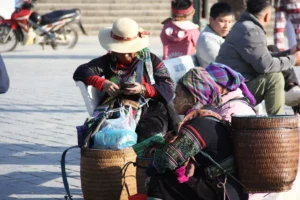




Some people visit Sapa and leave feeling like they just had the trip of a lifetime. Others leave feeling totally ripped off.
Why? Because Sapa is a massive construction zone. The center looks more like an alpine resort gone wrong, filled with mega-hotels, honking vans, and people aggressively trying to sell you bags you don’t want. The magic of this region is dead if you stay in the center.
When you Google “things to do in Sapa,” most of the stuff you read is written by people who visited for exactly two days in 2018 or an AI spitting out the same tired list of tourist traps. You’re going to get sold tickets to places that totally suck.
I’m tired of seeing expats and tourists fall for the same bad itineraries. So I’m making my own list. I took 10 of the most popular activities in and around the town, and I ranked them from totally skippable (worst) to absolutely mandatory (best).
- Quick Answer: If you are looking for the absolute best things to do in Sapa, get out of the dusty main town immediately. The top activities are sleeping in a deep valley homestay in Ta Van, taking the giant cable car up Mount Fansipan, and surviving a muddy, full-day trek with an independent local guide.
- The “Hard Pass” (Do not waste your time):
- Sapa Love Market (1/10): Loud EDM, zero real culture left, mostly just kids pushed to ask for money.
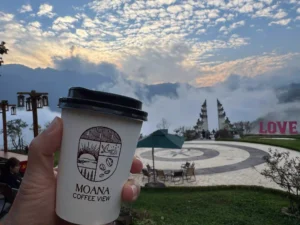
- Moana Sapa & Fake Photo Parks (2/10): Paying an entry fee to take photos on plastic Bali swings. Completely silly.
- Hanging around Sapa Town (3.5/10): Constant construction dust, heavy traffic, and getting hassled by street vendors every five minutes.
- The “Okay if you have time” (Middle of the road):
- Rong May Glass Bridge (5/10): Awesome drop, but a massive waste of money if heavy fog rolls in.
- Cat Cat Village (5.5/10): Heavily commercialized “starter village.” Very crowded, but easy if you can’t walk far.
- Motorbike to the Waterfalls (6.5/10): Easy half-day scooter trip out of the main town traffic to freeze your feet in Silver or Love Waterfall.
- The “Absolute Best” (Do not leave Vietnam without doing these):
- Sunset at O Quy Ho Pass (8/10): Buy a cheap hot ginger tea on the side of a cliff and watch the sun drop over the massive mountain ridges.
- Mount Fansipan Cable Car (8.5/10): Cheating the summit? Yes. But flying up to 3,143 meters in a glass box is completely wild.
- Trekking Muong Hoa Valley (9.5/10): Hire a real independent Hmong guide, walk through the actual farming terraces, and get very, very muddy.
- Ta Van / Lao Chai Homestays (10/10): Ditch the giant town hotels. Sleep deep in the valleys, eat giant family dinners, drink homemade rice wine, and wake up to actual peace and quiet.
10. The Sapa Love Market (Chợ Tình)
- Rating: 1/10
- Cost: Free (but they will hustle you)
- Location: 02 Phan Si Păng, TT. Sa Pa, Sa Pa

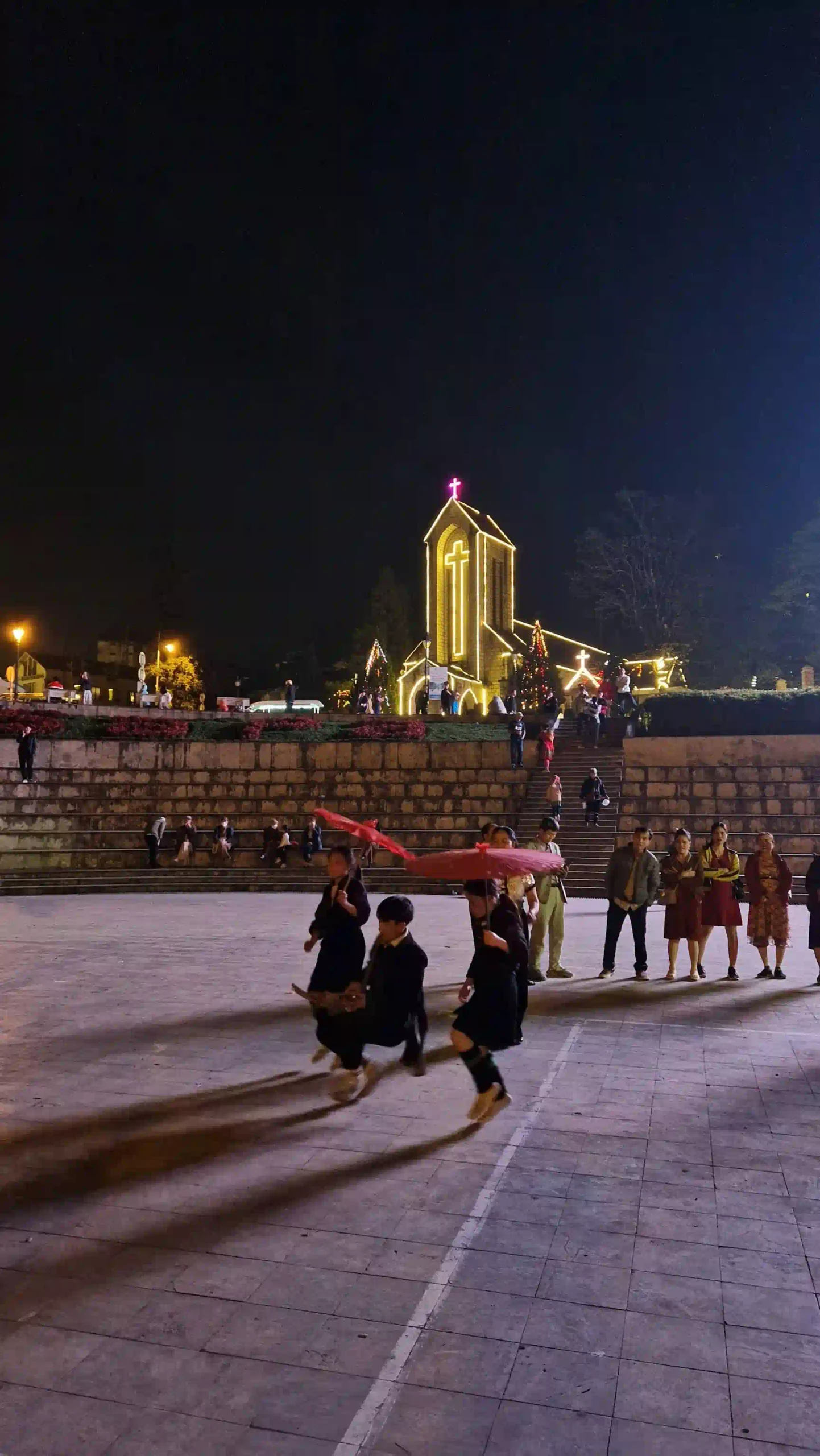
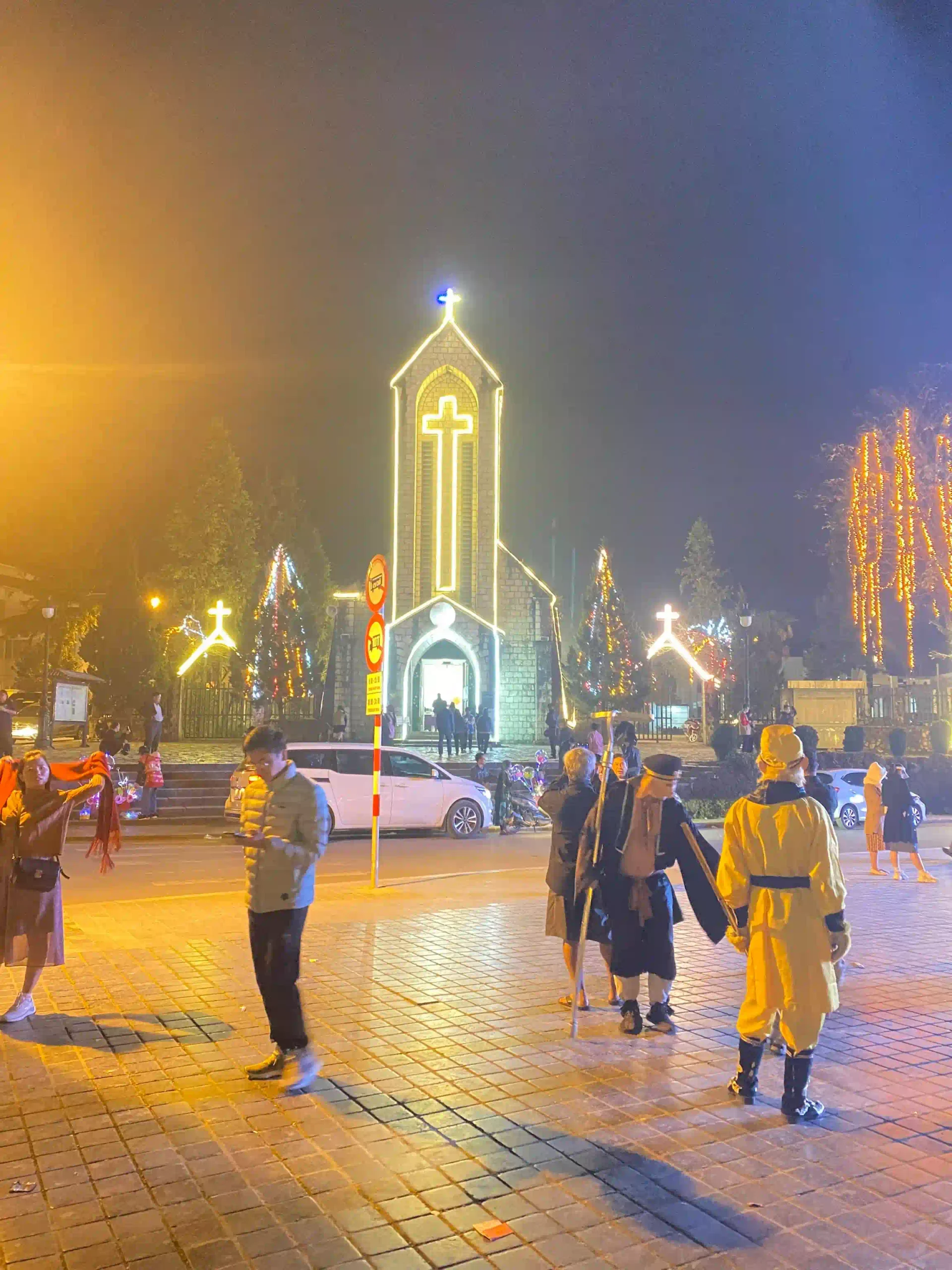
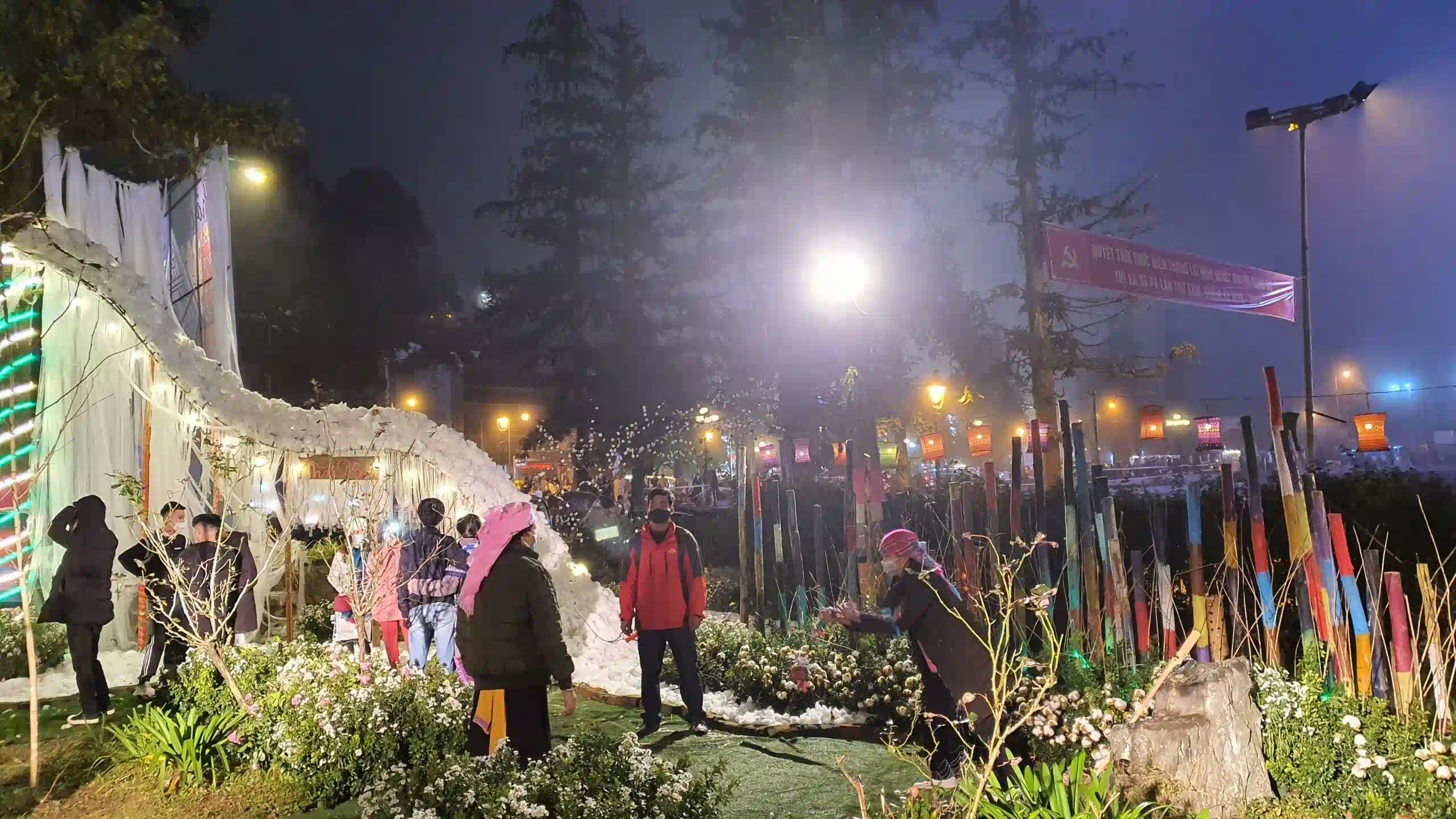
Ranking this as the absolute worst thing you can do in Sapa wasn’t hard. Honestly, I hate this place now.
Historically, the Love Market was a real, deeply cultural event where young Hmong and Dao people from isolated mountain villages would gather on a Saturday night. They’d play traditional instruments, find partners, and hang out.
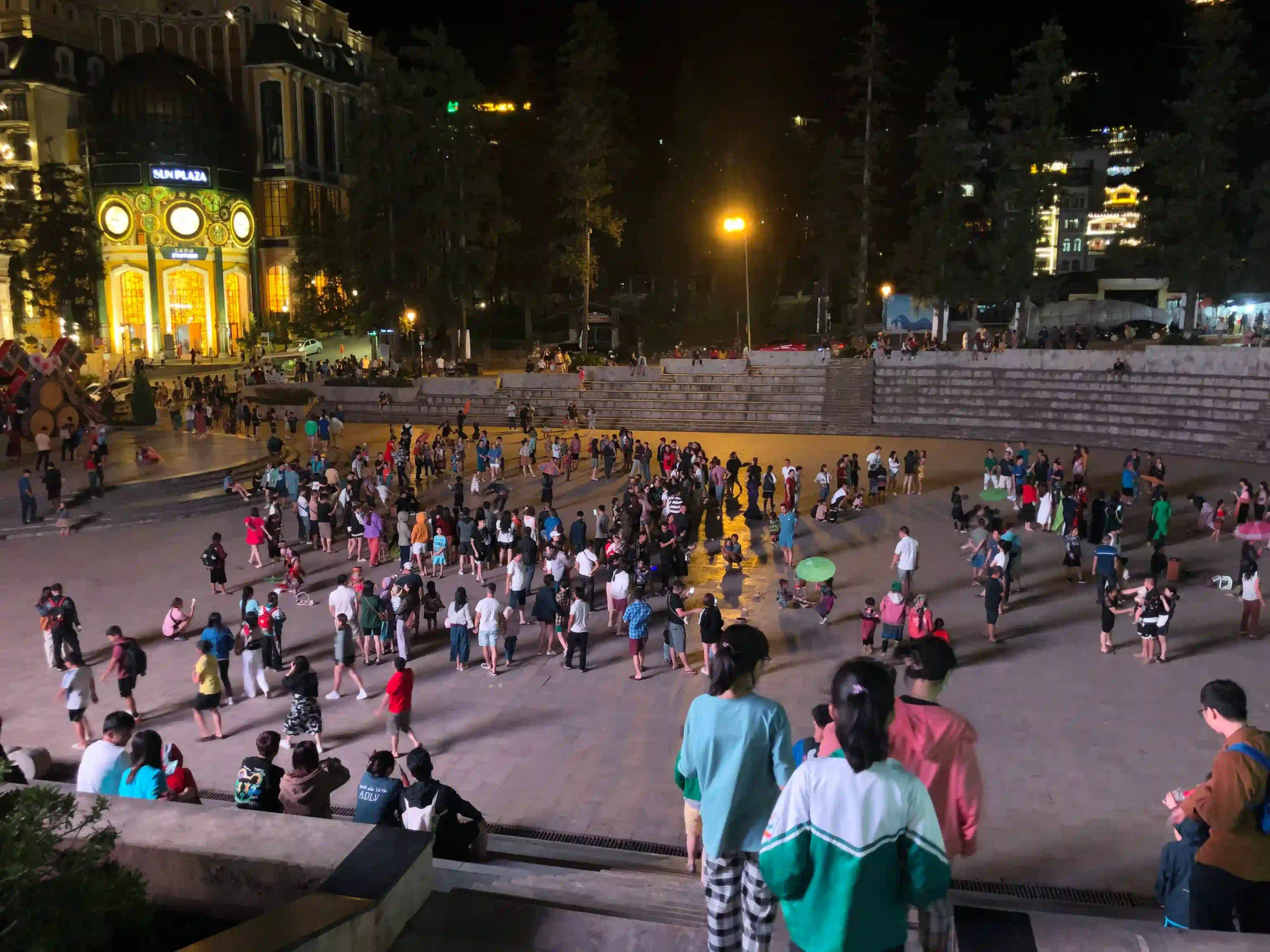
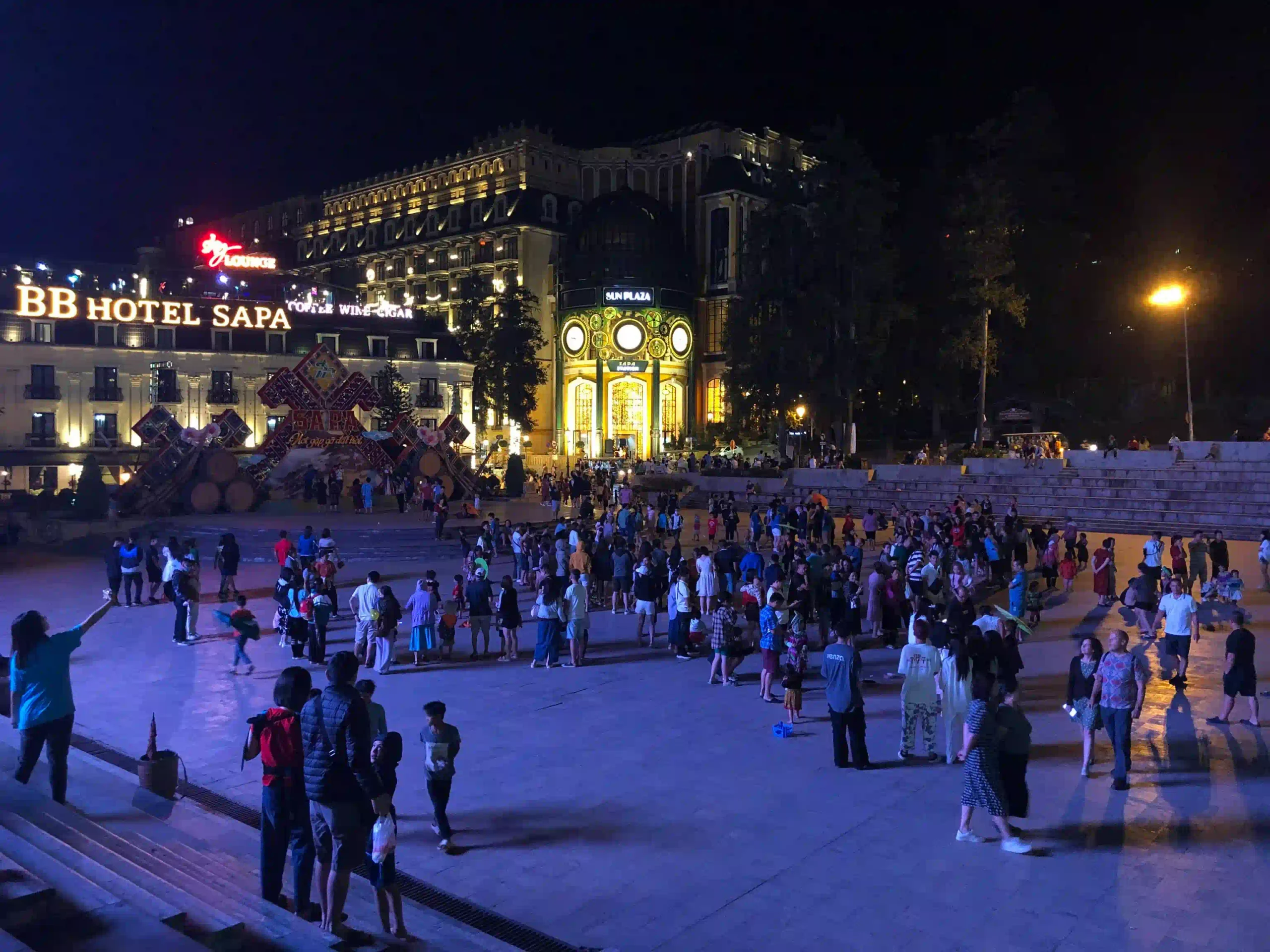
Today? It is a circus. It is dead zero on the authenticity scale. You show up at the main square on Saturday night and you don’t see young adults courting.
You see very young kids forced into heavy traditional clothes, blasted by floodlights, doing coordinated dances to loud EDM music pouring from nearby speakers.
They hold out little woven baskets asking for cash from tourists pushing huge cameras in their faces. There are older women literally grabbing your arms trying to sell you identical mass-produced bags you can buy in Hanoi for half the price. It’s loud, uncomfortable, and frankly a bit sad.
My advice: Don’t bother. Use Saturday night to sit in a decent pub on Fansipan street or grab some food in Sapa town, drink a cheap local beer, and preserve your sanity.
9. Moana Sapa (and other weird “check-in” parks)
- Rating: 2/10
- Cost: Around 80k – 100k VND entrance fee
- Location: 68 Violet, Phường Cầu Mây, Sa Pa
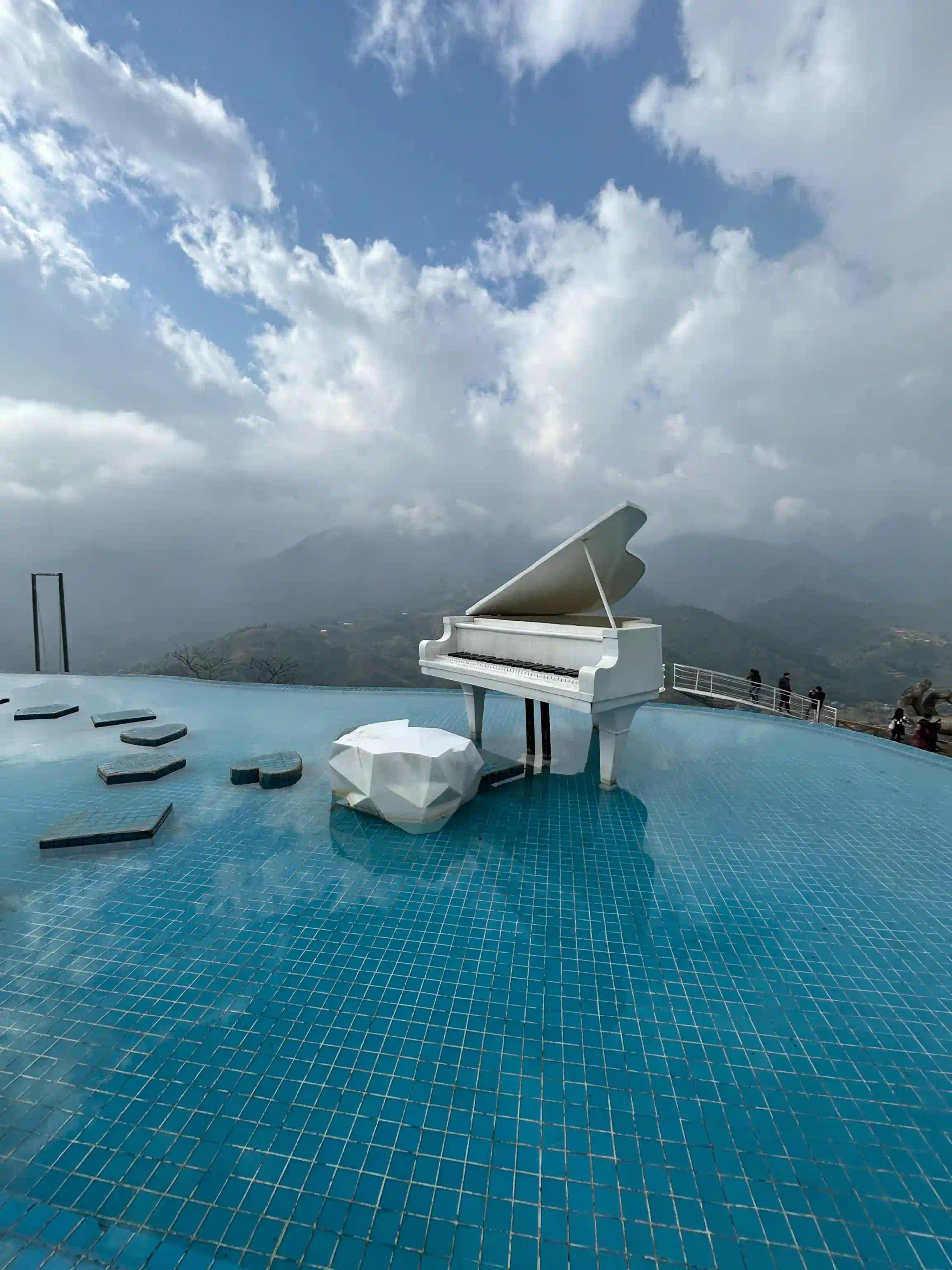
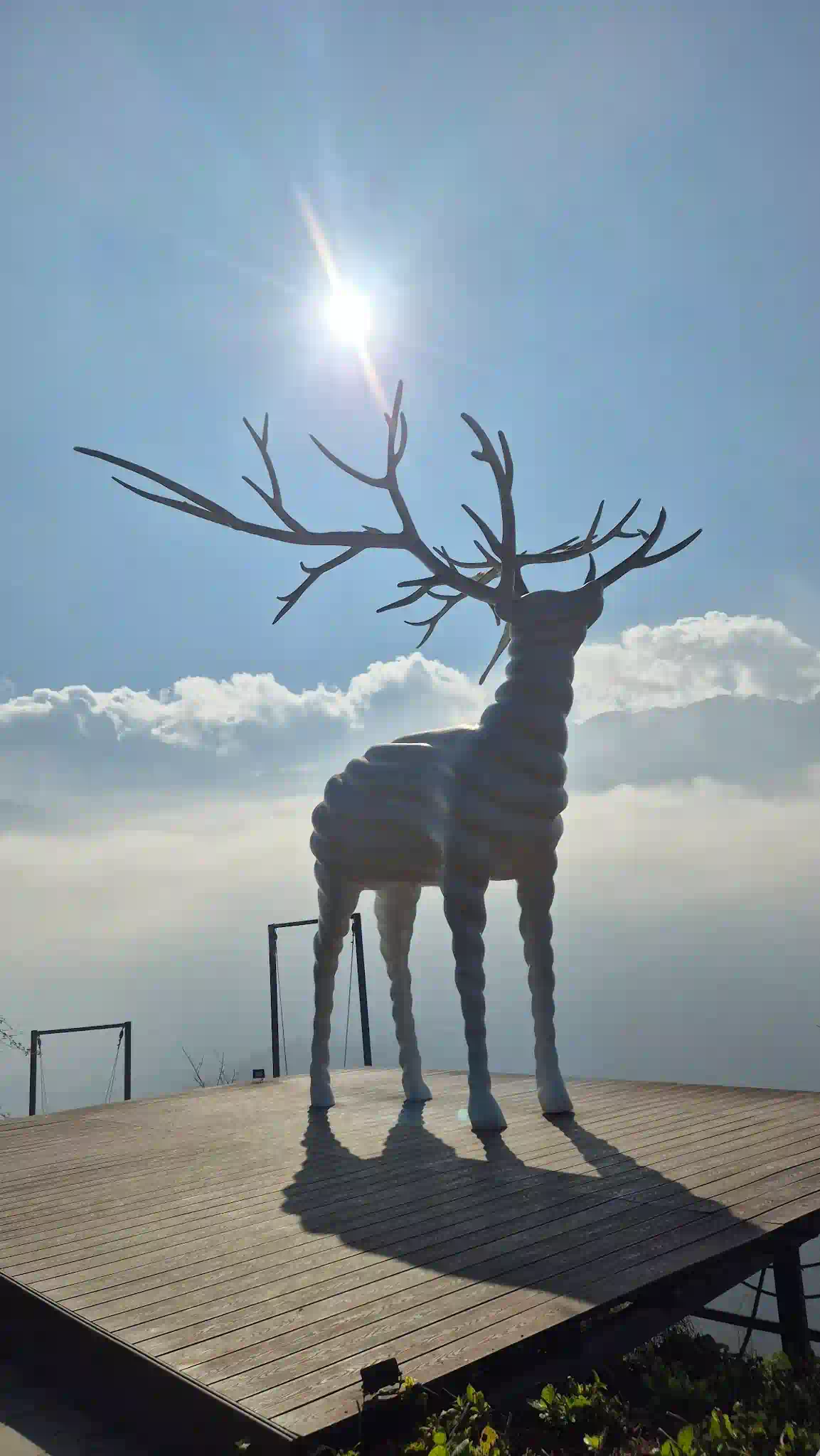
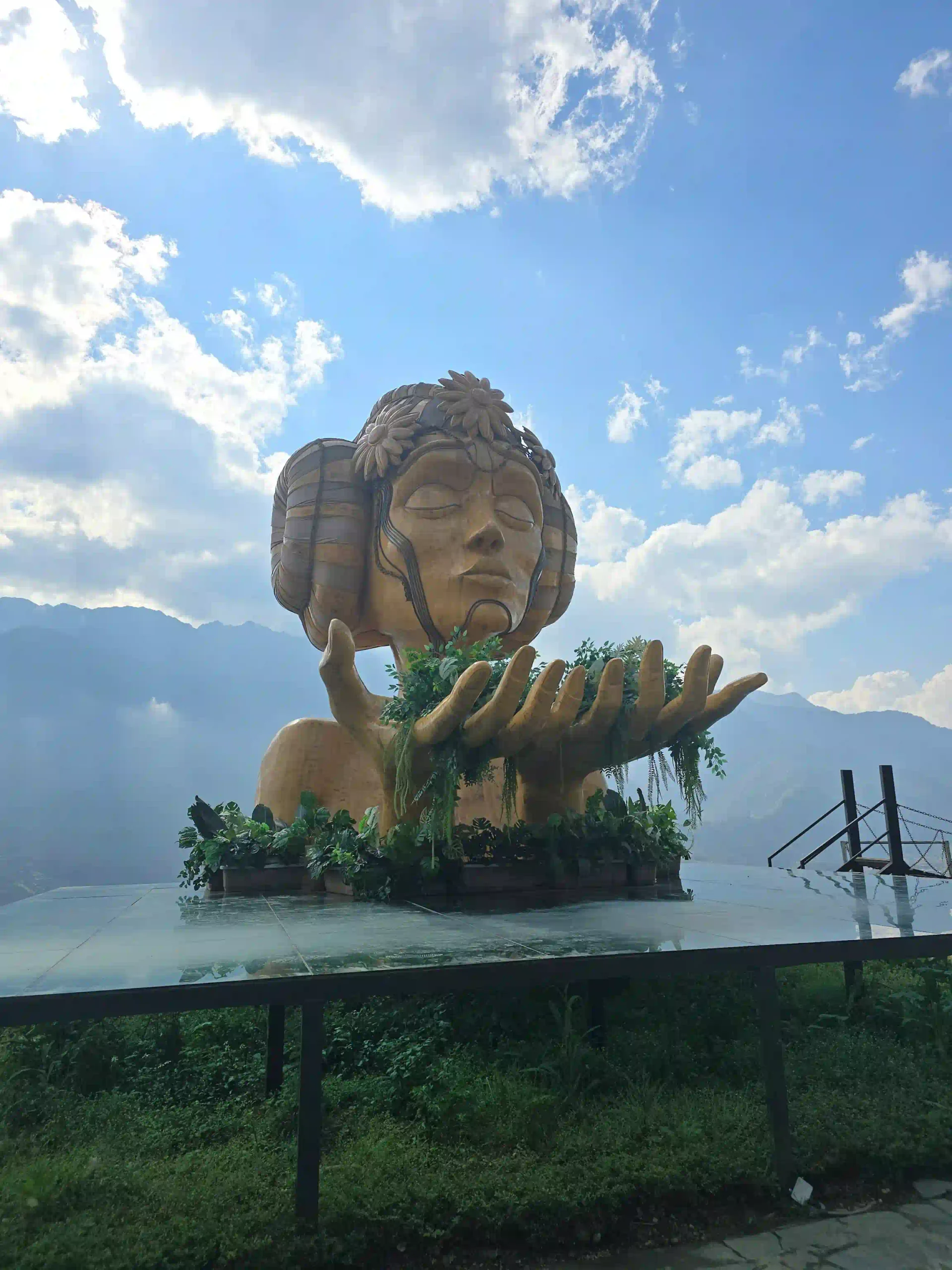
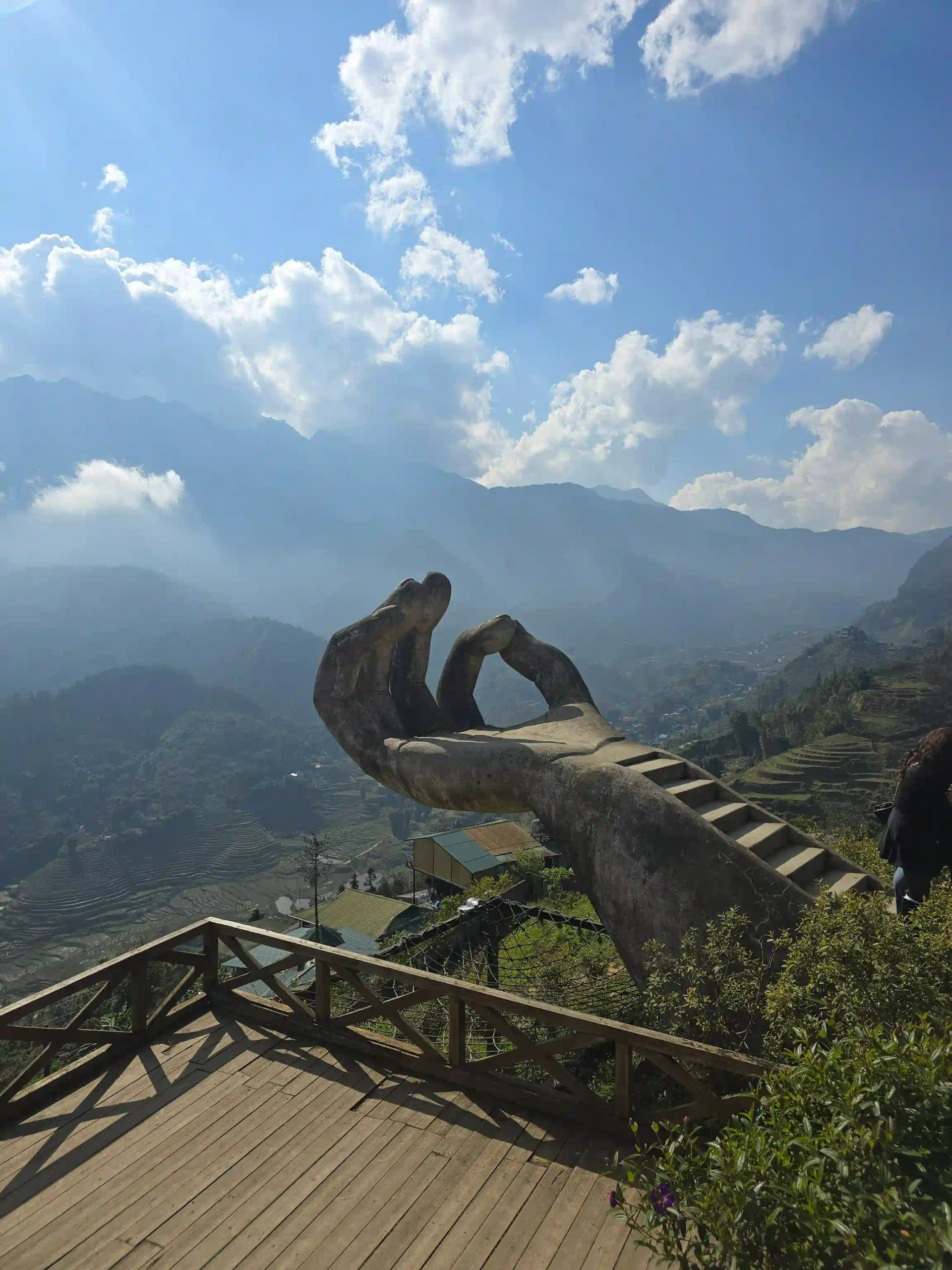
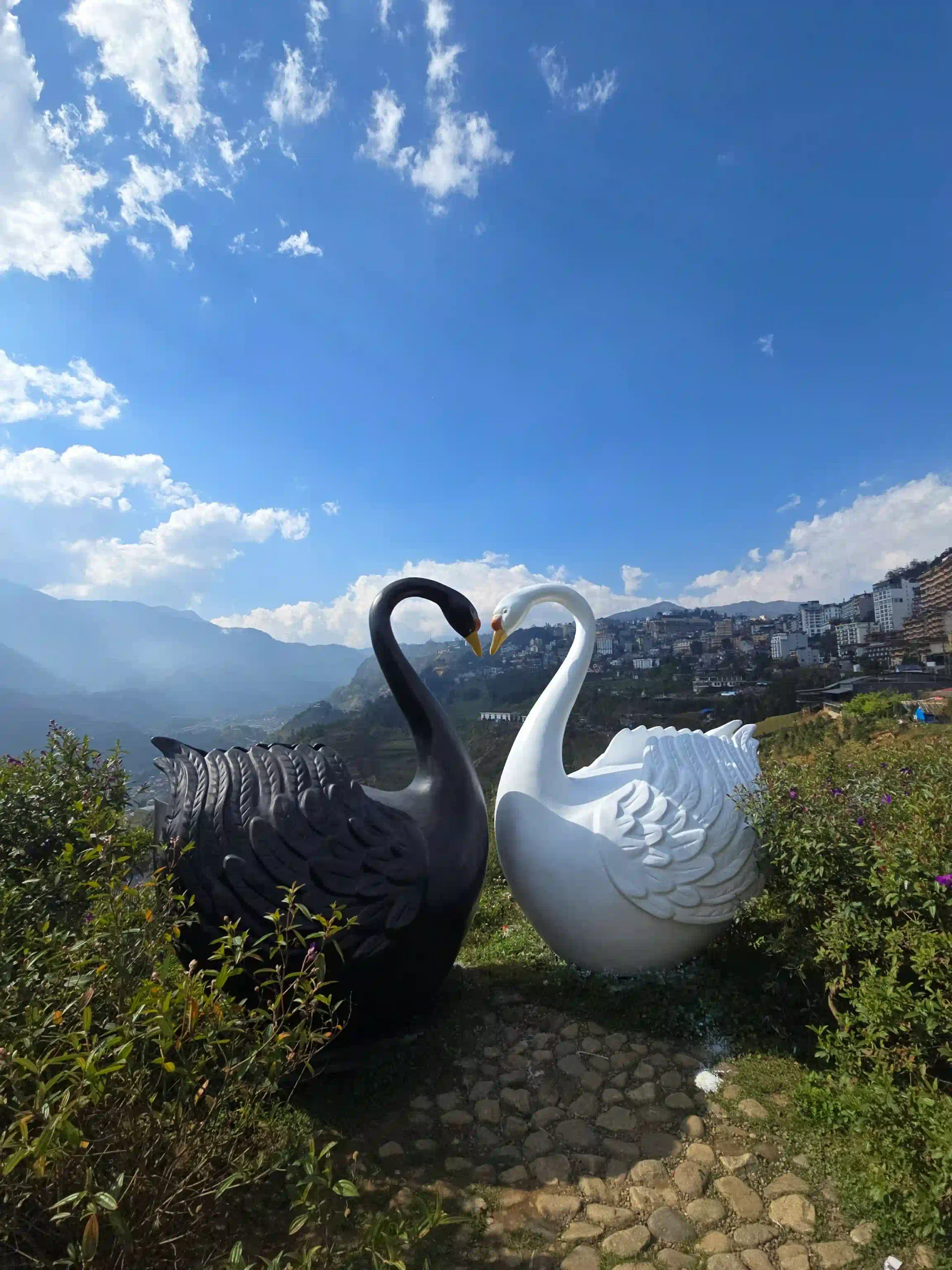
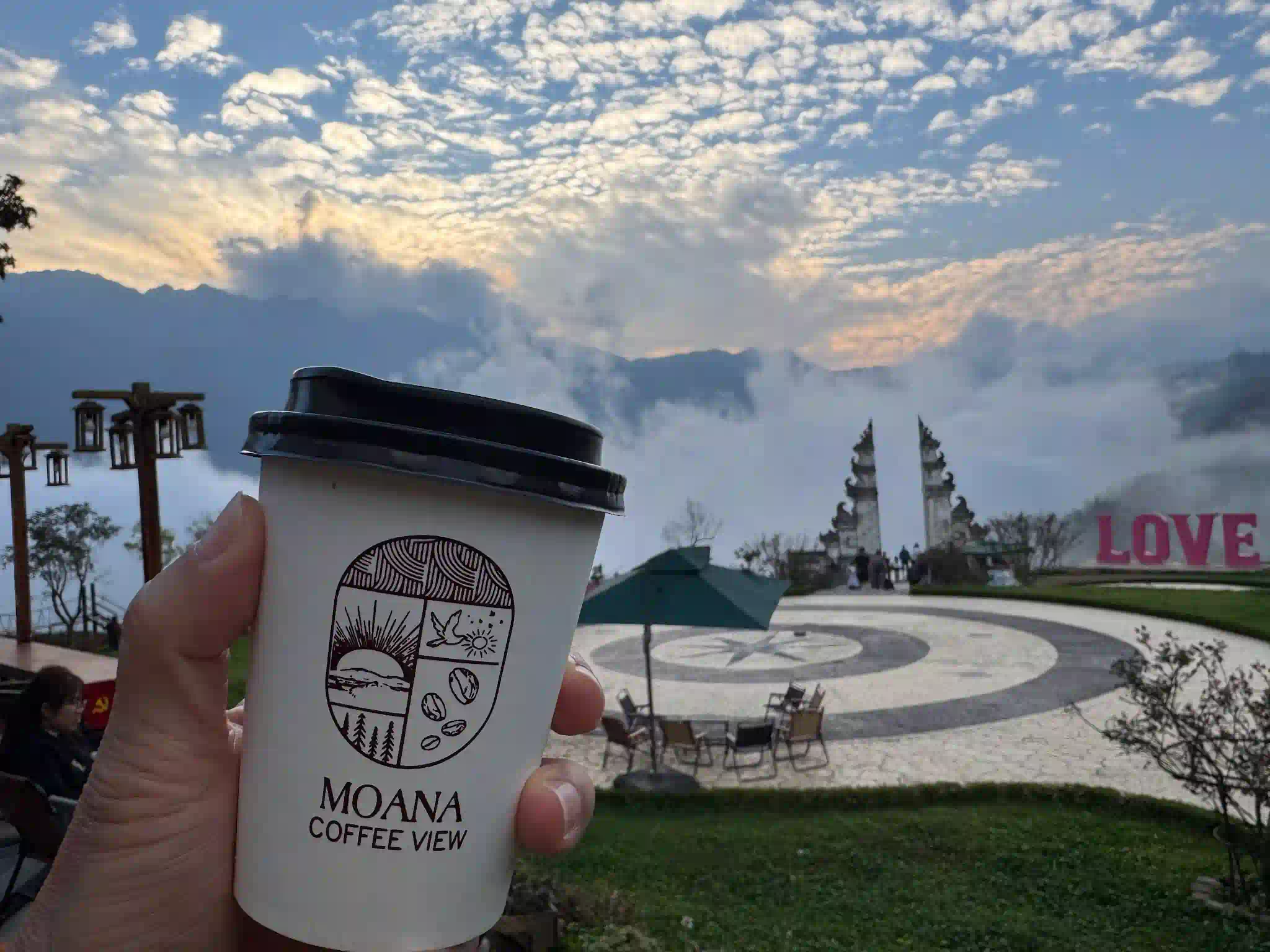
This is a fairly new trend taking over Vietnam’s tourist spots, and Sapa got hit hard. These are privately owned plots of land up in the mountains specifically designed for “checking in” on social media.
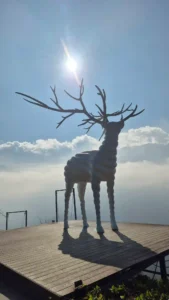
If you rent a scooter and drive just outside town, you’ll see places with names like Moana Sapa or Swing Sapa. You pay a fee, walk in, and queue up to take photos next to… really random stuff. A fake replica of the hand of Buddha. A miniature Statue of Liberty. An “infinity lake” with a giant piano in it. Huge Bali-style swings.
Look, no hate to locals wanting to run a business. But guys, you flew halfway across the planet to see the wild northern mountains of Vietnam. Why spend two hours taking fake sunset photos on a plastic swing? You just look silly.
The only reason it beats the Love Market is that nobody is harassing you here. You pay your money, you take your weird photo, and you leave.
8. Hanging around Sapa Town Center & Stone Church
- Rating: 3.5/10
- Cost: Free
- Location: P. Hàm Rồng, TT. Sa Pa, Sa Pa
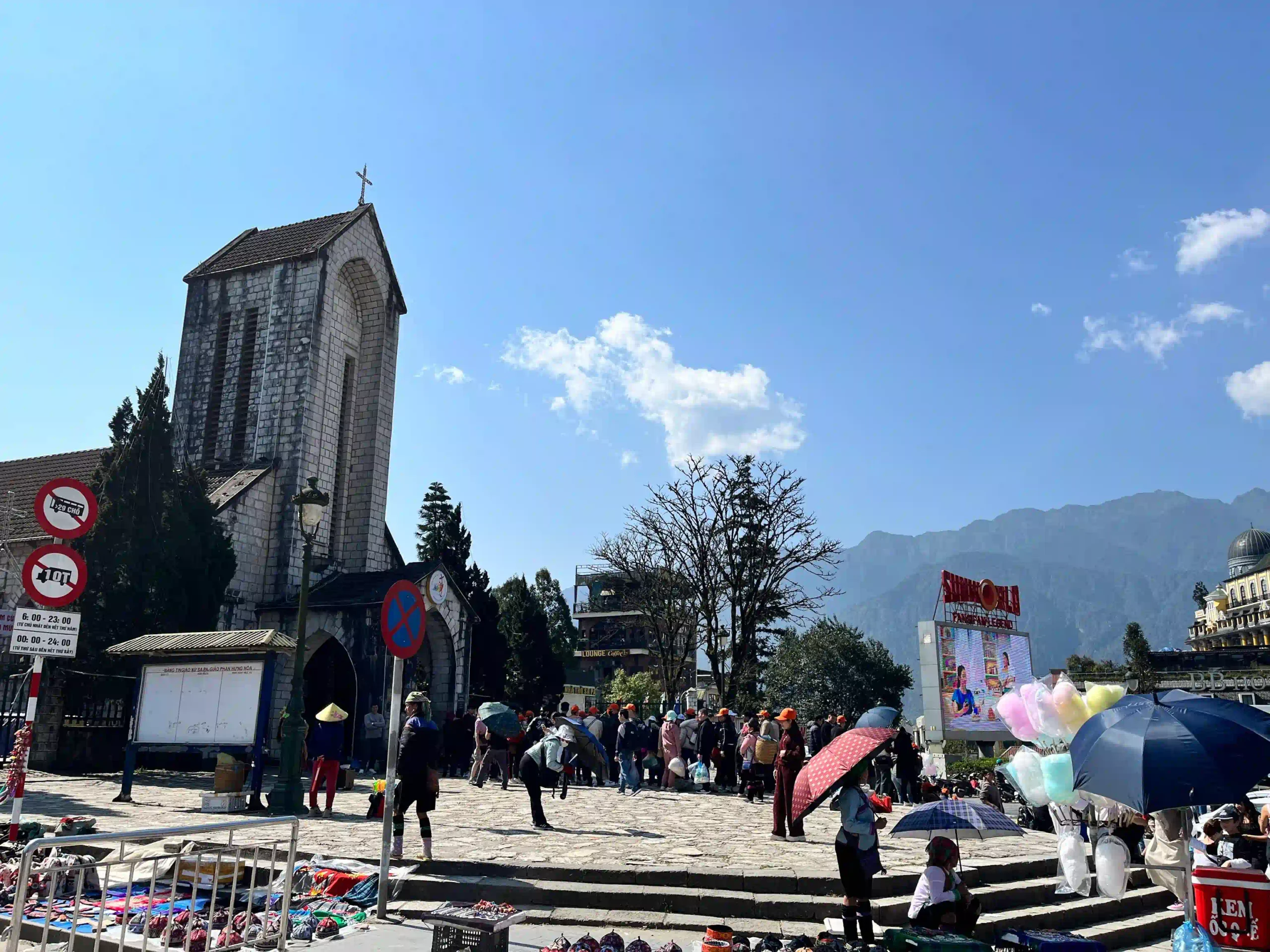
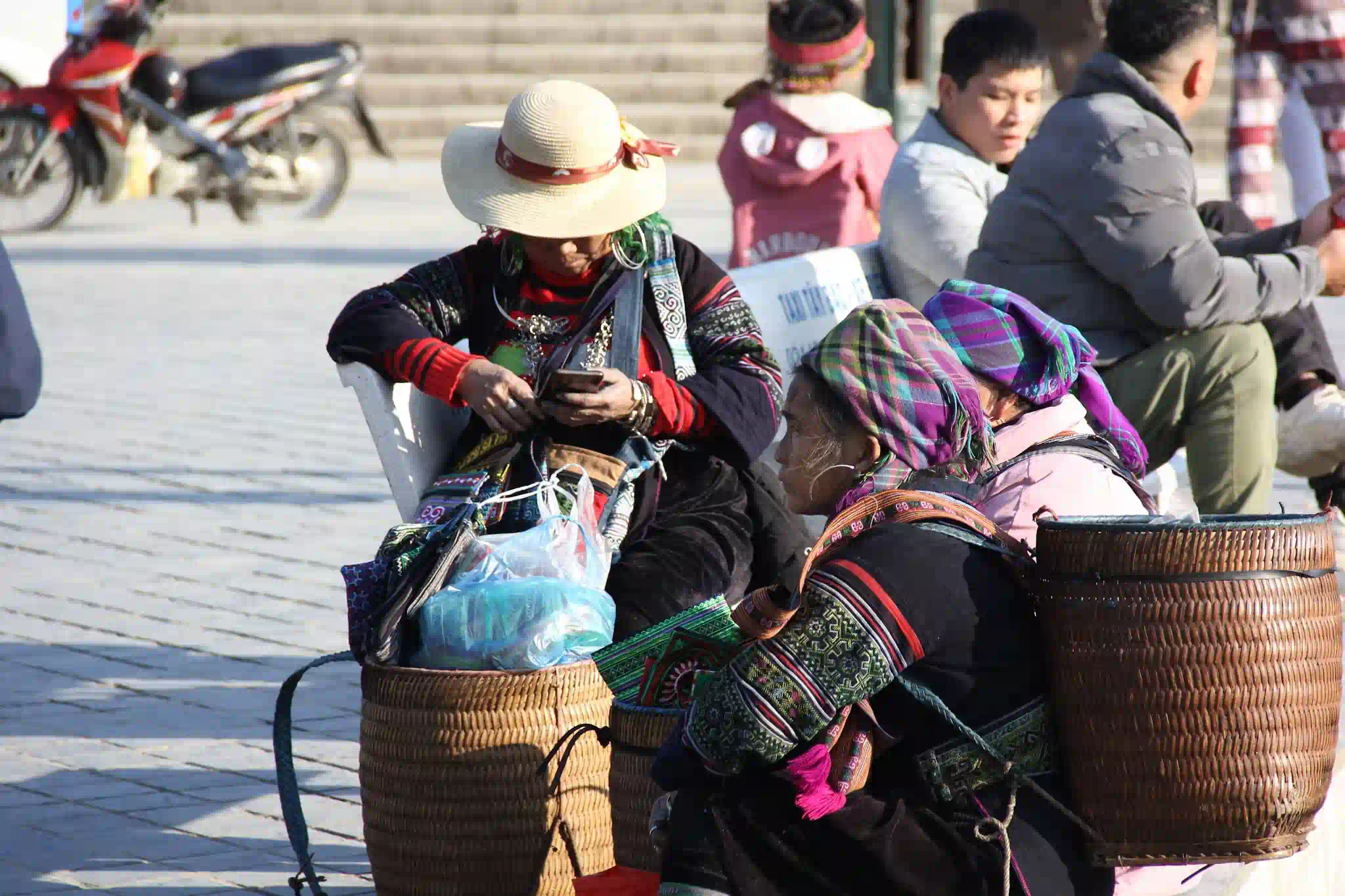
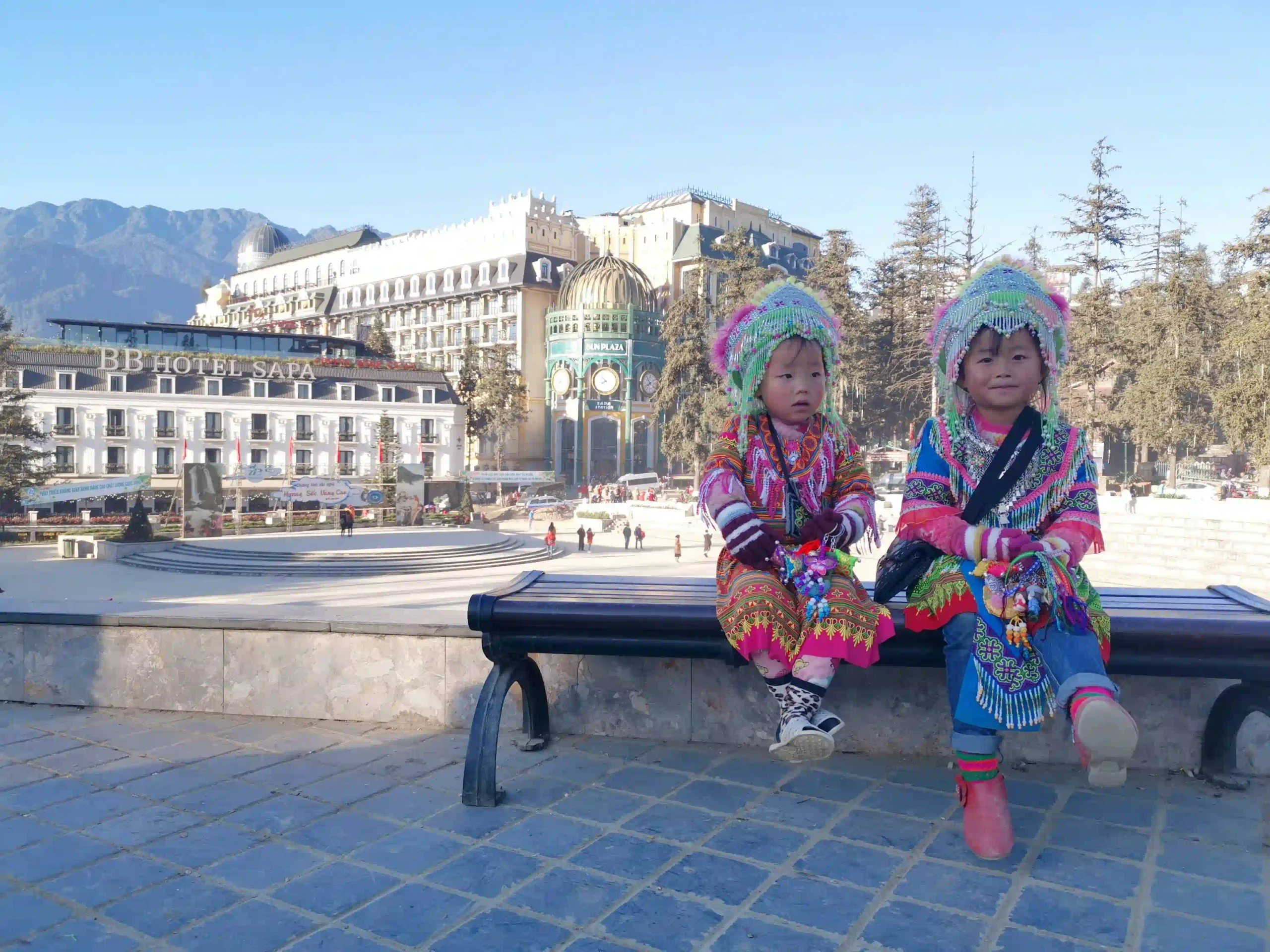
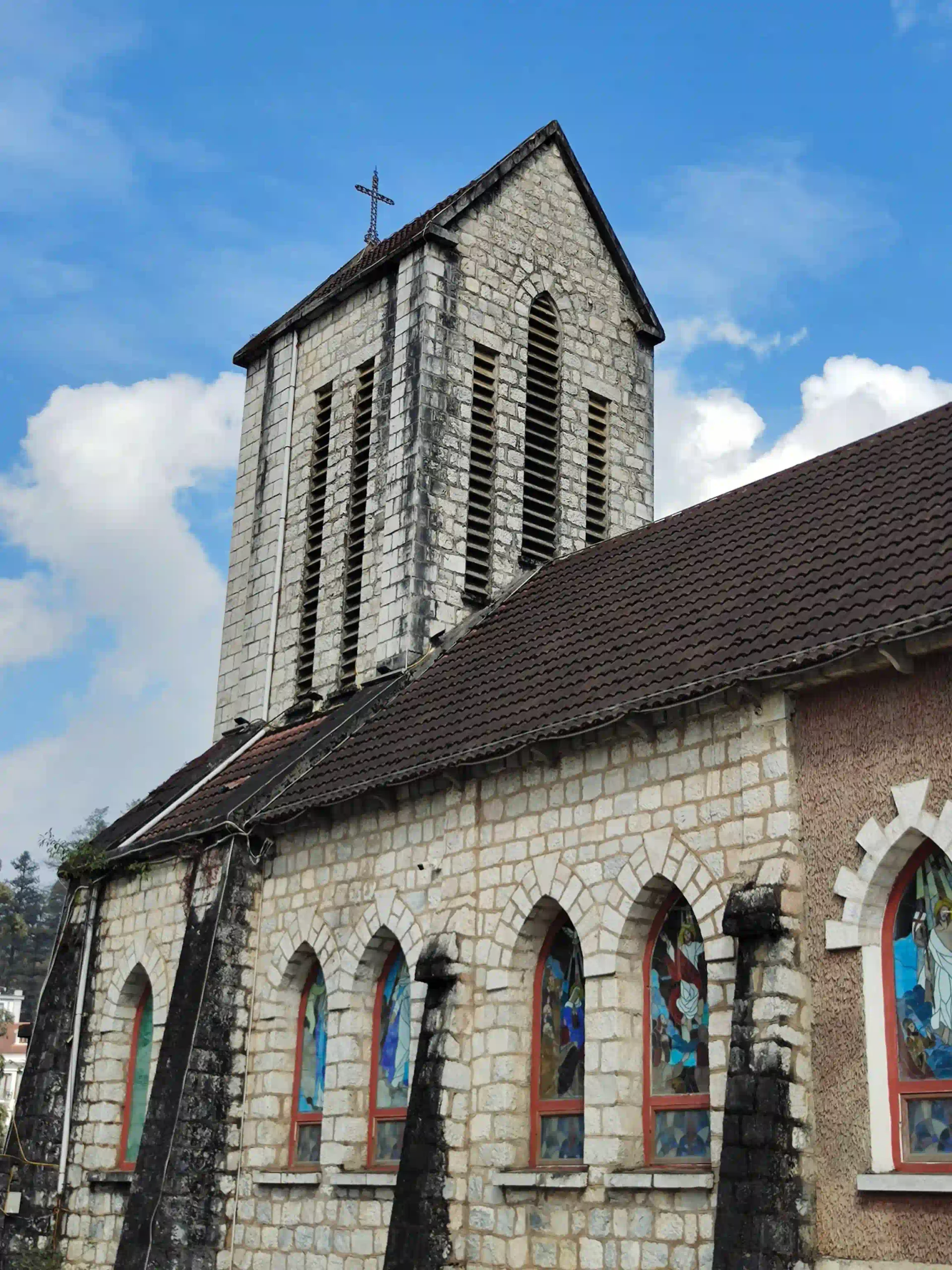
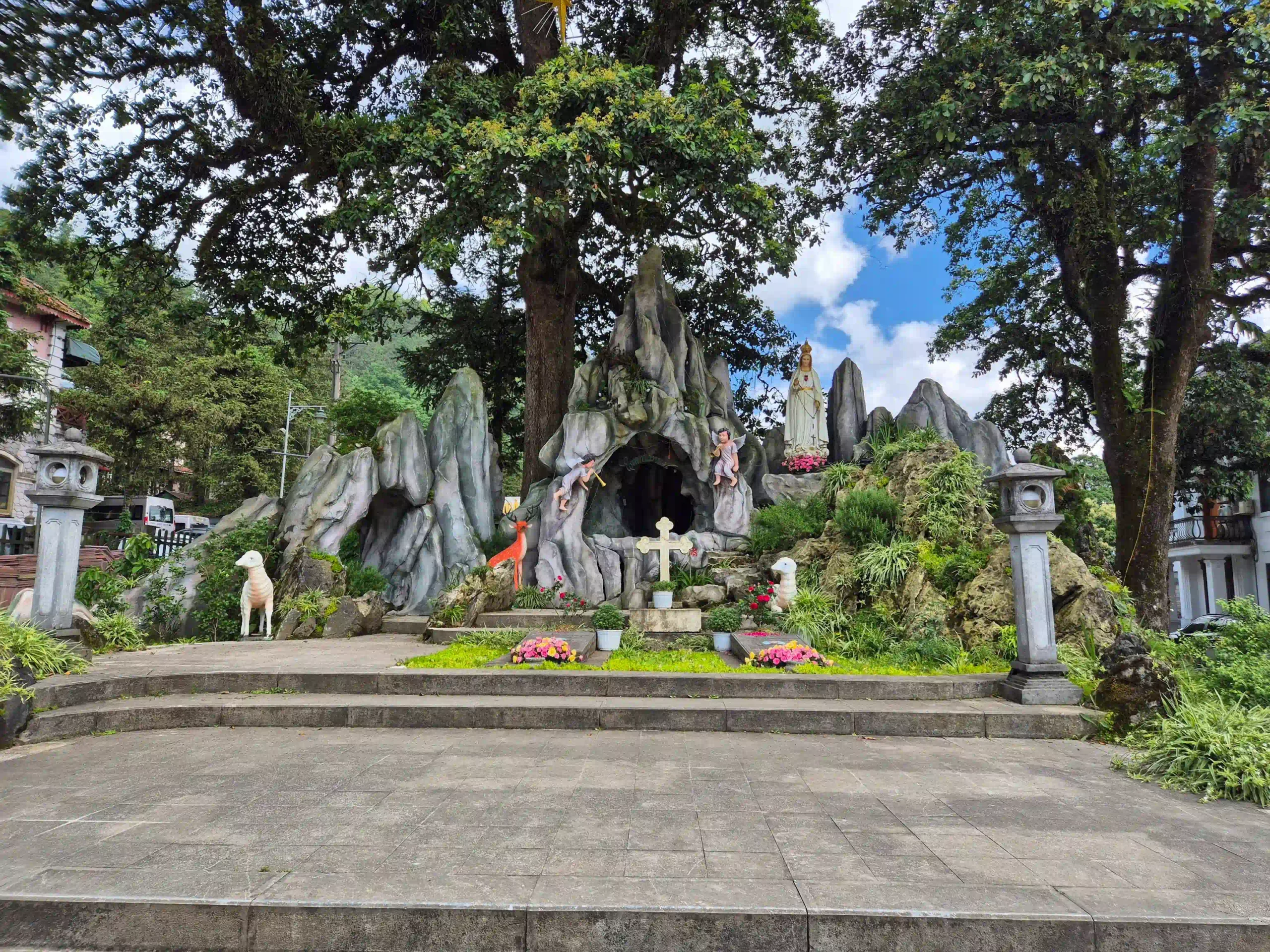
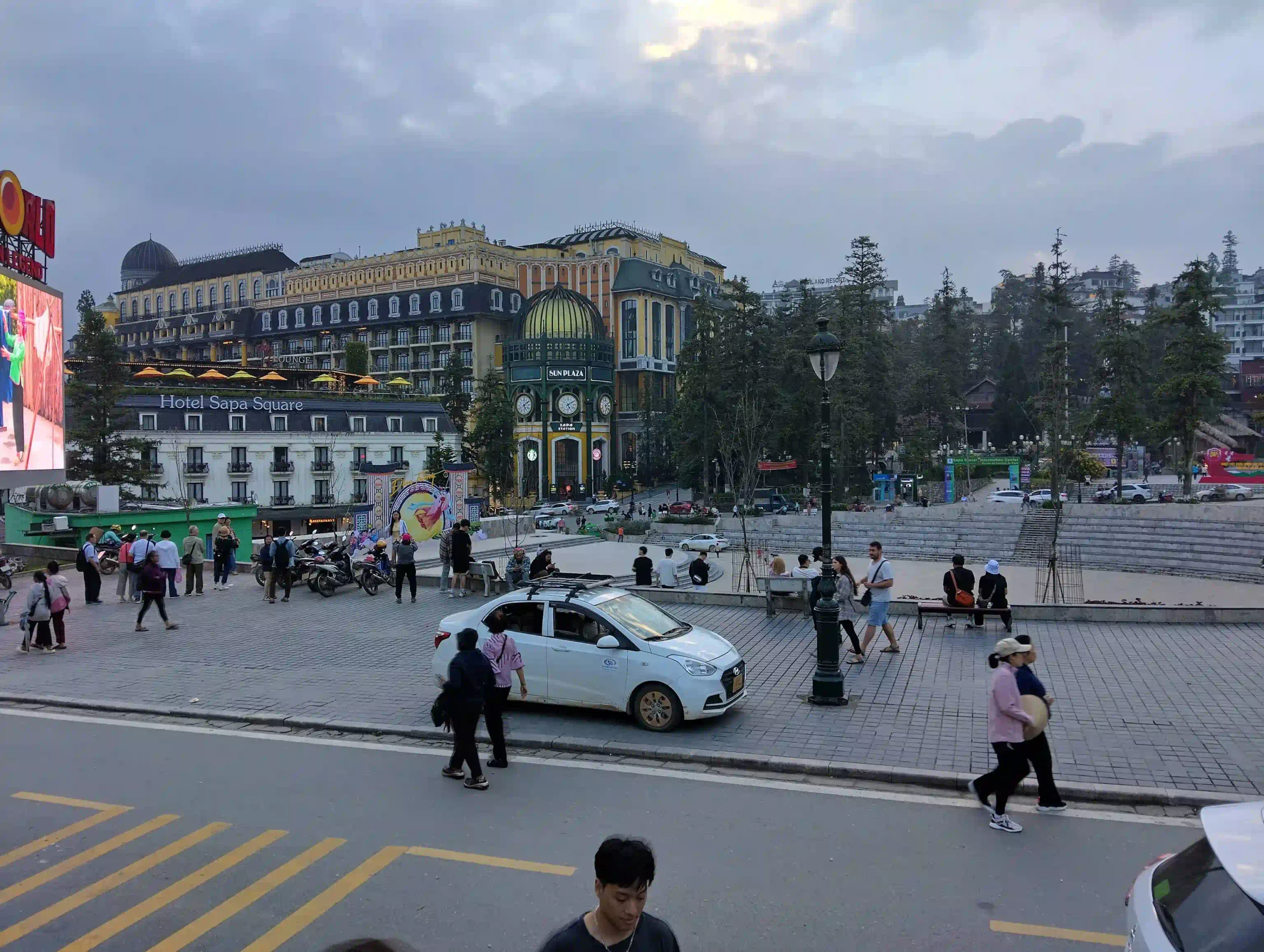
When you step off your sleeper bus, Sapa town is your introduction. It sits on a steep hill, centering around a giant amphitheater square and an old stone Catholic church built by the French back in the 1890s.
Is the church nice? Sure. It’s an okay backdrop for a quick photo. But hanging around the central town plaza is a terrible way to spend your trip.
Sapa town has massive traffic problems. It’s essentially a perpetual construction zone now as huge corporate hotels keep going up. There’s a haze of dust mixed with exhaust fumes.
Worse yet, the central square is ground zero for being tailed by ethnic minority women constantly whispering “Shopping? Buy from me?” every ten steps you take.
Some people spend 3 days just sleeping in a giant town hotel, walking to local cafes around the square, eating overpriced pizza, and leaving. If you do this, you completely missed the point of coming to Sapa. Snap a picture of the church and then get out into the valleys as fast as possible.
Read more: The only 5 massage in Sapa locations worth your money
7. Rong May Glass Bottom Bridge
- Rating: 5/10
- Cost: ~500,000 to 600,000 VND
- Location: QL4D, Sơn Bình, Tam Đường, Lào Cai
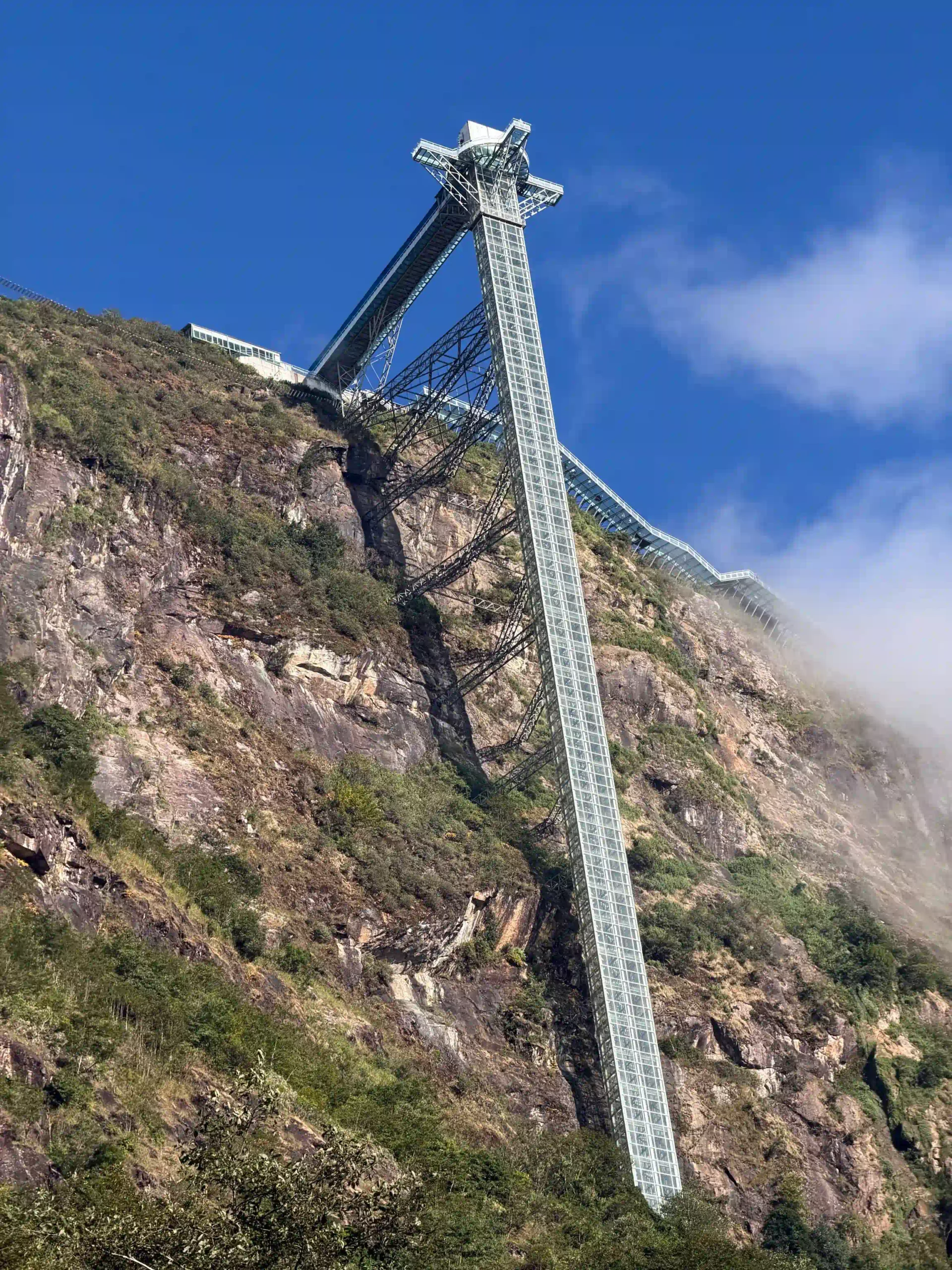
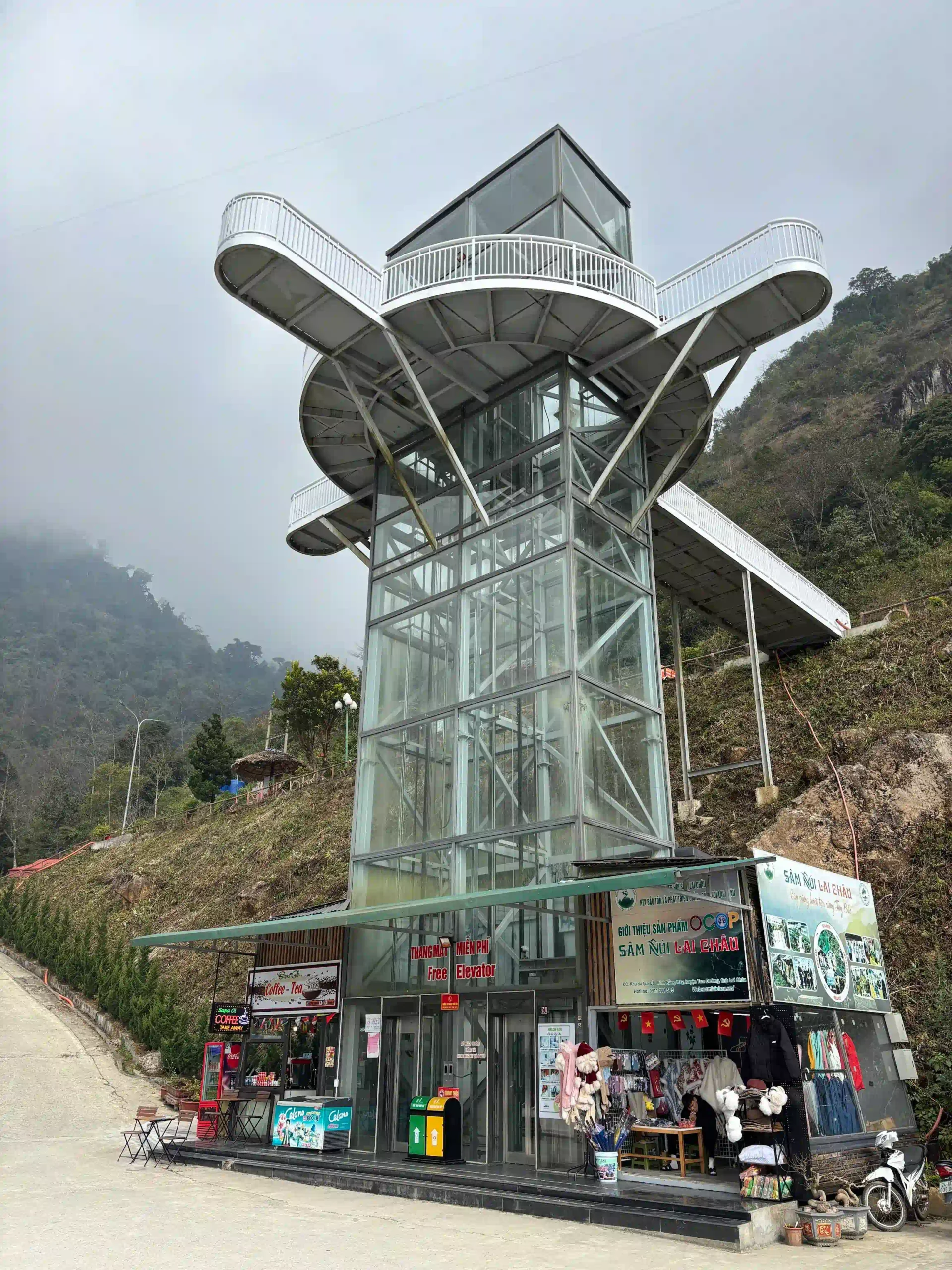
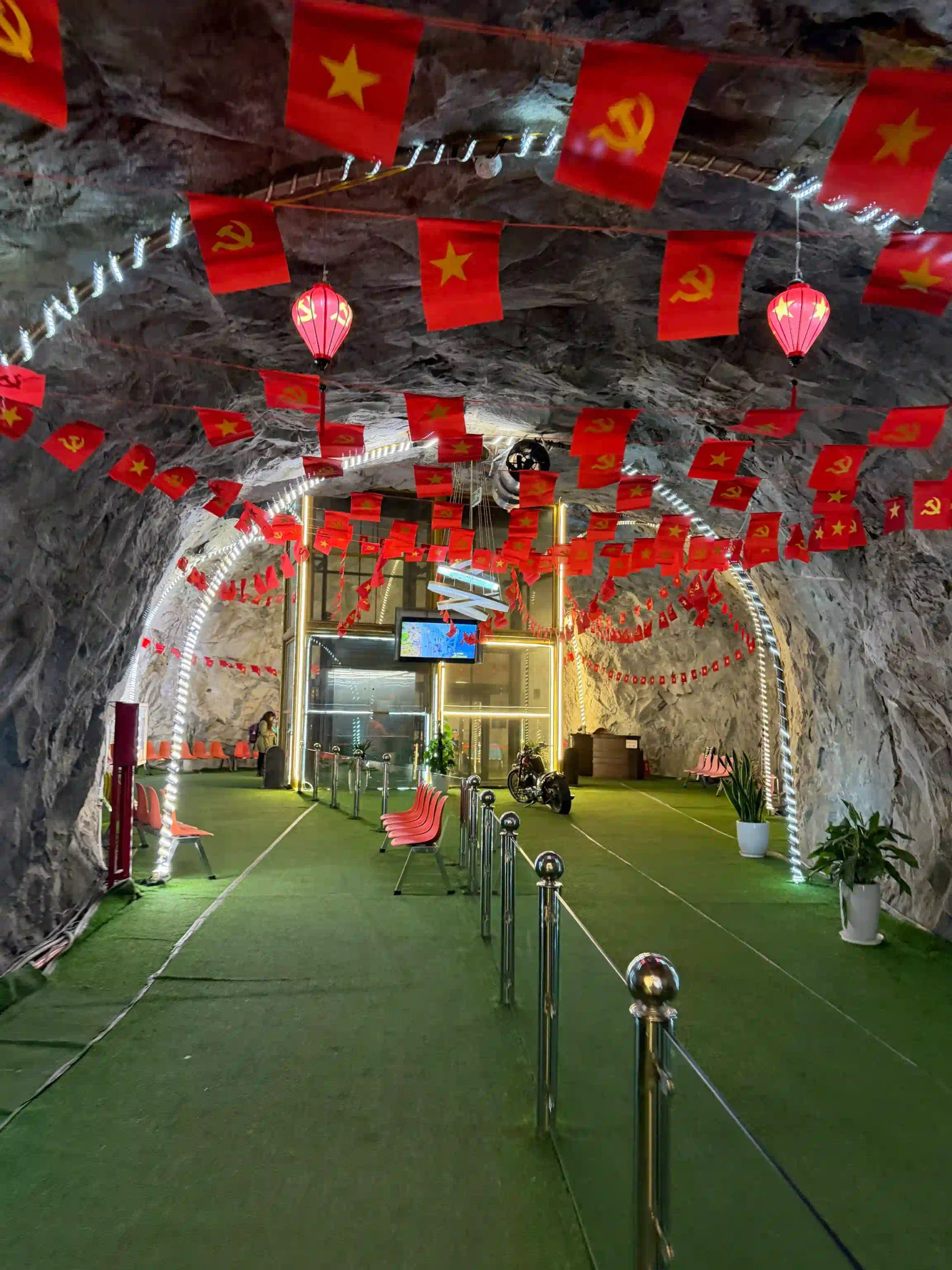
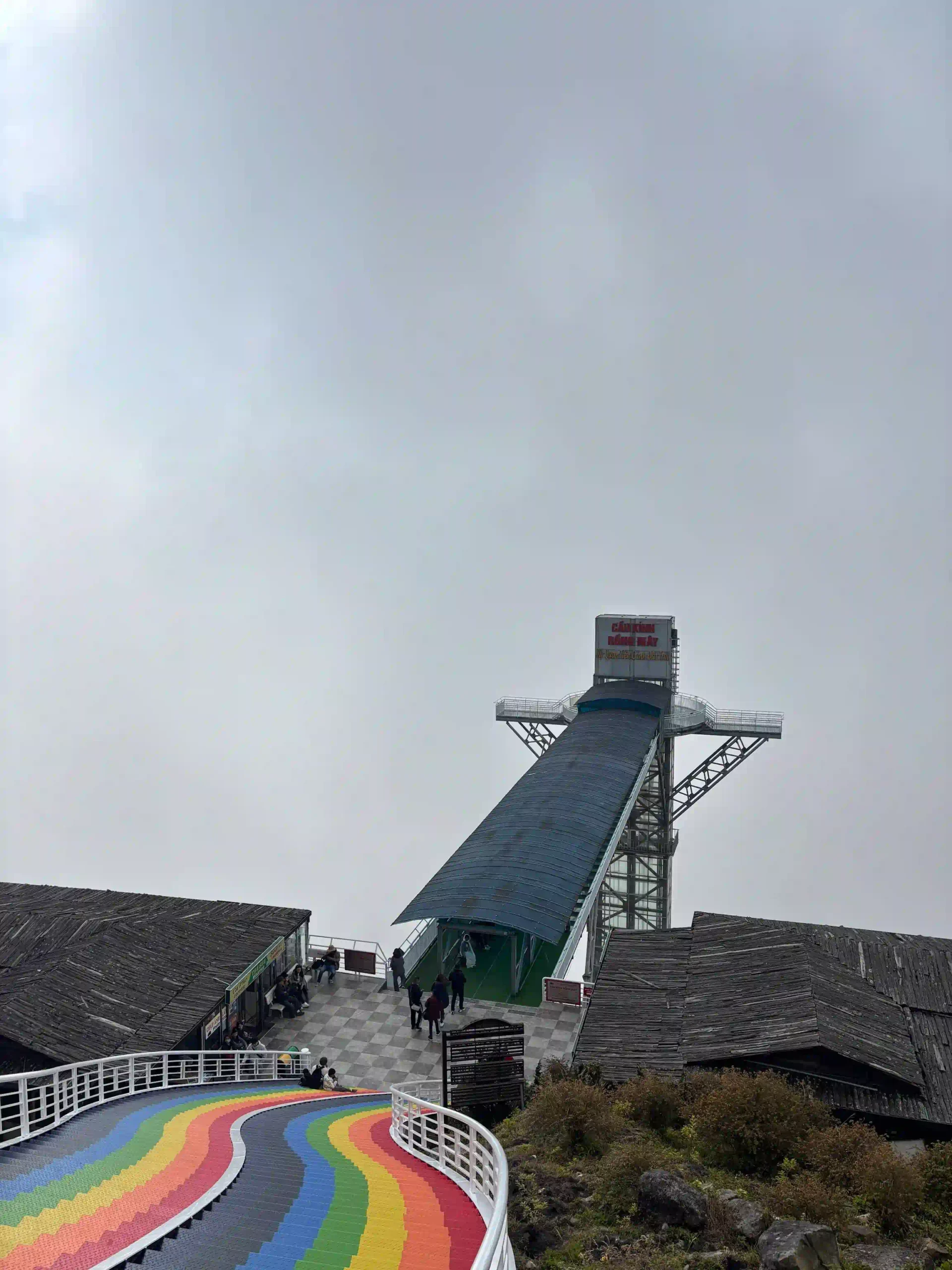
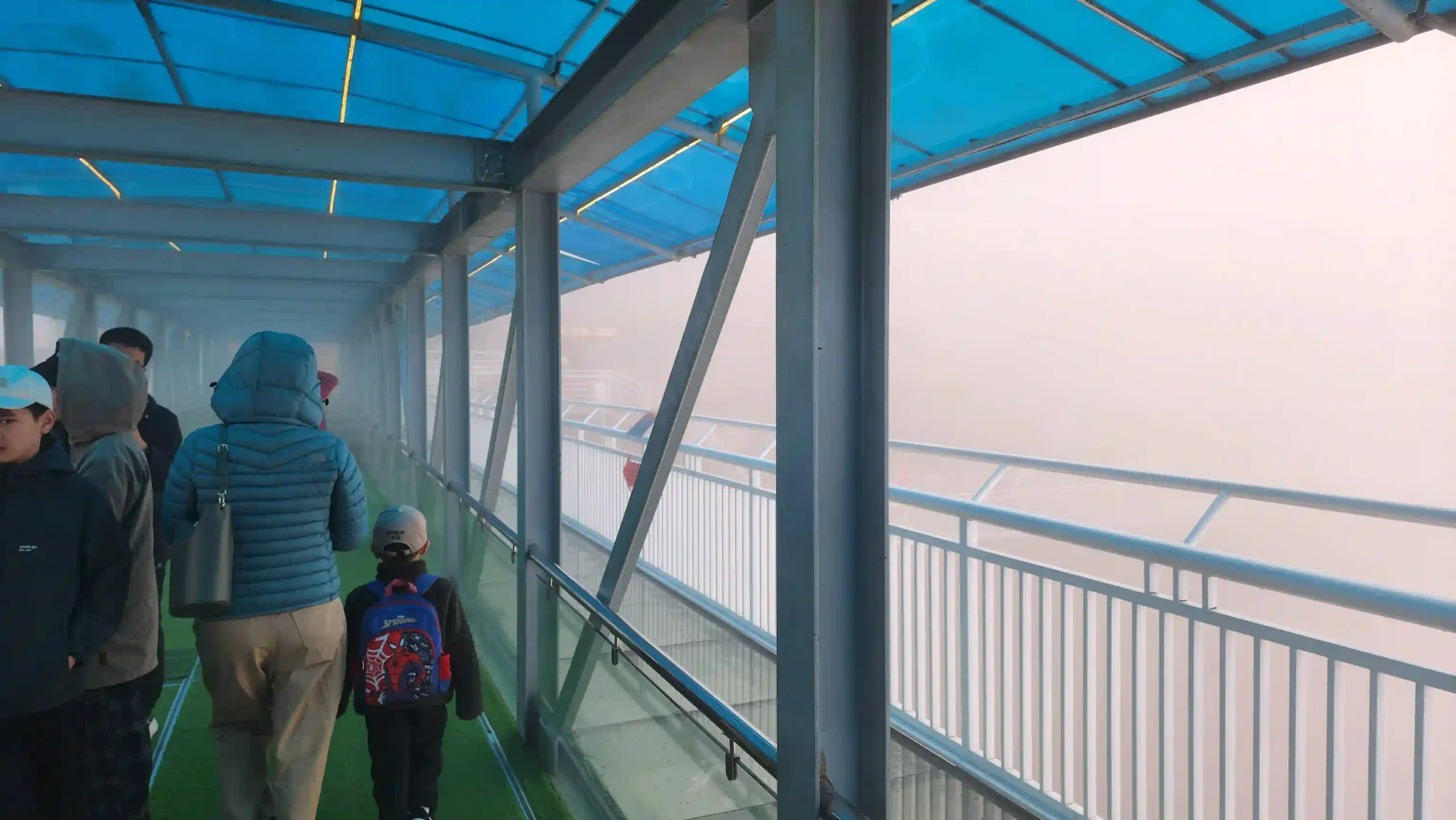
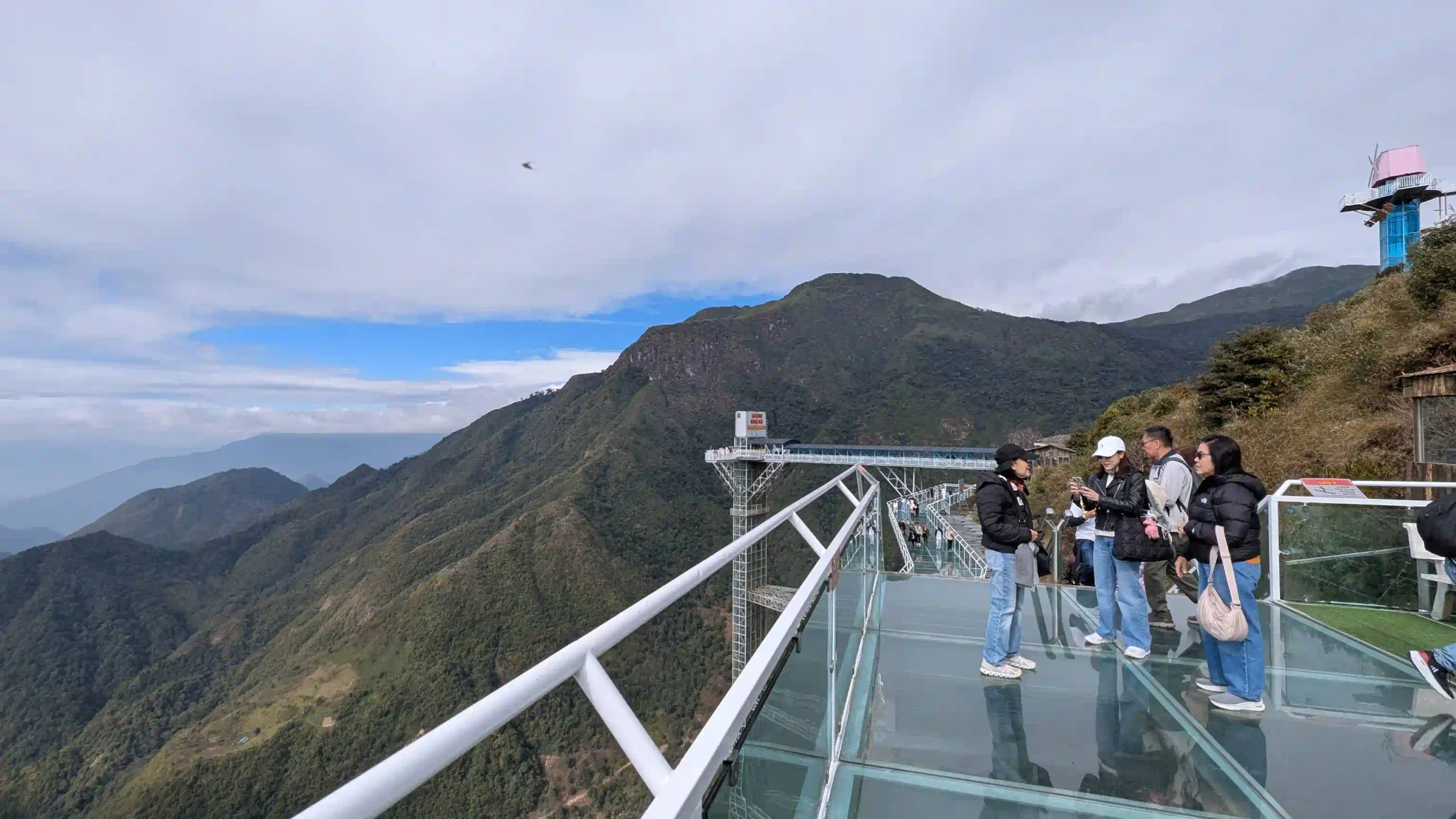
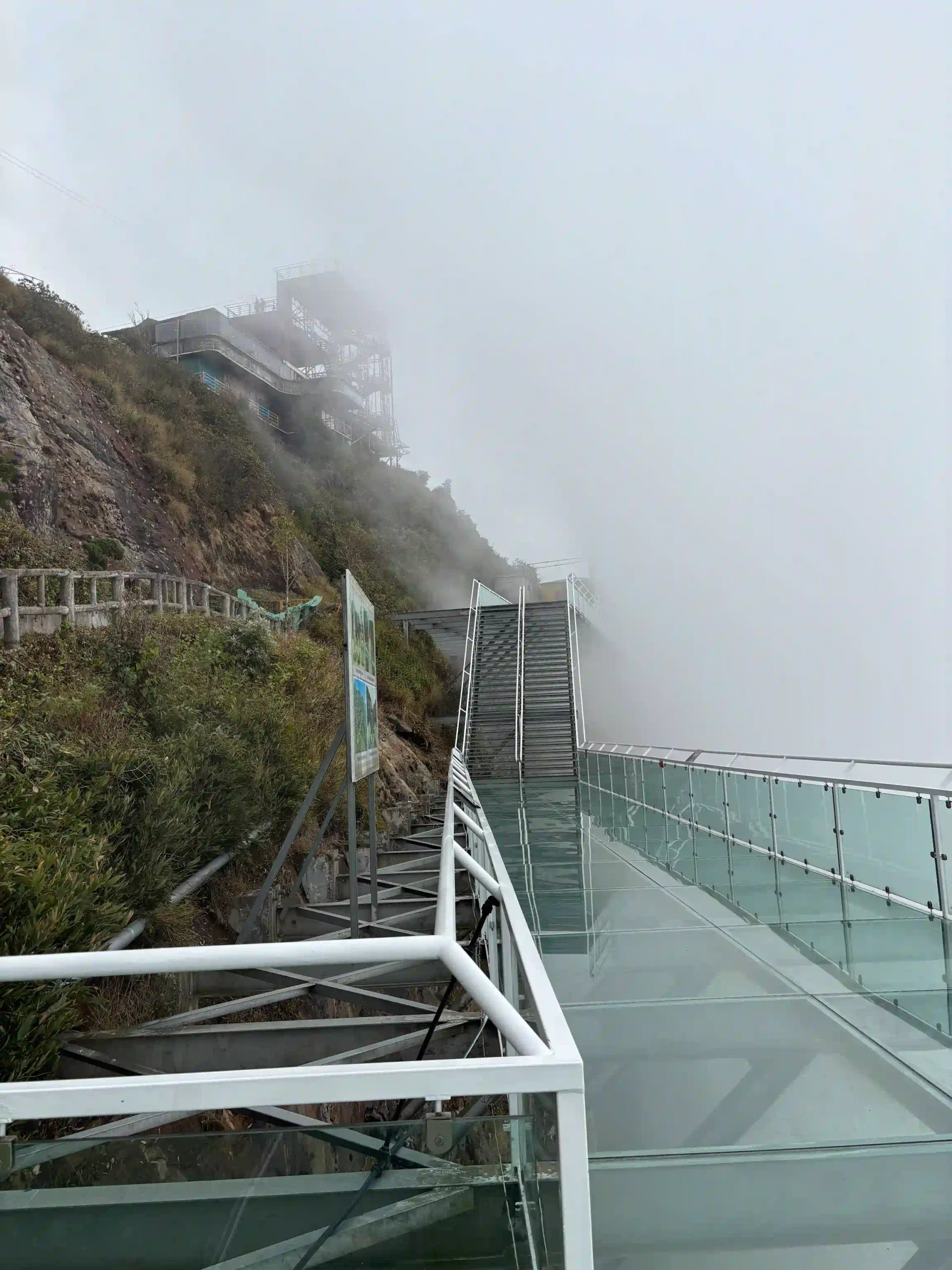
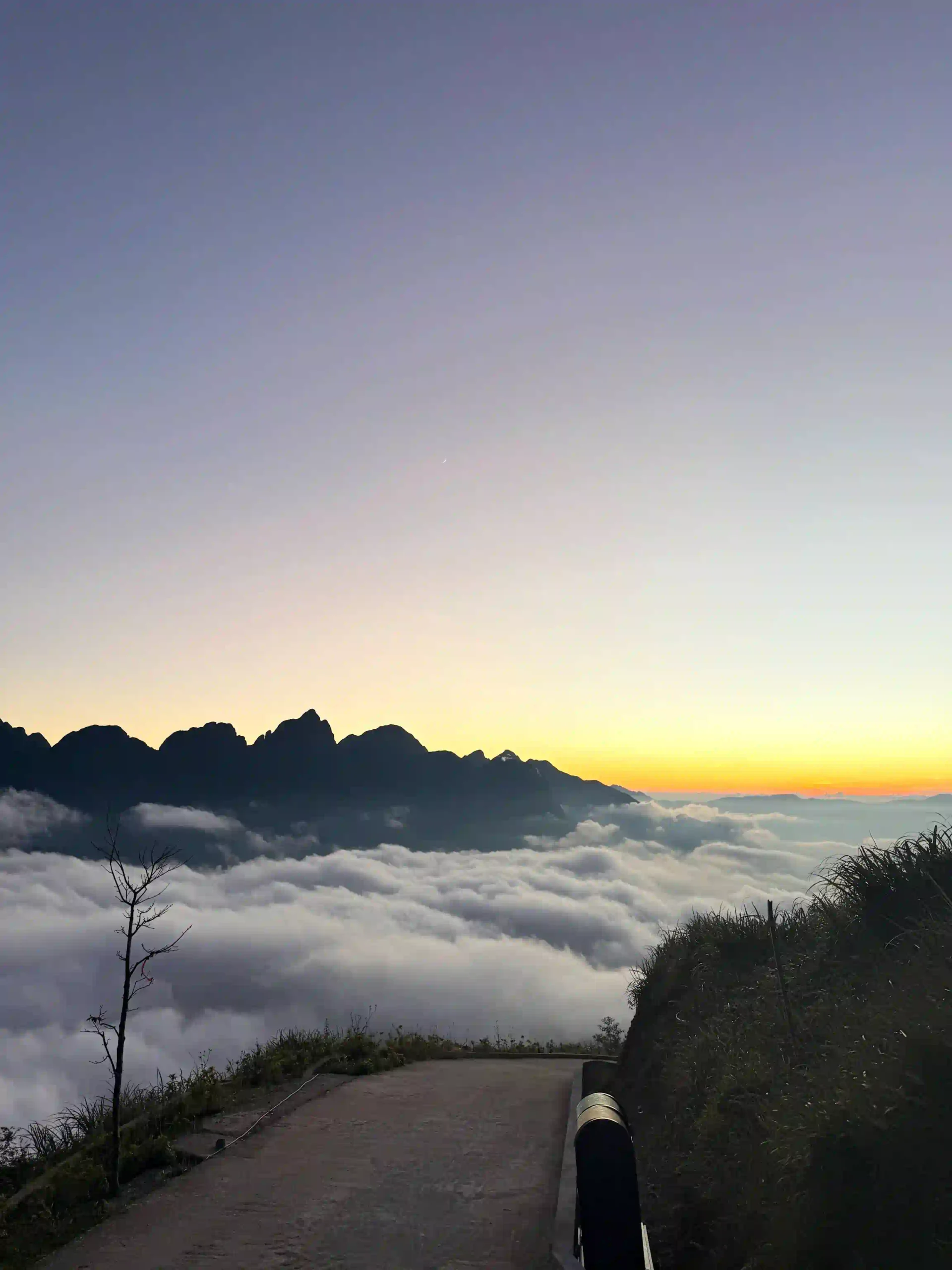
Rong May (Cloud Dragon) Glass Bridge is relatively new, located technically just over the border into Lai Chau province but everybody treats it as a Sapa attraction. It’s an enormous elevator strapped to the side of a cliff that blasts you up through the rock, letting you out onto a transparent glass walkway jutting out over a massive drop.
I put this right in the middle because it is highly polarizing.
The drop is genuinely terrifying. If you are afraid of heights, do not go. Walking on that clear floor 2,000 meters above sea level messed with my head. If the weather is perfectly clear, the views stretching out into the O Quy Ho pass are killer.
However, the cost is pretty steep by Vietnam standards (roughly $25 USD). More importantly, the weather up here changes every five minutes. The first time I paid to go up there, a massive fog bank rolled in as I stepped onto the glass. I paid 500k to look at white soup. Nothing else. Just endless, thick fog.
If you have a disposable budget and the sky is blue, it’s a fun 45-minute distraction on a motorbike ride. If it looks remotely cloudy, save your cash.
Pro tip: The ticket queues get pretty annoying on Vietnamese public holidays. If you’re going during summer or holiday weekends, grab a digital ticket first so you aren’t stuck waiting behind massive tour groups.
6. Cat Cat Village
- Rating: 5.5/10
- Cost: 150,000 VND
- Location: Thôn Cát Cát, Sa Pa, Lào Cai, Việt Nam
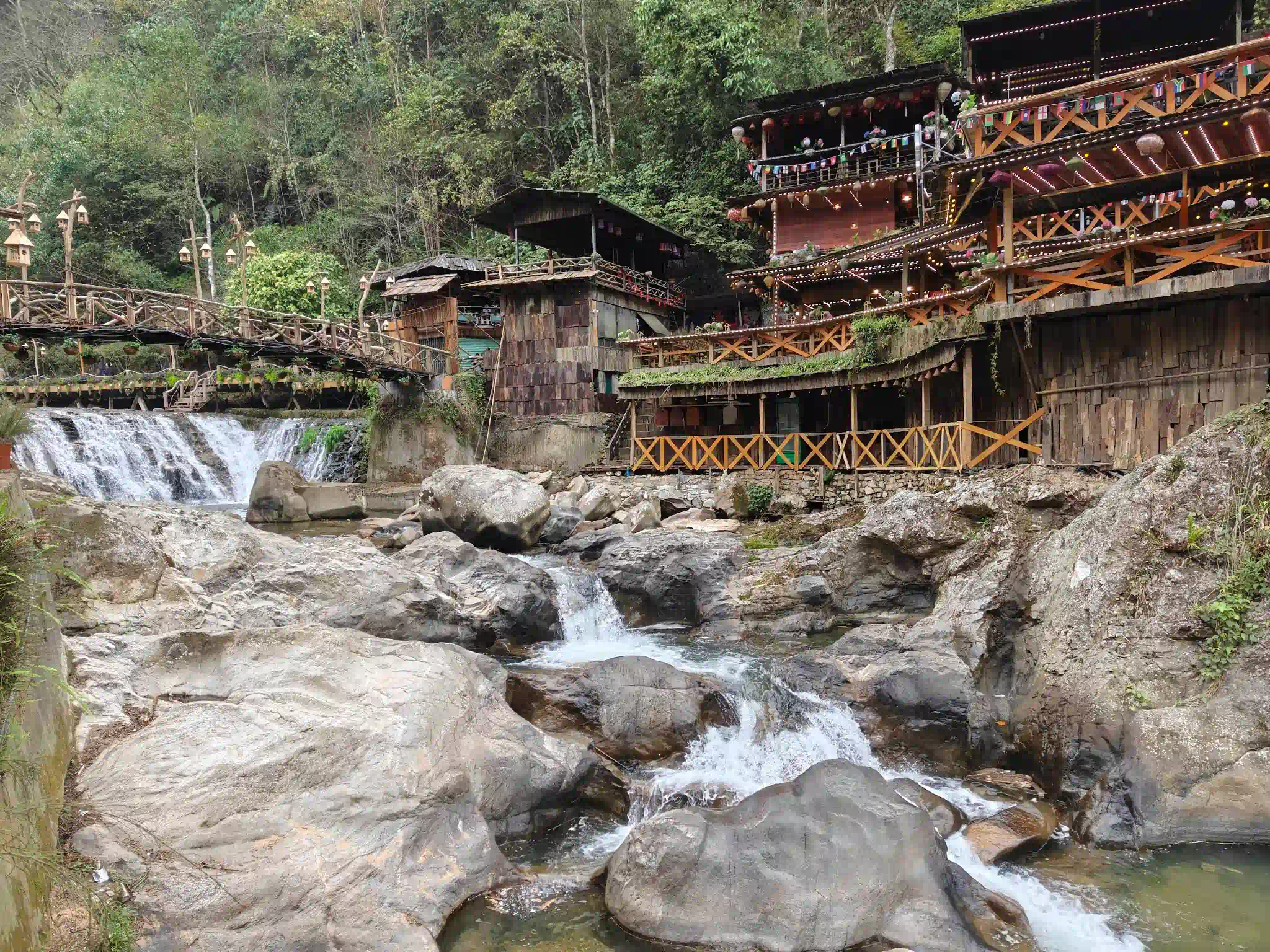
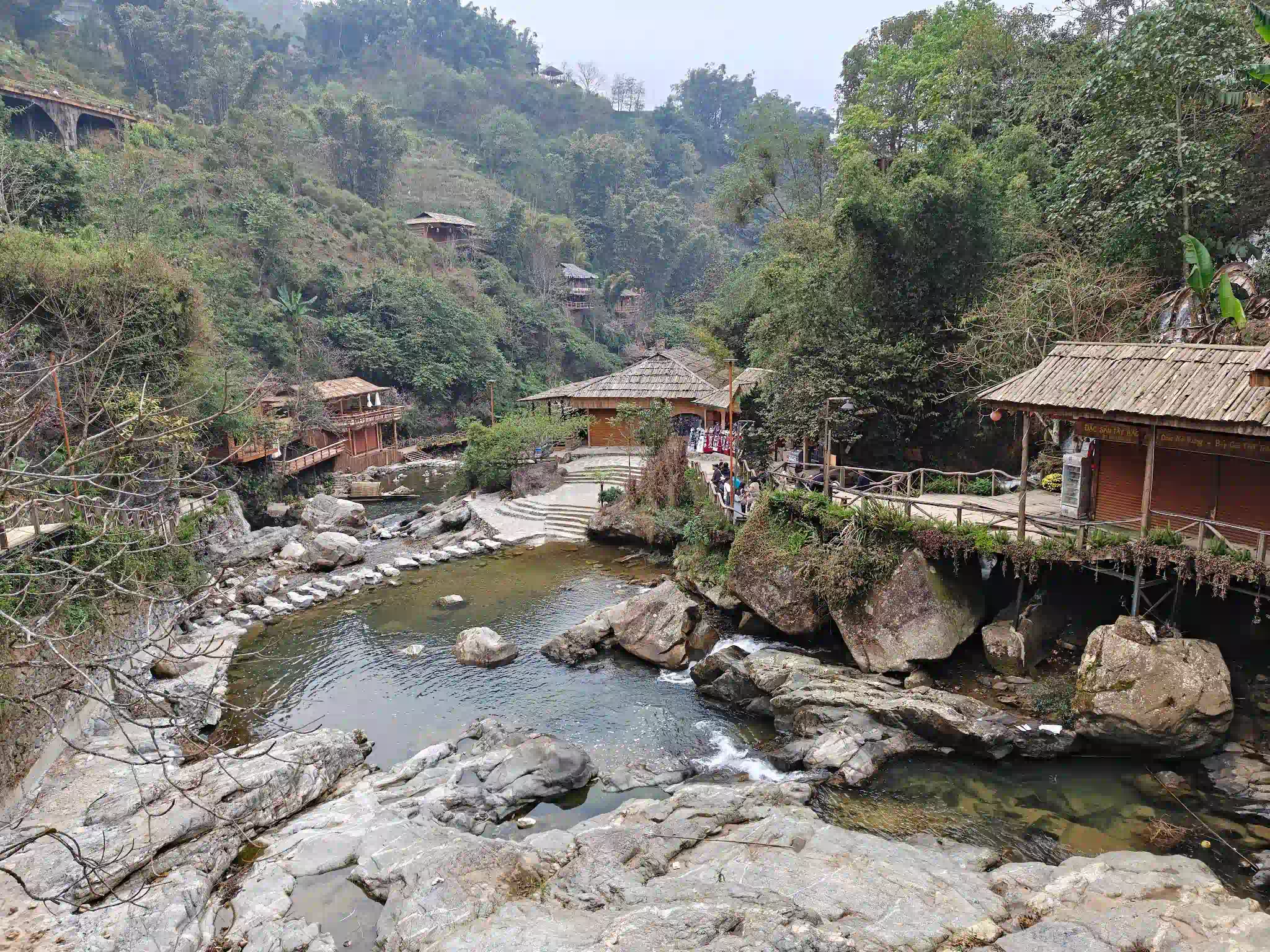
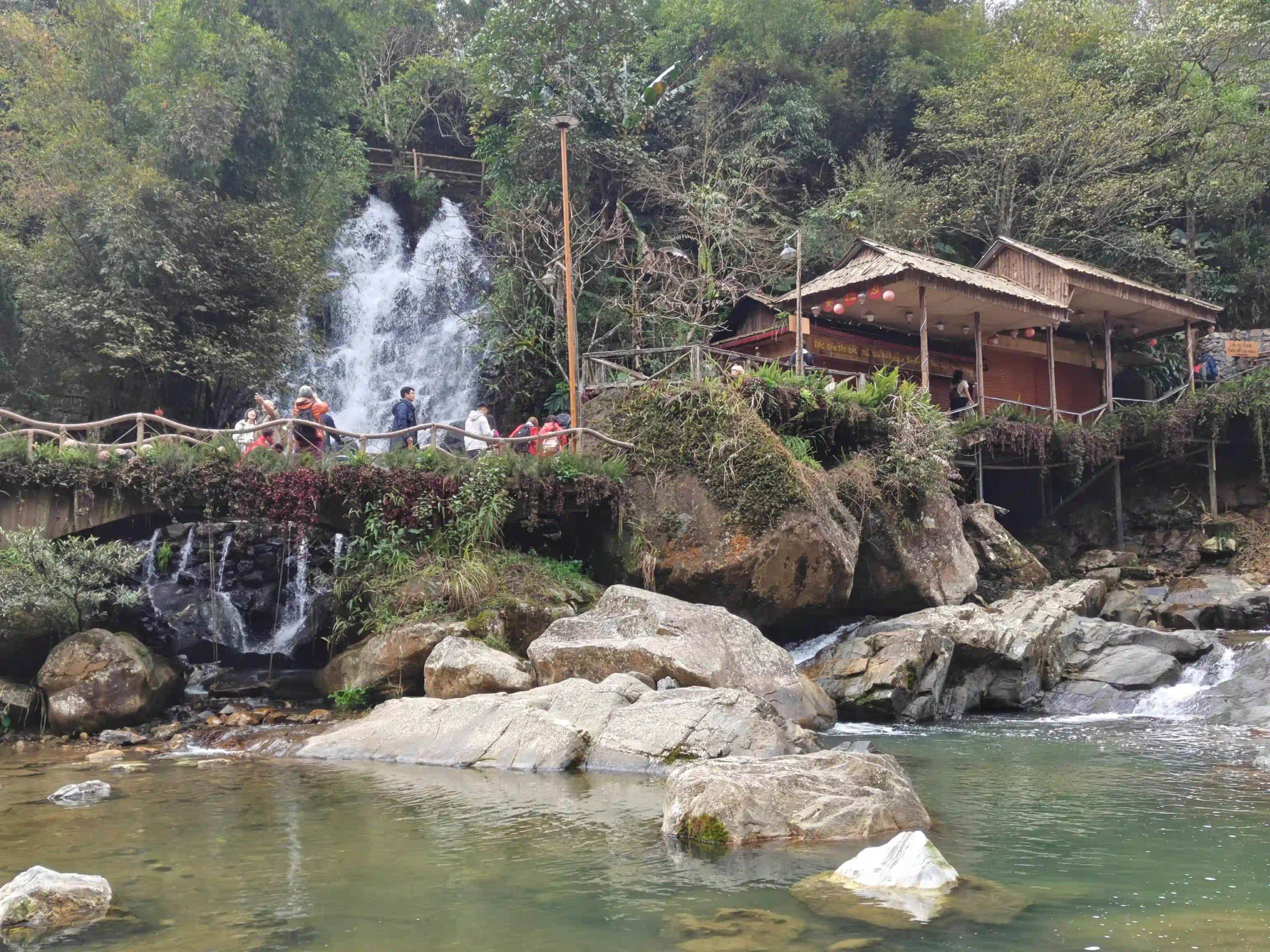
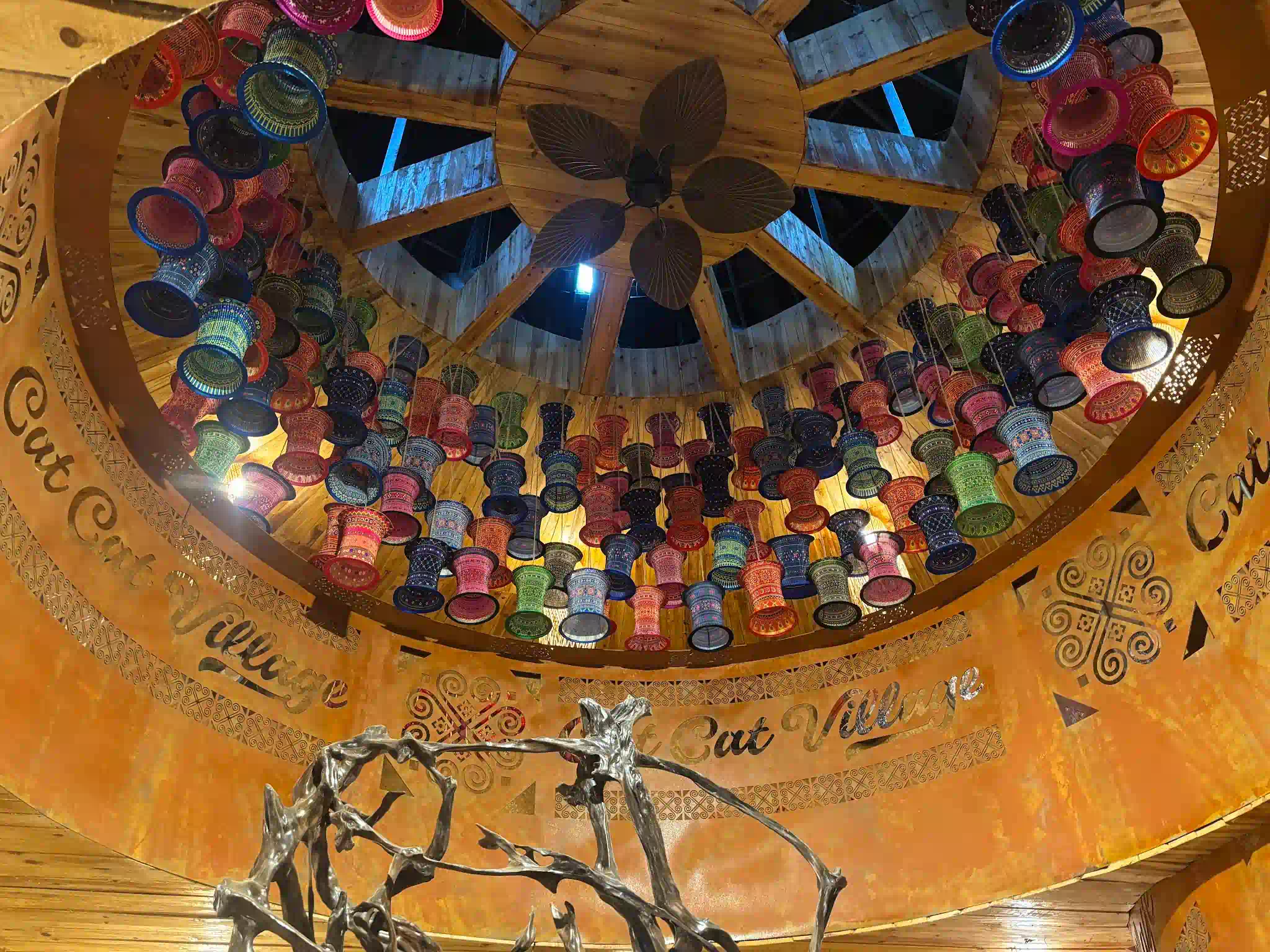
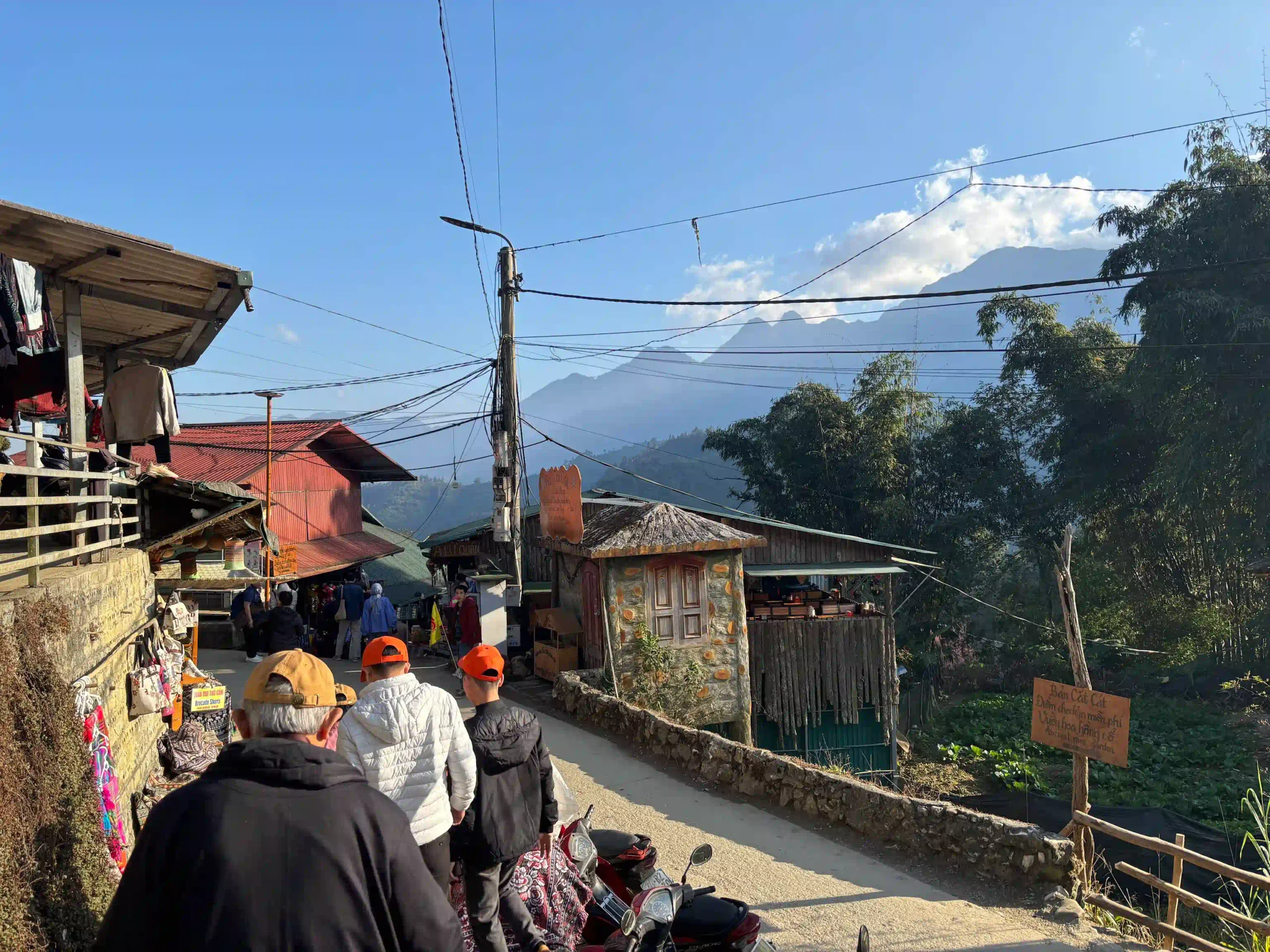
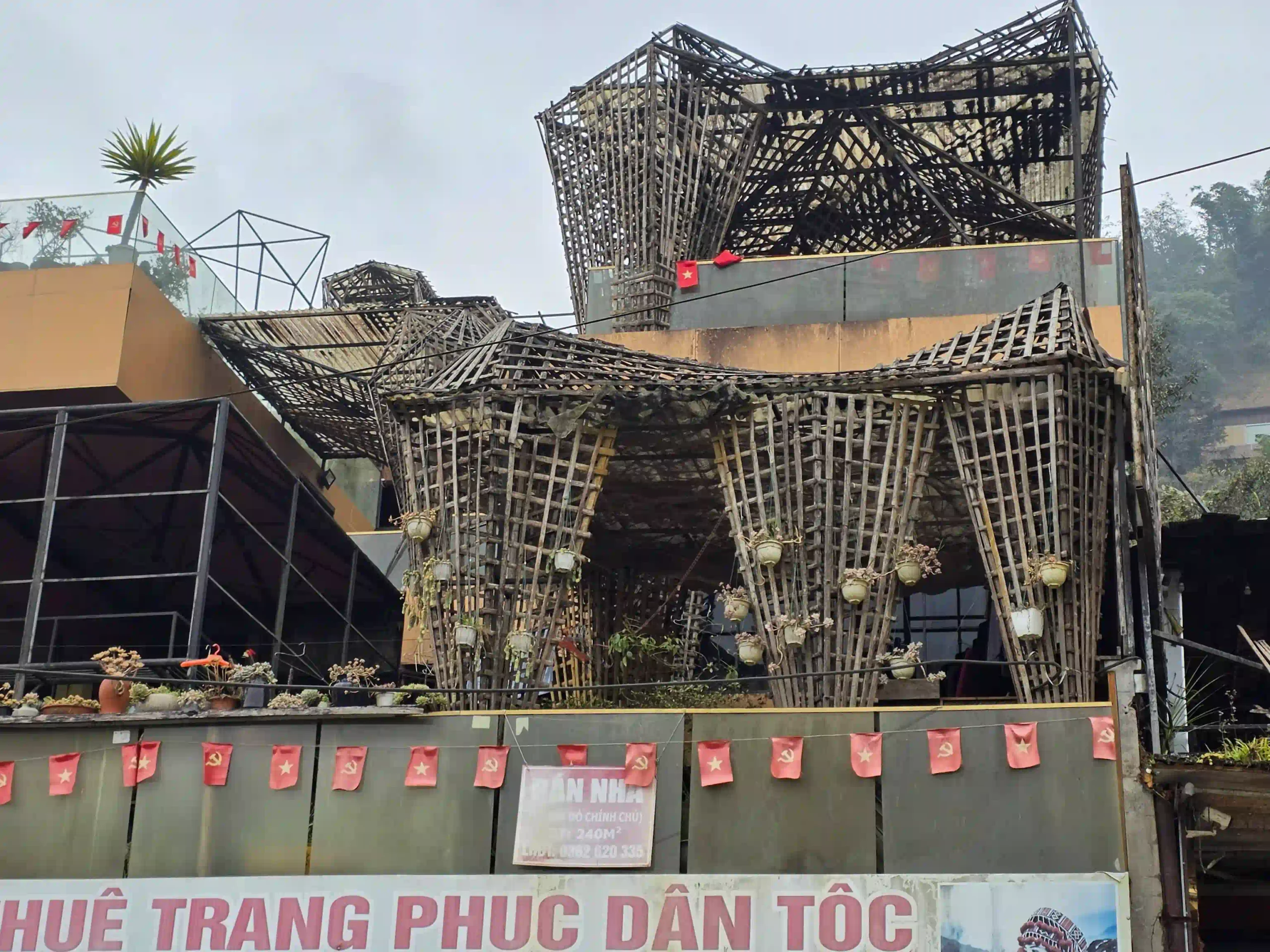
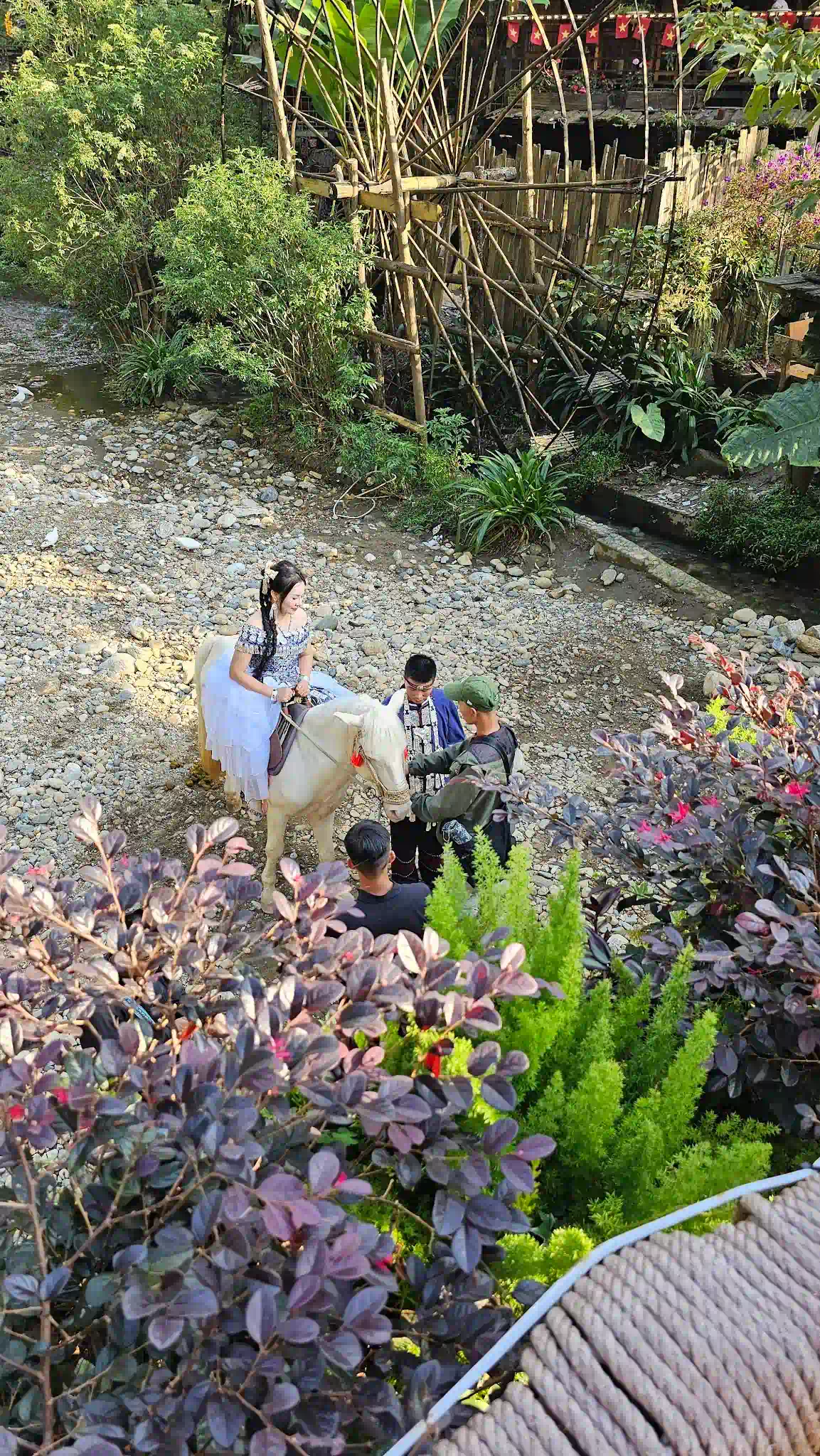
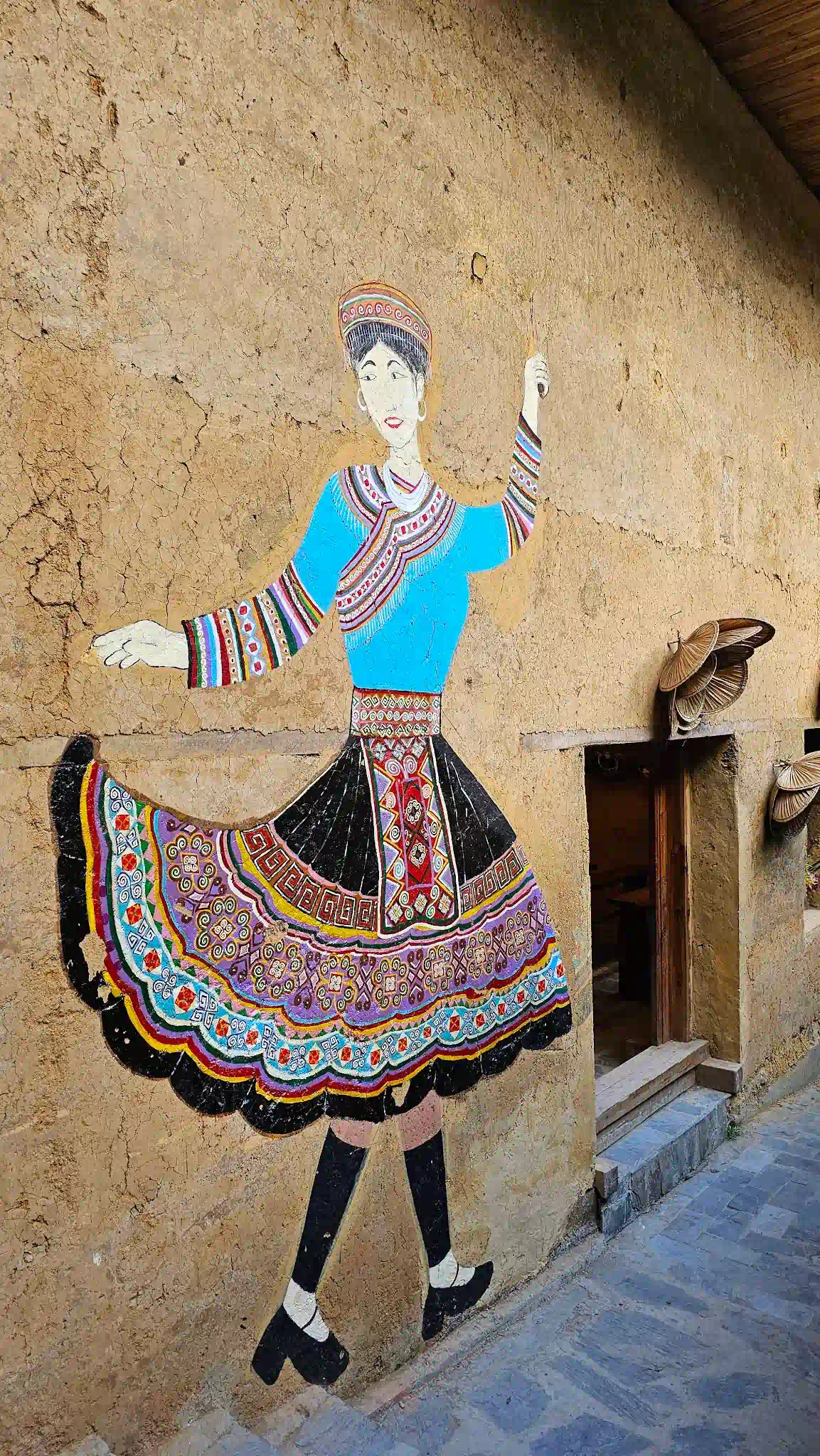
Cat Cat is basically Sapa’s “starter pack” village. It’s located in a valley super close to Sapa town, you can practically walk down there from your hotel in 30 minutes. It’s home to the Black Hmong people.
Let’s give the good first: The geography down there is genuinely awesome. There are great terraced fields, an old French hydroelectric station, and a legitimately powerful waterfall running right through the center. Taking a photo over the rushing river on the little wooden bridges is a staple Sapa memory.
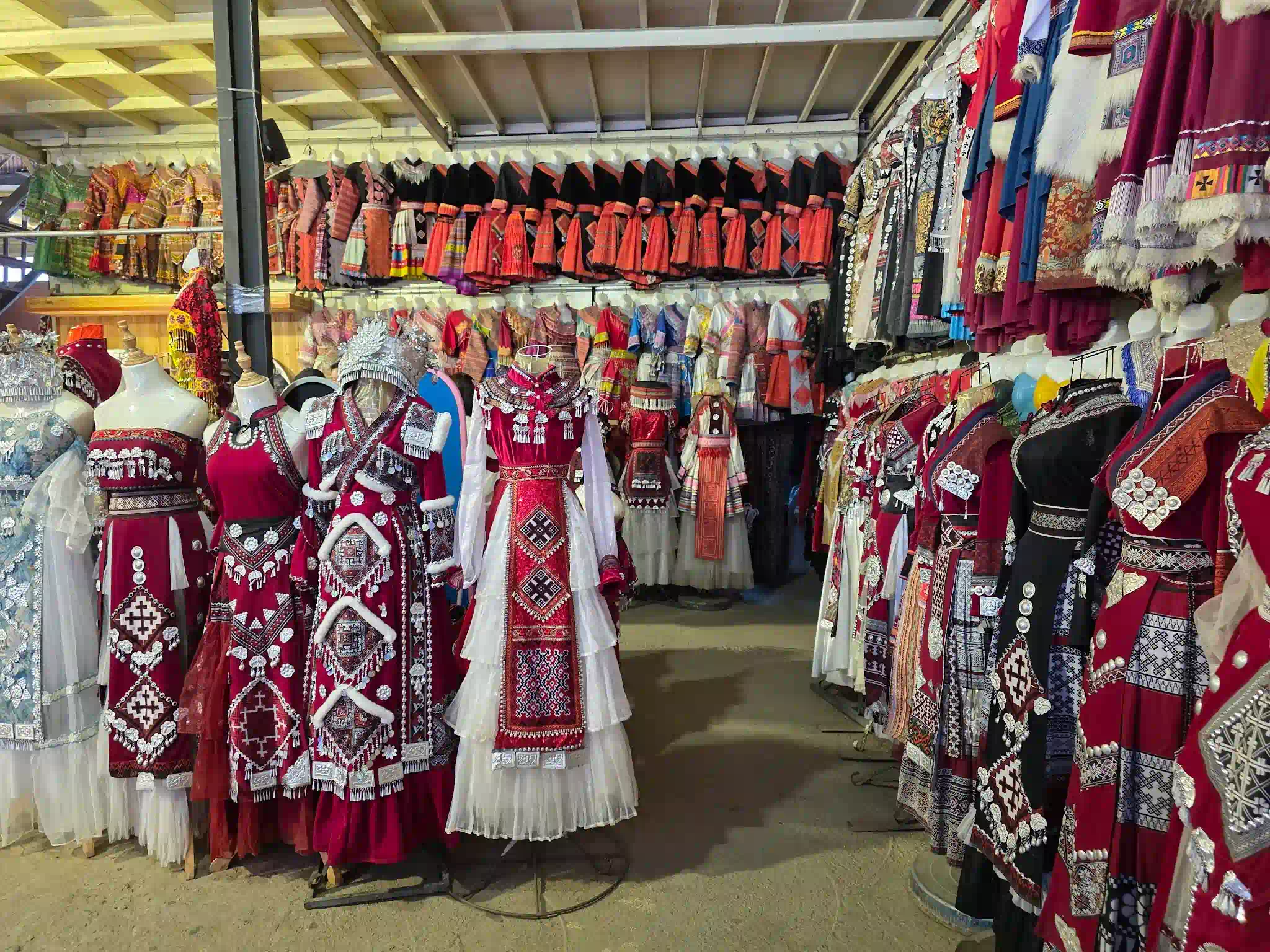
Now, the bad. Cat Cat has become extremely commercialized. There’s a designated entry gate with ticket booths. The entire stone path leading all the way down into the valley is literally shoulder-to-shoulder with shops selling cheap souvenirs and mass-produced tribal gear.
Tourists regularly rent loud costumes, fake Mongolian fur, generic “ethnic” outfits that have absolutely nothing to do with Hmong culture, to walk around and pose for photos.
It feels slightly like an amusement park, and you completely lose the feeling of actually exploring a working mountain community.
Is it awful? No. If you have older family members who cannot hike 15 kilometers, or if you only have one day in Sapa and can’t go far, walking down to Cat Cat gets you some great mountain scenery without risking your life on a mud slide. Go early, like right when the sun comes up, to dodge the worst of the crowds.
Read more: Is Cat Cat Village worth the entrance fee or just touristy?
5. Silver Waterfall & Love Waterfall by Motorbike
- Rating: 6.5/10
- Cost: Entry ~20k – 50k VND, scooter rental ~150k VND/day
- Location: San Sả Hồ, Sa Pa, Lào Cai and Sơn Bình, Tam Đường, Lai Châu
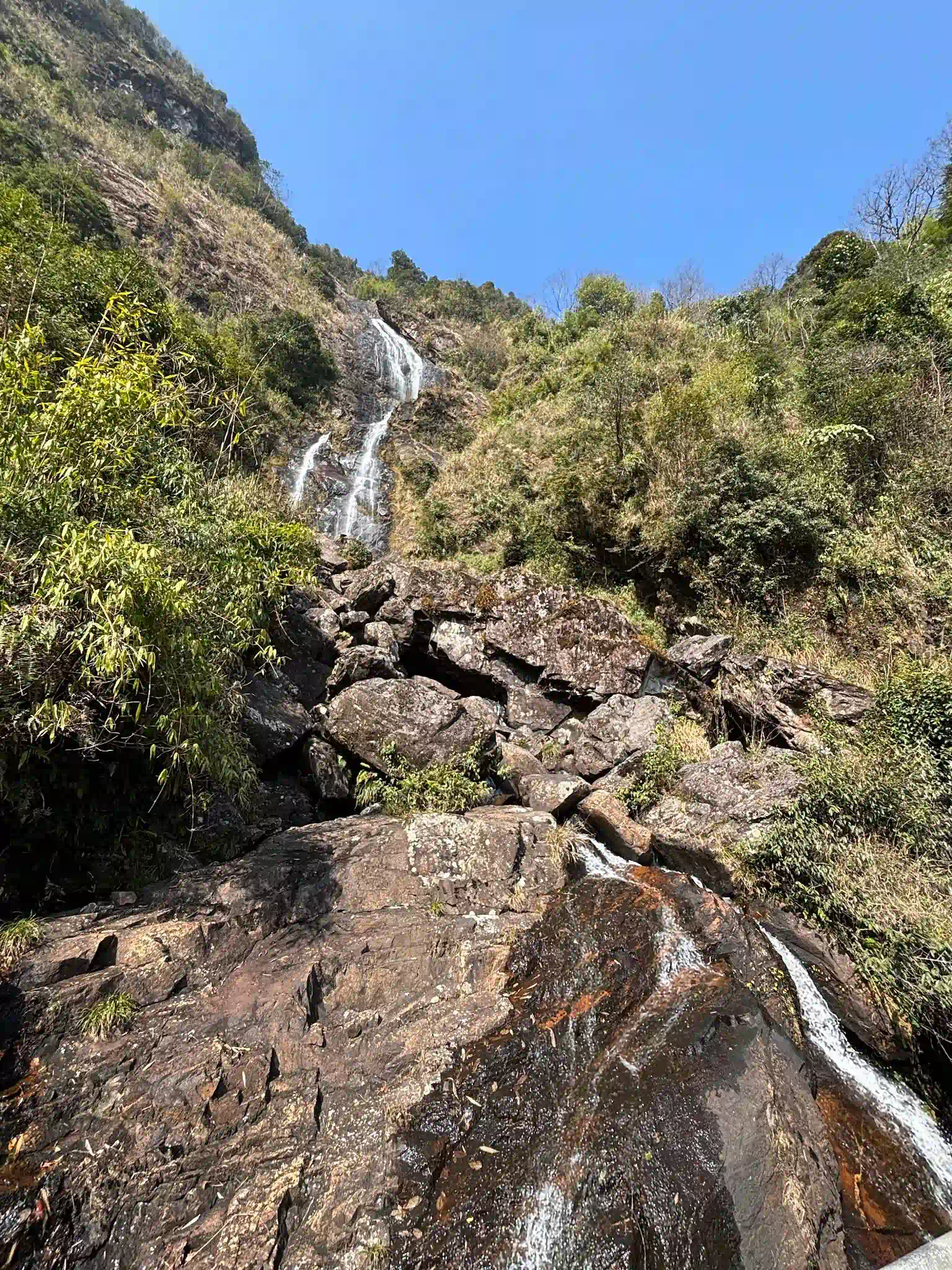
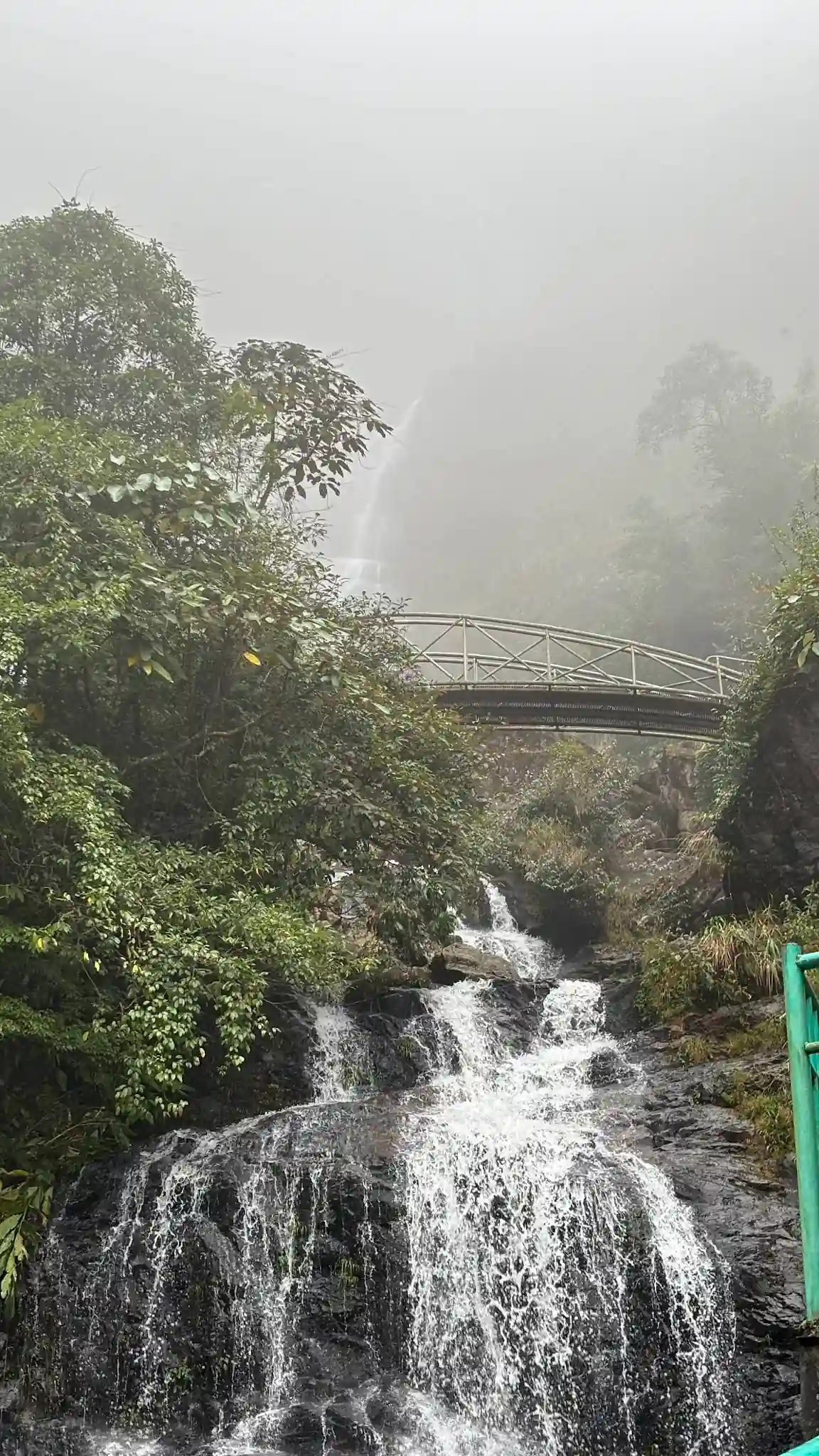
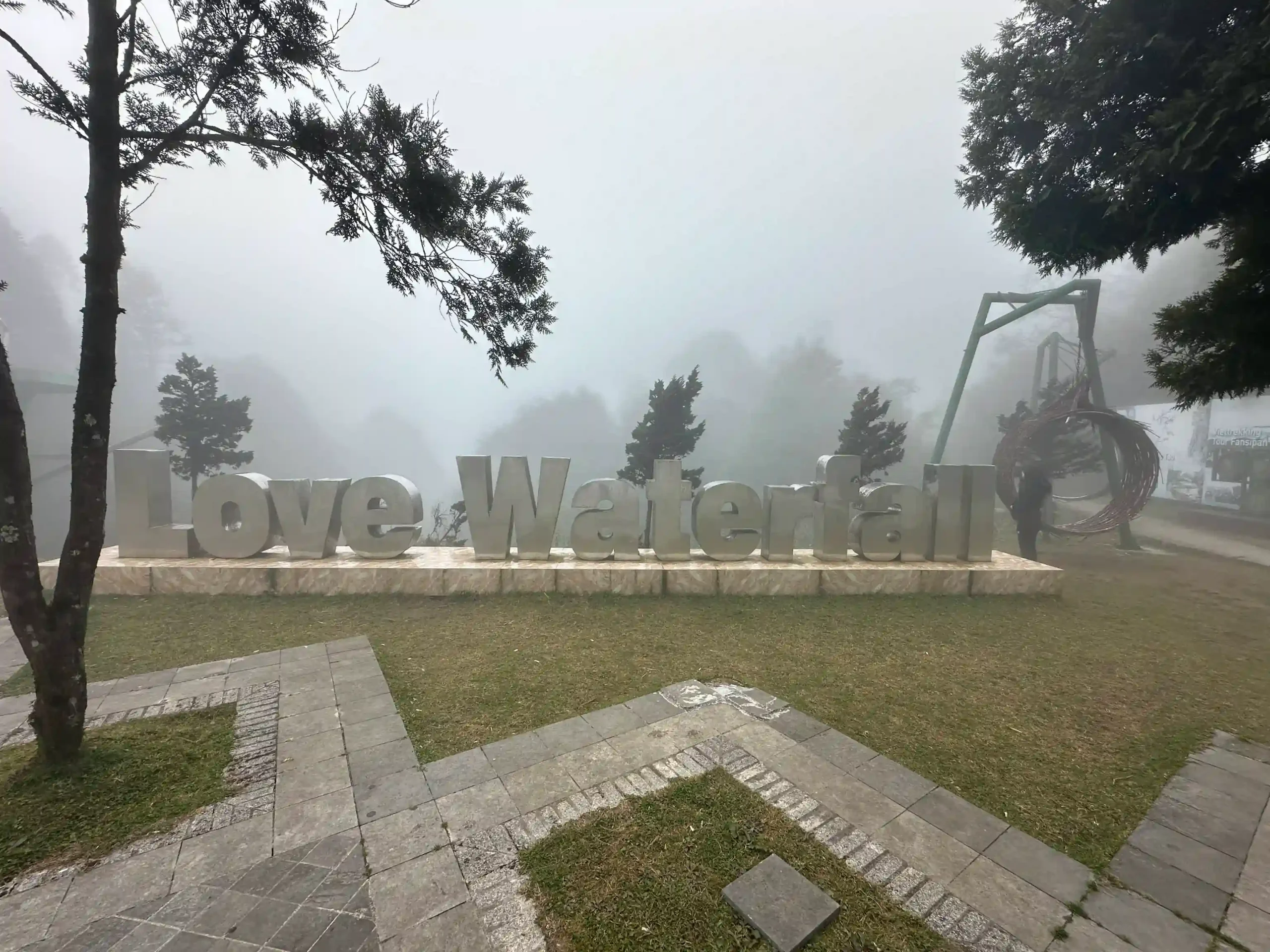
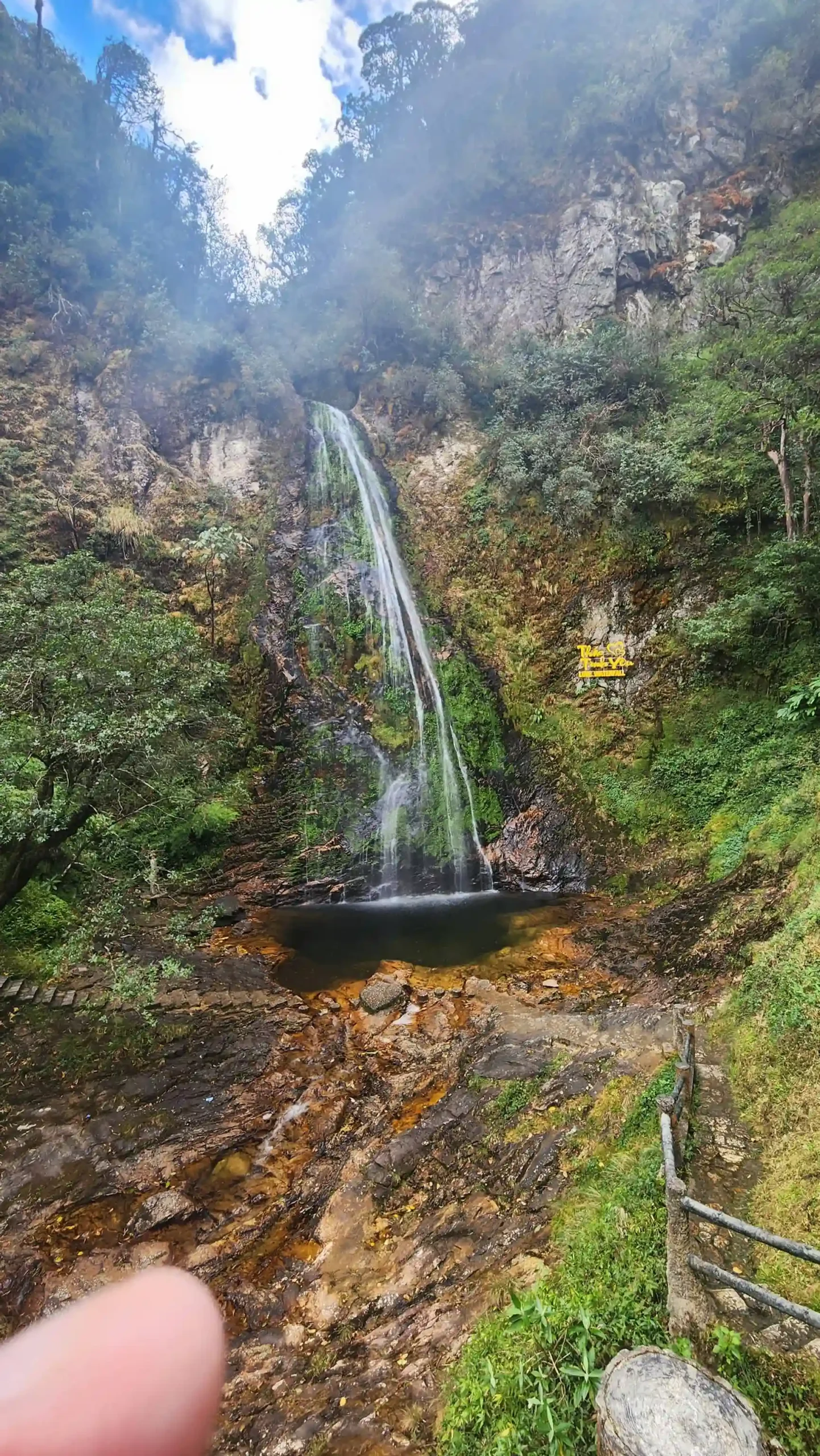
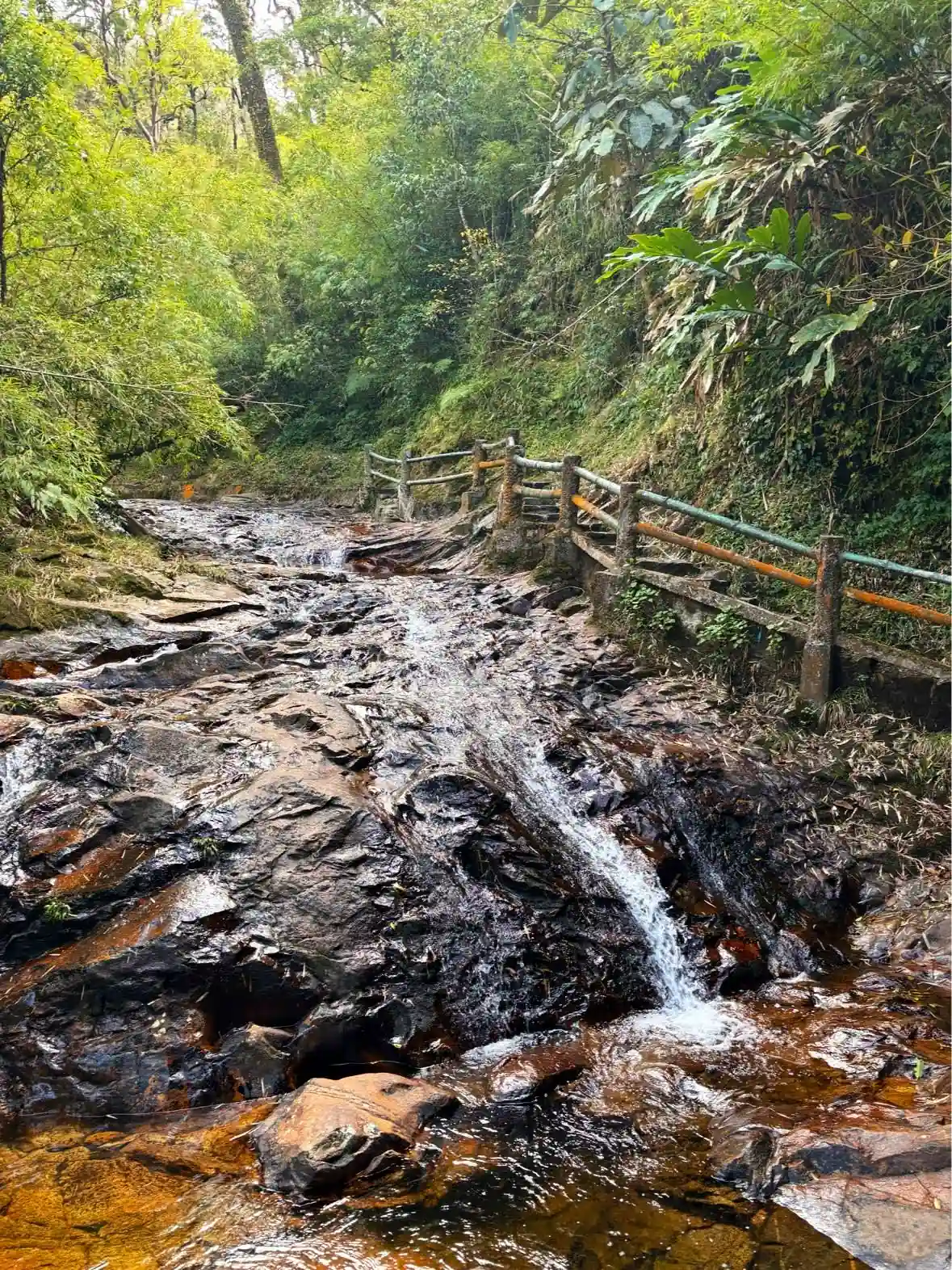
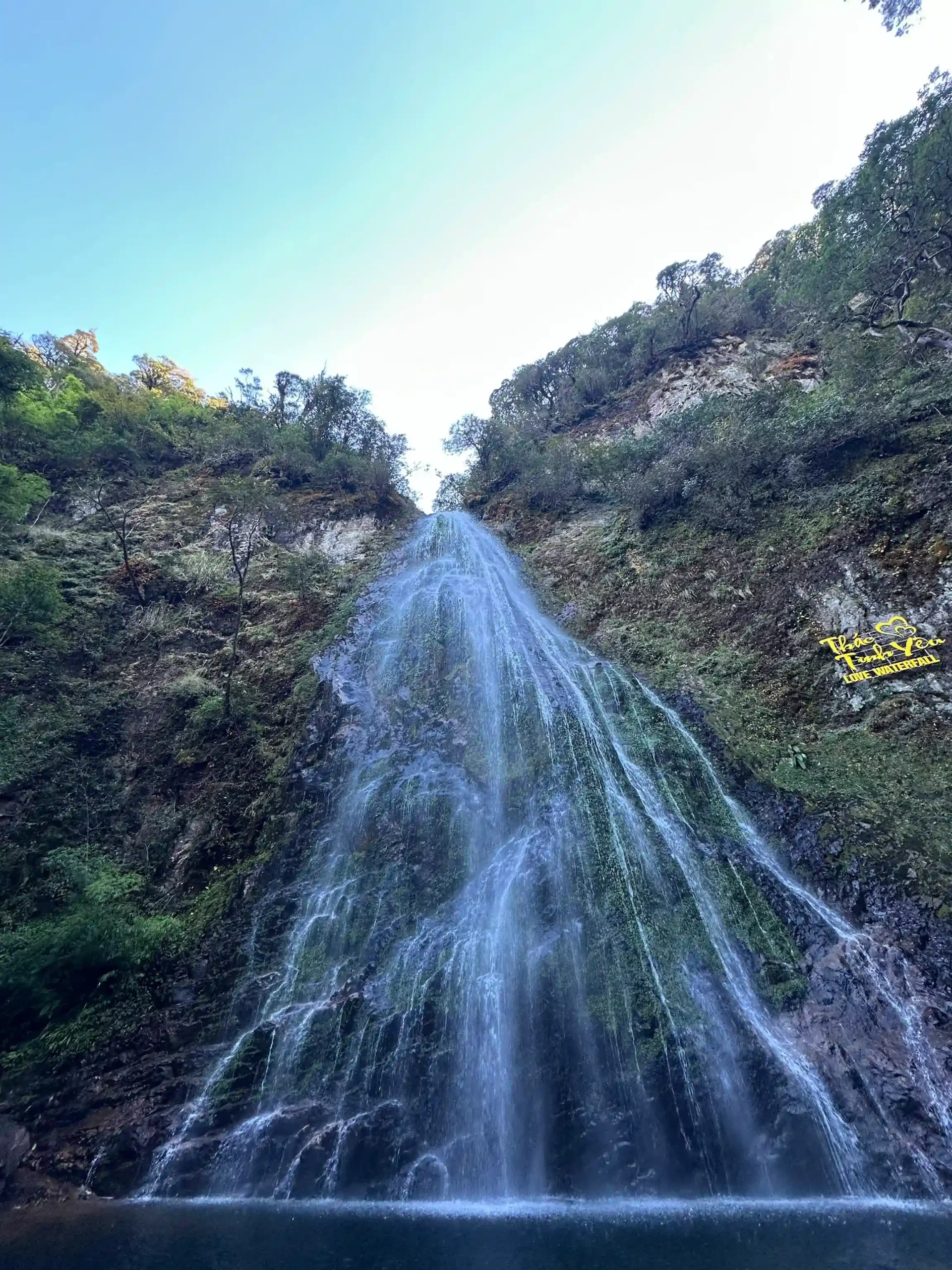
This is your first easy entry into independent exploring. Just rent a beat-up Honda Semi-Automatic from your hostel and point it toward the Hoang Lien Son mountain pass (Highway 4D).
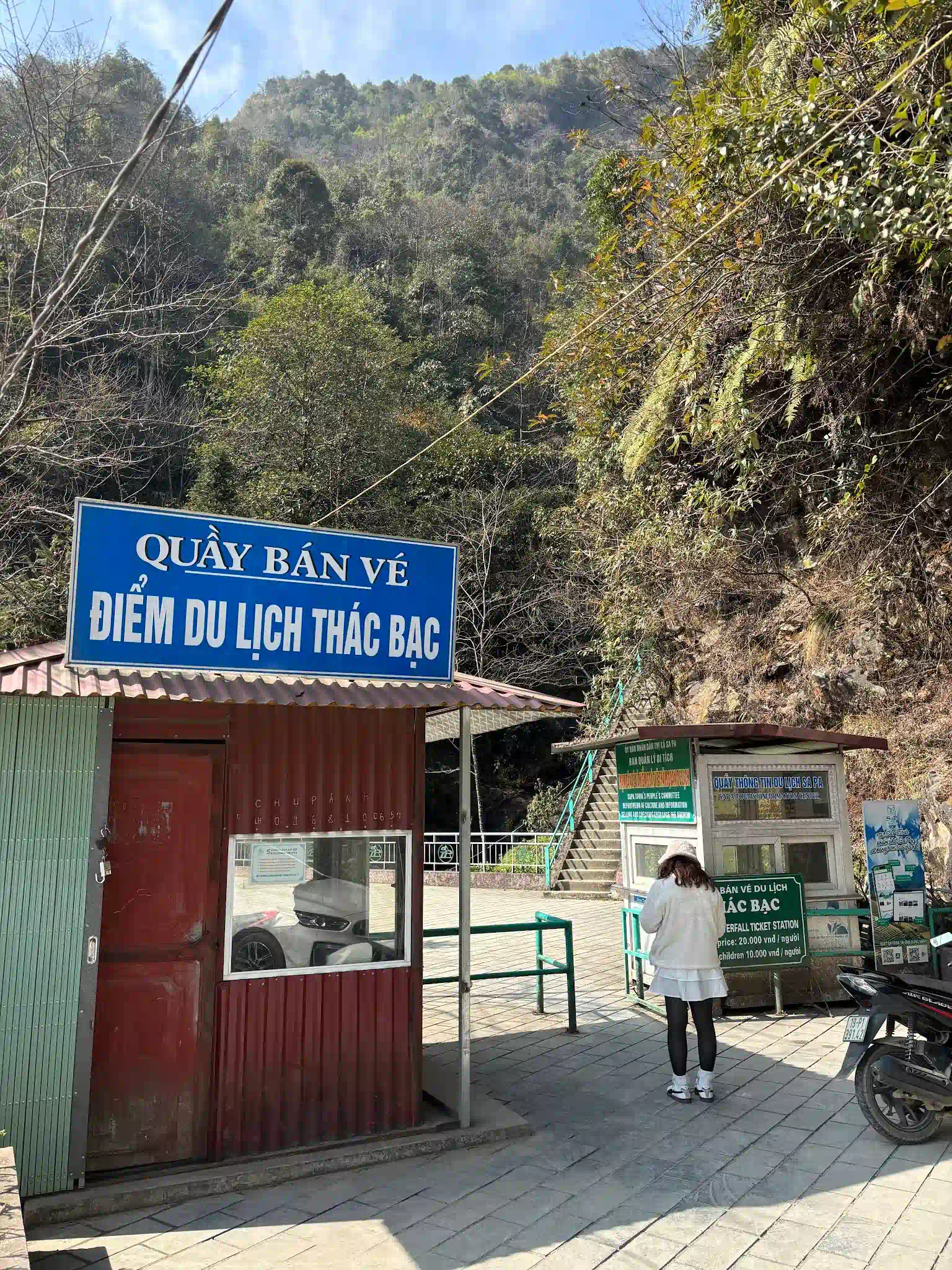
A few kilometers up a steeply winding, cold road, you’ll find these two main waterfalls. Silver Waterfall (Thac Bac) is quite literal, it’s right next to the highway.
You park, pay a couple bucks, and walk up a concrete staircase next to it. It’s huge and very loud during the rainy season. Frankly, you don’t even need a ticket to look at it from the street. Stop, look, move on.
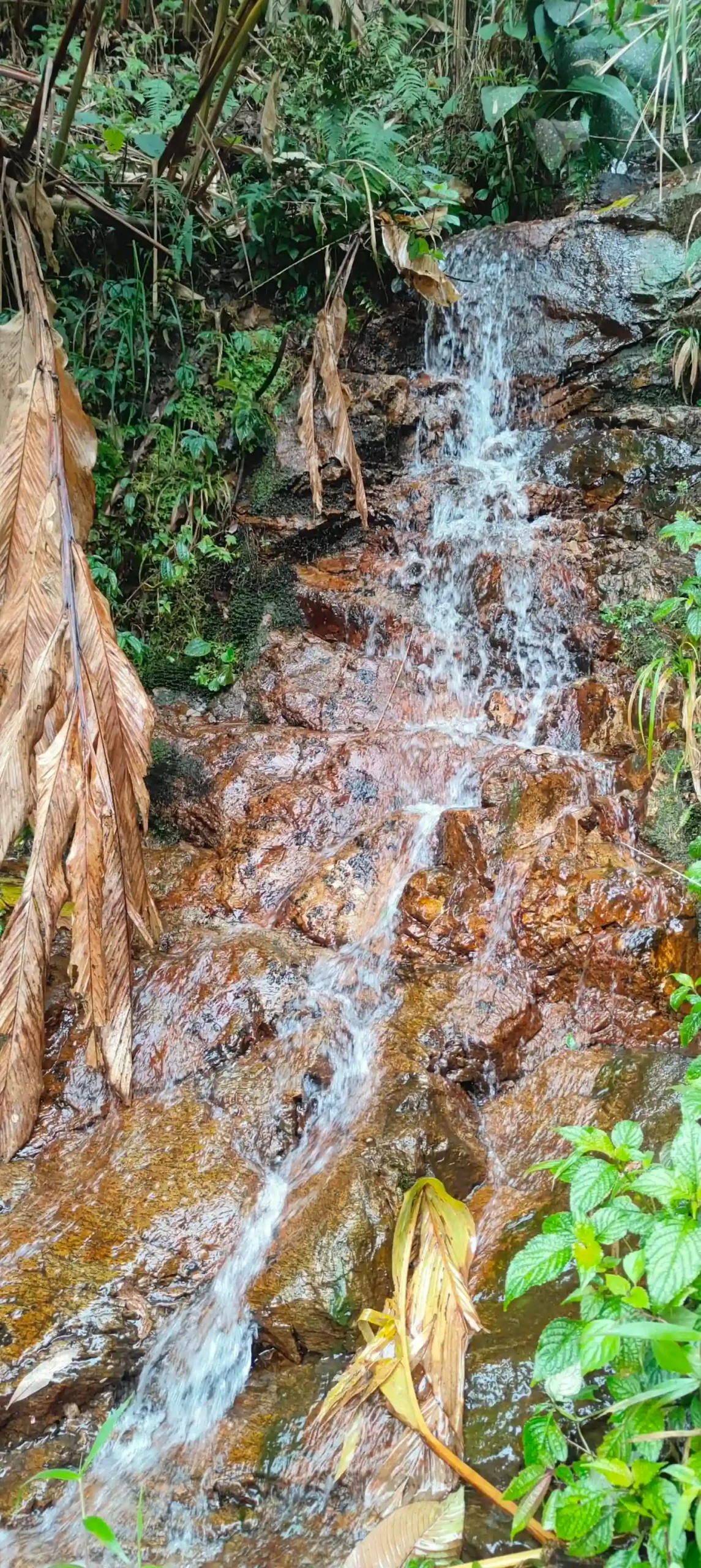
Love Waterfall is much better. You drive a bit further up, pay your fee at the park entrance, and walk roughly 30 minutes on a mostly flat trail deep into the pine forest. The forest air up here hits totally different – pine trees, damp moss, super crisp wind.
You end up at a waterfall crashing down into a golden pool. You can even stick your feet in if you enjoy losing sensation in your toes.
This is an awesome half-day trip that lets you break free from the noise of the town square without fully committing to a massive survival-style hike.
If you aren’t comfortable wrestling a semi-automatic bike around steep mountain hairpins while huge tourist buses try to squeeze past you, don’t risk your skin, grab a local rider to do the heavy lifting so you can actually enjoy the view instead of staring at the asphalt.
4. Driving the O Quy Ho Pass at Sunset
- Rating: 8/10
- Cost: Cost of gas and an overpriced cup of tea.
- Location: QL4D, Sơn Bình, Tam Đường, Lai Châu
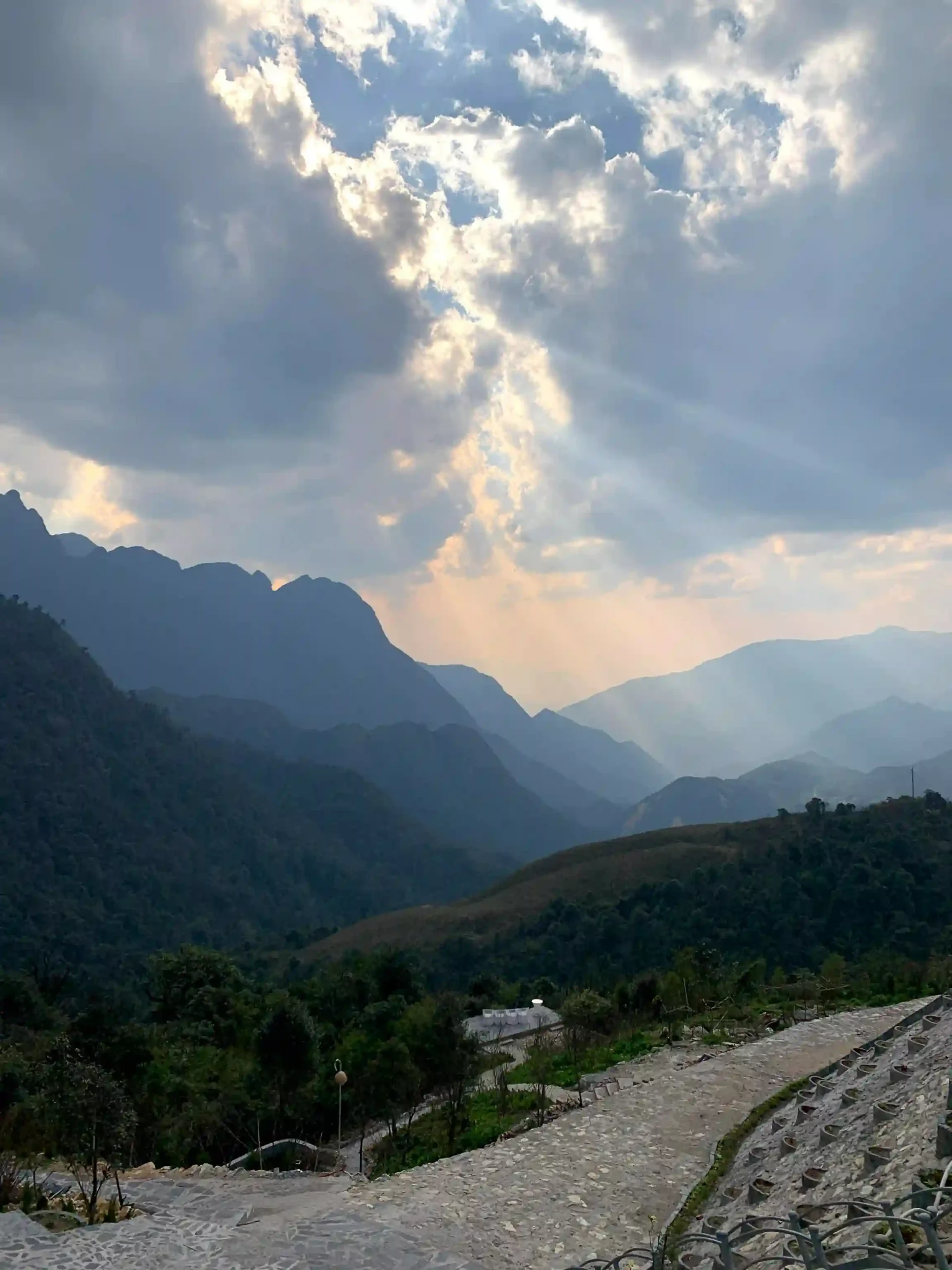
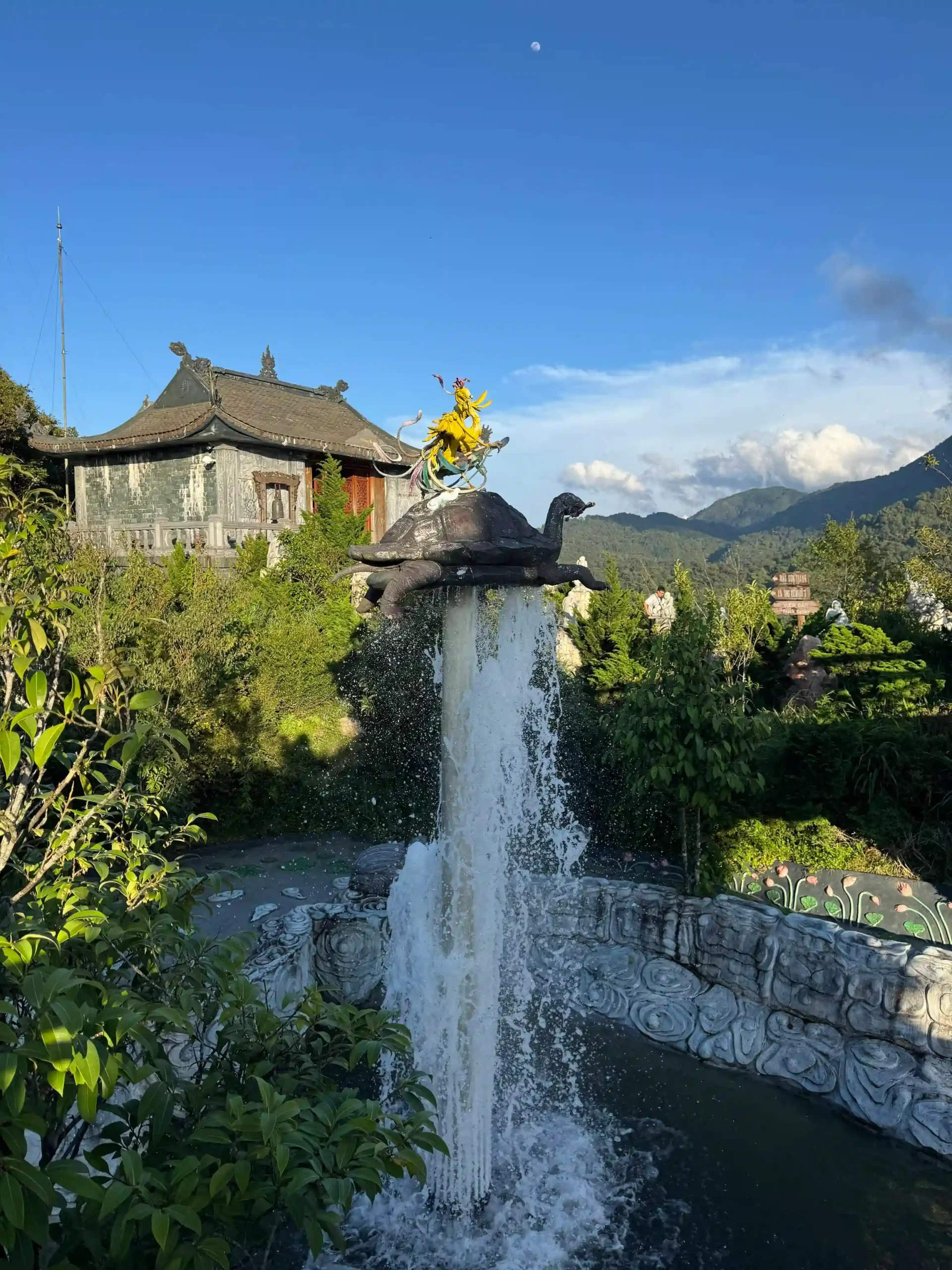
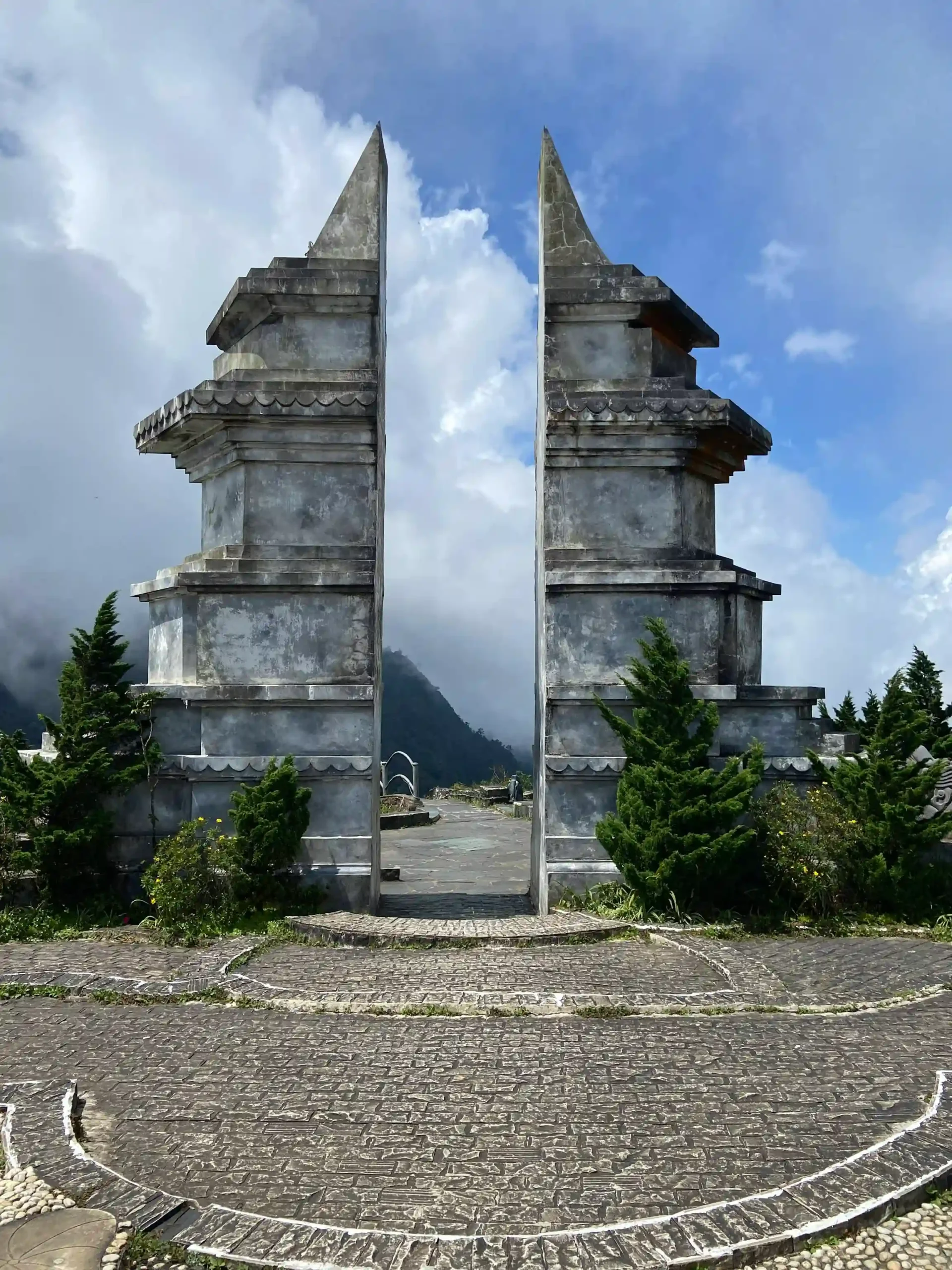
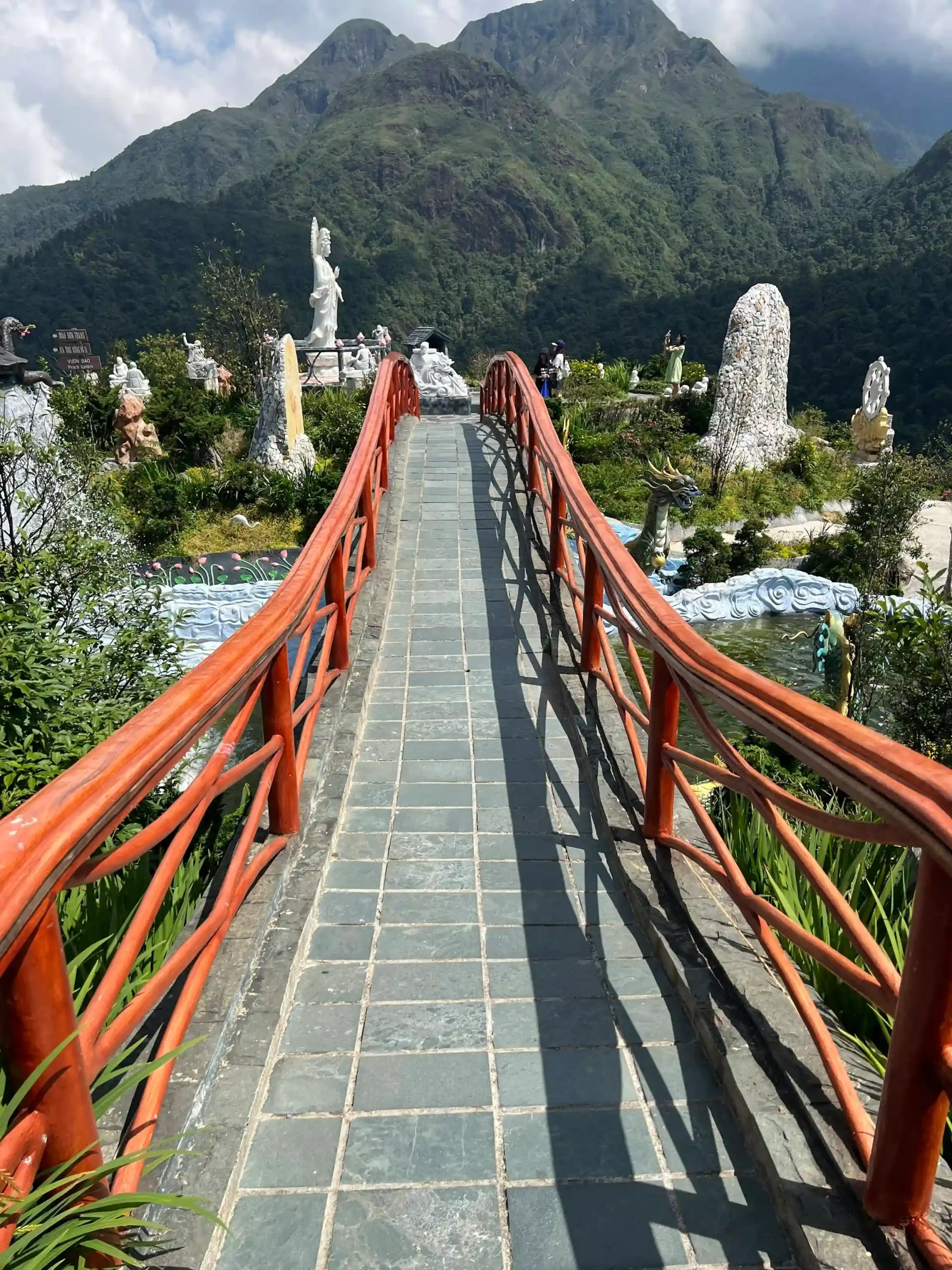
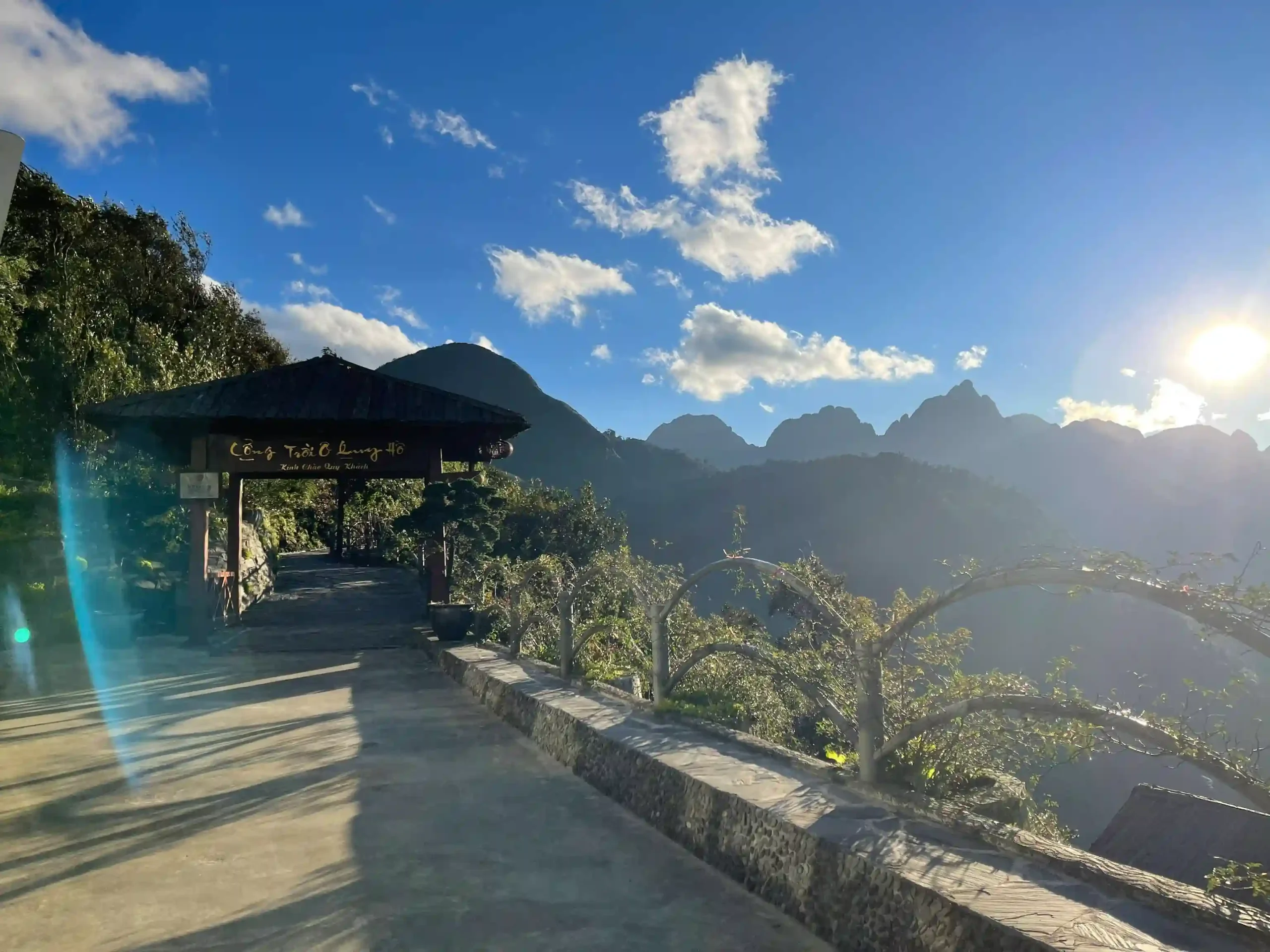
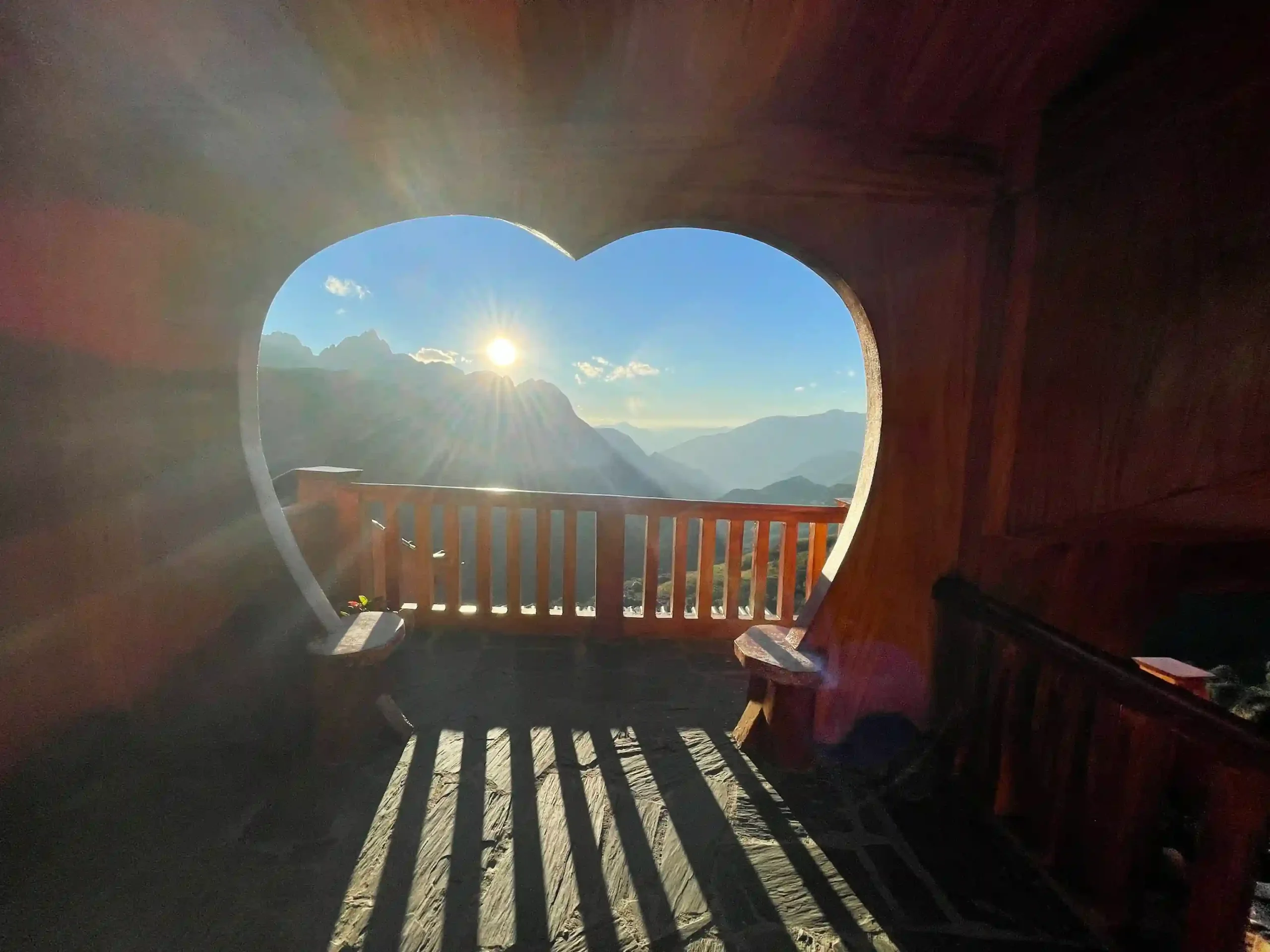
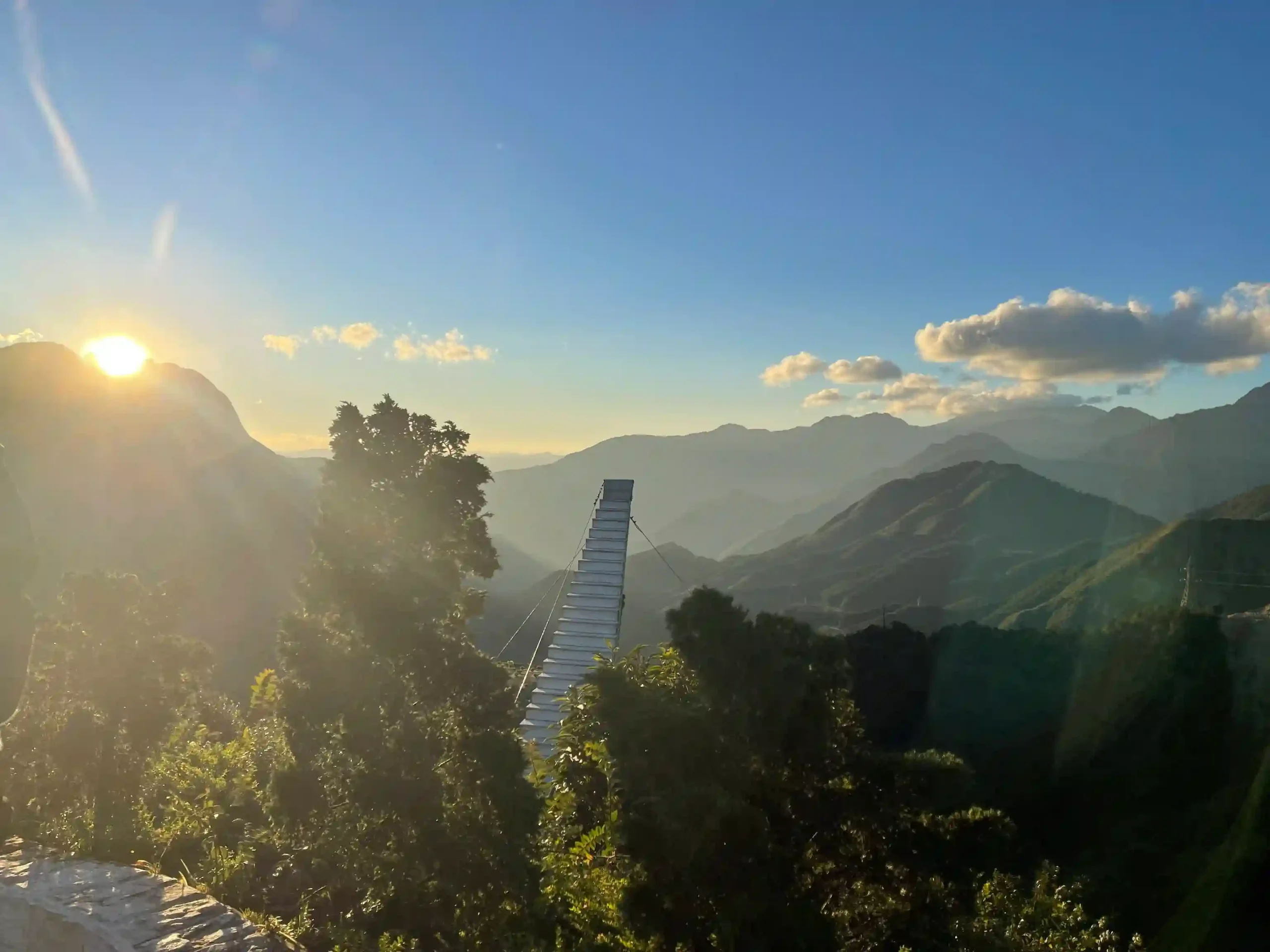
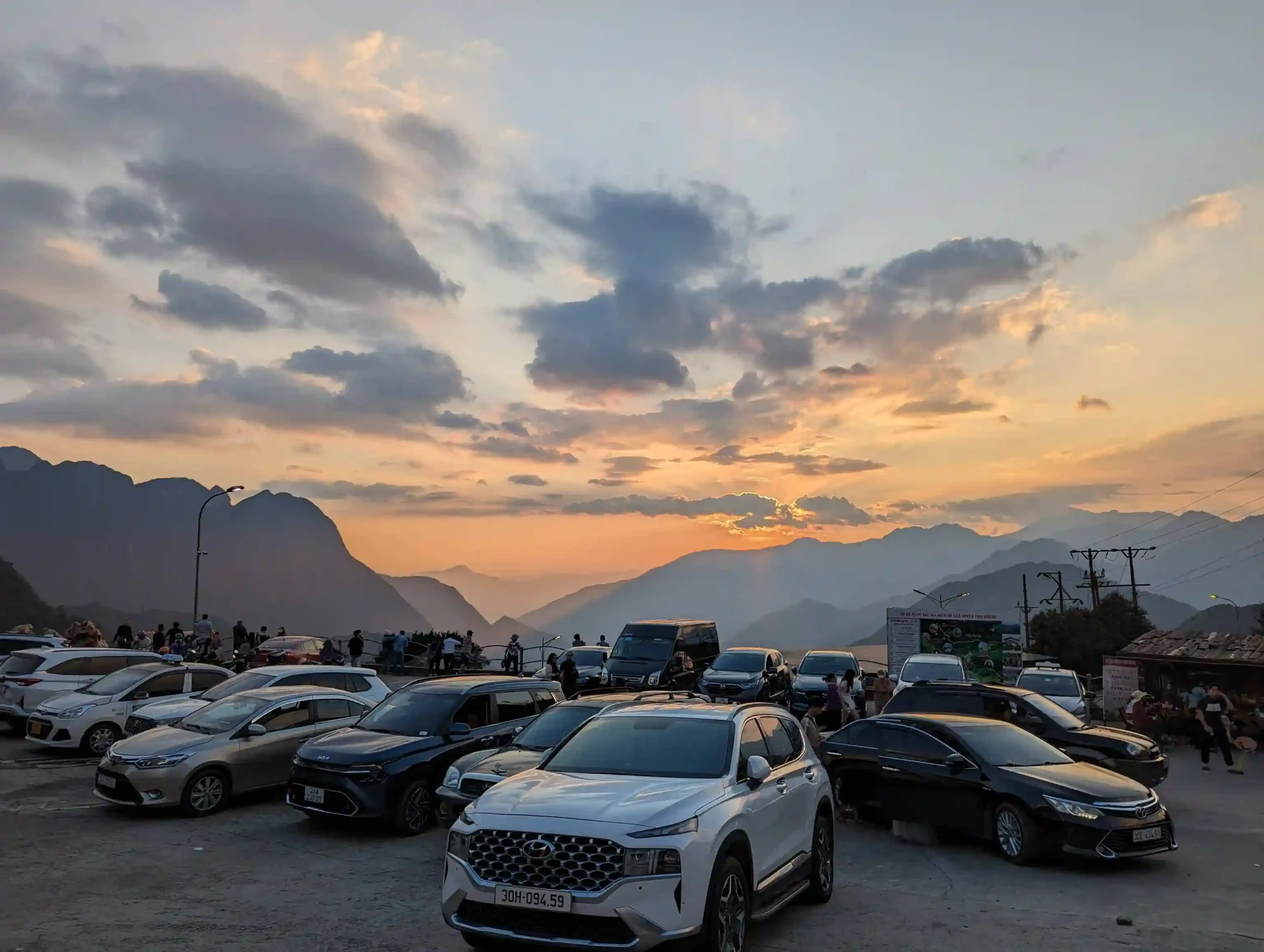
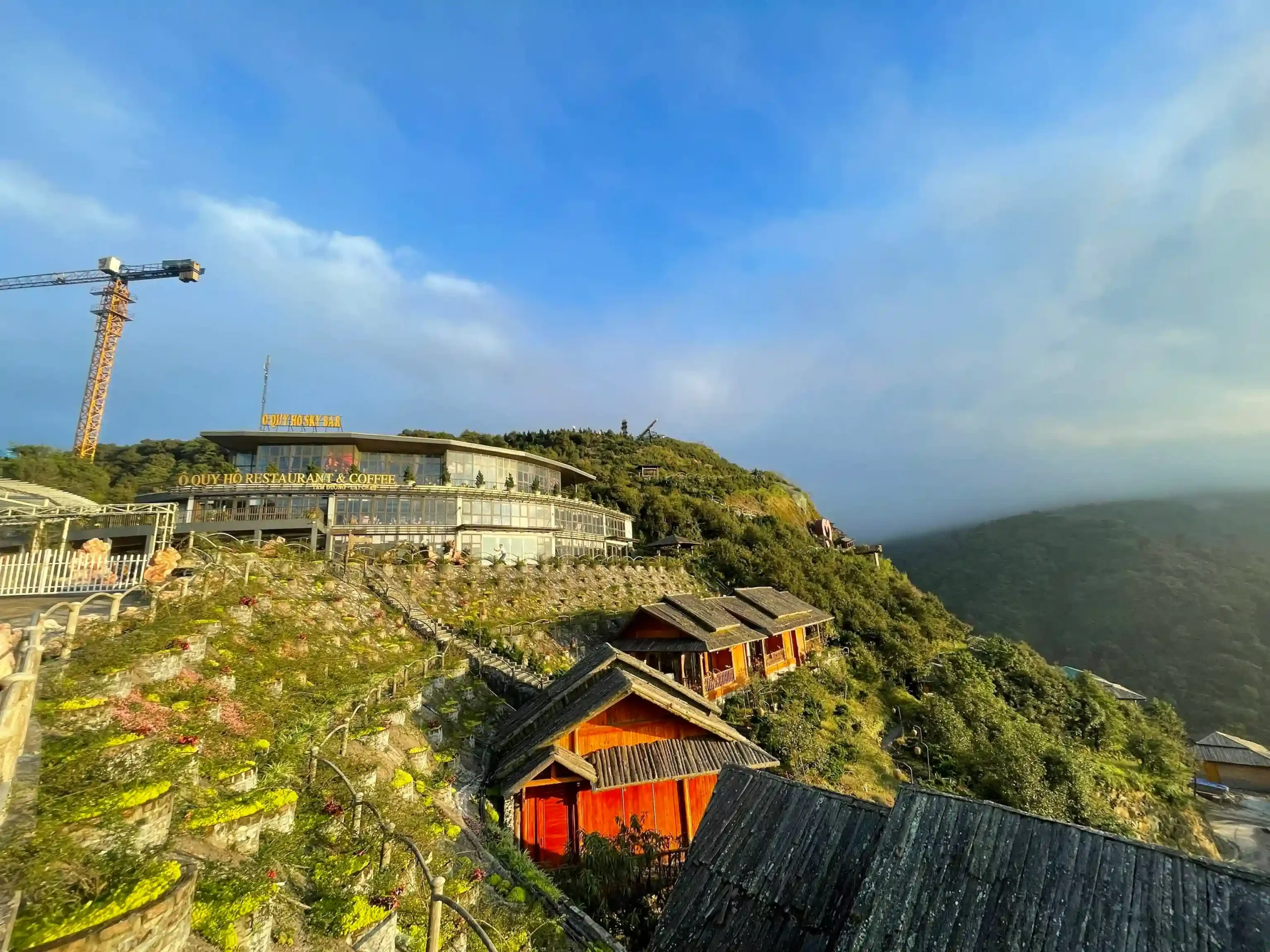
O Quy Ho is consistently listed as one of the four great mountain passes of Northern Vietnam (the others are Ma Pi Leng, Pha Din, and Khau Pha). Of those, O Quy Ho holds the record for the highest pass.
If you do the waterfall run I mentioned above, just keep driving your scooter upwards. The roads get windier, the drops on the side of the road get bigger, and your engine will probably start making weird noises because of the altitude.
Once you crest the summit right at the border of Lao Cai and Lai Chau province, you hit what’s called the Heaven’s Gate (Cong Troi).
Here’s the move: Find one of the cafes built onto the cliffside right past the summit. Go near 4:30 PM. Order a hot ginger tea. Grab a plastic chair and wait.
When the sun starts dropping below those massive jagged peaks, washing the whole sky in pink and purple… yeah, you’ll finally understand why Sapa is famous. It is wildly impressive. You are sitting basically on the roof of Indochina.
The warning: Driving back to Sapa town in the dark after the sunset on a mountain road is dangerous. Heavy semi-trucks haul goods on this road and their drivers treat corners like suggestions. Dress extremely warm, once the sun drops, temperatures can crash ten degrees in 20 minutes, and ride the brake down slowly.
3. Summiting Mount Fansipan (Via the Sun World Cable Car)
- Rating: 8.5/10
- Cost: ~850,000 VND for cable car, extra for funiculars
- Location: Tam Đường, Lai Châu, Việt Nam
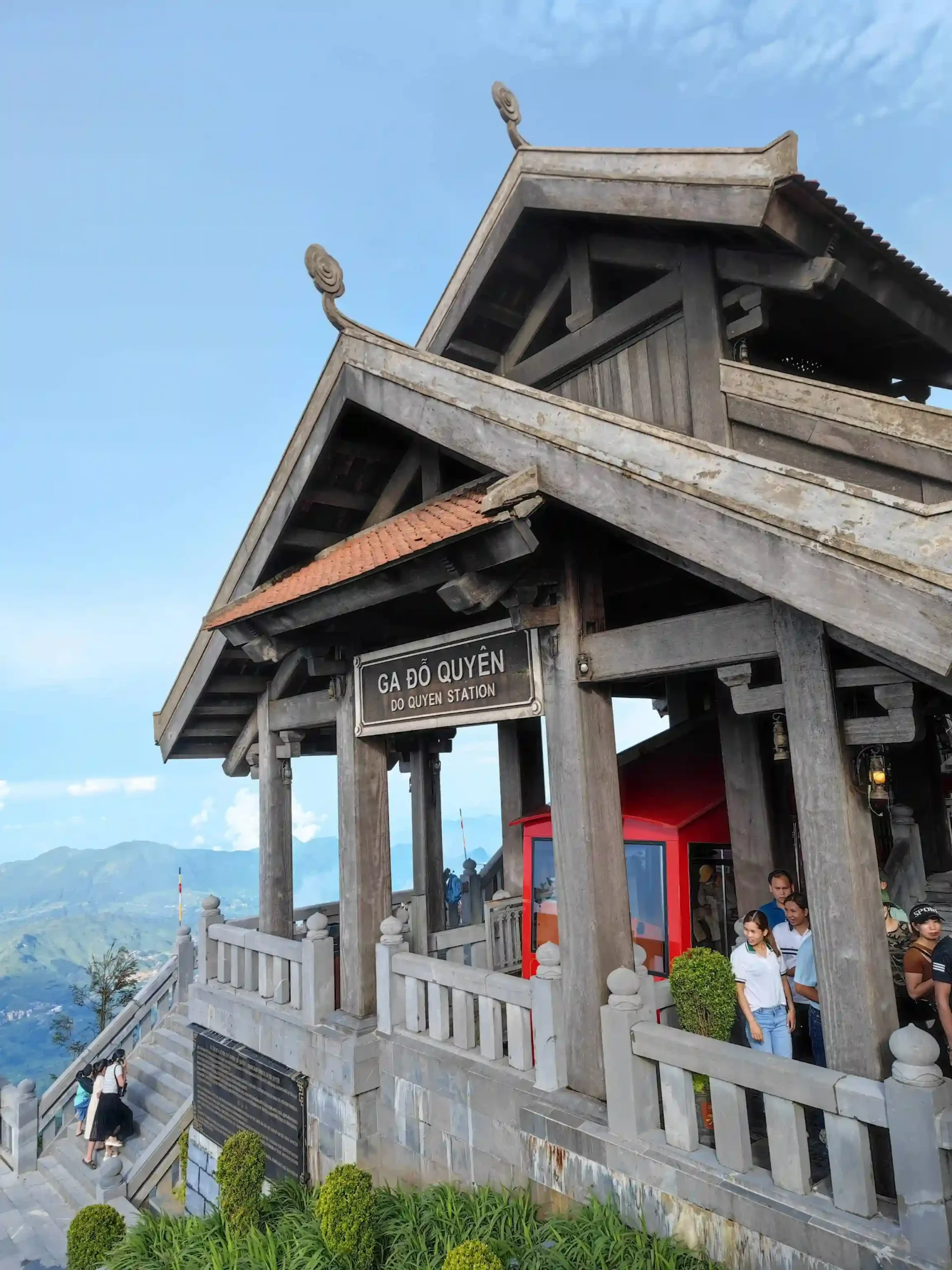
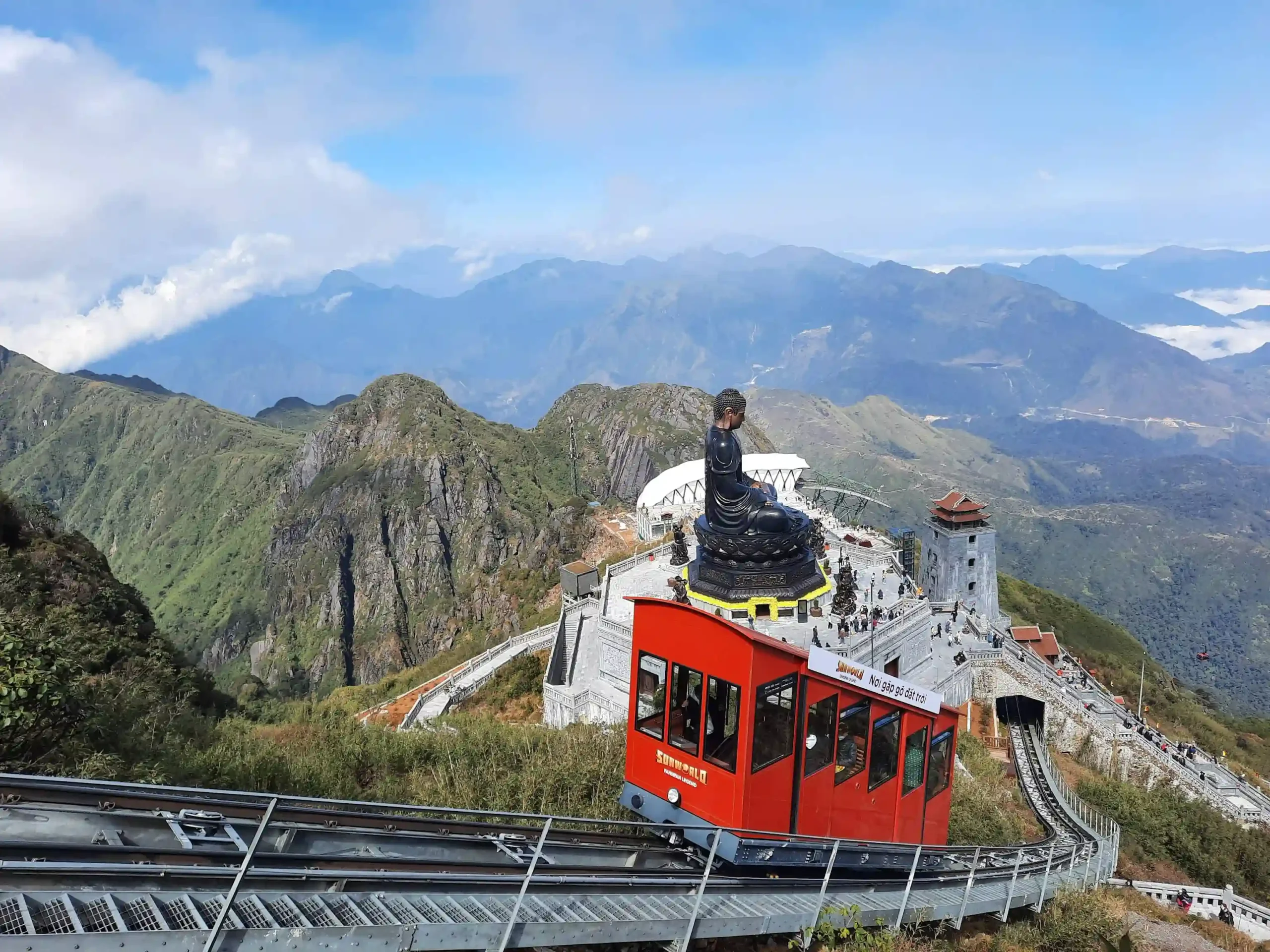
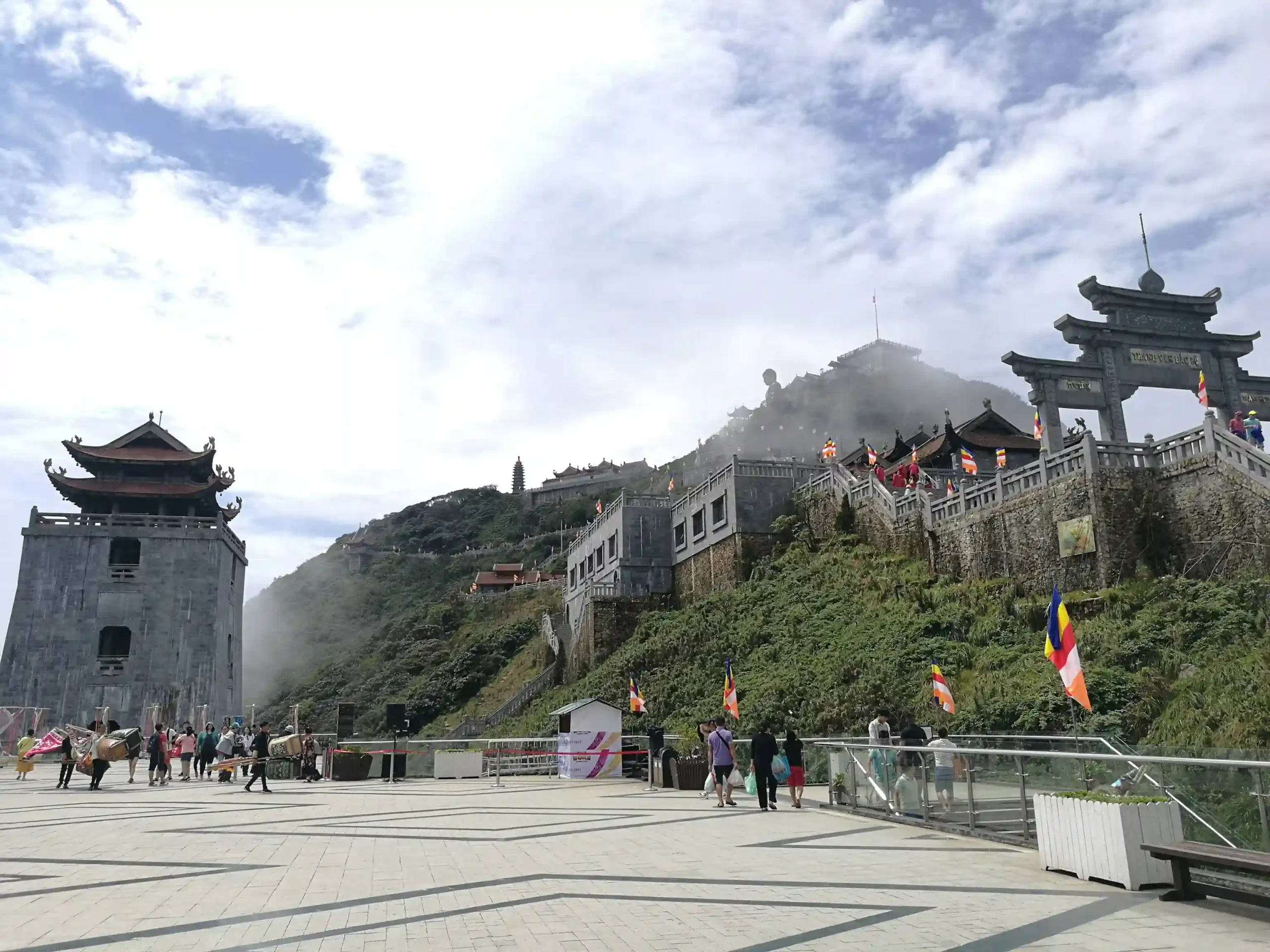
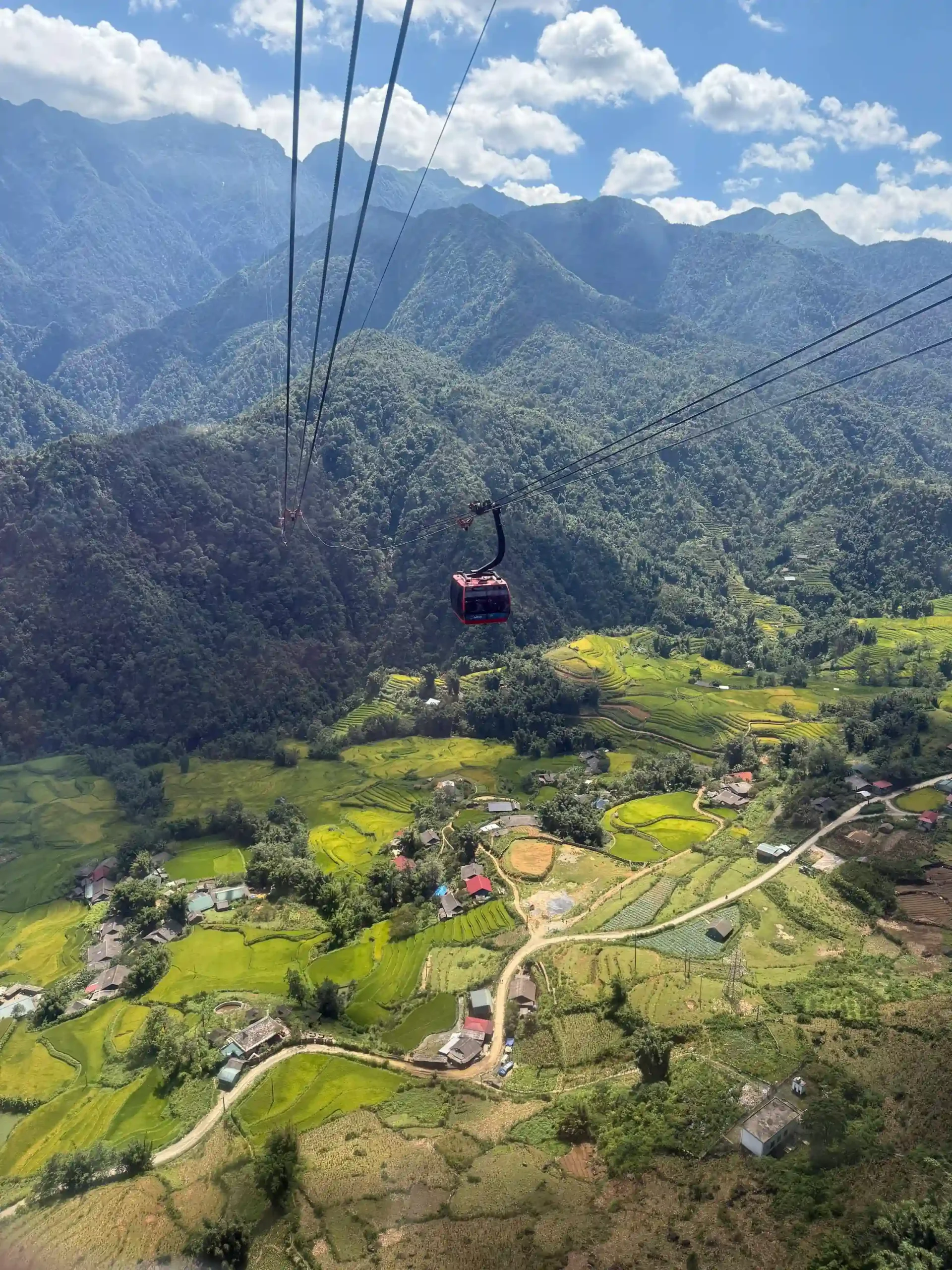
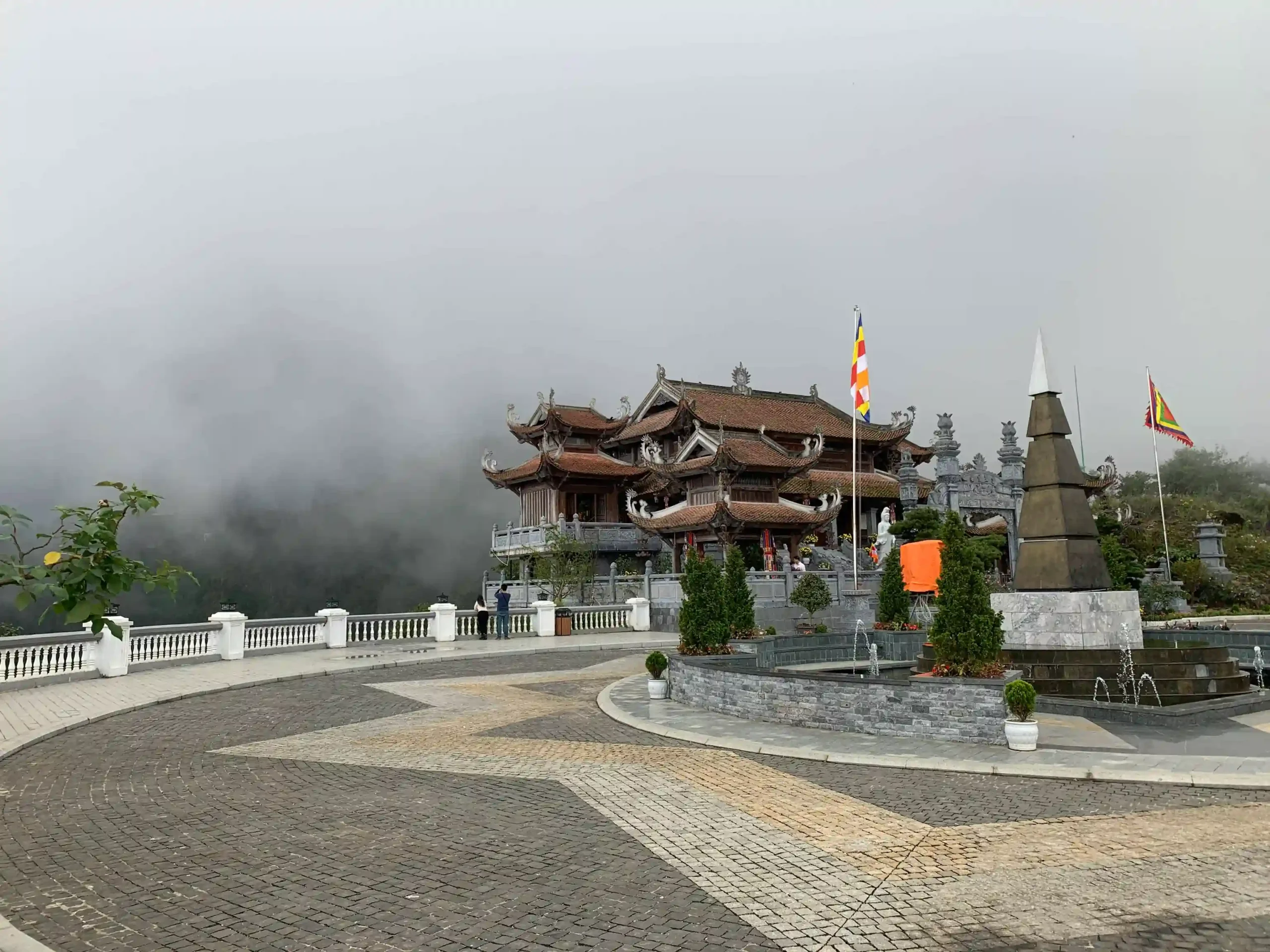
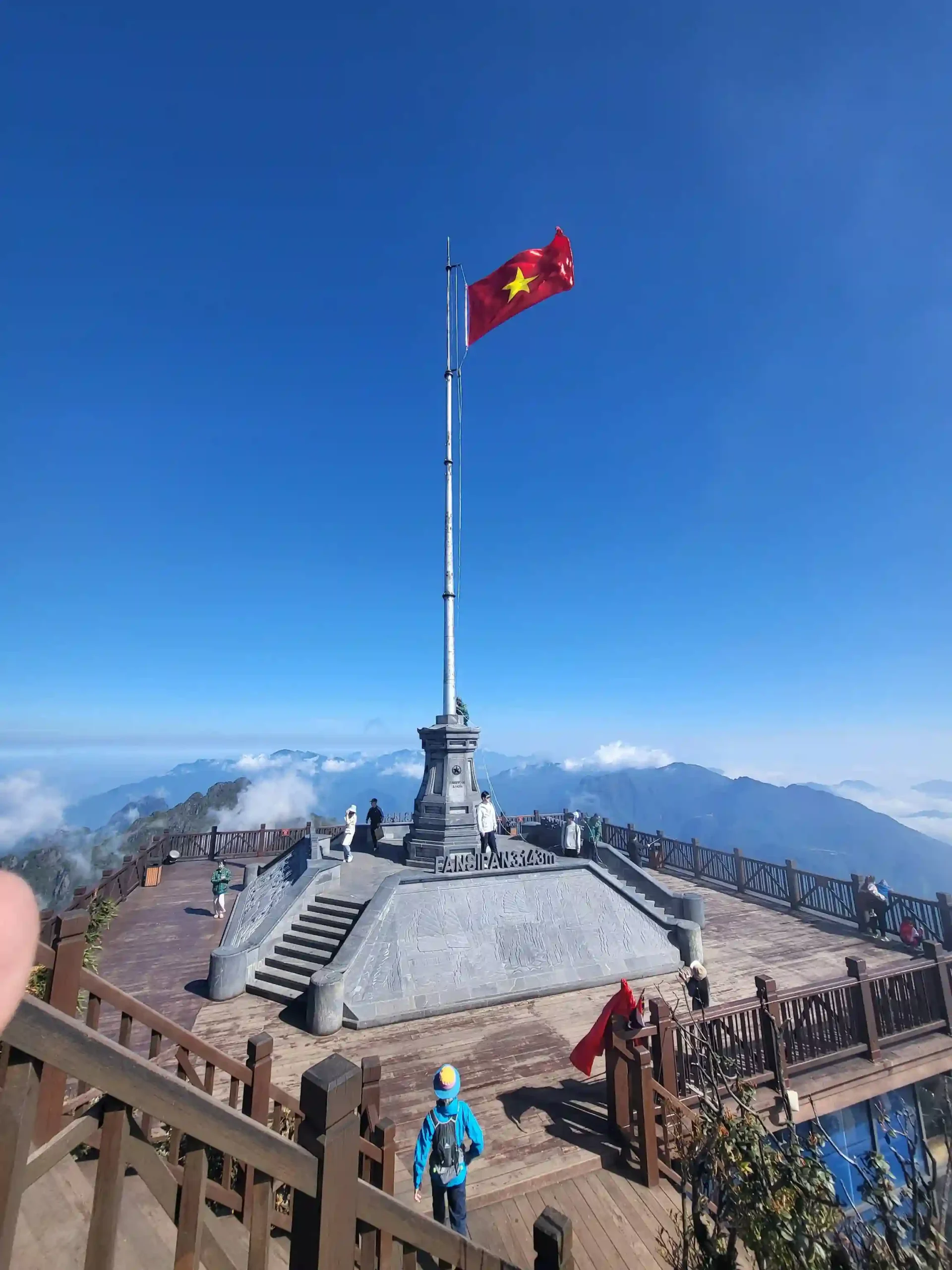
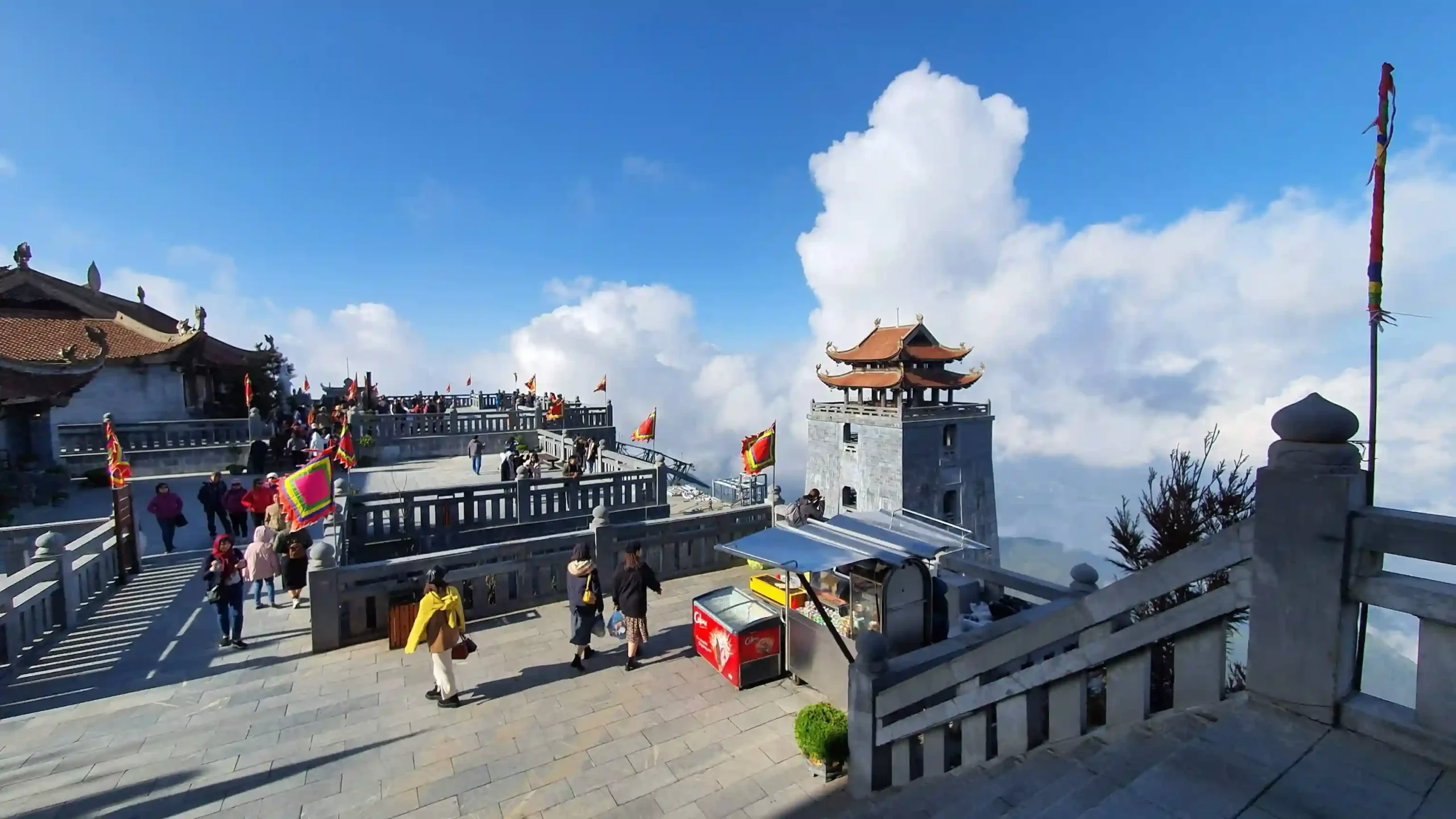
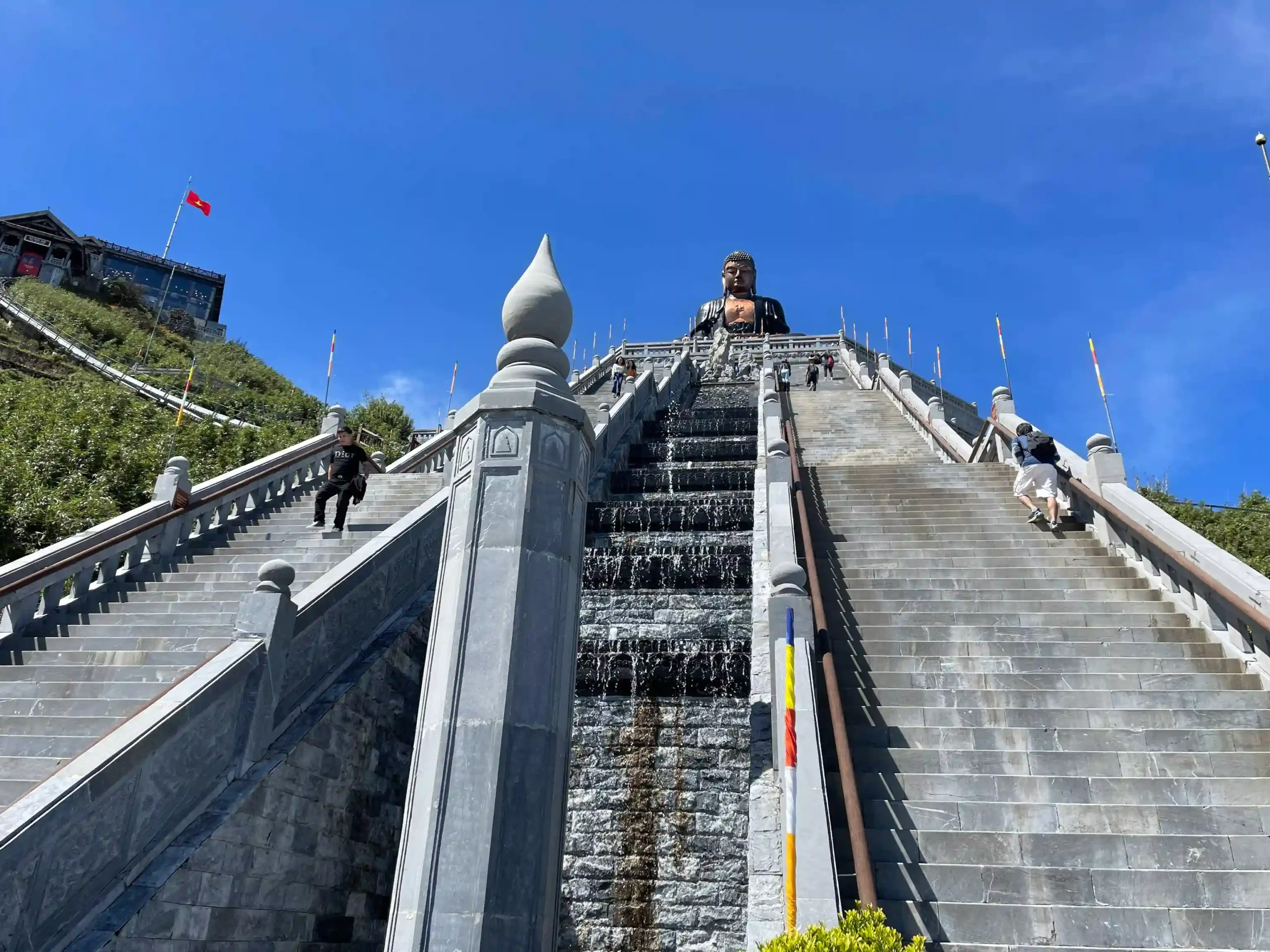
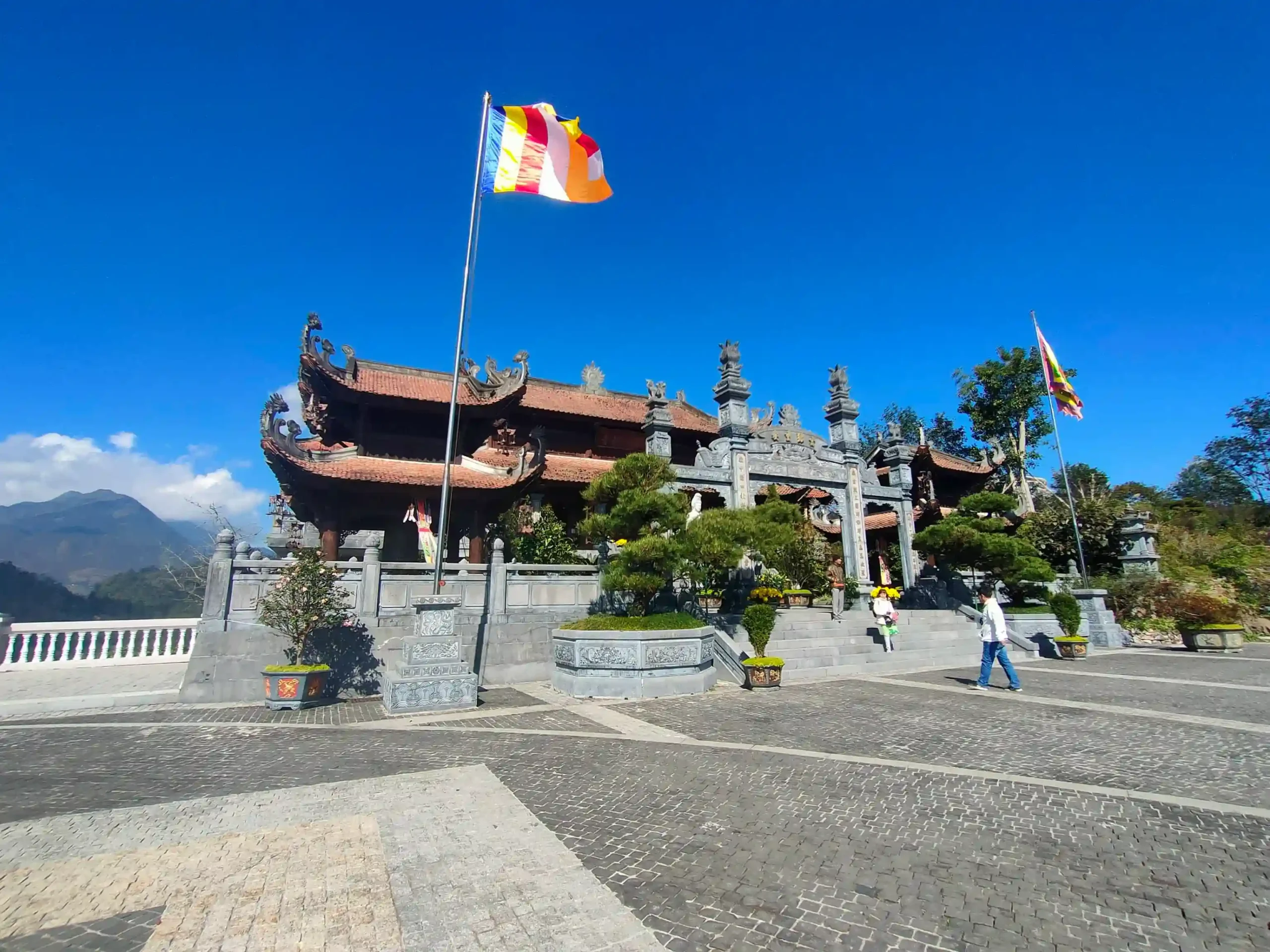
Mount Fansipan sits at 3,143 meters (10,312 feet) and is called the Roof of Indochina.
Years ago, if you wanted to see the summit, you had to spend 2-3 grueling days slipping in the freezing mud, getting attacked by leeches, sleeping in freezing tin huts with rats, just to summit. Now? Sun Group built one of the longest, highest non-stop cable cars in the world. You jump into a massive glass gondola and fly straight up the valley for 15 minutes.
It completely dominates most listicles about the best things to do in Sapa for a good reason. The scale of the engineering is mental. Sitting in the gondola watching untouched dense forest and terraced farms sliding thousands of feet below you is pretty wild.
At the top, they built massive Buddhist statues, pagodas, and hundreds of steps leading right to the highest metal pyramid peak. Yes, the summit is mostly a loud theme park of local tourists trying to take selfies with the Vietnamese flag, and you’ll find overpriced sausage stands. I used to turn my nose up at this sort of fake mega-attraction.
But honestly? If the weather clears up above the cloud line, the view of the surrounding mountain range stretching into China is something else entirely. Most casual tourists do not have the lungs to physically climb this thing. The cable car makes it accessible to everyone.
Don’t buy tickets from weird touts near the train station, just pre-book your digital QR code. You skip the enormous ticket window queues in town, especially on weekends, and you go straight to the turnstiles.
Crucial caveat: CHECK THE WEBCAMS first at the funicular station. If the peak is fogged over, do not buy a ticket. Paying $35 to freeze in 0-visibility mist up high is miserable.
Read more: I found 5 best places to stay in Sapa for Fansipan tour!
2. Trekking the Muong Hoa Valley (With an independent local guide)
- Rating: 9.5/10
- Cost: Anywhere from 600,000 to 1.5 million VND depending on length and group size
- Location: Lao Chải, Sa Pa, Lào Cai
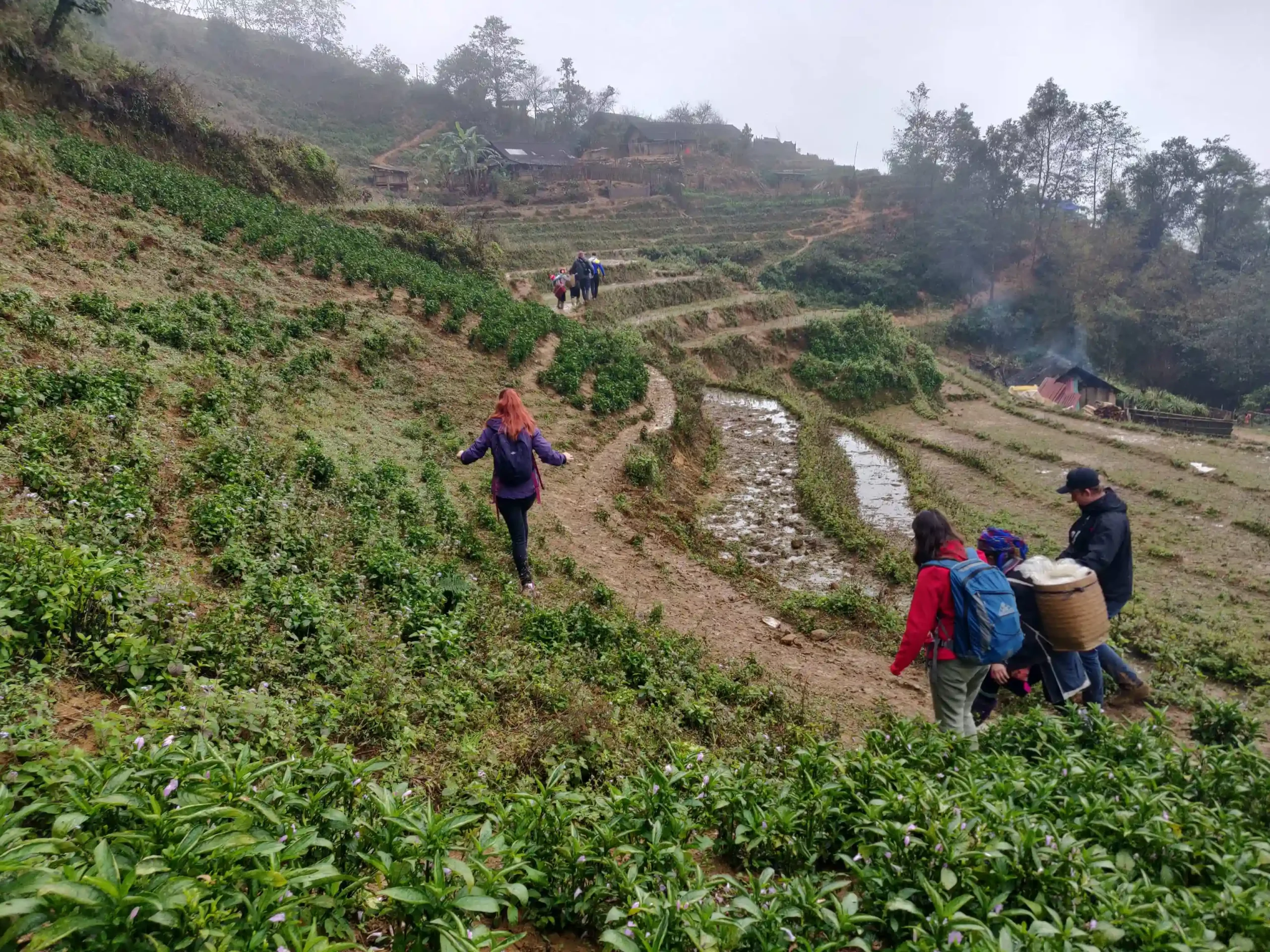
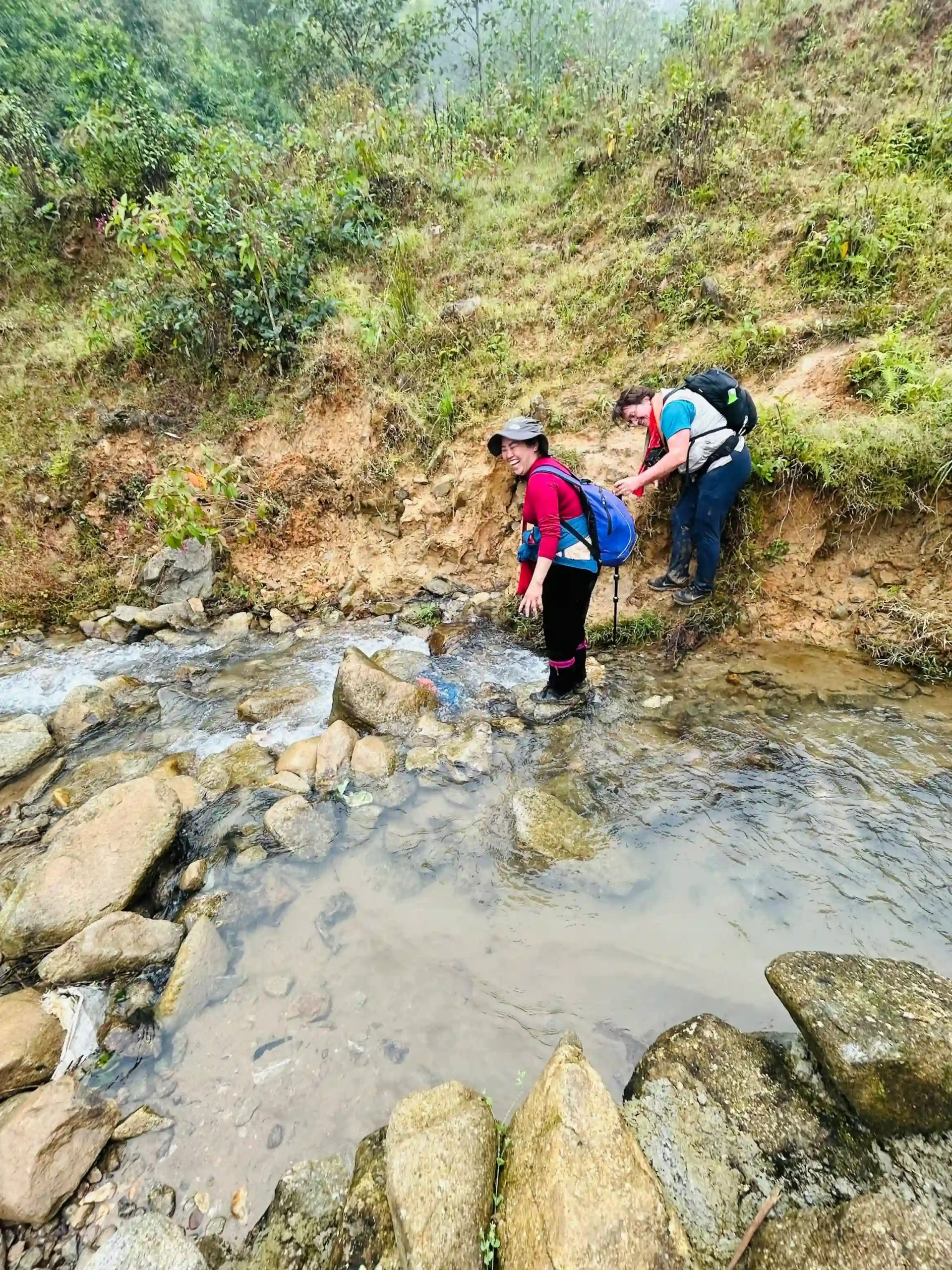
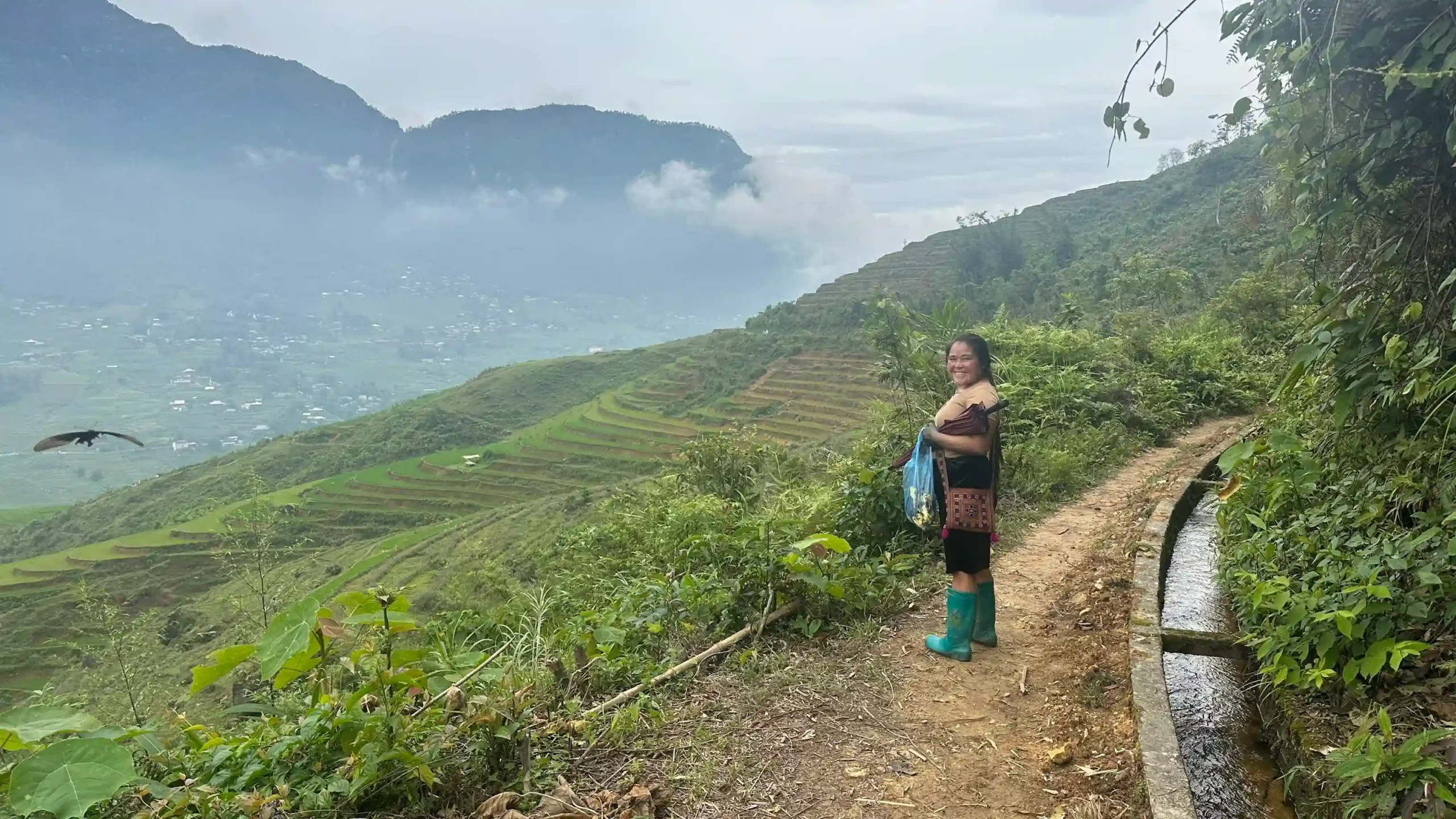
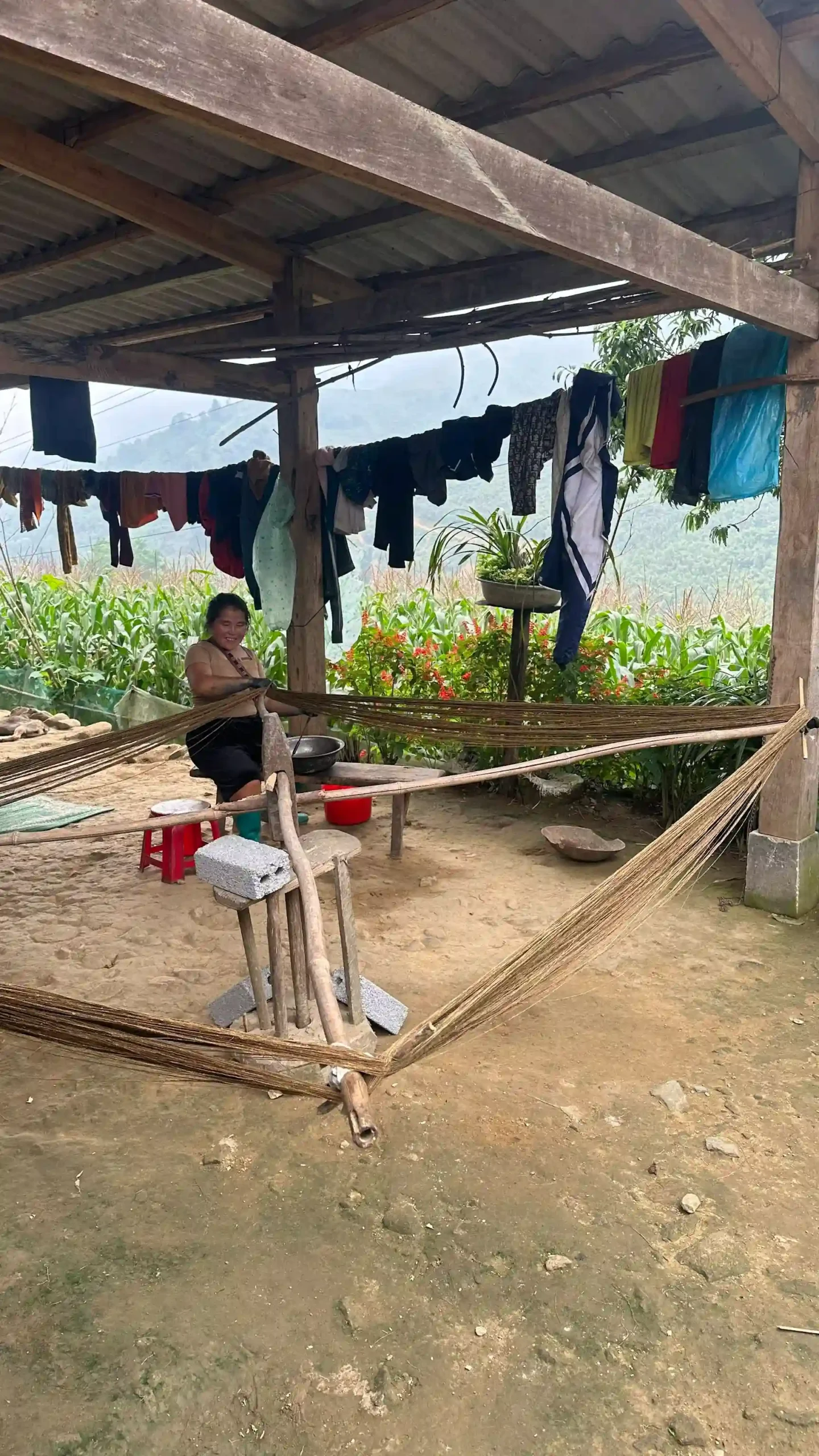
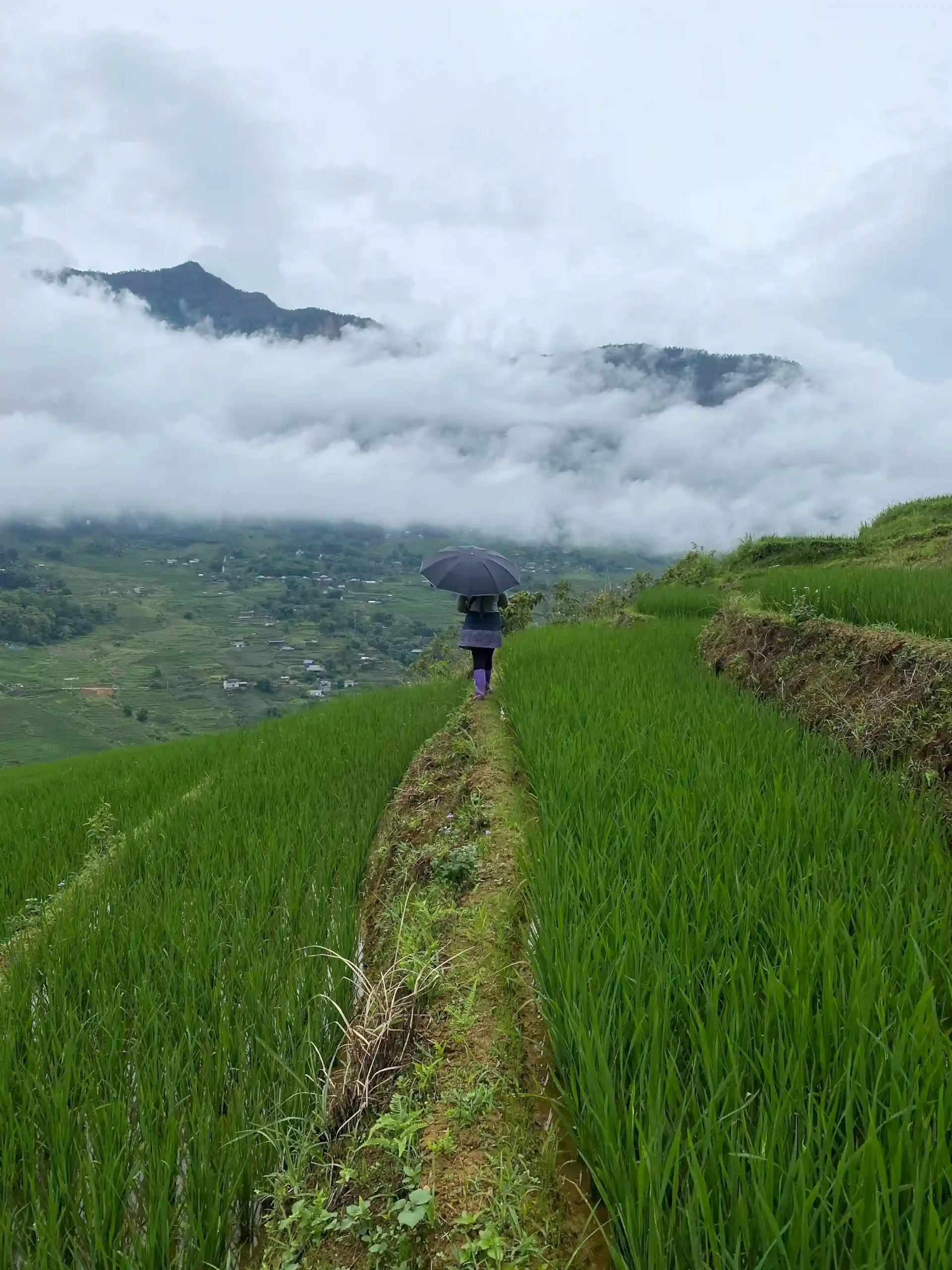
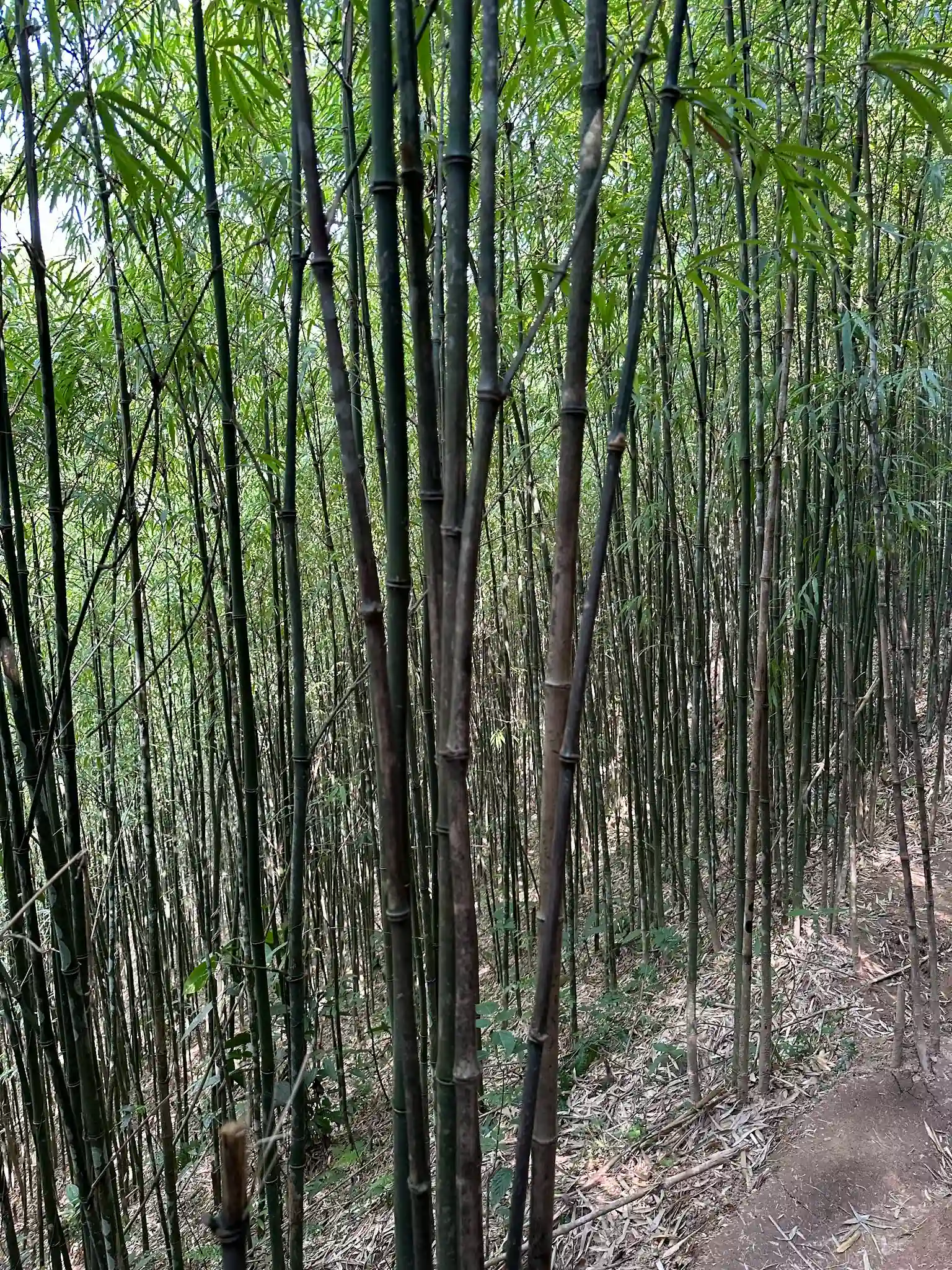
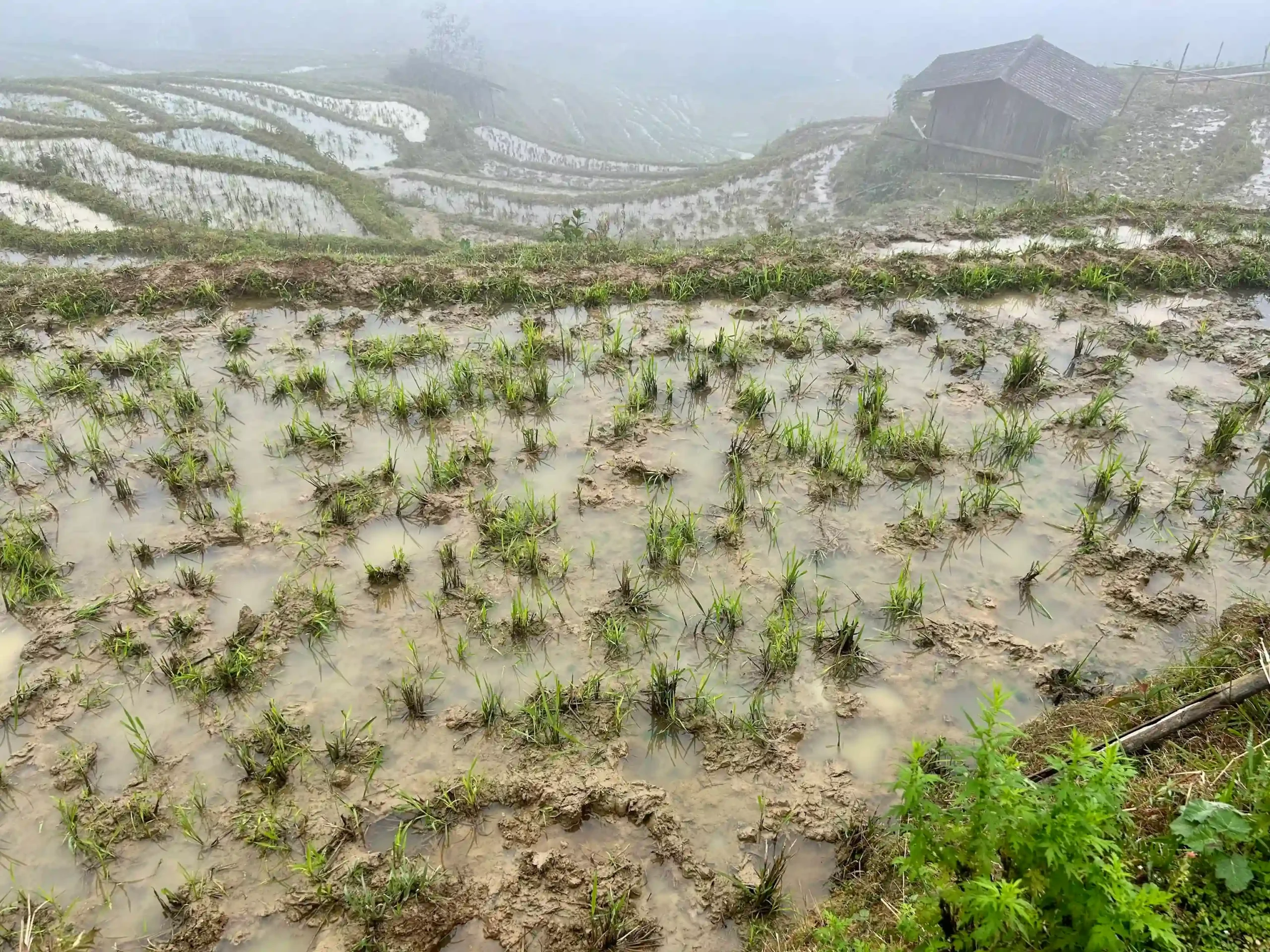
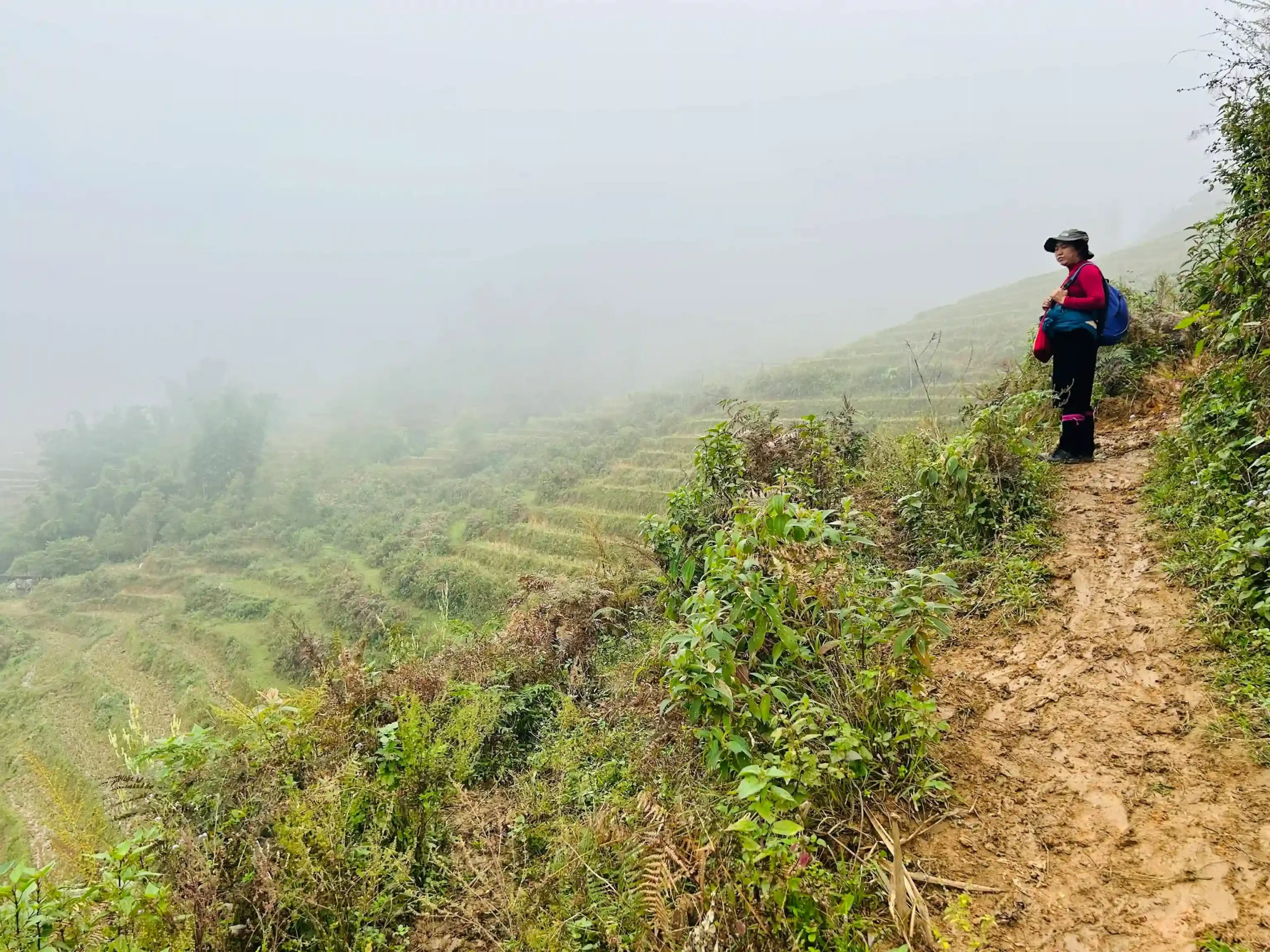
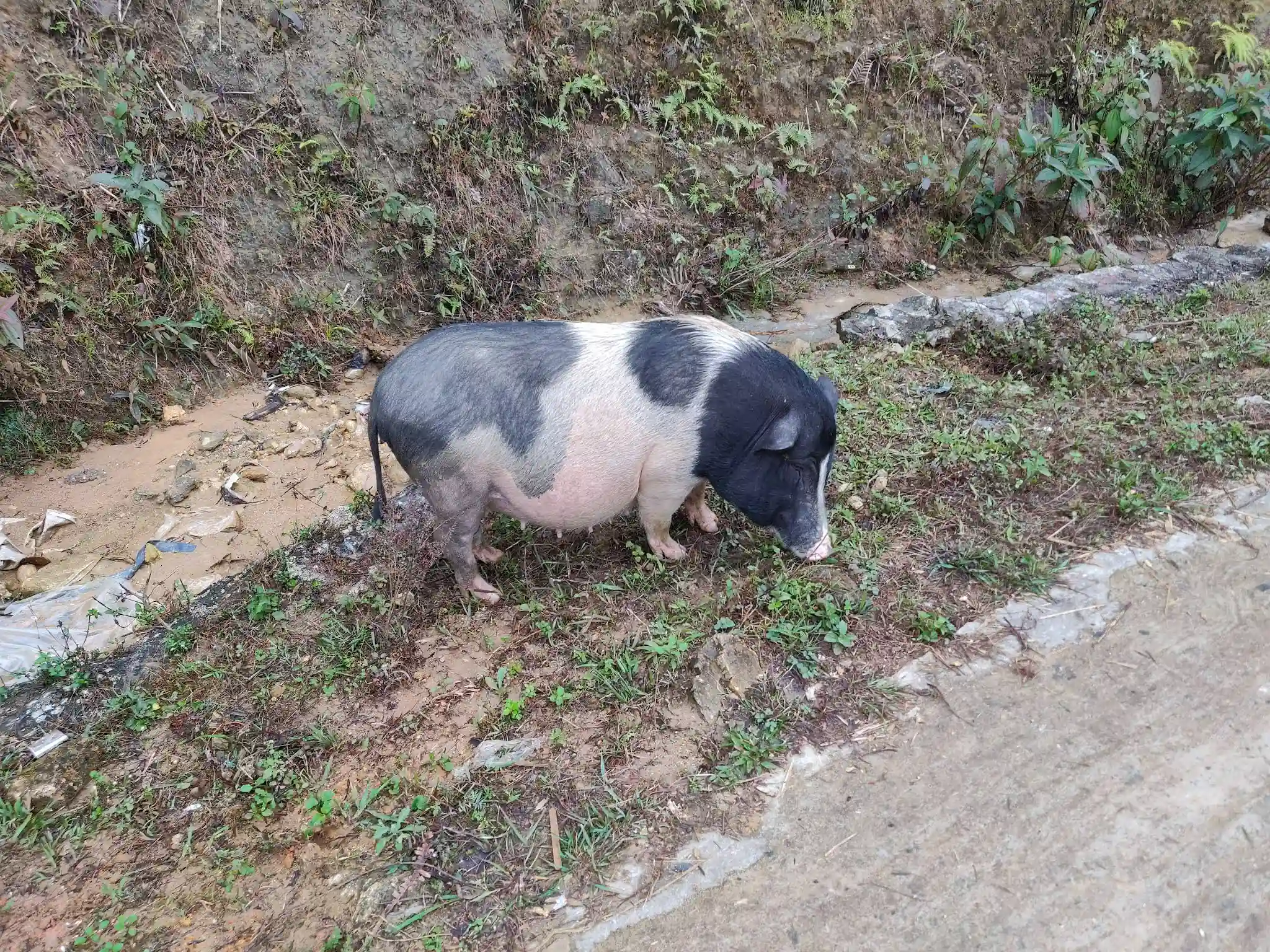
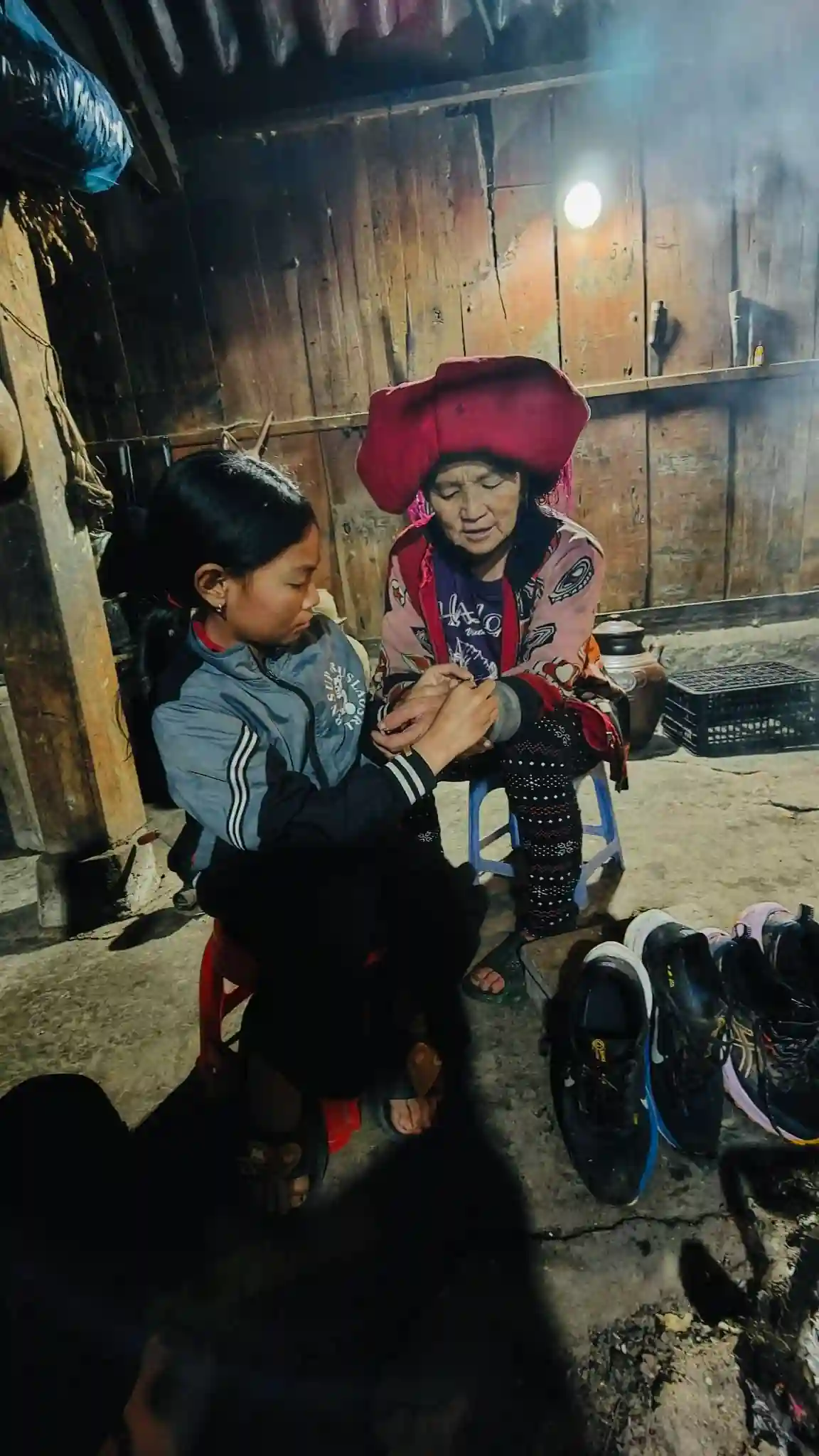
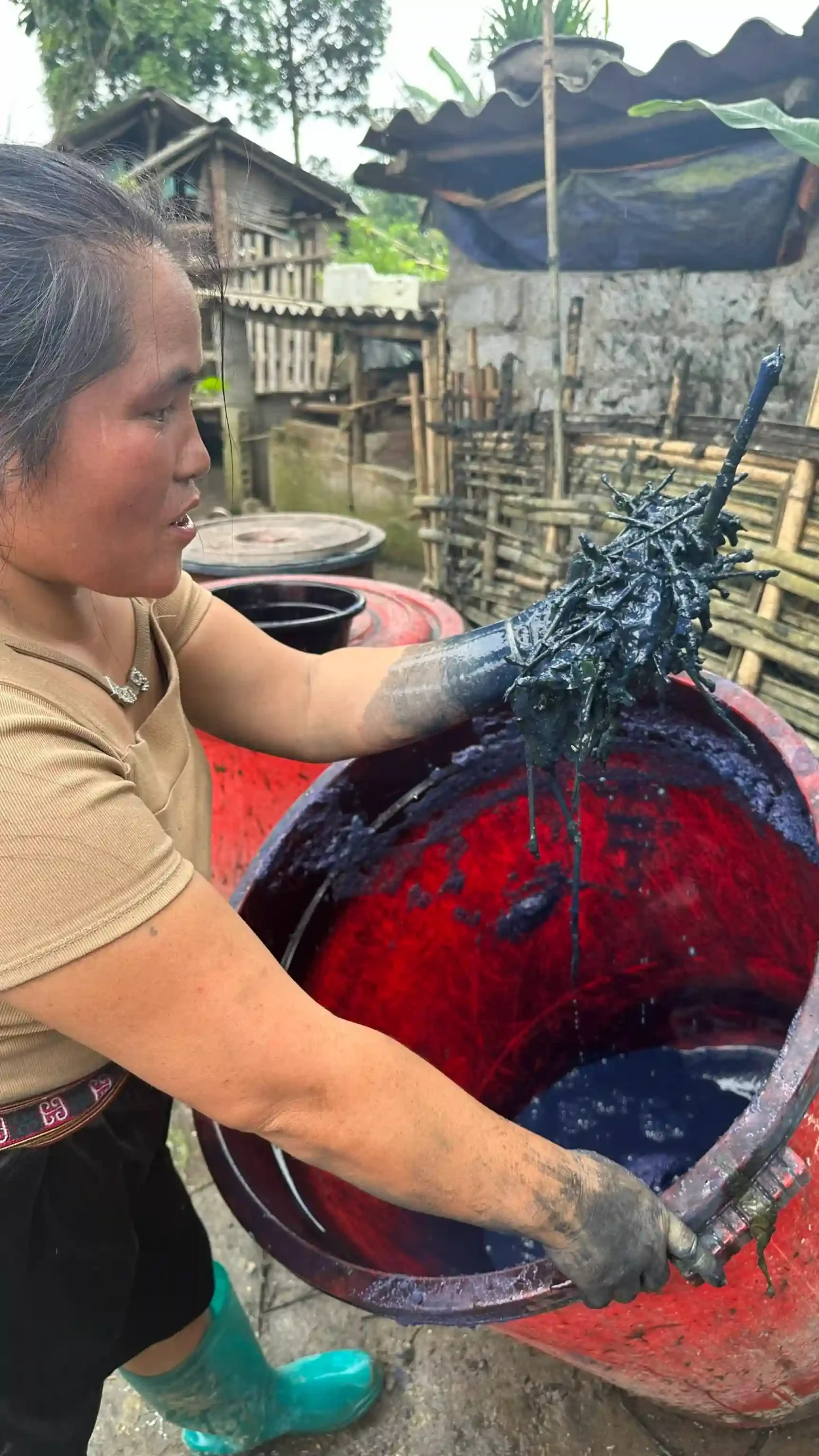
When I talk about real Sapa, this is what I mean. Muong Hoa is the primary valley stretching down out of the main town area. It is basically the huge green crater where Ta Van, Lao Chai, and Giang Ta Chai villages sit.
Do not just use Google maps and wander randomly into the mountains, you’ll end up falling into a muddy irrigation ditch. Also, try avoiding massive 40-person mega-tours sold from budget agencies in Hanoi where you walk down main paved roads surrounded by hundreds of other hikers.
Here is the formula to make it the second-best thing in Sapa: Look up an independent local Hmong guide. Someone like Mama Mao or the girls from Zizi’s.
Many of them hang around Sapa town in traditional dress but don’t just pick randomly; hit their Facebook pages or Whatsapp numbers in advance. They take you on tiny dirt goat paths clinging to the edge of mountains where tour buses absolutely cannot go.
You’re gonna hike maybe 12 to 15 kilometers over a day. You’ll go through massive thickets of bamboo, cut right across functioning rice terraces, step over buffalo poop, cross rickety suspension bridges.
Expectations versus Reality check here:
It isn’t an easy stroll. If it has rained within the last 72 hours, Sapa trails turn into butter-slick mud. I tore my shorts on a barbed wire fence during a descent my first year doing this. Wear real trekking shoes or cheap rubber local boots.
But out here, miles from a convenience store, you get to see normal people working their crops, tiny rural schools, animals wandering freely. The landscape completely opens up and humbles you. It’s tough, dirty, sweaty work, and completely incredible.
Using GYG or Klook guarantees your money actually goes mostly to the local female guides handling the work instead of corporate bus company operators in Hanoi, plus you can see real recent reviews to ensure it’s not a paved road “hike”)
1. Staying at a Homestay in Ta Van or Lao Chai
- Rating: 10/10
- Cost: ~$15 to $40 USD a night, totally varies
- Location: Lao Chải, Sa Pa, Lào Cai
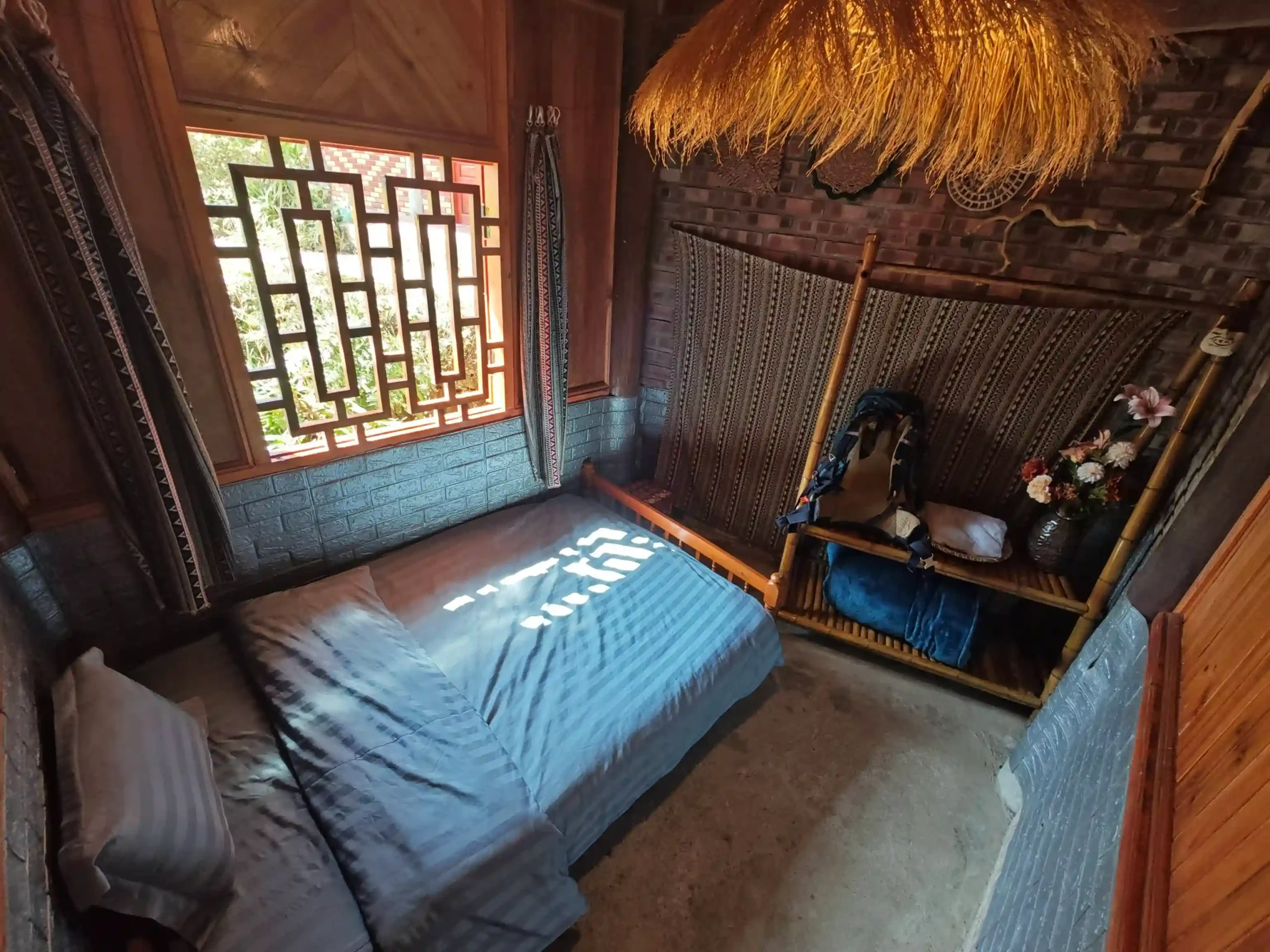
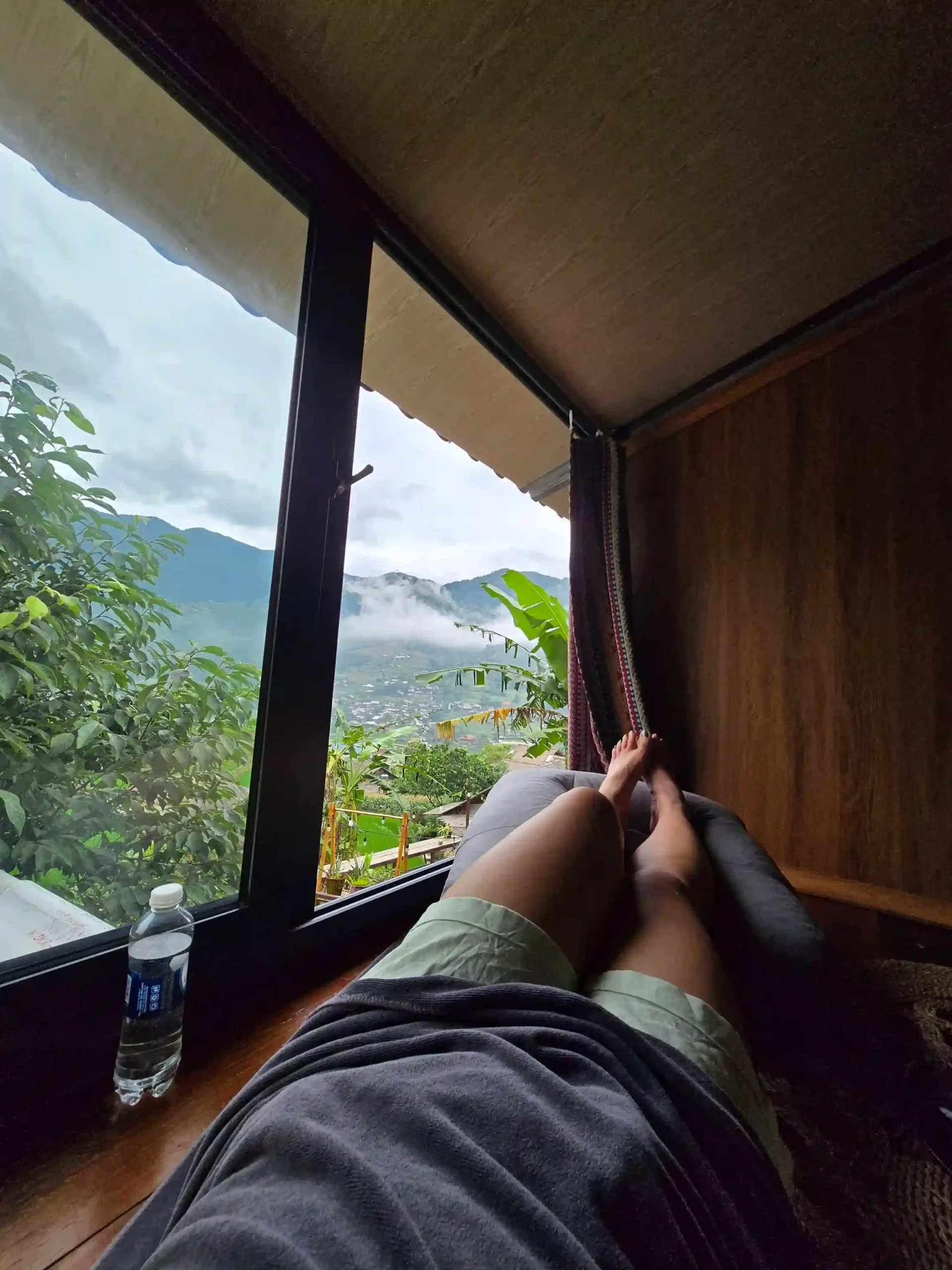
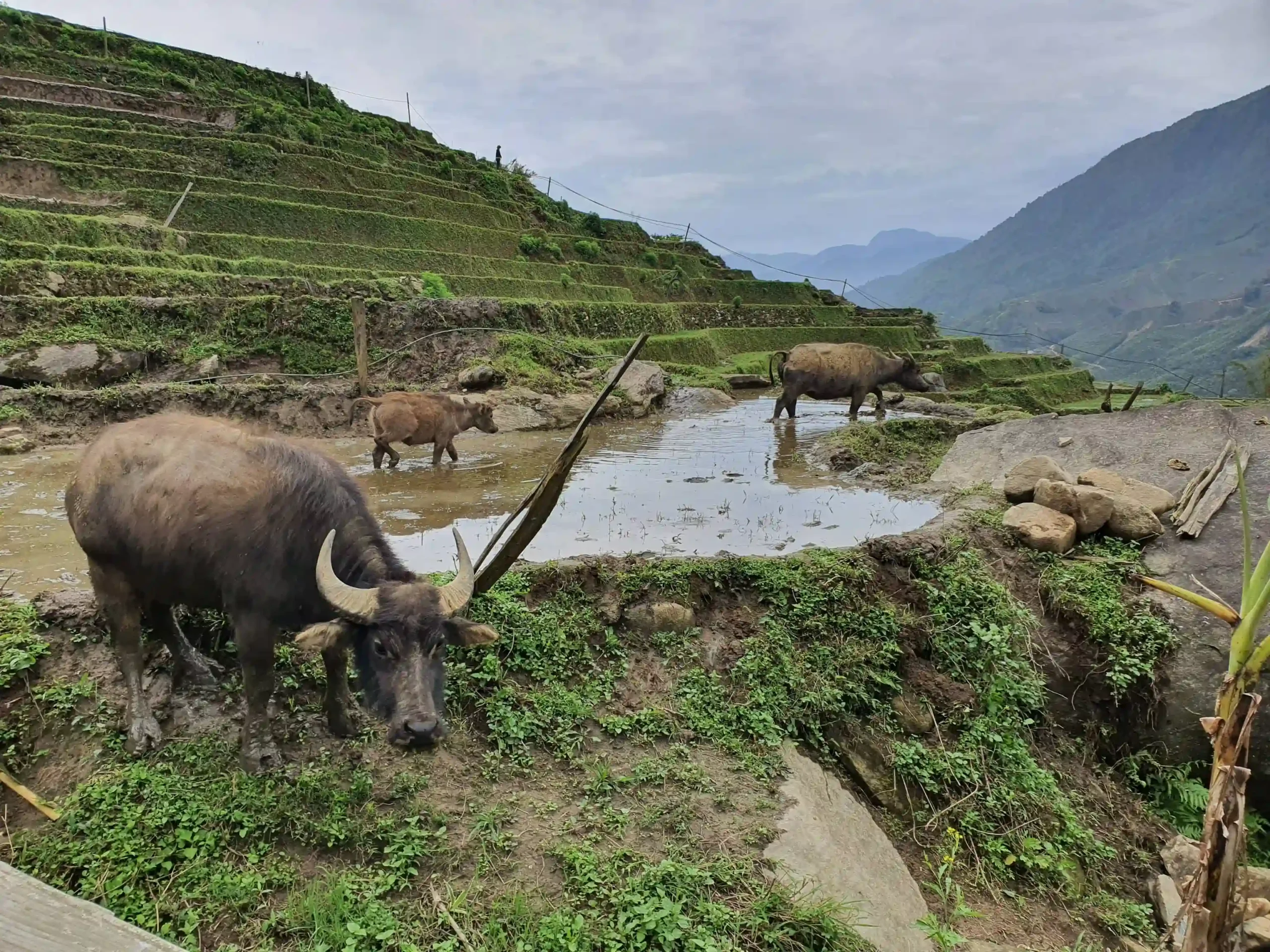
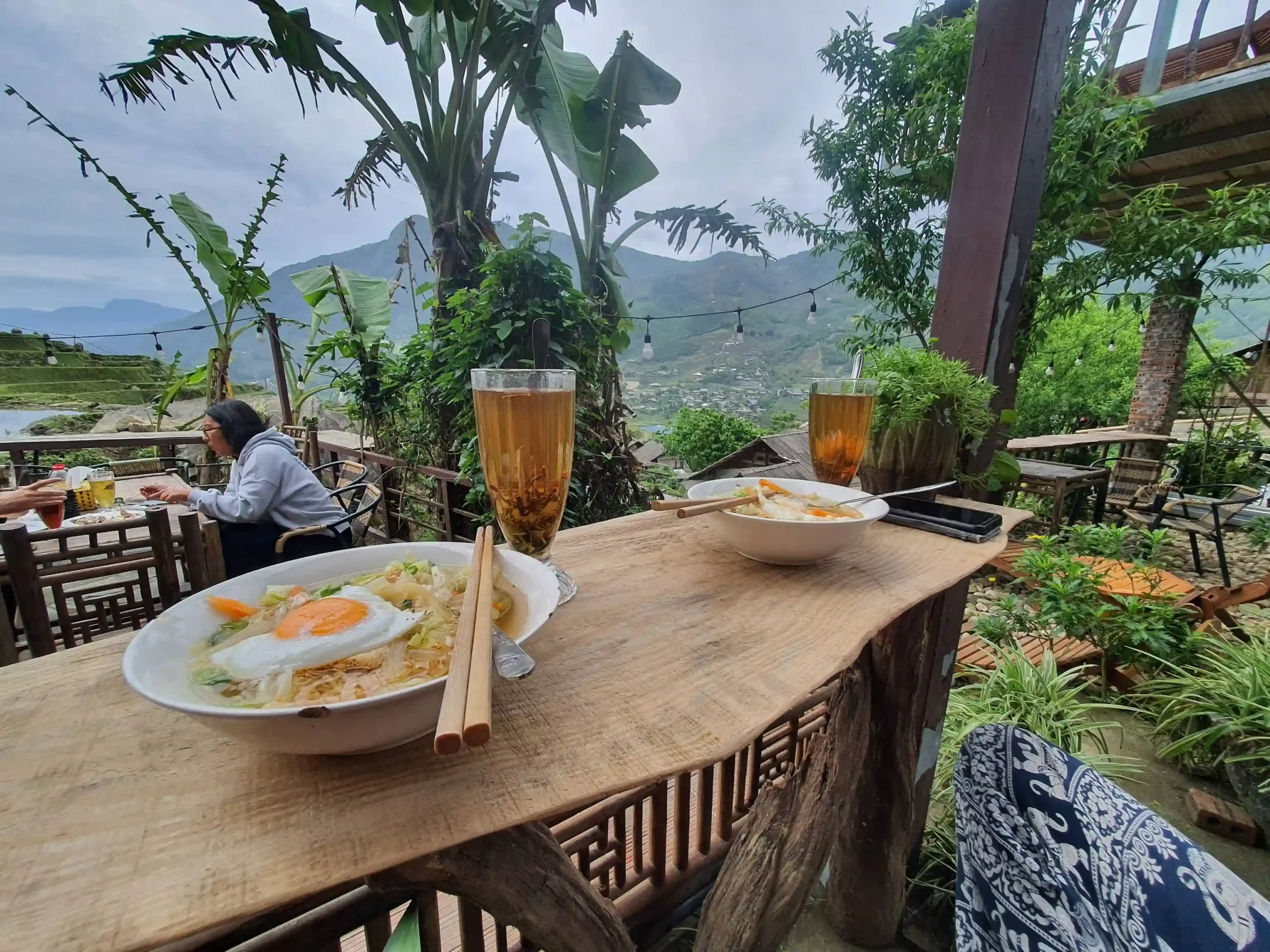
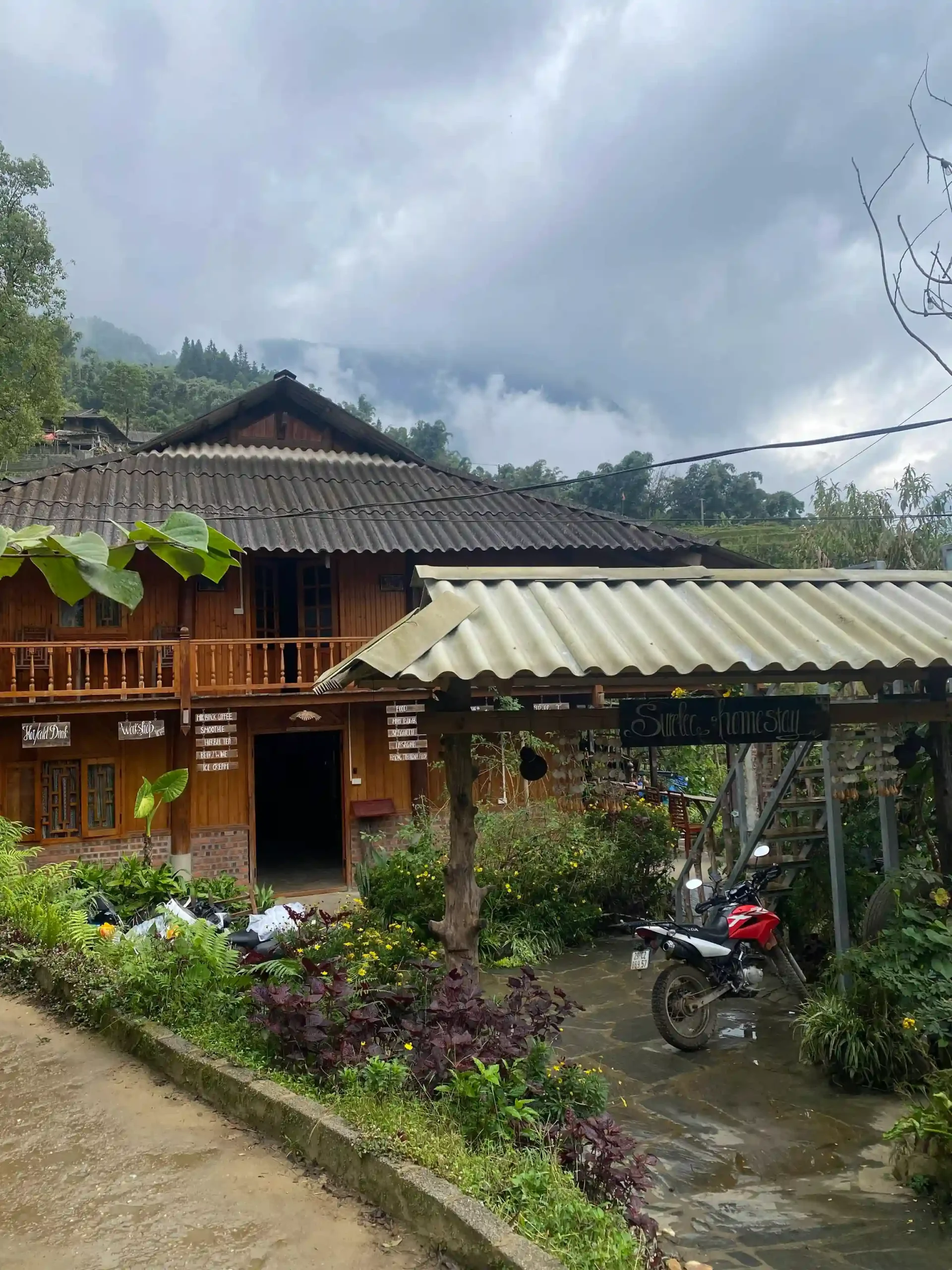
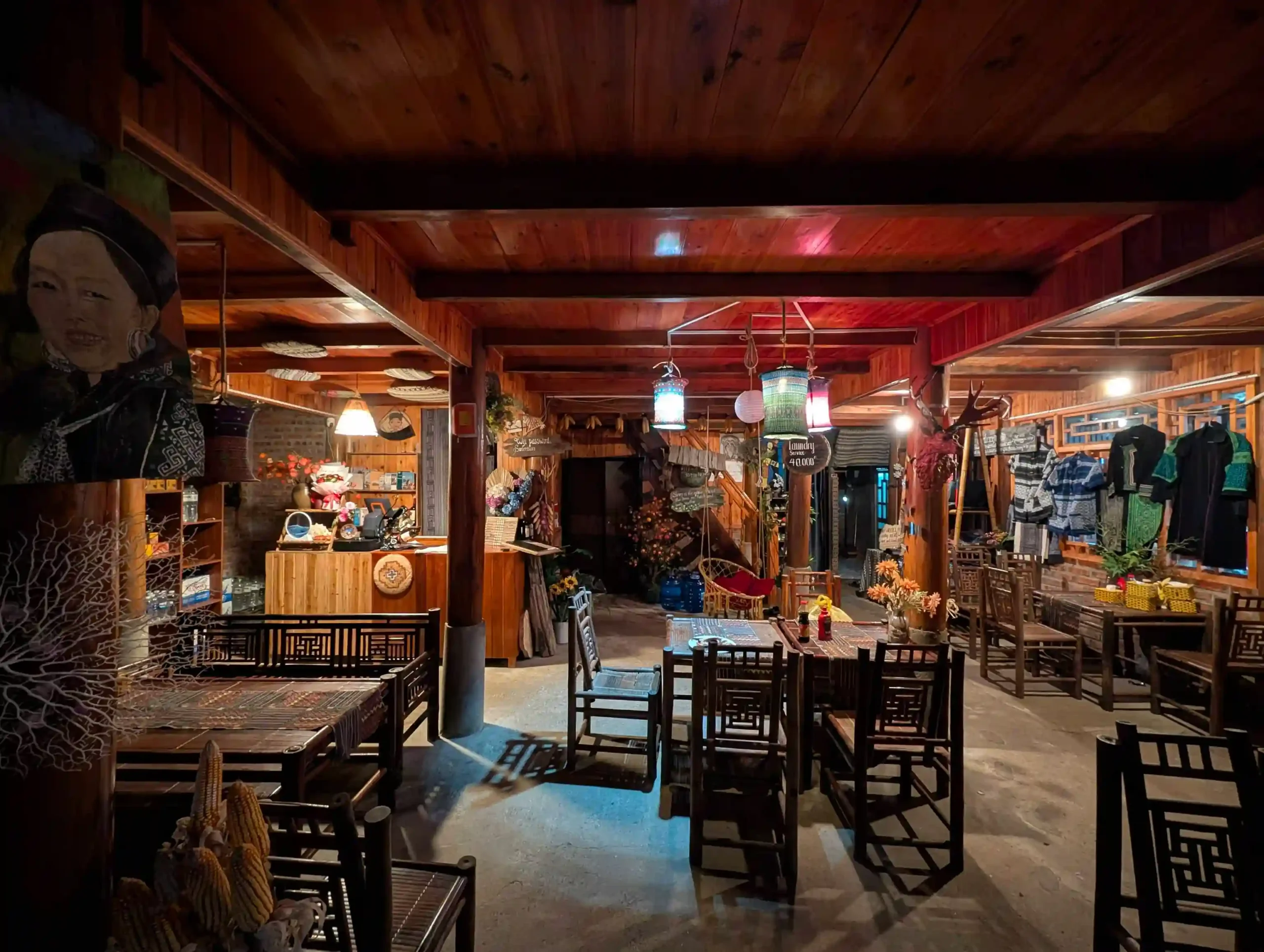
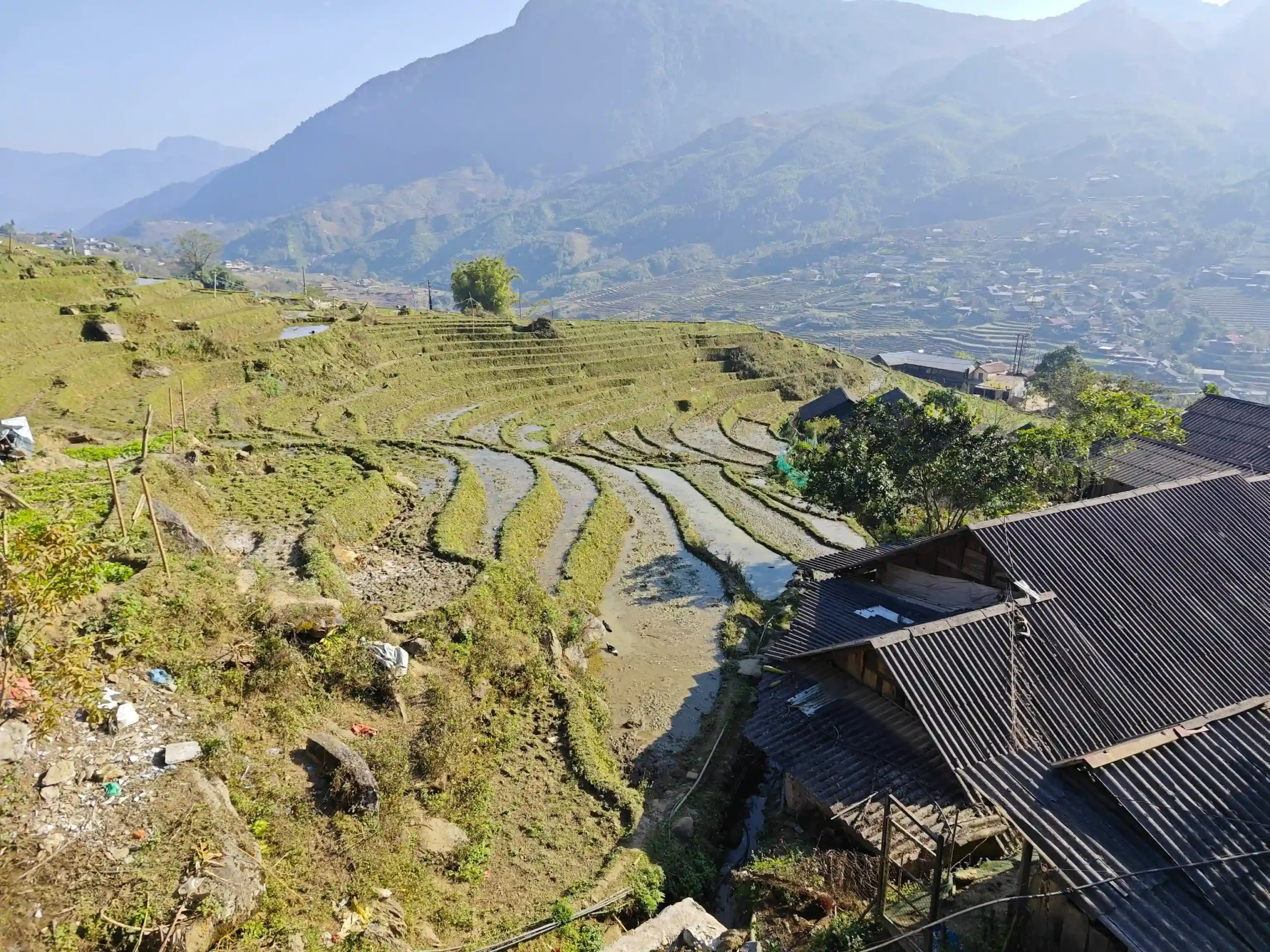
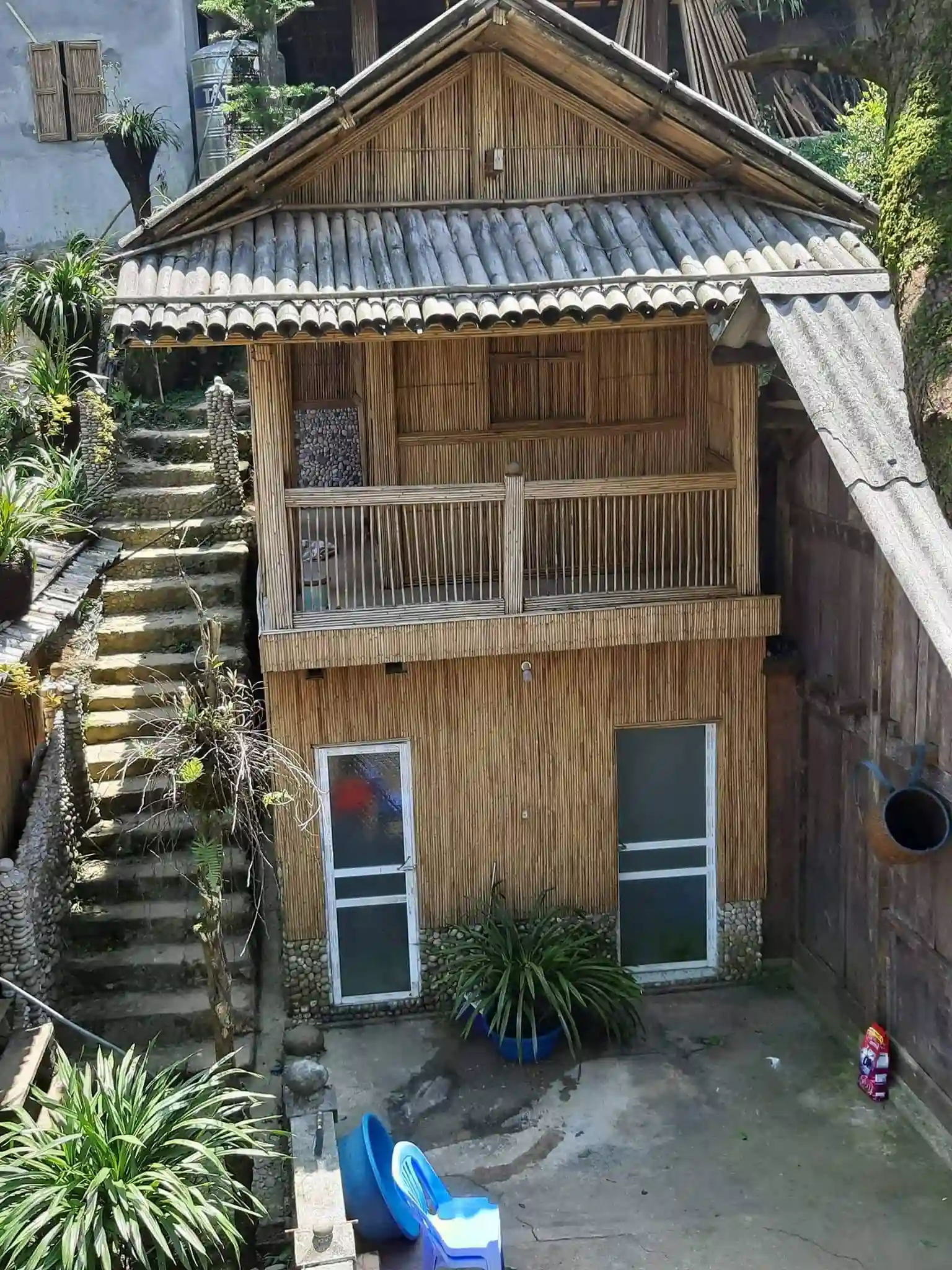
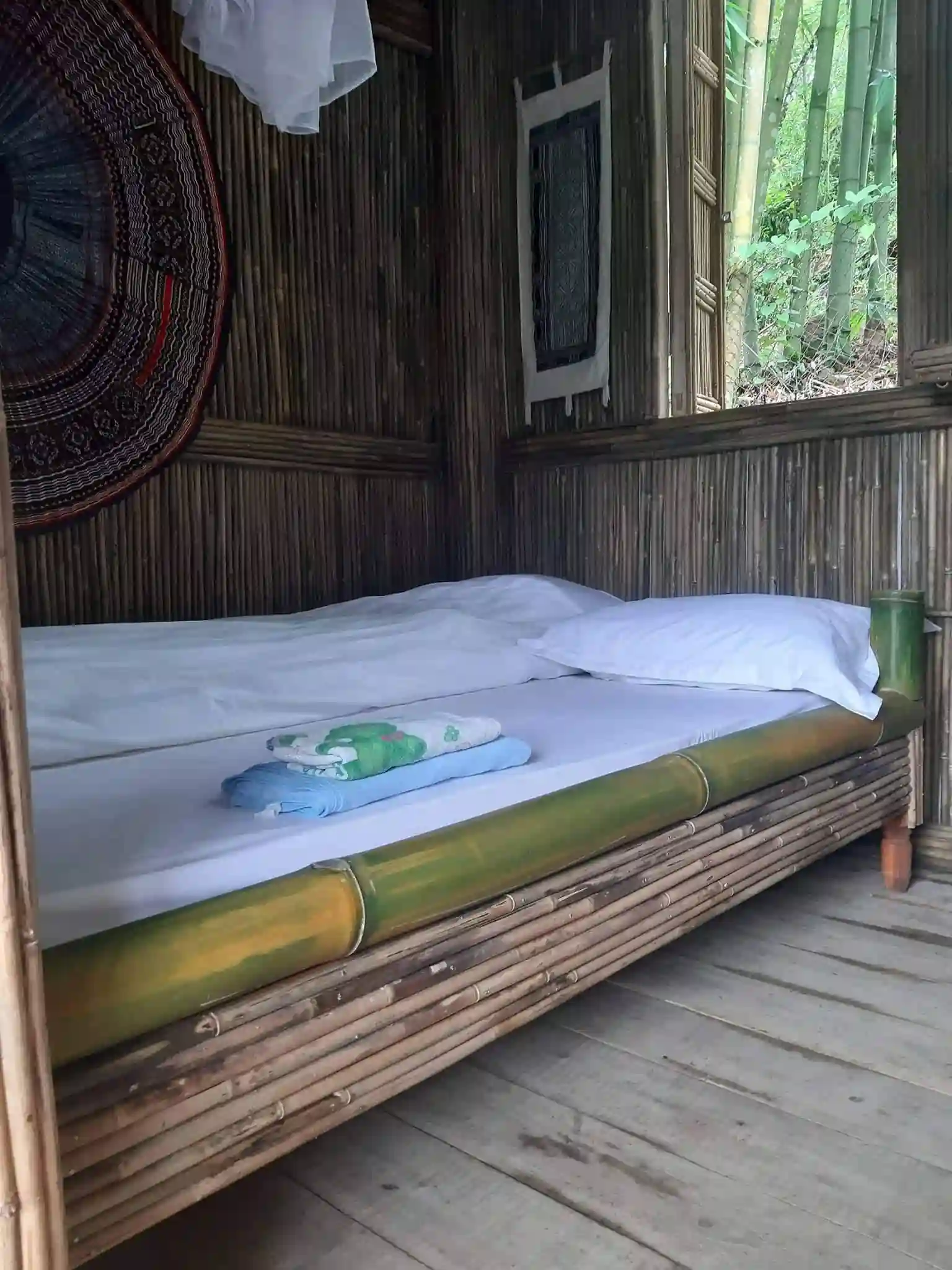
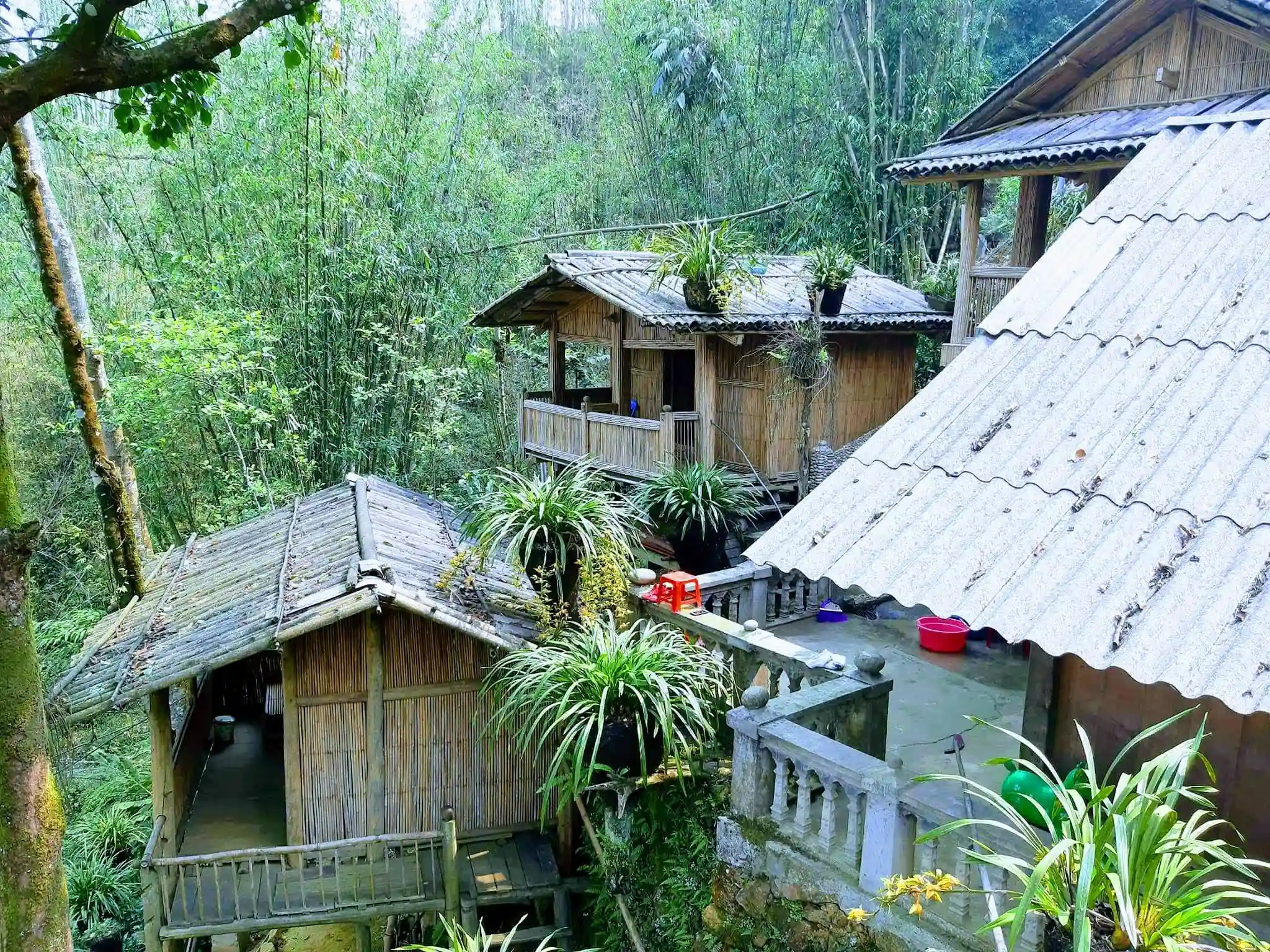
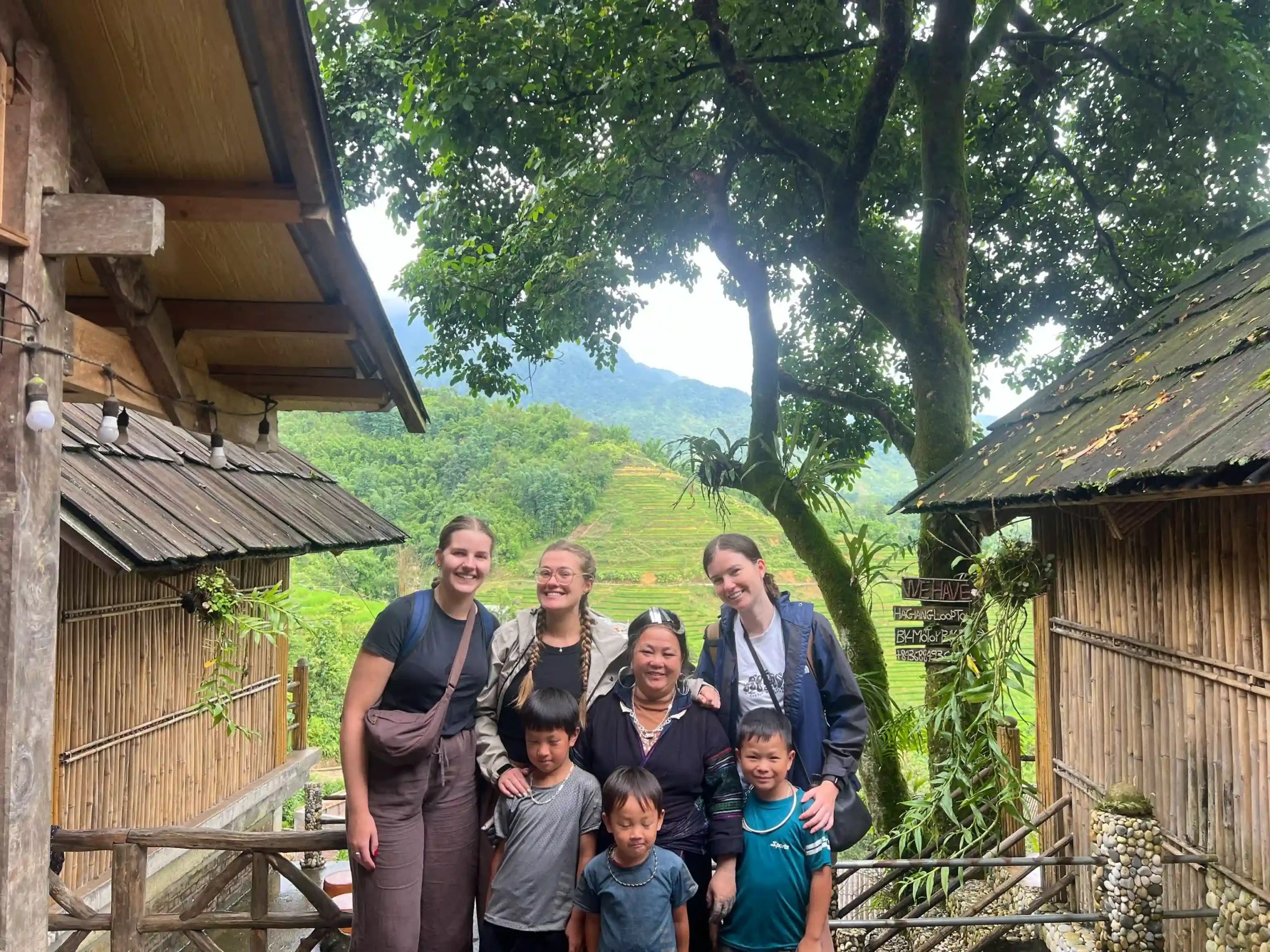
The ultimate cheat code for surviving and loving Sapa is never booking a hotel in the central town area.
Arrive in Sapa, skip the giant hotels entirely, hire a local taxi or xe om (motorbike taxi) for about 200,000 VND, and tell them to take you deep down the valley to Ta Van.
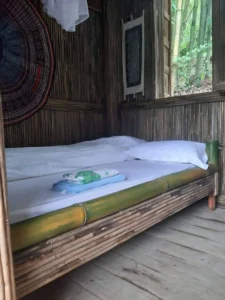
A “homestay” down here means very different things. Some are literal sheds strapped to the side of a wooden local house where you sleep on a 5-inch floor mattress with mosquito nets. Others have basically morphed into nice eco-lodges with wooden floors and hot showers. Whichever level of comfort you choose, this is absolutely the number one best thing to do in Sapa.
Why? Because waking up down in the valley rules. There’s no construction noise. Your alarm clock is generally just roosters and dogs yelling at each other at 5:30 AM. When you unzip your tent or open your wooden window shutters, you’re looking straight across thousands of layers of cascading green rice terraces.
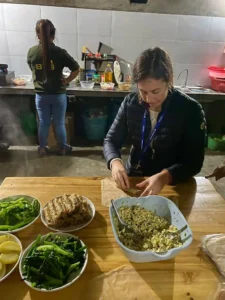
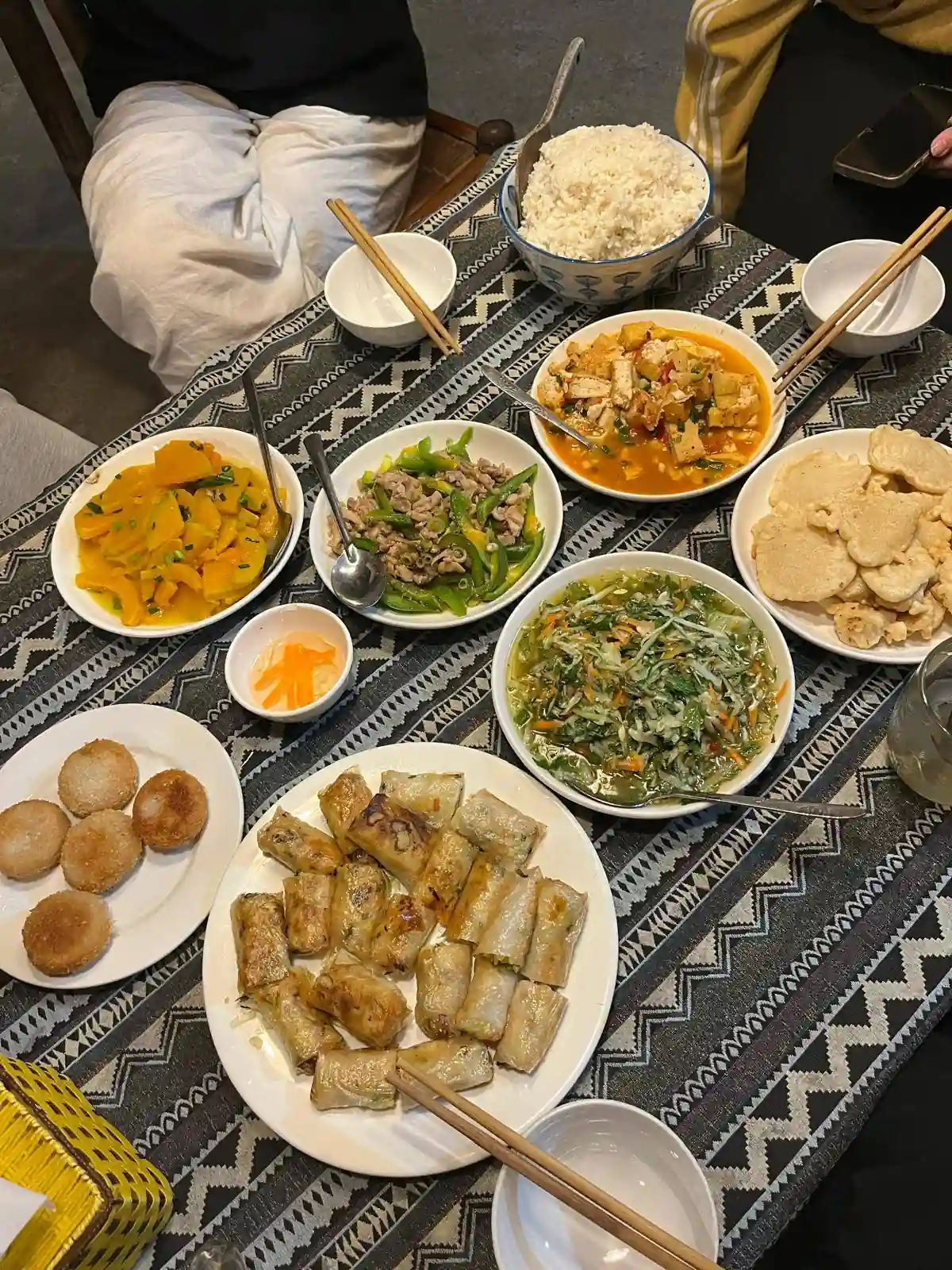
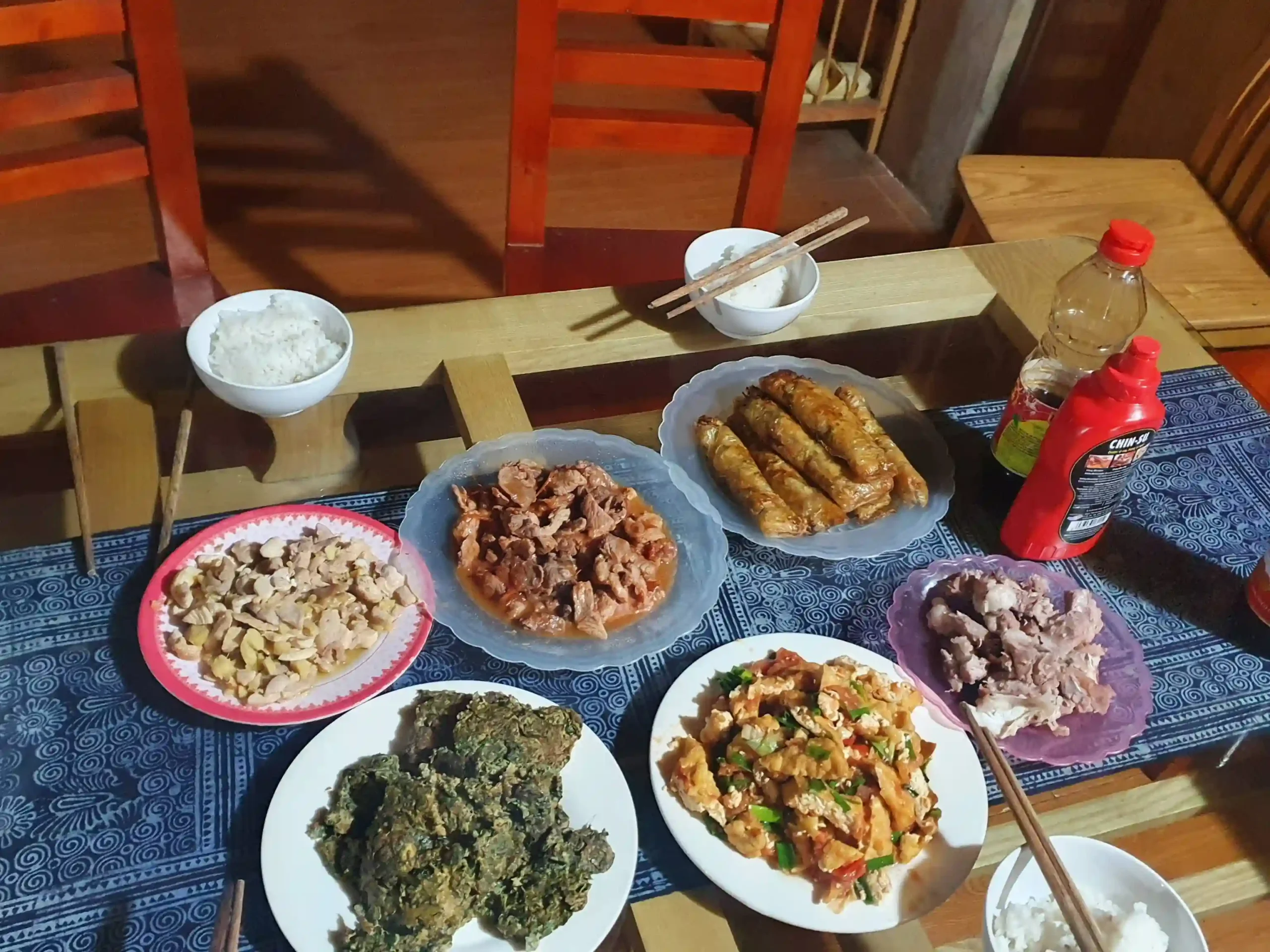
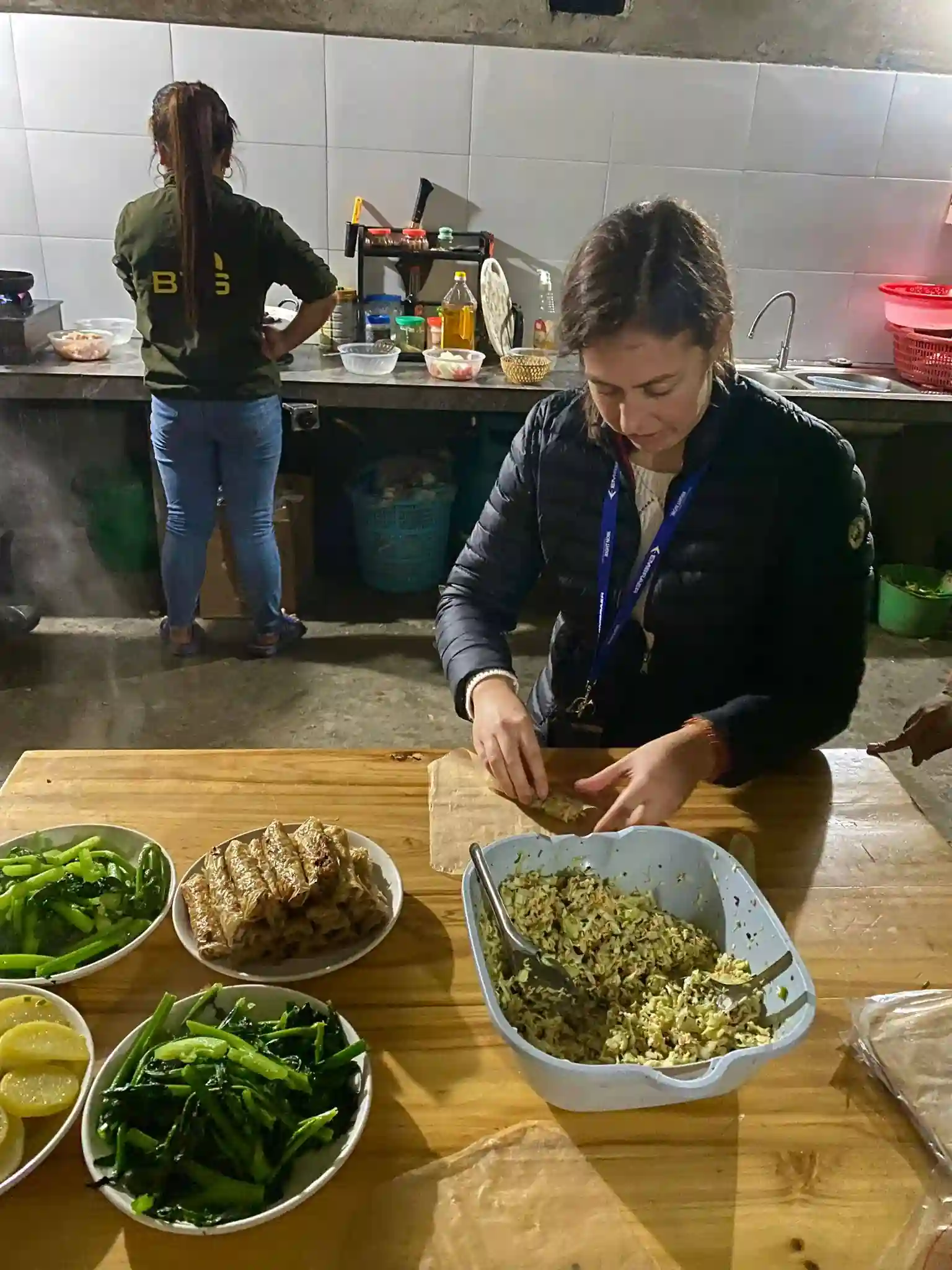
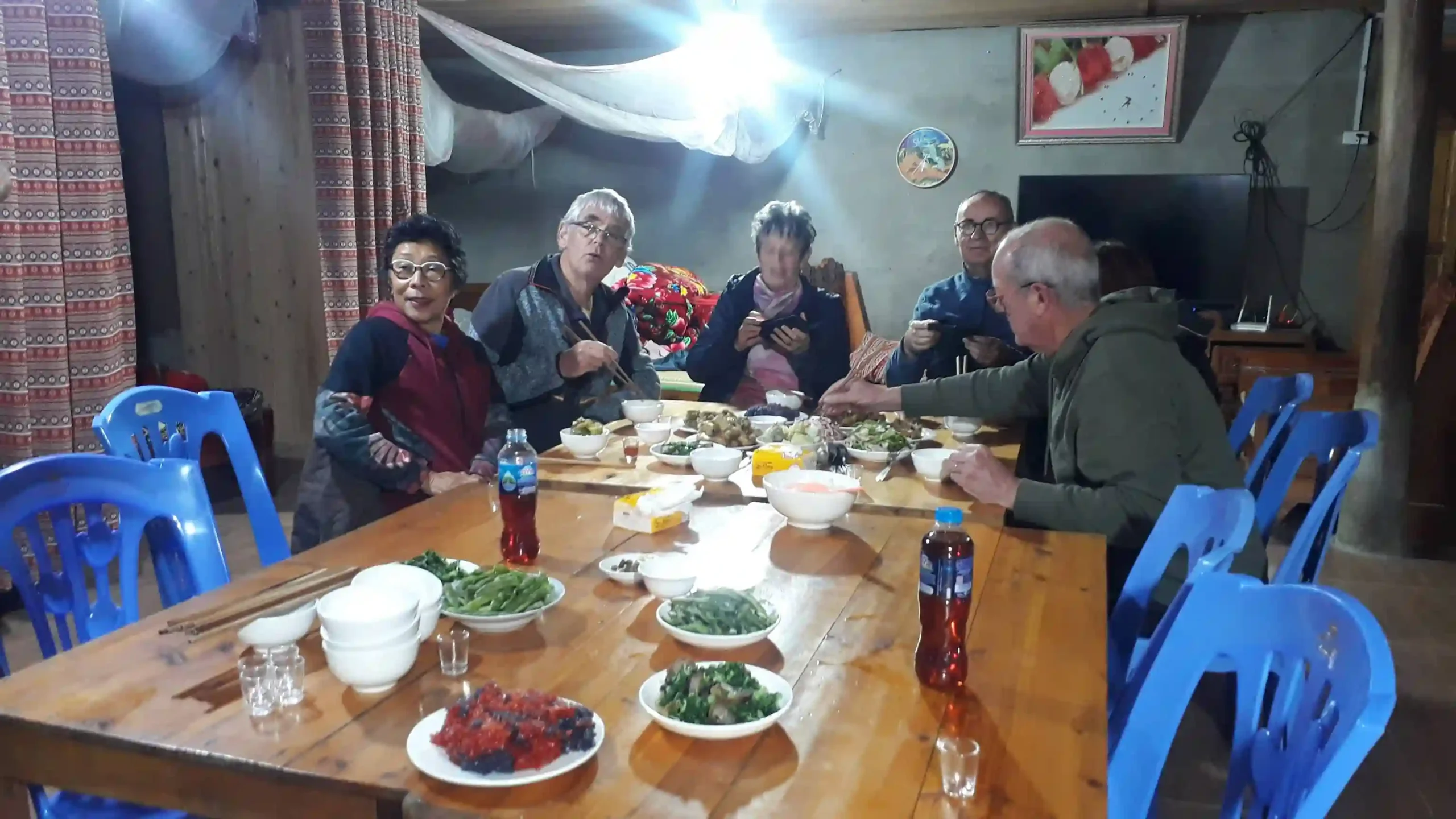
But what actually seals it for me is the dinners. Usually called “family dinner” in these places, all the guests and the local family owners sit together at a massive low table. They cook vast amounts of rice, massive piles of sautéed pumpkin shoots covered in garlic, fried pork belly, spring rolls. It is heavily seasoned, rustic food and you gorge on it after hiking all day.
Then out comes the rice wine (commonly just called Happy Water by the expats here). You drink little shot glasses out of emptied water bottles with the homestay owner, talk terribly broken Vietnamese or English to total strangers from Sweden and Colombia, pass around heavy local tobacco if you’re stupid enough, and laugh for hours.
There’s nothing like walking out onto the wooden deck after five shots of Happy Water in complete darkness, looking up at the valley stars while the stream hums beneath you. The peace here is massive. This one single thing is why I still drag myself up here.
You usually book these online just like any hotel. You need to look carefully at reviews so you aren’t booking a “fake homestay” which is actually a modern hotel owned by outside investors stealing the valley views. Use the map feature and check if it’s far down south off the main highway.
Use platforms that offer flexible cancellation because Sapa’s heavy monsoon rains often knock out bridges in late summer. Check specifically if your booking mentions a shared Family Dinner; if it doesn’t, skip it.
Read more: Ta Van vs Lao Chai vs Sapa town – Where should you stay?
Logistical tips before you go
Honestly, ranking the best things to do in Sapa doesn’t mean anything if you totally blow your planning stage. Being stranded freezing at 5 AM at the bus station will tank your mood instantly.
Let’s clean up some hard logistics.
How do you even get to Sapa from Hanoi in 2026?
Sapa is in Lao Cai province near the Chinese border, about a 5 or 6 hour straight shot up the relatively nice expressway from Hanoi. Forget hiring private drivers unless you’ve got fat pockets. You basically have three choices:
The Train (Lao Cai Express / Fanxipan Express etc.)
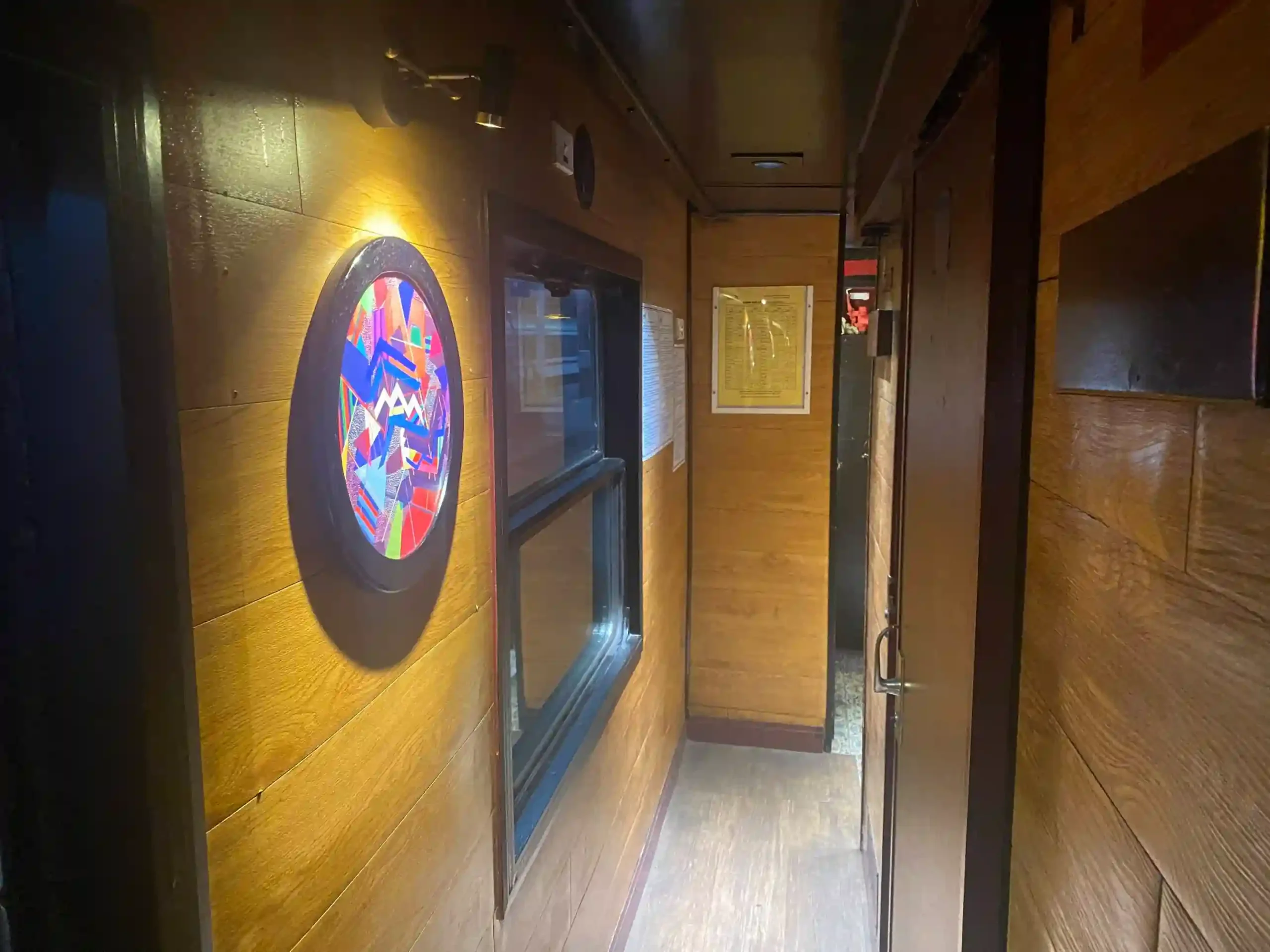

It departs Hanoi at night. You’ll be assigned a 4-berth sleeper cabin. I find trains highly romantic right up until somebody snores heavily or tries to clip their toenails on the bed across from me.
Crucial detail: The train does not go to Sapa. It dumps you in the massive industrial border city of Lao Cai around 5:30 AM.
You still have to pay roughly 50,000 VND to jam into a white mini-van driving up a foggy death-defying mountain pass for an hour just to hit Sapa.
Sleeper Buses (The standard choice)

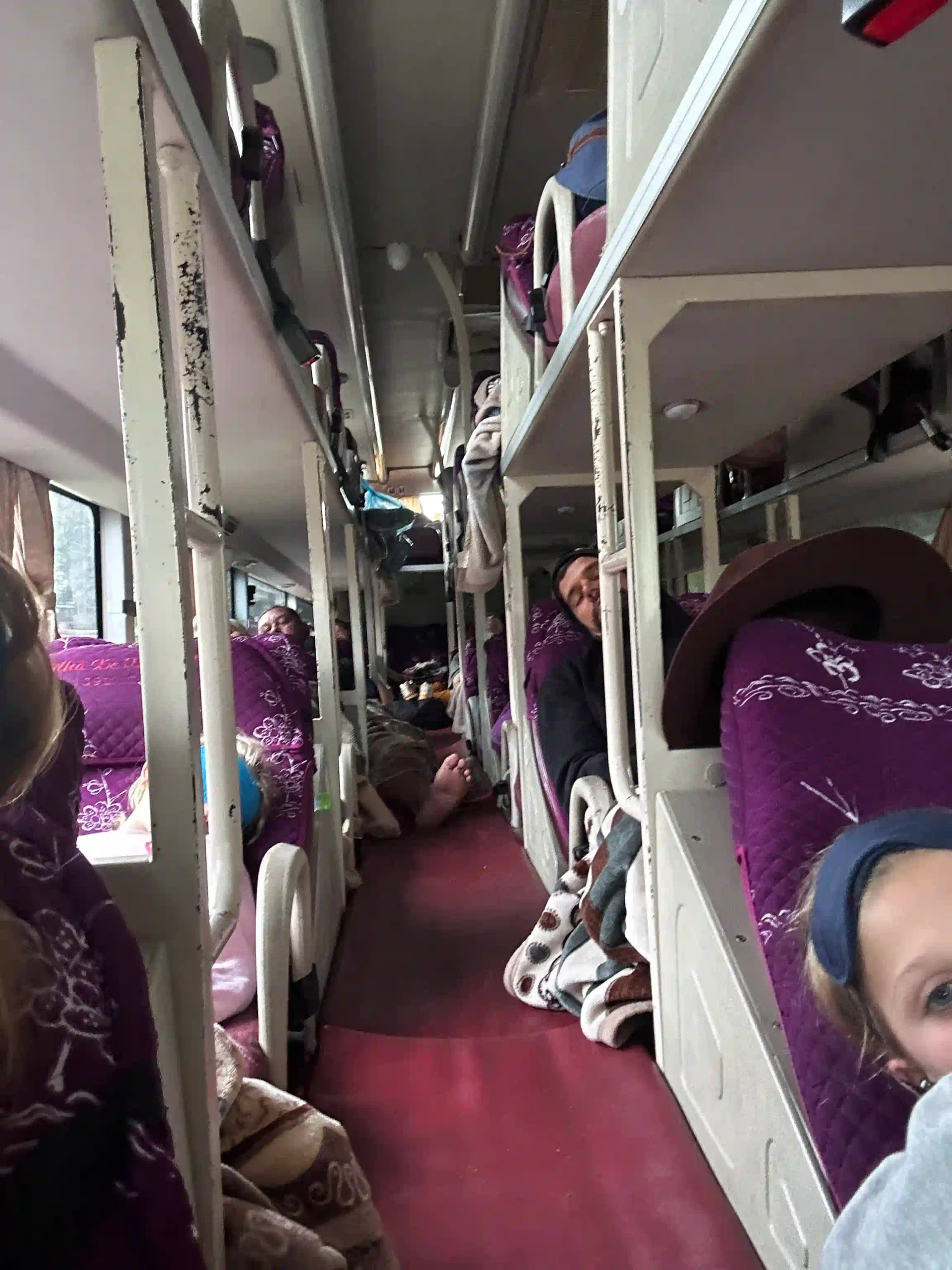
Every travel agency in the Old Quarter of Hanoi sells these. Usually between 350,000 and 450,000 VND. You shove yourself into an enclosed flat leather tube bed right next to other people. Your legroom totally depends on your height.
I’m an average guy and I barely fit. Do not lie to them if you are 6’4″, book an extra space or just buy a train ticket. They dump you off literally in Sapa central town early in the morning. They get you up the mountain pass smoothly usually.
Cabin Sleeper Buses (The upgraded standard)

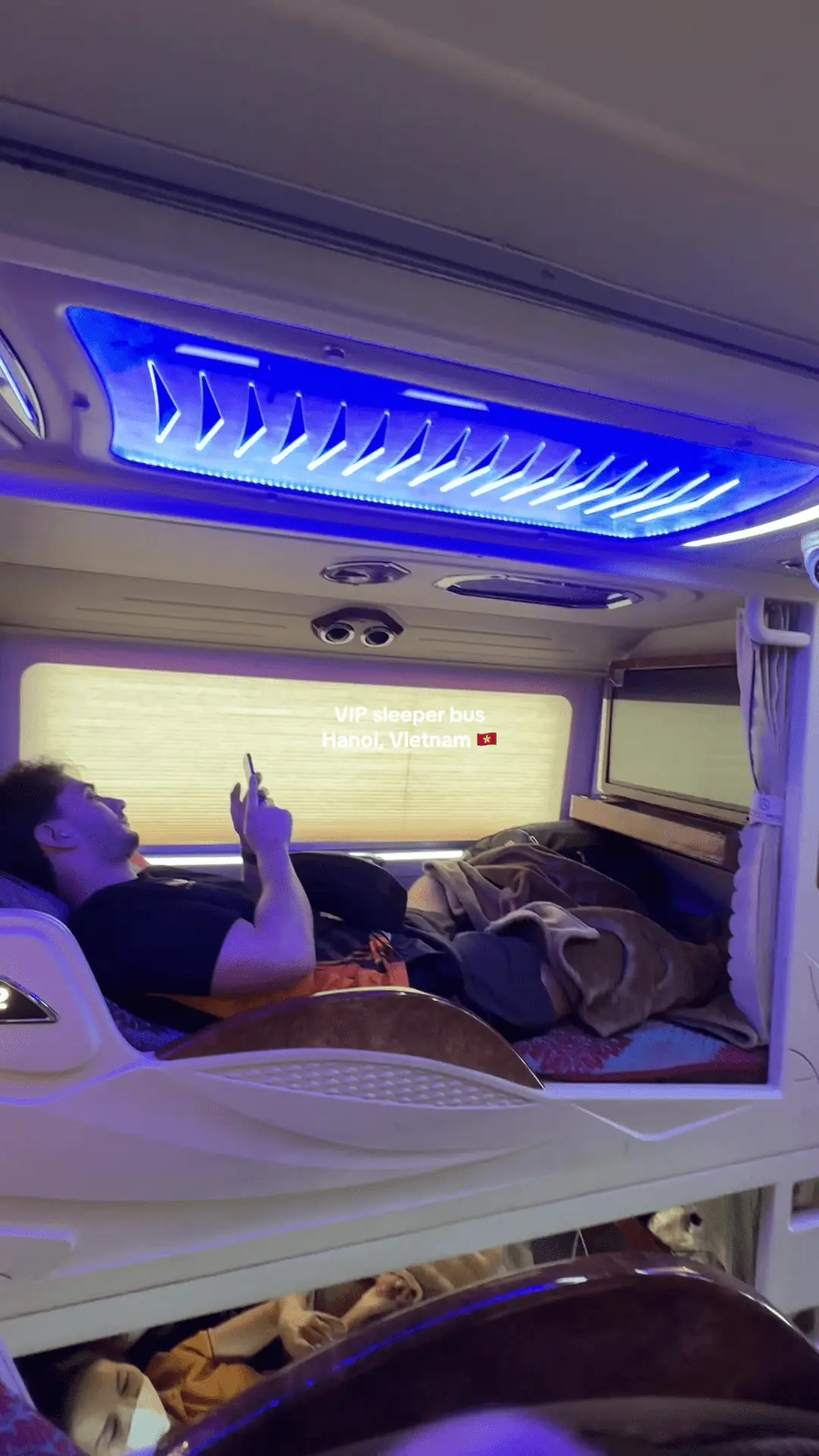
Around 450,000 to 600,000 VND. Worth the tiny price increase. They are massively partitioned pods that usually close with curtains. Think of them as cheap moving business-class suites.
Look for the names G8, Sapa Express or Kadbus. Those lines have decently rated drivers who do not honk aggressively for 5 hours straight.
Read more: The best Hanoi to Sapa route I recommend to all my friends
Understanding the terrifyingly unpredictable Sapa Weather
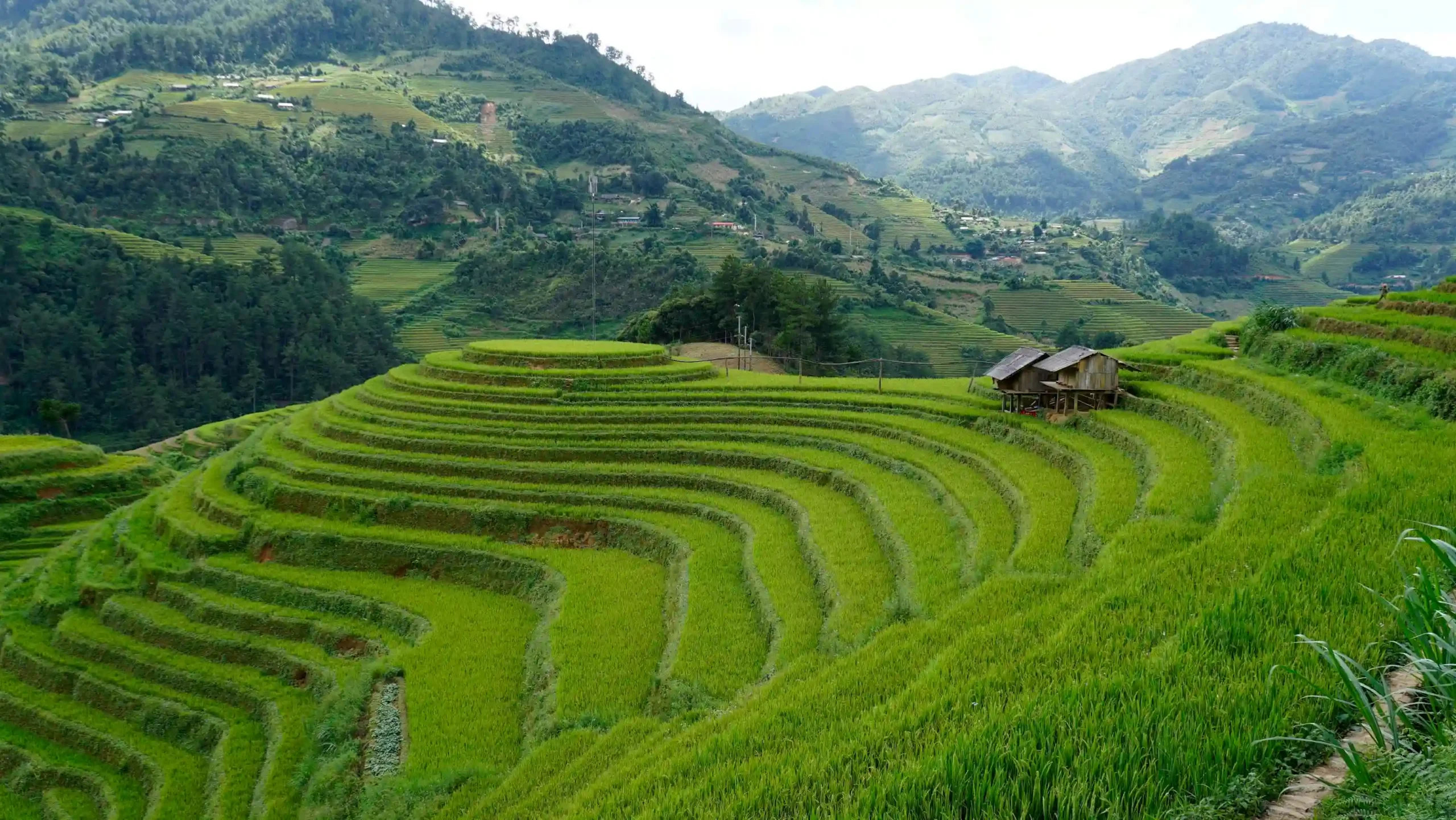
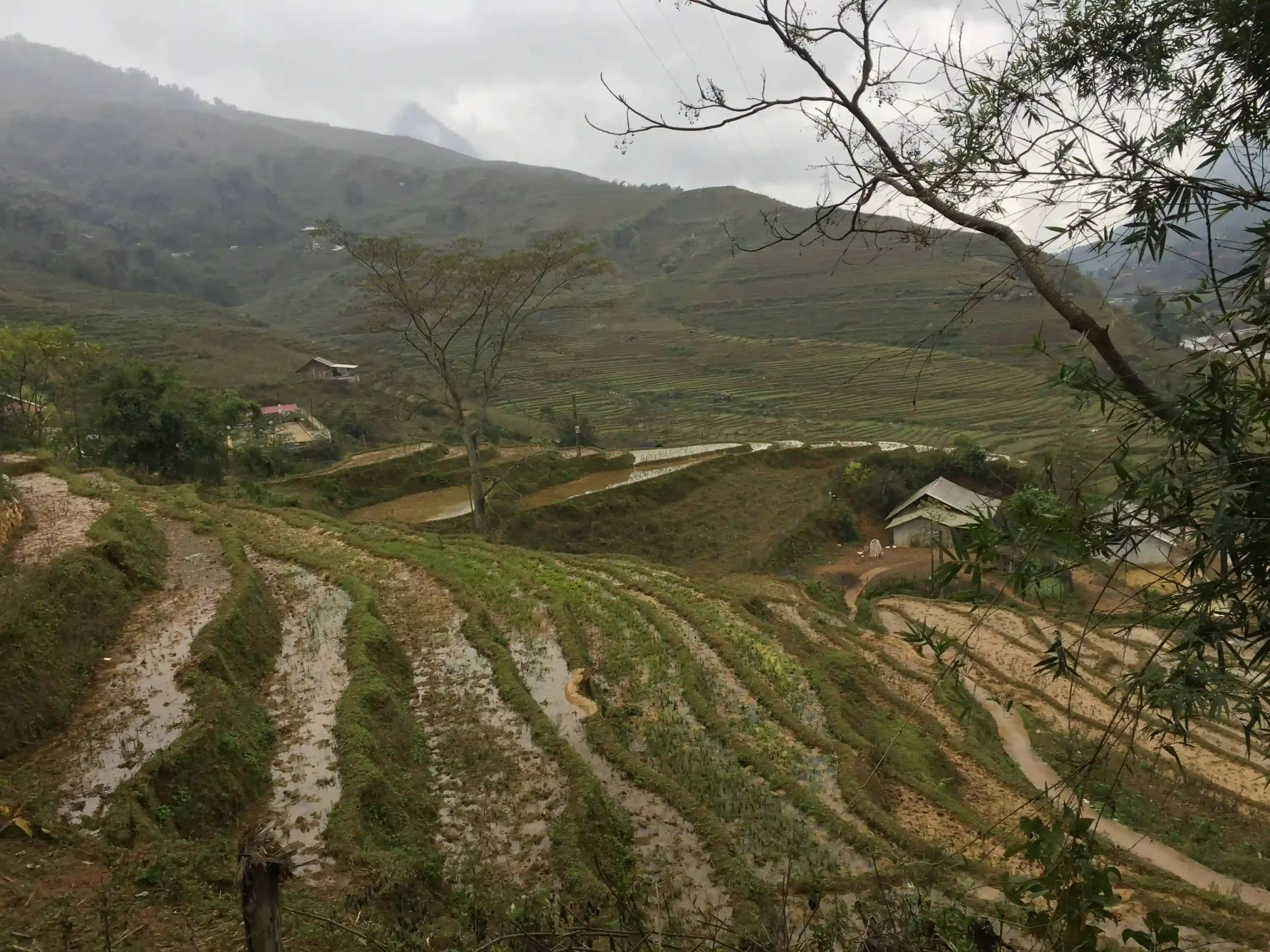
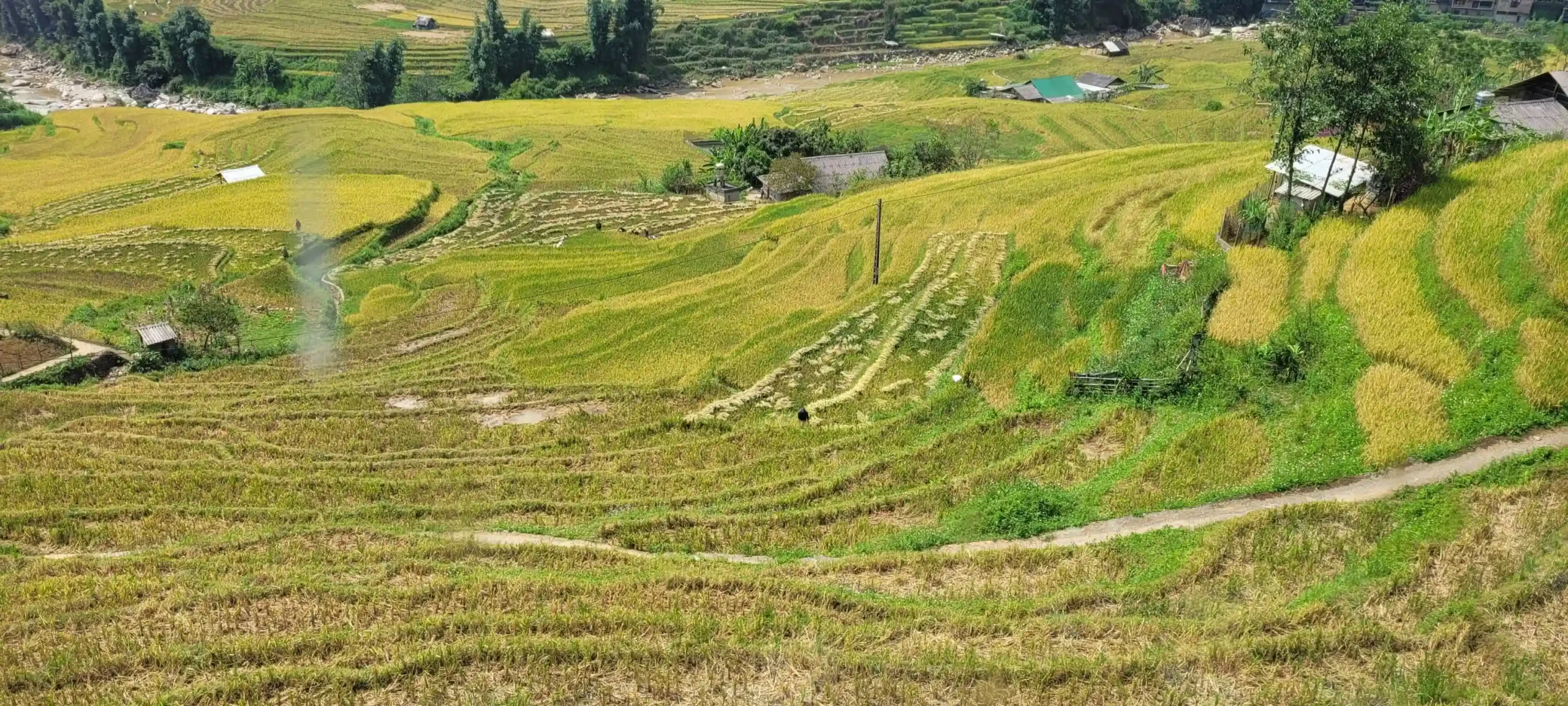
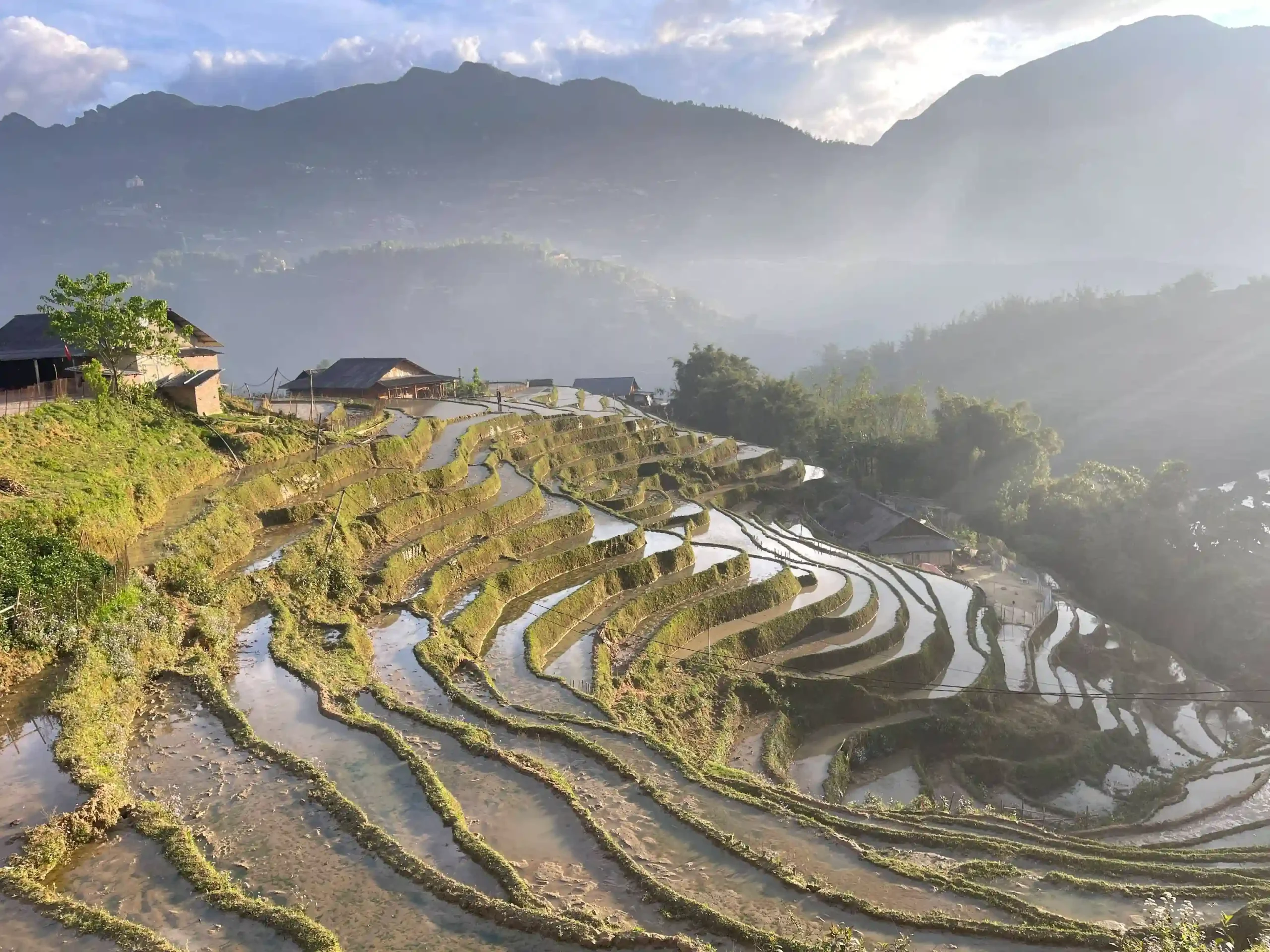
There’s one single issue you must wrap your head around before making your itinerary. When asking for things to do in Sapa, none of the above applies if you get the weather violently wrong.
The climate up here isn’t just bad in certain months, it totally destroys road access.
Vietnam isn’t universally hot tropical jungle. In Sapa in late December or January, the temperature drops down close to zero, frost forms on cars, and the thick pea-soup fog doesn’t let up for a week.
Hiking the rice valleys then is frankly just staring at brown muddy stubs while wearing three layers of fake North Face coats you frantically bought in town.
Summer (June through August)? That’s full-blown wet season. Downpours wash away parts of the roads and waterfalls turn totally hostile.
The goldilocks windows, when the terrace hills actually look like green stepped cakes or harvest-gold stairs, happen mainly around late August stretching through September. October can also be cool but extremely dry. Late February into April features wild flowers blooming, lots of cloud inversion sunrises.
Book your trekking stuff in those slots for max return on your effort.
Read more: Exactly the best time to visit Sapa for photos in 2026
What to Pack
Please ditch the massive rolling hardshell suitcase. Most homestays in Ta Van require you to carry your bag up uneven steep dirt slopes for ten minutes to even reach the property from the road.
If you roll into town hauling 35 kilos of rolling gear, taxi drivers will heavily overcharge you simply for lugging it out of their trunk.
Here is what works out here:
- Backpack – Something 40L or larger strapped tight to your back.
- Trail runners/beaters – Normal white Adidas sneakers will instantly become dark brown mud slicks the minute you begin walking into Cat Cat. Either buy rubber wellington boots for a dollar in town or bring old trail runners you don’t care about throwing away.
- Layers, immediately. Sapa tricks you. Mid-day at a roadside cafe sweating in a t-shirt makes you feel like an absolute champion. Once 4:00 PM hits and shadows block the sun, the mountain wind snaps through your bones. You need a fast zip up layer and a very tough rain-jacket constantly crushed at the bottom of your day bag.
Final Thoughts
Finding decent things to do in Sapa boils down to setting expectations and putting the work in.
I’m completely done pretending places aren’t totally tourist-mobbed now. Tourism brings huge cash to northern mountain economies so honestly I am fine that it happens. I am just warning you straight-up to be smarter about where you point your compass when you arrive.
Look, skip the Love market dancing nonsense entirely, stay as far away from the cement blocks around the town center as physically possible, and for the love of everything, go walk in the actual dirt.
Stay deep down inside a family’s valley wood-house in Lao Chai, sit on the pass eating an old banh mi as the sky explodes out at O Quy Ho, get totally exhausted trying to drag yourself out of an irrigation ditch during a valley trek.
Because out there on the ridges away from all the honking, the actual soul of this massive cold misty chunk of the map is alive and totally well. Get into it.
Looking for more practical advice for exploring Vietnam? Keep digging through my latest cluster updates over on the main page for everything you actually need on the roads out here. Let me know what you think below.












 Tiếng Việt
 한국어
한국어 中文 (中国)
 日本語
日本語 ไทย
ไทย Deutsch
 Español
 Destinations
 Instagram
 Facebook
 X (Twitter)
 Threads
 Tiktok