









 Ha Giang
 Hanoi
Hanoi Ho Chi Minh City
 Ha Long
 Sapa
Sapa Mekong Delta
 Da Nang
 Hue
Hue Hoi An
 Ninh Binh
 Da Lat
 Nha Trang
 Phan Thiet
 Phu Quoc
 Quang Binh
 Quy Nhon
 Vung Tau
 Thai Nguyen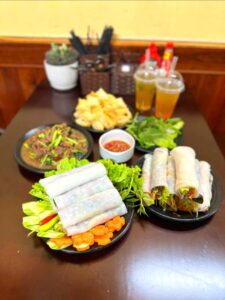



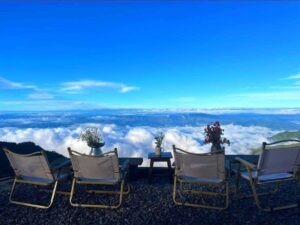


After 8 years here, living in Hanoi, stumbling through street food stalls, getting lost on motorbikes in the mountains, and just generally figuring things out, I’ve got my own list of places in North Vietnam.
This isn’t some polished, “top 10” list you find everywhere. It’s just… my list. The spots that stuck with me, for better or worse. For anyone planning to hit up Vietnam, especially up north, maybe this helps.
For the record, I’m not a natural-born writer. I’m just telling you what I saw, what I did. Don’t expect poetry. Just facts, and maybe a few annoyances thrown in.
This is Part 1 of my “Vietnam Deep Dive” series. North Vietnam. I’ve spent a lot of time up here. Stay tuned for Central and South in future posts.
Quick Look for the Impatient (aka “What I’ll Grumble About Below”)
If you’re like me and just want the highlights before diving into my long-winded stories, here’s a quick rundown of the best places in North Vietnam I’ve experienced. This isn’t just a list; it’s the core reasons to go and what to expect.
- Beyond the brochures: The real North Vietnam. 🛵 This guide uncovers 20+ of the best places in North Vietnam, shared by a long-term expat. From serene lakes to majestic peaks, find out where to go, what to do, and how to genuinely connect with this incredible region.
- Hanoi Old Quarter & Hoan Kiem Lake: The vibrant, chaotic historic heart of Hanoi, perfect for wandering, people-watching, and getting lost in the street food scene around the city’s iconic central lake. Expect constant motorbike traffic; cyclo tours are a fun way to navigate (~150-200k VND/hour).
- Hanoi Temple of Literature (Văn Miếu – Quốc Tử Giám): Vietnam’s serene first university, offering a peaceful escape from city noise and a glimpse into ancient Vietnamese scholarship. Entry is 30k VND; allow 1-2 hours.
- Ho Chi Minh Mausoleum Complex (Hanoi): A deeply revered national site where Ho Chi Minh’s body is preserved, offering a solemn insight into Vietnamese history and culture. Strict dress code (shoulders/knees covered) and limited, often early morning, opening hours; usually closed Sept-Dec for maintenance.
- Hanoi West Lake (Hồ Tây) & Tran Quoc Pagoda: Hanoi’s largest lake, providing a calmer, more relaxed atmosphere than the Old Quarter, with an ancient and photogenic pagoda on an islet, perfect for sunset views. Free to visit; great for walks or cycle rides.
- Long Bien Bridge (Hanoi): An iconic, historic French-built cantilever bridge offering gritty charm, panoramic views of the Red River, and a snapshot of local life as motorbikes and trains rumble across. Free to walk or cycle; best at sunset for photos.
- Quang Ba Flower Market (Hanoi): A bustling wholesale flower market that comes alive in the pre-dawn hours, offering an incredibly authentic and fragrant local experience away from typical tourist trails. Free to enter; arrive between 3-5 AM for the full chaotic spectacle.
- Hanoi Street Food Scene: An essential culinary adventure, where you’ll find iconic Vietnamese dishes like phở, bún chả, and bánh mì served on tiny plastic stools right on the sidewalk. Meals are very budget-friendly (~30-80k VND); highly recommend joining a guided street food tour for safety and discovery.
- Cruising Ha Long Bay: The quintessential Northern Vietnam experience, featuring breathtaking limestone karsts jutting out of emerald waters, best explored on an overnight cruise with kayaking and cave visits. Standard 2-day/1-night cruises start around $140-$180 USD per person, including transfers from Hanoi.
- Exploring Lan Ha Bay: A fantastic, less crowded alternative or extension to Ha Long Bay, offering similar stunning karst landscapes, often with cleaner water for swimming and more peaceful kayaking opportunities. Many quality cruises now combine Ha Long and Lan Ha; can also be accessed via Cat Ba Island.
- Sapa Trekking & Local Villages: The heart of the Sapa experience involves guided treks through stunning terraced rice fields to authentic ethnic minority villages, often including a memorable homestay experience. Homestays usually cost 150-300k VND/night; 2-day/1-night trekking tours from Hanoi with homestay typically run $80-$100 including bus.
- Fansipan Peak: Known as “The Roof of Indochina,” offering spectacular panoramic views from Vietnam’s highest mountain, easily accessible by a modern cable car system. Cable car return ticket is about 750k VND; prepare for cold and fog even in summer.
- Tam Coc – Bich Dong (Ninh Binh): Often called “Ha Long Bay on land,” this area is famous for serene sampan boat tours through limestone caves and past vibrant rice paddies. Boat ride is 120k VND/person plus a 120k VND entrance fee; best in early morning for fewer crowds.
- Trang An Scenic Landscape Complex (Ninh Binh): A UNESCO World Heritage site offering longer, more extensive boat tours through a labyrinth of caves, temples, and dramatic karsts, often preferred for its larger scale and tranquility. Boat tours are $50/person for 12 hours, fixed price.
- Mua Cave (Hang Mua, Ninh Binh): An essential viewpoint in Ninh Binh, requiring a climb of about 500 steps to a pagoda and dragon statue, rewarding climbers with iconic panoramic views of the entire “inland Ha Long Bay” landscape. Entry is 100k VND; go for sunrise or sunset to avoid heat and crowds.
- Thung Nham Bird Park (Ninh Binh): A lesser-known ecological park in Ninh Binh, famous for its boat trips that lead to a vast natural sanctuary where thousands of birds gather at sunset, creating a spectacular avian display. Entry is 100k VND ~$4, boat fee separate; visit between 4:30-5:30 PM for prime bird-watching.
- Ha Giang Loop: An exhilarating 3-5 day motorbike adventure through Vietnam’s rugged northernmost province, renowned for its challenging mountain roads, breathtaking vistas, and encounters with remote ethnic cultures. Motorbike rental is 150-250k VND/day; hiring an “easy rider” (local driver) is highly recommended for safety and sightseeing (~700k-1M VND/day including food/lodging).
- Dong Van Karst Plateau Geopark (Ha Giang): A UNESCO-recognized geopark forming the heart of the Ha Giang Loop, characterized by dramatic limestone formations, deep canyons (like Ma Pi Leng Pass), and traditional villages. It’s the main attraction of the Ha Giang Loop; don’t miss the epic views from Ma Pi Leng Pass.
- Ban Gioc Waterfall (Thác Bản Giốc, Cao Bang): A colossal, multi-tiered waterfall straddling the Vietnam-China border, offering stunning beauty and the unique experience of a bamboo raft ride right up to the falls. Entry is 45k VND, raft ride 50k VND; a long but rewarding journey from Hanoi.
- Pu Luong Trekking & Waterfalls: A rapidly growing but still tranquil destination, famous for its magnificent terraced rice fields, lush forests, and authentic Thai ethnic minority villages, ideal for multi-day treks and homestays. A beautiful, less-crowded alternative to Sapa; typically explored on 2-day/1-night tours from Hanoi (~$150-$300 including transport/guide/meals).
- Cat Ba Beaches & National Park: The largest island in Ha Long Bay, providing a versatile base for exploring Lan Ha Bay, relaxing on beaches, and hiking in its biodiverse national park. Accessible by ferry from Hai Phong or Ha Long City; good for motorbike exploration and visiting Hospital Cave.
- Mu Cang Chai Terraced Fields: Home to some of Vietnam’s most spectacular and sprawling terraced rice fields, particularly breathtaking during the golden harvest season (late Sept-mid Oct) and the reflective planting season (May-June). A long journey (7-8 hours from Hanoi) but a photographer’s dream; requires local transport or a sturdy motorbike to explore.
- Ba Be Lake: A vast, serene freshwater lake nestled within a national park, offering a peaceful escape with boat trips to caves, waterfalls, and opportunities to experience local Tay ethnic culture in stilt house homestays. About 5-6 hours from Hanoi; full-day boat tours are roughly 600-800k VND for the boat.
- Moc Chau: A picturesque highland plateau famous for its expansive green tea plantations, dairy farms, and stunning seasonal blossoms like white plum flowers (late Jan-Feb) and mustard flowers (winter). Offers a cooler climate and scenic drives; rent a local motorbike to explore the tea hills.
- O Quy Ho Pass: One of Vietnam’s four great mountain passes, offering truly spectacular panoramic views of the Hoang Lien Son mountain range, often referred to as “Heaven’s Gate” for its cloud-shrouded vistas. Easily accessible by motorbike or taxi from Sapa (approx. 45 mins drive); best visited on a clear day for maximum impact.
My 20+ Best Spots in North Vietnam
So, yeah. Eight years. That’s a long time to be anywhere, especially a place like Hanoi. You see things change. You find spots before everyone else does, and then you watch them get swarmed.
This list? It’s basically my personal map of the best places in North Vietnam I’ve actually spent time in, the ones I keep recommending, or going back to.
If you’re wondering about the best places in Vietnam overall, well, the north is a good start. It’s got mountains, beaches, and insane cities.
Let’s just get into it.
Hanoi: Where I Live (and Sometimes Grumble)
Hanoi’s home. It’s loud, sometimes frustrating, but it definitely grows on you. It’s a good jumping-off point for pretty much everything else in the north.
Old Quarter & Hoan Kiem Lake
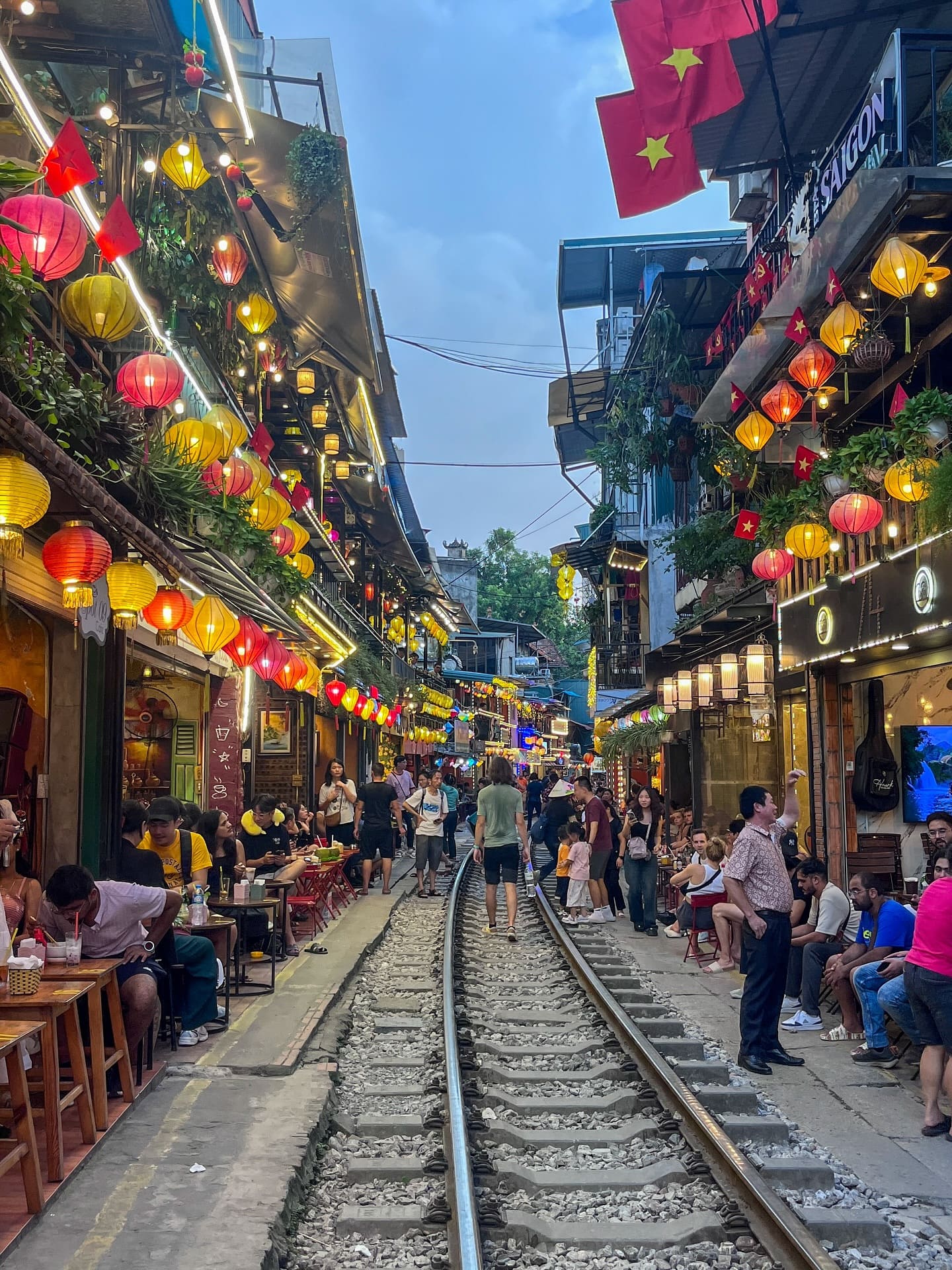
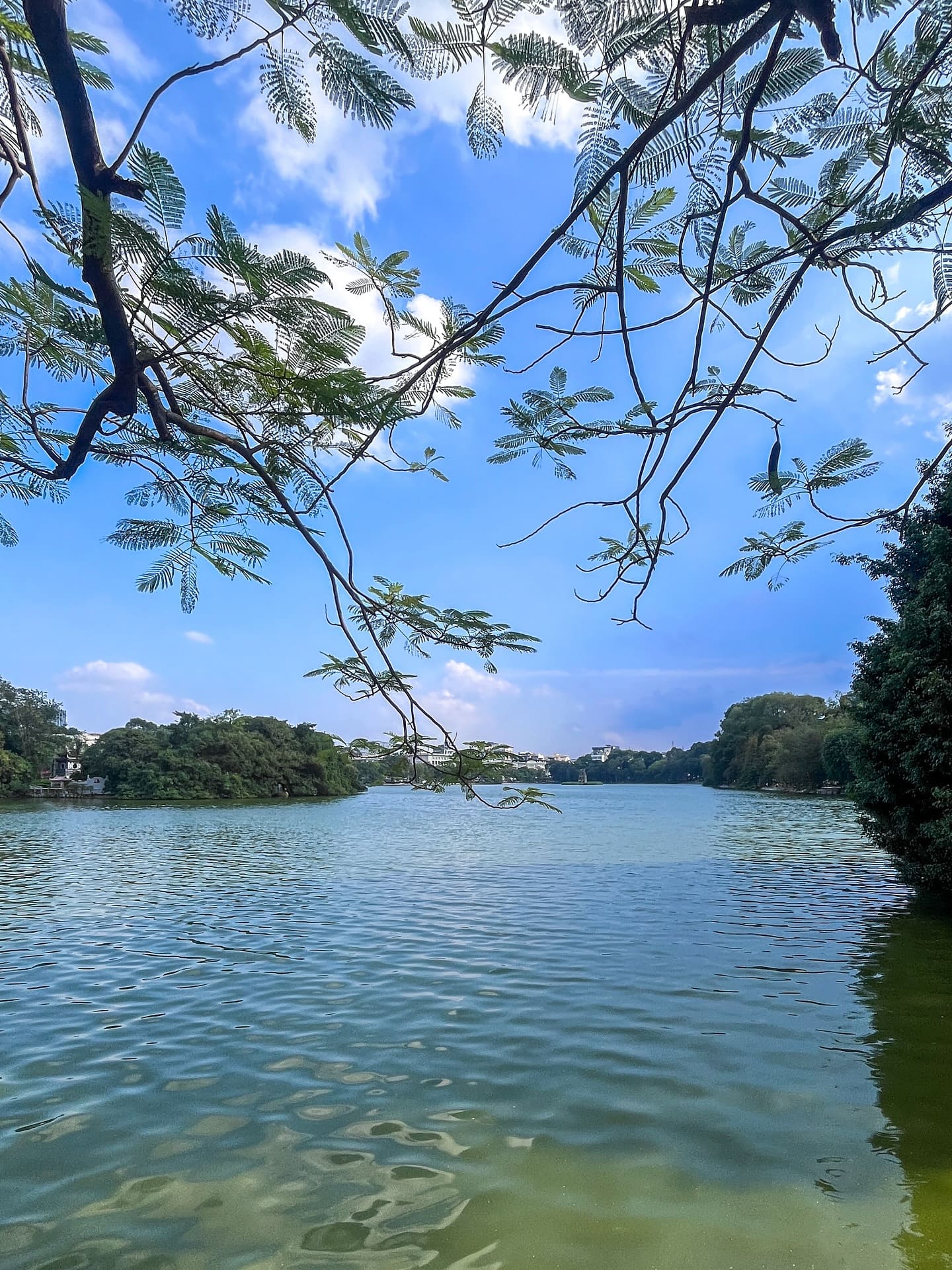
This is where most people start, right? The Old Quarter. It’s exactly what everyone tells you: scooters everywhere, narrow streets, stuff happening on every corner. Hoan Kiem Lake is the big calm spot in the middle of it all.
- My unfiltered thoughts: You have to walk it. And get lost. It’s the only way to get a feel for it. Seriously, don’t try to plan out every alley. Just wander. I’ve found some of the best bún chả spots down random, uninviting alleys. Just stand there, try to cross the street without getting hit (it’s a skill you will develop, or die trying), or find a tiny plastic stool, grab a coffee (iced milk coffee is the go-to – cà phê sữa đá), and just watch. It’s real. It’s not always pretty, but it’s real. I’ve spent countless hours doing just that, nursing a coffee, watching the bikes. Sometimes I’d just pick a random alley and see where it led.
- Practical bits: Free to walk around, obviously. Mornings are quieter, but evenings, especially Friday to Sunday when the walking street is open around the lake, are absolutely buzzing. It gets packed with families and street performers.
- What I’d do: A cyclo tour. Yeah, they’re touristy. I know. But sometimes it’s nice to just sit back and not worry about getting clipped by a motorbike. I’ve done it a few times, usually when I have friends visiting who are overwhelmed by the traffic. It’s a decent way to see the chaos without being in the chaos. You can find them parked all over near the lake, especially on Dinh Tien Hoang street. Haggle. For an hour, I usually aim for around 150,000 – 200,000 VND. Any more and they’re probably trying to rip you off.
Temple of Literature (Văn Miếu – Quốc Tử Giám)
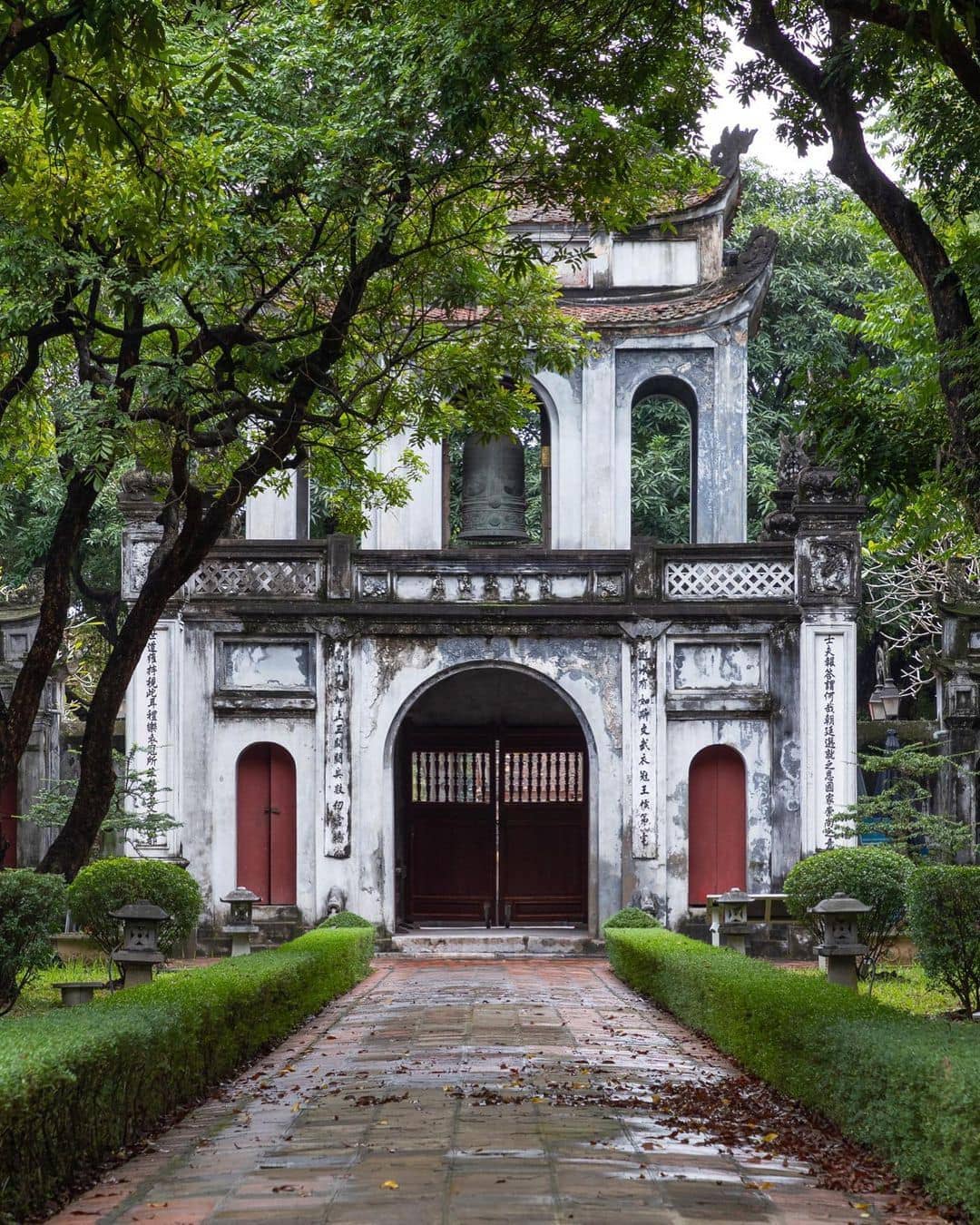
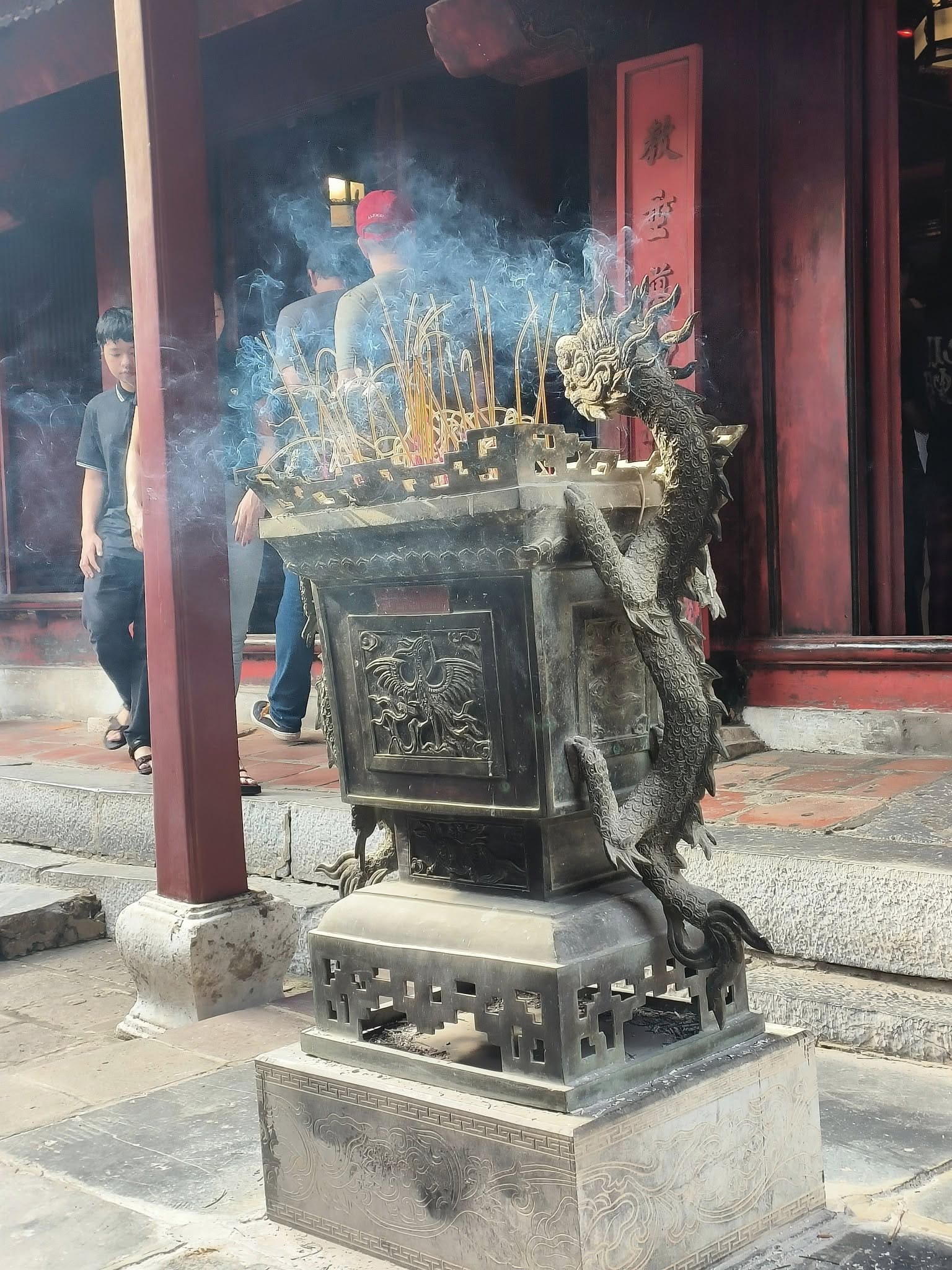
This used to be Vietnam’s first university, from way back in 1070. It’s pretty calm inside, a nice break from the noise.
- My unfiltered thoughts: It’s historical, sure. But it’s also genuinely peaceful. The courtyards are well-maintained, and it just feels… old. I’ve gone a few times when I needed a quiet escape from the city. You see students taking graduation photos there, which is kind of cool, linking the past to the present. It shows you how much they valued learning, even centuries ago. Good for an hour or so, maybe a bit more if you like soaking up quiet history. Don’t expect dramatic ruins, it’s more about serene contemplation.
- Practical bits: Open 8:00 AM to 5:00 PM. Last entry usually around 4:30 PM. Entry is 30,000 VND. It’s easy to get a Grab taxi or motorbike there from the Old Quarter, takes about 10-15 minutes depending on traffic.
- How to see it: A lot of those “Hanoi City Tour” packages include this. If you want to knock out a few main sights without thinking too hard, look for something like the “Hanoi Half-Day City Tour” on Getyourguide. It usually gets solid reviews (I’ve seen ones rated around 4.8/5 stars with over a thousand reviews) and costs about $35. It saves you the hassle of figuring out transport between spots.
Ho Chi Minh Mausoleum Complex
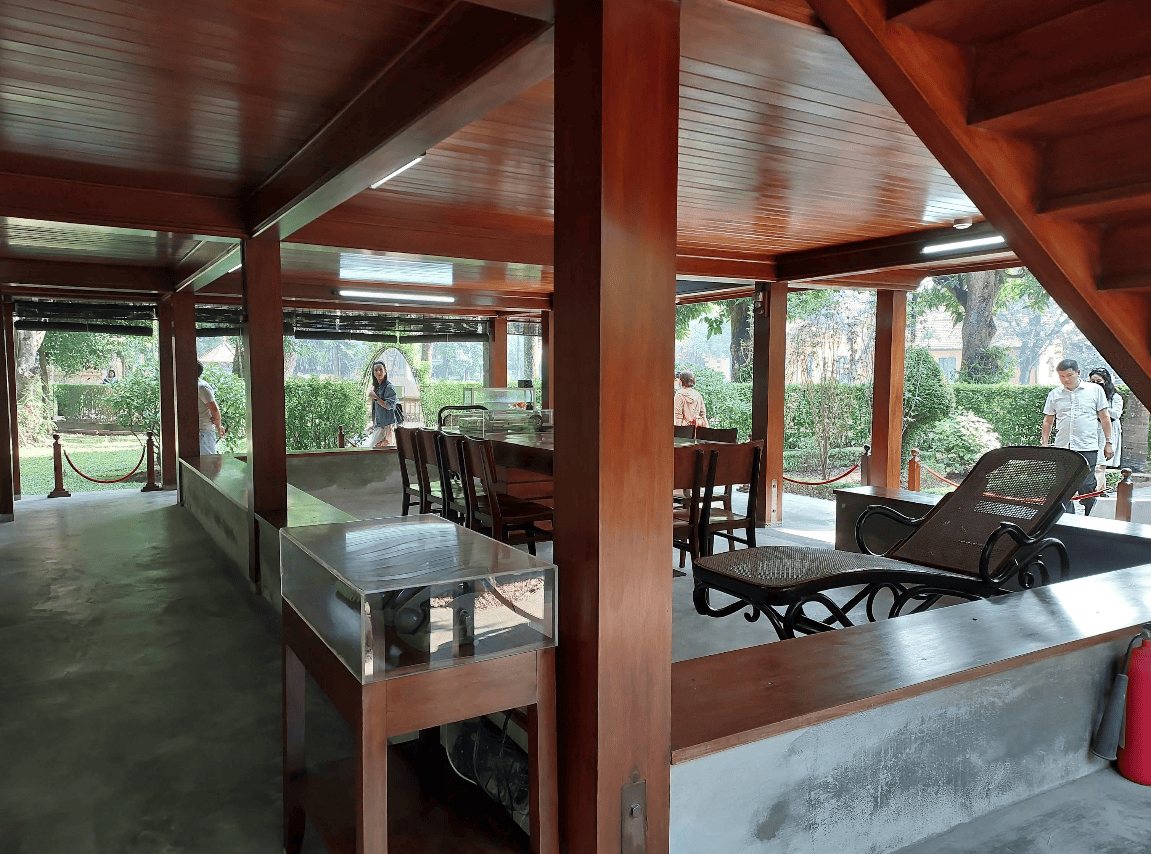
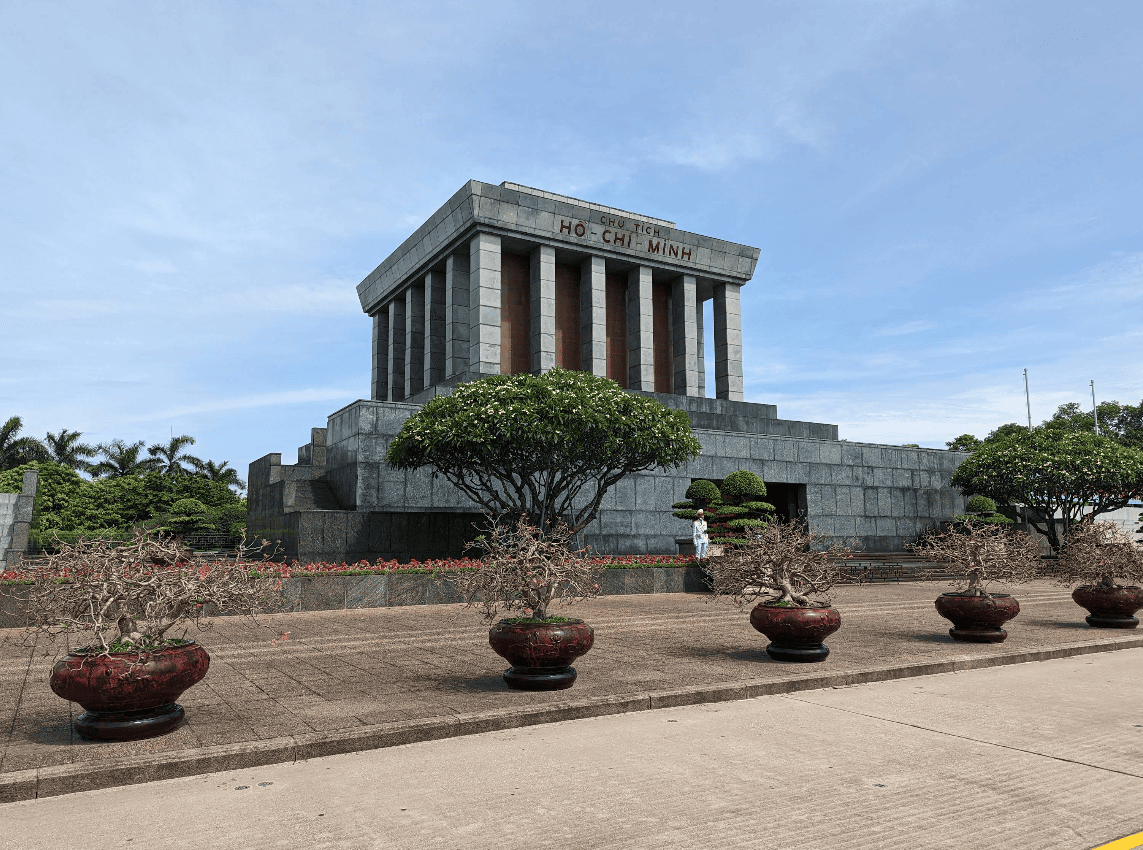
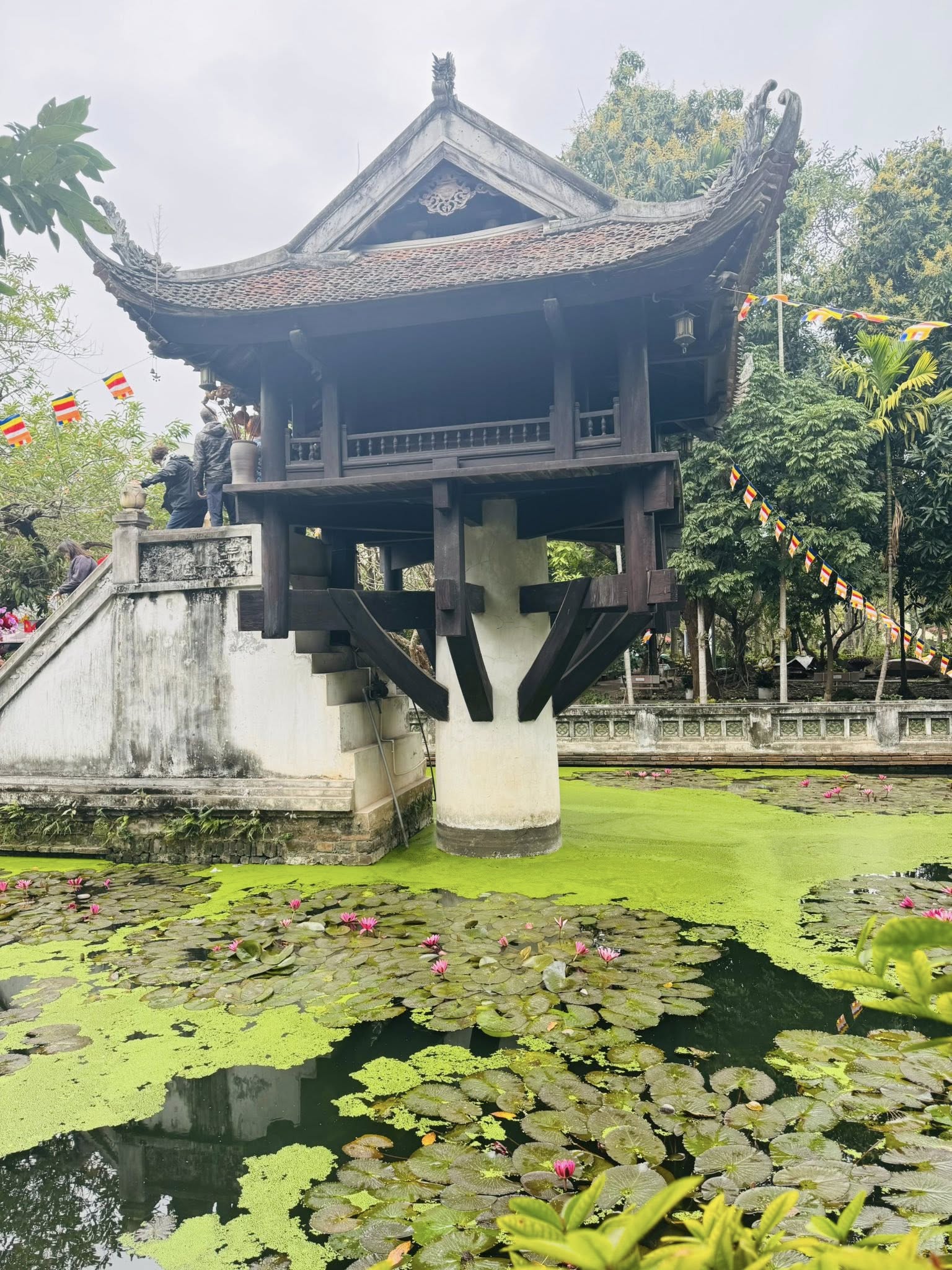
This place is a big deal for Vietnamese people. It’s where Ho Chi Minh’s body is kept. There’s also his old house on stilts and a museum.
- My unfiltered thoughts: It’s solemn. Very strict rules inside – no talking, no hands in pockets, no phones out, dress respectfully (shoulders and knees covered, no shorts, no short skirts). Seriously, they enforce it. I saw a guy get turned away for wearing flip-flops once. The lines can be insane, especially on weekends or public holidays. Just be prepared for a bit of a wait. It’s a significant historical site, but it’s not a casual visit. It’s about reverence. It’s a key part of understanding modern Vietnamese history.
- Practical bits: The Mausoleum itself has weird opening hours: Tuesday to Thursday, Saturday & Sunday, 7:30 AM – 10:30 AM (summer) / 8:00 AM – 11:00 AM (winter). Crucially, it closes for maintenance from September to December every year, so check before you go. No fee for the mausoleum itself, but parts of the complex (like the museum) might have small fees.
- What I’d do: Go early. Like, early. Seriously. Beat the crowds and the heat. I went once right after opening and still had a decent queue. Don’t plan anything tight for afterward, just in case. They usually let you visit his stilt house and the One Pillar Pagoda after the Mausoleum.
West Lake (Hồ Tây) & Tran Quoc Pagoda
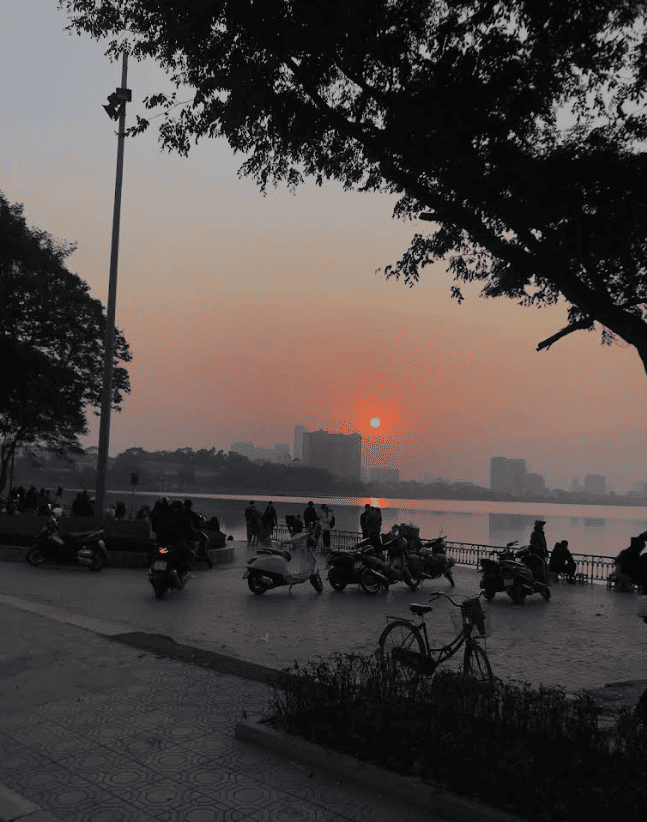
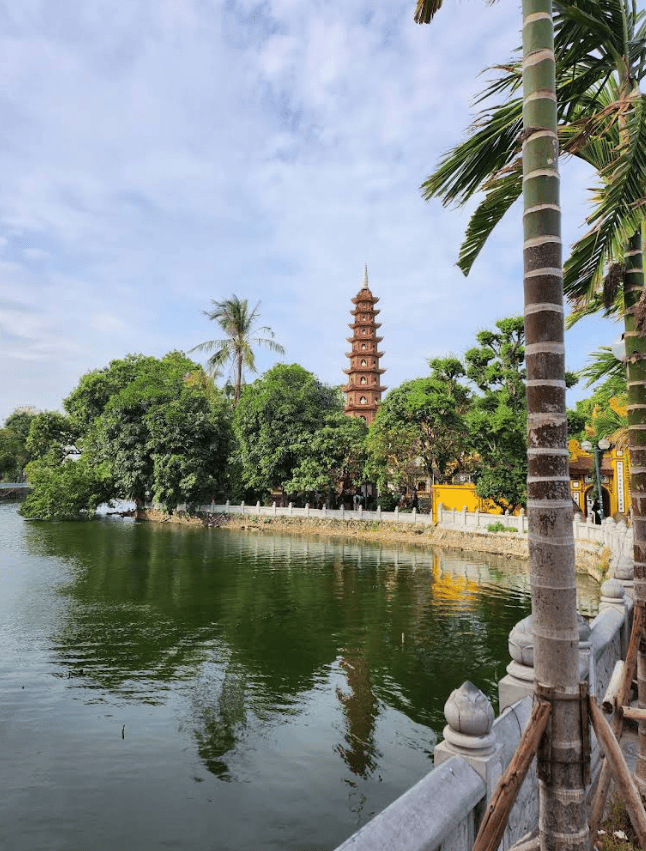
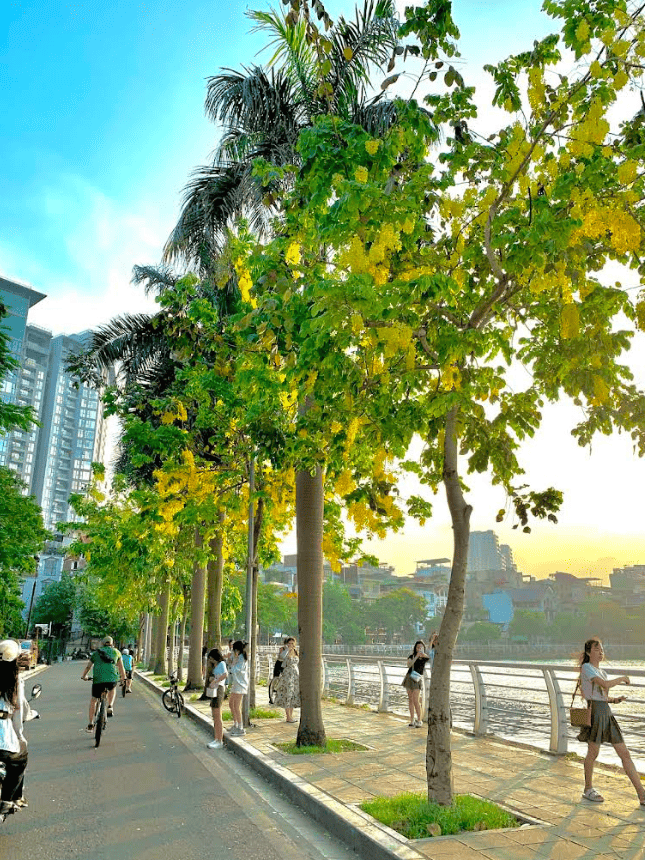
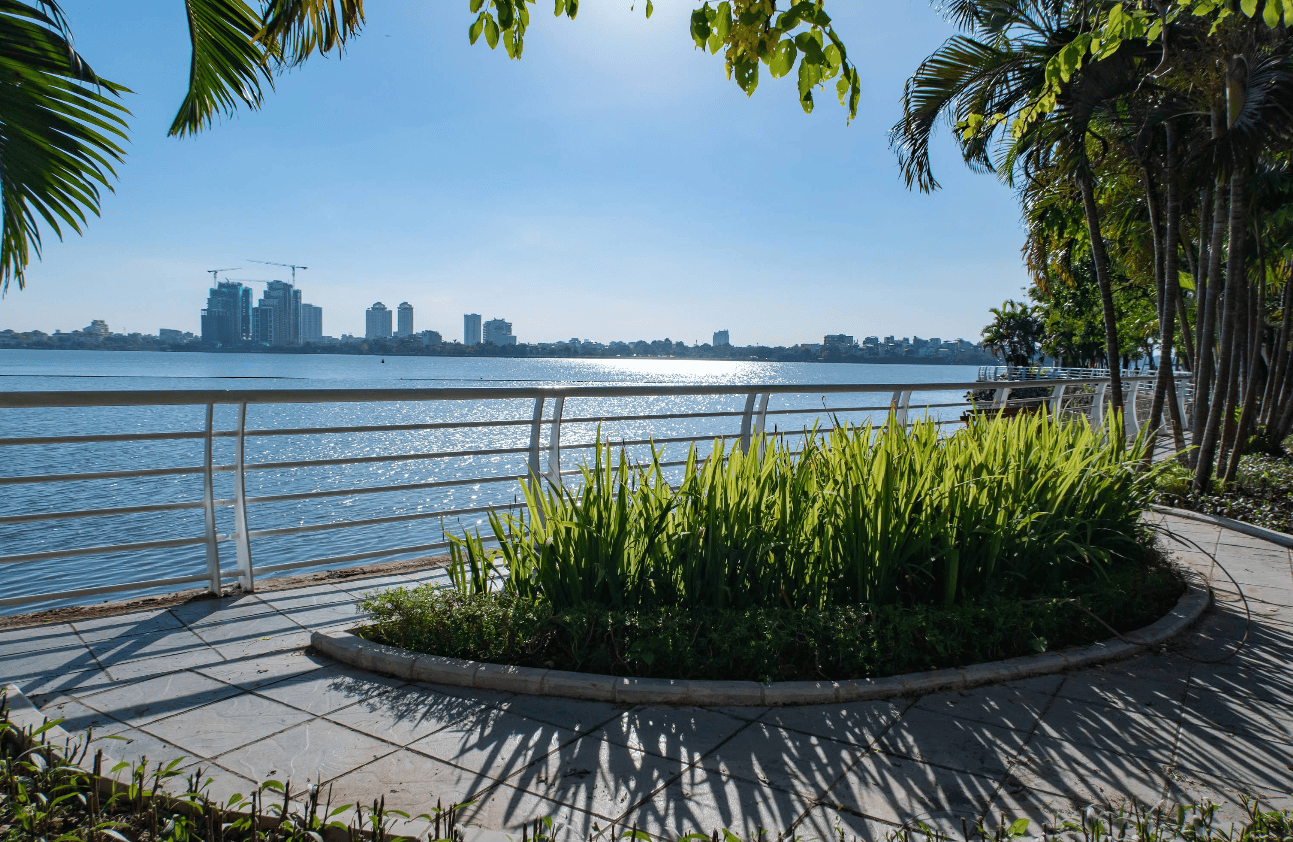
West Lake is the biggest lake in Hanoi. It’s more spread out, less frantic than the Old Quarter. Tran Quoc Pagoda is right there, on a small island, one of the oldest pagodas around.
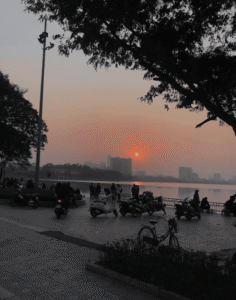
- My unfiltered thoughts: Nice for a walk, especially around sunset. I often come here when I need a breather. There are more relaxed cafes and restaurants around here than in the Old Quarter, often with lake views. The pagoda is genuinely beautiful, especially at dusk when the lights come on. It’s quite photogenic, especially from the causeway leading to it. It’s a nice contrast to the chaos. You see a lot of couples taking photos here.
- Practical bits: Free. Pagoda usually open 8:00 AM – 4:00 PM. You can walk or cycle around parts of the lake. A full loop is a bit long for walking, maybe 17km, but sections are great.
- Where to stay: If you’re over the Old Quarter madness, staying near West Lake is a good call. It’s quieter, more residential in parts. The InterContinental Hanoi Westlake is super fancy (usually 8.8/10 on Booking.com), built over the water, which is cool. For something still nice but less splurge, I’ve heard good things about Acoustic Hotel & Spa (9.4/10). It’s closer to the Old Quarter end of the lake, so still fairly central.
Long Bien Bridge
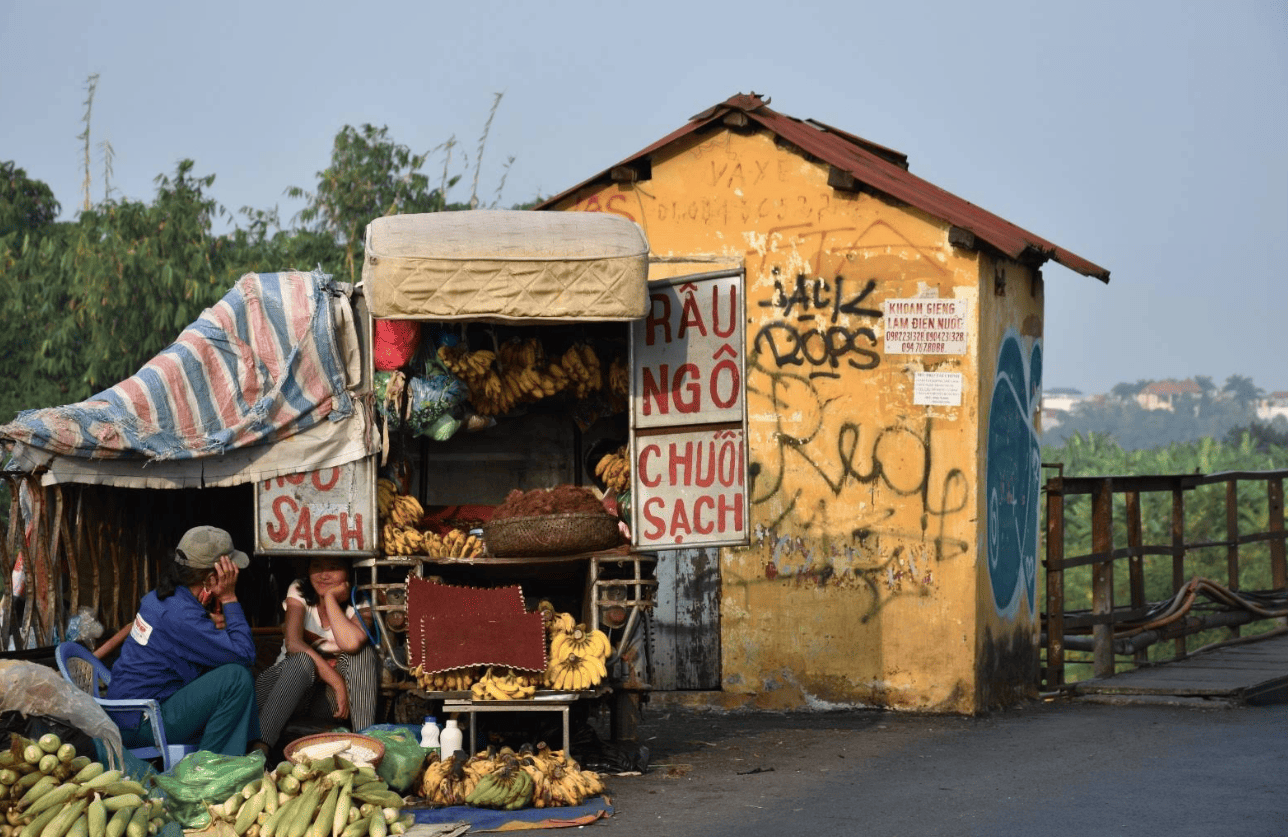
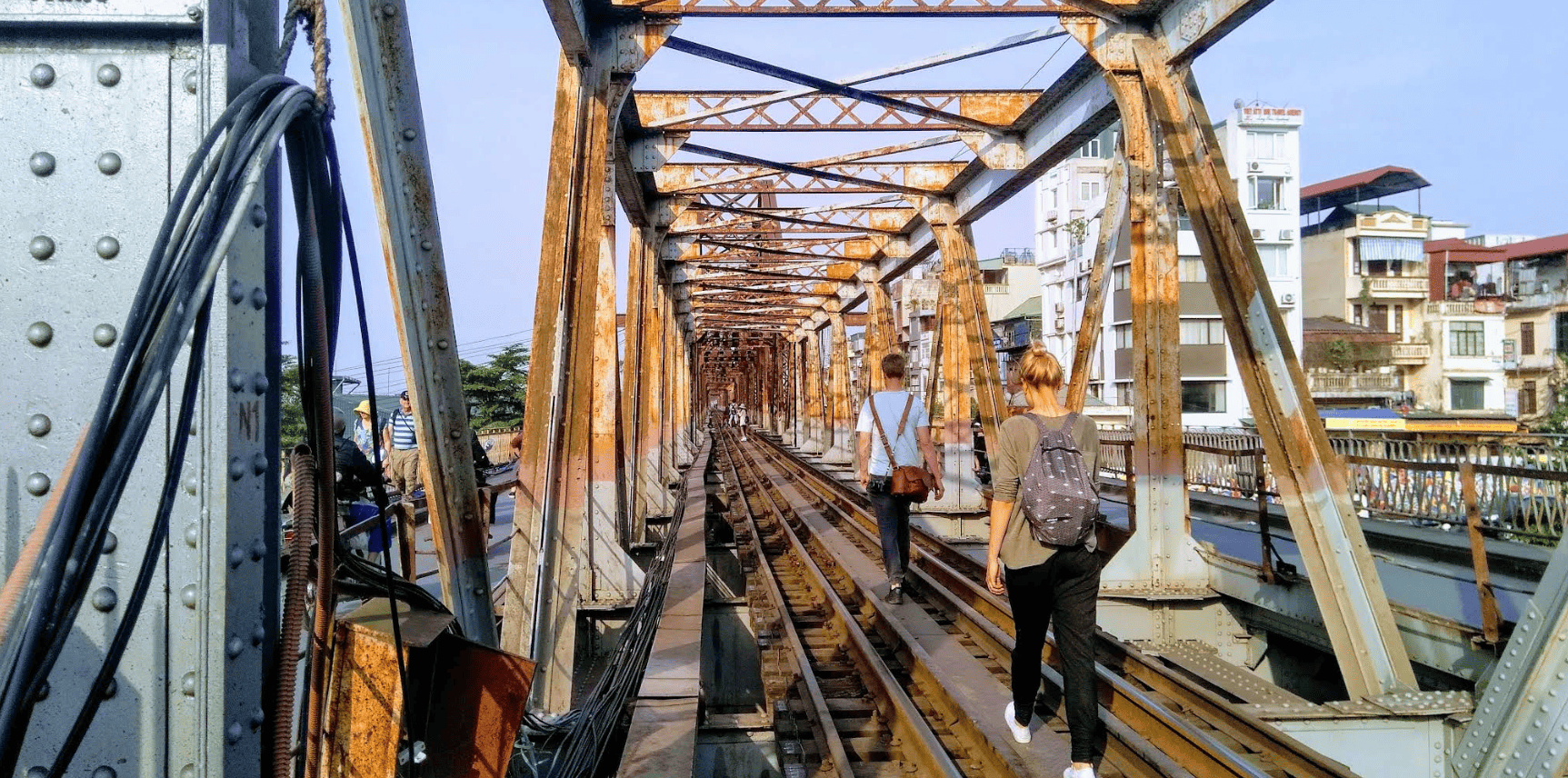
Old French-built bridge. Steel, rust, history.
- My unfiltered thoughts: This bridge has seen some stuff. Wars, countless changes. It’s not pristine; it’s gritty, real, and still in use by motorbikes and trains. I’ve walked across it more times than I can count, usually to get to some obscure coffee shop on the other side or just to clear my head. You’ll see locals taking their bikes across, people fishing in the Red River below. It feels real. It’s not pretty in a postcard way, but it’s a living piece of history. Good for sunset photos, the light hits it perfectly as it dips below the river.
- Practical bits: Free to access. Best visited late afternoon for sunset views over the Red River. Be careful of motorbikes if you’re walking, they often don’t slow down much. There are designated walking paths, but they’re narrow.
Quang Ba Flower Market
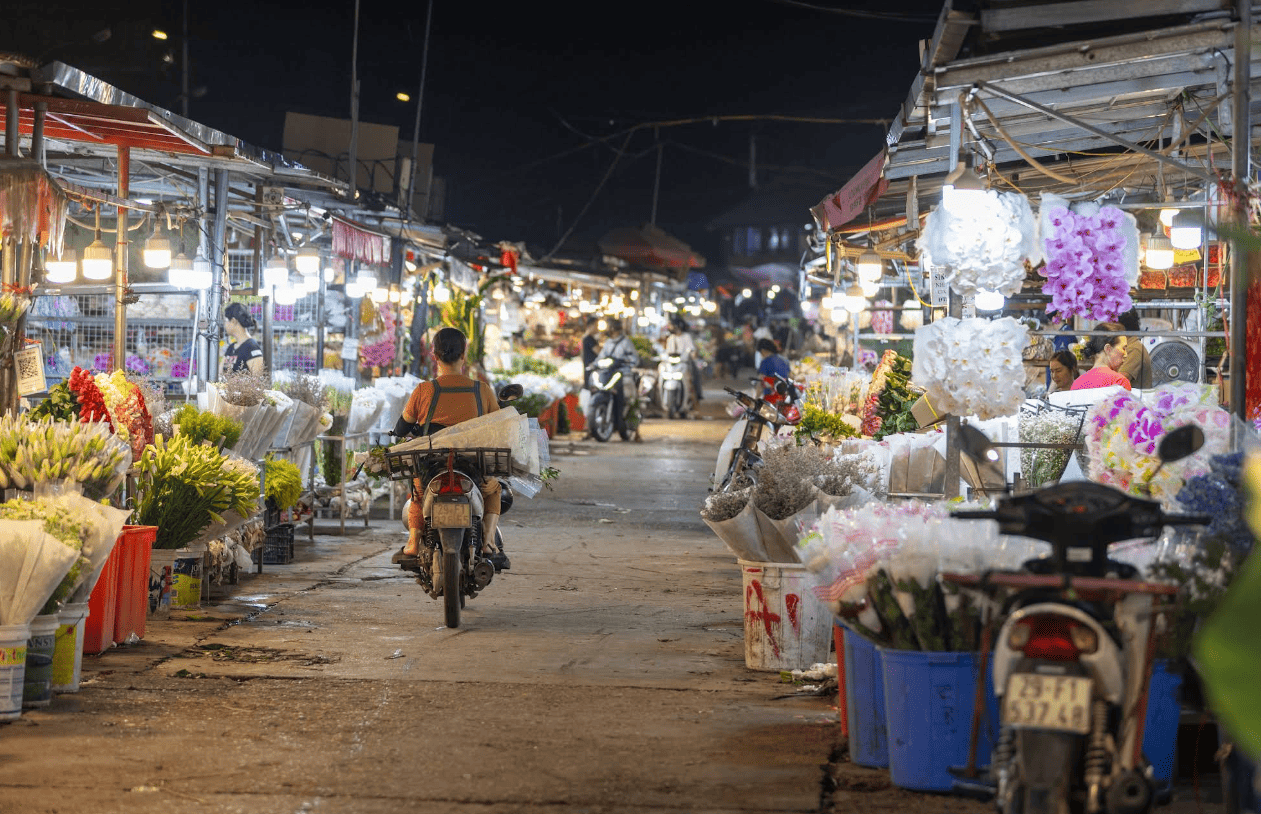
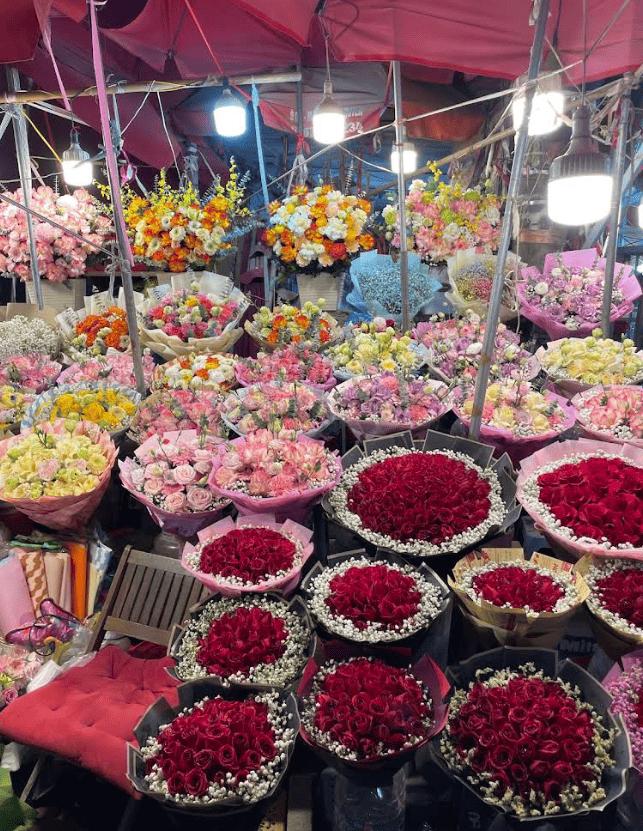
If you’re an insomniac or just like getting up before the sun, this flower market is wild. It kicks off around 2 or 3 AM and winds down by early morning.
- My unfiltered thoughts: Pure chaos. Flowers everywhere – roses, lilies, orchids. People on bikes, pushing carts piled high, shouting orders. Smells amazing. It’s a proper local experience, way different from the tourist spots. I went once at 4 AM with a friend, and it was buzzing. It gives you a real glimpse into the early morning hustle of Hanoi that most tourists never see. Worth it if you can drag yourself out of bed. Bring a small flashlight if you go super early.
- Practical bits: Get there between 3:00 AM and 5:00 AM for the full show. It’s located north of West Lake, easily reachable by Grab. Free entry.
Hanoi Street Food Scene
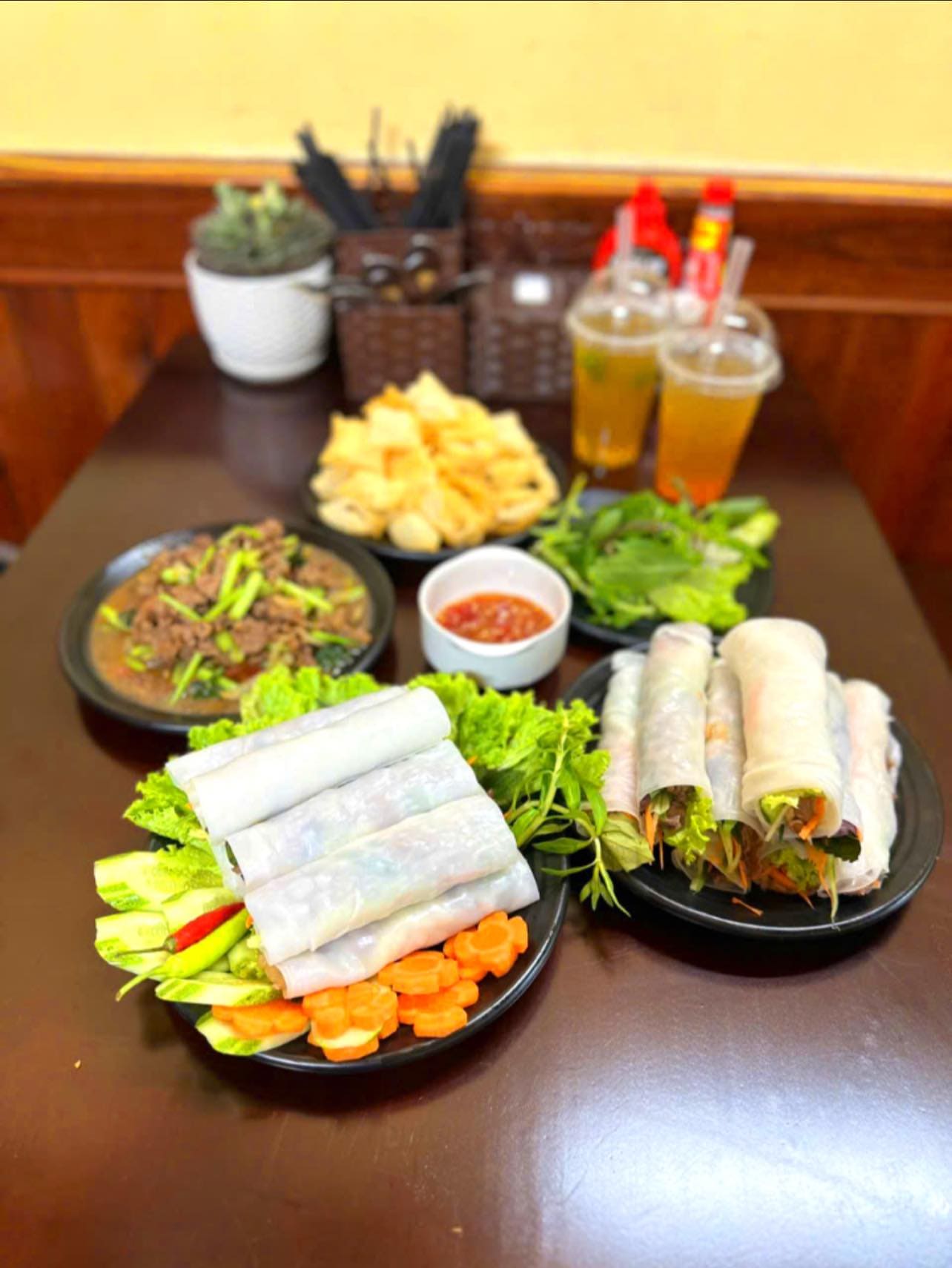
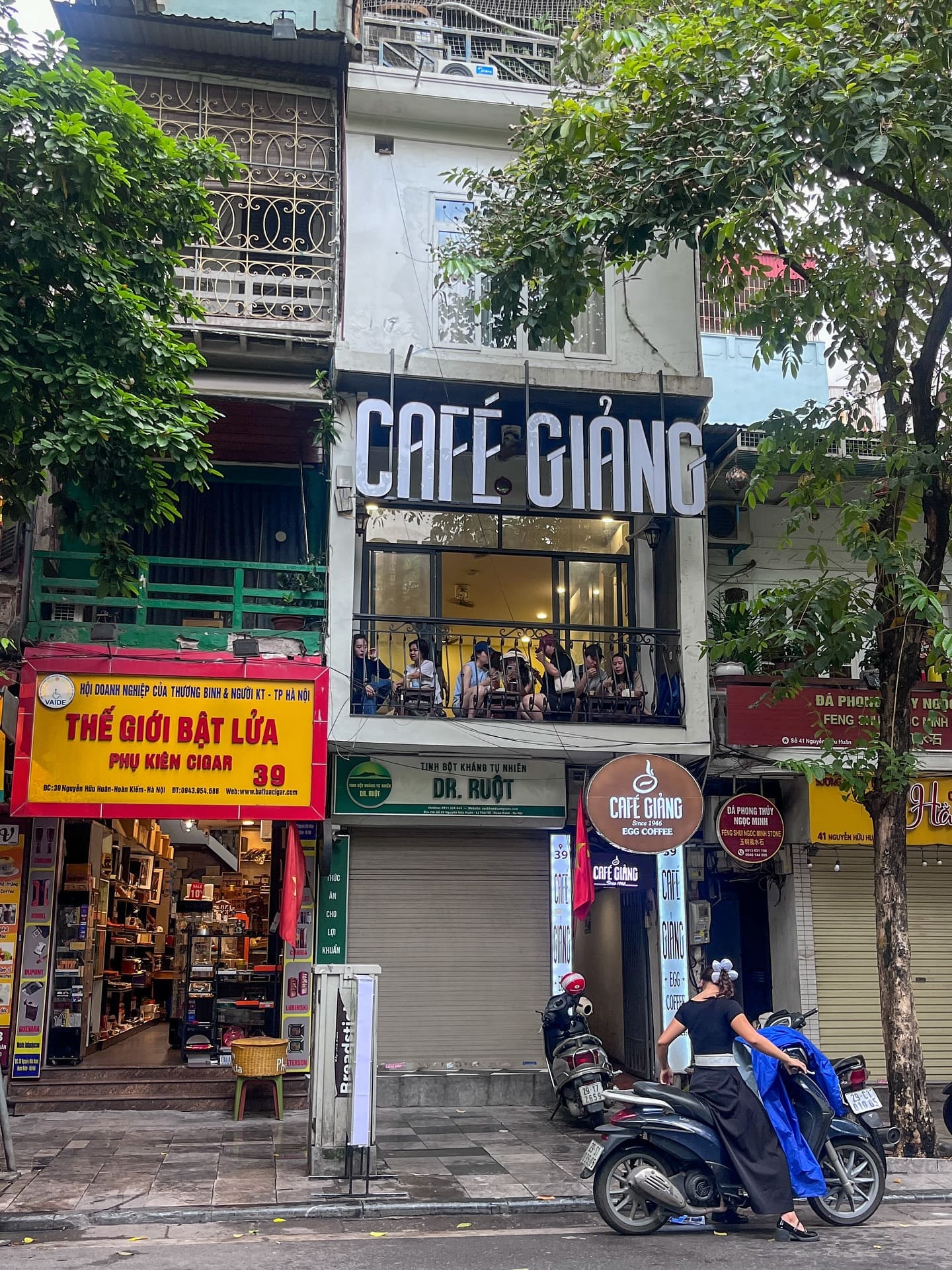
This isn’t just a “spot,” it’s a whole thing. Seriously, the food here is why a lot of people come to Vietnam. Phở, bún chả, bánh mì… just try it all.
- My unfiltered thoughts: Don’t be afraid. Just jump in. Sit on the tiny plastic stools. If a place is busy with locals, it’s probably good and usually safe. I’ve eaten everything from snails (ốc) to grilled pork skewers (nem lụi) off the street. Some of my favorite meals here have been on the curb, right next to a busy street. Hygiene standards vary, sure, but generally, if it’s cooked fresh and constantly moving, you’re good. This is one of the top reasons people love to explore Vietnam. Don’t be afraid to point at what you want.
- Practical bits: You can eat like a king for 30,000 – 80,000 VND a meal.
- What I’d do: I’ve actually joined one of those “Hanoi Street Food Walking Tours with a Local“ once, early on in my time here. They’re all over Getyourguide (many rated 4.9/5 stars, thousands of reviews, about $25-$30). Even after living here for years, I found new places and tried things I wouldn’t have on my own. It’s a good investment, especially if you’re a bit nervous about just diving in. They take you to legit spots, so you don’t have to worry about getting sick (as much).
Ha Long Bay & Lan Ha Bay: The Big Ticket Views
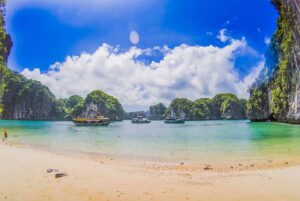
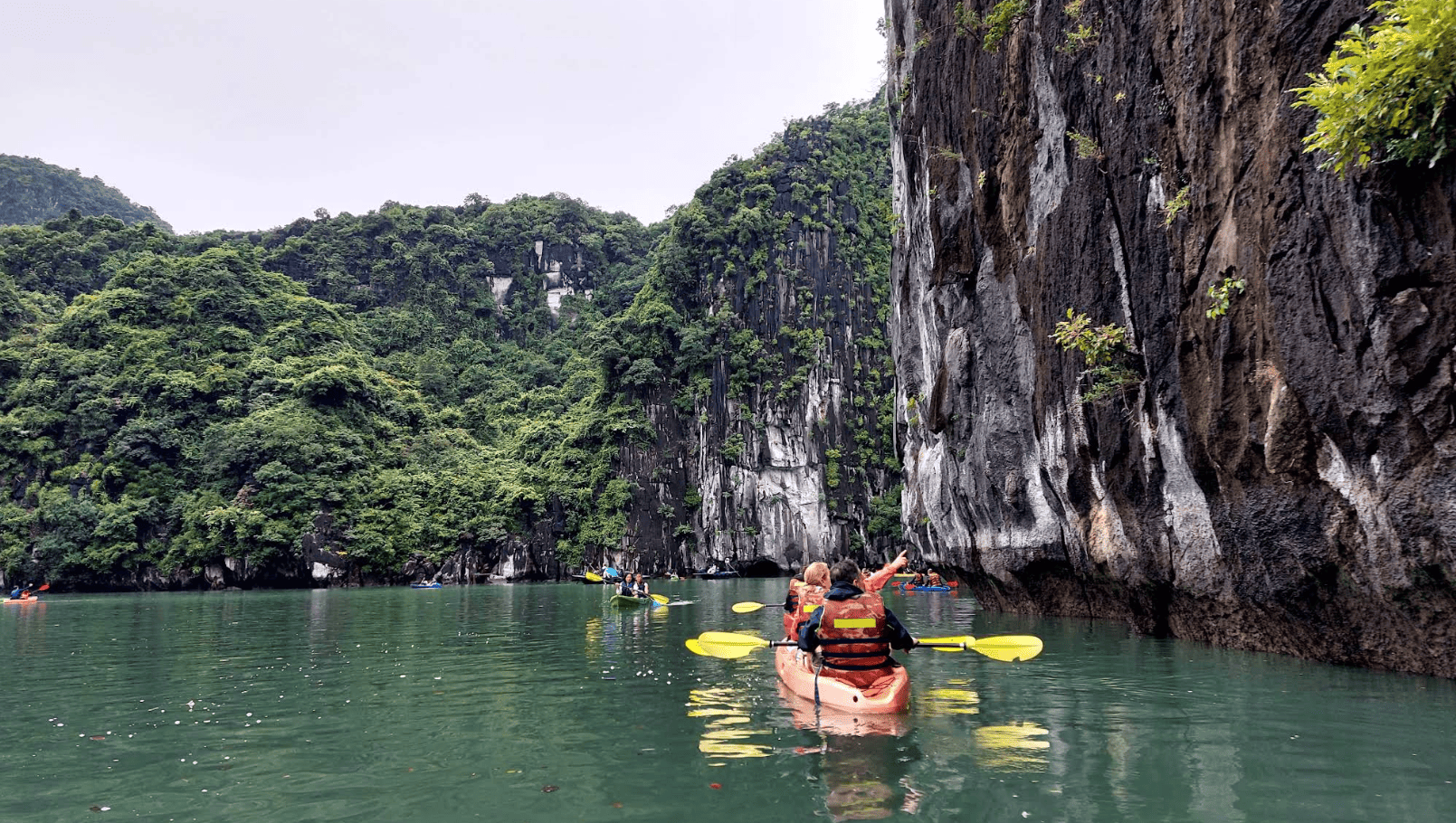
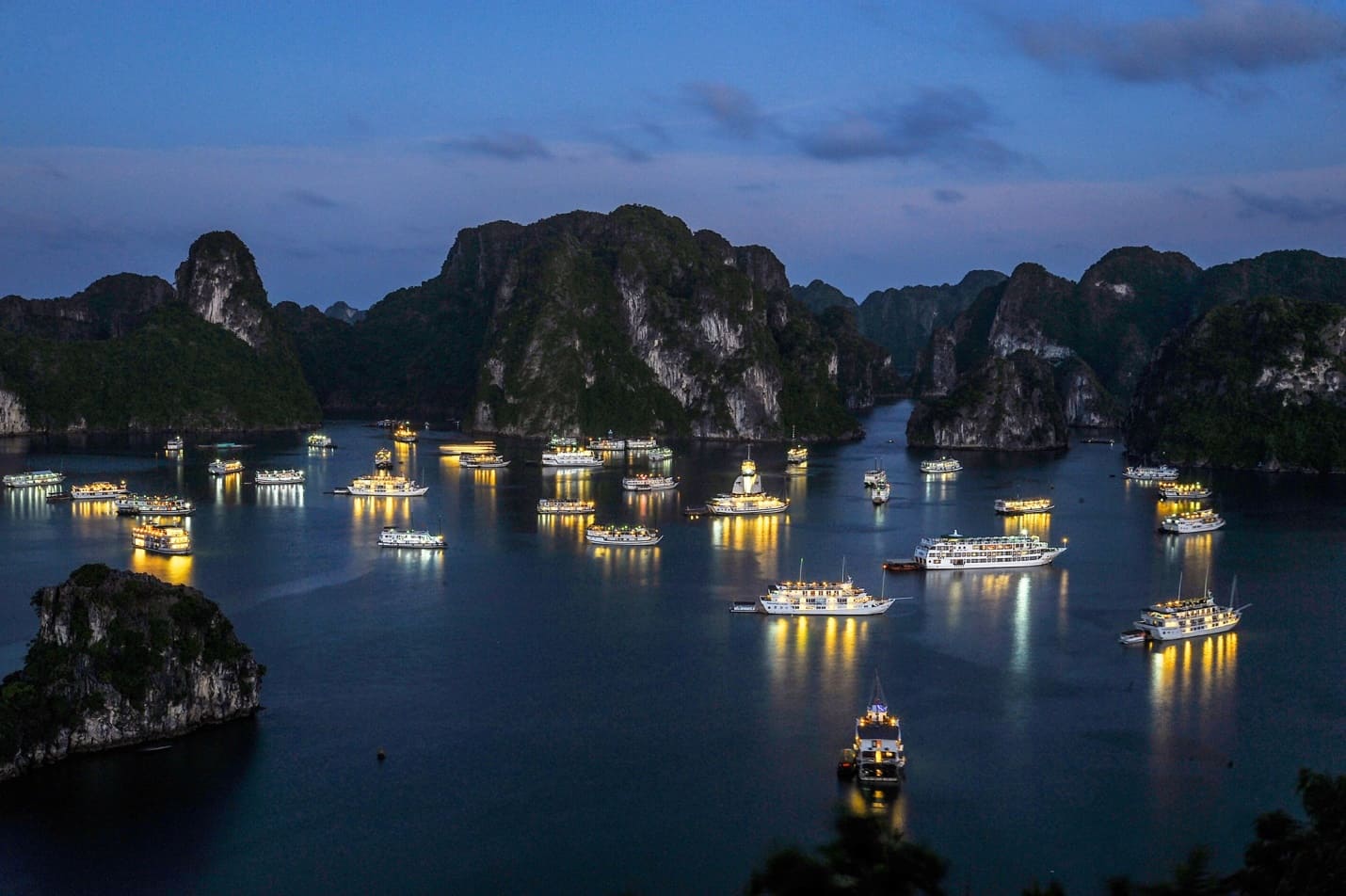
Everyone knows Ha Long Bay. It’s famous for a reason – those limestone islands are unreal. But it can get crowded. I usually tell people to look for tours that also hit Lan Ha Bay. Same vibe, fewer boats. It’s truly one of the best places in Vietnam for scenery.

Cruising Ha Long Bay
The classic is an overnight cruise. You just float through those crazy islands.
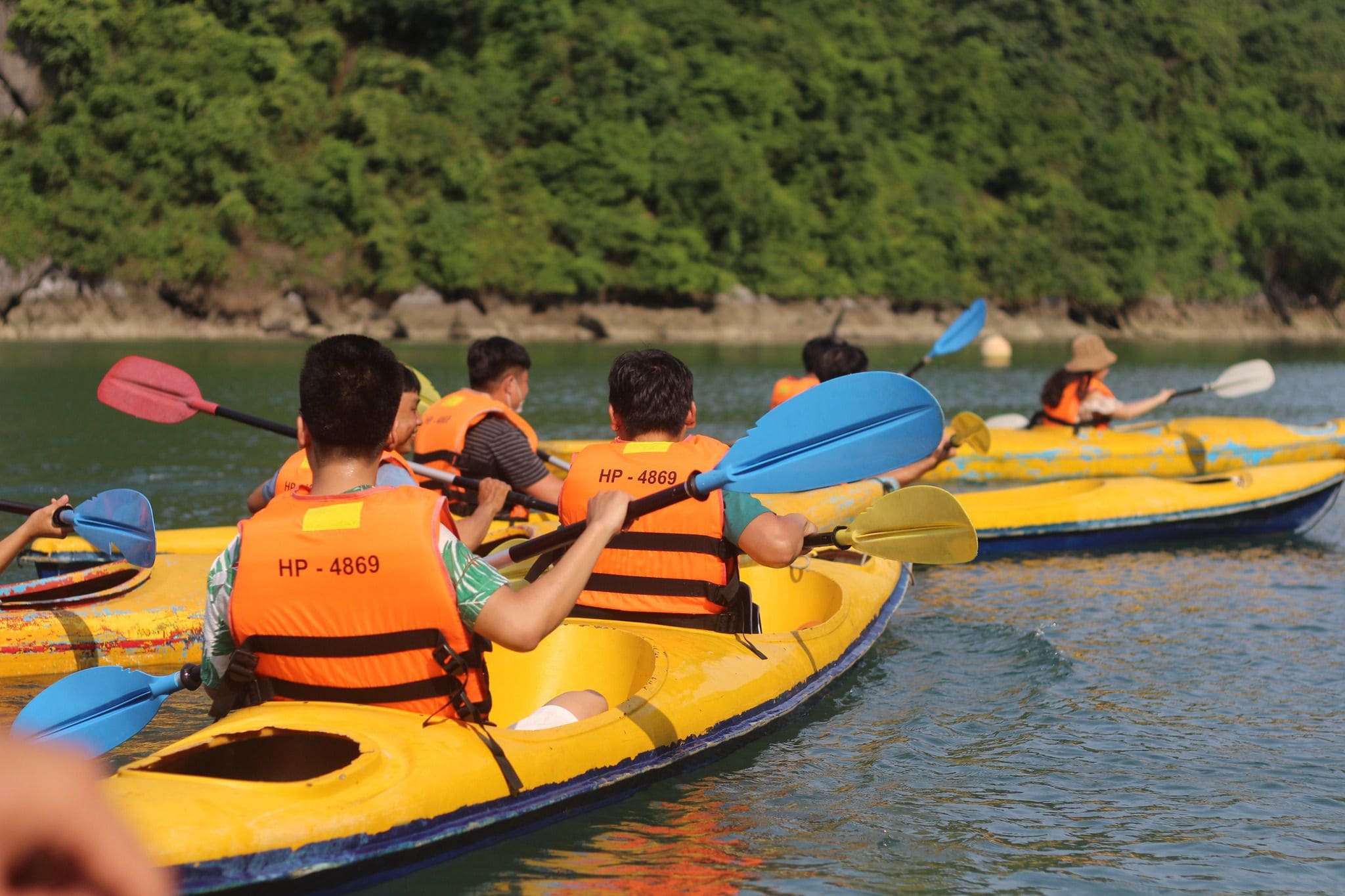
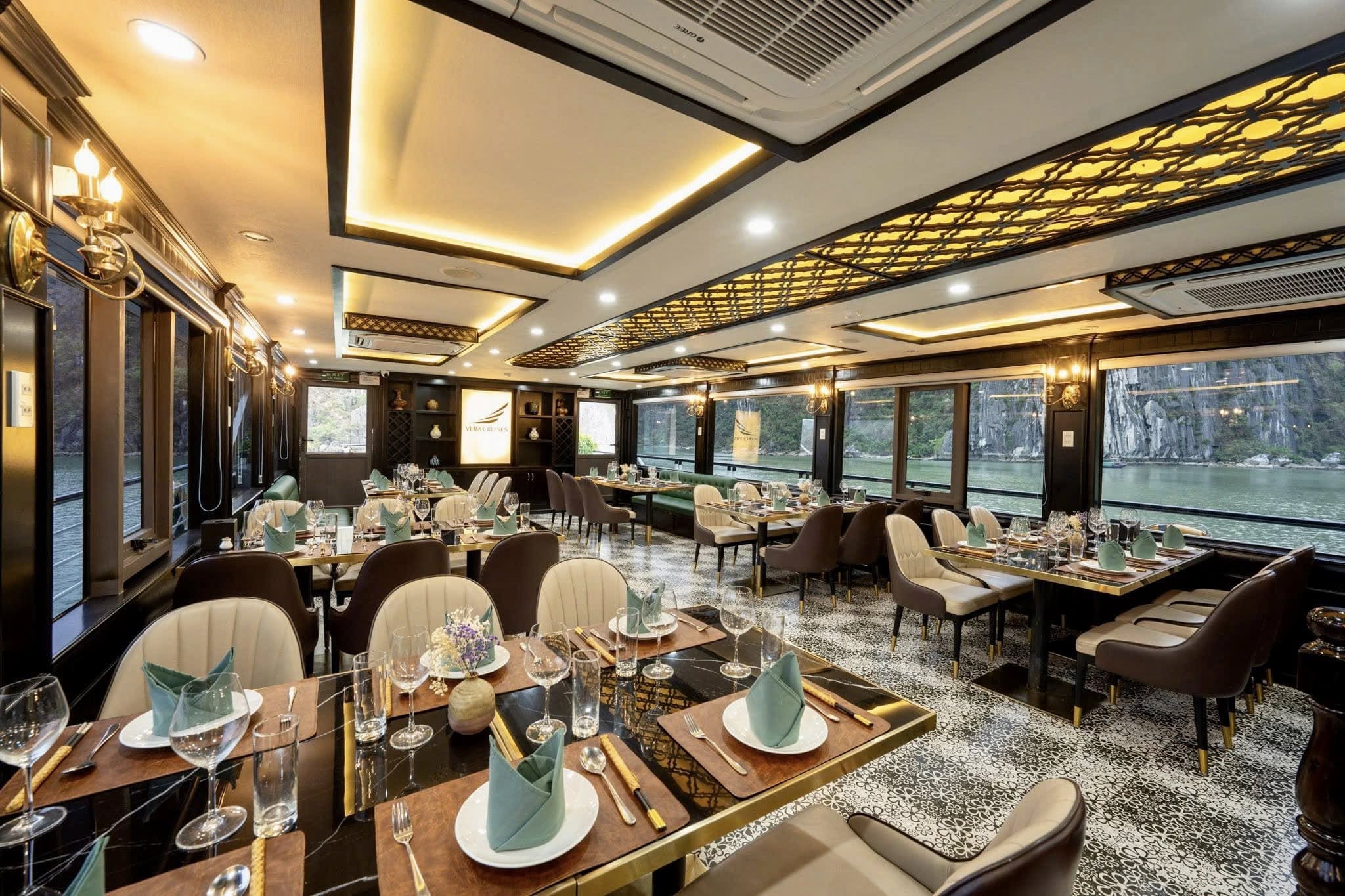
- My unfiltered thoughts: You have to do this. No way around it. It’s worth the hype. My first time, I was genuinely blown away. It feels like you’re in a painting. Pick a decent boat. You don’t need the super fancy ones that cost a fortune, but avoid the absolute cheapest if you value basic comfort and not having a generator rumble outside your cabin all night. Look for packages that include kayaking and cave visits. Those are usually the highlights besides just sitting on deck watching the scenery go by.
- Practical bits: A 2-day/1-night cruise is standard. Prices start around $150-$170 USD per person for something mid-range. A 3-day/2-night trip gives you more time to chill, less rushing, and often goes deeper into the bays. Most cruises depart from Tuan Chau Harbor in Ha Long City, or Cat Hai in Hai Phong (for Lan Ha Bay cruises).
- How to book: The “Hanoi: 2-Day Halong & Lan Ha Bay 5-Star Cruise with Balcony“ on Getyourguide is a consistently popular choice (loads of 4.8/5 ratings, thousands of reviews). Crucially, check what’s included – transfers from Hanoi, meals, activities. I’ve heard consistently good feedback for the Mon Cheri Cruise and Aspira Cruise if you’re looking for a balance of quality and price. They often have deals, especially outside peak season. Book a few weeks ahead, especially for weekends.
Exploring Lan Ha Bay
This is the bay right next to Ha Long, part of the Cat Ba archipelago. Same rocks, less traffic.
- My unfiltered thoughts: If your cruise goes into Lan Ha Bay, even better. It just feels a bit more untouched. The water feels cleaner for swimming, and you often see fewer large ships. I prefer it now, having seen both. It feels like stepping back a few years, to how Ha Long used to be before it got so popular.
- What I’d do: Try to pick a cruise that gives you solid kayaking time. You can get into these hidden lagoons and caves that the bigger boats can’t access. Some tours even offer rock climbing excursions if you’re feeling adventurous and your cruise includes it.
Sapa: Misty Mountains and Ethnic Cultures
Sapa’s changed a lot since I first saw it. More hotels, more developed. But the hills, the rice terraces, and the ethnic minority villages are still amazing. It’s a solid entry on the best places in North Vietnam list.
Trekking & Local Villages

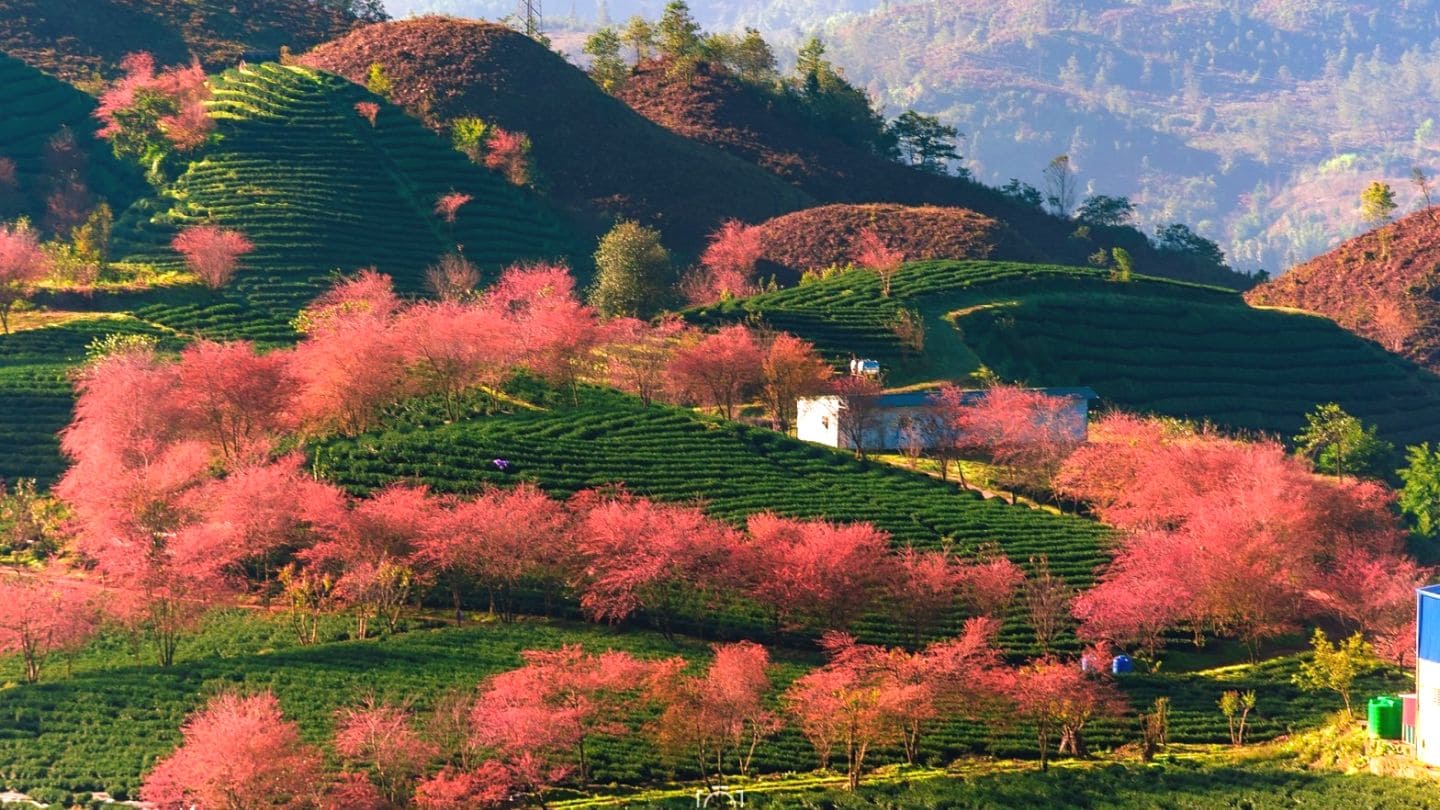
This is why you go. Walking through the rice fields, seeing waterfalls, and visiting villages where the Hmong, Dzao, and Tay people live.
- My unfiltered thoughts: Don’t just hang out in Sapa town. It’s gotten pretty built up and touristy with too many hotels. Get out on a trek. And if you can, do a homestay in a village. I stayed in a Hmong homestay in Ta Van village years ago, and it was a proper eye-opener. No hot water, basic food, but sharing meals and stories with the family was something else. It’s a totally different experience than a hotel. It actually gives you a real feel for their life. Just be aware that some of the women selling handicrafts can be quite persistent, but a polite “no thank you” usually works.
- Practical bits: Day treks can be set up easily in Sapa town (starting at 200,000 – 400,000 VND per person for a group tour, usually 4-5 hours). Overnight homestays usually run 150,000 – 300,000 VND a night, often with meals included. You can get a bus from Sapa town to some of the villages if you don’t want to trek back.
- How to book: The “1-day Sapa Trekking Tour With Overnight Bus“ on Getyourguide is a good bet (rated 4.5/5, hundreds of reviews, only about $60-$90). These usually include the overnight sleeper bus from Hanoi, which is a common way to travel and can be surprisingly comfortable. The guides are often local ethnic minority people, which adds to the authenticity.
Fansipan Peak: The Roof of Indochina

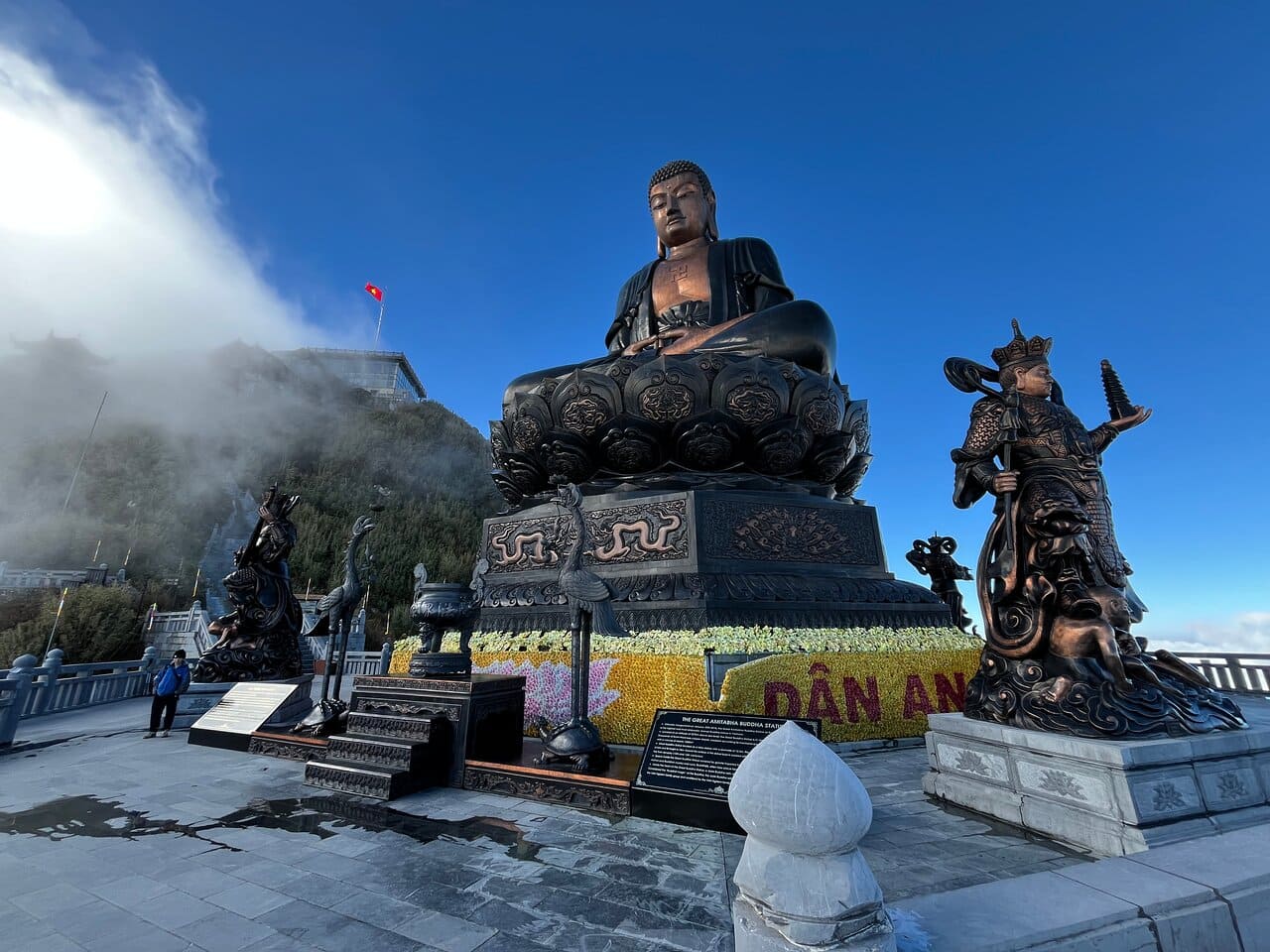

Vietnam’s tallest mountain. You can hike it (takes a few days) or just take the cable car up.
- My unfiltered thoughts: Cable car is the way to go unless you’re a serious trekker with proper gear. I’m not. I took the cable car. The views from the top on a clear day are insane – you feel like you’re on top of the world. But it can be freezing up there, even in summer, and cloudy more often than not. Bring layers. It’s pretty developed at the top now, with temples and statues, almost like a mountaintop theme park, which some people love and some hate.
- Practical bits: Cable car round trip is about 750,000 VND. Open generally 7:30 AM – 5:30 PM. There’s also a small mountain train that takes you from Sapa town to the cable car station (about 150,000 VND return). Factor in a full half-day for the trip up and down.
- Where to stay: If you want something fancy with incredible views of the valley (not Fansipan specifically), the Hotel de la Coupole – MGallery Sapa is iconic. It’s a huge, very French-inspired luxury place (usually 9.3/10 on Booking.com). For something more straightforward but still good, Sapa Relax Hotel & Spa (9.1/10) is decent and more central.
Ninh Binh: Terrestrial Ha Long Bay
This place. Ninh Binh. They call it “Ha Long Bay on land,” and it’s not wrong. It’s probably one of my personal favorites in the north. So calm, so dramatic. A definite for the best places in Vietnam.
Tam Coc – Bich Dong
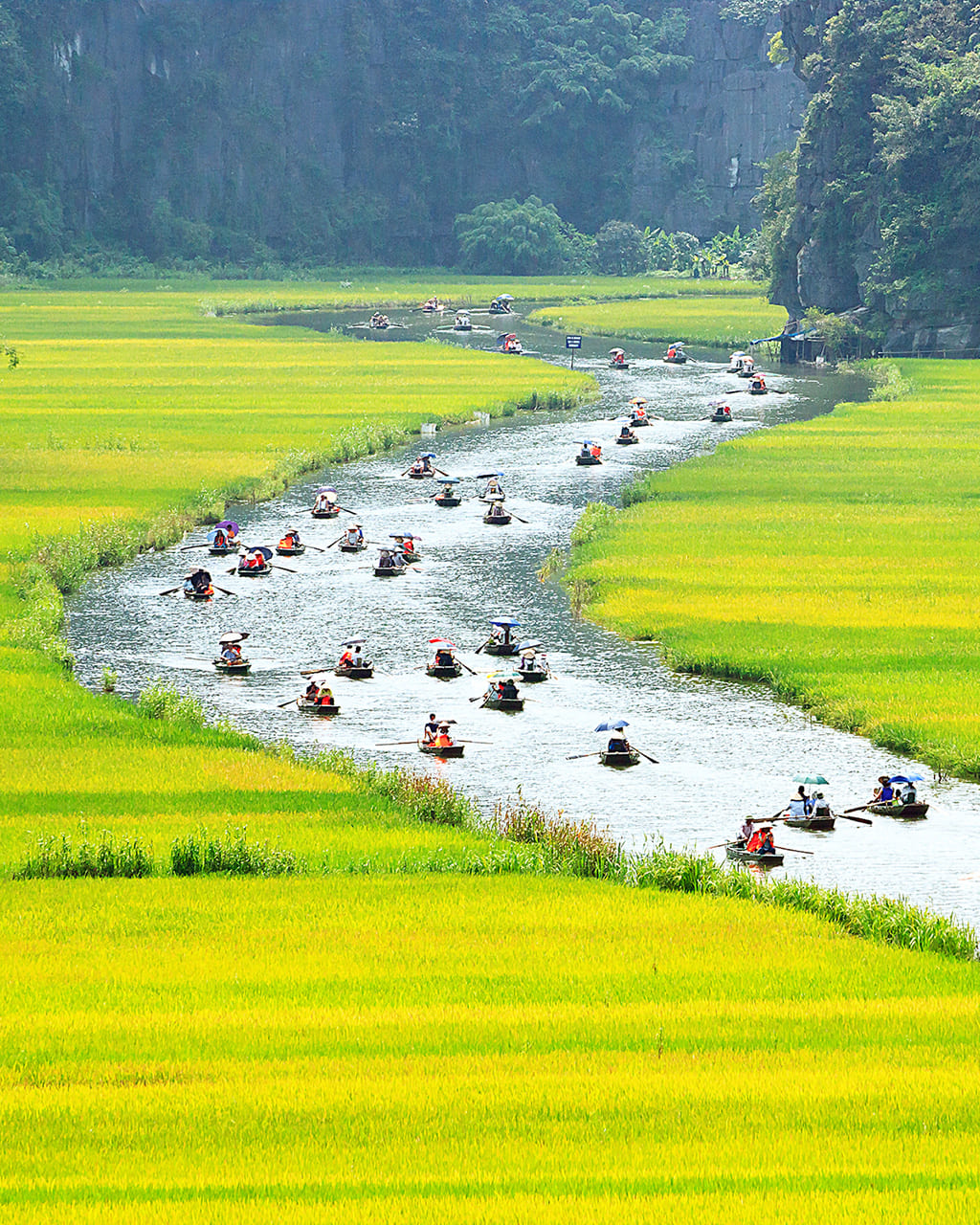
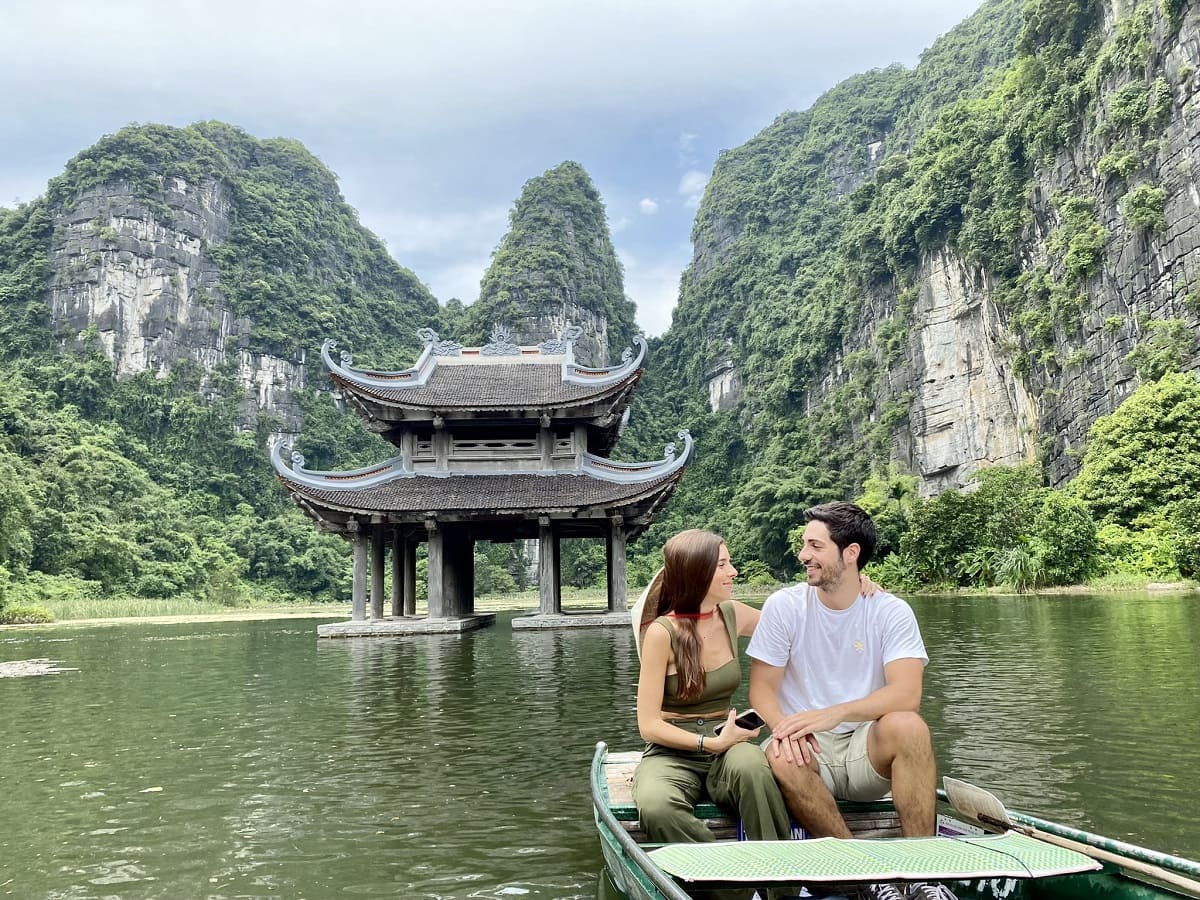
Known for its boat tours through limestone caves and past rice paddies.
- My unfiltered thoughts: Classic. The boat drivers often row with their feet – it’s wild to watch and kind of impressive. I’ve been on this tour three times, always bringing visitors. Go early in the morning to avoid the crowds of other boats, especially tour groups. The rice paddies are particularly vibrant during harvest season (late May/early June and late September/early October), turning a beautiful golden color. Otherwise, they’re lush green.
- Practical bits: Boat ride (about 1.5-2 hours) is 120,000 VND per person, plus a Tam Coc entrance fee of 120,000 VND per person. You buy both tickets at the main pier. Bich Dong Pagoda, a cluster of ancient temples built into a mountain, is free to enter, a short cycle or walk from the Tam Coc boat station.
- How to see it: Many day tours from Hanoi combine Tam Coc with other sites. The Ninh Binh- Hoa Lu – Trang An – Mua Cave – Best Seller (often rated 4.9/5, thousands of reviews, around $45-$60) is a popular and efficient way to see a lot in one go if you’re short on time. I’ve known people who took this and were very happy with hitting the main spots.
Trang An Scenic Landscape Complex
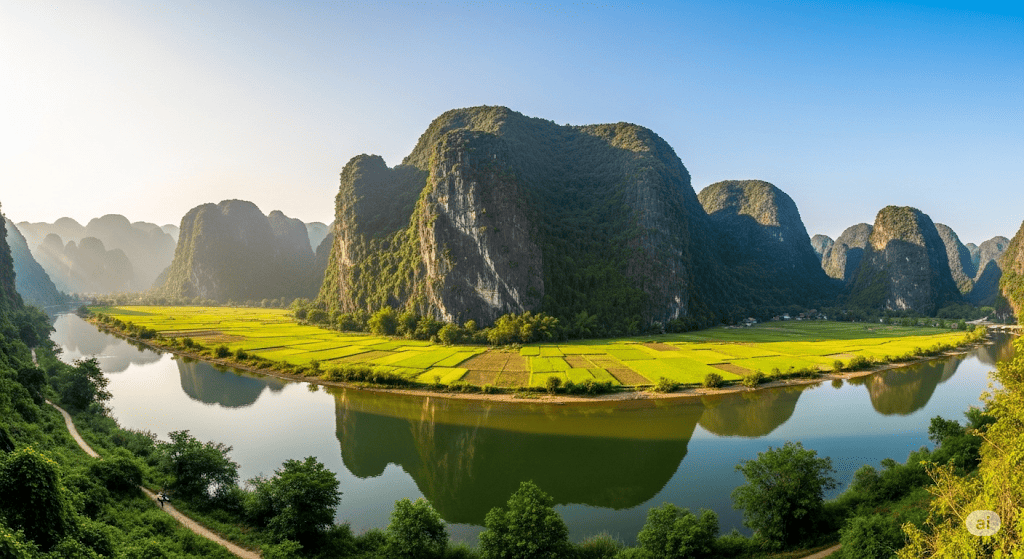
A UNESCO World Heritage site, Trang An offers a longer, more extensive boat tour through caves, temples, and stunning karst landscapes.
- My unfiltered thoughts: If you can only do one boat tour in Ninh Binh, do Trang An. It just feels bigger, less commercialized than Tam Coc, even though it’s also popular. The boat route is longer, and you go through more dramatic caves. It’s also where some of Kong: Skull Island was filmed, which is kind of fun to recognize. You spend more time on the water, and the scenery is just endlessly beautiful.
- Practical bits: Boat ride (about 2.5-3 hours) costs 250,000 VND per person. It’s fixed price, no haggling. They have life vests and umbrellas. There are three main routes, each offering slightly different caves and temples. All are good, just pick one that sounds interesting to you.
- Experience Tip: Try to go on a weekday to avoid the biggest crowds.
Mua Cave (Hang Mua)
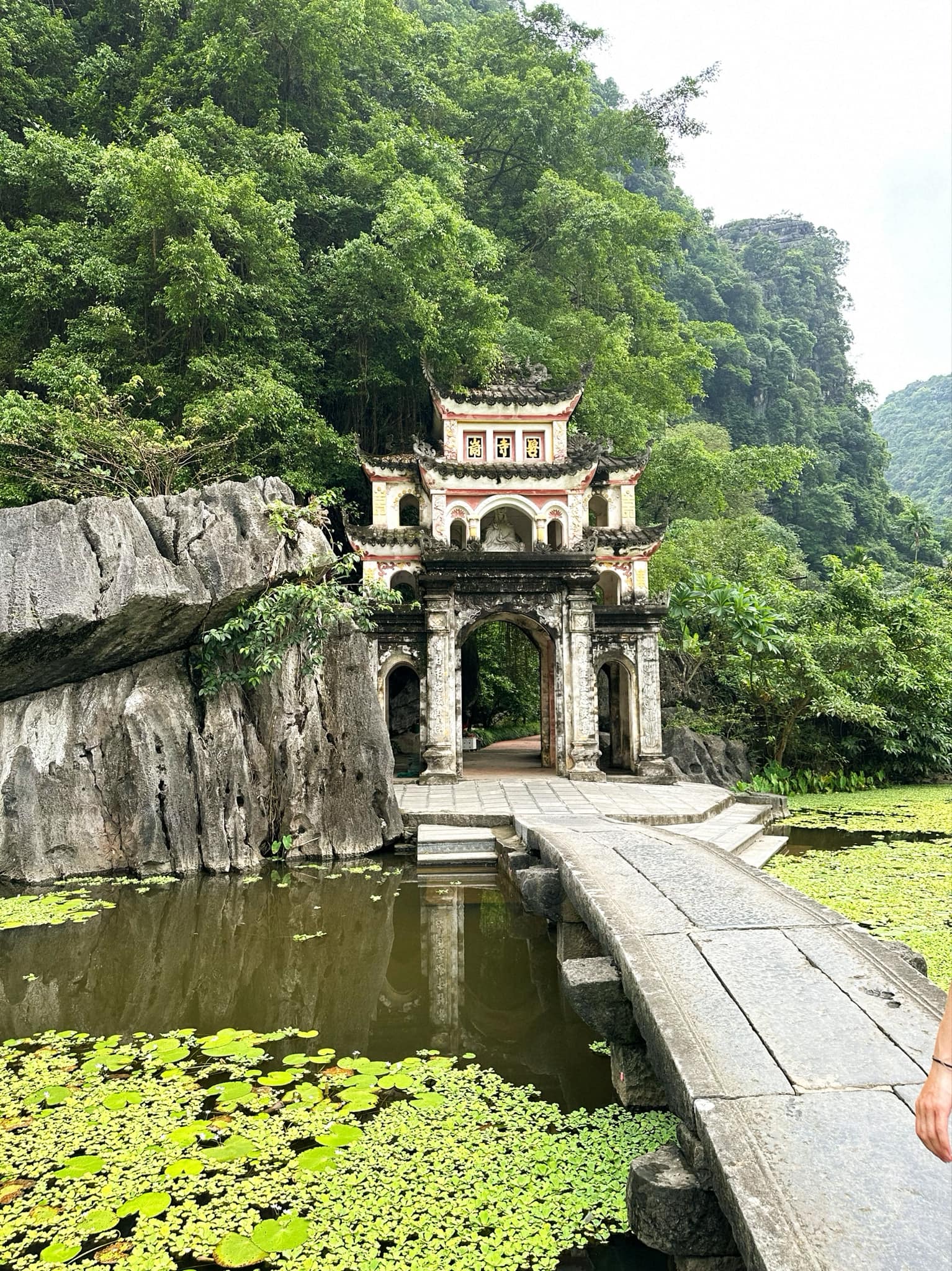
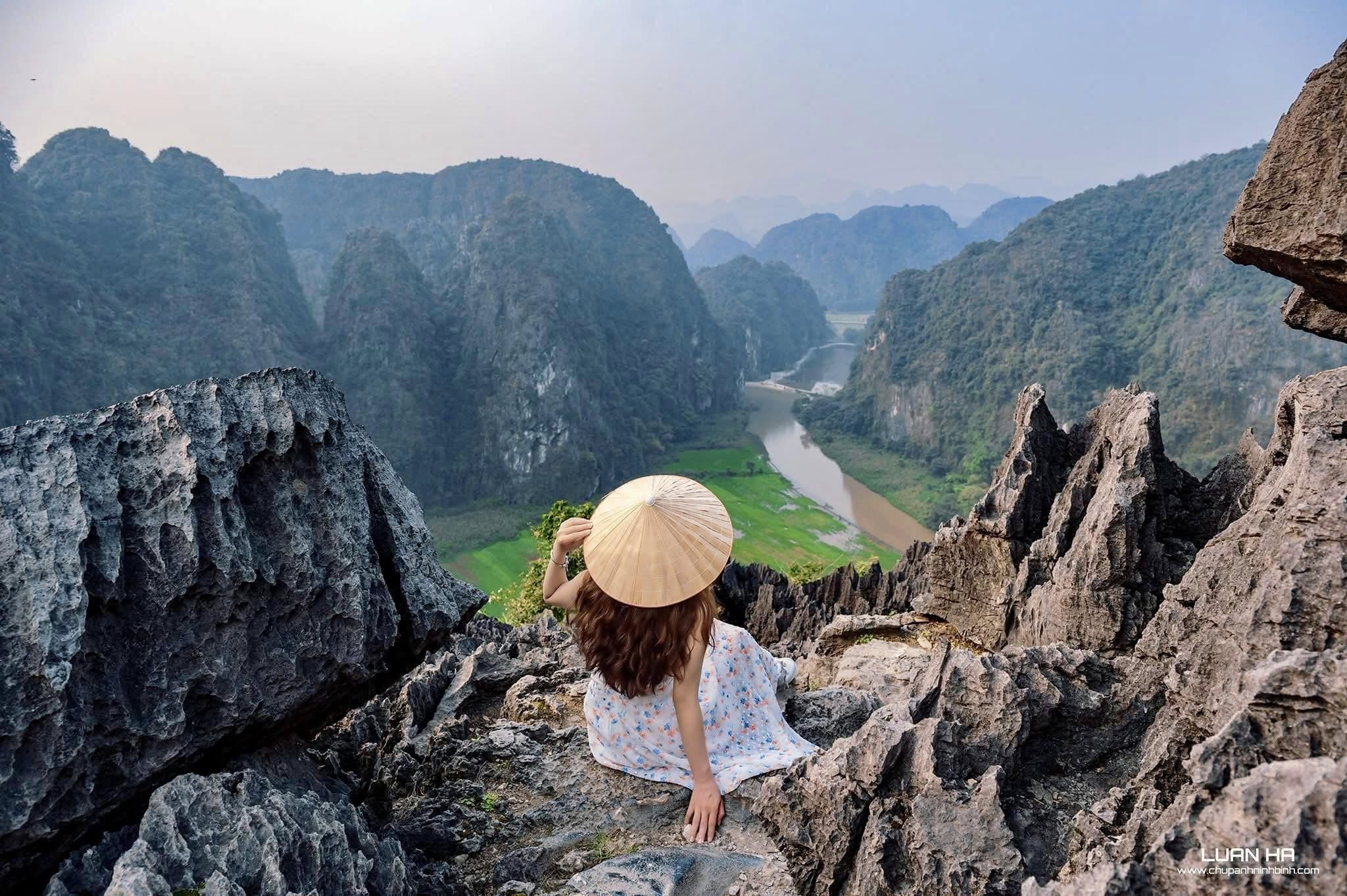
Not a cave, really. It’s a viewpoint. You climb about 500 steps up a limestone mountain.
- My unfiltered thoughts: The climb sucks, especially if it’s hot. I’ve done it in blistering sun and regretted every step until I got to the top. But the view at the top? Totally worth it. You get that iconic shot of the rice fields and mountains, including the Tam Coc boat route winding through them. It’s one of the best views in the best places in North Vietnam for sure. There are two peaks at the top, one with a dragon statue, one with a pagoda. Both offer stunning views.
- Practical bits: Entry 100,000 VND. Open generally 6:00 AM – 7:00 PM. Go early morning (sunrise is great if it’s clear) or late afternoon (for sunset) to avoid the midday sun and the biggest crowds. Bring water, and wear good shoes.
Thung Nham Bird Park

A large ecological area known for its caves, boat trips, and especially, its diverse bird population, particularly at sunset.
- My unfiltered thoughts: This place is a hidden gem in Ninh Binh that many tourists miss. It’s got a few small caves you can explore, and some pleasant walking trails, but the main event is the boat trip at sunset. You take a small boat through a quiet canal, and suddenly, you’re in an open area where thousands of birds (storks, herons, egrets) come to roost for the night. It’s noisy and spectacular. I stumbled on this place on my third trip to Ninh Binh, and it was a pleasant surprise.
- Practical bits: Entrance fee is 100,000 VND. Boat trip is separate, around 50,000 VND per person. Best time for bird watching is 4:30 PM – 5:30 PM (before sunset). It’s about 10-15 minutes drive from Tam Coc.
- Experience Tip: Combine this with a daytime visit to Tam Coc or Trang An. It makes for a nice, calmer end to the day.
Ha Giang: The Far North Frontier
The Ha Giang Loop. This is for people who want a real adventure. It’s rugged, stunning, and pretty far north. It’s gaining traction as one of the best places in Vietnam for thrill-seekers.
Ha Giang Loop



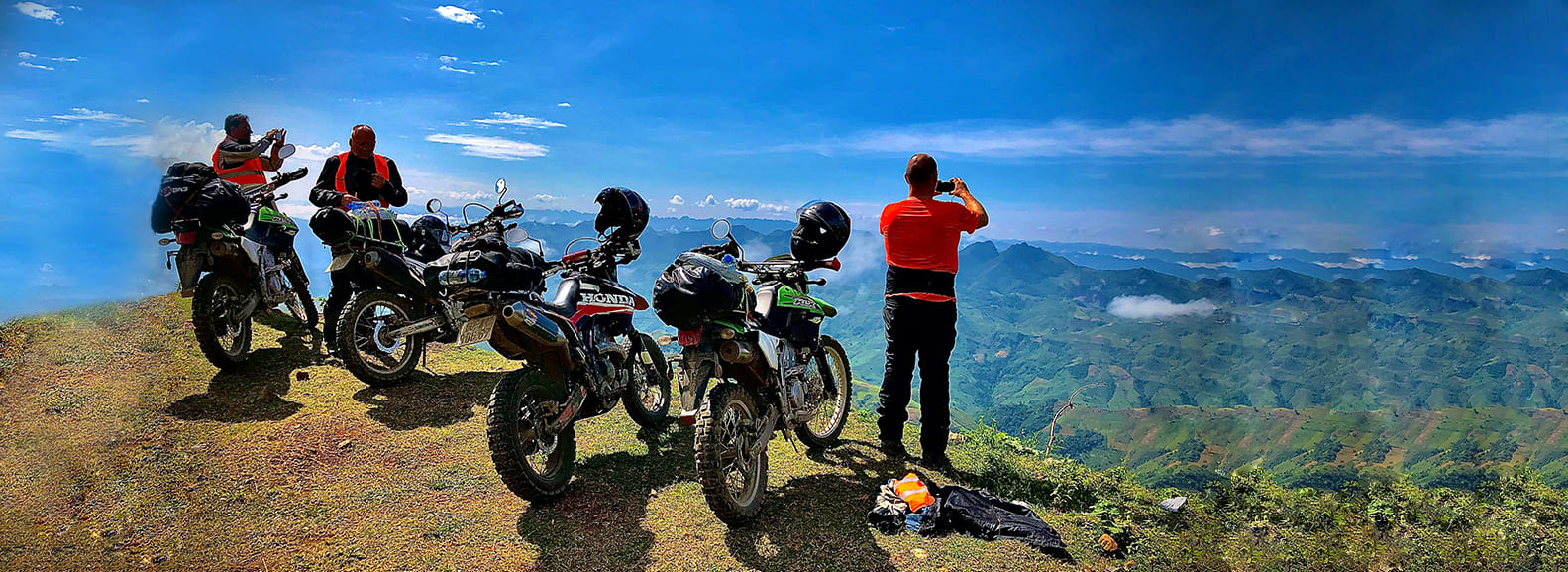
This is a motorbike trip through Ha Giang province. Mountains, insane passes, remote villages.
- My unfiltered thoughts: Do it. Seriously. This is probably the most incredible landscape I’ve seen in Vietnam, period. But only if you’re comfortable on a motorbike. And I mean really comfortable. The roads are twisty, steep, and sometimes crumbling. Otherwise, hire an “easy rider.” That’s a local who drives you on the back of their bike. It’s safer, and you can actually look at the scenery instead of just the road. I’ve done parts of it myself, and parts with an easy rider, and I prefer the easy rider for really soaking it in. The views are some of the most dramatic I’ve seen anywhere. It’s a proper adventure, not a relaxing trip. Be prepared for basic accommodation in homestays.
- Practical bits: The loop typically takes 3-5 days. You start from Ha Giang city. Motorbike rental around 150,000 – 250,000 VND per day. Easy rider costs more, around 700,000 – 1,000,000 VND per day, but this usually includes accommodation and food along the way. Be sure to check what’s included.
- How to book: You won’t find this on Getyourguide directly, it’s more local operators. Look up things like “Ha Giang Loop Easy Rider Tours” with companies like Ha Giang Loop Tour or Cheers Hostel. Read reviews, look for ones with good safety records. You’re looking at $250-$400 for a 3-4 day tour, roughly. It’s crucial to pick a reputable company, especially for safety.
Dong Van Karst Plateau Geopark
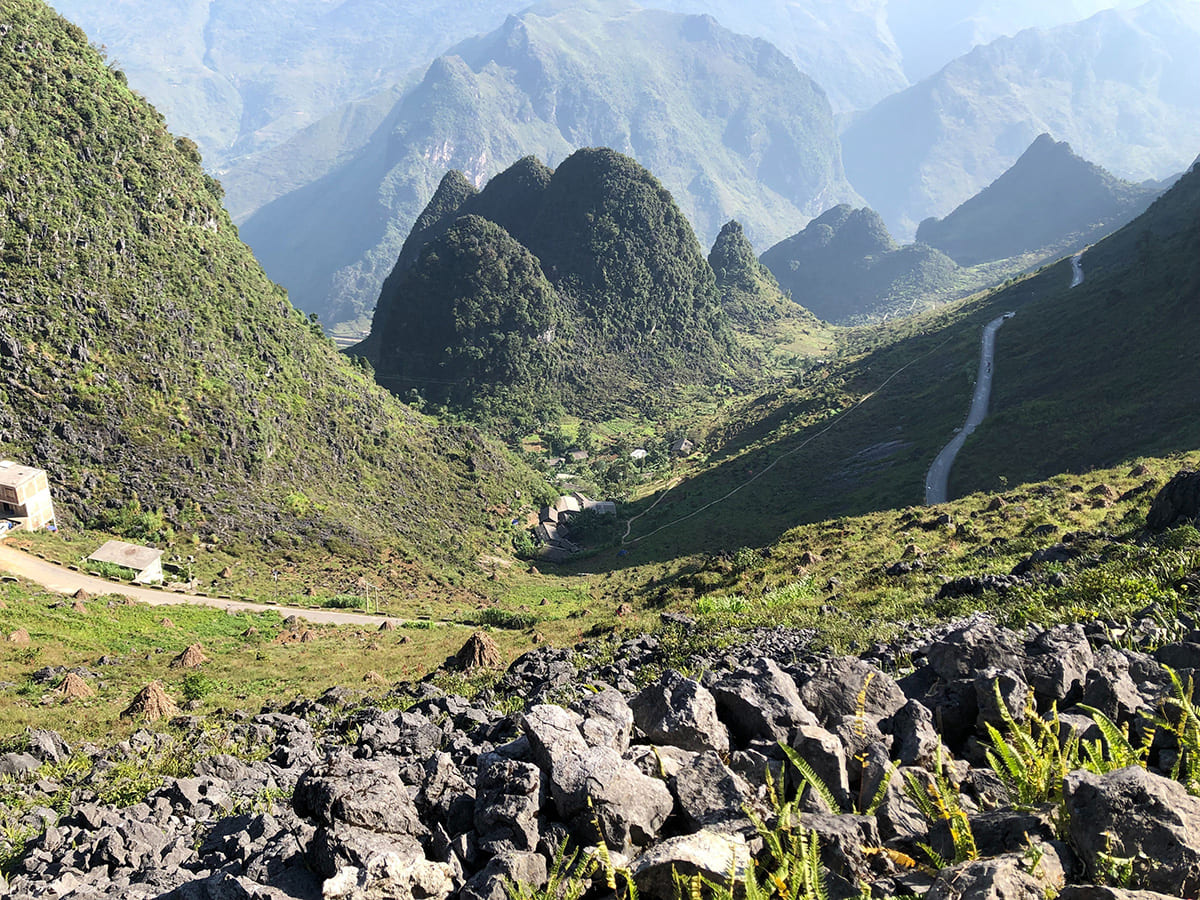
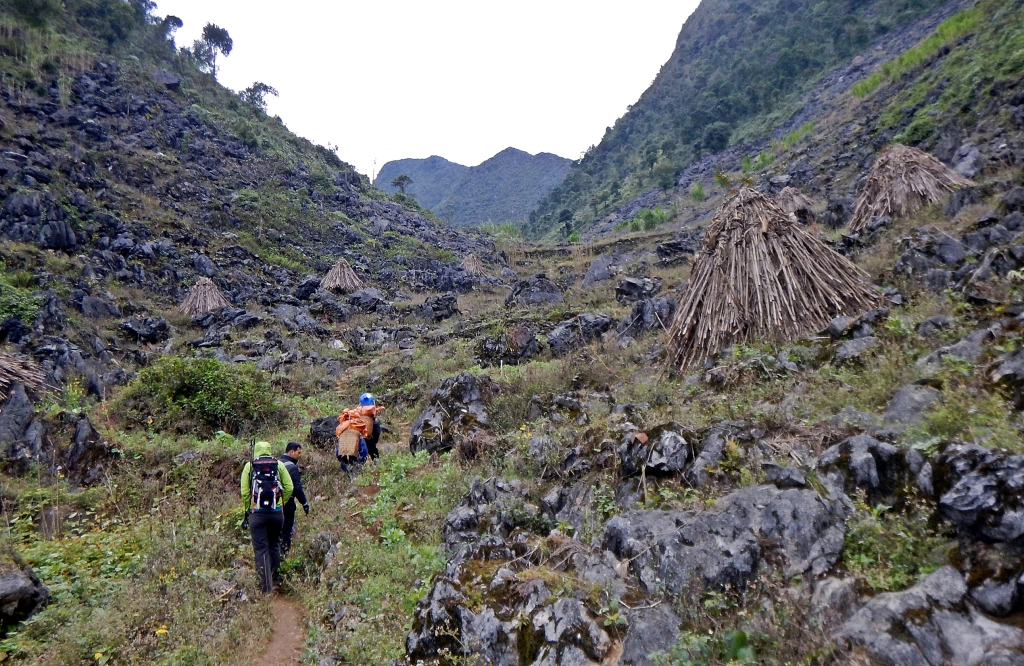
This is part of the Loop. UNESCO recognized. Crazy rock formations, deep canyons, Hmong villages.
- My unfiltered thoughts: Every turn on the Ha Giang Loop reveals another stunning vista. You’ll be stopping constantly for photos. Don’t skip Ma Pi Leng Pass – it’s legendary for a reason. The views down into the Nho Que River canyon are just jaw-dropping. It feels like the edge of the world. It’s seriously that good. You’ll see local ethnic minority people farming on steep slopes.
- What I’d do: Try to hit a local market in Dong Van or Meo Vac. They’re usually on specific days of the week (Dong Van market is on Sundays). You’ll see different ethnic groups buying and selling stuff, often in their traditional clothes. It’s a real, vibrant cultural experience, less curated than Sapa.
Cao Bang: Waterfalls and History
Cao Bang is a less-visited gem, offering incredible natural beauty and significant historical sites. It offers a different perspective on the best places in North Vietnam.
Ban Gioc Waterfall (Thác Bản Giốc)
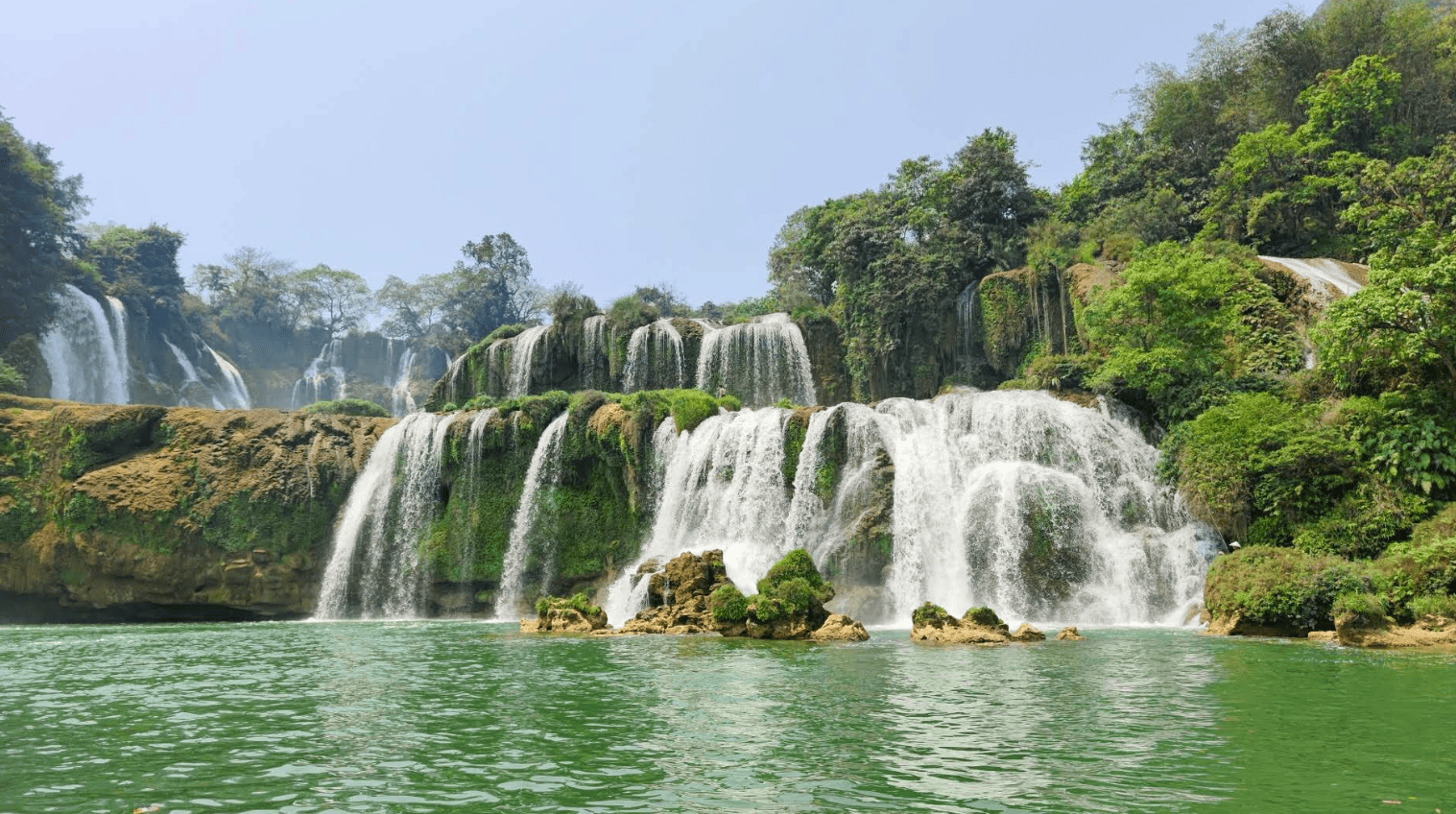
This is one of Vietnam’s most magnificent waterfalls, straddling the border with China. It’s absolutely massive and stunning.
- My unfiltered thoughts: It’s a long journey to get here from Hanoi (around 6-7 hours by bus, then maybe a local taxi or bus to the falls). I did it on a short trip. But completely worth it. The scale is incredible – it’s huge, with multiple tiers. You can take a bamboo raft ride right up to the falls – literally almost under them – on the Vietnamese side. You can see the Chinese side across the river. It’s genuinely impressive, and the roar of the water is deafening.
- Practical bits: Entrance fee is 45,000 VND. Bamboo raft ride is 50,000 VND. Open generally 7:00 AM – 5:00 PM.
- How to see it: There are day tours from Cao Bang city that hit this. Like the “Ban Gioc Waterfall Full-Day With Local Guide“ (rated 5/5, fewer reviews but consistent quality, around $60-$80 from Cao Bang city). Nguom Ngao Cave is also nearby and worth a quick visit for its impressive formations. Or, some multi-day tours from Hanoi will include Cao Bang as part of a longer “Northern Vietnam Loop” style itinerary.
Pu Luong Nature Reserve
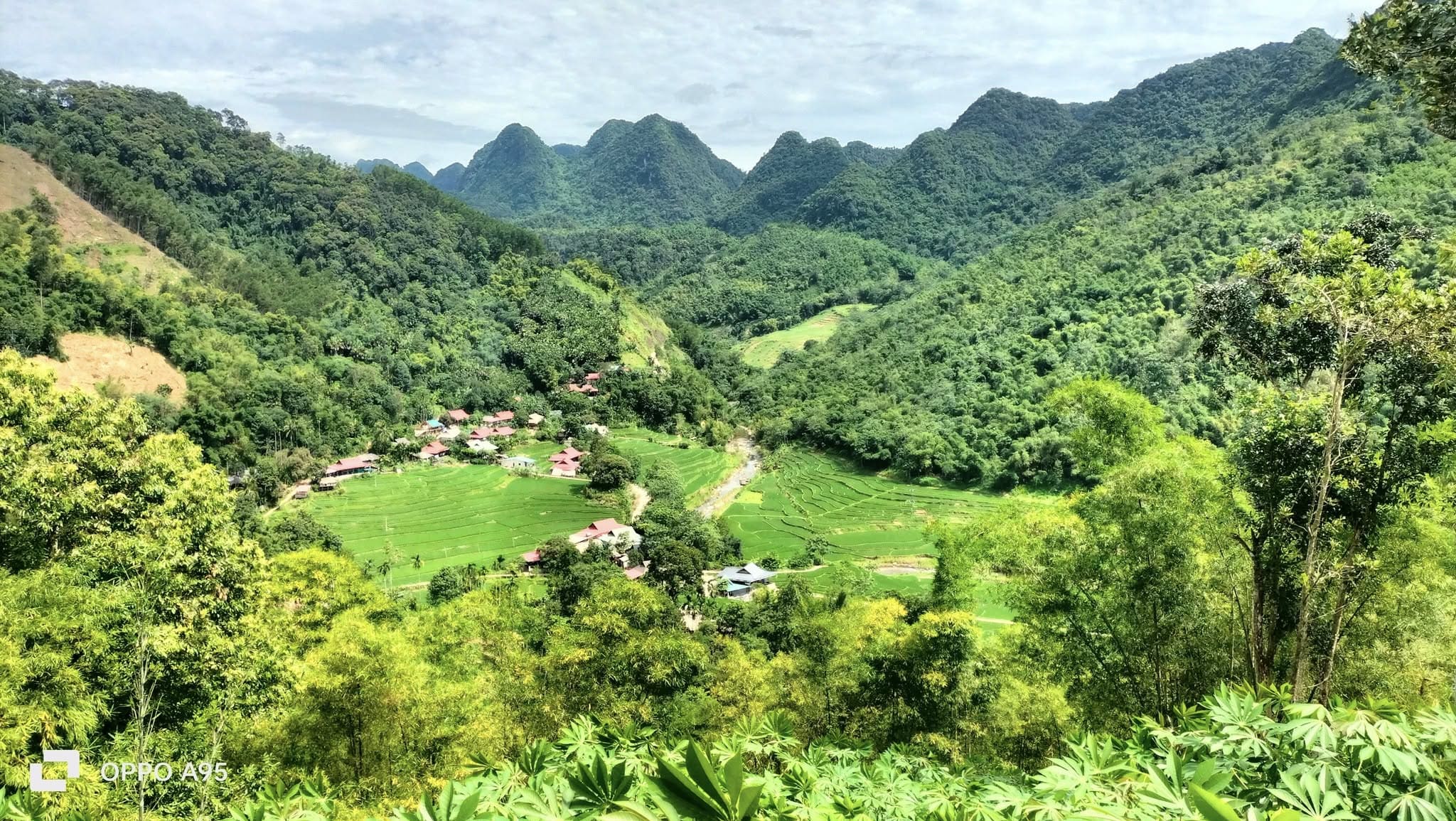
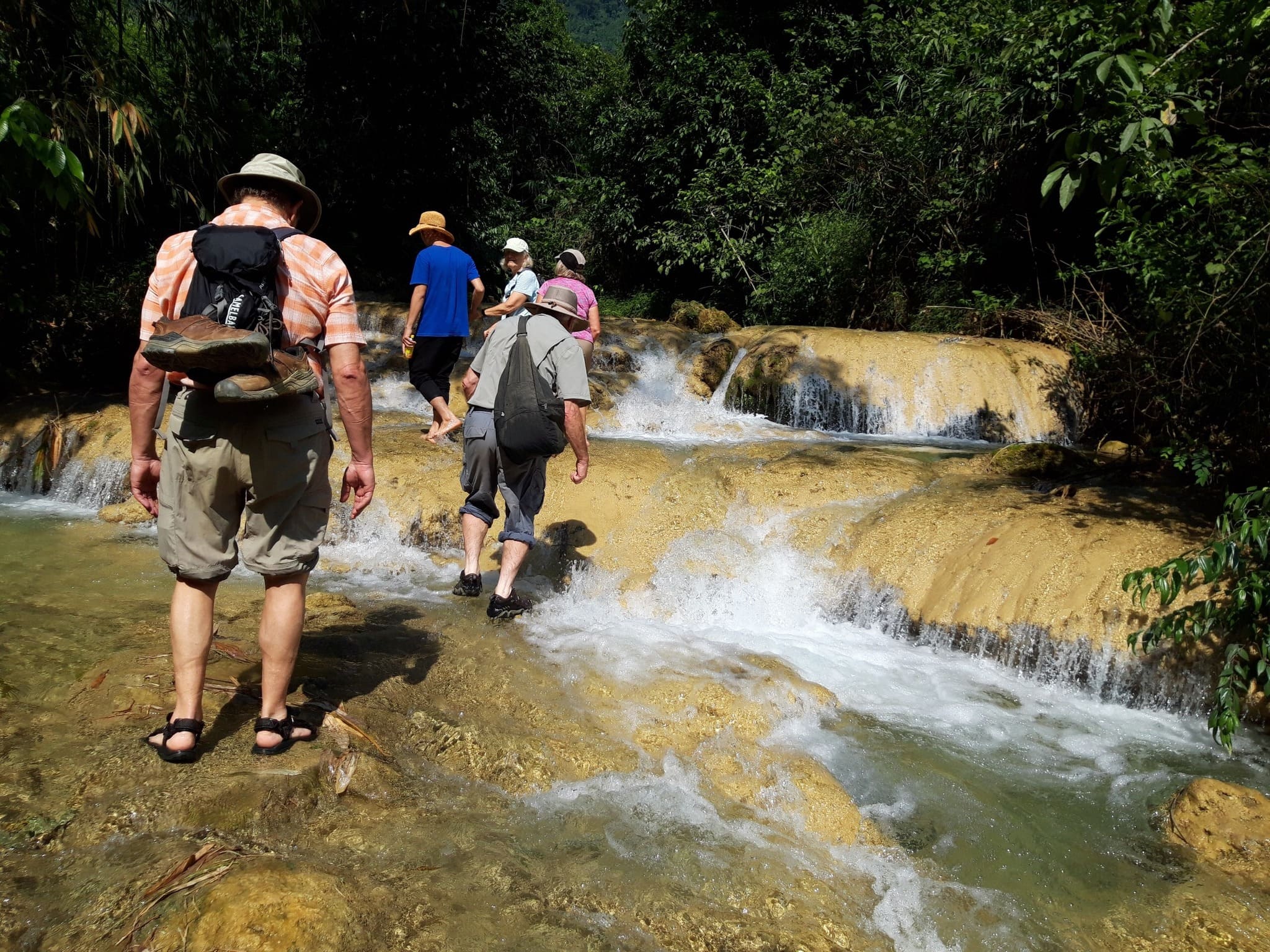
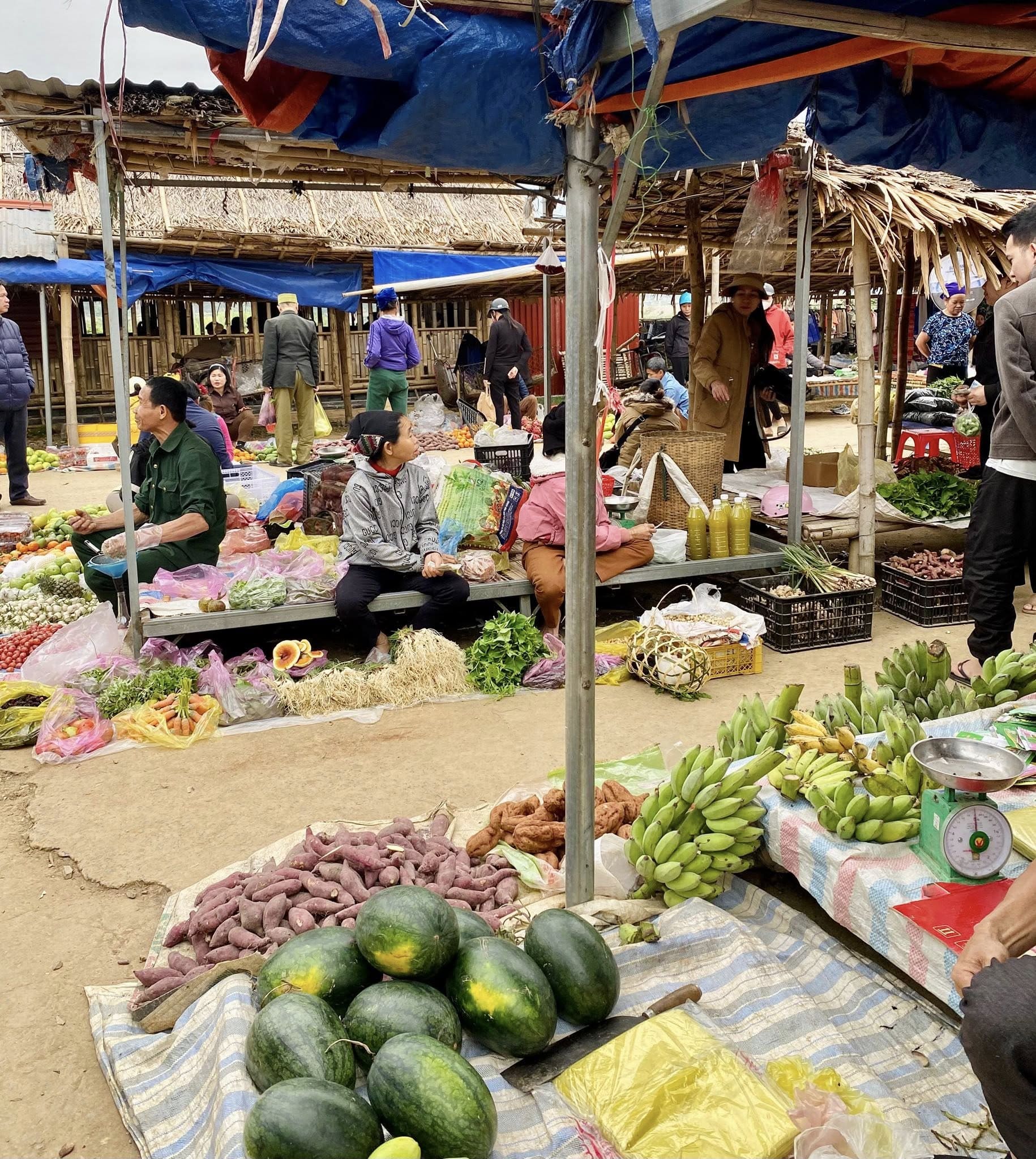
This is one of my favorite “off the beaten path” destinations. Pu Luong offers stunning terraced rice fields, lush forests, and traditional villages. It’s an emerging spot for those seeking the best places in Vietnam beyond the usual.
- My unfiltered thoughts: If you love trekking and want to experience rural Vietnam without the crowds of Sapa, Pu Luong is it. It’s still relatively untouched by mass tourism, even though it’s gaining popularity. I went on a multi-day trek here, staying in different villages. The landscapes are just as impressive as Sapa, maybe even more so because there are fewer people and it feels wilder. Stay in a stilt house overlooking the rice fields – the views from the infinity pools at some of the lodges are incredible. It’s genuinely peaceful.
- Practical bits: Best reached by pre-booked shared minivan or private car from Hanoi (about 4-5 hours). Guided treks are available, often starting from 300,000 – 600,000 VND per day depending on the length and group size.
- How to book: While direct Pu Luong day tours from Hanoi are rare on Getyourguide, you can find multi-day “2 Day Trekking In Pu Luong Loop & Overnight At Homestay“ (e.g., offered by local operators like Ethnic Travel or Go Asia Travel) that include transport and activities. Prices typically range from $110-$200 for 2 days/1 night, including transfers, guide, and meals. This is the best way to do it.
- Where to stay: Pu Luong Retreat (9.2/10) is a fantastic eco-lodge with stunning views and an amazing infinity pool. For a more authentic experience, there are many beautiful local homestays like Pu Luong Home (9.0/10) that also offer good views and local meals.
Cat Ba Island: Beaches & National Park
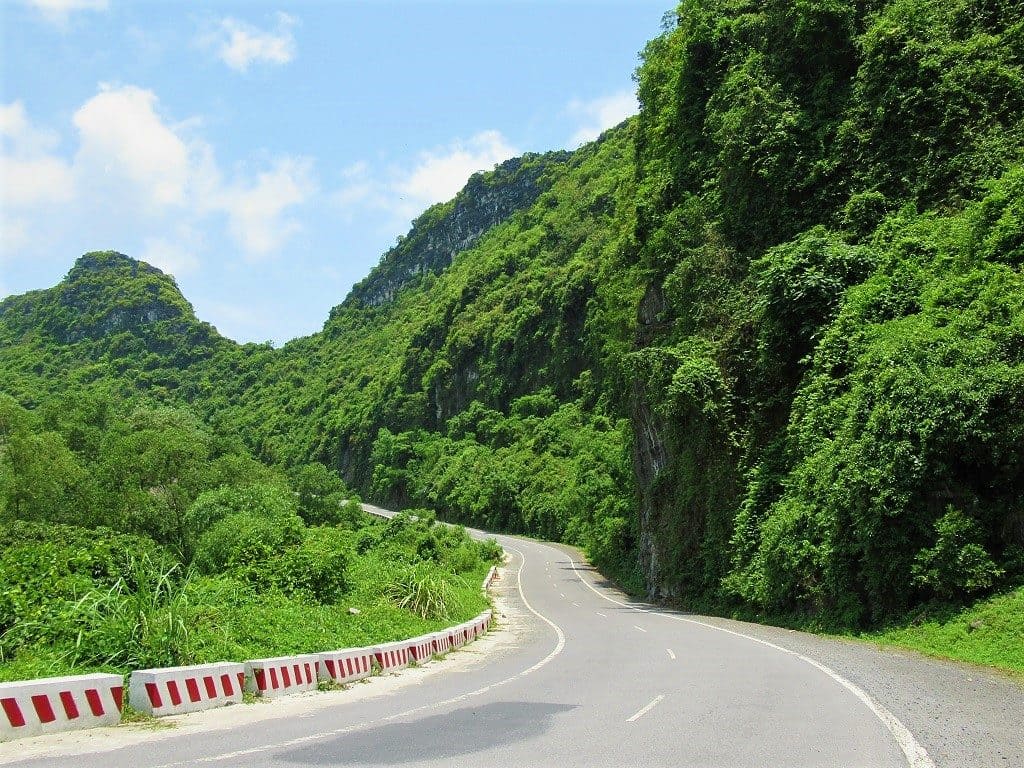
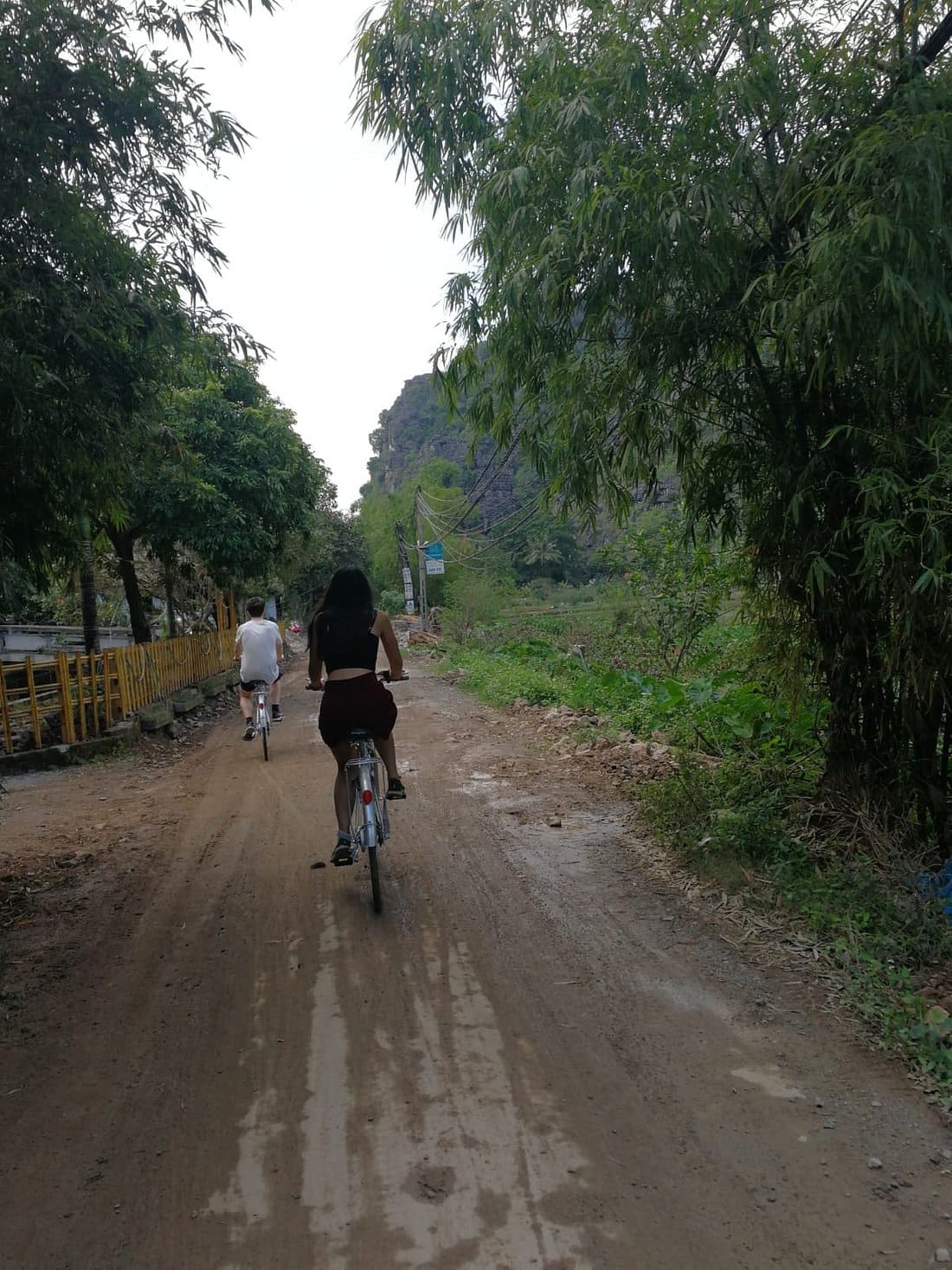
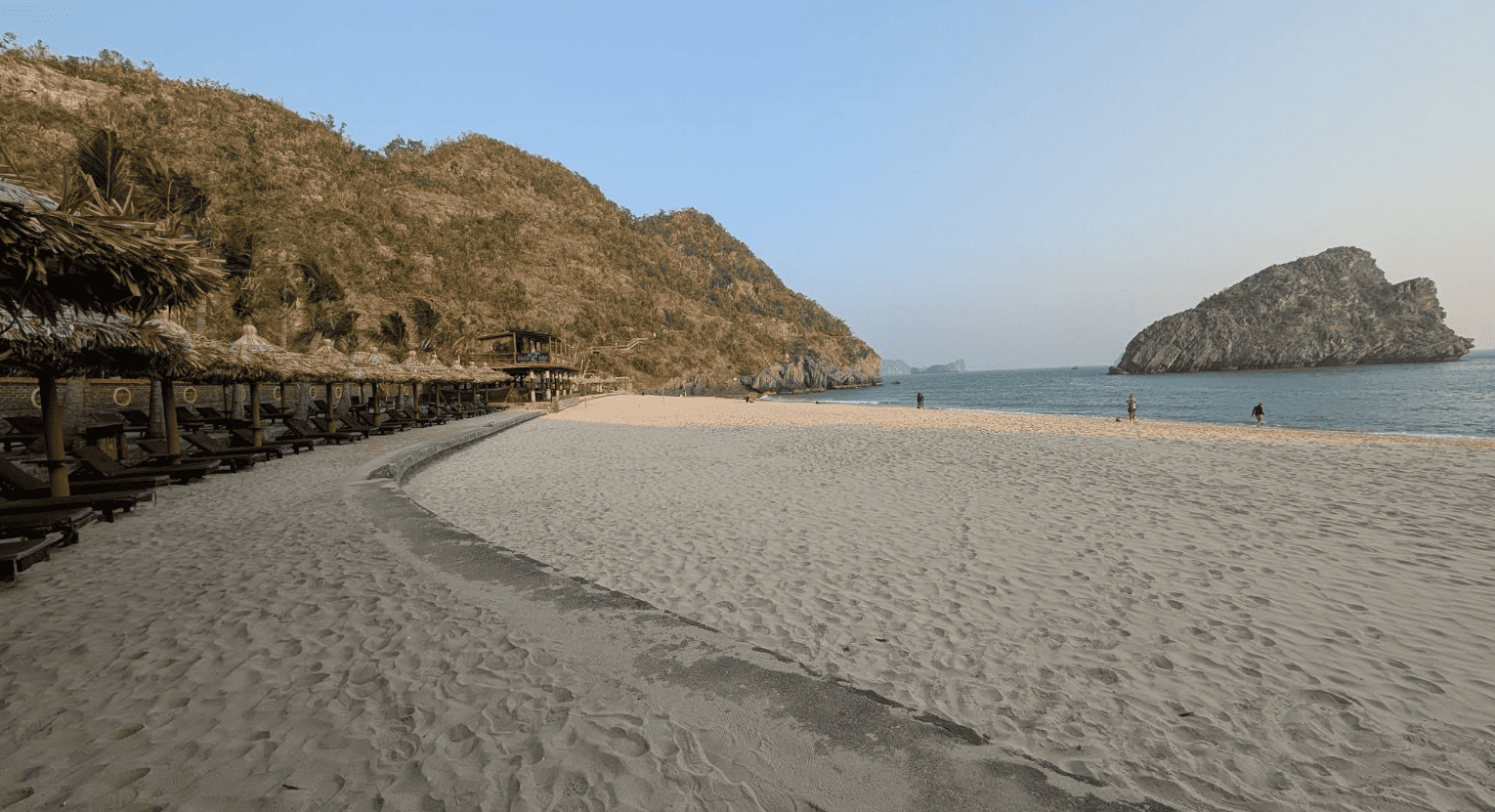
Cat Ba is the largest island in Ha Long Bay, offering a mix of beaches, limestone karsts, and a national park.
- My unfiltered thoughts: A great alternative or addition to a Ha Long Bay cruise. You can hike in the national park (some decent trails up to viewpoints, like Ngu Lam Peak), relax on beaches (like Cat Co 1, 2, 3 near town, or more remote ones), or explore more of Lan Ha Bay from here on a day trip. It’s a versatile option among the best places in North Vietnam. It gets busy on Vietnamese holidays, though, so try to avoid those if you want peace.
- Practical bits: Ferries from Hai Phong (via Dinh Vu port, then speed boat) or Ha Long City (via Tuan Chau). Takes about 1 hour from Hai Phong. National Park entrance fee is 80,000 VND.
- How to see it: Some cruises, like a “Cat Ba: 2-Day Lan Ha Bay Cruise with Activities & Meals“ often incorporate Cat Ba activities. Prices vary. For day trips from Hanoi, options are more limited, often focusing on a quick visit to the island as part of a Ha Long Bay tour.
- What I’d do: Rent a motorbike (around 150,000 VND/day) and explore the island’s quieter corners. Visit Hospital Cave, a fascinating historical site where a hospital was built into a cave during the war. It’s surprisingly well-preserved and offers a glimpse into wartime ingenuity.
Yen Bai: Mu Cang Chai Terraced Fields
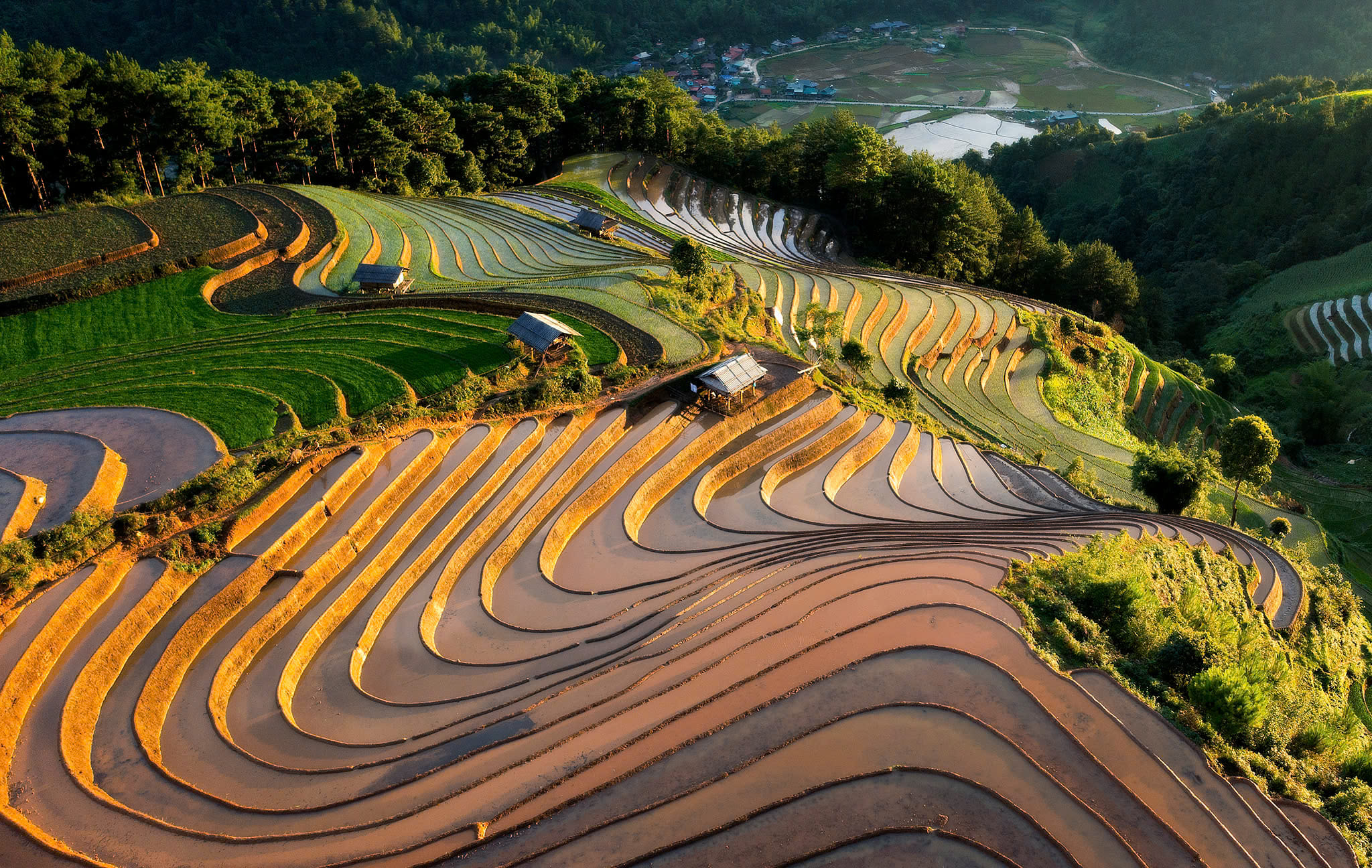
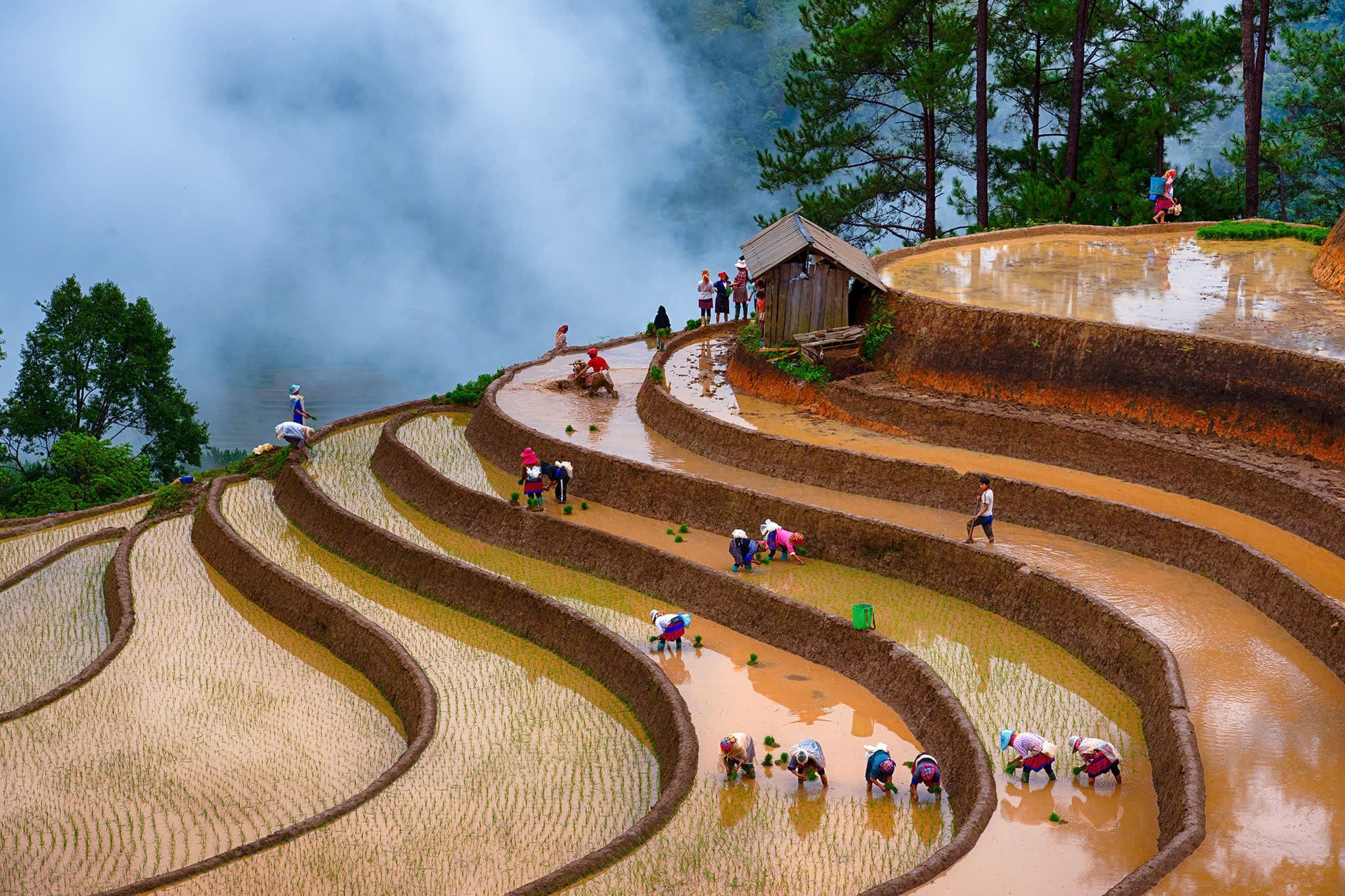
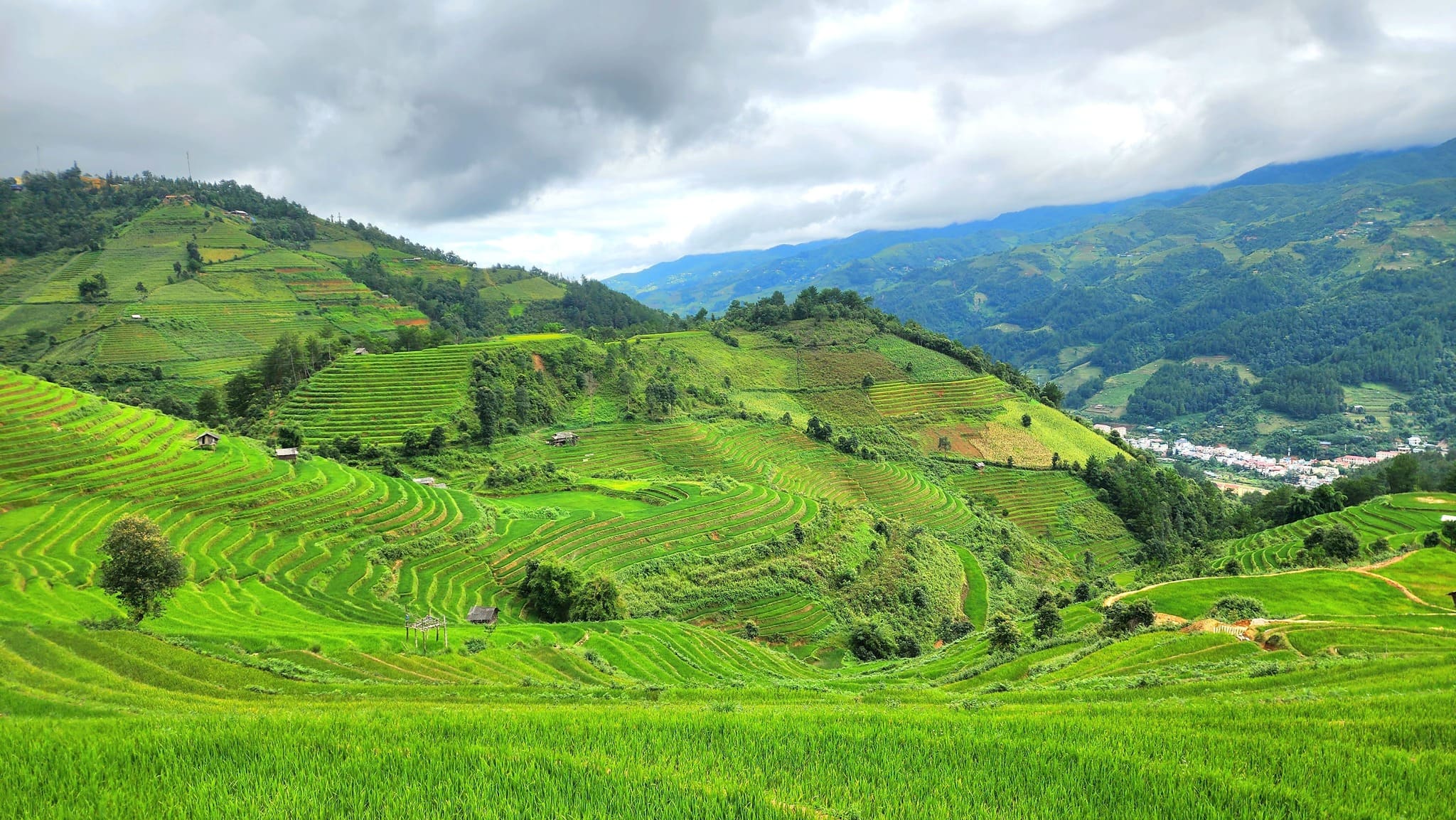
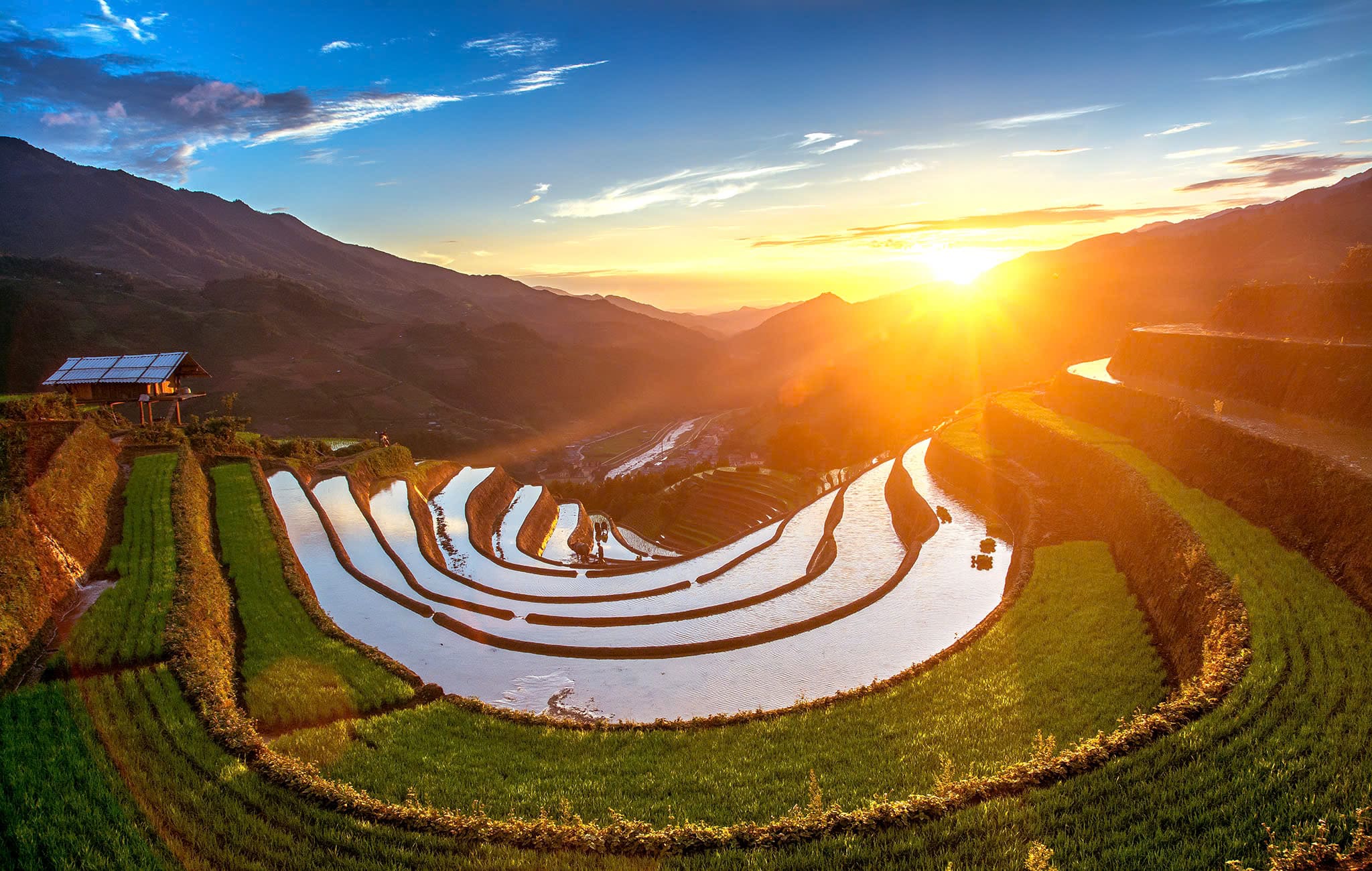
These terraced rice fields are simply spectacular, especially during the harvest season (late September to mid-October) or planting season (May-June).
- My unfiltered thoughts: It’s a long journey, seriously. About 7-8 hours from Hanoi by bus or even longer on a motorbike. But the views are breathtaking. This is definitely for the scenery seekers and photographers. It’s less developed than Sapa, and the scale of the terraces feels even grander in some spots, truly cascading down mountainsides. I timed my visit once for the golden season – truly unforgettable. If you’re into photography, this is a must-see for the best places in Vietnam.
- Practical bits: Best visited by motorbike or private car once you’re there. No entry fees for the fields themselves, but accommodation costs. Roads can be challenging, especially in the rainy season.
- Where to stay: Limited options, mostly guesthouses and homestays like Hello Mu Cang Chai Homestay (9.4/10). Book well in advance during harvest season (mid-Sept to mid-Oct), as it gets packed with local tourists and photographers.
Bac Kan: Ba Be Lake
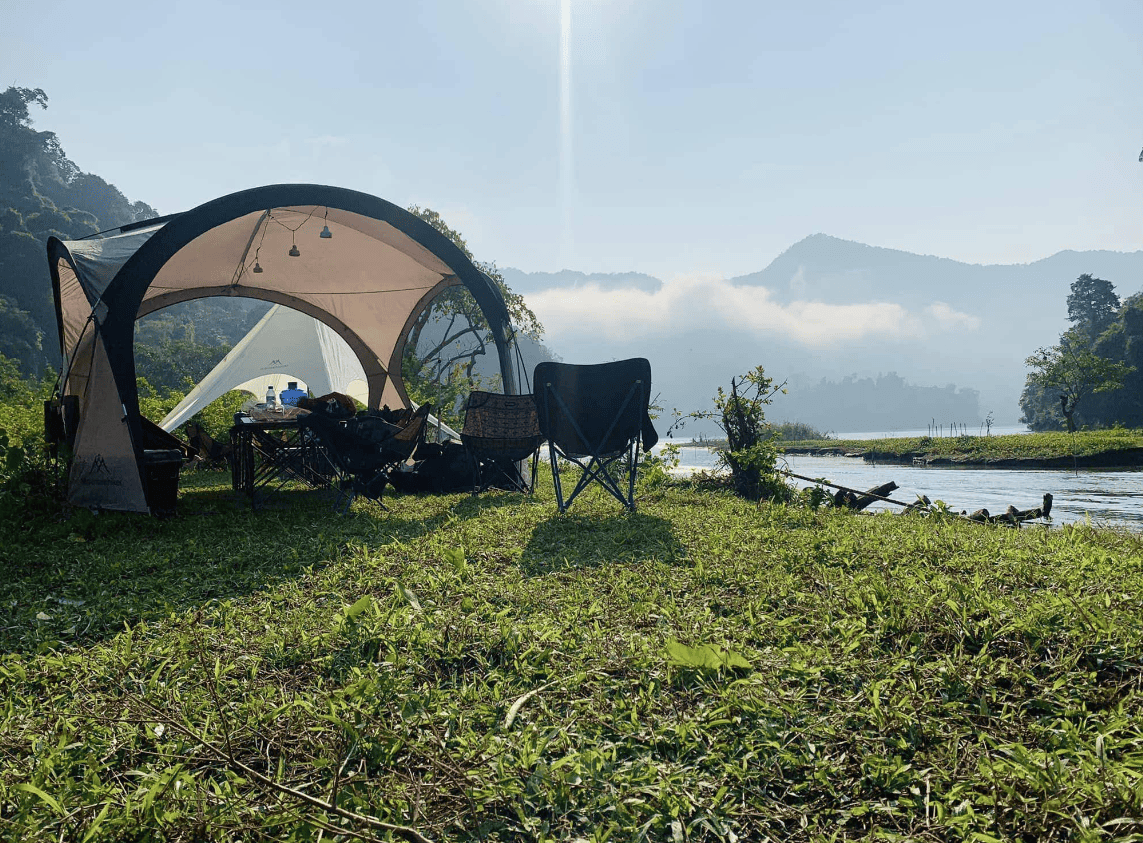
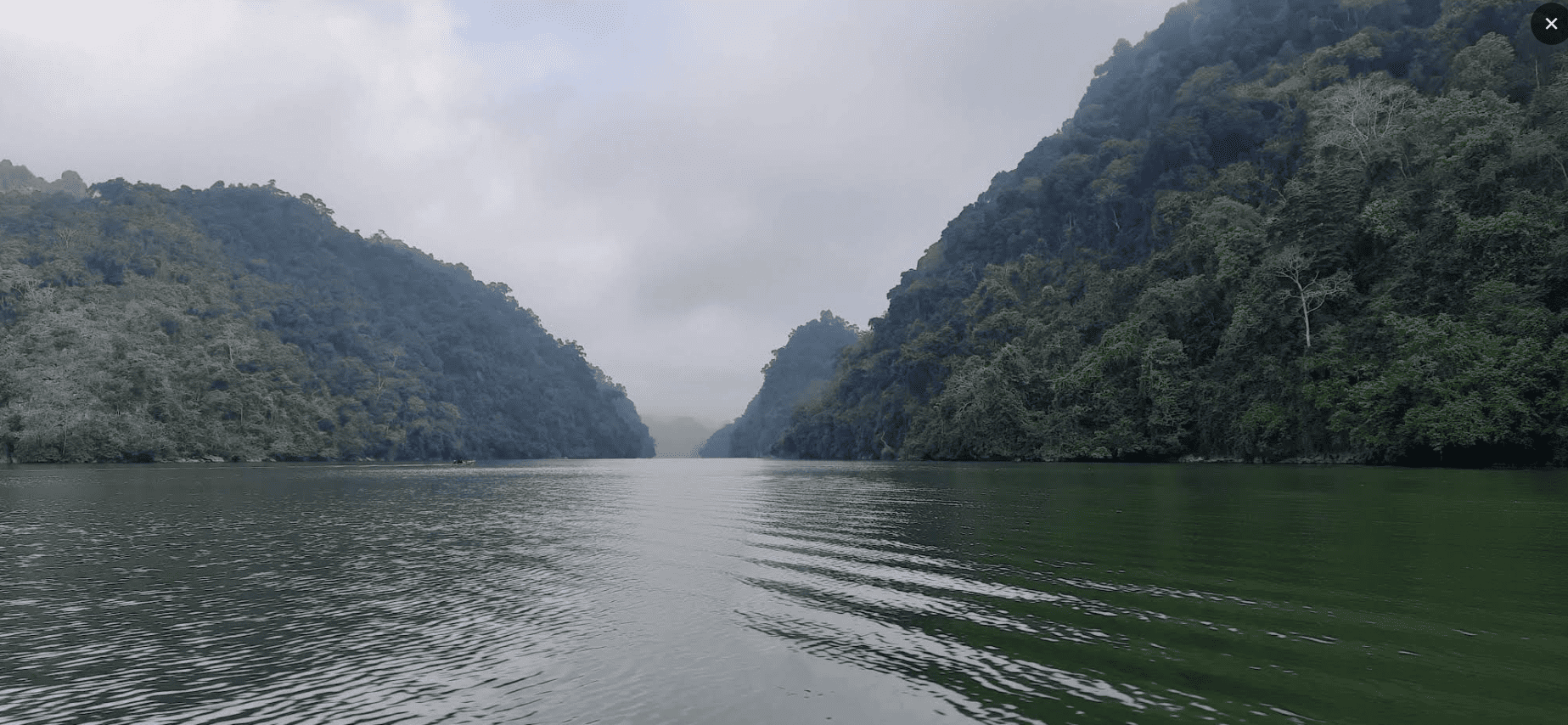
A massive, pristine freshwater lake located within a national park, surrounded by limestone karsts, lush forests, and ethnic minority villages.
- My unfiltered thoughts: If you want serene natural beauty without the Ha Long crowds, Ba Be Lake is it. It’s huge, quiet, and feels truly remote. I spent a few days here just doing boat trips, exploring caves, and staying in a local homestay in a stilt house. It’s a completely different vibe – very peaceful. You can swim in parts of the lake. It’s one of those places that takes effort to get to, but rewards you fully.
- Practical bits: About 5-6 hours by bus from Hanoi. You can hire a boat (usually about 600,000 – 800,000 VND for a full day tour of the lake, Puong Cave, Dau Dang Waterfall) or rent kayaks. National Park entrance fee 46,000 VND.
- Experience Tip: Stay in a homestay in Pac Ngoi village right by the lake. Eating home-cooked meals there is a highlight.
- How to book: Look for “Ba Be Lake 2-Day 1-Night Tour from Hanoi” from local operators. They usually include transport, accommodation, and boat trips. Prices usually start around $160-$250.
Son La: Moc Chau
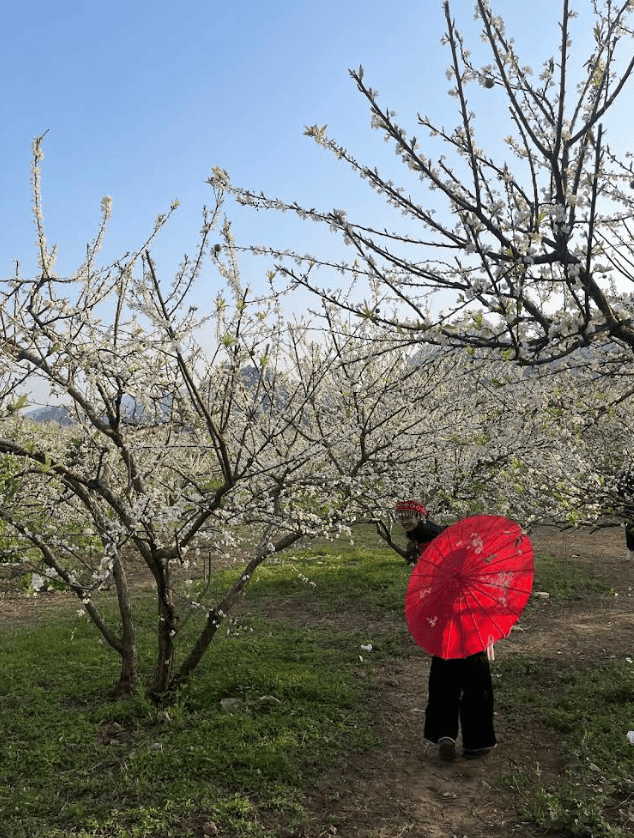
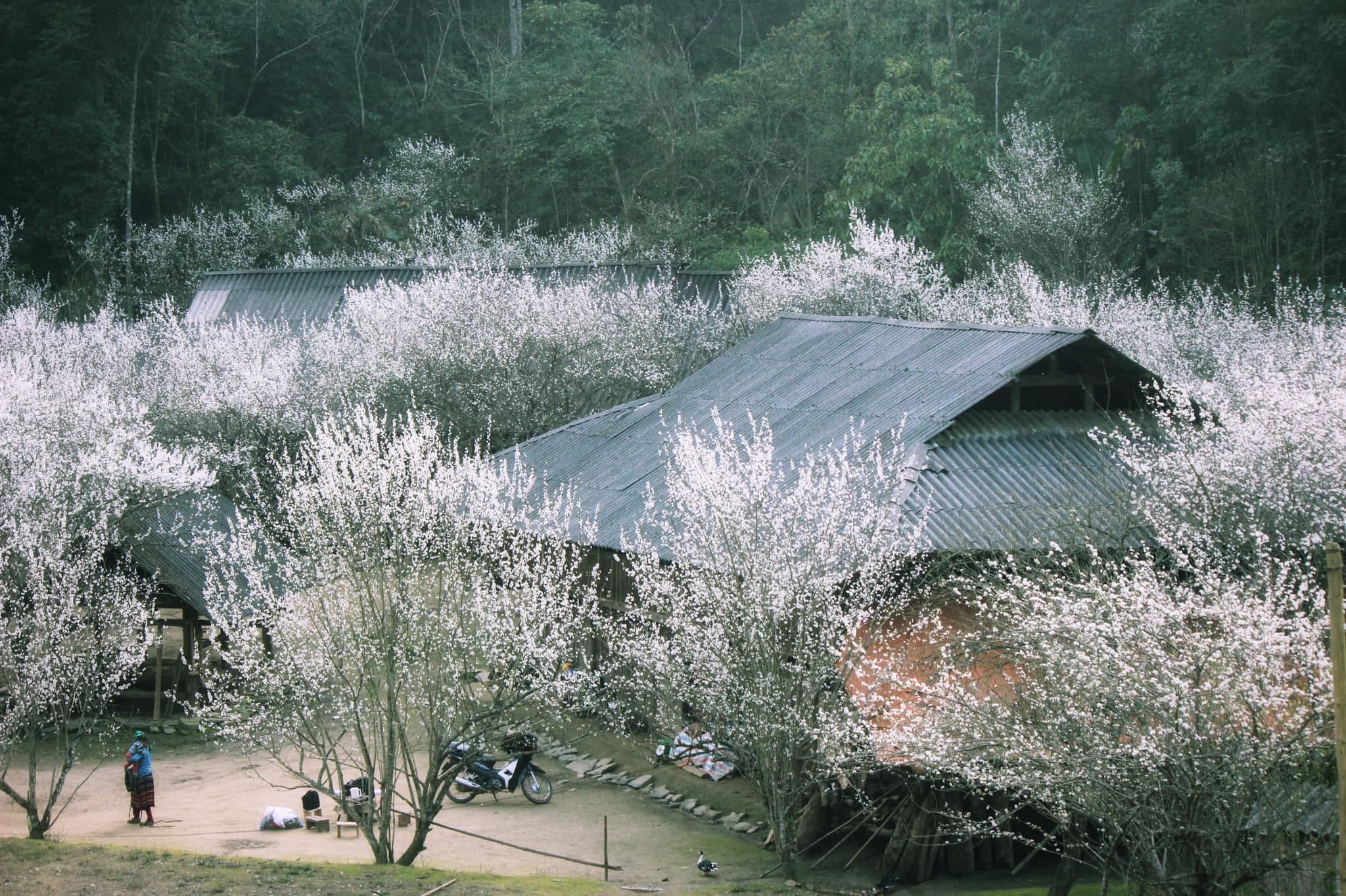
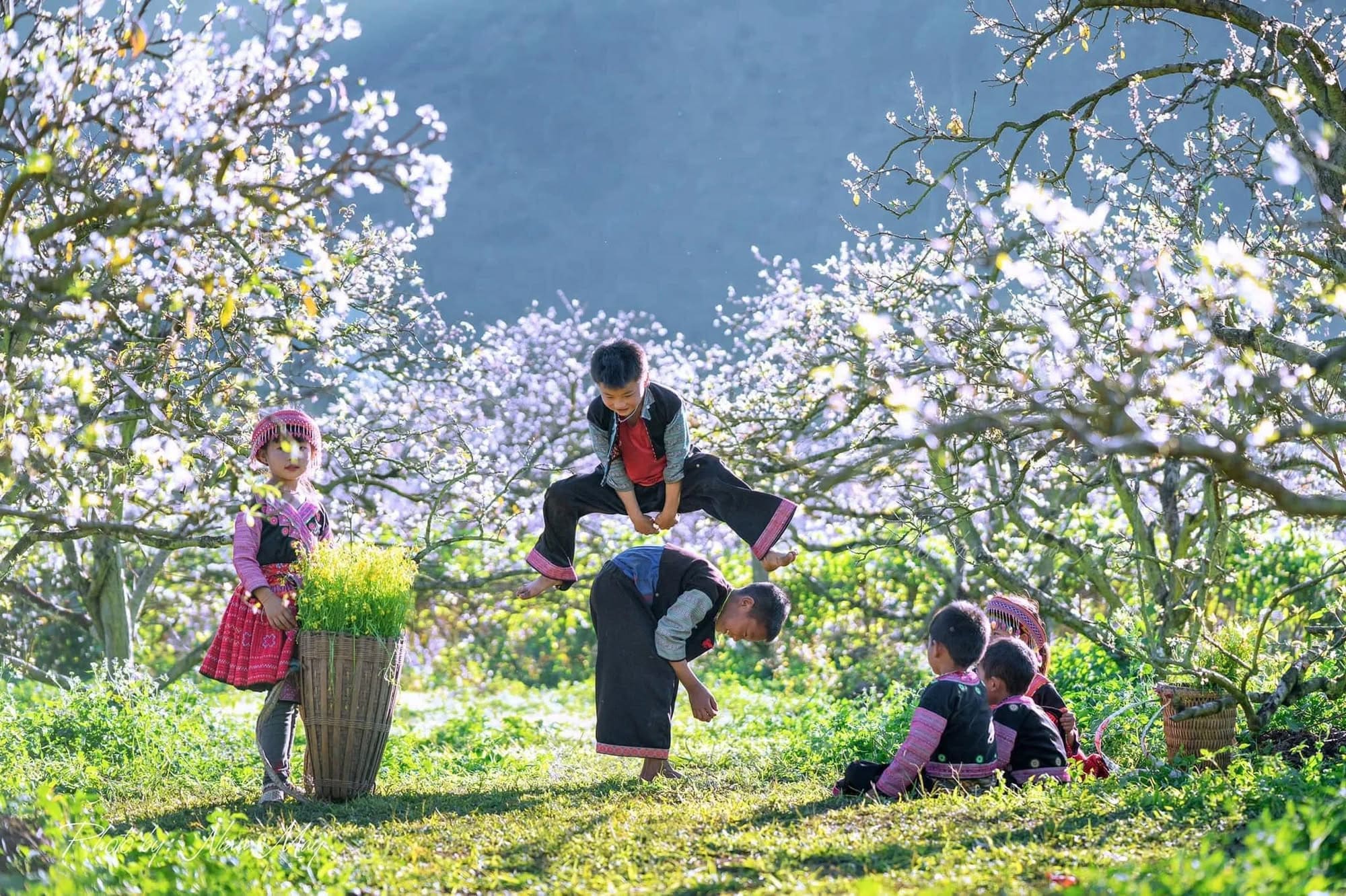
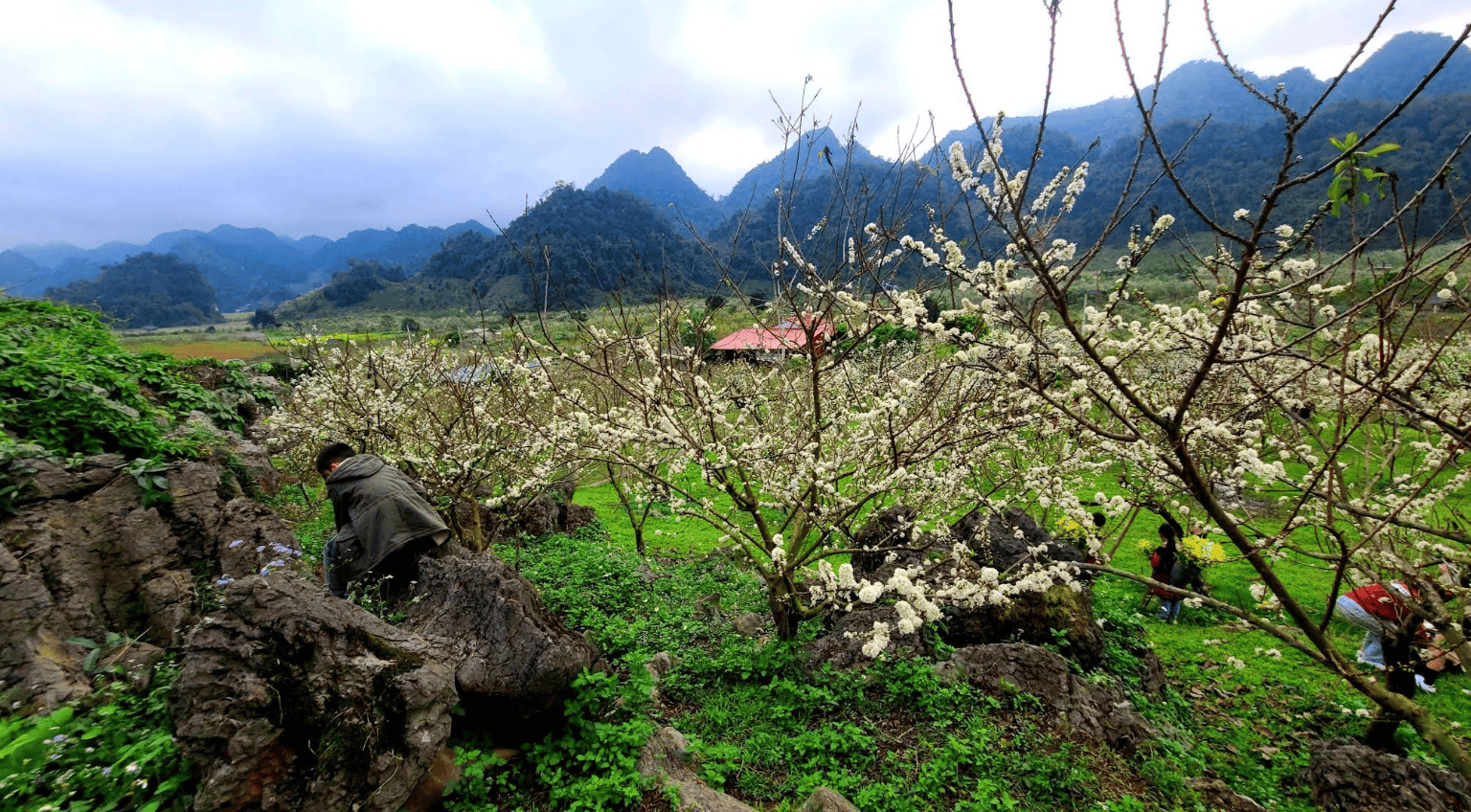
Moc Chau is a highland plateau famous for its vast tea plantations, dairy farms, and seasonal flowers (plum and peach blossoms in spring, mustard flowers in winter).
- My unfiltered thoughts: A great escape, especially if you’re into scenic drives and agriculture. It’s cooler than Hanoi and offers a different side of rural Vietnam. I went in late January once and saw hillsides covered in white plum blossoms – absolutely beautiful, like snow. It’s a popular spot for domestic tourism, so don’t expect it to be completely empty, especially on weekends, but it’s still far less crowded than Sapa. The green tea hills stretching for miles are really picturesque.
- Practical bits: Best visited by motorbike or bus from Hanoi (around 4-5 hours, 190km). Rent a motorbike locally (around 150,000 VND/day) to explore the vast tea hills.
- What I’d do: Visit a tea plantation and try fresh local tea. If you’re there in spring (late January/February), the plum blossoms are incredible – look for the plum valleys. In winter (Nov-Dec), the white mustard flowers bloom. Also try the local fresh milk and dairy products.
- Where to stay: Several guesthouses and a few resorts like Gobies Garden (9.8/10) which offers unique rooms overlooking terrace, garden, and open-air bath. It’s a bit quirky. Many homestays are also available.
Lao Cai/Lai Chau: O Quy Ho Pass
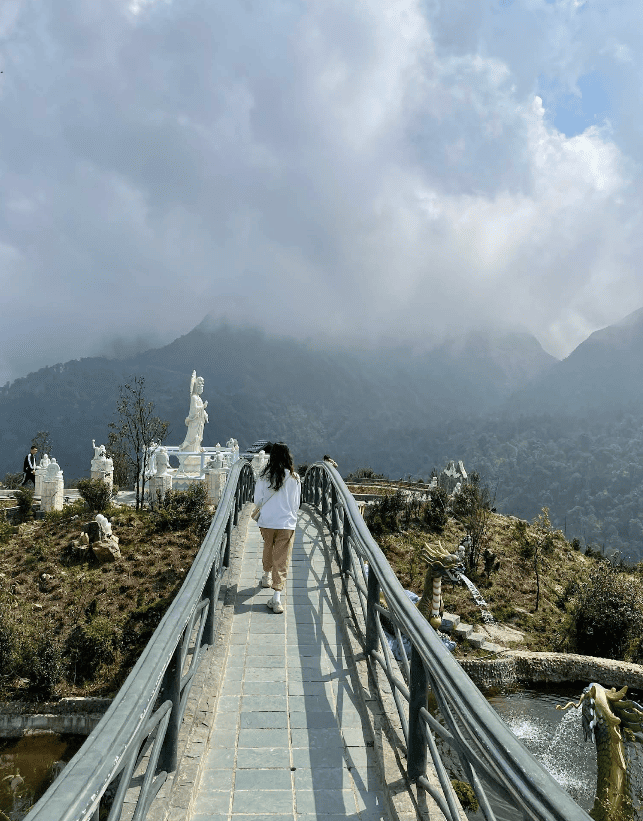
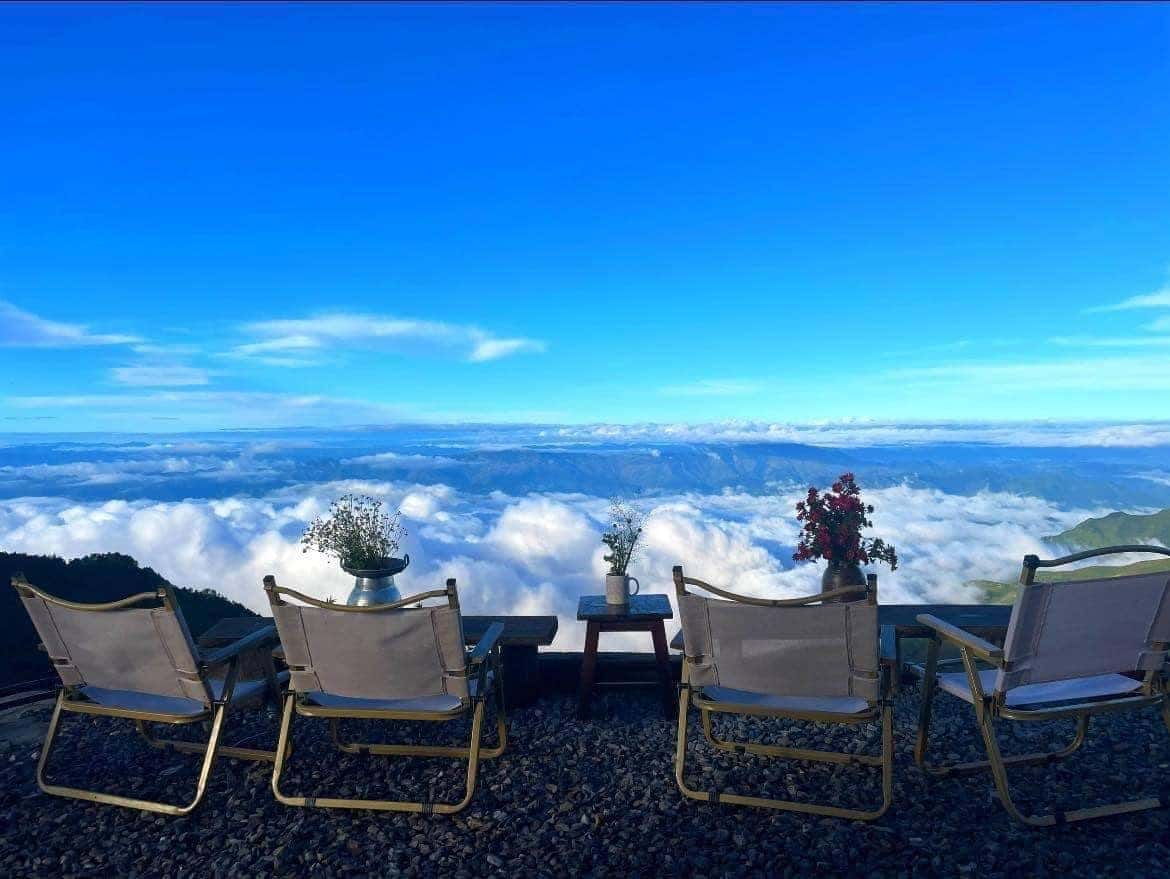
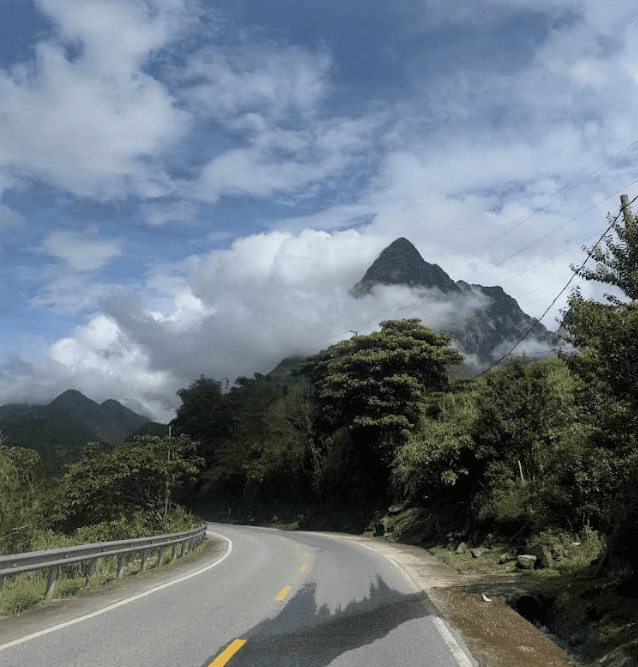
One of Vietnam’s four great mountain passes, connecting Sapa (Lao Cai) to Lai Chau. Known for its incredible panoramic views and often called “Heaven’s Gate.”
- My unfiltered thoughts: If you’re going to Sapa, you’ll likely pass close to this. It’s a seriously impressive mountain pass. The views are sprawling, dramatic, and often shrouded in mist, which just adds to the atmosphere. I’ve ridden over it countless times on a motorbike, and every time it takes my breath away. It’s one of the highest passes in Vietnam. For mountain scenery, it’s definitely among the best places in North Vietnam.
- Practical bits: Easily accessible from Sapa by motorbike (about 45 minutes to the peak viewpoint) or taxi. No entrance fee. Best on clear days for views. Be cautious of fog and steep drops.
- Experience Tip: Go for sunrise or sunset if the weather is good. There’s usually a small café at the top where you can grab a drink and soak in the view. It’s a popular spot for photos.
Conclusion
After eight years, North Vietnam still surprises and inspires me. From the vibrant chaos of Hanoi to the serene beauty of Pu Luong, the dramatic landscapes of Ha Giang to the historical depth of Ninh Binh, this region truly offers some of the best places in Vietnam for any traveler.
This guide is just a starting point; the real adventure begins when you step outside and explore, get a little lost, and try something new. Don’t be afraid to take a wrong turn – sometimes, that’s where the best experiences are found.
This is just Part 1, the North. I’ve got plenty more to say about Central and South Vietnam from my years here. Stay tuned.
So, are you ready to discover your own favorite spots in North Vietnam? What’s at the top of your list after reading this?












 Tiếng Việt
 한국어
한국어 中文 (中国)
 日本語
日本語 ไทย
ไทย Deutsch
 Español
 Destinations
 Instagram
 Facebook
 X (Twitter)
 Threads
 Tiktok