









 Ha Giang
 Hanoi
Hanoi Ho Chi Minh City
 Ha Long
 Sapa
Sapa Mekong Delta
 Da Nang
 Hue
Hue Hoi An
 Ninh Binh
 Da Lat
 Nha Trang
 Phan Thiet
 Phu Quoc
 Quang Binh
 Quy Nhon
 Vung Tau
 Thai Nguyen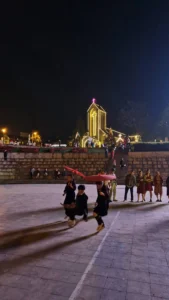

I spend way too much time lurking on Reddit travel threads and TripAdvisor forums, and there is one specific argument that happens every single week.
Someone asks for advice on their northern Vietnam trip, and the comments immediately split into two aggressively opposite sides.
User A types: “Avoid Sapa at all costs. It is a completely fake, soulless concrete theme park designed to trap tourists.”
User B types: “You’re crazy. I did a homestay in Sapa and it was the most incredibly raw and authentic cultural experience of my life.”
It’s actually pretty wild to read. They sound like they went to completely different planets. But the funny thing is, I know exactly why they are saying this. They are both entirely right.
Whenever friends fly over and ask me “Is Sapa worth visiting?”, I basically have to sit them down and explain that there are two completely different versions of this mountain region. There is the commercial machine that actively hunts for your cash, and there is the actual farming culture trying to survive right behind it.
If you show up blind and just follow Google Maps to the center of town, you are going to get the fake version. Let’s break down exactly what has happened up here by 2026, and how to actually dodge the circus.
- Quick Answer: Is Sapa worth visiting for local culture? Yes, but you must leave the main town. The central square and Cat Cat village are now basically fake, commercial tourist traps. However, if you hike deep into the Muong Hoa valley with an independent Hmong guide and sleep in a real local homestay, the raw mountain farming culture is still 100% authentic.
- The entirely fake stuff (What to avoid):
- Cat Cat Village: It isn’t a working village anymore. It’s a heavily ticketed amusement park where tourists rent highly inaccurate costumes just to do TikTok dances next to a waterfall.
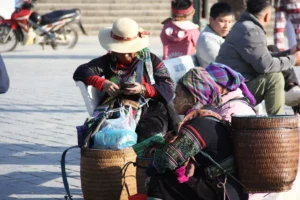
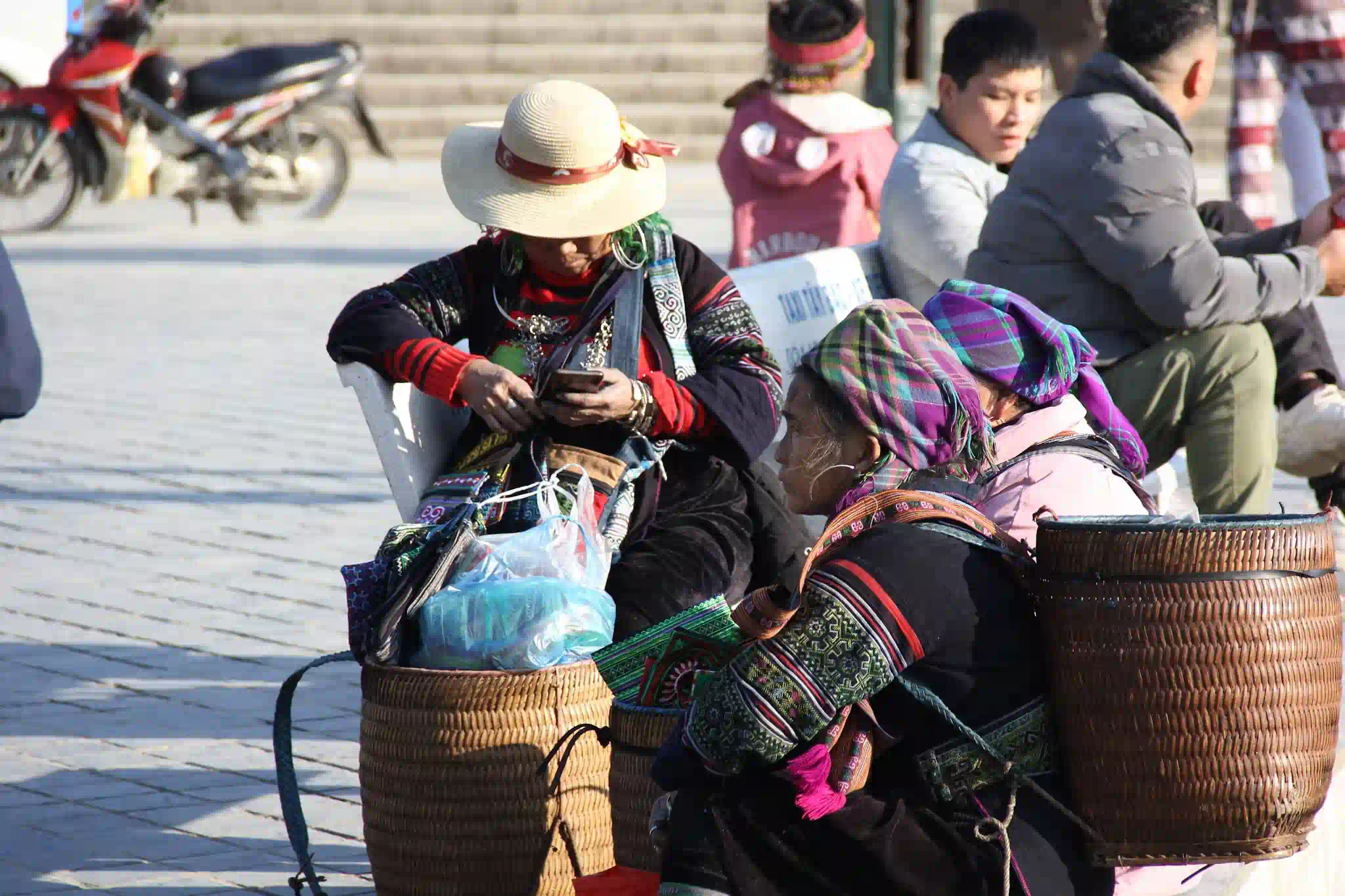
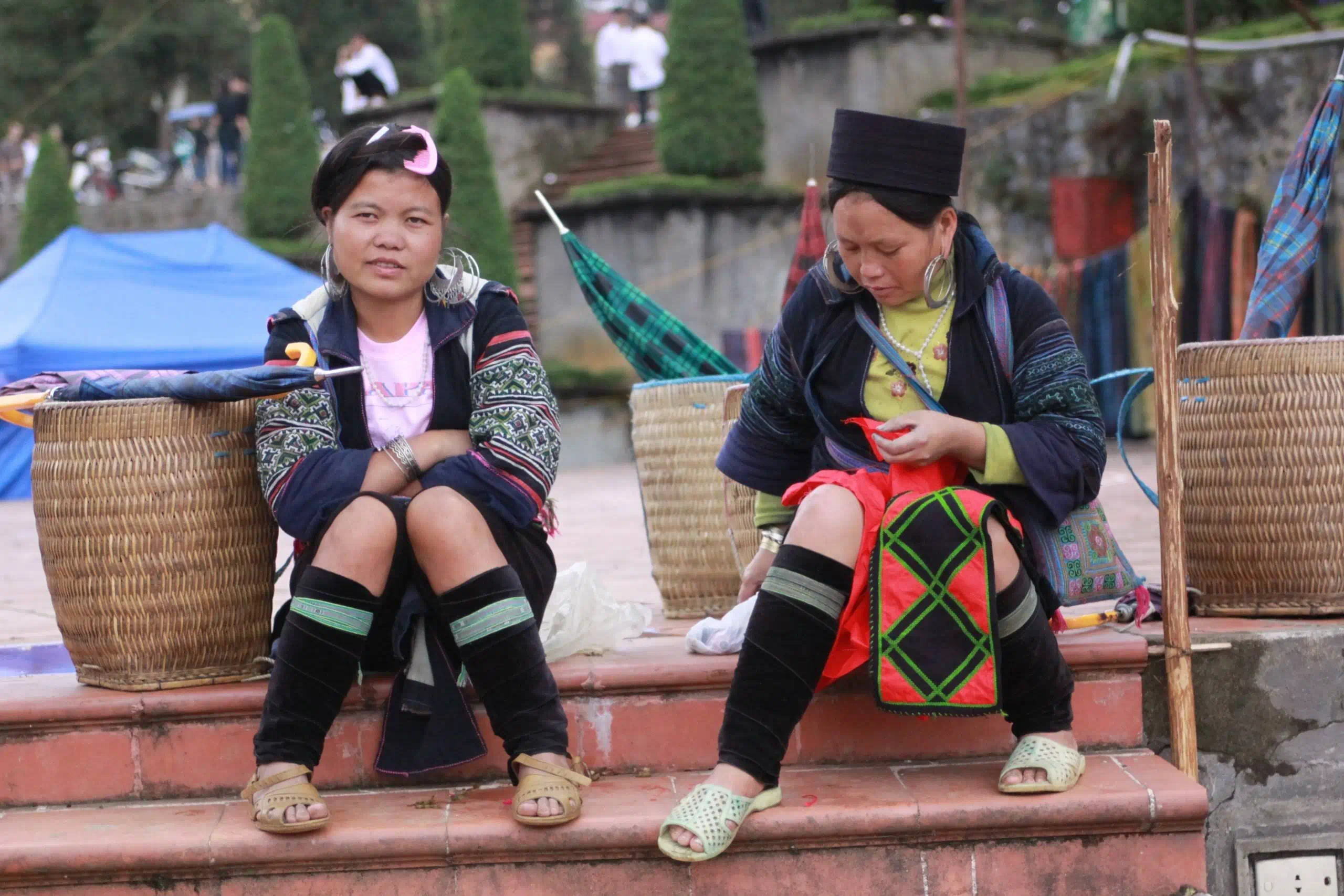
- The central town hustle: The women aggressively grabbing your arm in the main square to sell “handmade” bags. A massive chunk of that stuff is mass-produced in Chinese factories across the border.
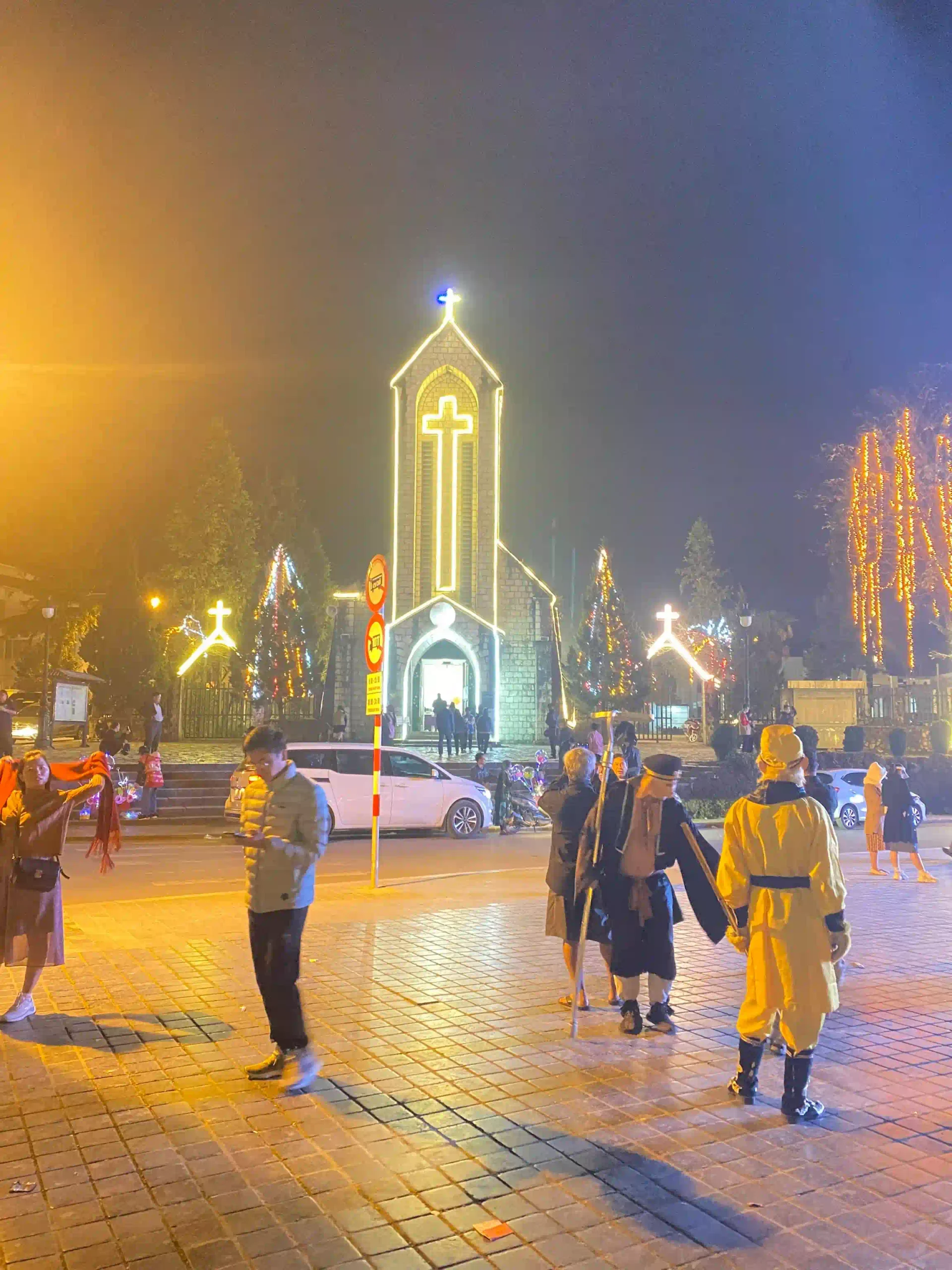
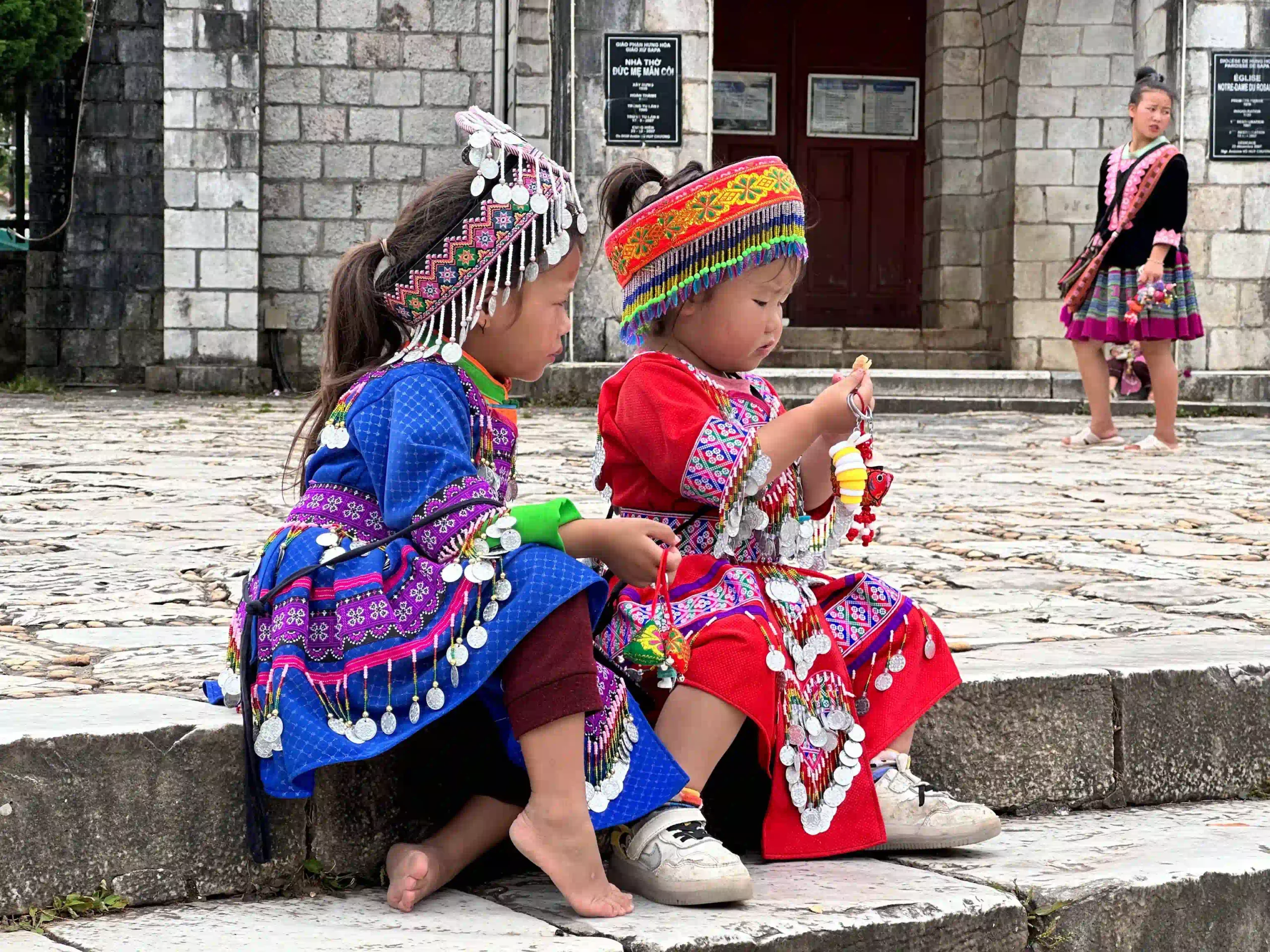
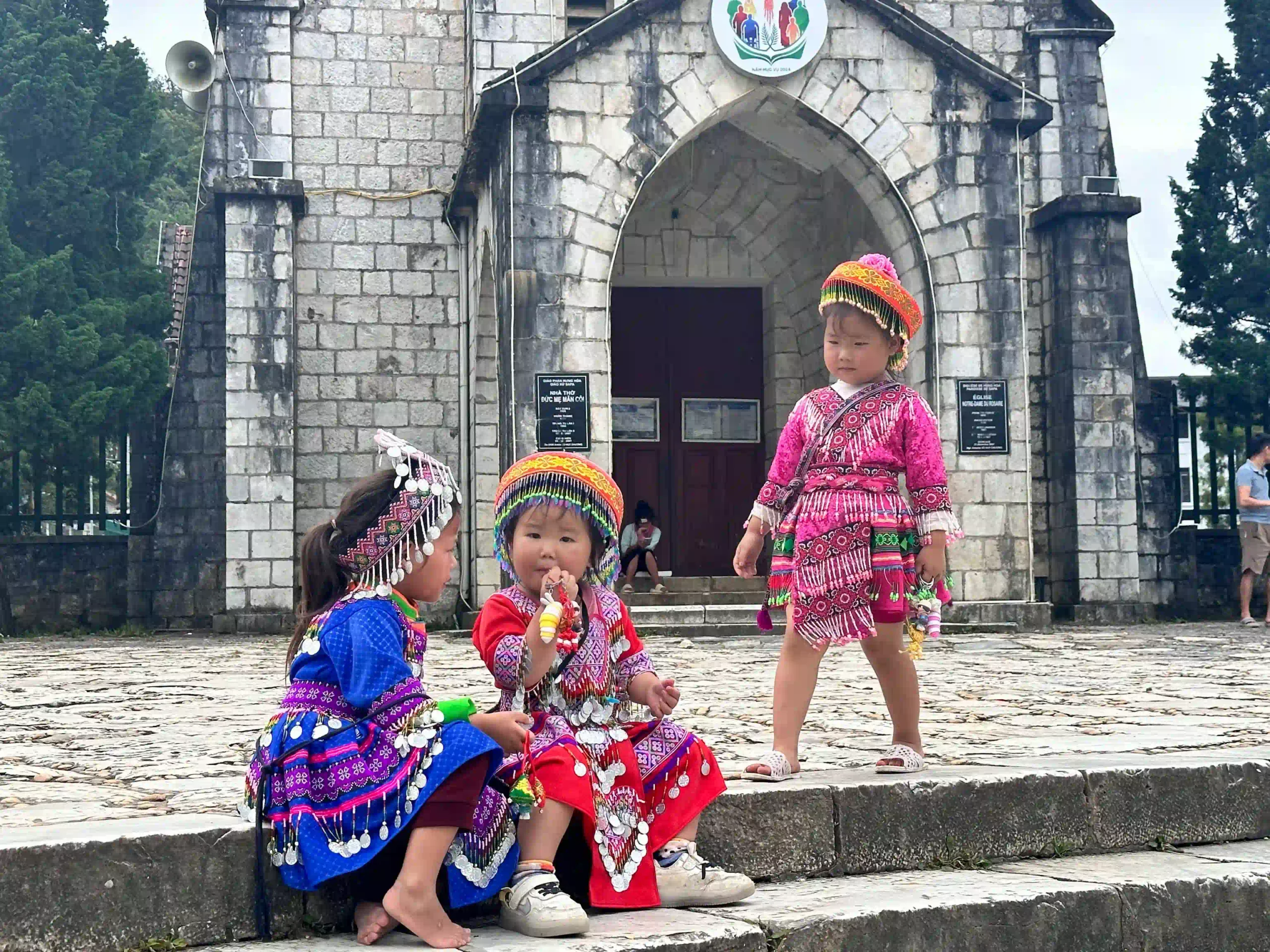
- Using kids as props: Buying keychains from freezing toddlers on the church steps proves to their parents that street begging is more profitable than local school. Stop funding this.
- The actual authentic culture (Where your cash should go):
- Independent local guides: Ditch the 40-person mega tours. Hire individual Hmong or Dao women to drag you through the deep, unpaved mud trails in the remote rice terraces.
- Real valley homestays: Sleeping at the very bottom of the mountain in Ta Van or Lao Chai. Eating a massive chaotic “family dinner” on the floor and taking shots of cheap homemade rice wine with a local farming family is the best cultural punch you will get out here.
The Theme Park Problem: Why people say Sapa is ruined
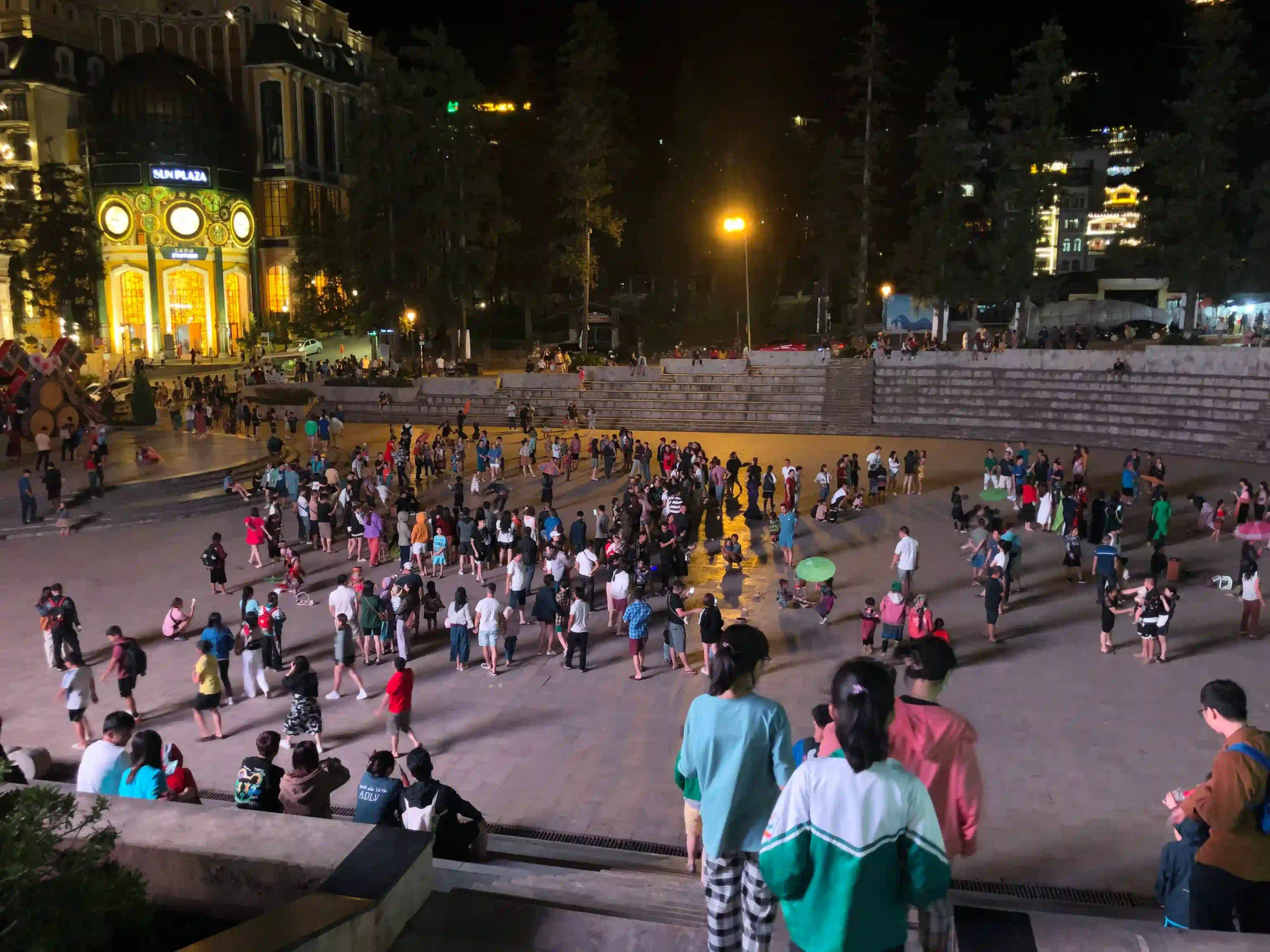
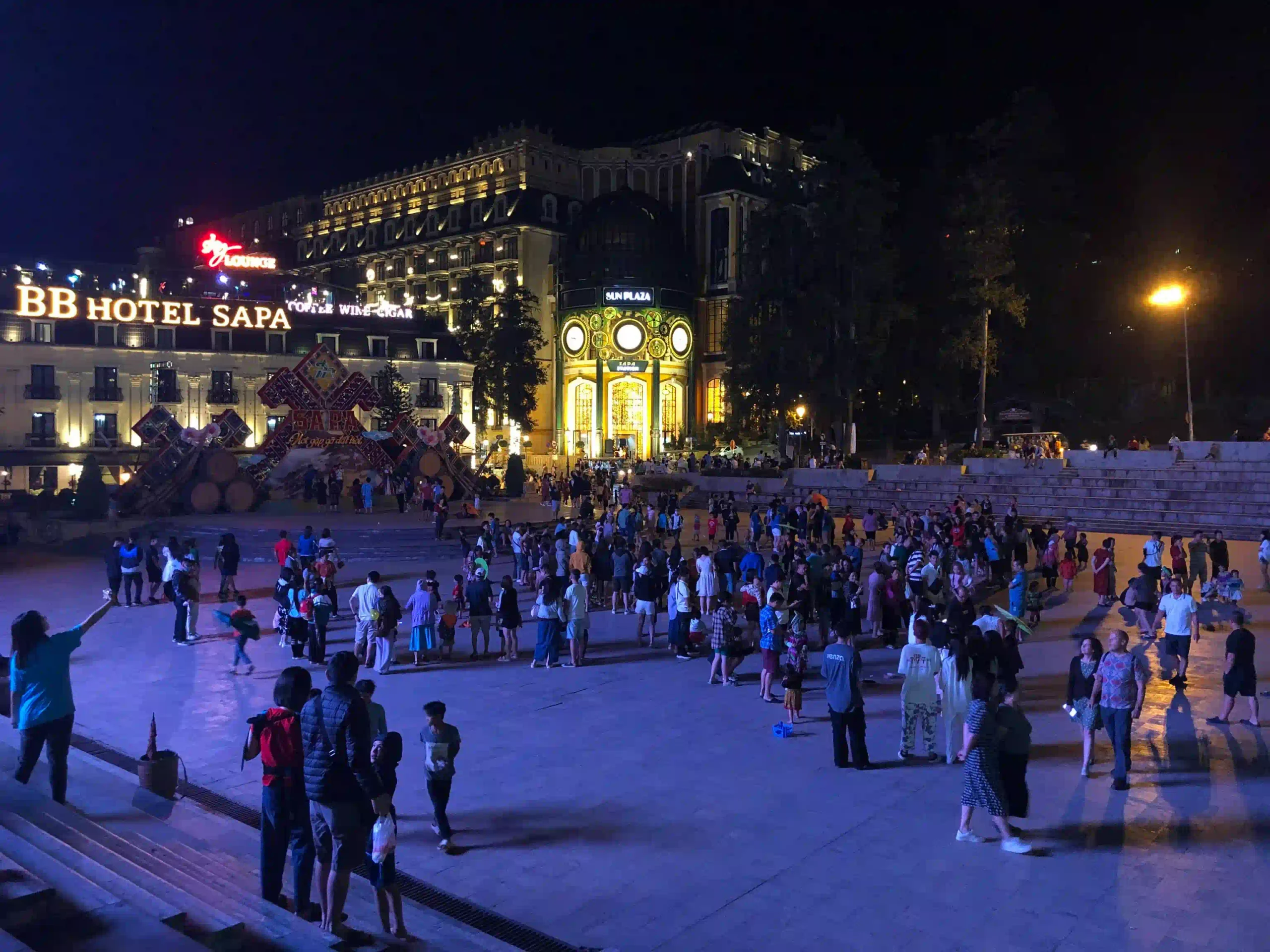
To understand why a lot of older backpackers and expats claim Sapa is completely fake now, you just have to walk through the central town square.
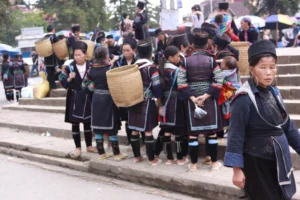
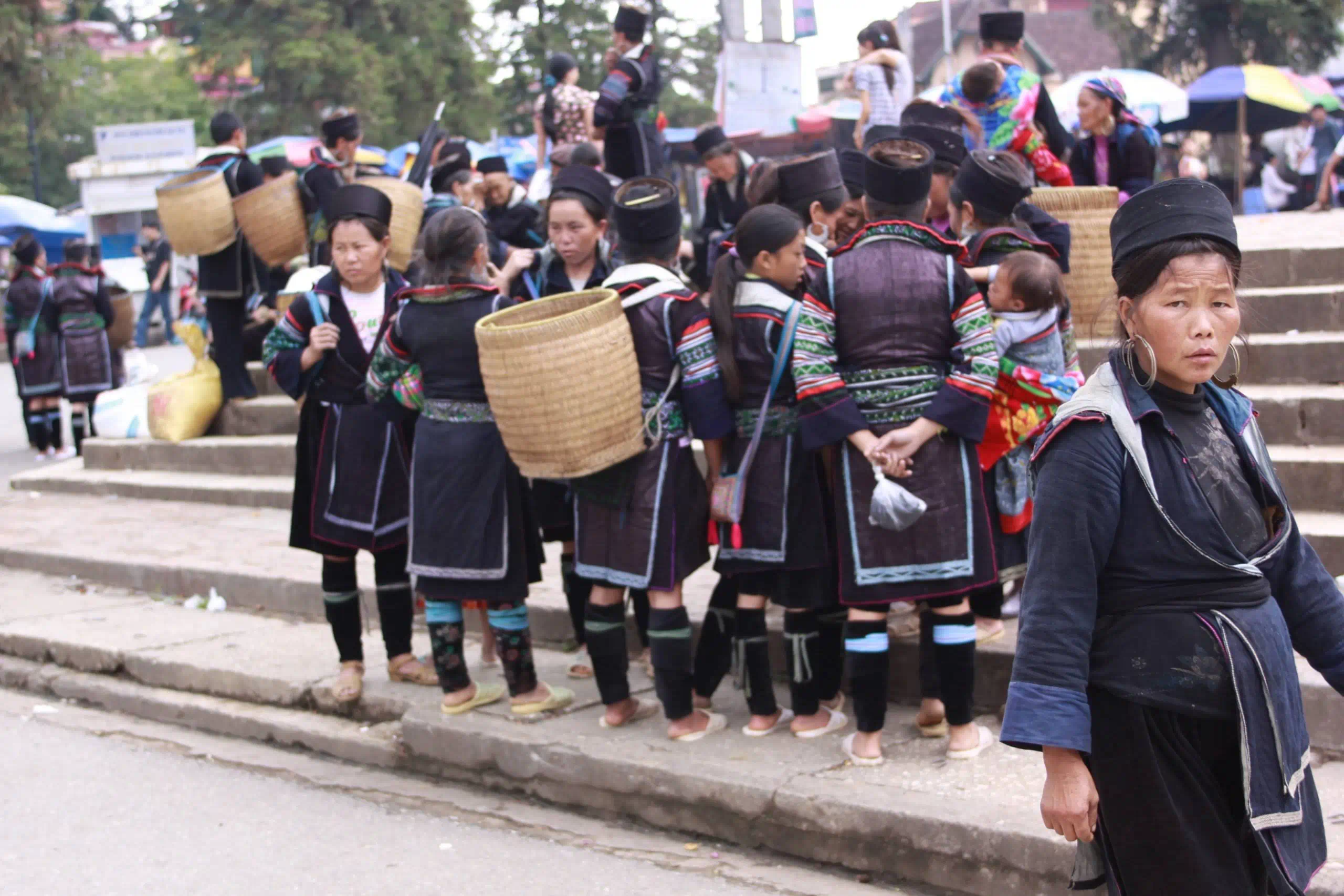
Back in the late 90s, this was a remote outpost. Minority tribes (primarily Black Hmong and Red Dao) would walk miles up steep dirt hills to sell produce and trade. Now? It’s basically a massive resort town hooked up to the main highway from Hanoi.
Corporate developers pumped huge amounts of cash here. They built massive glass hotels, karaoke joints, and the giant cable car to Mount Fansipan.
This money heavily shifted the local dynamic. Many ethnic minority people realized that chasing tourists in town is far easier money than breaking your back harvesting rice on a steep 45-degree muddy cliff.
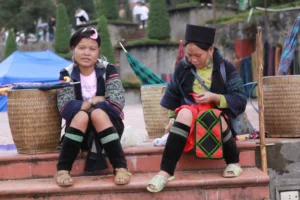
This created the “aggressive selling” culture that absolutely ruins Sapa for a lot of visitors. You cannot walk ten steps near the central Stone Church without being shadowed by four older women heavily pressuring you to buy cheap, factory-made bracelets. They will follow you into cafes. They will wait outside your hotel door. It is relentless.
The Cat Cat Village illusion
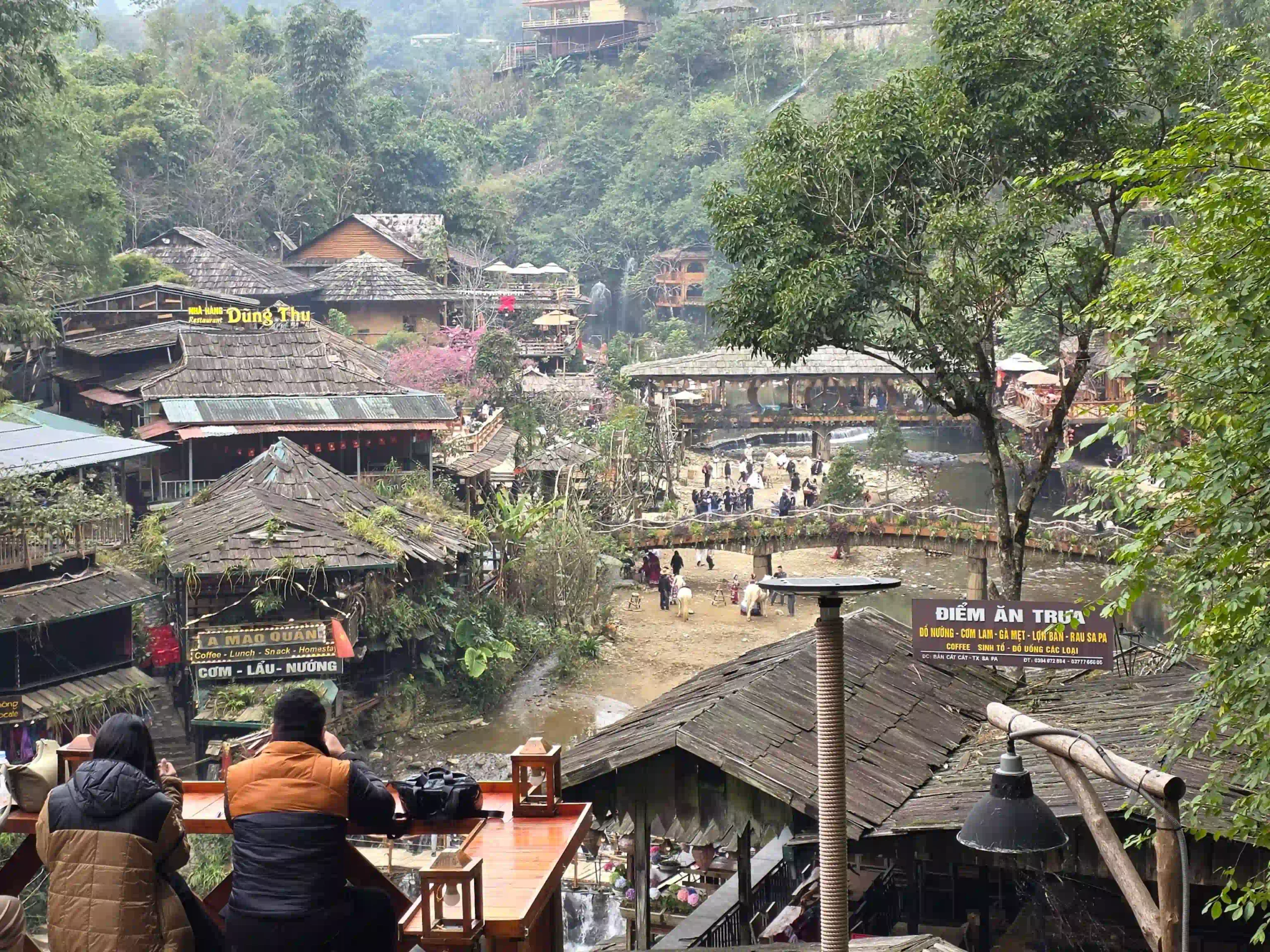
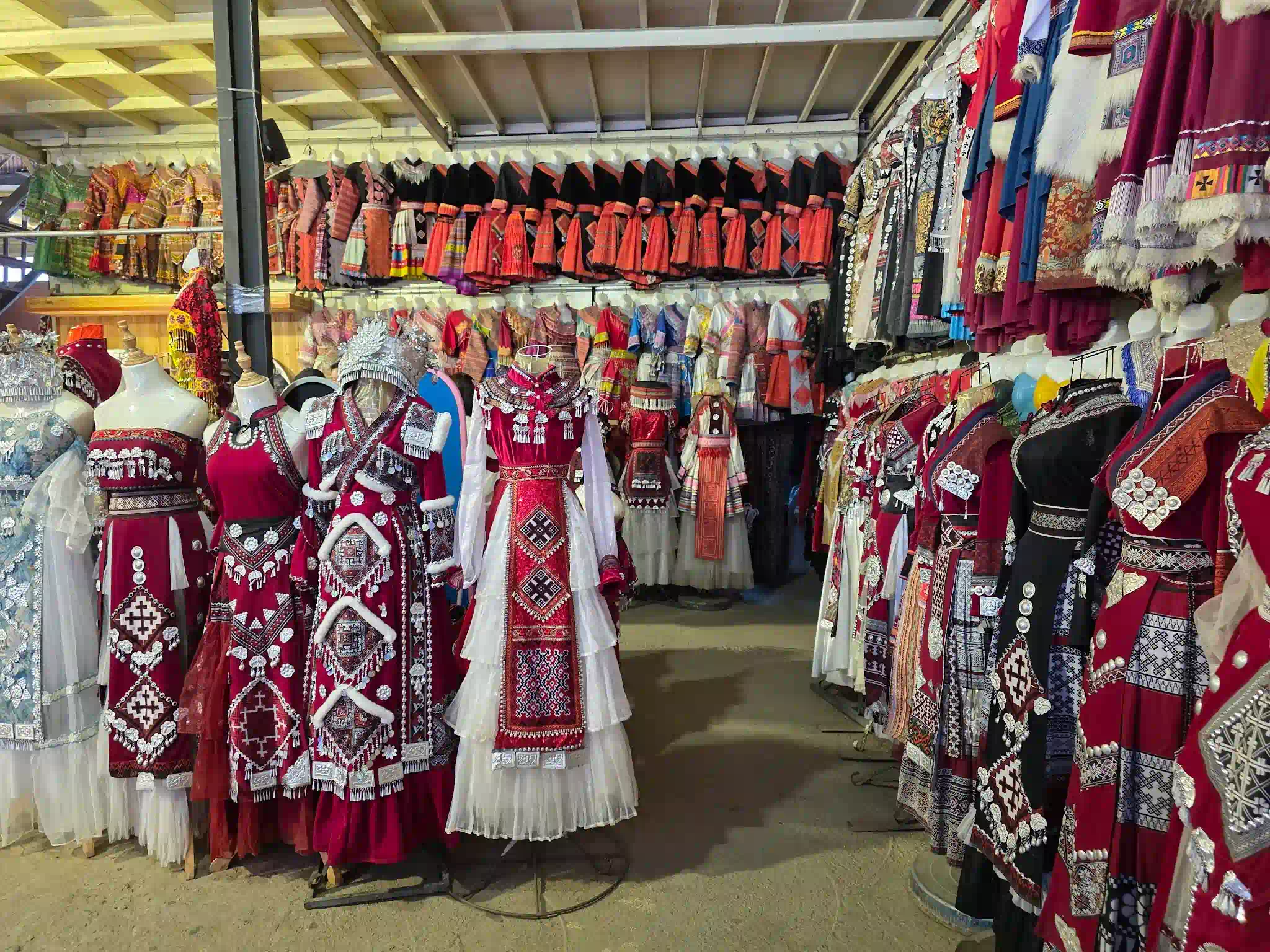
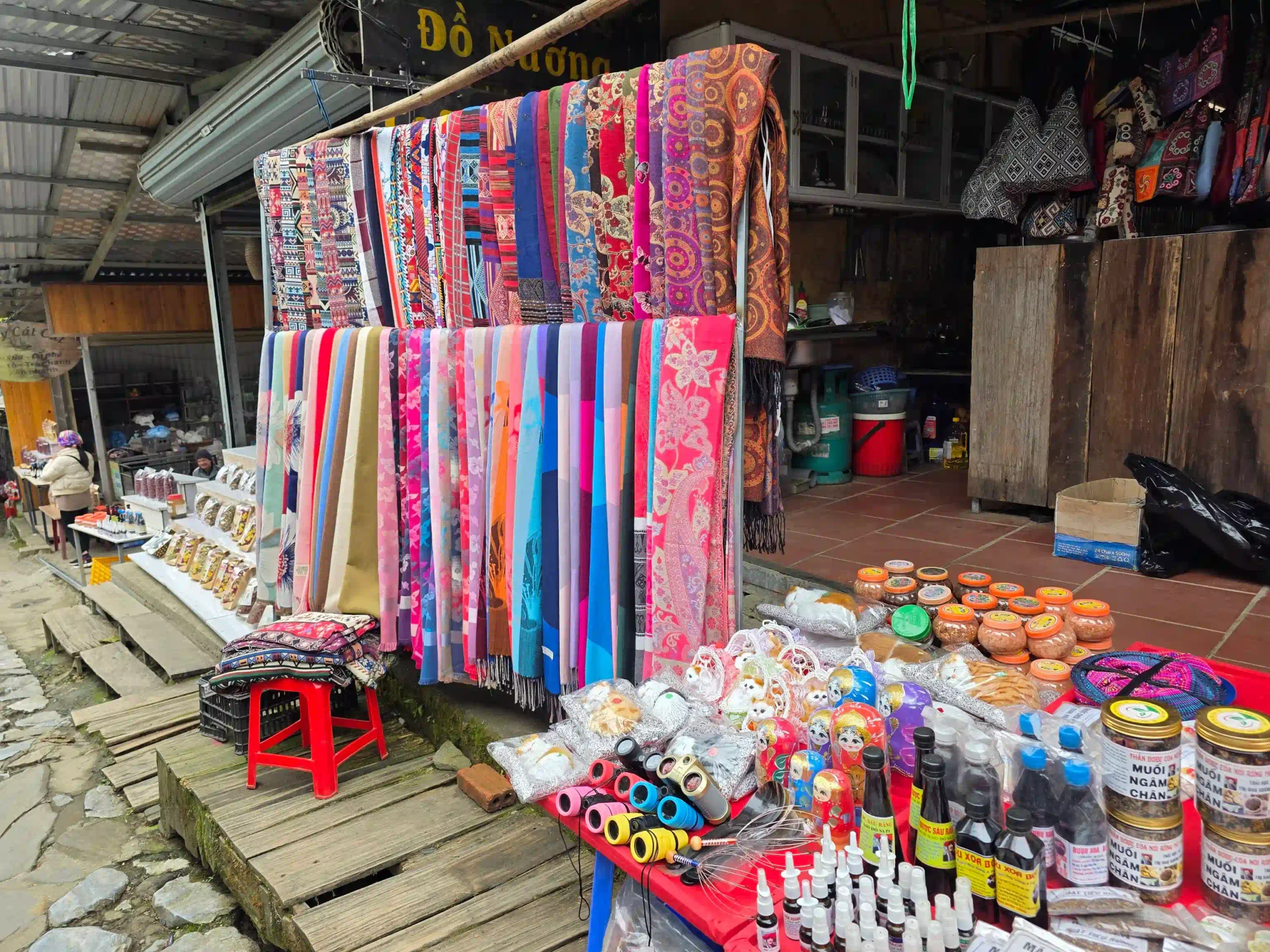
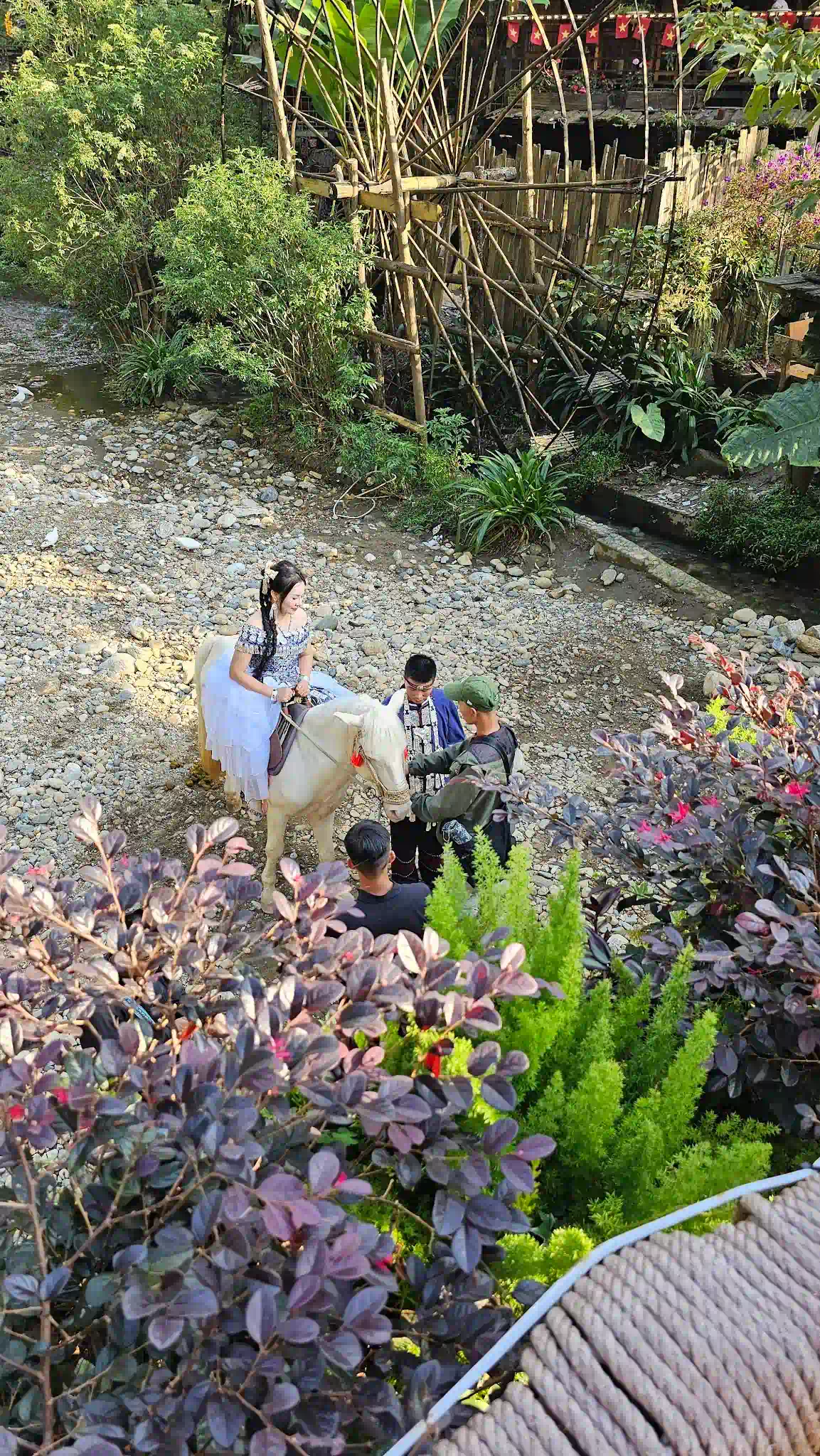
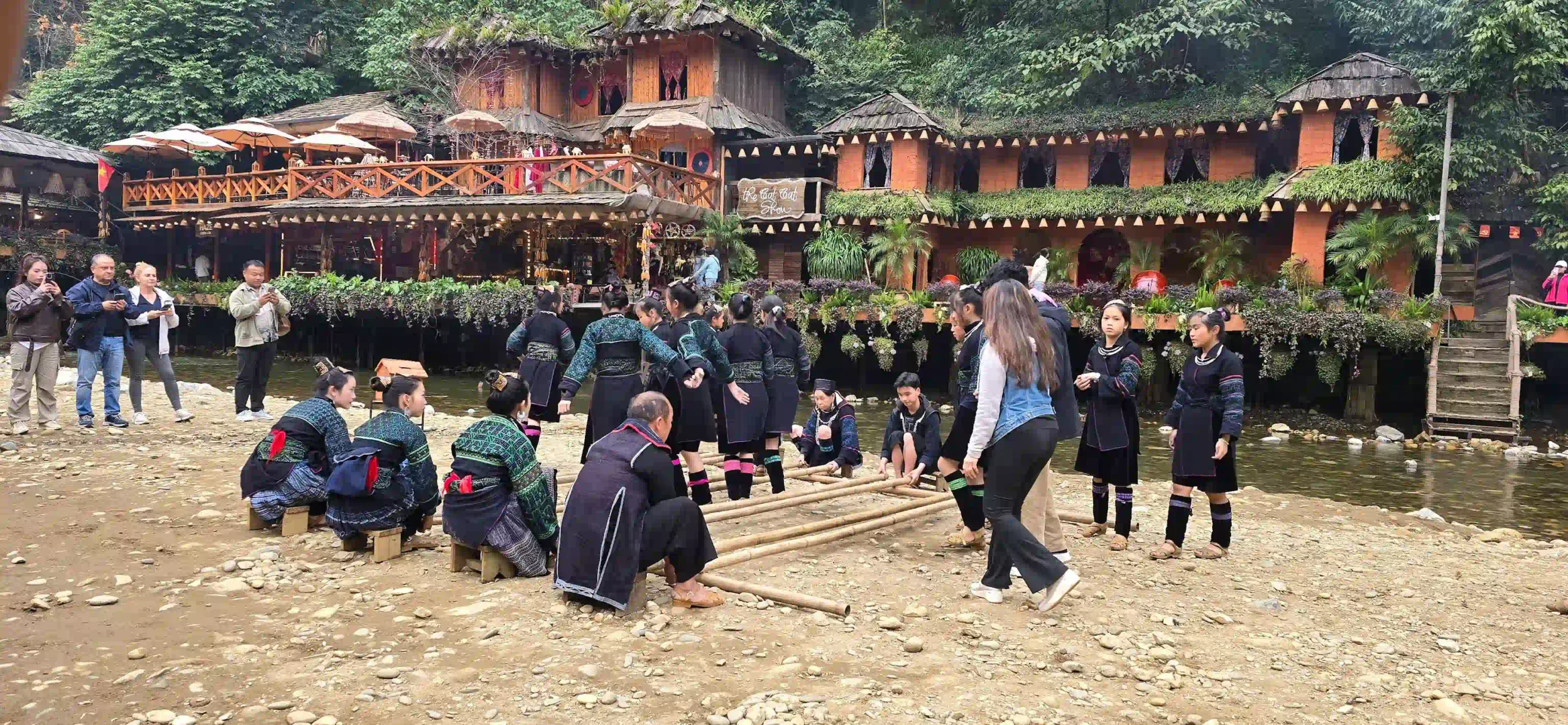
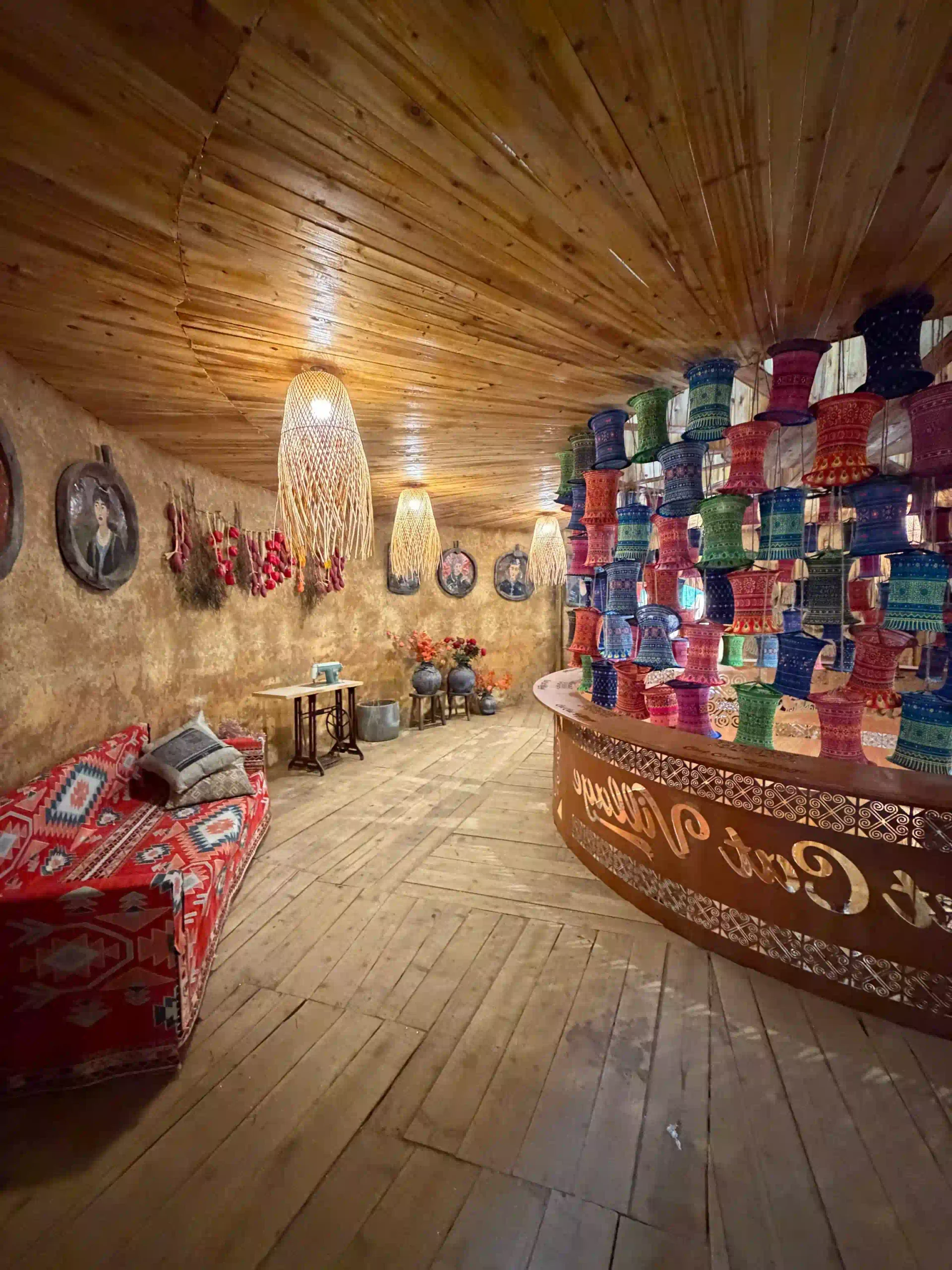
Then you have things like Cat Cat Village. Technically, it is a real Black Hmong village situated in the valley just below town. But honestly, walking down there today feels like walking into an outdoor mall.
The entire path down to the river is lined with stalls selling the exact same mass-produced tribal bags. Domestic tourism here is massive, and a huge trend right now is renting colorful, highly complex fur-lined costumes to wear while taking photos by the waterfall.
The funny part? Most of these costumes look closer to Mongolian winter gear or fantasy movie props than actual Hmong daily wear. It’s essentially a cultural cosplay zone.
Read more: I ranked 10 popular things to do in Sapa from worst to best
The Kids and the Love Market
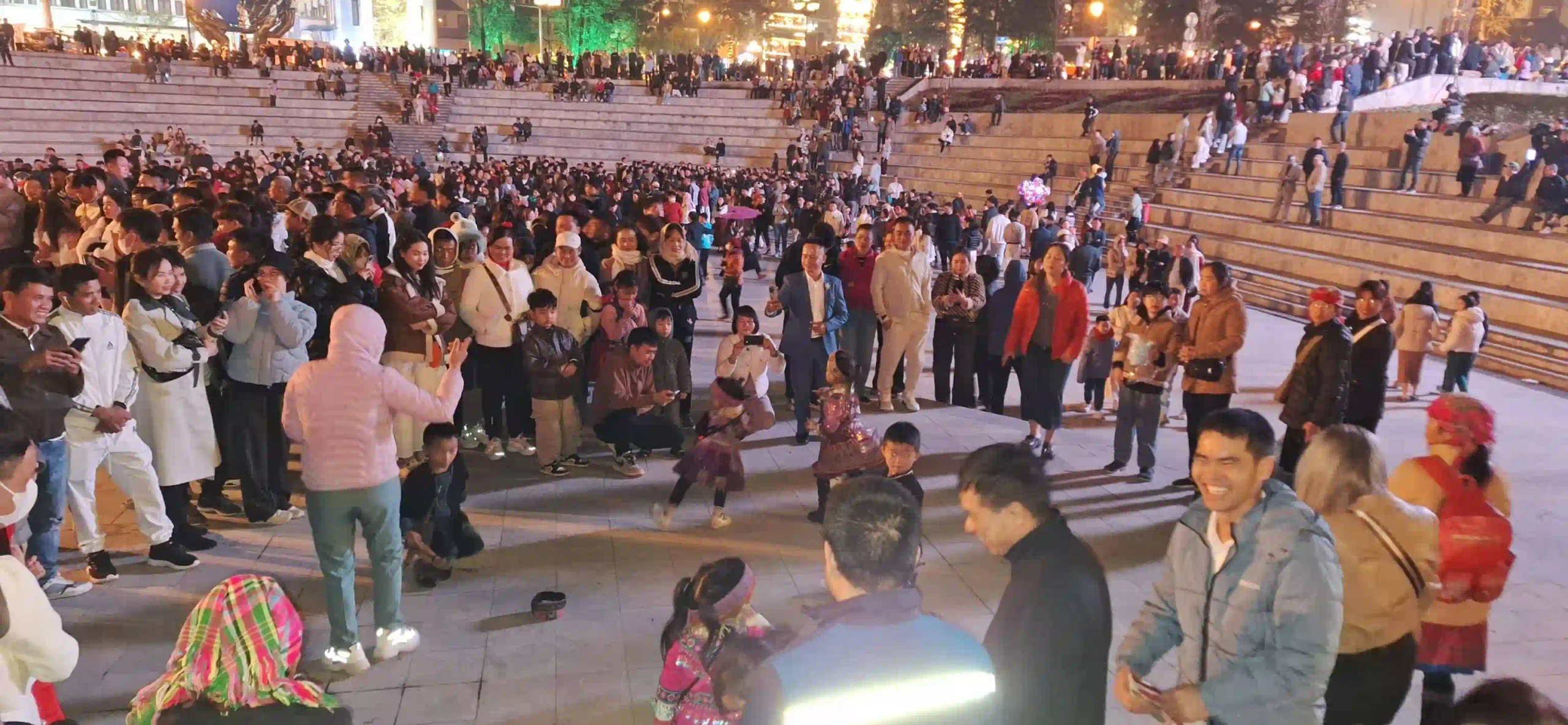
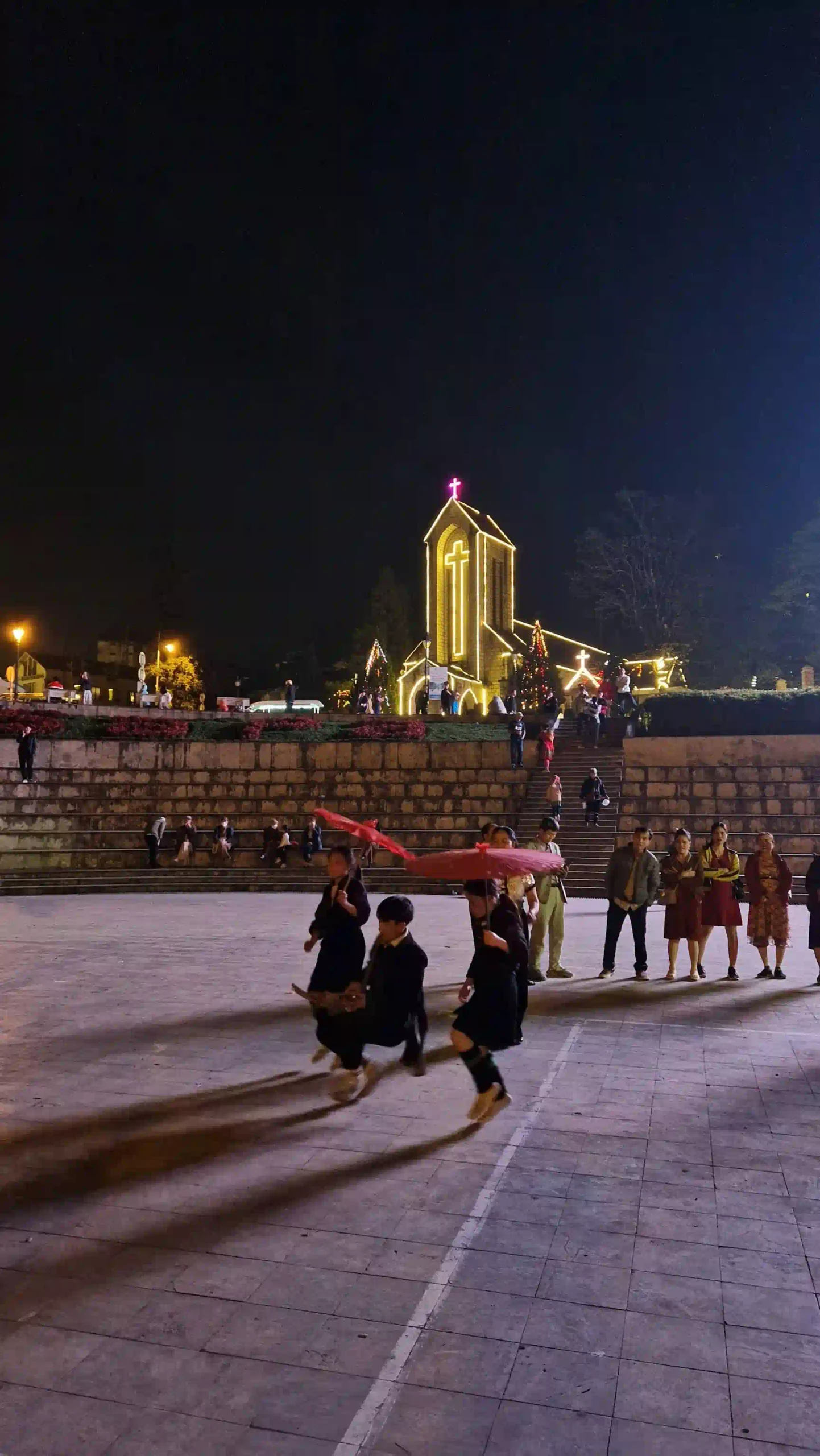
The worst offender for me is the kids. On weekend nights, they run a completely sanitized version of the old “Love Market” in the amphitheater. It’s blasted with floodlights.
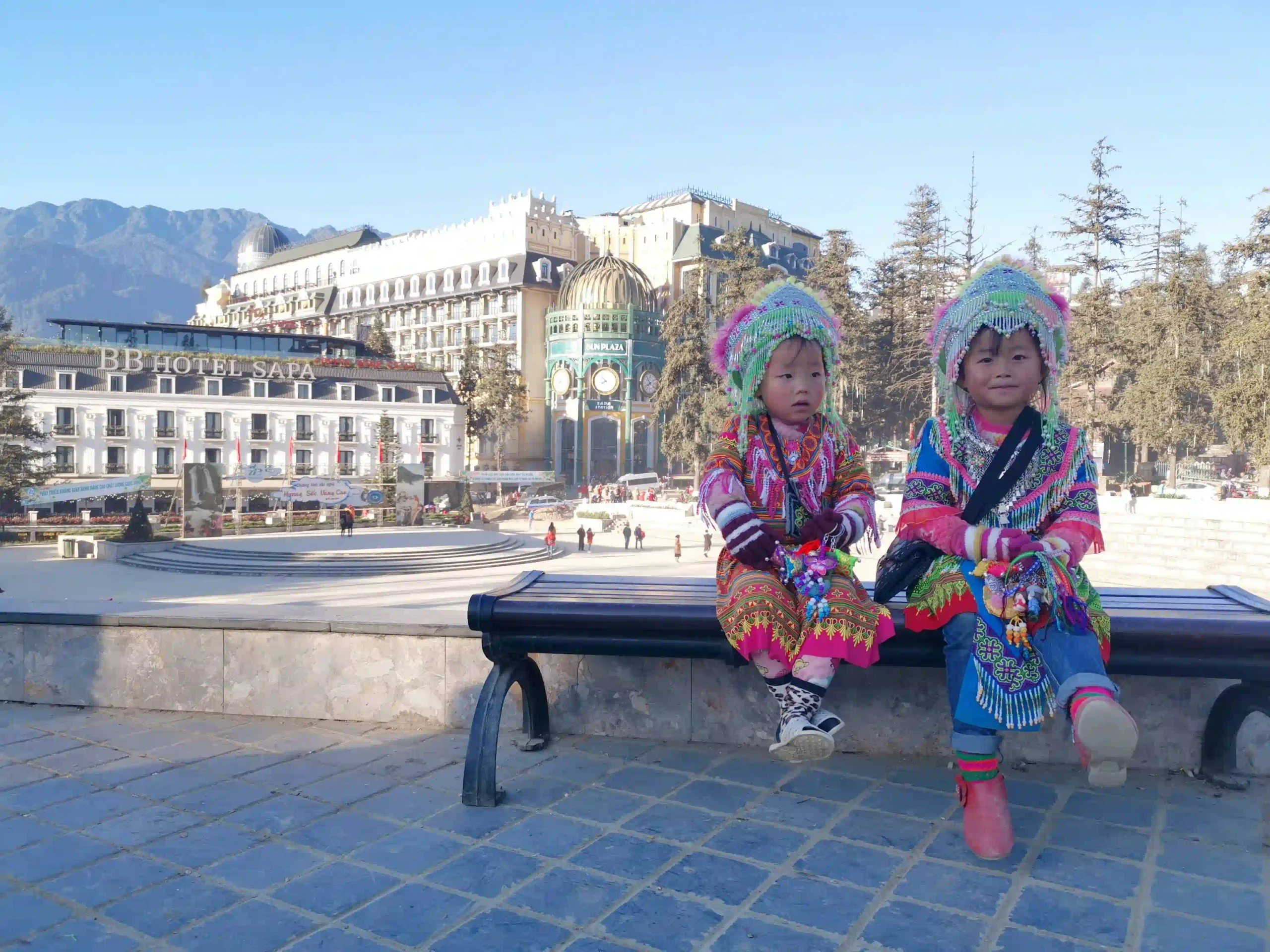
You see four-year-old kids wearing traditional clothes in the freezing cold, doing tired little dances to blasting pop music, holding out a basket for tips.
It feels exploitative. It feels heavily staged.
So if your entire Sapa itinerary just consists of eating overpriced pizza on the main street, going to Cat Cat to look at the fake costumes, and taking a picture of the church? Yes, it is entirely fake. It’s an illusion. You wasted a long bus trip.
So where does the actual culture exist?
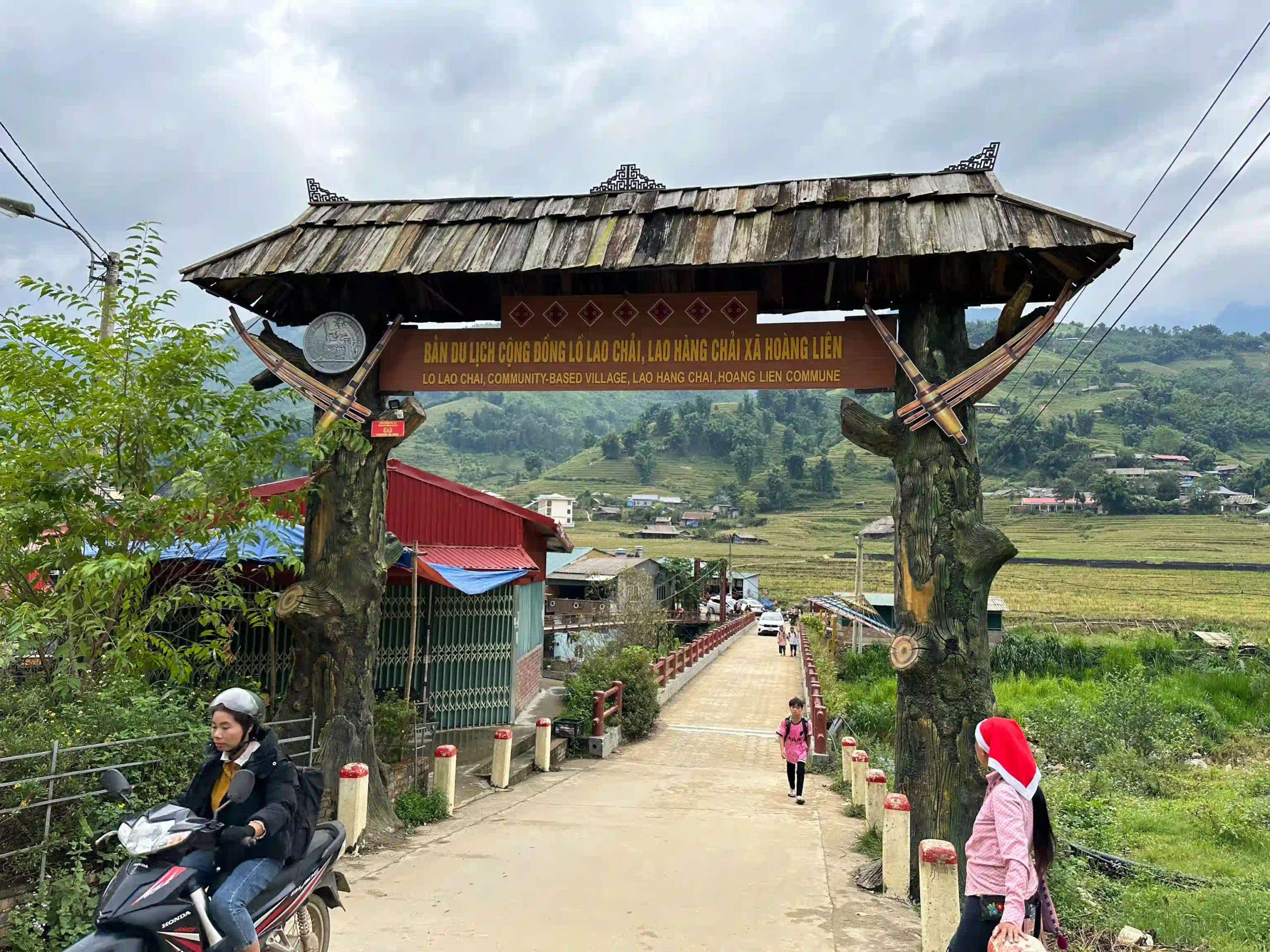
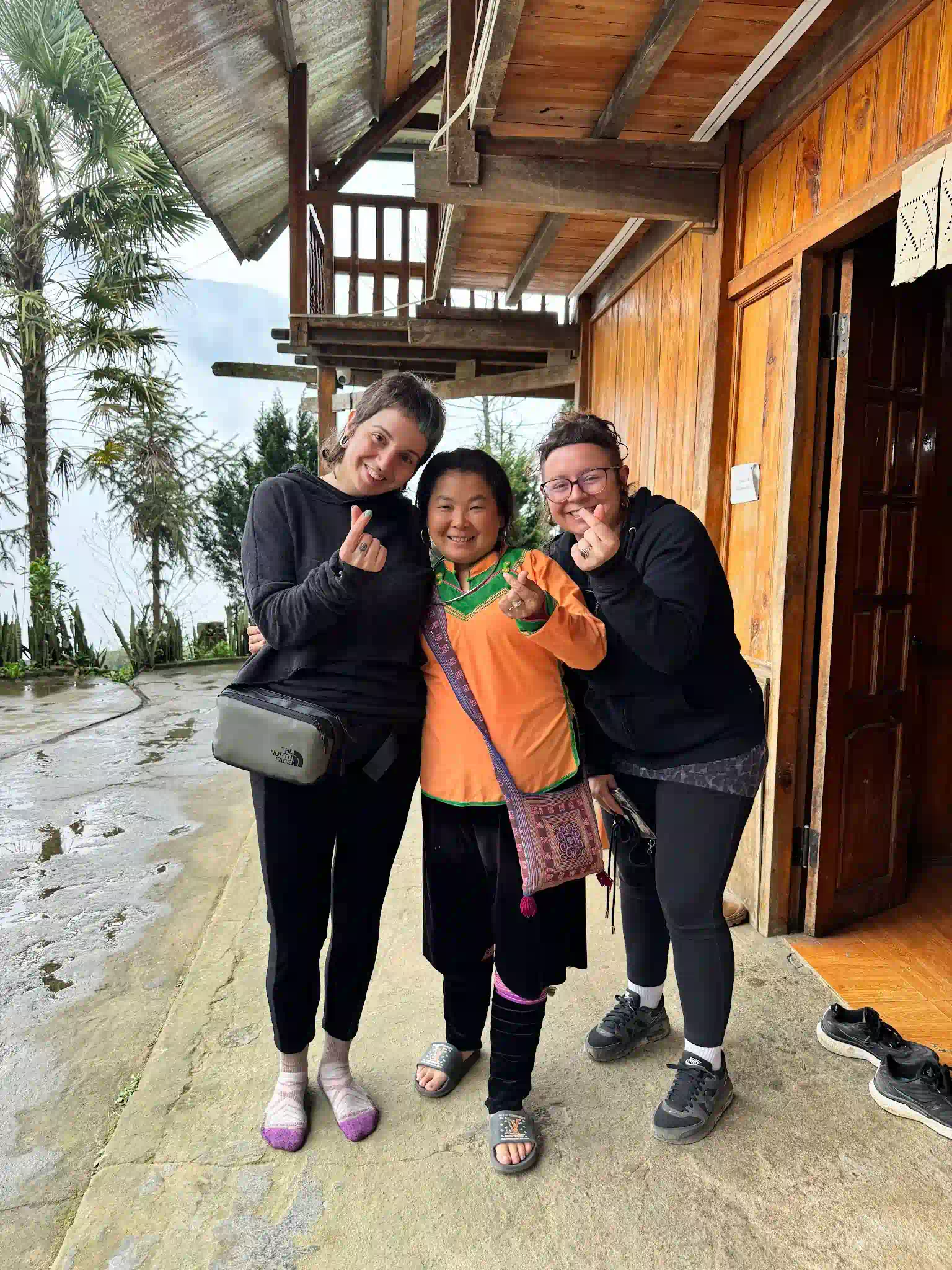
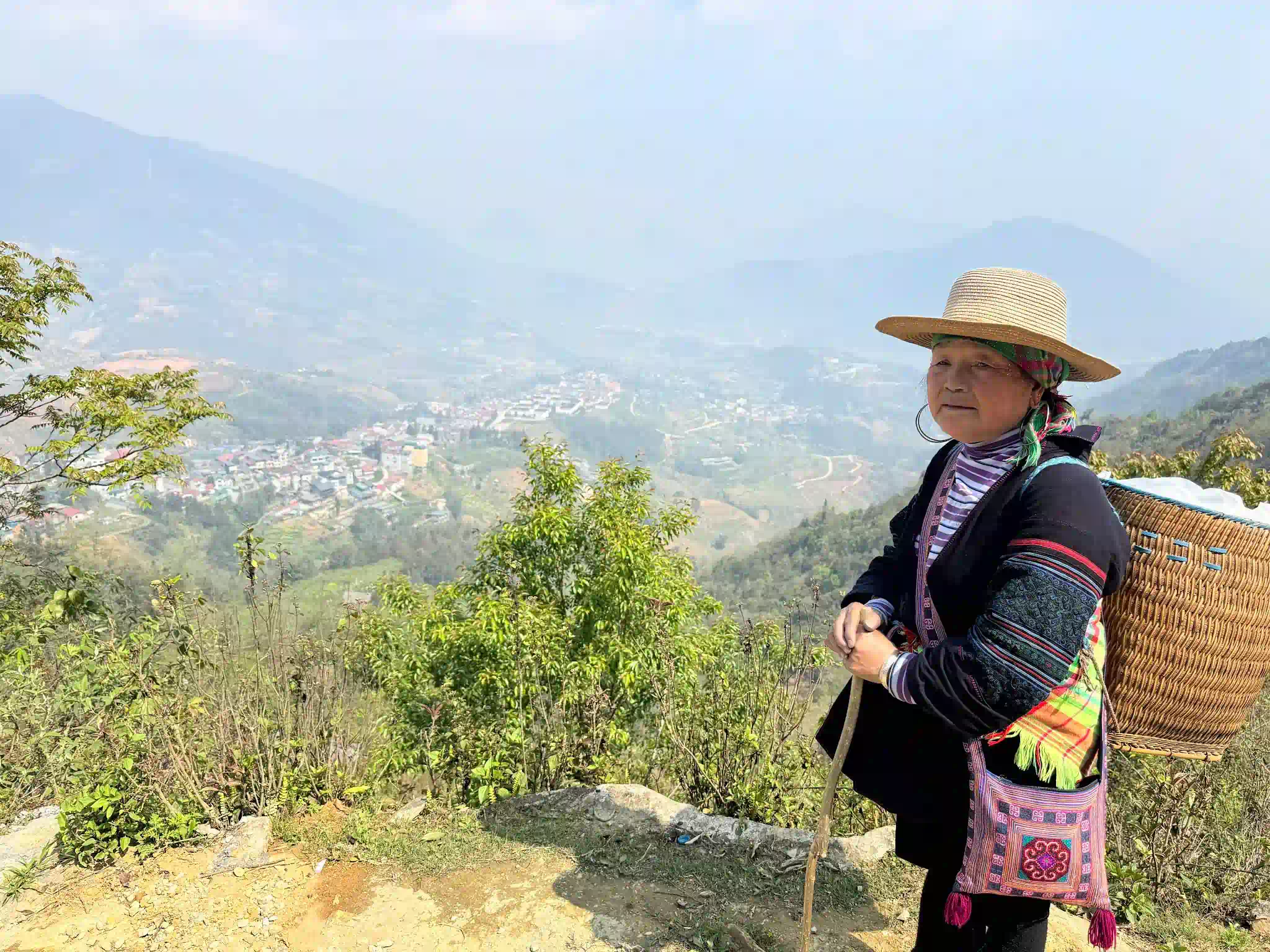
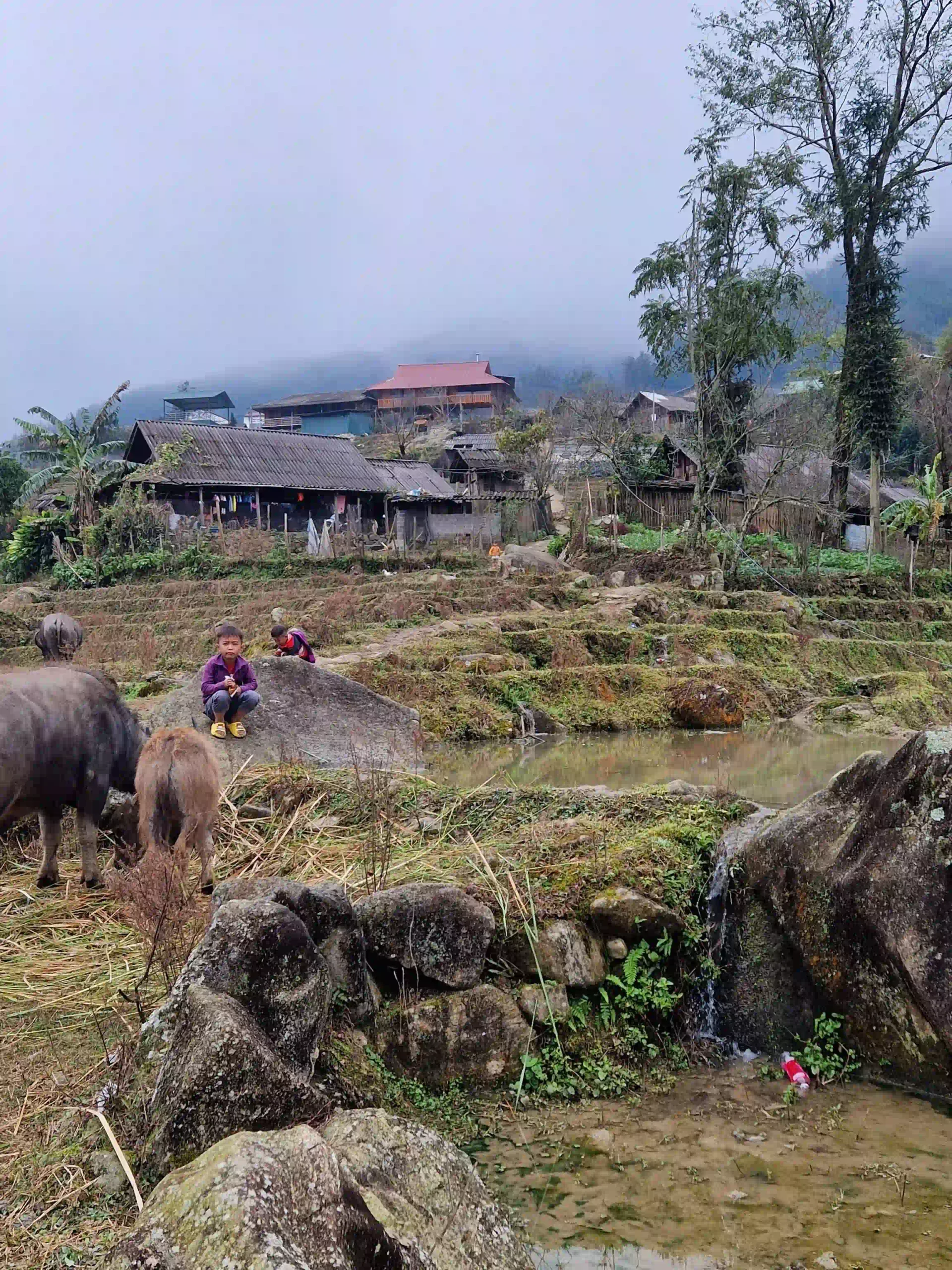
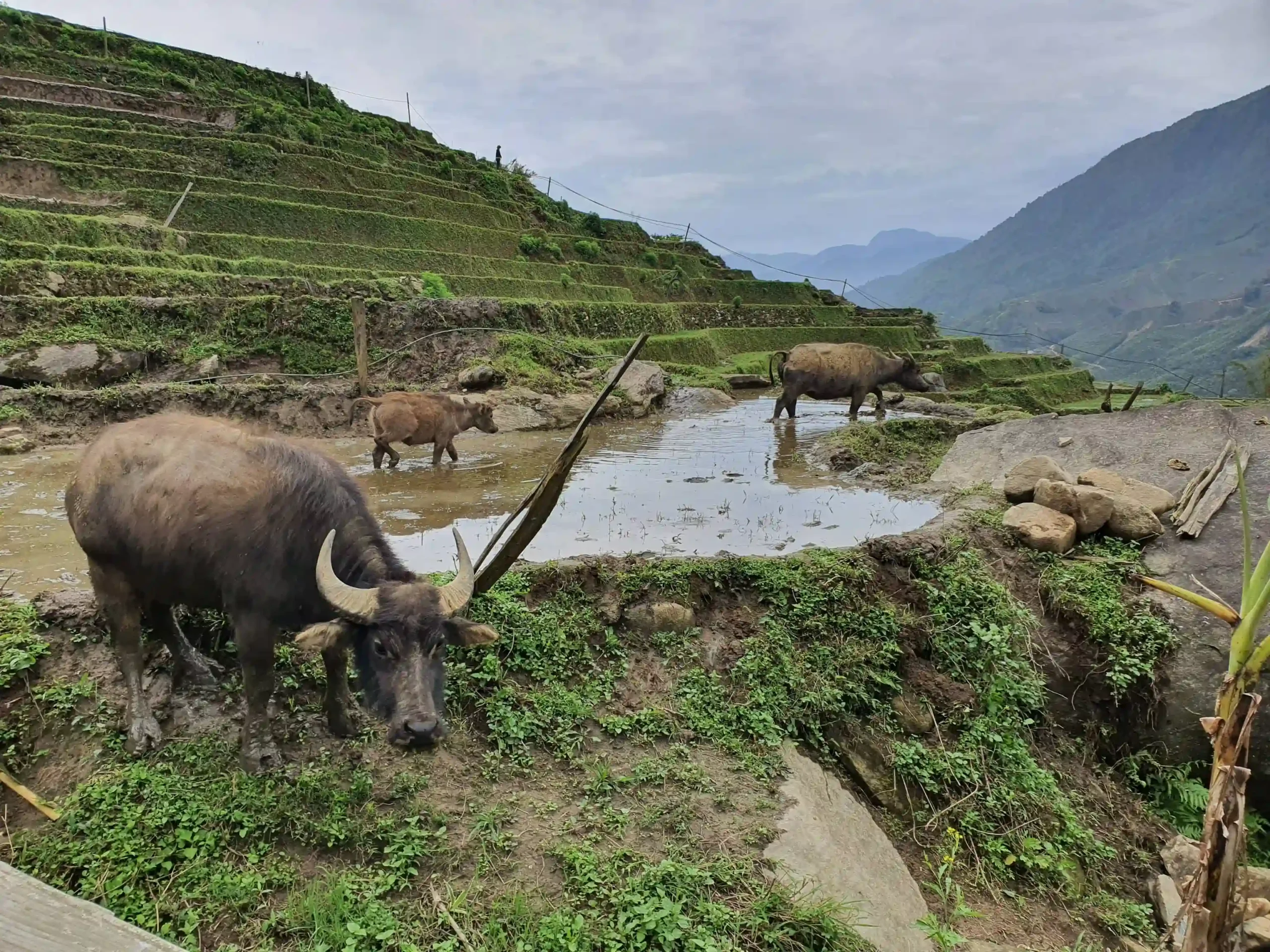
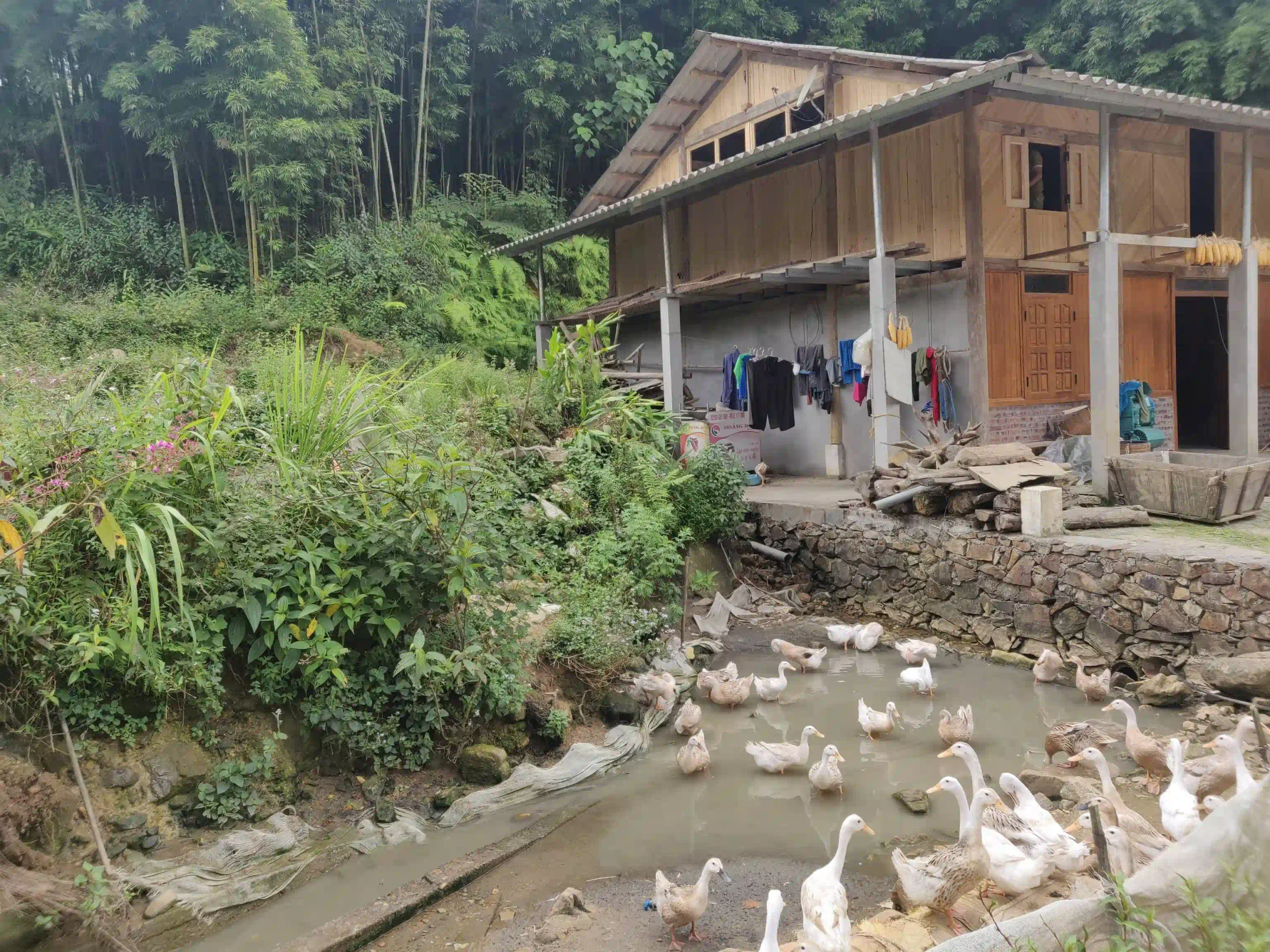
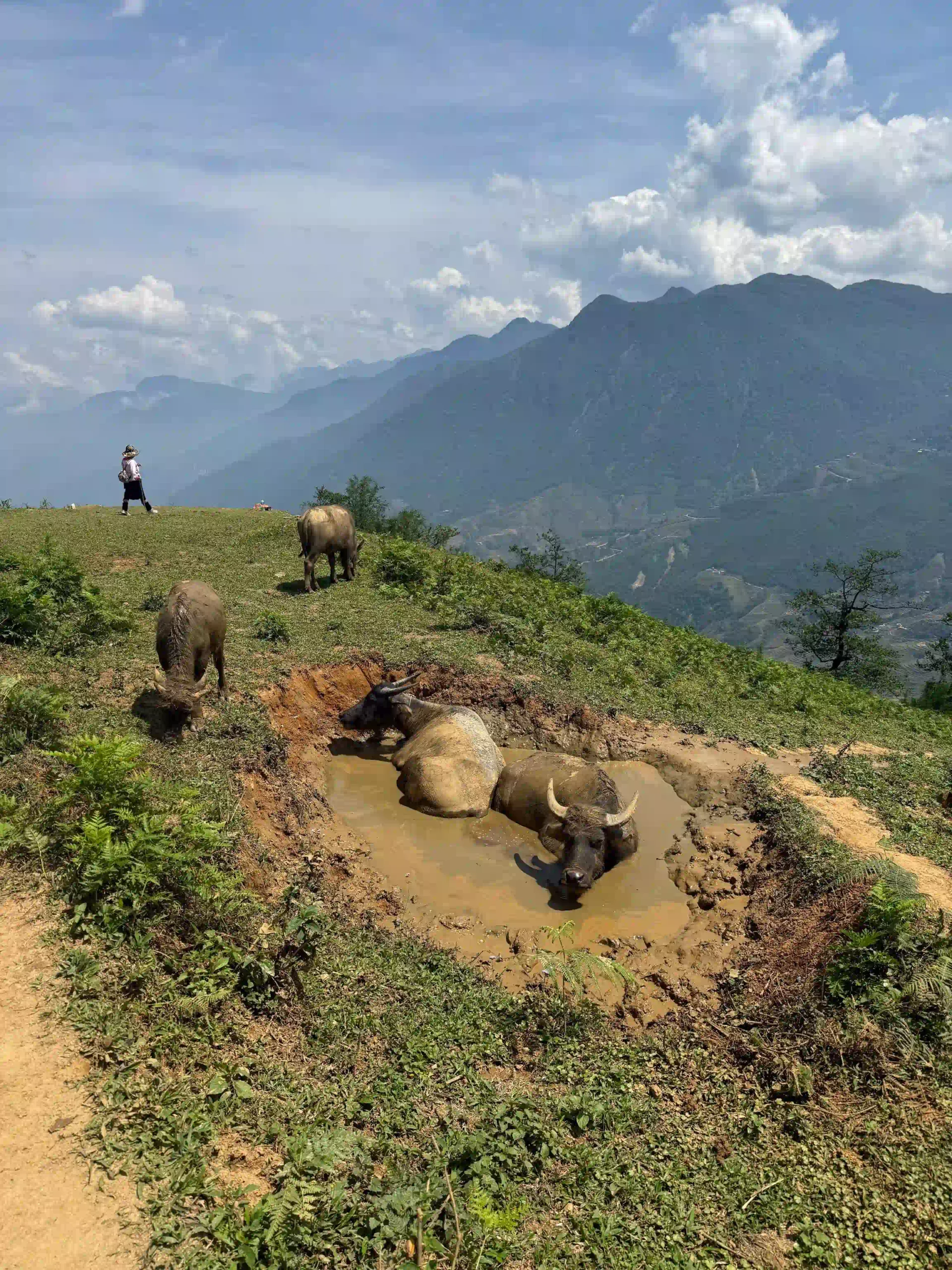
When people push back and ask me “Okay, so if town is fake, is Sapa worth visiting at all?” my answer is a massive yes. You just have to leave the cement roads behind.
Sapa is actually an entire district, not just a town. The main valley drops away from the town center and goes on for miles. The communities living in Lao Chai, Ta Van, Giang Ta Chai, and Ban Ho are a totally different world.
Down there, the culture is absolutely real because it has to be. Nobody is going to carry fake fur coats down into an isolated riverbed for tourists to play with.
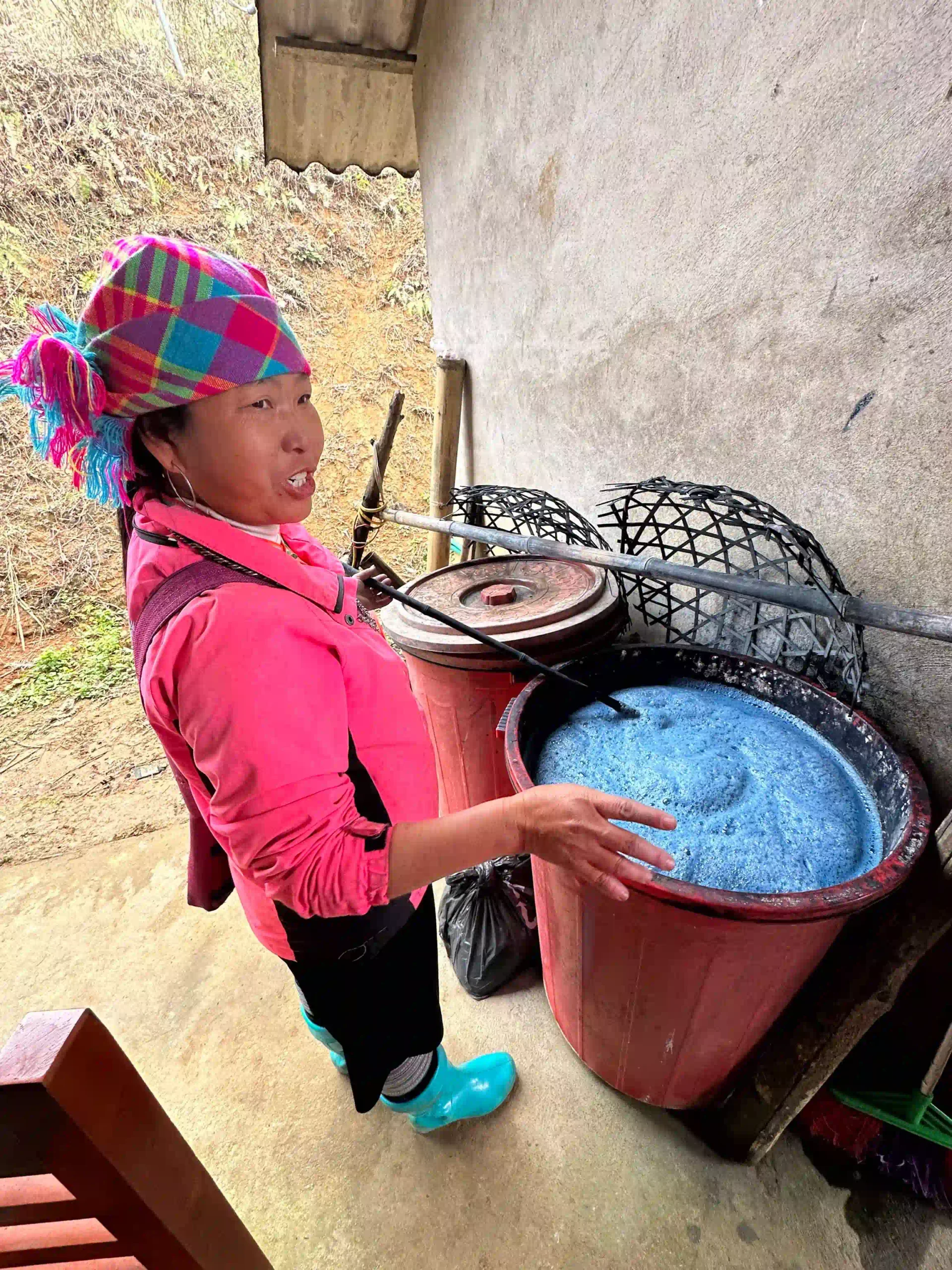
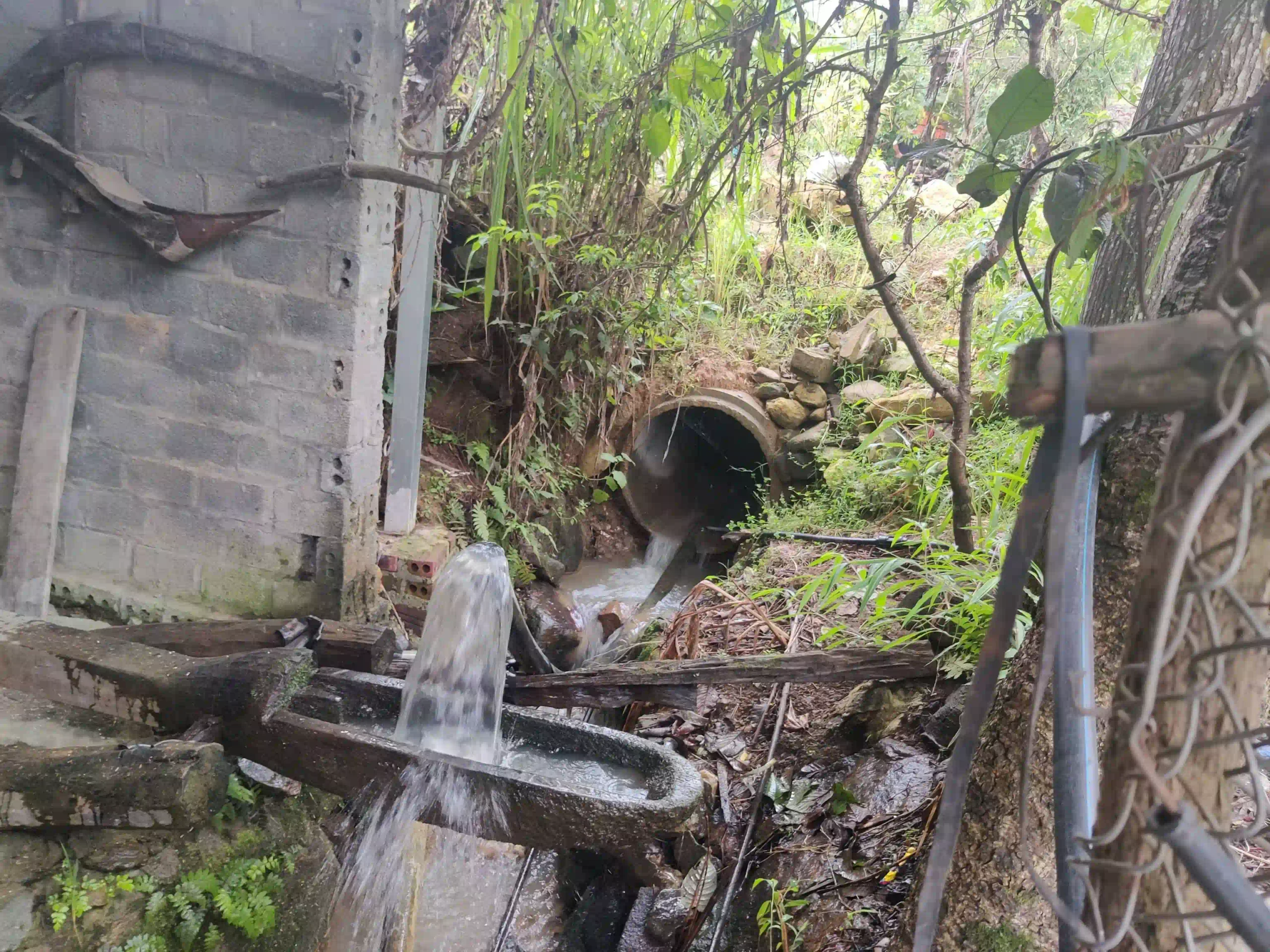
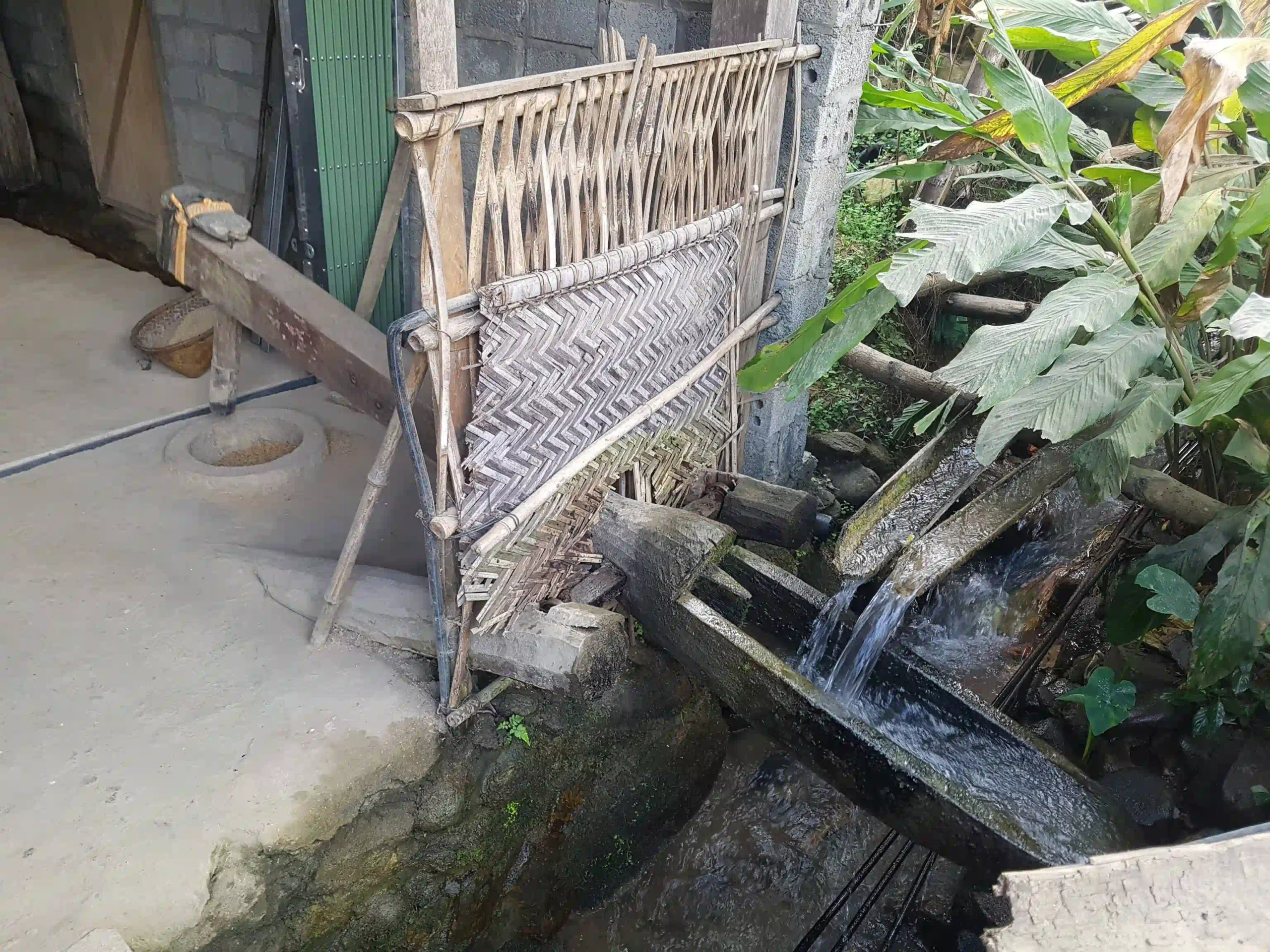
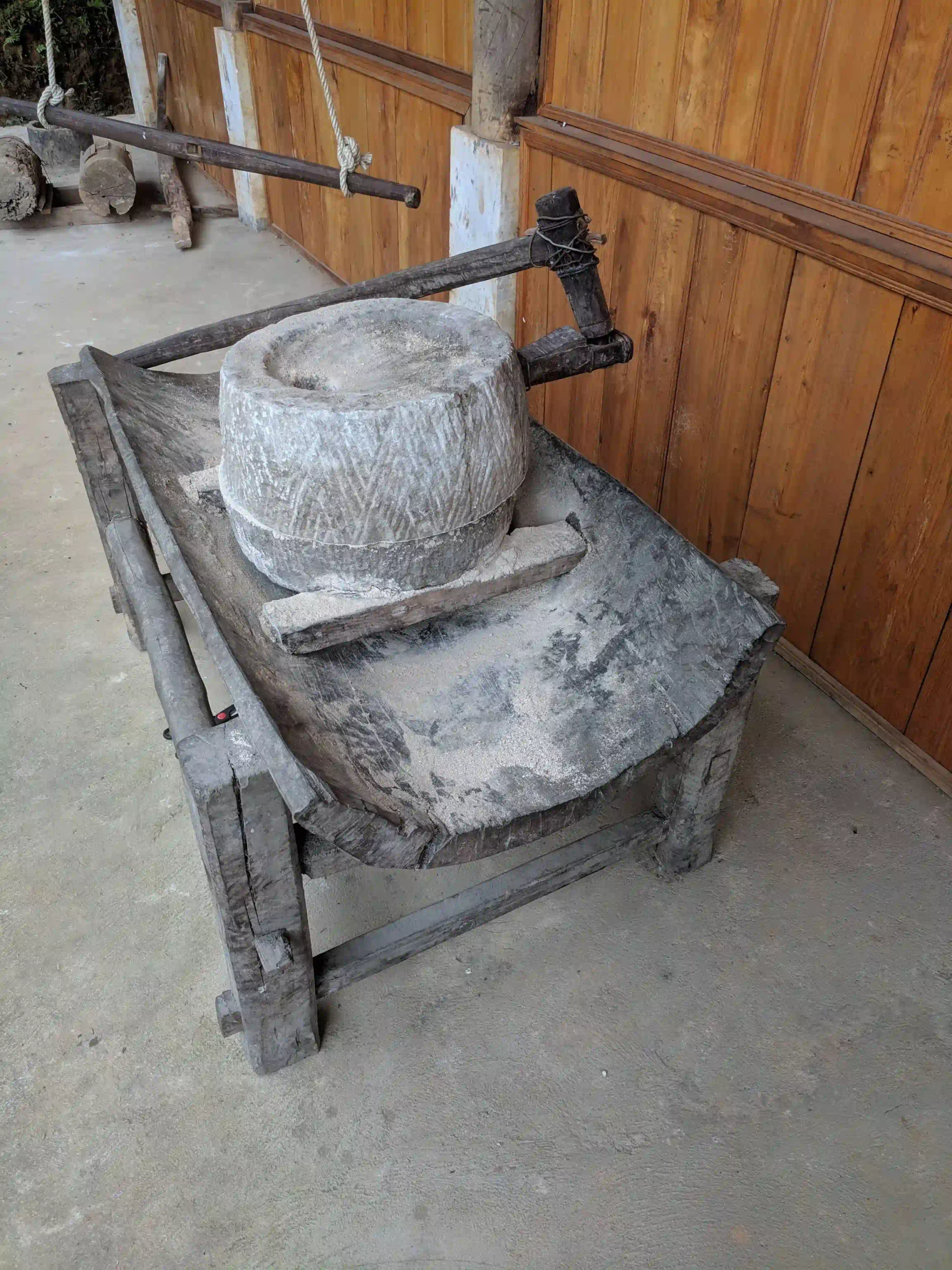
Out in the deep terraces, families are surviving entirely off agriculture. You see the massive wooden rice mills being powered by the river current. You see older women dyeing raw hemp cloth with natural indigo plants, your hands will literally turn blue if you touch the stuff they are working with. The homes are often plain wood built right into the side of the dirt slopes, surrounded by pigs and chickens just wandering free.
The contrast is wild. In town, people throw an angry fit if you take a photo without giving them 20,000 VND. Deep in Ta Van, I’ve had local farmers wave me over while they were drinking morning tea, not asking for a single coin, just trying to share a terrible piece of raw tobacco with a stranger.
Read more: Is a 2-Day Sapa itinerary enough time to reach the villages?
How to interact without feeling like an idiot
There is a weird guilt trip some backpackers get when they travel up north. They worry they are turning local lives into a zoo exhibit. I get that feeling.
The way to fix this and experience the actual, non-tourist-trap Sapa is simply a matter of where your money changes hands.
If you just jump on a massive 30-person walking tour booked through an old travel desk in Hanoi, you’ll be marching down a paved road. It sucks.
Here is exactly what you do to find the real stuff in 2026.
1. Hire a 1-on-1 local valley guide
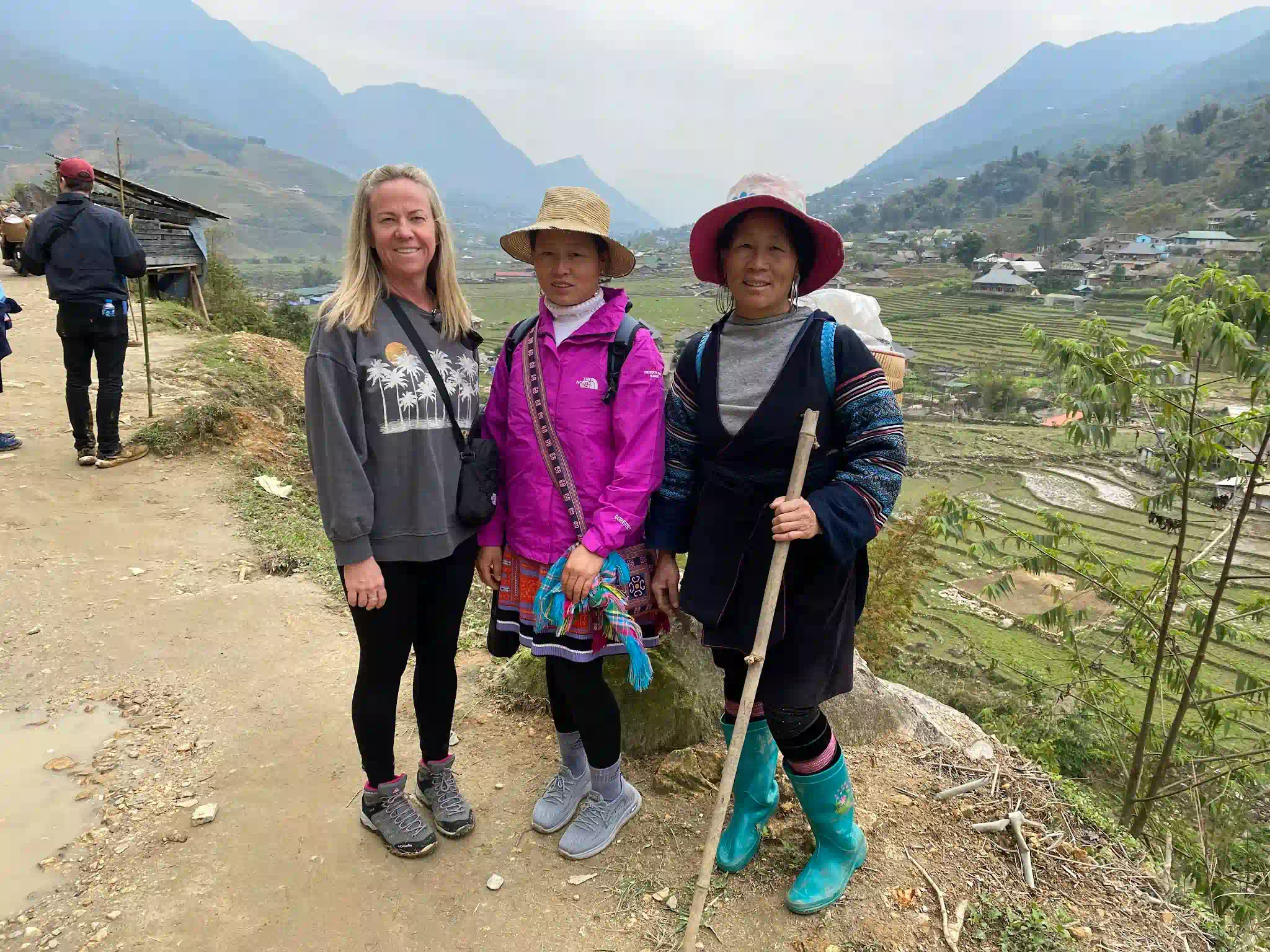
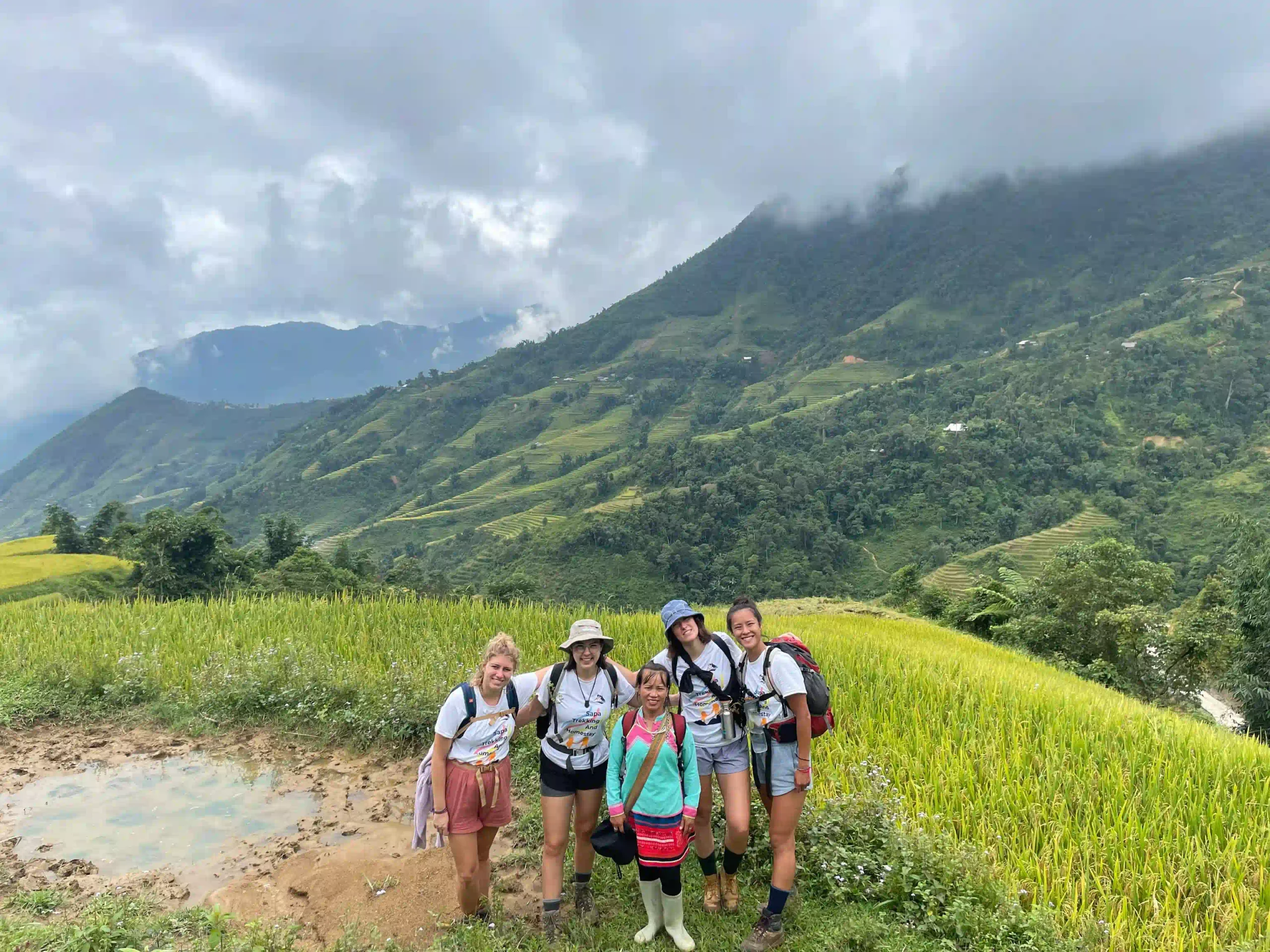
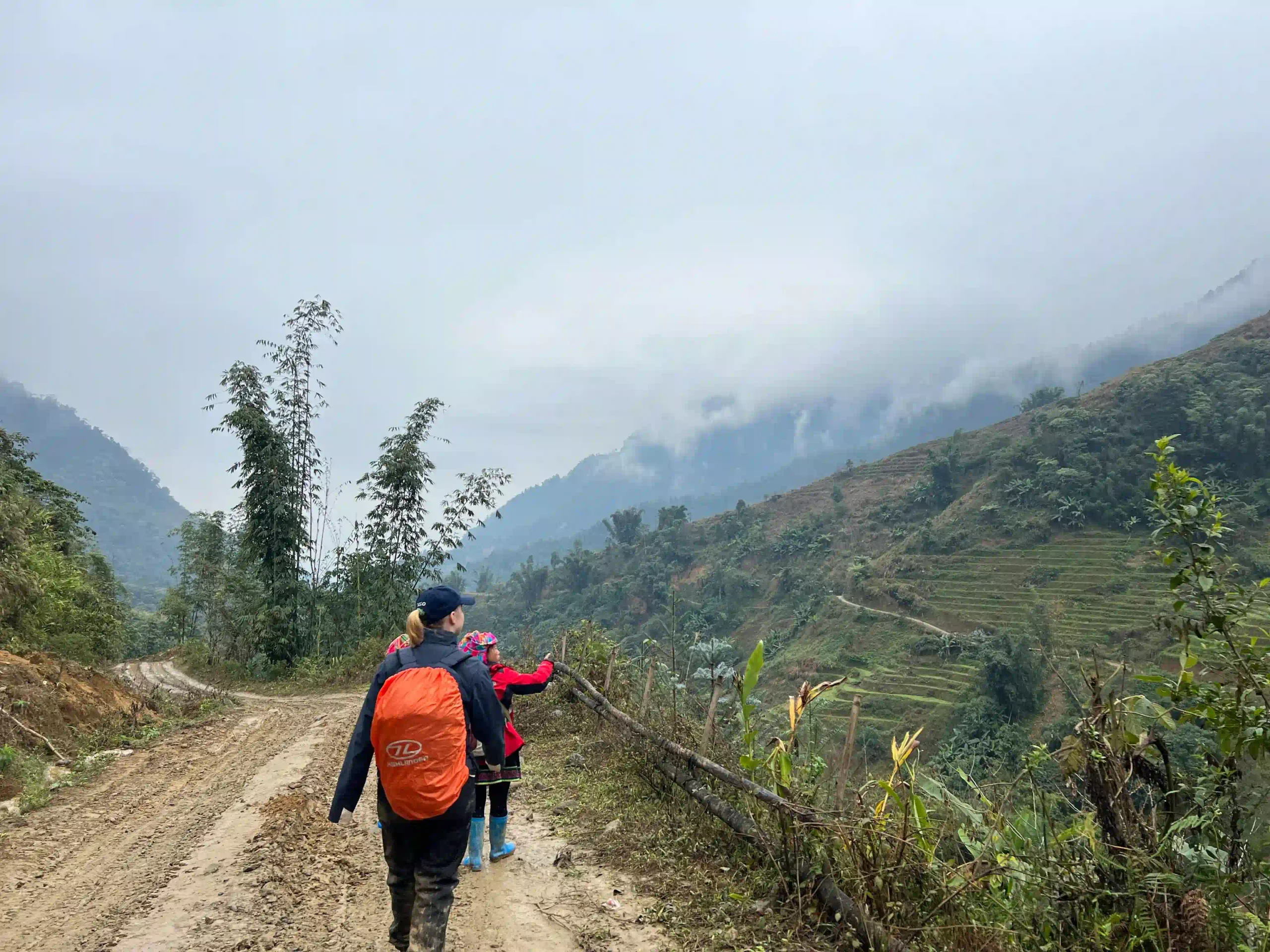
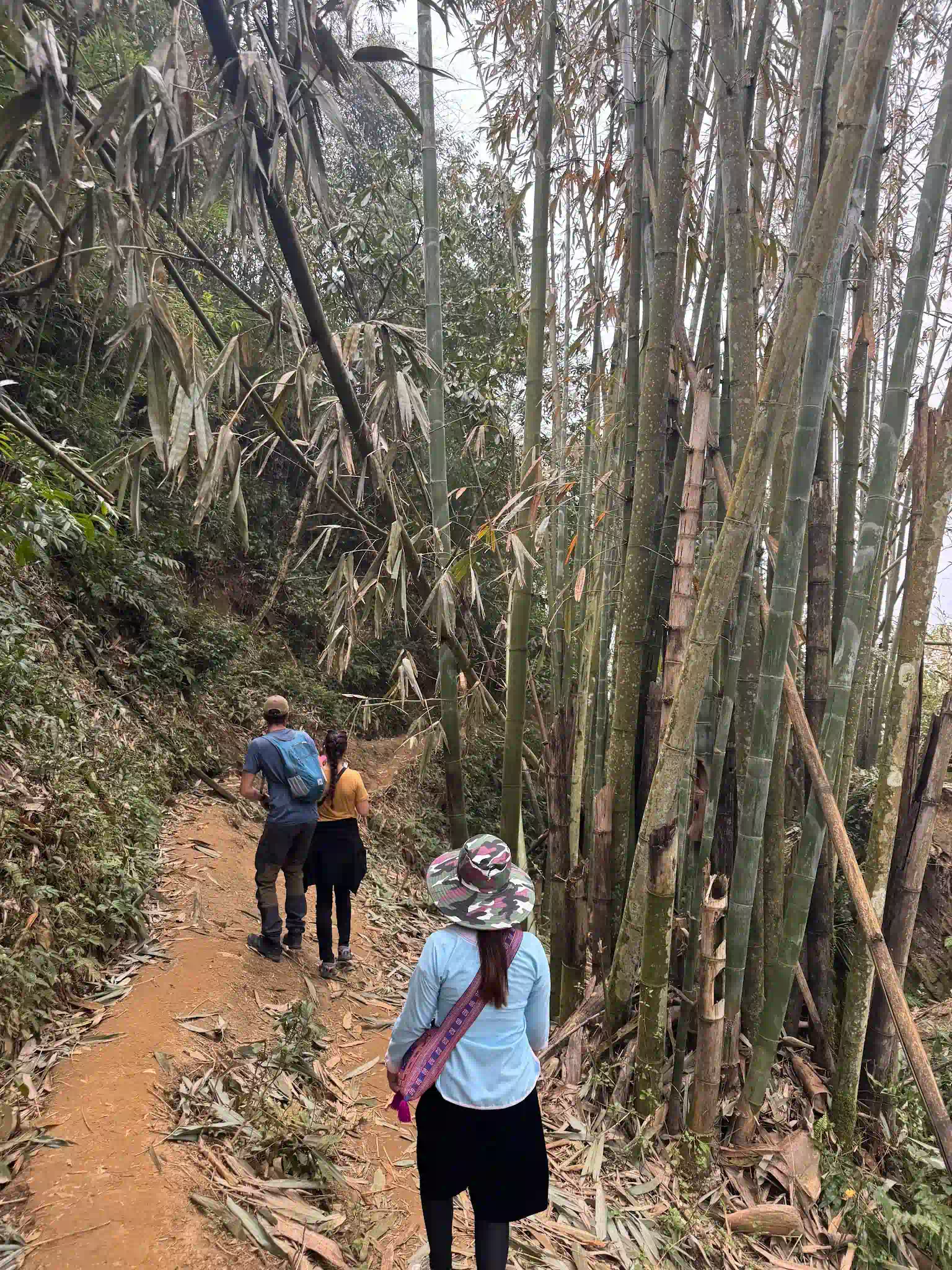
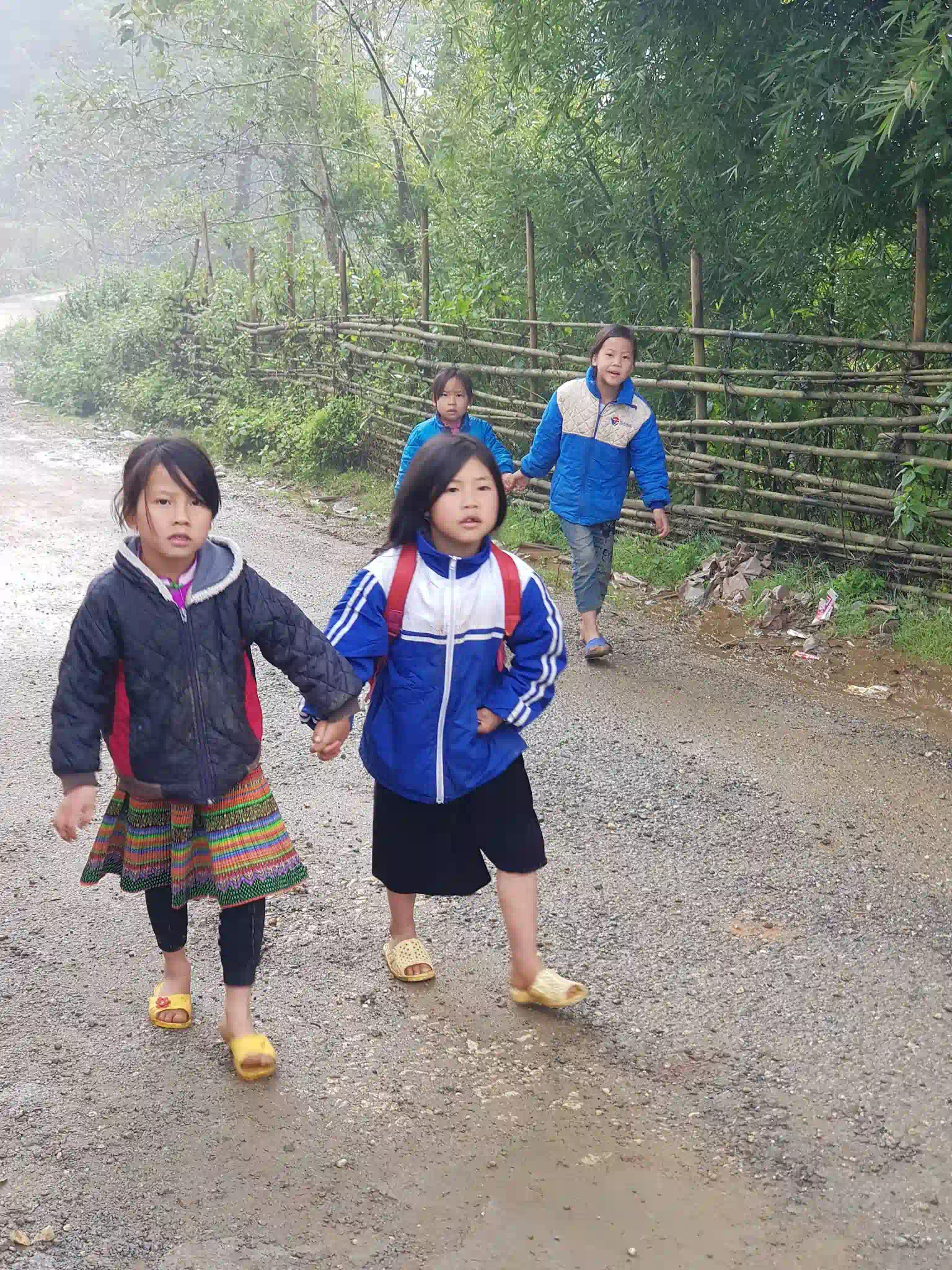
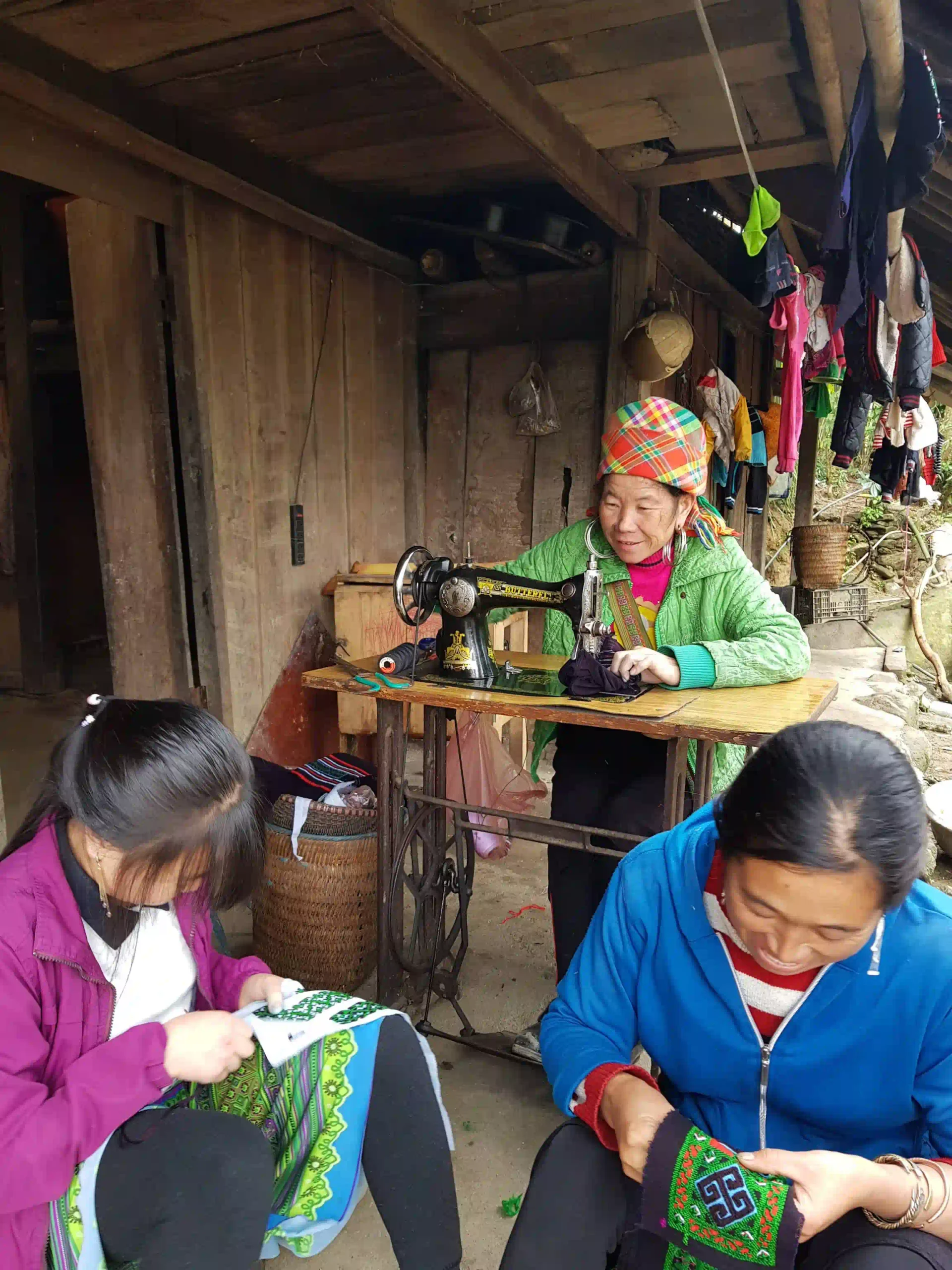
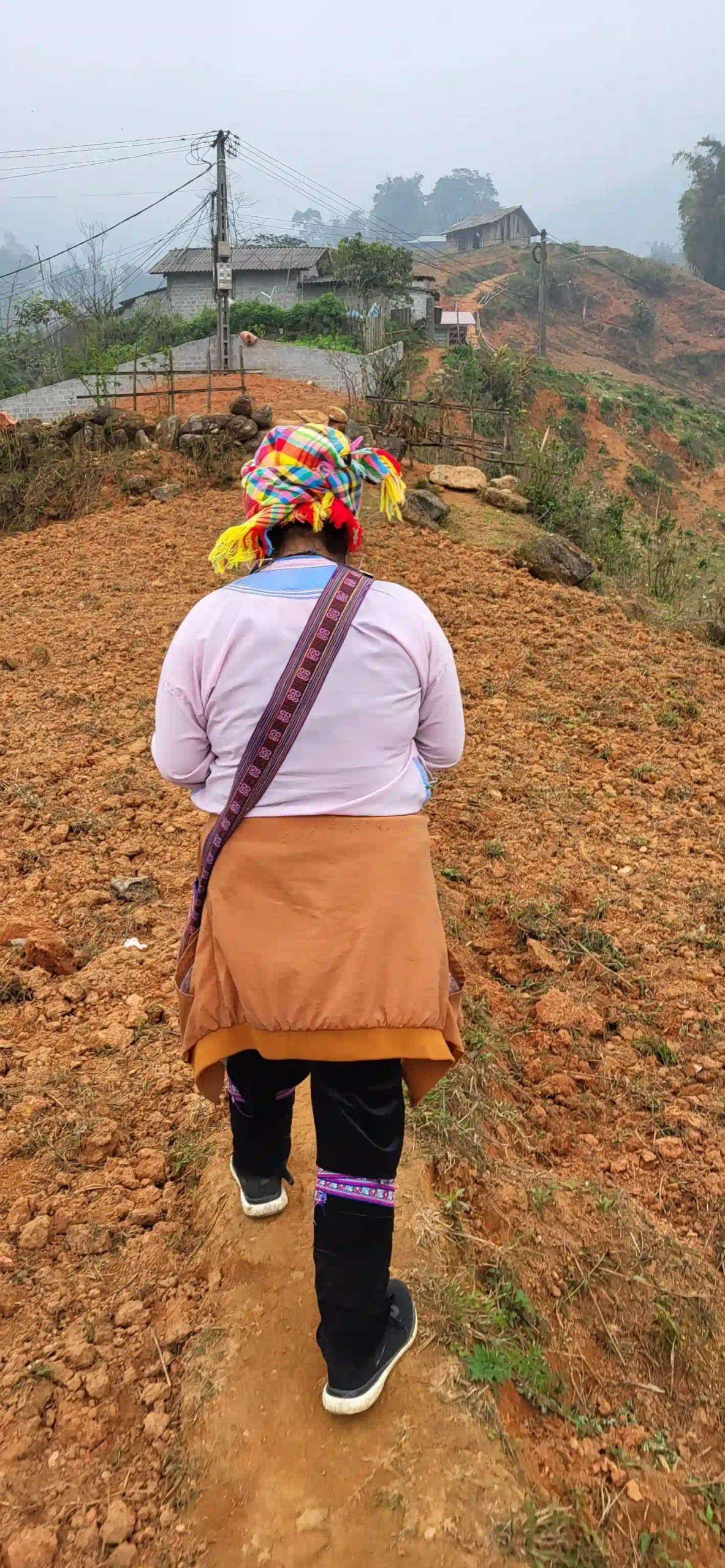
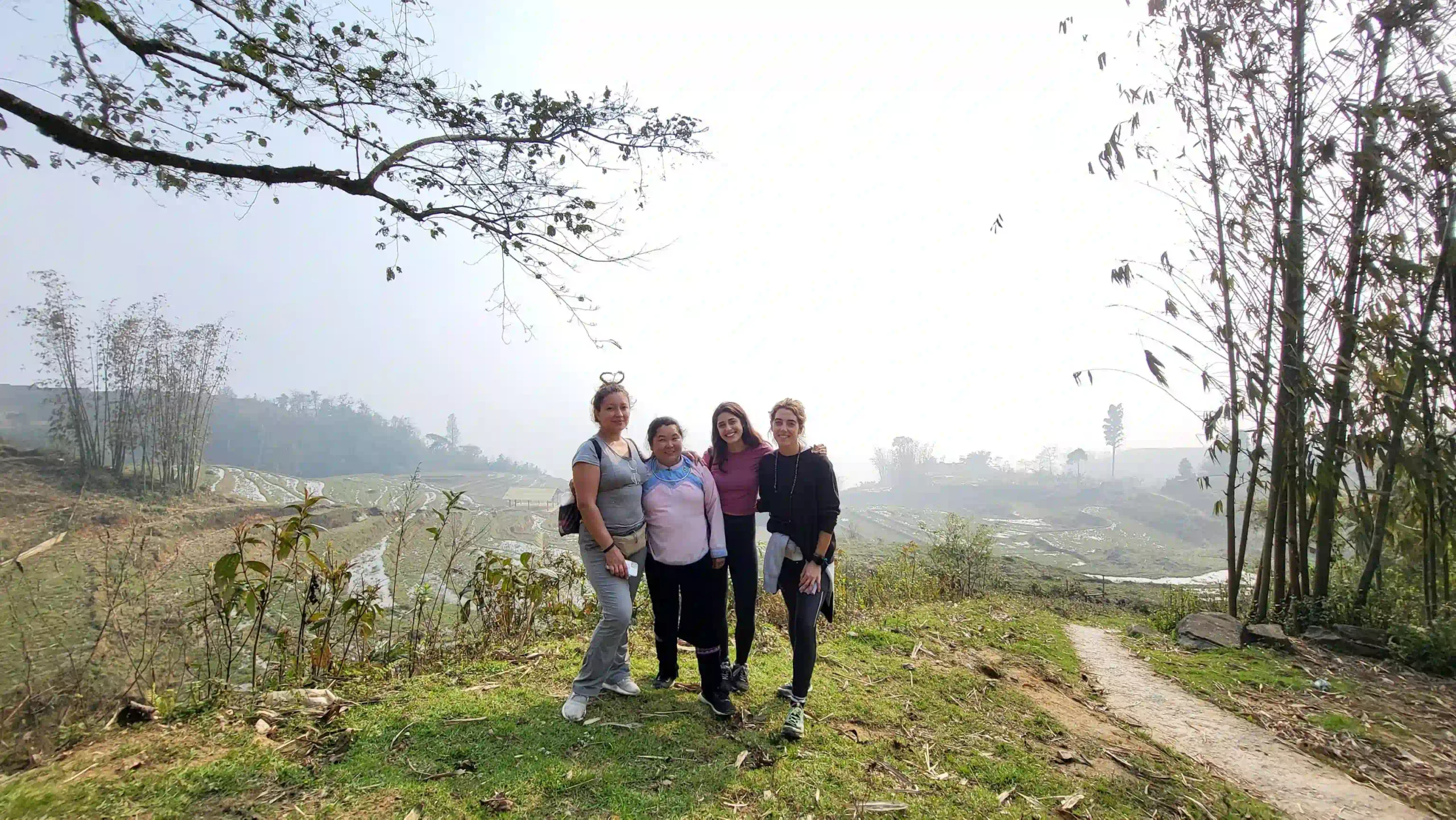
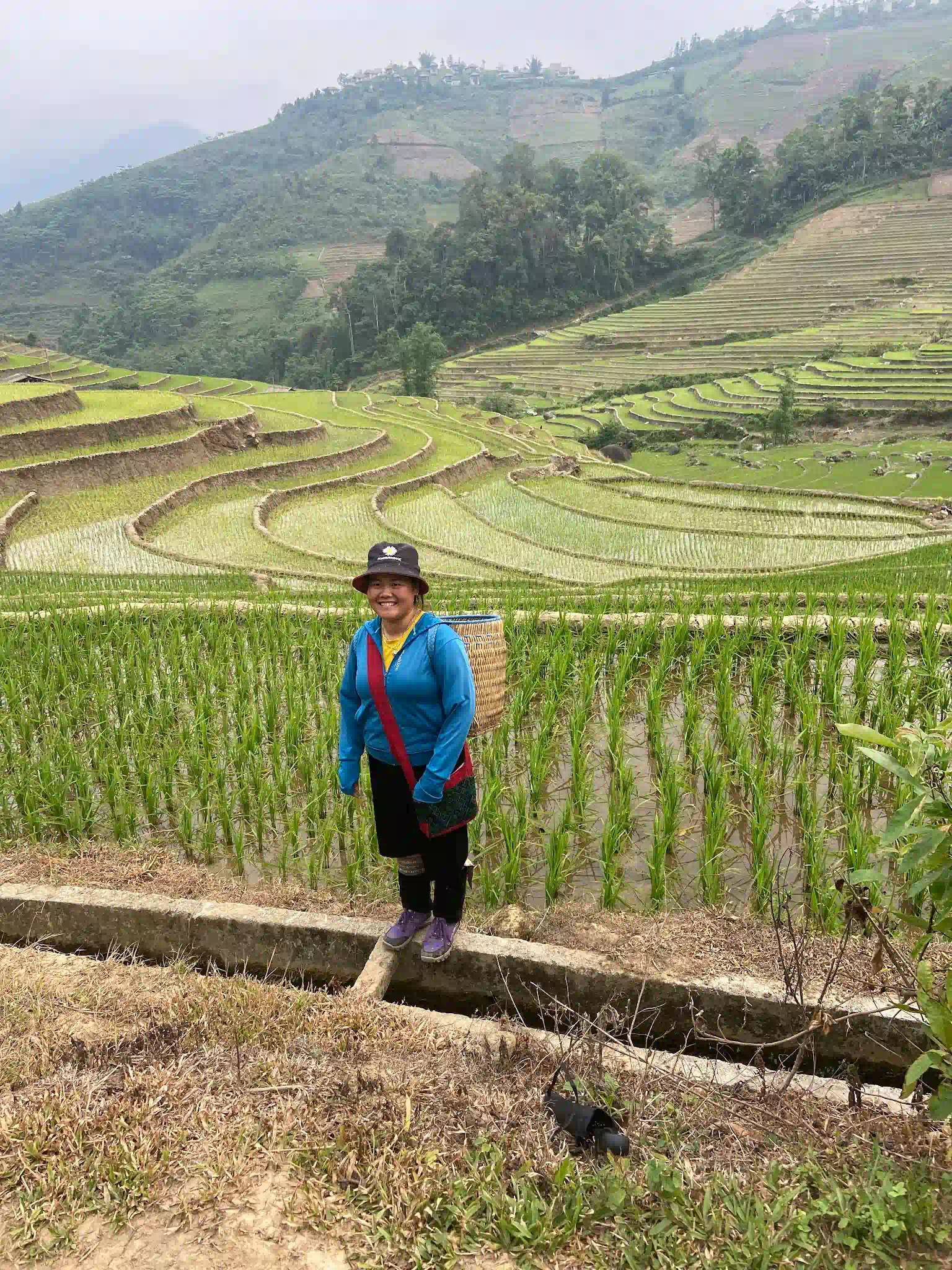
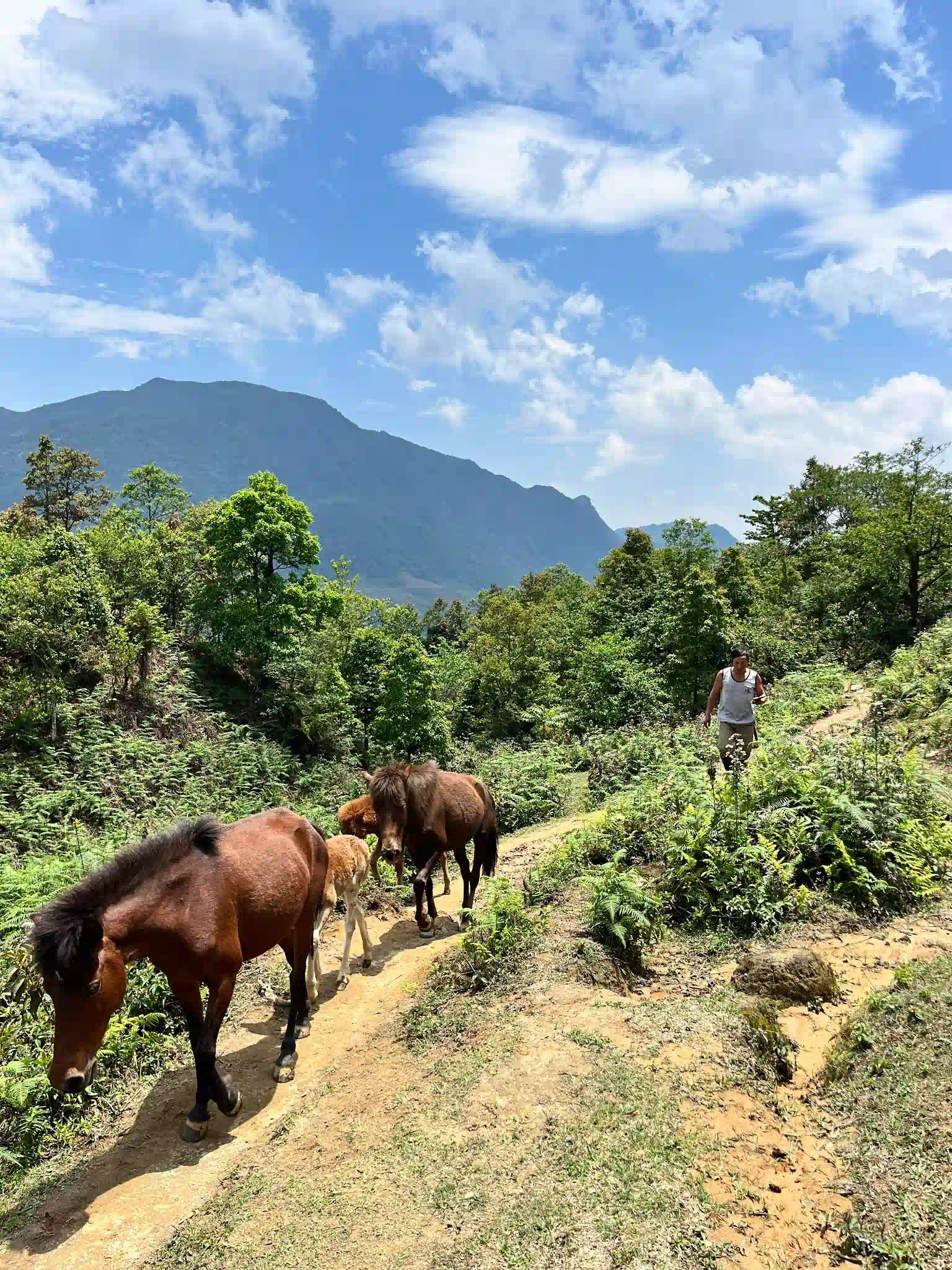
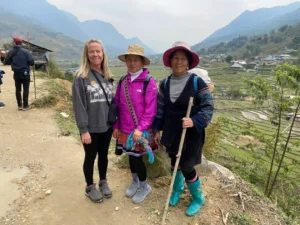
You do not need an official massive tour group. There is an entire network of incredibly tough, sharp, and usually hilarious Hmong and Dao women who operate as independent trekking guides.
You contact them (or use a verified booking site so you know they are actual locals and not a Hanoi-based agency stealing the profits). You tell them you want a tough, dirty trek far away from the road.
Because they grew up on these mountains, they don’t use the asphalt. They take you on goat paths that literally cut right through active farms.
When you pass an old man working a buffalo, he isn’t a paid actor, he’s just your guide’s uncle. The interaction feels totally different because the guide serves as an ice-breaker and translator.
If you are paying a local minority guide $30 to walk you through her actual hometown, you are directly fueling her local economy. That’s an entirely fair trade.
2. Ditch the big hotels for real family homestays
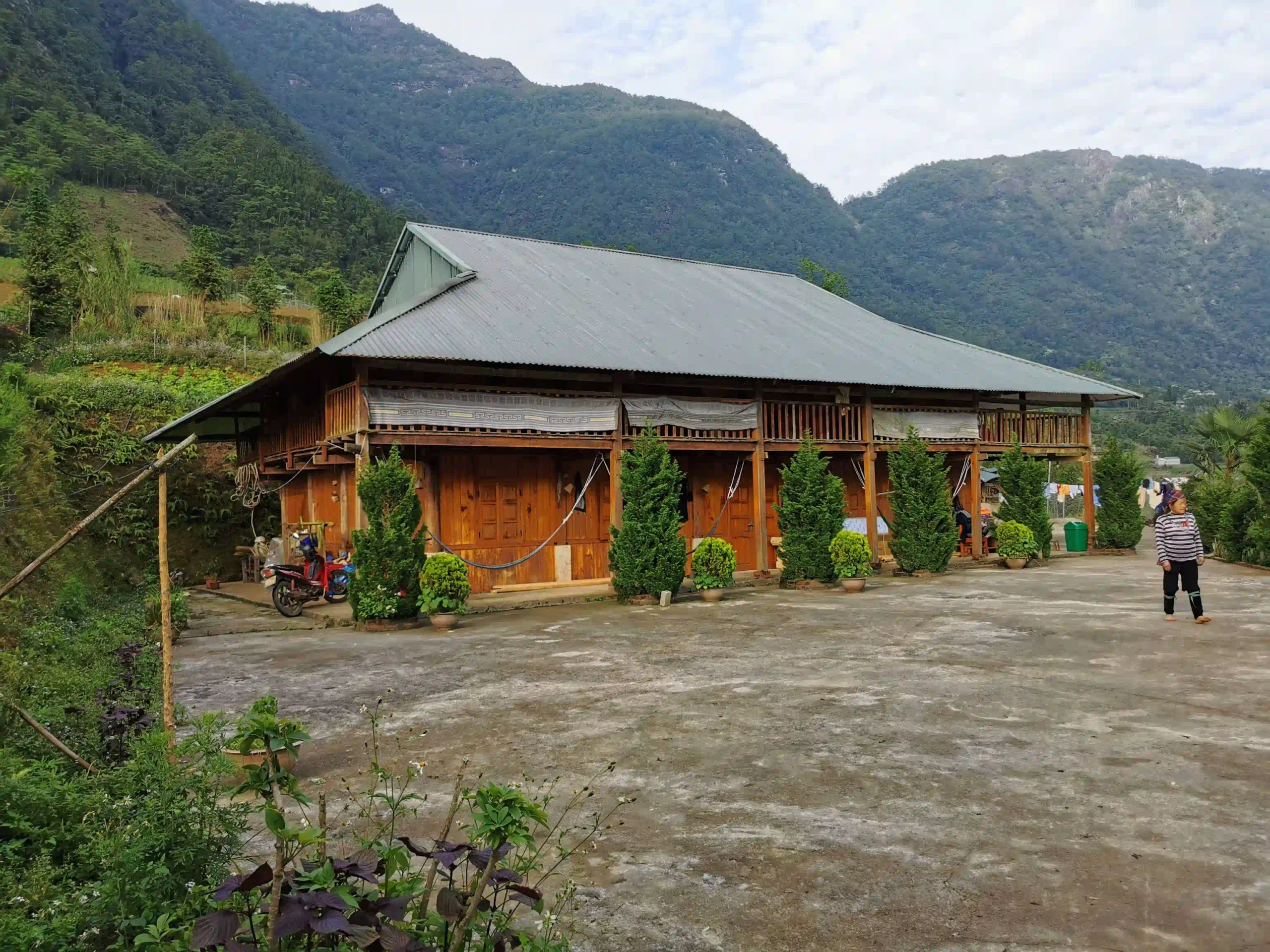
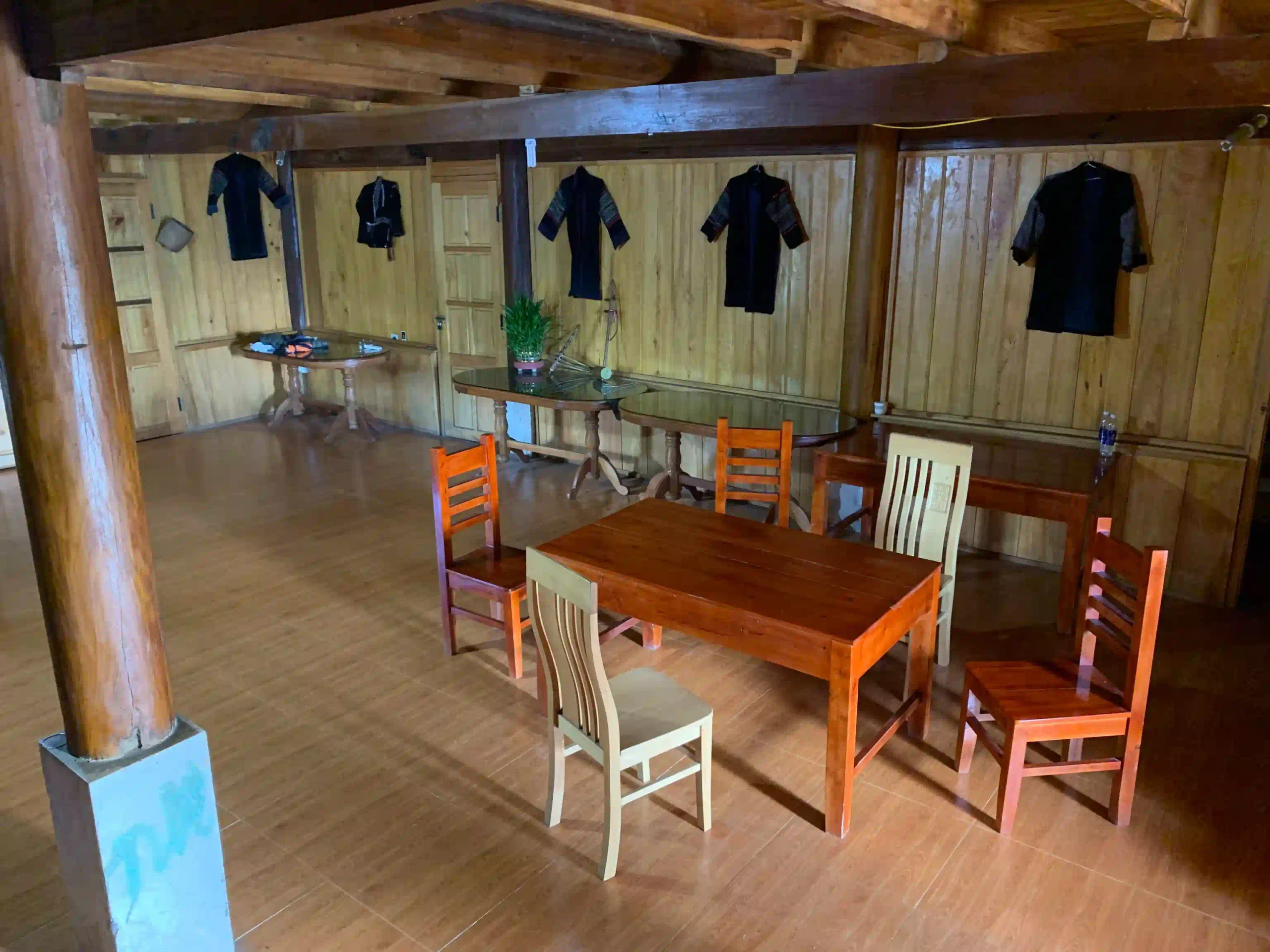
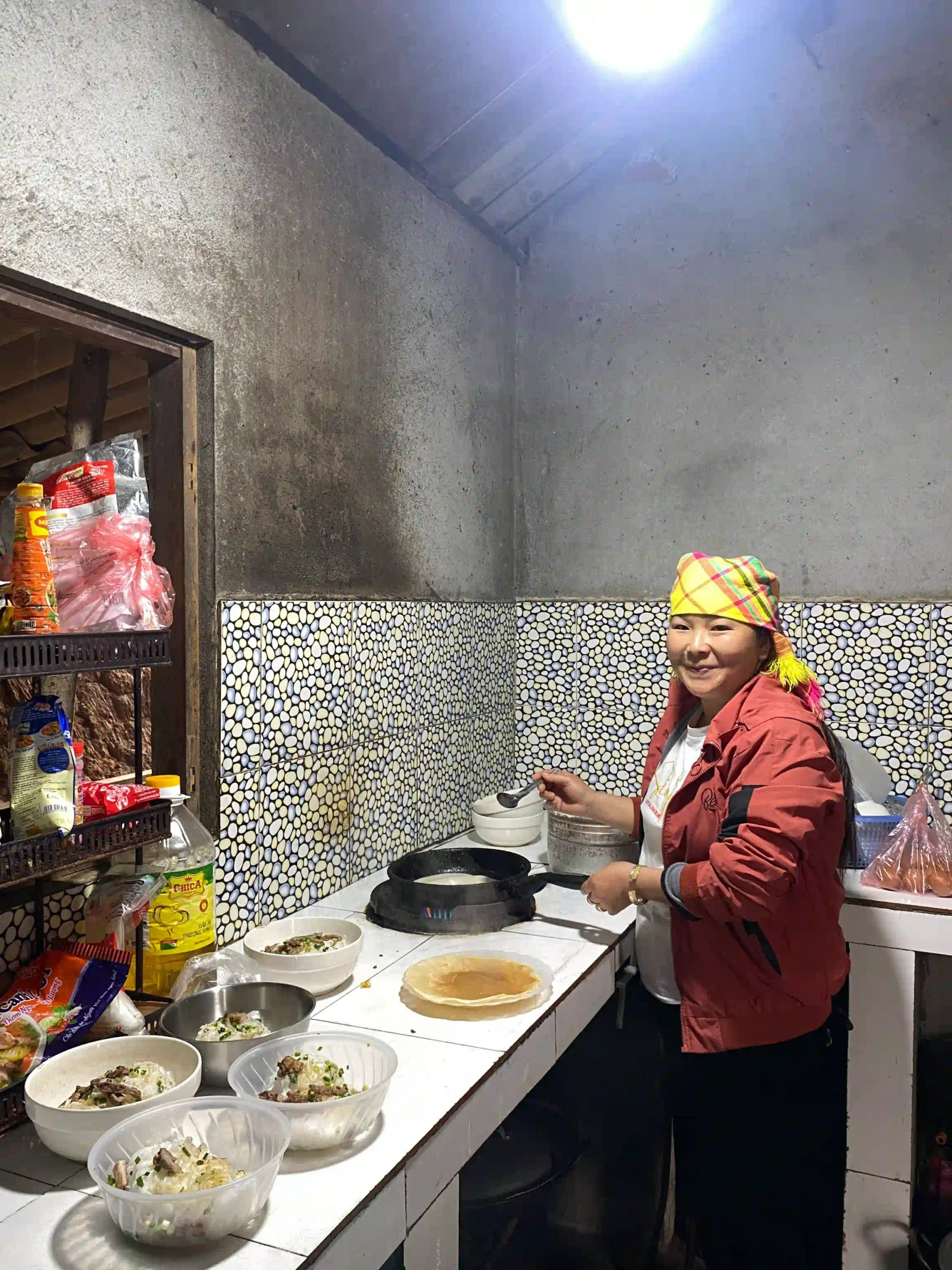
I already talked about this endlessly in my other articles, but if you sleep in an 8-story hotel block in town, you lose.
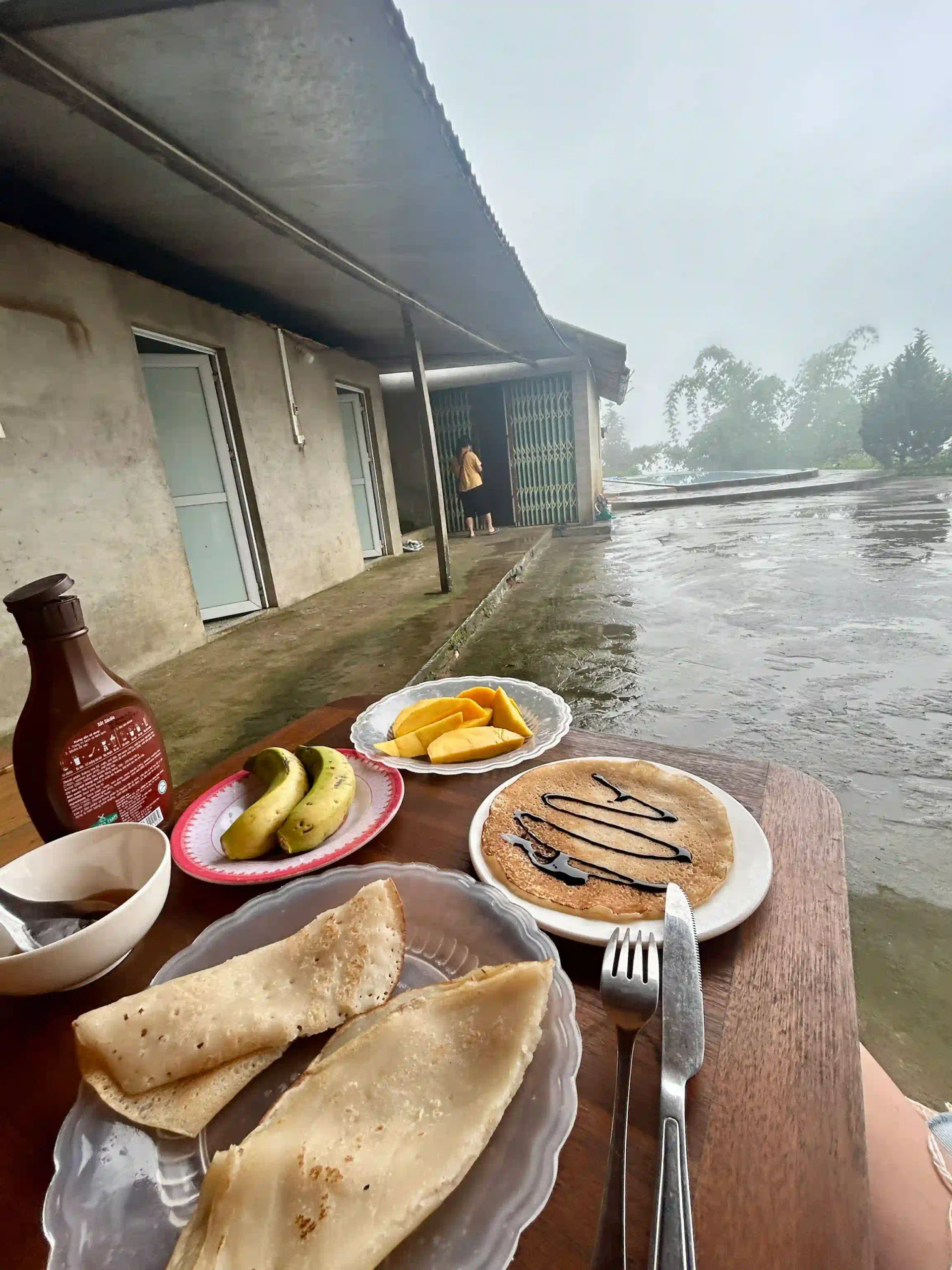
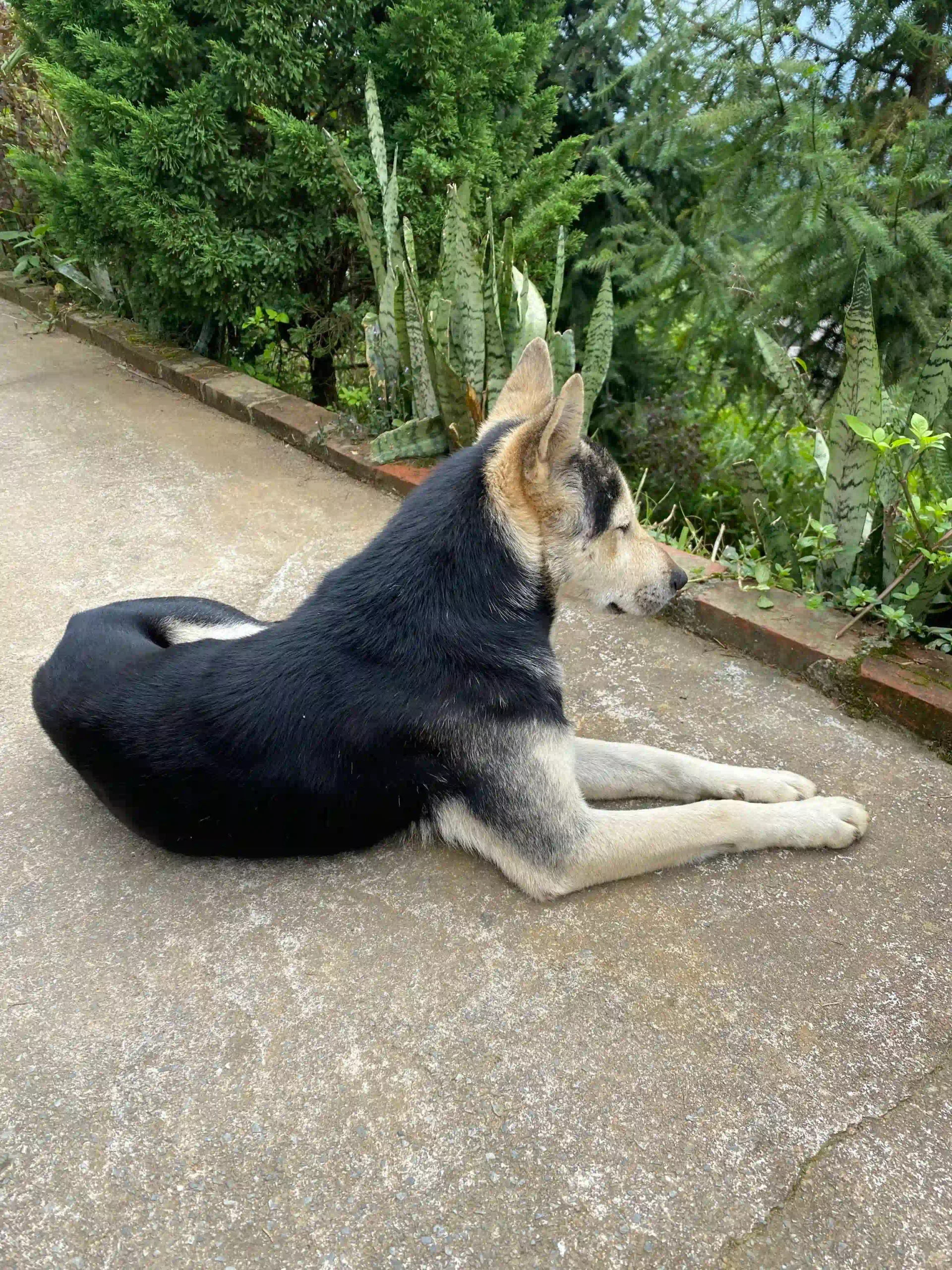
To see local culture, you have to be invited inside. And down in the valley, almost every family operates some kind of homestay. Yes, the concept has adapted. The beds are a bit cleaner, some places finally built proper hot-water plumbing to accommodate tourists, and there’s Wi-Fi so you aren’t completely off the grid.
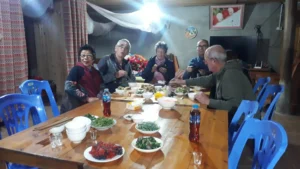
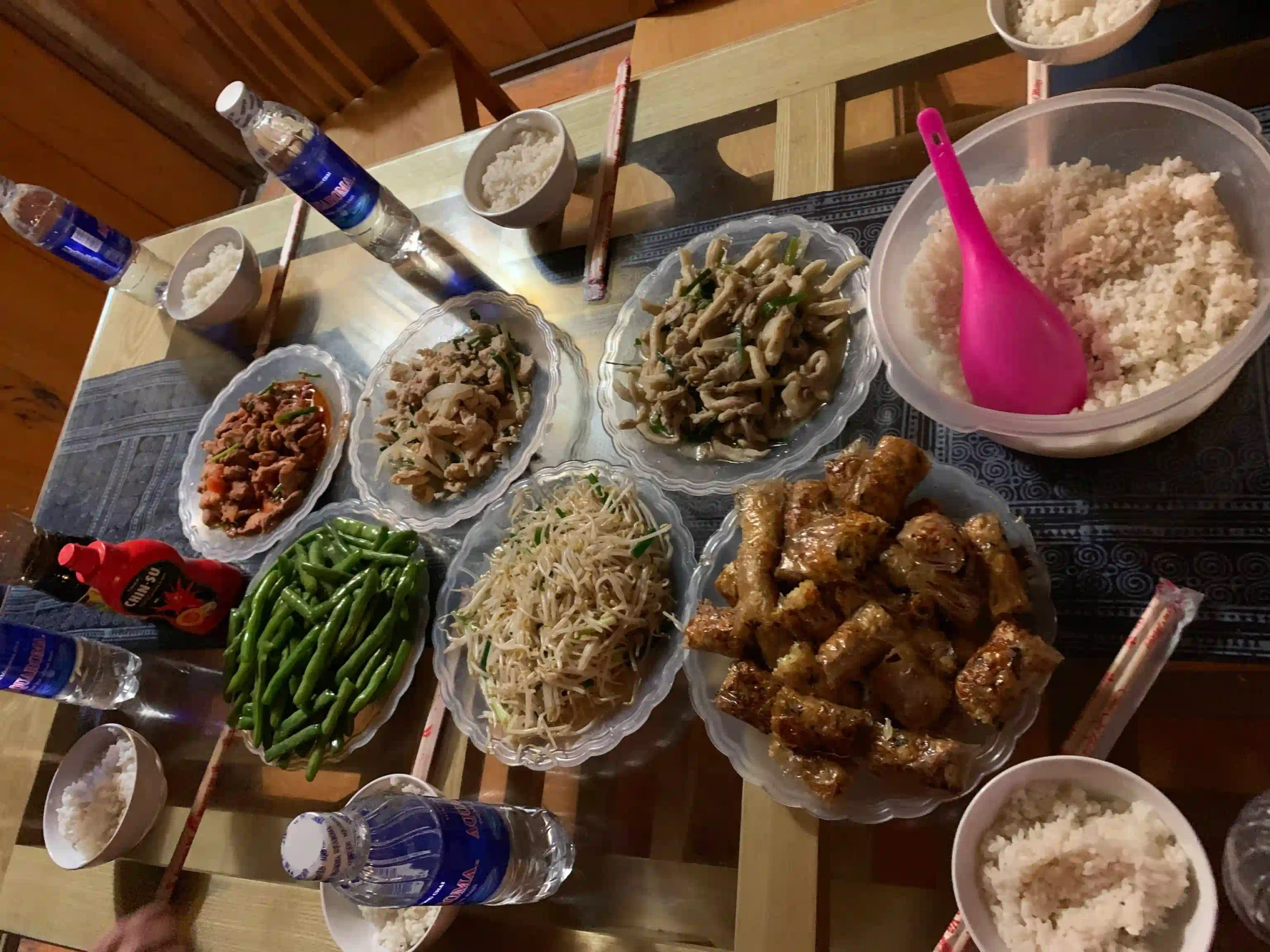
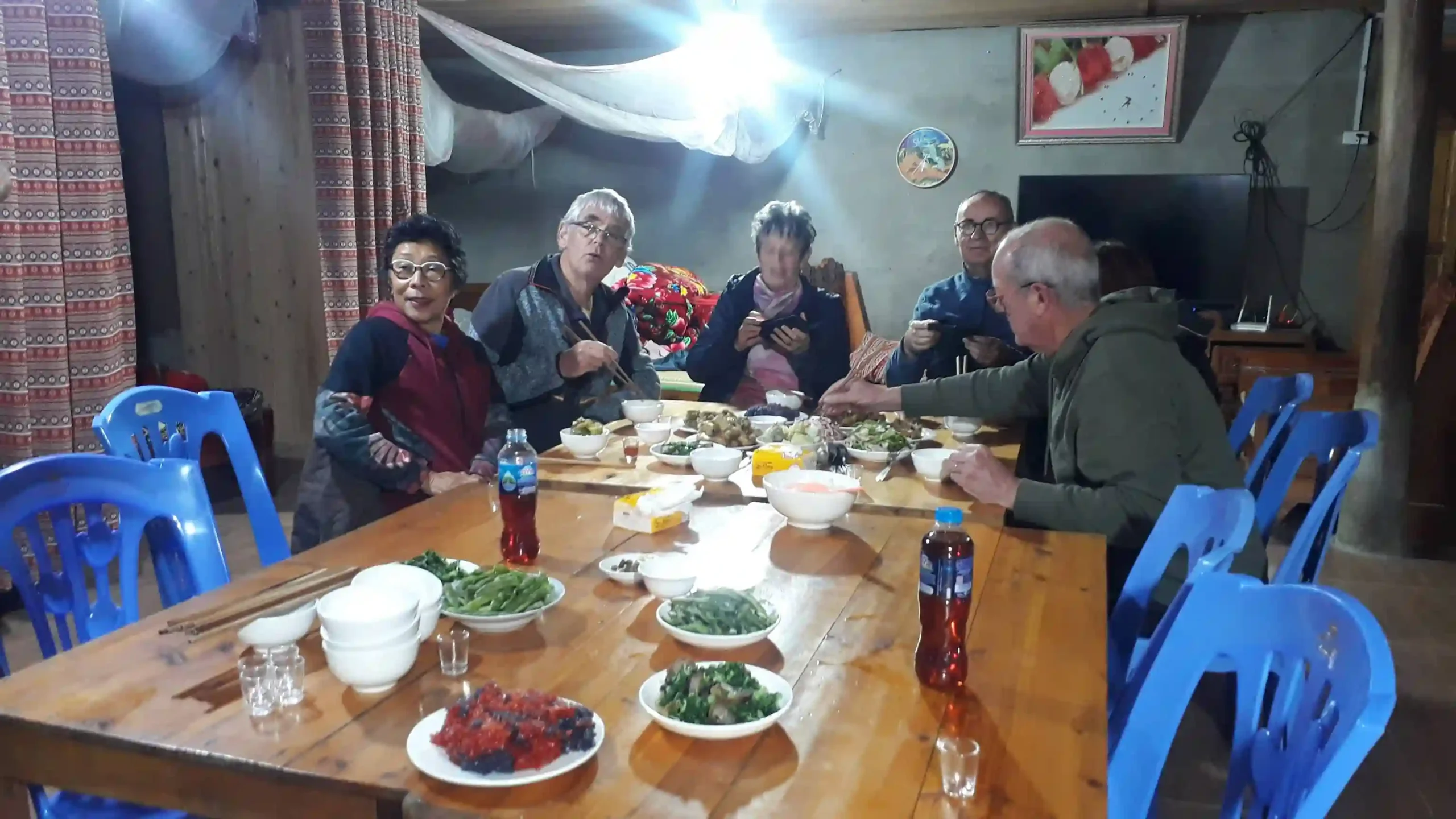
But at 7:00 PM, everything changes. They run family dinners. The matriarch of the house will literally stack a low table with pork, mountains of rice, tofu, and local vegetables.
You sit on tiny plastic chairs or cushions next to whoever lives in the house, along with other stray backpackers.
The dad pulls out recycled plastic water bottles full of local corn or rice wine. They hand out shot glasses. You drink with them. Nobody speaks the same language, everybody gets a bit sloppy, the volume goes up, and you learn more about Vietnamese mountain hospitality in two hours than you ever will from an artificial dance show in town.
The ugly truth about the “Selling Culture”

We need to be honest about why the fake culture exists, though. Because frankly, as tourists, we caused it.
I’ve met foreign tourists who heavily complain about the aggressive Hmong sellers in the town center, calling them greedy or saying it ruins the vibe. Let’s inject some massive reality here.
Life up here is completely brutal. Winter hits sub-zero temperatures with awful fog. Food supplies during non-harvest seasons can be rough. When the French built the train up here, and when the Vietnamese government pushed modern tourism, a literal flood of money entered one of the poorest provinces in the country.
Can you really blame a mother in Lao Chai for choosing to sell you an overpriced embroidered wallet for $5 rather than hauling 50 kilos of wet rice on her back up a mountain in the rain for literally pennies?
Of course they are going to push you to buy things. They figured out our economy. They realized Western tourists have money to burn, and they adjusted to capture it.
The kids doing the little dances in the square aren’t doing it because it’s their traditional culture anymore; they are doing it because thousands of domestic and international tourists pay them for photos.
If you don’t like the commercial vibe of it, just respectfully say “No, thank you” and walk away. Do not stand there lecturing people trying to put food on their tables about preserving their historical authenticity. They are surviving.
Read more: The exact best time of year to visit Sapa for landscape photography
So, what is the final verdict?
If you just type the keyword “Is Sapa worth visiting” into Google, you get hit with a wall of travel agencies promising you a magical, pristine highland escape. Ignore that completely. It isn’t pristine anymore.
It is raw, it is messy, and it is actively struggling to figure out how to handle insane tourist volume.
If your definition of a good trip is a quiet town with manicured streets where the locals leave you totally alone so you can peacefully sip an espresso while staring at the mountains? Skip Sapa. Take a train to a quieter place. Sapa town will stress you the hell out.
But if you are willing to embrace the friction, strap on some boots, completely bypass the town square, and go suffer a little bit in the mud with a local guide leading you through endless layers of rice fields… then yeah. It is completely unmatched.
You just have to be willing to actually work to find the real Sapa. The commercial noise stays by the main highway. The soul of the region is down in the dirt, entirely ignoring it. Just know exactly what you are walking into, pay the right people directly, and buy the homemade rice wine.
If you are still trying to figure out your itinerary for up north, check my massive deep dives linked above. Have a violently strong opinion on Sapa town being ruined? Drop it in the comments below, I read all of them.

Keep Exploring Sapa
-
See & do UltimateI ranked 10 popular things to do in Sapa from worst to best ›
-
Guide Must readIndependent Travel Tips in Sapa for First-timers ›
-
GuideThe best Hanoi to Sapa route I recommend to all my friends ›
-
GuideExactly the best time to visit Sapa for photos in 2026 ›
-
GuideDalat vs Sapa: Where I slept better, ate better & traveled easier ›











 Tiếng Việt
 한국어
한국어 中文 (中国)
 日本語
日本語 ไทย
ไทย Deutsch
 Español
 Destinations
 Instagram
 Facebook
 X (Twitter)
 Threads
 Tiktok