









 Ha Giang
 Hanoi
Hanoi Ho Chi Minh City
 Ha Long
 Sapa
Sapa Mekong Delta
 Da Nang
 Hue
Hue Hoi An
 Ninh Binh
 Da Lat
 Nha Trang
 Phan Thiet
 Phu Quoc
 Quang Binh
 Quy Nhon
 Vung Tau
 Thai Nguyen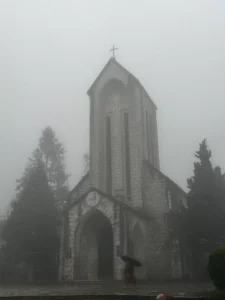


Half the photos of Sapa you see on Instagram or Pinterest were taken during a tiny three-week window.
If you just book a flight whenever it’s convenient for your schedule and assume the northern mountains will automatically look like a National Geographic cover, you are setting yourself up to fail.
People make this mistake constantly. They lug a heavy bag of expensive camera lenses all the way up the mountain pass in November or February, expecting bright green valleys and golden rice terraces. Instead, they spend three days freezing in a heavy white fog, staring at dead brown mud flats, trying to figure out what went wrong.
The mountain weather in Lao Cai province does not care about your vacation days. It is harsh, fast-changing, and the landscape literally gets chopped down and stripped bare for several months of the year by local farmers.
If your main goal is coming up here to shoot heavy landscapes or actual street documentary photos, you cannot guess the calendar. Figuring out the exact best time to visit Sapa is literally the only thing that matters for your trip.
- Quick Answer: The absolute best time to visit Sapa for photographers is between early and mid-September when the rice terraces turn totally yellow. If you want mirror-like water reflections, come in May or June. Avoid January and February entirely, heavy, freezing fog will completely ruin your landscape shots.
- The Golden Window (Sept 1st – Sept 25th):
- The entire valley turns a crazy, vibrant yellow for the harvest.
- Warning: If you arrive in late October thinking it’s still “autumn,” the farmers will have already chopped everything down to bare dirt.
- The Mirror Season (May – June):
- Locals flood the empty dirt terraces with river water to prepare the soil.
- It looks like thousands of glass stairs reflecting the sky, and you get intense action shots of water buffalo plowing deep mud.
- The Green Sea (July – August):
- The valleys are aggressively neon green and very healthy.
- The massive downside: This is heavy monsoon season. You risk flash floods, zero-visibility clouds, and constantly fogged-up lenses.
- The Danger Zone (December – February):
- The climate is freezing, damp, and trapped in an endless white fog.
- Sweeping landscape wide-shots are completely impossible. You should only come now if you want to shoot moody, isolated street portraits.
The Holy Grail: Late August to Late September
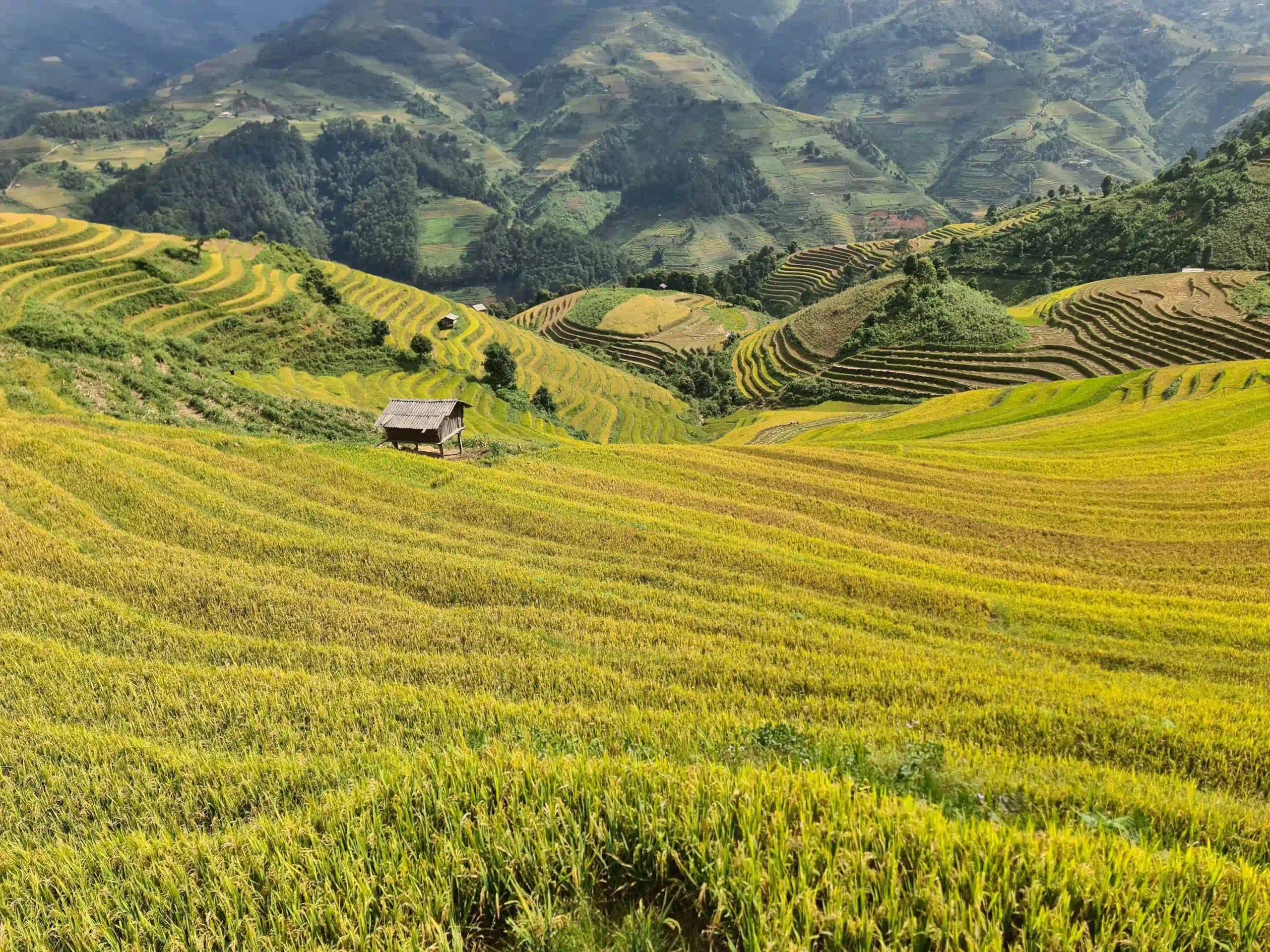
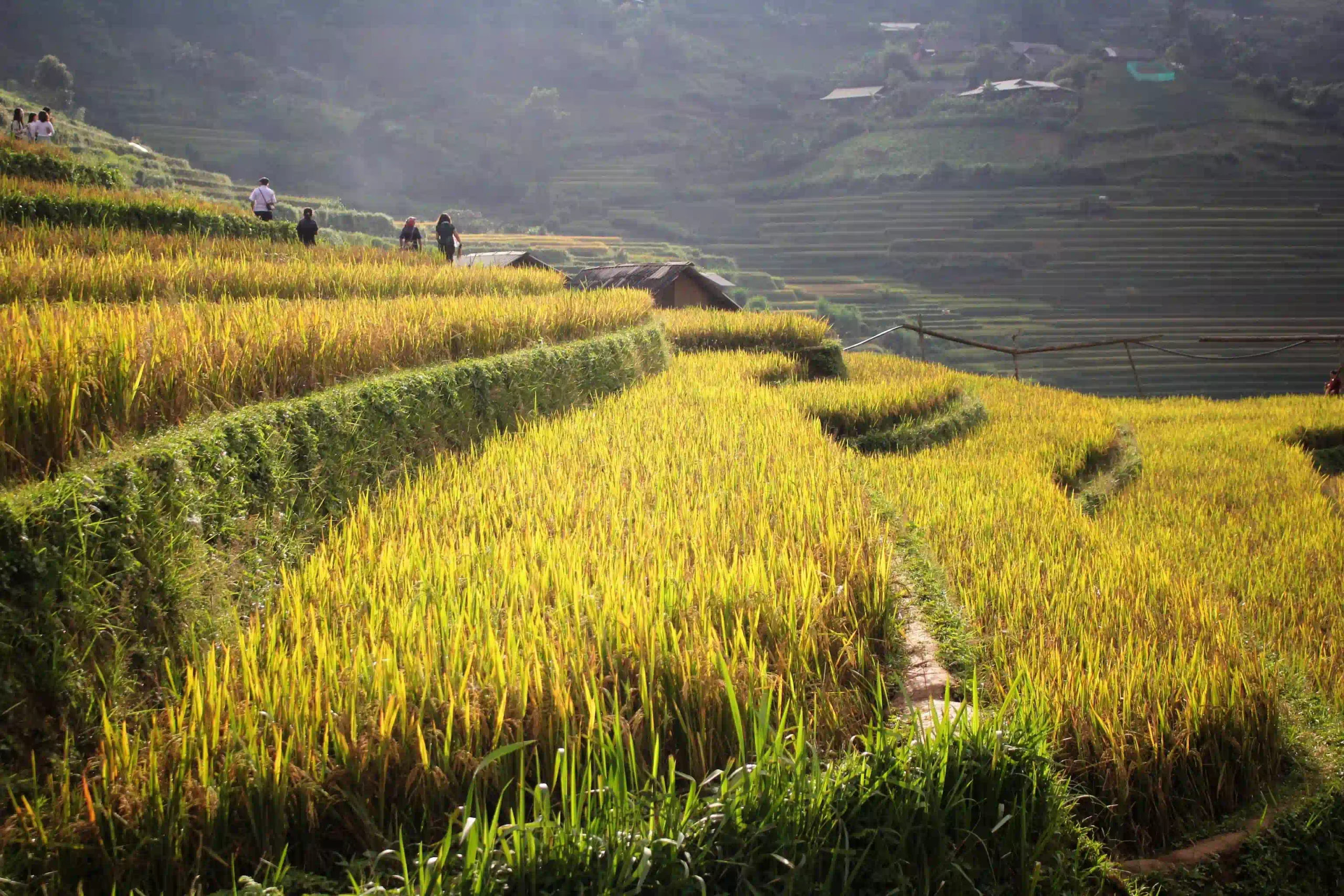
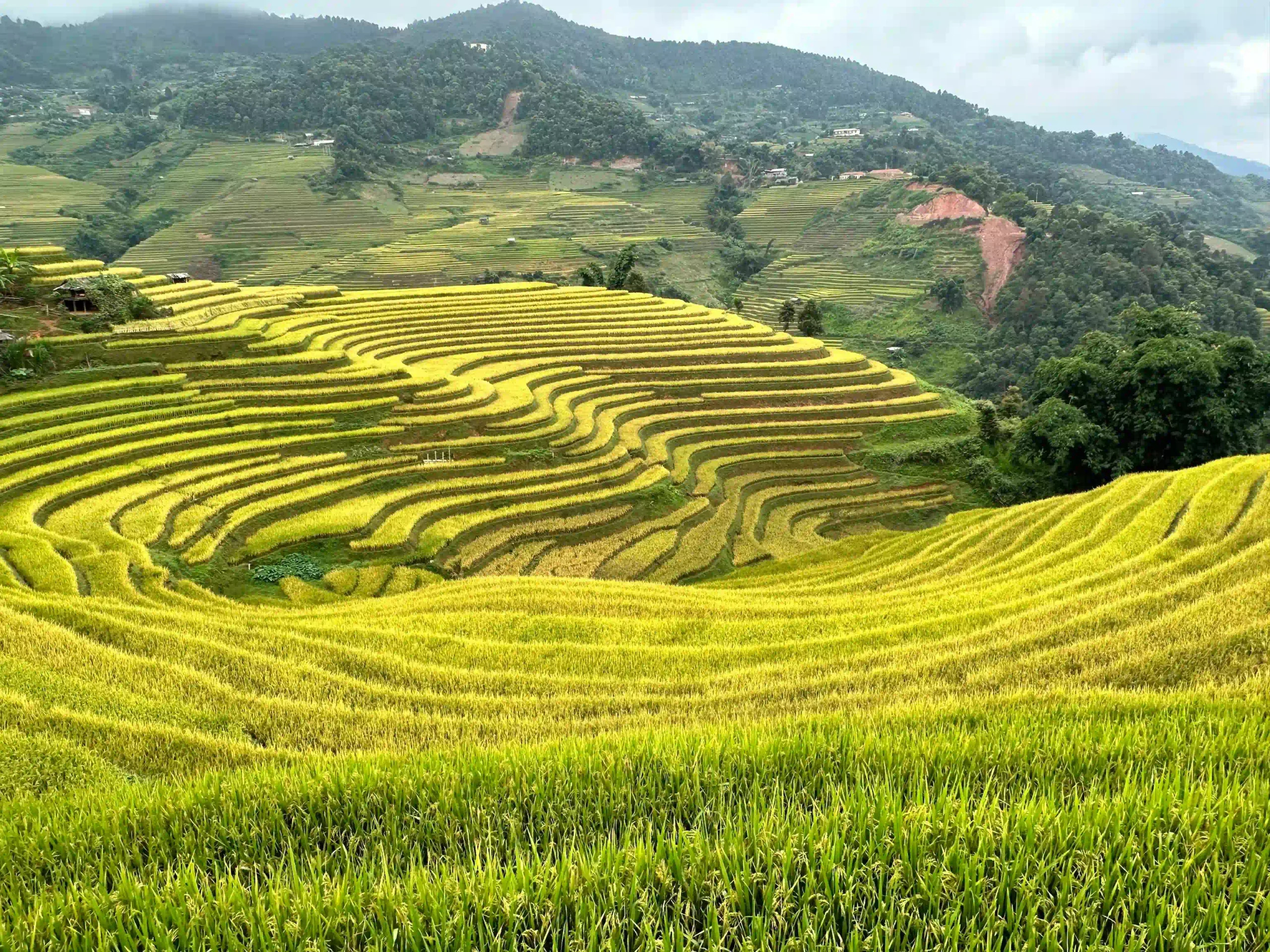
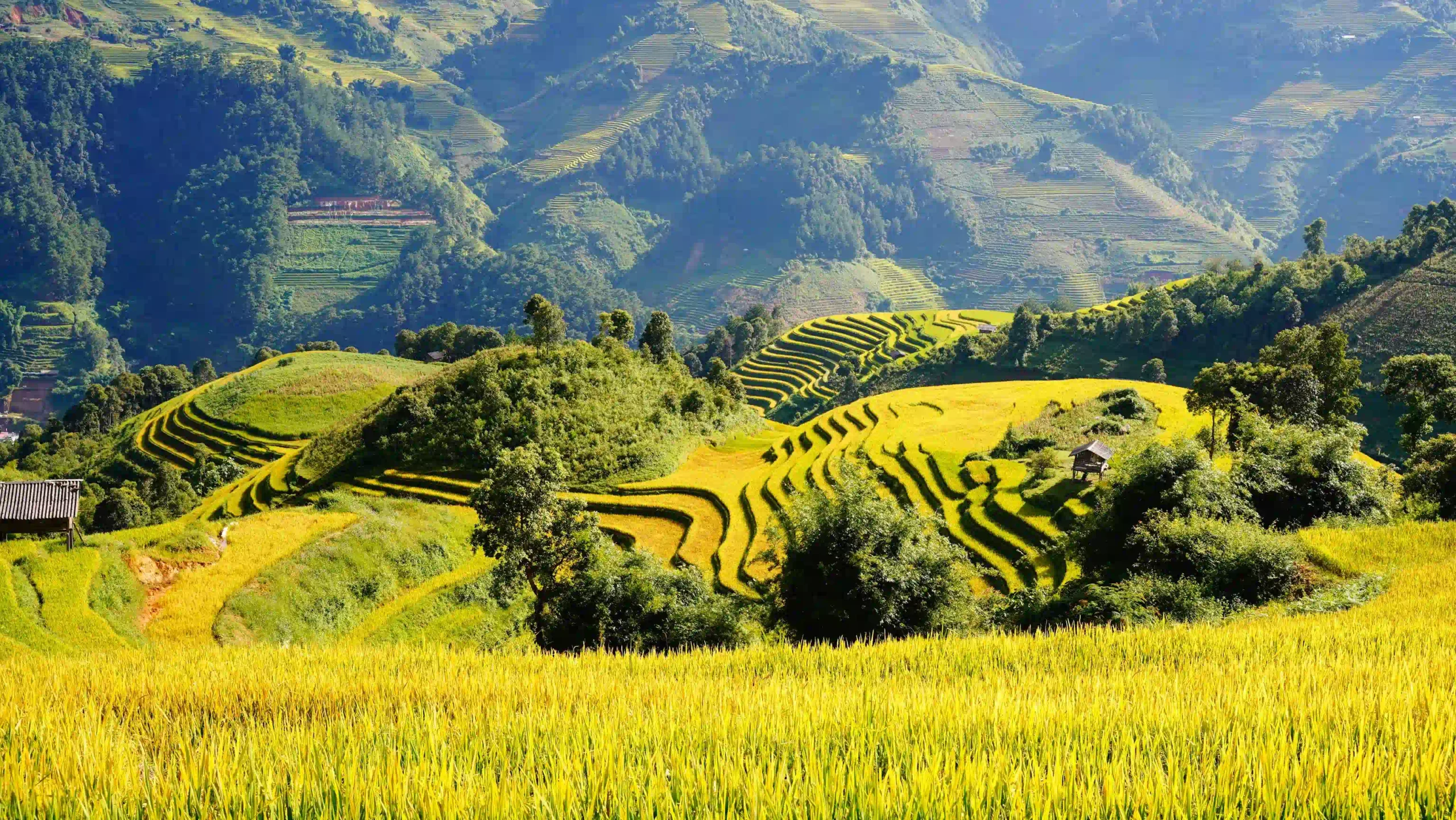
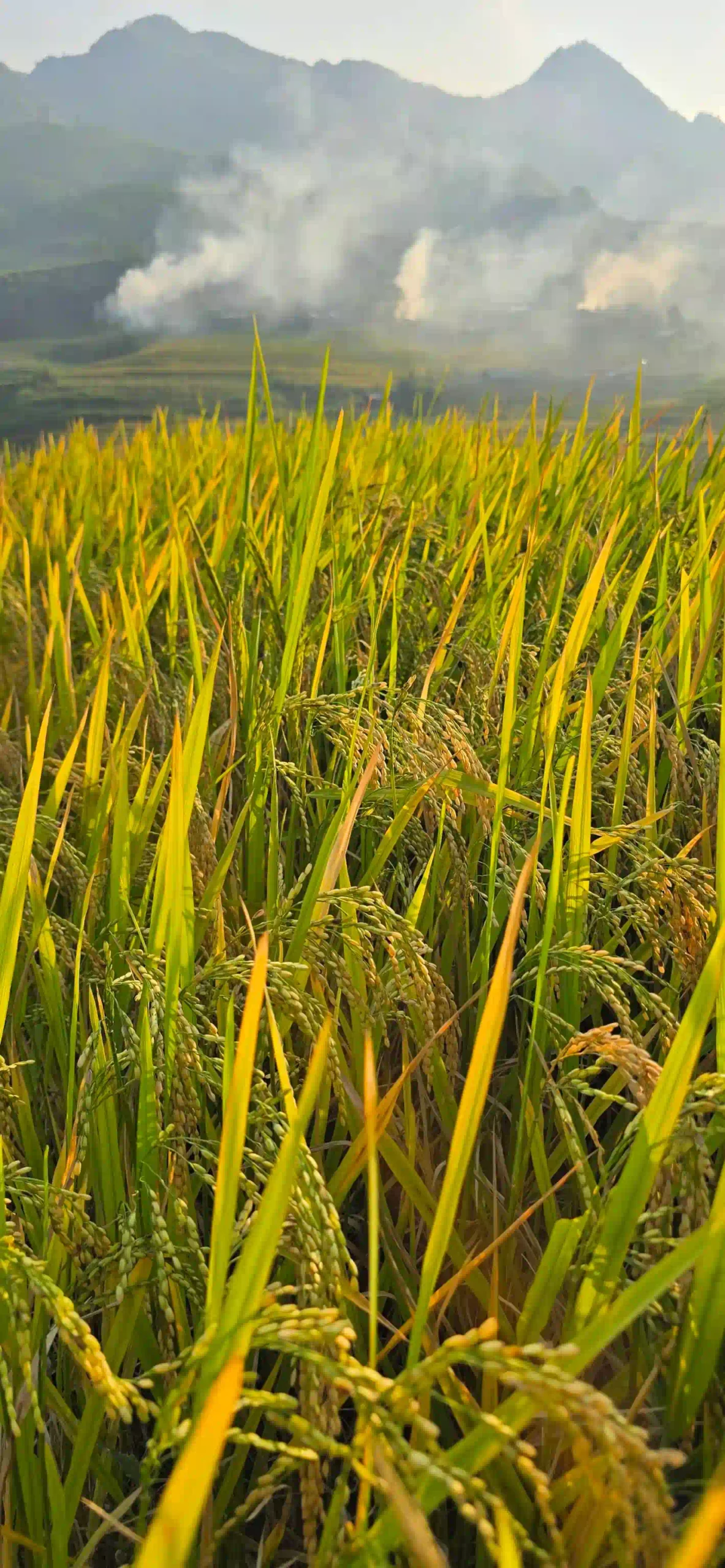
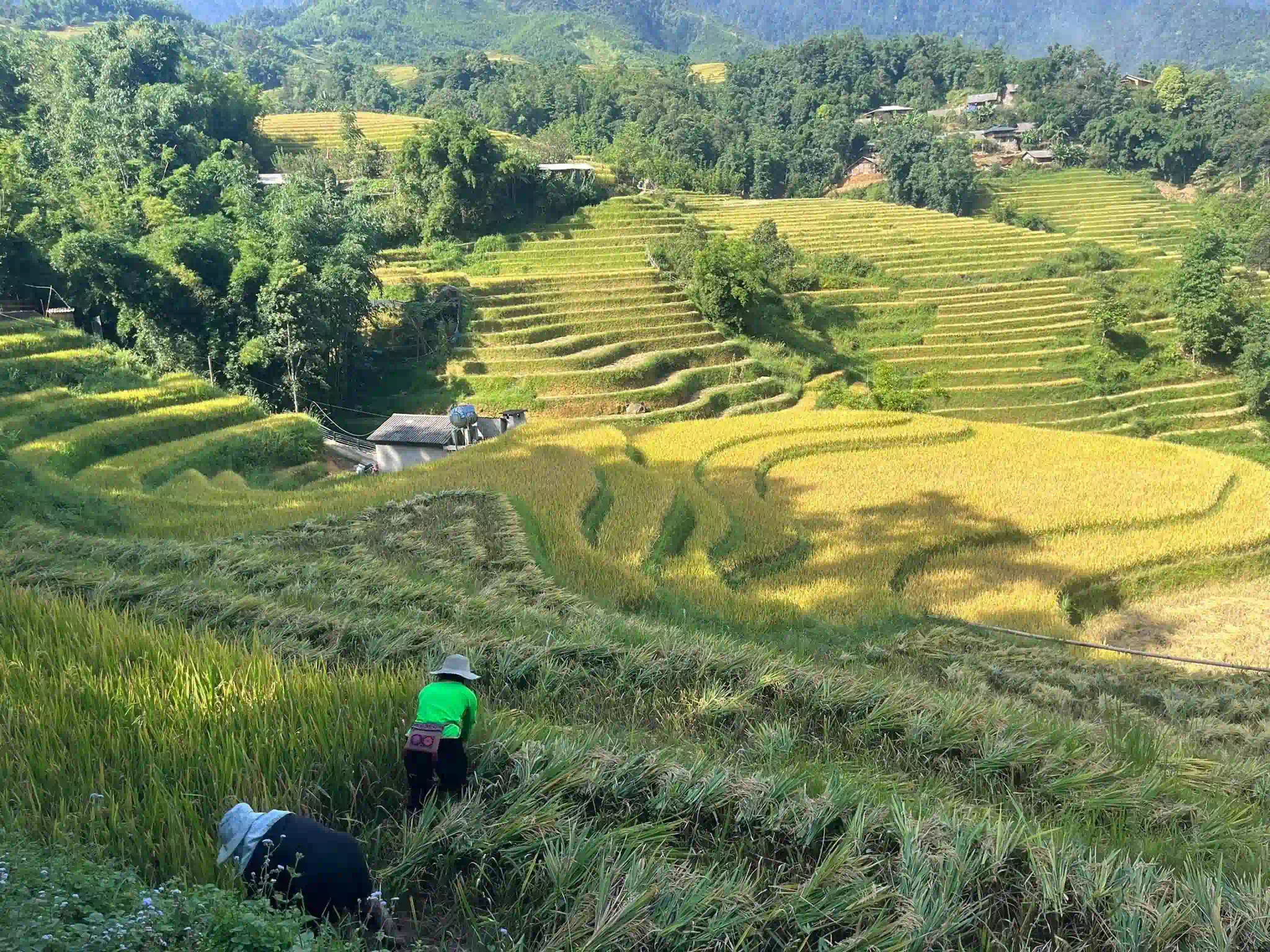
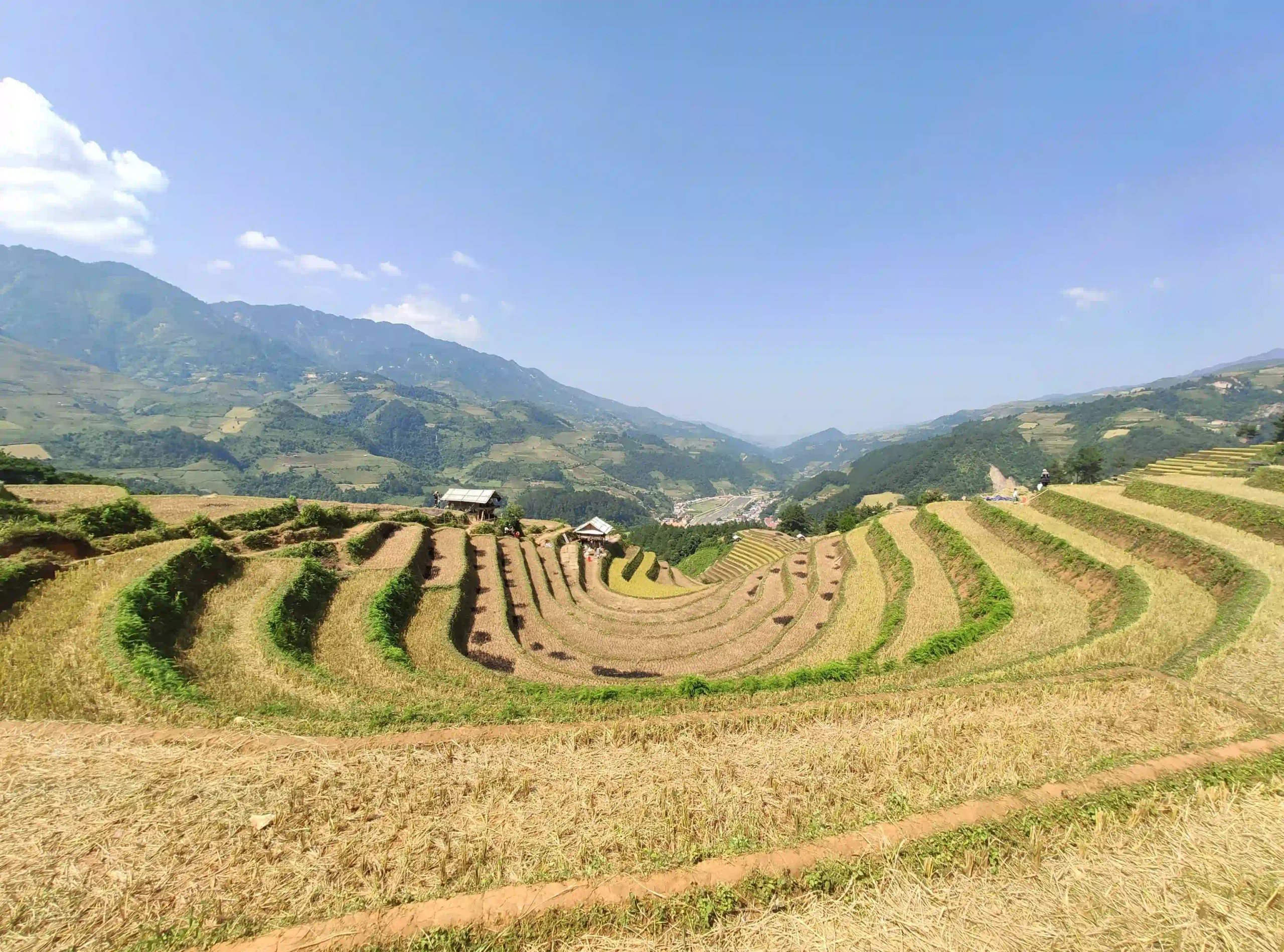
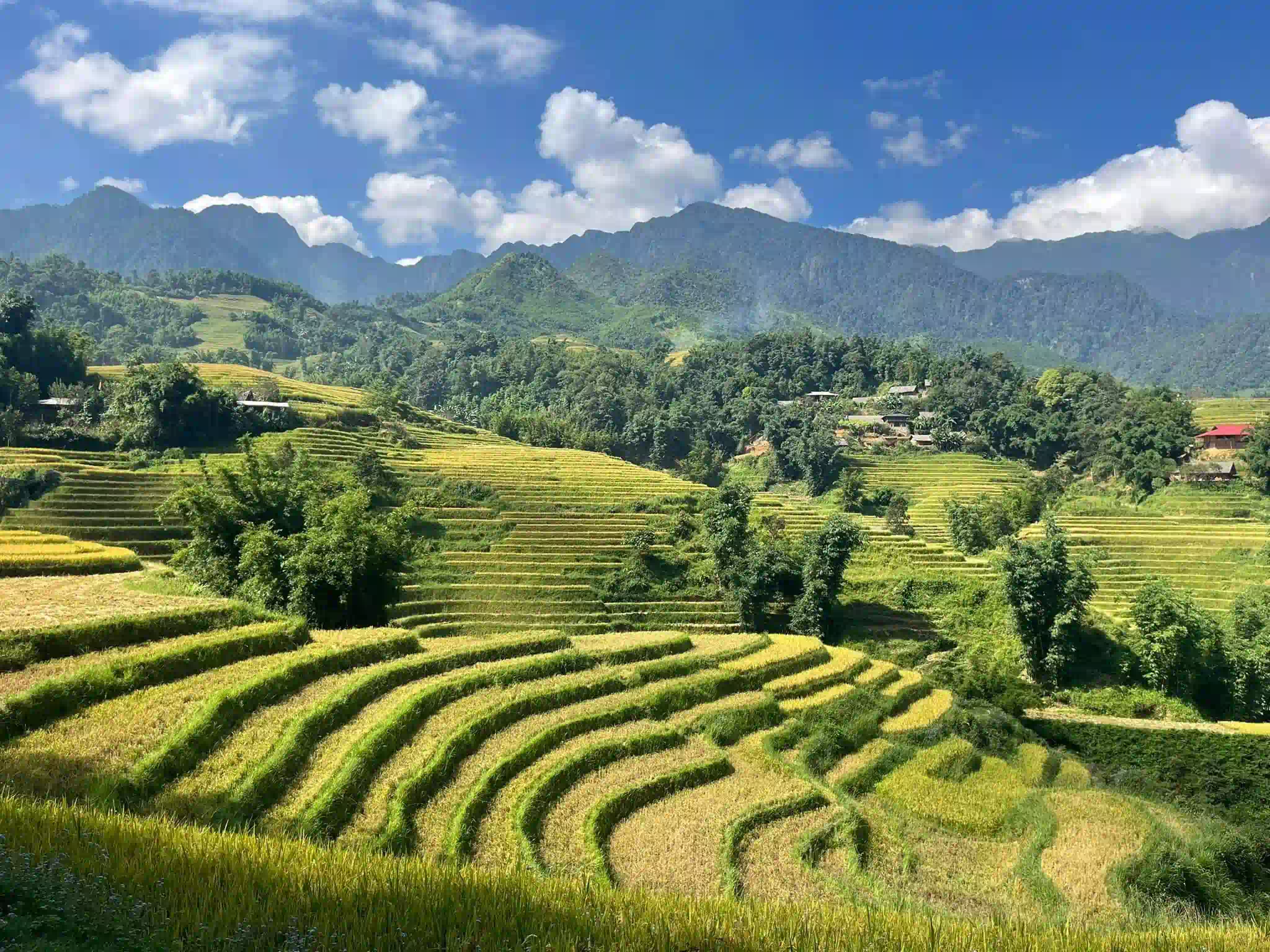
What you get: The famous golden yellow harvest
If you walk into any photography club in Vietnam and ask them when to go north, every single person will yell “September” at you. They aren’t wrong.
Sapa only yields one rice crop per year because of the altitude. Sometime in mid-August, the endless terraces of rice start shifting from green to a yellowish tint.
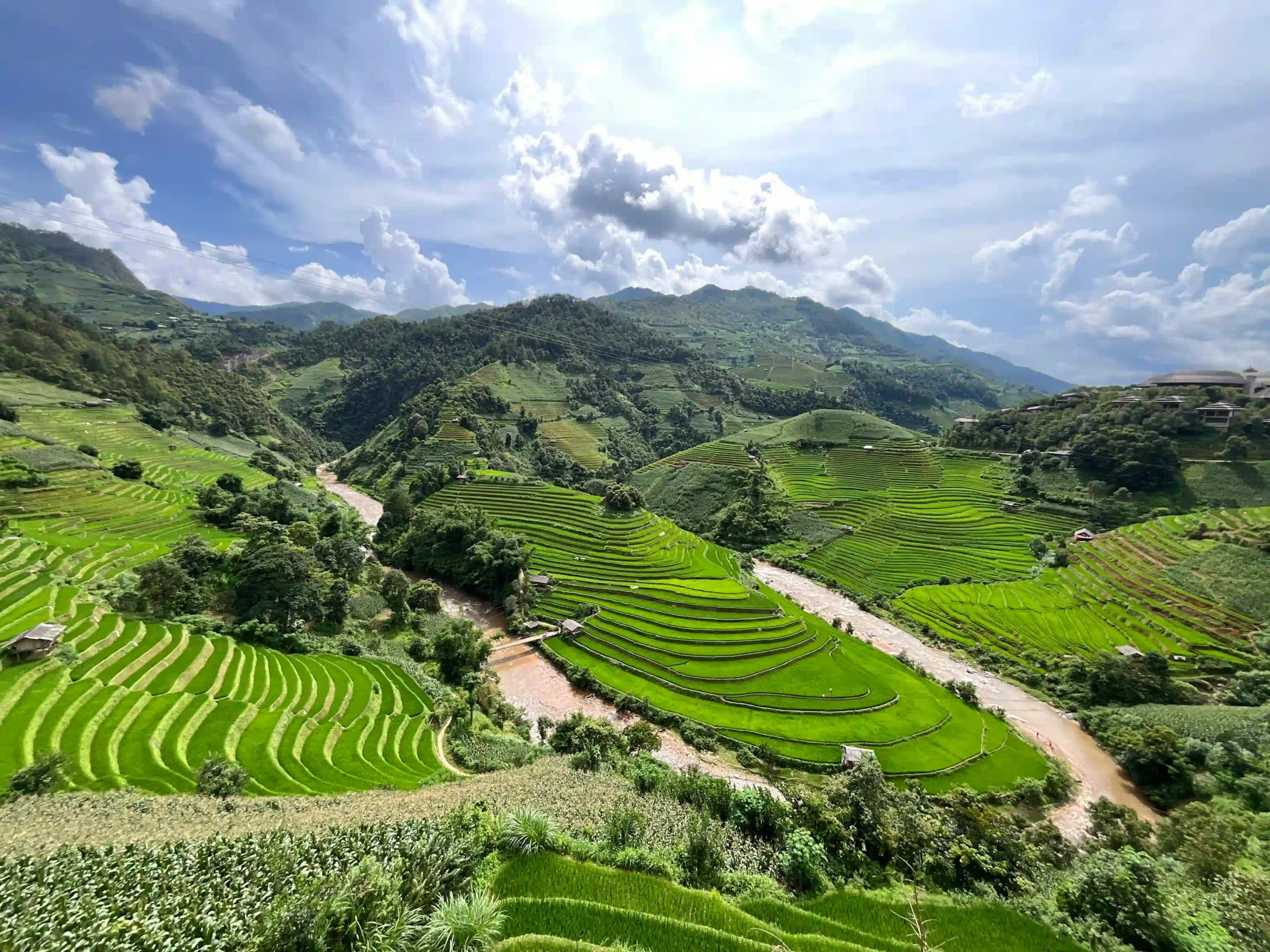
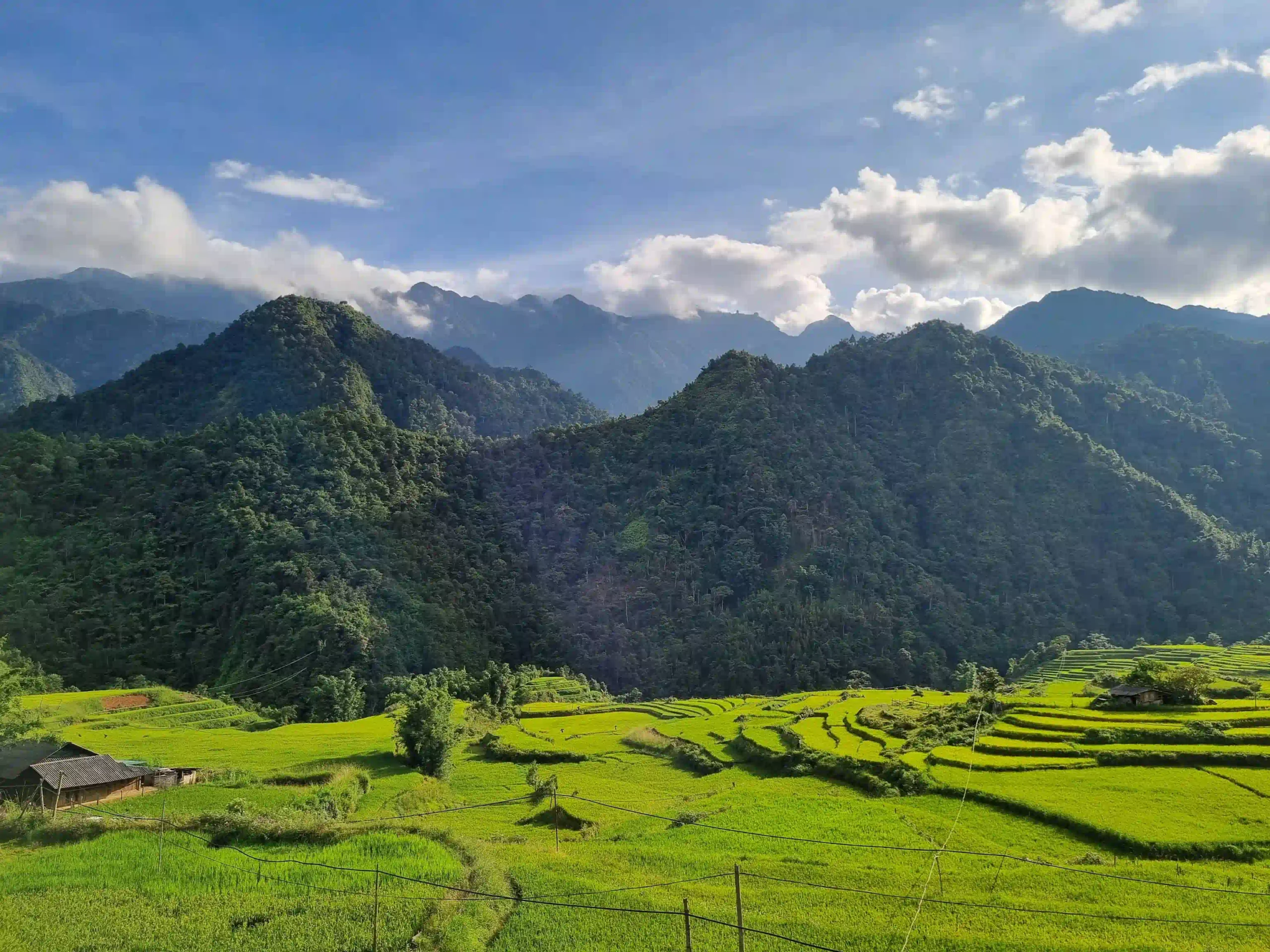
By the first or second week of September, the entire Muong Hoa Valley, from Lao Chai all the way down to Ta Van, turns violently, impossibly golden.
When the afternoon sun hits the valley during this window, it looks like the entire mountain range is glowing. It’s exactly what you traveled all the way to Vietnam to shoot.
The trap you need to avoid:
This golden window is ridiculously short. It is not an entire “autumn season” like westerners think of it. The Hmong and Dao farmers don’t leave the rice out there to look pretty for tourists. Once it is ripe, they cut it down.
I’ve had friends book flights for the third week of October, entirely convinced they were hitting the prime “autumn harvest”. They arrived to find valleys entirely stripped bare, replaced by brown stumps and farmers burning the excess stalks, turning the sky gray with thick smoke.
If you want the golden fields, do not book anything past September 25th.
Also, keep in mind this is peak local tourism season. You need to pre-book any homestay with a decent deck view at least a month out.
The Mirror Season: May and June
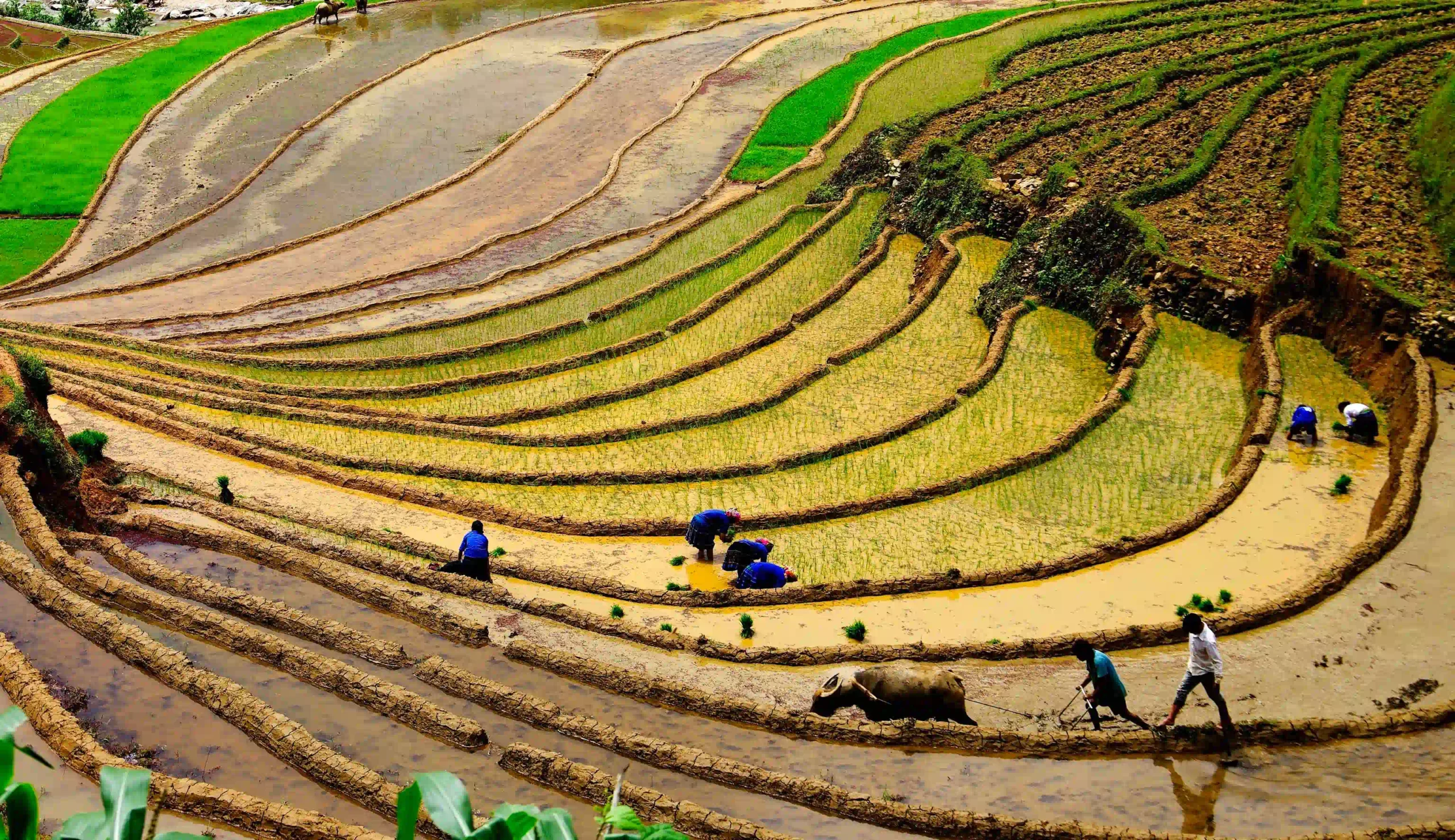
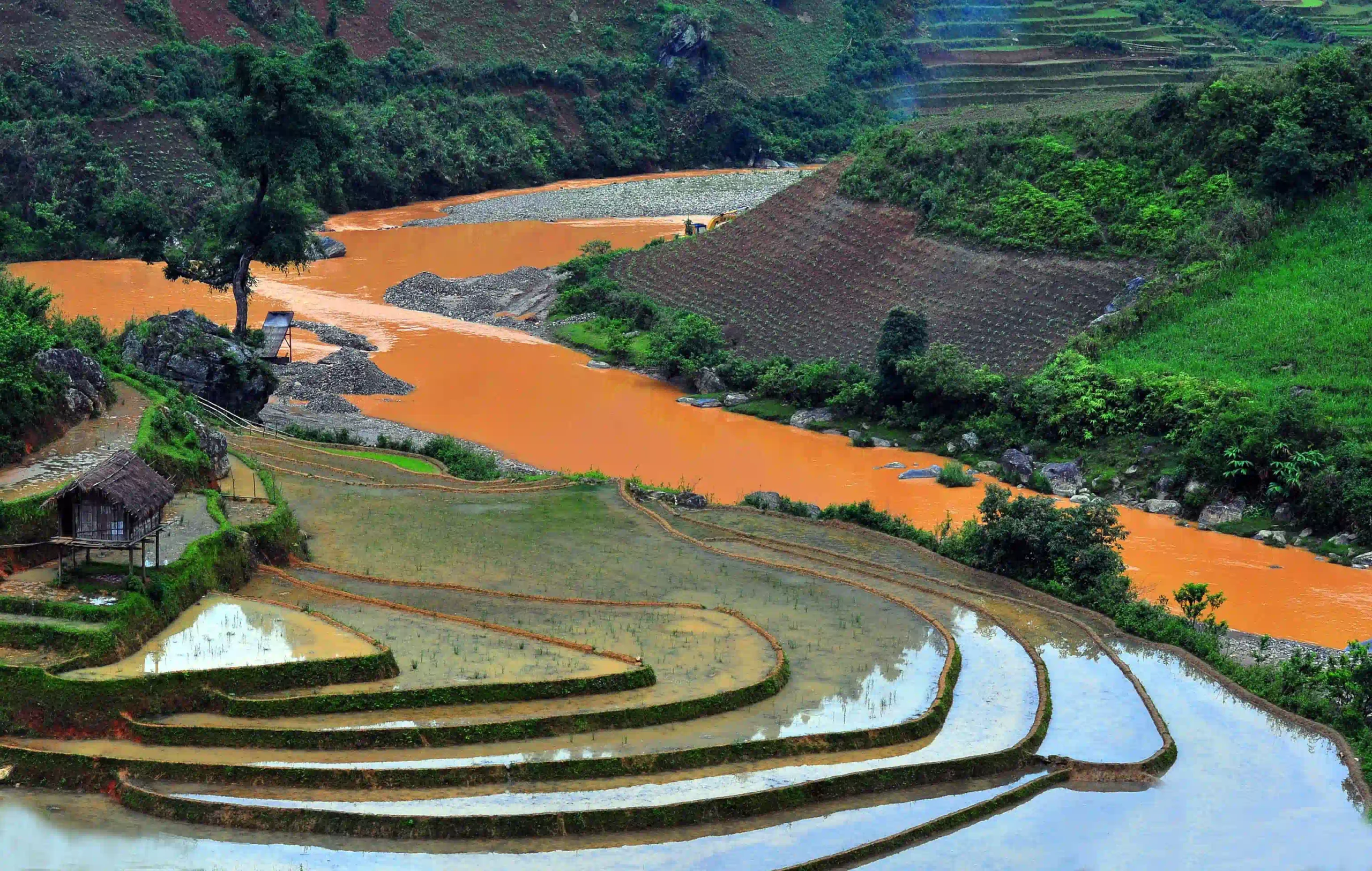
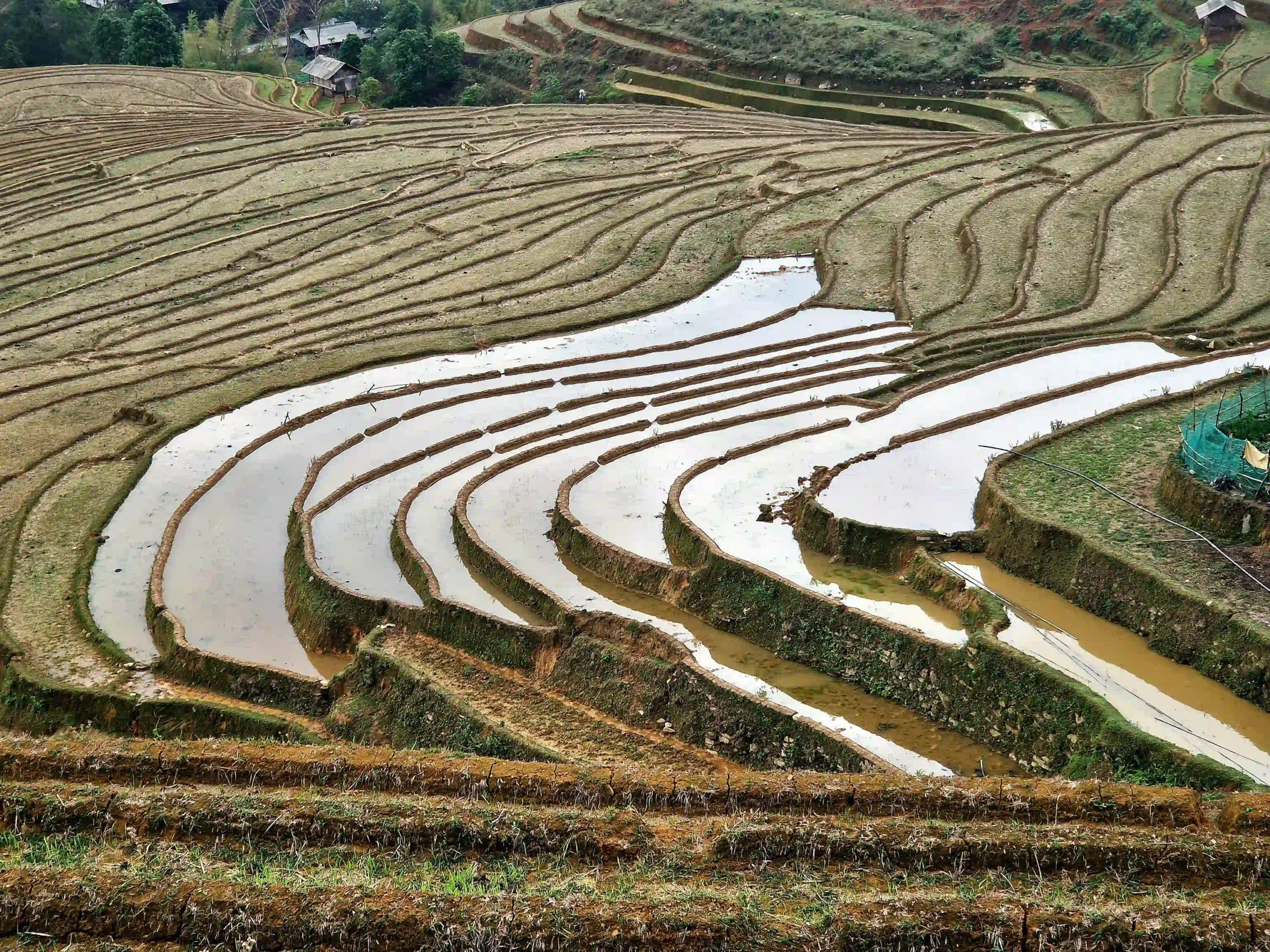
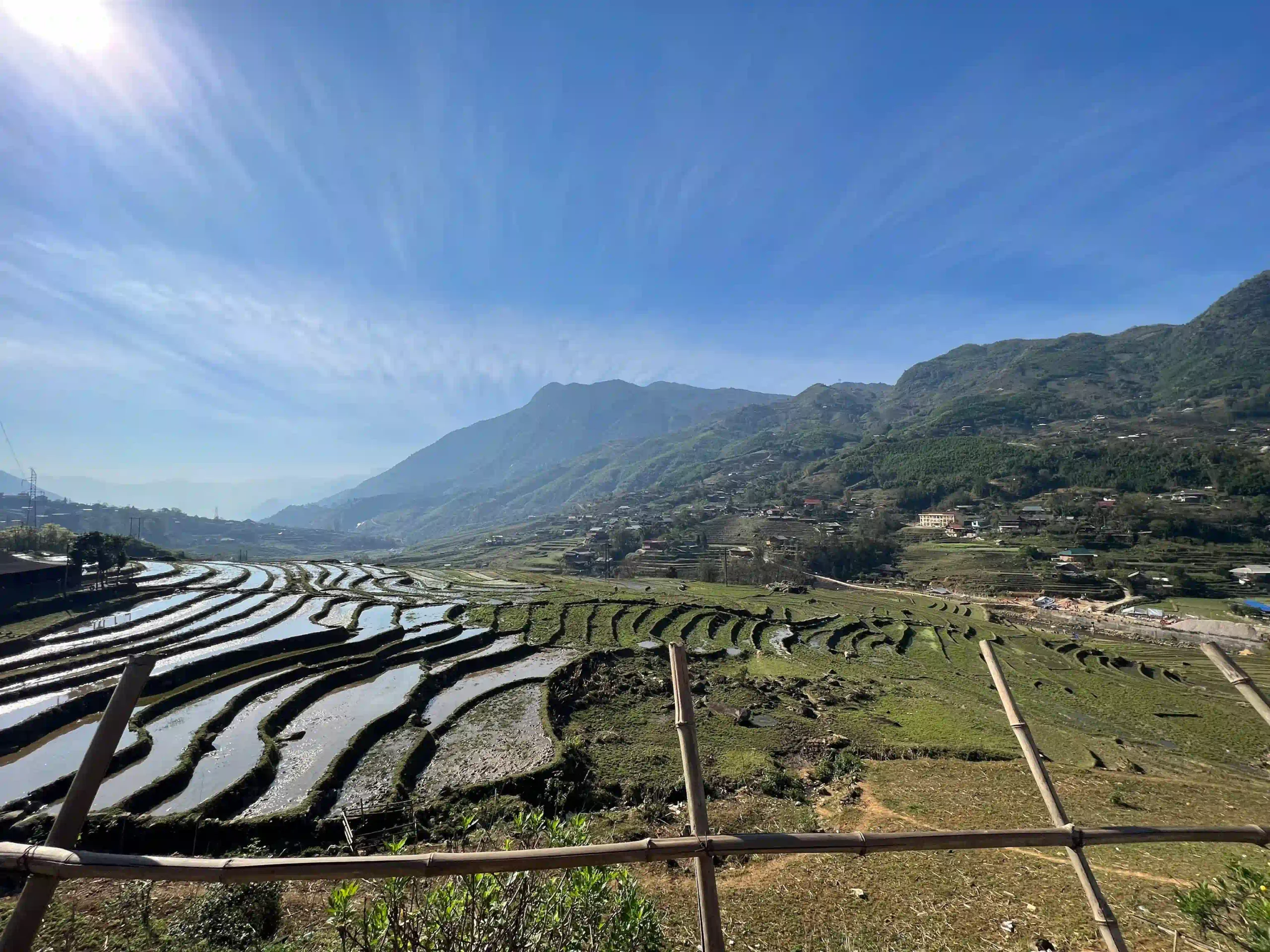
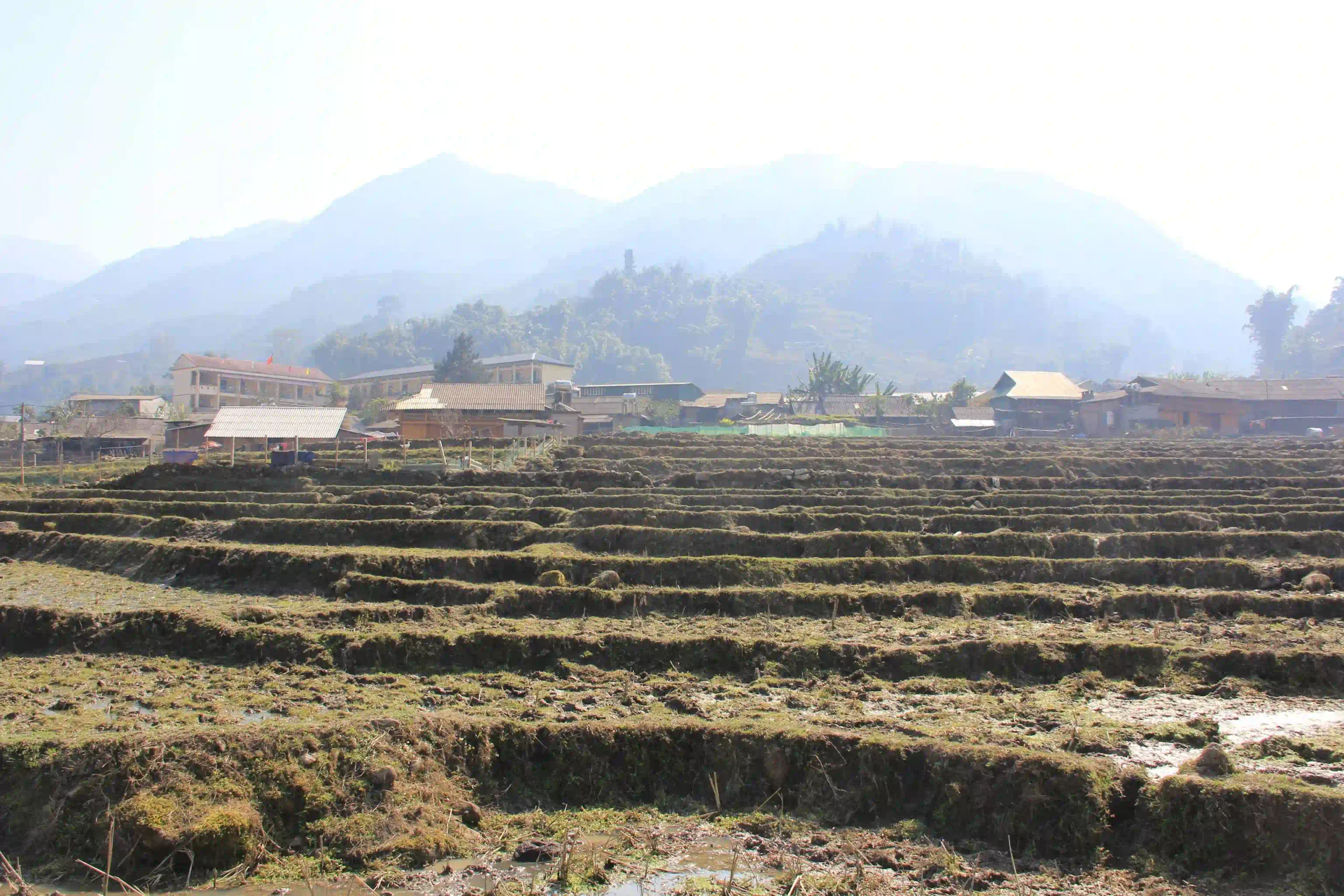
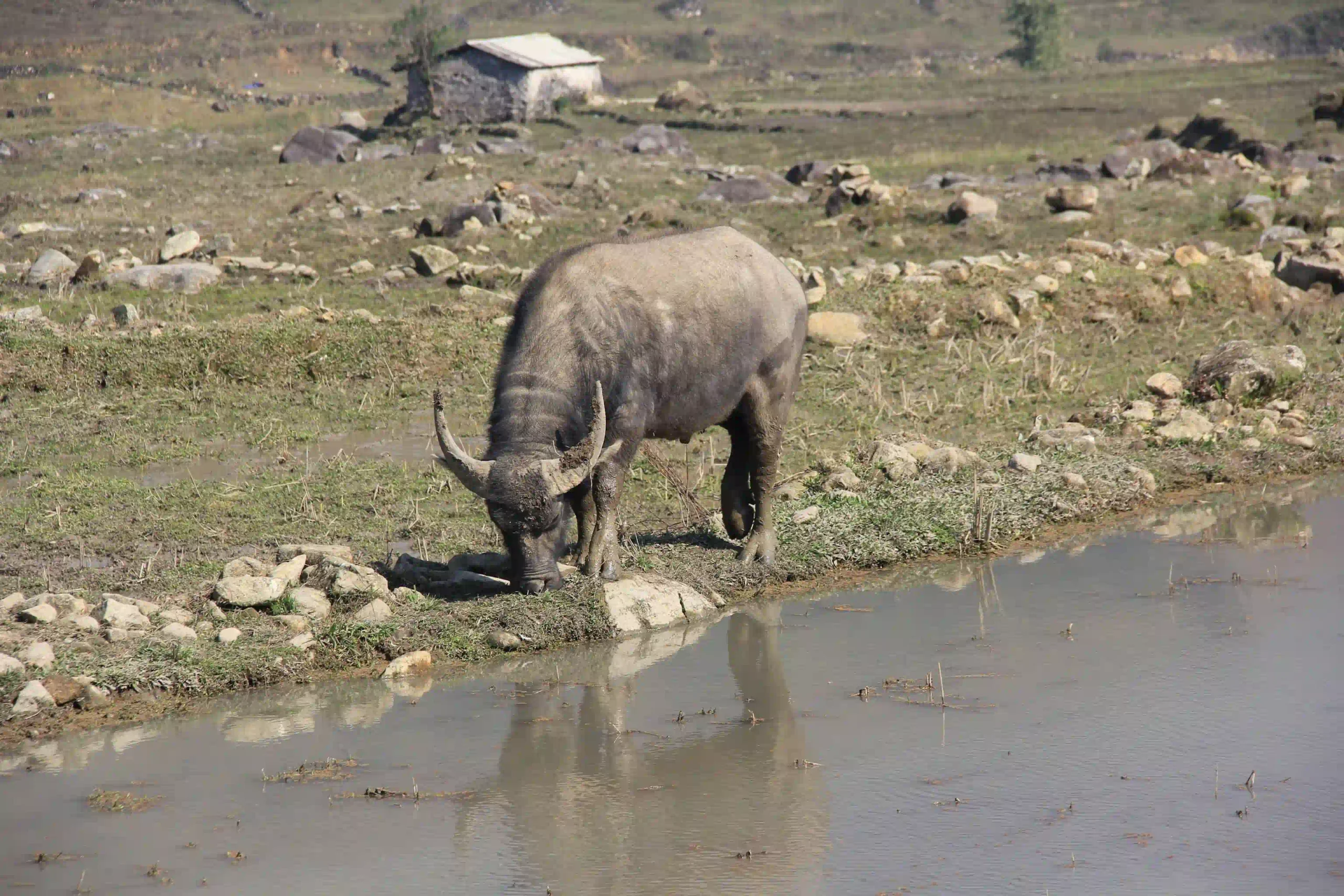
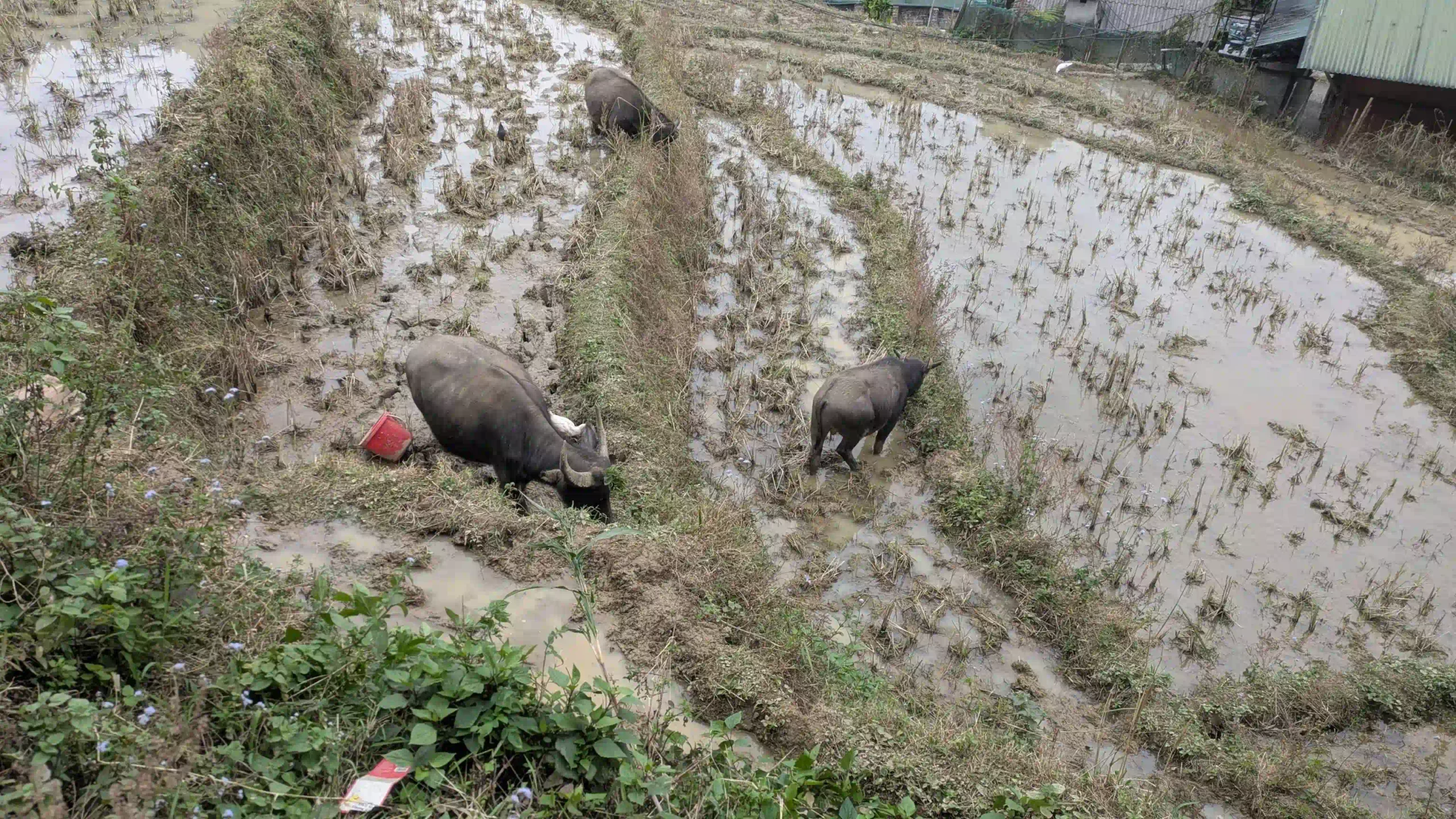
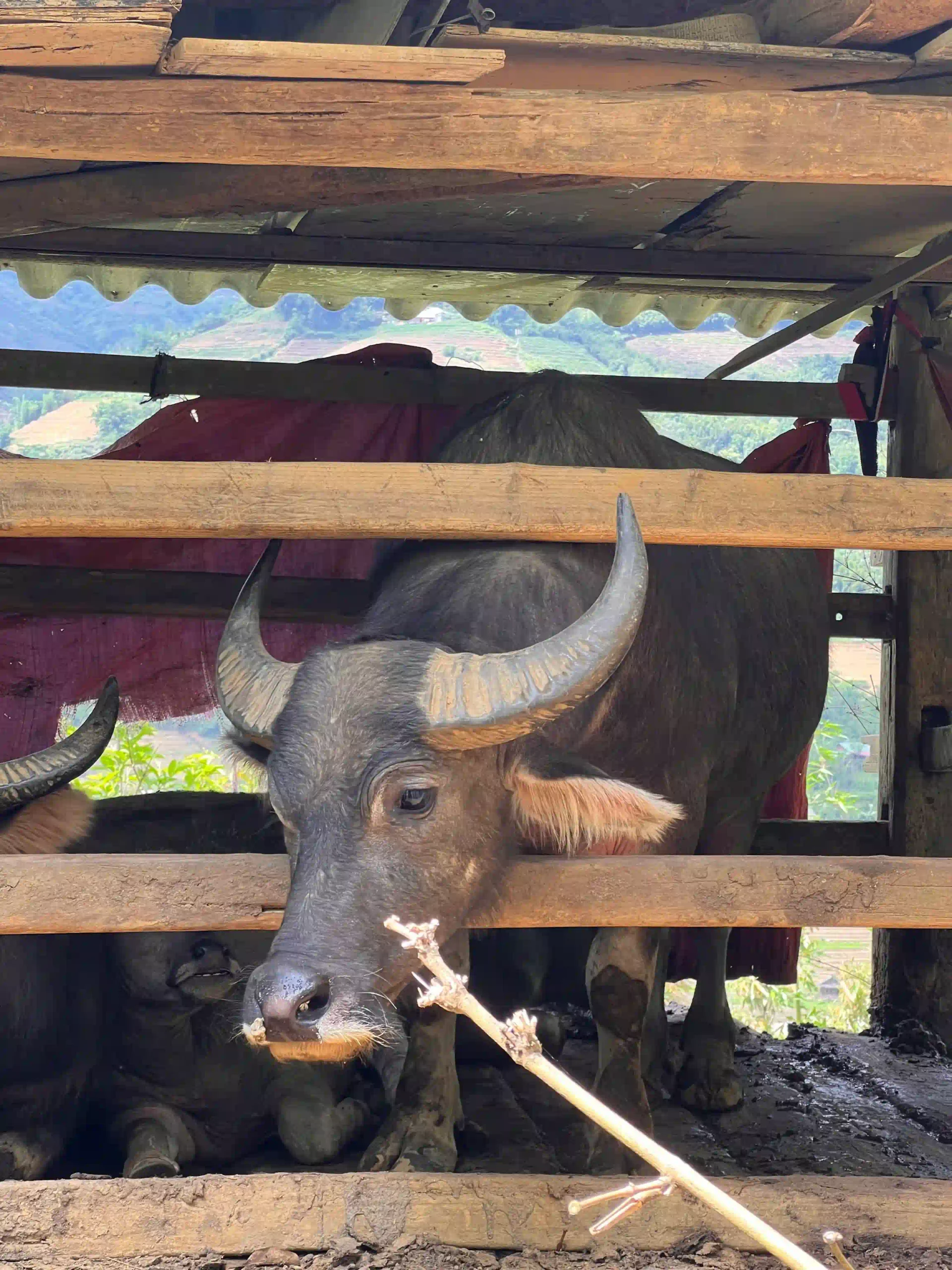
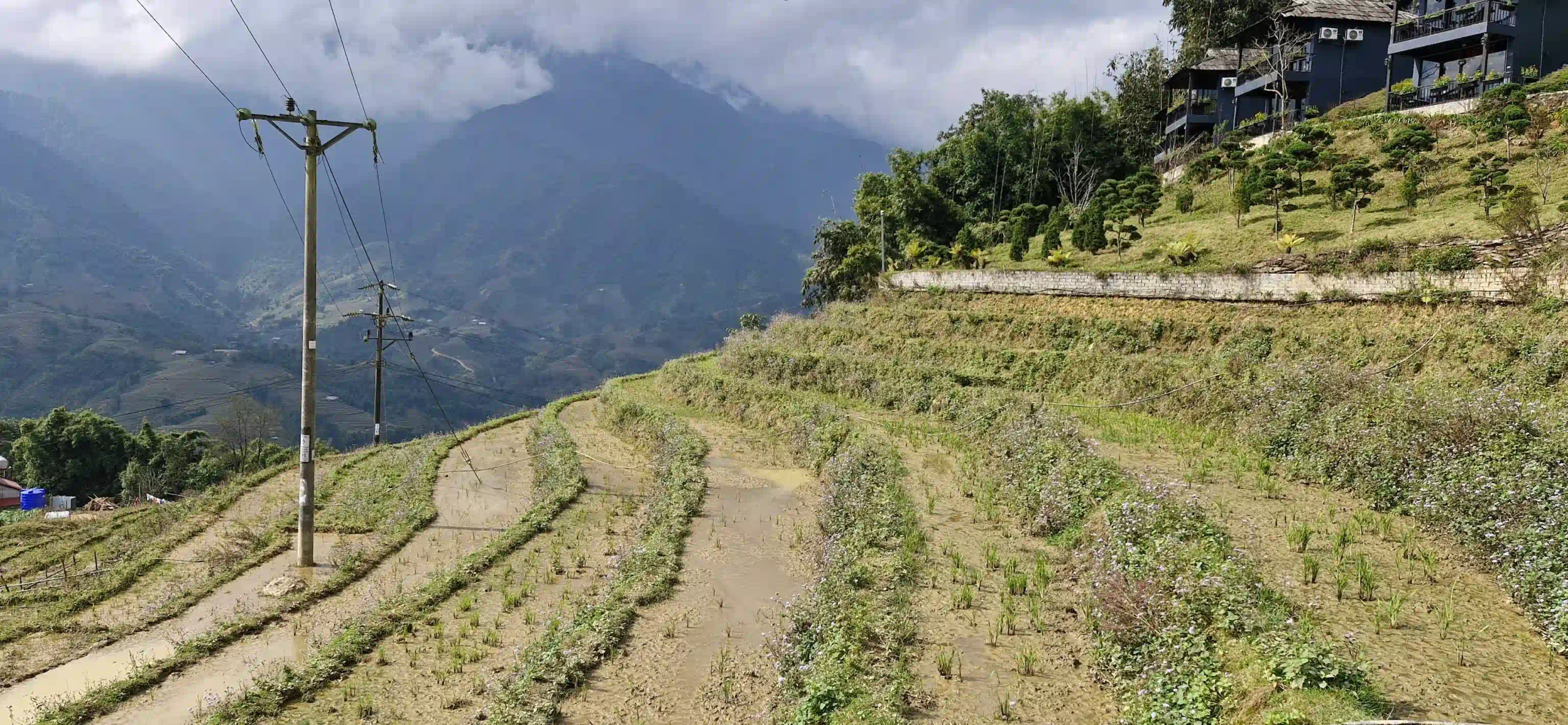
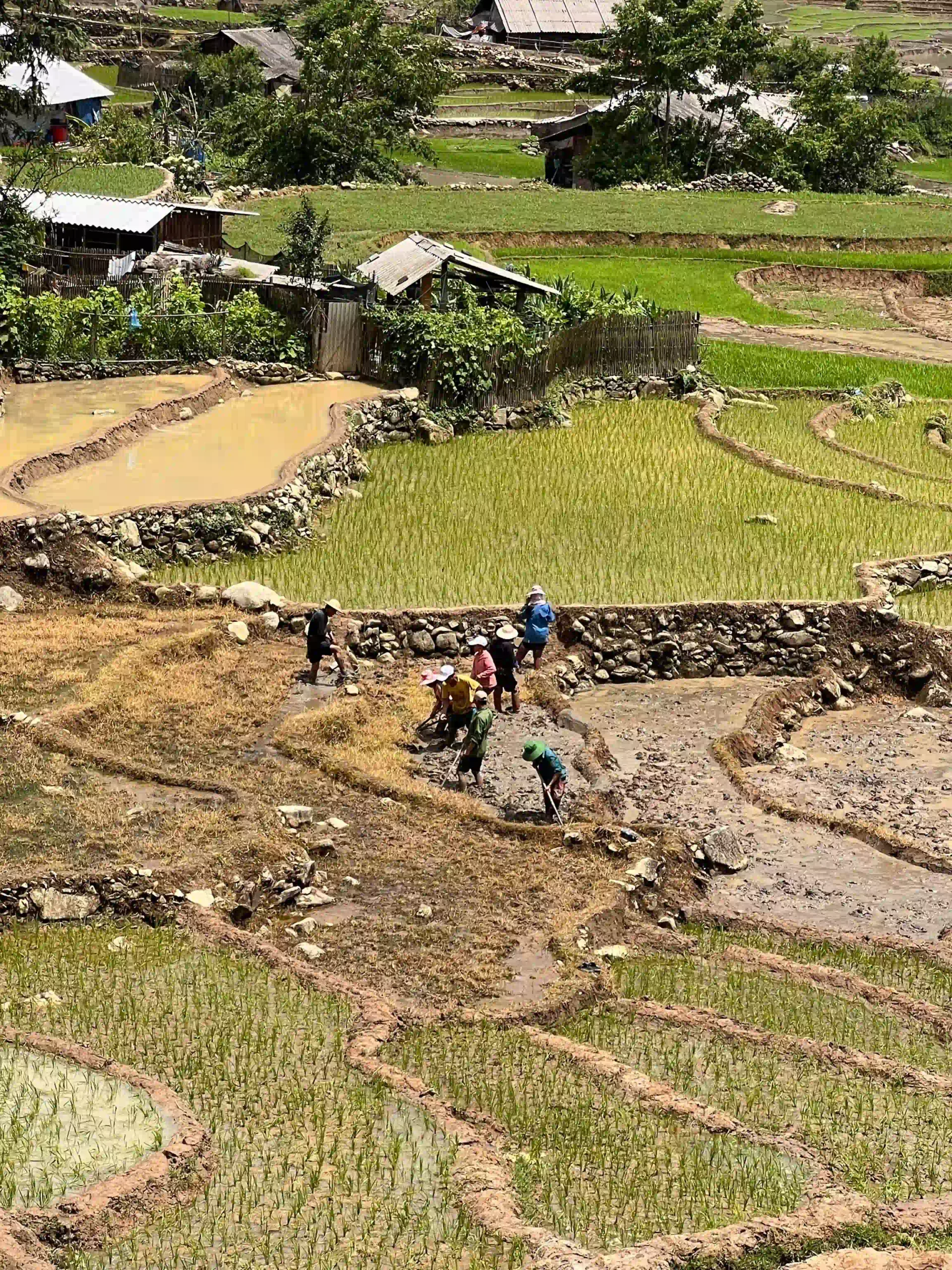
What you get: High reflections and raw farming action
Most people completely skip this season because they think the terraced fields are empty. Technically, they are. But from a purely photographic standpoint, this might actually be my favorite time of year.
Locals call this Mùa nước đổ (the water pouring season). After the dry spring, the first massive summer rains hit. The local ethnic minorities run complicated irrigation systems out of bamboo pipes and mountain streams to deliberately flood the completely empty, bare terraces.
Because they sit in staggered rows going all the way down the cliffside, the whole mountain essentially turns into thousands of flat mirrors reflecting the sky.
If you set up a tripod here at 5:30 AM right as the sun breaches the Chinese border peaks, the sky drops all its purple and orange morning light right into the pools.
You also get to shoot intense, high-action frames here. Farmers are actively wrestling massive water buffaloes through knee-deep mud to plow the submerged soil. It’s hard, messy, highly physical work.
The lighting reality:
May and June mean the start of summer heat and intense rain squalls. Bring a heavily weather-sealed camera and carry a massive dry bag.
The Green Sea: July to early August
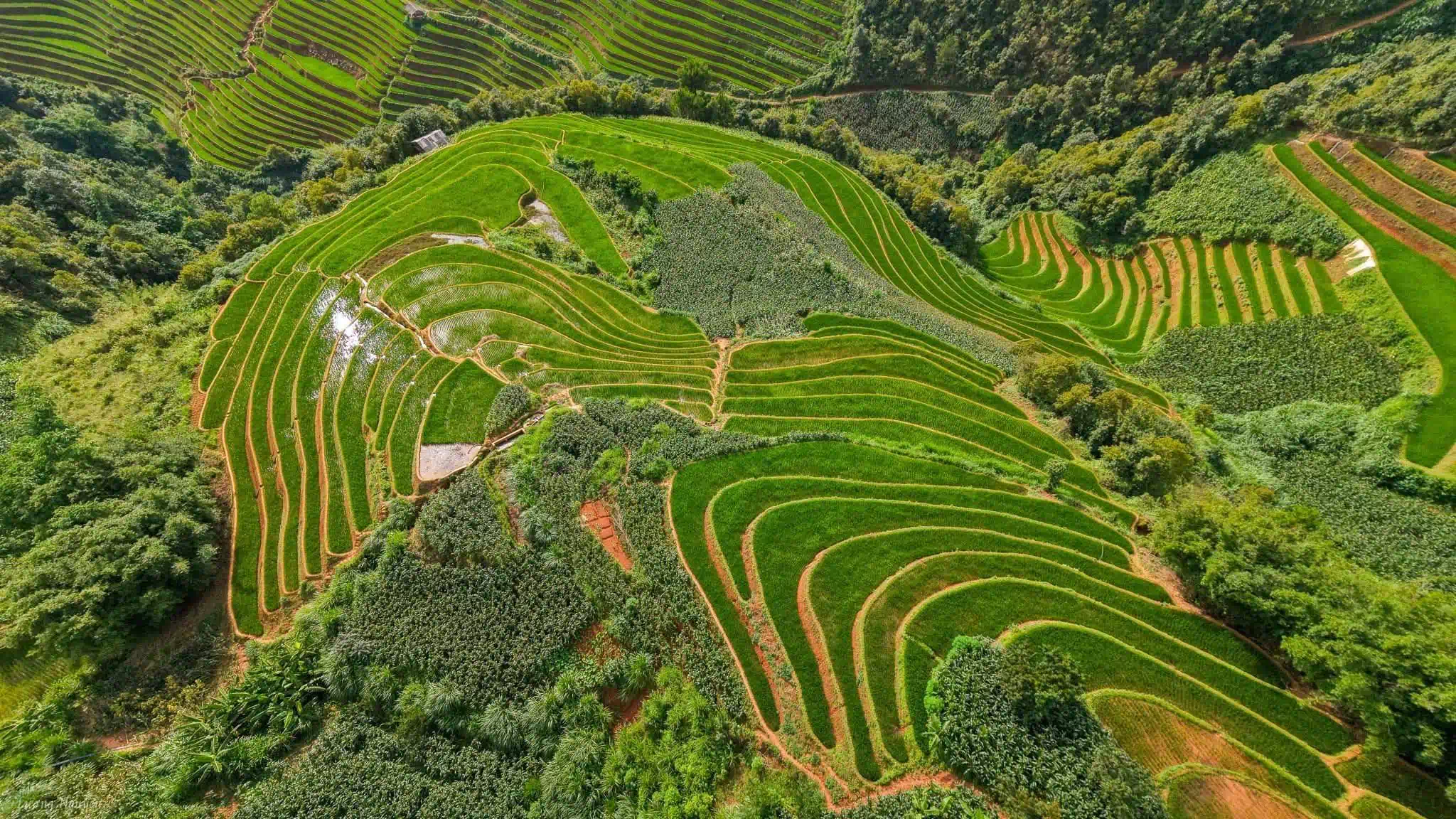
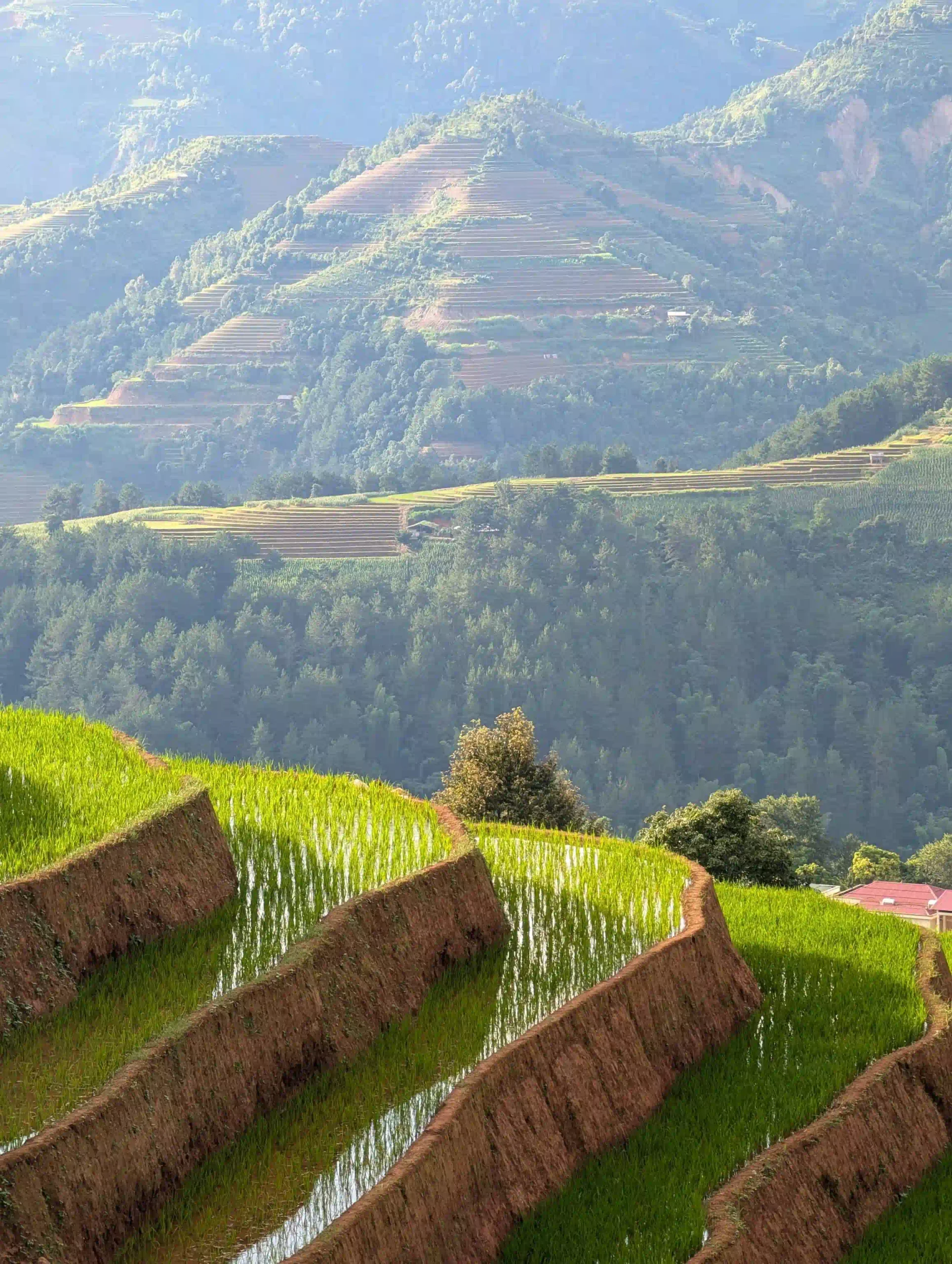
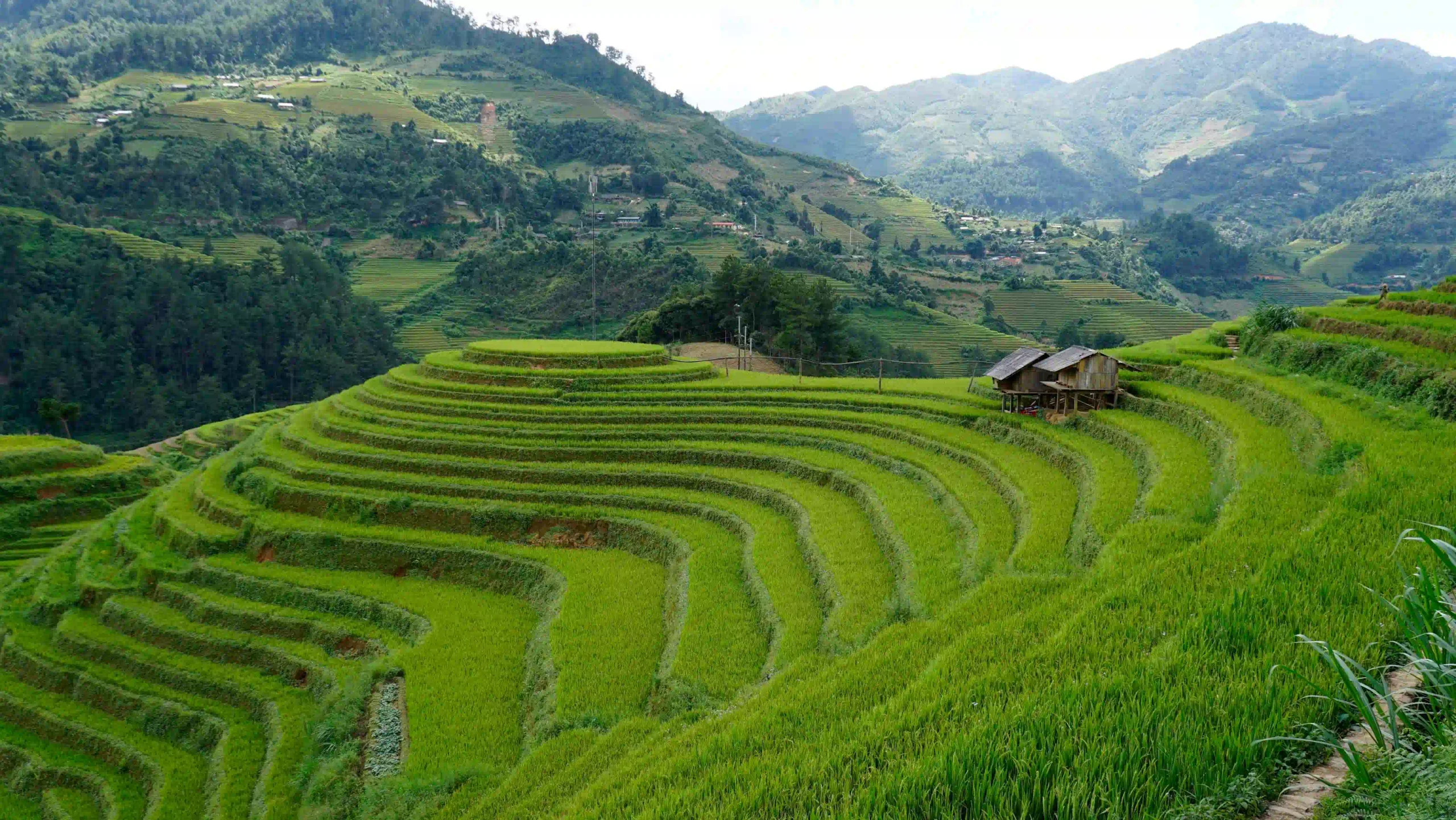
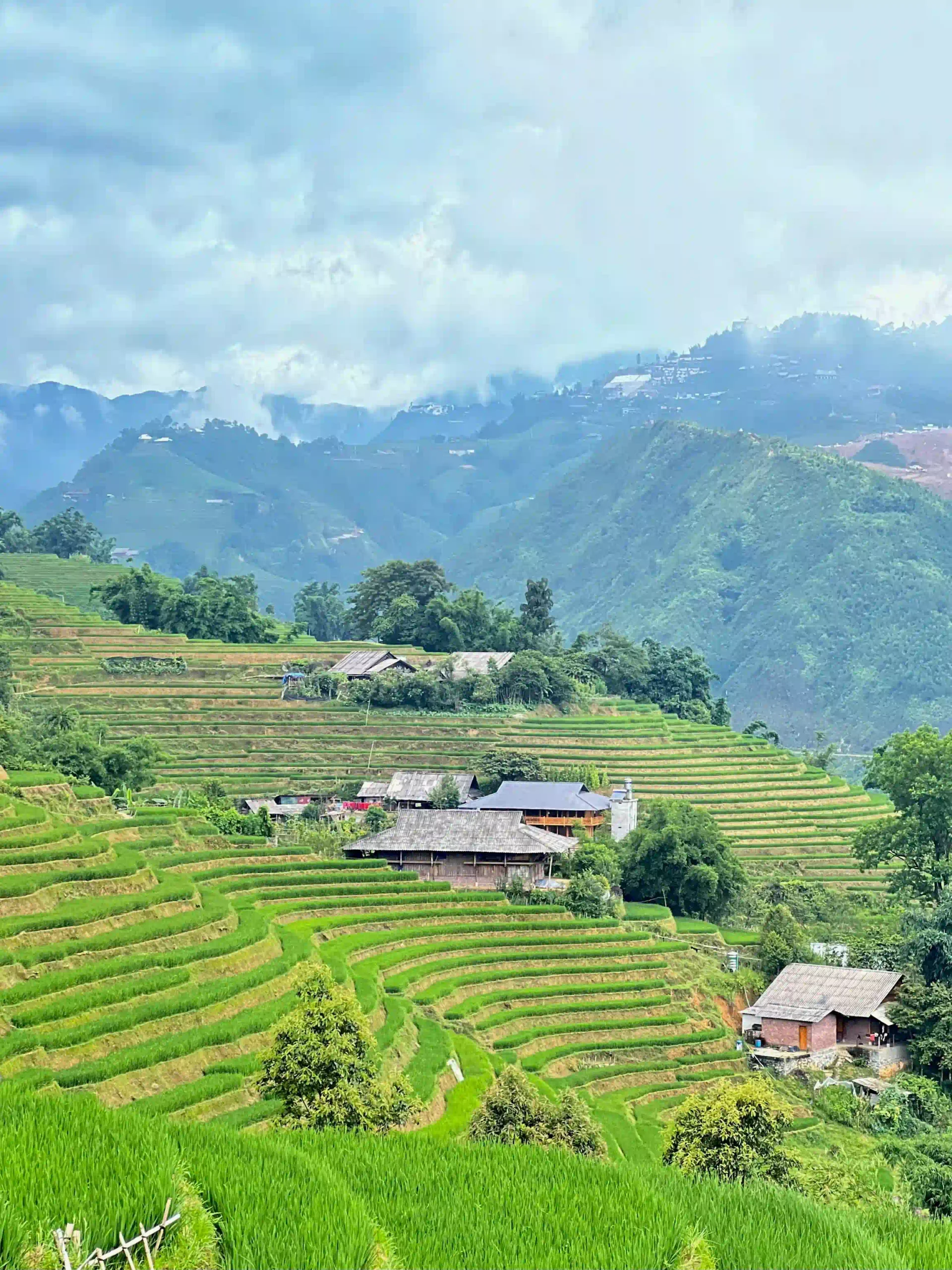
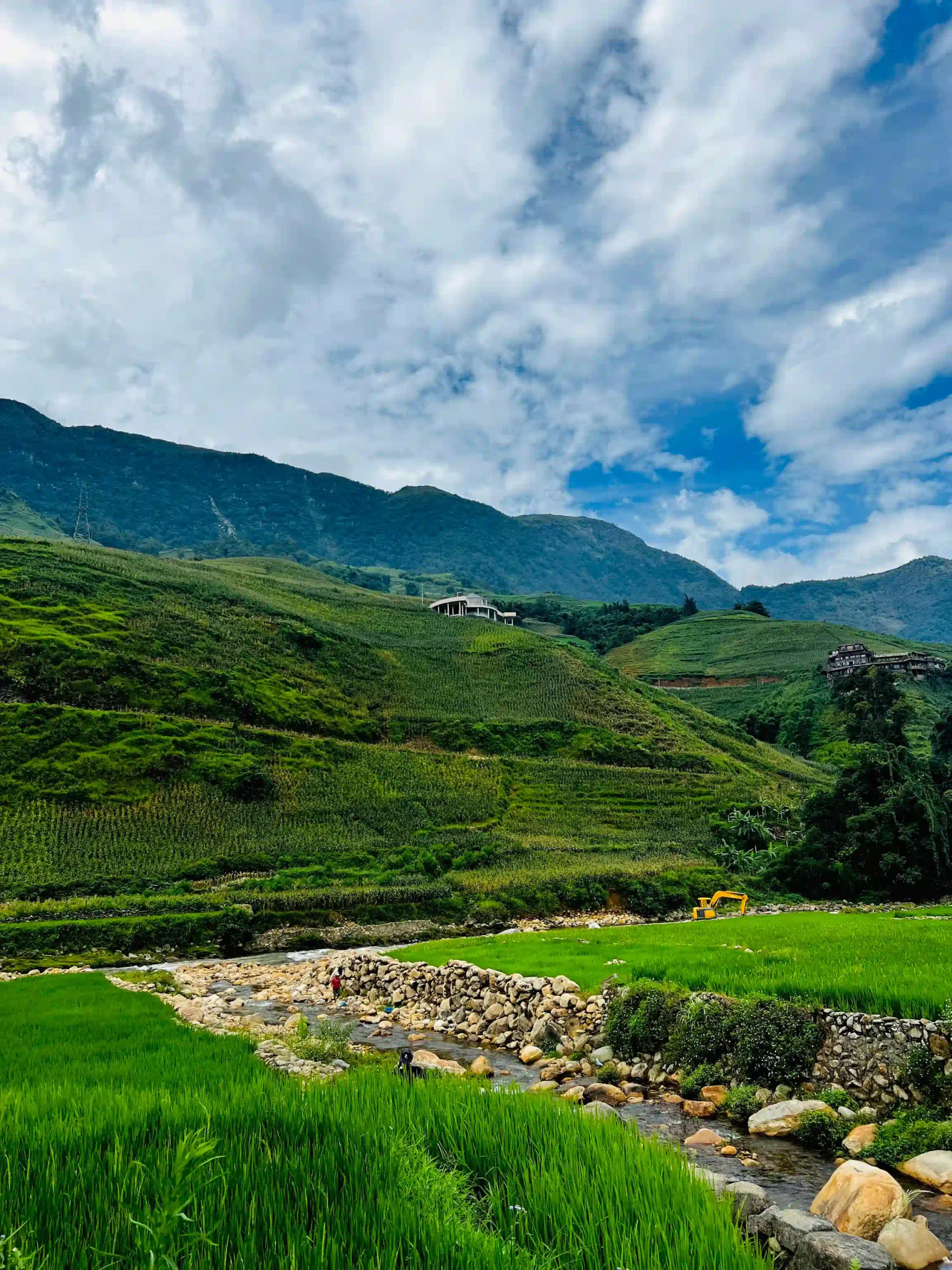
What you get: Absolute pure green (and high rain risk)
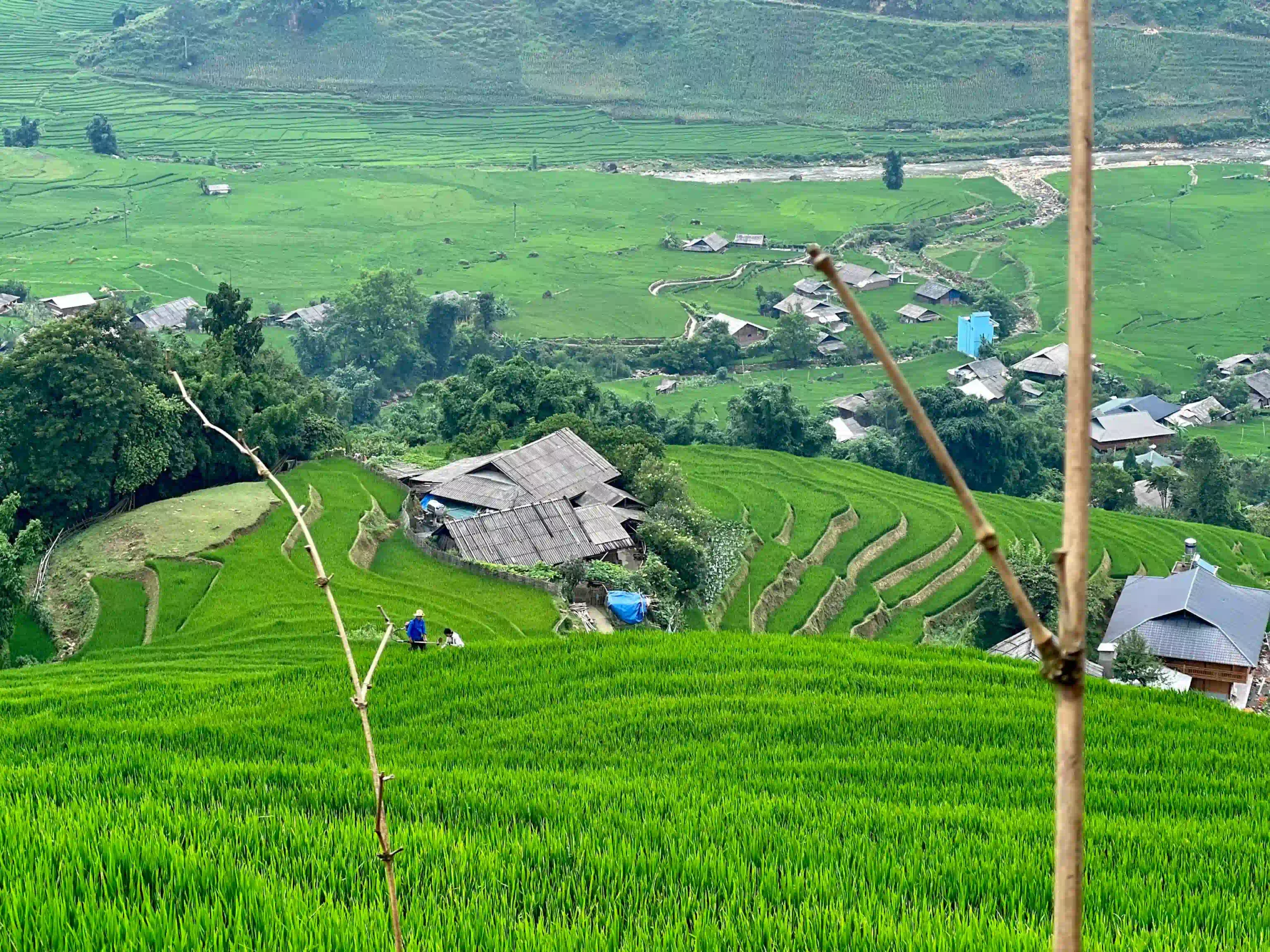
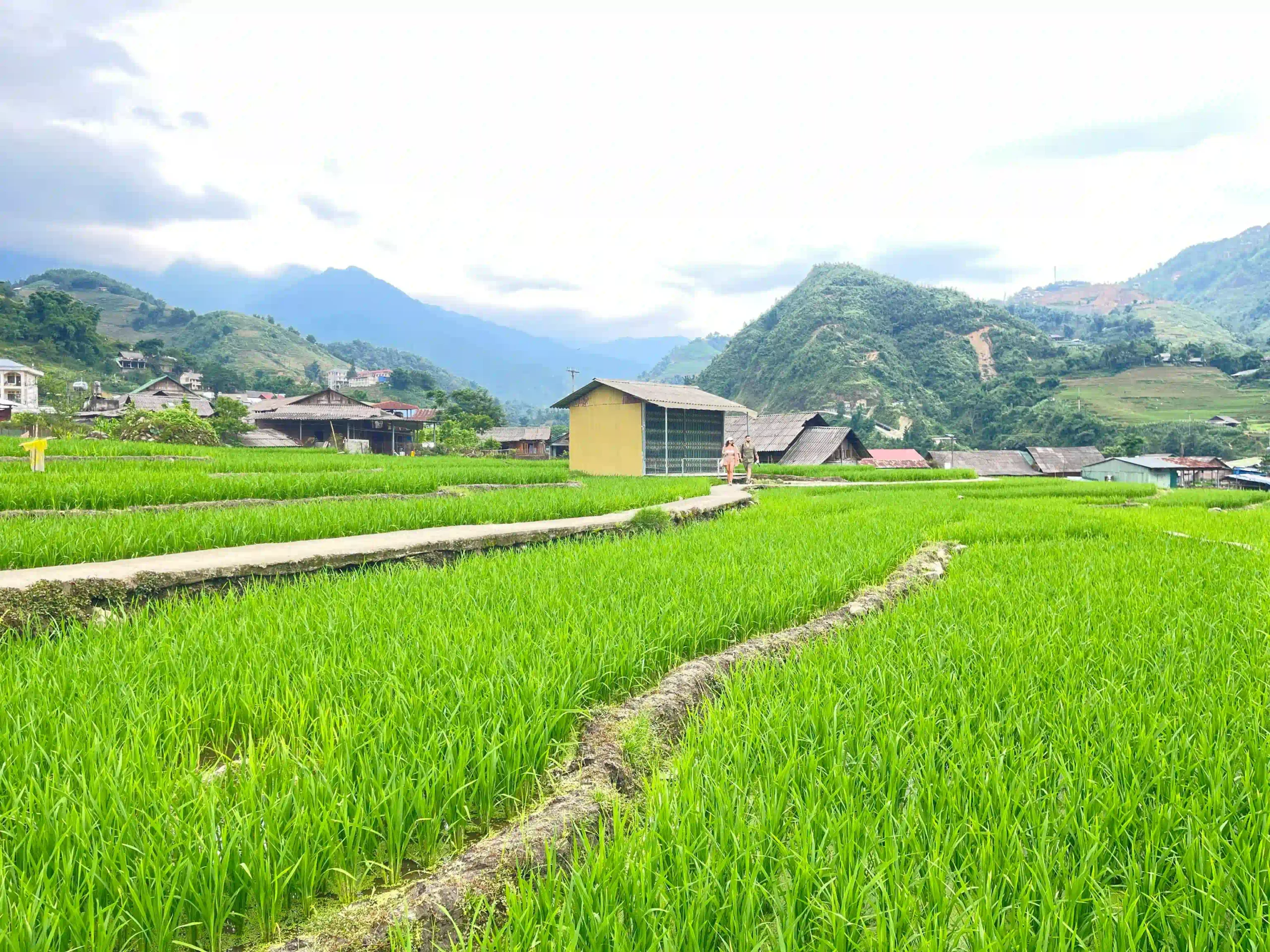
This is when the newly planted rice shoots start growing insanely fast. If you show up in late July, Sapa looks incredibly healthy. It is essentially an ocean of aggressively saturated neon green.
The color is so intense in the late afternoon that you will genuinely have to turn the saturation sliders down when you get back to edit your raw files so the photos don’t look completely fake.
So why isn’t this the definitive best time to visit Sapa? Because of the monsoon.
July and August are notoriously the wettest months in northern Vietnam. When it rains up here, it dumps buckets for days. Flash floods wash out the single lane roads, preventing taxis from moving between the central town and the valleys.
Your lenses will constantly fog up from the high humidity, and getting a clear shot of Mount Fansipan is a complete gamble because heavy cloud cover usually sits stubbornly over the peak 24/7.
If you are a photographer heavily restricted to this summer time block, buy your Sunworld Fansipan cable car ticket extremely last-minute on your phone only after physically looking at the mountain to make sure it’s clear.
The Danger Zone: December through February
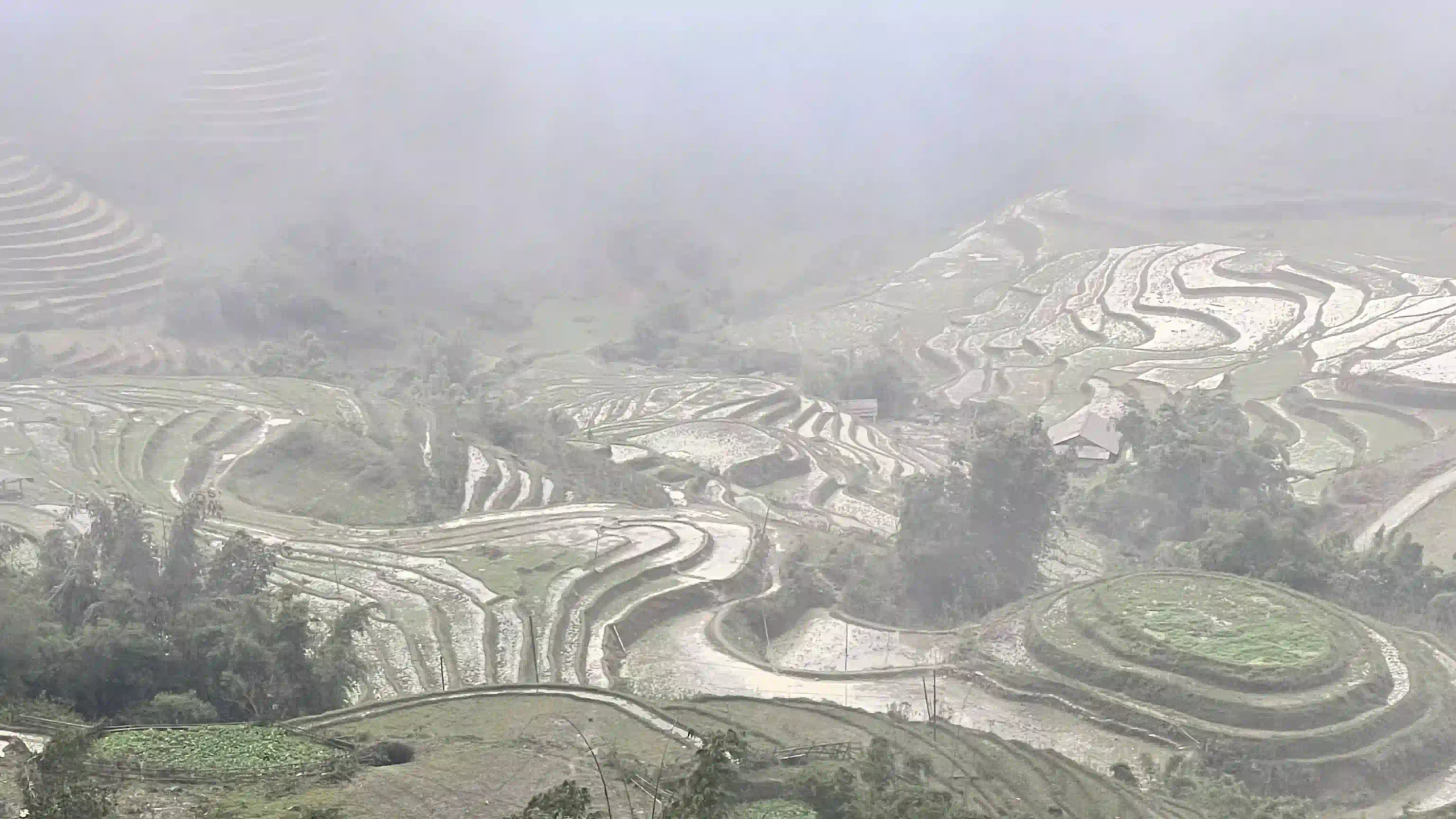
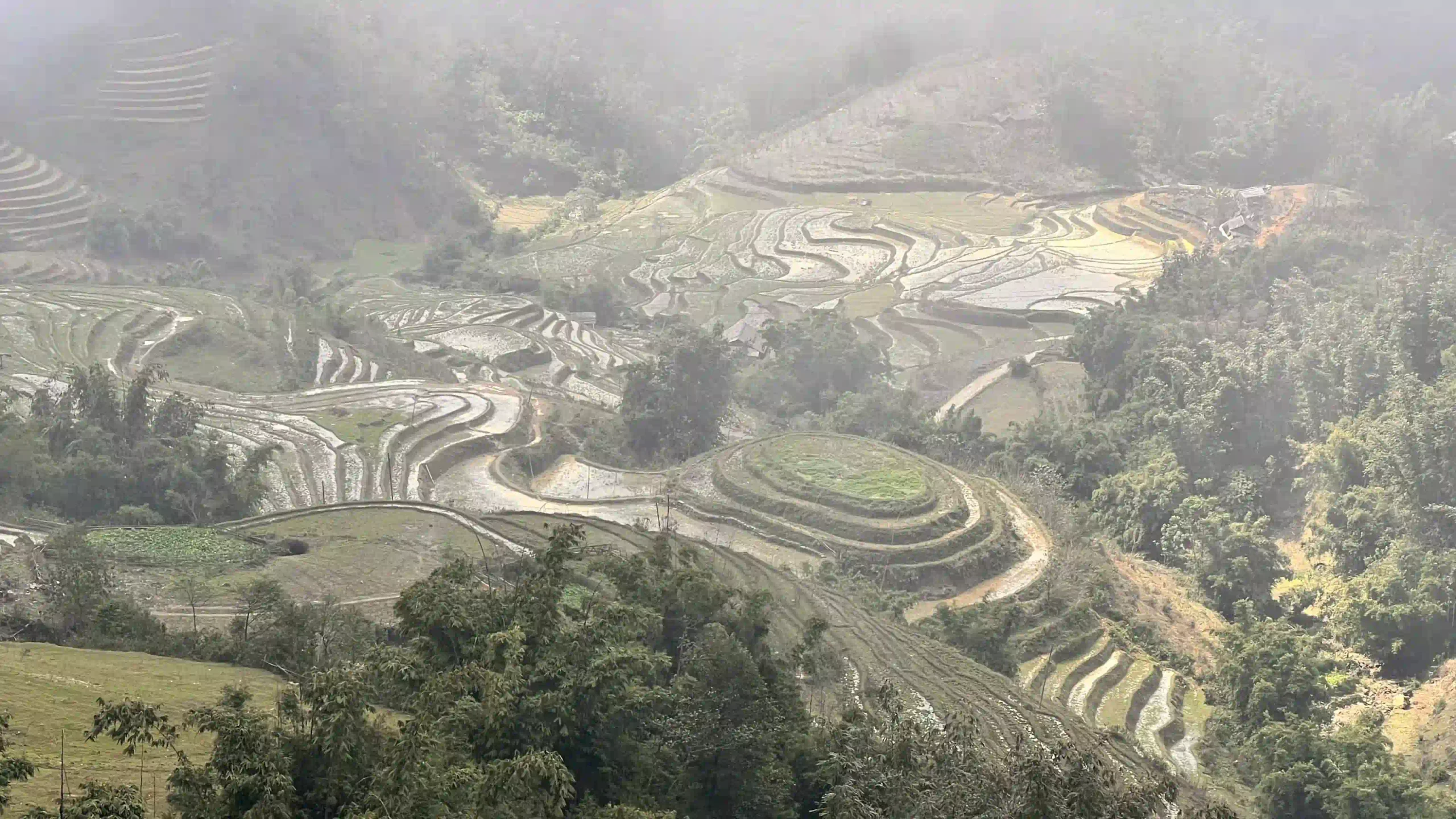
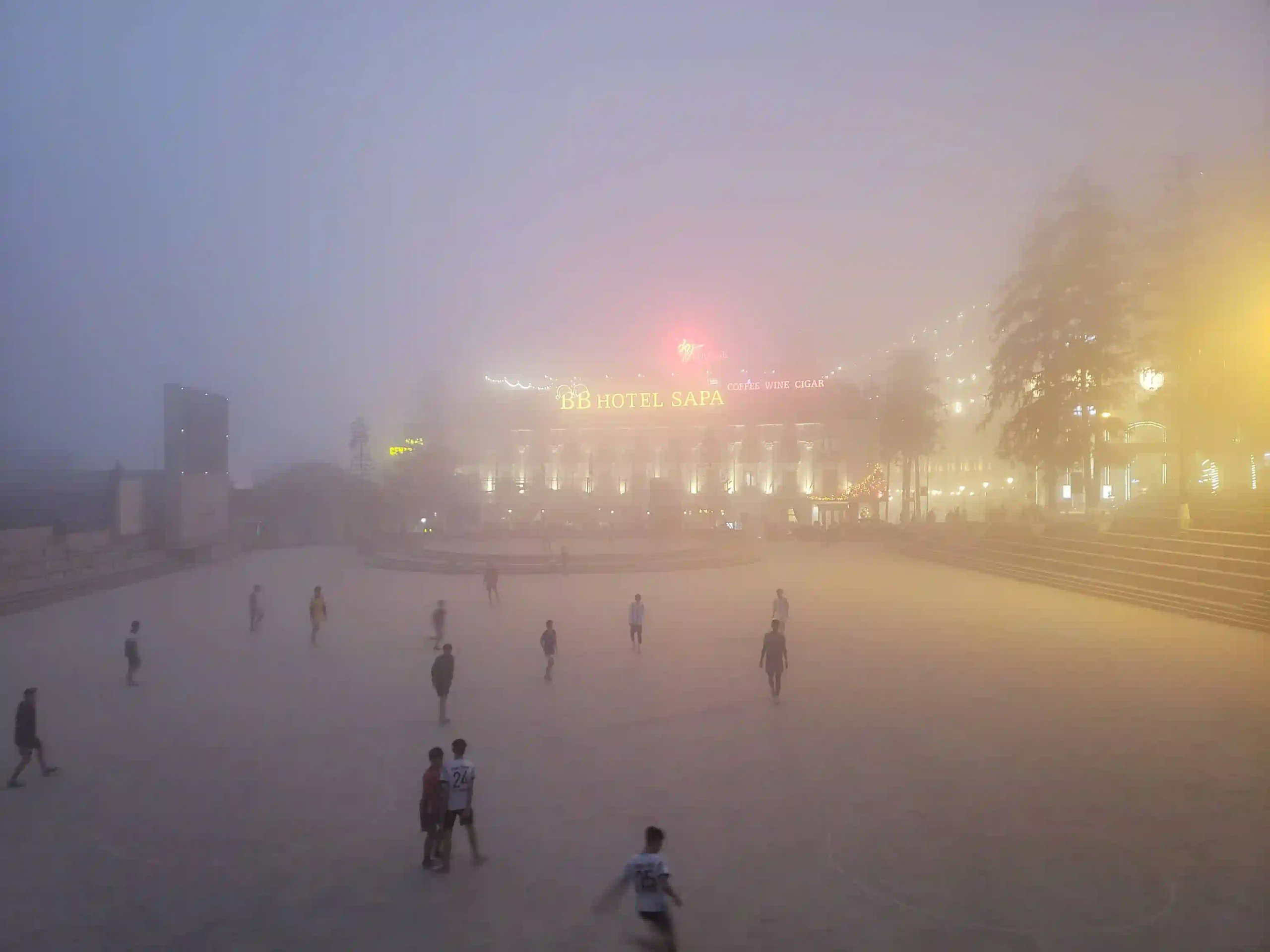
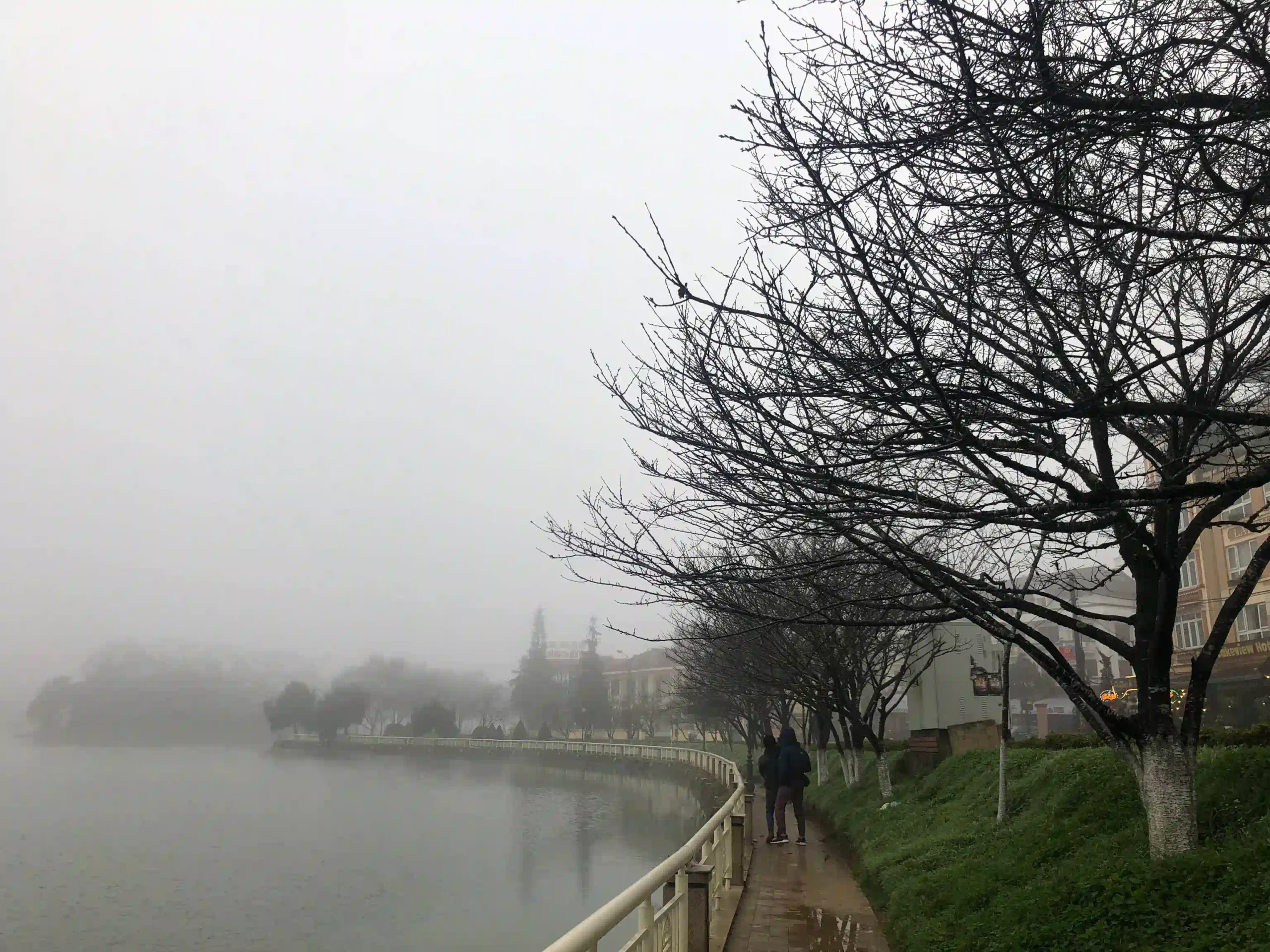
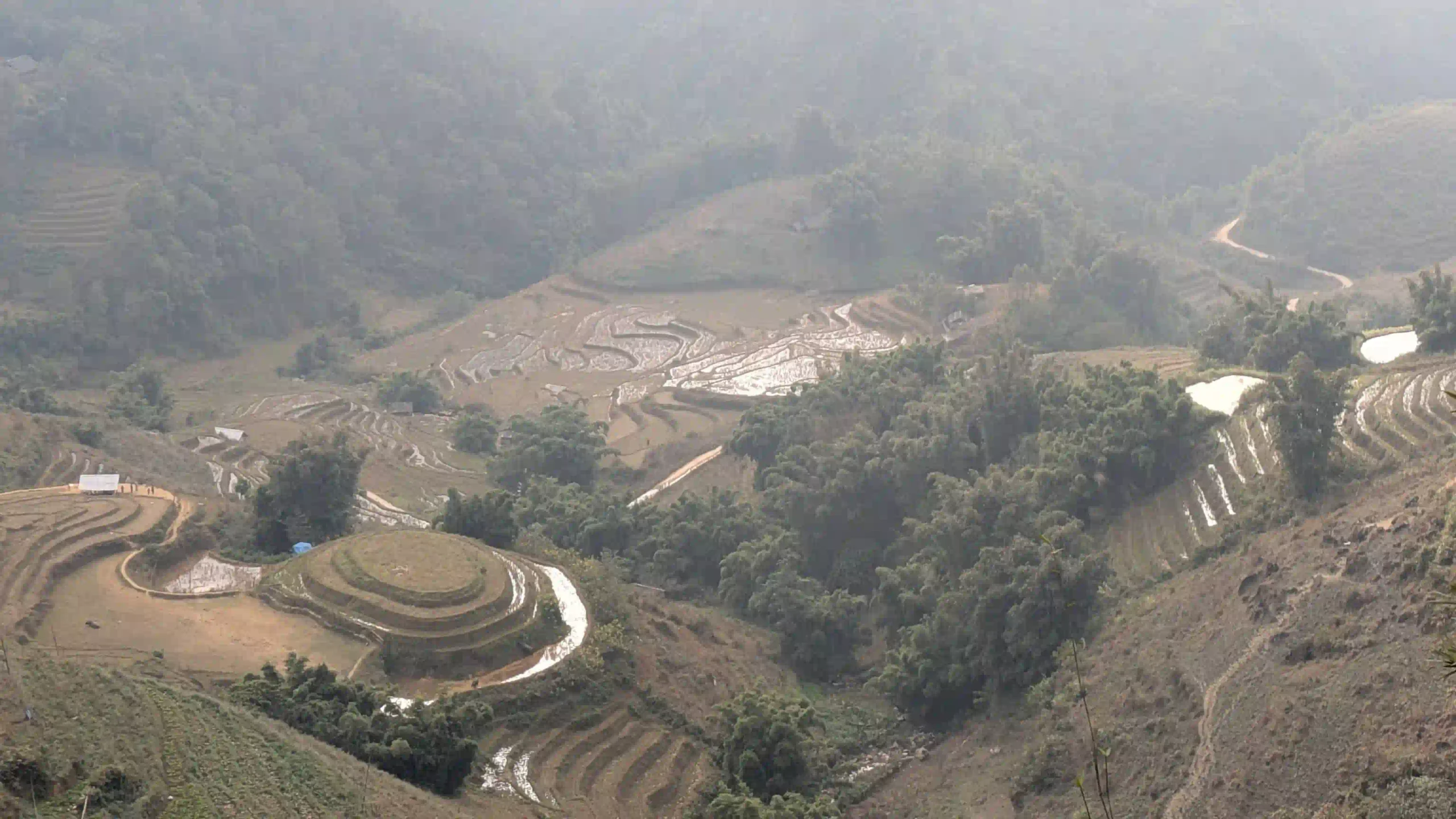
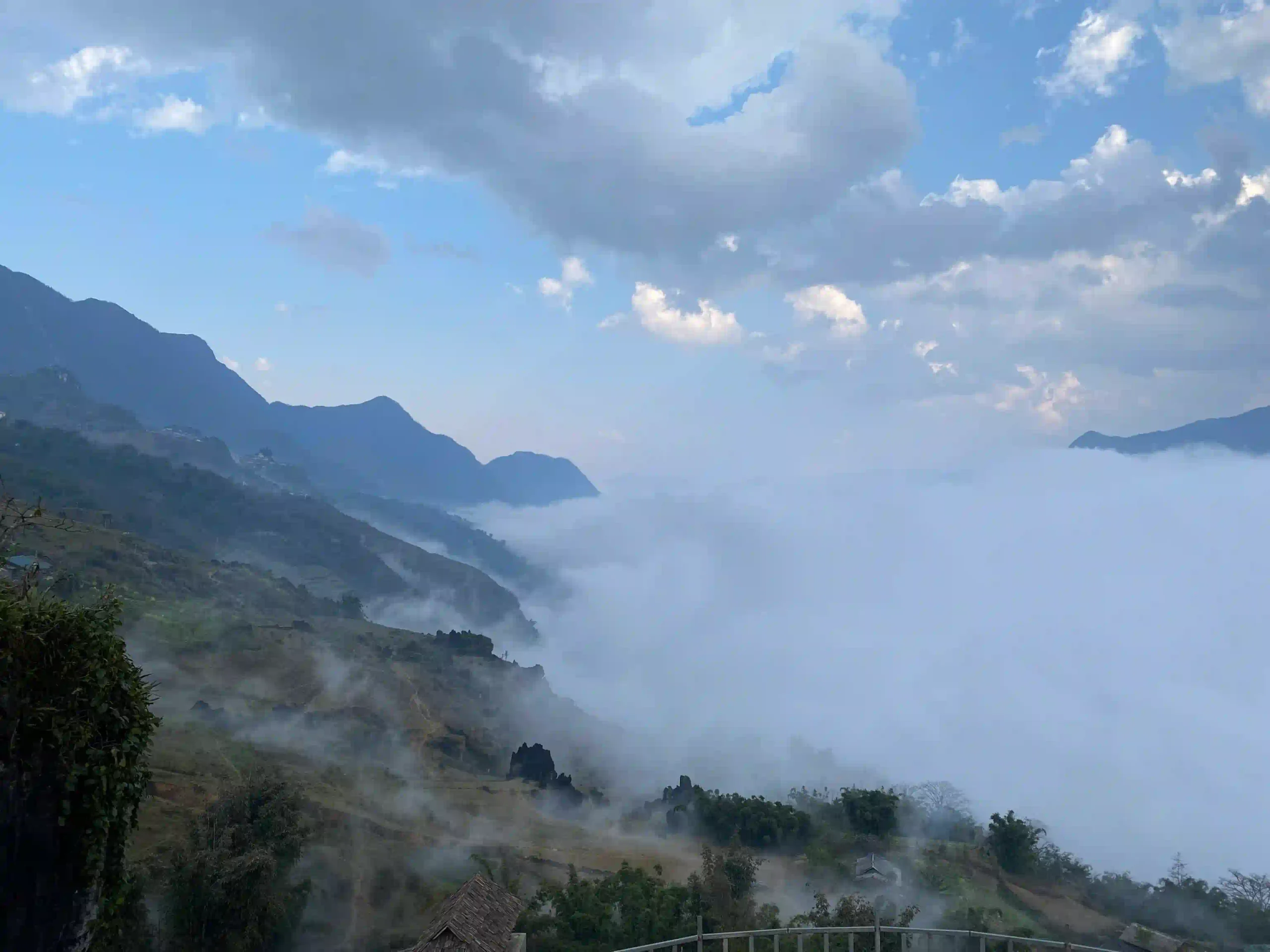
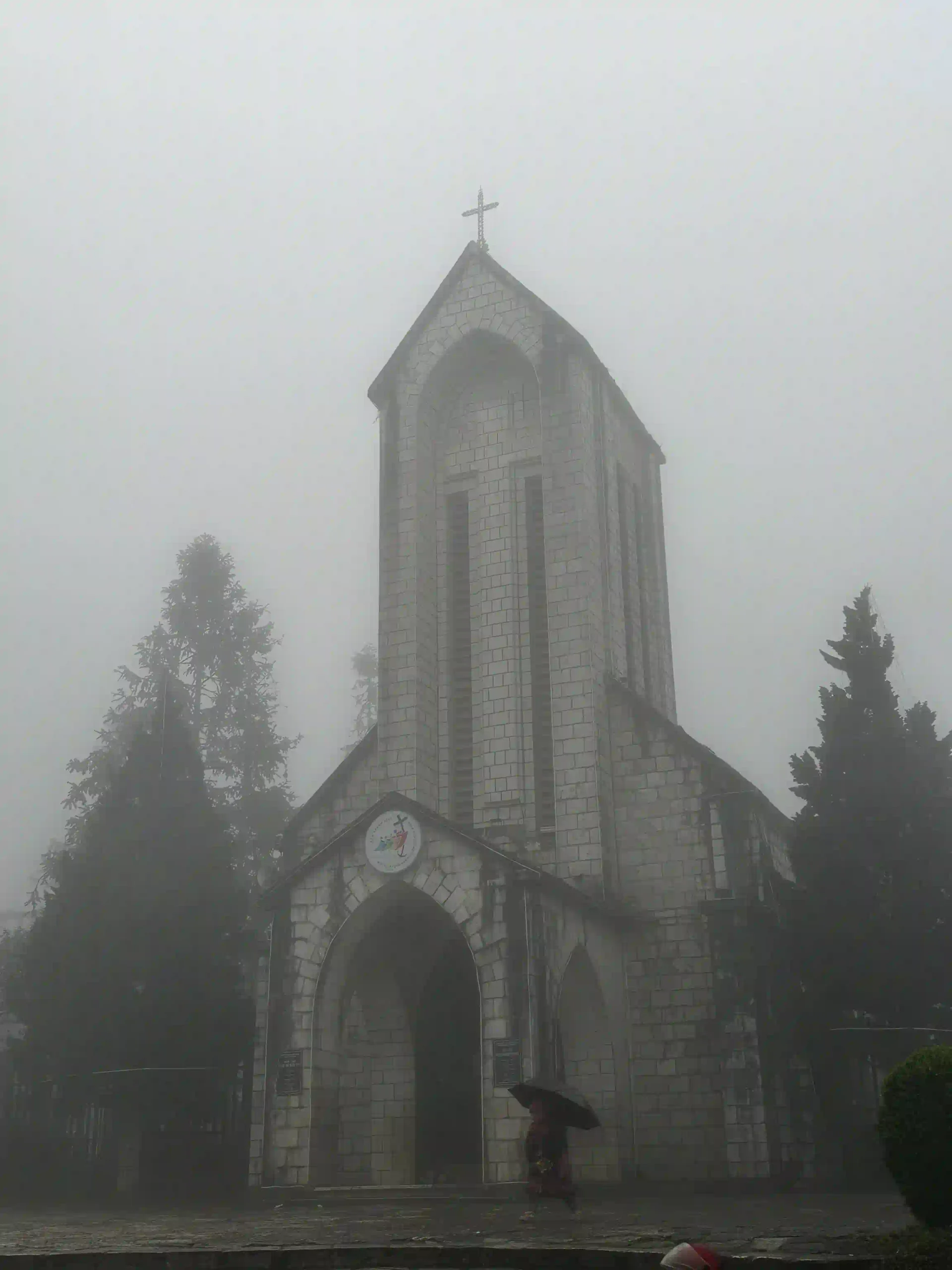
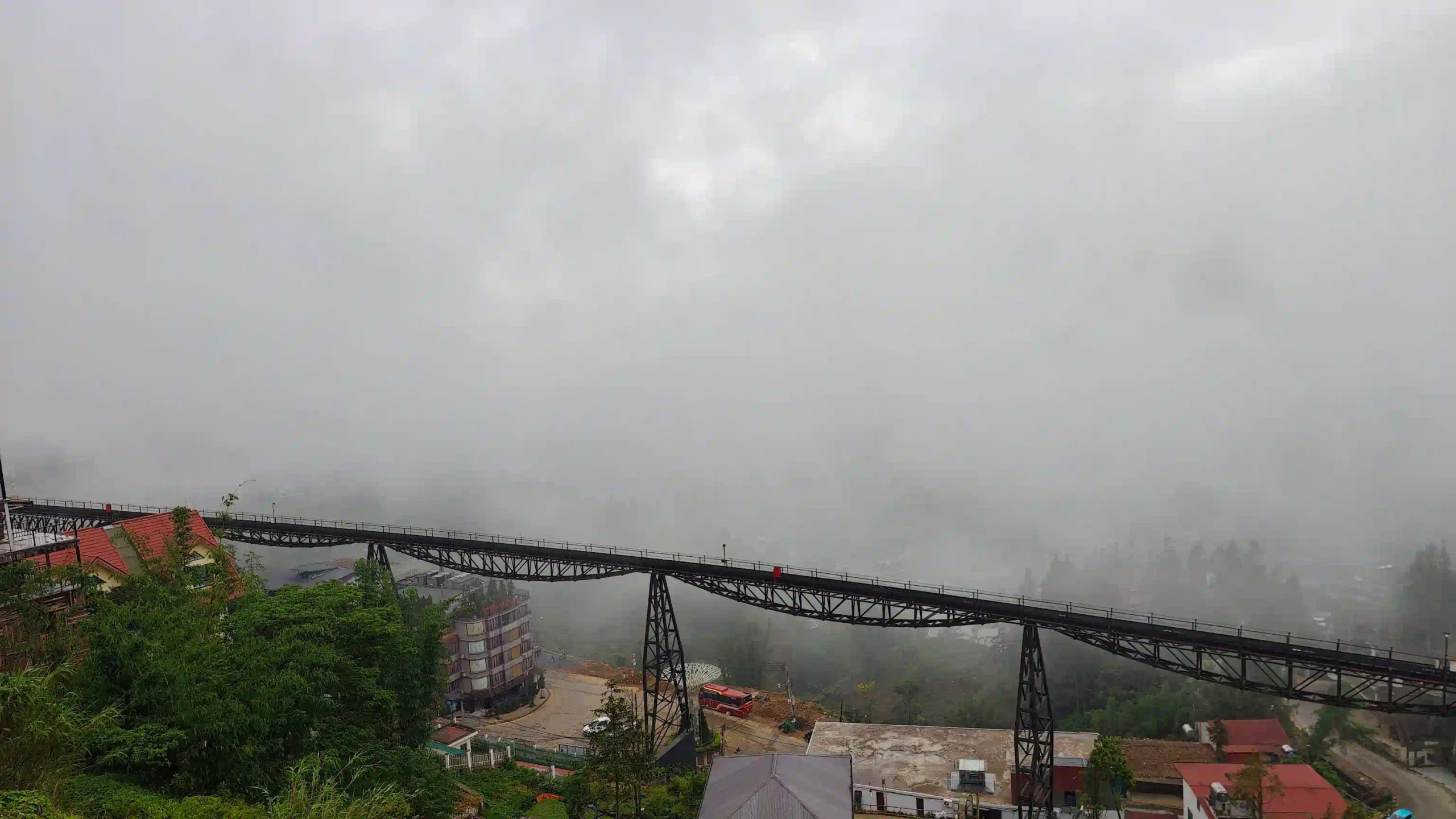
What you get: Frost, terrible fog, zero landscape wide-shots
There is a huge misconception that Sapa in the winter looks like the Swiss Alps. It does not.
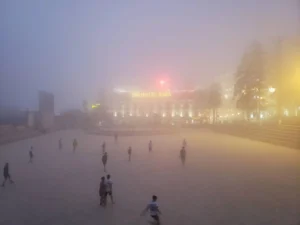
If you book a photography trip here for January, you are probably making a massive mistake. The temperatures absolutely tank. A heavy, aggressive layer of pea-soup fog sinks into the town square and doesn’t lift.
You literally cannot see buildings on the opposite side of the lake, let alone shoot the sweeping mountain passes.
Your landscape plans are dead. Furthermore, the empty terraces are just completely brown, wet mud flats. It’s wildly bleak.
I actually completely hate January here, but I will give it exactly one compliment for photographers: it is insanely good for moody street portraits.
When the fog is so thick you can’t see the valley, it turns Sapa town into a total silent hill setup. The street lights reflect weirdly through the mist. The older local minority women walk through the fog carrying woven baskets, wearing heavily layered indigo-dyed jackets with geometric patterns.
If you slap a fast 35mm f/1.4 lens on your camera and just lean into the gritty, freezing isolation of it all, you can pull some incredibly dramatic cinematic shots. Just don’t plan on bringing a 70-200mm to shoot across the canyon.
Sometimes, if it gets freezing enough, it actually snows. Local tourists lose their minds and flock here to see the snow on the buffalo. But relying on that for your trip is just playing the lottery.
Read more: Does my 2-Day Sapa Itinerary make sense for a short trip?
Let’s talk about the absolute nightmare of shooting “Local Culture”
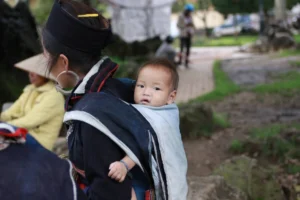
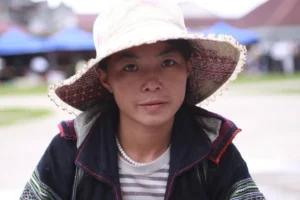
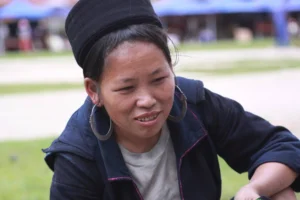
Here is something the glossy travel magazines totally fail to tell photographers in 2026. Taking photos of local people in Sapa has gotten incredibly complicated.
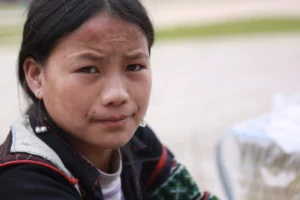
Fifteen years ago, backpackers would just show up, point their massive telephoto lens in the face of an elderly Black Hmong woman sitting by a stream, snap it, and walk away feeling great about themselves. You cannot and should not do that anymore.
Because the main Sapa town has exploded with high-rise hotels, the areas directly surrounding it (like Cat Cat village) are essentially open-air amusement parks.
The roads leading into Cat Cat are totally lined with generic clothing stalls. Domestic tourists actively rent wildly inaccurate “tribal” outfits with fake fur and massive generic headpieces just to do TikTok dances next to the waterfall.
If you pull your camera out near the town center square or Cat Cat, expect minority kids or their parents to immediately hold out a hand demanding you pay them 50,000 VND for taking the photo. I don’t blame them at all, you are trying to use them as a prop for your Instagram.
How to actually get good portrait shots in the area
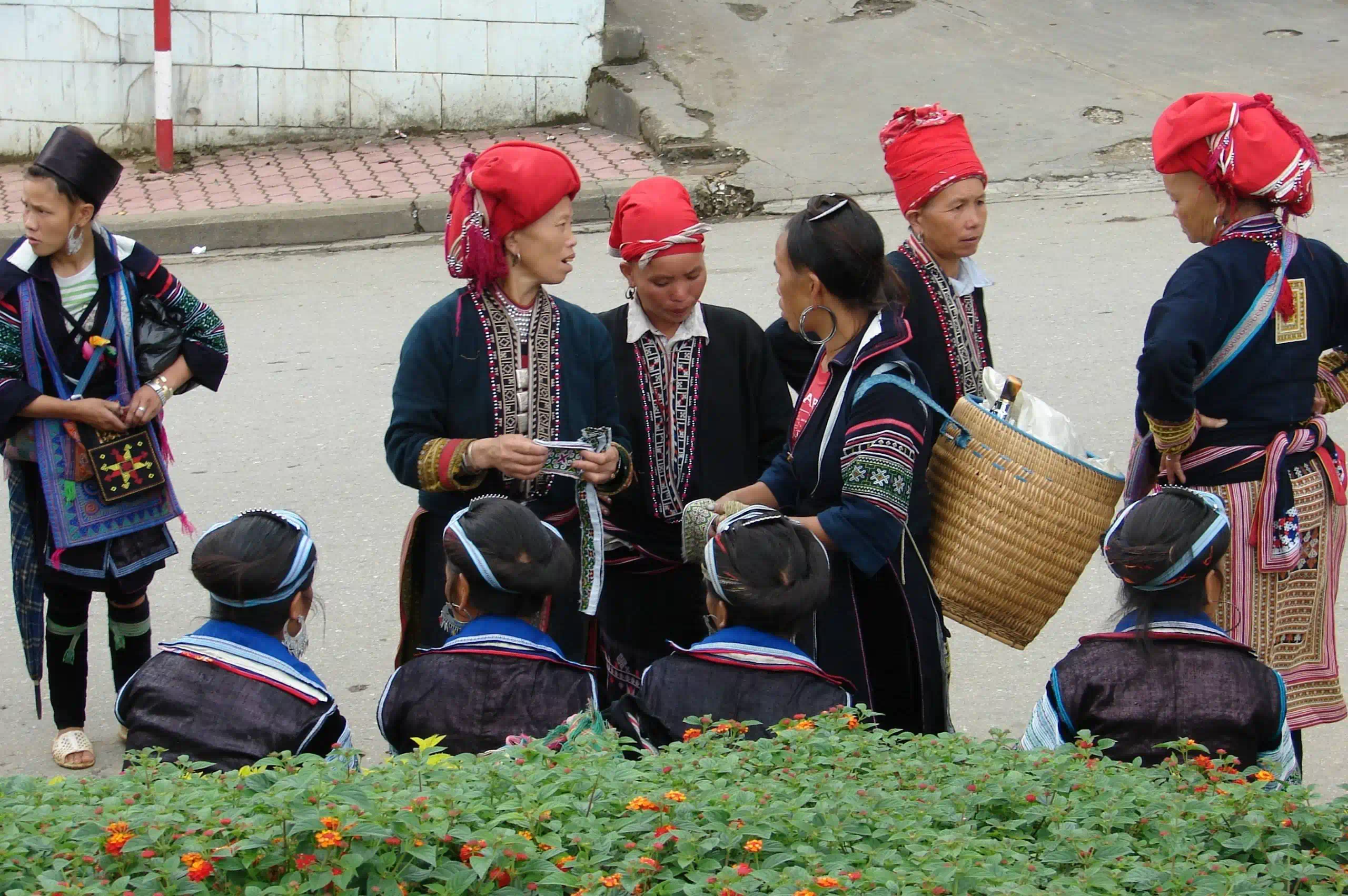
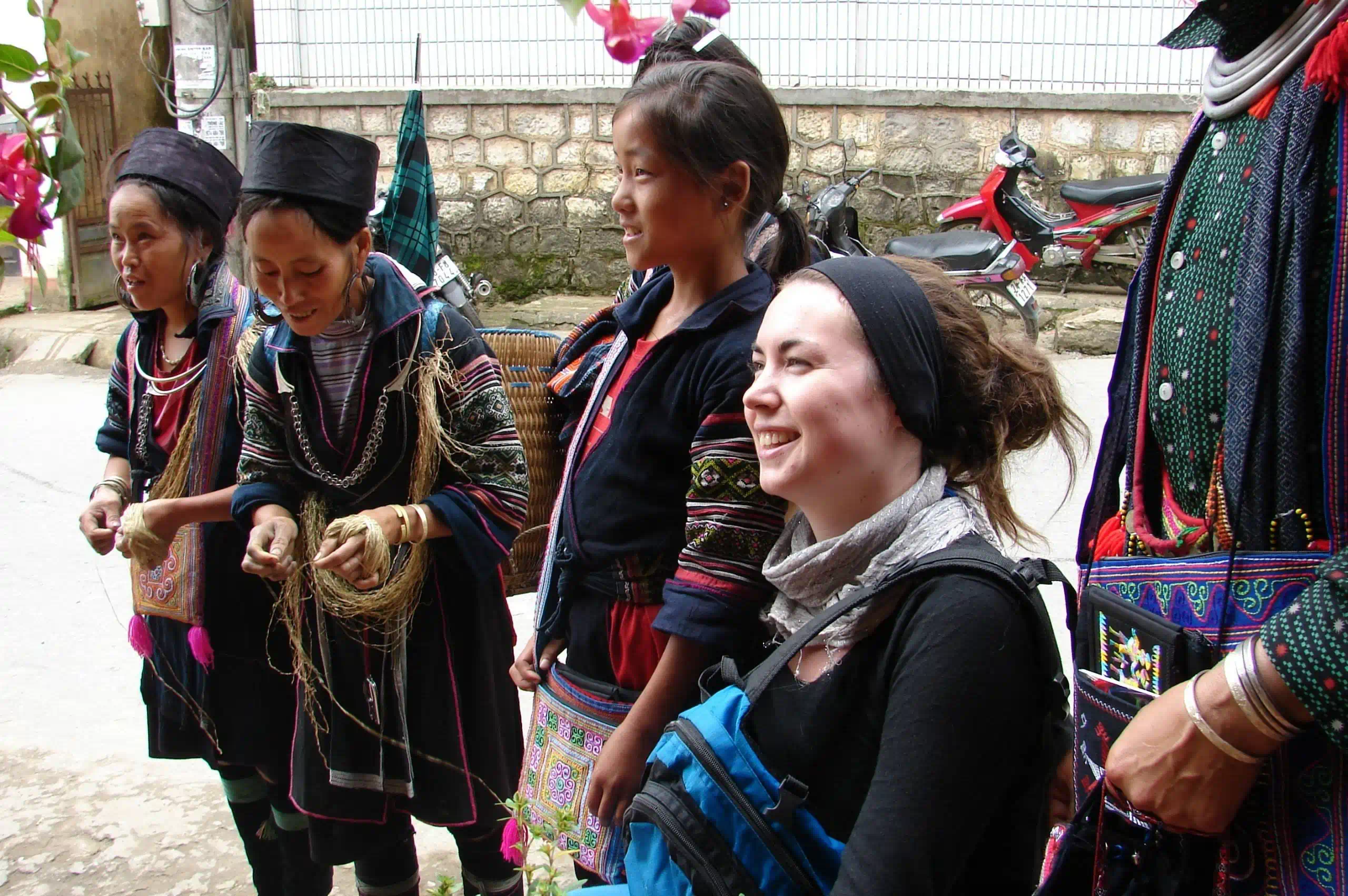
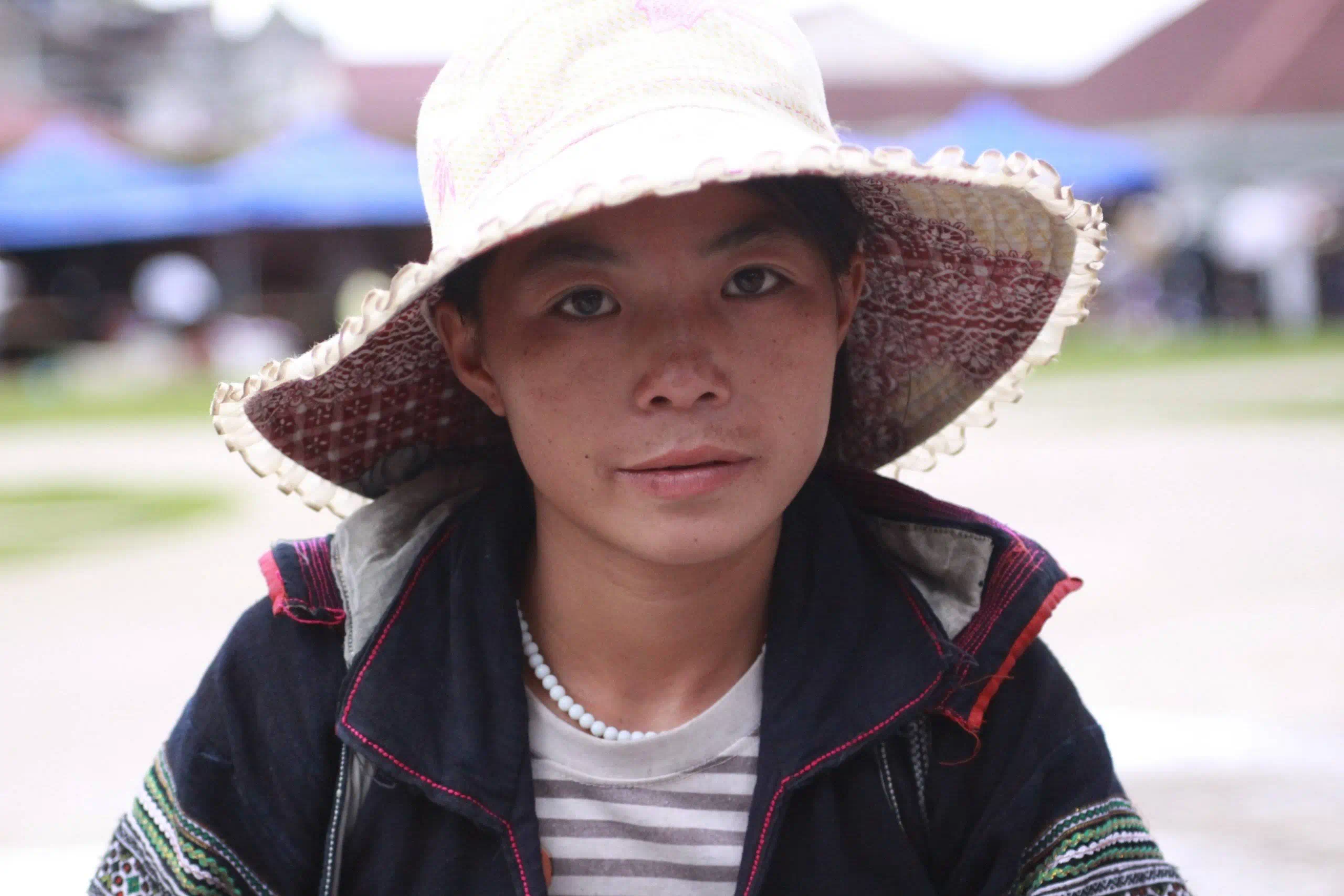
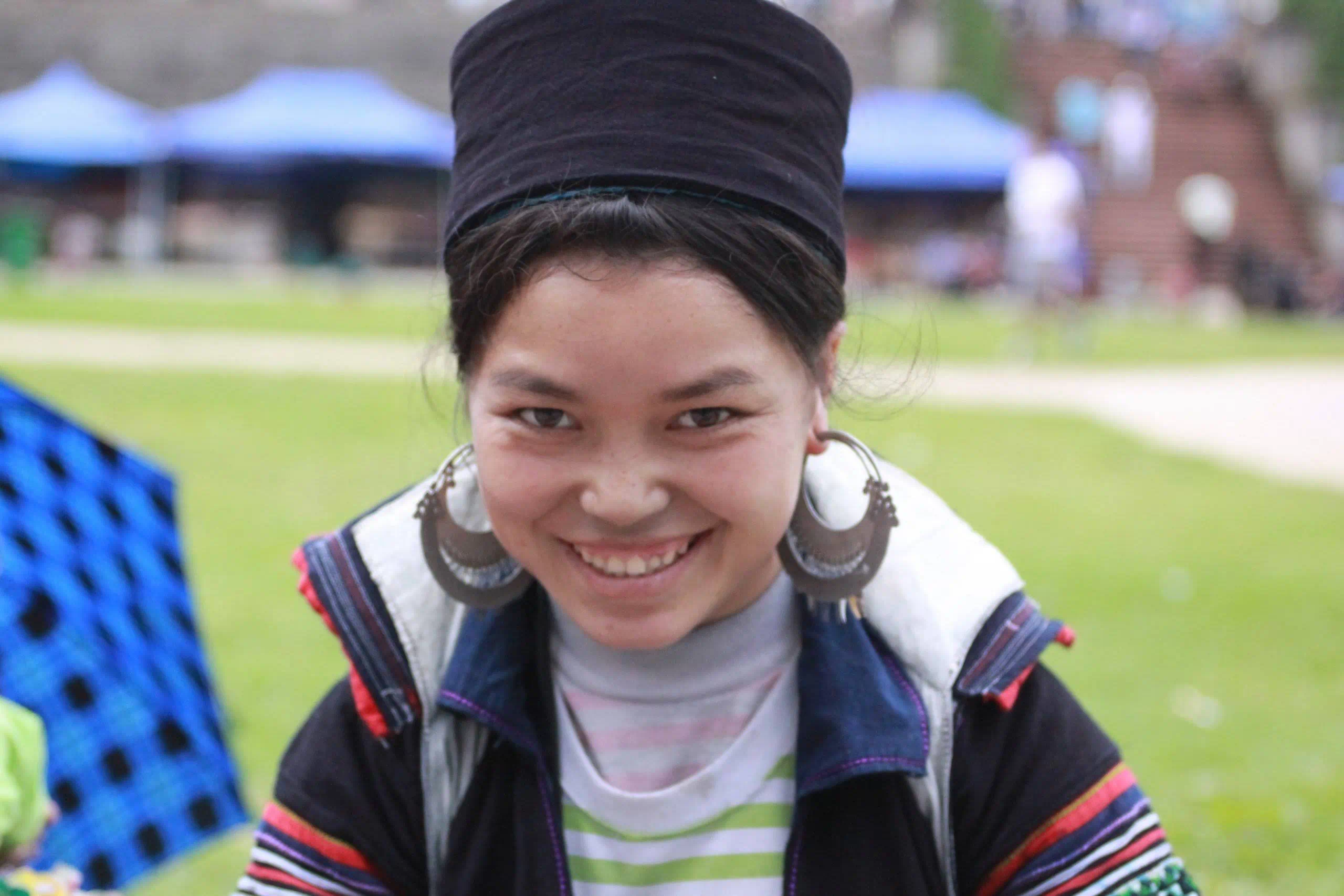
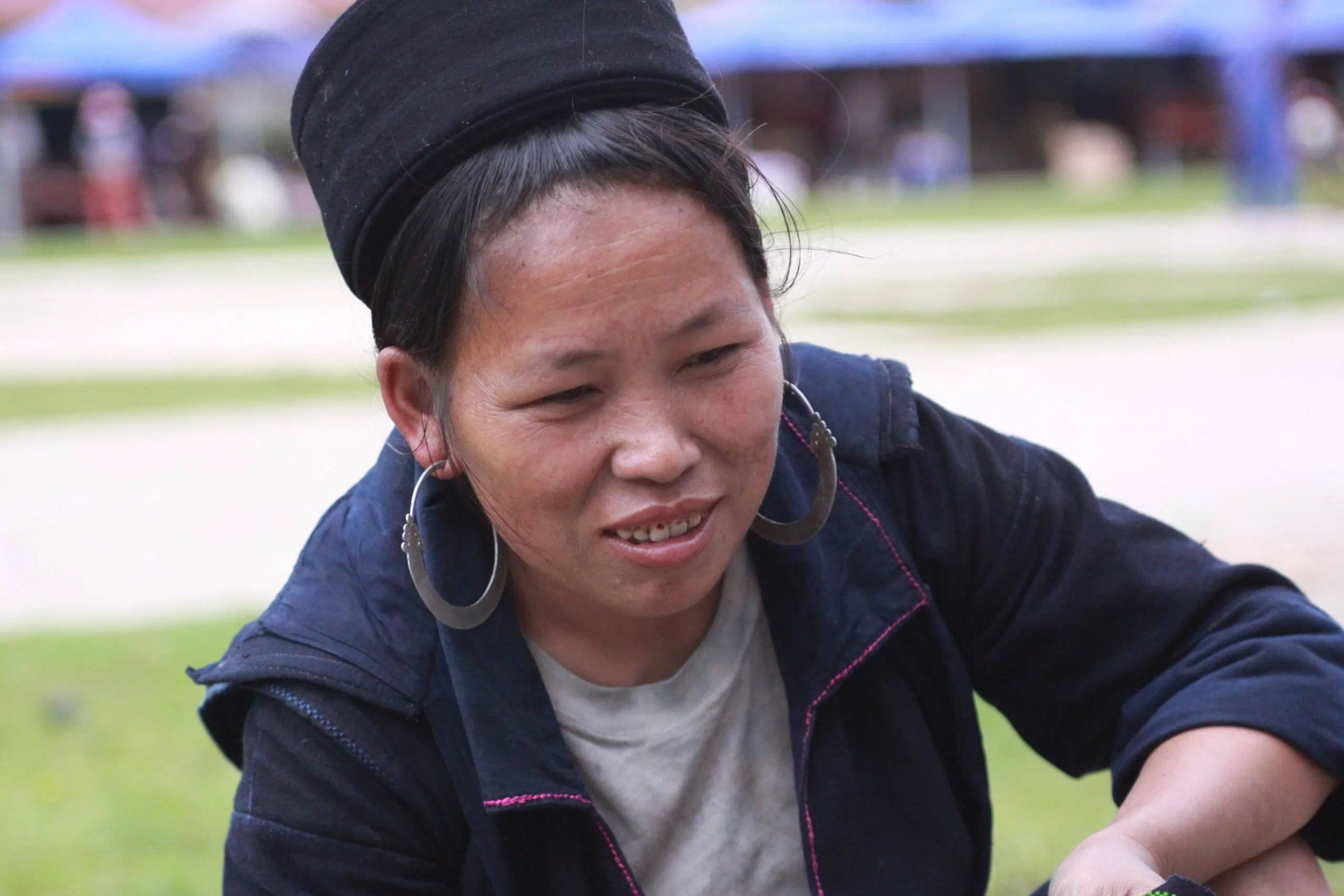
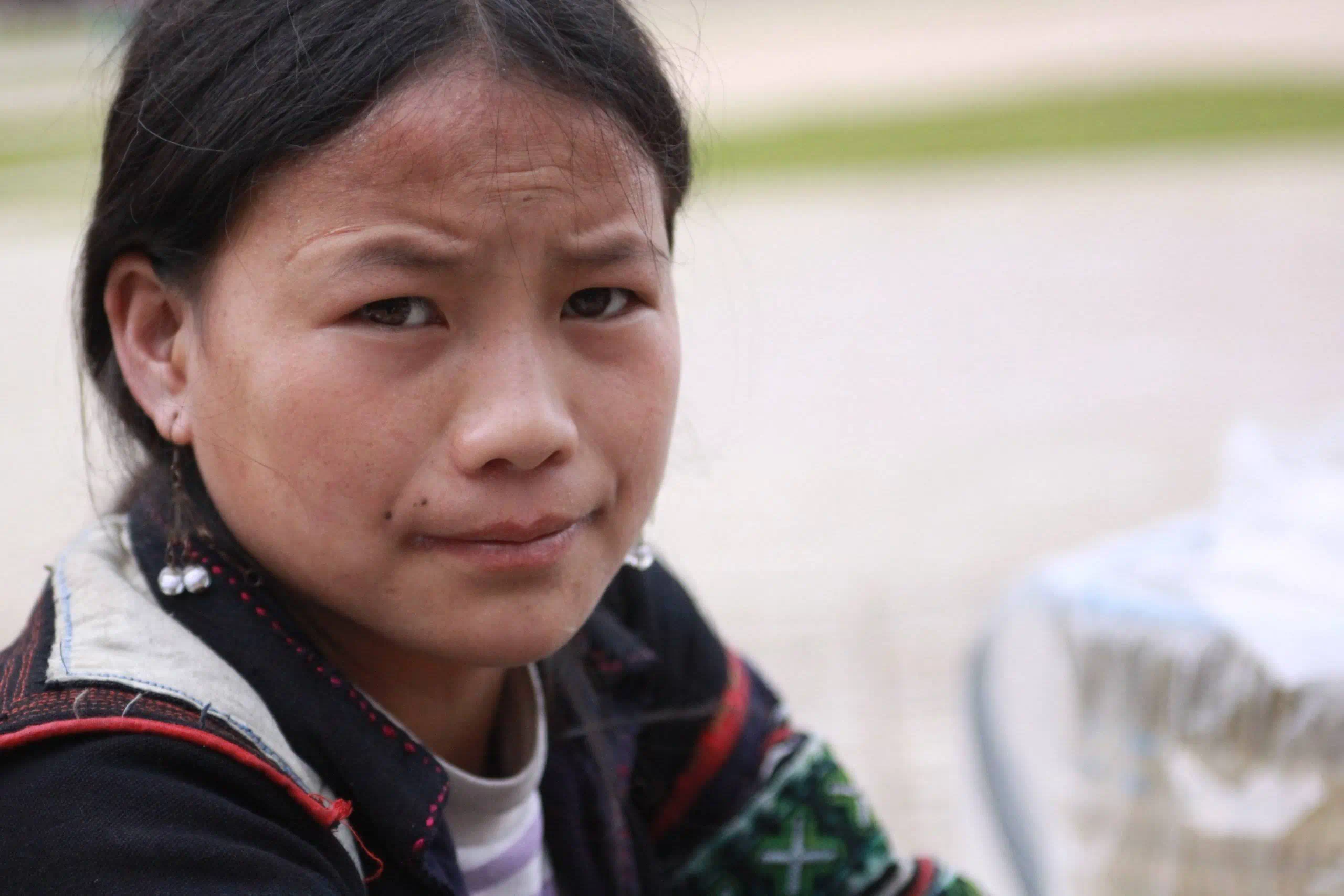
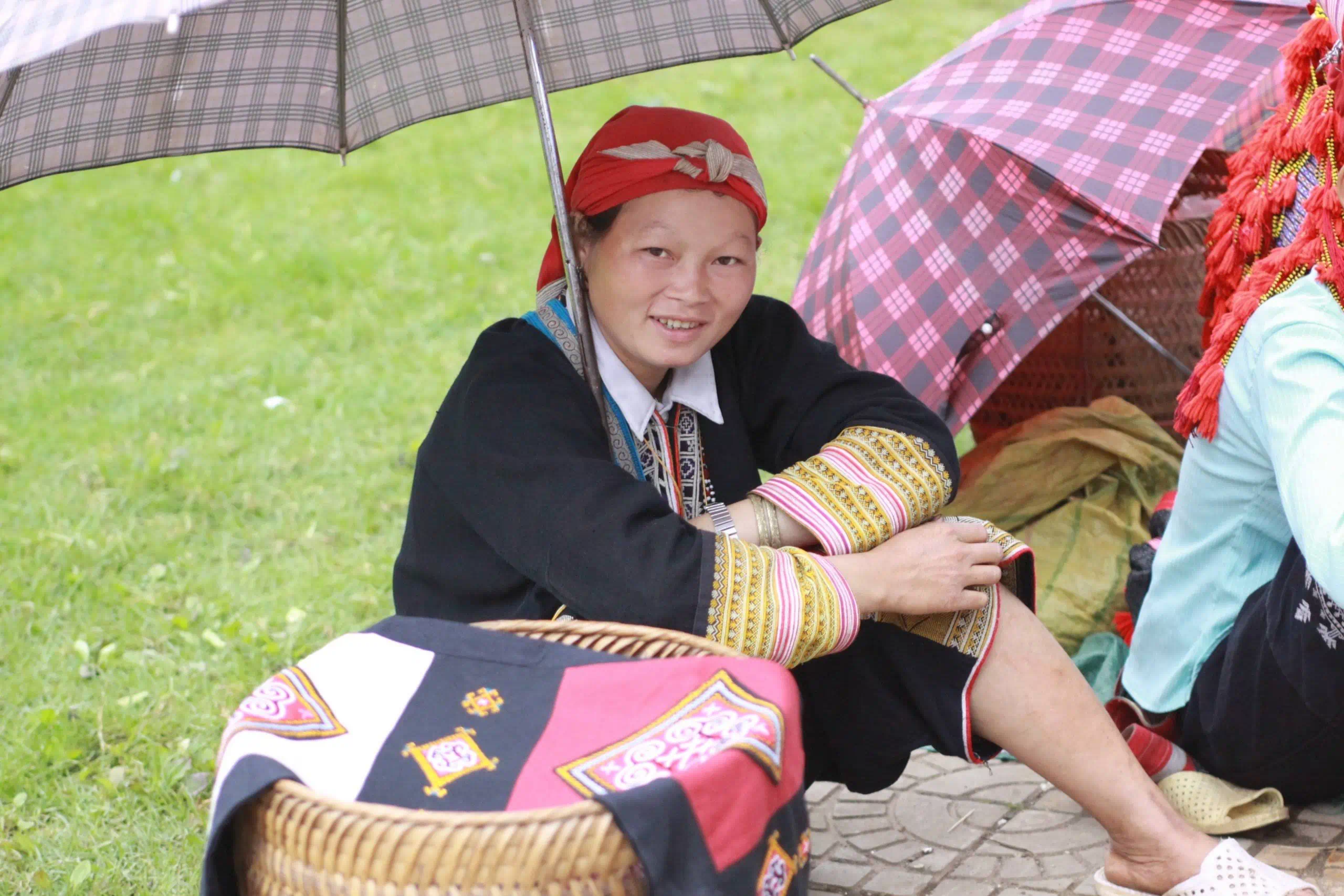
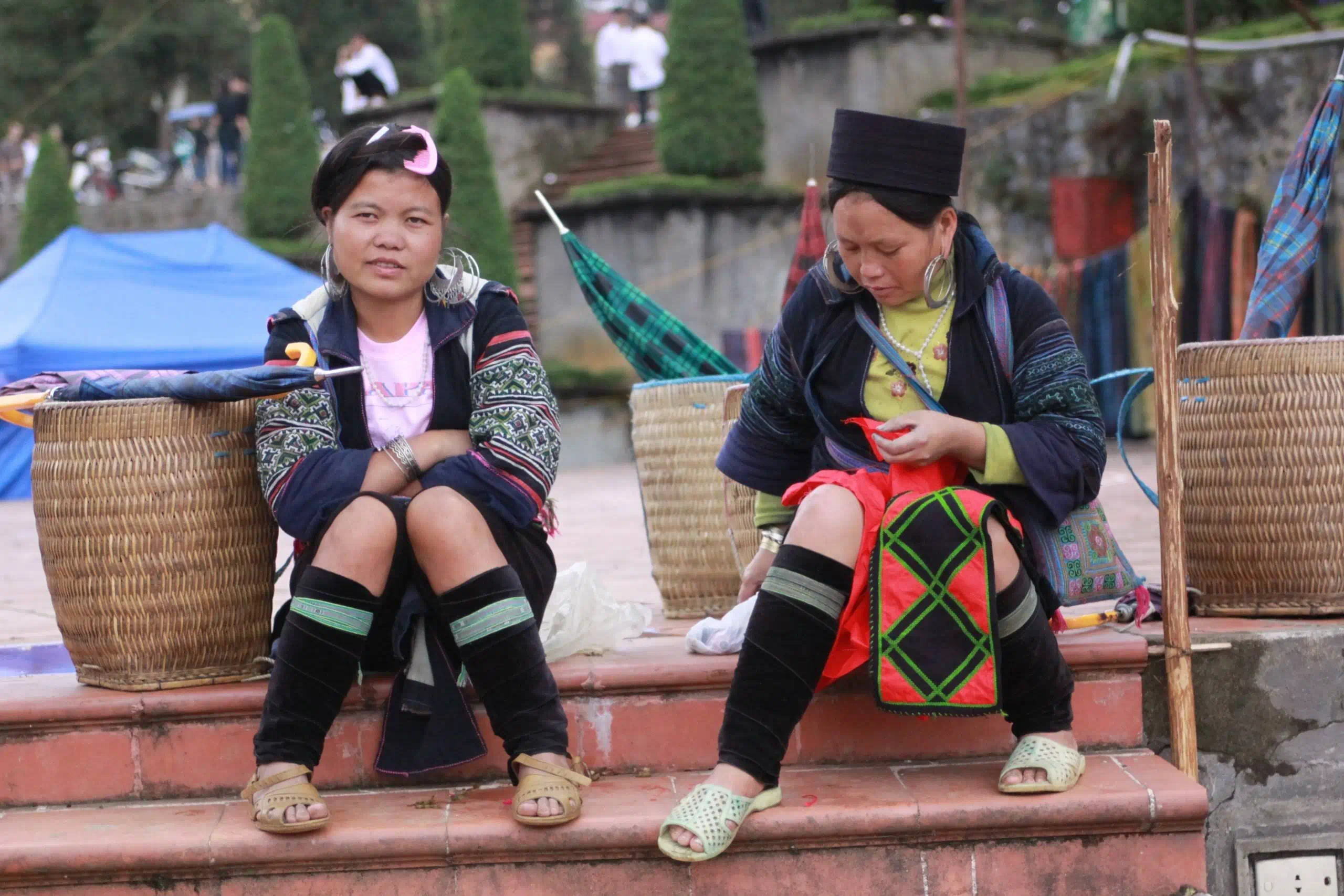
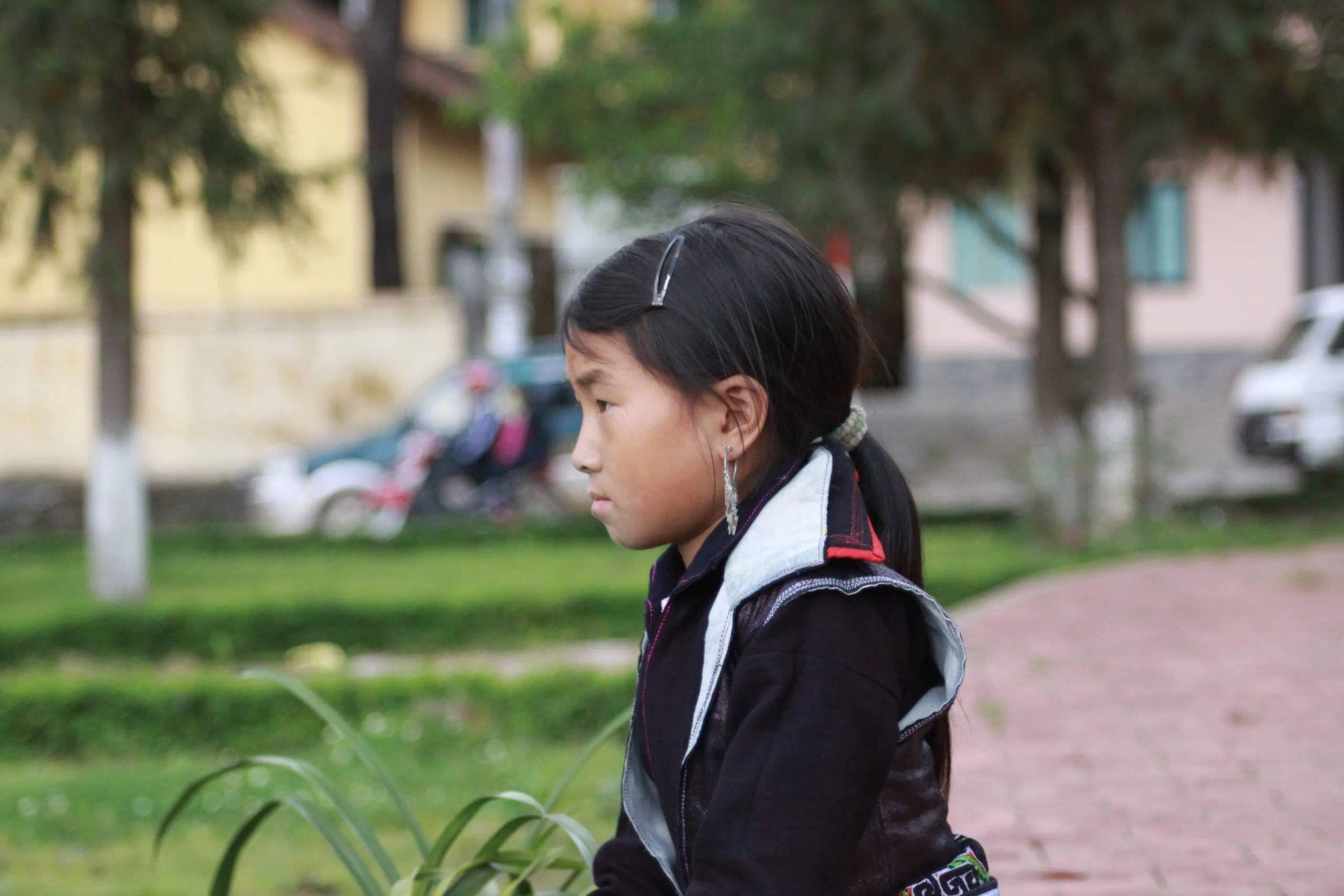
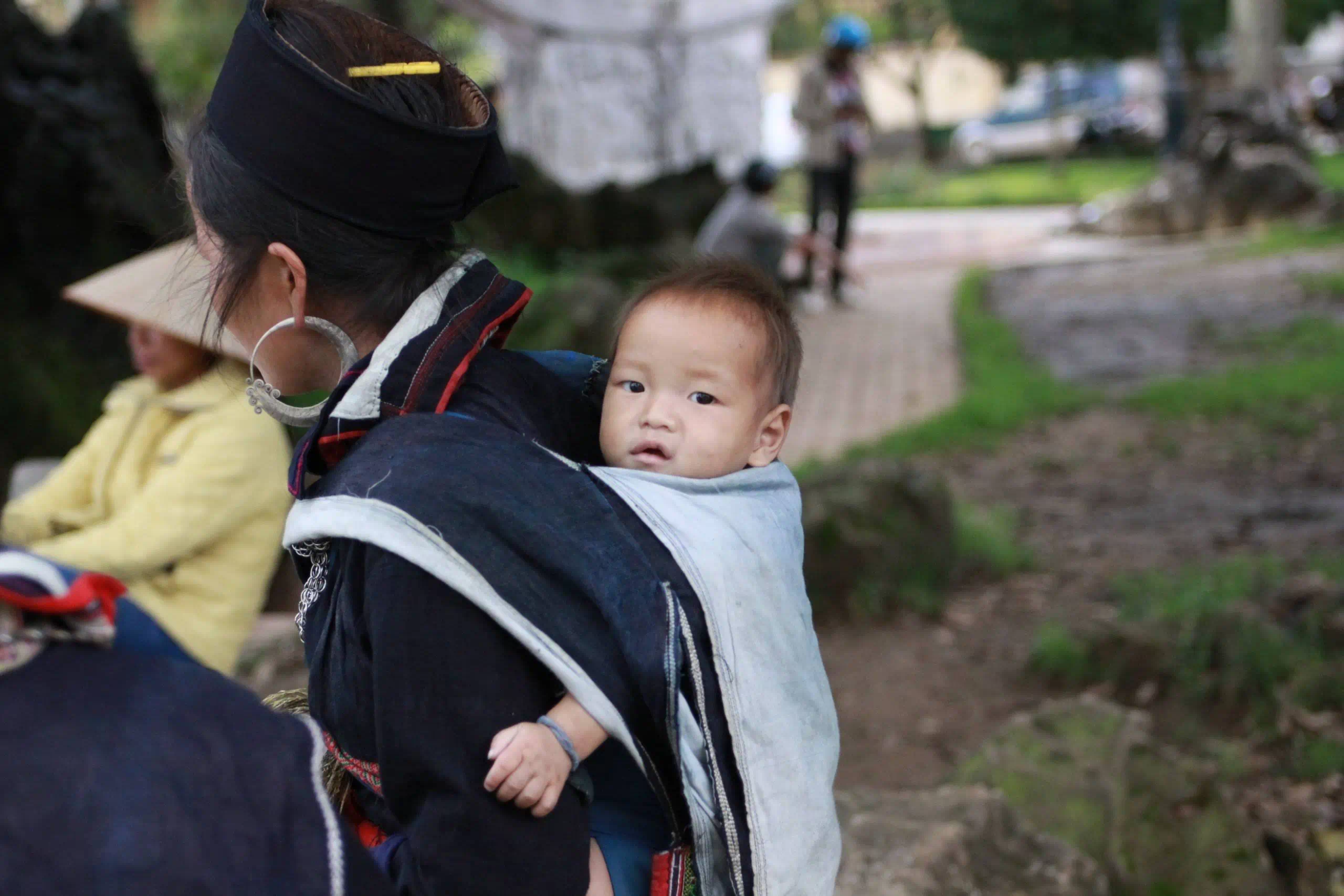
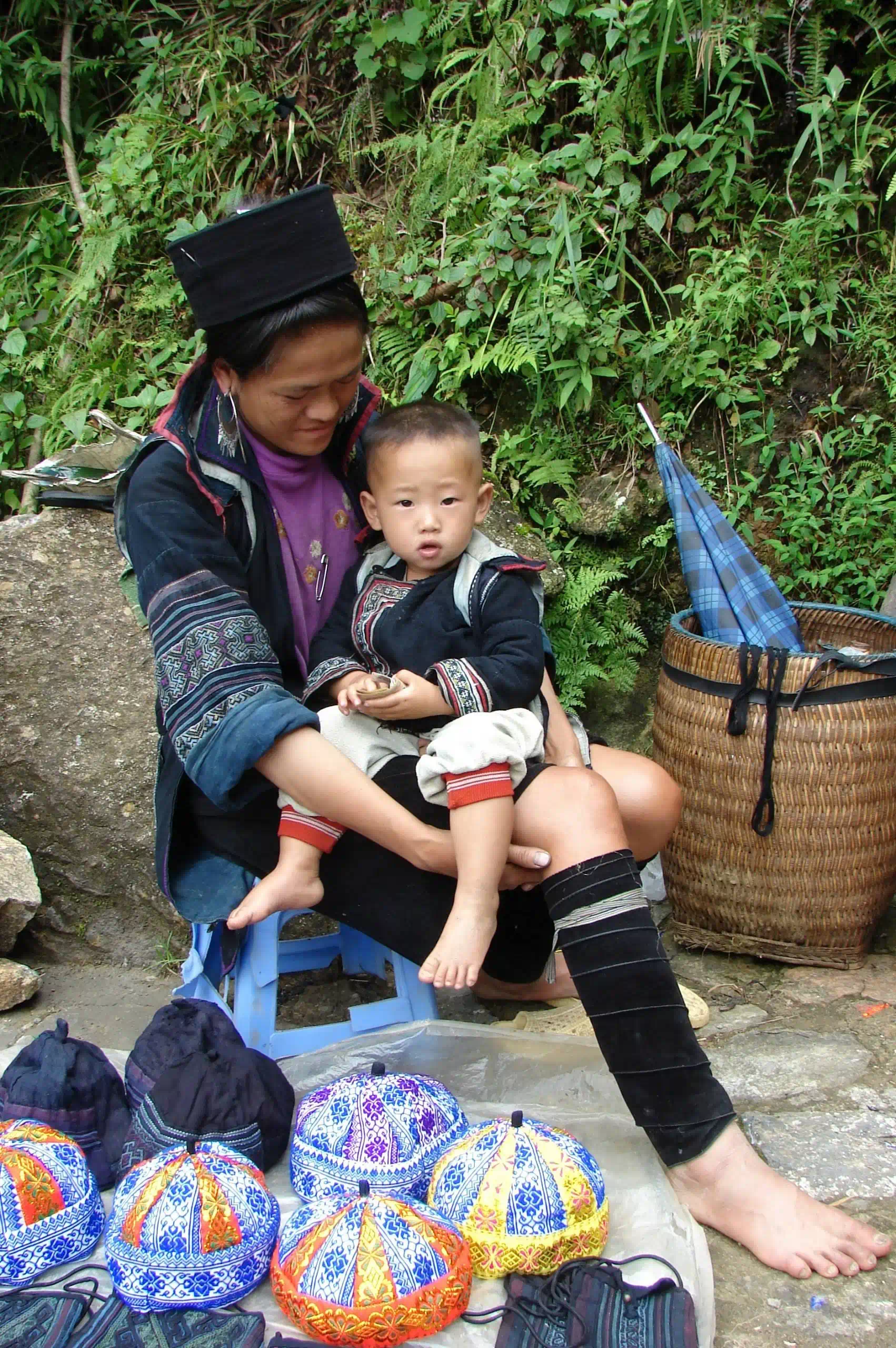
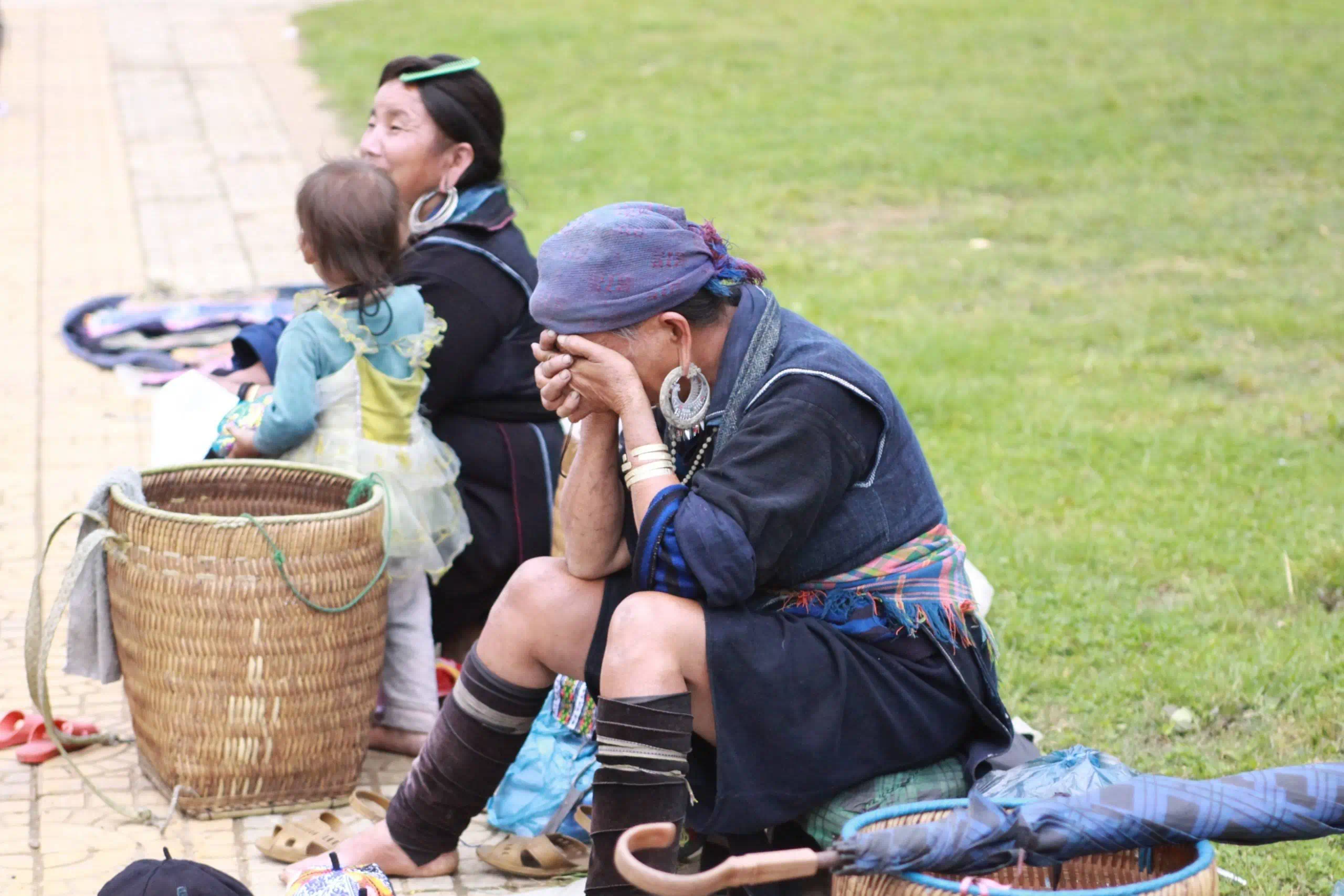
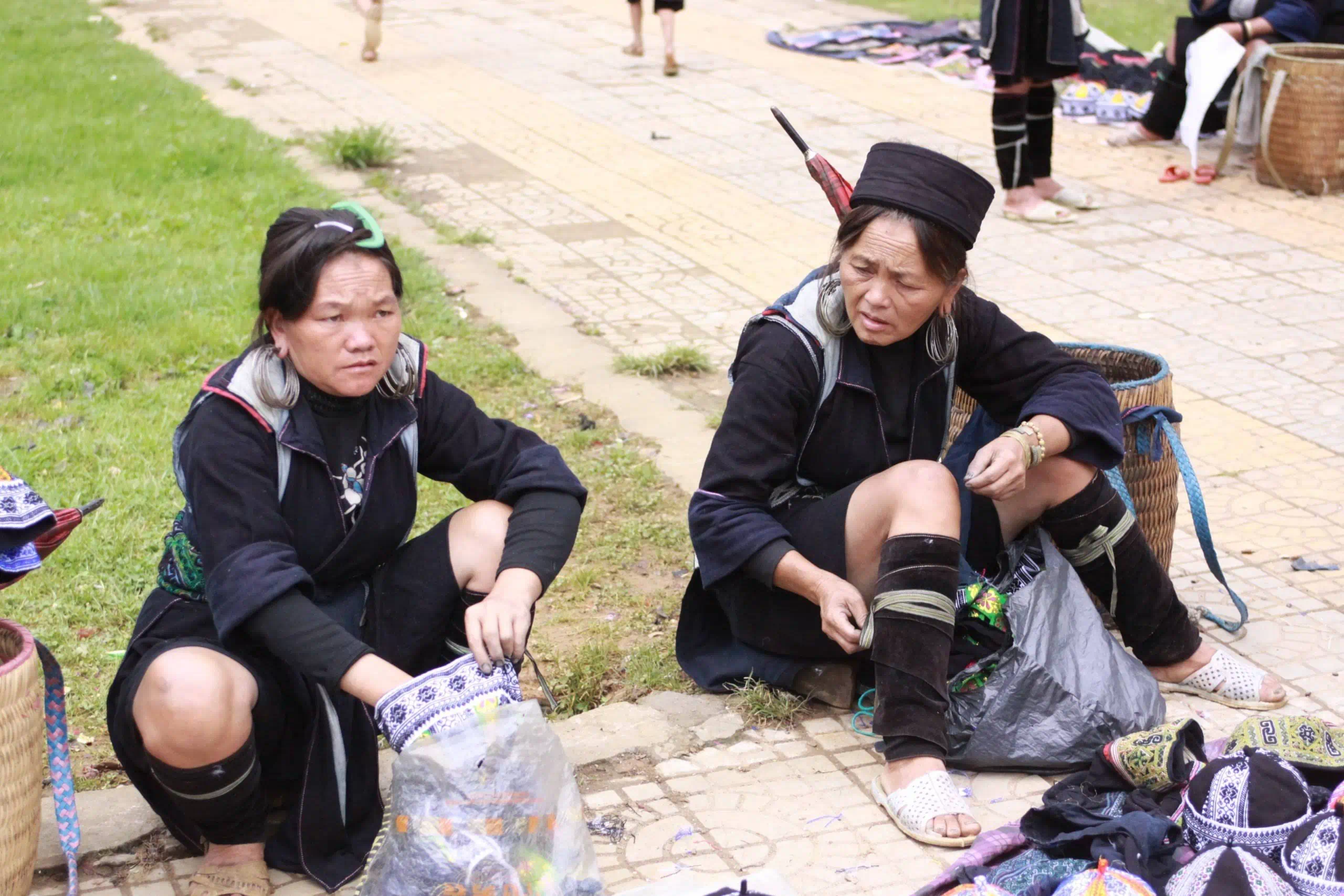
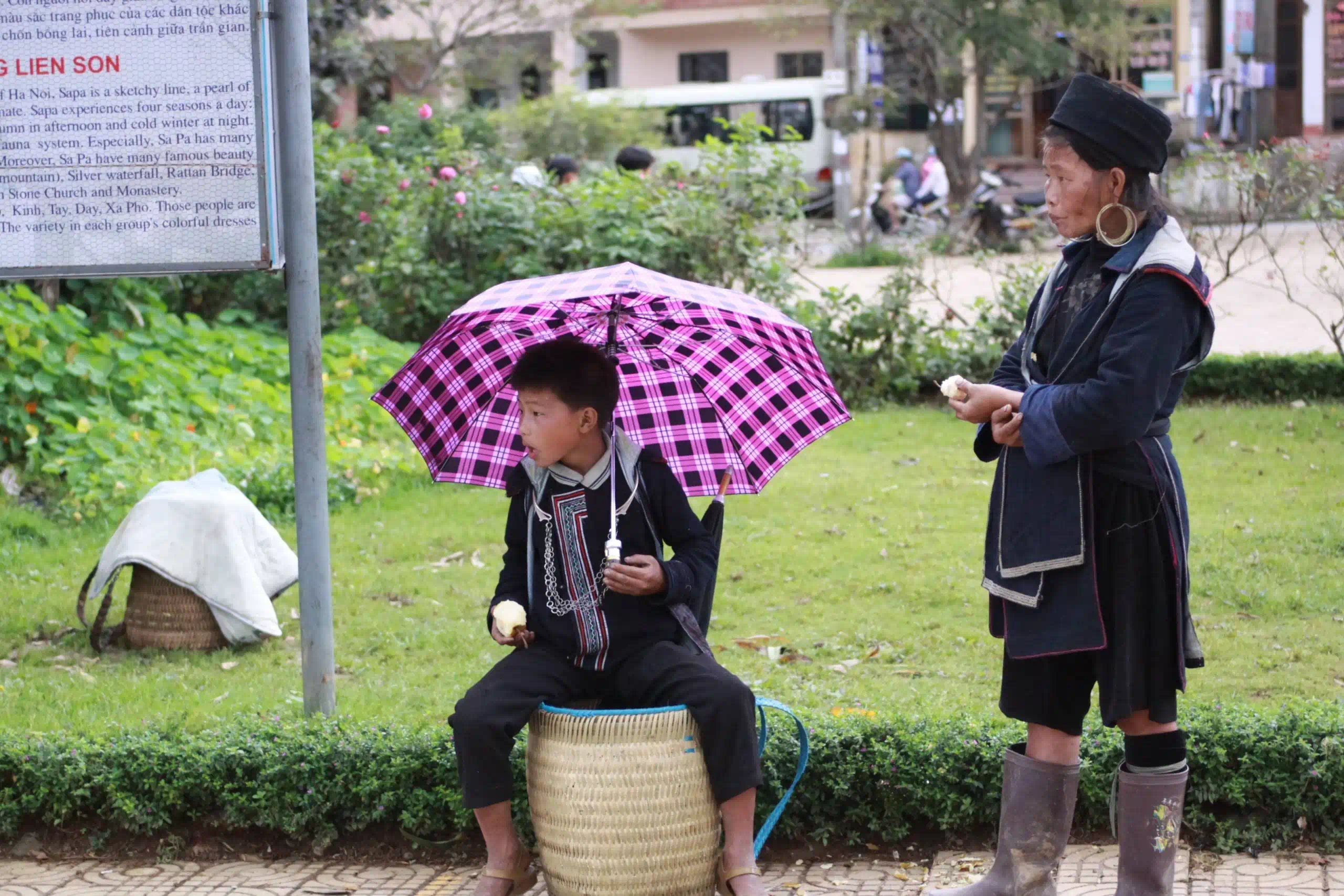
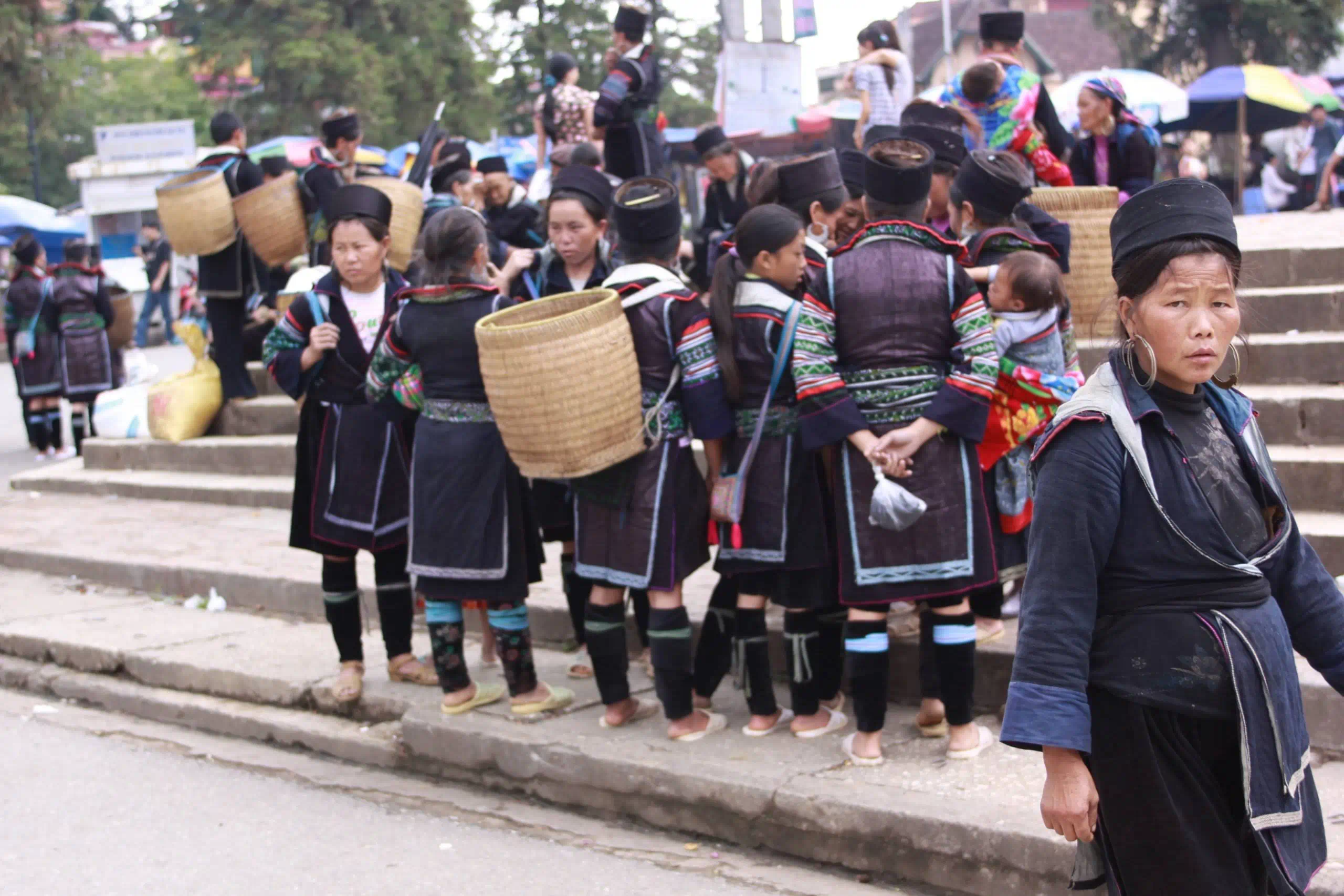
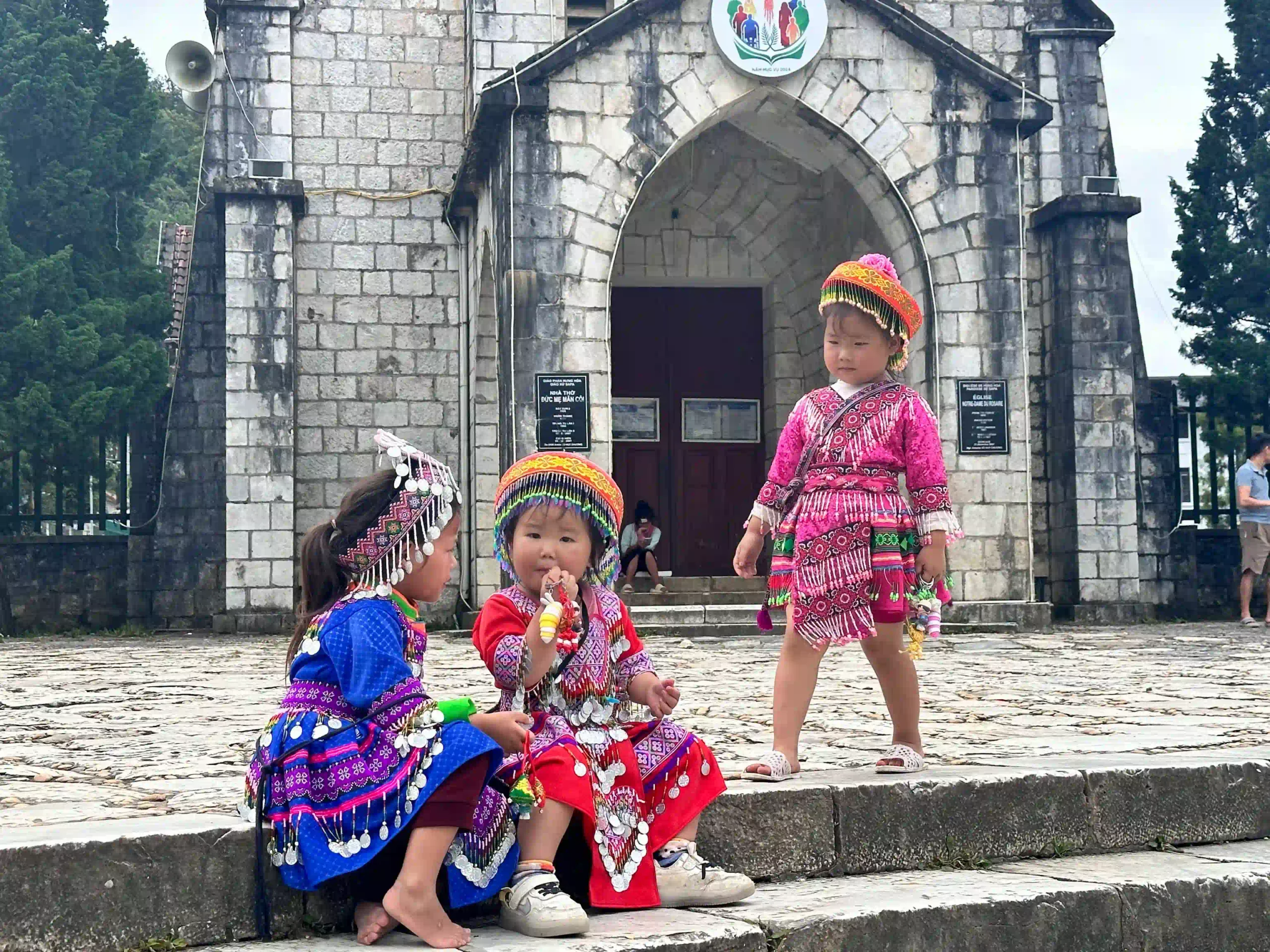
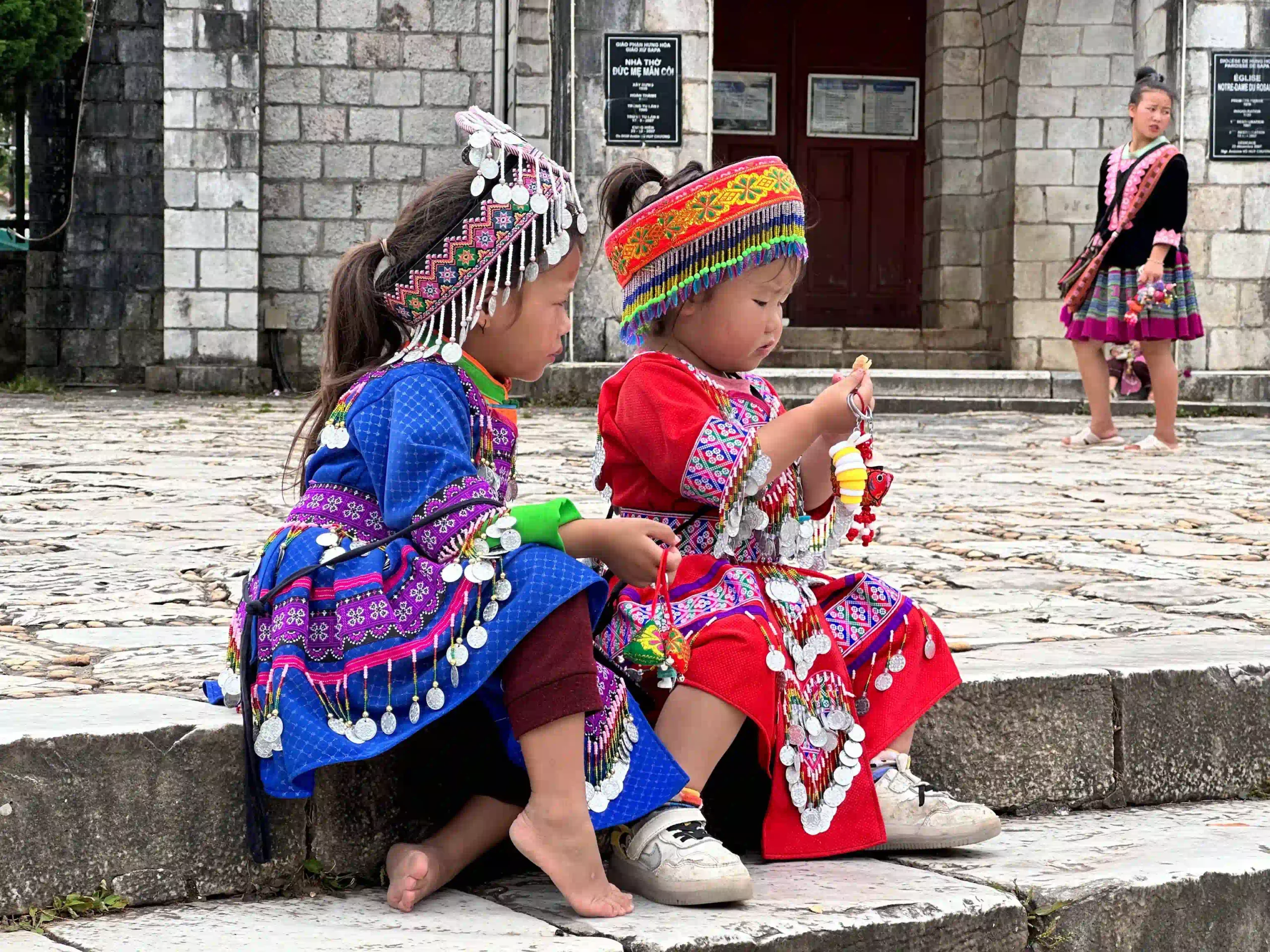
If you are a street photographer who genuinely cares about honest documentary-style shots of people living their lives, you have to work for it. You have to escape the main road grid.
Do not rely on the massive group walking tours sold from hotel lobbies. You will be stuck marching behind 30 other people on paved cement paths. Instead, reach out to independent Hmong or Dao female guides operating heavily out of the Ta Van or Giang Ta Chai regions.
Hire them for a full day. Tell them directly what you want: “I am a photographer. I do not care about walking fast. I want to walk slow on the remote dirt trails, look at normal farm routines, and see areas buses cannot reach.”
They will get it instantly. They will lead you way off the grid. They usually take you to their cousin’s house or tiny off-road settlements where people are literally weaving hemp on ancient wood looms or splitting giant bamboo.
By hanging out properly with a local guide facilitating the language barrier, nobody demands cash for a photo. You just get to observe real daily existence and get honest smiles in return.
3 Essential rules for keeping your gear alive in the north
Sapa climate physically destroys electronics. Do not think you can casually treat this place like a studio.
If you are debating your best time to visit Sapa, know that every single month demands specific abuse for your bag.
Here is the quick gear cheat code to not breaking everything you own:
1. Dust off, bag up.
If you arrive via the main sleeper bus terminal, realize Sapa town is perpetually covered in fine concrete dust from non-stop hotel construction.
The minute a bus rolls past you, your glass is coated. Always walk with a cheap UV filter slapped onto your main lens and keep a rocket blower in your top pocket.
2. Forget the rolling Pelican case.
Are you seriously going to haul a hard plastic rolling box down an unpaved muddy 35-degree slope in the middle of a valley? You’re going to break your ankle trying to pull it. Pack down entirely to an airtight 30L weather-resistant backpack.
I literally throw old trail runners in there and wrap my secondary prime lenses inside my wool socks to save space. Carry less.
3. Batteries fail completely up high.
If you take the cable car up to the peak of Mount Fansipan at 3,100 meters, or if you trek high up into the Heaven’s Gate pass on a motorbike at sunset in December, the cold completely shreds mirrorless camera batteries.
Your camera will read 45% charge, and ten minutes later it simply blinks red and shuts down completely.
Keep your spare batteries tucked aggressively into an inner chest pocket as close to your actual body heat as possible until the very moment you swap them into the bottom of the camera.
Read more: Northern Vietnam 14-day loop – A traveler’s survival map
Final word
Look, framing up the final shot is obviously a completely personal choice. Maybe you hate bright sunny days and really do want that frozen miserable fog for a moody project. That’s entirely fine.
But if you want my final verdict on exactly what the best time to visit Sapa is to get the highest return on the thousands of dollars you dropped on lenses?
It’s September 10th to September 25th.
Just deal with the domestic tourist crowds, rent an overpriced beat-up scooter to escape the massive hotels in town, get off the cement, and sit down in the dirt to wait for the light.
When the sky clears over the yellow rice lines in Lao Chai, you will literally not find a better corner to shoot in the entirety of Southeast Asia.
If you are looking for a complete list of activities, check out our guide on the Best Things to Do in Sapa
Drop a link to your best shots below if you managed to catch the fields when they were actually colored right, or send this directly to the buddy trying to drag you to the mountains during heavy winter so he stops. Keep the glass clean out there.

Keep Exploring Sapa
-
See & do UltimateI ranked 10 popular things to do in Sapa from worst to best ›
-
Guide Must readIndependent Travel Tips in Sapa for First-timers ›
-
GuideThe best Hanoi to Sapa route I recommend to all my friends ›
-
GuideIs Sapa worth visiting to see local culture or is it fake? ›
-
GuideDalat vs Sapa: Where I slept better, ate better & traveled easier ›











 Tiếng Việt
 한국어
한국어 中文 (中国)
 日本語
日本語 ไทย
ไทย Deutsch
 Español
 Destinations
 Instagram
 Facebook
 X (Twitter)
 Threads
 Tiktok