









 Ha Giang
 Hanoi
Hanoi Ho Chi Minh City
 Ha Long
 Sapa
Sapa Mekong Delta
 Da Nang
 Hue
Hue Hoi An
 Ninh Binh
 Da Lat
 Nha Trang
 Phan Thiet
 Phu Quoc
 Quang Binh
 Quy Nhon
 Vung Tau
 Thai Nguyen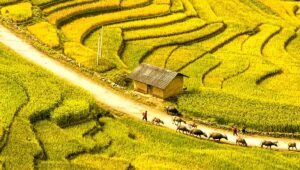






Picture this: You’re standing on a misty ridge, the air cool against your skin, gazing out at endless tiers of emerald-green rice terraces tumbling down the mountainside. Somewhere nearby, a rooster crows, and the faint chatter of Hmong women in vibrant embroidered clothing drifts through the breeze.
This is Sapa, Vietnam—a hilltop haven that feels like stepping into a postcard. For first-time international travelers, Sapa promises adventure, culture, and a refreshing escape from Vietnam’s steamy lowlands. But if you’re new to Vietnam, the idea of exploring this remote gem independently might spark a mix of excitement and nerves.

How do you get there? What should you pack? Will you accidentally offend someone by pointing your camera the wrong way? Relax—I’ve got your back with this ultimate guide packed with travel tips in Sapa to turn your trip into a seamless, soul-stirring experience.
Short on time? Here’s exactly what you need to know for your independent Sapa adventure:
- Why Go? Expect stunning rice terraces, cool mountain air, and vibrant Hmong/Dao cultures—perfect for nature and culture lovers.
- Getting There: From Hanoi (320 km), take the overnight train (8 hours, $25-40 USD to Lao Cai + 45-minute shuttle), bus (5-6 hours, $10-15 USD), or private car (5 hours, $100-150 USD).
- Best Time: October-April for dry, cool weather (10-20°C); September for golden rice harvests; avoid May-August’s rain and mud.
- Where to Stay: Budget hostels ($5-15 USD), comfy hotels ($20-50 USD), or authentic Sapa homestays ($10-20 USD) with locals in villages like Ta Van.
- Trekking Basics: Try easy trails like Cat Cat (3 km, 1-2 hours) or Ta Van (6-8 km, 3-4 hours); bring waterproof boots, water, and a map—or hire a guide ($10-20 USD).
- Cultural Tips: Meet Hmong/Dao locals—ask before photos, buy handicrafts, say “xin chao” (hello) to connect respectfully.
- Must-See Spots: Climb Fansipan via cable car ($35 USD), explore Muong Hoa Valley’s rice fields, or visit Bac Ha Market (Sundays).
- Food to Try: Taste Sapa food like grilled skewers ($1-2 USD), thang co stew, or homestay rice meals—veggie options available if asked.
- Safety Notes: Pack meds for altitude, watch for overpriced tours, keep cash handy—emergency numbers: 113 (police), 115 (ambulance).
- Daily Budget: $30-60 USD covers lodging, food, and treks—bring VND as ATMs are scarce outside town.
- Packing Essentials: Waterproof shoes, layers, rain gear, and a flashlight—adjust for cold winters (Dec-Feb) or wet summers (May-Aug).
Let’s dive into the details and get you ready to explore Sapa like a pro—whether it’s your first taste of Vietnam or a deeper dive after iconic spots like Halong Bay.
Why Visit Sapa?
Sapa isn’t just another dot on Vietnam’s map—it’s a destination that grabs you by the senses and doesn’t let go. Nestled in the Hoang Lien Son mountain range in Lao Cai province, near the Chinese border, this former French colonial hill station sits at 1,600 meters (5,250 feet) above sea level.
That altitude means cooler weather—a rarity in Southeast Asia—making it a magnet for travelers tired of sweating through Hanoi’s humid streets or Ho Chi Minh City’s scooter-filled chaos. But it’s the scenery that seals the deal: rolling hills blanketed in terraced rice fields, often cloaked in a dreamy fog that makes every photo look like a painting.

Then there’s the human element. Sapa is home to ethnic minority groups like the Hmong, Dao, Tay, and Giay, each with their own languages, traditions, and colorful attire. Walking through a village, you’ll see women weaving intricate textiles or farmers tending fields with methods passed down for centuries. It’s a living, breathing cultural showcase that feels worlds apart from Vietnam’s urban sprawl. For international travelers, Sapa offers a chance to slow down, breathe fresh mountain air, and connect with a way of life that’s both humbling and inspiring.
Why else? The Sapa attractions are endless—think heart-pumping treks, bustling markets, and the thrill of summiting Fansipan, “the Roof of Indochina.” Whether you’re a nature junkie, a culture buff, or just someone craving a break from the ordinary, Sapa delivers. Want to map out more Vietnam adventures? Our Vietnam Travel Guide has all the inspiration you need.
How to Get to Sapa
Your Sapa journey starts with getting there, and for most, that means a trip from Hanoi, about 320 kilometers (200 miles) southeast. Don’t let the distance intimidate you—Vietnam’s travel options make it manageable, even fun. Here’s the breakdown:
Overnight Train:
The classic choice. Board at Hanoi’s main station around 9 PM, settle into a soft-sleeper cabin (four bunks, $25-40 USD), and wake up in Lao Cai around 6 AM as the countryside rolls by. The train’s gentle sway and glimpses of rural Vietnam—think water buffalo and sleepy villages—are a perfect warm-up for Sapa’s charm. From Lao Cai, grab a shuttle or taxi ($5-10 USD) for the 45-minute ride up winding roads to Sapa town. Book via 12Go Asia, Klook or your hostel for ease.


Bus:
Faster and cheaper, with day and night options leaving from Hanoi’s My Dinh or Giap Bat stations. Sleeper buses ($10-15 USD) take 5-6 hours, dropping you right in Sapa. They’re comfy enough—reclining seats, blankets—but the twisty mountain roads can jostle light sleepers. Companies like Sapa Express or Queen Cafe are reliable; book ahead, especially on weekends.
Private Car:
For flexibility or groups, a car ($100-150 USD one-way) cuts the trip to 5 hours and lets you stop for photos—like at the Tram Ton Pass, Vietnam’s highest mountain pass. It’s a splurge, but the comfort and control are worth it if you’re splitting the cost.

Book Bus from Ha Noi to Sa Pa – 18 Bus Operators with the Best Price | 12go.asia
First-time tip: Trains feel more “Vietnam” and ease you into the journey, while buses suit tight schedules. Whichever you pick, expect friendly chaos—vendors hawking banh mi at stops, fellow travelers swapping stories. It’s all part of the ride.
Best Time to Visit Sapa
Timing is everything in Sapa, thanks to its wild Sapa weather. Here’s the full scoop to help you plan:


October to April (Dry Season):
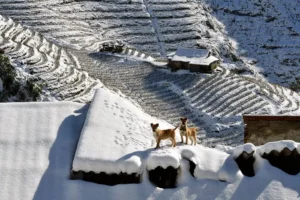
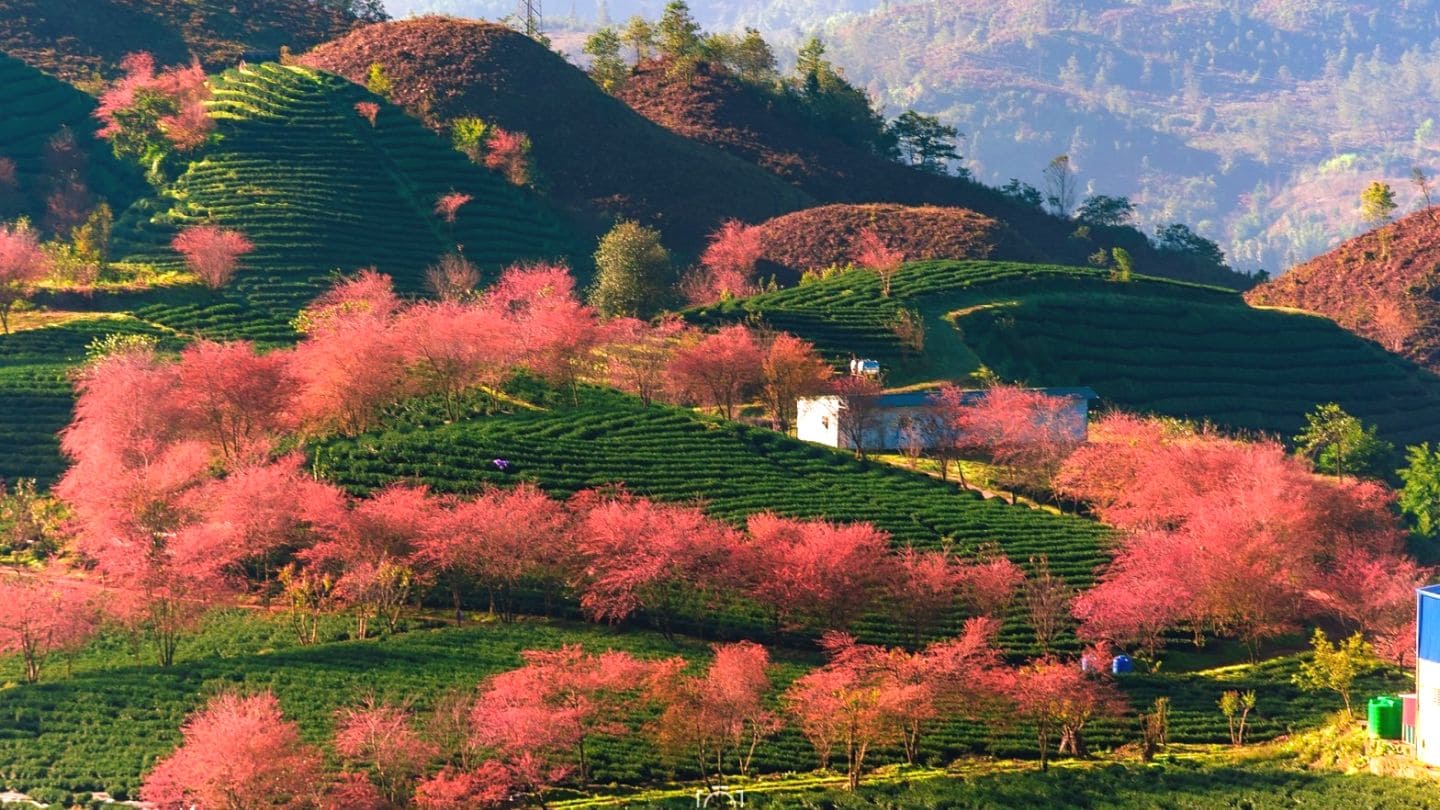
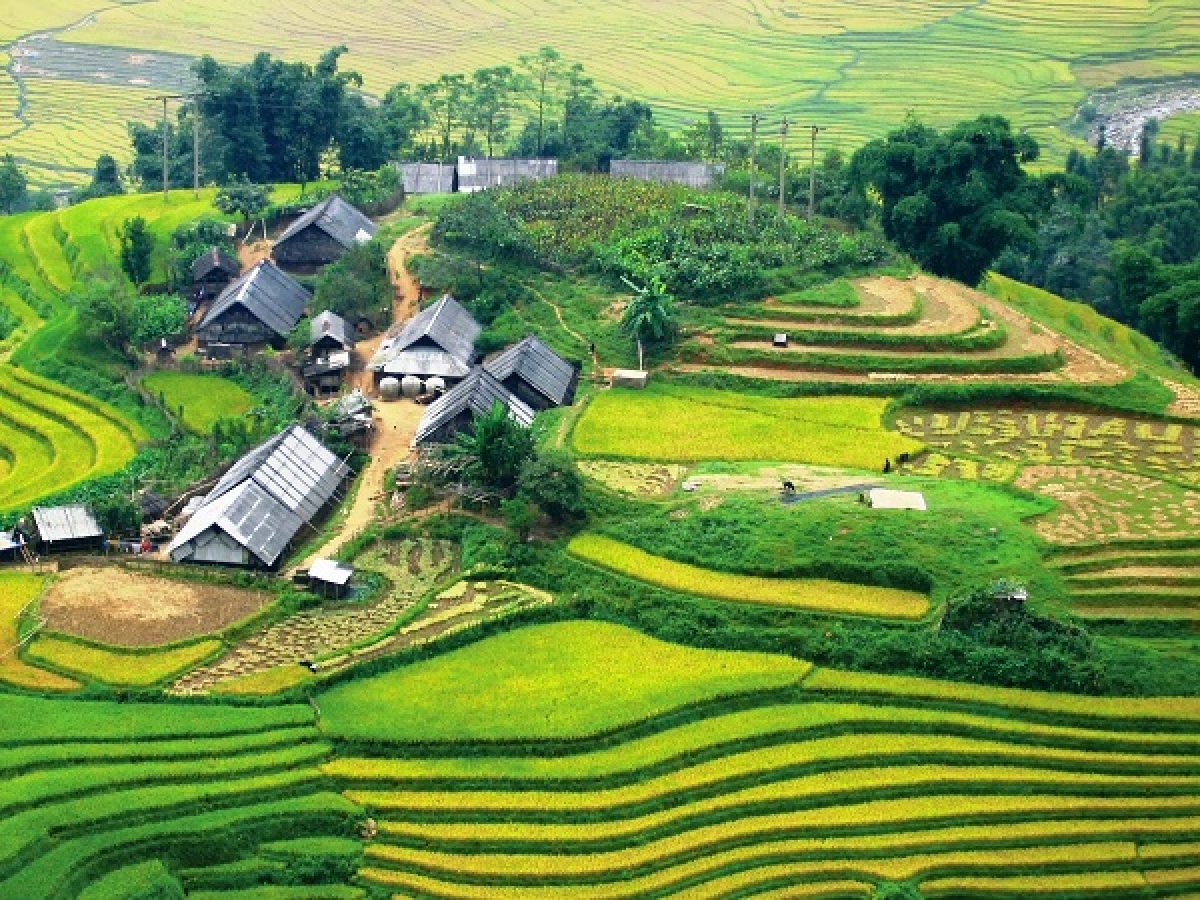
This is peak Sapa—cool, dry, and ideal for trekking. Daytime temps hover between 15-20°C (59-68°F), dipping to 5-10°C (41-50°F) at night. October and November bring clear skies and golden rice harvests—perfect for photos. December to February can get chilly, with occasional frost or even snow (a rare treat in Vietnam!). I’ve seen travelers bundled up, sipping hot tea, marveling at snow-dusted peaks—it’s magical.
May to August (Wet Season):
Warm (20-25°C/68-77°F), humid, and rainy, with daily showers turning trails into muddy slip-and-slides. The upside? Lush greenery and fewer crowds. If you don’t mind ponchos and wet socks, it’s a serene time to visit. Just pack extra patience for foggy views.
September (Harvest Bonus):
A golden window—warm days, less rain, and rice fields glowing yellow. It’s busy, but the spectacle of locals harvesting amid the terraces is worth it.
Cultural perks? Time your trip for Tet (January/February, lunar calendar) to see Hmong and Dao celebrations—dancing, singing, and rice wine galore. Weekly markets, like Bac Ha on Sundays, buzz year-round with local flair. Pick your vibe—crisp winter hikes or vibrant harvest treks—and Sapa will deliver.
Where to Stay in Sapa
Sapa’s lodging scene caters to every taste, from budget digs to immersive Sapa homestays. Here’s the lowdown:
Hotels:
In Sapa town, options range from $20-50 USD/night. Think cozy rooms with balconies overlooking misty valleys—places like Hmong house Sapa offer charm and comfort. Book early for peak season; sites like Agoda or Booking.com are your friends.
Hostels:
Backpacker havens ($5-15 USD) dot the town—think dorm beds, shared kitchens, and instant friends. Sapa Odyssey Hostel’s rooftop views are a steal. Great for solo travelers craving community.
Sapa Homestays:
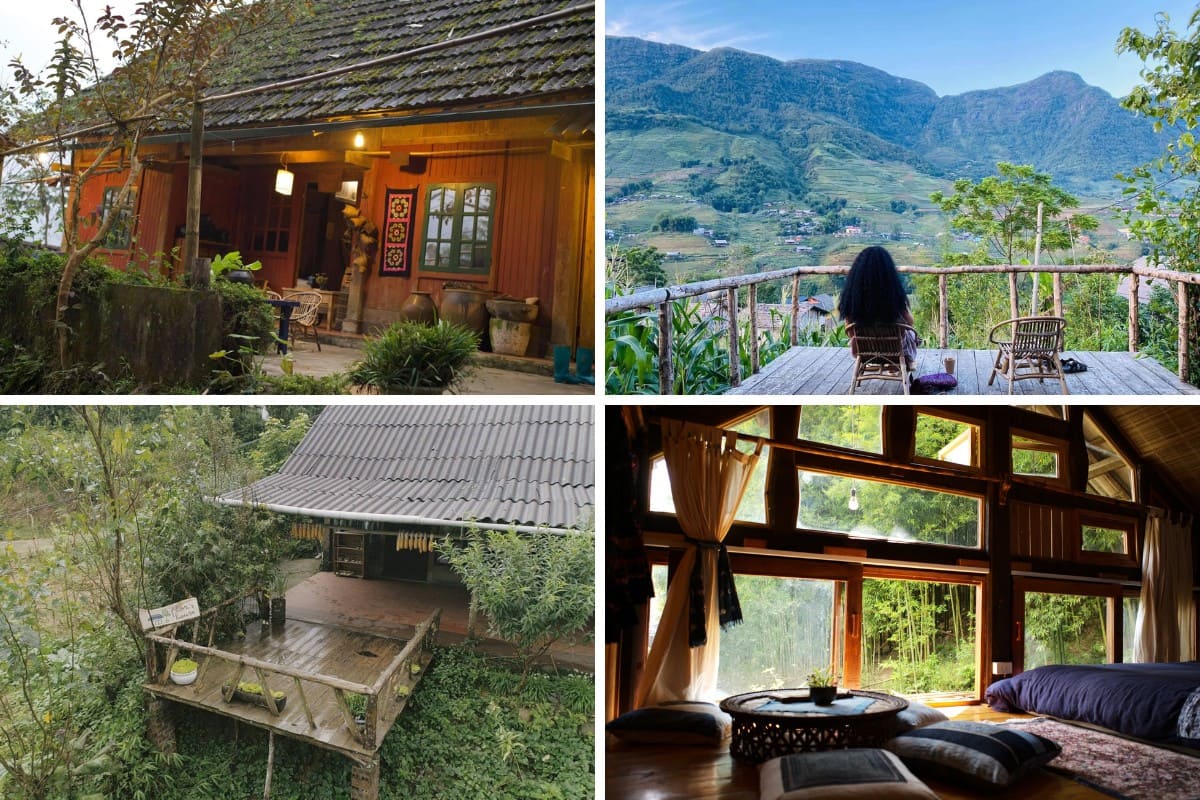
The real deal. For $10-20 USD, stay with Hmong or Dao families in villages like Ta Van, Lao Chai, or Giang Ta Chai. Expect simple beds, shared bathrooms, and meals cooked over an open fire—think rice, chicken, and bamboo shoots.
I once stayed in a Ta Van homestay where the host’s grandma taught me to roll spring rolls—awkwardly, I might add. It’s raw, real, and unforgettable. Look for spots with good reviews (Eco Palms House is a gem) and book direct or via a local agency.
Trekking in Sapa: What You Need to Know
Trekking is Sapa’s heartbeat, and it’s beginner-friendly if you know the ropes. Here’s your guide to Sapa trekking:
Top Trails:
- Cat Cat Village: A 3-kilometer (1.8-mile) loop, 1-2 hours, with gentle slopes, waterfalls, and Hmong homes. Entry’s $2 USD—easy and scenic.
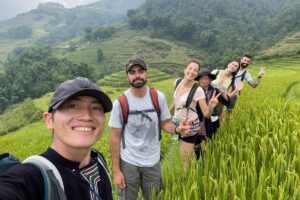
- Ta Van to Lao Chai: 6-8 kilometers (3.7-5 miles), 3-4 hours, through rice paddies and bamboo groves. Stunning valley views, moderate effort.
- Muong Hoa Valley: 10 kilometers (6.2 miles), 4-6 hours, with ancient rock carvings and epic panoramas. A bit tougher but worth it.
Solo or Guided?:
Solo treks work with offline maps (Maps.me is clutch—download the Sapa region ahead). Trails are marked, but muddy patches and forks can confuse. Local guides ($10-20 USD/day) add value—Hmong women often lead, sharing stories and shortcuts. I went solo once and got lost in the fog; a guide saved me the next time.

Gear Up:
Sturdy shoes (waterproof if rainy), a daypack, water (1-2 liters), snacks, and a rain jacket. Trails range from dirt paths to rocky climbs—pace yourself.
The Reward:
Sweeping vistas of terraced hills, the sound of distant cowbells, and that “I did it” rush. Start early to beat heat or crowds.
New to trekking? Stick to shorter routes and build confidence. Our Hanoi to Sapa Tours page has guided options if you want a hand.
Experiencing Sapa’s Culture
Sapa’s Sapa culture is a tapestry of traditions woven by its ethnic groups. The Black Hmong, in indigo-dyed outfits, and Red Dao, with their scarlet headscarves, are the stars. Visiting a village feels like time travel—wooden homes, hand-loomed textiles, and kids chasing chickens. But it’s not a museum; it’s alive.

- Etiquette Tips: Ask before photographing—some locals love it, others don’t. Dress modestly (no shorts in homes), and don’t touch sacred items (like altars). A smile and “xin chao” (hello) go far.
- Connect: Buy handicrafts—scarves, bags, silver jewelry—at markets or from vendors. I haggled for a Hmong pouch and ended up with tea and a chat. Learn phrases: “Cam on” (thank you) wins hearts.
- Join In: Homestays might offer cooking lessons or weaving demos. One night, I danced (badly) at a Dao wedding party—pure joy.
Respect is key—Sapa’s people are warm but private. Want more cultural dives? Our Cultural Experiences guide explores Vietnam’s diversity.
Top Attractions in Sapa
Sapa’s Sapa attractions blend nature and culture into a must-see list:


Fansipan Mountain:
At 3,143 meters (10,312 feet), it’s Vietnam’s highest peak. The cable car ($35 USD, 20 minutes) delivers insane views—clouds below, peaks above. Hiking takes 1-2 days; fit trekkers only.
Muong Hoa Valley:
A trekker’s paradise with rice fields and 200+ ancient carved stones. Rent a motorbike/car ($5-10 USD/day) for freedom.
Bac Ha Market (Sundays):
An explosion of color—textiles, livestock, and food stalls. It’s 2 hours from Sapa, so plan a day trip.
Silver Waterfall:
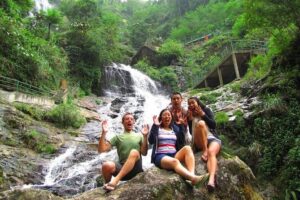
A 100-meter (328-foot) cascade, serene and less crowded. Entry’s $1 USD—go early.
Timing matters—mornings are quieter, afternoons busier. Each spot shows Sapa’s wild beauty up close.
Food and Dining in Sapa
Sapa food is rustic and hearty, reflecting mountain life. Here’s what to try:
- Thang Co: A horse meat stew with herbs—gamey but warming. Adventurous eaters, dive in.
- Grilled Goodies: Skewers of pork, chicken, or fish, smoky from street fires. $1-2 USD gets you a feast.
- Homestay Meals: Rice, bamboo shoots, and free-range chicken—fresh and simple. Pair with rice wine (sip slowly!).
In town, Le Gecko or The Hill Station ($5-15 USD) blend Vietnamese and Western—pho, burgers, coffee. Vegetarians? Ask for stir-fried veggies or tofu; options are growing. One foggy night, I slurped noodle soup by a stall, the steam curling into the mist—Sapa in a bowl.
Safety Travel Tips in Sapa
Sapa safety is straightforward with a little prep:
- Health: Altitude (1,600 meters) can cause mild dizziness—hydrate, rest. No vaccines required, but pack ibuprofen, antidiarrheals, and a first-aid kit.
- Scams: Fake guides or overpriced trinkets pop up—book tours via hotels, haggle politely. Solo women? Stick to busy trails.
- Emergencies: Police (113), ambulance (115). Sapa Hospital’s basic but functional—travel insurance is smart.
Locals are kind, but English is rare—carry a hotel card or translation app. You’ll feel safe with common sense.
Budgeting for Your Sapa Trip
Sapa budget travel is totally doable:
- Accommodation: Hostels ($5-15 USD), homestays ($10-20 USD), hotels ($20-50 USD).
- Food: $5-15 USD/day—street eats are cheapest.
- Trekking: $10-20 USD with a guide; free if solo.
- Transport: $20-40 USD round-trip from Hanoi.
Total? $30-60 USD/day. Save by bargaining, skipping fancy tours, and packing snacks. Cash is king—ATMs are town-only, so stock VND (1 USD = ~25,000 VND).
What to Pack for Sapa
Your Sapa packing list depends on Sapa weather:
- Essentials: Waterproof hiking boots, quick-dry pants, layers (fleece, T-shirts), rain jacket, hat.
- Seasonal: Winter (Dec-Feb)—warm socks, gloves. Summer (May-Aug)—sunscreen, light scarf for villages.
- Extras: Water bottle, snacks, flashlight, power bank—rural power’s spotty.
Pack light but smart—muddy trails and chilly nights don’t forgive flimsy gear. I learned that the hard way with soggy sneakers!
Conclusion for Travel Tips in Sapa
Sapa’s a rare blend of wild beauty and warm humanity—terraced hills, foggy mornings, and smiles that linger. With these travel tips in Sapa, you’re set to trek, taste, and connect on your own terms. Ready to make it real? Explore our Sapa Tours or reach out for tailored planning. Your mountain adventure’s calling—go chase it!

Keep Exploring Sapa
-
See & do UltimateI ranked 10 popular things to do in Sapa from worst to best ›
-
GuideThe best Hanoi to Sapa route I recommend to all my friends ›
-
GuideIs Sapa worth visiting to see local culture or is it fake? ›
-
GuideExactly the best time to visit Sapa for photos in 2026 ›
-
GuideDalat vs Sapa: Where I slept better, ate better & traveled easier ›
-
Stays Must readI found 5 best places to stay in Sapa for Fansipan tour! ›











 Tiếng Việt
 한국어
한국어 中文 (中国)
 日本語
日本語 ไทย
ไทย Deutsch
 Español
 Destinations
 Instagram
 Facebook
 X (Twitter)
 Threads
 Tiktok
Nice overview for Sapa first-timers. Stayed in a homestay, which was cool but super basic.
Just got back from Sapa, and this guide was handy for planning. The markets were so lively, but I wish I’d packed warmer clothes. It got chilly fast!