









 Ha Giang
 Hanoi
Hanoi Ho Chi Minh City
 Ha Long
 Sapa
Sapa Mekong Delta
 Da Nang
 Hue
Hue Hoi An
 Ninh Binh
 Da Lat
 Nha Trang
 Phan Thiet
 Phu Quoc
 Quang Binh
 Quy Nhon
 Vung Tau
 Thai Nguyen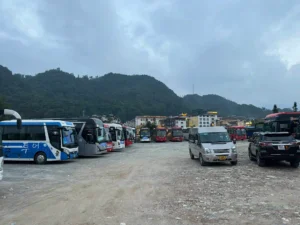





I see the same post on travel forums almost every single day. People looking at a map of Vietnam, seeing Sapa up north, and asking if they can squeeze it into a single weekend before their flight out.
The short answer is yes, you physically can. Tour companies in Hanoi will gladly sell you a quick two-day package.
The real answer? You’re going to hate it.
The main issue tourists don’t grasp until they get here is the geography. Vietnam isn’t Europe. A 320-kilometer drive here does not take three hours. It takes at least six. If traffic out of Hanoi is bad, or the weather on the mountain pass is fogged over, it takes seven.
If you are trying to smash Sapa into 48 hours, you need to understand exactly what you are sacrificing. You don’t get the quiet mountain experience. You get a rushed, exhausted checklist of crowded tourist spots.
Let’s just lay out exactly what a Sapa 2-day itinerary actually looks like in real life compared to a Sapa 3-day itinerary, so you can see why I always tell people to find an extra day.
- Quick Answer: Yes, a 2-day Sapa itinerary is a terrible idea. You’ll spend over 12 hours just sitting on a bus to get there and back from Hanoi. You absolutely need a 3-day Sapa itinerary to survive the transit, escape the noisy main town, trek the muddy valleys, and sleep in a real village homestay without burning out.
- The math of a 2-day trip completely sucks:
- Transit from Hanoi takes 6+ hours each way. Cramming it into 48 hours means half your waking vacation time is spent staring at the back of a bus seat.
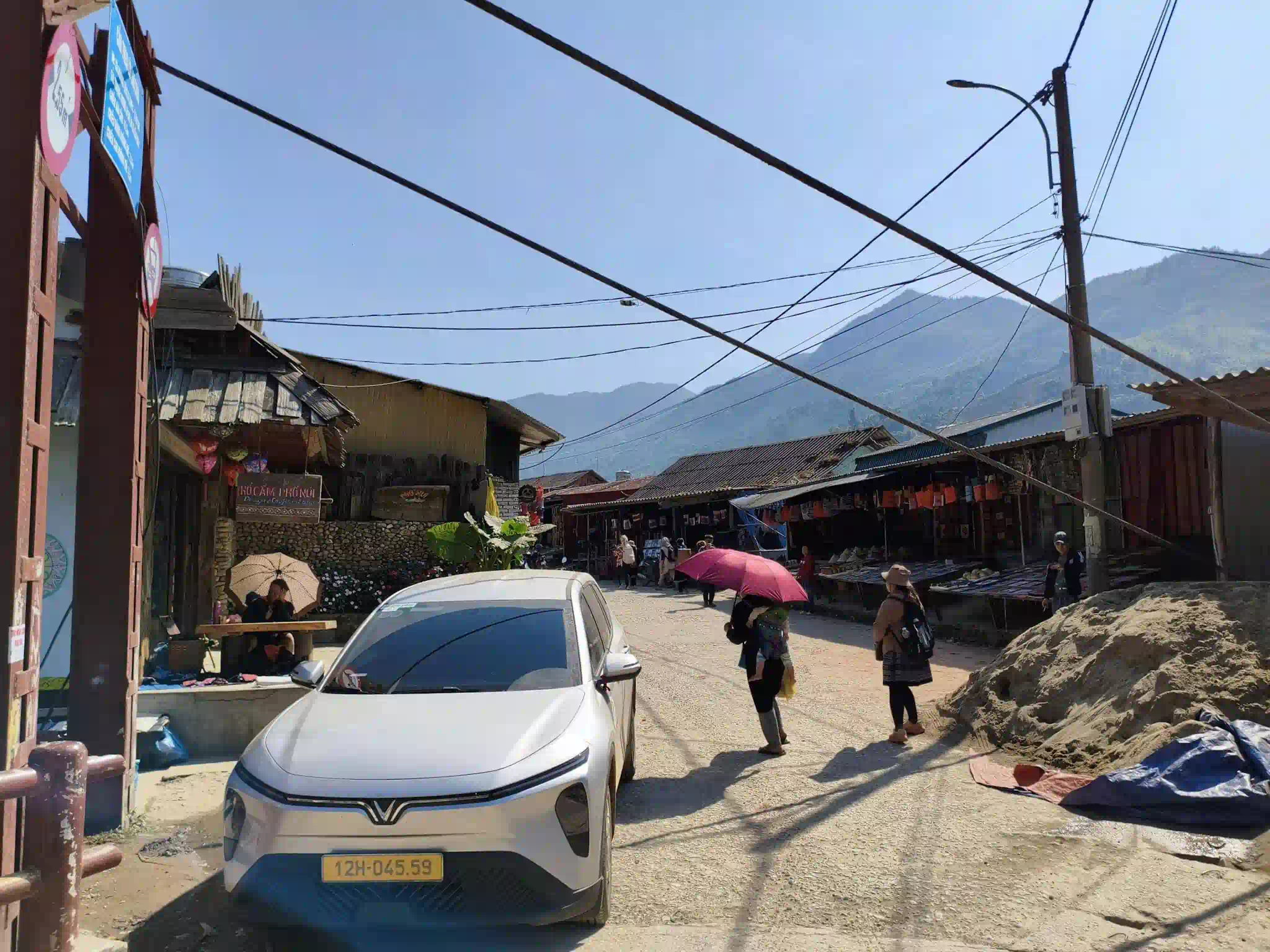
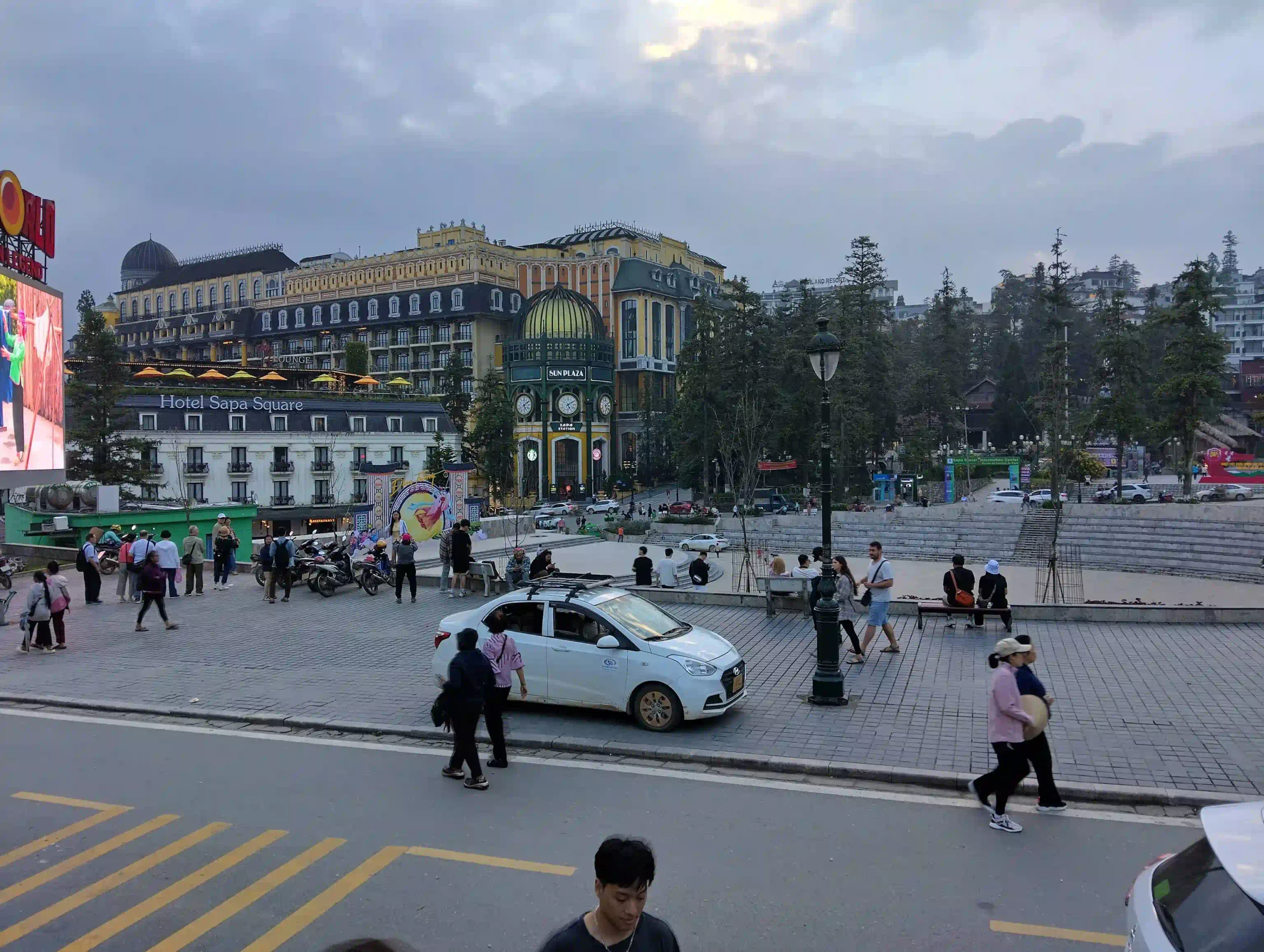
- You are forced to stay in central Sapa town just for logistical reasons. The town is basically a dusty, loud construction site filled with mega-hotels, completely separated from the real mountain terraces.
- You’ll arrive off an overnight bus at 5 AM totally sleep-deprived and immediately have to go hike. It’s a miserable physical grind.
- Why a 3-day Sapa itinerary fixes everything:
- The Weather Buffer: The climate up here is violent and changes fast. Adding a third day means if Tuesday is totally ruined by a freezing fog, you can just wait for Wednesday’s blue skies to do your trekking.
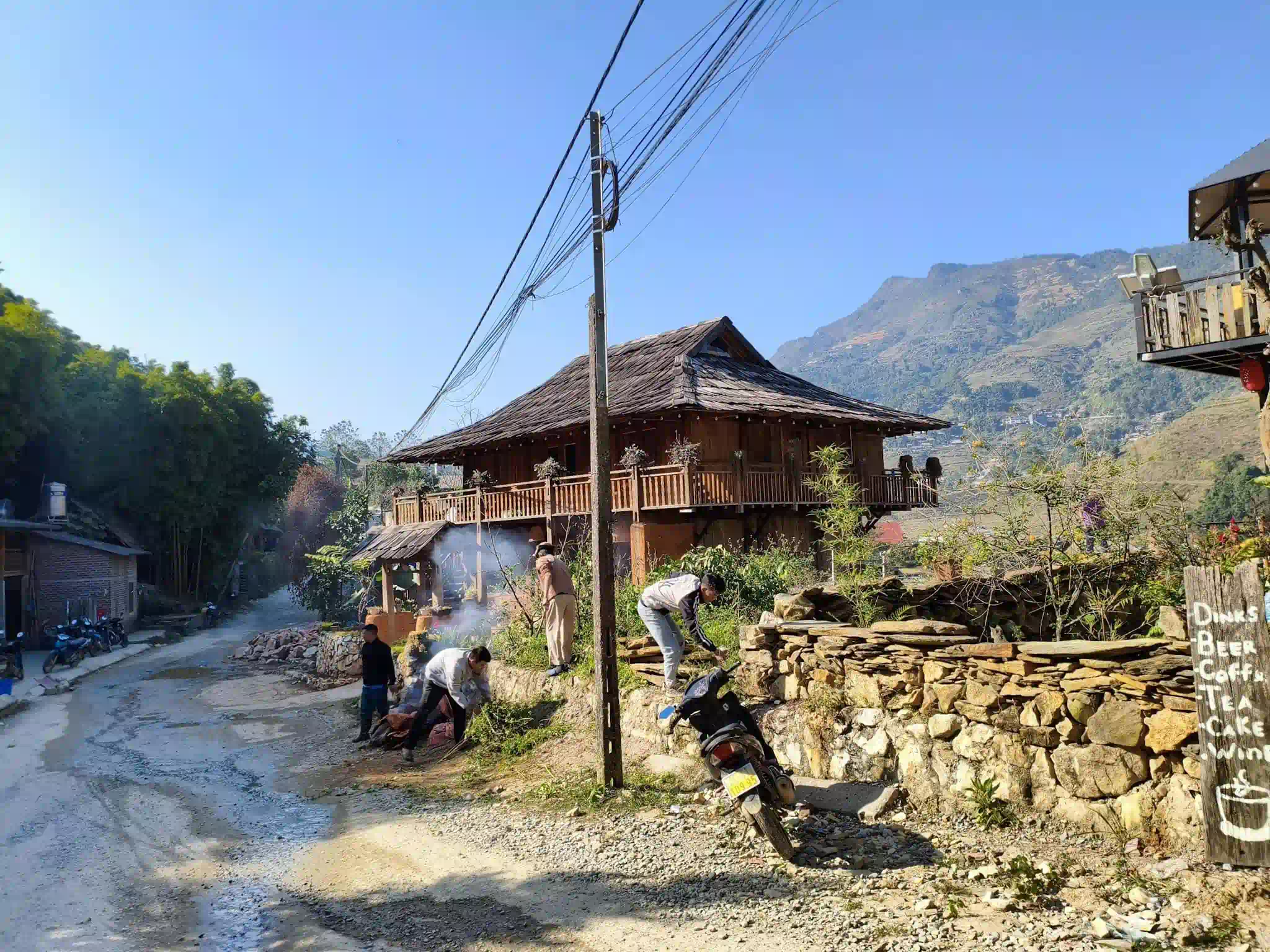
- The Homestay Rule: It unlocks the time to get deep into Ta Van or Lao Chai valley. This means massive local family dinners, cheap homemade rice wine, and waking up to dead silence instead of honking cars.
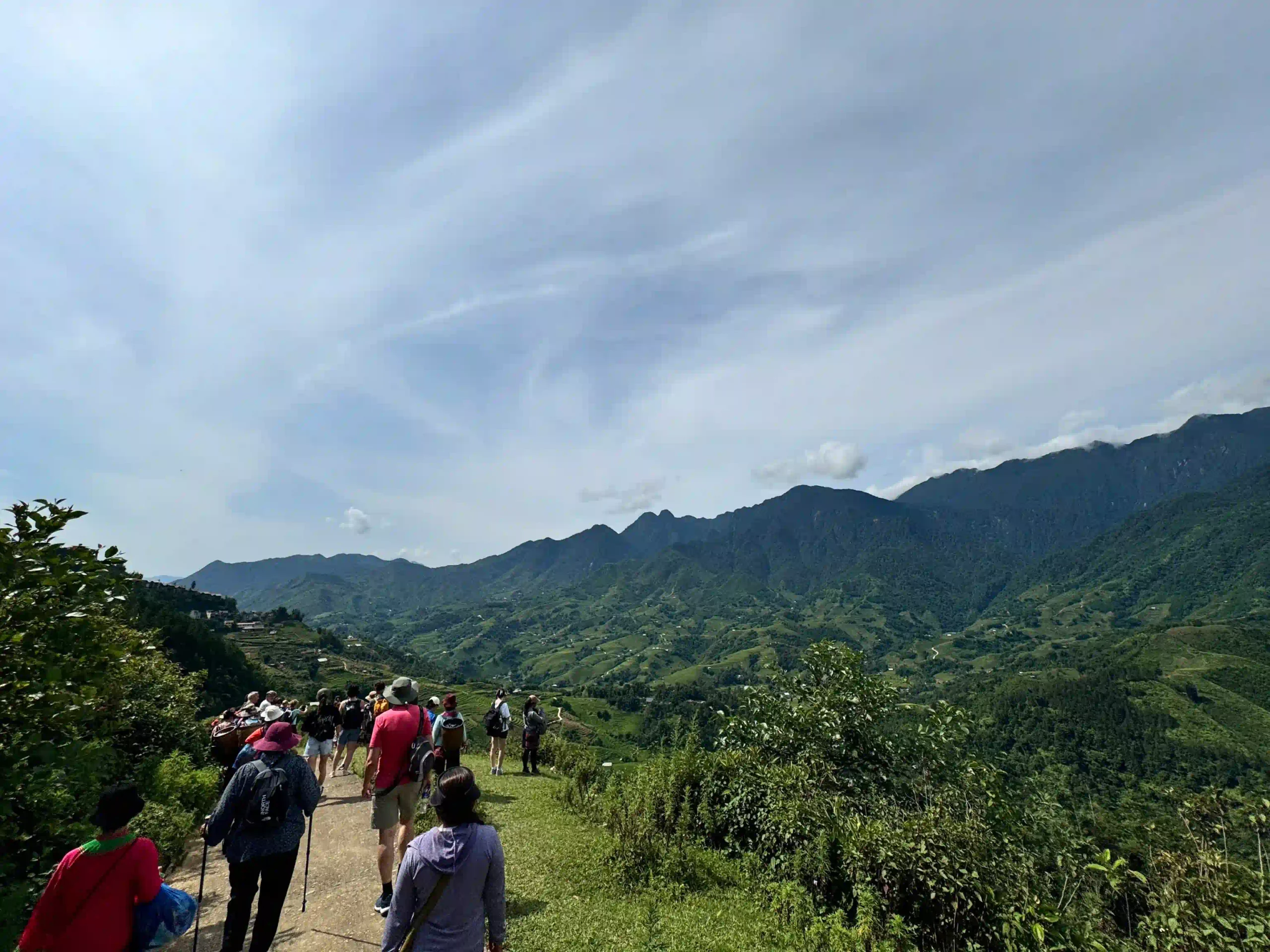
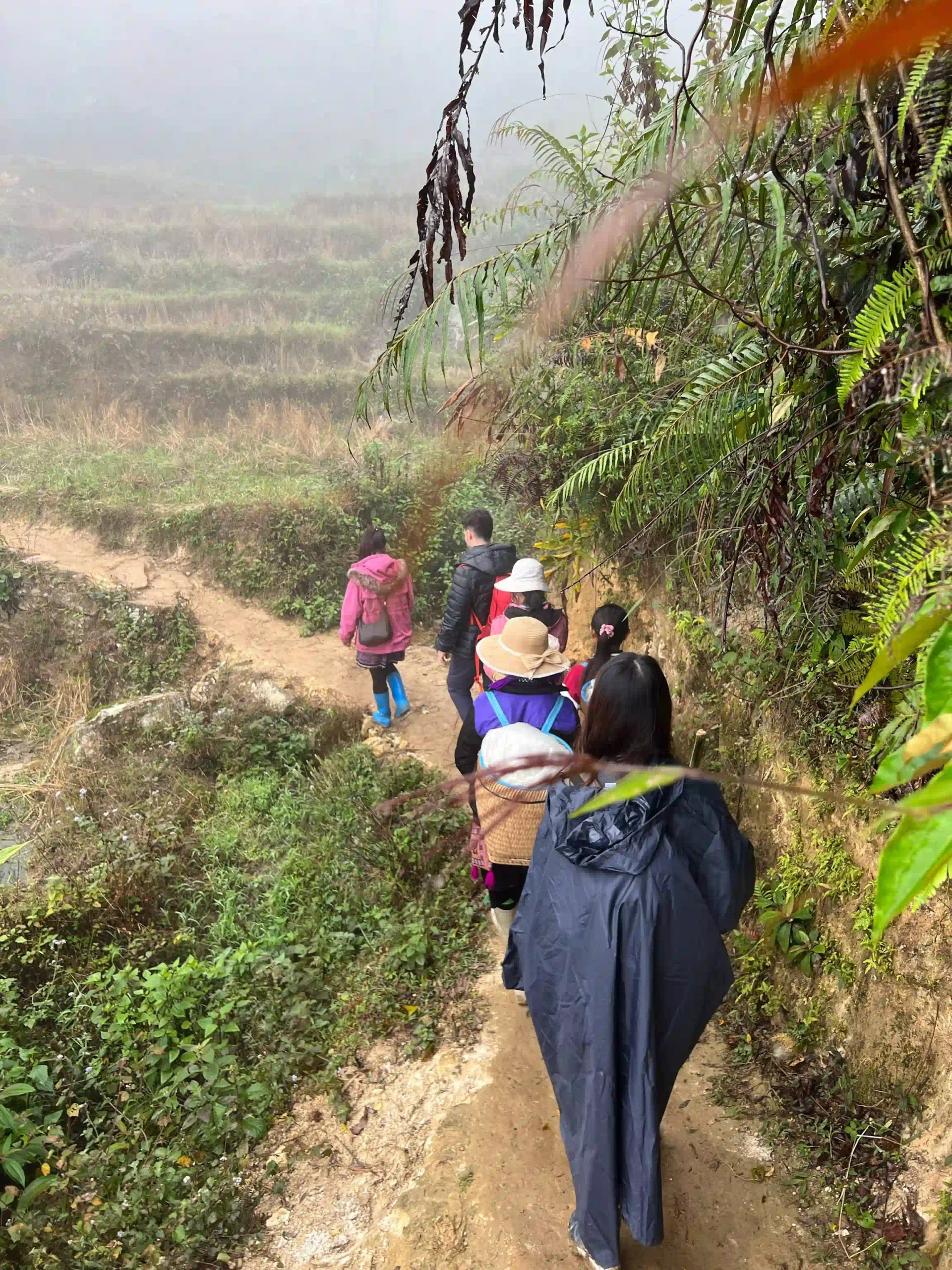
- The Deep Trek: With an open day, local minority guides can take you on tiny mud trails up on the high ridges far away from the giant day-tour groups on the paved roads.
- Crucial transit & packing warnings:
- Leave your giant hard-shell airport luggage in your Hanoi hotel storage. Only bring a 30L backpack. Dragging rolling wheels through wet valley mud is an absolute nightmare.
- The overnight train is romantic but stops at Lao Cai border, requiring another annoying hour in a shuttle van. VIP cabin sleeper buses go direct, but the terrible mountain road switchbacks will probably mess up your sleep anyway. Choose your poison.
The Brutal Math of a 2-Day Sapa Trip
Here is the reality of trying to do a Sapa 2-day itinerary. You have two options for transport: travel during the day, or travel at night.
If you take a daytime VIP limousine van, you leave Hanoi at 7 AM. You arrive in Sapa around 1 PM. By the time you check into your hotel and find some food, it’s 2:30 PM. The sun starts dropping behind the mountains at 4:30 PM and the temperature tanks.
Your entire first day is basically gone. You sleep, wake up the next day, maybe do one activity, and have to get on a bus by 3 PM to head back to Hanoi. It’s totally pointless.
So, to make a 2-day trip work, you are forced into taking the overnight sleeper buses or the overnight train.
Here is what the schedule looks like if you force it.
What the 2-day schedule actually looks like:
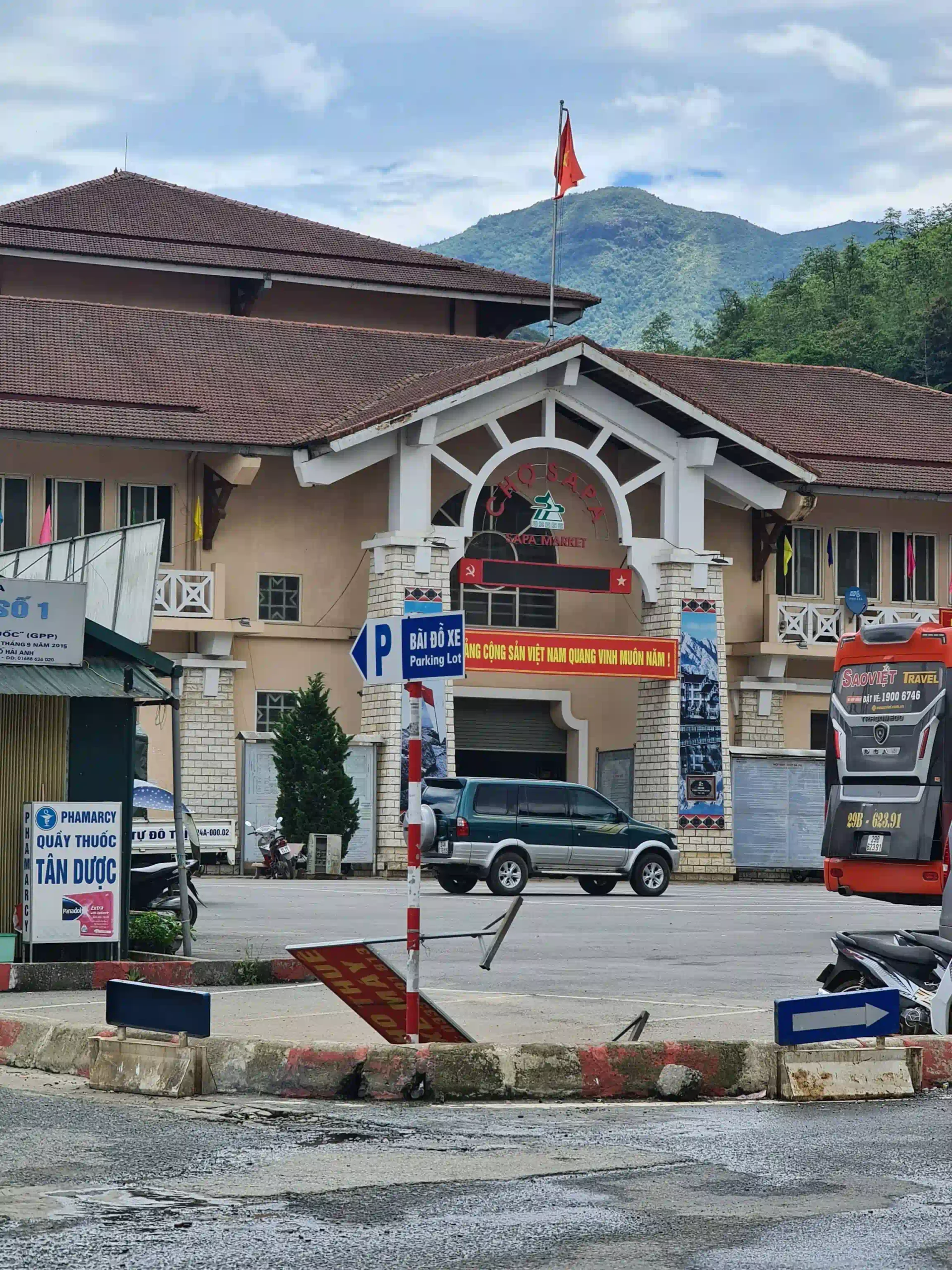
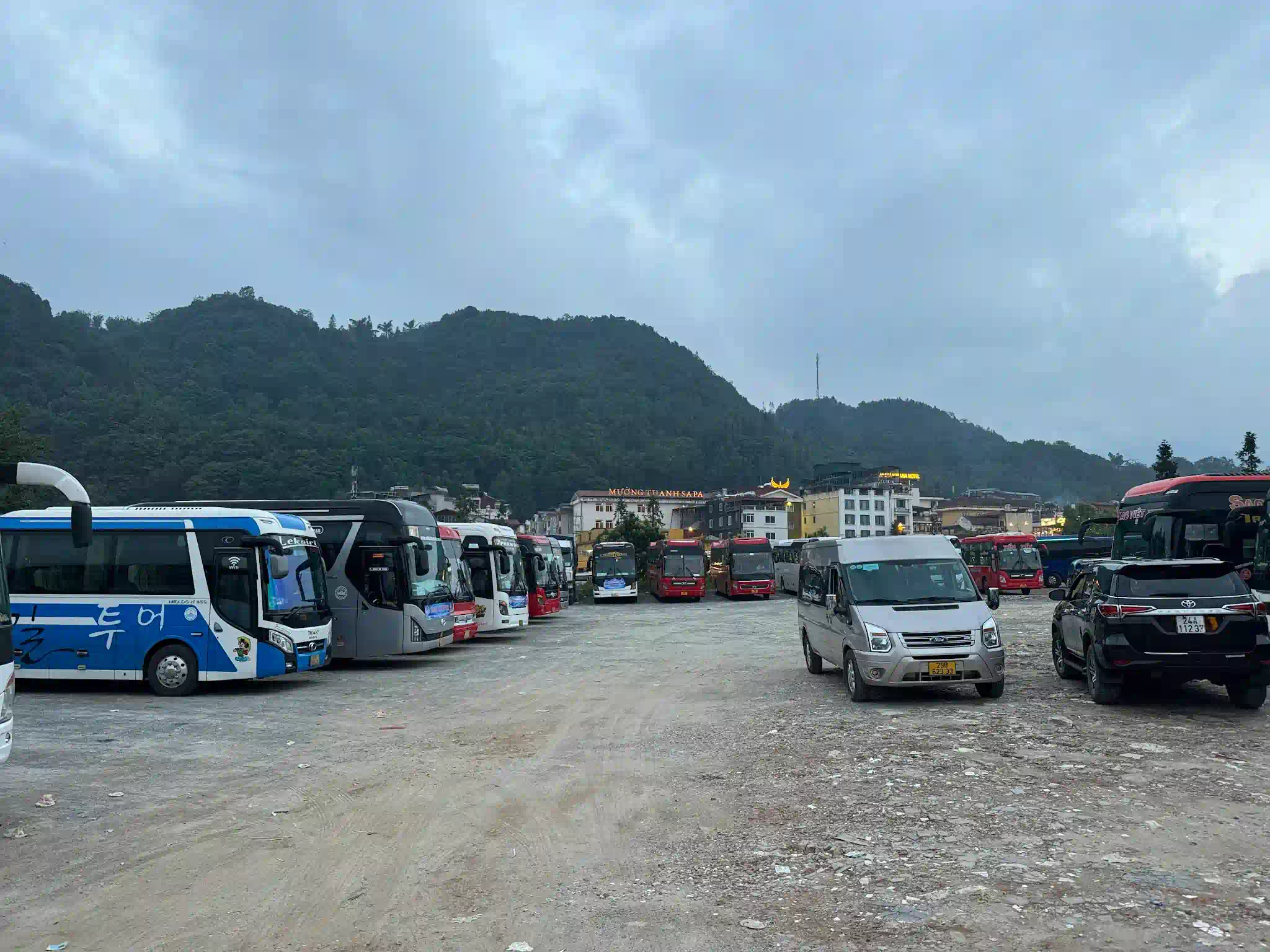


Friday Night:
You board a sleeper bus in Hanoi around 10 PM. You lie flat in a tiny leather box while the bus honks its way through traffic.
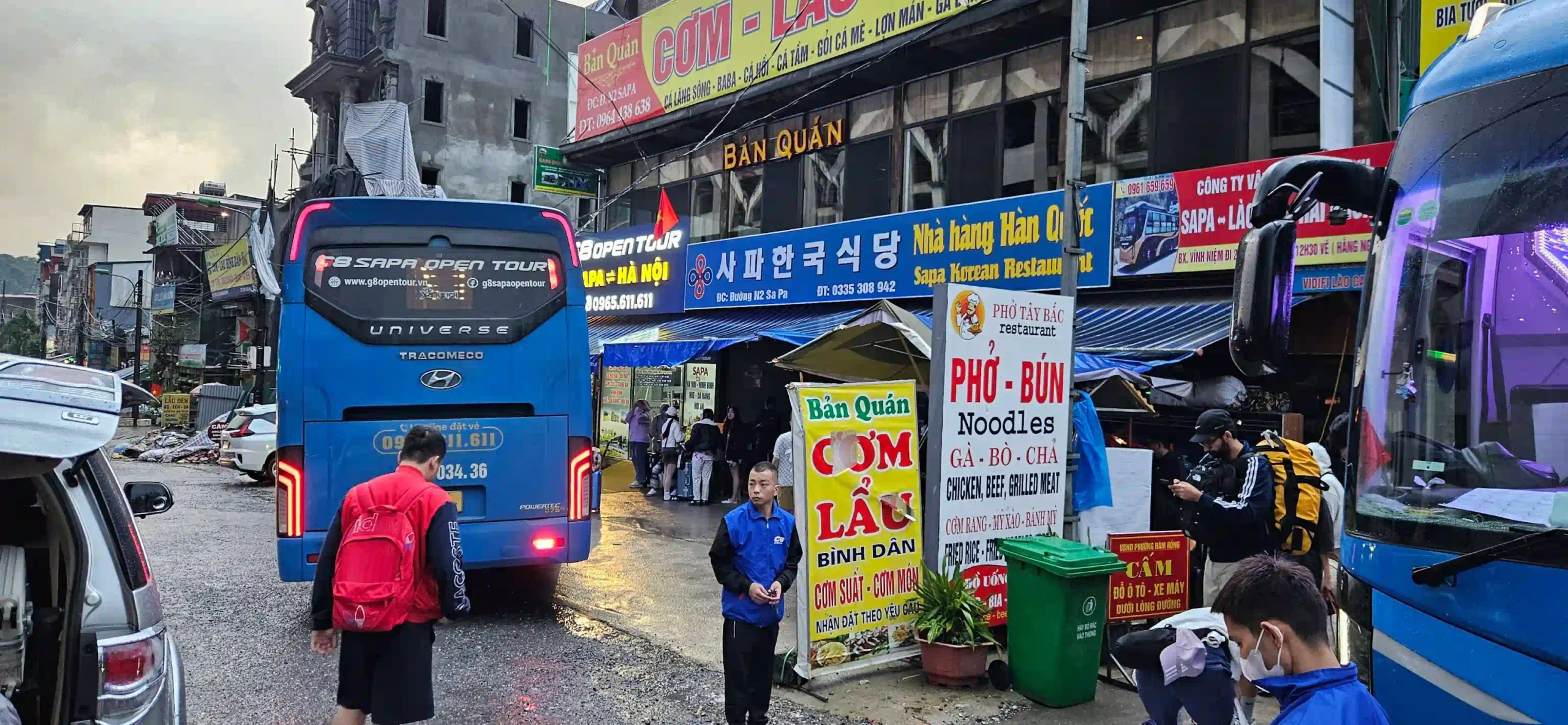
You fall asleep on the highway, but around 3 AM the bus starts hitting the steep switchbacks in Lao Cai. You are thrown side to side. You sleep terribly. You pull into the Sapa bus station at 4 AM. They let you sleep on the parked bus until 6 AM.
Saturday (Day 1):
- 06:00 AM: You are kicked off the bus into 10-degree Celsius mountain fog. You are exhausted.
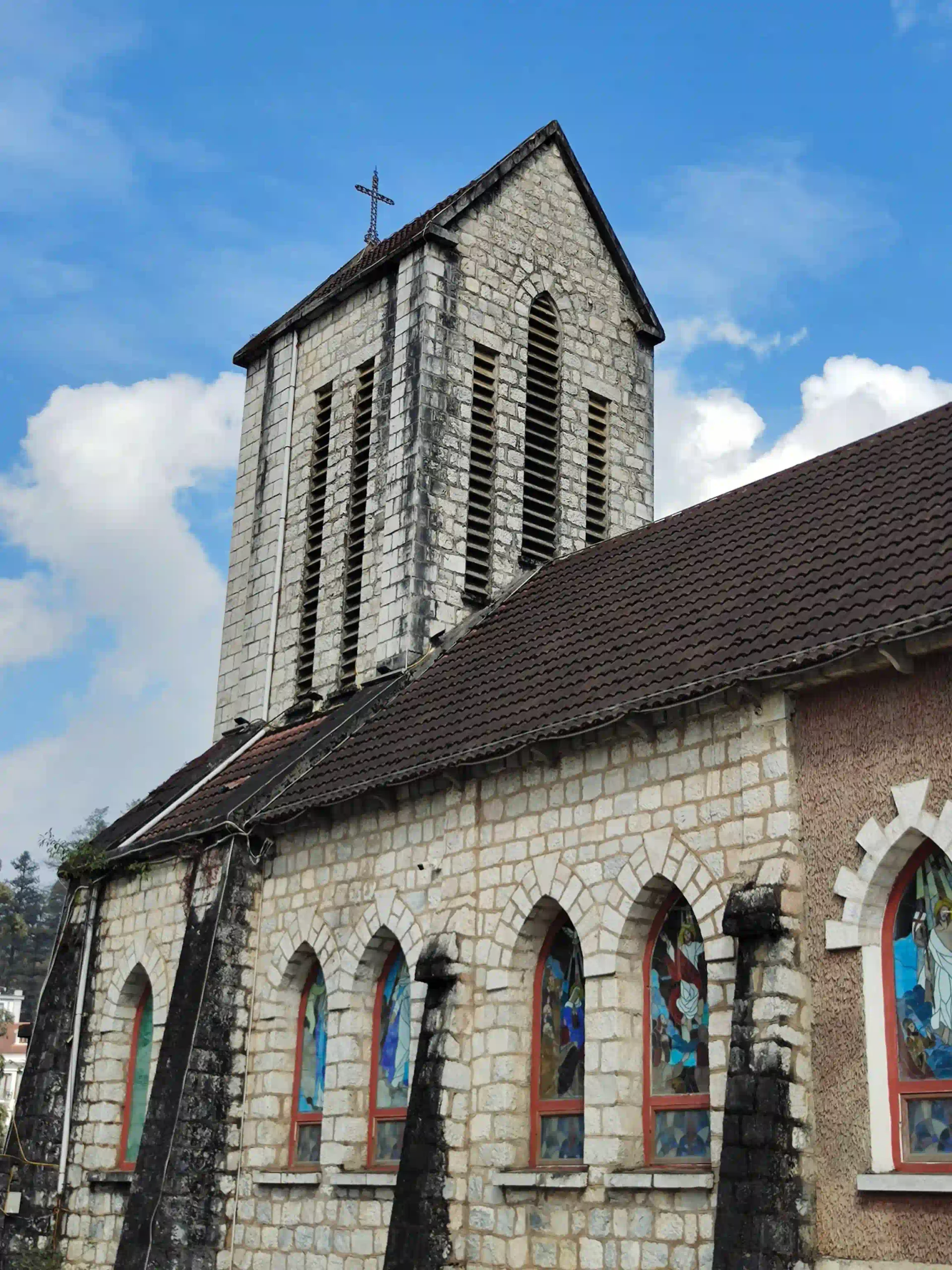
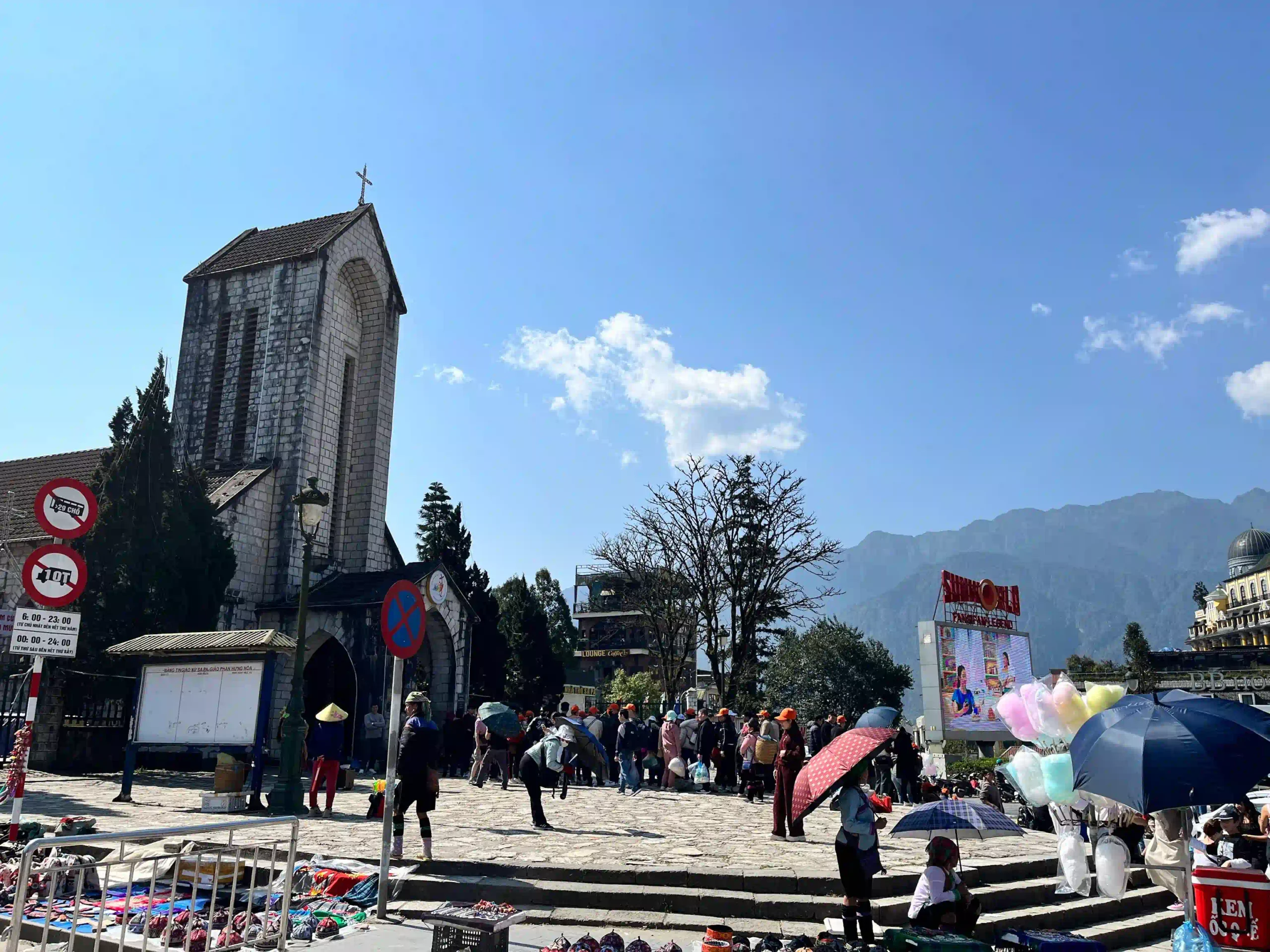
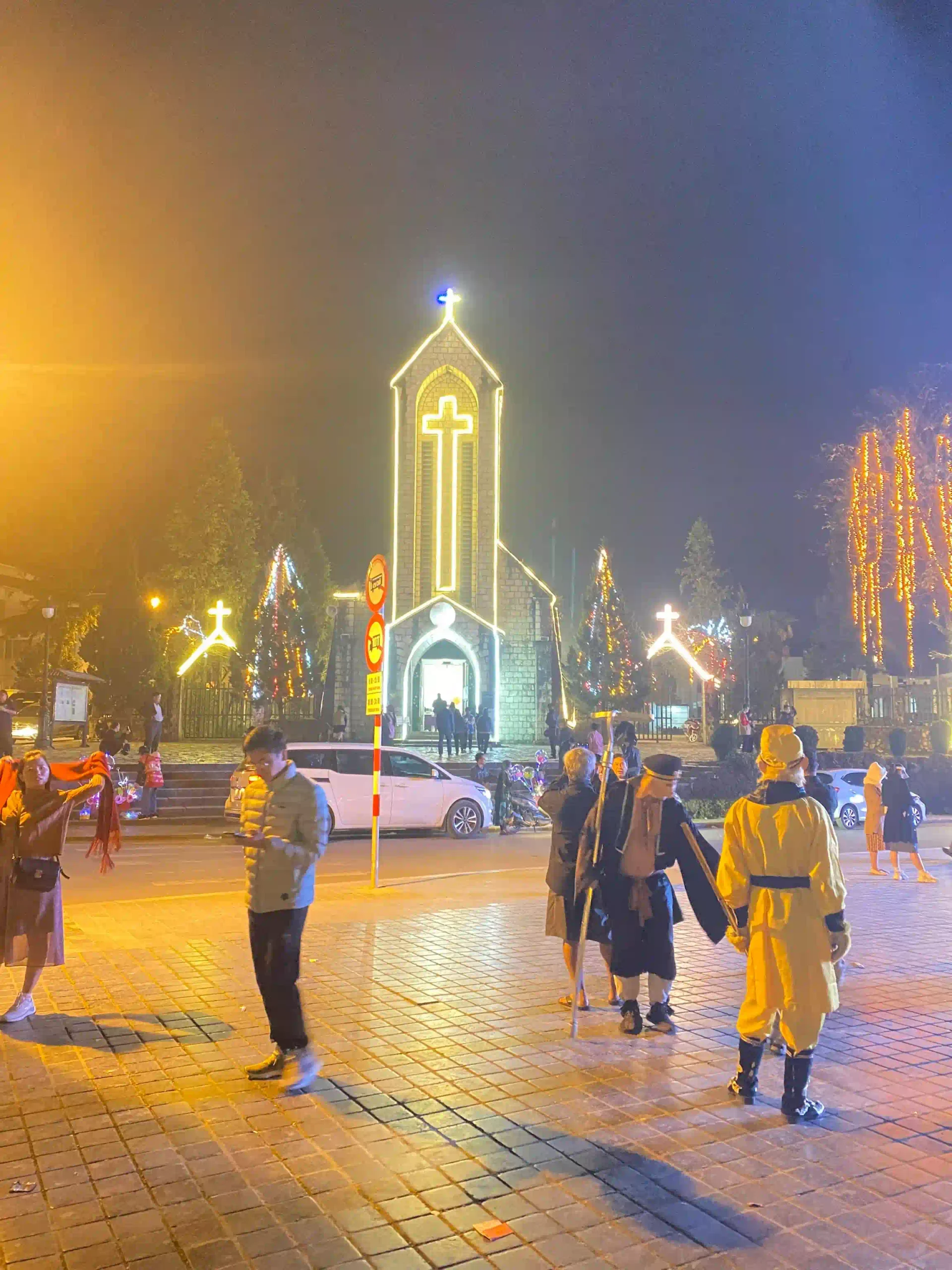
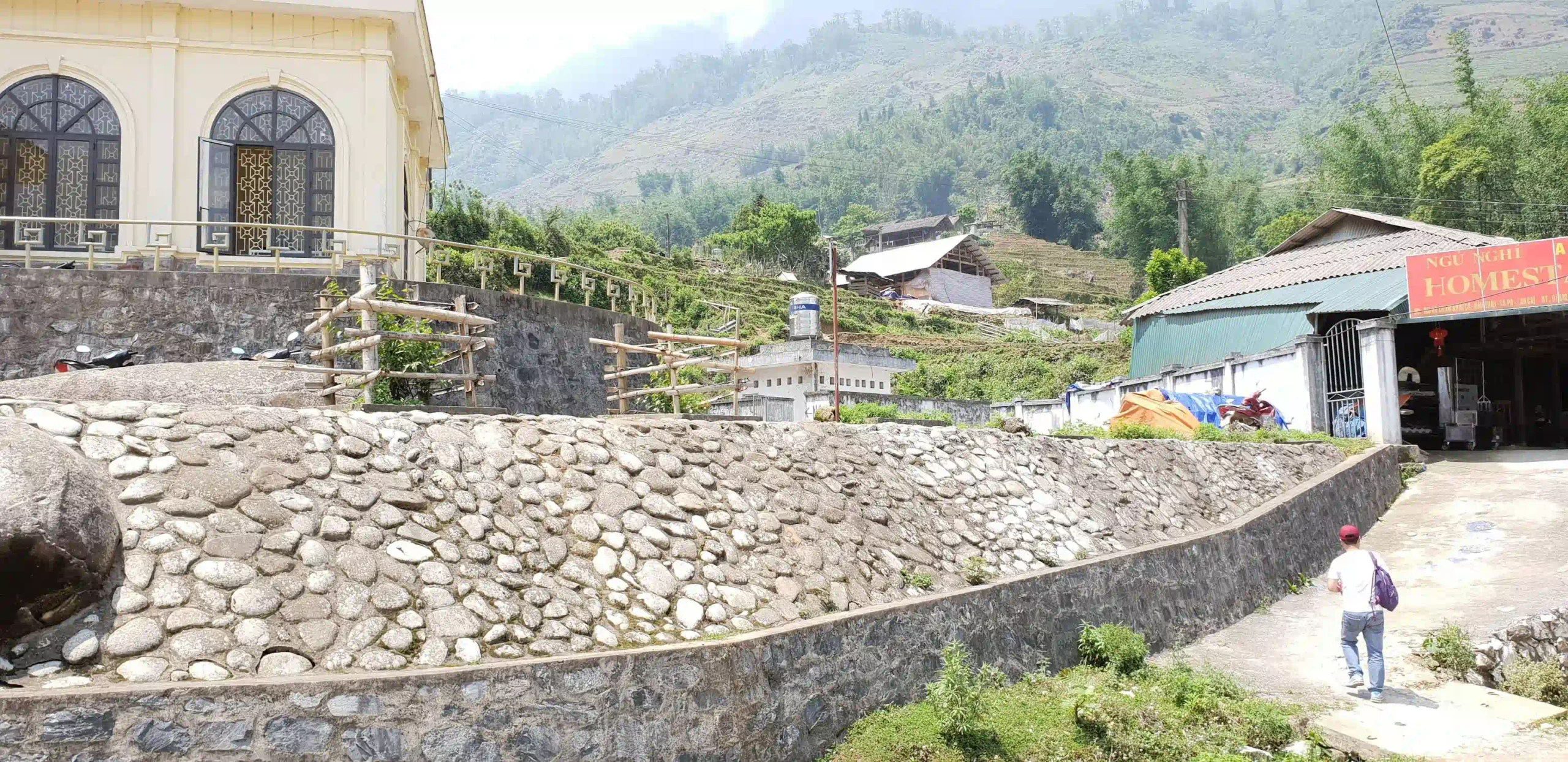
- 07:00 AM: You find a café, leave your heavy bags at a cheap hotel near the stone church, and try to wake up.
- 08:30 AM: You meet a trekking guide. Because you are short on time, you can’t go deep into the valleys. You have to do a shortened half-day trek. Maybe down to Lao Chai. The paths are muddy. It’s pretty, but you’re doing it on 3 hours of terrible sleep.
- 01:30 PM: You eat a quick lunch down in the valley. You hire a minivan to drive you back up the steep hill to main Sapa town.
- 03:00 PM: Check into your hotel room. Shower off the mud.
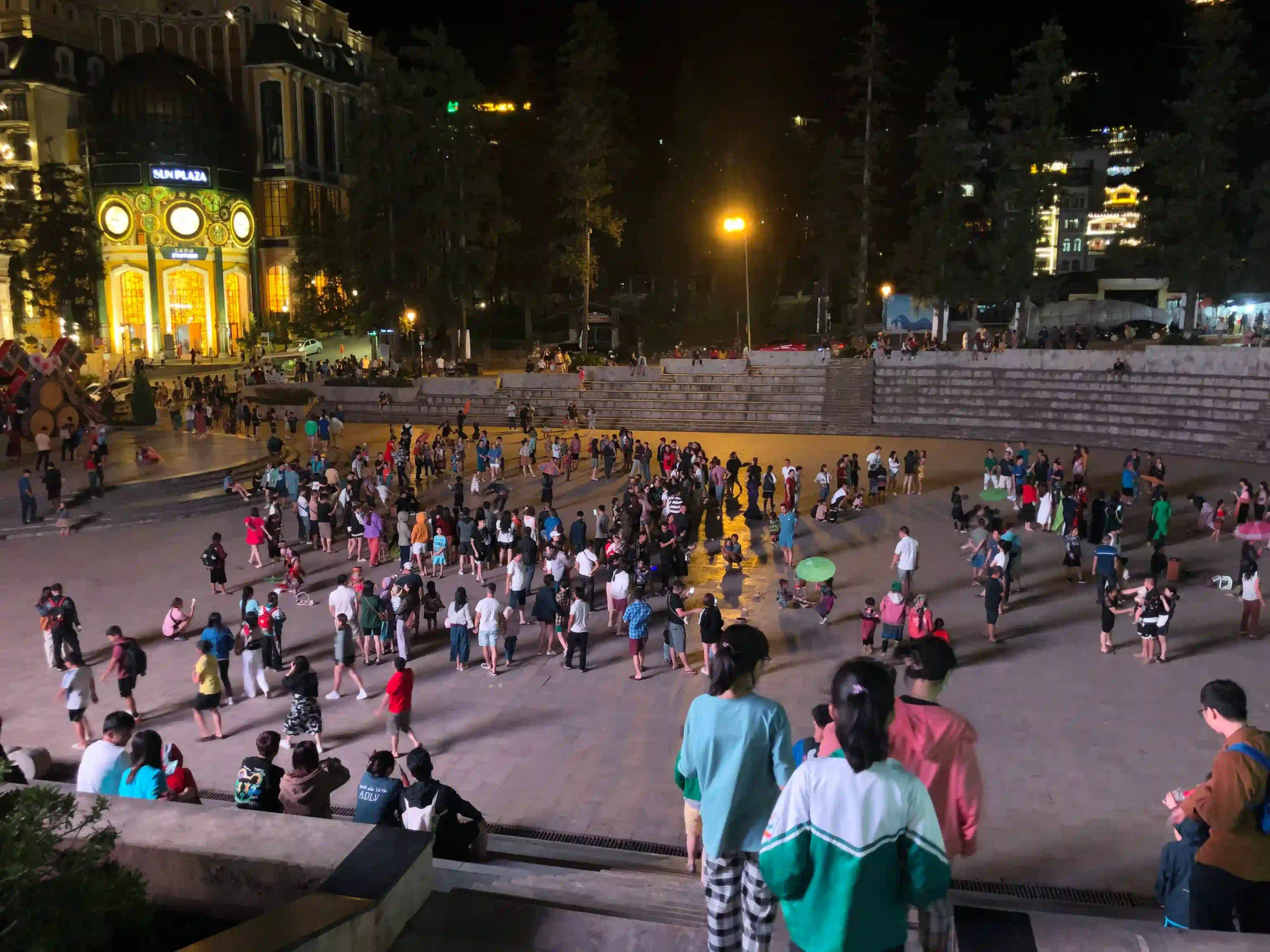
- 06:00 PM: Go walk around Sapa town. Get annoyed by the endless construction noise, the heavy traffic, and women trying to sell you keychains. Eat a basic dinner.
- 08:30 PM: Pass out entirely because you are totally drained.
Sunday (Day 2):
- 08:00 AM: Wake up. You want to see Mount Fansipan before you leave.
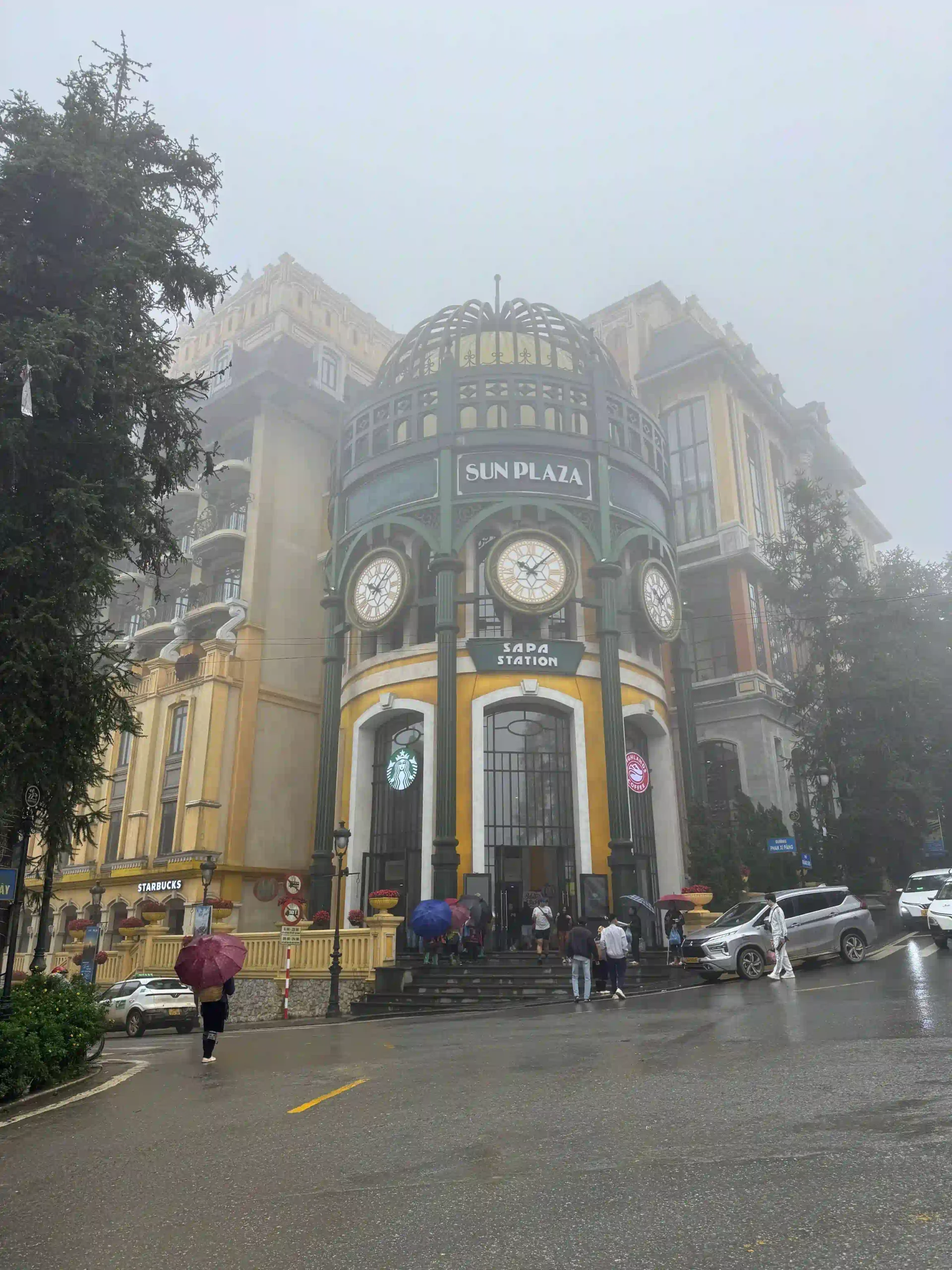
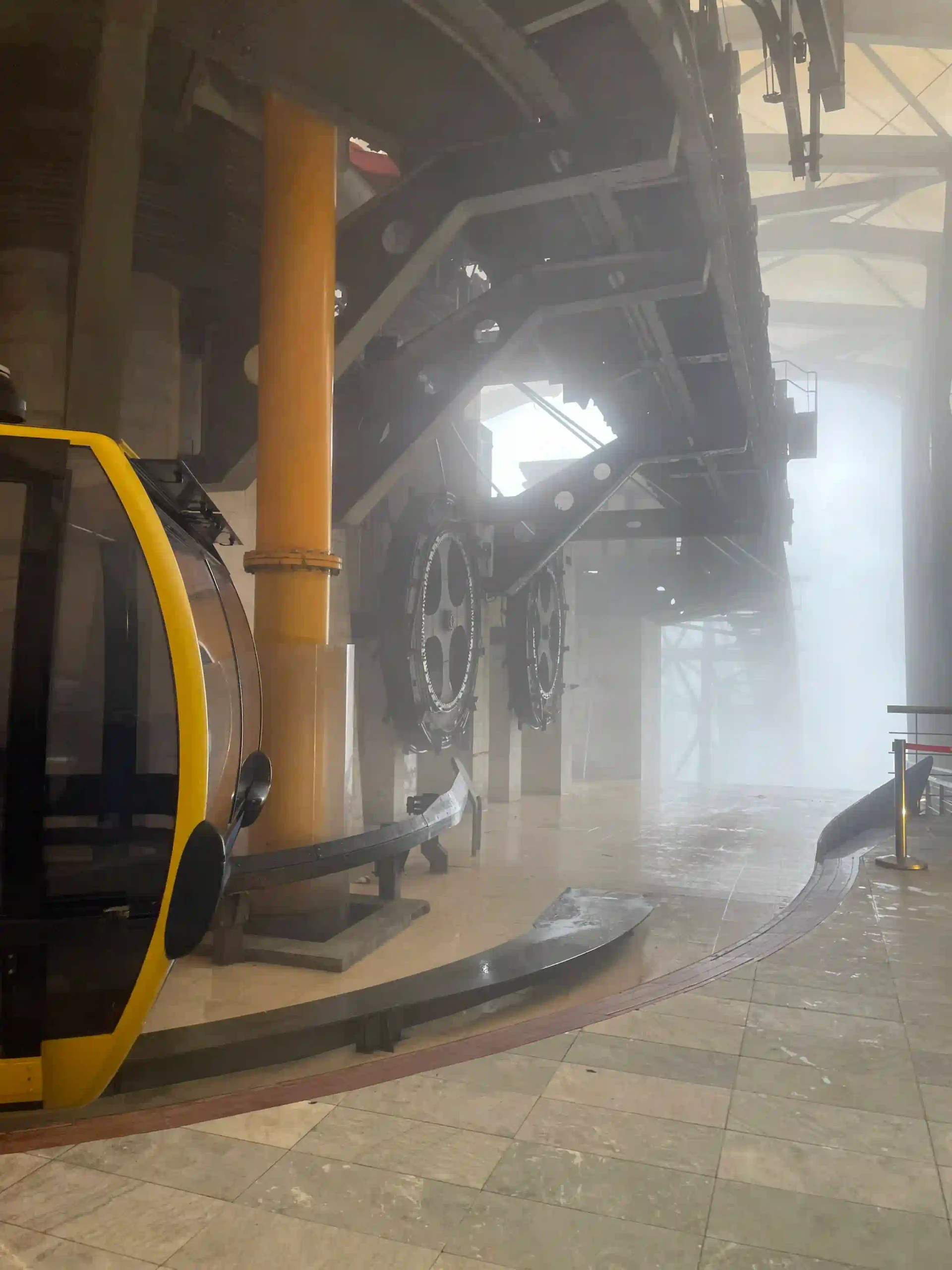
- 08:30 AM: Get in line at the Sun Plaza station. Take the funicular, then take the massive cable car up the mountain.
(Pre-booking skips the terrible queues at the ground station which easily waste 45 minutes on weekends). - 09:30 AM to 11:30 PM: Walk around the 3,143-meter summit. Try not to freeze. Take your photos. Ride the cable car back down.
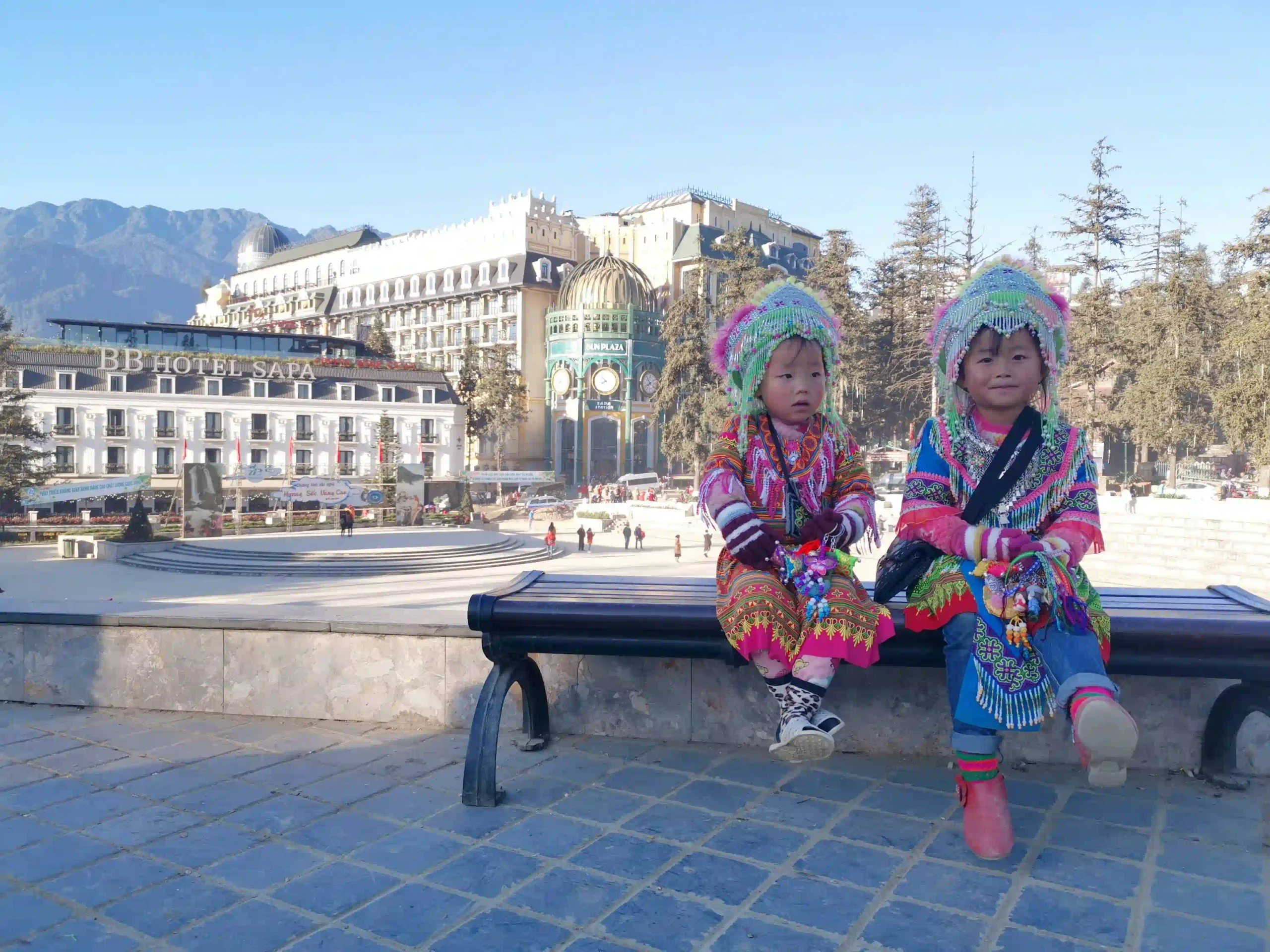
- 12:30 PM: Grab lunch in town. Walk over to Cat Cat village if you really want, but it’s completely mobbed by tourists in fake costumes.
- 02:30 PM: Grab your bags from your hotel.
- 03:30 PM: Get on a sleeper bus to ride 6 hours straight back to Hanoi.
- 09:30 PM: Arrive in Hanoi feeling like you need a vacation from your vacation.
What do you lose doing this?
Everything that makes Sapa actually good.
Because you are rushing, you are tied to Sapa town. Sapa town is a massive, noisy tourist trap now. Mega-hotels block the valley views. There are neon signs everywhere.
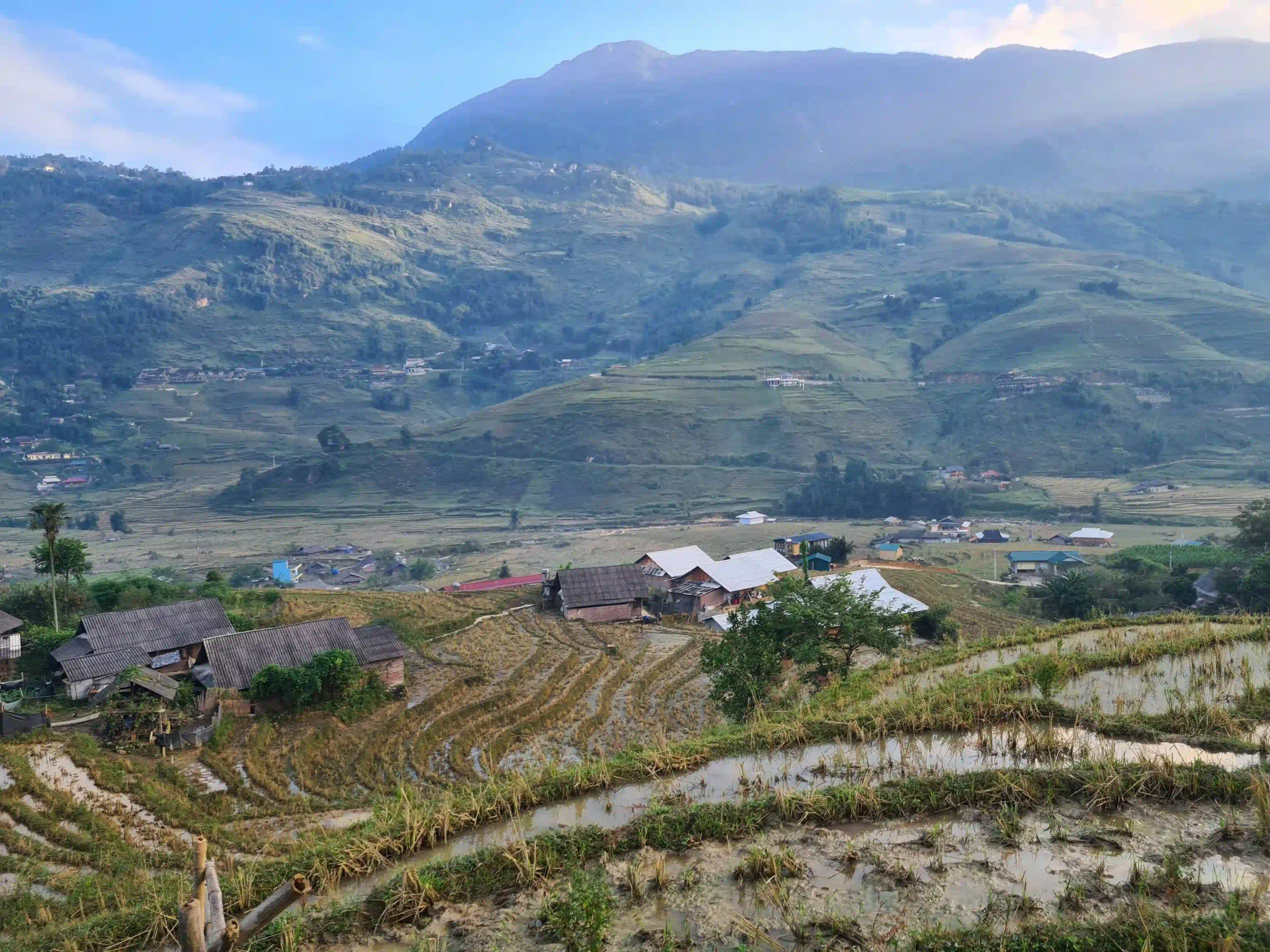
The real appeal of Sapa is staying an hour down in the valley at places like Ta Van or Giang Ta Chai. But with a 2-day Sapa itinerary, doing a valley homestay is stressful.
If you sleep all the way down in Ta Van, you have to find a taxi early the next morning, haul your bags back up the mountain, get to the bus station, and deal with transit. It just doesn’t flow well.
The Fix: The Standard Sapa 3-Day Itinerary
Adding just 24 hours to your trip fixes almost all the major friction points of visiting Sapa. It spreads out the transit exhaustion. More importantly, it unlocks the single best thing to do here: sleeping in an authentic wooden homestay far away from the town center.
Here is the exact framework I give anyone asking for the proper way to see this place.
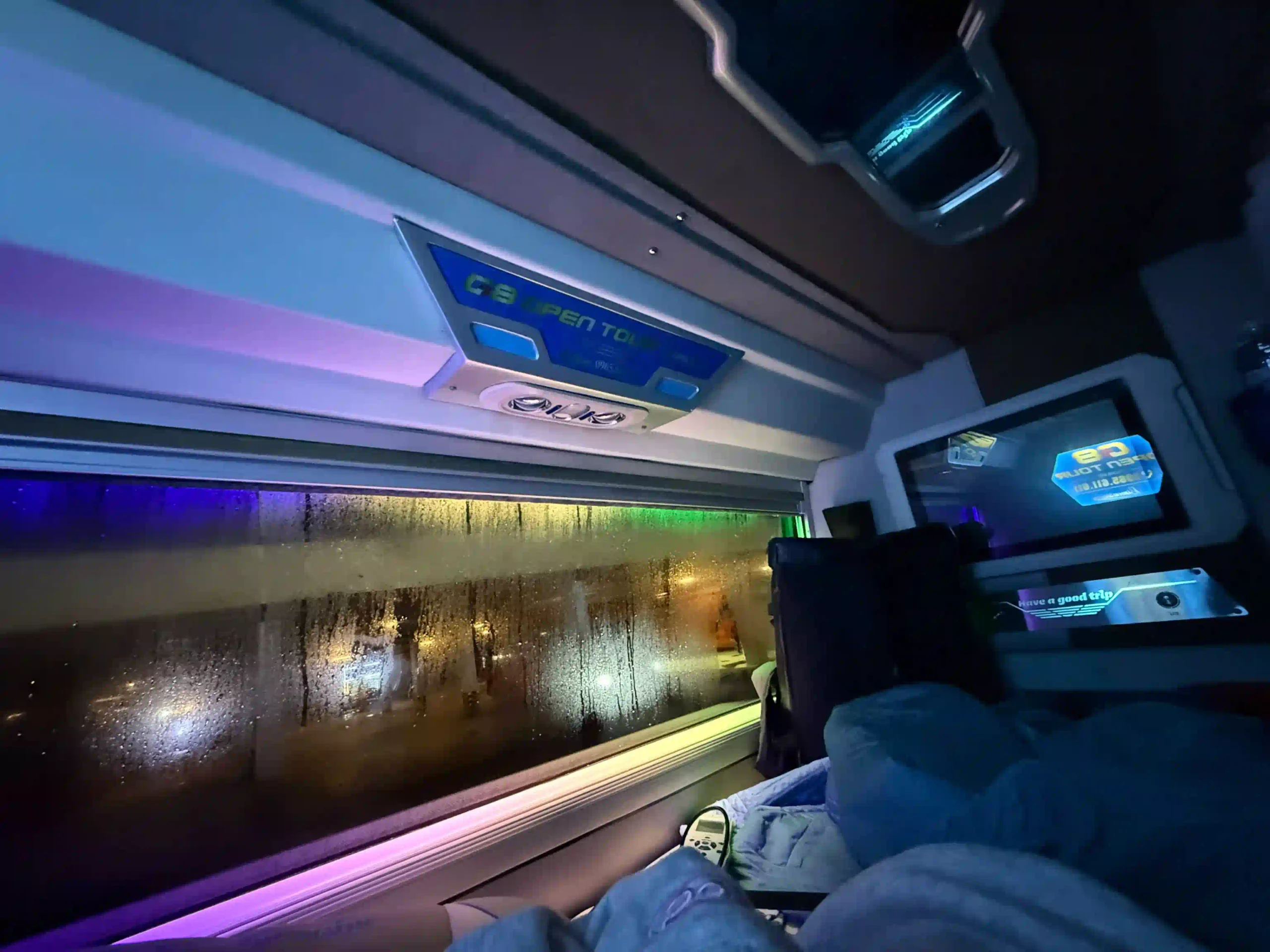
The Night Before: Take the VIP cabin sleeper bus. Don’t book the regular flat bed bus. Pay the 450,000 to 550,000 VND for a private pod. Lines like Kadbus, G8, or Sapa Express are usually fine.
Day 1: Arrive and Escape Town

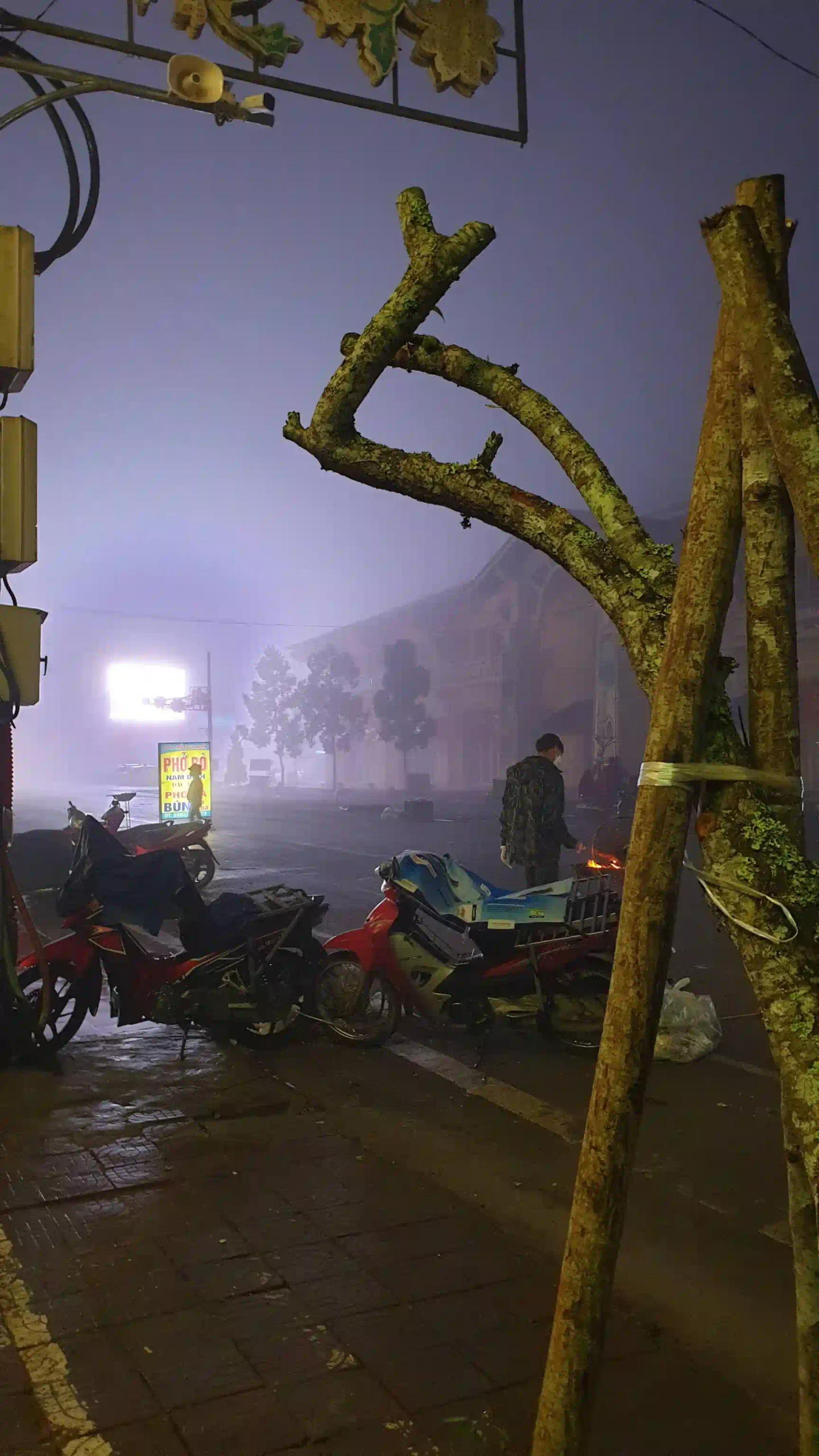

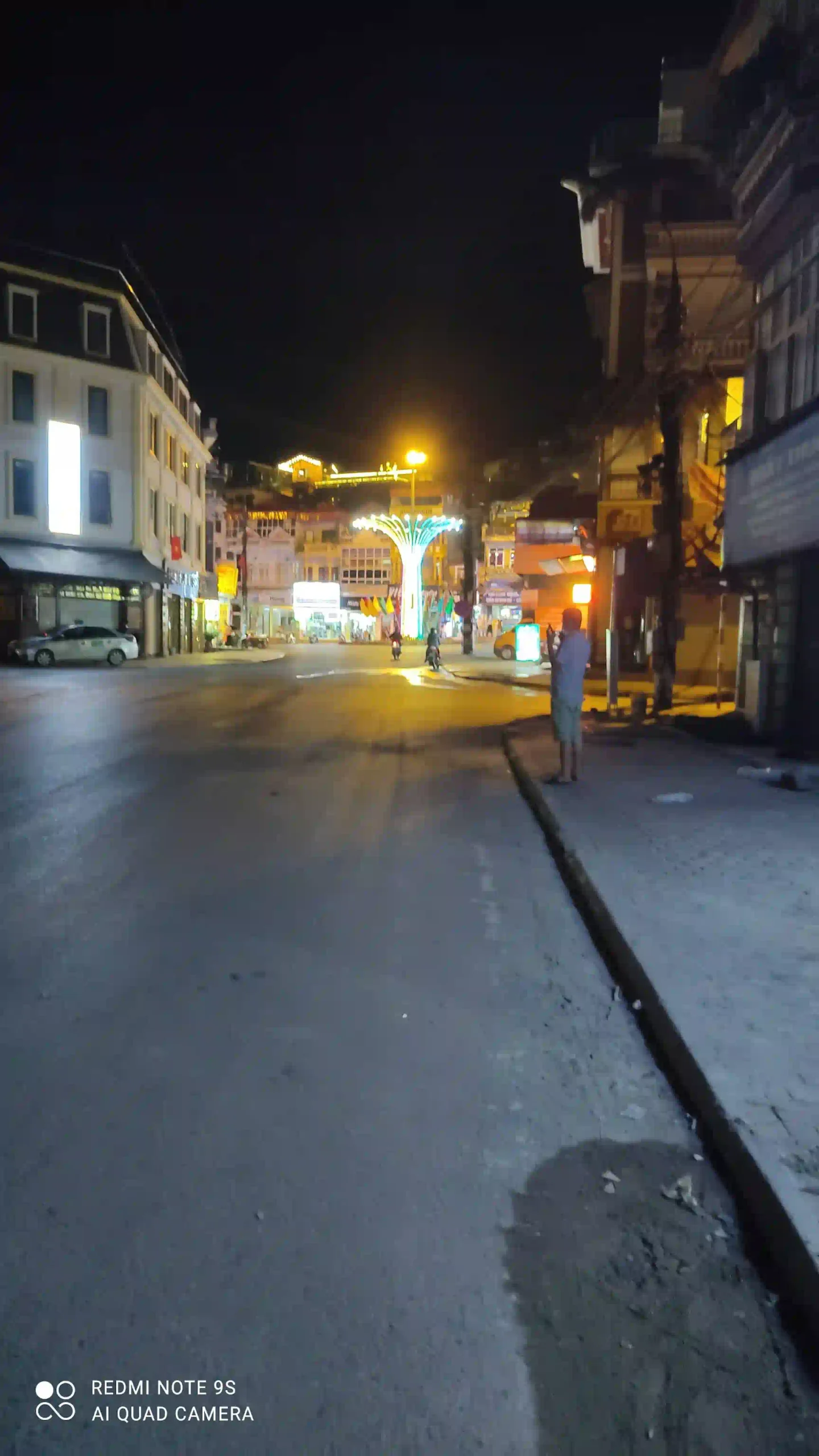
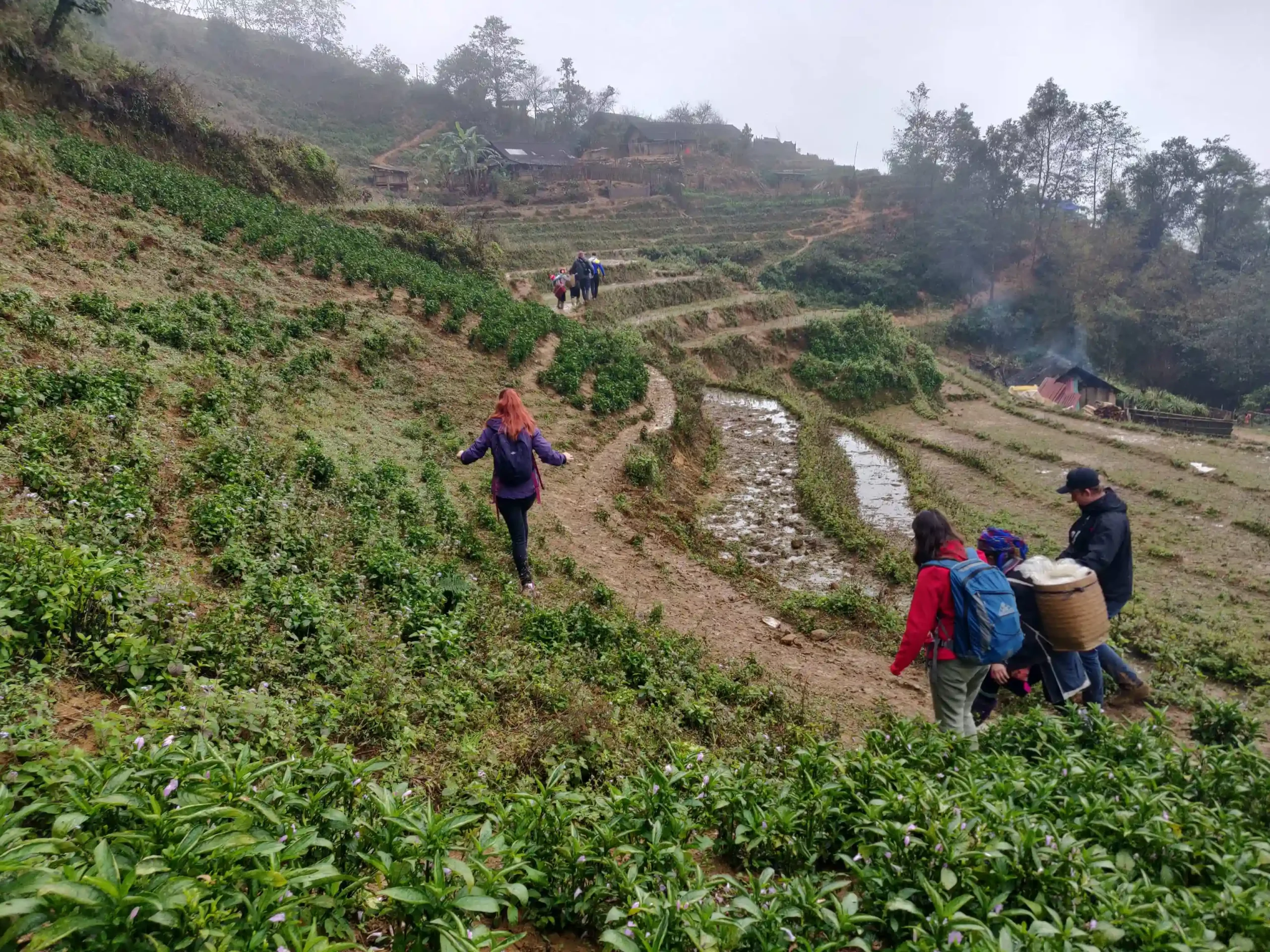
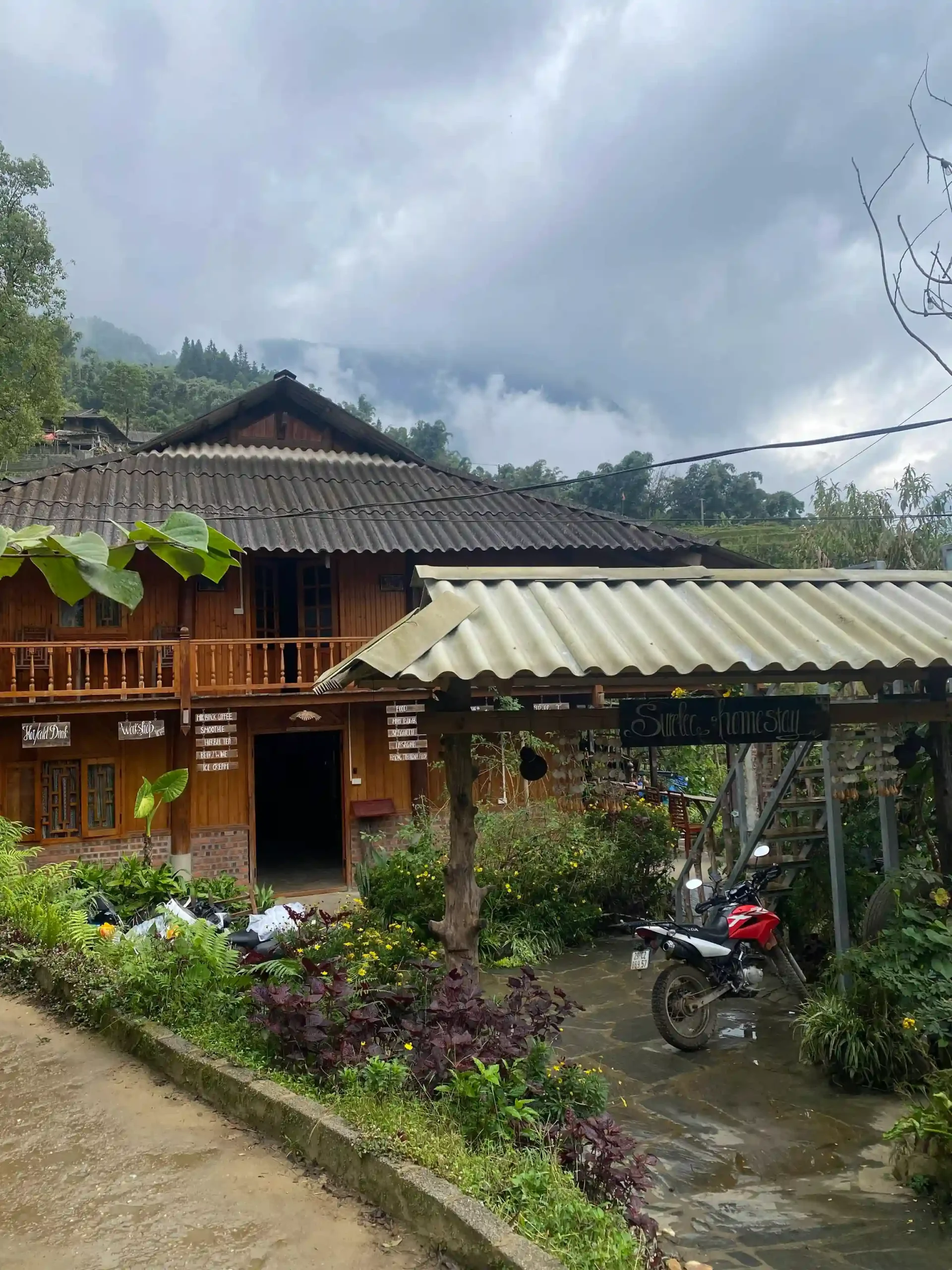
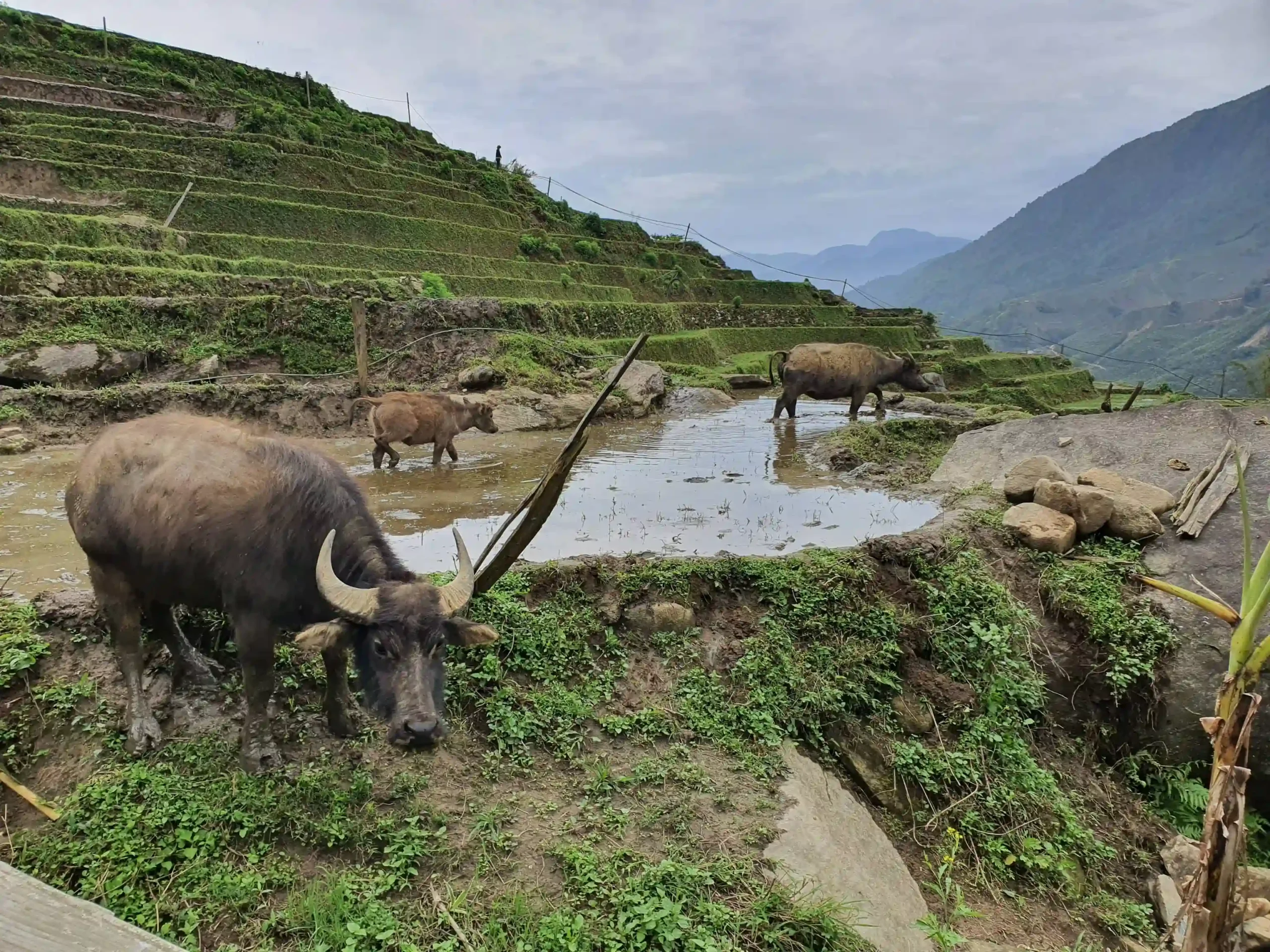
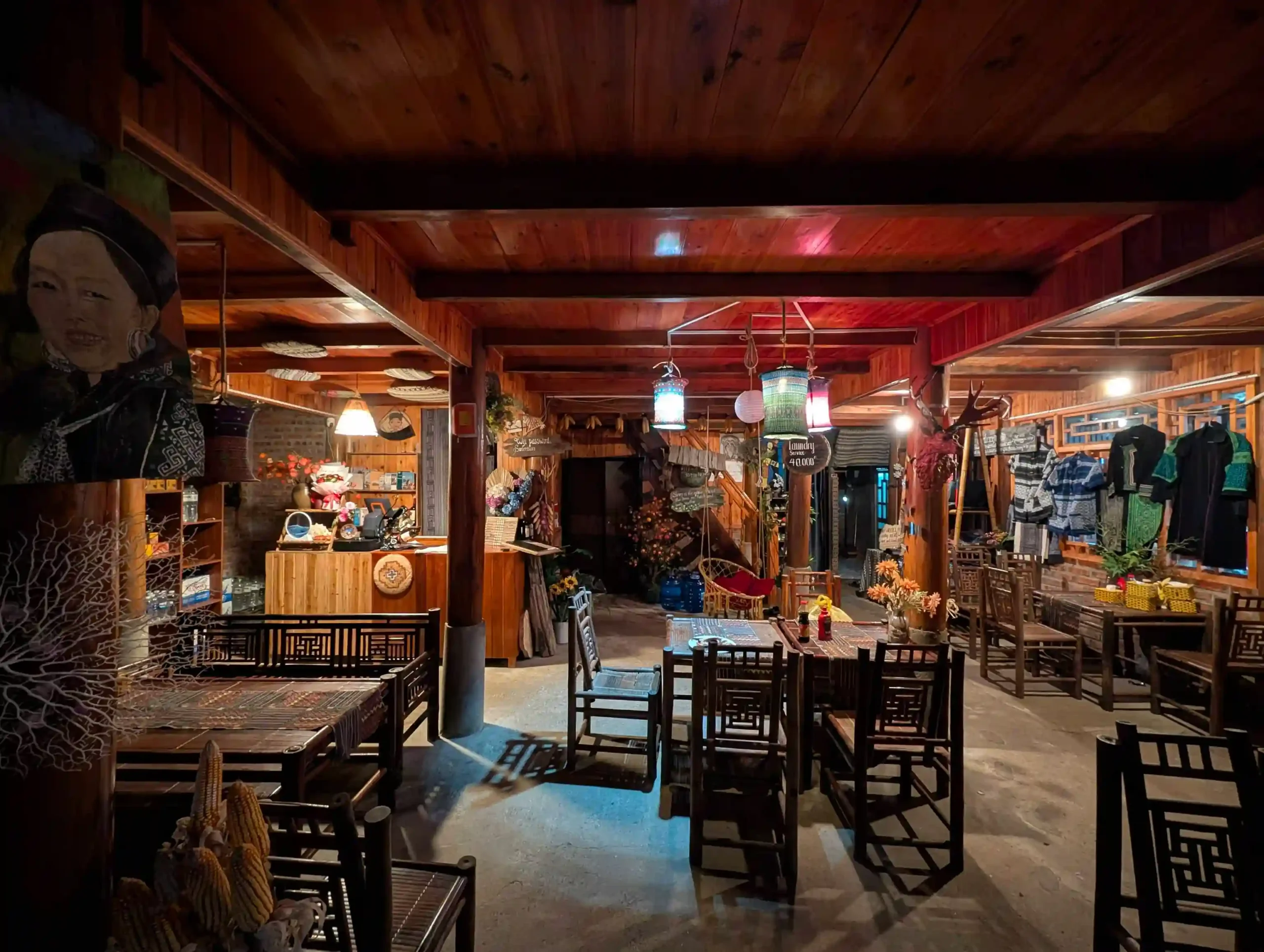
- 06:30 AM: You get off the overnight bus in central Sapa. Skip the town hotels completely. Grab your bag, ignore the touts, and hire a local motorbike taxi (Xe Om) or a regular cab.
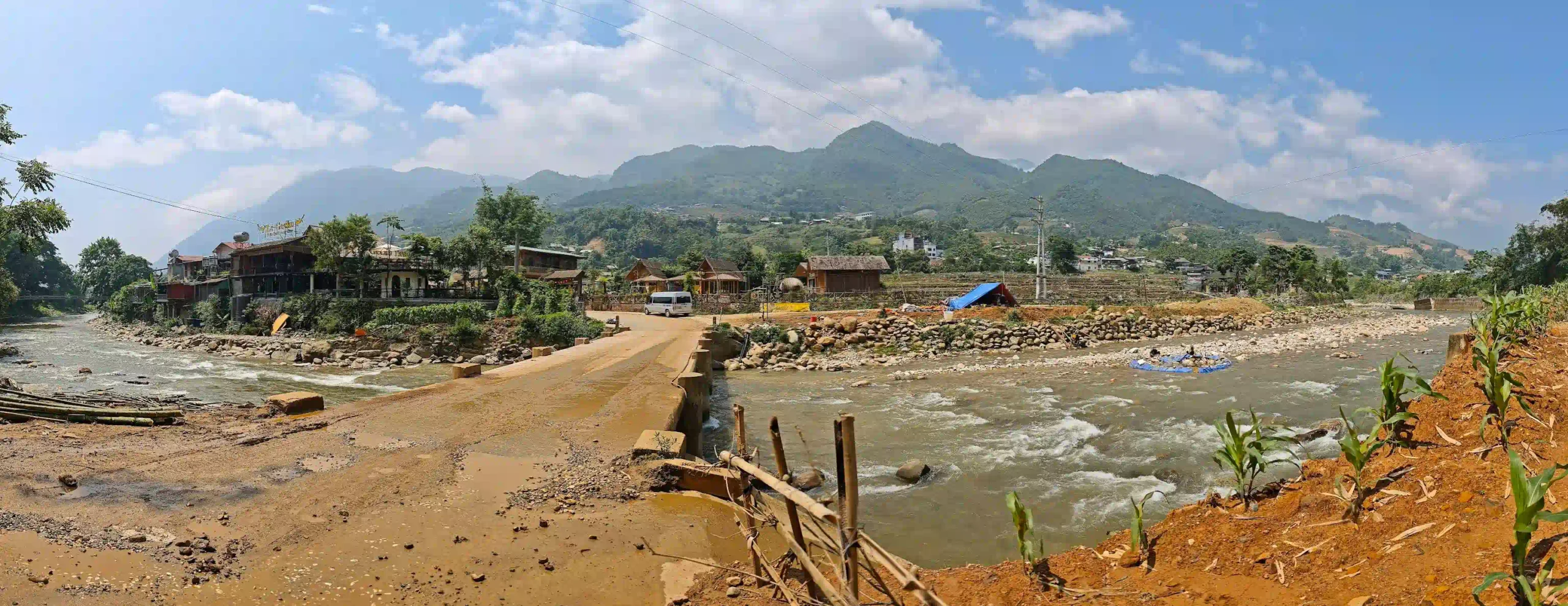
- 07:30 AM: Pay them roughly 200,000 VND and tell them to take you 40 minutes downhill to Ta Van Village. The road is full of potholes but the scenery opens up massively.
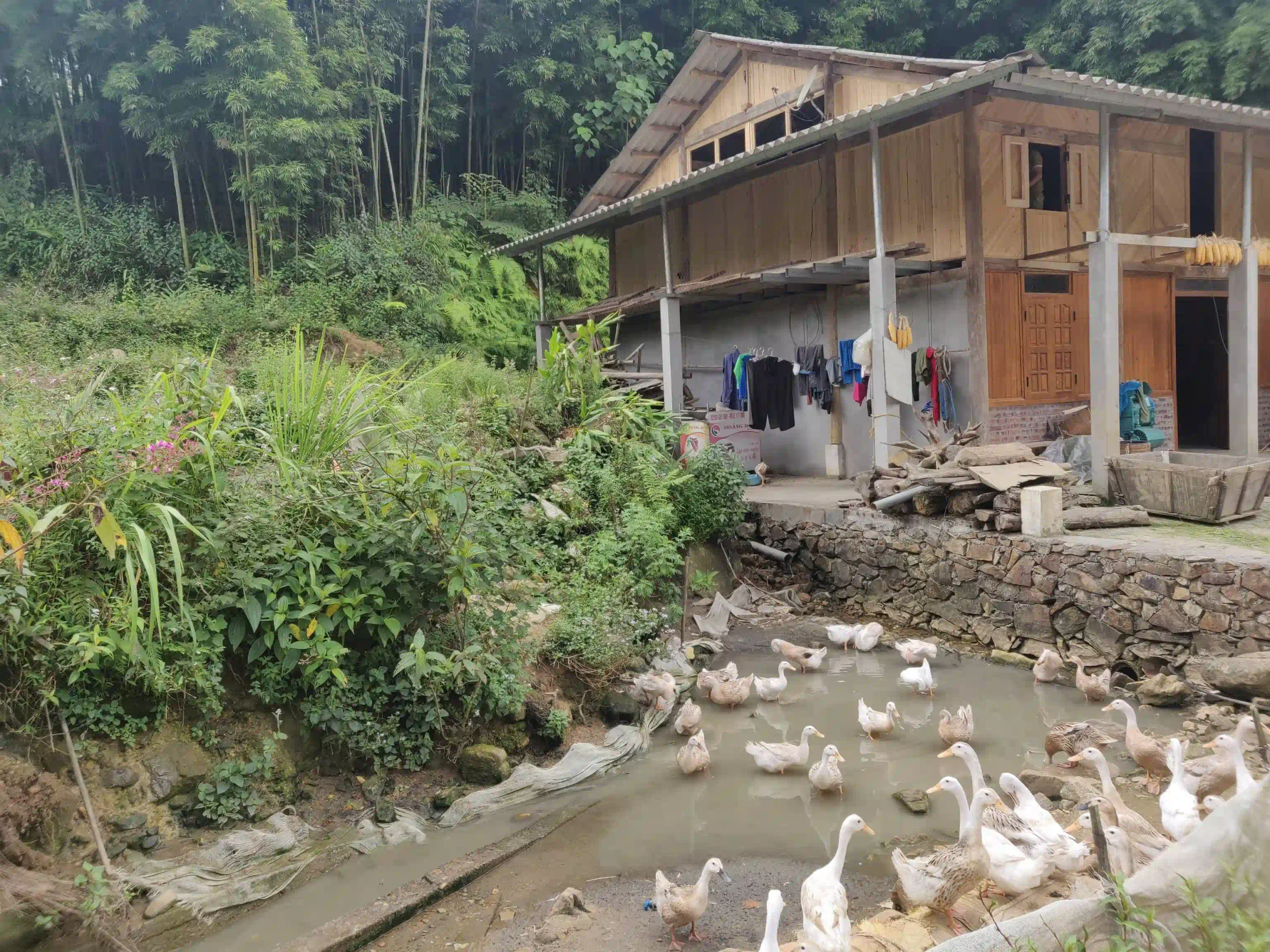
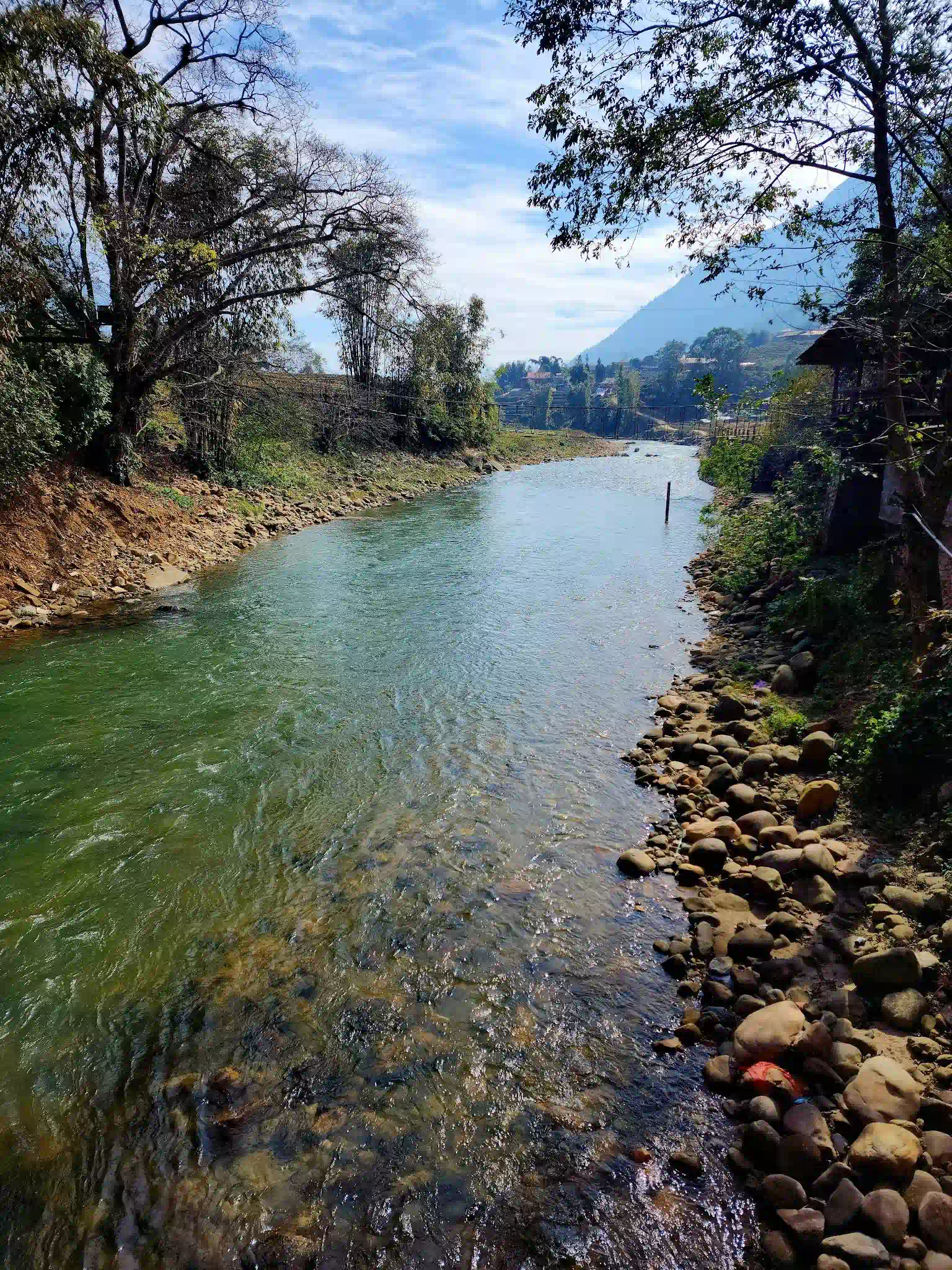
- 08:30 AM: Arrive at your homestay. Some of these are basic wood huts, some are decent eco-lodges with hot showers. But the key is they are deep in the Muong Hoa valley right next to the rice terraces. It is quiet.
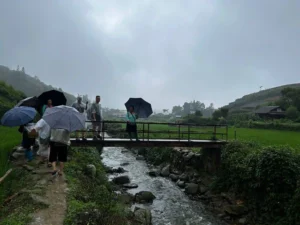
- Daytime: Don’t do a heavy trek today. Your body hates you from the night bus. Walk around the local dirt paths in the village. Avoid the paved roads where the day-tours go. Stop and drink terrible cheap local green tea at a plastic table by the river. Just exist for a bit.
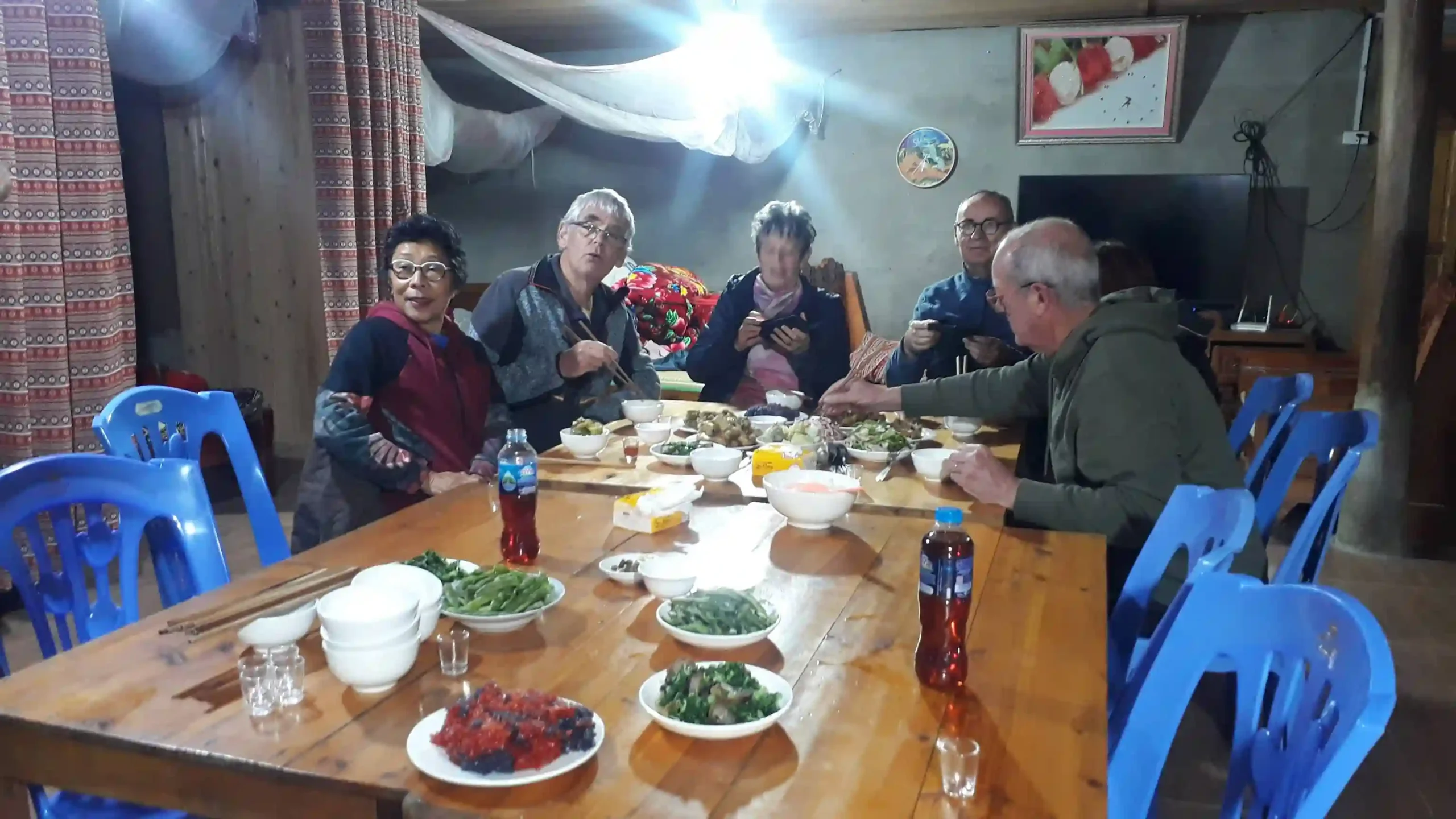
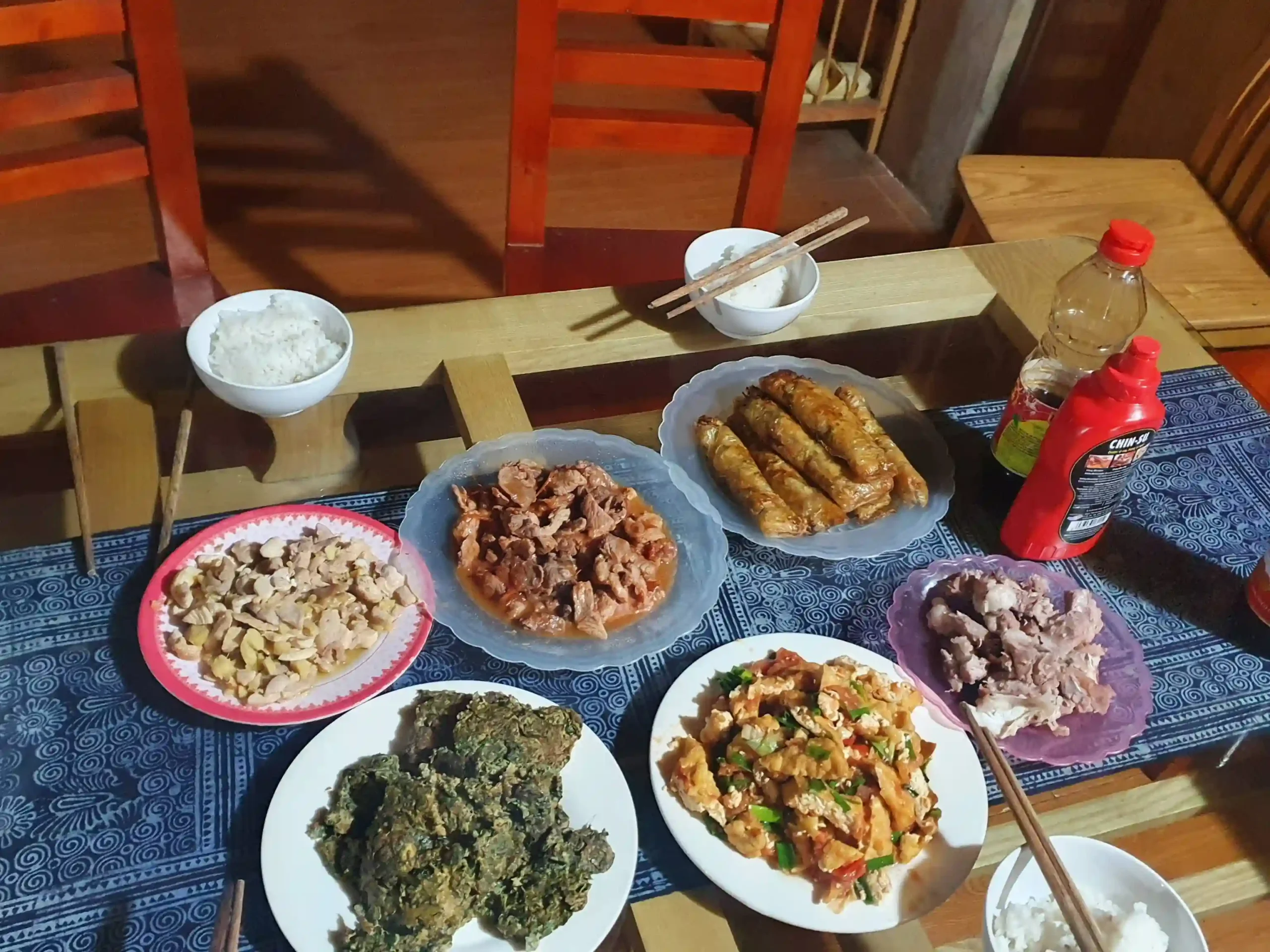
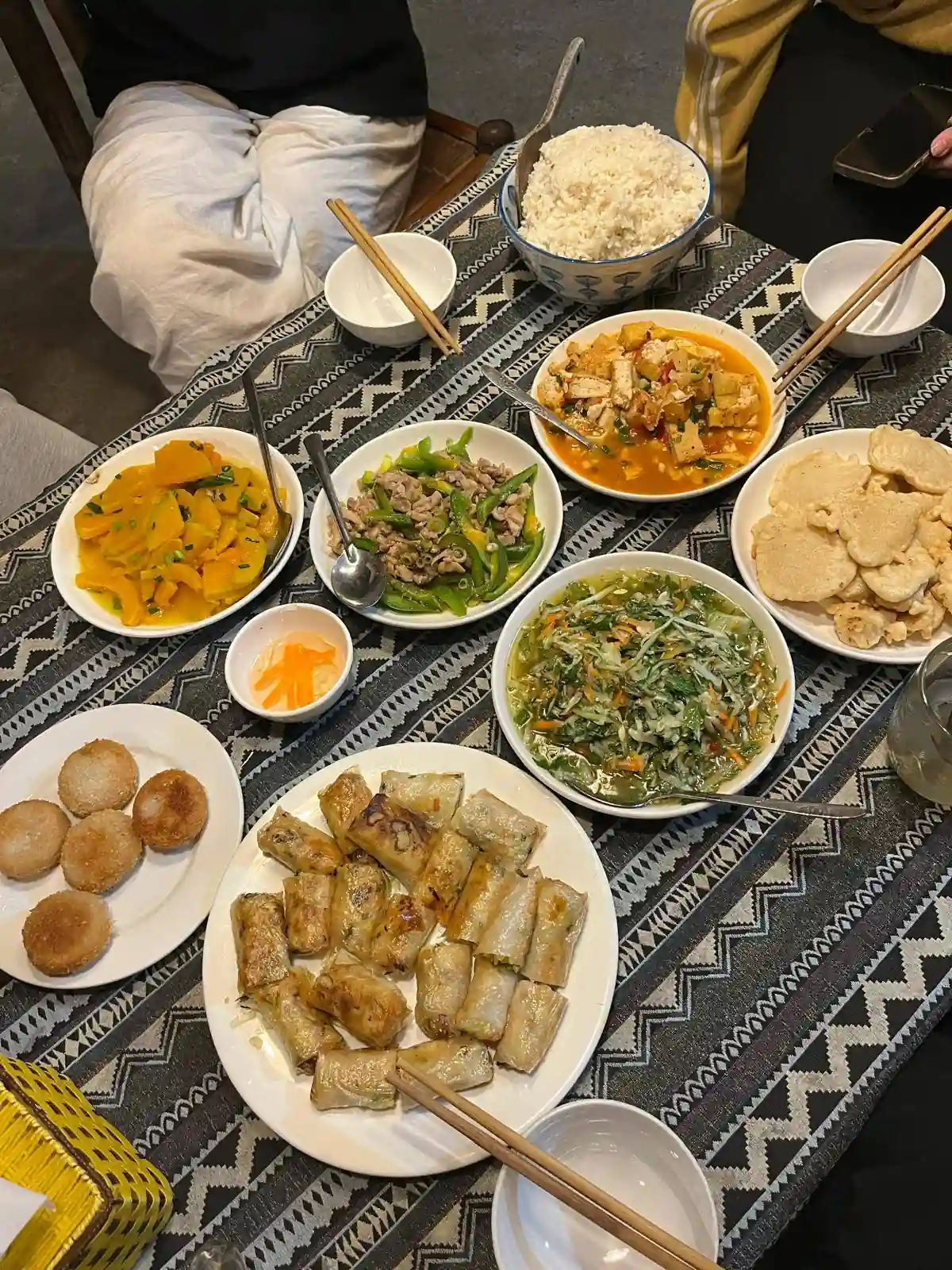
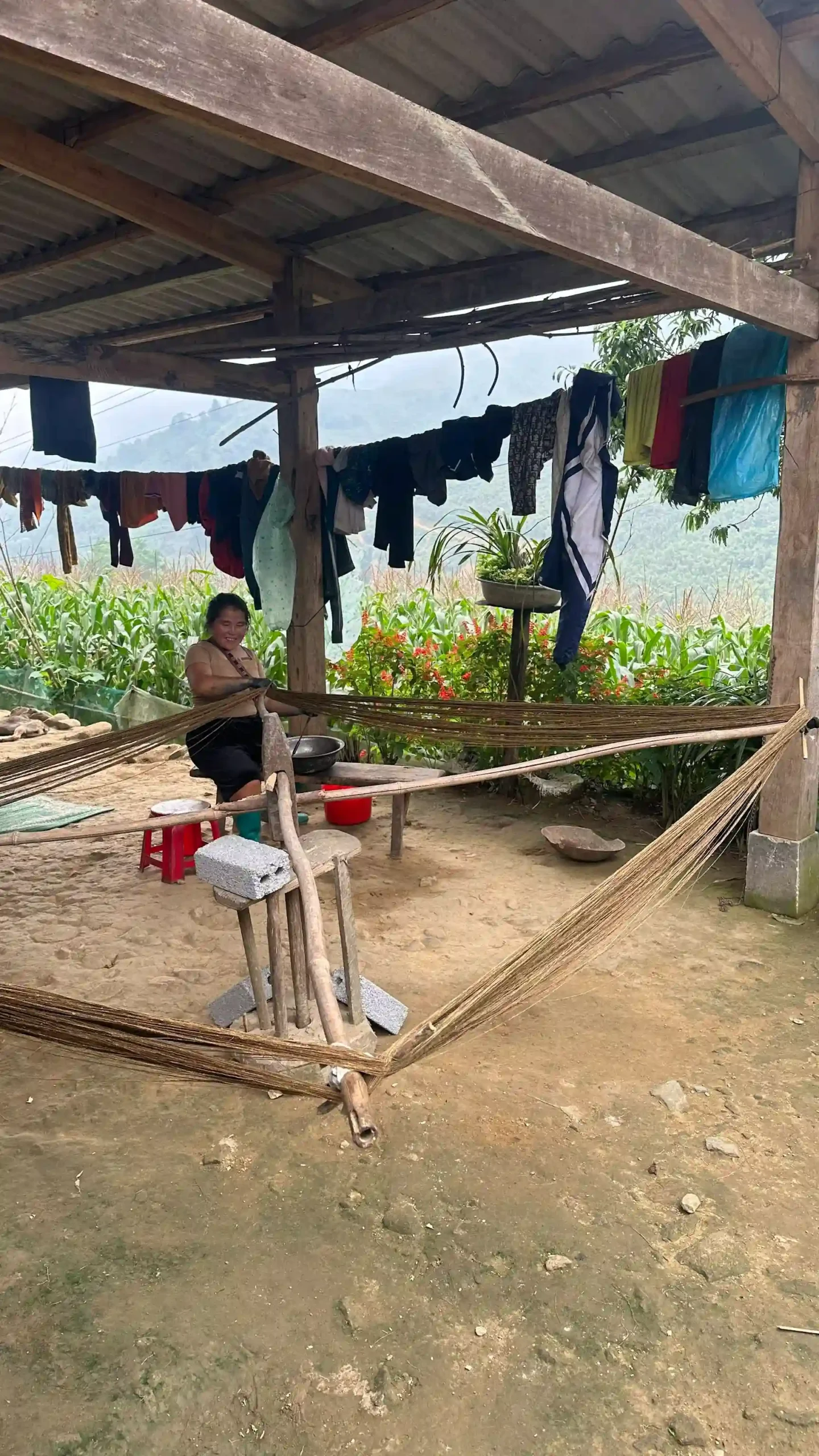
- 07:00 PM: Family dinner at the homestay. This is mandatory. You sit at a huge table with the local host family and whatever other random foreigners are staying there. They cook a mountain of pork, tofu, rice, and cabbage. Then out comes the cheap homemade rice wine (Happy Water). You do shots, talk nonsense for a few hours, and sleep like a log because it’s completely silent outside.
Day 2: The Deep Mud Trek
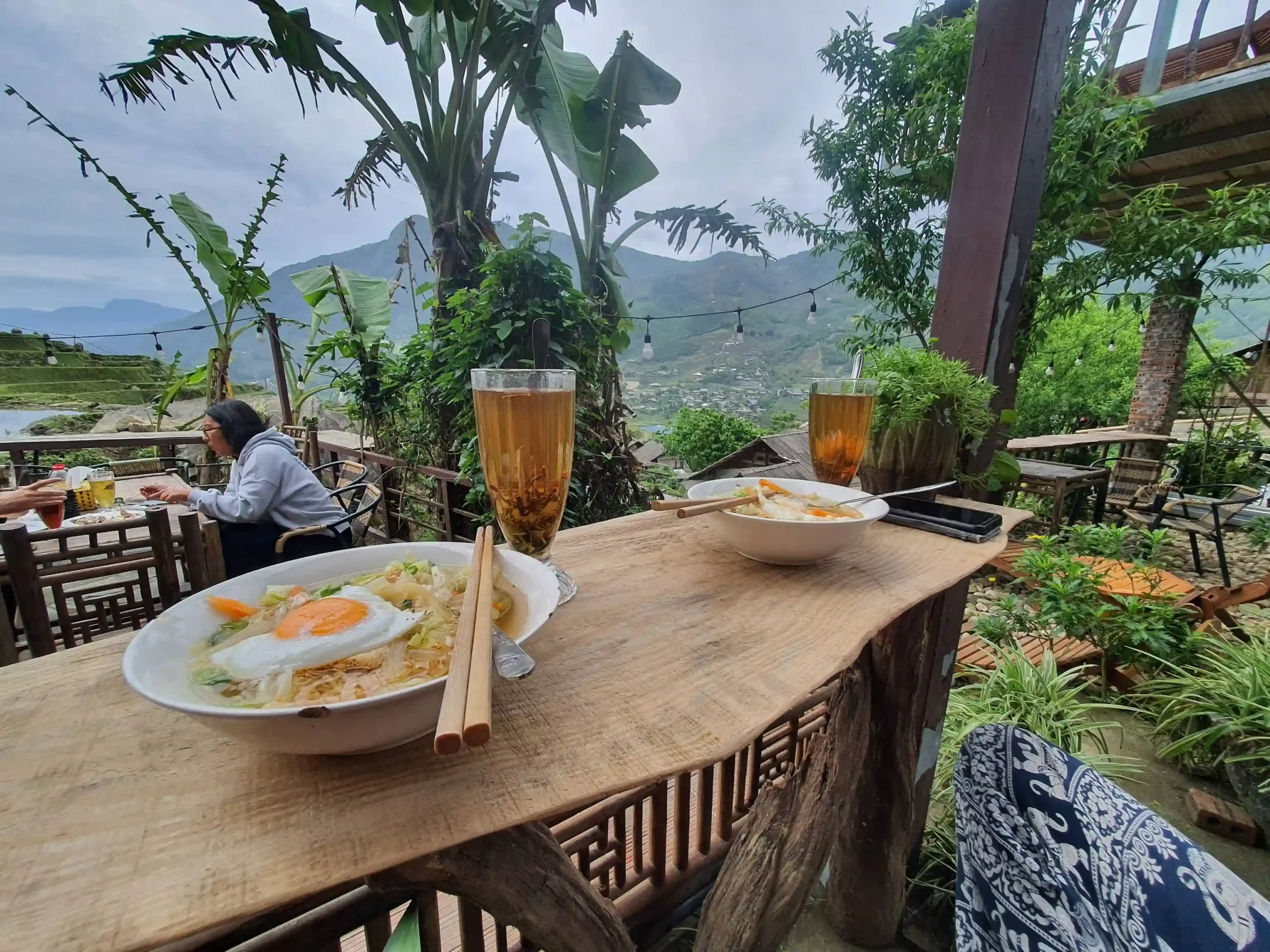




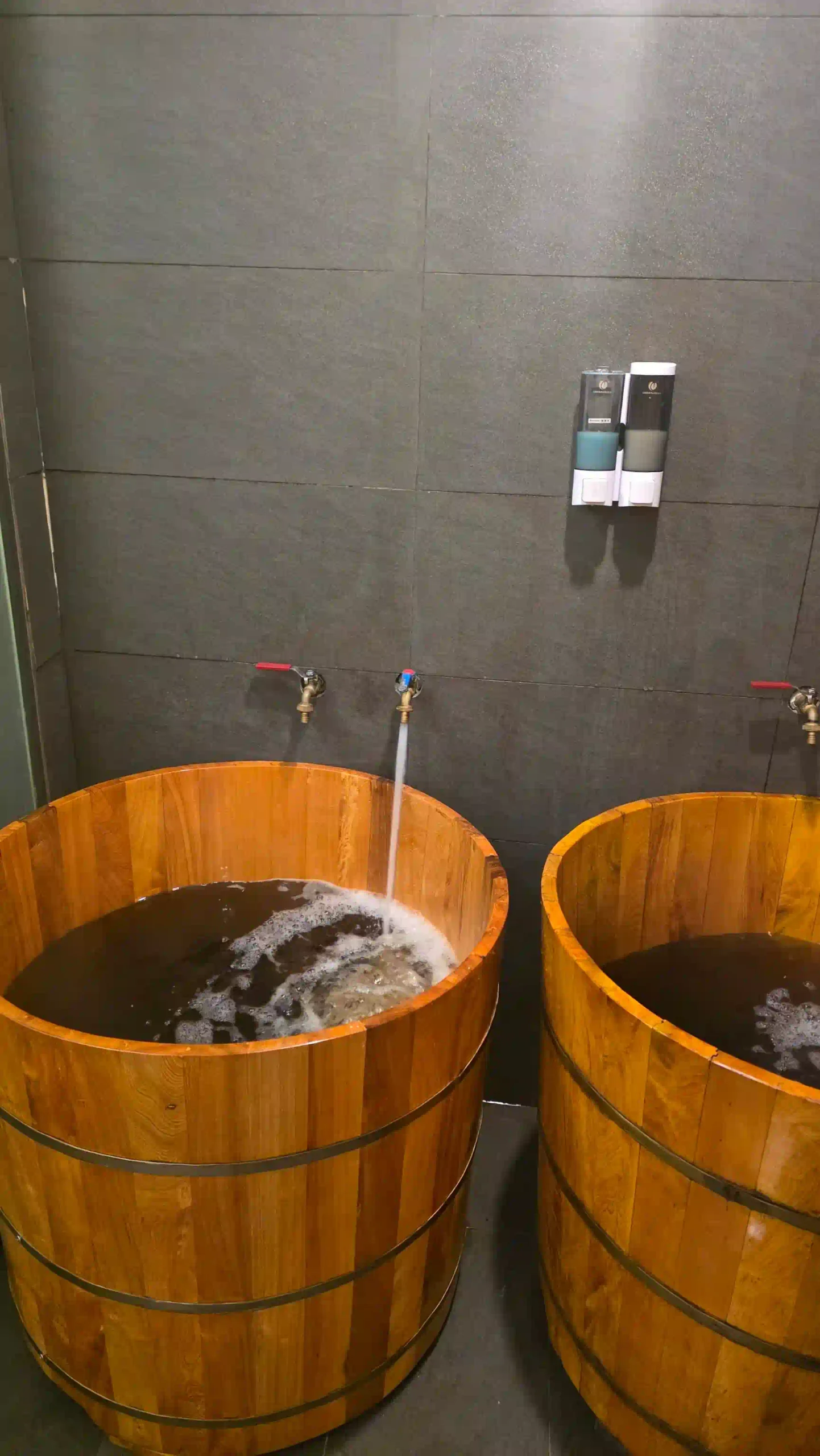
- 08:00 AM: You actually slept well. Eat a pancake, drink thick Vietnamese coffee.
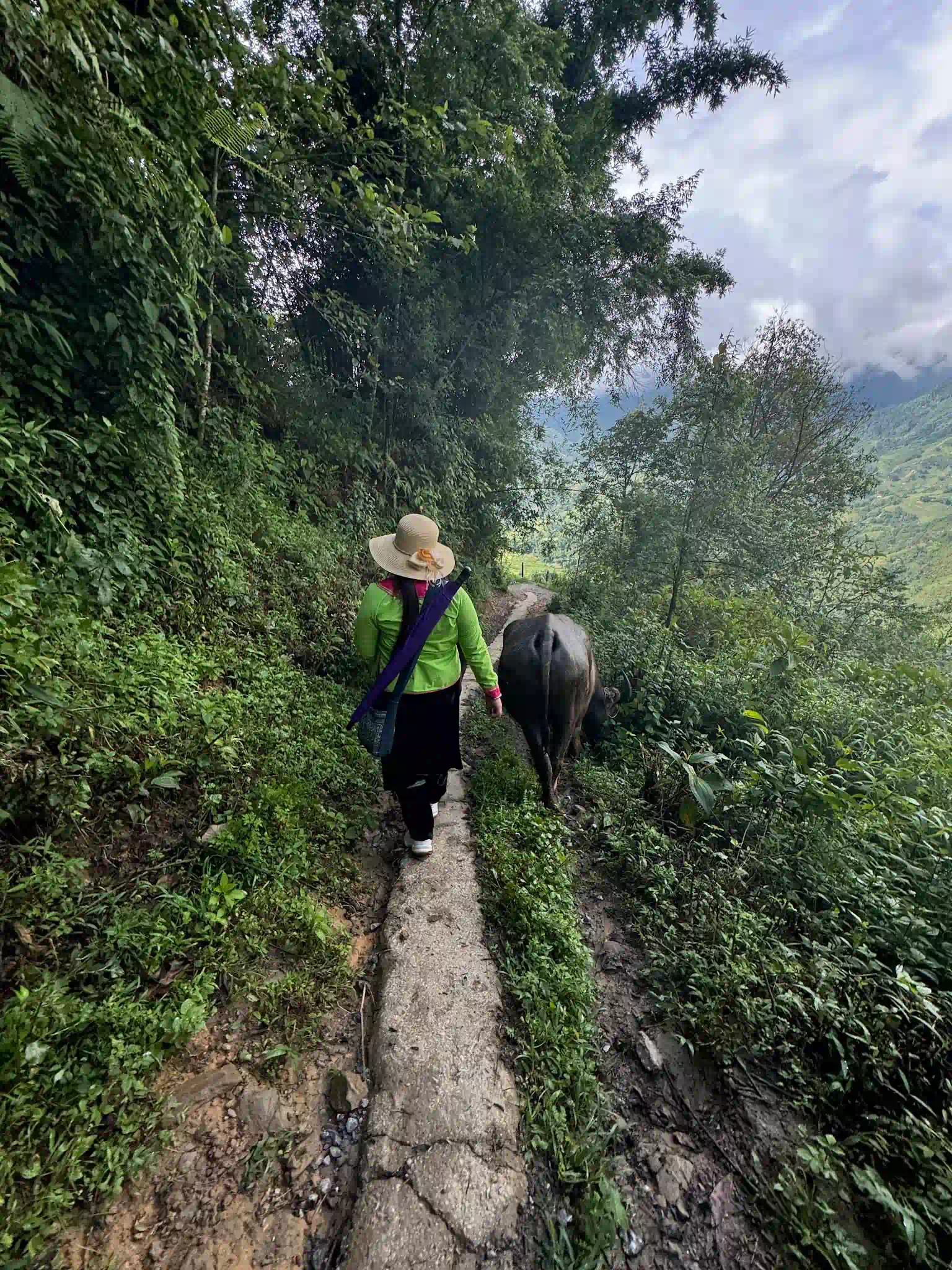
- 09:00 AM: Hire an independent local guide. Usually Hmong or Dao women. Because you are already in the valley, the guide meets you at the homestay. You don’t have to take a taxi to start.
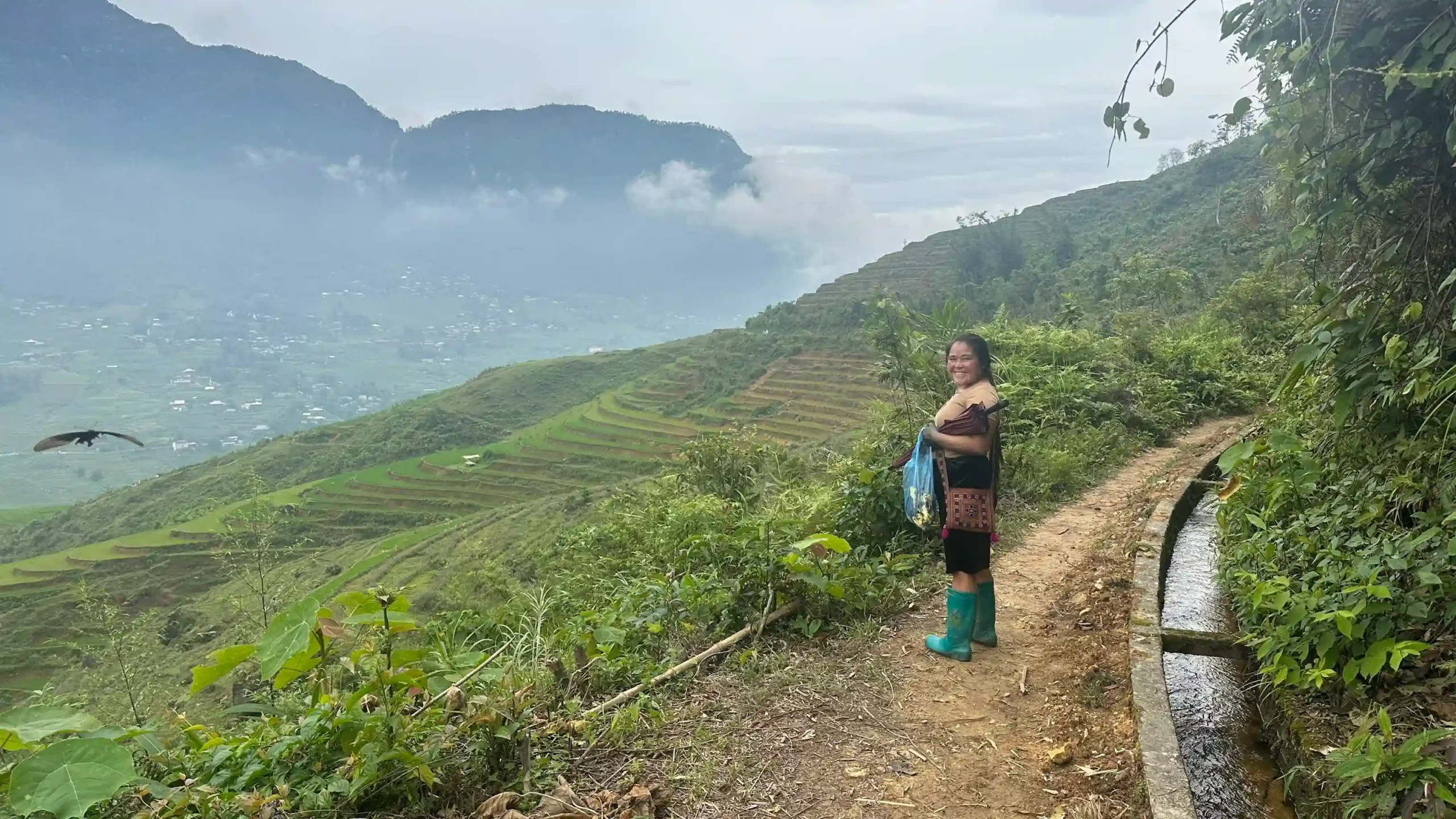
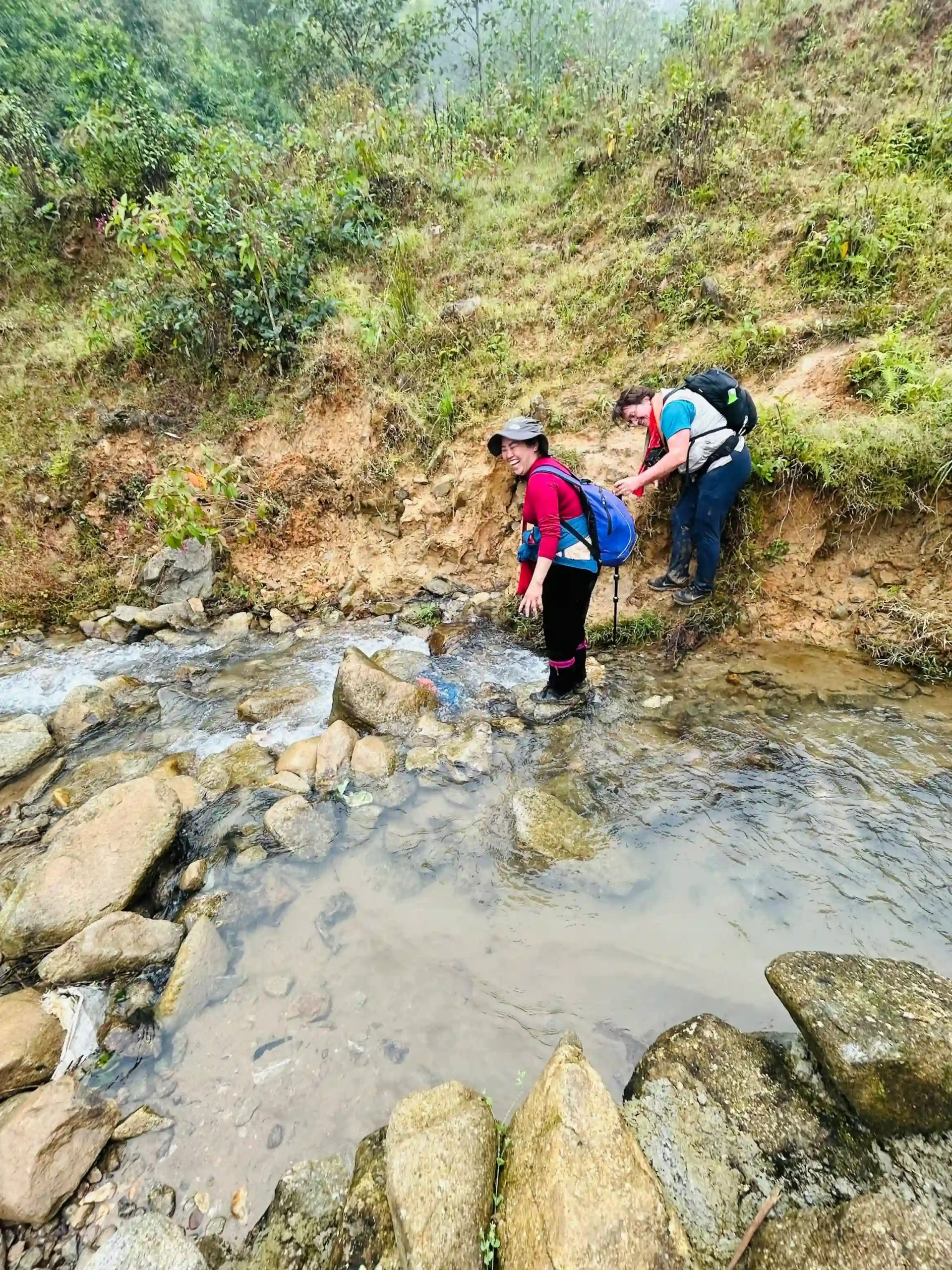
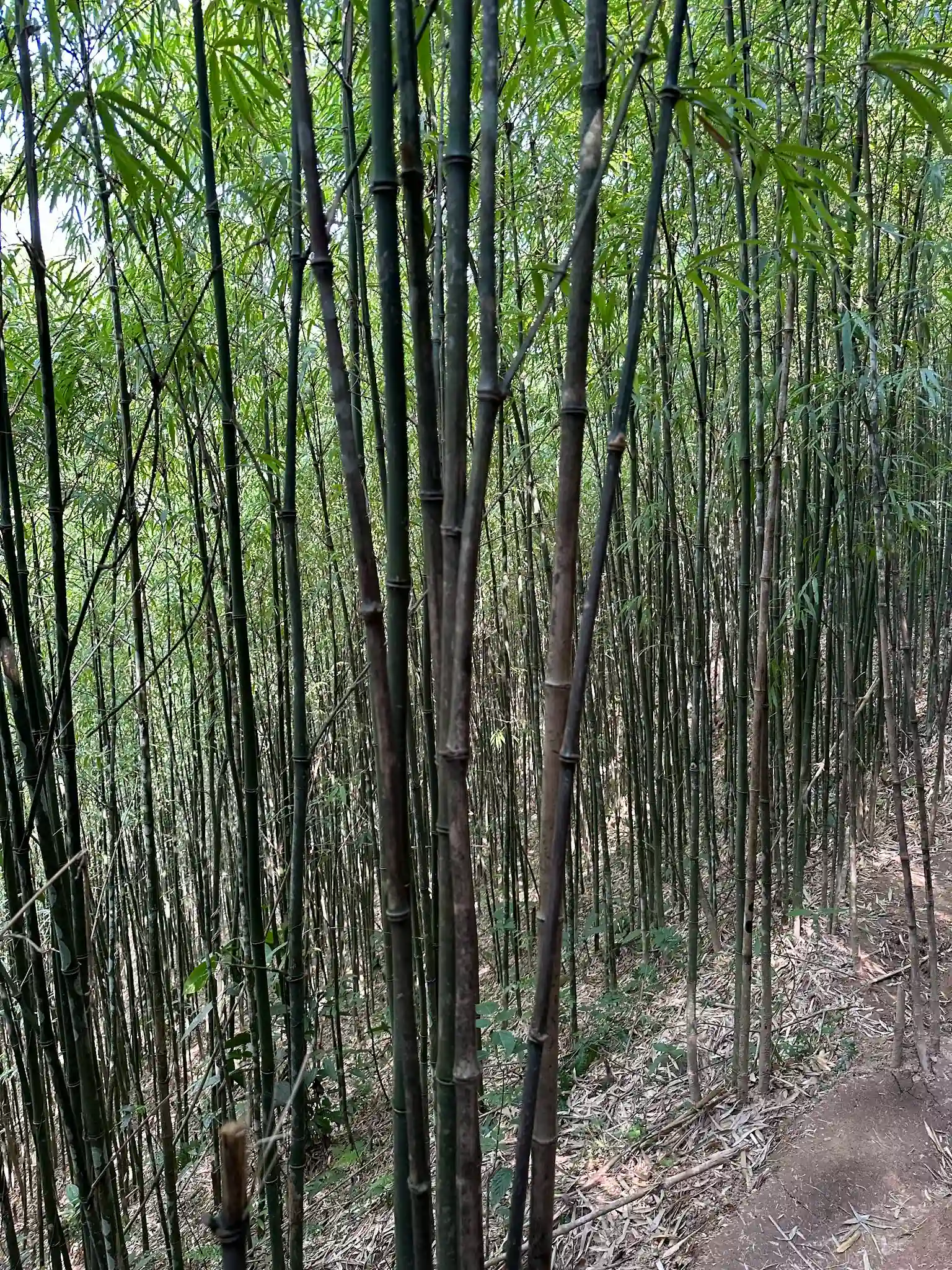
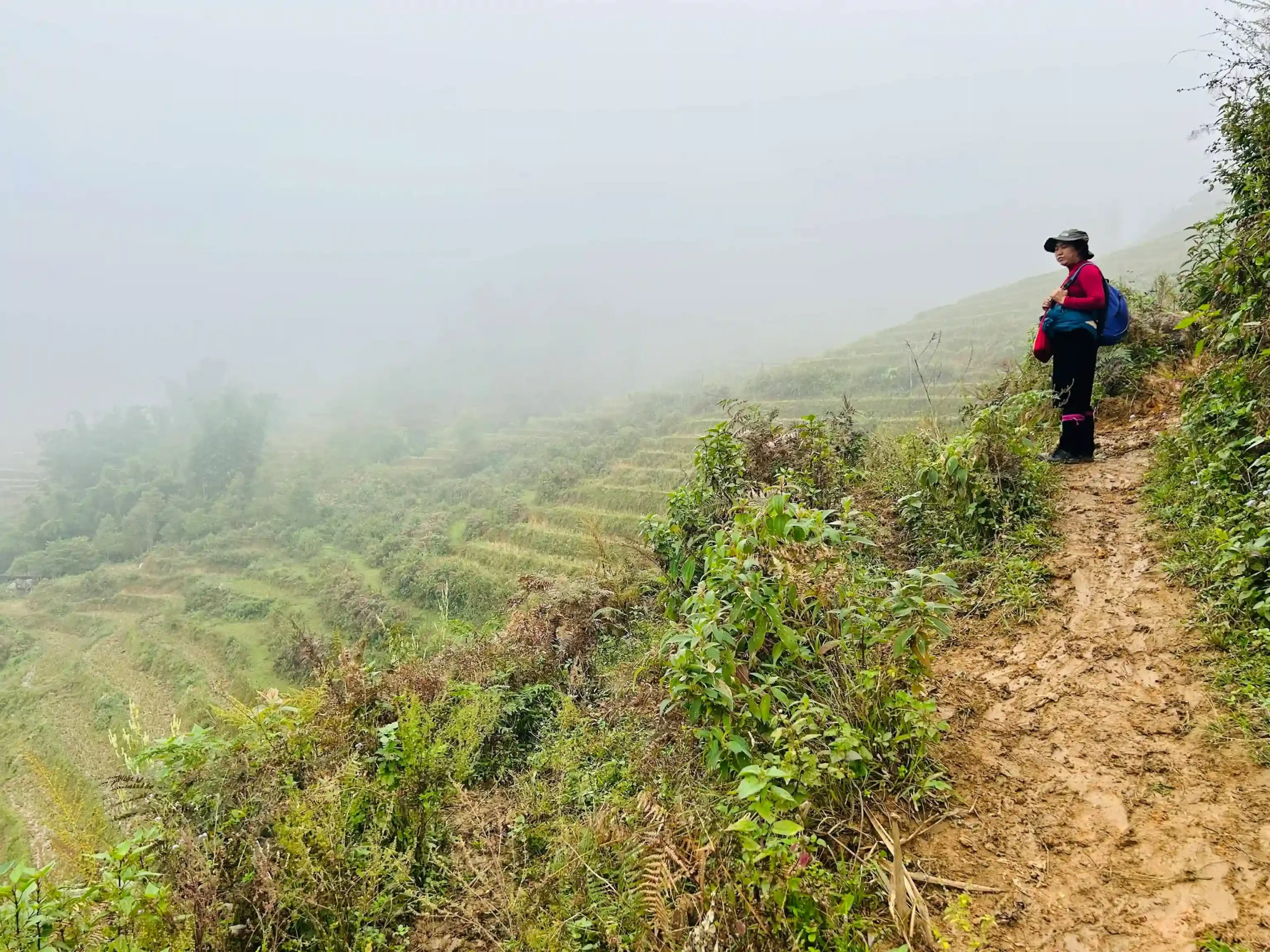
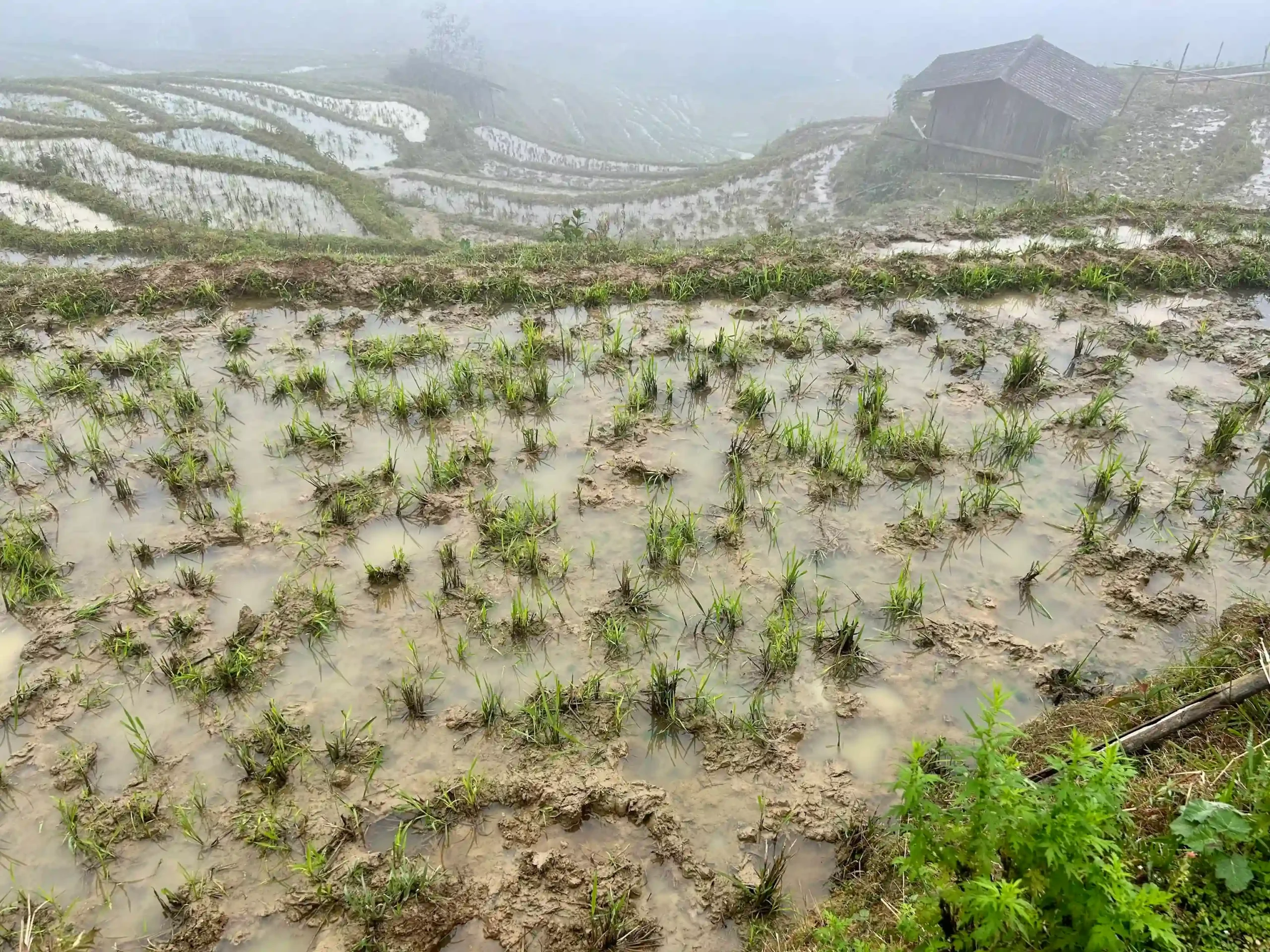
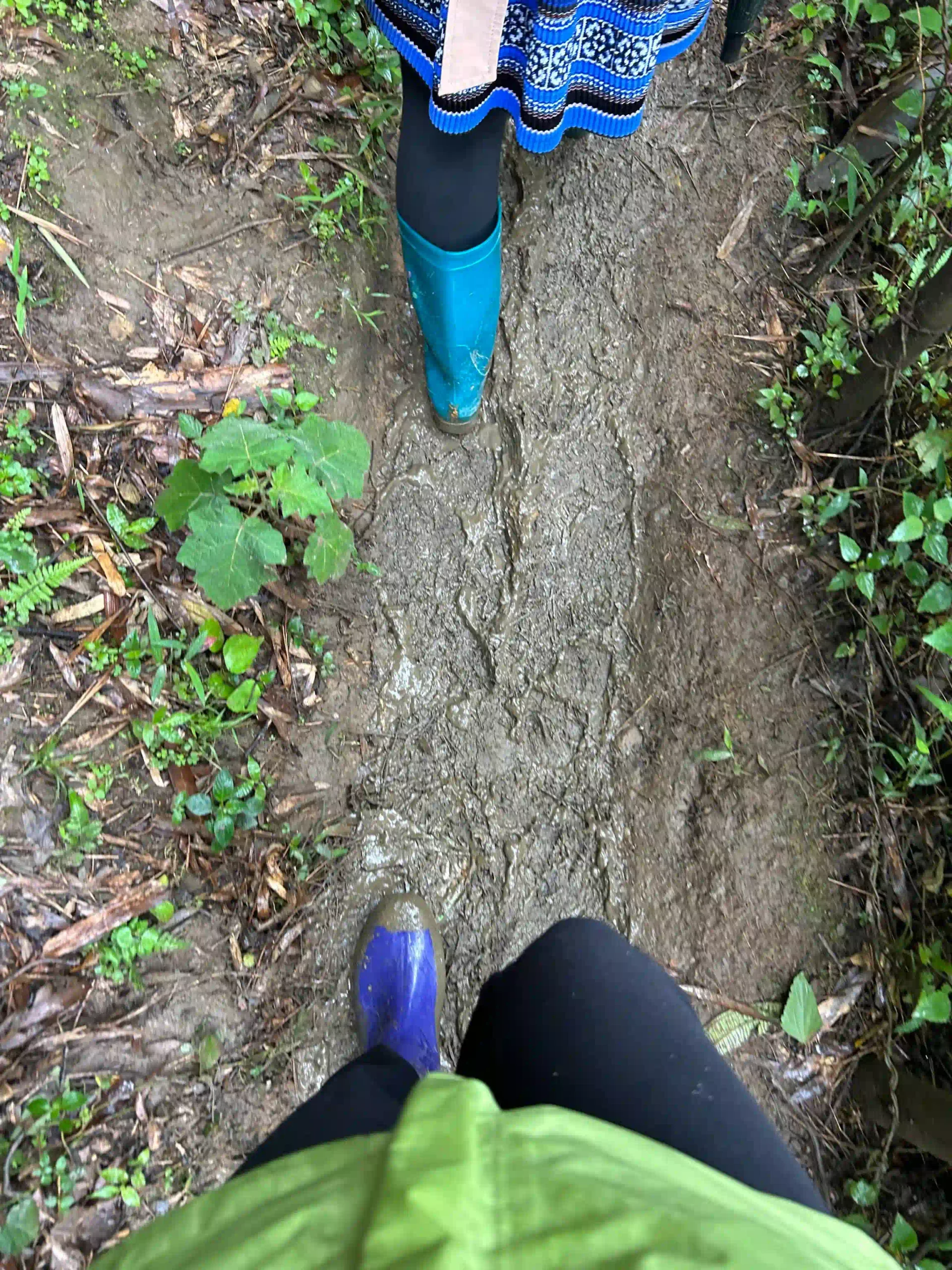
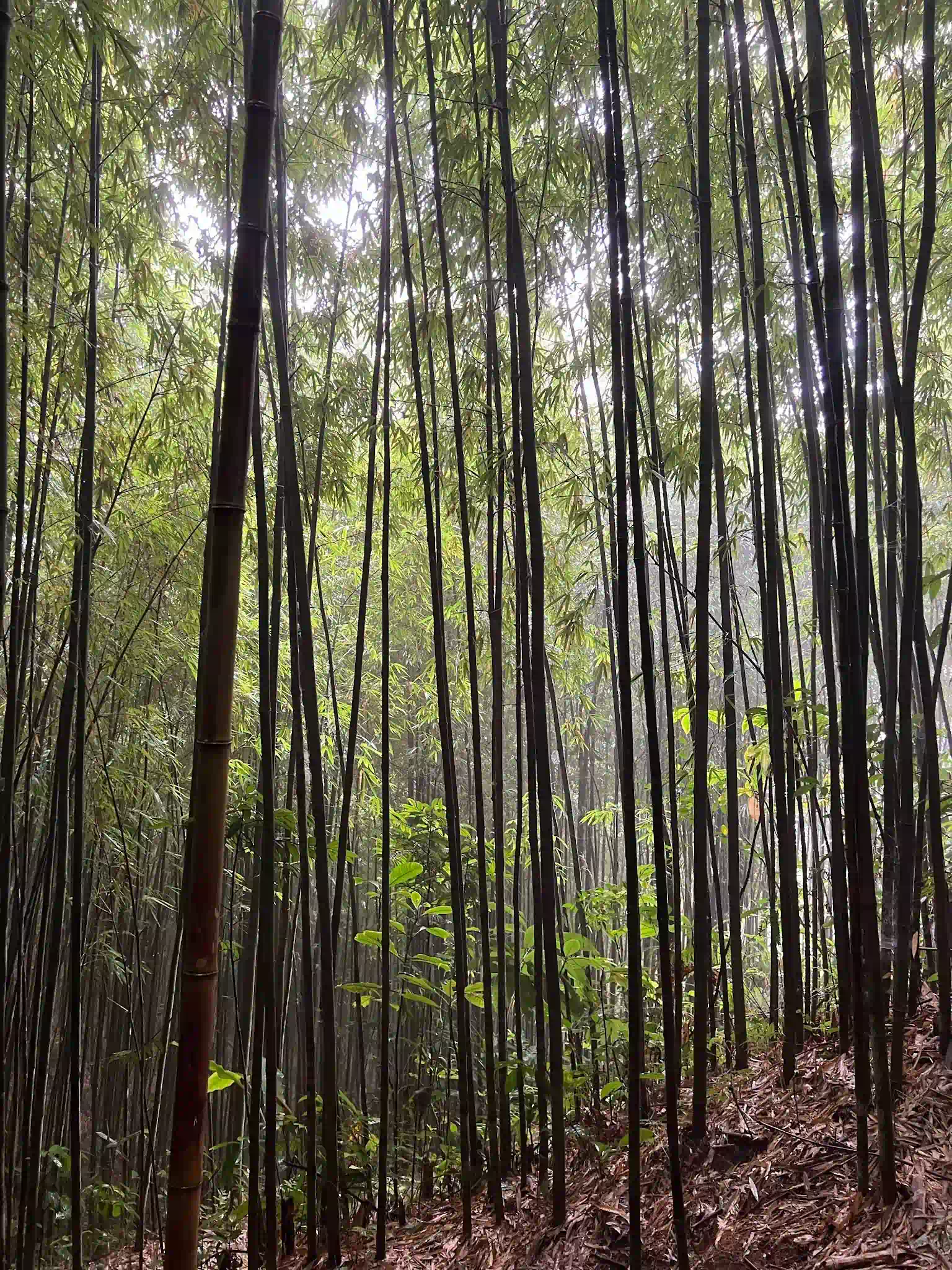
- 10:00 AM – 04:00 PM: You have an entire full day to kill. The guide takes you up into the high ridges through bamboo forests and steep farming terraces. These are trails where buses cannot go. You will probably slip and fall in the mud. There are no handrails. This is the rough, dirty, and brilliant part of the mountains you came looking for.
- Late afternoon: Pack up from the homestay. Get a taxi back up to Sapa town.
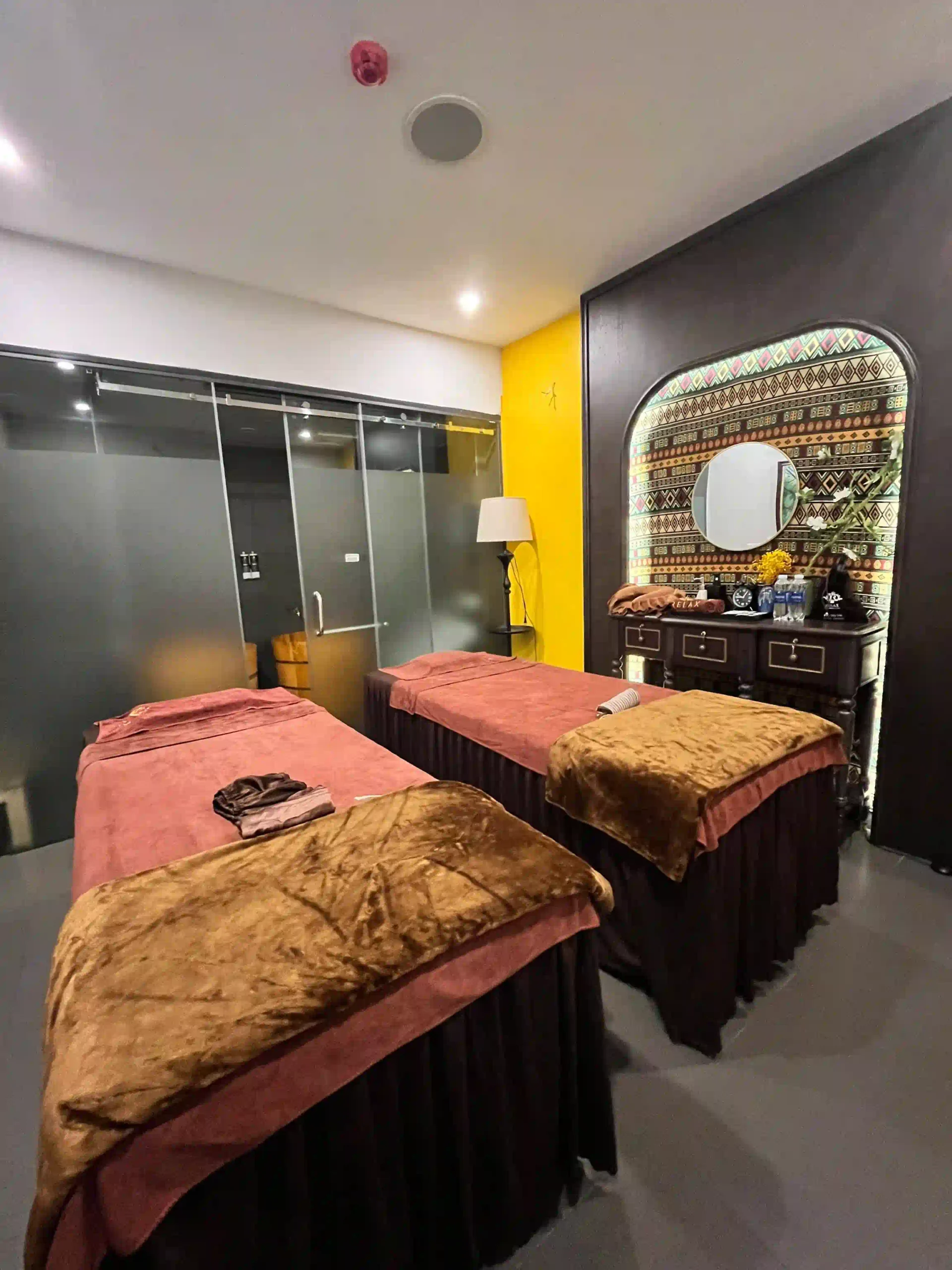
- Evening: Check into a cheap, central hotel for your final night so transit tomorrow is easy. Go find a massage place on Thach Son street. Get your destroyed leg muscles rubbed for 200k VND. Eat a burger or salmon hotpot in town.
Day 3: Fansipan & Out
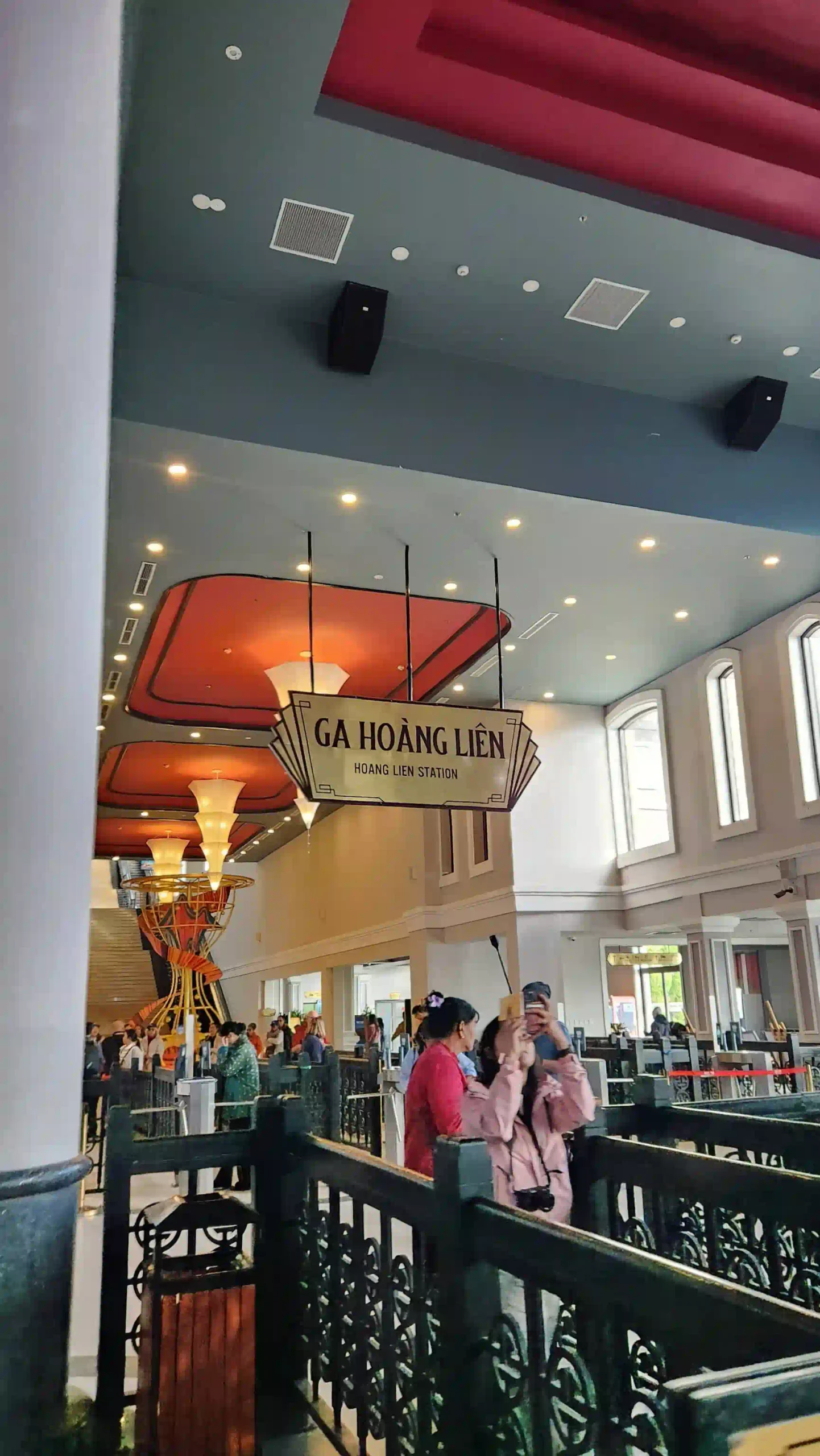
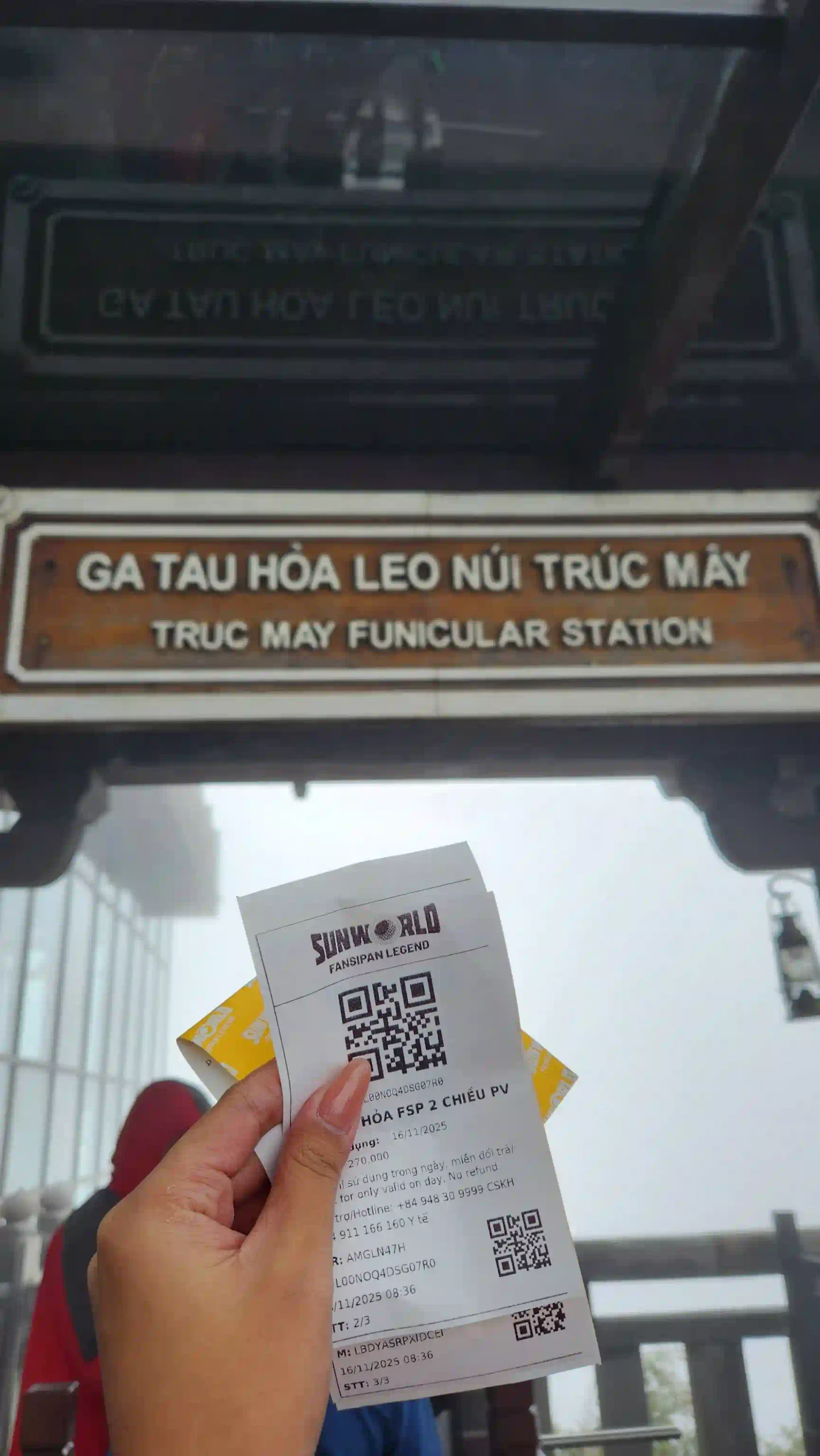
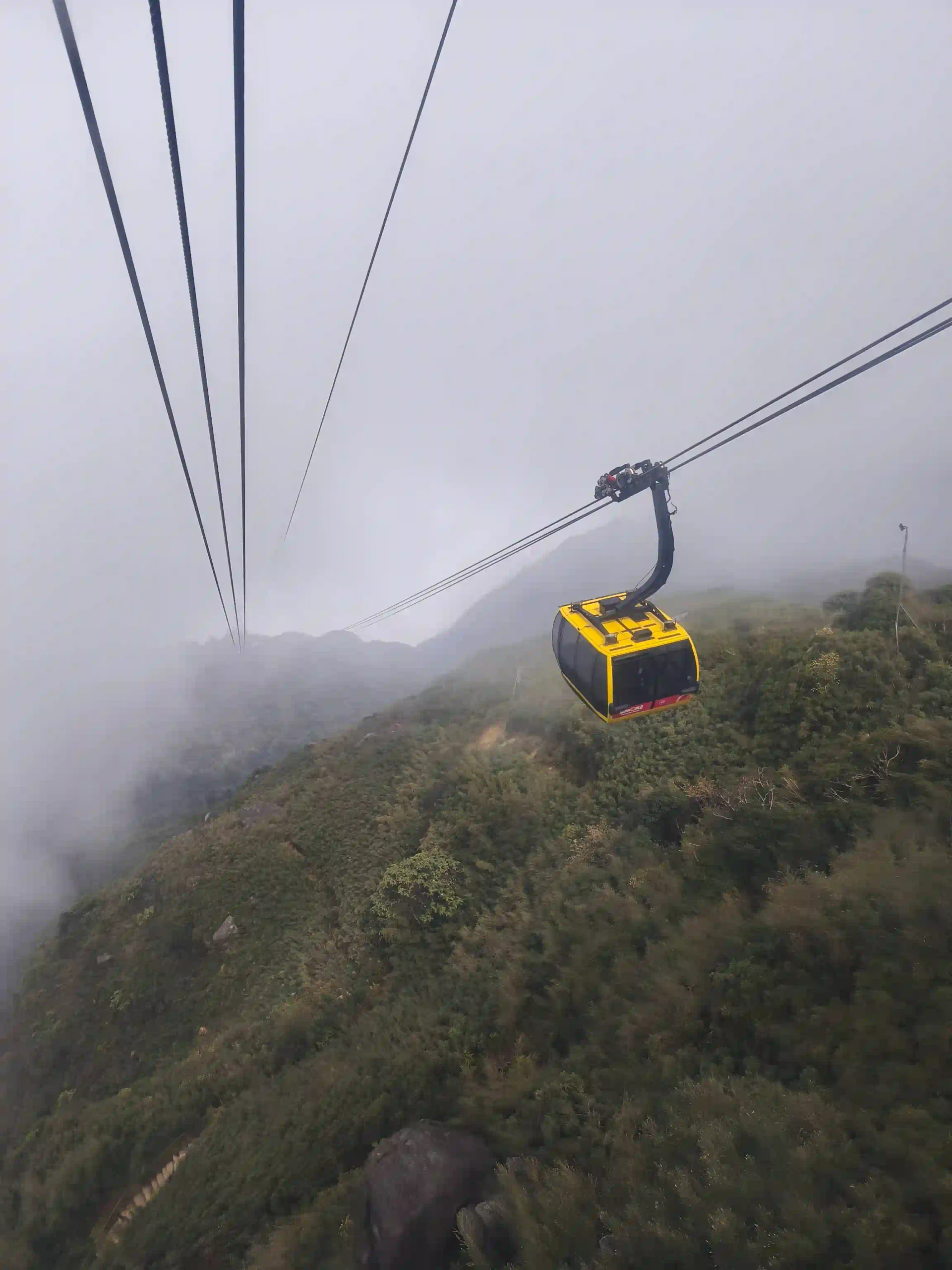
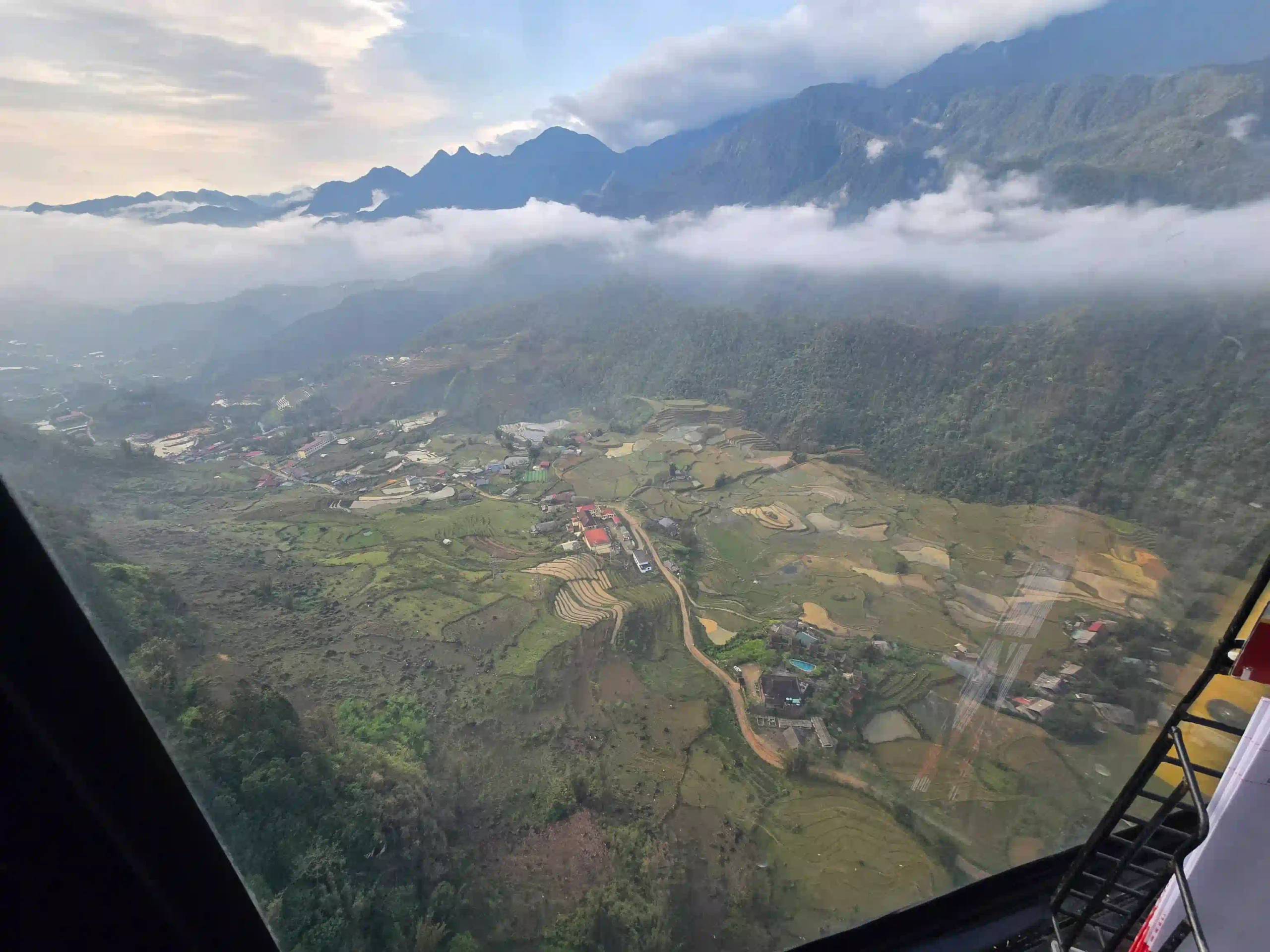
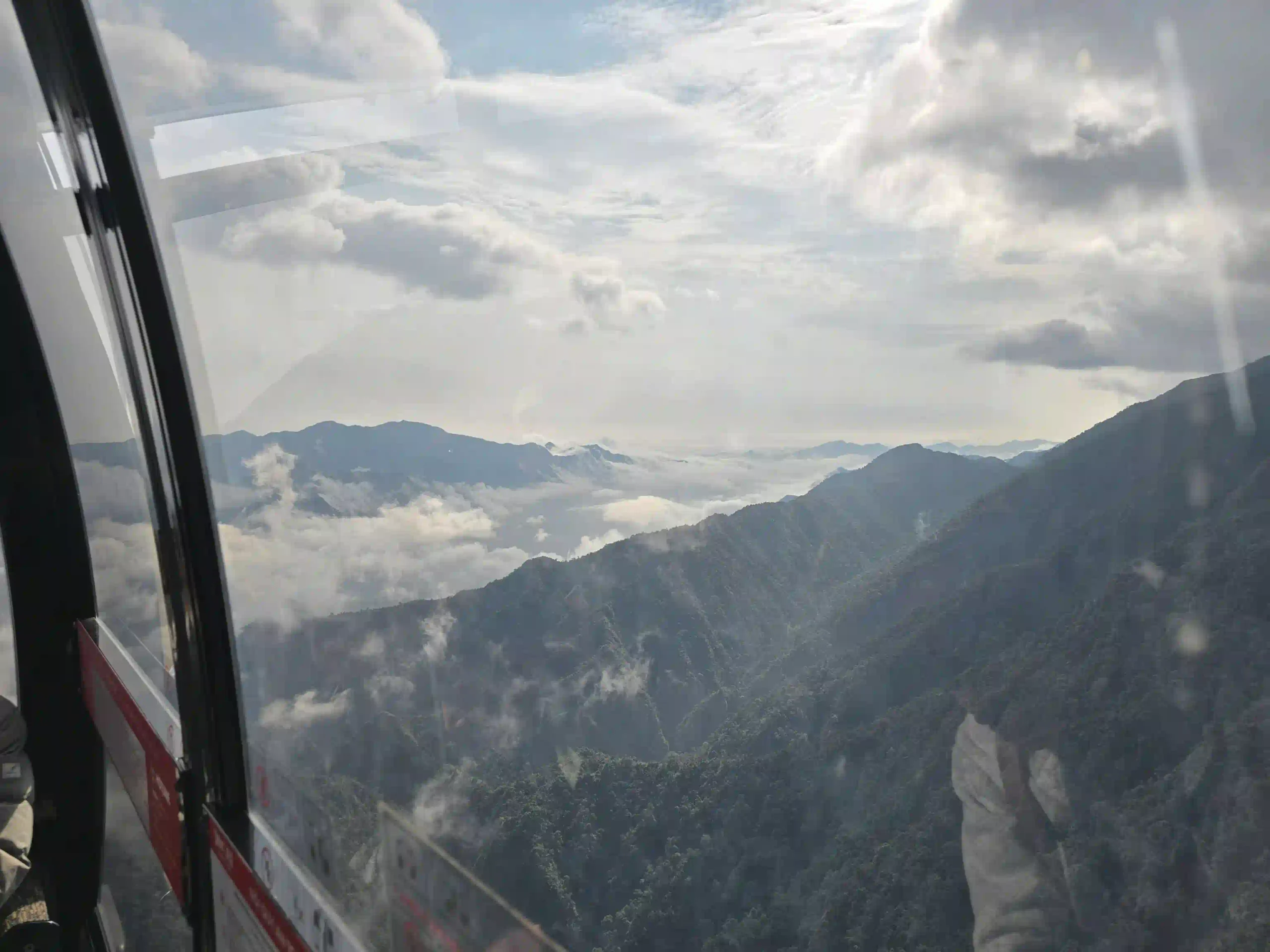
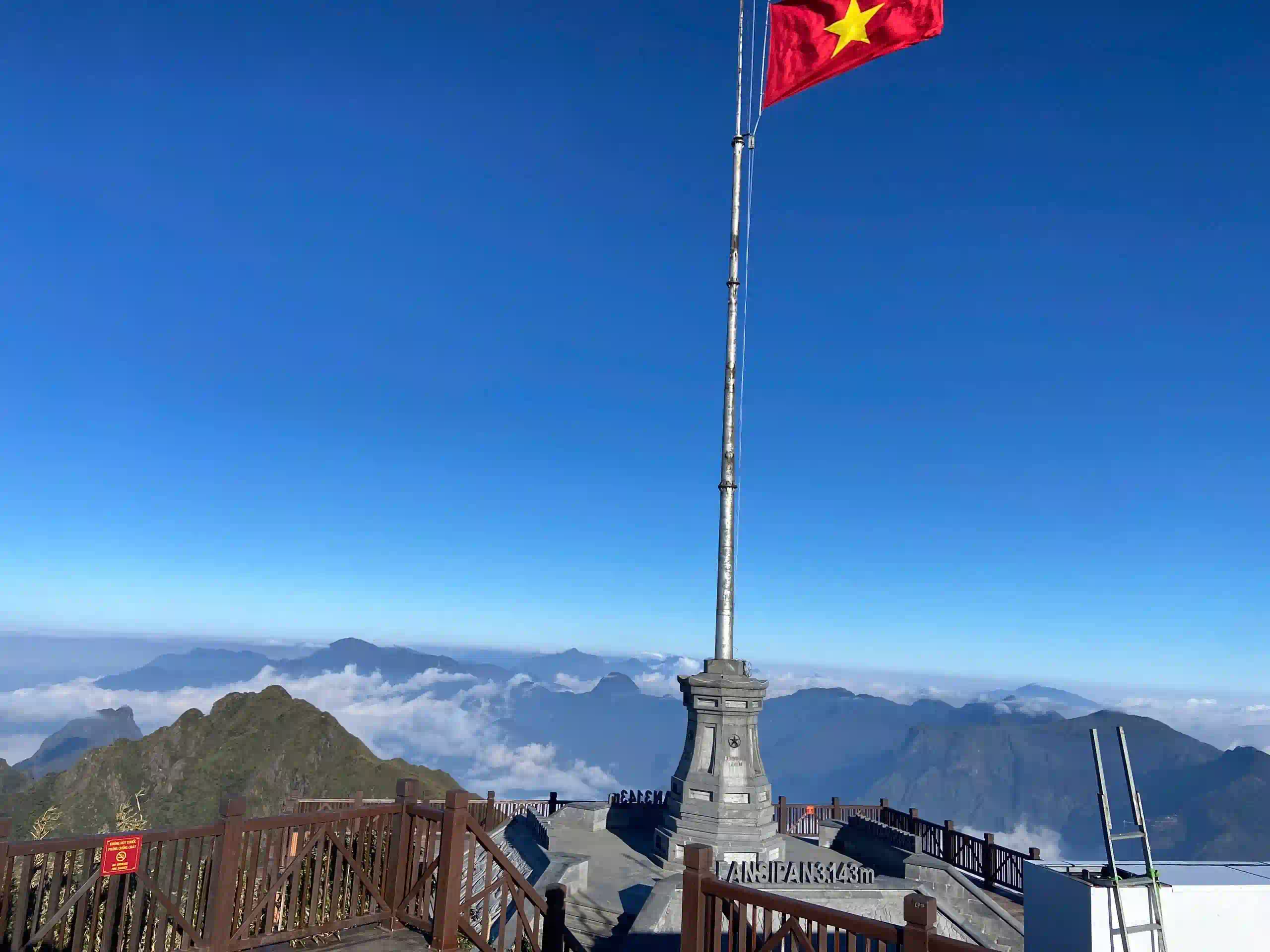



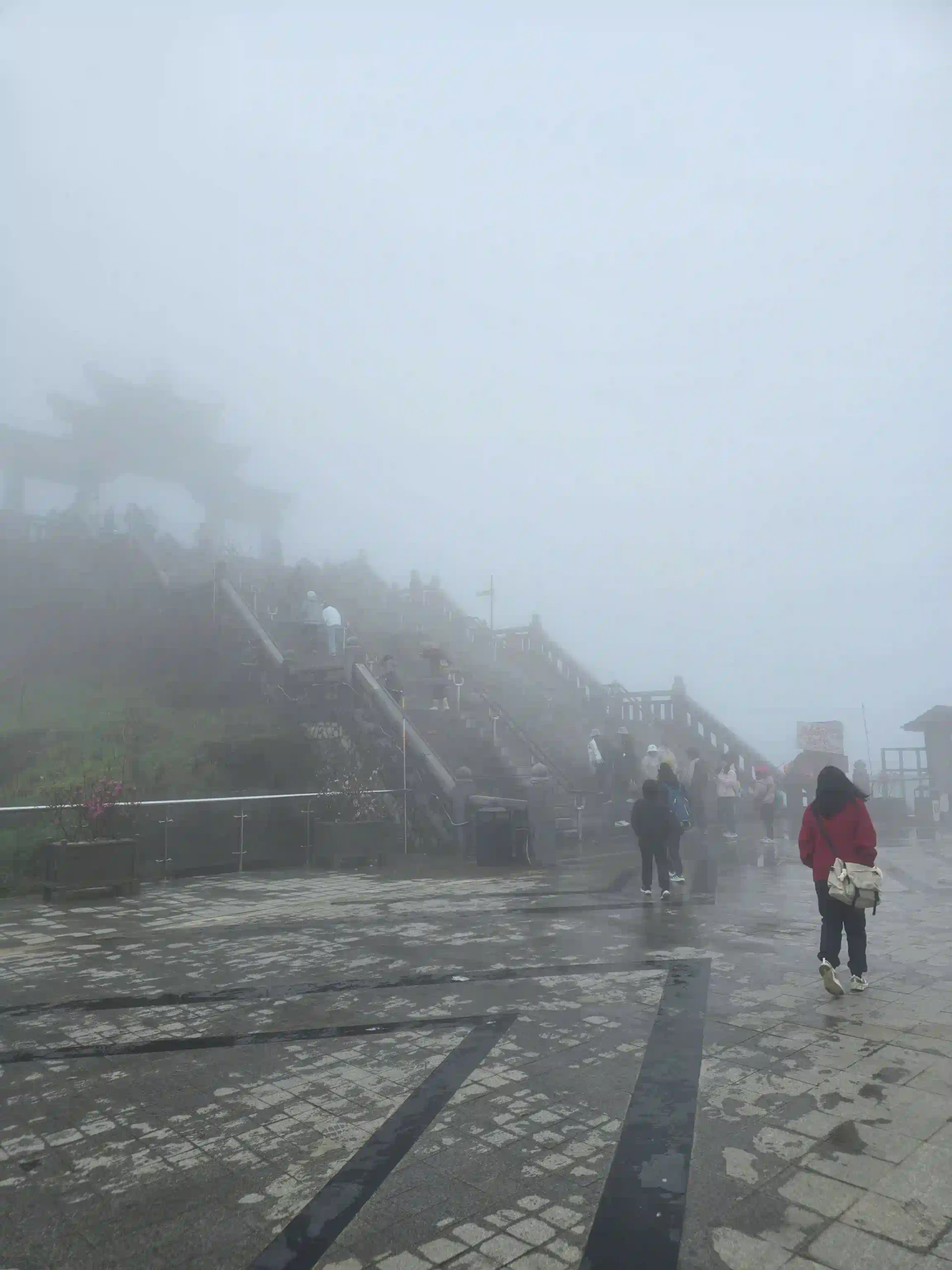
- 08:00 AM: Check the weather app and look up the mountain. If it’s clear, head to the Fansipan cable car station. If it is buried in thick white fog and raining, skip it entirely and save your $35. Go drink coffee instead.
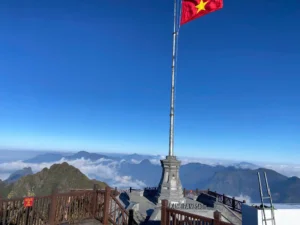
- 09:00 AM: Take the giant glass cable car. Stand on the highest peak in Indochina. Look at the jagged drops going toward the Chinese border.
- 12:30 PM: Eat lunch.
- 02:30 PM: Walk to the Sapa bus office, get on a comfortable daytime limousine van or cabin bus, and drive the 6 hours back to Hanoi.
- 08:30 PM: You are back in the city. Done.
Read more: Detailed review of the Fansipan Trekking?
What Ruins Itineraries (Why you need the 3rd day)

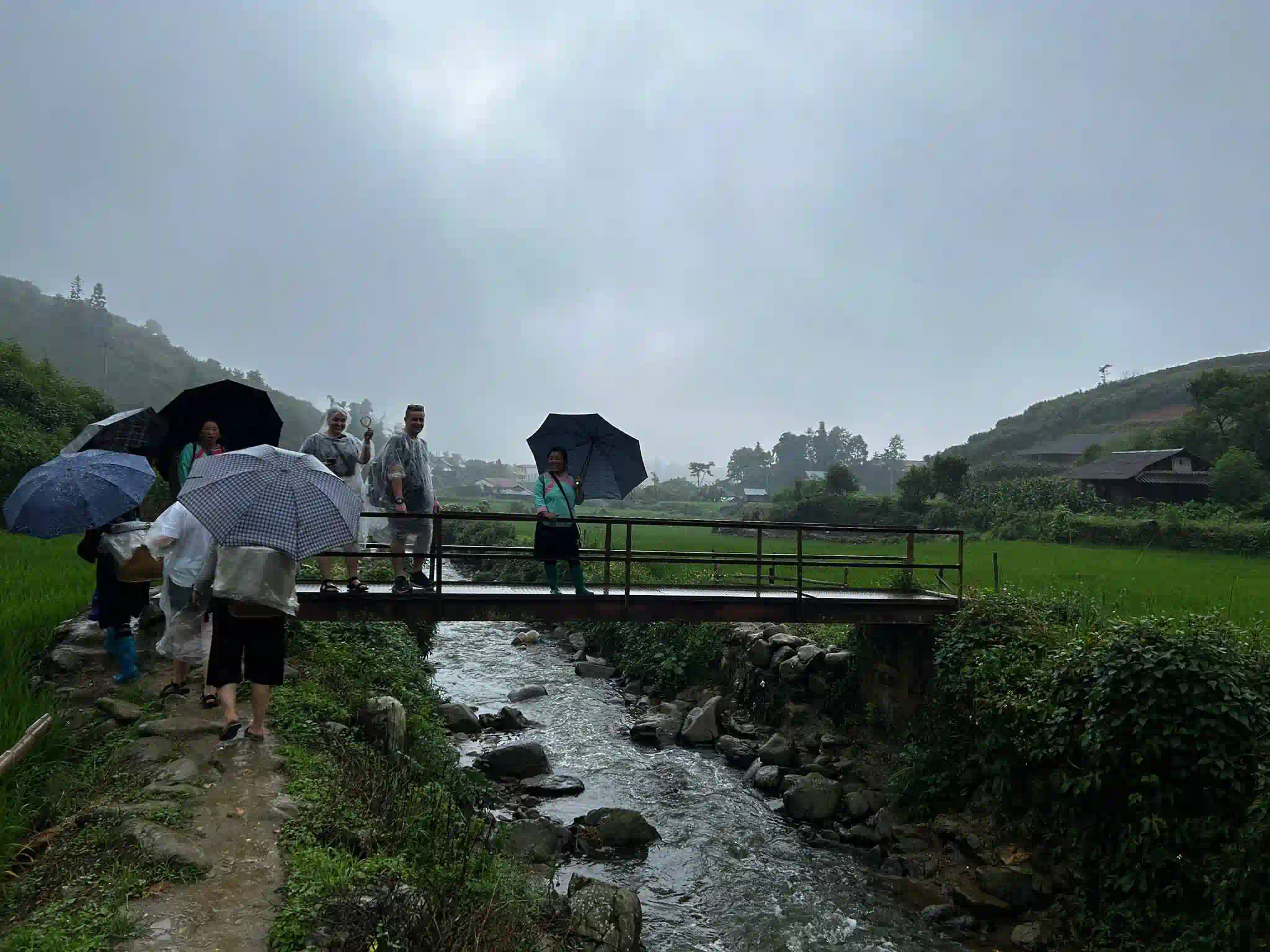
Aside from sleep deprivation, there is one massive wildcard that constantly wrecks Sapa 2-day itineraries: Weather.
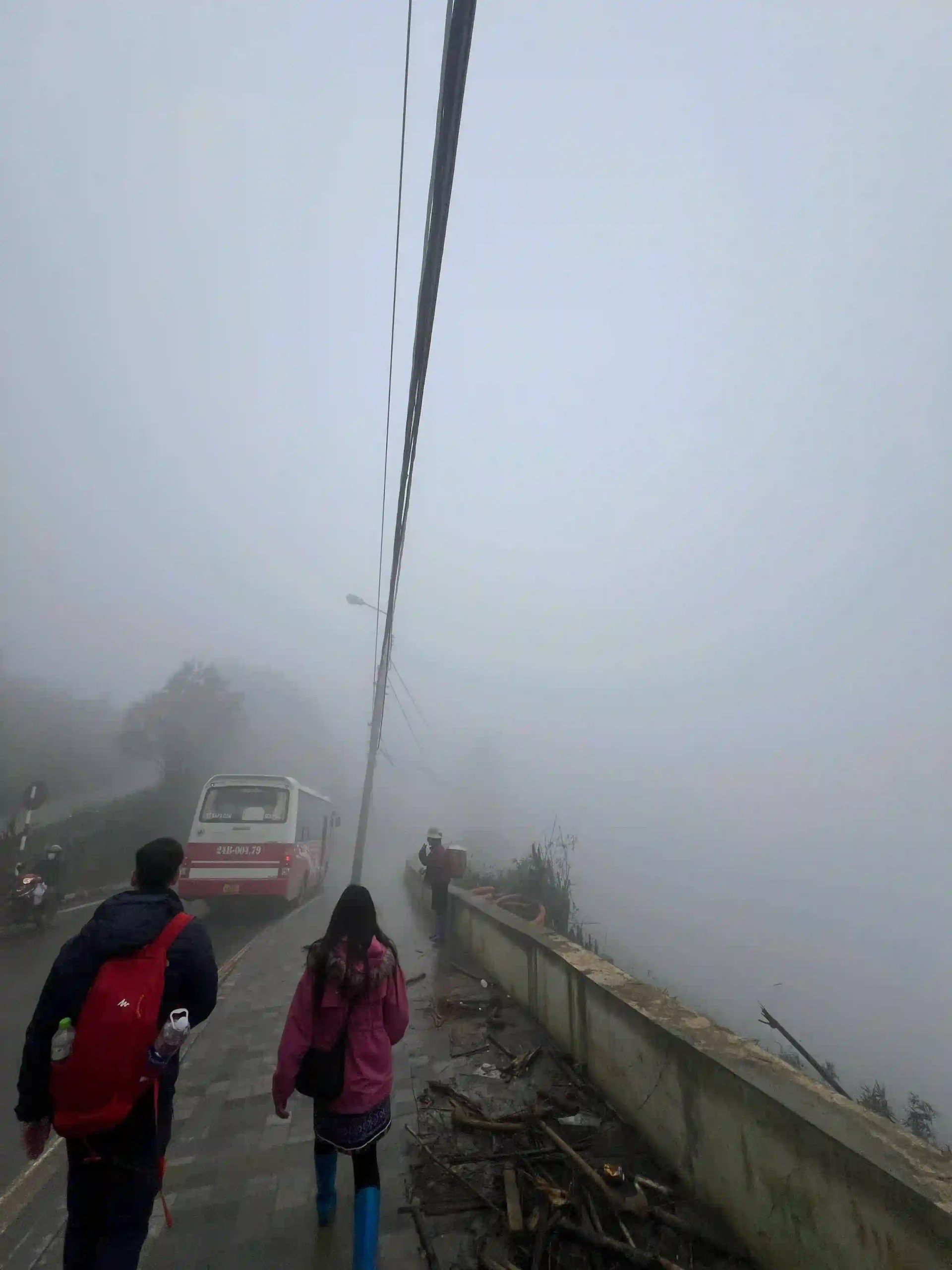
The internet makes Sapa look like it’s perpetually bright green and sunny. In reality, Lao Cai province has notoriously hostile weather systems. At 1,500 meters up, things change fast.
During the winter months (late December to February), a massive, freezing fog bank regularly settles over the town and valleys. You cannot see 10 feet in front of you. It stays for days. The dampness seeps right into the cheap hotel rooms.
If you only book two days and you hit the fog, your whole trip is literally staring at a white wall and trying to buy a fake North Face jacket to stay warm.
During the summer (June through August), you hit monsoon season. Huge afternoon downpours turn the trekking trails into rivers of slick brown mud. It’s too dangerous to do the steep ridge hikes.
If you are stuck with a strict 48 hour block and a monsoon hits, you can’t trek, Fansipan is covered in zero-visibility clouds, and you waste the whole trip inside a cafe.
By running a Sapa 3-day itinerary, you build in a buffer. If Tuesday gets washed out, you sit in the homestay, drink rice wine, and wait it out. Chances are Wednesday will crack open with blue skies and cloud inversions. You have to buy yourself time to roll the dice on the climate up here.
Read more: Best time of year to visit Sapa
Let’s talk about the Train vs Bus debate
If you dive into the Sapa Itinerary research hole, you will inevitably read huge arguments about taking the sleeper train vs taking the bus.
It used to be that the bus was dangerous and the train was the only safe way. In 2026, the highway to Lao Cai is pretty decent, and bus companies have upgraded significantly. The real breakdown looks like this now:
The Cabin Bus:
This goes direct from Hanoi straight up into Sapa town. You do not have to transfer. The modern ones have privacy curtains and a charging port. However, for the last hour, the bus climbs an incredibly steep mountain pass full of switchbacks. The drivers constantly hit the brakes.
If you get motion sickness or wake up at every bump, you will not sleep well on the bus. It’s faster, it’s cheaper, but the ride quality heavily depends on the driver’s mood.
The Overnight Train:
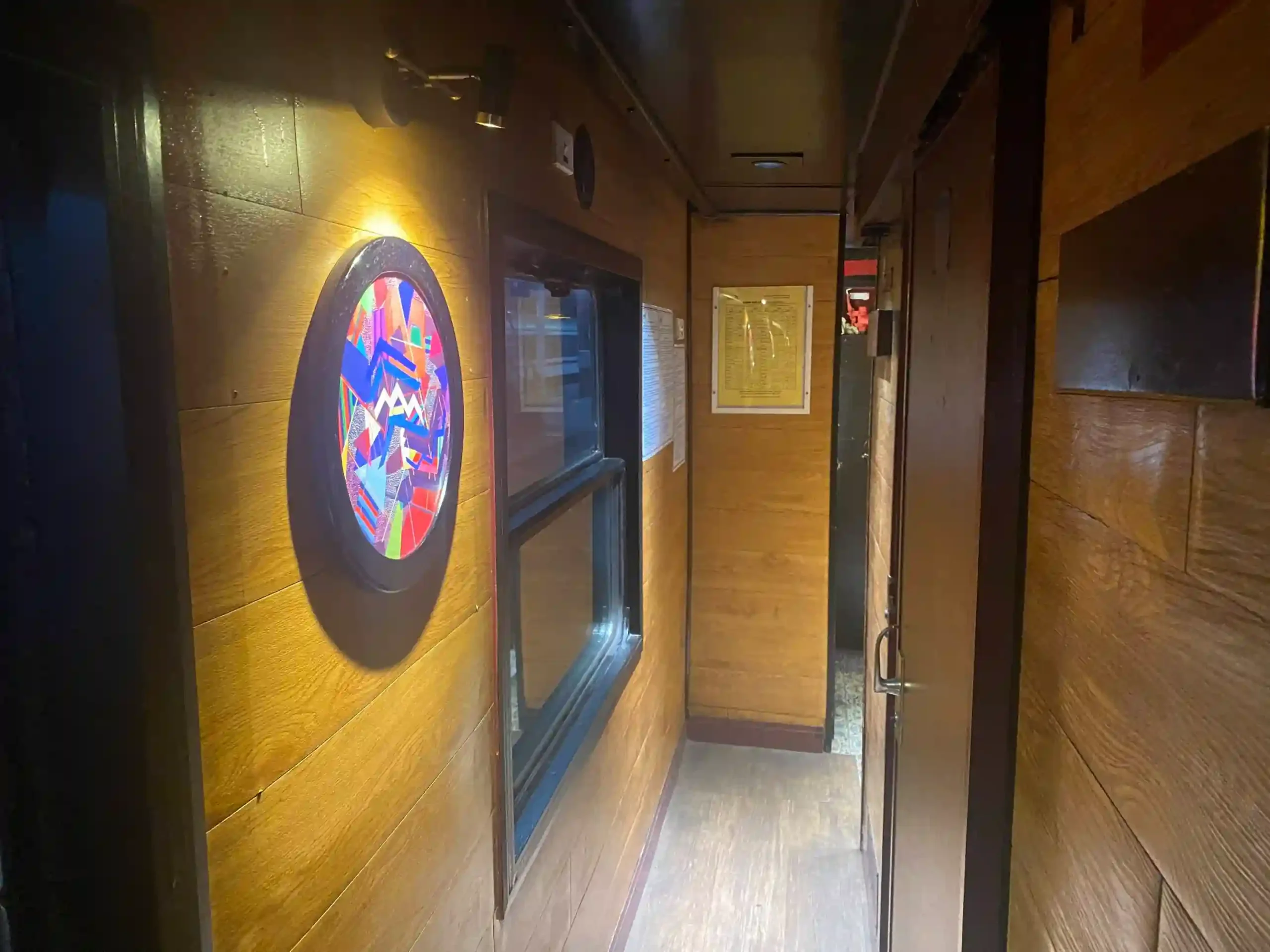

The train departs Hanoi around 10 PM. You can book a 4-berth or a private 2-berth cabin.
It clanks. Loudly. The tracks are old. You are going to be jolted.
However, you aren’t slamming on brakes or taking hard corners. You can lie completely flat, walk around, or have a beer in your cabin.
The main catch: The train does NOT go to Sapa. It terminates at the border city of Lao Cai right near China around 5:30 AM. From Lao Cai, you walk out of the station, pay about 50,000 to 100,000 VND to jam yourself into a small Ford Transit van, and ride up the mountain road for 45 minutes to reach Sapa town. It’s a hassle.
My personal rule? If I want to maximize time and I’m tired enough to sleep anywhere, I take the Kadbus cabin bus. If I am traveling with a partner and we want to drink a bottle of wine and not deal with highway traffic, we book a private train cabin and deal with the morning transfer.
Both methods take the whole night. Neither guarantees a solid 8 hours of sleep. Plan your first morning in Sapa accordingly.
Logistics You Can’t Ignore
When I get those messages from friends trying to speed-run this region, they always fail on the same small logistical things. So pay attention to these.
Luggage
Do not drag a 25-kilo hard shell roller bag onto the bus to Sapa. The town sits on the side of a steep mountain.
The sidewalks are mostly broken tiles or dirt. If you try to take a roller bag down into Ta Van village, you will end up carrying it by the handle through ankle-deep mud to reach your homestay.
Leave your massive bags in Hanoi. The hotel will store it in their closet for 3 days for free. Pack a single 30L backpack with cheap sneakers, shorts, a fleece, a rain jacket, and toiletries. Pack light. It removes half the stress.
Do you need to book a trekking guide online before you arrive?
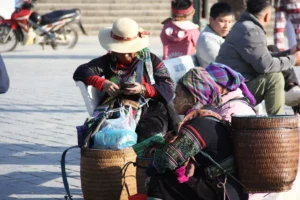
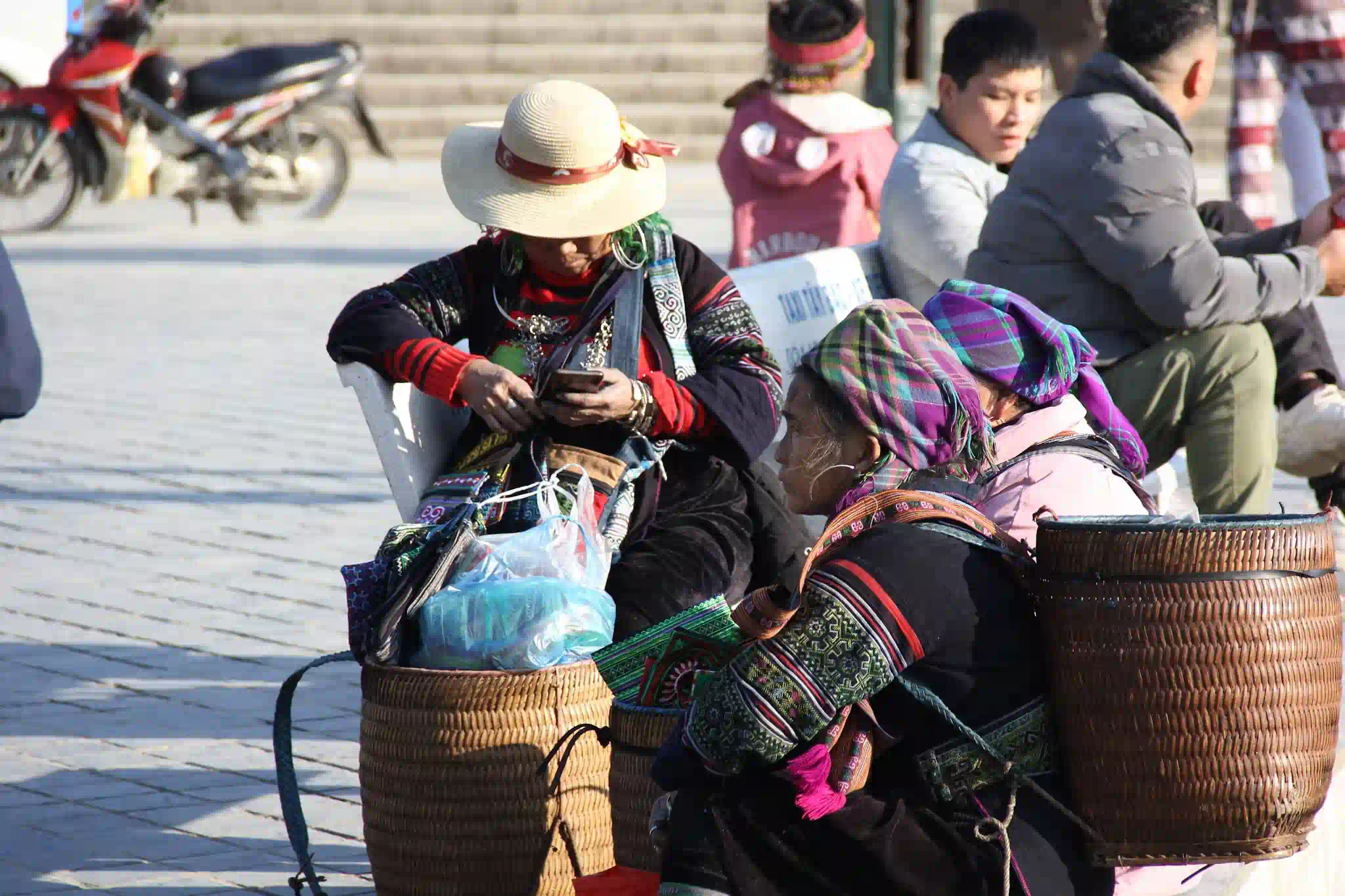
Not necessarily, but I highly recommend having it set up if you are on a tight Sapa 3-day itinerary schedule. The minute you step off the bus, 20 women dressed in traditional clothing will swarm you aggressively trying to get you to book a walk with them.
Some of them are great. Some of them just walk you down the heavily paved main road filled with diesel trucks for three hours, drop you at a restaurant where their brother works, and call it a day.
By pre-booking someone recommended or using platforms with recent reviews, you know you are getting pushed off the cement roads and onto the dirt terraces where the good stuff actually is.
Read reviews on specific Ta Van trekking routes before booking
What if I only want to stay in 5-star hotels?
Look, Sapa has plenty of luxury eco-lodges and massive resorts now. Places like Hotel de la Coupole right in the center or Topas Ecolodge way out in the distance.
If your Sapa itinerary revolves entirely around floating in an infinity pool and getting room service, ignore everything I just said about Ta Van homestays.
Book your expensive resort. Take the daytime limousine van up from Hanoi, look out the window, have a nice steak, and ride back. It’s totally fine.
Just know you aren’t experiencing Sapa culture, you’re just experiencing nice hotel culture that happens to be next to some cold mountains.
Read more: Topas Ecolodge Review: Is the high price tag actually justified?
Stop Rushing
So, back to the initial text message. Can you do Sapa in two days? Yes. Will you miss out? Absolutely.
Travel in Vietnam naturally slows you down. The infrastructure, the terrain, and the traffic refuse to let you rush things smoothly. Stop trying to fight the geography.
If you only have two days in your Vietnam itinerary, look somewhere closer. Spend two days in Ninh Binh where you only need to sit on a train for two hours to reach incredible karst mountains. Take a 40-minute flight down to Hue or Hoi An.
Save Sapa for a time when you can actually look at the mountains. Carve out a proper Sapa 3-day itinerary. Find the homestay, order the happy water, walk the dirt paths until your feet are totally ruined, and give yourself enough time to let the valley do its job.
Trust me, spending half your weekend crammed in the back of a honking transit van just so you can take a selfie on a bridge is a terrible way to travel. Make the right choice.
Still hung up on transport details or fighting over bus routes? Go read my deep dive articles linked above, or leave a question below and I’ll tell you if your plan makes sense. Safe roads.












 Tiếng Việt
 한국어
한국어 中文 (中国)
 日本語
日本語 ไทย
ไทย Deutsch
 Español
 Destinations
 Instagram
 Facebook
 X (Twitter)
 Threads
 Tiktok