









 Ha Giang
 Hanoi
Hanoi Ho Chi Minh City
 Ha Long
 Sapa
Sapa Mekong Delta
 Da Nang
 Hue
Hue Hoi An
 Ninh Binh
 Da Lat
 Nha Trang
 Phan Thiet
 Phu Quoc
 Quang Binh
 Quy Nhon
 Vung Tau
 Thai Nguyen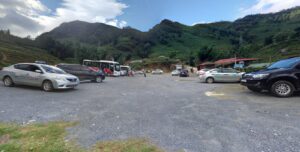

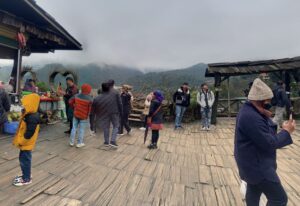
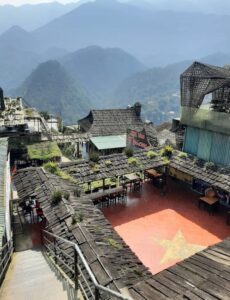

Nearly every Sapa travel guide or list of things to do in Sapa will point you towards Cat Cat Village. It’s presented as an accessible, beautiful H’mong village just a couple of kilometers from the main town.
The pictures online are stunning: a massive waterfall, quaint wooden houses, and people in vibrant traditional clothing.
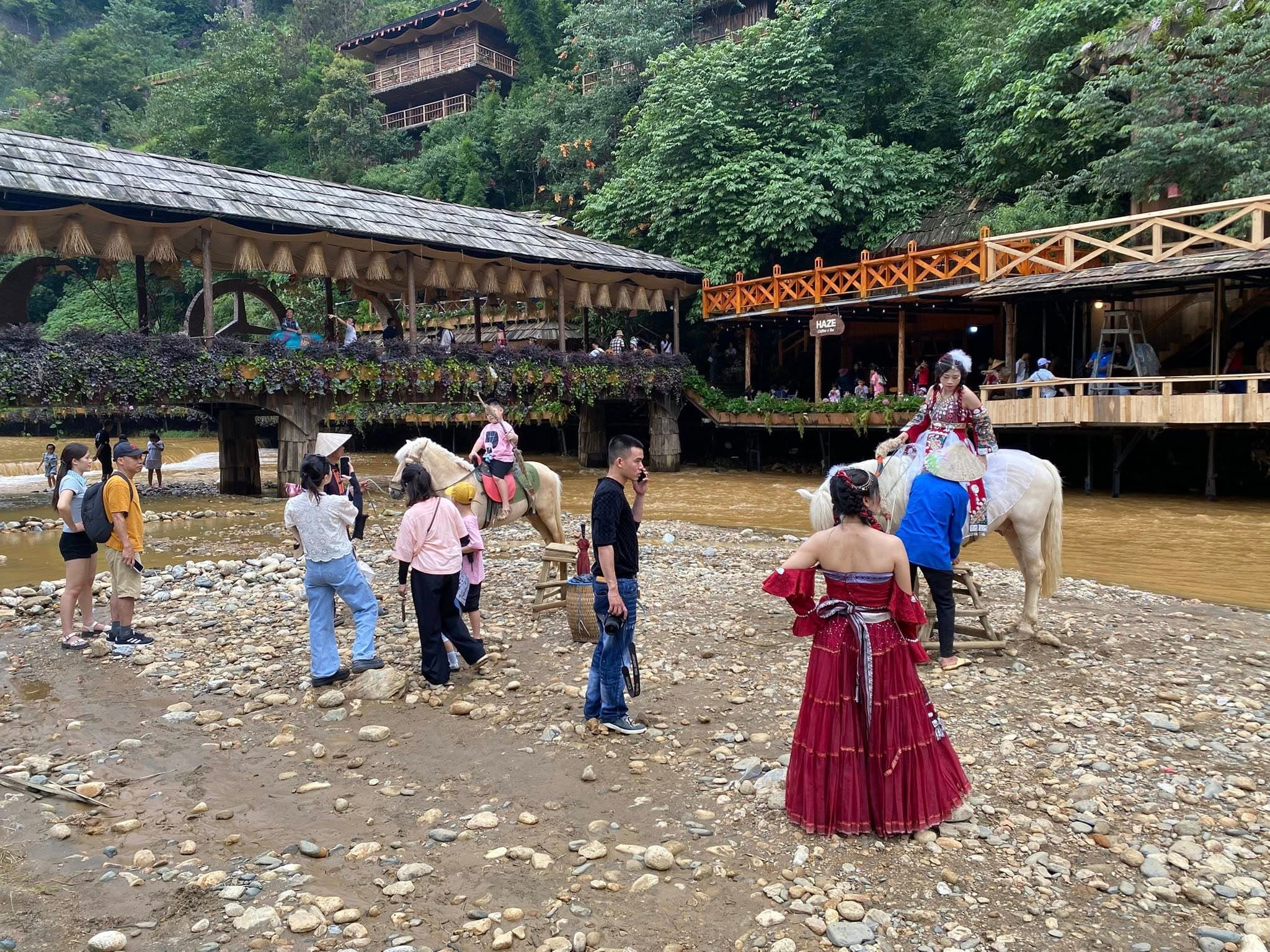
But there’s a constant debate online and among travelers: is it an authentic cultural experience or a purpose-built Sapa tourist trap?
The answer isn’t a simple yes or no. It’s a managed tourist site, not a traditional village in the way you might imagine.
The experience is heavily curated. Whether it’s worth your time and money depends entirely on what you’re looking for.
This is a detailed breakdown of what you will actually find there, without the marketing gloss.
- Cat Cat Village is a top Sapa attraction, but its authenticity is often debated. This detailed review cuts through the marketing to reveal the truth about this popular destination. Learn about the Cat Cat Village entrance fee, what to expect from the staged cultural displays, and why it might feel more like a Sapa tourist trap than a genuine H’mong village.
- Location & Access: Cat Cat Village is located about 3km downhill from Sapa Church. While the walk down is manageable, the return journey is a very steep uphill climb, which most visitors choose to do by motorbike taxi for a fee of around 50,000 – 60,000 VND.
- Entrance Fee: The current entrance fee is 150,000 VND for adults (~$6 USD). This fee gives you access to the entire walking loop, which includes the cultural show and various photo-op areas.
- What It Is: Don’t mistake it for a living, working village. Cat Cat is a former H’mong settlement that has been redeveloped into a tourist circuit. The main path is a loop lined with costume rental shops, souvenir stalls, cafes, and staged cultural displays, all leading to a large, beautiful waterfall.
- The Good: The natural scenery at the bottom of the valley is undeniably impressive. The Cat Cat waterfall is powerful and genuinely beautiful, serving as the highlight of the visit. The site is also very easy to navigate and perfect for visitors who want a scenic experience without the difficulty of a real trek. It’s a great place for taking stunning photos.
- The Bad: The experience feels highly commercialized and artificial. Authenticity is a major issue, as much of the “culture” on display, from the costume rentals to the craft demonstrations, feels staged and designed for profit. The crowds can be overwhelming, especially on weekends and holidays.
- The Verdict: Cat Cat Village is an excellent choice for people with limited time, families, or those whose primary goal is to take great photos in a picturesque setting. However, it is not recommended for travelers seeking genuine cultural immersion, quiet nature, or an off-the-beaten-path experience. The commercial nature can be a major turn-off for those hoping to connect with authentic local life.
- Alternatives: For a more authentic H’mong village experience, consider hiring a local guide or driver to visit Lao Chai, Ta Van, or Ta Phin. These villages offer real trekking opportunities, homestays, and a much deeper look into the daily lives of the local people.
Getting There and The Entrance Formalities
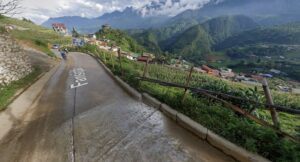
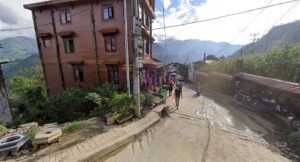
Cat Cat Village is close to Sapa town, but it’s not a casual stroll. The route is a continuous, steep downhill road. Walking there from the central square takes about 30-40 minutes.
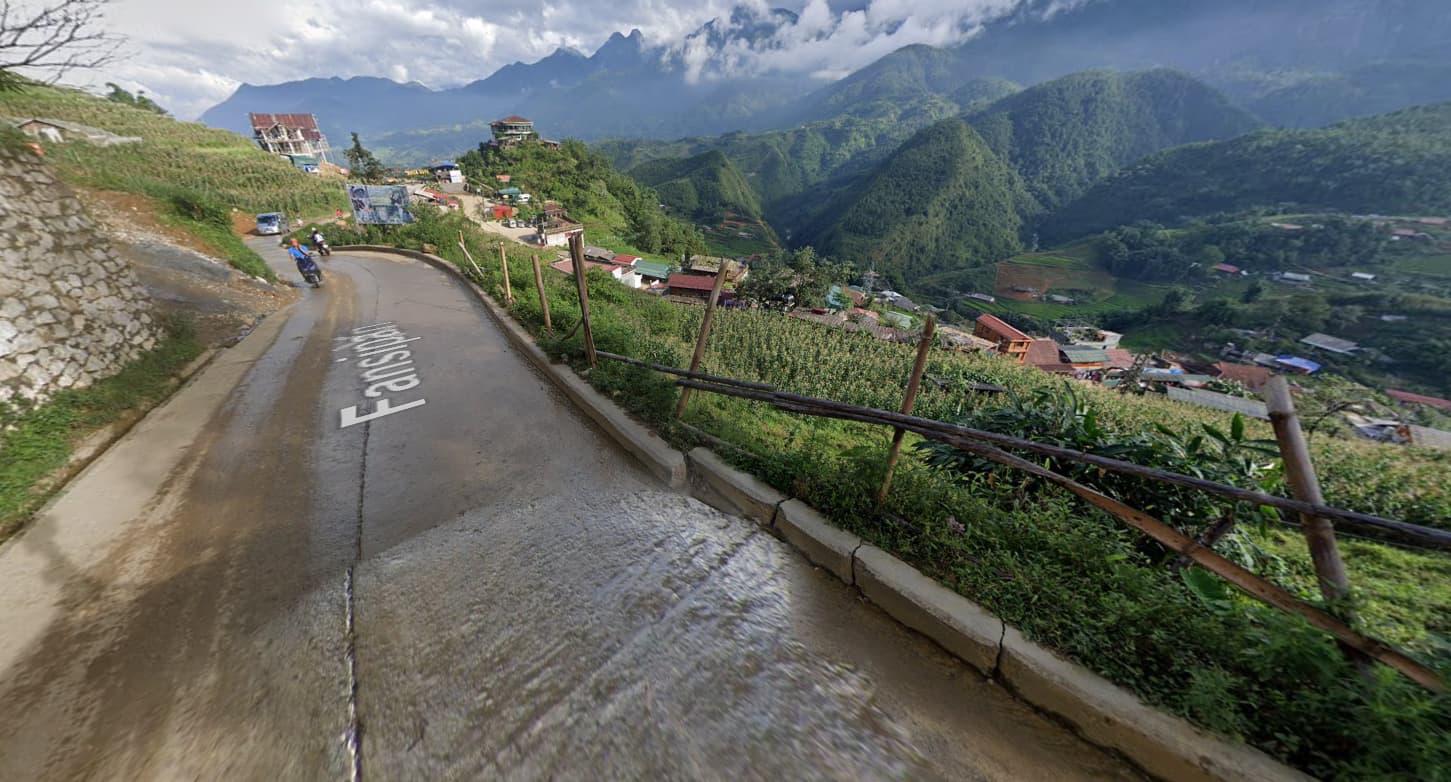
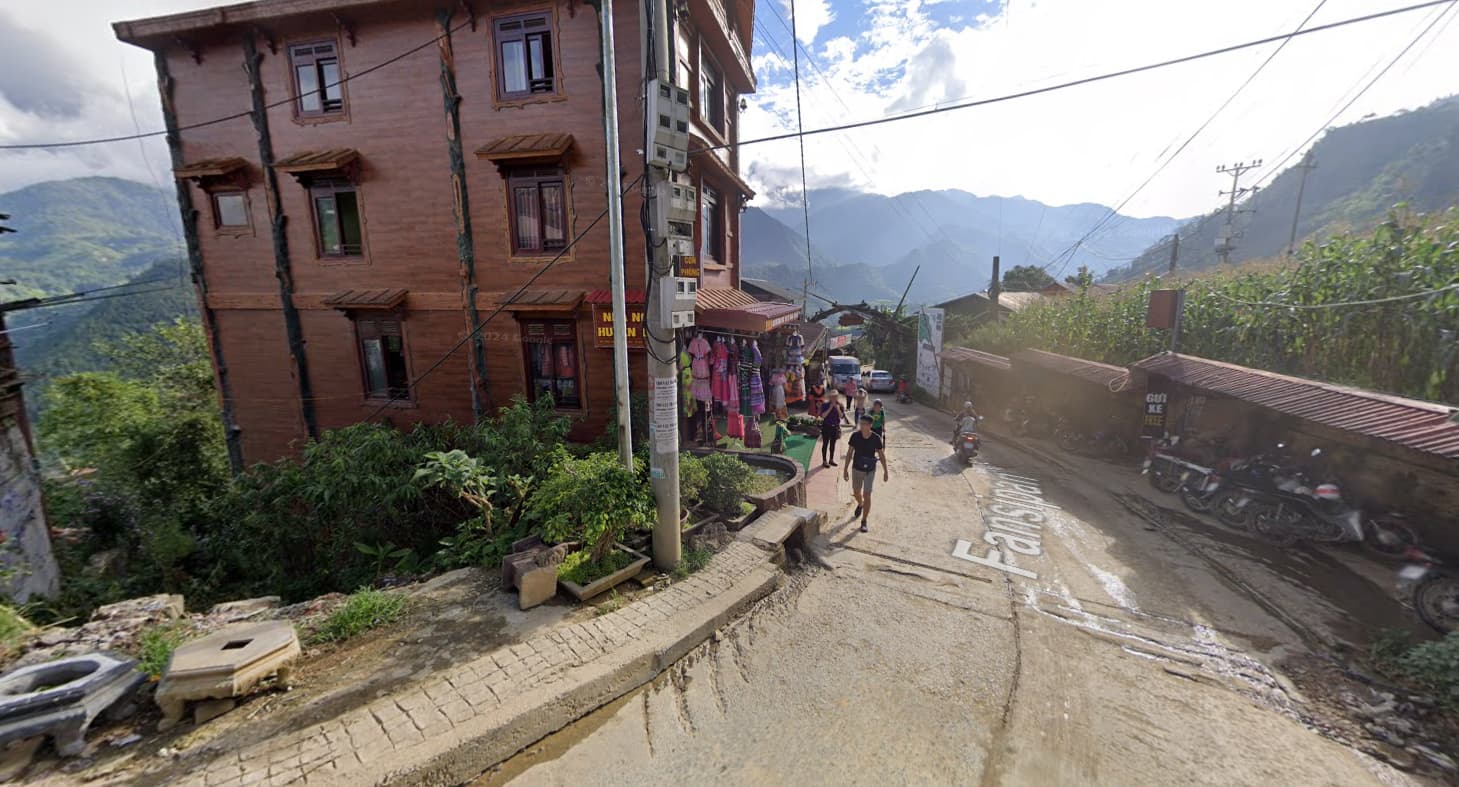
The walk down is fine, offering some good views of the valley as you get closer. The problem is the walk back, which is a relentlessly steep uphill climb.
Most people either walk down and take a motorbike taxi back up, or they rent a motorbike for the day in Sapa town.
A motorbike taxi back to town from the village exit will cost you around 50,000 – 60,000 VND (~$2 USD), and it’s a price few people bother to haggle over after seeing the hill.
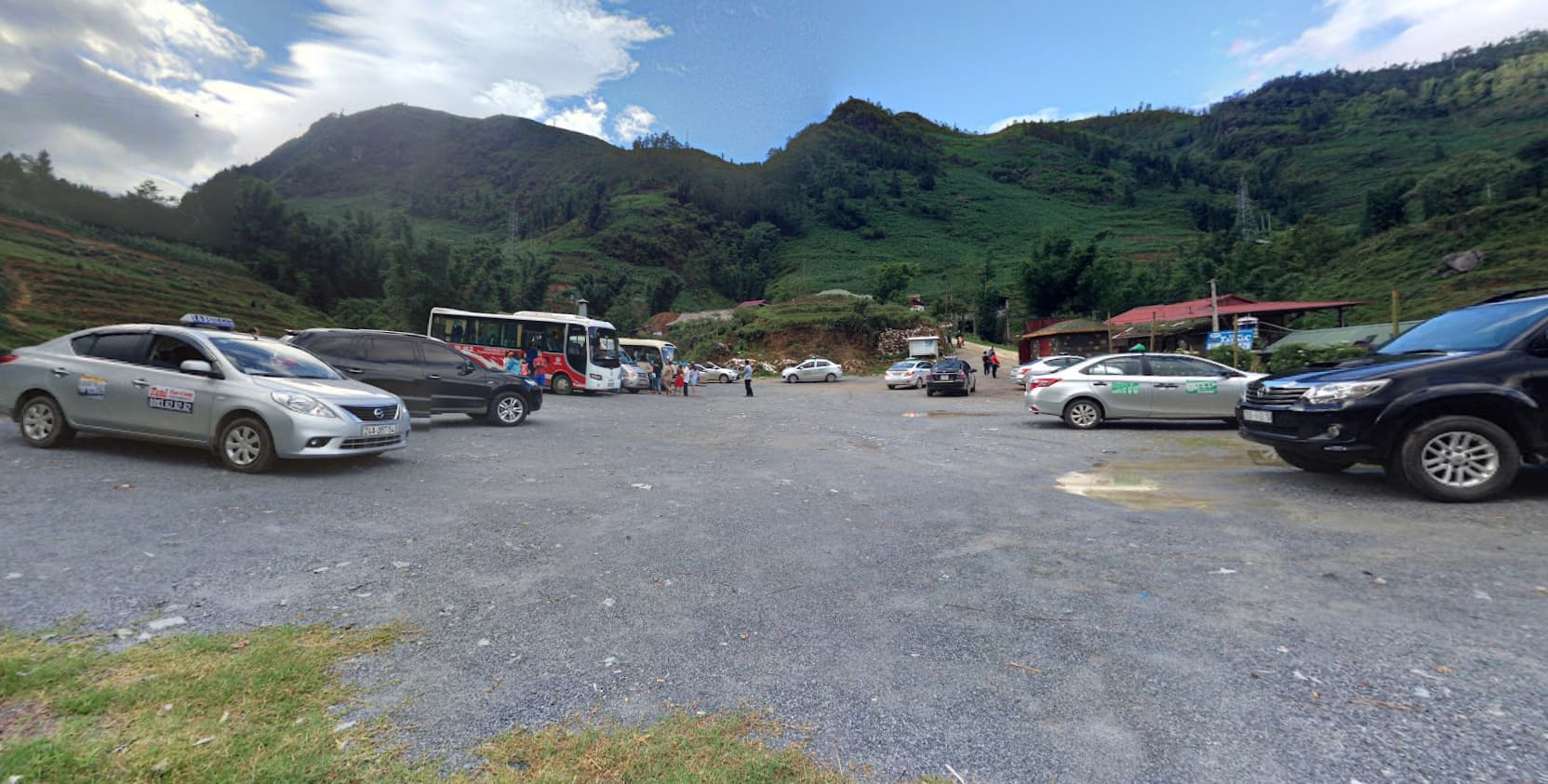
A taxi (car) is also an option but can be more expensive and has to wait on the main road.
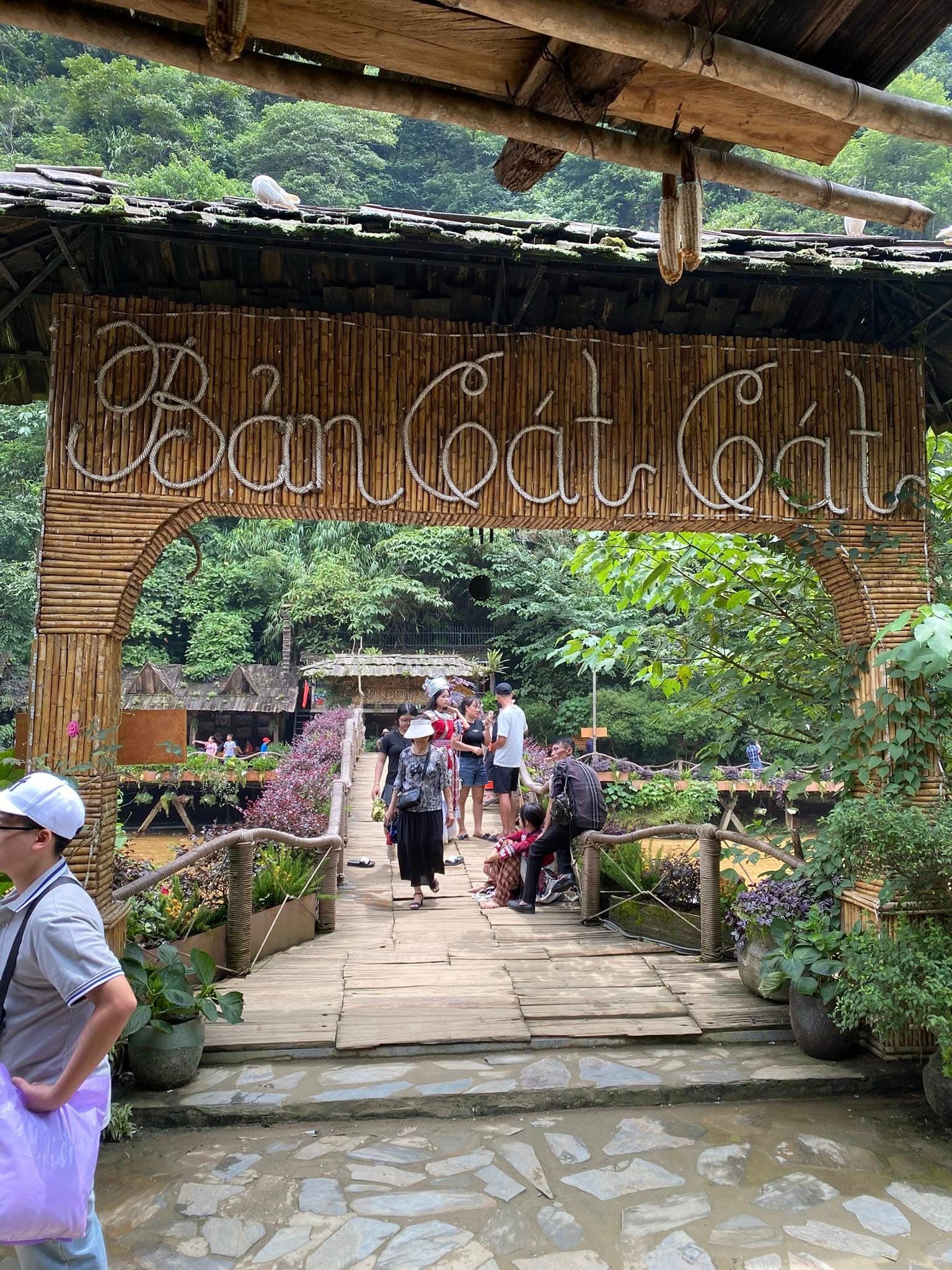
The entrance is unmissable. There’s a large wooden gate, a proper ticket building, and a parking area. You pay the 150,000 VND Cat Cat Village entrance fee at the counter (~$6 USD).
With your ticket, you get a simple map showing the designated walking loop. From the moment you buy the ticket, it’s clear this is a structured attraction, not just a village you wander into.
Past the gate, the concrete road immediately turns into a neatly paved stone path that begins the long descent into the valley.
A Detailed Walkthrough of the Cat Cat Village Loop
The entire experience is built around a one-way walking path. You go down one side of the valley, cross the river at the bottom, and climb up the other side.
You can’t really get lost. The entire loop is maybe 3 kilometers long, but it feels longer due to the steepness and the number of things designed to make you stop.
The Upper Section: The Costume and Photo-Op Gauntlet
The first 500 meters of the path set the tone for the entire visit. This section is almost entirely composed of two types of businesses: costume rental shops and souvenir stalls.
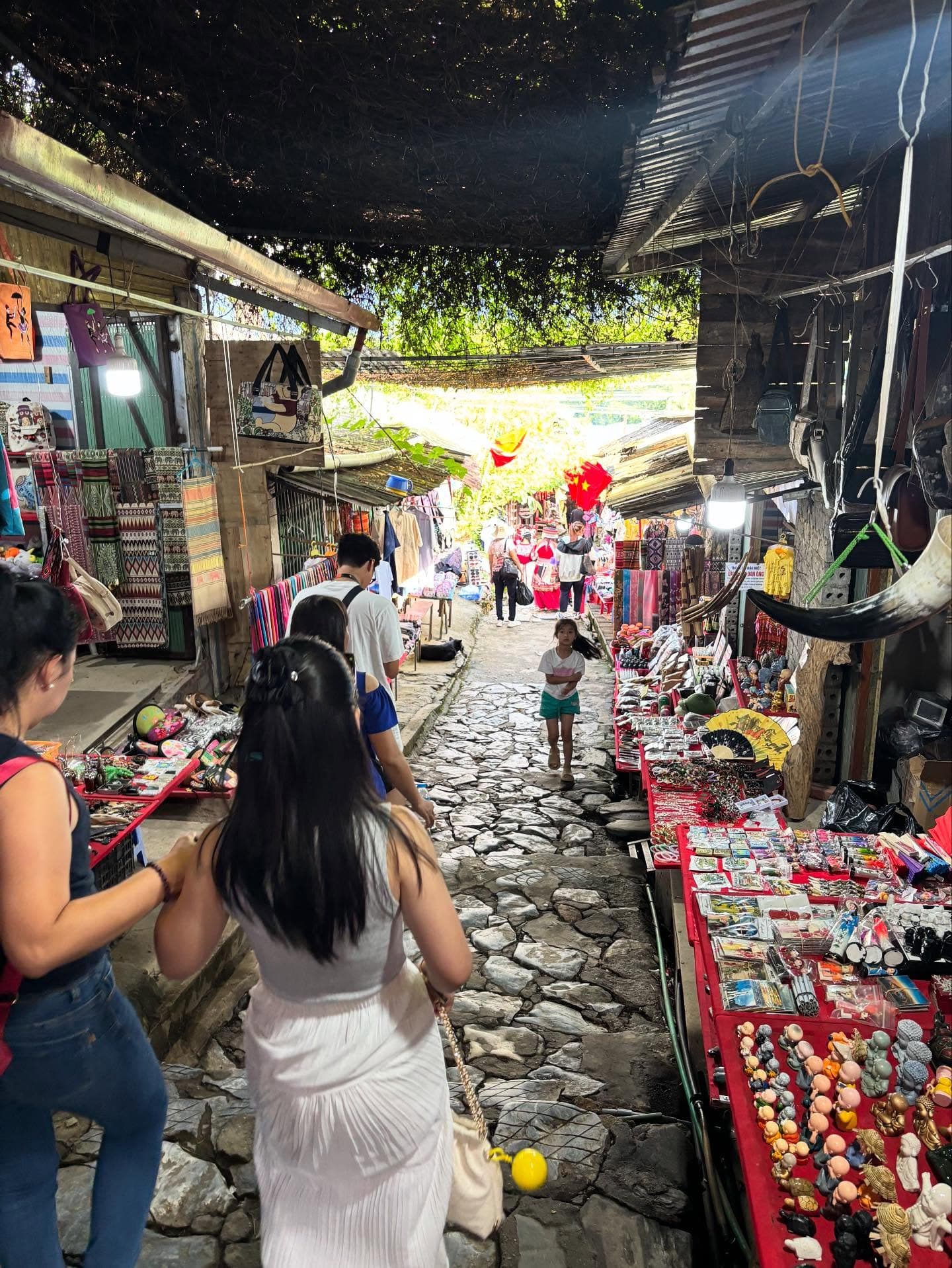
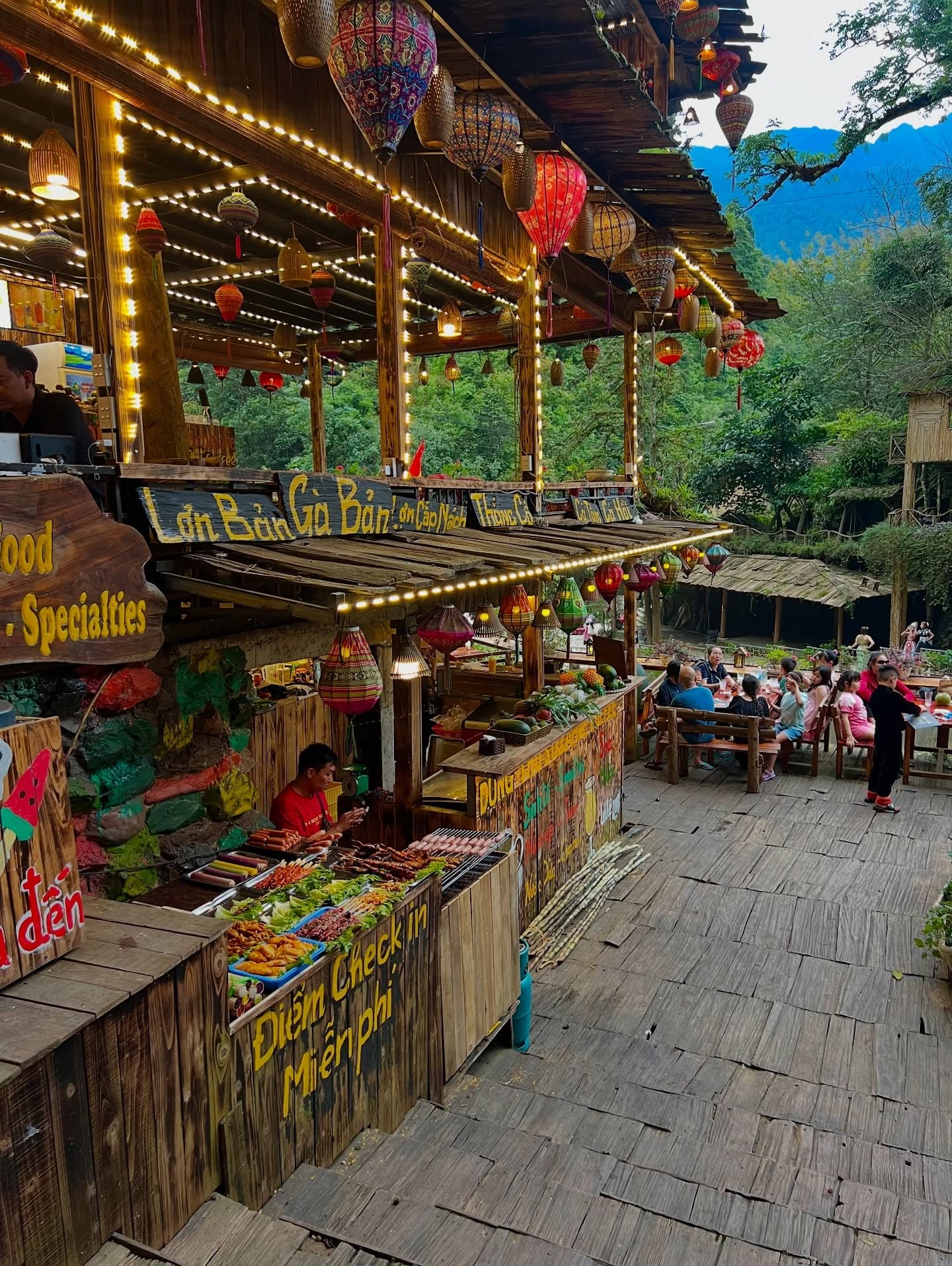

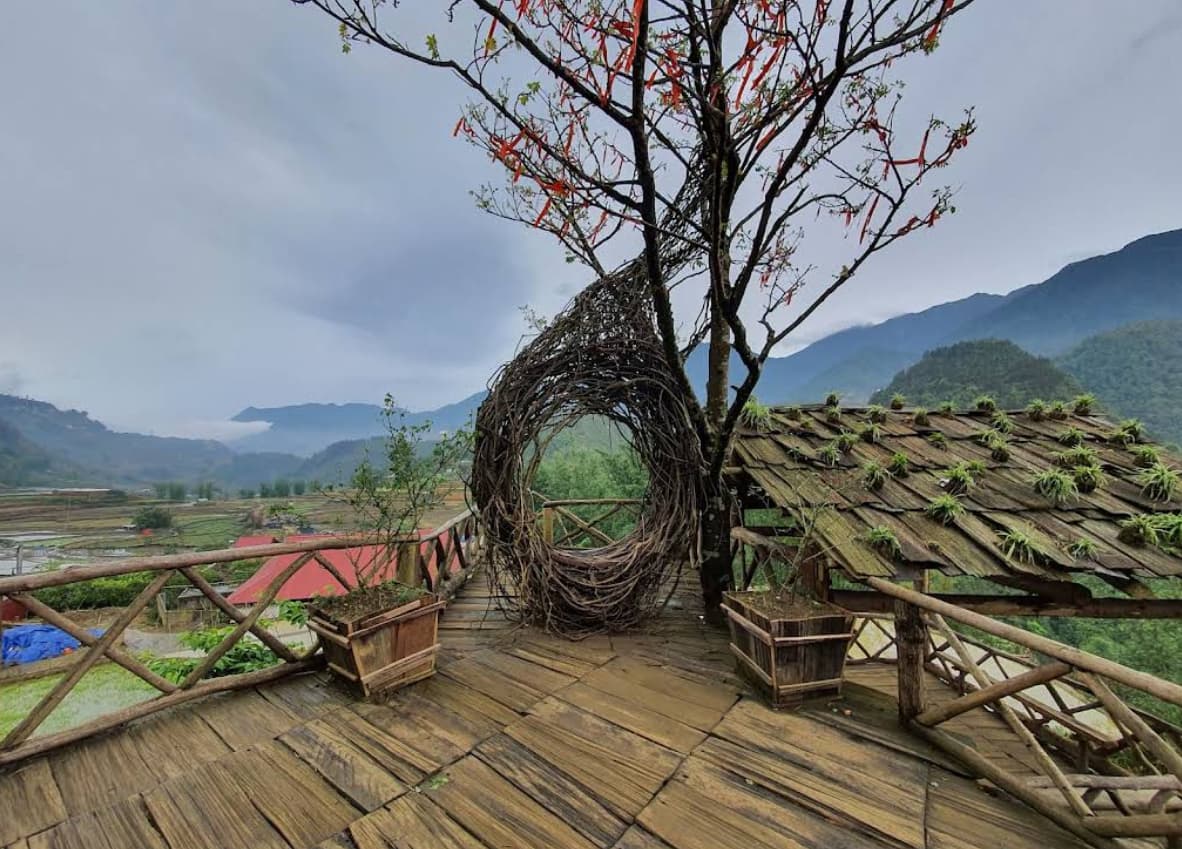
The costume shops are everywhere. Dozens of them, back-to-back. They all rent out similar sets of colorful outfits meant to look like traditional H’mong clothing.
The cost is usually between 50,000 VND and 100,000 VND (~$2 – $4 USD). The quality is what you’d expect for a rental costume—thin, often synthetic fabrics with bright, machine-stitched patterns.
It’s a business, and a very popular one. The majority of visitors, both Vietnamese and foreign, rent these outfits.
This creates a strange visual where you’re surrounded by tourists dressed in costume, taking photos of each other.
Lining the path are countless pre-made photo spots. These are small, built structures designed for Instagram.
There’s a giant, human-sized “nest” made of twigs you can sit in, with the valley in the background. There are wooden hearts, flower-covered swings, and bamboo water wheels that don’t seem to power anything. It feels less like a village and more like a series of outdoor photo studios.
The souvenir shops in this section are highly repetitive. They sell woven bags of questionable origin (many look identical to those sold in Hanoi’s Old Quarter), cheap metal jewelry, flutes, drums, and other trinkets. It’s standard tourist market fare.
The Middle Section: The “Cultural” Exhibits
As you go deeper, the path is interspersed with exhibits intended to showcase H’mong culture.
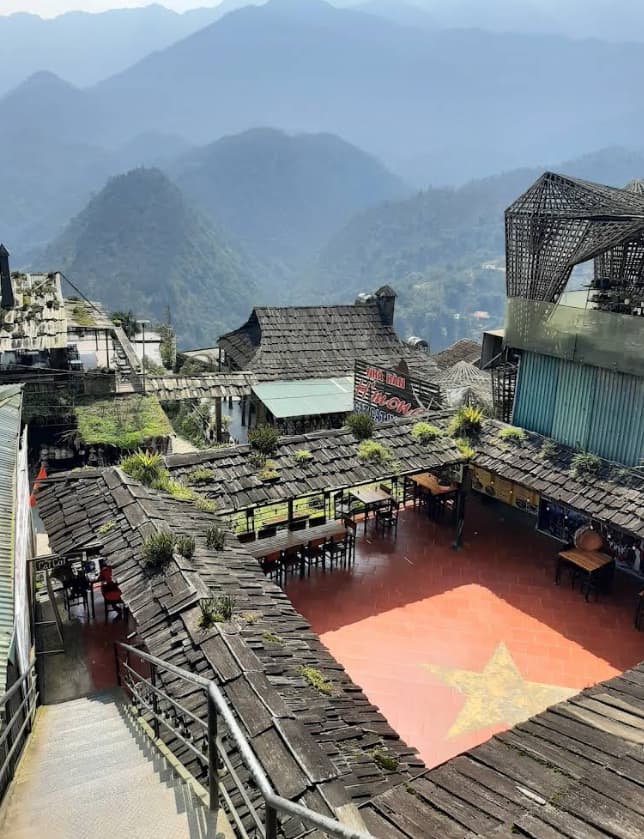
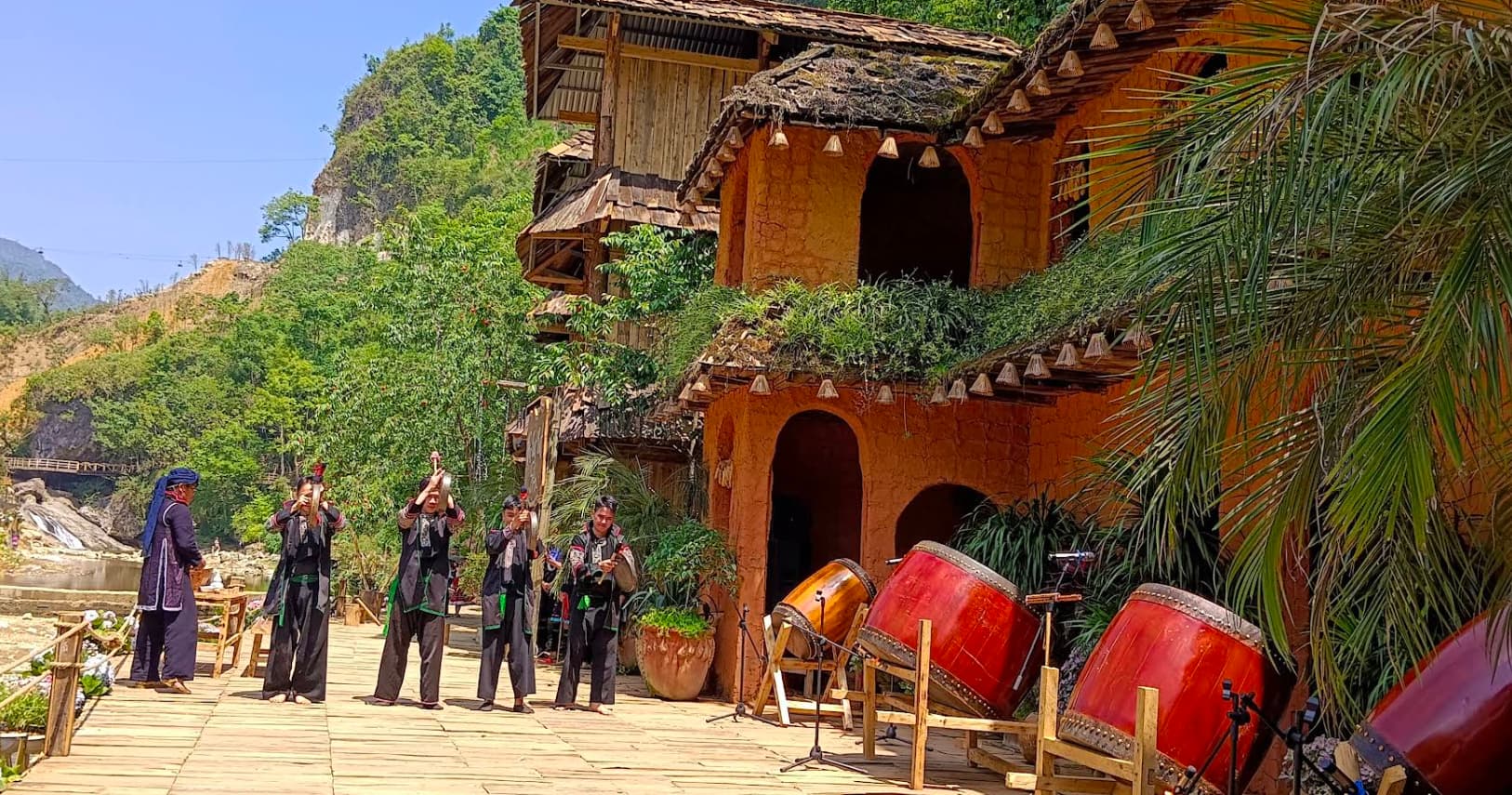
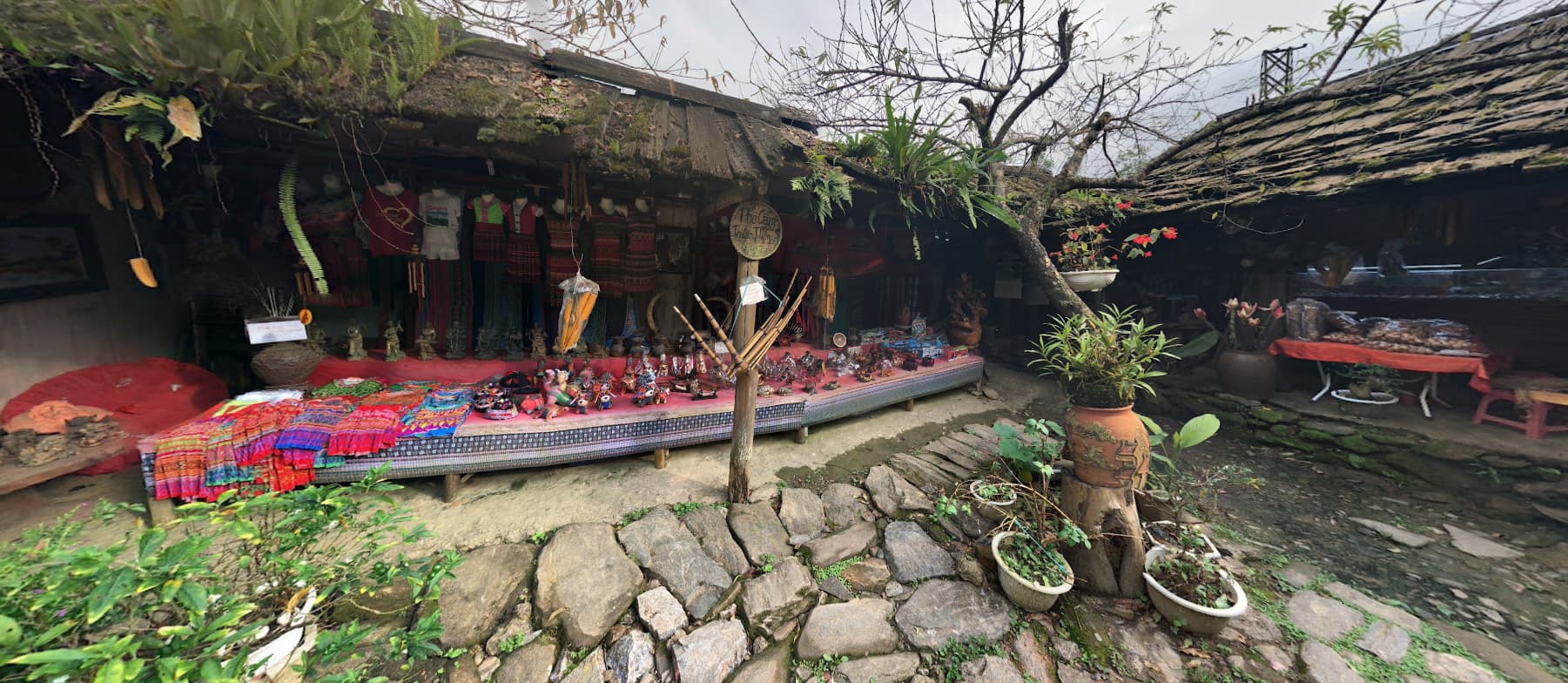
First, you’ll encounter a “traditional H’mong house.” It’s an open-door building made of dark wood and packed earth, which is architecturally interesting.
You can walk right in. Inside, the layout is supposedly traditional, with a hearth in the center and distinct areas for sleeping and storage. However, it feels like a museum display.
Tools are hung neatly on the walls, and a few mannequins are dressed in H’mong clothes. There’s no sign of actual life. It’s a sterile, walk-through diorama of a house.
Further down, you’ll find craft demonstrations. There’s an area for silversmithing where a man might be hammering a piece of metal into a shape.
He does this while surrounded by display cases of finished jewelry for sale. It’s difficult to tell if he’s a craftsman producing goods or an employee demonstrating a skill for show.
The same goes for the weaving area. A woman may be sitting at a loom, but the piles of textiles for sale next to her are clearly machine-made. The demonstration serves as a thematic backdrop for the retail space.
Near the bottom of the valley is a large wooden building that serves as a performance hall. The show times are posted outside.
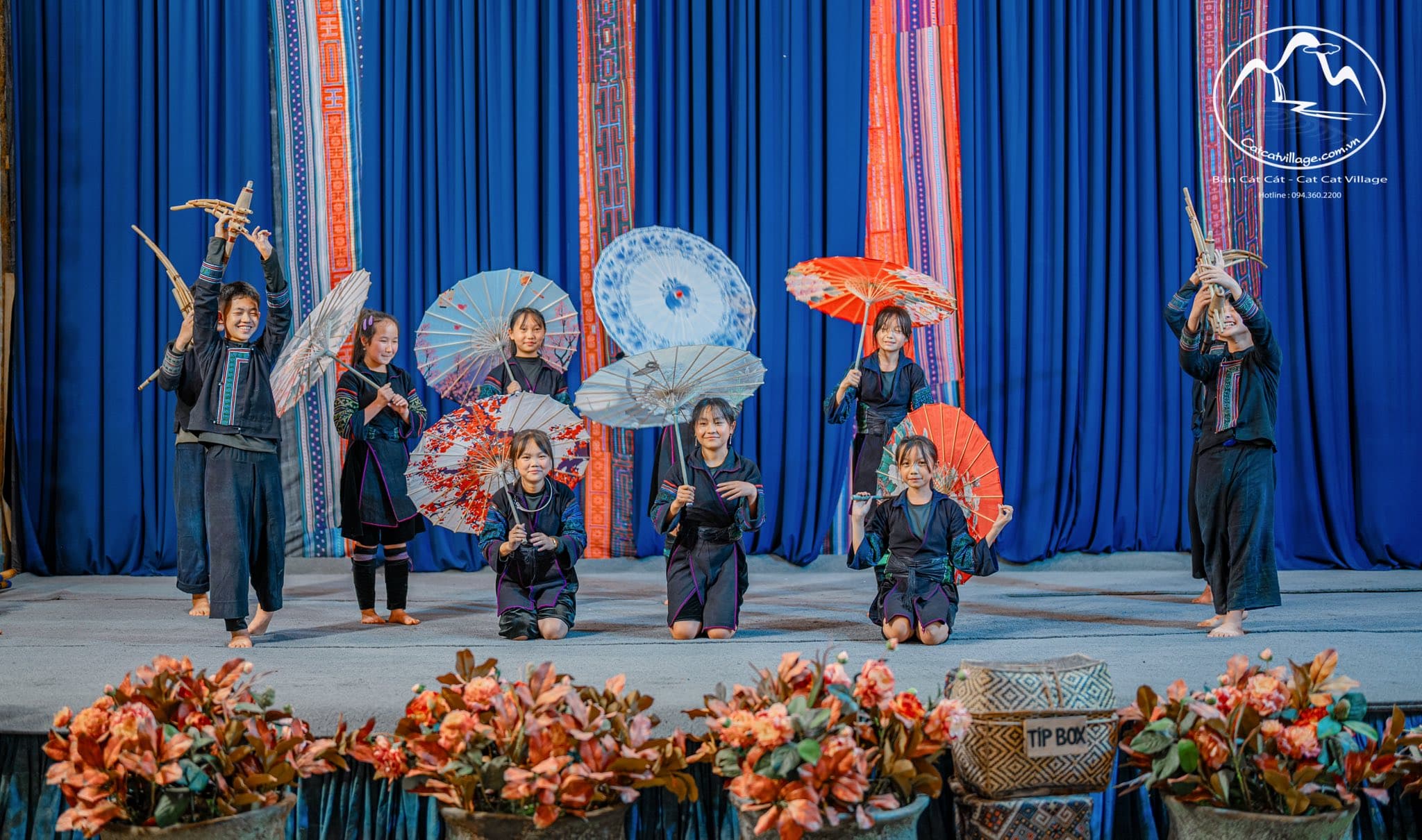
The performance is about 20 minutes long and features young people in elaborate, clean costumes performing folk dances to pre-recorded music.
The dances are energetic and choreographed for an audience. It’s a pleasant enough show, a sort of “greatest hits” of H’mong festival dances, but it lacks the raw, spontaneous feel of true village ceremonies. It’s a cultural summary packaged for tourist schedules.
The Lower Section: The Waterfall and Natural Scenery
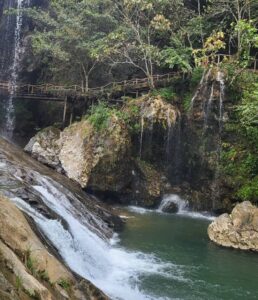
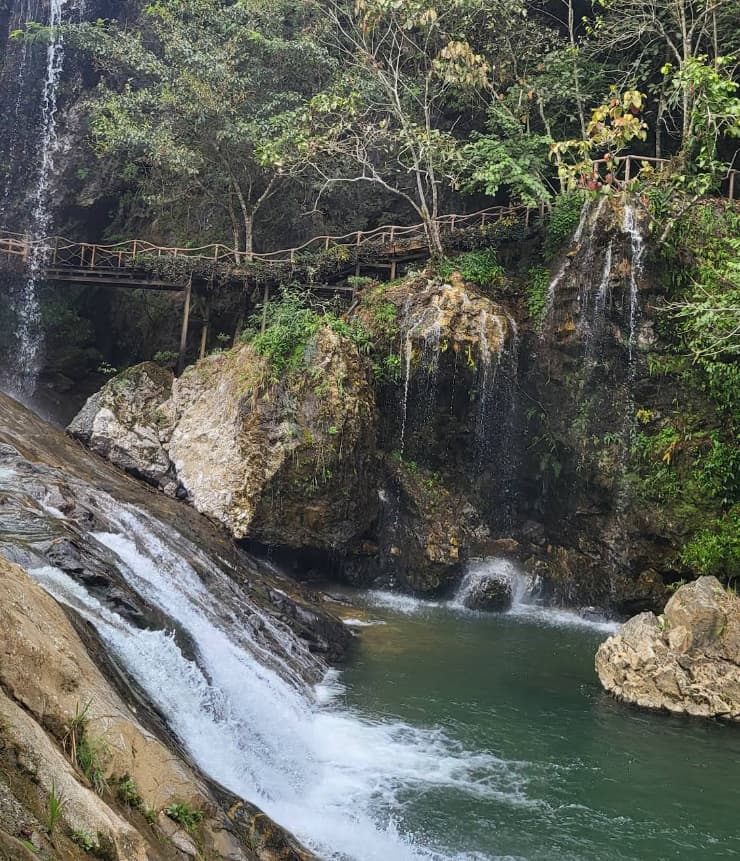
The highlight of Cat Cat Village, and the one thing that feels completely real, is the waterfall. After the performance hall, the path opens up to a viewing area for the Cat Cat Waterfall (also known as Thac Cat Cat).
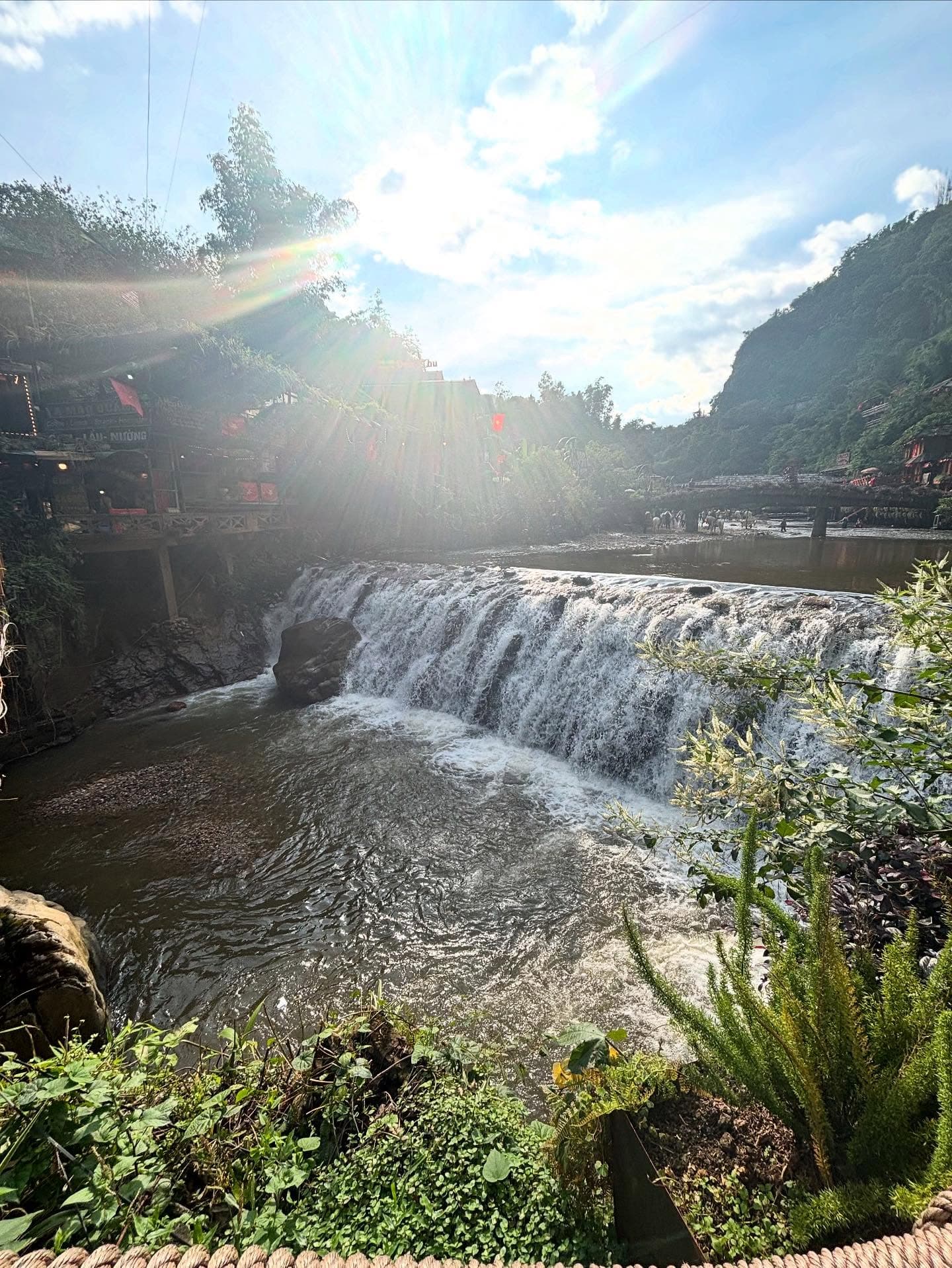
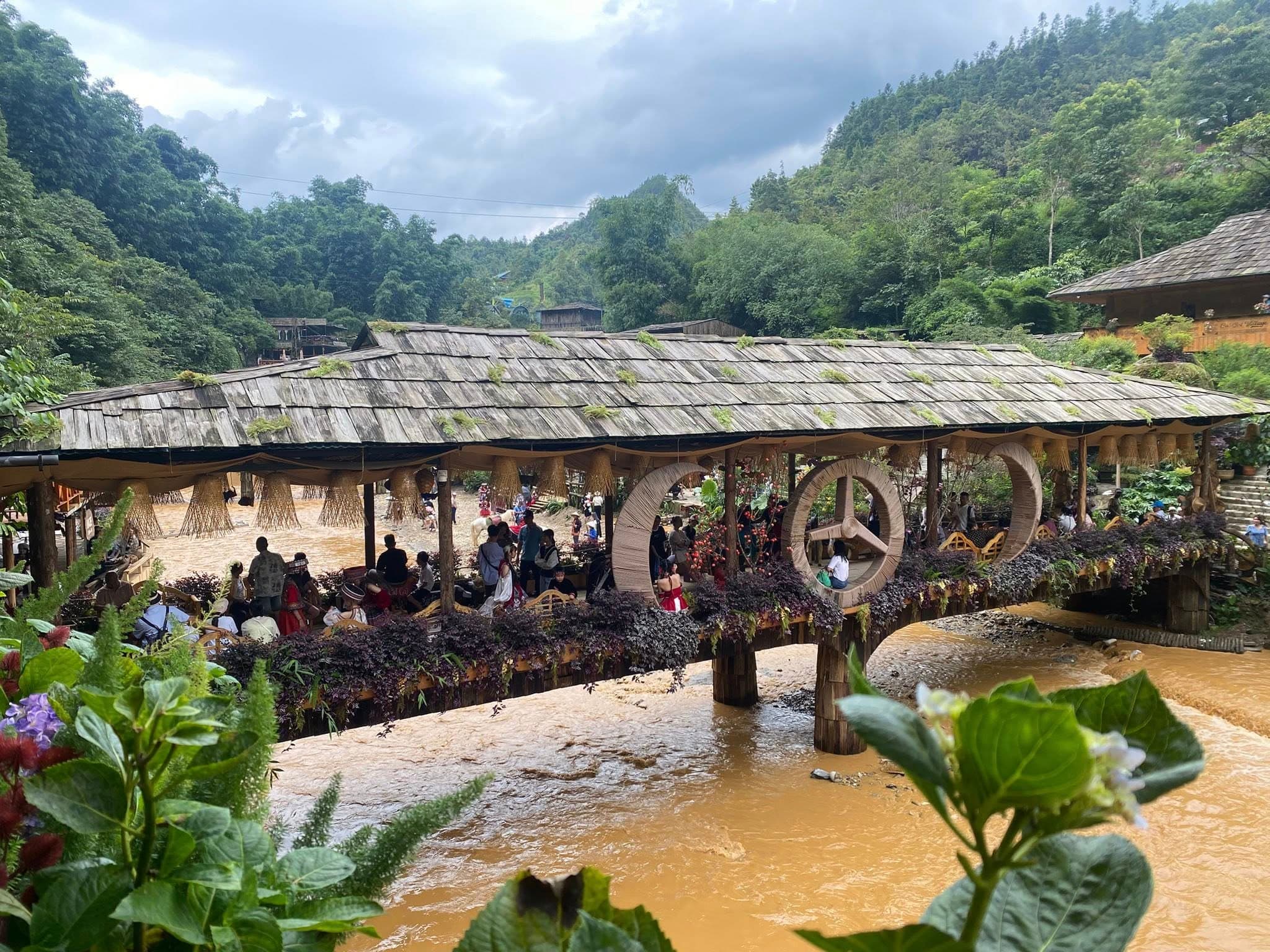
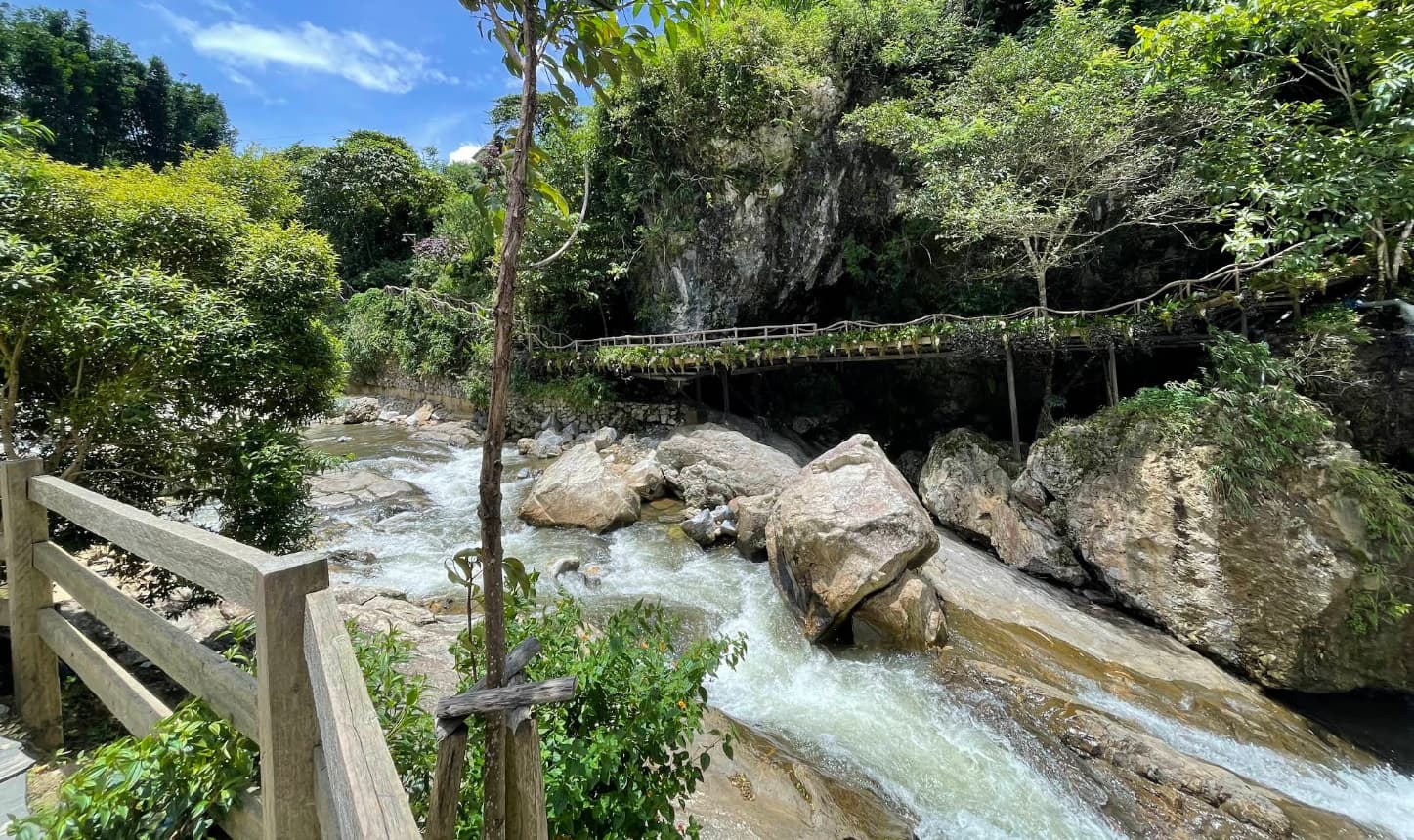

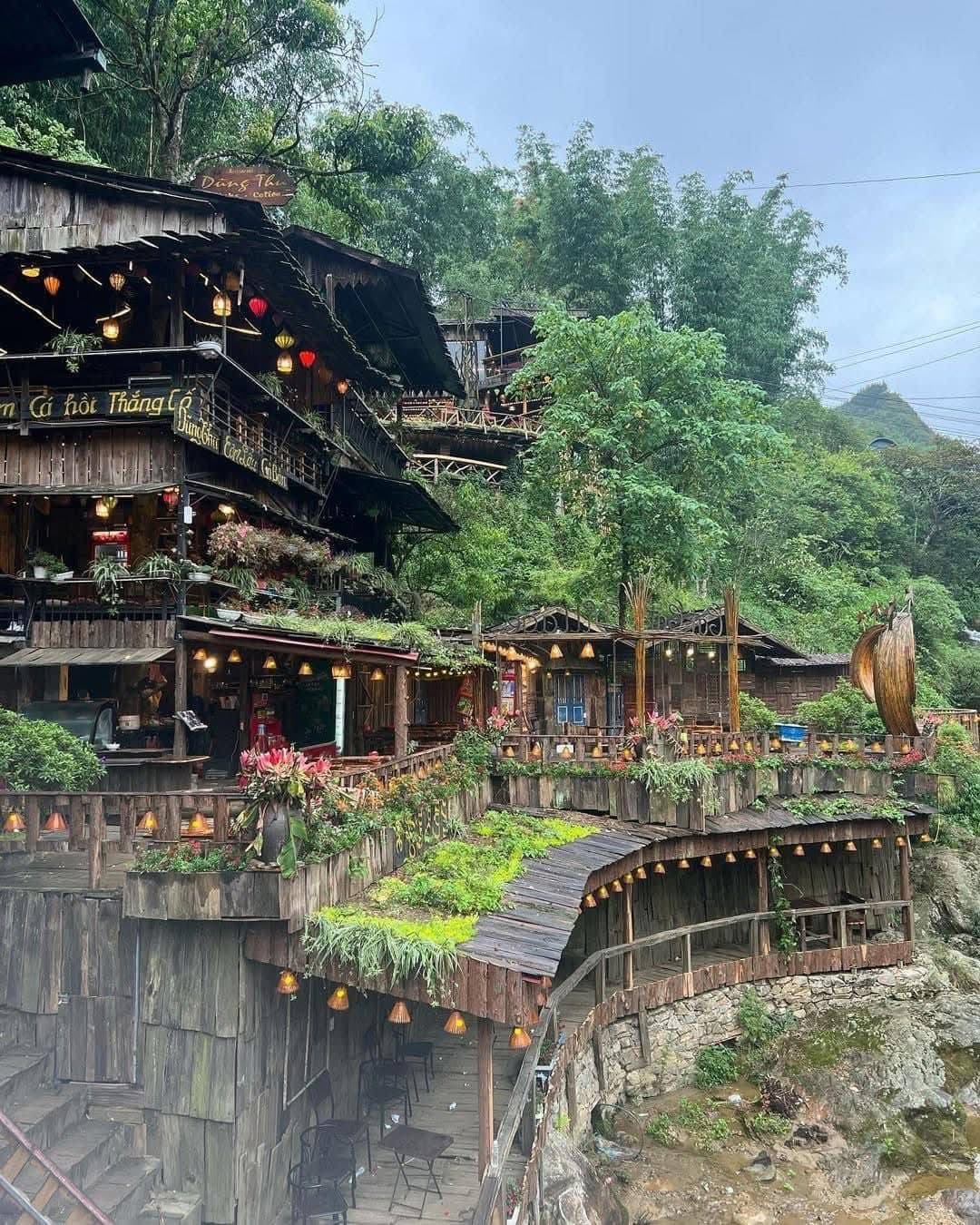
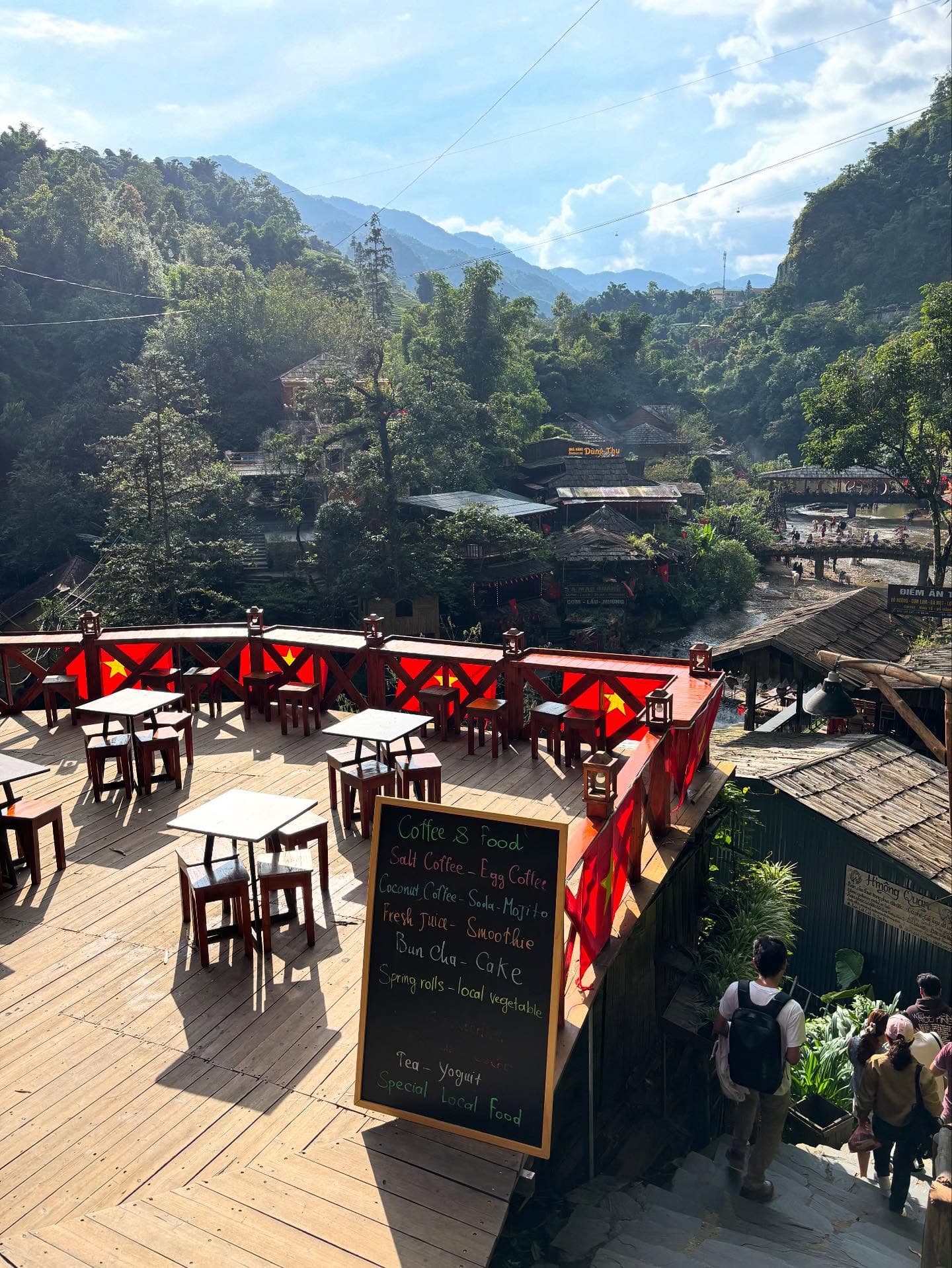
It is a large, powerful waterfall that crashes down a rock face into the river below. The sound is immense, and the spray is refreshing.
Several wooden suspension bridges and platforms have been built to provide different vantage points for photos. Crossing the swaying bridges over the roaring river is a great experience.
This is, without a doubt, the scenic climax of the visit. The natural beauty of the gorge, the river, and the waterfall is undeniable. It’s the original reason the area was settled and became popular.
Around the waterfall area are several cafes and food stalls. One of the most famous is the large Hoa Cafe, which has a massive, picturesque water wheel outside.
It’s a good place to stop for a drink and enjoy the view before you start the arduous climb back up. The prices are inflated due to the location, but the setting is worth it for a short break.
The Climb Out and The End of the Loop
After crossing the river below the waterfall, the path begins its ascent. The way out is just as steep as the way in, and it’s almost entirely stairs.
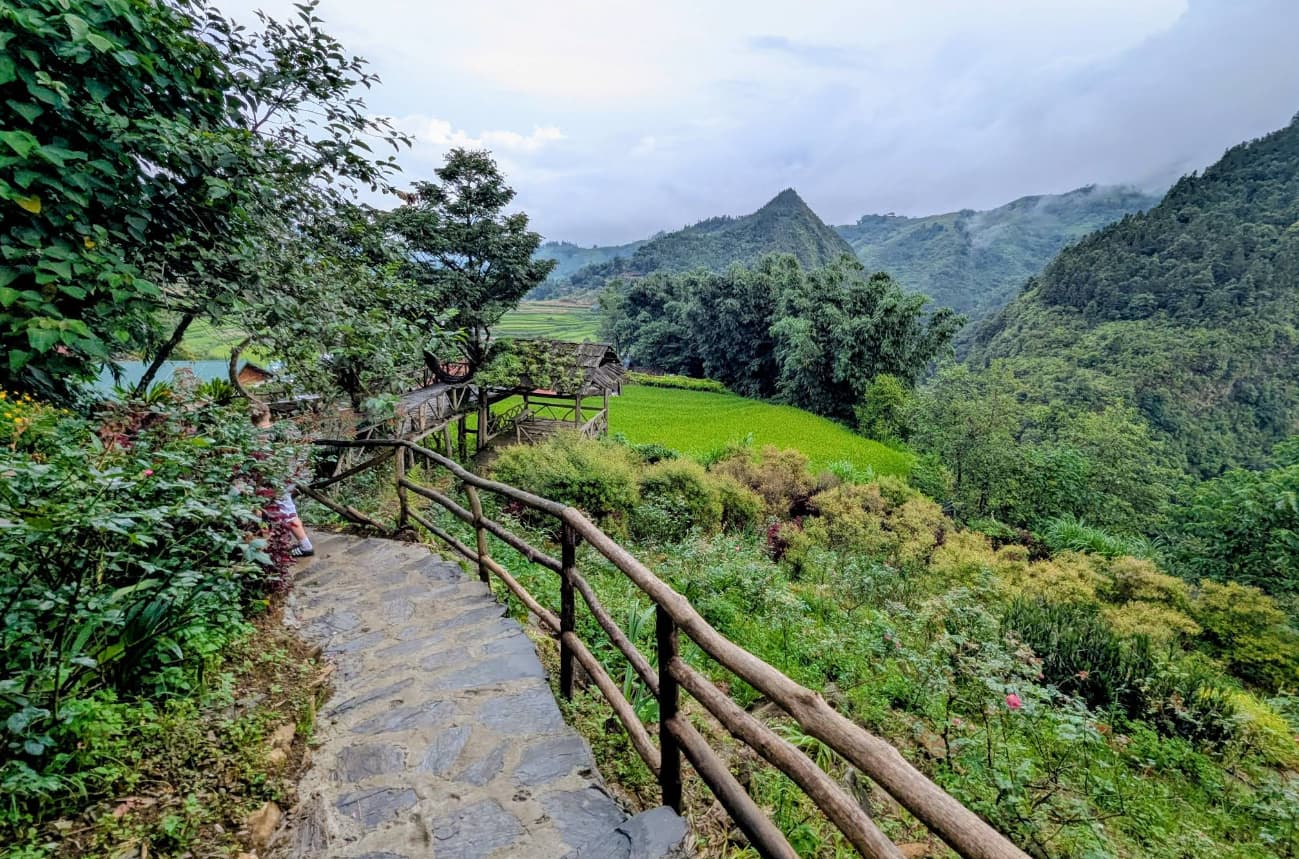
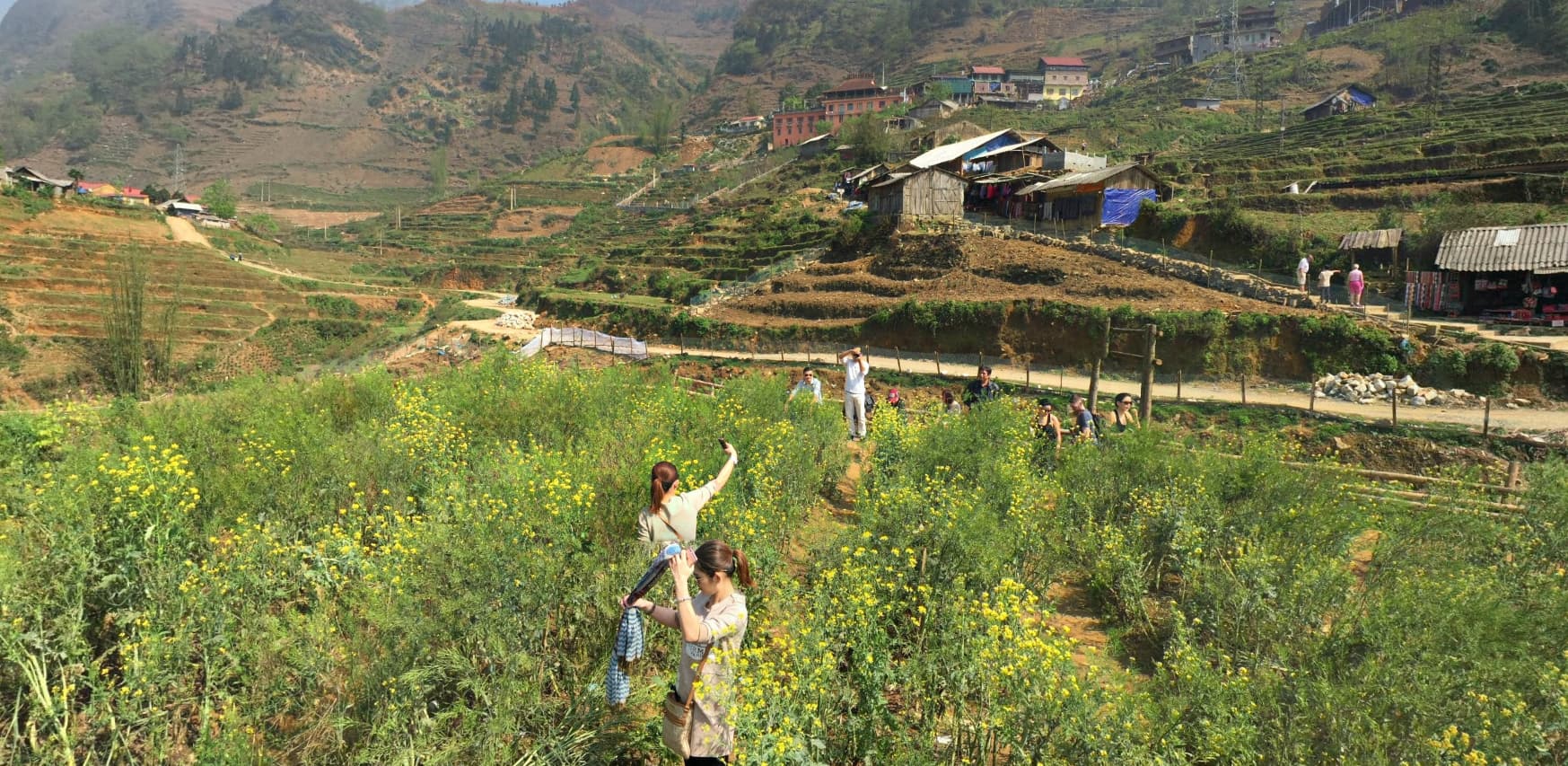
The path winds up the other side of the valley. There are more shops and a few more photo spots, but this side is generally less dense than the entrance section.
You will see many people struggling on this climb. It is a genuine workout. This is where the motorbike taxi drivers position themselves.
Towards the top of the path, they wait to offer rides back to the main entrance or all the way to Sapa town. Unless you are in very good shape and enjoy climbing stairs, taking one of these bikes is a wise decision.
The loop eventually spits you out onto the main road, a few hundred meters away from where you first entered. The entire circuit, if you walk it at a leisurely pace with stops, takes about 2 to 4 hours.
While Cat Cat offers a beautiful, managed path, some travelers seek a more raw, off-grid adventure. If that sounds like you, then you’ll love my story on what it’s really like to camp independently in the Ha Giang Loop.
The Verdict: Is It Worth 150,000 VND?
Let’s address the core question directly. Cat Cat Village is a business. It’s a highly efficient, well-designed machine for processing large numbers of tourists.
It succeeds in providing a visually appealing, easily accessible “Sapa-light” experience. It has taken the raw elements of the region—the scenery, the waterfalls, H’mong culture—and repackaged them into a safe, predictable, and marketable product.
The value of the 150,000 VND ticket depends on the visitor.
- For families, casual tourists, and Instagrammers: It can be considered a fair price. You are paying for access to a well-maintained path, clean toilets, safety railings, the cultural show, and most importantly, guaranteed spectacular photo backdrops. It’s a half-day activity that delivers exactly what it promises: beautiful scenery without the difficulty of a real trek.
- For backpackers, trekkers, and cultural purists: It is probably not worth the money. The fee is high compared to other, more authentic sites. The experience will likely feel hollow and frustratingly commercial. That 150,000 VND could be better spent on a local guide who can take you through actual working villages, or it could cover a homestay meal and a night’s accommodation in a place like Ta Van.
If the stunning scenery of Cat Cat has you hooked, you’ll be amazed by what the rest of the region has to offer. Don’t miss out on the best of the North—check out My 20+ best places in North Vietnam after 8 years of living for more inspiration.
The place is a paradox. It exists because of the beauty of H’mong culture and the Sapa landscape, but its very existence as a high-traffic tourist site sanitizes and commercializes those things.
It simultaneously preserves a certain image of H’mong culture while potentially eroding the real thing. It provides income to locals working within the village, but it also creates an economic ecosystem that relies on performance and sales rather than traditional agriculture.
In the end, Cat Cat Village is not a real H’mong village Sapa anymore. It is an attraction based on one.
If you go with the mindset that you are visiting a scenic park with a cultural theme, you will likely enjoy it.
If you go expecting to find a hidden, untouched world, you will be deeply disappointed.
It’s one of the most popular things to do in Sapa, but it’s crucial to understand what it is—and what it isn’t—before you pay the entrance fee.












 Tiếng Việt
 한국어
한국어 中文 (中国)
 日本語
日本語 ไทย
ไทย Deutsch
 Español
 Destinations
 Instagram
 Facebook
 X (Twitter)
 Threads
 Tiktok