









 Ha Giang
 Hanoi
Hanoi Ho Chi Minh City
 Ha Long
 Sapa
Sapa Mekong Delta
 Da Nang
 Hue
Hue Hoi An
 Ninh Binh
 Da Lat
 Nha Trang
 Phan Thiet
 Phu Quoc
 Quang Binh
 Quy Nhon
 Vung Tau
 Thai Nguyen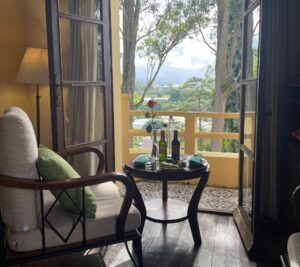

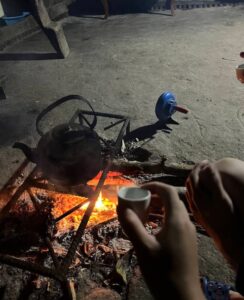
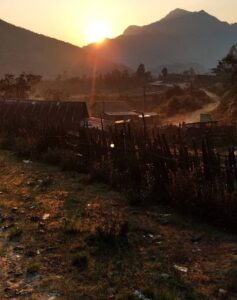




You’re staring at a map of Vietnam, trying to decide between the two famous mountain towns, and every blog post is feeding you the same flowery garbage about “romantic escapes” and “majestic landscapes.” That’s nice, but it doesn’t tell you if the bed will destroy your back or if you’ll actually find food you want to eat after a 12-hour bus ride.
I’ve had the magical moments and I’ve had the “why did I think this was a good idea?” moments. This is the real-talk guide. The Dalat vs Sapa showdown, stripped of the marketing nonsense.
The TL;DR Version for People with Better Things to Do
- Tired of vague travel blogs making the Dalat vs Sapa choice impossible? One promises romance, the other adventure, but what’s the reality on the ground? This no-nonsense breakdown exposes the truth about the food scene, the actual quality of sleep, and how easy (or hard) it really is to get around.
- Quick Verdict:
- Go to Dalat for good coffee, easy motorbike adventures, incredible food, and actual comfort. Think of it as a European mountain town that got dropped into Southeast Asia.
- Go to Sapa for the raw, epic, once-in-a-lifetime trekking views and a deeper cultural experience, but expect a more demanding trip.
- Getting There: One’s a Breeze, One’s a Test of Endurance
- Dalat: Easy. Fly into Lien Khuong Airport (DLI). An hour-long flight from Saigon. Done.
- Sapa: A journey. The “best” way is a 6-8 hour “limousine” van or a punishing overnight sleeper bus from Hanoi. Don’t even get me started on the train.
- Sleeping: A Tale of Fireplaces vs. Farm Animals
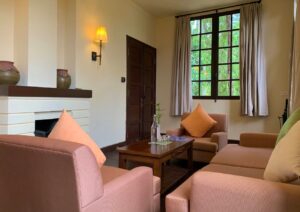
- Dalat: Wins on comfort, hands down. I’m talking charming old French villas, boutique hotels, working fireplaces. You go here to actually rest.
- Sapa: It’s not about comfort, it’s about the experience. Homestays are rustic (read: hard beds, maybe a spider), but waking up to those rice terraces is unforgettable. Sapa town has plenty of practical hotels, but many lack the character and quiet atmosphere you’ll find in village homestays
- Eating: Creative Feasting vs. Survival Fuel
- Dalat: A food paradise. No contest. The cool weather means amazing produce. The street food scene at the night market is legendary. A true highlight of Dalat street food.
- Sapa: Food is hearty and functional. Hotpot is the king here, and it’s fantastic after a cold day of trekking. Otherwise, the options are pretty limited and tourist-focused.
- Getting Around: The Freedom Machine vs. Your Own Two Feet
- Dalat: Rent a motorbike for $6 a day. The roads are great. The freedom is intoxicating. It’s the best way to see the area.
- Sapa: Your transportation is a trekking guide and a good pair of hiking boots. Exploring outside the tourist center without a plan is difficult and not recommended.
- The Vibe & The People: Chill vs. A Hustle
- Dalat: Relaxed, artistic, kinda hipster. Full of Vietnamese tourists on romantic getaways. The vibe is chill.
- Sapa: The landscapes are majestic. The vibe in town? An intense, in-your-face tourist hustle. The ethnic minority villagers you meet on treks are incredible, but the town experience can be grating.
Getting There
The first part of any Dalat vs Sapa comparison has to be the sheer misery, or lack thereof, of just getting to the damn place.
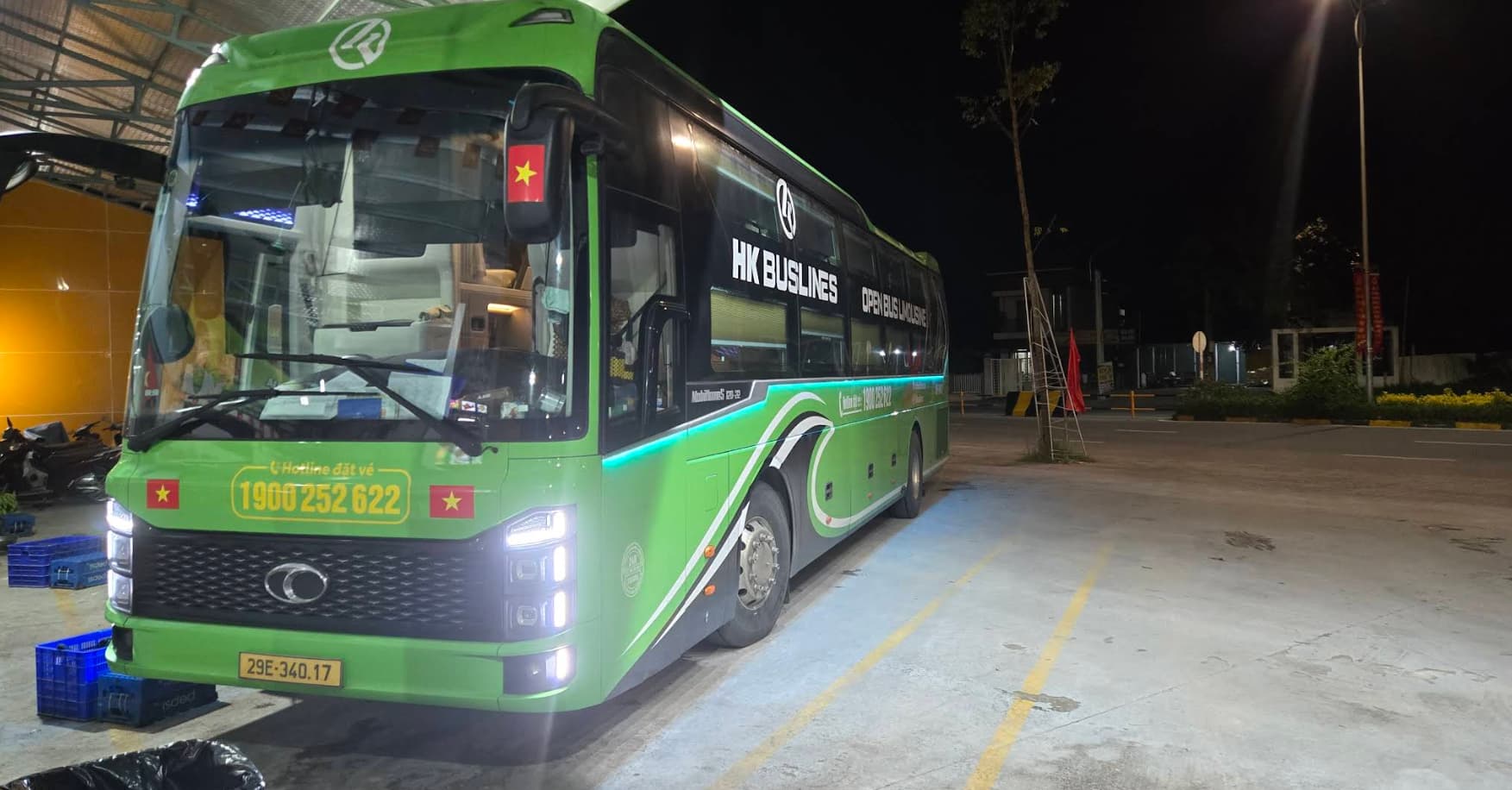
My trip to Sapa started with booking a sleeper bus from Hanoi. You can use platforms like Klook to see all the options, which I recommend because it saves you from the chaos of the bus station.
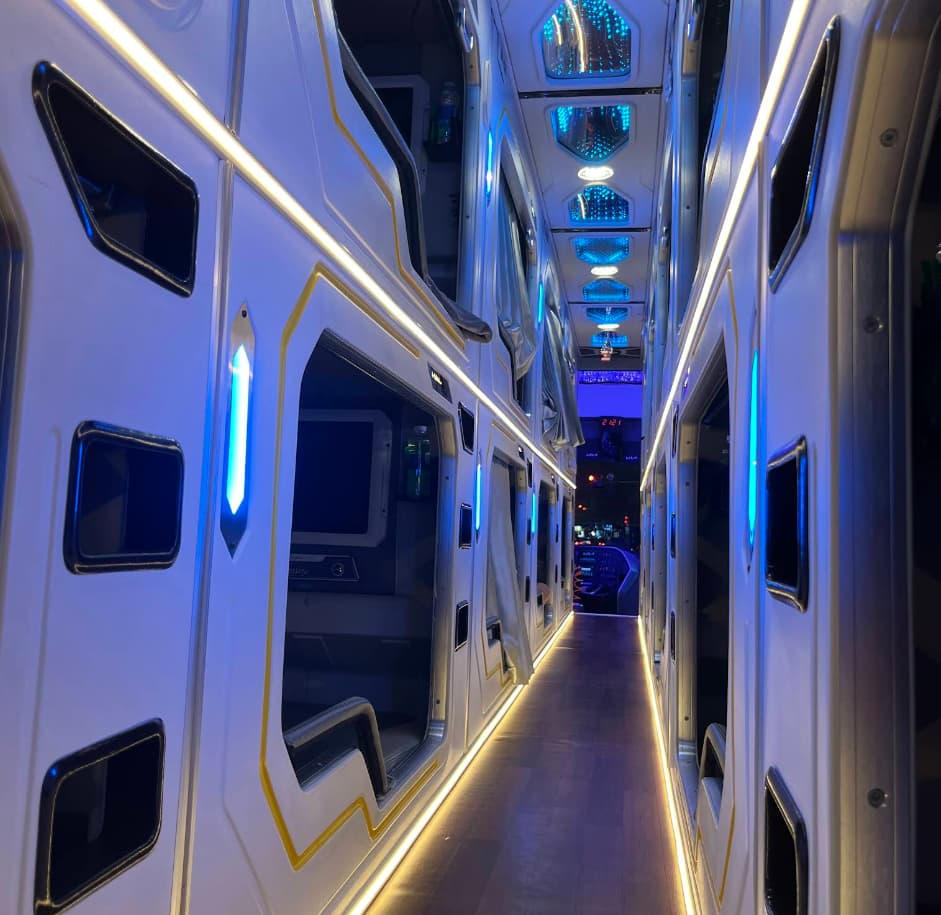
The bus itself is a bizarre contraption of stacked, coffin-like bunks. At 5’10”, my feet were jammed against the front window. You lie there for 6 hours, feeling every bump, praying the driver isn’t texting.
You arrive in Sapa at 4 AM, it’s pitch black, freezing cold, and you’re immediately swarmed by taxi drivers and H’mong women trying to sell you treks. It is a jarring, unpleasant welcome.
The train can be more comfortable for some travelers, but it doesn’t go all the way to Sapa. You still arrive in Lao Cai and need another road transfer up the mountain.

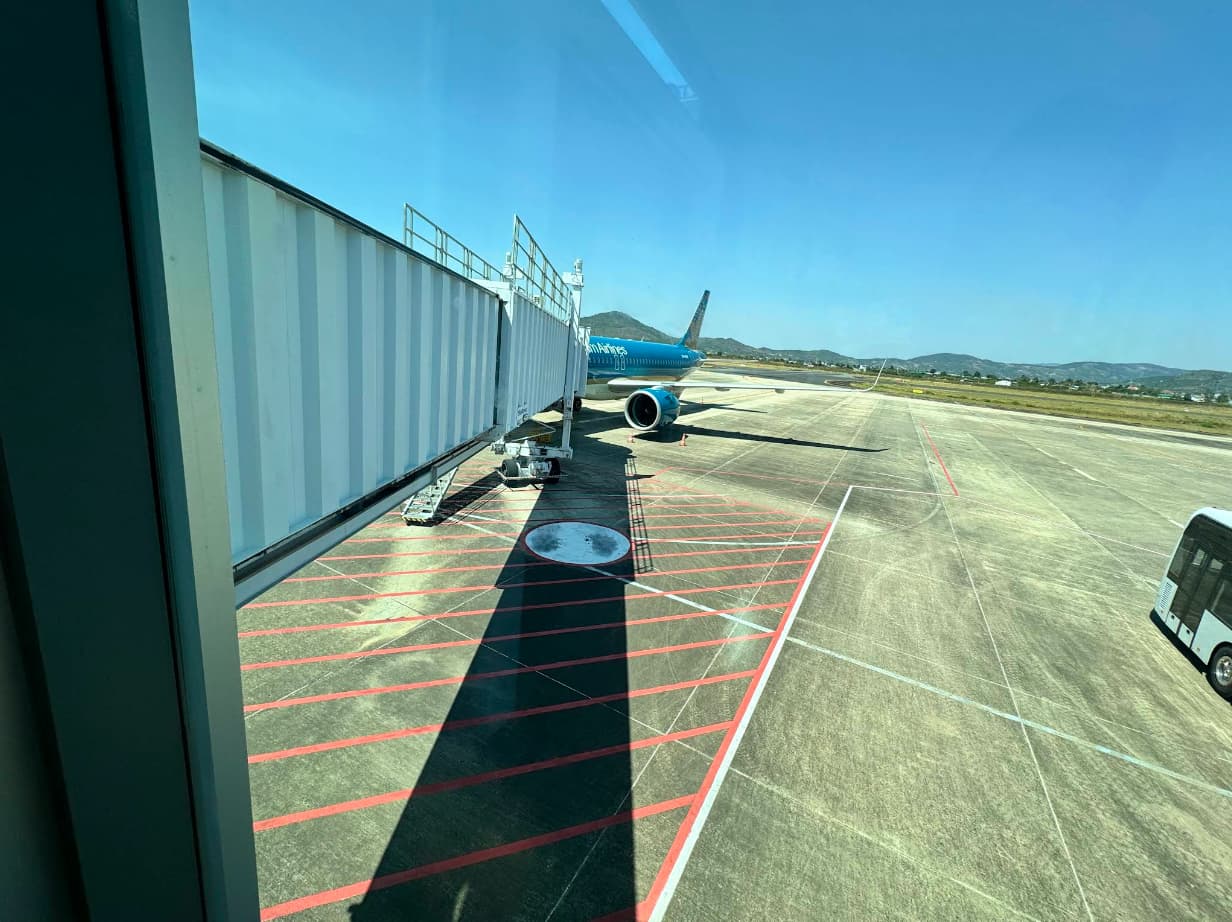
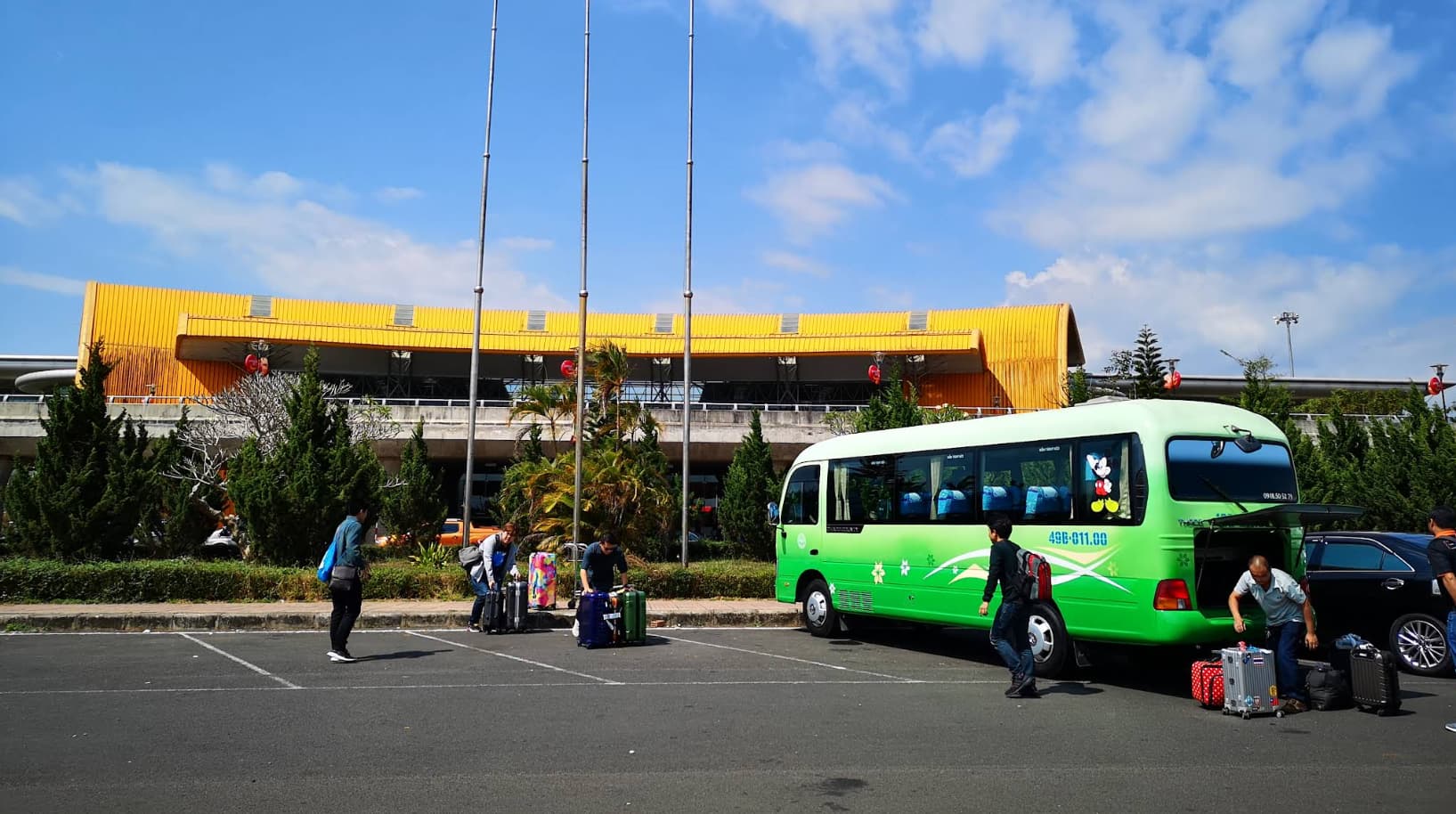
Now, contrast that with Dalat. I flew from Ho Chi Minh City. The flight was a breezy 50 minutes. I landed at Lien Khuong (DLI), a clean, modern little airport. I hopped on the airport shuttle bus (40,000 VND) that drops you right in the center of town. The whole process was painless. I was checked into my hotel and drinking a fantastic cup of coffee less than two hours after landing.
Right off the bat, this tells you a lot about these two places. Dalat is set up for easy, accessible tourism. Sapa makes you earn it. If you have limited time or a low tolerance for travel headaches, the point goes squarely to Dalat.

Sleeping: A Tale of Fireplaces vs. Farm Animals
Your choice of bed can make or break a trip. In Dalat and Sapa, the place you sleep is a core part of the experience, for completely different reasons.
Dalat: I Lit a Fire and Read a Book. It Was Perfect.
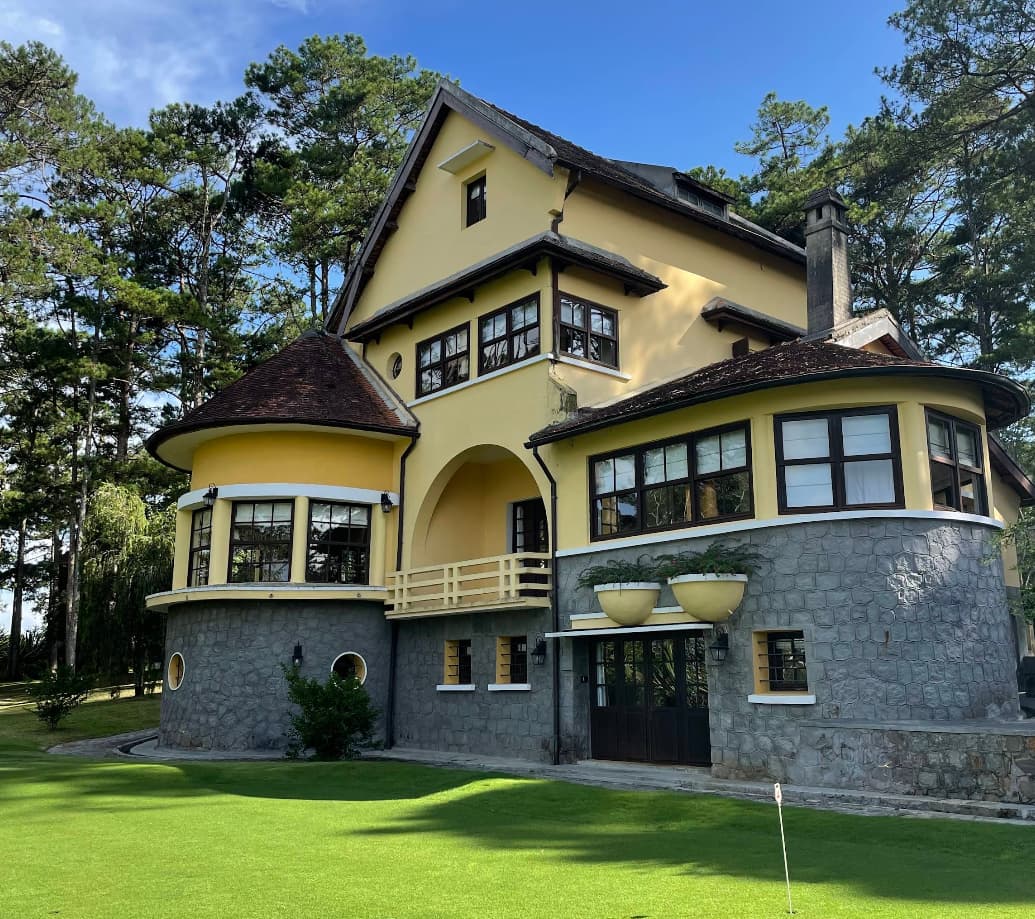
Dalat gets cold at night, and it leans into that coziness. Forget standard hotel rooms. The move here is to find one of the hundreds of old French colonial villas that have been converted into guesthouses.
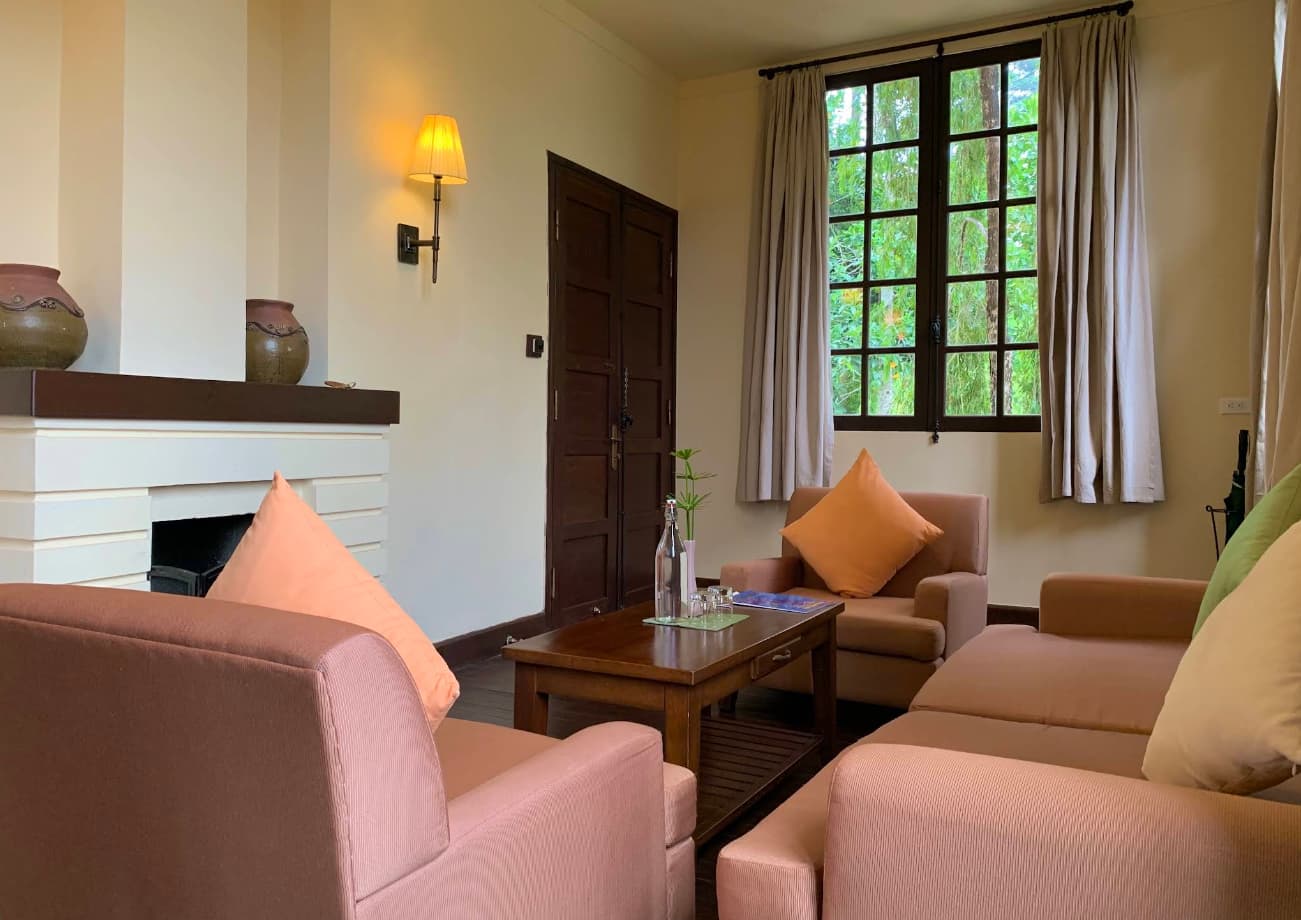
I stayed at a place called Ana Mandara Villas, just a bit outside the main chaos. For around $140 a night, I had a room with creaky hardwood floors, a high ceiling, and a real, working fireplace. A real one!
Each night, I’d come back from dinner, and the staff would have it lit for me. Sitting there in the quiet, with a cup of local artichoke tea, was pure bliss.
This is the kind of restorative rest that a vacation is supposed to provide.
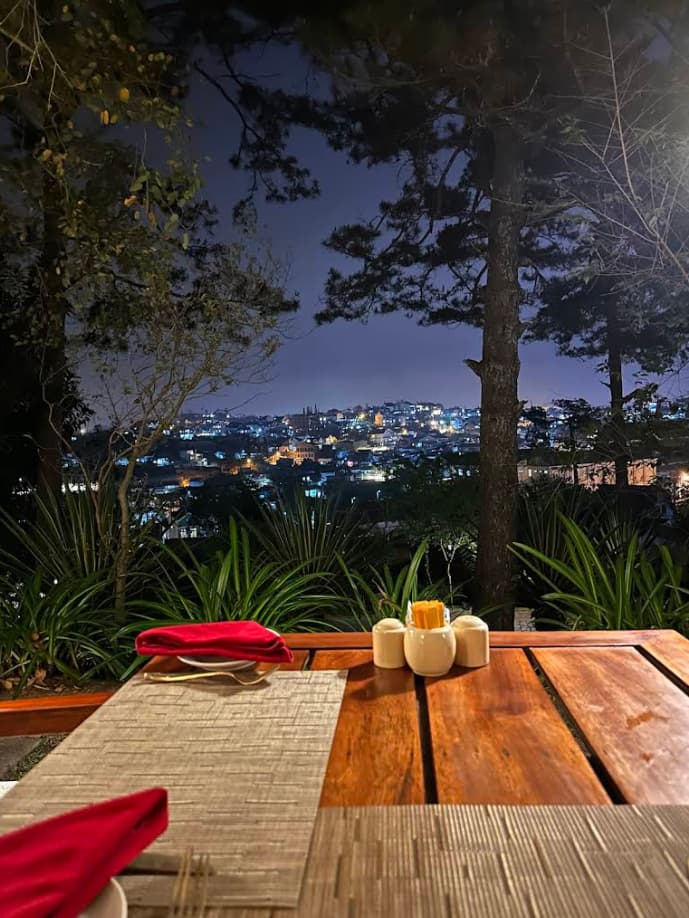
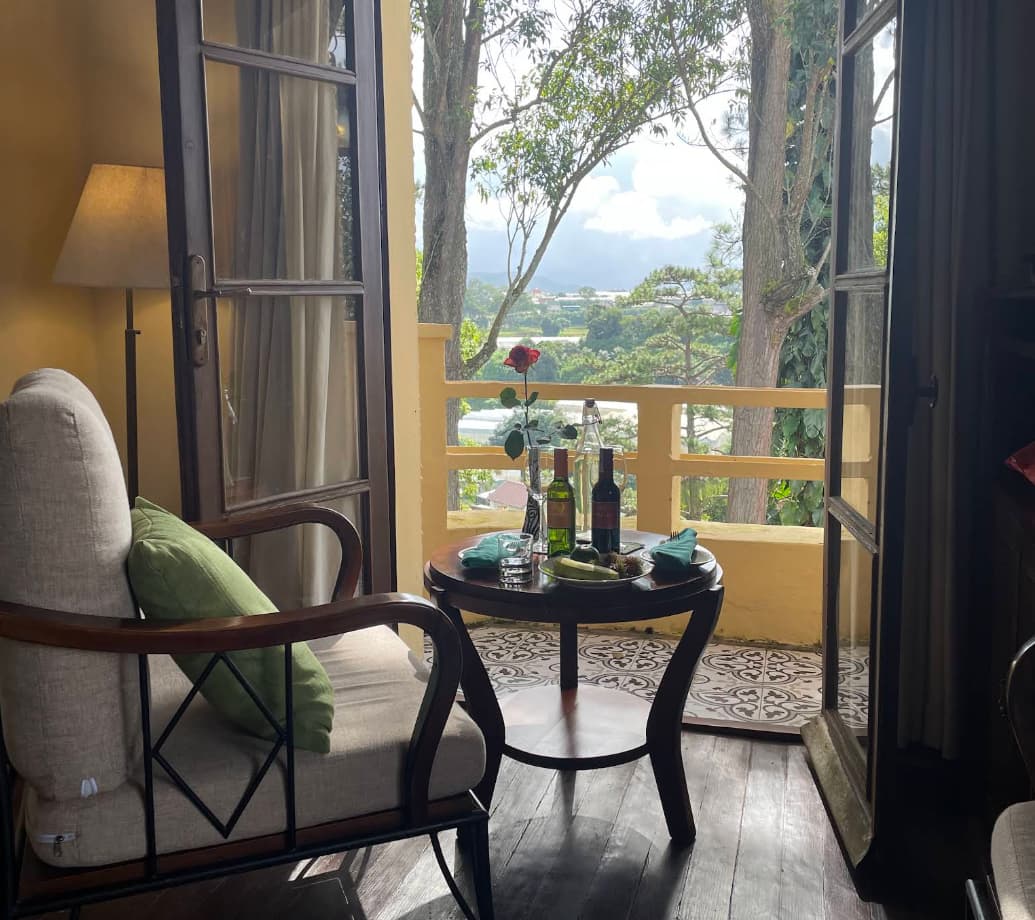
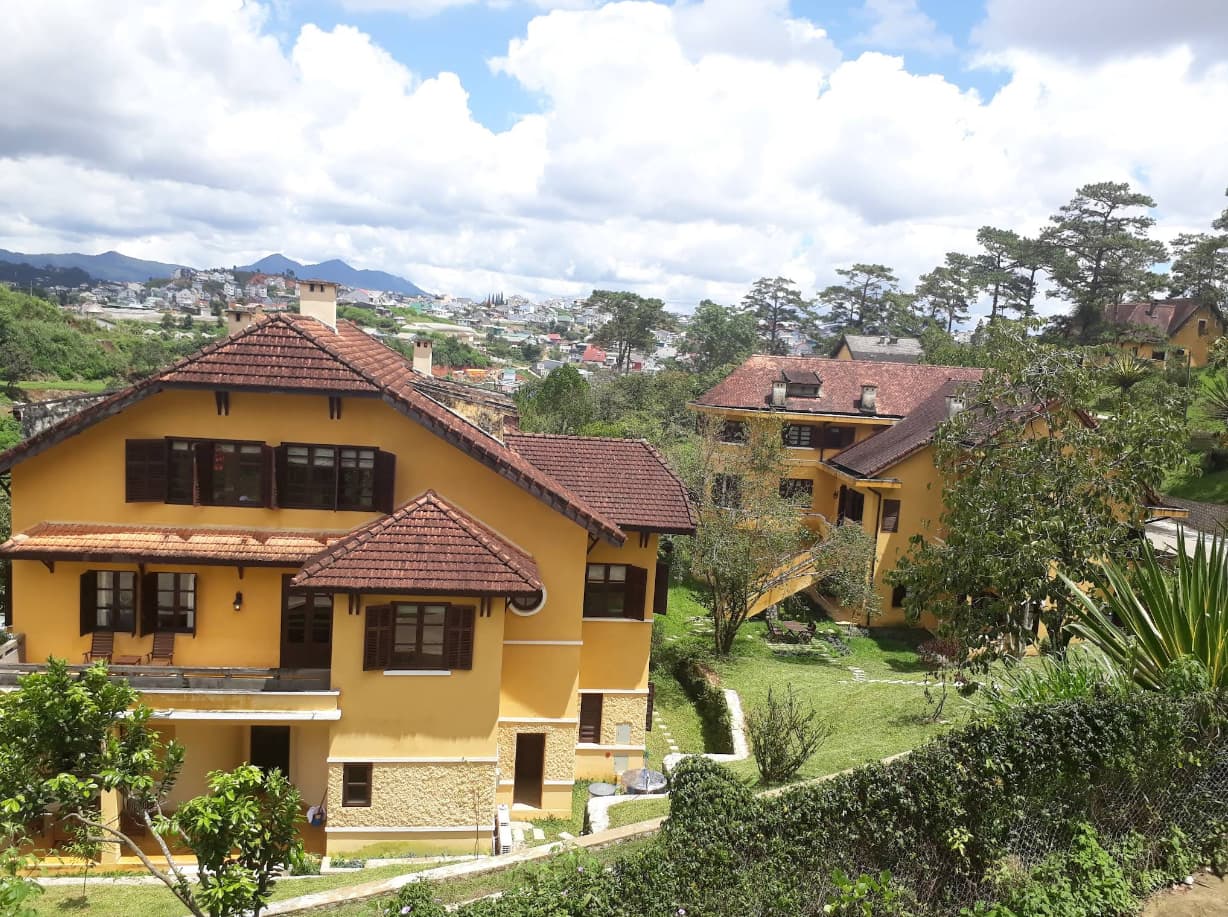
You can find similar gems on Booking.com, just filter for properties with a high rating and a bit of character. Dalat’s accommodation is designed to be a comfortable, charming escape.
Sapa: My Alarm Clock Was a Rooster Under My Window.
Okay, let’s talk about the Sapa homestay experience. This is the main reason people brave the journey north. You absolutely should not stay in Sapa town. Sapa town can feel overdeveloped and busy, especially compared with the surrounding villages. The real experience is out in the villages like Ta Van or Ta Phin.
I did a trek that included an overnight stay at a local Giay family’s homestay. “Homestay” means you are in their house. A large, wooden, very basic house.
My “room” was a space sectioned off by a bamboo curtain, with a mattress on the floor. It was firm. The blanket was heavy. I could hear the family talking, cooking, and living their lives on the other side of the curtain. A rooster started its day at 4:30 AM directly under my window. The shower had… inconsistent hot water.
Was it comfortable? God no. But was it worth it? 100%. Waking up, pushing open the wooden shutters and seeing the morning mist rising off a valley of cascading rice terraces is an image burned into my brain forever.
Dinner was a communal affair, eating with the family, sharing stories over cups of potent homemade “happy water” (rice wine). You trade comfort for connection. It’s an amazing experience, but go in with your eyes wide open. Don’t expect hotel standards.
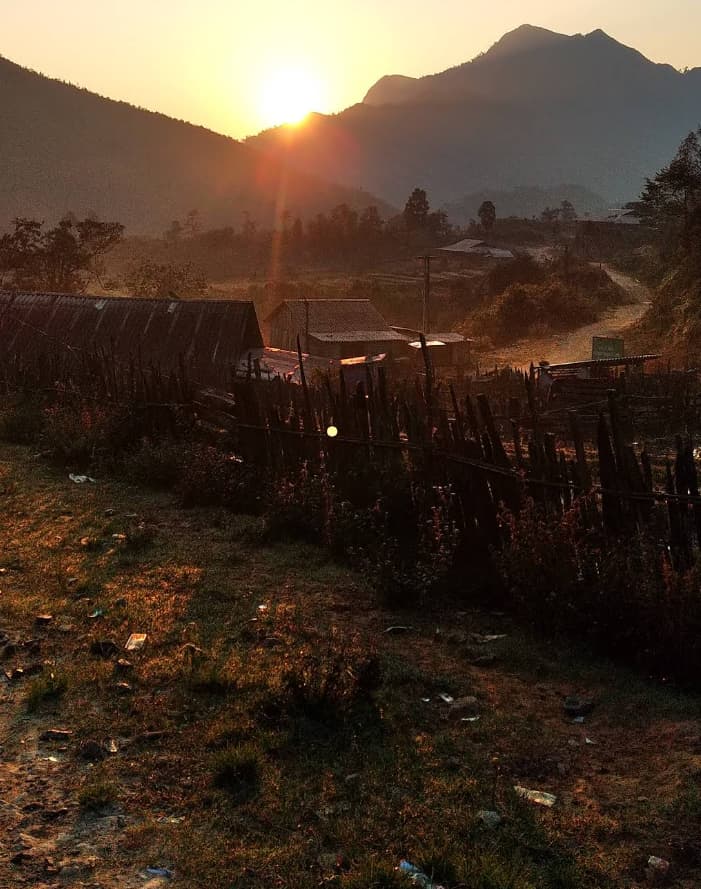
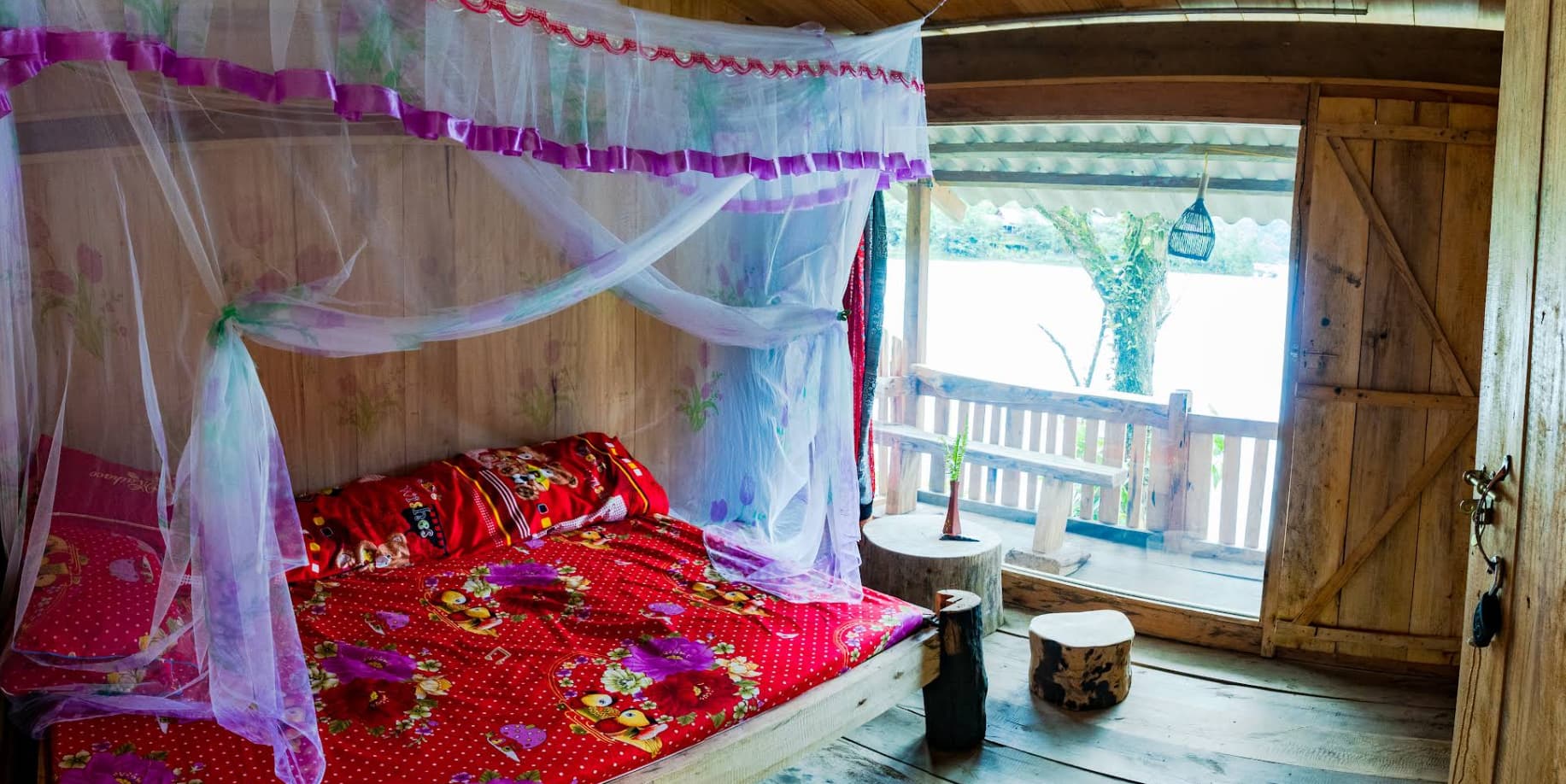
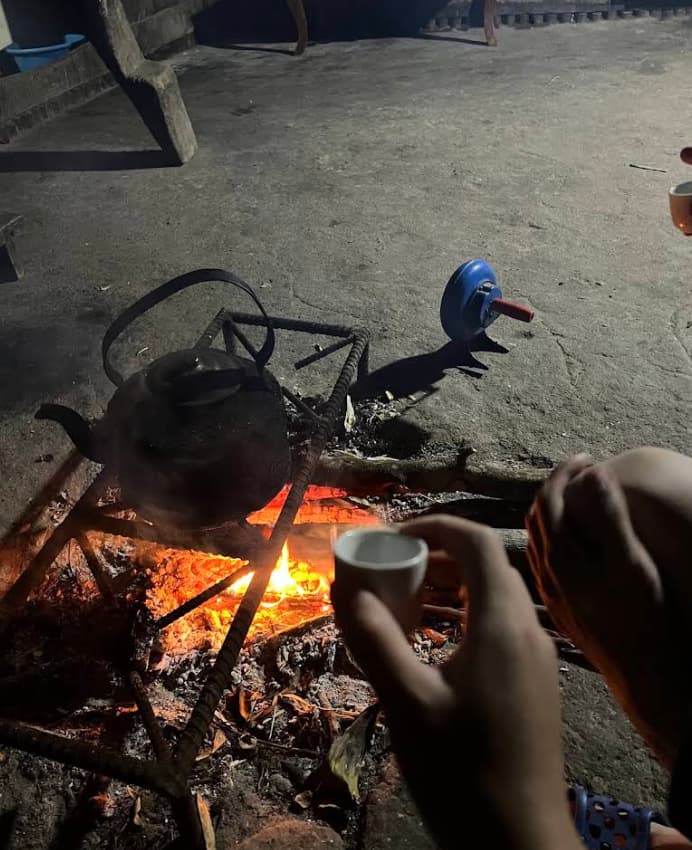
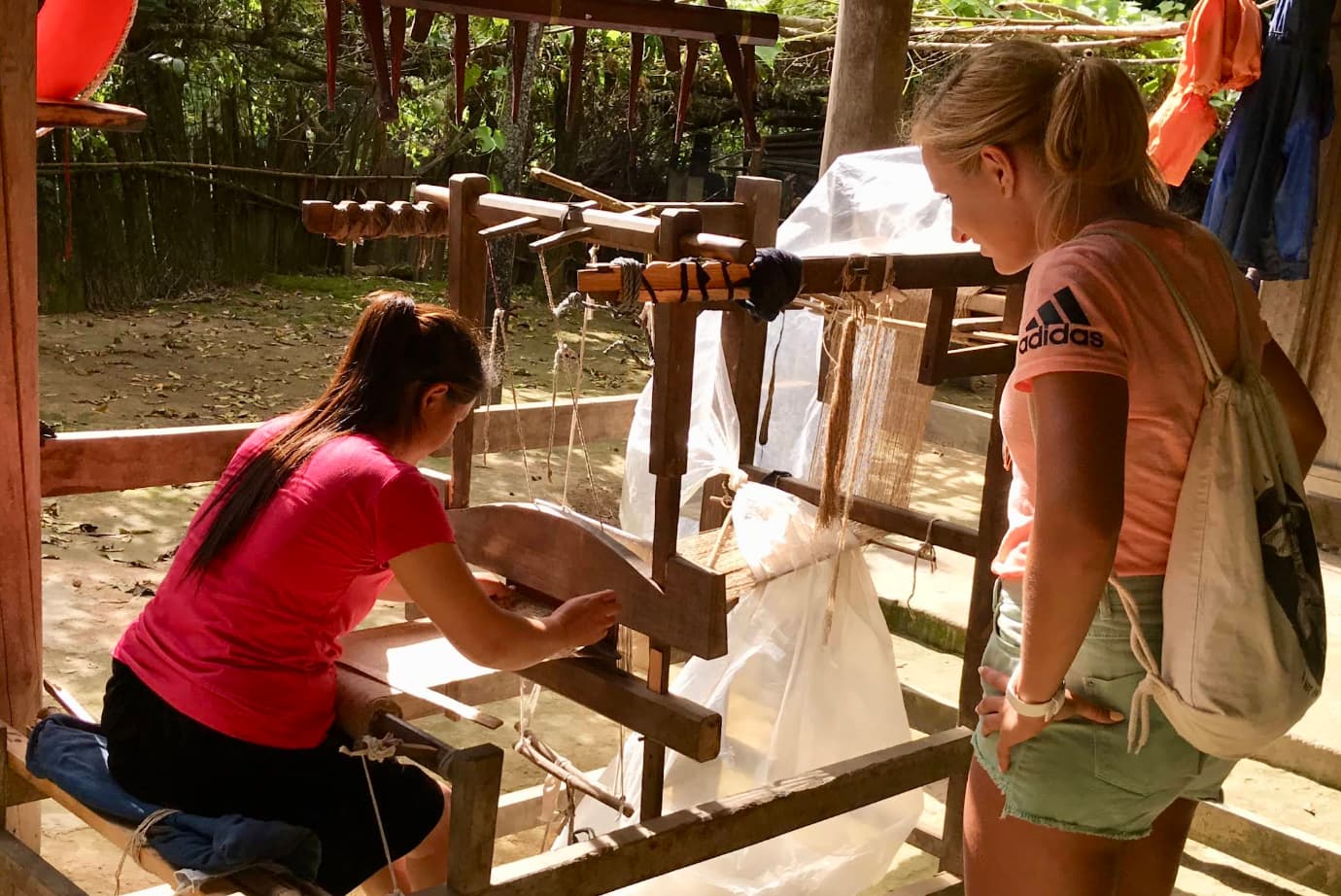
The verdict on Dalat vs Sapa sleeping: Dalat offers a comfortable, romantic retreat. Sapa offers a raw, unforgettable cultural immersion. Depends if your body or your soul needs more of a recharge.
Eating: Creative Feasting vs. Survival Fuel
The food scenes in these two towns are so different, it’s almost comical.
Dalat’s Night Market is Organized Chaos, and I Love It.
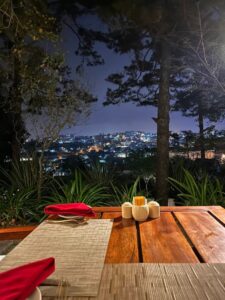
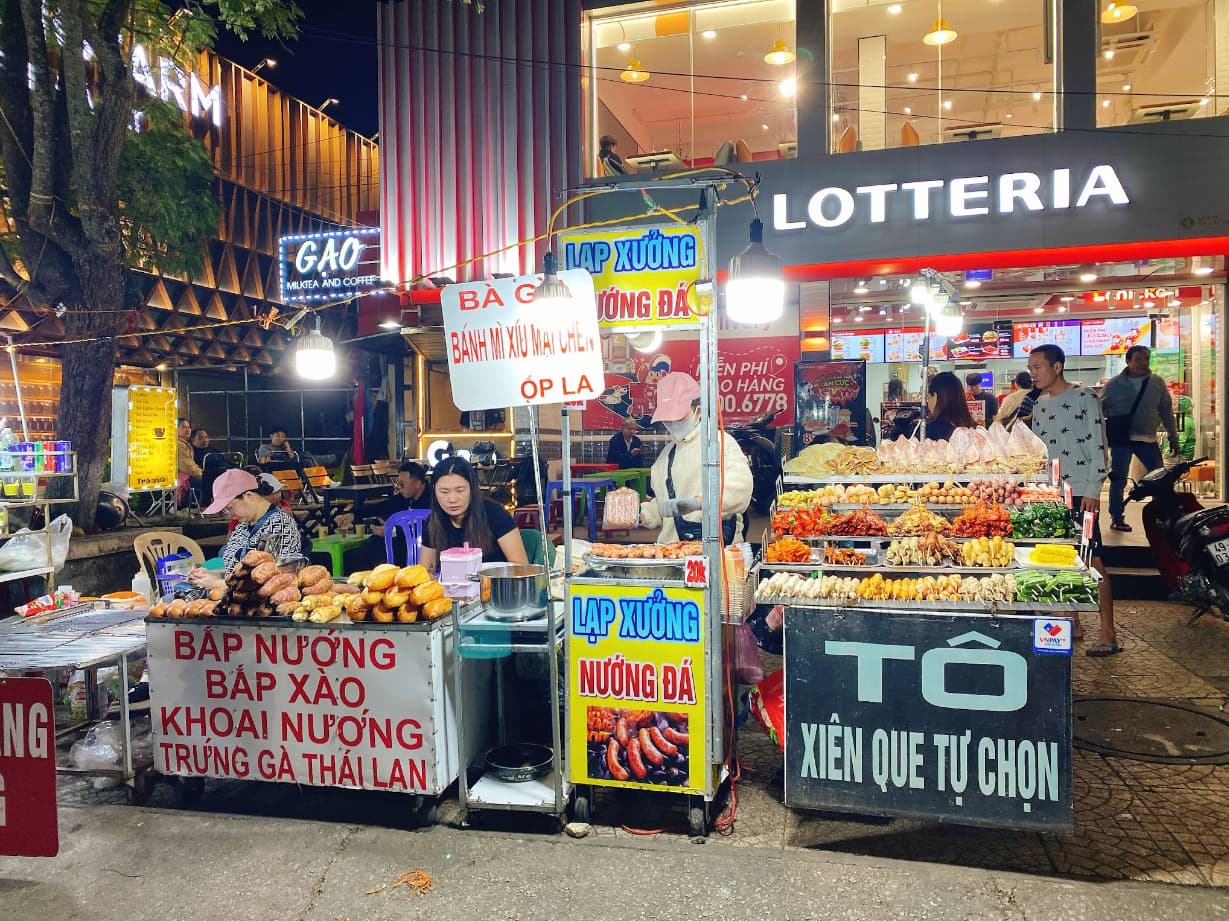
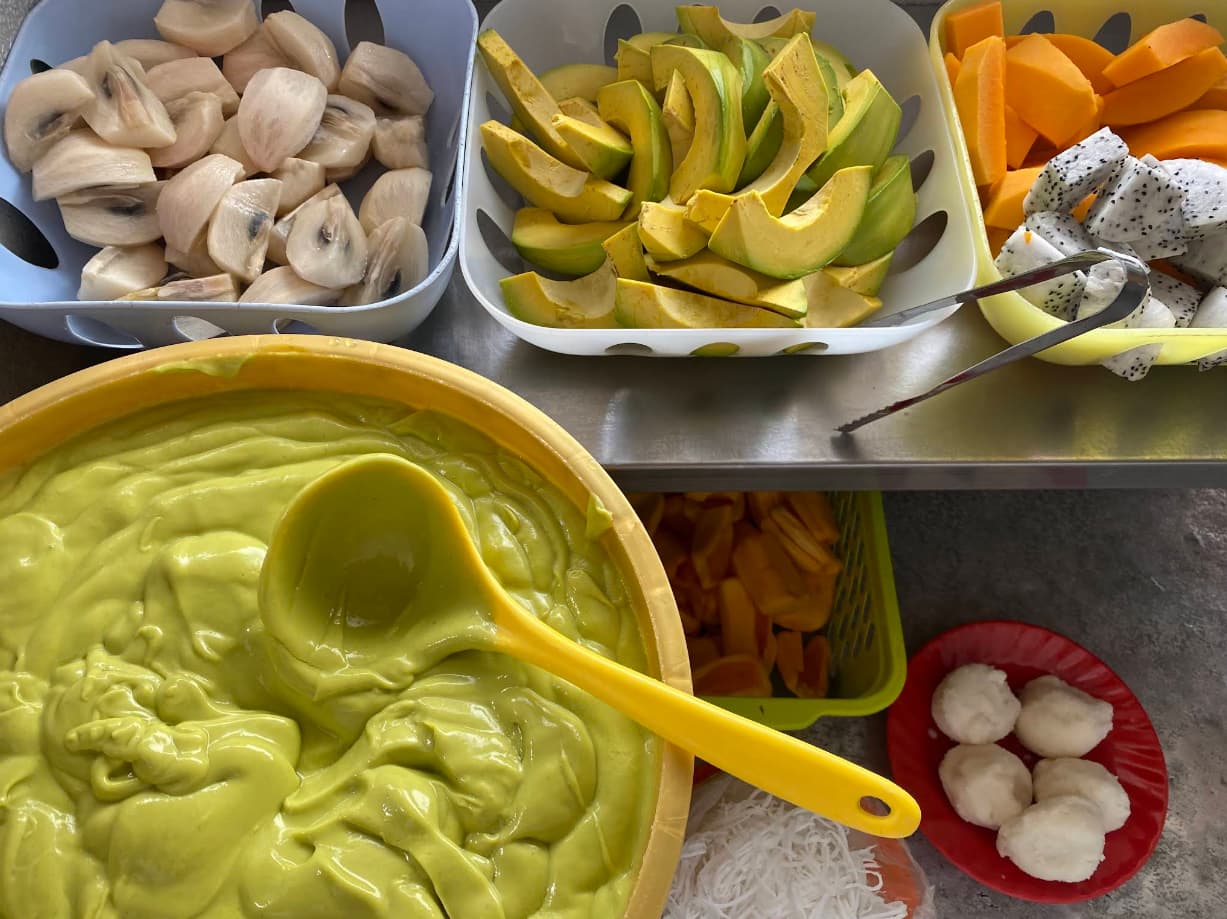
Dalat is a certified foodie destination. The cool climate blesses it with produce that the rest of Vietnam can only dream of: strawberries, avocados, asparagus, artichokes. This translates into an incredible and creative food culture.
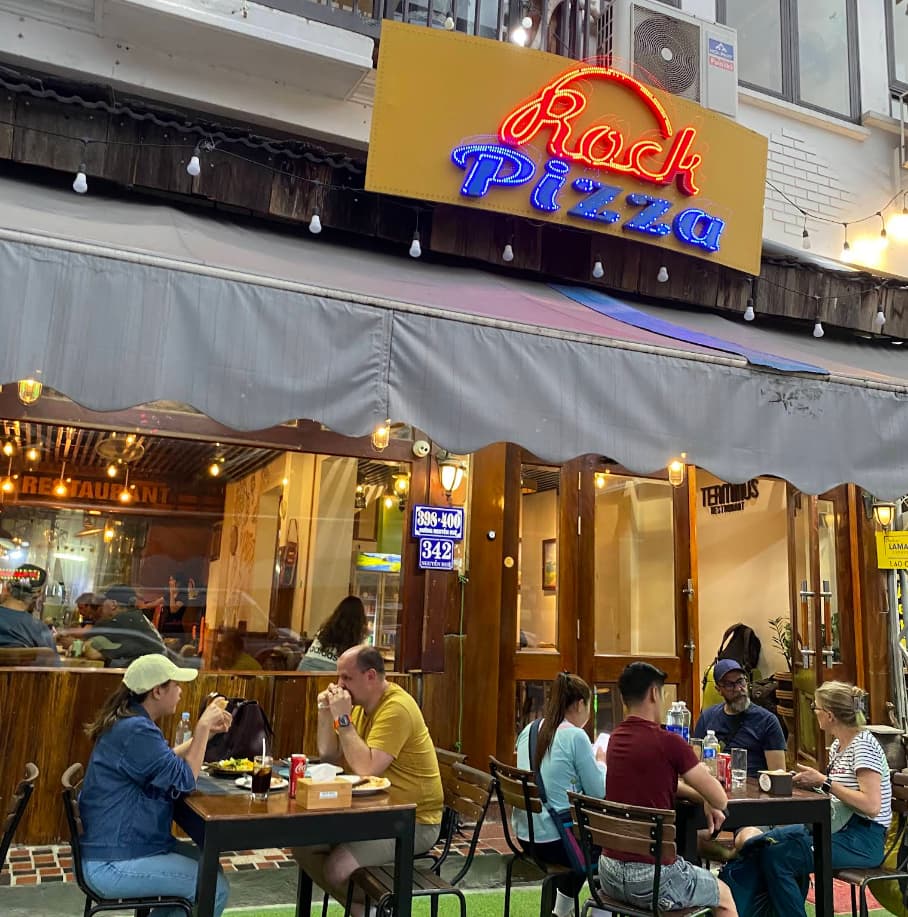
The heart of it all is the Dalat Night Market. Your entire dinner plan should just be to go there and graze. My strategy: find the busiest vendor. That’s where you’ll get the famous Bánh Tráng Nướng, or “Vietnamese pizza.” It’s a crispy rice paper disc grilled over charcoal with egg, sausage, cheese, and various sauces. It costs about 25,000 VND (~$1) and it’s spectacular.
Then there’s the hot soy milk, the grilled sweet potatoes, the tiny shellfish dishes. It’s a festival of delicious, cheap snacks.
Beyond the market, Dalat has an insane cafe scene. We’re not talking tourist coffee. These are third-wave roasters focusing on local Arabica beans. I spent a whole afternoon at La Viet Coffee, a huge warehouse-style cafe, just nerding out on their brews.
Then there’s avocado ice cream from Nari or Thanh Thao. It sounds weird. It’s not. It’s incredible. Dalat’s food is a destination in itself. You go there to eat. A great Dalat food guide is almost impossible to write because there are just too many good options.

Sapa’s Food: Hotpot is King, Everything Else is… Fine.
Look, after you’ve been trekking in Sapa Vietnam for six hours through mud, you don’t need fancy food. You need hot, salty, life-giving fuel. And for that, Sapa delivers.
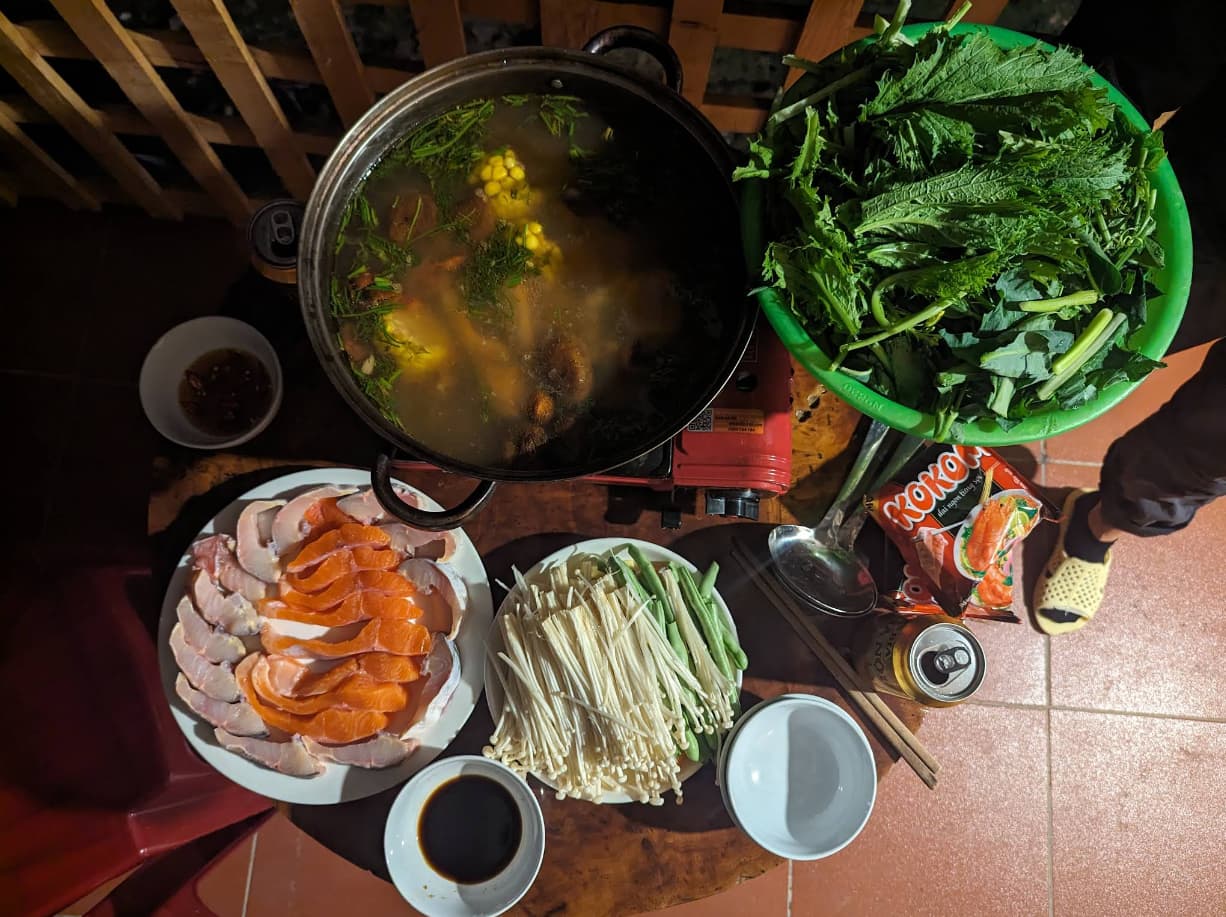
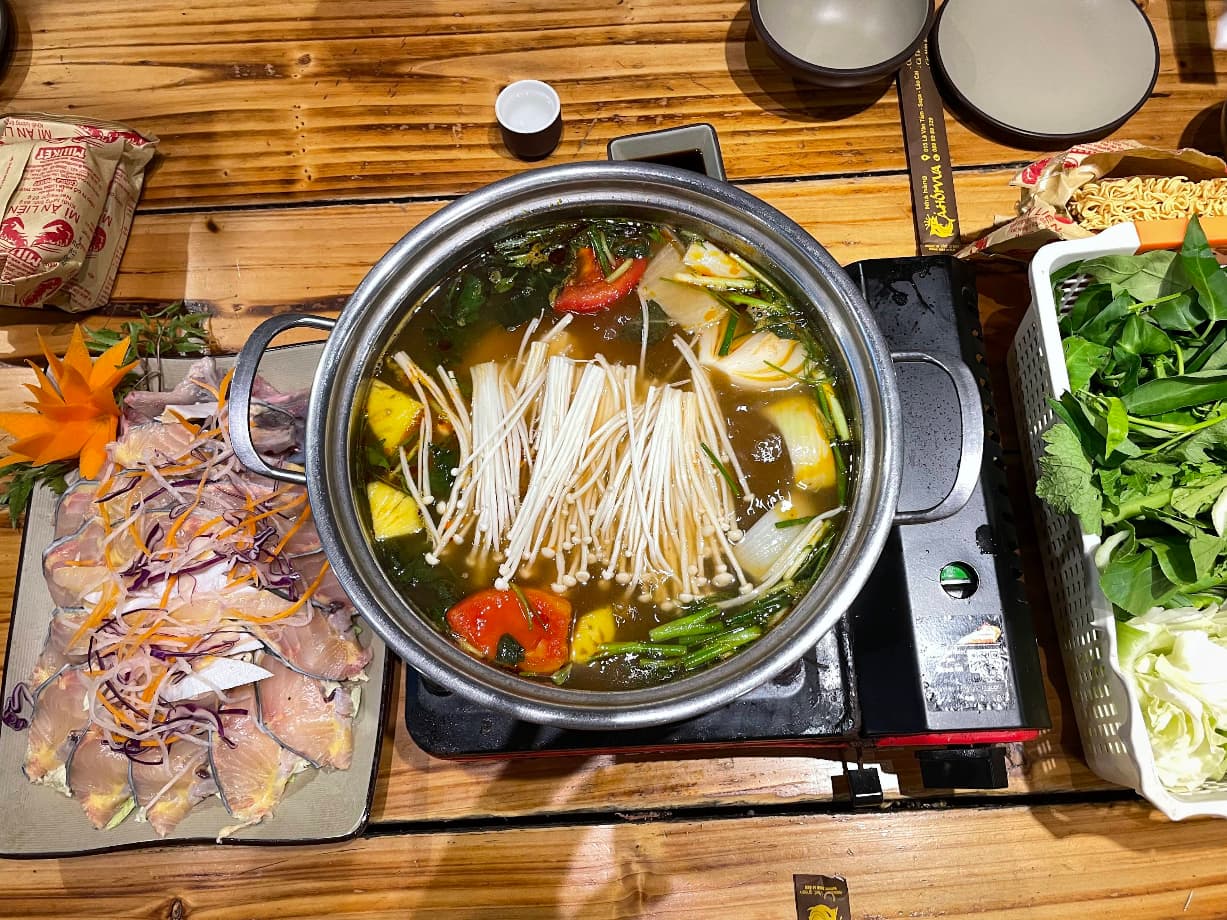
The absolute champion of Sapa cuisine is hotpot (lẩu). Specifically, sturgeon hotpot (lẩu cá tầm). Sturgeon are farmed in the cool mountain rivers, and the flesh is firm and delicious.
You sit around a bubbling pot of tangy broth, throwing in chunks of fish, tofu, and a mountain of mysterious local greens. It’s a communal, warming, deeply satisfying meal. A place like Nhà hàng Cá Hồi Vua (King Salmon Restaurant) is a solid, no-frills option.
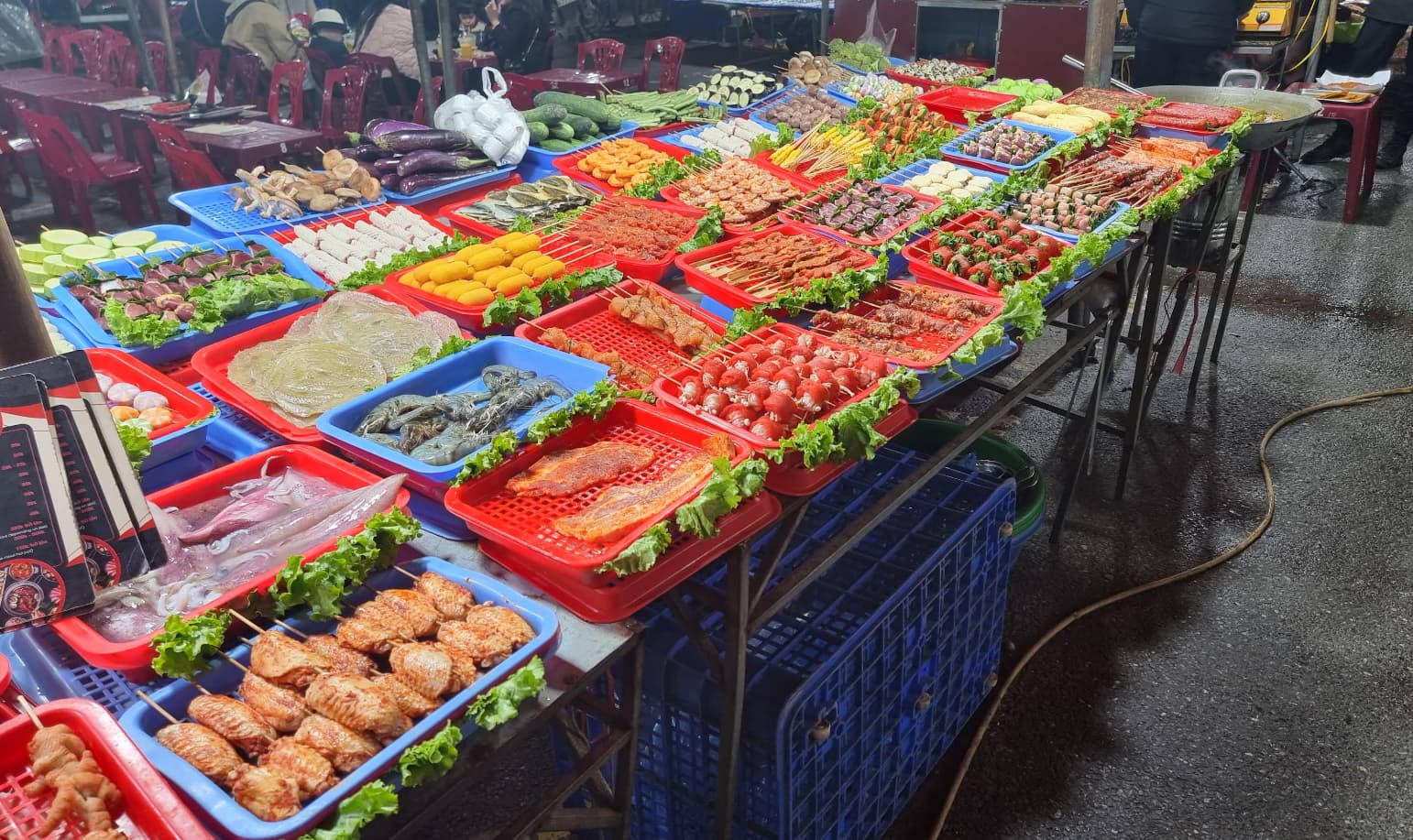
Outside of hotpot? The options get repetitive fast. There’s grilled pork skewers, rice cooked in bamboo (cơm lam), and a lot of generic “Western” and “Vietnamese” restaurants in Sapa town that all seem to have the same 10-page menu. The food serves a purpose: it fills you up and warms you up. It’s not a culinary journey like Dalat.
Getting Around
The very philosophy of movement is different in these two highland towns.
In Dalat, the first thing I do is rent a motorbike. It’s easy, cheap (150,000 VND/day), and the roads are beautifully paved and scenic.
One day, I just drove. I had a loose plan to see Elephant Falls, but the ride itself was the best part, winding roads through endless pine forests, past coffee plantations and greenhouses. I stopped at a random roadside cafe with a view that would cost a fortune anywhere else in the world.
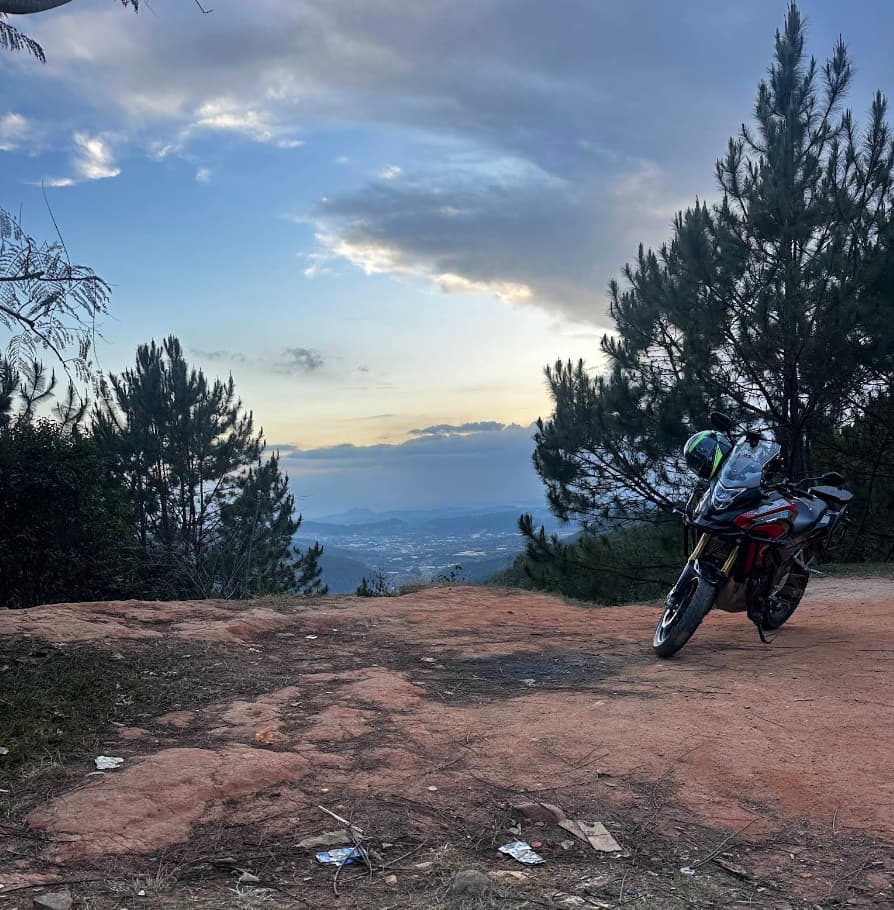
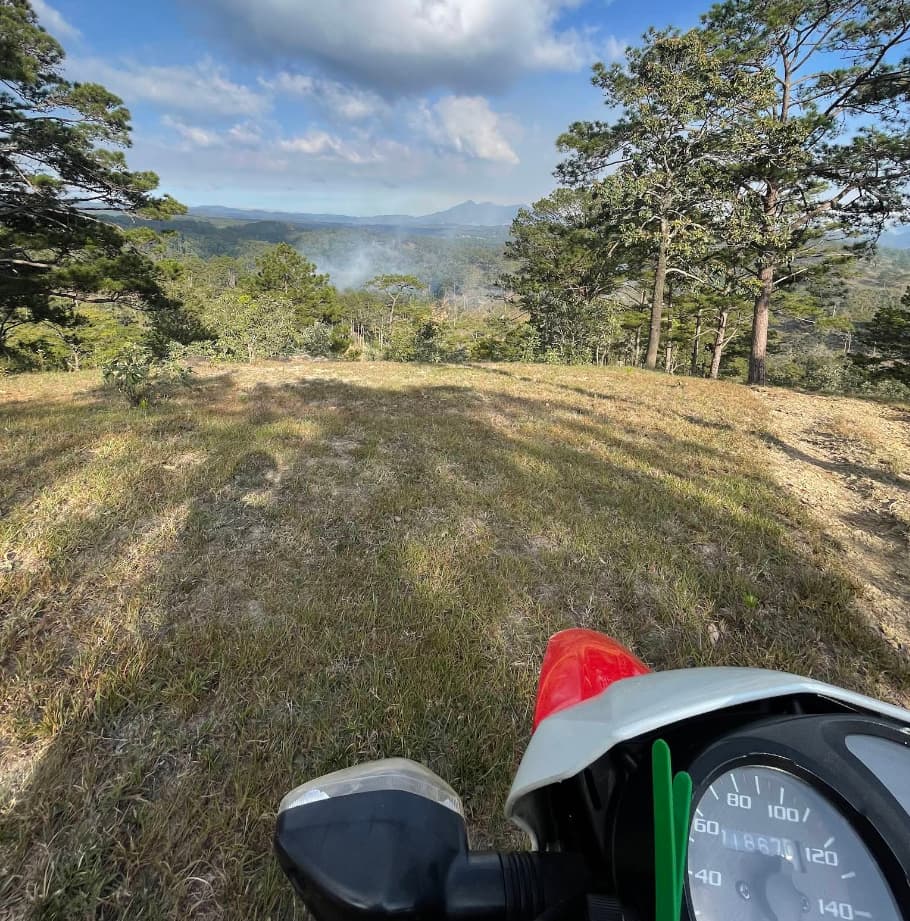

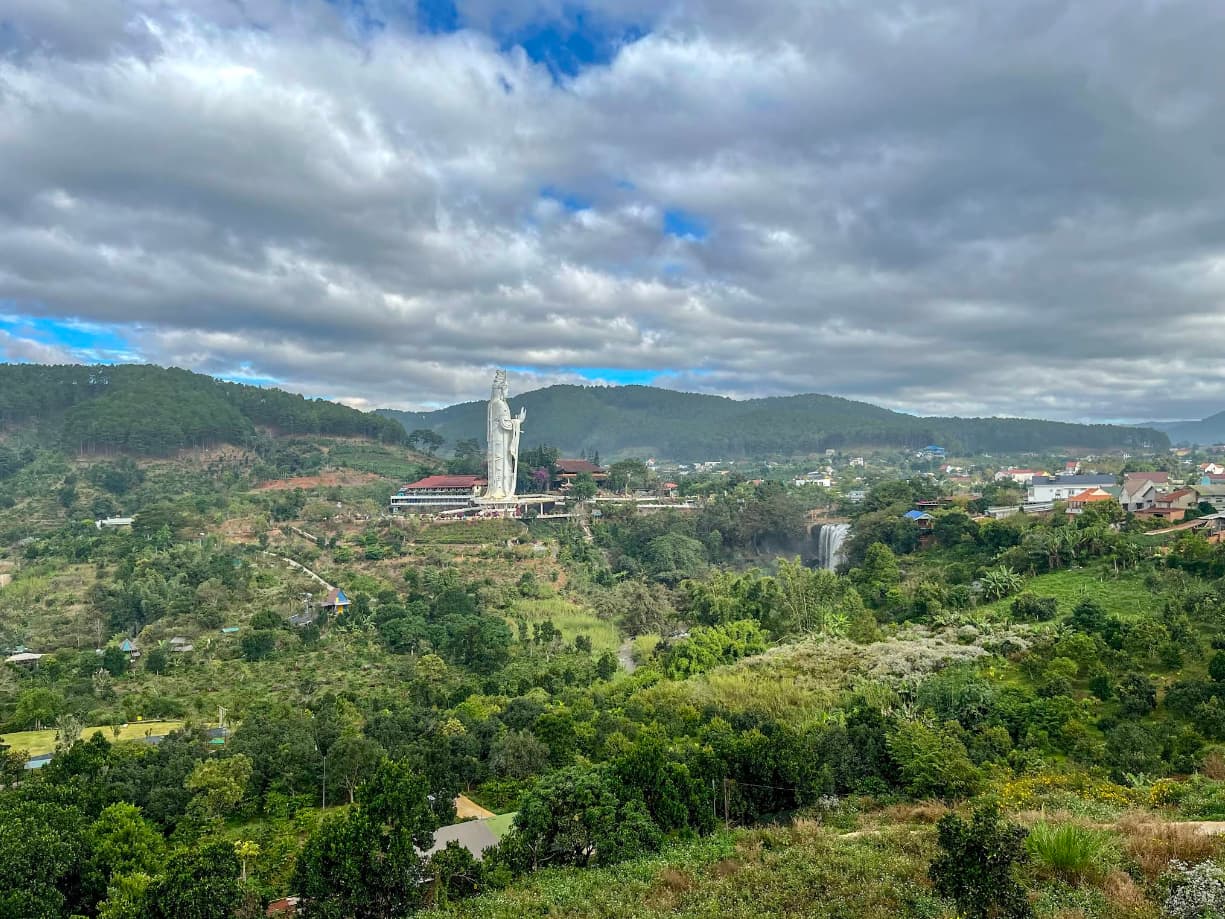
I had complete freedom. Dalat invites you to get a little lost. If bikes aren’t your thing, Grab (the local Uber) is everywhere and very affordable. This freedom is a core part of the Dalat experience.
Sapa is the complete opposite. Your primary mode of transport is your legs. The whole point is to go on a multi-day trek. This means you are on a schedule, following a guide. My guide, a tiny H’mong woman named Pa who could have out-walked a mountain goat, was amazing. She was my navigator and my cultural translator. I couldn’t have done it without her.
You can find incredible local guides through tour aggregators like GetYourGuide, which is often safer than just picking someone on the street.

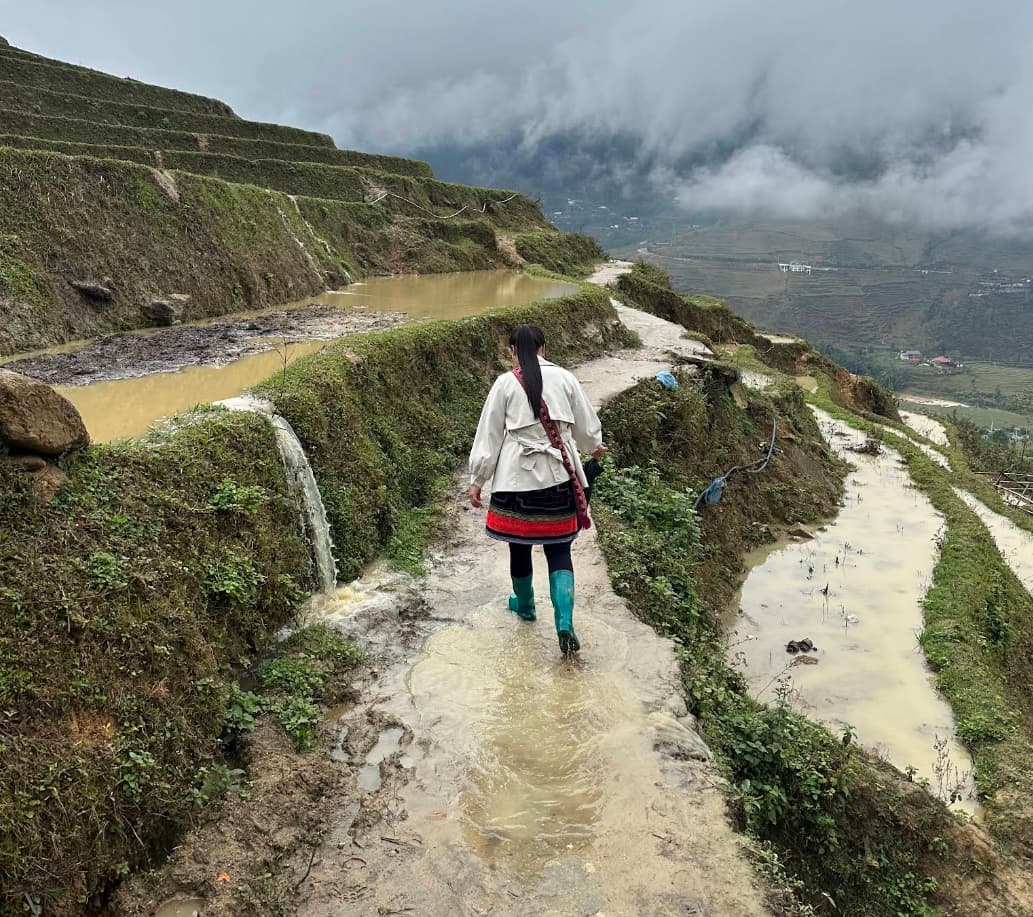
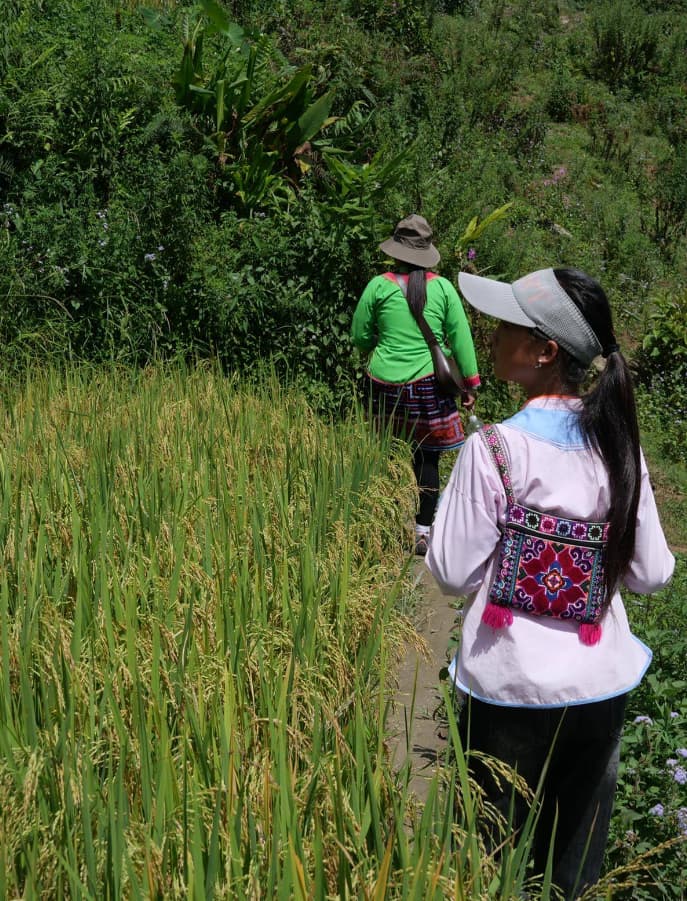
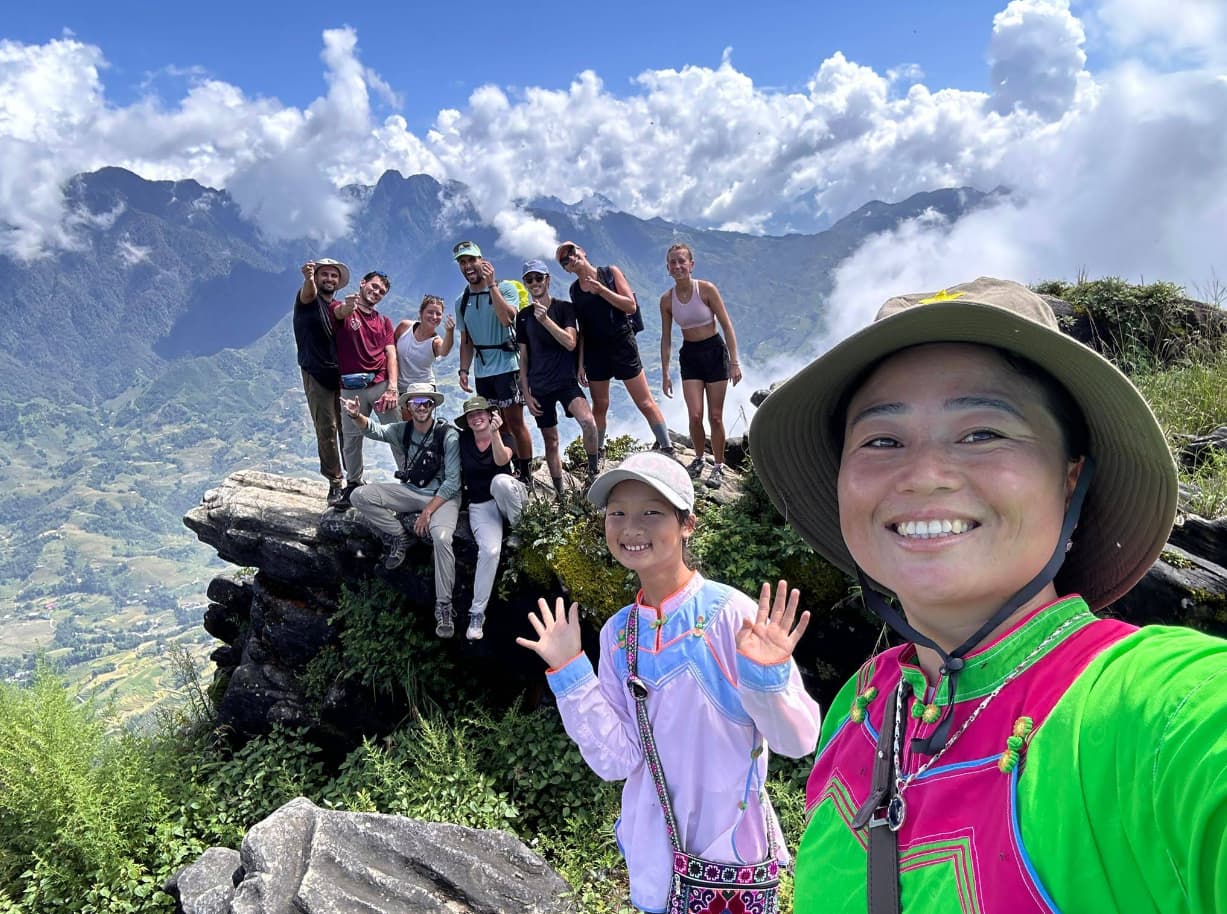
But this structure means a lack of spontaneity. You can’t just decide to go check out that village on the next ridge. You need transport, and your only real options are hiring an overpriced car or finding a “xe ôm” (motorbike taxi). In the great Dalat vs Sapa travel debate, Dalat is for the independent wanderer; Sapa is for the focused adventurer who is okay with being led.
The Vibe & The People
Beyond all the logistics, the feeling of a place matters.
Dalat’s vibe is… chill. It’s artistic. A bit hipster, even. The air is cool, the pace is slow. You see couples holding hands by the lake, groups of friends laughing in aesthetically pleasing coffee shops. It feels like a genuine retreat. The local people are used to tourists, but it doesn’t feel like a hard sell. It’s relaxed.
Sapa town, on the other hand, is intense. From the moment you arrive, you are part of a tourism machine. The hustle is constant and can be exhausting. “You buy from me? Trek with me? Hellooo!” It can be hard to walk ten feet without being approached. This is a direct result of the poverty in the region, this is how these women feed their families, and you can’t blame them for it. But as a visitor, it can be draining.
The real soul of Sapa is found outside the town, on the trails, with the people in the villages. Once you’re out of the commercial center, the interactions are more genuine, the landscape is overwhelmingly beautiful, and you get a sense of the incredible resilience of the ethnic minority groups who have farmed this land for centuries.
So which is it? The effortless cool of Dalat, or the raw, challenging beauty of Sapa? One isn’t better than the other in the realm of Vietnam highlands travel. They just offer profoundly different things.
Go to Dalat to relax and indulge. Go to Sapa to challenge yourself and have your perspective shifted. Just don’t say I didn’t warn you about the sleeper bus 😀












 Tiếng Việt
 한국어
한국어 中文 (中国)
 日本語
日本語 ไทย
ไทย Deutsch
 Español
 Destinations
 Instagram
 Facebook
 X (Twitter)
 Threads
 Tiktok
So true it’s just a matter of individual differences and preferences. I have not yet been in Sapa but how you described Dalat is on point. Very accurate. (Right now I am in Dalat). Maybe you should have added the cost of living there for an extended period of time. (Weeks or a month). And the things that could help a person get busy or preoccupied while staying there.
I totally disagree with your thoughts.
You should put a disclaimer in your blog
: Based on my Experiences only.
Pathetic blog!
Pathetic!
Replying to Anonymous Member
Thanks for the honest feedback. You’re right that this piece reflects my own travel style and personal experience rather than a universal verdict. I’ll add a clearer note at the top so readers understand the comparison is experience-based. Sapa is absolutely beautiful and can be the highlight of Vietnam for many travelers, especially those who love trekking, mountain culture, and dramatic landscapes