









 Ha Giang
 Hanoi
Hanoi Ho Chi Minh City
 Ha Long
 Sapa
Sapa Mekong Delta
 Da Nang
 Hue
Hue Hoi An
 Ninh Binh
 Da Lat
 Nha Trang
 Phan Thiet
 Phu Quoc
 Quang Binh
 Quy Nhon
 Vung Tau
 Thai Nguyen
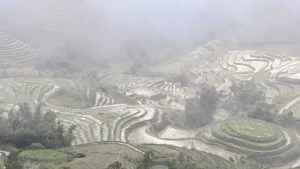
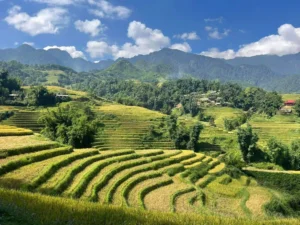
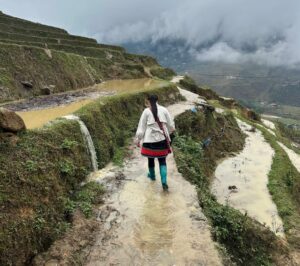




When you pull out your phone and look at the topography of Lao Cai province, the massive green crater sitting directly below Sapa town is the Muong Hoa Valley. This specific bowl of dirt is where the famous cascading rice terraces actually live. The town itself is just concrete hotels; the valley is the actual reason you bought a plane ticket. You obviously have to go down there.
But do you actually need someone to hold your hand to do it?
For a very long time, my stubbornly independent expat answer was no. I have a GPS mapping app. I own decent trail-running shoes. Why would I pay a local woman twenty bucks to walk me through a farm?
Then I actually tried doing the Muong Hoa Valley trek entirely by myself. Two years later, I did it again by paying a local guide. The two experiences were so wildly completely different that I felt incredibly stupid for defending the solo route for so long.
If you are coming up north in 2026 and are trying to map out your survival plan, here is the entirely unfiltered, muddy reality of what the Muong Hoa Valley trek actually feels like.
- Quick Answer: Deciding to do the Muong Hoa Valley trek solo or guided? Pay for the guide. If you walk solo, GPS completely fails, and you’ll end up stuck on a loud paved road dodging concrete trucks and street sellers. Hiring an independent Hmong guide for $20 gets you onto the actual unpaved rice terraces.
- The Solo Trekking Reality:
- Digital maps are totally useless on these cliffs. You will get lost, panic, and inevitably retreat to the main paved valley road. You’ll spend your “nature hike” dodging diesel transit vans and inhaling concrete dust.
- Local souvenir sellers will aggressively follow you for hours pretending to be your “free” guide, totally ruining your peace and heavily guilting you to buy bags at the end.
- The Guided Trek:
- An independent minority guide physically drags you off the concrete grid. You hike the tiny, unmarked mud rims of the terraced fields where tour buses absolutely cannot reach.
- You actually get context. You learn how the water pipes work, and you finish by eating a massive bowl of pork and garlic greens inside a functioning wooden village house instead of an overpriced tourist restaurant.
- The ultimate gear reality:
- Sapa mud acts like wet butter. It will permanently destroy your white sneakers in four minutes. Walk to the central market and buy $3 green rubber farming boots before you step off the pavement.
Doing the Muong Hoa Valley Trek Solo
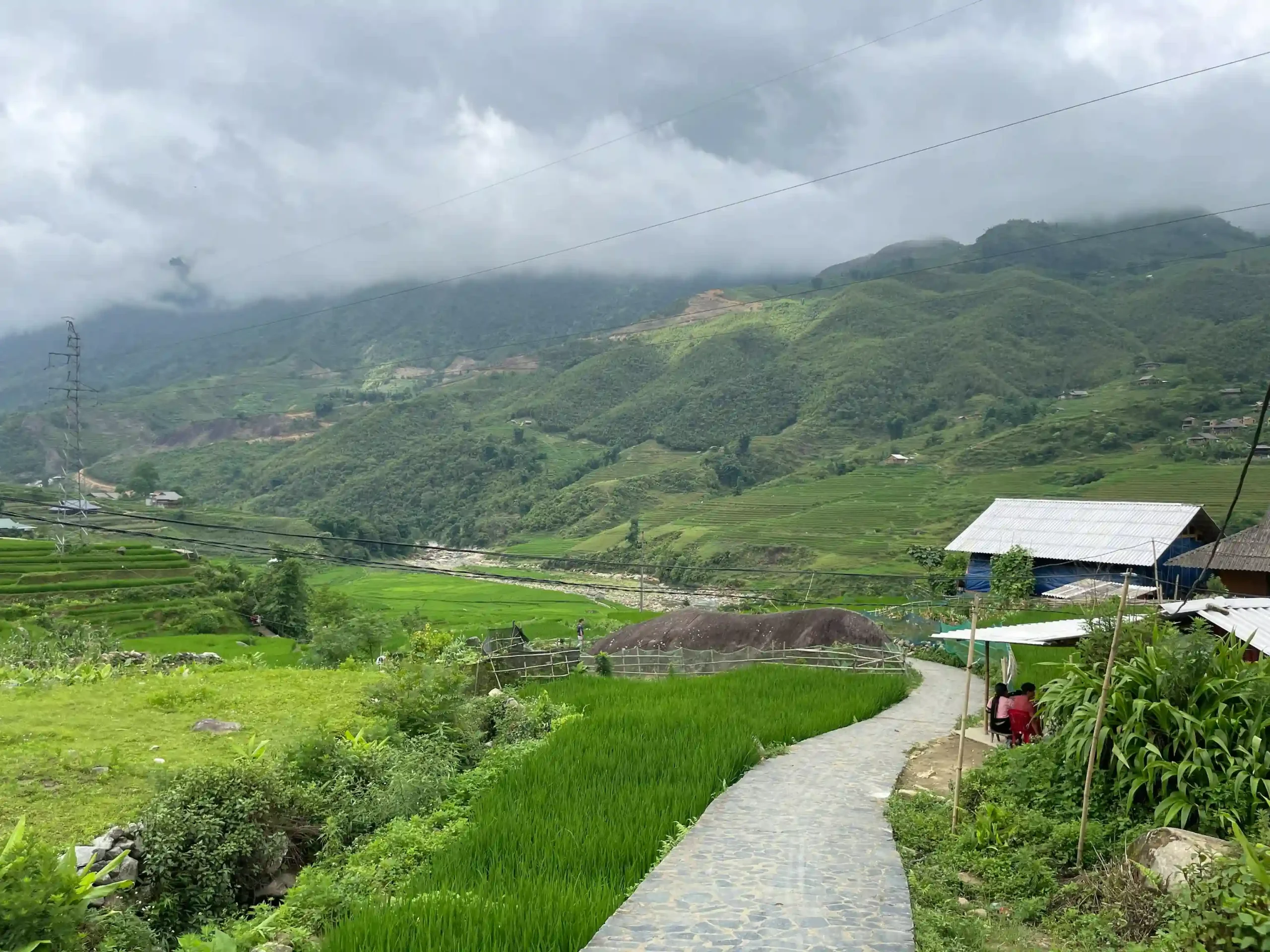
Let’s look at the appeal first. The idea of doing a Muong Hoa Valley trek by yourself sounds incredible. Total freedom. No slow tourists holding you up.
You just find the trailhead right outside of the central Sapa stone church, point your shoes downhill, and start walking toward the villages of Lao Chai and Ta Van.
I set off with an offline map loaded on my phone, entirely convinced I was going to have an isolated, peaceful commune with nature.
Here is what actually happened.
The Google Maps disaster
The digital mapping out here is basically a bad joke. Sapa’s terrace systems have been carved into the cliffs over centuries. They are a massive spiderweb of tiny, slippery dirt rims completely completely unmarked on the internet.
When you look at your phone, the only highly defined, solid lines going down the mountain are the newly paved cement roads (mainly Muong Hoa Road).
I tried stepping off the concrete and following a dashed green line on my app that claimed to be a hiking path. Within twenty minutes, I was quite literally chest-deep in a thorny bamboo thicket next to an aggressive guard dog, standing in a local farmer’s active irrigation ditch.
I panicked, scrambled up a terrifyingly steep dirt wall, and just went back to the paved road.
The traffic reality
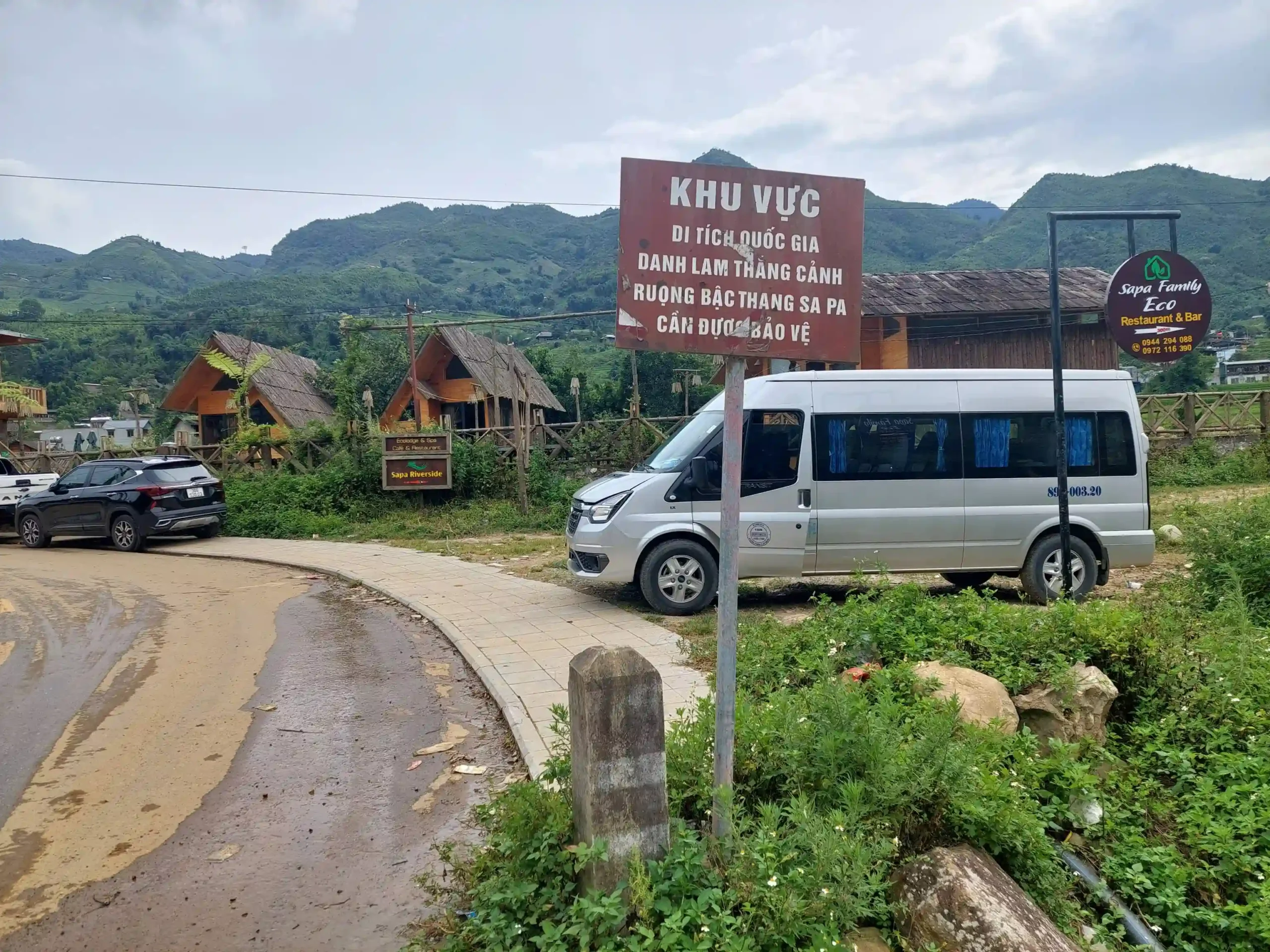
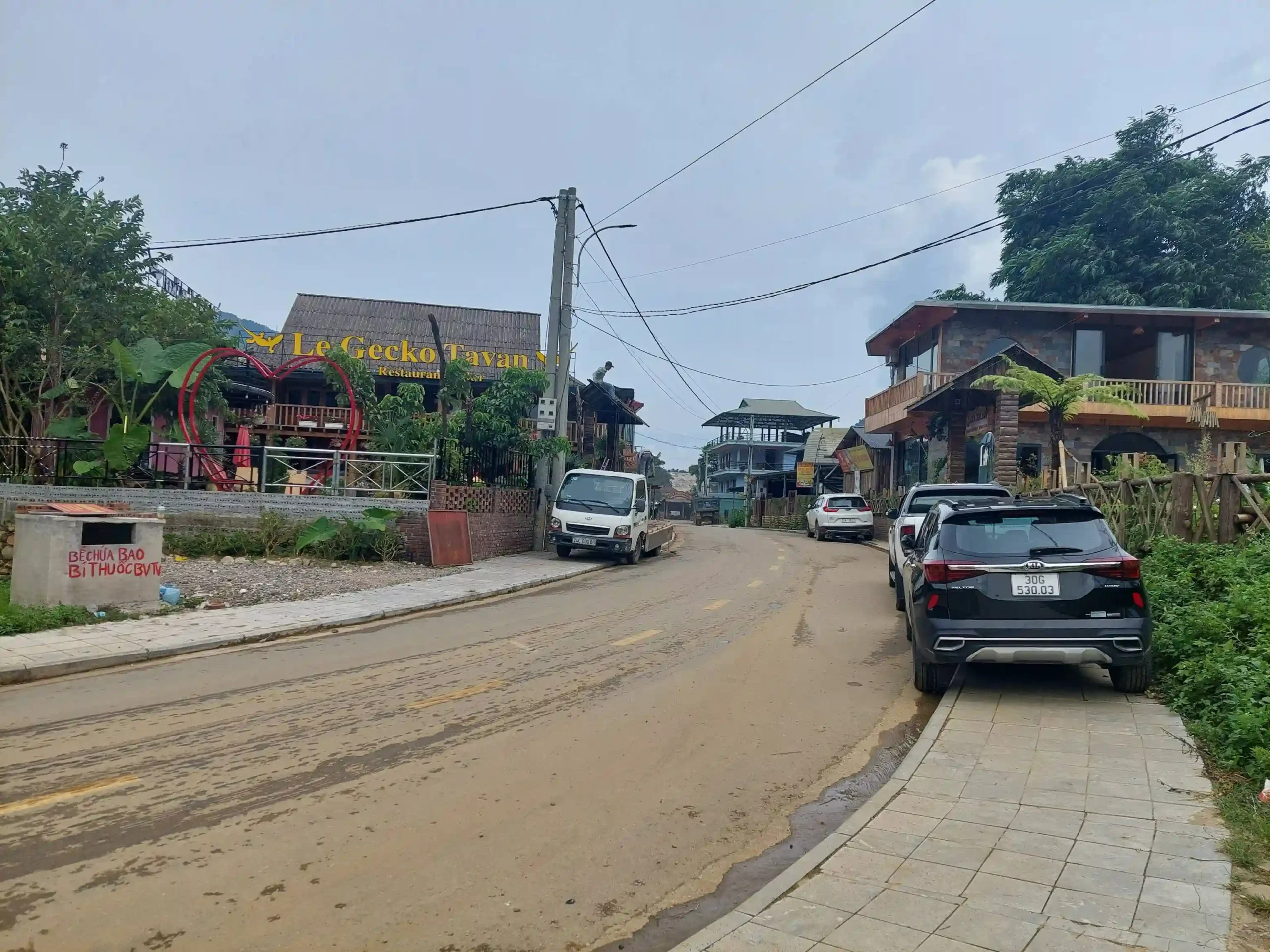
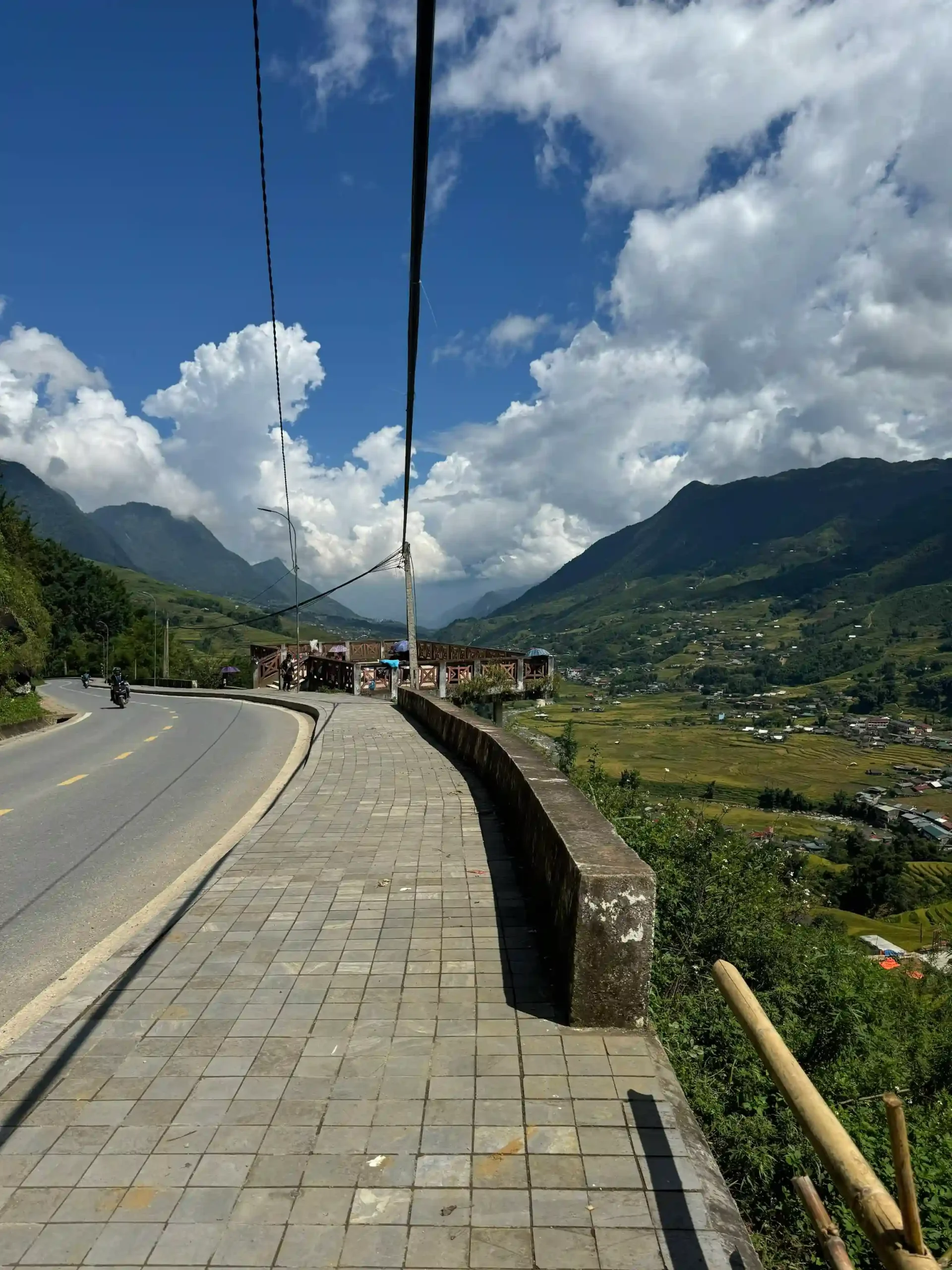
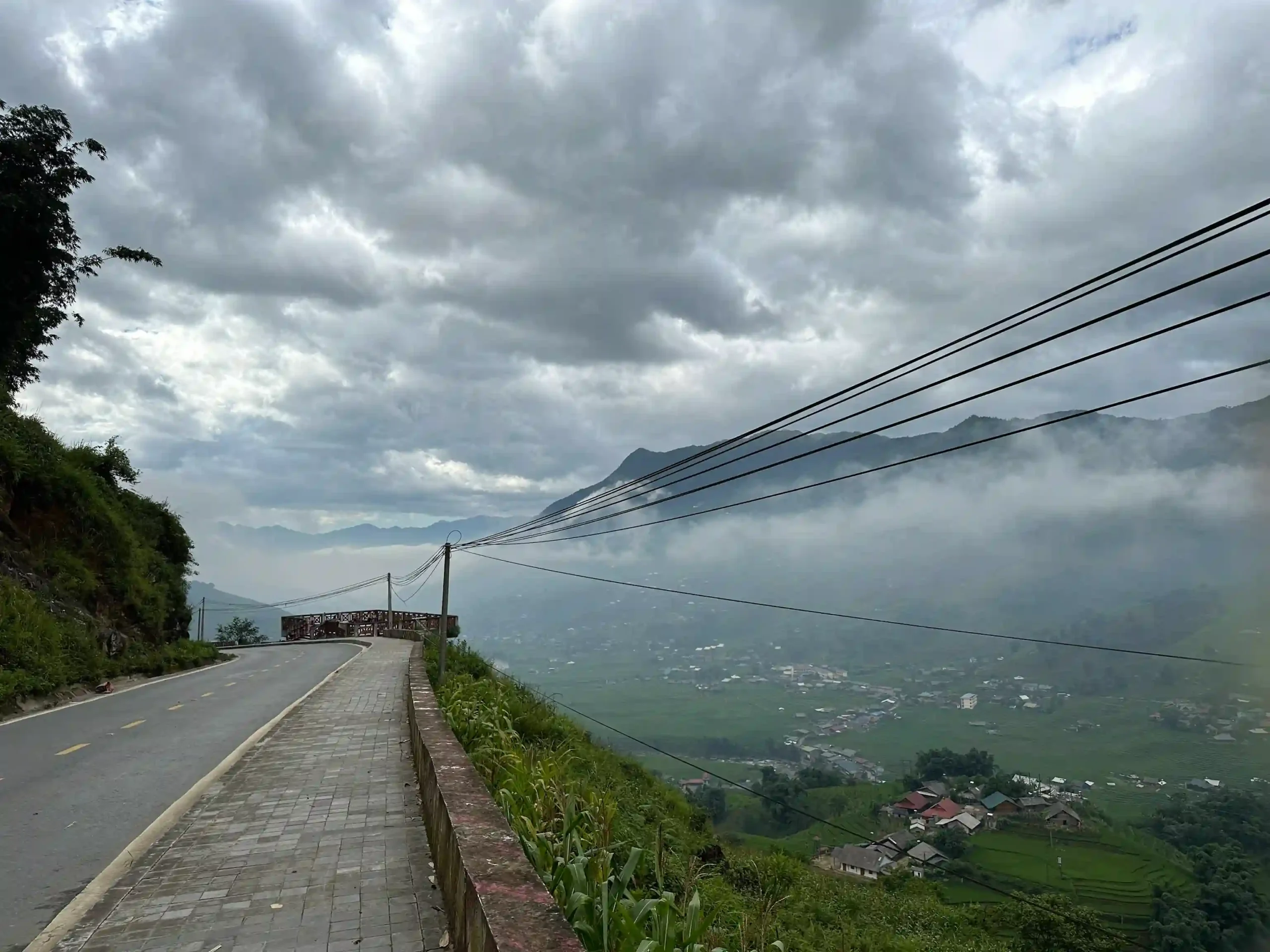
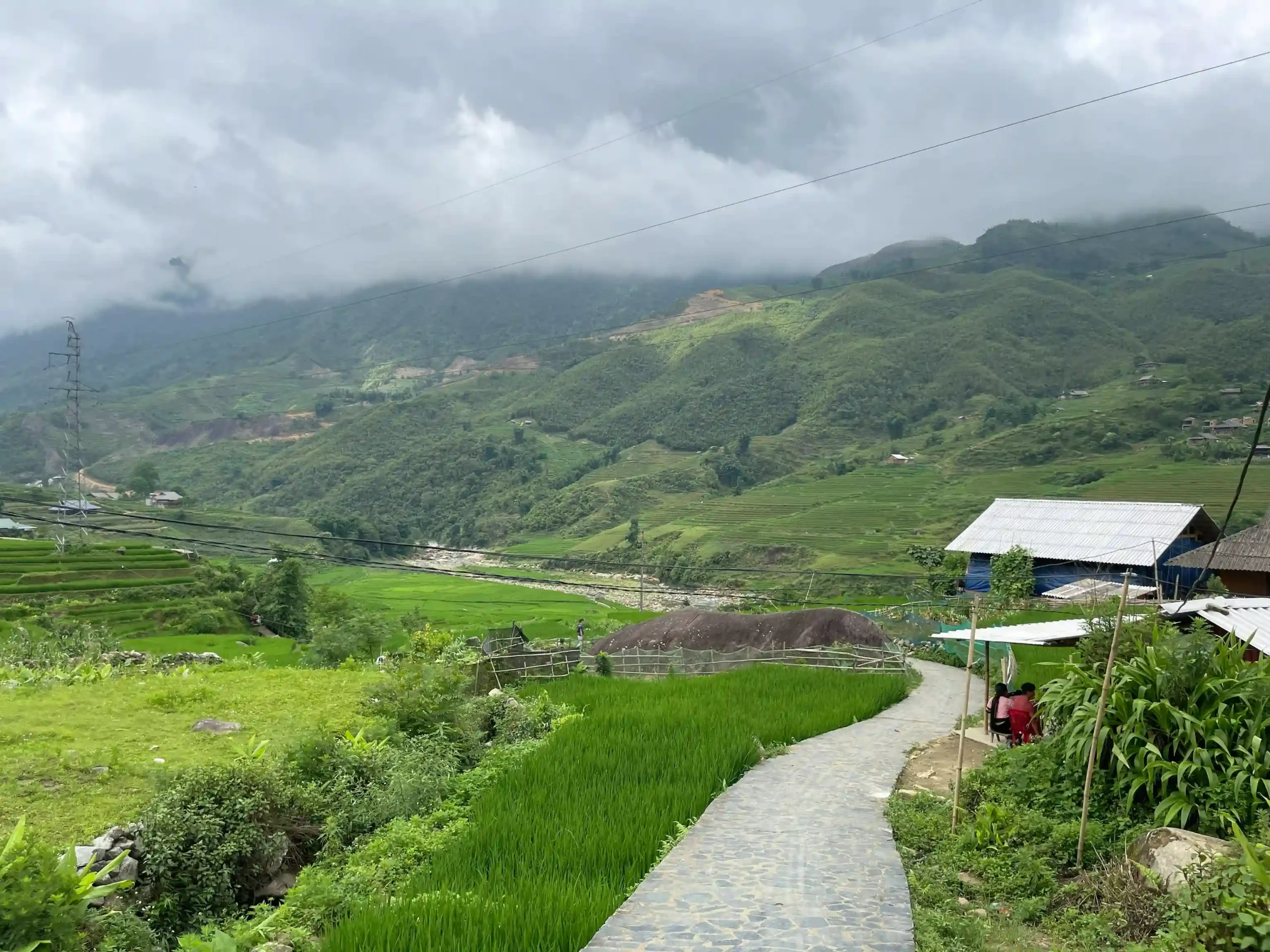
If you go solo, unless you have incredibly advanced offline topo mapping skills, you will inevitably end up walking the main paved road all the way to Ta Van village.
Walking that road sucks.
There are constantly massive 16-seater Ford transit vans zooming past you, honking their heavy diesel horns, throwing thick concrete dust directly into your face.
You have to aggressively flatten yourself against the guardrails every five minutes so a tourist van doesn’t clip your elbow. You don’t feel like an explorer; you feel like you are walking down the shoulder of a chaotic highway.
The “Free Guide” hustle
The most exhausting part of a solo Muong Hoa Valley trek is the psychological warfare.
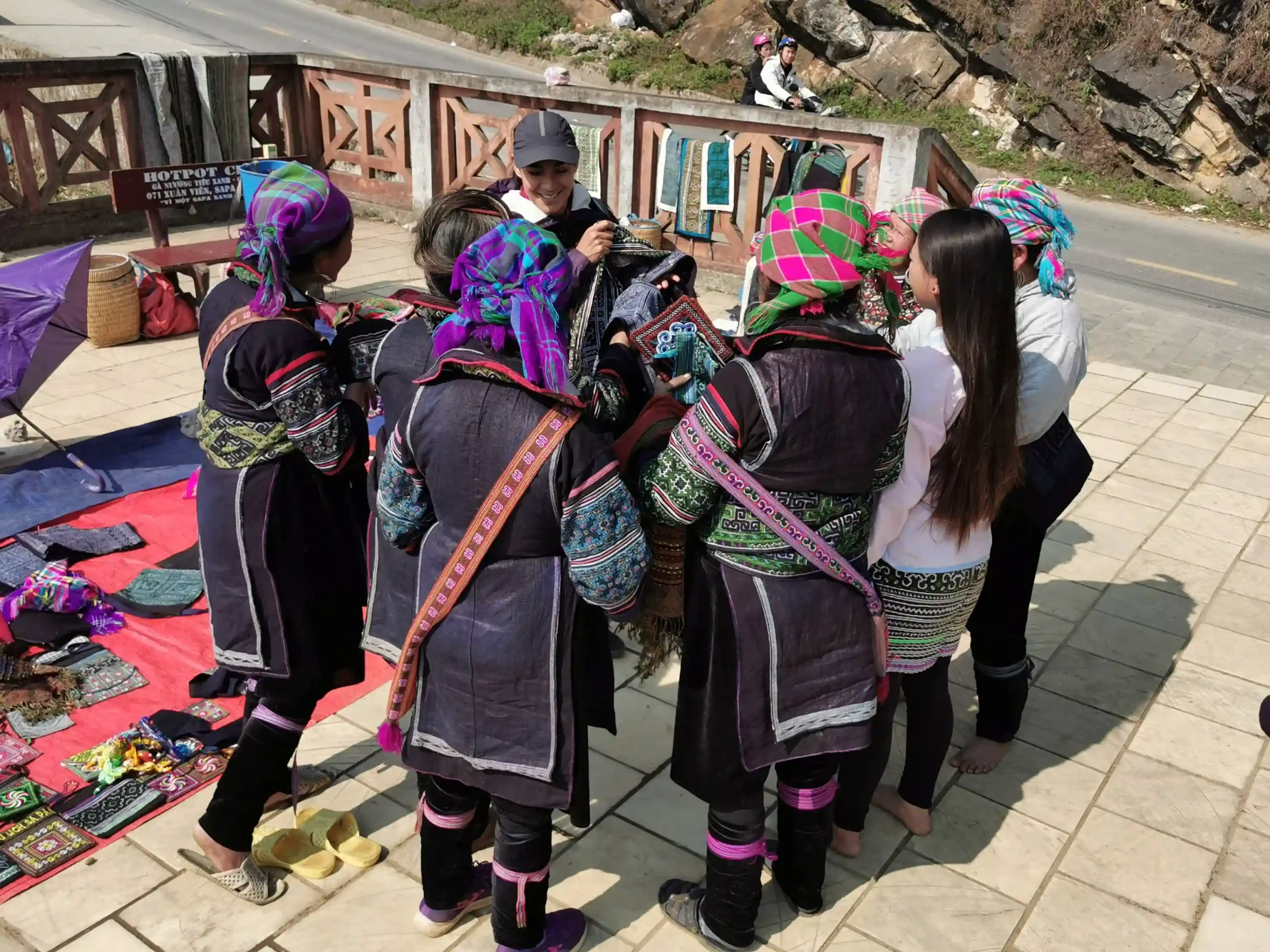
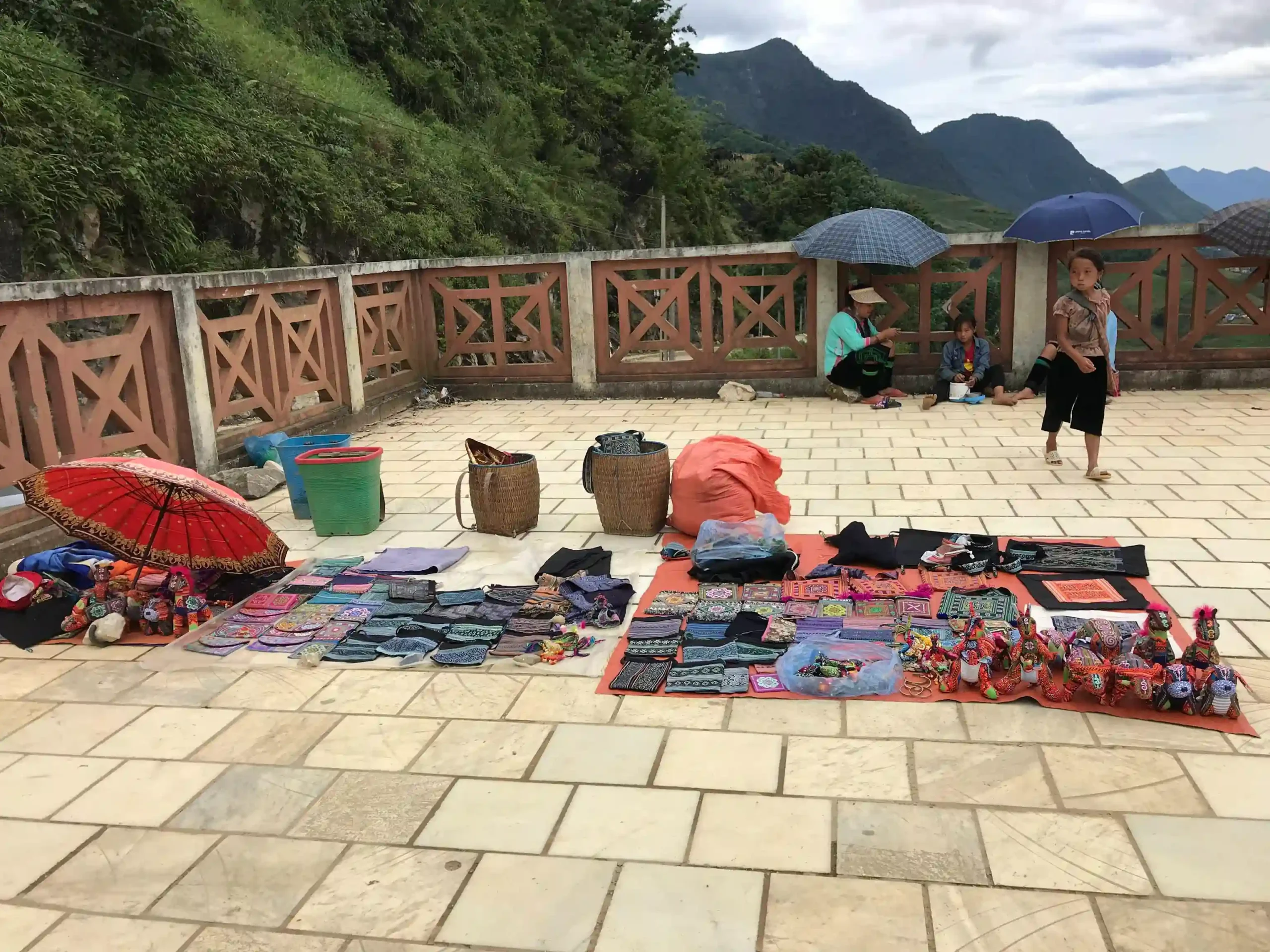
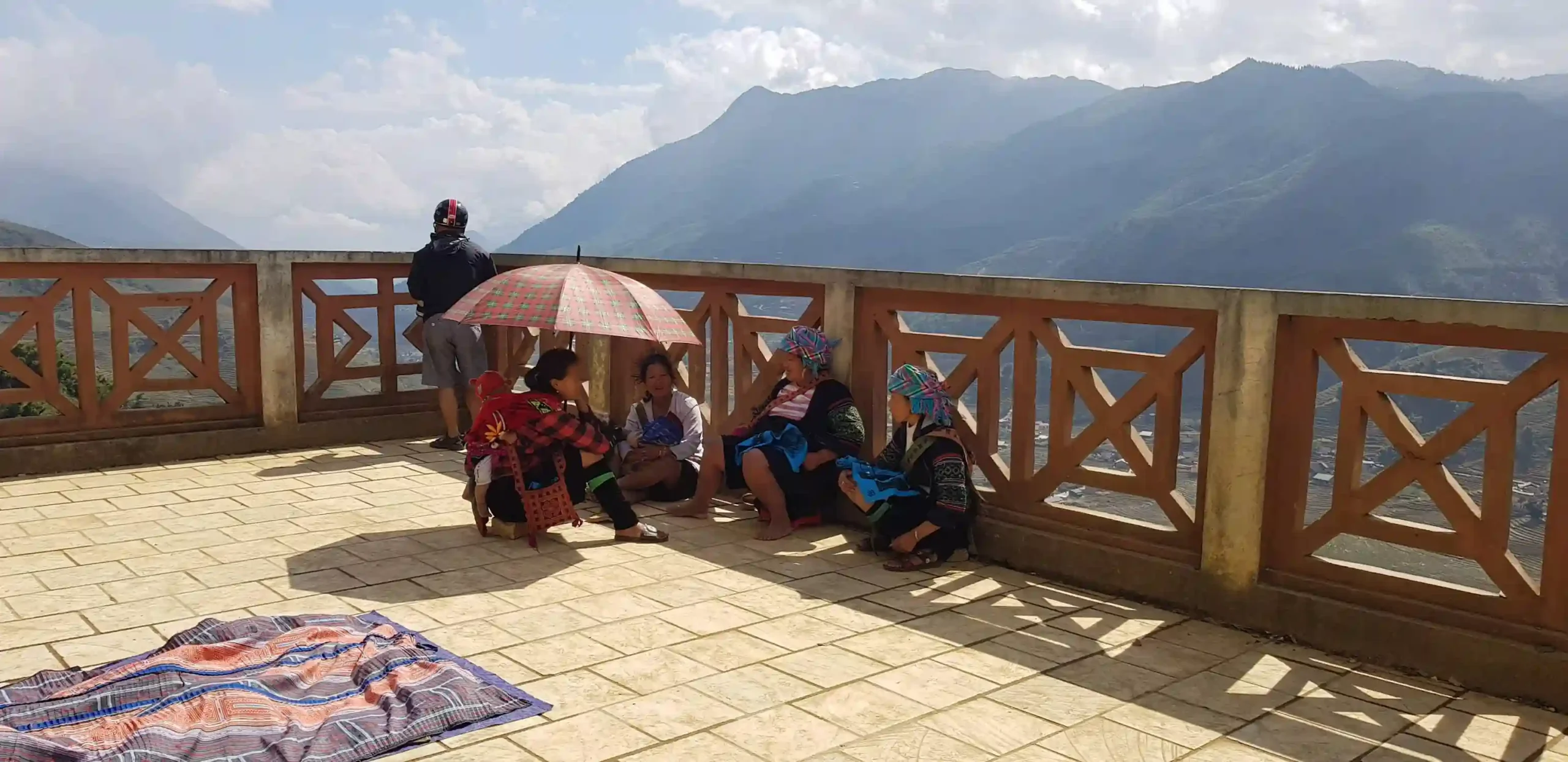
The minute you walk past the town border, a group of four or five older Black Hmong women in traditional indigo clothing will fall in step right next to you. They speak incredible conversational English. They will ask where you are from. They will tell you about the rice. They will just casually start walking the route with you.
If you don’t say a firm “no thank you” immediately, they will tail you for four straight hours. They will show you where to step over the mud puddles.
At the end of the walk, when you reach the valley floor, the trap shuts. They pull open a woven basket and aggressively demand you buy their massively overpriced, mass-produced textile bags as payment for them “guiding” you.
It gets very uncomfortable very fast. You thought you were making a local friend, but you were actually just racking up a huge guilt trip bill.
Quick tip: If you want to do things by yourself without going completely insane, just go to Sapa for the food and spas and forget the trekking entirely.
Read more: The only 5 massage in Sapa locations worth your money
Doing it Guided
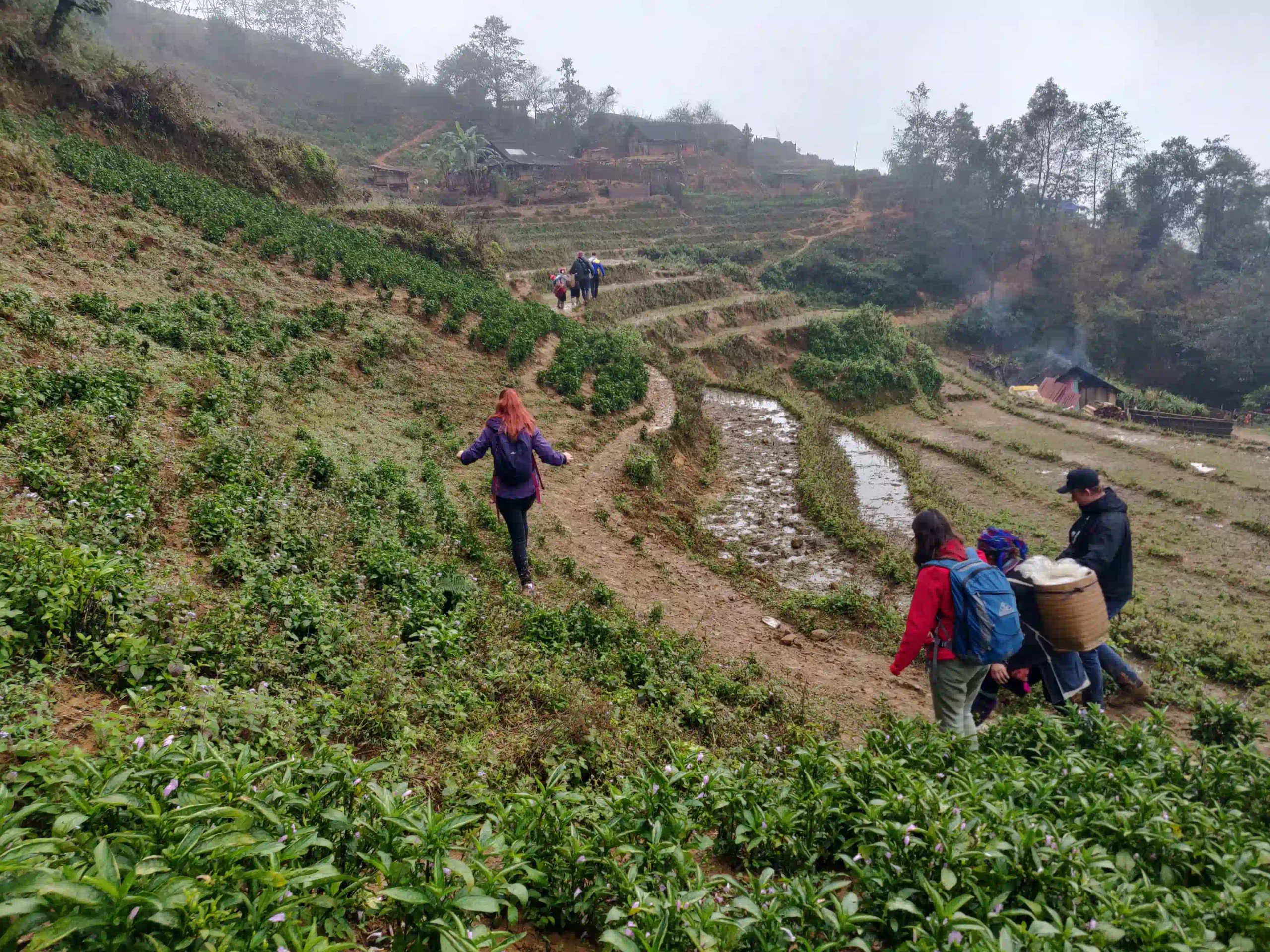
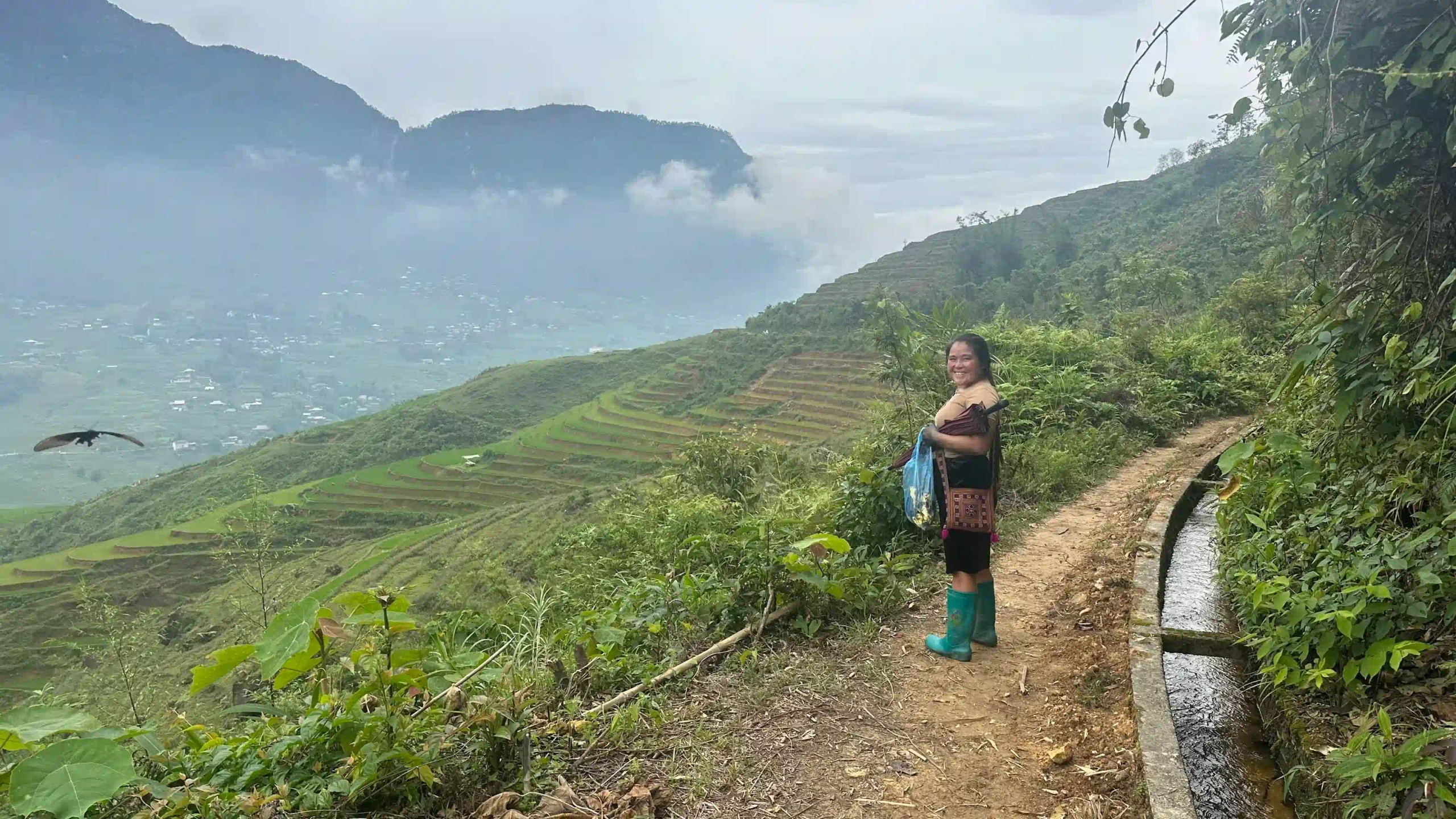
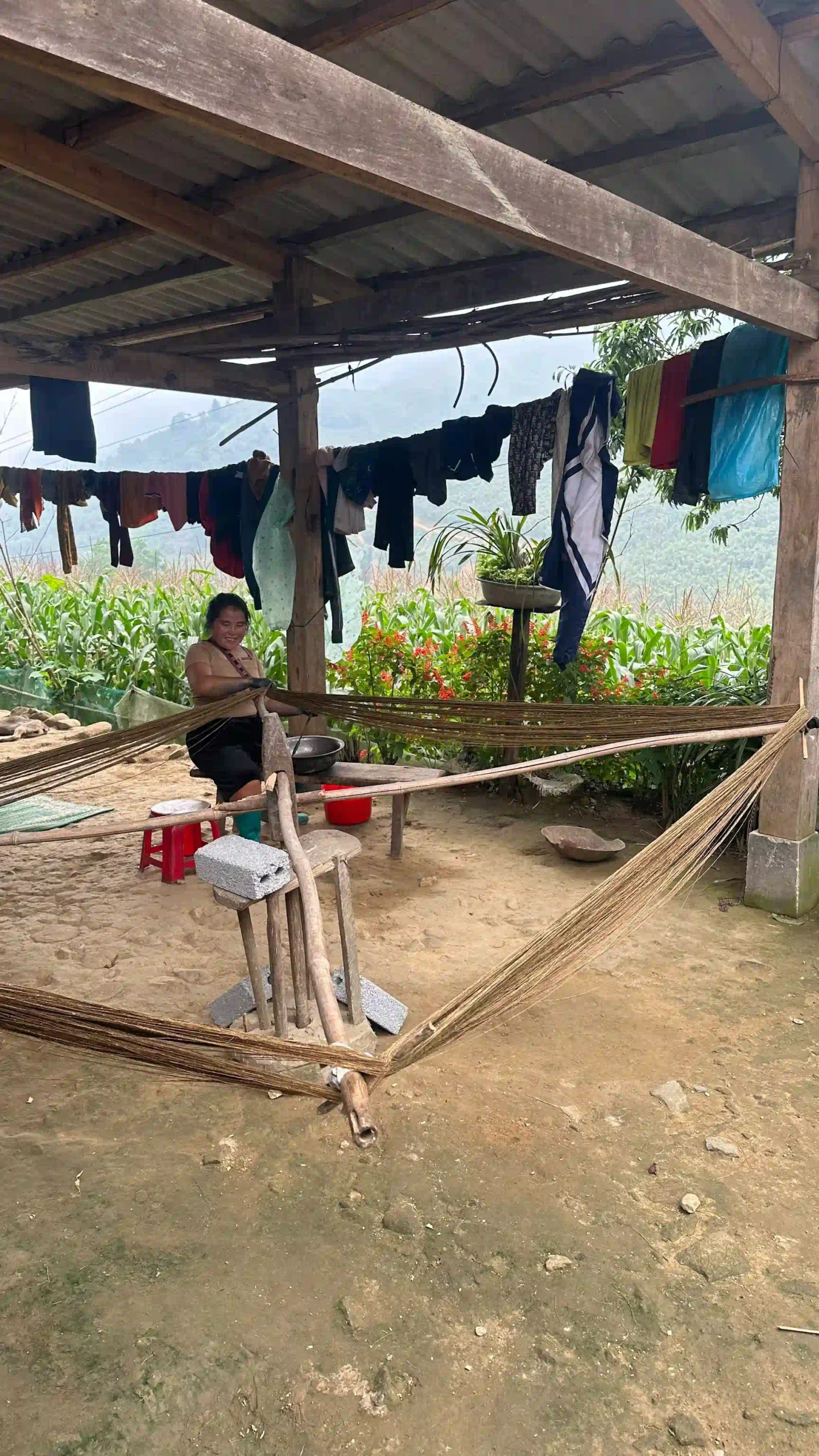
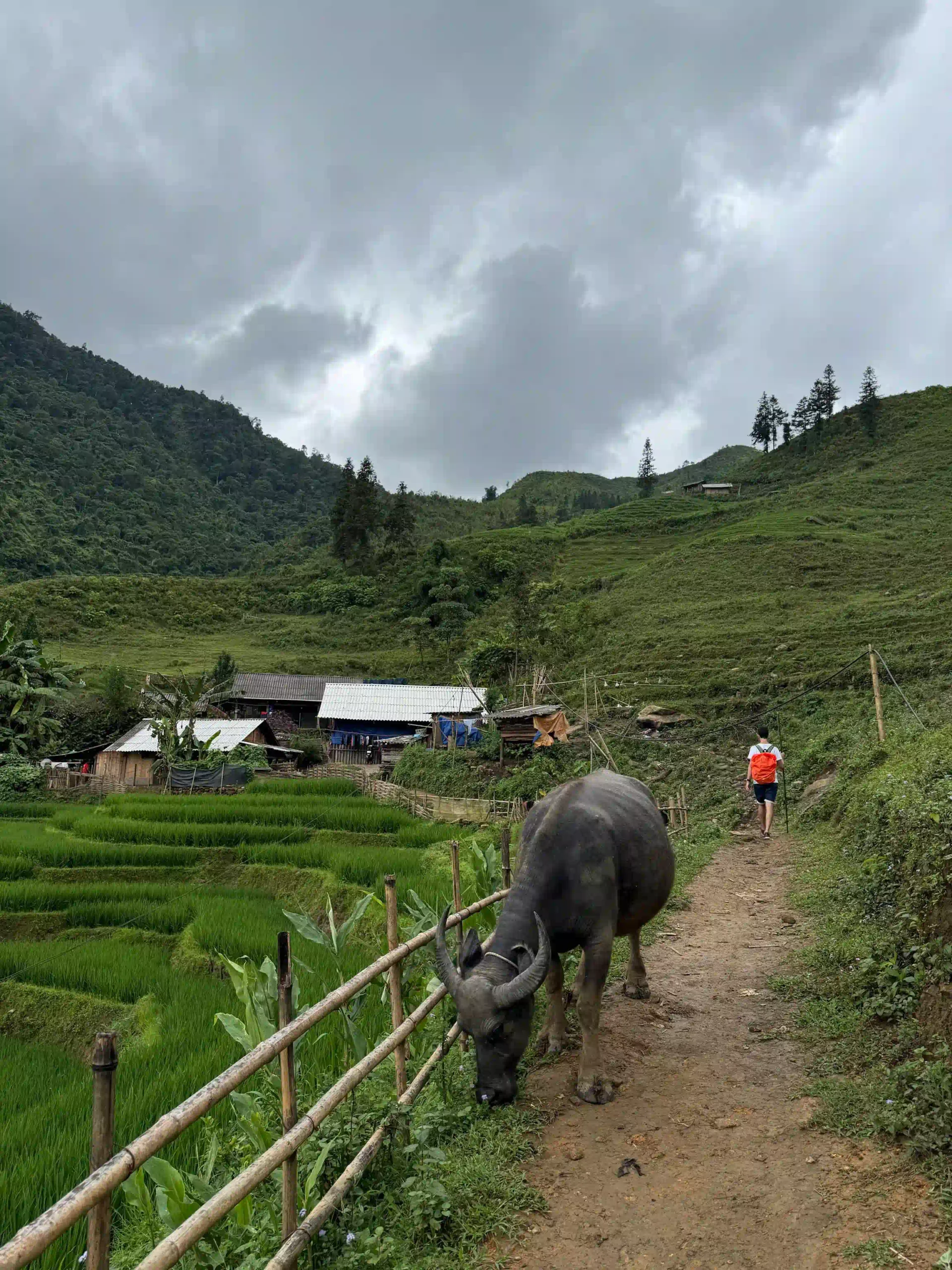
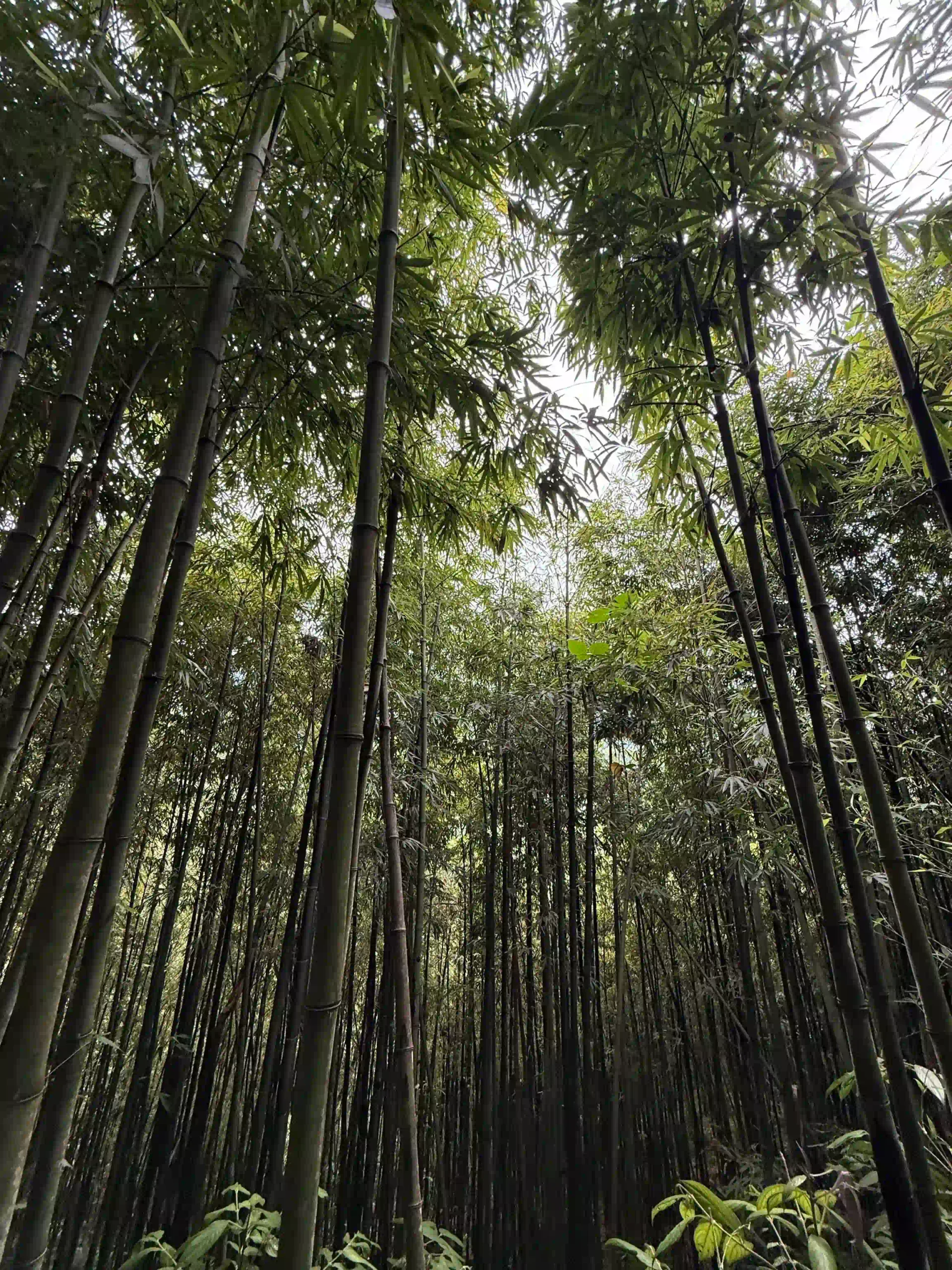
Two years after that highly annoying solo highway walk, I came back. My knees hurt more. I had completely given up trying to act like a survival expert.
I just went online, paid around twenty bucks, and hired a completely verified local ethnic guide for a standard 6-hour Muong Hoa Valley trek going through Y Linh Ho, Lao Chai, and finishing in Ta Van.
I met my guide, a 30-year-old Hmong woman named Sun, outside my hotel at 8:30 AM.
Within exactly fifteen minutes of walking, I realized paying for this was the single best return on investment I could get in the north.
Stepping off the concrete
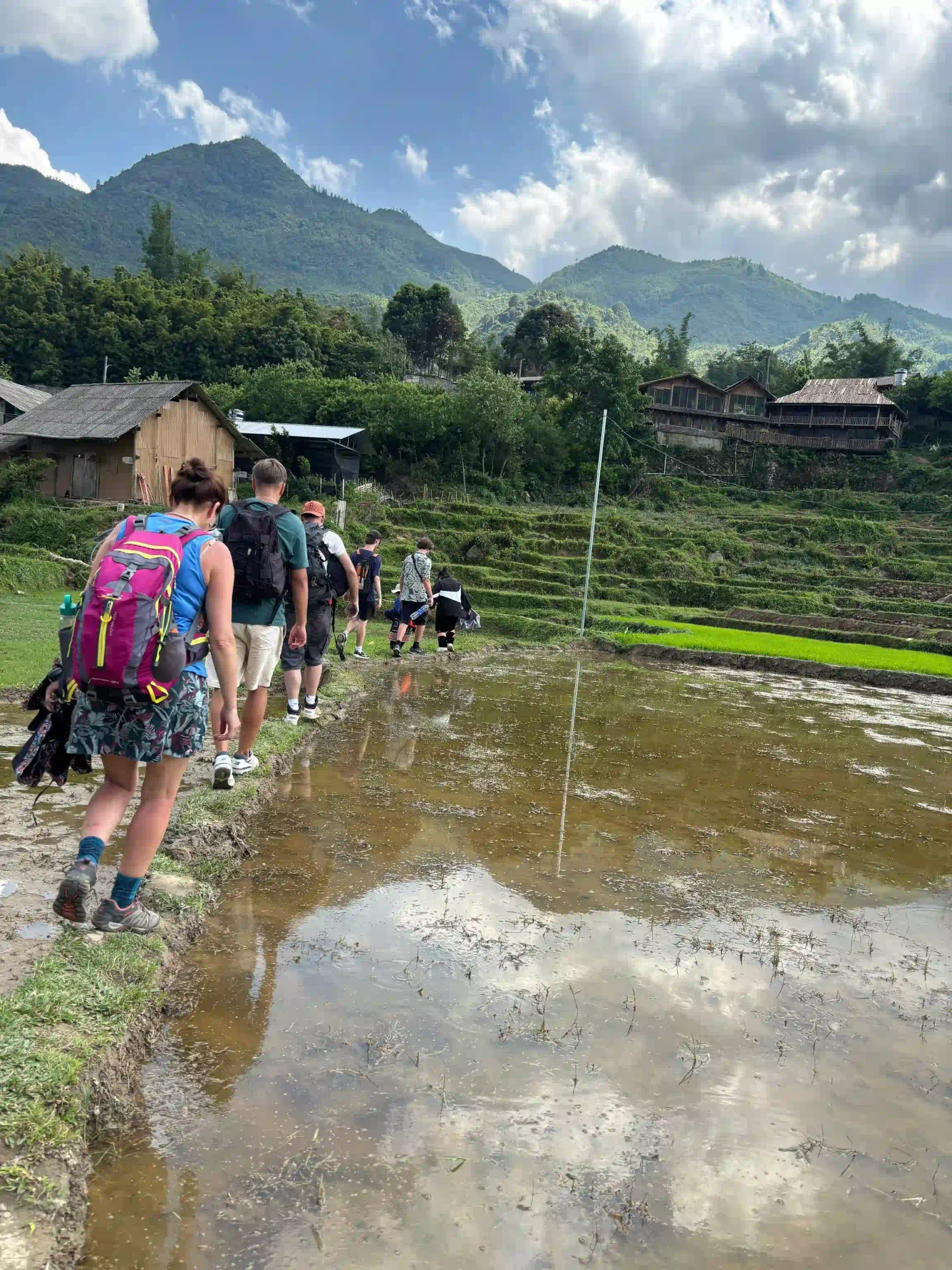
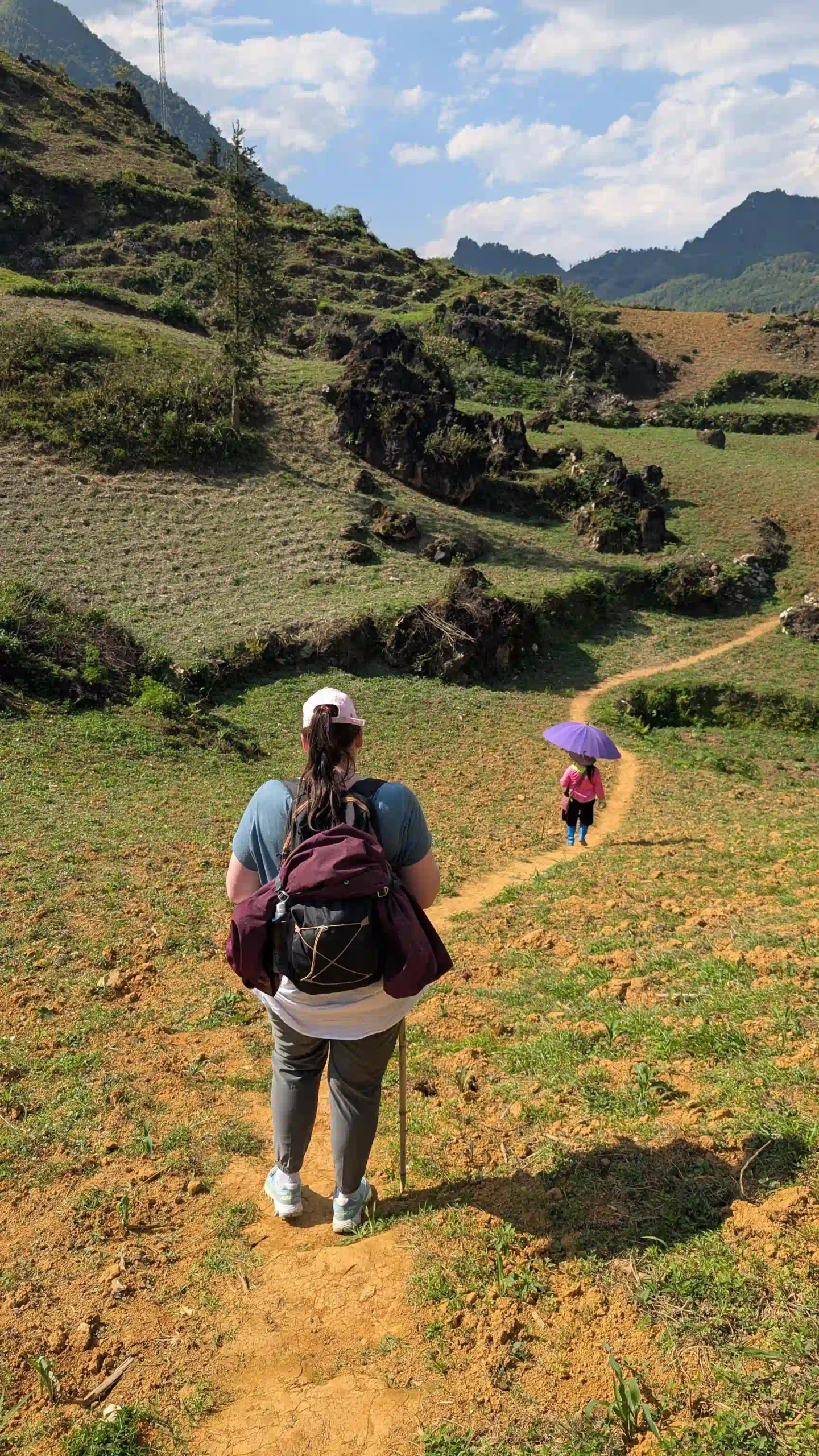
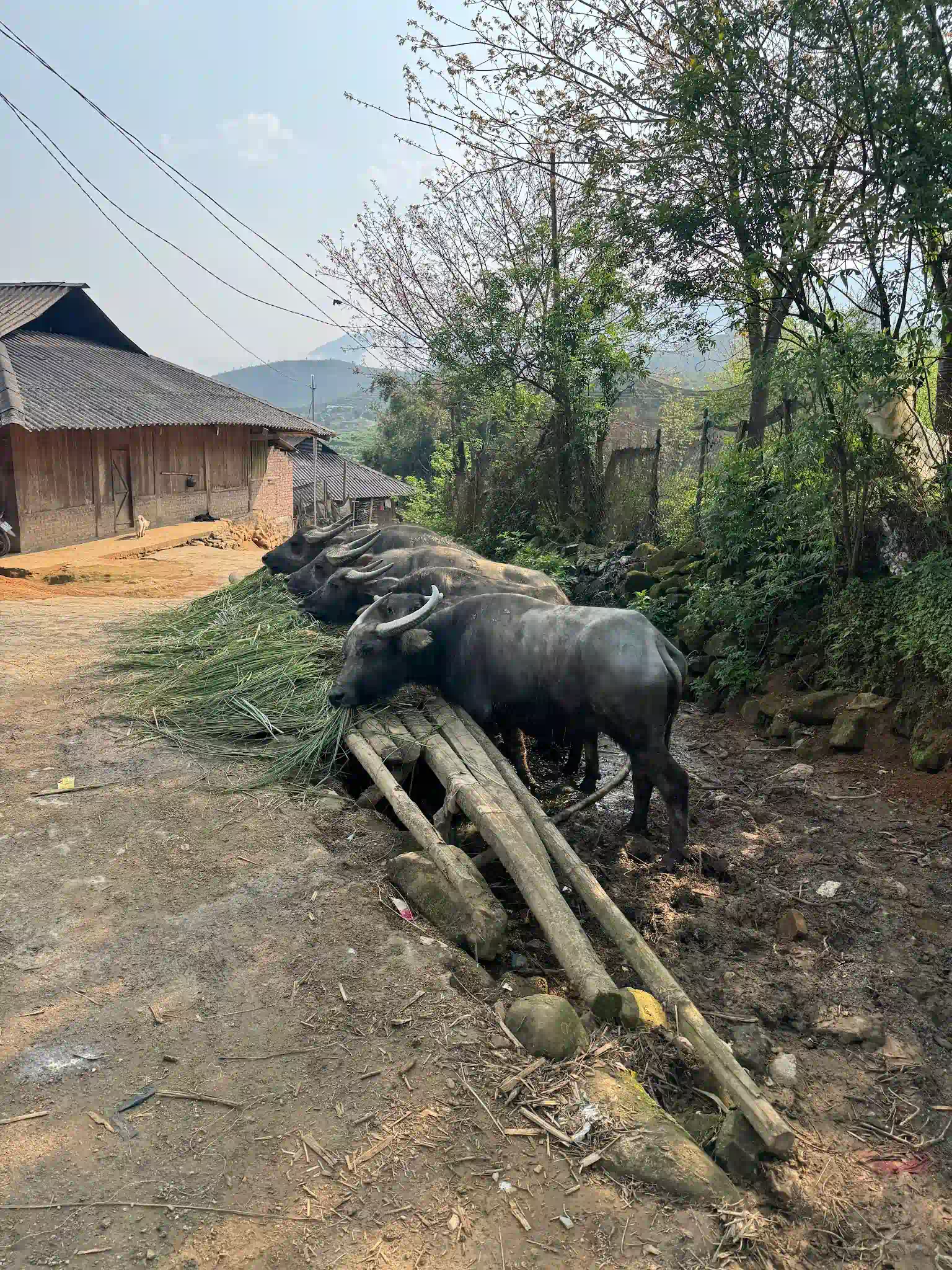
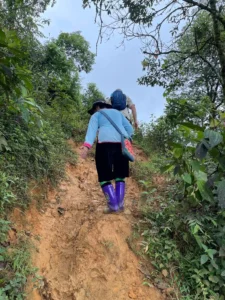
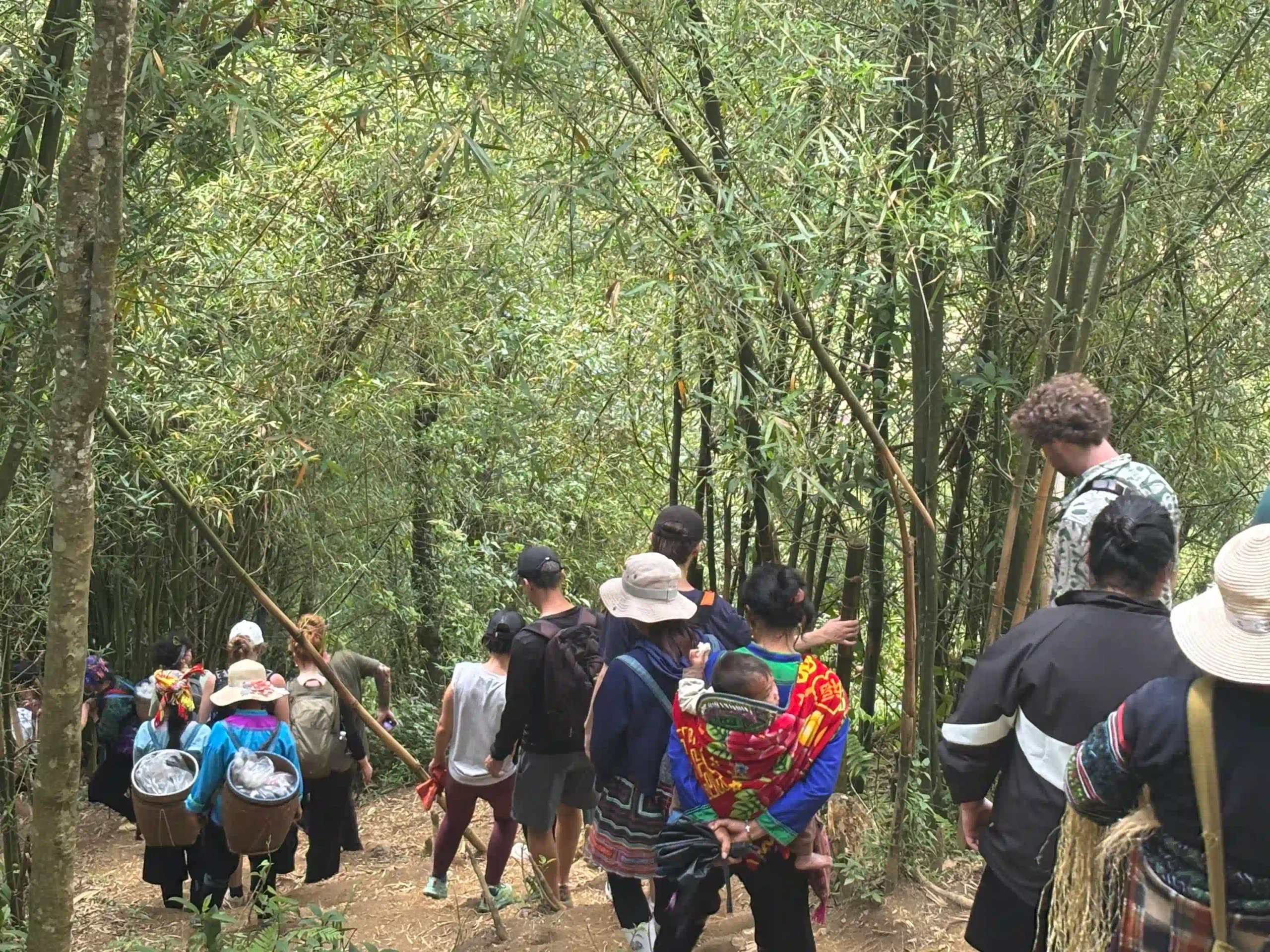
Pang didn’t walk me down the dusty highway. We hit the edge of town, and she just suddenly hung a sharp right off the guardrail directly onto a tiny, 10-inch wide muddy goat trail that I completely failed to see.
Instantly, the massive traffic noise was gone.
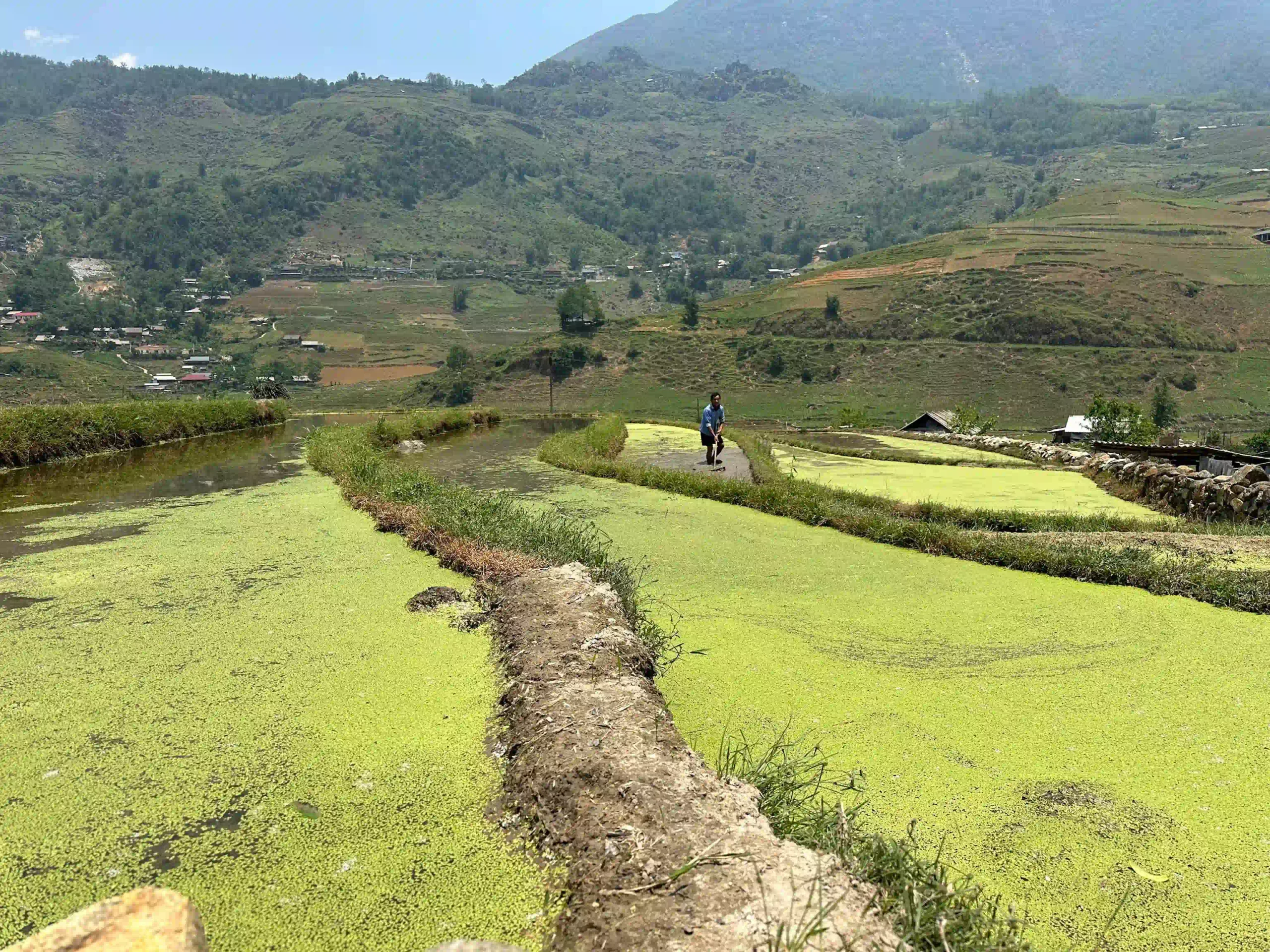
Because she physically grew up on this specific hill, we walked entirely on the outer rims of the terraced farming pools.
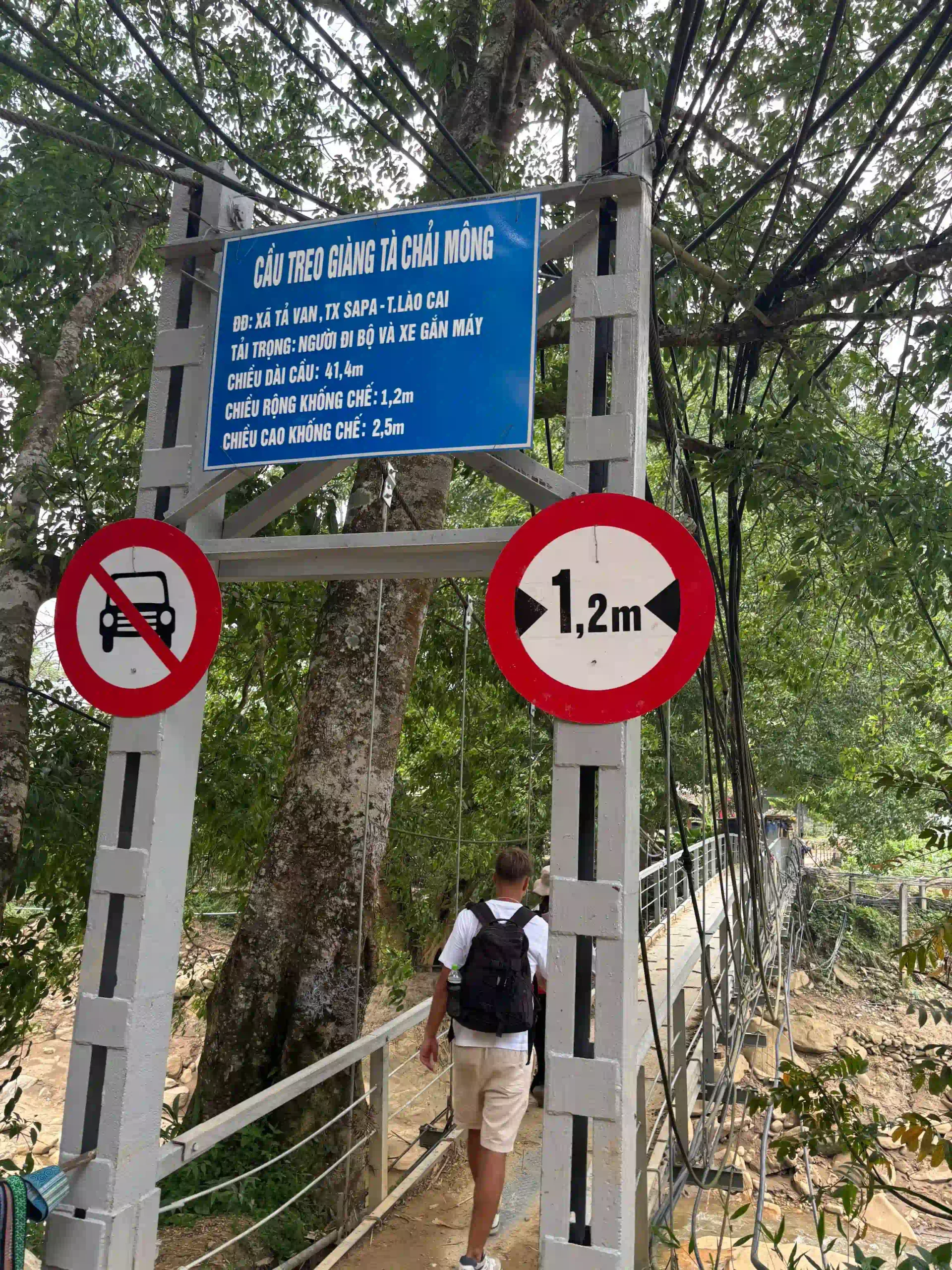
There was no asphalt. We stepped over enormous piles of buffalo dung, ducked under thick low-hanging bamboo shoots, and crossed deeply sketchy, creaking suspension bridges that were completely rusted over.
We saw zero minivans. For large stretches, we didn’t see another foreign tourist at all. I was actually inside the terraces looking down into the massive valley drops exactly the way you see in those insanely hyped-up magazine photos.
Context actually matters
When I went solo, I just looked at the rice fields and thought, “Yep, those are green.”
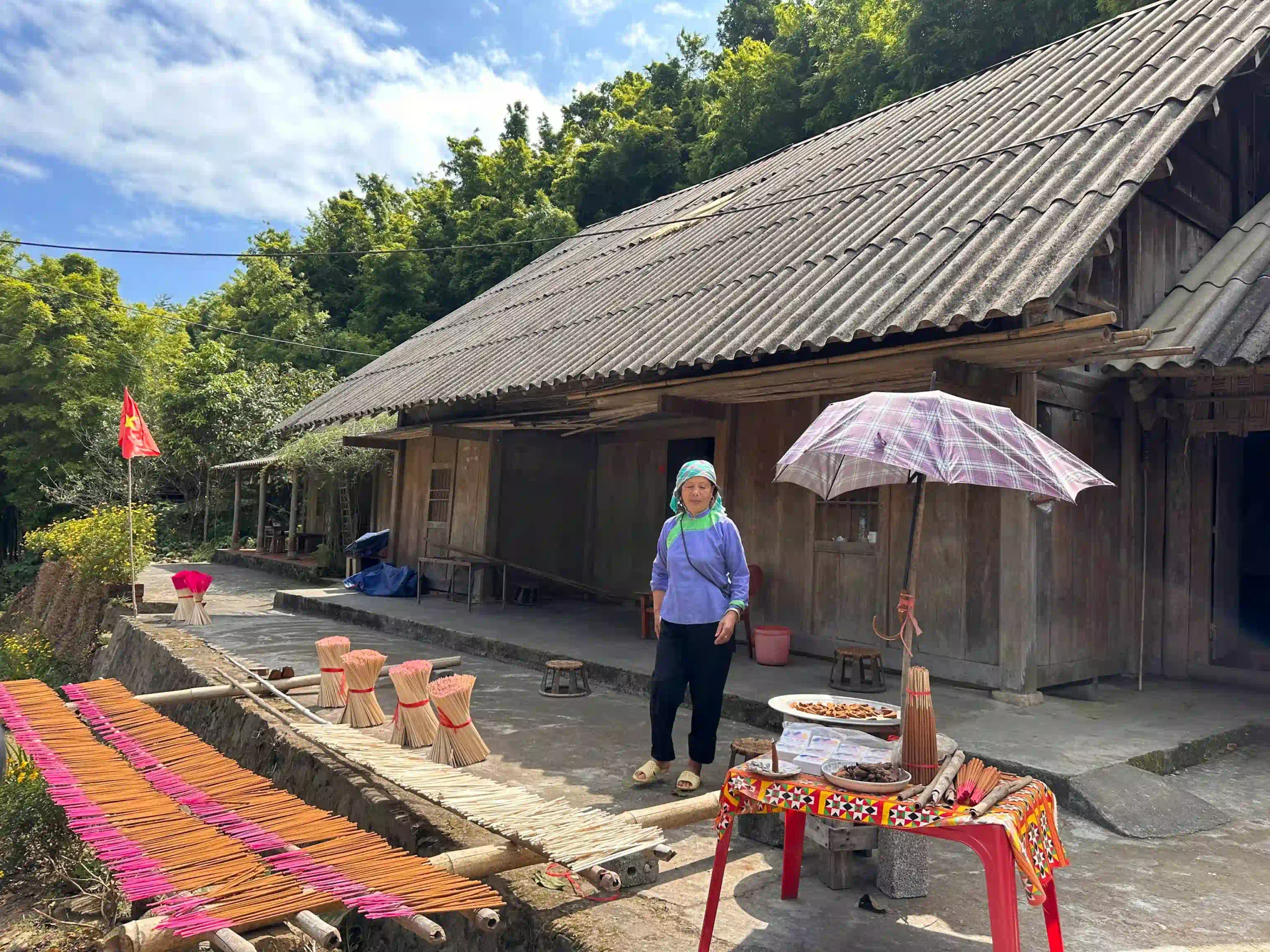
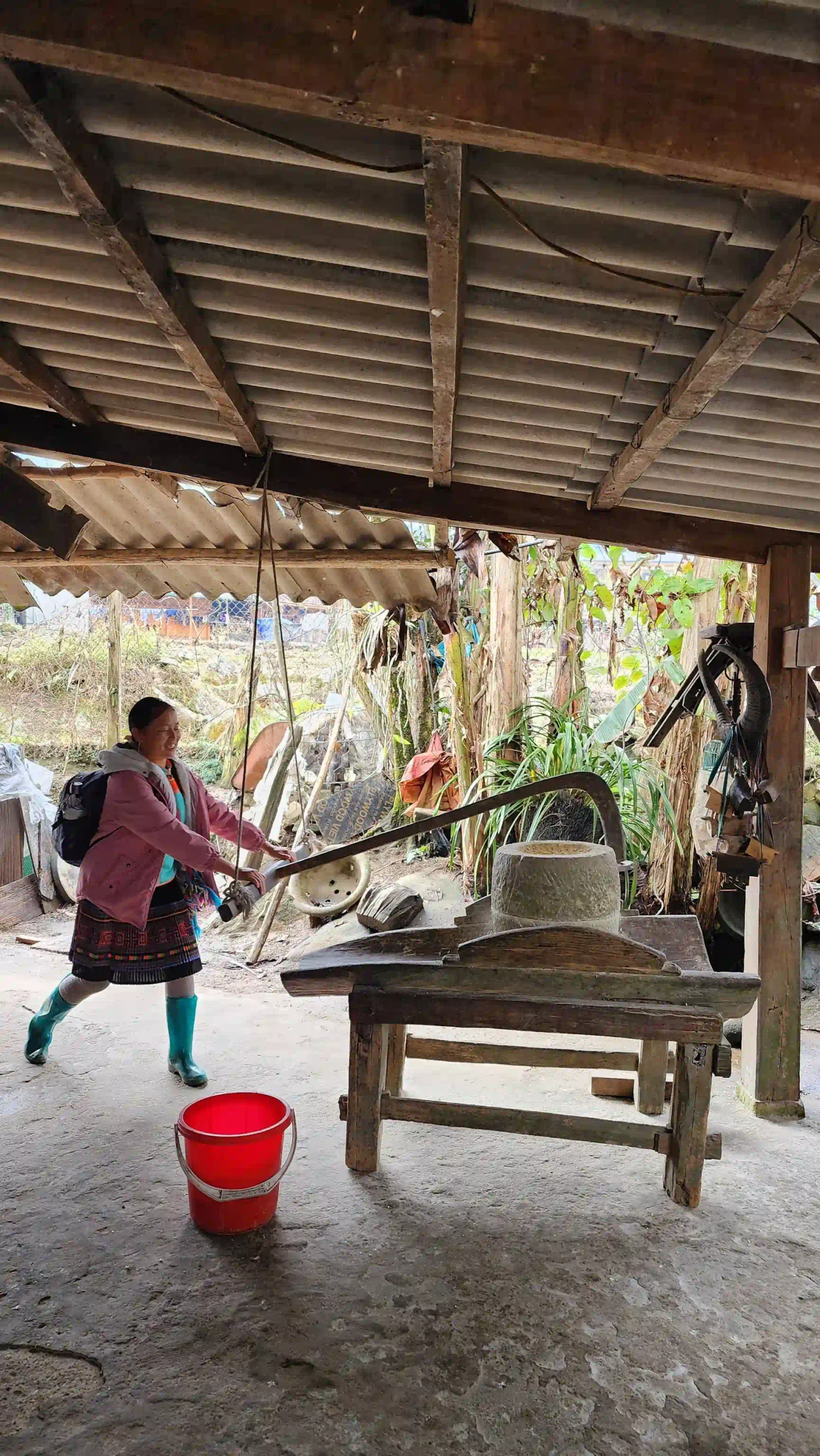
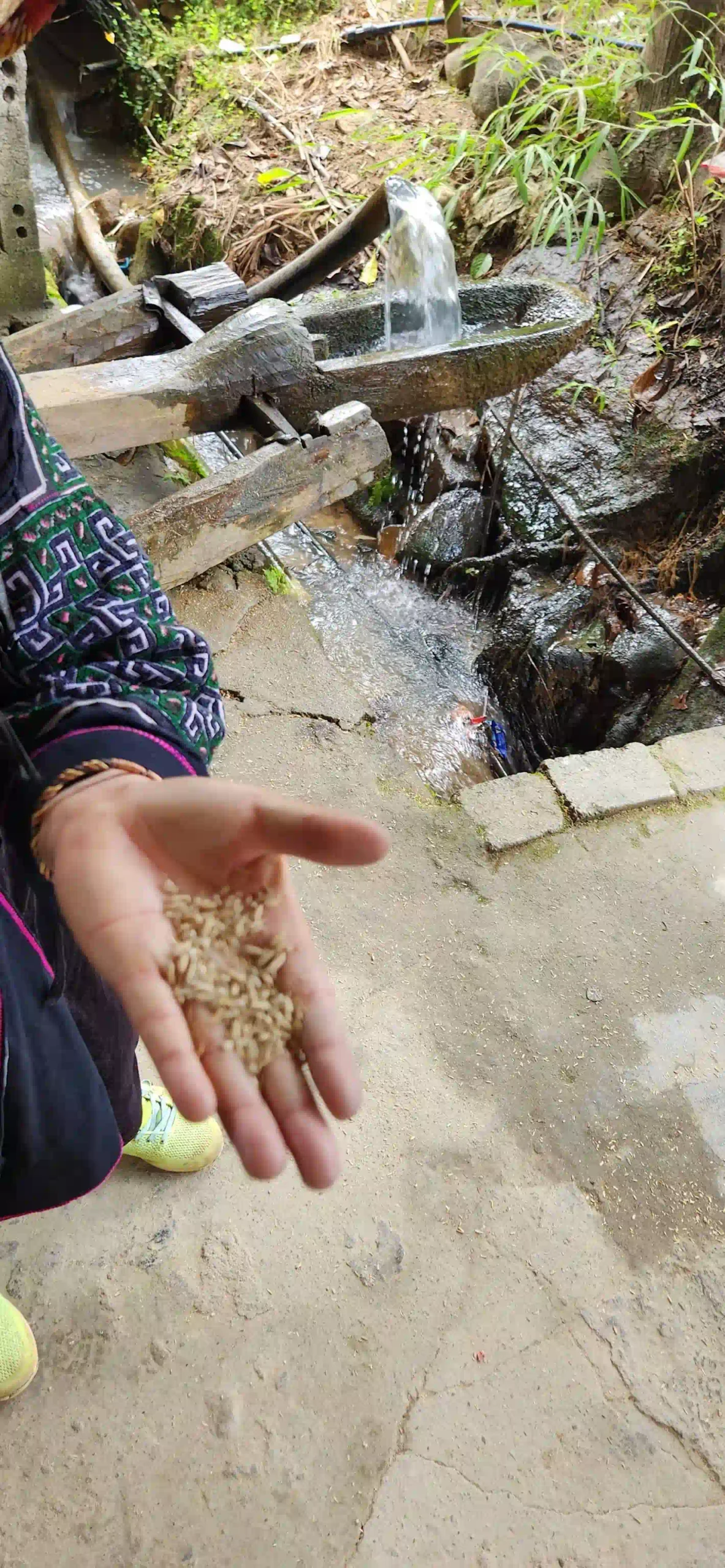
When I went with the guide, she actively pointed at a random water pipe made of split bamboo and explained how the upper ridge families strategically redirect mountain stream water so it naturally flows completely down through fifty different family land plots.
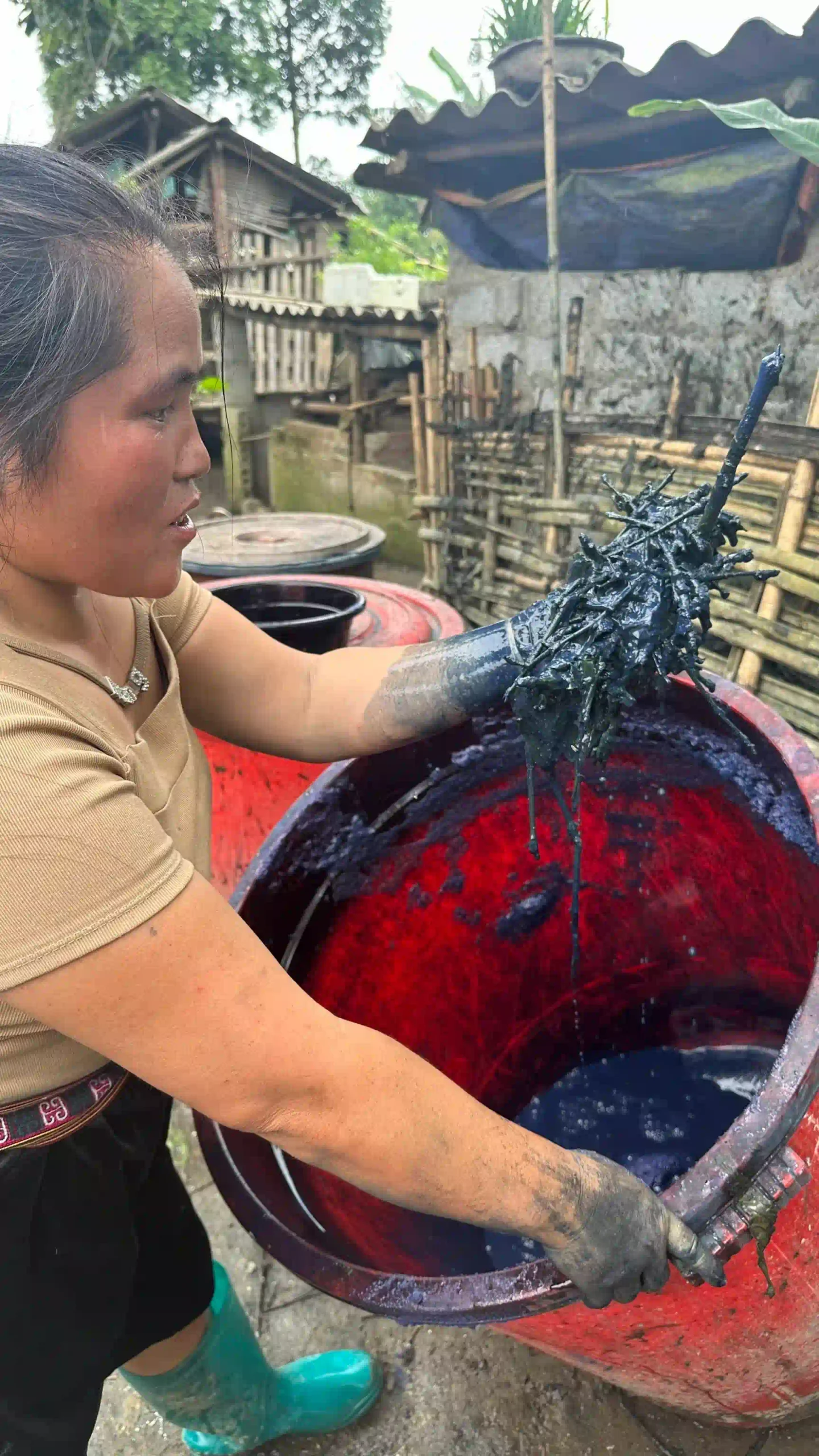
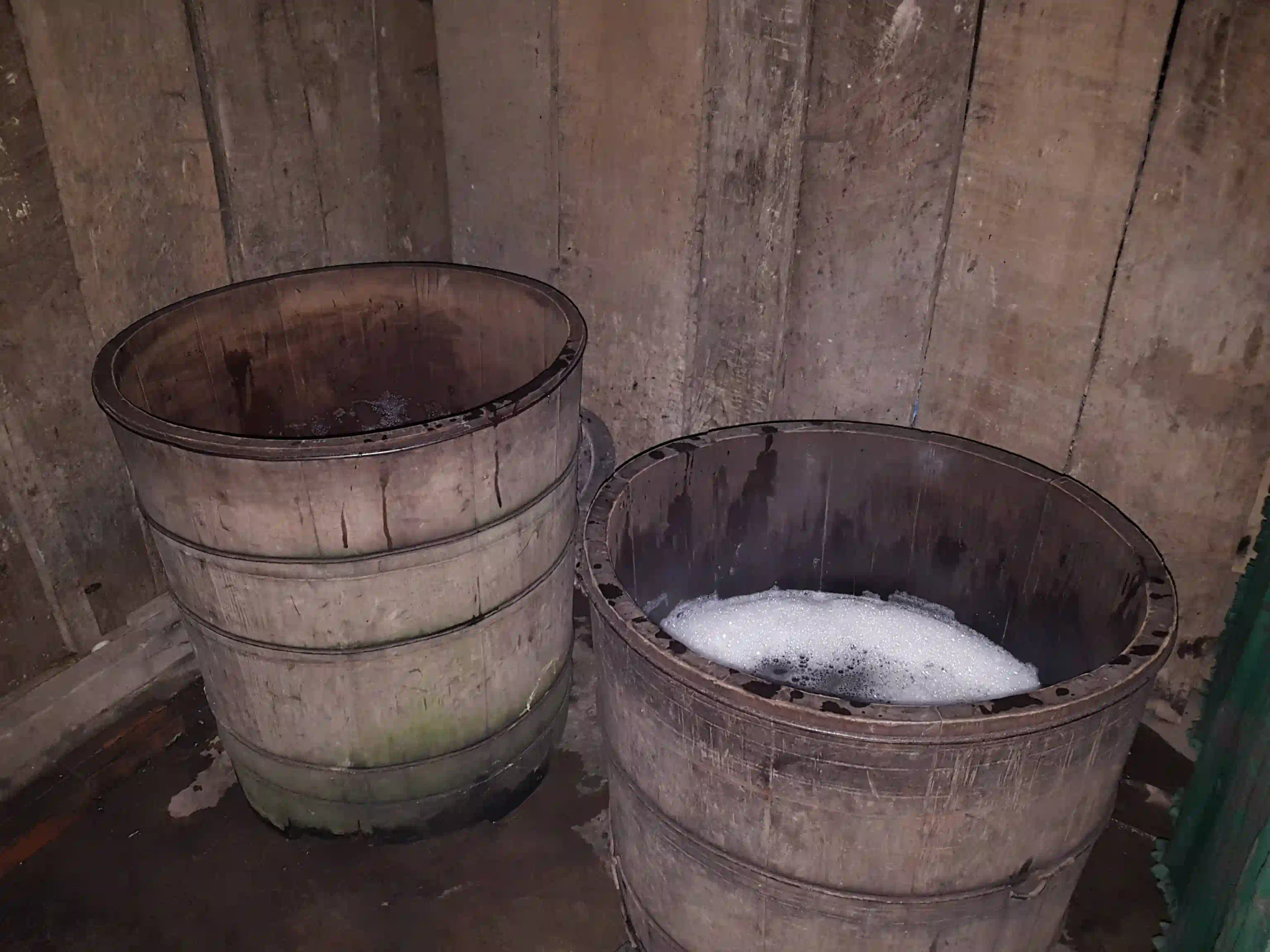
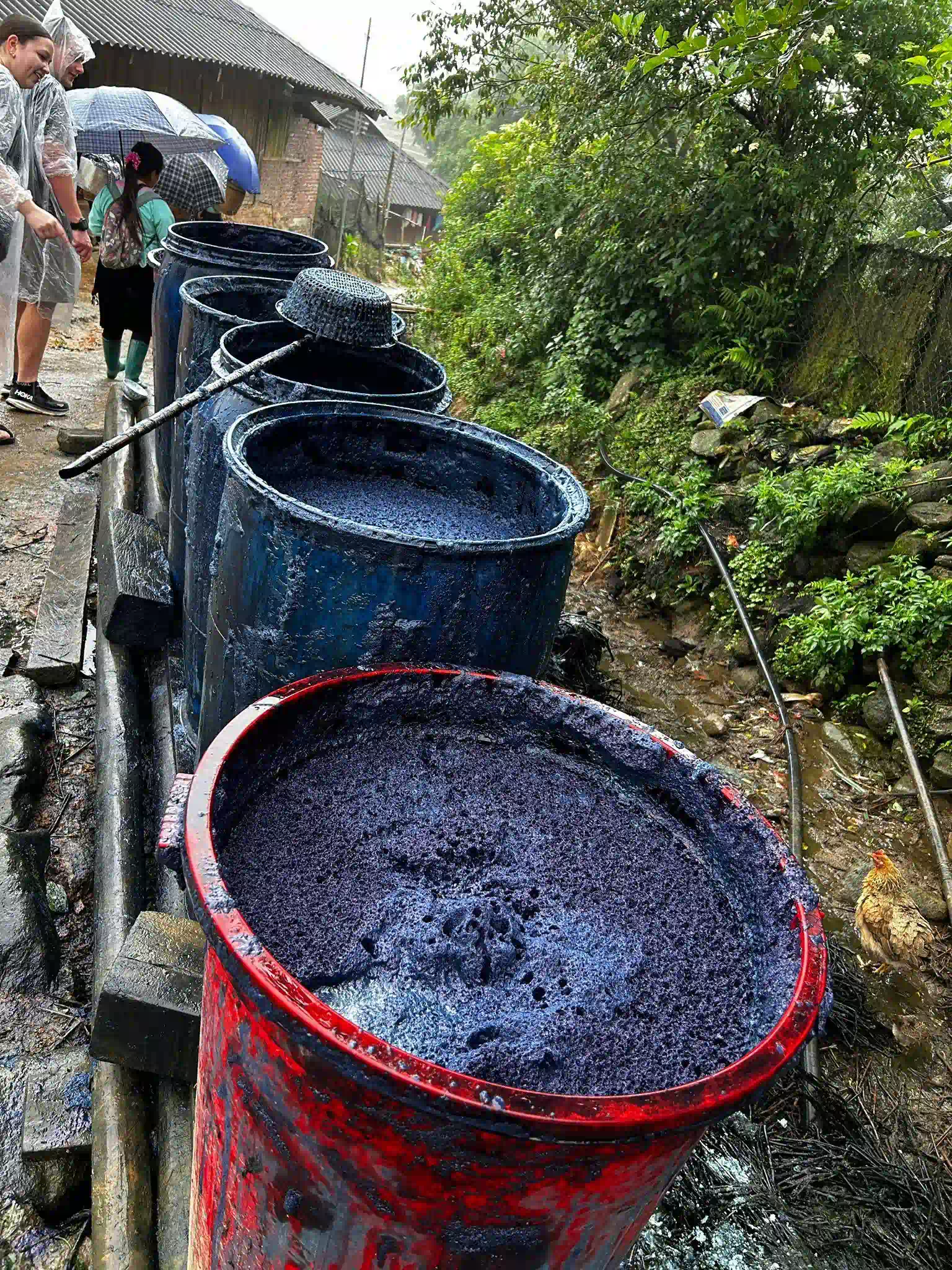
She stopped and grabbed wild hemp leaves on the side of the trail, explaining how her grandmother still mashes the dark purple indigo plant for months to dye the heavy jackets they wear.
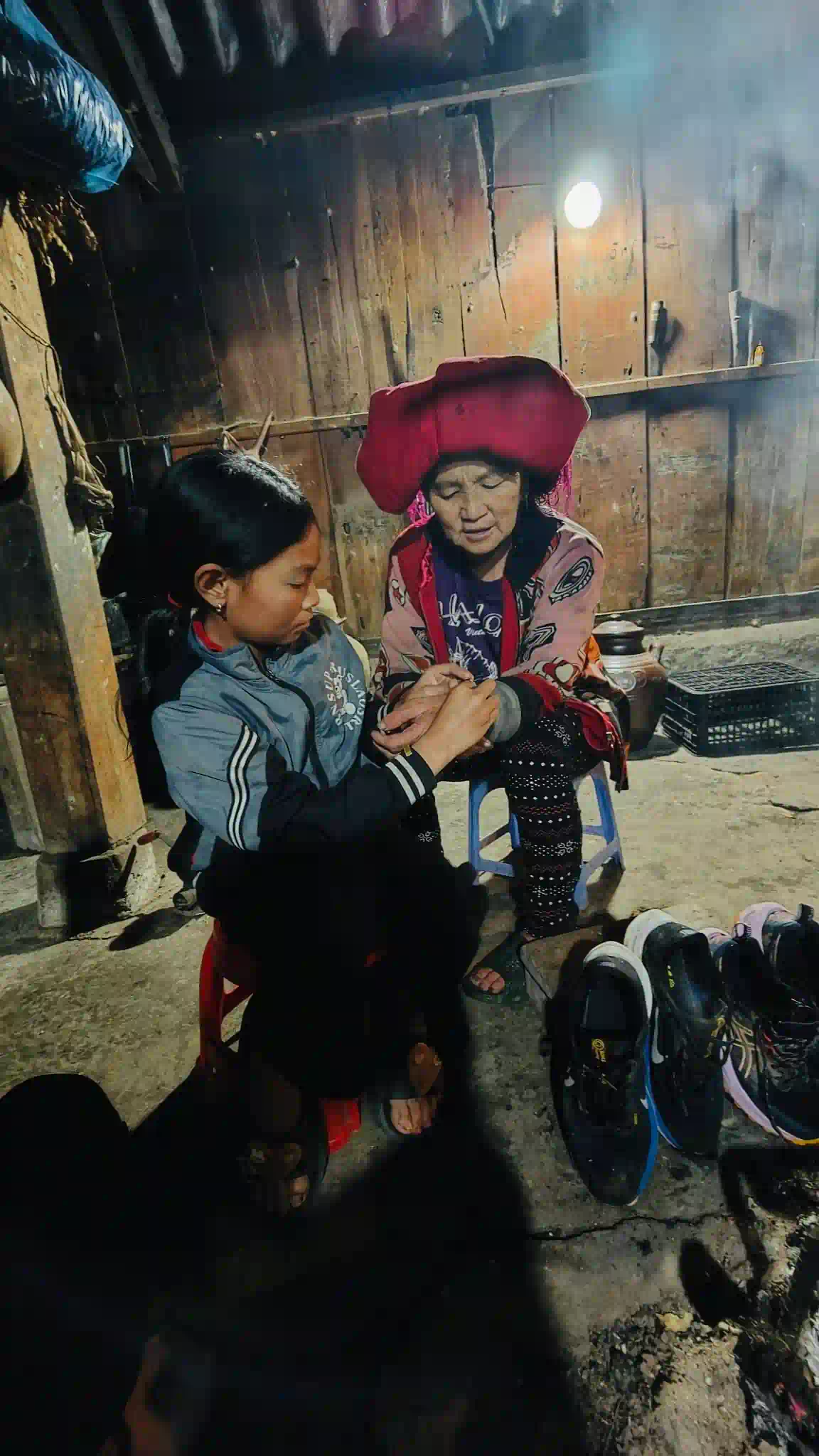
Having a human being there translates the dirt you are staring at into an actual living, functioning society. It entirely shifted how I looked at the locals. I wasn’t just a generic backpacker staring at poor people in a field anymore; I was having a direct conversation with the person managing the land.
Read more: Is Sapa worth visiting to see local culture or is it entirely fake?
The Lunch Situation
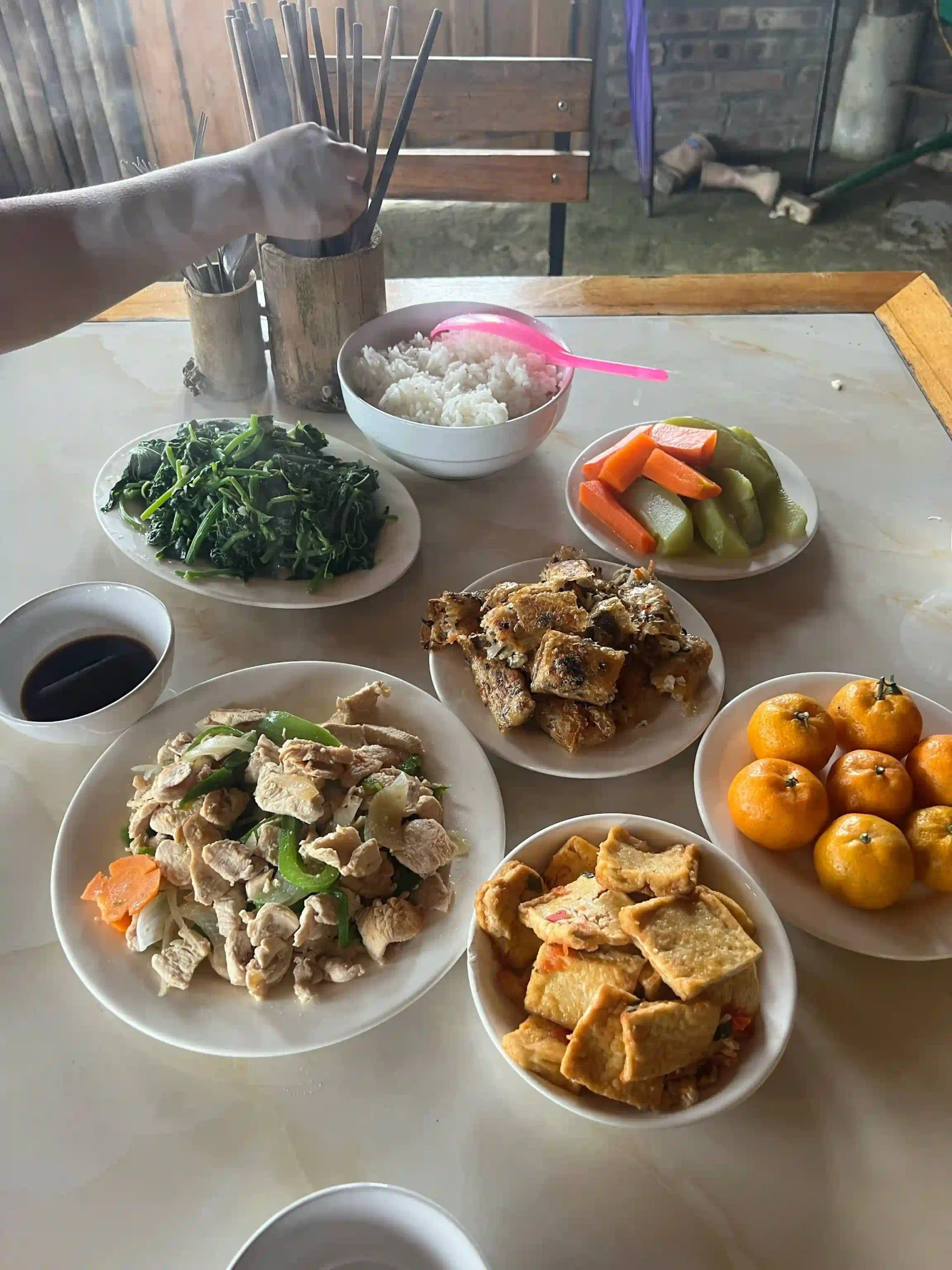
If you walk a Muong Hoa Valley trek alone, you get to the bottom of the crater around 1:00 PM absolutely starving. You look around Lao Chai village and randomly pick an overpriced restaurant filled entirely with other white people eating generic fried noodles and $3 lukewarm beers.
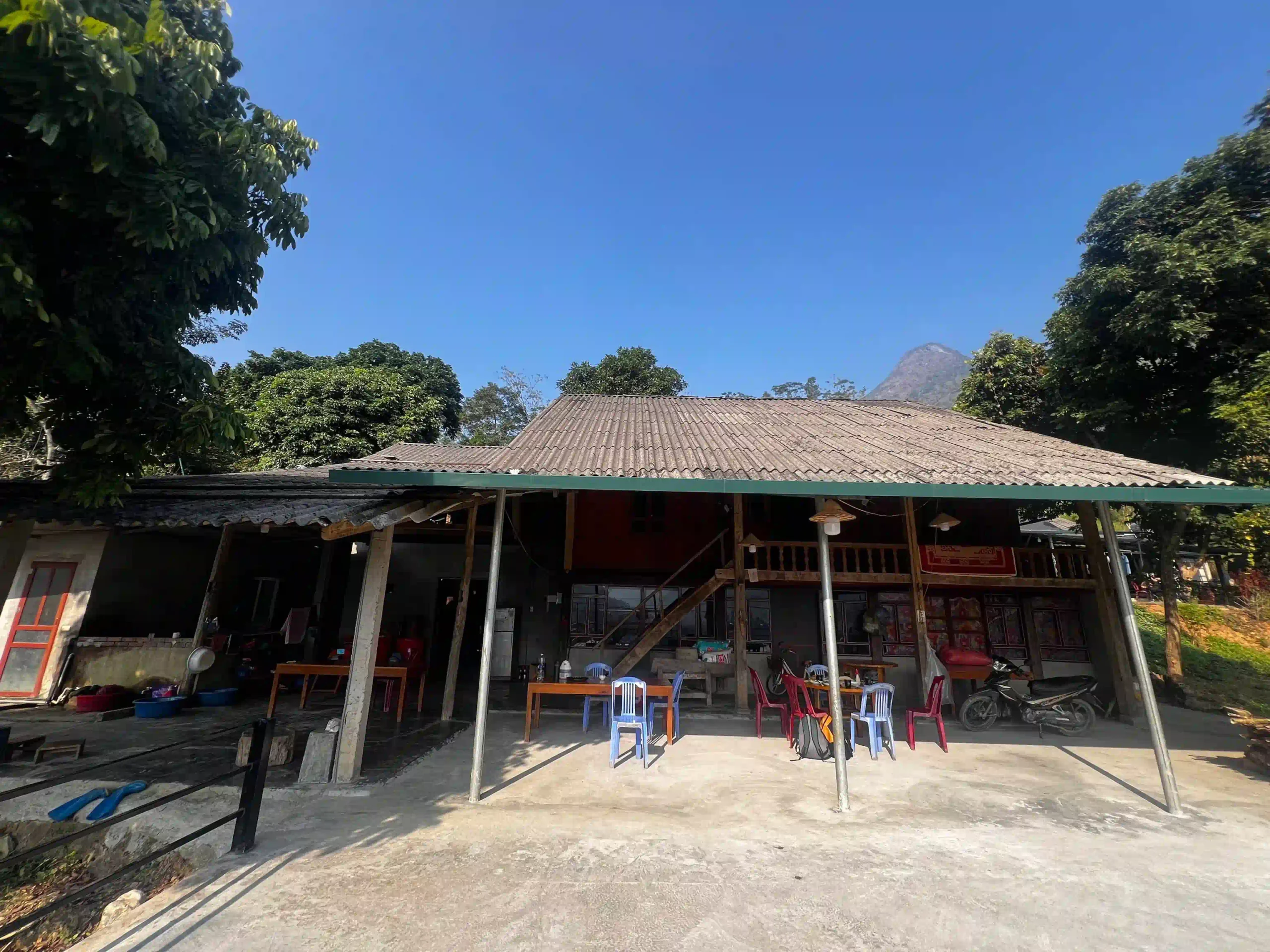
With the guided package, your food is sorted completely differently. My guide marched me right past the commercial tourist traps on the main street and walked us up a hill to an actual, functional wooden village house.
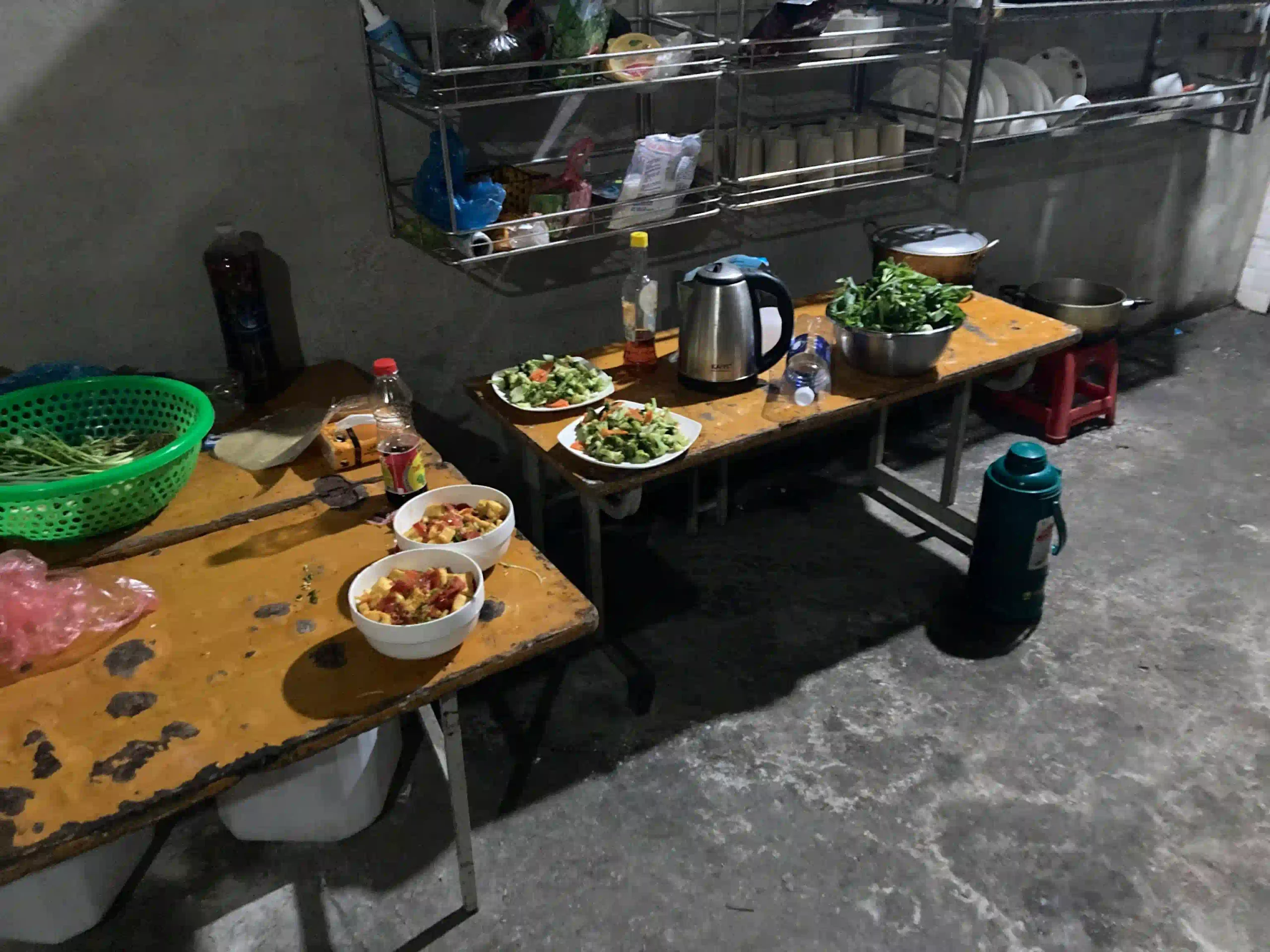
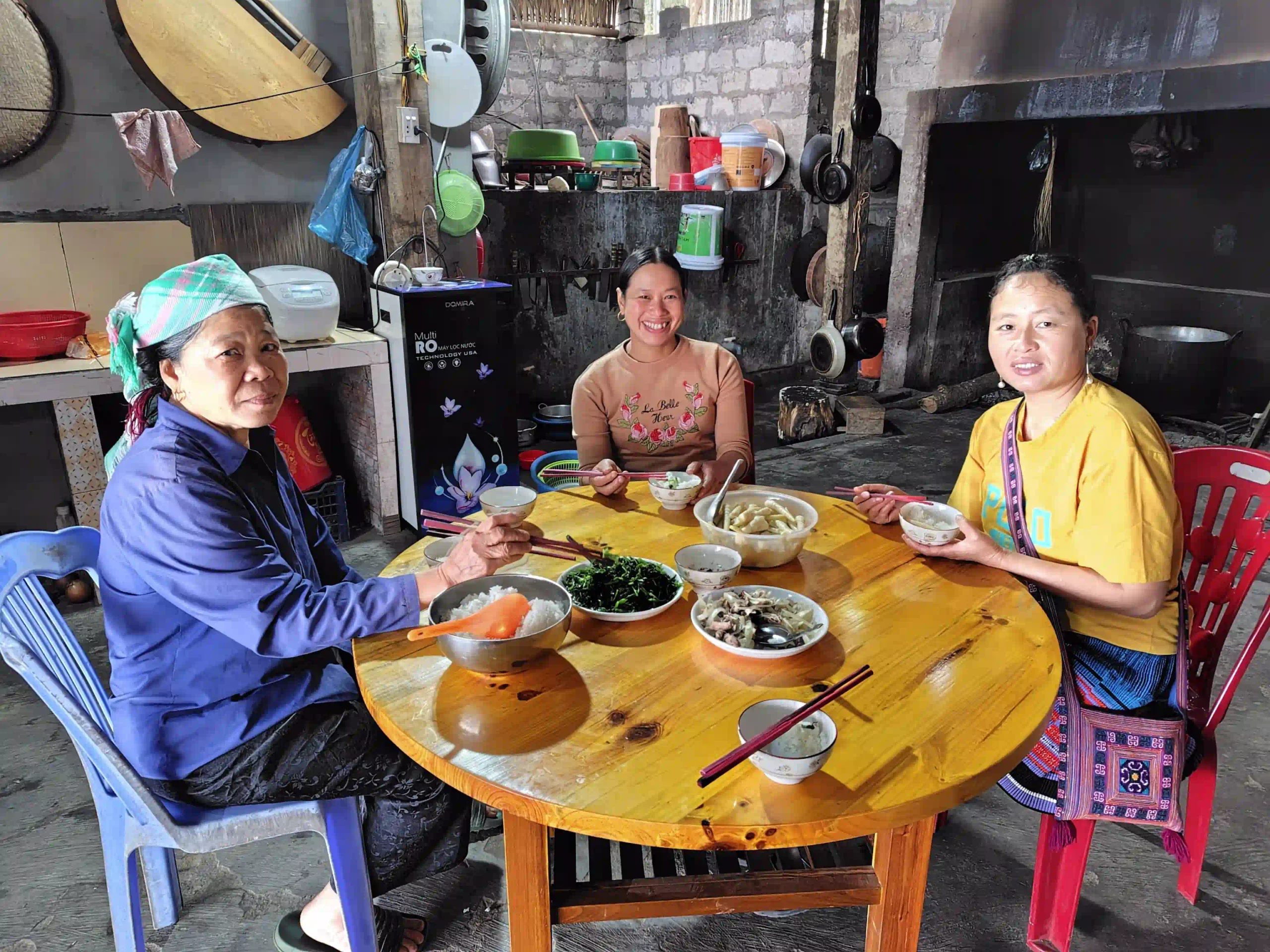
We sat on extremely low plastic chairs on a cement floor. Her cousin came out carrying massive silver bowls of white rice, sauteed wild mountain greens soaked in heavy garlic, and fried pork belly from an animal they probably slaughtered the week before.
We absolutely devoured the food. We were given two small plastic shot glasses of insanely strong local rice wine. We ate directly with the guide. That single meal alone heavily justified the booking price.
I highly push using an actual aggregator site like GetYourGuide for this specific route. Why? Because you secure the payment digitally. You entirely avoid the street-level cash hustling, and the booking guarantees your specific guide speaks clear English and routes you properly away from the paved roads.
Read more: I rank best things to do in Sapa from worst to best
Logistical realities for both choices
Whether you completely ignore my advice and decide to aggressively tackle the Muong Hoa Valley trek on your own, or you cave and hire a professional local to drag you down the cliff, the physical geography doesn’t care.
It will absolutely punish you if you pack wrong.
Read this quick reality check before you leave Hanoi.
1. The Mud is wildly disrespectful
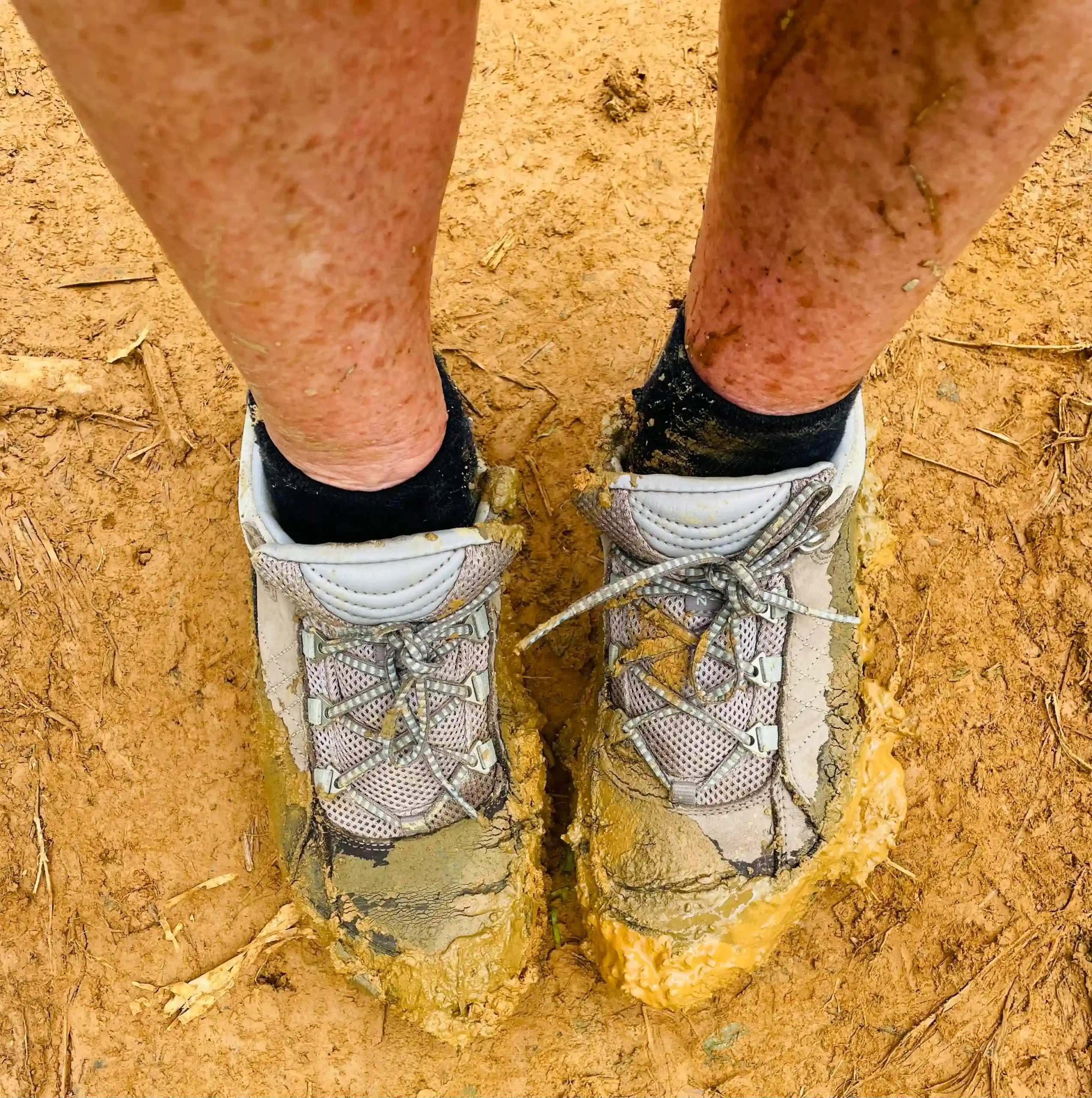
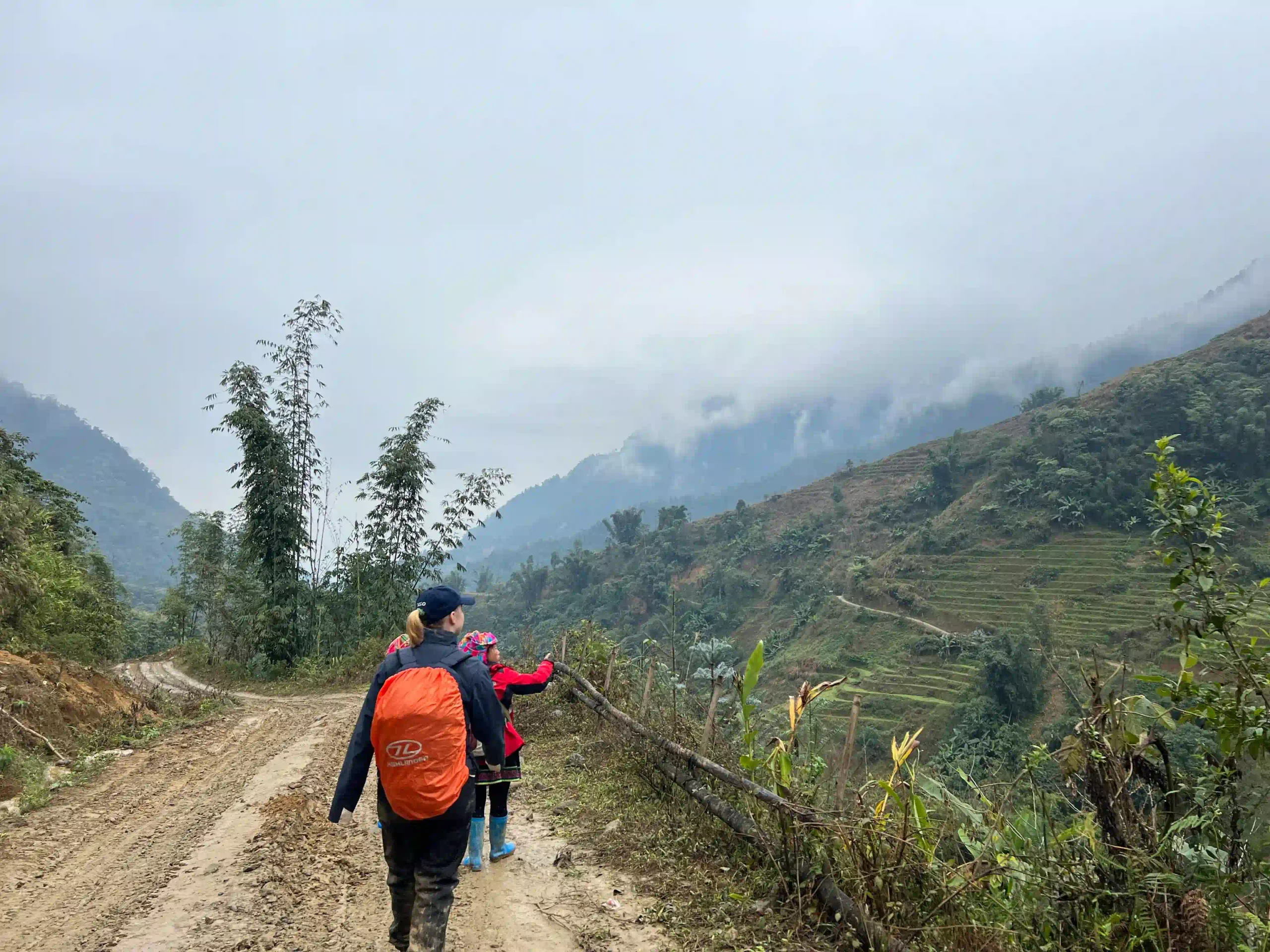
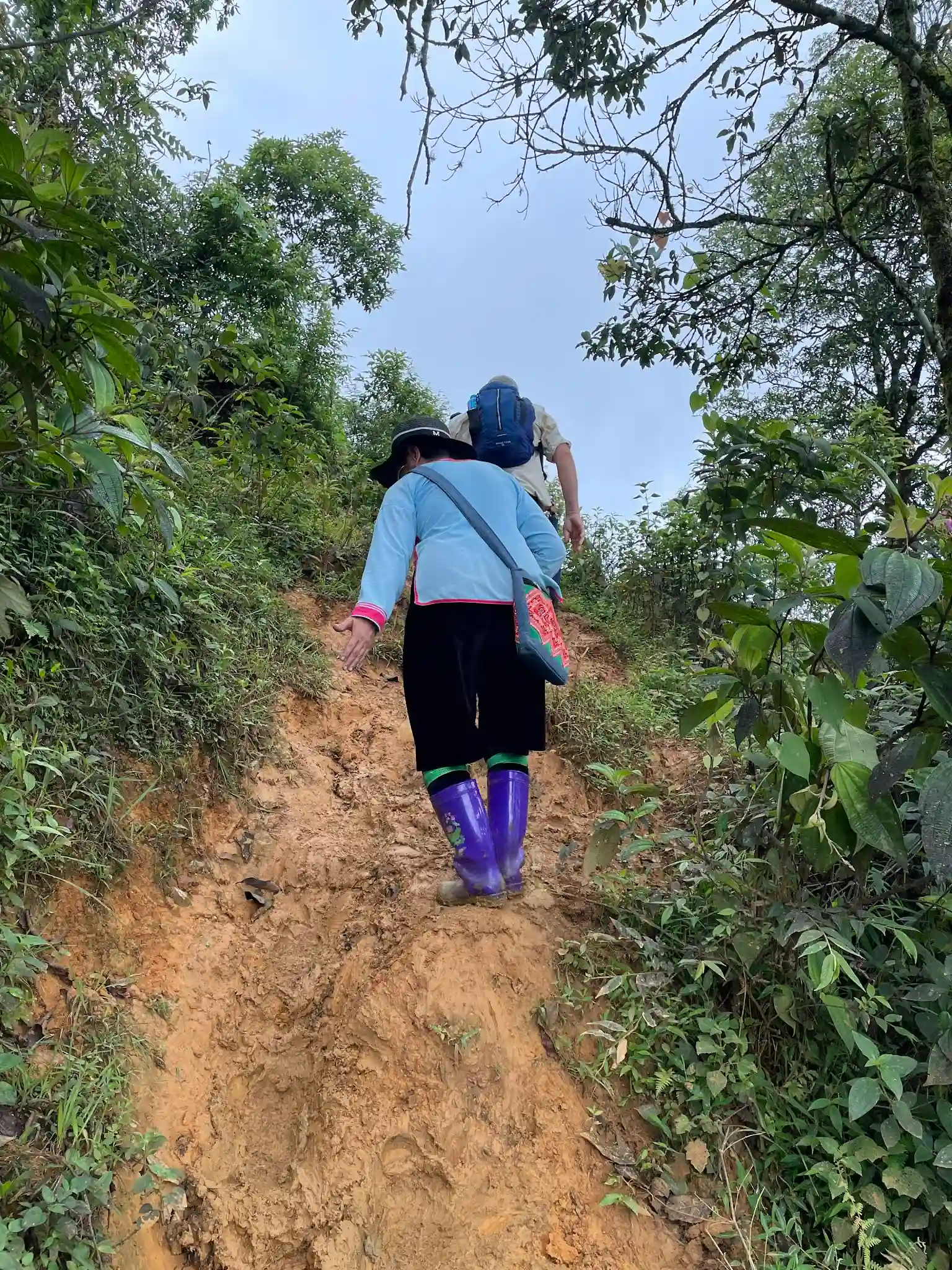
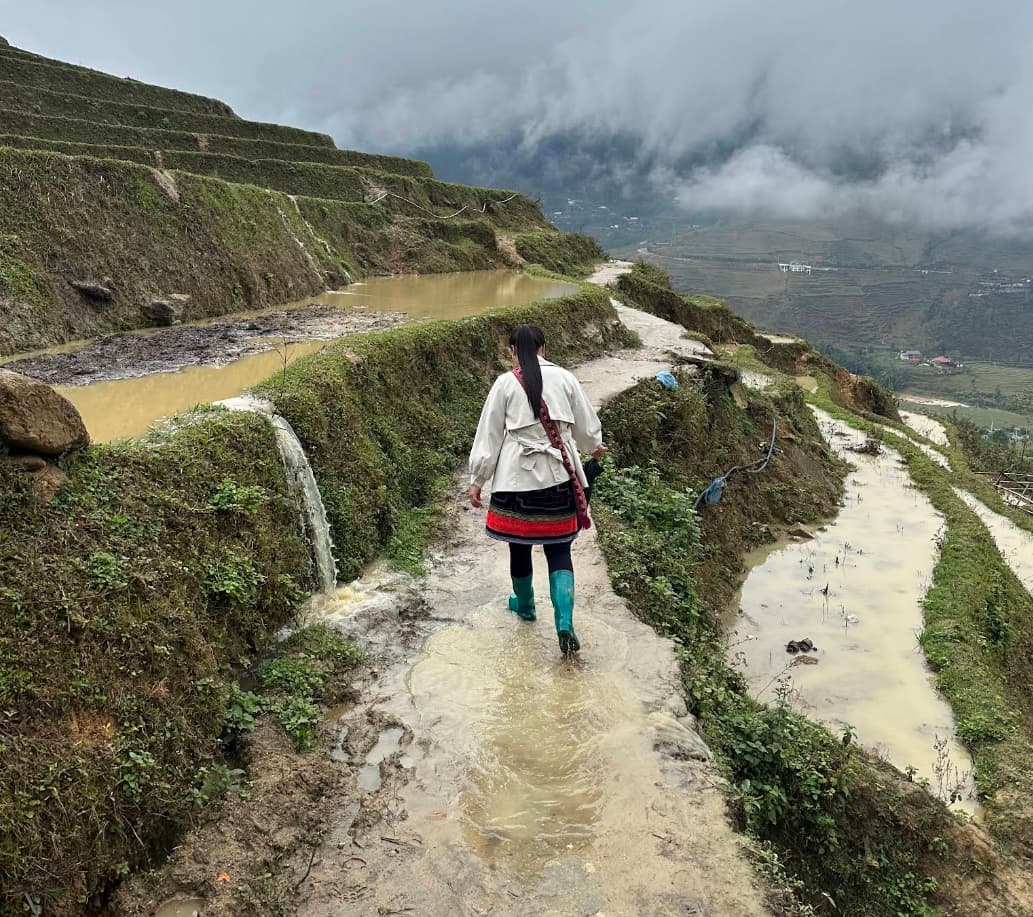
I cannot stress this specific detail enough. I see 19-year-olds step off the VIP sleeper bus in Sapa wearing completely pristine white Nike Air Force 1s. They usually ruin them within four minutes.
Sapa mud is practically weaponized. It contains extremely high clay content. If it has rained anywhere within the previous 72 hours, the sheer drops down into the rice terraces turn into complete butter. Even with aggressive hiking boot treads, you will slide entirely onto your backside.
Leave the fancy shoes in the capital. The absolute ultimate local hack is walking into the Sapa central market on the first morning and spending $3 on generic green rubber Wellington farming boots. You will look stupid, and your feet will thank you.
2. Time it with the crop
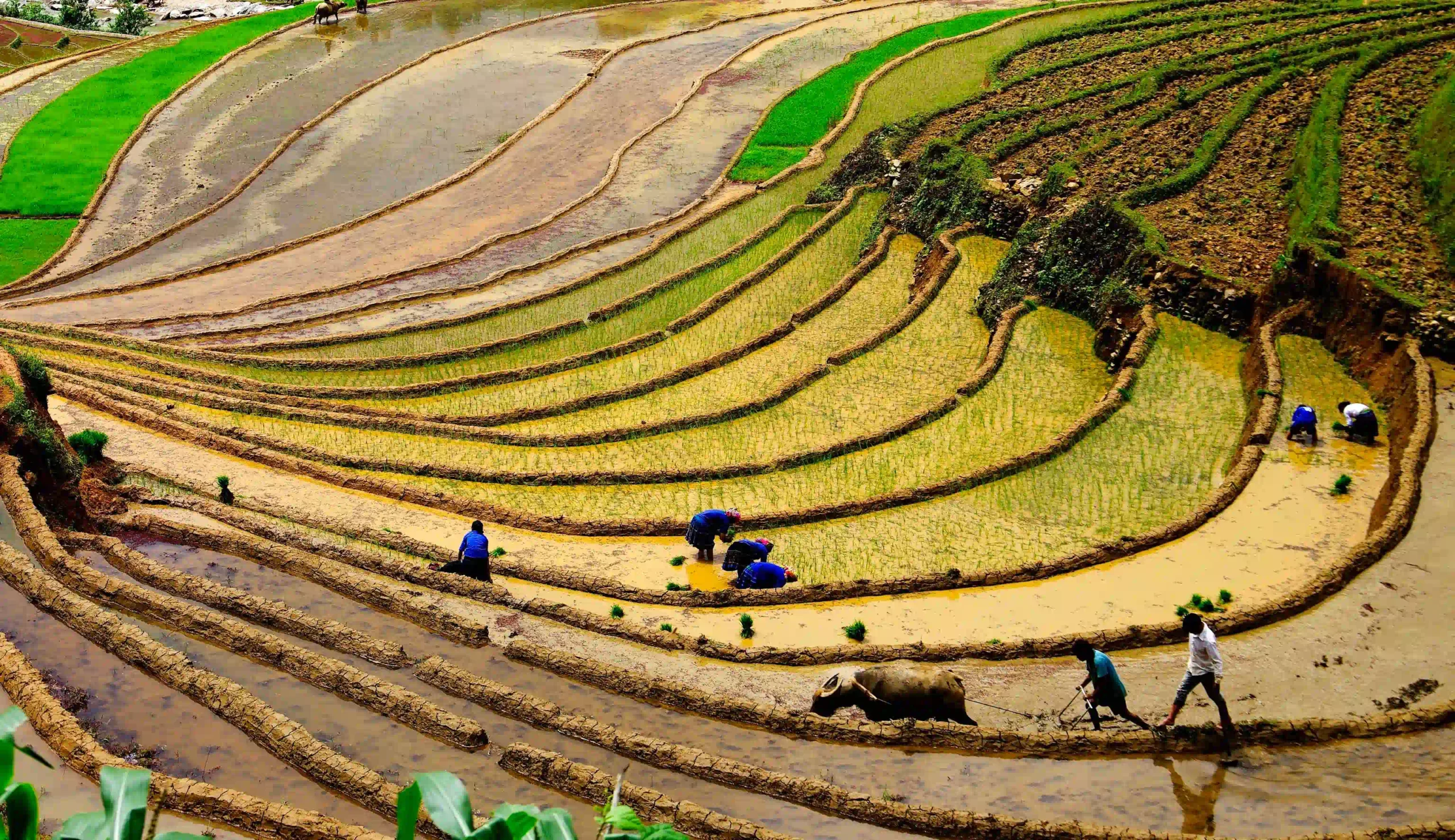
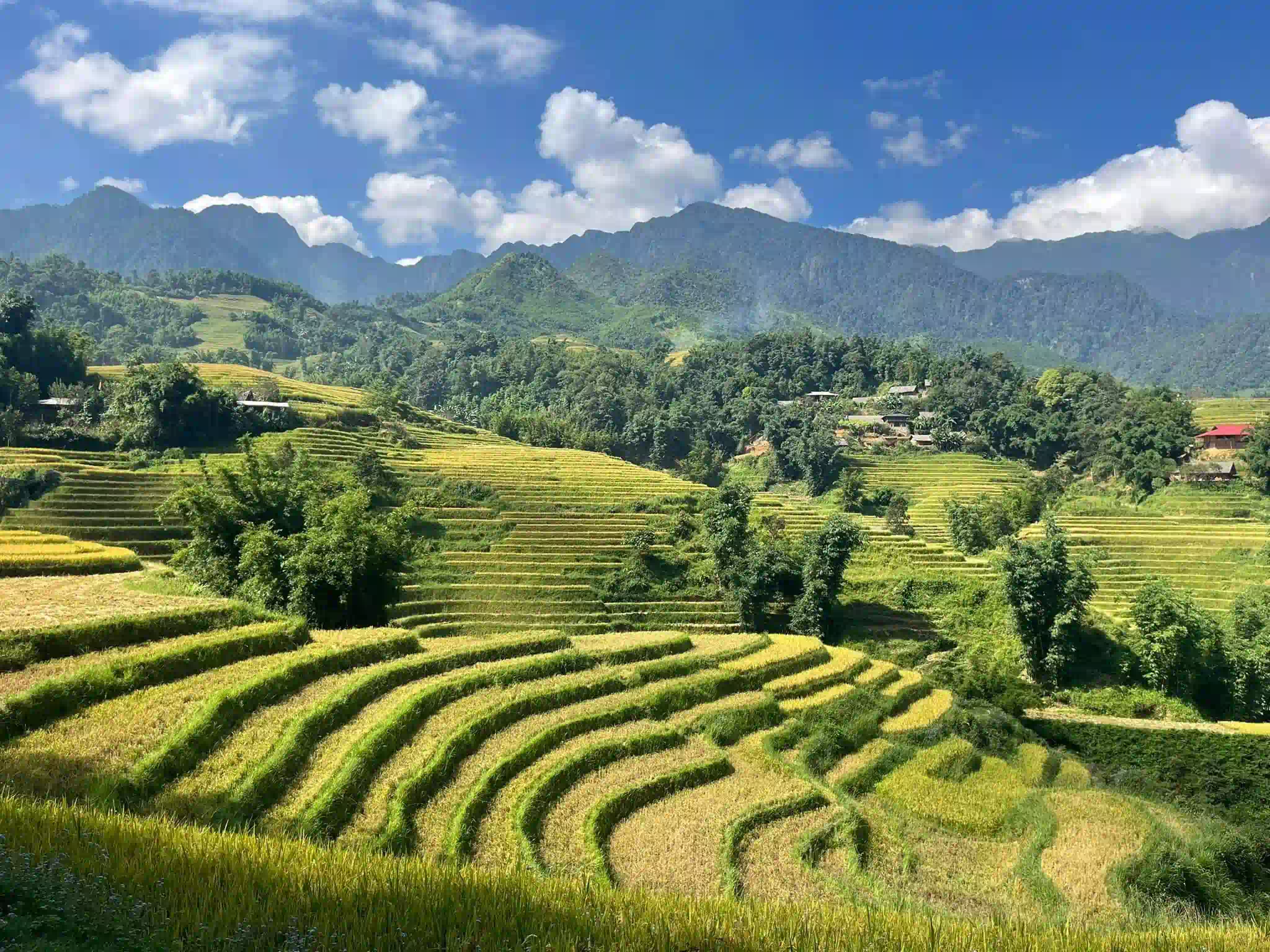
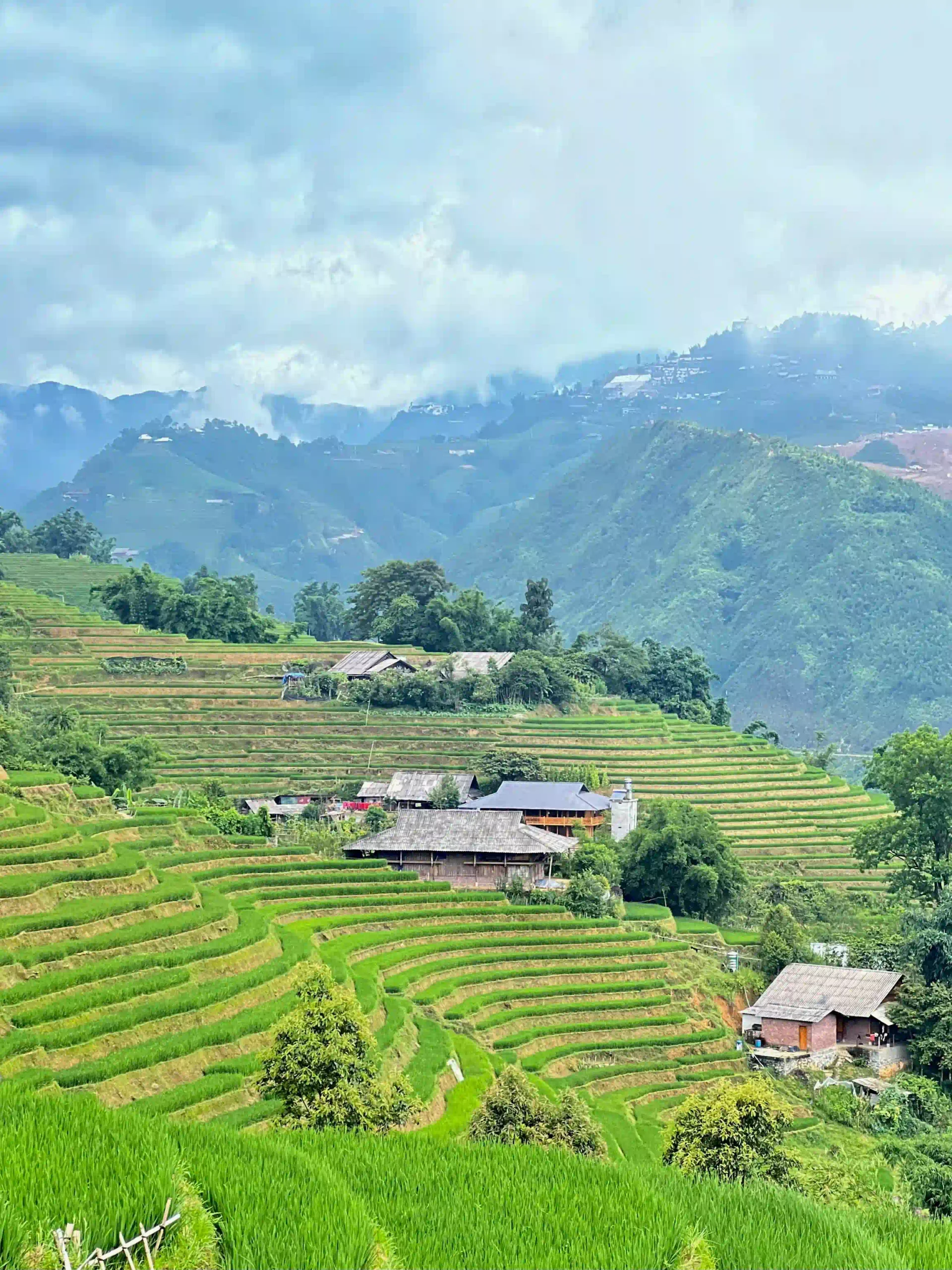
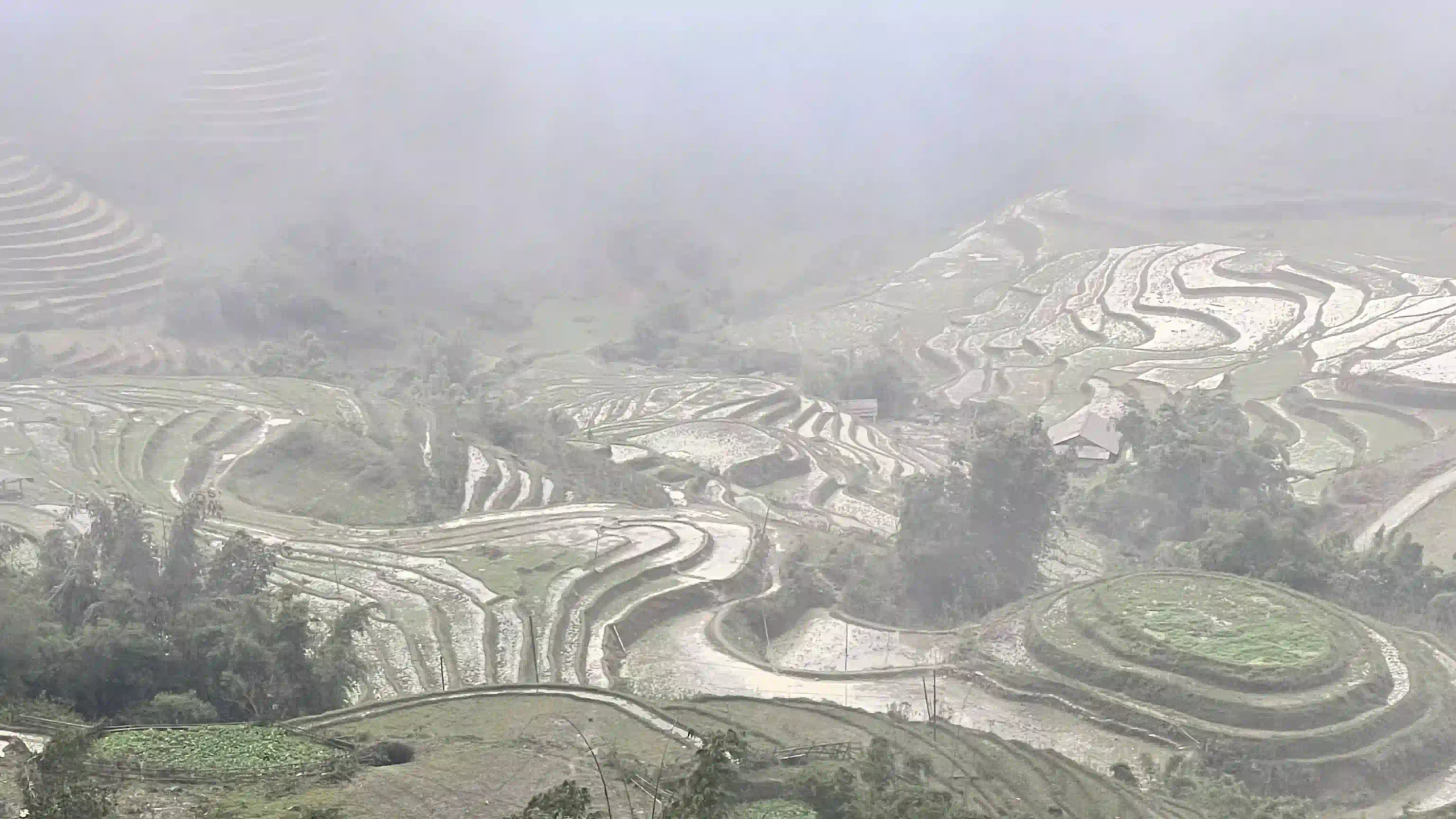
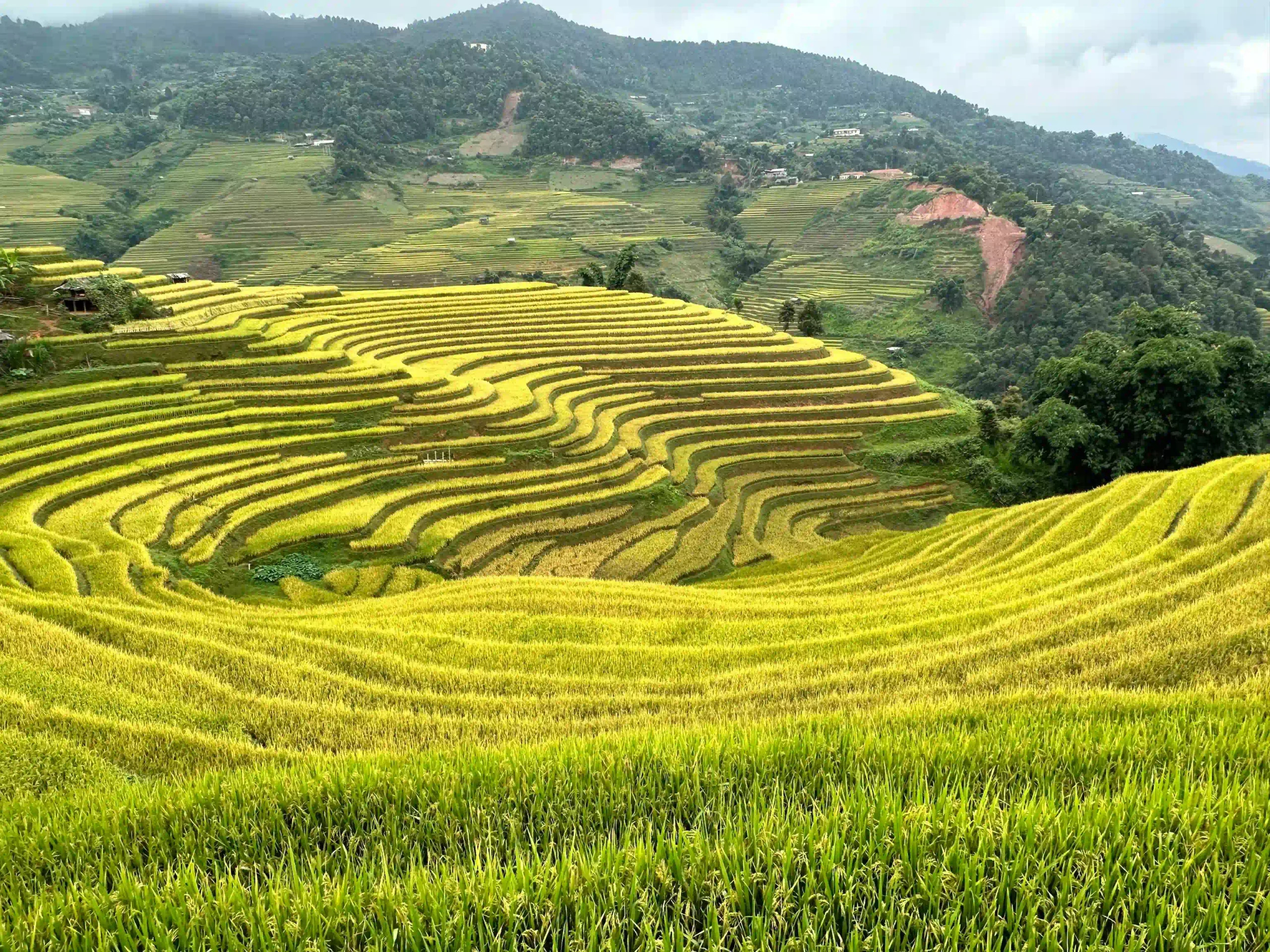
Do not expect golden glowing valleys if you show up in January. I’ve written extensively on the photographer’s seasons up here, but heavily remember that a Muong Hoa Valley trek visually completely shifts depending on the calendar.
If you go from June to early August, it is massively neon green and totally healthy, but extremely prone to monsoon flash floods washing out the trail entirely.
If you go around September 10th to 25th, it is an aggressive, stunning golden yellow.
If you book a ticket here in the heavy winter months like February, everything is stripped totally brown, and the air sits below freezing in a completely opaque fog bank. Doing a 6-hour valley hike then is essentially an exercise in complete misery.
Read more: Exactly when is the best time to visit Sapa for photographers
3. Knowing your own lungs
Let me lay out the physical demands of this place. The altitude here isn’t going to give you nosebleeds like you are at Everest base camp, but Sapa sits right around 1,500 meters up.
The 6-hour route dropping down into Y Linh Ho, sweeping across Lao Chai, and finishing in Ta Van covers roughly 12 to 15 kilometers of incredibly uneven ground.
There are very few flat stretches. Your calves will absolutely scream on the steep descent, and the intense humidity usually forces you to sweat through two different t-shirts by lunchtime.
If you actively work an office desk job entirely from a chair, you need to mentally prepare to suffer a bit. Drink a massive amount of water the night before, skip the extra late-night beers in the pub, and definitely skip the overnight sleeper bus arriving directly that morning.
Read more: Will you miss out with only a 2 day Sapa itinerary?
The best Hanoi to Sapa route I recommend to all my friends
The Brutal Final Verdict
Let’s wrap the Muong Hoa Valley trek debate entirely.
Should you try doing it solo just to prove a weird point about saving twenty dollars? Absolutely not.
Look, travel in Northern Vietnam is actively meant to be messy and wildly challenging. But fighting an active topography you don’t understand, heavily dealing with Google maps deleting your trails in real-time, and spending an entire afternoon staring at construction trucks driving on cement isn’t adventurous. It’s just bad trip management.
When you get off the loud bus in the center of Sapa town, the absolute first goal you need to execute is separating yourself completely from the crowds.
Hand a fistful of Vietnamese Dong or fire up a booking link for the actual women who legally manage the mud in this crater.
Getting aggressively pulled over an insanely scary bamboo bridge by an old Dao lady holding an umbrella while massive green rice paddies stretch entirely across your vision? That is exactly the cultural drug you chased all the way from Hanoi to find.
Don’t cheap out on the most important block of your schedule. Go get in the mud.
Got absolutely ruined sliding down a muddy terrace in white sneakers because you ignored my boot advice? Disagree completely and found an amazing hidden GPS route offline? Throw your story down below, or start reading my transport clusters so you know exactly which nightmare night-bus drops you off up here safely.












 Tiếng Việt
 한국어
한국어 中文 (中国)
 日本語
日本語 ไทย
ไทย Deutsch
 Español
 Destinations
 Instagram
 Facebook
 X (Twitter)
 Threads
 Tiktok
Hi, may I know where did you get in contact with a legitimate local guide?
Replying to Anonymous Member
Hi, Good question, and honestly it’s the one thing worth getting right before you go up there. Ours was arranged through the homestay we stayed at in Sapa, and I’d trust that filter over anything online: a local putting their own name on the guide.
If you’d rather have something lined up before you arrive, these are the two we still keep in touch with:
Ms.SiSi: https://www.facebook.com/share/1F7Rfq7CXh/
Ms.Dinh: https://www.facebook.com/share/19koWF7w7d/
Or post your dates in this travel roup a few days ahead, independent guides reply there and you can see their history: https://www.facebook.com/share/g/1Bm272Vtzc/
Thanks Astrid, that’s great info. I found your page while looking for a self-guided route map😄 but I think you’ve convinced me that’s a bad idea.
From the photos it looks like you weren’t solo though. Can I ask how you got back to Sapa at the end of the hike?
Replying to Anonymous Member
Glad the article was helpful! 😄 As for getting back — the trek finishes in Ta Van village, just grab a xe om (motorbike taxi) to the main road and hop on a bus back to Sapa. Guide option includes the return transfer, which is nice after 6 hours of hiking.