









 Ha Giang
 Hanoi
Hanoi Ho Chi Minh City
 Ha Long
 Sapa
Sapa Mekong Delta
 Da Nang
 Hue
Hue Hoi An
 Ninh Binh
 Da Lat
 Nha Trang
 Phan Thiet
 Phu Quoc
 Quang Binh
 Quy Nhon
 Vung Tau
 Thai Nguyen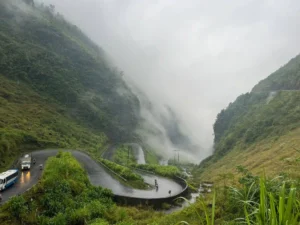
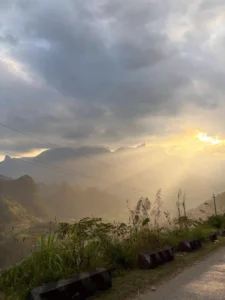
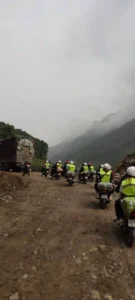


If you talk to ten different backpackers in Hanoi, you will get ten completely different answers about the weather up north.
The truth is, answering the question of what the Best Time to Do the Ha Giang Loop is entirely depends on your actual riding ability and what kind of suffering you are willing to tolerate.
Social media is great at making every trip look perfect. You watch a 15-second drone video on Instagram and think the skies are always blue. They are not.
Up on the Ha Giang map, you are driving at high altitudes directly on the border of China. The weather creates massive micro-climates.
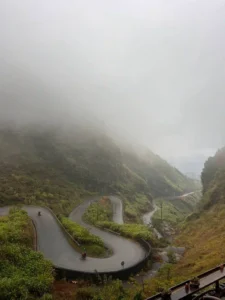
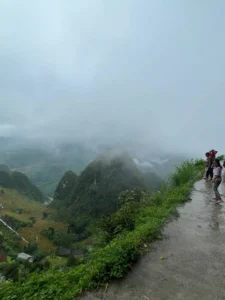
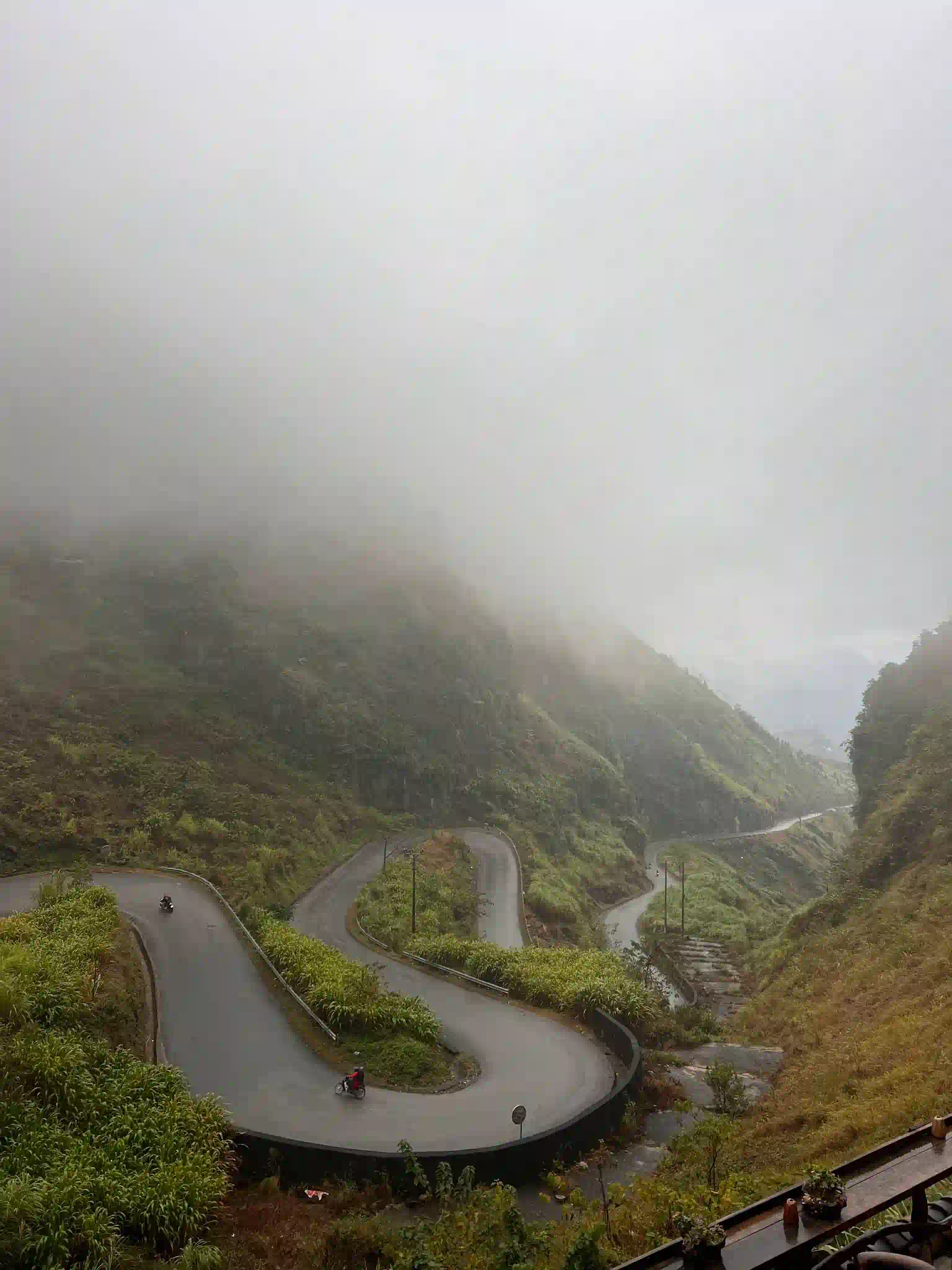
You can literally leave Dong Van town in total sunshine and drive right into a wall of gray fog thirty minutes later.
Before you start looking into easy rider bookings, sorting your 1968 IDP for the 2026 police checkpoints, or putting down deposits for bus tickets, you need to understand the actual seasonal calendar here.
Picking the Best Time to Do the Ha Giang Loop can mean the difference between the greatest road trip of your life and spending three days sitting miserably inside a wooden homestay while it pours outside.
Here is an unfiltered breakdown of what every season actually feels like, and when you should really plan to go.
- Quick Answer: If you want dry pavement and to avoid crashing, the Best Time to Do the Ha Giang Loop is late September to November, or March to May. Avoid July and August entirely if you are self-driving, heavy summer rain causes dangerous mud and landslides on the steep mountain passes.
- March to May (The Safe Zone):
- Warm temperatures (18°C–25°C) and mostly dry asphalt. It’s perfect riding weather, but you have to lock down your homestay bookings early before the towns sell out.
- June to August (The Mud Months):
- It dumps rain heavily. Potholes fill with water and cliffs randomly slide onto the highway. If you travel during these months, ditch the rental bike and hire a local easy rider guide to drive you safely.
- September to November (The Peak Season):
- This is the overall best time visually. You get bright yellow rice harvests and purple buckwheat flowers. The massive downside is traffic jams on the curves and completely packed VIP sleeper buses from Hanoi.
- December to February (The Deep Freeze):
- Violently cold winds and thick fog that covers your helmet visor. Temperatures drop near 5°C. Only go now if you have heavy riding jackets and confirm your homestay actually has electric heating pads on the beds.
The Broad Rules: Wet vs. Dry Season
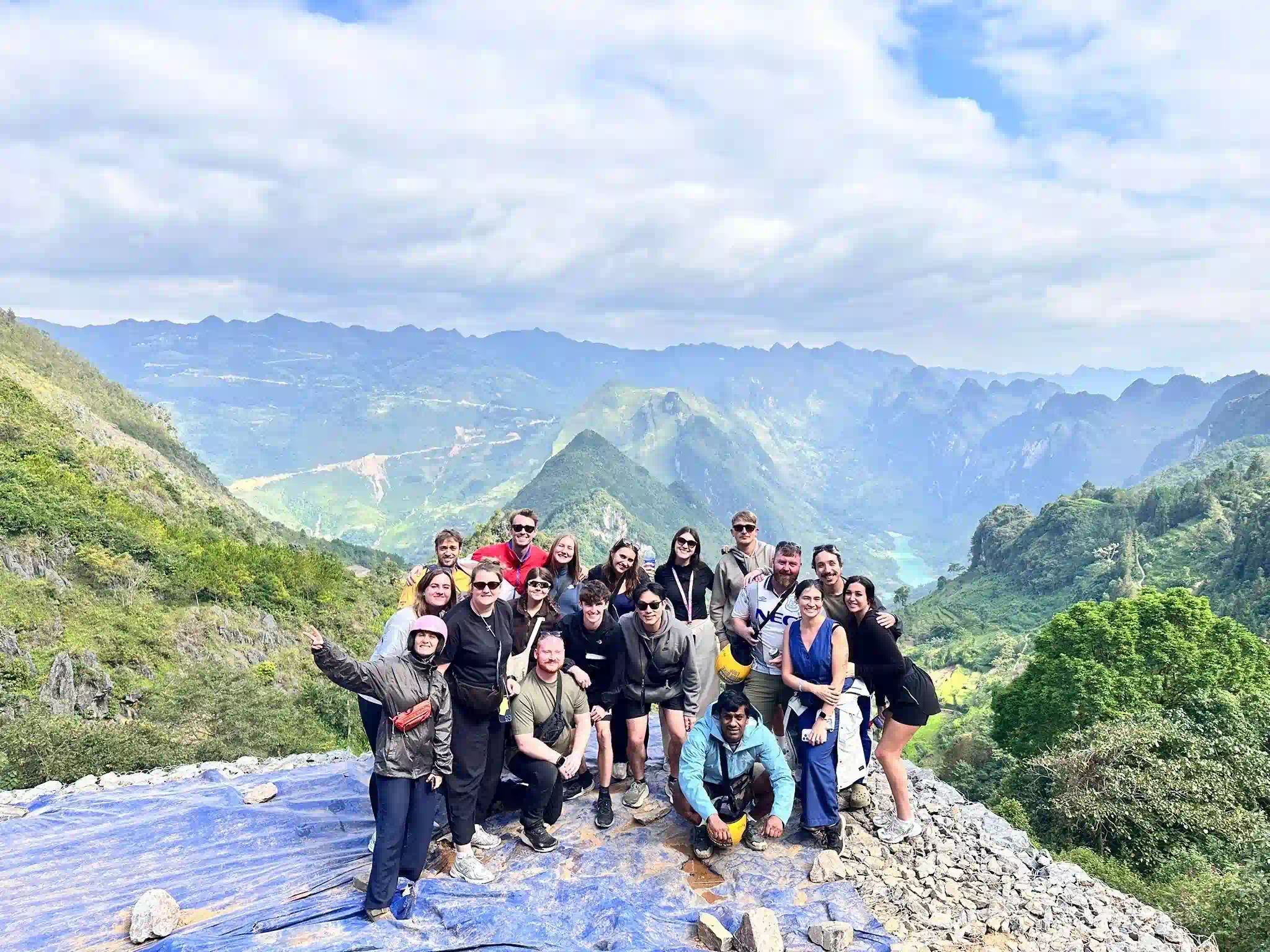
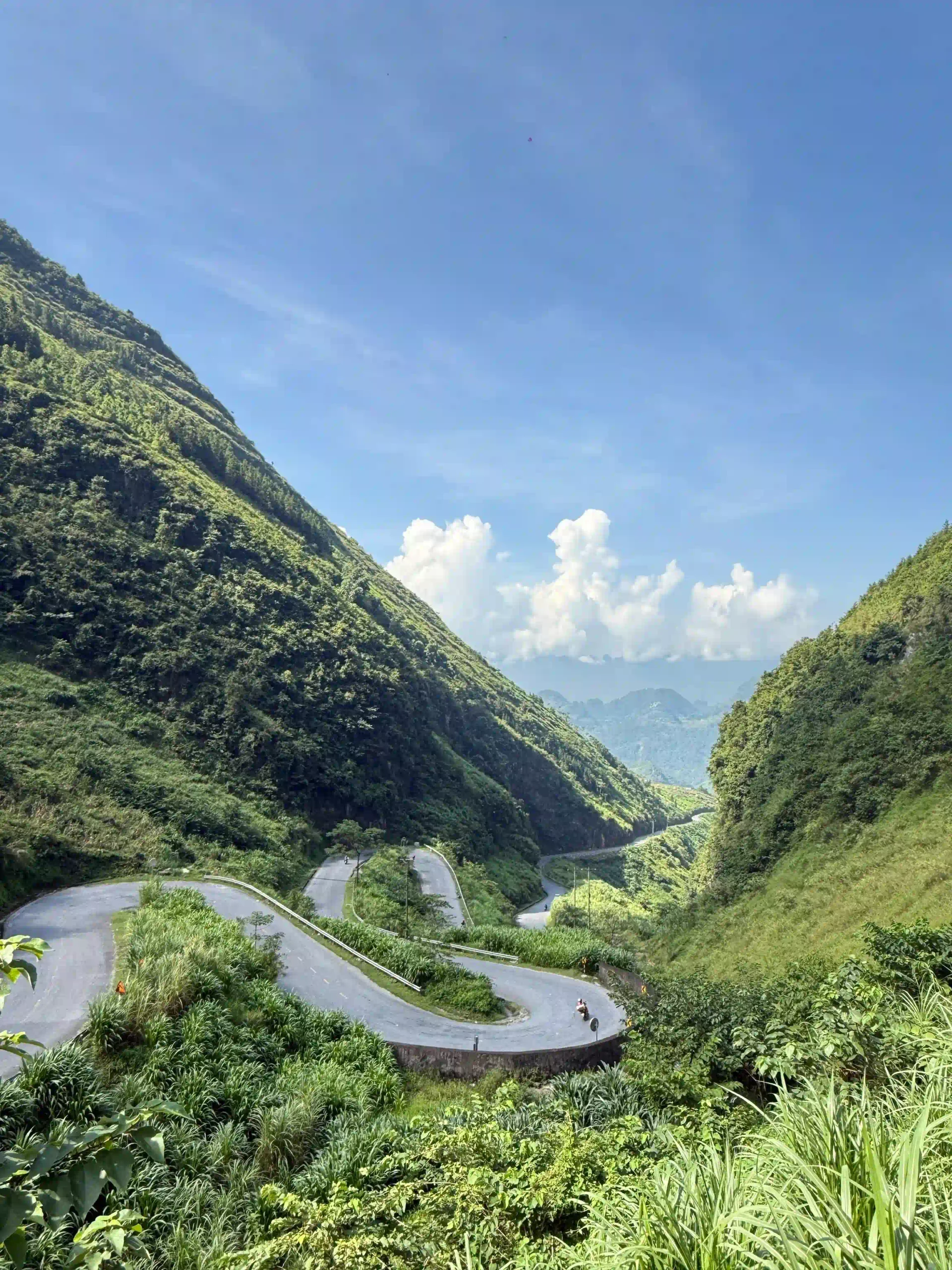
The northern mountain climate basically breaks down into two extreme halves: the dry months and the wet months.
Dry Season (October to April):
This is widely considered the safest time to ride. The roads are mostly free of heavy mud, and the chance of a sudden landslide blocking your path on the Ma Pi Leng pass drops significantly. The downside? “Dry” does not mean “warm.” By late November through February, it is violently cold.
Rainy Season (May to September):
It rains a lot. The rain falls in intense, heavy sheets. Rivers turn brown and water rushes down the cliffs directly onto the asphalt. During July and August specifically, parts of highway 4C get washed out.
Is it pretty? Yes, the rice terraces and jungle sections are incredibly green. Is it fun to ride a manual Honda XR150 over wet clay? No. It is highly stressful.
Let’s break this down month by month so you know exactly what to expect.
Month-by-Month Weather & Road Reality
March, April, and May: The Safe Zone
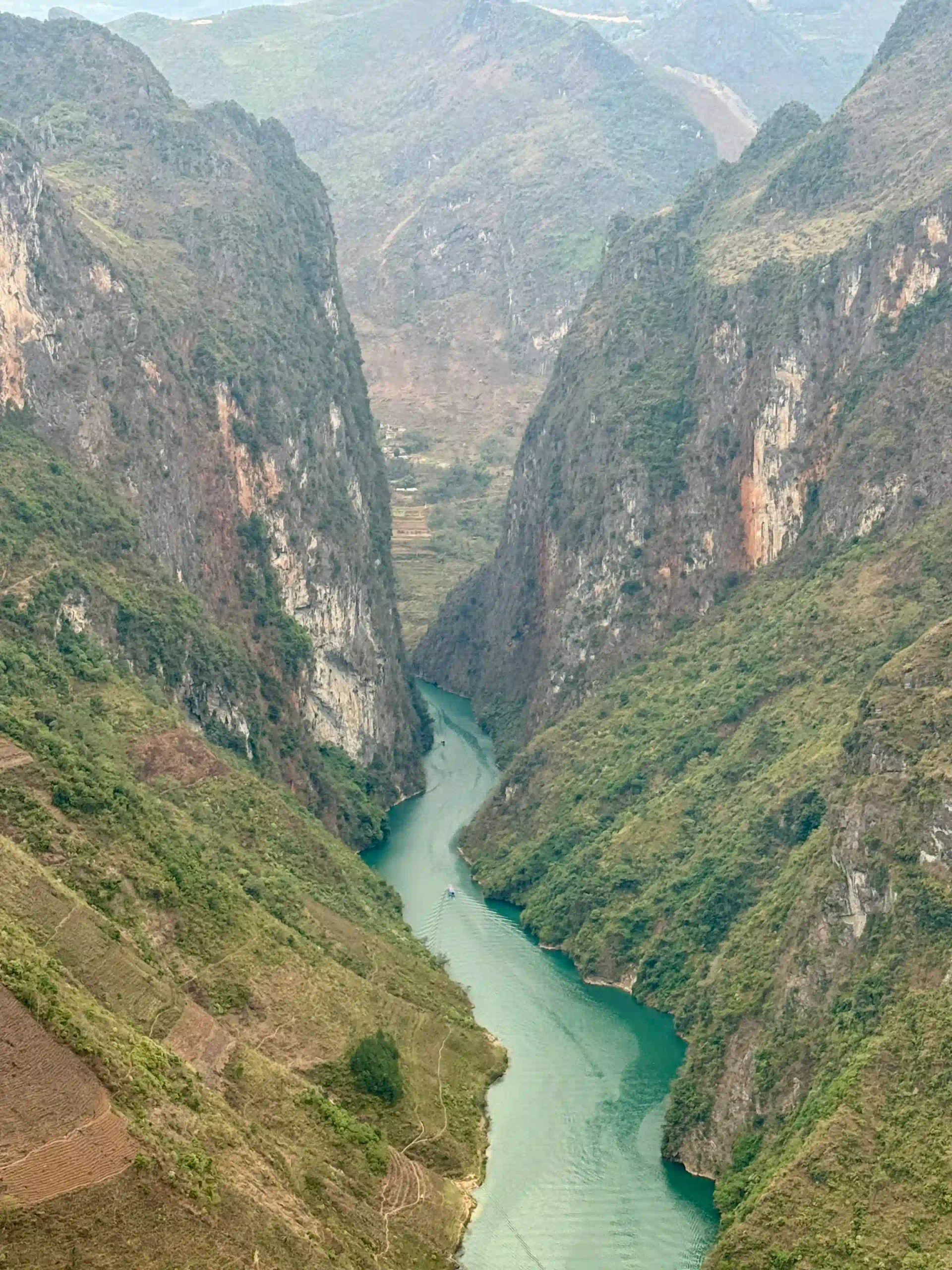
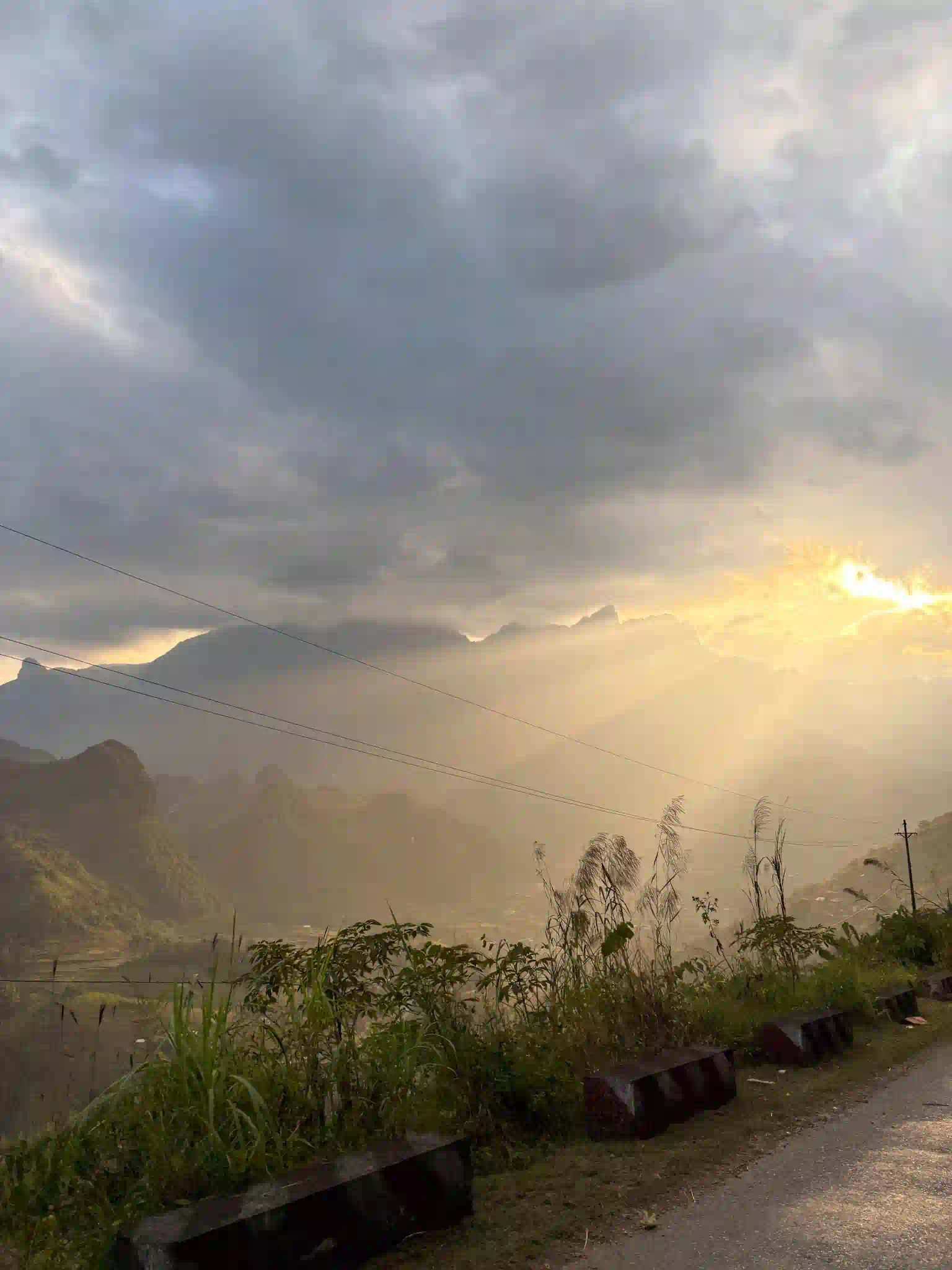
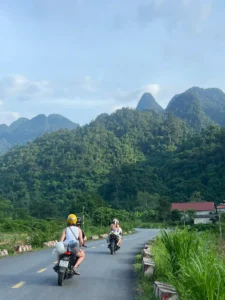
If a friend flies into Vietnam and asks me the Best Time to Do the Ha Giang Loop, I usually tell them to come during spring.
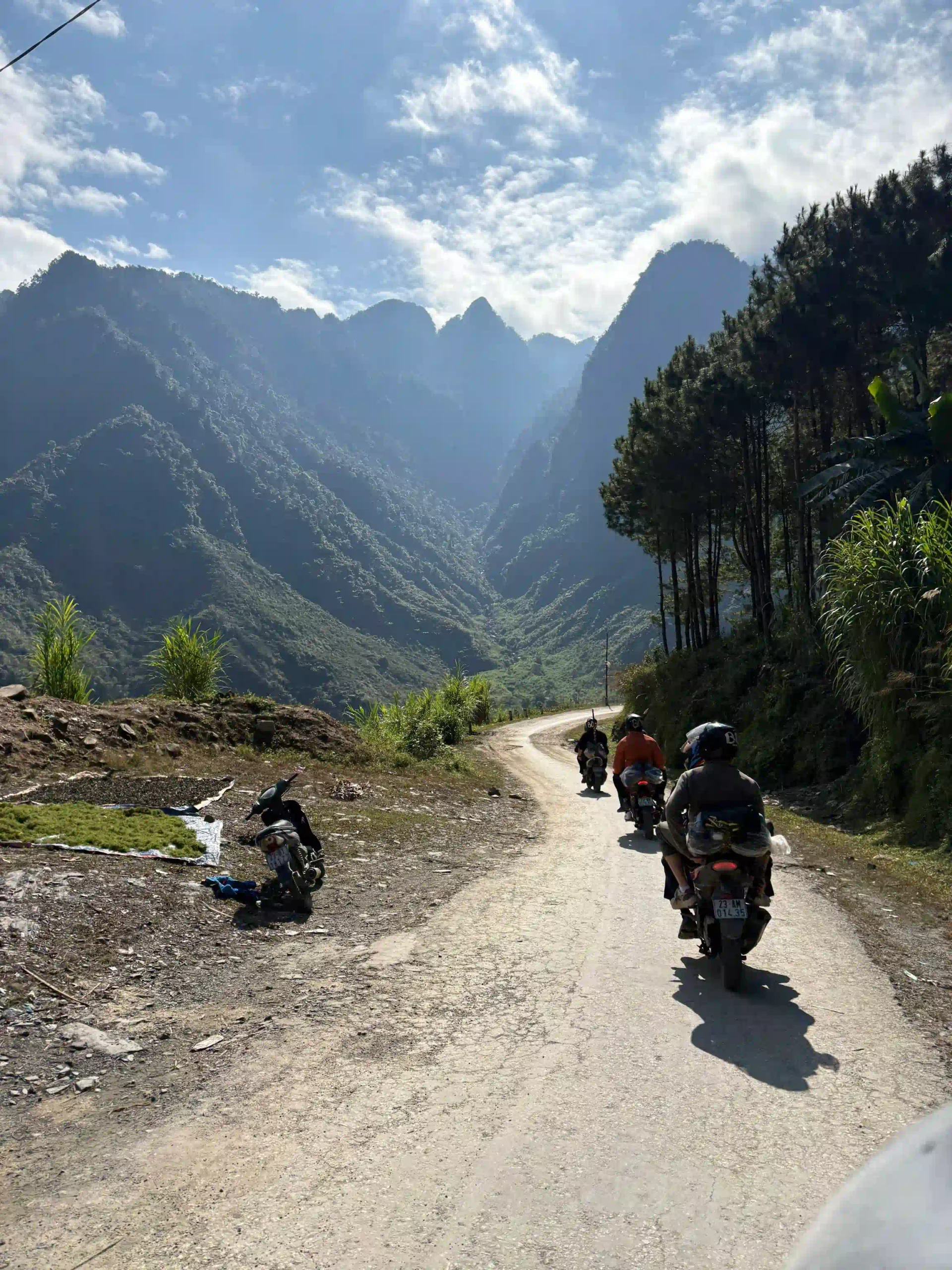
- The weather: The temperatures finally stop freezing your hands off. It usually sits between 18°C and 25°C. The air clears up so you don’t have to stare at thick gray smog, and you can actually see down into the deep canyons. You will need a jacket for the evening family dinners, but riding in a simple windbreaker during the day is perfectly fine.
- The scenery: This is when all the peach, plum, and apricot flowers start showing up across the rocky plateau.
- The reality check: Because the weather is good, everyone else knows it too. Hostels in the main towns like Yen Minh and Meo Vac get heavily booked. In 2026, booking ahead via apps is completely mandatory during this window. If you just roll up into Dong Van on a Friday night in April with no reservation, you are going to sleep on a mat in someone’s kitchen.
June, July, and August: Mud, Rain, and Chaos
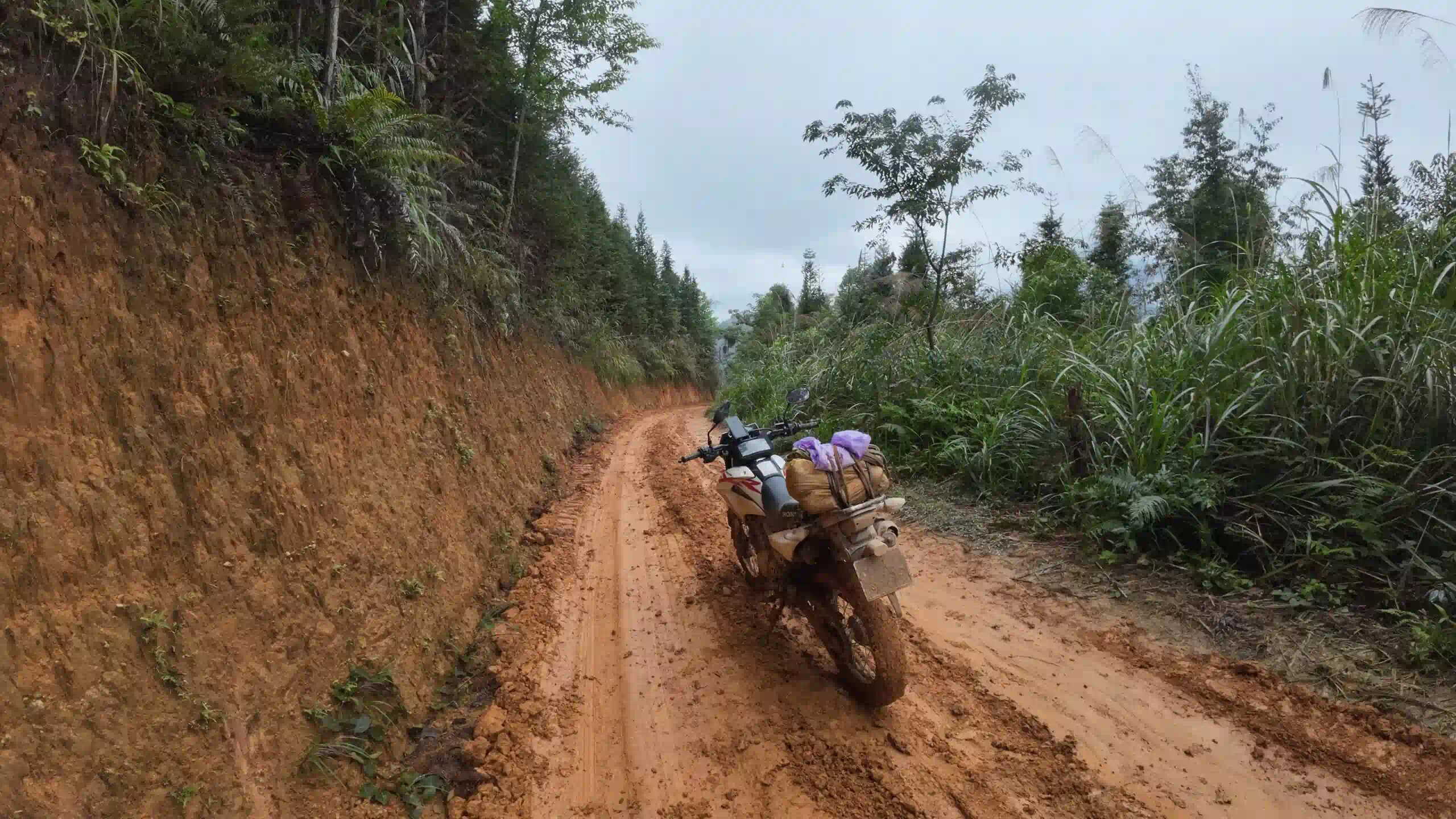
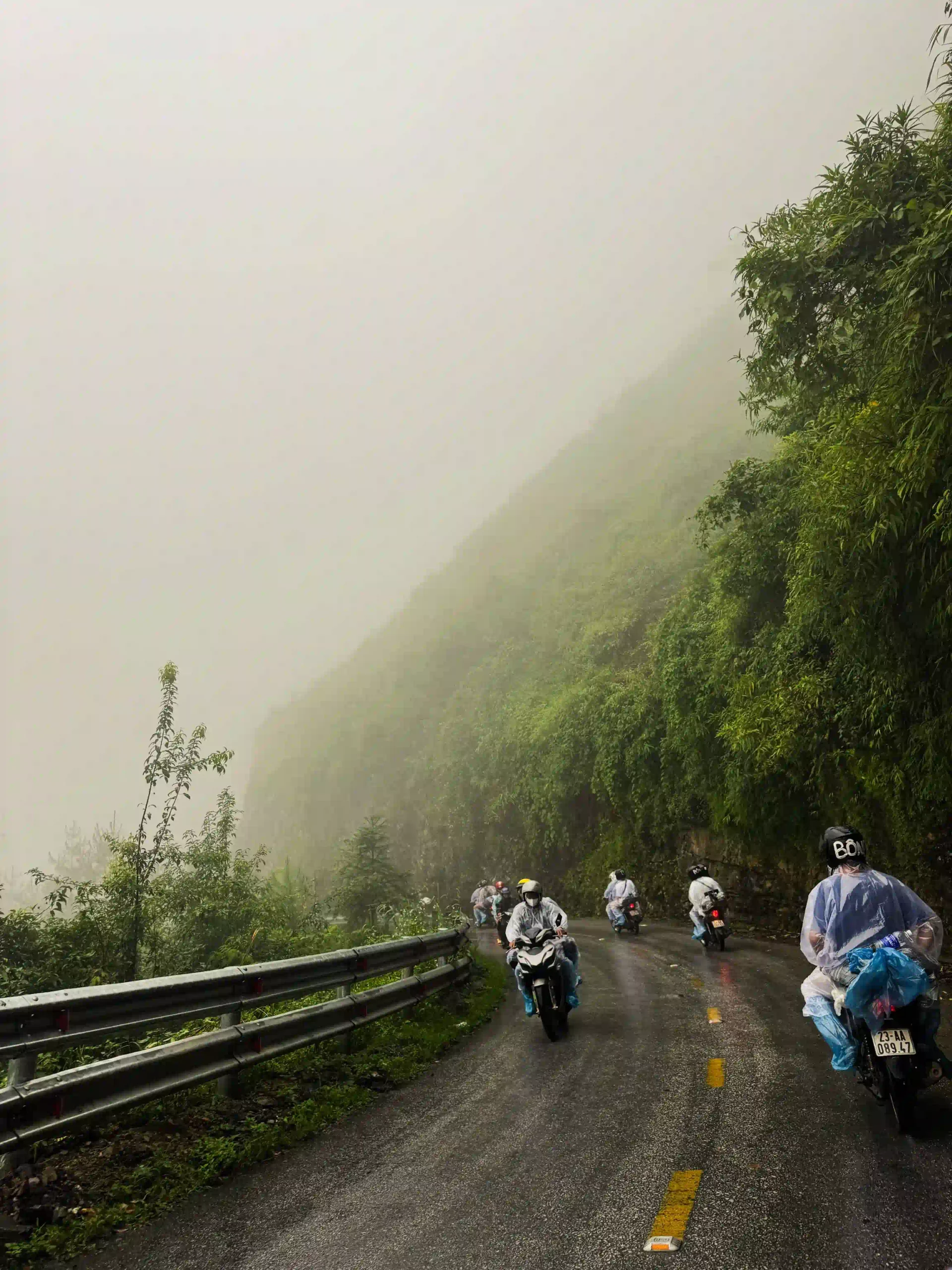
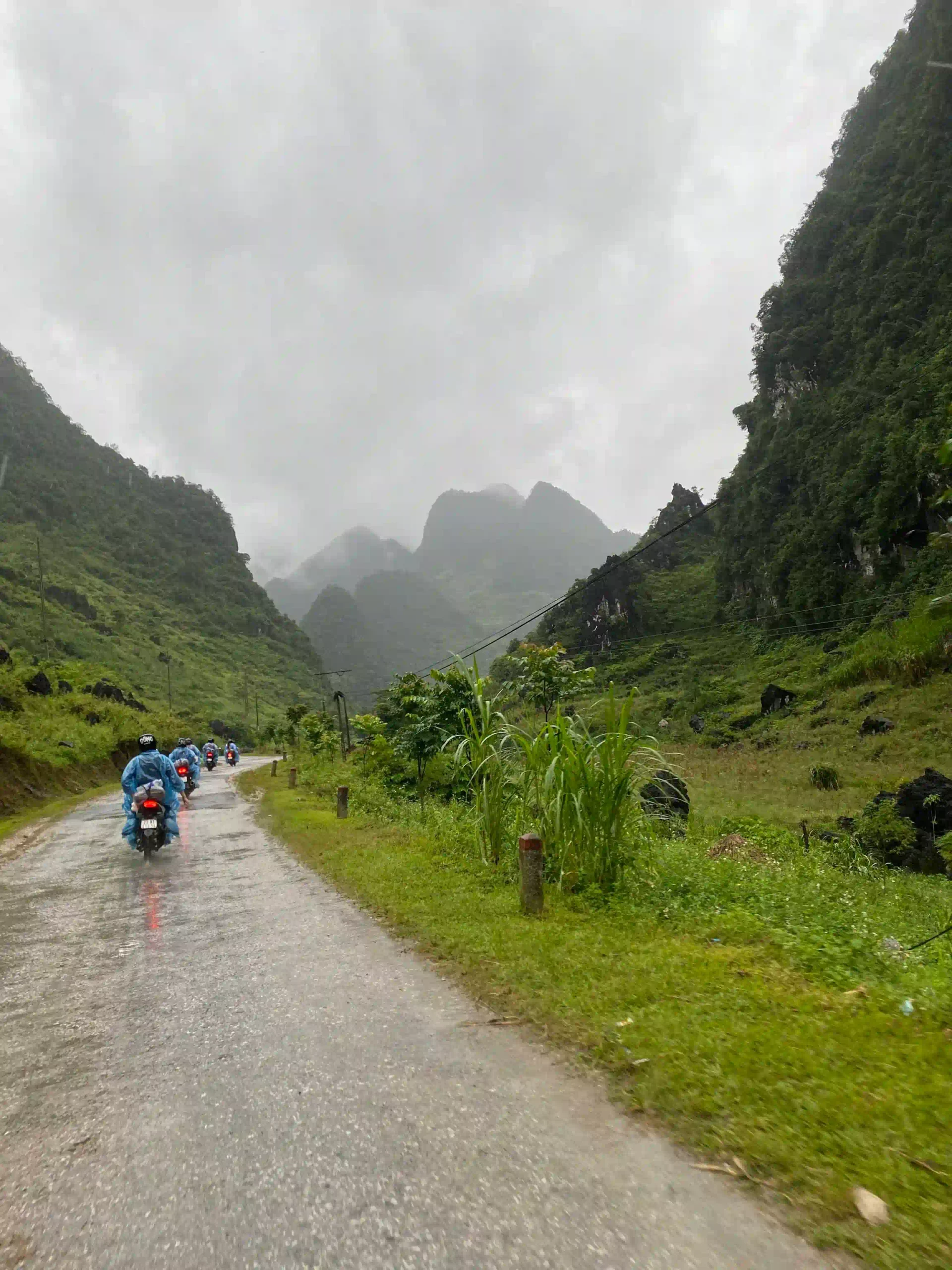
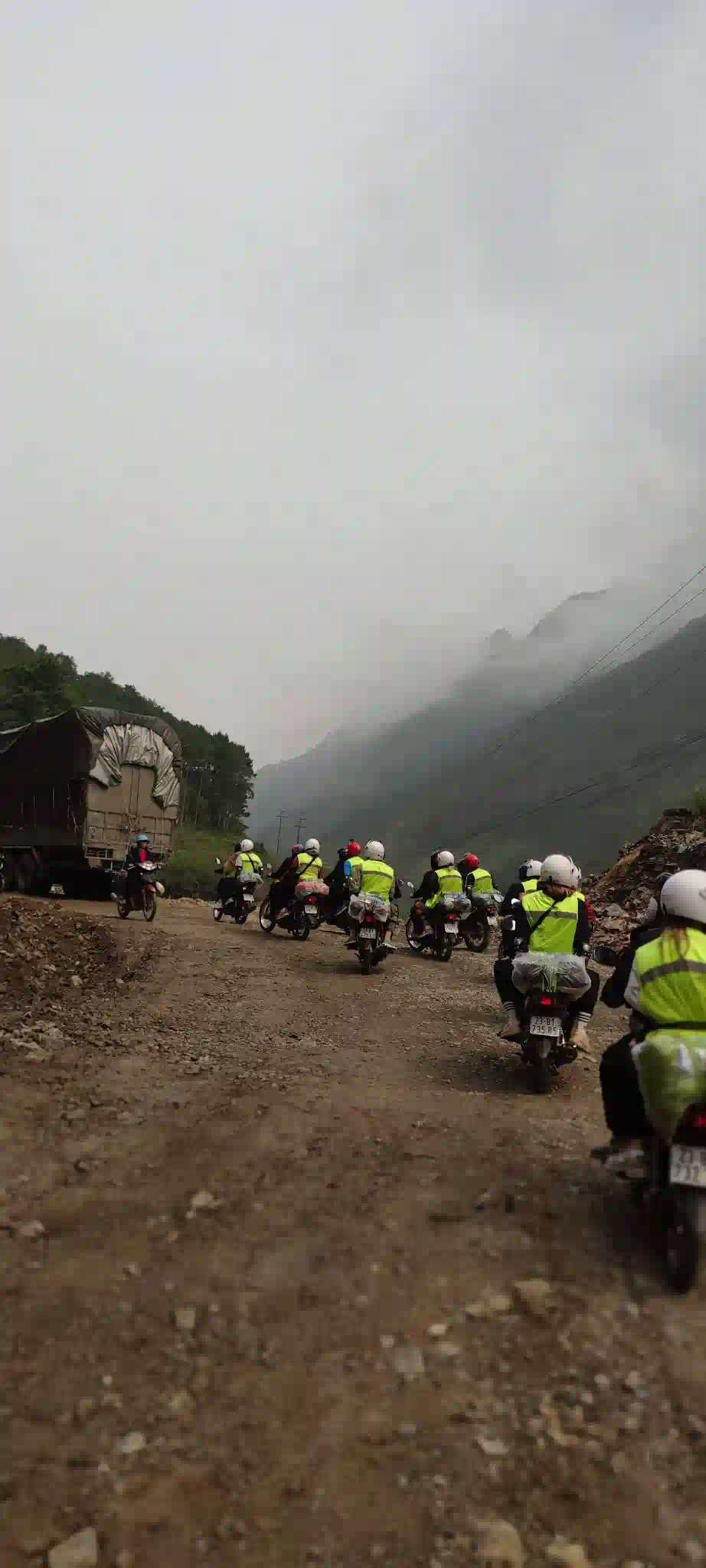
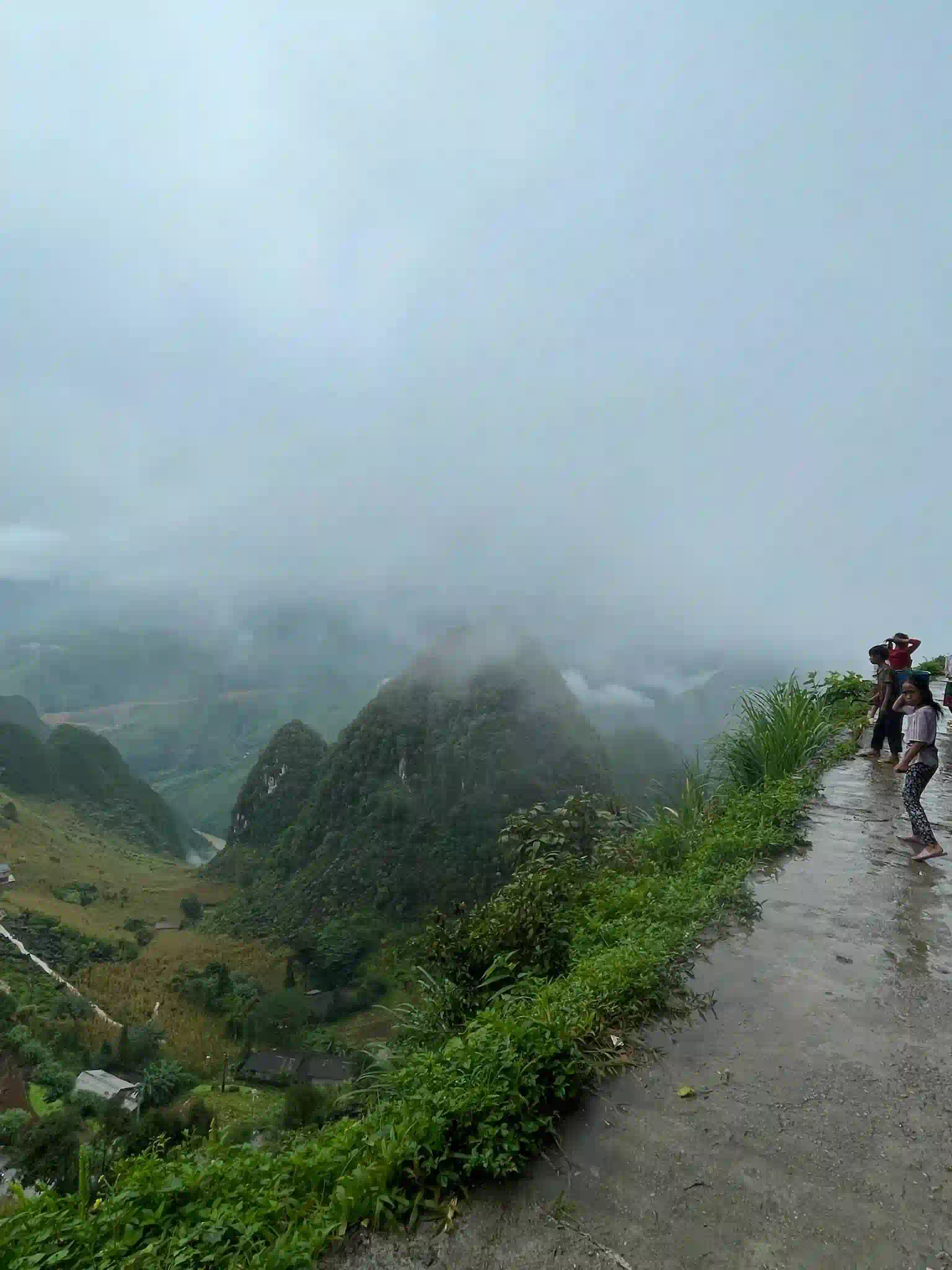
This is the hardest time to attempt the route. This is peak wet season.
- The weather: Hot, humid, and very wet. It might not rain all day, but when it dumps water, it dumps it heavily. Thunderstorms usually roll over the valleys fast.
- The reality check: This is when riding becomes dangerous for inexperienced drivers. Large sections of the route, especially near Du Gia village, turn into a sloppy, slick mess. When it rains, the water drags dirt from the cliffs onto the corners of the paved road. A slight tap of your brakes and your tires will wash out from under you. I’ve seen multiple foreigners walking around with road rash and snapped brake levers in August.
If you are already in Vietnam in July and have no choice, this is the time when I absolutely recommend sorting out an easy rider booking.
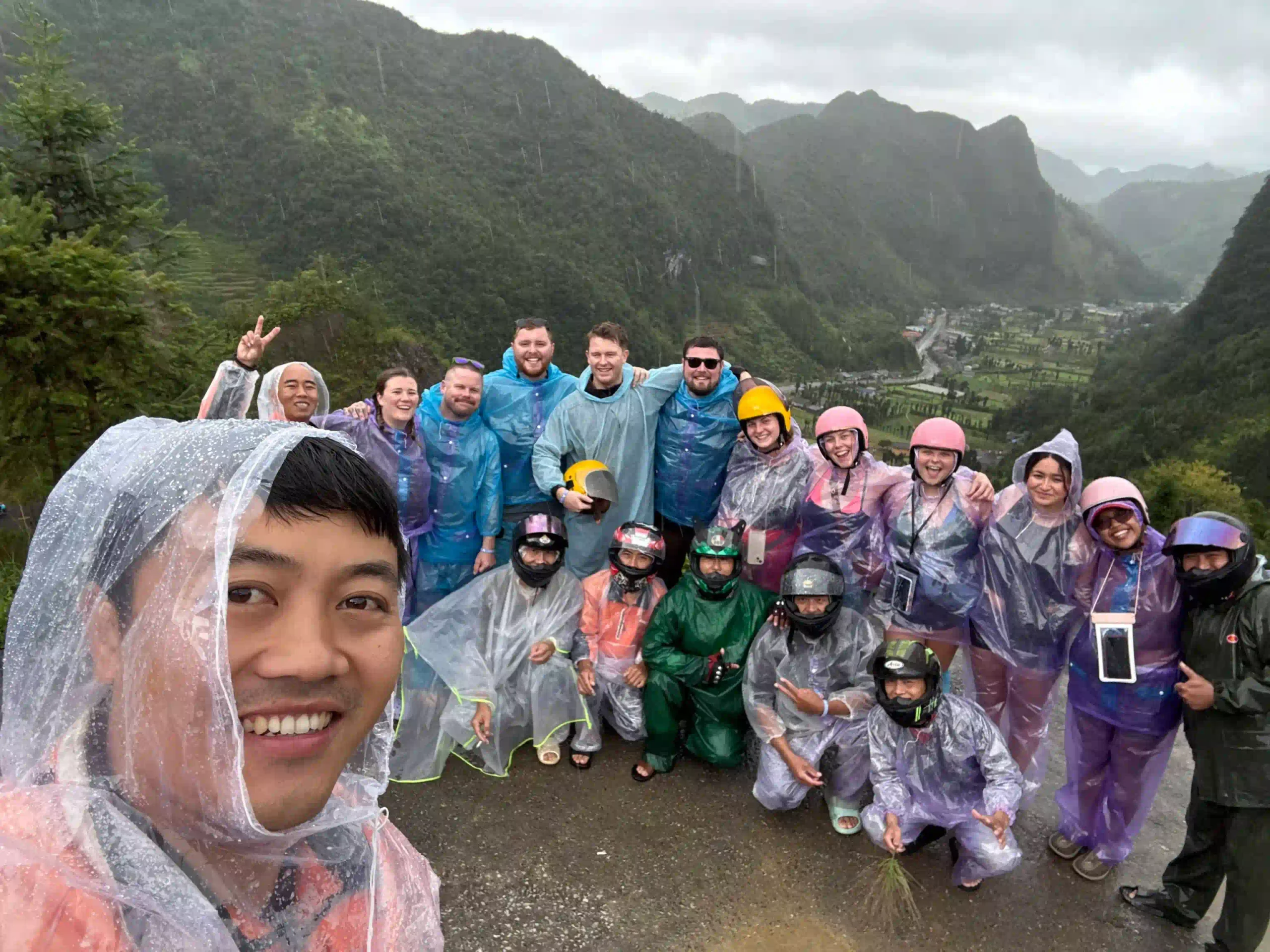
Do not stubbornly try to self-drive an automatic scooter in a summer storm. Paying an experienced local guide 150 bucks to safely maneuver his bike through the mud pits while you wear a big plastic rain poncho is the smartest money you can spend. Let the guy who knows where the tire ruts are drive.
September and October: Golden Rice Season (The Crowded Peak)
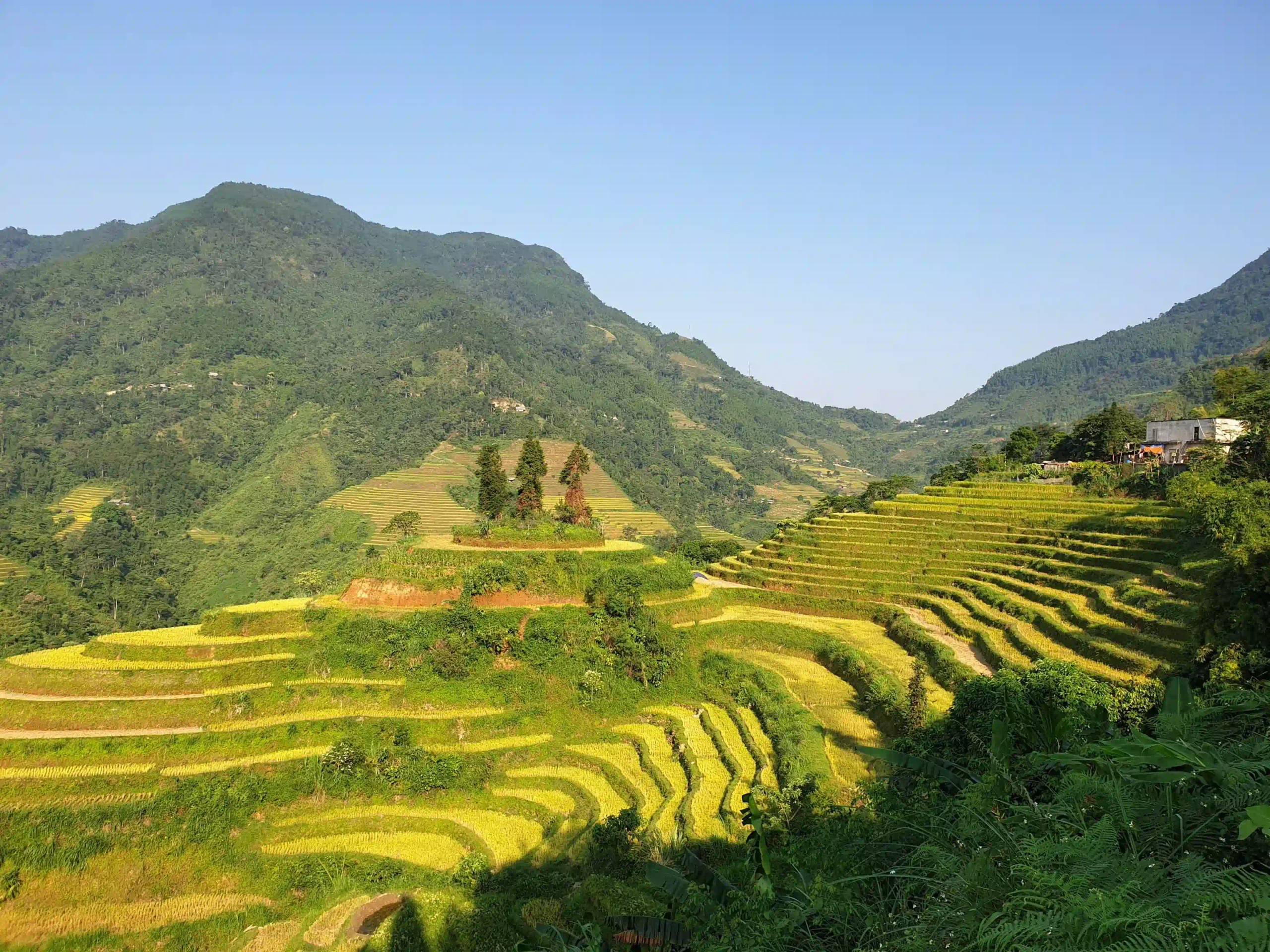
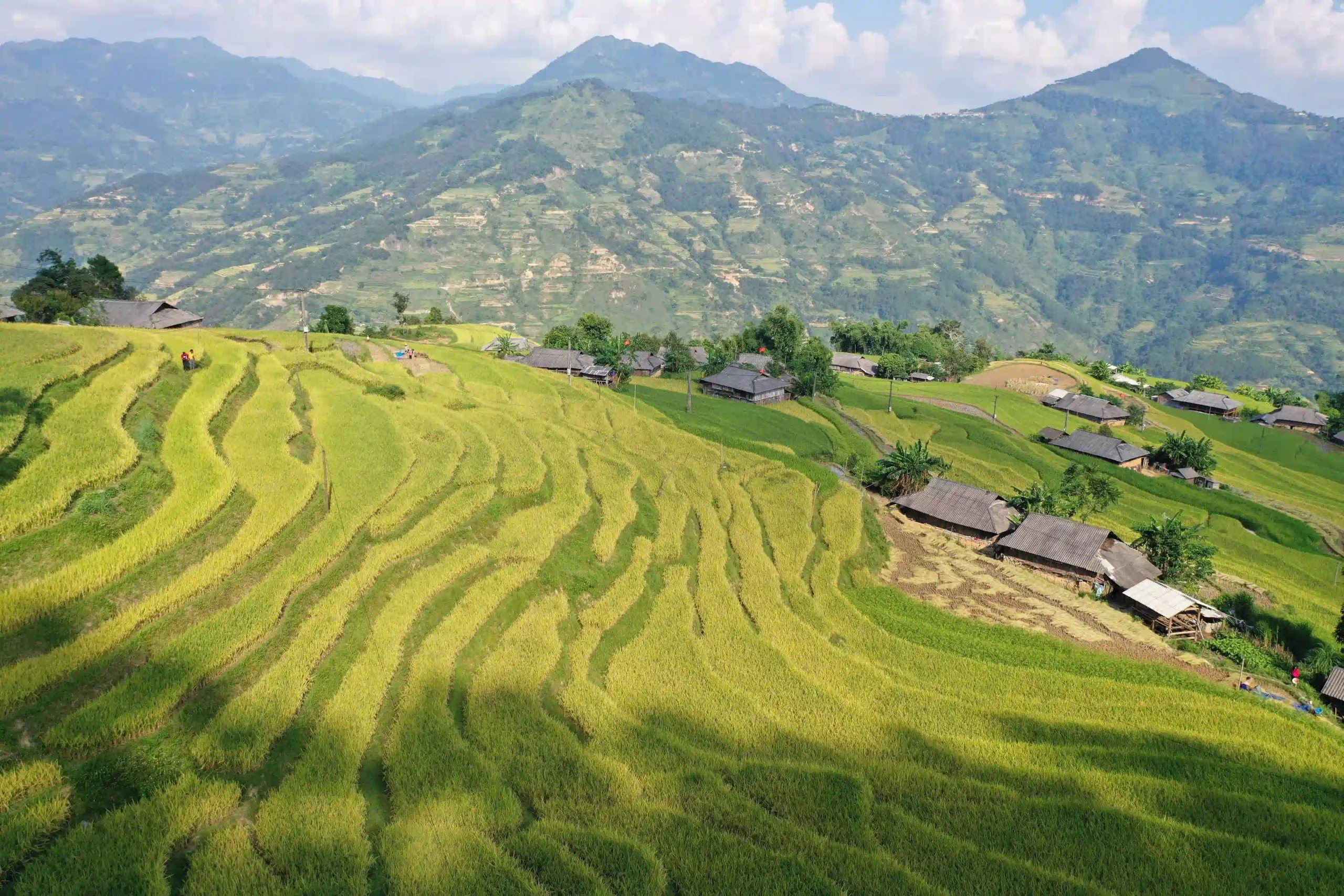
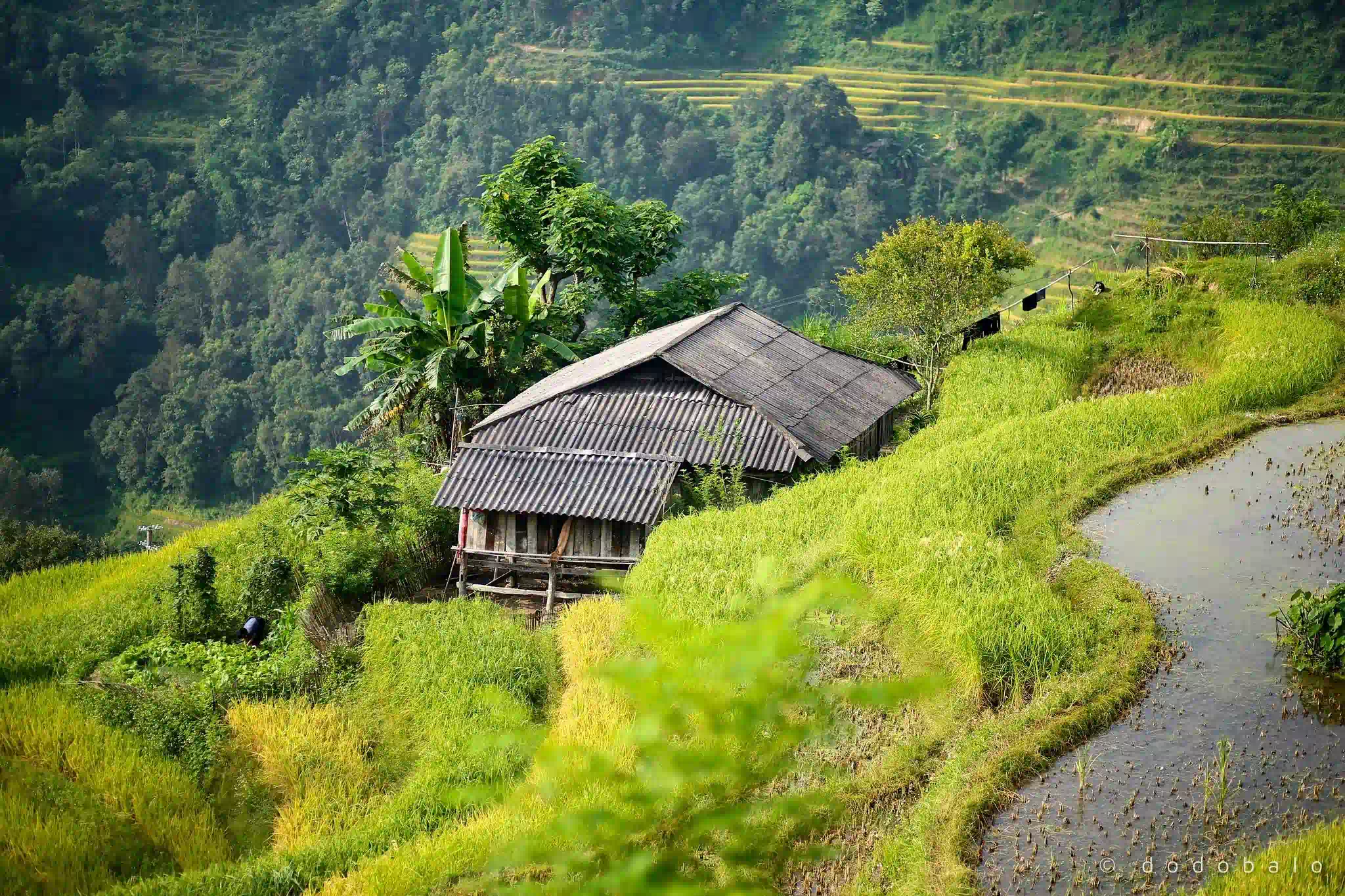
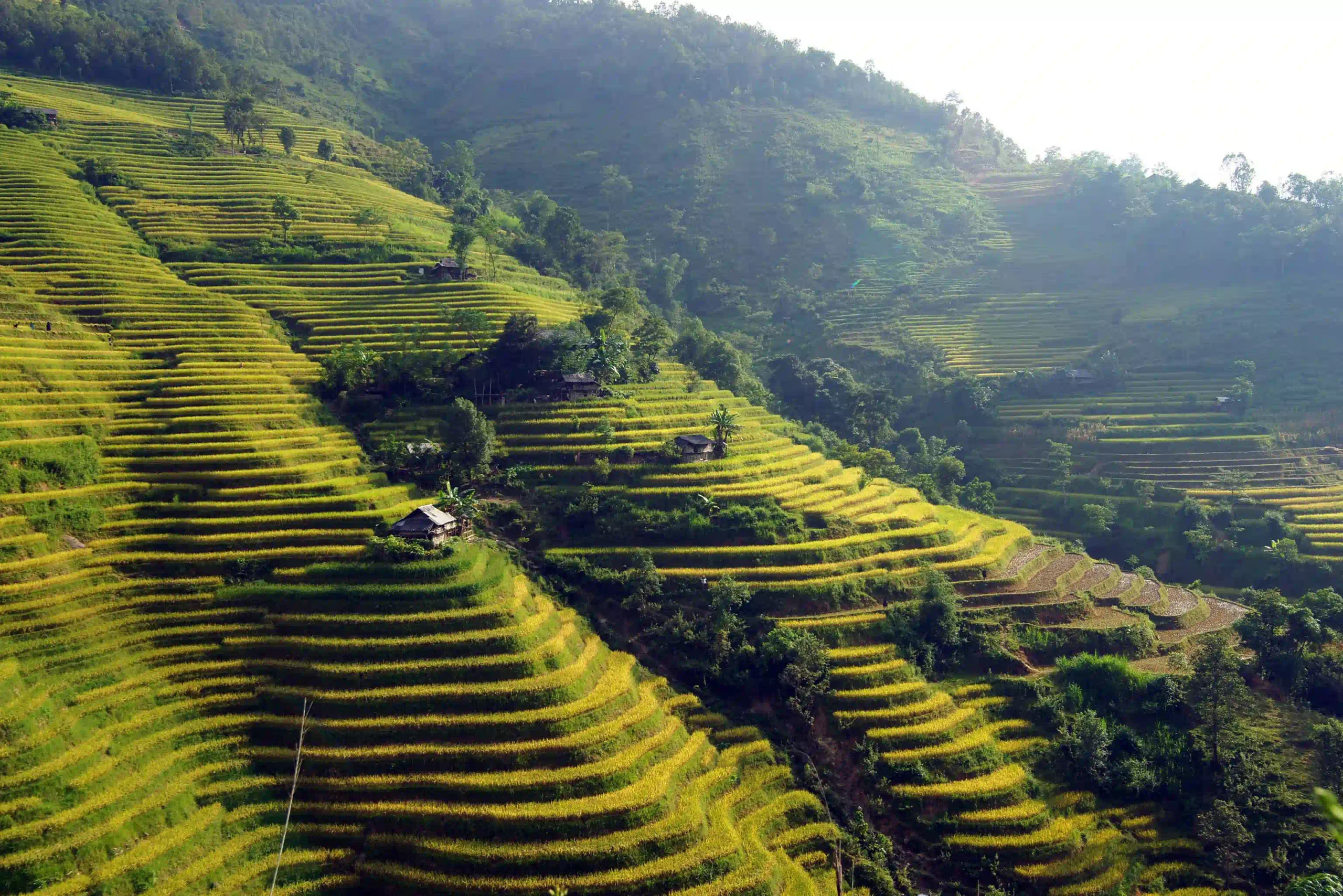
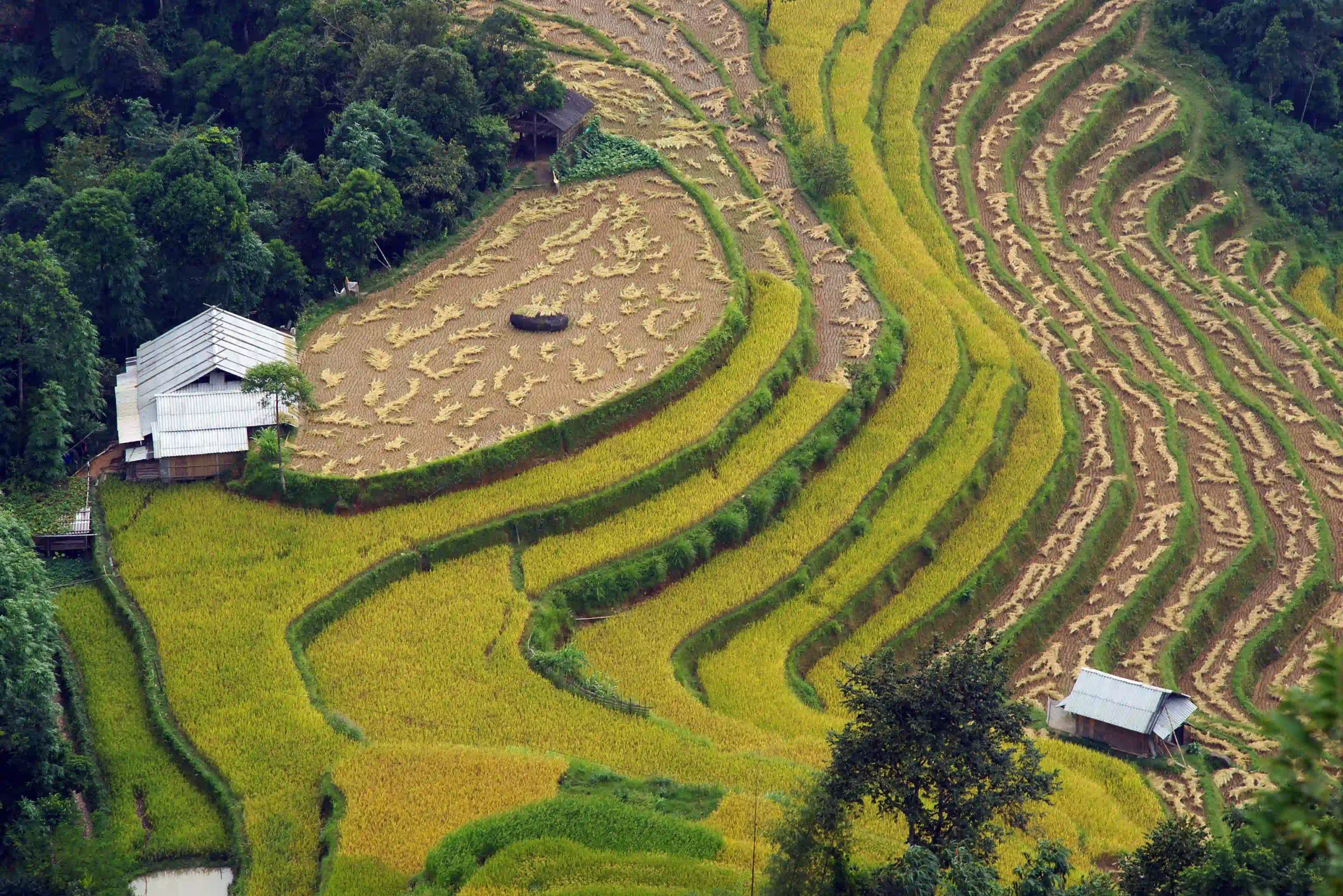
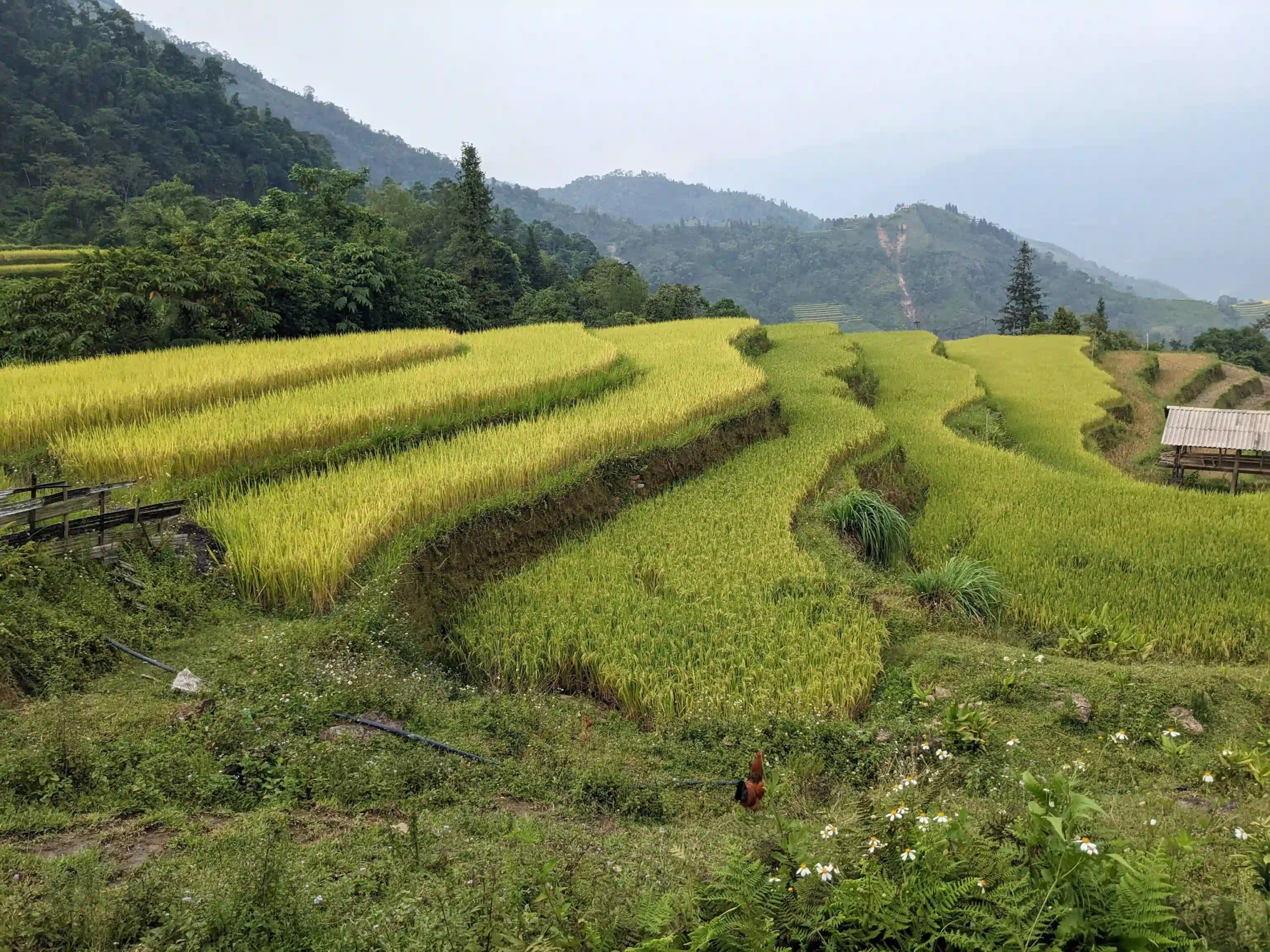
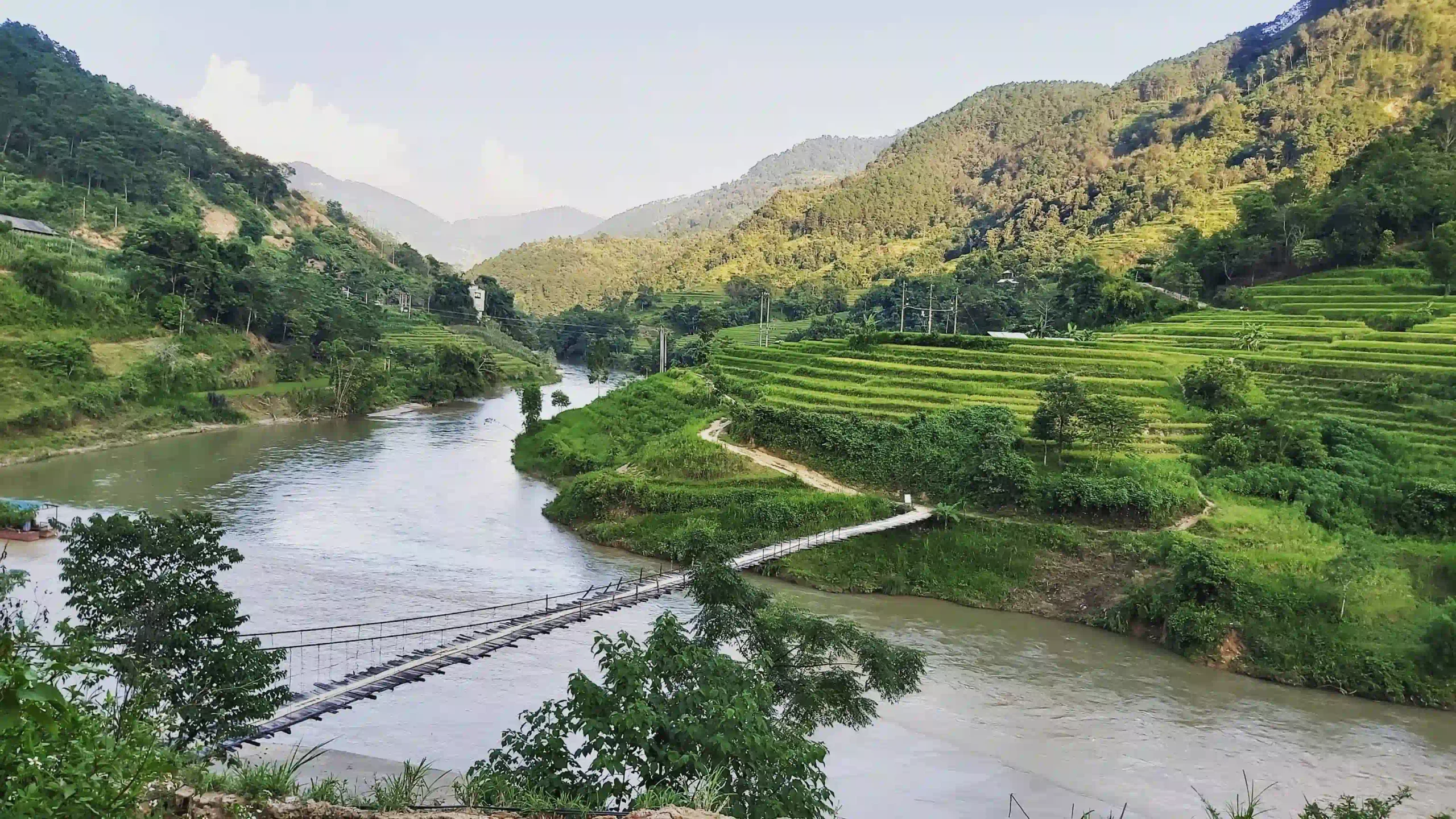
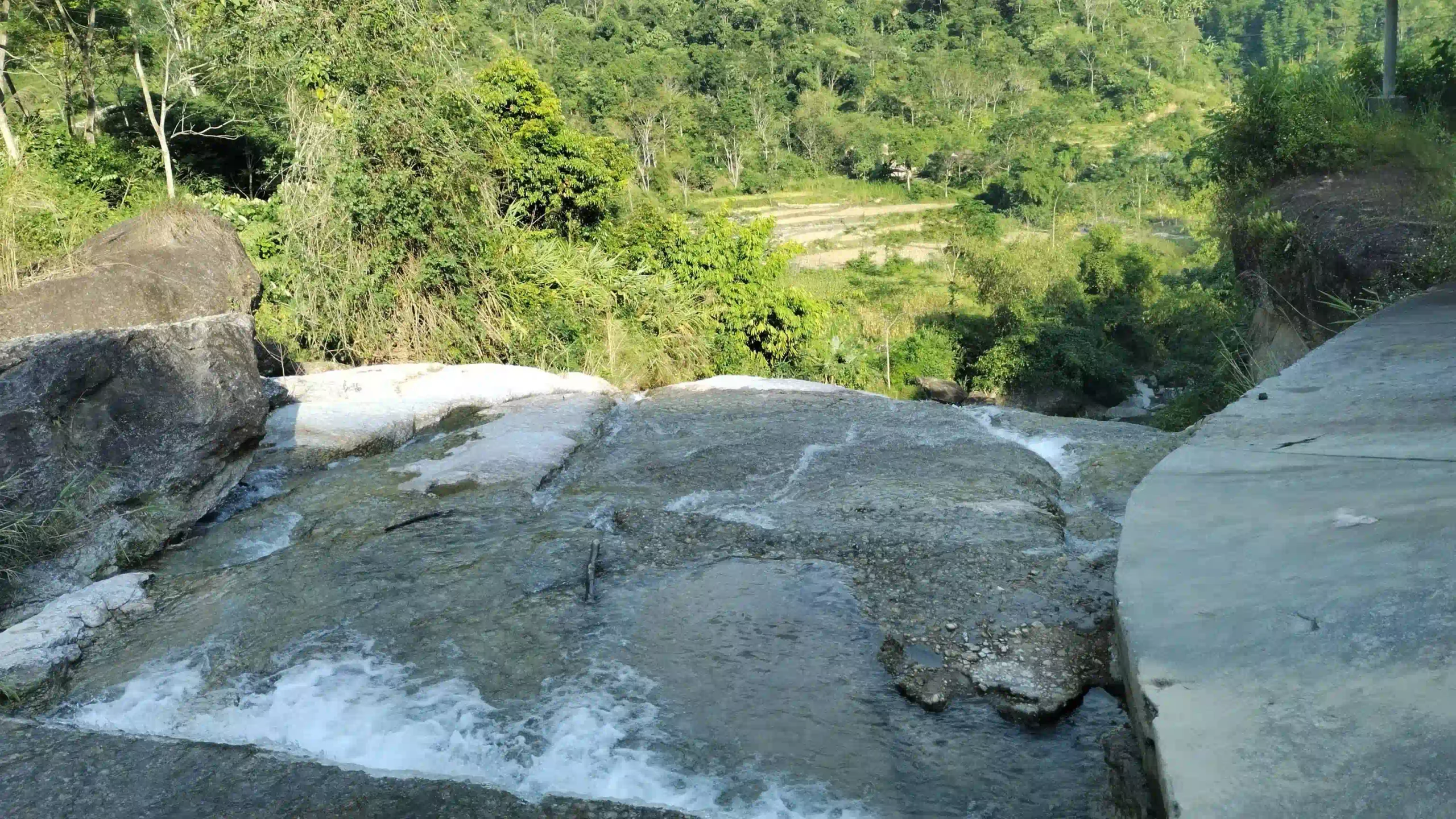
A massive chunk of tourists consider September to October the undisputed Best Time to Do the Ha Giang Loop. It is famously called the “Golden Season”.
- The weather: The intense summer rain backs off significantly, and the temperature sits in the mid-20s (Celsius) during the afternoon.
- The scenery: All the terraced rice fields, specifically the massive ones if you take a detour near Hoang Su Phi, turn bright yellow for the harvest. You ride past hundreds of local ethnic minority people cutting the rice by hand.
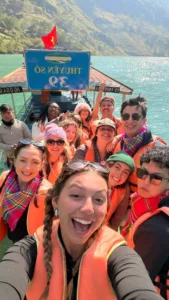
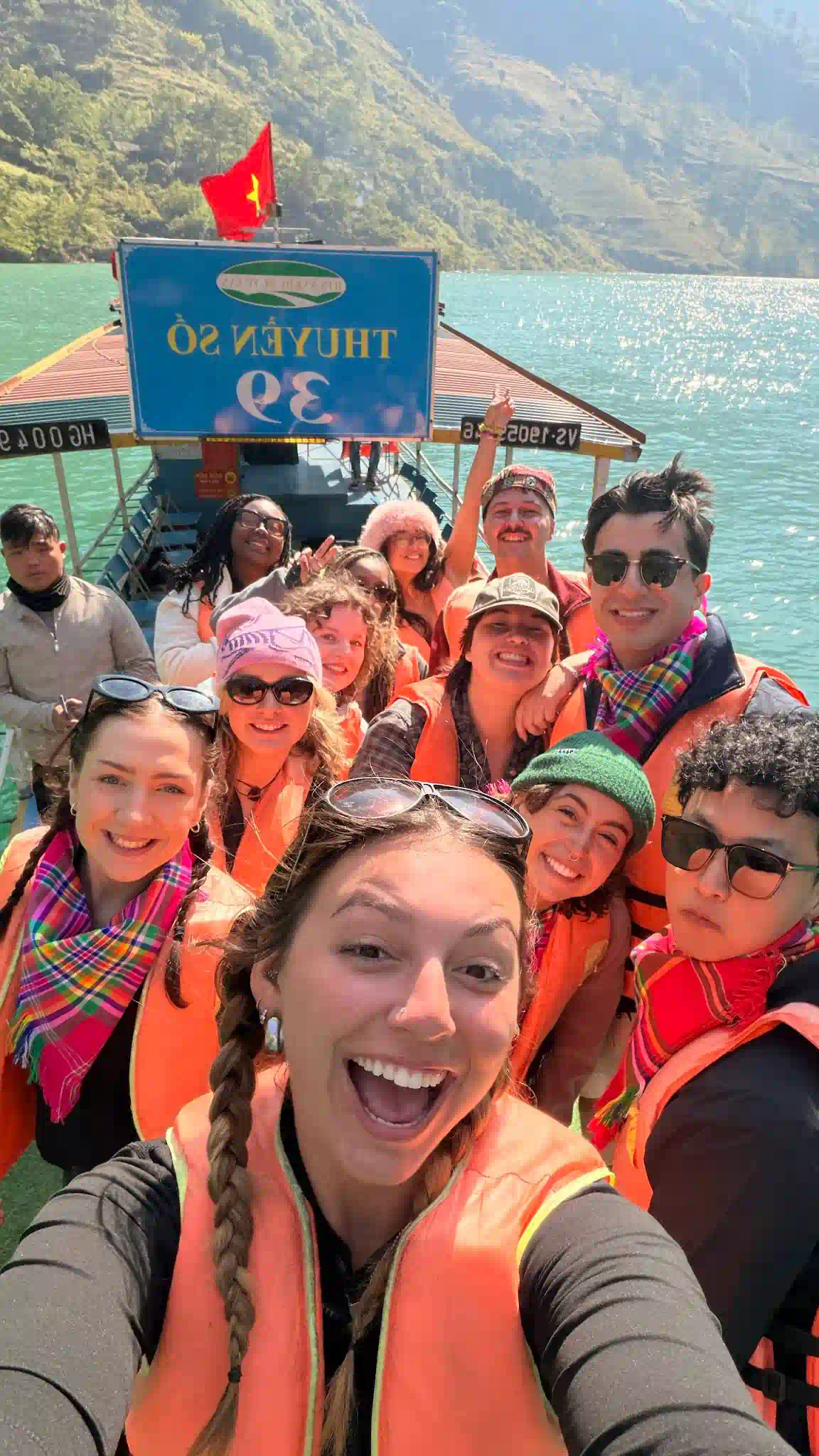
- The reality check: Since this is widely marketed as the best period, the roads get intensely crowded. You aren’t just dealing with western backpackers; hundreds of domestic Vietnamese tourist vans hit the loop too. It leads to traffic jams on the narrow mountain curves. The boat docks down at the Nho Que river will be packed with people queuing up for the 45-minute canyon cruise. You need patience. If you need transport from Hanoi to Ha Giang city to start your trip, you must buy your VIP cabin bus tickets well in advance. Book directly through Baolau or 12go or ask your Ha Giang homestay to secure it a week out, because buses physically run out of seats in October.
November: The Buckwheat Flower Hype
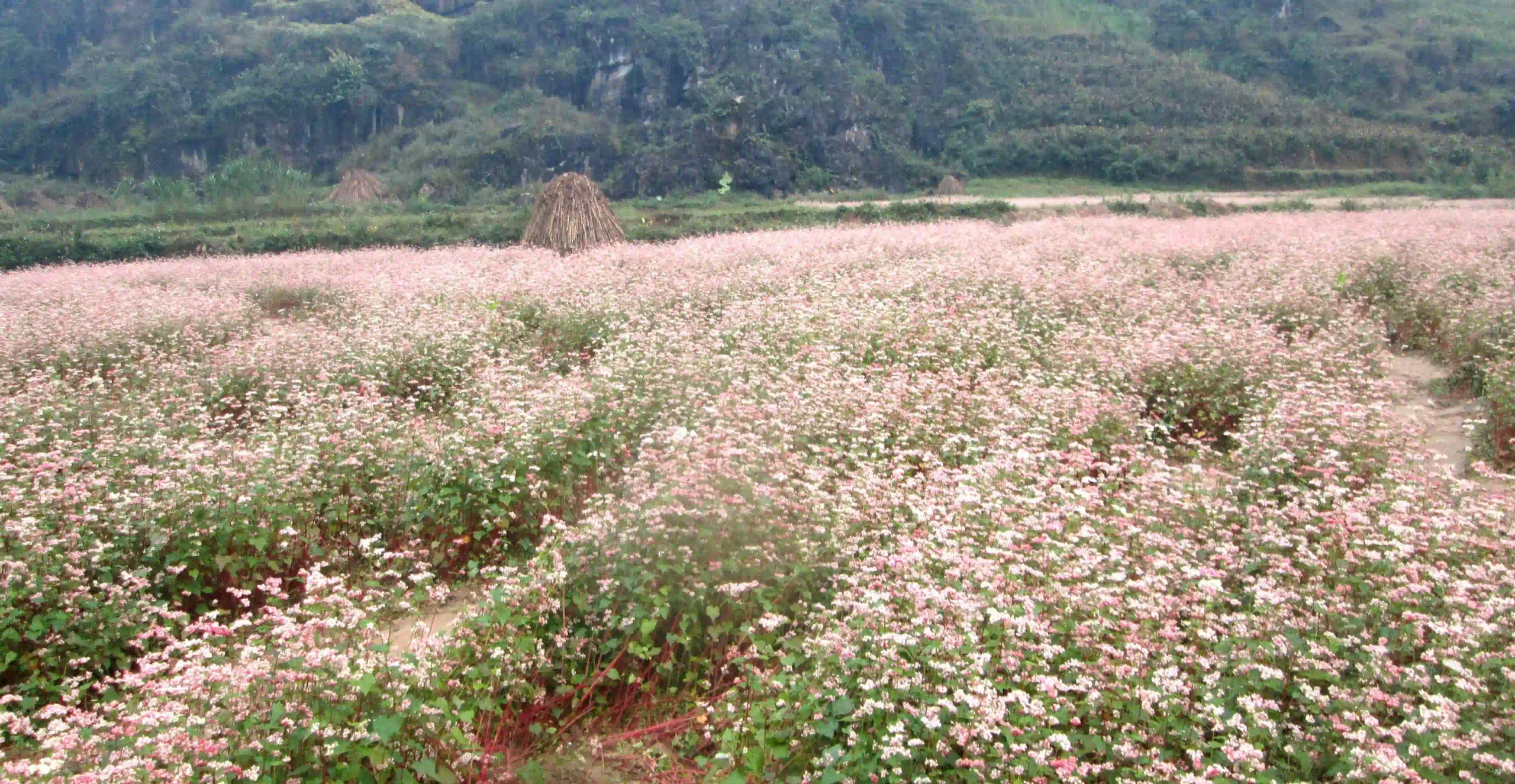
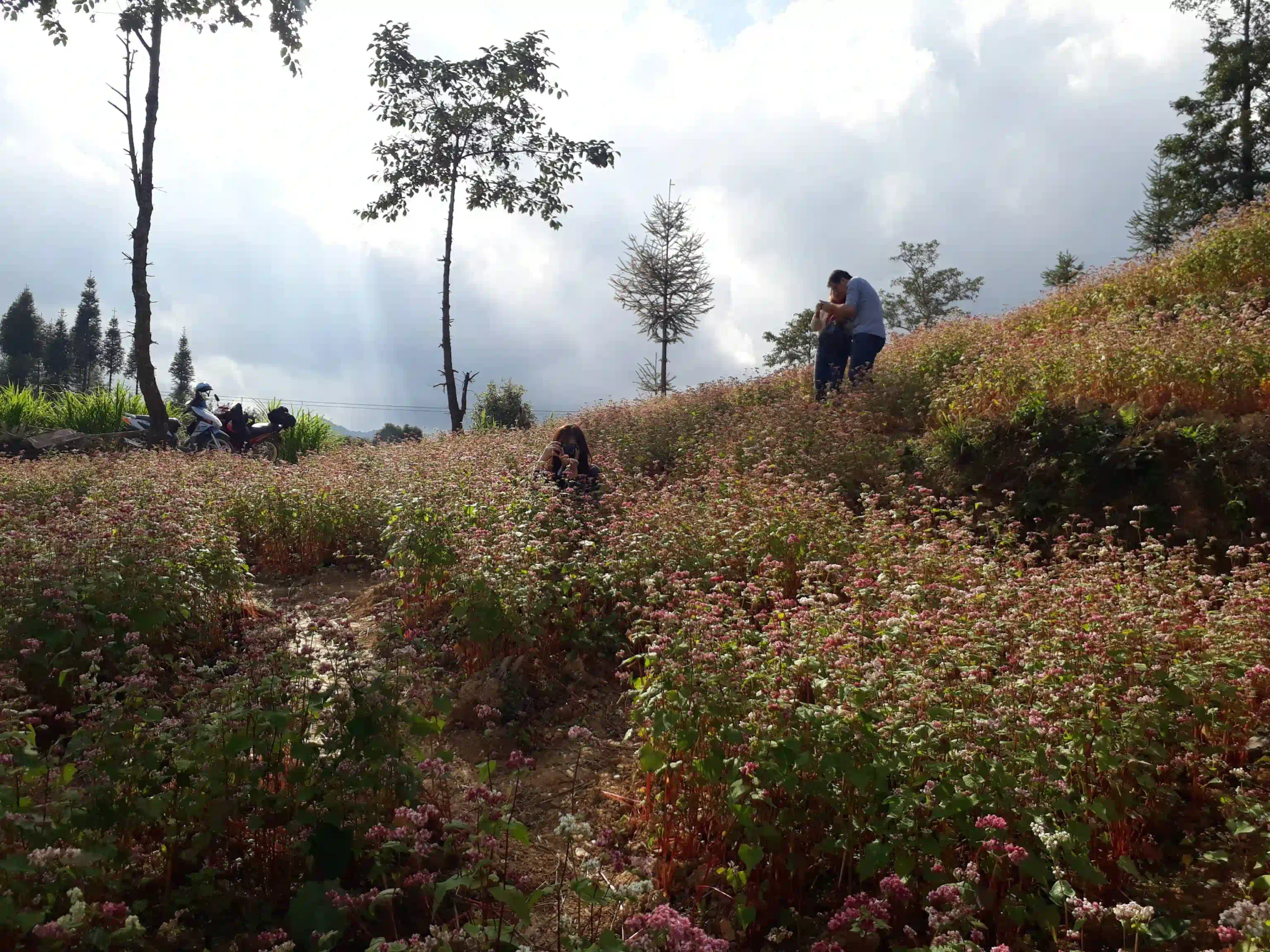
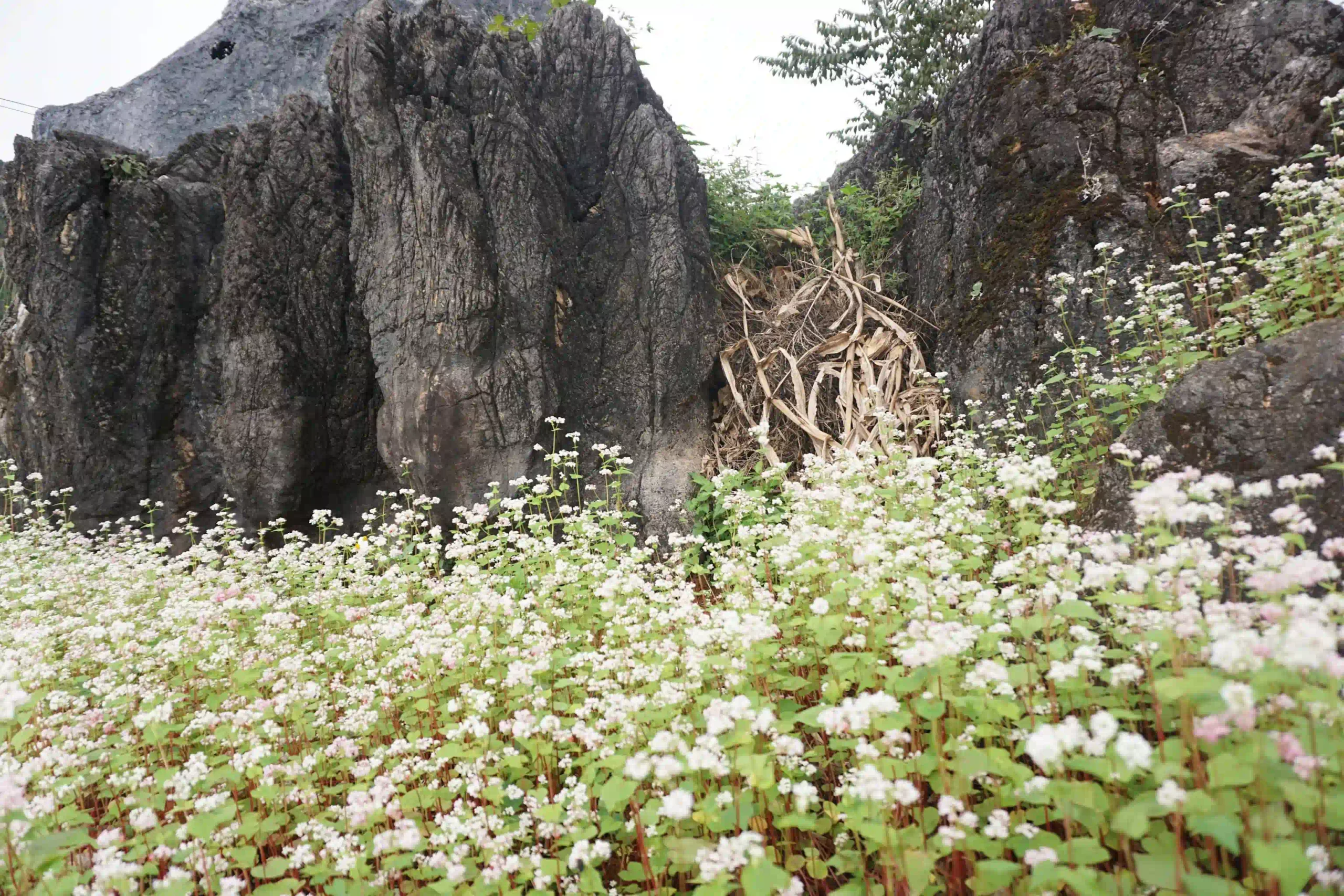
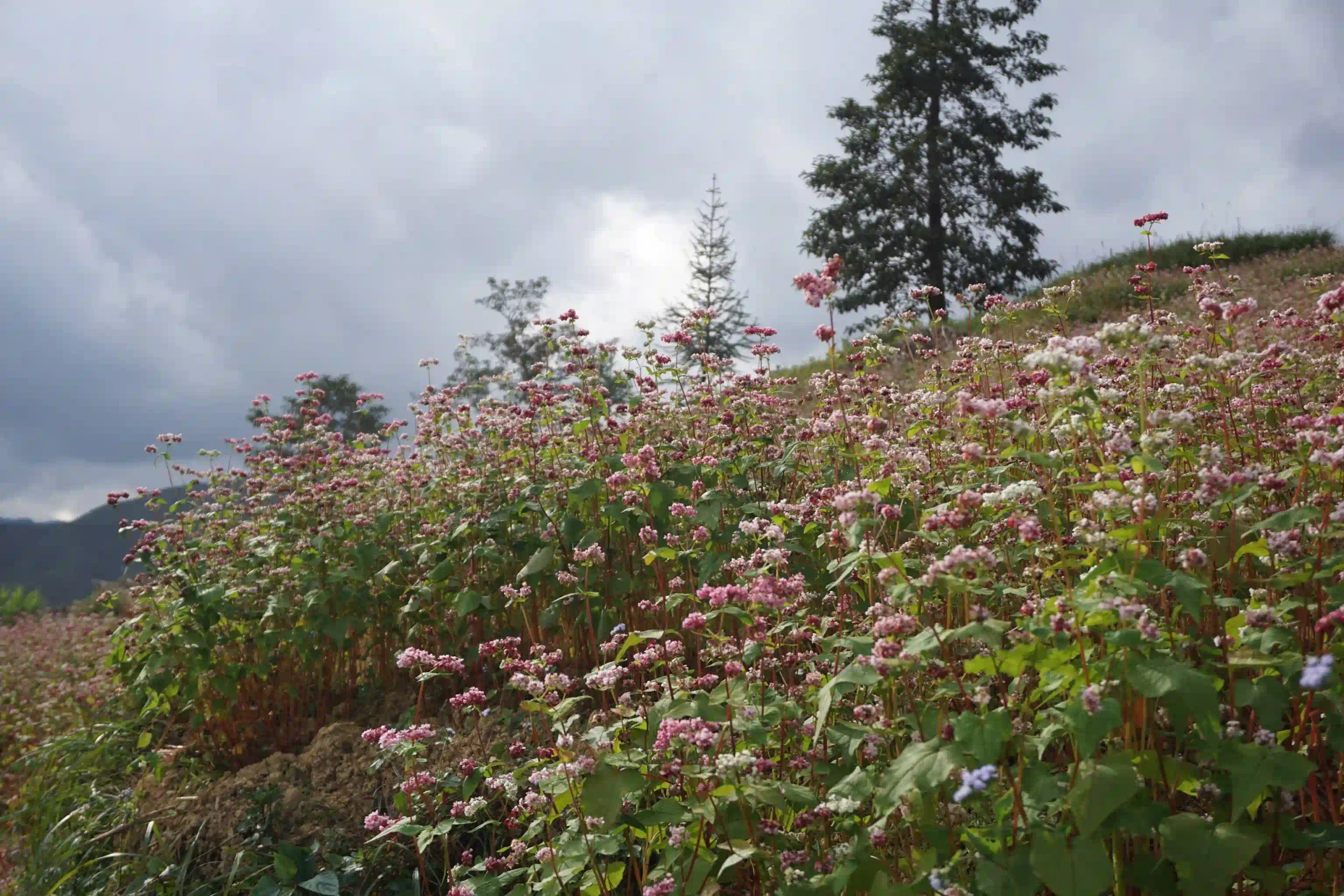
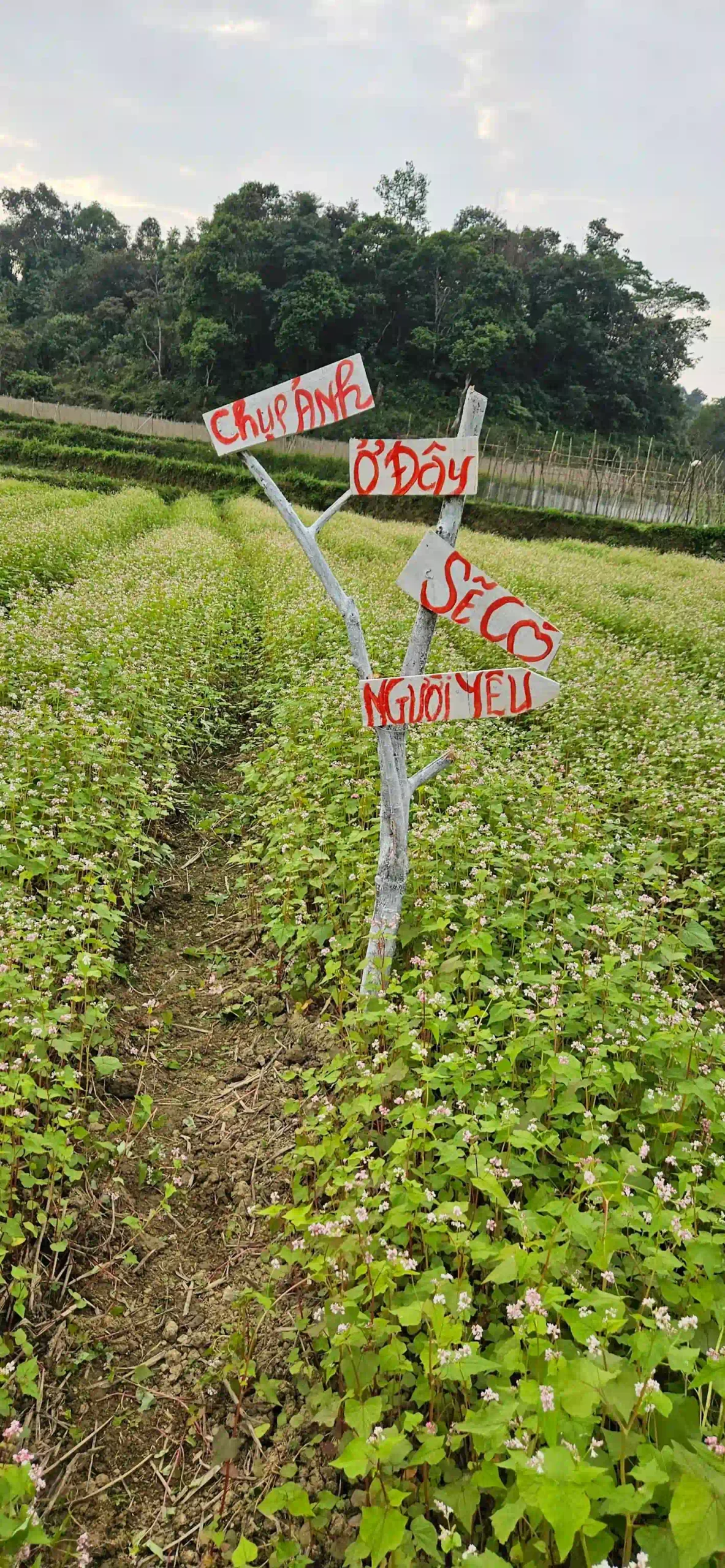
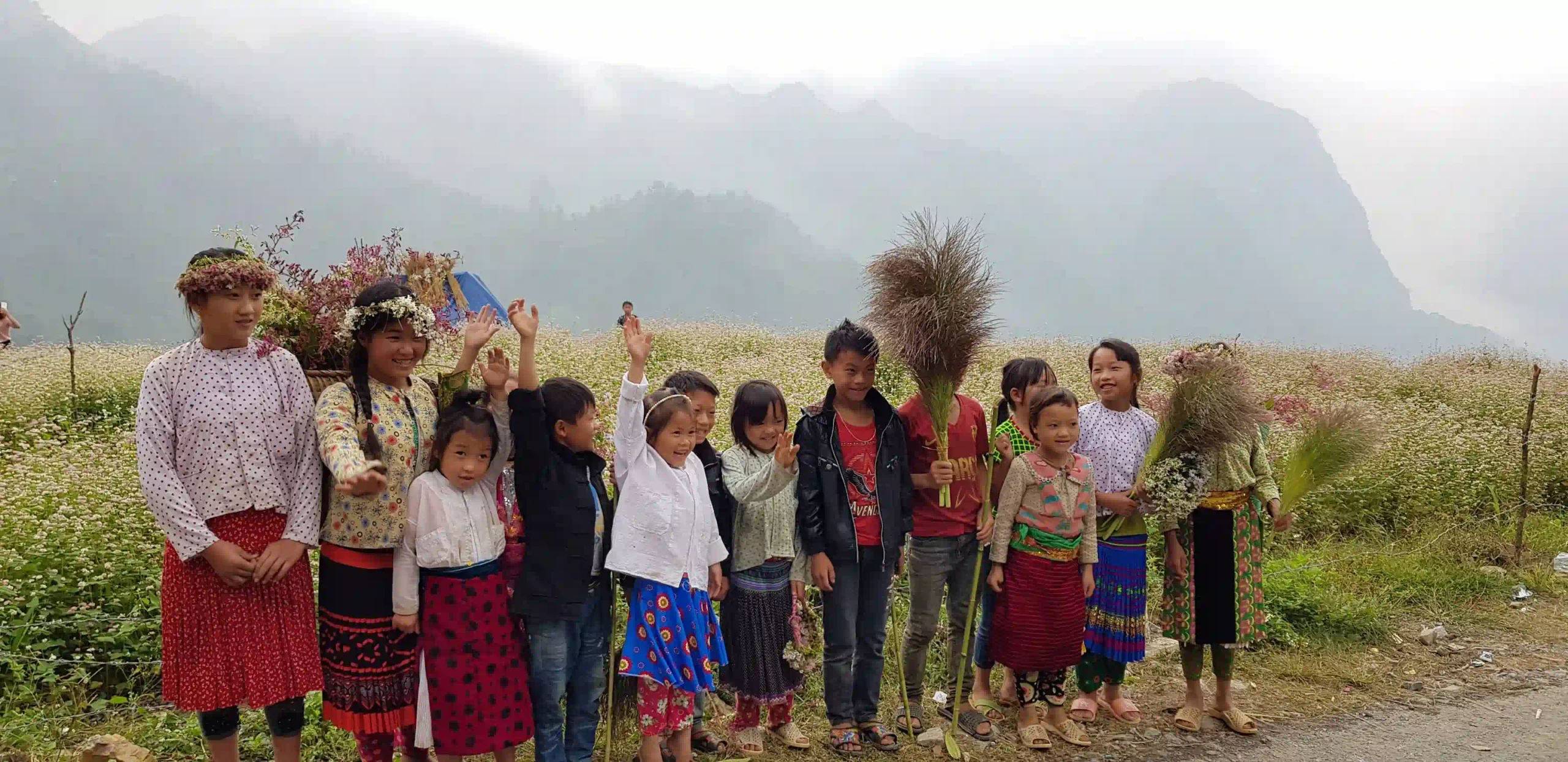
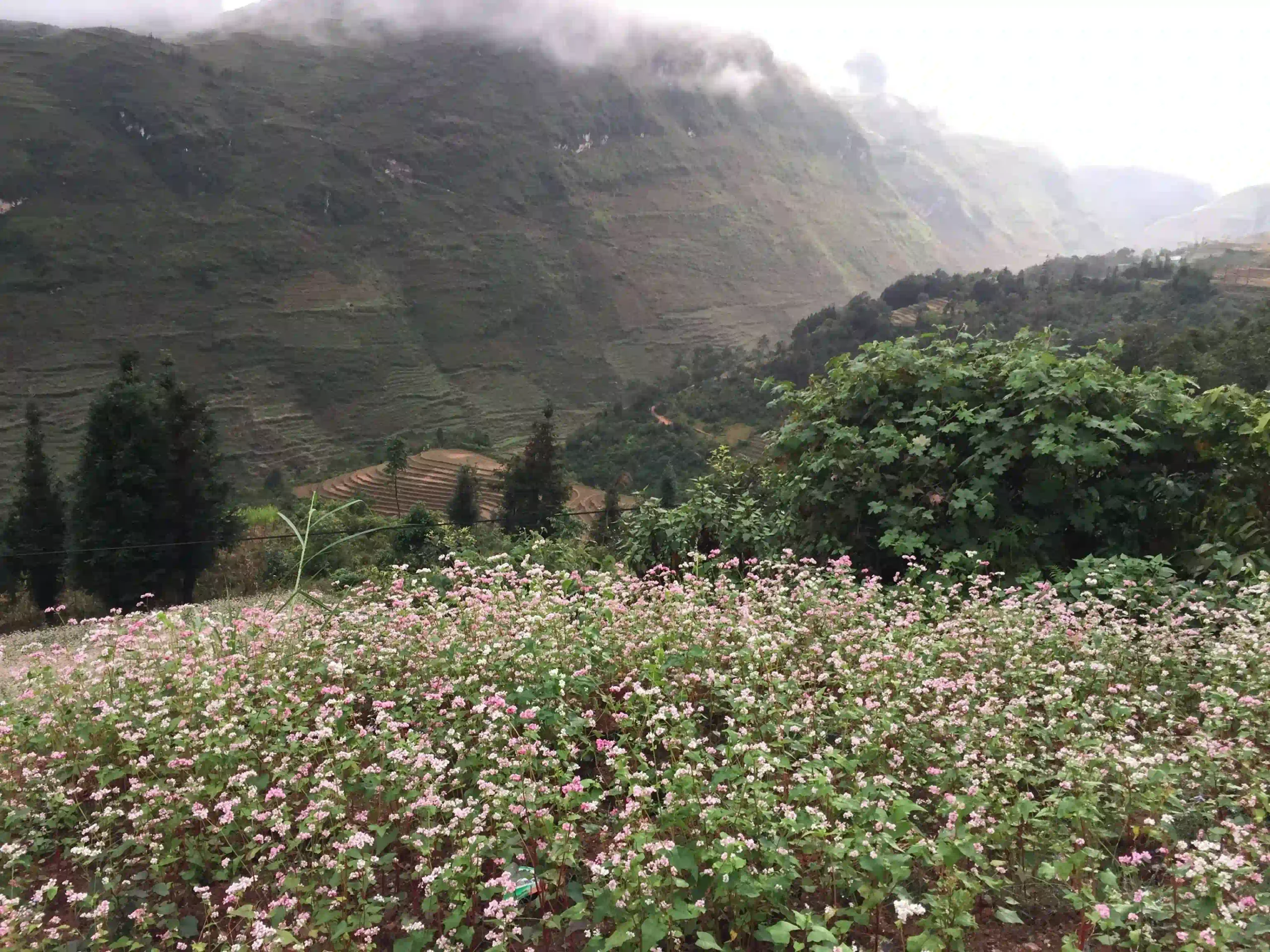
Right after the rice gets harvested, Ha Giang has another massive event: The Buckwheat Flower Festival (Hoa Tam Giác Mạch).
- The weather: This is when the true cold weather starts to punch in. By late November, the daytime temperature drops down, and night time can dip near 10°C. You will genuinely feel cold while riding because of the wind chill off the cliffs.
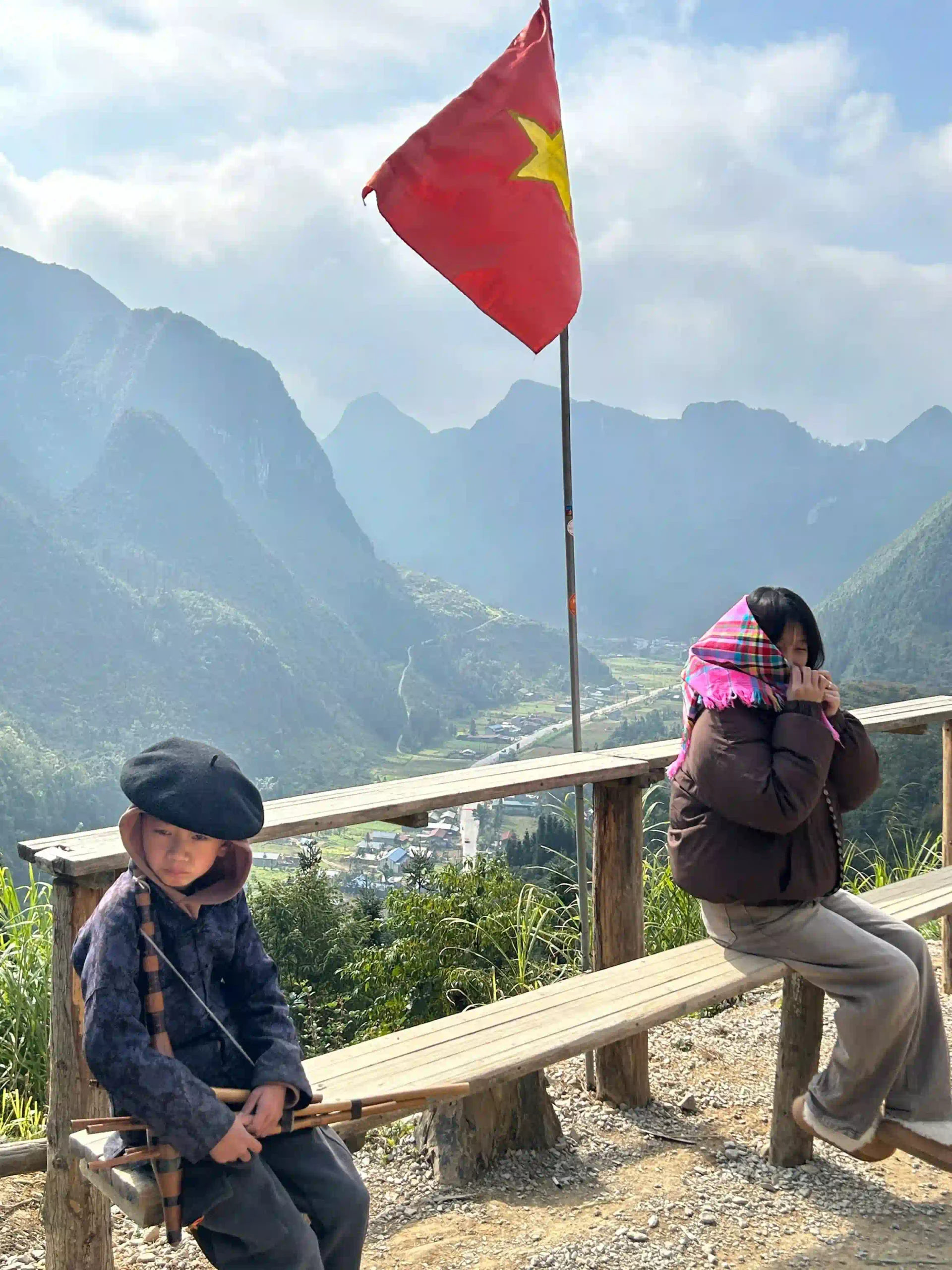
- The scenery: In the old days, the Hmong and Dao communities planted buckwheat on these harsh rocks purely as a food backup when the rice harvests failed. Now, it is a huge tourist draw. Entire valleys turn soft pink, white, and purple. It looks entirely alien. There are massive festivals involving local leaf flutes, dancing, and plenty of corn wine drinking.
- The reality check: Much like October, November means big crowds heading exactly for places like Lung Cu (the flagpole on the Chinese border) where the biggest flower fields are. Make sure you have layered clothes. Riding jeans, thermal long underwear, a proper jacket, and enclosed boots are needed. You will regret showing up in shorts.
December, January, and February: The Freezing Winter
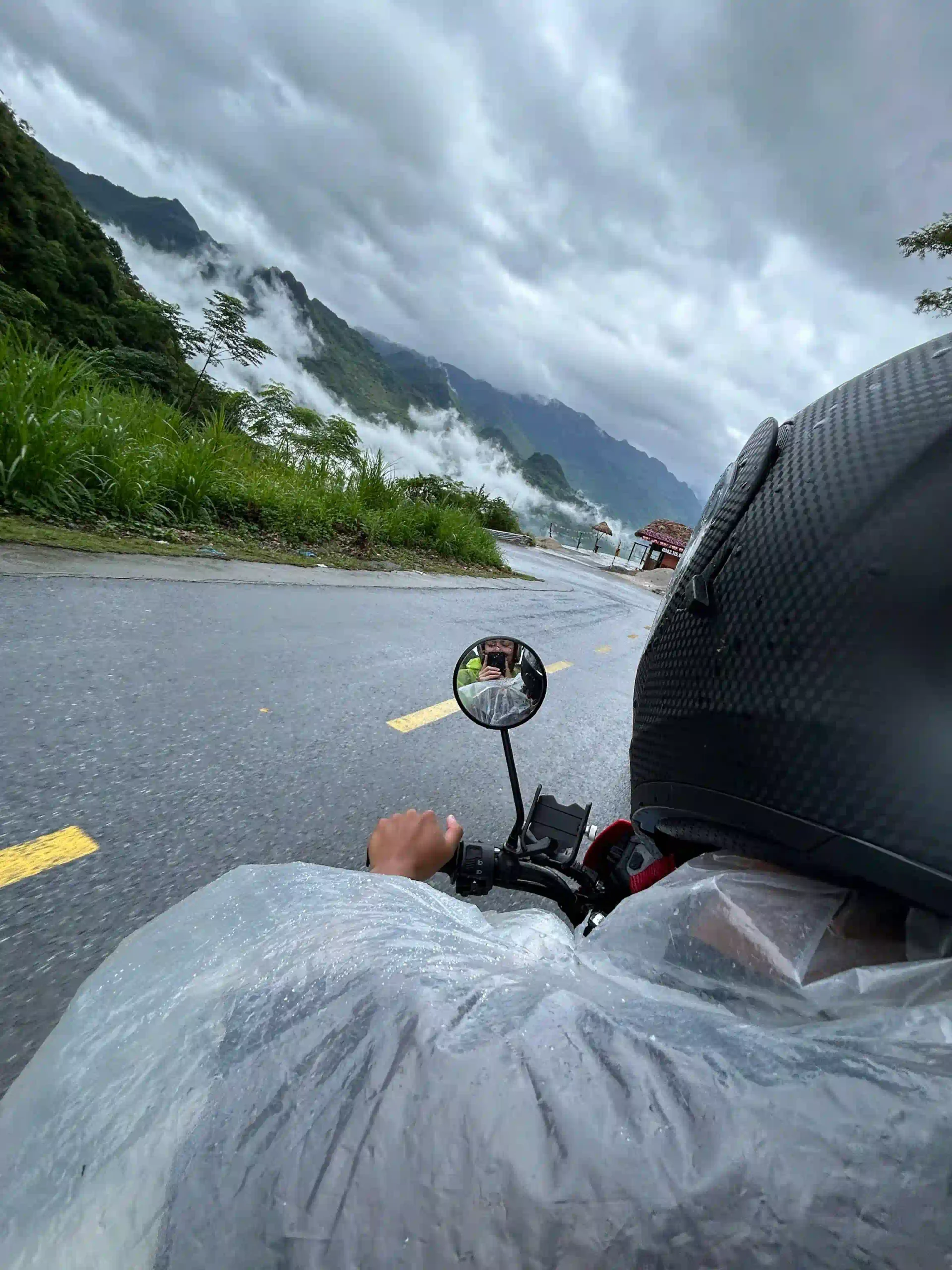
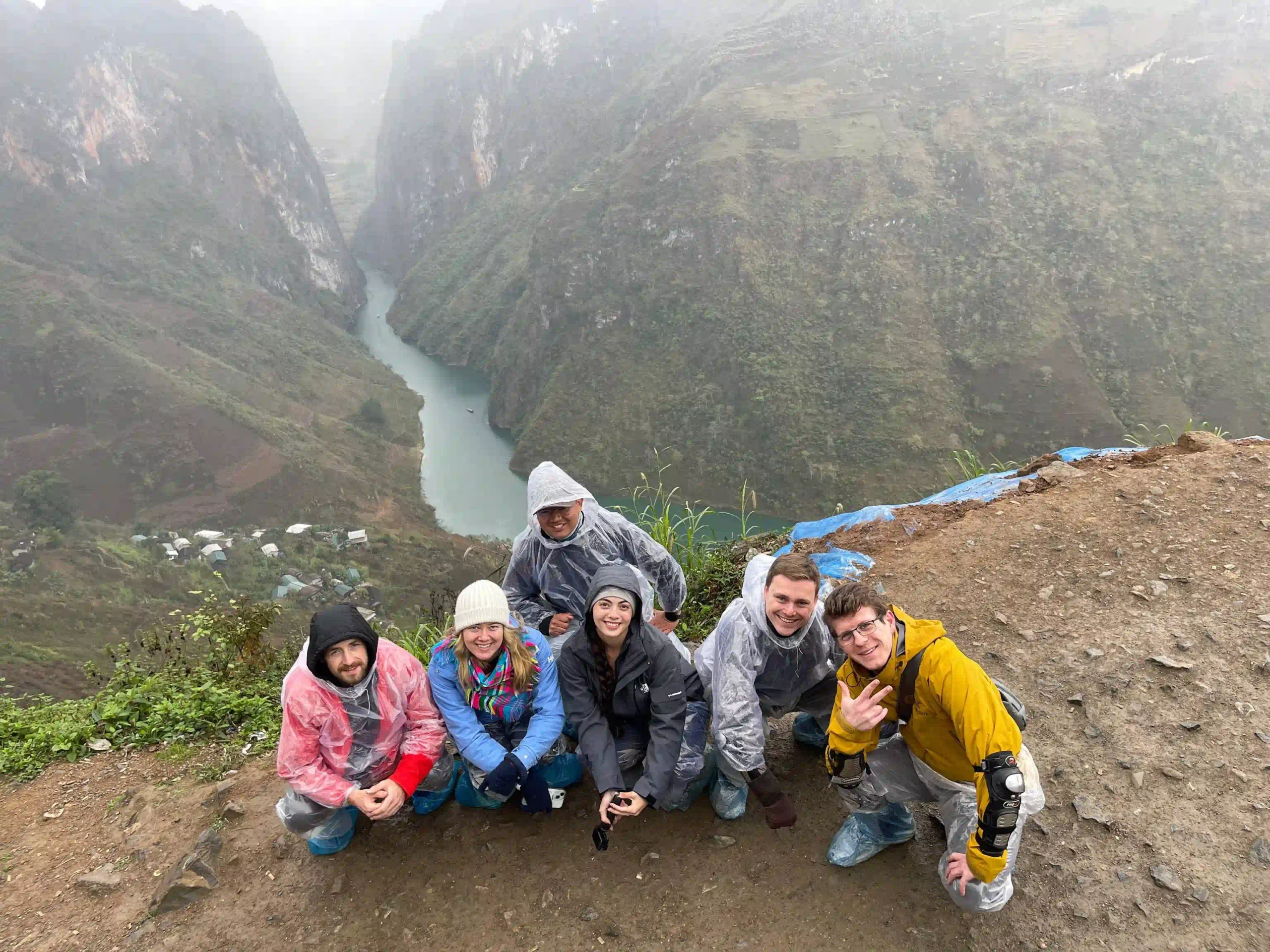
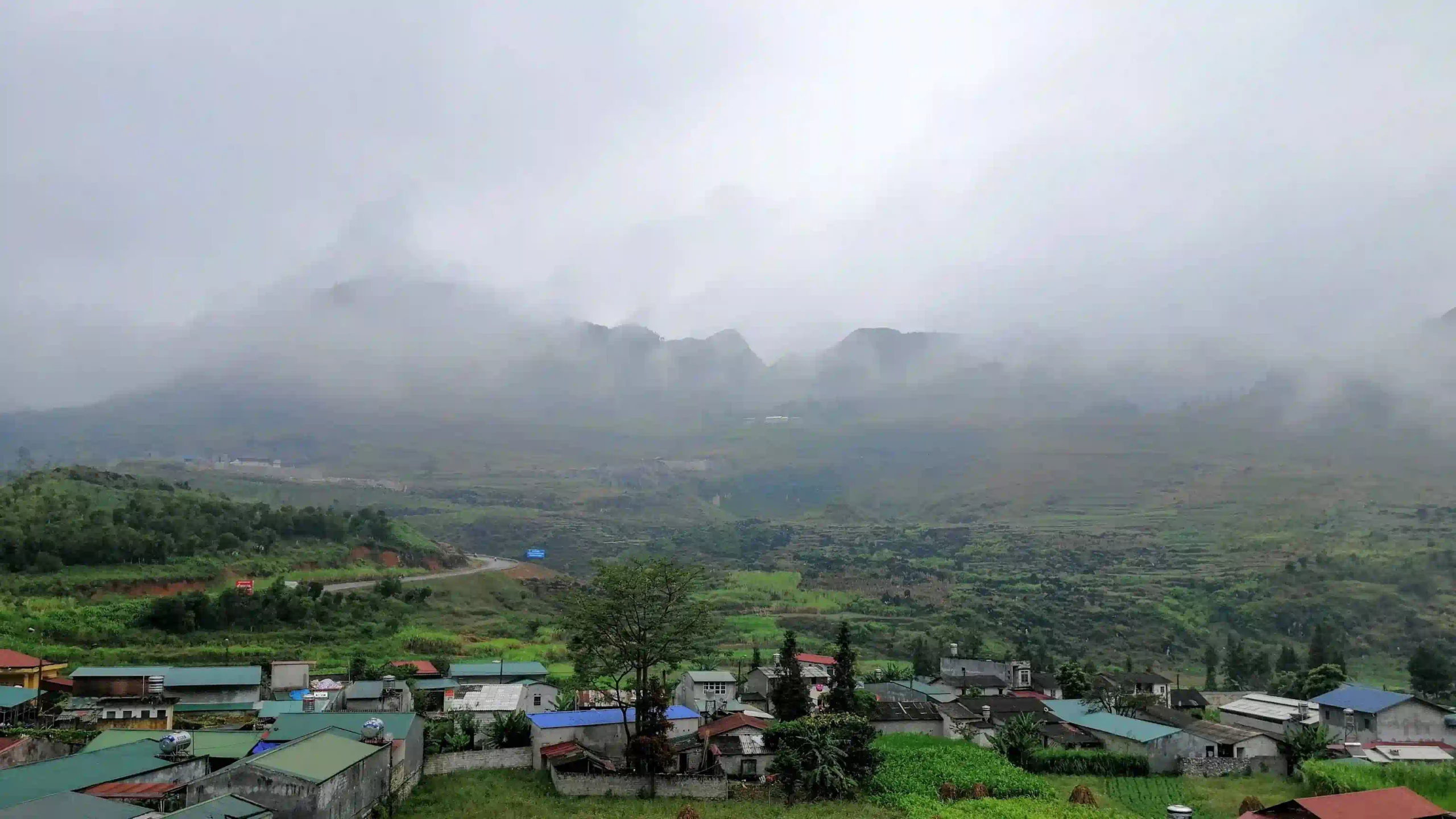
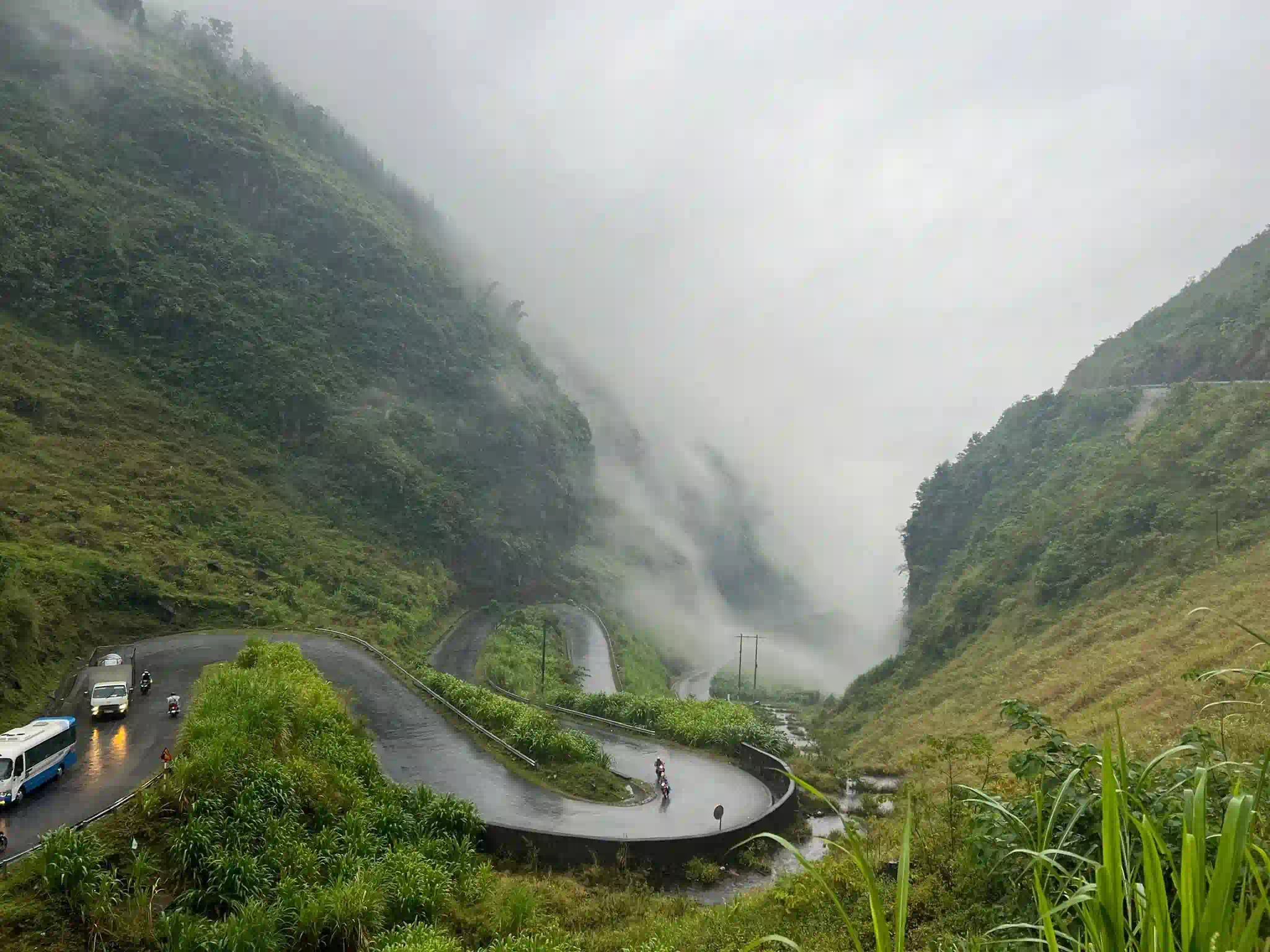
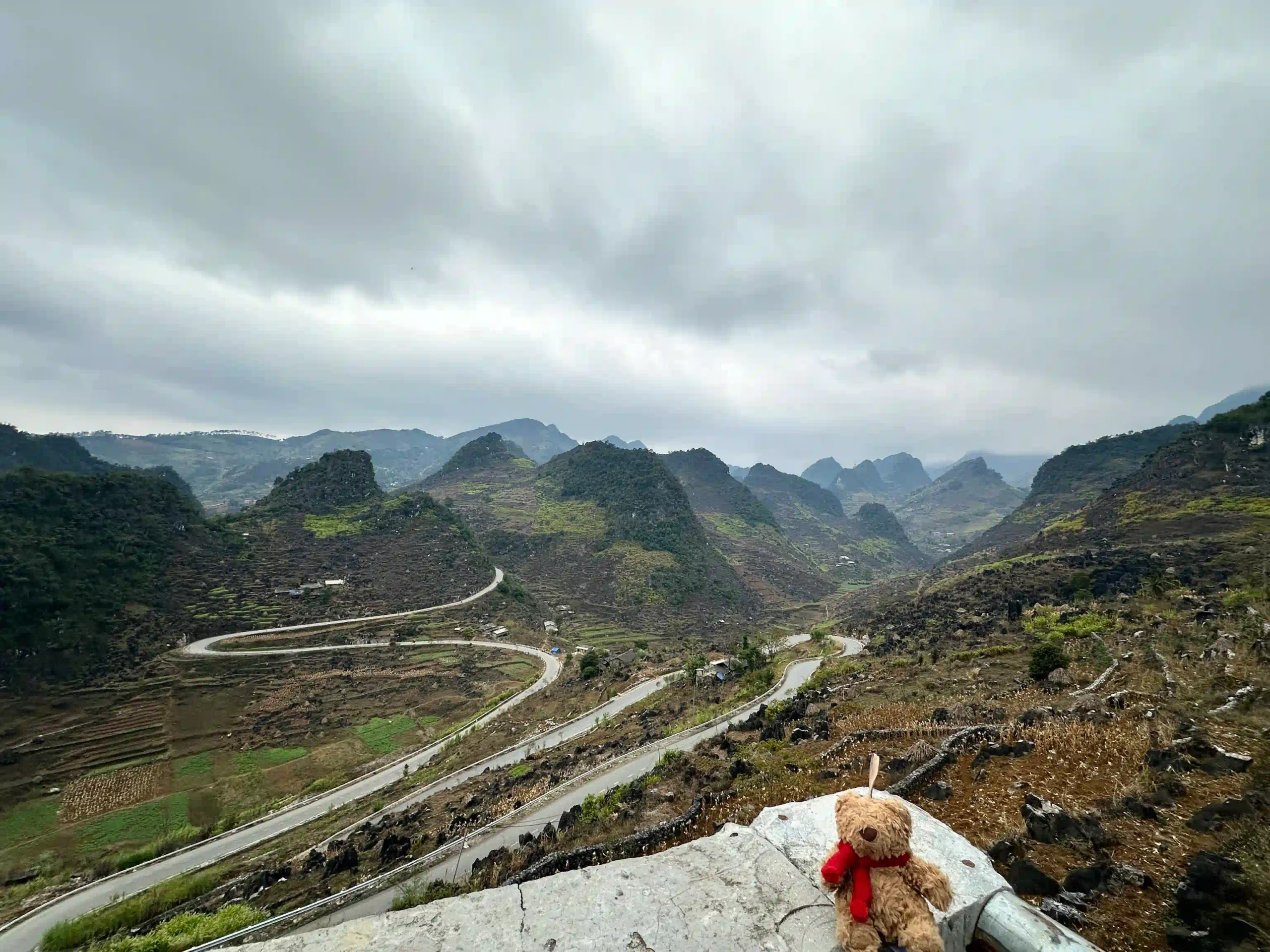
If you are coming from Northern Europe or Canada, you might laugh at temperatures around 5°C to 10°C. You shouldn’t. Winter riding in Vietnam hits differently because nothing here is properly insulated.
- The weather: Extremely cold and constantly foggy. At the highest peaks like Chieu Lau Thi or the Ma Pi Leng pass, you literally drive into clouds. In really extreme cold snaps, it actually occasionally snows around the town of Meo Vac.
- The reality check: A few brave people call winter the Best Time to Do the Ha Giang Loop simply because the roads are empty. It is entirely quiet. But honestly, the freezing mist sticks to your helmet visor and severely lowers your visibility. The wind cuts directly through denim and thin jackets.
If you attempt this during the January lunar new year block, expect local food spots to randomly close.
The homestays get brutal at night because ethnic minority wooden houses just have big gaps between the timber planks.
The wind blows directly across the floor. To survive a winter trip in 2026, explicitly ask your accommodation or easy rider guide to book you at a Ha Giang homestay that provides electric heating pads on the mattresses.
Getting into a cold, damp bed after 8 hours of shivering on a Honda XR is awful. Pack actual riding gloves so your fingers are warm enough to react fast on the clutch.
Matching the Timing to Your Specific Needs
Figuring out the exact Best Time to Do the Ha Giang Loop doesn’t just depend on checking the rain. It relies on your budget, skills, and gear.
If you only care about getting good photography:
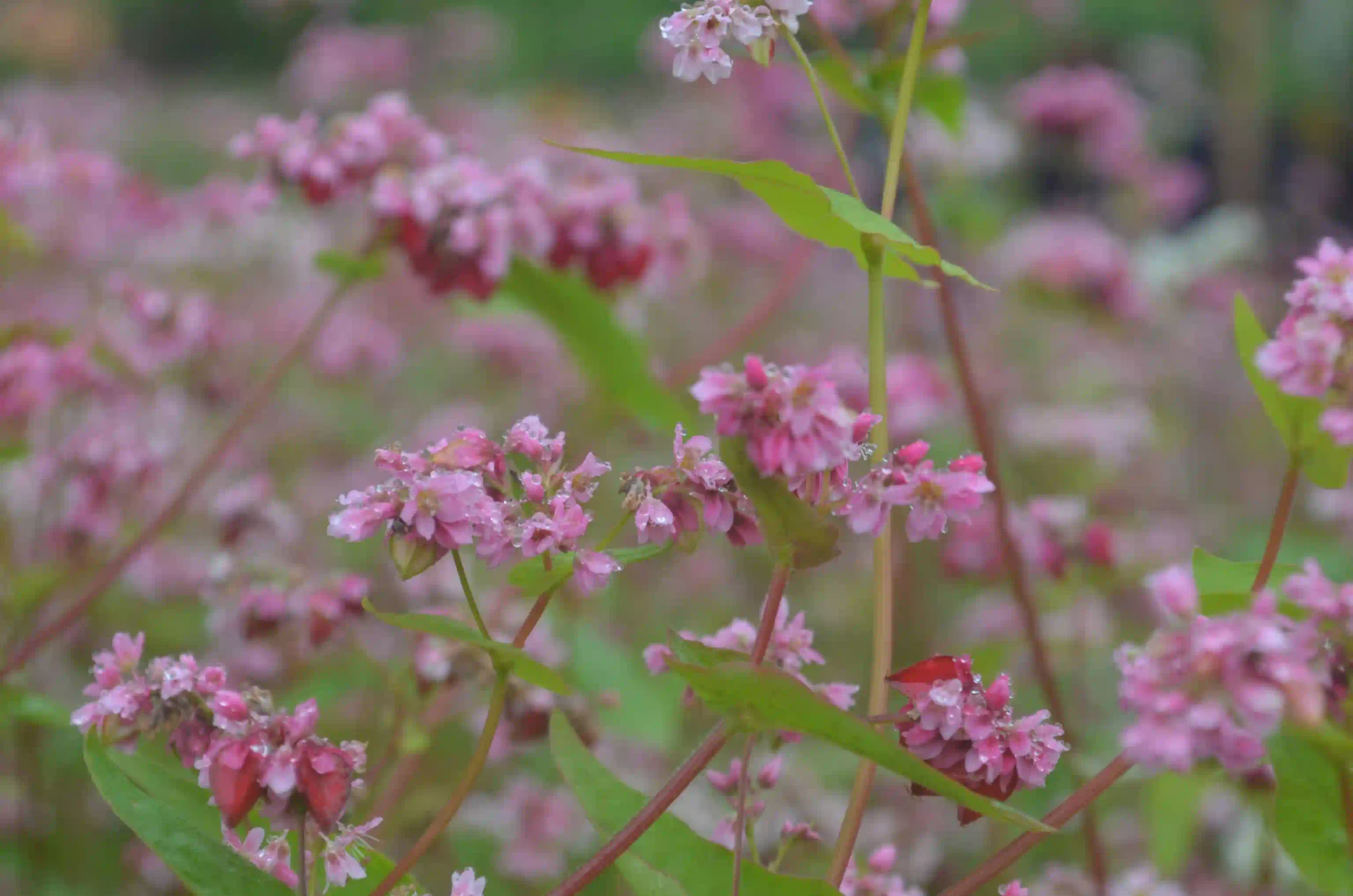
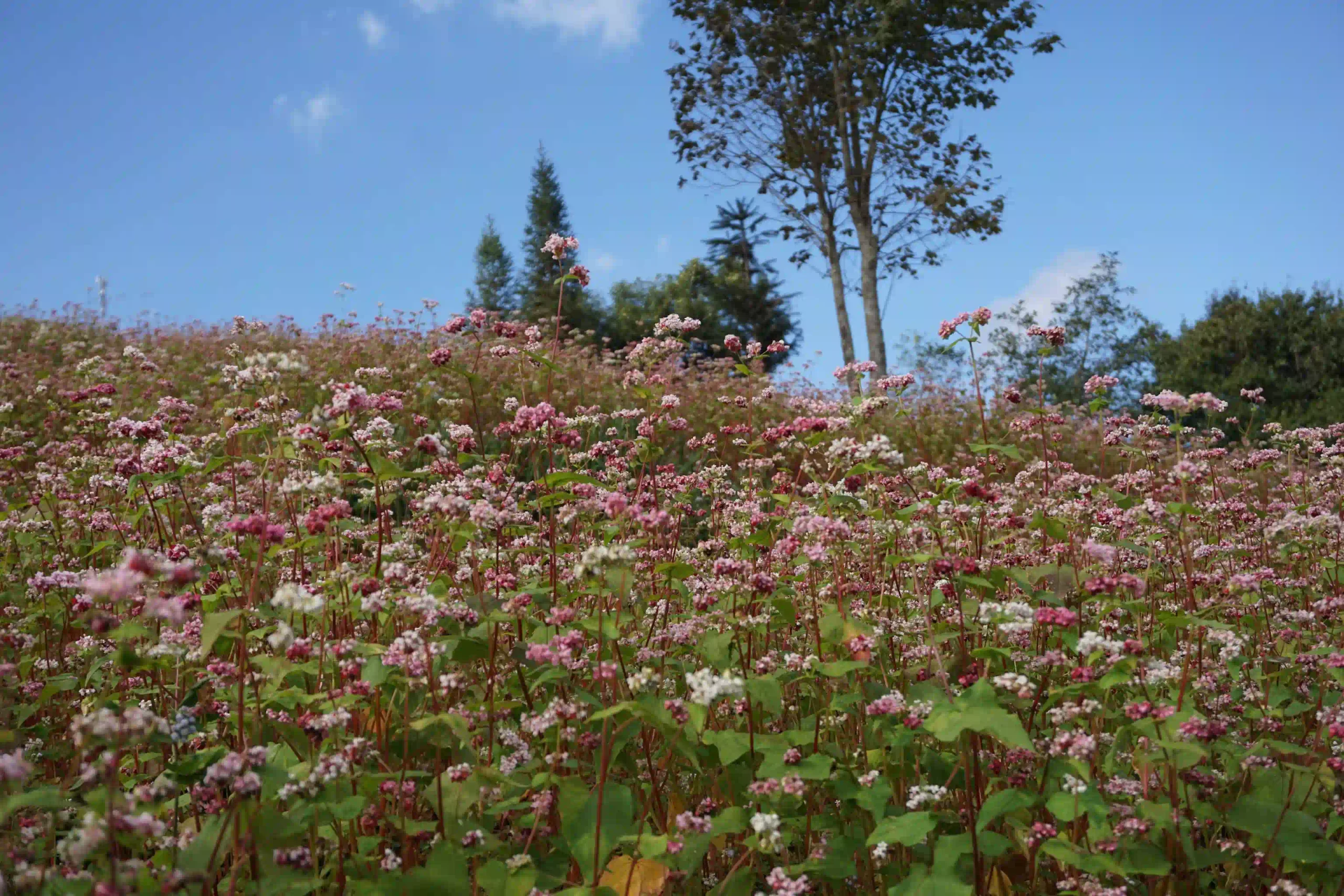
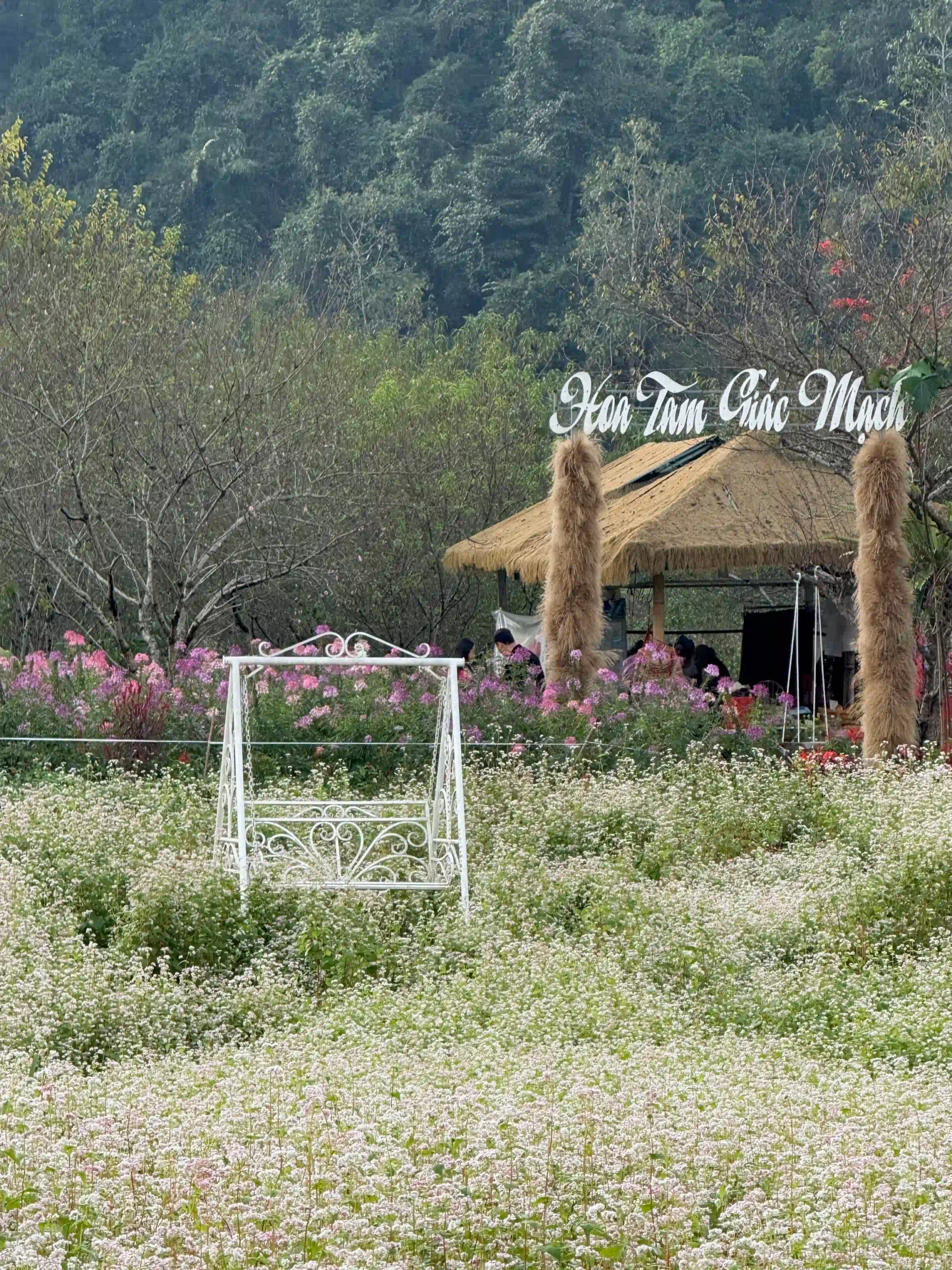
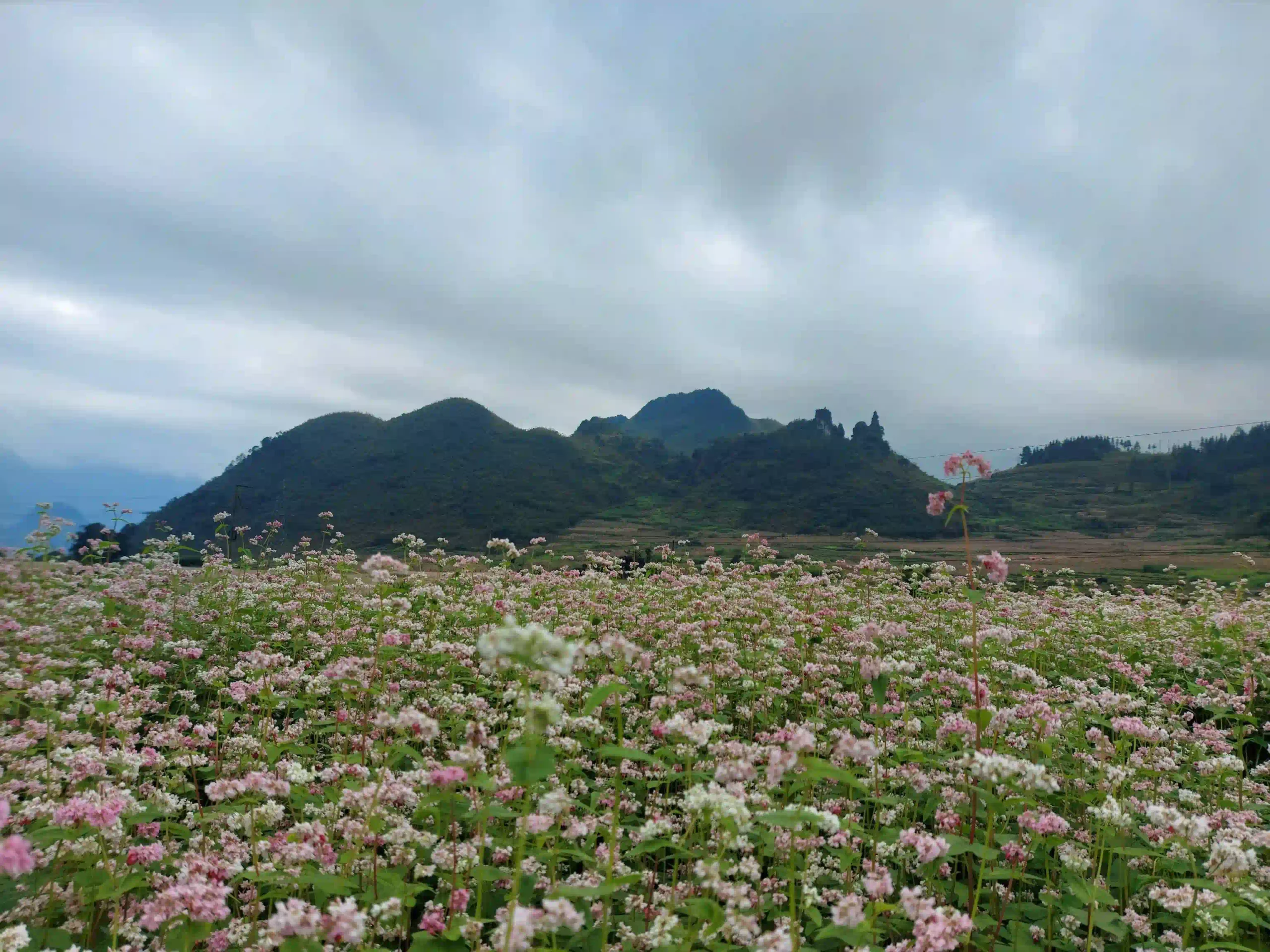
You want late September for the golden rice, or late October to mid-November for the purple buckwheat flowers. The skies are predictably clear to contrast with the deep canyons.
If you shoot drones, this is the time to go, but obviously watch out for power lines stretching across the mountain valleys.
If you do not have a motorcycle license:
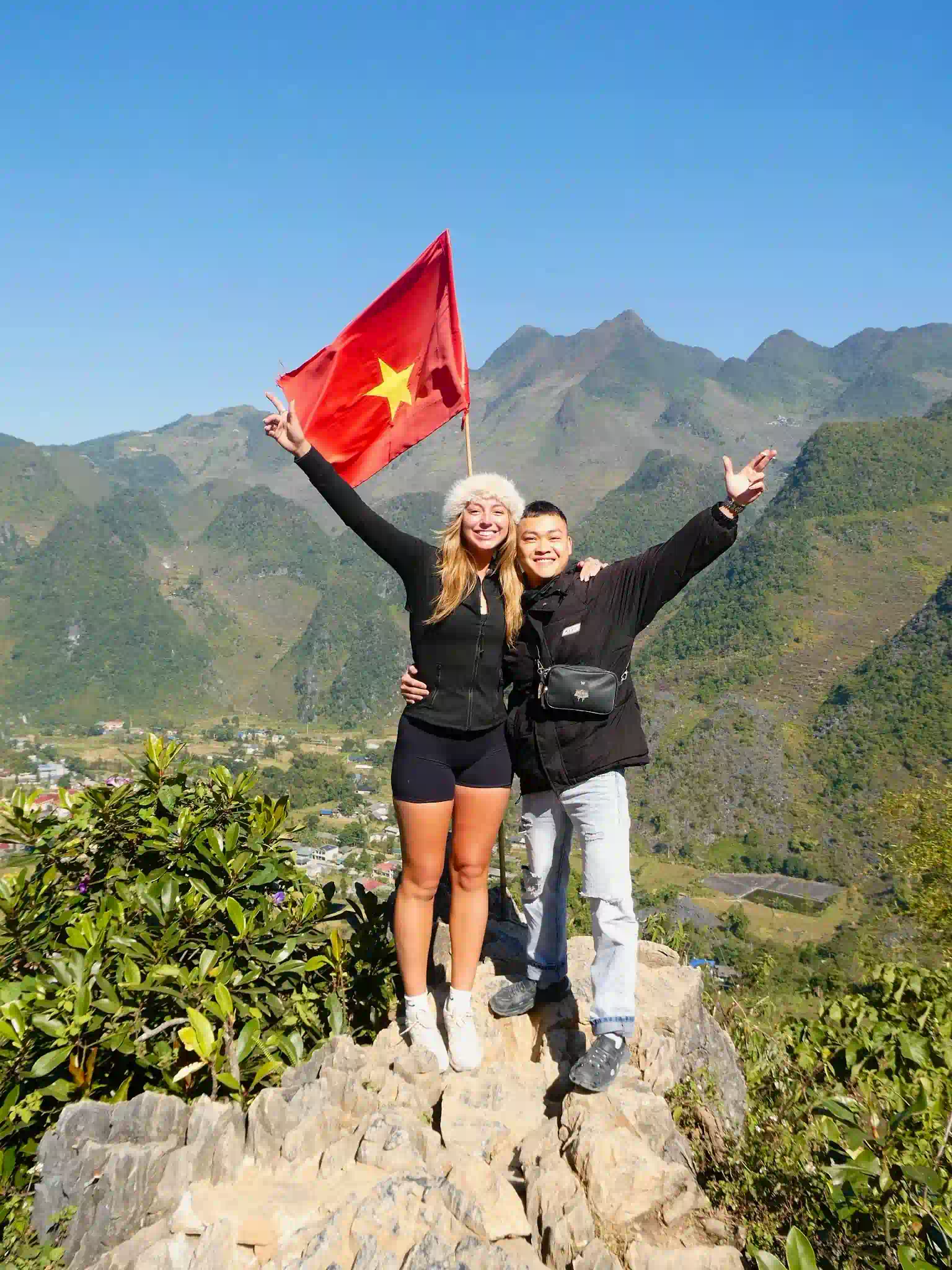
Since you shouldn’t be driving illegally due to the massive 2026 police checkpoints taking bikes away and imposing harsh 3-million VND fines, your best option is sitting behind a professional local.
The good news is an easy rider booking makes almost any weather tolerable. The locals know exactly what roads have fresh rockslides, they have massive high-quality waterproof covers for the summer downpours, and they take all the mental stress out of the winter fogs. Because they handle the navigation and the police permit checkpoints, your season matters far less.
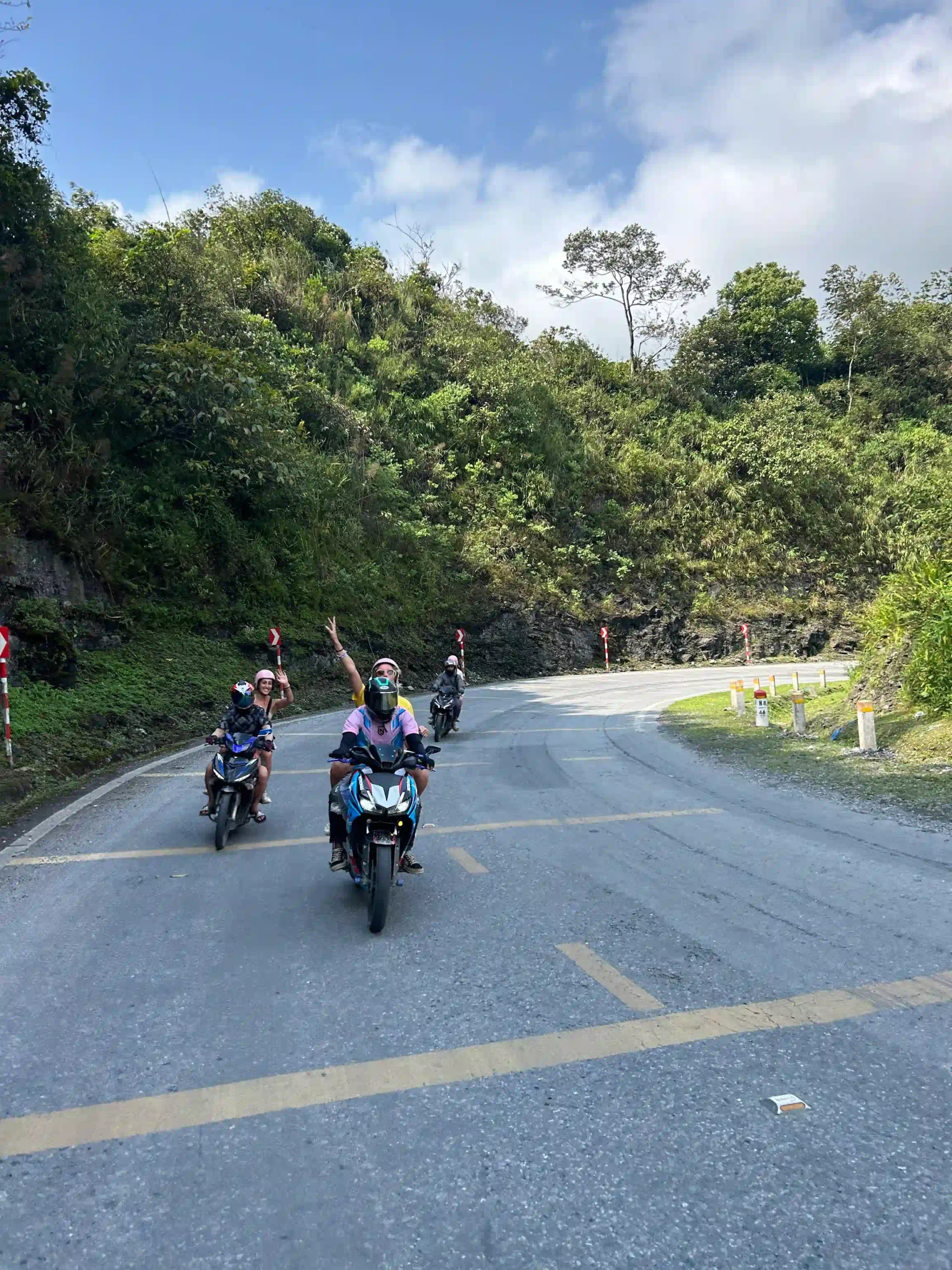
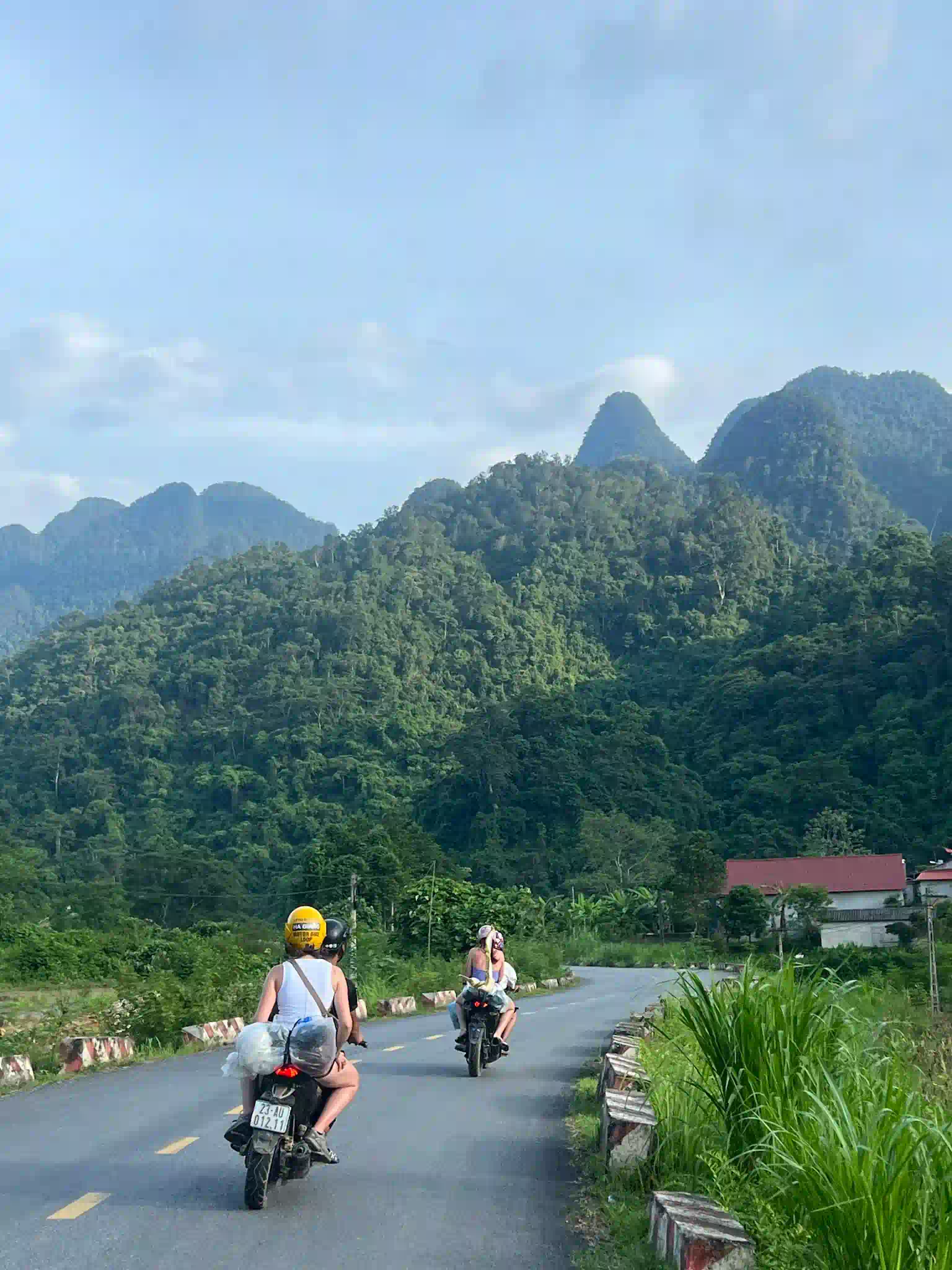
If you are doing it totally alone and broke:
If you only have the budget to rent a cheap $7 semi-automatic scooter (Honda Wave) and pay $5 a night for dorm beds, your window shrinks.
Riding an underpowered bike heavily packed with bags on wet mud or in January winds will break you. If this is your setup, strictly stick to April, May, or October.
It is forgiving weather that lets you safely fix flat tires or deal with bad hostel conditions without getting dangerously exposed to the elements.
If you absolutely hate crowds:
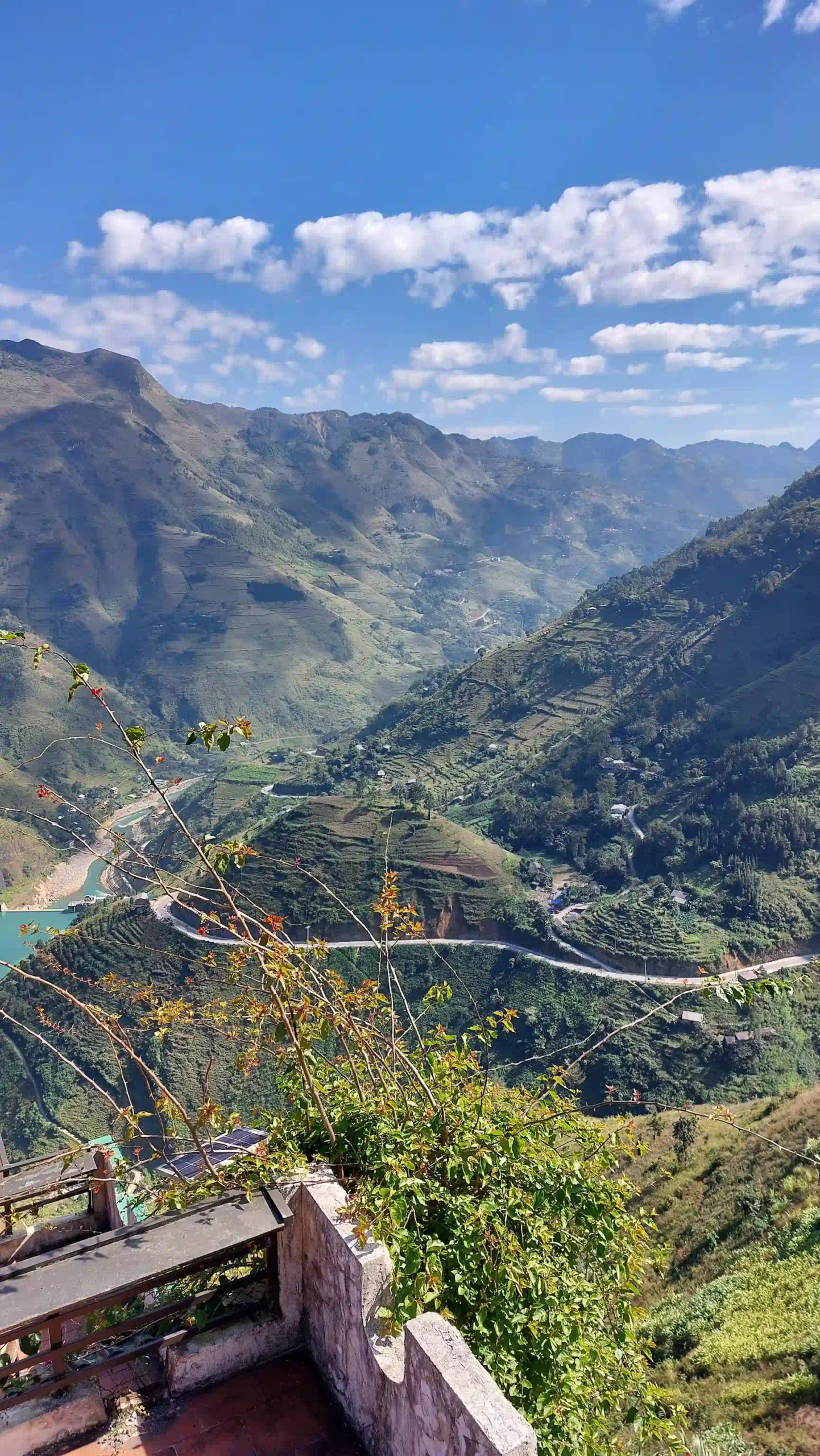
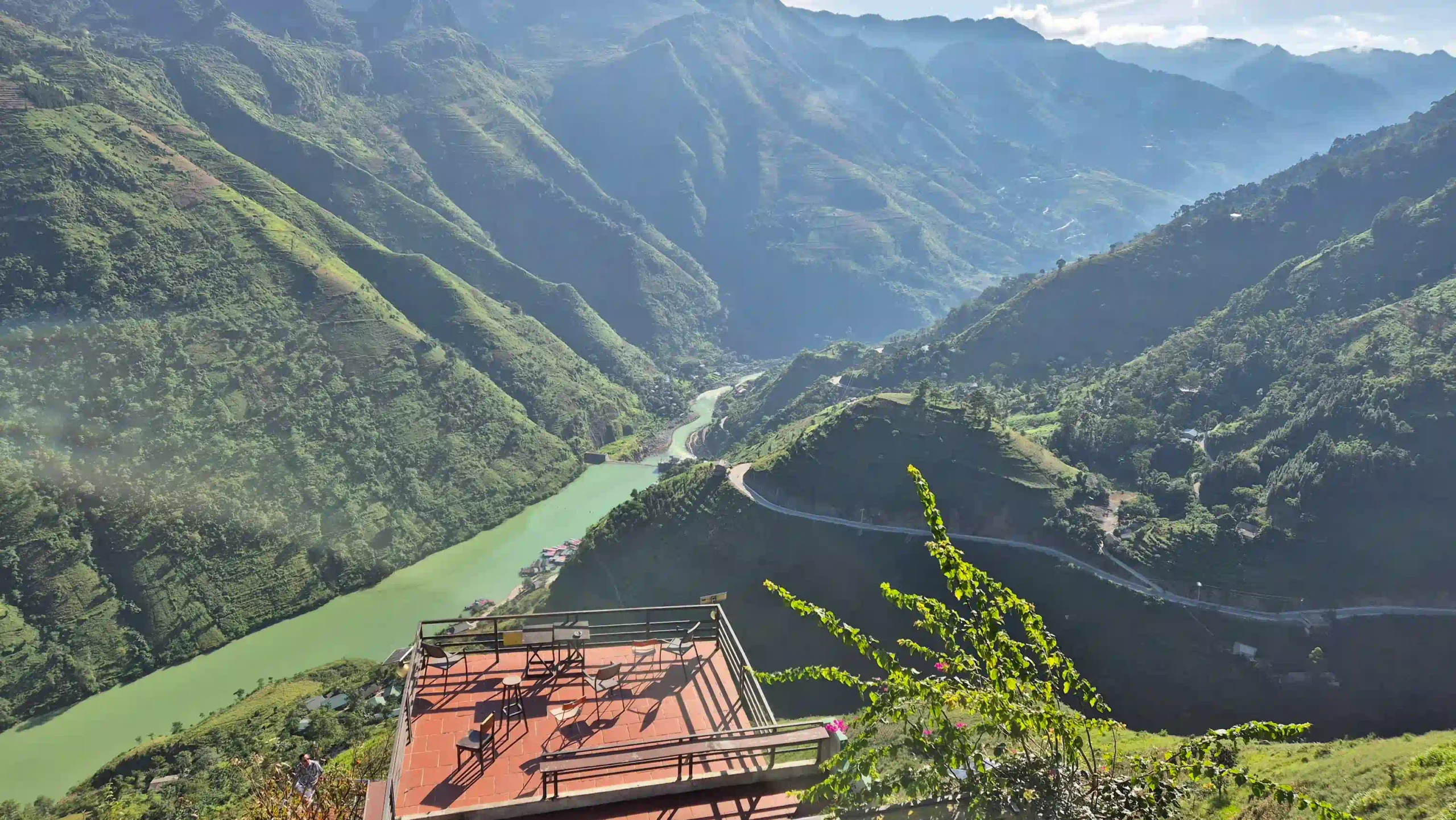
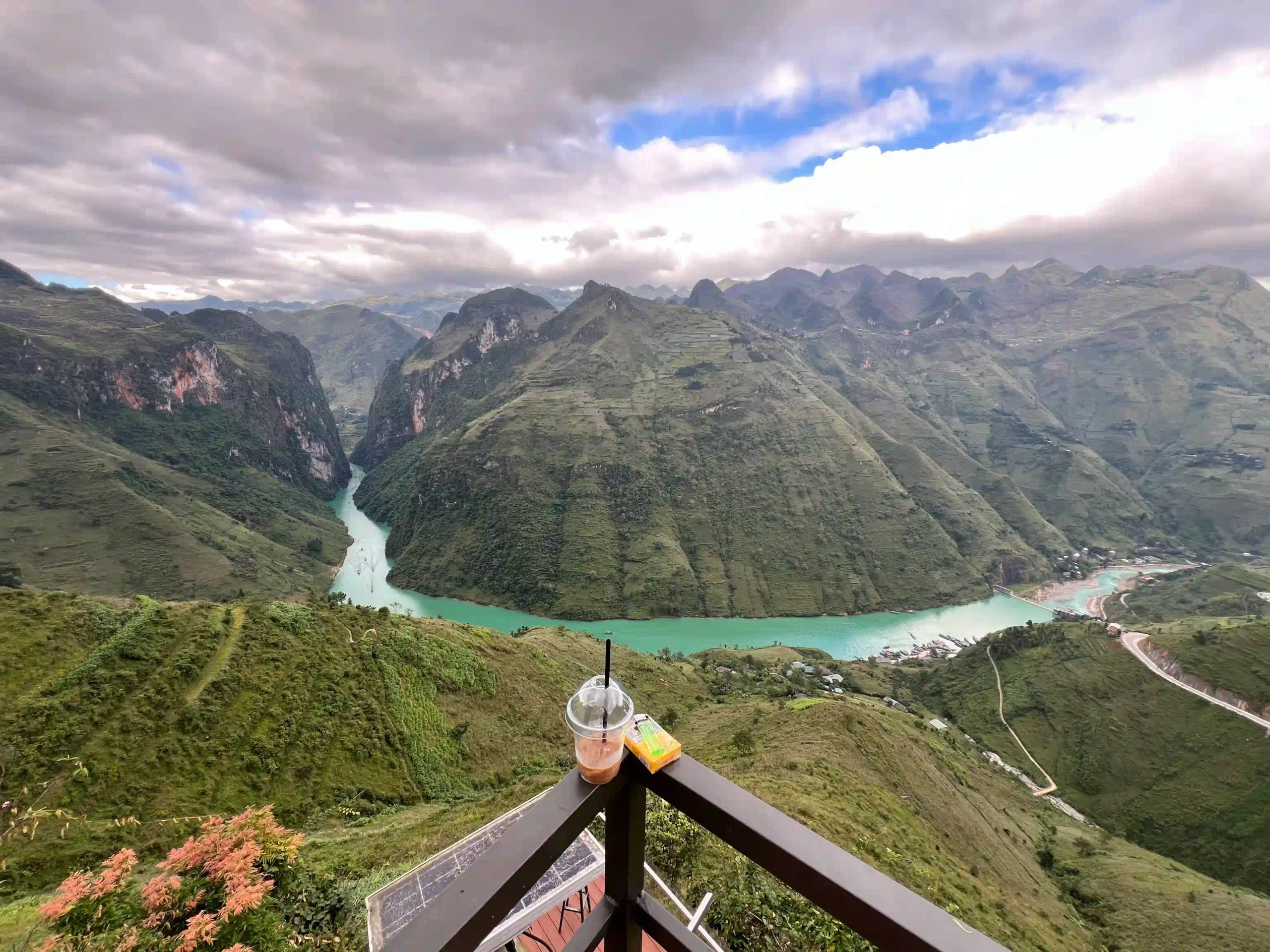
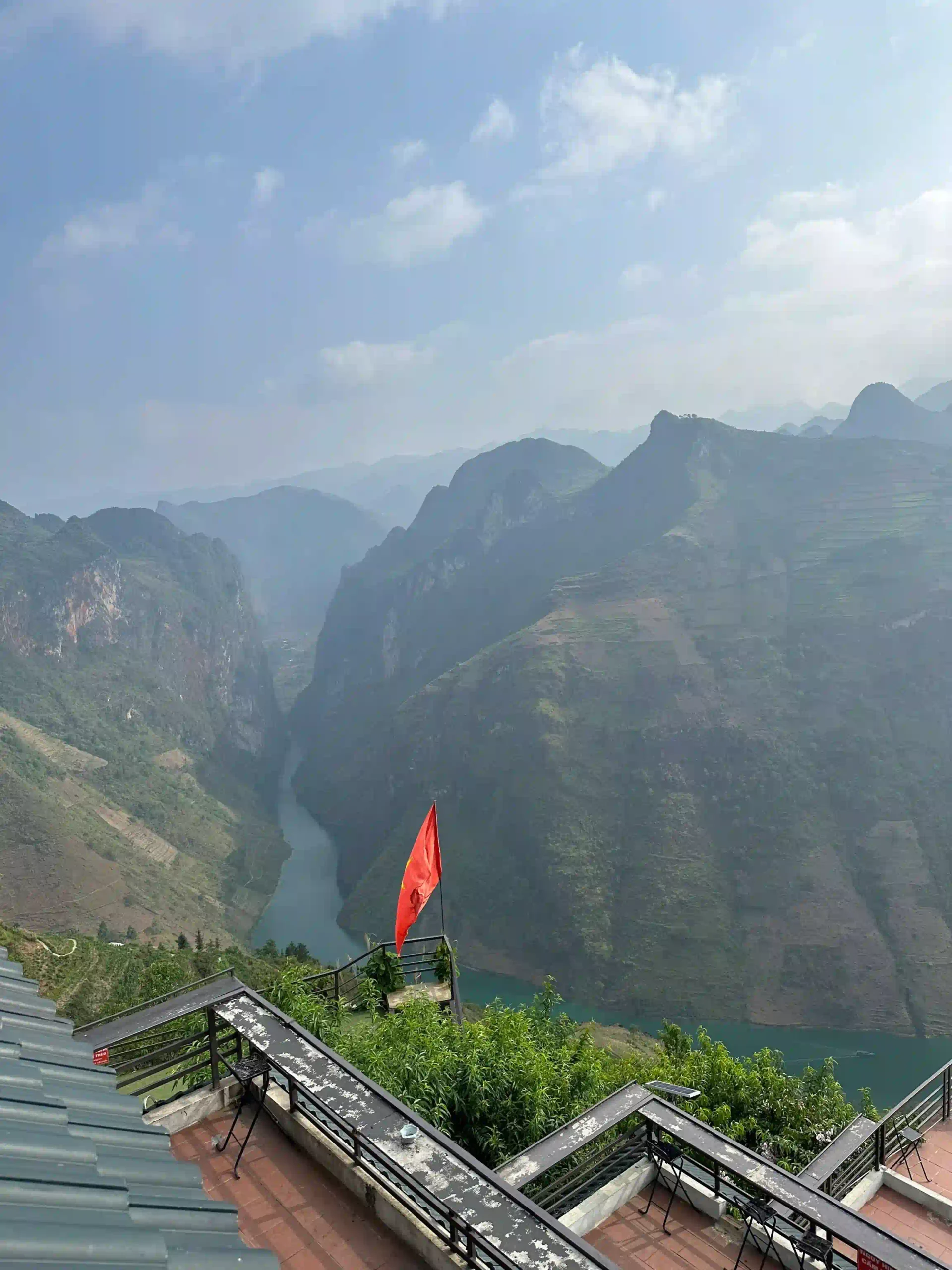
There is a weird window right in the middle of March or very early June. It sits just before and after the big pushes. Early June specifically sits right before the severe typhoons roll in from the ocean.
You might hit small patches of rain, but you can drive for three hours on the big cliff routes without passing an annoying convoy of twenty backpackers singing loudly into their helmets.
The cafes around the Nho Que River viewpoint remain empty, and you don’t have to fight local tour groups to get a bowl of pho in the mornings.
Wrapping Up: Making the Call
Travel guides tend to oversell the concept of a “perfect” month. Every period has its trade-offs.
Deciding on the Best Time to Do the Ha Giang Loop simply comes down to weighing whether you’d rather sweat under a plastic poncho or freeze under four layers of clothing.
No matter what the weather application on your phone says while you sit in a café down in Hanoi, the moment you climb past the Quan Ba heaven gate on day one of the loop, the environment changes entirely.
For me, after repeatedly crossing those passes year after year, the clear winner is October. You get manageable temperatures, completely insane natural colors with the rice harvest, and road pavement dry enough to actually have a decent time hitting the twisting curves of Tham Ma Pass.
But don’t sit in your home country over-planning this trip for years. Read up on the 2026 local license laws, make sure your IDP physically has the 1968 convention stamp (again, not the 1949 US or Australian one), stash at least 2 to 3 million VND in raw cash in your bag, lock down your bed online before hitting the border towns, and deal with the elements as they come.
Even if you do the trip in the pouring rain of July, looking down the face of a massive rock wall directly to a river in the deepest canyon in Asia is entirely worth the muddy boots.
Just go slow on the corners.












 Tiếng Việt
 한국어
한국어 中文 (中国)
 日本語
日本語 ไทย
ไทย Deutsch
 Español
 Destinations
 Instagram
 Facebook
 X (Twitter)
 Threads
 Tiktok