









 Ha Giang
 Hanoi
Hanoi Ho Chi Minh City
 Ha Long
 Sapa
Sapa Mekong Delta
 Da Nang
 Hue
Hue Hoi An
 Ninh Binh
 Da Lat
 Nha Trang
 Phan Thiet
 Phu Quoc
 Quang Binh
 Quy Nhon
 Vung Tau
 Thai Nguyen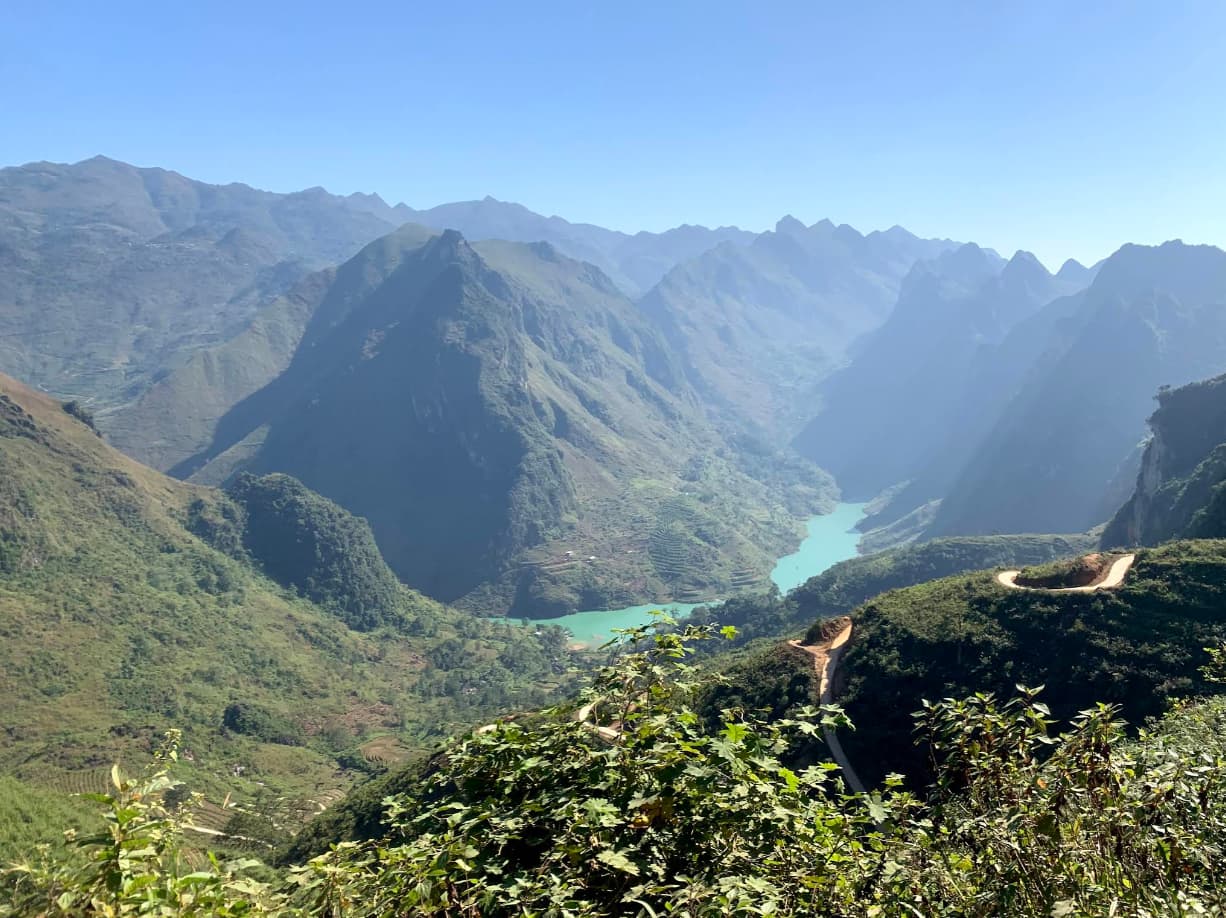



The Ha Giang Loop is roughly 350km of mountain road in the far north of Vietnam. It starts and finishes in Ha Giang city, six or seven hours north of Hanoi, and most people ride it over three or four days.
I go up a few times a year and I ride it myself, but I usually end up telling people to book an easy rider and sit behind a local driver. That’s mostly a licence and insurance question, not a question of how brave you are, and I’ll go through it below.
Two admin things worth knowing. Ha Giang isn’t a province any more, since it was folded into Tuyen Quang in 2025, so map pins now say Tuyen Quang and it throws people looking things up. And in April 2026, after a British traveller died on the road, the province changed the rules on who can run motorbike tours.
- Quick Answer: The Ha Giang Loop is a 350km circular motorbike route in northern Vietnam, starting and ending in Ha Giang city, 300km north of Hanoi. Three or four days is normal. You can ride it yourself, go as a pillion passenger on an easy rider tour, or take a jeep. Budget $90 to $130 for DIY, $160 to $250 for an easy rider and $230 to $320 for a jeep, plus $36 to $52 for the return bus from Hanoi. September and October are the best months. Since April 2026 motorbike tours have to run through licensed Vietnamese operators with written contracts.
- The three ways to do it:
- Easy rider, sitting behind a local driver. $160 to $250 for three days. What I’d book if you don’t ride at home.
- Self drive, your own bike. $90 to $130 DIY, or $130 to $240 following a guided convoy.
- Jeep or private car, $230 to $320 a head. Best for families, older travellers and the wet season.
- How long you need:
- 2 days: too rushed, and Du Gia gets cut.
- 3 days: the standard. Quan Ba, Dong Van, Ma Pi Leng, Meo Vac.
- 4 days: what I’d book. Adds Du Gia and a bit of breathing room.
- 5 days plus: clockwise, the DT176, or a Cao Bang extension.
- Costs:
- Sleeper bus from Hanoi, return: $36 to $52.
- Bike rental: 180,000 VND a day semi-auto, 230,000 VND manual.
- Homestays: 150,000 VND a dorm bed, up to 330,000 VND for a private room.
- Border permit: 230,000 VND, included on tours.
- Nho Que boat: 120,000 VND each, or 1,200,000 VND for the whole boat.
- Before you book:
- Vietnam only recognises international driving permits under the 1968 Vienna Convention. US, Canadian, Australian, Irish and Japanese ones don’t count here.
- Ask your operator for a licence number and a written contract.
- Fog can drop visibility on Ma Pi Leng and Quan Ba to under ten metres, mostly November to February.
- Cash. There are ATMs in Ha Giang city, Dong Van and Meo Vac, and not many in between.
What the Ha Giang Loop Is
It’s a loop of road, roughly 350km, running through the mountains along the Chinese border, and it begins and ends in Ha Giang city.
Most people ride it anticlockwise. Ha Giang, over the Quan Ba pass to Tam Son, on to Yen Minh, then Dong Van, over Ma Pi Leng to Meo Vac, and back down through Du Gia.
Ma Pi Leng is the bit everyone has seen photographs of. It’s one of the four great passes in Vietnam, the road is cut straight into the cliff face, and the Nho Que river runs through a canyon a long way below it.
One thing that surprises people is that the loop isn’t a single road you can put into Google Maps and follow. It’s QL4C plus a handful of provincial roads, and there’s no official Ha Giang Loop map, so the ones the tour companies publish all differ a bit. Those differences are mostly about how many hours a day you’d spend on the bike, which is the thing I’d compare between two itineraries.
There’s no airport and no train line either, so however you arrive, you arrive by road.
Self Drive, Easy Rider or Jeep?
This is the decision that matters. Everything else follows from it.
| Easy rider | Self drive | Jeep or car | |
|---|---|---|---|
| What it is | You ride pillion behind a local driver | Your own bike, alone or in a convoy | Private vehicle with driver |
| 3-day cost | $160 – $250 | $90 – $130 DIY, $130 – $240 guided | $230 – $320 each |
| Licence needed | No | Yes | No |
| Suits | First-timers, anyone without a valid licence | Experienced riders | Families, older travellers, wet season |
The easy rider option is the one I’d go for if you don’t already ride at home. The drivers are on this road every week, they know where the gravel collects on the corners, and it only costs twenty or thirty dollars more than doing it yourself. I ride and I still think it’s the better choice for most people.
Self drive works if you actually ride, meaning at home and on a manual, and not if you’ve hired a scooter in Thailand twice. There are long descents where you need to be comfortable with engine braking, blind corners with gravel on the outside, and trucks. If you do ride, it’s the better version of the trip and it’s how I do it.
The jeep tends to get overlooked. A seven-seater with a driver comes to $400 to $600 for four days and splits up to six ways, so it isn’t as expensive as it sounds, and it’s the only option that keeps you dry in the rainy season. It’s the one I’d suggest if you’re travelling with parents or with children, or with anyone who’d spend three days quietly terrified on the back of a bike.
The licence question
Vietnam recognises international driving permits issued under the 1968 Vienna Convention, and not the 1949 one. That leaves out travellers from the US, Canada, Australia, Ireland and Japan, among others, and you also need the motorcycle category on your licence at home.
Rental shops will hand you a bike anyway, which is why so few people realise. The problem only shows up afterwards, when an insurer looks at a claim and sees you were riding without a licence they recognise. For a lot of people that settles the question on its own.
What the April 2026 rules changed
After the fatality, the province ruled that motorbike tours have to go through licensed Vietnamese operators and issue written contracts.
In practice you can ask two questions when booking, which are whether they’re licensed and whether you’ll get a contract. Anyone who answers both without hesitating is probably the sort of company you want.
I’ve gone into the comparison in more detail in the easy rider versus self drive guide.
Is the Ha Giang Loop Dangerous?
It’s riskier than most things you’ll do in Vietnam. Nobody publishes a death rate for it, but there have been several tourist fatalities in recent years and injuries are a lot more common than that.
The road is the main hazard. Ma Pi Leng is cut into a cliff with drops of a few hundred metres, and in places there’s a low wall or nothing at all. Gravel collects on the outside of blind corners and it’s worse after rain. Fog can close the pass down to under ten metres of visibility in a few minutes, which happens year round but mostly from November to February. Landslides shut sections of road in the wet season.
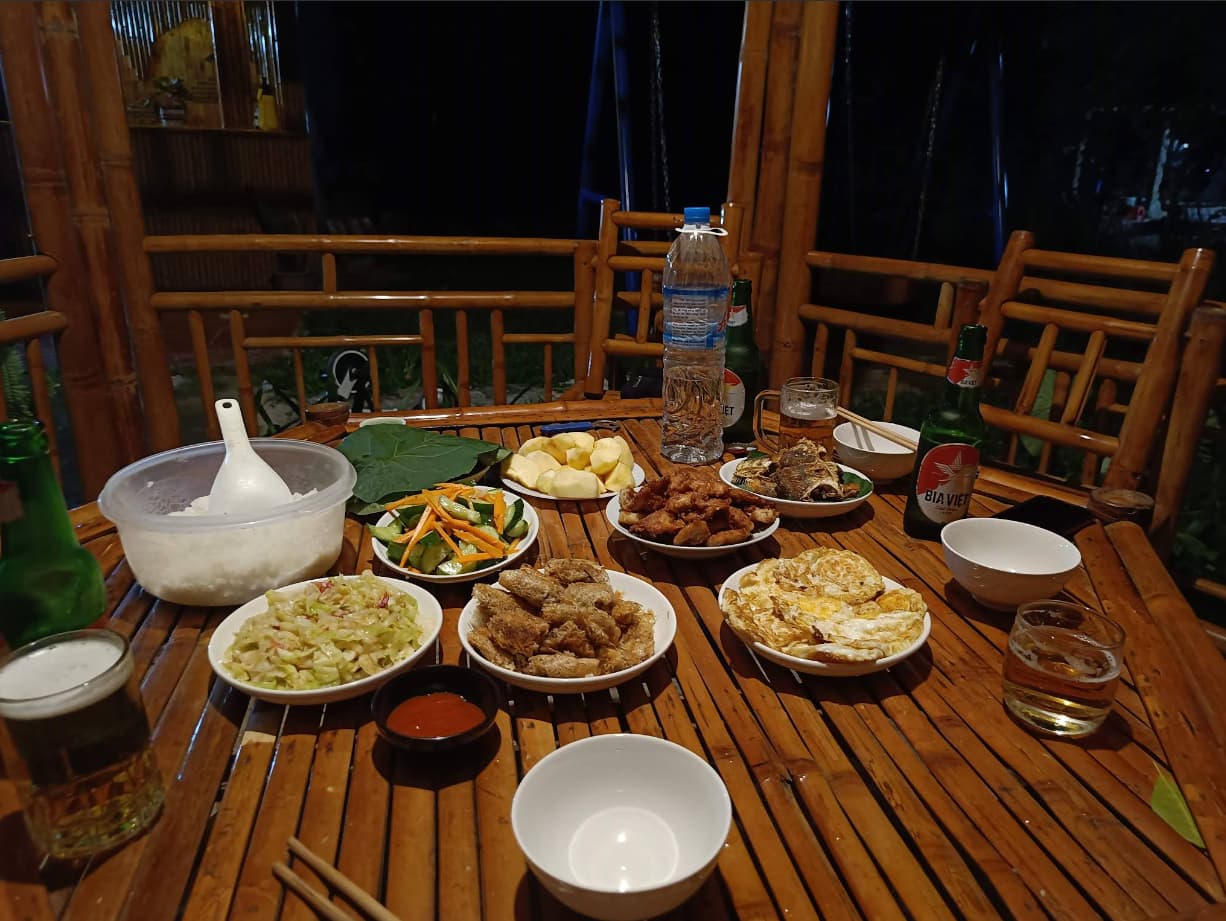
The things that actually get people hurt are a smaller list than that, though. Riding beyond what you can handle. Riding after dark. The corn wine at homestay dinners, which is a lot stronger than it tastes. The thin plastic helmet a cheap tour hands out, which isn’t really protective equipment. And riding without a licence, which doesn’t cause a crash but does leave you uninsured after one.
Solo riding is the part I’d be most careful about. It’s not that the loop is unsafe for solo travellers, and plenty of women do it on their own quite happily as a pillion passenger. It’s that if you come off the bike on a quiet stretch of the DT176 on your own, you could be waiting a while for anyone to come past.
If it were me, I’d take an easy rider unless I properly rode, check what helmet the tour provides before booking, stay off the corn wine on riding days, be off the road by dark, and buy insurance that covers me on a motorbike. On the Ma Pi Leng skywalk, the walk out to the viewpoint takes about fifteen minutes and it’s a better idea than riding it, because the path is narrow and it gets crowded.
How Many Days You Need
Three days is the standard and four is what I’d book.
Two days is Ha Giang to Dong Van, the pass, and back again. It does work, but the trip becomes the riding between stops, and Du Gia gets cut, which is a shame because Du Gia is the quietest and probably the nicest part.
Three days and two nights gets you Quan Ba, Yen Minh, Dong Van, Ma Pi Leng and Meo Vac, with nights in Dong Van and then either Meo Vac or Du Gia. It’s what most companies sell and it’s a reasonable trip.
Four days and three nights adds Du Gia properly, with the waterfall in the morning, and it takes some of the pressure off the middle days. It costs 25 to 35 per cent more. If you’ve got the extra day I’d put it here and not into a nicer bike.
Five days or more is for going round clockwise, which inverts the crowd flow, or adding the DT176, or carrying on east to Cao Bang for Ban Gioc waterfall. Combined Ha Giang and Cao Bang tours run $400 to $700.
The three versus four day question comes up a lot, so I’ve written it up separately in the itinerary guide.
The Route and Map, Stop by Stop
This is an outline, since most of these places have more in them than I can fit here.
- Quan Ba and Tam Son come about an hour out of the city, over the first pass, with the Fairy Bosom hills below the viewpoint. It’s where the scenery starts doing what you came for.
- Yen Minh is mostly somewhere you ride through, with pine stretches and a lunch stop. A few tours stay the night here, and I’d avoid that if you get a choice, because Dong Van is a better evening.
- Dong Van has an old quarter that’s pleasant to spend an evening in, with lanterns and music on the square, though it’s all finished by about eight. The market is open every day from 5am, but Sunday morning is the one worth getting up for, when people come in from the surrounding villages to trade. The rest of the week it’s an ordinary market.
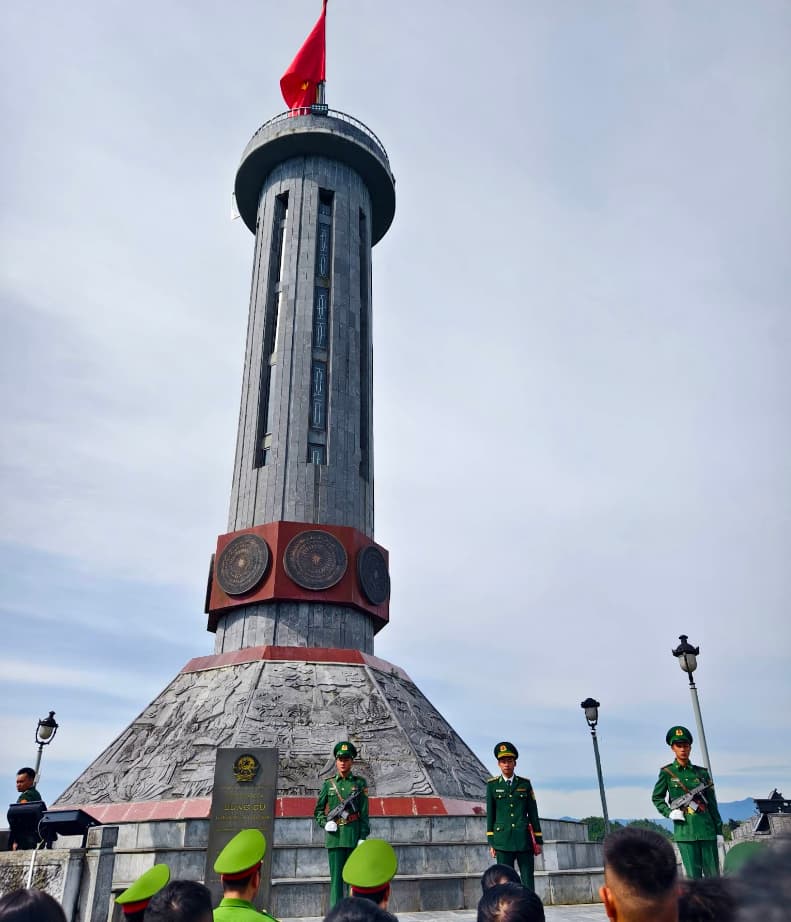
- Lung Cu flag tower is the northernmost point of Vietnam and the most visited thing in the province, with a short climb up to it. It’s better early and busy by ten, and it sits inside the border zone, which is what the permit is for.
- Ma Pi Leng is the pass itself, and most people stop at the top, walk out towards the viewpoint and look down at the river.
- The Nho Que river and Tu San canyon can be done by boat from the dock below Meo Vac, at 120,000 VND each or 1,200,000 VND for the whole boat, and it’s good when the water is green and the boat isn’t packed. Two things to be aware of. The access road has been under construction and they blast it at around 11am and again at about 5pm, which can mean a long wait. And there’s a viewpoint above the river with a 30,000 VND fee that gives you most of the same view if you’re short on time.
- Meo Vac and Pa Vi. Pa Vi is a purpose-built village of Hmong-style homestays near the bottom of the pass, at around $10 a night. It’s a nice place to stay and it’s openly touristic, and nobody actually lives there.
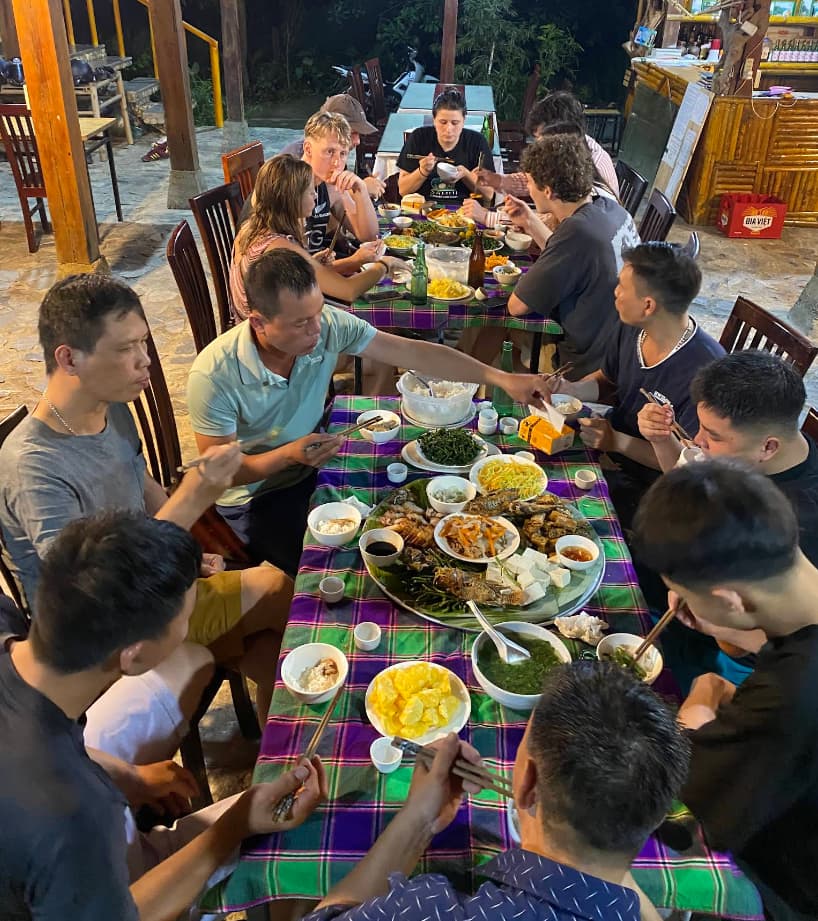
- Du Gia is the quiet leg. Fewer tourists, more livestock, a waterfall you can swim in, and the homestay evening that most people end up remembering. It’s the main argument for taking four days.
Best Time to Go, and the Weather Month by Month
- September and October are the best months by some distance. The rice is gold, the rains have finished, the skies are clear and it’s cool enough to be comfortable on a bike all day. October is the pick of the two.
- Late October into November is when the pink buckwheat flowers, which is what a lot of Vietnamese visitors come up for, so weekends get busy.
- November to February is cold, and properly cold at altitude, single figures with wind on the passes. The clear days are lovely. Fog is the problem in those months and it can sit on Ma Pi Leng for a day at a time.
- March and April are fine and warming up, and the Khau Vai love market falls in the third lunar month.
- May to August is the wet season, with heavy afternoon rain, landslides and slippery passes. It’s also green, quiet and cheaper. I’ve ridden it in July and had a good trip, though I wouldn’t send someone up for their first time in August.
There’s a month by month version with the rainfall figures in the best time to visit guide.
What It Costs
A four-day trip including the bus from Hanoi works out at roughly $145 to $200 if you’re backpacking and riding yourself, $210 to $310 in the middle, and $235 to $340 with an easy rider.
The costs people forget are the bike deposit, which is $40 to $200 and sometimes your passport if you let it be, and damage fees of $50 to $300, which is where cheaper rental places make their margin.
Fuel for the whole route comes to 250,000 to 350,000 VND, and most people tip their easy rider $10 to $20 a day. The two places I wouldn’t try to save money are the helmet and the operator.
Getting There From Hanoi
It’s road only, about 300km, and six to seven hours.
- The sleeper bus is what most people take and what I usually take. The night ones leave Hanoi between about nine and eleven and get in around four or five in the morning, which is rough but saves you a day. They’re 250,000 to 400,000 VND, with pickups at various points around Hanoi.
- A limousine van is 350,000 to 500,000 VND, seats nine, and is faster and more comfortable, with daytime departures if you’d like to see the drive. A private car is $160 to $240 return, which makes sense between three or four people.
Arriving at four in the morning is the awkward part of all this. Most hostels and tour companies in Ha Giang will let you shower, leave your bag and sleep on a sofa until the tour starts, and they’re well used to it, so it’s worth checking when you book, and not just turning up and hoping.
If you’re coming from Sapa instead there are direct buses, about six hours, which saves you doubling back through Hanoi.
Beyond the Loop
If you land with half a day spare in Ha Giang city before you start, there isn’t a great deal. A decent morning market, the Song Mien riverside, a few cafés along Nguyen Trai. It’s a staging post and it’s fine as one.
Further out, the Hoang Su Phi rice terraces to the west are spectacular in September and hardly anybody doing the standard loop sees them. Cao Bang to the east, with Ban Gioc waterfall, pairs with the loop better than anywhere else in the north.
For most people, though, the answer to what to do in Ha Giang is the loop itself, and a spare day is usually better spent taking it slower than adding a second region.
FAQ
Where does the loop start and end, and how long is it? Ha Giang city at both ends, and around 350km, more if you add Du Gia or the DT176.
Can I do it without a licence? Not legally, no. An easy rider or a jeep are both fine without one.
Do I need a permit? Yes, for the border zone, and it’s 230,000 VND. Tours sort it out, and if you’re riding yourself you get it in Ha Giang city with your passport.
Is it worth it? It’s the best few days of riding in Vietnam and I’d go back this year. The safety section is the caveat to that.
What’s happy water? Corn wine, served at homestay dinners, stronger than it tastes, and the reason some people ride badly on day two.
Is it better than Sapa? For riding and for the landscape, yes, and it’s far less developed. Sapa is easier if you’d sooner not be on a bike at all.
Where I’d Start
The mode is the thing to settle first, because the number of days, the cost and the route all follow on from it, and a lot of people leave it until last.
So the two questions are whether you ride a manual motorbike at home, and whether your international permit is one Vietnam recognises. If both of those are yes, I’d self drive and take four days over it. If either is no, an easy rider is a good trip in its own right, and you’ll spend more of it looking at the view than I do.
After that it’s just the bus, the contract and leaving the big bag in Hanoi.
If this is part of a longer run through the north, the loop sits well on either side of Ninh Binh.












 Tiếng Việt
 한국어
한국어 中文 (中国)
 日本語
日本語 ไทย
ไทย Deutsch
 Español
 Destinations
 Instagram
 Facebook
 X (Twitter)
 Threads
 Tiktok