









 Ha Giang
 Hanoi
Hanoi Ho Chi Minh City
 Ha Long
 Sapa
Sapa Mekong Delta
 Da Nang
 Hue
Hue Hoi An
 Ninh Binh
 Da Lat
 Nha Trang
 Phan Thiet
 Phu Quoc
 Quang Binh
 Quy Nhon
 Vung Tau
 Thai Nguyen
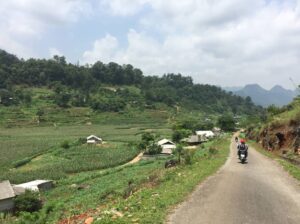
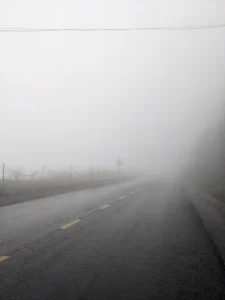



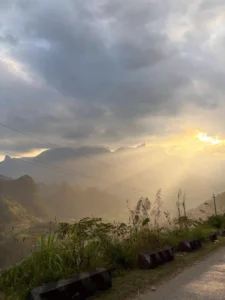


My answer is four, and it isn’t really about distance. What governs everything up here is being off the road before dark.
Every day on the loop is planned backwards from that, and once you accept it the whole question changes shape, because what you’re buying with an extra day isn’t more sightseeing, it’s more daylight to play with.
On three days there’s no slack in it at all. One landslide, one bank of fog, one slow lunch, and you’re riding mountain roads in the dark, which is the one thing everyone who rides up here agrees you don’t do.
Three days is still a proper trip and plenty of people are happy with it. Five makes sense if you want to go clockwise or carry on to Cao Bang. And I’d talk you out of two days entirely, which I know a lot of people are looking at because they’ve got a flight they can’t move.
- Quick Answer: Four days is the answer to how many days you need for the Ha Giang Loop, though three works if your dates are fixed. The loop is about 350km and takes ten to fourteen hours of riding, so a three-day Ha Giang Loop itinerary is five to six hours on the bike each day and a four-day one is four to five. The real constraint is daylight, because you need to be off the road before dark. Two days means either missing Ma Pi Leng or riding at night. Add half a day at each end for the bus from Hanoi.
- What Each Length Covers:
- 2 days: Ma Pi Leng or a safe finish time, not both. I’d skip it.
- 3 days 2 nights: Quan Ba, Yen Minh, Dong Van, Ma Pi Leng, Meo Vac. Lung Cu drops off.
- 4 days 3 nights: all of that, plus Lung Cu, the Nho Que boat unrushed, a morning in Du Gia. What I book.
- 5 days: clockwise routing, or the DT176, or Cao Bang and Ban Gioc waterfall.
- A week: a northern Vietnam trip that starts with the loop, not a longer loop.
- The Numbers Behind It:
- 350km, or 330 to 400 depending what you add. Average 25 to 30km an hour.
- Ten to fourteen hours of riding total. Five to six a day on three, four to five on four.
- Sunset is just after five in midwinter and closer to seven in June.
- Things That Push the Number Up:
- Riding yourself. On a self drive itinerary take the fourth day.
- November to February, when fog can hold a pass for an hour or two.
- The bus home, which leaves Ha Giang city at around half four.
- With Cao Bang: five days, and it pairs better with the loop than anything else up north.
- With Sapa: don’t. Both are northern mountains days apart, and you’d spend the trip on buses.
How Many Hours a Day Will You Actually Be Riding?
Most itineraries you’ll read are written in kilometres. Day one, 150km. Day two, 110km. It looks manageable on paper and it tells you almost nothing.
What you actually need to know is what time you have to stop.
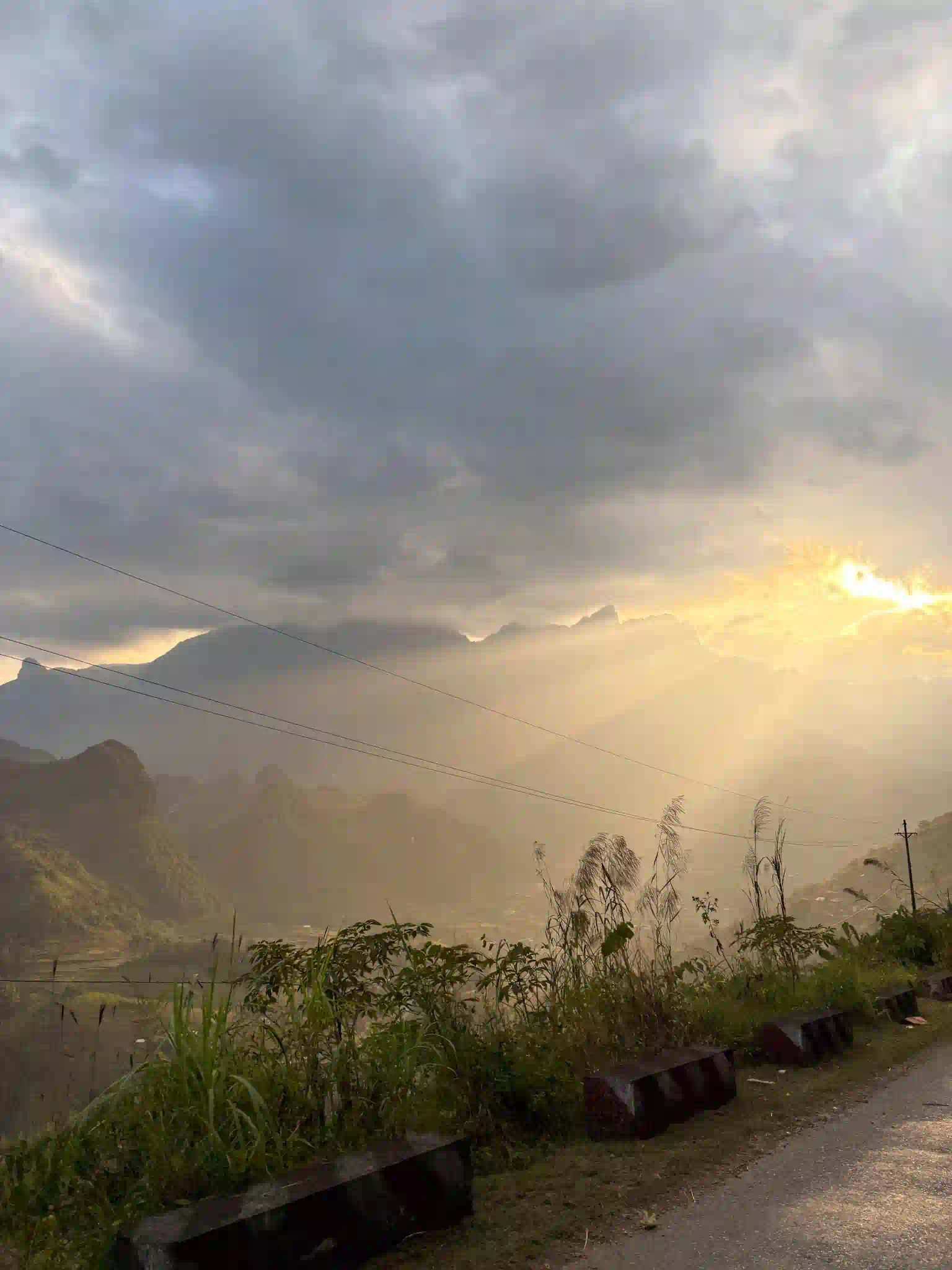
Sunset in Ha Giang is just after five in December and January, closer to seven in June, and you want to be in with an hour to spare, not arriving in the last of it. So in winter your riding day ends at four, and everything else works backwards from there.
If breakfast is at eight and you’re on the road by half eight, that’s seven and a half hours of daylight to cover a day’s distance, take photographs, eat lunch and deal with whatever the road does.
On a four-day trip that’s comfortable. On a three-day trip, day one is 150km at 25 to 30km an hour, which is five or six hours of pure riding, and you can see how little is left over.
This is why the loop feels different from how it reads. Nobody is worried about the distance. They’re watching the light.

Can You Do the Ha Giang Loop in 2 Days?
Two days comes up constantly, almost always from people with a visa running out or a flight they can’t shift.
It works one of two ways. You ride out to Dong Van, look at the pass, and come back the way you came, which isn’t the loop and misses Meo Vac and Du Gia completely. Or you commit to the full circuit and finish part of it after dark.
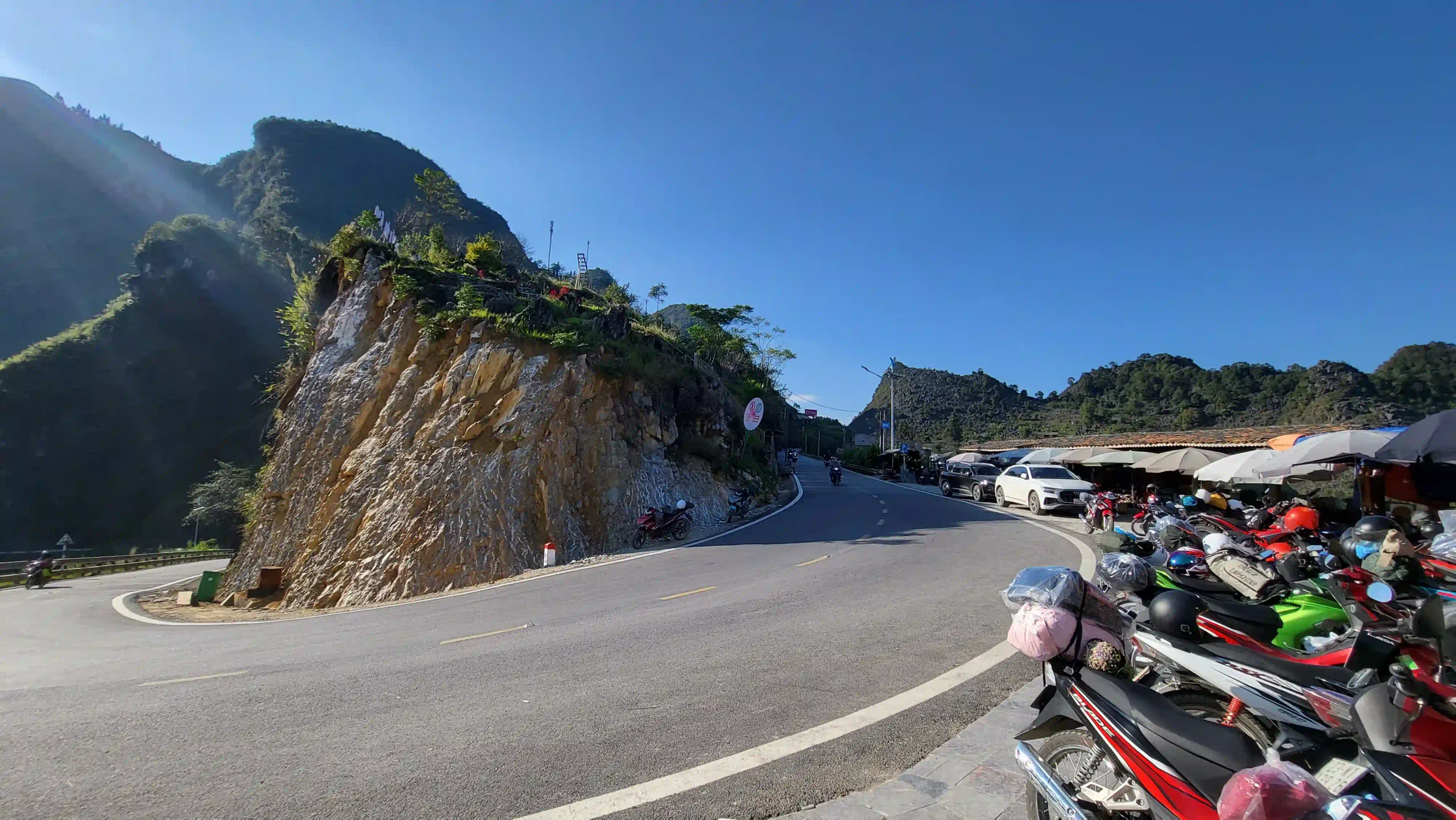
Riding these roads at night is the one thing I won’t hedge on. The transport trucks run full beams and take the corners wide, there’s no barrier on a lot of the drops, and the fog doesn’t care what time it is. Everybody I know who rides up here treats sunset as a fixed stop.
So if two days is what you have, I’d spend them somewhere else and keep Ha Giang for a trip that can give it four. Sapa is closer and there’s a train. Ninh Binh does a very good two days with no motorbike at all, and that’s in the Ninh Binh guide.
One day and day trips from Hanoi aren’t versions of this. It’s six or seven hours each way.
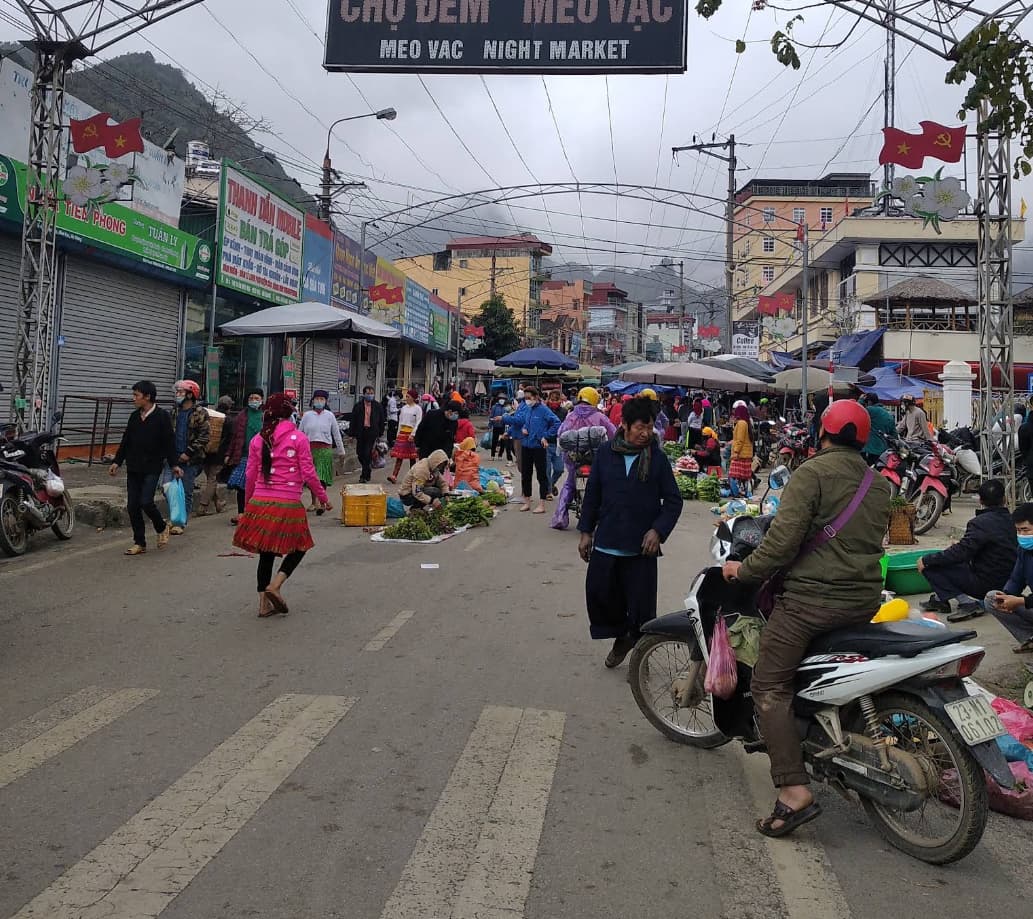
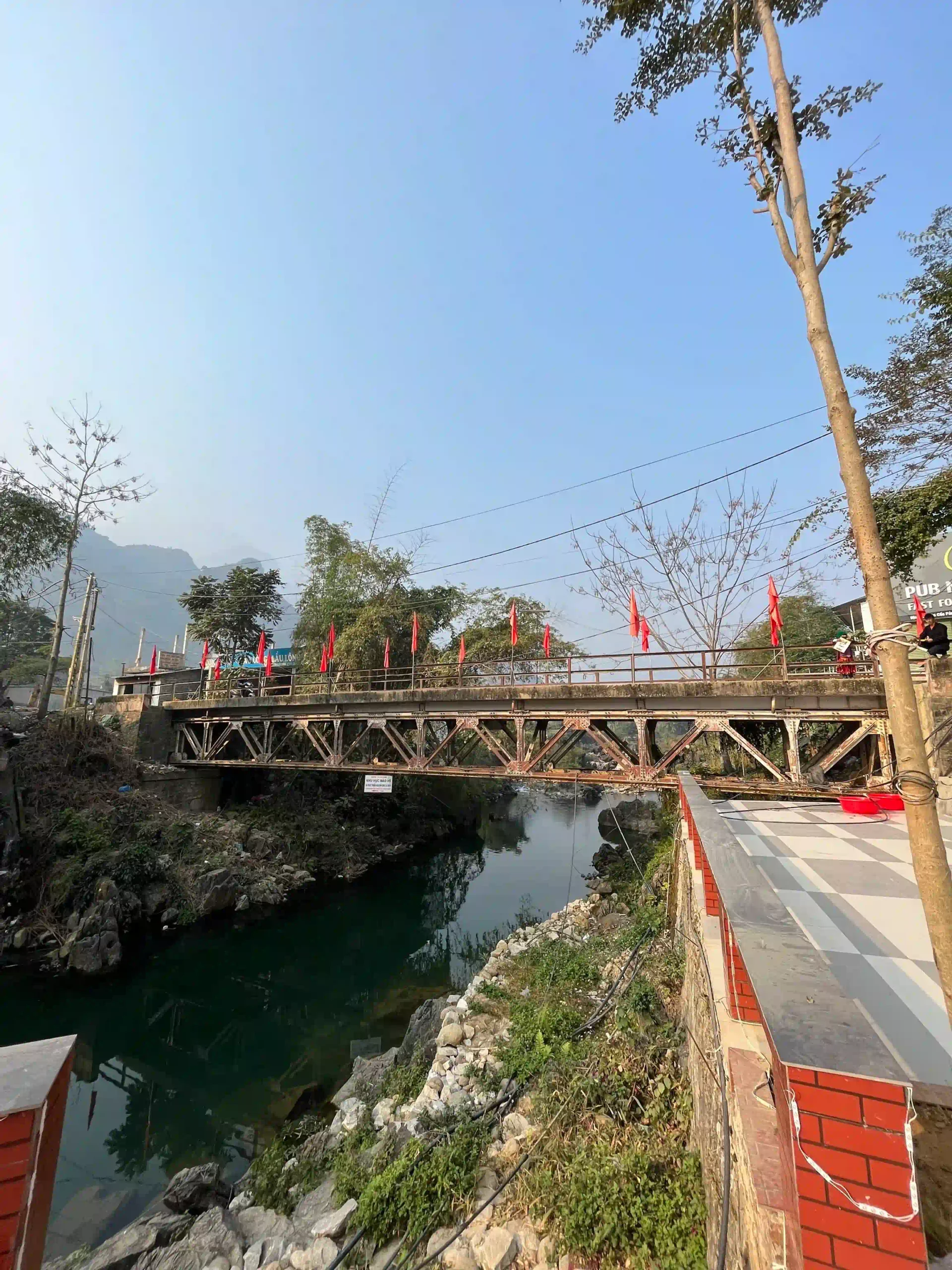
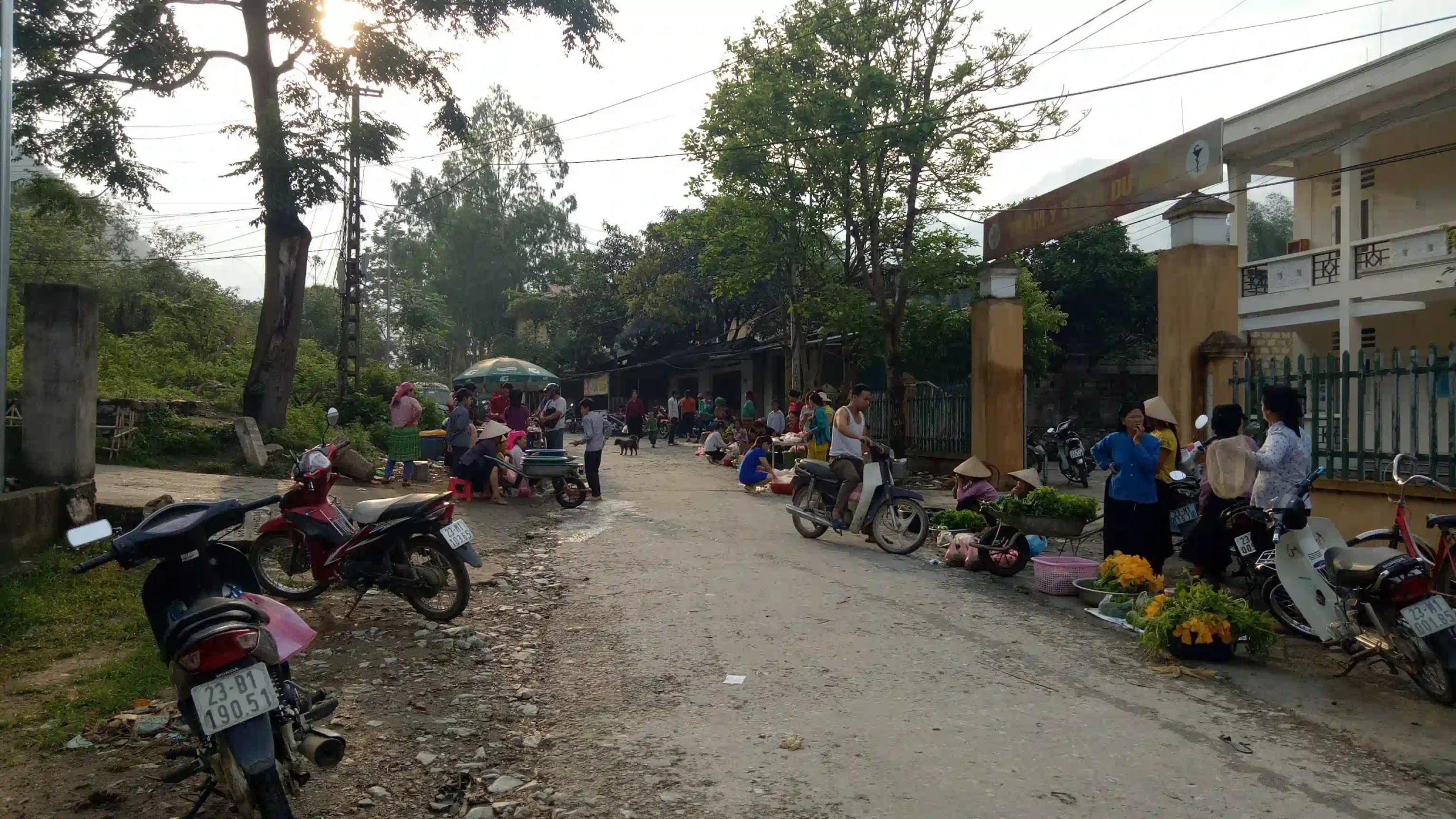
The 3 Day Ha Giang Loop Itinerary, Which Is What Most People Book
Three days, two nights. It’s the default on every hostel board in Ha Giang city and it’s what you’ll be offered at five in the morning when you get off the bus, half asleep and not really in a state to argue.
Here’s how it goes.
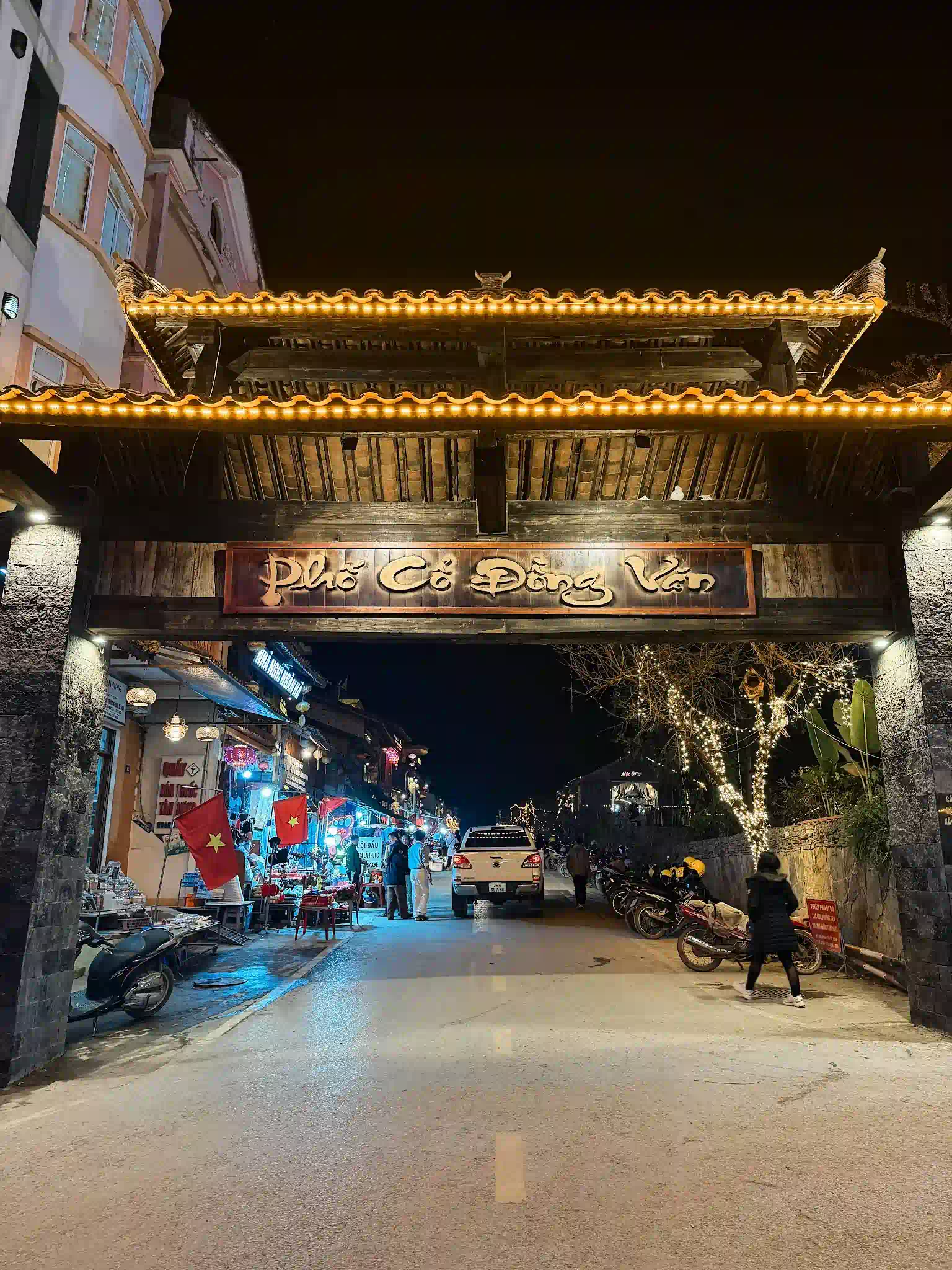
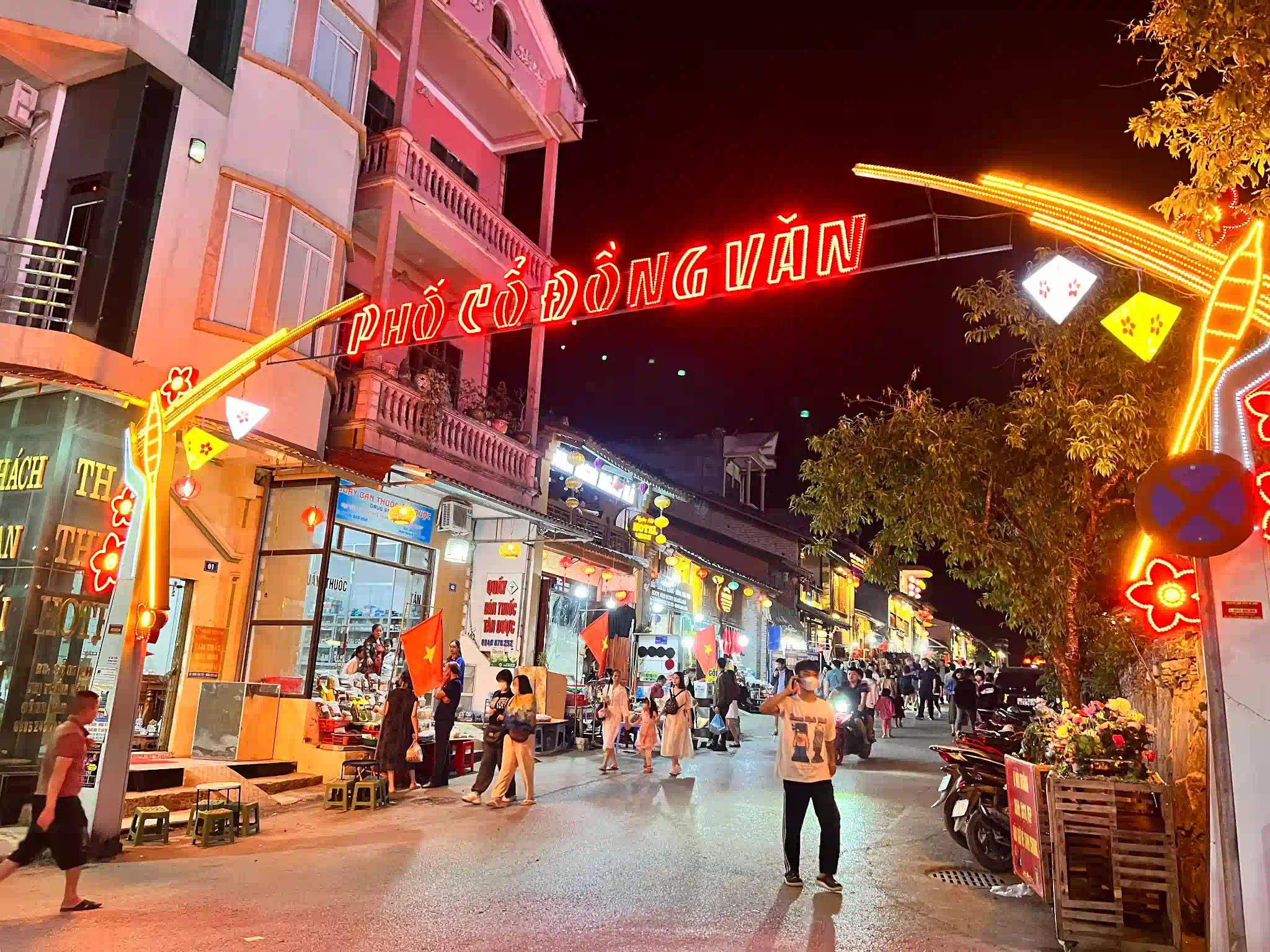
- Day one is Ha Giang to Dong Van, about 150km. Coffee at the Quan Ba viewpoint, a straight run through Yen Minh, and you’re checking the light from about two in the afternoon onwards.
- Day two is the big one. Out of Dong Van early, over Ma Pi Leng, and if the queue at the boat dock isn’t bad you’ll fit the Nho Que river in. Then 90 to 110km south to Du Gia or Meo Vac.
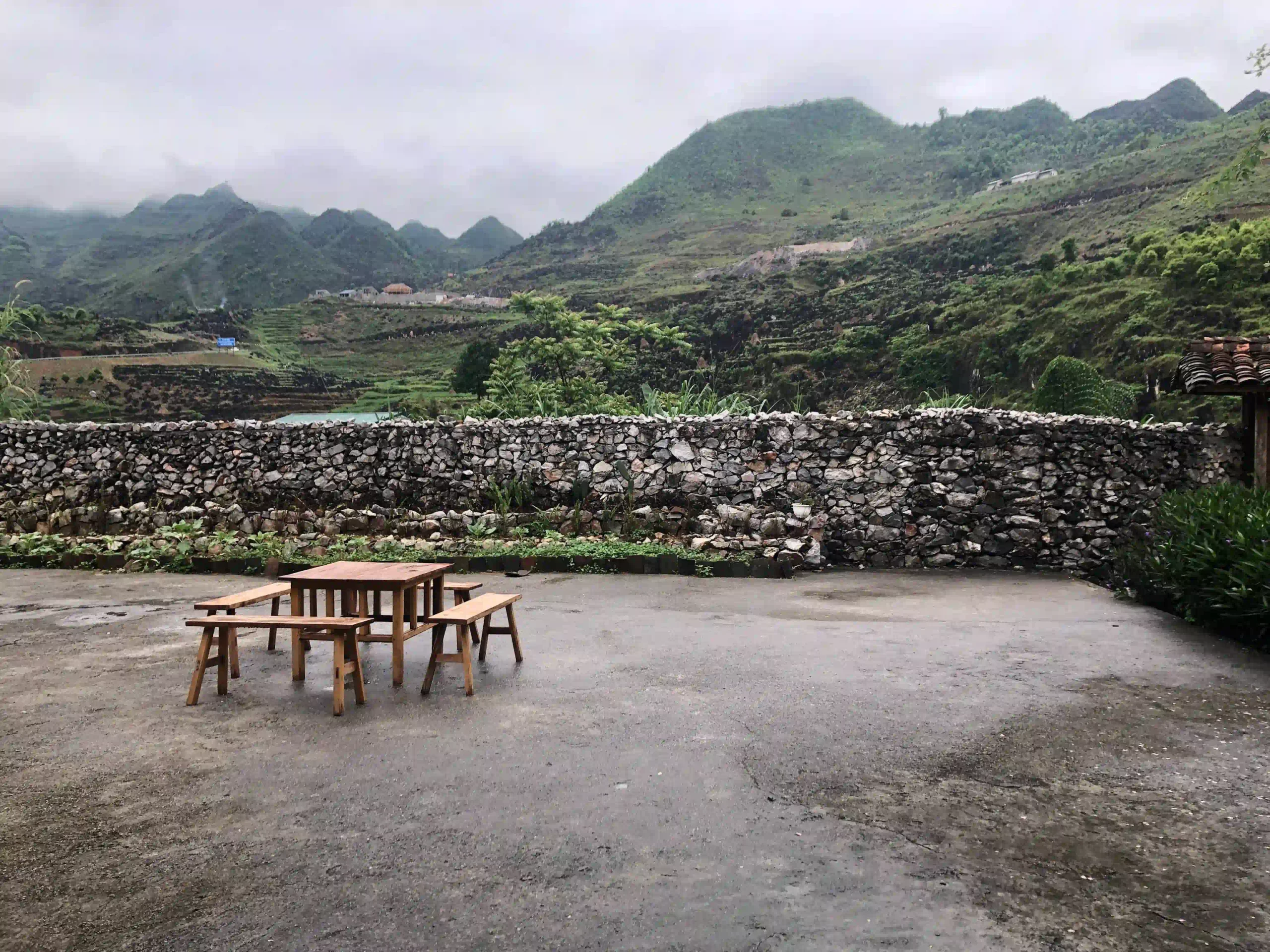
- Day three is about 100km home, a quick swim at the Du Gia waterfall if you’re on time, and back in Ha Giang city by mid-afternoon.
Lung Cu is the thing that goes. Almost always. You’ll be twenty minutes from the northernmost point of Vietnam and you won’t have the hour it costs.
The other thing that goes is time spent doing nothing, which I know sounds like no loss at all. It’s most of what I remember from the trips I’ve enjoyed.
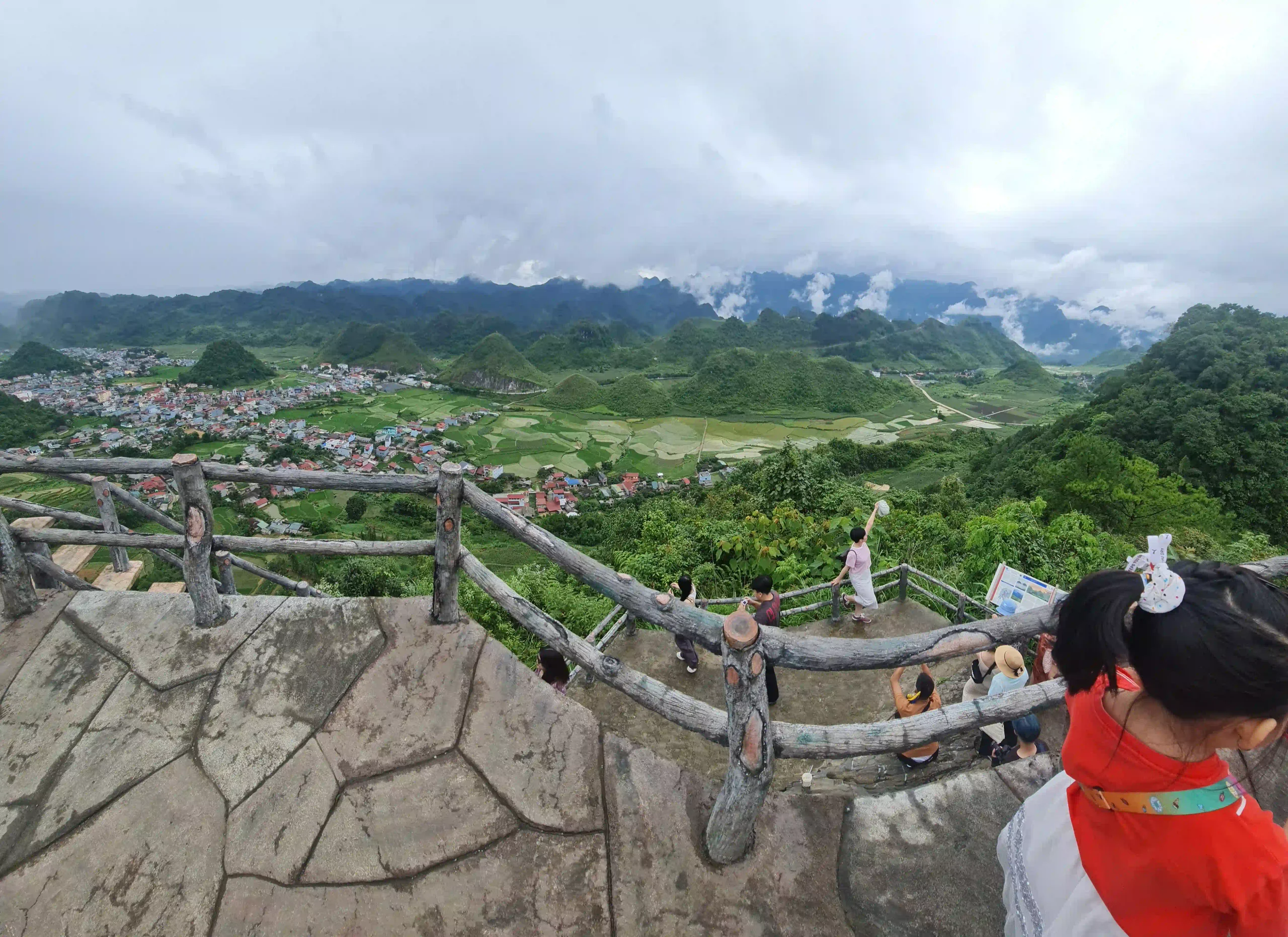
Sitting on a wall at the top of the pass for twenty minutes is the loop. Riding past it at 30km an hour because you’re due somewhere is a commute with a view.
Three days is a good trip and I’m not being sniffy about it. It’s just tight, and tight is the wrong thing to be on these roads.
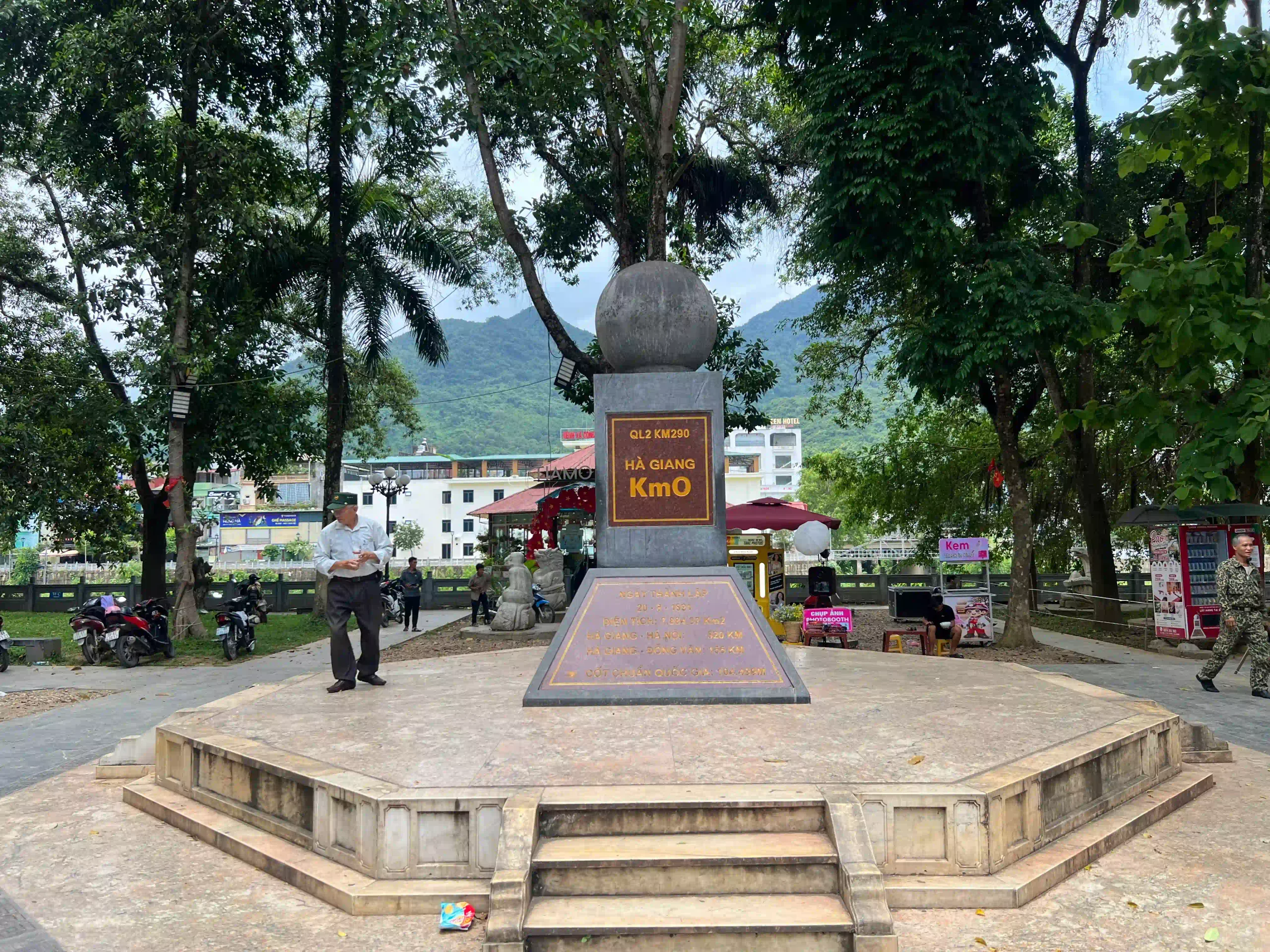
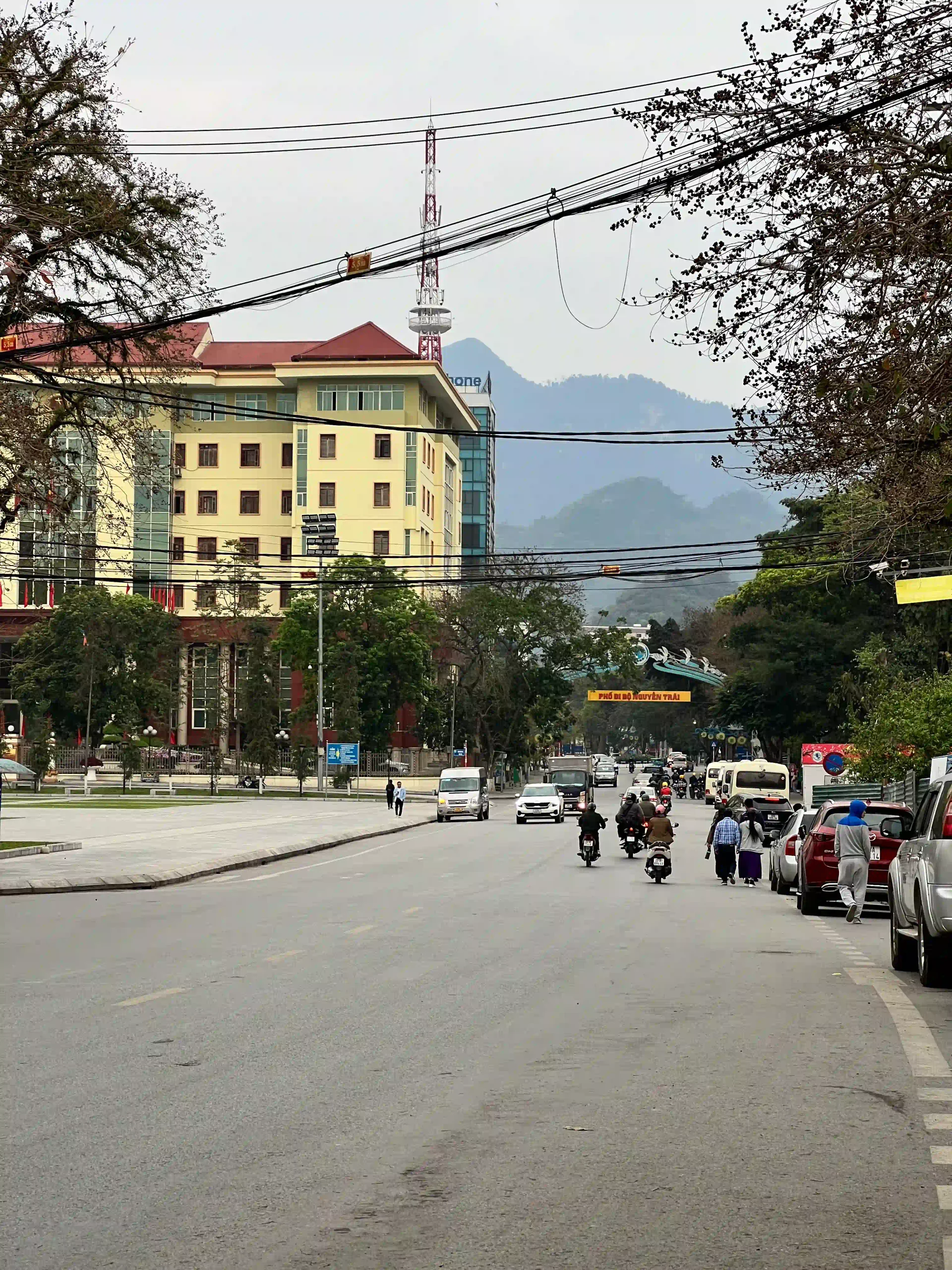
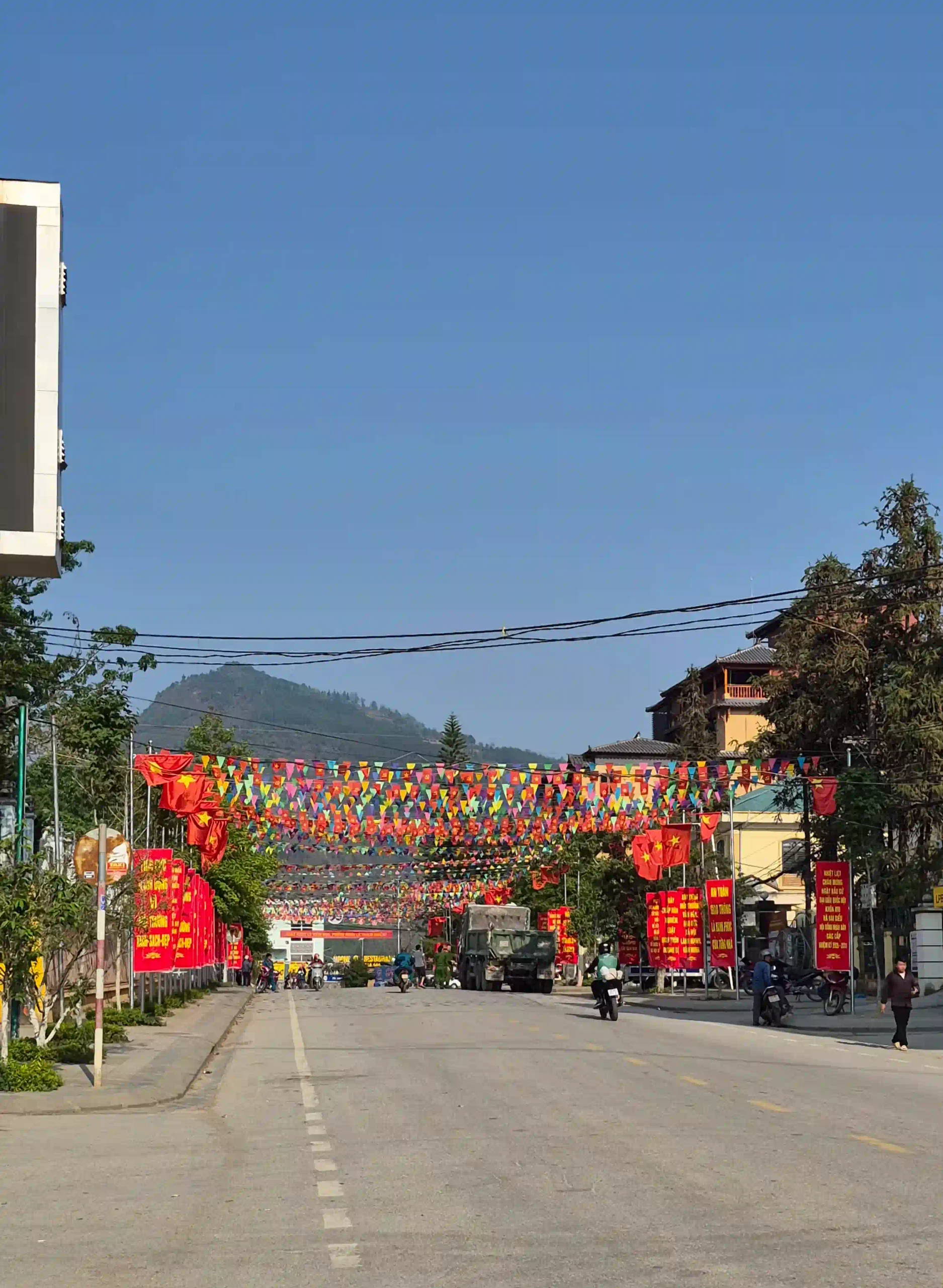
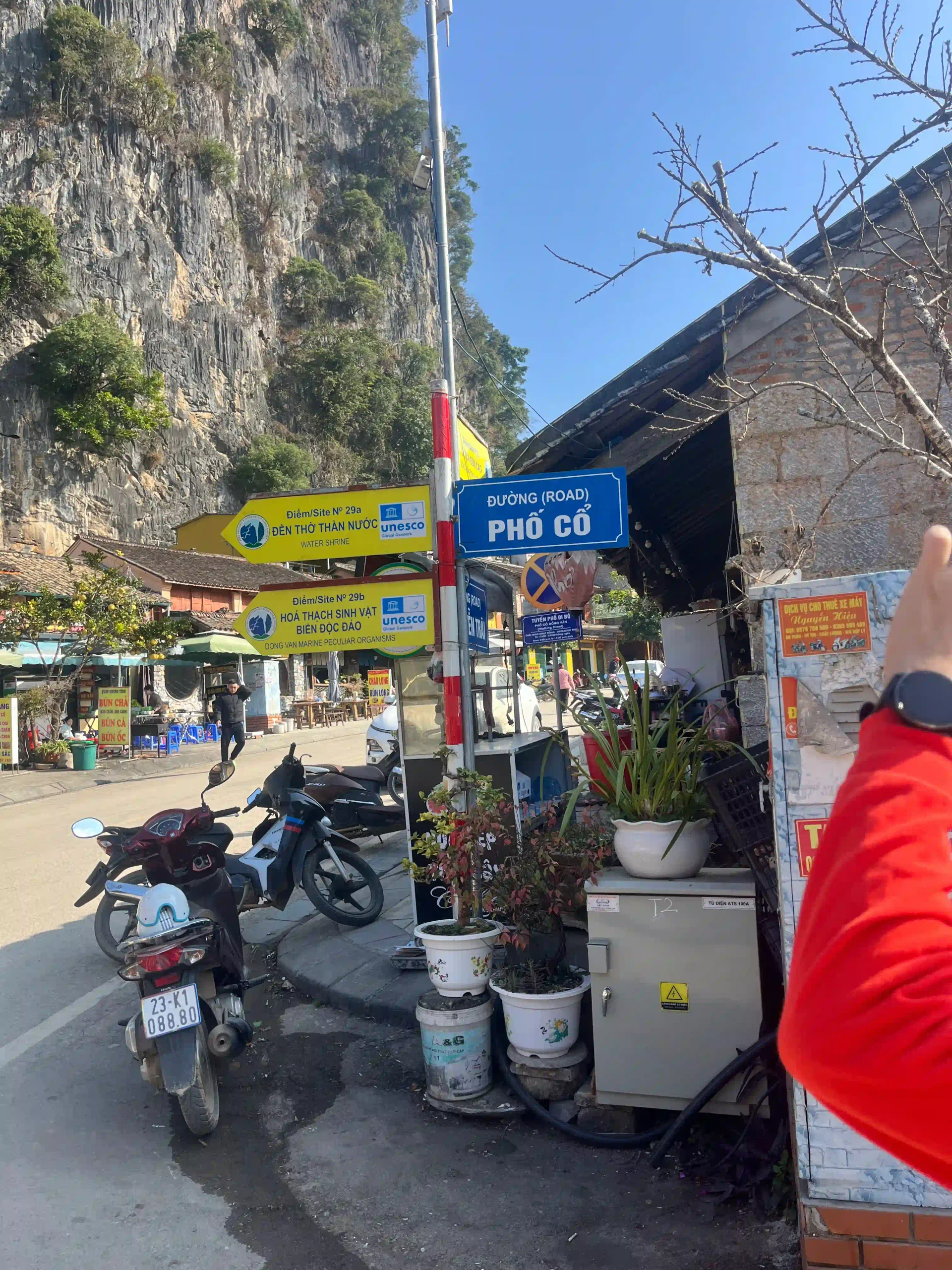
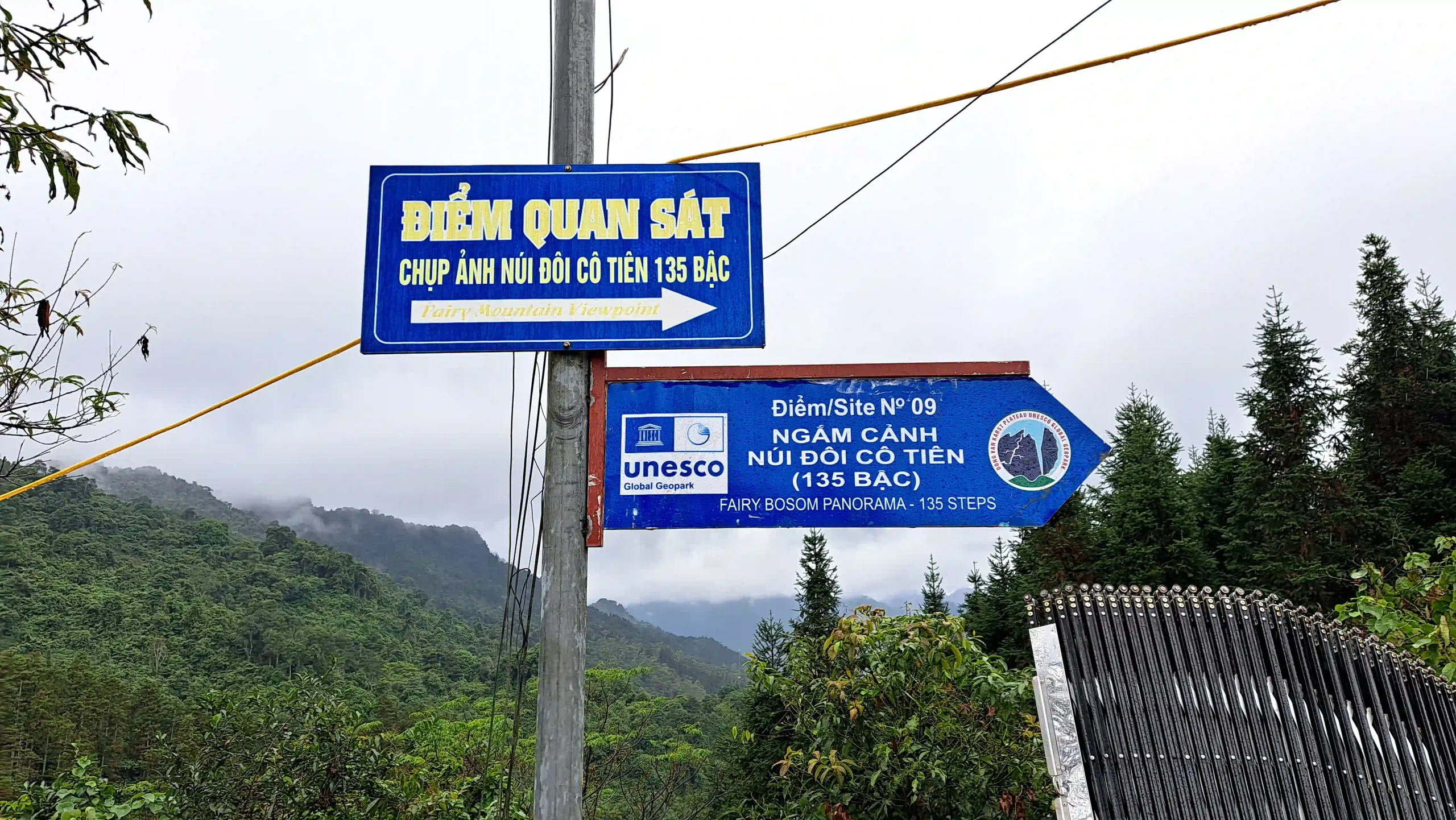

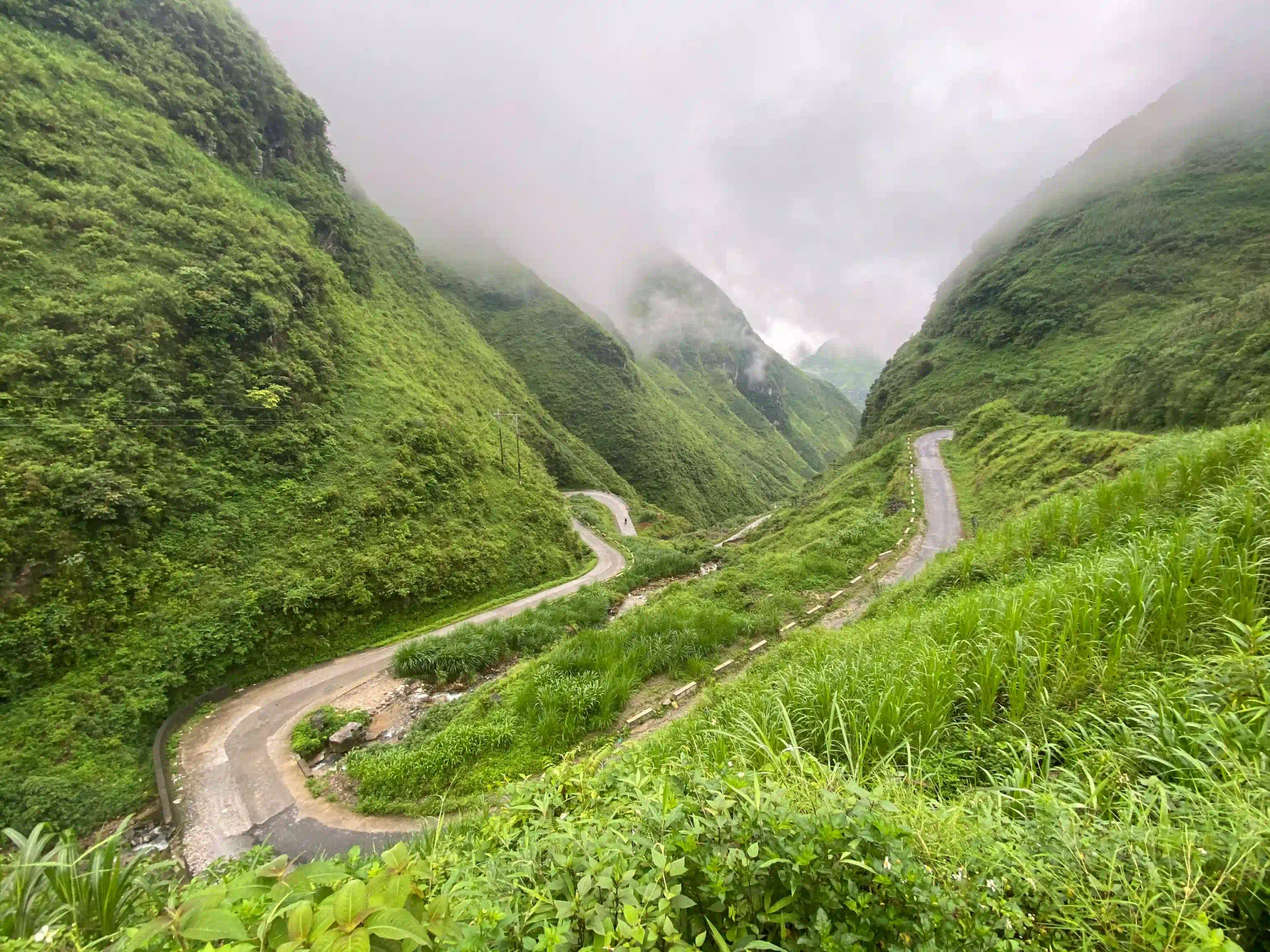
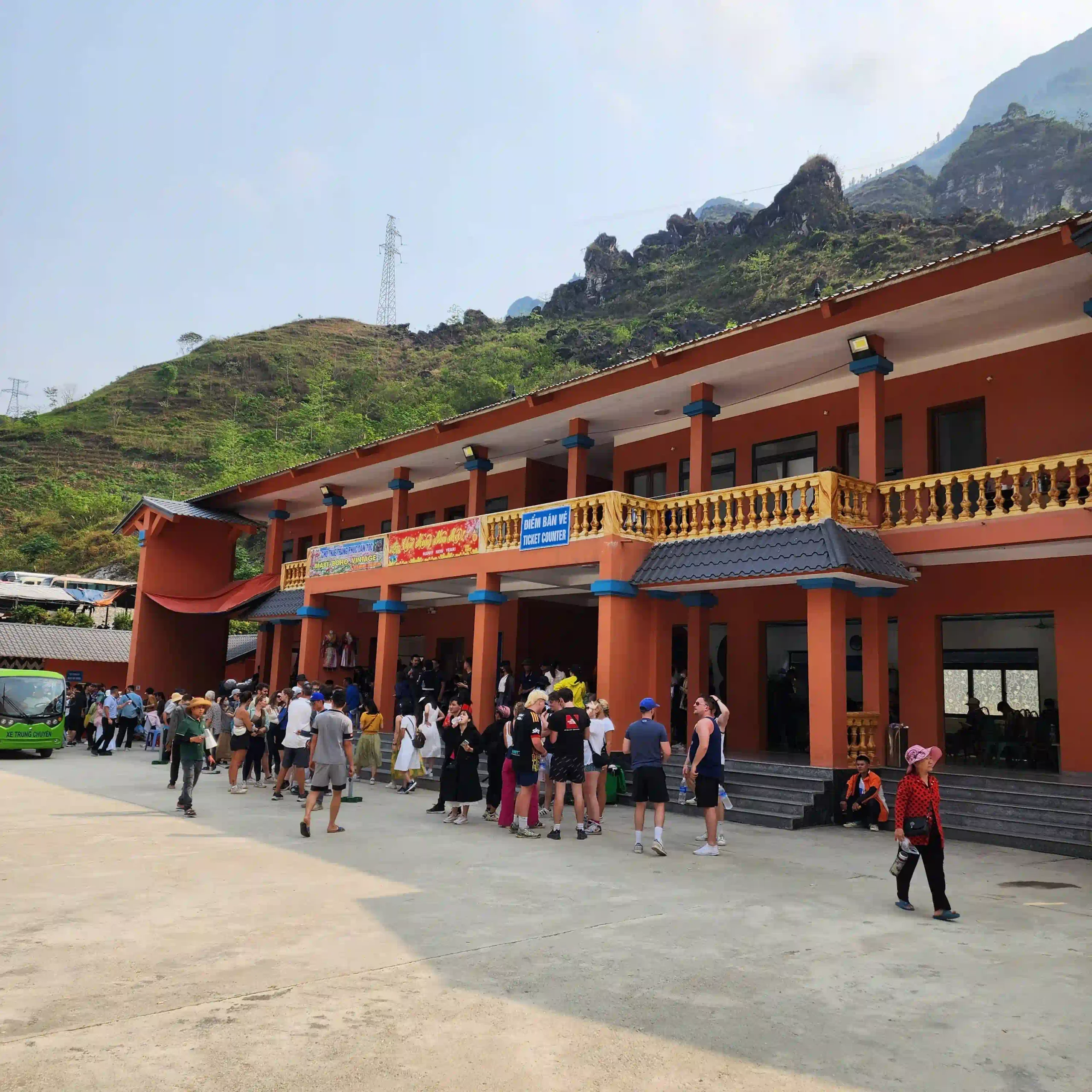
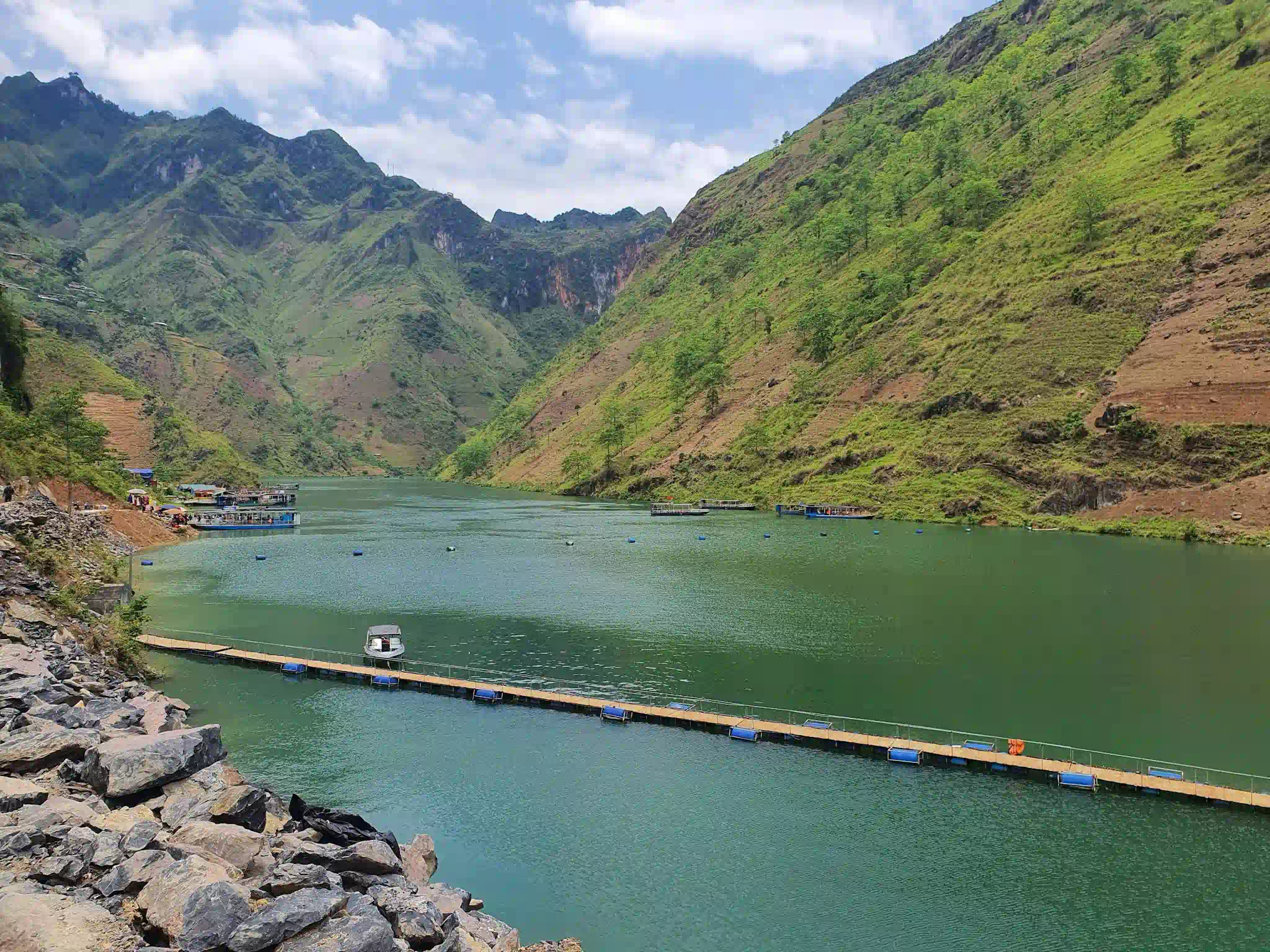
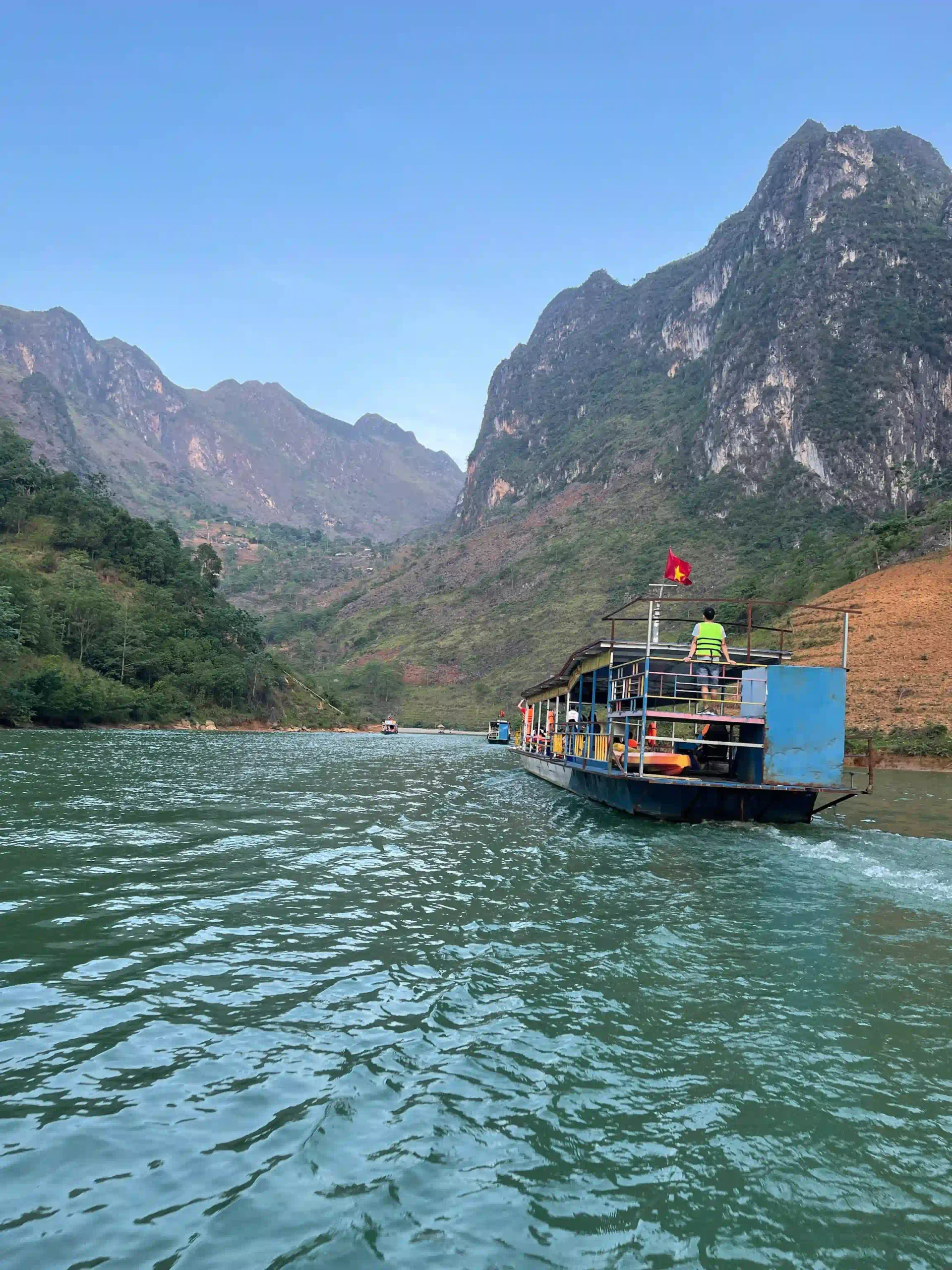
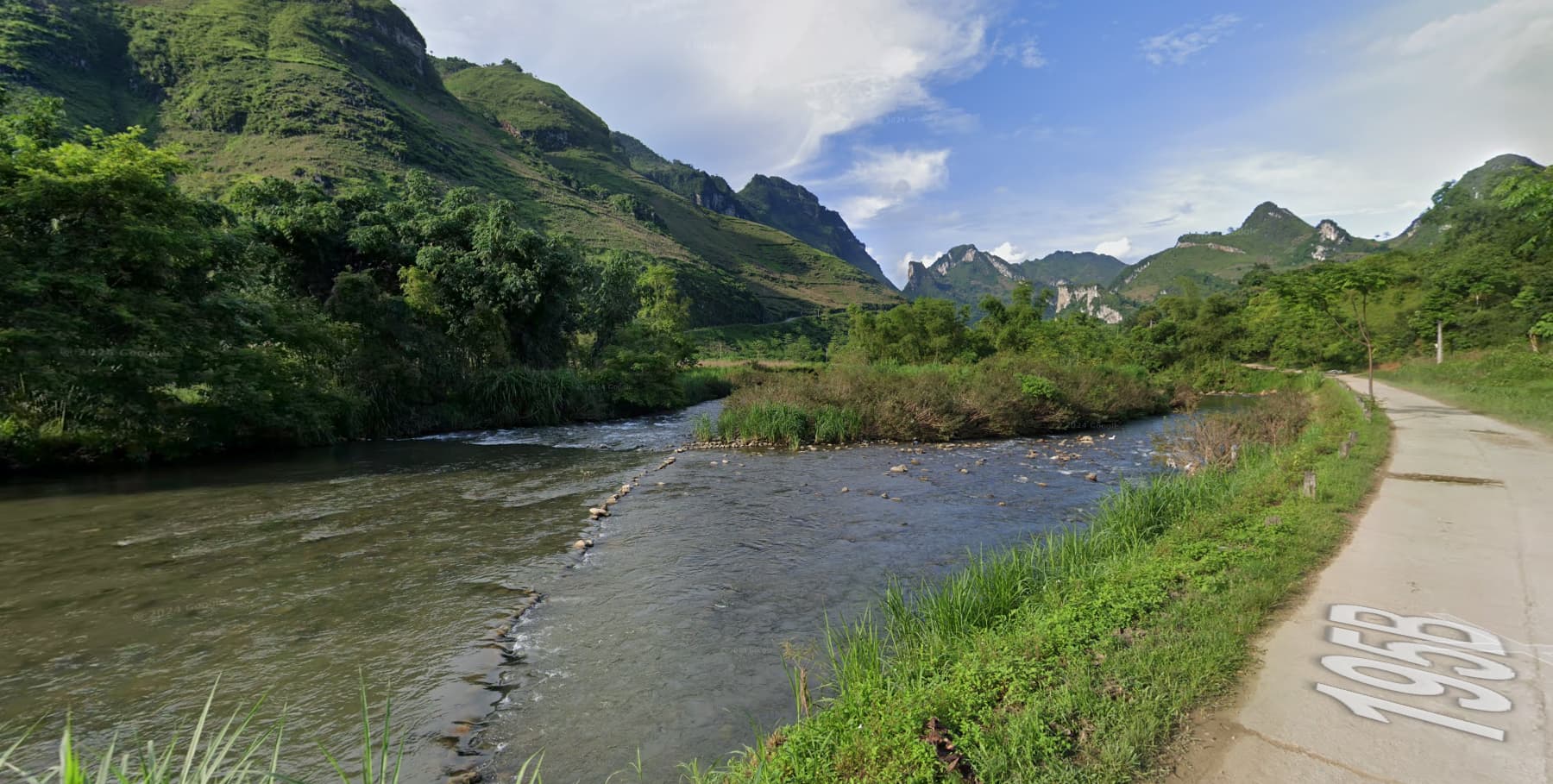

The 4 Day Ha Giang Loop Itinerary, Which Is What I Book
Two things about the four-day version that people get wrong before they book it.
The first is that the extra day goes at the front, not the end. Day one stops at Yen Minh or Quan Ba after 100 to 120km, which is a short afternoon and feels almost lazy, and that’s the point. Everything after it has room.
The second is that you don’t see a different Ha Giang. Same road, same passes, same villages. Anyone selling you a four-day trip as a deeper cultural experience is overstating it.
What you get is Lung Cu, an unrushed boat ride on the Nho Que, a morning at the Du Gia waterfall, and about an hour a day back.
The rest of it runs Yen Minh up to Lung Cu and down through Lo Lo Chai into Dong Van, around 90km. Then the Ma Pi Leng day, 80 to 90km, finishing in Meo Vac or over the dirt road to Du Gia. Then 100km home.
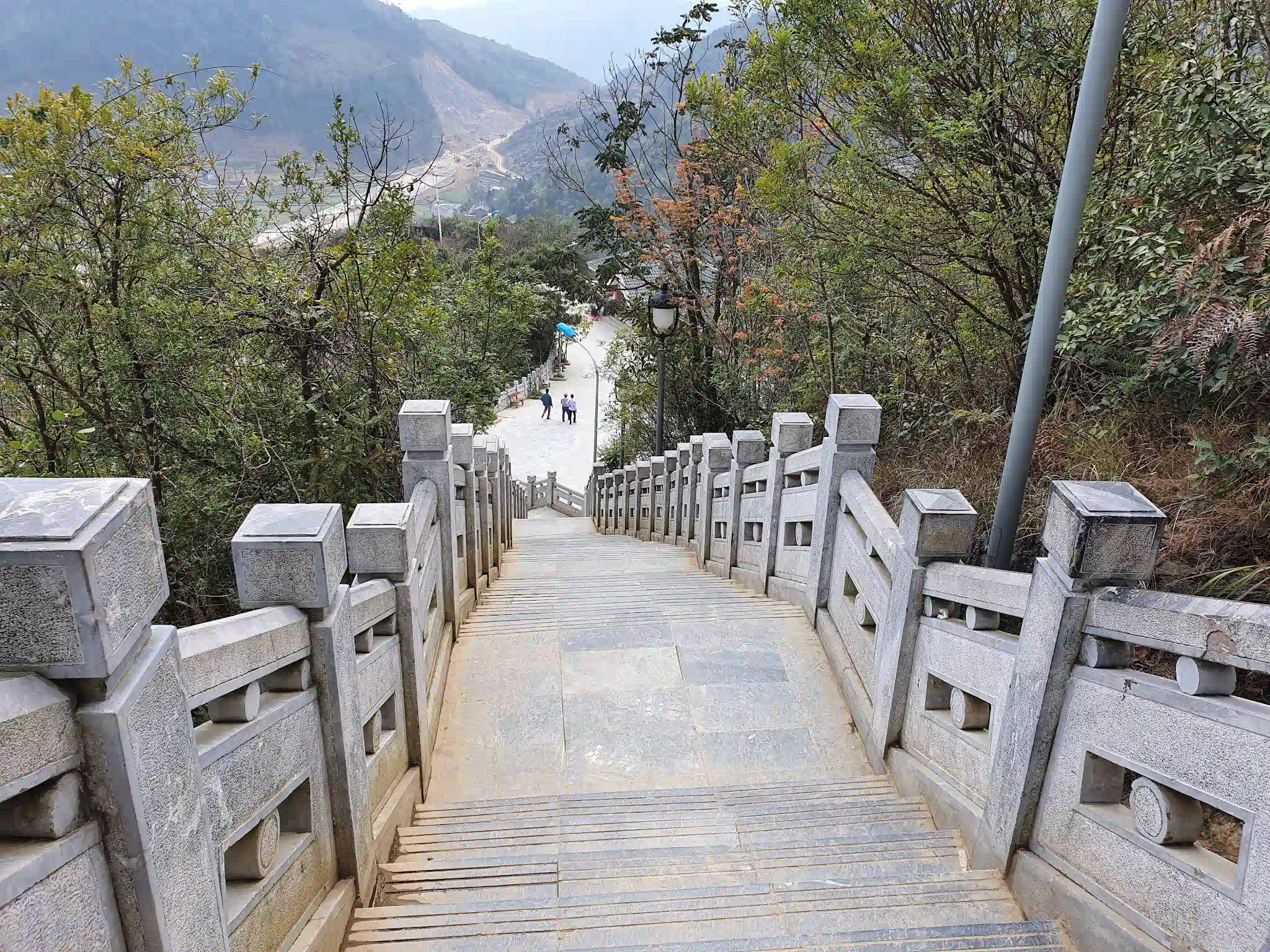
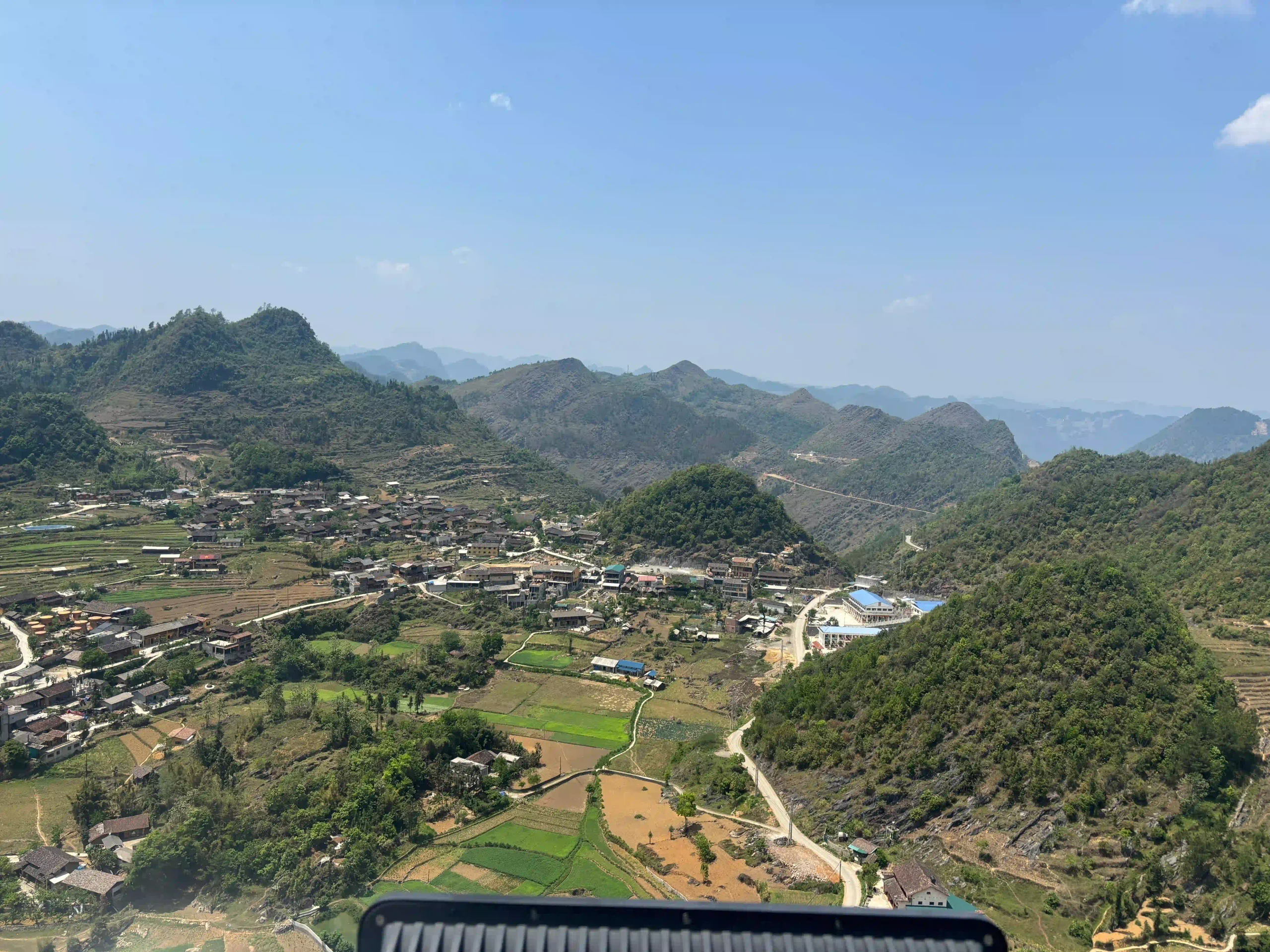
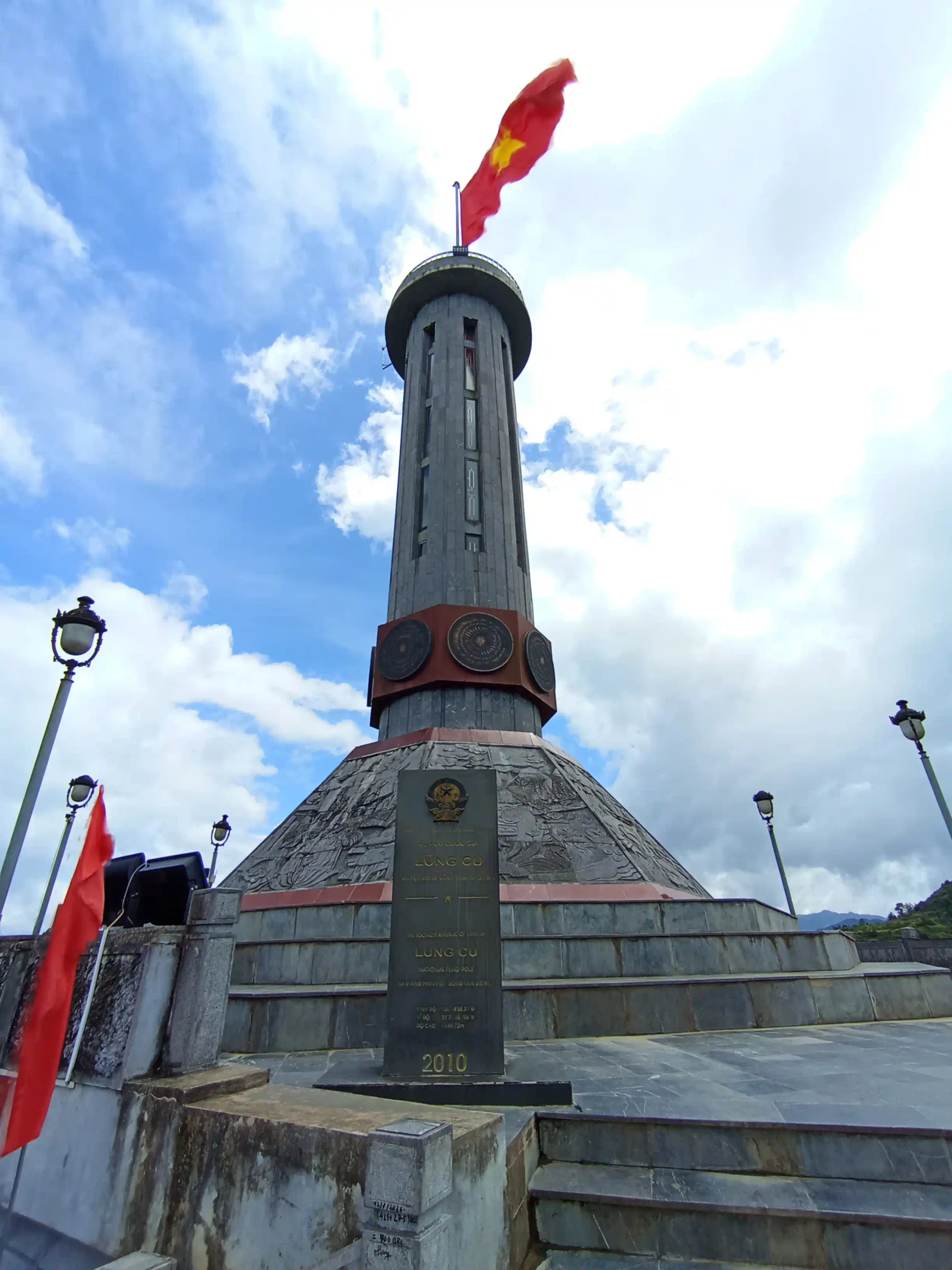
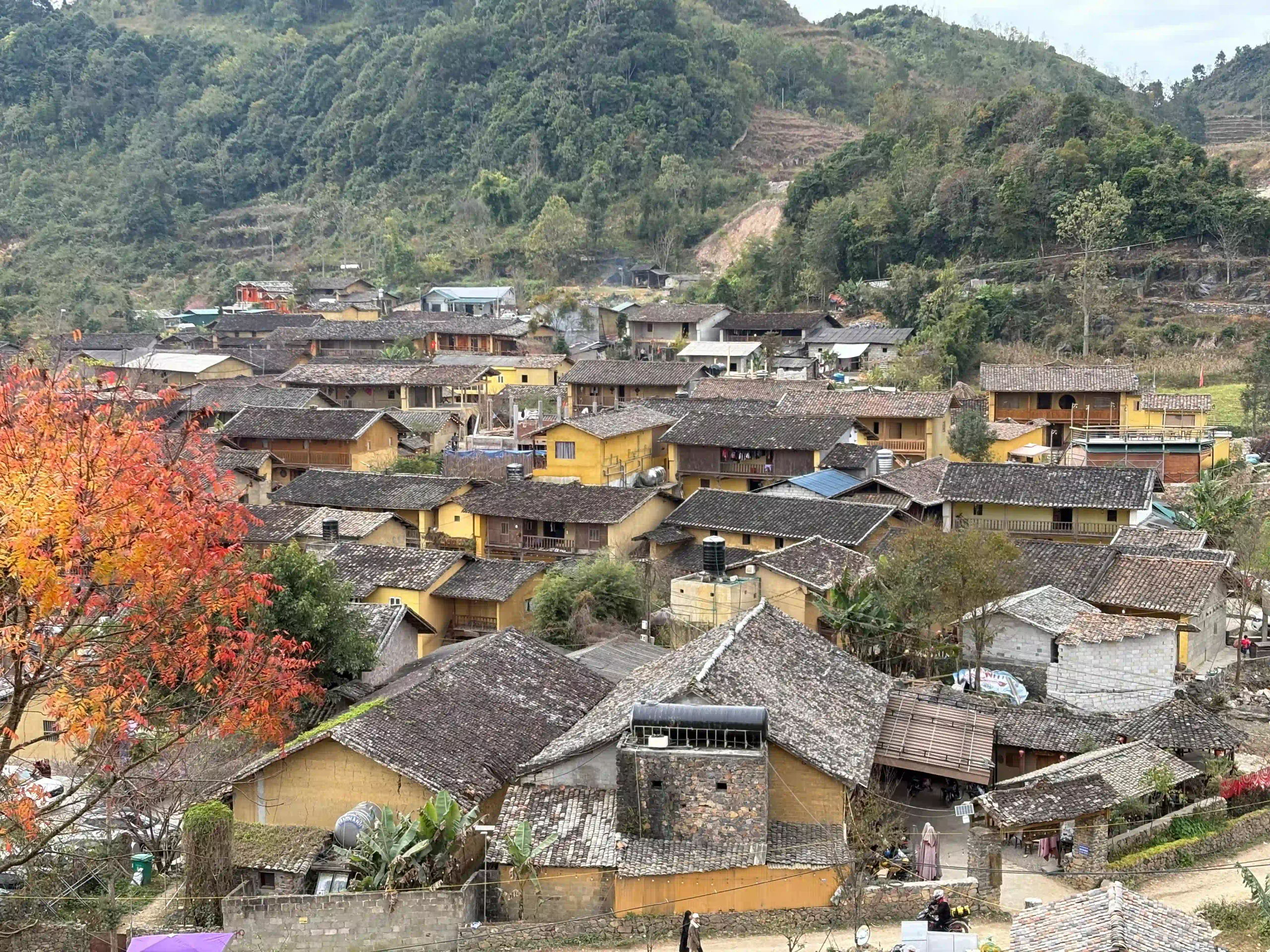
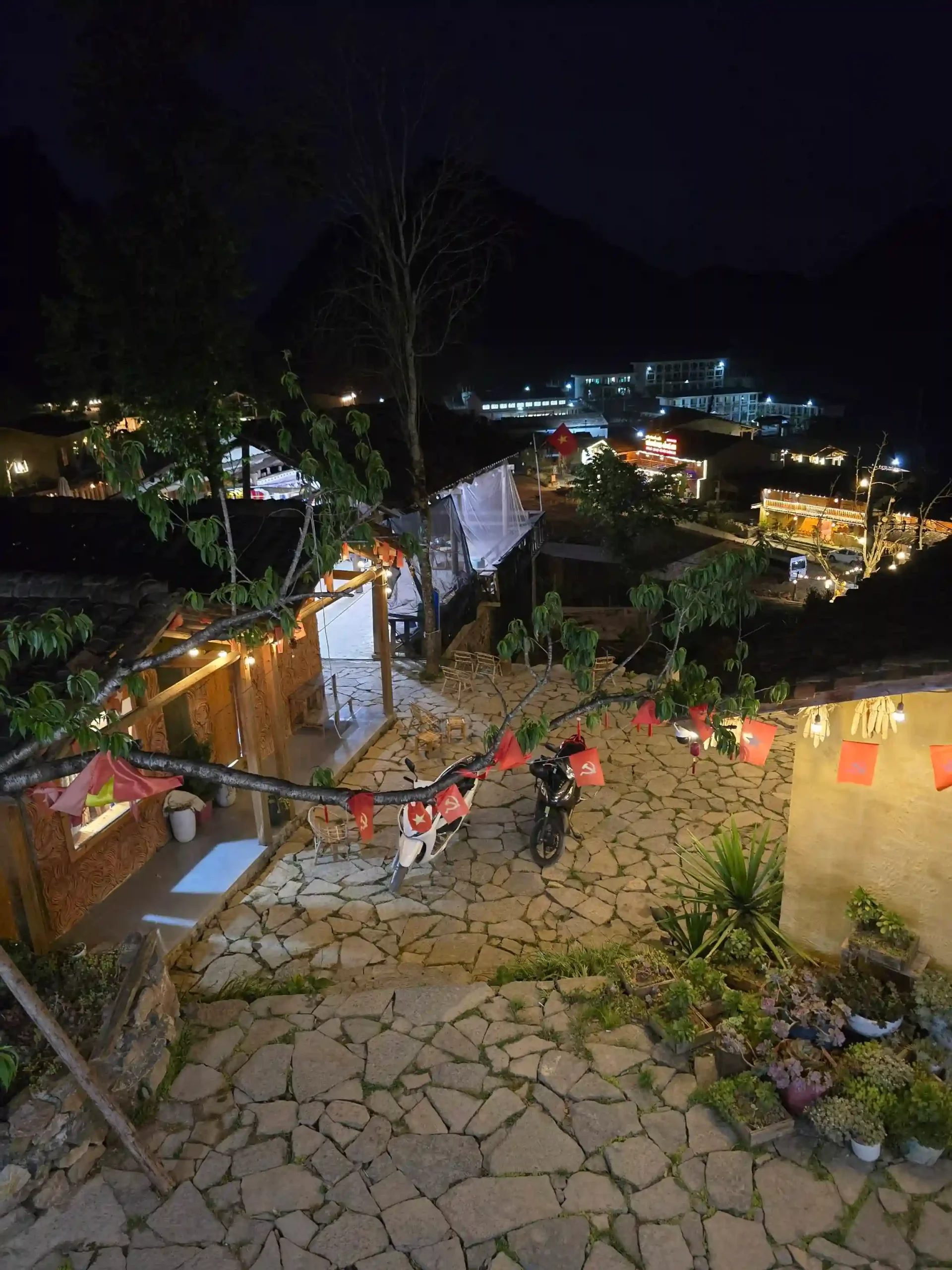
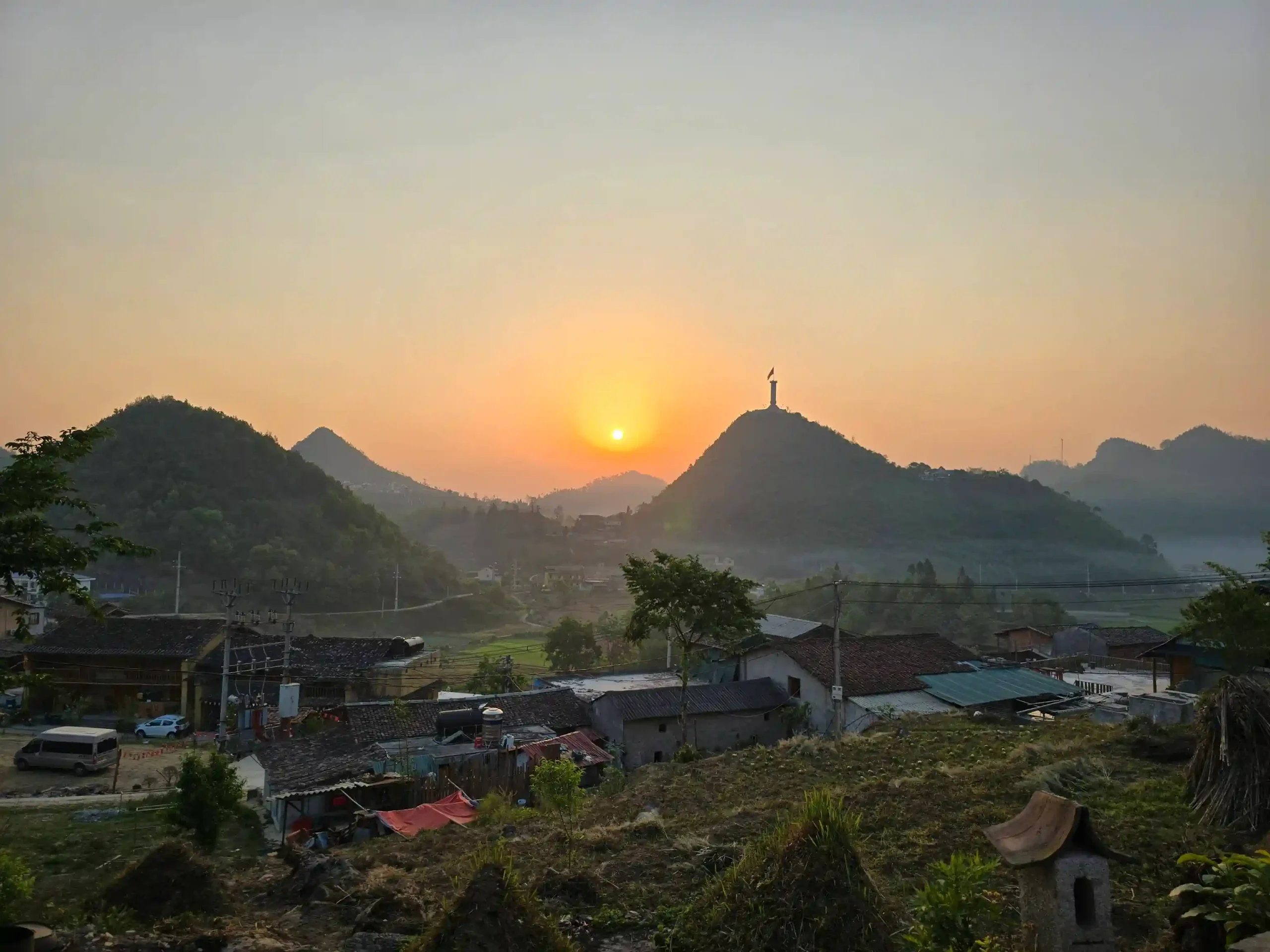
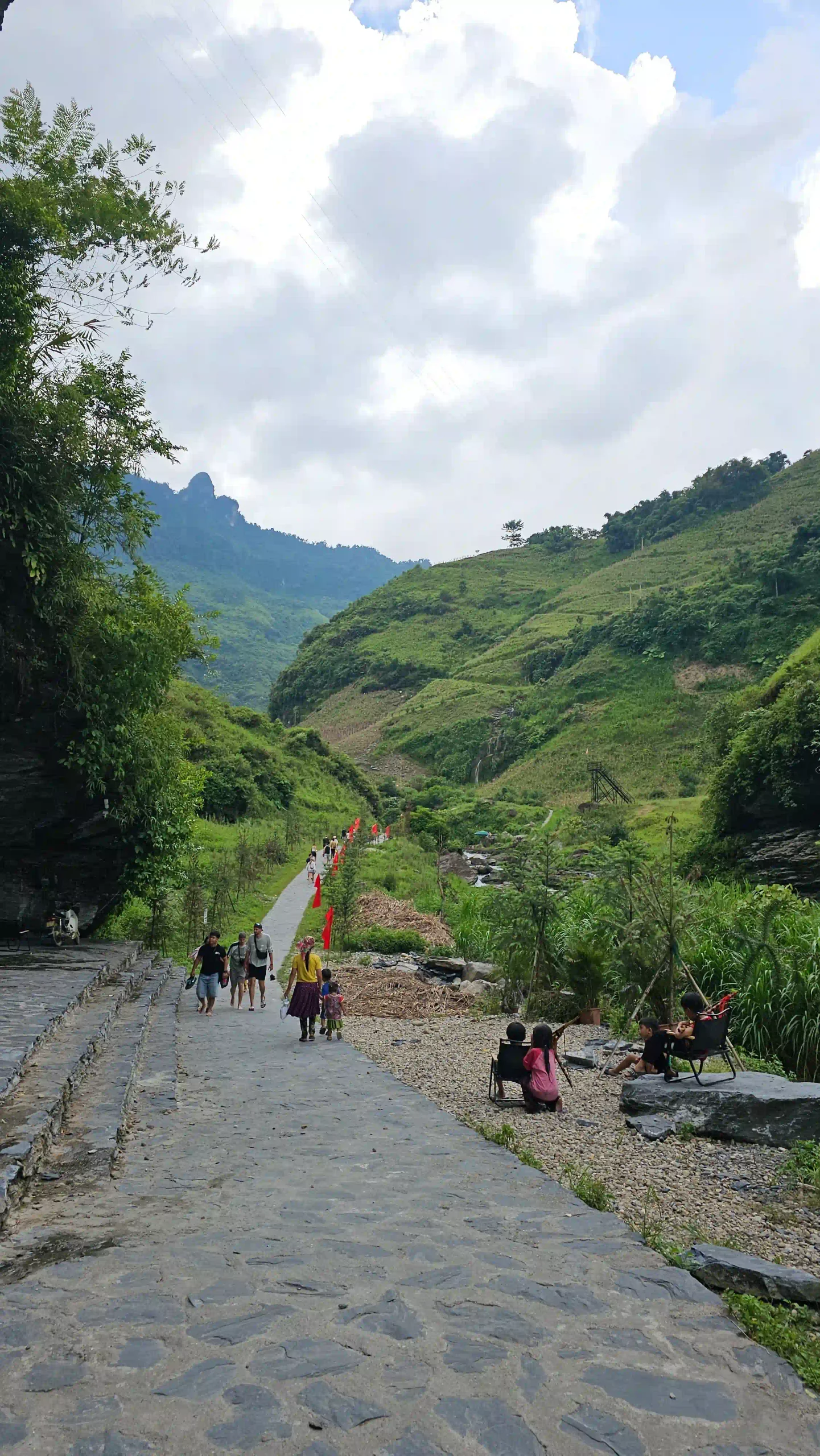
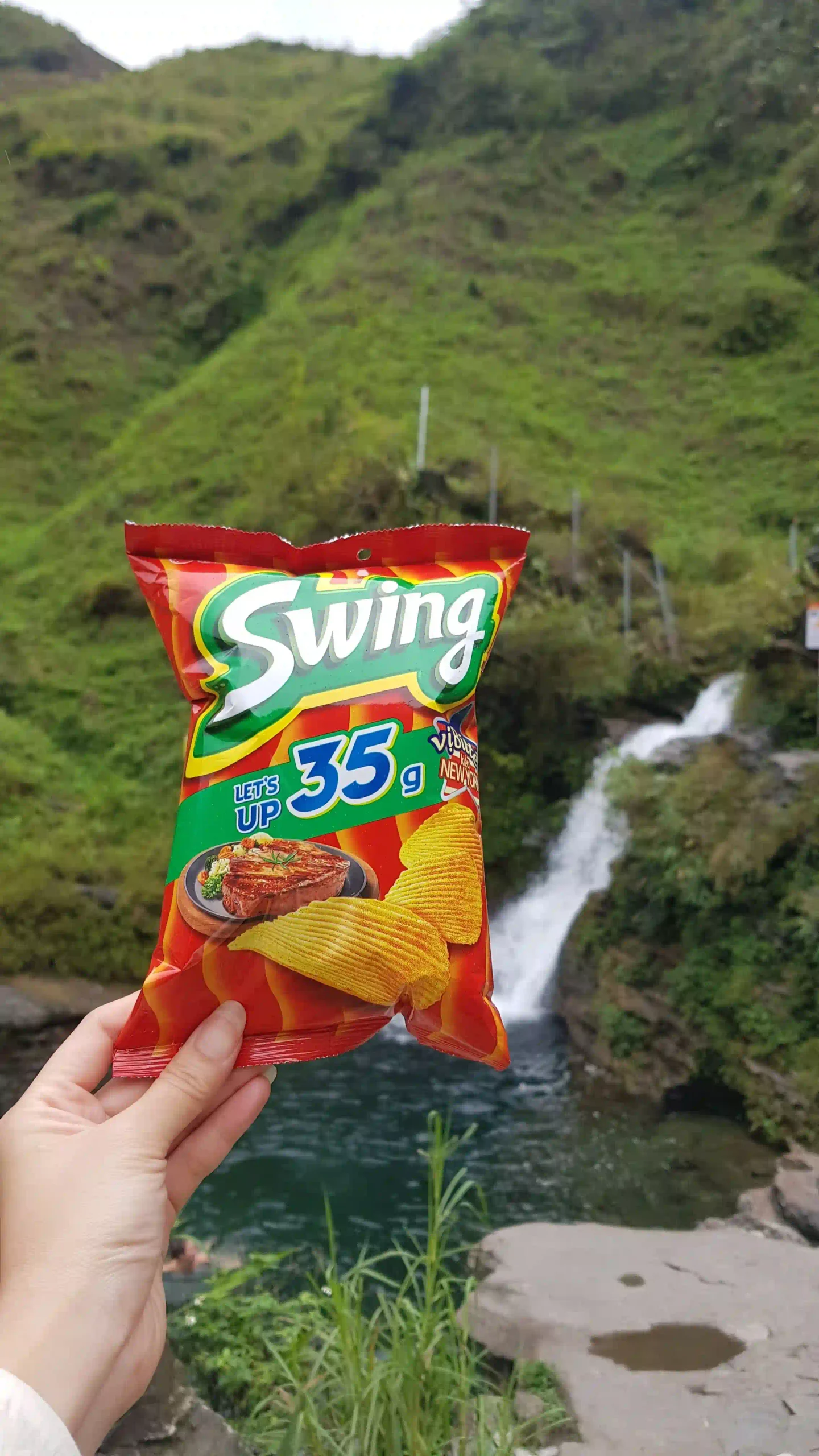
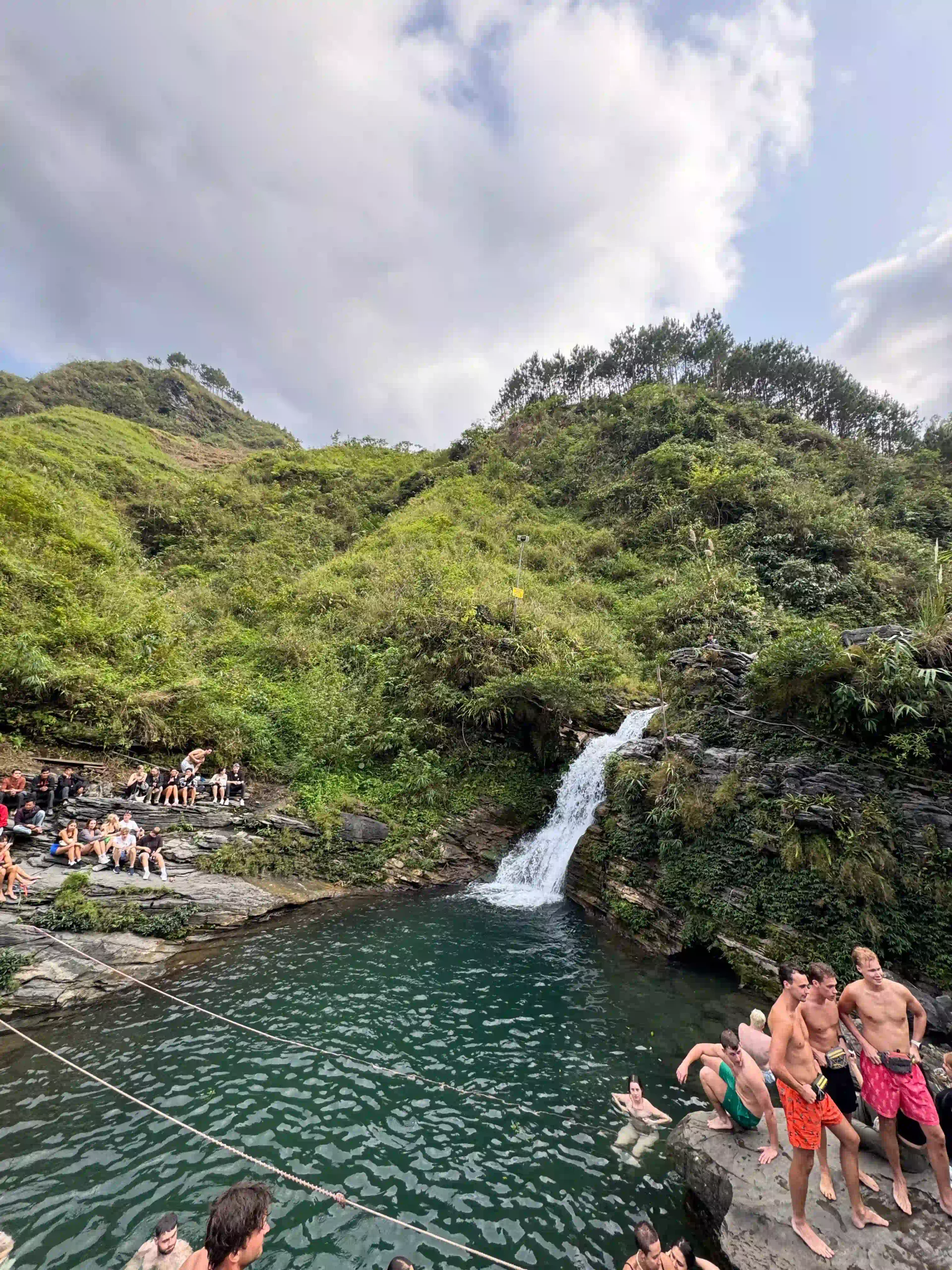
This is my route (on google map), click here to see.
| 3 days 2 nights | 4 days 3 nights | |
|---|---|---|
| Riding per day | 5 to 6 hours | 4 to 5 hours |
| Longest day | about 150km | about 120km |
| Lung Cu | usually skipped | included |
| Easy rider price | $150 to $170 | $190 to $230 |
| Self drive price | $90 to $110 | $140 to $160 |
| Slack in the schedule | none | a morning |
The gap is about forty dollars on an easy rider tour and about fifty if you’re renting your own bike. For a whole extra day I’ve never once regretted spending it.
The Half Four Bus, Which Decides Your Last Day
This is the constraint nobody puts in an itinerary and it quietly shapes the whole trip.
The last comfortable bus from Ha Giang city back to Hanoi leaves at around half four in the afternoon. Miss it and you’re on a late sleeper or staying another night. So whatever your final riding day is, it has to be finished by three at the latest, which makes it the shortest day available to you.
On a four-day trip that’s fine, because day four is a hundred kilometres from Du Gia and you can leave at nine.
On a three-day trip that same hundred kilometres is your third day, on tired legs, after two long ones, and with a hard deadline on the end of it. That’s the day I’ve seen go wrong most often, and it’s the strongest practical argument for four days that I know.
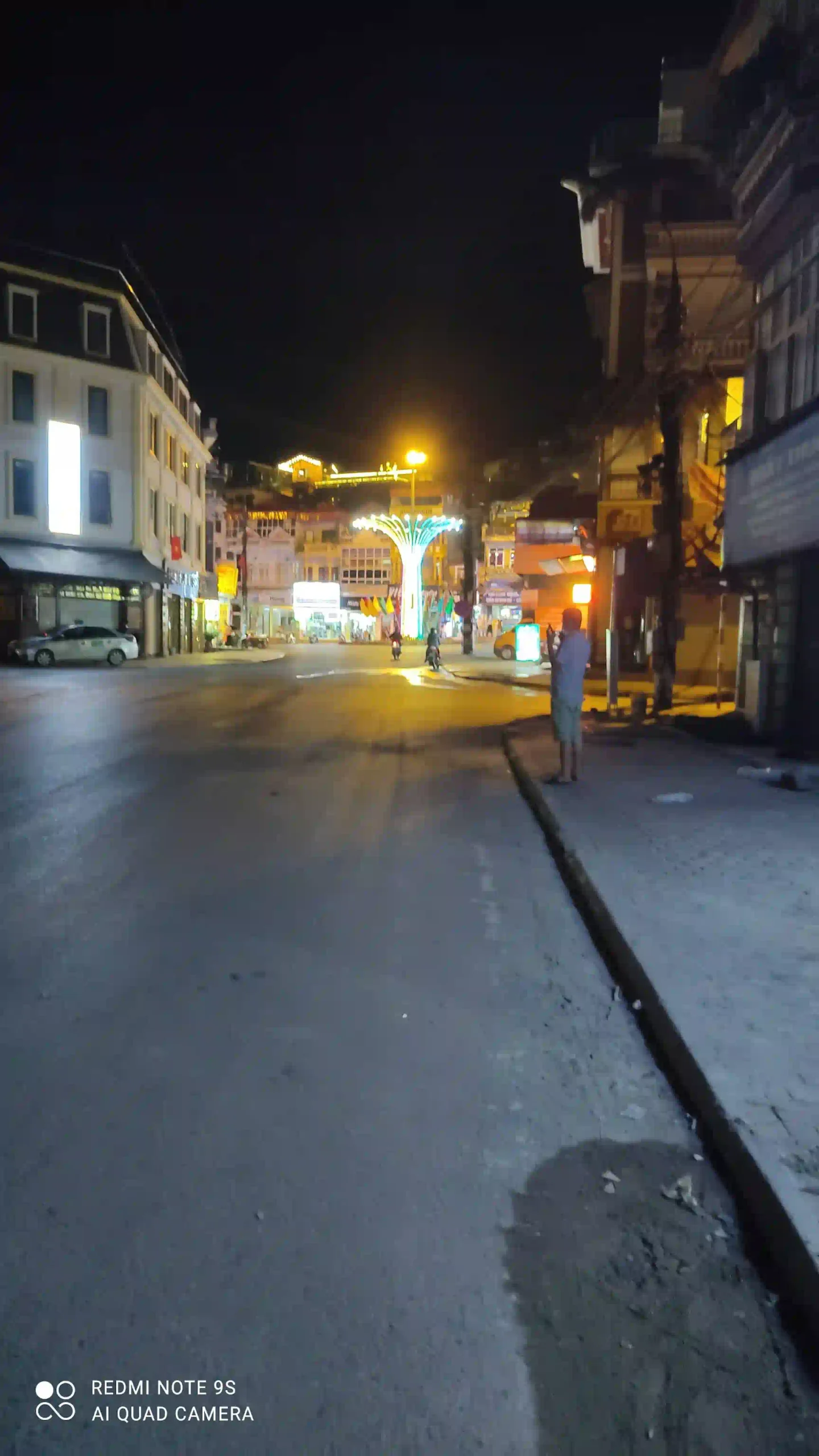
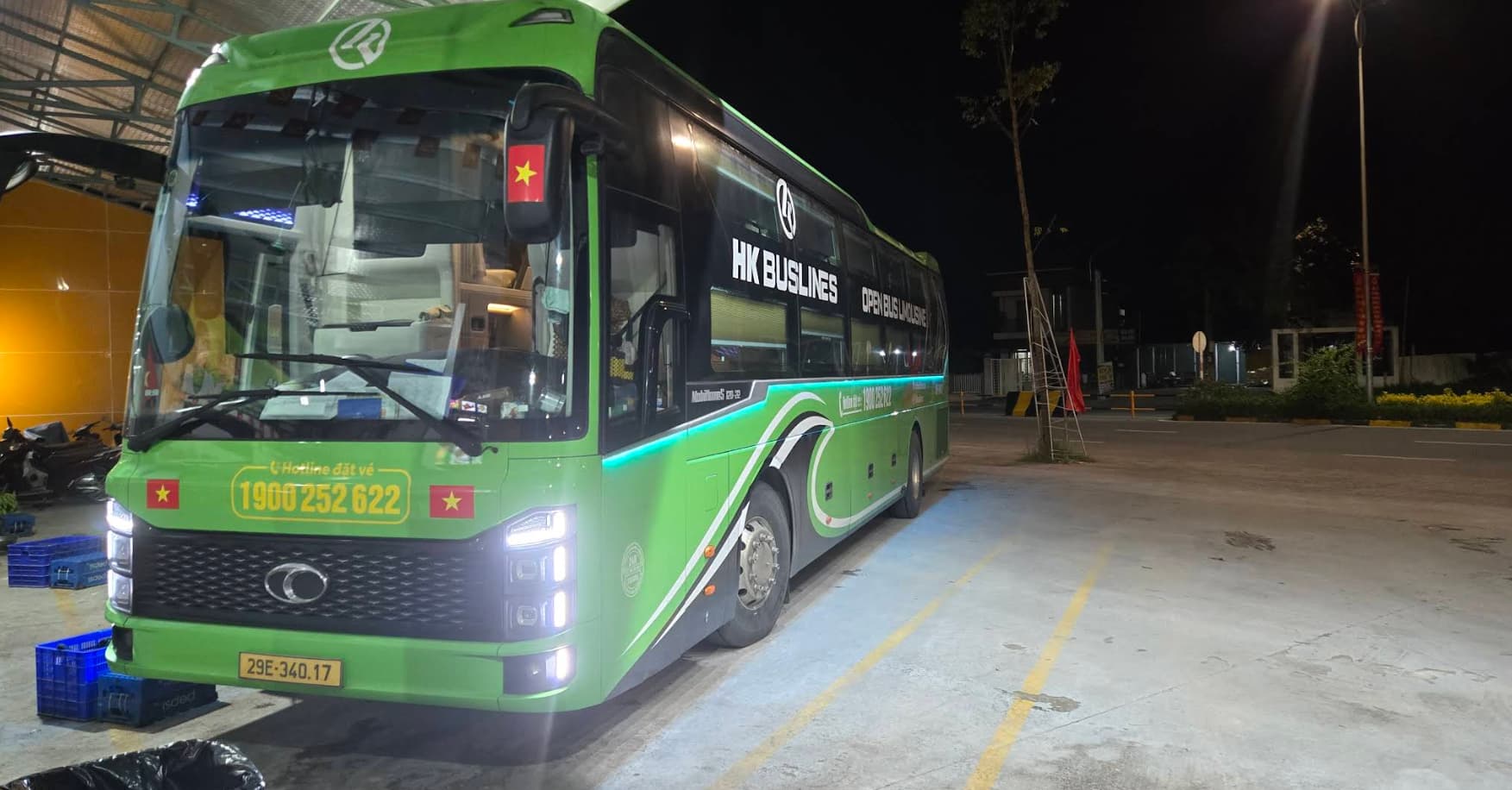
Coming in is easier. The night bus from Hanoi leaves between nine and eleven and arrives at four or five in the morning. Every hostel and tour company in town is set up for this and most will let you shower, leave your big bag and sleep on a sofa until the tour goes. You’ll feel awful, but you haven’t lost a day.
Put those two together and the arithmetic is that a three-day loop takes four days out of your trip and a four-day loop takes five. That’s the number to book flights around.




The 5 Day Ha Giang Loop Itinerary, and When It’s Worth It
Three reasons.
- Clockwise. Ha Giang, Du Gia, Meo Vac, Dong Van, Yen Minh. You’re running against every tour bus and every convoy on the road, so the viewpoints are emptier and so are the homestays. It needs a fifth day because the distances don’t divide as neatly going that way.
- The DT176. The narrow, rough, much quieter road between Meo Vac and Du Gia. I’ve only ridden it in dry weather, so I honestly don’t know what it’s like in August and I wouldn’t guess.
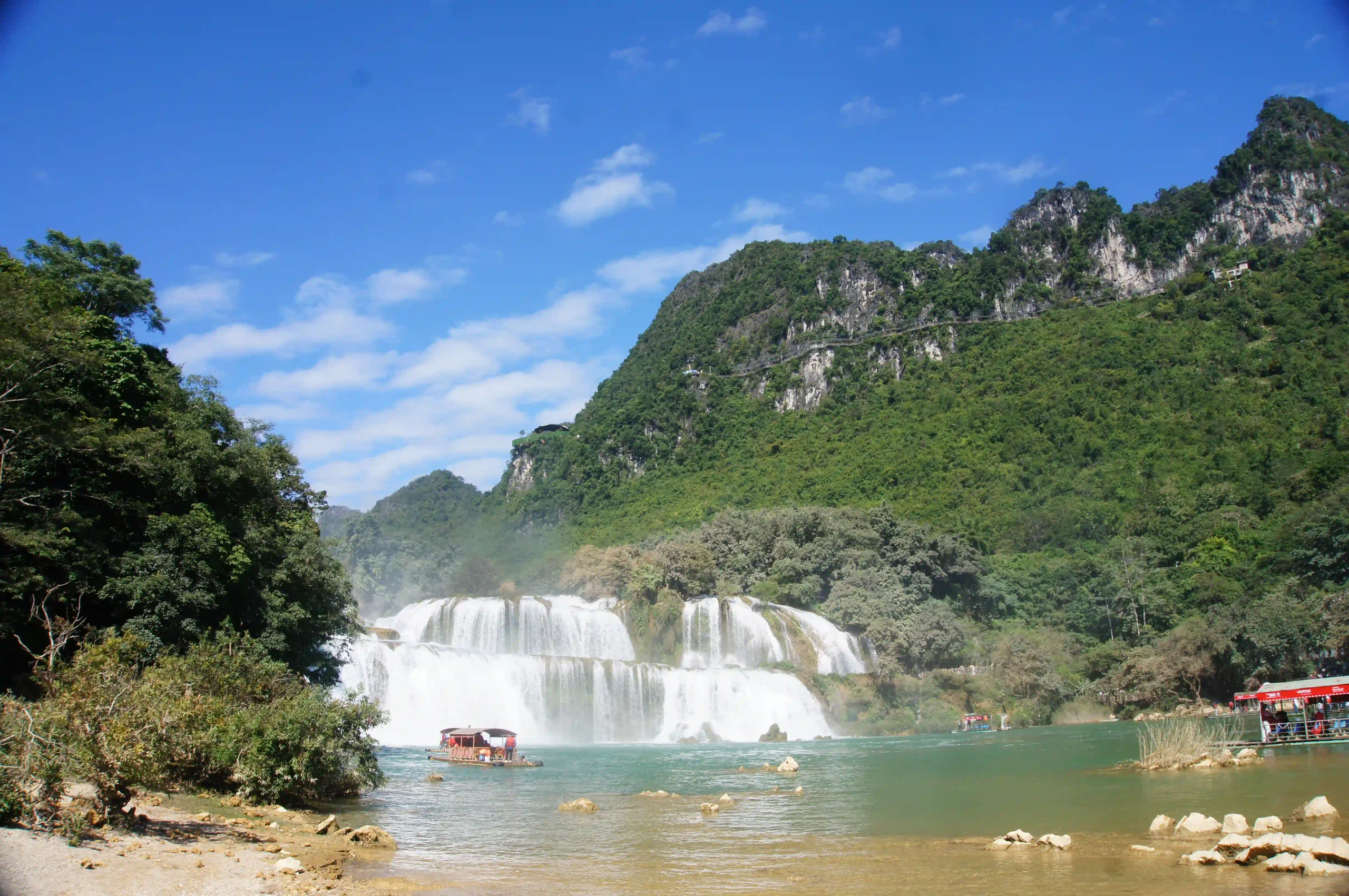
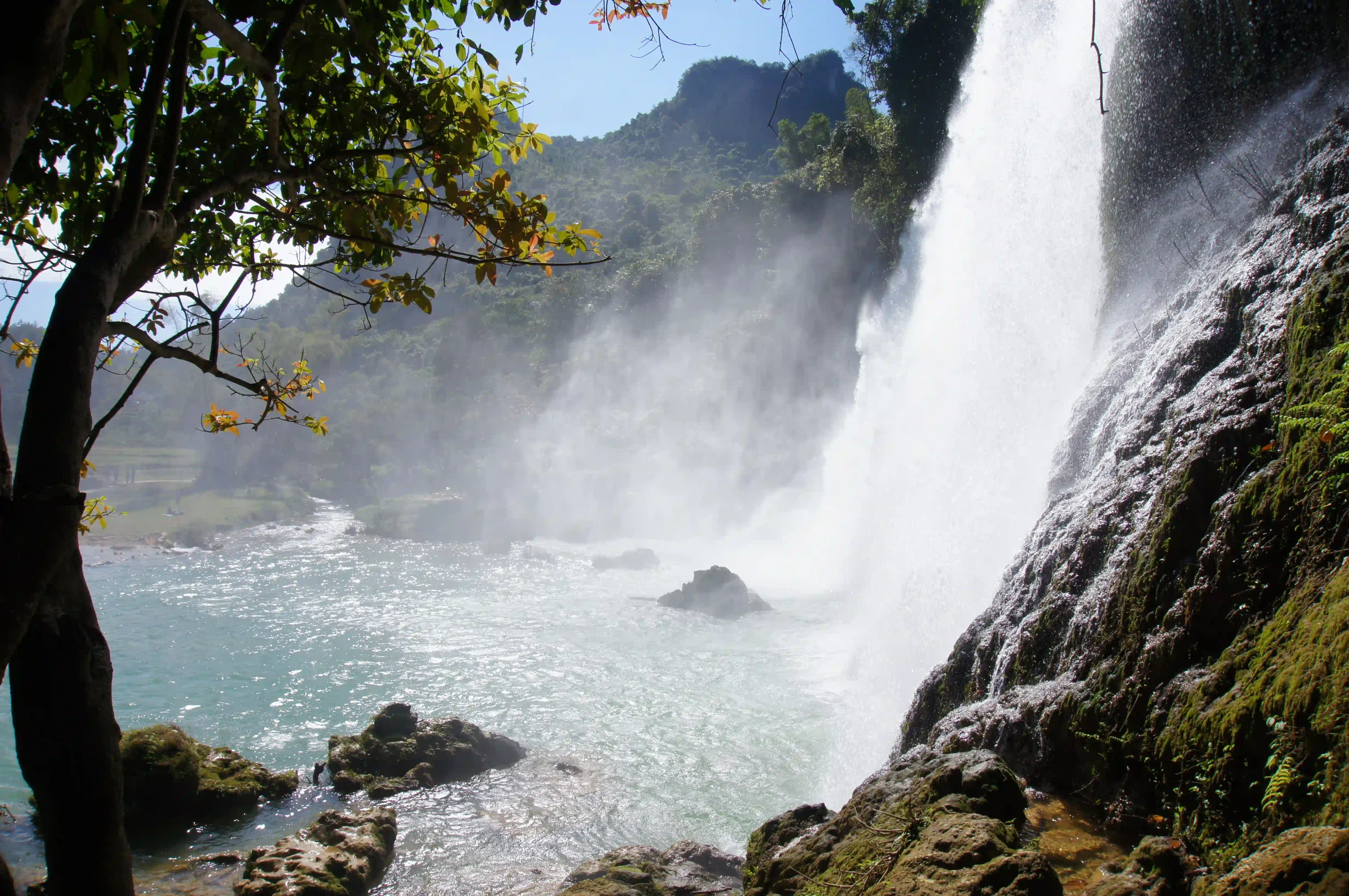
- Cao Bang. East of here, with Ban Gioc waterfall. Five-day Ha Giang and Cao Bang trips run $400 to $700 and it goes with the loop better than anything else in the north.
Beyond six days you’re not doing a longer loop, you’re doing a northern Vietnam motorbike trip that starts with one. Which is a good plan, just a different one.
Fitting the Loop Into a Wider Vietnam Itinerary
Worth working out before you book internal flights, because this is where the day count does real damage.
| Total trip | Loop length | Notes |
|---|---|---|
| 10 days | 3 days, or skip it | Five days of ten goes on Ha Giang once you count travel |
| 2 weeks | 4 days | Two nights Hanoi, five for the loop, then fly to Da Nang |
| 3 weeks | 4 or 5 days | Room for Cao Bang, or Ninh Binh on the way back down |
The mistake I see constantly is people fitting the loop into a ten-day Vietnam trip and then wondering why the rest of it feels rushed.
Five days out of ten is half your holiday, and a lot of people would rather have had Hoi An. If Ha Giang is the actual reason you came then do three days and fly south from Hanoi afterwards. If it’s a nice-to-have, leave it for a trip with more room in it.
And I’d keep Sapa out of the same itinerary. They’re both mountain regions in the north, they’re both a day’s travel from Hanoi, and doing both means a lot of your holiday is a bus seat. Ha Giang if you want to ride, Sapa if you’d rather walk.
The Fog
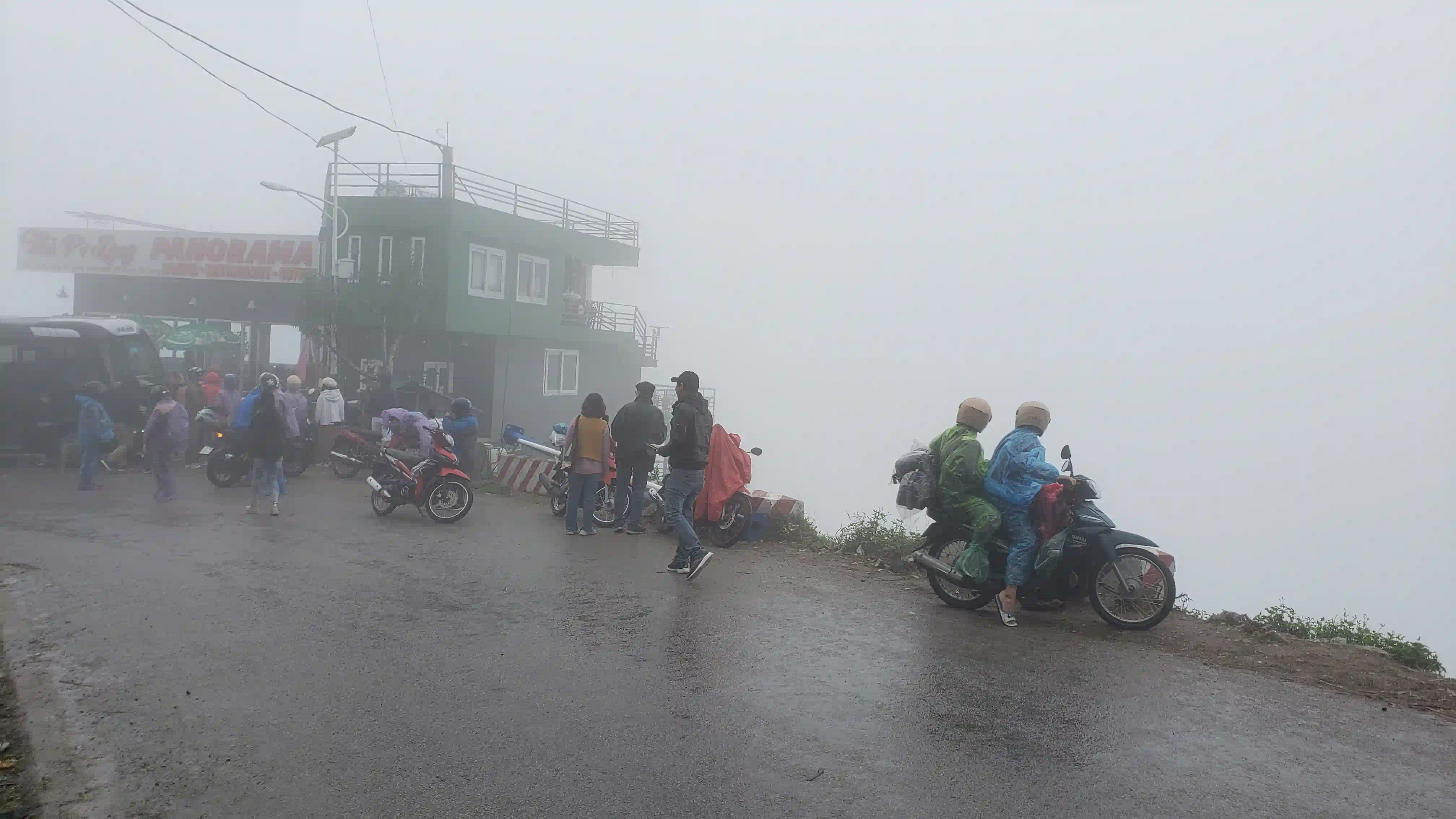
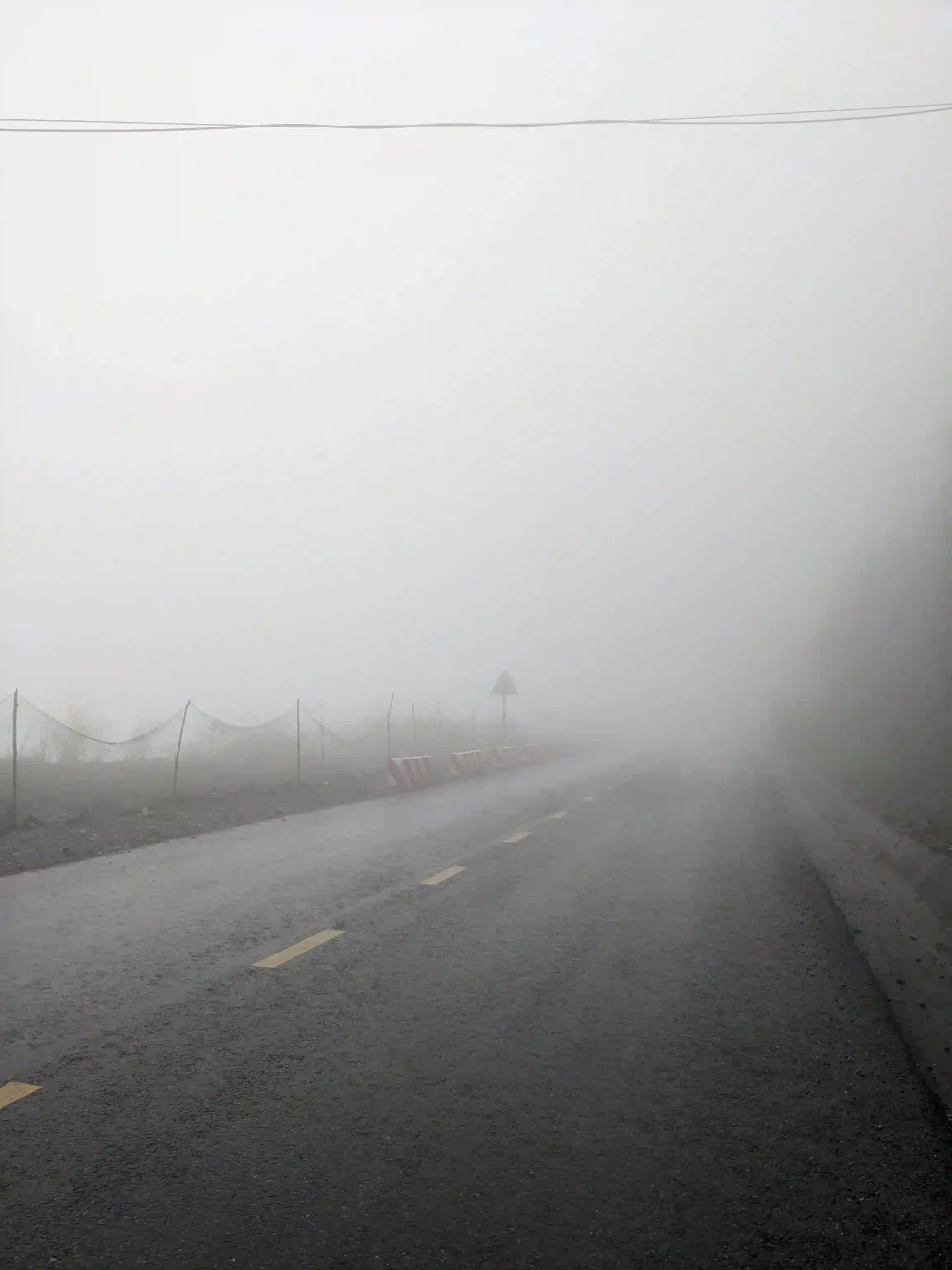
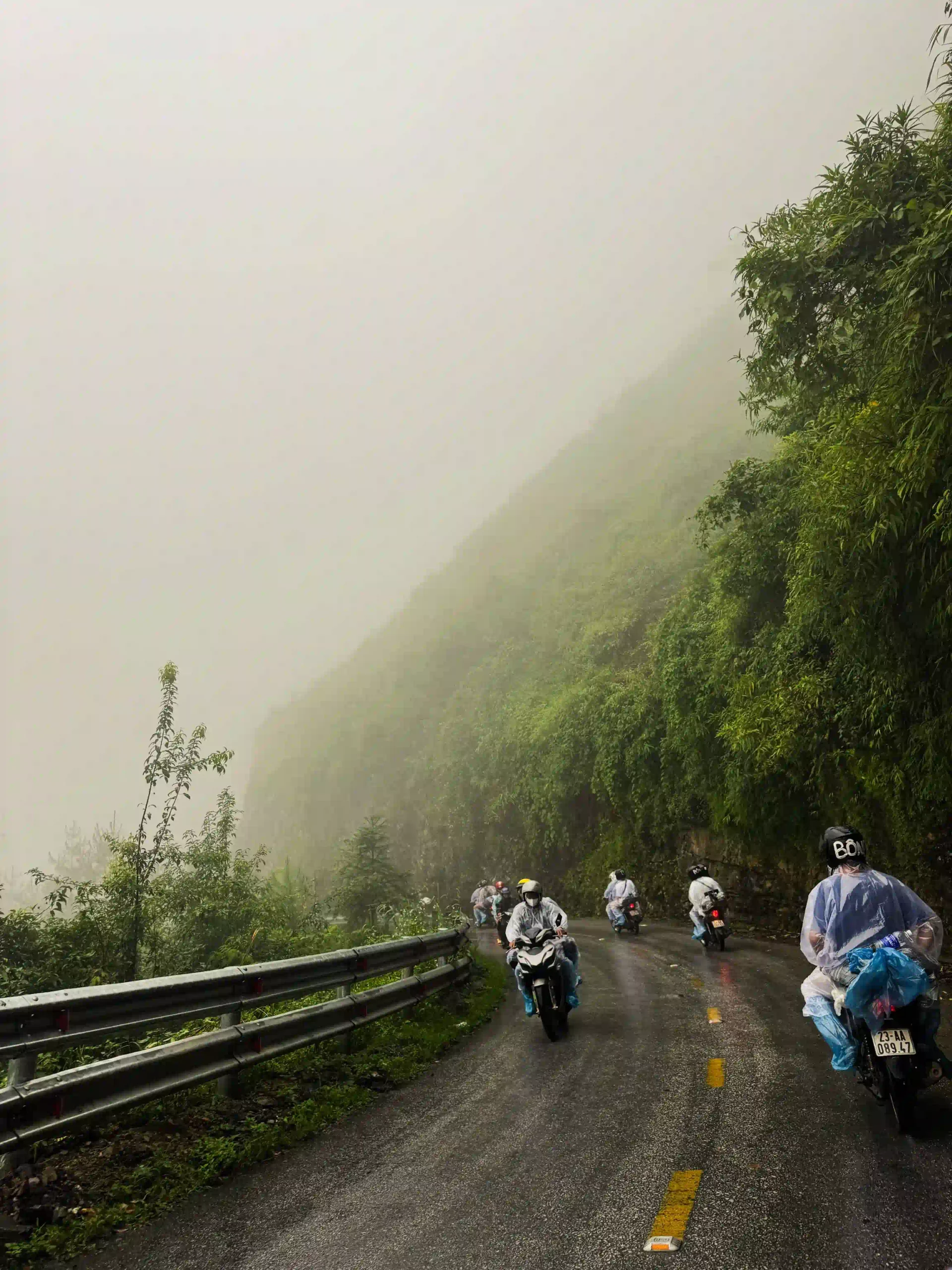
I got caught out by fog on Ma Pi Leng once and lost most of a morning waiting for it to lift. On a four-day trip that cost me a lie-in and a coffee. On a three-day trip it would have cost me Dong Van.
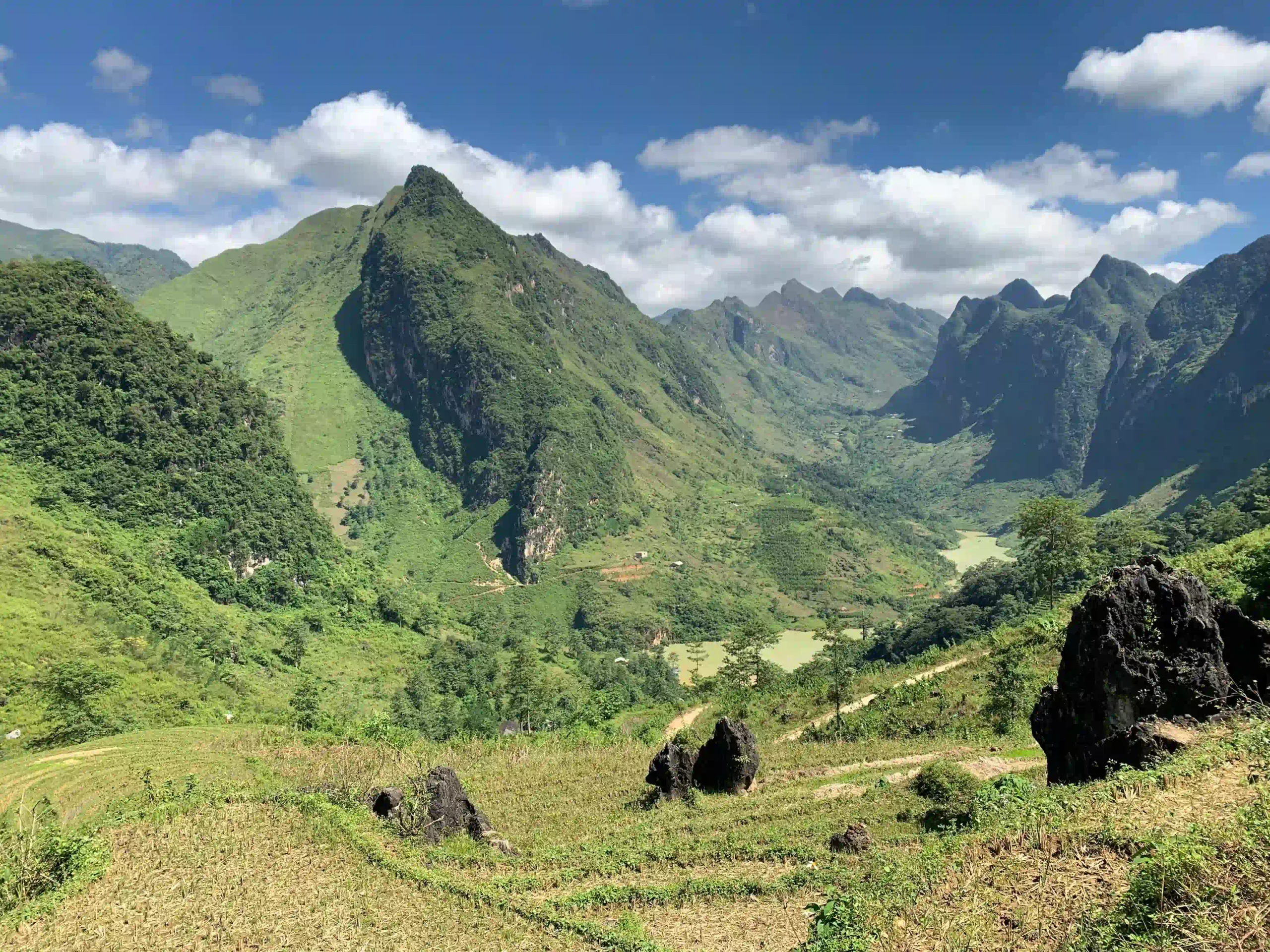
That’s the whole case in one sentence, really. From November to February visibility on Ma Pi Leng and Quan Ba can drop under ten metres with very little warning and sit there. September and October are the clear months and the best time to be up here anyway. May to August the afternoon rain is heavy and landslides close sections, which is a different reason for the same spare day.
If you’re coming in winter or in the wet season, take four days. If you’re coming in October, three is a fair bet.
Ha Giang Loop Itinerary FAQs
How many days do you need for the Ha Giang Loop? Four ideally, three at minimum, plus half a day at each end for the bus.
How many hours a day is the riding? Five to six on three days, four to five on four.
How many km is the Ha Giang Loop? About 350km, or 330 to 400 with Lung Cu, Du Gia or the DT176.
Is 3 days enough? Yes, and you’ll probably miss Lung Cu and the boat.
Is 4 days too many? No. It’s what most people who’ve done both would tell you.
Can I do it as a day trip from Hanoi? No, six or seven hours each way.
What’s the price gap between 3 and 4 days? Around $40 on an easy rider tour, around $50 riding yourself.
How hard is the Ha Giang Loop? Physically it’s the concentration, not the effort. The road is paved almost the whole way. It’s the switchbacks, the gravel on blind corners and the trucks that make it demanding.
Do I need a licence for the Ha Giang Loop? To ride, yes, a 1968 convention permit with the motorcycle category. As a passenger or in a jeep, no.
Is 5 days too long? Only if you ride the same route slower. Five days is for going clockwise, the DT176, or Cao Bang.
Where do I sleep each night? Depends on the length, and it’s village by village in where to stay in Ha Giang. What the extra night costs is in what I spent on a four-day loop.
So What Do You Book?
Four days if you can get them. Three if your dates are fixed, and go in October if you have any say in it, because clear weather is what makes three days work.
The way I’d do it is to count backwards. How many days can you give the north in total, minus one for the bus at each end, and what’s left is your loop.
Now the part where I’d like to hear from you. I’ve always ridden it anticlockwise like everyone else, and the people who’ve gone clockwise swear by it. If you’ve done that, I’d like to know whether five days was really necessary or whether four stretched to cover it.
And if you did three days and it felt like plenty, tell me what you dropped. My answer is four because I like a spare morning, and someone who plans more tightly than I do might well get everything I get out of it in three.
If you haven’t decided how you’re riding it yet, that’s the Ha Giang Loop guide, and the cost side is in what I spent on a four-day loop.












 Tiếng Việt
 한국어
한국어 中文 (中国)
 日本語
日本語 ไทย
ไทย Deutsch
 Español
 Destinations
 Instagram
 Facebook
 X (Twitter)
 Threads
 Tiktok