









 Ha Giang
 Hanoi
Hanoi Ho Chi Minh City
 Ha Long
 Sapa
Sapa Mekong Delta
 Da Nang
 Hue
Hue Hoi An
 Ninh Binh
 Da Lat
 Nha Trang
 Phan Thiet
 Phu Quoc
 Quang Binh
 Quy Nhon
 Vung Tau
 Thai Nguyen


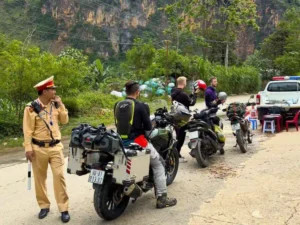


My last four days on the Ha Giang Loop cost 5,285,000 VND, about $203, from the night bus out of Hanoi to the night bus back. That’s riding myself on a rented Honda XR150, private rooms, nothing fancy, and the whole receipt is below, line by line.
I’ve kept it in dong because that’s what you pay in, with dollars, pounds and Australian dollars next to the totals at September 2026 rates.
The short version is that the bike is the biggest line, the bus is the second, and everything you actually do on the loop, beds, food, fuel and tickets, comes to about half. With an easy rider the shape changes and the tip becomes the line people forget, which I’ll come to.
- Quick Answer: The Ha Giang Loop costs about 5,300,000 VND ($203) for four days riding yourself, including the sleeper bus from Hanoi and back, bike rental, fuel, the border permit, three nights in homestays, food and tickets. The cheapest self-drive version comes to around 3,700,000 VND ($141), and an easy rider tour works out at $280 to $320 from Hanoi and back once the bus and the tip are added. Three days costs roughly $40 to $50 less than four. About 3,000,000 VND in cash covers the loop itself.
- My four days, self drive, 2026:
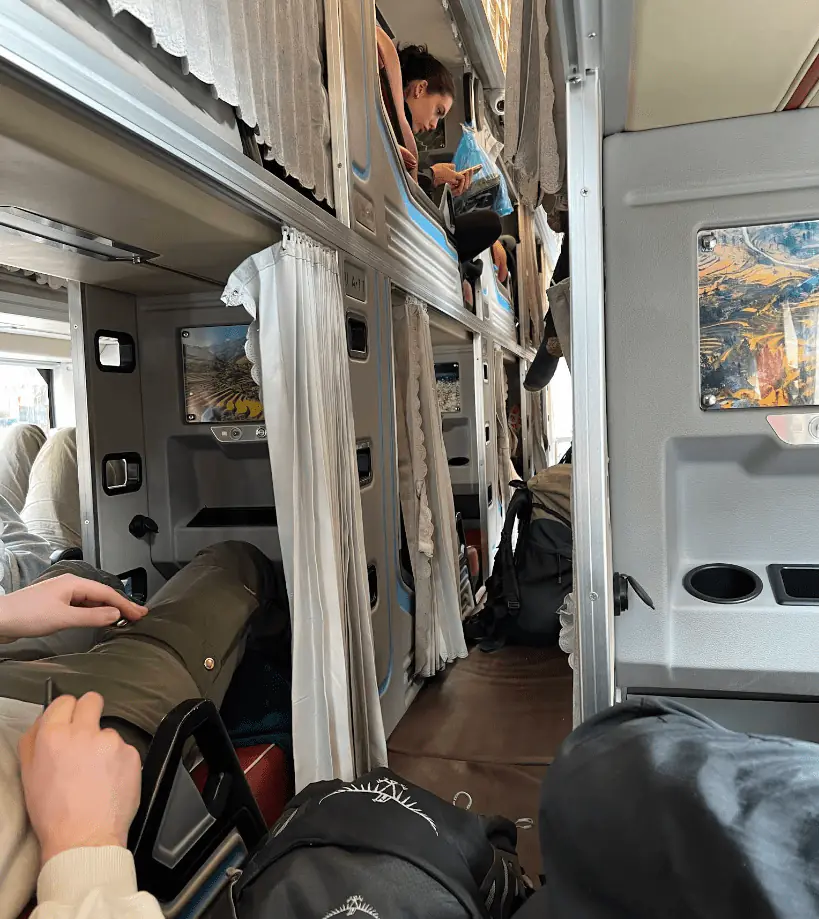
- Sleeper cabin bus, Hanoi and back: 700,000 VND.
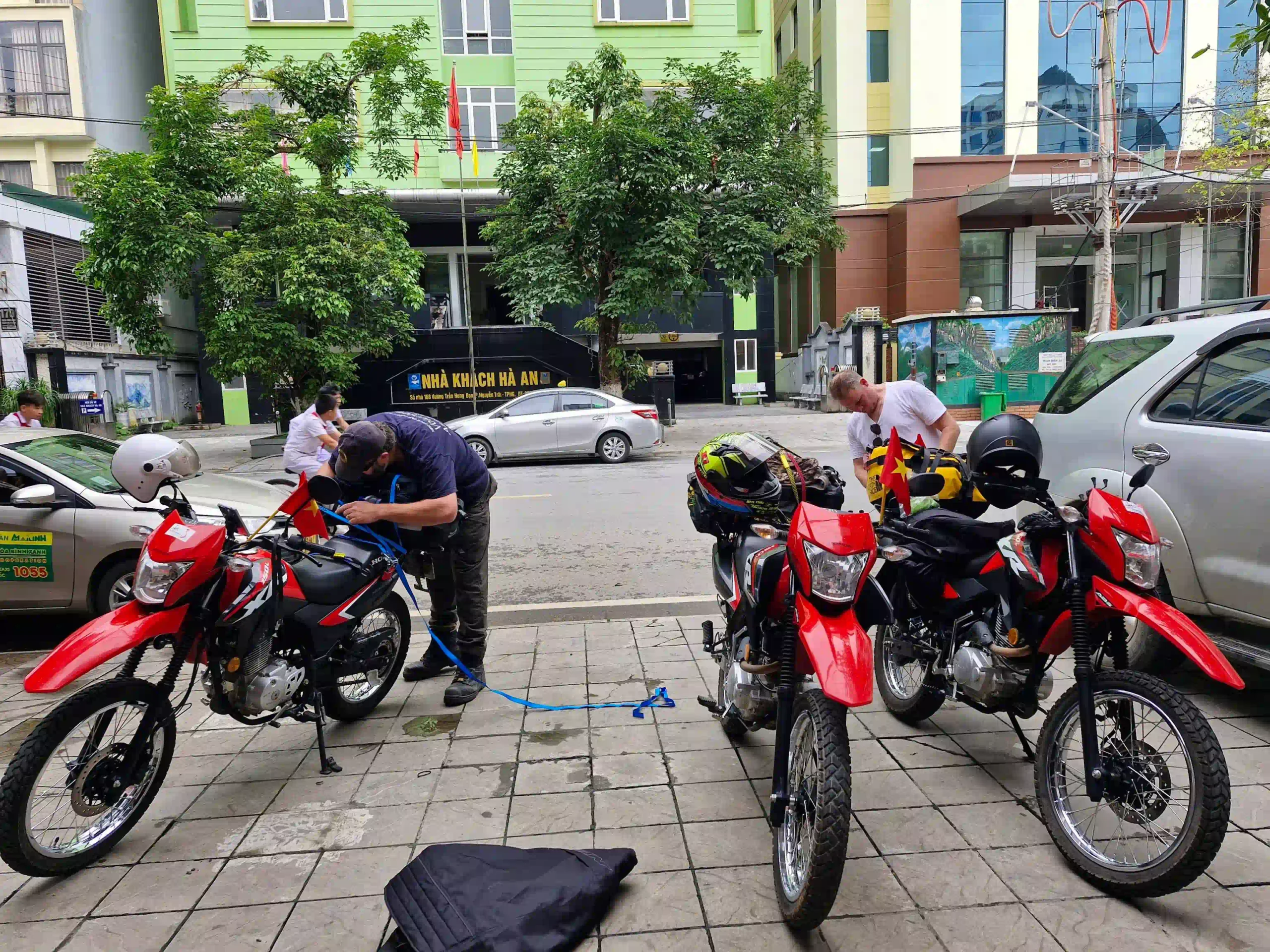
- Honda XR150 rental: 1,800,000 VND, at 450,000 a day.
- Border permit and fuel: 480,000 VND.
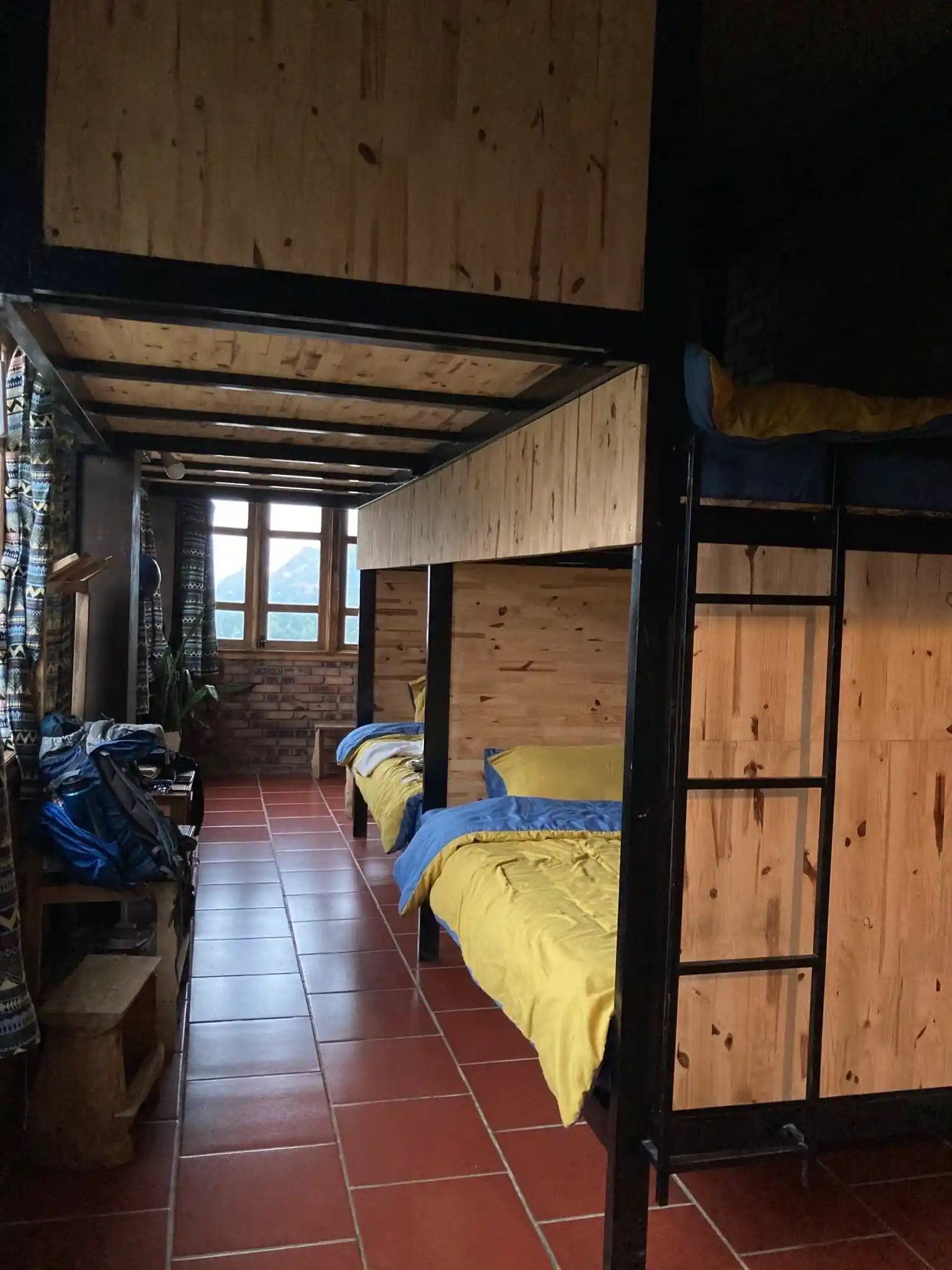
- Three nights in homestays: 950,000 VND.
- Food, coffee and drinks: 1,170,000 VND.
- Lung Cu and the Nho Que boat: 185,000 VND.
- Total: 5,285,000 VND, about $203, £150 or A$281.
- With an easy rider:
- Tour price: $190 to $230 for 4 days, $150 to $170 for 3.
- On top: the bus at about $27 return, a tip of $10 to $20 a day, and drinks.
- Total from Hanoi: about $280 to $320 for 4 days, $225 to $245 for 3.
- The cheapest self-drive version: a semi-automatic at 200,000 VND a day, dorm beds and the standard sleeper bus bring it to about 3,700,000 VND.
- Costs outside any quote:
- The easy rider tip, beer at 25,000 to 40,000 VND a can, and the Nho Que boat at 150,000 VND where it isn’t included.
- A bike deposit of $40 to $200, and damage fees of $50 to $300 if you drop it.
- Cash: 3,000,000 VND for the road. ATMs are in Ha Giang city, Dong Van and Meo Vac.
Ha Giang Loop Cost: What I Spent on Four Days
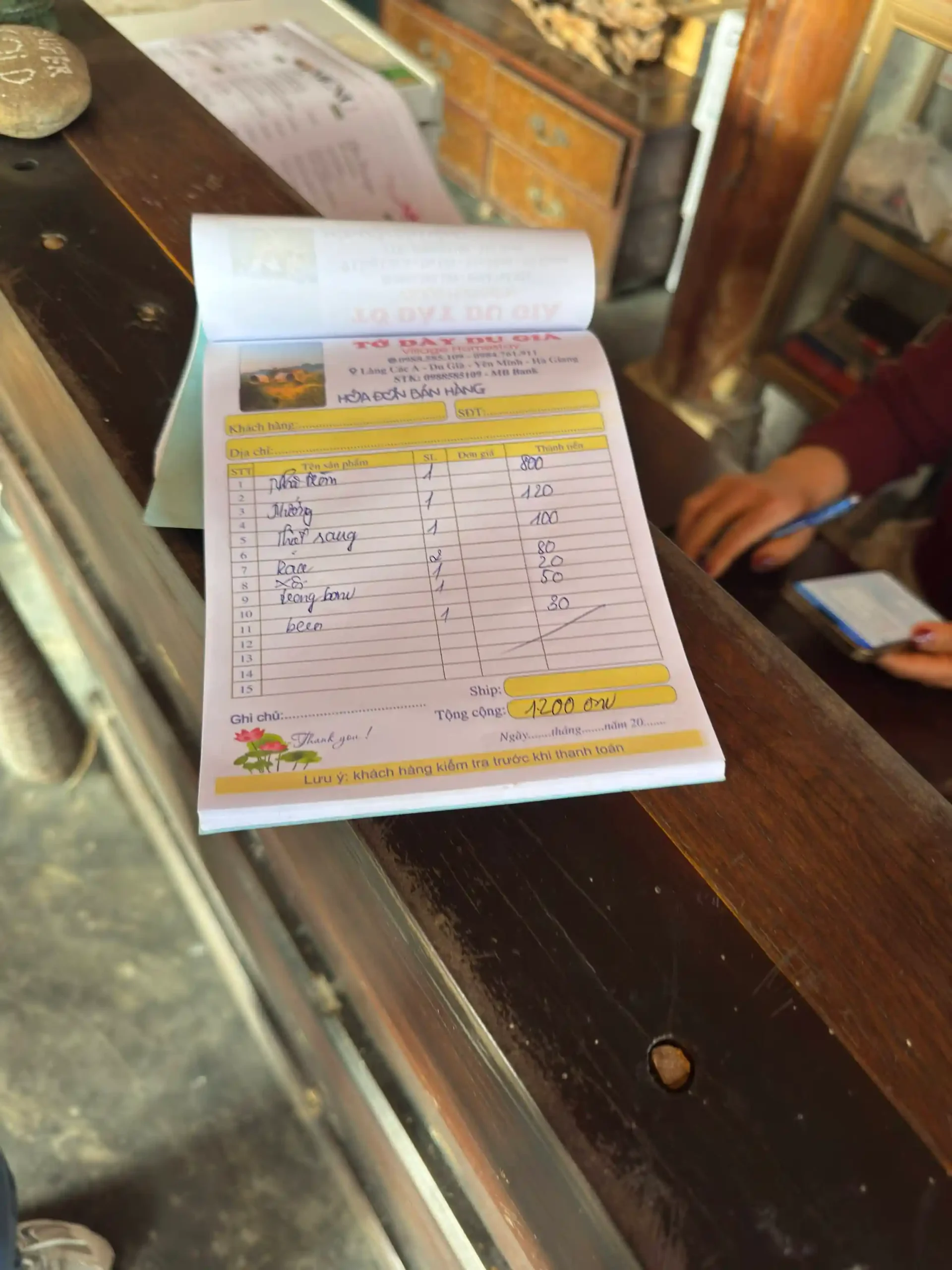
| What | VND |
|---|---|
| Sleeper cabin bus, Hanoi to Ha Giang | 350,000 |
| Honda XR150, 4 days | 1,800,000 |
| Border permit | 230,000 |
| Fuel, about 11 litres | 250,000 |
| Night 1, Yen Minh, private room | 300,000 |
| Night 2, Dong Van, room with dinner and breakfast | 300,000 |
| Night 3, Du Gia, private room | 350,000 |
| Homestay dinners in Yen Minh and Du Gia | 300,000 |
| Breakfasts, lunches, coffee and water | 620,000 |
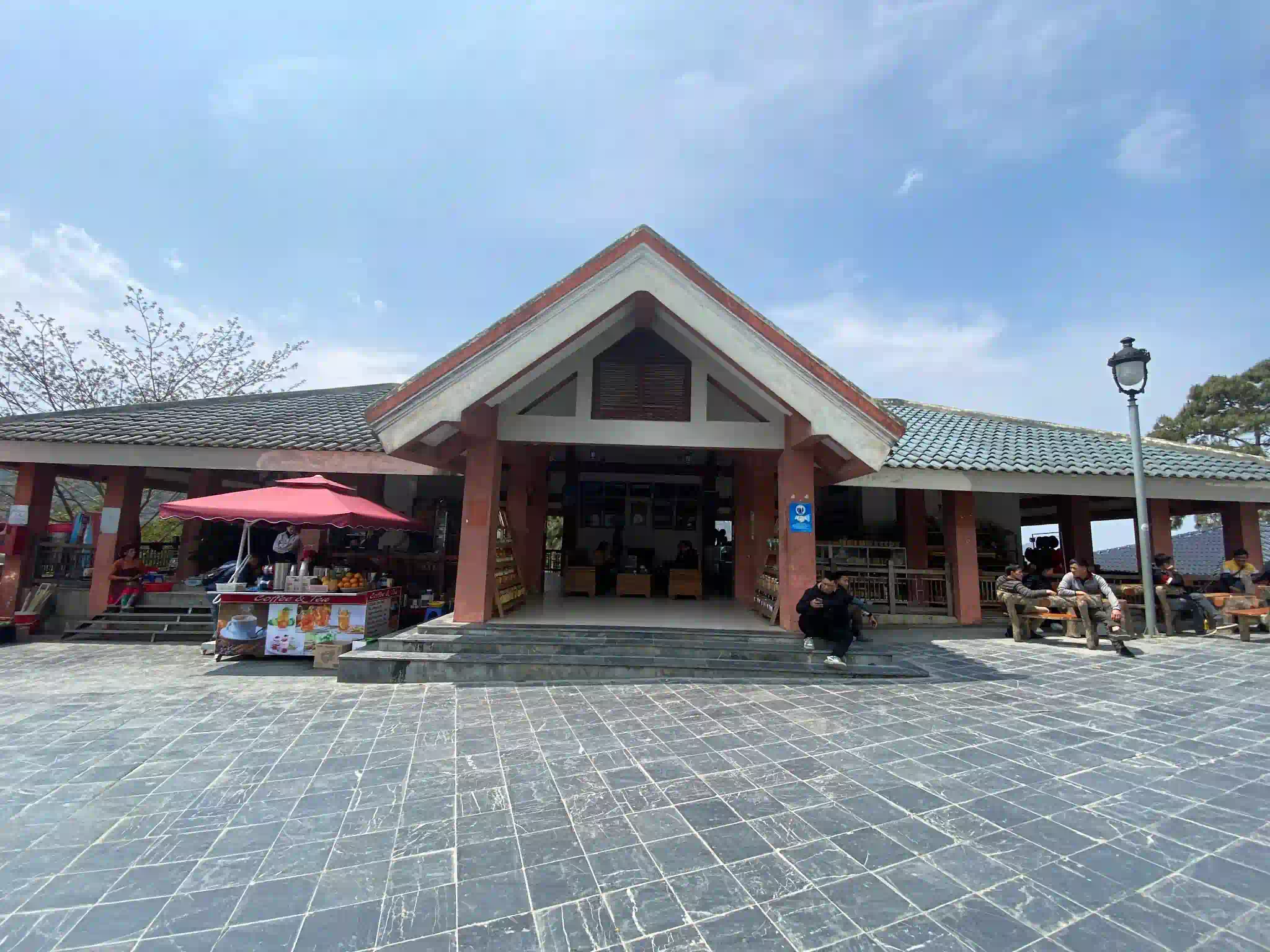
| Lung Cu flag tower, ticket and parking | 35,000 |
| Nho Que boat | 150,000 |
| Beer, and a couple of drinks in Dong Van | 250,000 |
| Sleeper cabin bus, Ha Giang to Hanoi | 350,000 |
| Total | 5,285,000, about $203 |
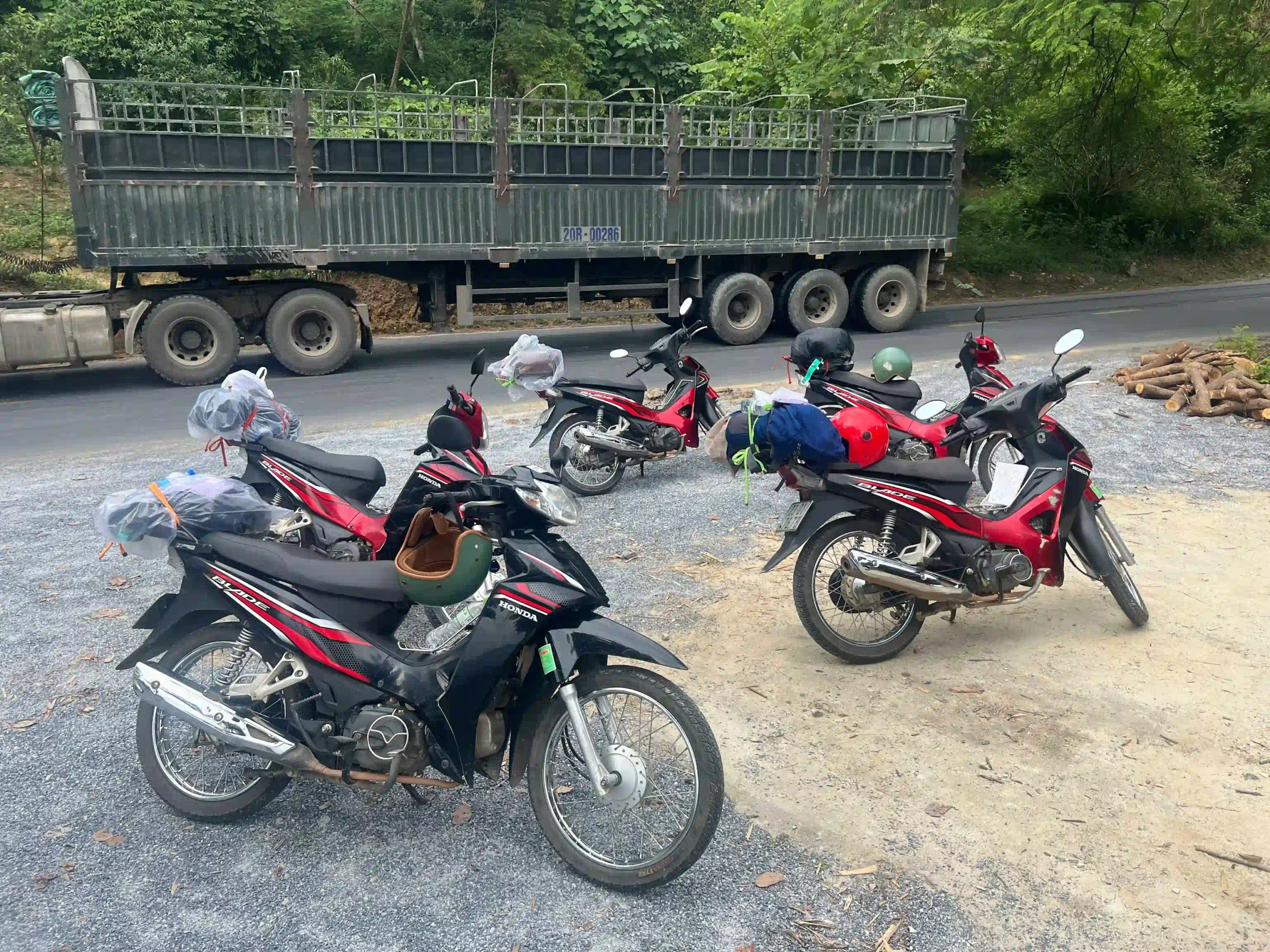
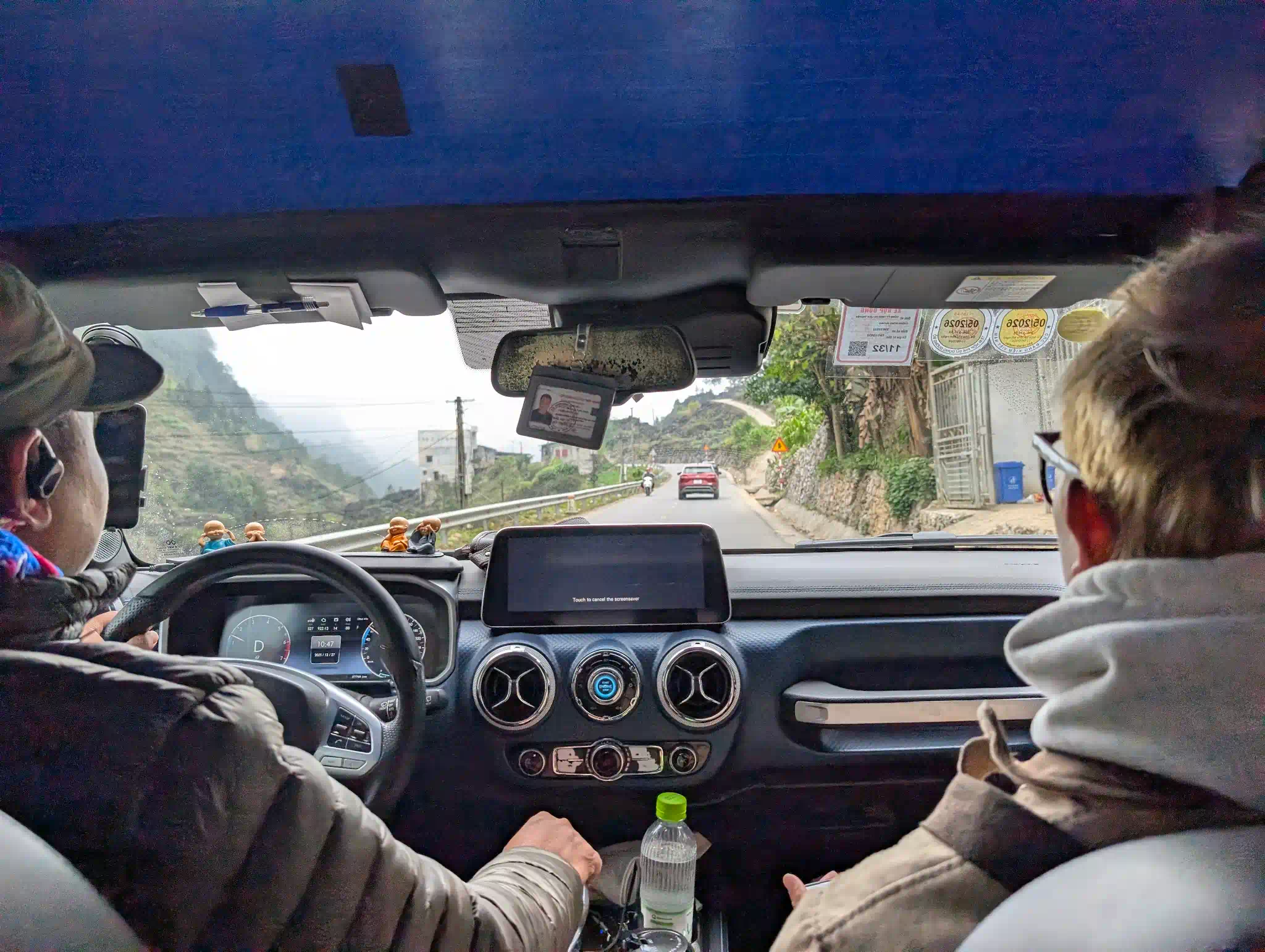
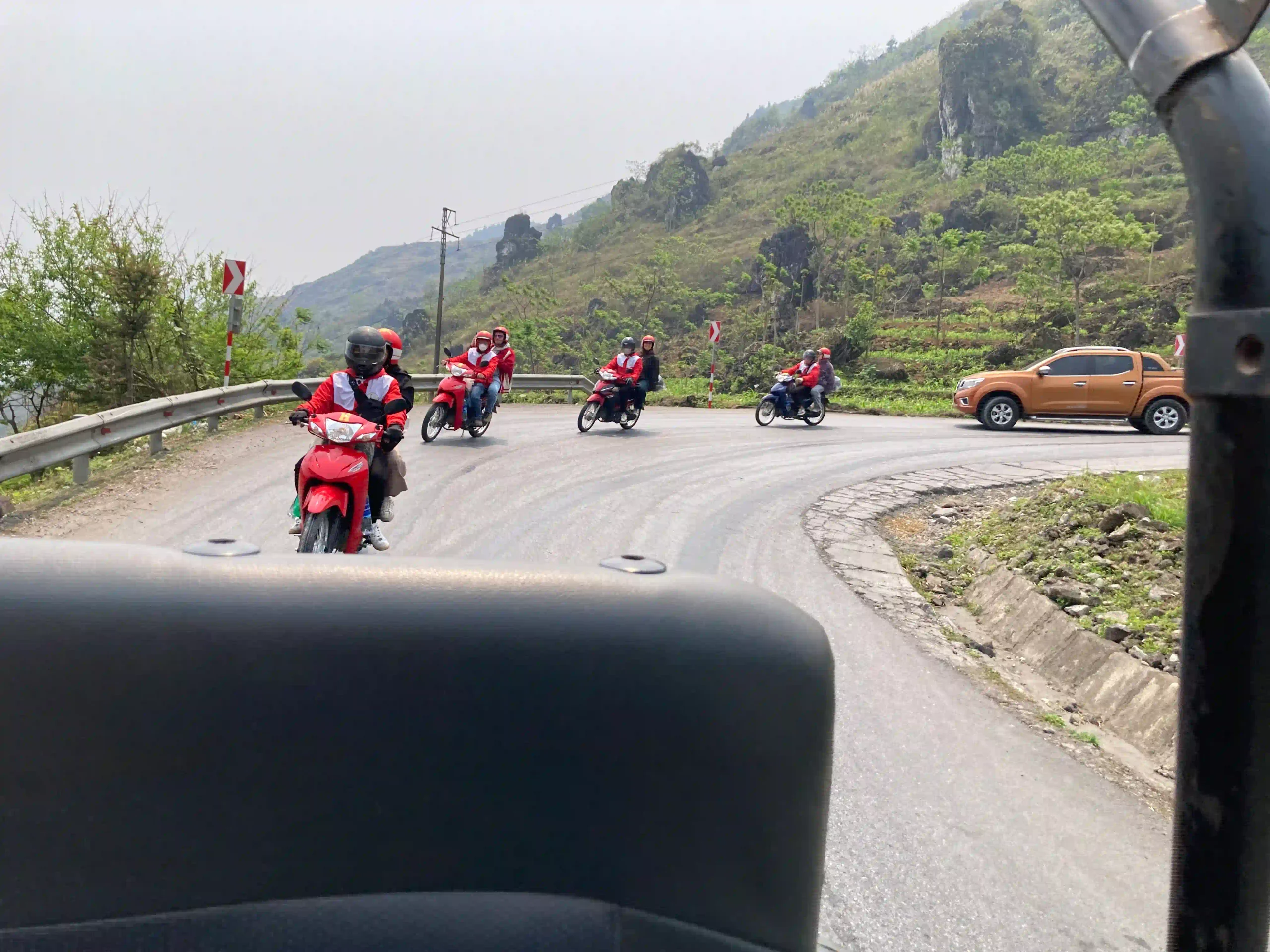
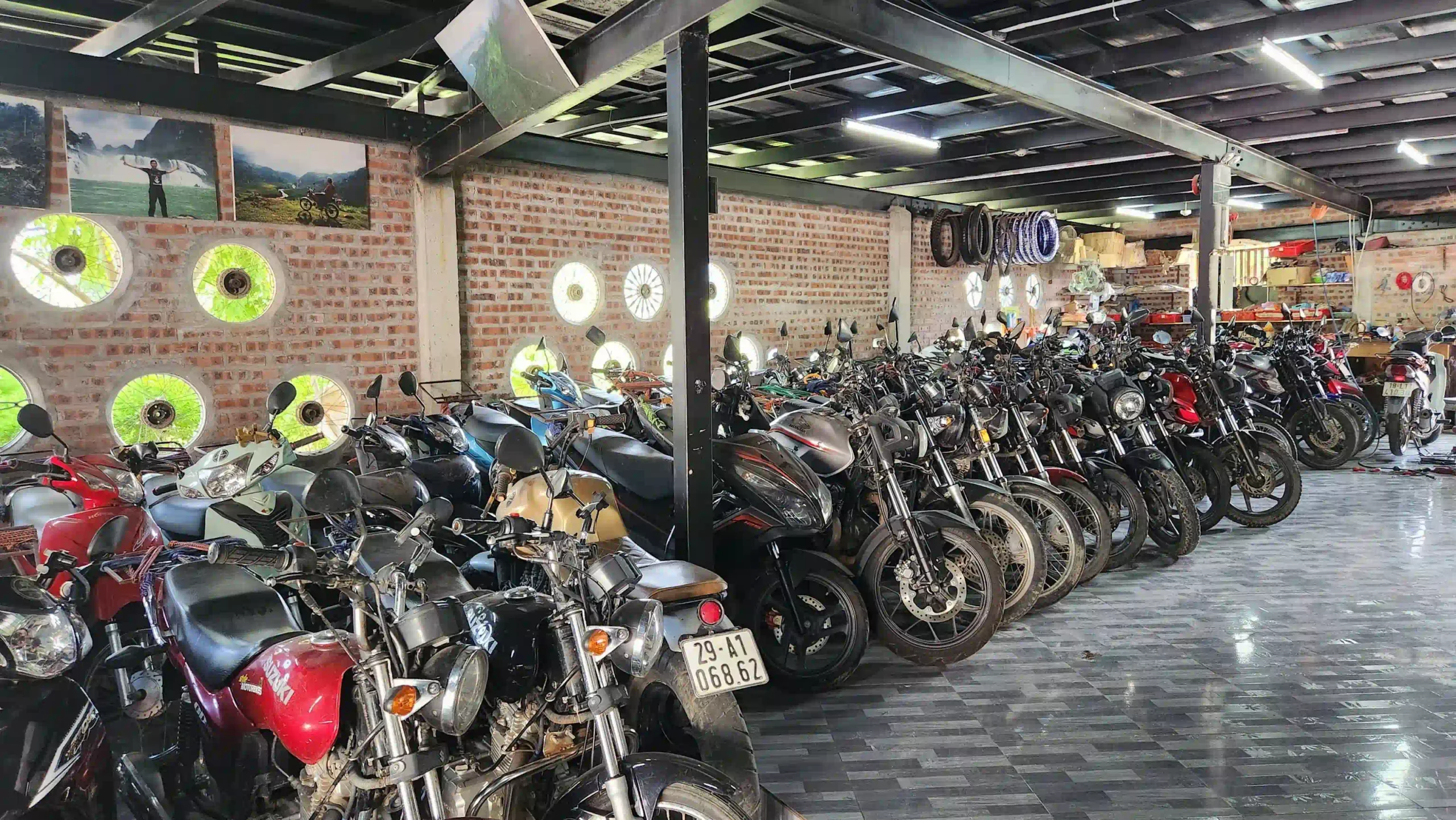
The bike is the biggest single line, and it’s the one with the most room in it. An XR150 is 450,000 to 600,000 VND a day in Ha Giang city and I pay the lower end because I rent from the same place most trips, while a semi-automatic Honda Blade or Wave is around 200,000, and if you’re not used to a clutch that’s the better bike on these passes anyway.
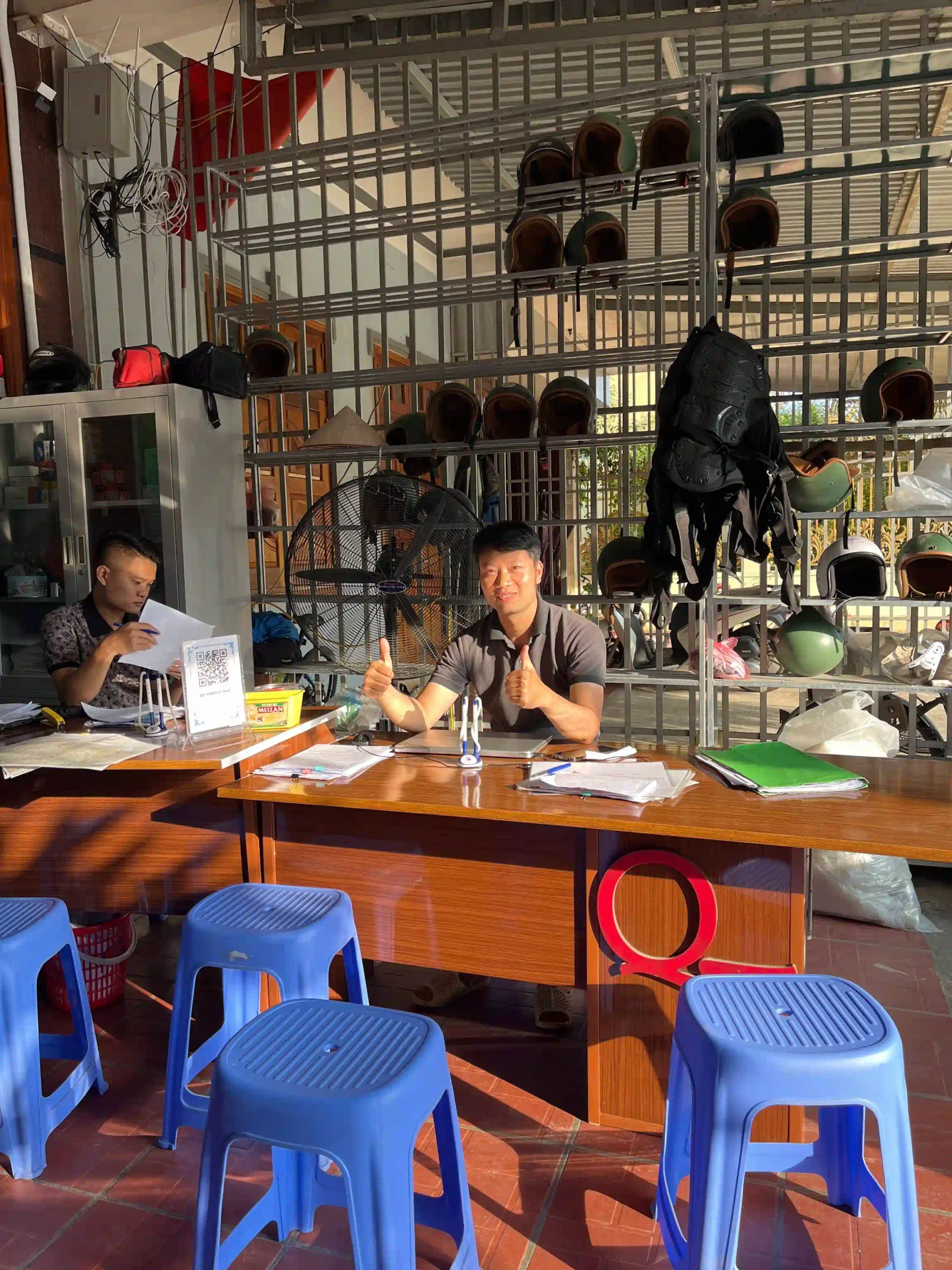
Picking a shop is in the Ha Giang Loop motorbike rental guide. The deposit isn’t on the receipt because it comes back, and it’s $40 to $200 in cash or your passport, which I’d rather not leave behind.
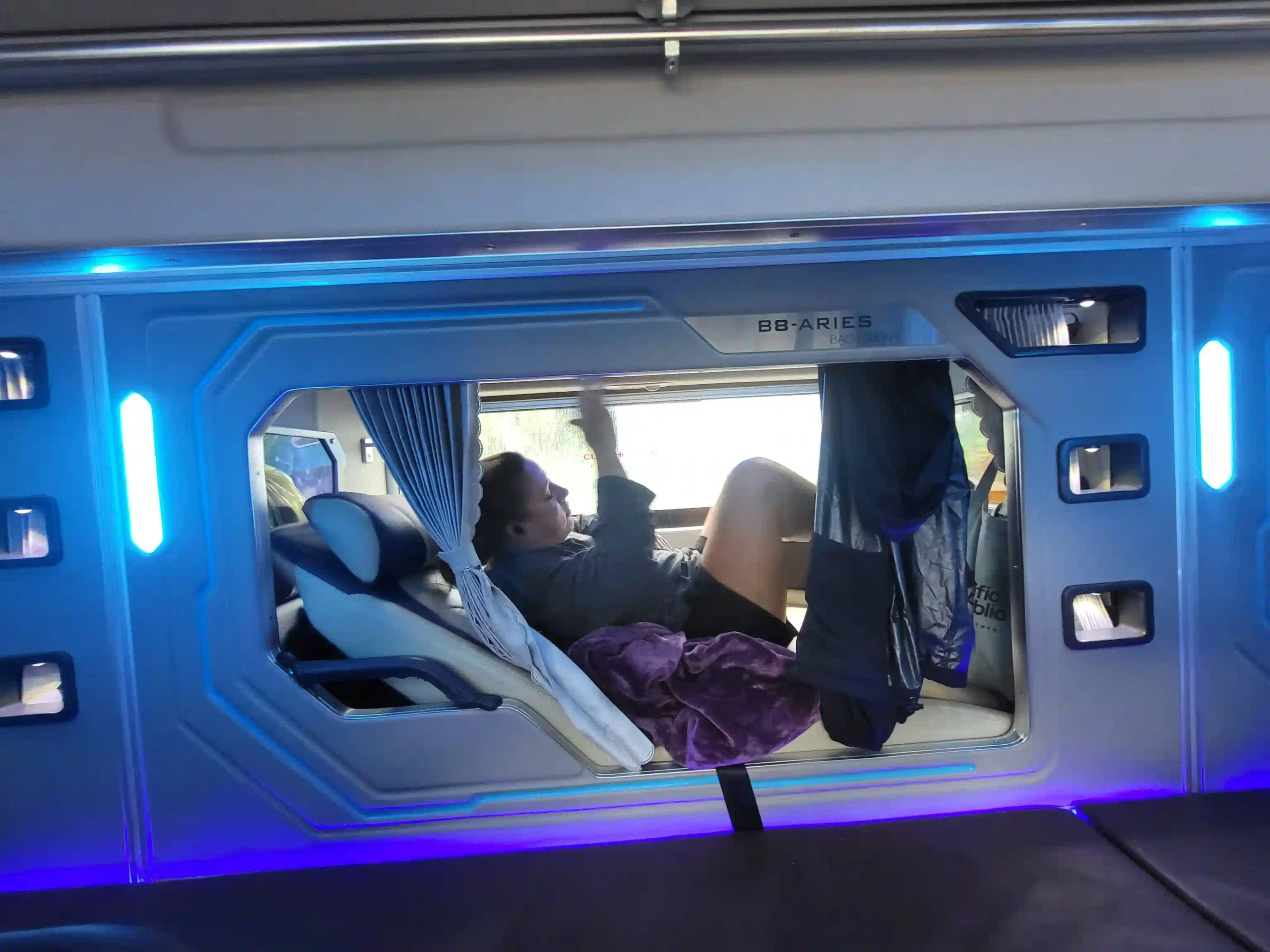
The buses come second. I take a single cabin, 350,000 VND each way with Bằng Phấn, where the ordinary sleeper is 250,000, and the night bus gets in at around four in the morning.
Some of the cabin companies let you stay on board until eight, which saves paying for a room you’d use for three hours. The companies and times are in Hanoi to Ha Giang by sleeper bus.
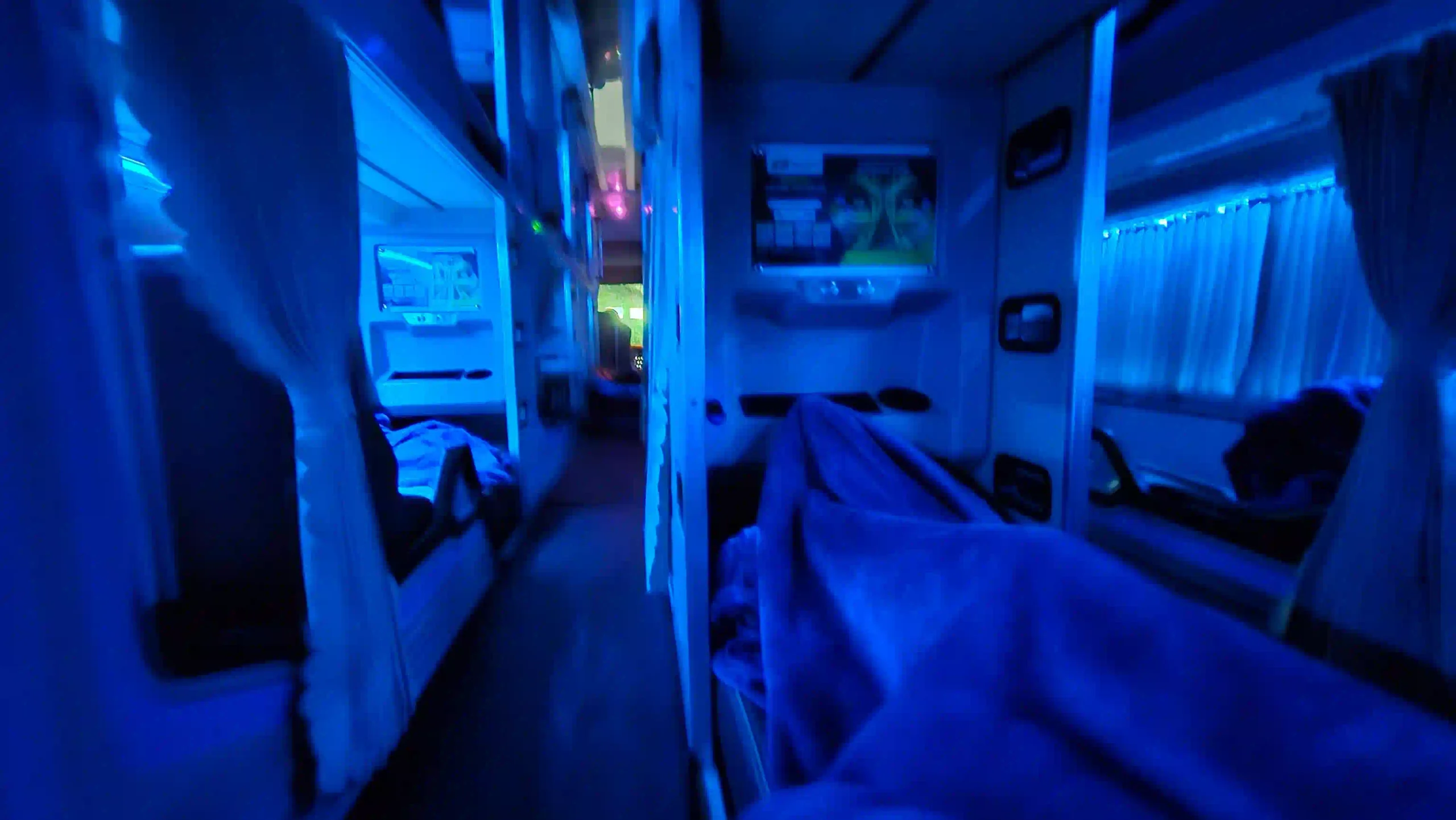
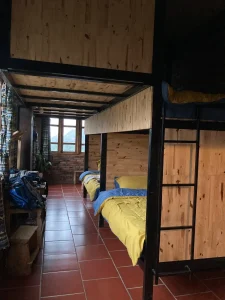
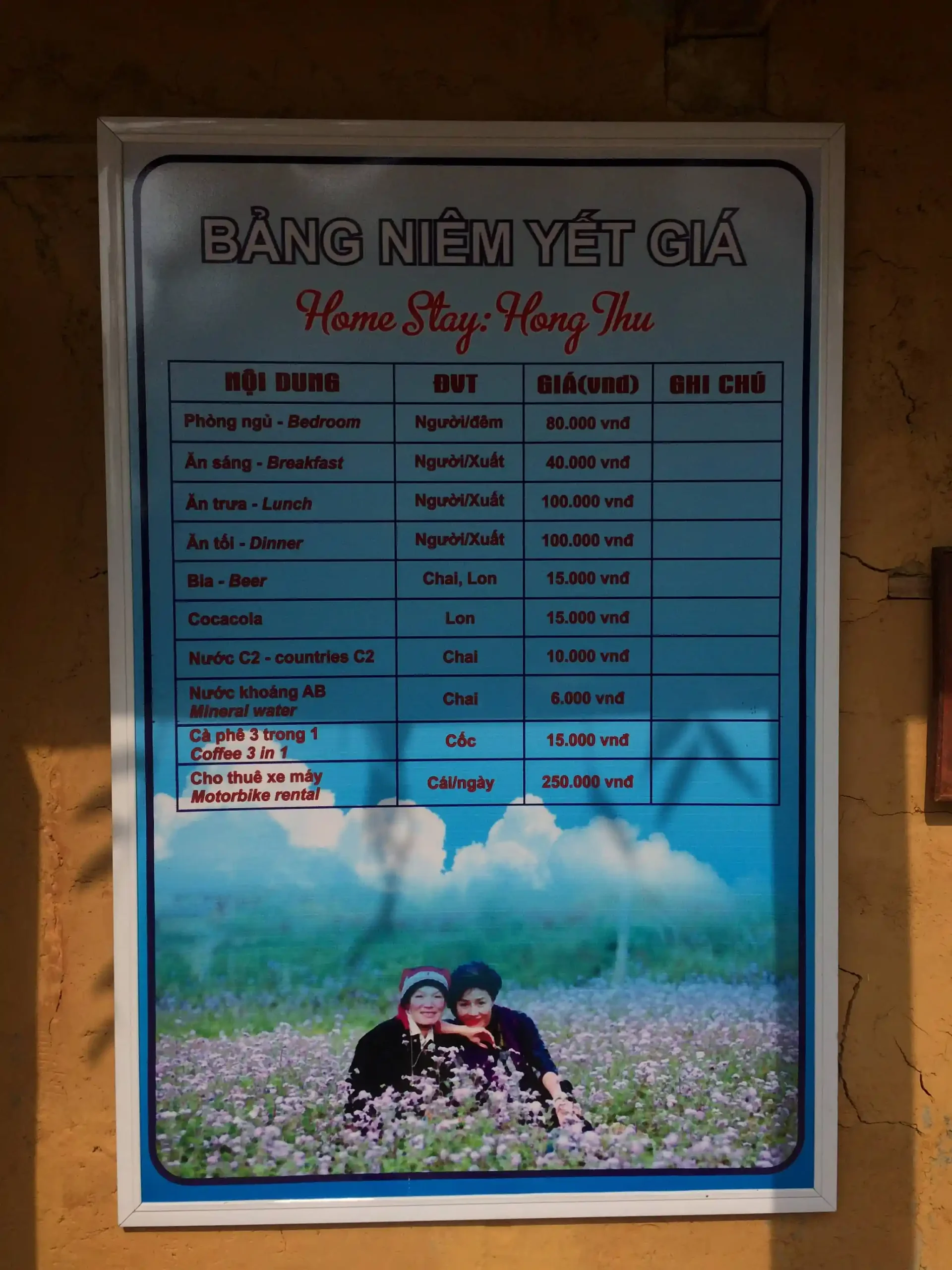
Three nights came to 950,000 VND, and Dong Van was the cheap one, because the Hmong Homestay does a room with dinner and breakfast for around 300,000, which is in where to stay in Dong Van. Yen Minh and Du Gia were ordinary private rooms at 300,000 and 350,000. In dorms it’d be a bit over half that.
Food is where a receipt gets vague, because it’s a lot of small amounts. Dinner at a homestay is usually 100,000 to 150,000, lunch on the road is a bowl of phở or a plate of rice at 40,000 to 60,000, and I stop for coffee more often than I need to at 25,000 to 35,000 a cup. Breakfast on the third morning was bánh cuốn at 31B Phố Cổ in Dong Van.
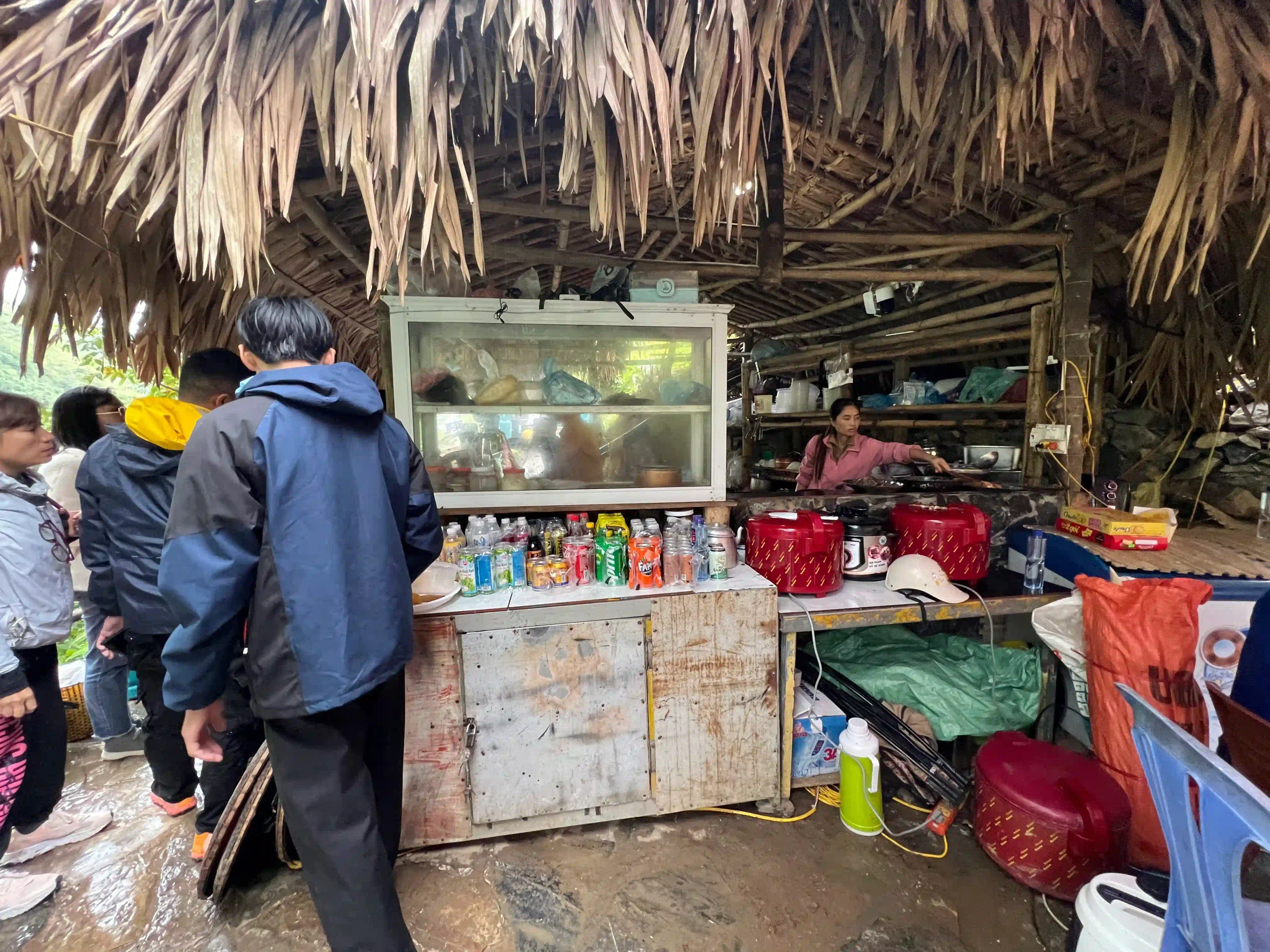
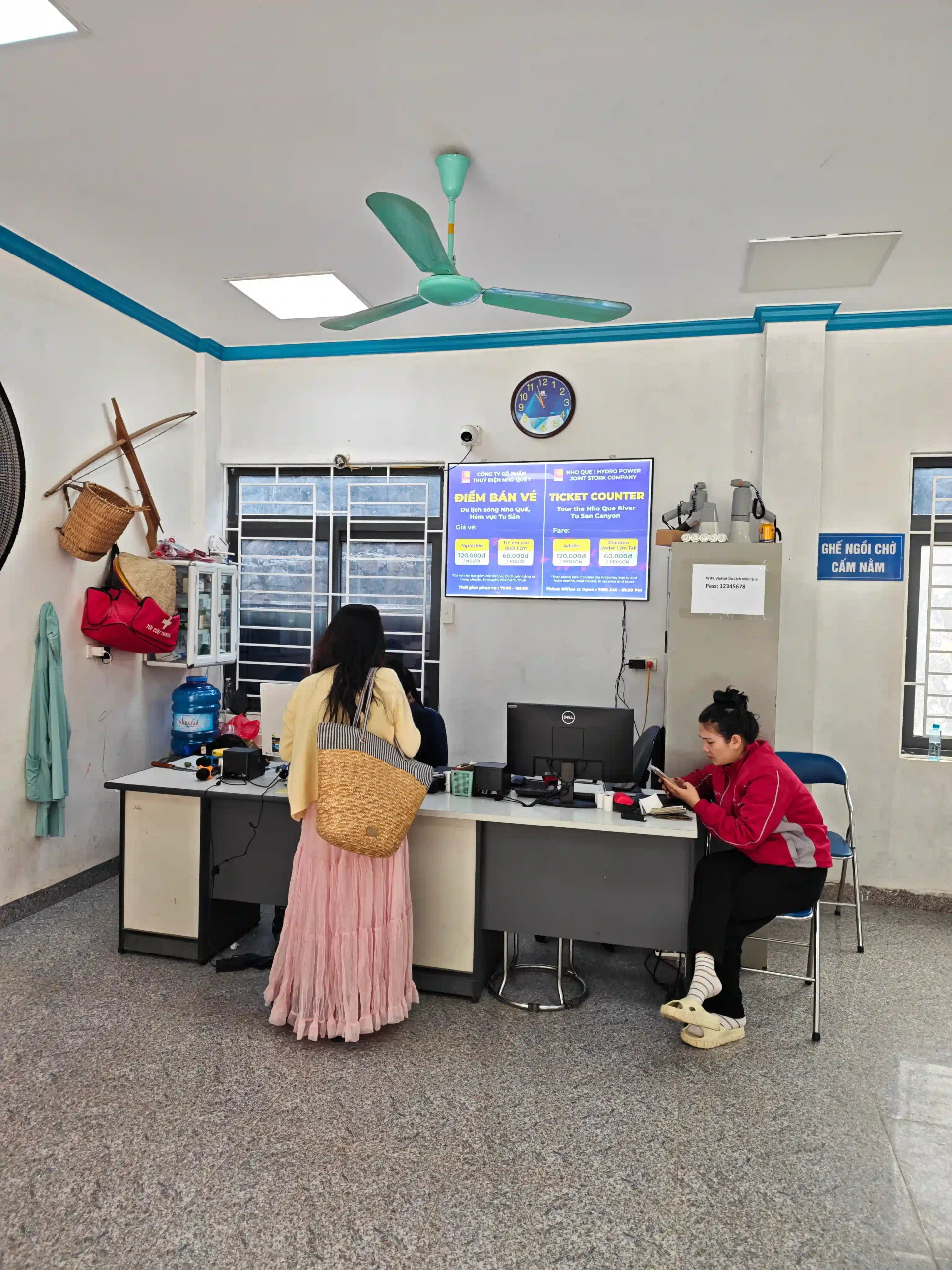
Lung Cu is 25,000 VND to get in and 10,000 to park the bike. The Nho Que boat is 150,000 a head, and it’s in the Nho Que river boat ride along with whether it’s worth doing that day.
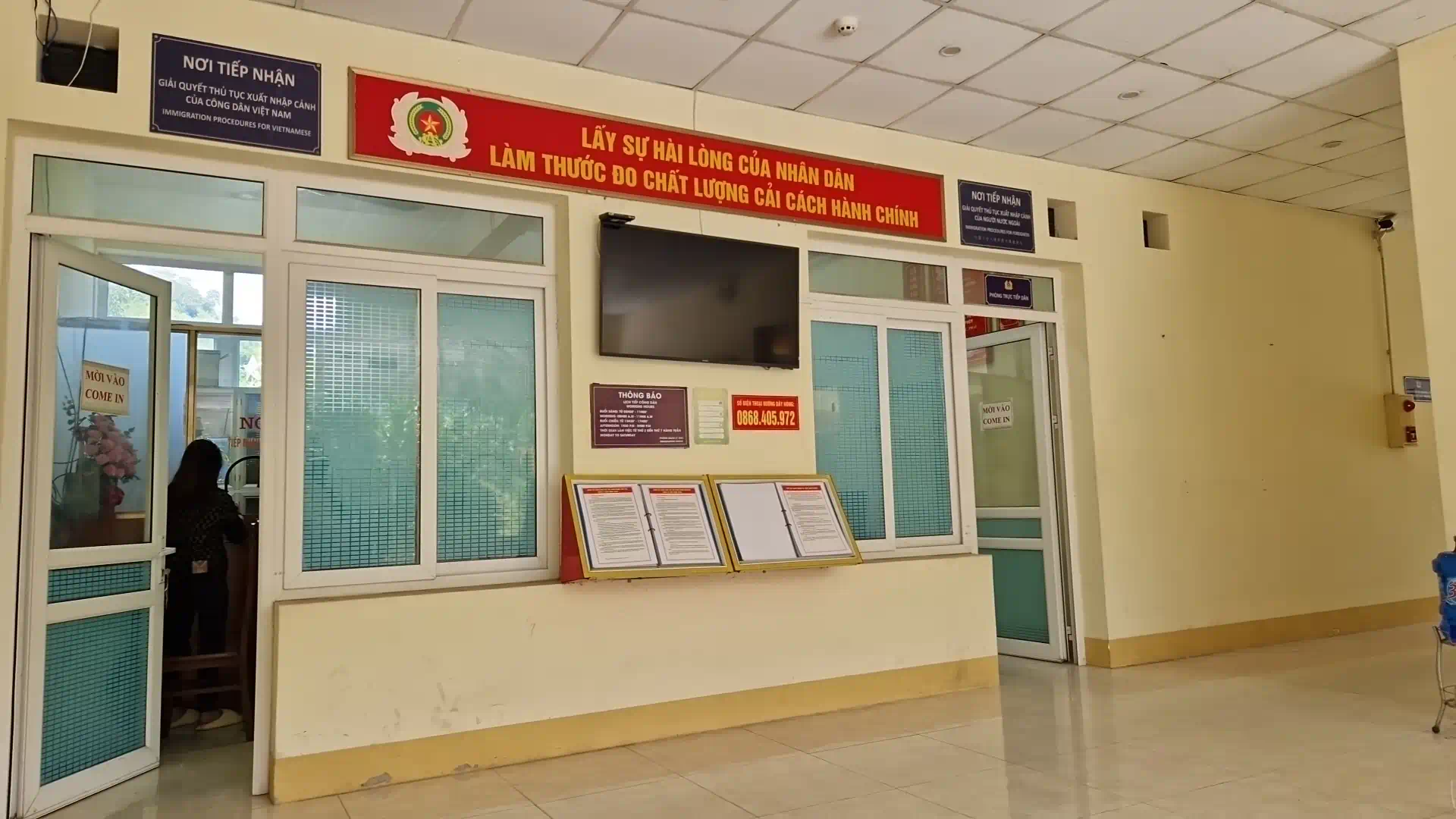
The permit is the line that surprises people. It’s 230,000 VND, it’s for the border zone around Lung Cu, and if you’re riding yourself you sort it out in Ha Giang city with your passport. Tours include it, and some Vietnamese tour companies add 250,000 to a foreign guest’s booking to cover it.
What isn’t on the receipt at all: my nights in Hanoi either side, travel insurance that covers me on a motorbike, mobile data for the maps, and the gloves and rain trousers I already own. The rental includes a helmet and a poncho. None of that is really a Ha Giang Loop cost, but it’s the difference between my number and what the trip costs someone flying in for it, and the insurance is the one I wouldn’t skip.
How Much Does the Ha Giang Loop Cost With an Easy Rider?
About $280 to $320 for four days from Hanoi and back, and $225 to $245 for three, once the bus, the tip and your drinks are added to the tour price.
The Ha Giang Loop price most easy rider companies quote is $190 to $230 for four days and $150 to $170 for three, and that covers the driver and his bike, fuel, homestays, meals, the permit and entrance fees.
The licensed companies put their prices up after the April 2026 rules, by something like 10 to 20 per cent, so anything that still looks like a 2024 price is worth a second look. The operators are compared in my Ha Giang Loop motorcycle tour review.
The tip is the part that moves the total. $10 to $20 a day per rider is normal, I give around 300,000 VND a day, and over four days that’s 1,200,000, which is more than my entire Dong Van night cost.
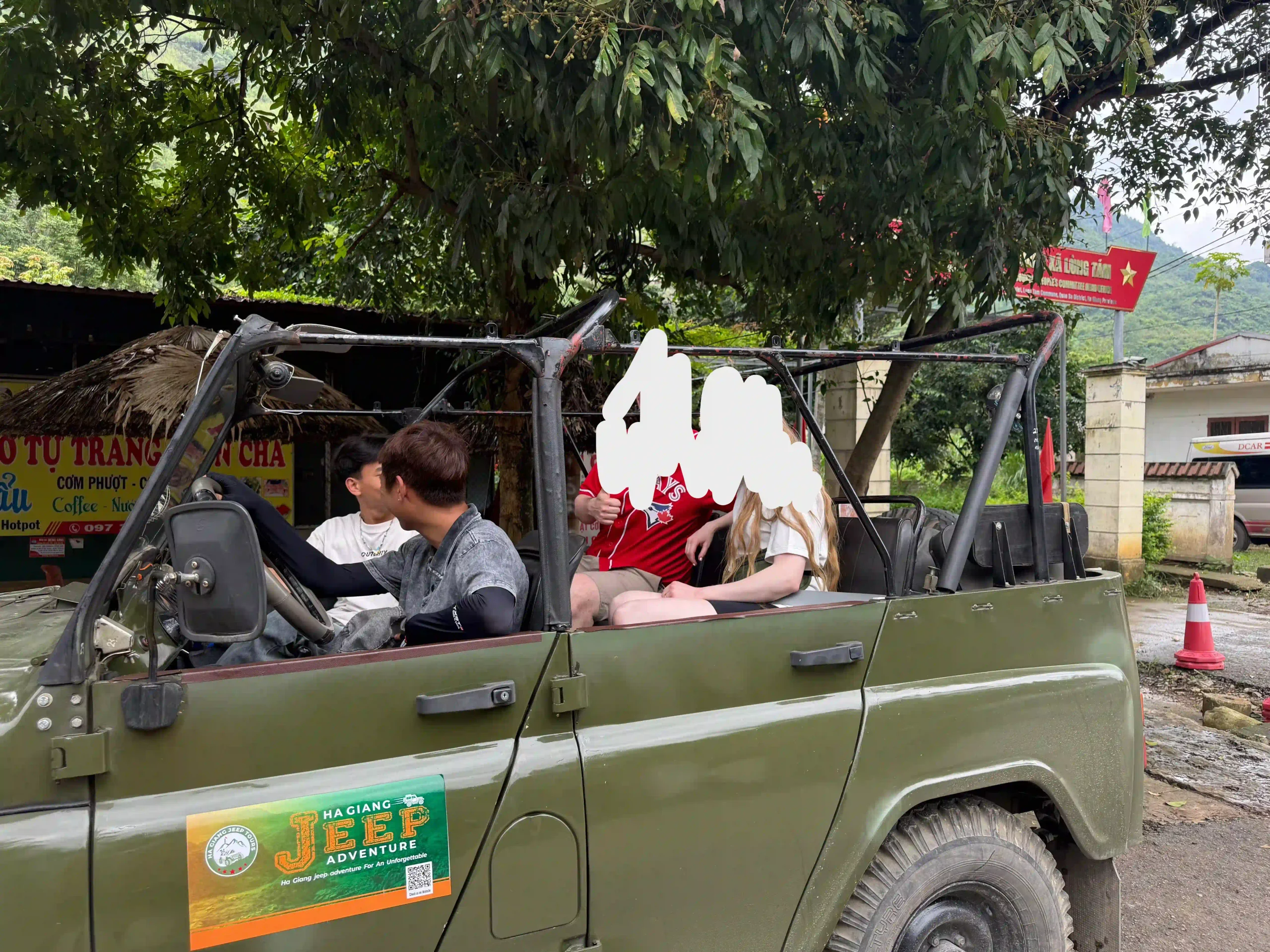
A private easy rider tour is about a third more than the group price, and a four-day jeep tour runs $479 to $600 a head at QT motorbikes before the bus and tips, which is in the Ha Giang jeep tour review.
In pounds the easy rider total is about £205 to £235, and in Australian dollars about A$385 to A$440. Riding yourself saves roughly $80 to $110 over four days, and it only makes sense if you already ride a manual at home and hold a licence Vietnam recognises.


Ha Giang Loop Price for 3 Days vs 4 Days
Forty to fifty dollars.
That’s the gap between three days and four, about forty on an easy rider tour and closer to fifty riding yourself, where the extra day is another day of bike rental, another bed and another day of meals. I’d spend it every time, and the reasons are in the Ha Giang Loop itinerary.
The Costs That Aren’t in Any Quote
Tips, first, because they’re the biggest. They’re covered above, and they turn a $200 tour into a $240 to $280 one.
Beer at a homestay is usually 25,000 to 40,000 VND a can, and coffee stops add up faster than you’d think over four days. Corn wine at dinner is free and plentiful and I’d leave it on the nights before a riding day, which is all of them. Whether the Nho Que boat is in your price depends on the company, so that’s 150,000 to check.
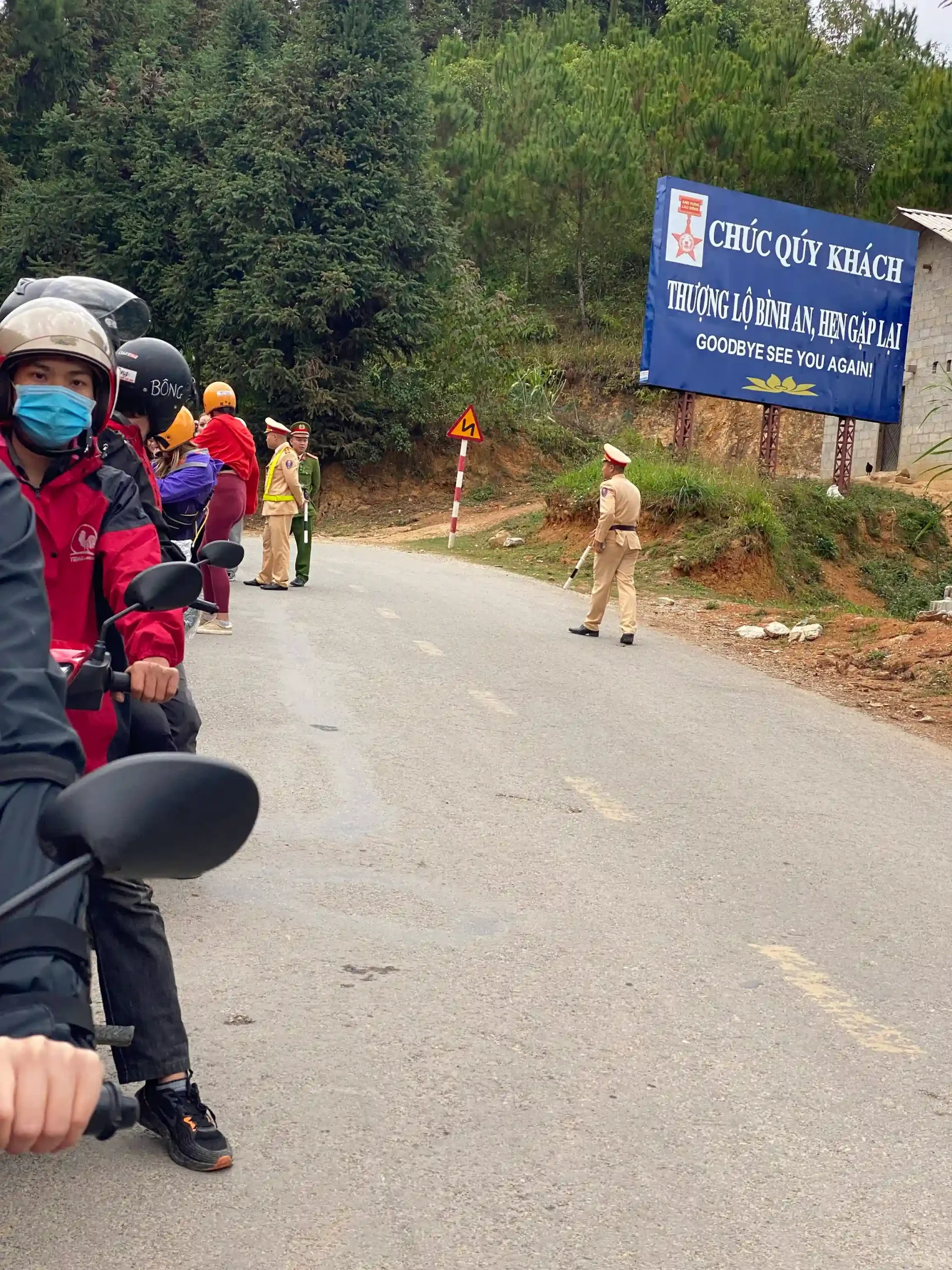
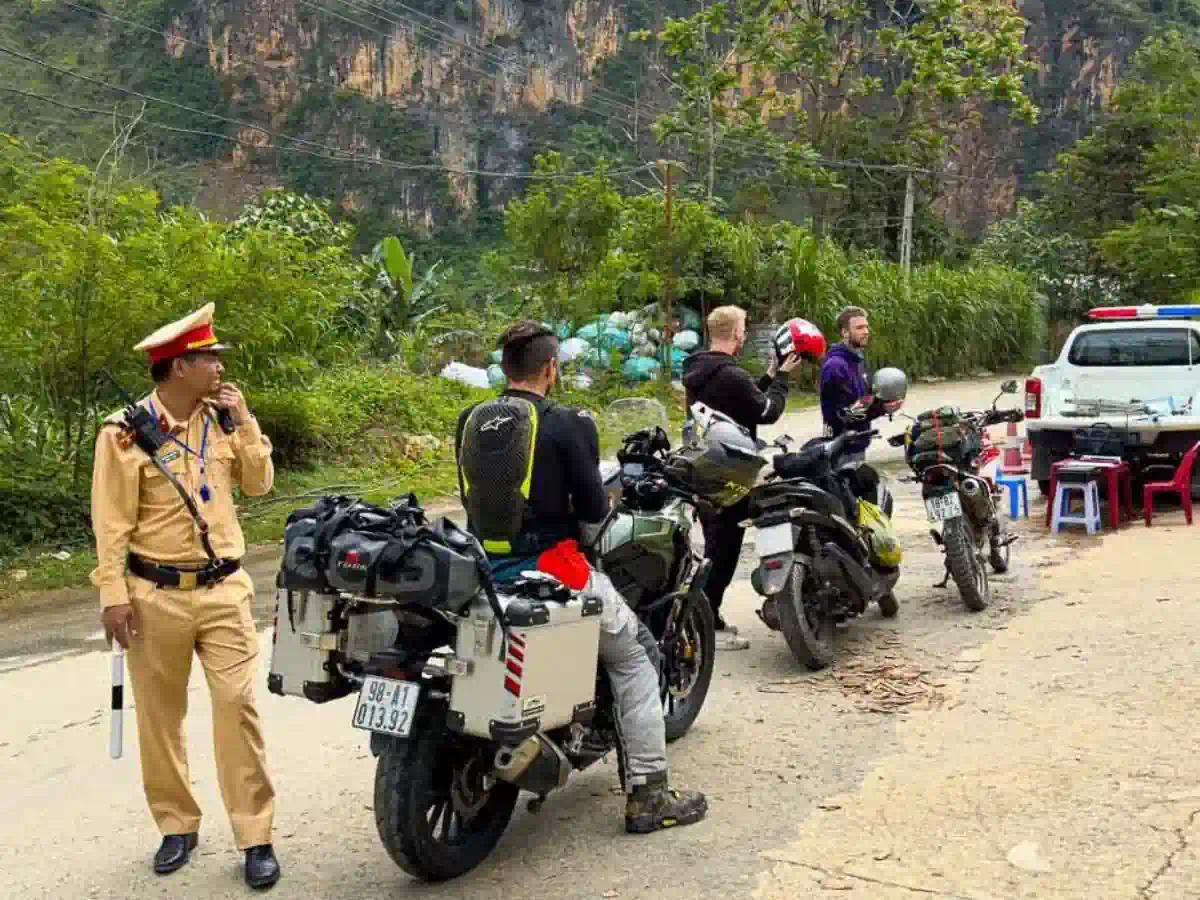
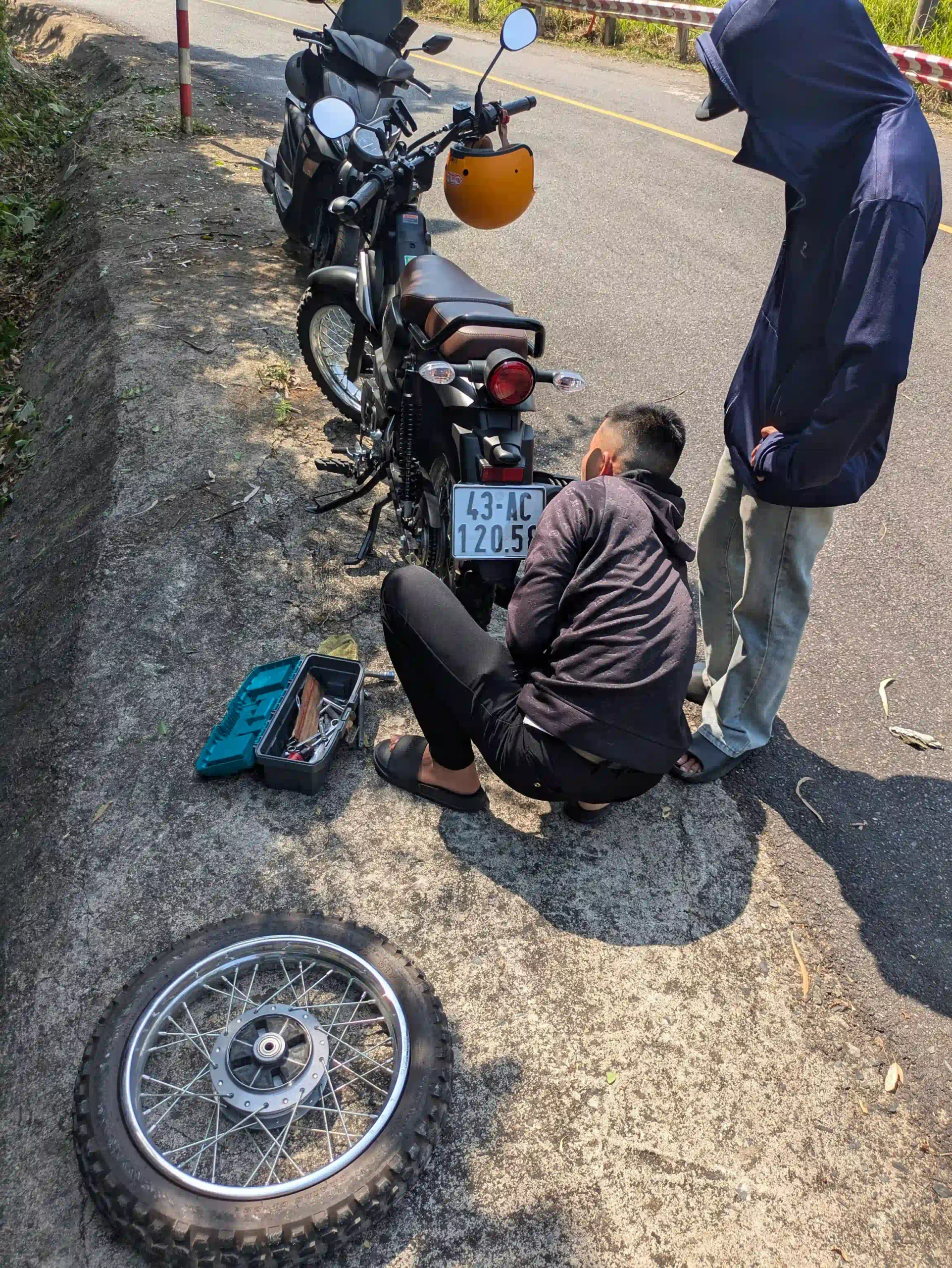
Self drive has two costs that don’t show until something goes wrong. Damage fees of $50 to $300 for a scratch or a broken mirror are where the cheaper rental places make their money, and photos of the bike before you ride off take thirty seconds. The bigger one is riding without a licence Vietnam recognises, which means a fine of several million dong if you’re stopped at a checkpoint, and an insurer that won’t pay if anything happens. The licence rules are in the Ha Giang Loop guide.

How Much Cash to Bring for the Ha Giang Loop
3,000,000 VND.
That’s what covered everything on my receipt apart from the bus and the bike, which were paid up front.
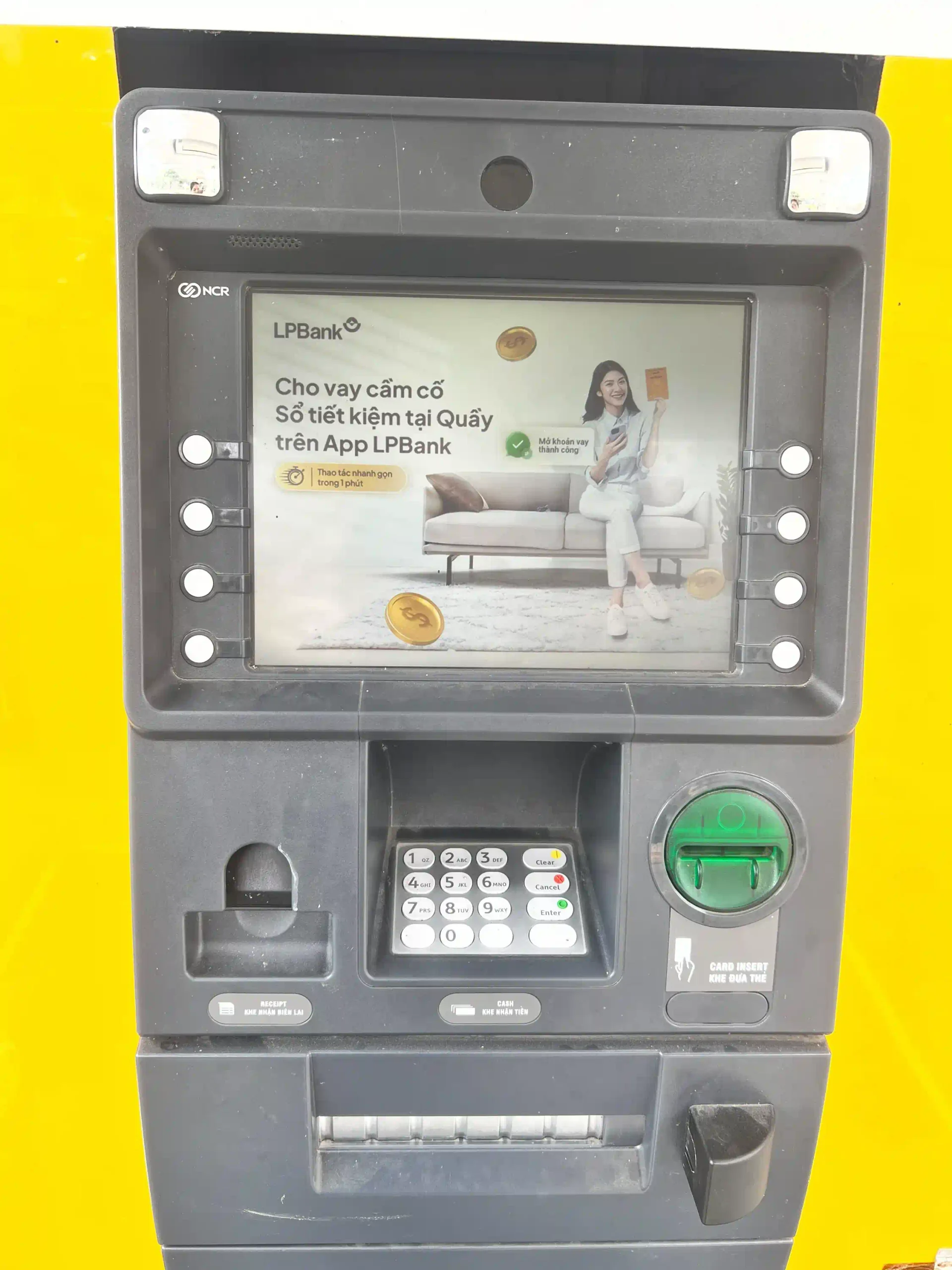
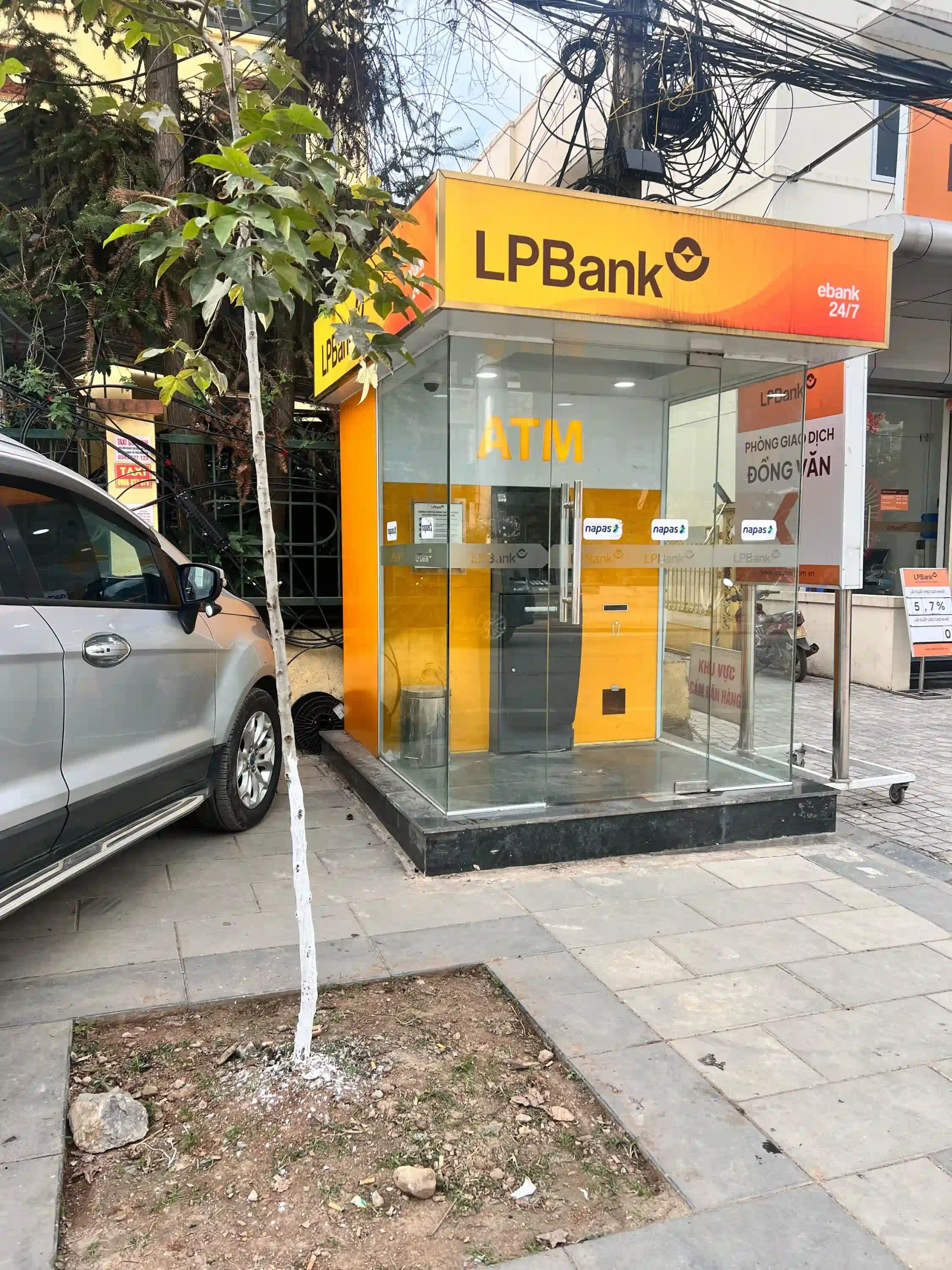
Homestays, lunch stops, cafés, tickets and parking are all cash, and the only ATMs on the route are in Ha Giang city, Dong Van and Meo Vac, so I take the whole amount out before leaving the city and keep some small notes for parking and tickets. If the rental shop wants a cash deposit, that’s on top.
On an easy rider tour, about 2,000,000 VND is enough, most of it the tip, with the rest for coffee and beer.
Doing the Ha Giang Loop on a Budget
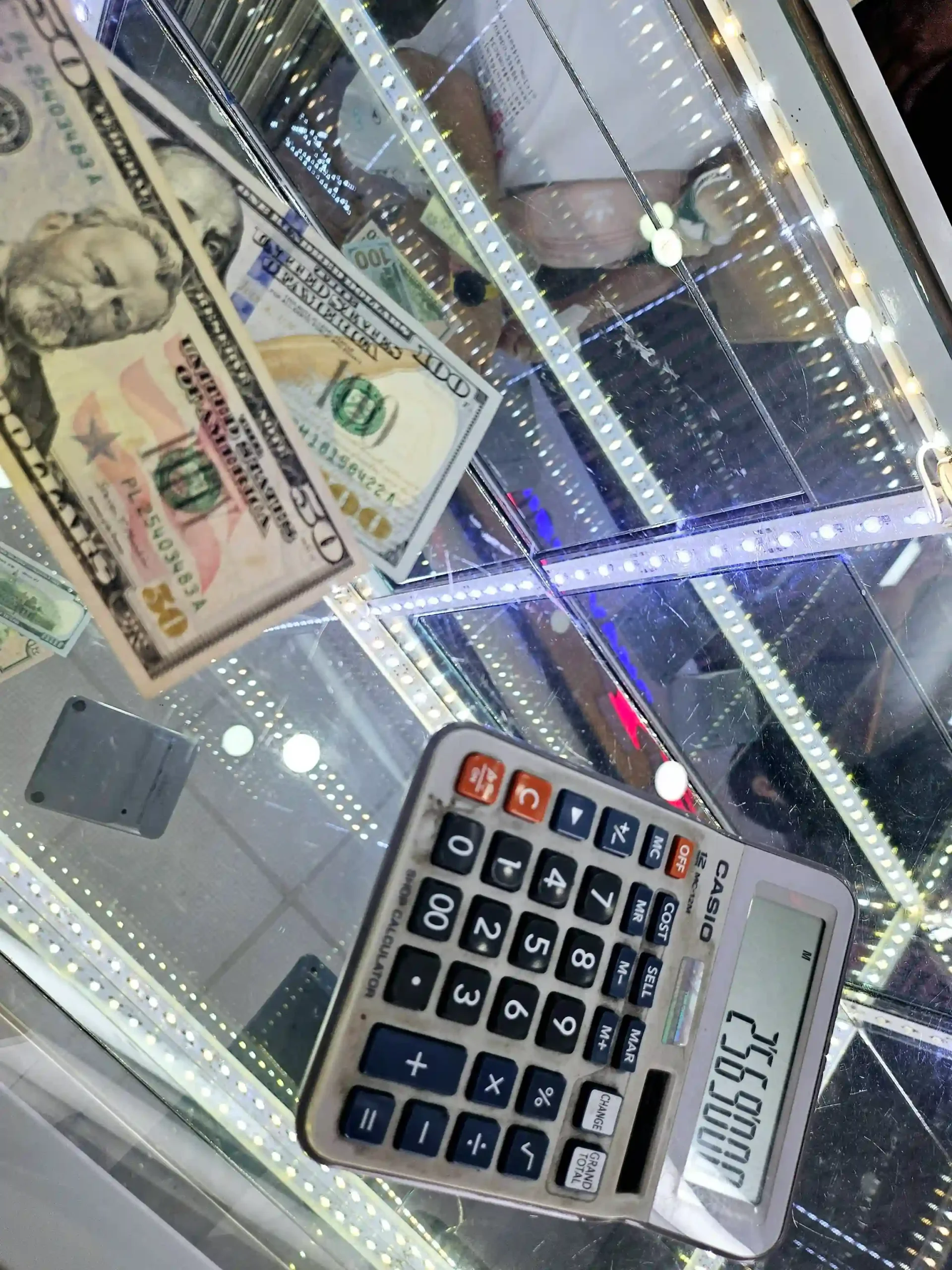
If you want the cheapest version that’s still a good trip, three swaps take my receipt from 5,285,000 down to about 3,700,000 VND, roughly $141.
A semi-automatic at 200,000 a day saves 1,000,000, dorm beds at 150,000 to 200,000 save a bit over 400,000, and the ordinary sleeper bus saves 200,000.
Below that you’re into the under-$100 tours, and I’d stay away from them. Licensed companies can’t run the loop at that price since the April 2026 rules, and the saving comes out of the helmet, the bike and the driver.
Without a licence and on a tight budget, the local bus is the other option. Bằng Phấn runs a 29-seater from Ha Giang city to Dong Van and Meo Vac at 5am for 130,000 VND, coming back at 12:30. It isn’t the loop, but it’s the cheapest way there is to see Dong Van without riding.
Ha Giang Loop Cost FAQ
How much does the Ha Giang Loop cost in pounds or Australian dollars? My four days riding myself came to about £150 or A$281. An easy rider trip from Hanoi is about £205 to £235, or A$385 to A$440, at September 2026 rates.
Is $200 enough for the Ha Giang Loop? For four days riding yourself, including the buses, just about. For an easy rider tour it covers three days, and falls short of four once the tip is in.
How much is the Ha Giang Loop permit? 230,000 VND, included in every tour.
How much do you tip an easy rider on the Ha Giang Loop? $10 to $20 a day, in dong, at the end.
How much is a beer on the Ha Giang Loop? 25,000 to 40,000 VND a can at most homestays.
Can you pay by card? Tours are paid up front and usually take cards. Out on the loop it’s cash.
Your Version of the Receipt
| Tight | What I paid | Easy rider | |
|---|---|---|---|
| Bus, Hanoi and back | 500,000 | 700,000 | 700,000 |
| Bike or tour, 4 days | 800,000 | 1,800,000 | 5,460,000 ($210) |
| Permit and fuel | 480,000 | 480,000 | Included |
| Three nights | 525,000 | 950,000 | Included |
| Food, coffee and drinks | 1,170,000 | 1,170,000 | 400,000 |
| Lung Cu and the boat | 185,000 | 185,000 | 150,000 |
| Tip | None | None | 1,200,000 |
| Total | 3,660,000 (about $141) | 5,285,000 (about $203) | 7,910,000 (about $304) |
Pick a column for each row, swap in your own numbers where they’re different, and you’ll land within a few dollars of what the loop actually costs you. The one row I’d never try to make smaller is the bike or the driver.












 Tiếng Việt
 한국어
한국어 中文 (中国)
 日本語
日本語 ไทย
ไทย Deutsch
 Español
 Destinations
 Instagram
 Facebook
 X (Twitter)
 Threads
 Tiktok