









 Ha Giang
 Hanoi
Hanoi Ho Chi Minh City
 Ha Long
 Sapa
Sapa Mekong Delta
 Da Nang
 Hue
Hue Hoi An
 Ninh Binh
 Da Lat
 Nha Trang
 Phan Thiet
 Phu Quoc
 Quang Binh
 Quy Nhon
 Vung Tau
 Thai Nguyen

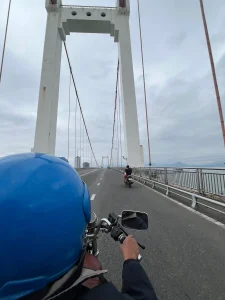

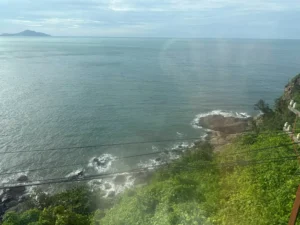




My advice on this one is unusually firm, so I’ll lead with it. Do the Hai Van Pass easy rider from Hoi An as a one-way to Hue, not as a loop, and pay for a company with a thousand reviews, not the one your hostel recommends.
Most of what follows is me defending those two positions, plus the practical stuff that took me a while to work out about riding pillion all day as a woman on my own.
I don’t think this trip is right for everyone, and I’ll get to who I’d talk out of it.
- Quick Answer: A Hai Van Pass easy rider from Hoi An to Hue runs about eight hours over roughly 130km, with stops at the Marble Mountains, the pass, Lang Co beach and a waterfall. Established operators charge $49 to $68. These are private tours, so a solo traveller pays for the whole bike and should message before booking. Luggage is transferred for you, which is what makes the one-way version work.
- Prices and Practicalities:
- One-way Hoi An to Hue easy rider tour: $49 to $68 established, from $15 with small operators.
- Self-ride with a guide alongside: about $29 for bike and fuel, valid licence needed.
- Luggage: free on the bike up to about 100L, or by car for roughly $3 a bag.
- Lunch at Lang Co: 150,000 to 250,000 VND, not included anywhere.
- Tip: 100,000 VND.
- Pickup 8am or 9am, arriving in Hue between four and five.
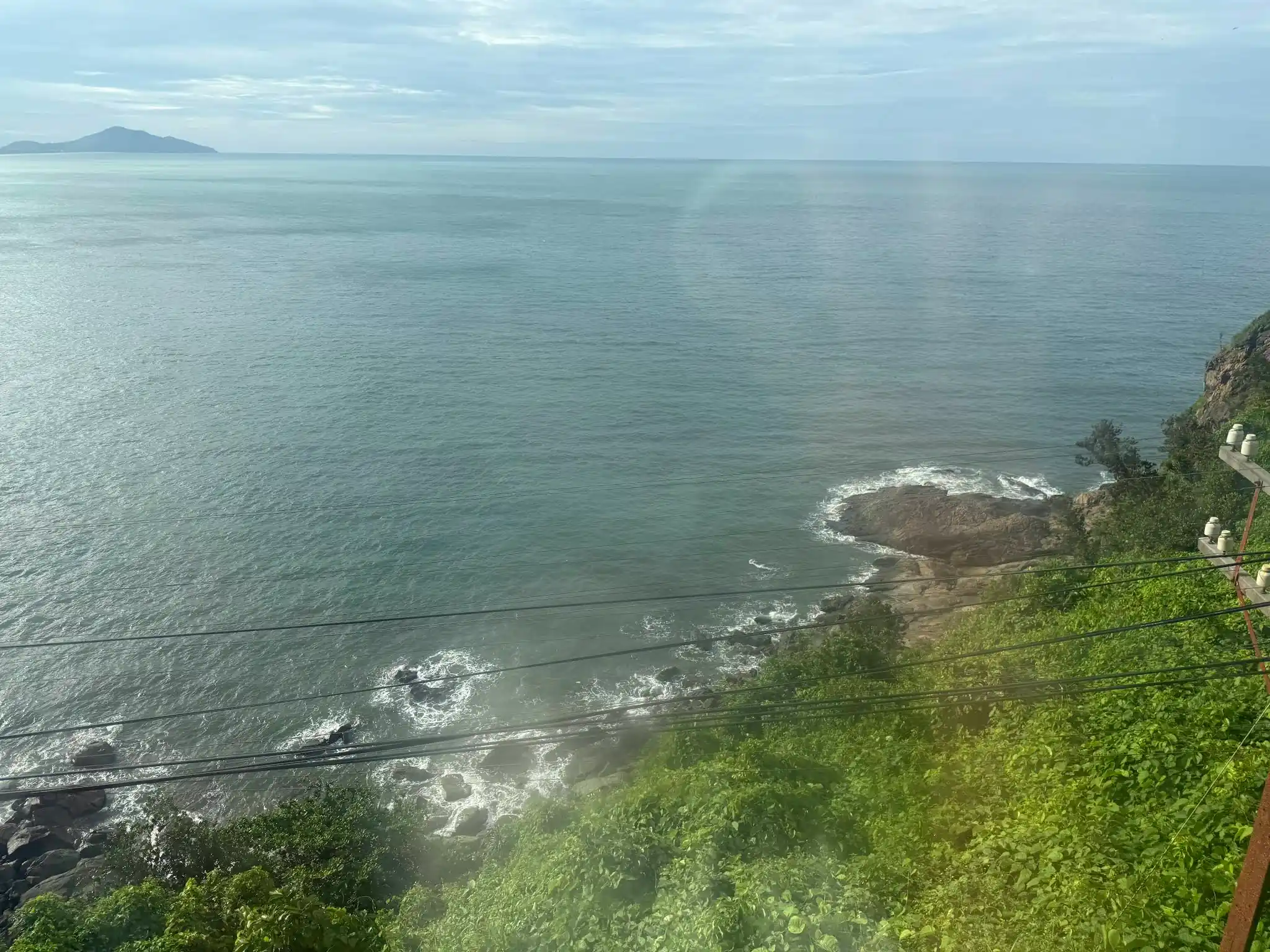
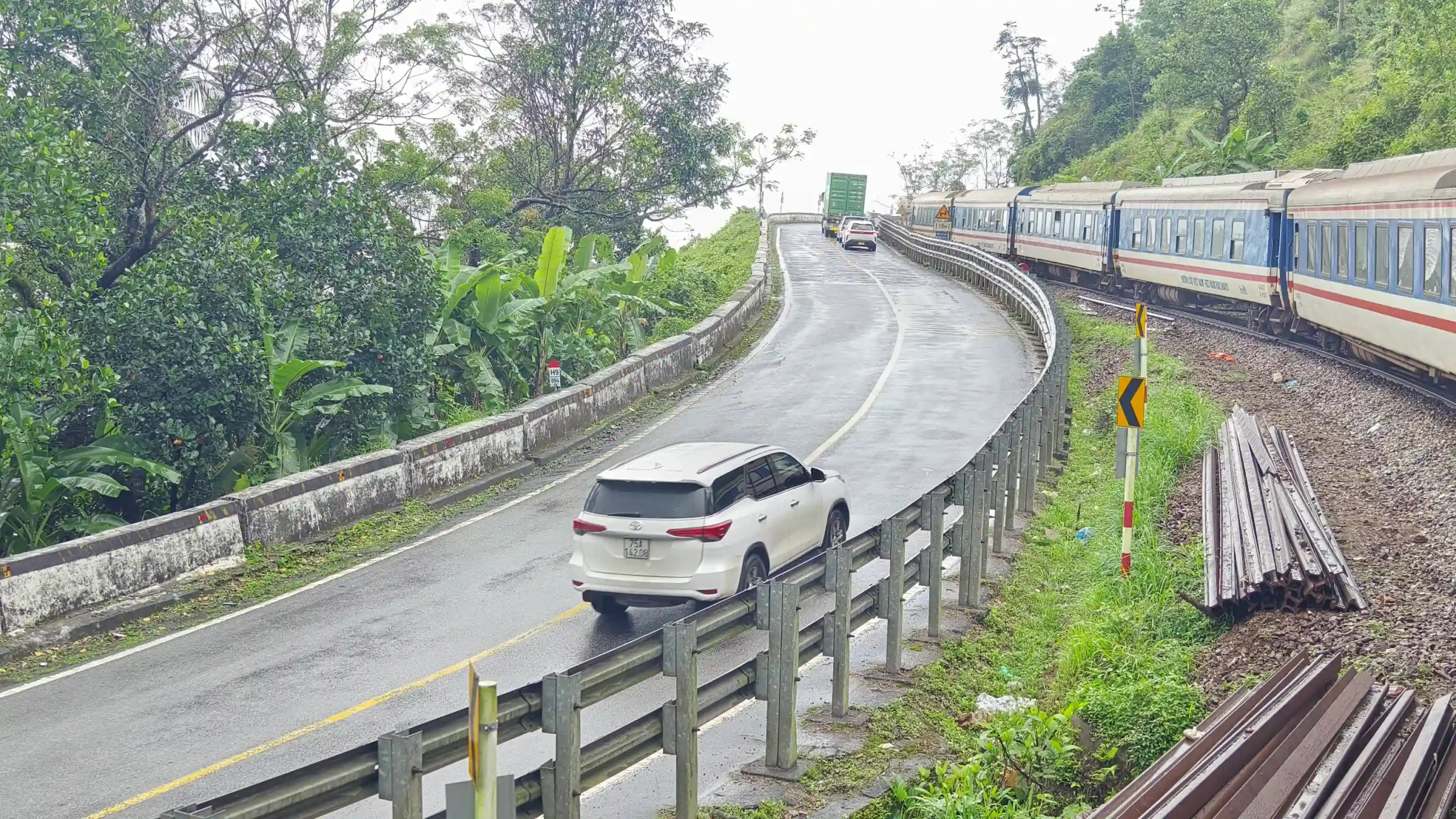
- The Pass Itself: 21km of road, summit around 500m, and it sits in cloud more often than the marketing photos suggest. Trucks use it when the tunnel backs up.
- Solo Booking Checks:
- Message the operator first and ask for your rider’s name.
- Judge on review count, not the star rating. They all sit at 4.9.
- Long trousers, closed shoes, and a layer for the summit.
- Keep phone, cash and sunscreen on your body, not in the strapped-down bag.
- Say something the first time the speed makes you uncomfortable.
Why One Way and Not the Loop
The loop and the one way cost roughly the same and both eat eight hours. The loop returns you to Hoi An having ridden the same road twice, with the light gone and nothing at the end of it except the town you left that morning.
The one way drops you at a hotel in Hue at about five in the afternoon with your bag already there.
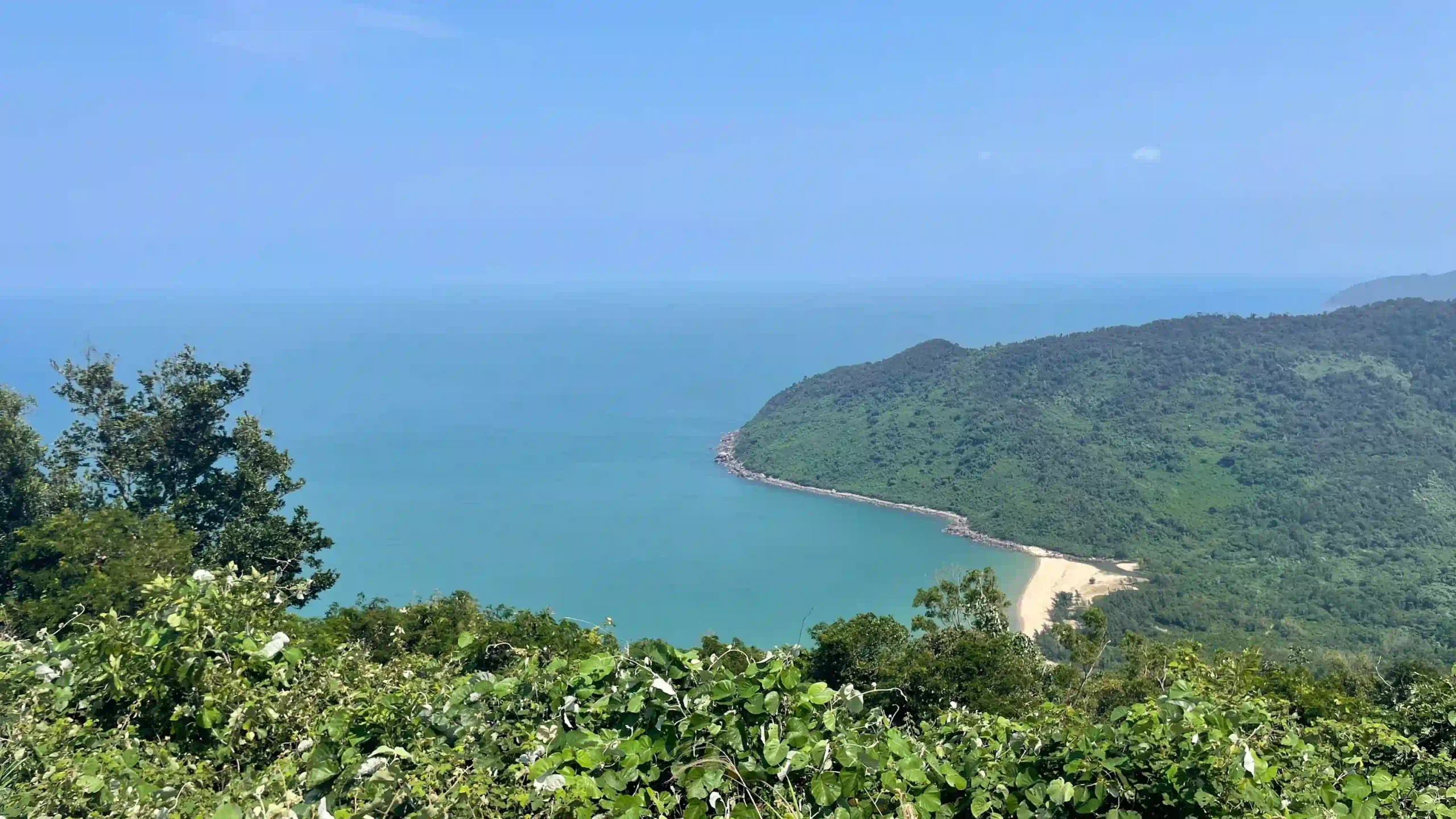

Hue is not a town most people give enough time to. It gets four hours on a day trip from Hoi An or Da Nang, everyone photographs the Citadel, and they leave without eating properly or seeing a single tomb at a sensible hour. Doing the pass as a transfer fixes that without costing you a day.
If you’re going to end up in Hue anyway, and most people heading north are, this is the version to book.
Why Not the Cheap Operator
You can find this ride for $15. Established companies want $49 to $68, and named riders sit at the top of that.
I take the 30,000 dong public bus to Da Nang when a Grab would be easier, so this isn’t me being loose with money. It’s that the product here is eight hours of one man’s riding on a mountain road, and there’s no way to inspect that in advance except through other people’s reports.
A listing with a thousand reviews gives you a readable safety record. Eleven reviews gives you nothing. The difference in price is about thirty dollars.
Hai Van Pass Easy Rider Prices from Hoi An
| Operator | Price | Length | What you’re getting |
|---|---|---|---|
| Small local outfits | From $15 | 9 hrs | Cheap, unverifiable |
| Established private tours | ~$49 | 8 hrs | Luggage, entry fees, rain gear |
| Named riders such as Mr T | $58 to $68 | 8 hrs | Long public track record |
| Self-ride, guide alongside | ~$29 | 8 hrs | You ride, licence required |
| Private car | $60 to $90 | 5 to 6 hrs | Air con, fewer stops |
The solo surcharge. These are private tours, one guest per rider. Two people share the cost of two bikes and the listing price holds. Alone, you’re funding one rider’s entire day, so expect to pay more than the headline. Several operators say outright to contact them before booking if you’re travelling by yourself, and this is why.
How Far Is Hoi An to Hue on This Route?
About 130km, which is longer than the direct road because you go over the pass and not through the tunnel.
| Leg | Distance | Time |
|---|---|---|
| Hoi An to Marble Mountains | 20 km | 30 min |
| Marble Mountains to Da Nang beach road | 10 km | 20 min |
| Da Nang to the summit | 25 km | 45 min |
| The pass | 21 km | Summit at 500m |
| Down to Lap An Lagoon and Lang Co | 15 km | 30 min |
| Lang Co to Hue | 60 km | 90 min |
Eight hours door to door, of which about three and a half is actually riding. The longest single stretch on the bike is roughly an hour. That’s the number to give anyone in your group who is worried about the idea.
The Stops
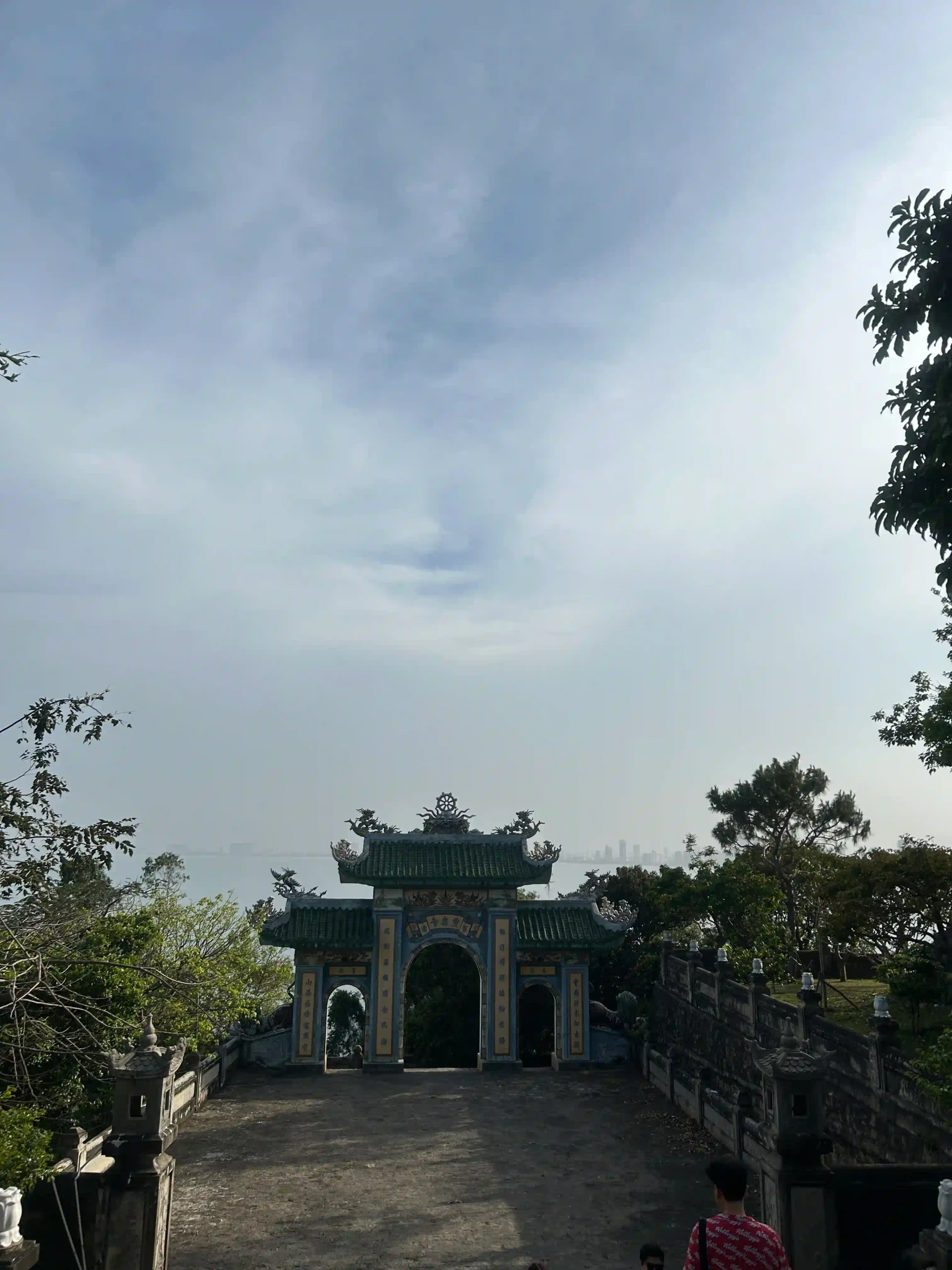
Marble Mountains, or the Lady Buddha
Ninety minutes, caves and shrines in limestone hills, lift available.
If you’ve already done the Marble Mountains on a day out from Hoi An, ask to swap it for the Lady Buddha at Linh Ung on Son Tra. It’s shorter and the sea views are better. Operators say yes to this readily and it isn’t advertised.

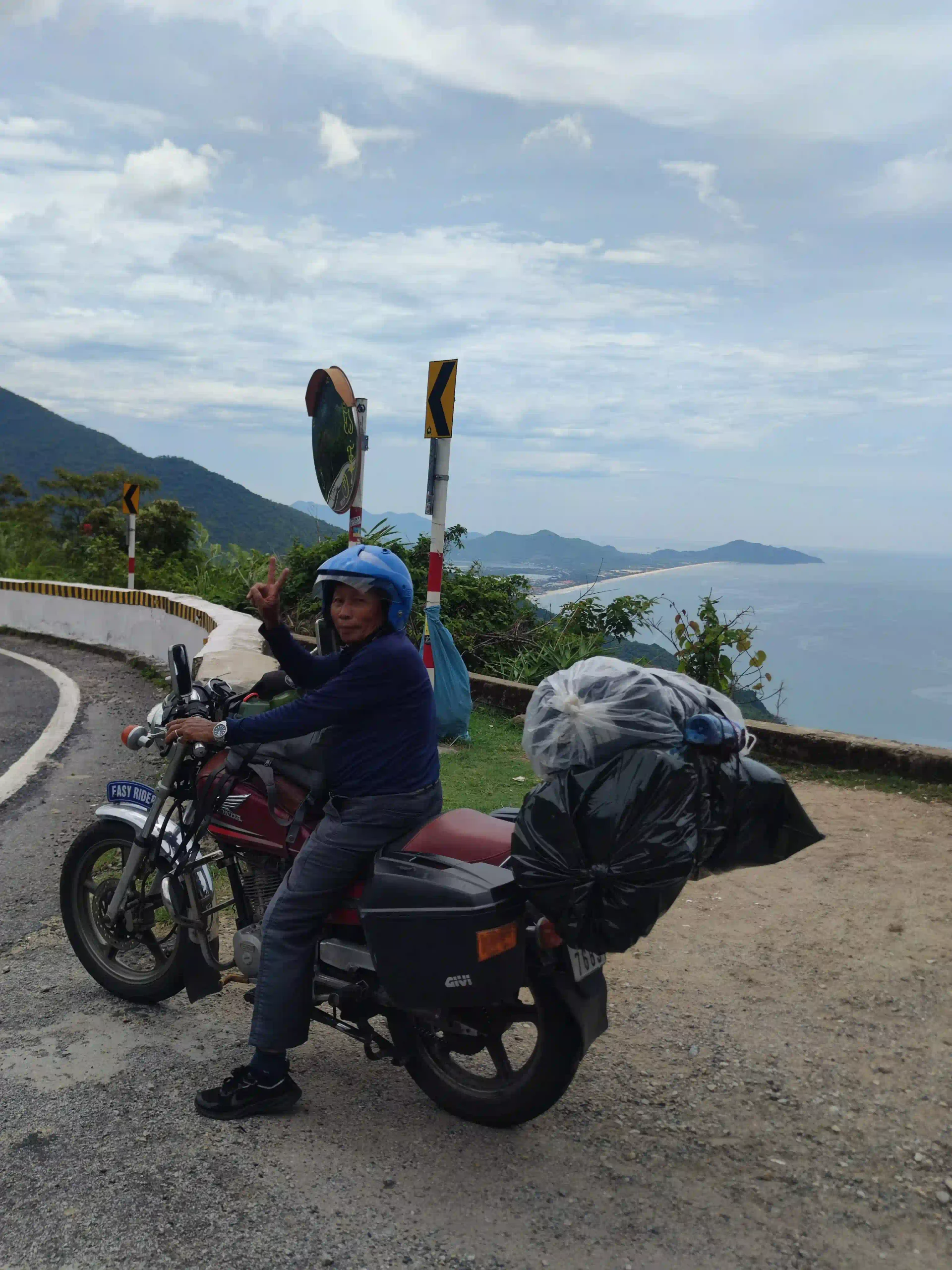
The Hai Van Pass
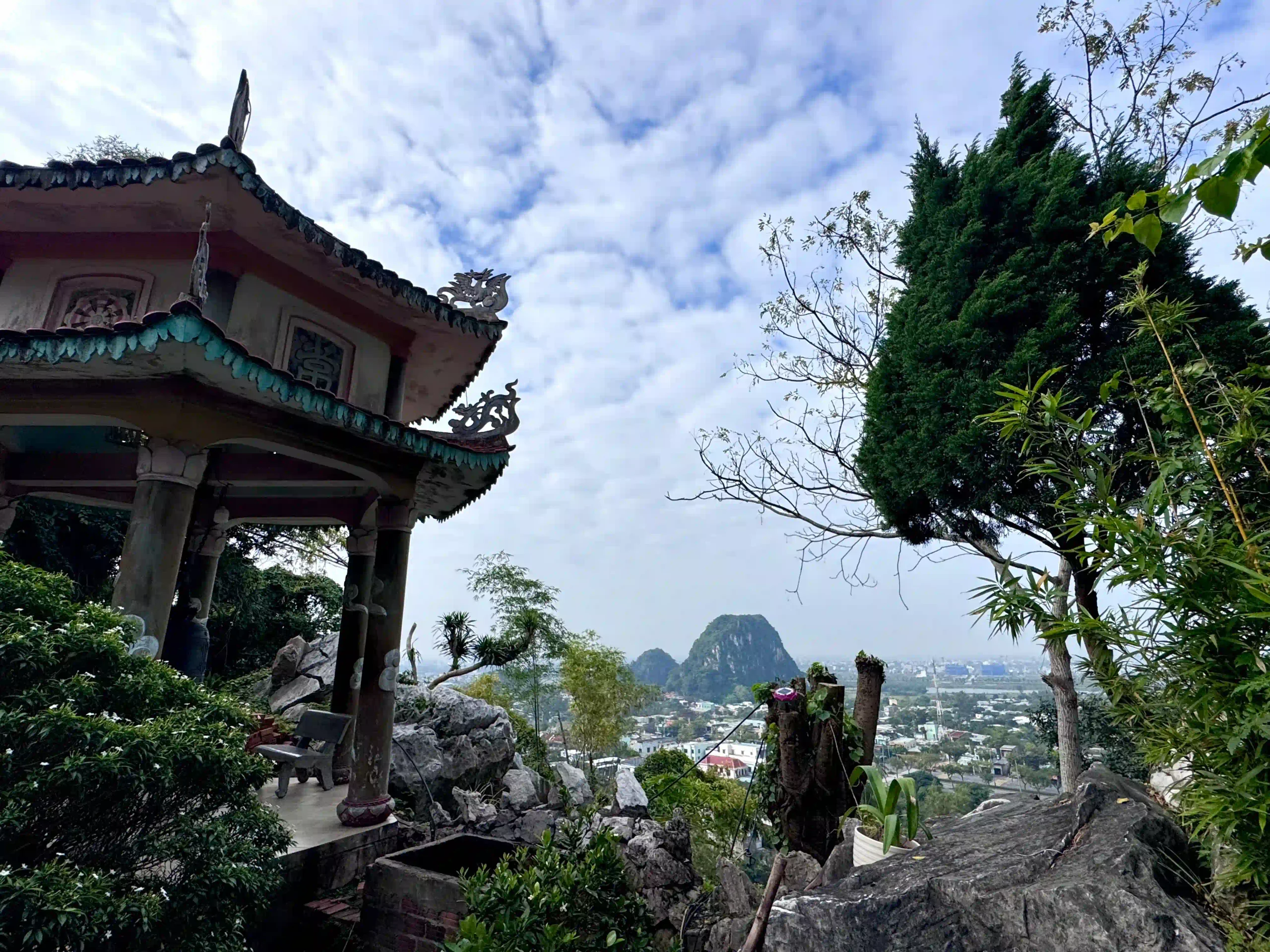
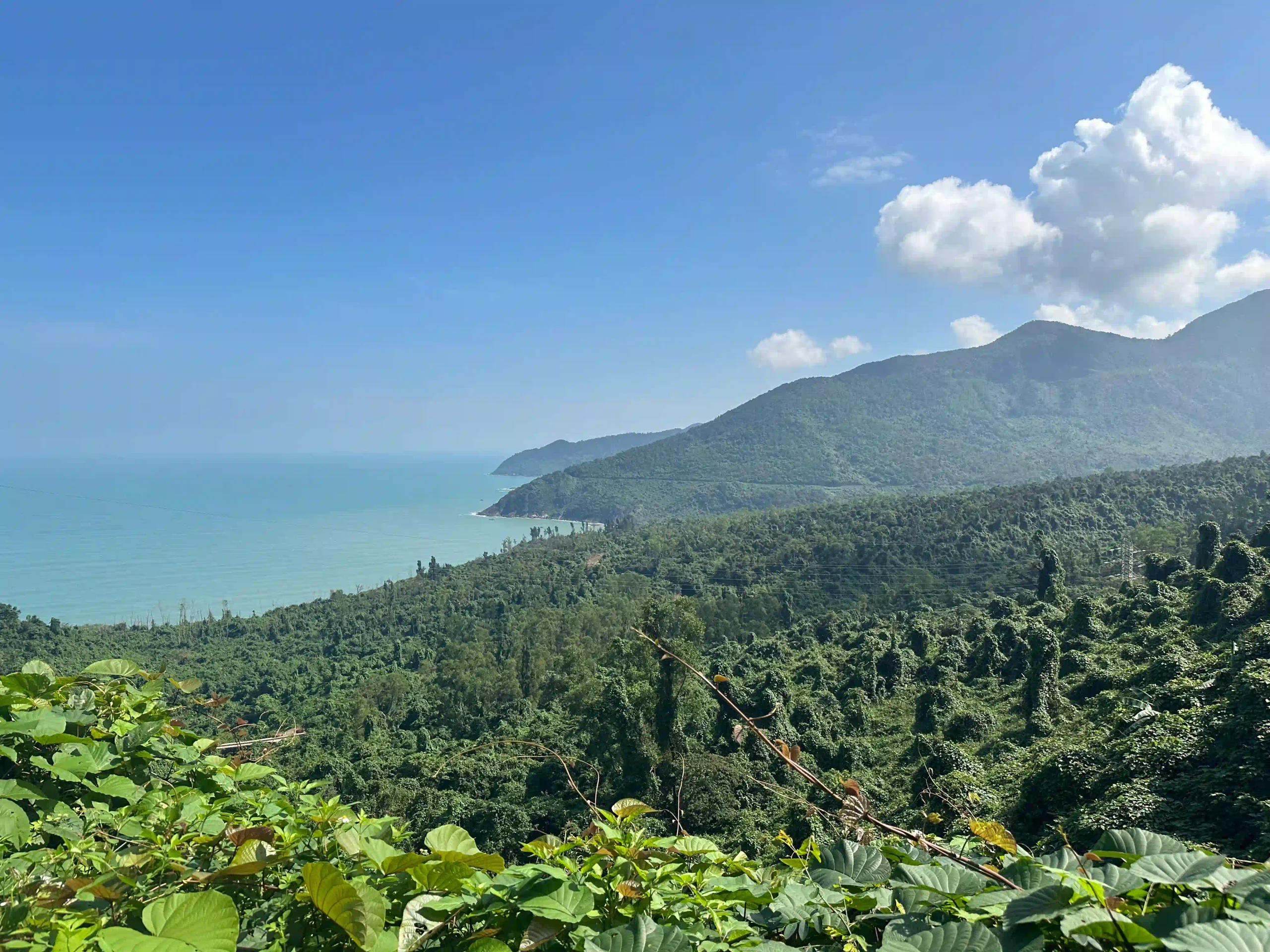
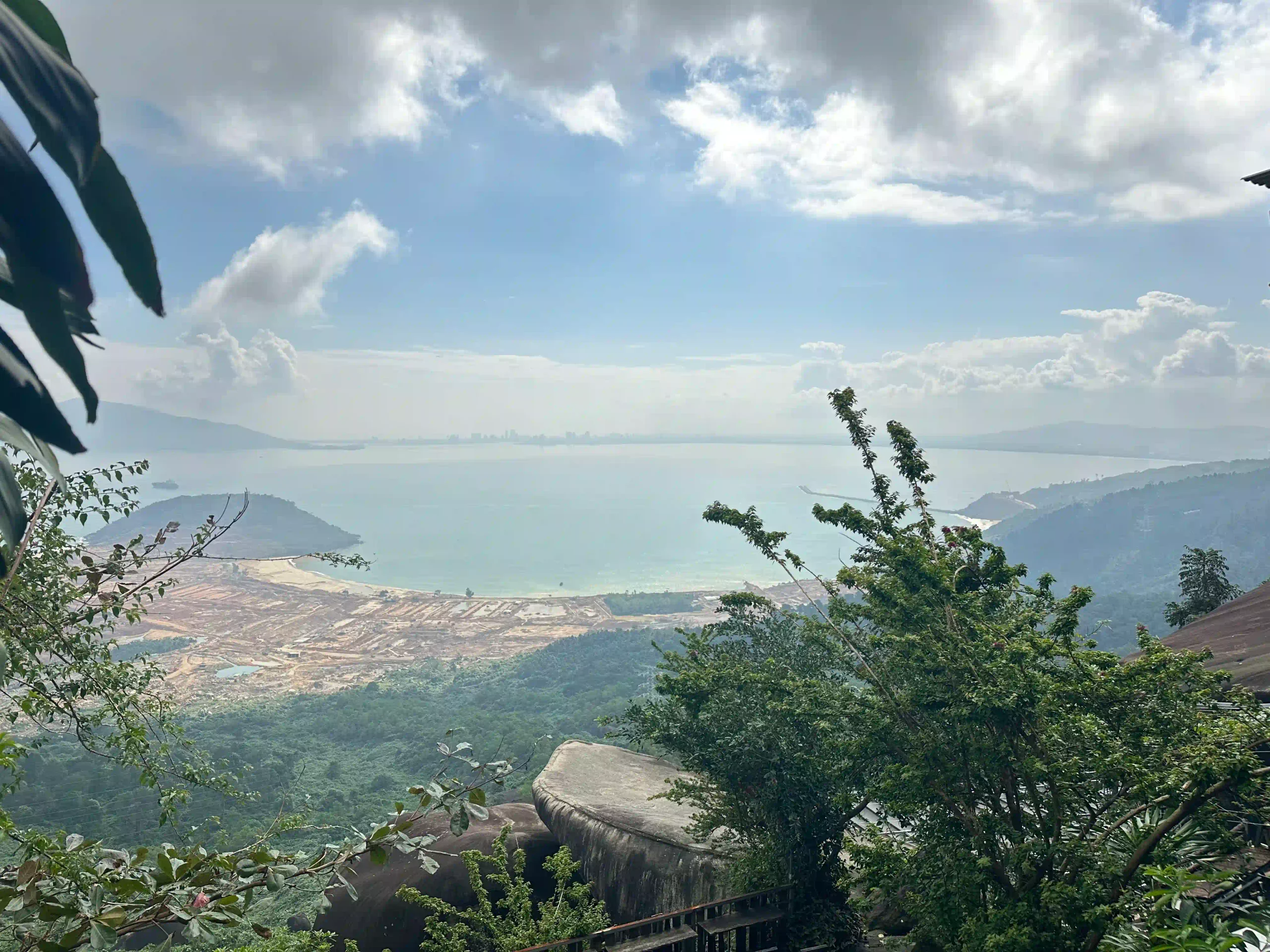
An hour, coffee at the top among the old bunkers. Twenty-one kilometres of switchbacks, summit around 500 metres.
Take a layer. The summit sits in cloud a lot of the time and it’s several degrees down on the coast, which nobody mentions because the marketing photos are all taken on clear days.
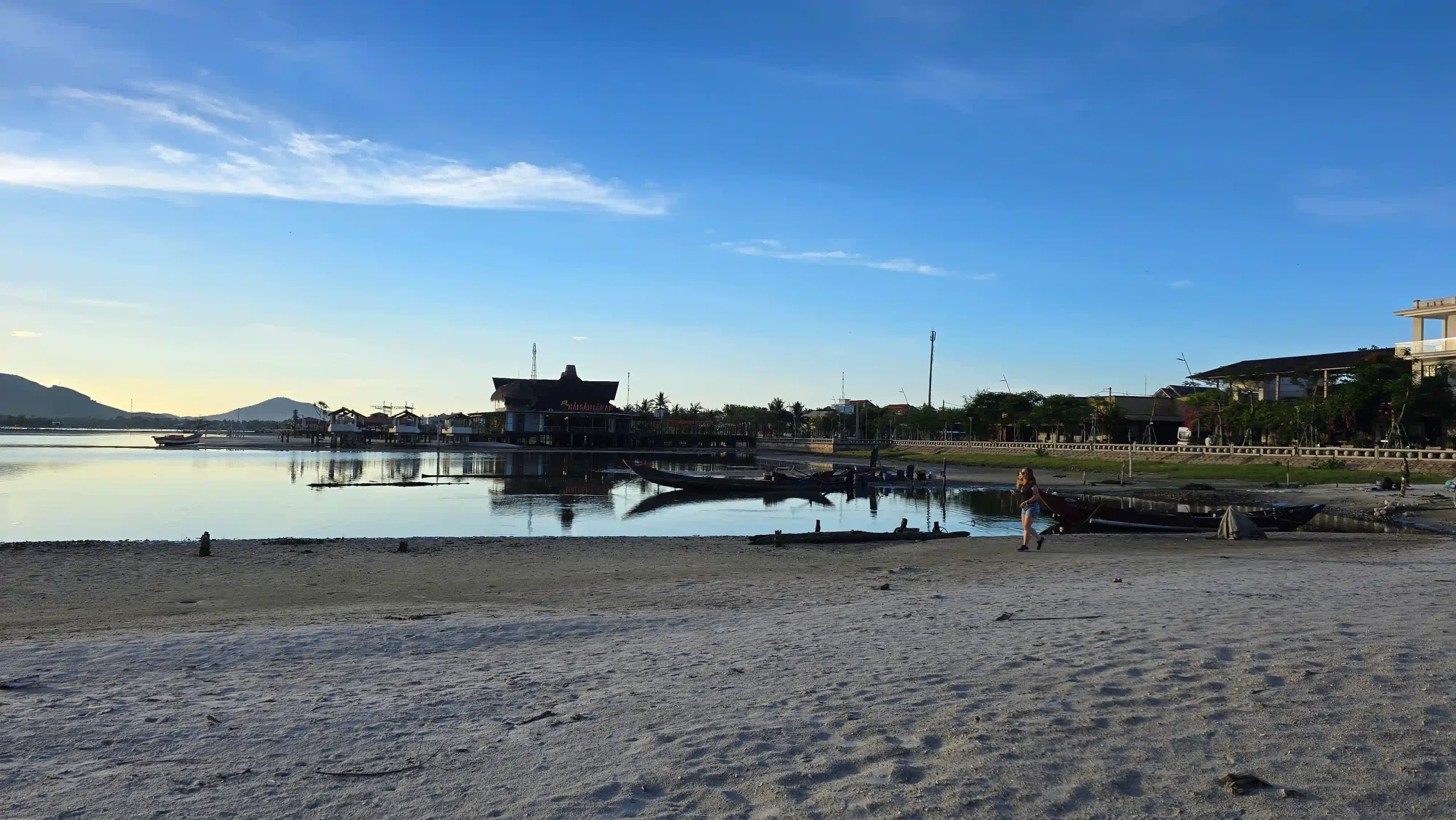
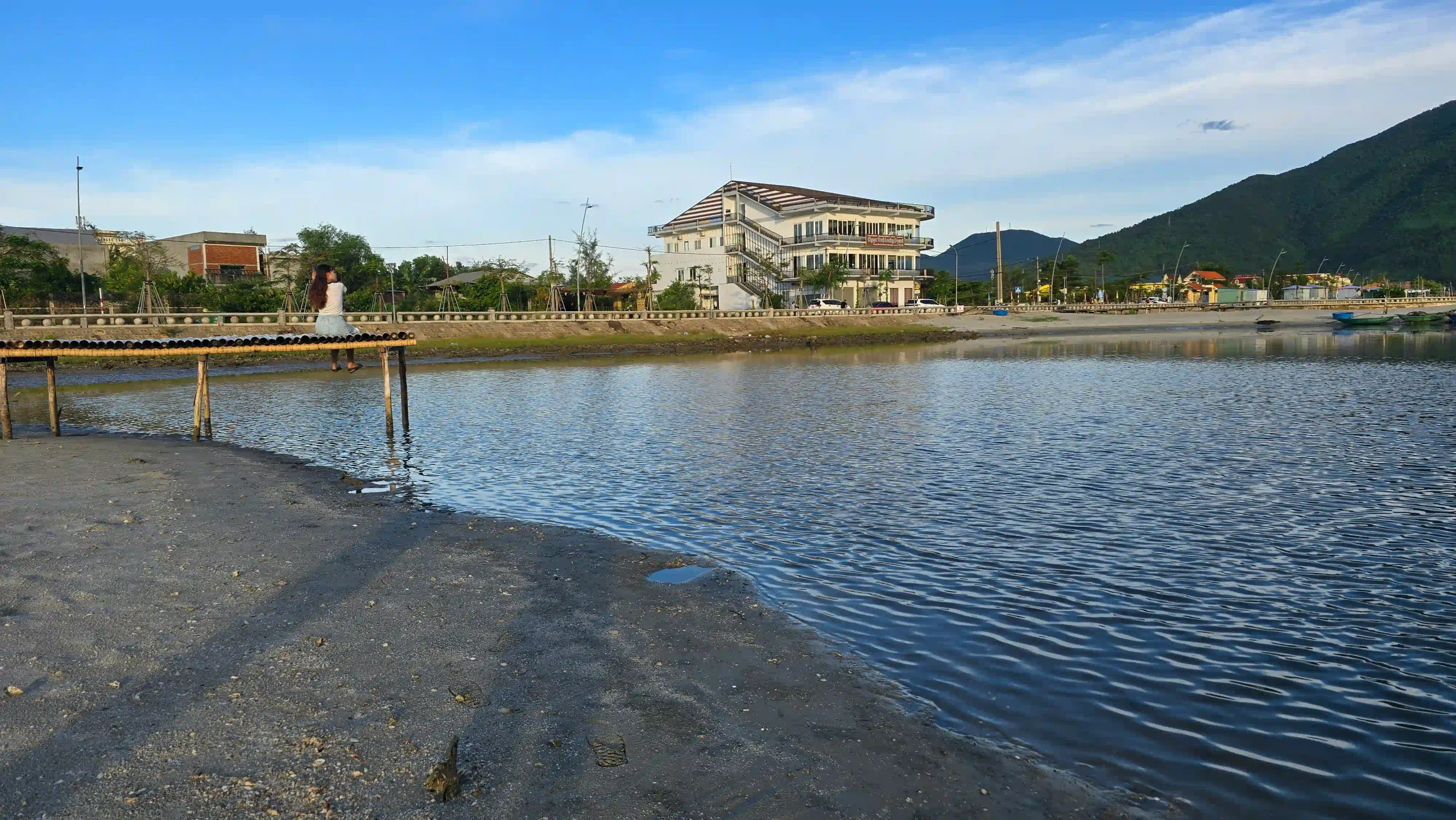
Lap An Lagoon and Lang Co
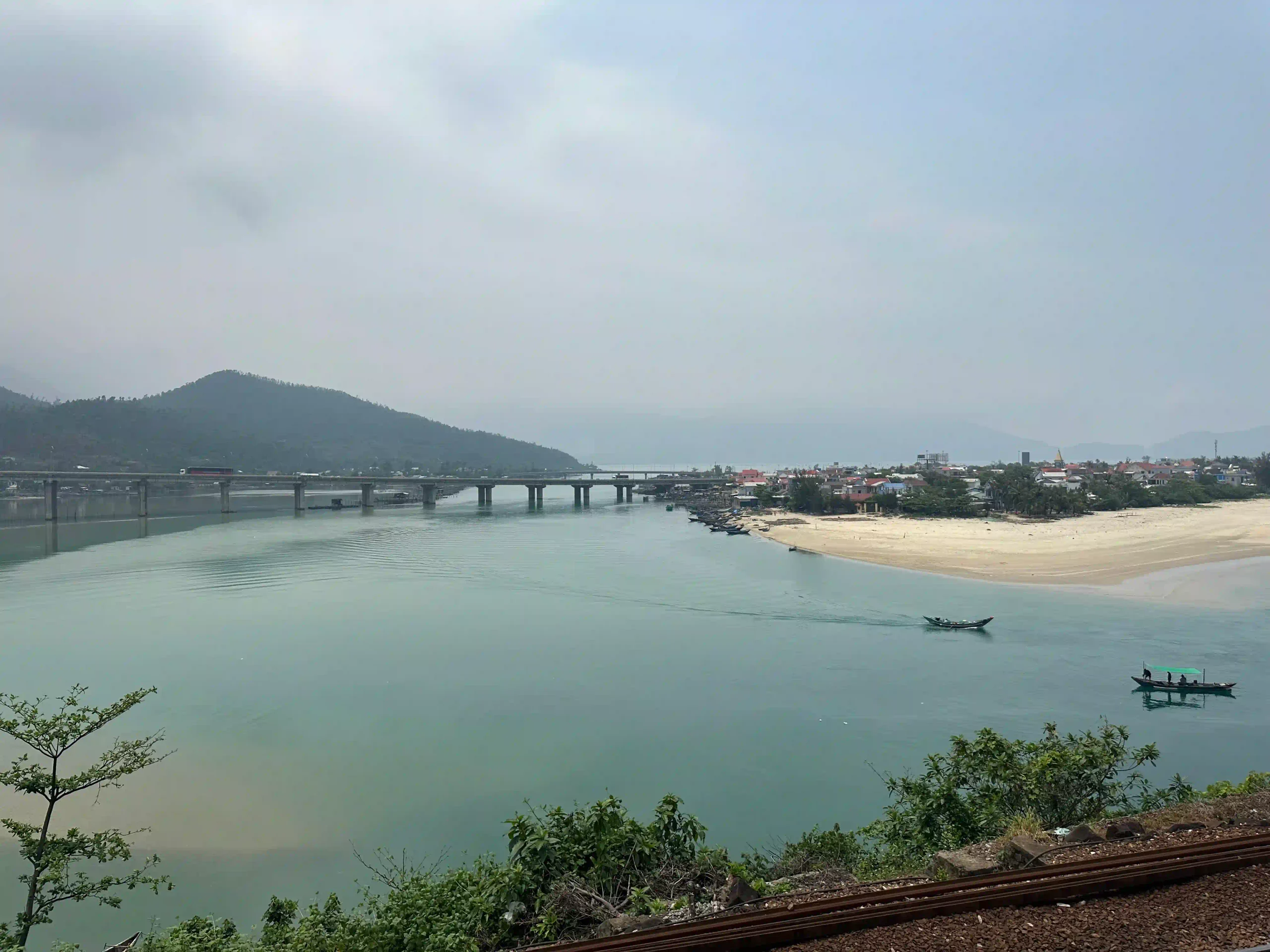
Half an hour at the lagoon, then lunch on the beach for about an hour and a half. Seafood, 150,000 to 250,000 VND, and you pay for it yourself.
The lagoon is better in the afternoon light. Going Hoi An to Hue puts you there in the afternoon, going the other way puts you there in the morning. Small thing, but it’s a point in this direction’s favour.

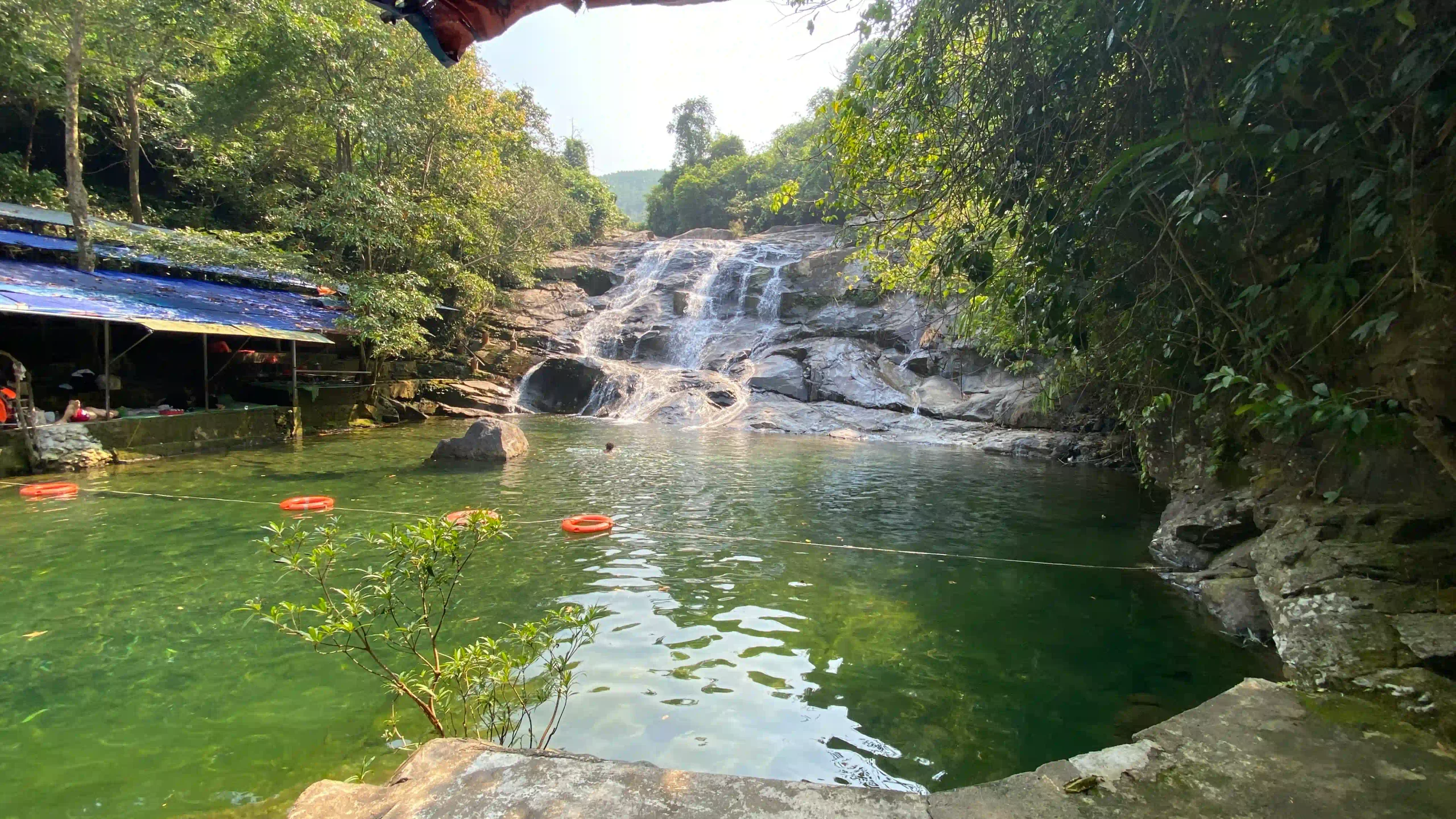
The waterfall
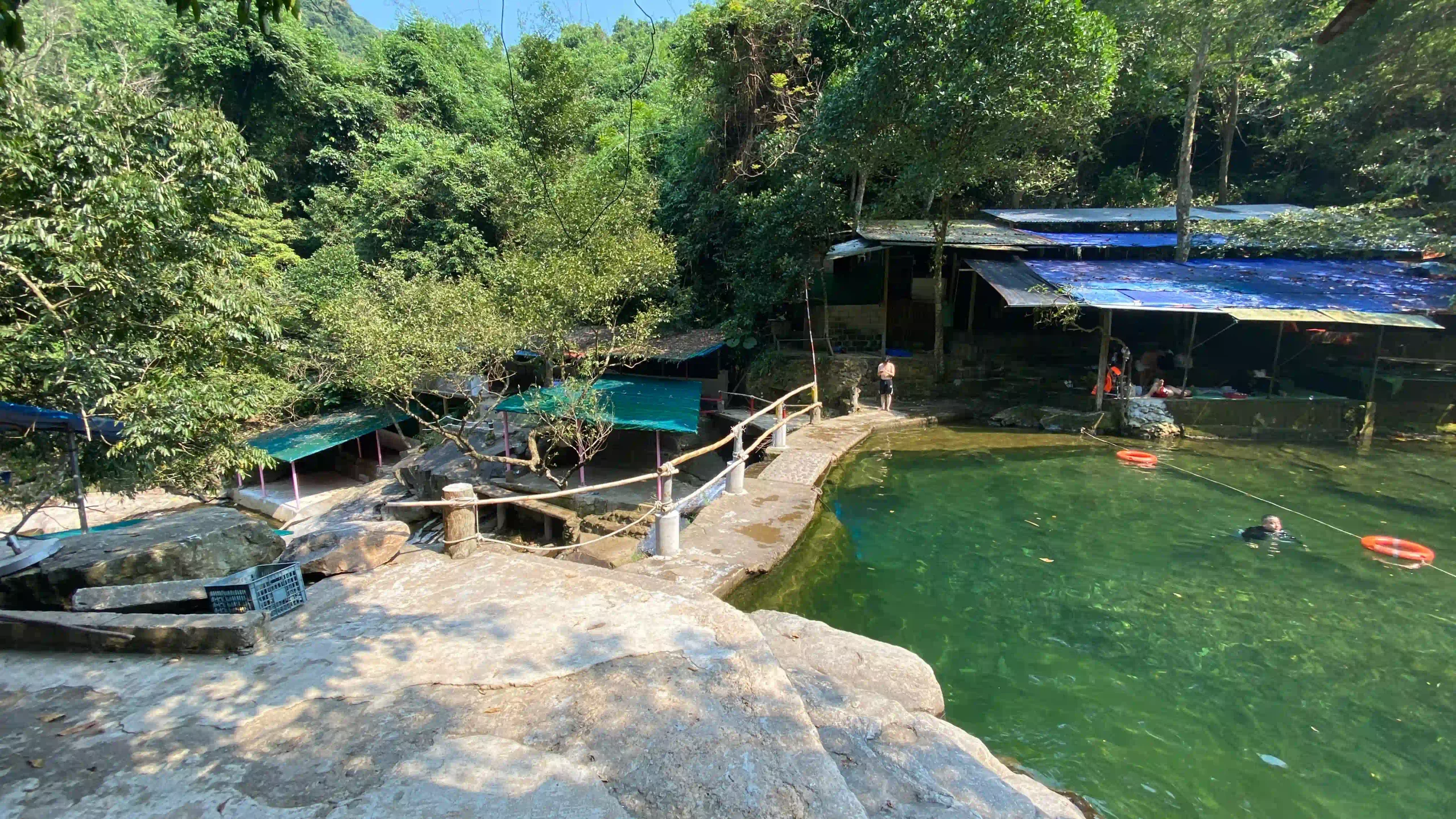
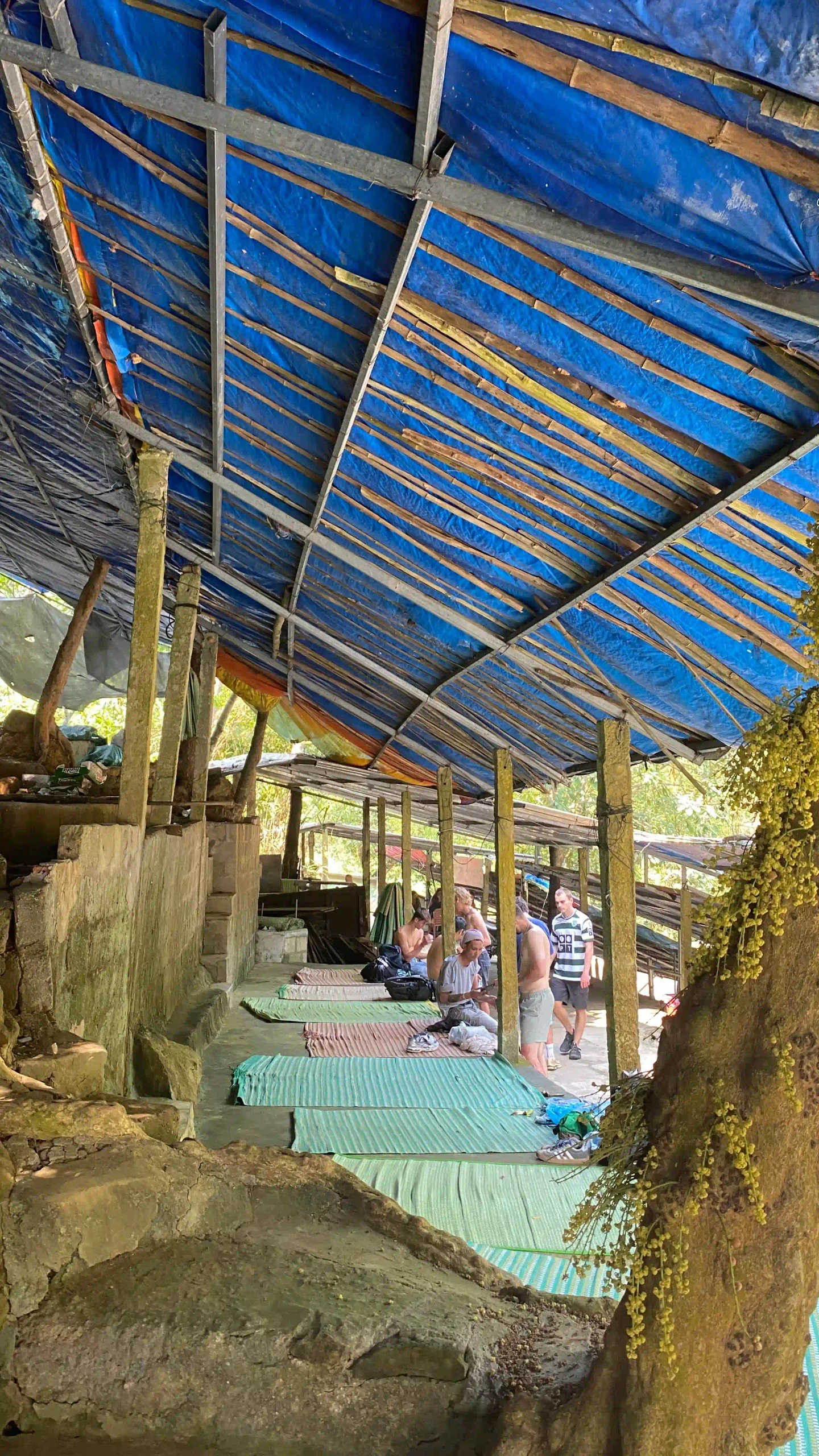
Suoi Mo or Nhi Ho, about an hour, swimming optional.
I’d skip the swim, and my reasoning is only that you get straight back on the bike afterwards. Wind on wet clothes for the last stretch is a poor trade for twenty minutes in a pool.
Bring a swimsuit anyway and decide when you’re standing there, because a lot of people rate it as the best stop of the day.
Booking It as a Solo Woman
The private tour thing
One guest, one rider, eight hours. Nothing about that is alarming and I’m not going to write it as though it is, but it’s the fact that shapes every other decision on this page, and I’d want to know it before I was standing in a hotel lobby at eight in the morning.
Ask for a name
Message before you book, ask who your rider will be, write the name down and send it home with the booking reference.
I do this for long taxi journeys in Hanoi as well. It isn’t a Vietnam thing.
Ignore the star rating
Every tour on every platform is 4.9 or 5.0. The score carries no information.
Review volume does, and so do repeated names. On a listing with a thousand reviews you’ll see the same riders mentioned over and over, which means a stable team and returning customers asking for people by name.
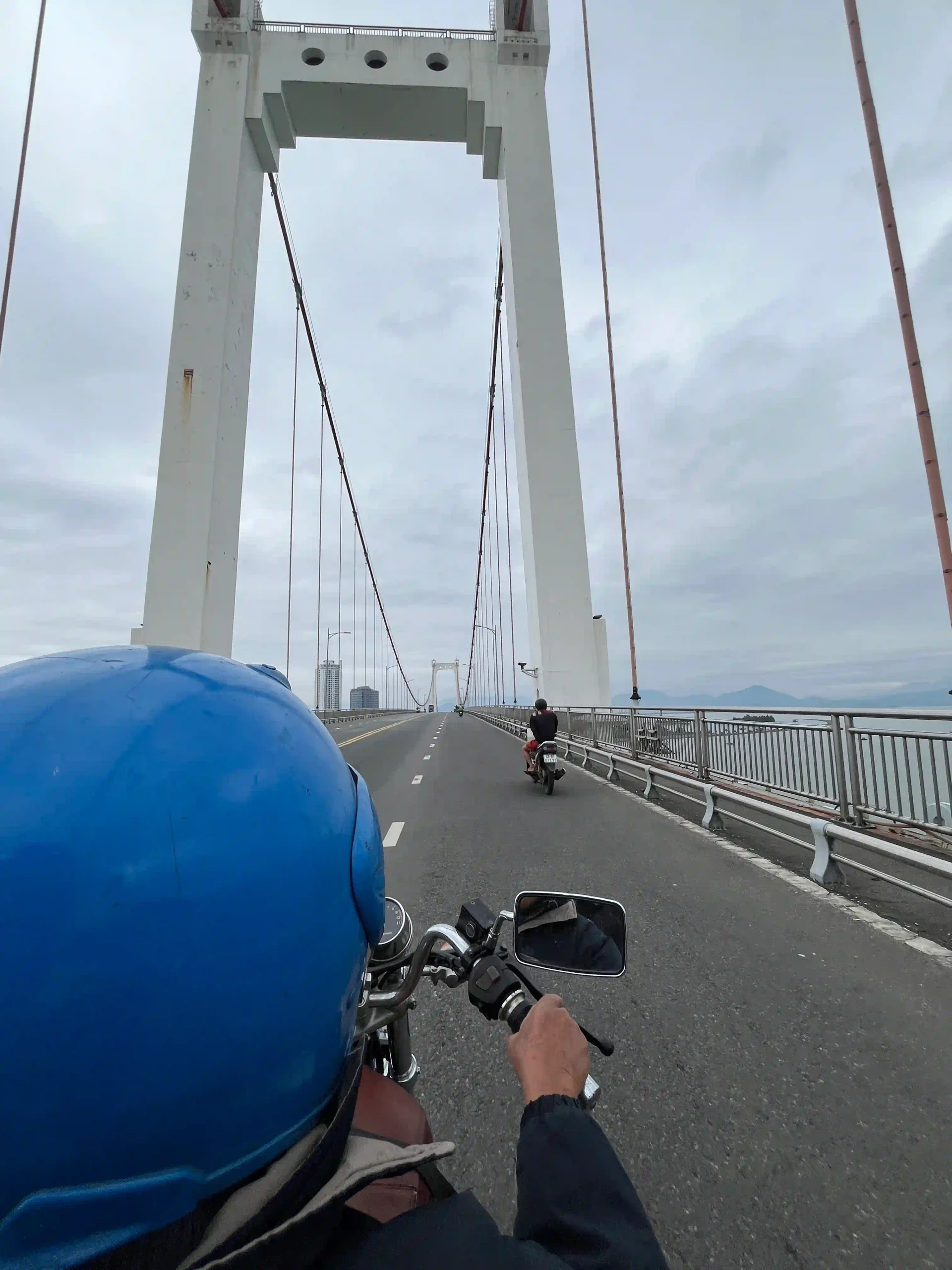
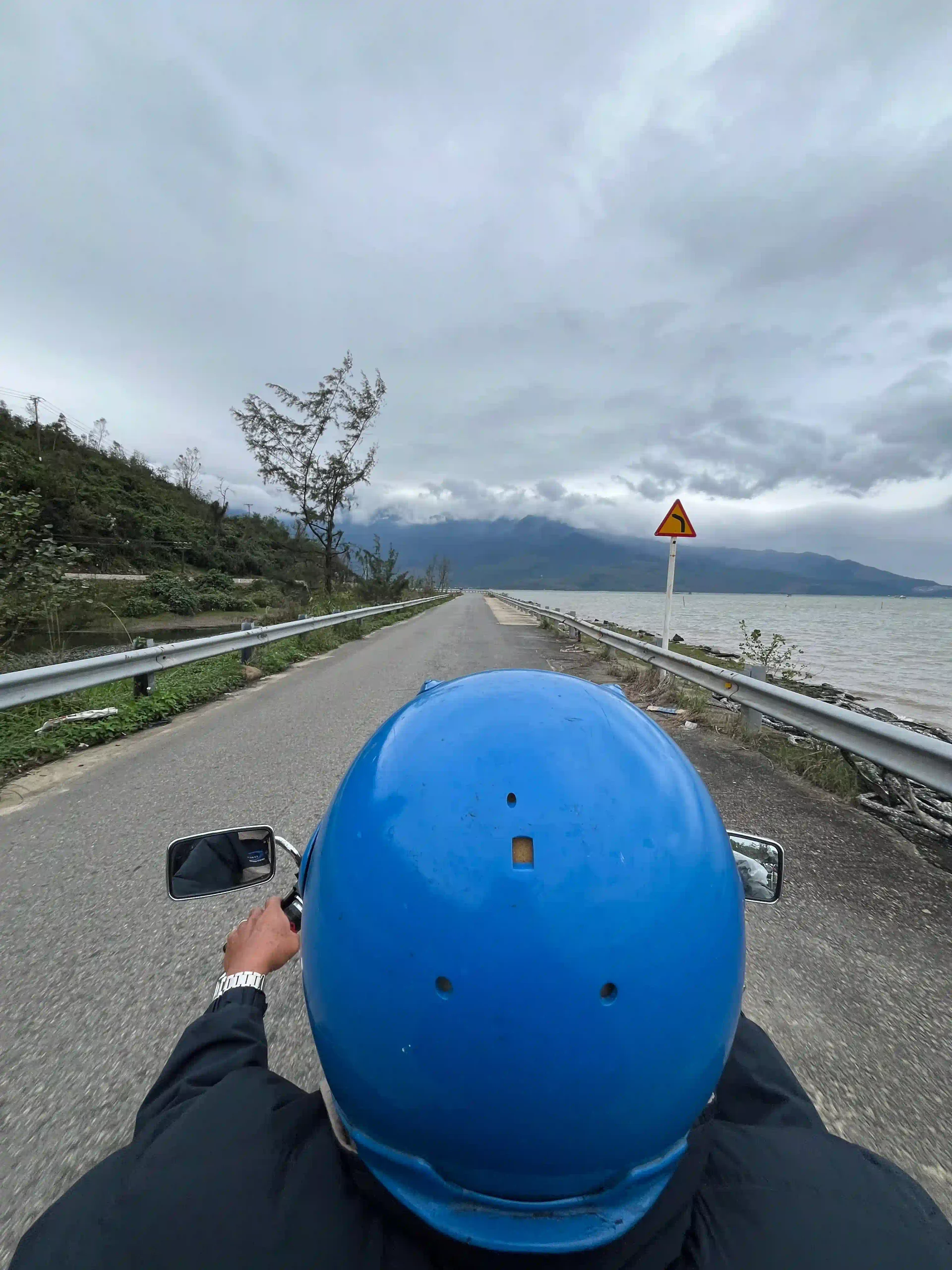
Sitting on the back
There’s a grab rail behind you. That’s what you hold.
If you’ve never ridden pillion, say so at the start and ask how to take the corners. The answer is that you lean with the bike, not against it, and getting told that in the first ten minutes is better than working it out somewhere on the pass.
Speed
The only recurring complaint worth taking seriously is riders going faster than the guest wanted.
Say something at the first stop, not the fourth. It gets fixed immediately and there is no awkwardness in it.
The broader ground on bags, taxis and nights out is in solo female travel in Vietnam.
What to Wear
- Long trousers, at 33 degrees, yes. The exhaust pipe sits where your right calf goes, and the sun is on the backs of your legs all day.
- Closed shoes. Not the sandals.
- A light layer for the summit and for the rain the pass usually produces at some point.
- Sunscreen on neck, forearms and the backs of your hands. The wind stops you feeling it.
- Hair tie and a face covering. Riders carry spares but bring your own.
- A bag you wear. Luggage gets wrapped and strapped, so phone, money, water and sunscreen live on you.
- Cash. Nothing on this route takes a card.
Rain gear is included by most operators, so don’t buy a poncho.
Luggage
Your bag gets wrapped in plastic and strapped to the back of the bike, up to about 100 litres. Some operators send it by car for around $3.
If you have a hard-shell suitcase, pay the three dollars. A soft backpack is fine bungeed on. A rigid case over 21km of hairpins is not the same object.
Ask which you’re getting at the point of booking.
Tipping
100,000 VND at the end of the day, cash, when he drops you at your hotel.
More if he’s spent the day taking photographs of you or made stops you asked for. This is the standard figure and it lands well.
Who I’d Talk Out of This
Anyone on day two or three of their first trip to Vietnam. Not because it’s dangerous, but because you’ll spend the eight hours managing your own nerves and not looking at the view, and the same money buys a much better day once you’ve stopped flinching at traffic.
Anyone with back trouble. Eight hours as a pillion with no backrest is real.
Anyone travelling in late October or November, unless you’re relaxed about losing the view. The pass fogs in and tours run regardless.
And anyone who has already decided they’d rather be in a car. That’s a legitimate preference and the car version exists.
Every Other Way to Get from Hoi An to Hue
The easy rider is one of five ways to cover this leg, and it’s the slowest and the most expensive. Here’s the whole set so you can see what you’re choosing against.
| Hoi An to Hue | Cost | Time | Over the pass? | Best for |
|---|---|---|---|---|
| Easy rider, one way | $49 to $68 | 8 hrs | Yes | Making the transfer the day |
| Private car, direct | $50 to $60 | 3.5 hrs | No, tunnel | Getting there and nothing else |
| Private car via the pass | $60 to $90 | 5 to 6 hrs | Yes | The views without the bike |
| Train, from Da Nang | 150,000 to 220,000 VND | 3 hrs + transfer | Yes, by rail | Cheap and comfortable |
| Tourist bus or limousine | 150,000 to 250,000 VND | 4 to 5 hrs | No, tunnel | Lowest cost |
The train is the one people overlook. It doesn’t leave from Hoi An, so you’d get to Da Nang station first, but the HĐ heritage service runs the coastal section with a photo stop at Lang Co and it’s one of the better rail journeys in Asia. You lose every road stop, and you’d add the Da Nang to Hoi An leg at one end.
Sleeper buses and limousine vans use the tunnel. You see nothing at all, which is the whole reason this page exists.
Riding it yourself is about $29 for the bike with a guide alongside, licence required. The road isn’t technically hard. The trucks are the issue, and 130km is a long first day on Vietnamese roads.
How all of this fits into a longer trip is in my central Vietnam itinerary.

Is the Hai Van Pass Dangerous?
The surface is good, the road is wide, and there’s a barrier on most of the drop side. What makes it demanding is trucks taking the pass when the tunnel is backed up, vans stopping in odd places for photos, and blind switchbacks.
On the back of a professional’s bike, none of that is your problem. Riding it yourself early in a trip, all of it is.
Booking
Free cancellation and a public review history are the two things to look for. March and October fill up first.
Three things in the booking notes: that you’re solo, whether you want the Marble Mountains or the Lady Buddha, and what your luggage is.
Questions I Get Asked
How much does a Hai Van Pass easy rider cost? $49 to $68 with an established operator for the one-way Hoi An to Hue trip. Cheaper outfits advertise from $15. Lunch and a 100,000 VND tip are on top.
How long does it take? Eight hours door to door, about three and a half of that on the bike. Pickup is 8am or 9am and you’re in Hue between four and five.
How far is Hoi An to Hue? About 130km over the pass, which is longer than the direct road through the tunnel.
What’s the best way to get from Hoi An to Hue? A private car at $50 to $60 if you only want to arrive. The easy rider if you want the day to be the point. The train from Da Nang if you want the coast cheaply.
Can they take my suitcase? Yes, wrapped and strapped on the bike up to about 100 litres, or sent by car for around $3. Pay the $3 if it’s a hard shell.
Do I need a licence? Not to ride pillion. Only if you want to ride your own bike alongside the guide, and most travel insurance needs a licence valid in Vietnam.
Is it safe for a solo woman? Yes, and ask for your rider’s name before booking, pick an operator with a long review history, and speak up at the first stop if the speed bothers you.
When should I avoid it? Late October and November. The pass fogs in, tours run anyway, and you pay for a view you don’t get.
Give Hue Two Nights, Not One
The mistake I’d steer you away from is arriving in Hue at five in the afternoon and leaving on a morning train.
That gives you a shower, a bowl of bun bo Hue, and nothing else. You’ll see the city in the dark and be gone before the tombs open, which is the part of Hue actually worth being there for. Tu Duc at opening time, before the buses arrive from Da Nang, is the reason to do this as a transfer and not a loop.
Two nights if the schedule allows. If not, at least a slow morning.
That’s the case for the one-way version, and it comes down to a simple thing. Eight hours is a long time to spend on a road that ends where it started. Spend it on the road that ends somewhere new.
More on how to divide your days between the two towns in how many days in Hoi An.

Keep Exploring Hoi An
-
See & do UltimateMy 7 favorite things to do in Hoi An as an expat ›
-
Guide Must readIs Hoi An worth visiting or overrated now in 2026 ›
-
GuideVisit My Son Sanctuary from Hoi An: Motorbike or tour? ›
-
GuideComparing all 4 ways to get from Da Nang to Hoi An ›
-
GuideHoi An lantern festival 2026: Dates & ultimate local guide ›











 Tiếng Việt
 한국어
한국어 中文 (中国)
 日本語
日本語 ไทย
ไทย Deutsch
 Español
 Destinations
 Instagram
 Facebook
 X (Twitter)
 Threads
 Tiktok