









 Ha Giang
 Hanoi
Hanoi Ho Chi Minh City
 Ha Long
 Sapa
Sapa Mekong Delta
 Da Nang
 Hue
Hue Hoi An
 Ninh Binh
 Da Lat
 Nha Trang
 Phan Thiet
 Phu Quoc
 Quang Binh
 Quy Nhon
 Vung Tau
 Thai Nguyen



Every single internet itinerary treats the Danang Hue Hoi An route like some kind of extreme sport. They have you waking up at six in the morning, getting thrown into an expensive tourist van, walking over stone ruins in forty-degree heat at noon, and then dropping you at a new hotel just so you can sleep and do it again. You leave Vietnam more exhausted than when you landed.
I’m putting together this Danang Hue Hoi An detail itinerary explicitly for slow travelers. Slow travel doesn’t mean you are old or lazy. It just means you stop running. You realize that watching local guys play intense barefoot volleyball on the sand for two hours is an actual activity.
My previous post covered the fast, bare minimum what to do in Da Nang for people trapped on weekend layouts, but this is the opposite. This is the 10 to 14-day manual.
- Quick Answer: To survive a Danang Hue Hoi An trip, you need 10 to 14 days to slow down. Base yourself in a Da Nang apartment, take the $4 coastal cliff train to Hue for historical ruins, and sleep outside the noisy Hoi An center in the rice fields so you actually have time for a proper clothing tailor.
- The Baseline Rules
- Skip November entirely. The rain comes in sideways and the streets flood. Aim for April or May.
- Don’t use airport ATMs. Exchange your cash at the local gold shops near Han Market for the actual standard rate without bank fees.
- Da Nang: Basecamp (4-5 Days)
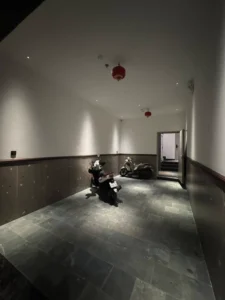
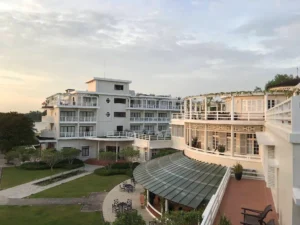
- Don’t book tiny hotel rooms. Rent a serviced apartment behind My Khe beach so you can use a washing machine.
- Shift your hours. Wake up at 6 AM for the beach, and go up to Ba Na Hills late at 1:30 PM to dodge the thousands of screaming morning tour groups.
- The Transit: The $4 Ocean Train
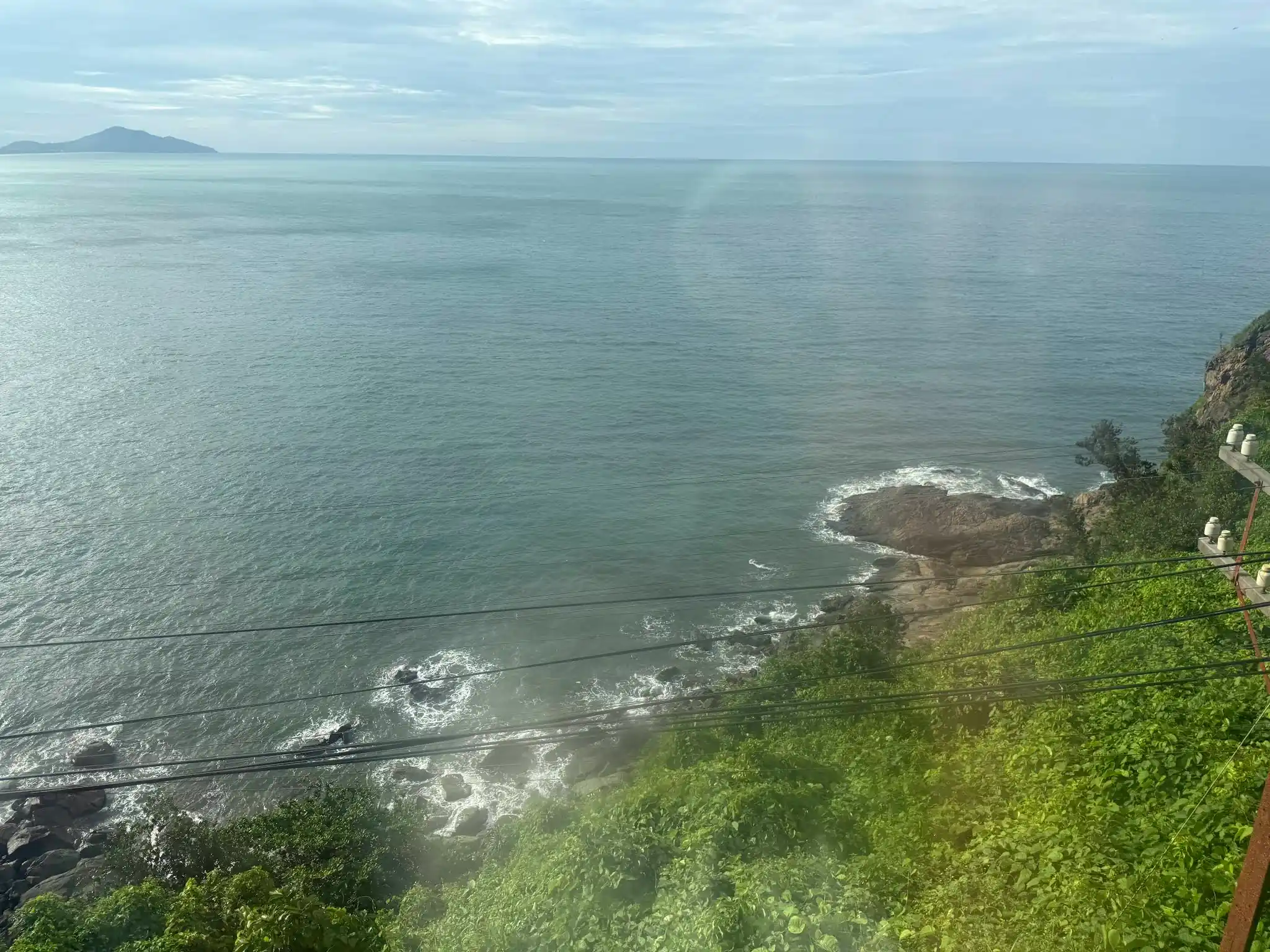
- Never take the boring highway concrete tunnel. Book a ticket (SE22) on the slow Vietnam rail going north to Hue. The tracks hug the jungle cliffs right over the ocean.
- Hue: History without Heatstroke (3 Days)
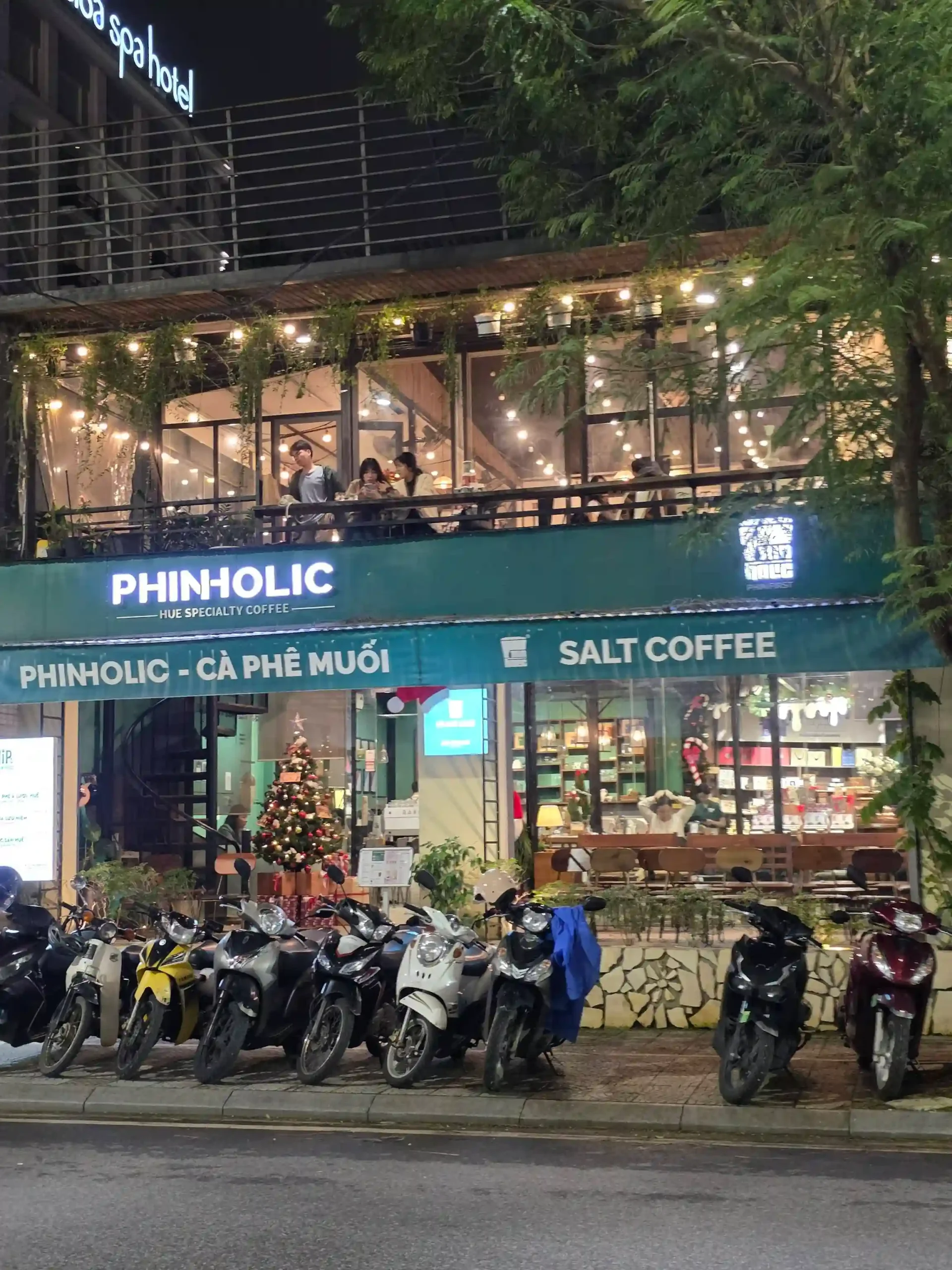
- It gets very quiet at night here. Accept it. Sit at a cafe and drink original Salt Coffee (Cà Phê Muối).
- Rent a cheap scooter to drive to the Emperor Tombs, and enter the Imperial Citadel at exactly 8:00 AM because walking those stone paths at noon will entirely melt you.
- Hoi An: Fields & Fittings (4 Days)
- Stay completely out of the Old Town. Rent a villa with a free bicycle out in the Cam Chau rice paddies to avoid the loud nightlife noise.
- You need four days here specifically to force the local tailors to give you three proper clothing fittings. Fast 12-hour tourist suits are glued together and always fall apart.
Ground Zero: Fixing Your Basics First
Before we even look at cities, we need to sort out how you operate on the ground. Most people get scammed or heavily frustrated on day one because they didn’t adjust to local logic.
The Weather Trap
Central Vietnam has completely separate weather from Saigon (Ho Chi Minh) or Hanoi. It ignores them entirely. If you book a slow trip here in November or December because a website said “winter is cool in Asia,” you are in for a terrible shock.
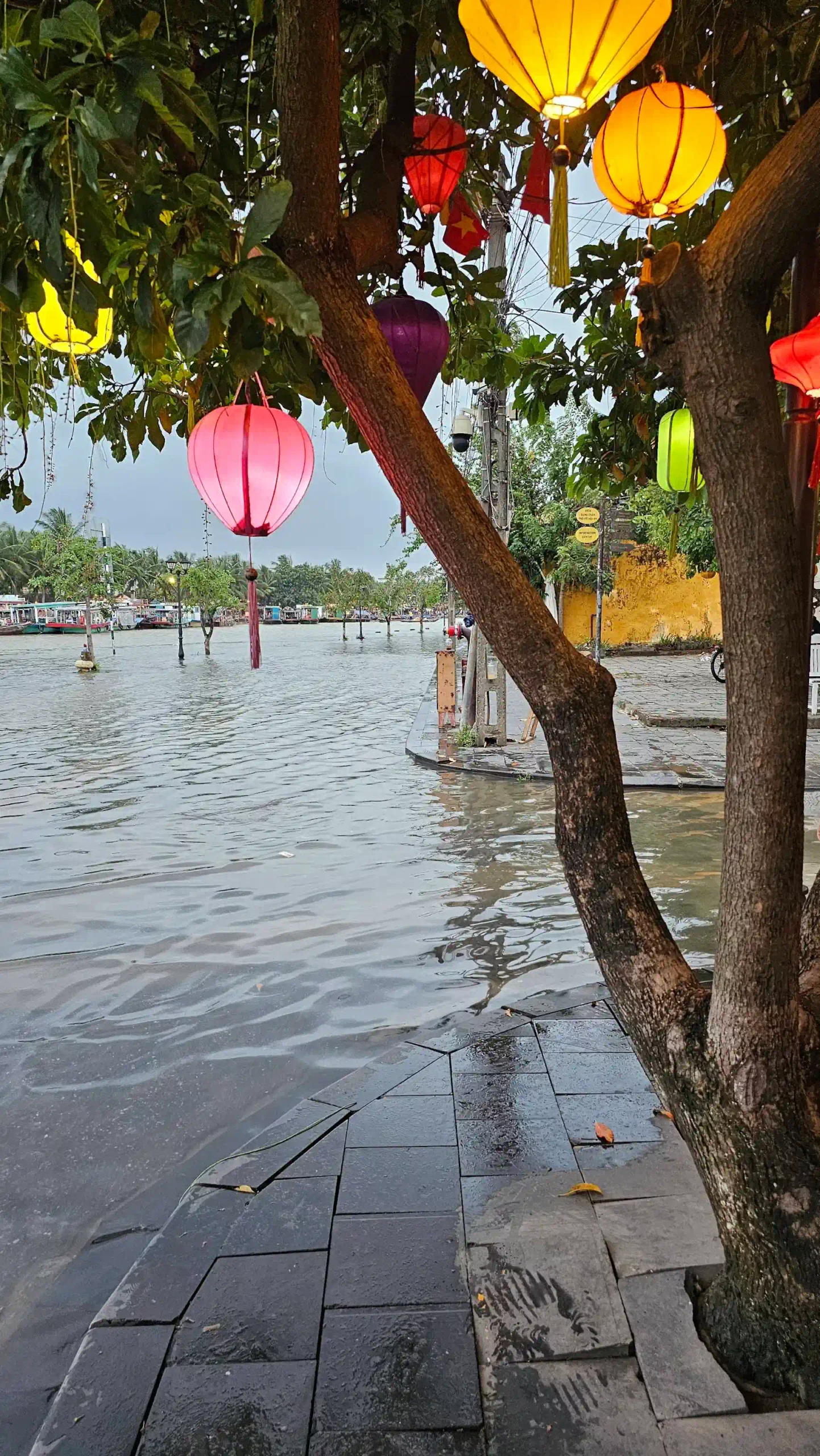
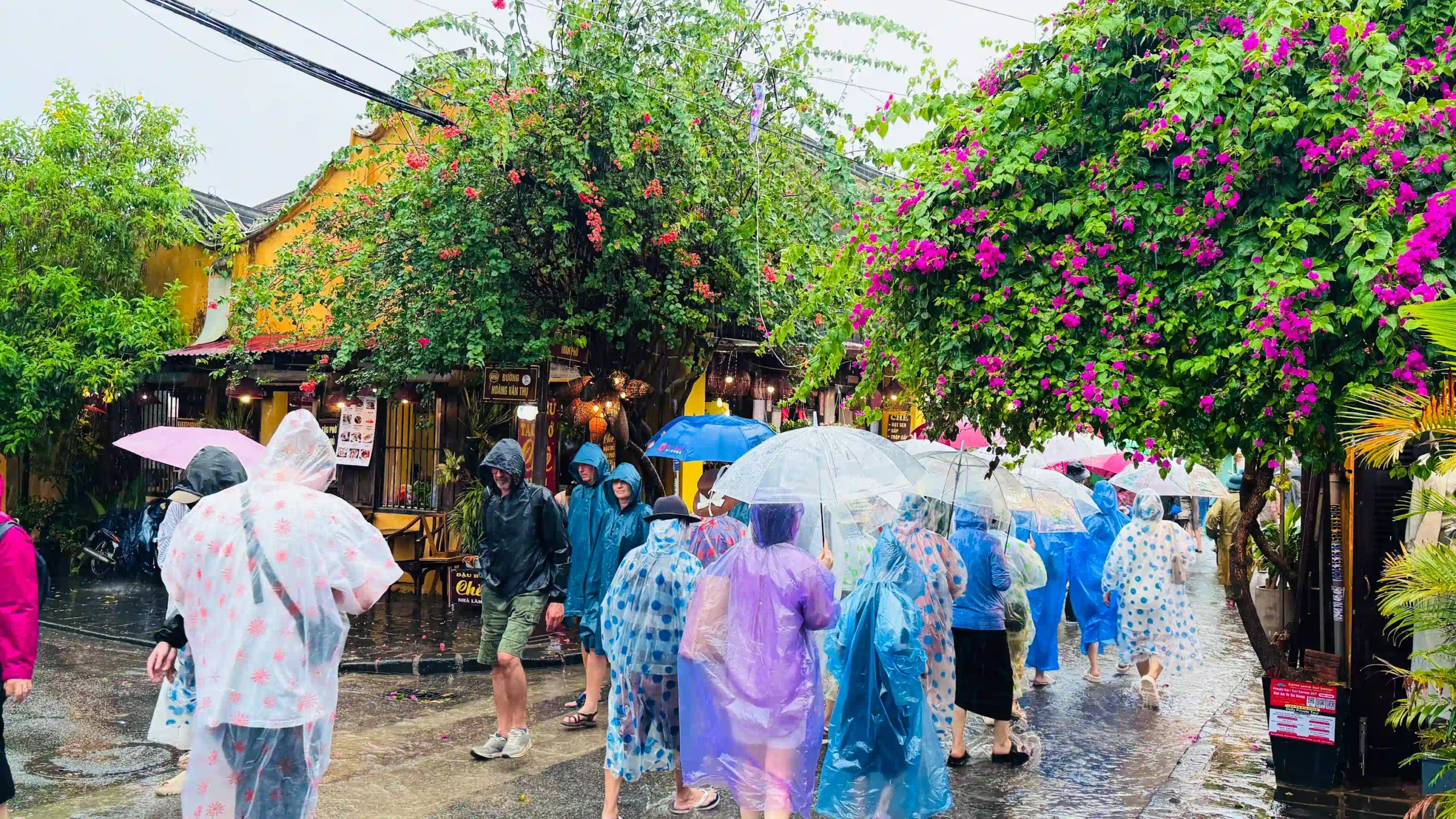
The monsoon rains here don’t gently shower for an hour. The sky opens up and dumps massive amounts of water sideways for four days straight. Half the streets in Hoi An will be physically underwater. You will sit inside your hotel lobby staring at a wall.
Come here between February and roughly June. Once July hits, it gets insanely hot. It burns. If you come in the summer, you have to adopt the local schedule. You do everything at 6 AM, hide in your air conditioning from 11 AM to 4 PM, and then go back outside.
Getting Money Out
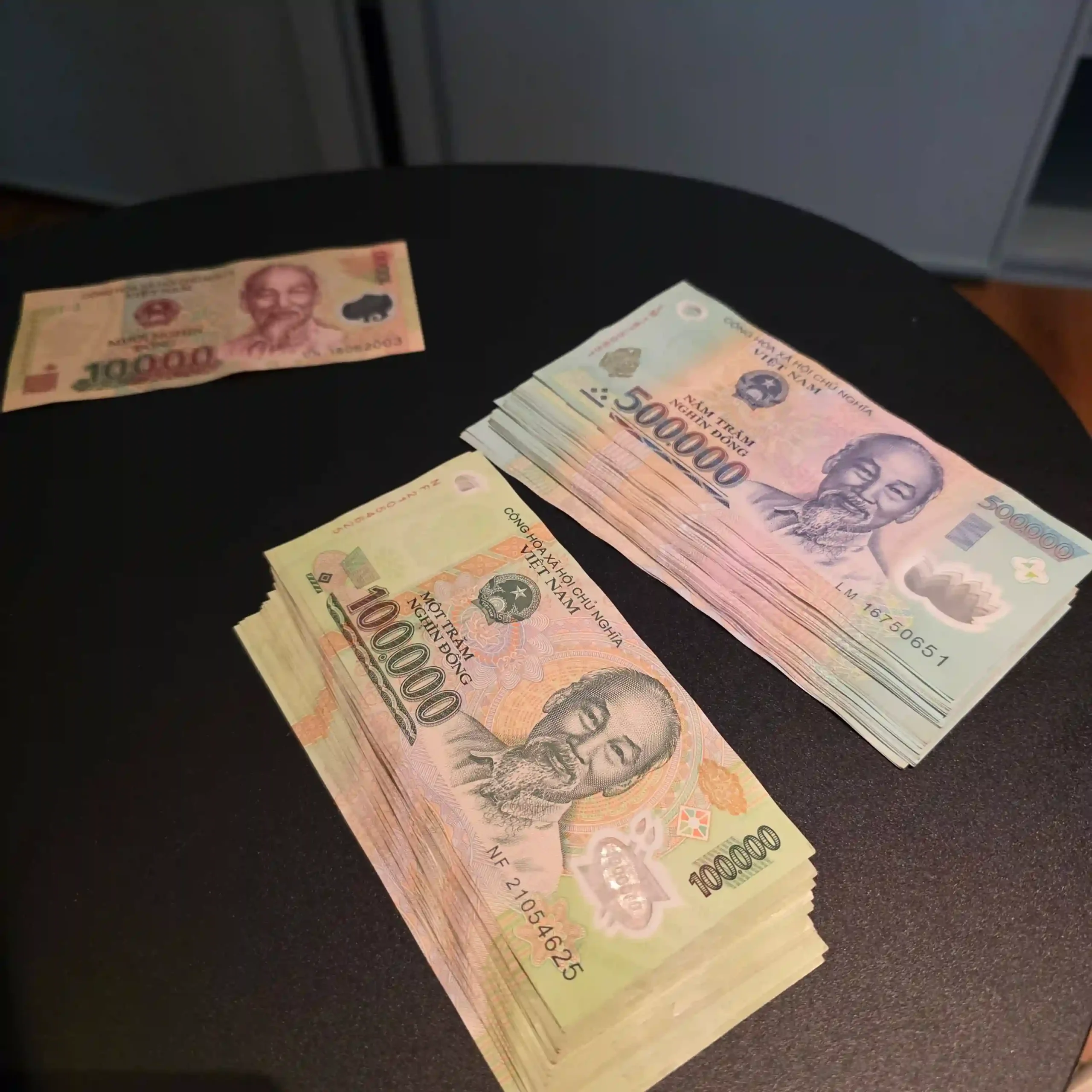
ATMs in the airport or outside convenient stores limit your withdrawals (often maximum 2,000,000 or 3,000,000 VND, which is barely over a hundred bucks). And they hit you with international fees on every single swipe. Because you are doing a long slow trip, that math ruins you.
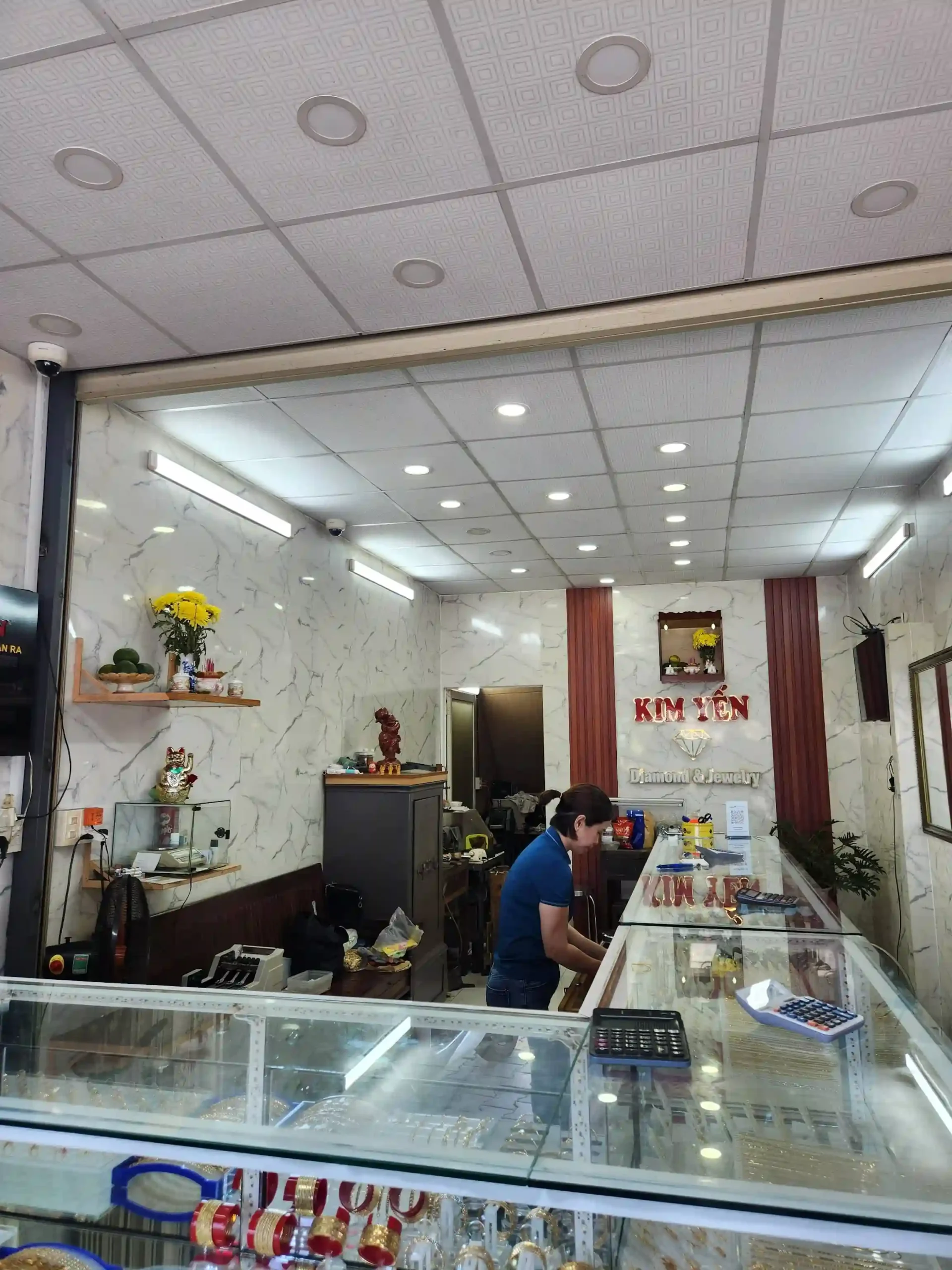
The real local workaround? Go to the Han Market area in the middle of Da Nang. Walk onto the streets surrounding it. Find a “Tiệm Vàng” (Gold shop). Just hand the guy at the counter crisp, perfectly clean $100 US Dollar bills or Euros. He will tap his giant calculator and hand you a massive stack of Vietnamese Dong. The exchange rate is basically spot-on with the global market, zero bank fees.
That’s how expats get cash. Bring fresh un-torn bills though; they reject anything with pen marks on it.


Phase One: Da Nang (The Heavy Base – 4 to 5 Days)
People usually fly into Da Nang (DAD) and just use it as a bus stop. I think this is totally backward.
Da Nang is easily the most livable coastal city in the entire country right now. It has massive concrete roads, the air moves, and there is a lot of empty beach sand.
Why an apartment?
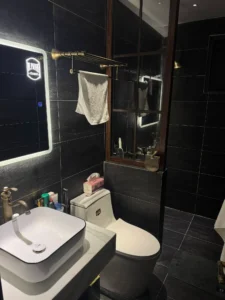
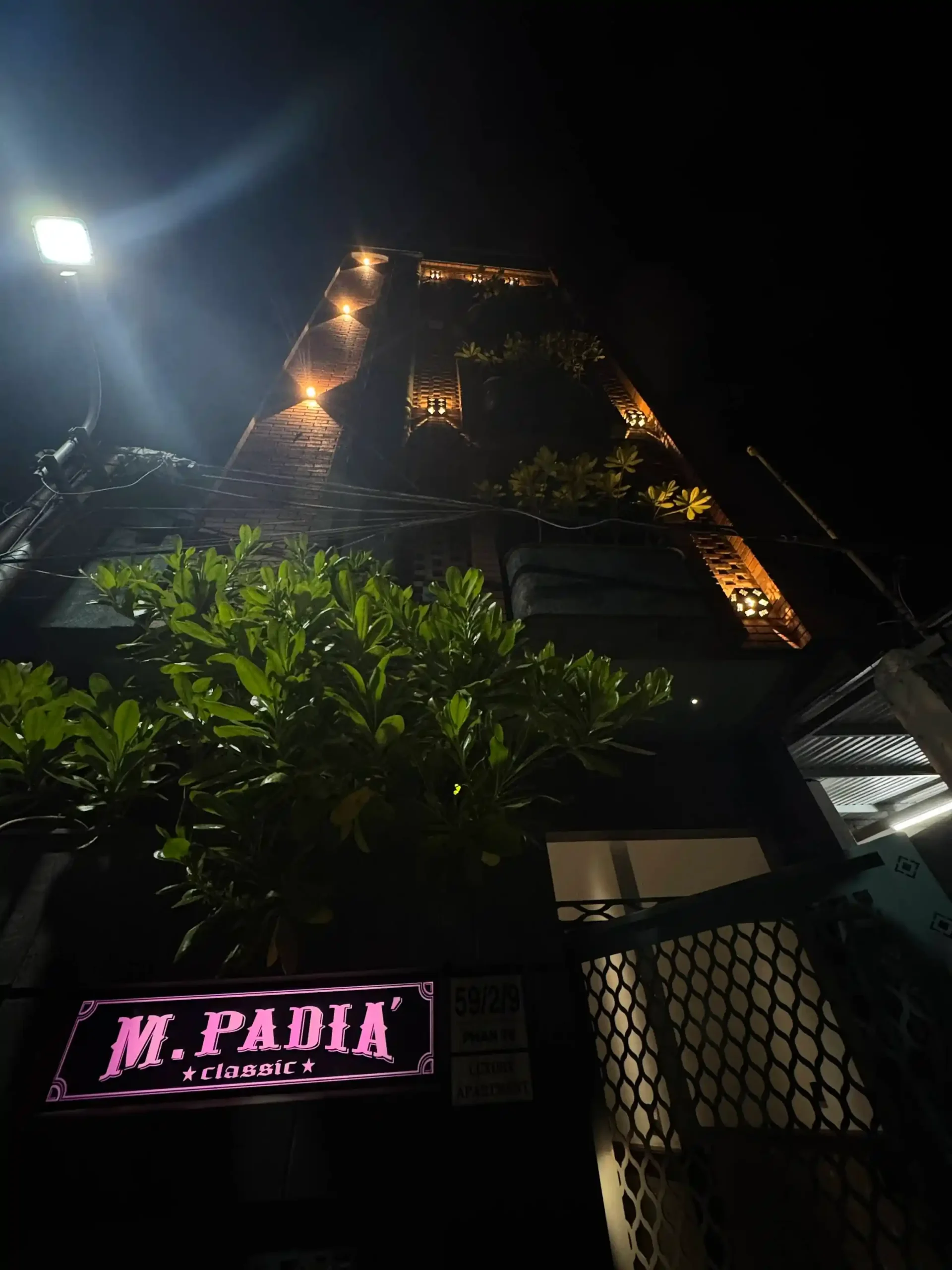
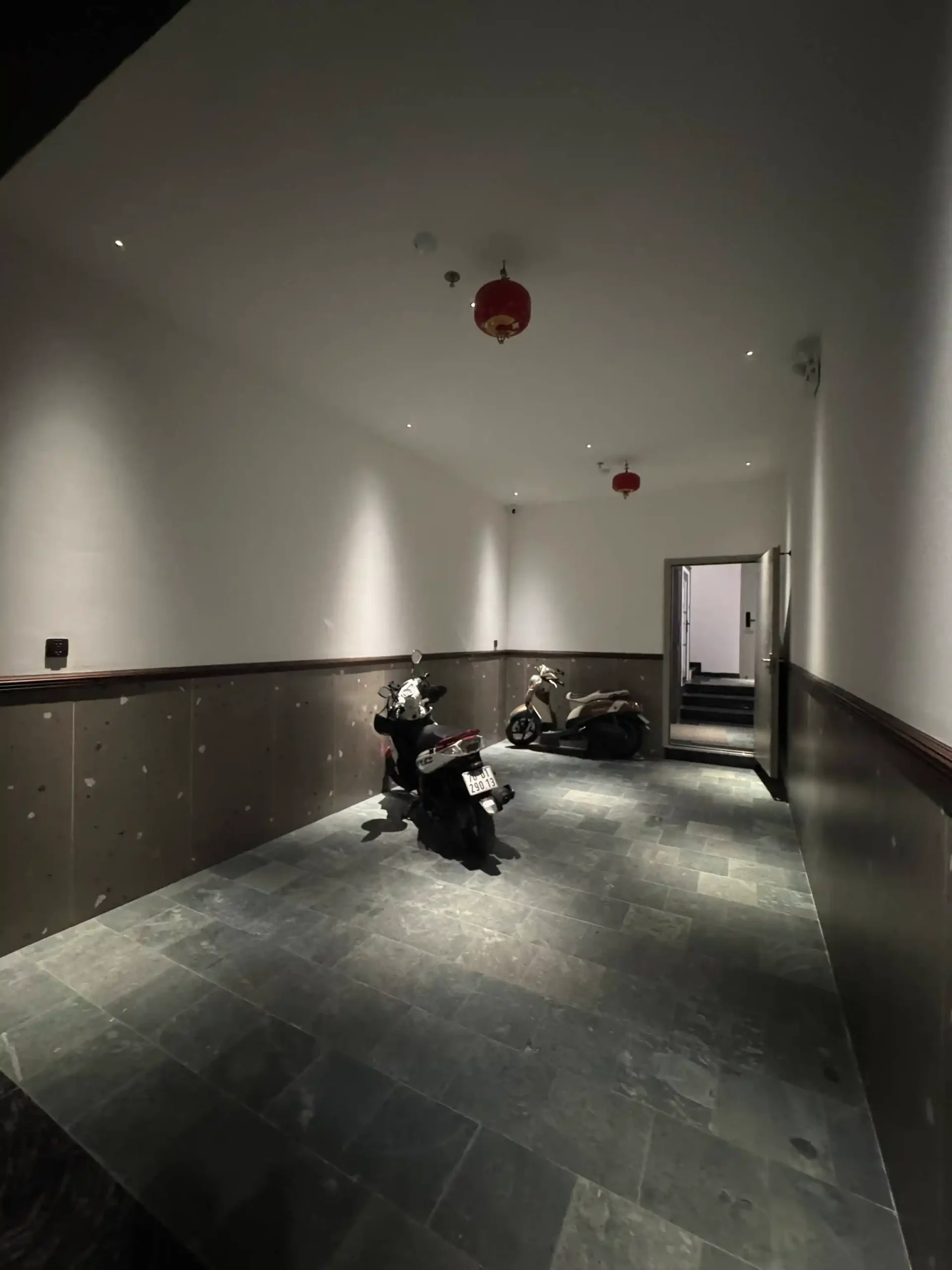
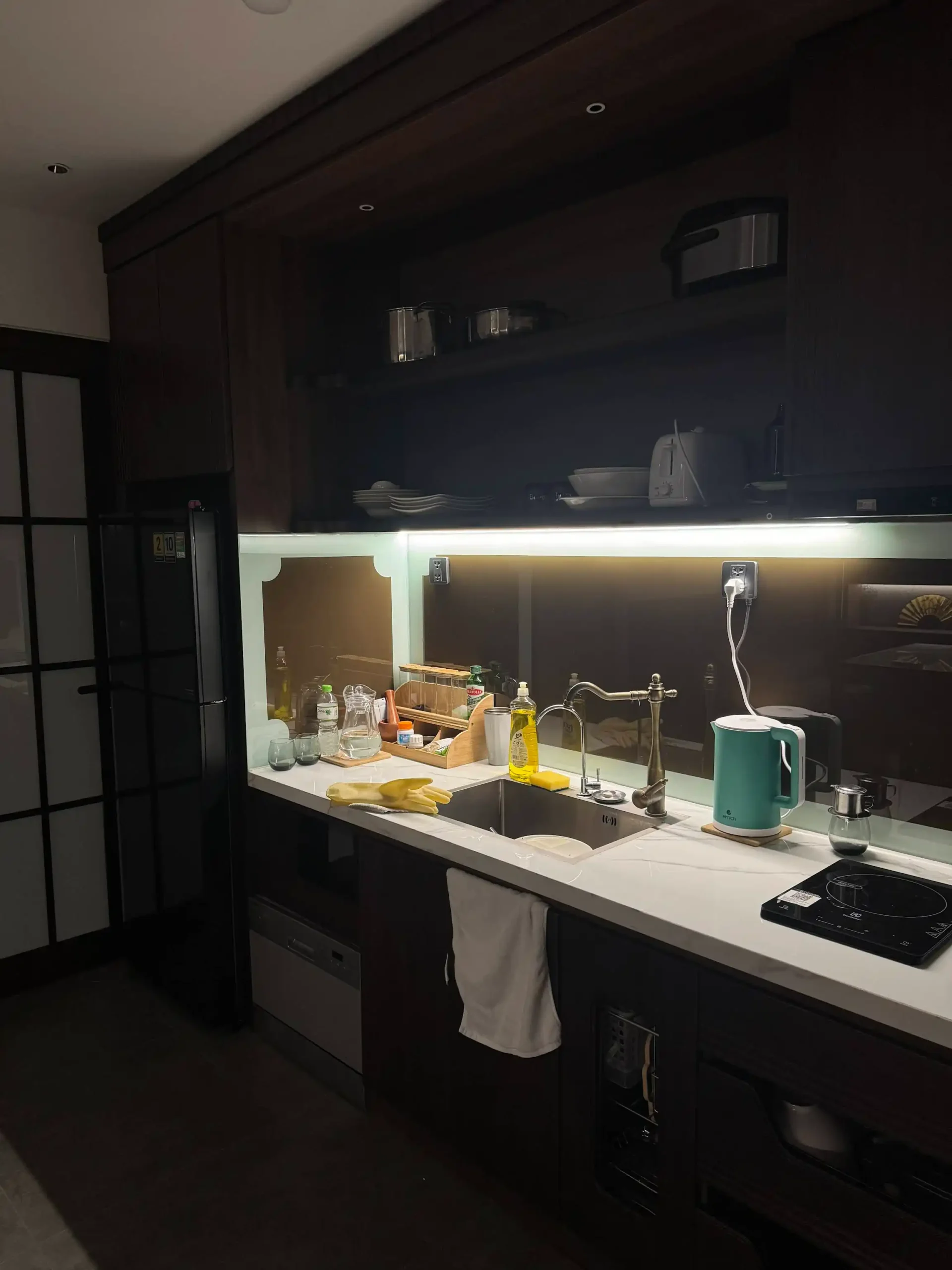
You have 10 days or two weeks. Why are you sitting in a cramped 20-square-meter hotel room? For $25 or $35 a day, you can get a massive serviced studio. Focus on the area called An Thuong. Yes, it has foreigners, but it also has washing machines. You need a washing machine if you want to travel light. And having a small kitchen lets you cut out restaurant breakfasts and just make eggs yourself if you are burnt out on heavy noodle soups.
Jump on Booking.com and change your search filter to ‘Serviced Apartment‘, you usually find weekly 20% off apartment discounts around My Khe beach. It takes ten minutes to sort out).
Read my detail guide: Best Da Nang hotels near My Khe Beach, I tried so u don’t have to
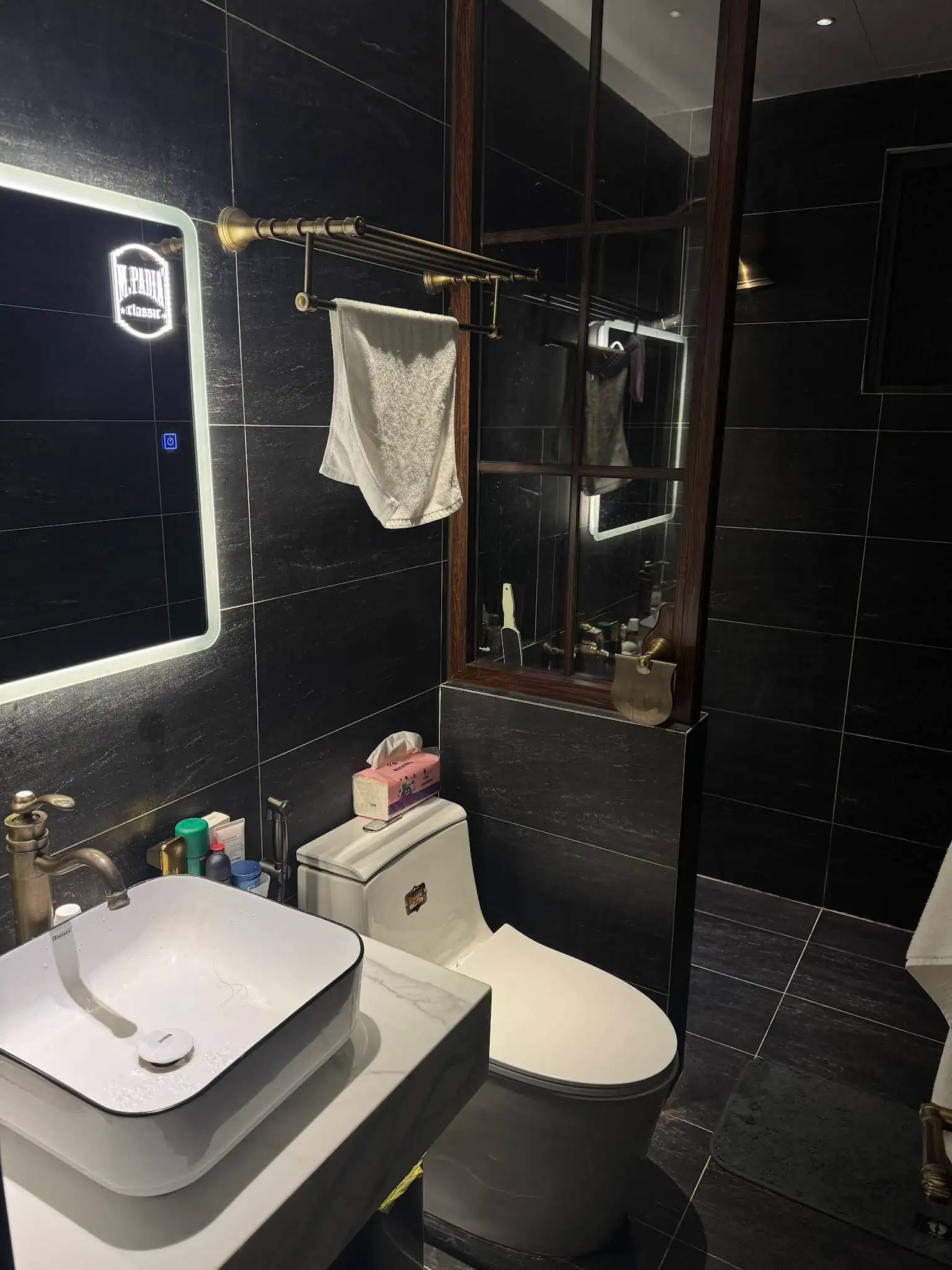
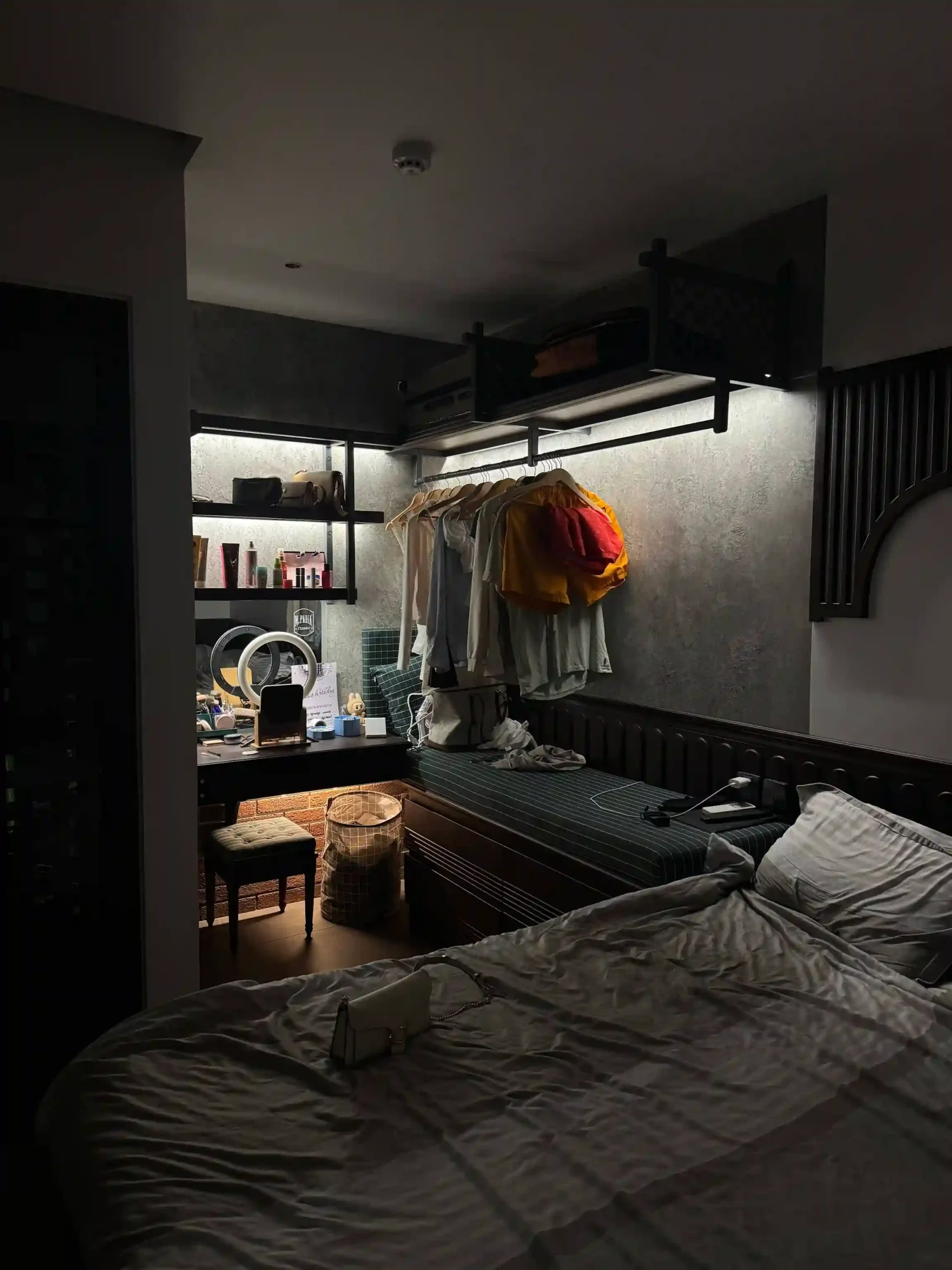
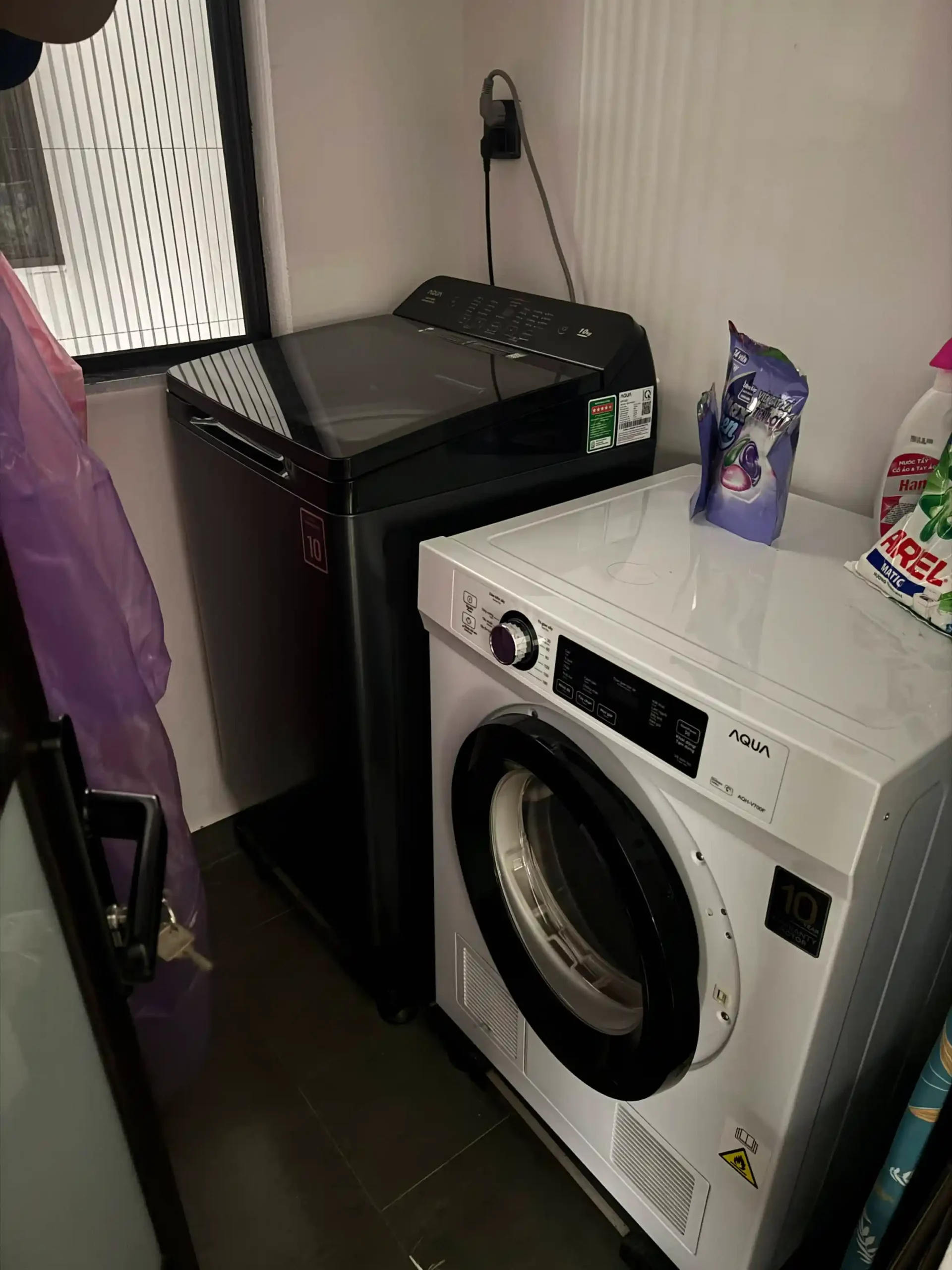
The Routine of Da Nang
Da Nang is wide and loud. Because you are slow-traveling, your main goal here is calibration. Get used to how traffic doesn’t stop for pedestrians. It flows around you. When you cross a massive road here, you step out slowly and steadily, and scooters will adjust their lines to miss you. Don’t run. Running gets you hit.
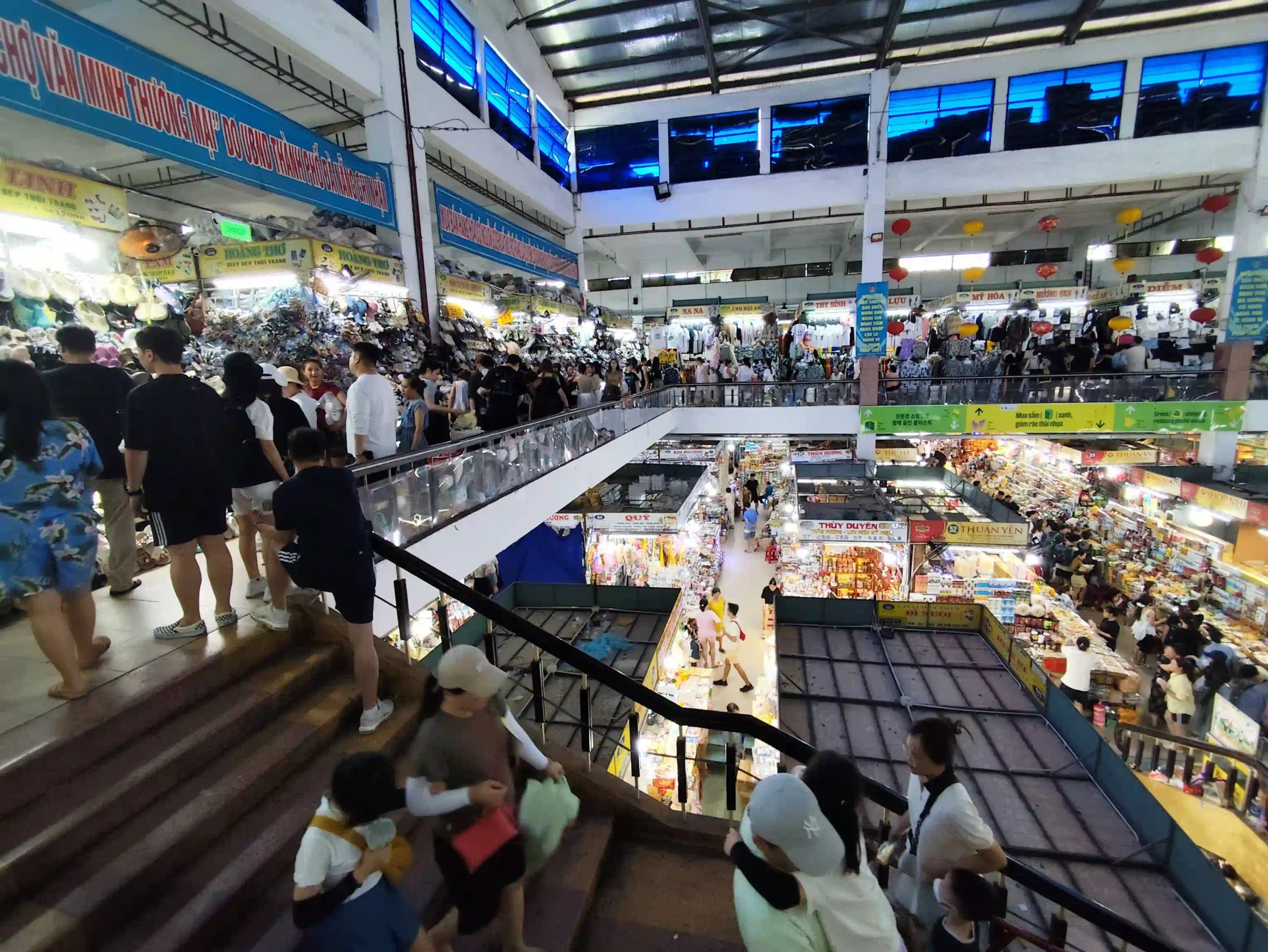
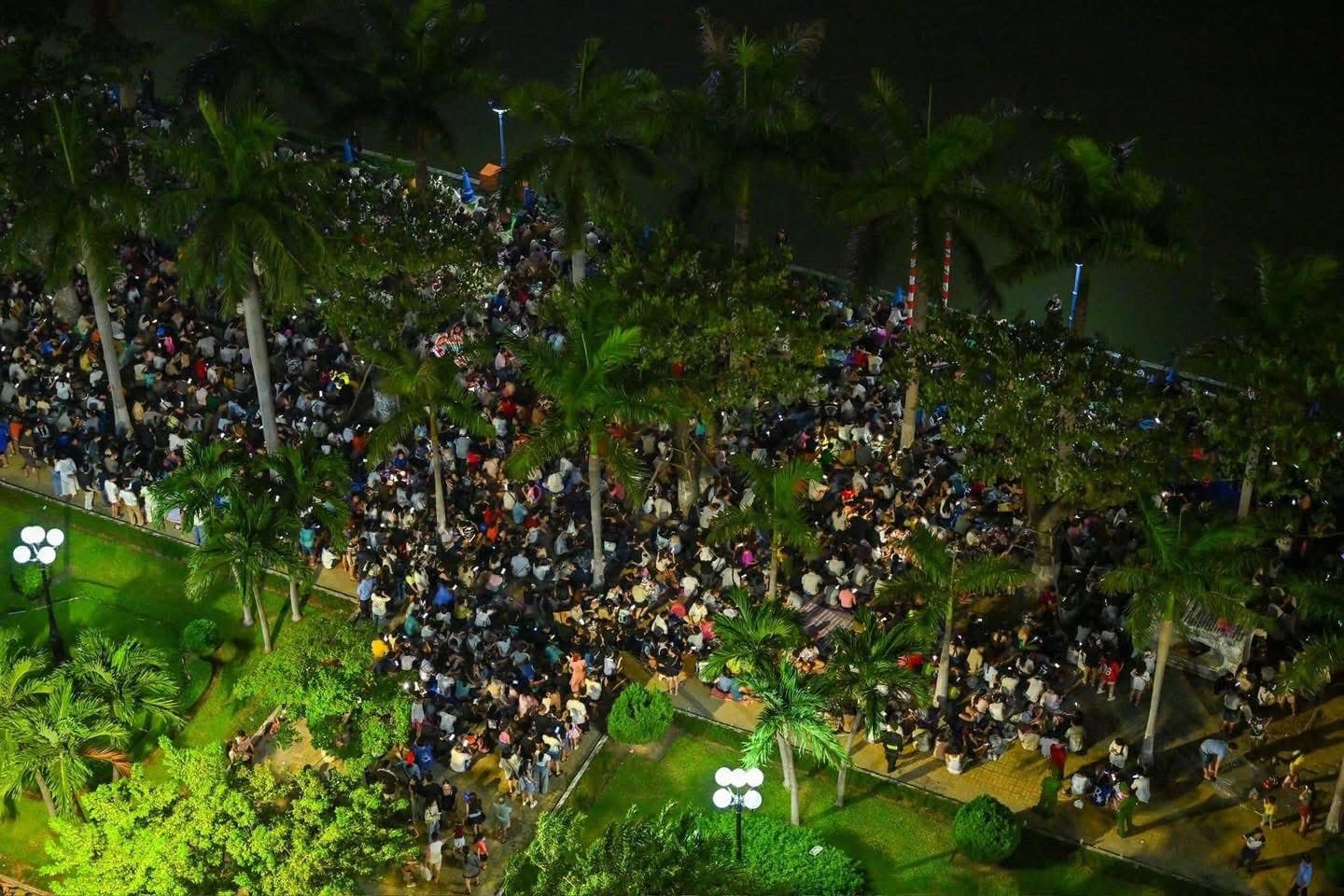
In the mornings, get off your phone. Walk onto the beach at 6:30 AM. Half the population of the city is already there. People exercise, groups do group stretching to techno music, older folks sit drinking cold teas. It is extremely normal.
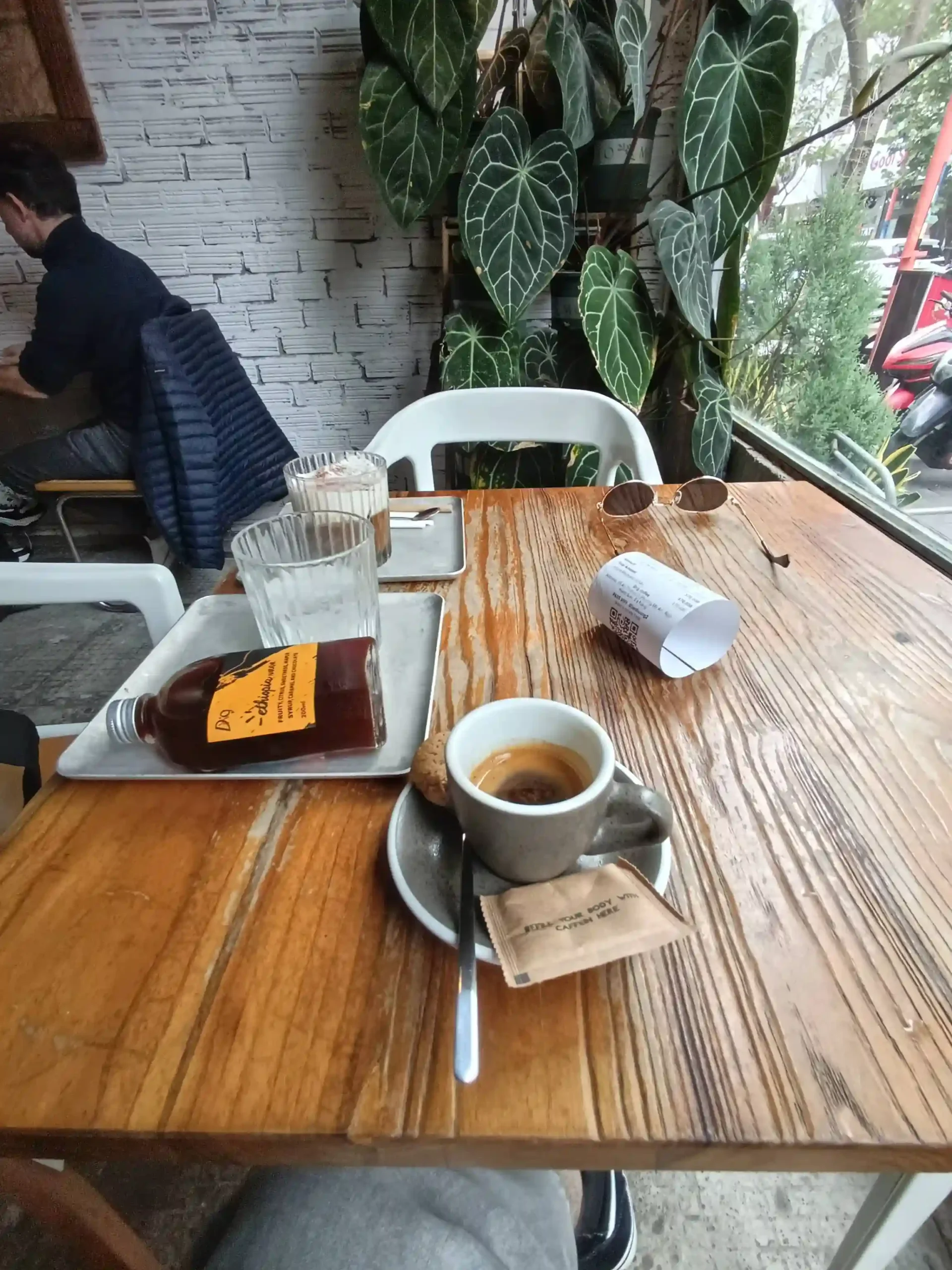
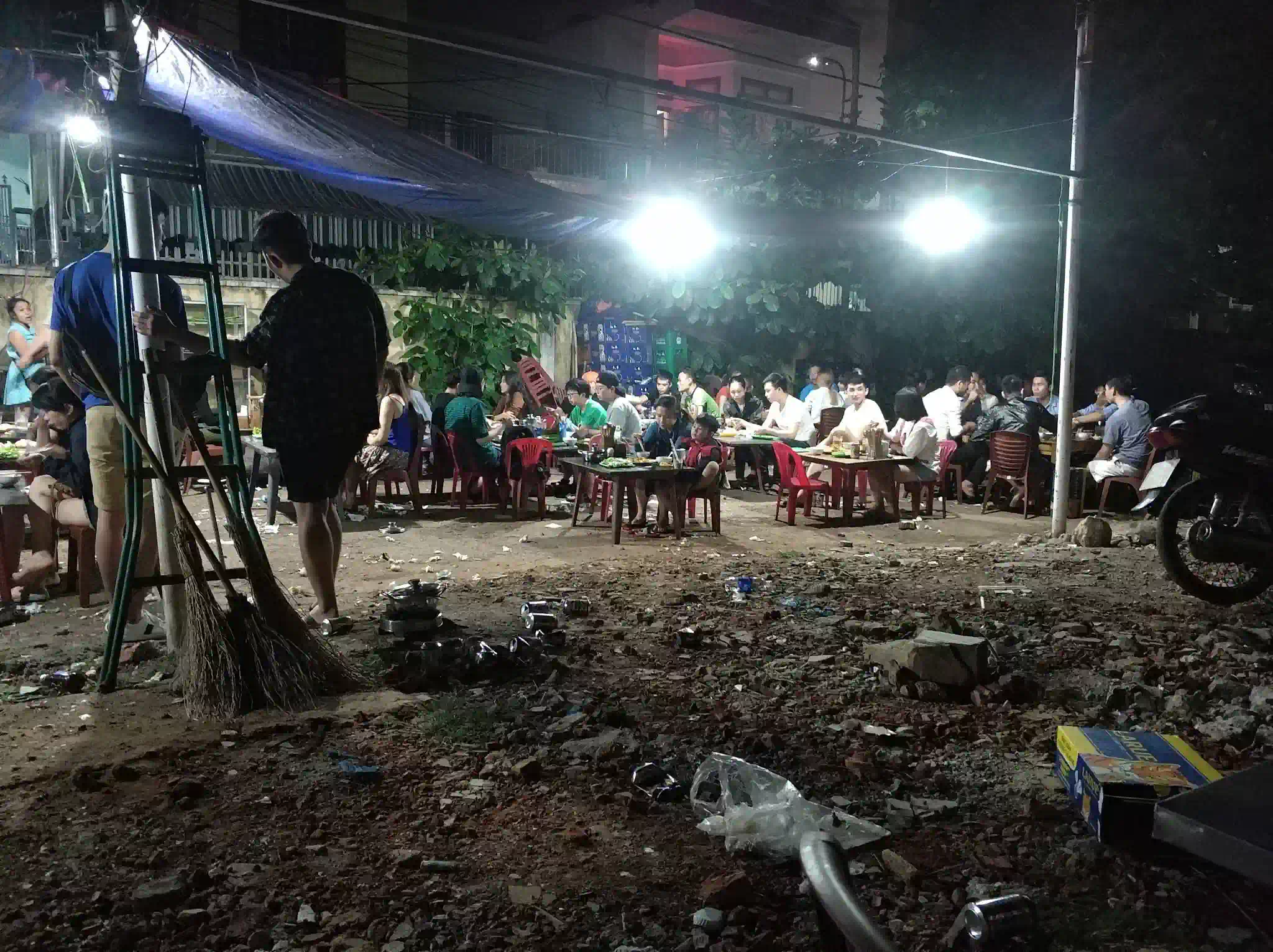
For coffee, skip the big glass window chain stores. You want to walk a block inland, look for low plastic chairs under a tarp, and order a Cà phê sữa đá (Iced coffee with super sweet condensed milk).
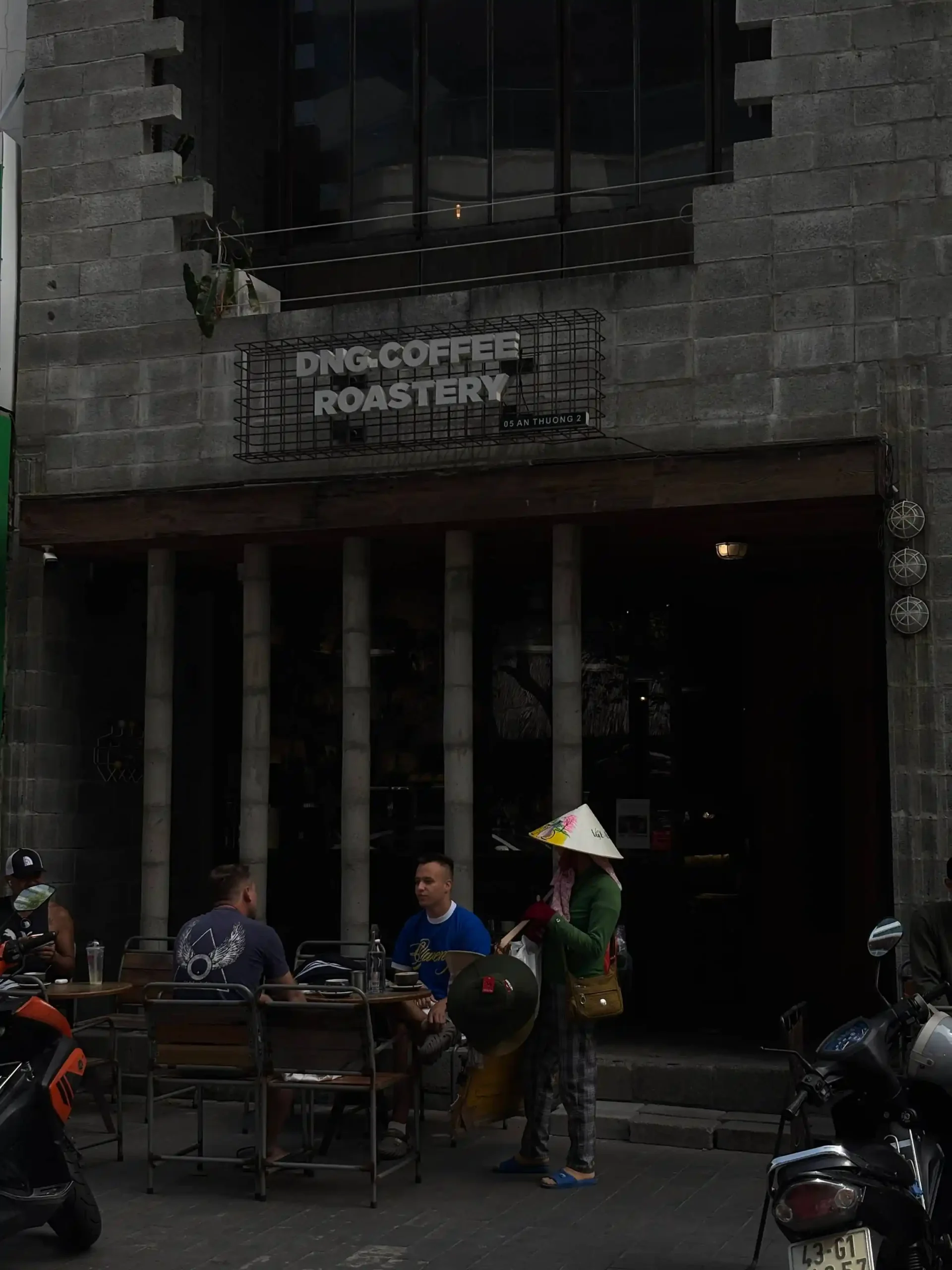
You can sit at a place like Dng.coffee on An Thuong 2 street or any unnamed spot nearby for an hour. Nobody rushes you out. Coffee here costs maybe $1.20 max. You sit. You read. You finally calm down after your flight.
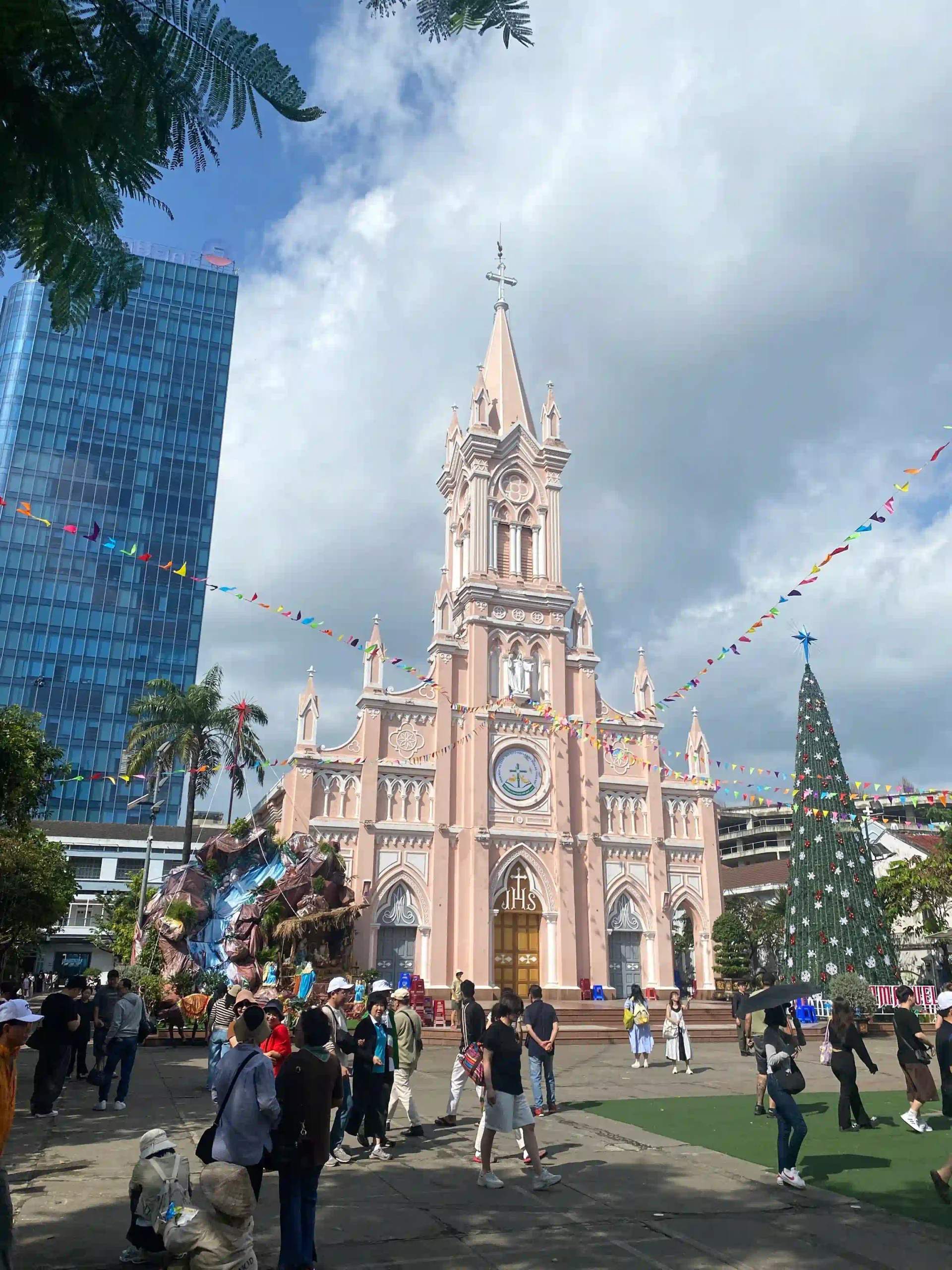


Off-Cycle Tourism
When you finally feel like moving, just pick one major thing a day.
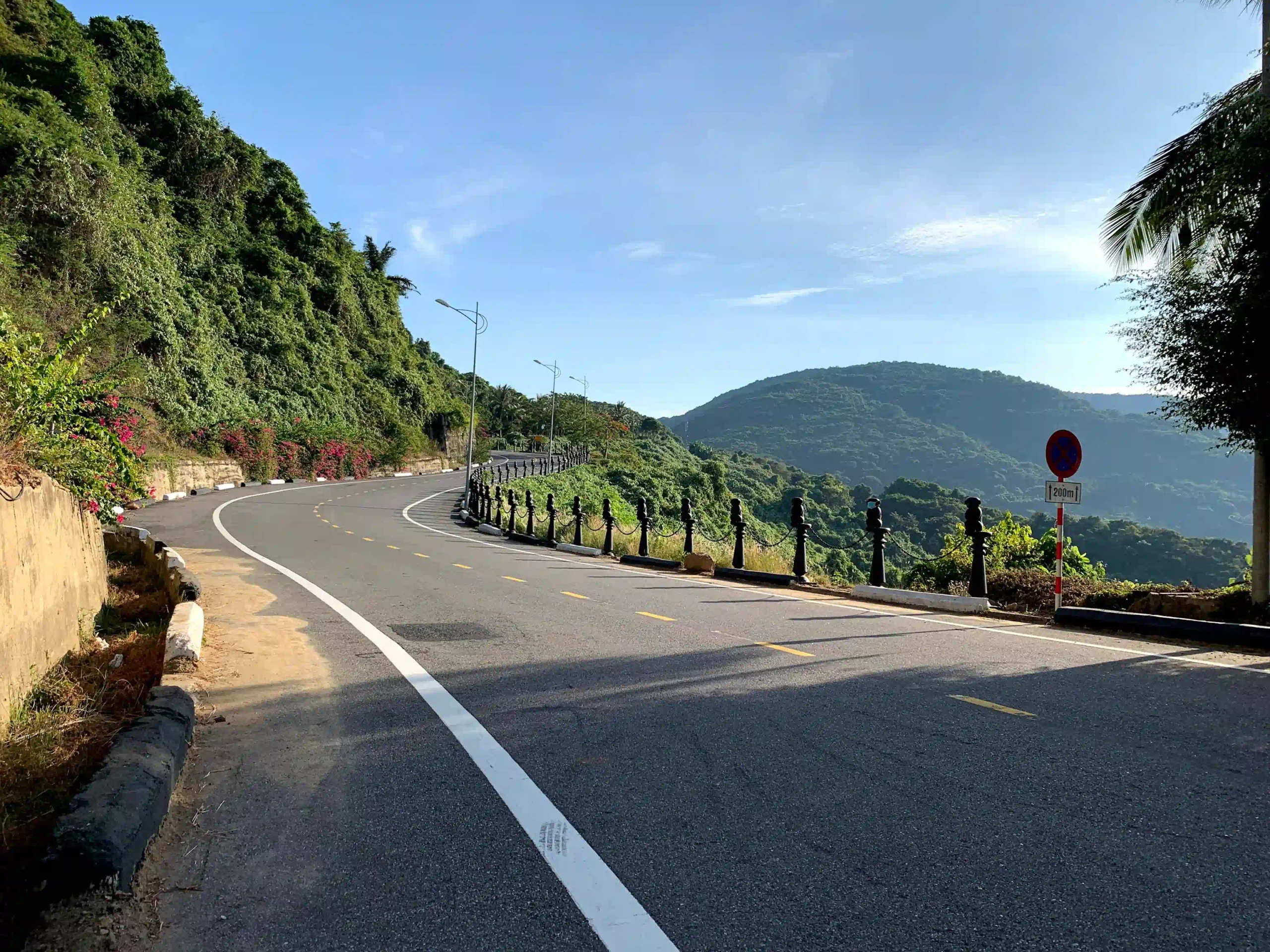
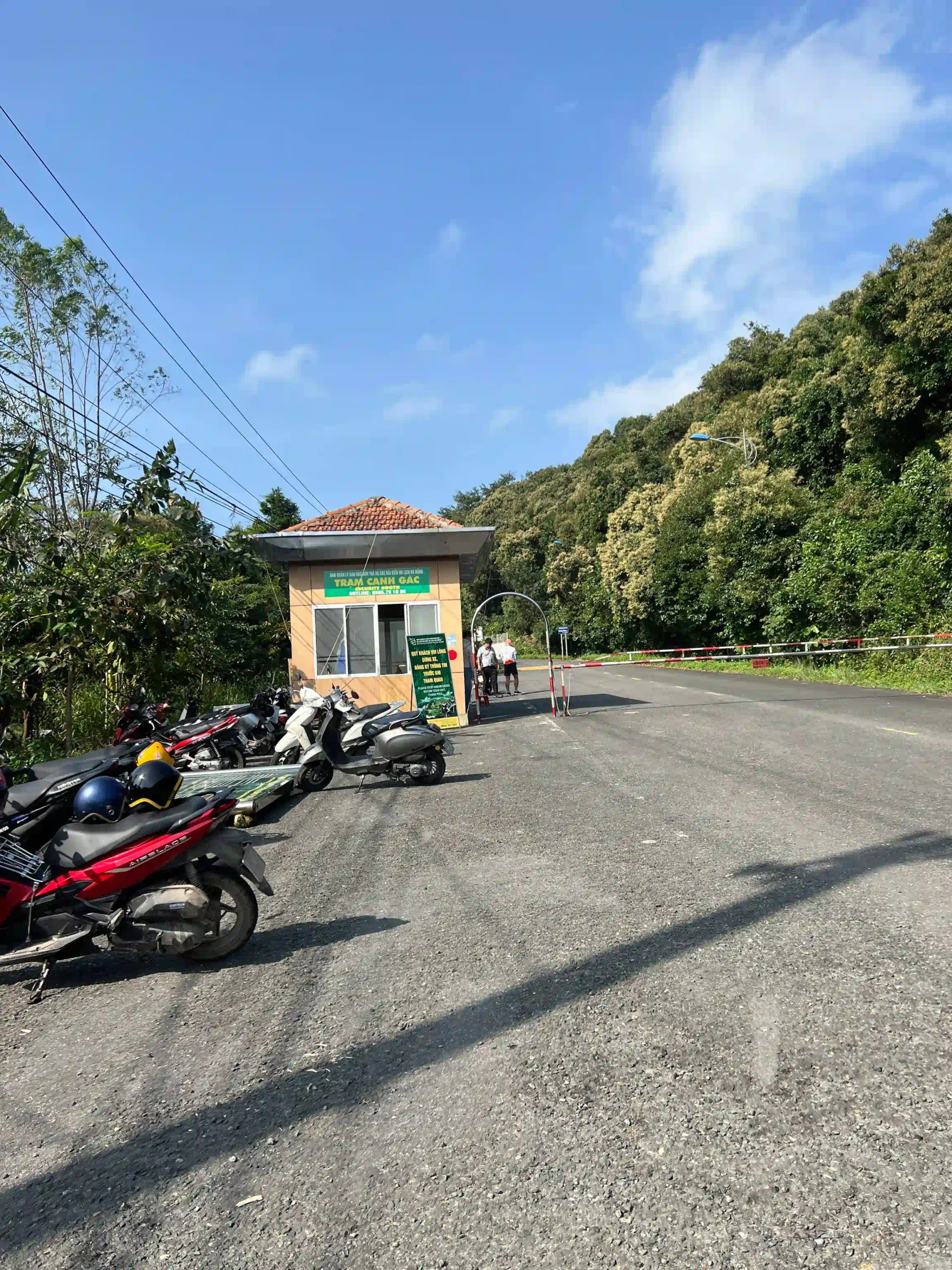
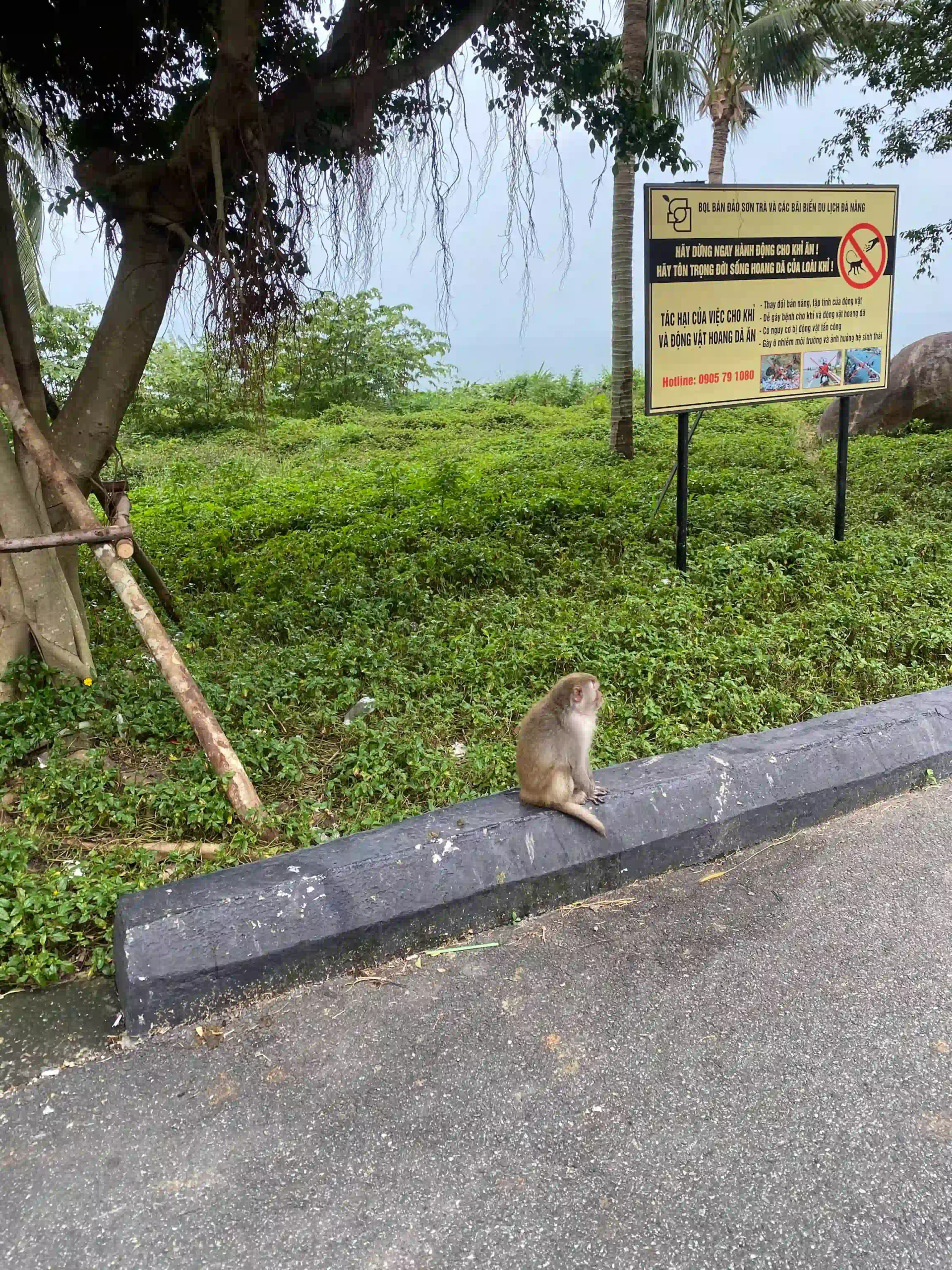
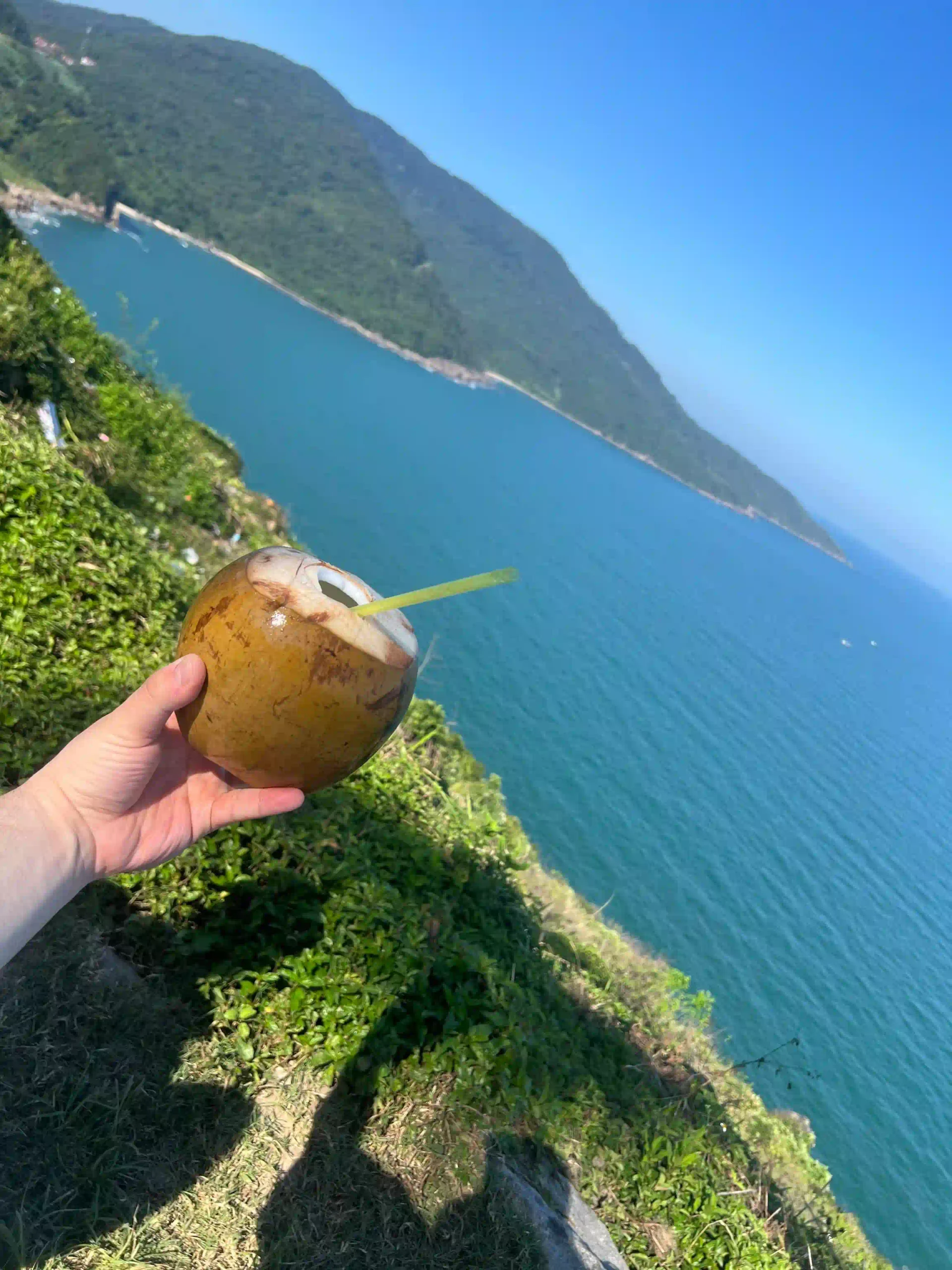
Want to see the massive mountains? Look into Son Tra Peninsula. Book a scooter, but only if you genuinely know how to handle the heavy brakes. There is a huge Lady Buddha statue there. Most normal tours do it around 9 or 10 in the morning. Since you control your time, you go up at 4:30 PM. The heat dies down, you watch monkeys running around on the concrete rails, and you see the entire massive coastline light up.
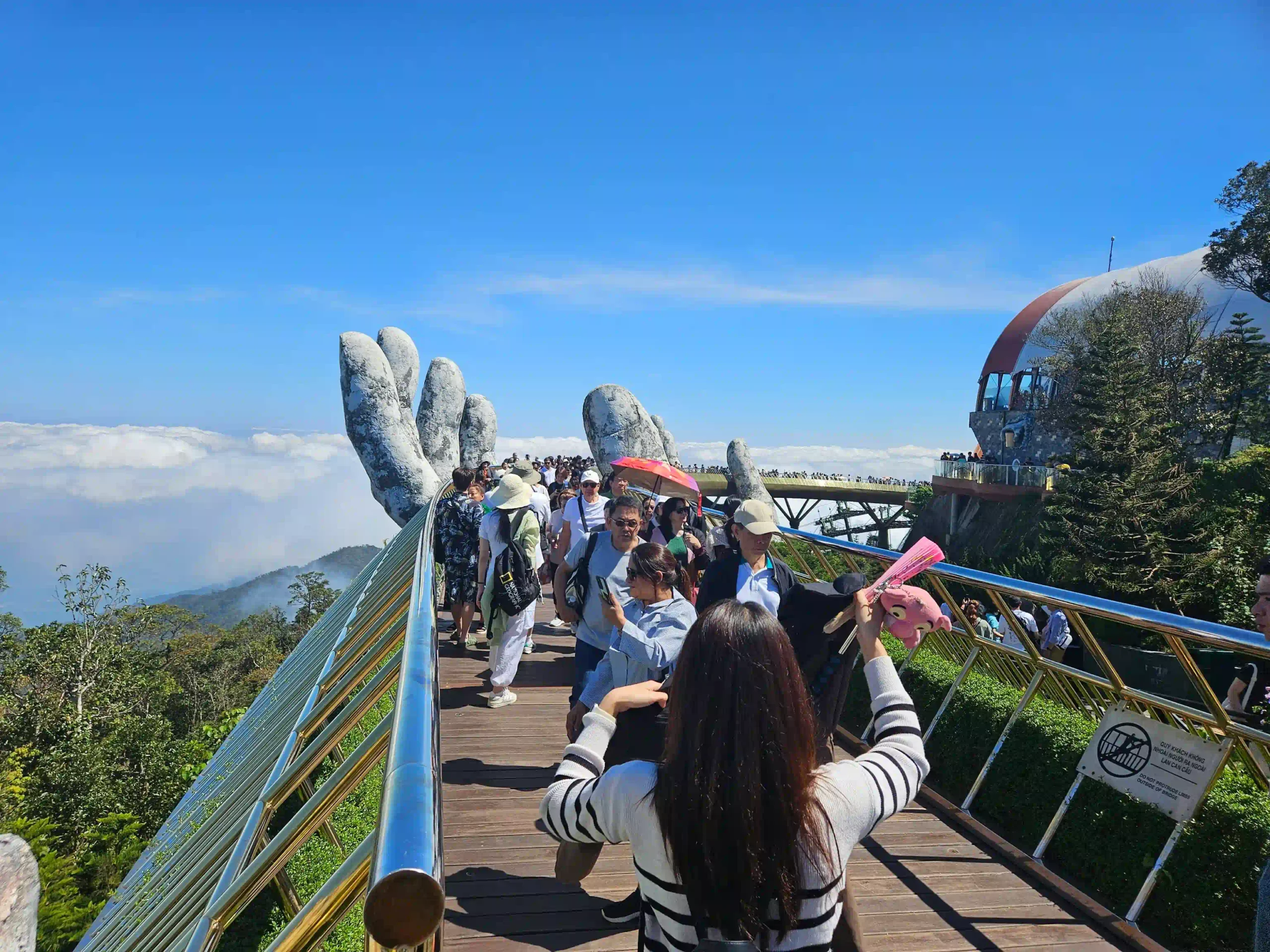
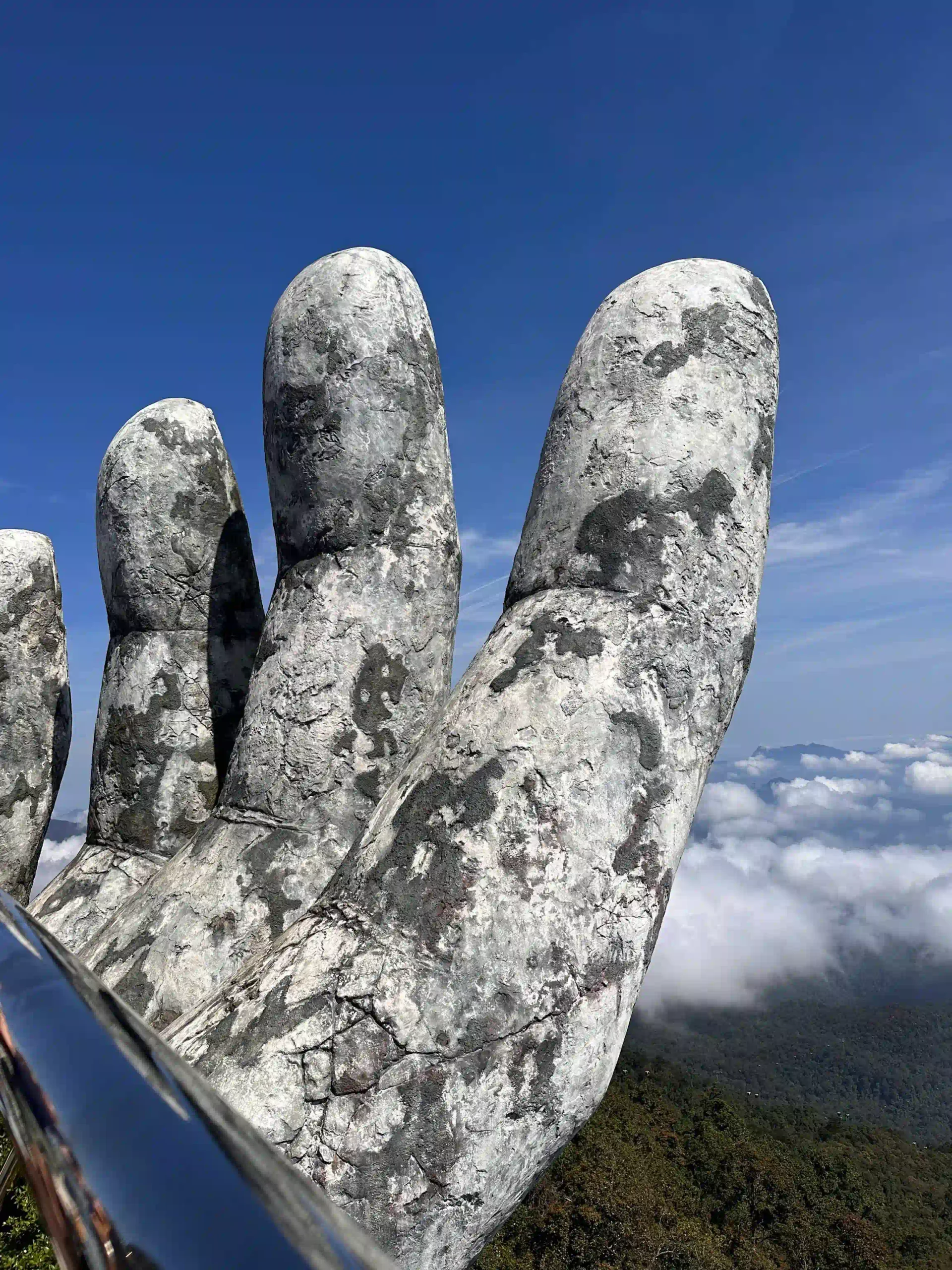
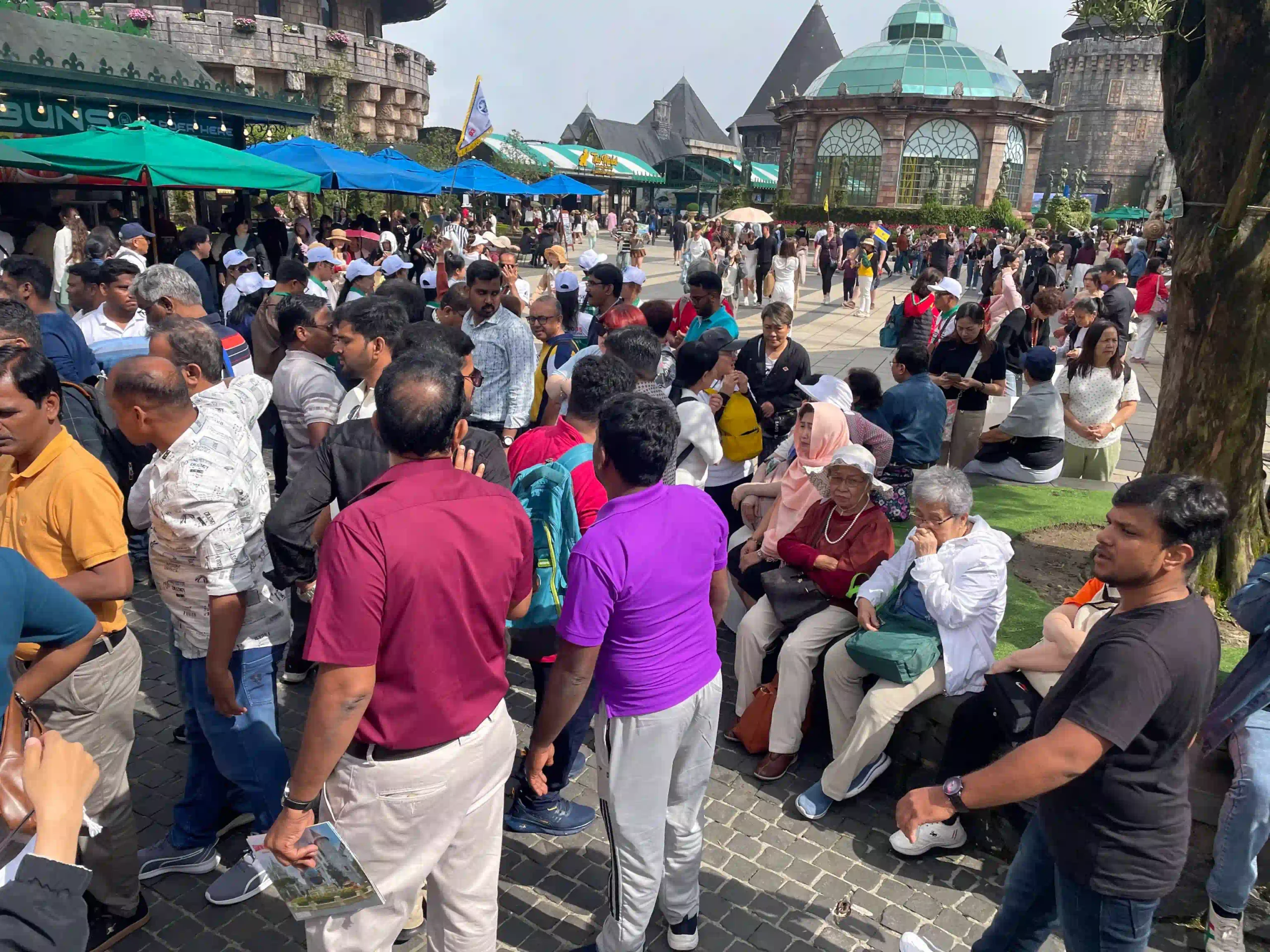
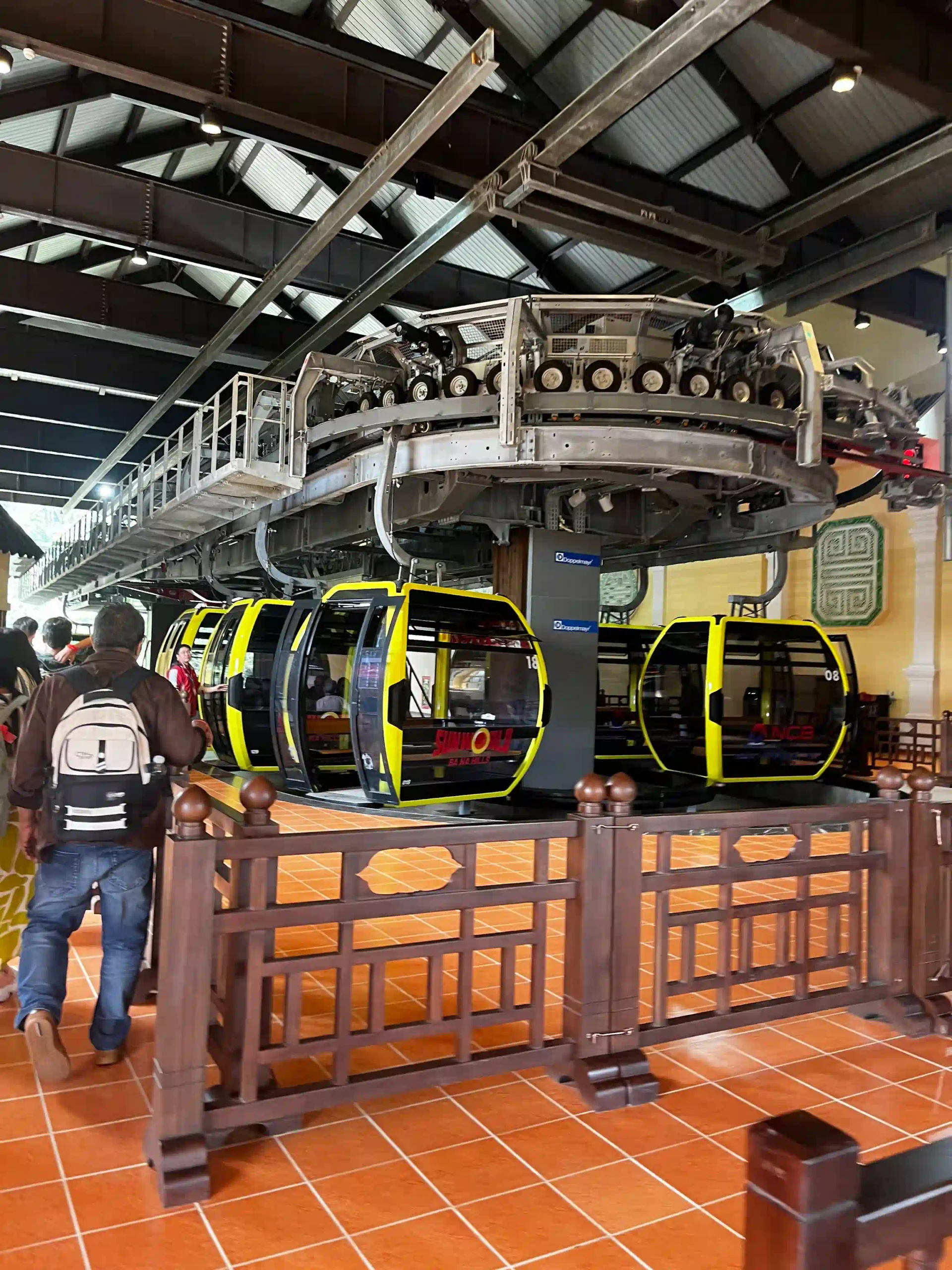
If you decide you actually must do the massive cable car park up at Ba Na Hills (where those big giant stone hands holding a golden bridge are), don’t do what the brochures say. They tell people to leave at 7 AM. This puts you directly in line with basically four thousand shouting tourists all fighting for a spot in a small cable car box.
Slow travelers just eat lunch down in Da Nang, and grab a ride up to Ba Na Hills around 1:30 PM. By the time you get to the bridge up high, all the aggressive groups are getting herded back down the mountain. You literally have the huge walkway mostly to yourself by 3 PM.
You can book Ba Na Hills digital entry right here on your phone, ignore the ticket lines at the base, scan a barcode on the turnstile, and completely skip the madness.
Take those 4 or 5 days purely just eating simple food, sleeping in a comfortable apartment, getting some heavy massages locally, and resting.
Read more: What to do in Da Nang at night when you’re tired of bars
Phase Two: The Train Logic
We move North first. We go to Hue.
The fast tourist will hire an expensive car to drive them basically in a dark concrete tunnel straight under the mountains to save maybe an hour of time. Do not do that. It is completely boring.
The Danang Hue Hoi An slow path absolutely relies on the Vietnam Railway system.
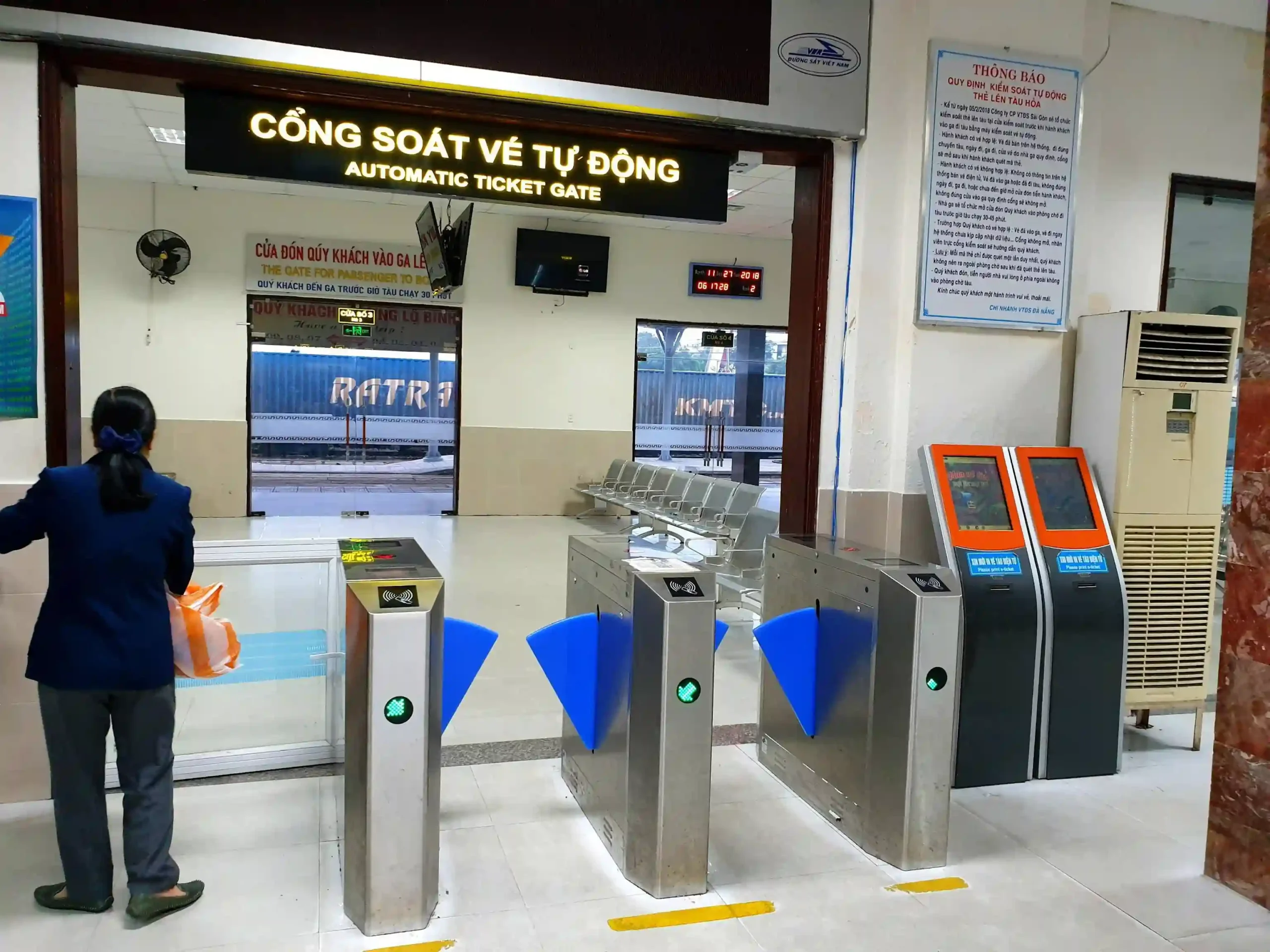
Go online to the state railway site (dsvn.vn) or honestly just use one of those aggregator sites like 12go. You are looking for a morning train departing Da Nang, like the SE22 or something similar.
You can buy a ticket for around 150,000 VND ($7.00). It takes about 2.5 to 3 hours depending on how badly delayed it runs (and it almost always runs late, just accept that fact immediately).
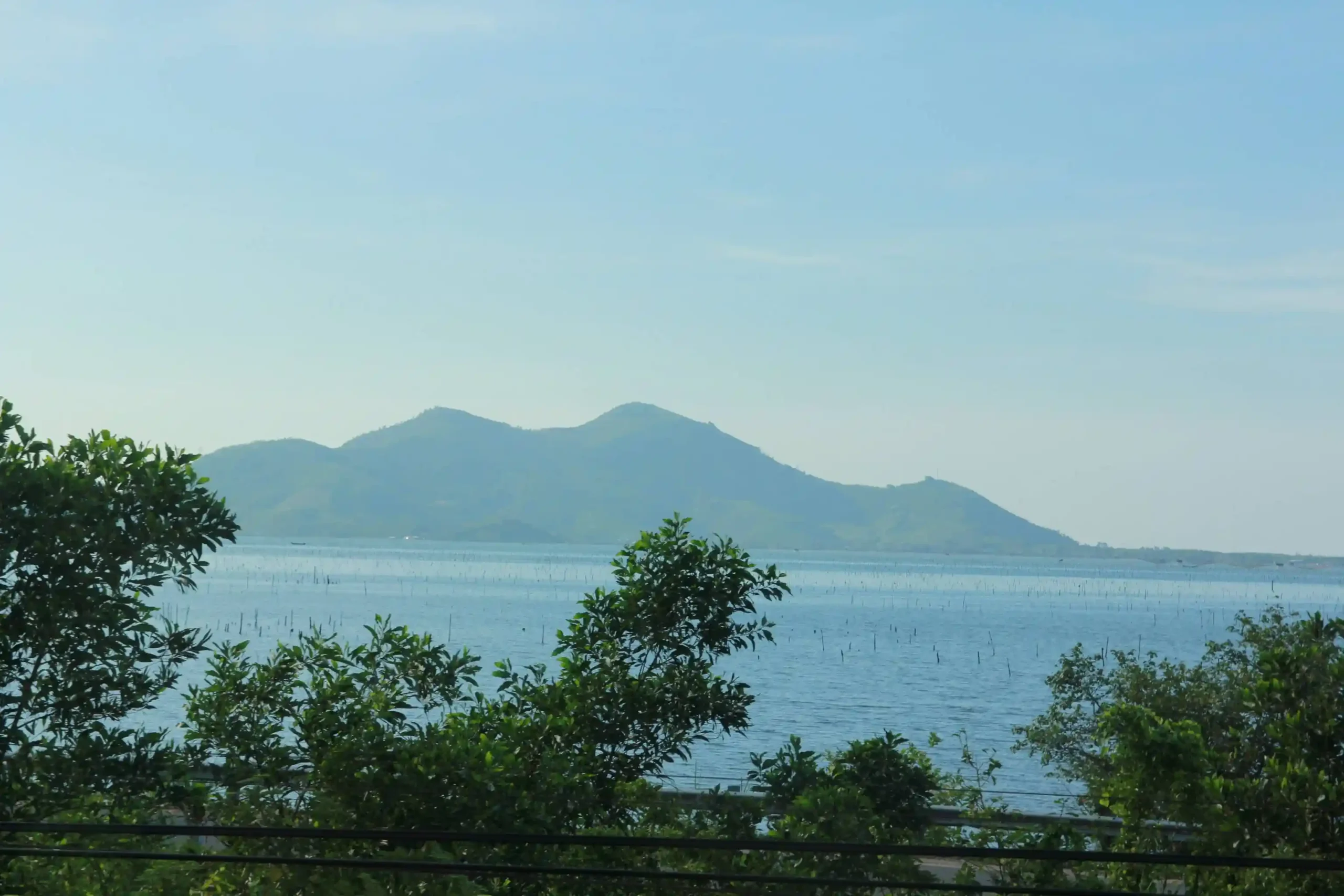
The rails run straight over the massive Hai Van Pass. They stick entirely to the outer edge of the cliffs overlooking the sea.
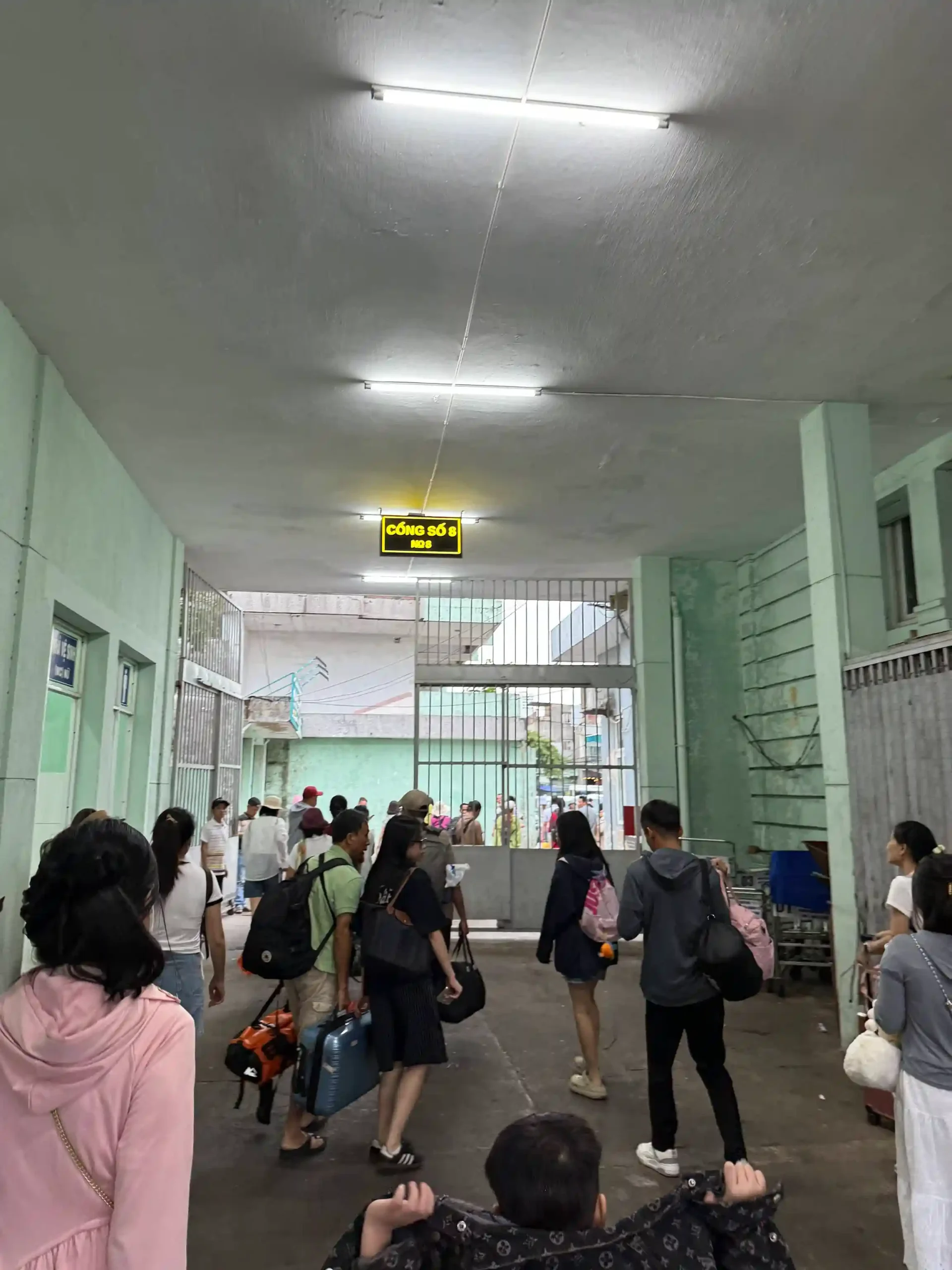
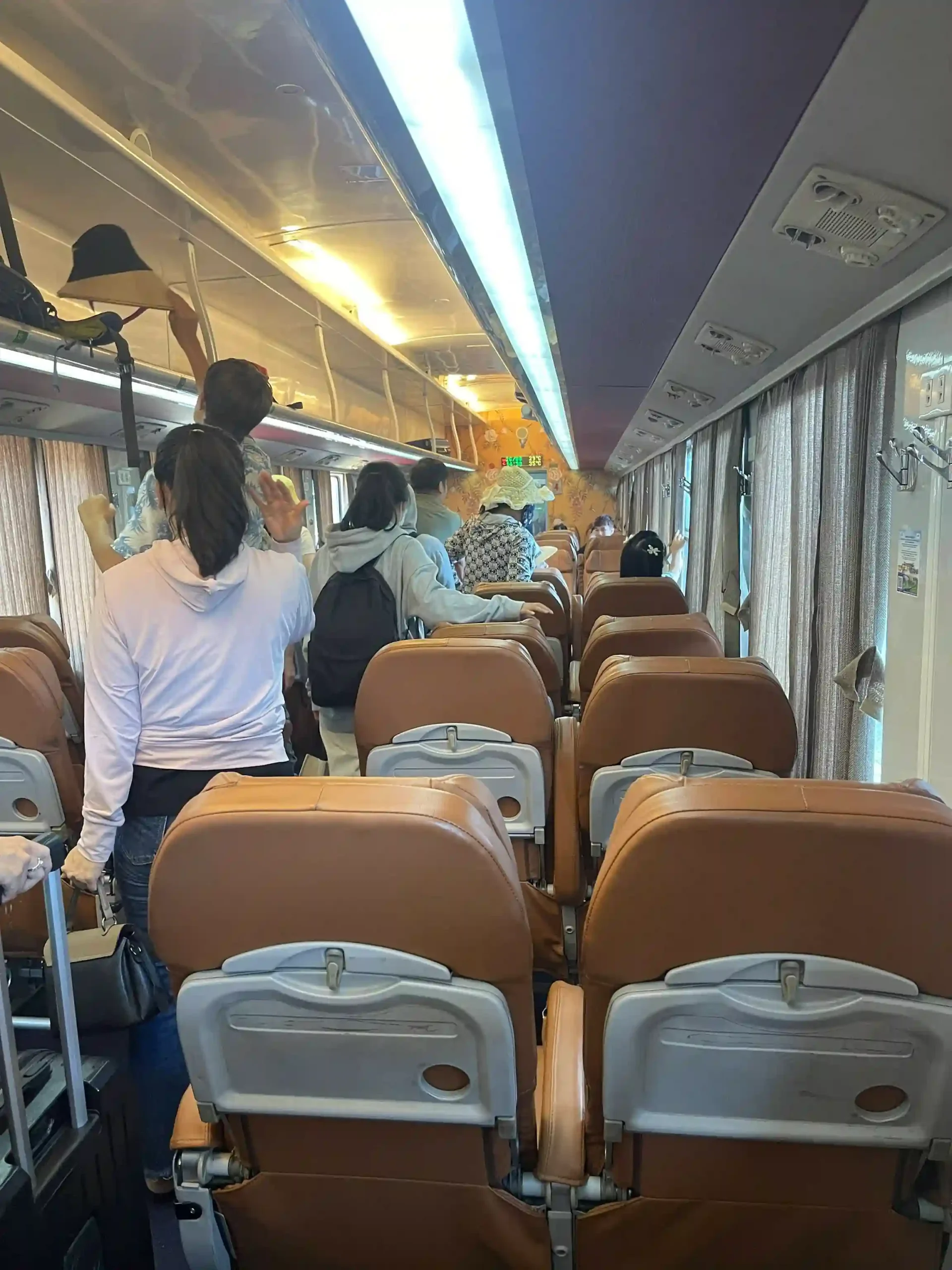
You go into Da Nang station, find your carriage. You can get the nice soft air-conditioned seats if you are sensitive to heat. Or, just get a hard seat. The windows open. Yes, it’s loud, the train jerks aggressively over old steel plates, but hanging your arms out the window watching green jungle mountains plunge straight down into empty turquoise water beaches is one of the better transport experiences going on right now.
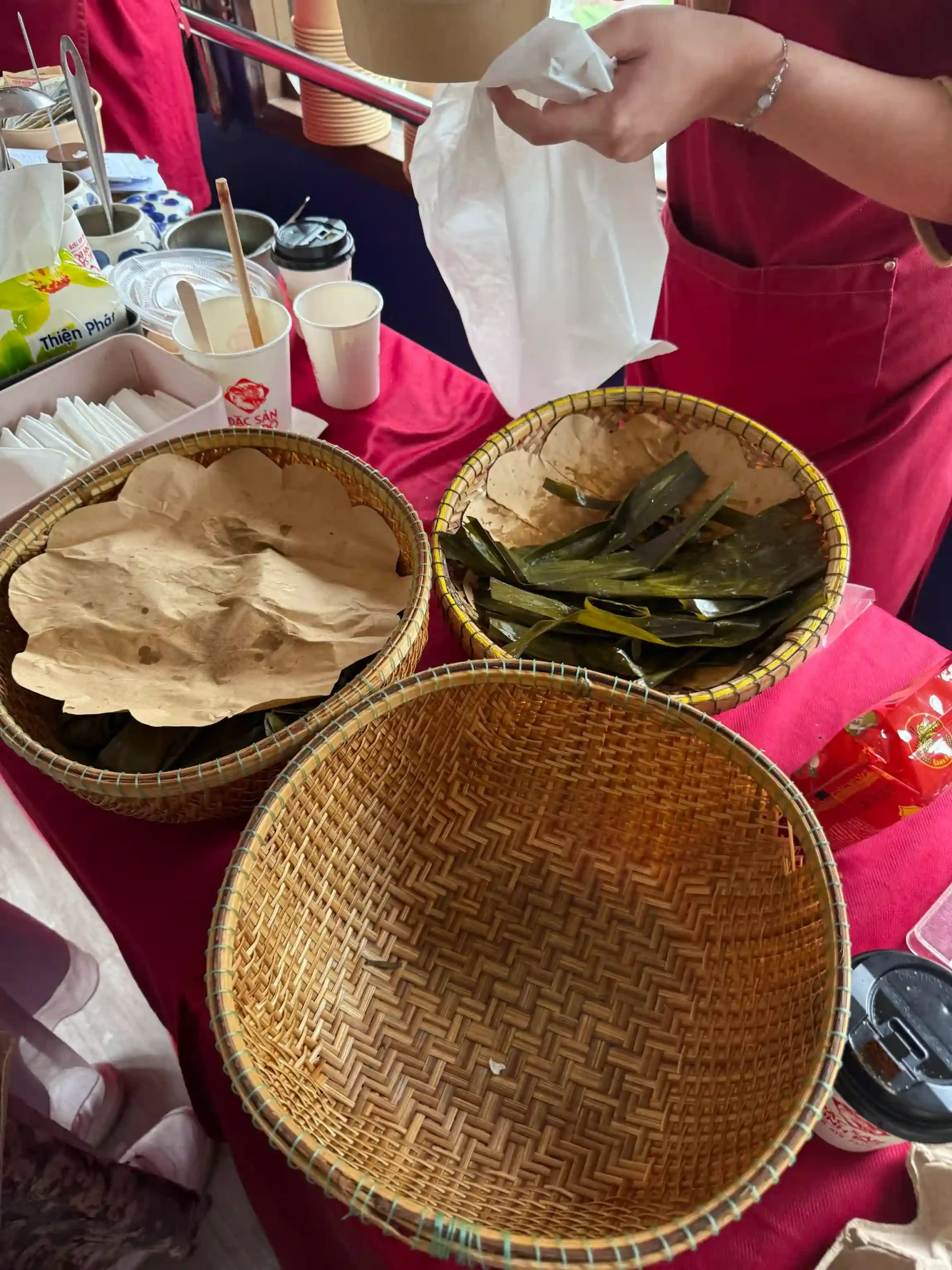
Sometimes an older lady will shove a heavy metal trolley past your knees in the aisle trying to sell you warm sweet bread or a boiled egg. You buy an egg. It’s cheap.
The train literally forces you to move slow. You cannot check emails. The internet on your phone cuts out halfway up the pass. Just look out the window.
Phase Three: Hue (The Concrete Breather – 3 Days)
When the train screeches into the station in Hue and you step out, you realize instantly this city feels different. The air moves differently. The heavy aggressive commercial feel of Da Nang is just missing entirely.
Hue used to be the Imperial Capital. The last royal dynasties sat right here on the river. Consequently, everyone speaks completely differently (a really deep, somewhat hard-to-decipher central accent), and the city generally closes its eyes entirely around 9 PM. Seriously. The main areas go totally dead silent.
If you need 3 AM techno clubs, Hue will disappoint you severely. If you need peace, Hue fixes you completely.
Sorting Your Hue Location
A big murky brown river cuts Hue into pieces (the Perfume River). The massive old Citadel and all the heavy historical walls are on the north side. Basically, everyone local lives there.
Most foreigners stay on the south side. There’s a little “walking street” area off Chu Van An or Le Loi roads. Just find a quiet boutique hotel down an alley there. Don’t book massive resorts out on the edges of town, you just end up taking ten dollar taxis all day.
You can find totally acceptable hotels serving full heavy breakfast options for around $30 a night right in the central south.
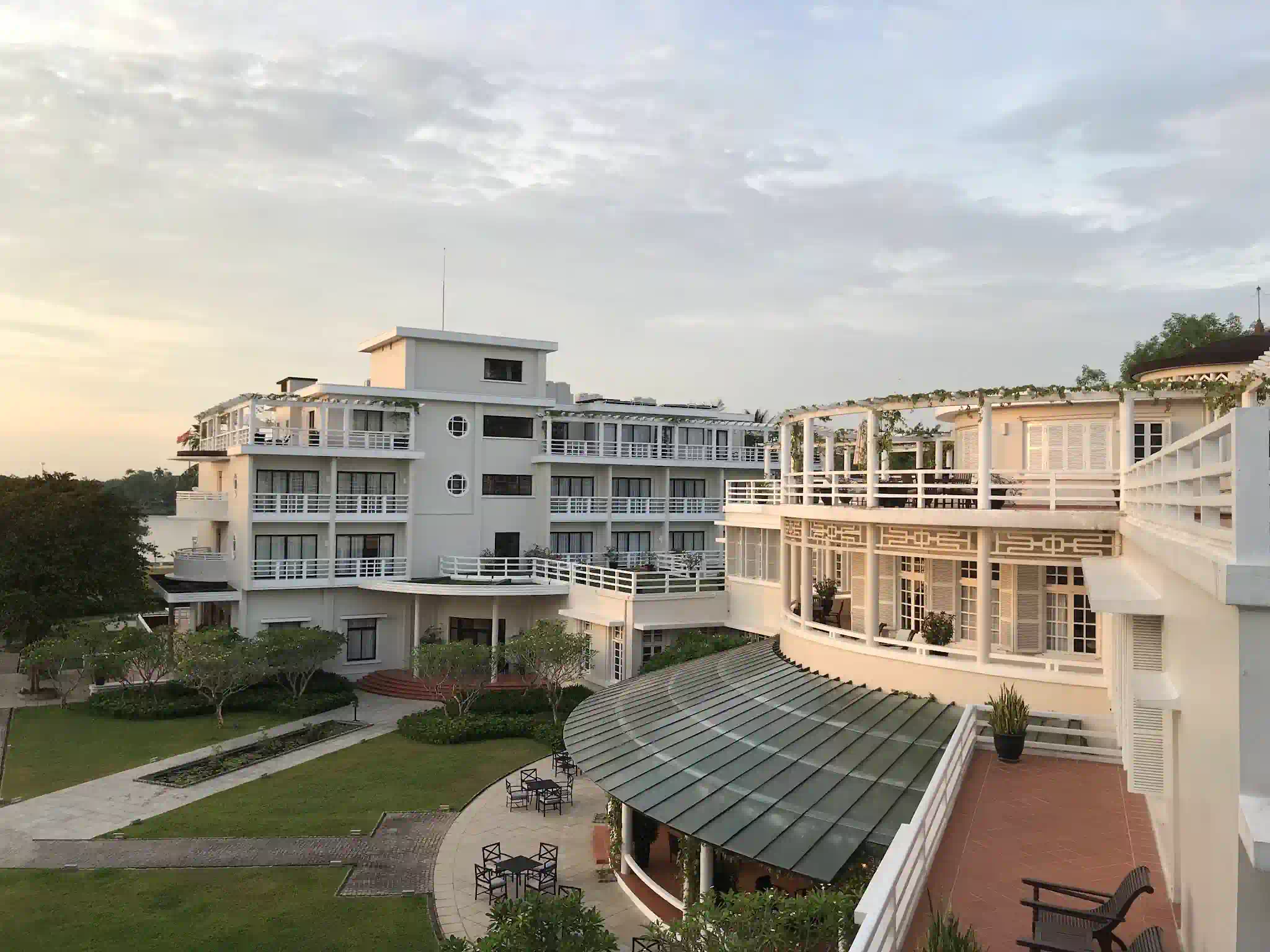
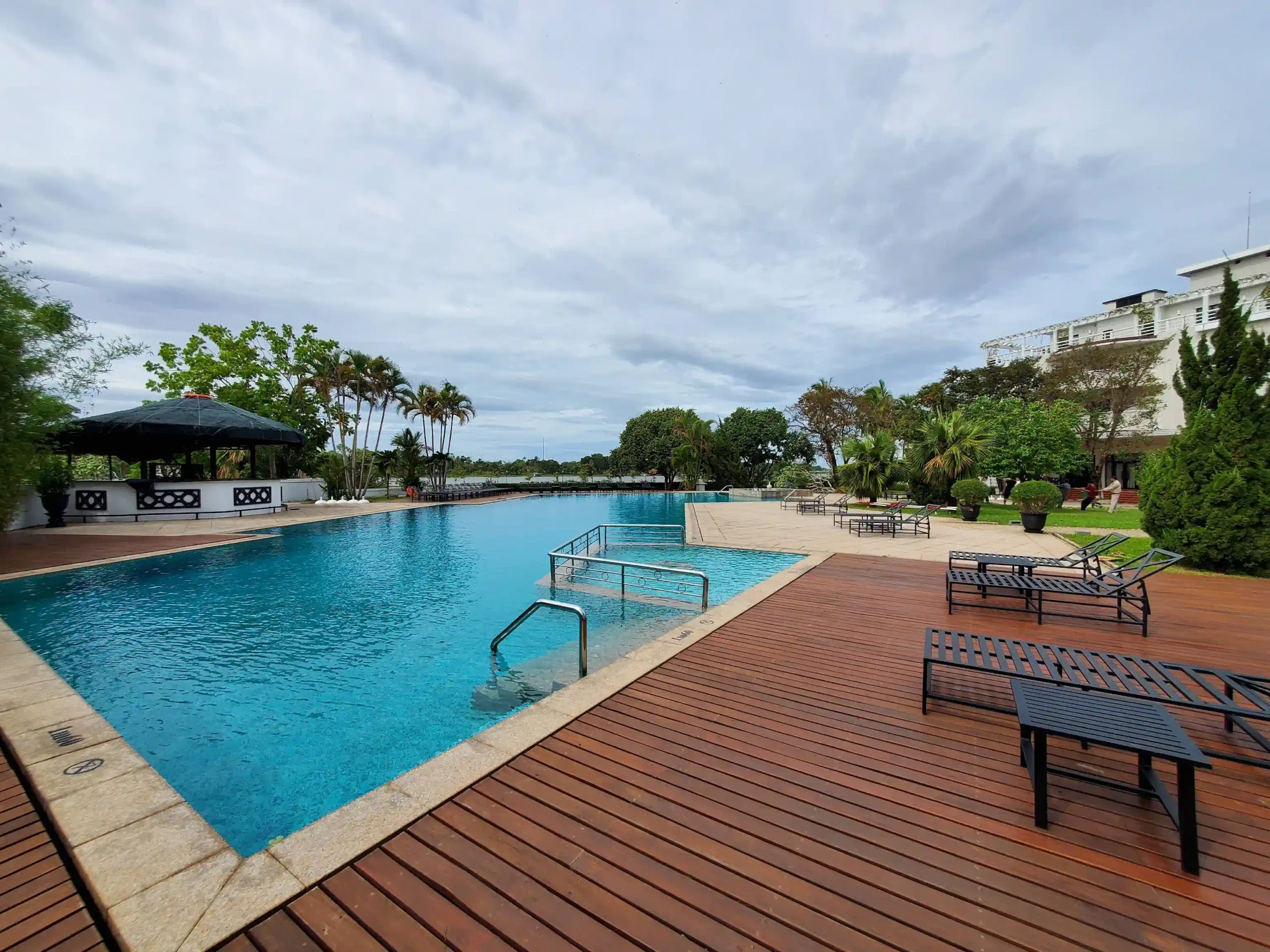
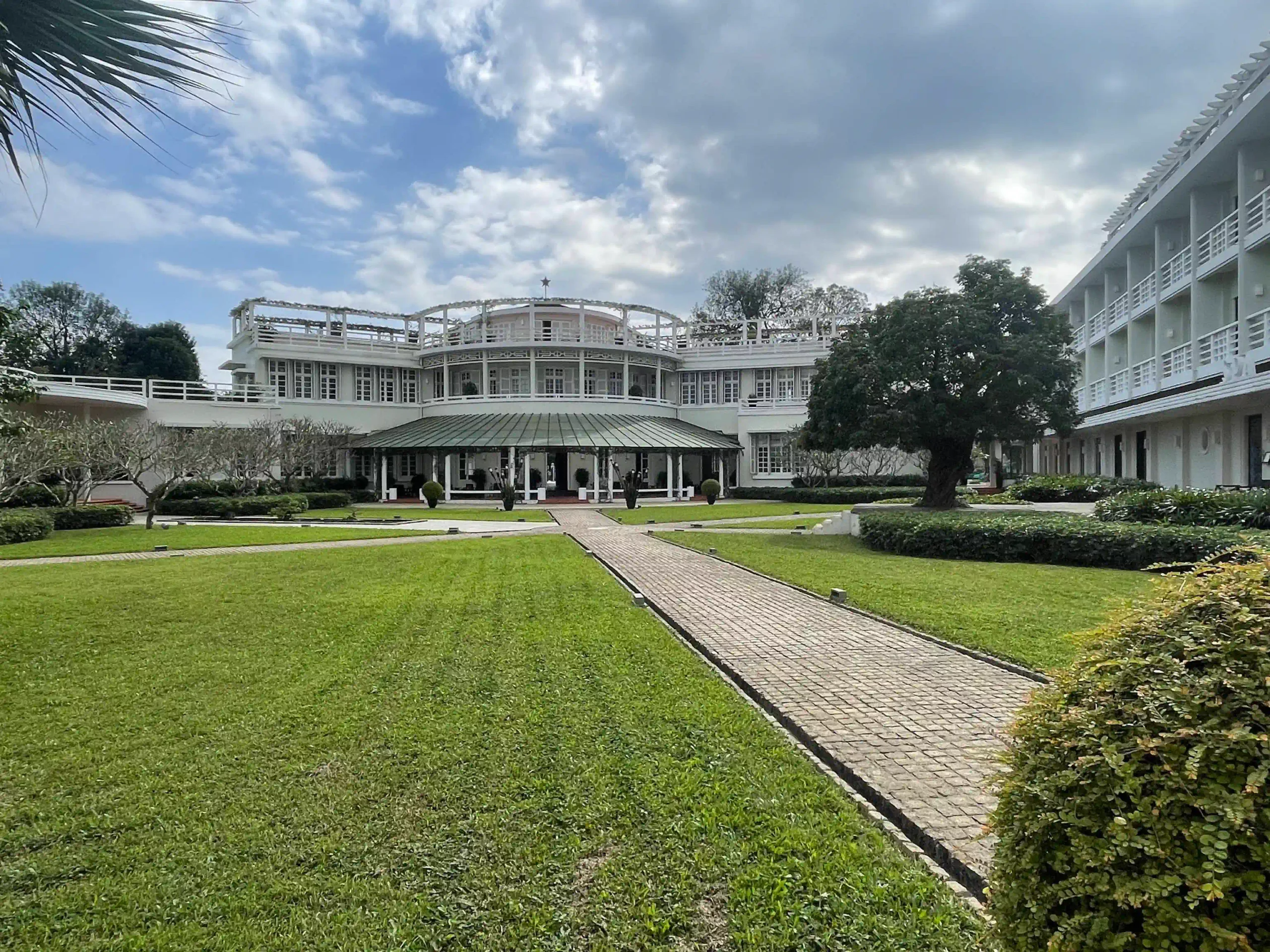
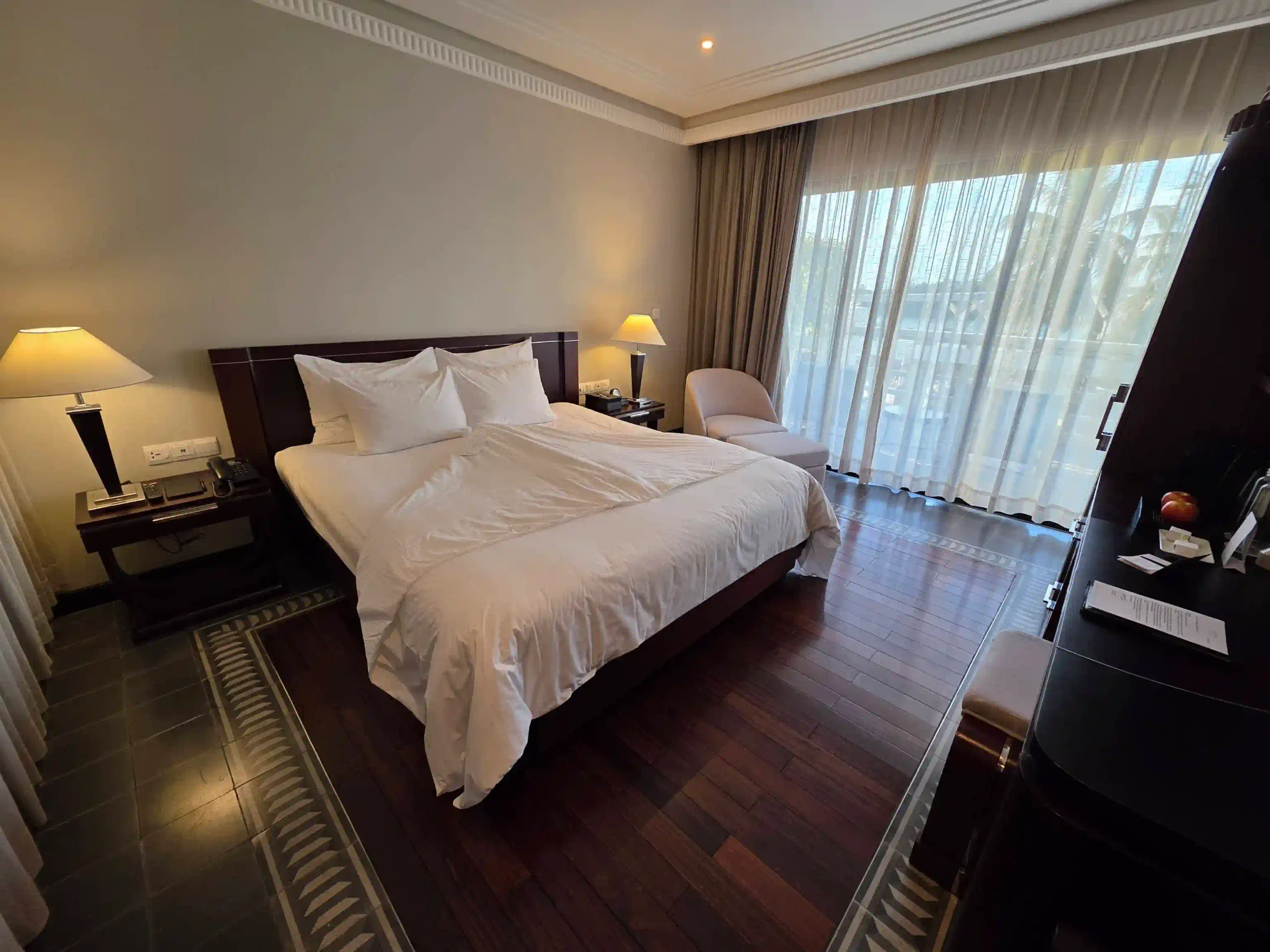
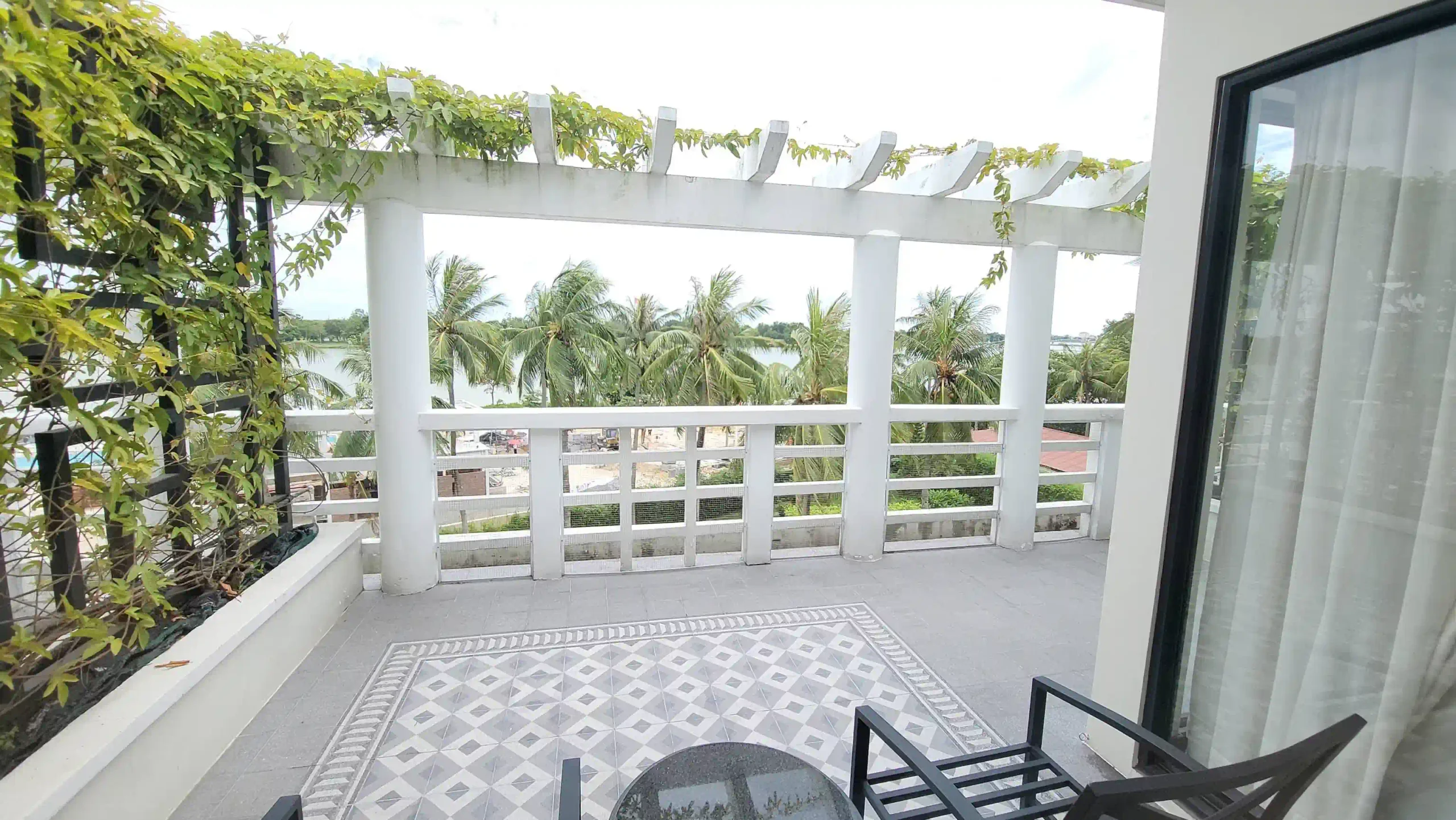
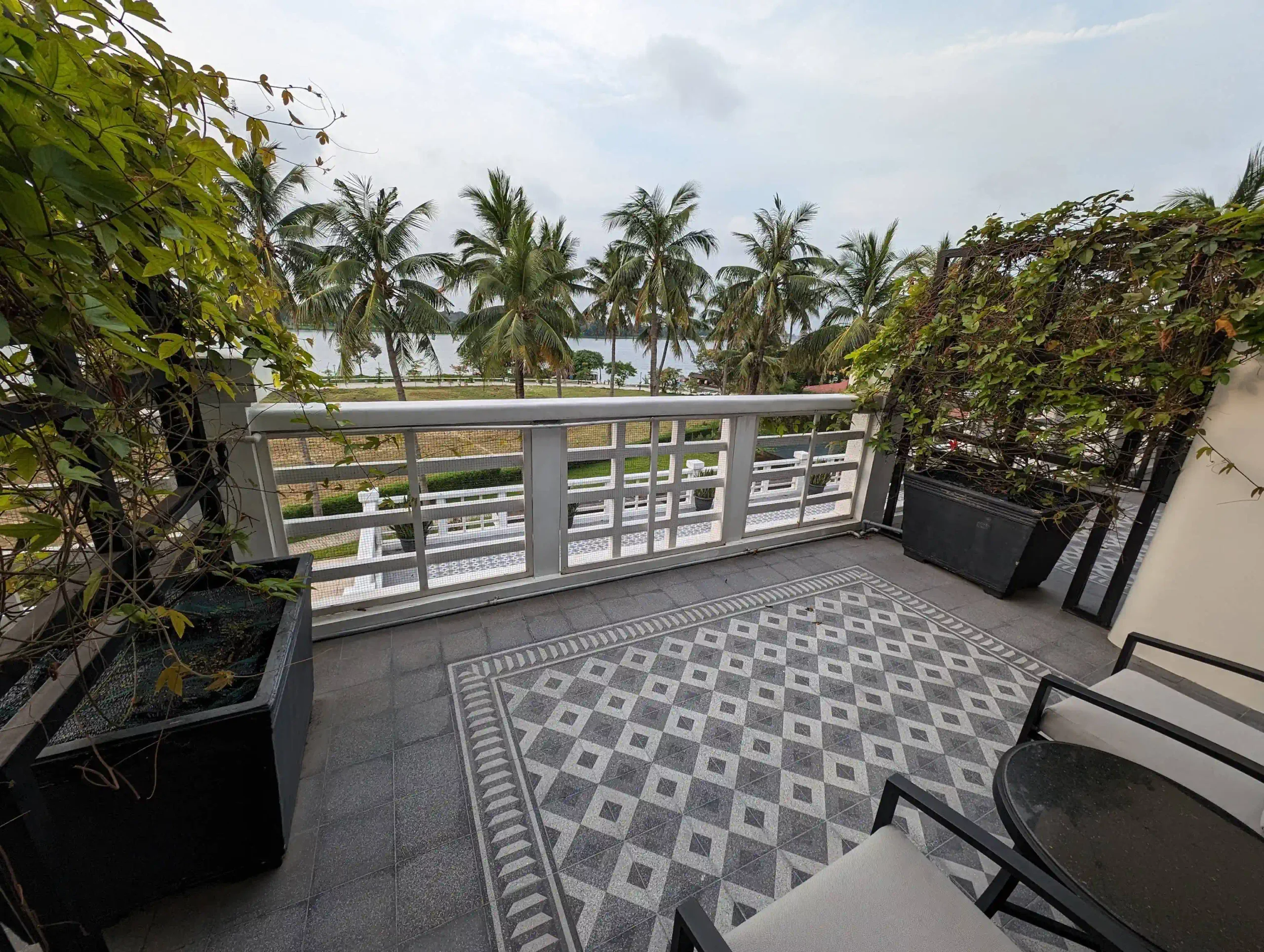
Read more: Why I’d pay extra $50 for Azerai Hotel every single time?
Dealing with the Old Emperor City
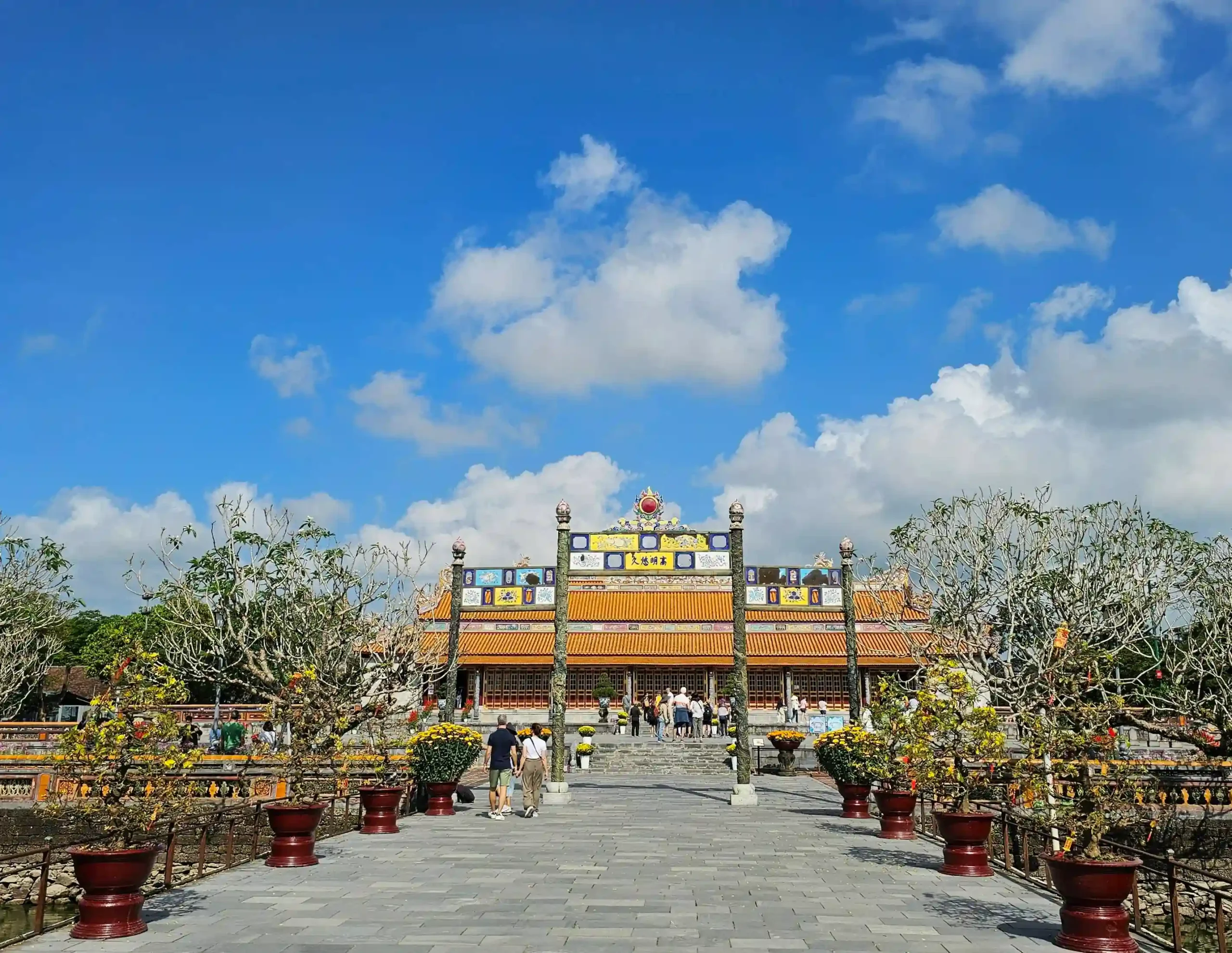
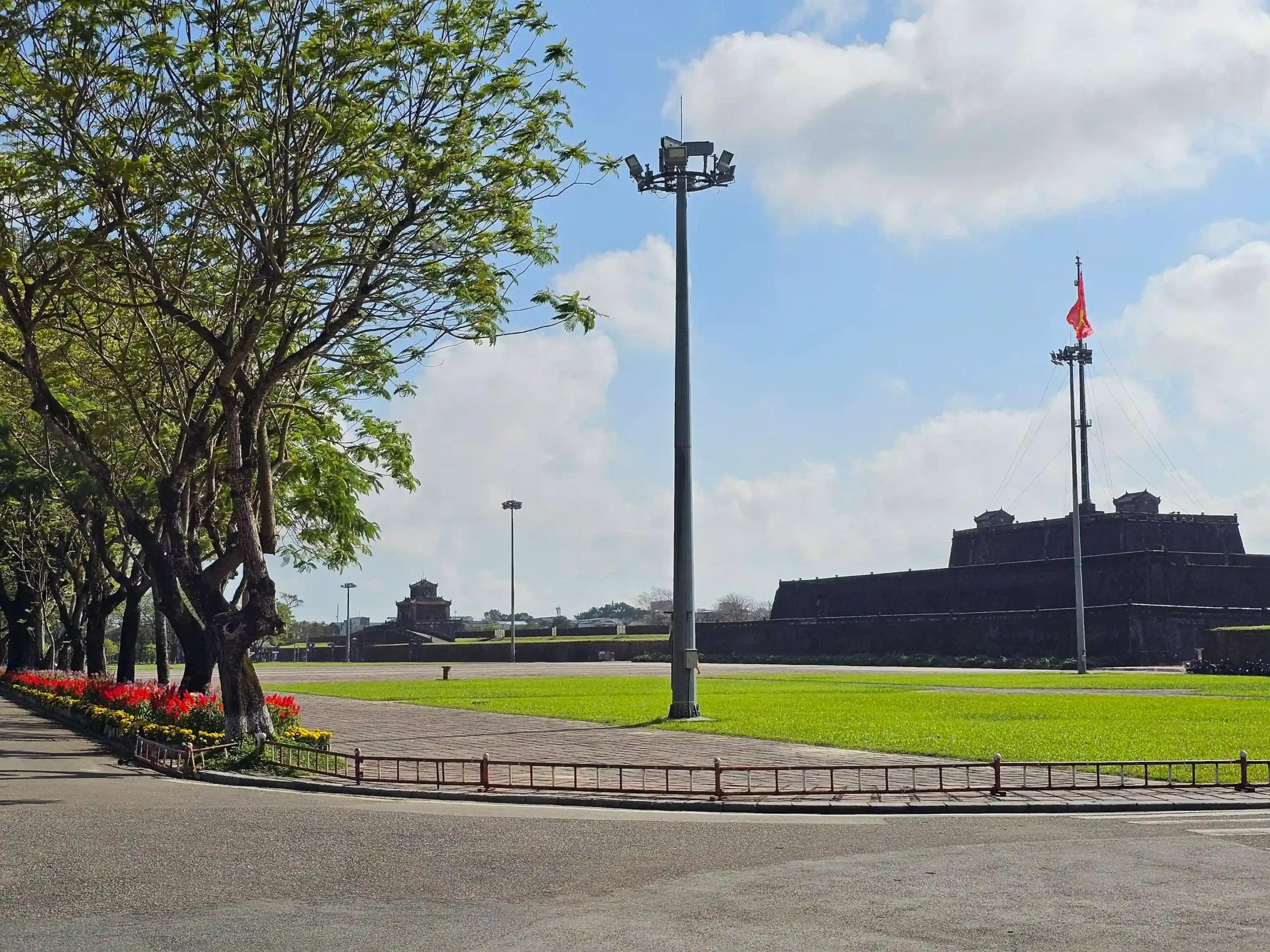
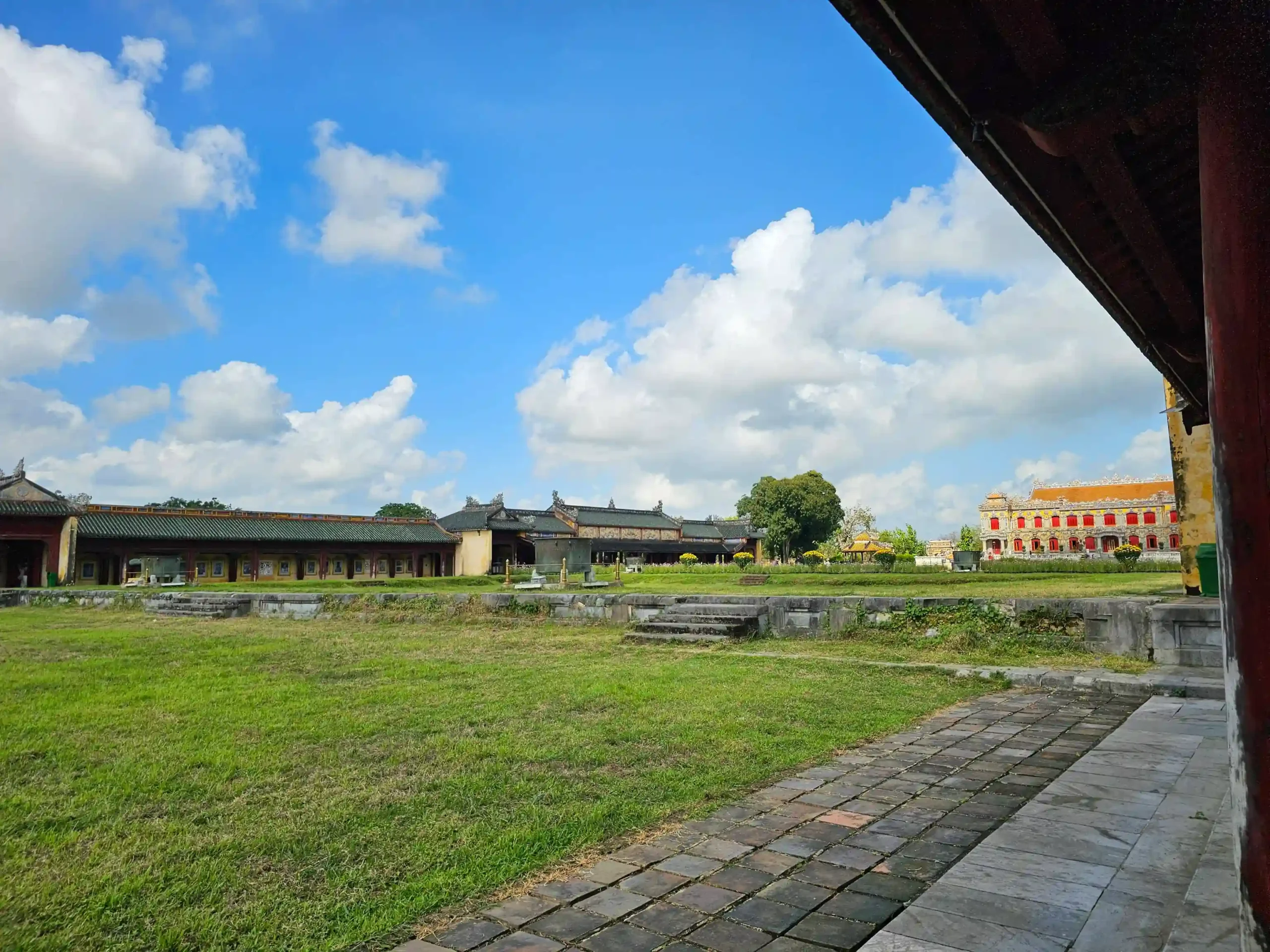
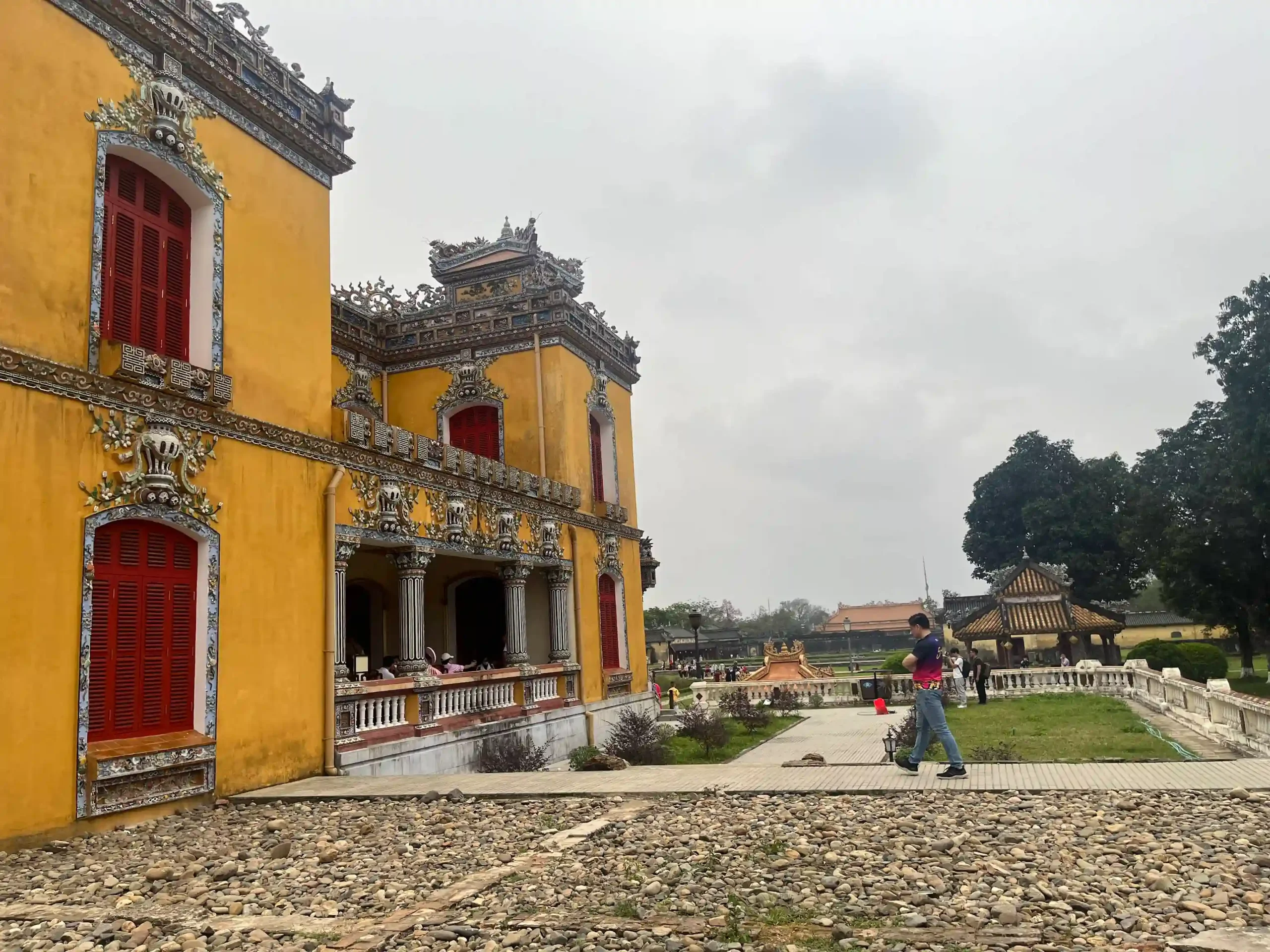
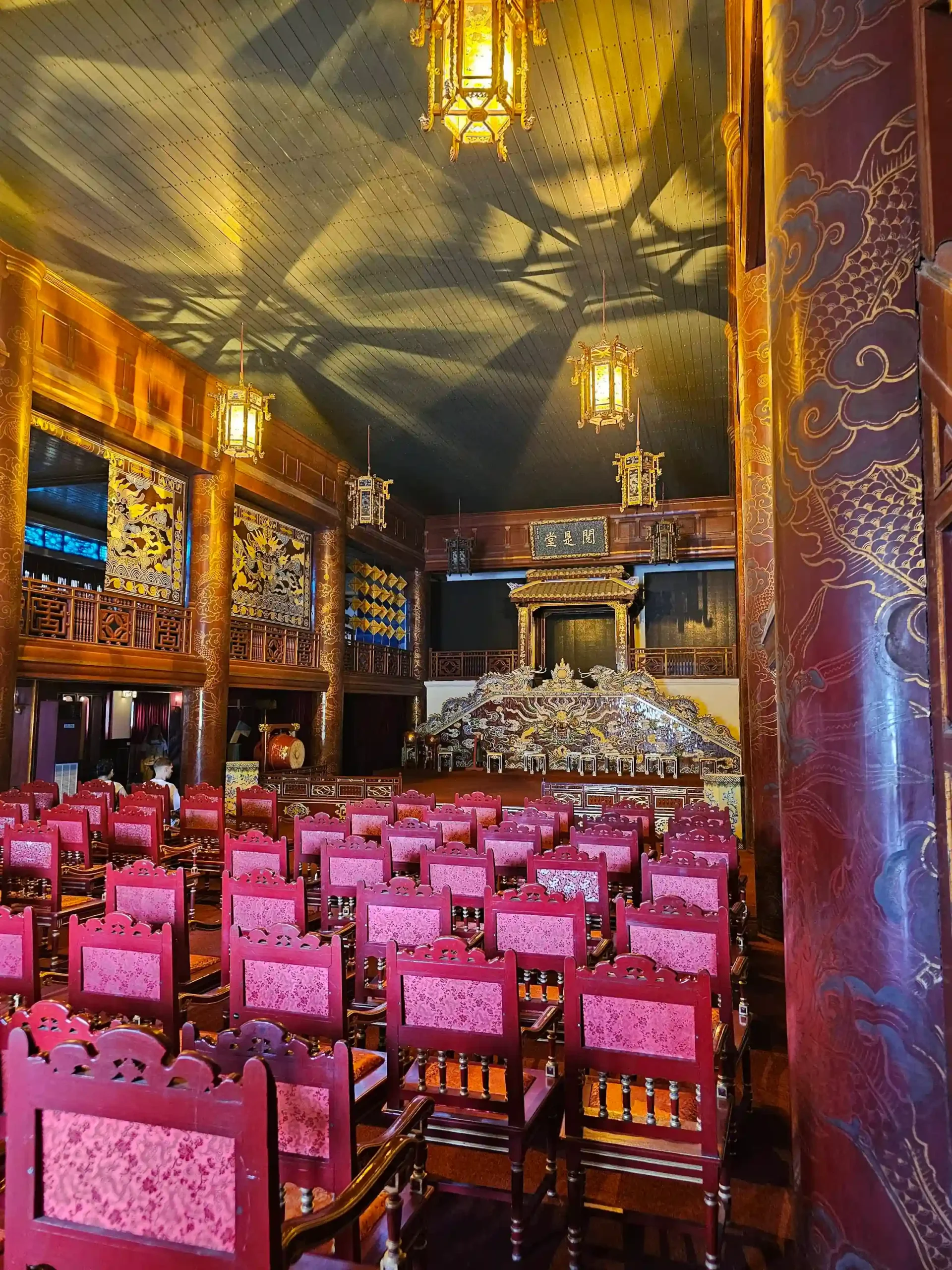
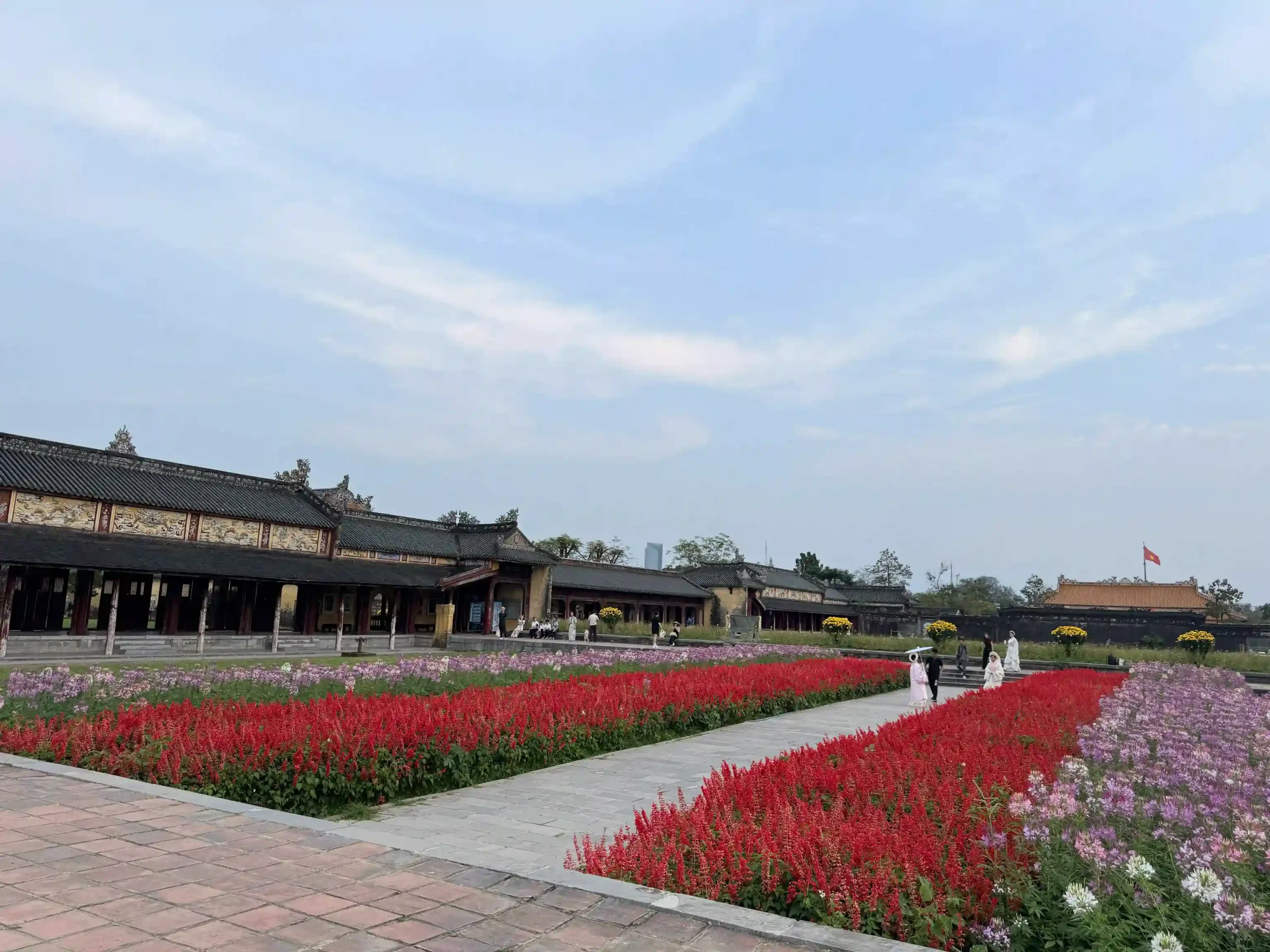
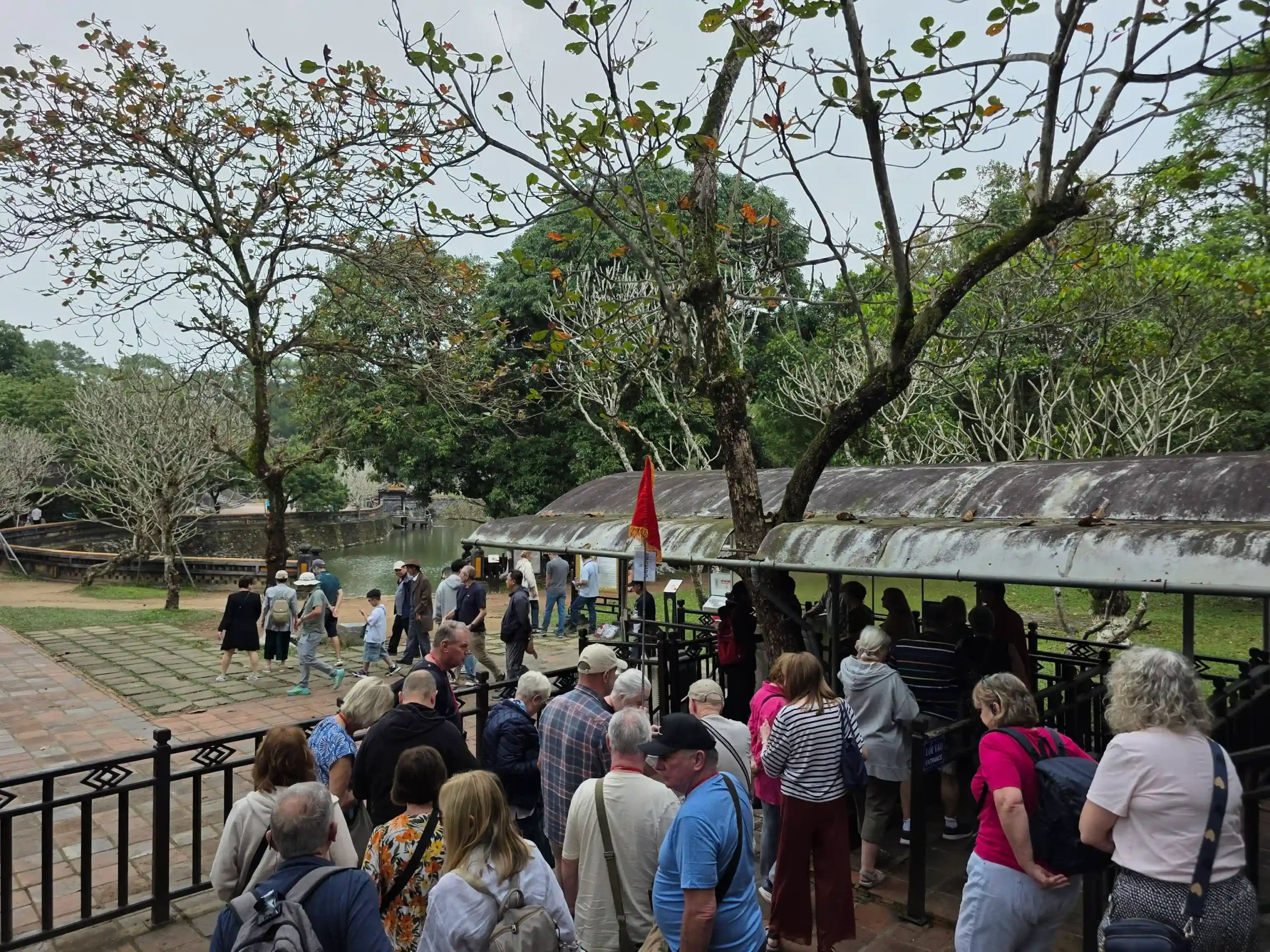
The Citadel is just stupidly big. The stone perimeter walls drag on forever. Inside is where the actual royal courts sat, heavily bombed during the wars, so it is a mix of empty overgrown fields where huge halls used to sit and fully painted red temples that survived.
Do not do the classic error. Fast tourists wake up late, eat a slow hotel meal, and try walking this place at 1 PM. It is largely unshaded. The heat hits the paving stones, bounces straight up into your face, and entirely melts you. You will hate history if you walk it at 1 PM.
Get up early. Put your shorts on. The entry fee is about $8 USD at the Noon Gate. You are stepping in right at 8:00 AM.
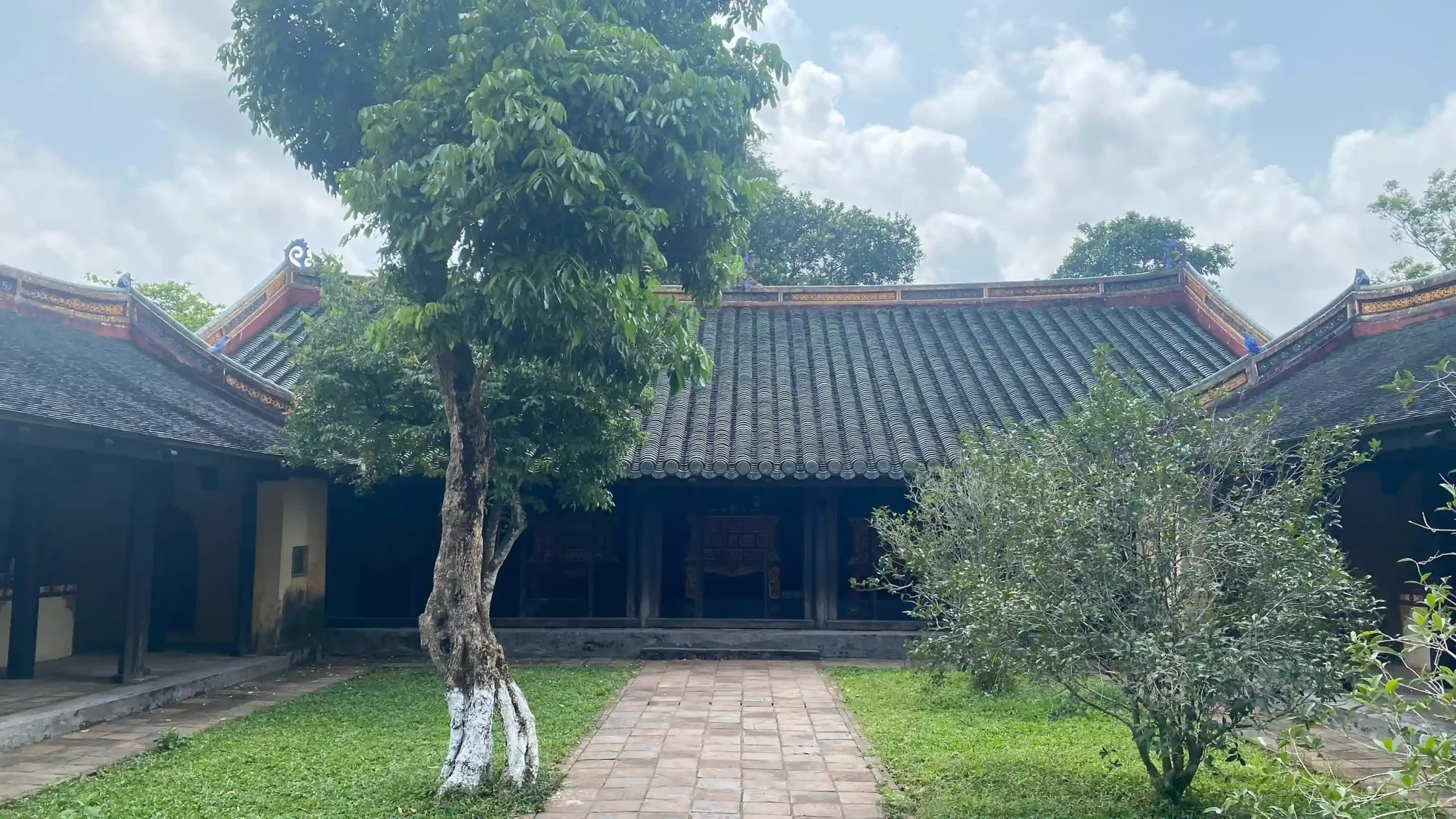
For a solid three hours, just walk deep towards the absolute rear areas of the rectangle. Most people take one photo at the front hall and leave. Keep going back until you hit the Dien Tho residence area, where the Queen Mothers lived.
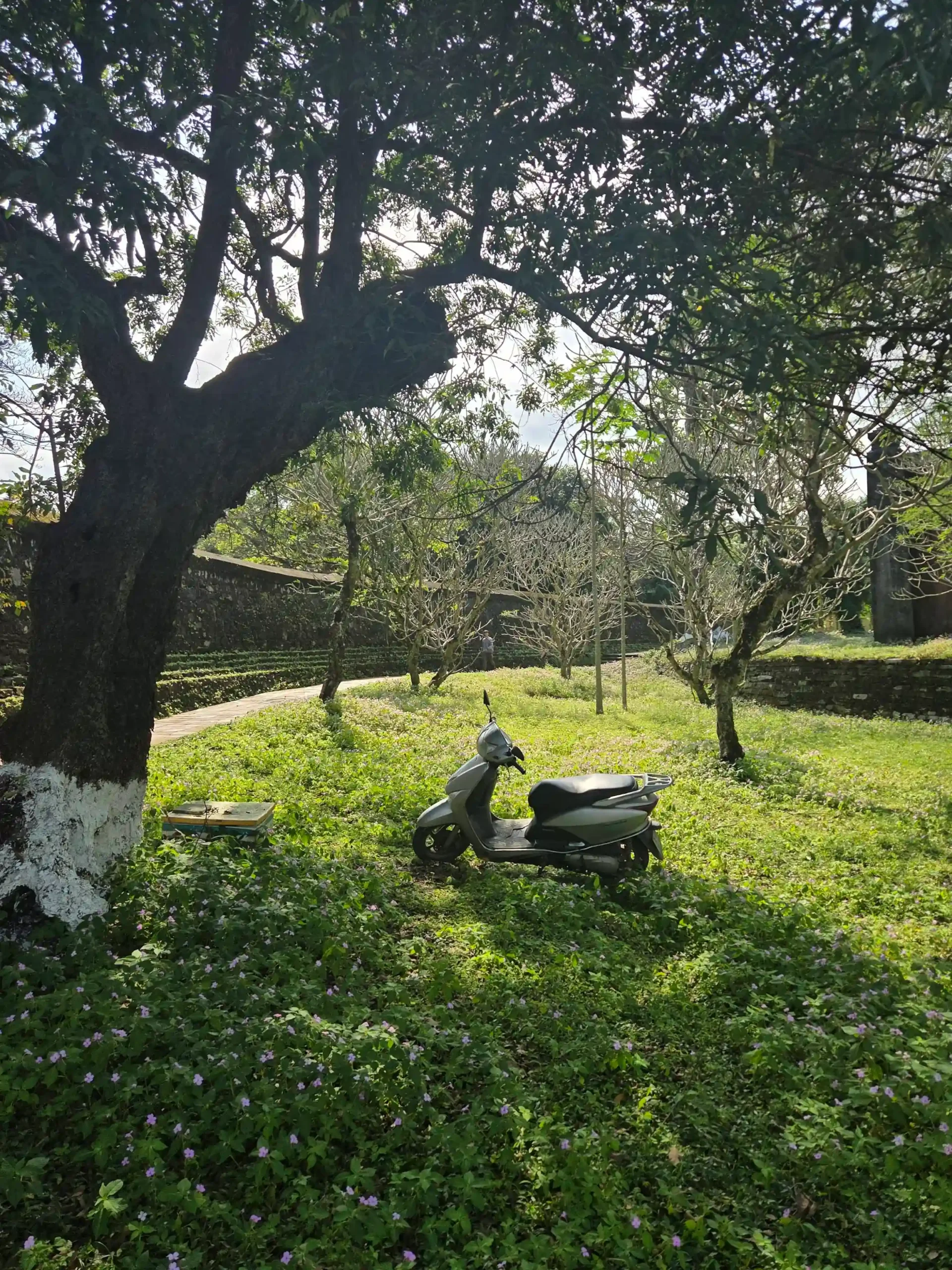
It’s totally quiet, just massive trees and green moss covering yellow walls. Walk until the sun gets hostile at 11 AM, then exit immediately. You never need to go back in.
Cà Phê Muối (Salt Coffee) Mechanics
You must drink coffee in Hue. This city basically invented the heavy salt coffee trend hitting Asia now. On Nguyen Luong Bang street, there are completely unassuming little garden shops with small low tables under trees.
When you order Cà phê muối, they don’t just dump table salt in a mug. It’s heavy dark black robusta coffee in the bottom. On top is an inch of thick cream that they whip heavily with coarse sea salt. You don’t just gulp it. You slowly push a spoon through the white cream to get the dark coffee beneath.
The brutal saltiness entirely counteracts the harsh roasted bean taste. You sip it, smoke blowing over from an old guy at the next table, reading whatever book you dragged across the country. That is a completely accurate Hue afternoon.
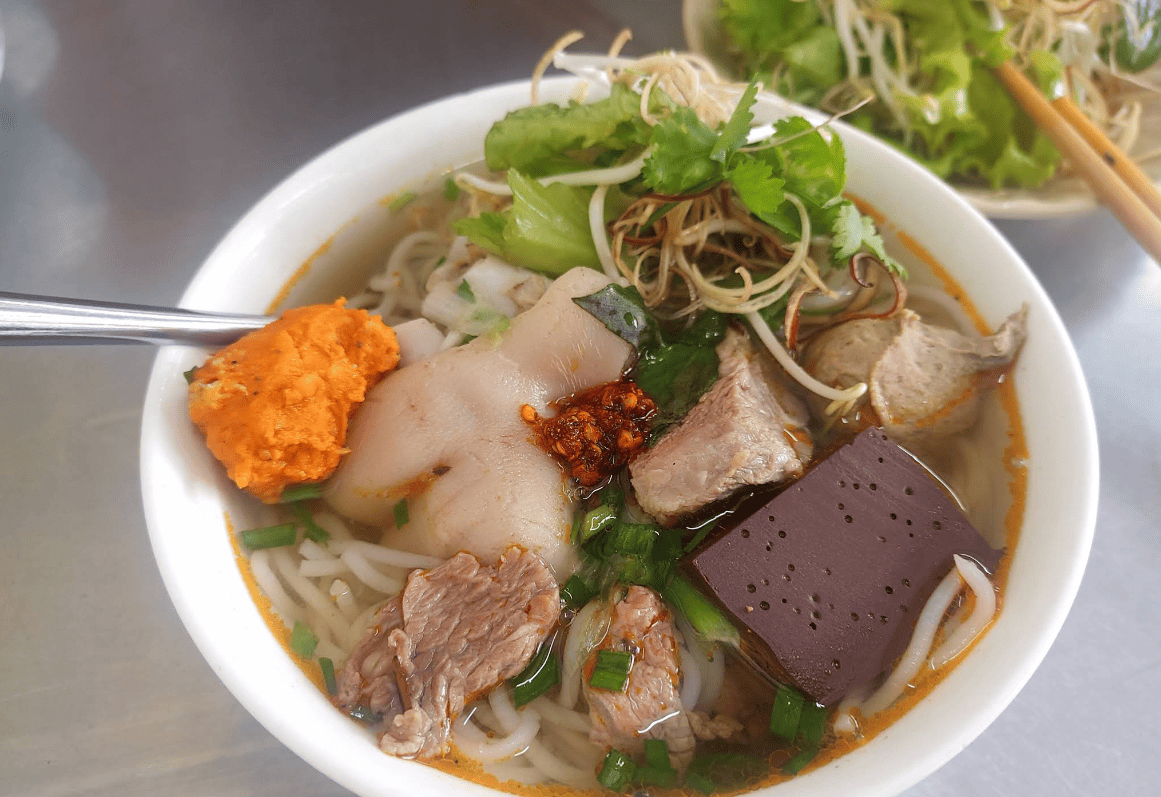
If you get hungry later, don’t eat western pizza here. Go sit down near an alleyway selling Bún bò Huế.
This isn’t pho. This is the local hardcore soup. Round thick rice noodles. Massive chunks of fatty beef knuckles. Sometimes heavy squares of coagulated pig blood (don’t worry, they taste like iron tofu and are easy to ignore if you panic). But the real deal is the broth heavily spiced with loads of chili and lemongrass oil floating bright red on the top. It burns slightly. Eat it anyway. It’ll cost you like $2 a bowl.
Read more: 4 best Hue Food Tour I tried as a food blogger in Vietnam




Self-Driven Tombs
The real highlight here isn’t just the main citadel. Out past the city lines along the pine forests, the old Emperors built huge, incredibly aggressive tomb complexes to prepare for the afterlife.
A normal tour puts thirty people in a massive air-conditioned coach, yells numbers out a megaphone, and marches you in a tight circle.
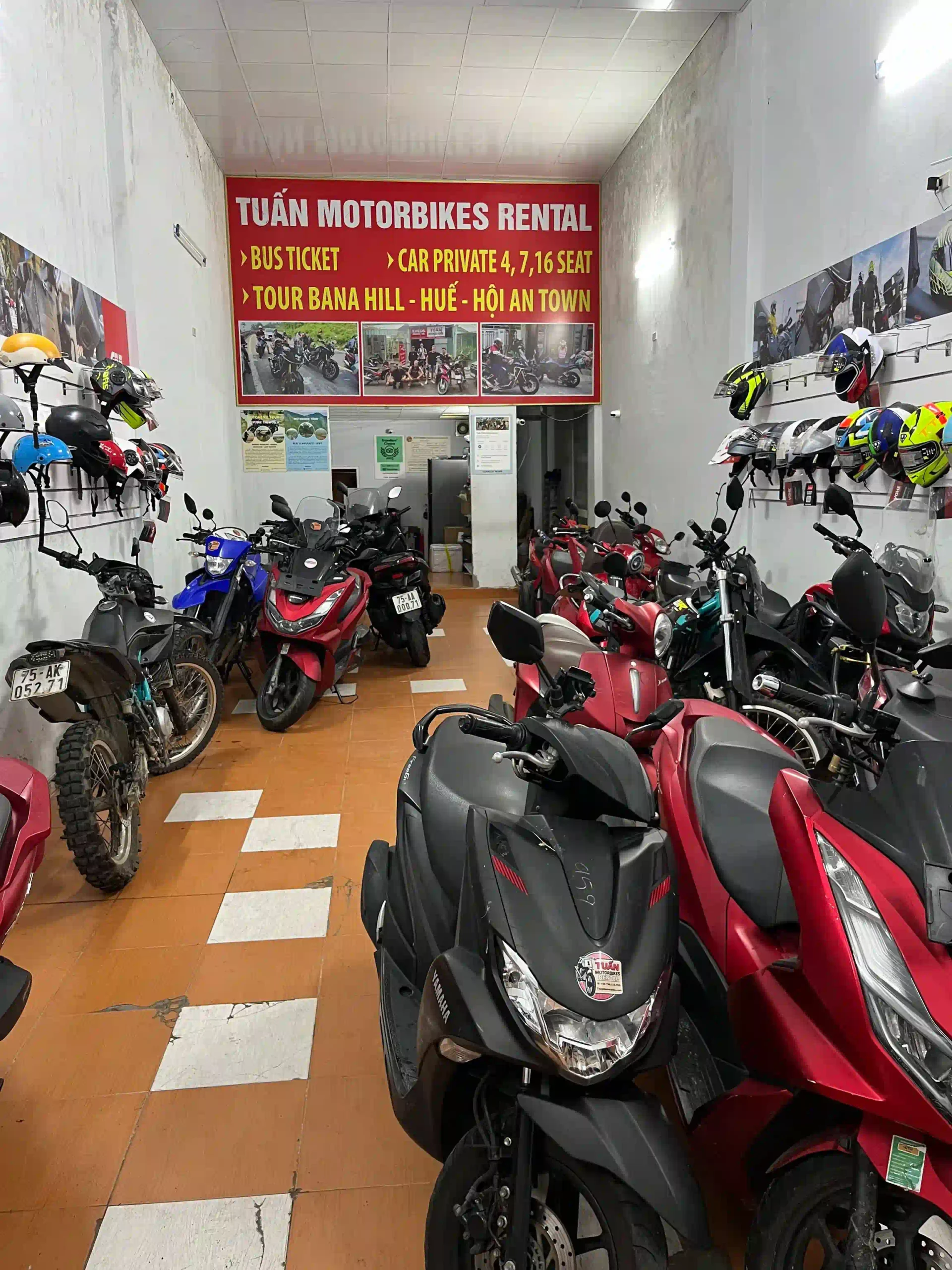
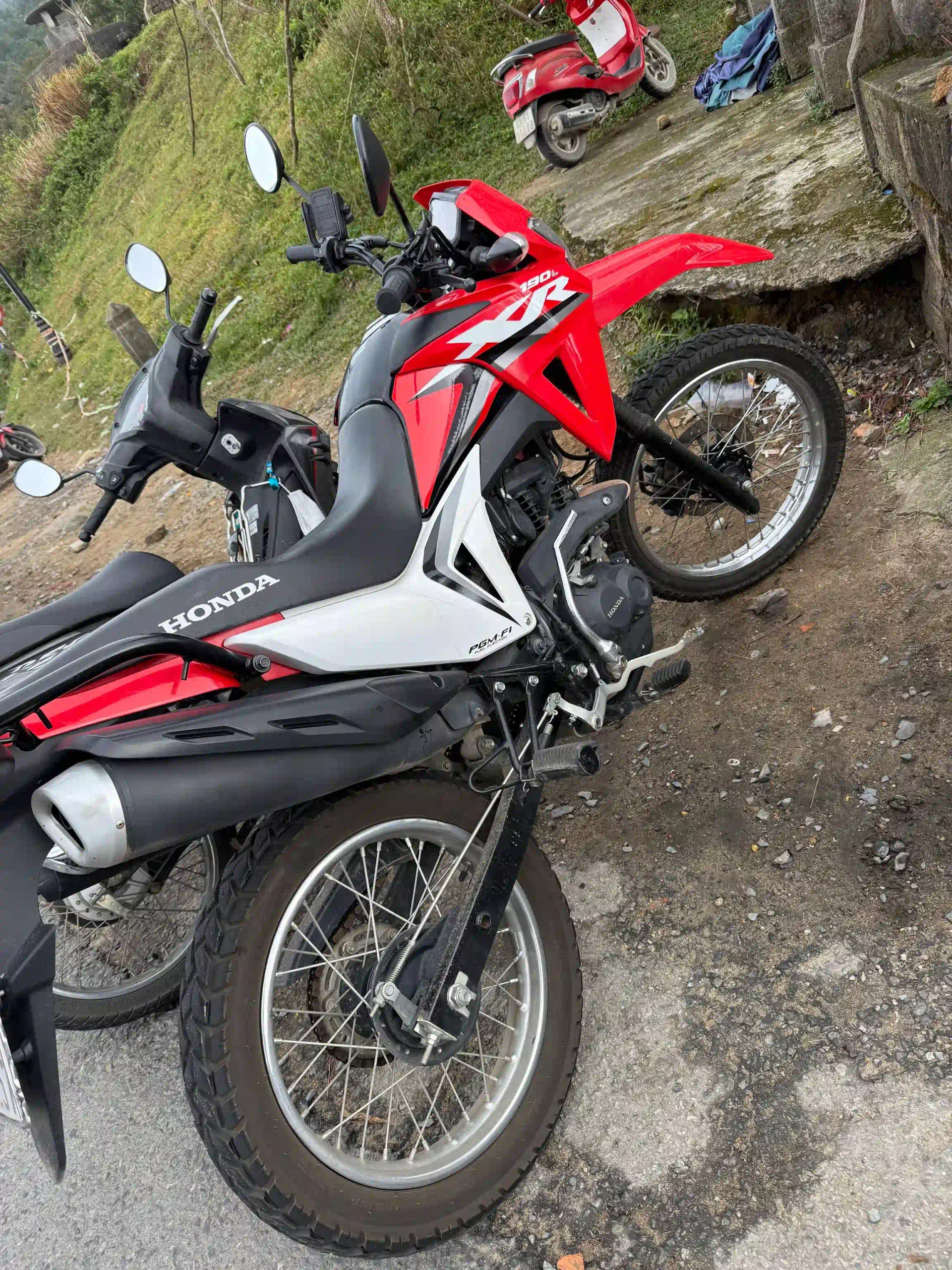
You are doing the slow method. Rent an old automatic Honda for about 130,000 VND (about five bucks a day) from the front desk of whatever hotel you chose. Wear a helmet.
Drive straight out of the city grids. The roads drop down into extremely slow-moving countryside lines with river access.
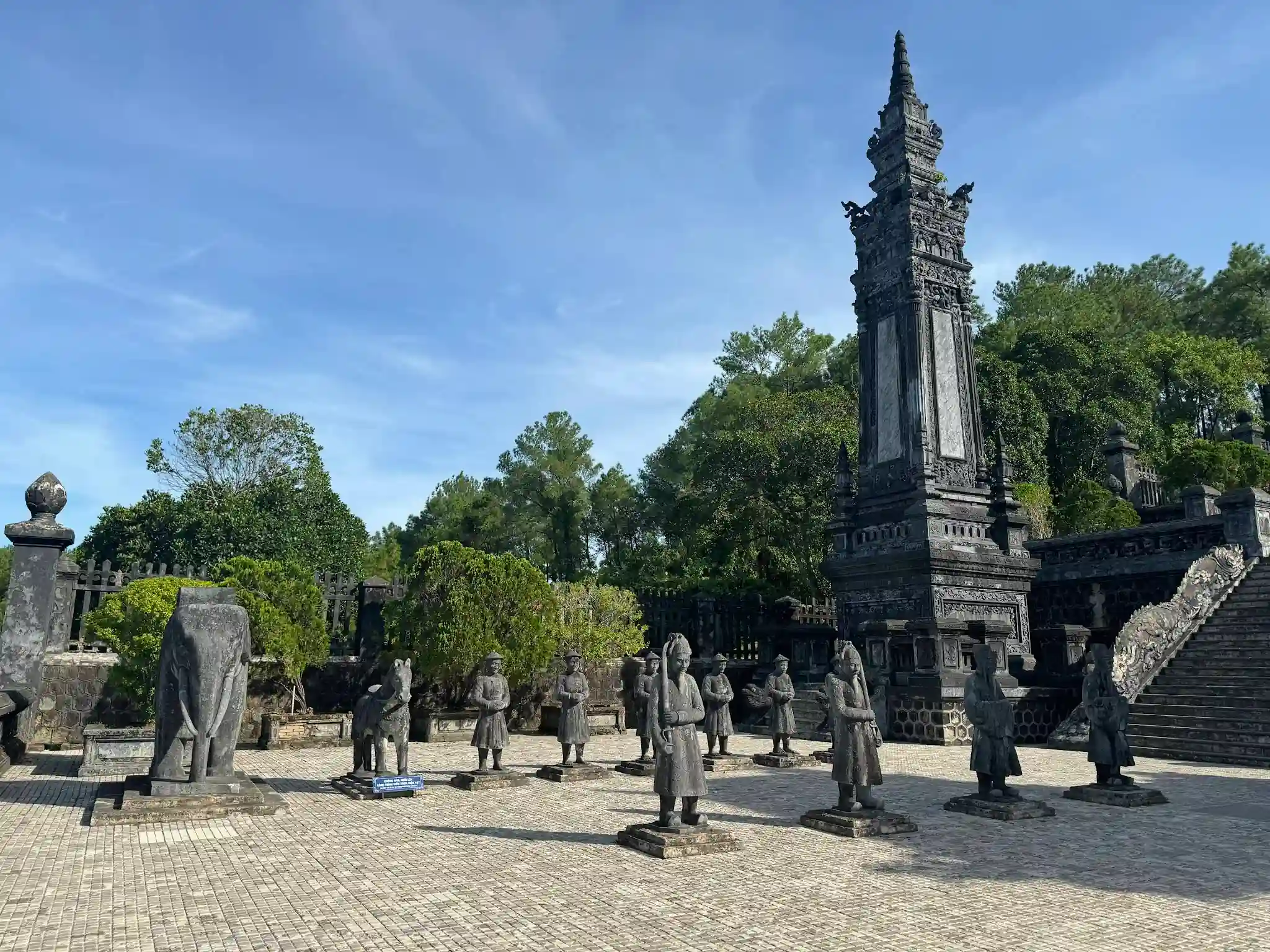
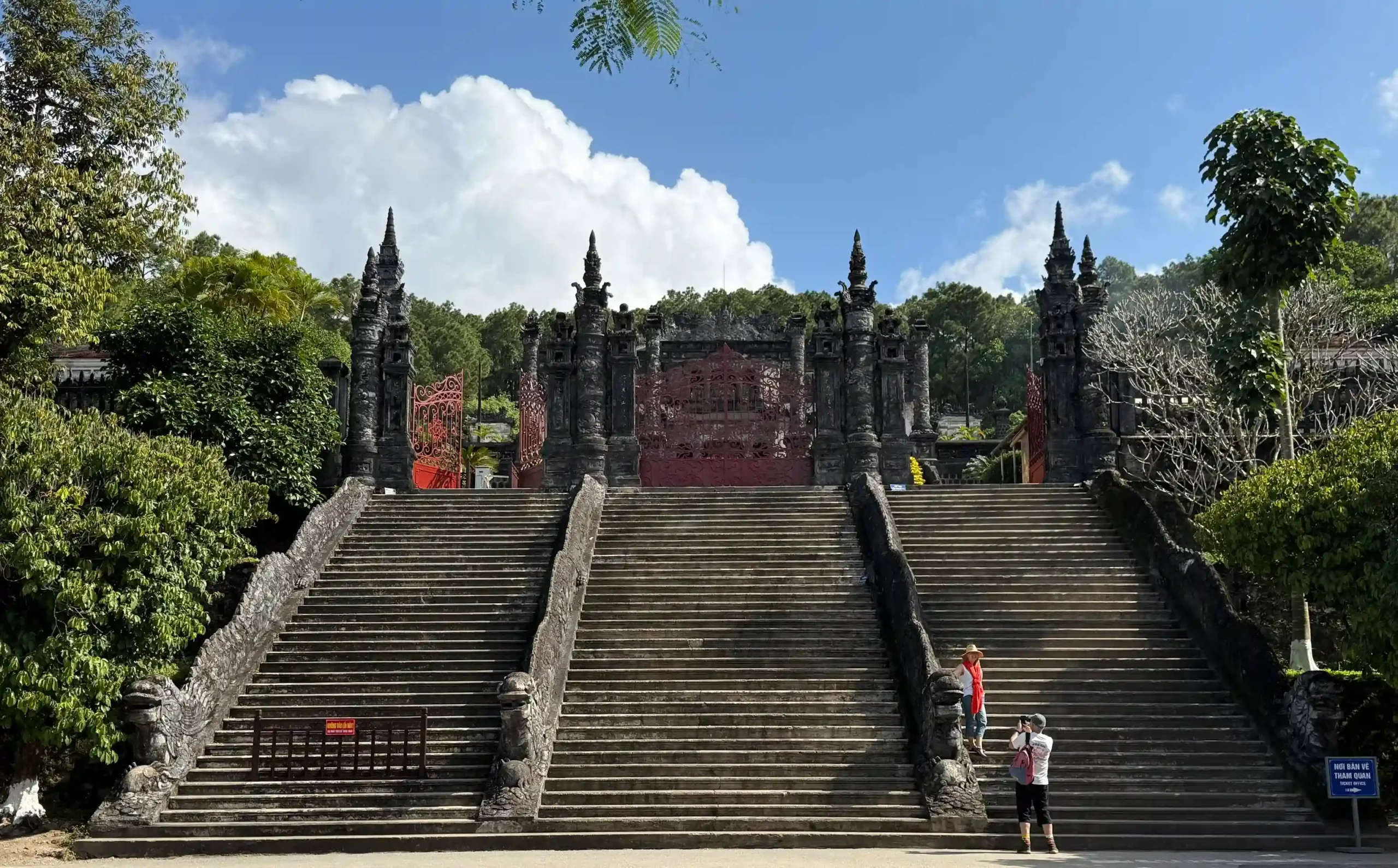
You need to hit two. Khai Dinh and Tu Duc.
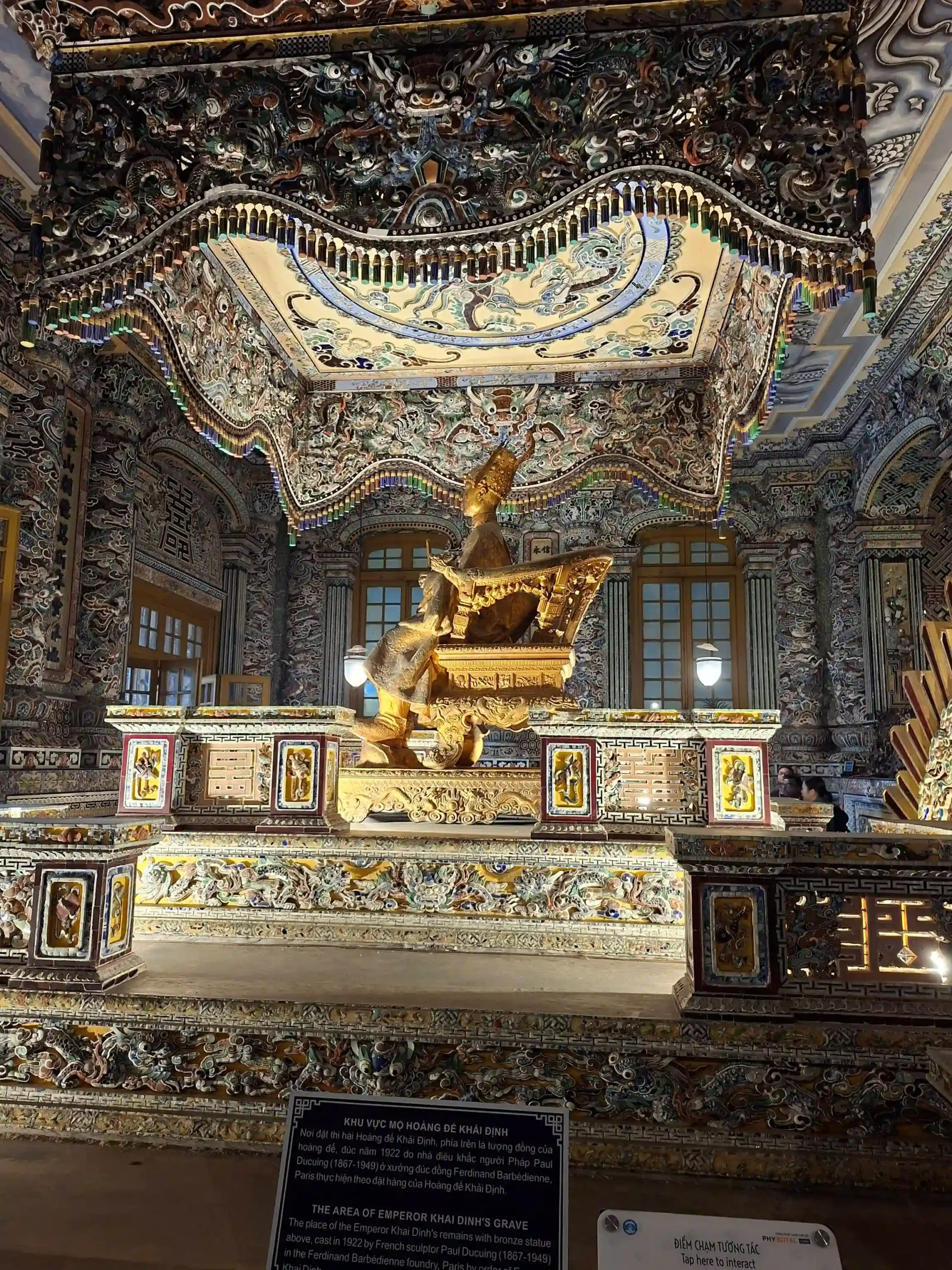
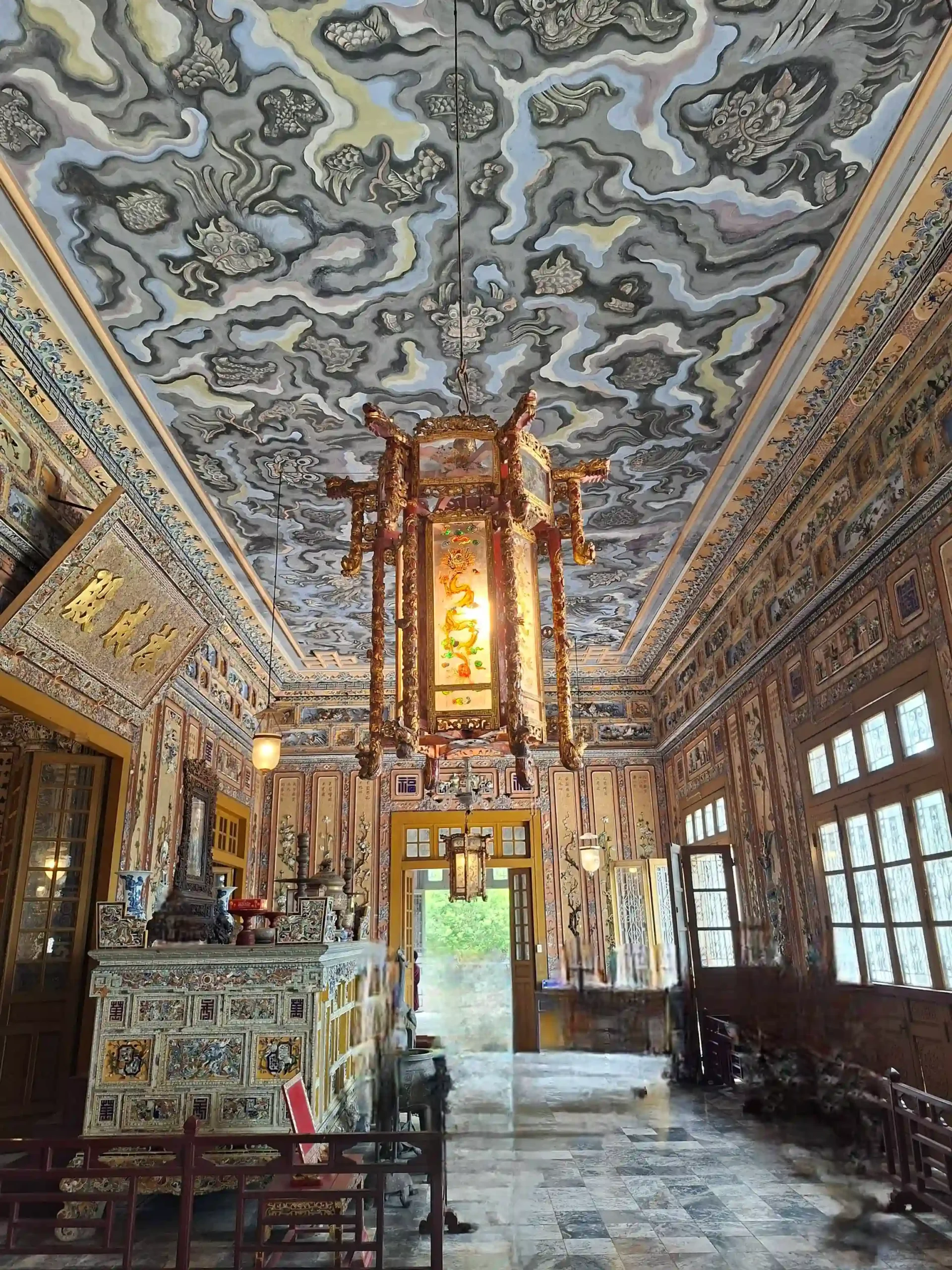
Khai Dinh is strange because that emperor apparently loved concrete. You climb massive black stone dragon steps straight up the side of a tall mountain. The entire inside is covered completely in violent shattered ceramics and thick colored glass broken into shapes.
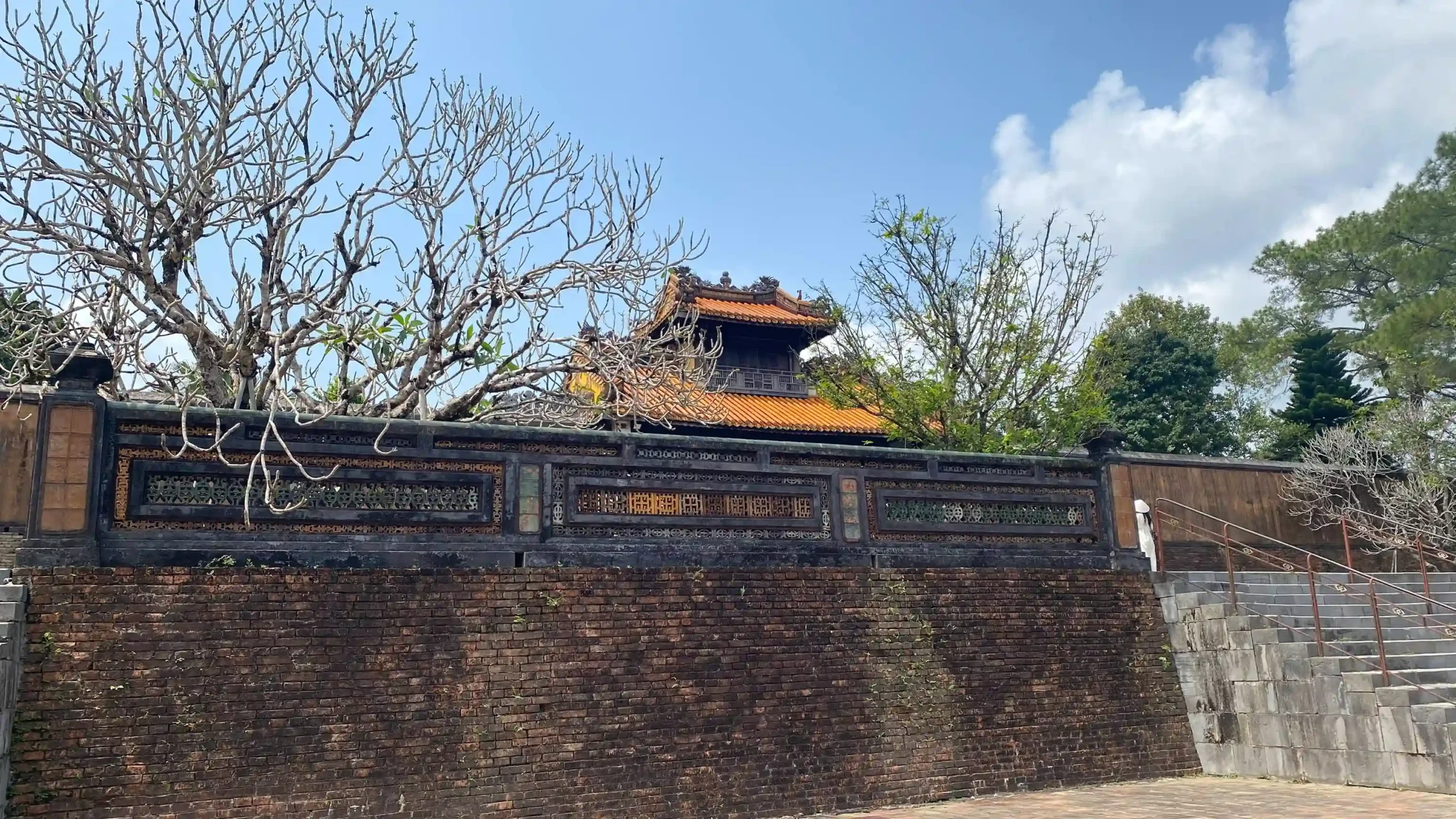
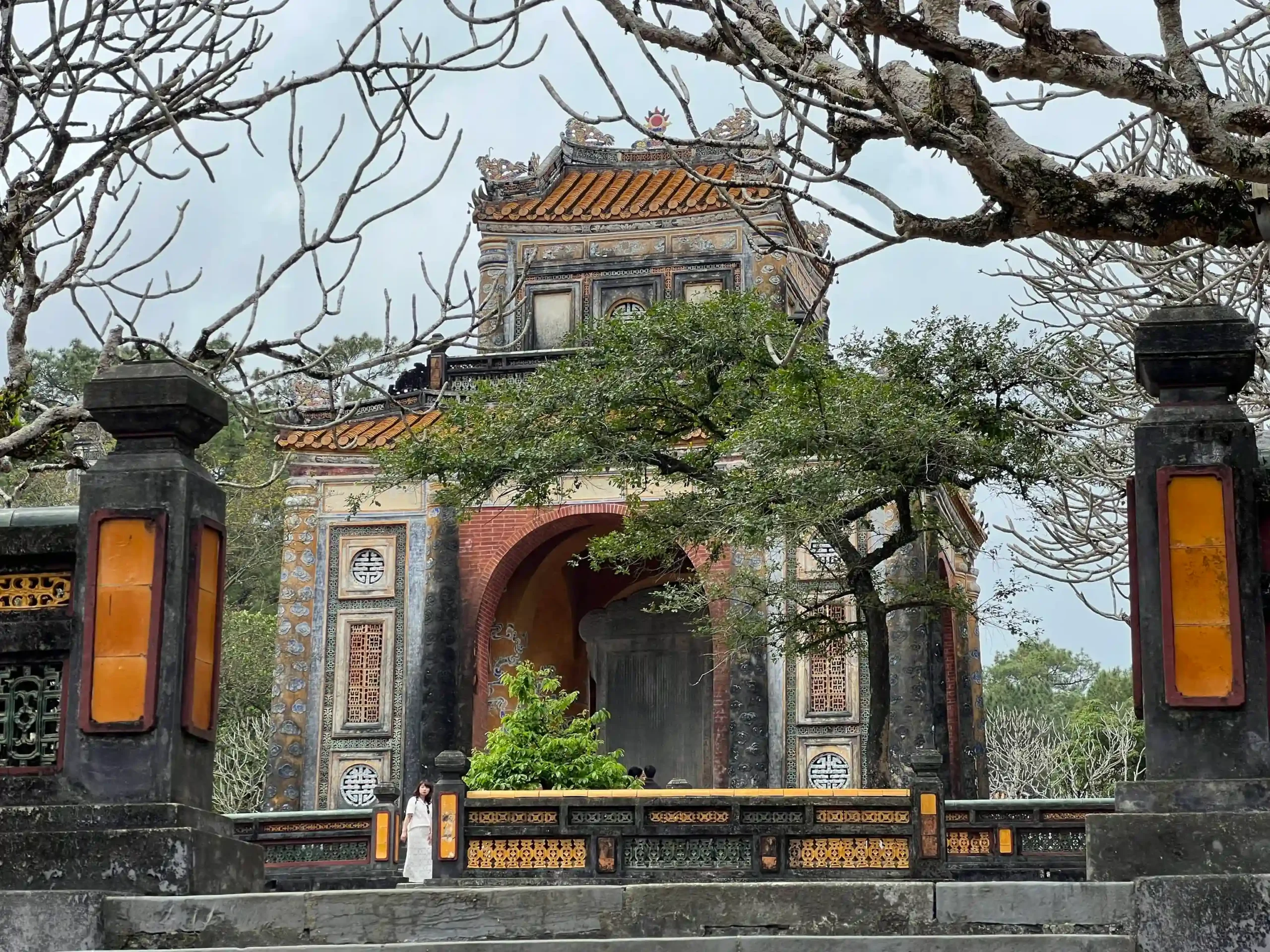
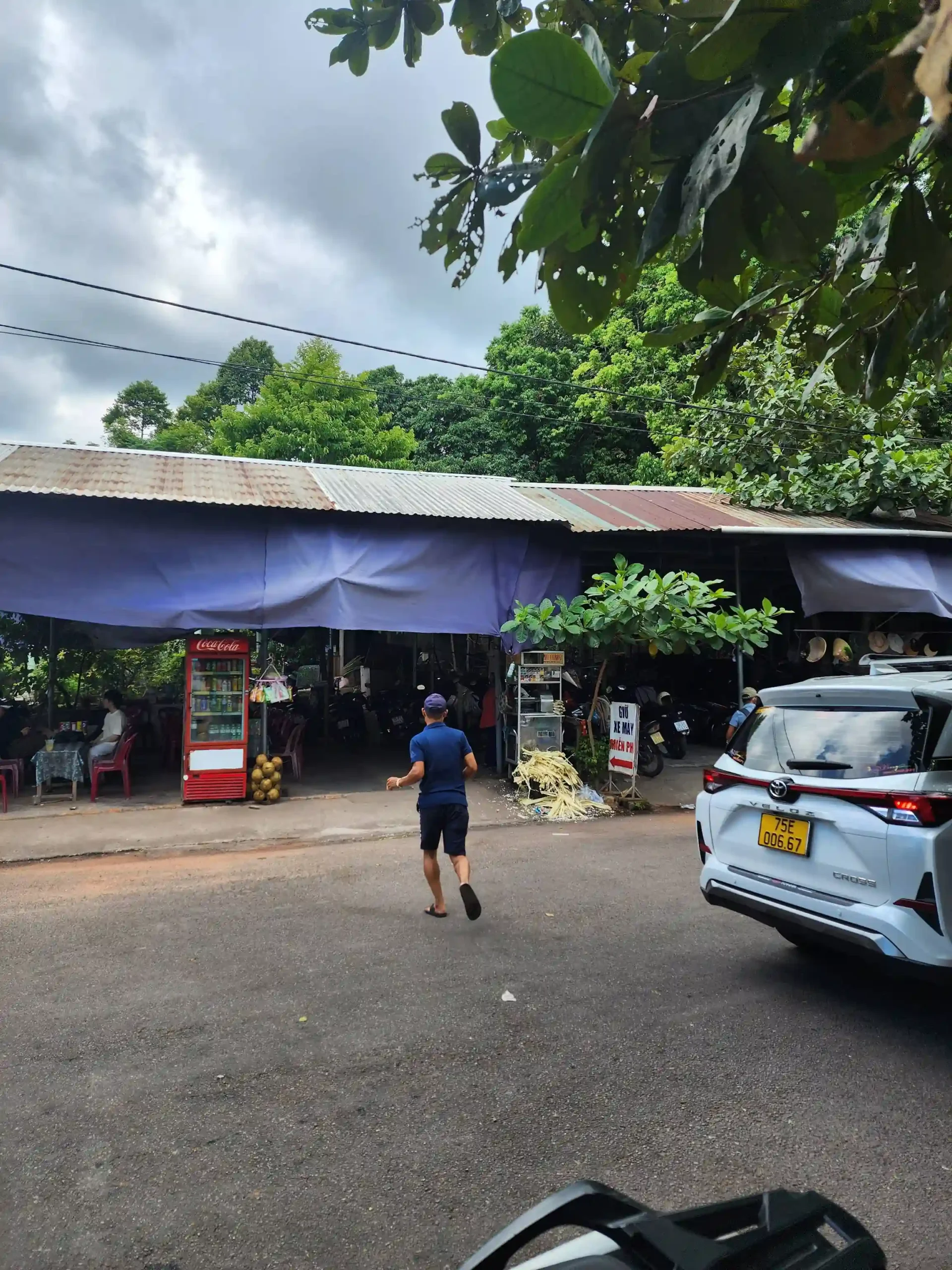
Tu Duc is entirely opposite. It feels sad and wide. Just a sprawling series of large wooden pavilions, green lakes, stone lotus areas. Drive between them whenever you feel like it. Stop to buy massive sugarcane juice bags filled mostly with cracked ice on the sides of the street. Since you own your schedule, you take an hour just leaning against an old tomb wall until you’re done. No megaphone guys anywhere.

Phase Four: Transiting South
Three nights in Hue gets you exactly what you needed. You rest up completely. The noise from your life at home drops off.
Now we fix the second leg of the map. You have to travel roughly four hours down the coast to hit your last point in Hoi An. You don’t need another train because trains drop you in Da Nang, meaning you just have to haul everything off to a taxi later to finish the route to Hoi An anyway.
If there is ever a time to just spend fifty bucks properly, it is right here.
You ask the hotel in Hue to organize a private 4-seat car driving from Hue straight through basically directly to Hoi An. Usually this takes them straight down National Highway 1A, under the huge Hai Van mountains through a giant concrete tube tunnel they blew open a couple decades back.
The driver picks up your suitcase, loads it at 9 AM. Three and a half hours later, without making stops to pick up other angry tourists at strange backpacker spots, you arrive totally clean in the ancient yellow walls. Split that fare between two people and you effectively pay nothing for premium moving.
Phase Five: Hoi An (The Delayed Romance – 4 Days)
This section of a Danang Hue Hoi An trip plan always causes problems because tourists misunderstand Hoi An violently.
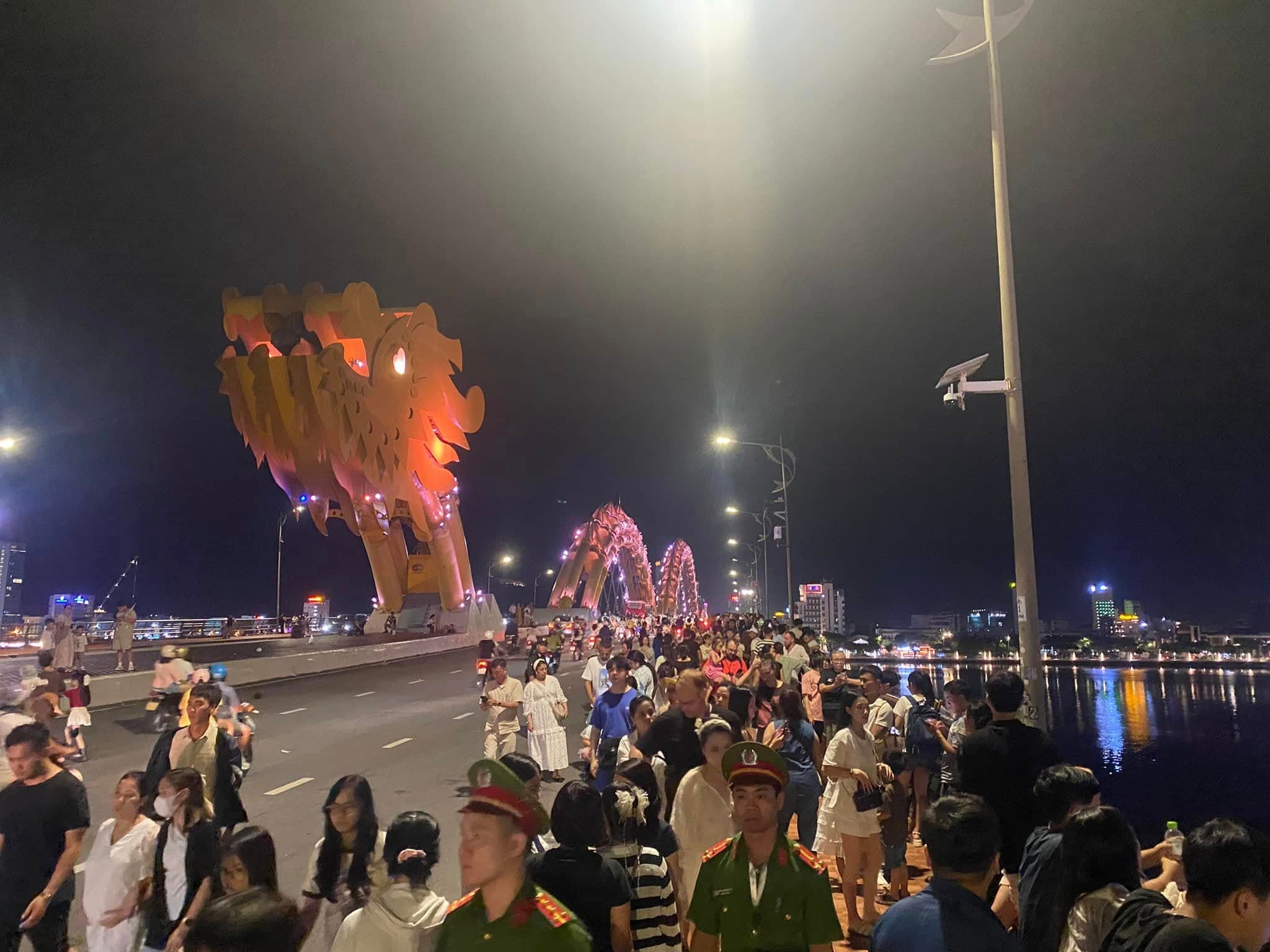
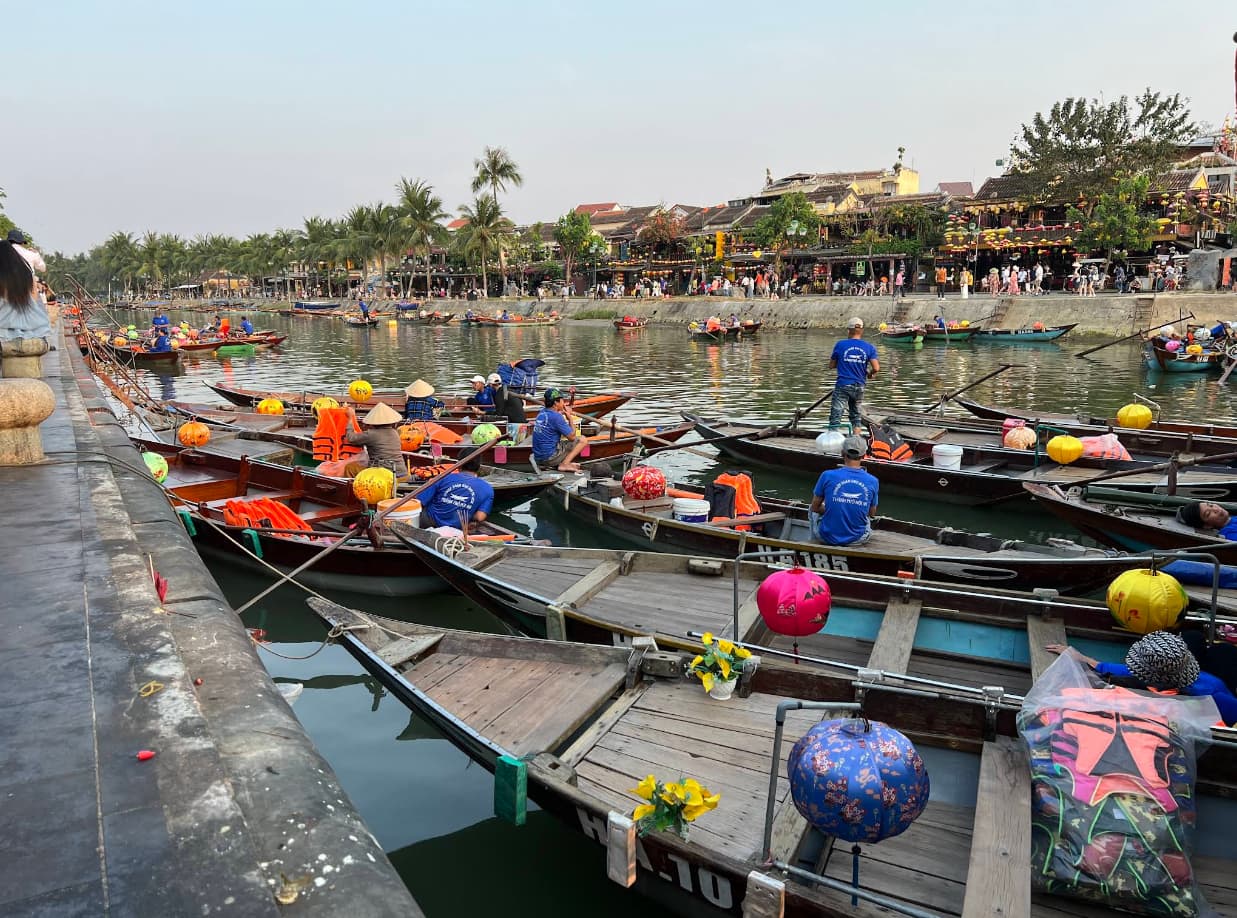
When you see standard travel videos of Hoi An, you mostly see people trapped in heavy foot traffic crossing the old Japanese bridge, surrounded entirely by floating lantern boats at night while horrible EDM club music thumps from the riverside bars.
That Old Town center basically acts as an adult theme park between 6 PM and 10 PM. Every house sells cheap replica bags or demands high prices for bad mango cocktails.
Tourists run in there for two days, scream about how annoying and crowded it is, get bad stomach cramps from a fake Italian restaurant, and run to the internet to complain that Central Vietnam is ruined.
Those fast travelers failed to look at the actual map.
Hoi An isn’t a tight block of yellow houses. It stretches way out into agricultural zones, river deltas, and ocean fronts. Since you budgeted four total days here, you are going to approach this properly.


Escaping the Center: Where to Sleep
Cancel any hotel reservations you made that sit directly next to the Old Town boundaries. Yes, you read that correctly. You do not sleep where the history happened. The street noise from the bars and the screaming from the lantern boat docks will drive you insane.
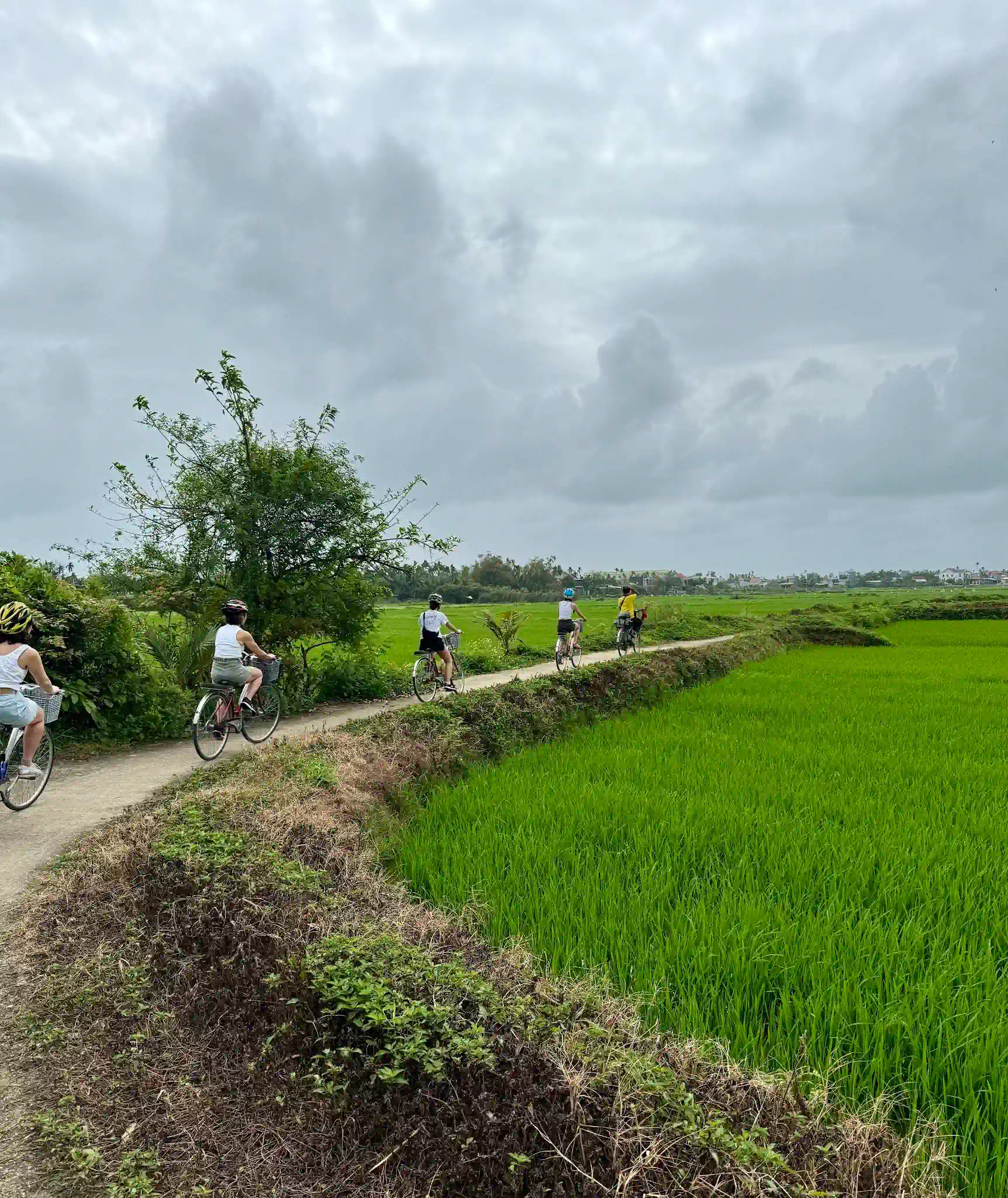
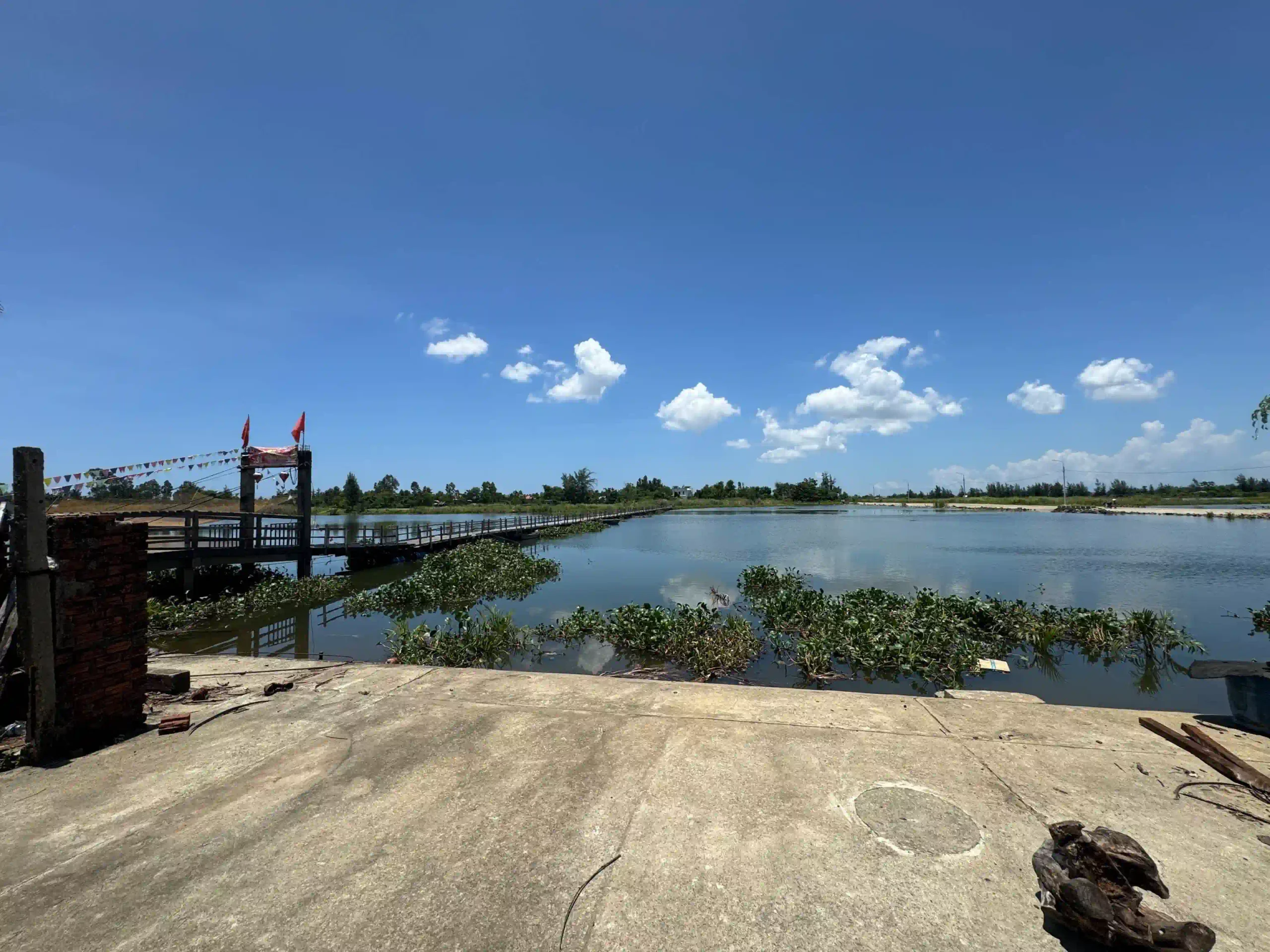
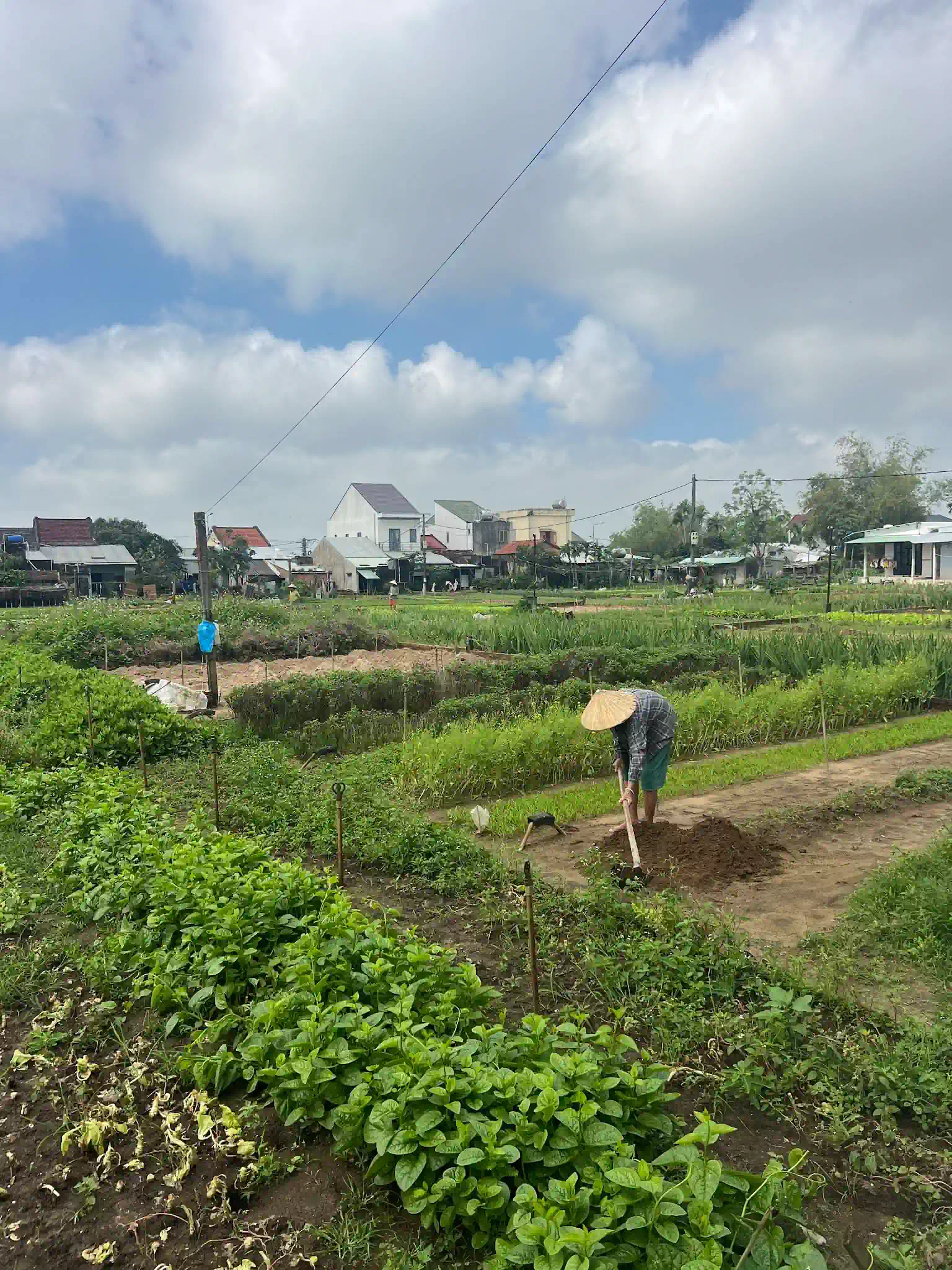
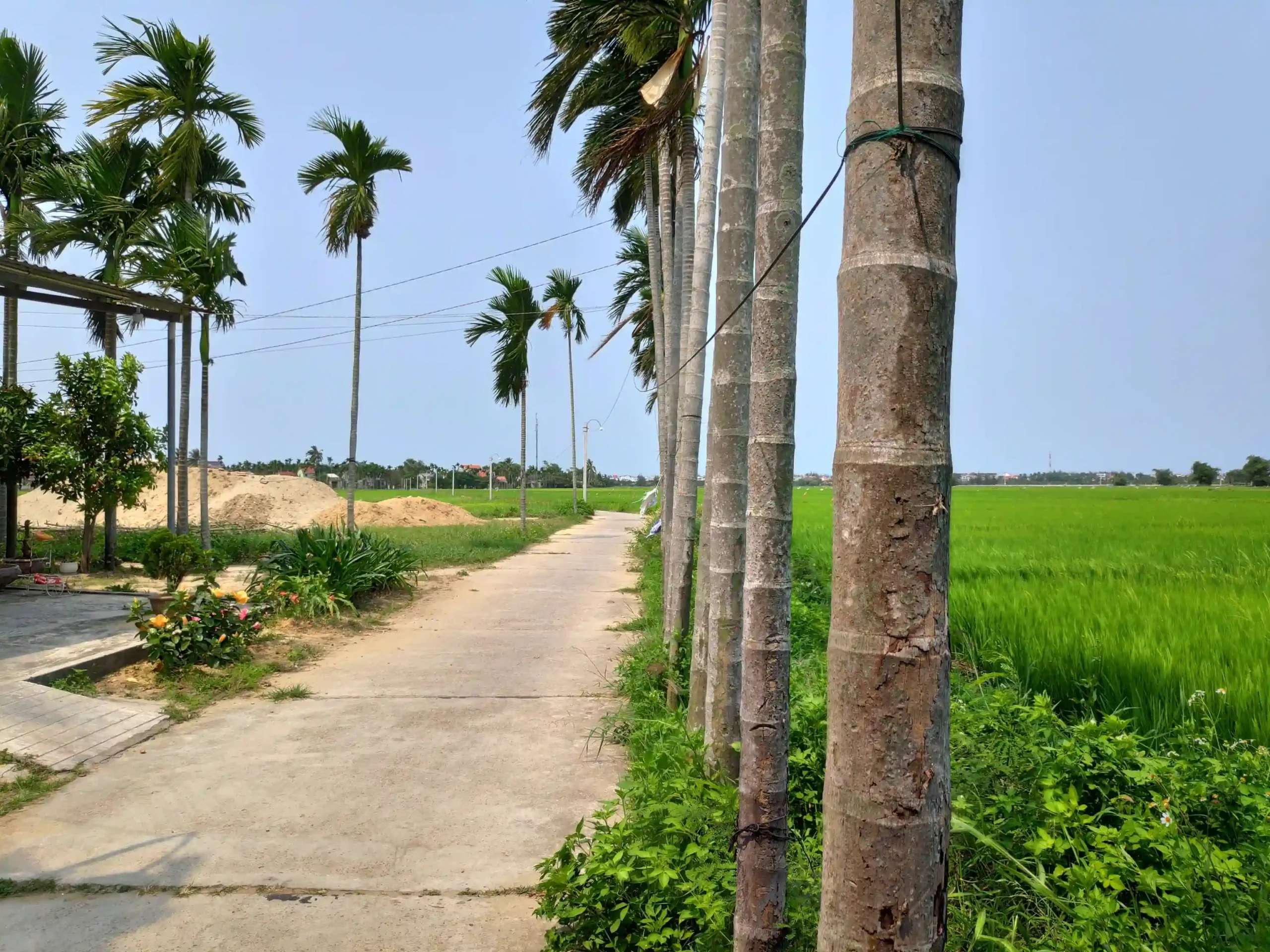
Get out of the noise bubble. Look at areas called Cam Chau or Cam Thanh. These are massive green grids of water palm forests, rice paddies, and roaming water buffalo sitting just two or three kilometers away from the old streets. Alternatively, look at An Bang Beach if you want ocean air.
Wait, I know some of you won’t listen. I know you might hate cycling in the dark or you just want to be able to stumble home after a few beers on the river without calling a Grab. If you absolutely insist on staying within walking distance of the yellow houses for the convenience, don’t just pick a random spot with fake reviews on a booking app.
Because I’ve lived here long enough, I’ve actually gone out and “stress-tested” several local spots myself to see which ones are legit and which ones are just noisy concrete boxes. If you want to stay close to the action but still want a place that’s actually clean and safe, you need to read my vetted list of the 7 best Hoi An homestays near Old Town that I tried myself before you put any money down. At least that way, you know the owner is cool and the A/C actually functions.
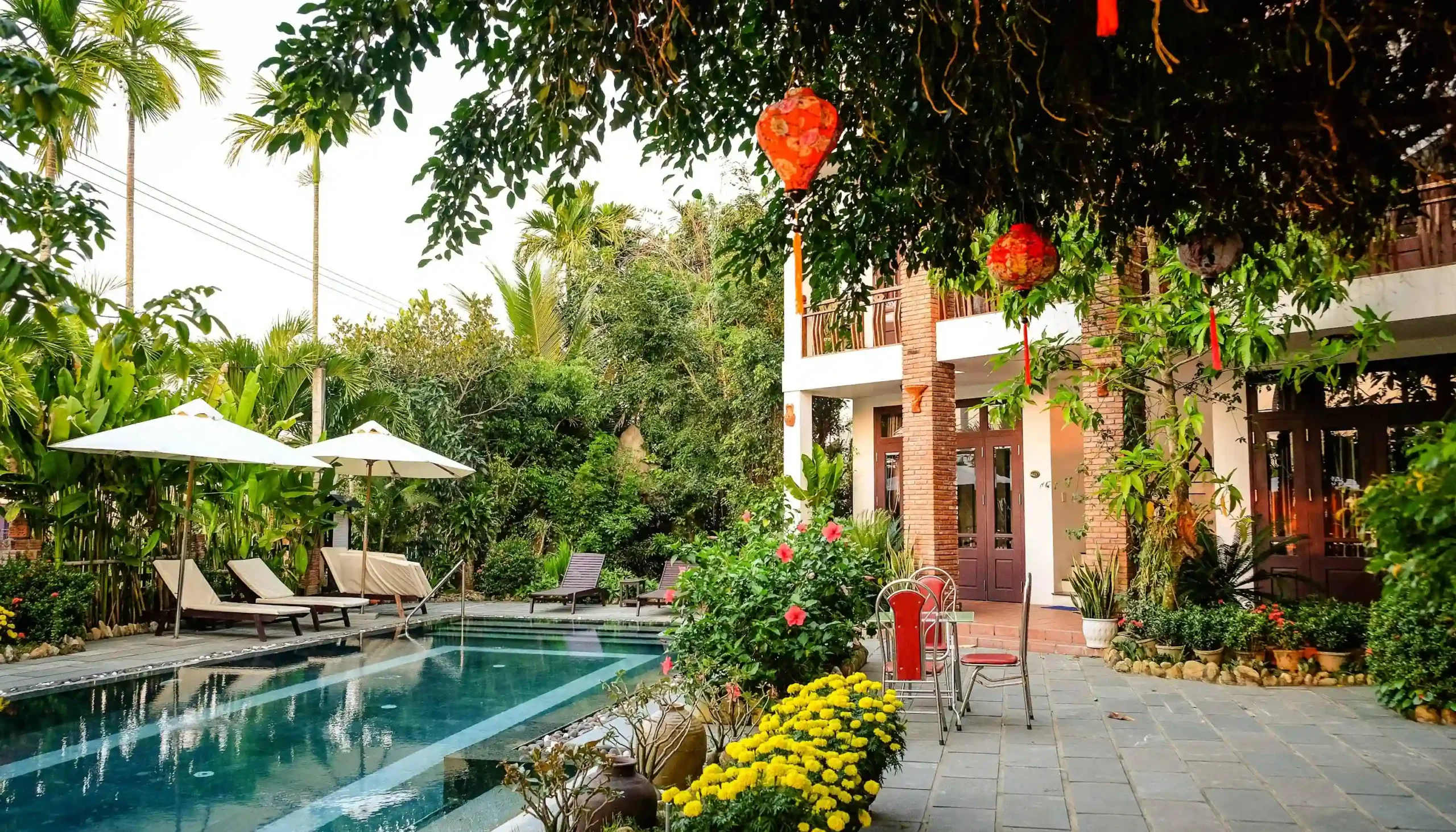
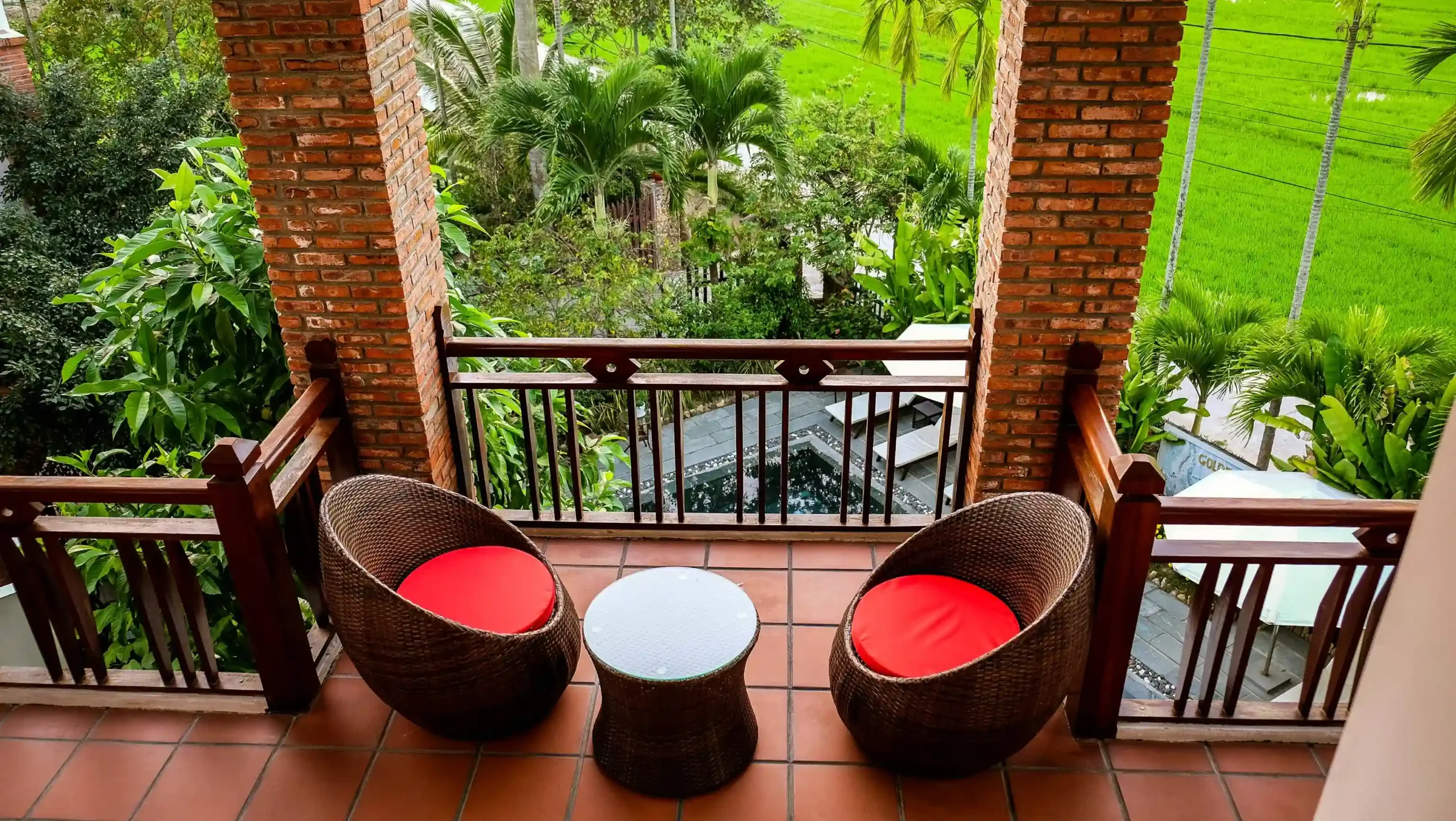
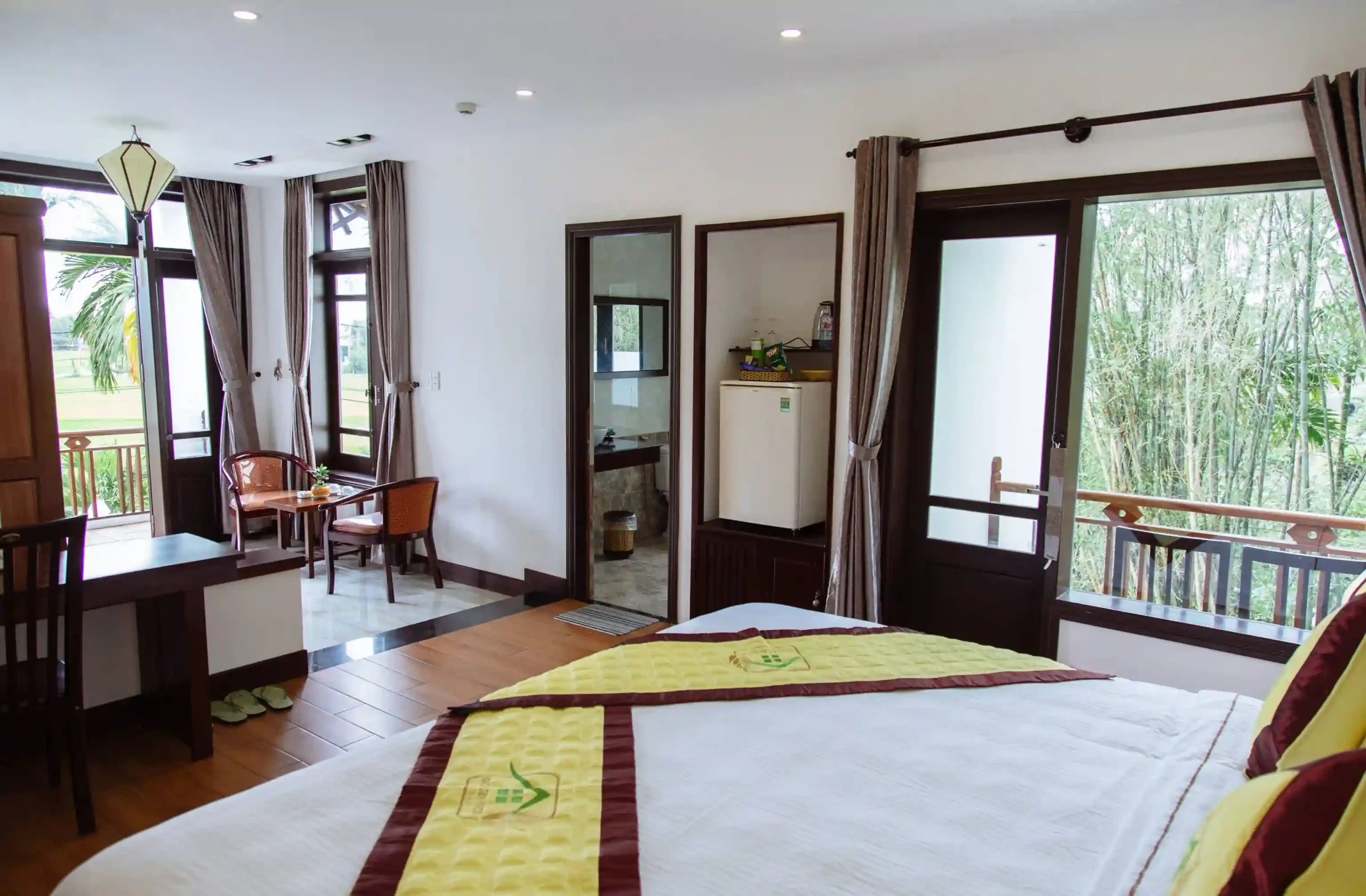
For the rest of you, rent a brick villa or a family homestay with a small pool out in the rice paddy zones. A solid, clean private room overlooking a muddy field runs about $25 to $40 a night. You sleep with the sounds of frogs, not taxi horns.
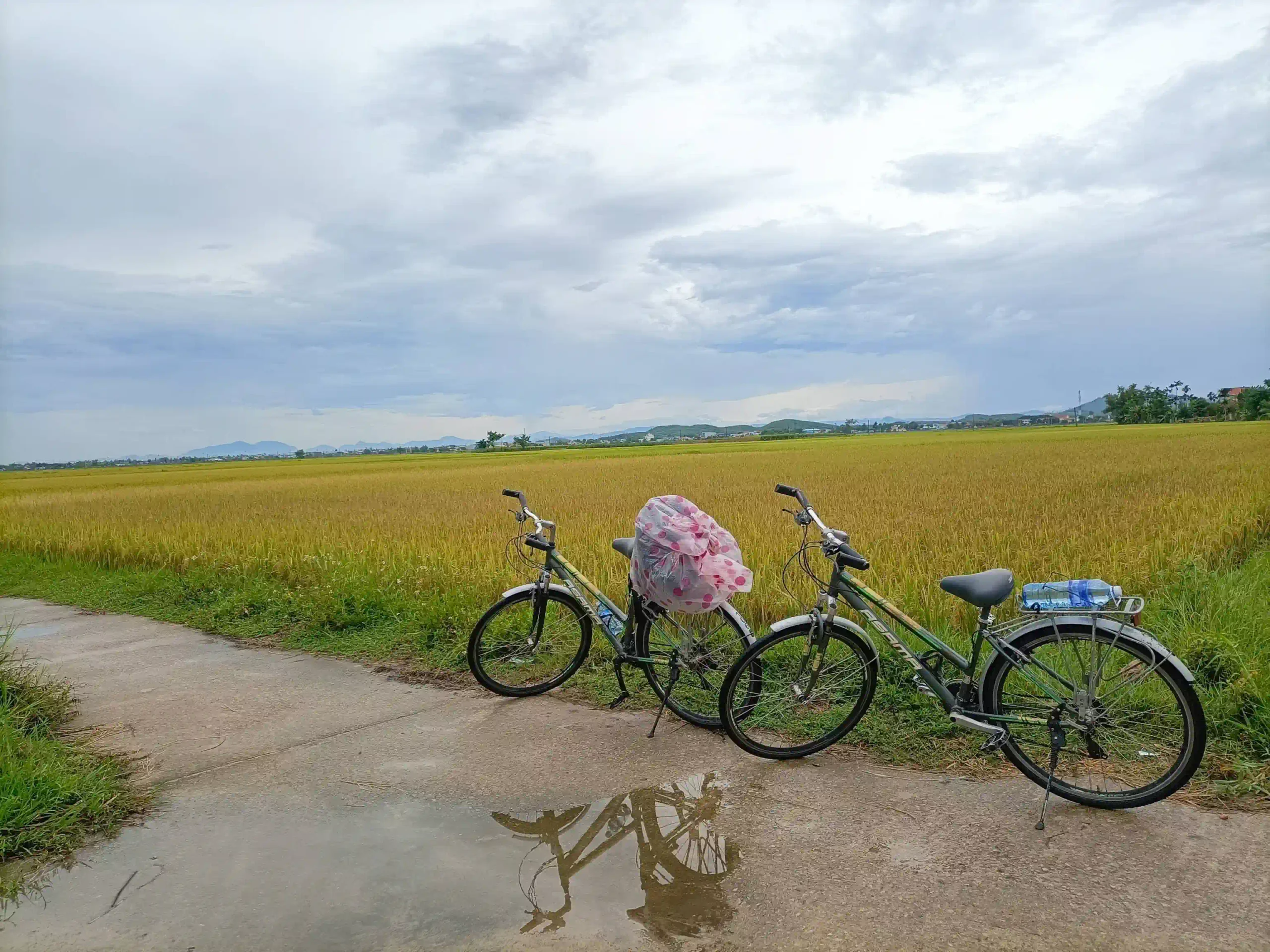
Almost every homestay here gives you a free rusty bicycle. The geography is completely flat. In the late afternoon around 4 PM when the heat breaks, grab the bike and just pedal through the narrow dirt paths between the farms. There are no angry delivery trucks. It actually feels like a proper vacation.
Read more: Comparing the Top 3 Hoi An Countryside Bicycle Tours in 2026
The Tailor Process: Why You Actually Need Four Days
If I had to give you one massive reason to slow down on a Danang Hue Hoi An route, it revolves around the clothing shops.
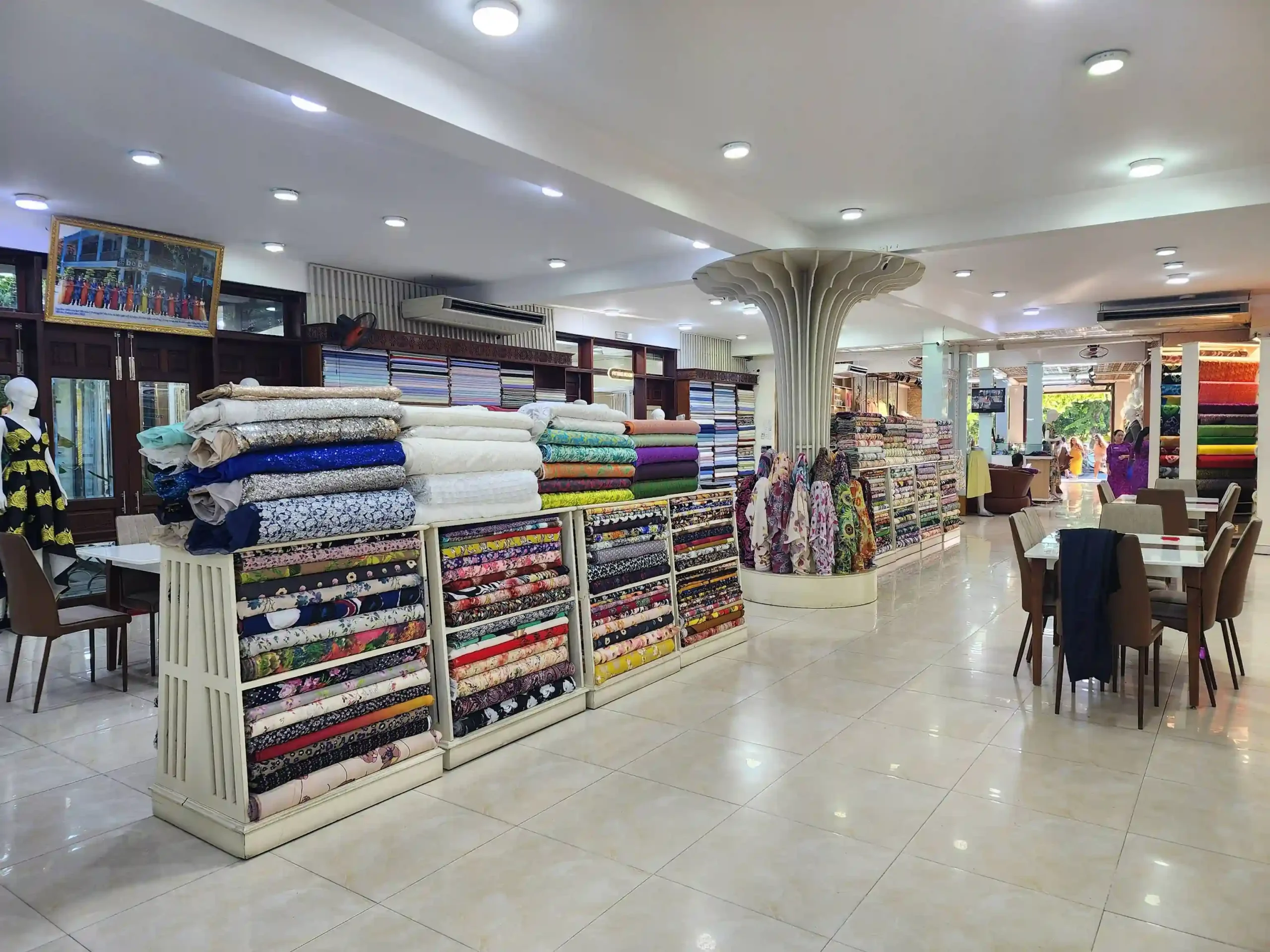
Hoi An is internationally known for its tailors. There are hundreds of them.
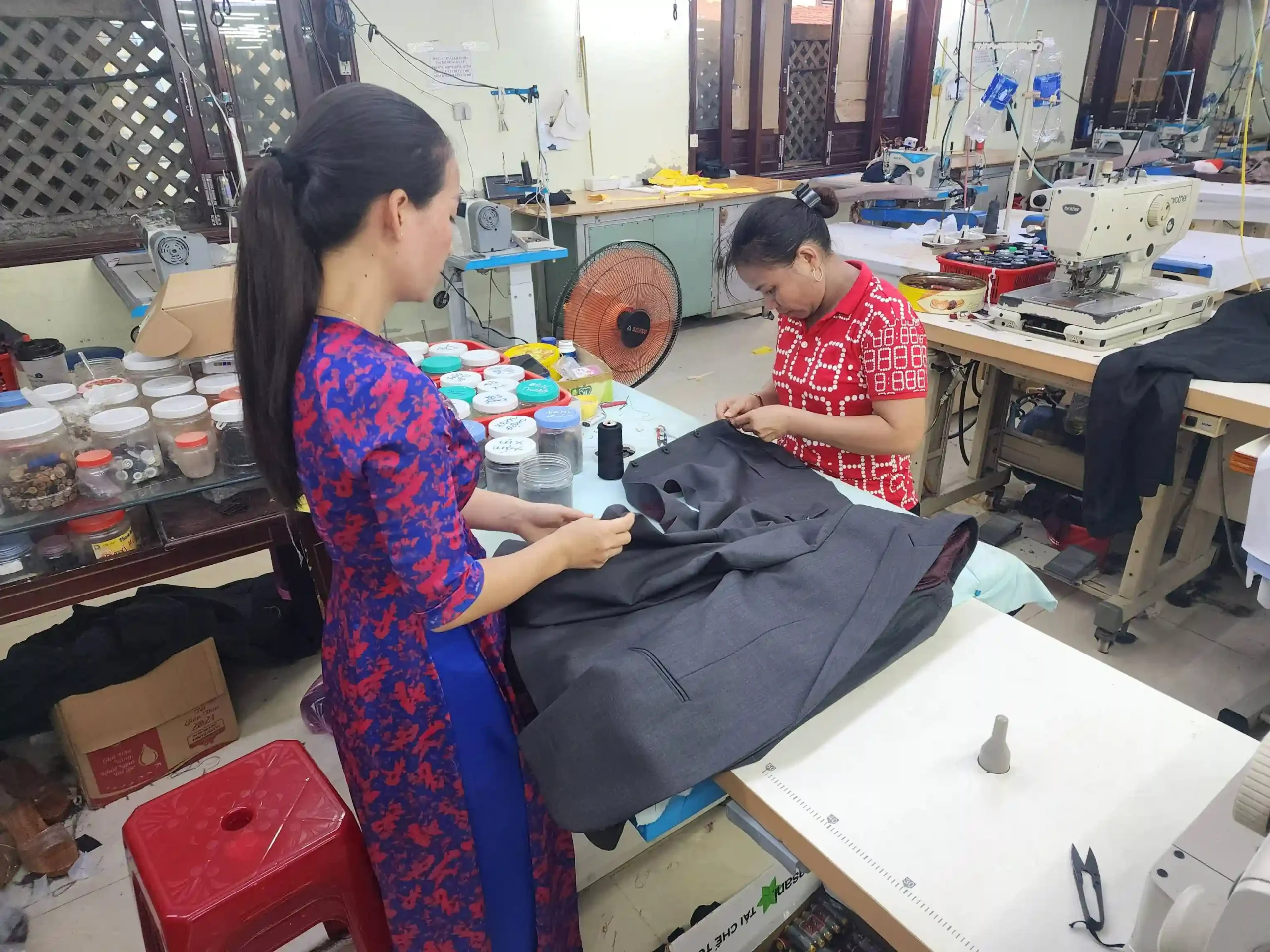
Fast travelers arrive, buy the “12-Hour Emergency Suit”, pay their money, and leave for the airport the next morning. It’s a terrible idea. Those suits are thrown together overnight, often using glue instead of proper heavy stitching, and the shoulders almost never fit right. They will tear the third time you wear them back home.
Because you have four days here, you can do this right.
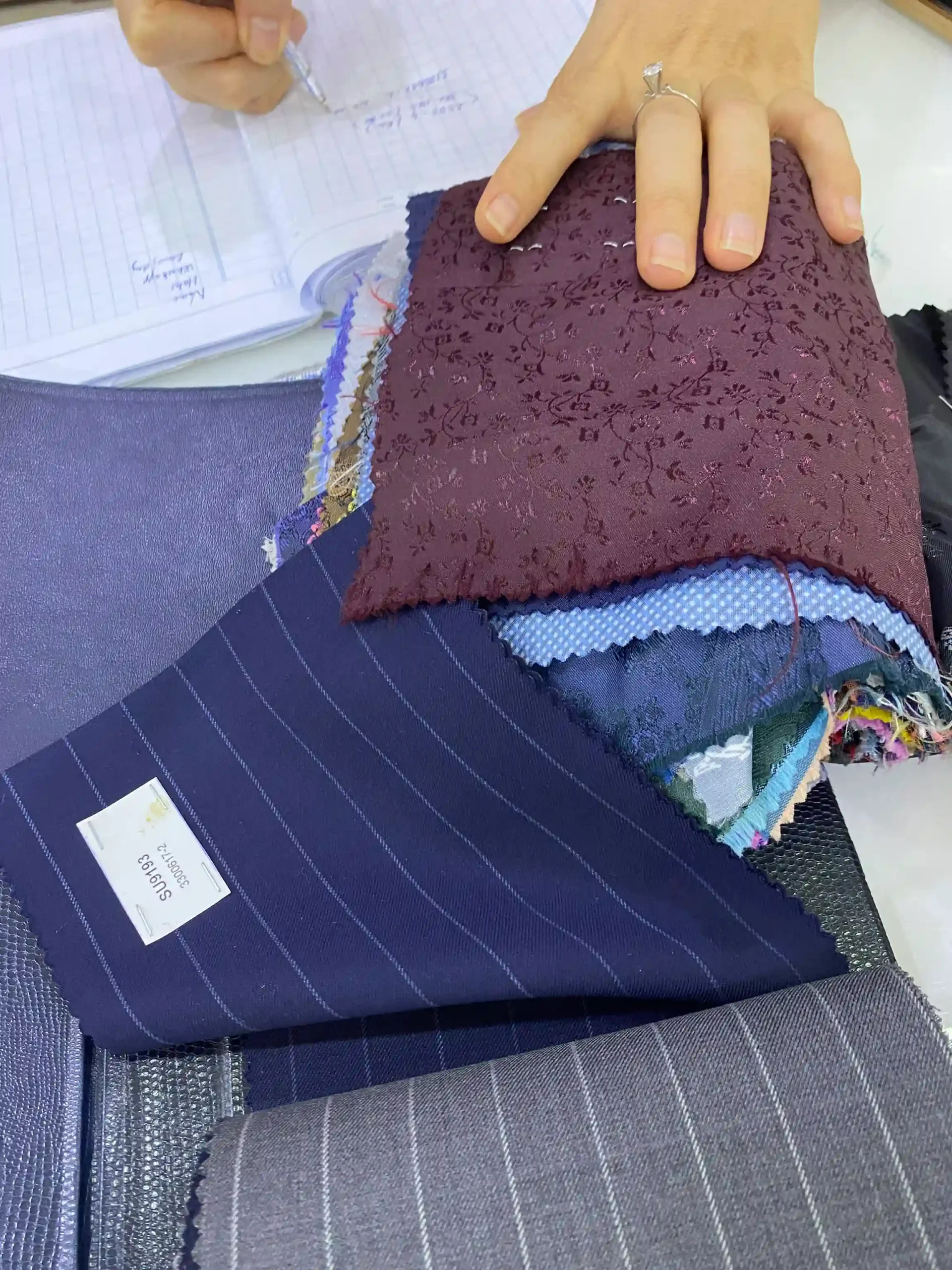
When you spread the tailoring out, the quality of clothing you get for $150 USD easily beats off-the-rack stuff in the West. You can go to established heavy-hitters like BeBe Tailor, or find highly rated family shops in the smaller alleys. The process demands time:
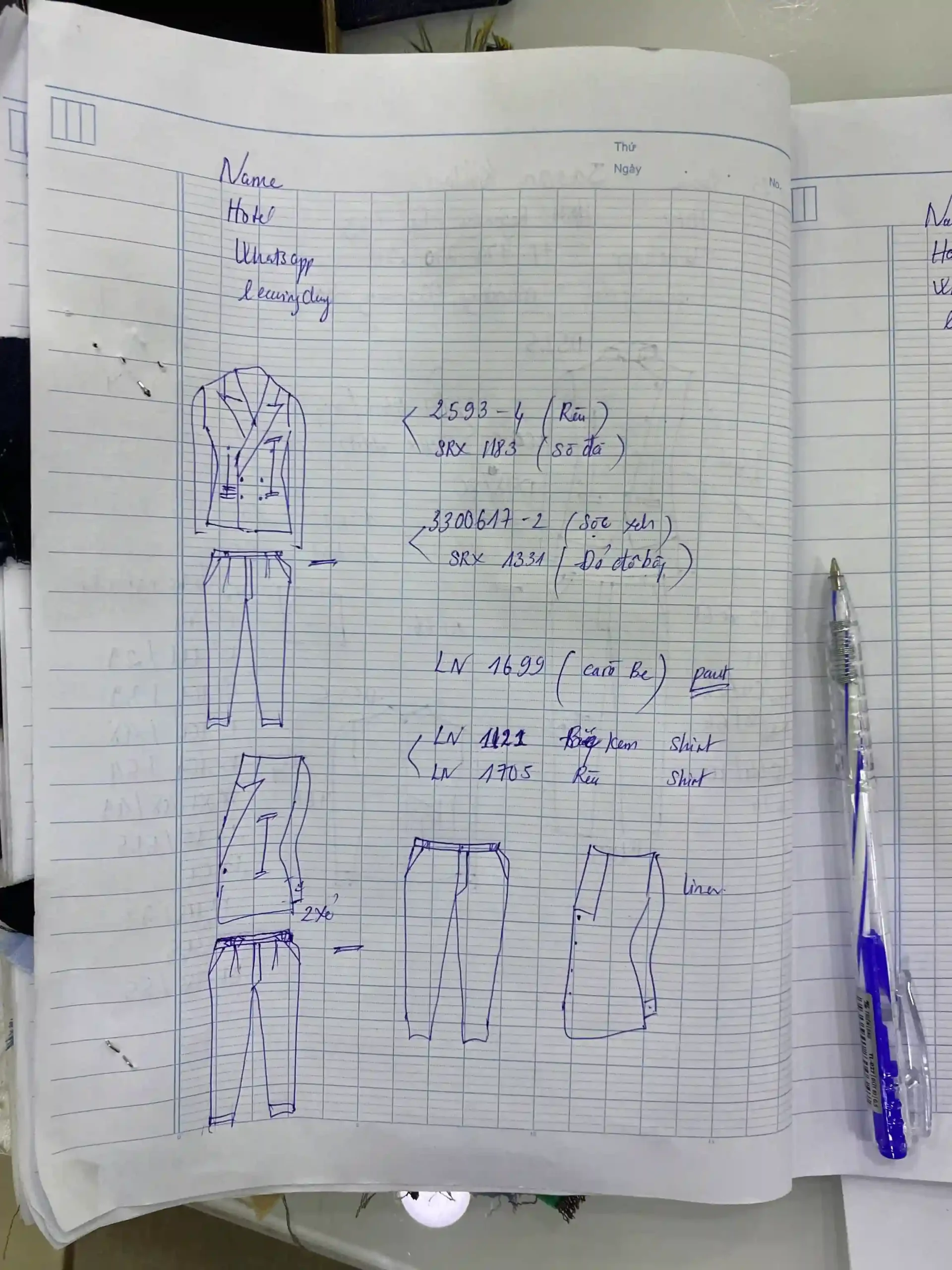
- Day 1: Walk in, negotiate prices (do not aggressively lowball, just ask for a fair group rate if buying multiple items). Pick your heavy linen or wool blends. Get completely measured.
- Day 2: First fitting. The clothes will be full of chalk marks and pins. Put it on. This is where you complain if the crotch is too tight or the arms are too short. Don’t be polite; be exact.
- Day 3: Second fitting. They bring out the adjusted pieces. Usually, everything fits 90% better now. Make your final micro-adjustments on hem lengths.
- Day 4: Final try-on, you pay the remaining balance, and they bag it up. It fits perfectly.
You cannot rush custom clothes. Stop trying to do it in a weekend.

Dealing with the Old Town Ruins
Obviously, you still need to see the famous yellow merchant houses. The trick is timing. You simply shift your clock.
You must wake up early.
At 6:00 AM, Hoi An Old Town is incredible. The massive tour buses from Da Nang have not arrived yet. The heavy, sticky heat hasn’t hit. The shop owners are outside sweeping the front steps, setting up tiny wooden stools, and burning incense. The streets are entirely empty except for old men smoking and local women carrying heavy shoulder poles of fruit to the central market.
Get an early morning local drip coffee from a cart. Take your photos against the old wooden doors without a hundred strangers in the background. Pay $6 for the multi-entry ticket to look inside the ancient assembly halls when they unlock the doors.
By 10:30 AM, when the first waves of sweaty group tours arrive and block the sidewalks, you simply get back on your bicycle, leave the Old Town entirely, and go jump in your homestay pool.





Cao Lầu: Eating in the Fields
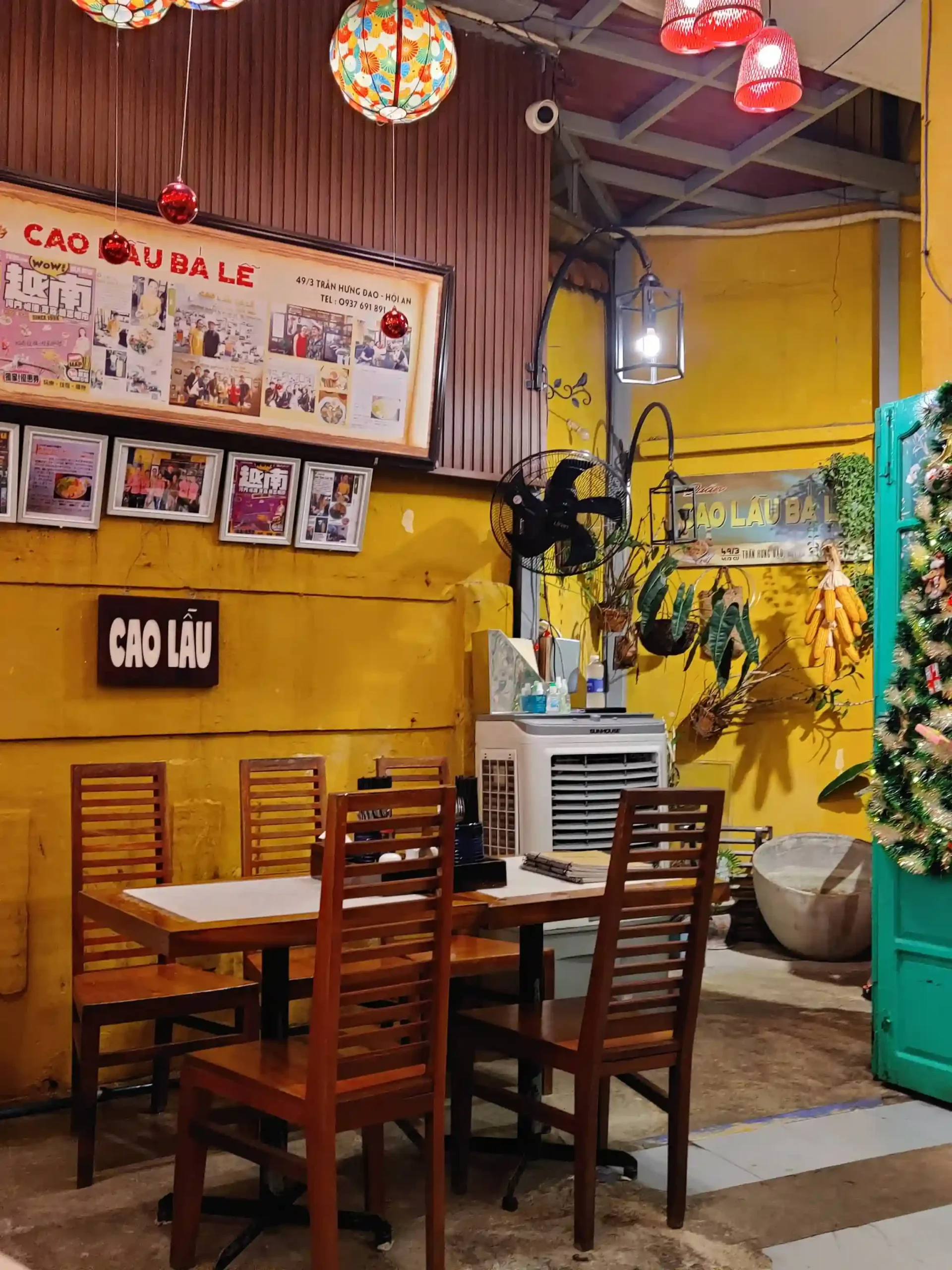
Stop eating pizza on the main tourist riverfront. For meals, take your bike away from the center. You are hunting for Cao Lầu.
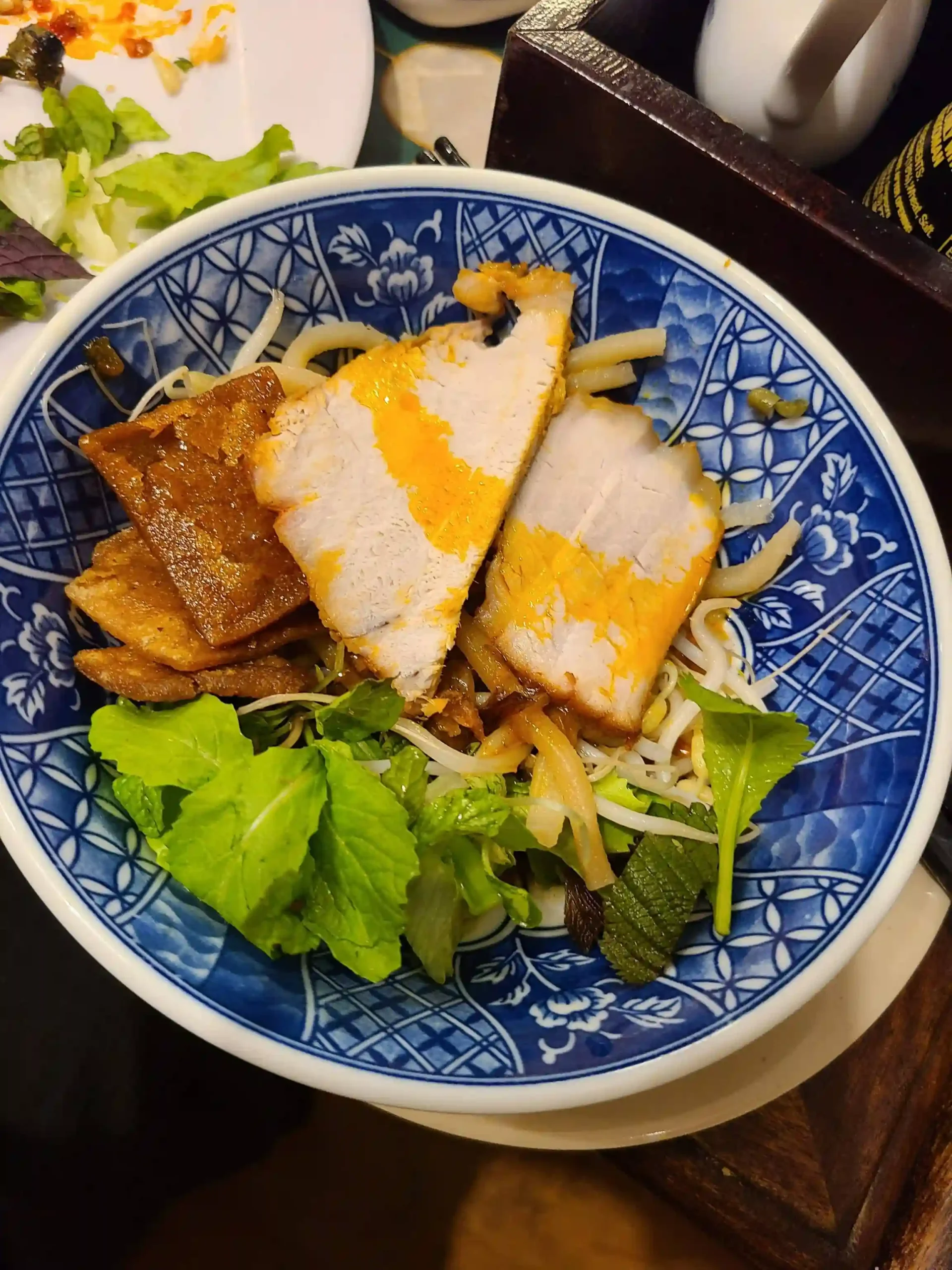
This is arguably the most structurally complex bowl of noodles in Central Vietnam, and technically it only exists in Hoi An.
The lore says the thick, incredibly chewy noodles must be made using lye water drawn from the ancient Ba Le well in town, mixed with ashes from a specific tree on the Cham islands. Is that still entirely true today for every bowl? Probably not. But the texture of these noodles is undeniably heavy and totally different from flat Pho noodles.
They serve it in a small bowl with thick, fatty slices of roasted pork, a very dark, salty soy-based gravy just at the bottom, huge fistfuls of sharp raw mint and basil, and square crackers made from deep-fried dough.
Ride down Thai Phien street or into the smaller local alleys out in the Tra Que village area. Sit at a tin-roof restaurant with small metal tables. A bowl costs about 40,000 VND ($1.60 USD). You add heavily crushed chili paste and mix the dry noodles up from the bottom. It’s cheap, heavy, and absolutely locals-only outside the center.


Beating the Heat at My Son
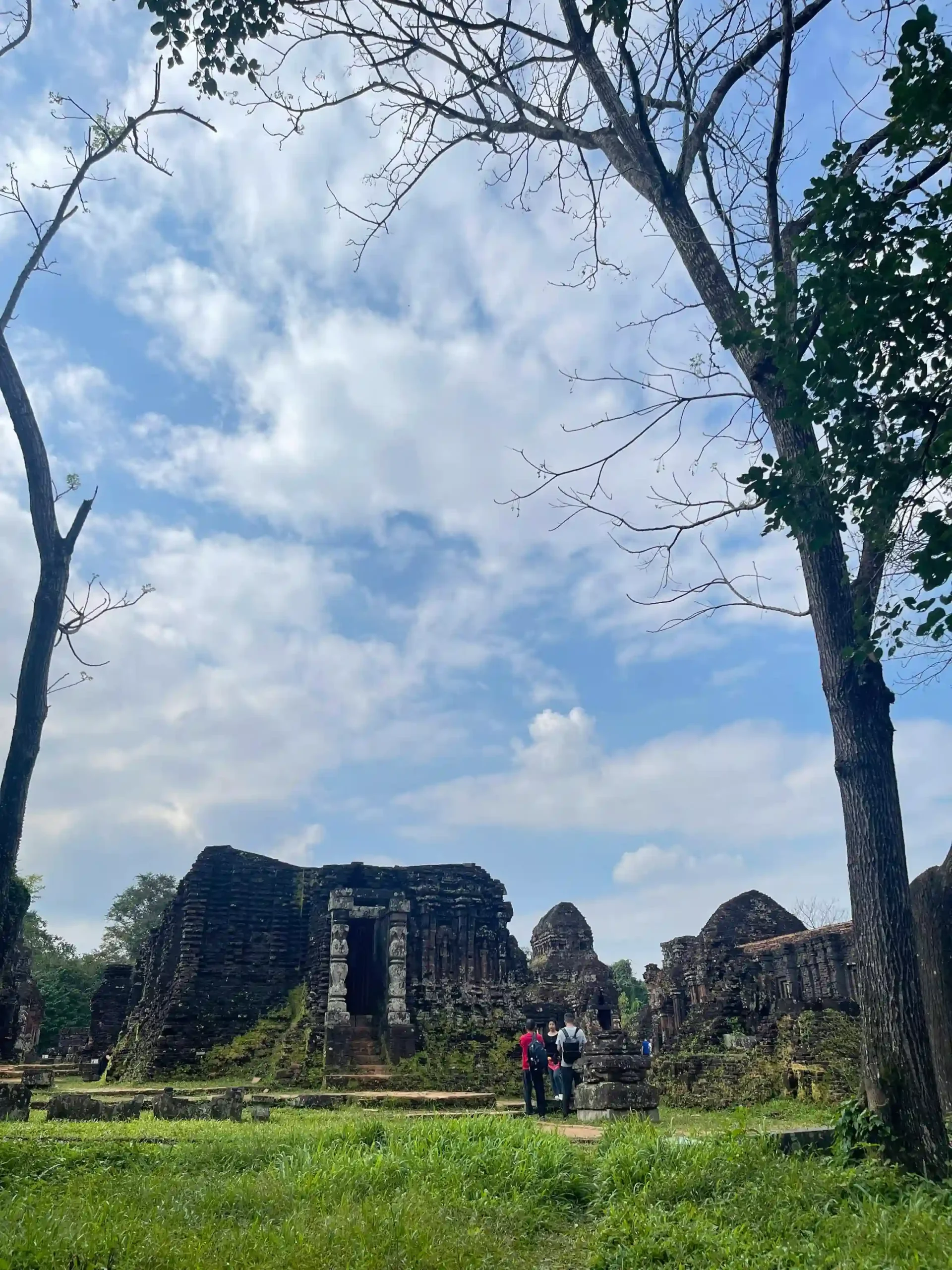
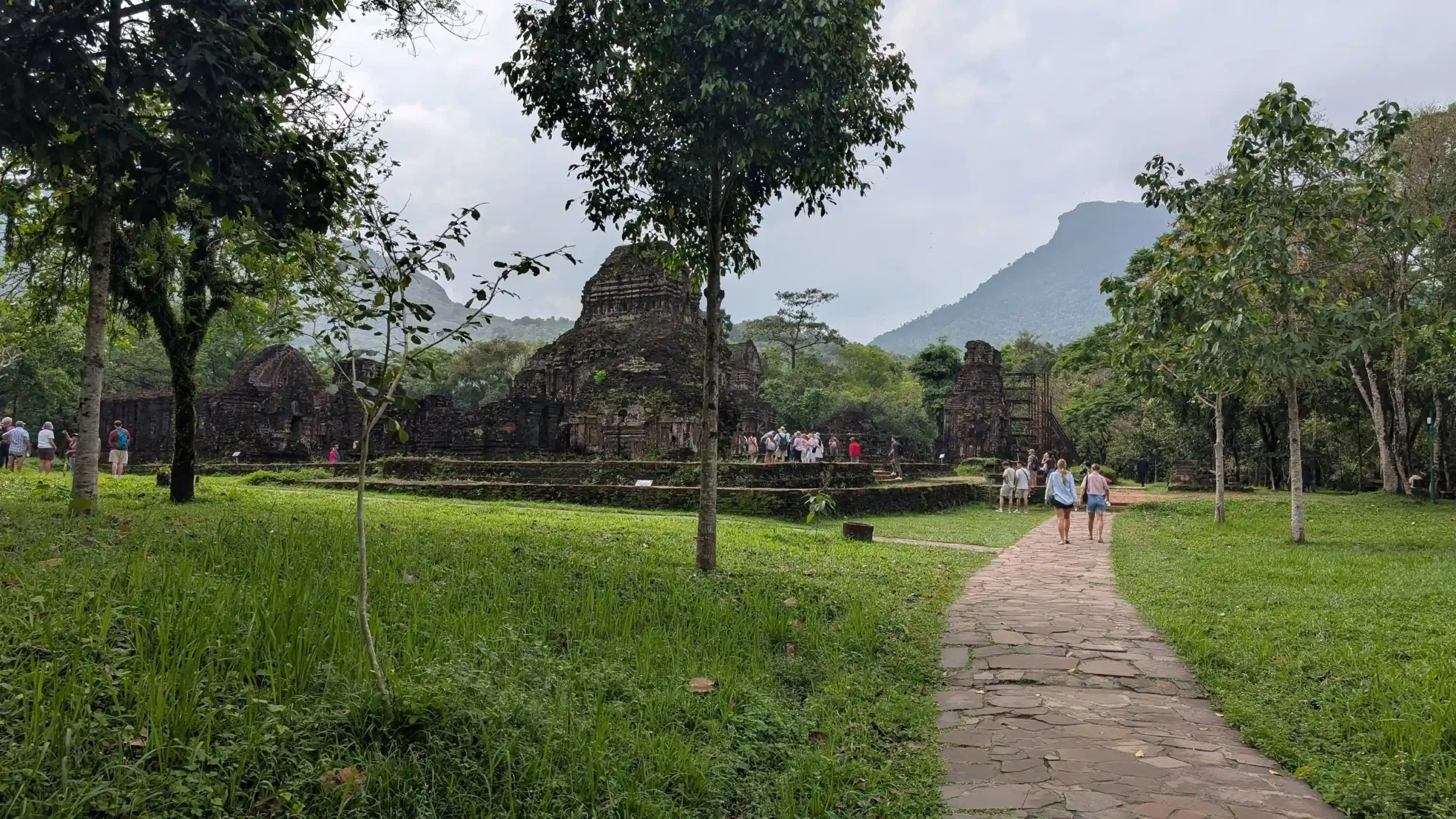
If you are into history, your final slow-day activity is getting out to the My Son Sanctuary. It’s an ancient Hindu temple complex built by the Champa Kingdom, sitting in a valley about an hour drive out of Hoi An.
Do not go here at midday. The heat traps inside that valley are miserable, and there is almost no wind. If you arrive at noon, you will last about twenty minutes before getting dizzy.
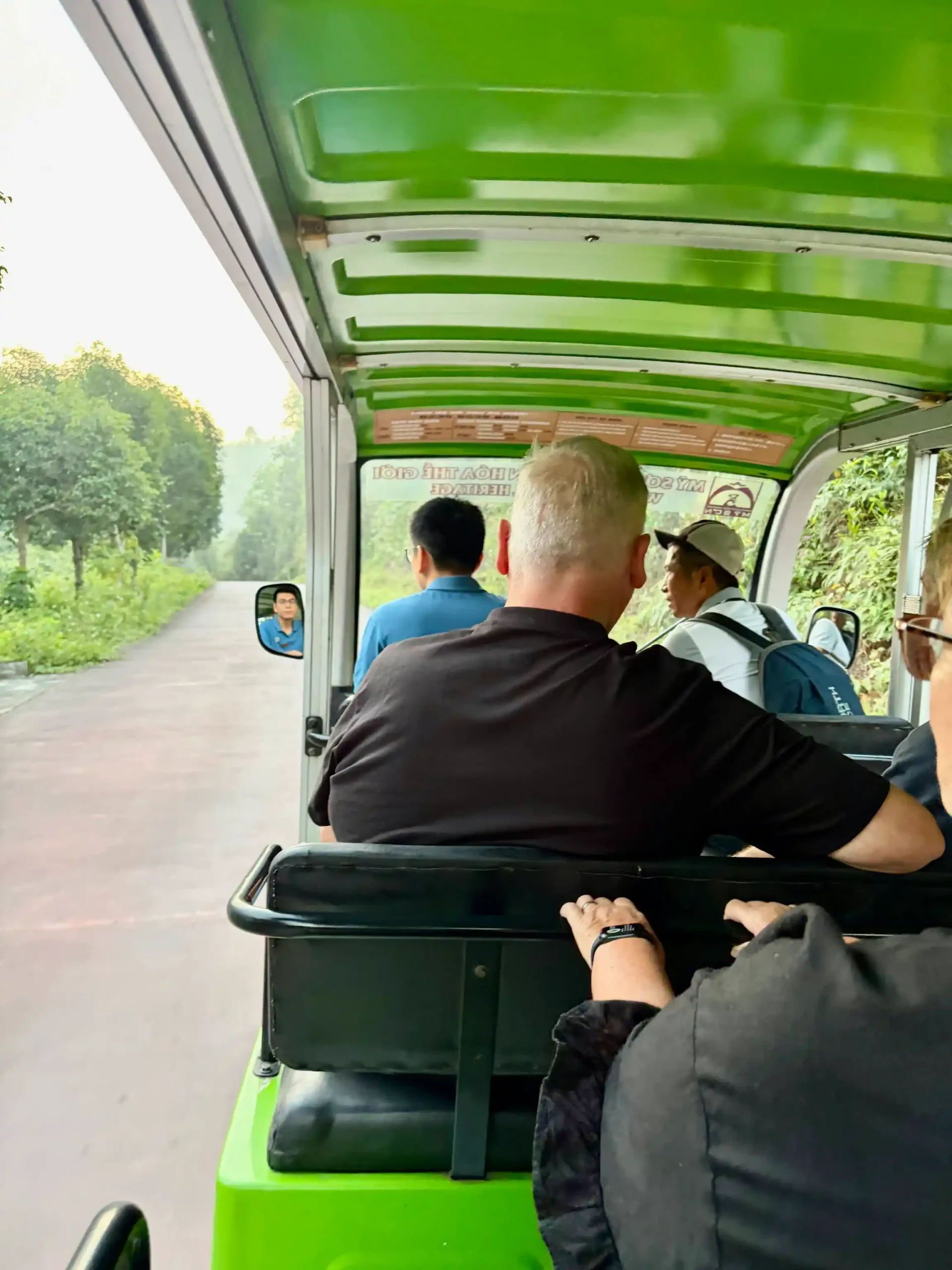
Because you aren’t rushing to catch a flight, wake up stupidly early. Look up platforms like Viator and explicitly book a sunrise or very early morning transfer ticket. A reliable option is booking this Skip the Line Early Morning My Son tour via Getyourguide because they grab you in an air-conditioned car at 5:30 AM).
You get out to the jungle ruins when the morning fog is still sitting on the red bricks. It is dead quiet. You walk around the bomb craters from the Vietnam War without passing out from a heatstroke, and they drop you back in Hoi An in time for a late breakfast.

The Financial Reality of the Slow Route
A lot of people fight the concept of slow travel because they assume taking fourteen days to do the Danang Hue Hoi An loop means spending three times as much money.
The math works the complete opposite way in Vietnam. Fast travel creates panic buying.
When you have exactly 72 hours, you get nervous. You overpay $60 for an immediate private van because you didn’t figure out the train schedule.
You eat a bad $18 plate of dry pasta right outside a museum simply because your tour group gives you exactly thirty minutes to eat and you can’t go searching for alleys.
You buy heavily marked-up hotel laundry services because you leave the next morning.
When you slow down and stay 10 to 14 days, your costs drop off a cliff.
- Sleeping: You drop from $70-a-night hurried hotel rooms to grabbing an apartment for $30 a night on weekly discounts.
- Transit: You stop buying luxury cross-country minivans and just use the cheap, gorgeous local $7 railway system, plus normal 30,000 VND Grab motorbike rides locally.
- Eating: You actually have the spare hours to locate those authentic alleys we talked about (go reference my detailed breakdown of the exact restaurants in Da Nang that locals actually respect if you forgot the addresses).
Central Vietnam is brilliant, but the weather is hostile, the roads are chaotic, and the culture is loud. If you try to aggressively dominate the map by moving a suitcase every 24 hours, this region will beat you down and chew you up.
Stop checking out of hotels every day. Settle in behind My Khe beach, watch the monkey mountains in the afternoon, get on a train that doesn’t use the tunnel, stand in the Hue palace grounds before noon, and force the tailors in Hoi An to do three actual fittings on your suit. That’s how you walk away from the central coast feeling like you actually did the trip properly.
Pack some breathable cotton, load your E-SIM before you land, and go get a proper iced coffee. See you out there.












 Tiếng Việt
 한국어
한국어 中文 (中国)
 日本語
日本語 ไทย
ไทย Deutsch
 Español
 Destinations
 Instagram
 Facebook
 X (Twitter)
 Threads
 Tiktok