









 Ha Giang
 Hanoi
Hanoi Ho Chi Minh City
 Ha Long
 Sapa
Sapa Mekong Delta
 Da Nang
 Hue
Hue Hoi An
 Ninh Binh
 Da Lat
 Nha Trang
 Phan Thiet
 Phu Quoc
 Quang Binh
 Quy Nhon
 Vung Tau
 Thai Nguyen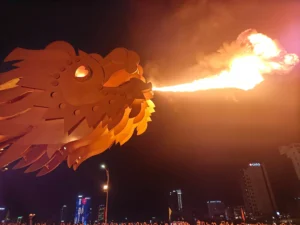





When people start planning a trip to Da Nang, they usually look at a map and get confused. You have a massive beach on one side, a river in the middle, an airport right next to the city center, and then huge mountains in the distance. And then there is Hoi An sitting 45 minutes down the road.
Trying to figure out a Da Nang itinerary that fits everything together without making you feel like you are spending half your vacation sitting inside a taxi is tough.
This post is basically the master plan I use whenever someone comes to visit. It’s a realistic, 4-day Da Nang itinerary. It doesn’t pack your day from 6 AM to midnight because you are on vacation and you probably want to drink a beer on the beach at some point.
If you are looking for the massive, overarching main list of spots to hit in the city, use this as your practical day-by-day framework to actually get to those places.
- Quick Answer: A solid Da Nang itinerary requires 3 to 4 days to see the main sights without rushing. Dedicate one day to the city center and Dragon Bridge, one day to the Son Tra Peninsula and My Khe beach, one day for a major excursion like Ba Na Hills or the Hai Van Pass, and your final day for a trip to nearby Hoi An.
- Trip Length & Where to Stay: 4 days is the sweet spot. Stay in An Thuong if you want walkable beach access, or Hai Chau (city side) for authentic street food.
- Day 1 (City & Fire):
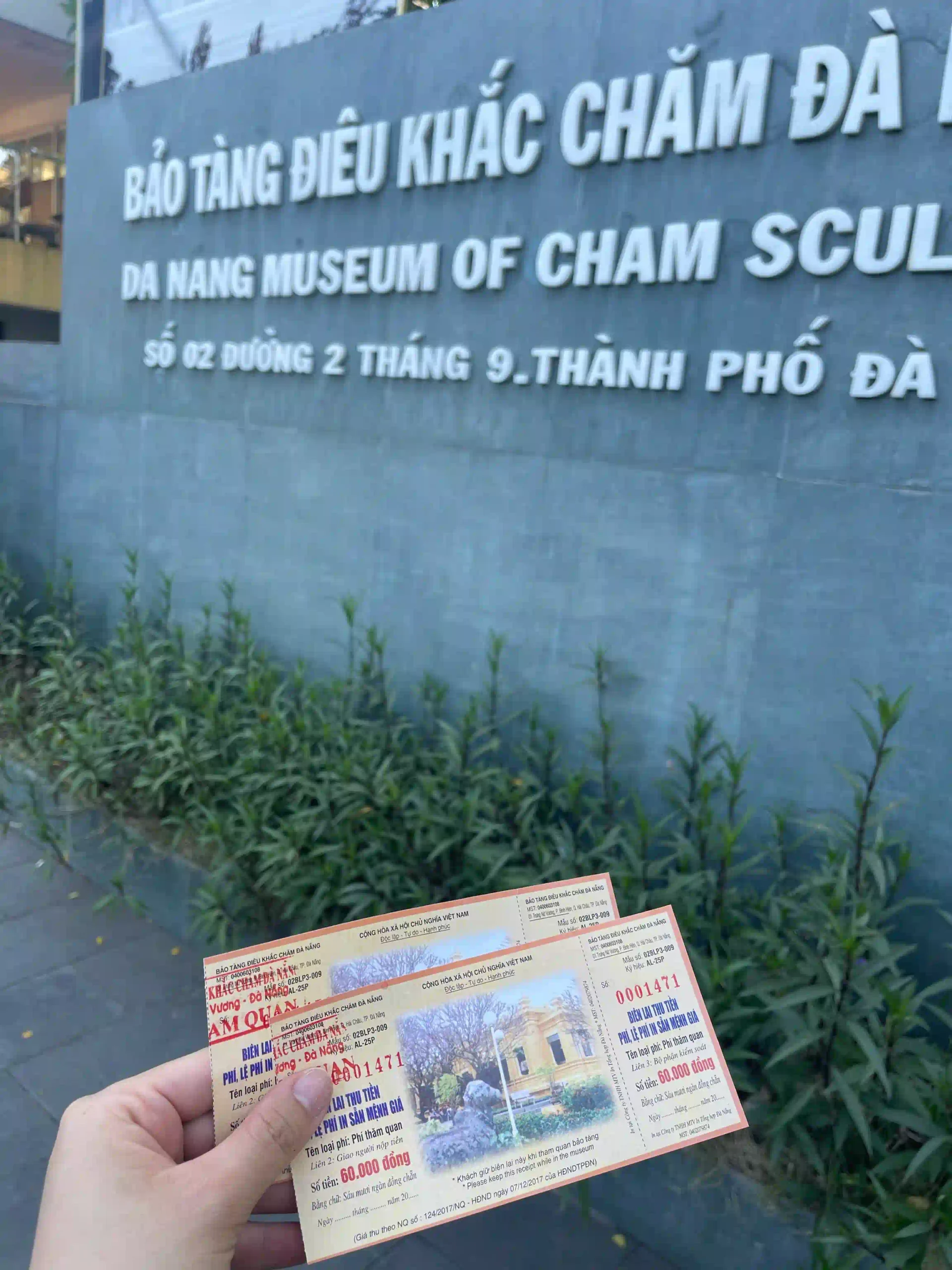
- Morning: Cham Museum (60,000 VND) and Han Market (buy souvenirs, but avoid the hot food court).
- Afternoon/Night: Marble Mountains at 4:00 PM to beat the heat, then the Dragon Bridge fire show at 9:00 PM (weekends only).
- Day 2 (Nature & Coast):
- Morning: Wake up at 5:30 AM to watch the sunrise and paddleboard at My Khe Beach.
- Afternoon: Rent a scooter to drive the Son Tra Peninsula. See the Lady Buddha and monkeys, then eat fresh seafood on the coast.
- Day 3 (The Excursion – Pick One):
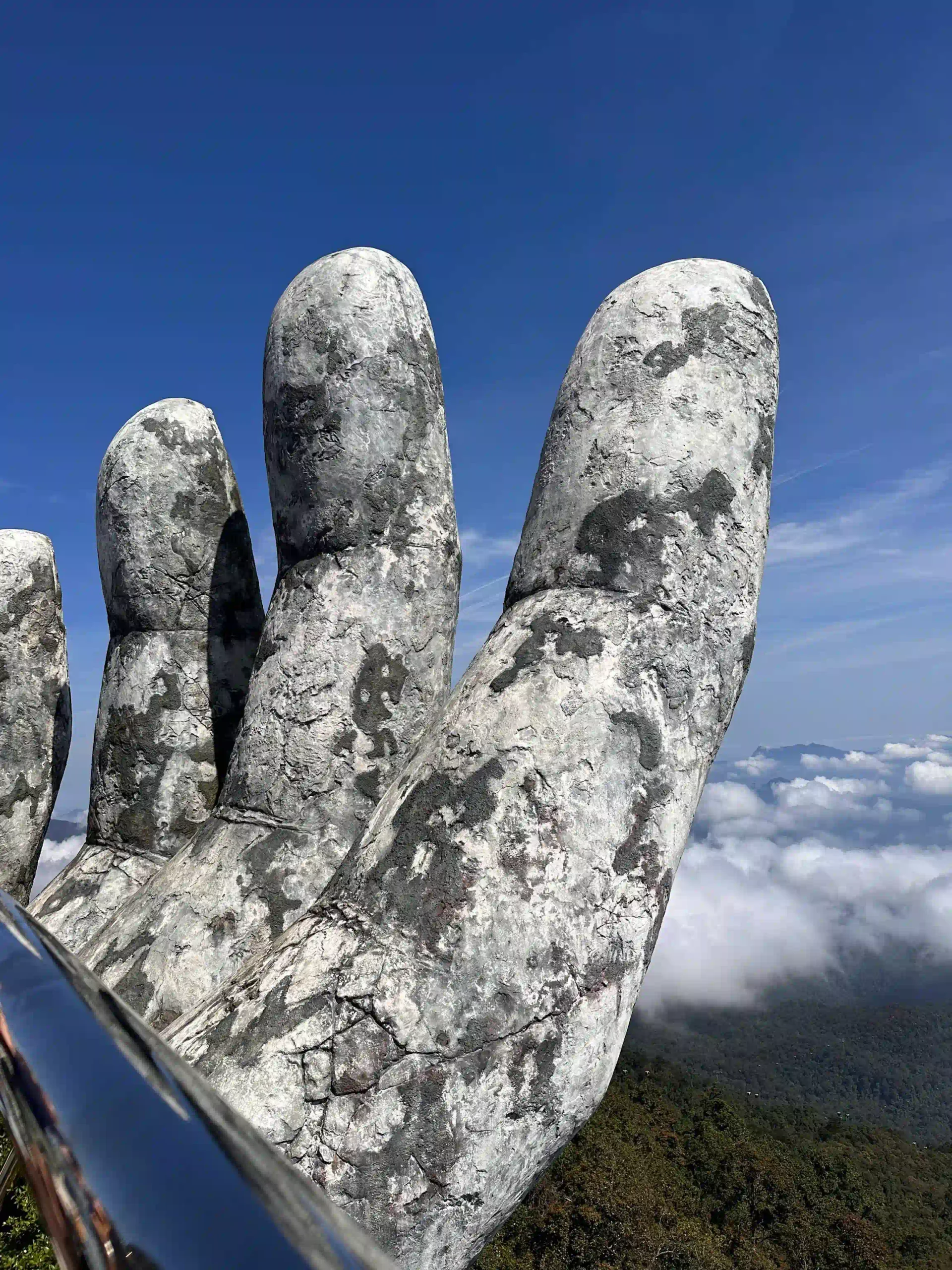
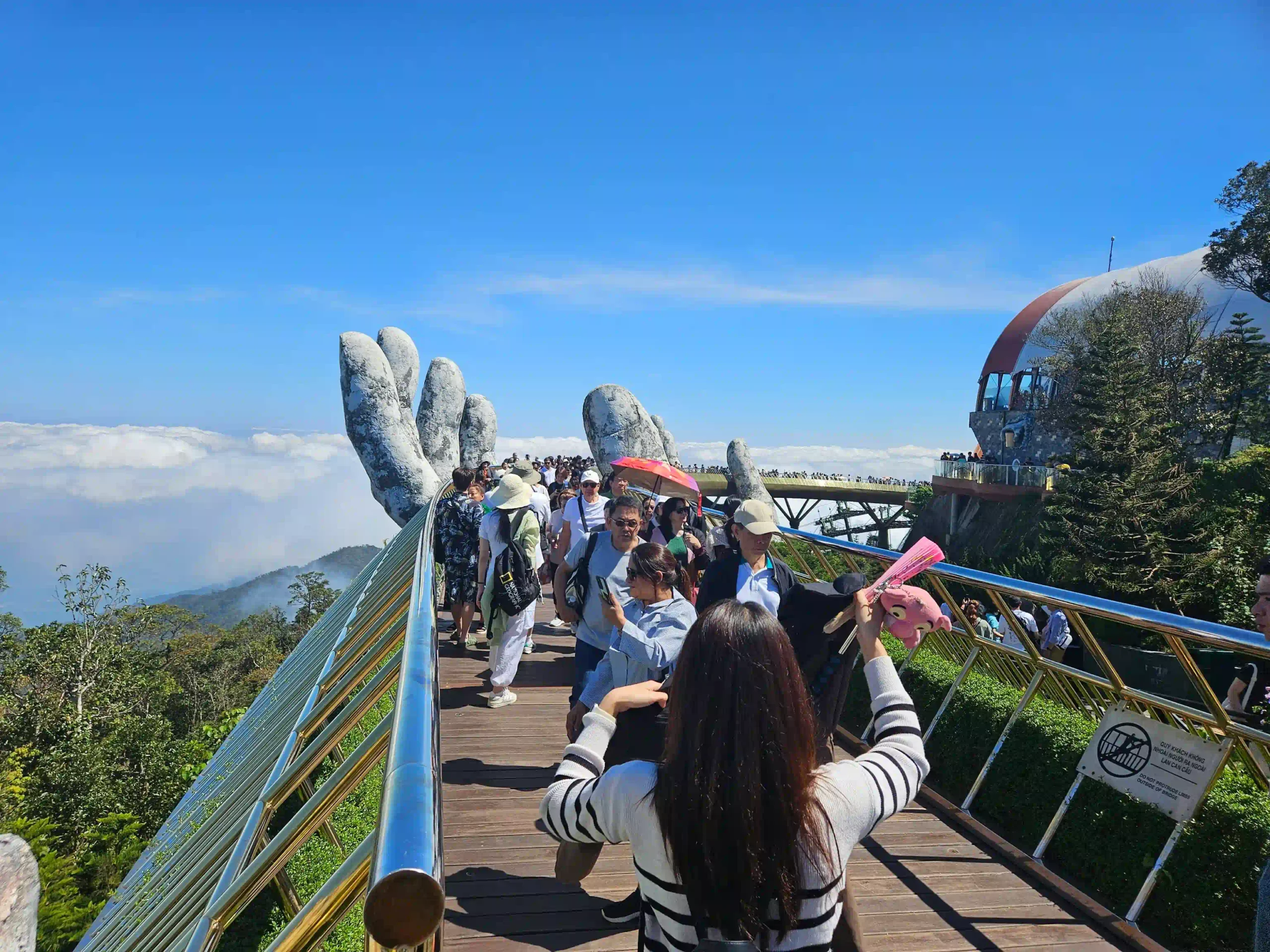
- Option A (Theme Park): Pay ~1,000,000 VND for Ba Na Hills to see the Golden Bridge. Go early to beat the tour buses.
- Option B (Adventure): Rent a motorbike and drive the coastal Hai Van Pass at your own pace.
- Day 4 (History & Lanterns):
- Morning: Visit My Son Sanctuary by 8:00 AM before the jungle gets too humid.
- Afternoon/Night: Head to Hoi An Old Town to eat Cao Lau noodles, walk the yellow streets, and see the river lanterns at night.
Before you start: Logistics and Prep
You need to know a few baseline things before you start mapping out your days.
How many days is enough?
A lot of people ask me if two days is enough. It isn’t. If you only do two days, you are basically just seeing a bridge and maybe going to a theme park.
Four days is the absolute sweet spot. It gives you enough time to see the city, hit the mountains, relax on the sand, and do a day trip south to Hoi An.
When should you do this?
I have a whole separate breakdown on when you should actually book your flight, but the short version is that this Da Nang itinerary works best from February to May. If you do this schedule in July, you have to wake up way earlier to beat the insane heat. If you do it in November, you might get rained out half the time.
Getting around
You have two choices. You can use the Grab app for everything, or you can rent a scooter.
Grab is cheap here. A 10-minute ride across the city usually costs about 60,000 to 80,000 VND.
If you want total freedom, renting a bike is the way to go. Just be aware that the police are cracking down on foreigners without licenses in 2026. Read my guide on renting a scooter and police rules so you don’t end up with a 2 million VND fine on your second day.
Let’s get into the actual schedule.
Day 1: The City Core, History, and the Dragon
Your first day should be about getting your bearings. You want to see the main city center, deal with the busy markets, and end the night with the biggest show in town.
Morning: Coffee and Ancient Rocks
Don’t wake up too early. Sleep in, grab breakfast at your hotel or find a local spot for a quick bowl of Pho.
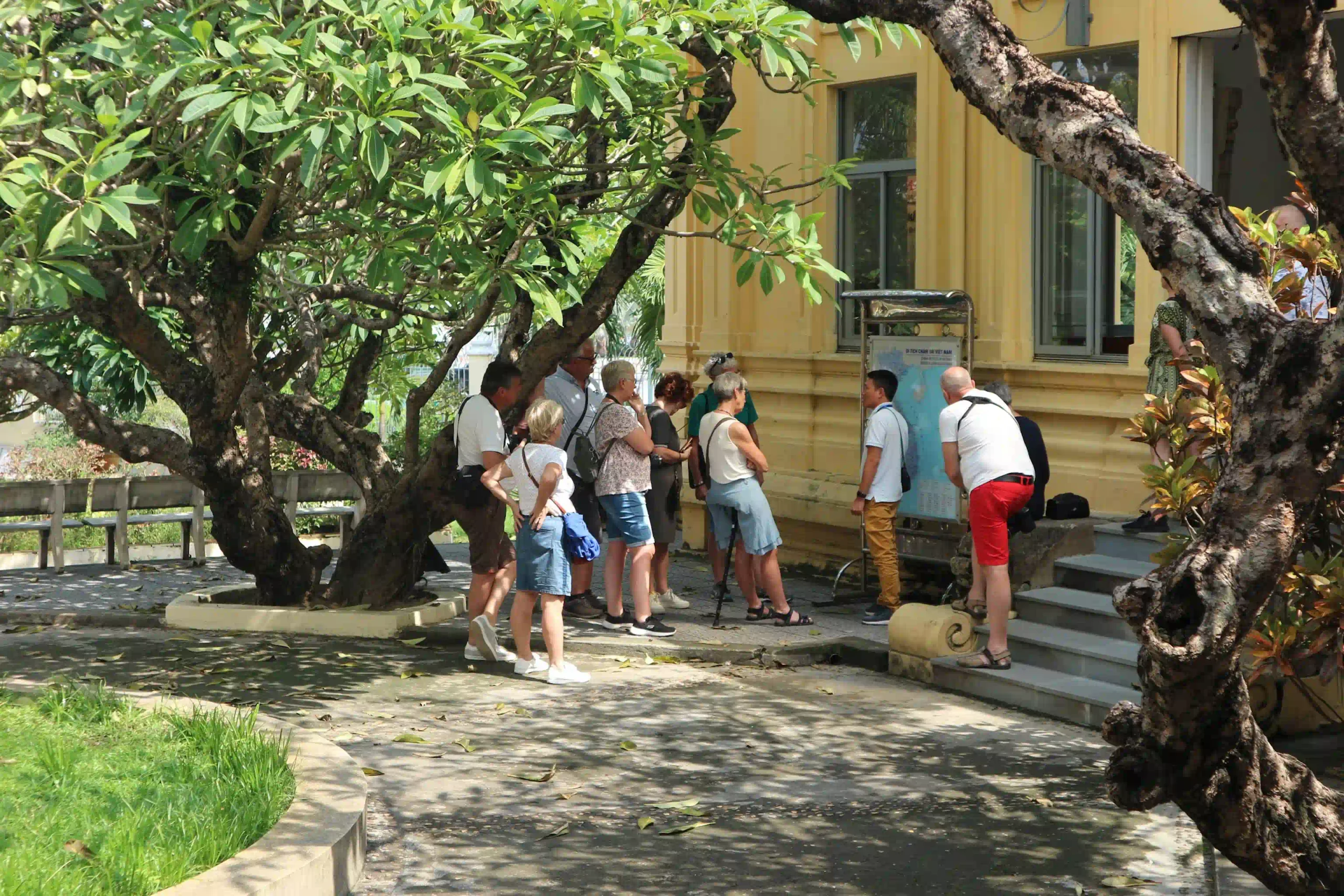
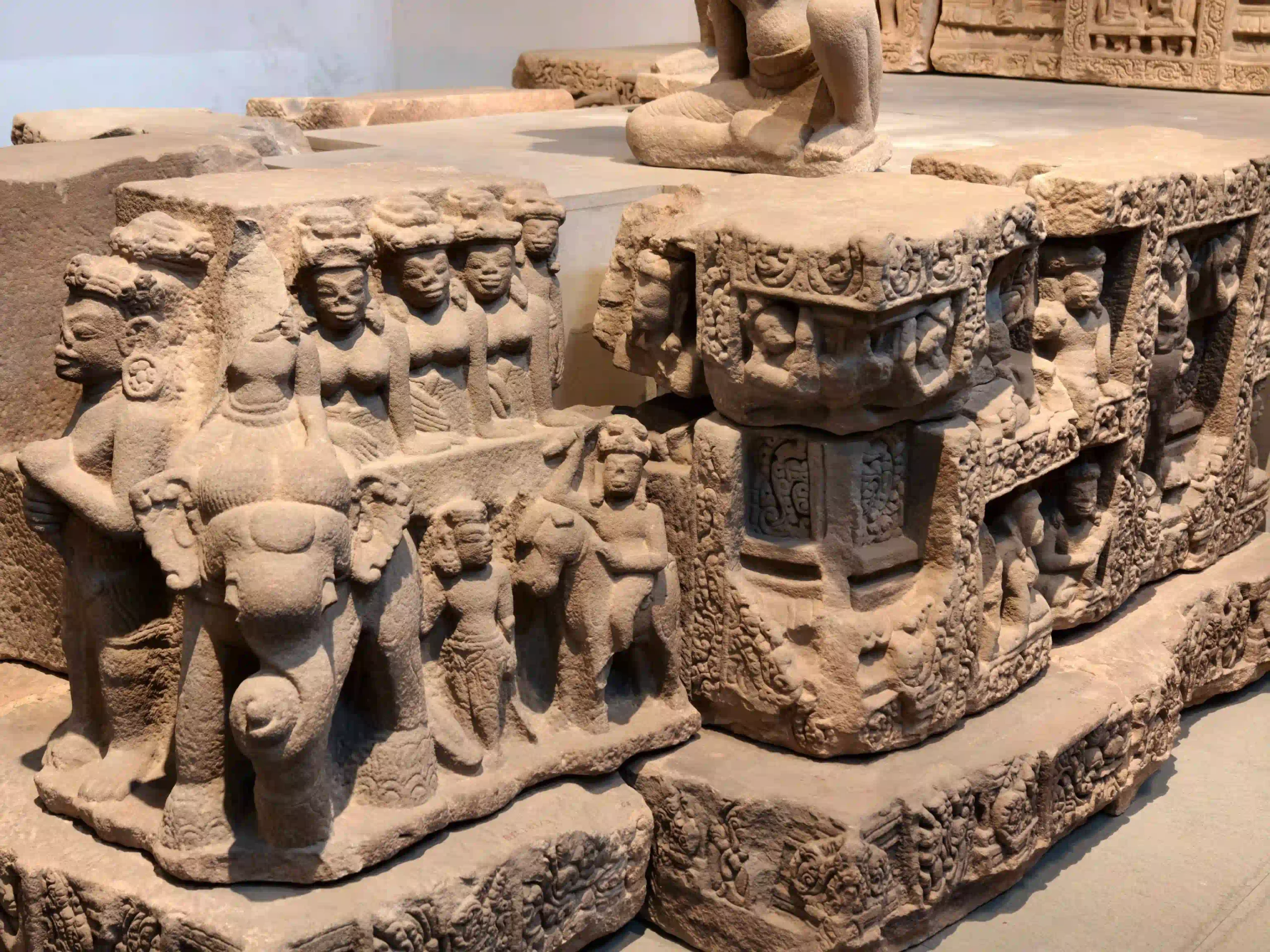
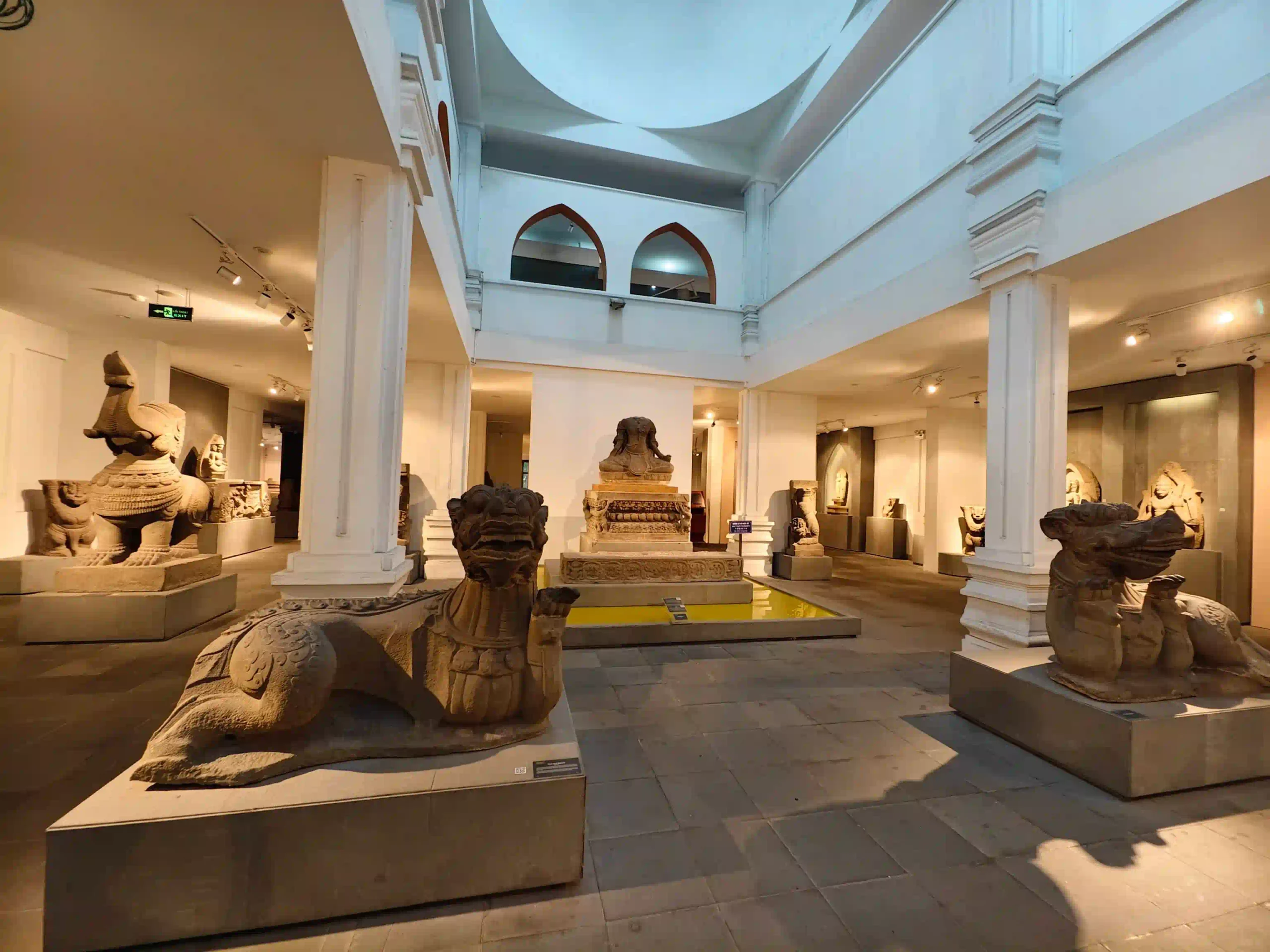
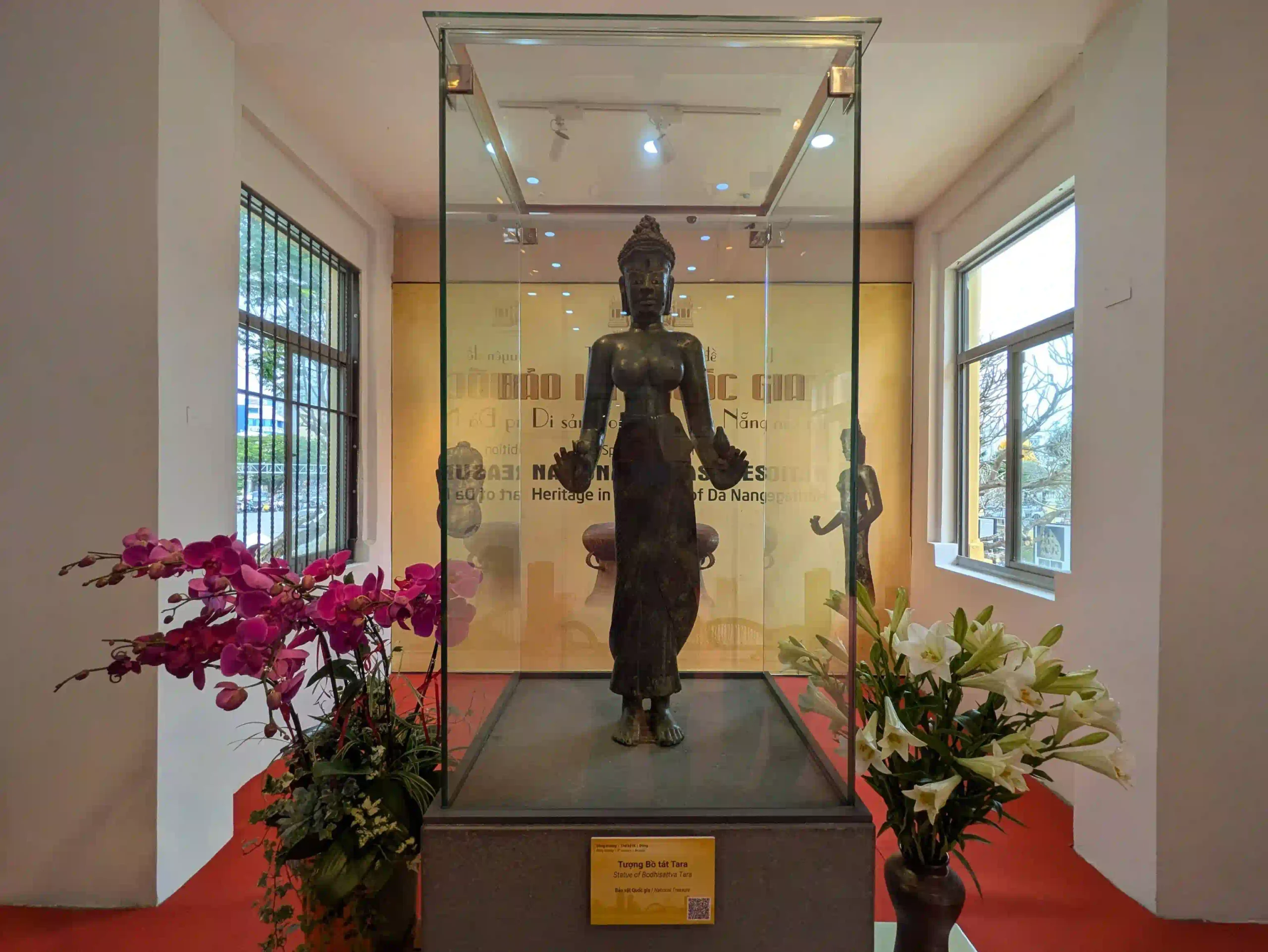
Around 9:00 AM, take a Grab to the Da Nang Museum of Cham Sculpture. It’s located right near the tail end of the Dragon Bridge.
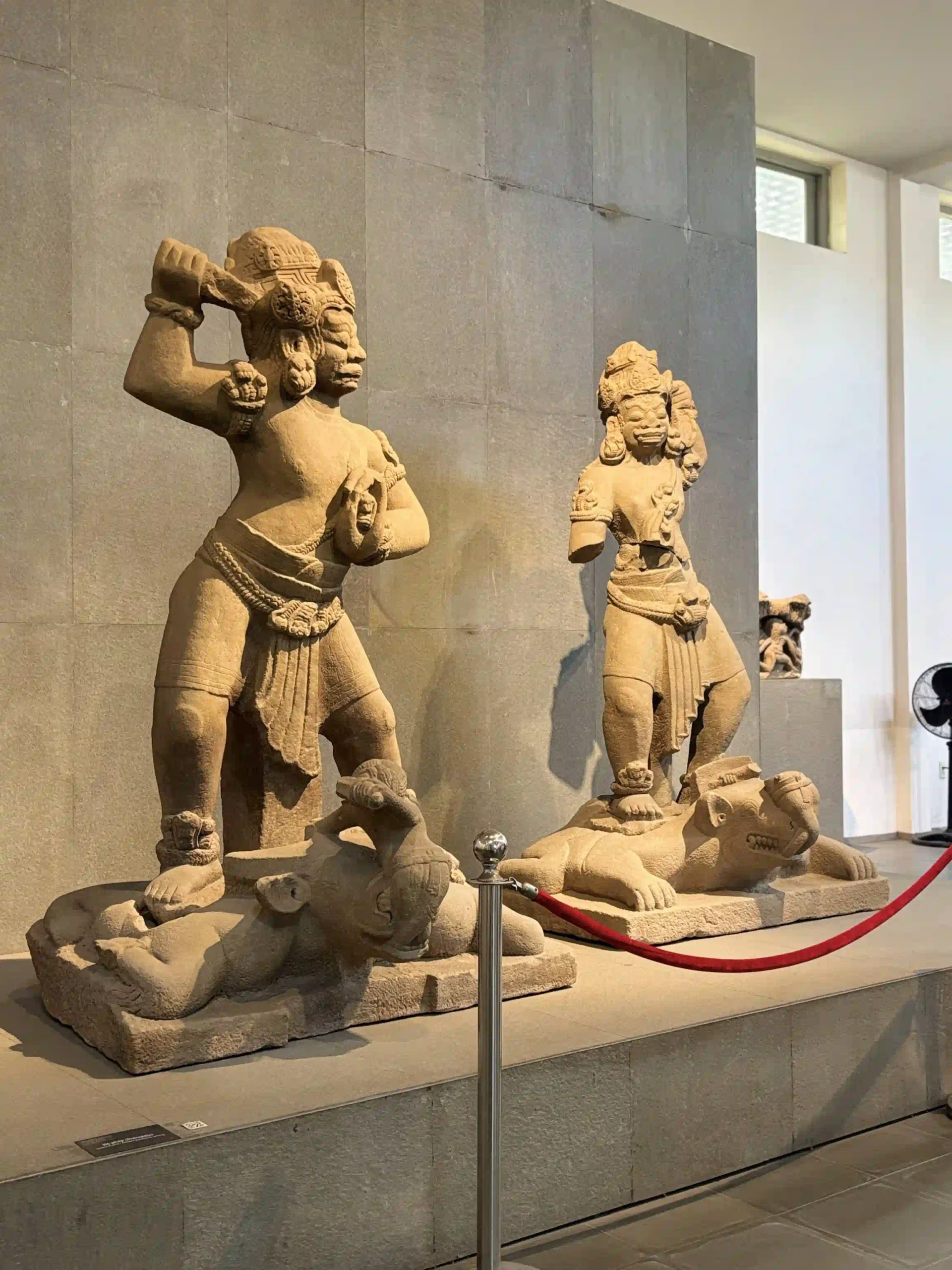
I know some people think museums are boring when they are on a beach holiday, but this one is actually cool. It’s an old French building filled with massive sandstone statues of Hindu gods that were pulled out of the jungle.
It takes about an hour. You don’t need a guide; you can just read the plaques or use their app. I wrote a dedicated post on doing the ancient museum alone if you want the details.
After the museum, walk about 15 minutes north up Bach Dang street. This is the nice riverside promenade.
Late Morning: Han Market
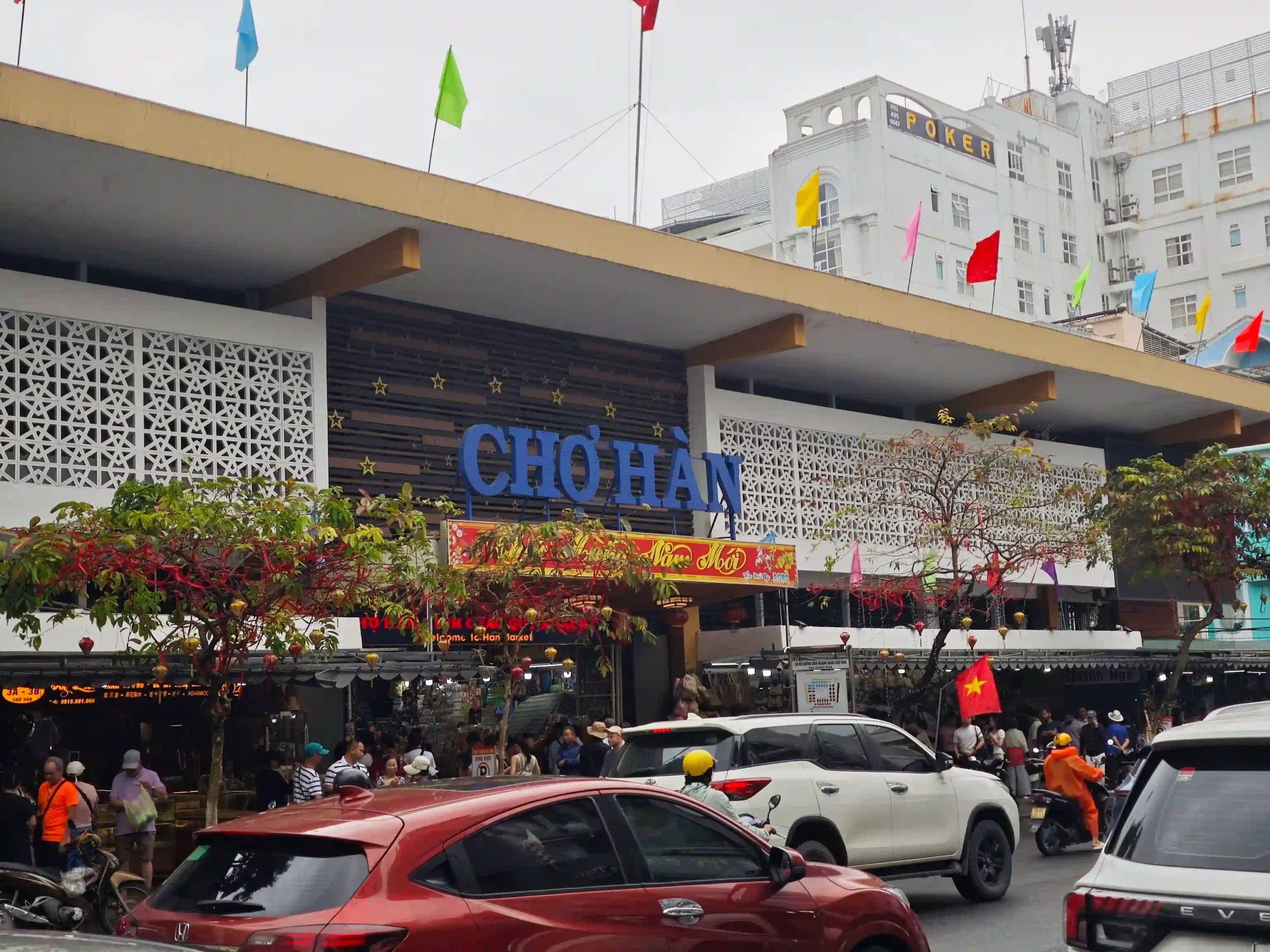
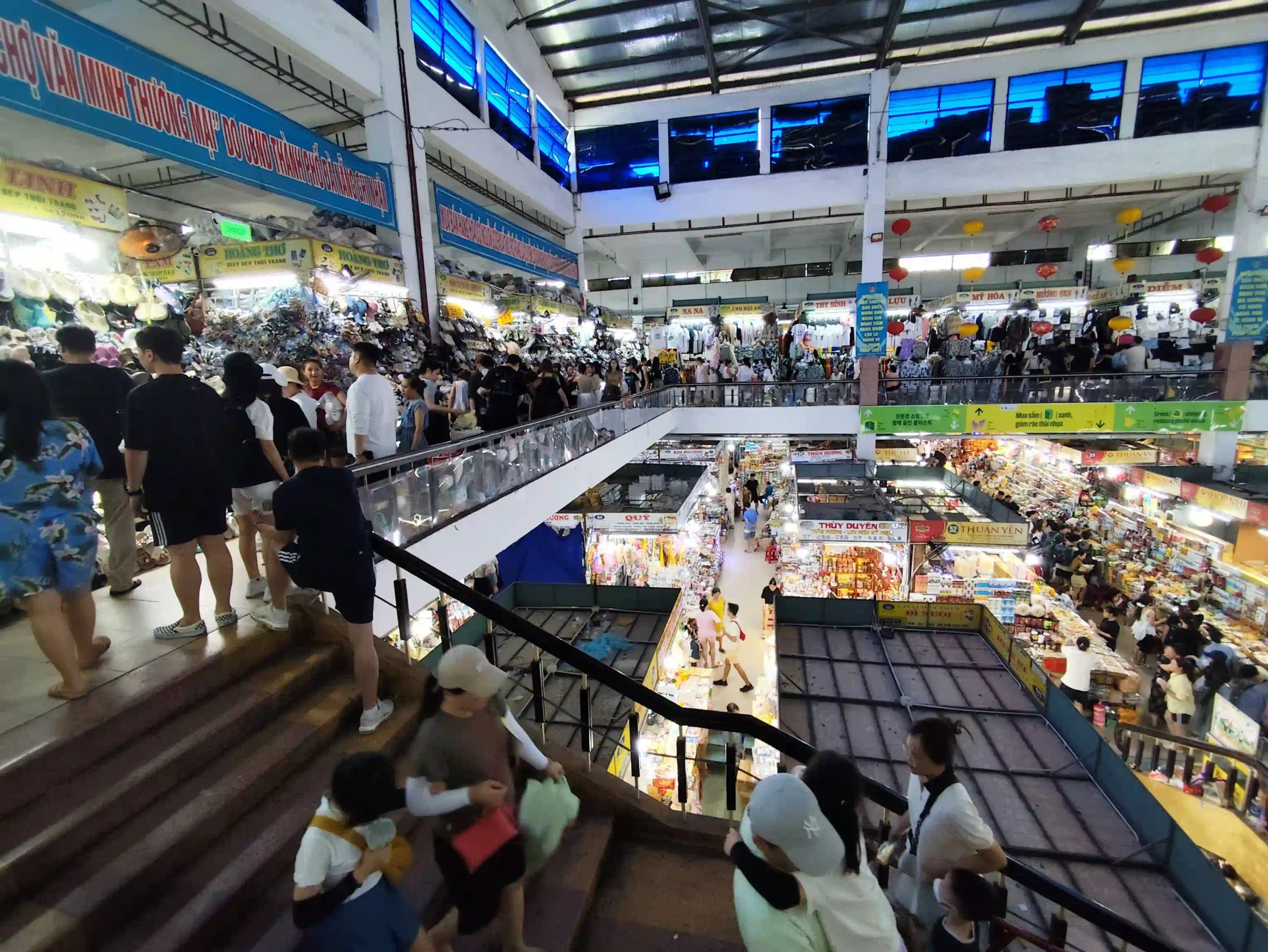
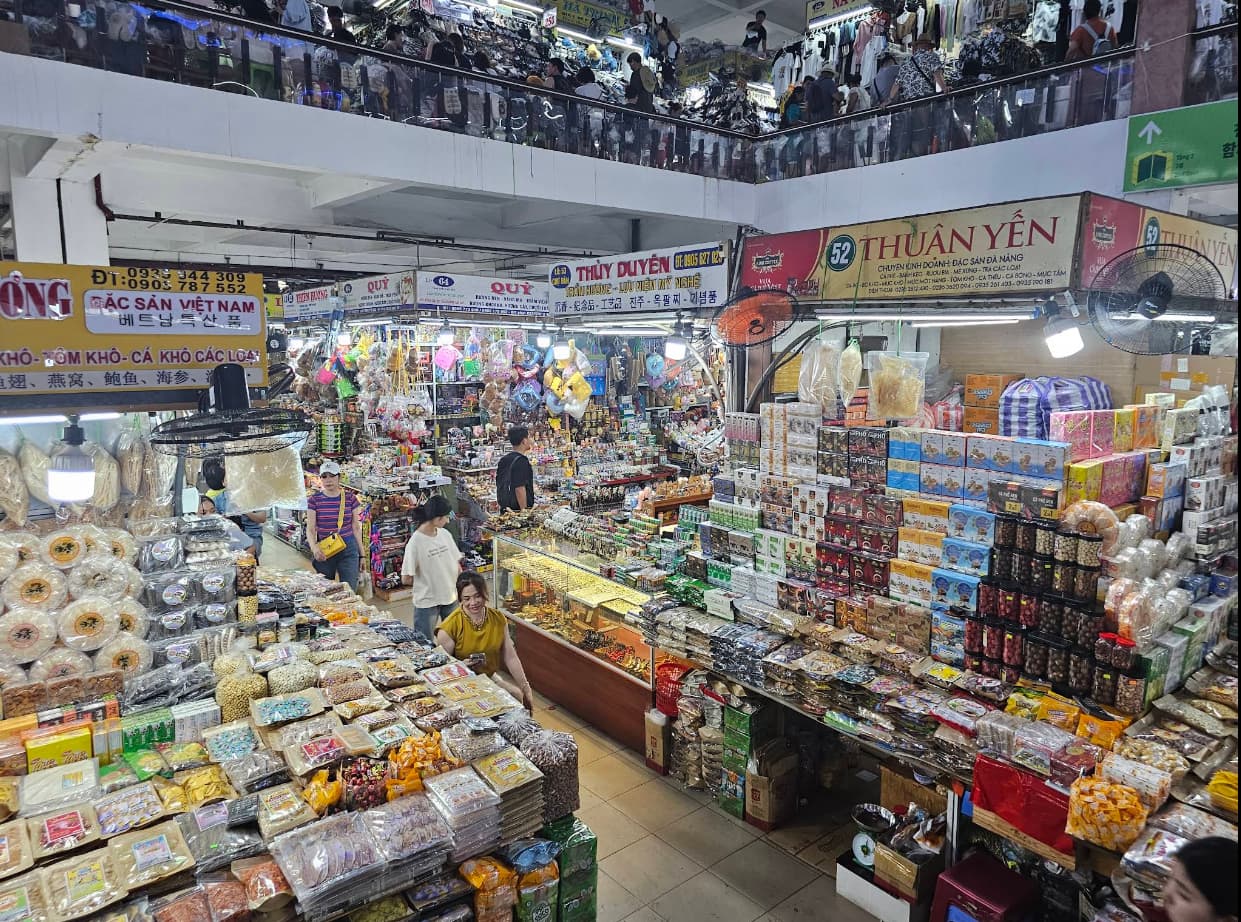
You will eventually hit Han Market. It’s the giant yellow building.
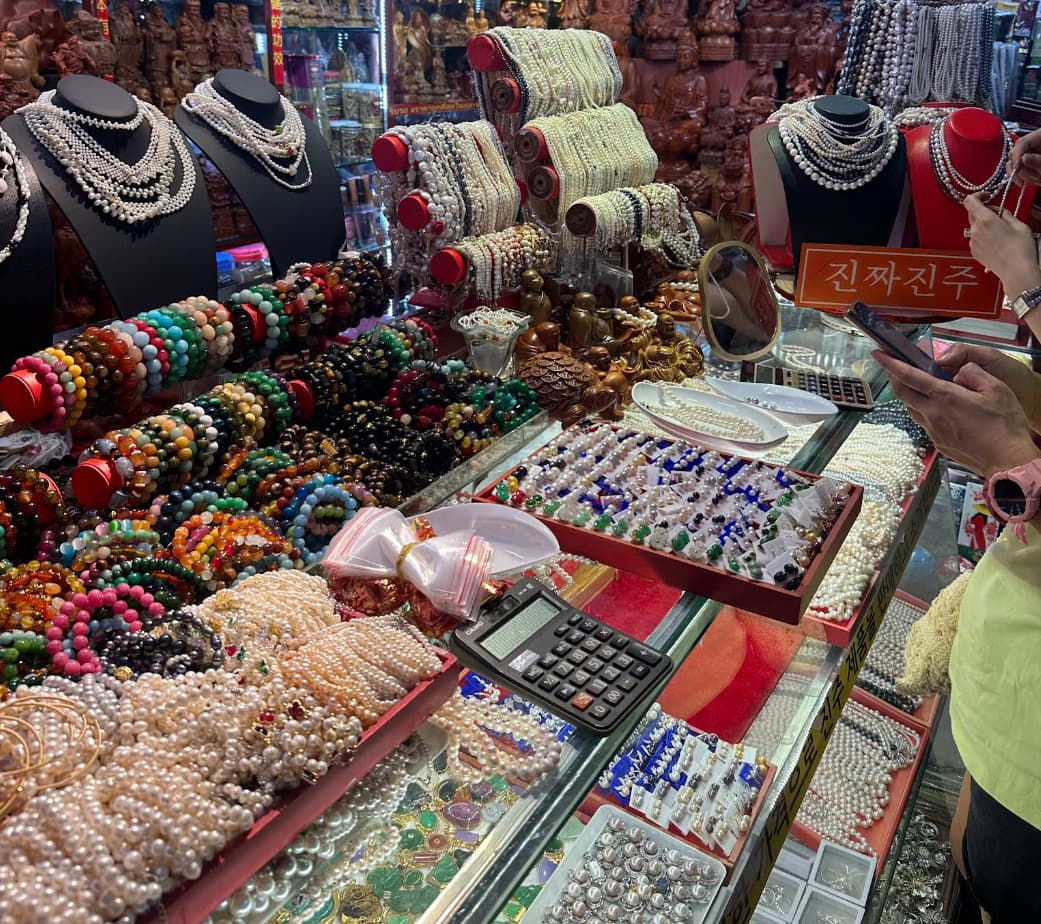
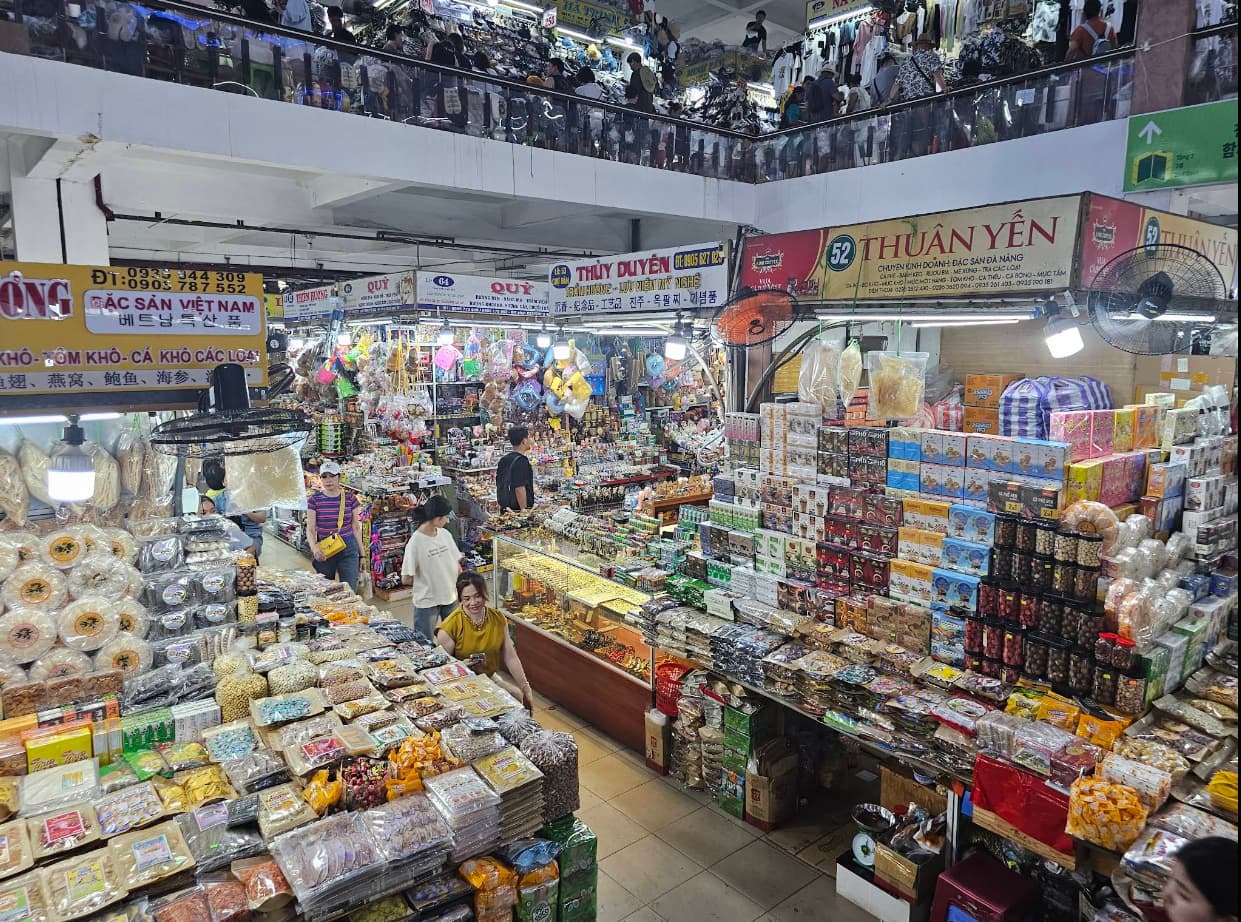
Walk inside, but keep your expectations realistic. It smells heavily of dried fish, the aisles are cramped, and people will push past you. It is a very raw local market experience.
Go up to the second floor if you want to buy some cheap knock-off Nike shirts or a pair of fake Crocs. You have to bargain. If they say 300,000 VND for a shirt, offer 100,000 and walk away if they say no.
I don’t recommend eating a full meal in the food court here because it is too hot and stressful. Buy some dried mango, take some photos, and get out.

Lunch: The famous Banh Xeo
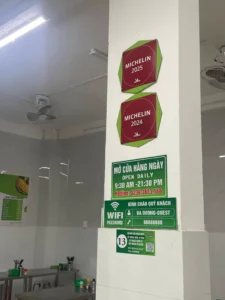
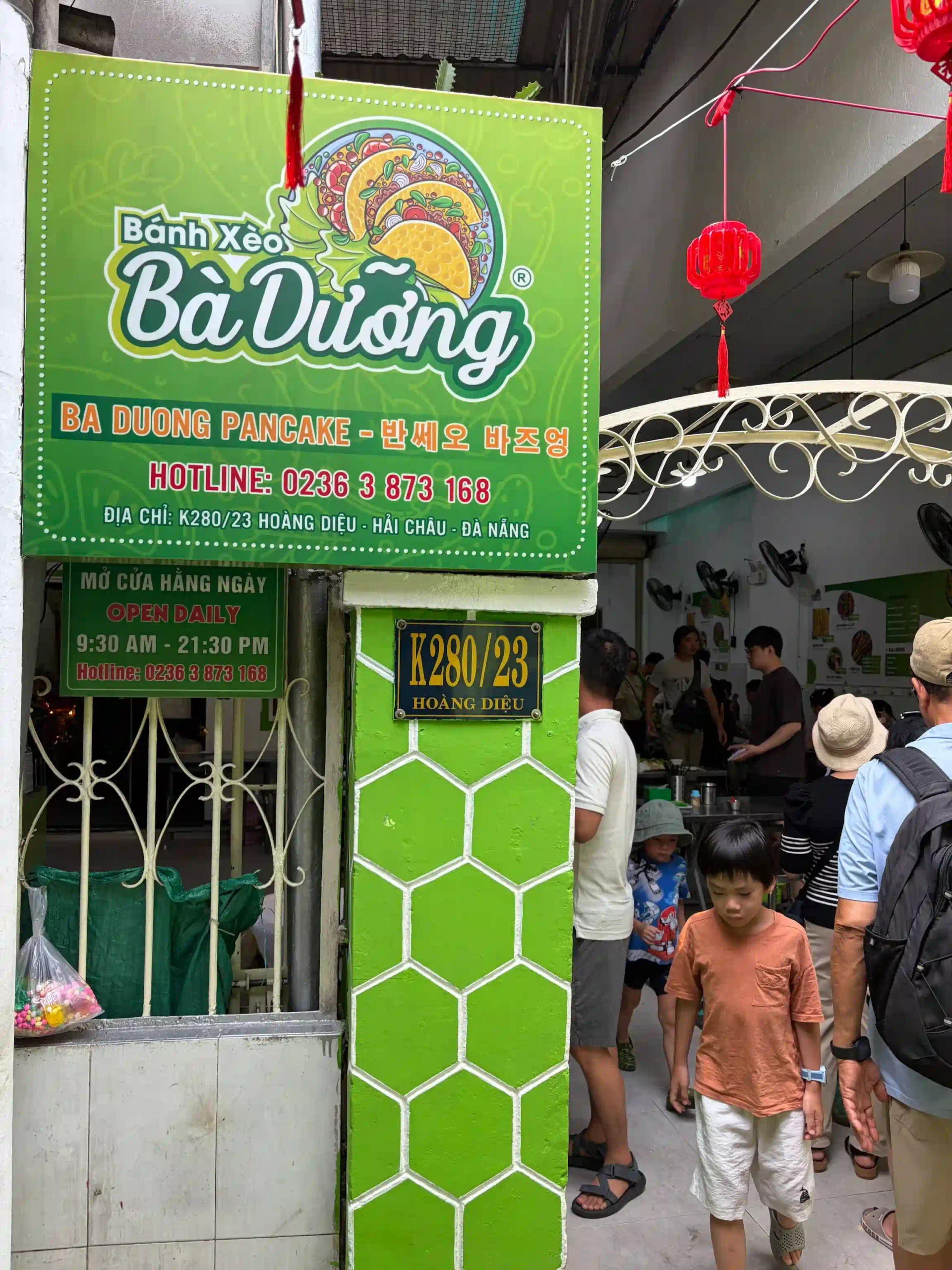
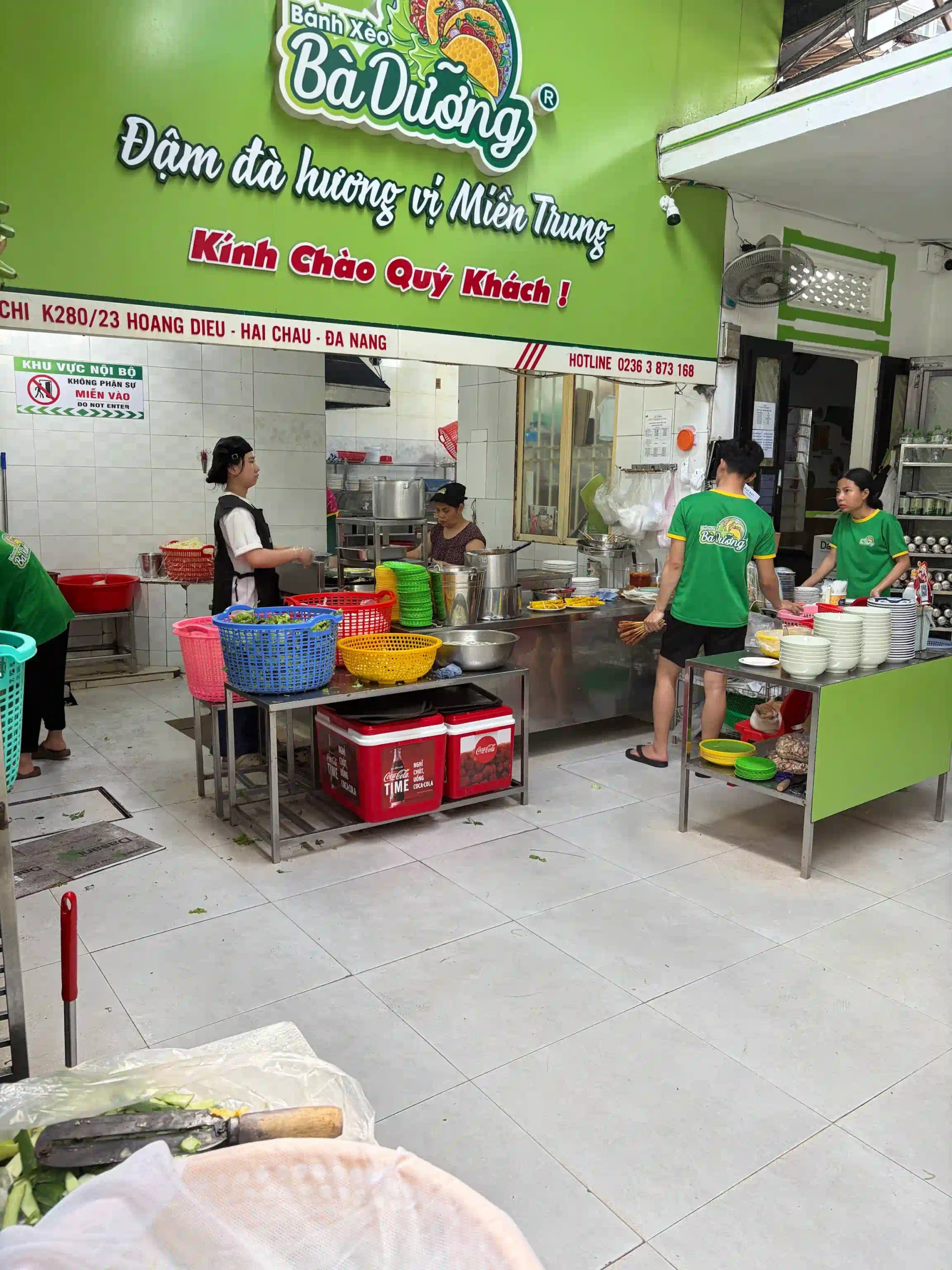
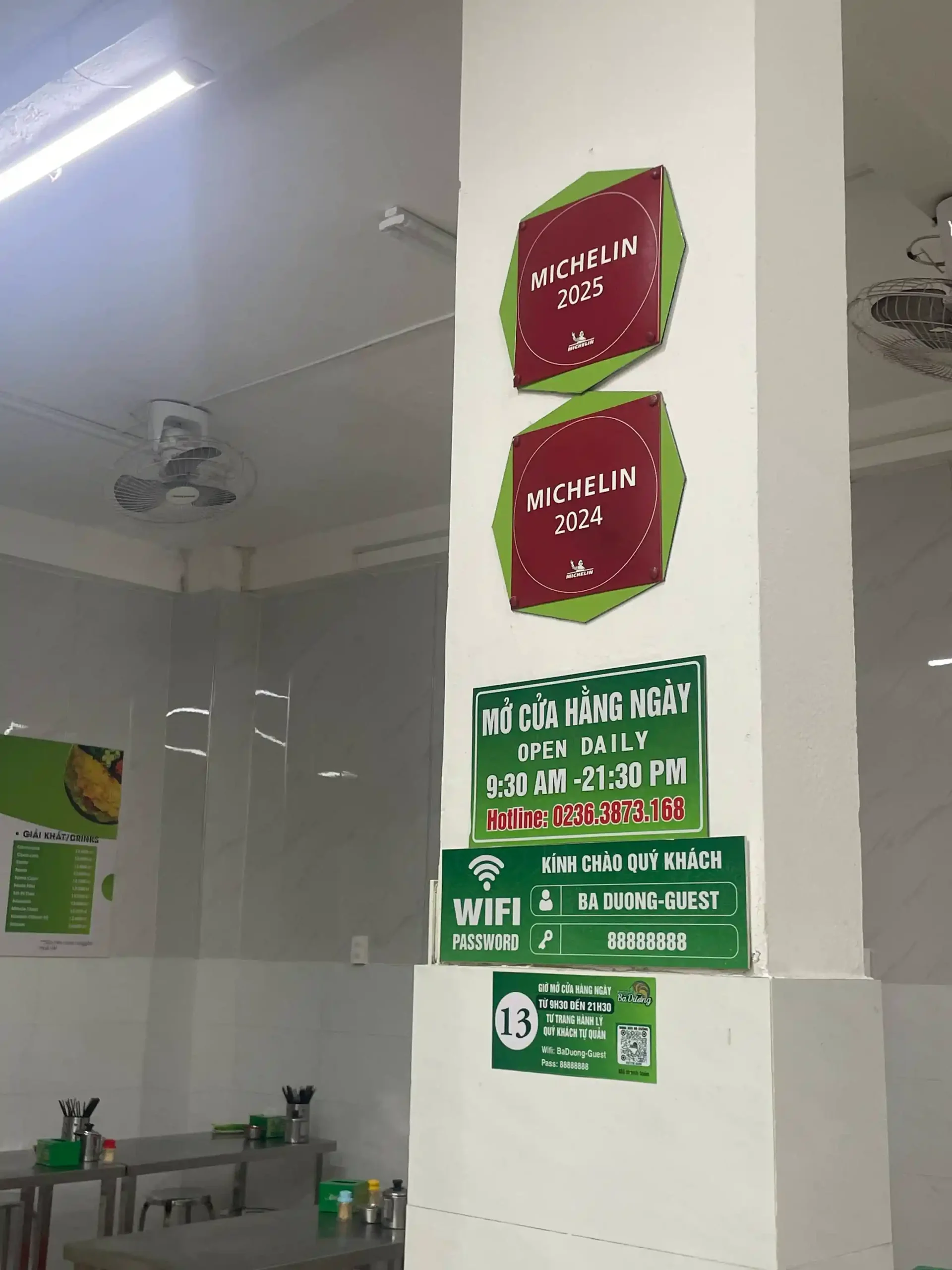
Take a quick Grab ride from the market to Banh Xeo Ba Duong (K280/23 Hoang Dieu street).
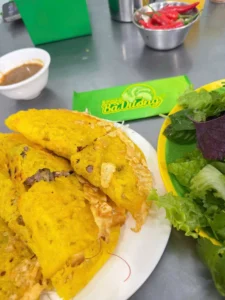
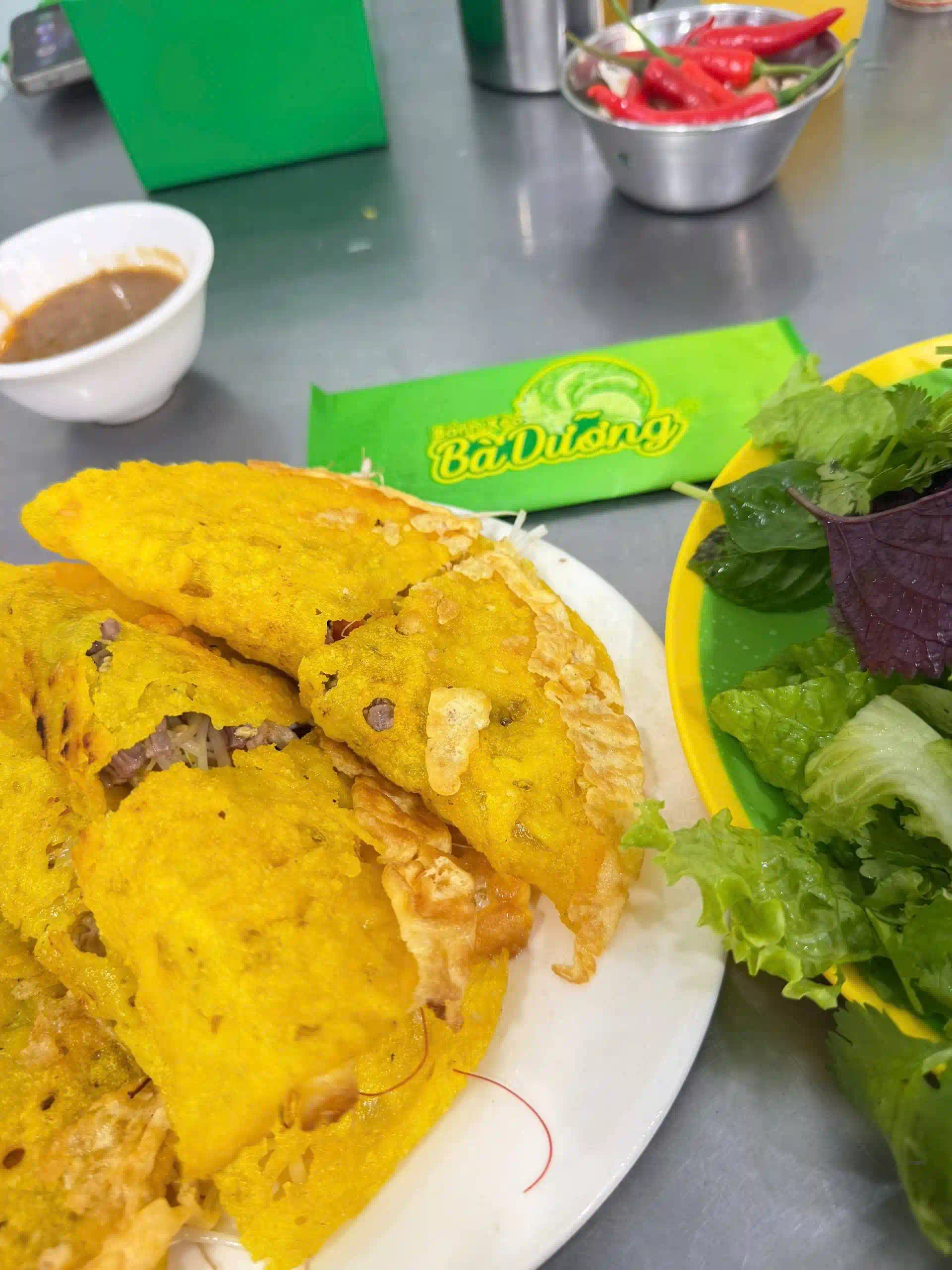
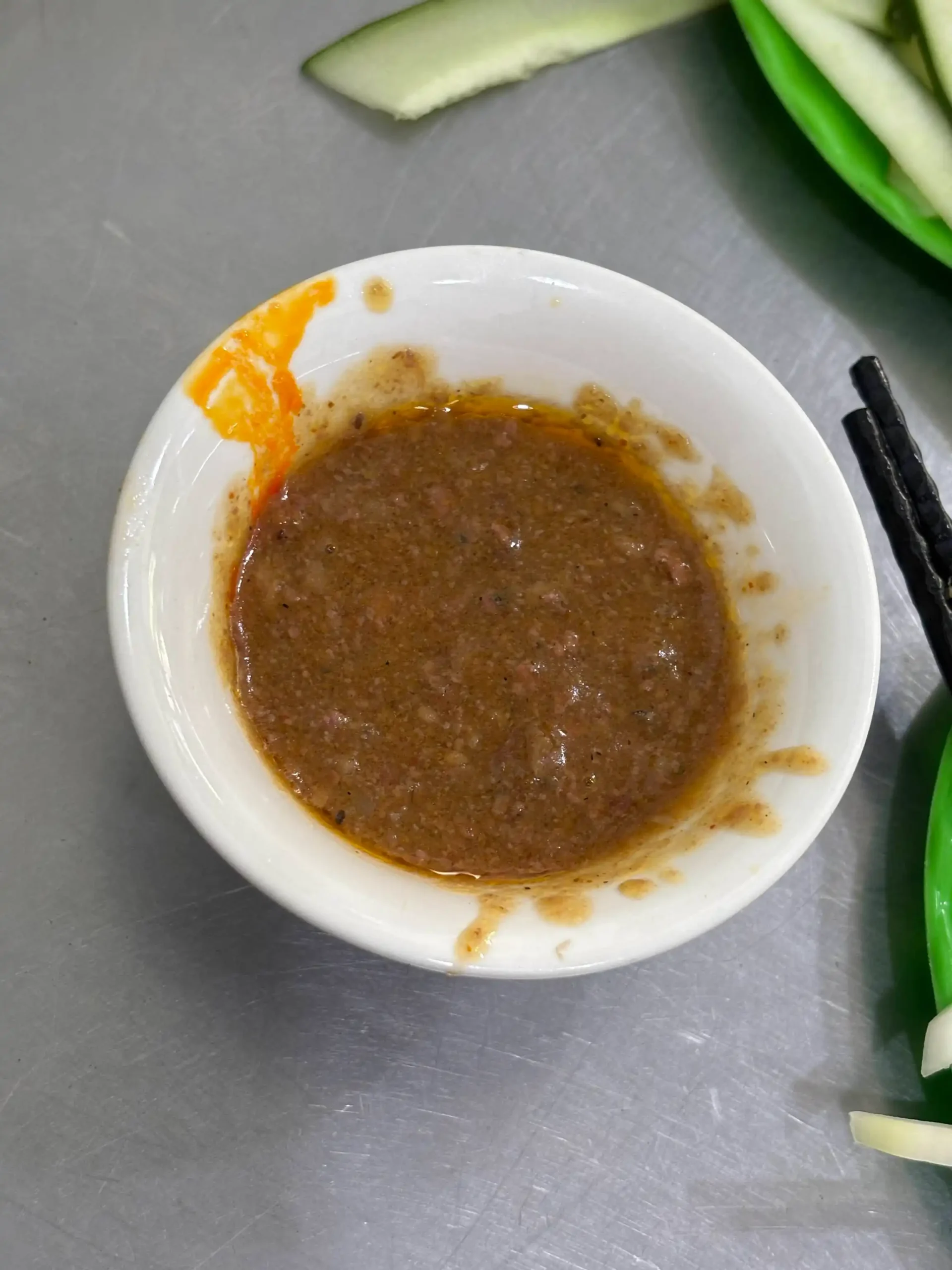
It’s hidden down a long, narrow alley. They serve Banh Xeo, which is a crispy, bright yellow rice flour crepe filled with pork and shrimp. You take the crepe, roll it up in a piece of thin rice paper with a bunch of fresh mint and lettuce, and dip it in a warm peanut pork sauce.
It is probably the best local meal you can eat in the city center. It’s loud, local, and cheap. Expect to pay about 80,000 VND per person.
Afternoon: The Marble Mountains
Head back to your hotel for an hour to shower and get out of the midday heat.
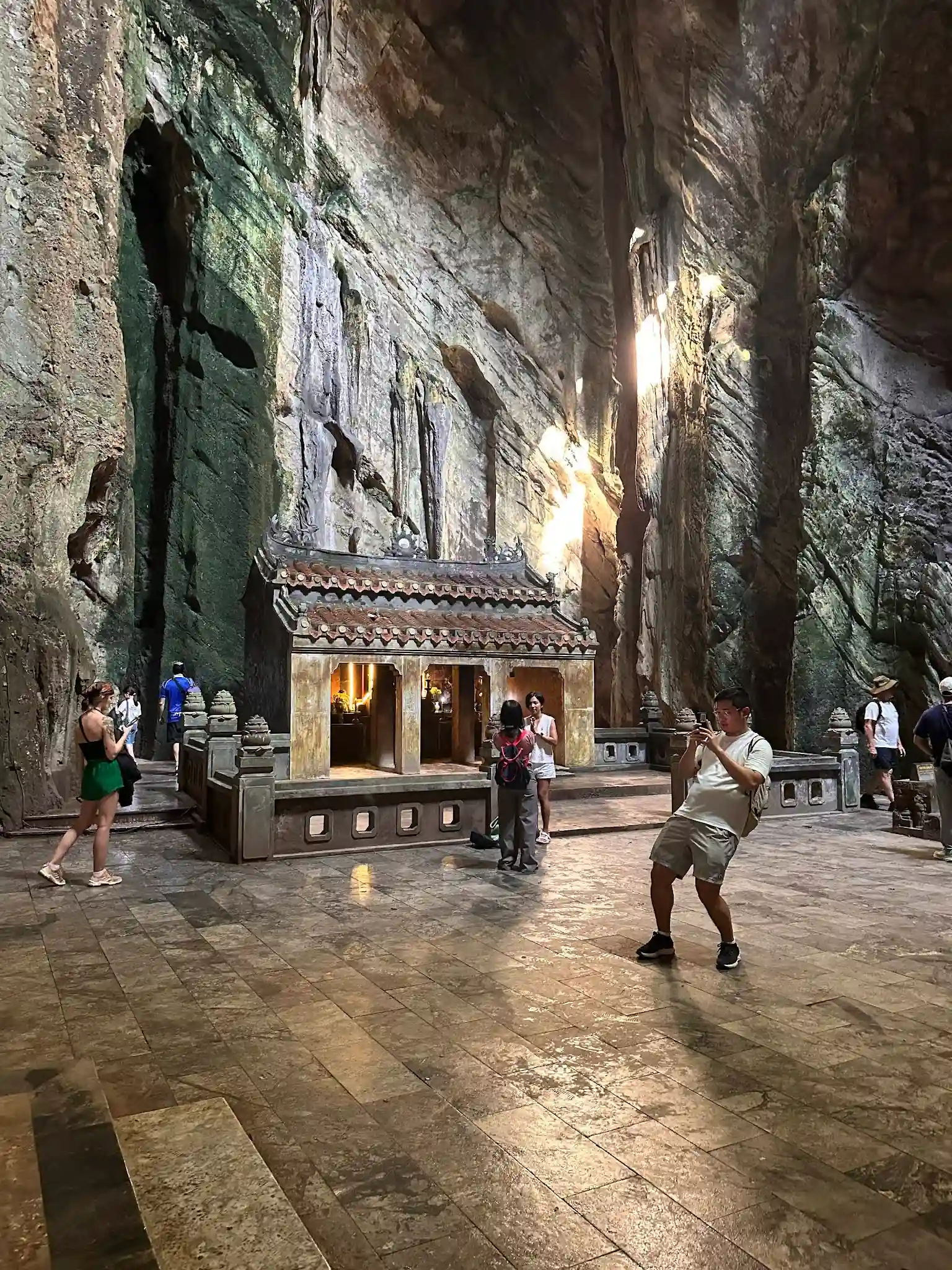
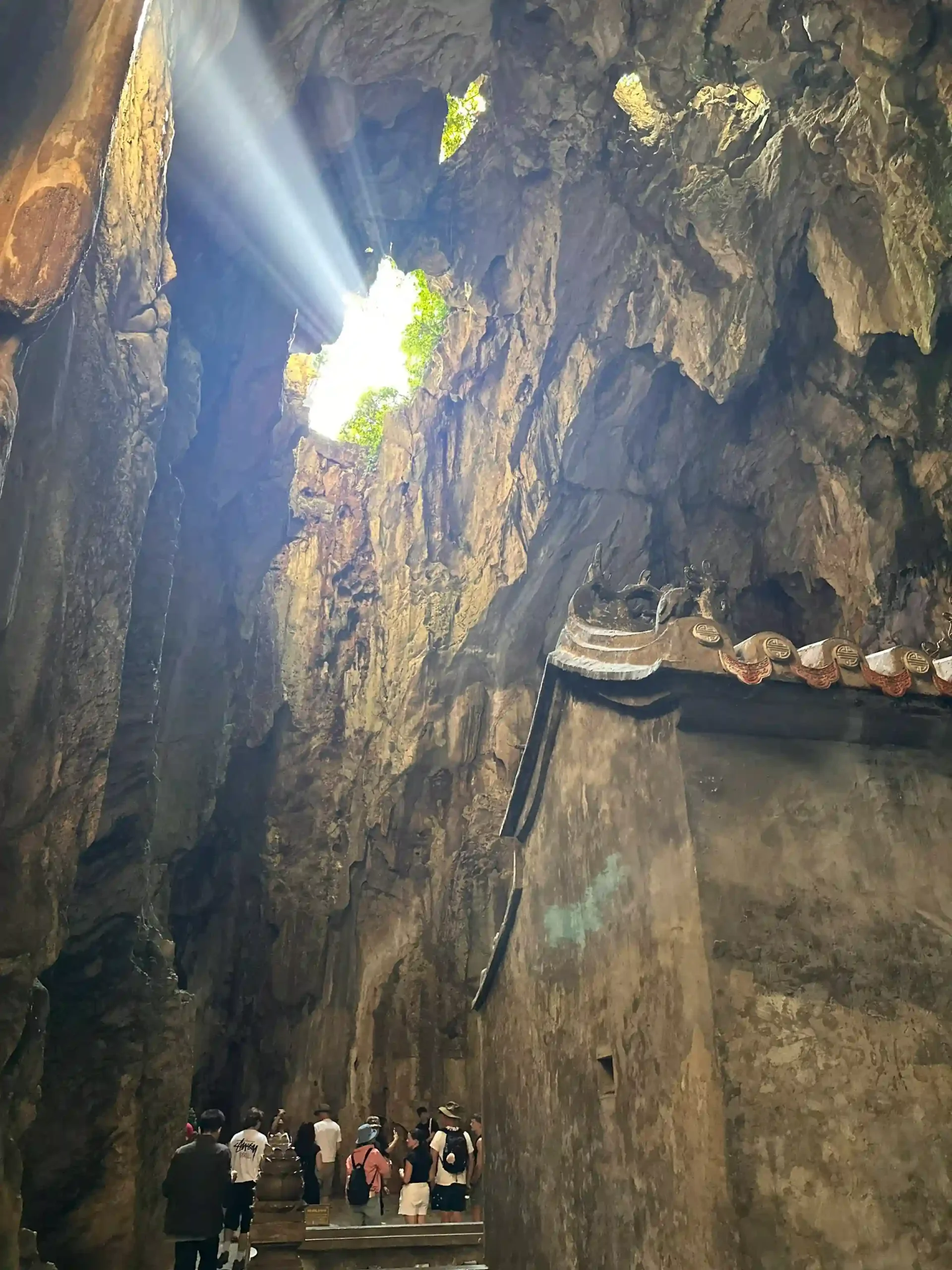
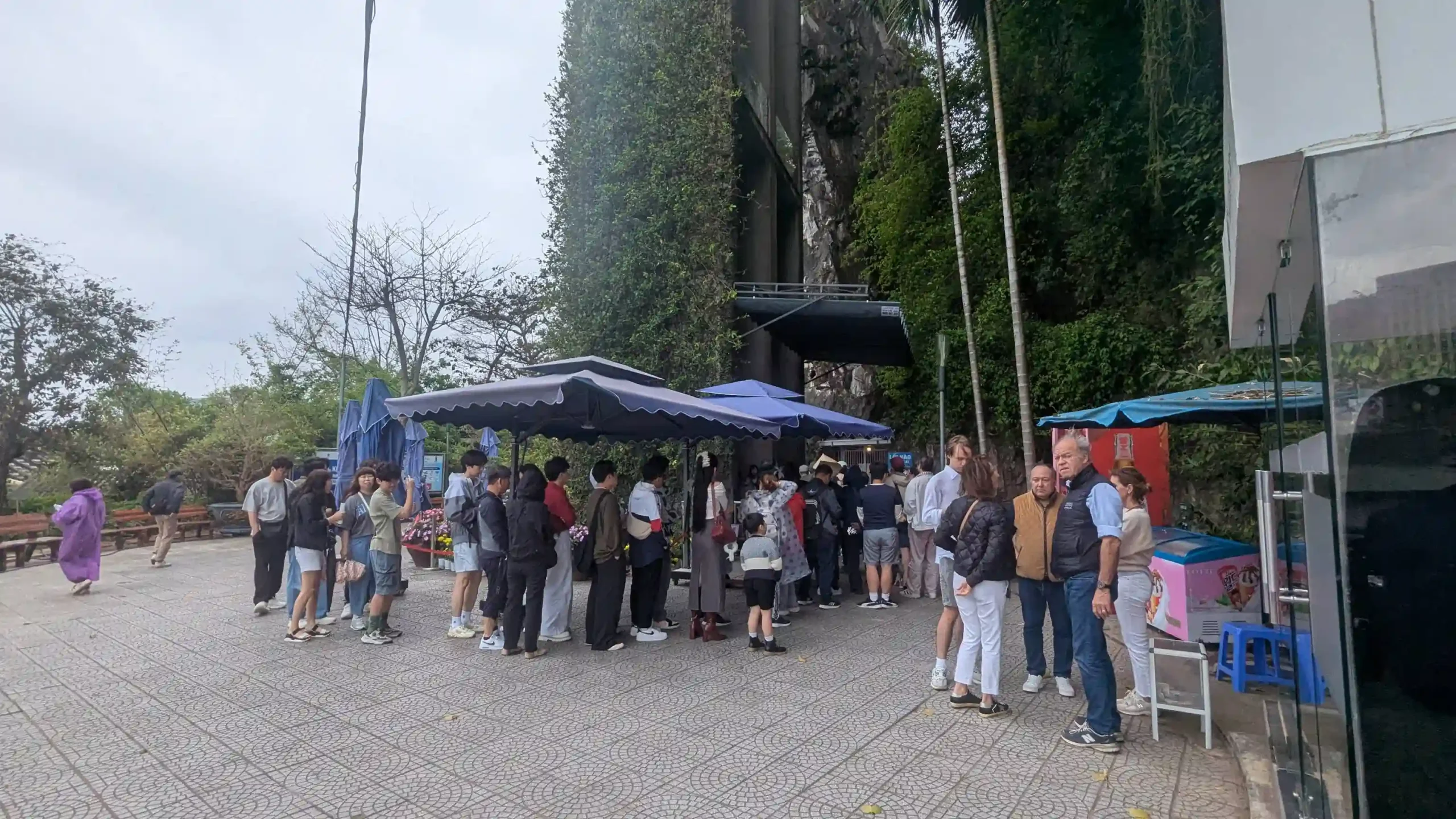
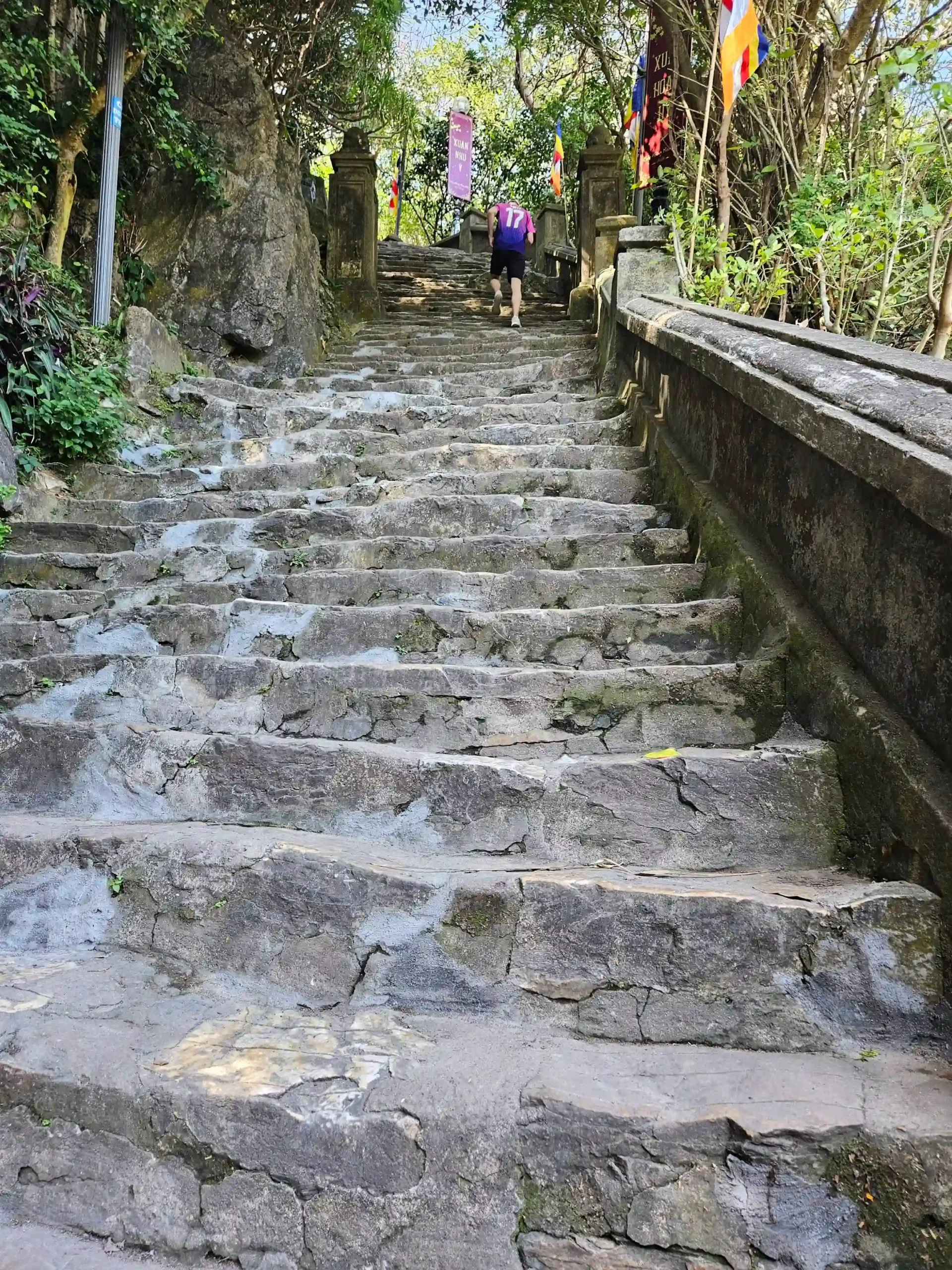
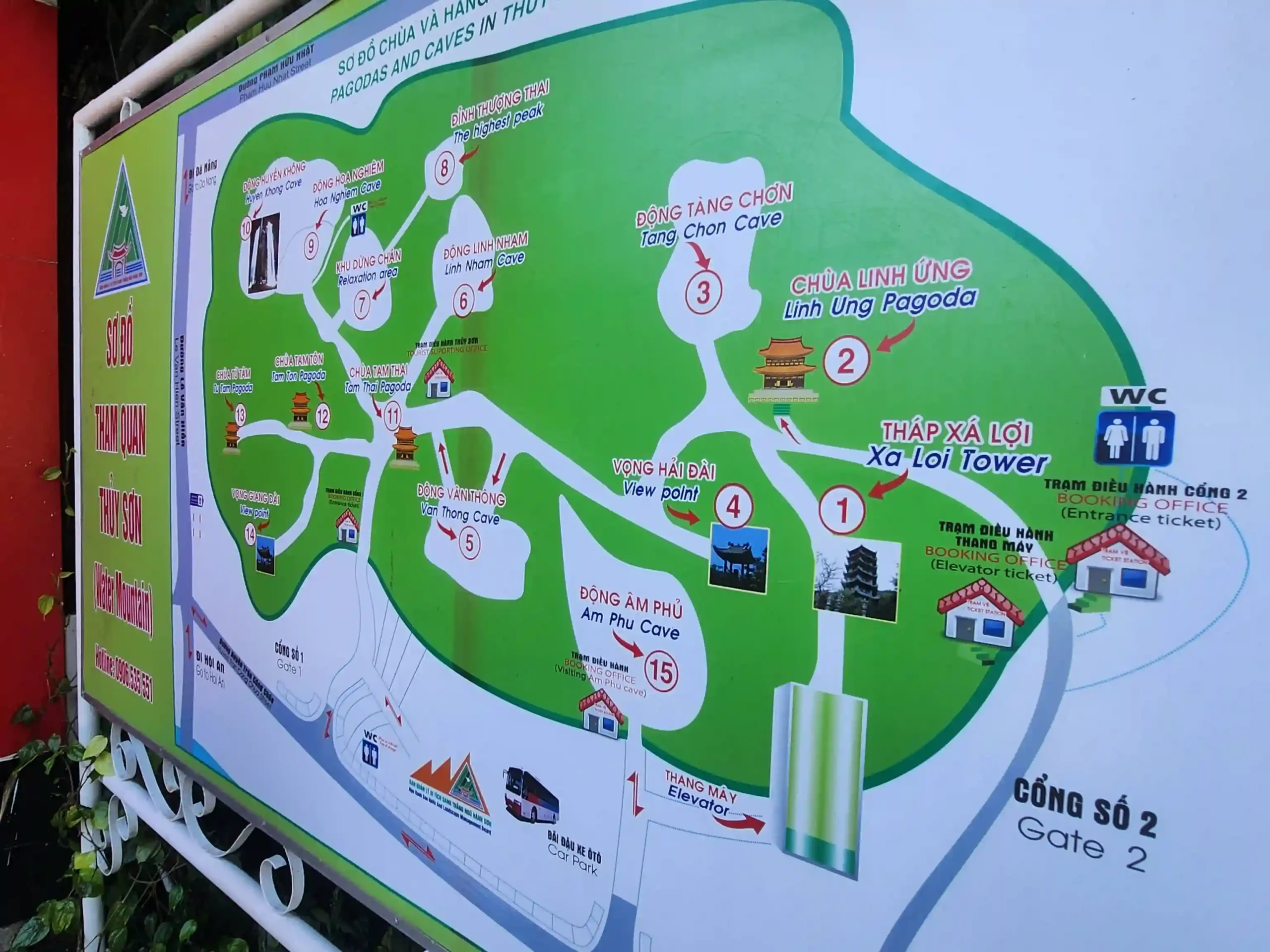
Around 3:30 PM, head south down the coastal road to the Marble Mountains. The entry is 40,000 VND.
You are going here late in the afternoon for a reason. If you go at noon, the heat radiating off the stone stairs is brutal. If you go at 4:00 PM, the sun is lower, the big tour buses have mostly left, and you can actually enjoy walking through the caves and looking at the Buddhist shrines built into the rock.
Evening: Seafood and Fire
Head back to the city side. You want to be around the east end of the Dragon Bridge by 7:30 PM.
Walk through the Son Tra Night Market right next to the bridge. Grab some cheap street food snacks, maybe some grilled rice paper (Banh Trang Nuong) or a fresh sugarcane juice.
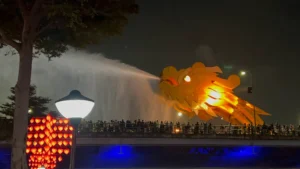
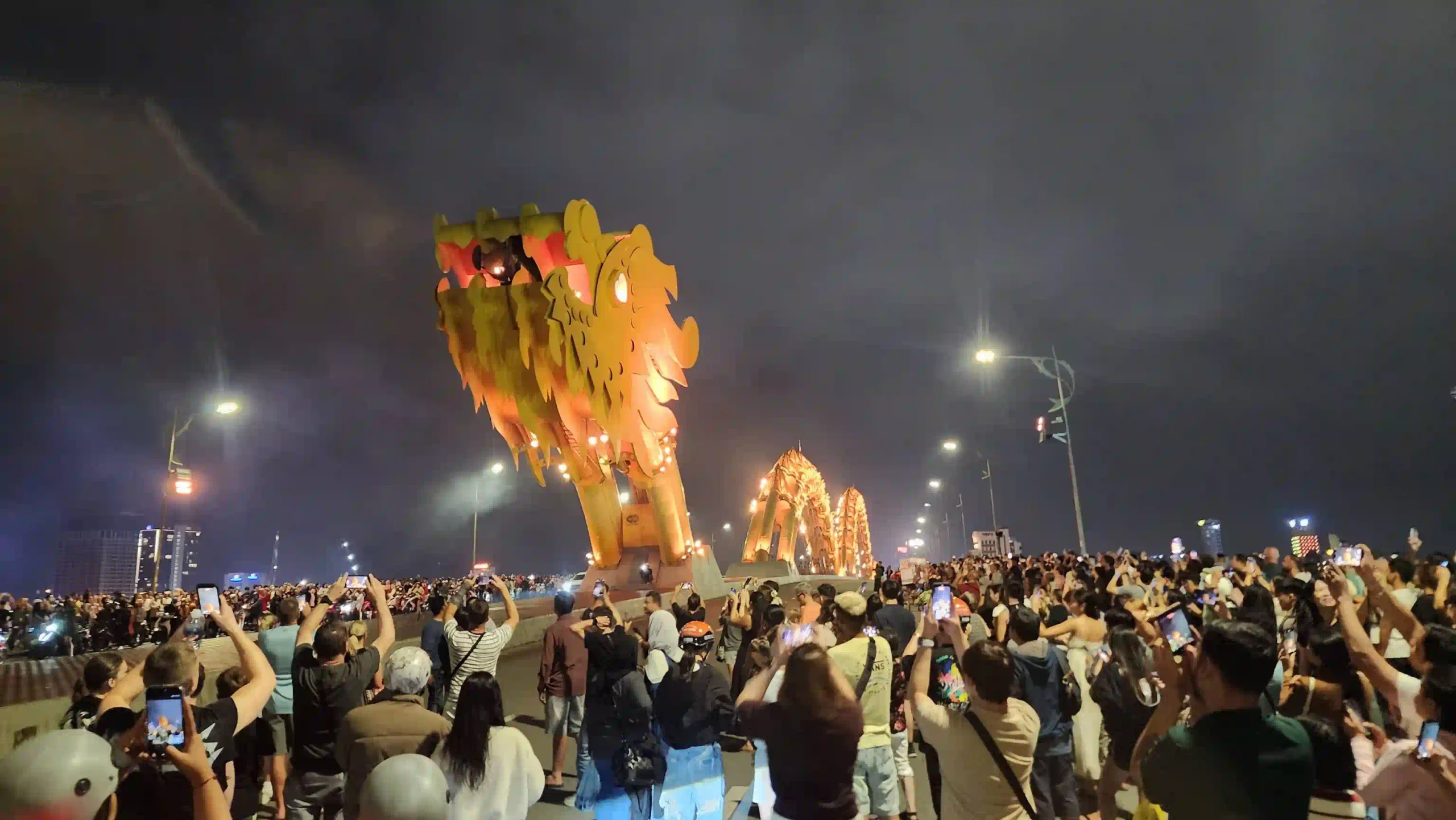
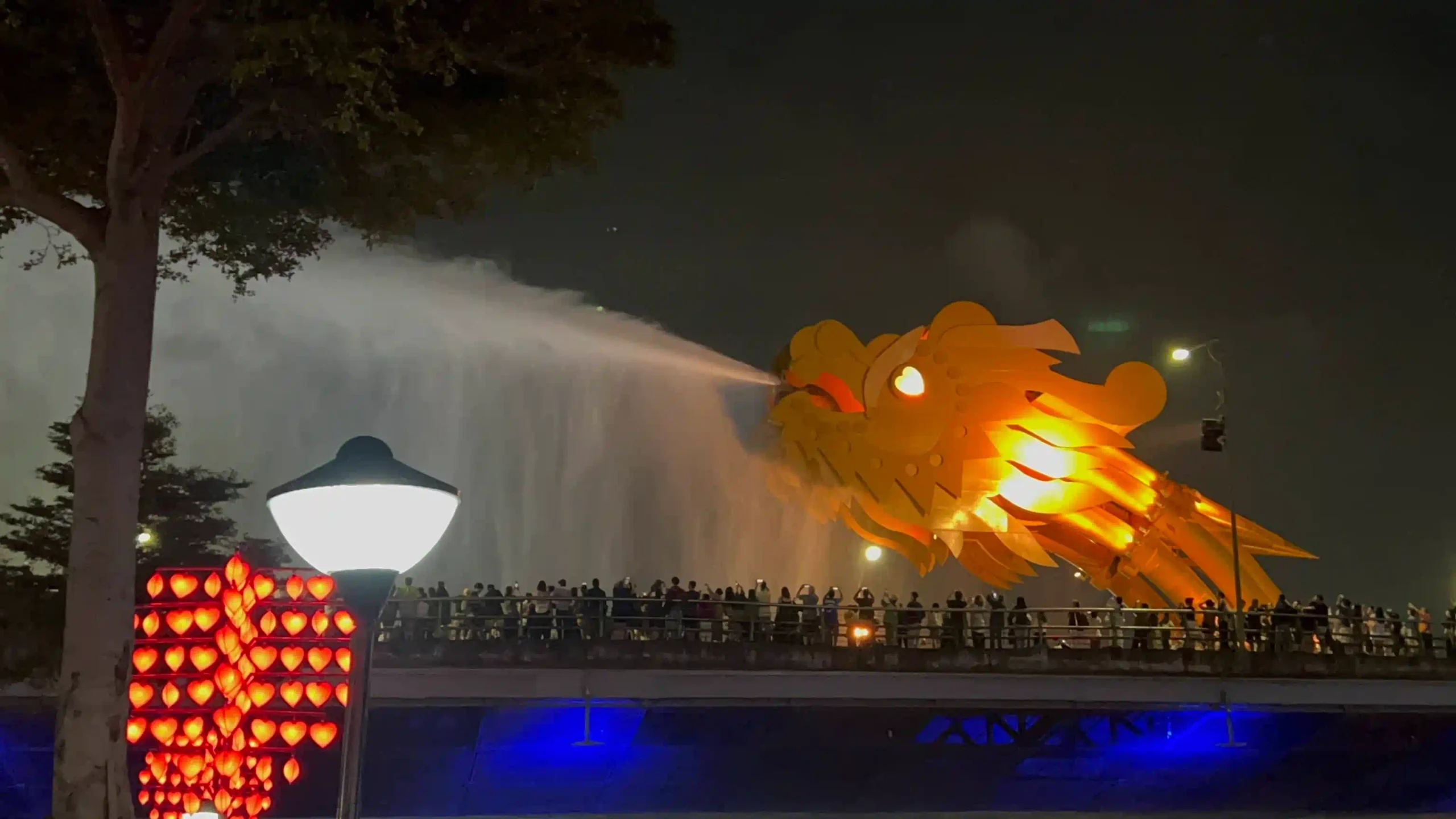
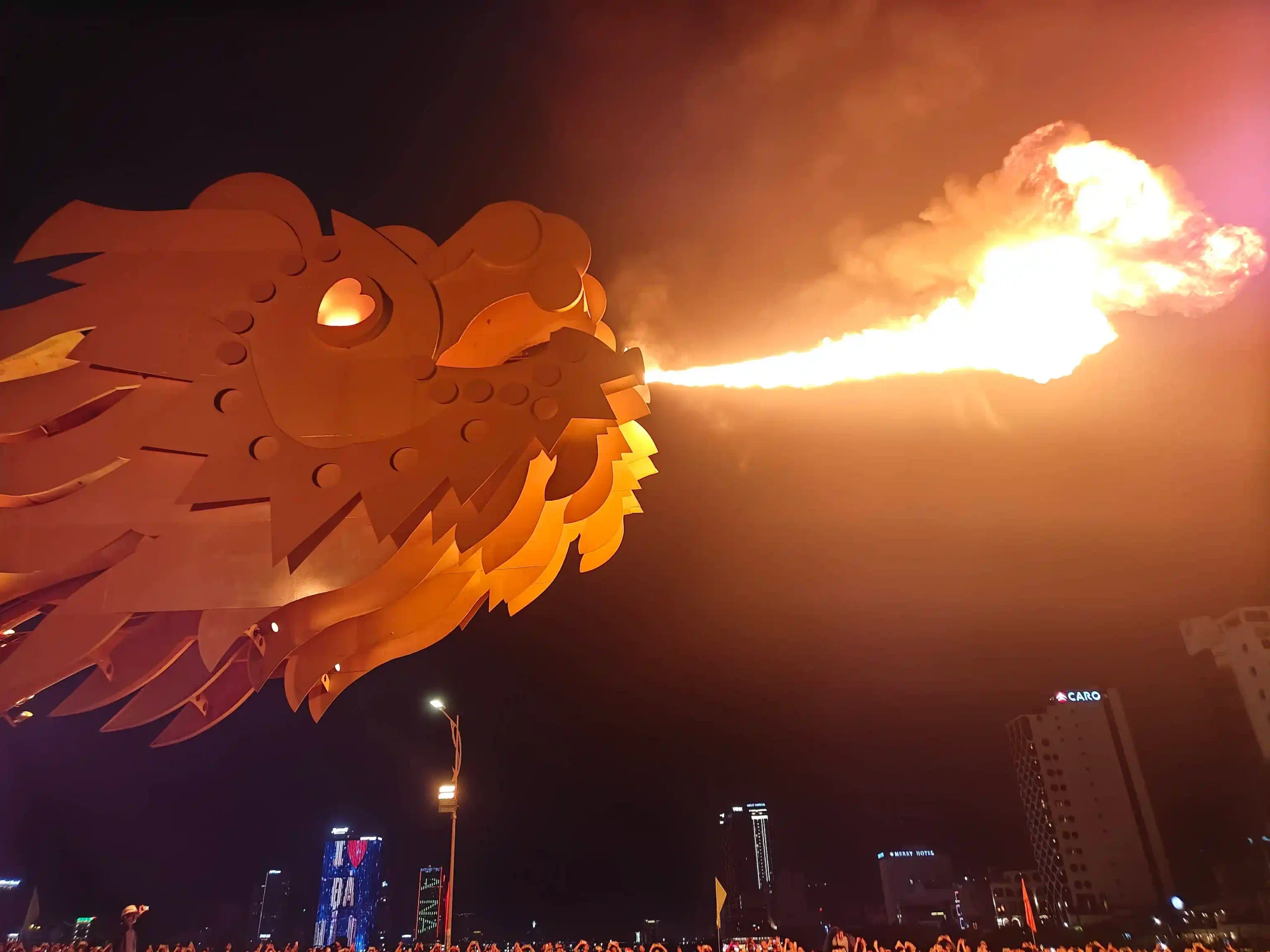
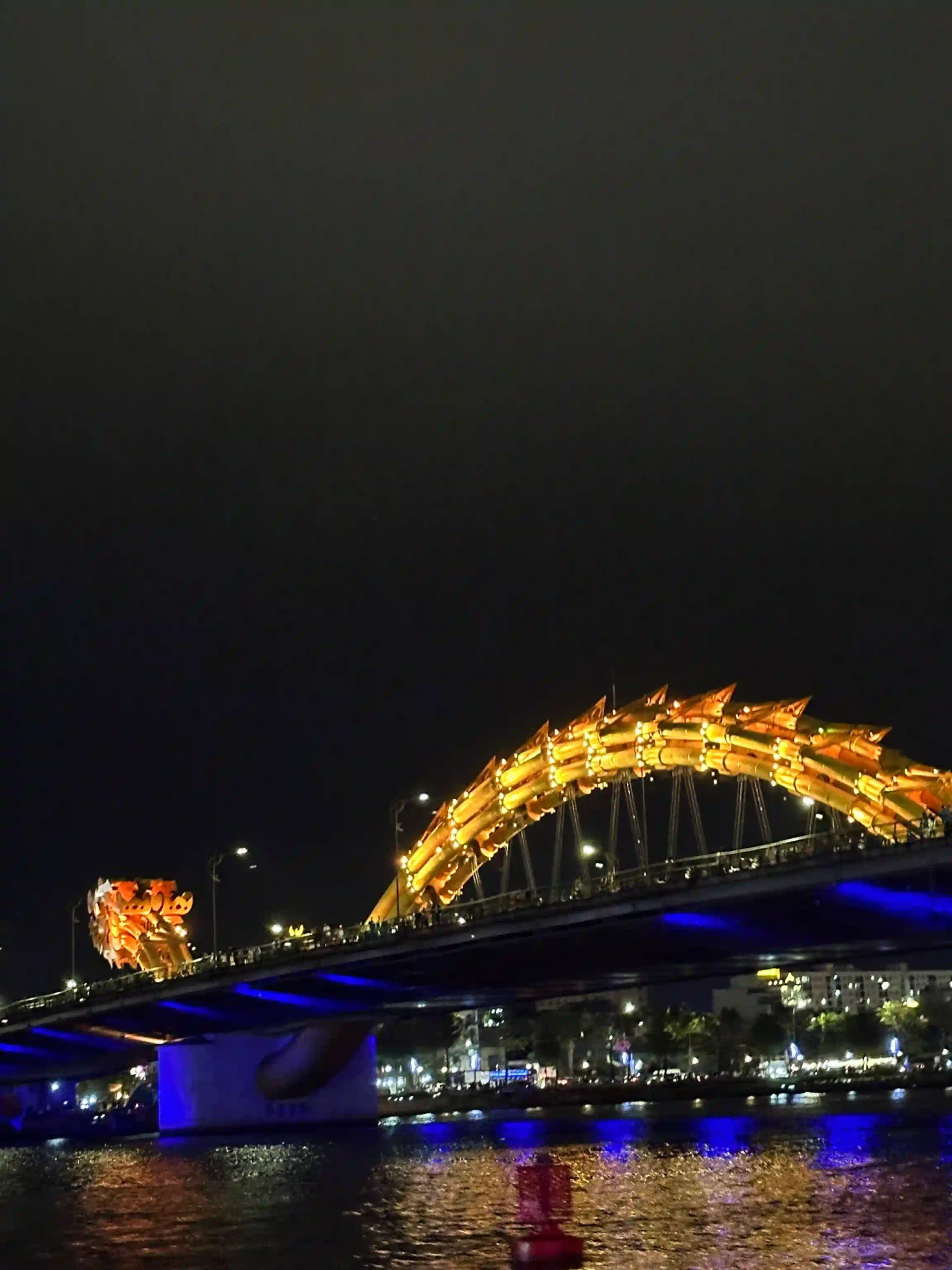
At 9:00 PM sharp, the Dragon Bridge breathes fire and water. It only happens on Friday, Saturday, and Sunday nights. (If your Day 1 falls on a Tuesday, swap this evening activity to the weekend).
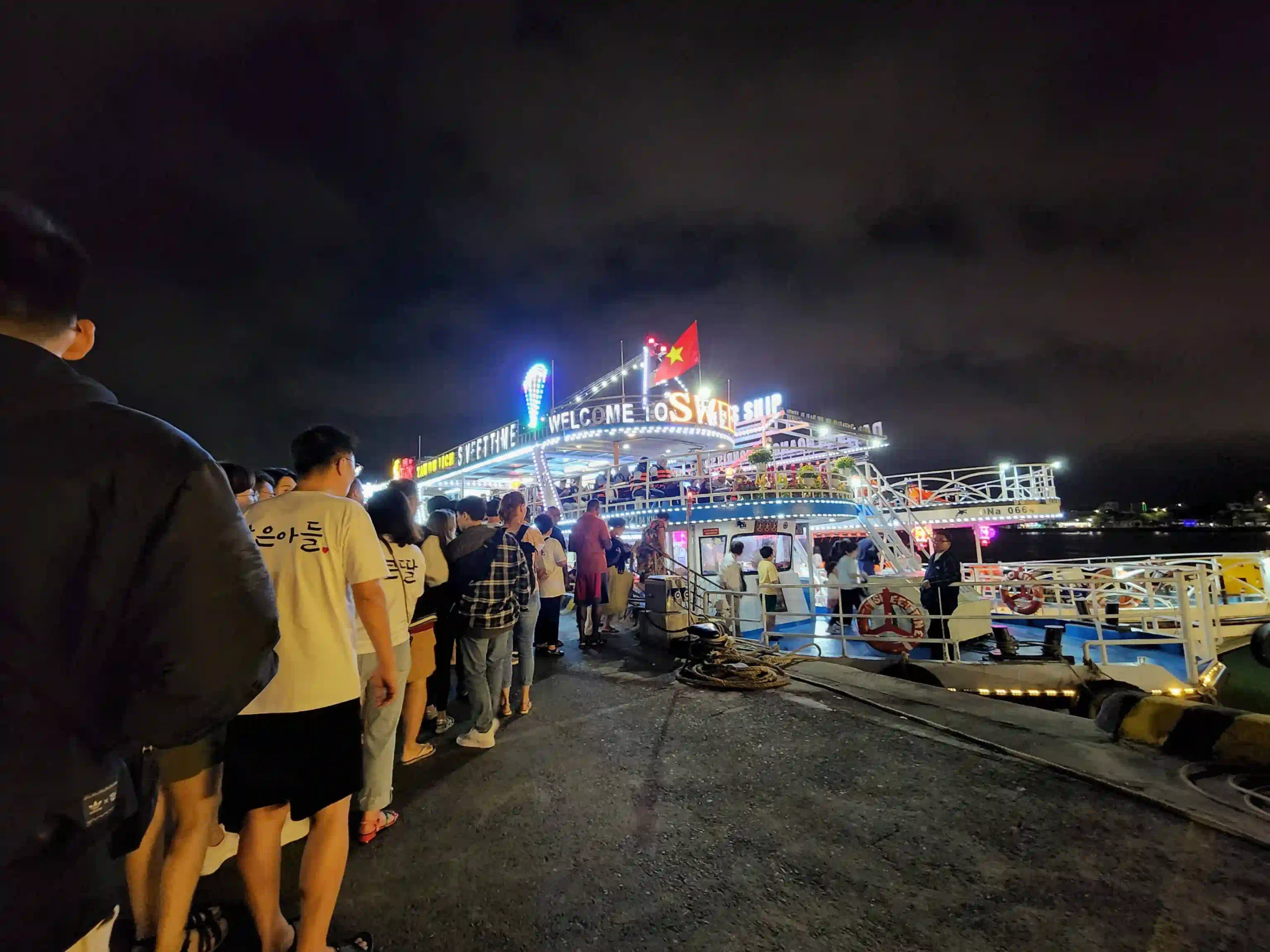
Watch the show from the street, or book a cheap river cruise to watch it from the water. Whatever you do, don’t stand downwind when the water part starts or you will get soaked. Check out my full logistics guide on the actual weekend shows here so you don’t get stuck in the horrible traffic jam afterward.
Day 2: Nature, Coastlines, and Monkeys
Yesterday was city stuff. Today is about the main reason people actually come here: the nature. This day is built around the ocean and the big green mountain that dominates the skyline.
Morning: The 5:30 AM Beach Culture
I know you are on vacation, but you have to wake up before dawn just once.
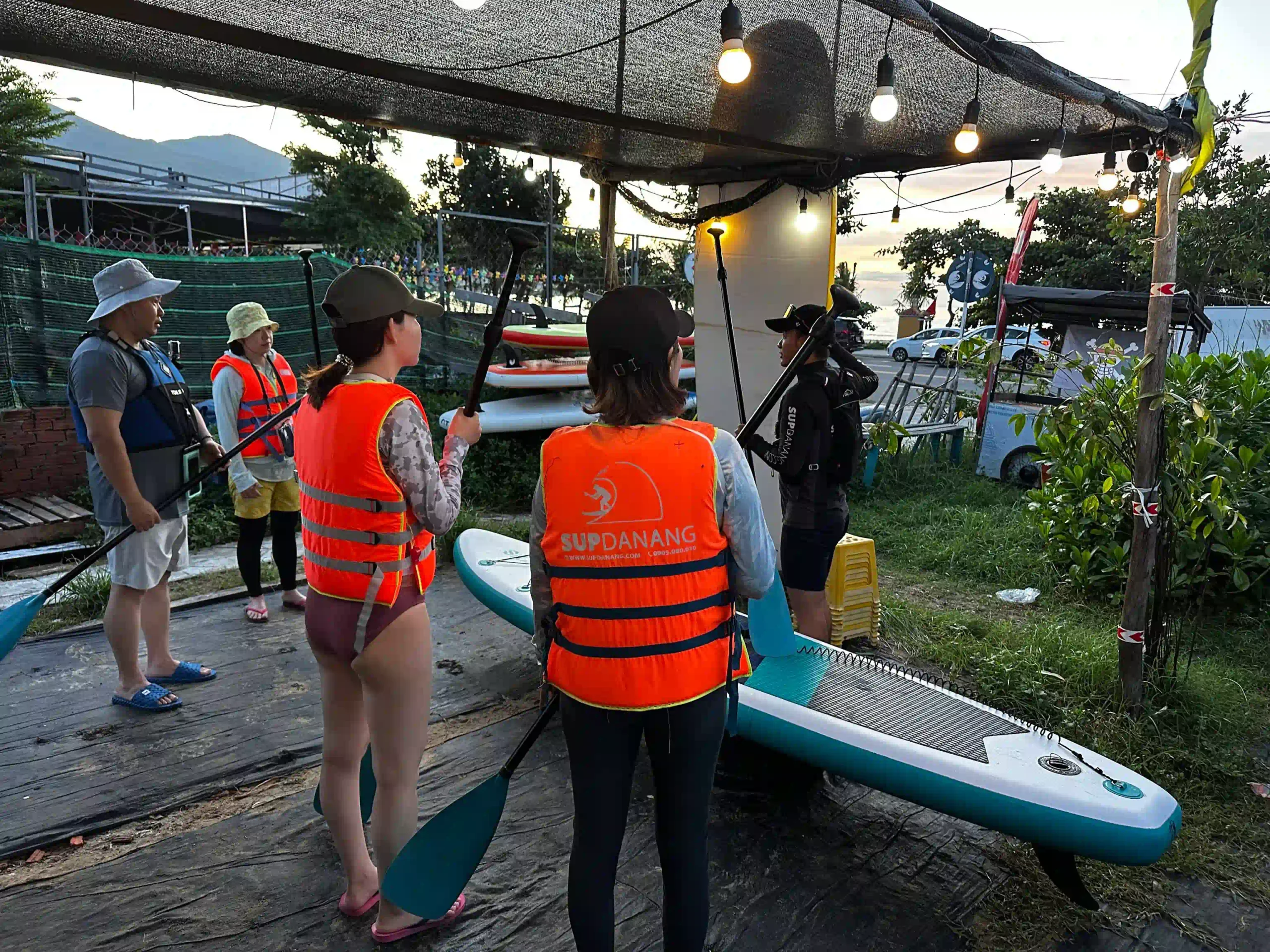
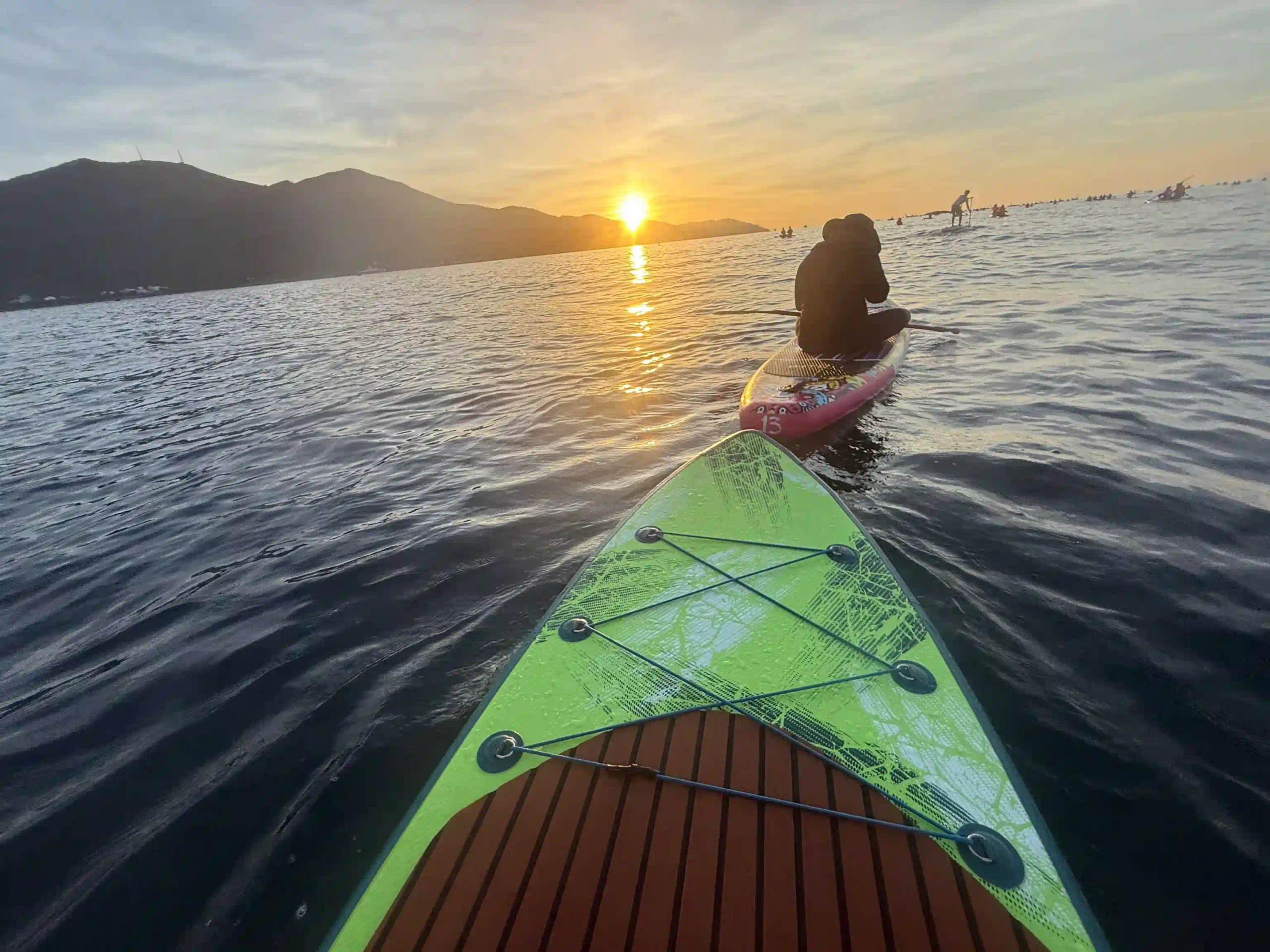
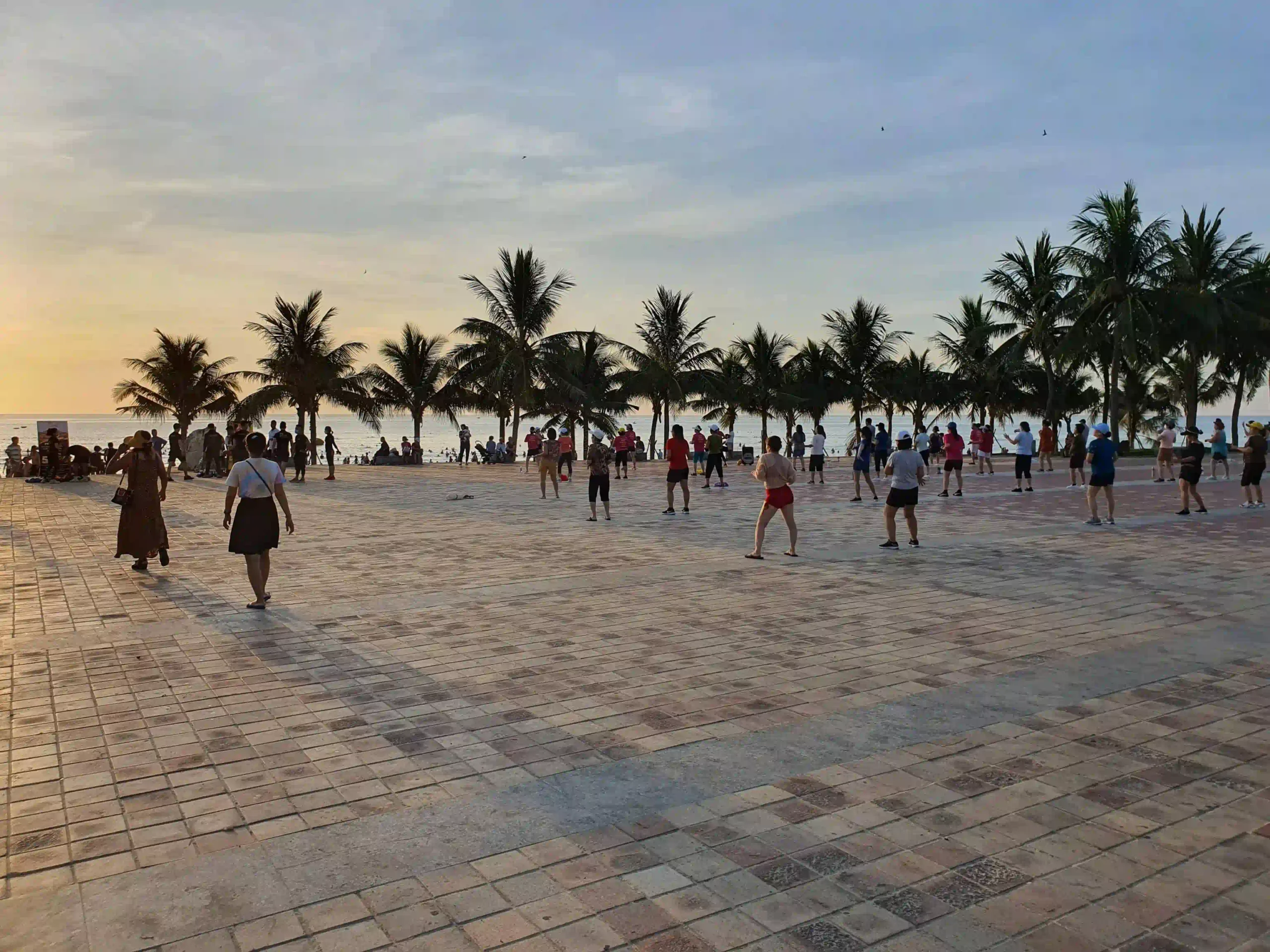
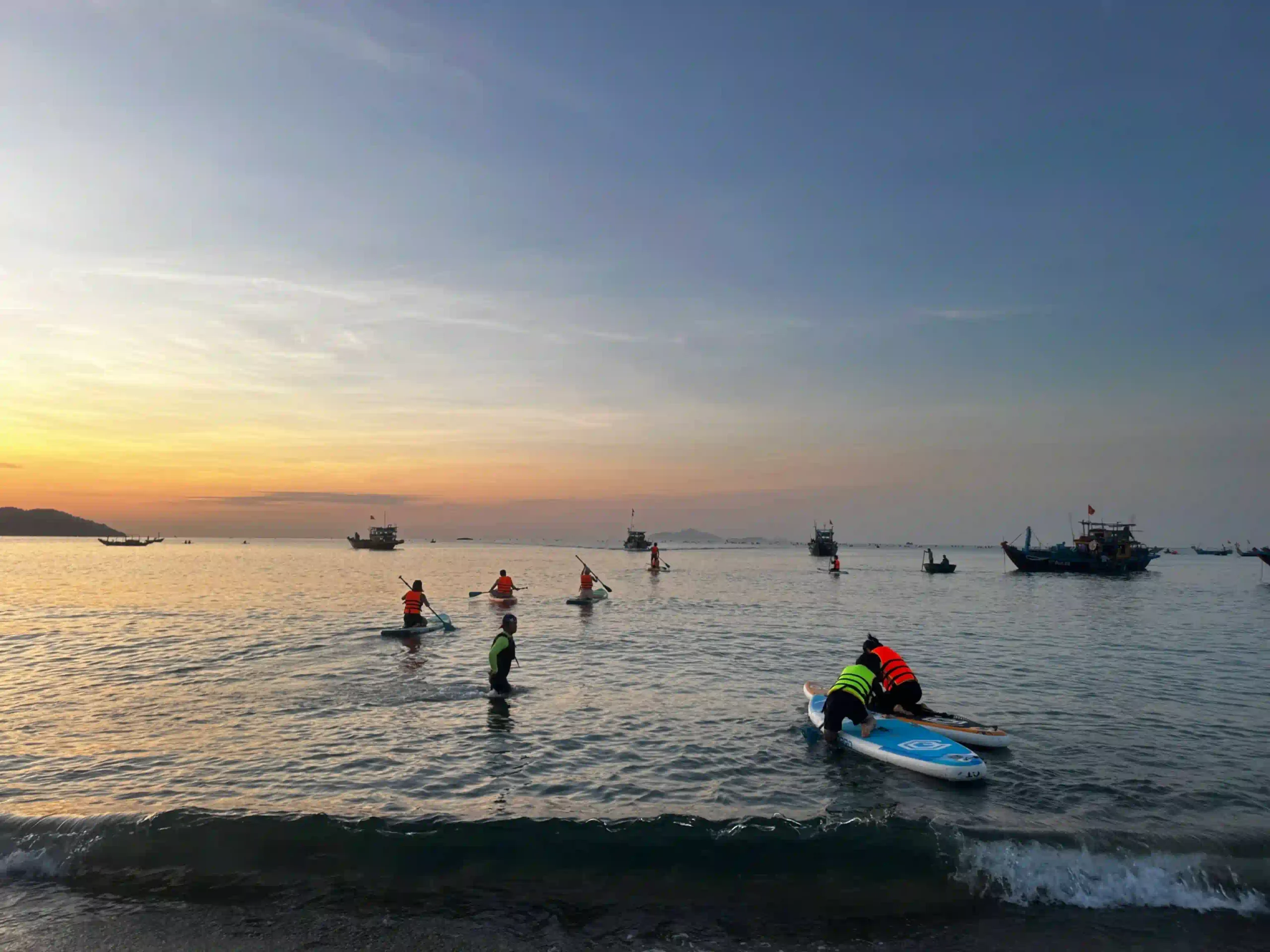
Get to My Khe beach by 5:30 AM. This is when the Vietnamese locals use the beach. The sand is completely packed with people playing volleyball, running, and swimming before the sun gets too hot.
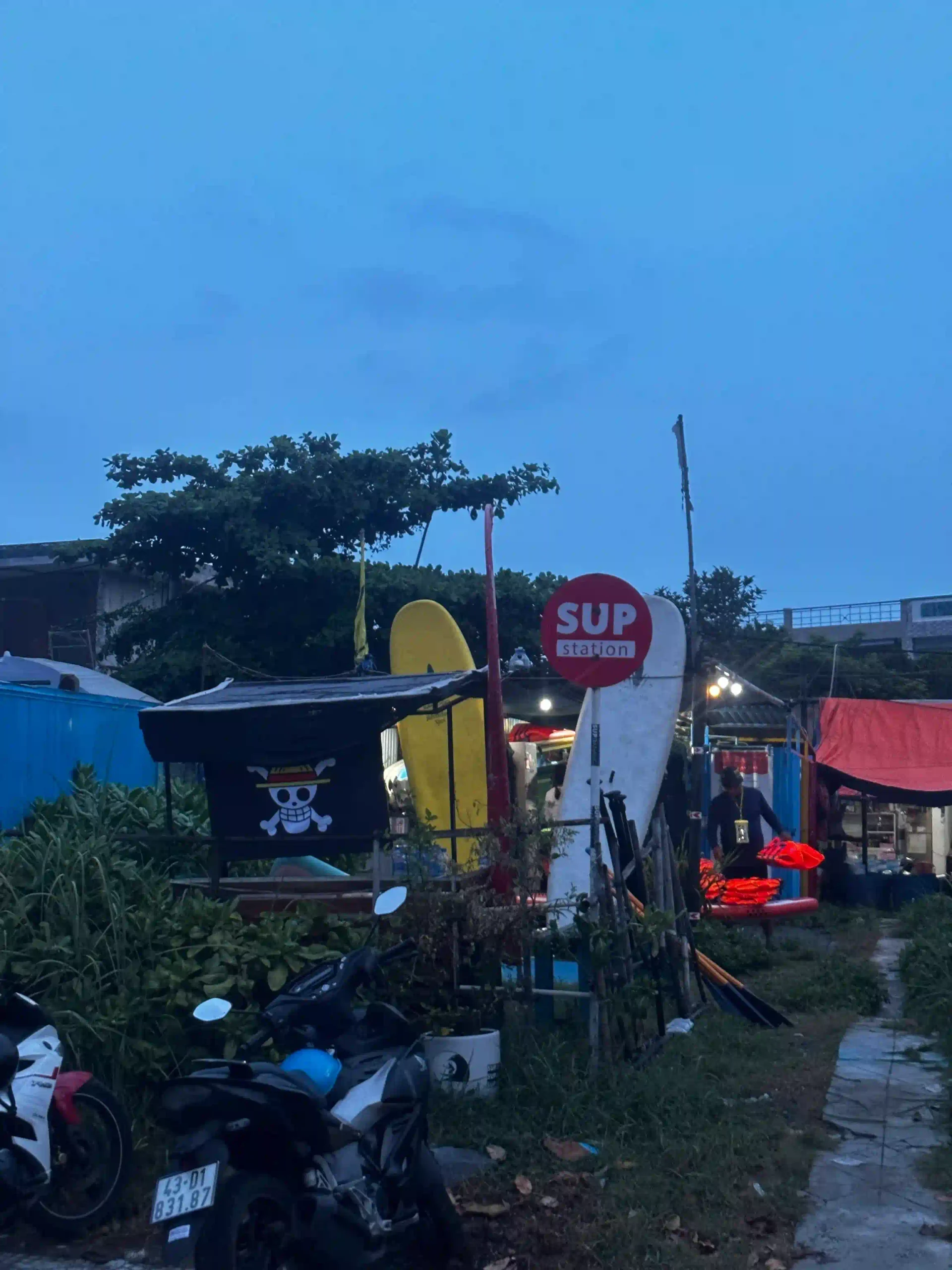
Rent a Stand Up Paddleboard (SUP) from one of the guys on the sand. It costs about 150,000 VND. Paddle out past the waves and just sit on the board while the sun comes up over the horizon. It is insanely peaceful. By 7:30 AM, the locals all pack up and go to work, and the beach becomes completely empty.
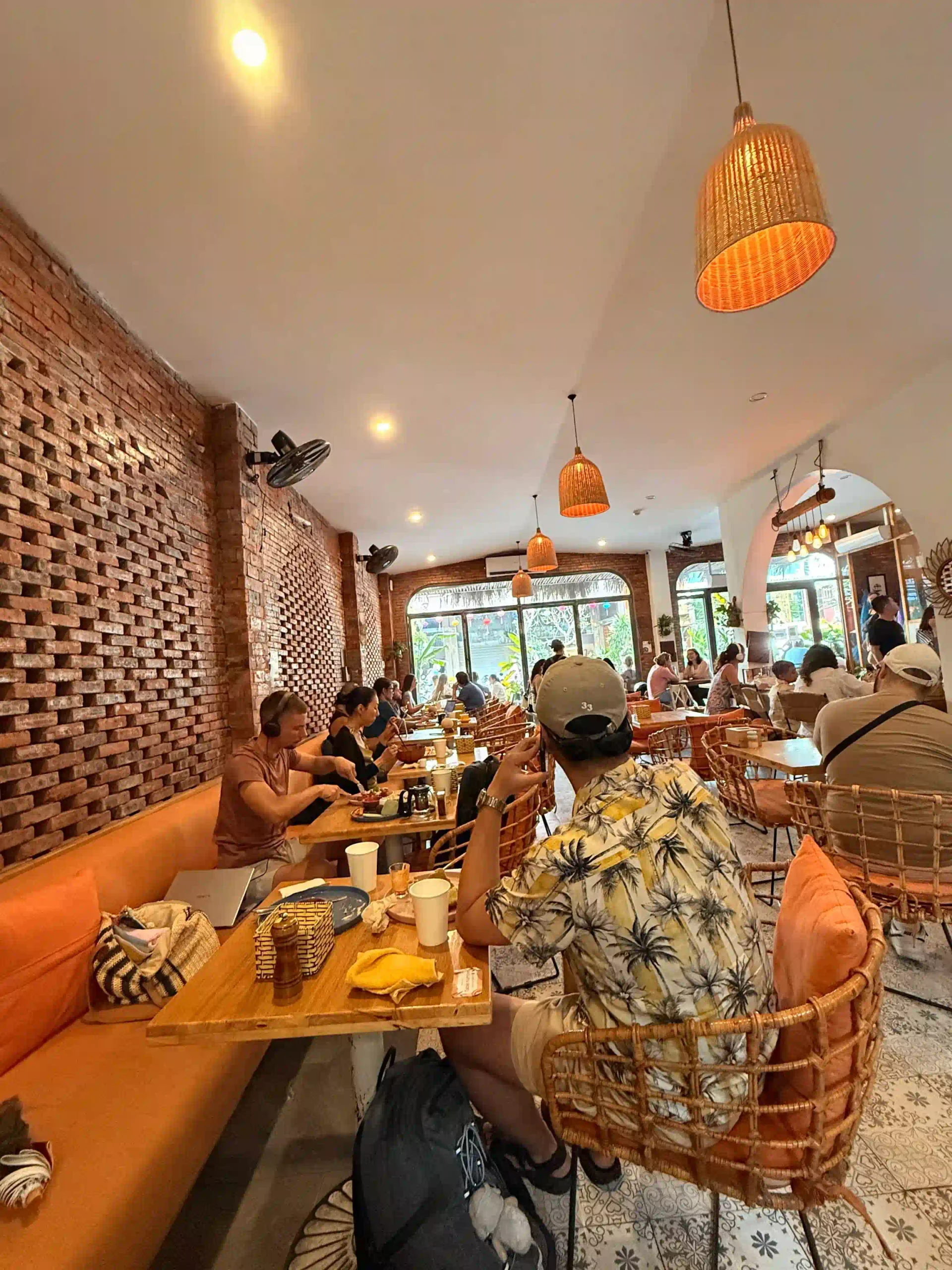
Go back to your room, shower, and grab a late breakfast in the An Thuong area (the neighborhood right behind My Khe beach). It’s full of expat cafes. Roots Plant-based Cafe or The Hideout are good if you want a massive Western-style breakfast to recover from waking up so early.

Afternoon: The Son Tra Peninsula Drive
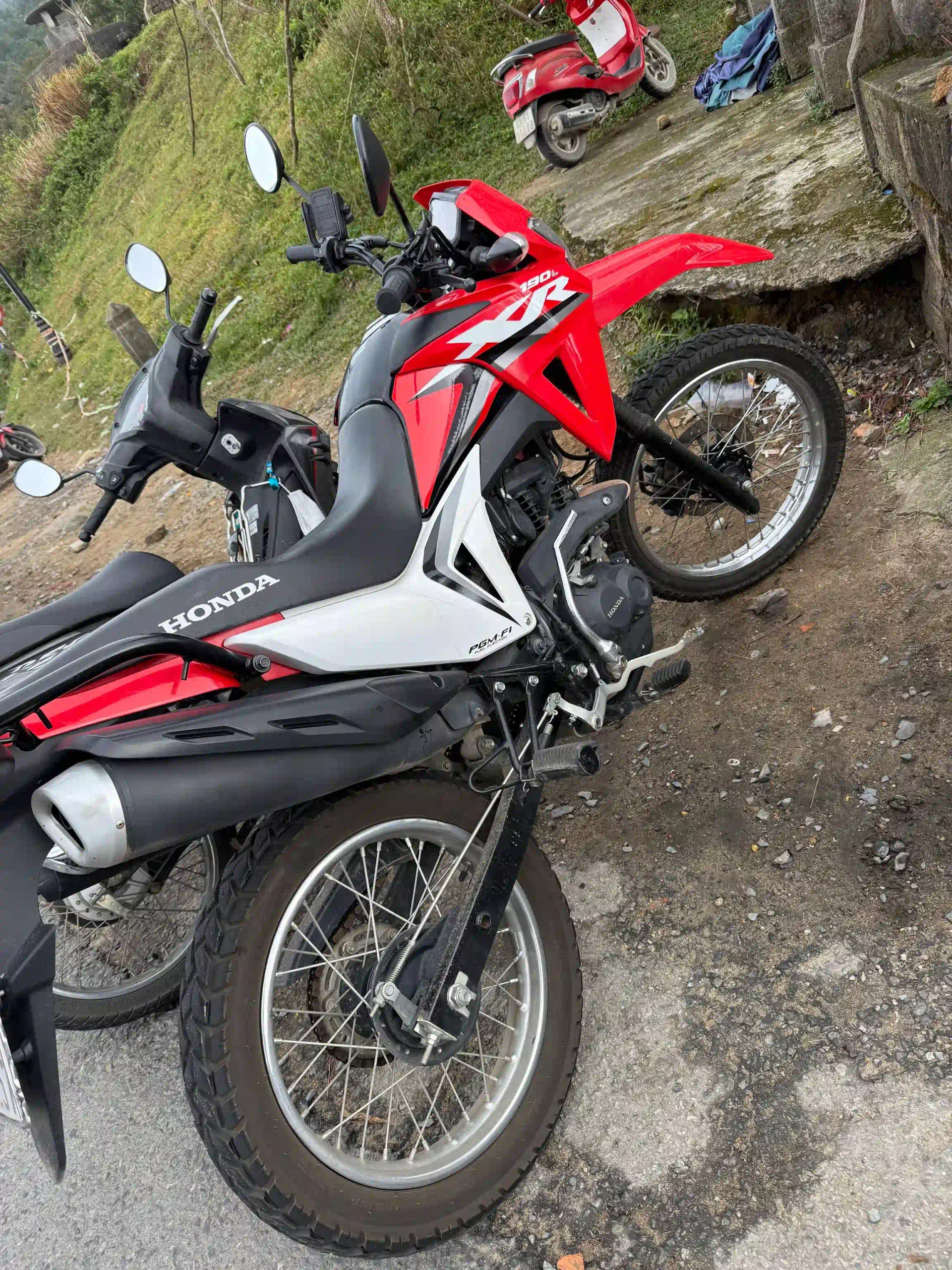
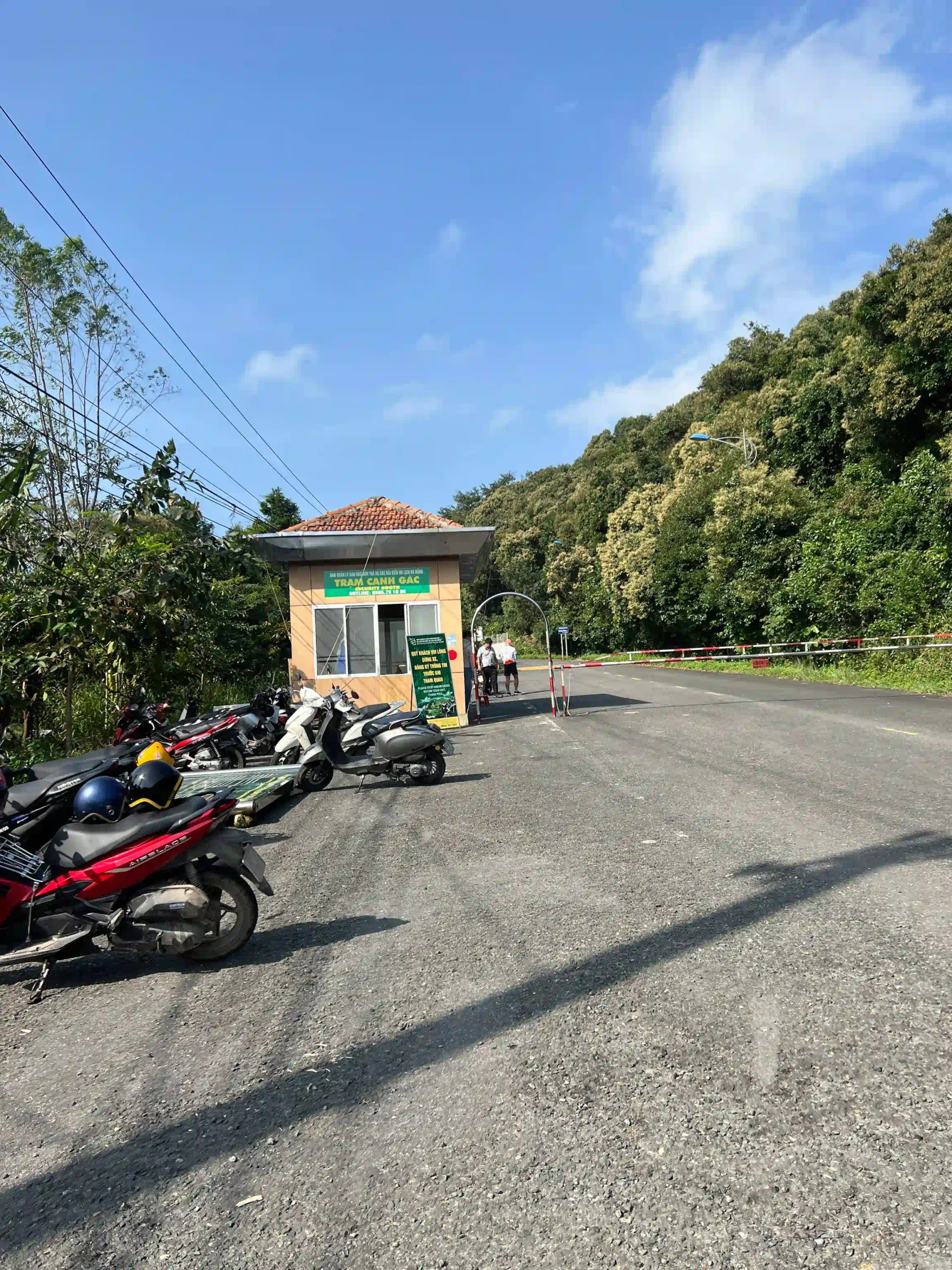
This is the best free activity in Da Nang. You need a motorbike for this. Grab cars can take you to the first stop, but they won’t drive you around the whole mountain.
Around 2:00 PM, start driving north along the coast road. You are heading up the Son Tra Peninsula (Monkey Mountain).
Your first stop is the Linh Ung Pagoda. This is where the massive, 67-meter-tall white Lady Buddha statue sits. You can see her from everywhere in the city. Walk around the temple grounds, look at the bonsai trees, and get a great view of the Da Nang skyline. Parking is just a small donation.
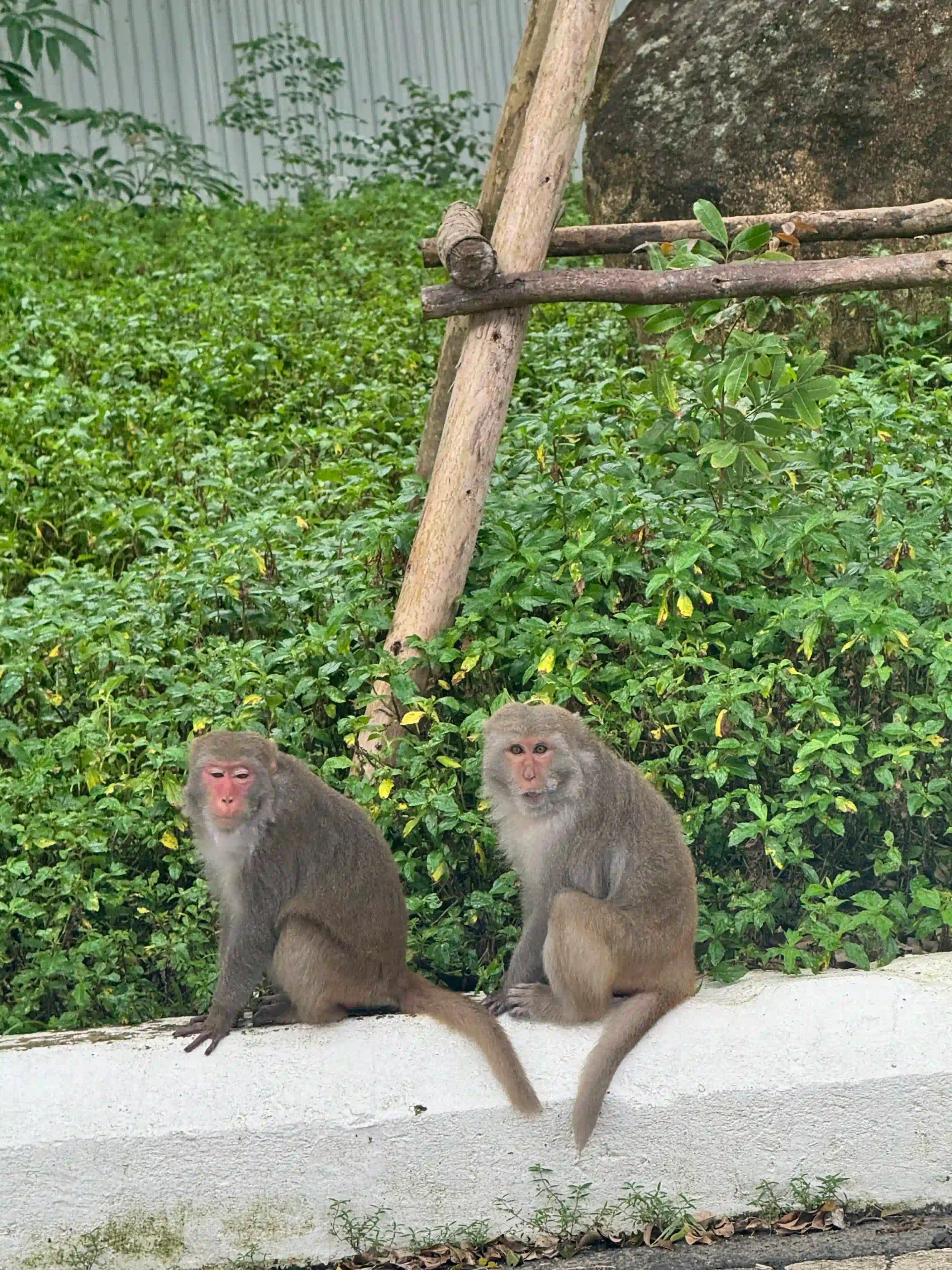
After the pagoda, keep driving up the road. The road winds through thick jungle. Keep an eye on the trees, because this mountain is full of macaques and the rare red-shanked douc langurs.
If you are confident on a bike and have a semi-automatic (not an automatic scooter, the police won’t let automatics up the steep parts), you can drive all the way up to Ban Co Peak. The road is very steep, but the view from the top makes you feel like you are looking down at a tiny toy city.
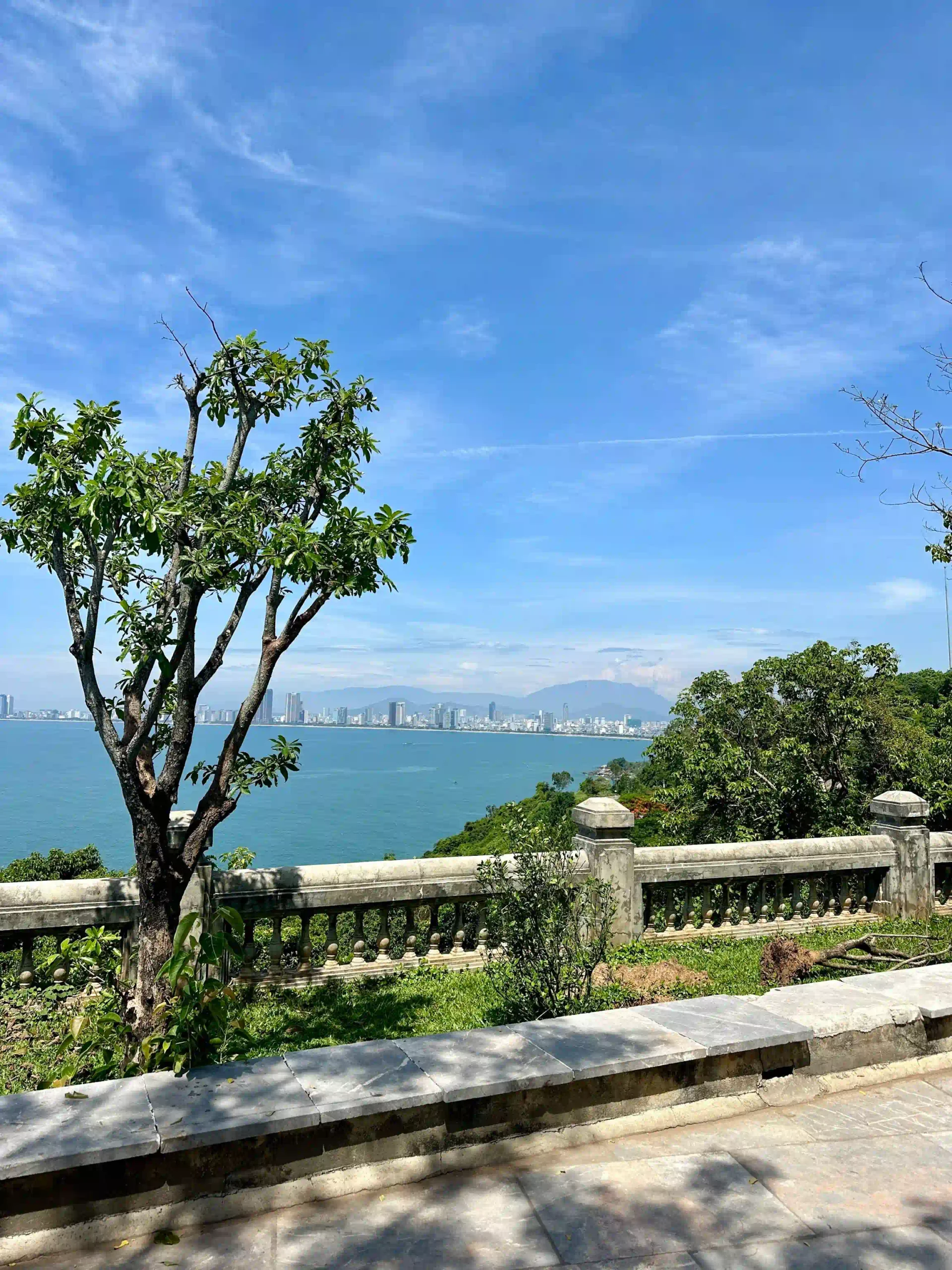

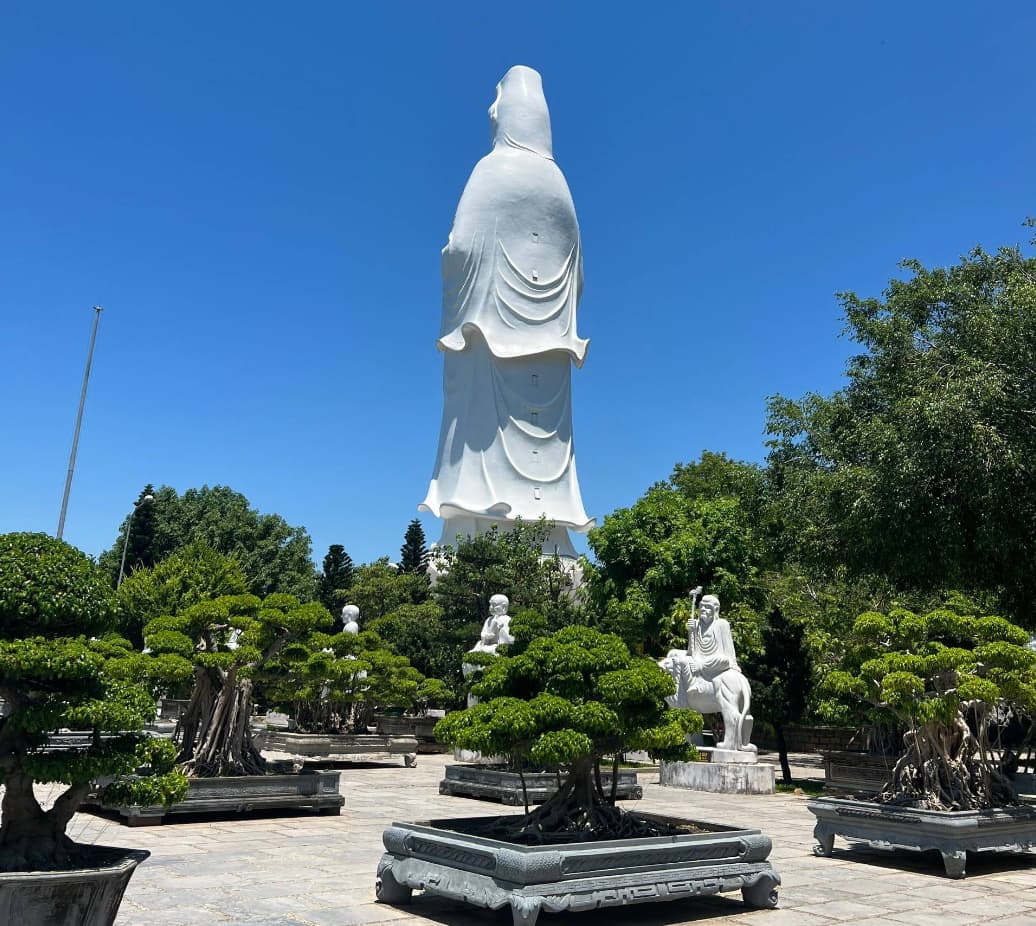
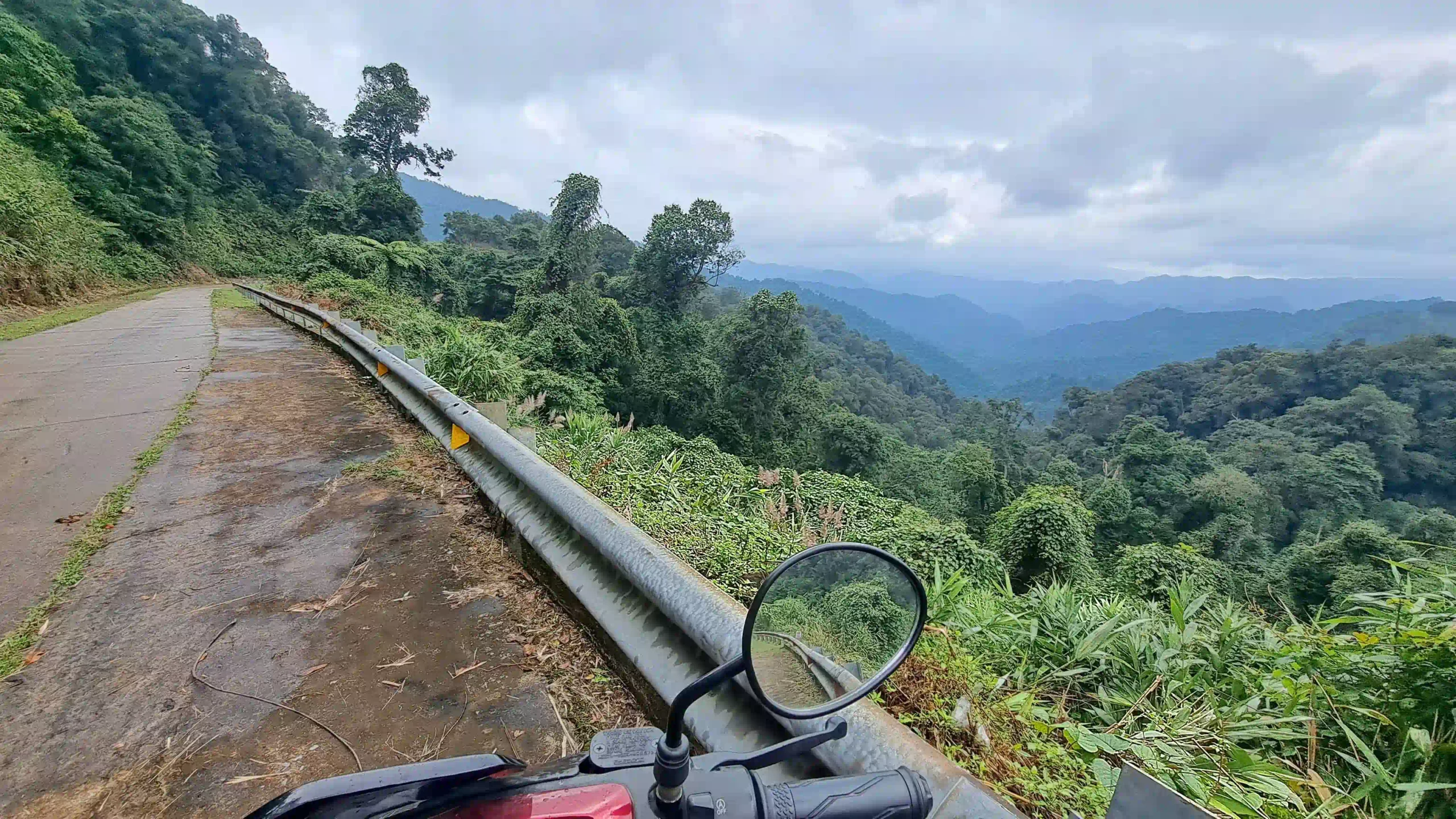
After driving back down the mountain, you will be hungry.
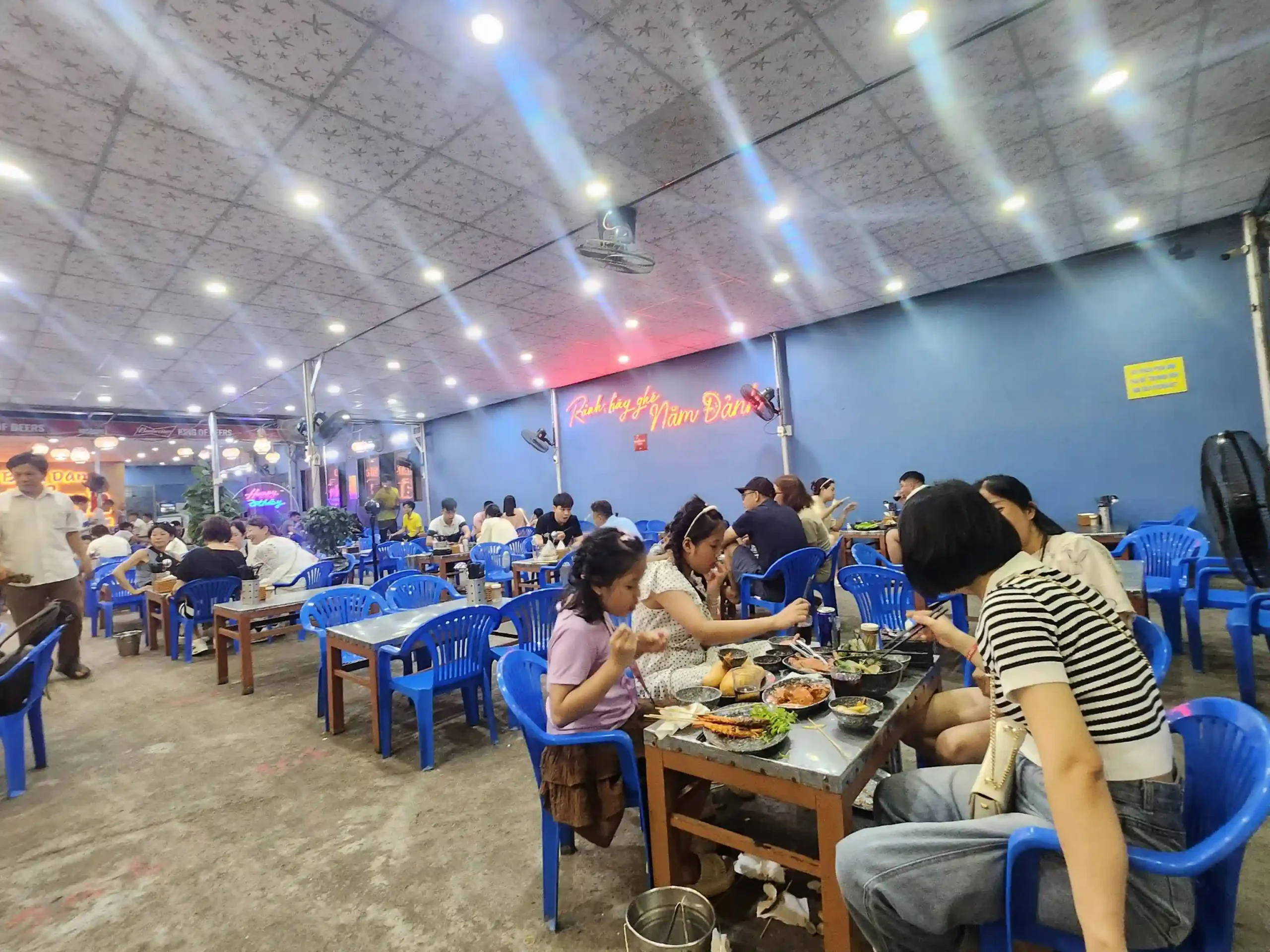
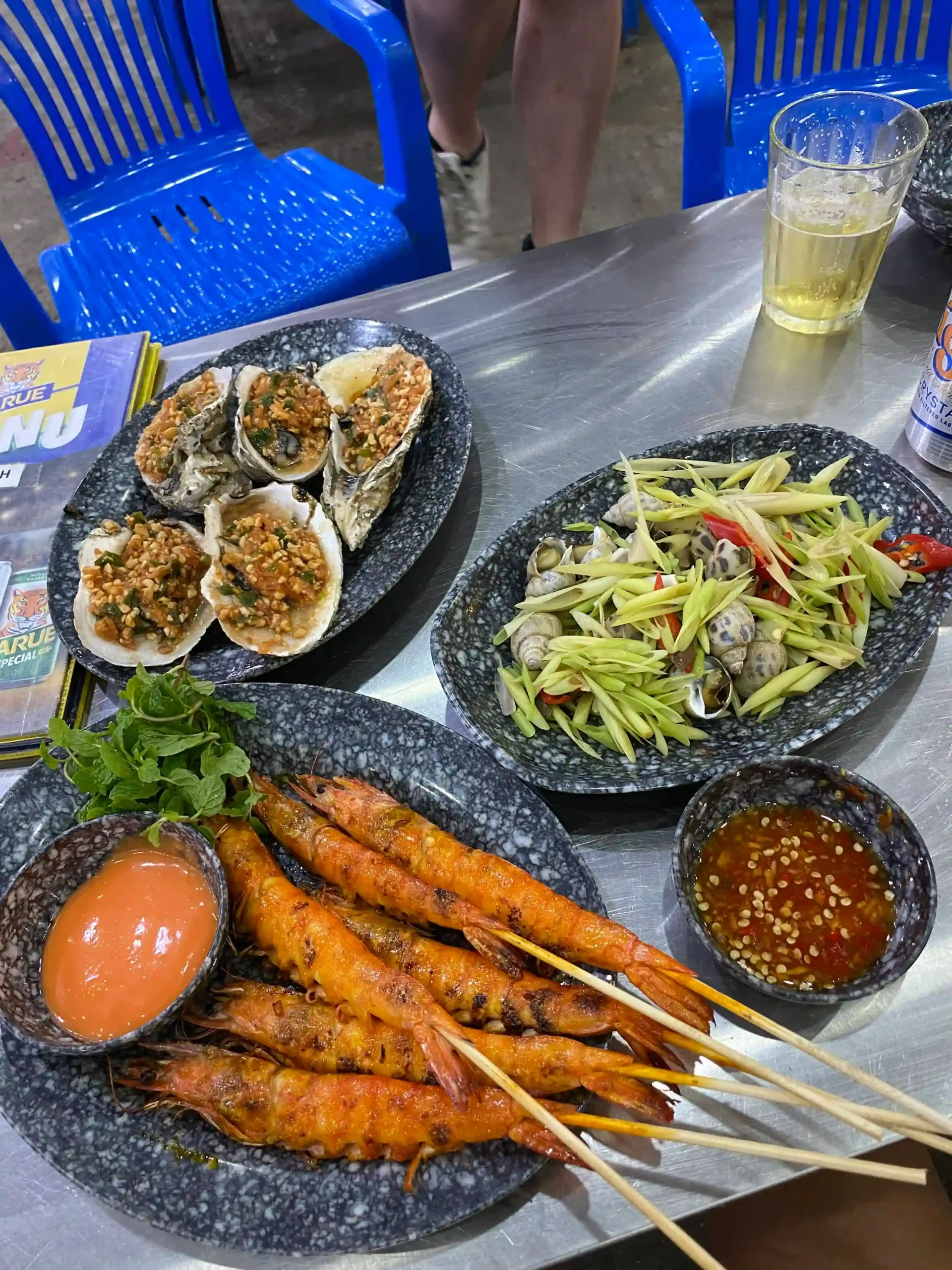
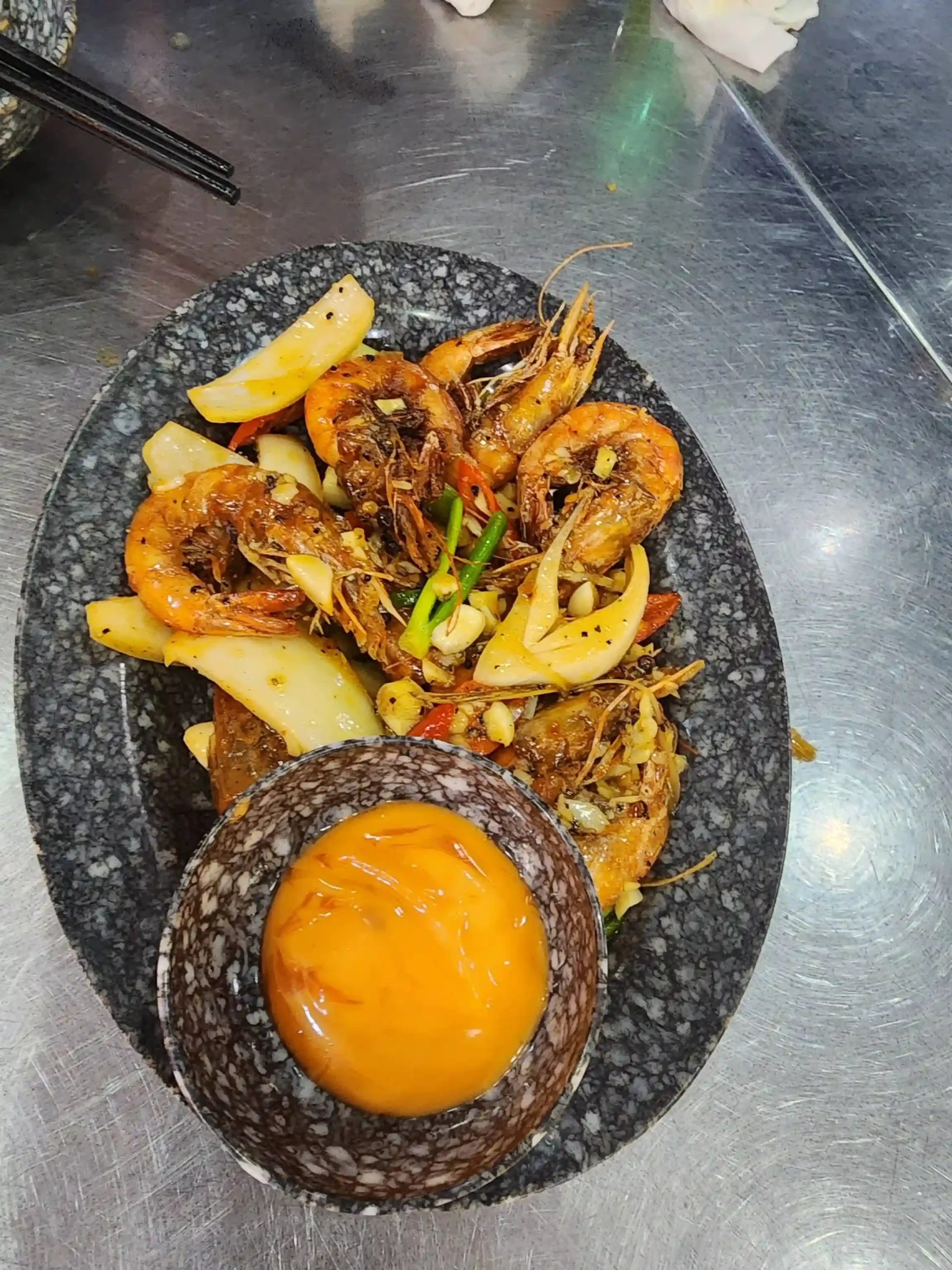
The beach road (Vo Nguyen Giap) is lined with massive, brightly lit seafood restaurants. You walk in, point at the live fish, crabs, or clams swimming in the plastic tanks, and tell them how to cook it.
Be slightly careful here with prices. Always ask how much per kilogram before they pull the fish out of the water.
If you want a really good, reliable local spot that doesn’t usually overcharge foreigners, try Hai San Nam Danh. It is hidden deep in a maze of alleys near the base of the peninsula, but any Grab driver can find it. It’s noisy, packed with locals, and the food is incredibly fresh.
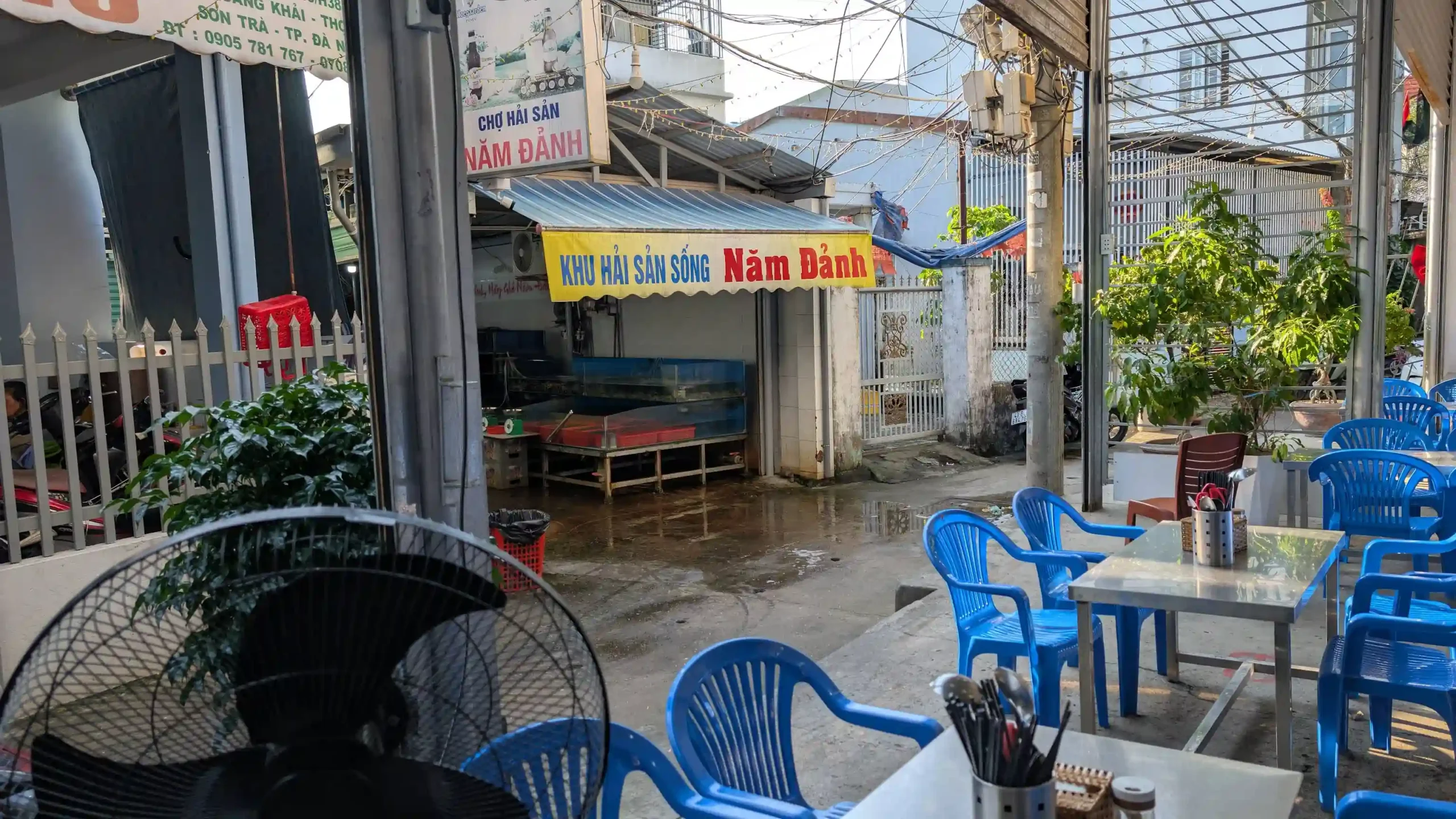
Day 3: The Big Excursion Day
Any good Da Nang itinerary needs a day dedicated to getting out of the immediate city. You have two main choices for today. You really can’t do both in one day, so you have to pick the one that fits your travel style.
Option A: Ba Na Hills and the Golden Bridge (The Theme Park Route)
If you are traveling with kids, or if taking a photo on the famous hands bridge is the main reason you came to Vietnam, this is what you do.
Ba Na Hills is about 45 minutes inland. You can take a Grab there for about 300,000 VND. The ticket costs roughly 1,000,000 VND in 2026.
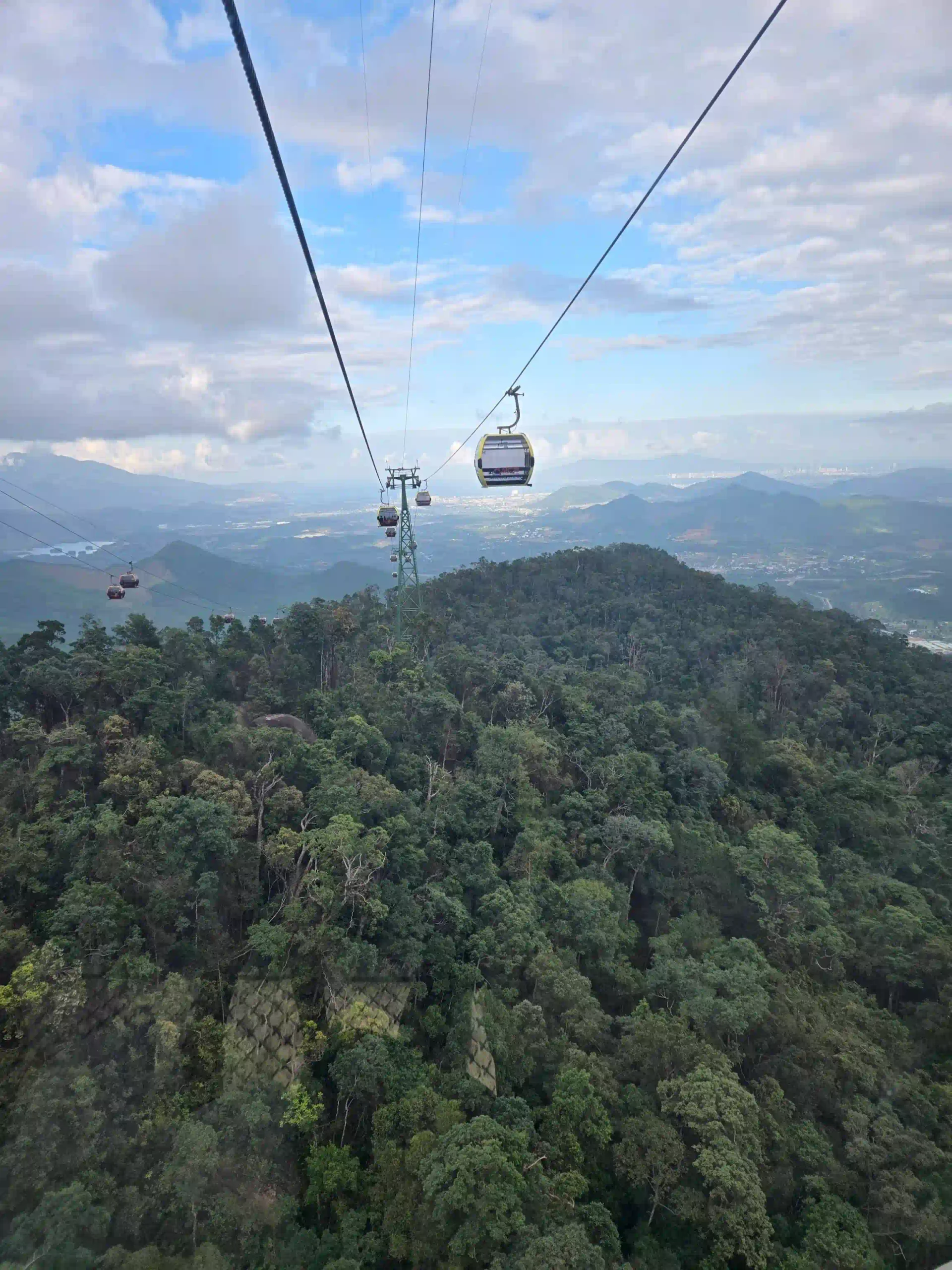
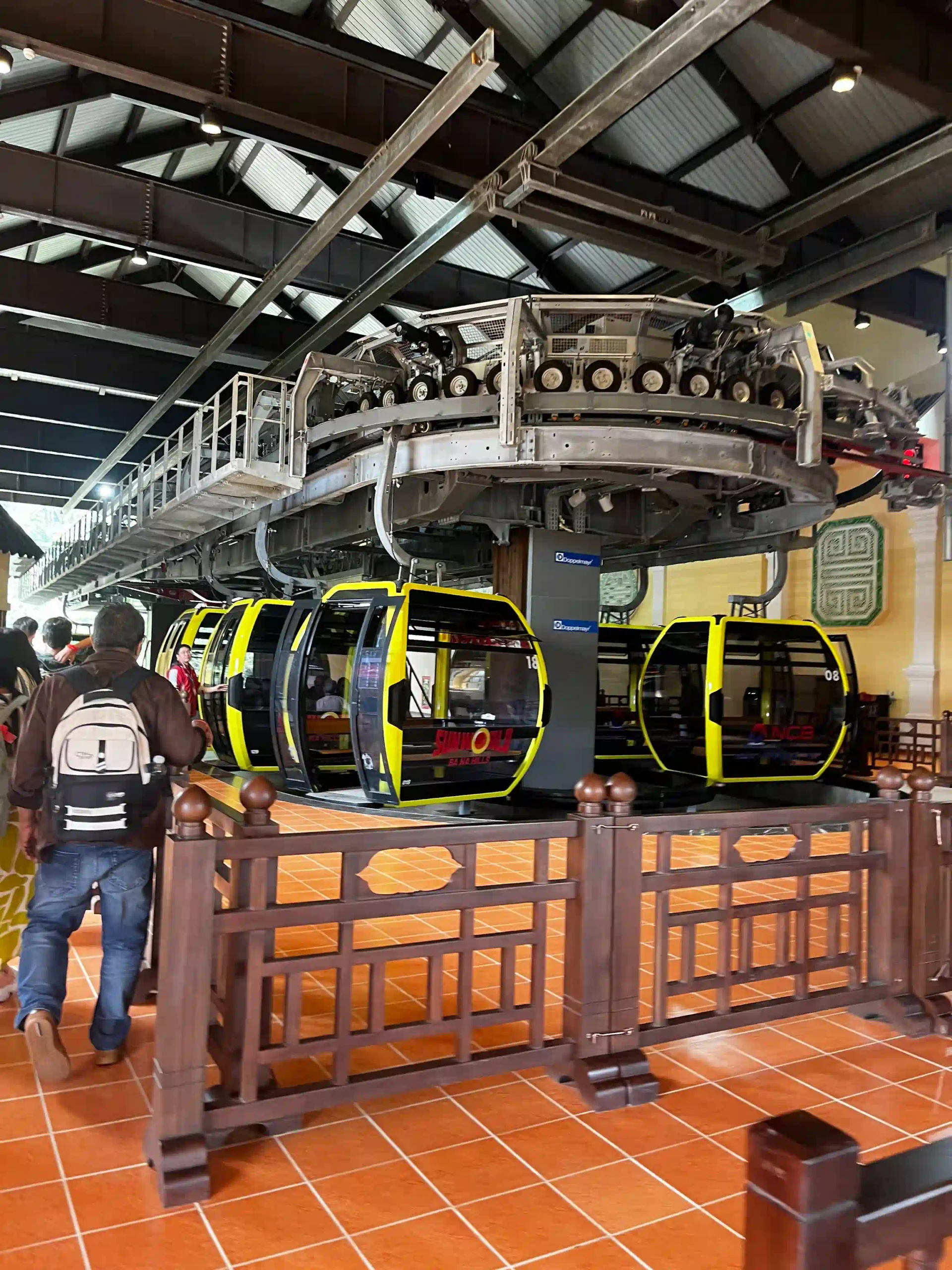
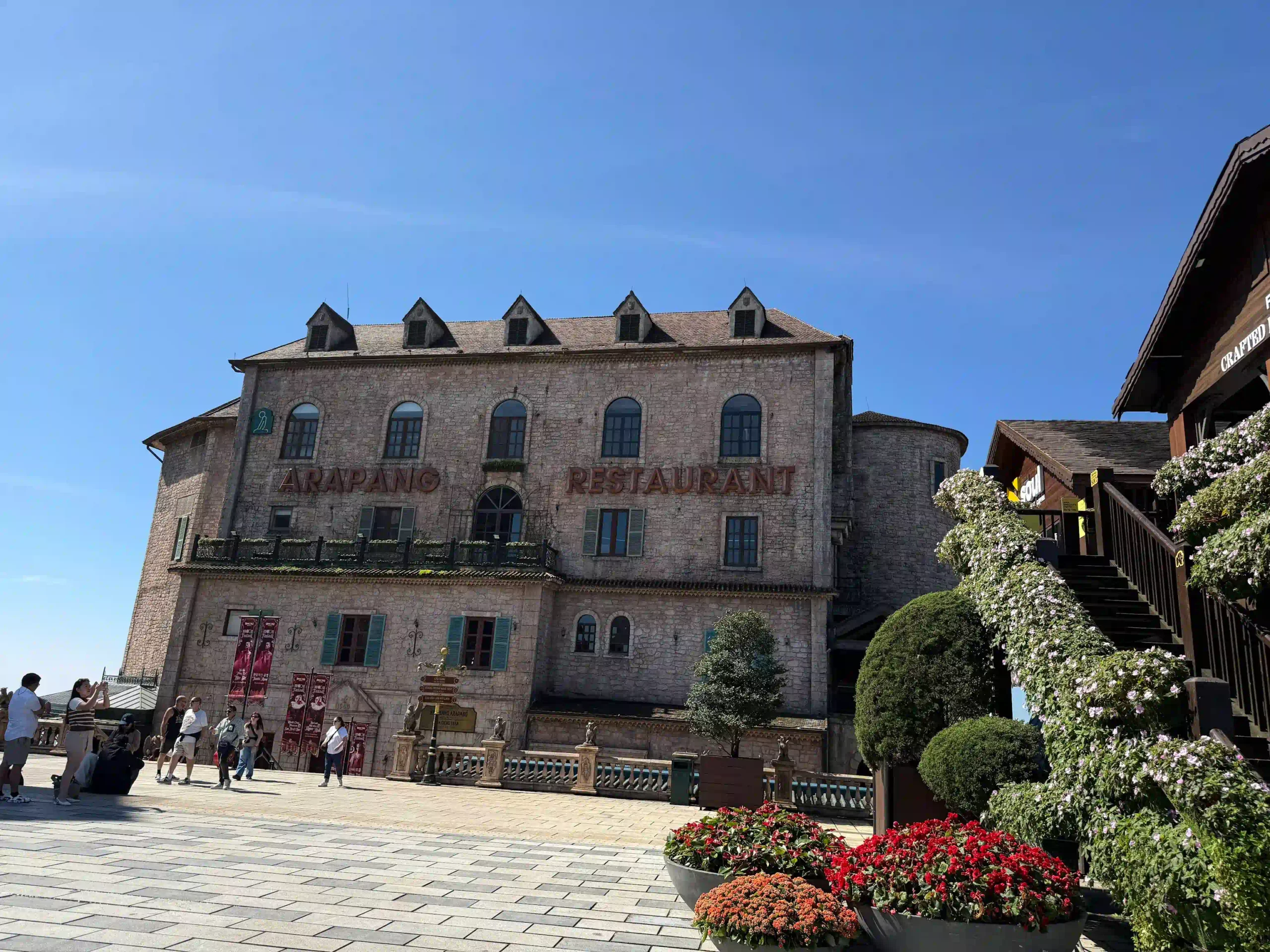
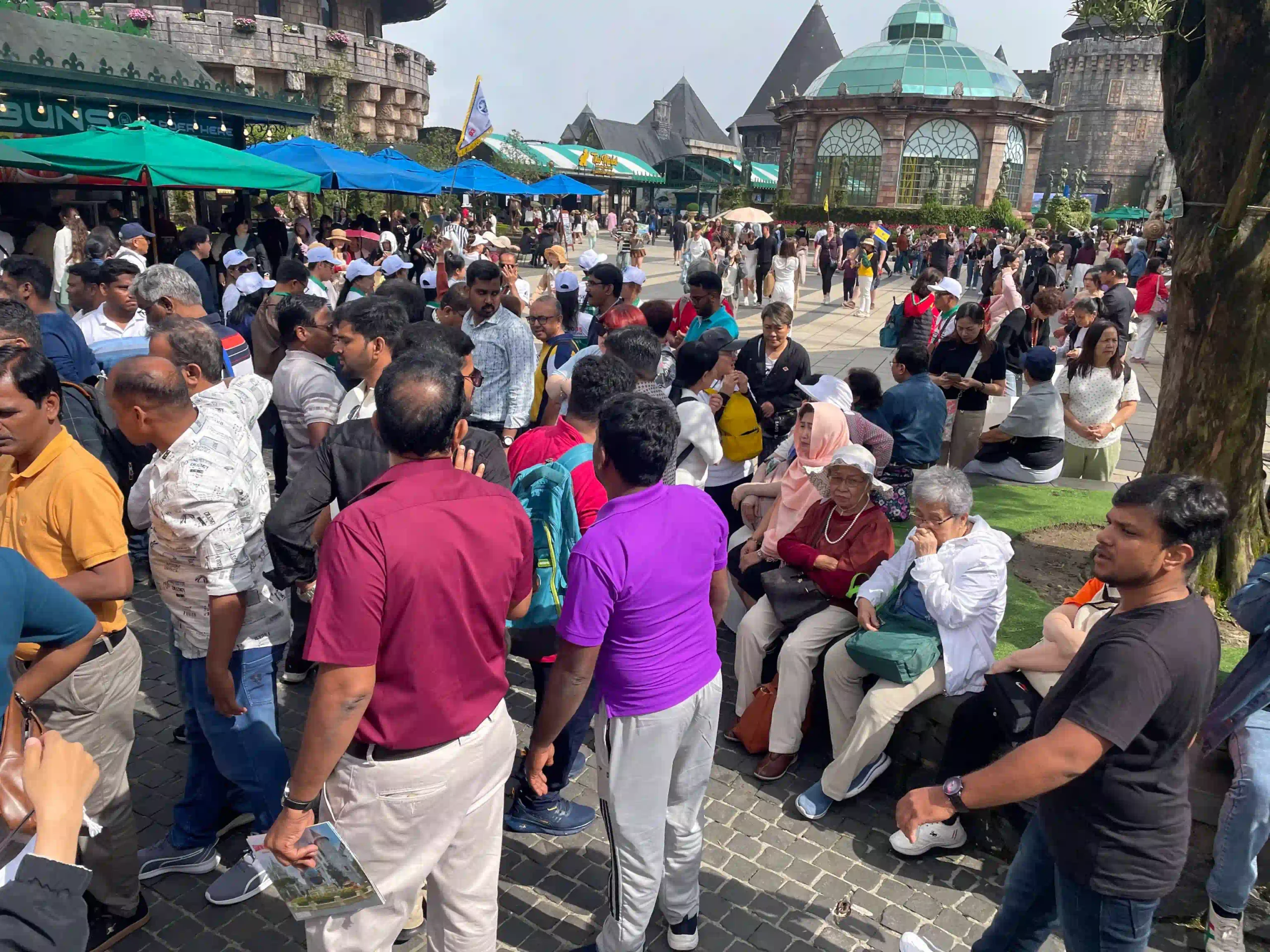
You take a massive 20-minute cable car ride up the mountain. It really is an impressive piece of engineering. At the top, there is a giant fake French medieval village, an indoor amusement park, and the Golden Bridge.
It is going to be crowded. If you want decent photos of the bridge without a thousand people in the background, you either need to arrive at the base station right when it opens at 7:00 AM, or wait until about 4:00 PM when the big Korean and domestic tour groups leave to go eat dinner.
Don’t expect the food at the buffets up there to be amazing. You are paying for the spectacle and the cool mountain air. It takes about 5 to 6 hours to do the whole thing properly.
Option B: The Hai Van Pass (The Adventure Route)
If you hate theme parks and crowds, skip Ba Na Hills entirely and do this instead.
The Hai Van Pass is the mountain road that Top Gear made famous. It separates Da Nang from Hue to the north.
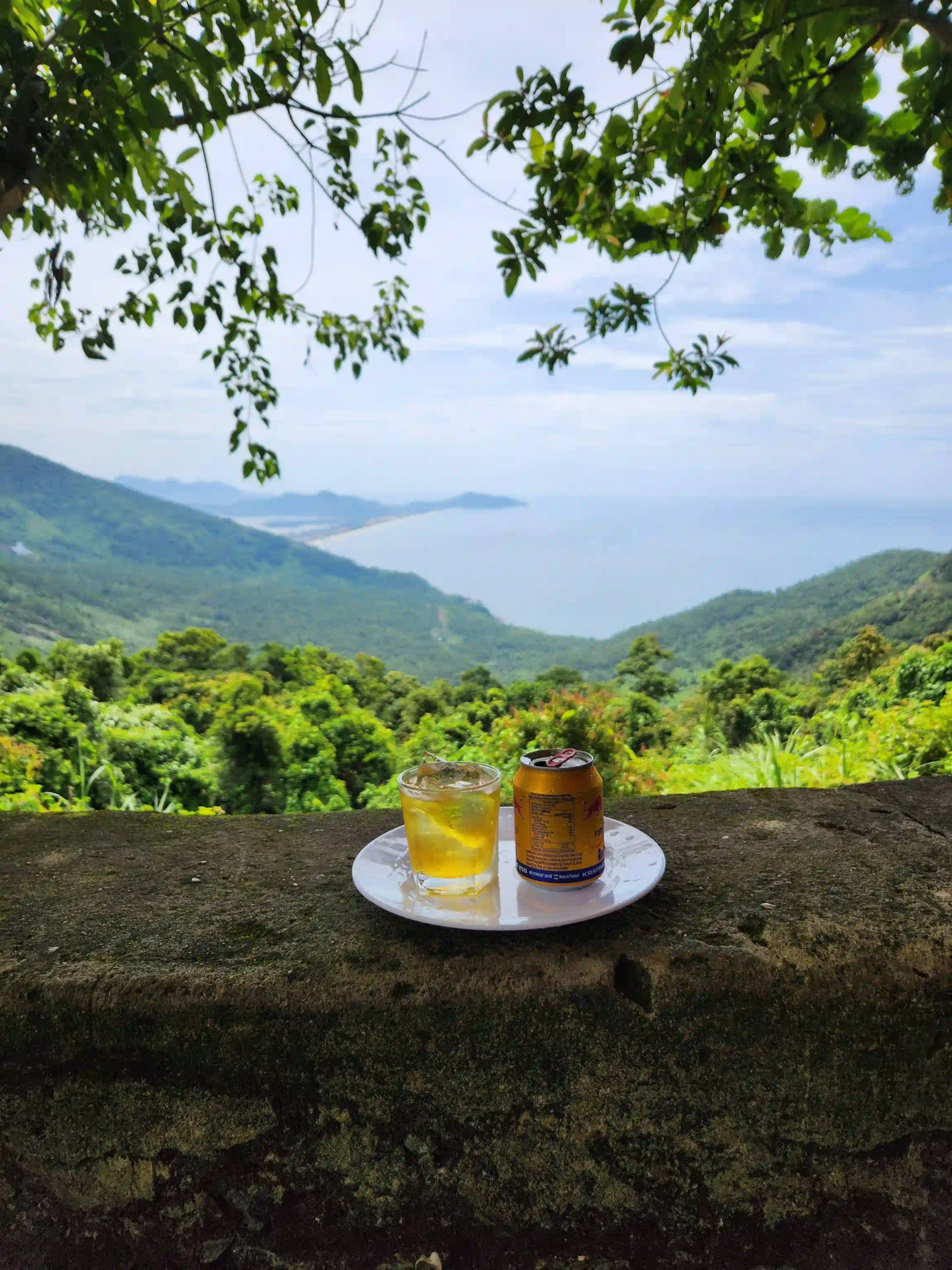
Rent a good motorbike. Start driving north around 10:00 AM. The road winds up the side of the mountain, giving you these massive, sweeping views of the ocean on one side and green cliffs on the other.
At the very top of the pass, there are some old brick gates and military bunkers from the war. You can park, buy a completely overpriced can of Coke from the vendors, and look over the edge.
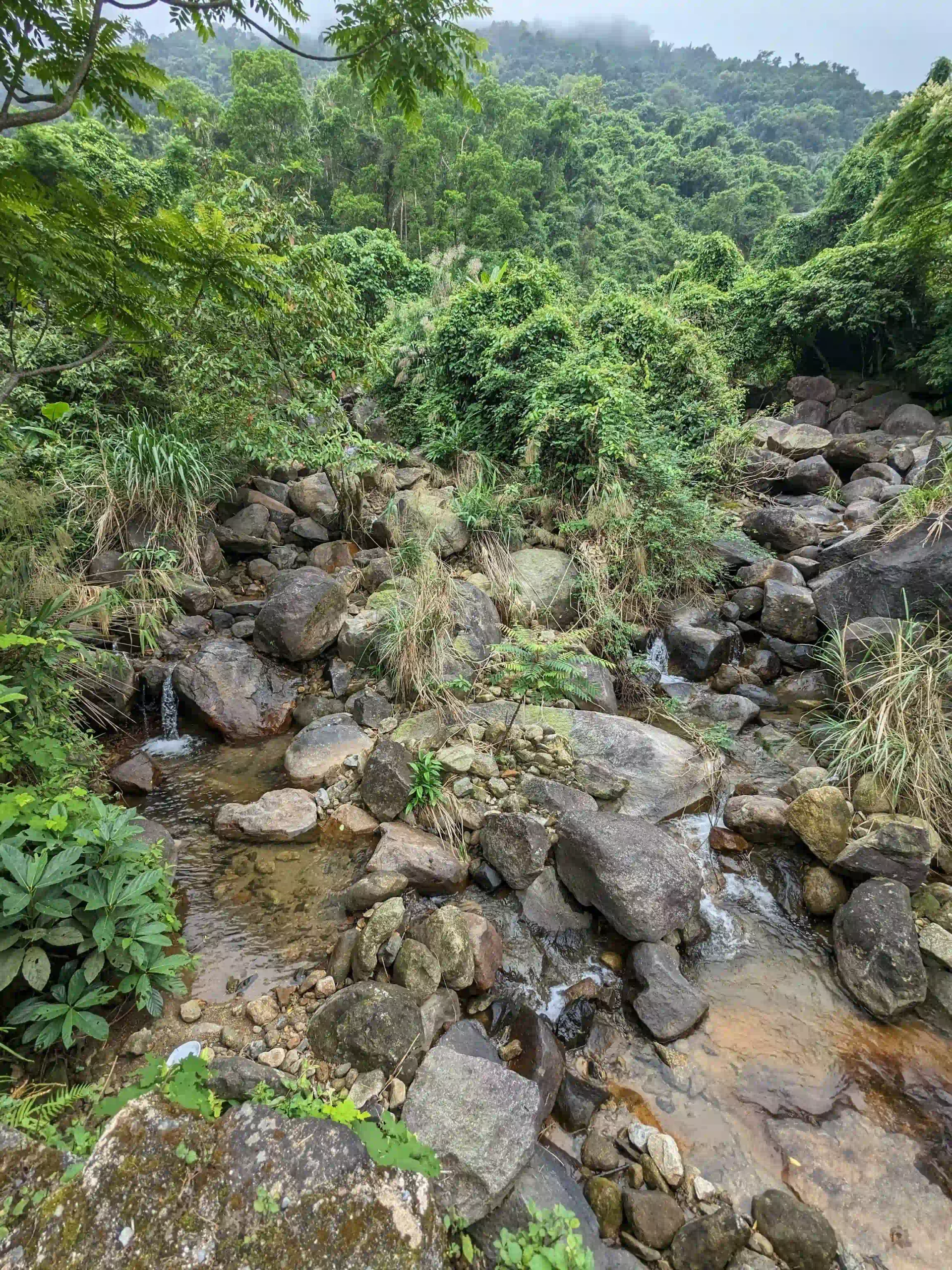
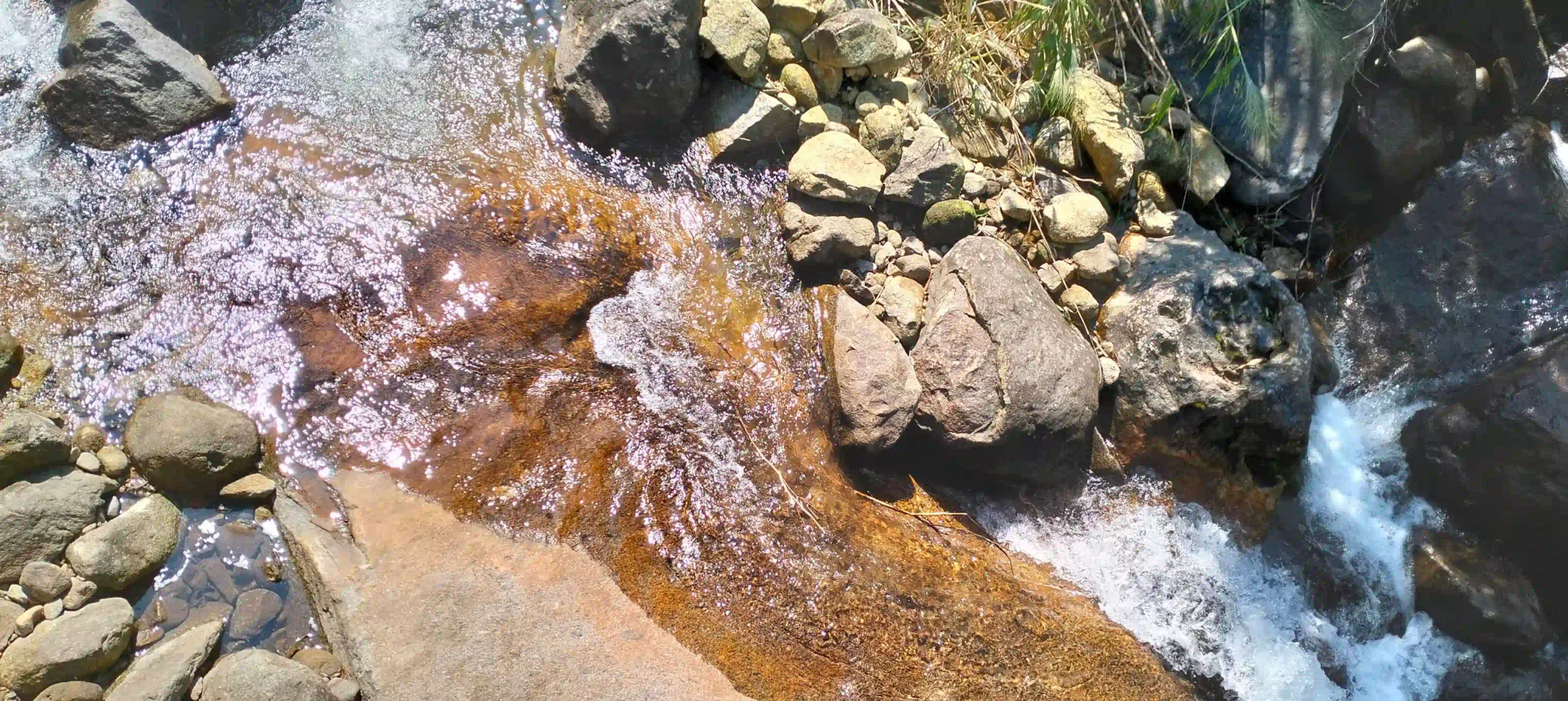
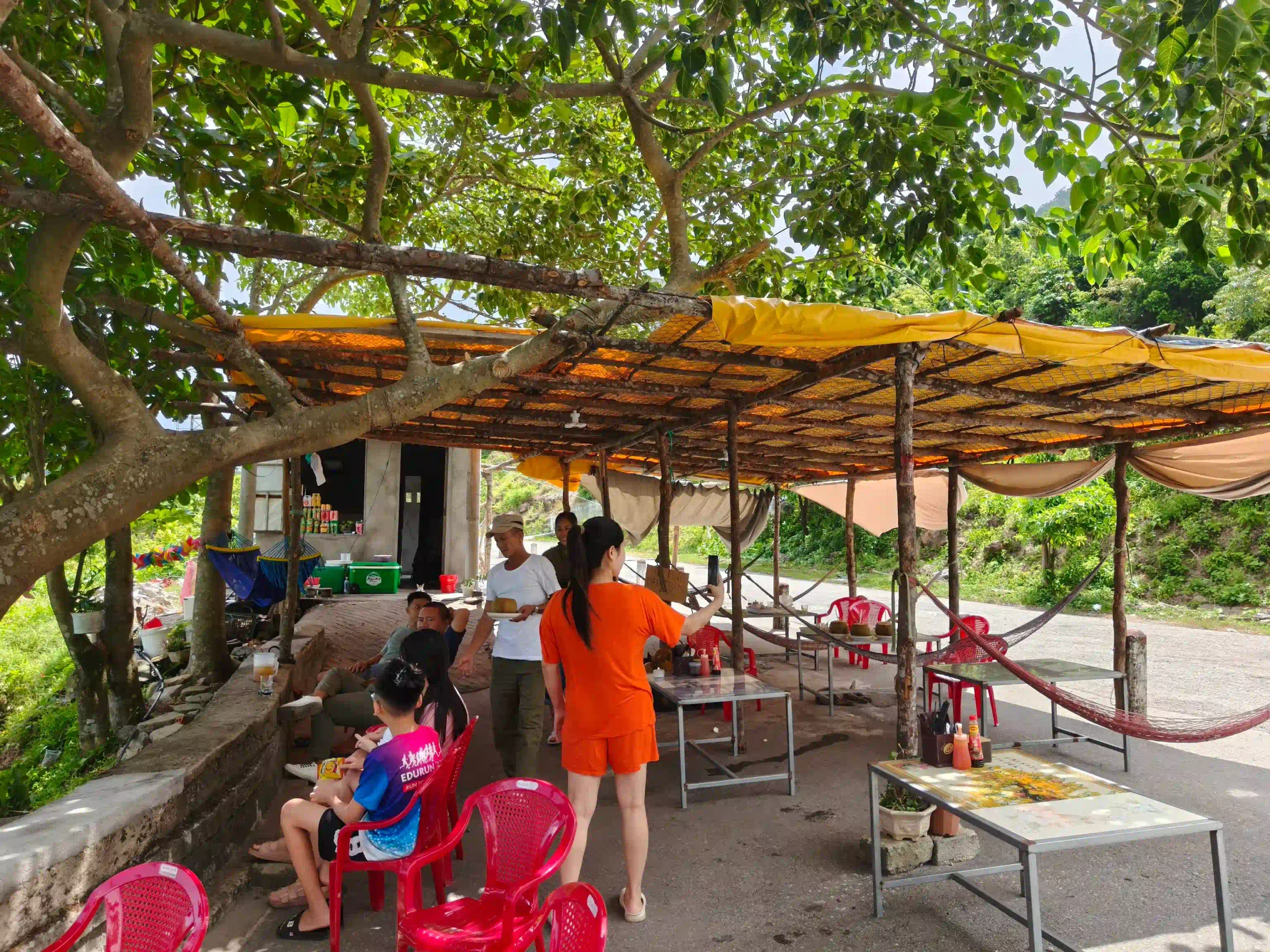
On the way down the other side (heading toward Lang Co beach), pull over at a spot called Suoi Tien (Fairy Spring) or one of the small cafes built into the cliff. You can sit in a hammock, drink an iced coffee, and just stare at the water.
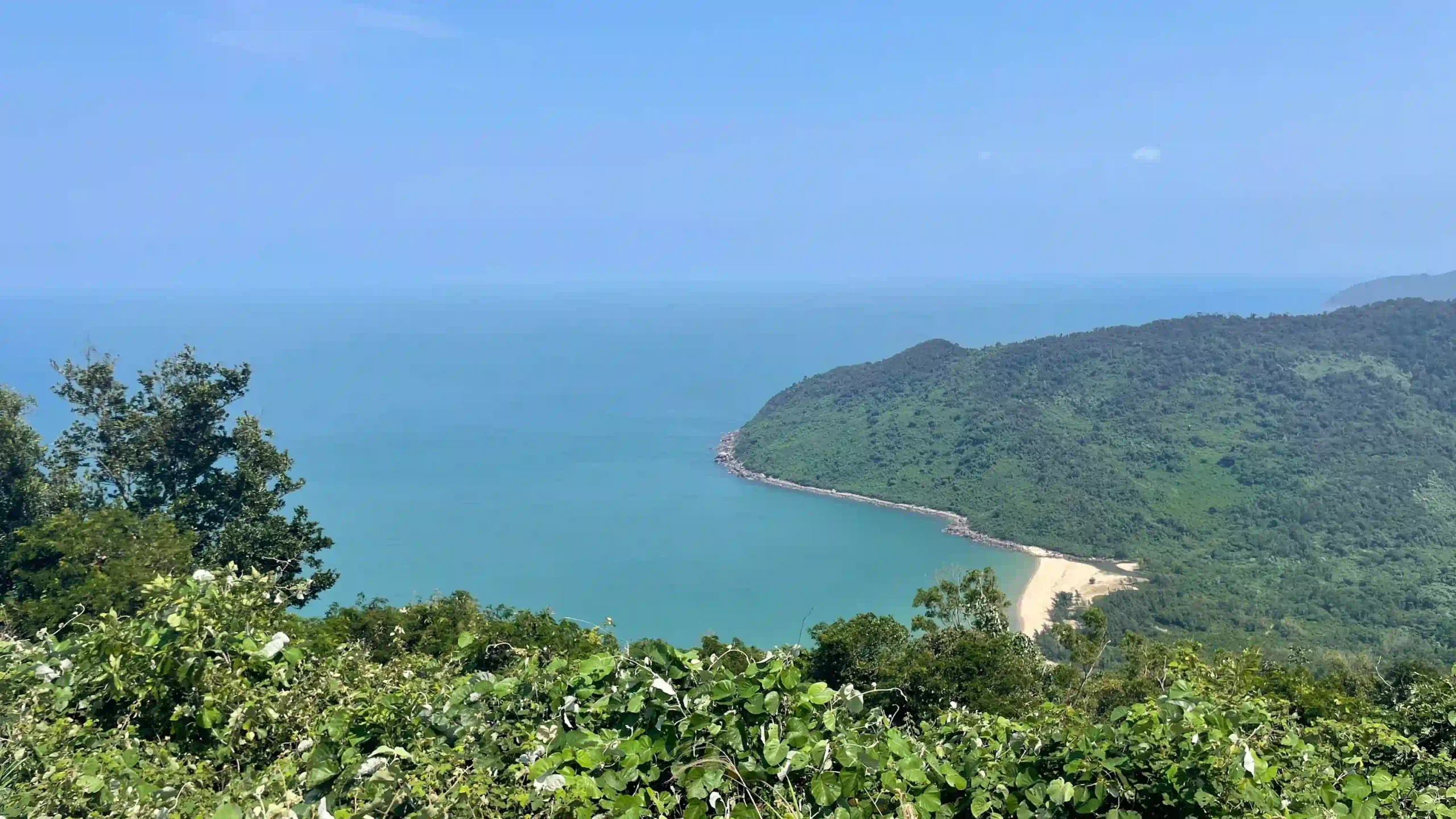
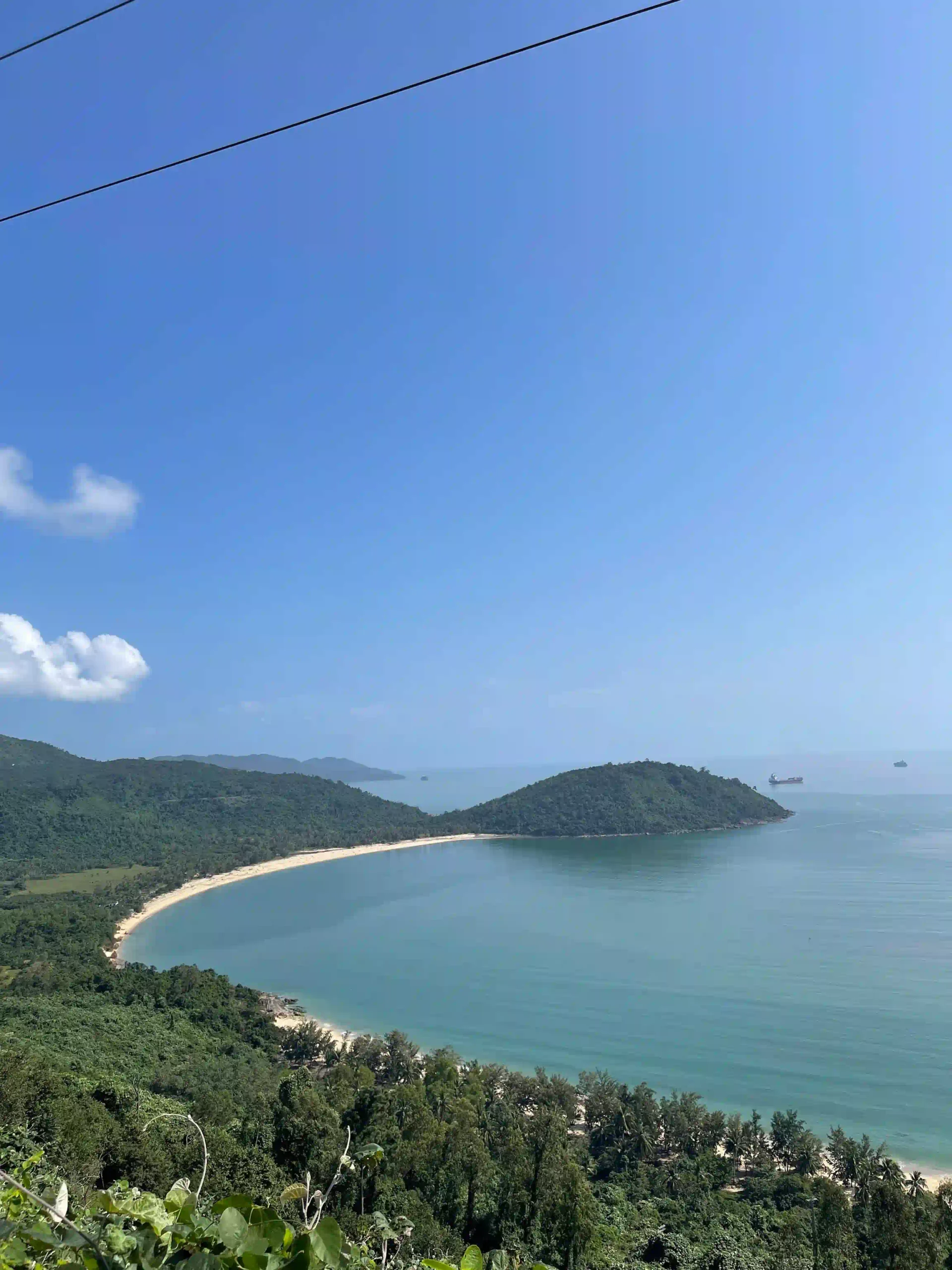
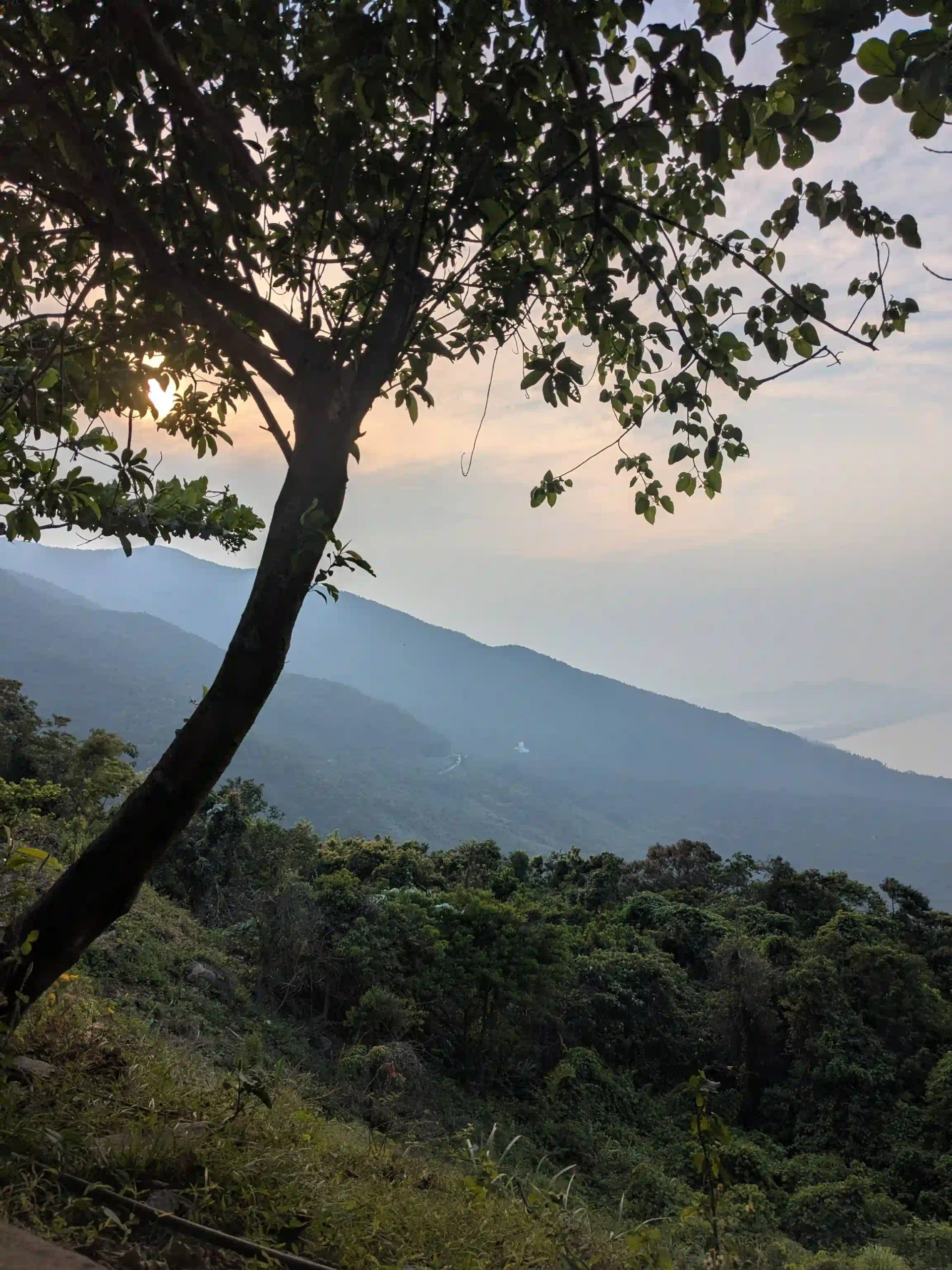
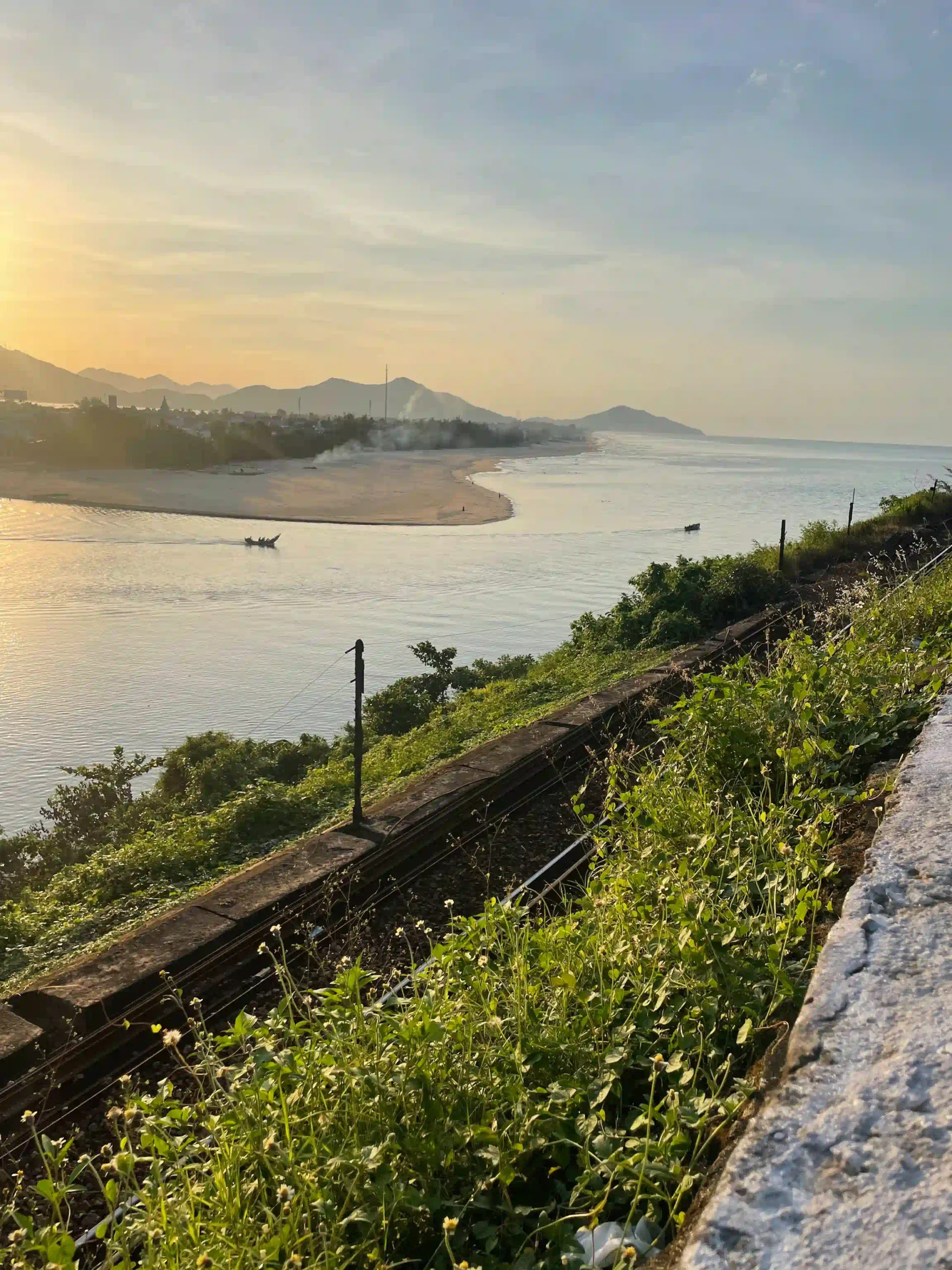
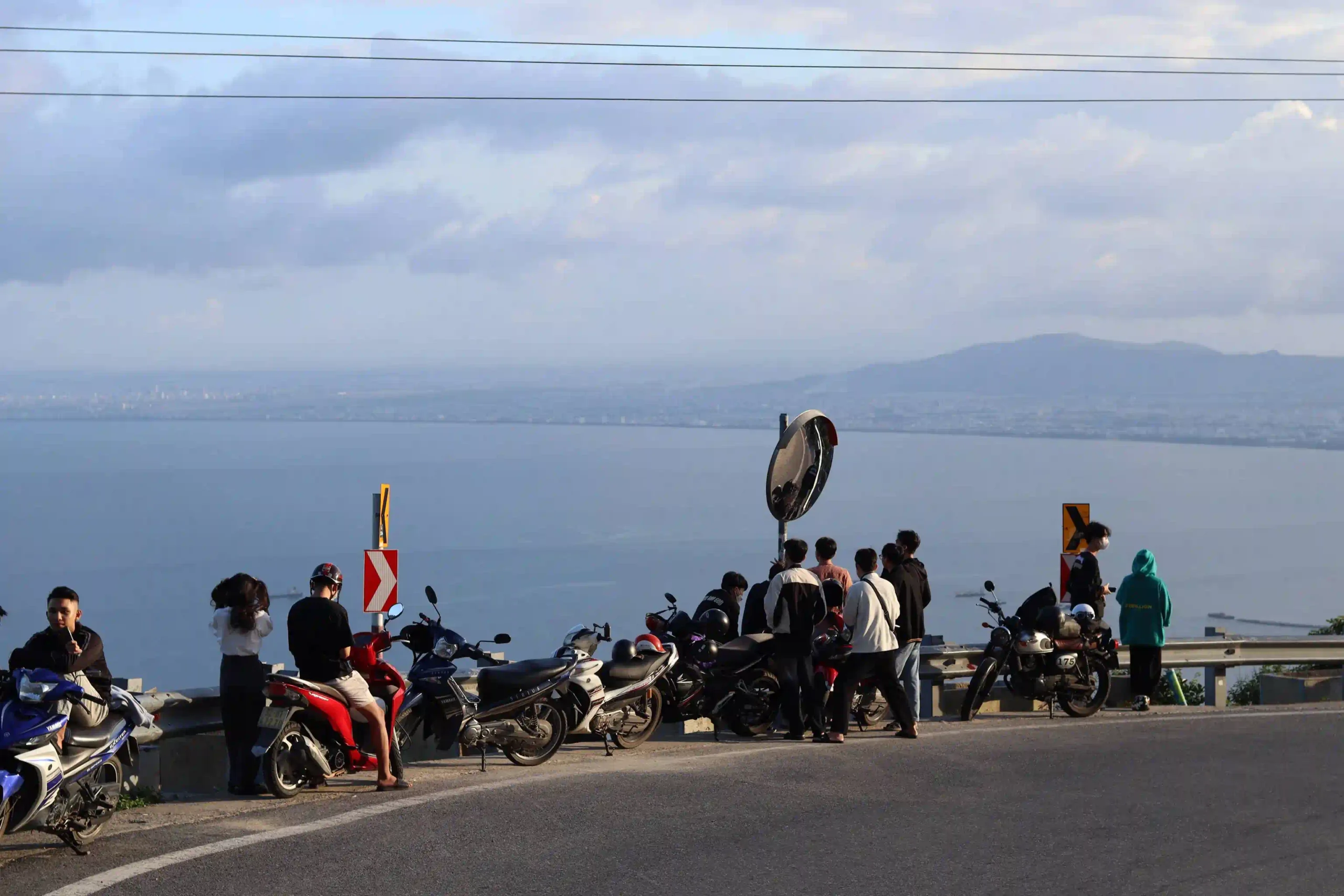
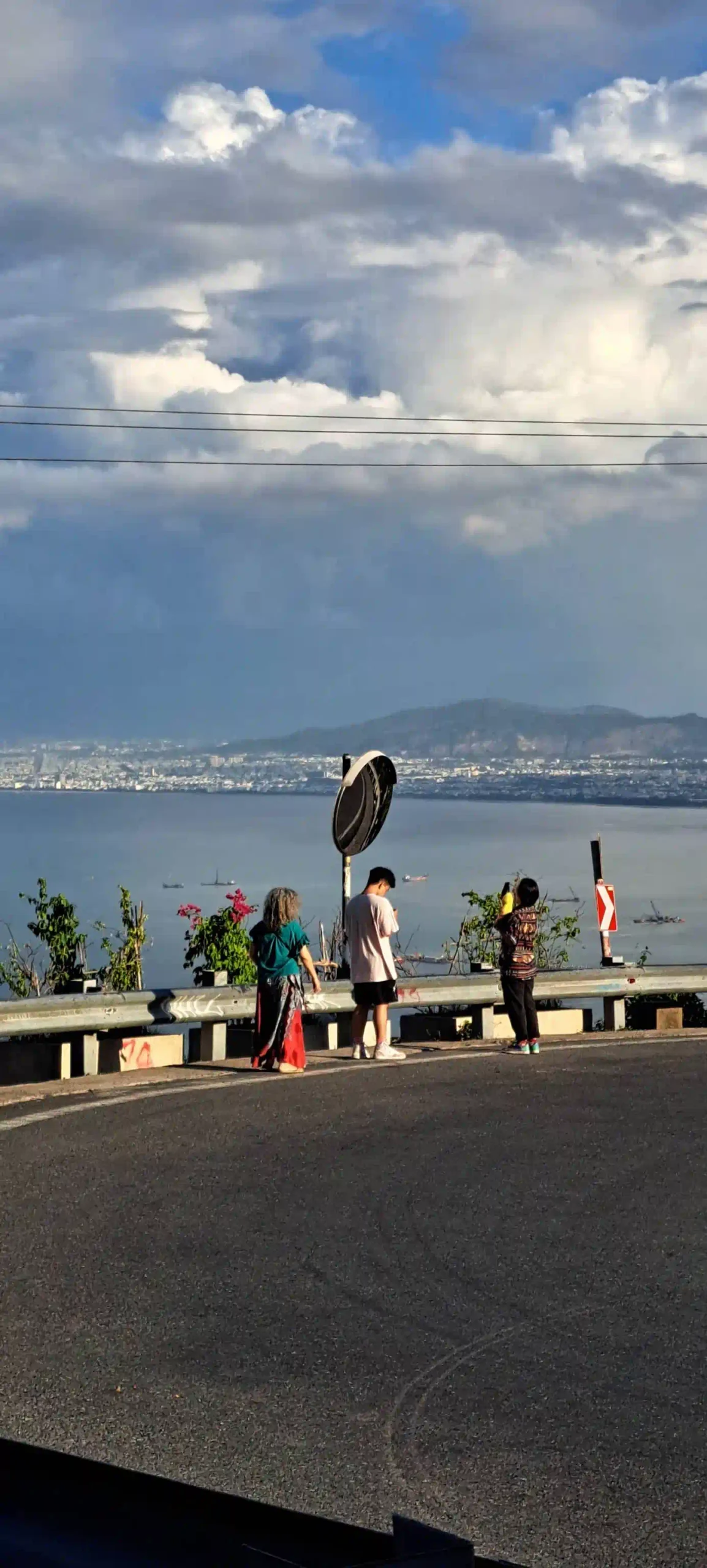
Drive down into Lang Co, eat some cheap seafood by the lagoon, and then turn around and drive back over the pass to Da Nang before the sun goes down. The drive back as the sun sets is even better than the morning.
If you are trying to figure out which other local tours are worth doing or which ones are a waste of money, I wrote a review on which local tours and trips are worth it that you can use to swap out activities on this day.
Day 4: History, Ruins, and Lanterns (The Hoi An Day)
You can’t come to Da Nang and not visit Hoi An. It’s only 45 minutes south.
A lot of people choose to actually pack up and move to a hotel in Hoi An for a few days, but if you don’t want to pack your bags, it’s very easy to do as a day trip.
This day combines ancient history with the most famous old town in the country.
Morning: My Son Sanctuary
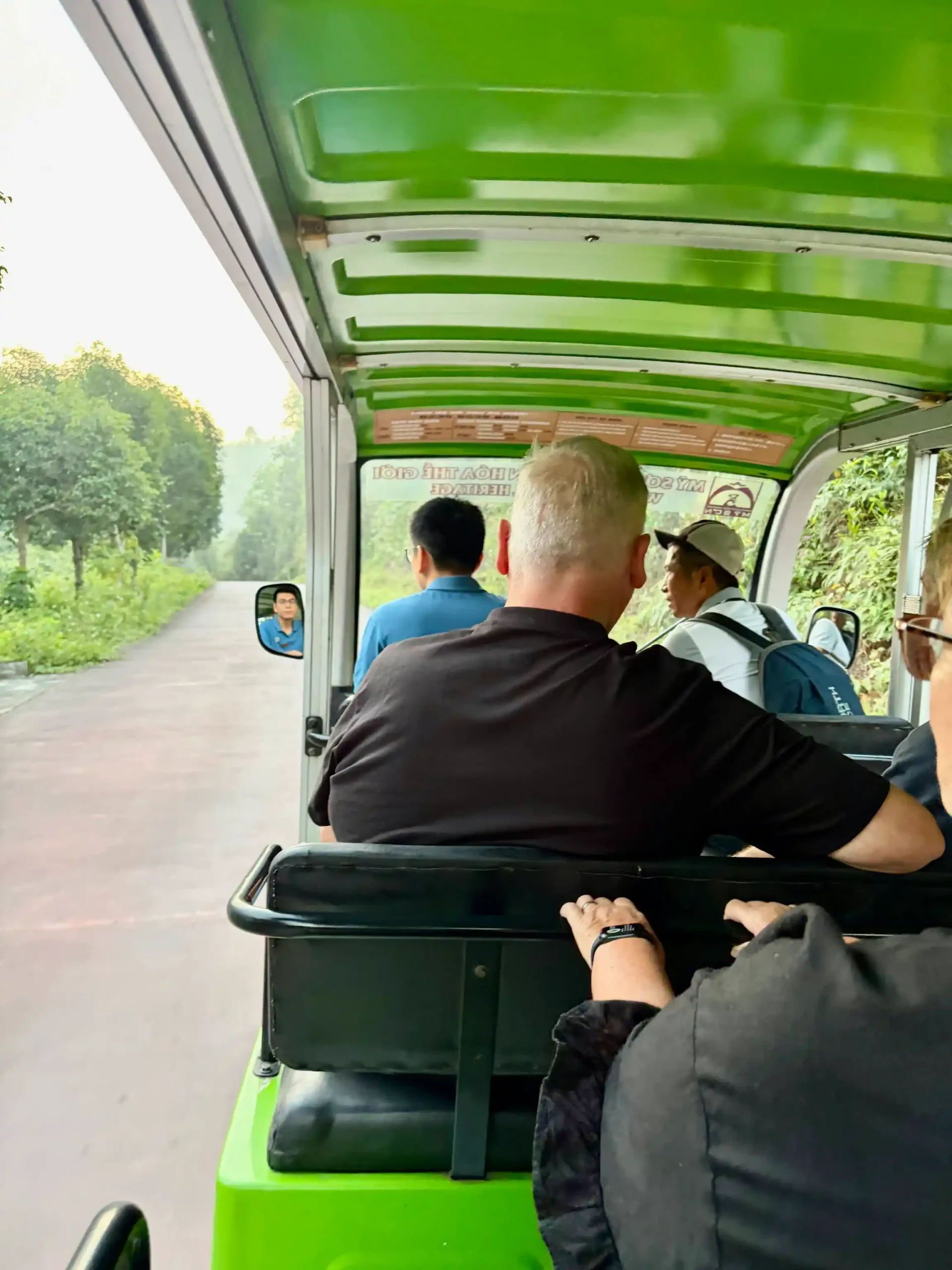
Wake up somewhat early and hire a private car or book a small group tour. You are heading to My Son Sanctuary, which is about an hour southwest of Da Nang.
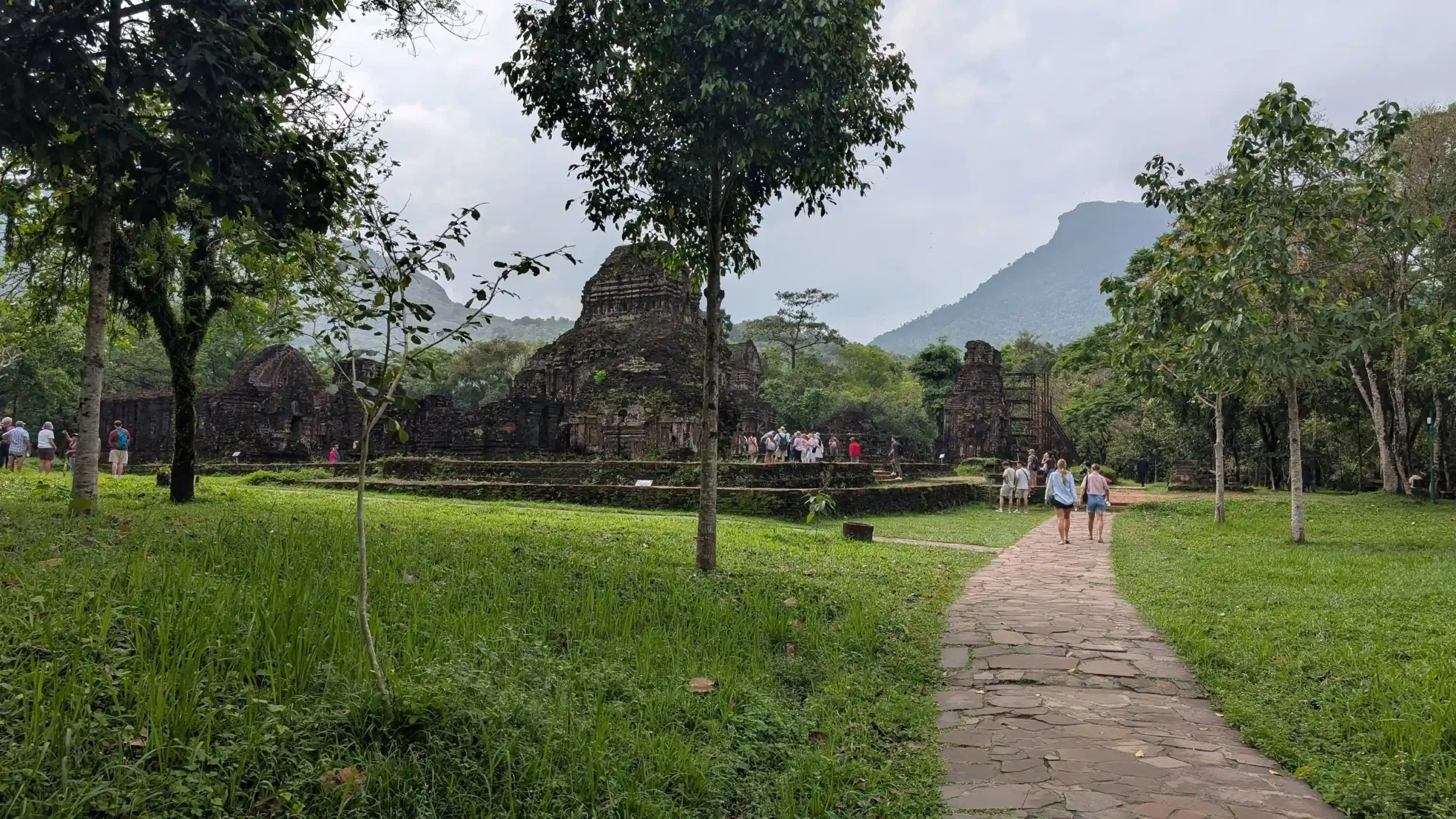
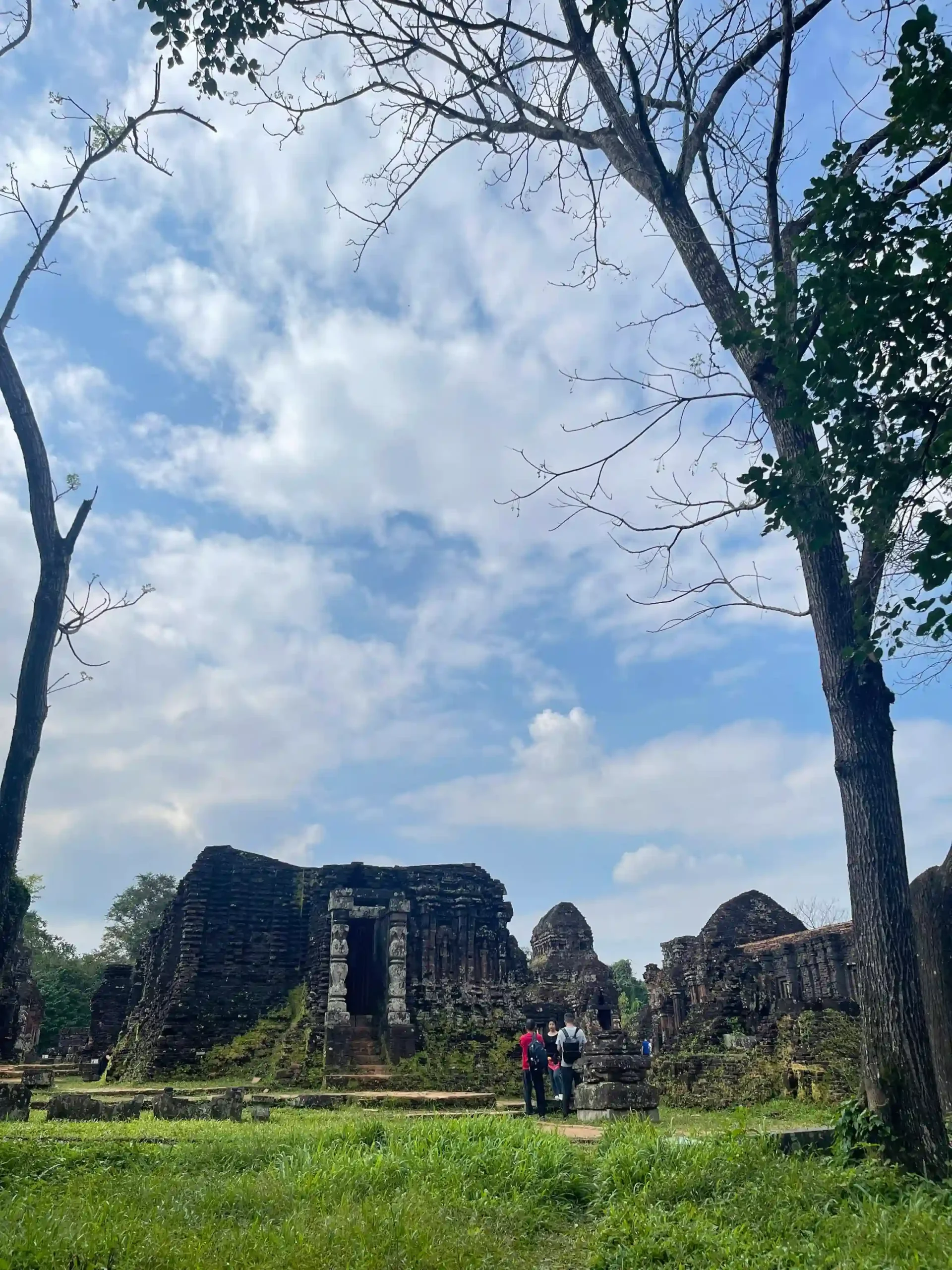
My Son is a complex of ruined Hindu temples built by the ancient Champa Kingdom between the 4th and 14th centuries. It’s basically Vietnam’s smaller, older version of Angkor Wat.
You want to get there by 8:00 AM. The ruins are set in a valley surrounded by jungle, and by 11:00 AM, the humidity and heat inside that valley are absolutely suffocating.
Walk around the red brick towers, look at the carvings, and imagine what it looked like before the jungle and the bombs took it over. It takes about two hours to walk the main paths.

Late Afternoon: Heading to Hoi An
Have your driver take you straight from My Son to Hoi An Old Town. You should arrive around 2:00 PM or 3:00 PM.
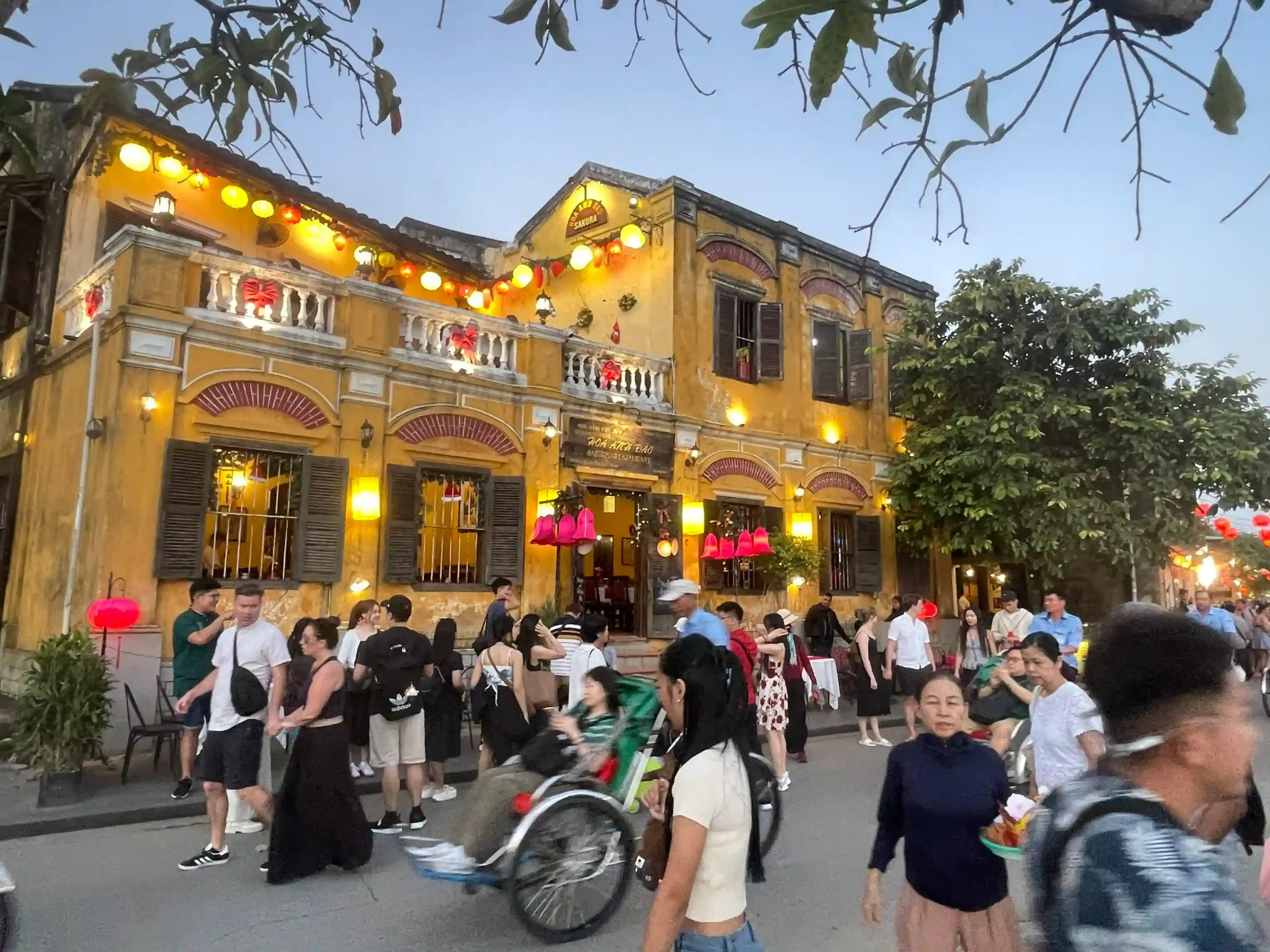
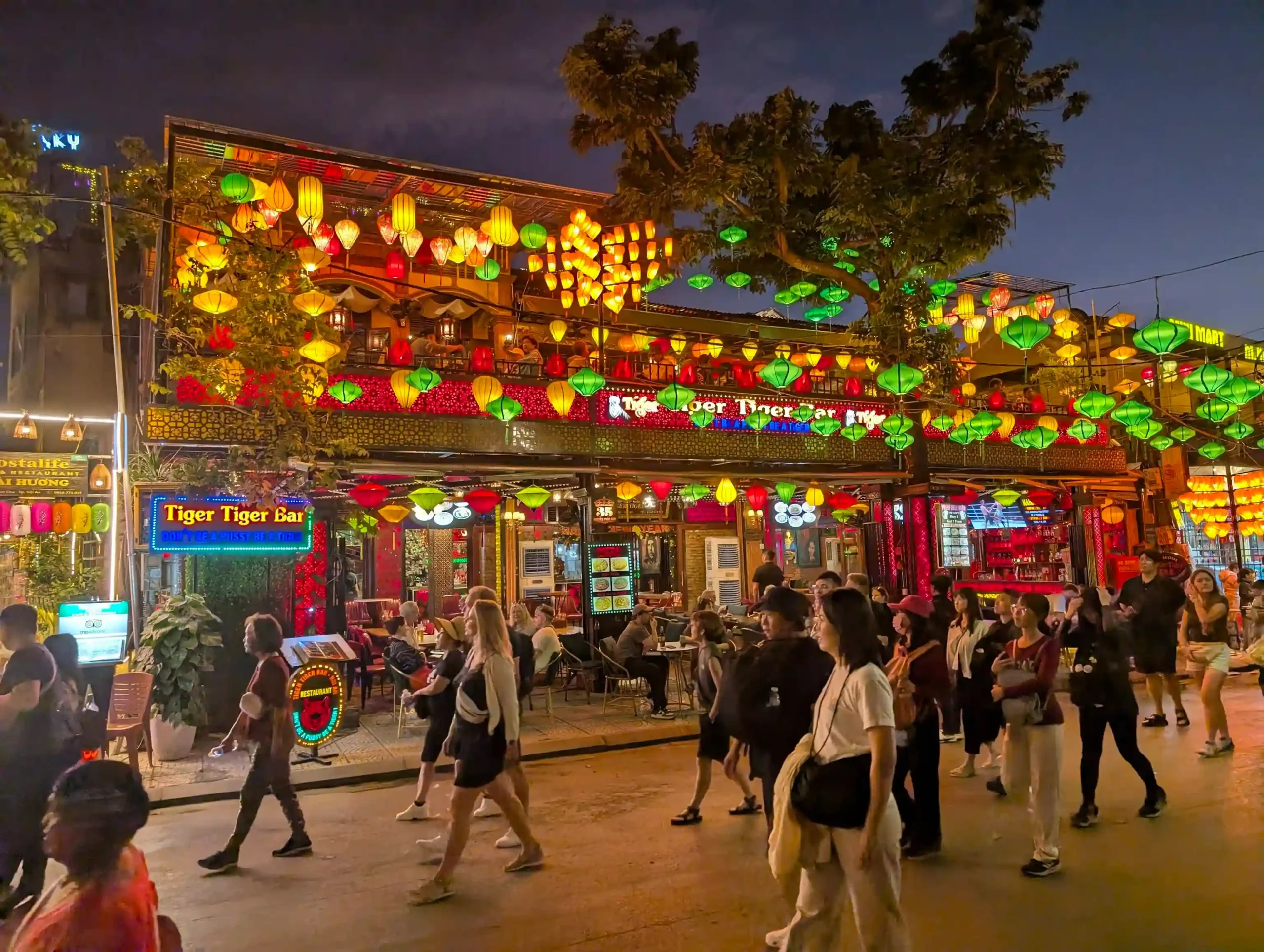
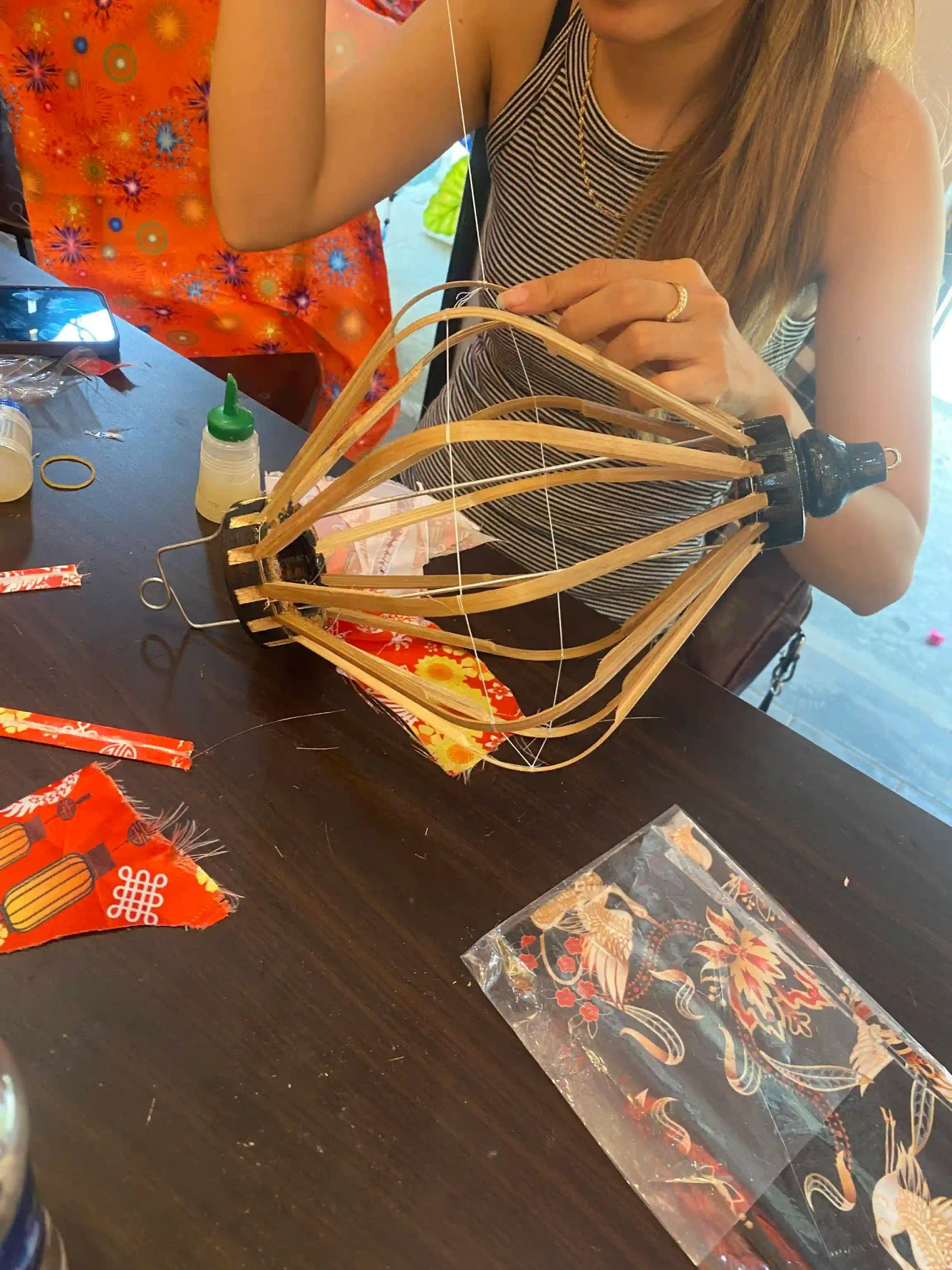
Hoi An is famous for its yellow colonial buildings, narrow streets, and thousands of silk lanterns.
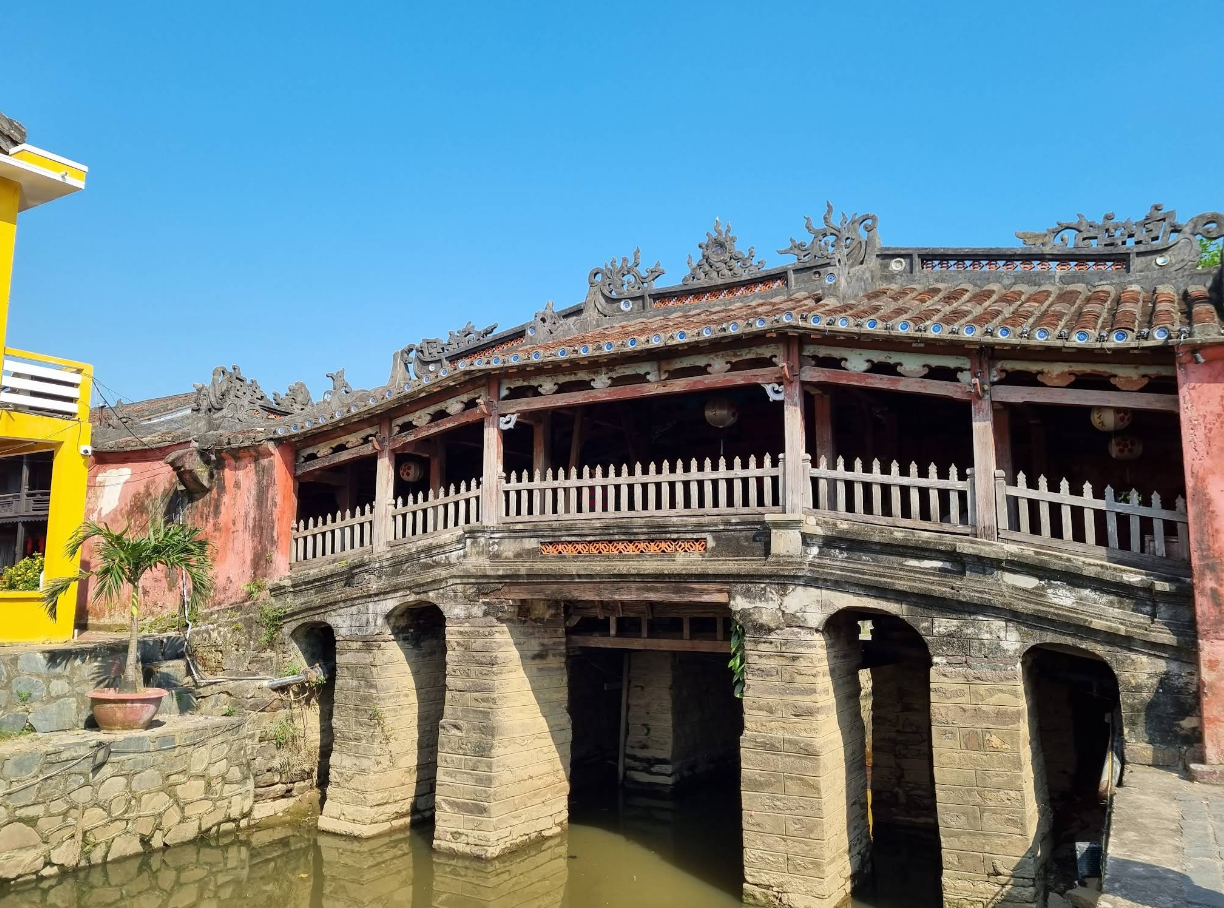
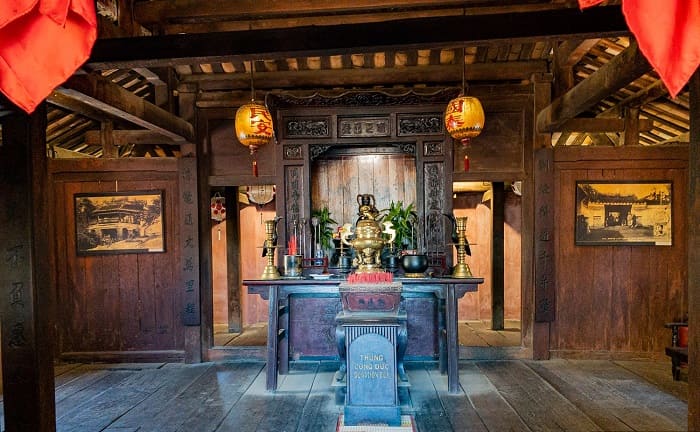
Spend the afternoon just walking around. Buy a ticket to go inside the old merchant houses and the Japanese Covered Bridge.
Get a coffee at one of the cafes overlooking the Thu Bon River. If you want a really good local meal, find a place selling Cao Lau. It’s a noodle dish made with thick, chewy noodles, sliced pork, and crispy pork cracklings, and you can only find it in Hoi An because the noodles are supposedly made with water from a specific local well.
Evening: The Lantern River
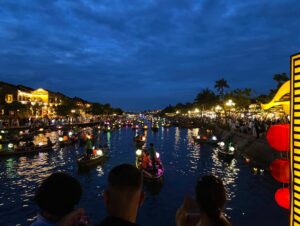
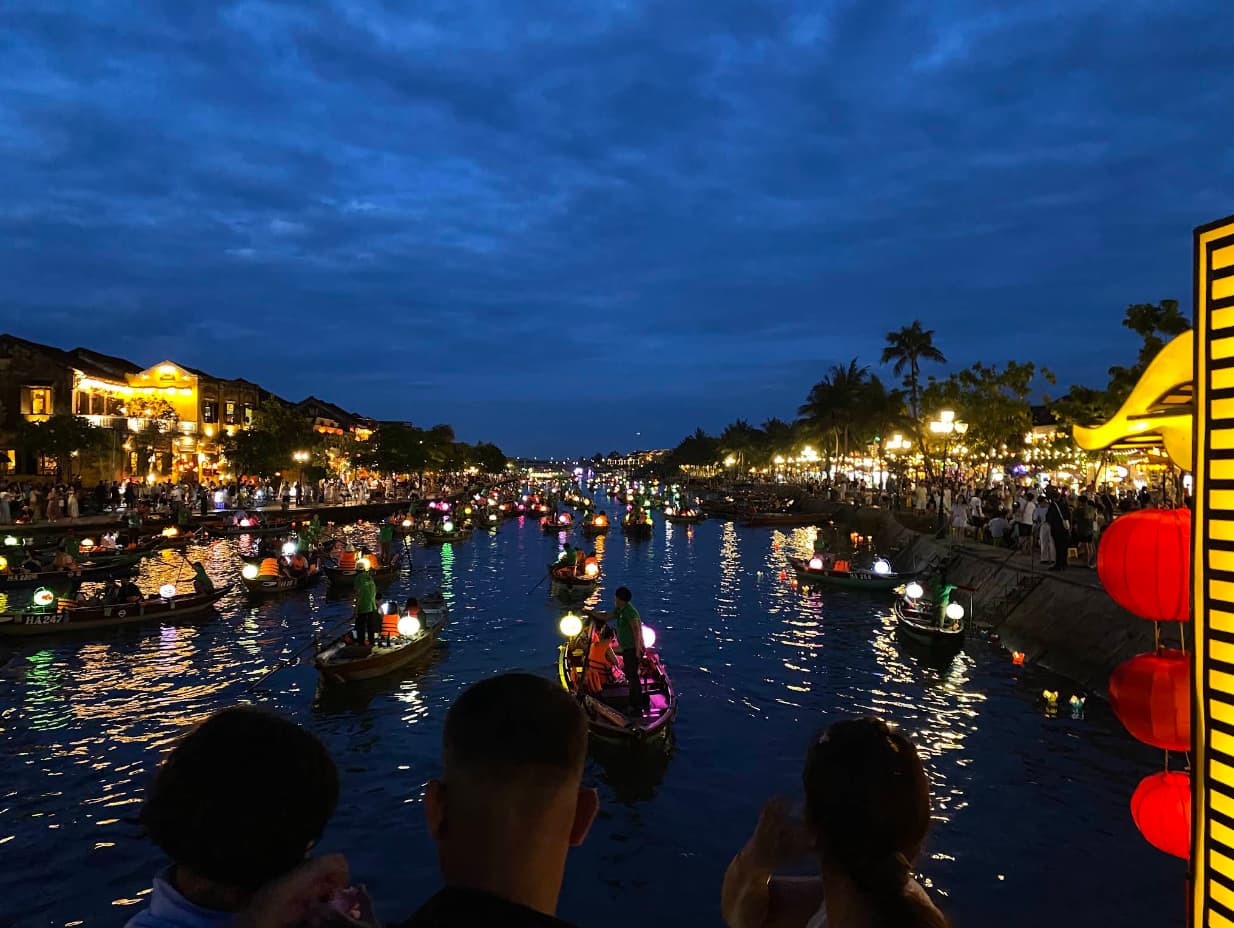
As the sun goes down, Hoi An completely transforms. They turn off most of the streetlights, and the entire town is lit by colorful lanterns.
It is incredibly pretty, but it is also insanely crowded. The streets fill up with tourists.
Walk down to the river. You will see dozens of small wooden boats. For about 150,000 VND, you can hire a lady to row you out onto the river for 20 minutes. You buy a small paper lantern with a candle in it, make a wish, and set it floating on the water. It’s touristy, but it’s a nice way to end the trip.
Around 8:30 PM, grab a taxi or book a Grab back to your hotel in Da Nang. The road between the two cities is straight and well-lit, so the drive back is fast and easy.

Read more: Danang Hue Hoi An detail itinerary built for slow travelers
Where to base yourself for this Da Nang itinerary
Because you are moving around a lot, where you sleep matters. You basically have two choices, and they offer totally different vibes.
The Beach Side (My Khe / An Thuong area)


This is where 90% of foreigners stay. If you look at a map, it’s the grid of streets right behind the main beach.
It’s convenient. You can walk from your hotel to the sand in three minutes. There are hundreds of restaurants, cheap mini-marts, and bars. It’s very walkable. The downside is that it feels very tourist-focused. You are mostly eating next to other tourists.
If you want a relaxing holiday vibe, stay here.
The City Side (Hai Chau District)
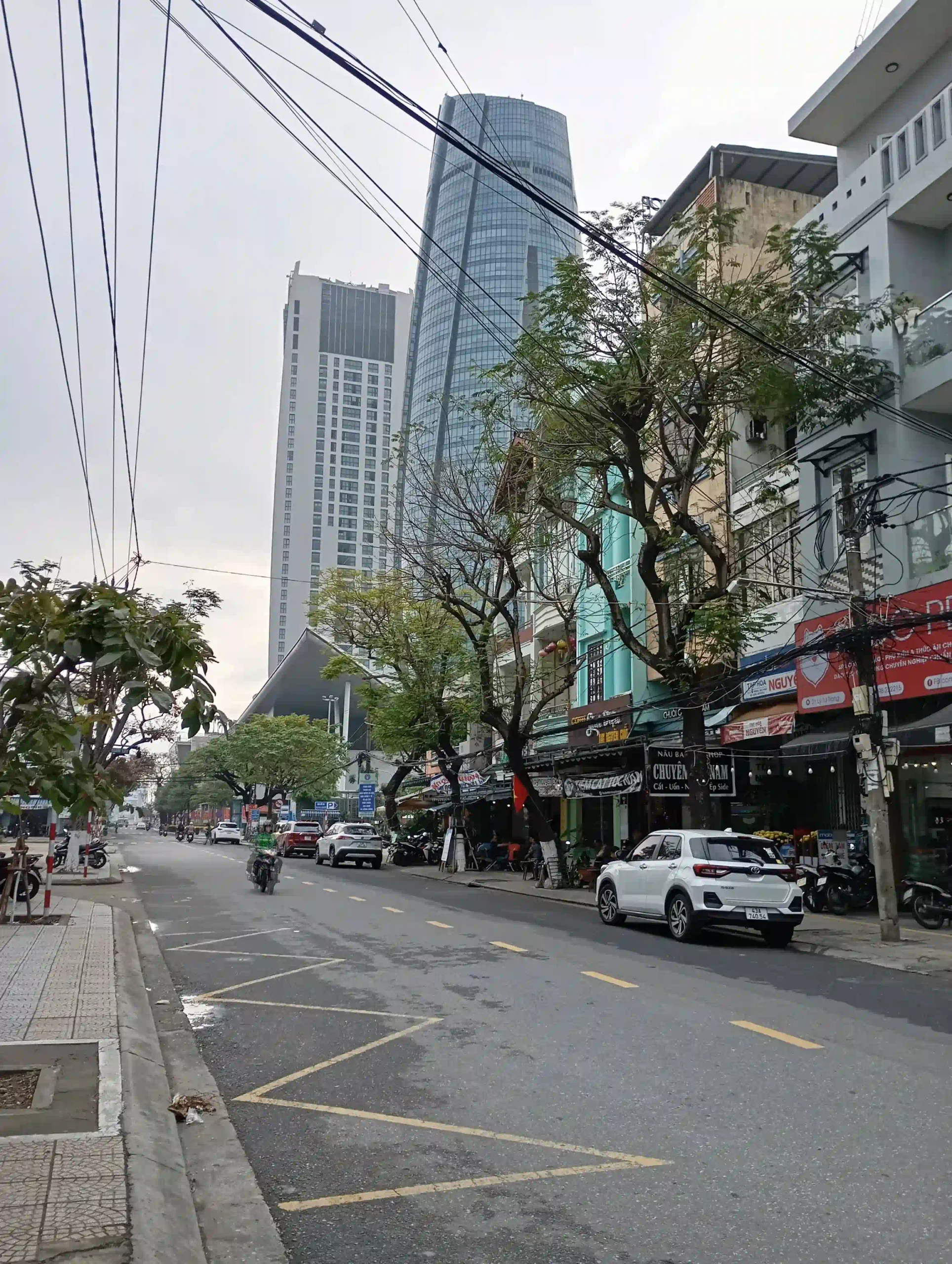
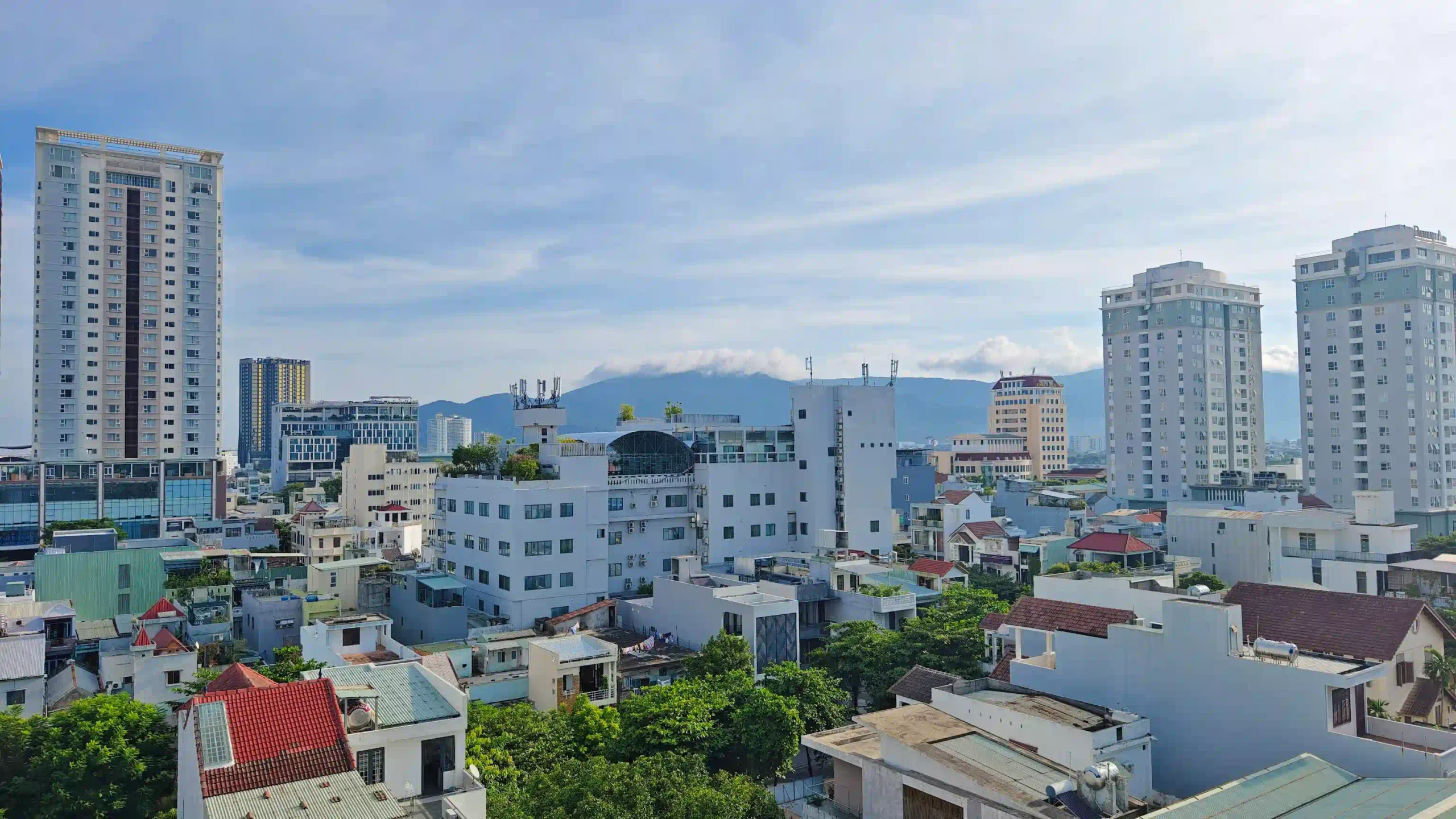
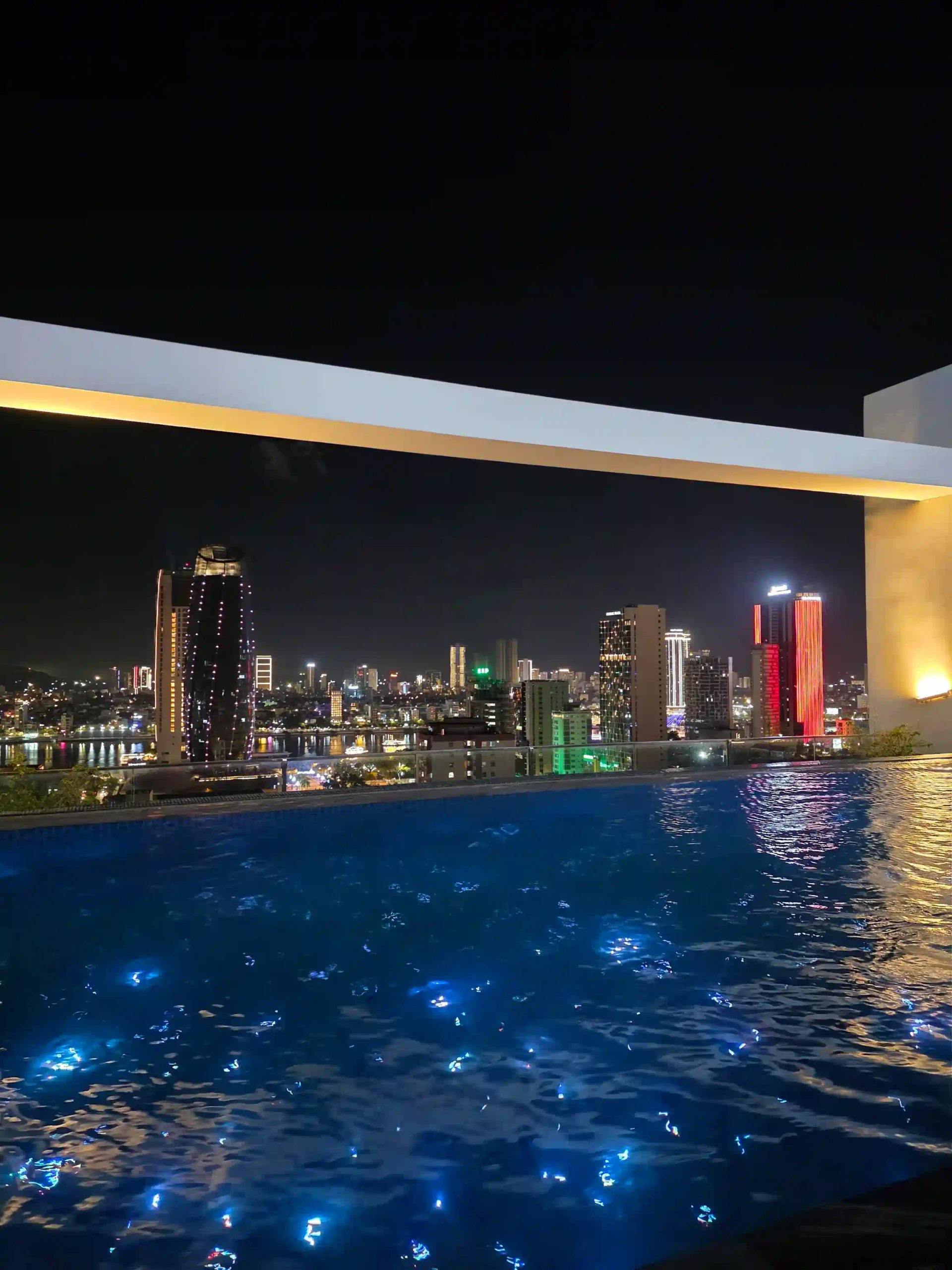
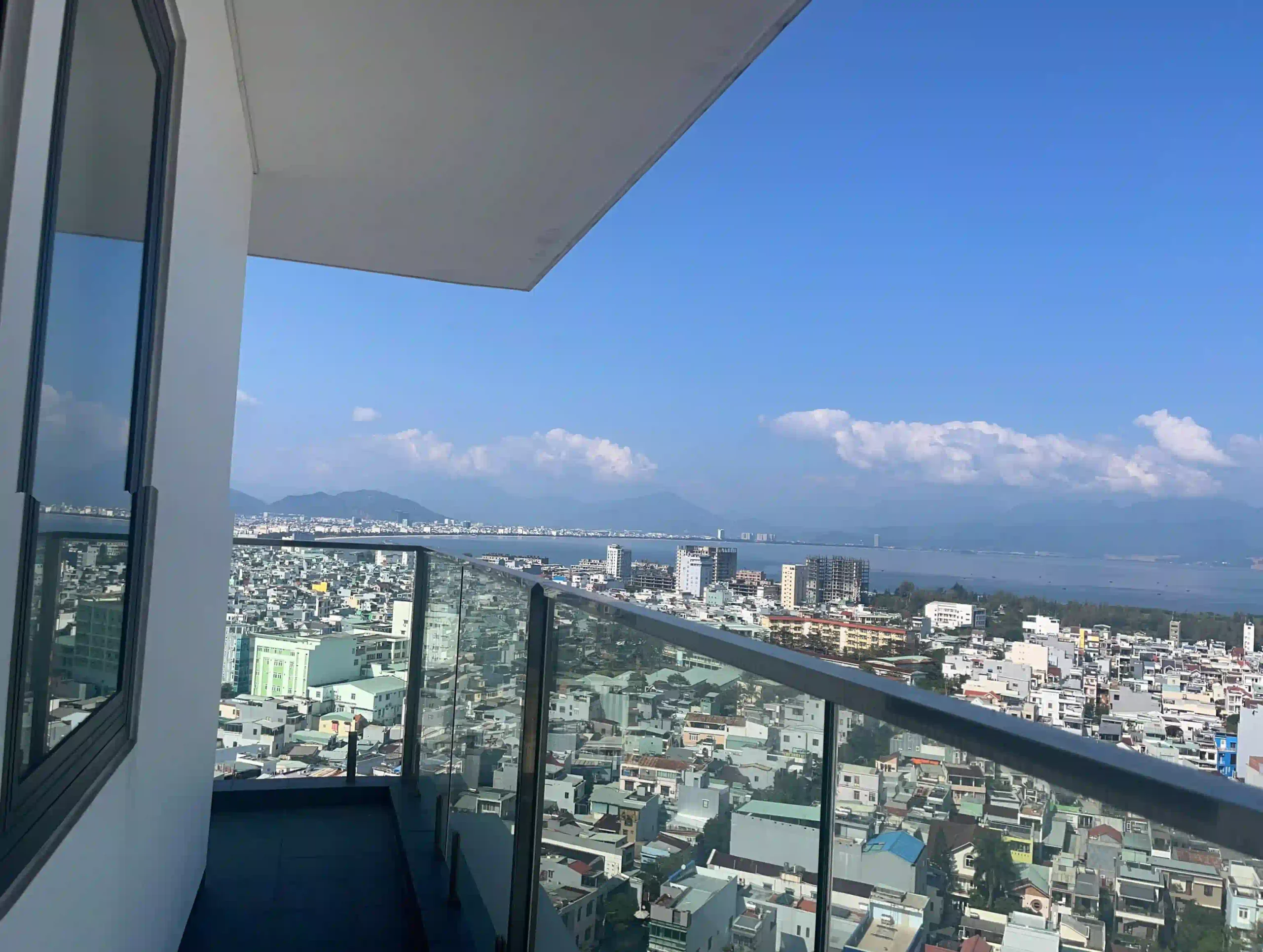
This is the west side of the river. This is where the actual locals live, work, and eat.
There are some really nice boutique hotels hidden down the alleys, and the big luxury hotels sit right on the riverbank.
The food over here is cheaper and more authentic. You have Han Market and Con Market nearby. The downside is that you have to take a 10-minute taxi ride over the bridge every time you want to go to the beach, and the traffic over here during rush hour gets pretty chaotic.
If you care more about street food and local culture than getting a tan, stay on this side.
How to adjust this schedule if you have less time
If you only have three days, you have to make cuts.
I usually tell people to cut the Ba Na Hills / Hai Van Pass day.
- Spend Day 1 doing the city and the Dragon Bridge.
- Spend Day 2 doing the beach in the morning, the Son Tra Peninsula in the afternoon, and eat seafood at night.
- Spend Day 3 doing Hoi An.
It’s rushed, but it hits the three completely different vibes of Central Vietnam: the modern city, the raw nature, and the historic old town.
Final thoughts on pacing
The biggest mistake I see people make with their Da Nang itinerary is trying to treat it like a checklist.
This city gets hot. Really hot. If you try to run from a temple to a market to a museum between 11:00 AM and 3:00 PM, you will burn out.
Look at how the locals live. They are out early in the morning, they rest or stay inside during the middle of the day, and they come back out when the sun goes down. If you build your days around that rhythm, you will actually enjoy the places you visit.
Drink a lot of iced coffee, use Grab when you don’t feel like dealing with the traffic, and don’t feel bad if you decide to skip a pagoda just to sit on the beach for an extra hour. Follow this framework, and you’ll hit all the important stuff without losing your mind.

Keep Exploring Da Nang
-
See & do UltimateMy best things to see in Da Nang if you only have 3 days ›
-
RouteDanang Hue Hoi An detail itinerary built for slow travelers ›
-
RouteDa Nang Trip: How I Spent $500 on Food, Fun & Beds in 3 days ›
-
Route3 Best Itineraries to Da Nang for Family (Foreigner’s guide) ›
-
Guide Must readDa Nang travel guide: Save hours of stress with this article ›
-
Food Must readI made this Da Nang food guide after 10+ years in Vietnam ›











 Tiếng Việt
 한국어
한국어 中文 (中国)
 日本語
日本語 ไทย
ไทย Deutsch
 Español
 Destinations
 Instagram
 Facebook
 X (Twitter)
 Threads
 Tiktok
노원역맛집 잘 보고 갑니다. 노원역맛집
유용한 내용이네요. 노원술집 참고하겠습니다. 노원술집
동탄한의원을 찾으시는 분들께 추천드립니다. 전문적인 한의사진 상담과 친절한 서비스로 신뢰받는 병원이에요. 건강에 대한 고민이 있으시다면 동탄한의원에서 안내를 받아보세요. 분명 도움이 될 거예요. 동탄한의원
동탄2한의원을 방문했던 적이 있는데, 정말 친절하고 전문적인 서비스에 감동했어요. 전문 한의사 분들께서 친절히 상담해주시고 치료 과정도 꼼꼼하게 설명해주셔서 안심했습니다. 진료 후에는 건강한 조언까지 받아서 정말 만족스러웠어요. 다시 방문하고 싶은 곳이에요. 동탄2한의원
율천동정형외과는 정확하고 전문적인 진료로 지역 사람들에게 신뢰받고 있는 곳이죠. 신속한 진료와 친절한 의료진들이 항상 환자를 위해 최선을 다해주는 모습이 인상적입니다. 건강이 최우선인 저로서도 이곳을 찾게 되어 정말 만족스러운 경험을 했습니다. 믿을 만한 전문의들이 모여 있는 율천동정형외과, 강력히 추천합니다! 율천동정형외과
유용한 내용이네요. 율전동정형외과 참고하겠습니다. 율전동정형외과
관심 있는 주제라 끝까지 읽었습니다. 장안구정형외과
수원재활의학과에 대해 궁금했는데 도움이 됐습니다. 수원재활의학과
이곳 율전동정형외과는 정말 전문적이고 친절한 서비스로 유명한 곳이에요. 제가 친구를 모시고 방문했을 때, 진료 과정부터 친절한 안내까지 모두 만족스러웠습니다. 의료진들의 전문성과 따뜻한 응대에 감사했어요. 확실한 손길로 건강을 책임져주는 이곳을 적극 추천합니다. 율전동정형외과
유용한 내용이네요. 율전동정형외과 참고하겠습니다. 율전동정형외과