









 Ha Giang
 Hanoi
Hanoi Ho Chi Minh City
 Ha Long
 Sapa
Sapa Mekong Delta
 Da Nang
 Hue
Hue Hoi An
 Ninh Binh
 Da Lat
 Nha Trang
 Phan Thiet
 Phu Quoc
 Quang Binh
 Quy Nhon
 Vung Tau
 Thai Nguyen




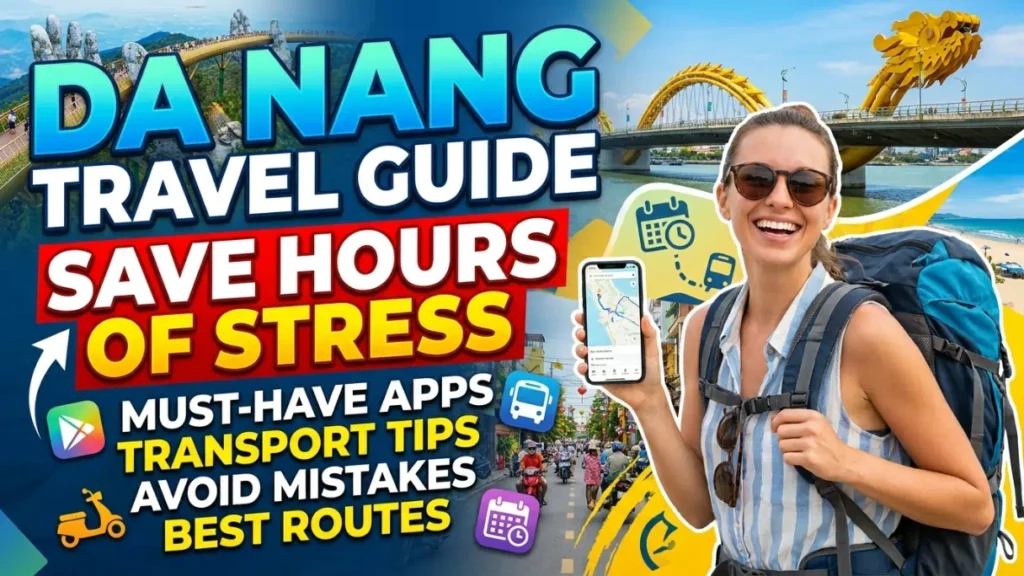

When you search for a Da Nang travel guide, you get these beautifully written articles talking about the rich history and the beautiful ocean. They tell you to smile at the locals and try the noodles. That’s great.
But when you step out of the airport terminal into 35-degree heat, dragging a suitcase, and five different guys start yelling at you asking if you need a taxi, knowing the history of the noodle soup doesn’t help you at all.
You need to know how the systems work.
I wrote this specific post to be the boring, highly practical operational manual for your trip. Before you start planning the massive list of tourist spots you want to explore or trying to cram everything into your daily schedule, you need to know how to function here.
Consider this your baseline training.
- Quick Answer: To navigate Da Nang easily, download the Grab app for cheap transport and Zalo to communicate with local businesses. Bring pristine USD notes to exchange at gold shops for the best rates, buy an eSIM online or Viettel SIM card at the airport, and stick to bottled water, though cafe ice is perfectly safe.
- Airport & Comms:
- Book a Grab car to leave the airport, but have a 10,000 VND cash note ready for the driver’s exit toll.
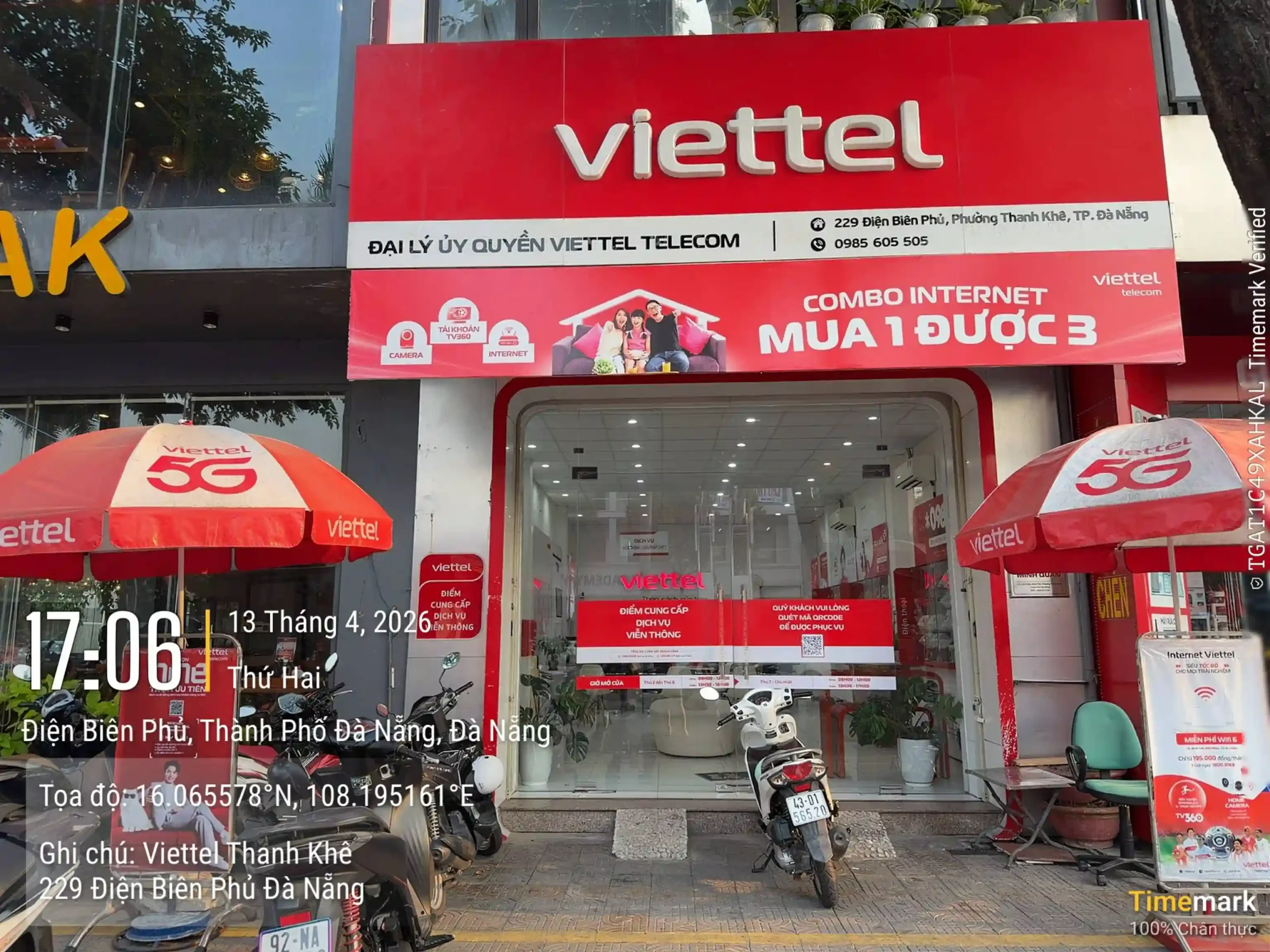
- Buy a Viettel tourist SIM (250k-350k VND) right after baggage claim for the most reliable coverage.
- Download Zalo (activate it in your home country first), Grab, and Google Translate (offline Vietnamese pack).
- Money & ATMs:
- Never exchange cash at the airport. Go to the gold shops on Hung Vuong street with pristine, uncreased USD or Euros for the exact Google exchange rate.
- Use VPBank or TPBank ATMs to withdraw cash; they have the lowest or zero foreign card access fees.
- Health & Daily Logistics:
- Never drink tap water. However, the tube ice served in local cafes is factory-purified and completely safe to consume.
- Pack your own sunscreen (it has a massive markup here), but buy local “Remos” bug spray for $2 at any pharmacy.
- Skip the expensive hotel laundry service. Look for local “Giặt Ủi” signs on the street to wash and fold your clothes for about 20,000 VND per kilo.
- Street Smarts & Annoyances:
- To cross the street, walk slowly and predictably. Do not stop or run; motorbikes will naturally weave around you.
- Ignore aggressive shoe shiners at cafes, and never let street vendors place their heavy fruit baskets on your shoulder for a photo.
The Airport Arrival (Getting out without getting ripped off)
Da Nang International Airport (DAD) is actually one of the best airports in Southeast Asia for one simple reason: it is sitting right in the middle of the city.
You don’t have a massive hour-long train ride like in Tokyo or a crazy highway commute like in Kuala Lumpur. From the baggage claim to a hotel on the beach side (My Khe), it takes maybe 15 minutes.
But walking out of the terminal is where the first stress test happens.
Taxis vs. Grab
When you exit the sliding glass doors, you will see a line of green Vinasun taxis and white Mai Linh taxis. These are the two official, metered taxi companies. They are generally safe.
However, you will also see random guys in plain clothes holding laminated pieces of paper, asking where you are going. Ignore them completely. Do not even say “No thank you,” just keep walking. They are unmetered drivers who will charge you 400,000 VND for a ride that should cost 80,000.
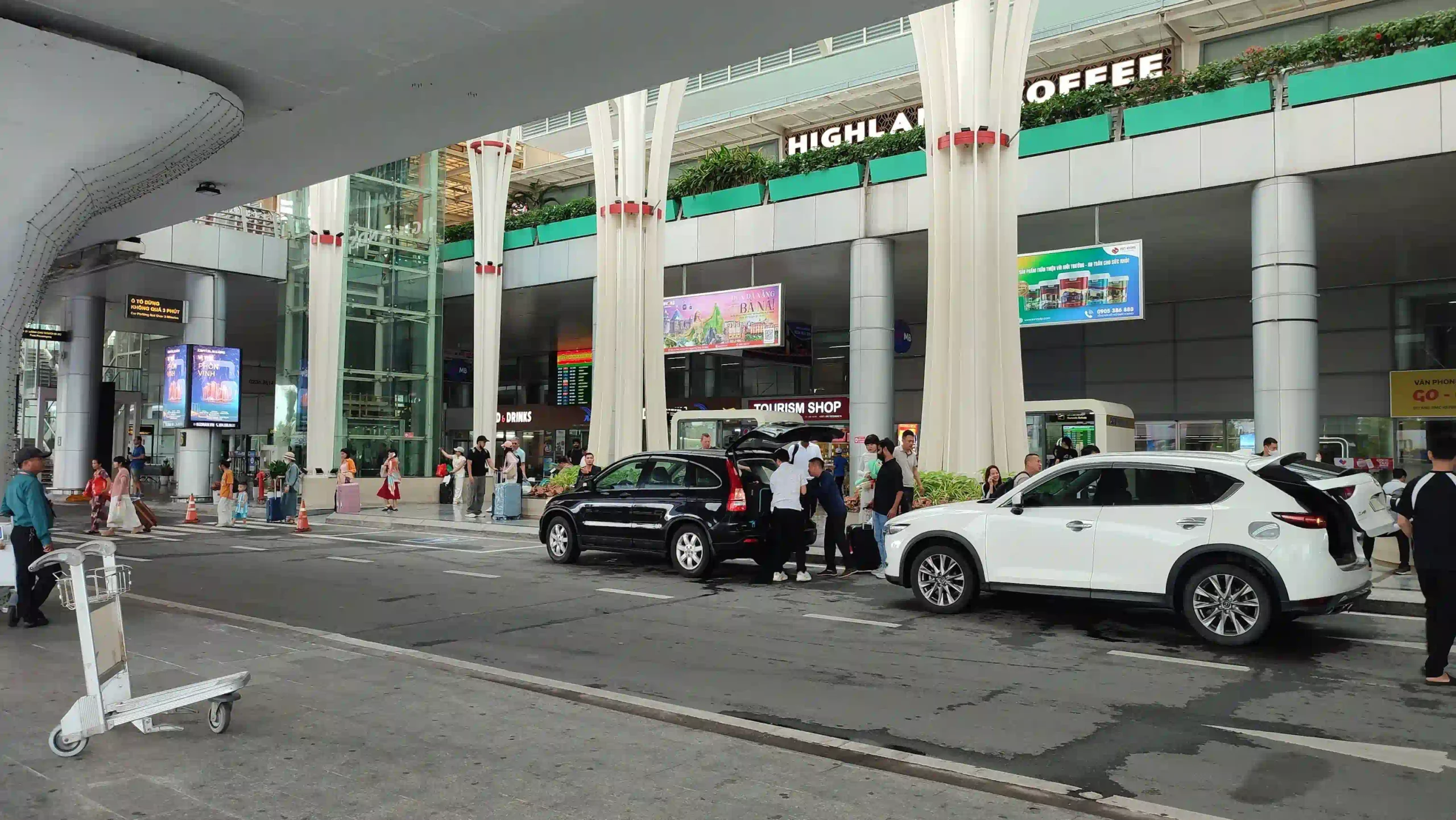
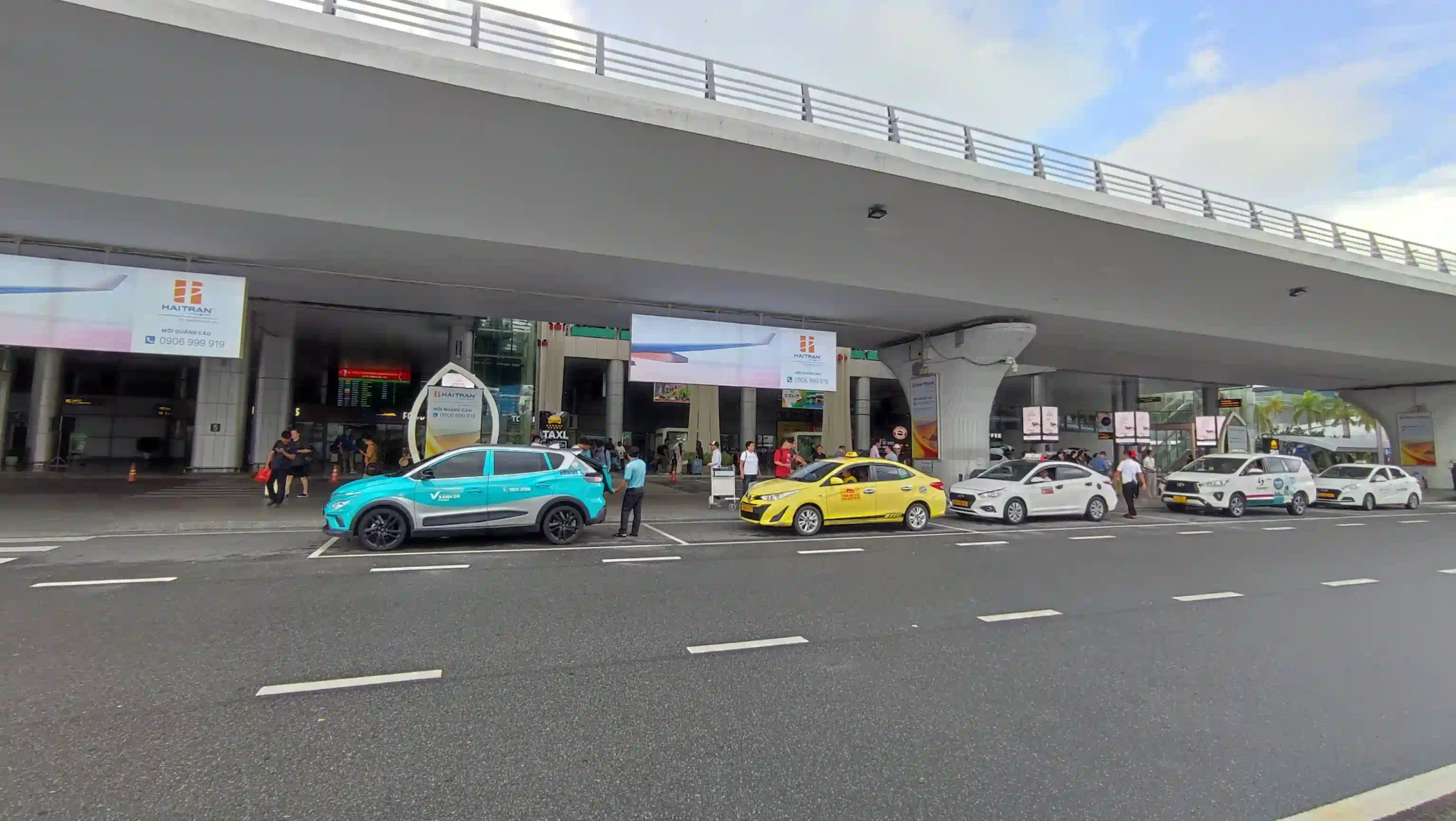
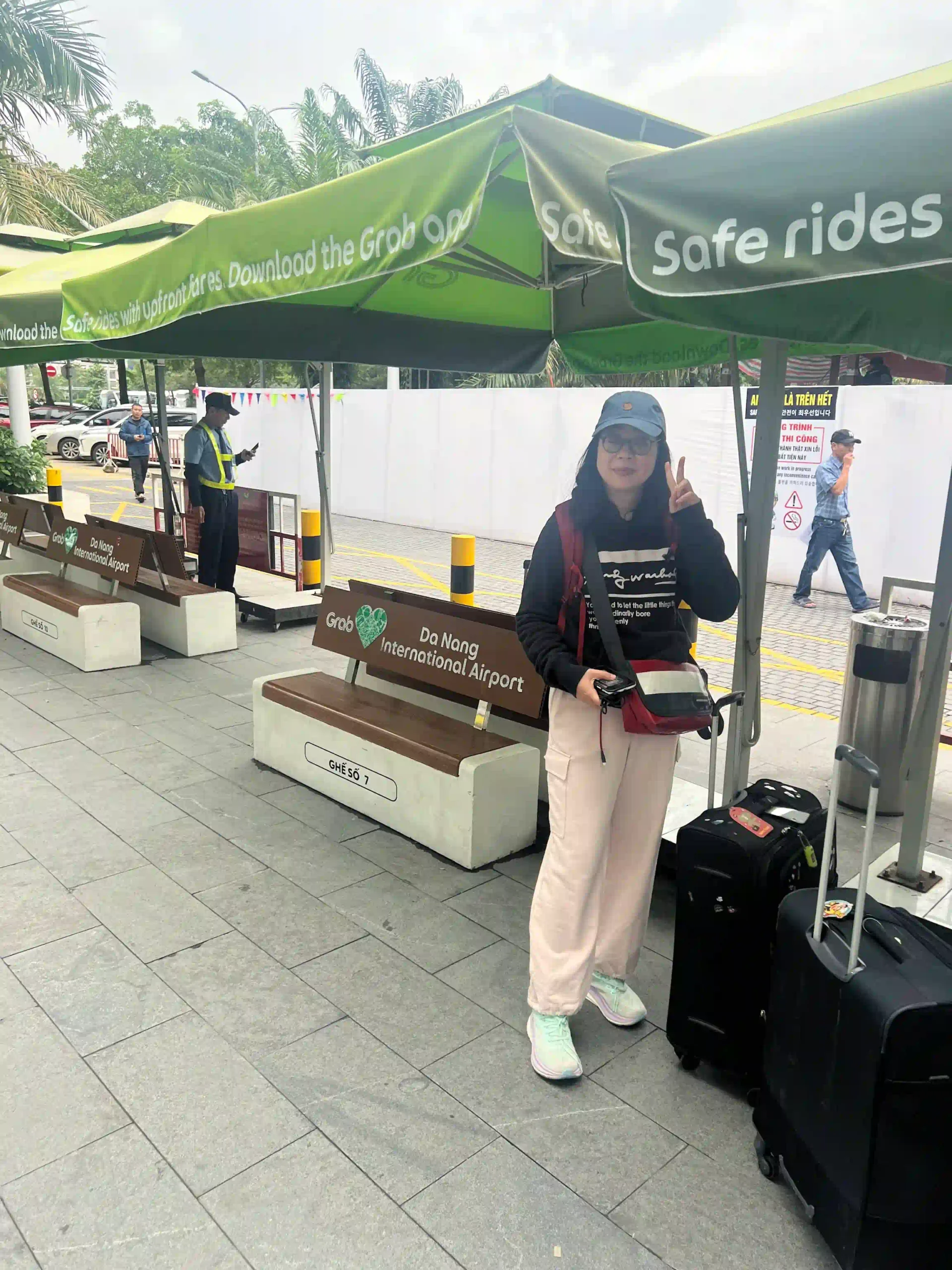
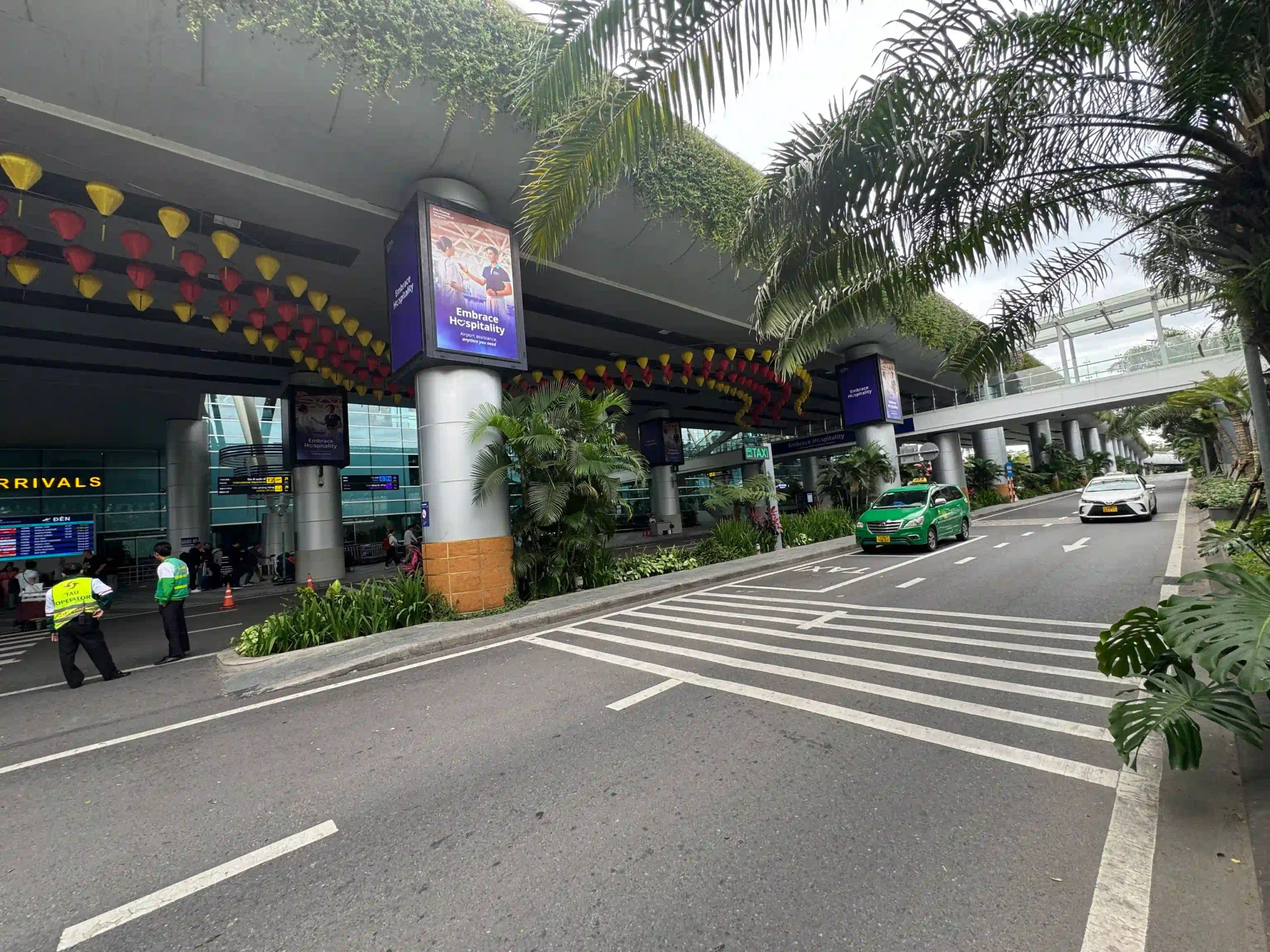
Your best move is to have the Grab app already downloaded on your phone before you fly. You can connect it to your home credit card.
The Grab pickup point is slightly chaotic. At the domestic terminal, it’s across the first street of traffic. At the international terminal, you usually have to walk slightly to the right to the designated app-hailing area.
When you book the Grab, the app will give you a price. Let’s say it’s 90,000 VND. You need to know that the driver is going to ask you for an extra 10,000 VND in cash when he drops you off. This is the airport exit toll. They aren’t scamming you; it’s a real fee they have to pay the booth when driving out of the airport, and the app doesn’t always include it. Keep a small 10k or 20k note handy.
SIM Cards at the Airport
If your phone supports eSIMs, just buy an Airalo or Gigago package online before you leave home. It activates the second you land.
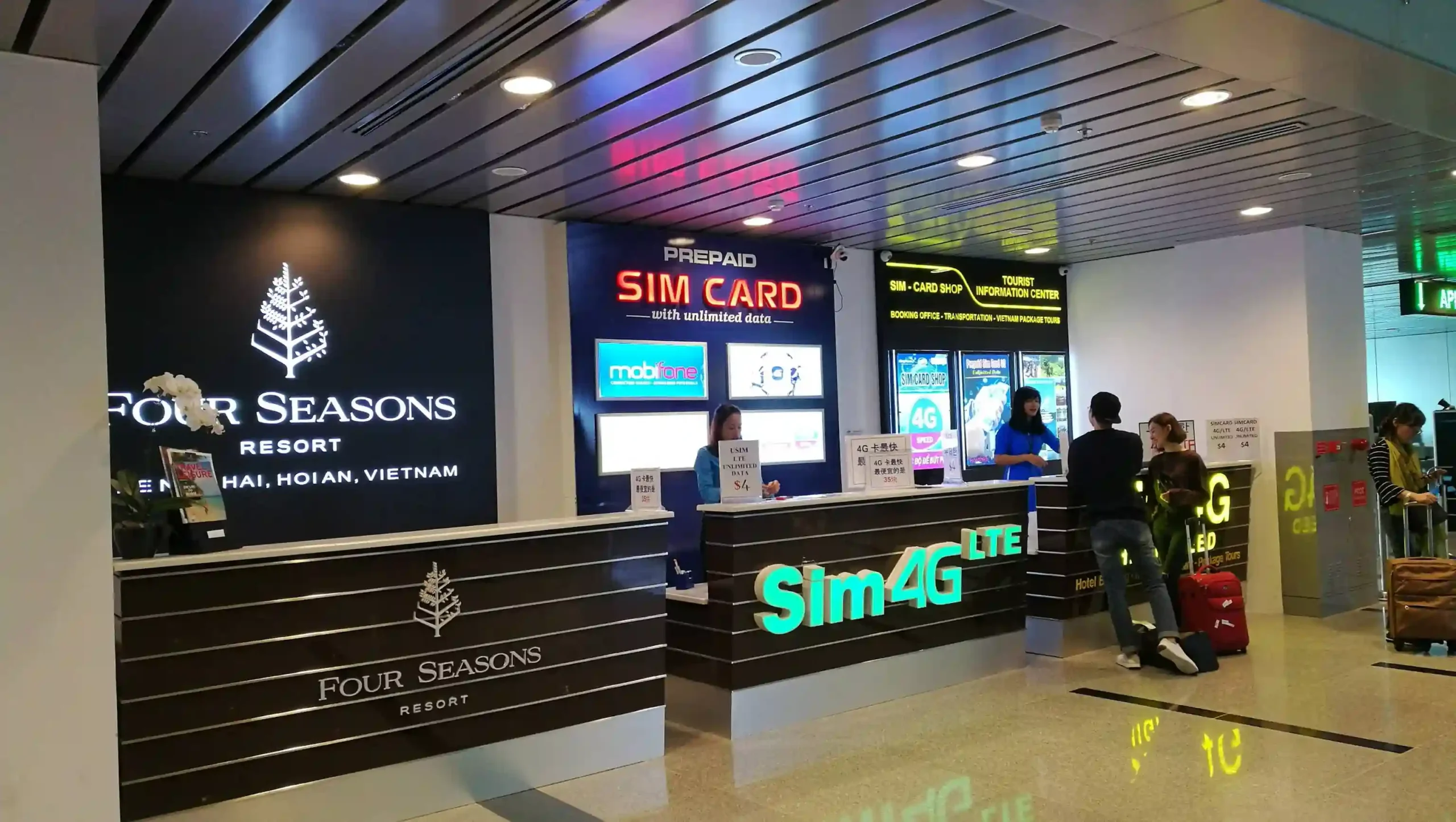
If you need a physical SIM, there are a row of booths right after you clear customs, before you exit the building.
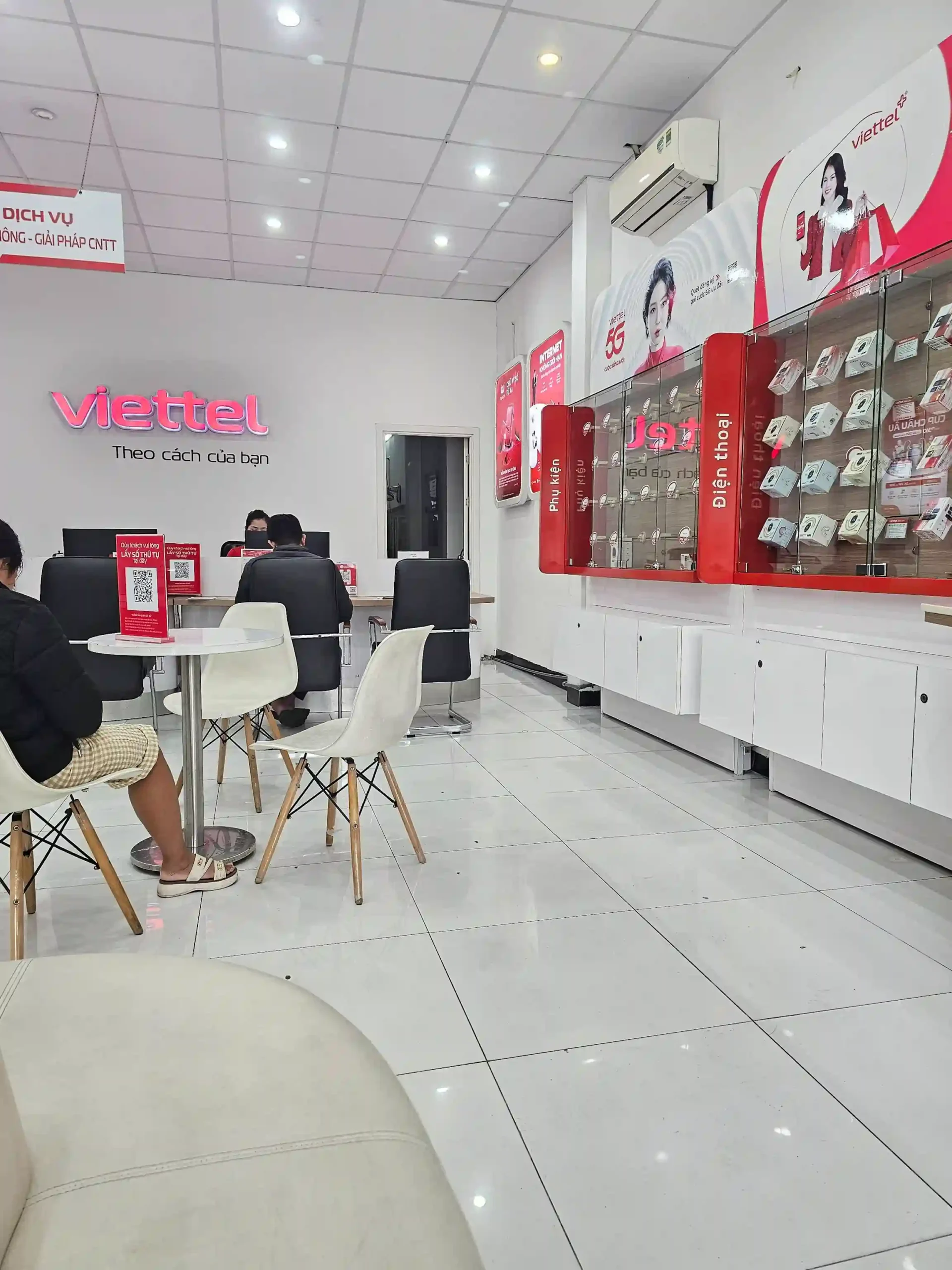
Go to the Viettel booth. Viettel is the military-owned telecommunications company, and it simply has the best coverage, especially if you plan to drive into the mountains or head down to Hoi An.
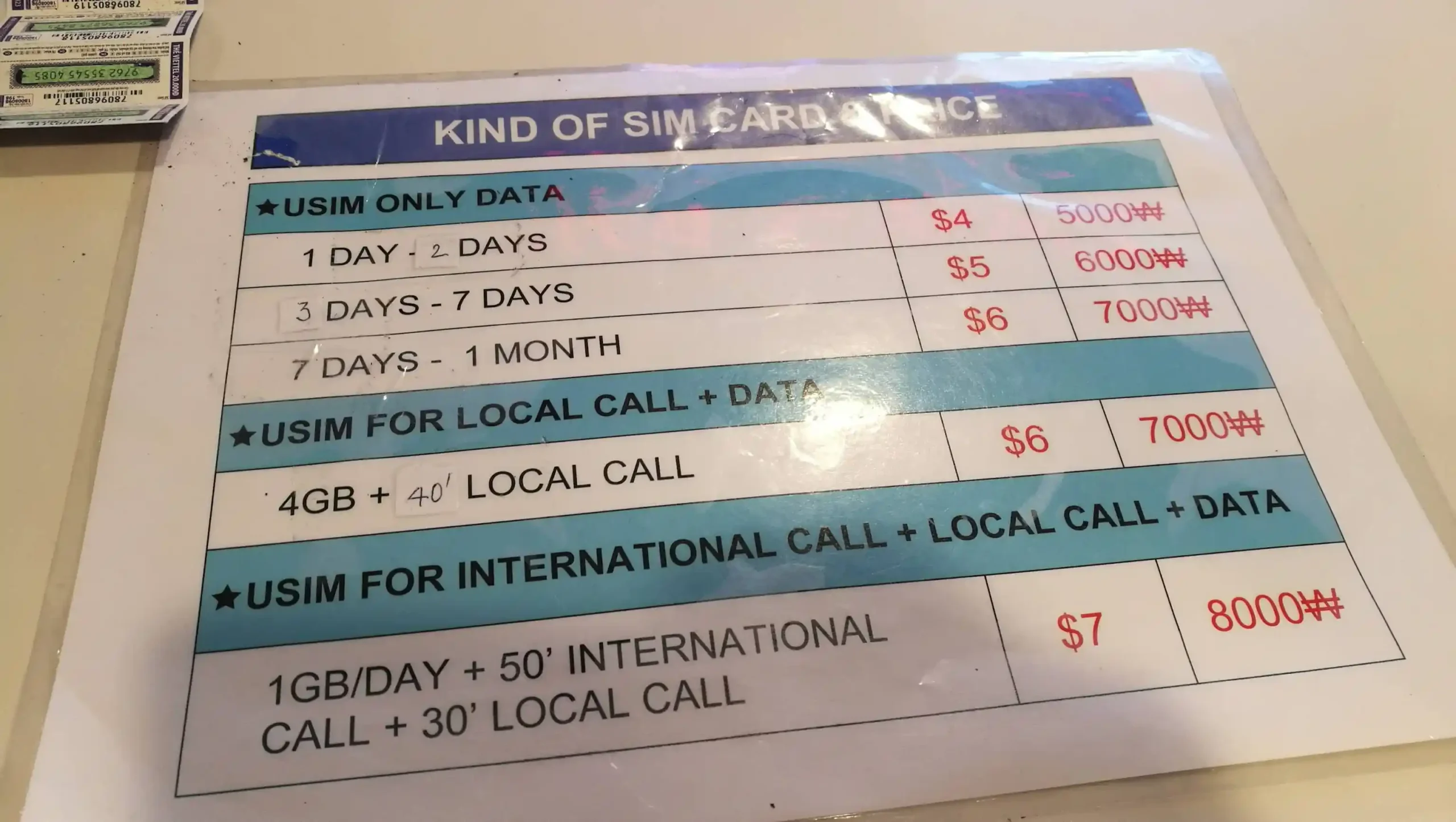
In 2026, a tourist SIM with unlimited data for 30 days should cost you between 250,000 and 350,000 VND depending on the package. You have to hand over your passport so they can register the number. It takes three minutes. They swap the card for you and tape your home SIM card to the back of your phone case so you don’t lose it.
Money: Cash, ATMs, and the Gold Shops
Vietnam is weirdly modern and traditional at the exact same time. You can go to a high-end coffee shop and pay by tapping your Apple Watch. Then you walk next door to buy a bowl of noodles, and they will look at you like you are crazy if you pull out a card.
You absolutely need cash.
Getting the best exchange rate
If you are bringing cash from your home country (USD, Euros, AUD), do not exchange it at the airport booths. The rates are terrible. And do not go to a bank, because the paperwork takes an hour.
Go to a gold shop.
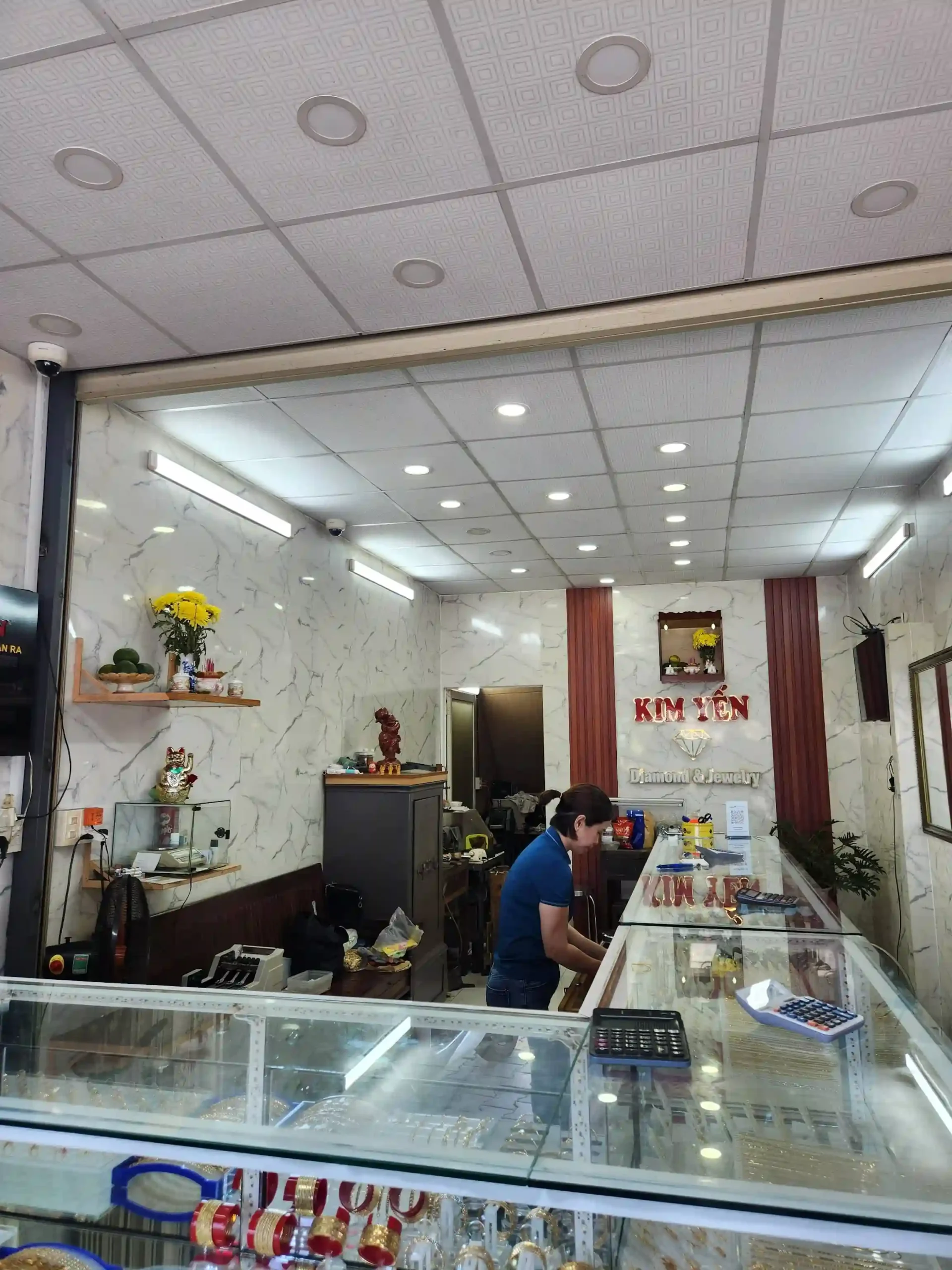
This sounds shady if you are from the West, but it’s how everyone does it here. There is a cluster of gold and jewelry shops around Han Market, specifically on Hung Vuong street (Ha Binh is a famous one).
You walk in, hand them a $100 bill, they punch numbers into a calculator, and hand you a massive stack of Vietnamese Dong. The rate they give you is almost exactly the Google spot rate.
The big catch: The foreign bills you bring must be pristine. If you bring a $100 bill that has a small tear, a pen mark, or is deeply creased, they will either refuse to take it or give you a significantly lower rate. Go to your bank at home and ask for brand-new, uncirculated bills.
Navigating the ATMs
If you don’t want to carry hundreds of dollars in your backpack, you will use ATMs.
Be careful which machine you use. Some banks, like Sacombank or BIDV, will charge you a massive fee (up to 3% of the withdrawal amount) on top of whatever your home bank charges you.
Look for VPBank, TPBank, or Vietcombank. They generally have much lower local access fees, and sometimes they don’t charge anything at all depending on your card type.
The withdrawal limits are low. Most machines will only let you take out 2 million or 3 million VND at a time (roughly $80 to $120).
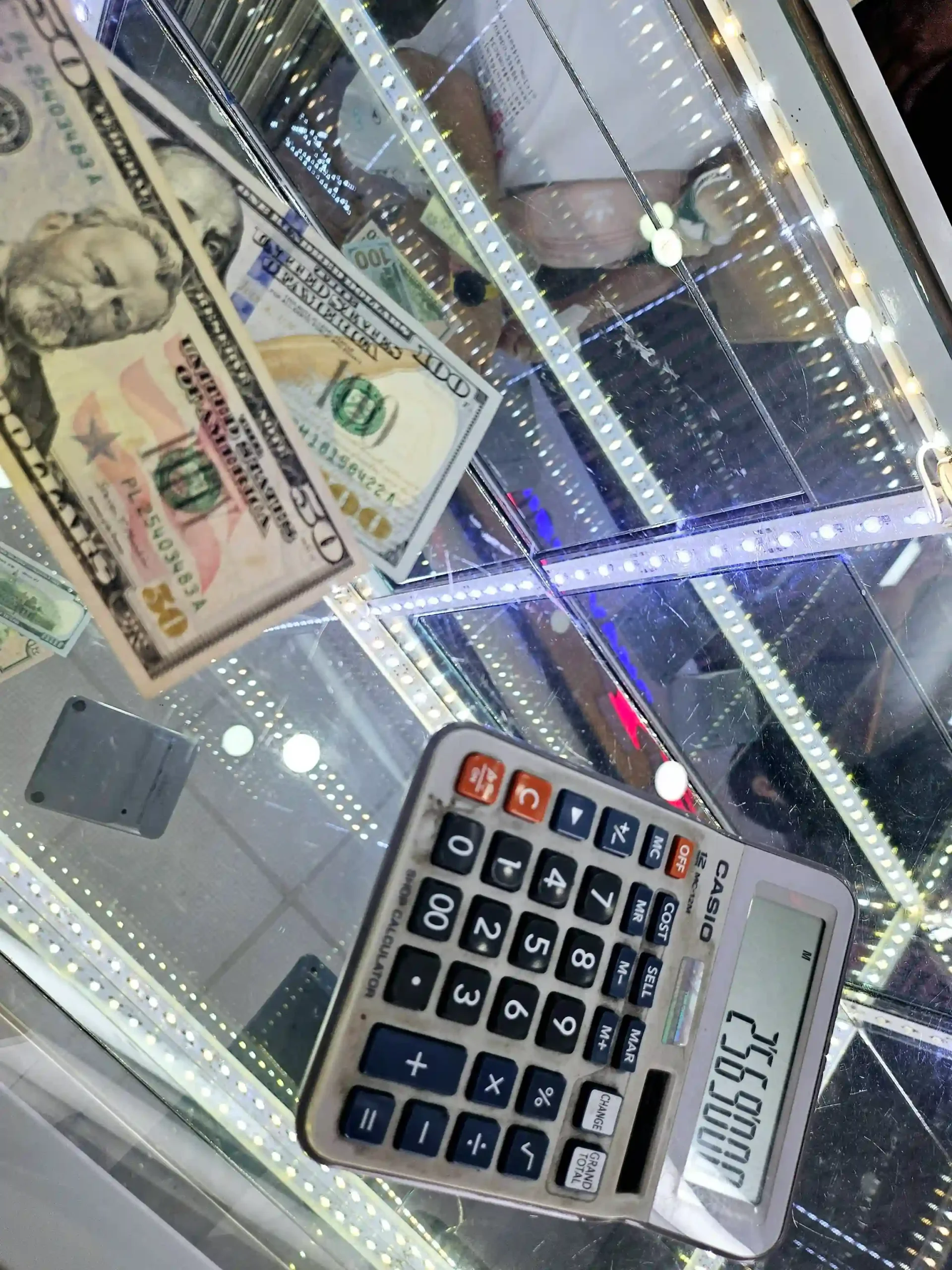
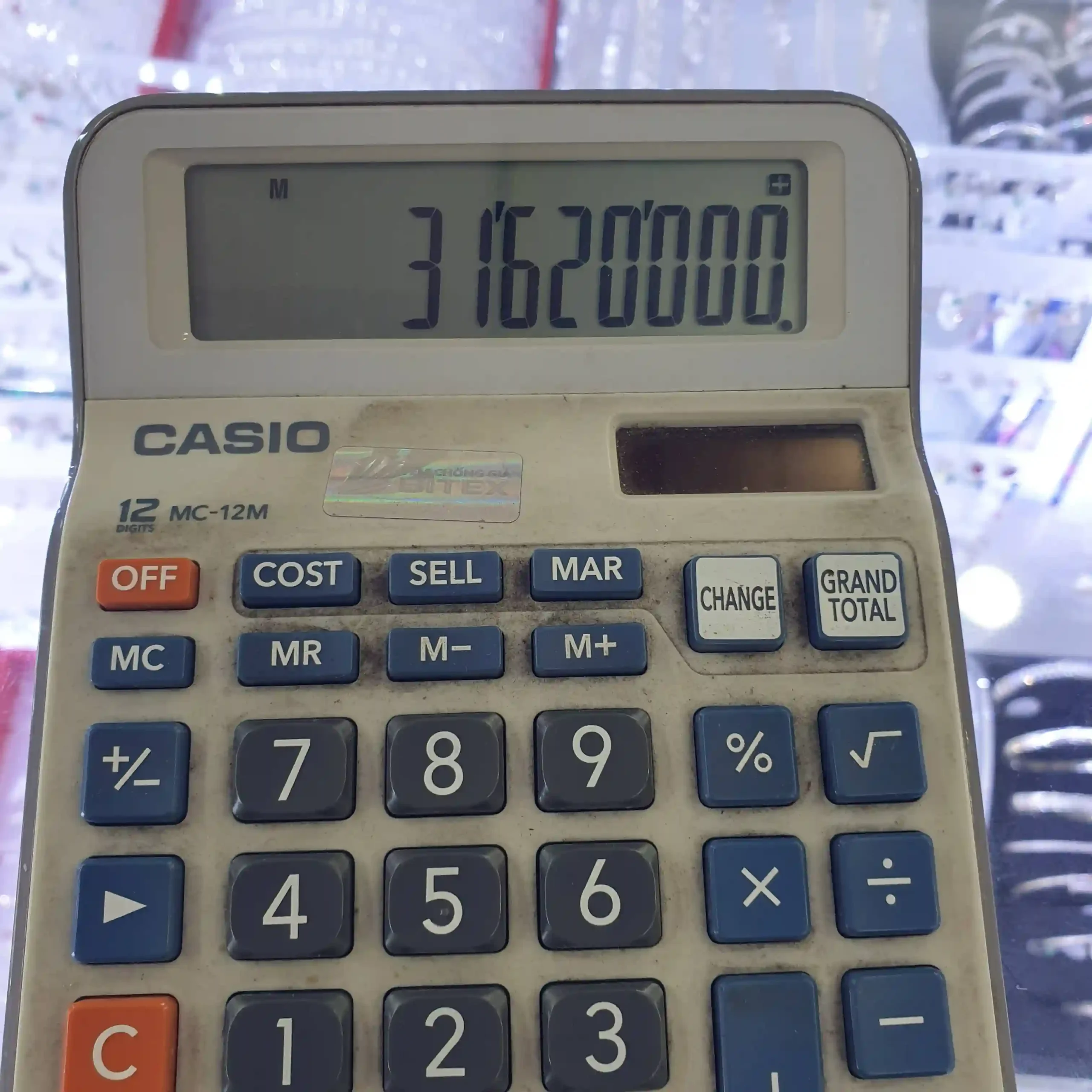
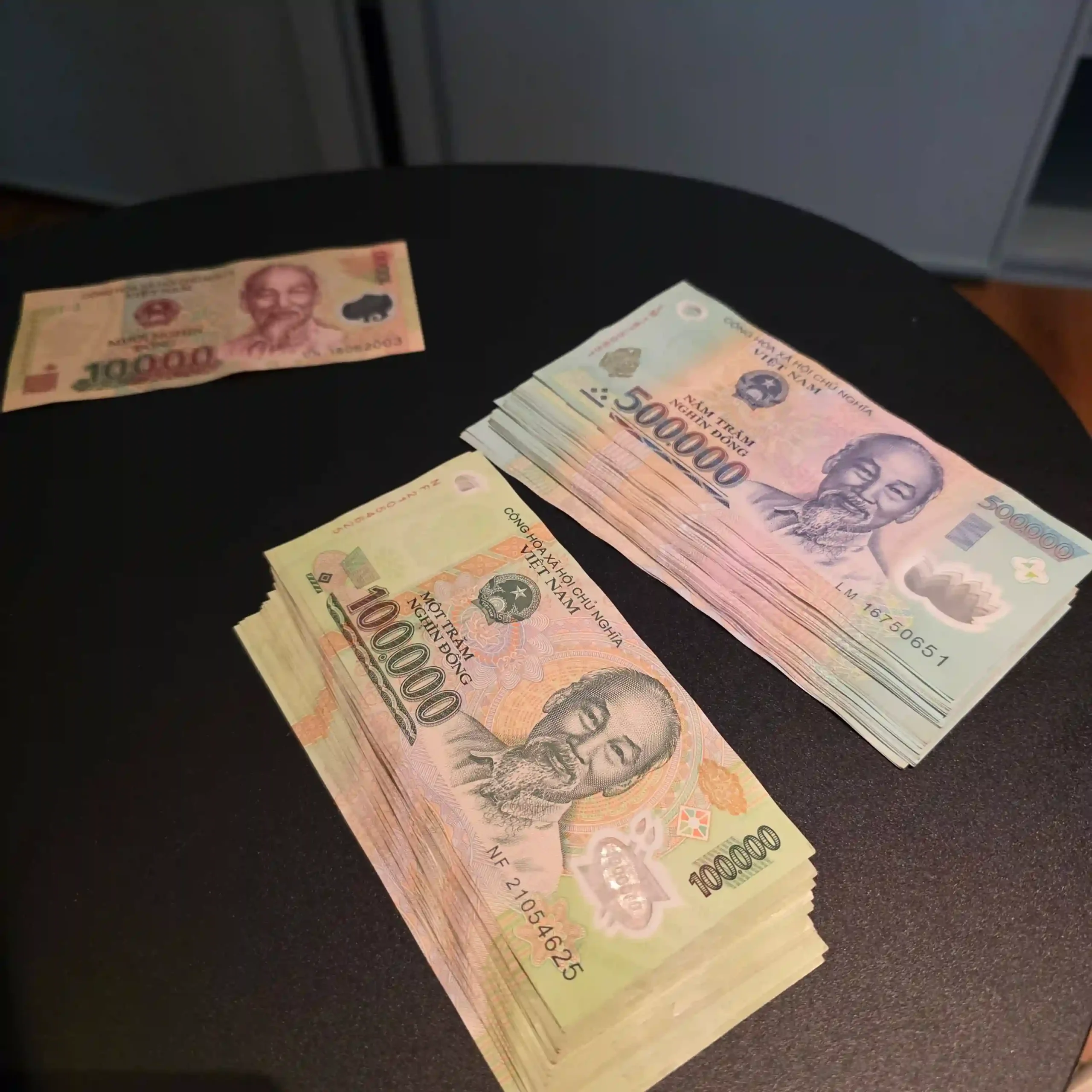
Quick math tip: Dealing with the thousands of zeroes is confusing for the first few days. The easiest mental trick for USD is to drop four zeroes and multiply by four. So, 100,000 VND -> drop the zeroes (10) -> multiply by four = roughly $4.
Apps you actually need to download
No Yelp. No Uber. You need a completely different folder of apps on your phone to survive here.
Grab
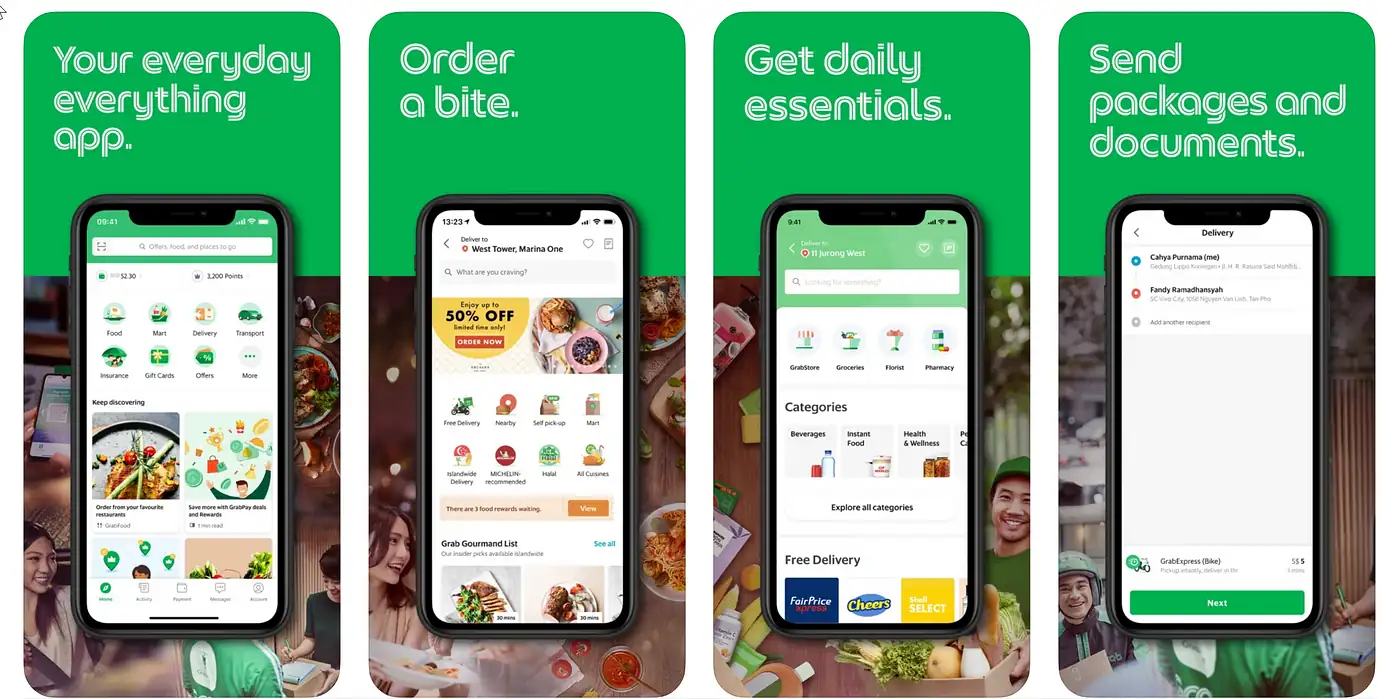
This is everything. It’s Uber, UberEats, and a delivery courier all rolled into one. You use it to get cars, you use it to call a motorbike taxi (GrabBike) which is insanely cheap, and you use it to order food to your hotel room when it’s raining too hard to walk outside.
Zalo

You probably haven’t heard of Zalo, but you cannot survive in Vietnam without it. It is the local equivalent of WhatsApp.
Every single business, tour operator, hotel receptionist, and rental shop communicates through Zalo. If you book a private car, the driver will text you on Zalo. If you leave your jacket in a restaurant, you message their Zalo page.
Crucial tip: Download and activate Zalo while you are still in your home country. It requires an SMS text verification to set up the account. If you wait until you swap your SIM card at the Da Nang airport, you won’t be able to get the text message to your home phone number.
Google Translate (Offline)
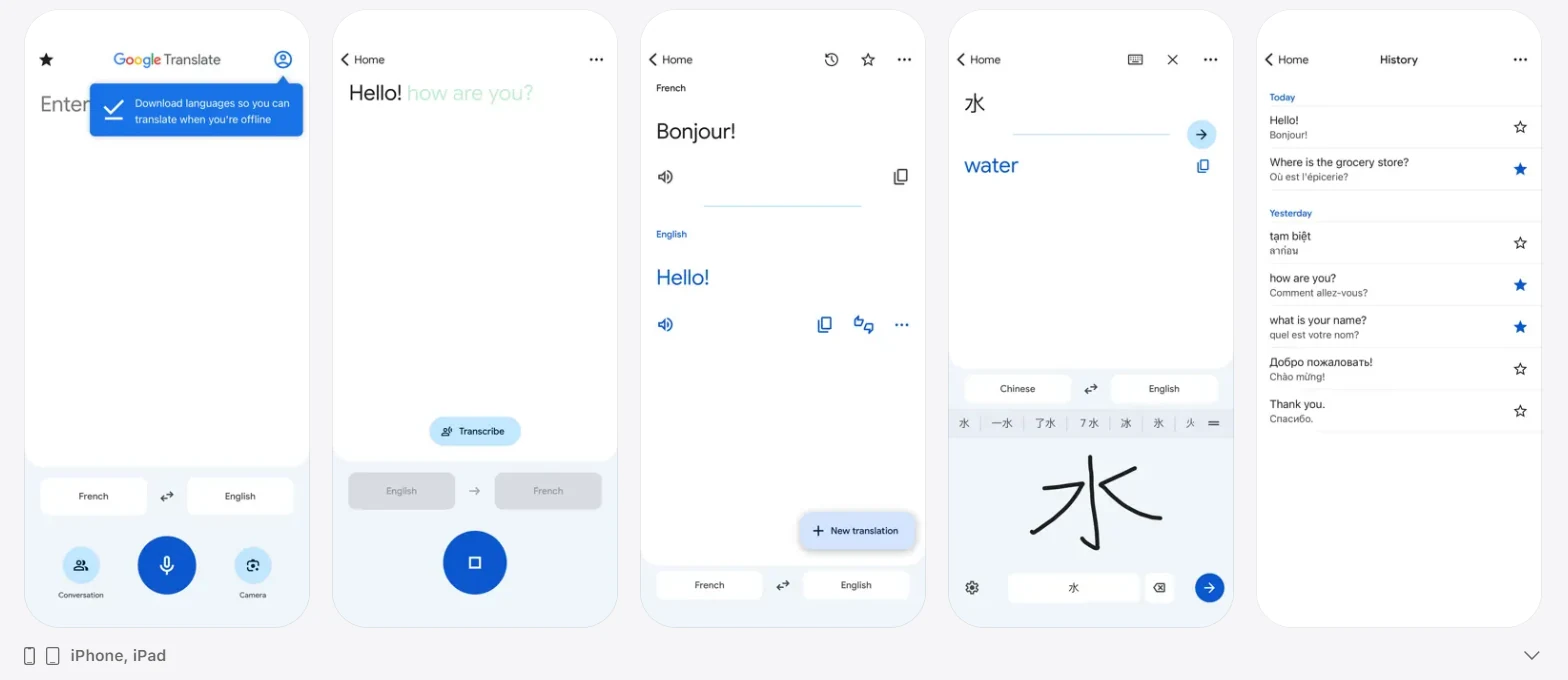
A lot of people speak English in the tourist areas, but the further you go out, the less English you will hear.
Download the Vietnamese language pack for offline use. The most useful feature is the camera tool. You just point your phone camera at a local menu stuck to a wall, and it translates the text on the screen in real time.
It’s the only way you will know if you are ordering chicken or frog.
The Sidewalk Situation (And how to cross the street)
This is something that shocks a lot of foreigners when they arrive. Da Nang is not a walkable city.
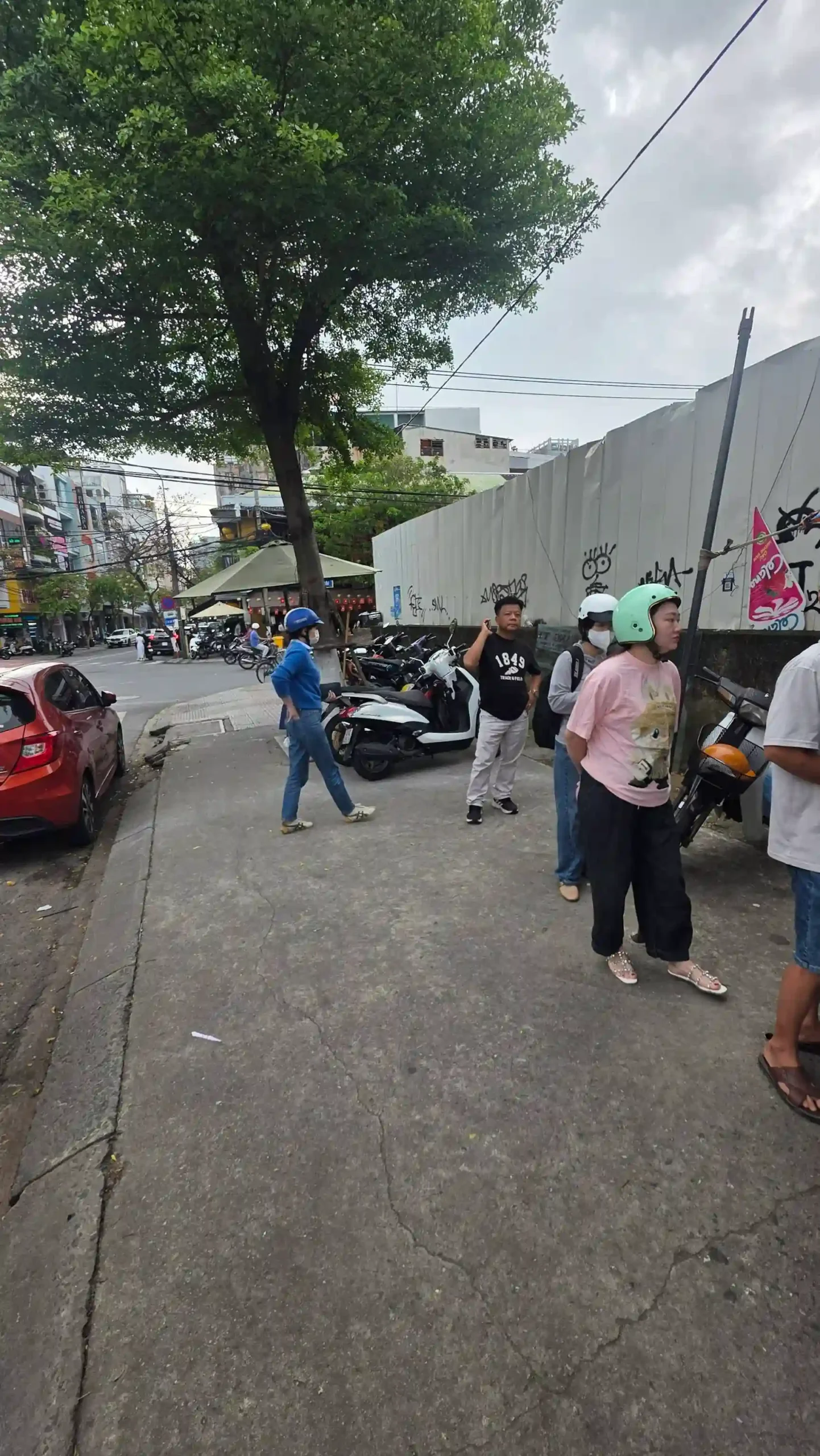
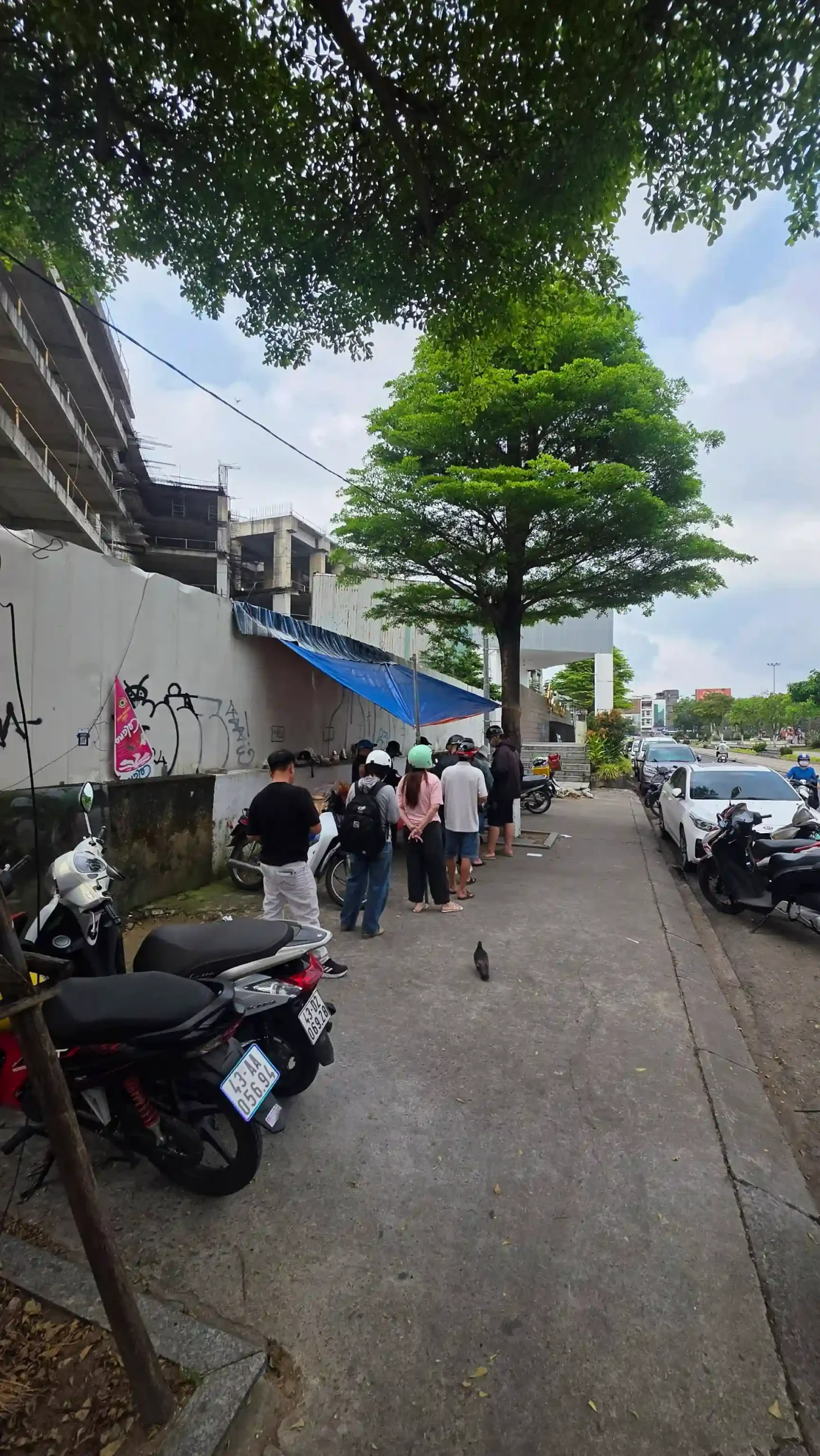
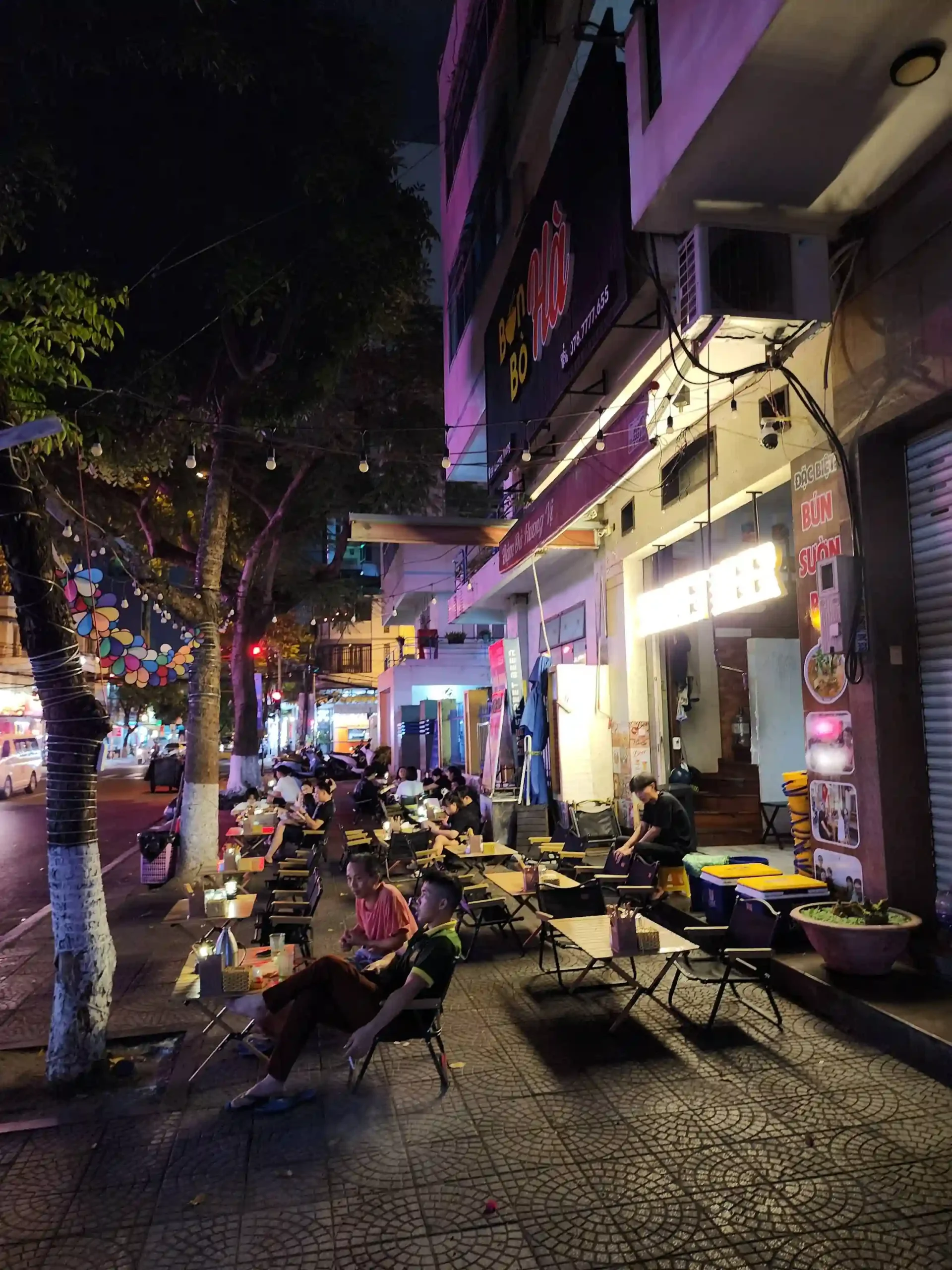
Yes, there are sidewalks. But they are not for walking.
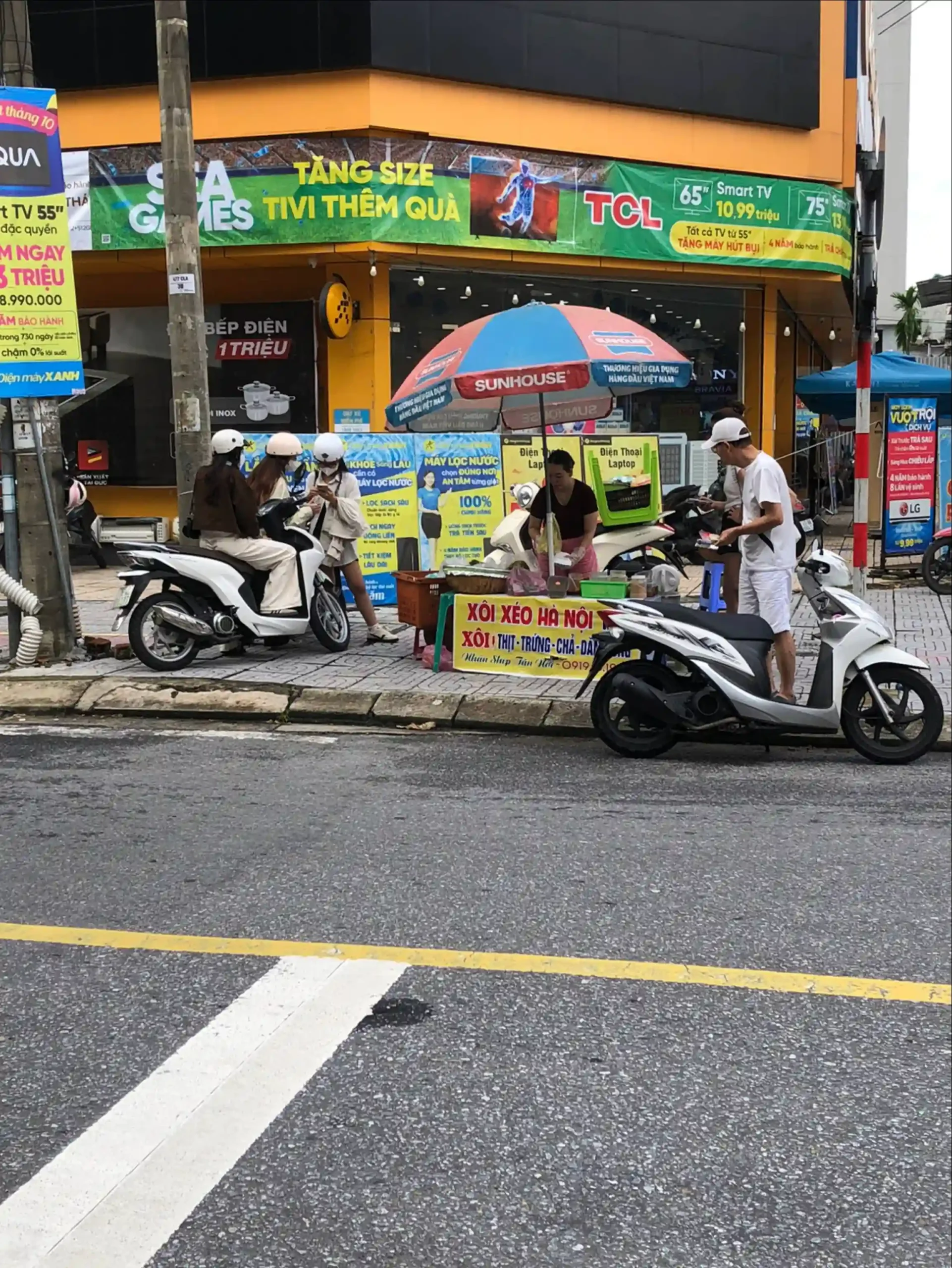
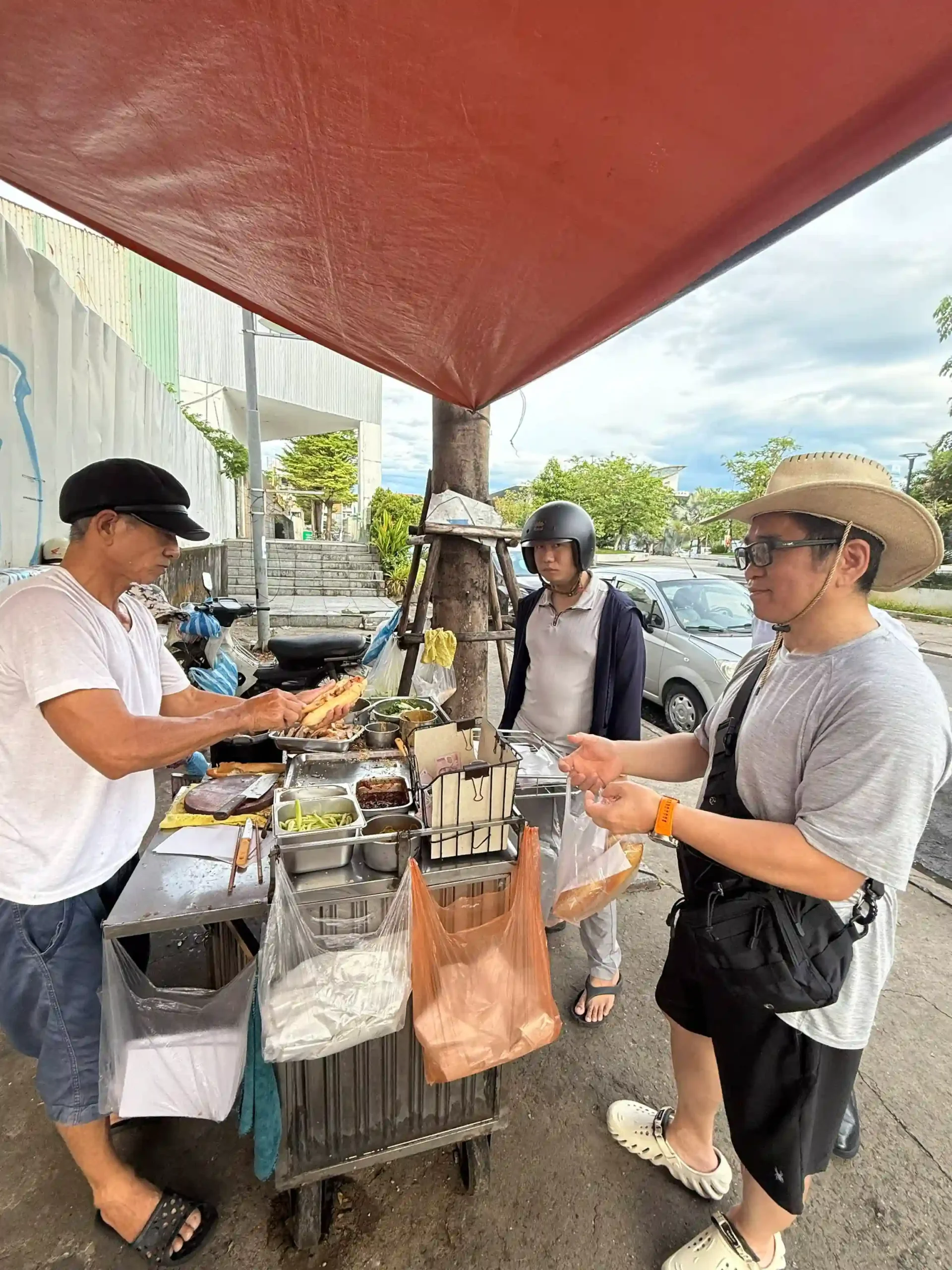
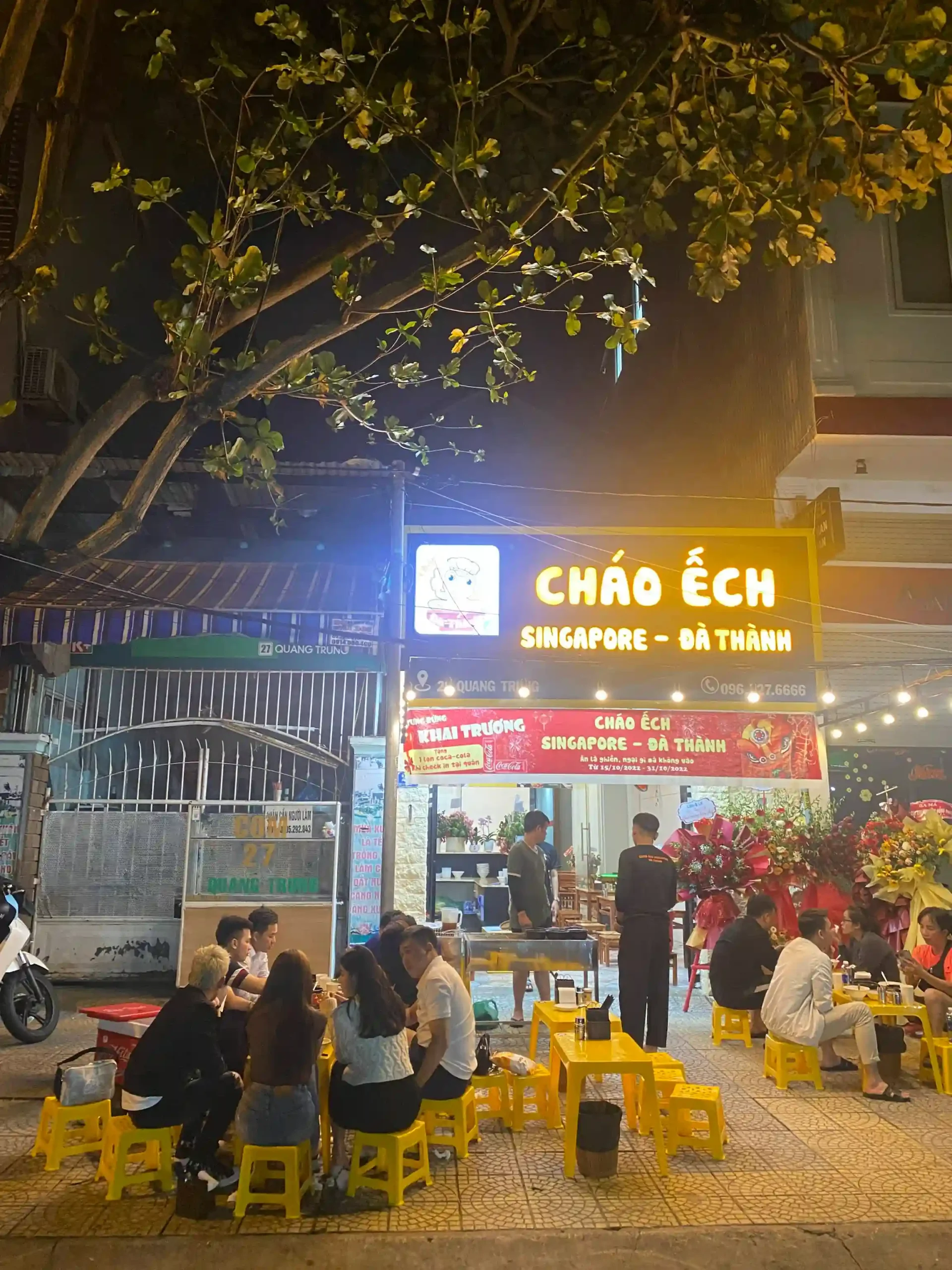
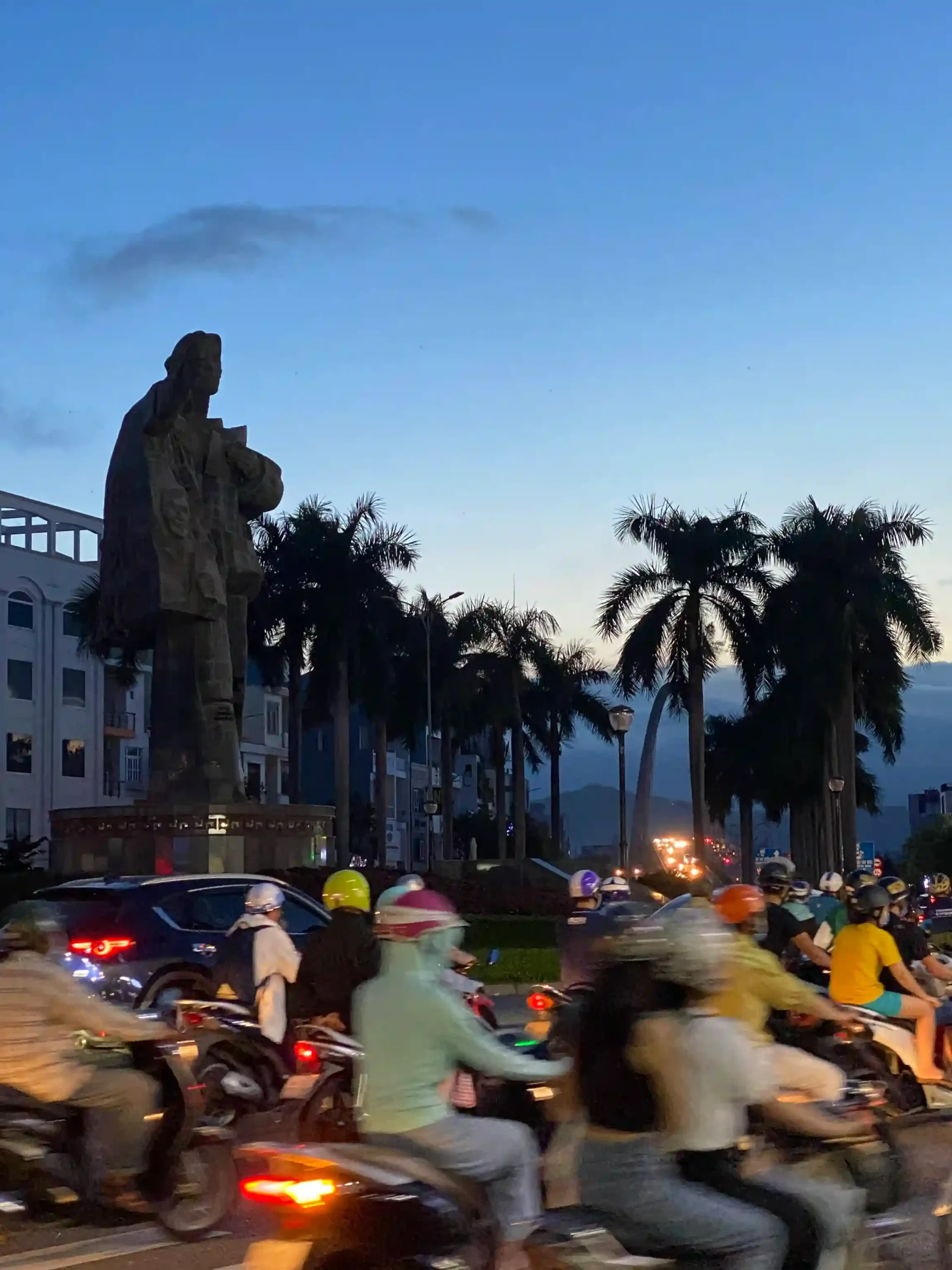
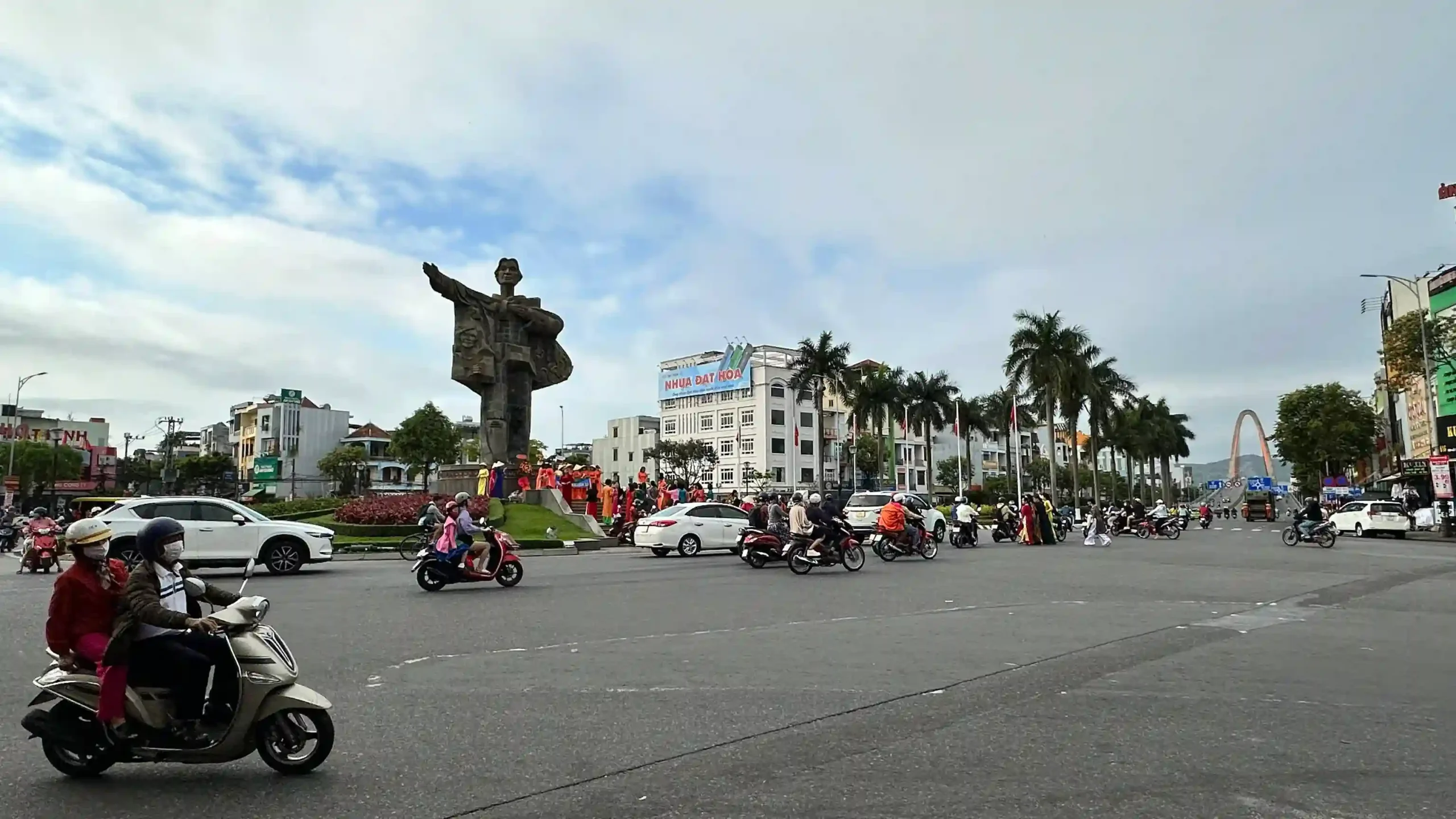
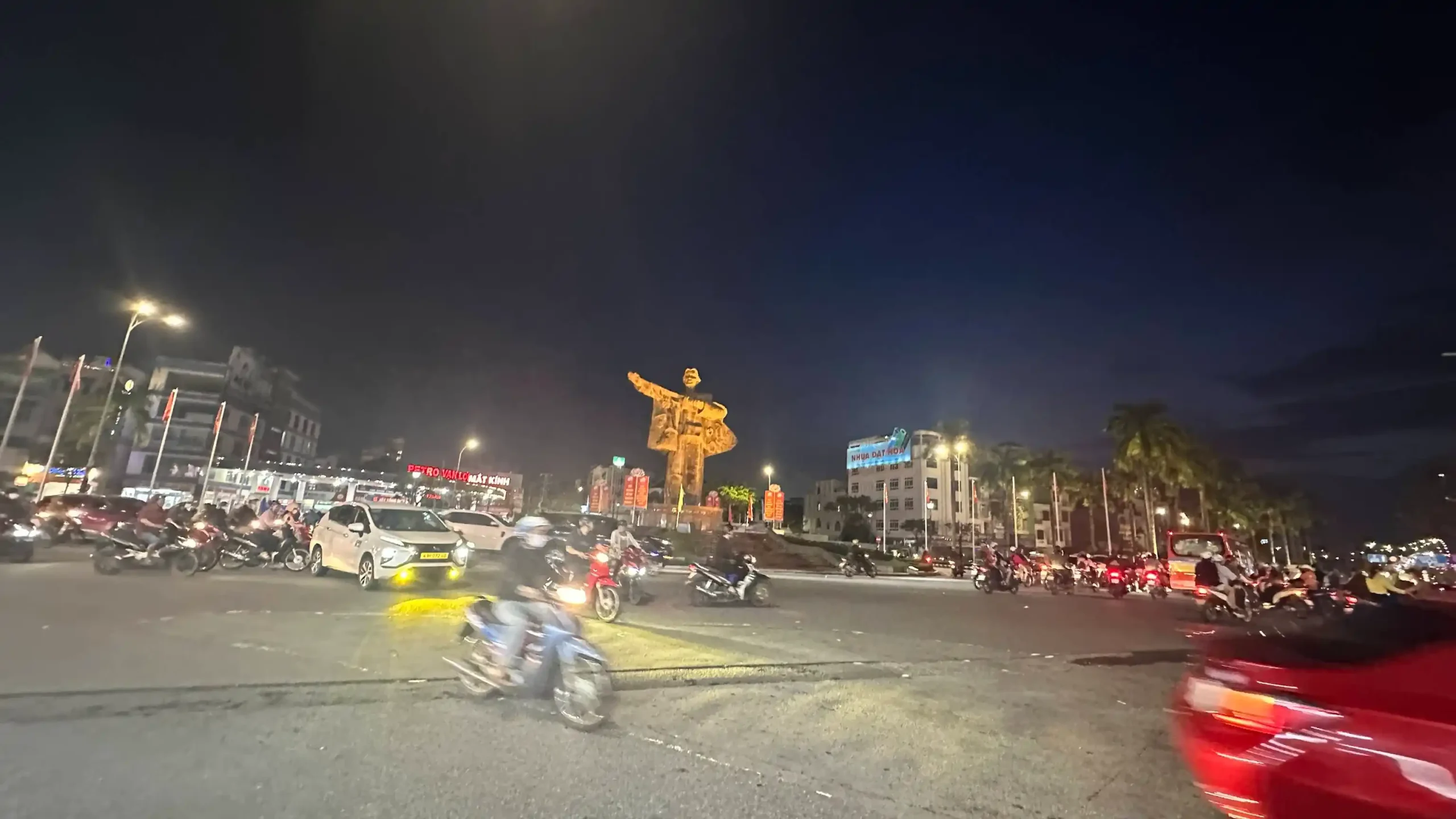
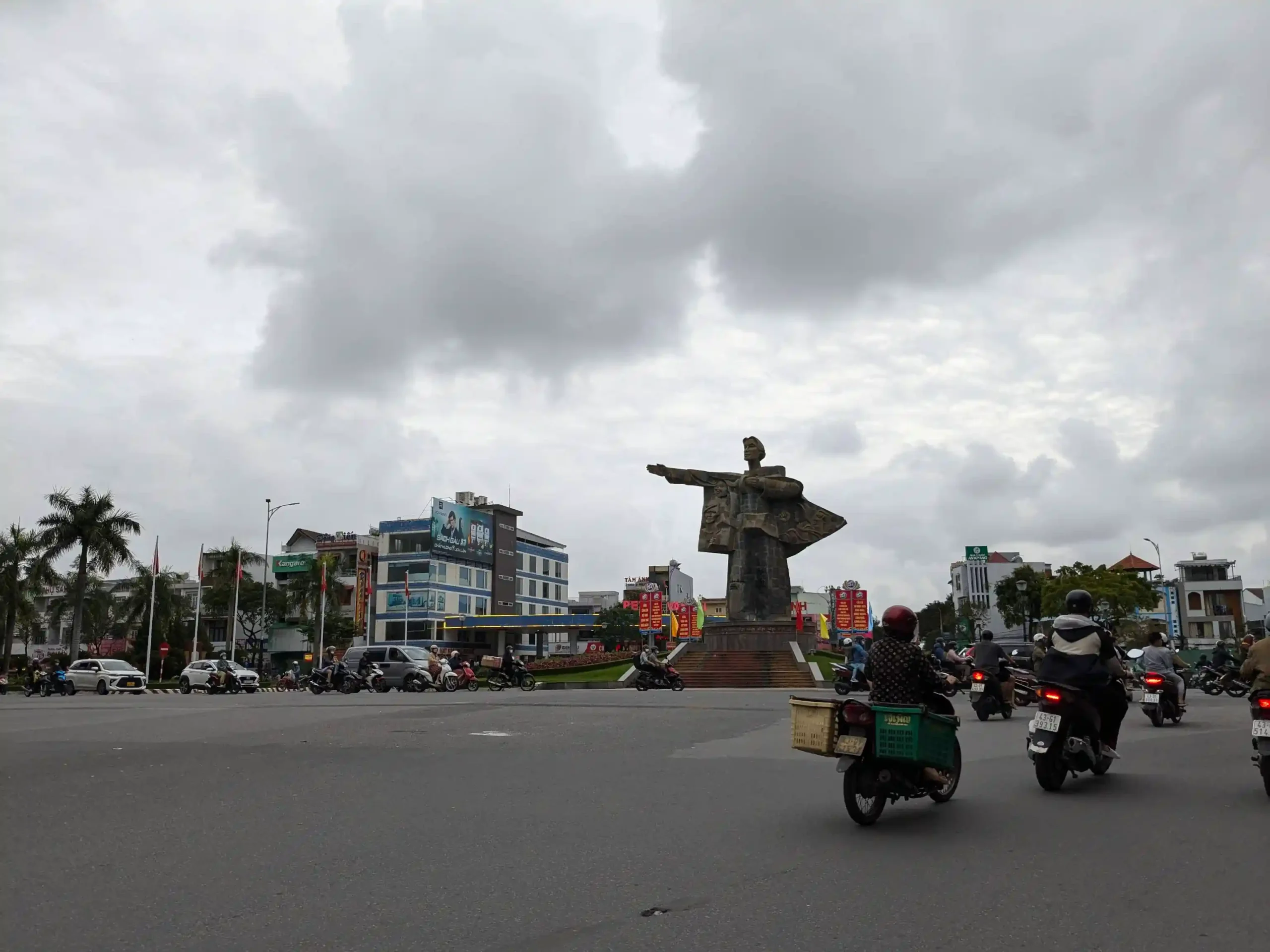
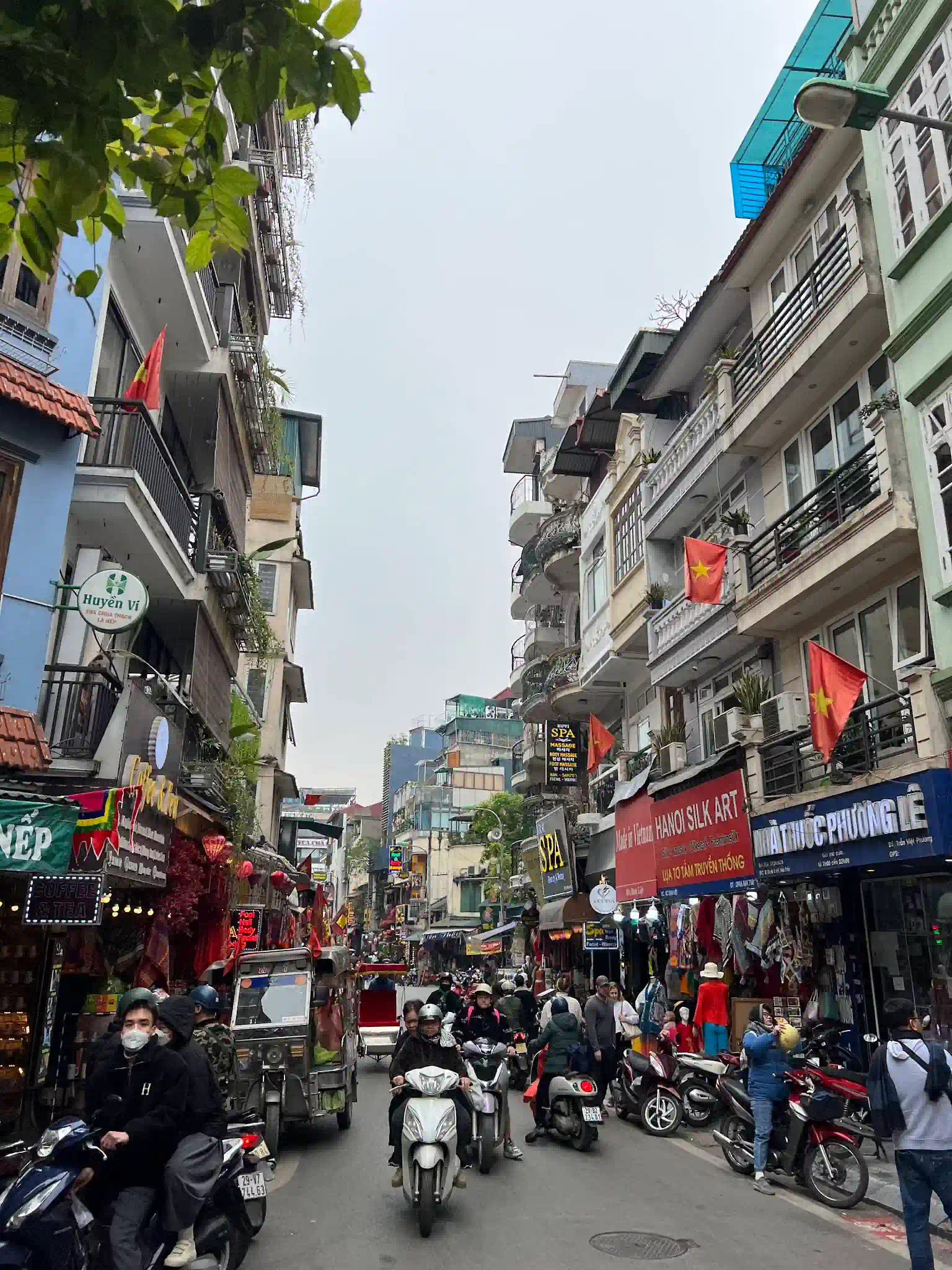
Sidewalks in Vietnam are used for three things: parking motorbikes, setting up tiny plastic tables for drinking coffee, and street food carts. You will spend 80% of your time walking on the actual road, sharing the edge of the asphalt with oncoming traffic.
You just have to get used to it. Walk on the side of the road, face the oncoming traffic if you can, and just be aware of your surroundings.
How to cross a street
At some point, you are going to have to cross a busy street that has no traffic light and an endless river of motorbikes flowing towards you.
Do not stand on the edge waiting for a gap. The gap will never come.
You just have to step out into the traffic. It goes against every survival instinct you have, but here is the rule: Walk slowly, walk at a steady pace, and do not make sudden stops or unpredictable movements.
The motorbike drivers are watching you. They will calculate your speed and simply weave around you, passing behind your back and in front of your face.
Do not panic and try to run. If you run, you mess up their calculation, and that is when you get hit. Just put your hand out slightly, look them in the eye, and walk like Moses parting the sea.
What to pack (And what is too expensive to buy here)
You can buy almost anything you need in Da Nang. There are huge modern shopping malls (Lotte Mart, Vincom) and tiny convenience stores everywhere.
But there are a few things that are weirdly expensive or hard to find because of import taxes or local preferences.
Sunscreen
Bring a lot of it from home. Vietnamese people mostly avoid the sun completely (they wear full jackets and face masks while driving in the summer).
The local demand for sunscreen isn’t huge. The imported Western brands like Banana Boat or Neutrogena that you find in the pharmacies here have a massive markup. You might pay $20 for a small bottle of basic SPF 50.
Bug Spray
You actually don’t need to bring this. Western bug spray with heavy DEET takes up room in your bag and doesn’t always work great on the local mosquitoes. Go to any pharmacy here and buy a small bottle of a local brand called Remos. It costs about 50,000 VND ($2), smells like lavender, and works perfectly.
Rain Gear
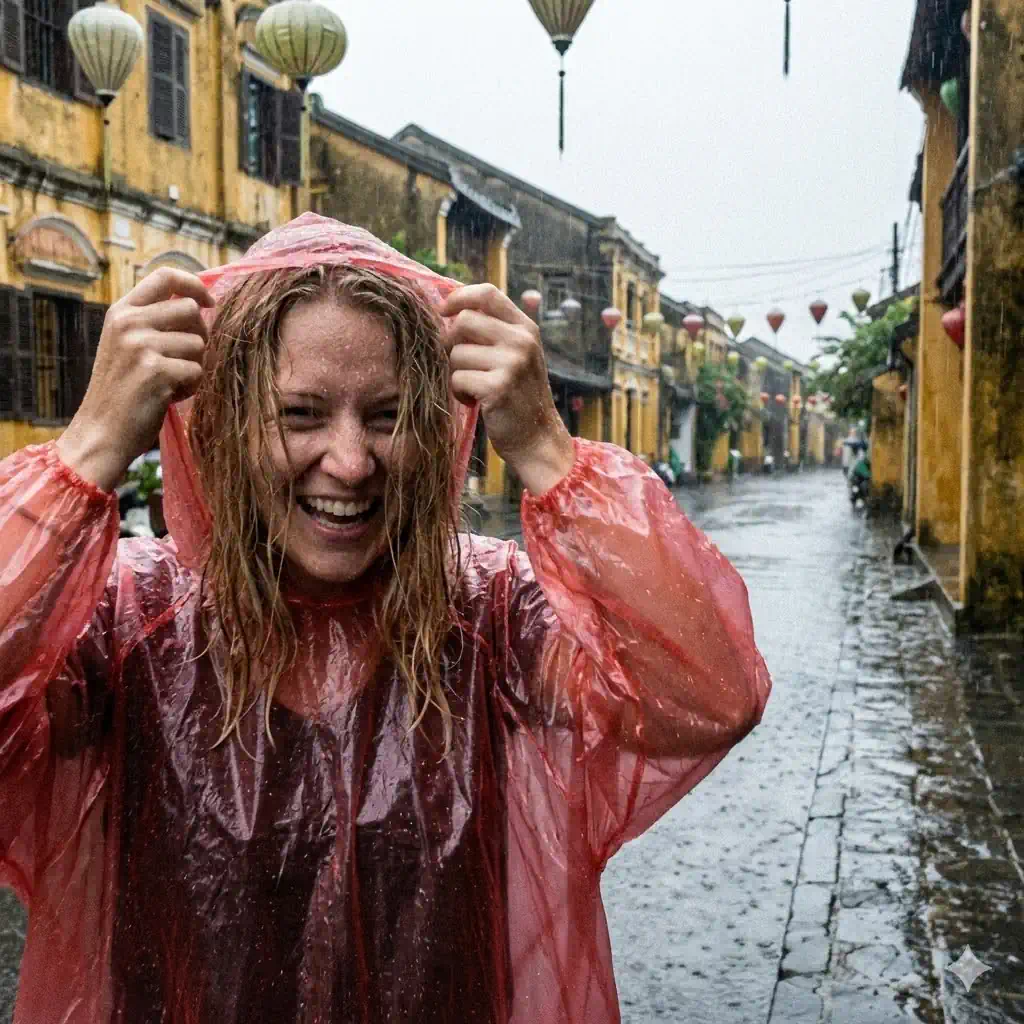
If you are coming during the wet season (check out the exact breakdown of the weird weather months to see if you are), do not bother packing an umbrella. The wind coming off the ocean will turn it inside out in five minutes.
Just buy a plastic rain poncho from a street vendor for 15,000 VND when you get here. They cover your whole body and your backpack.

Health, Pharmacies, and the Tap Water
Nobody wants to talk about getting sick on vacation, but the change in diet and climate messes a lot of people up.
The Water Rule
Do not drink the tap water. Ever. Don’t even use it to boil pasta if you are staying in an Airbnb.
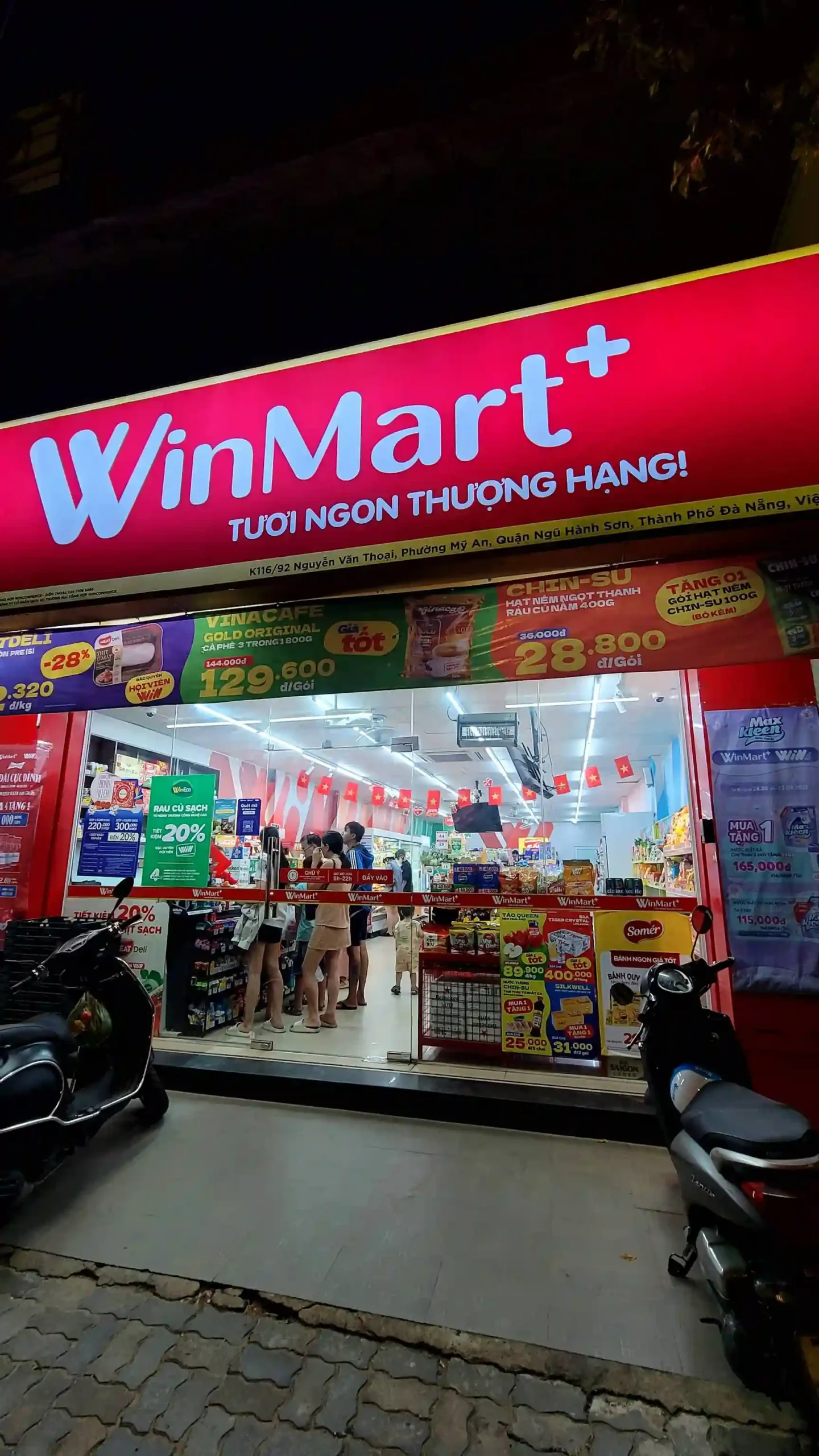
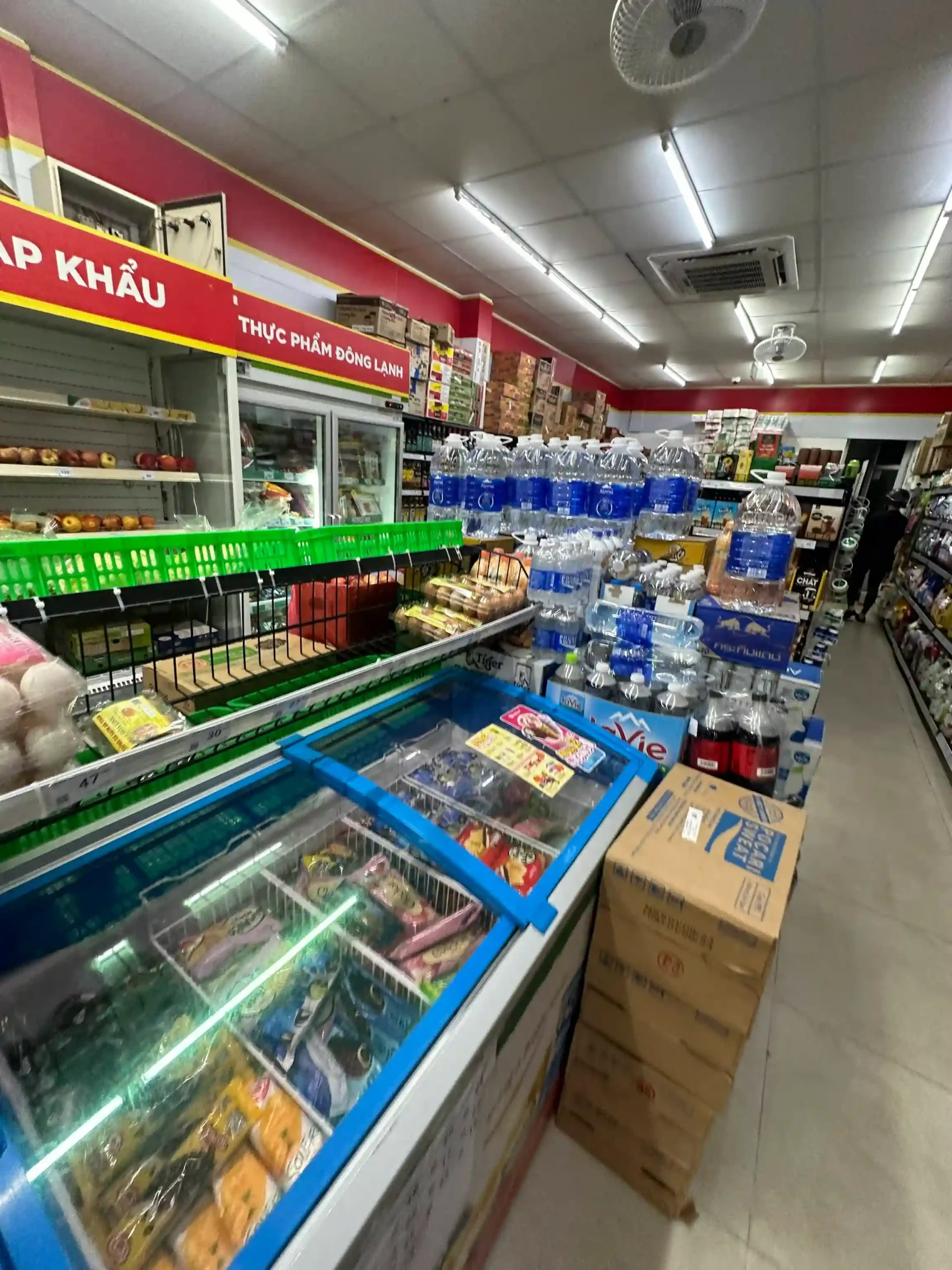
Buy the big 5-liter bottles of water from a WinMart or a local convenience store and keep them in your room. Use that to drink and brush your teeth.
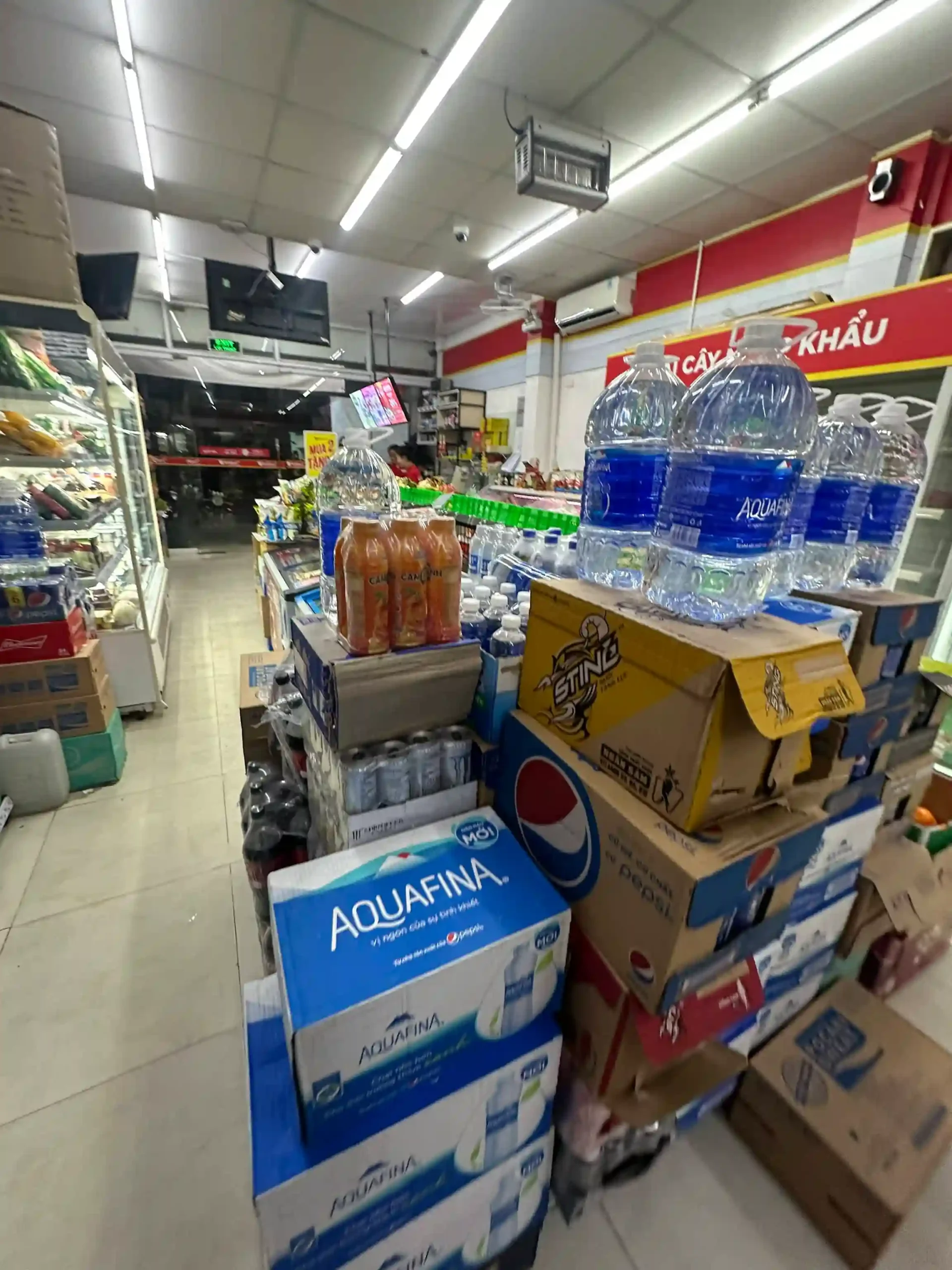
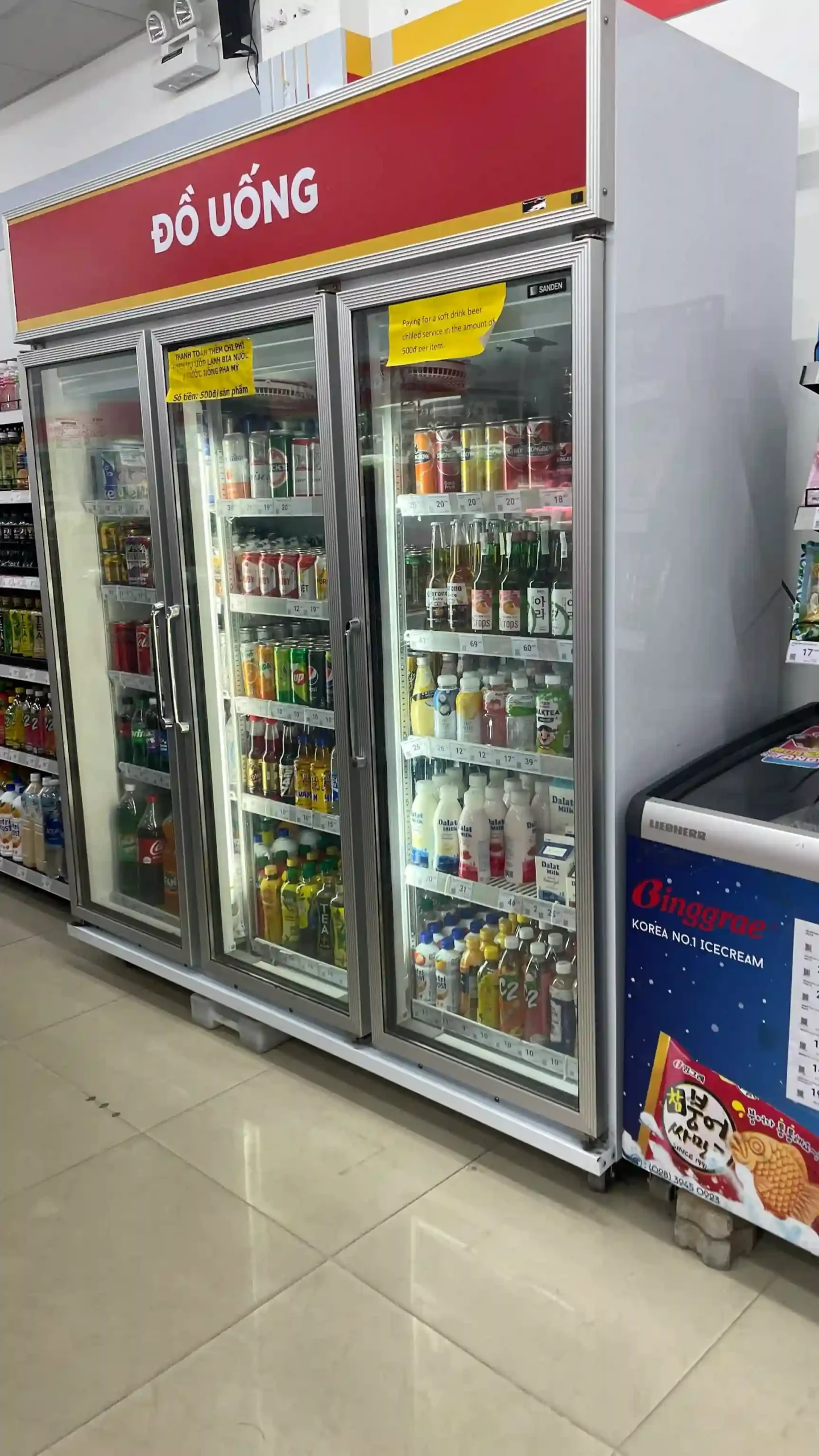
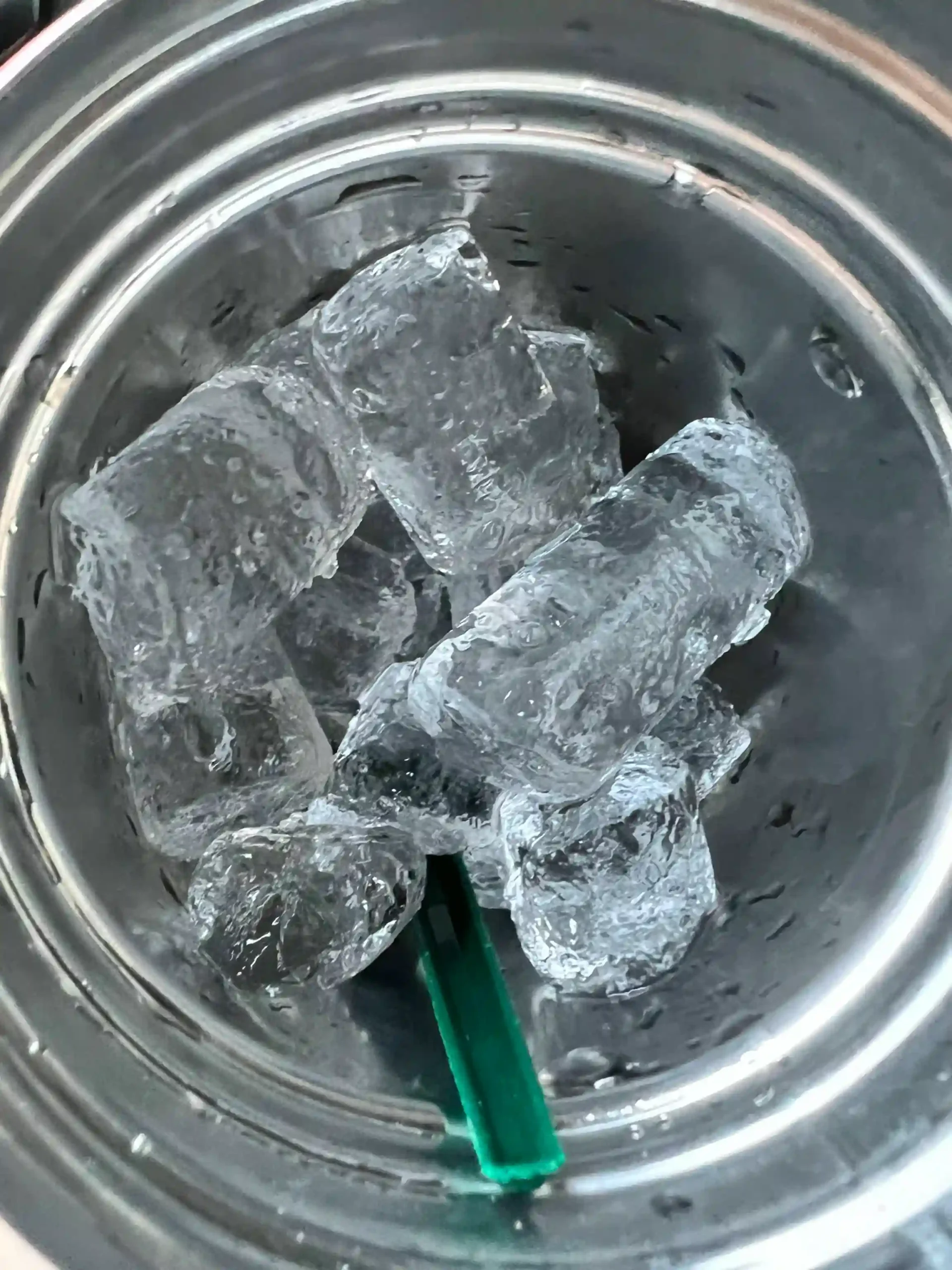
But what about the ice? This is a huge source of paranoia for tourists. When you go to a local cafe on the street and order an iced coffee, is the ice safe?
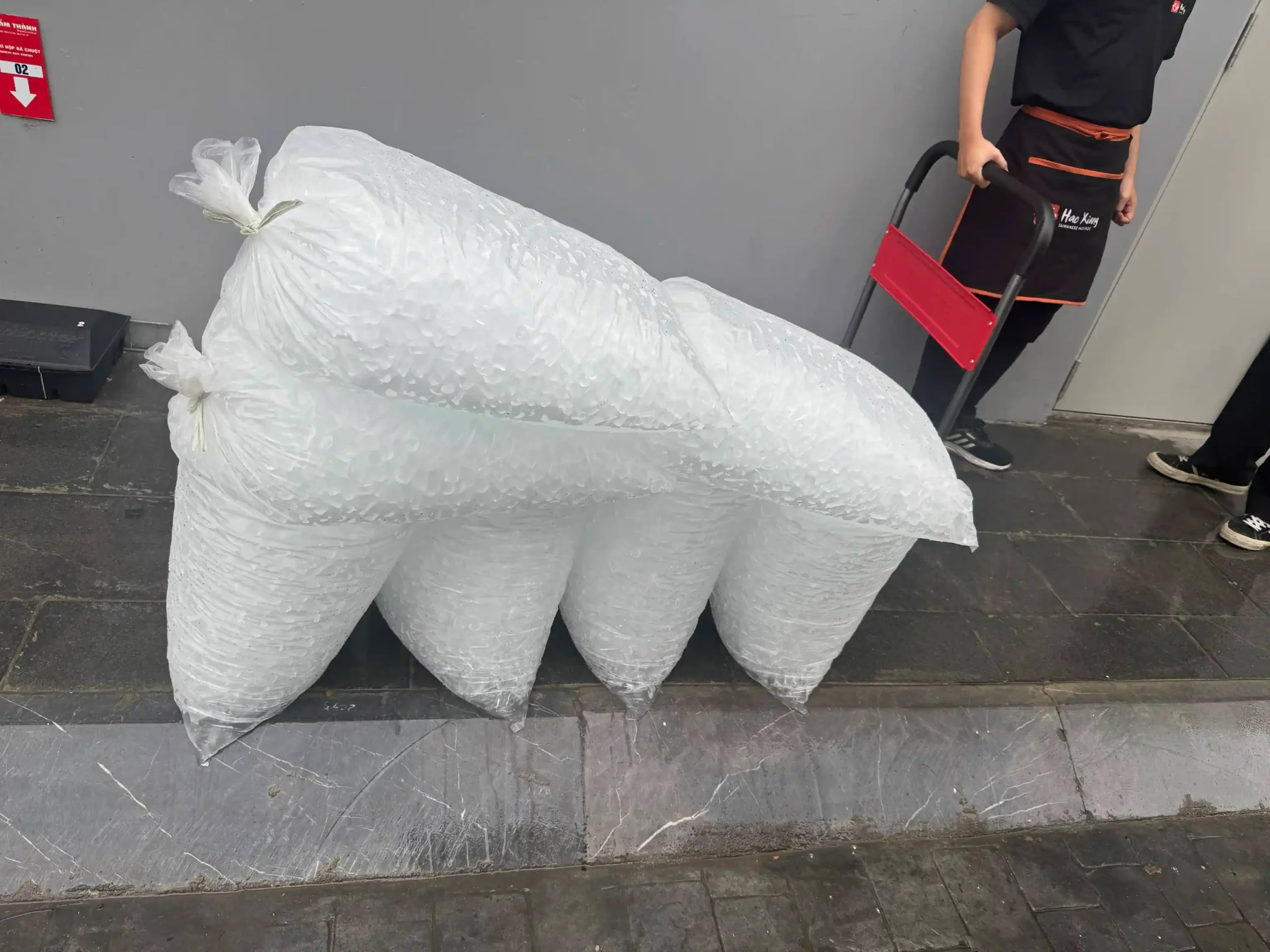
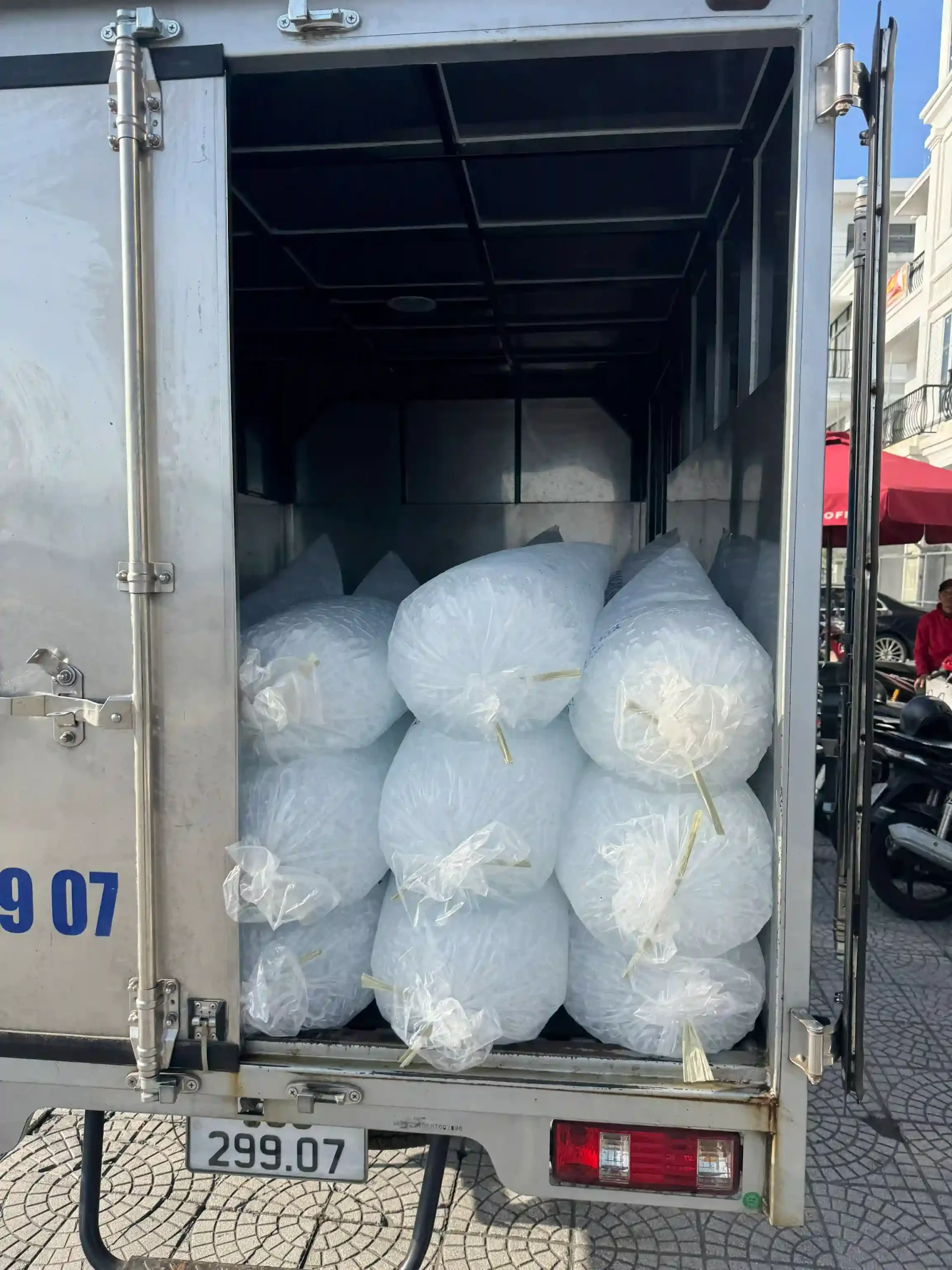
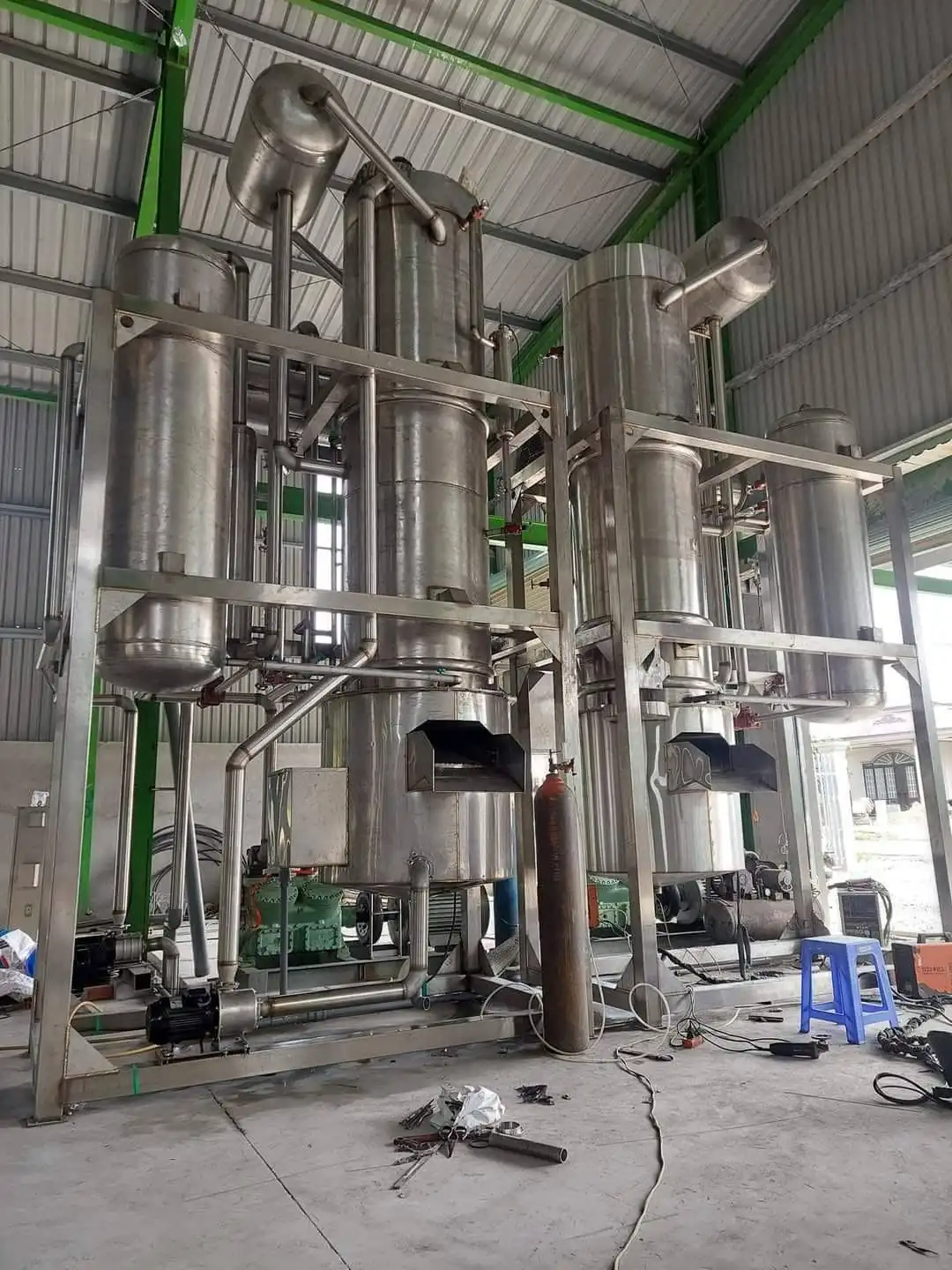
Yes, it is almost always safe. The government is actually pretty strict about this. The ice you get in drinks with the little hole in the middle (tube ice) is made in purified water factories and delivered to the restaurants daily in massive bags. It is not frozen tap water. You can drink the iced coffee without worrying.
Street Food Hygiene
Eating street food is the best part of visiting Vietnam. Don’t be terrified of it. Just use basic common sense.
Look for places that have high turnover. If you see a lady sitting on the sidewalk with a huge pot of boiling broth, and there are ten local people sitting on tiny stools eating around her, sit down and eat. High turnover means the ingredients aren’t sitting around rotting in the heat.
Avoid places where the pre-cooked food is just sitting out in metal trays with no cover and no customers around.
Dealing with Pharmacies
If you do get a stomach bug, or if you get a sore throat from leaving your hotel air conditioning running all night, finding medicine is incredibly easy.
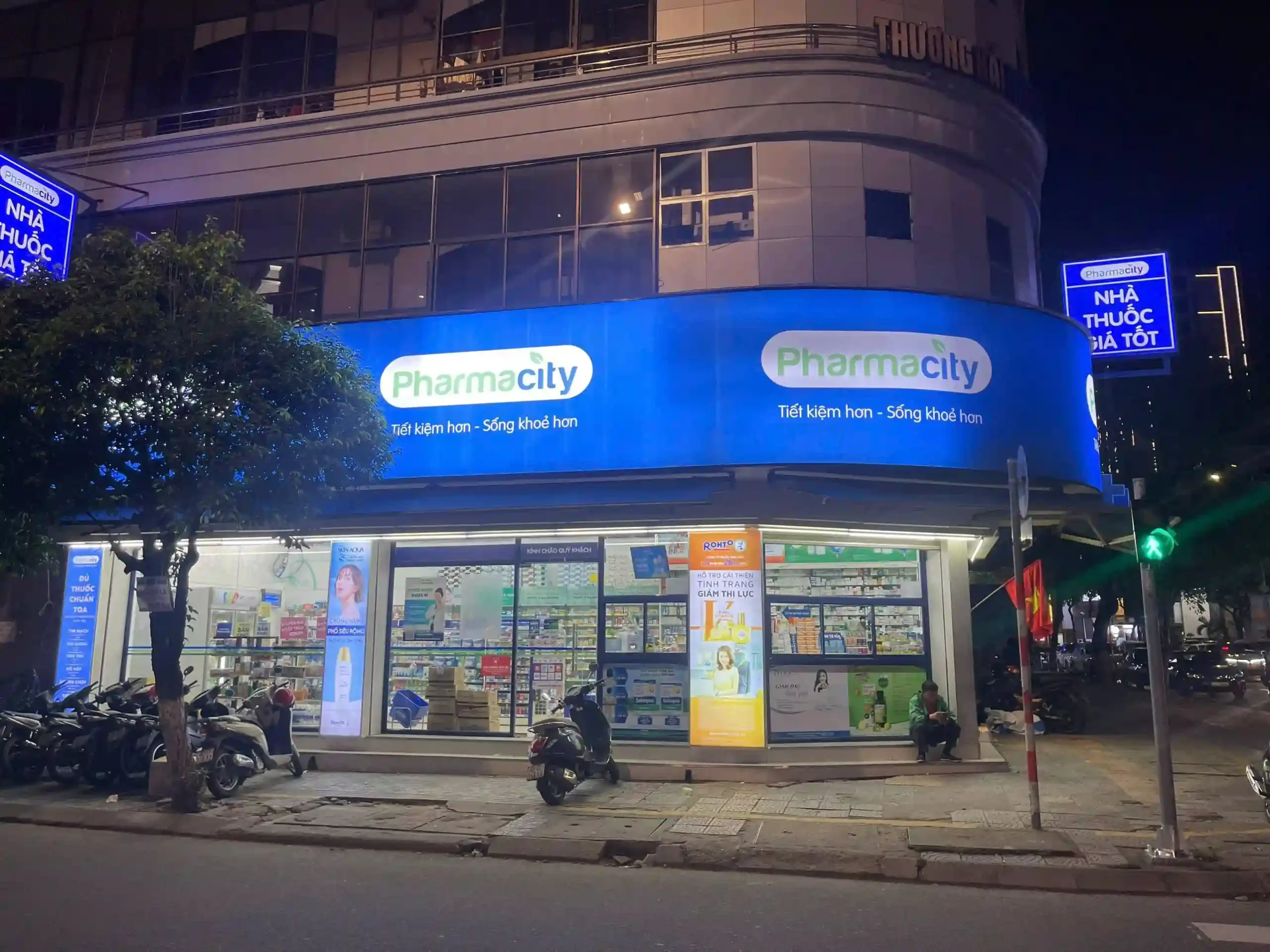
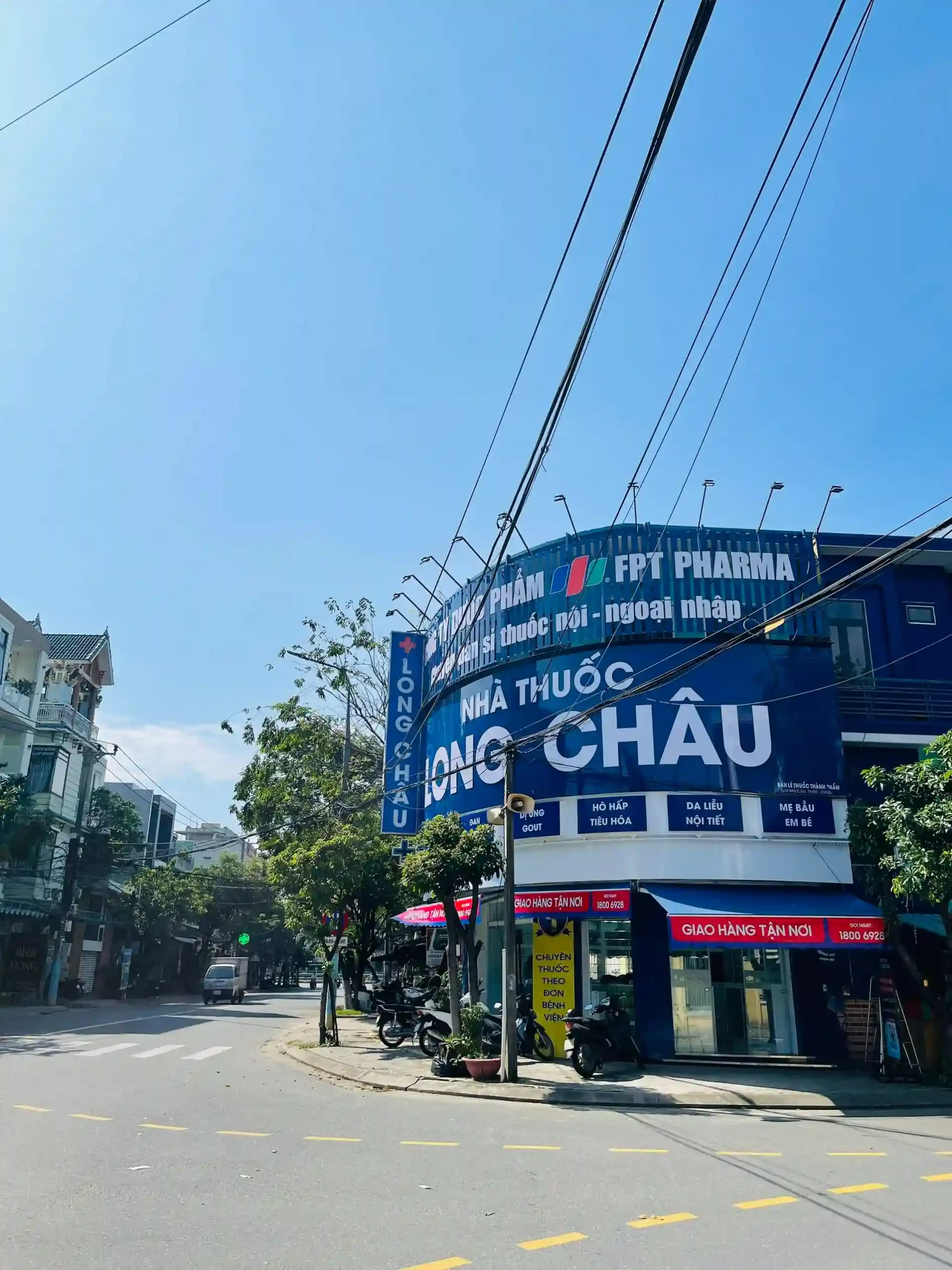
Look for big pharmacy chains like Pharmacity or Long Chau. They look like bright white, modern drugstores.
You do not need a prescription for most things here. If you have a bacterial stomach issue, you can walk in, point to your stomach, and they will sell you a strip of broad-spectrum antibiotics over the counter for a few dollars.
If you have a cough, ask for Prospan (a really good herbal cough syrup) or Strepsils. The pharmacists are highly trained and usually speak enough English to figure out what you need.
Renting motorbikes vs. Using Grab
If you spend more than a day here, you will debate whether to rent your own scooter.
Grab is great, but relying on it means you are constantly waiting for cars, and it adds up if you are making five or six trips a day. Plus, sitting in the back of a Grab car while driving along the beach road just isn’t as fun as feeling the wind on your own bike.
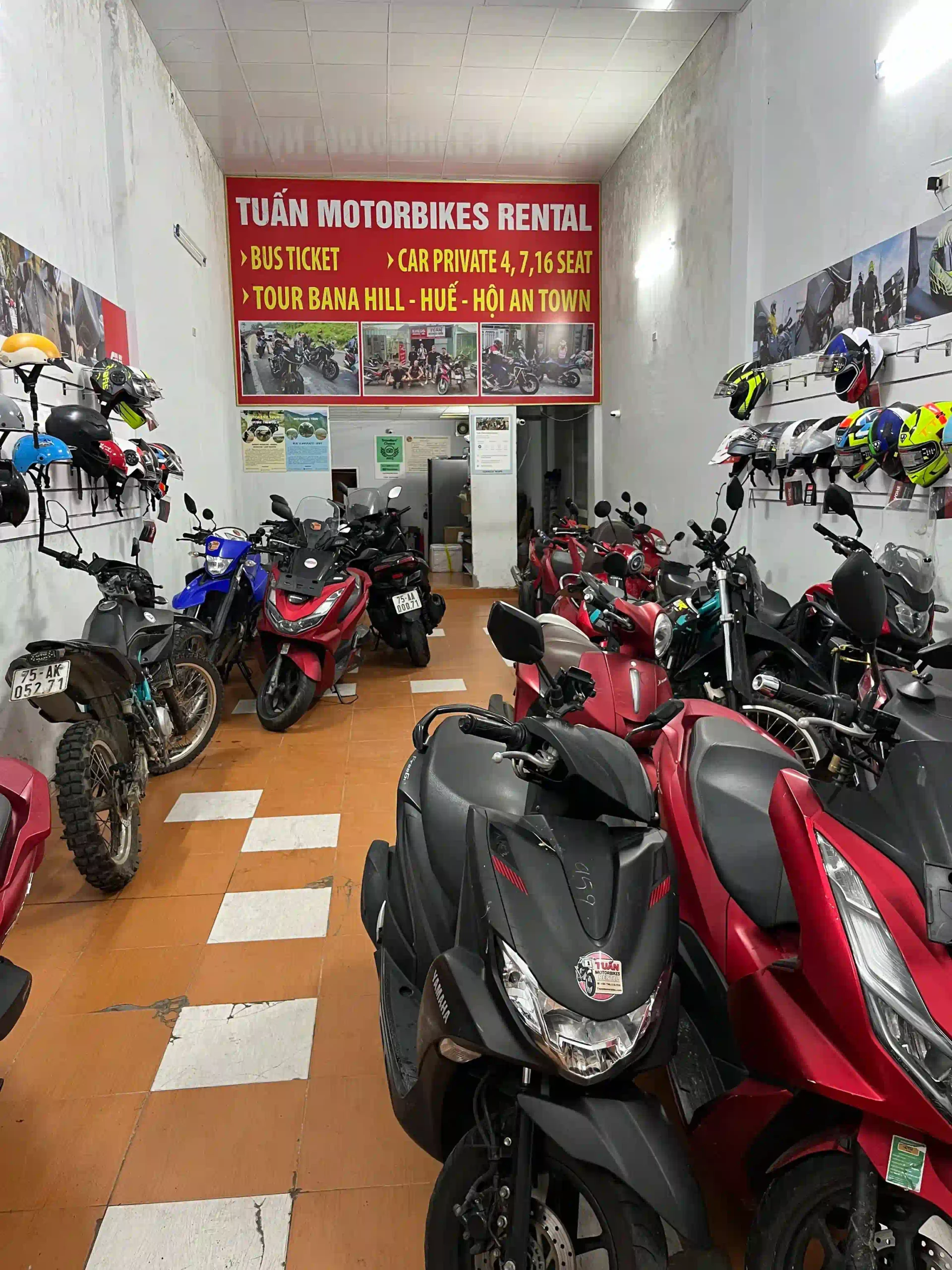
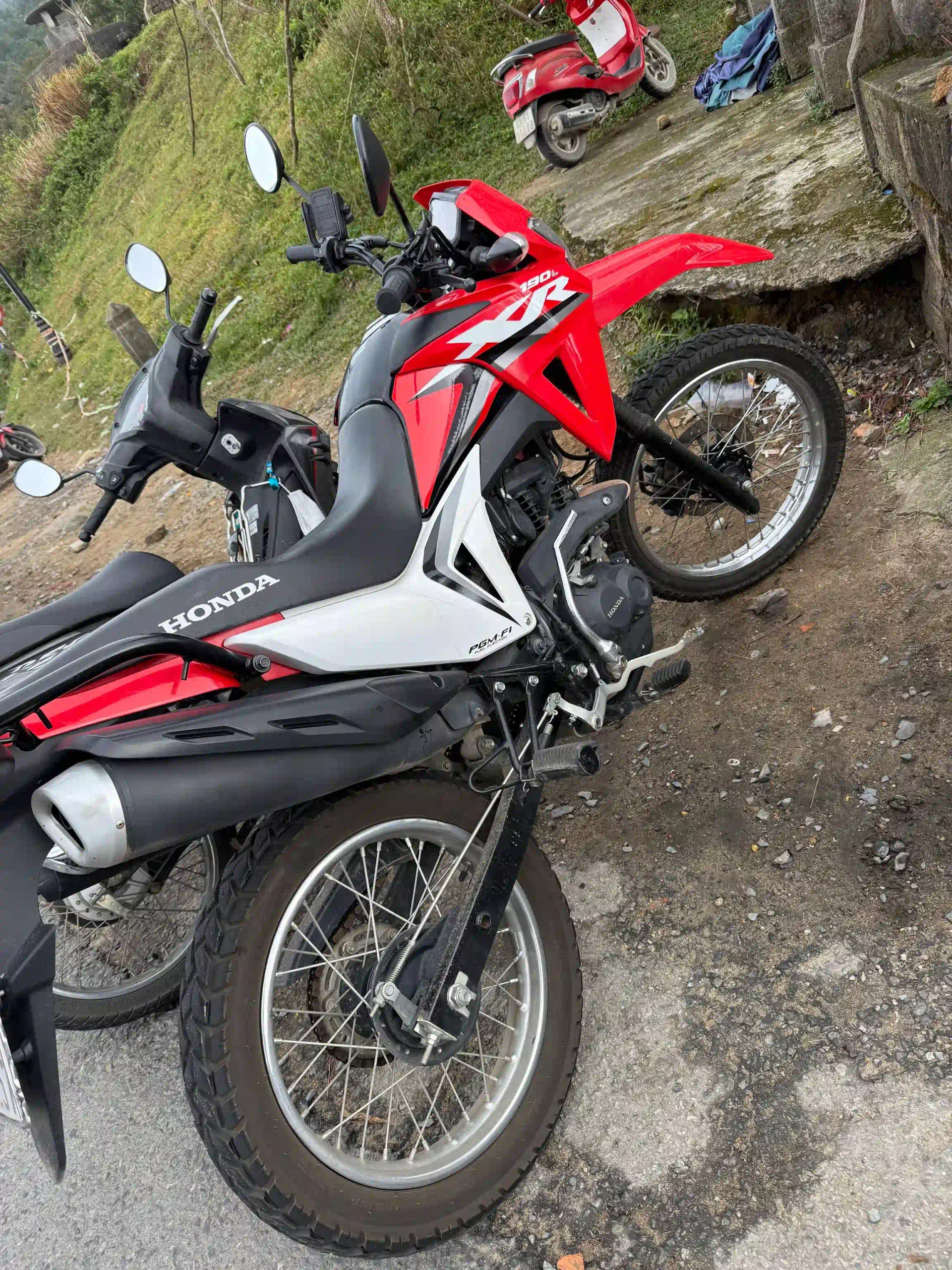
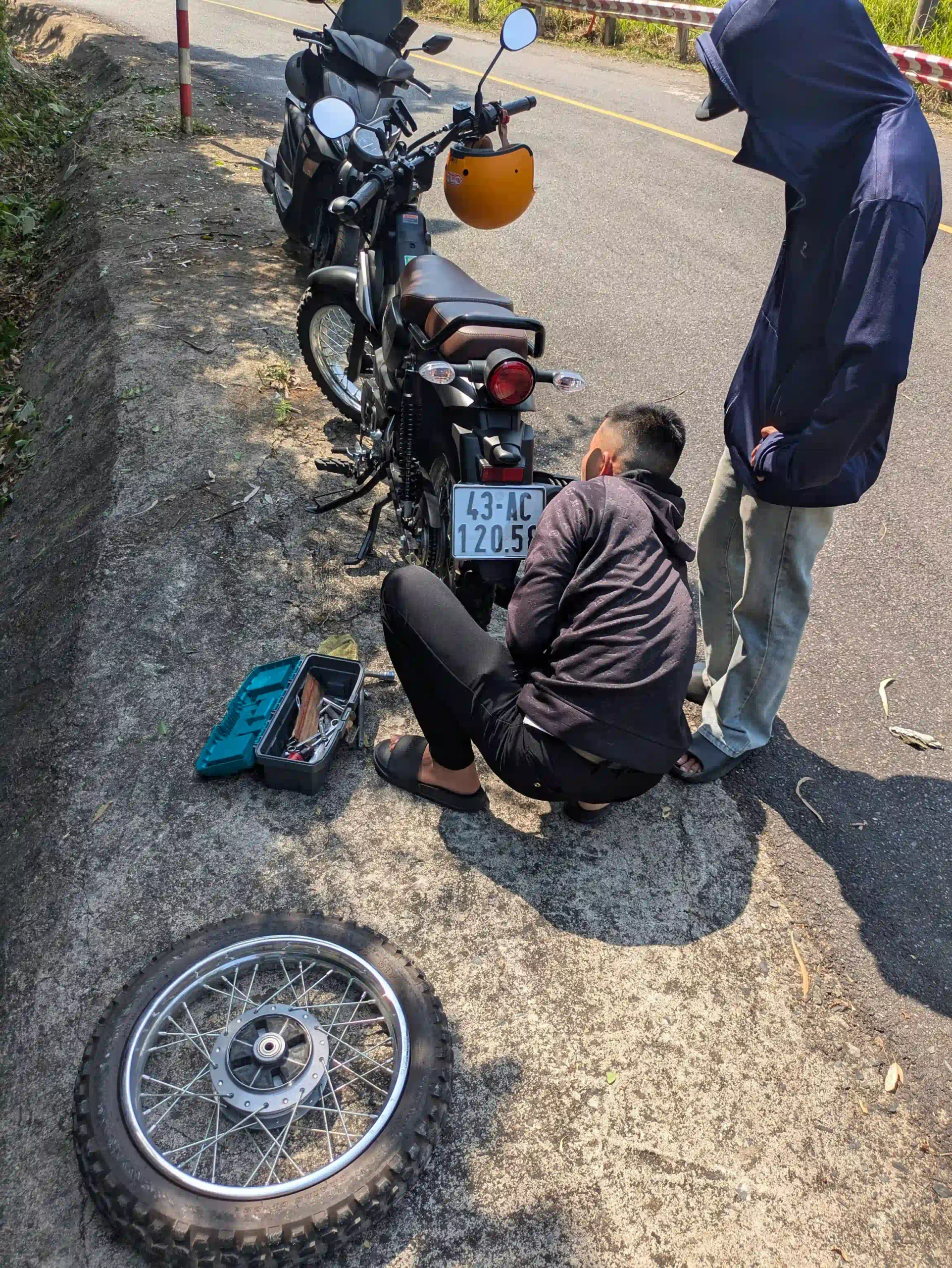
If you decide to rent, standard automatic scooters go for about 120,000 to 150,000 VND a day.
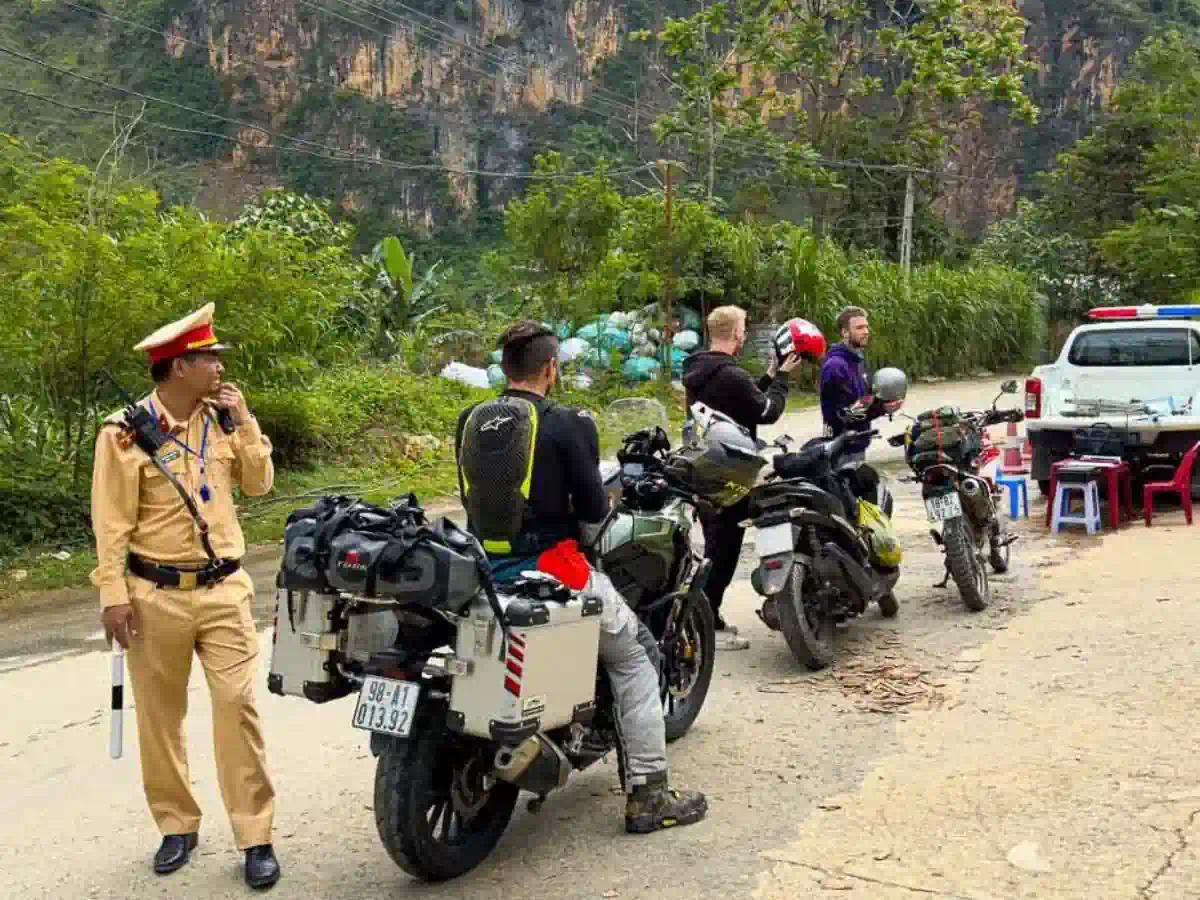
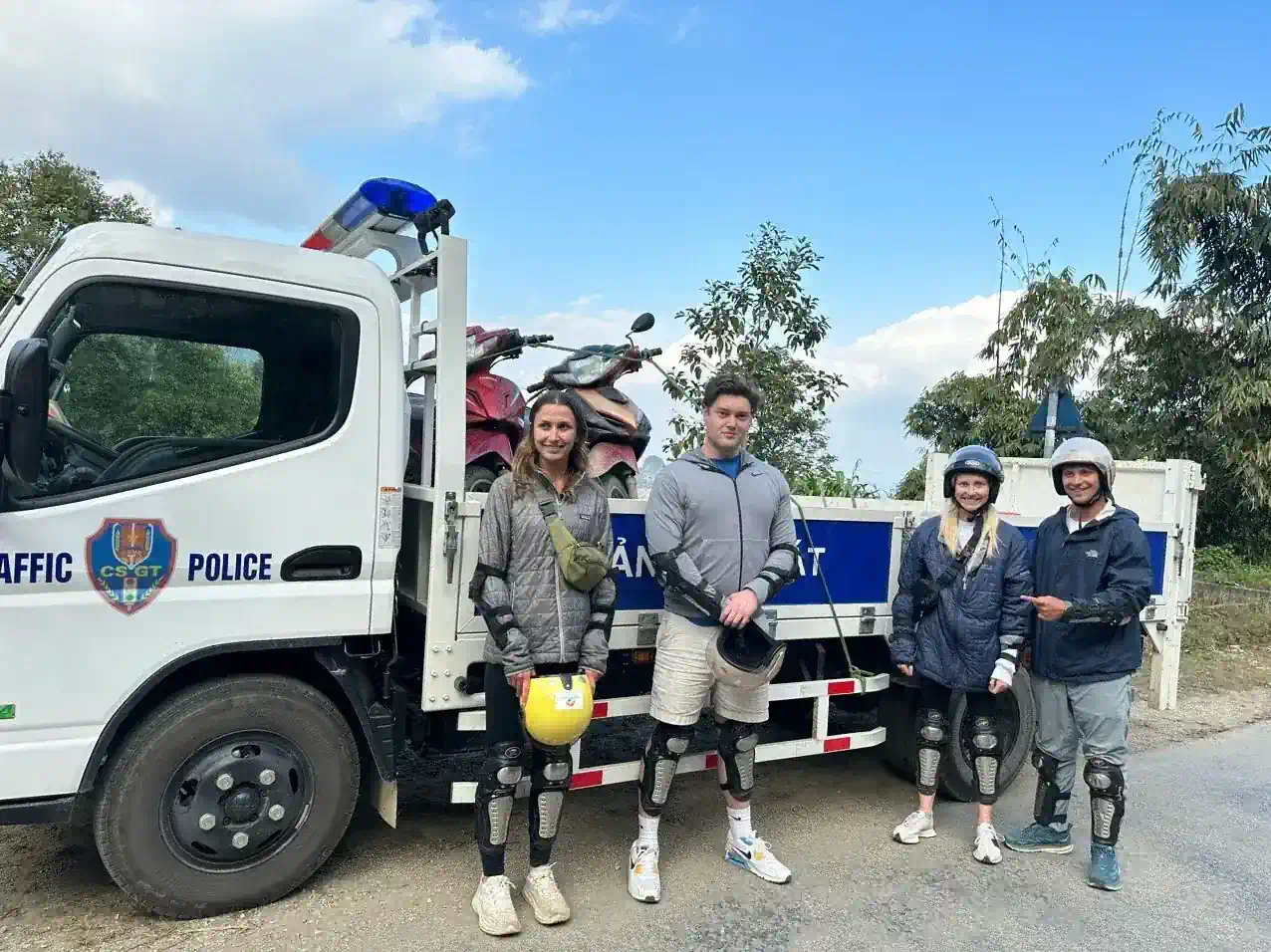
You need to know that the local traffic police are extremely active in Da Nang. If you drive up the Son Tra mountain, or try to take a trip down to Hoi An, you will likely pass a checkpoint. If you don’t have the right paperwork, it gets expensive quickly.
I wrote a massive, detailed breakdown on the exact shops to use for rentals and how the police checkpoints work right now, so read that before you hand over any cash to a rental place.
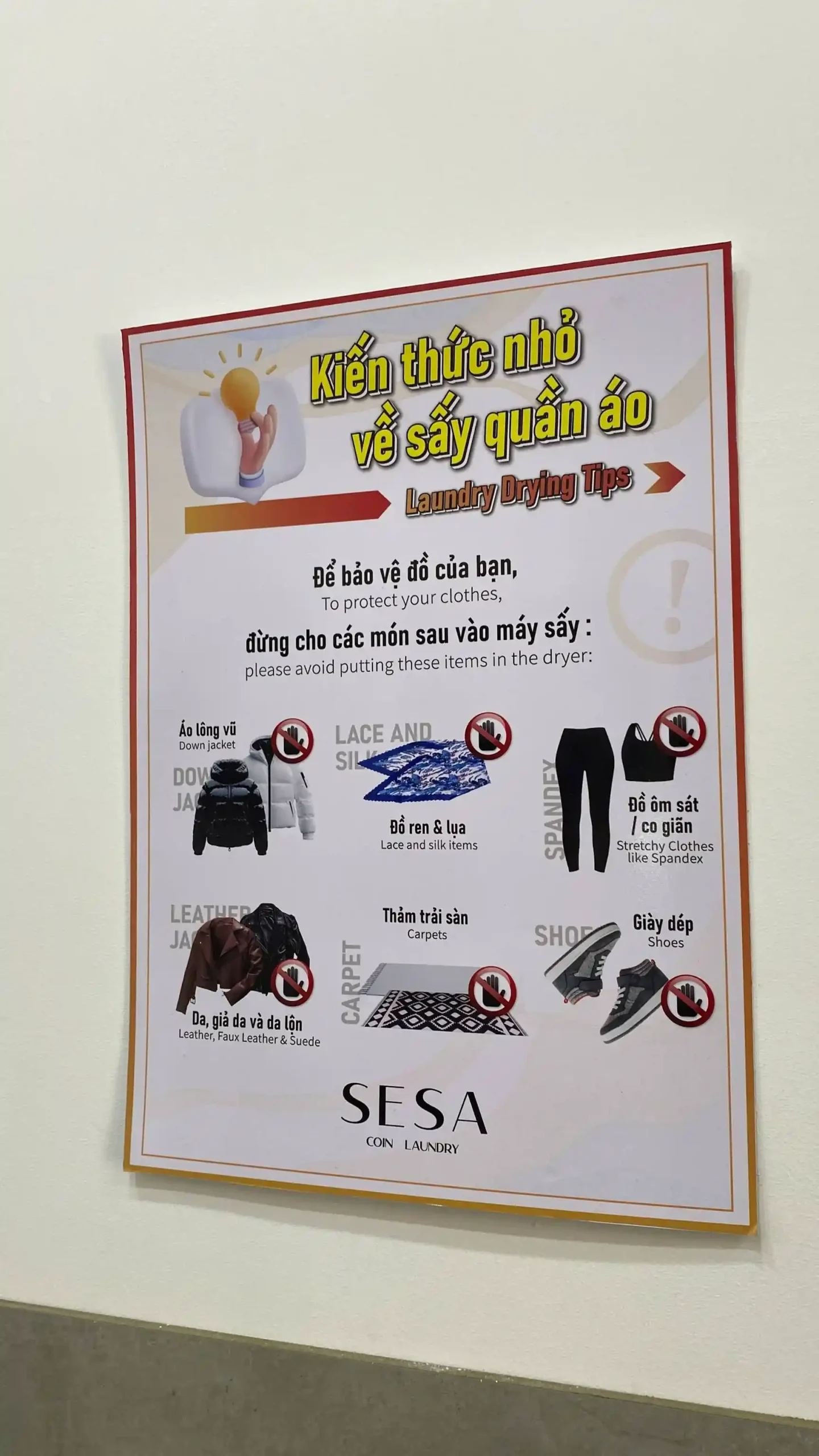
Doing your laundry on the cheap
Hotels scam you on laundry. If you look at the little paper slip hanging in your hotel closet, they will try to charge you something insane like 40,000 VND per t-shirt. If you travel with a family, doing a load of laundry at the hotel could cost $30.
Just take your dirty clothes, put them in a plastic bag, and walk down the street.
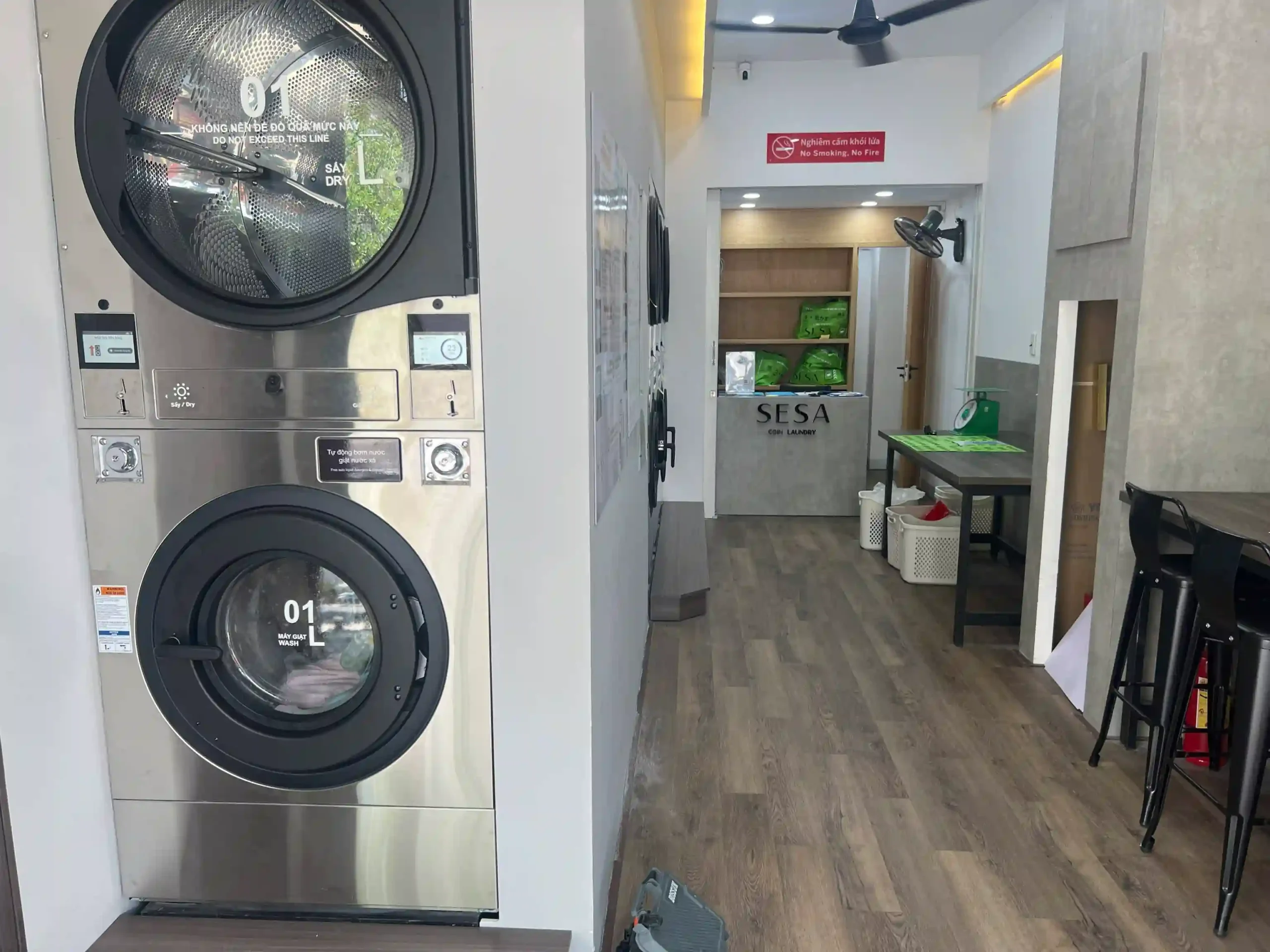
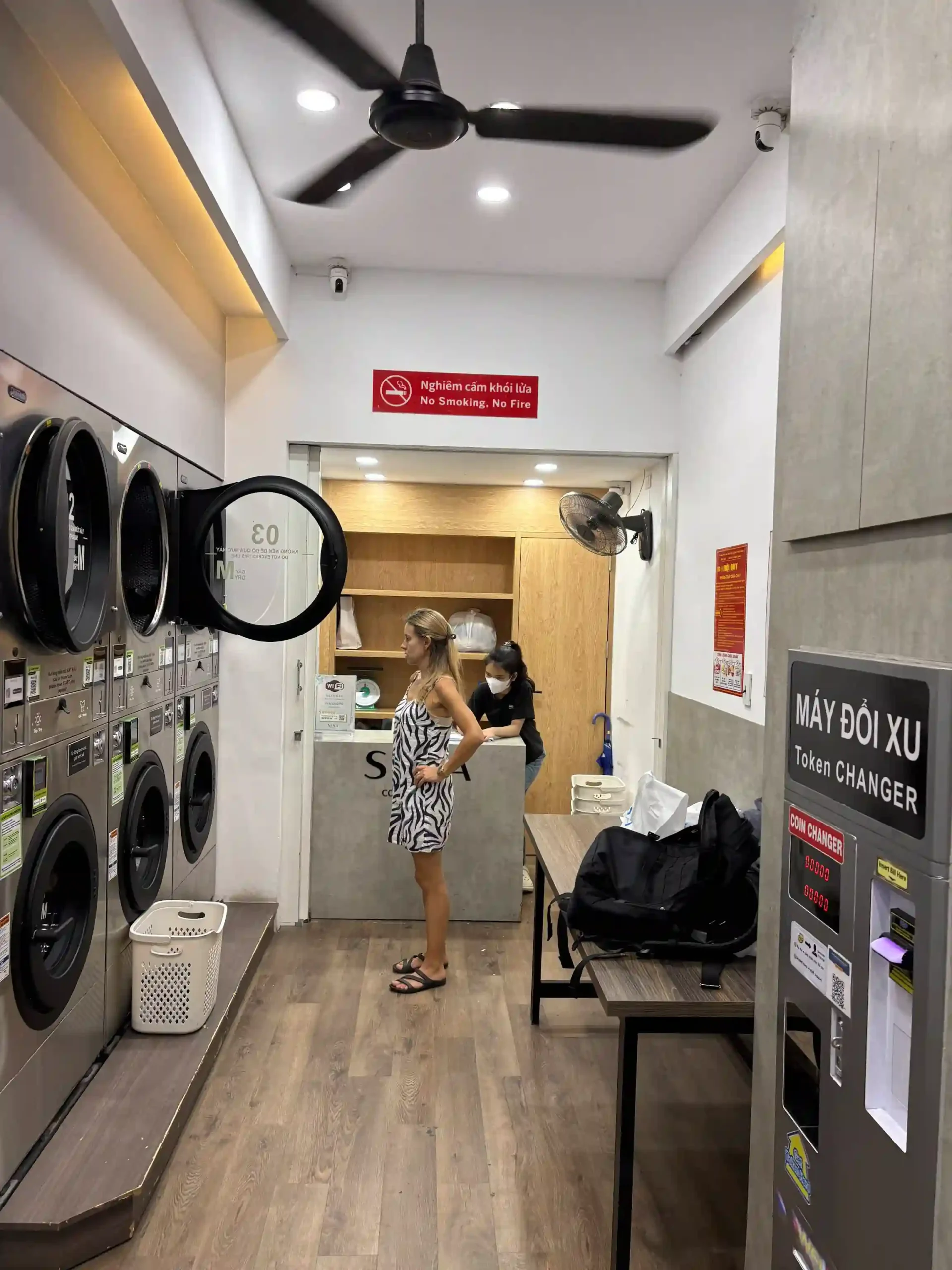
Look for signs that say “Giặt Ủi” (Laundry). There are hundreds of these small shops, especially in the An Thuong expat area.
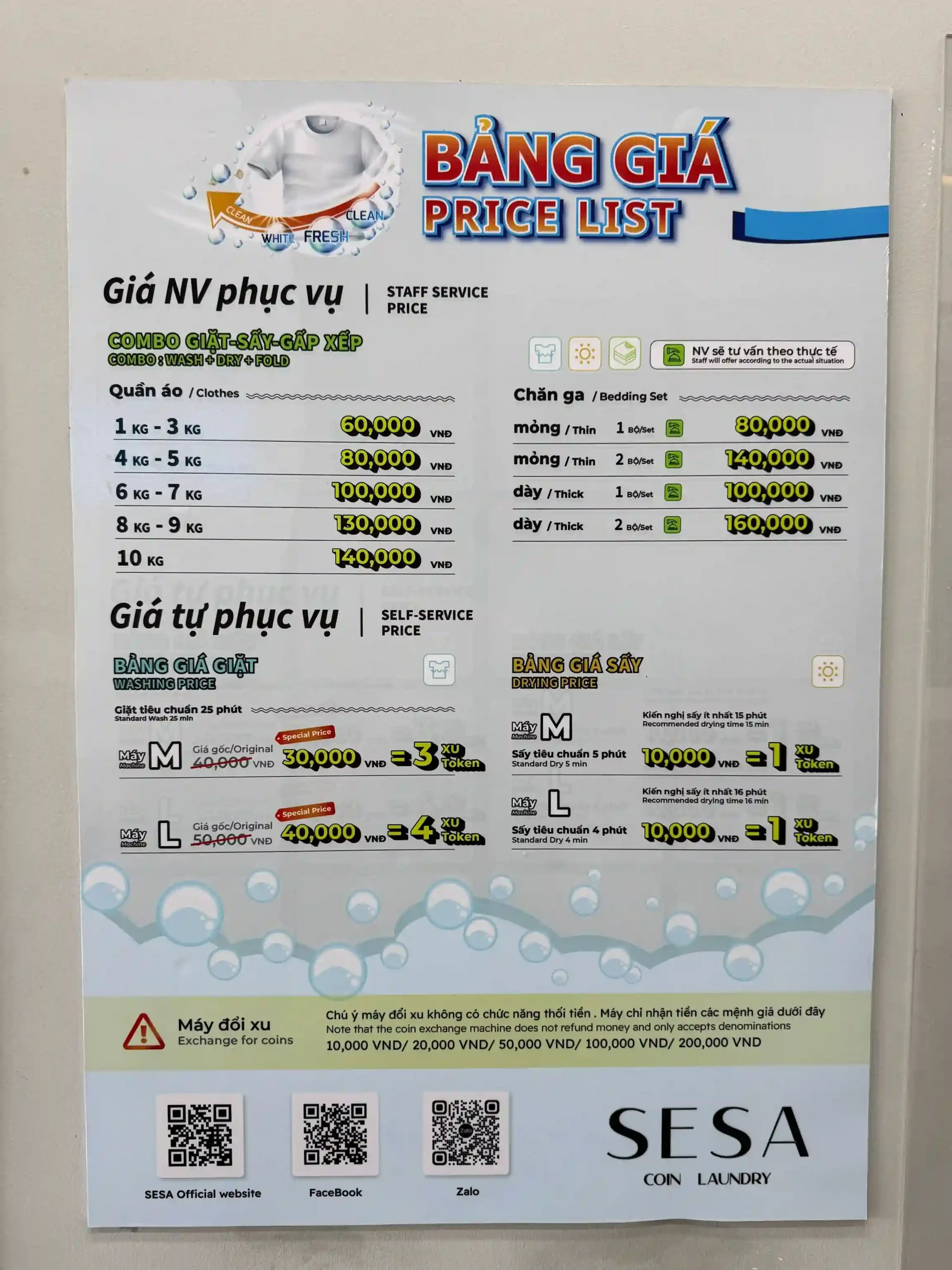
They don’t charge per item; they charge per kilogram. It usually costs between 20,000 and 30,000 VND per kilo.
You drop off a massive bag of dirty clothes, they weigh it on a scale, hand you a paper receipt, and you come back the next day.
Everything will be washed, dried, perfectly folded, and sealed in plastic, usually smelling like very strong floral detergent. It’s one of the best conveniences of living here.
The minor scams and annoyances
Da Nang is a very safe city. Violent crime against foreigners is practically non-existent. You can walk around at 2:00 AM without worrying.
But there are a few opportunistic hustles you should know about so you don’t lose your temper.
The Shoe Shine Guys
If you sit at a street food stall or an open-air cafe in the city center, a guy might walk up carrying a small wooden box. Before you can react, he might try to take your shoe off your foot, or point to a smudge on your sneaker and apply some glue to it.
If you let him do it, he will quickly scrub your shoes and then demand an outrageous price, sometimes 300,000 VND.
Just firmly say “Khong” (No) and pull your feet away under your chair when you see them approaching.
The Coconut Photo Trap
If you walk along the river near the Dragon Bridge, you might see women carrying two baskets of fruit on a bamboo pole across their shoulders.
They will smile at you and gesture to put the heavy pole on your shoulder so your friend can take a funny photo of you looking like a local worker.
The second you hand the pole back, they will hack open a coconut, shove it into your hands, and demand you pay for it at a highly inflated tourist price. Just decline the photo op.
Tipping Etiquette
This one is easy. There is no tipping culture in Vietnam.
You do not need to tip the taxi driver. You do not tip the lady who makes your noodles on the street. When you get a bill at a normal restaurant, the price on the paper is the price you pay.
The only exceptions are really high-end spas, fancy hotel bars where a service charge isn’t already included, or if a tour guide spent 10 hours driving you around in the heat.
Even then, giving a 50,000 or 100,000 VND note is seen as a very generous gesture, not an obligation. Never feel guilty waiting for your change at a cafe.
Read more: The safest & 4 best massage places in Da Nang for foreigners
Bringing it all together
Look, planning a trip shouldn’t feel like you are studying for a college exam.
The beauty of Da Nang is that it is incredibly easy to navigate once you understand the basic mechanics. You just need to set up your phone right, know where to grab cash, and understand that you are going to sweat a bit while walking on the road instead of the sidewalk.
Use this Da Nang travel guide as your foundation. Get the apps downloaded, get your bills crisp, and then you can start actually filling your days.
If you are struggling to figure out how to arrange the mountains, the bridges, and the beaches into a schedule that makes sense, go check out my daily routing plan and realistic itinerary so you don’t burn out on your second day.
Or, if you just want to know what popular tourist stuff is a waste of time, I wrote a brutal review of the different tours and activities you should probably avoid.
Get the logistics sorted first, then just grab an iced coffee, pull up a plastic stool, and enjoy the chaos. It’s a great city.

Keep Exploring Da Nang
-
See & do UltimateMy best things to see in Da Nang if you only have 3 days ›
-
GuideComparing all 4 ways to get from Da Nang to Hoi An ›
-
GuidePhu Quoc vs Da Nang: Where expats actually prefer to live ›
-
GuideHanoi vs Da Nang 2026: Which city fits your vibe? ›
-
GuideInside the private Hanoi Da Nang train sleeper cabins ›
-
Food Must readI made this Da Nang food guide after 10+ years in Vietnam ›
-
Stays Must readWhere to stay in Da Nang: I lived everywhere, here’s my pick ›











 Tiếng Việt
 한국어
한국어 中文 (中国)
 日本語
日本語 ไทย
ไทย Deutsch
 Español
 Destinations
 Instagram
 Facebook
 X (Twitter)
 Threads
 Tiktok