









 Ha Giang
 Hanoi
Hanoi Ho Chi Minh City
 Ha Long
 Sapa
Sapa Mekong Delta
 Da Nang
 Hue
Hue Hoi An
 Ninh Binh
 Da Lat
 Nha Trang
 Phan Thiet
 Phu Quoc
 Quang Binh
 Quy Nhon
 Vung Tau
 Thai Nguyen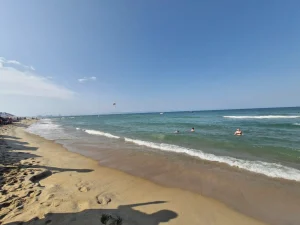





I’ve come down here from Hanoi so many times, and the thing that took me three or four trips to understand is that Hoi An isn’t really a list of sights. It’s a timetable.
The town has a tide. Buses arrive from Da Nang from late morning, the Ancient Town peaks in the afternoon, and by eight in the evening most of those people have gone home. Almost everything I like here happens on one side of that line, and almost every disappointed review I read was written by someone who arrived on the wrong side of it.
So these are the seven things I keep coming back for, in the rough order I’d do them across a day. Each one links out to a longer piece where I’ve gone into it properly.
- Quick Answer: The best things to do in Hoi An are walking the Ancient Town before 9am, cycling out to the rice paddies at Tra Que, an afternoon at An Bang Beach, getting clothes made by a tailor, a cooking class that starts at the market, lanterns on the Thu Bon after dark, and one full day out at My Son or the Cham Islands.
- The Seven, in the Order of a Day:
- Hoi An Ancient Town, before 9am. The heritage streets, the assembly halls, the Japanese Bridge.
- Cycling to Tra Que and the paddies. Twenty flat minutes out and the crowds vanish.
- An Bang Beach. 3km east, the beach locals and long-stayers actually use.
- A Hoi An tailor. Suits from around $90, dresses from $25, quality varies enormously.
- A cooking class starting at the market. Half a day, and the market walk is the good half.
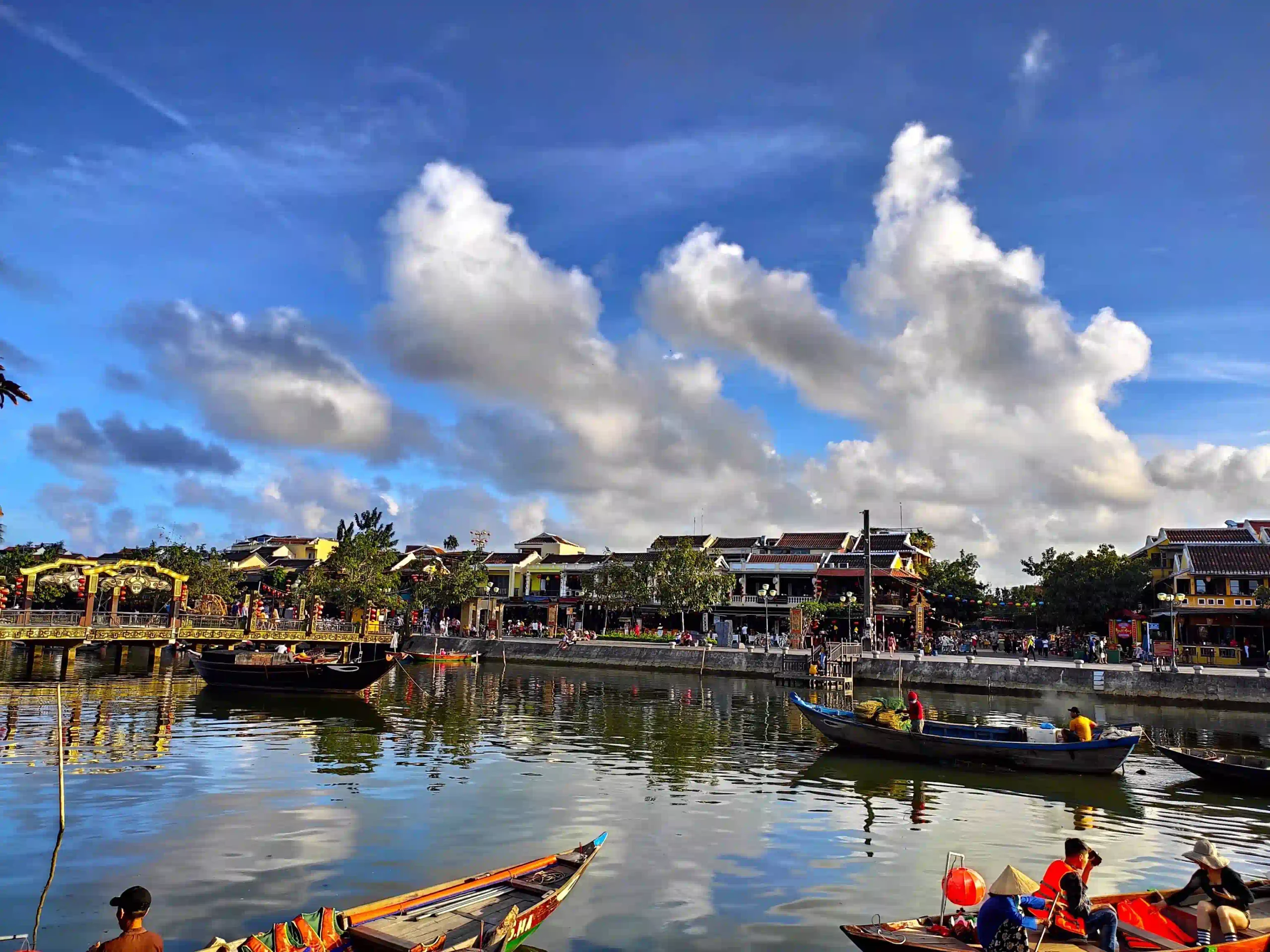
- Lanterns on the Thu Bon after dark. The image everyone has of this town, and it holds up.
- My Son Sanctuary or the Cham Islands. One of your days should leave Hoi An.
- The Timing Rules:
- Quiet: before 9am, and after 8pm.
- Busy: 11am to 6pm, when the Da Nang day trips are in town.
- Vehicles are banned from the old streets mornings and evenings, so plan to walk or cycle.
- Heritage houses close around 5pm. The Japanese Bridge stays lit until late.
- Ticket, in One Line: 120,000 VND for foreign visitors, 80,000 for Vietnamese, and you only need it to go inside the heritage buildings.
The Rhythm That Decides Everything Here
Before the list, the one thing that shapes all of it.
Hoi An is thirty minutes from Da Nang, which means it takes an enormous number of day visitors. They arrive late morning, they leave in the early evening, and in between the Ancient Town holds far more people than a few narrow streets were built for.
The town is too small for the usual trick of finding a quieter corner. There isn’t one.
What this means practically is that the same seven things are excellent or unbearable depending on the hour. The Ancient Town before nine is one of my favourite places in Vietnam. The Ancient Town at 2 in the afternoon is a queue. An Bang at 4 is lovely and at noon it’s too hot to sit on.
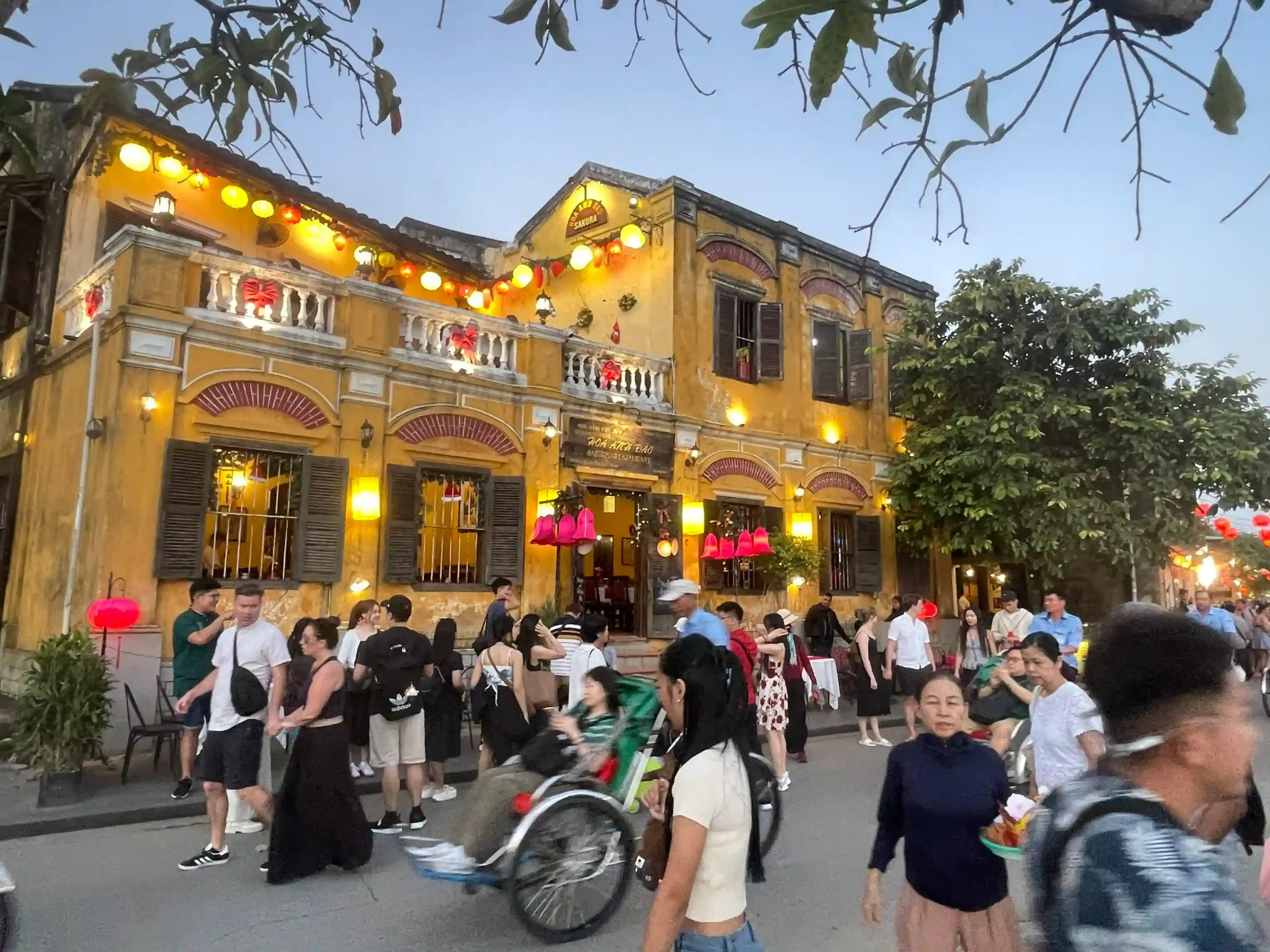
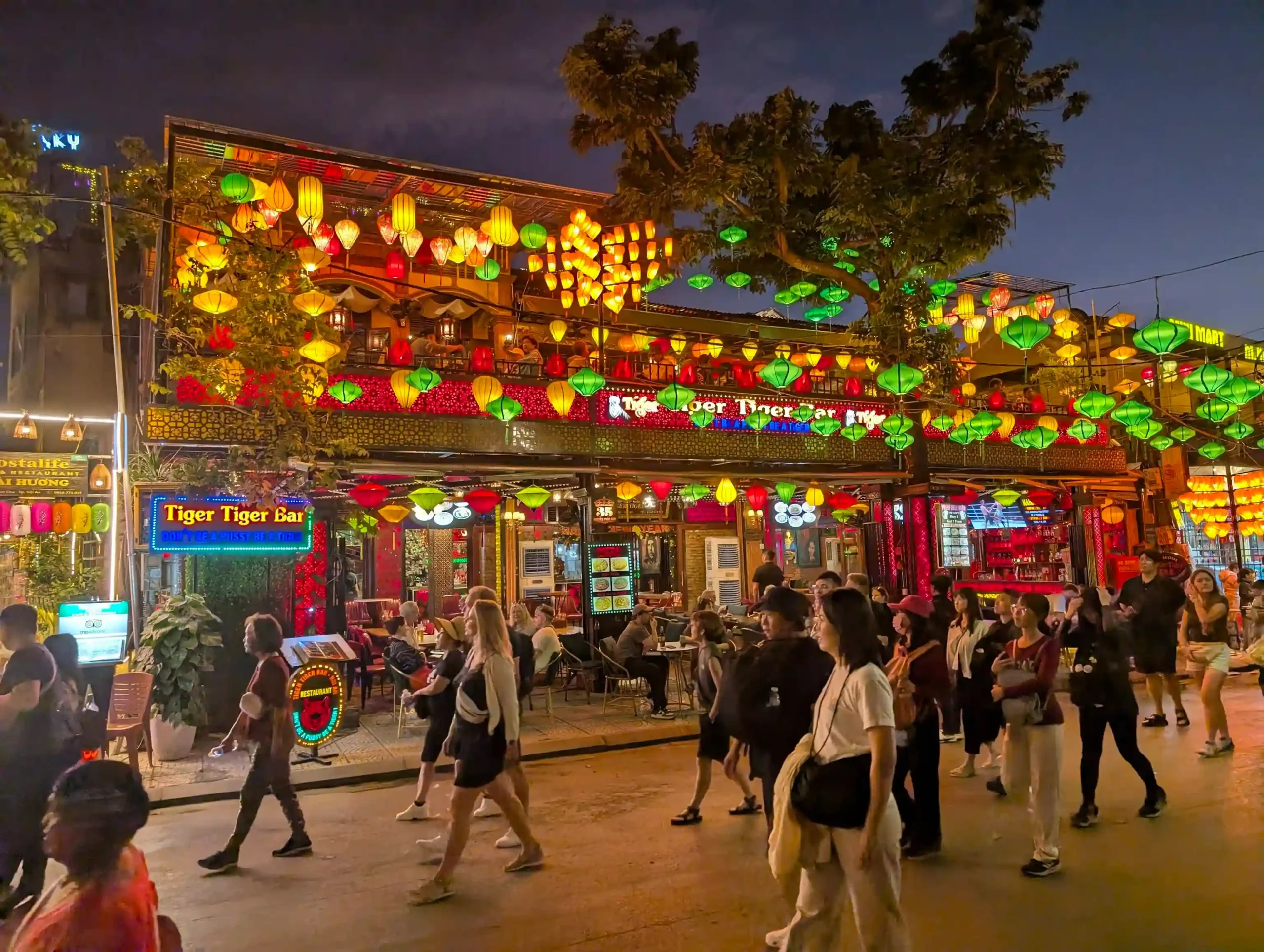
The vehicle ban makes it sharper. For a few hours in the morning and again through the evening, no cars or motorbikes go into the old streets, which is when the town is at its best on foot and also when getting across it takes longer than you’d think. Anyone staying outside the centre should plan on cycling.
I’m not a morning person and I resent this about Hoi An, but it’s the only piece of advice on this page I’d call non-negotiable. Build the day around the tide and the town becomes what people promised you it was.
1. Hoi An Ancient Town, Before 9am
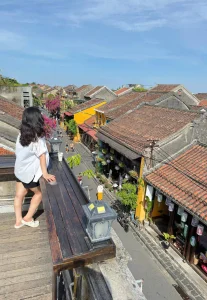
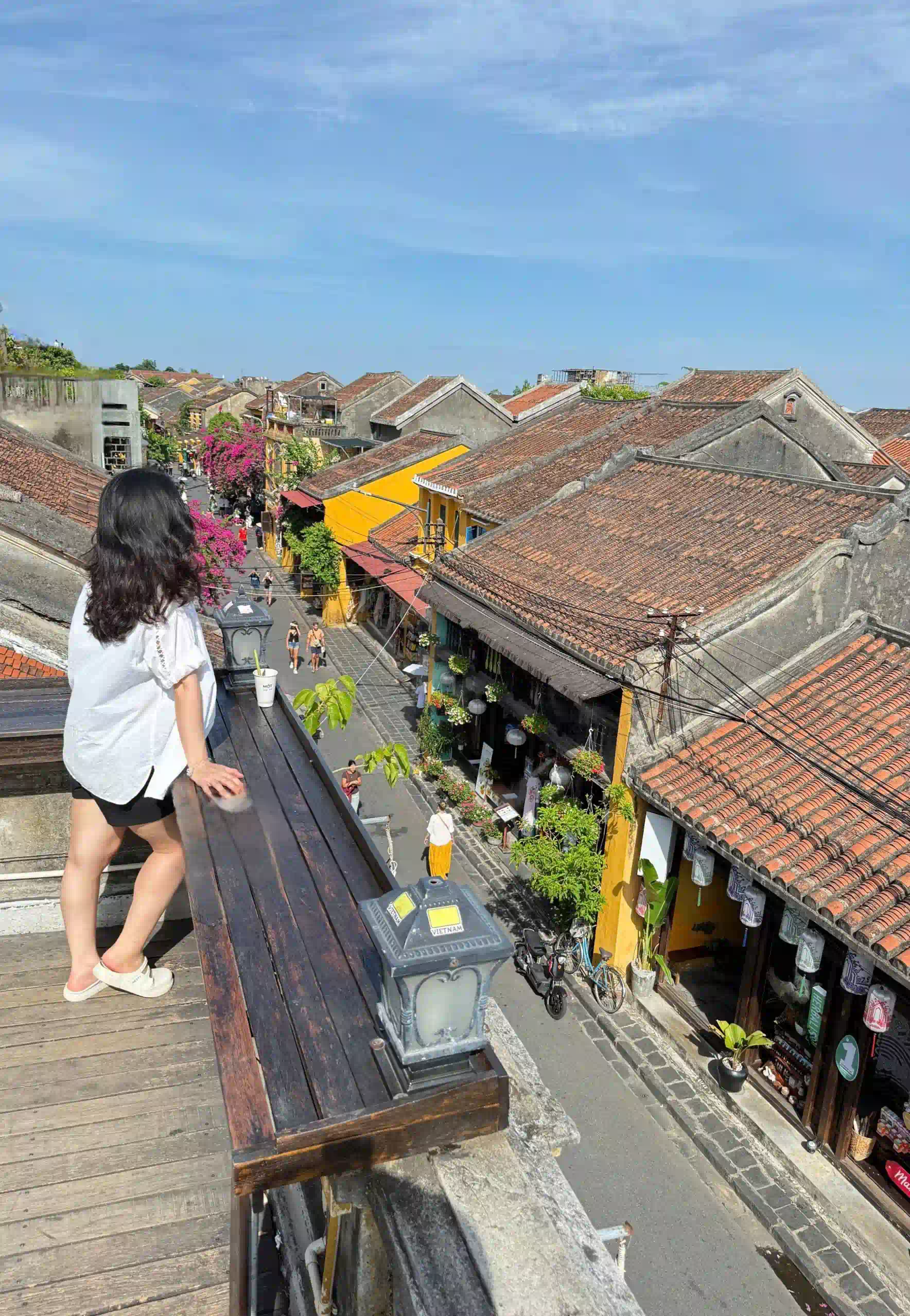
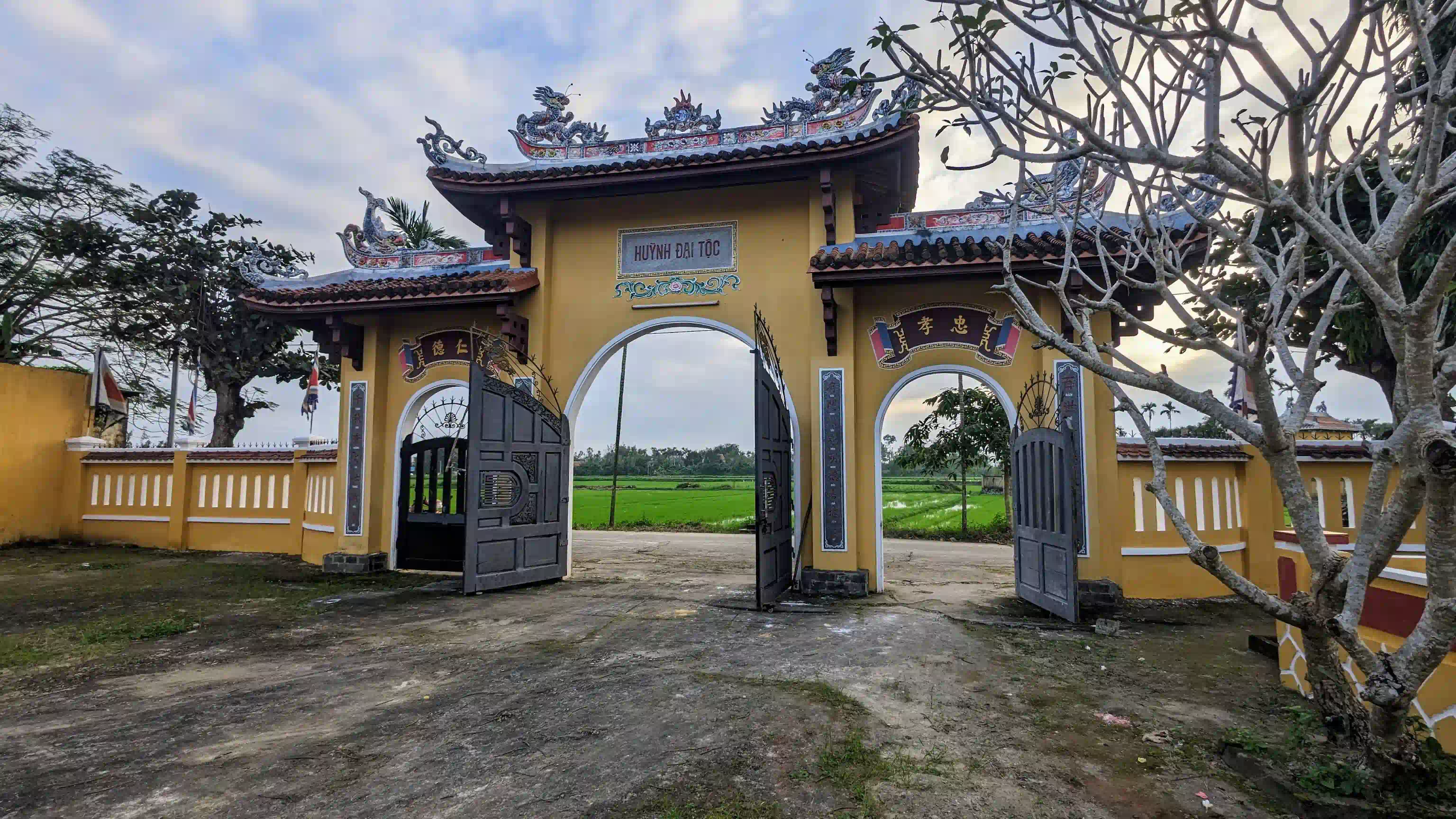
The old merchant town is the reason anyone comes, and it’s a UNESCO site because the architecture survived where most Vietnamese ports didn’t. Yellow walls, tiled roofs, Chinese assembly halls, Japanese and French traces on top of a Vietnamese street plan.
My verdict is that it’s worth every bit of its reputation for about two hours a day, and hard work outside them. Go early. Take the first coffee of the day somewhere on Trần Phú and watch the shutters open.
The Japanese Bridge is on every photograph of this town and it’s smaller than the photographs make it look, which catches people out. It’s still the thing I’d walk past twice.
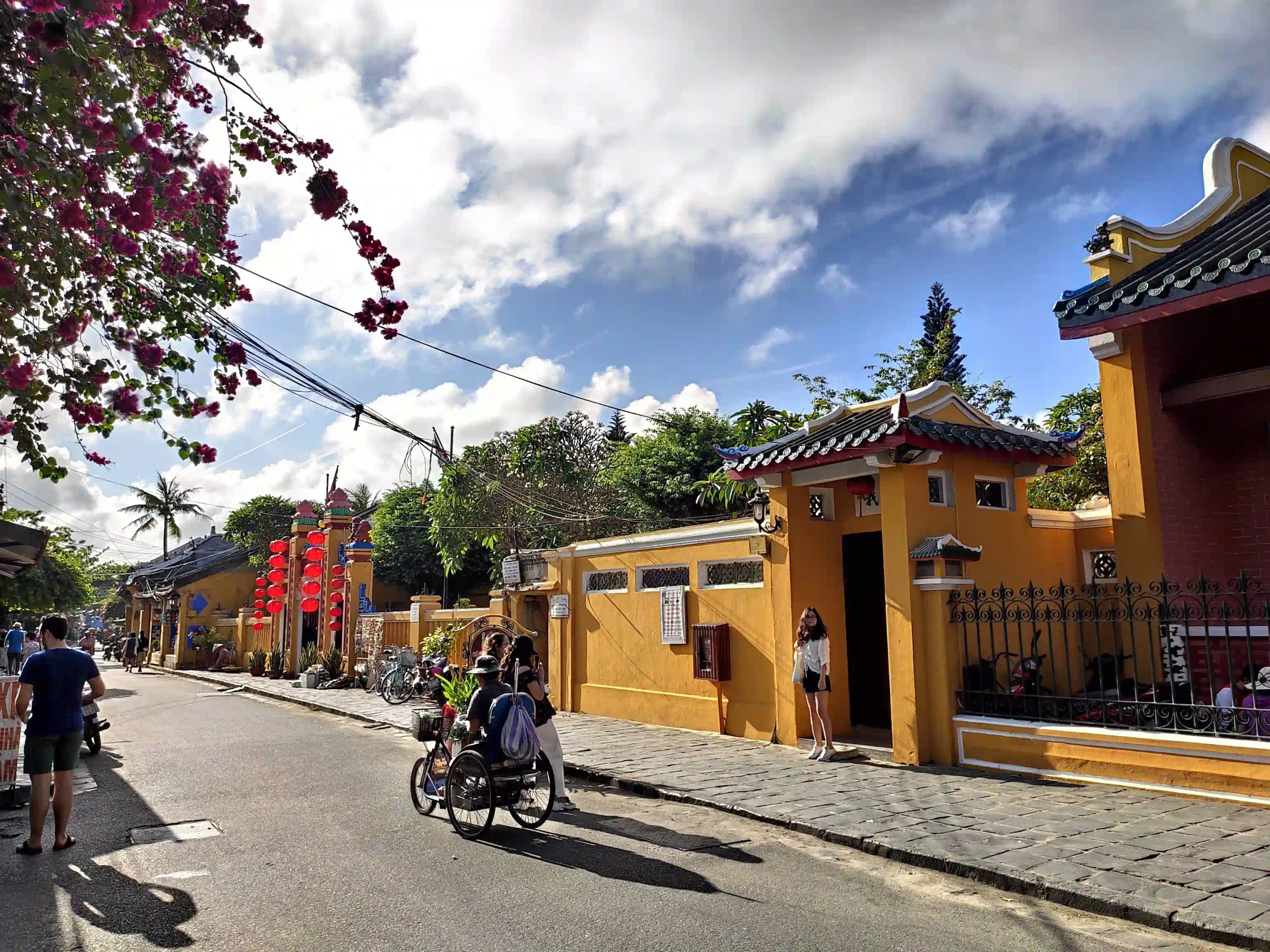
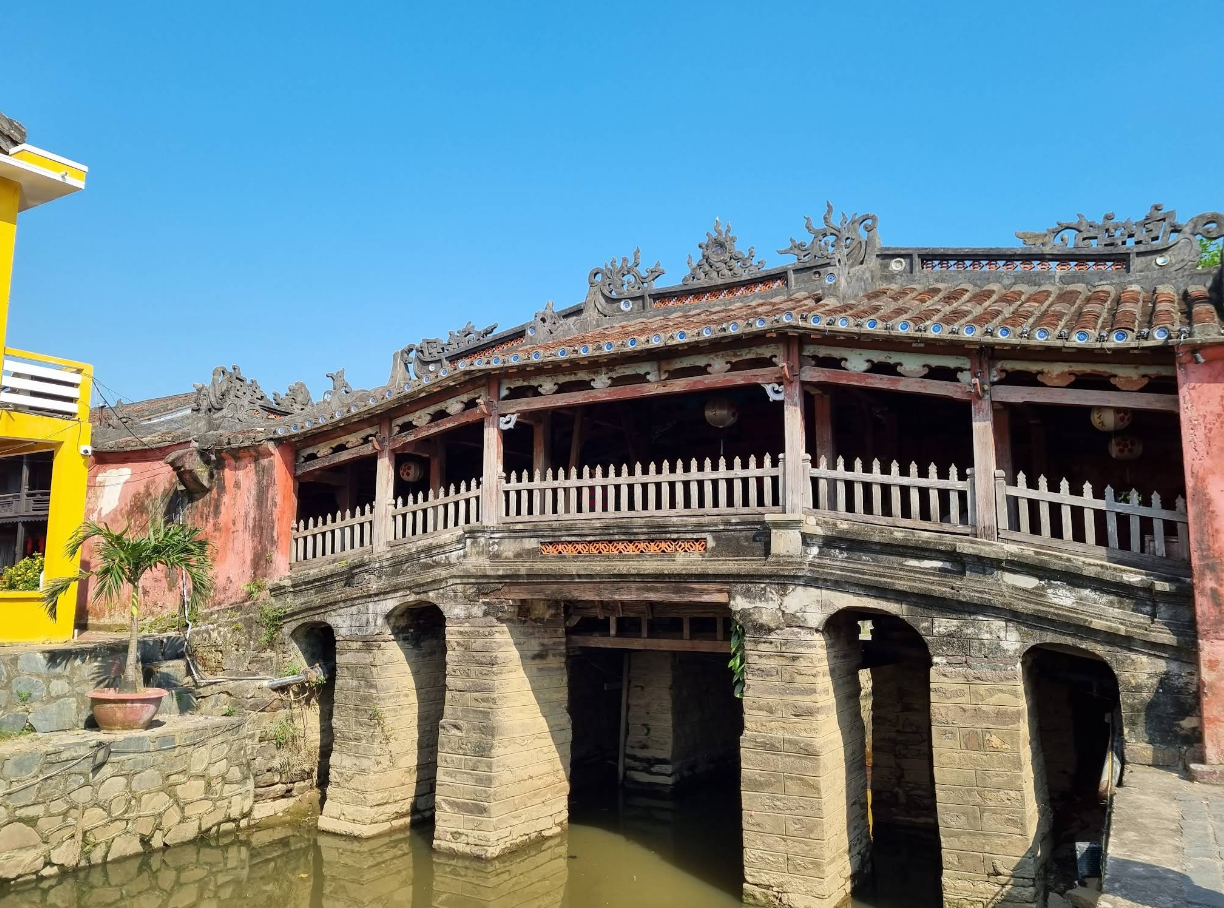
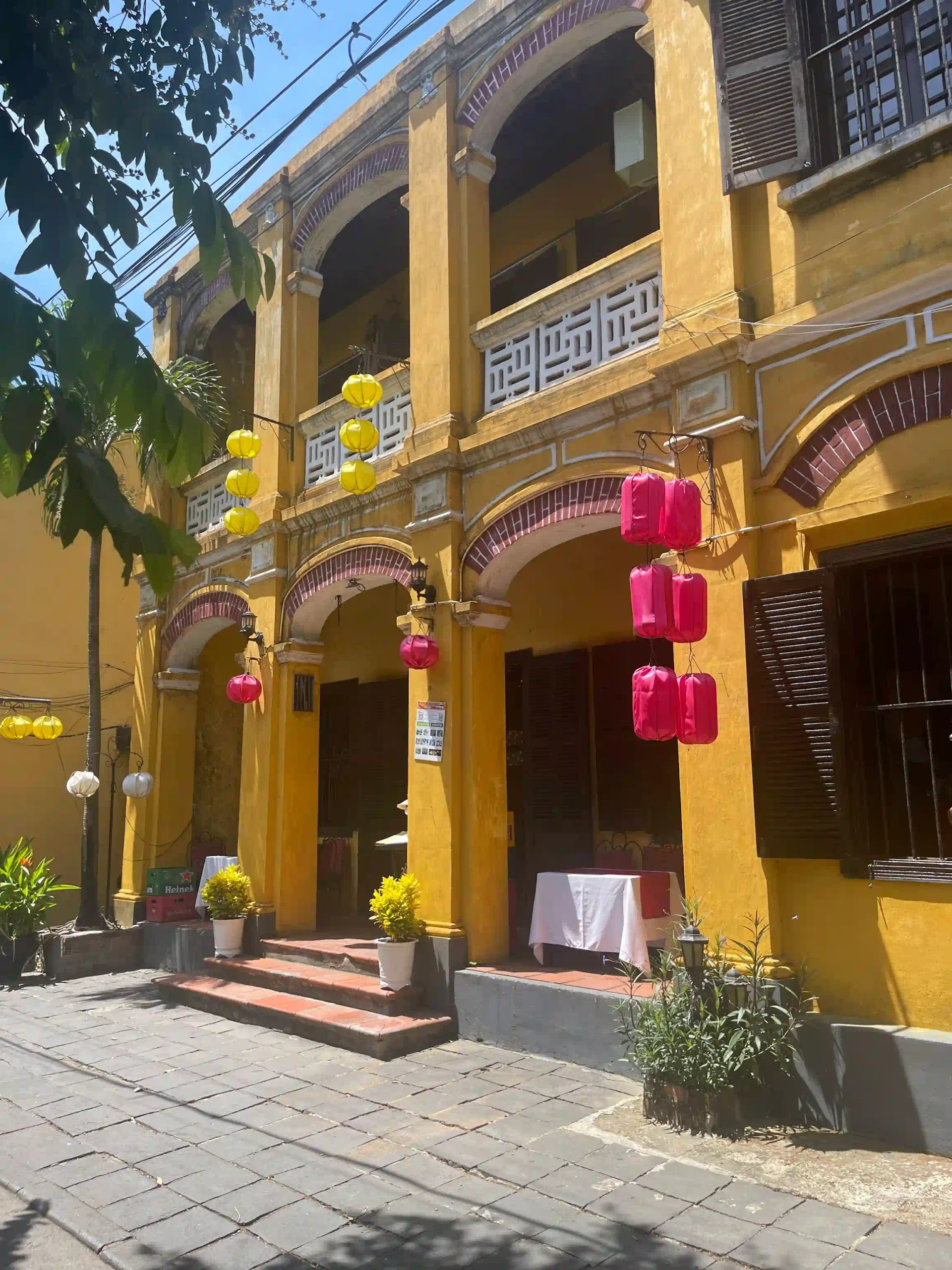
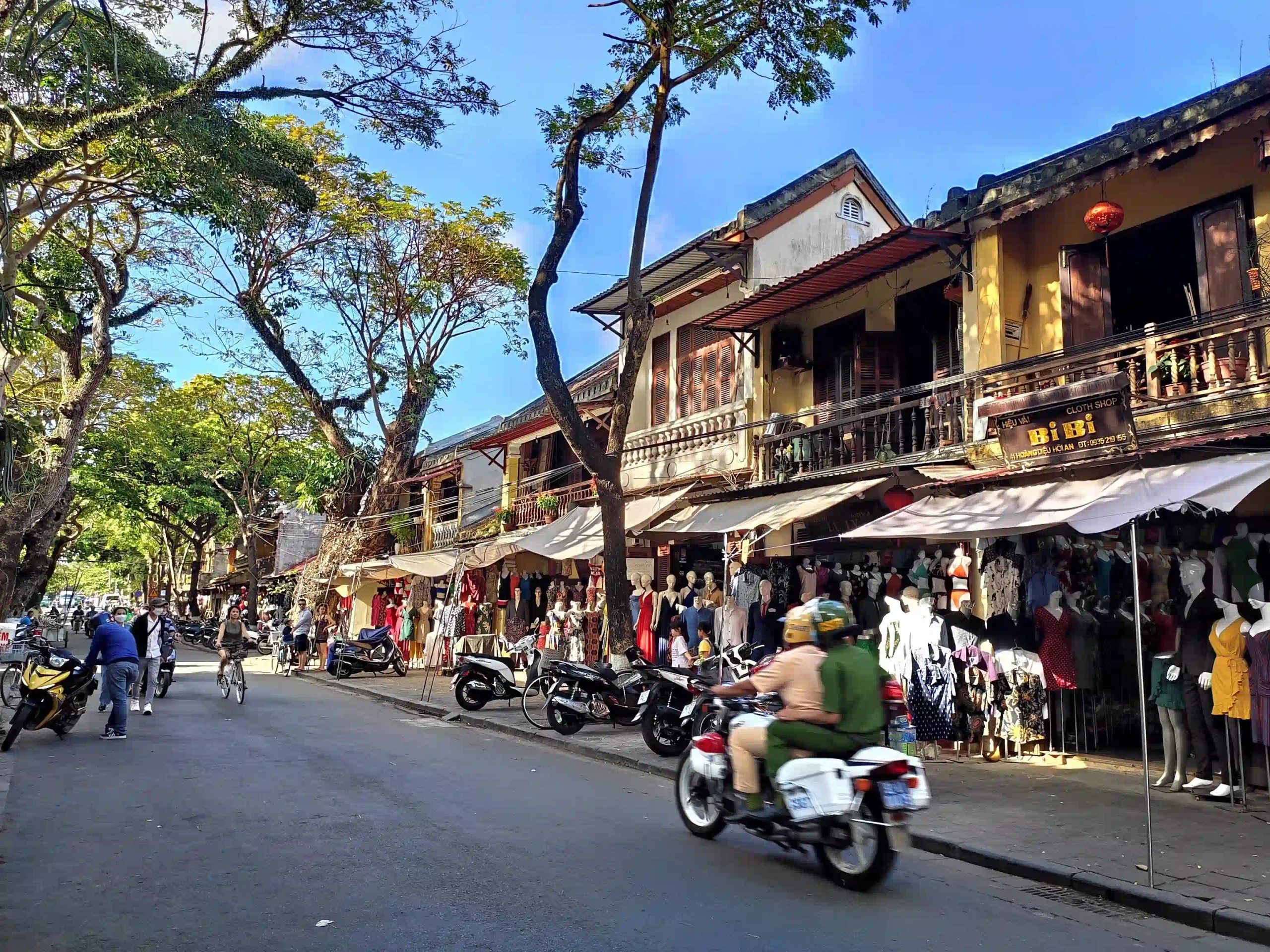
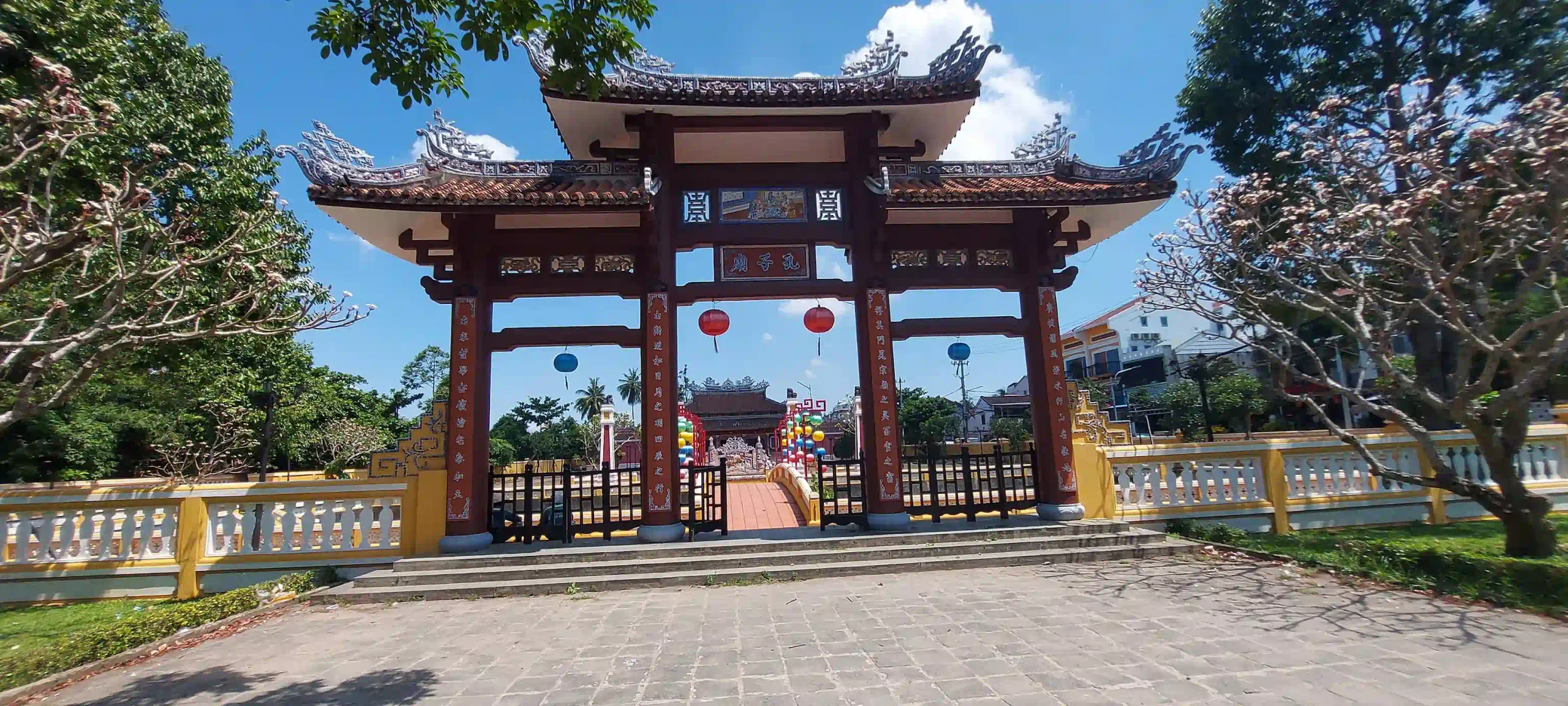
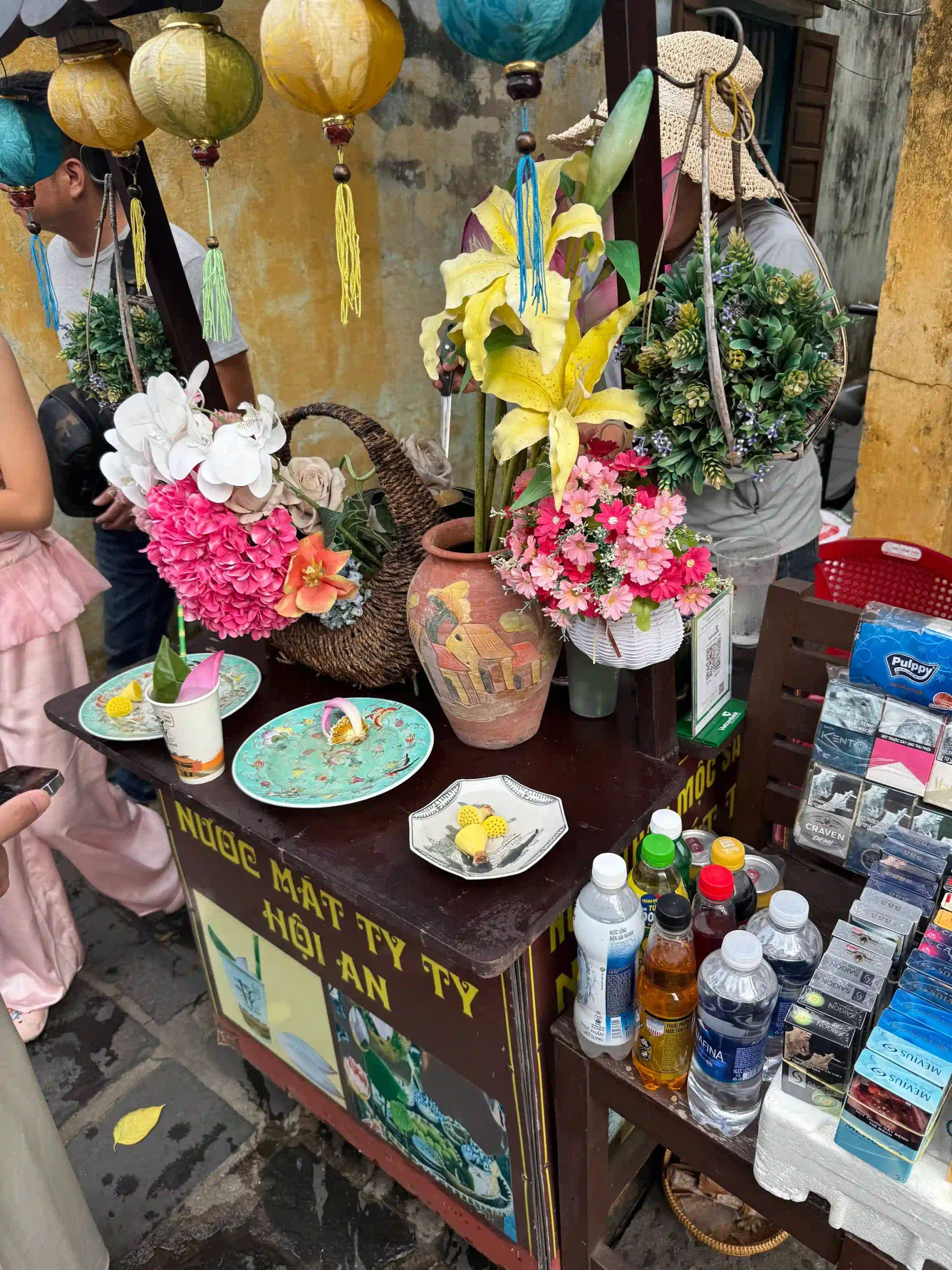

Whether to buy the ticket is the question people actually have. It’s 120,000 VND for foreign visitors and it covers five heritage buildings out of roughly twenty-three, and you don’t need one to walk the streets, eat, shop or photograph anything.
Which 5 are worth using and whether to bother at all is a longer answer, and I’ll write it out in the Hoi An Ancient Town ticket guide.
If you only do one thing, do this one, and do it before 9.
2. Cycle Out to Tra Que and the Rice Paddies
This is my favourite half-day in Hoi An and it costs almost nothing.
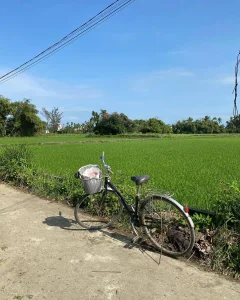
Take the bicycle your hotel almost certainly lends for free and ride east. Within ten minutes you’re past the last hotel and into flat rice paddies with water buffalo standing in them.
Trà Quế is a working herb village twenty minutes out where they still grow with river weed, and beyond it there’s Cẩm Thanh’s nipa palm forest and the quiet lanes of Cẩm Kim island.


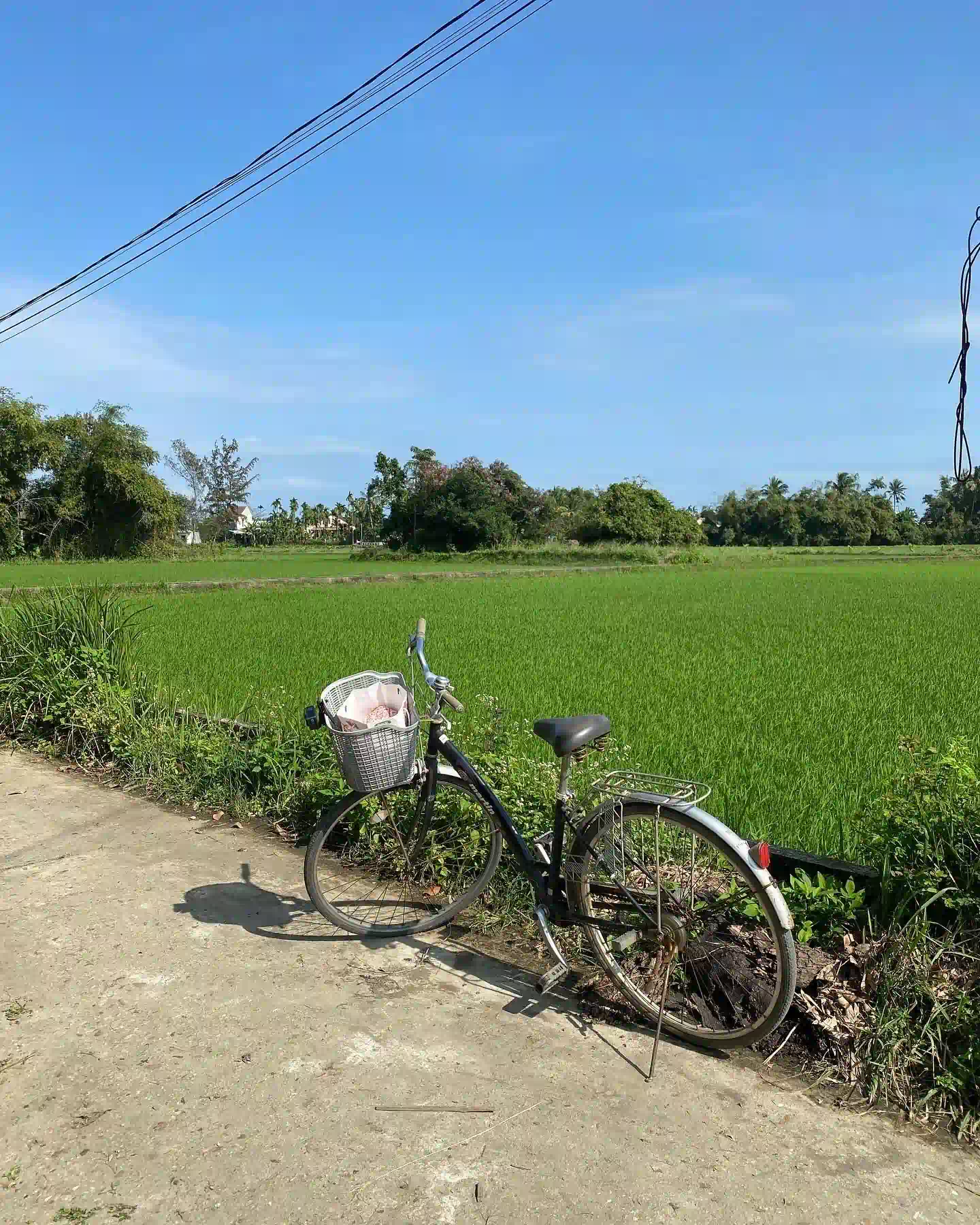
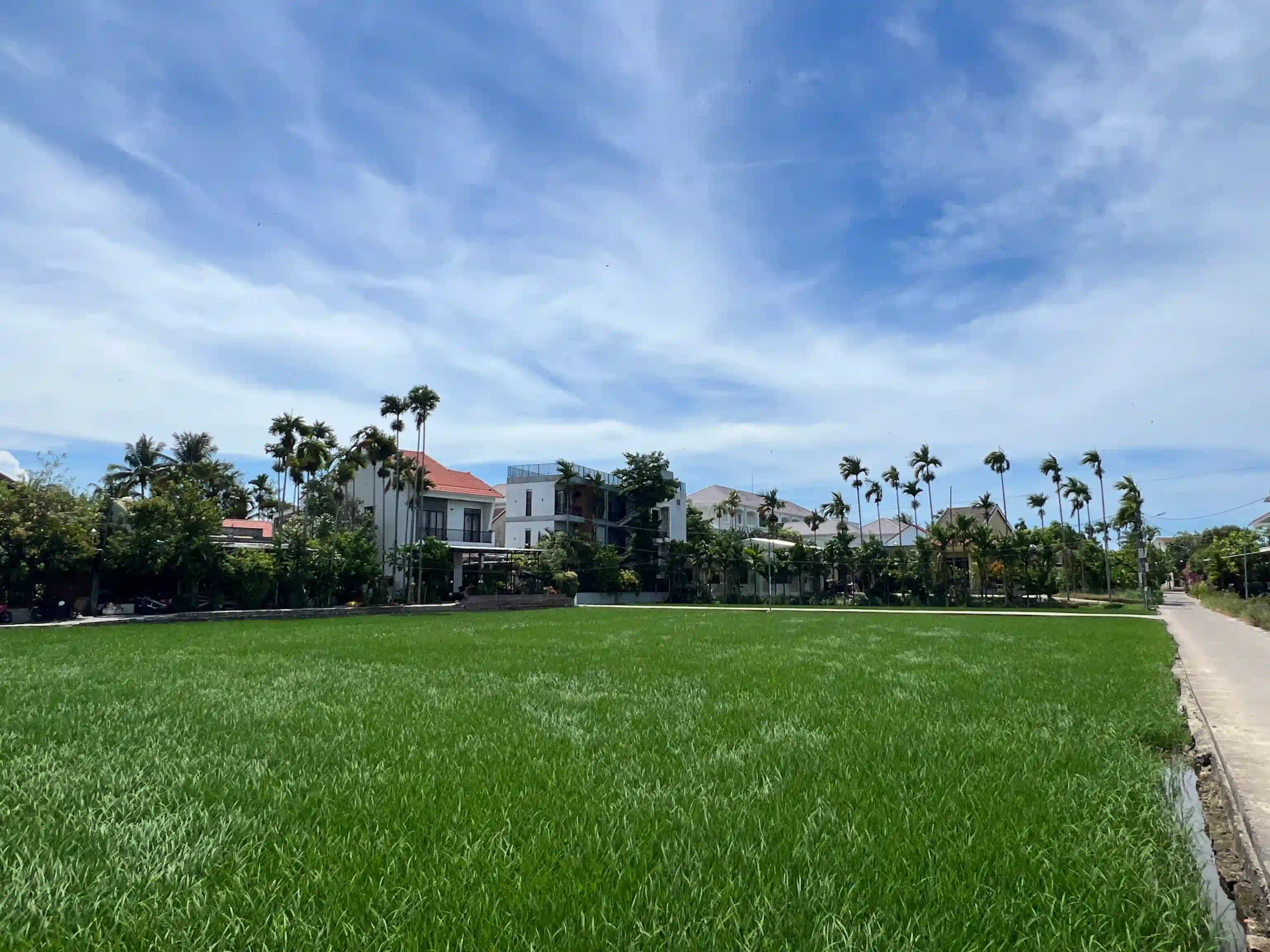
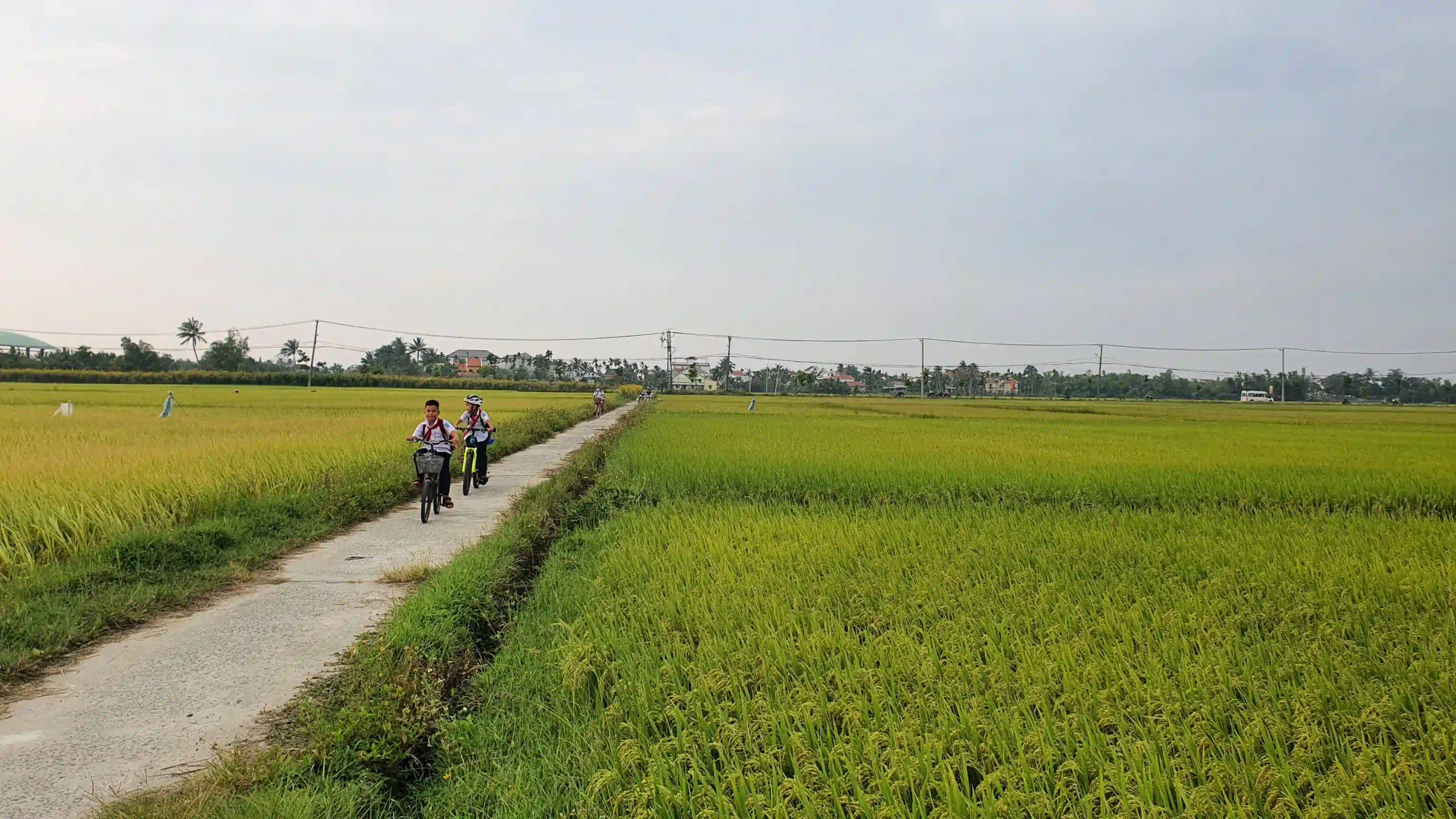
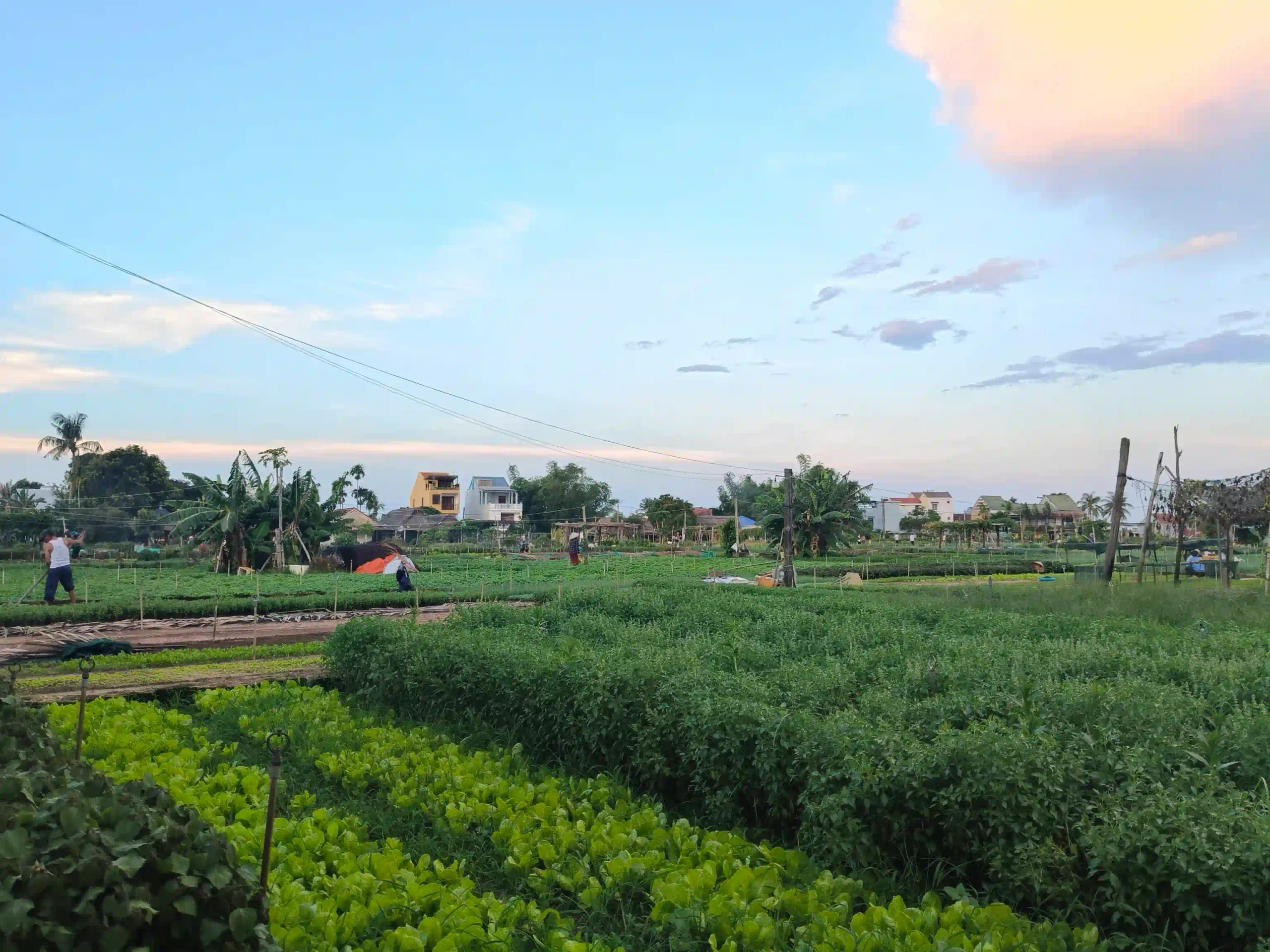
The villages are pleasant. The riding is the point. Hoi An sits in genuinely lovely countryside, and two kilometres out the crowds simply stop, which you cannot say about most towns this popular.
Late afternoon is the slot, once the heat has gone out of the day. Routes, what each village is actually like, and whether to pay for a guided ride are in the cycling guide.
3. An Bang Beach in the Afternoon
An Bang is three kilometres east and it’s the reason I now book four days here instead of two.
It’s a real beach, wide and long, with restaurants and bars along the back and sunbeds you can use if you’re buying something. Calmer than My Khe in Da Nang, and the water is swimmable most of the year. It’s also where a lot of the long-stay foreign community ends up, and they had every beach on this coast to choose from.
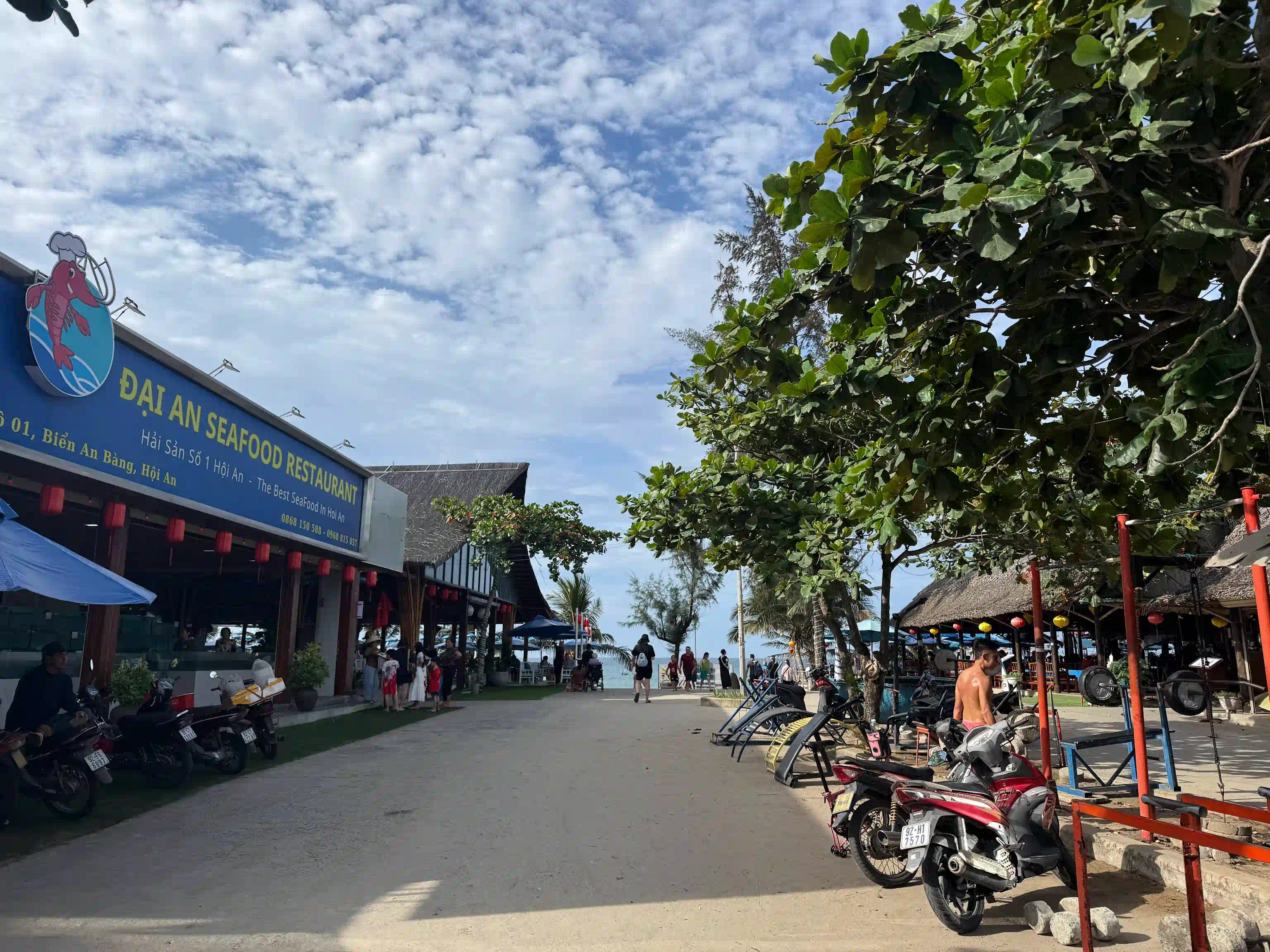
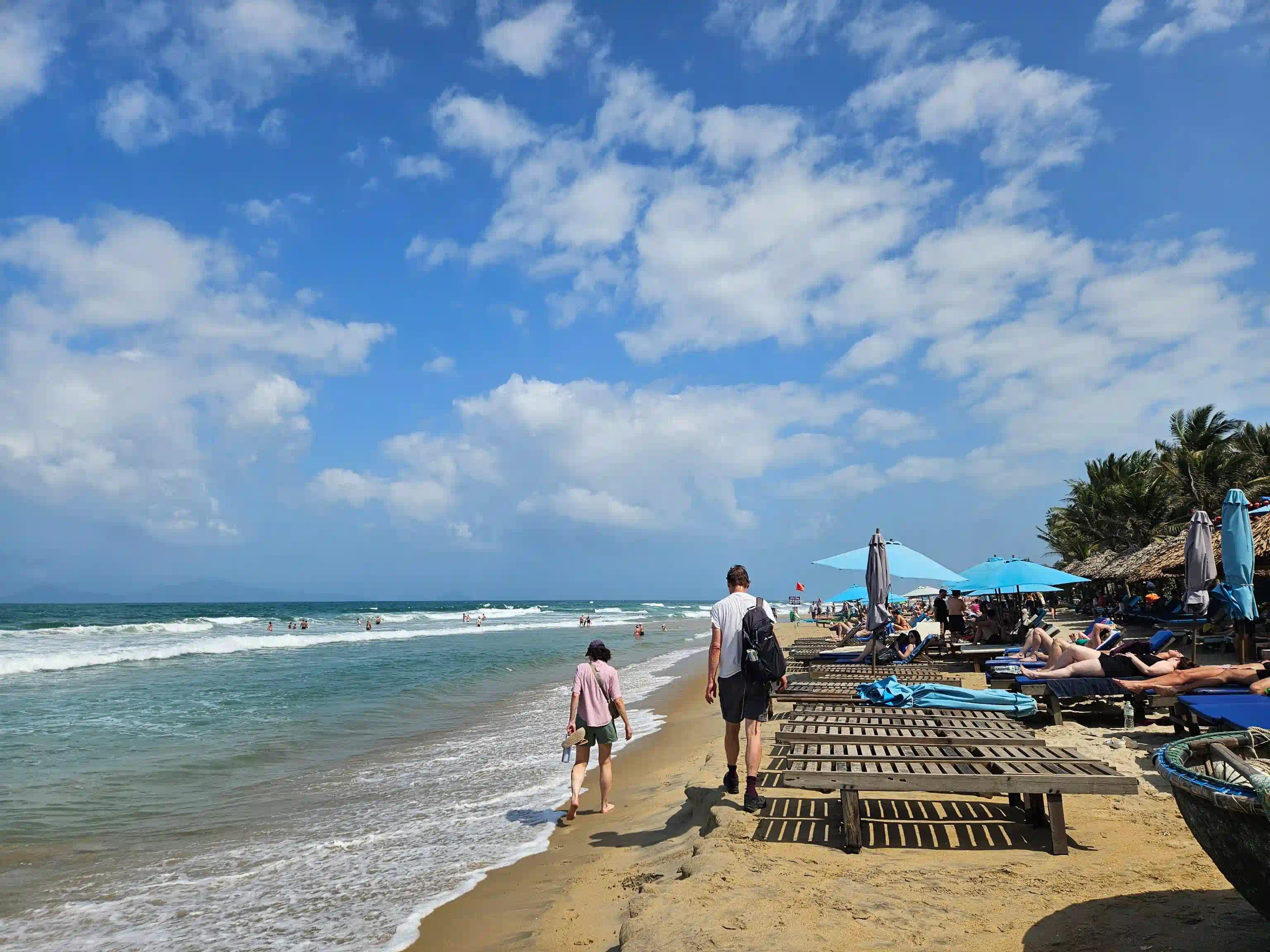
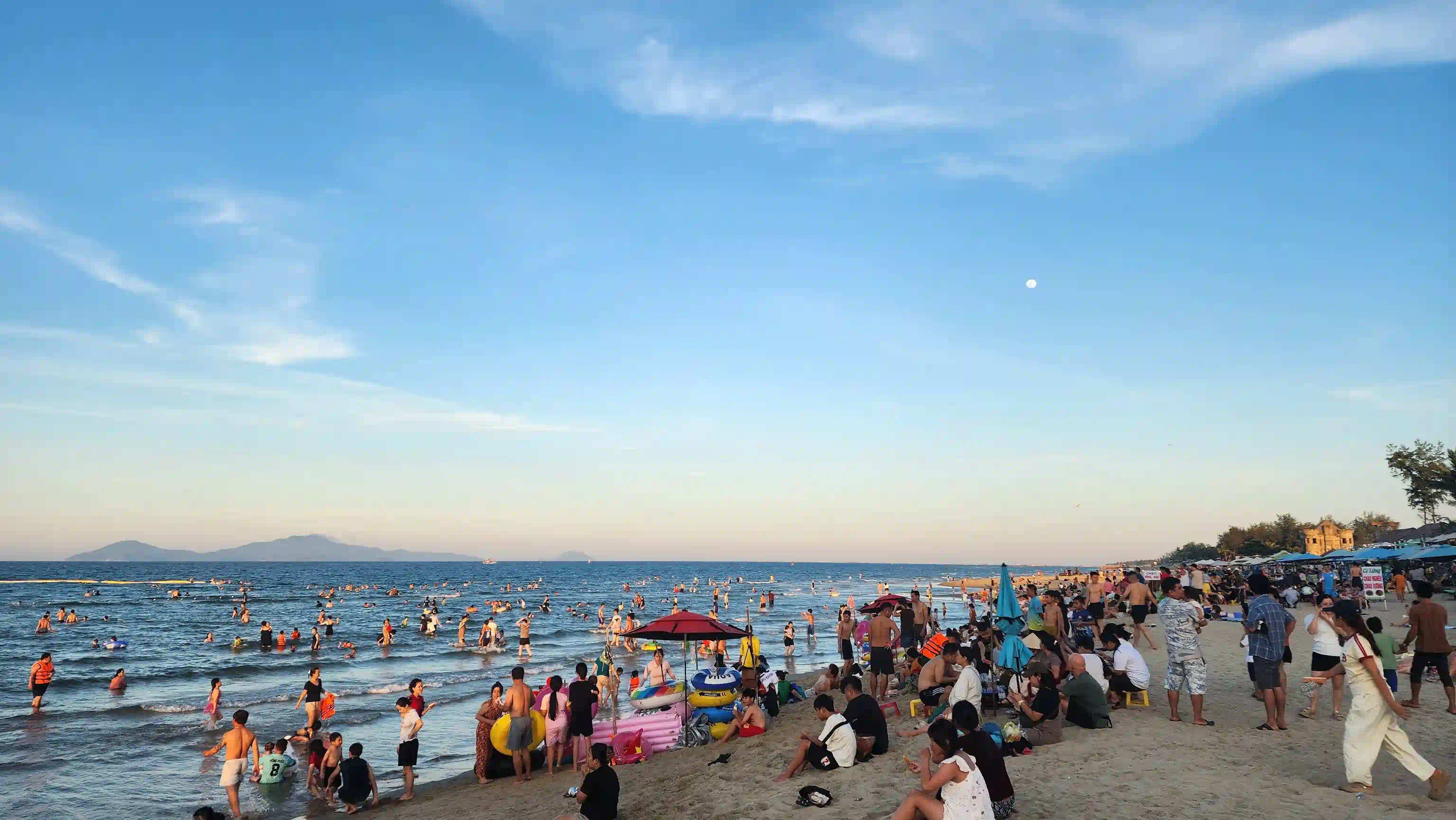
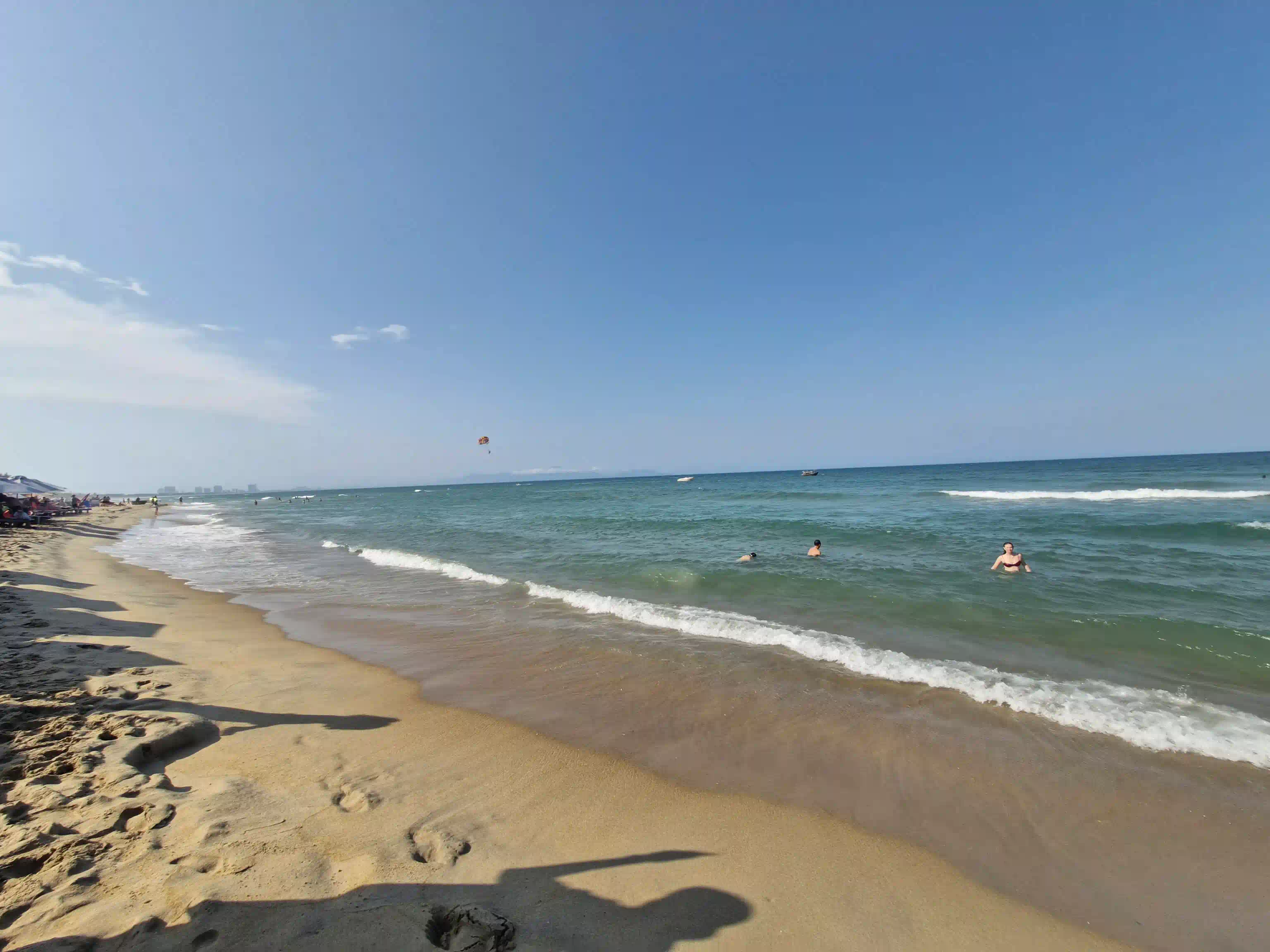
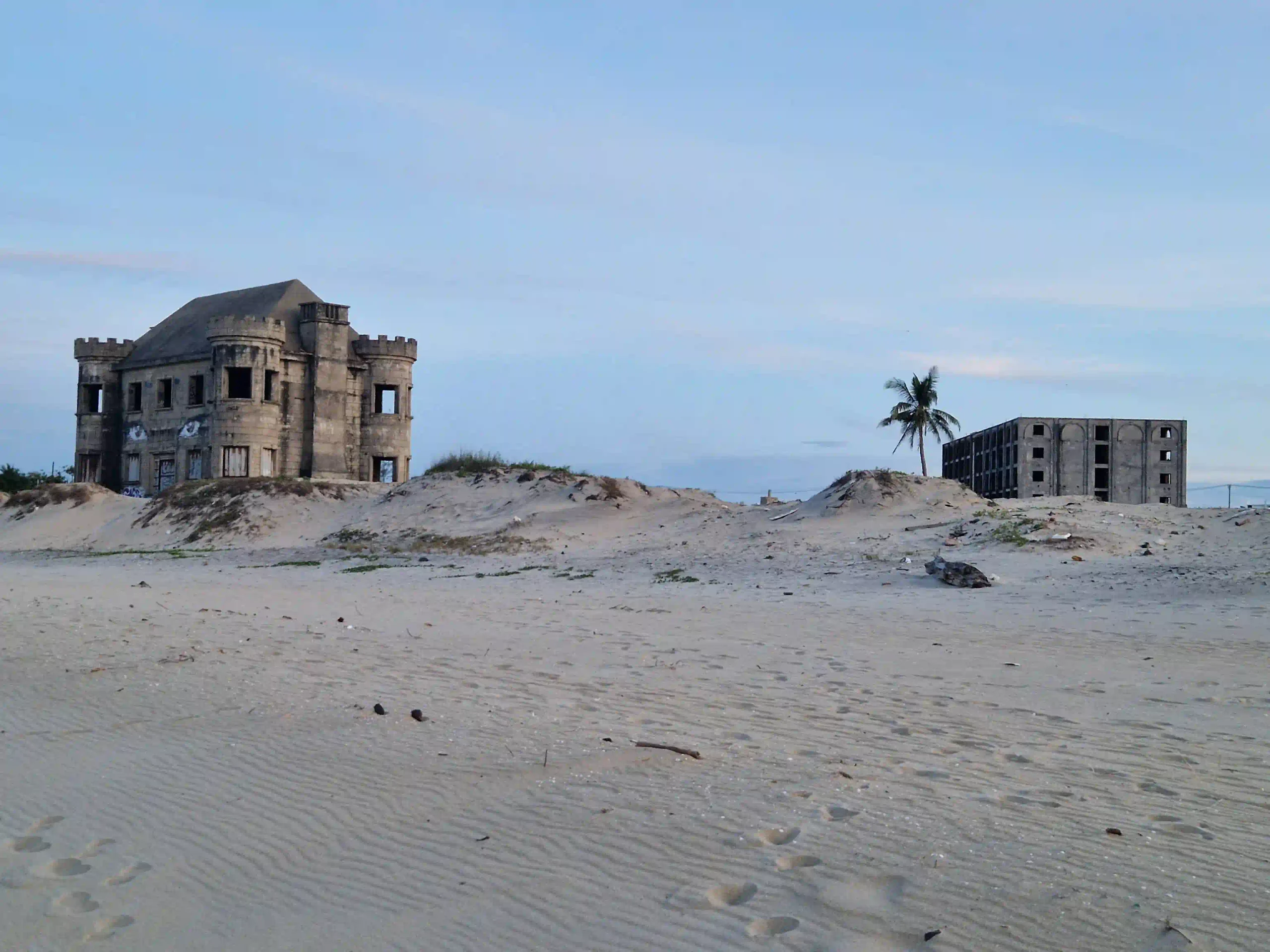
Cửa Đại, the other beach on the maps, has lost most of its sand to erosion and is largely sandbagged. Go to An Bang instead.
One thing worth knowing before you set off: don’t walk. It looks close and it’s a busy road with no pavement. Which end of the beach to aim for, where to eat, and how to get there are in the An Bang Beach guide.
4. Get Clothes Made by a Hoi An Tailor
Hoi An has hundreds of tailors and this is the thing most people come away either delighted or annoyed about.
The maths works. A made-to-measure suit is around $90 and a dress from about $25, with fittings across a day or two. I’ve had things made here I still wear years later.
The catch is that quality is a lottery. The established houses deliver consistently and cost more; a lot of the shopfronts on the tourist streets are just shopfronts. You genuinely cannot tell from the street, and the difference between a good tailor and a bad one here is larger than the price gap between them.
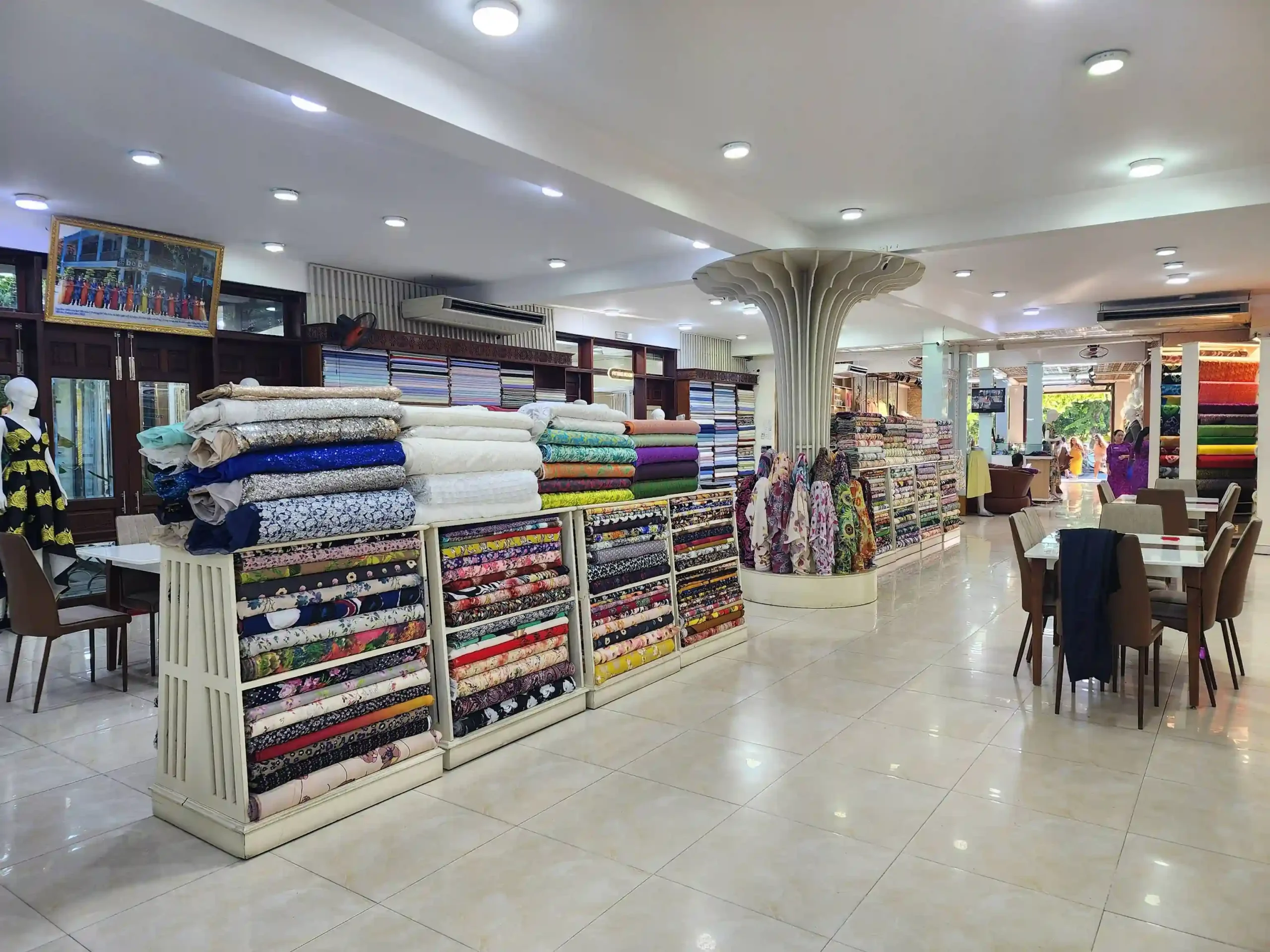




My one rule, and it’s the one people break: don’t order if you’re flying out the next day. You need the fittings. Which shops I’d use, what to bring, and how the process runs are in the Hoi An tailors guide.
5. A Cooking Class That Starts at the Market
Cooking classes here are everywhere and most of them are good. The ones worth your money start at Bà Lê market or on a boat, not in a kitchen.
The reason is that the market walk is the better half. Standing in a Vietnamese market with someone who can name every herb, in a town where the produce is actually local, teaches you more than the cooking does. I say that as someone who cooks.
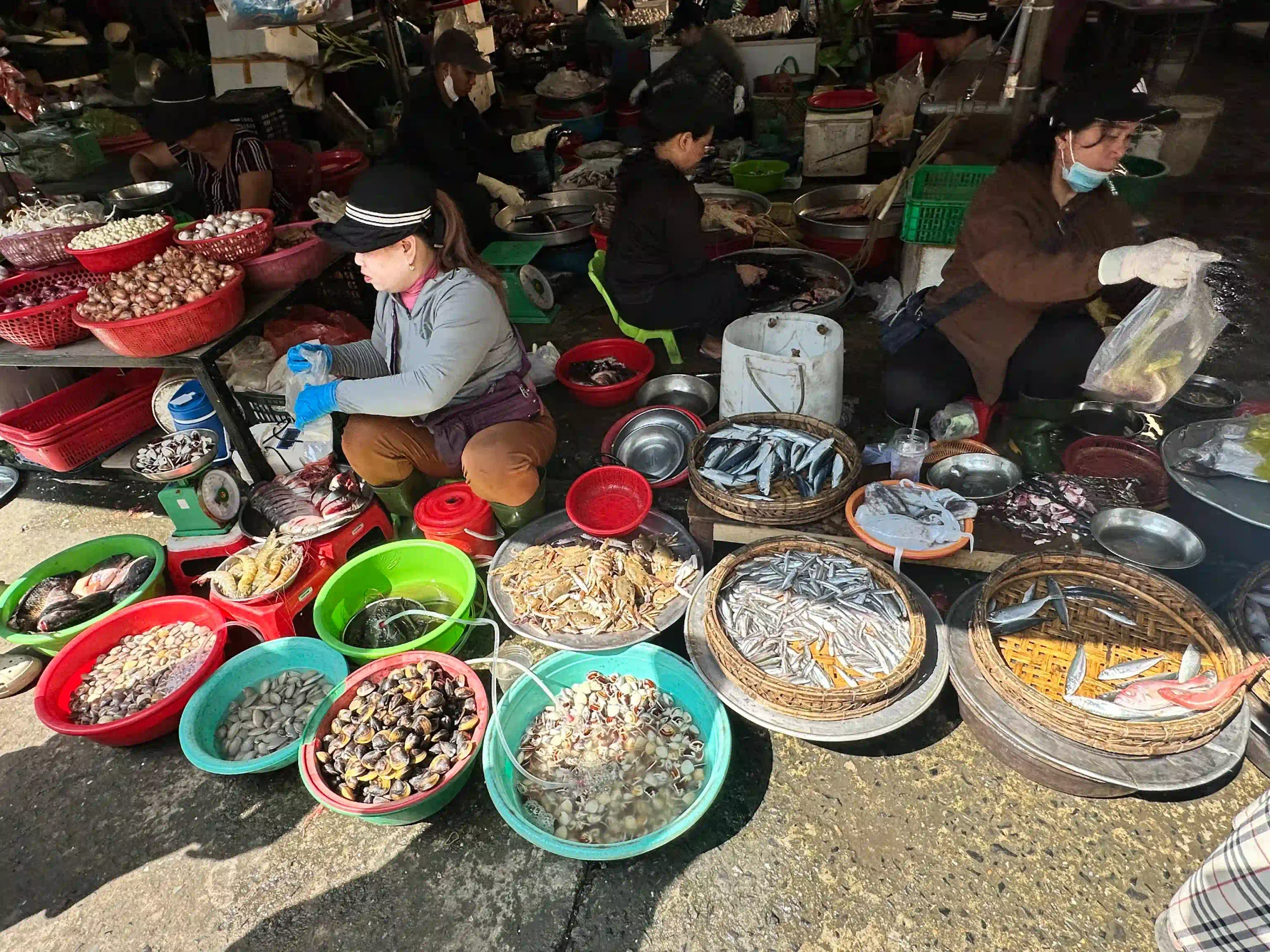
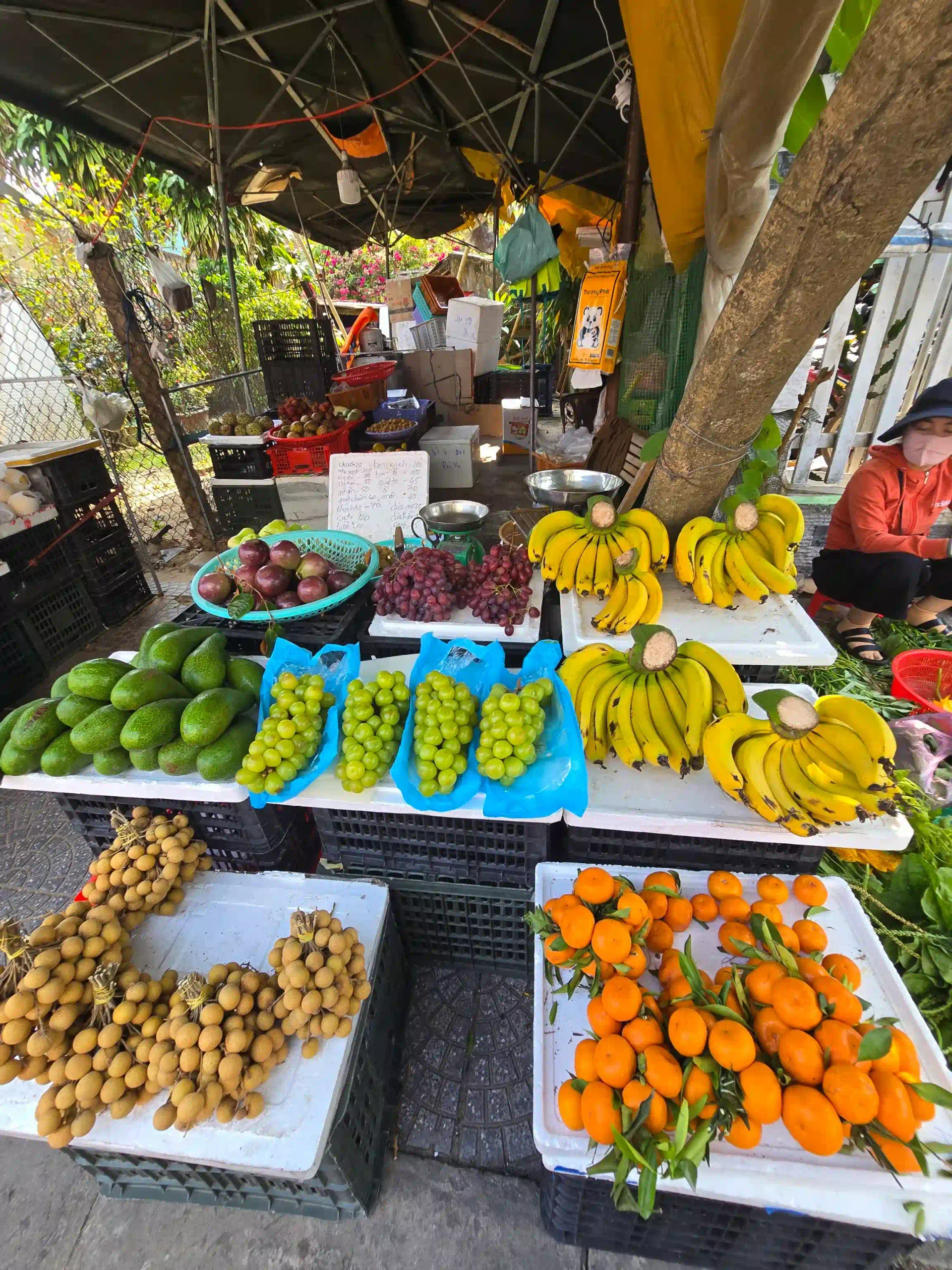

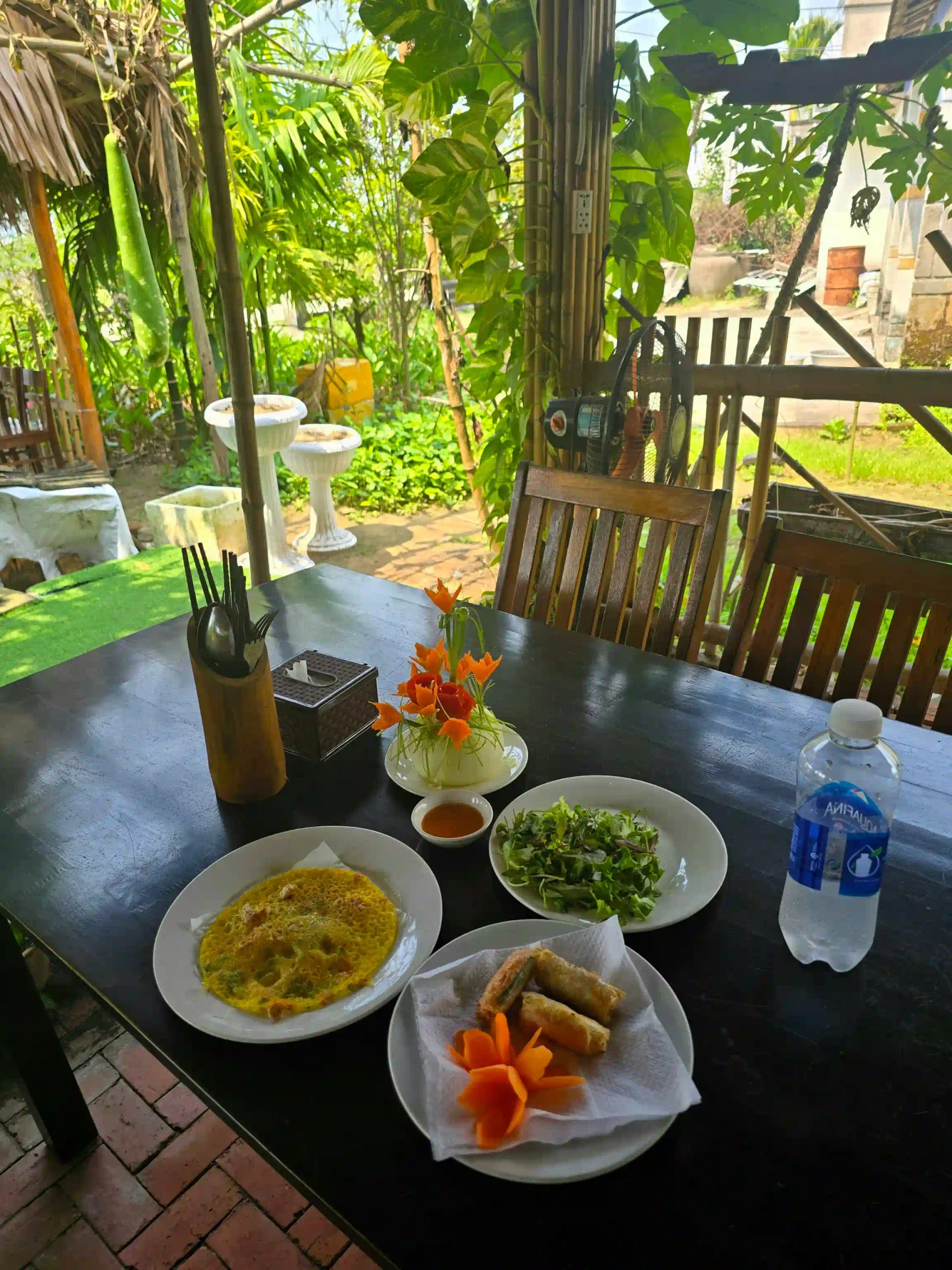

Most classes cover white rose dumplings, bánh xèo, fresh spring rolls and often cao lầu, which is Hoi An’s own dish and doesn’t properly exist anywhere else.
Which classes are worth booking and what they cost is in the Hoi An cooking classes piece, and where to eat if you’d rather just eat is in the Hoi An food guide.
6. Lanterns on the Thu Bon After Dark
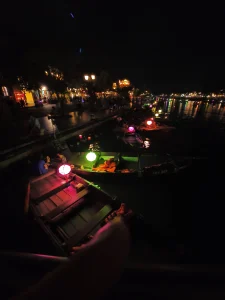
This is the image everyone holds of Hoi An and it does hold up.
After sunset the streets fill with lanterns, the vehicle ban starts, and the river fills with small rowing boats carrying people who float paper lanterns onto the water.
Between 8 and 10 is my window, once the day visitors have gone and before the town winds down, which it does early.
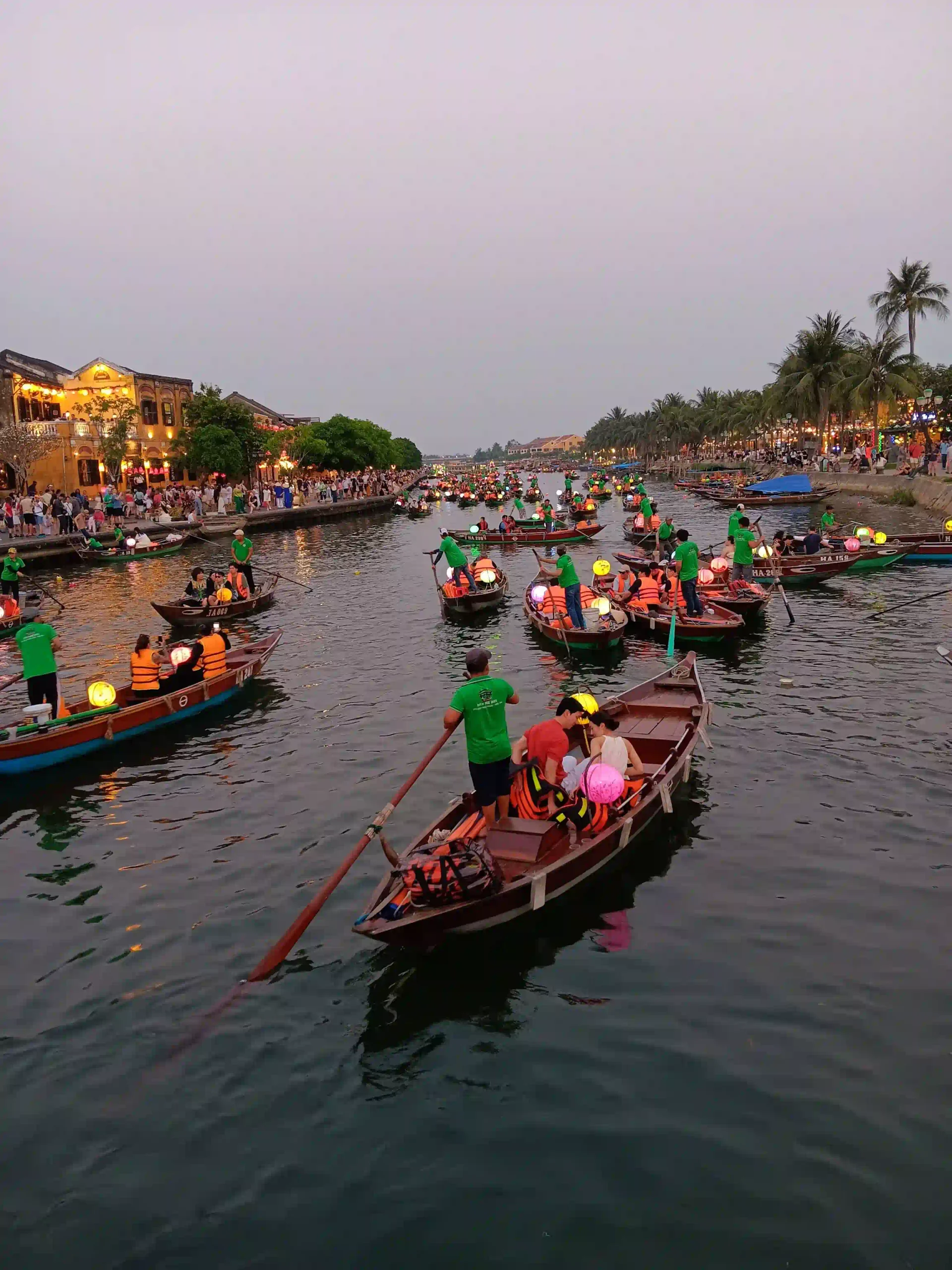
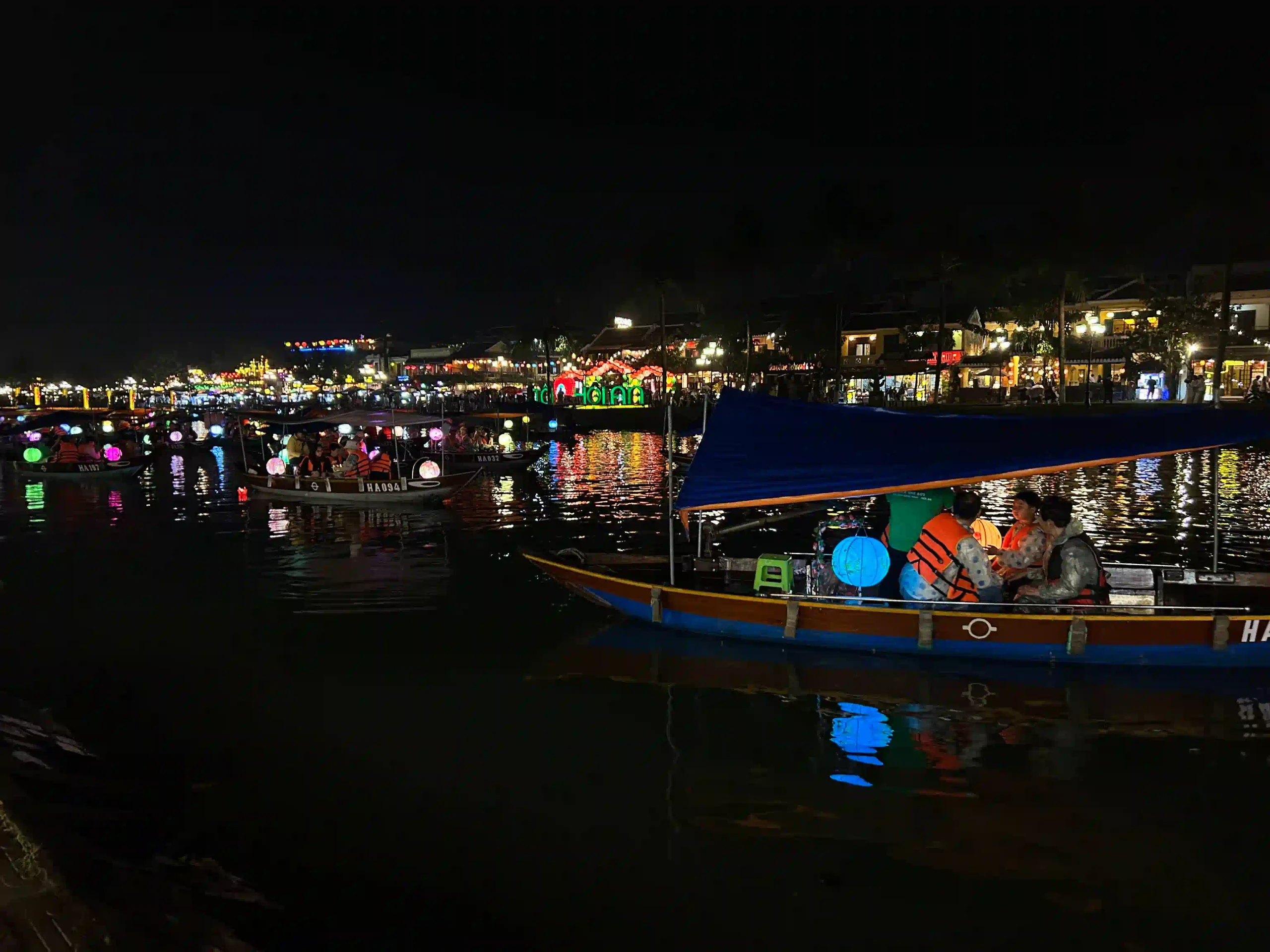

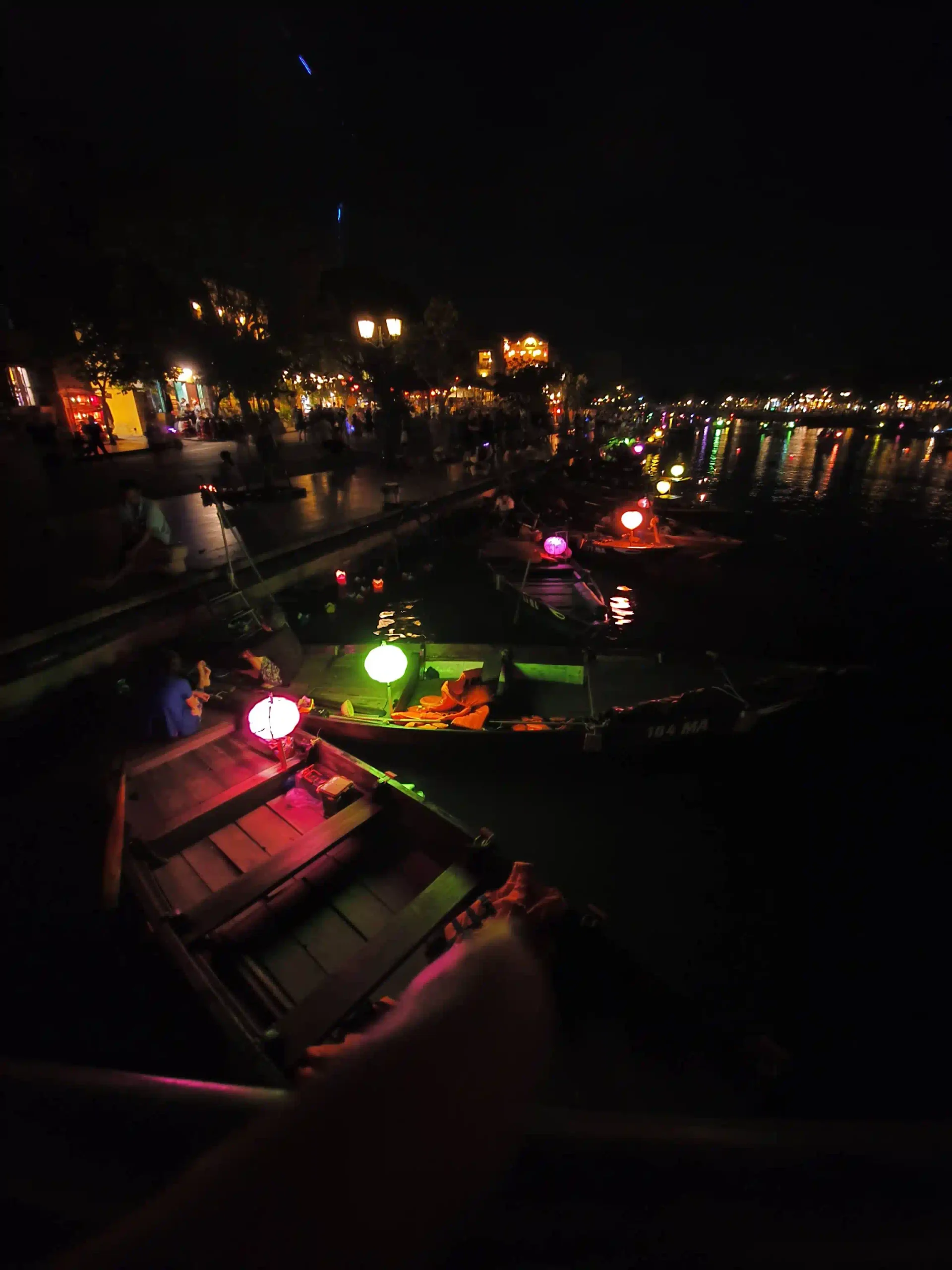

The full moon night is the version that gets photographed. Once a lunar month the town cuts its electric lighting and runs on lanterns alone.
It’s remarkable and it’s also the most crowded night of the month, so planning your trip around it is a real decision and not an obvious yes.
I’ve stopped buying the floating lanterns myself, for reasons that are probably obvious once you’ve watched a few hundred go into the river on an ordinary evening. The boat I’d still take. Full moon dates, boat prices and what else the town does after dark are in the Hoi An at night guide.
7. One Day Out: My Son or the Cham Islands
On a three-day trip, one of those days should leave Hoi An, and there are two good options that suit different people.
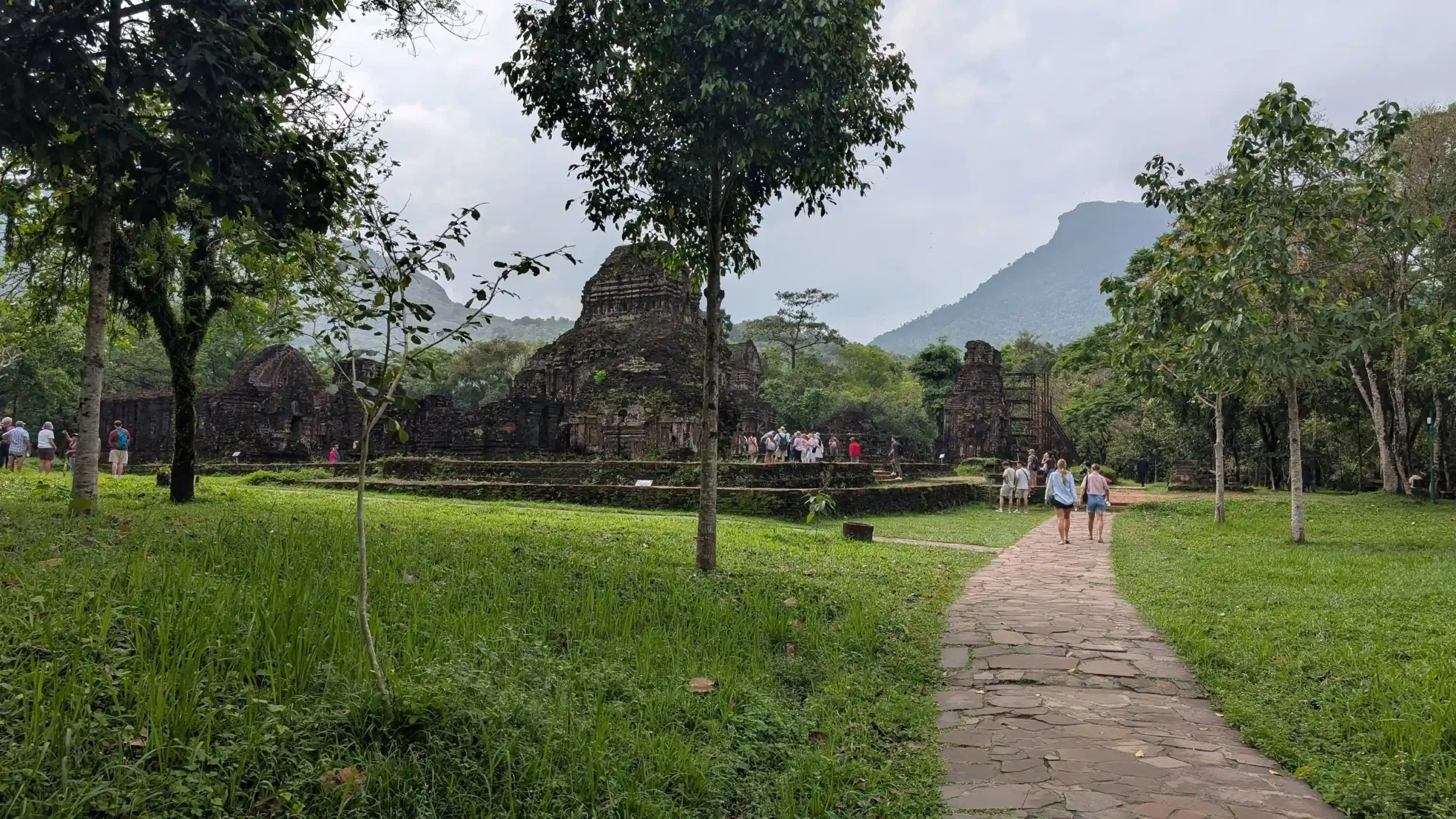
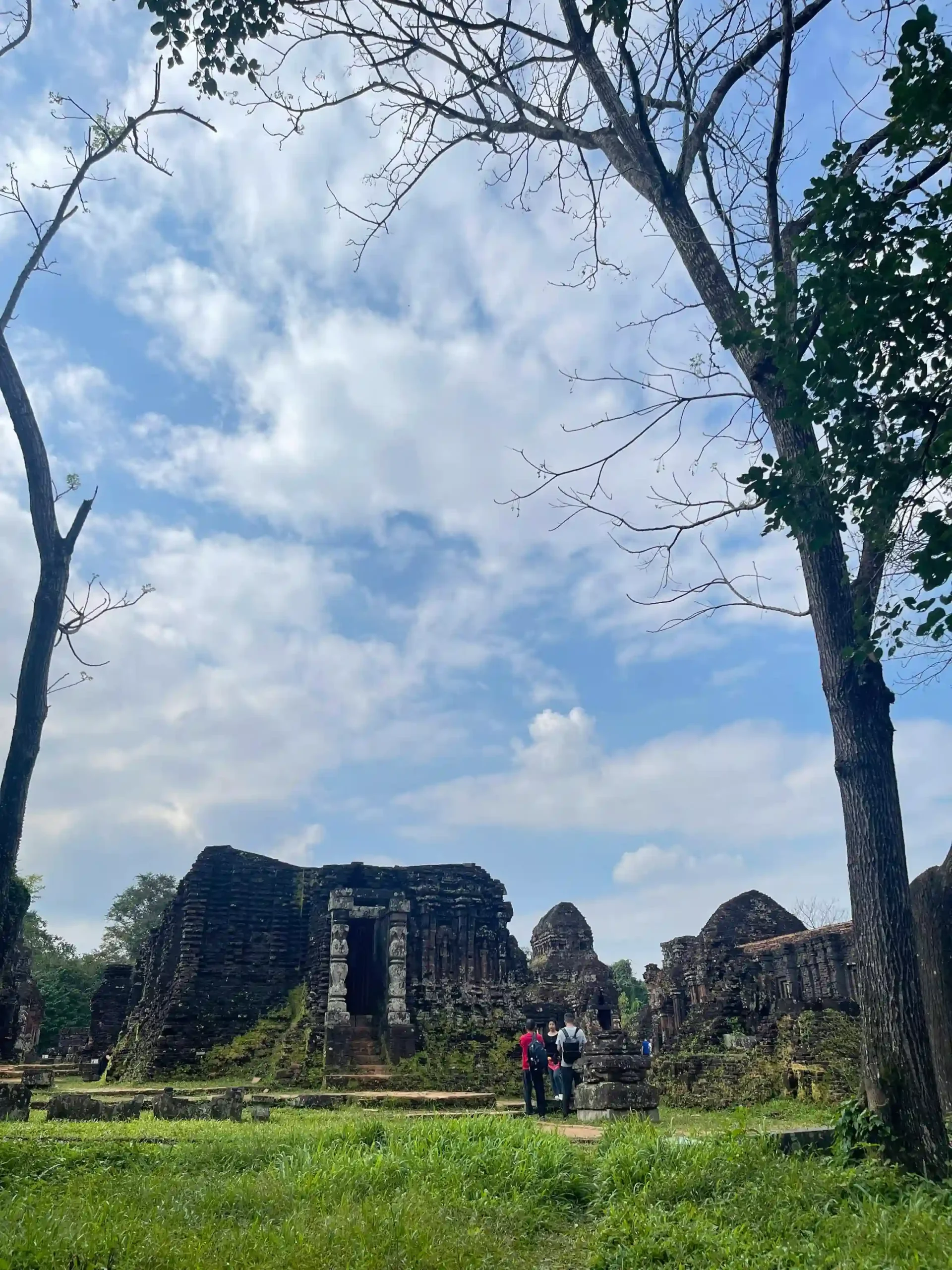
My Son Sanctuary is an hour inland, a cluster of Cham Hindu temples built between the fourth and fourteenth centuries and left half-ruined, some of it from bombing. Go early if you go. It’s smaller than people expect after hearing it compared to Angkor, and the ones who arrive expecting Angkor come away flat.
Cù Lao Chàm is the other direction, a short speedboat ride out for snorkelling and a small fishing village. It’s seasonal and the boats stop running when the sea turns, roughly October to February.

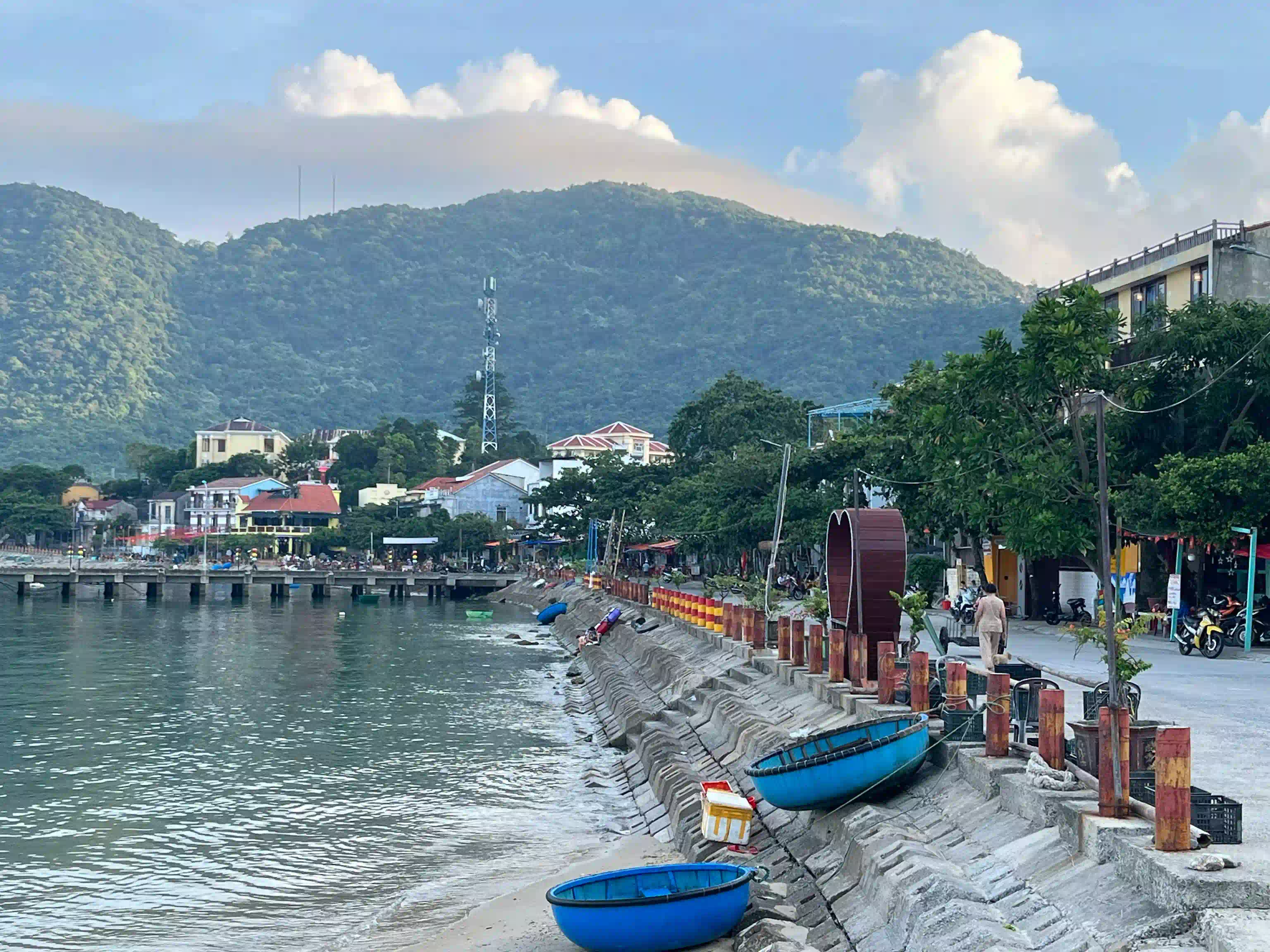
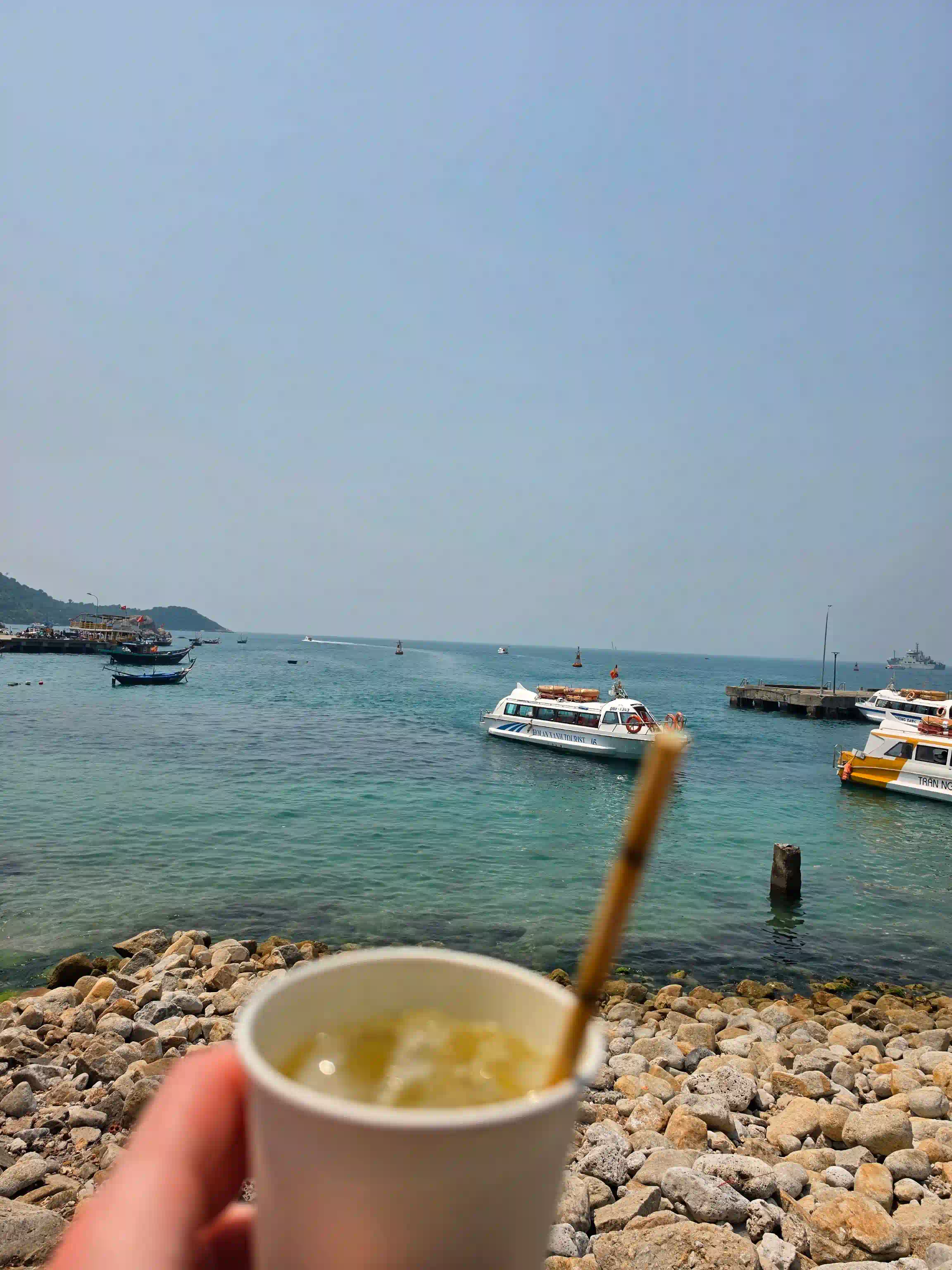

If you’re here in the dry months and you like being in the water, I’d take the islands. If you like ruins and history, take My Son. Doing both on a short trip is possible and I wouldn’t, since Hoi An rewards leaving space in the schedule.
Which of the Seven to Cut, Depending on You
Nobody does all seven properly in a short trip, so here’s how I’d cut.
Two days, first visit
Ancient Town morning, An Bang afternoon, lanterns in the evening, and one more morning for the cycling. Skip the day trip and skip the tailor unless you’re back this way.
Three days
Add the day out, My Son or the islands, and put it in the middle so the last day stays loose.
With children
Drop the tailor and the day trip, add the basket boats at Cẩm Thanh, and keep the town visits to mornings and evenings. The afternoon crush is where family days fall apart here.
On a budget
Six of the seven cost almost nothing. The bicycle is usually free from your hotel, the streets and the lanterns cost nothing, the beach is free to sit on, and the market is free to walk. It’s the tailor and the day trip that carry real money.
Second visit
Skip the Ancient Town entirely, or give it one early hour, and spend the trip out at the beach and on the bike. That’s roughly what my trips look like now.
What I’d Leave Off the List
Seven things implies everything else is worth doing too, so a few I’d skip.
- The night market on An Hội island. Fine for lanterns and souvenirs, and priced higher than the market on the town side where you can actually bargain.
- Cửa Đại beach. The erosion has taken it.
- Treating Hoi An as a day trip from Da Nang. It’s thirty minutes away and people do it constantly, but a day trip puts you here in exactly the hours the town is worst and gets you out before the evening, which is the best part. If Hoi An is on your list, sleep here.
- Any plan with all seven of these in two days. It fits on paper. It isn’t the trip.
Fitting It Into Two or Three Days
2 days covers the Ancient Town, the beach and an evening. 3 is the number I’d give a friend, and it’s the one that leaves room for a day trip without rushing the rest.
The shape that works is mornings in town, afternoons out of it, evenings back by the river. Which is less about efficiency than about the tide again.
How to actually sequence it, and whether four days is worth it, is in the Hoi An itinerary guide. Where to base yourself matters more than people expect and I’ve argued it out in where to stay in Hoi An. And if you’re still deciding whether to come at all, or when, that’s the Hoi An travel guide.
This town changes faster than it looks like it should. Tailors open and close, the beach frontage shifts with the erosion, and the ticket rules have been adjusted more than once in the last few years.
If you’ve been recently and something here doesn’t match what you found, leave a comment and I’ll go and check it.












 Tiếng Việt
 한국어
한국어 中文 (中国)
 日本語
日本語 ไทย
ไทย Deutsch
 Español
 Destinations
 Instagram
 Facebook
 X (Twitter)
 Threads
 Tiktok