









 Ha Giang
 Hanoi
Hanoi Ho Chi Minh City
 Ha Long
 Sapa
Sapa Mekong Delta
 Da Nang
 Hue
Hue Hoi An
 Ninh Binh
 Da Lat
 Nha Trang
 Phan Thiet
 Phu Quoc
 Quang Binh
 Quy Nhon
 Vung Tau
 Thai Nguyen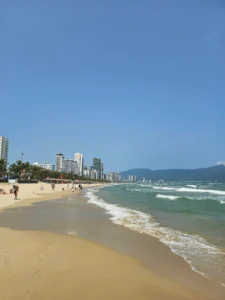







Most Phu Quoc vs Da Nang comparisons list what each place has and leave you to work it out. That misses the thing that actually decides it for a lot of people, which is that the two have opposite beach seasons.
Phu Quoc is at its best November to April. Da Nang’s swimming season runs roughly April to August, and from around October to March the sea there gets rough enough that the beaches close for swimming.
So if the beach is the whole point of the trip, your dates have probably already picked for you. Everything below assumes you want to know which one, and why.
- Quick Answer: Phu Quoc vs Da Nang comes down to your dates first and your travel style second. Phu Quoc wins from November to April, when its sea is calm and clear and Da Nang’s is rough. Da Nang wins from April to August, when its water is swimmable and Phu Quoc has jellyfish and cancelled boat trips. Beyond season, Phu Quoc is the better pure beach and snorkelling trip, and Da Nang is the better base if you want a real city, cheaper prices, and Hoi An 30 minutes away.
- Beach Season, Side by Side:
- Where Each One Wins:
- Cost Difference: Da Nang runs roughly 15 to 30% cheaper on hotels, food and transport.
- The Visa Point: Phu Quoc gives 30 days visa-free to every nationality if it’s your only stop in Vietnam. Da Nang doesn’t, so you’d need an e-visa.
- My Pick: Phu Quoc if the beach is genuinely the point and you’re travelling in dry season. Da Nang for a first trip to Vietnam, for a longer stay, or on any budget that’s tight.
The Beach Seasons Are Almost Exactly Opposite
This is the part that decides it, so it goes first.
Phu Quoc’s good months are November through April. Calm sea, clear water, boat trips running daily. From May the southwest monsoon churns the west coast where all the hotels are, bringing jellyfish and sea lice and cancelling the island hopping trips.
Da Nang runs the other way. The swimming season is roughly April to August, peaking May to July. From about October to March the sea gets rough, the water goes cloudy, and swimming at My Khe is unsafe and sometimes formally closed. September through December is typhoon season, and around 90% of Da Nang’s annual rain falls in that window.
| Phu Quoc | Da Nang | |
|---|---|---|
| Best beach months | Nov – Apr | Apr – Aug |
| Poor beach months | May – Oct | Oct – Mar |
| Sea temperature | 27-29°C year round | Can drop to 20°C in winter |
| What goes wrong | Rough water, jellyfish, cancelled boats | Closed beaches, typhoons, cold water |
April is the only month both work properly. Early May at a push.
That means for a large share of people asking whether Da Nang or Phu Quoc is better, the honest answer is that whichever one matches your dates wins, and nothing else in this article outweighs it.
Phu Quoc vs Da Nang at a Glance
Phu Quoc is an island with better water and nothing else. Da Nang is a city with a good beach attached and a lot else.
| Phu Quoc | Da Nang | |
|---|---|---|
| What it is | 50km island, resorts, no real town | City of 1.2 million with a beach on the edge |
| Beach quality | Clearer water, gentle entry | Long straight sand, steeper shelf, waves |
| Snorkelling | Genuinely good in dry season | Cù Lao Chàm day trip, not on the doorstep |
| Getting around | Scooter or Grab, everything is a drive | Walkable areas, cheap Grab, compact |
| Cost | 15-30% higher | Cheaper across the board |
| Food | Seafood-heavy, limited variety | One of Vietnam’s best eating cities |
| Nearby | Nothing. It’s an island | Hoi An 30 min, Hue 2 hrs, Ba Na Hills |
| Visa | 30 days free, every nationality | E-visa needed |
Which Has the Better Beach, Phu Quoc or Da Nang?
Phu Quoc, if you mean the water. Da Nang, if you mean convenience.
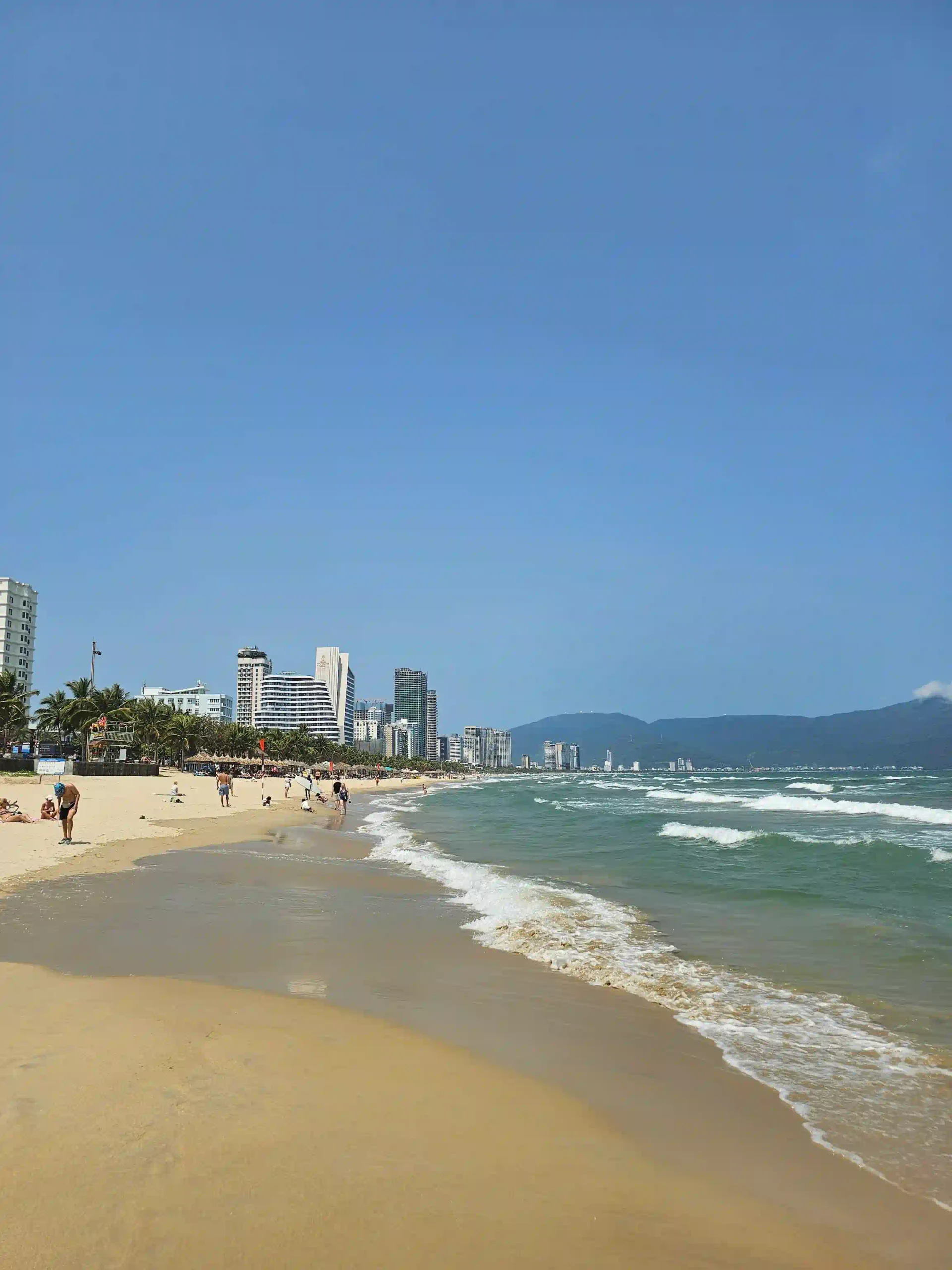
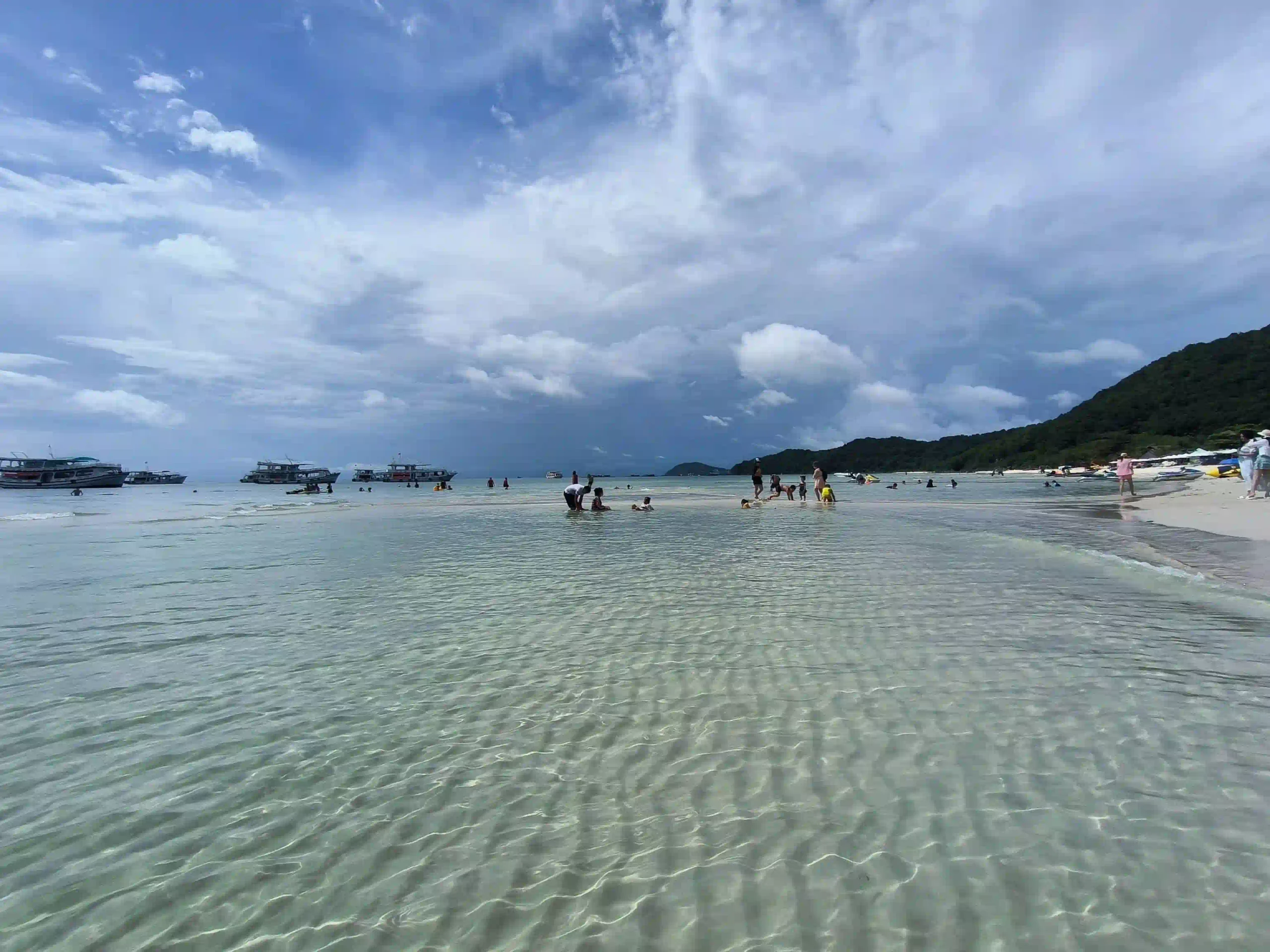
My Khe is a long, straight, wide city beach with sand you can walk for kilometres, and it’s ten minutes from the middle of a real city.
I’ve run the length of it in the morning and passed maybe thirty people. The water shelves more steeply than Phu Quoc’s and it gets proper waves, which is fun if you want to bodysurf and less good with a five-year-old.


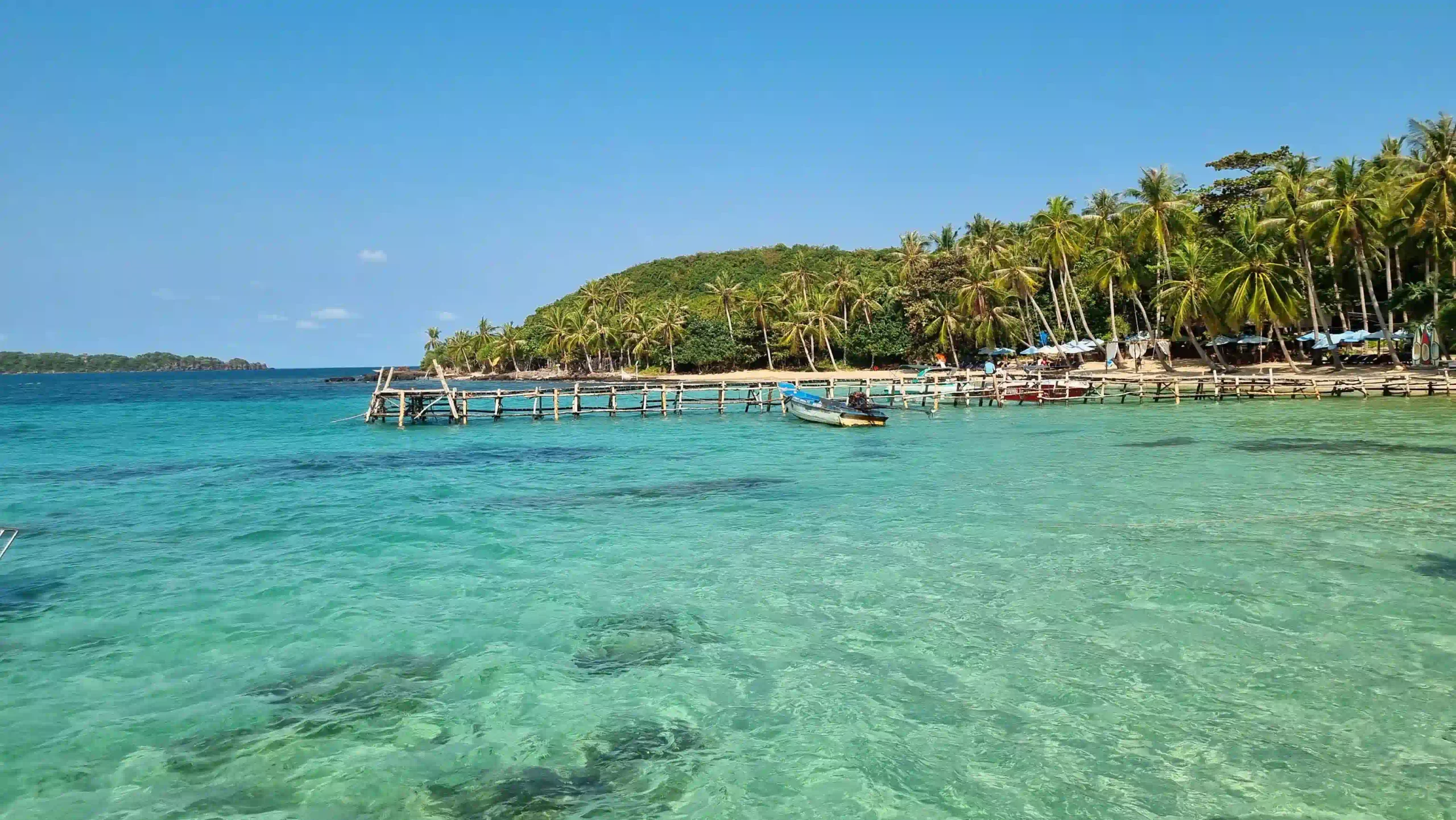
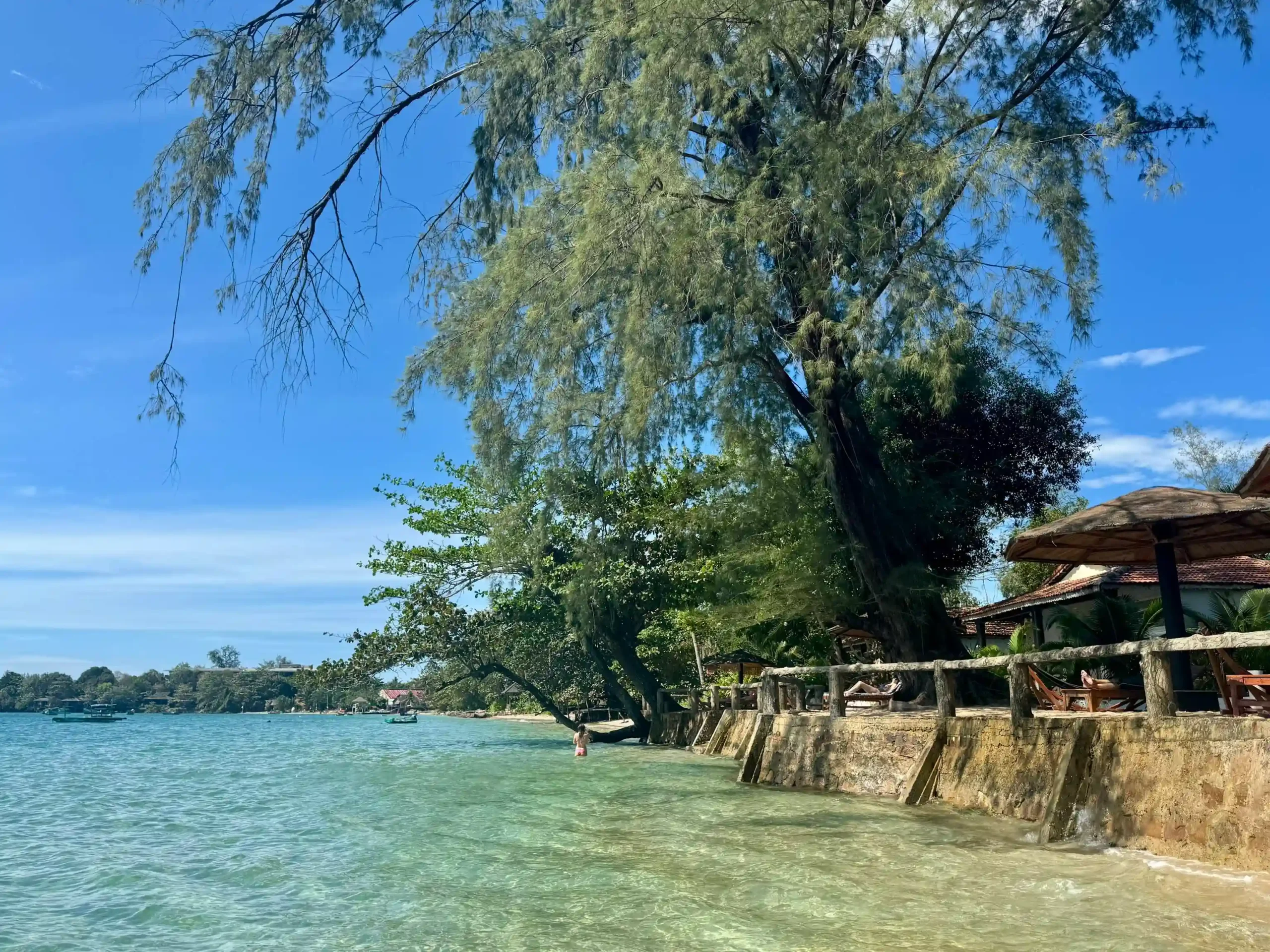
Phu Quoc’s west coast, Long Beach and Ông Lang, shelves gently and you can stand a long way out. The water is clearer, and the good beaches in the south at Bãi Khem and Bãi Sao are a step above anything Da Nang has.
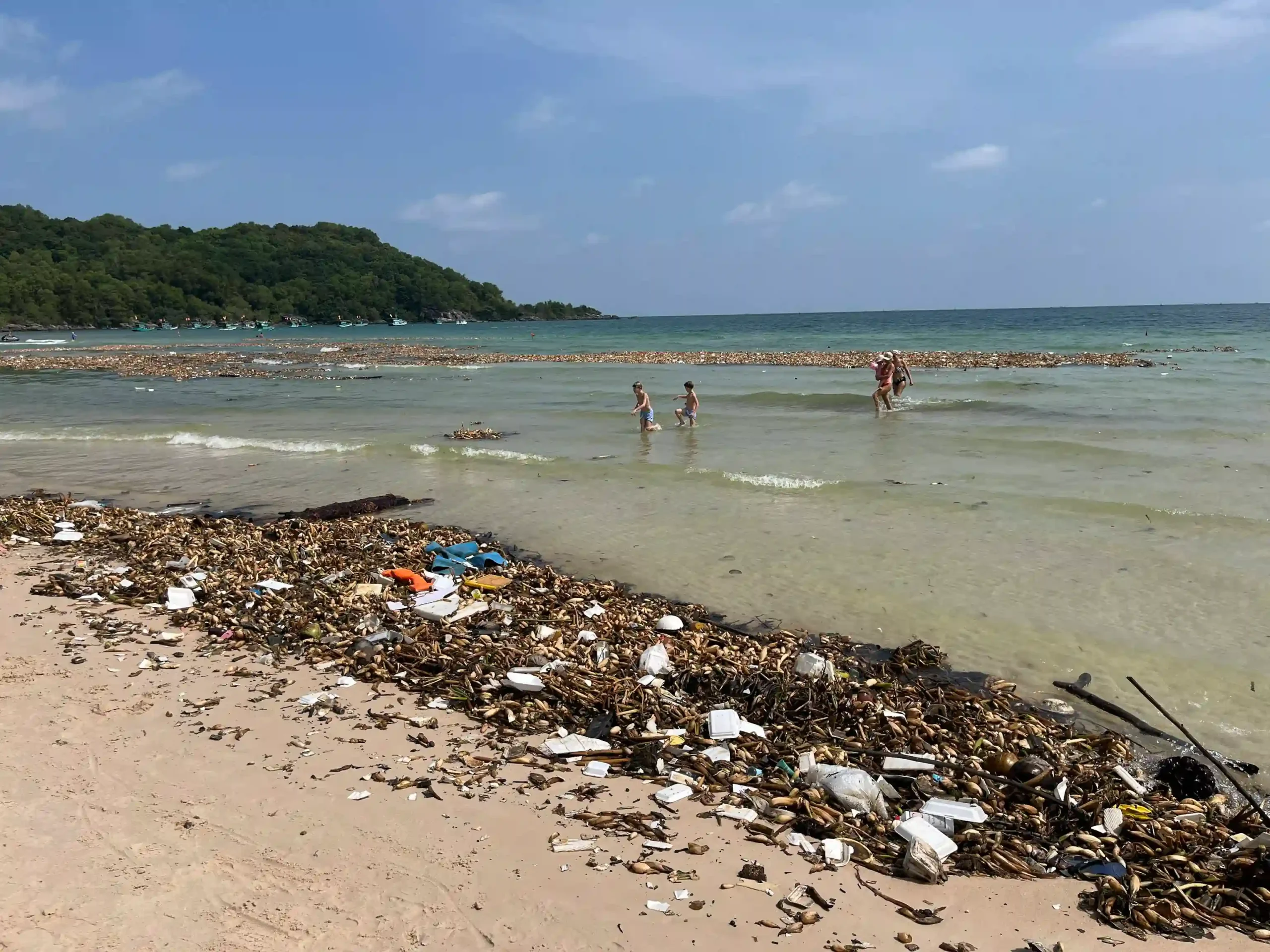
The catch on the Phu Quoc side is that the beach outside a resort fence isn’t maintained, and the northeast wind pushes weed and rubbish onto exposed stretches early in the year.
My Khe is cleaner as a public beach than most of Phu Quoc’s public beach is, and that surprised me the first time I noticed it.

Snorkelling and Boat Trips: Not a Close Contest
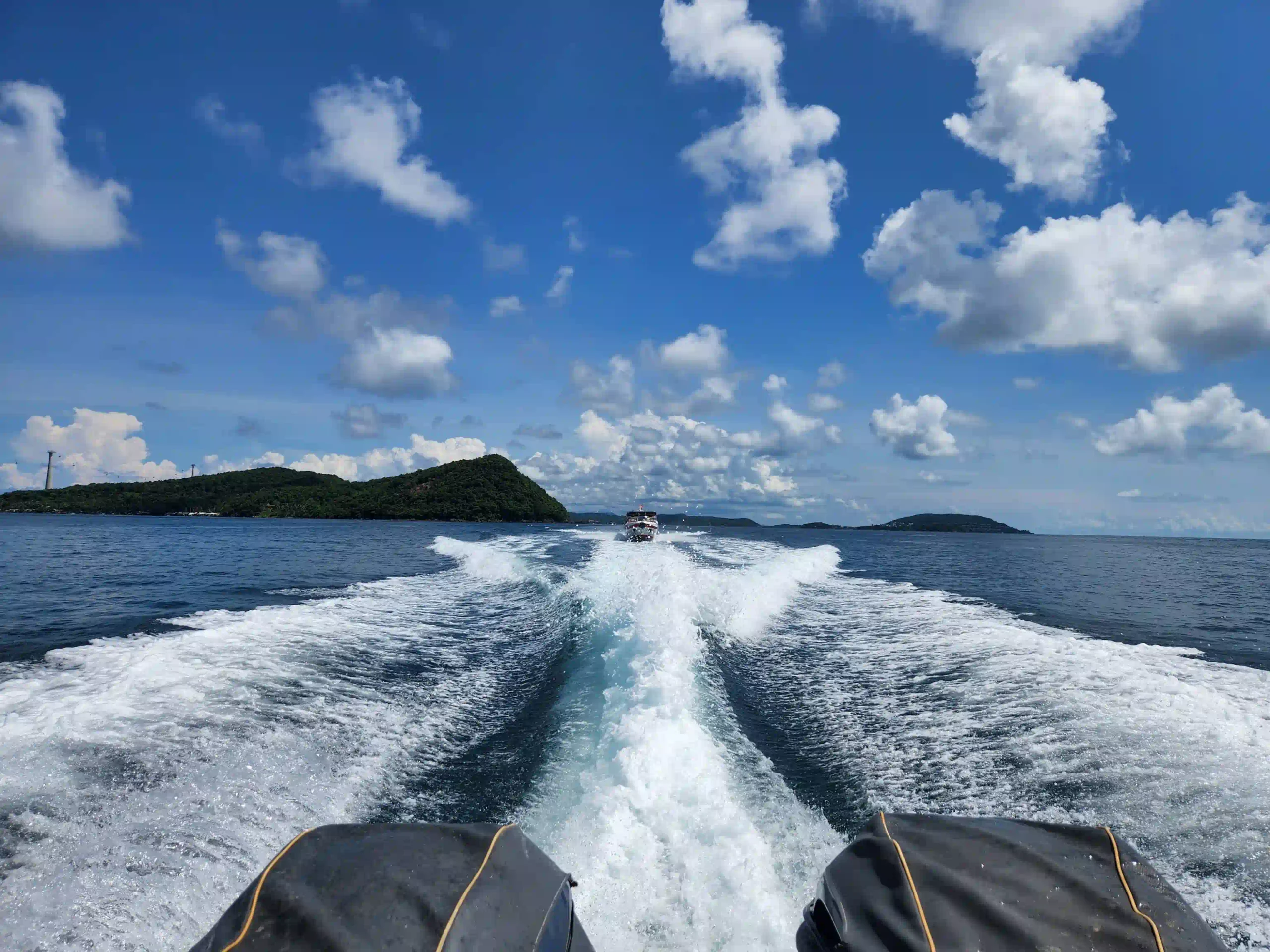
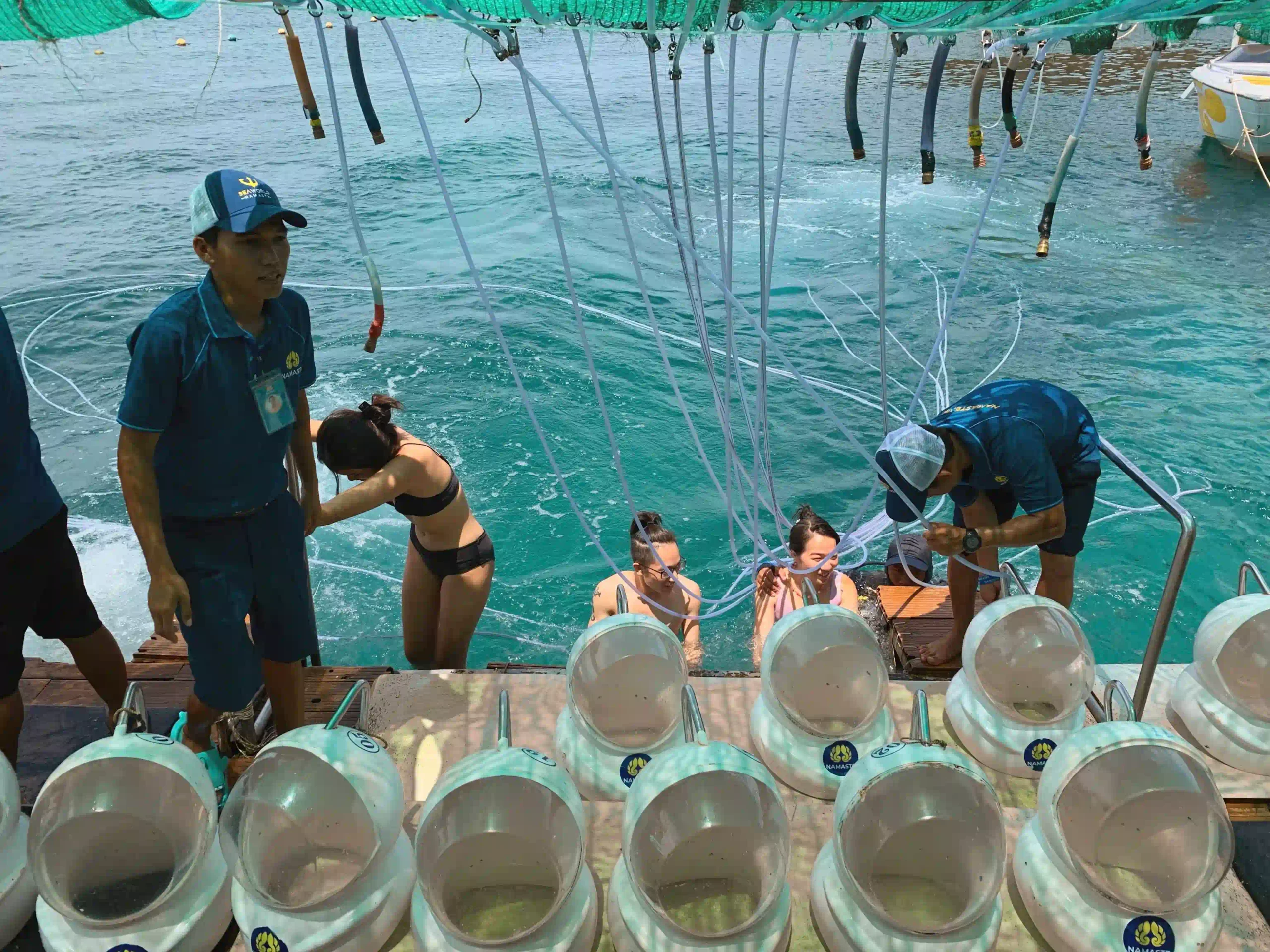
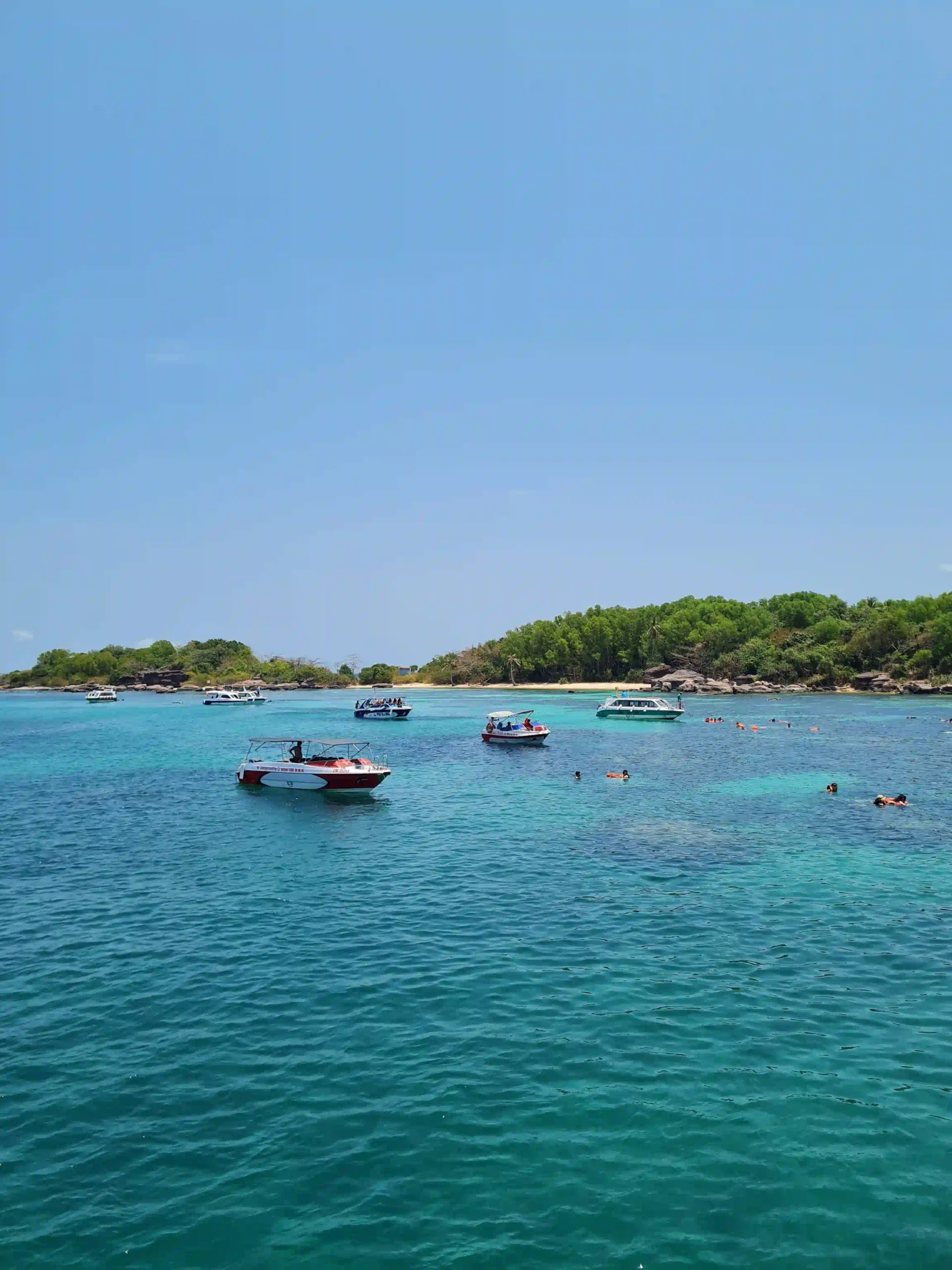
Phu Quoc, comfortably. The An Thới archipelago in the south is a genuine day out and it’s the single best thing on that island.
Da Nang’s equivalent is a day trip to Cù Lao Chàm, which is an hour and a bit away by boat from Hoi An, seasonal, and not the same scale. If getting in the water and looking at things is the trip, that’s a clear win for the island.
I’ve written about what the 4-island snorkelling day is actually like, including honest notes on the coral, which is in worse shape than the marketing suggests.
Compare boat trips and day tours:





Da Nang or Phu Quoc for a Beach-Only Trip?
Phu Quoc, and it isn’t close, provided you’re travelling between November and April.
The reason is that Phu Quoc has nothing else, and on a beach-only trip that’s a feature. You wake up, you swim, you eat seafood, you go back. Nobody is pulling you towards a museum.
Da Nang’s beach is good and it’s attached to a city, so a beach-only trip there tends to turn into a city trip with beach mornings. That’s a fine holiday. It just isn’t the one you booked.

Phu Quoc or Da Nang With Kids?
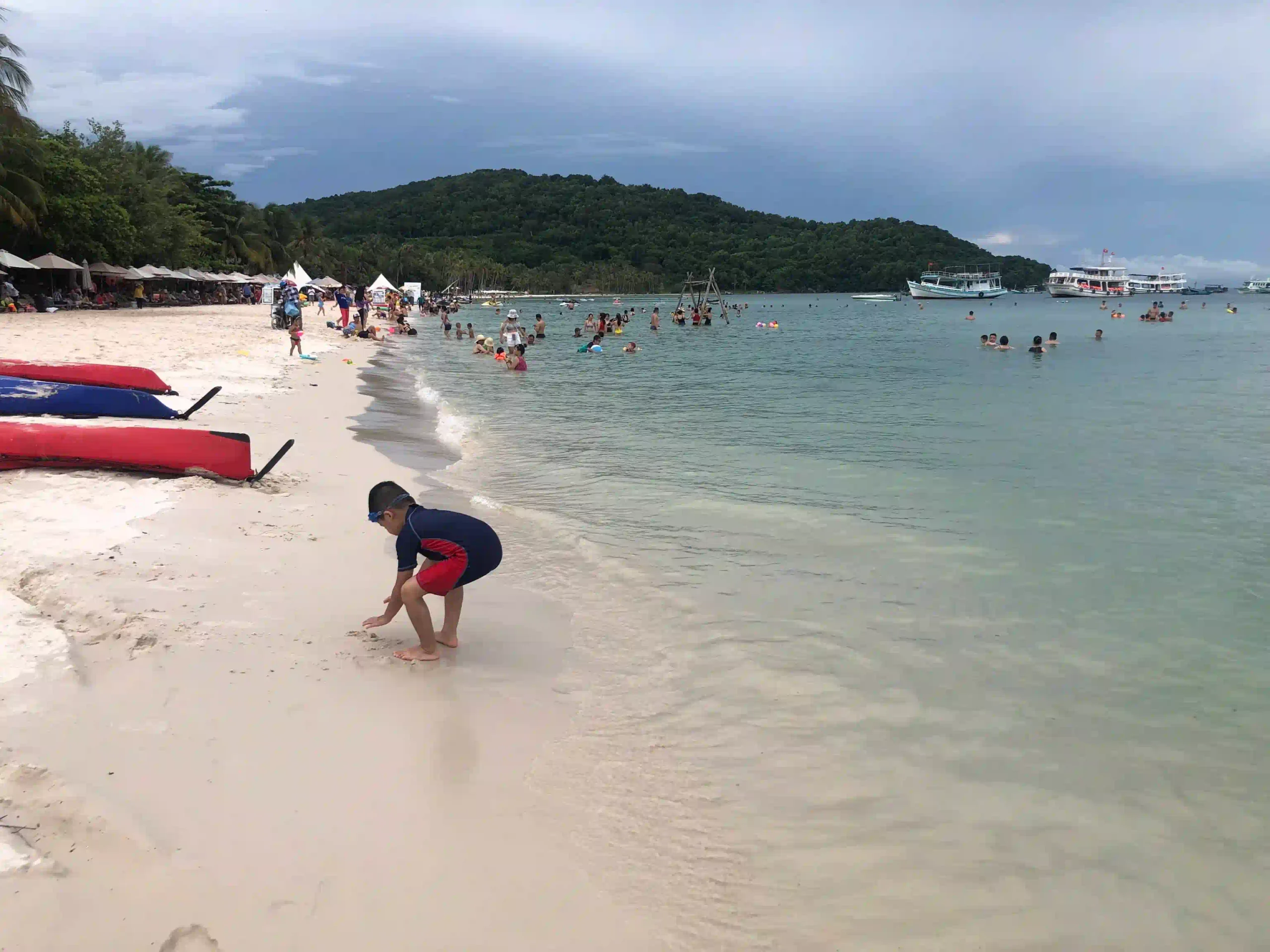
Phu Quoc for under-8s, Da Nang for older children and teenagers.
Small children want shallow water they can stand in, and Phu Quoc’s west coast gives them that while My Khe’s waves and steeper entry don’t.
The island also has the resorts built around families, with kids clubs and water parks, which I’ve gone through in the family resorts guide.
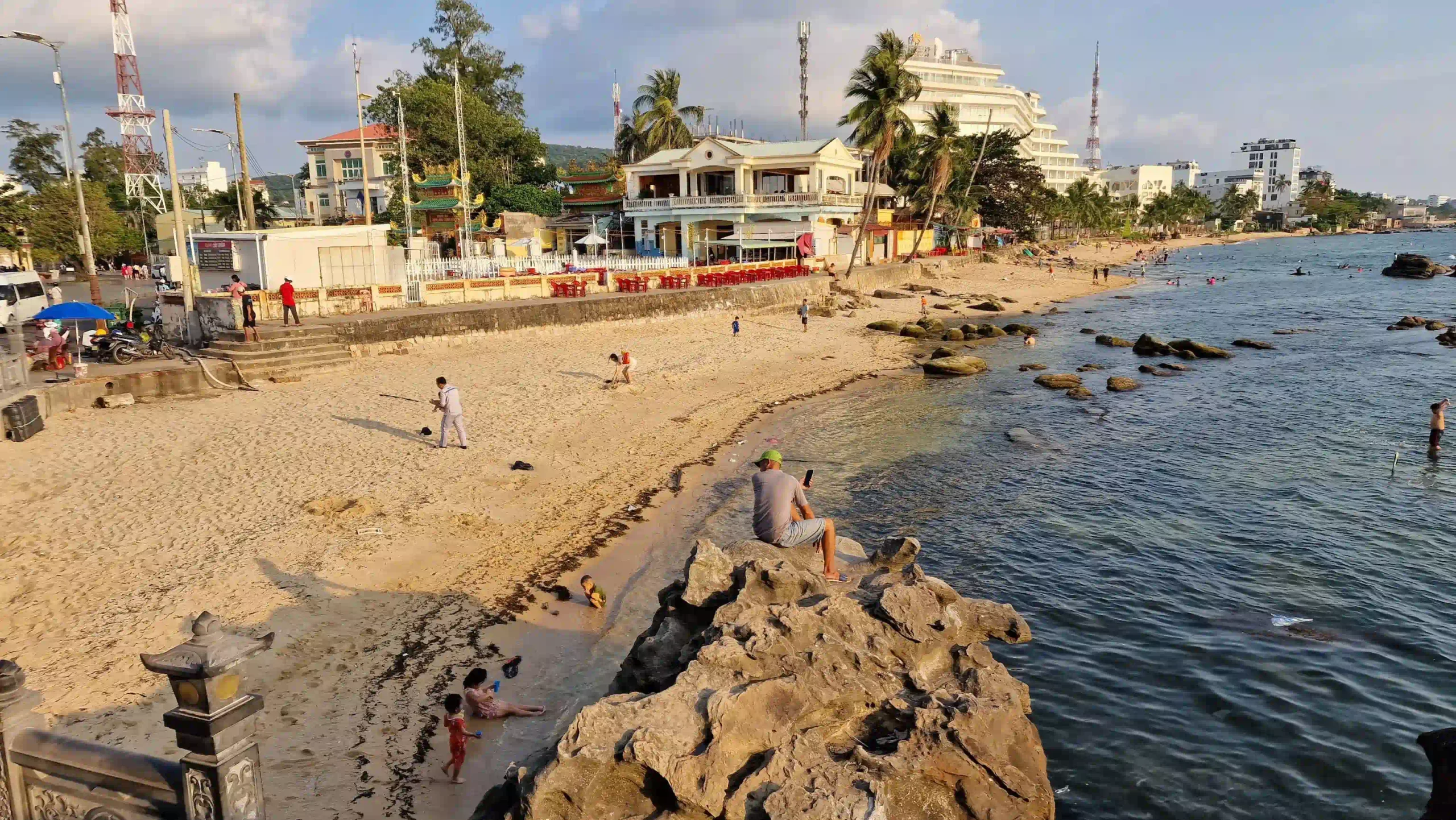

Older kids and teenagers do better in Da Nang. There’s a city to be in, the food is better, Ba Na Hills and the Golden Bridge are a day out, and Hoi An is half an hour away. A 14-year-old on Phu Quoc runs out of things by day three.
The other thing that favours Da Nang with older kids is that they can be let off the leash a bit. The beach strip is walkable and safe and there are places to eat every fifty metres. On Phu Quoc, anywhere a teenager might want to go needs a lift from you.
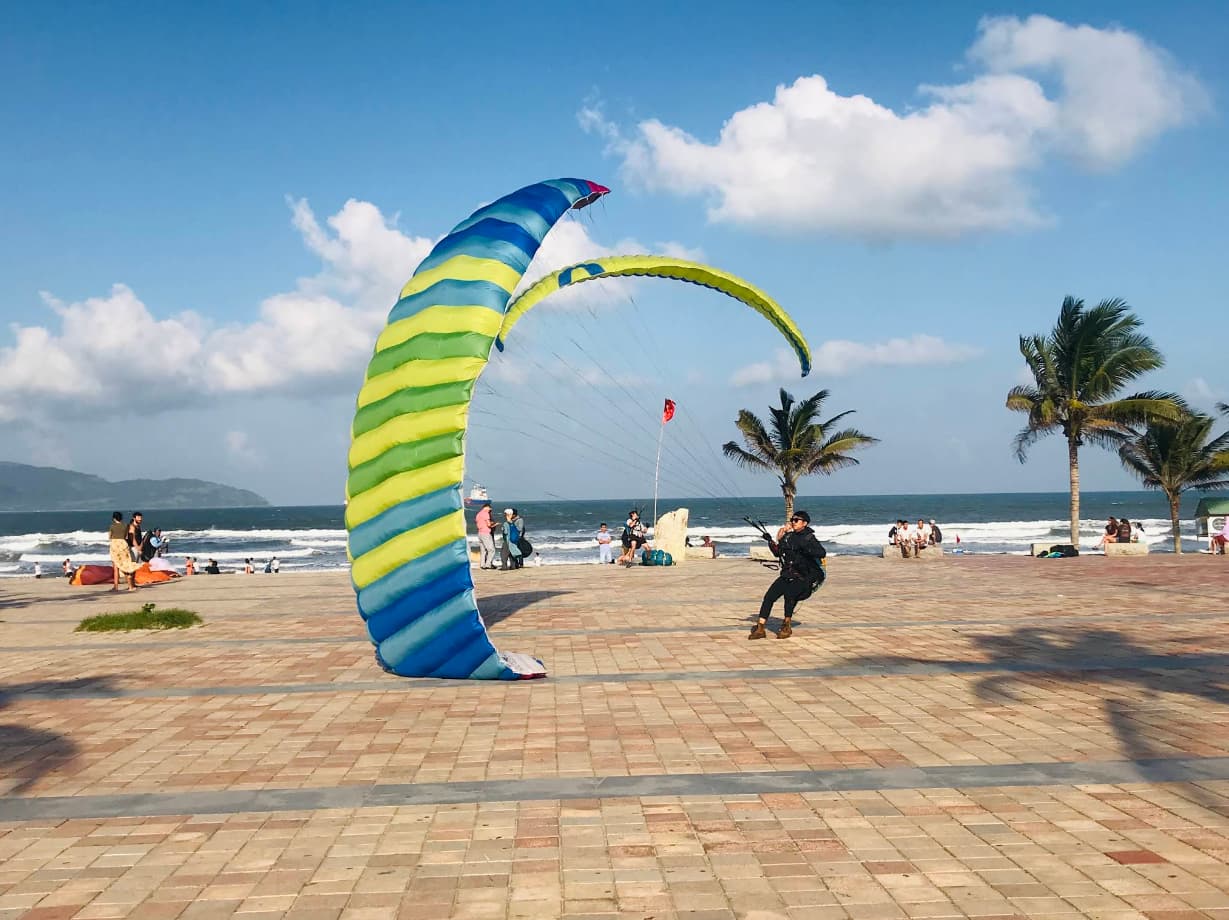


Cable Cars and Theme Parks Compared
Both have one of each, and Da Nang’s are better.
Ba Na Hills has the Golden Bridge, the French village and a cable car that climbs 1,400m into cloud, and it’s one of the most visited attractions in Vietnam for a reason.



Phu Quoc’s Hòn Thơm cable car is the longest sea crossing in the world at 8km and the view is genuinely good, but it’s a fifteen minute ride, not a day.
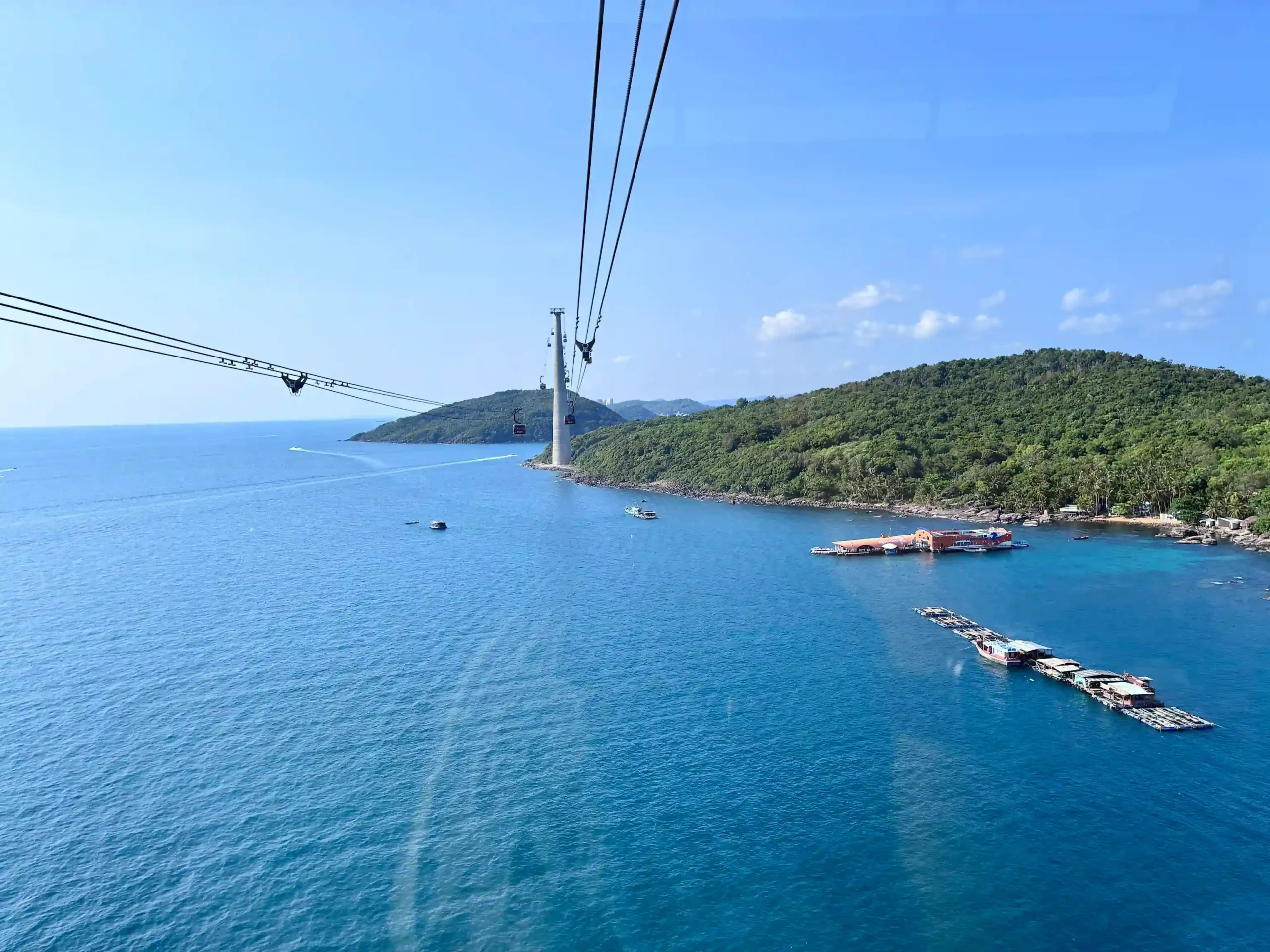
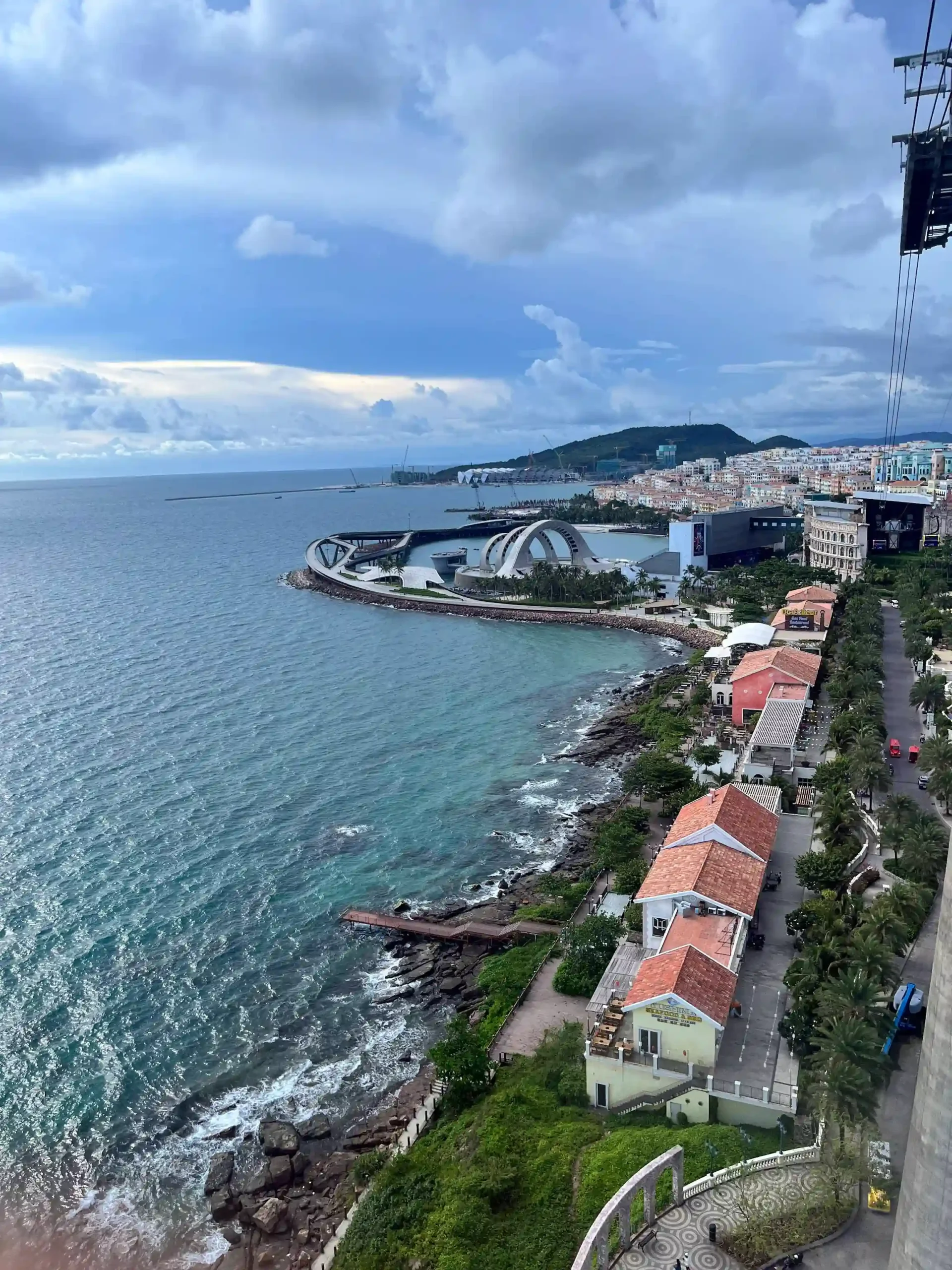

Both have a VinWonders and a water park. Phu Quoc adds Vinpearl Safari, which has no equivalent in Da Nang and is the strongest single argument for the north end of that island with children.
I’d rate Ba Na Hills the better day out of the two, and I don’t particularly like theme parks.
Which Is Cheaper, Da Nang or Phu Quoc?
Da Nang, by roughly 15 to 30% on hotels, food and getting around.
The gap comes from geography. Phu Quoc is an island where nearly everything arrives by ferry or plane, and it has 180,000 residents against 9 million annual visitors. Da Nang is a working city where a million people need to buy things at prices they can afford.
The exception is local food, which costs the same in both. A bowl of noodles is 30,000 to 60,000 VND either way. Full numbers for the island are in is Phu Quoc expensive.
Getting There, and the Visa Difference That Catches People Out
Da Nang has more direct international flights. Phu Quoc has a rule that can save you a visa application entirely.
If Phu Quoc is your only stop in Vietnam and you arrive by air or sea, you get 30 days visa-free regardless of nationality. Nowhere else in the country does that, and it stops applying the moment you clear immigration on the mainland, including on a connection.
Da Nang has no such exemption, so you’d need an e-visa. That’s a form and a fee, not a hardship, but it’s the difference between booking a flight and booking a flight plus paperwork.
From Saigon both are about an hour in the air and similarly priced, which is how I’ve done both. From Hanoi, Da Nang is closer and usually cheaper.
What Da Nang Has That Phu Quoc Doesn’t
A city, and everything that comes with one.
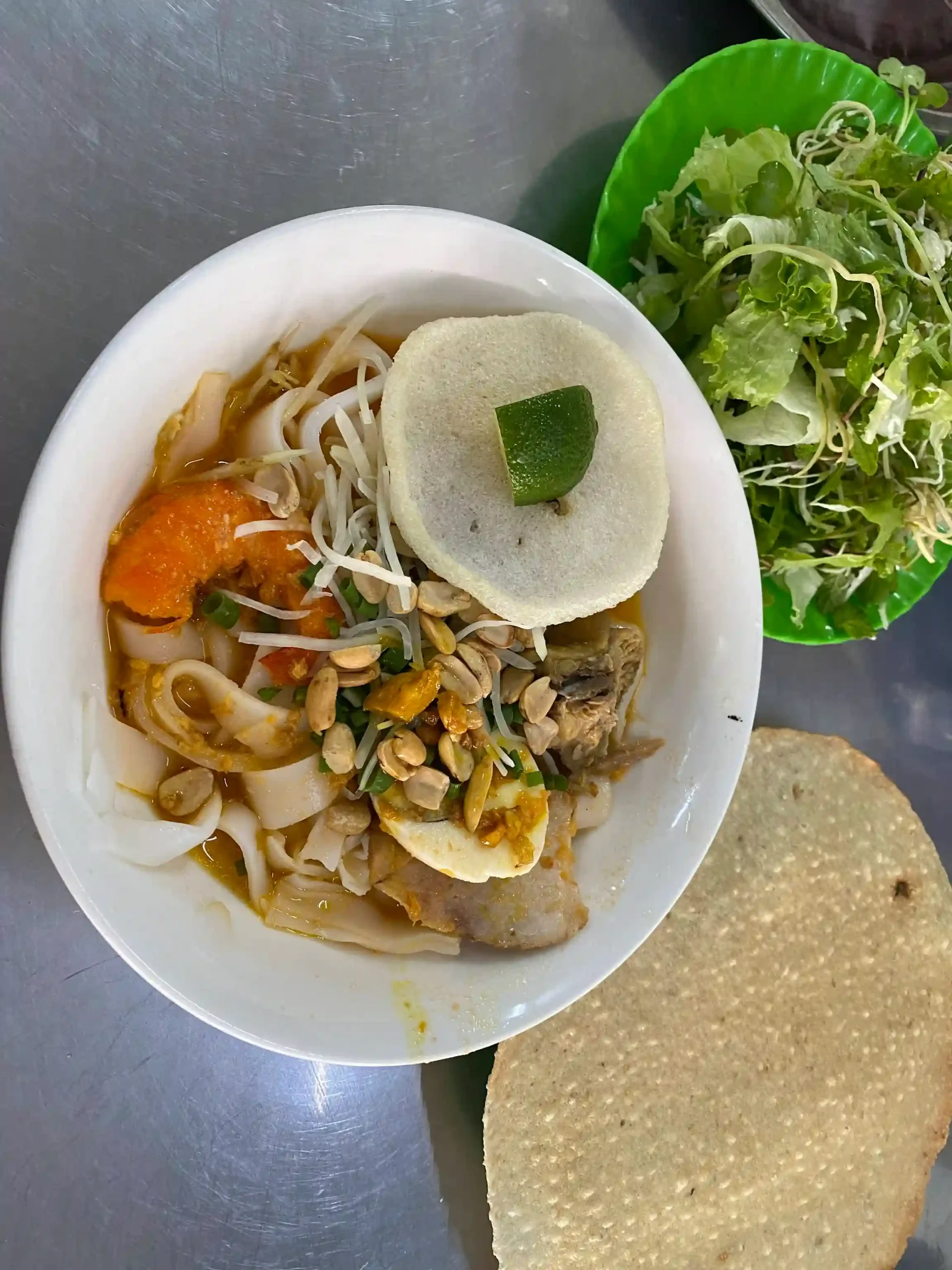
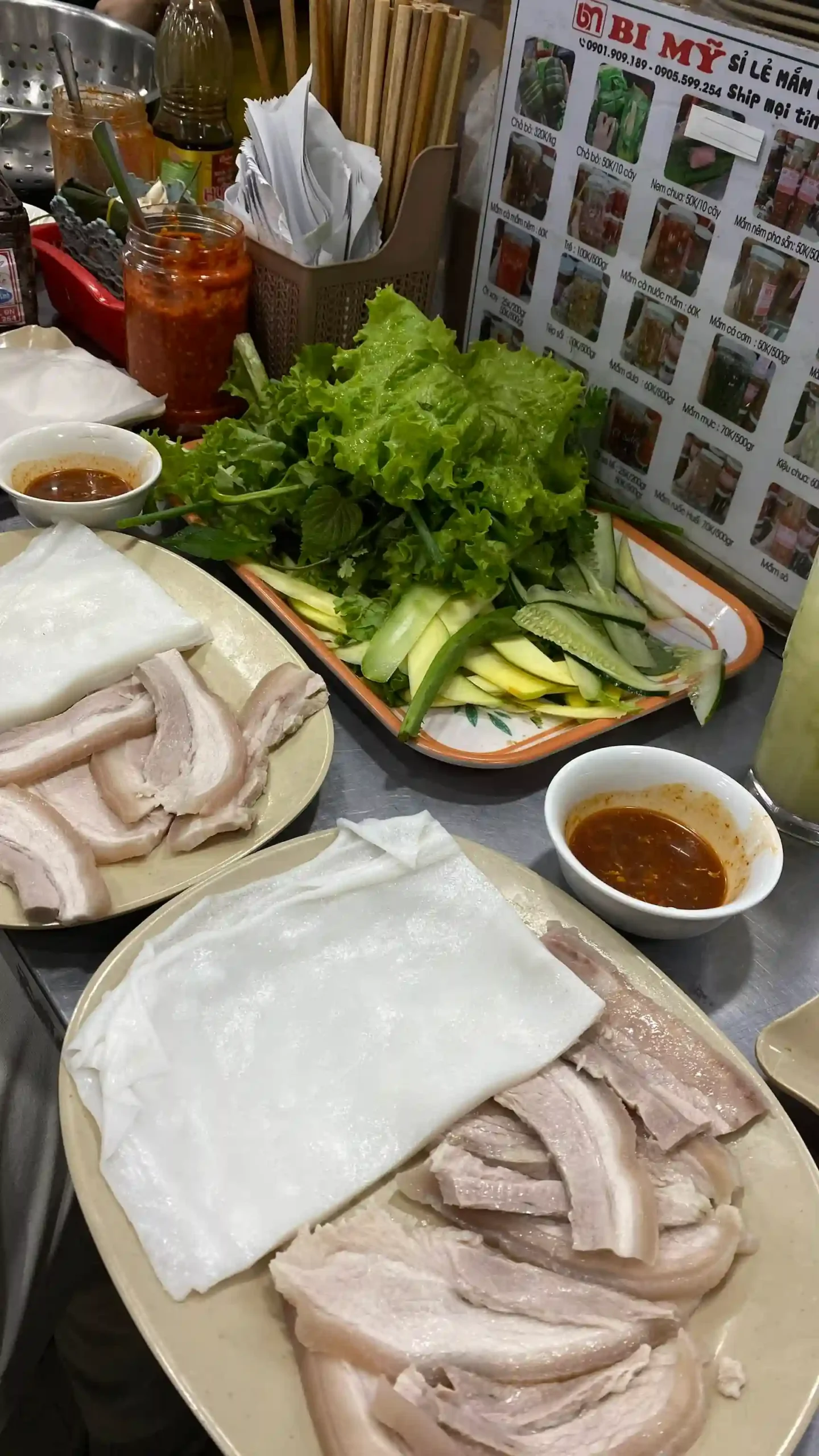
Da Nang has proper food variety, mì Quảng and bánh xèo and a coffee scene that goes well beyond tourist cafés, where Phu Quoc’s eating is mostly seafood and gets repetitive over a week. Phu Quoc has a handful of dishes worth crossing the island for, which I’ve listed in the food guide, and after that you’re eating grilled fish again.
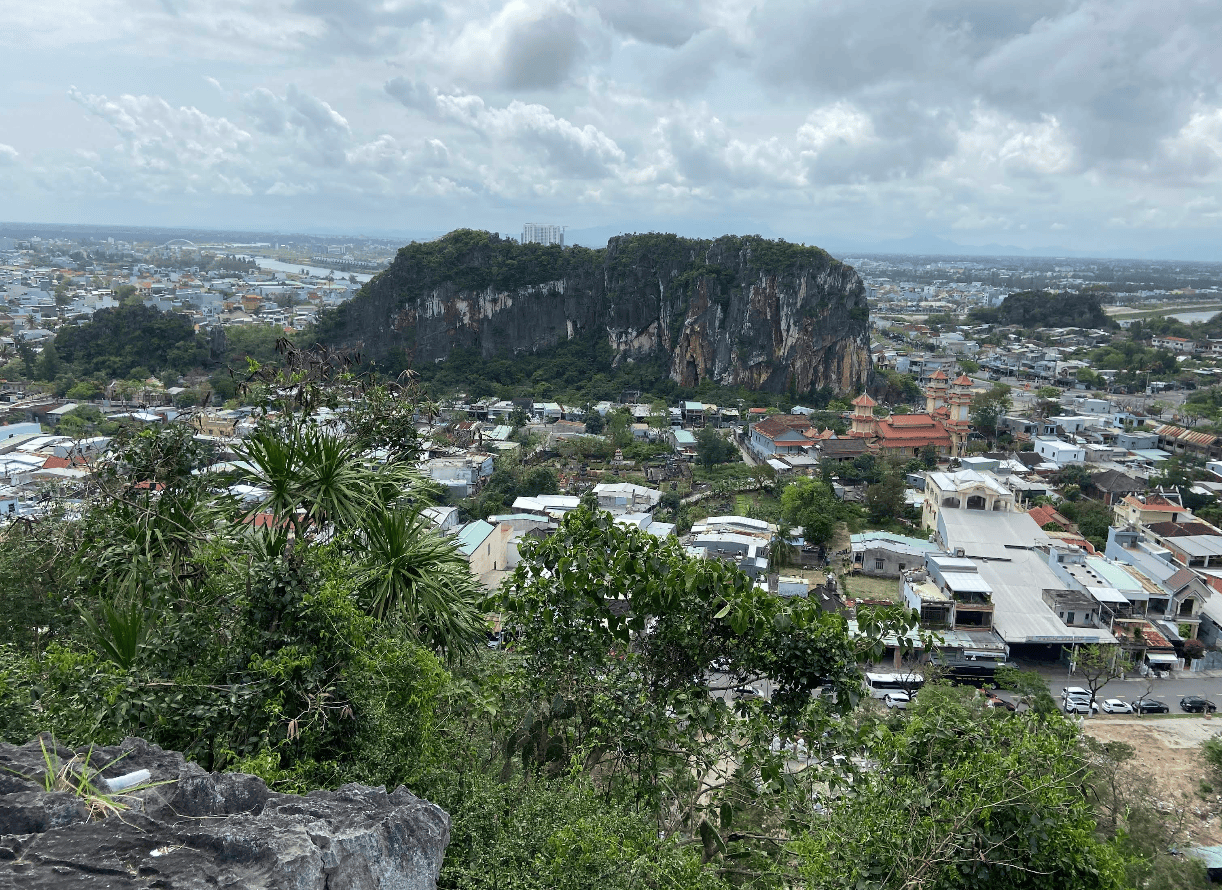
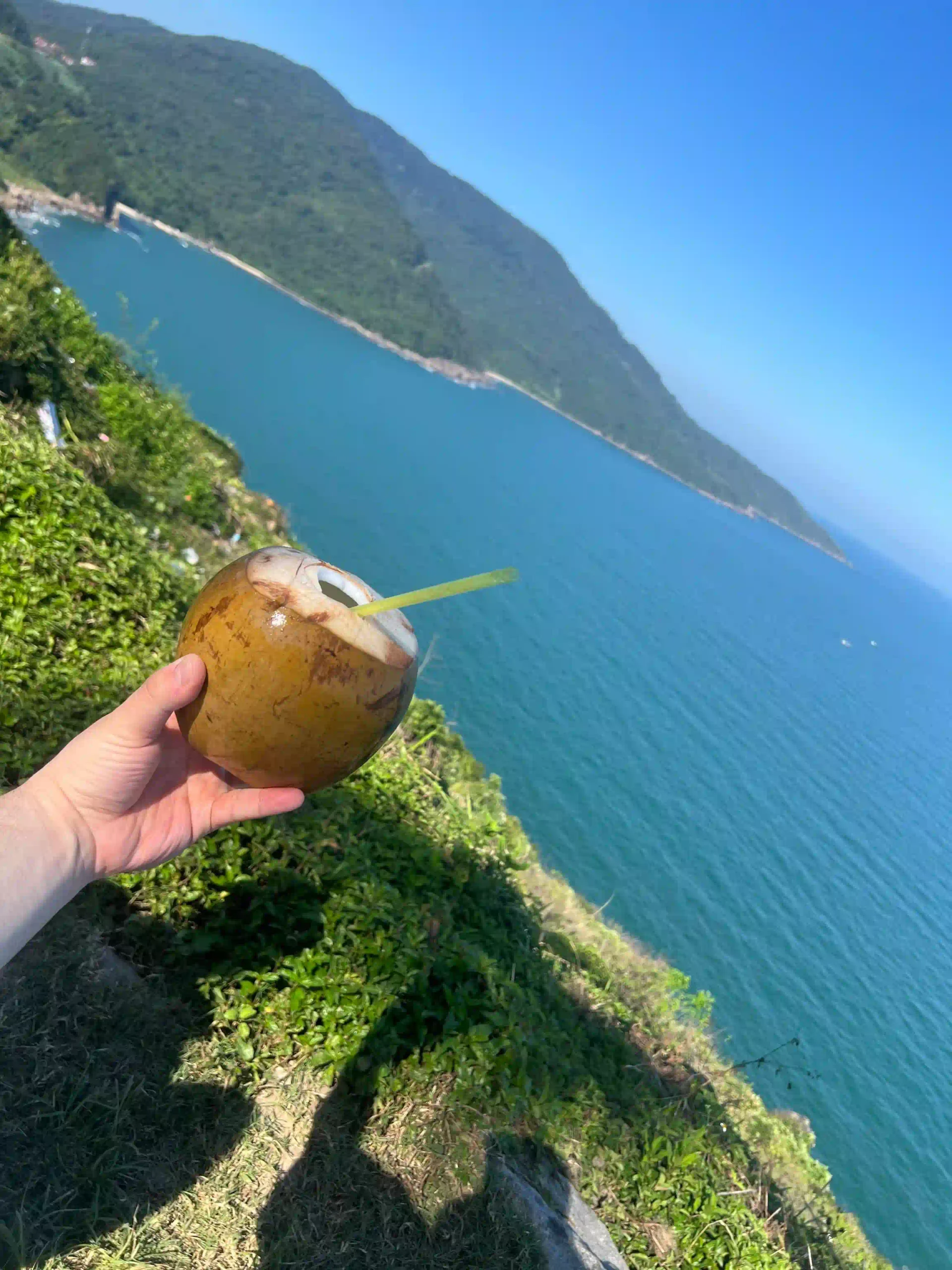
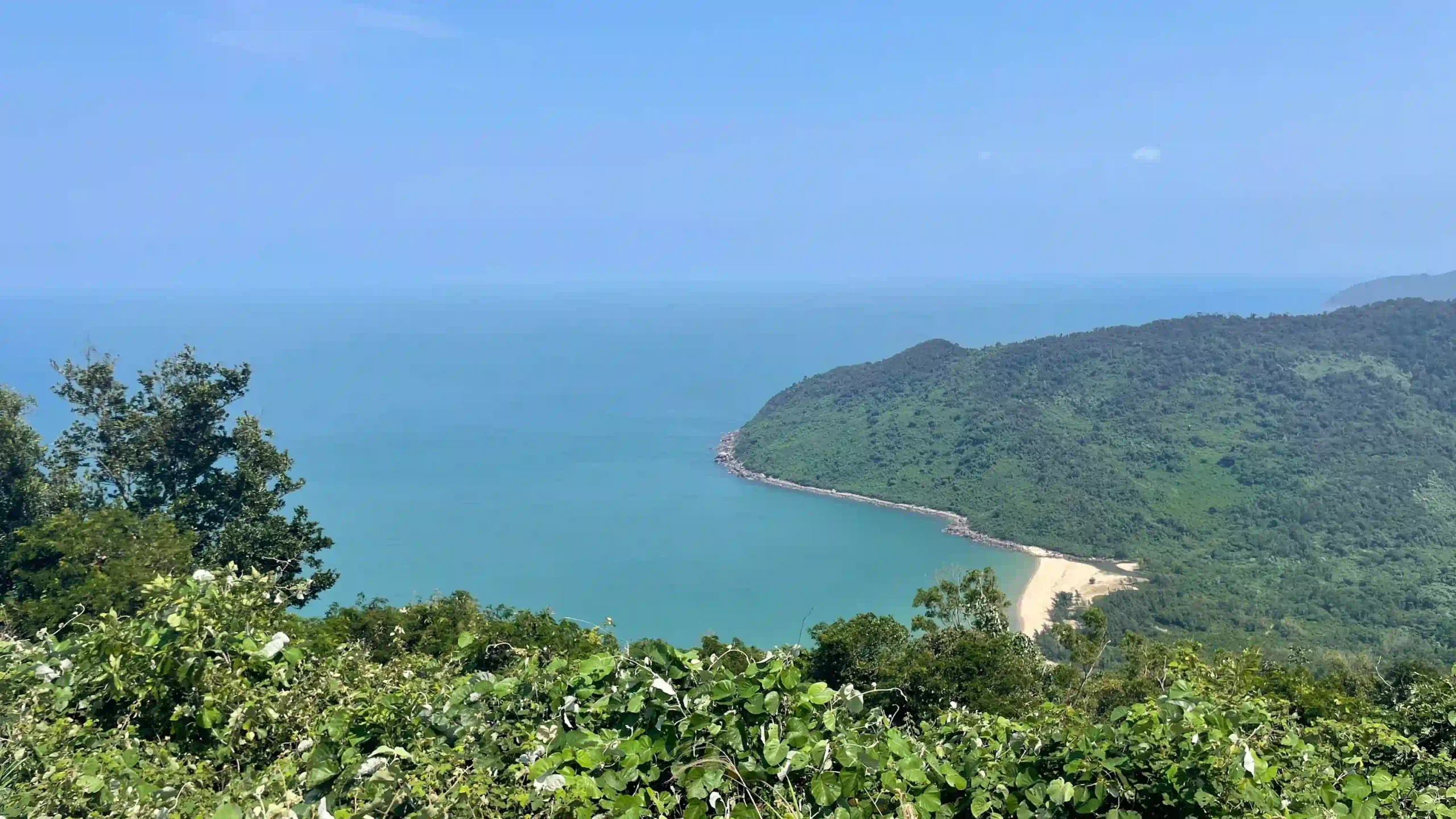
Da Nang has walkable neighbourhoods. It has the Marble Mountains, Son Tra peninsula, and the Hai Van Pass. And it has Hoi An 30 minutes down the road, which on its own is worth more than most of what Phu Quoc offers away from the water.
For a first trip to Vietnam, that combination is why I’d send most people to Da Nang over the island.




What Phu Quoc Has That Da Nang Doesn’t
Water you’d cross a country for, and the freedom to do nothing.
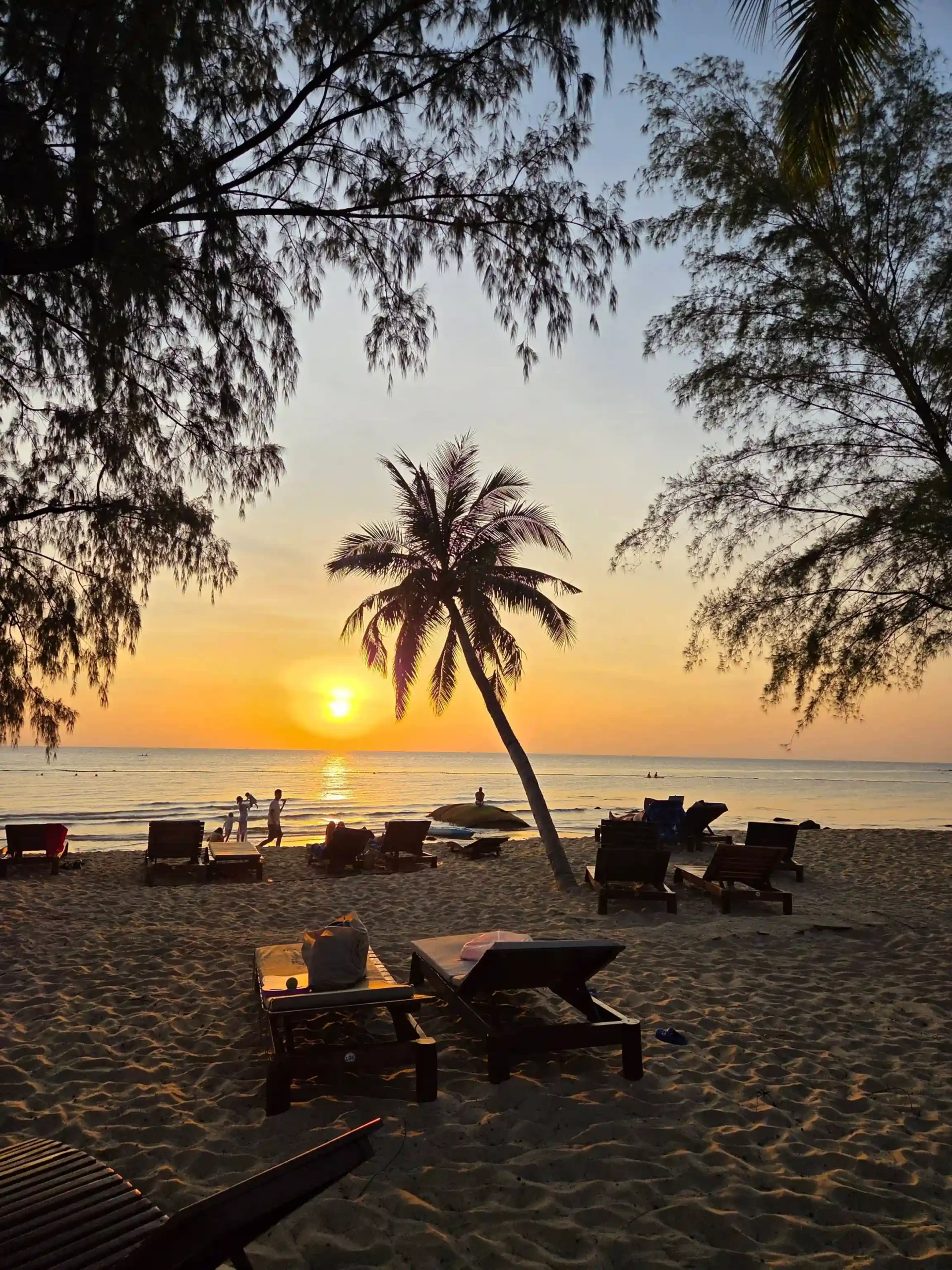
The snorkelling is real. The sunsets on the west coast are better than anything Da Nang gets, since Da Nang’s beach faces east and gets sunrises instead. And the island has a stillness to it that a city of 1.2 million doesn’t, which is either the appeal or the problem depending on the trip.
The visa exemption is the practical one, and for a short beach break from Bangkok or Singapore it makes Phu Quoc the least hassle in the region.

Where You Sleep Is a Different Decision in Each Place
On Phu Quoc the area you pick decides your whole trip. In Da Nang it barely matters.
That’s the practical difference between an island 50km long with no public transport and a compact city where everything is a cheap Grab.
On Phu Quoc, booking the far north when your plans are in the south costs you 45 minutes each way, twice a day, which is the argument I make at length in places to stay in Phu Quoc.
In Da Nang you book somewhere on the beach strip along Võ Nguyên Giáp and you’re fine.
Prices reflect it too. A beachfront room in Da Nang at $55 to $70 is a genuinely good 4-star. The same money on Phu Quoc buys you a mid-range place a road back from the sand.
Nightlife: The City Wins Easily
Da Nang, and not by a small margin. It has a beach bar strip, a craft beer scene, riverside clubs, and the Dragon Bridge breathing fire at 21:00 on weekends.



Phu Quoc’s nightlife is one alley of bars on Trần Hưng Đạo, a night market, and a light show at the southern tip. Most of it shuts by midnight.
I’ve written about what there actually is after dark and the honest summary is that it’s fine for four nights and thin for seven.
If evenings matter to you at all, that’s a real point for the mainland.
Doing Both in One Trip
Yes, and it’s a common two-week Vietnam shape. There’s no direct flight, so you’d route through Saigon or Hanoi, and that’s most of a travel day each way.
The version that works is Da Nang and Hoi An for four or five days, then fly south for four or five on the island. Do it in April if you want both beaches functional at the same time.
What I wouldn’t do is squeeze both into a week. You’d spend two of those days in airports.
Da Nang or Nha Trang, If You’ve Ruled Out the Island
Nha Trang is cheaper and busier, Da Nang is better organised and better for food.
Nha Trang’s beach season also runs closer to Phu Quoc’s, roughly January to August, so it covers dates Da Nang doesn’t, which is the main reason to consider it at all.
What you get in Nha Trang is a denser, louder, more Russian-and-Korean-inflected resort city, with island boat trips of its own. What you give up is Hoi An, which for most people is the reason to be on that stretch of coast in the first place.
That’s a comparison that deserves its own piece and I’ll write it properly.


So, Which Would I Pick?
For a beach trip in dry season, Phu Quoc. The water is better, the boat days are better, and the visa rule removes a step.
For a first trip to Vietnam, Da Nang, without much hesitation. You get a beach and a country at the same time, and Hoi An is the thing people remember years later.
For a longer stay or a tight budget, Da Nang again. A week on Phu Quoc costs meaningfully more, and I hit the wall on seafood somewhere around day ten of my month there.
And if you’re travelling between October and March and the beach is genuinely the whole point, the question answers itself. Go to the island.
Here’s where I’d hand it back to you, because this one has a right answer and it depends on a thing only you know.
Tell me your dates. Not the month you’d prefer, the dates you can actually take off. If they land between November and April I’ll say Phu Quoc every time and I won’t need to know anything else about you. If they land between May and August I’ll say Da Nang just as fast. September and October, and I’d talk you into somewhere else entirely.
The people who get this wrong almost always picked on the photos first and checked the calendar second. Do it the other way round and the decision takes ten seconds.
So: dates in the comments, and I’ll tell you which one, plus where on it I’d put you.

Keep Exploring Phu Quoc
-
See & do UltimateAll the best things to do in Phu Quoc as a first-timer ›
-
Guide Must readIs Phu Quoc worth visiting or overrated? What to expect ›
-
GuideIs Phu Quoc Expensive? 2026 Prices vs Da Nang, Phuket & Bali ›
-
GuideJohn’s Tours Phu Quoc review: Is it really the best choice? ›
-
GuideHow to Get From Saigon to Phu Quoc: Flight or Bus + Ferry (2026) ›











 Tiếng Việt
 한국어
한국어 中文 (中国)
 日本語
日本語 ไทย
ไทย Deutsch
 Español
 Destinations
 Instagram
 Facebook
 X (Twitter)
 Threads
 Tiktok