









 Ha Giang
 Hanoi
Hanoi Ho Chi Minh City
 Ha Long
 Sapa
Sapa Mekong Delta
 Da Nang
 Hue
Hue Hoi An
 Ninh Binh
 Da Lat
 Nha Trang
 Phan Thiet
 Phu Quoc
 Quang Binh
 Quy Nhon
 Vung Tau
 Thai Nguyen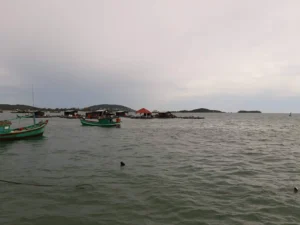




Phu Quoc took in 8.3 million visitors last year, nearly double the year before. That number explains most of what’s good and most of what’s frustrating about the island right now.
I flew down from Saigon planning to stay two weeks and ended up staying a month, moving between the north, the center, and the far south, partly because a month was the only way to figure out which version of this island people are actually arguing about online.
The short version, before the full list of things to do in Phu Quoc below: there are two Phu Quocs. One is genuinely beautiful and cheap by any regional standard. The other is a construction site with a theme park bolted onto it. Both are real, and which one you experience comes down almost entirely to where you base yourself and what you decide to skip.
- Quick Answer: The best things to do in Phu Quoc split into three groups: the An Thoi archipelago in the south for snorkeling and island hopping, the beaches themselves for actually doing nothing, and the built attractions like the Hon Thom cable car and Sunset Town. Most first-timers should prioritize the boat trips and the beaches over the theme parks. Come between November and April if you have any say in it, the rainy season genuinely cancels boat tours and clouds the water.
- The South (An Thoi and the Islands):
- The 15-island An Thoi archipelago, the best snorkeling on the island.
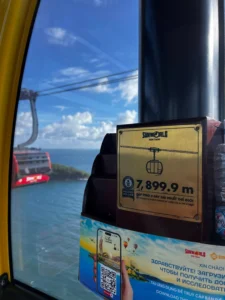
- Hon Thom cable car, 7,899 meters, the world’s longest over water.
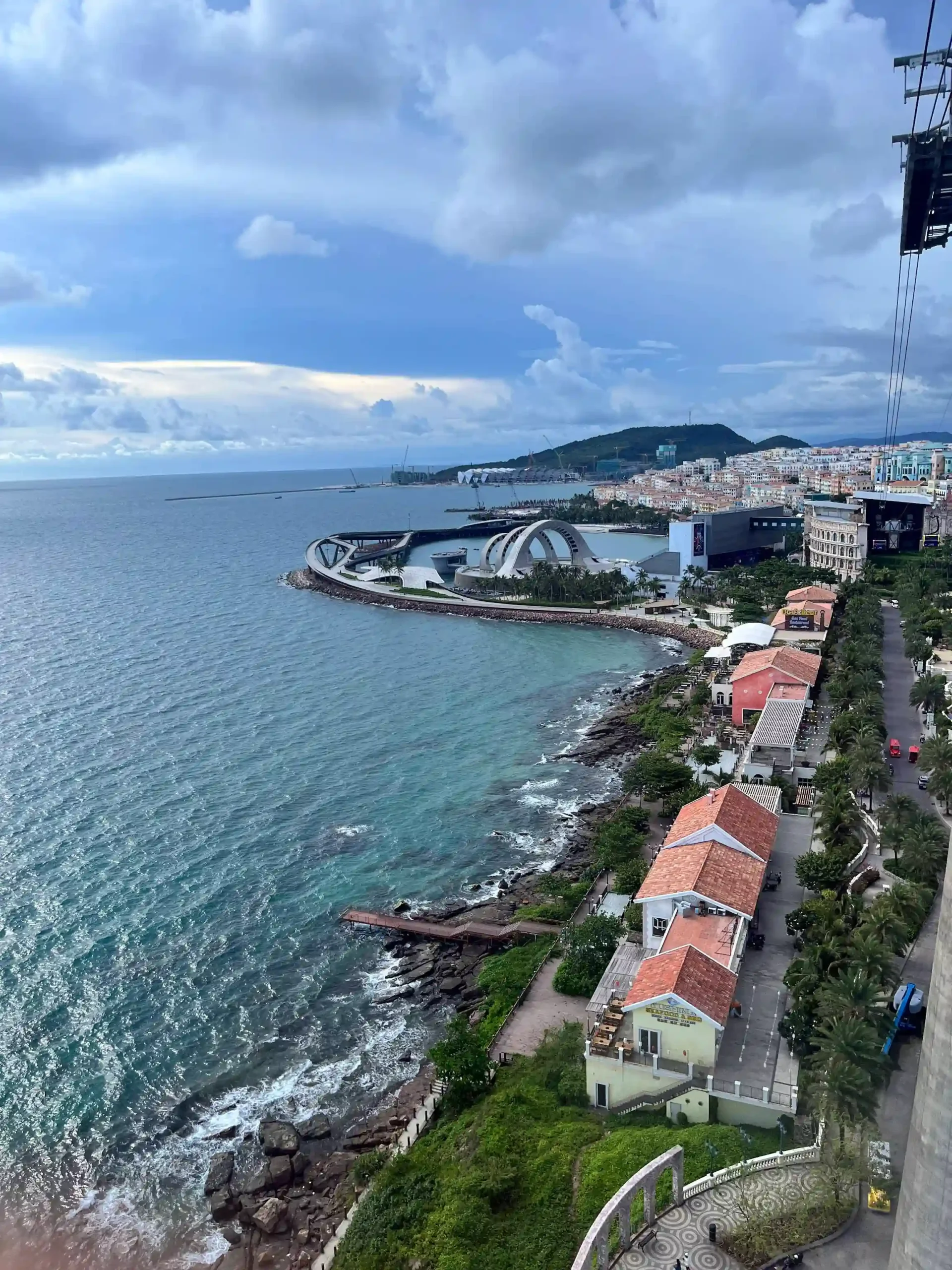
- Sunset Town, purpose-built, polarizing, worth one evening.
- Aquatopia Water Park on Hon Thom, usually bundled with cable car tickets.
- The Beaches Worth Your Time:
- Bai Sao, the famous one, genuinely beautiful and genuinely litter-prone.
- Ong Lang, 4km of quieter sand 7km from Duong Dong, my pick for a base.
- Vung Bau, northwest, undeveloped, the closest thing to an empty beach here.
- Long Beach (Bai Truong), 20km of west coast where 95% of the hotels sit.
- The North:
- Rach Vem fishing village, stilt shacks over the water, real seafood.
- Ganh Dau Cape, the northwest tip.
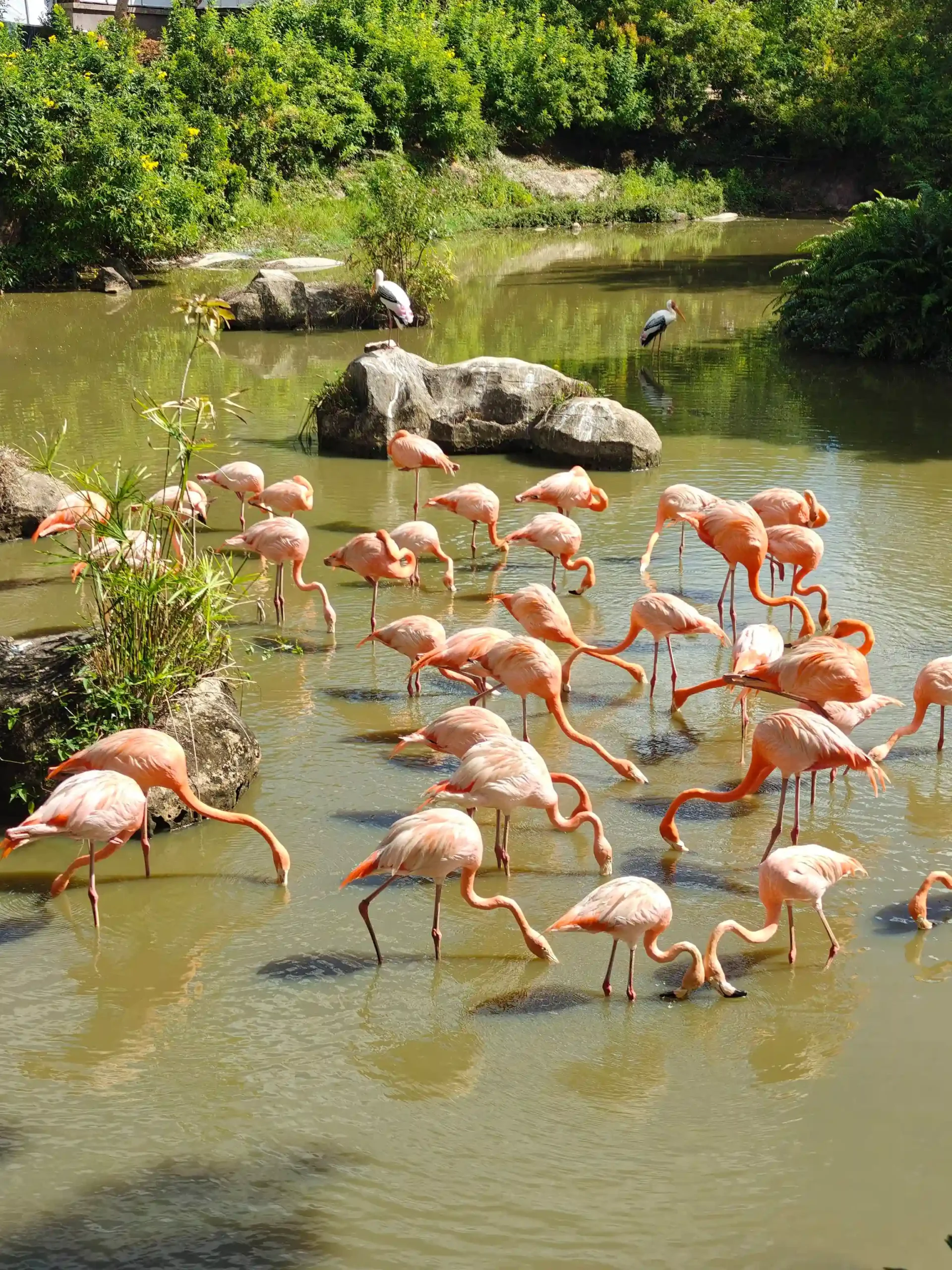
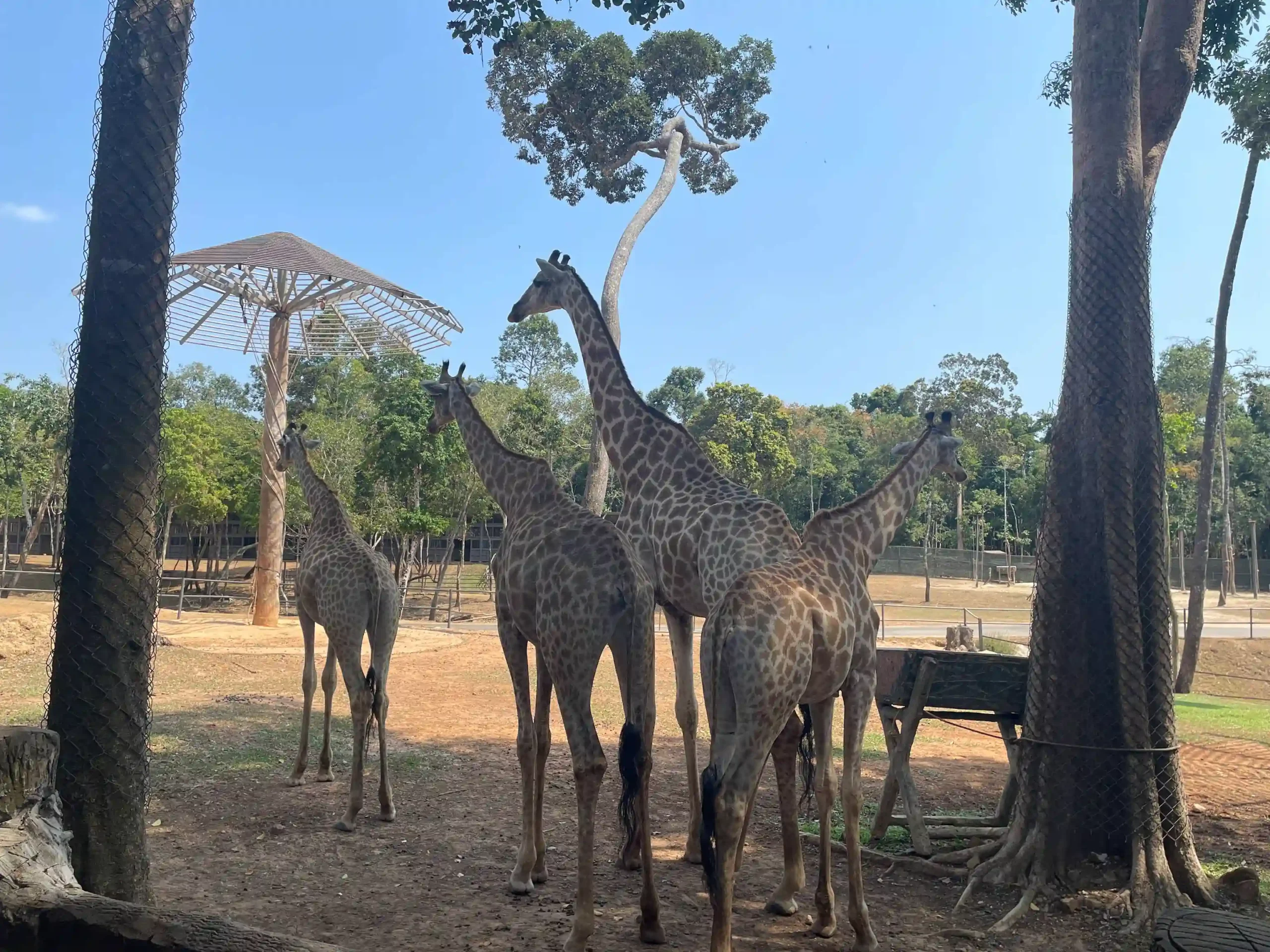
- VinWonders and Vinpearl Safari, mixed reviews, worth knowing before you commit a day.
- Timing and Money:
- November to April: dry, clear water, calm seas. May to October: rain, jellyfish, canceled boat trips.
- 30-day visa exemption if Phu Quoc is your only Vietnam destination, any nationality.
- Cheaper than Bali or Phuket, more expensive than mainland Vietnam.
The Best Thing to Do in Phu Quoc: Island Hopping the An Thoi Archipelago
This is the thing to do if you only do one thing.
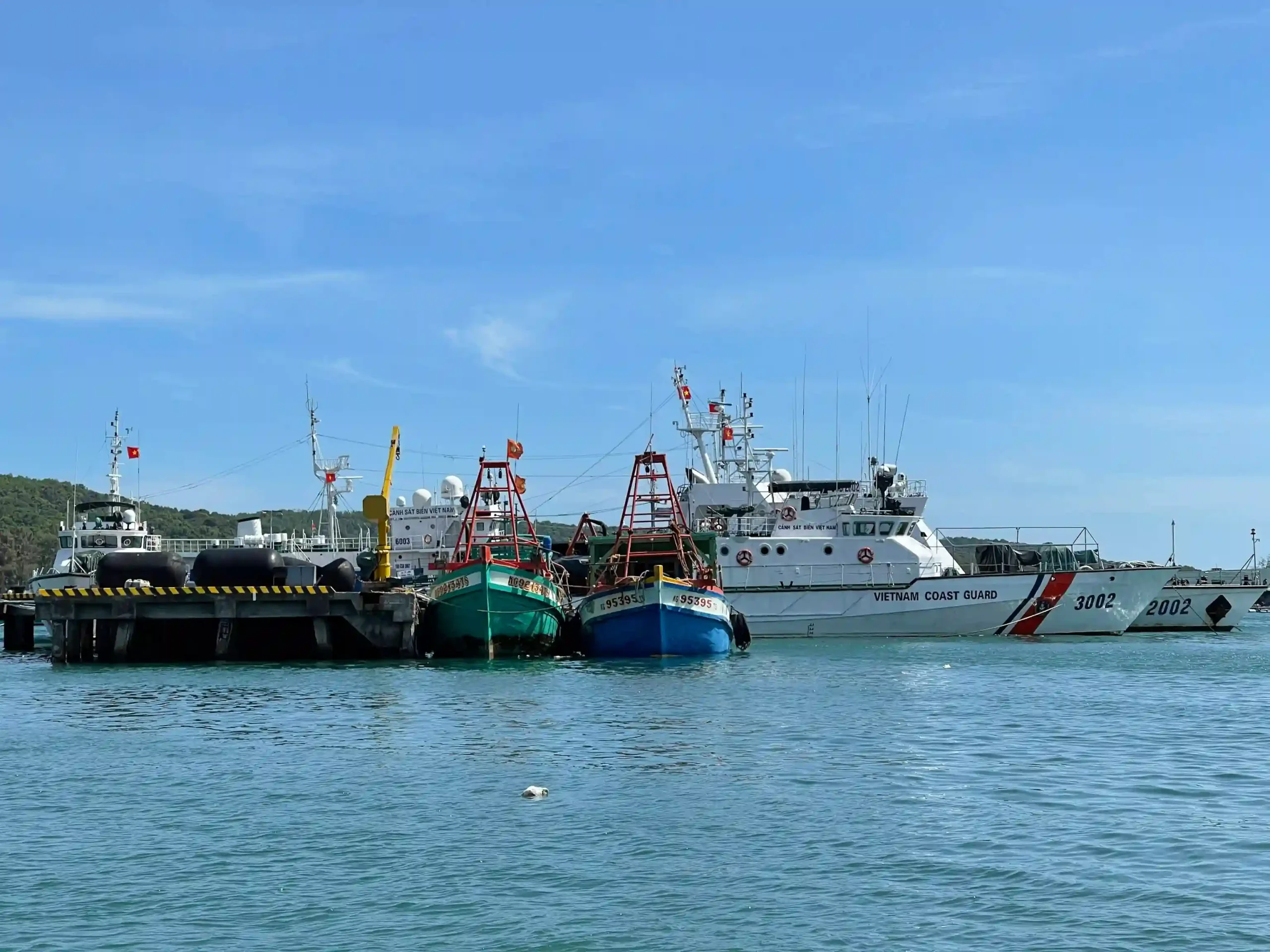
Fifteen islands sit off the southern tip, and the water around them is a different color from the water off the main island’s west coast, clearer, calmer, actually worth getting in with a mask.
The standard trip covers three islands, usually some combination of May Rut, Gam Ghi, and Hon Mong Tay or Hon Xuong depending on the operator and the conditions.
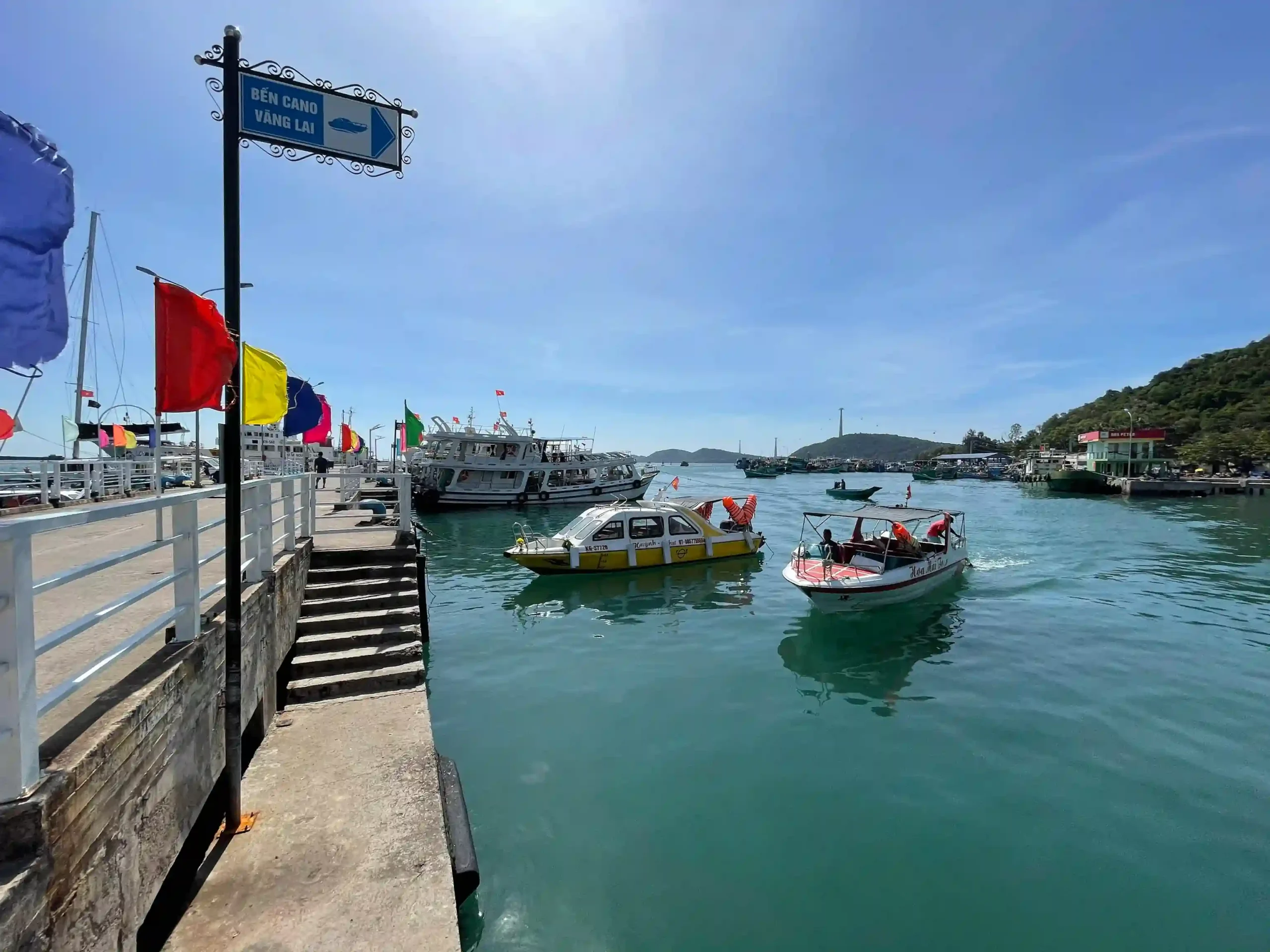
Boats leave from An Thoi harbor in the morning, you snorkel two or three reef spots, eat lunch on the boat or on a beach, and get back mid-afternoon. Gam Ghi has the best coral of the ones I saw, roughly 10km out from the harbor.
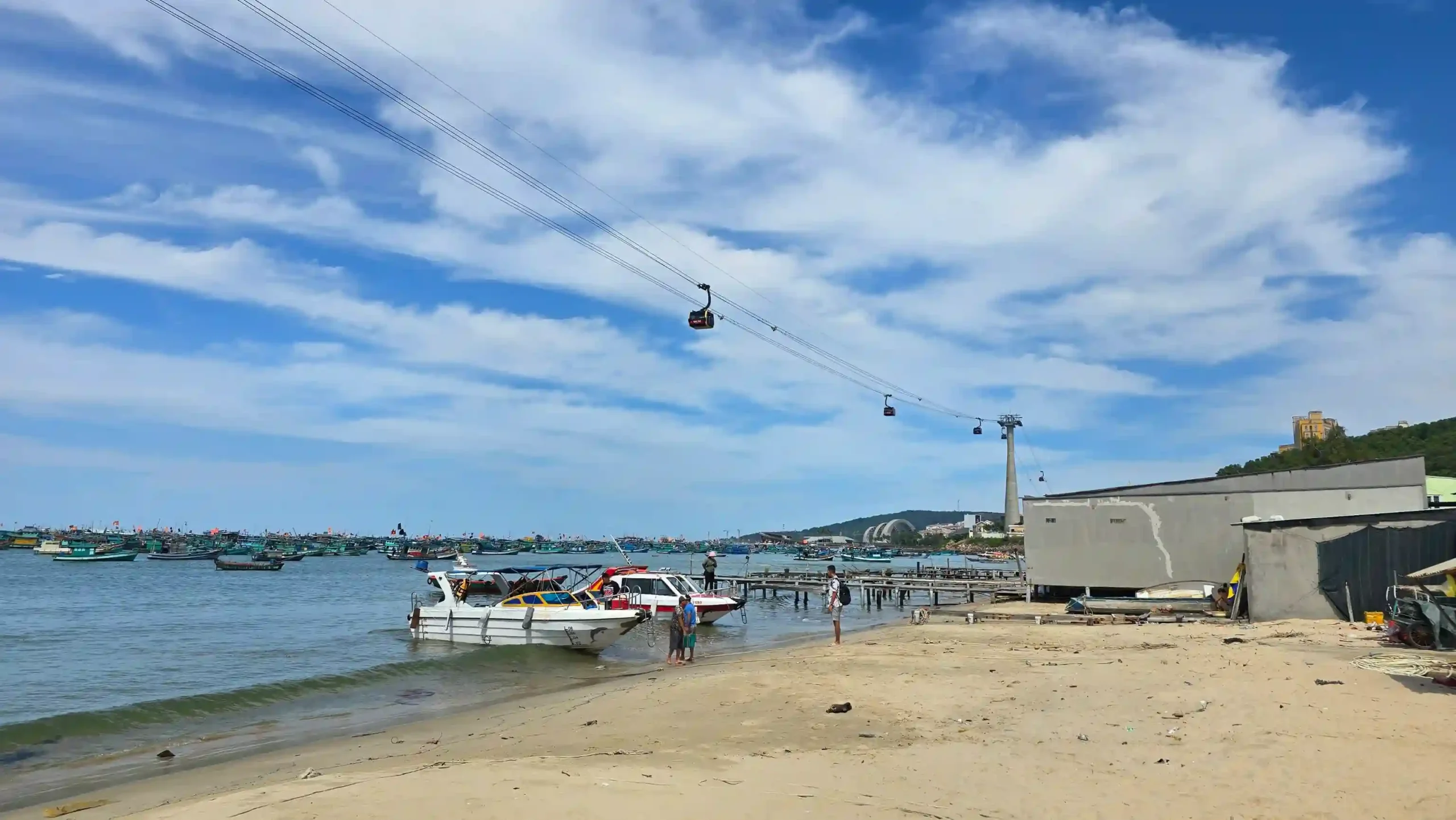
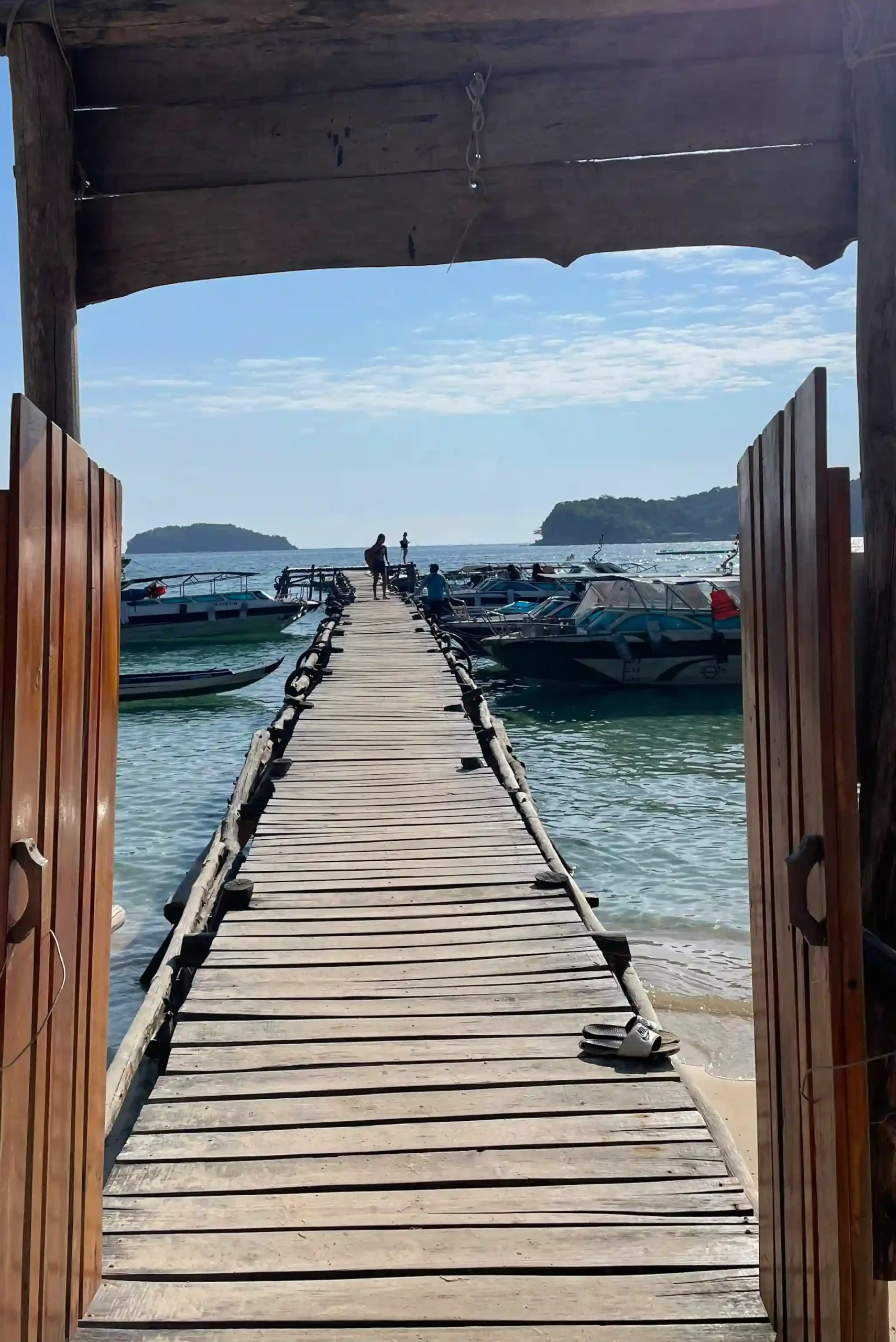
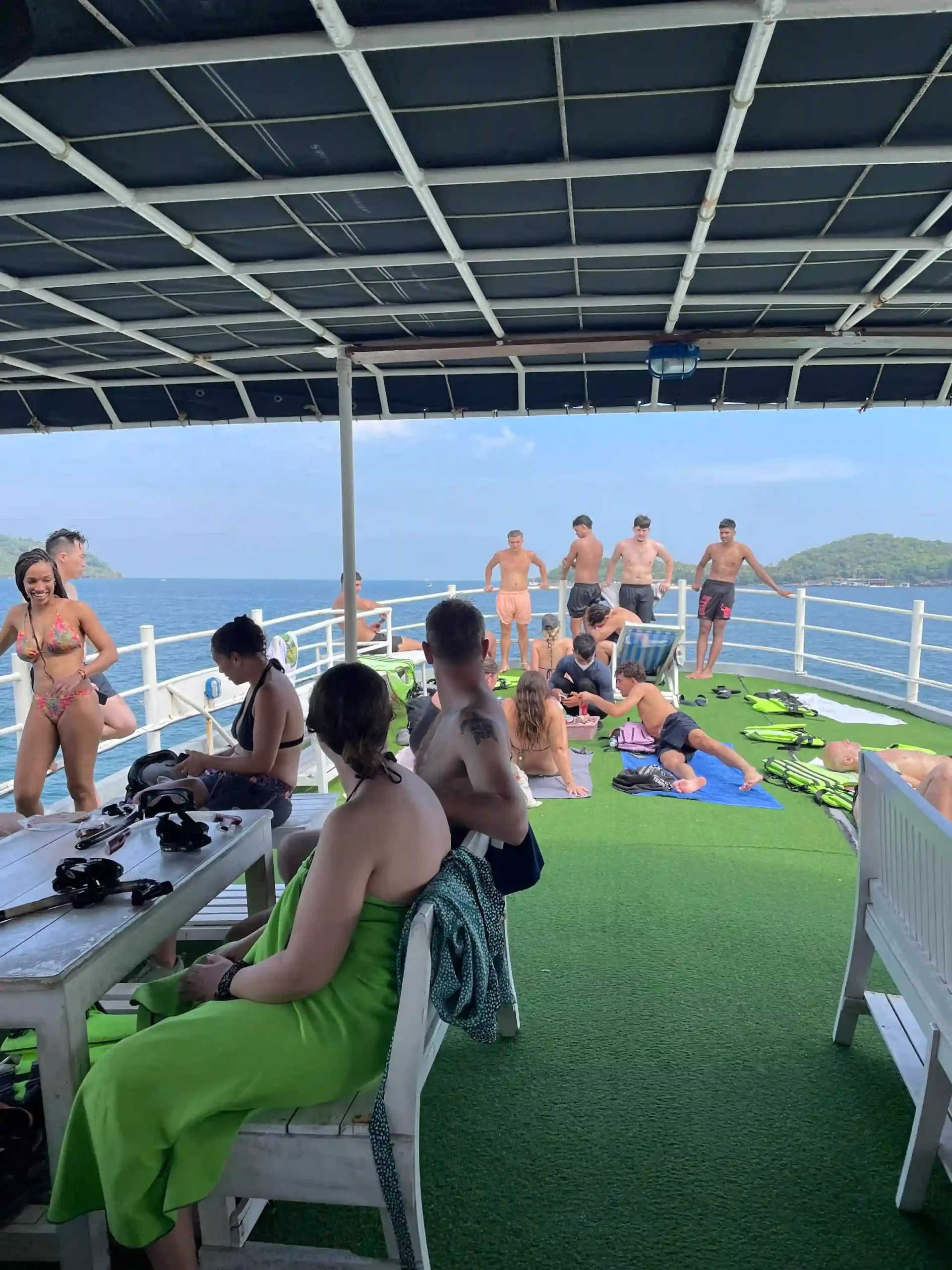
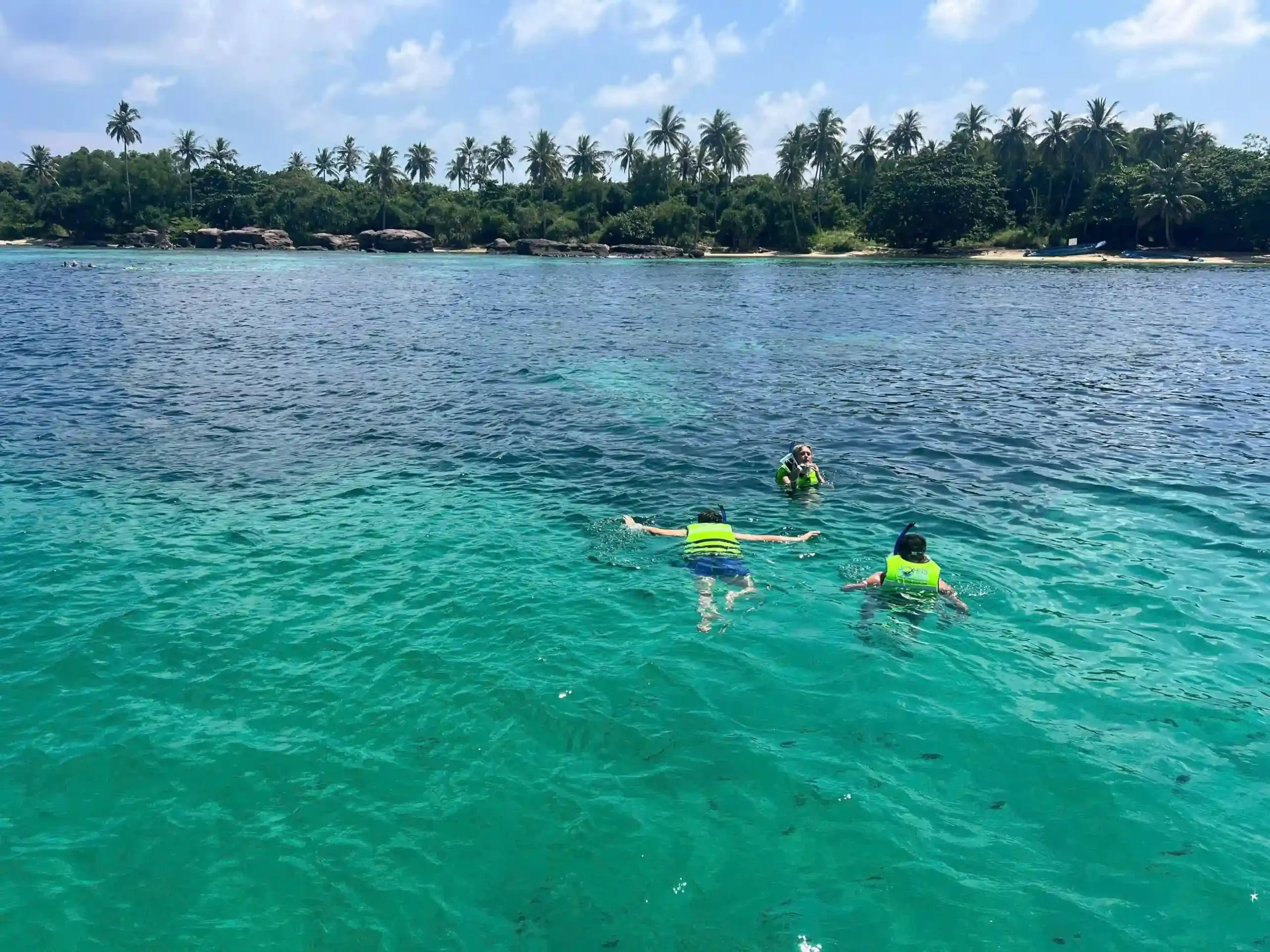
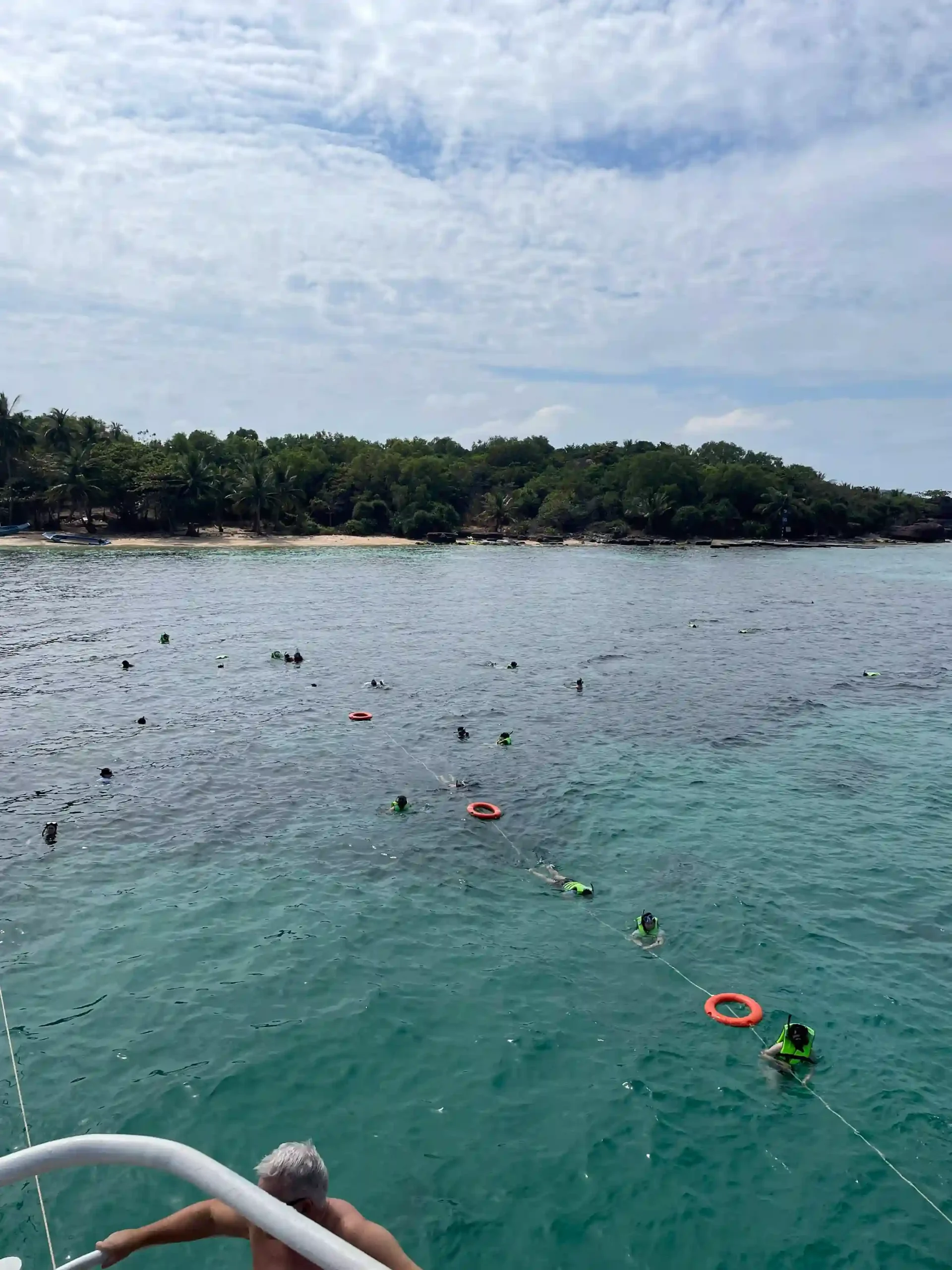
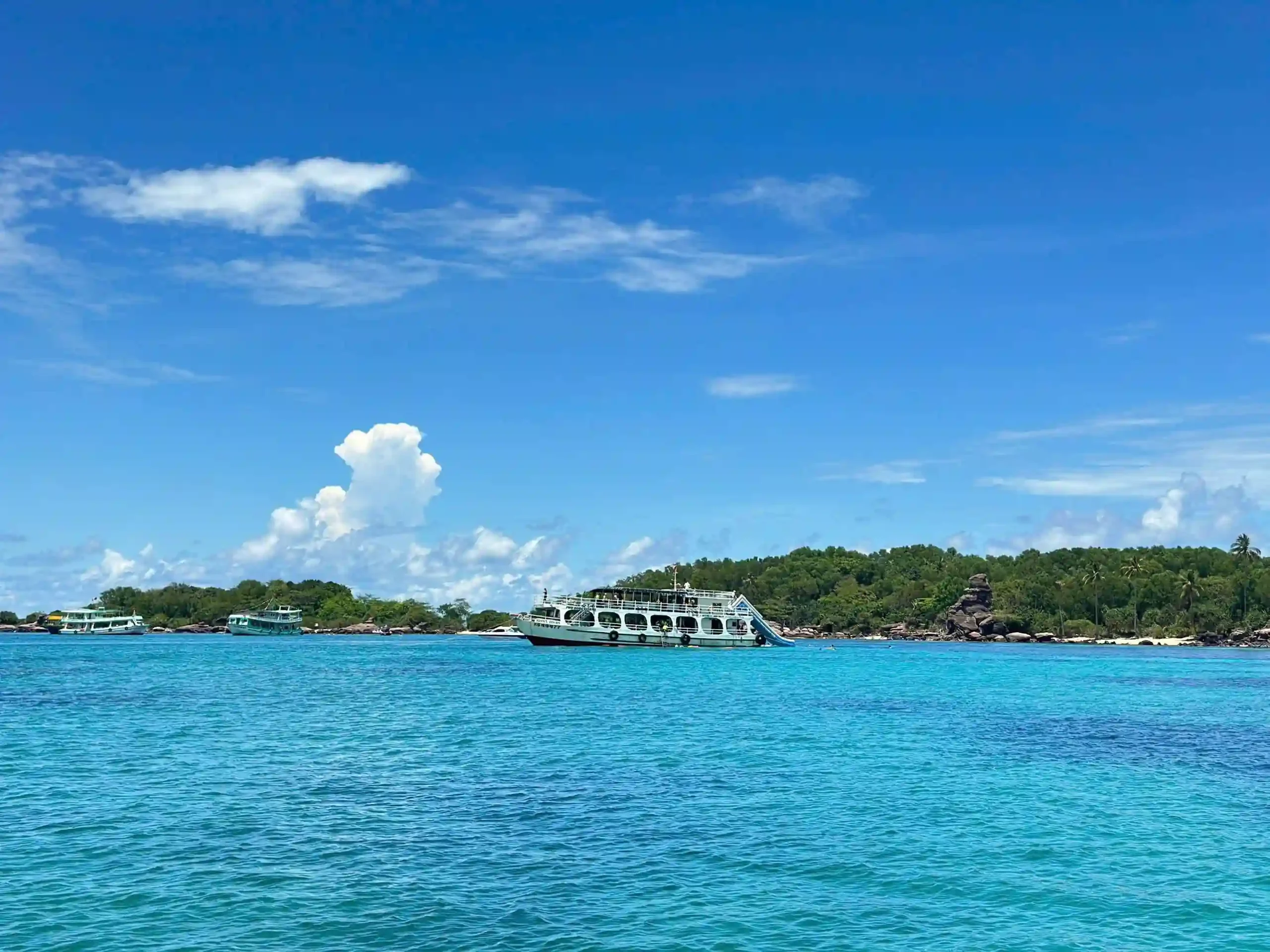
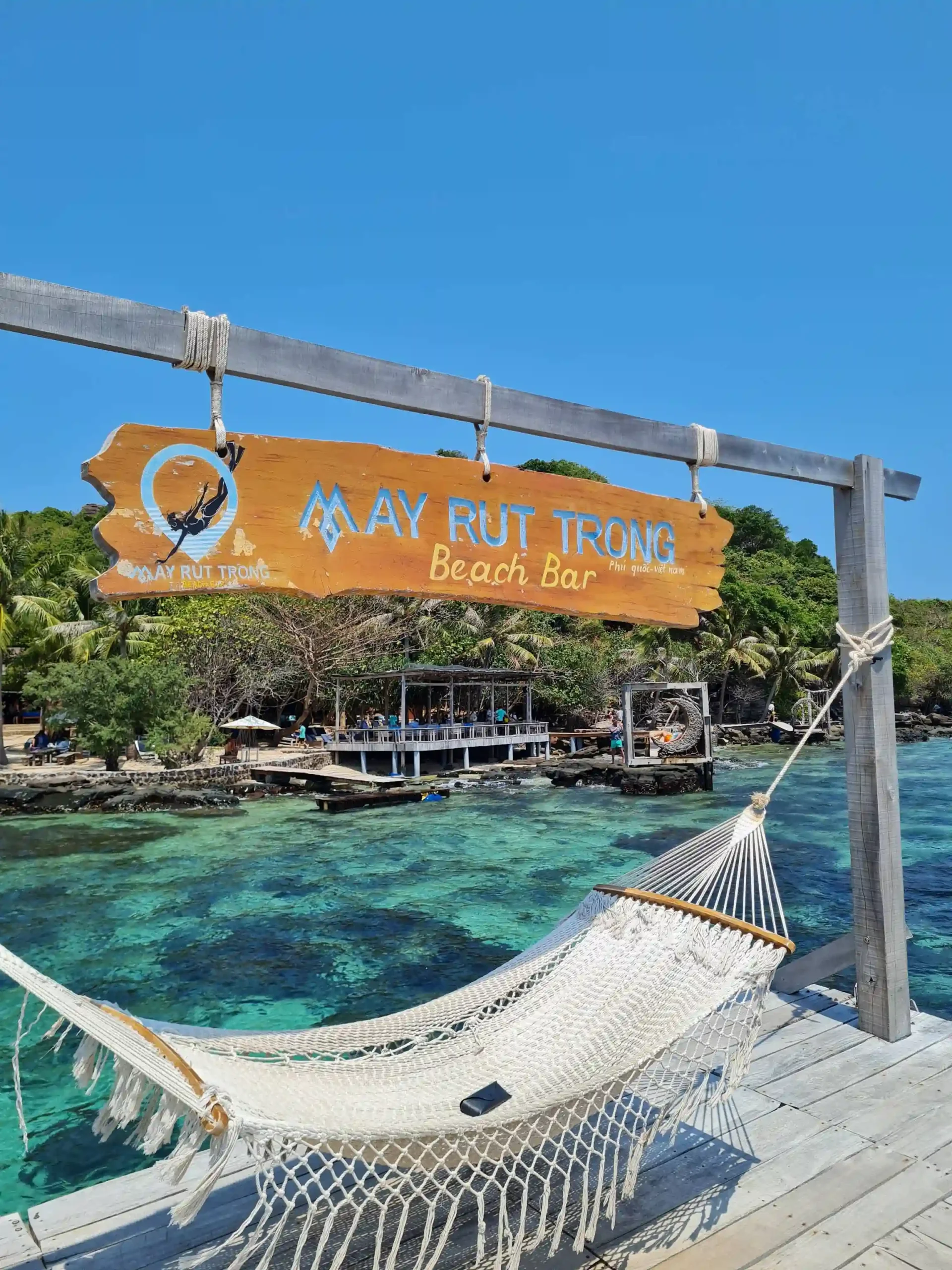
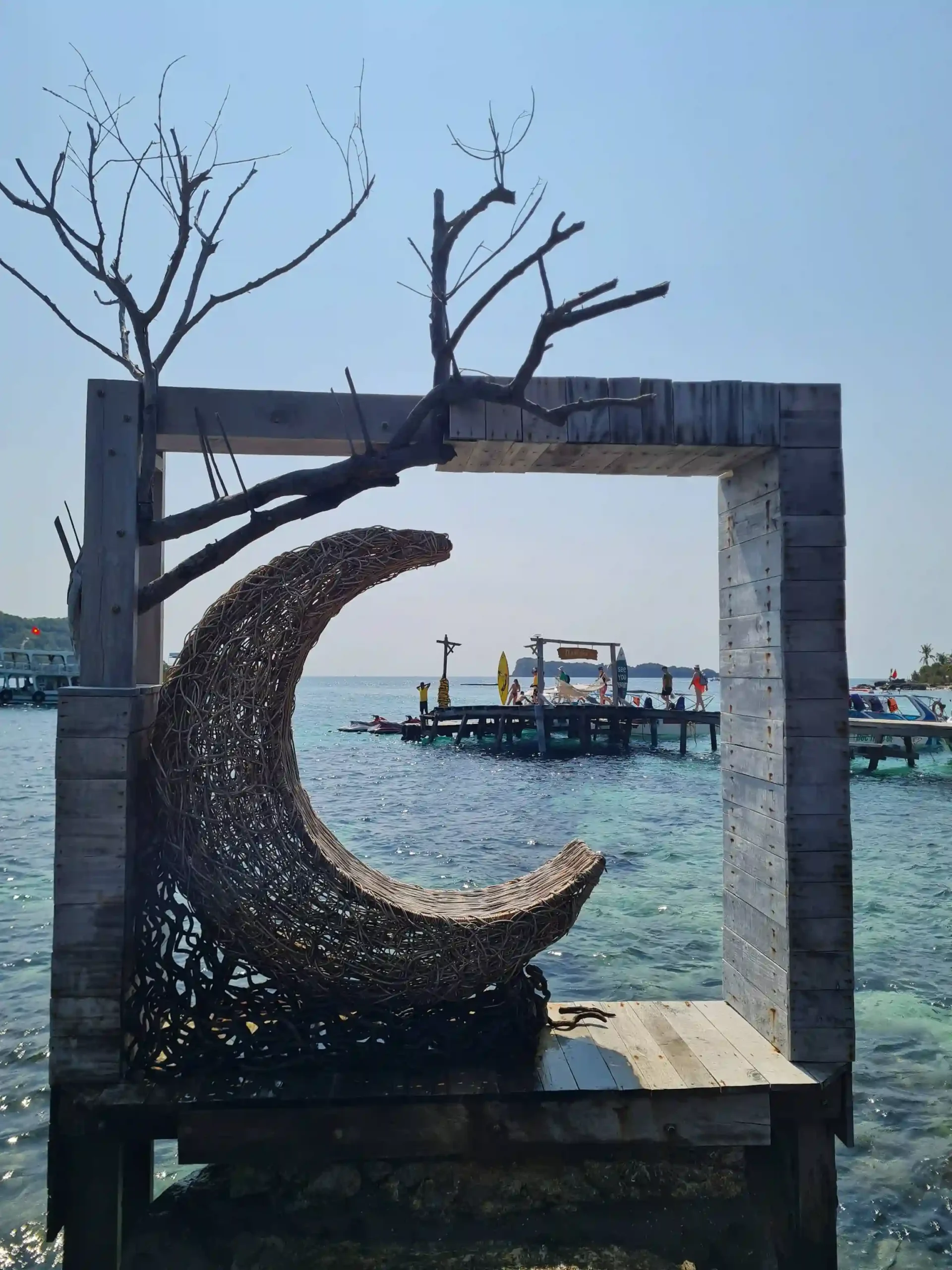
Two things matter here. First, group size. The big boats pack 40 people onto the same reef at the same time, which turns snorkeling into a queue. The smaller speedboat operators cap at 12 and cost more, and the difference in the actual experience is bigger than the difference in price. Second, timing. Go in the first half of the day. Afternoon light flattens the water and the visibility drops noticeably.
May Rut is the one people photograph, a long sandy beach with the water sports operations, parasailing and jet skis and banana boats if that’s your thing. Hon Mong Tay is quieter and less built, closer to what people picture when they imagine an empty tropical island.
If your operator gives you a choice, the quieter islands were consistently the better half of my day.
I did this trip twice during the month, once on a big boat early on and once on a small one later, and the second was worth every extra dong. If you’re only doing it once, spend the extra. Bring your own mask if you have one, the rental gear on the budget boats ranges from adequate to leaking.
Things to Do in Phu Quoc’s South: The Hon Thom Cable Car
Just under 7.9 kilometers, the longest over-water cable car anywhere, running from An Thoi across to Hon Thom island.
The ride takes about 15 minutes and passes directly over fishing boats and small islands, which is genuinely a good view and not a manufactured one. The cabins are glass on all sides, and the stretch where you’re crossing open water with fishing fleets scattered below is the part that actually justifies the ticket.
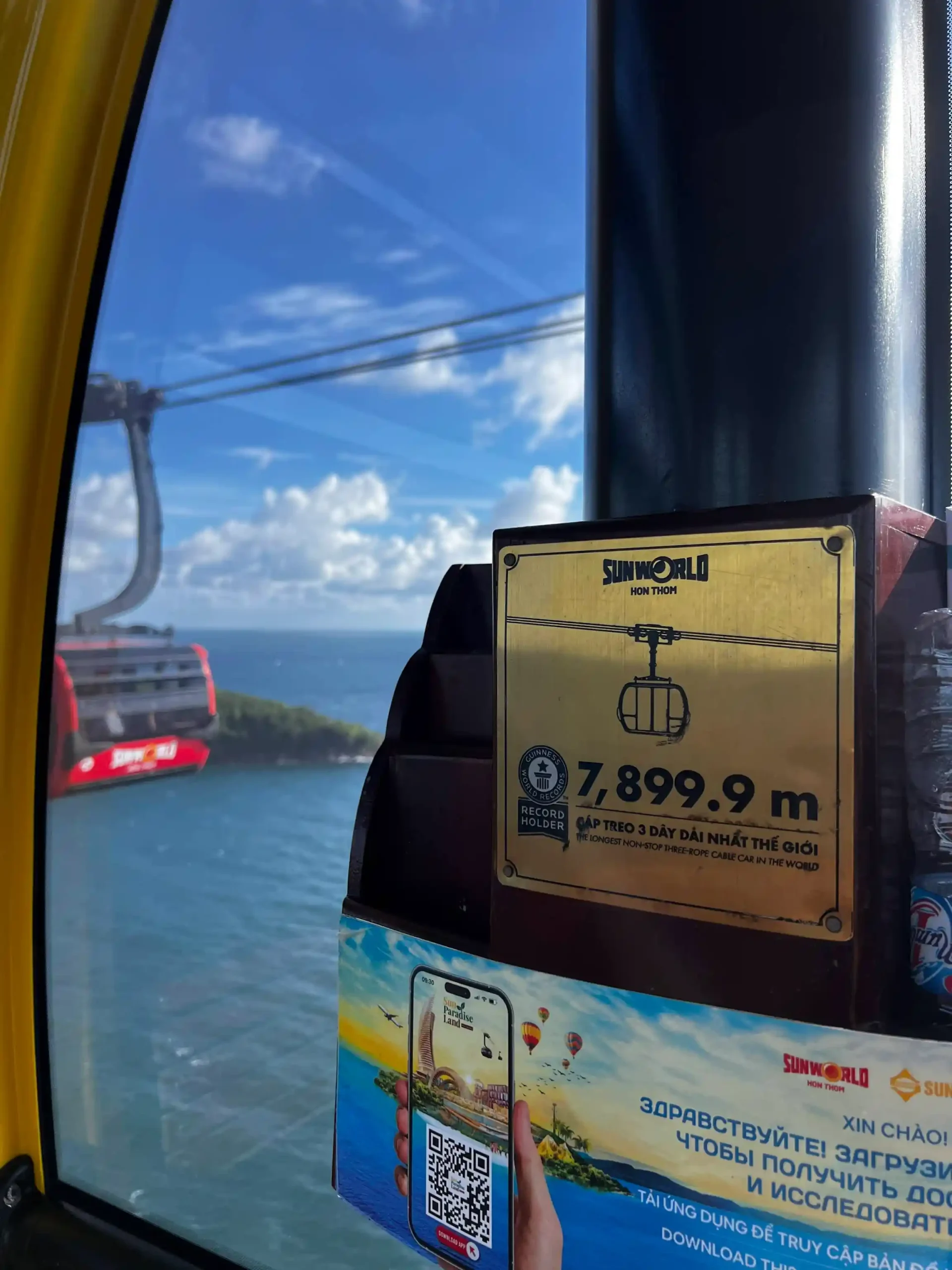
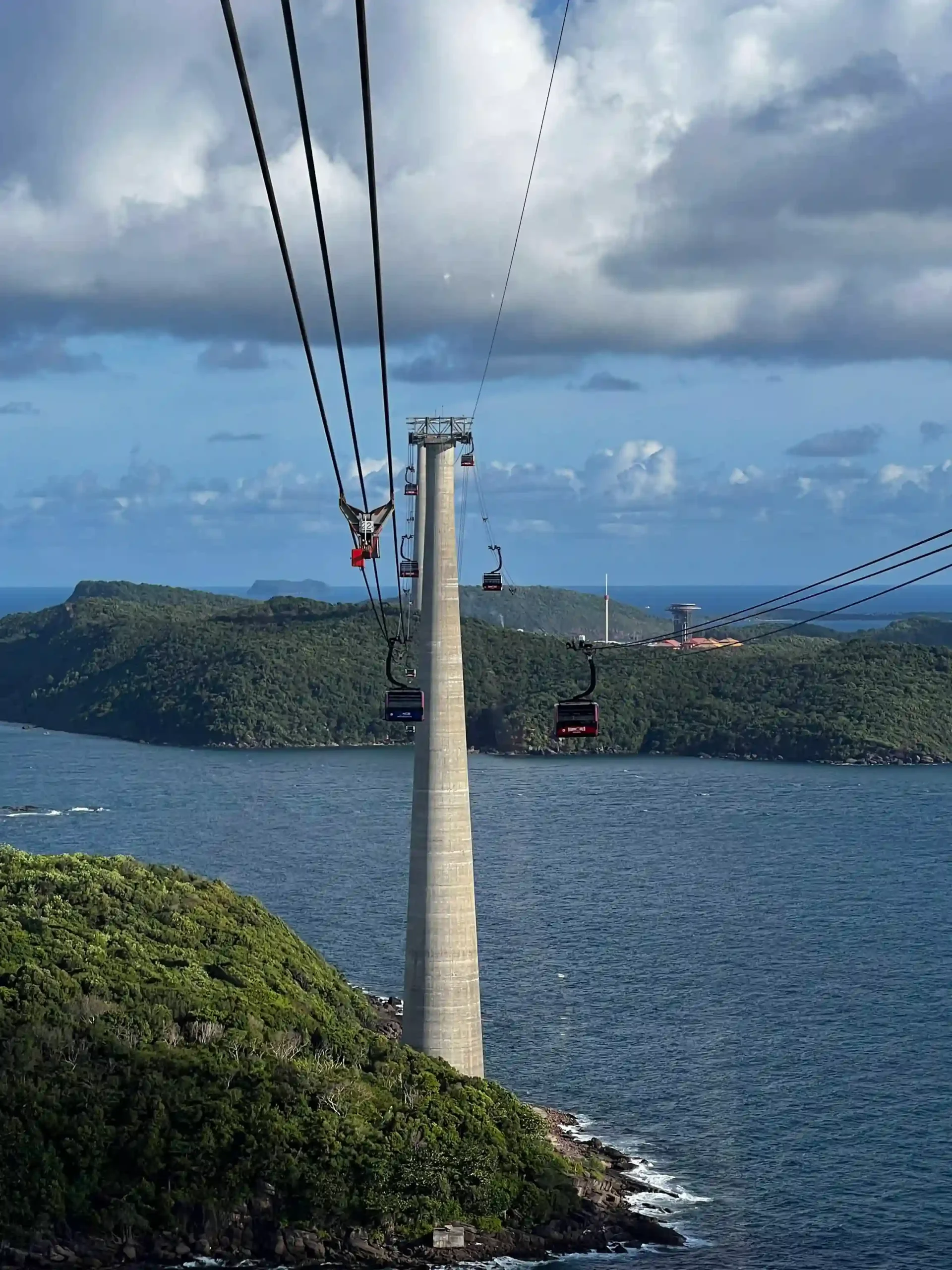
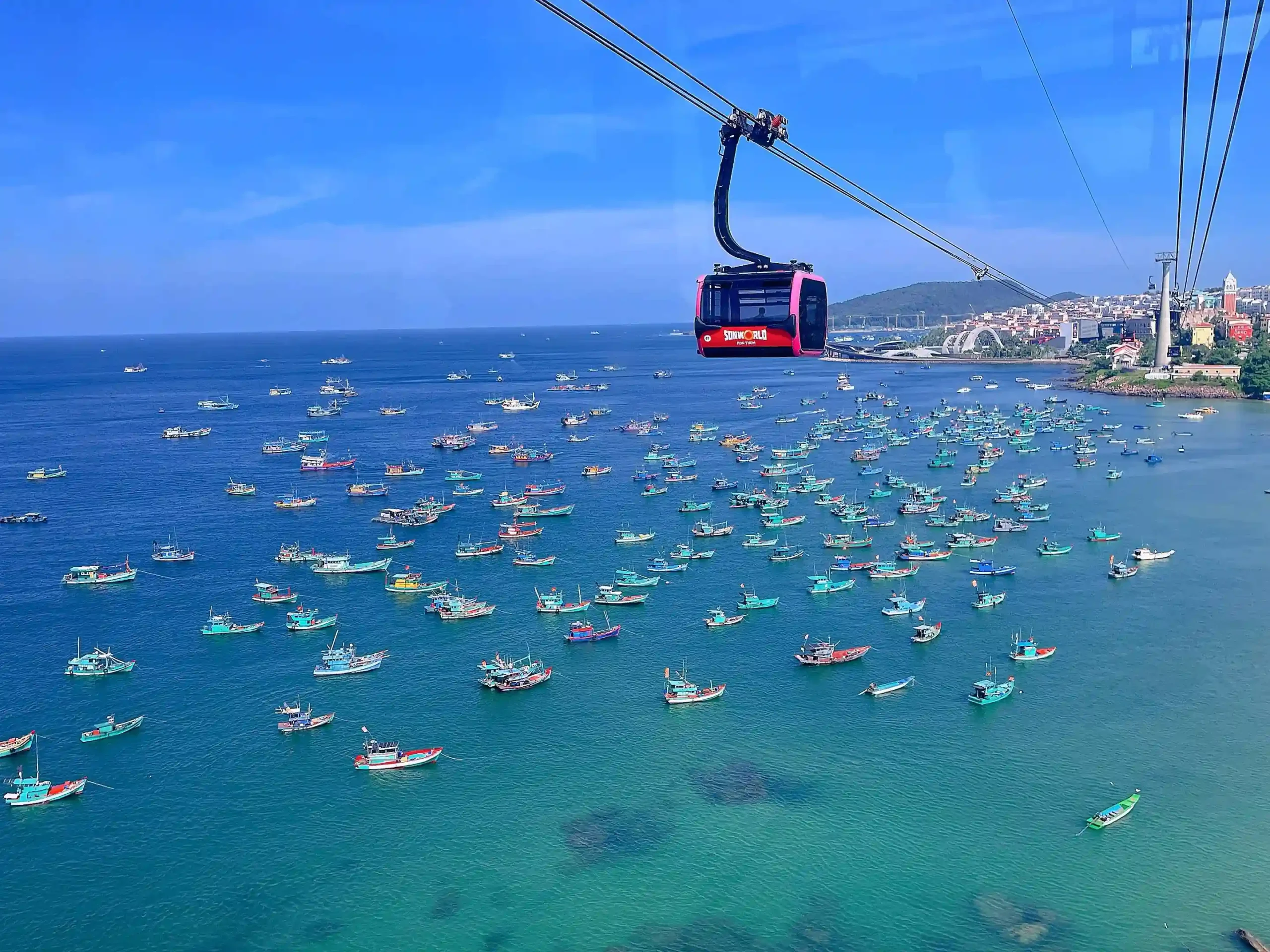
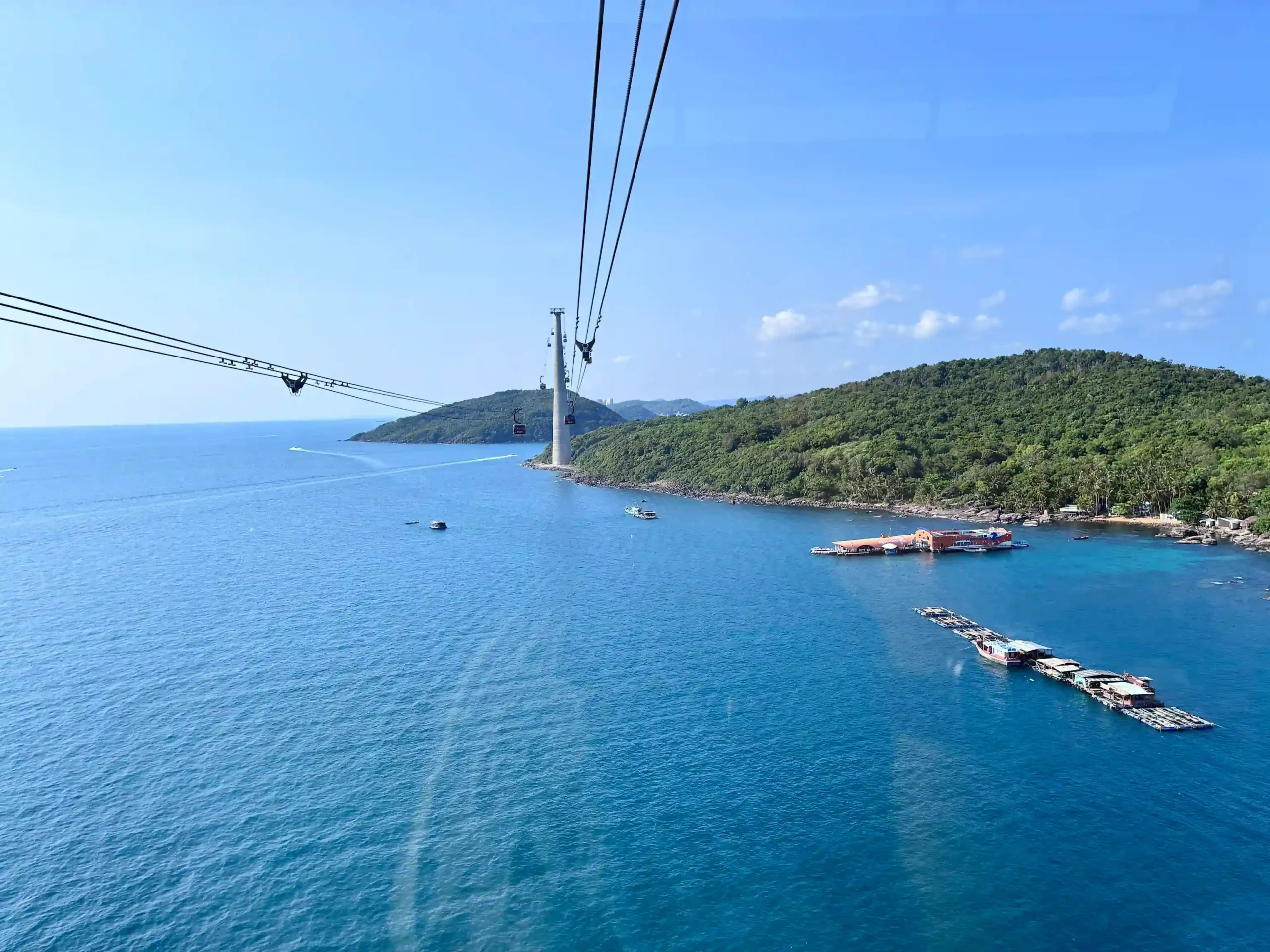
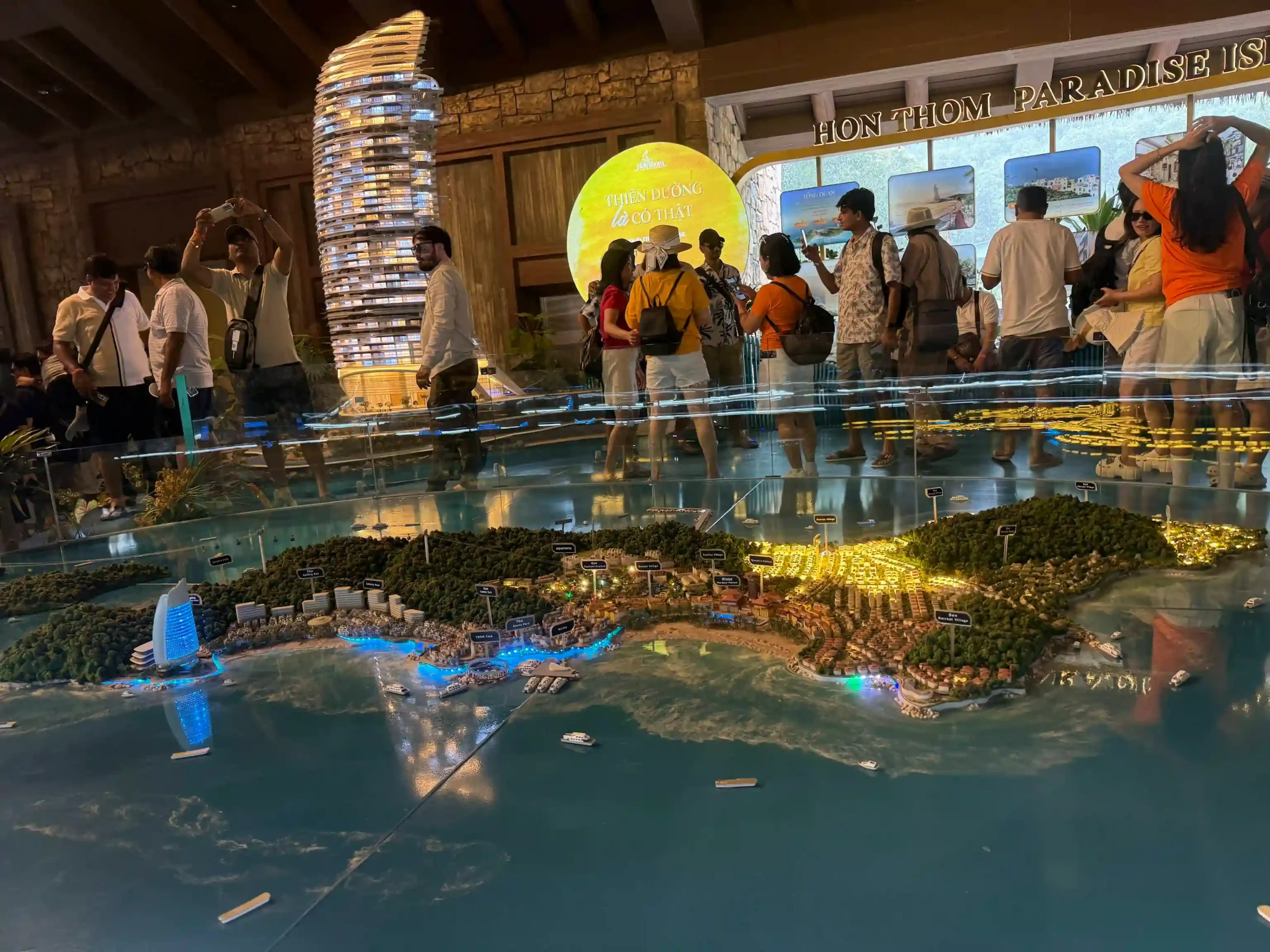
Here’s the honest part: at roughly €25 for a one-way ticket, it’s expensive by Vietnamese standards, and some people find that hard to swallow after a week of $2 banh mi. Whether it’s worth it depends on whether you’re also doing Aquatopia Water Park at the other end, which is usually included in the cable car ticket. As a standalone 15-minute ride, it’s steep. As a full day including the water park, it’s reasonable.
Ride it in the morning if you can. The queues build through the day and the afternoon haze cuts the view.
If you’re doing Aquatopia, get there early and give it real time, the water park is large enough that an hour squeezed in at the end of a packaged tour barely covers it.
Sunset Town, the Most Divisive Thing to Do in Phu Quoc
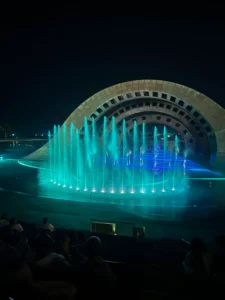
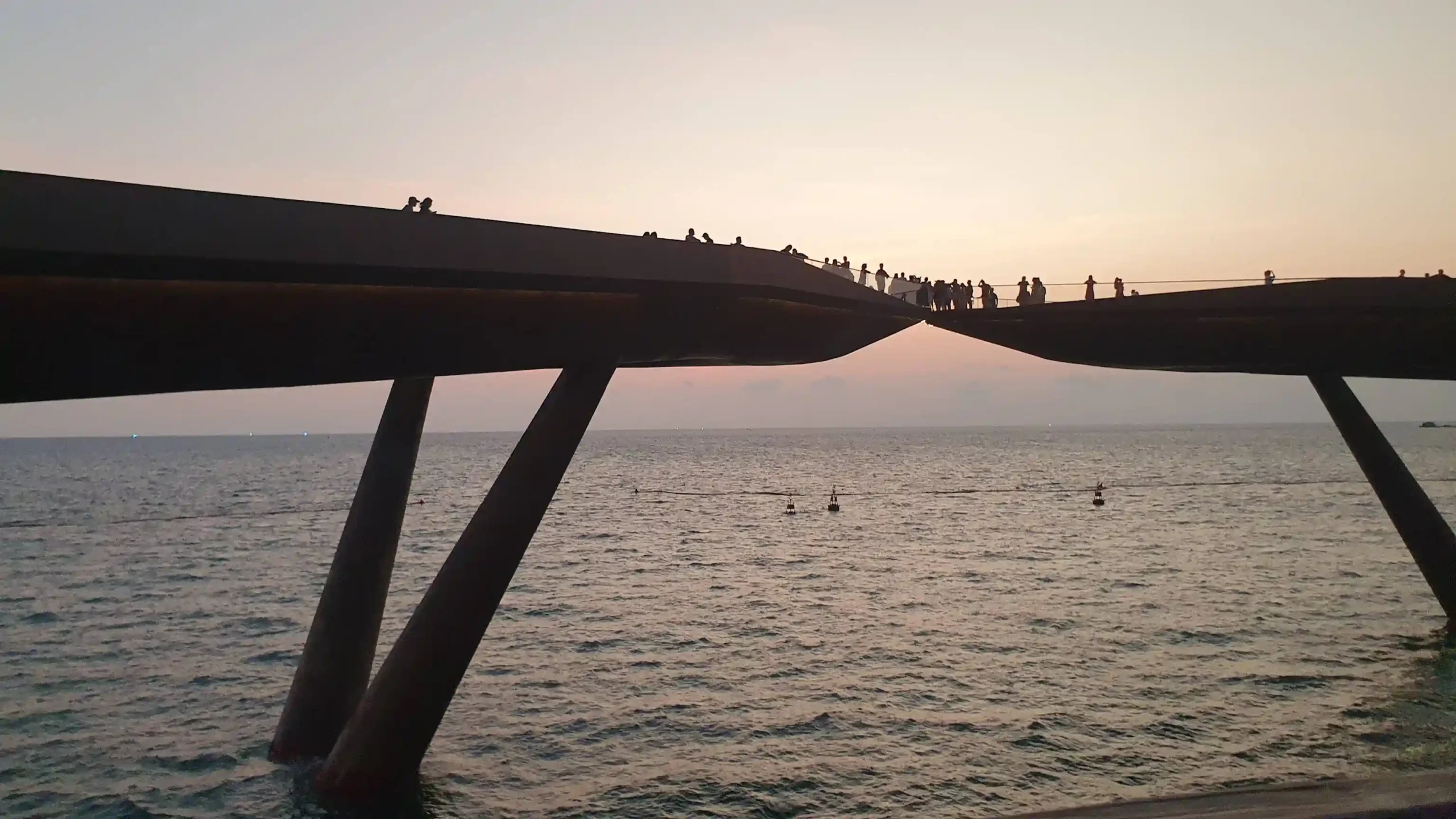
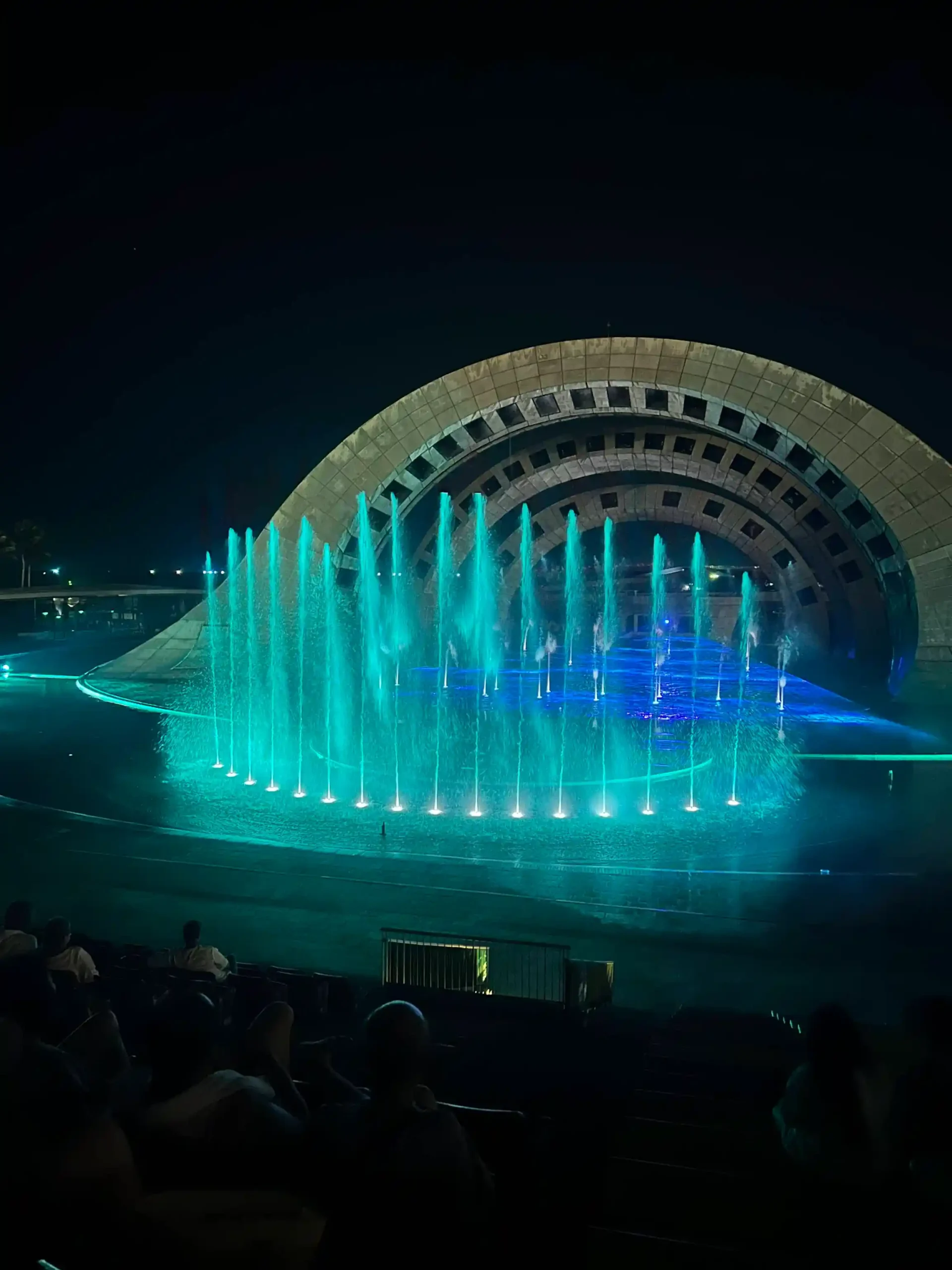
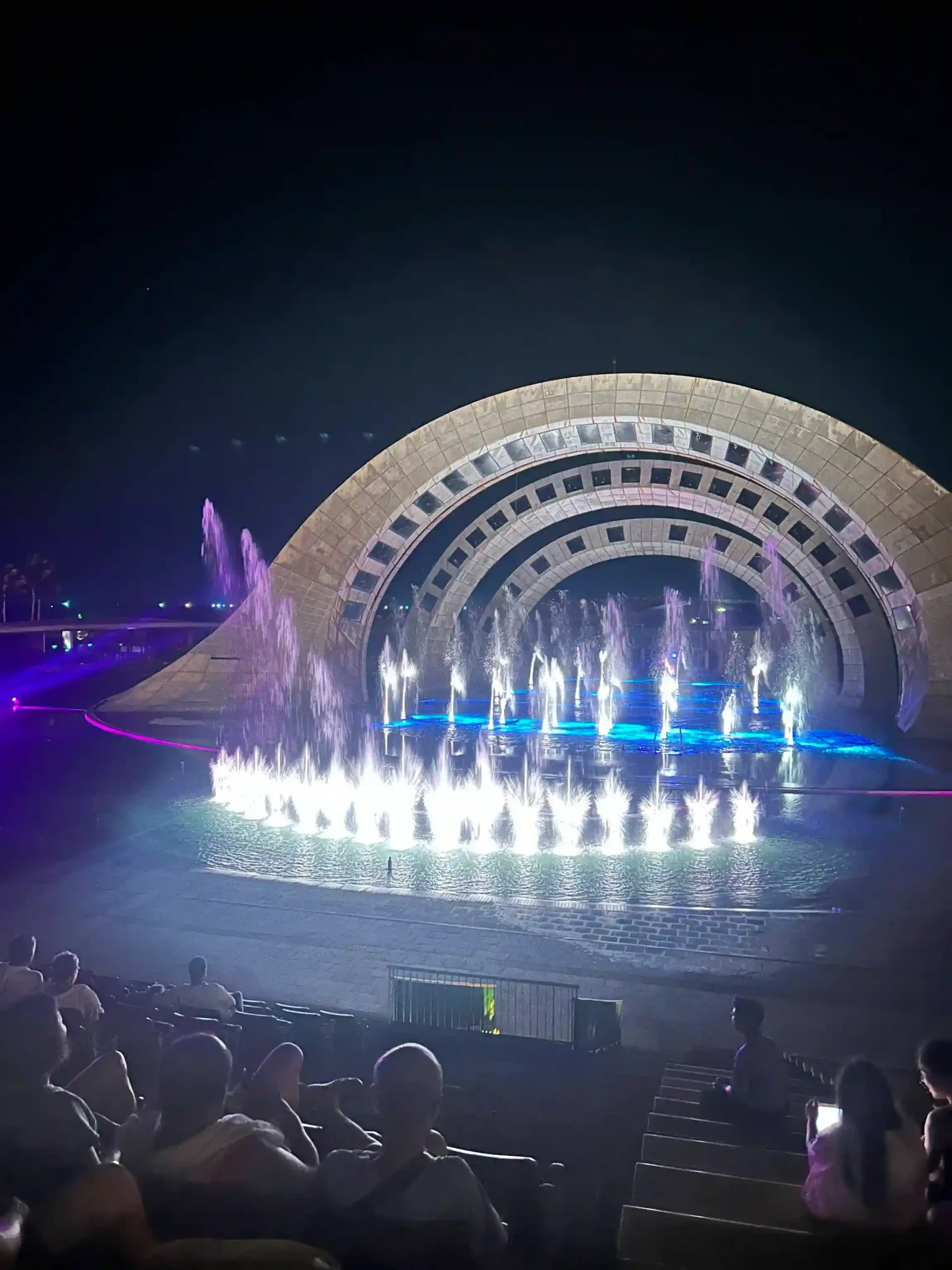
This is where opinions split hardest. Sunset Town is a purpose-built Mediterranean-style development at the southern tip, all pastel buildings and photo spots, home to the Kiss Bridge and the nightly Kiss of the Sea show.
Some visitors love it. Others find it hollow, a European film set dropped onto a Vietnamese island with no connection to anything around it.
Both reactions are fair. It’s undeniably not Vietnam in any meaningful cultural sense. It’s also genuinely well-executed as a thing to walk around at sunset with a drink, and the show at the AOI Theater is a real production, not a token performance. Go once, in the evening, expecting a designed experience instead of an authentic one, and it delivers what it’s trying to deliver.
The Kiss Bridge itself costs 50,000 to 100,000 VND depending on the time, free if you’ve already bought a cable car ticket. The bridge is the single most photographed thing on the island, so expect a queue for the shot at sunset specifically.
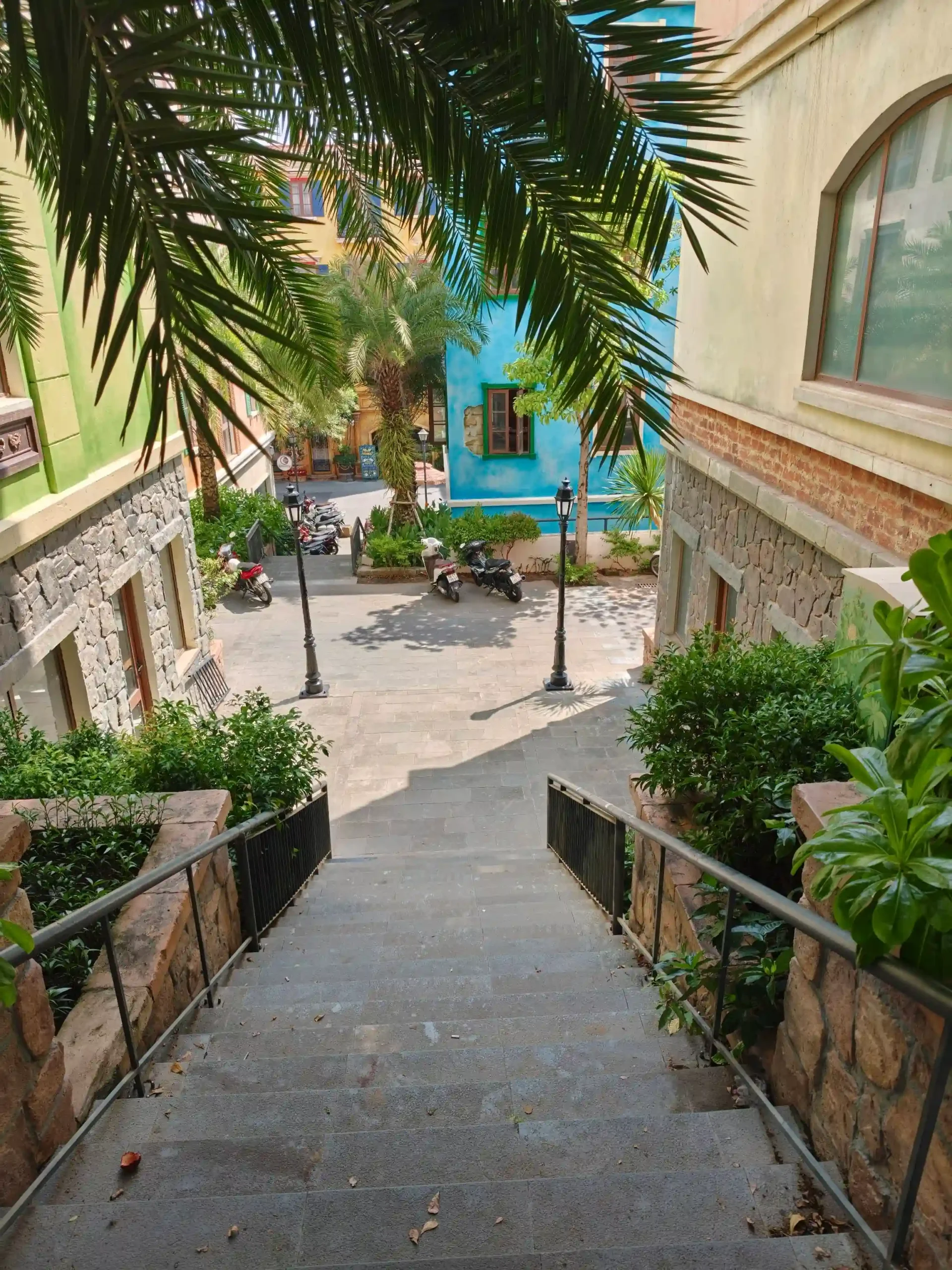
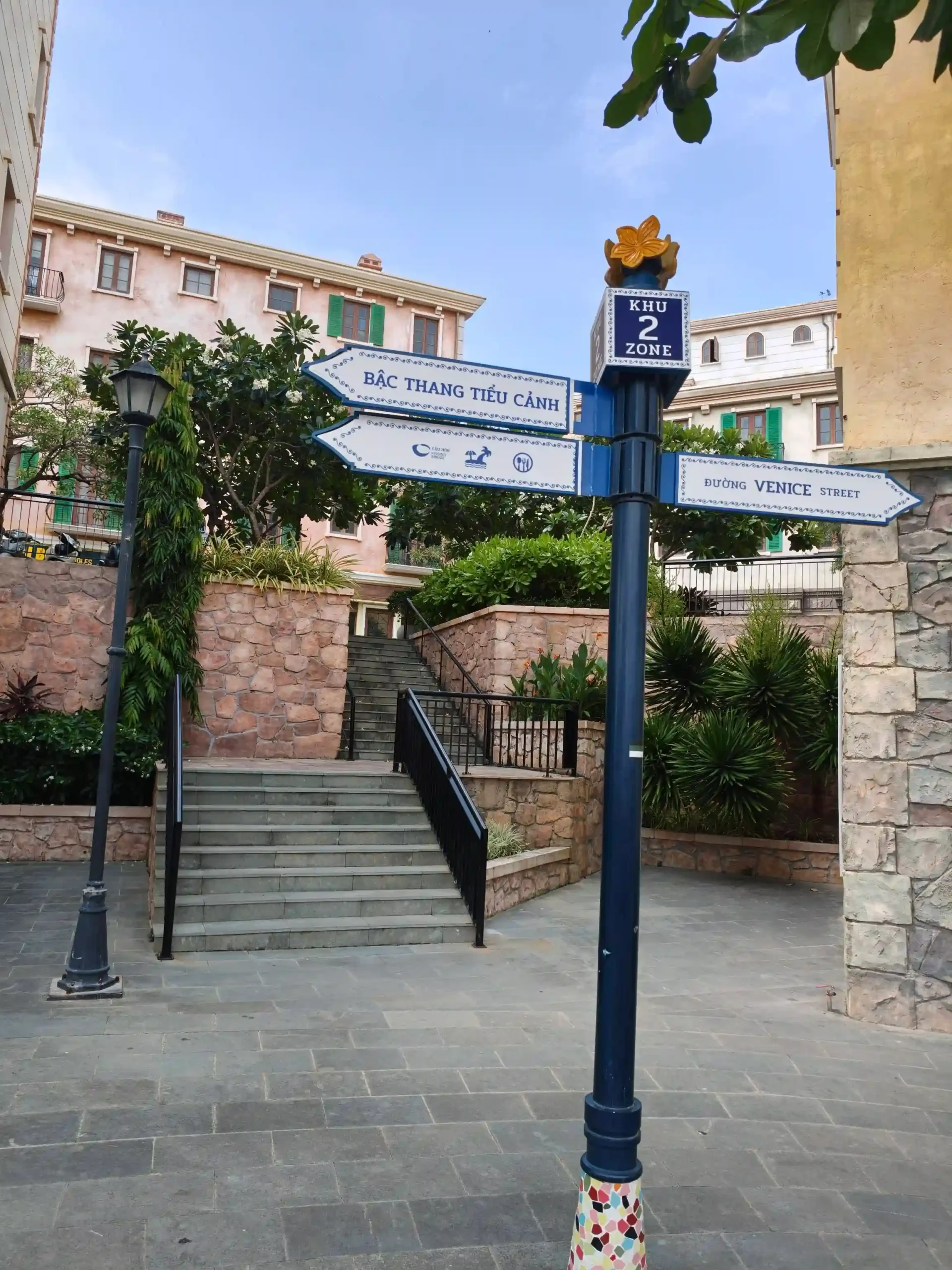
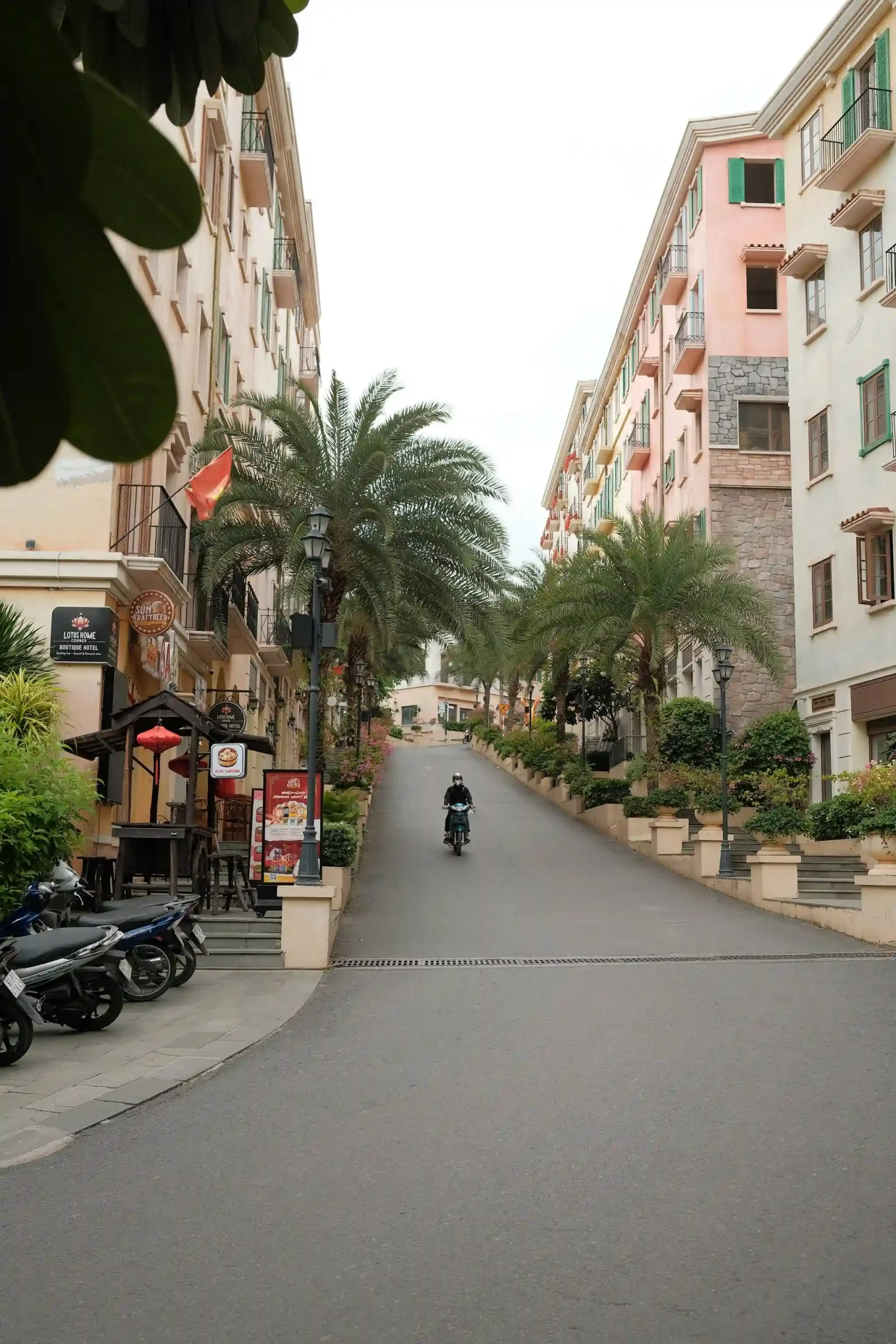
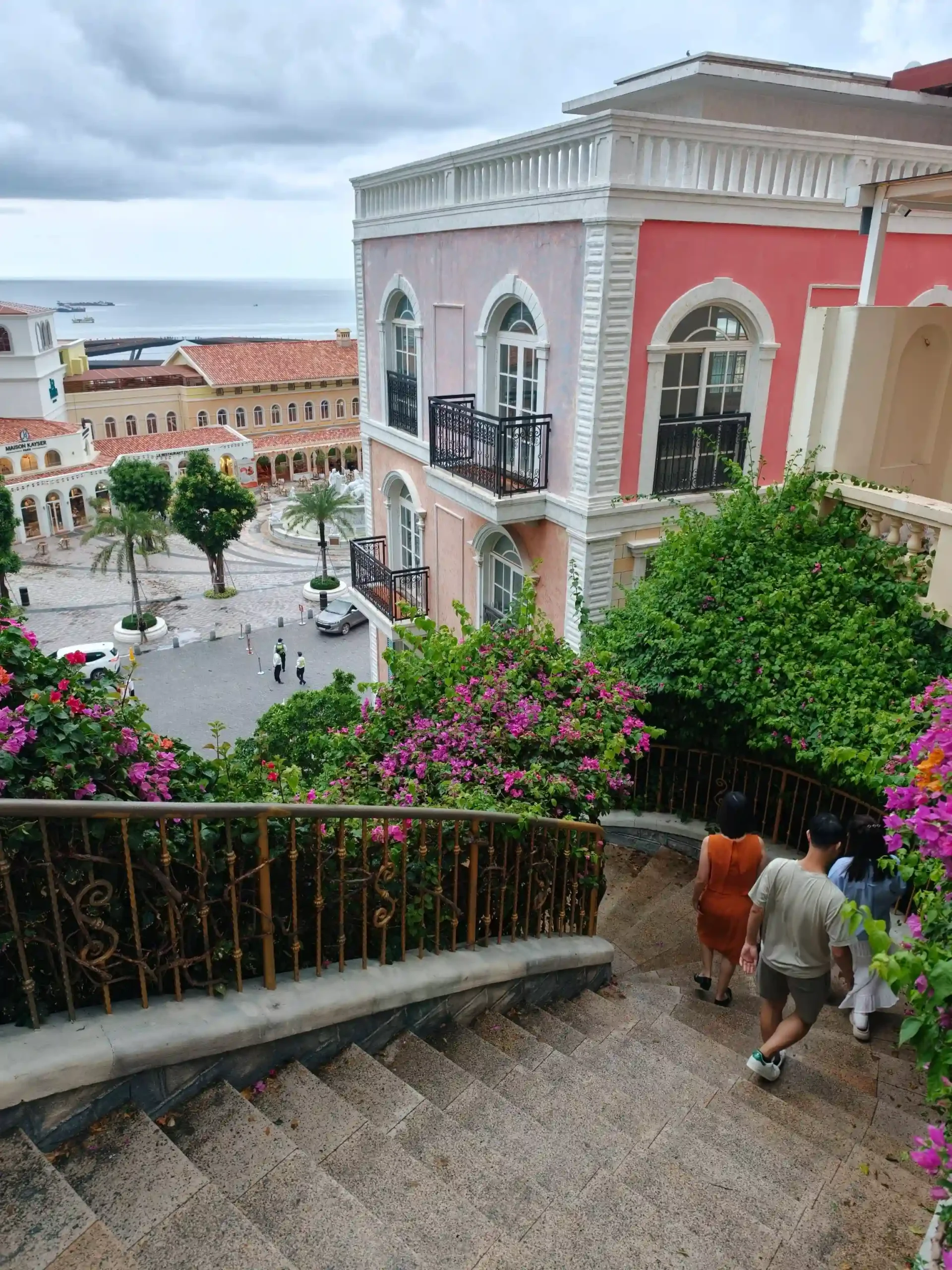
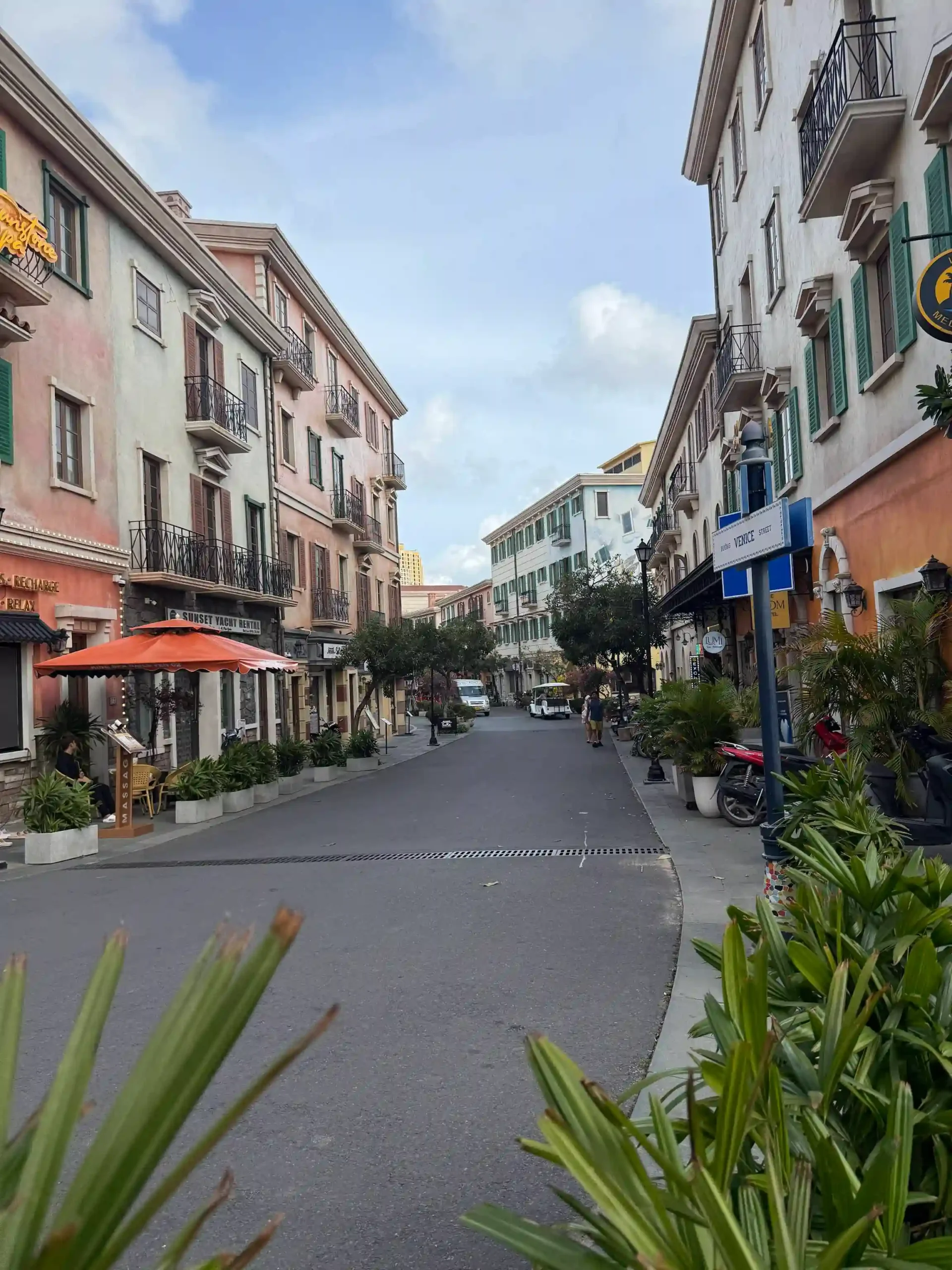
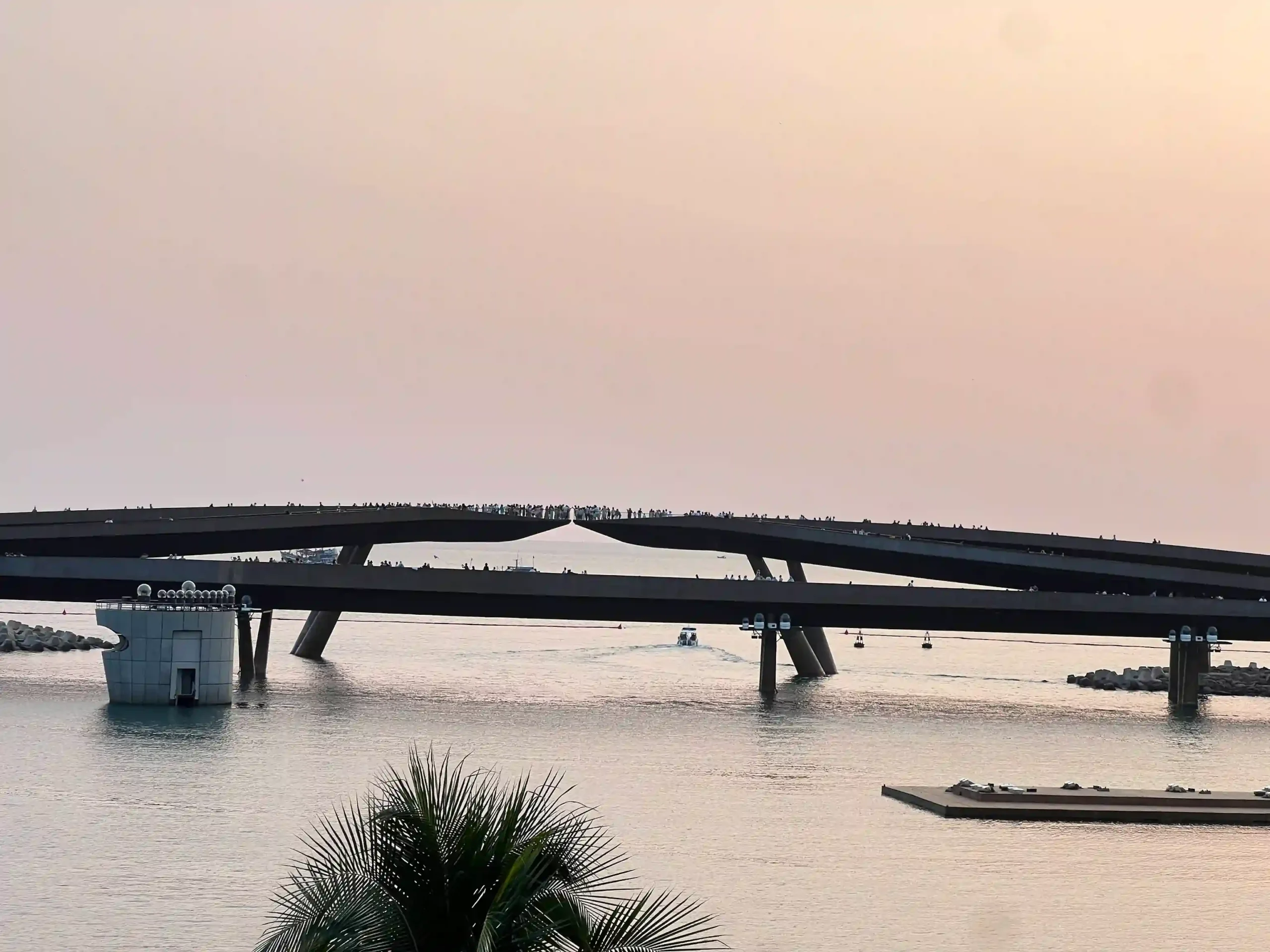

Practically, this pairs well with the cable car in a single southern day. Cable car and Aquatopia during the day, back across, dinner in Sunset Town, then the show. That’s a full day but a coherent one, and it gets all the built attractions out of the way in one go so the rest of your trip can be beaches and water.
The Beaches Worth Your Time
Bai Sao
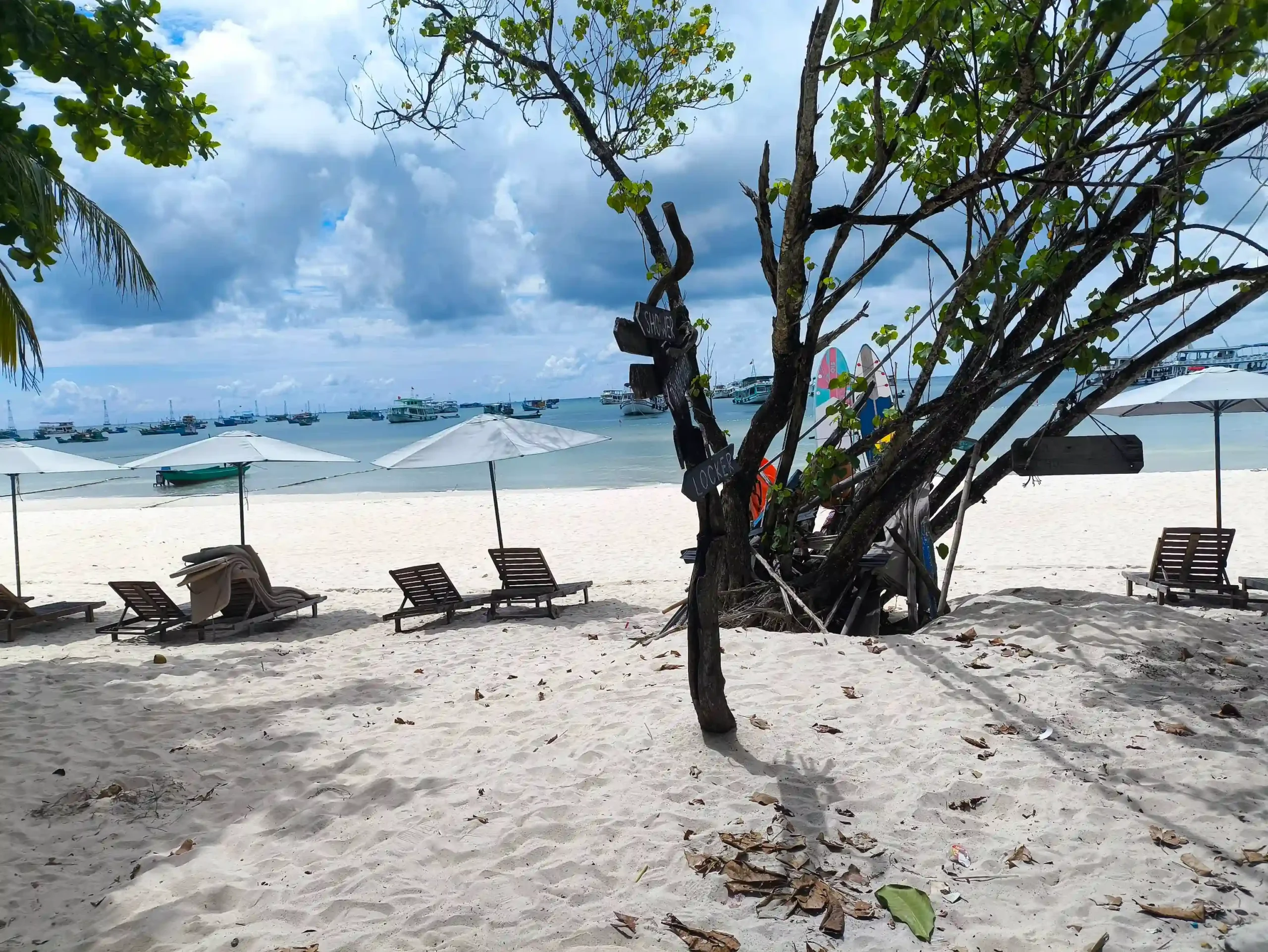
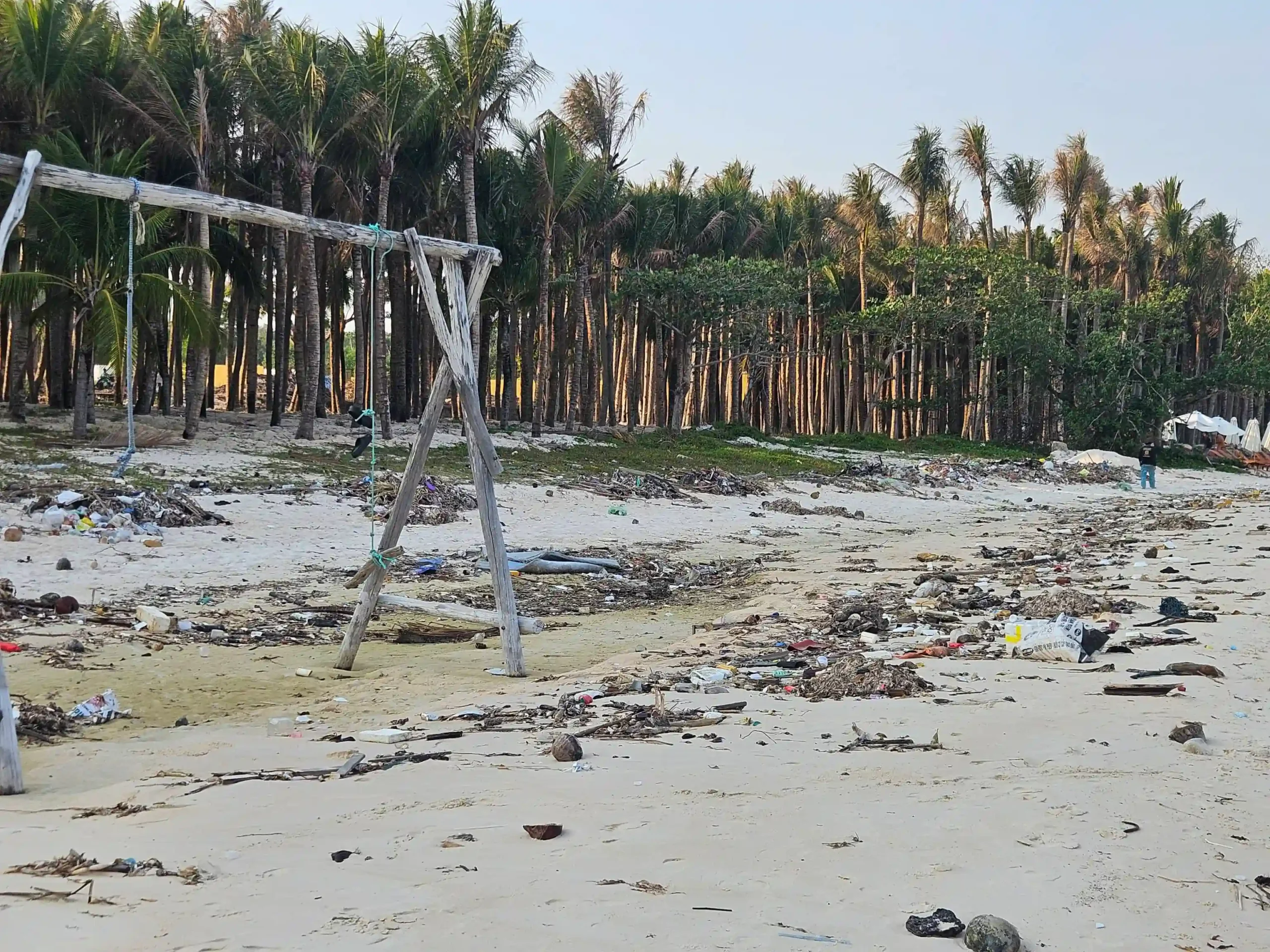
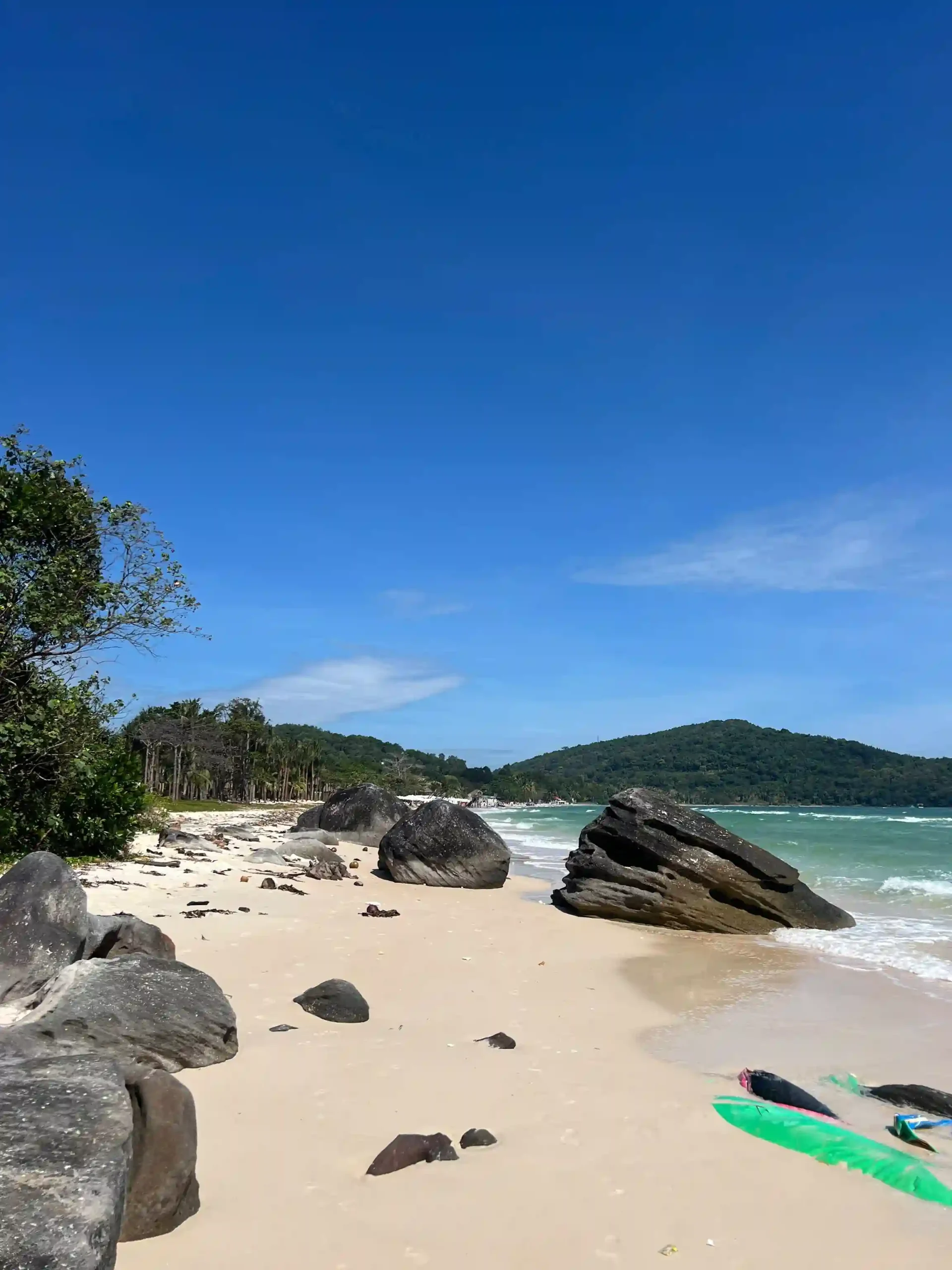
Bai Sao is the one on every list, and the sand genuinely is that white. It’s also the beach where the litter problem is most visible, particularly at the ends away from the restaurant stretch.
Come early, before 9am, and it’s close to the postcard. Come at 2pm on a weekend and you’ll understand why people complain about it.
The middle section where the beach clubs operate stays clean because someone’s paid to keep it that way, which tells you something about how the rest of the coastline is managed.
Ong Lang
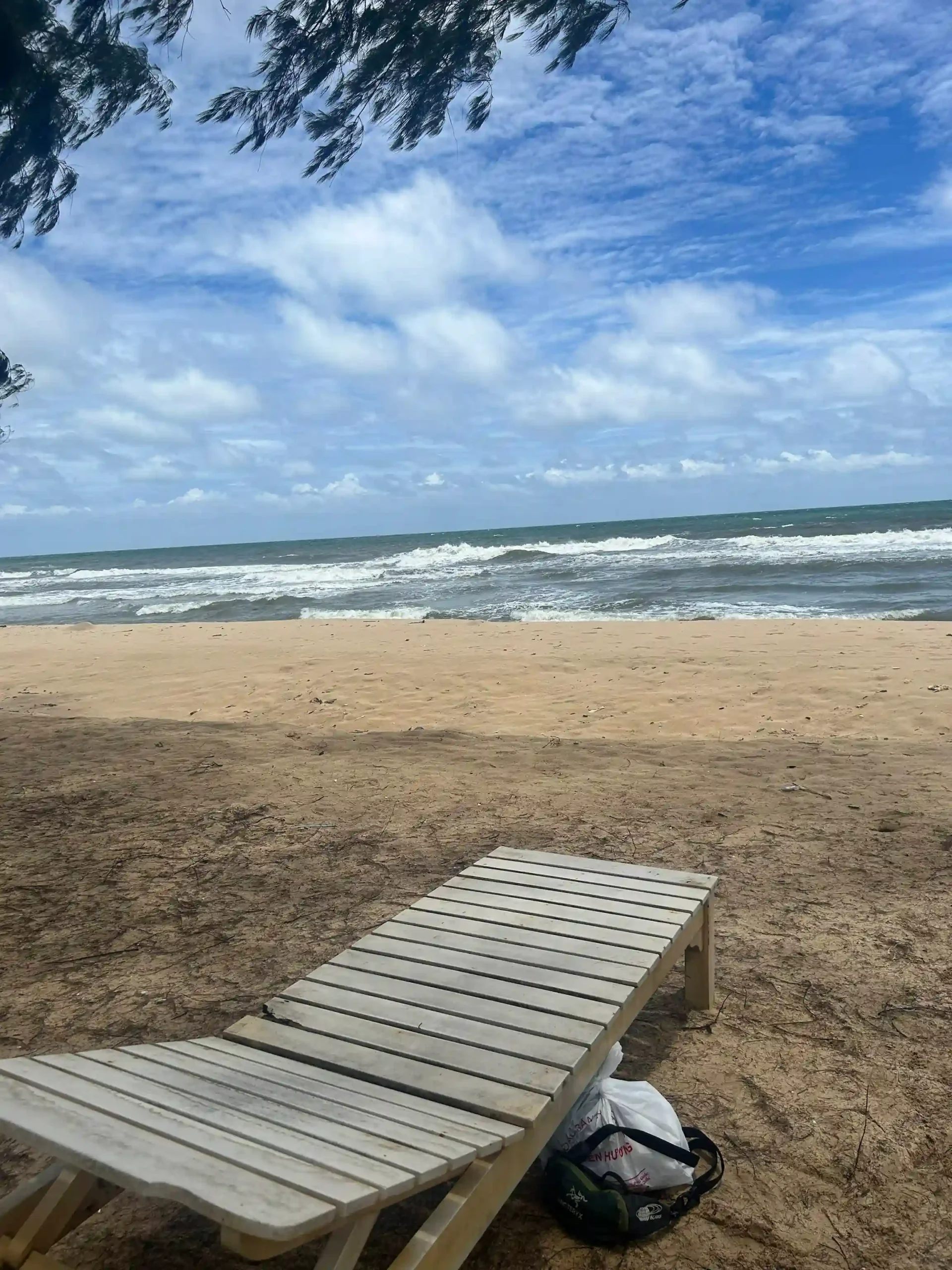
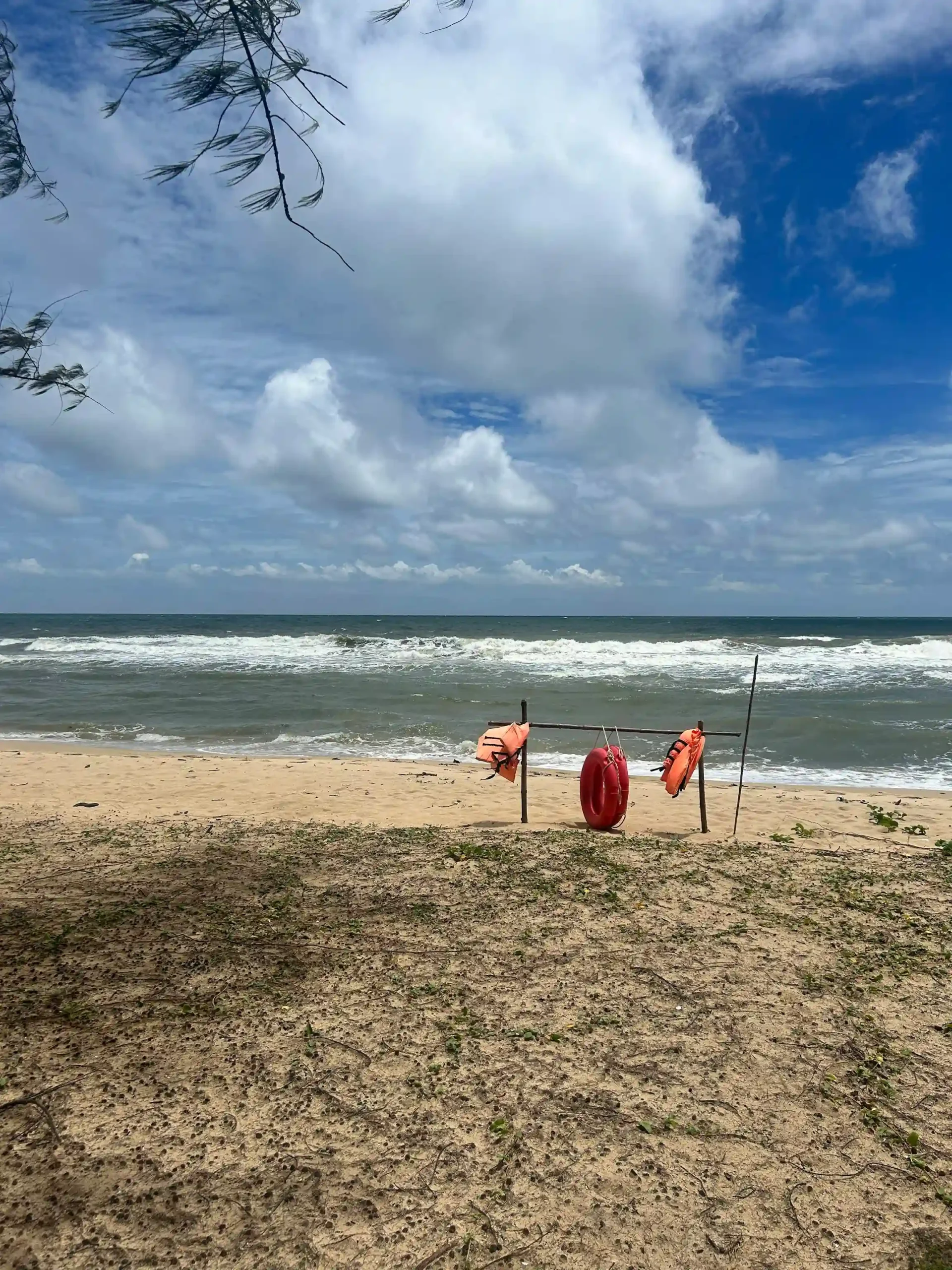
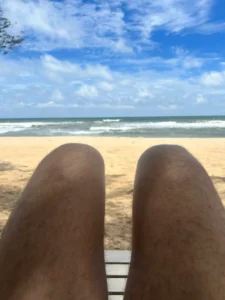
Ong Lang was where I based myself for the middle stretch of the month, and it’s my recommendation for most people.
Four kilometers of sand about 7km north of Duong Dong, quieter than Long Beach, broken into small coves by rock formations, close enough to town that you’re not isolated. The northern coves have the calmest water for swimming.
It doesn’t have Bai Sao’s postcard sand, but it also doesn’t have Bai Sao’s crowds, and after a week I stopped missing the difference.
Vung Bau
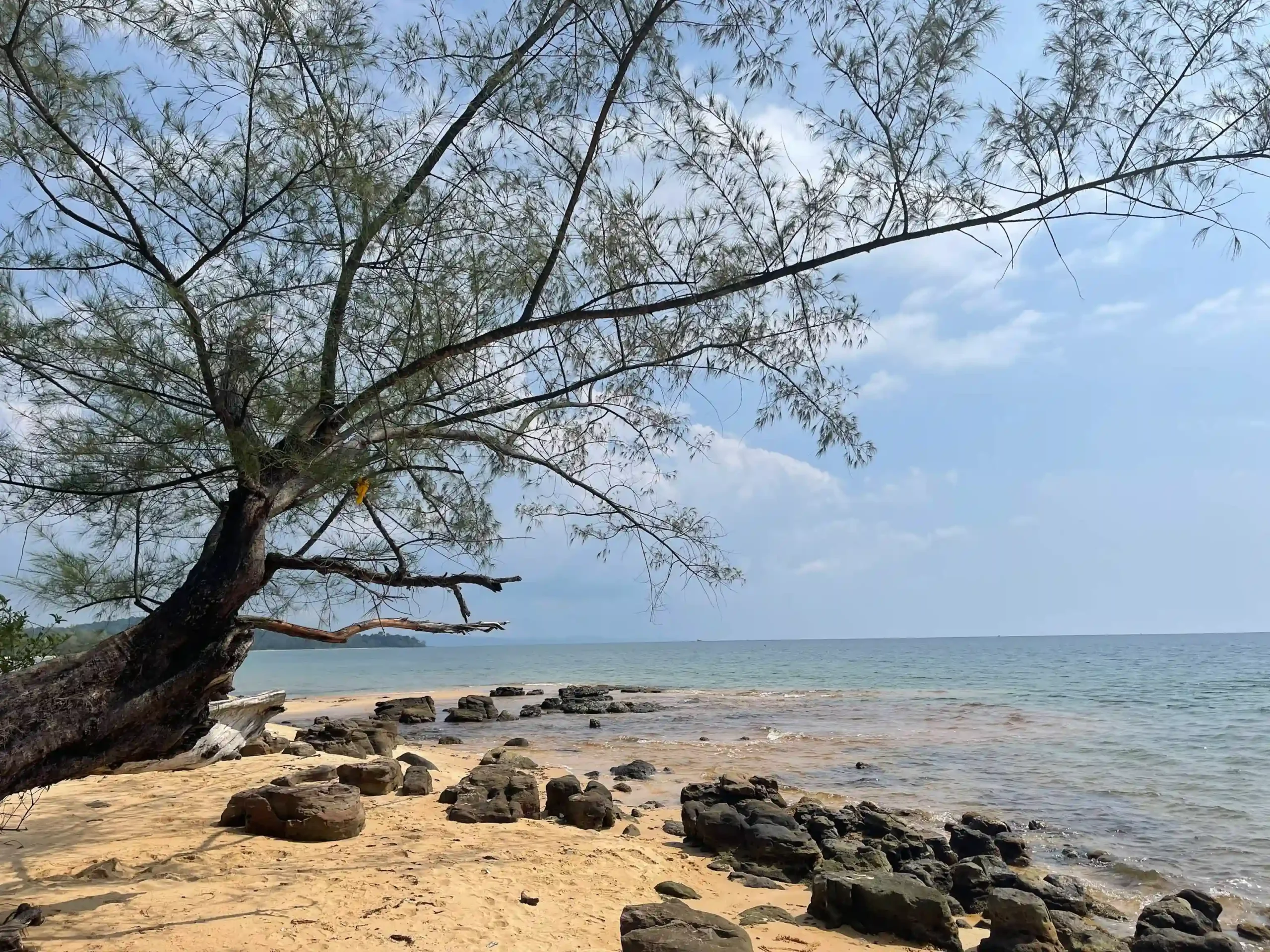
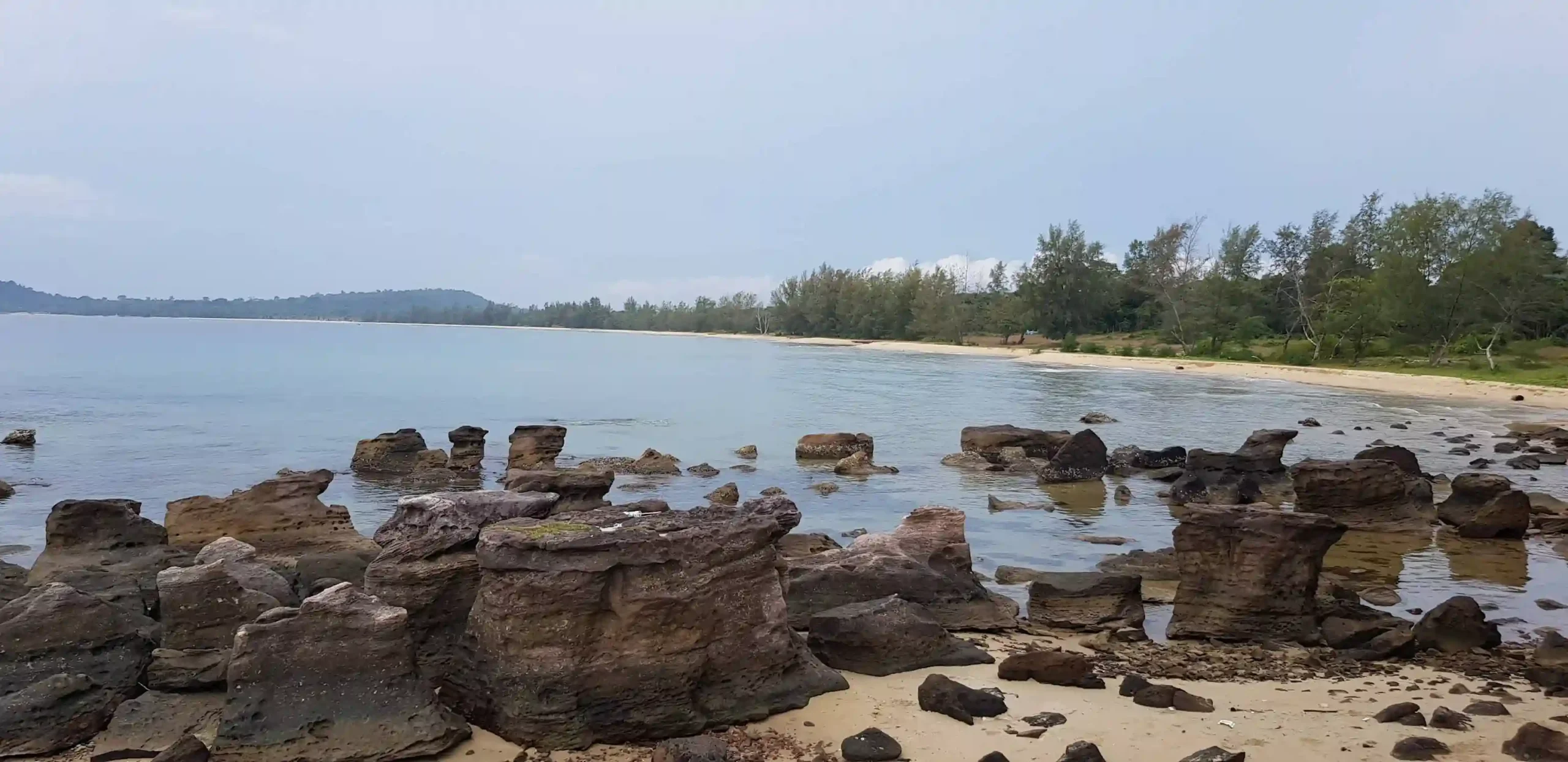
Up the northwest coast about 20km from Duong Dong, is the closest thing to an undeveloped beach still accessible without real effort. Semicircular bay, white sand, very little built on it.
This is where I’d send someone who read that Phu Quoc is ruined and wants to check for themselves.
Long Beach (Bai Truong)
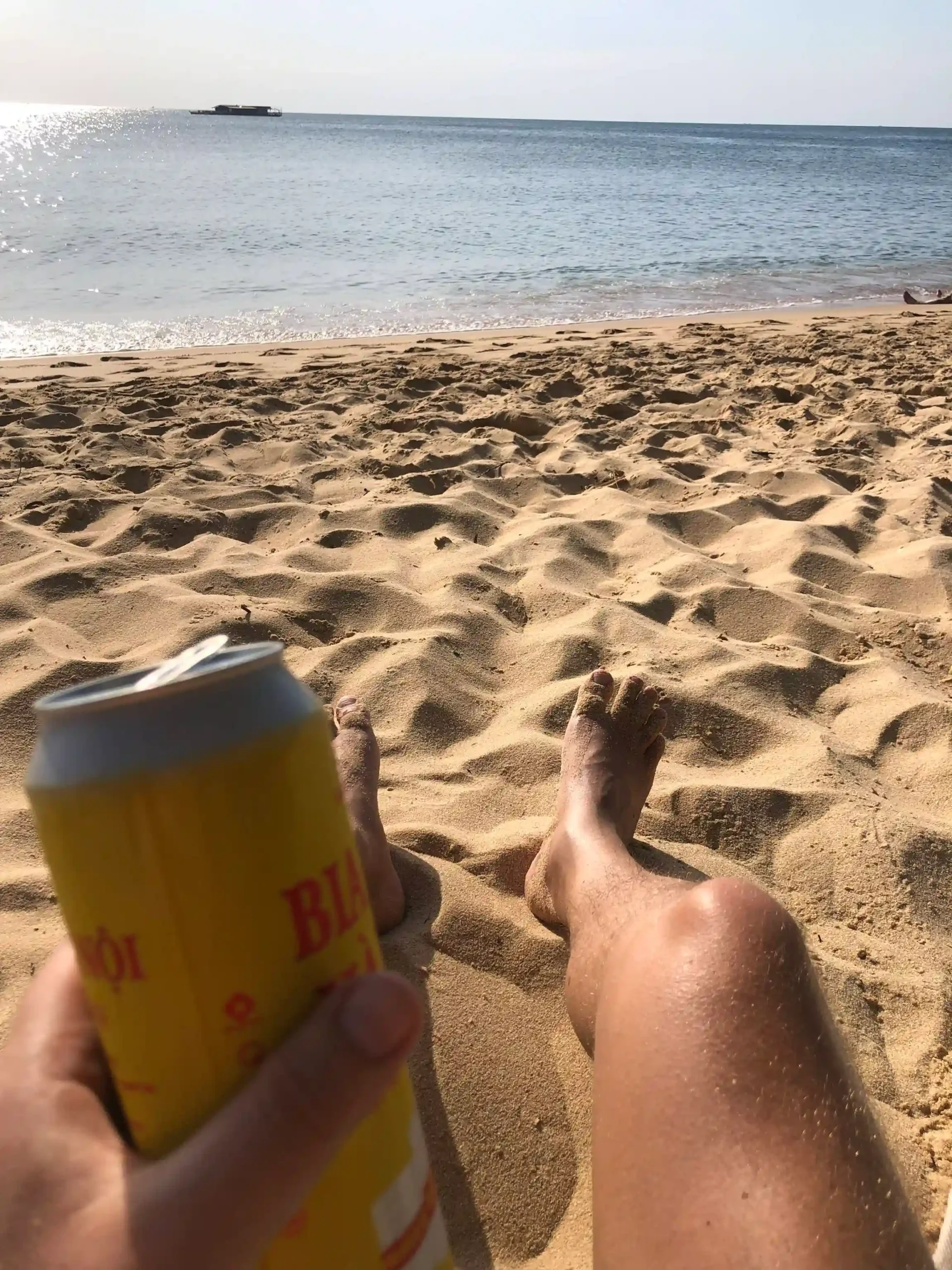
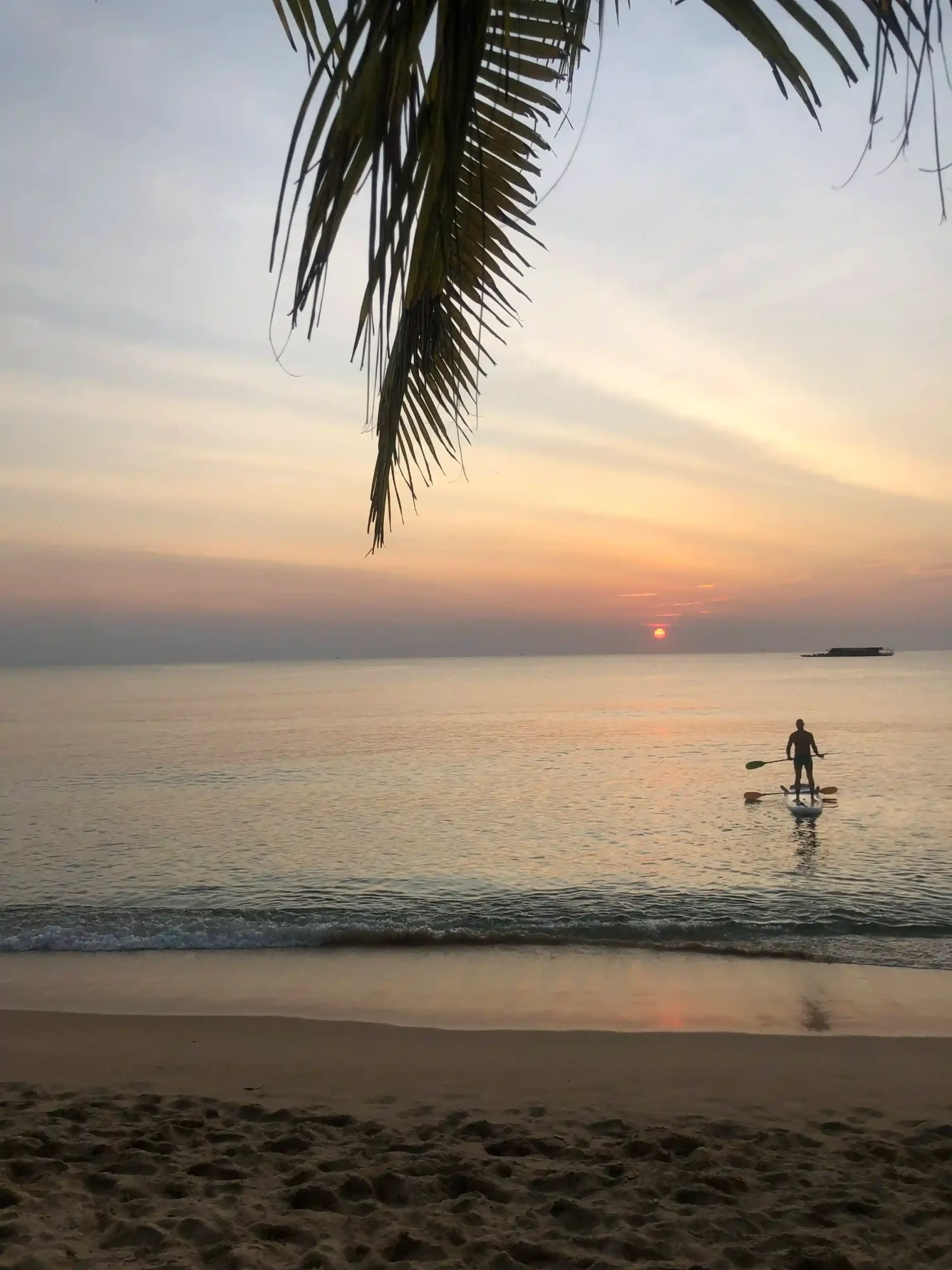
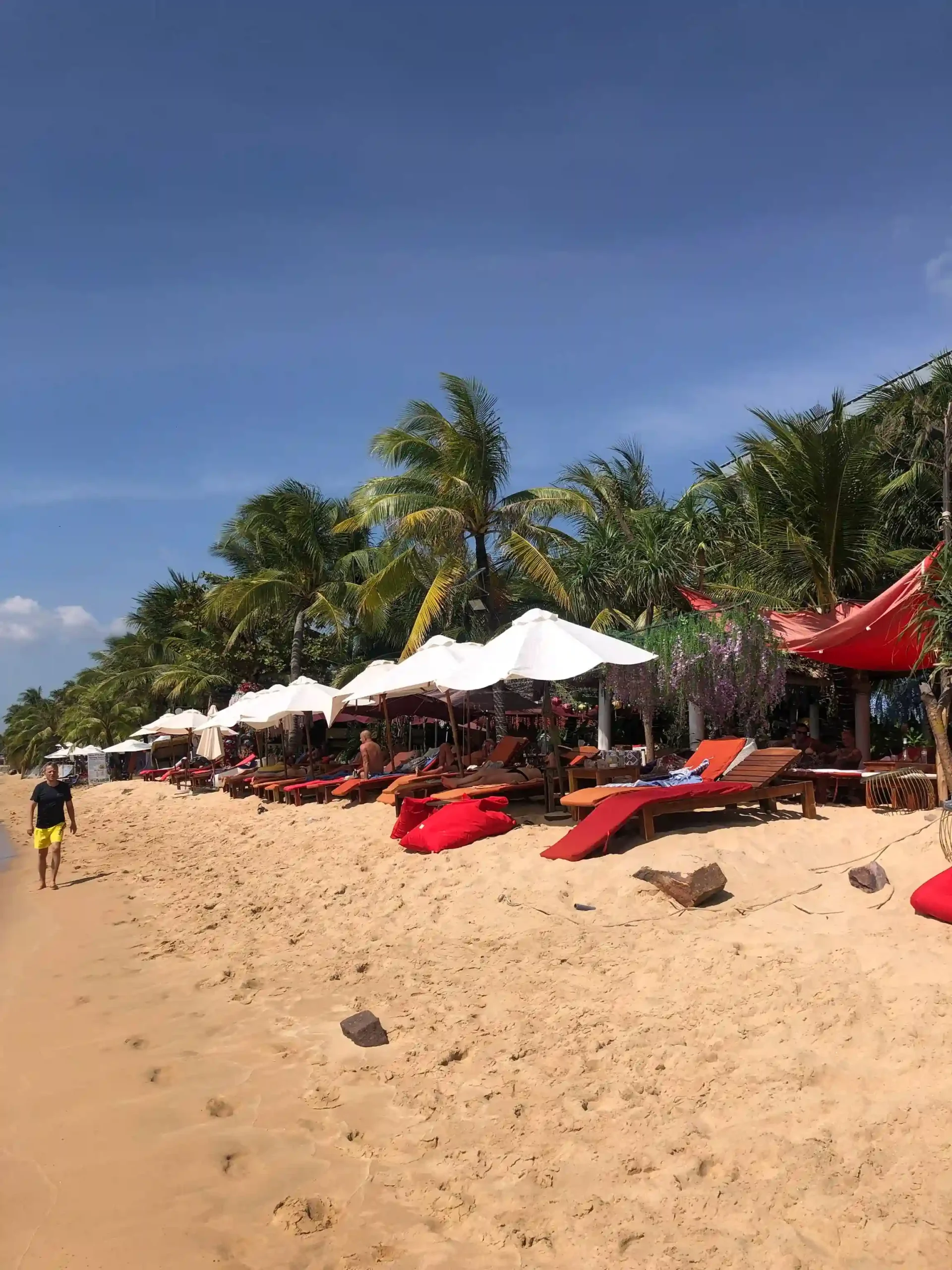
Long Beach runs 20 kilometers down the west coast and holds about 95% of the island’s hotels.
The sunsets here are the best on the island, and that’s not a small thing, the whole western horizon over the Gulf of Thailand goes orange most clear evenings.
The caveat nobody mentions in the brochures: after heavy rain the water on this coast goes cloudy for a day or two. If you’re staying here and it rains overnight, plan a land day.
One general note on beaches here. The west coast catches the sunsets, the east coast has the calmer, clearer water. That’s the actual trade-off, and it matters more than which specific beach you pick.
Things to Do in Phu Quoc’s Quieter North
The northern half of the island feels like a different place, less built, more forest, and the drive up is genuinely pleasant on a scooter if you’re comfortable riding. Much of the north sits inside Phu Quoc National Park, which is why the density of construction drops off so sharply once you’re past Duong Dong.
Rach Vem
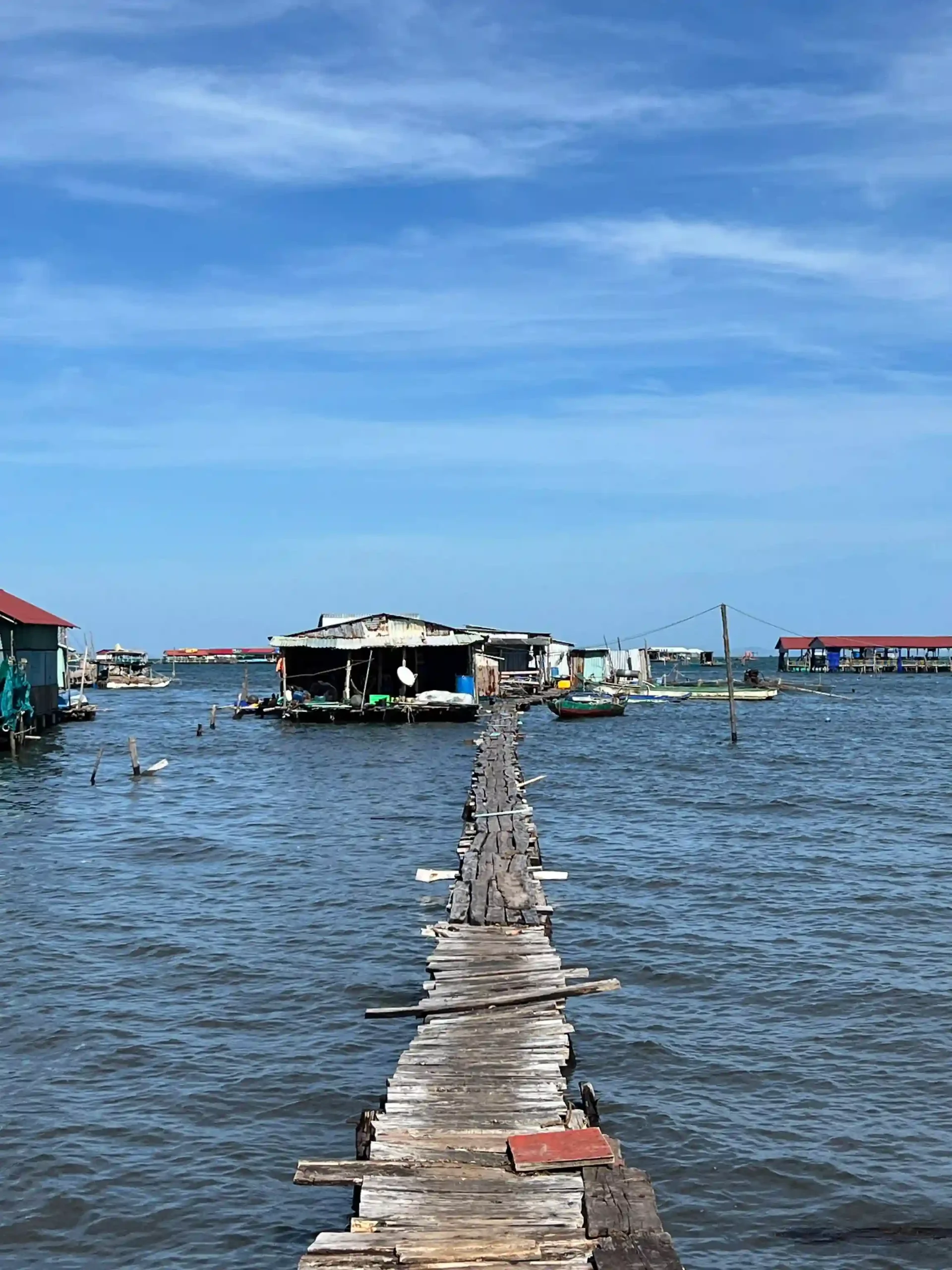
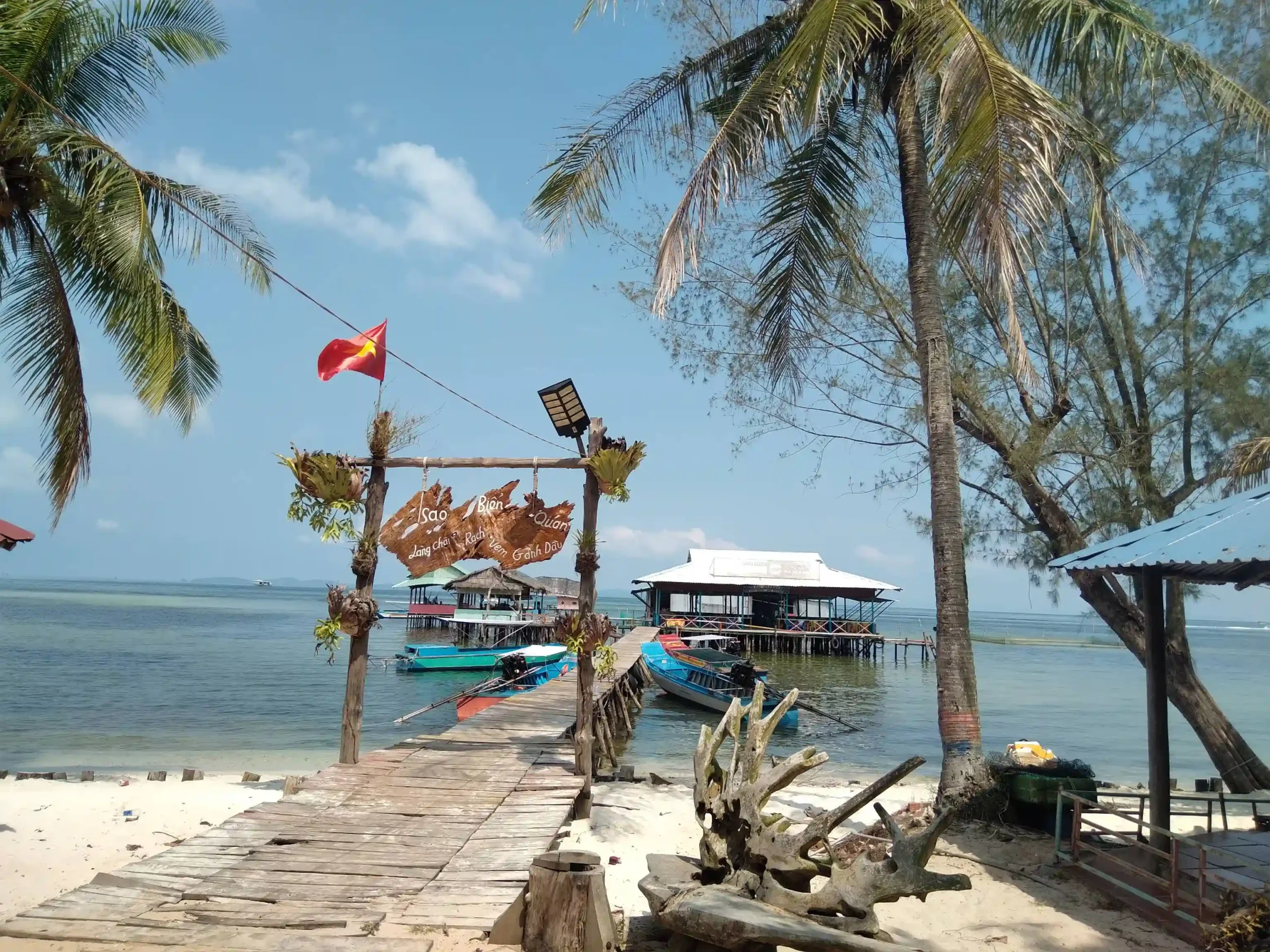
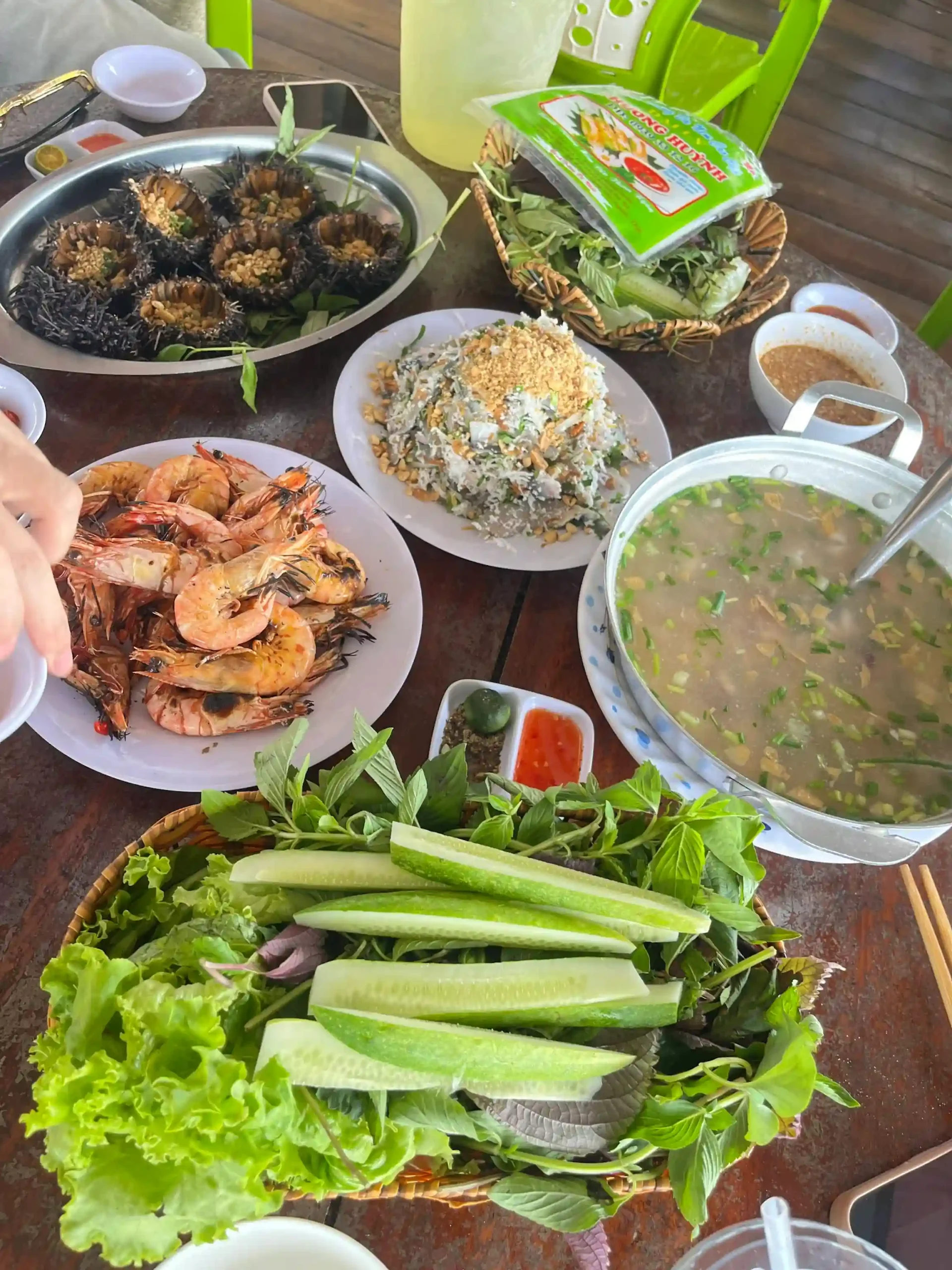
Rach Vem is a fishing village on the northern tip where seafood shacks sit on stilts over the water. This is the most straightforwardly real thing I did on the island, no ticket, no production, just eating crab at a plastic table above the sea while boats came and went below.
Prices here run at local rates, a fraction of what the same seafood costs at a beach club in the south. The road there was rough in places even after improvements, and I’d take a Grab or a confident scooter over a rental car.
Ganh Dau Cape
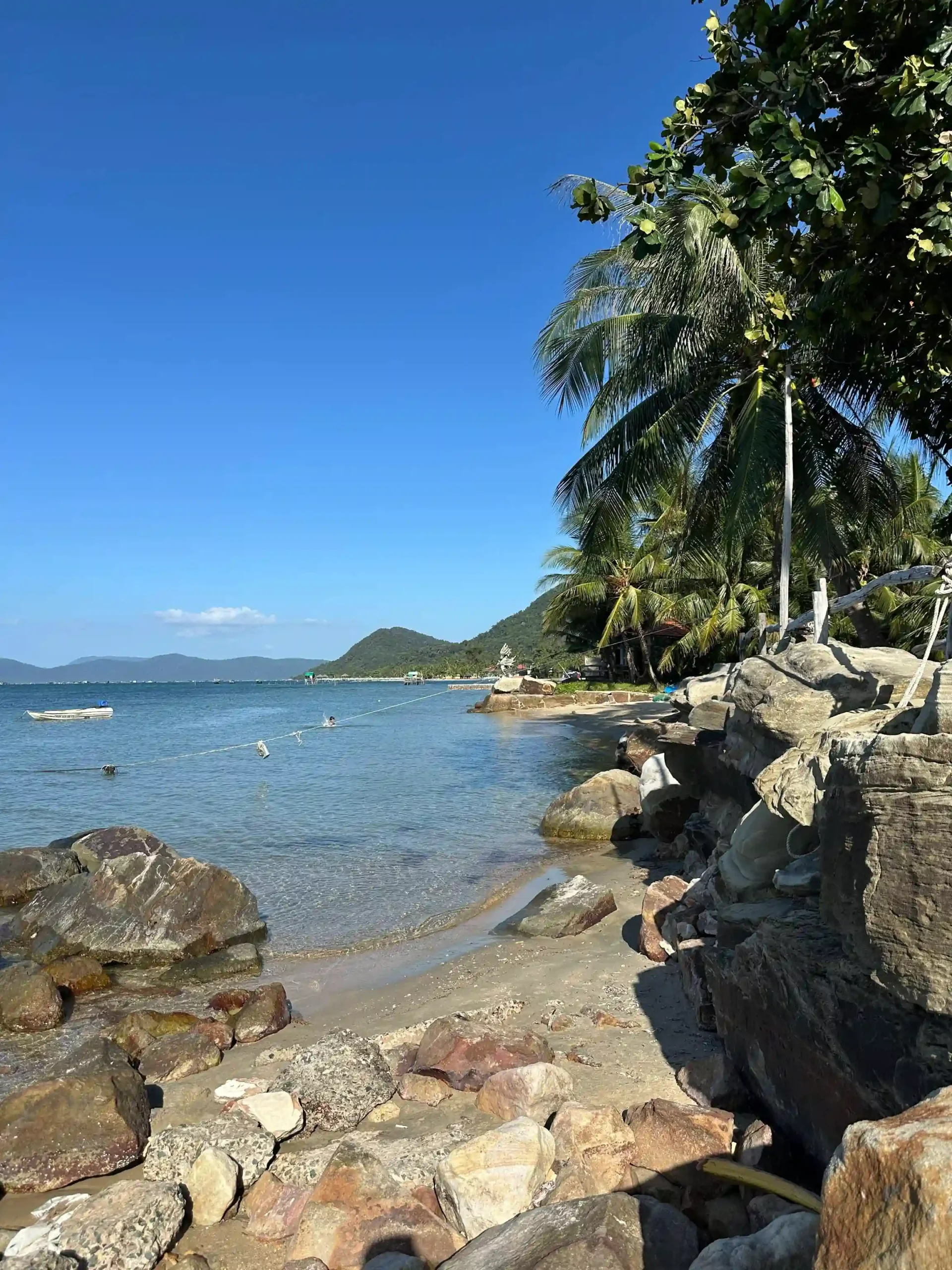
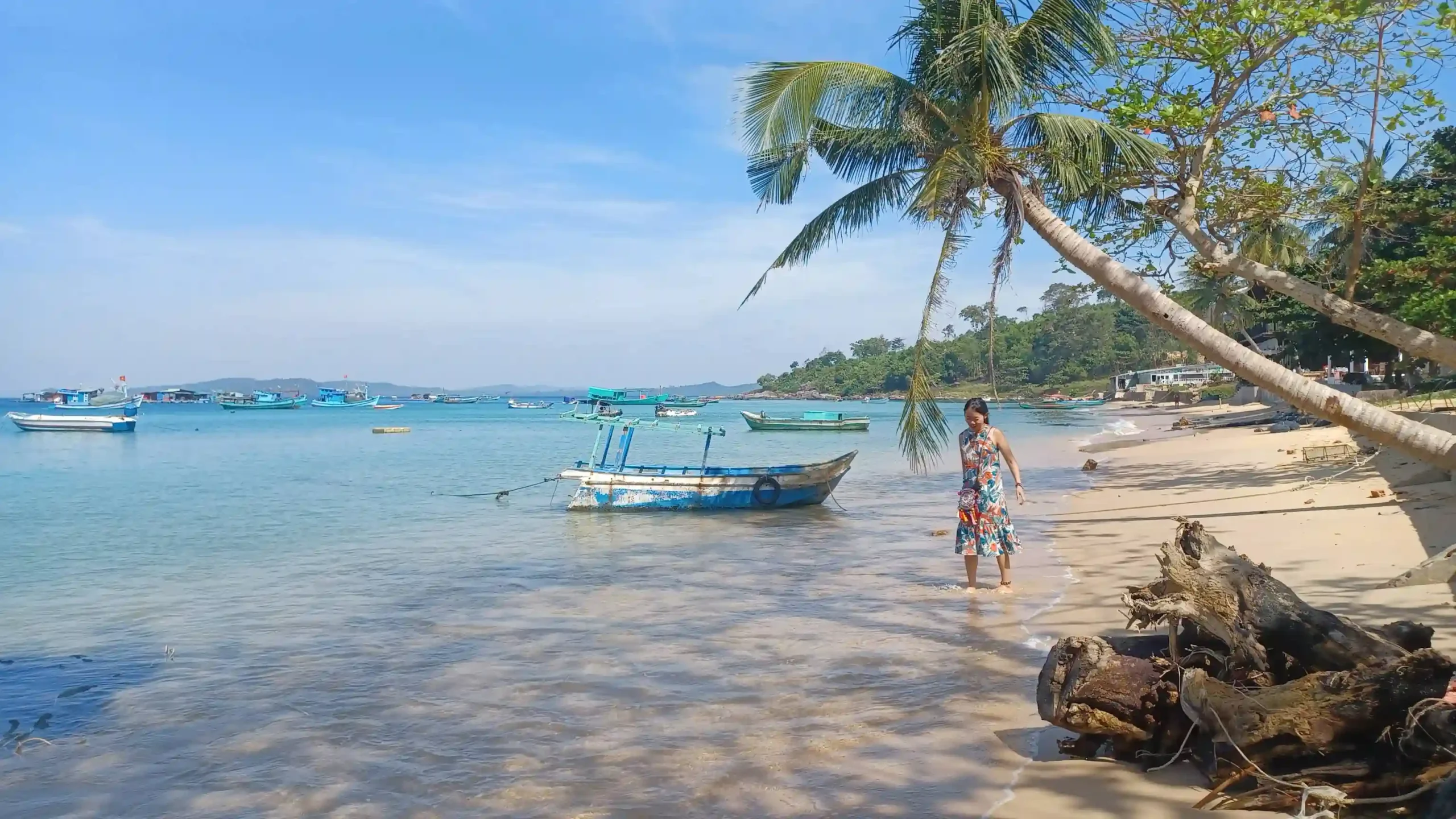
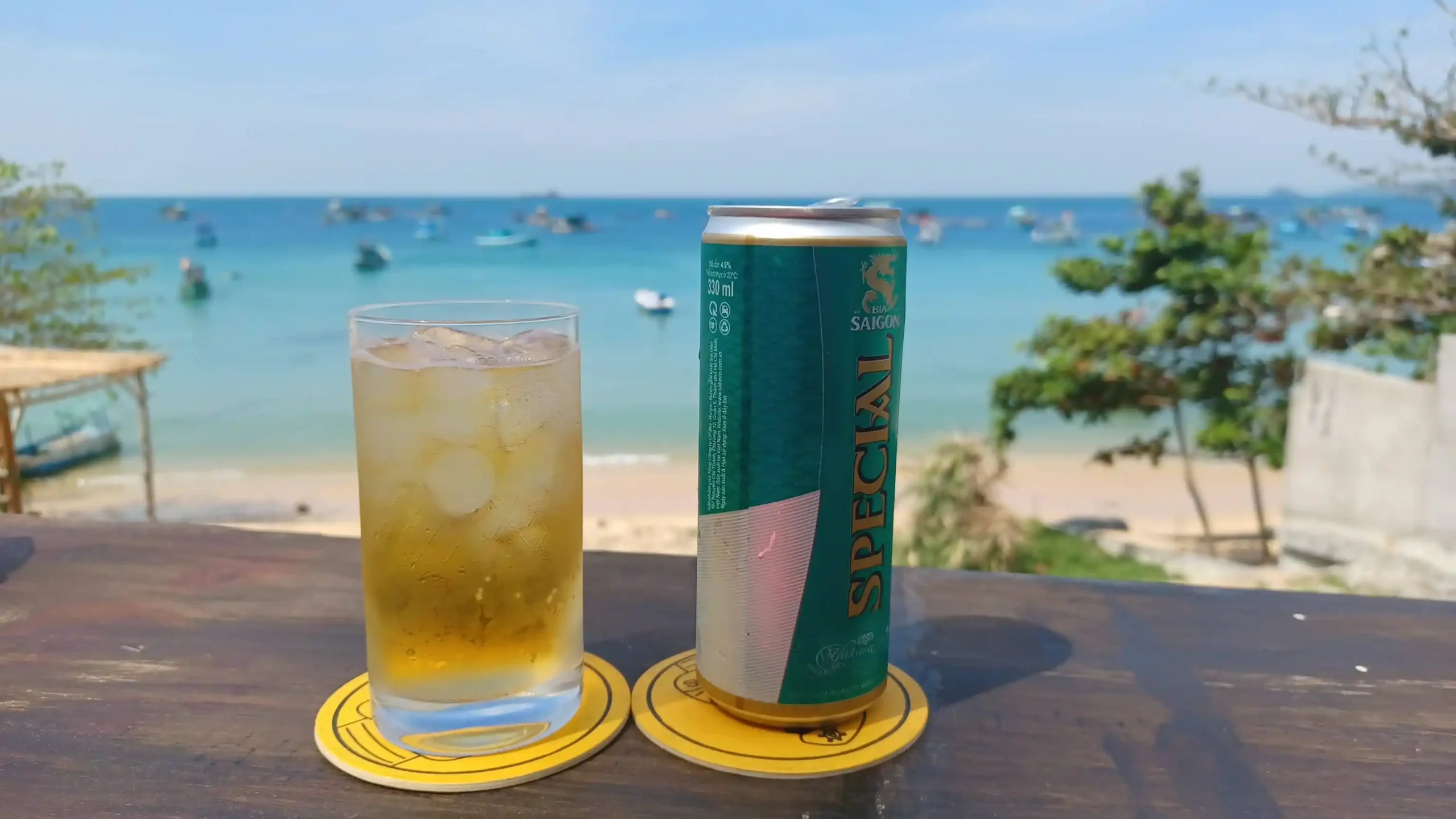
Marks the northwest tip and is worth the ride for the coastline and the sense of having actually left the resort strip. On a clear day you can see across toward Cambodia.
There’s not much to do here beyond look at it and get a coffee, which is exactly the appeal after a few days in the south.
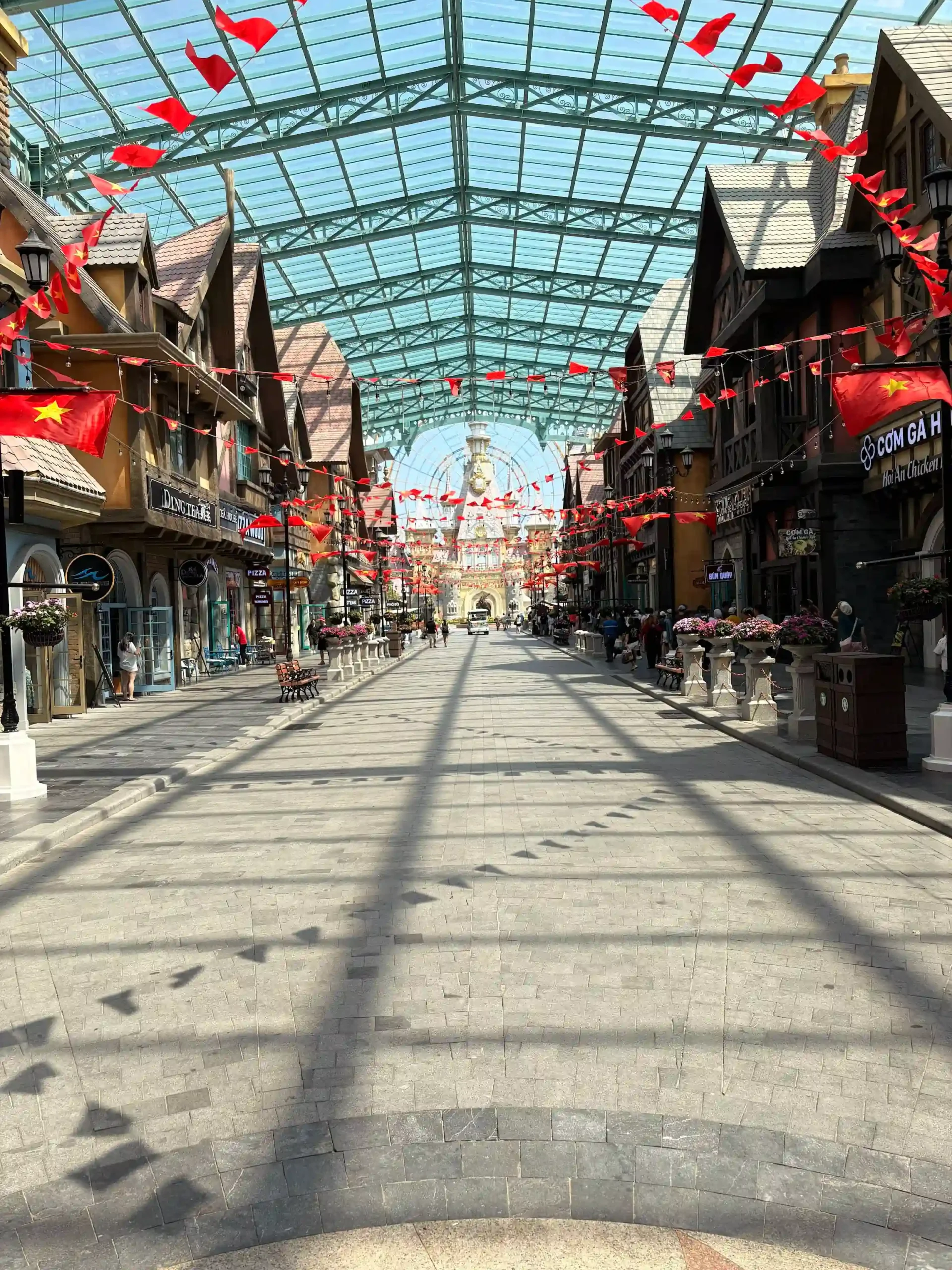
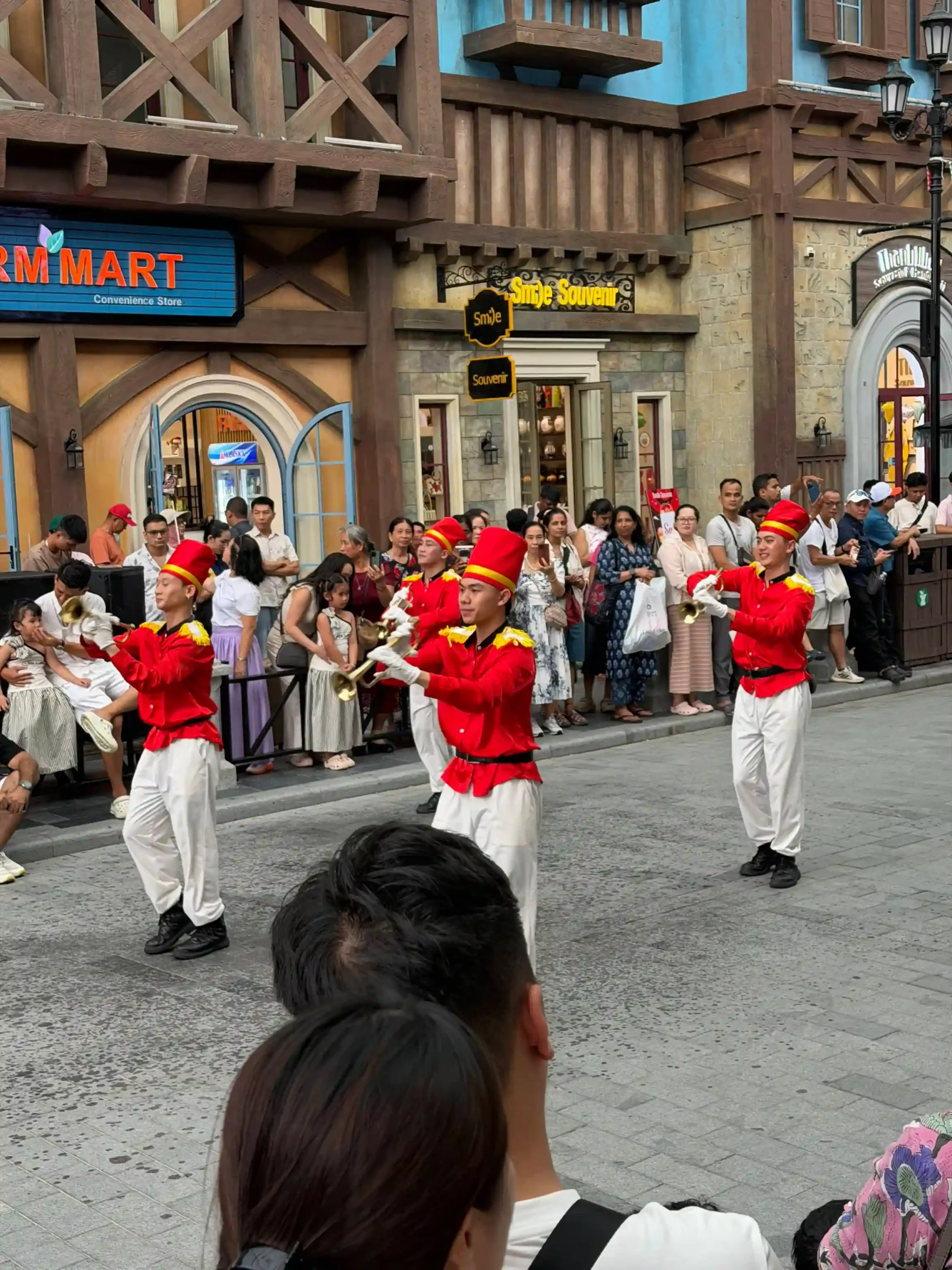
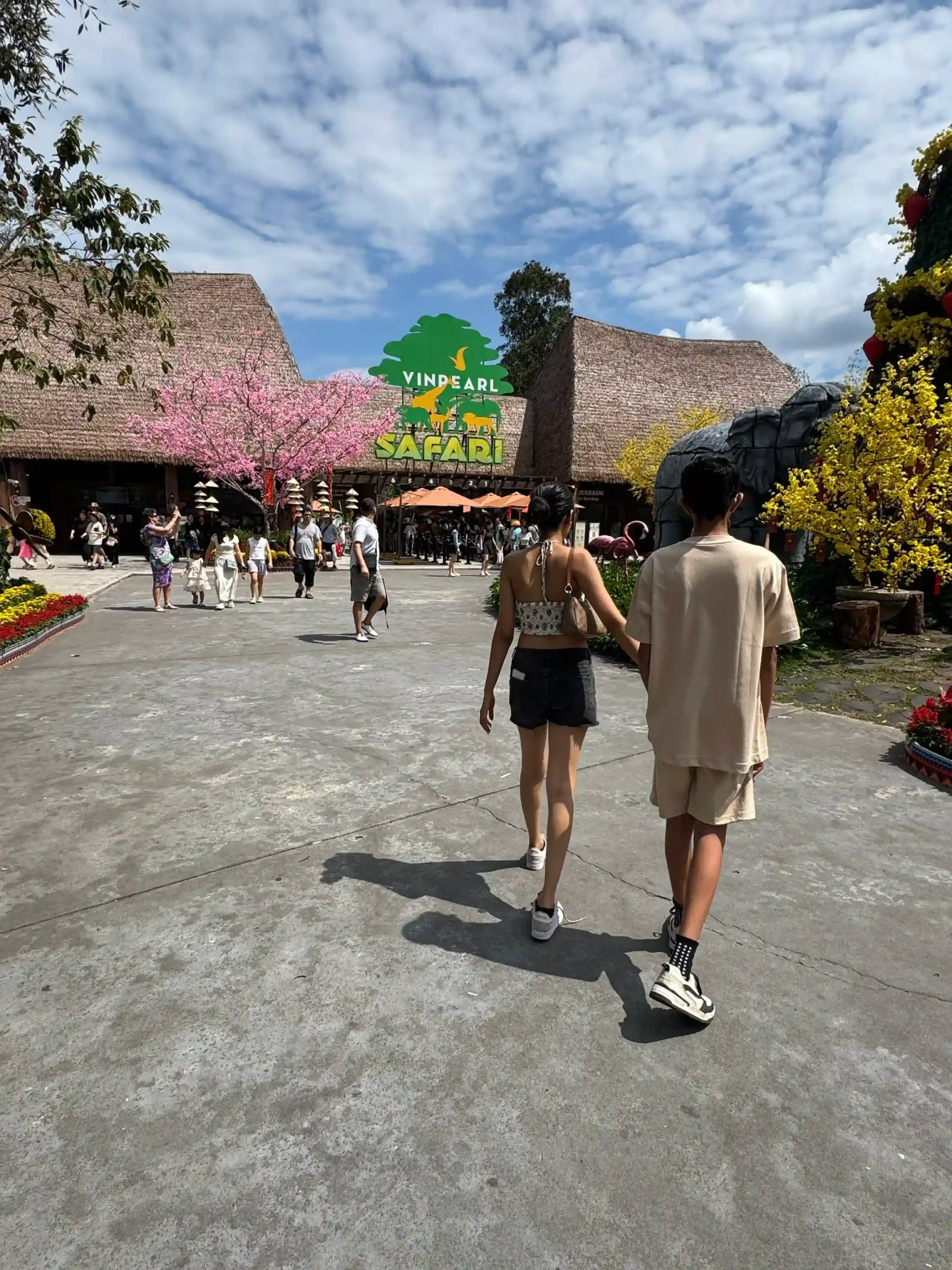
VinWonders and Vinpearl Safari
Sit up here too, and this is where I’d tell you to think carefully.
VinWonders in particular can feel eerily empty on a weekday, big rides running for almost nobody, which is a strange atmosphere to pay for. The Safari is better executed and works well for families with younger kids.
If a theme park day is what your family wants, fine, but don’t build a Phu Quoc trip around it.

The ride between Duong Dong and the northern tip takes roughly 45 minutes to an hour depending on where exactly you’re heading, mostly on decent road.
It’s a genuinely good scooter route, forest on both sides for long stretches, and one of the few parts of the island where the traffic thins out enough to actually enjoy the ride.
Things to Do in Phu Quoc I’d Actually Skip
The mud baths and most of the smaller paid attractions marketed as must-sees. The pearl farms unless you’re actually shopping for pearls, they’re essentially showrooms with a short demonstration attached. And on a short trip, VinWonders, purely on the opportunity cost of spending a full day inside a theme park on an island with this much coastline.
I’d also be careful with the “hidden gem” waterfalls that appear on some lists. Tranh Stream and the smaller falls run genuinely dry outside the rainy months, and arriving to find a rock face with a trickle down it after a bumpy 30-minute ride is a common enough disappointment that I’d check conditions before committing a morning.
One more thing worth flagging: scooter-based scams do happen here. Someone friendly approaches offering to guide you somewhere, then demands payment for a service you never asked for. It’s not dangerous, just irritating, and the fix is a polite firm no.
When to Come for the Best Things to Do in Phu Quoc
November through April is the dry season, and it isn’t a marginal difference. That window gets you clear water, calm seas, and boat trips that actually run.
May through October brings rain, rough water, canceled tours, and jellyfish and sea lice on the west coast specifically.
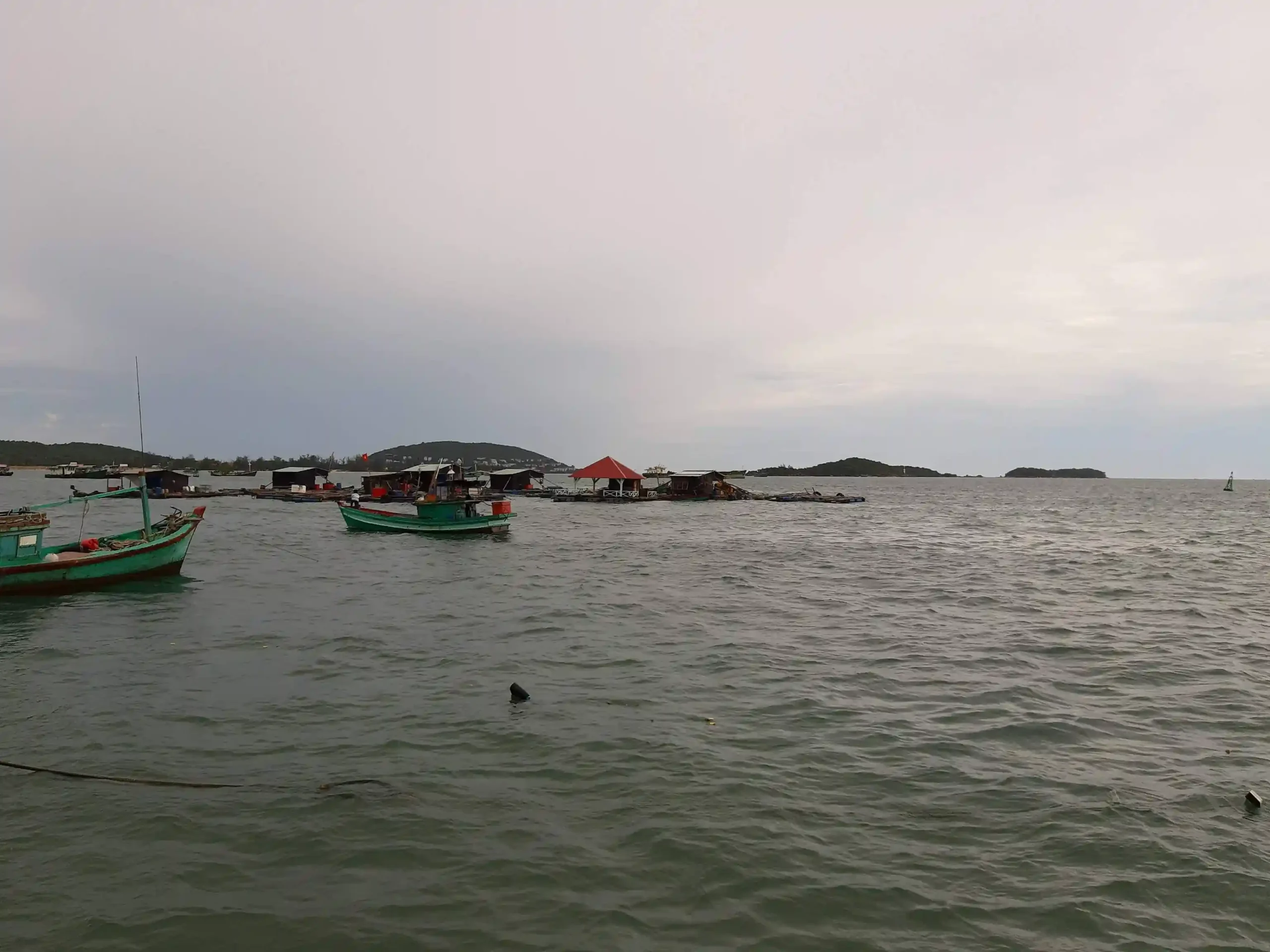
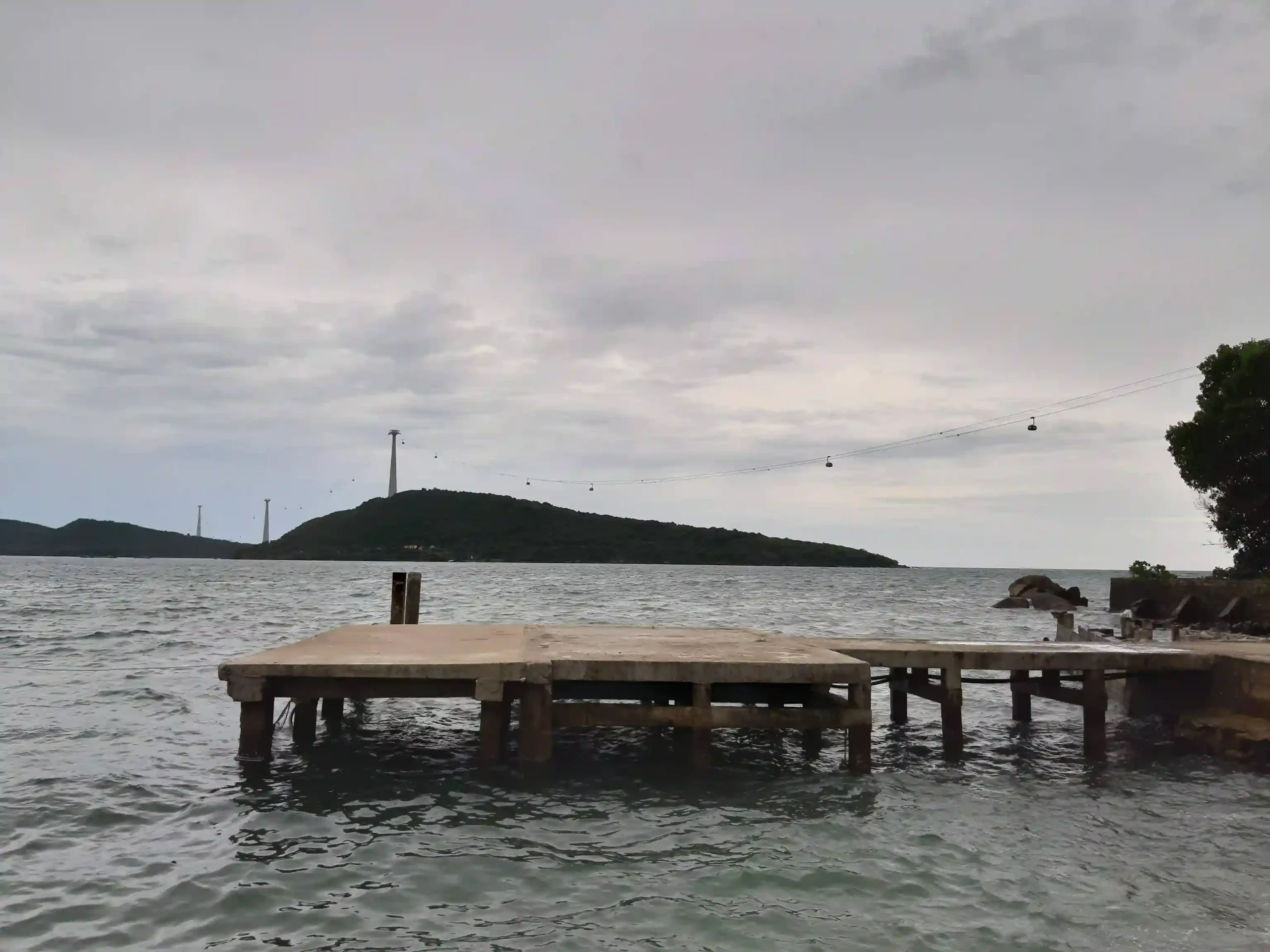
The sea lice are worth explaining because nobody warns you properly. They’re tiny larvae that cause a pinprick sting, unpleasant and itchy but not dangerous, and they turn up mainly on the west coast during the wet months. If you’re there in that window, the east coast beaches like Bai Sao are the safer swim.
If you land in the wet season anyway, the built attractions run regardless of weather, and the island’s a workable trip, just not the one the photos sold you. I’d shift more of the plan toward the north and the food and less toward the water.
Eating on the Island
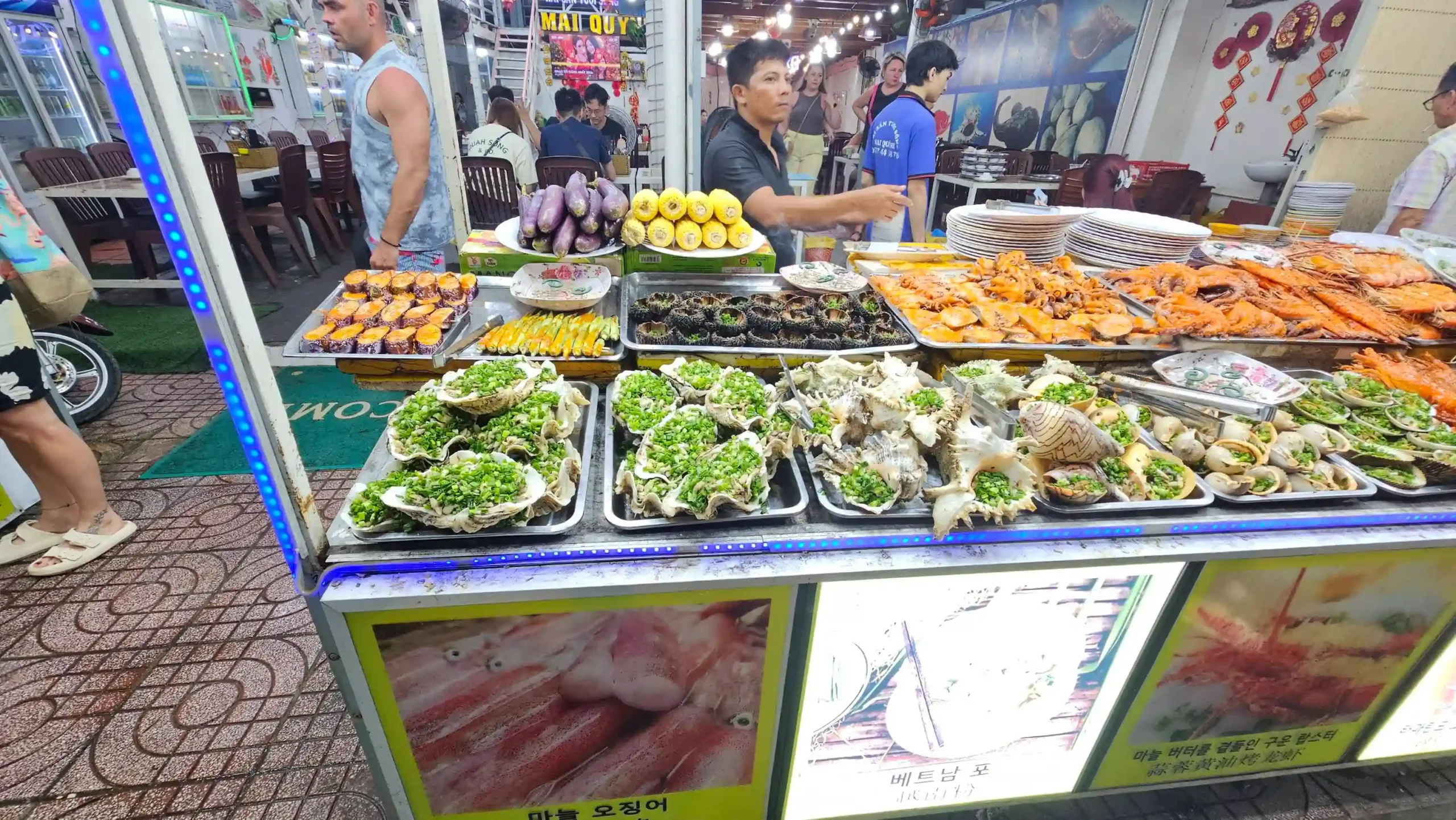
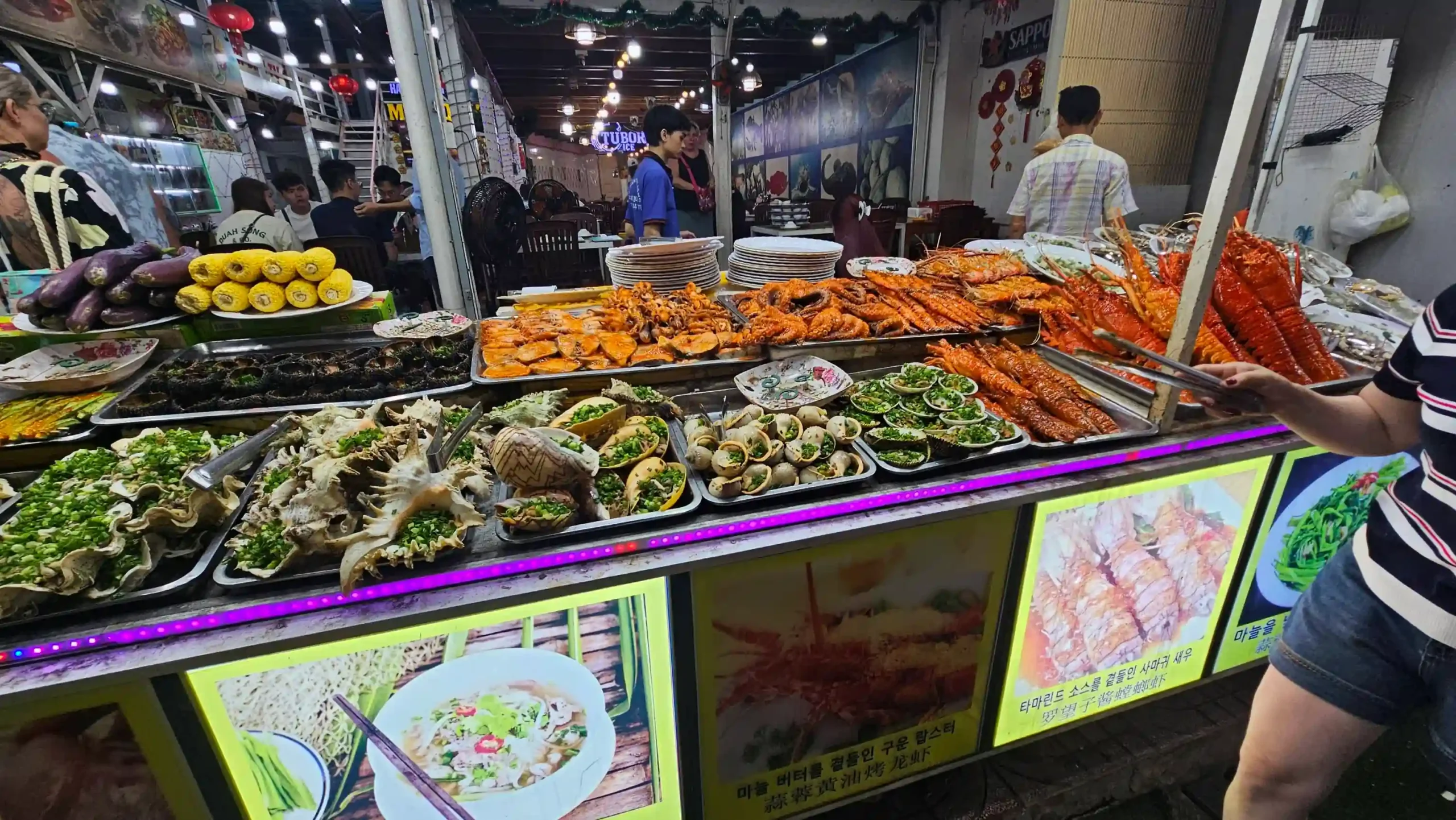
Seafood is the reason to eat here, and the gap between where you eat it and what you pay is enormous.
The beach clubs along Long Beach charge resort prices for the same fish being pulled out of the same water that the stilt shacks at Rach Vem serve for a fraction of it.
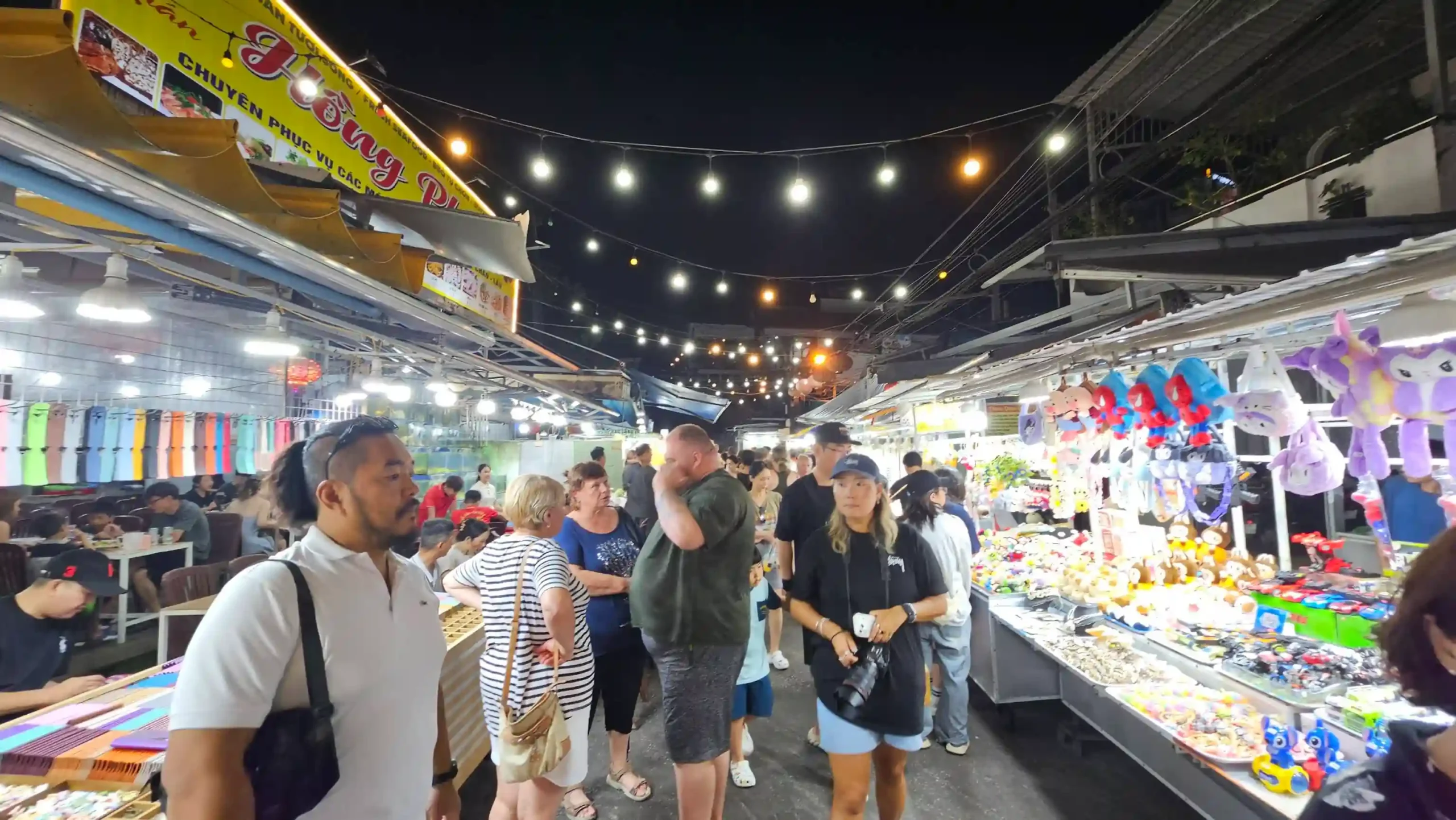
The Duong Dong night market is the easy default for a first night, busy, central, plenty of grilled squid and fish. It’s touristed and priced accordingly, but the quality holds up and it’s a reasonable introduction.
For the better version, the northern fishing villages are where the same seafood costs local money, and where you’re eating it above the water it came from.
Things worth ordering specifically: grilled squid, fish hotpot, and the local herring salad if you want something you won’t find easily on the mainland. Phu Quoc fish sauce is the island’s most famous export and worth buying a bottle of, though the factory tours are more showroom than experience.
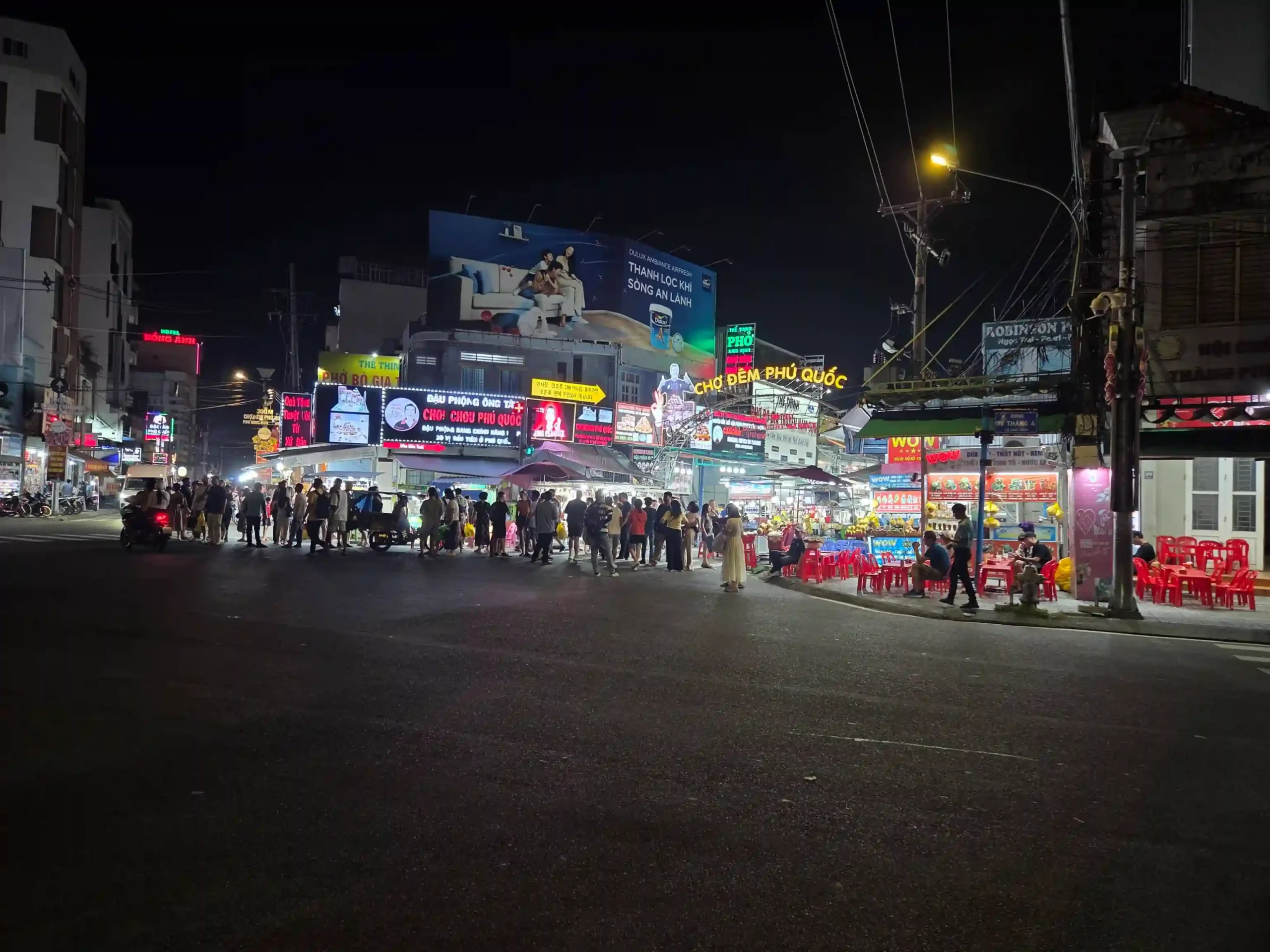
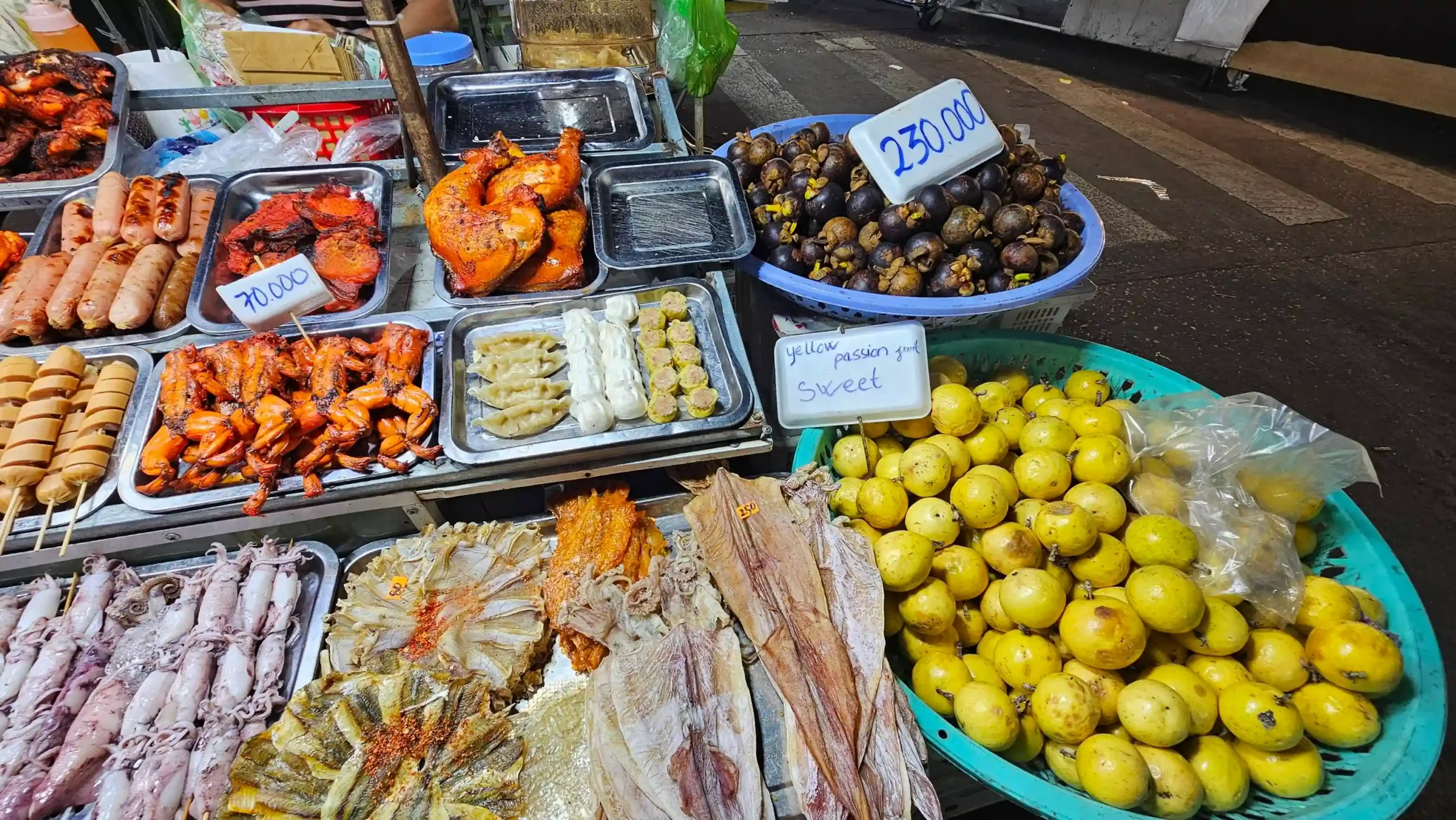
One habit that served me well over the month: eat lunch wherever you happen to be for the day’s activity, but plan dinner deliberately. The good, cheap seafood requires a bit of driving, and treating it as a destination instead of an afterthought is the difference between eating well here and eating expensively.
Getting Around
There’s almost no public transport, just free VinBus shuttles on two routes connecting the airport, Duong Dong, and Grand World. Everything else means Grab, Xanh SM, or a rented scooter.
One real warning on scooters: police do check for a valid international license here, and the fine runs 1 to 2 million VND. This isn’t a place where nobody checks. If you don’t have the right license, use Grab, which is cheap enough that it barely changes your budget.
Distances matter more than they look on a map. Duong Dong to An Thoi in the far south runs about 45 minutes, Duong Dong to the northern tip about the same in the other direction. That means most of the best things to do in Phu Quoc are an hour apart, and trying to pair a southern island trip with a northern village lunch in one day mostly gets you a day of driving. Group your days by region and the whole island opens up considerably.
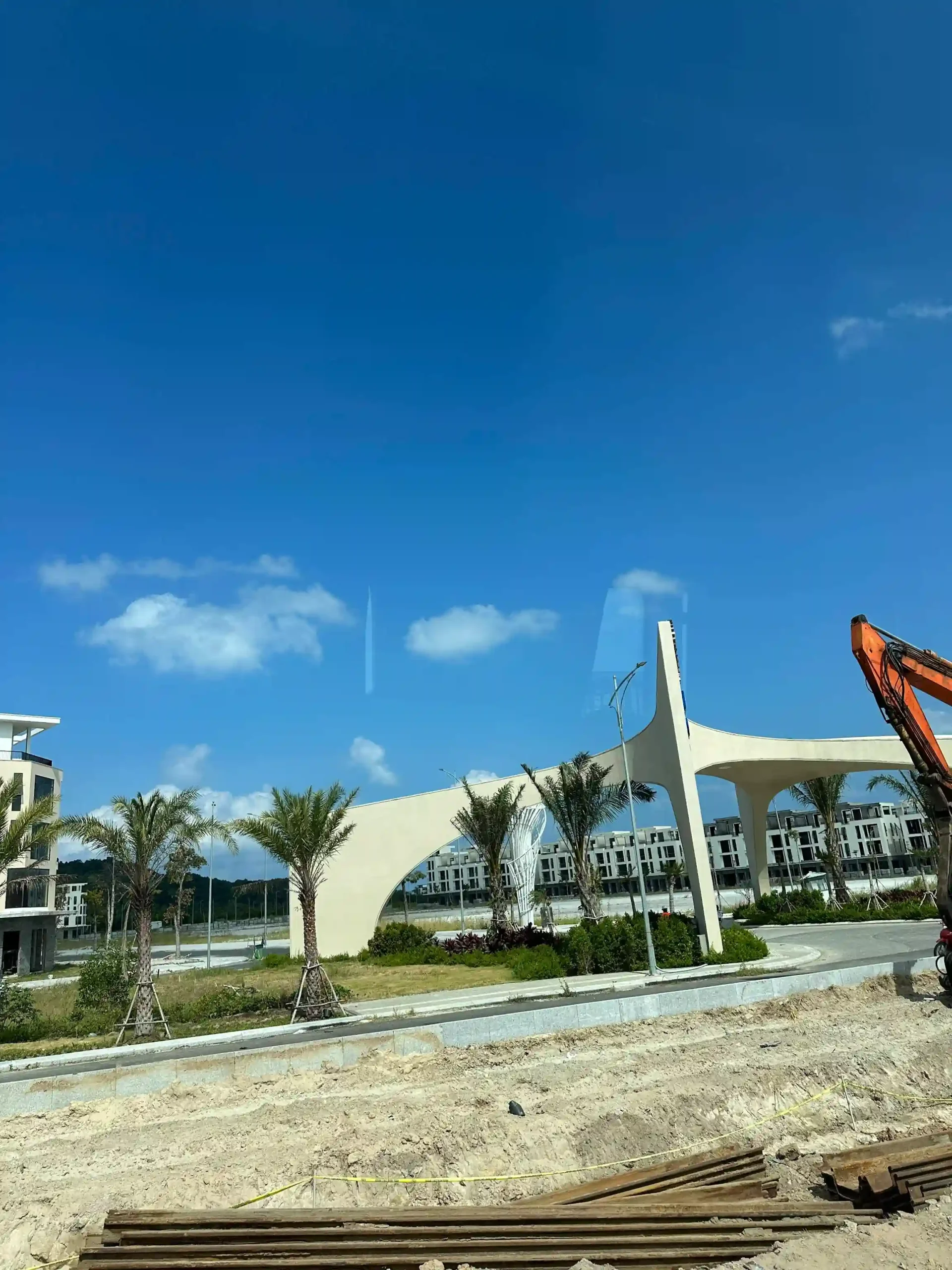
The main road running down the west coast was still under construction in stretches during my stay, which adds unpredictable time to any southbound trip. If you have a flight, a tour departure, or a booked show to make, build in more buffer than the map suggests.
Is Phu Quoc Actually Worth It for a First-Timer?
For a first-timer, yes, with expectations set correctly.
The beaches are genuinely good, the water is genuinely clear in the right season, and the whole thing costs less than Bali or Phuket for a comparable trip.
The 30-day visa exemption for Phu Quoc-only visits, regardless of nationality, makes it unusually easy to reach, and I met people who’d booked on a whim purely because that rule made it simpler than anywhere else in the region.
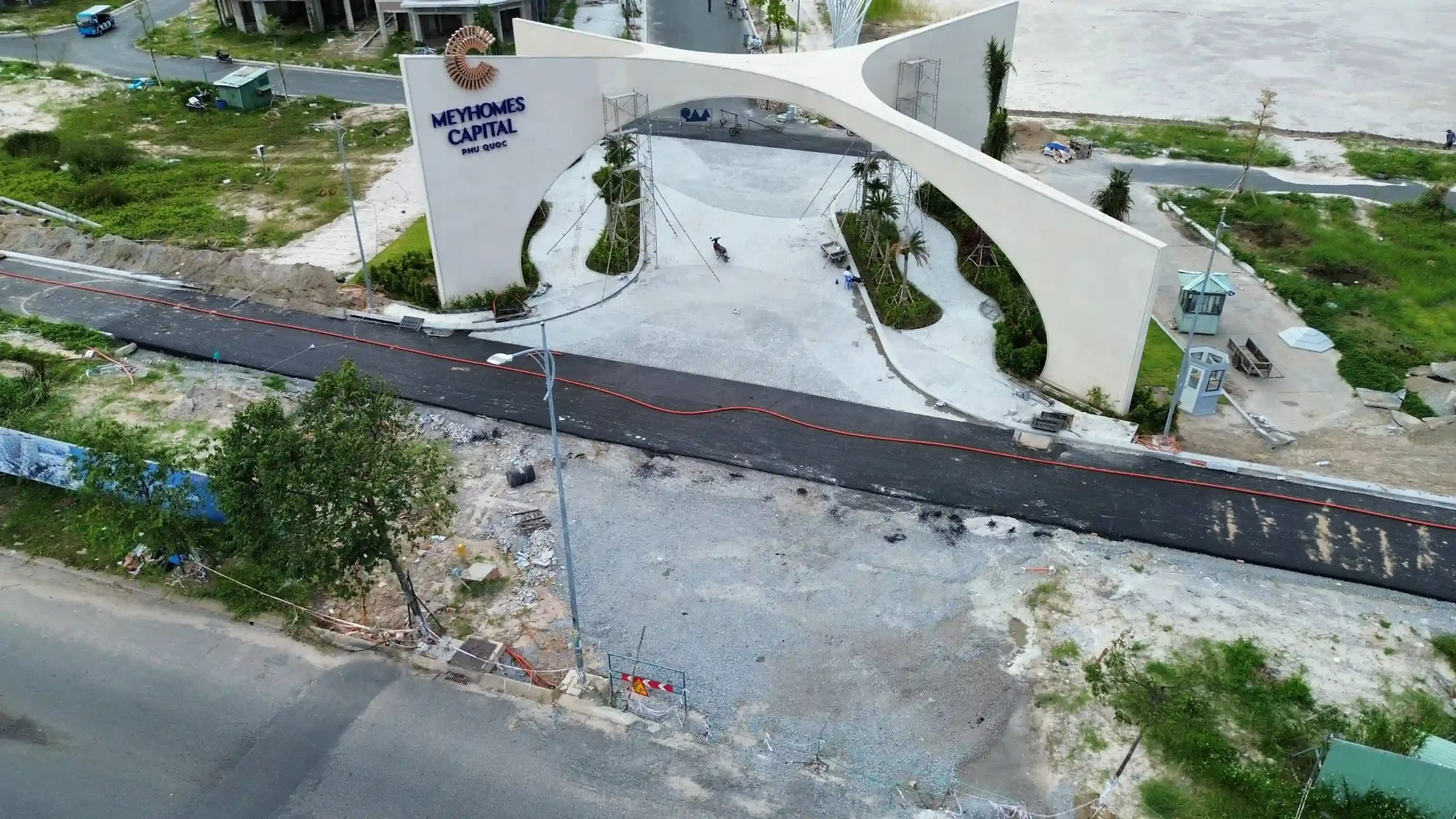
But go in knowing what it is. This is a mass-tourism island in the middle of a construction boom, not an undiscovered paradise. There’s litter in places, there are half-finished buildings next to finished resorts, and the theme-park developments have nothing to do with Vietnamese culture.
If you want raw and undeveloped, Con Dao or Nam Du will serve you better.
Prices sit in an odd middle. Coming from Saigon, Phu Quoc feels expensive, restaurant meals and taxis run noticeably above mainland rates. Coming from anywhere outside Vietnam, it’s cheap, and the gap between what a beachfront dinner costs here and what the same thing costs on Bali or in Phuket is real money over a week.
What a month taught me is that the island rewards choosing a lane. Base yourself somewhere quieter like Ong Lang, spend your days on the water in the south, eat in the north, and skip the manufactured stuff except for one evening in Sunset Town. Do it that way and it’s a genuinely good trip.
Try to do everything on every things-to-do-in-Phu-Quoc list you find and you’ll spend half your time in traffic on a road that’s still being built.
For a first visit of four or five days, that means roughly: one full day island hopping in the south, one day for the cable car and Sunset Town, and the rest on beaches with a north-island run somewhere in the middle. That’s the shape I’d give anyone asking, and it’s the shape the rest of this Phu Quoc series will build on.












 Tiếng Việt
 한국어
한국어 中文 (中国)
 日本語
日本語 ไทย
ไทย Deutsch
 Español
 Destinations
 Instagram
 Facebook
 X (Twitter)
 Threads
 Tiktok