









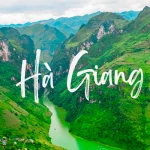
 Ha Giang
 Hanoi
Hanoi Ho Chi Minh City
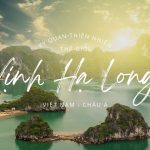 Ha Long
 Sapa
Sapa Mekong Delta
 Da Nang
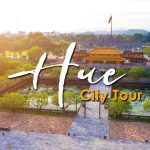 Hue
Hue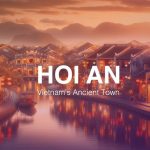 Hoi An
 Ninh Binh
 Da Lat
 Nha Trang
 Phan Thiet
 Phu Quoc
 Quang Binh
 Quy Nhon
 Vung Tau
 Thai Nguyen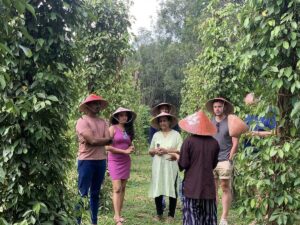

I’ve traveled a fair bit. Southeast Asia has always been a draw. Bali, for a long time, was on my list, like it is for many. The “Eat Pray Love” vibe, the yoga retreats, the rice paddies – it all sounded good. But when it came to booking a premium trip, something shifted. I started looking beyond the usual suspects. That’s when Phu Quoc, Vietnam, entered the picture. And after a lot of research, comparing, and frankly, a bit of a gut feeling, Phu Quoc won. This isn’t some travel agency pitch; this is my experience, why I picked it, and what I found.
- Discover why premium trip led to choose Phu Quoc over Bali. This detailed guide shares firsthand experiences on luxurious yet affordable resorts like JW Marriott & Regent, the island’s authentic charm, diverse activities from National Park treks to private island hopping, and a vibrant local food scene. Get practical tips on visas, transportation, and safety for your ultimate Vietnamese island escape.
- Why Phu Quoc Beat Bali: Discover the key reasons for choosing Phu Quoc – from its authentic, less crowded atmosphere to its cost-effective luxury compared to more established destinations.
- Premium Accommodation Choices: Get an inside look at top 5-star resorts like InterContinental, JW Marriott, and Regent Phu Quoc, including price insights and unique highlights that define a premium stay.
- Hassle-Free Travel: Learn about the straightforward visa process for Vietnam and convenient direct flights to Phu Quoc International Airport, ensuring a smooth start to your vacation.
- Diverse Activities & Experiences: Explore an array of unique things to do, from exploring the tranquil Phu Quoc National Park and the sobering Phu Quoc Prison, to exhilarating adventures on the Hon Thom Cable Car and private island hopping tours for snorkeling and secluded beaches.
- The Unforgettable Food Scene: Dive into the island’s culinary delights, focusing on fresh seafood, unique local specialties like Bún Quậy, and the island’s renowned fish sauce.
- Genuine Hospitality & Safety: Understand why the warm and welcoming locals and a generally safe environment significantly enhance the premium travel experience.
- Practical Travel Tips: Get practical advice on getting around the island, including reliable taxi services, Grab, and the benefits of hiring a private driver for comfort and convenience.
The Bali Buzz vs. Phu Quoc’s Quiet Charm

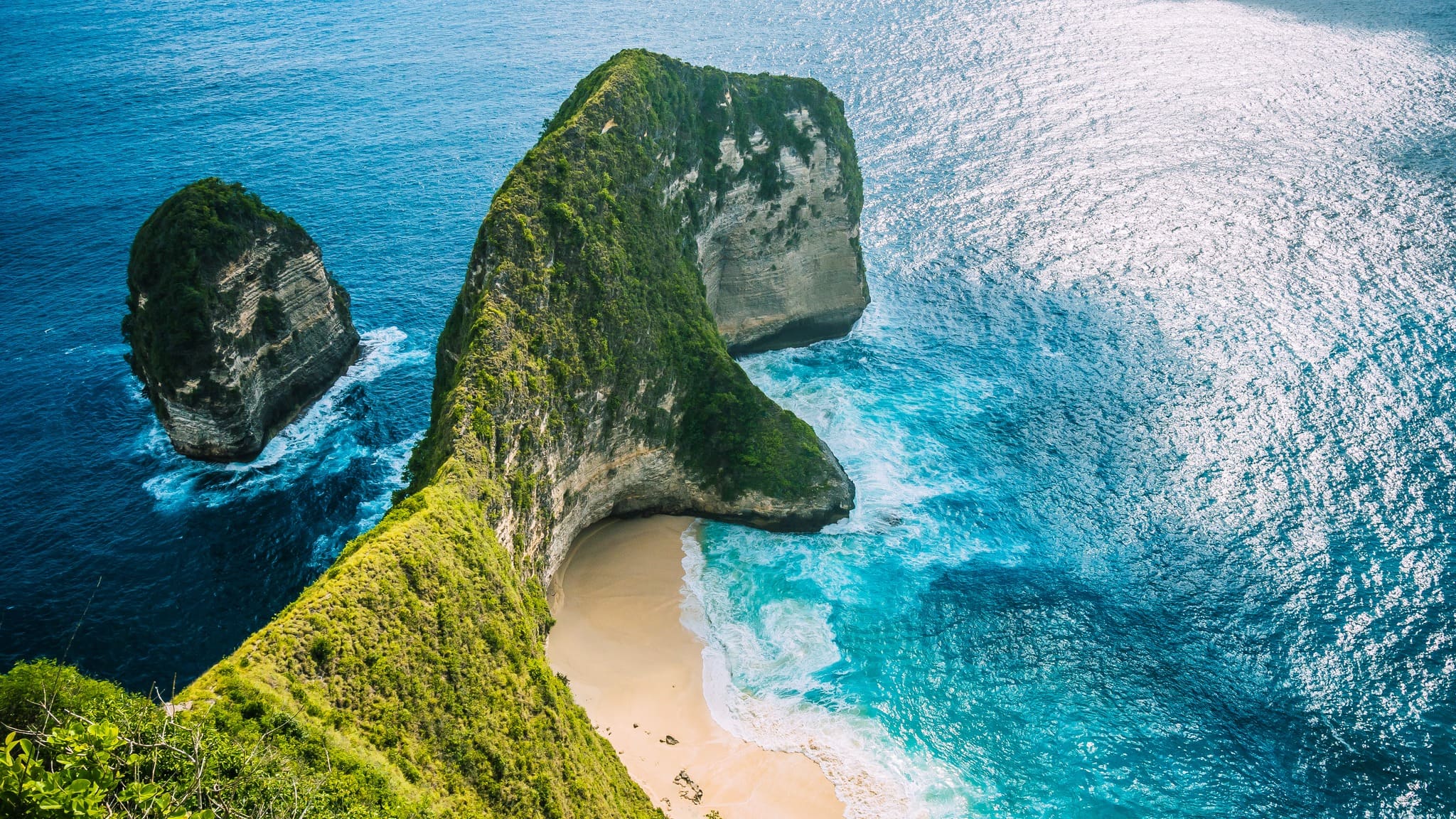
Everyone talks about Bali. It’s almost a given if you’re planning an island getaway in Southeast Asia. Instagram is full of it. The reviews are everywhere. But that’s precisely what started making me hesitate for a “premium” trip. Premium, to me, means space, a certain level of exclusivity, and not fighting crowds for a good view or a quiet meal. Bali, from what I gathered, was getting pretty packed.
Traffic, crowded beaches, the “Eat Pray Love” crowd multiplied by a thousand. It didn’t sound like the escape I was looking for. I heard stories from friends who went and spent more time in traffic than on the beach. That just wasn’t appealing for a trip I was investing good money in.
Then I started looking at Vietnam. I’d been to the mainland, loved it, especially the vibrancy of cities like Hanoi and the history of Hoi An, but an island? Phu Quoc kept popping up. Initially, I knew little about it. A Vietnamese island. That was it. But the more I dug, the more it sounded like an untouched gem, or at least, a gem that hadn’t been polished to the point of being worn thin by mass tourism. It promised luxury without the throngs, authenticity without feeling like a curated show.
That was the first big pull. The photos I saw showed expansive, uncrowded beaches and resorts that looked genuinely exclusive, not just exclusive because of the price tag. This was my initial thought process for my Phu Quoc trip.
Premium Trip Value and Accommodation Choices
Let’s be real. A “premium trip” usually comes with a premium price tag. My goal wasn’t to penny-pinch, but to get the best value for my money. I wanted high-end, but I also didn’t want to feel ripped off. This is where Phu Quoc really started to shine.
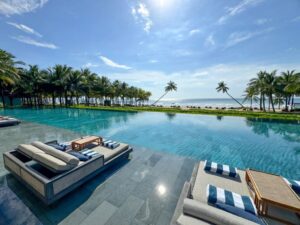
I started comparing hotel prices. For a Phu Quoc trip, I was looking at 5-star resorts, the kind of places where you don’t just sleep, you experience. Think InterContinental, JW Marriott, Regent.
InterContinental Phu Quoc Long Beach Resort

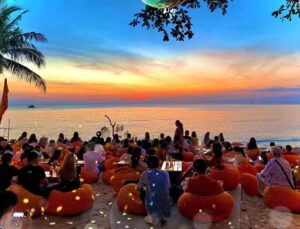
InterContinental was one of the first resorts I looked at. It’s located on Long Beach, which is, as the name suggests, a long stretch of sand perfect for sunset views.
- The design felt modern but still incorporated Vietnamese elements. The main pool area looked massive, and there were several dining options. I appreciated that it had a variety of room types, from standard rooms to multi-bedroom villas, meaning options for different budgets within the luxury segment.
- Price: For a standard room or a basic suite, you’re looking at around $250-$450 USD per night, depending on the season, how far in advance you book, and specific room type. Higher-tier suites and villas can go upwards of $700-$1000+.
- Highlights: Multiple swimming pools (including an adults-only pool), fantastic spa, and a direct access to a quiet stretch of Long Beach. Their restaurants, like Sea Shack and Sora & Umi, consistently get good reviews for their food quality and ambiance.
- Check availability and Book online here.
JW Marriott Phu Quoc Emerald Bay Resort & Spa
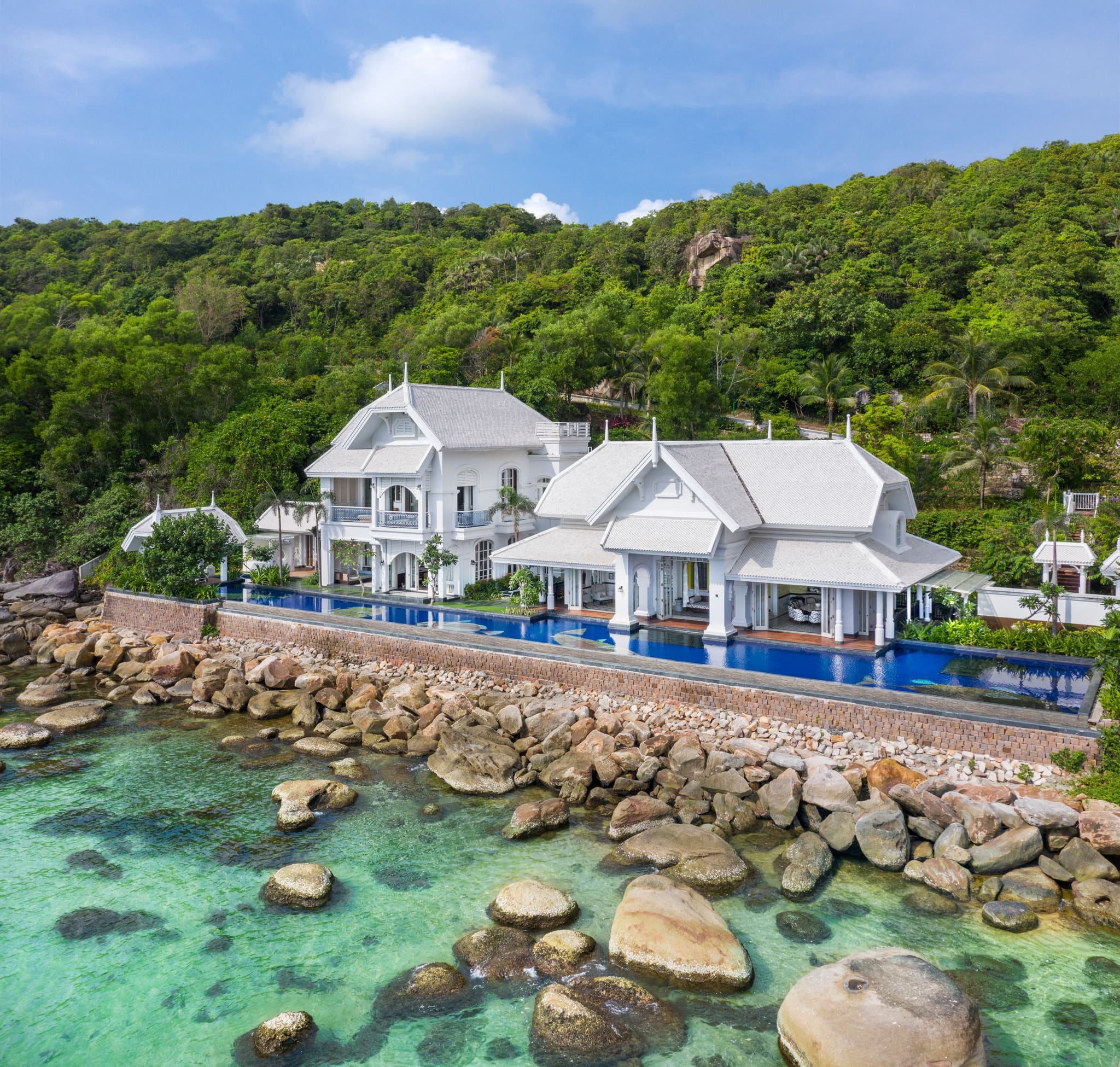
JW Marriott Phu Quoc is often considered a destination in itself. I was intrigued by its unique story and design.
- The concept alone – designed by Bill Bensley as a fictional university (Lamarck University) – made it stand out. Every building, every detail, tells a story. It’s eccentric but in a luxurious, artistic way. This felt less like a standard resort and more like an immersive experience. I figured this would be a great base for a premium Phu Quoc trip.
- Price: Often in the $350-$700+ USD range per night for standard rooms, with suites and villas being significantly more. This one tends to be on the higher end for Phu Quoc, but still felt like a steal compared to similar design-focused resorts elsewhere.
- Highlights: Truly unique architecture and interior design. Private beach, massive main pool (Shell Pool), and individual villa pools. Exceptional dining, including Tempus Fugit for international and local cuisine, and Pink Pearl, their fine-dining French restaurant. The spa, Chanterelle – Spa by JW, is also top-tier.
- Check availability and Book online here.
Regent Phu Quoc

Regent Phu Quoc was the most recent addition to Phu Quoc’s luxury scene and positioned itself at the ultra-luxury end.
- What appealed here was the exclusivity. Every room is a suite or villa, and many have private pools. This screams privacy and space, exactly what I wanted for a premium getaway. The design looked sleek, minimalist, but still warm. This felt like a place where you could truly disconnect.
- Price: Generally starts around $450-$900+ USD per night for their entry-level suites, with multi-bedroom villas going much higher. This is definitely for the splurge.
- Highlights: All-suite and villa property guaranteeing spacious accommodations. Impeccable service, multiple gourmet dining venues (like Ocean Club for Mediterranean and Rice Market for Vietnamese and Chinese cuisine), and stunning infinity pools. The focus here is on serene luxury and personalized experiences.
- Check availability and Book online here.
I then looked at comparable 5-star options in Bali. For similar levels of luxury, service, and unique design (especially for something like the JW Marriott or Regent), the prices in Bali were consistently 20-40% higher, sometimes even more. And often, those Bali resorts were booked solid months in advance, meaning less availability and less flexibility. This wasn’t just about the room rate; it extended to dining, private transfers, and even activities.
The overall cost for a premium Phu Quoc trip was simply more appealing. It meant I could splurge more on experiences, like private tours or an extra spa day, without blowing the entire budget just on accommodation. This cost-effectiveness was a major deciding factor for my Phu Quoc trip.
Getting There: Logistics and Visas
This might sound minor, but for a premium trip, hassle-free travel is part of the package. I didn’t want to deal with complicated visa applications or long queues after a long flight.
Visa: For many nationalities, especially those from Western Europe, North America, and some Asian countries, Vietnam offers visa exemptions or a straightforward e-visa process. For my passport (a common Western European one), a 15-day visa exemption was applicable. This meant I didn’t need to apply for anything in advance for my Phu Quoc trip beyond confirming the exemption.
For those who need a visa, the e-visa process is entirely online, quick, and efficient. You apply, pay, and get an approval letter by email, which you then present upon arrival. This was a huge win. Bali (Indonesia) generally has a visa-on-arrival or visa-exemption policy for many countries, which is also easy, but the e-visa for Vietnam (if needed) was a quick online process before I even left, which gave me peace of mind. No queues at immigration just to get a stamp or fill out forms.
Flights: Direct flights to Phu Quoc International Airport (PQC) are increasing rapidly. From major hubs like Ho Chi Minh City, Hanoi, Bangkok, Singapore, Kuala Lumpur, and Seoul, you can get direct flights. I flew from Singapore, and it was a direct, smooth flight, taking just over two hours. The airport itself is modern, clean, and not overwhelmingly large, which made arrivals and departures quite pleasant.
Bali’s Denpasar (DPS) is also extremely well-connected, but the sheer volume of flights and passengers can sometimes lead to more delays, longer queues at immigration, or simply a more hectic airport experience. The relative calmness and efficiency of PQC was a definite plus, setting a relaxed tone for the start of my trip.
The Vibe
This was a big one for me. I wanted to experience a place, not just a resort bubble that could be anywhere in the world. Bali, especially areas like Seminyak, Canggu, and Ubud, can feel very Westernized. There’s a huge expat community, a lot of Western-run businesses, and while that has its perks (great cafes, international restaurants, familiar comforts), it can sometimes dilute the local culture. It can feel like you’re in a curated version of Indonesia, designed for tourists, sometimes to the point where it’s hard to distinguish it from other “developed” tourist hubs.
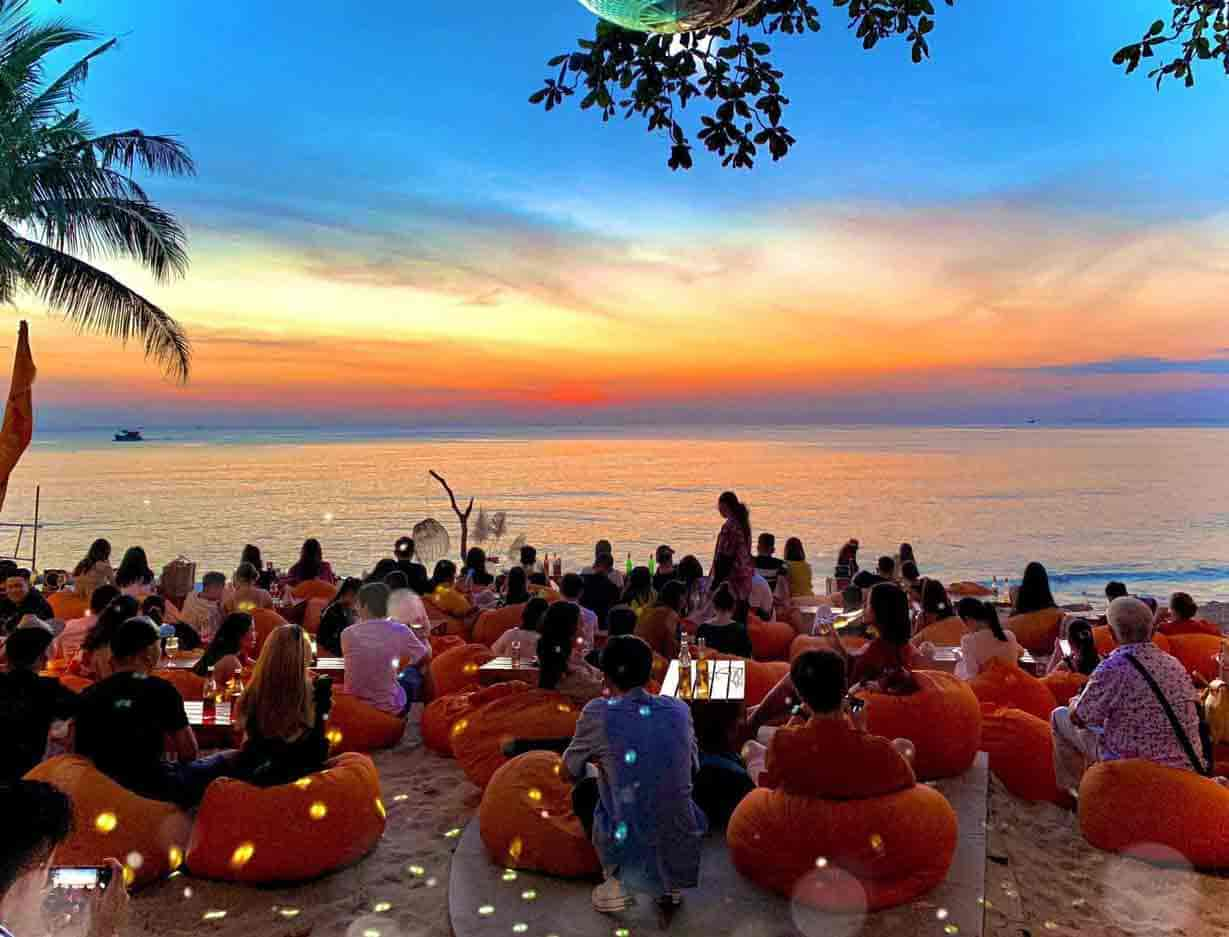
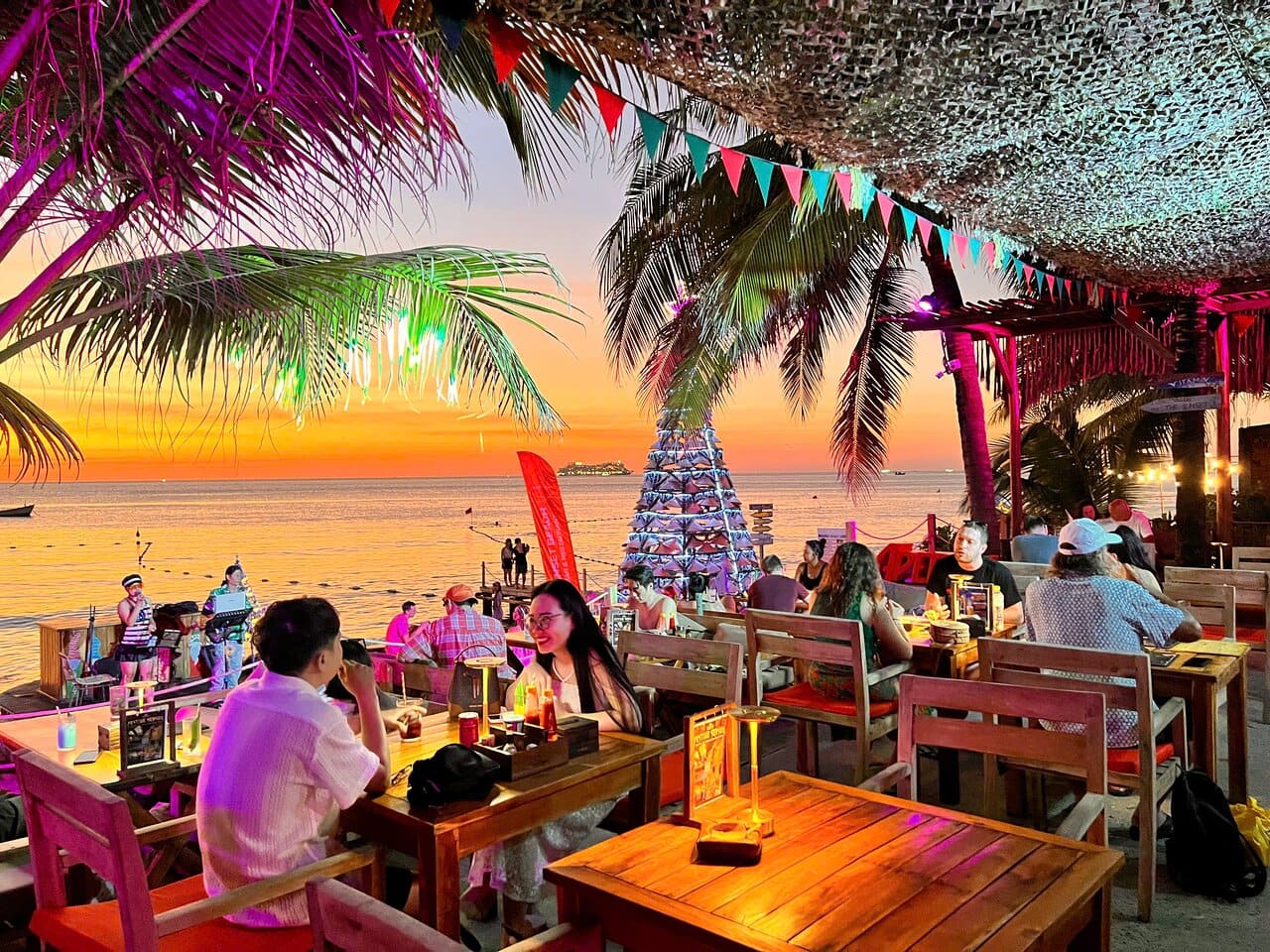

Phu Quoc felt more “real.” Yes, it’s developing rapidly – you see construction, new hotels going up – but it still retains a lot of its local charm. You see more locals going about their daily lives, less of the overtly tourist-centric hustle. The markets, the small local eateries, the fishing villages, the pepper farms – they all felt genuine. It wasn’t polished to a shine for Instagram.
This authenticity was a major factor in my Phu Quoc trip decision. I wanted to see Vietnam, not a diluted version of it. I wanted to hear Vietnamese spoken, see local life unfold, and eat food that felt truly local. That’s what I got.
Exploring the Island
While beaches are a primary draw for any island getaway, I need more than just sunbathing to feel like a premium trip is complete. A premium trip for me involves unique experiences, a connection with nature, and diverse activities that go beyond just relaxing by the pool. Phu Quoc delivered surprisingly well on this front.


Northern Phu Quoc
I spent a good chunk of time exploring the north of the island. It’s noticeably less developed than the south and west, offering a more rugged and natural feel.
Phu Quoc National Park: This covers a large portion of the island’s interior, declared a UNESCO Biosphere Reserve. I didn’t do any strenuous multi-day hikes, but I did take a guided walk through some of the more accessible trails near Ganh Dau. The air was fresh, and it was good to see the untouched jungle, hear the birds, and get away from any hint of development. Our guide pointed out different trees and plants. You can find tours that offer short treks. For a deeper dive into the natural beauty, consider a Jungle Trekking Adventure.
Ganh Dau Cape: This is in the northwest, a relatively quiet fishing village with a small, crescent-shaped beach. The view across to Cambodia on a clear day is pretty cool – you can actually see the mainland. It’s not a major tourist spot, which made it appealing. I had lunch at a small local seafood place right on the water – simple plastic chairs, but incredible fresh catch of the day, simply grilled with some local herbs. Perfection. It’s the kind of place where you truly feel like you’ve stepped away from the crowds.
Phu Quoc Prison (Coconut Tree Prison): This was a sobering but important experience. It’s a historical site, a former prison used by the French colonialists and then by the Americans during the Vietnam War. They have outdoor exhibits with lifelike mannequins depicting the brutal conditions and torture methods used against Vietnamese revolutionaries and soldiers. It’s not a pleasant visit, but it’s a stark and necessary reminder of the island’s turbulent past and the resilience of the Vietnamese people. It puts things into perspective.
- Opening Hours: Typically 7:30 AM – 11:00 AM and 1:30 PM – 5:00 PM daily. It’s best to check current times, as they can sometimes vary.
- Entrance Fee: Free.
VinWonders Phu Quoc & Vinpearl Safari: Okay, so this isn’t exactly “authentic” or “nature,” but if you’re traveling with family or just want some controlled entertainment, these are huge attractions. VinWonders is a massive theme park with various zones, including a water park, and Vinpearl Safari is Vietnam’s largest semi-wild animal park
I didn’t spend much time here myself on this premium trip, as it wasn’t my focus, but I drove past and saw how extensive they were. They are serious contenders for a full day of activity if that’s your thing. You can easily book a combo ticket for VinWonders & Vinpearl Safari. This is a popular option if you’re into theme parks and zoos and want to add some family-friendly fun to your Phu Quoc trip.
Southern Phu Quoc
This part of the island is more developed, especially around Duong Dong and the An Thoi area, but still boasts incredible natural beauty.




An Thoi Islands & Cable Car: This was a definite highlight of my Phu Quoc trip. The Hon Thom Cable Car is officially the longest sea-crossing cable car in the world, stretching nearly 8 kilometers. The views are incredible, sweeping across the turquoise waters, lush green islets, and the vibrant fishing boats below. It’s a truly spectacular ride.
- Cable Car Hours: Usually operates from 8:30 AM – 12:00 PM and 1:30 PM – 5:30 PM daily, but always double-check current schedules as they can be subject to maintenance or weather.
- Cable Car Price: Around 400,000 – 500,000 VND (approx. $16-$20 USD) for a round trip.
After the cable car, you arrive at Hon Thom Nature Park, which has Aquatopia Water Park and a few beaches. While the water park is popular, I was more interested in the surrounding small islands. Many tours will combine the cable car with an island hopping excursion, like this Cable Car Ride and 3 Islands Boat Tour with Lunch.
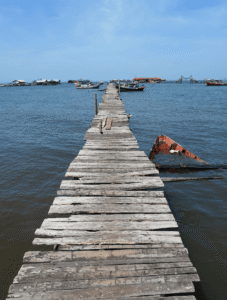
Island Hopping and Snorkeling: This is a quintessential Phu Quoc trip experience and a must-do. For my premium trip, I booked a private boat for a day from An Thoi port. This was well worth the money. No crowded tours, just me, the boat crew, and the ocean. We visited several islands like Hon Mong Tay (Fingernail Island), Hon Gam Ghi, and Hon May Rut.
The water was incredibly clear, a stunning blue-green, and the snorkeling was decent. While the coral isn’t as vibrant as some of the pristine reefs in the Philippines or Indonesia, the abundance of colorful fish was impressive. We found quiet coves to swim in. For those interested, a 4 Island Hopping, Speedboat, Cable Car, Water Park offers customization and exclusivity.
Sao Beach (Bai Sao): Often touted as Phu Quoc’s most beautiful beach, and it genuinely lives up to the hype on a good day. It boasts incredibly fine, white sand and clear, calm, shallow water. Palm trees lean out over the sand, providing perfect photo opportunities.
It can get busy, especially around midday, but if you go earlier in the morning (before 9 AM) or later in the afternoon (after 4 PM), it’s much more peaceful and you can truly enjoy its beauty. I rented a sunbed from one of the small beachfront cafes and just relaxed for a few hours, dipping into the perfectly warm water.
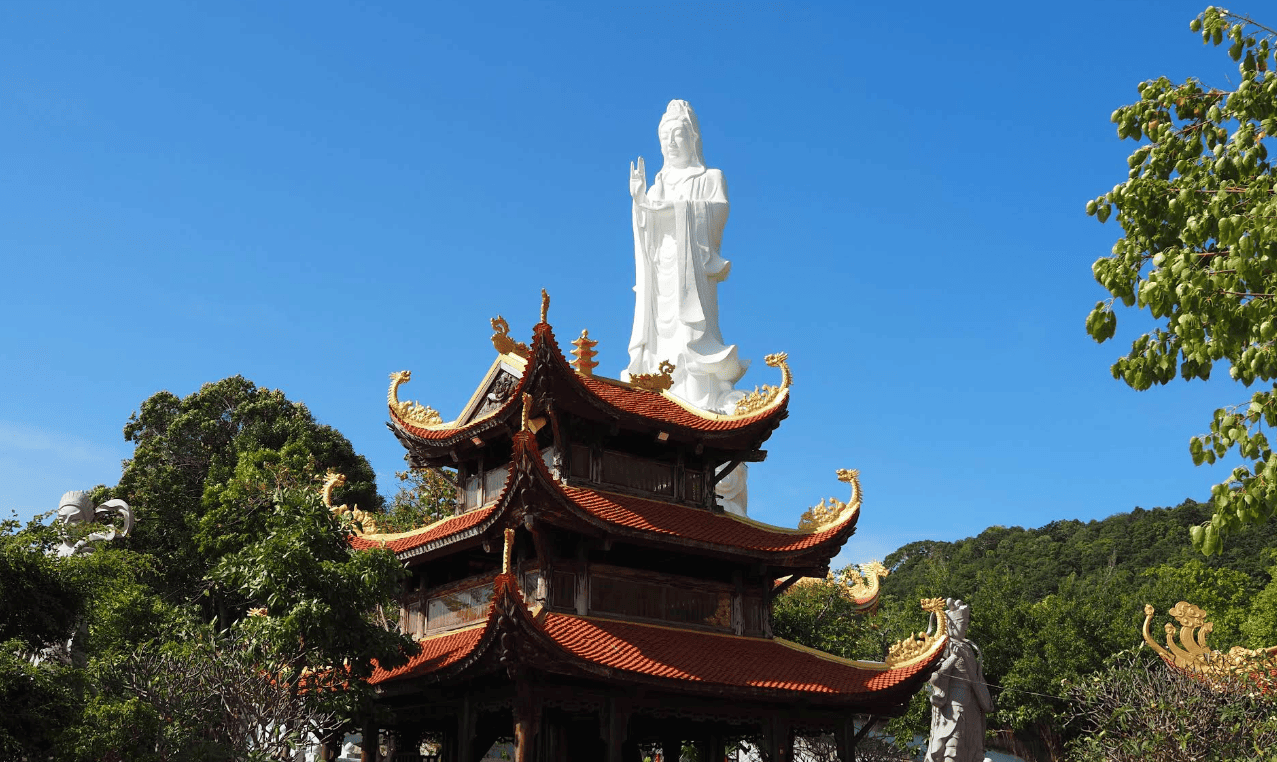
Ho Quoc Pagoda: This is a beautiful Buddhist temple perched on a hillside overlooking the sea on the southeastern coast. It’s a relatively new pagoda, but built in a traditional Vietnamese style, with intricate carvings and statues. It’s a peaceful spot with impressive architecture and panoramic views, especially stunning at sunset. It offers a calm, spiritual contrast to the bustling town areas.
- Opening Hours: Generally open from early morning (around 6 AM) to late afternoon (around 6 PM). Free entrance.
Pepper Farms: Phu Quoc is famous for its high-quality pepper, known for its strong aroma and pungent taste. I stopped at a local farm, like the Tuan Viet Pepper Farm, and learned about the cultivation process, from planting to harvesting and drying. They showed the different types of pepper (black, white, red, green) and explained how they are processed. It was an interesting insight into a local industry.
Of course, I bought some fresh Phu Quoc pepper as souvenirs and for my own kitchen. These farms are typically open during daylight hours and often don’t have an entrance fee, though they appreciate you buying their products.
Phu Quoc Night Market (Dinh Cau Night Market): This is a vibrant, bustling place in Duong Dong town and a must-visit for dinner. Yes, it’s a bit touristy, but the sheer variety of food stalls is excellent. Fresh seafood is the star – you pick your fish, shrimp, squid, or crab, and they grill or steam it right there on the spot. Beyond seafood, you’ll find local snacks, fruit shakes, and various souvenirs. It’s lively, noisy, and a good way to experience some local hustle and bustle and try street food in a relatively clean environment. I went multiple times.
- Hours: Typically from 5:00 PM until around 11:00 PM or midnight.
The Food Scene
This was one area where Phu Quoc truly shone, cementing its place as a top choice for my premium trip. Given my focus, I was looking for both high-end dining experiences within the resorts and authentic local tastes.


Seafood Galore: Being an island, fresh seafood is incredibly abundant and a huge part of the local diet. At the Night Market, it’s an experience in itself – you walk along, pick out your exact fish, shrimp, squid, or crab from tanks or on ice, and they weigh it and cook it to order. Grilled prawns with garlic butter, steamed crab with ginger, fresh grilled snapper – it was all fantastic. Prices were surprisingly reasonable for the quality and freshness. I practically ate king prawns every night. Many beachfront restaurants also offer similar fresh catches.
Local Vietnamese Cuisine: Beyond just seafood, the local Vietnamese dishes were incredible and offered a deeper dive into the island’s flavors.
- Bún Quậy: This is a unique Phu Quoc specialty noodle dish. “Quậy” literally means “to stir” or “to mix.” You get a bowl of rice vermicelli, some fish cake, and a few other ingredients, then you add your own herbs, chili, and a special fish sauce, stirring it vigorously to combine the flavors. It’s a fresh, flavorful, and interactive experience. I found a small, unassuming local spot in Duong Dong that was packed with locals for breakfast, always a good sign for authenticity and taste. It felt like a true local secret.
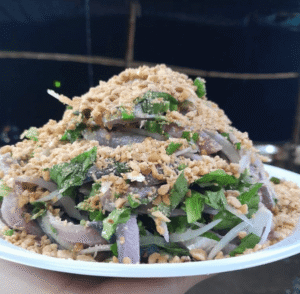
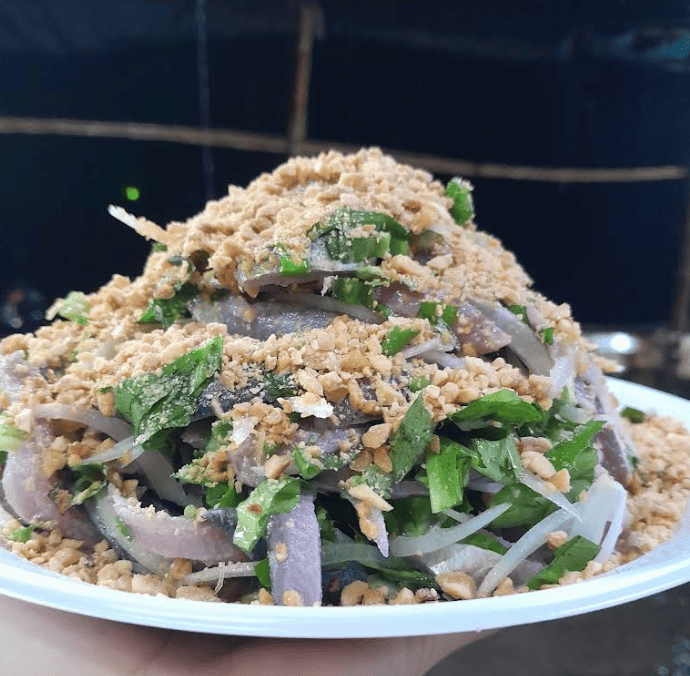
- Gỏi Cá Trích (Herring Salad): Another Phu Quoc specialty. This is a light, refreshing salad made with fresh, thinly sliced herring, mixed with onions, shredded coconut, roasted peanuts, and local herbs. It’s often served with rice paper for wrapping and a special fish sauce dipping sauce. It’s incredibly fresh and a must-try if you enjoy seafood salads.
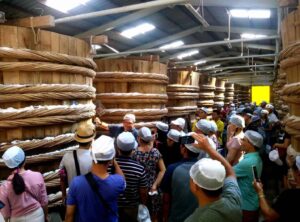
- Phu Quoc Fish Sauce: The island is renowned throughout Vietnam for its high-quality fish sauce (nước mắm), thanks to the abundance of anchovies and traditional fermentation methods. You can visit a fish sauce factory, like Khai Hoan or Phung Hung, to see the traditional wooden barrels where the anchovies ferment for months, producing the amber liquid. The smell is… potent, to say the least, but it’s an important cultural and culinary experience. It helps you appreciate where this ubiquitous Vietnamese condiment comes from. I bought several bottles to take home – carefully packaged, of course.
- Factory Visit: Free to visit, usually open during daylight hours. Staff are often available to explain the process.
High-End Dining: My resorts offered excellent dining experiences that elevated the culinary aspect of my Phu Quoc trip.
- At the JW Marriott, Tempus Fugit had a fantastic breakfast buffet and offered great Vietnamese and international options for other meals. Their fine-dining French restaurant, Pink Pearl, designed in a whimsical, opulent mansion style, was a real treat for a premium evening out. The tasting menu and wine pairing were exquisite, on par with high-end restaurants in major cities.
- At the Regent, Ocean Club offered a sophisticated Mediterranean-inspired menu with stunning ocean views, perfect for a sunset dinner. Rice Market presented elevated Vietnamese and Chinese cuisine in a chic, contemporary setting. The focus was on fresh, high-quality ingredients and impeccable presentation.
Compared to Bali, where you can find excellent international cuisine from various corners of the world, Phu Quoc felt like it offered a more authentic, fresh seafood-focused culinary journey, especially at the local level. The premium dining at the resorts was on par with what you’d find in Bali, but the local food scene felt more distinct, less influenced by global trends, and provided more opportunities for genuine culinary discovery.
Service and Hospitality
This often gets overlooked in travel guides, but for a premium trip, service and the general demeanor of the locals are absolutely key to the overall experience. In Phu Quoc, I found the people incredibly warm, genuinely welcoming, and polite. From the resort staff who went above and beyond to anticipate needs (like remembering my coffee order at breakfast) to the local vendors at the market who were patient and friendly, there was a sense of earnest hospitality.
English proficiency varied; in the major resorts, staff were fluent, but in local eateries or smaller shops, it might be more basic. However, enough was spoken in tourist areas and resorts that communication was never an issue, and people were always willing to try and help. This contributed significantly to the relaxed and enjoyable atmosphere of my Phu Quoc trip.
Bali also has friendly people, but sometimes the sheer volume of tourists can make interactions feel more transactional, almost like an assembly line. In Phu Quoc, it felt more personal and authentic, making me feel like a valued guest rather than just another tourist.
Safety and Getting Around
When planning a premium trip, practical aspects like safety and ease of transportation are vital for peace of mind.
Safety: I felt very safe on Phu Quoc throughout my entire stay. Crime rates are low, and people are generally honest. As with any travel, common sense applies—don’t leave valuables unattended on the beach, be aware of your surroundings, especially in crowded areas like the night market, and avoid walking alone late at night in unlit areas. But I never felt uneasy, even walking around Duong Dong at night to explore the market and grab a late snack. The atmosphere was generally very relaxed and family-friendly.
Transportation: Getting around Phu Quoc is relatively straightforward, and for a premium experience, you have several comfortable options:
Taxis: Readily available, especially around resorts, Duong Dong town, and the airport. Reputable companies like Mai Linh (green cars) and Vinasun (white cars) are reliable. Always ensure they use a meter or agree on a price beforehand if it’s a fixed route (like from the airport). A ride from the airport to a resort on Long Beach might cost around 200,000-300,000 VND (approx. $8-$12 USD).
Grab: The ride-hailing app (similar to Uber) works very well in Phu Quoc, offering both car (GrabCar) and motorbike (GrabBike) options. This is often the most convenient and transparent way to get around, as the price is shown upfront, and you can track your ride. It’s particularly useful for shorter distances or when you want to avoid haggling.

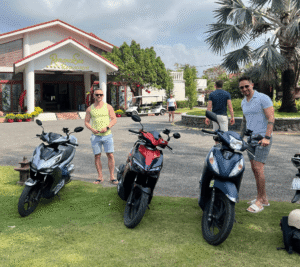
Motorbike Rental: Many tourists rent motorbikes (around 150,000-200,000 VND per day, approx. $6-$8 USD). While traffic is much lighter than in mainland Vietnamese cities like Ho Chi Minh City or Hanoi, it still requires caution, especially with unfamiliar roads and local driving habits. For my premium trip, I did not opt for this as I preferred the comfort and safety of a car, especially after dark or for longer distances. If you do rent one, ensure you have an international driving permit and good travel insurance.
Private Driver: For my premium trip, this was often my go-to choice for longer excursions or days when I wanted to explore multiple sites without rushing. I arranged this through my hotel concierge or directly with a local contact recommended by the hotel. A full day (8 hours) with a driver and a comfortable car typically costs around $60-$80 USD, sometimes slightly more if you’re going to very remote parts of the island.
- This allowed me to explore at my own pace, make spontaneous stops for photos or local food, and not worry about directions, parking, or coordinating multiple taxis. It’s well worth the money for convenience, comfort, and a truly relaxed experience, making it an essential part of my premium Phu Quoc trip. You can often find options for a private car charter with a driver for a full day through various tour operators.
Why Phu Quoc Over Bali
Looking back on my trip and the planning process, my decision to choose Phu Quoc for a premium trip over Bali was based on several key, interconnected factors. It wasn’t just one thing, but a combination that made Phu Quoc the clear winner for the kind of experience I was seeking.
Undiscovered Charm and Fewer Crowds
This was perhaps the most significant differentiator. Phu Quoc still has an element of being “undiscovered” on the global tourism map compared to Bali’s established, sometimes overflowing, popularity. While it’s certainly developing and welcoming more visitors, it hasn’t reached the same level of mass tourism saturation.
This translated directly into fewer crowds on beaches, more serene resort experiences, easier access to attractions, and a generally more peaceful environment. For a premium trip, where tranquility and exclusivity are paramount, this quiet luxury was invaluable. I wasn’t constantly jostling with other tourists for a view or a quiet spot.
Exceptional Value for Money in Luxury
The luxury resorts, high-end dining experiences, and private tours in Phu Quoc offered truly exceptional value compared to what I found for similar offerings in Bali. I could enjoy a truly indulgent, 5-star experience, from bespoke spa treatments to private island excursions, without the exorbitant price tag often associated with top-tier destinations. This allowed me to expand my experiences and indulge a bit more, rather than having to budget tightly for every premium activity. My Phu Quoc trip felt like a splurge that genuinely delivered on its promise without breaking the bank.
Authenticity of Experience
I was eager to immerse myself in Vietnamese culture and witness local life, not just a resort bubble or a highly Westernized version of an Asian island. Phu Quoc delivered on this perfectly. The local markets, the unique island-specific dishes like bún quậy and gỏi cá trích, the visits to pepper farms and fish sauce factories, and the everyday interactions with locals – it all felt genuine and unpretentious. It provided a rich cultural layer to the trip that I felt might be harder to find in the more tourist-beaten parts of Bali.
Diverse Range of Activities and Natural Beauty
Beyond the beautiful beaches, which are undoubtedly stunning, the island offered a surprising array of activities that catered to different interests. From exploring the dense jungle trails of the National Park and visiting historical sites like Phu Quoc Prison to the breathtaking Hon Thom Cable Car ride and the serene island hopping adventures, my Phu Quoc trip was never boring. There was a perfect balance of relaxation and exploration, allowing me to tailor each day to my mood. The natural landscapes, from the rolling hills to the pristine coastline, were genuinely impressive.
Ease of Travel and Accessibility
The straightforward visa process for my nationality and the increasing number of direct flight options to Phu Quoc International Airport made the entire journey smooth and stress-free. This convenience meant less time spent on logistics and more time enjoying the destination from the moment I landed. The relatively small and efficient airport further enhanced this seamless arrival and departure experience.
Genuine Hospitality
The warmth and genuine friendliness of the Vietnamese people on Phu Quoc significantly enhanced my trip. The service at the resorts was impeccable, marked by attentiveness and a sincere desire to make my stay comfortable. Beyond the resorts, interactions with locals in towns and markets were consistently pleasant and welcoming. This level of hospitality fostered a comfortable and enjoyable atmosphere throughout my visit.
Final Thoughts
Phu Quoc isn’t Bali. And that’s precisely its strength. If you’re looking for an island getaway that offers luxury, authenticity, incredible food, and a sense of discovery without the overwhelming crowds, then Phu Quoc should be high on your list. It’s a destination that’s quietly confident, growing, but still holding onto its soul and distinct Vietnamese identity. It offers a more nuanced, less predictable premium experience.
This was my personal experience, and I wouldn’t trade my Phu Quoc trip for anything. It proved that sometimes, the best premium experiences are found off the most trodden path, allowing for deeper connection and genuine relaxation.

Keep Exploring Phu Quoc
-
See & do UltimateAll the best things to do in Phu Quoc as a first-timer ›
-
Guide Must readIs Phu Quoc worth visiting or overrated? What to expect ›
-
GuidePhu Quoc vs Da Nang: Where expats actually prefer to live ›
-
GuideIs Phu Quoc expensive in 2026? Costs compared to other cities ›
-
GuideJohn’s Tours Phu Quoc review: Is it really the best choice? ›











 Tiếng Việt
 한국어
한국어 中文 (中国)
 日本語
日本語 ไทย
ไทย Deutsch
 Español
 Destinations
 Instagram
 Facebook
 X (Twitter)
 Threads
 Tiktok