









 Ha Giang
 Hanoi
Hanoi Ho Chi Minh City
 Ha Long
 Sapa
Sapa Mekong Delta
 Da Nang
 Hue
Hue Hoi An
 Ninh Binh
 Da Lat
 Nha Trang
 Phan Thiet
 Phu Quoc
 Quang Binh
 Quy Nhon
 Vung Tau
 Thai Nguyen
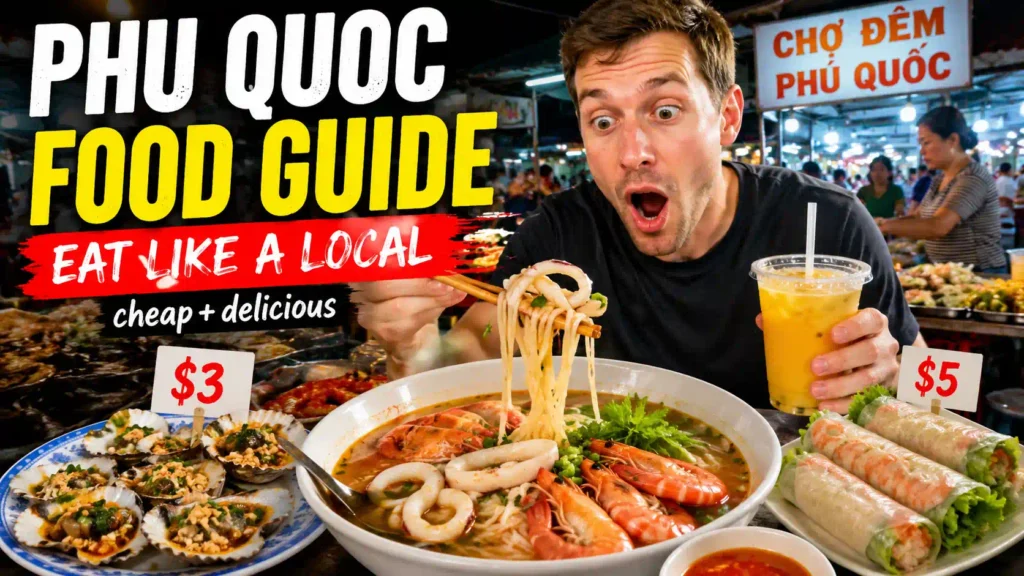

Here’s my honest opinion after a month here: Phu Quoc’s seafood reputation is doing the island a disservice. Not because the seafood is bad, it isn’t. Because it pulls everyone toward the expensive stuff at the night market and away from three cheap dishes that are the actual reason this island’s food is interesting.
If you’re here four days, my short answer on what to eat in Phu Quoc is: gỏi cá trích twice, and skip half the seafood people will recommend. That’s the short version. Here’s why.
- Quick Answer: The three dishes you can only get properly on Phu Quoc are gỏi cá trích (raw herring salad, 100,000-150,000 VND), bún kèn (coconut fish noodles, under 50,000 VND) and bún quậy (a noodle soup you season yourself). Add Ham Ninh crab at 500,000-800,000 VND per kilo for the famous seafood. Eat the cheap dishes at local canteens in the morning and treat the night market as one evening out, since it charges 20-30% more than local restaurants a few streets away for the same seafood.
- The Three Island-Only Dishes:
- Gỏi cá trích: raw herring cured in lime, grated coconut, you wrap it in rice paper yourself.
- Bún kèn: coconut broth fish noodles, breakfast only, usually sold out by late morning.
- Bún quậy: plain broth, you build your own dipping sauce at the table.
- The Seafood, With My Verdicts:
- Grilled sea urchin, 50,000-80,000 VND each. Best value thing on the island.
- Ham Ninh flower crab, 500,000-800,000 VND per kilo. Worth it once, at the village.
- Grilled snails and squid skewers, 20,000-30,000 VND. Order these at the night market.
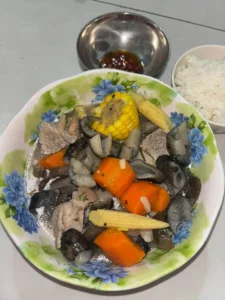
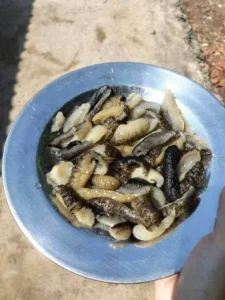
- Sea cucumber soup, expensive and difficult. I’d skip it unless you know you like it.
- Where the Money Goes:
- Local canteen rice plate: around $1.30.
- Night market dinner for two: $12-16, and 20-30% above local restaurant prices.
- Ham Ninh village or 30/4 Street in Duong Dong for seafood at sensible prices.
- The One Rule: anything sold by weight gets weighed dry, in front of you, price agreed before it’s cooked.
What to Eat in Phu Quoc First
Gỏi Cá Trích
If you eat one thing here, this. I’d put it ahead of the crab, ahead of everything at the night market, and I say that knowing the crab is what the island is famous for.
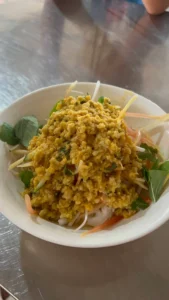
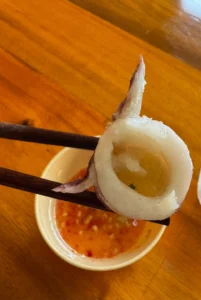
Raw herring sliced thin, cured in lime until it firms up, mixed with grated coconut, shallots, chili and herbs. Rice paper and lettuce on the side, you wrap it yourself, dip it in a thick sweet fish sauce.
The wrapping takes practice. Rice paper barely damp, lettuce down first, fish and coconut on top, roll it from one side. First few fall apart. Nobody cares.
What makes it work is the coconut. Lime-cured fish exists all over the world in some version. The grated coconut against that acid, with herring fatty enough to carry it, is the part that’s specific to here. Take the coconut out and you’ve got something ordinary.
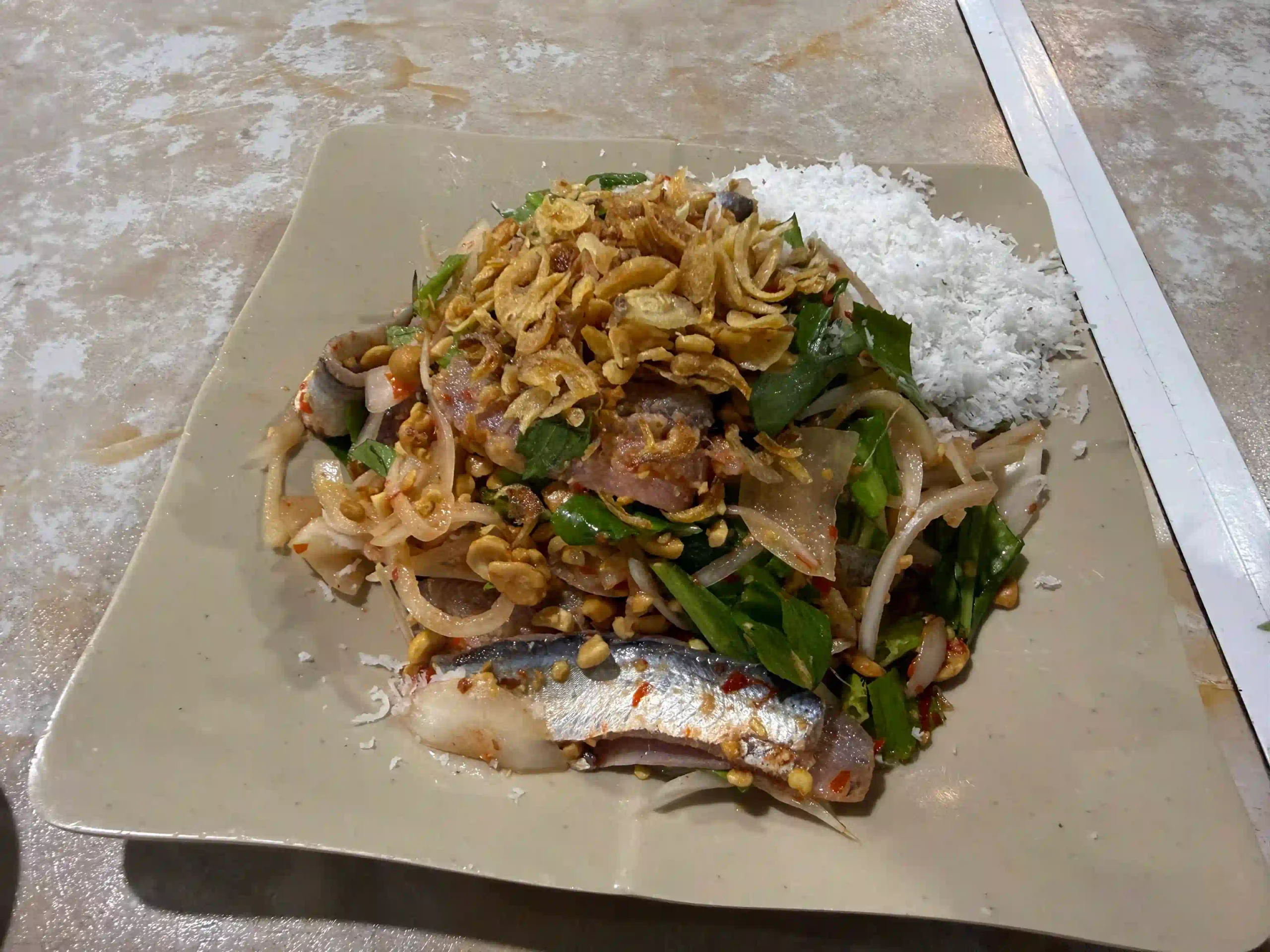
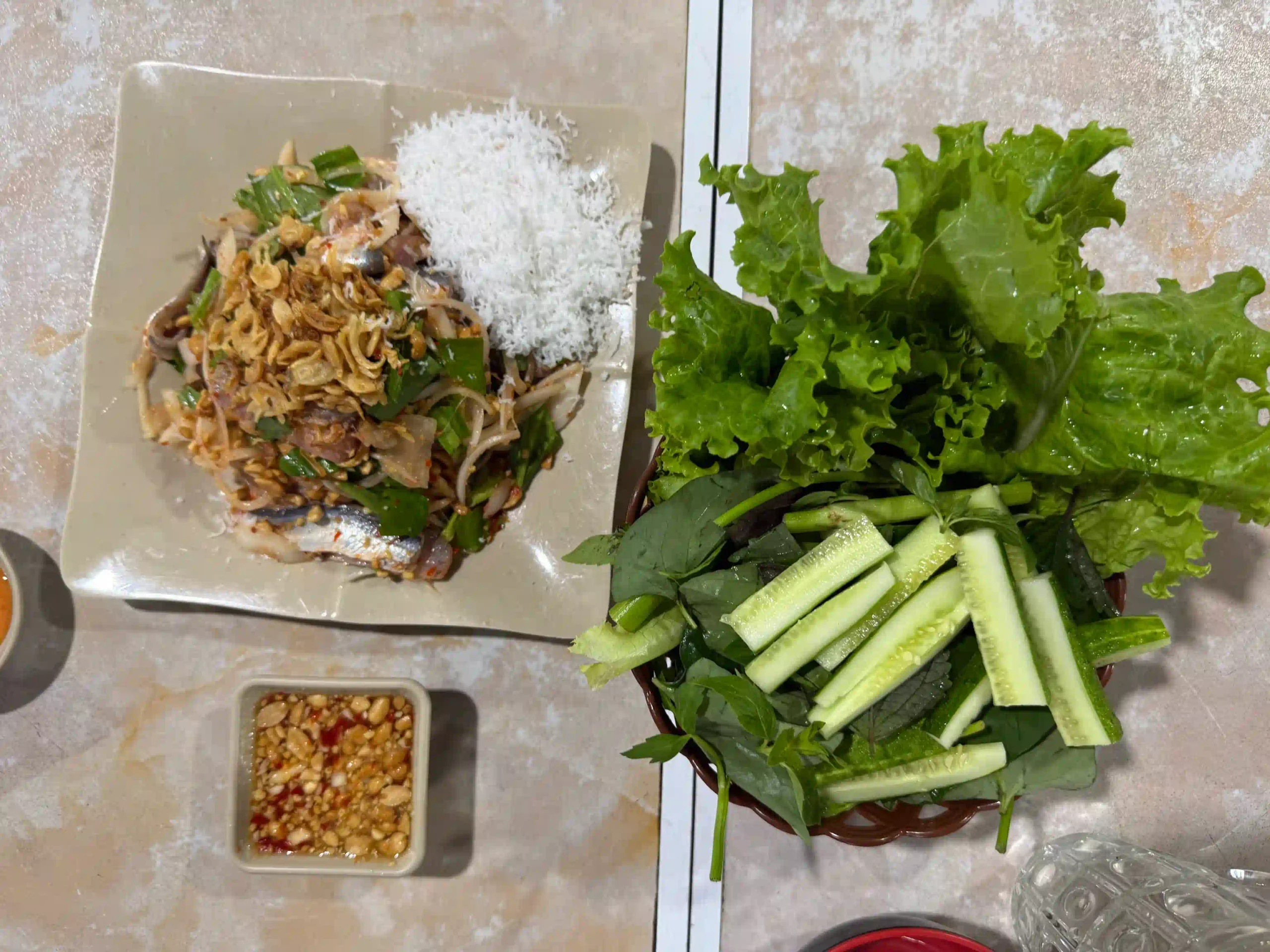
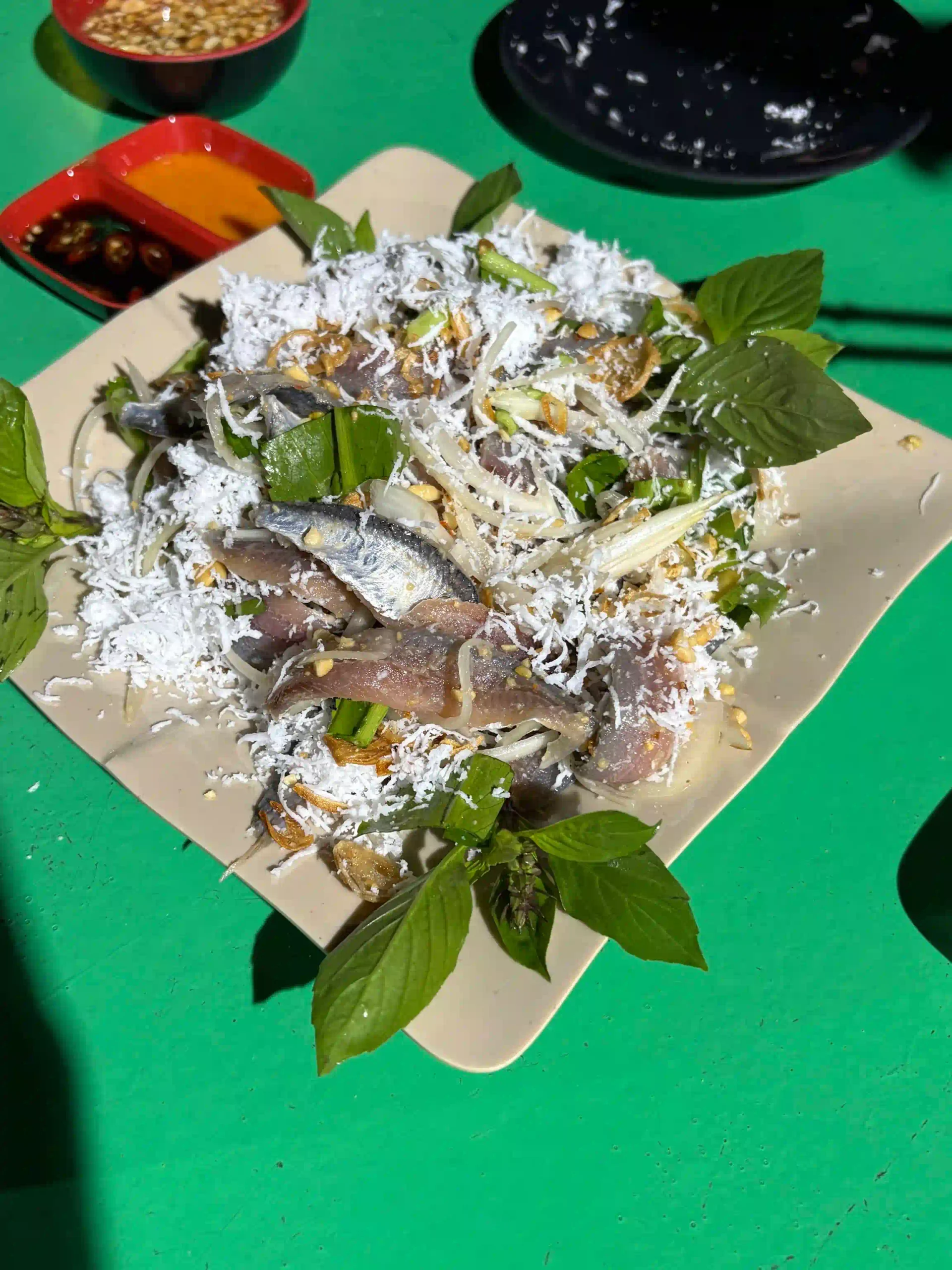
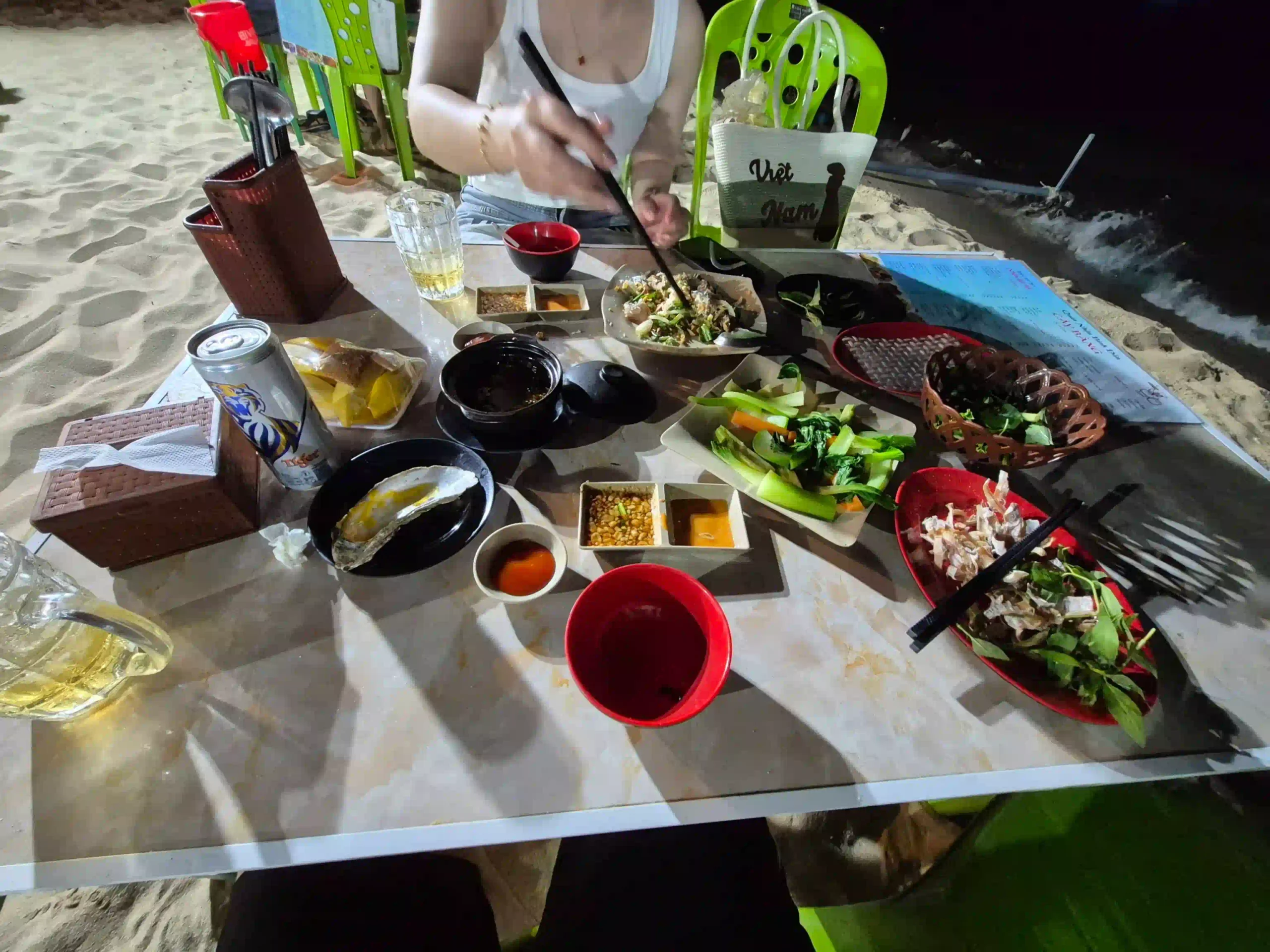
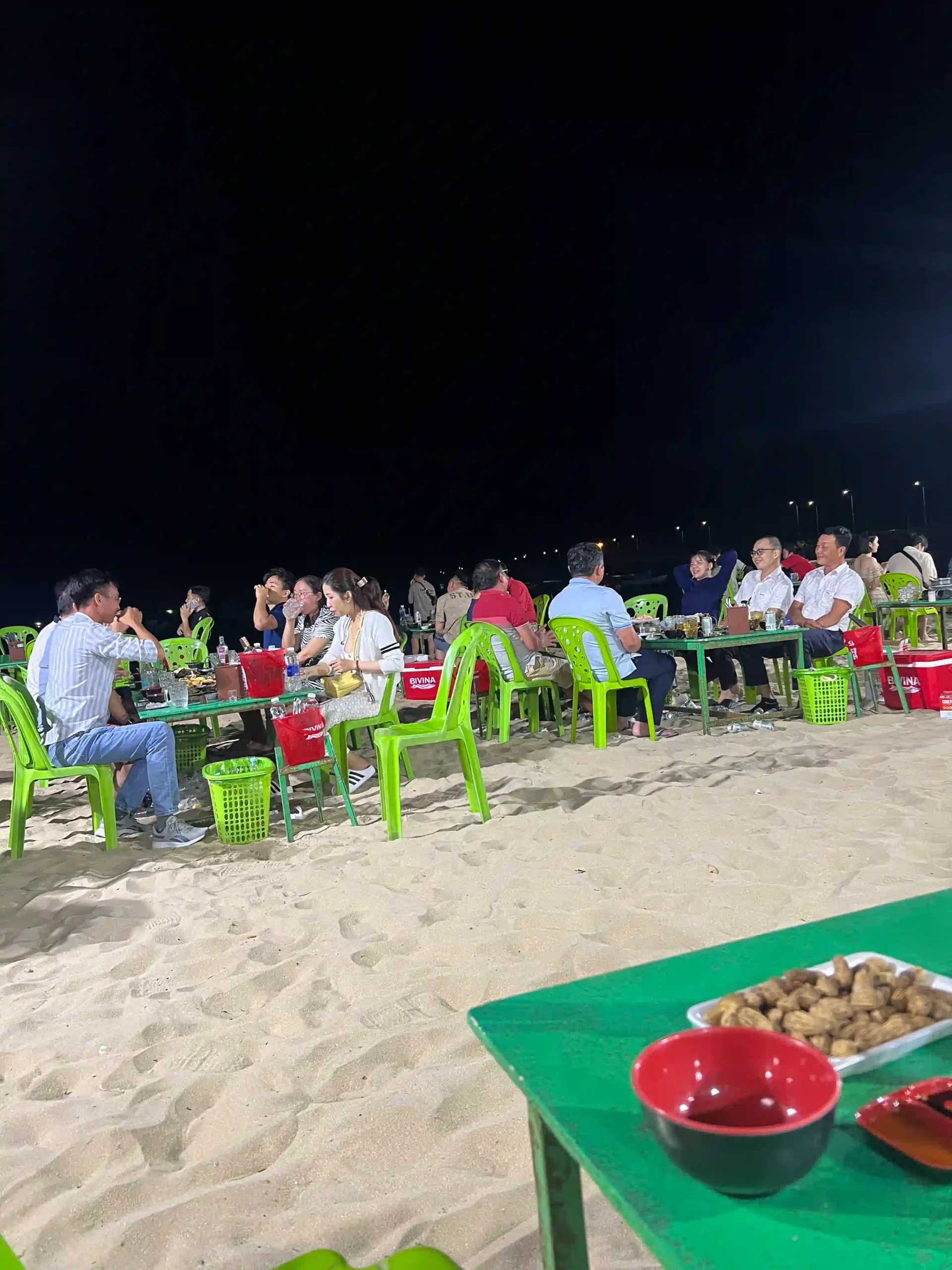
My advice on ordering it: pick somewhere busy, and I mean actually busy, not “has a few tables occupied.” Raw fish is unforgiving and the difference between a plate made that morning and one sitting since yesterday is the difference between the best thing you eat here and something you push around your plate. Places doing volume are making it fresh.
100,000-150,000 VND a plate, which is a meal for one or a starter for two.
If raw fish worries you, my honest take is that this one is easier than it sounds. The lime changes the texture, firms it up, takes away the slippery quality people object to in sashimi. It reads more like ceviche. And the coconut and herbs are carrying most of the flavor anyway, so the fish is less front-and-center than you’d expect.
They’ll offer you sim wine with it, a sweet pink local berry wine. It’s very sweet. Get a glass, see what you think, don’t commit to a bottle on someone else’s recommendation.
Bún Kèn, the One Most People Never Find
This is breakfast food and it’s gone by ten or eleven. Which is exactly why most visitors miss it, they’re at a hotel buffet when the good canteens are selling out.
Rice noodles in a coconut milk broth thickened with pounded fish, usually mackerel, turmeric and lemongrass through it. Green papaya, herbs, crushed peanuts on top. You add lime and chili.
Here’s what I’d tell anyone about this dish: it doesn’t taste Vietnamese in the way you’re expecting. Most Vietnamese noodle soups build flavor from bones and hours of simmering. This one uses coconut and fish, and it lands closer to Khmer cooking.
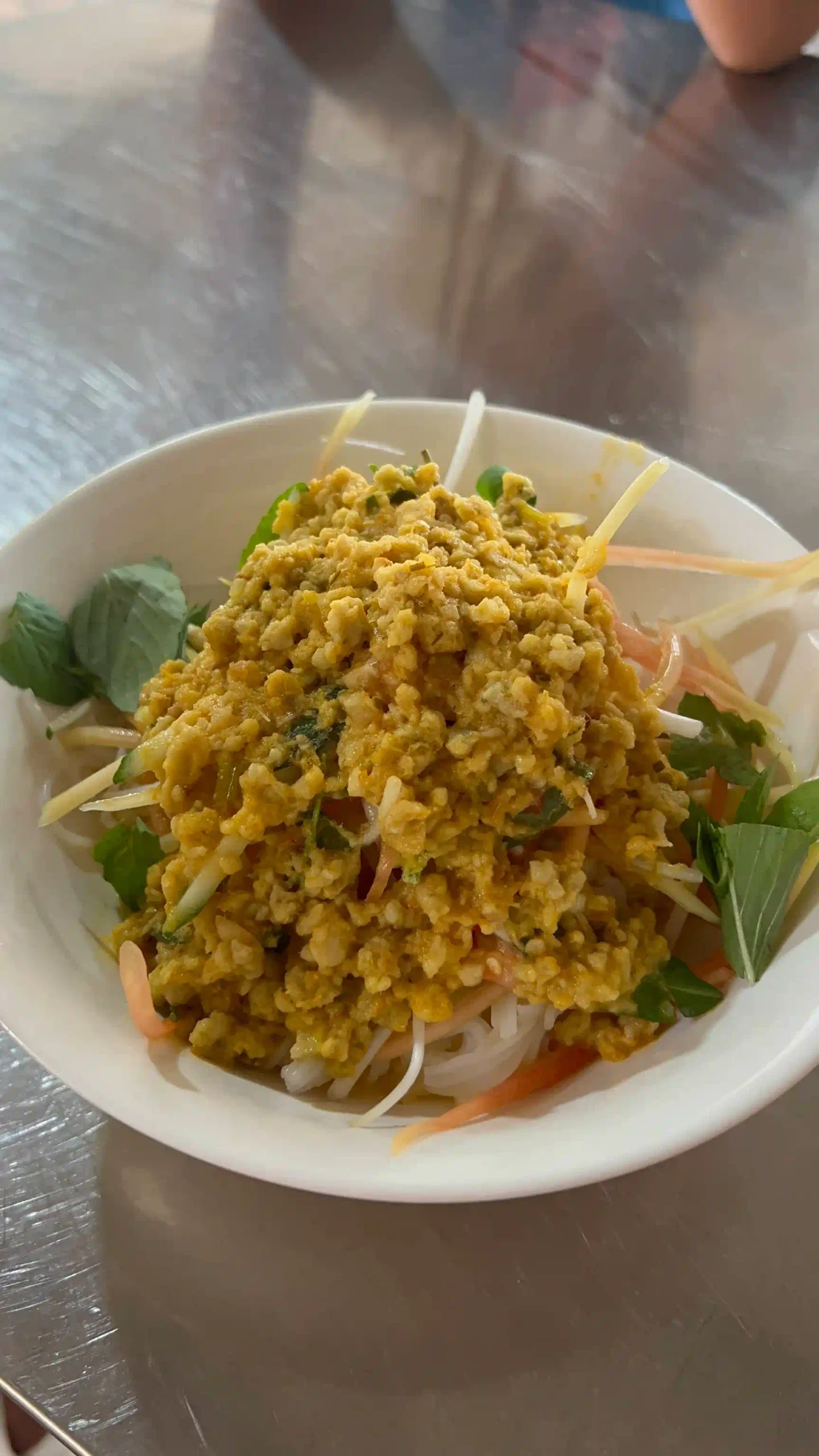
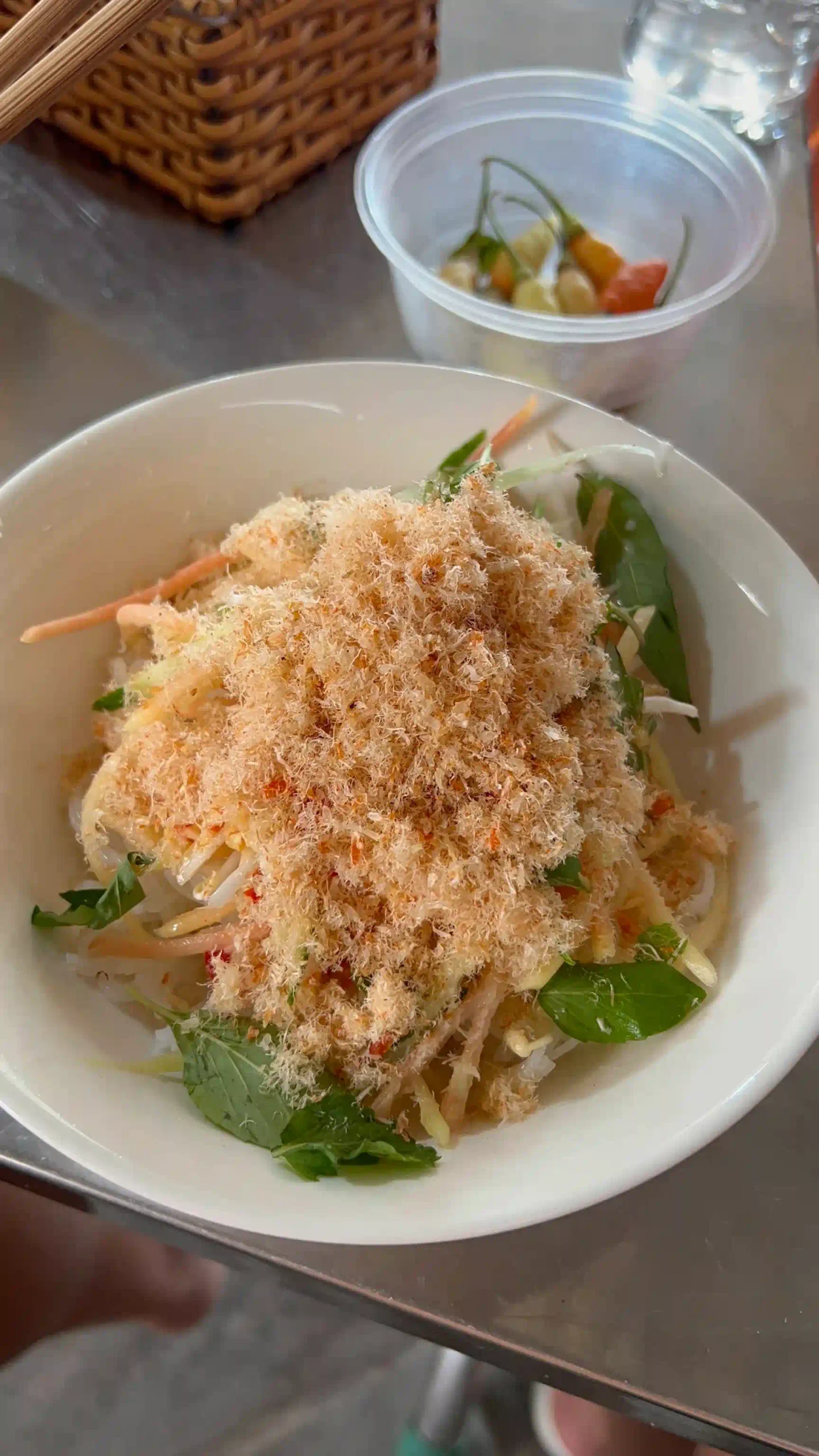
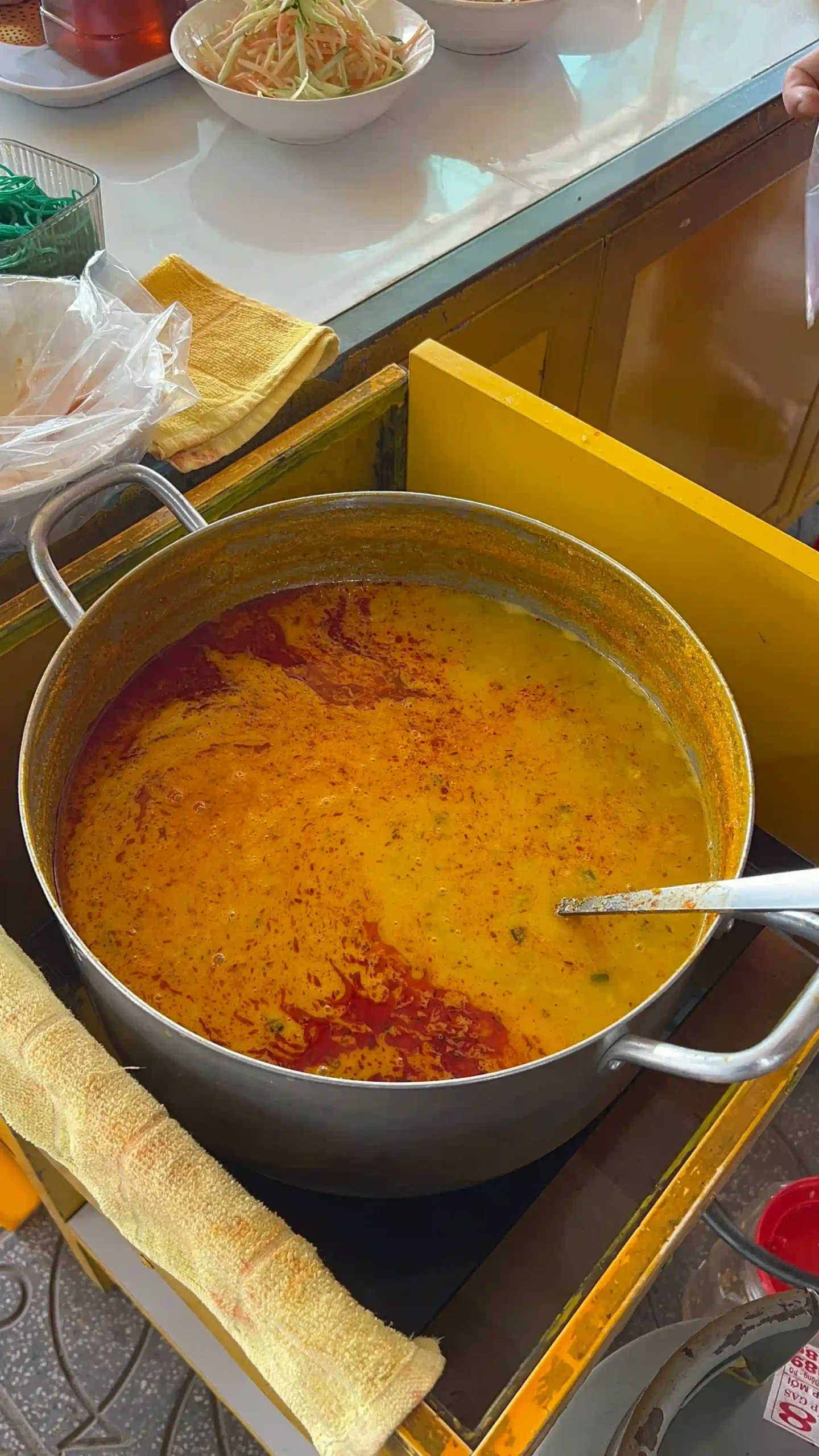
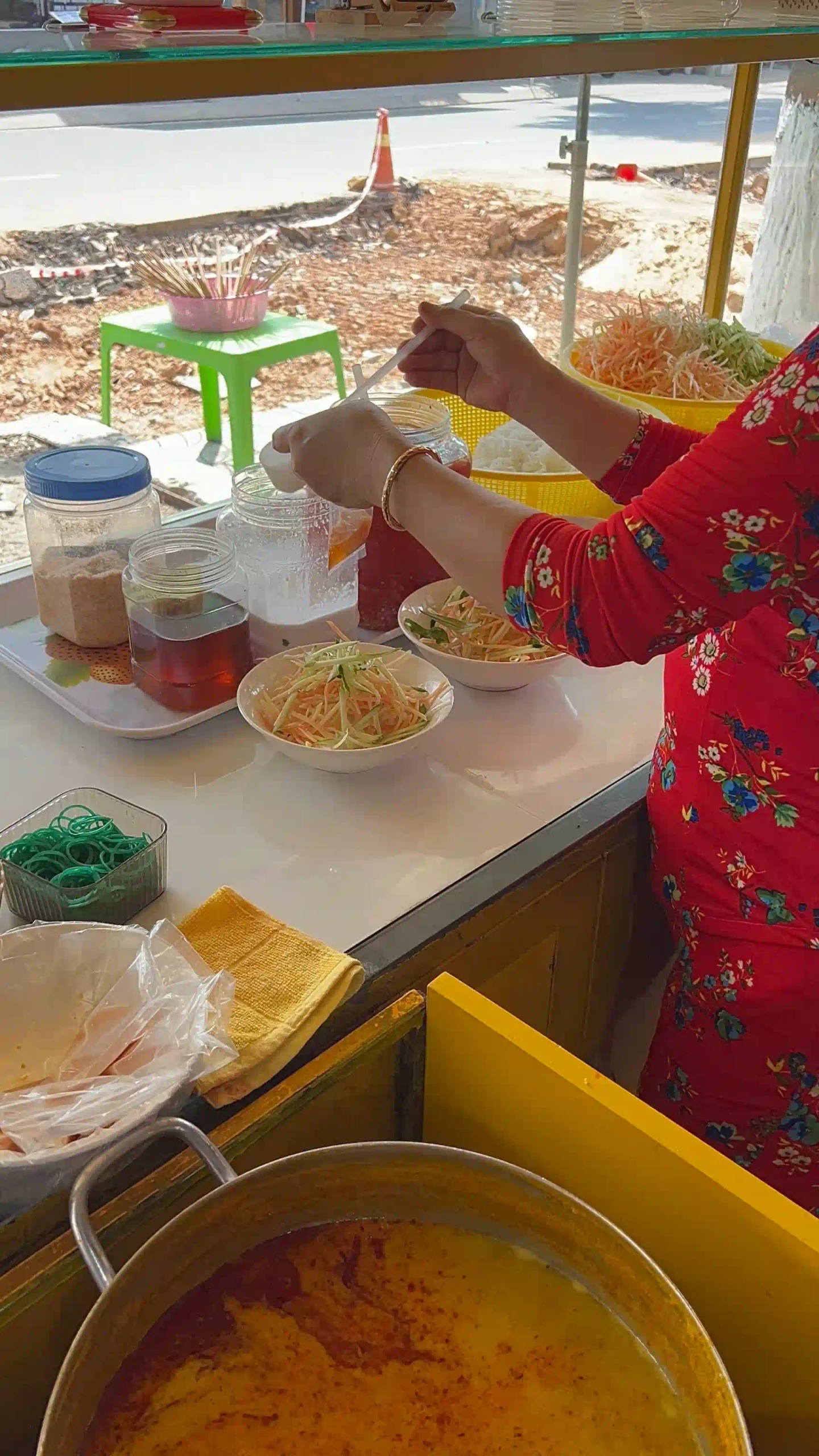
The island sits closer to Cambodia than to mainland Vietnam and bún kèn is where that shows up on the plate. If you’ve eaten a lot of pho and think you know what a Vietnamese noodle soup tastes like, this will surprise you.
Under 50,000 VND. It’s filling without being heavy, which makes it the right breakfast before a boat day.
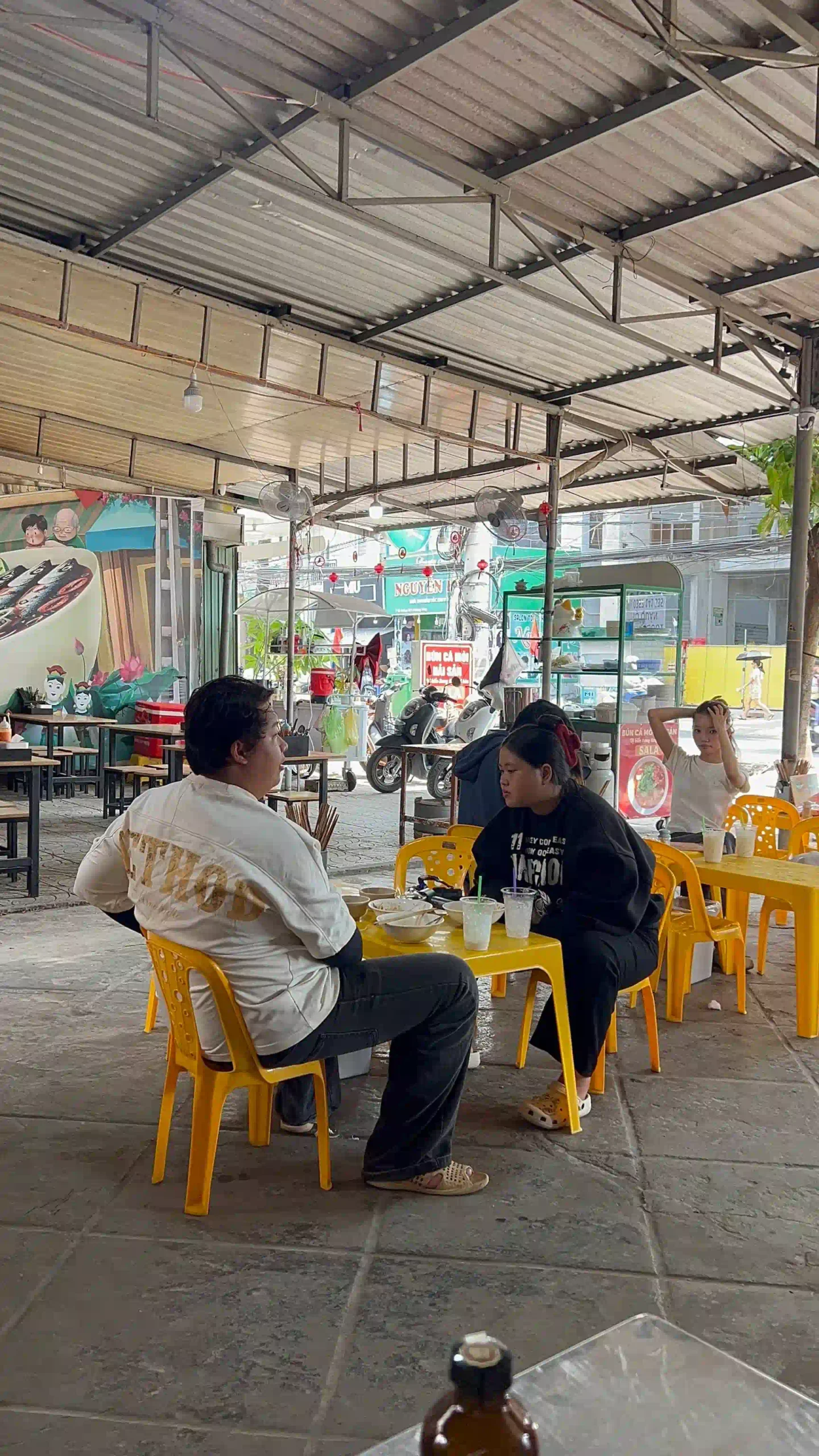
Finding it means being out early. Look for a canteen with people in work clothes queuing at seven or eight in the morning. That’s the signal, and it’s more reliable than any list.
Bún Quậy, and How Not to Get It Wrong
Clear broth, fresh noodles, fish or shrimp paste, then a tray of stuff: salt, pepper, sugar, MSG, lime, chili, sometimes a raw quail egg. Plus an empty saucer.
The broth is plain on purpose. That trips people up. You’re meant to build a dipping sauce in the saucer and dip the noodles as you go, so the flavor comes from what you make, not from the bowl.
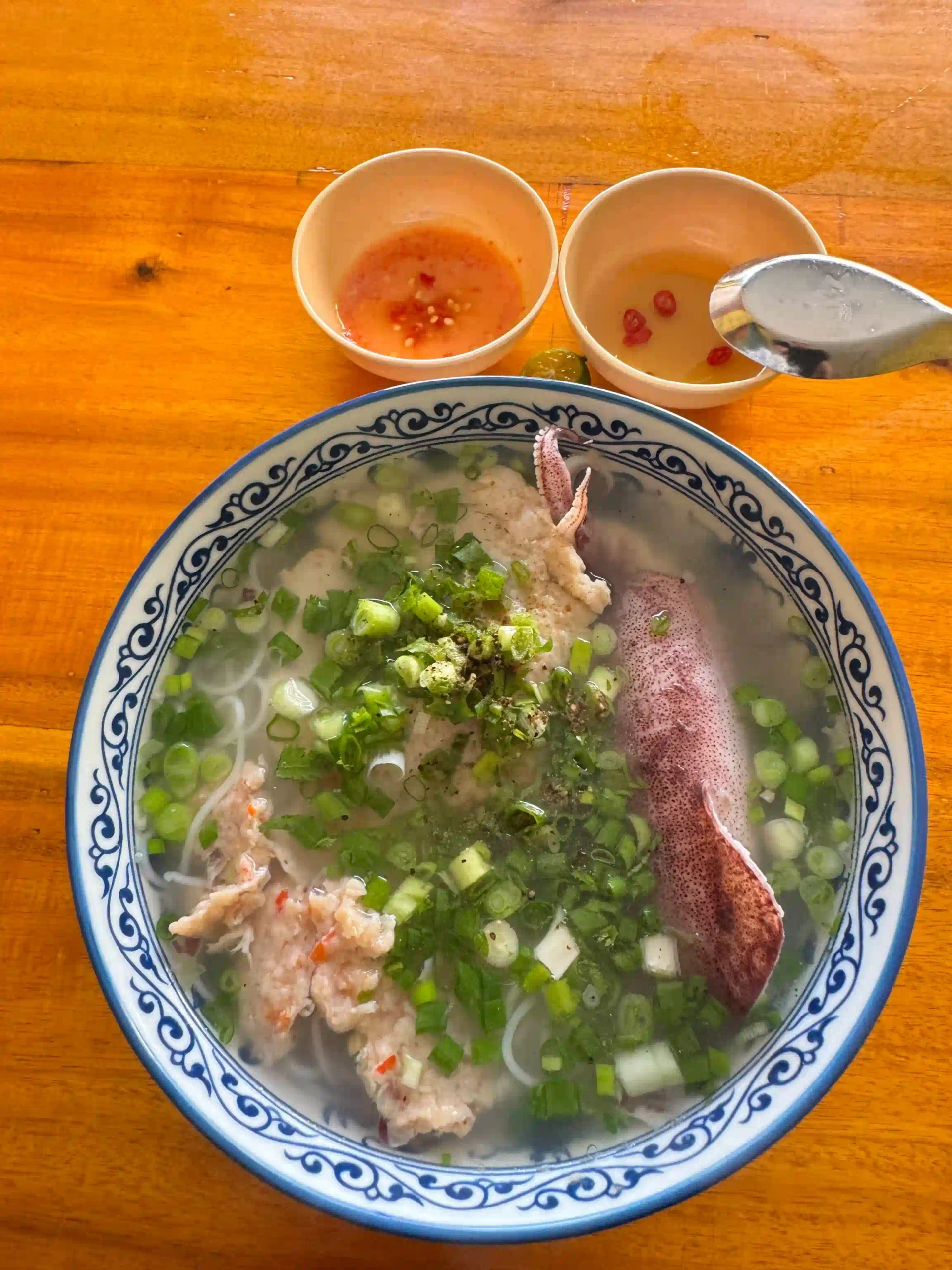
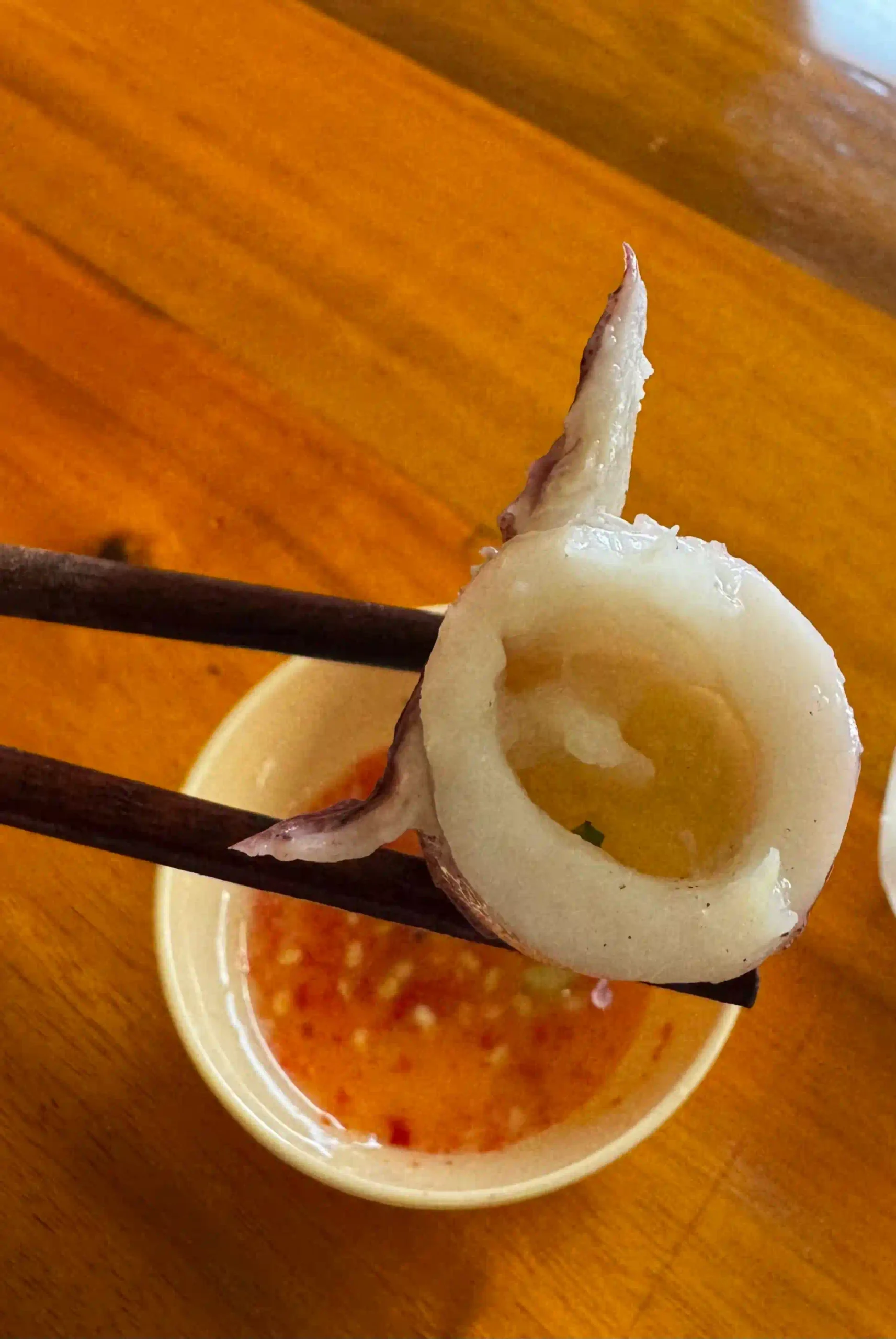
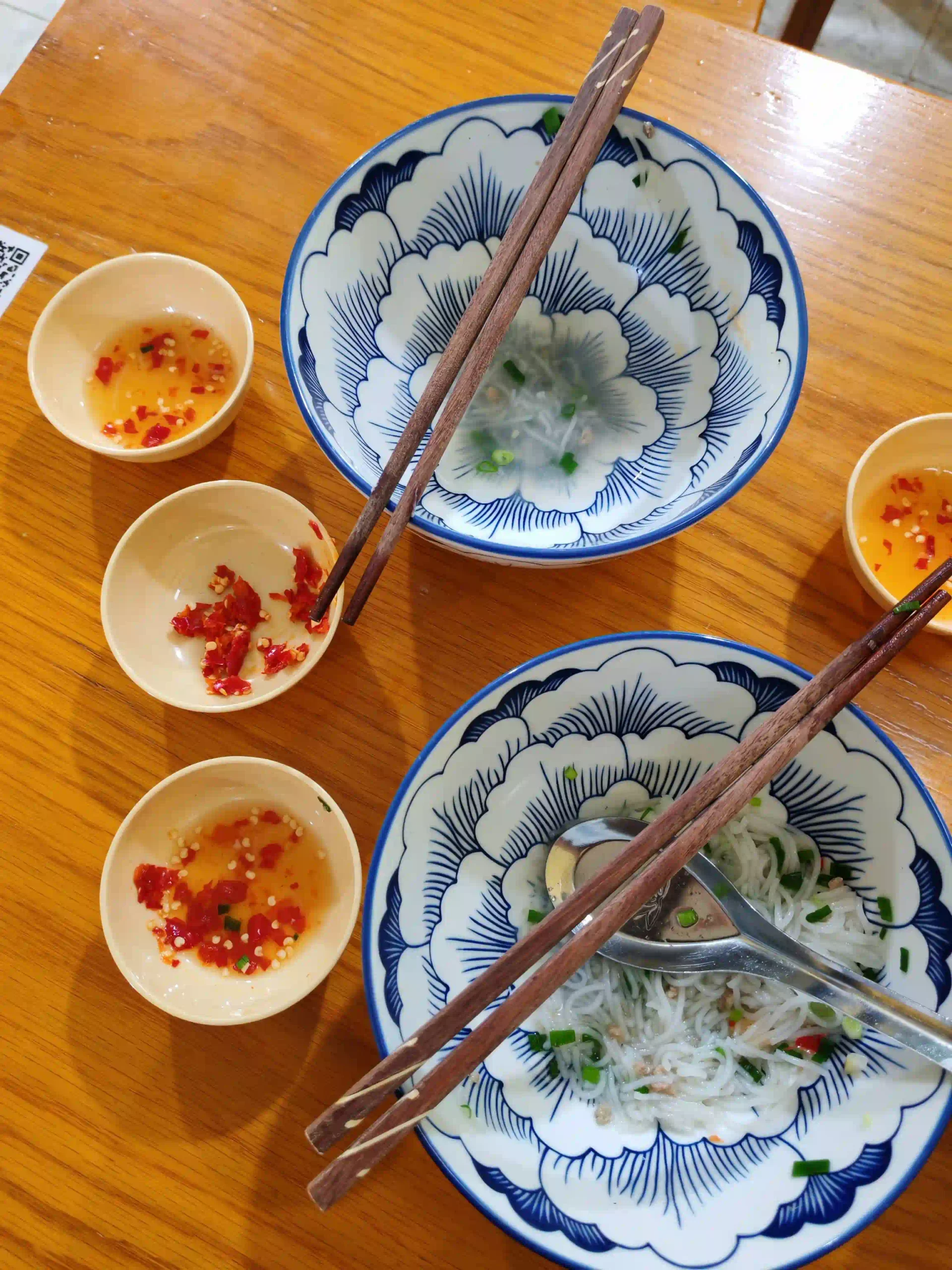
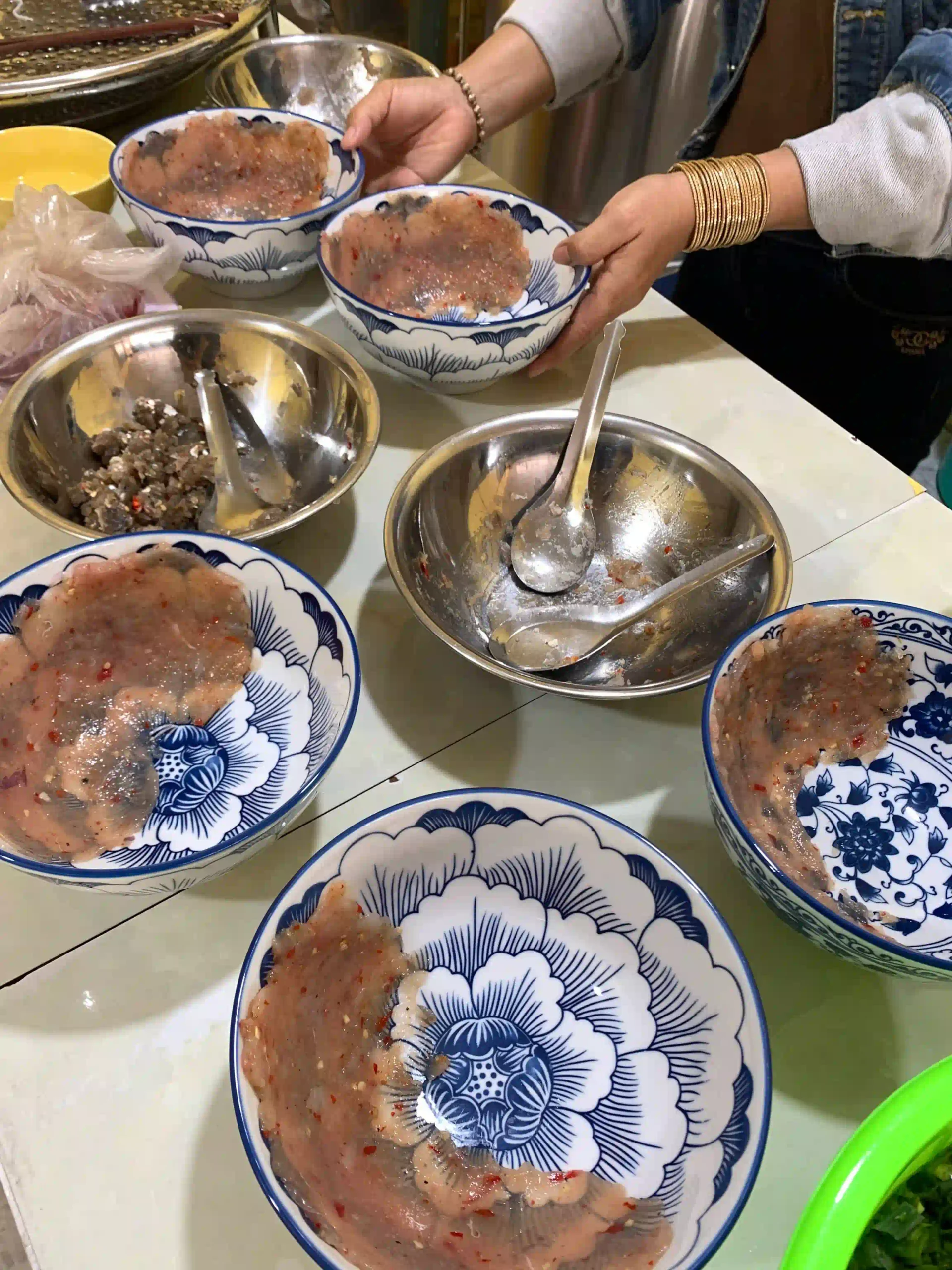
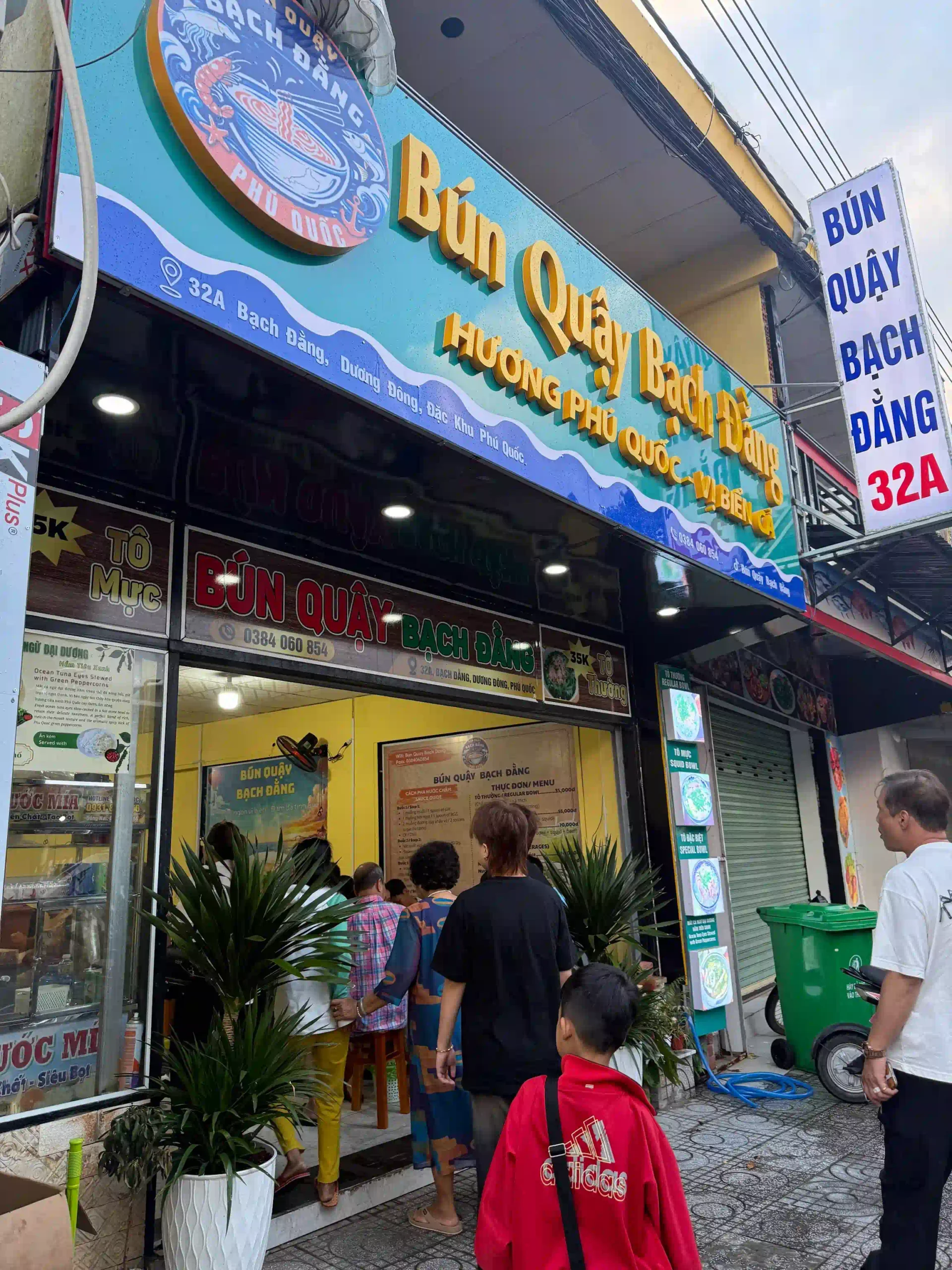
The mistake almost everyone makes first time is too much salt and not enough lime. Start with less salt than feels right, add lime until it tastes sharp, then chili. If there’s a quail egg, stir it in until the sauce goes creamy. If you’re stuck, look at the next table. This is a dish people are happy to see you attempting.
Similar price to bún kèn. It’s breakfast and late night food. The places that make the noodles fresh on site are the ones worth going to, and you can usually see that from the street.
Ham Ninh Crab, and Whether It’s Worth the Money
The flower crab from the east coast fishing village is the island’s famous seafood. It’s genuinely good. Firm sweet meat, and steamed is the right way to eat it, anything more elaborate is covering for something.
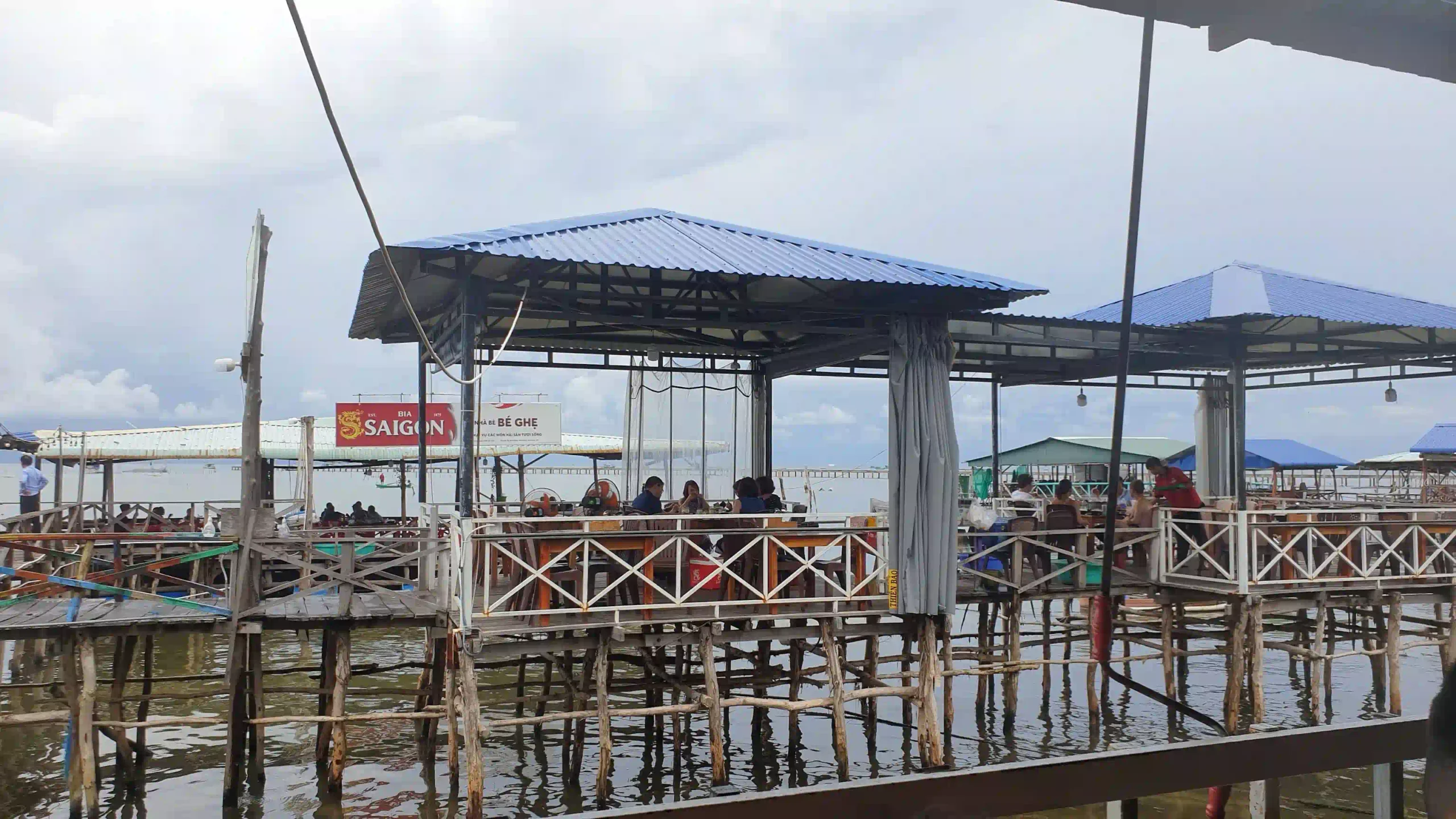
But 500,000-800,000 VND a kilo is real money in Vietnam, so here’s my honest position: worth doing once, and only if you go to Ham Ninh village itself for it.
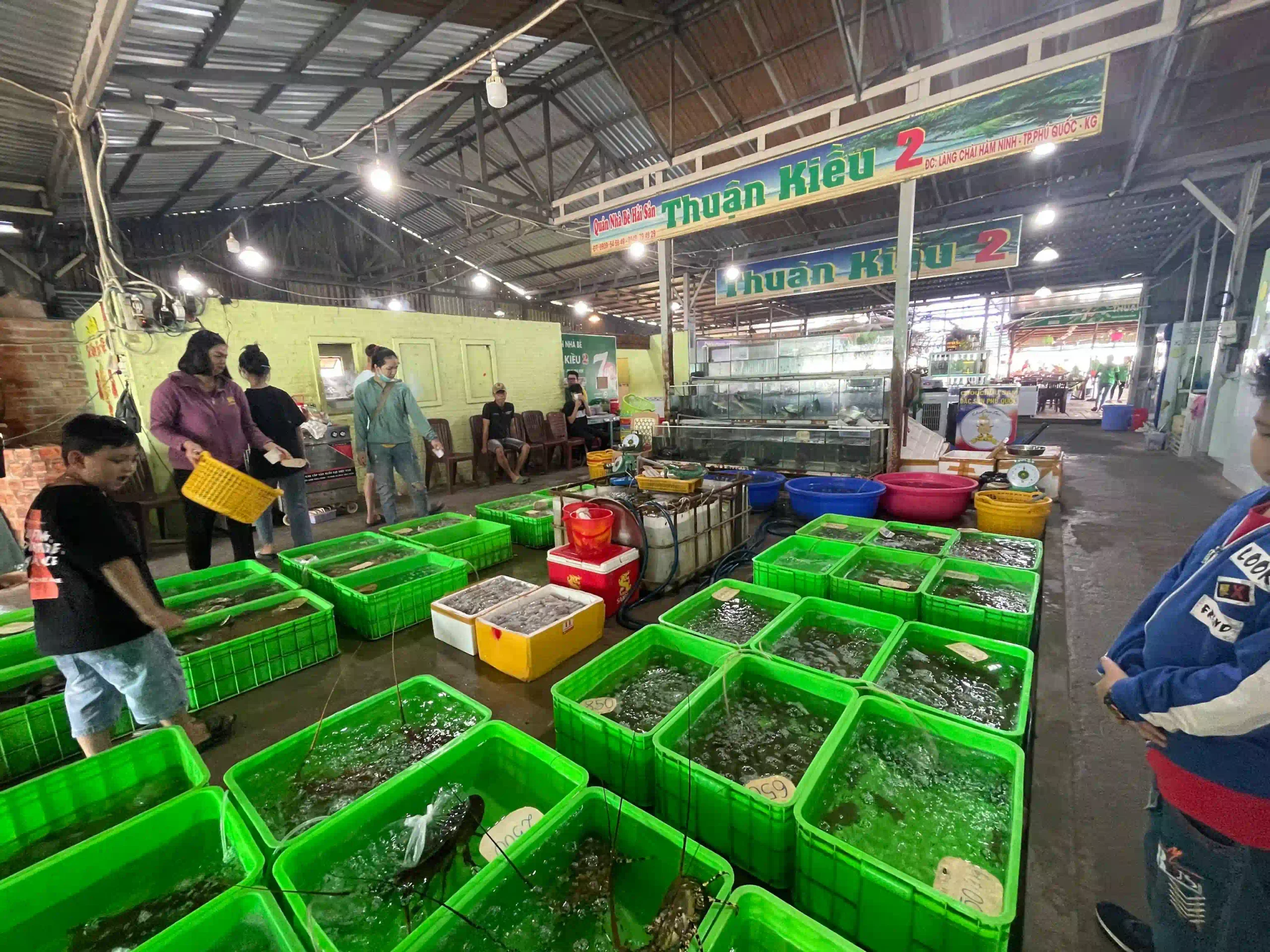
The village is stilt restaurants over the water, plastic chairs, tanks a few meters from your table. It’s 45 minutes from Duong Dong so it’s a whole evening. The same crab at a smarter restaurant closer to town costs more and tastes identical, so you’d be paying extra for tablecloths. Make the drive or don’t bother.
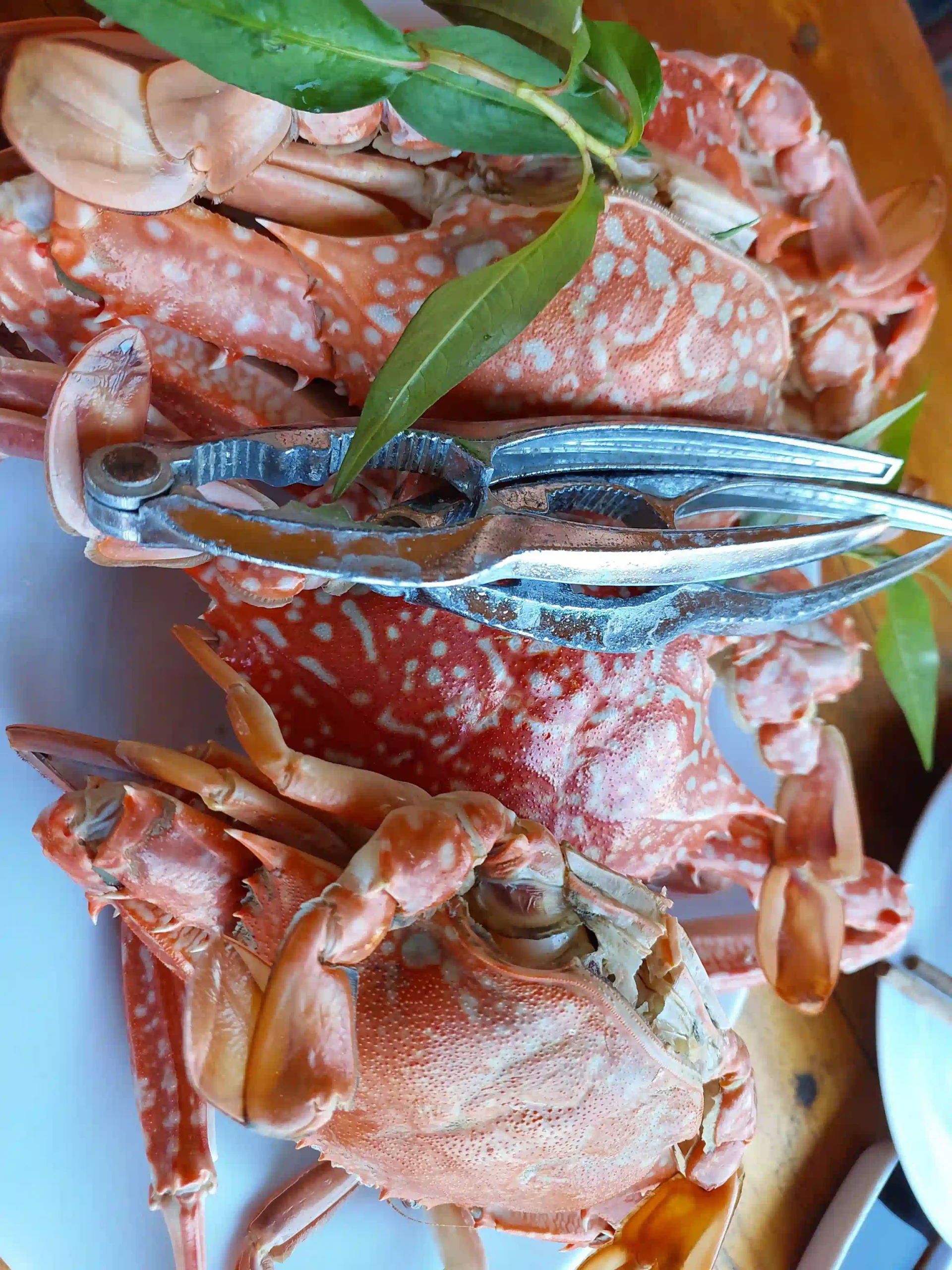
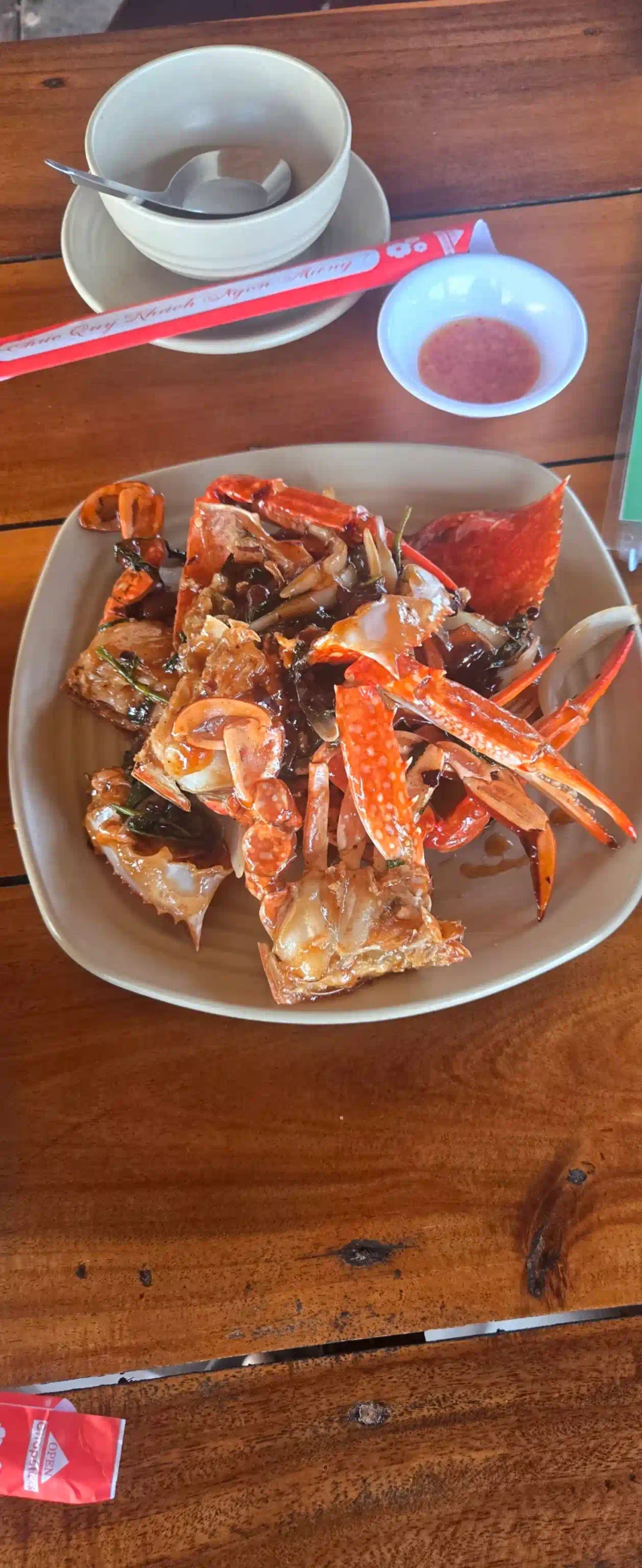
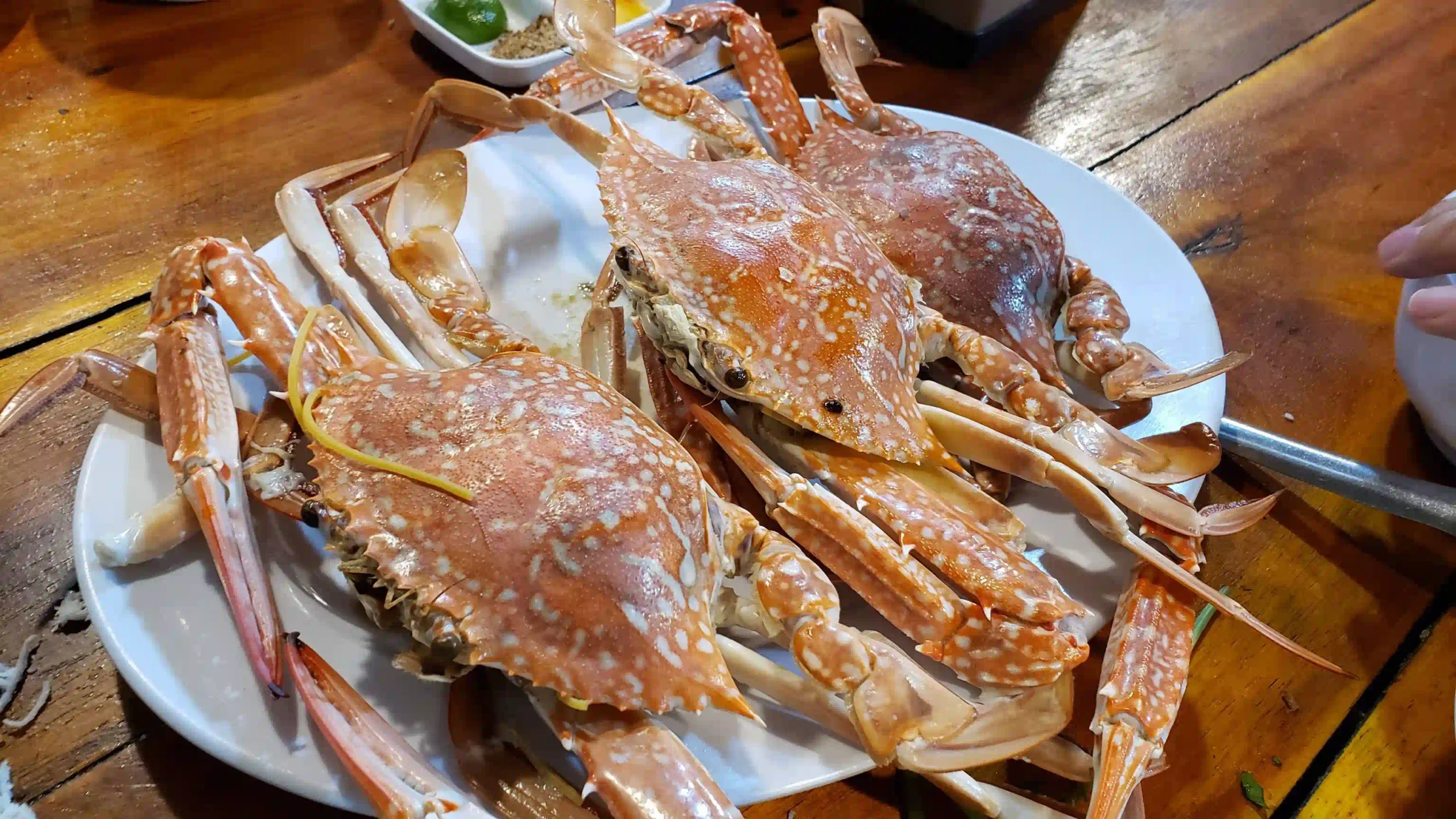
Don’t skip the salt-pepper-lime dip either. Phu Quoc pepper is grown here and it’s noticeably more aromatic than what you’d get elsewhere, so this isn’t the throwaway condiment it looks like. Mix it yourself, more lime than seems sensible, taste before you commit.
A kilo feeds two people if you’re ordering other things alongside. Ordering by weight makes it easy to over-order, particularly since crab looks smaller in a tank than it does on a plate.
If you’re doing it a second time, order it stir-fried with the local black pepper. That’s the version that shows you something the steamed one doesn’t.
Grilled Sea Urchin, the Best Value Thing to Eat in Phu Quoc
This is the one I’d push hardest after the herring salad, and it costs almost nothing.
Split, grilled over charcoal with scallion oil and crushed peanuts, sometimes a quail egg. 50,000-80,000 VND each. Creamy, briny, rich.
I’ve had sea urchin elsewhere in Vietnam and been unimpressed, that metallic edge that puts people off. The ones here are sweeter, and I think it’s genuinely a different eating experience. If urchin has disappointed you before, this deserves another attempt.
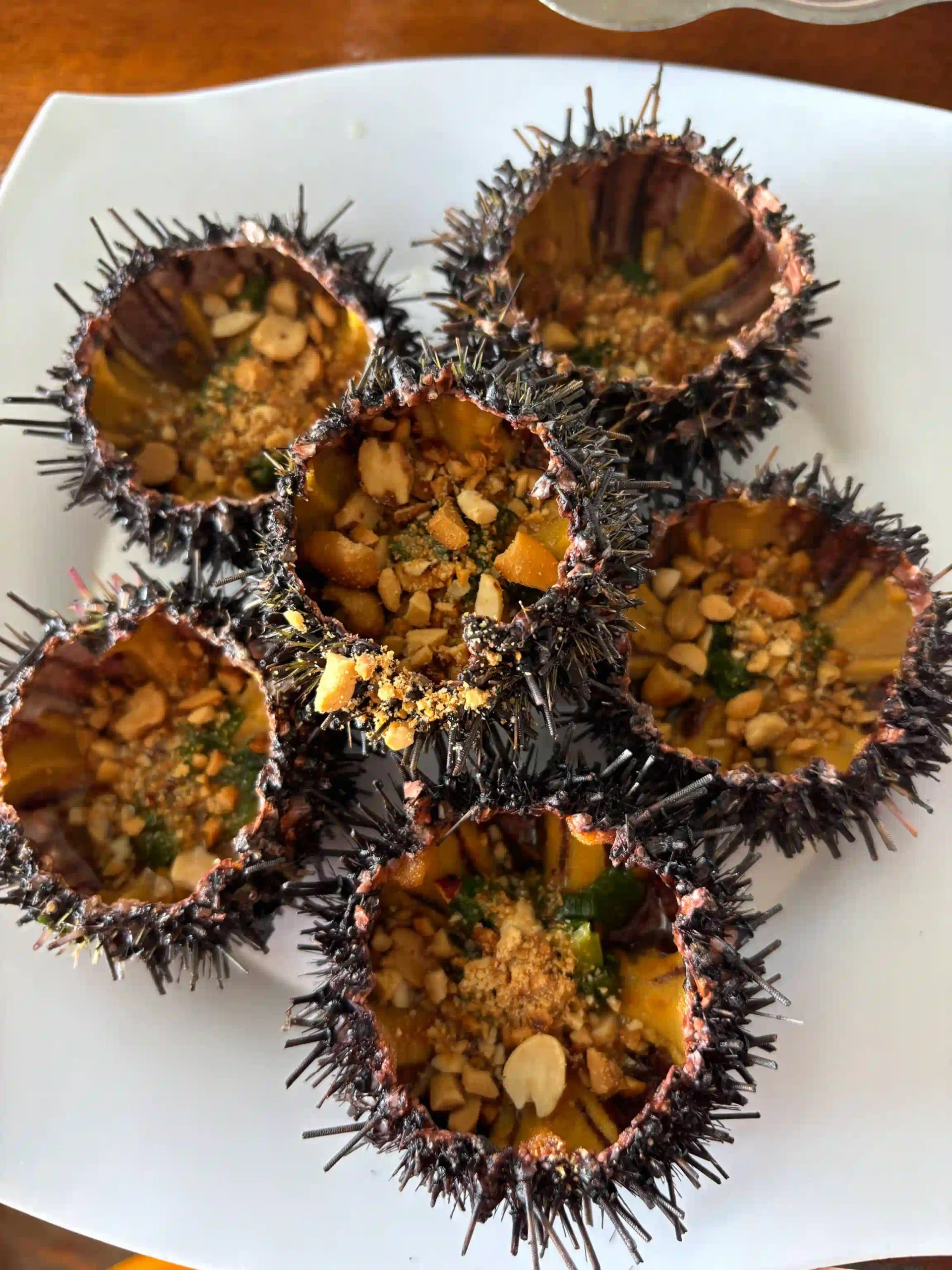
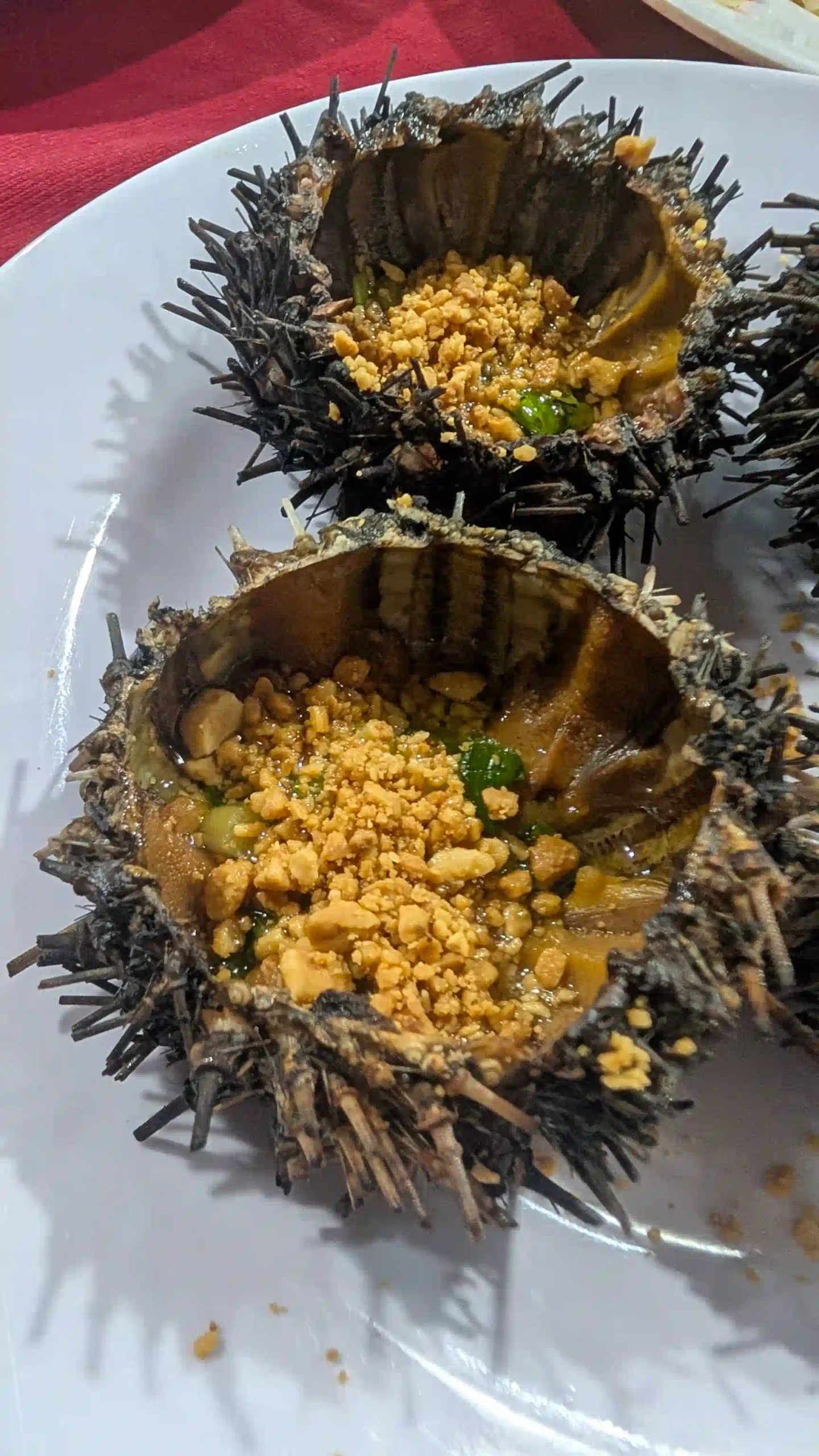
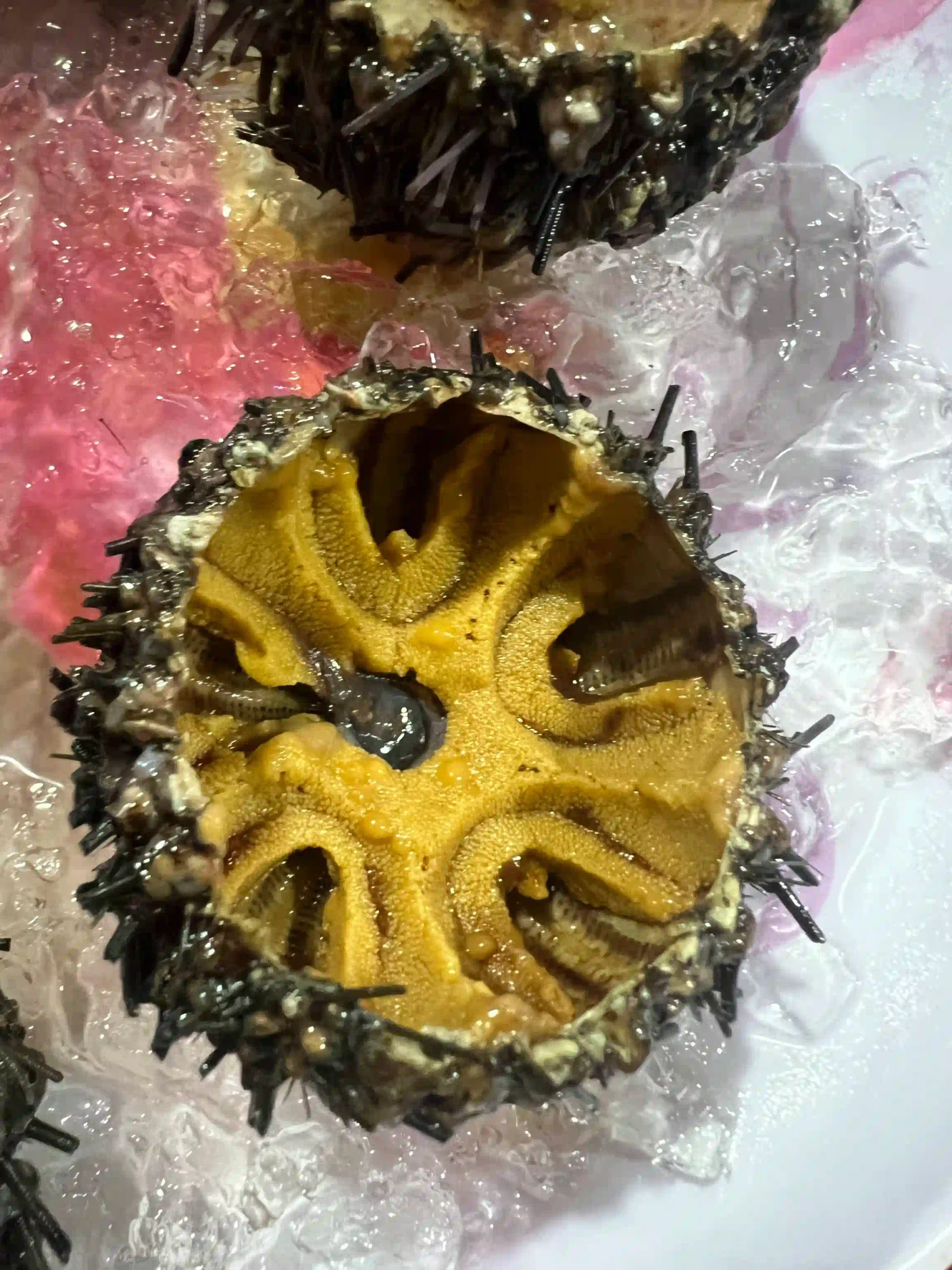
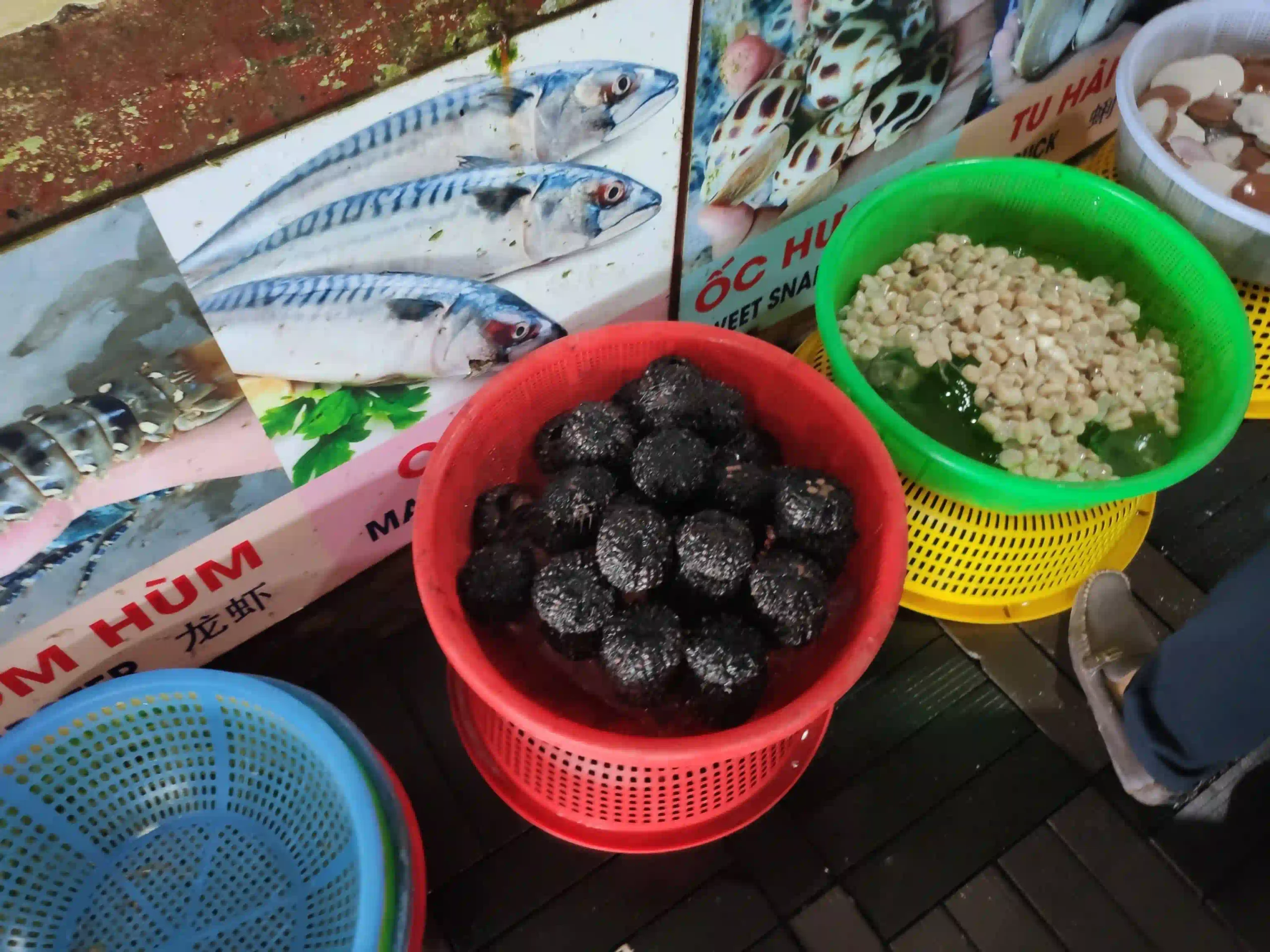
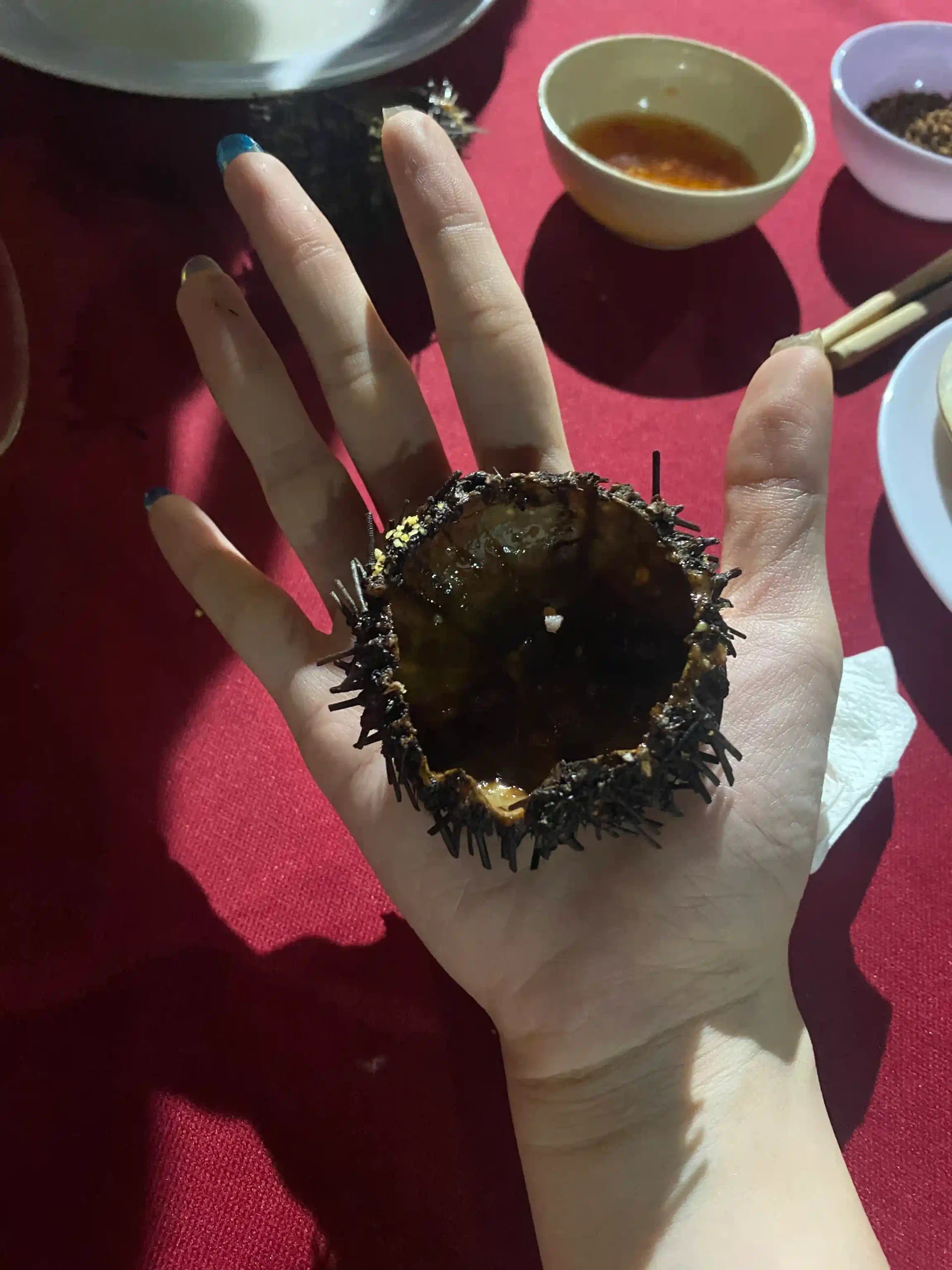
Practical advice: order these early in the evening. Stalls put them on ice at the front and the good ones run out well before closing. And three or four is the right number, alongside a beer. Past that the richness turns on you.
Some places do them raw with wasabi and lime. Both versions are fine, grilled is where I’d start.
What Else Is Worth Eating in Phu Quoc
None of these are unique to the island, but they’re what fills out a week here and some are better value than the headline stuff.
Grilled spiny sea snails (ốc gai)
Cheap, chewy, scallion oil and lime salt. This is my pick for what to order at the night market alongside the urchin, since the markup on cheap grilled things barely registers.
Seafood hotpot
Works if there are four of you. Spicy tomato and pineapple broth, you cook prawns and squid and clams at the table. It’s the efficient way to eat a lot of seafood without ordering each item by weight and watching the bill climb. Doesn’t work solo, which is worth knowing before you order it out of curiosity.
Grilled rice paper
Sometimes called Vietnamese pizza. Crisped over charcoal with egg, dried shrimp, scallion, chili sauce. Costs almost nothing. It’s late night food and I’d only order it as late night food, it doesn’t hold up as a proper meal.
Crab fried rice and seafood noodle soup
They are the fallbacks. Around 80,000 VND for a decent bowl of noodle soup with prawns, squid, fish cake. Nothing distinctive, both consistently fine, and useful on the nights you’ve stopped caring.
Grilled squid and prawns
Everywhere. Hard to get wrong, priced by weight or by piece depending on the place. Fine, unremarkable, and what most people end up eating most nights.
Bánh khéo and the street sweets on the way out of the market
Worth grabbing to reset your mouth after a lot of chili and fish.
What I’d Skip Eating in Phu Quoc
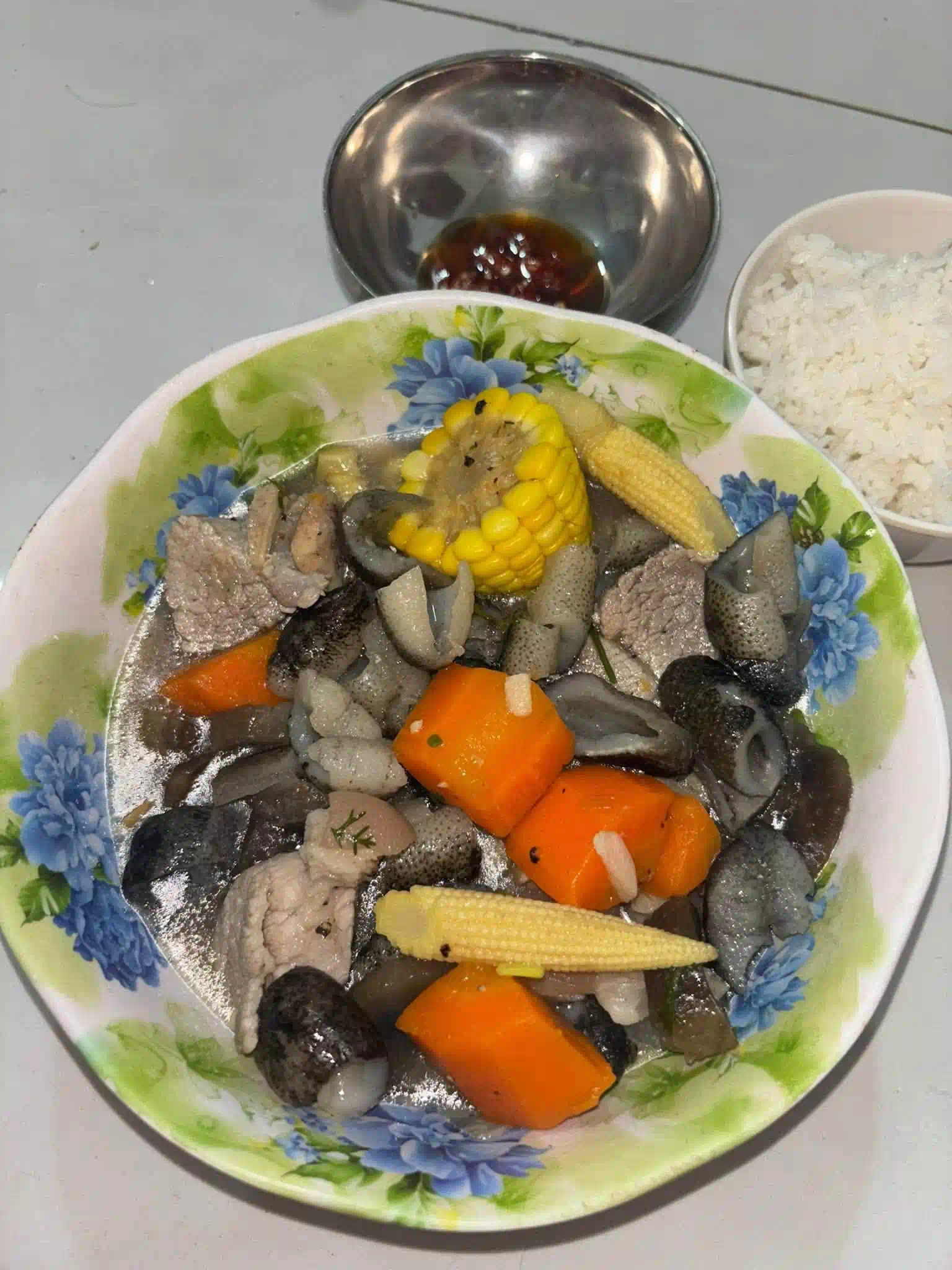
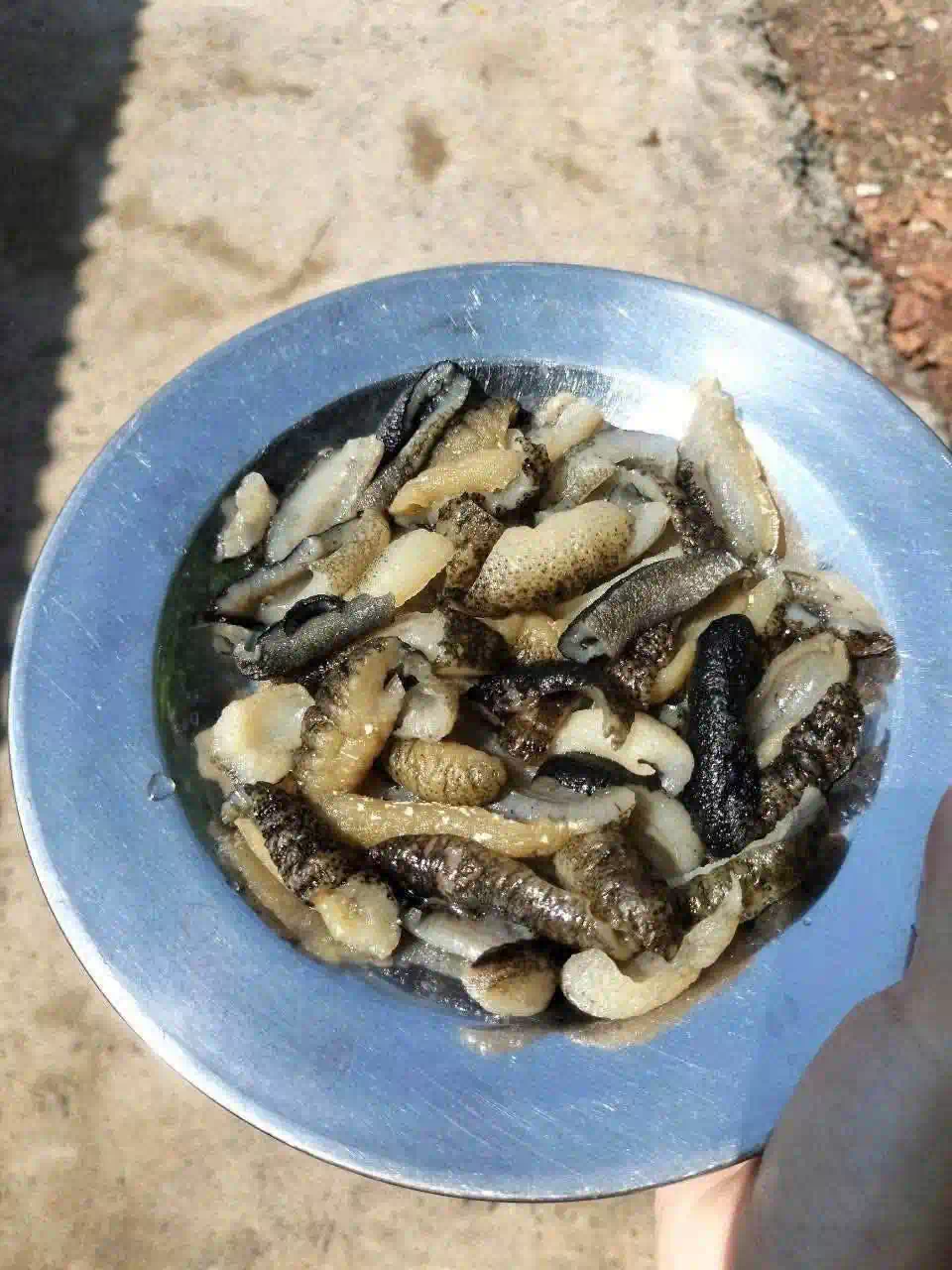
Sea cucumber soup. It’s a real specialty, it’s expensive, and the texture is a serious commitment if you didn’t grow up eating it. Plenty of people love it. I’d spend that money on more urchin.
Most of the Western food on Long Beach. It ranges from fine to bad, at prices well above the local food, and you’re on an island with genuinely distinctive cooking. There’s no reason for it unless you’ve hit a wall with fish, which does happen on a longer stay.
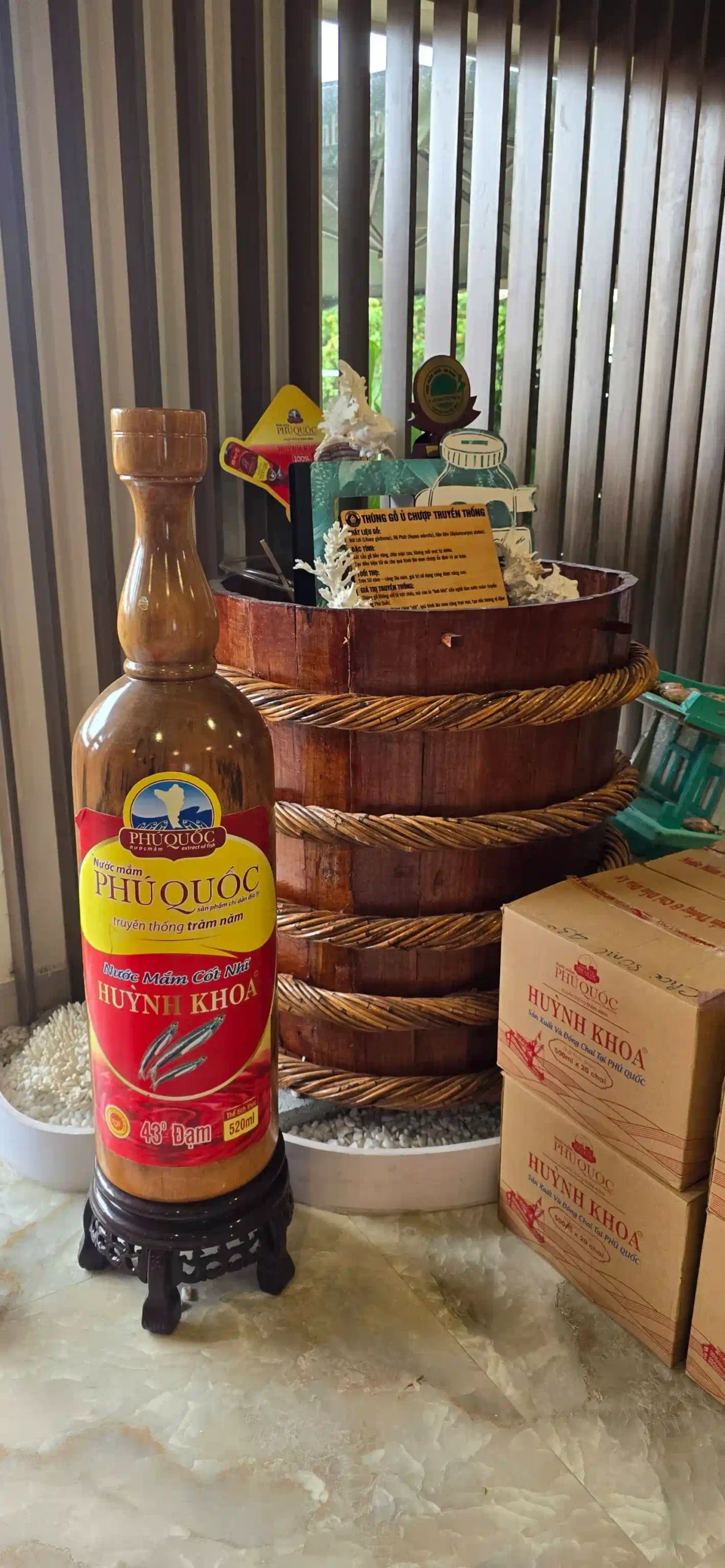
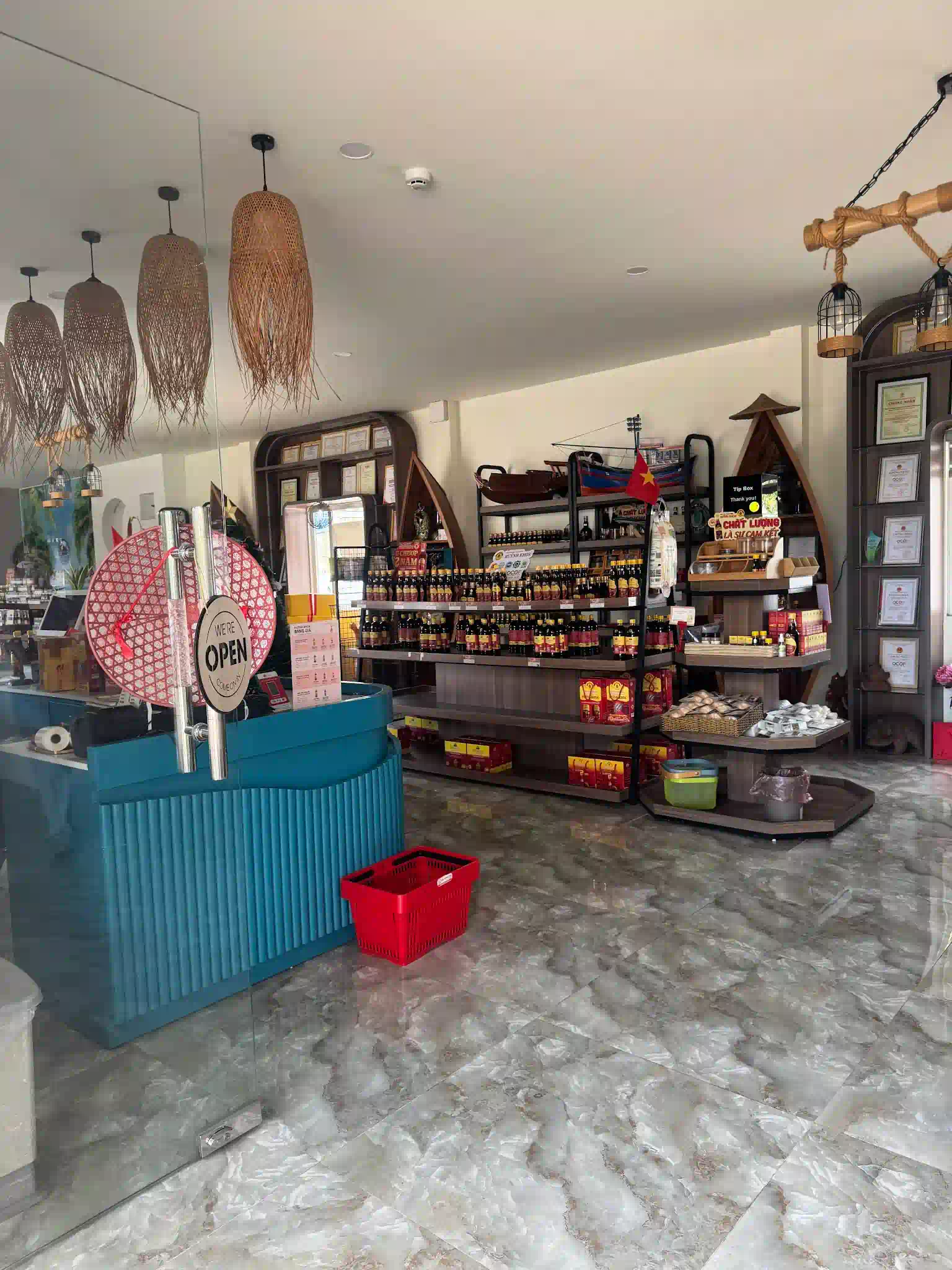
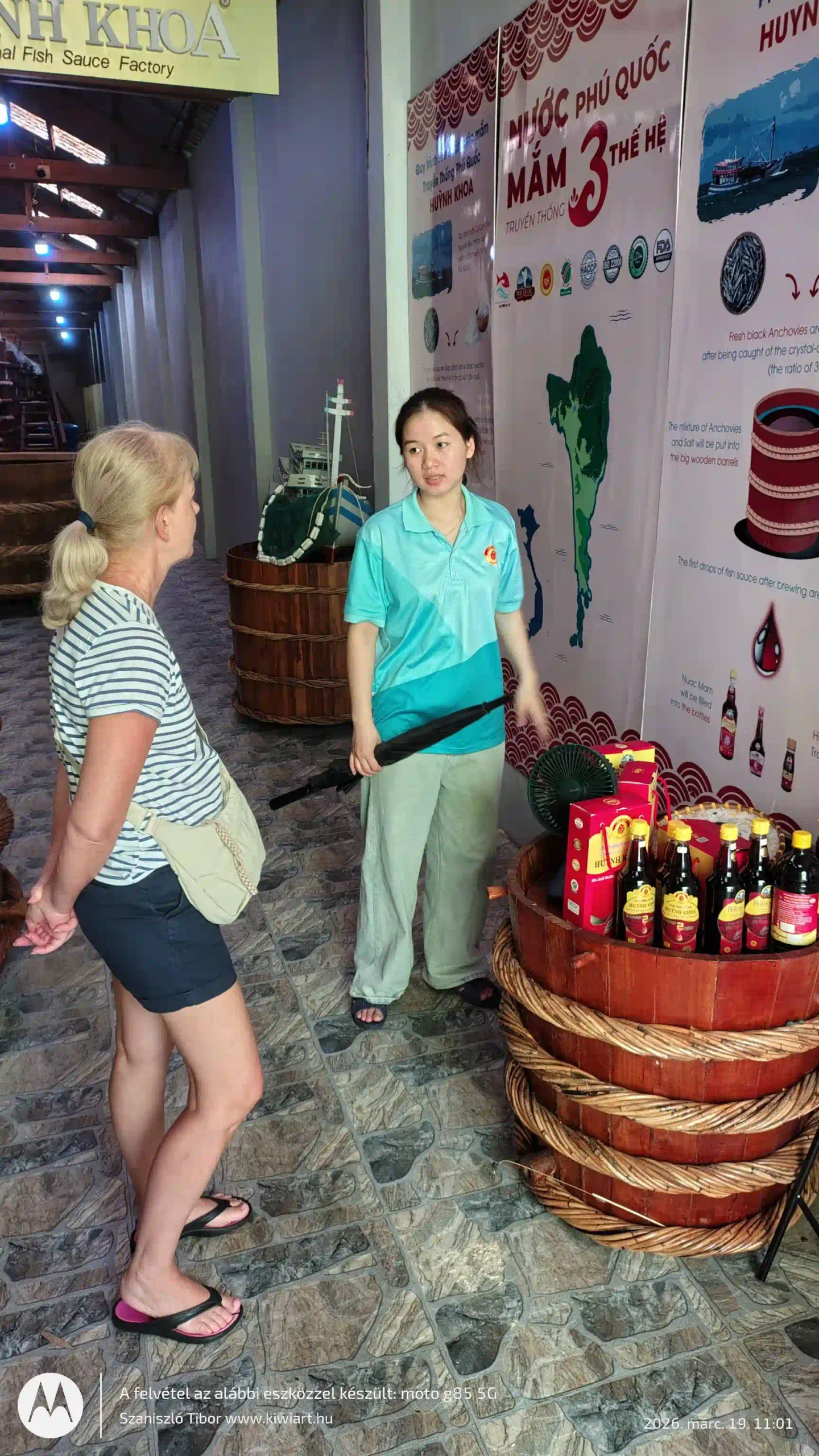
The fish sauce factory tours. The product is excellent and worth buying, but the tour is a showroom with a story attached and you’ll learn more from reading the bottle.
And the expensive seafood at the night market, which needs its own explanation.
Where the Money Actually Goes
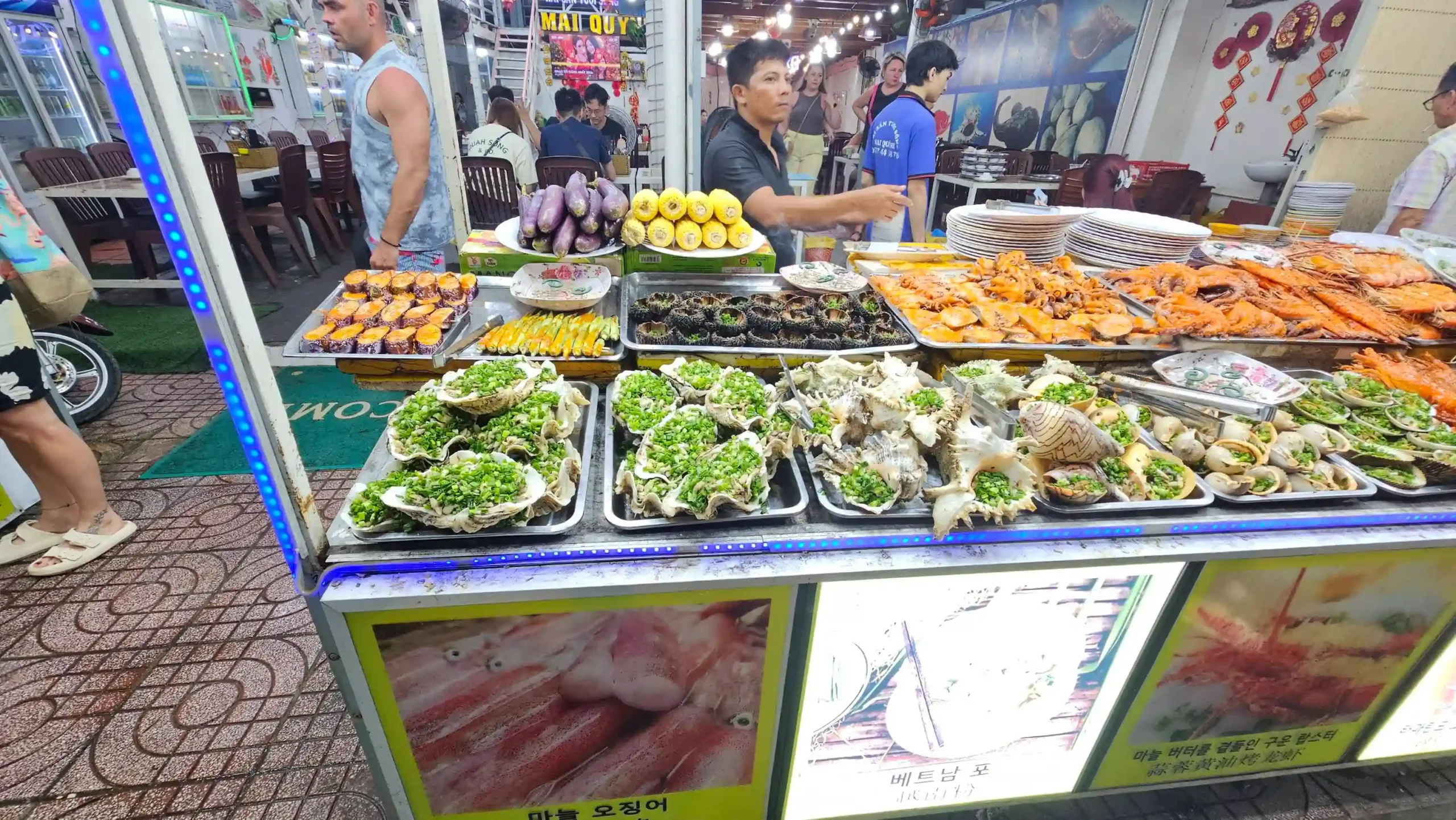
The night market in Duong Dong is where most people eat their first dinner. Hundred-plus stalls, live tanks, everything cooked in front of you. It’s genuinely fun and I’d tell anyone to go.
But it charges 20-30% more than local restaurants a few streets away for identical seafood. That’s not a scam, it’s what the location costs.
The response is obvious once you know: go for the atmosphere, order the cheap grilled things where a markup barely matters, and eat your expensive seafood elsewhere. Sea urchin, oysters, squid skewers at 20,000-30,000 VND. Those are the night market orders.
Elsewhere means Ham Ninh village on the east coast, or the restaurants along 30/4 Street in Duong Dong. Same catch, meaningfully smaller bill.
The price spread here caught me out at first, coming from Saigon. A canteen plate of rice and meat is around $1.30, which is Saigon money. A kilo of crab at a beachfront restaurant costs what a decent restaurant meal costs in a Western city. Both are on the same island, sometimes on the same street.
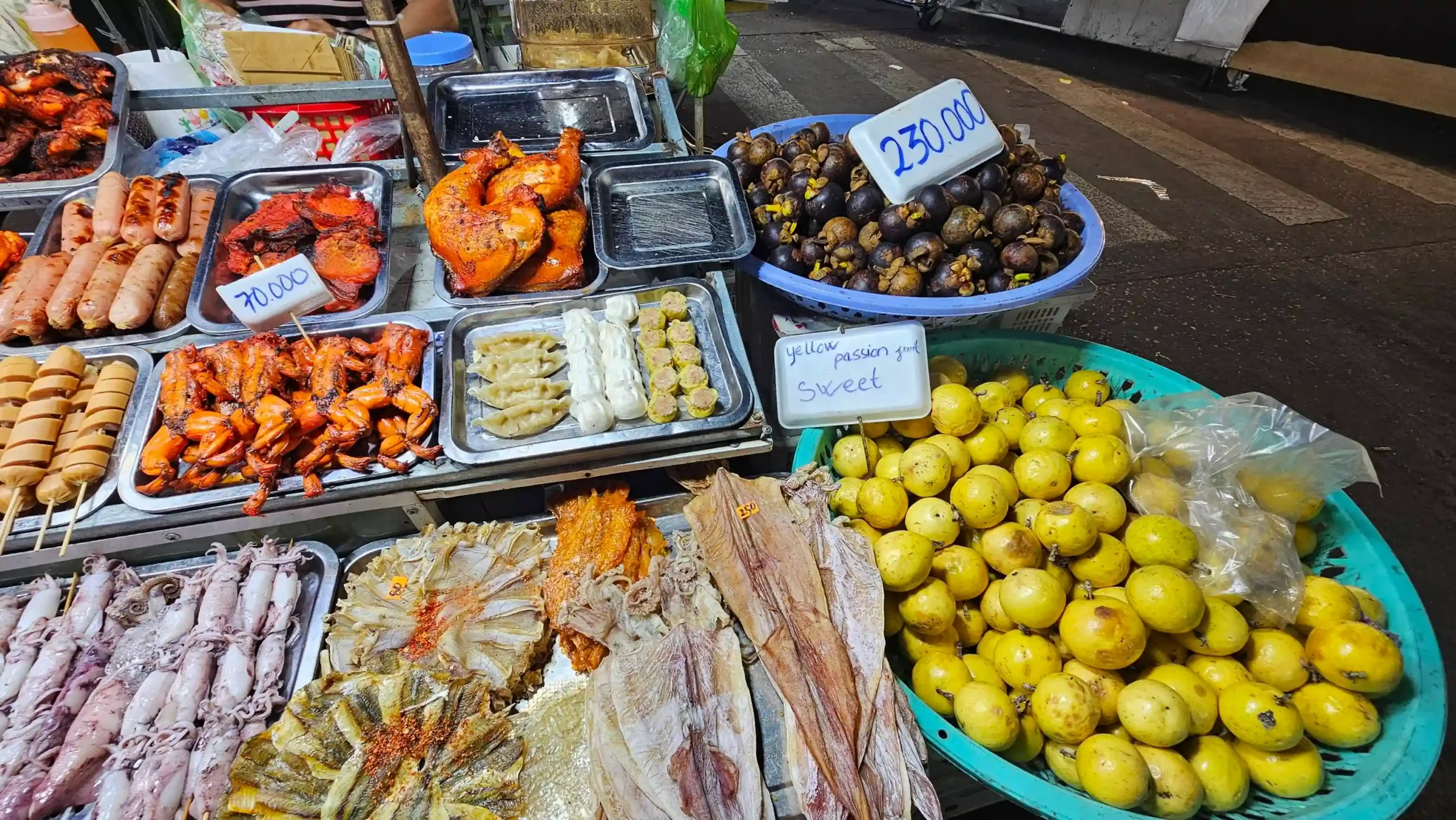
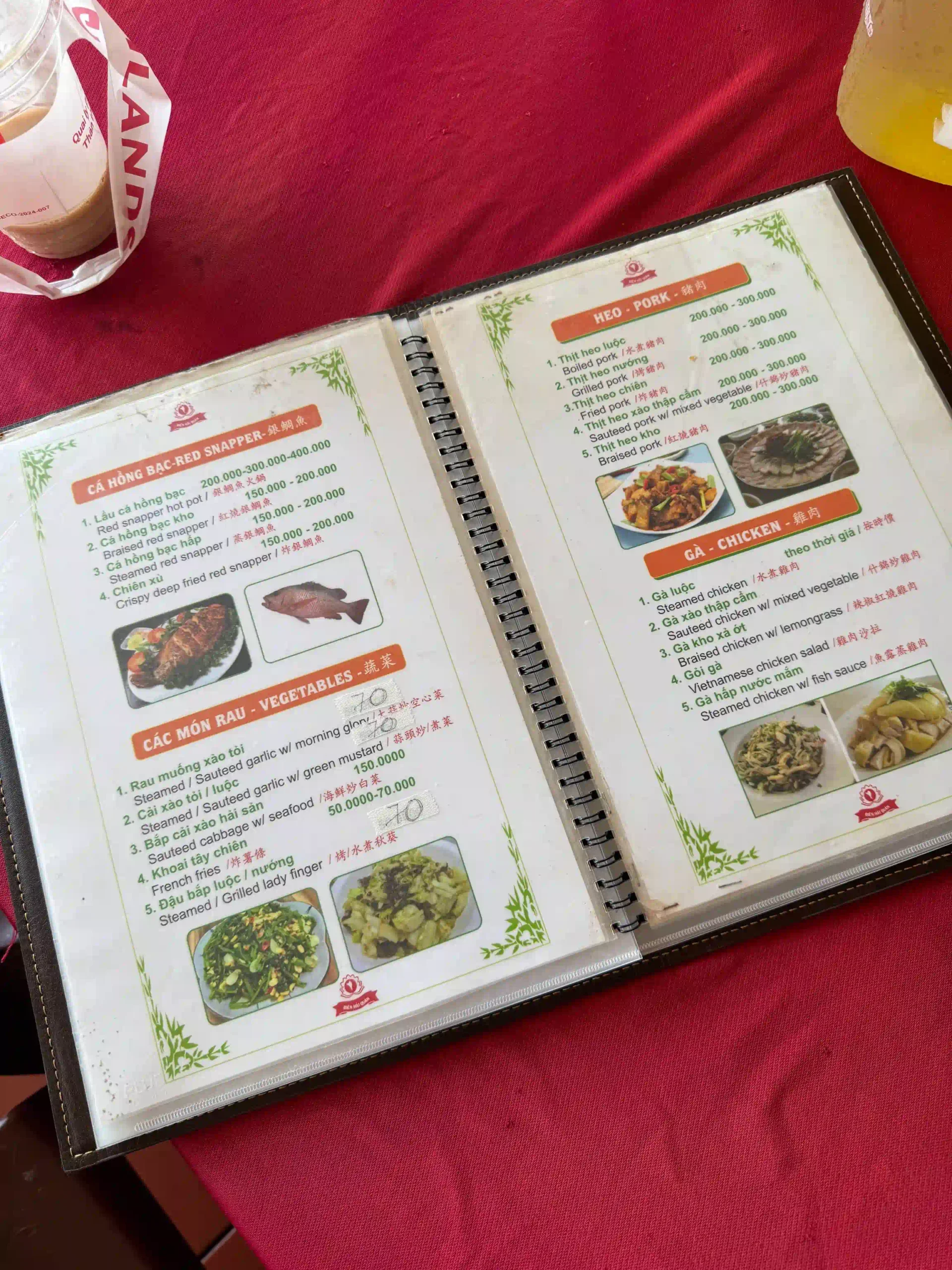
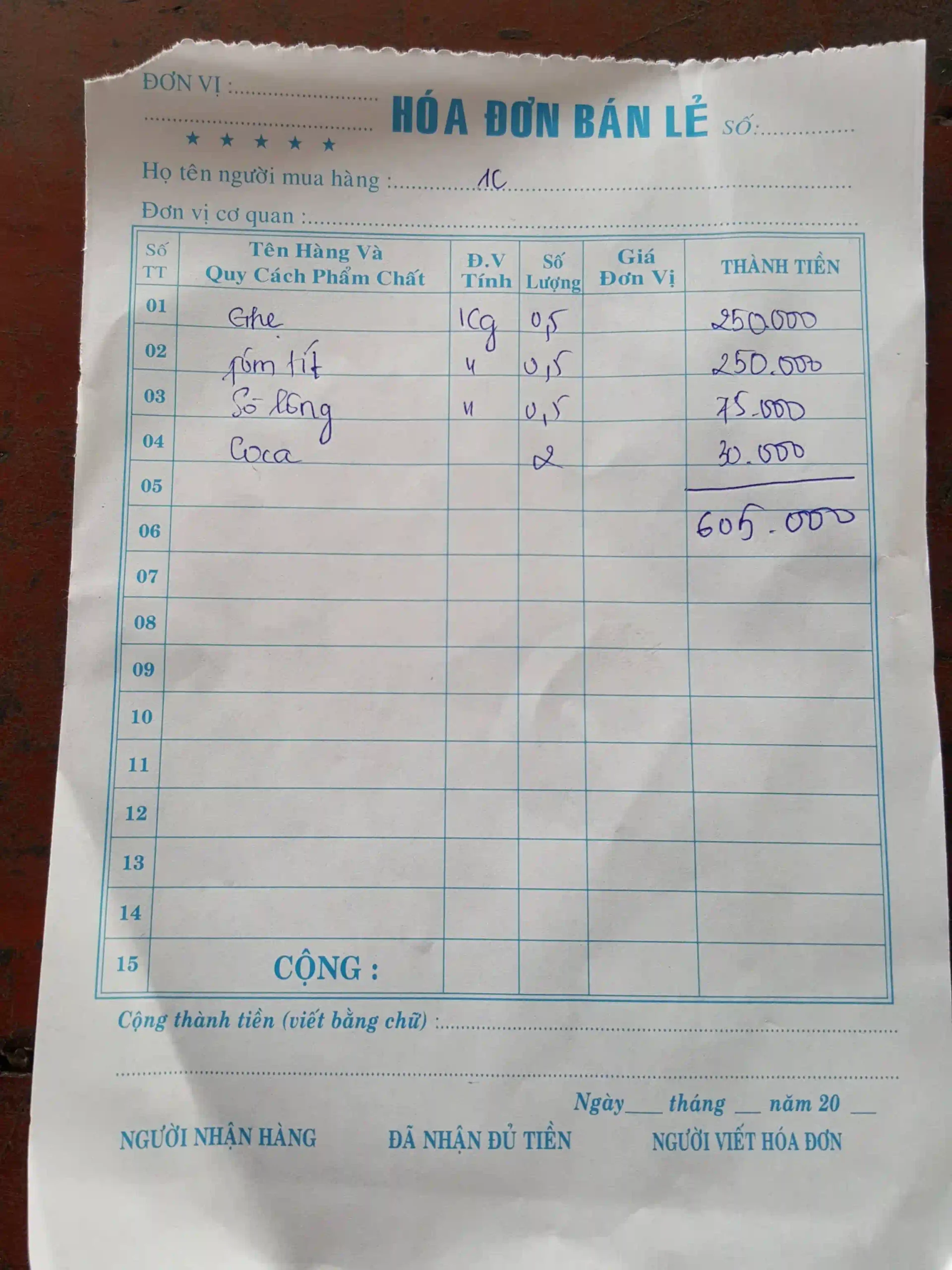
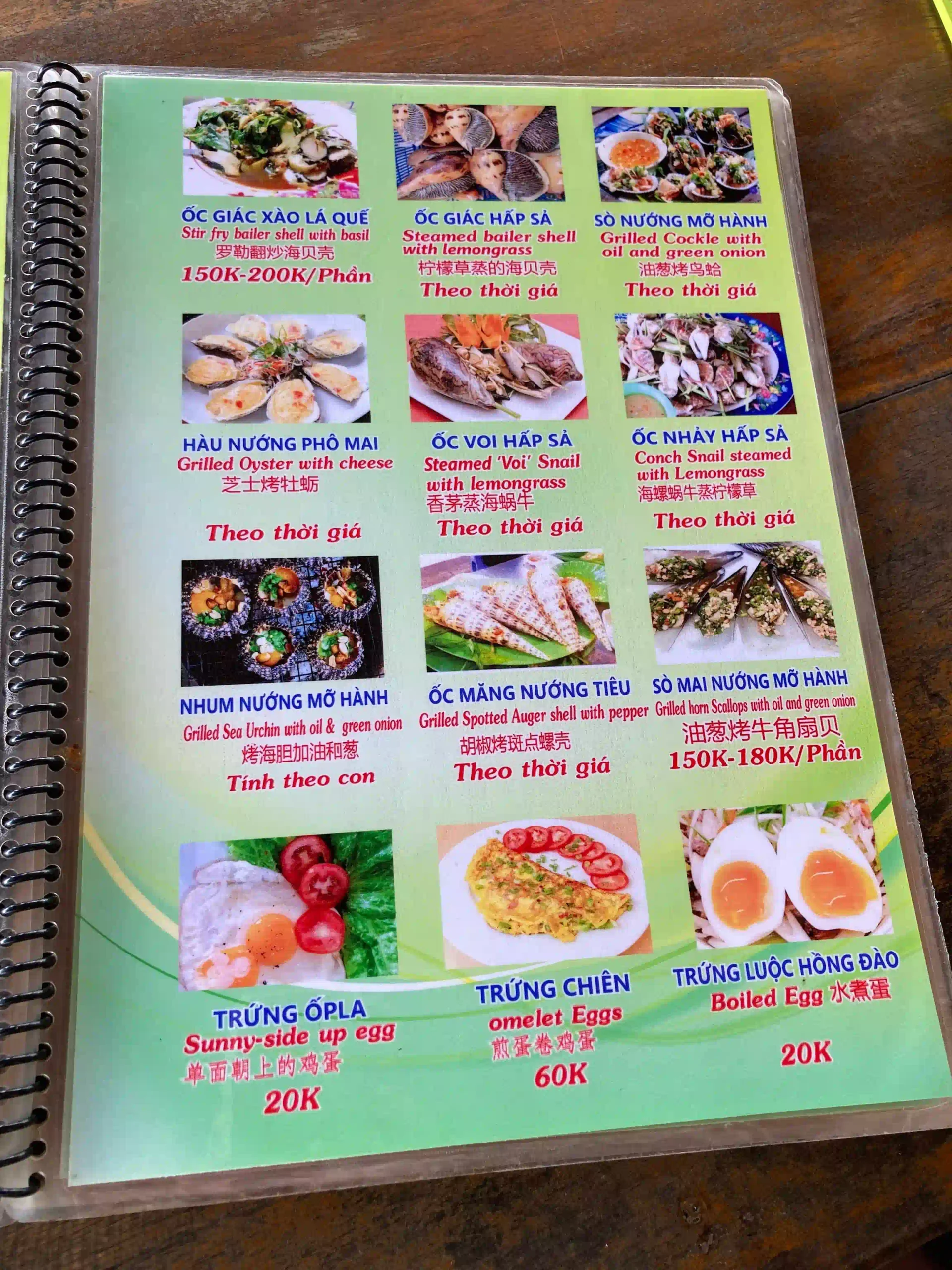
The fastest way to tell which you’re walking into: look at the menu. English only, photos, no Vietnamese prices, you’re paying tourist rates. Vietnamese menu with prices on a board, you’re not. Neither is wrong, they’re just different bills, and it’s useful to know which one you’ve chosen.
Where you’re staying matters here too. The resort strips have almost nothing cheap within walking distance, so eating locally means a drive every time. It’s one of the reasons I’d point most people toward Duong Dong or north Long Beach in my accommodation in Phu Quoc guide.
The Weighing Rules
Anything sold by weight, crab and lobster mostly. Three rules, and I’d follow all three every time.
Weigh it dry and in front of you. Water and ice in the bowl on the scale is the standard trick and you’re paying for that water. Agree the per-kilo price before it goes near a kitchen, and do the multiplication on your phone at the table instead of accepting a total at the end.
None of this is rude and none of it will offend anyone. Locals do exactly the same. A restaurant that gets uncomfortable when you ask to see the scale has told you what you need to know.
Check the bill too. Wet wipes, peanuts, fruit nobody ordered. Small amounts individually, and over a week it adds up.
One more thing: live seafood prices move with the catch. A price you read in a blog post six months old means nothing. Ask, agree, then order.
How I’d Plan Four Days of Eating in Phu Quoc
Breakfast is where the good food is, and it’s the meal most people waste. Bún kèn or bún quậy at a local canteen, early. If you change one thing about how you eat here, make it this.
Lunch, don’t plan it. Whatever canteen is near where you are. If you’re on a boat trip it’s included anyway.
Dinner is where to be deliberate. Gỏi cá trích somewhere busy, or a crab evening at Ham Ninh.
Concretely, for four days: night market the first evening to get it out of your system, gỏi cá trích the second, Ham Ninh the third, and repeat whatever you liked best on the fourth. That’s everything genuinely distinctive about eating here without turning meals into a checklist.
Eat earlier than you would at home. A lot of local places wind down around nine and what’s left after that skews tourist-facing. Eight is a good target.
What to Take Home
Fish sauce, and buy it in a shop, not on a factory tour. The tours are showrooms with a story attached. What matters is the grading, protein content, and 40 degrees or above is the real thing. Next to a 25-degree supermarket bottle the difference is immediate.
Wrap it properly for checked luggage. It leaks and the smell does not come out of a suitcase.
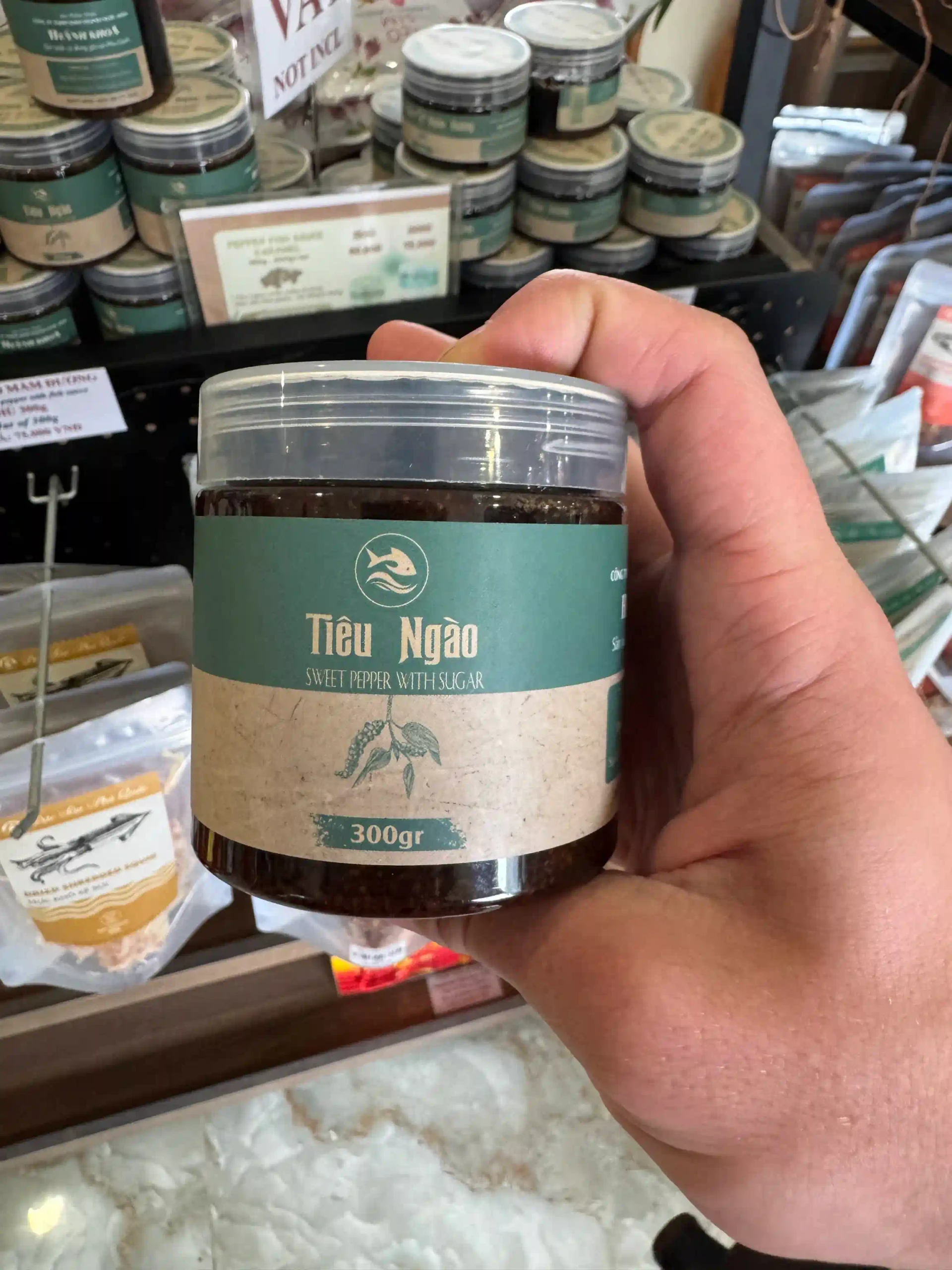
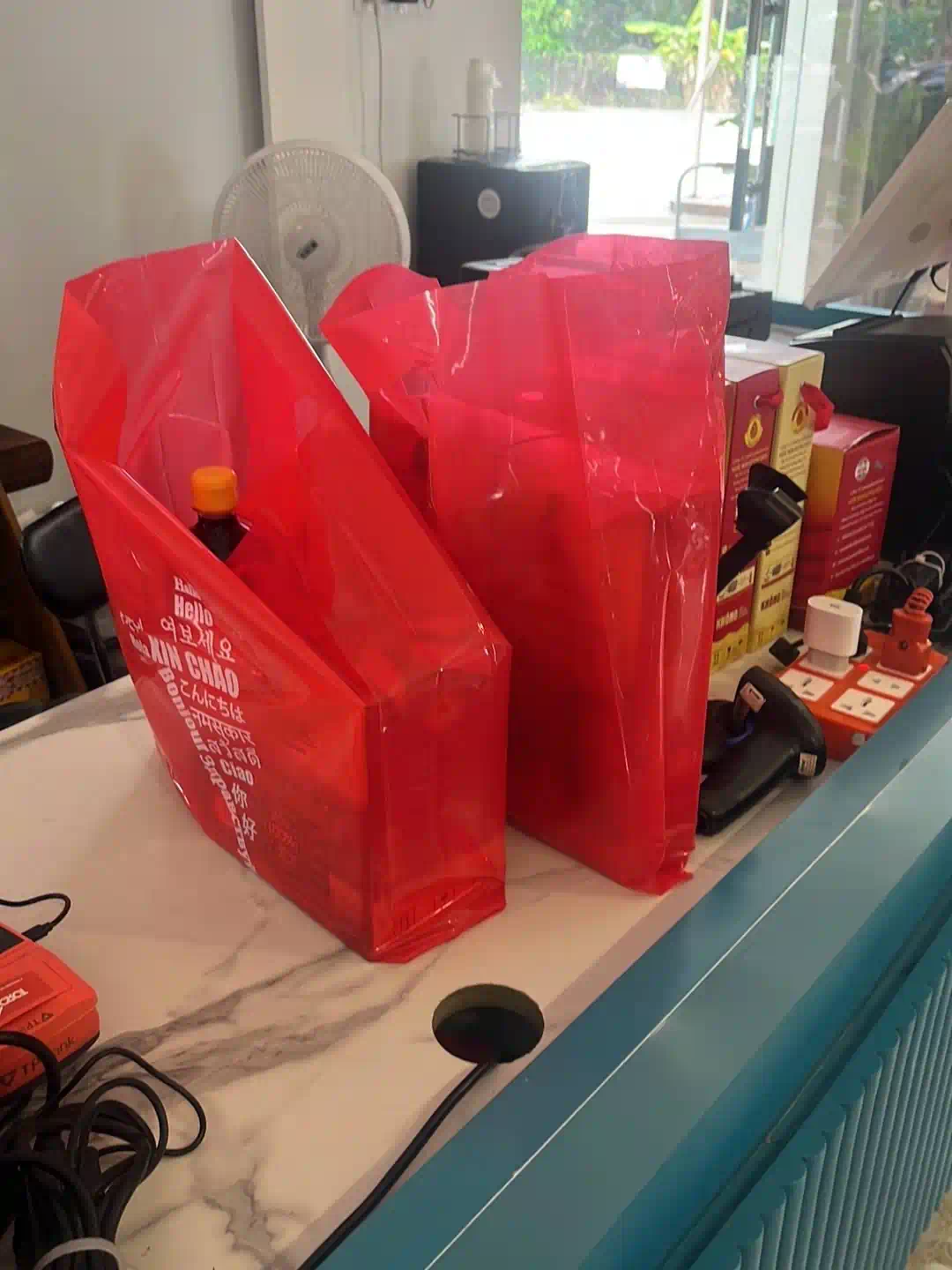
Black pepper is the other one worth carrying home, grown here, and buy it whole because ground pepper is finished within months. Dried squid and anchovy travel well too and they’re a more honest souvenir than most of what the market sells.
Sim wine if you liked it. Most people try a glass and leave it there.
Food Tours
I ate independently, which is what a month lets you do. On four days, working out which canteen does bún quậy properly costs you a meal or two of trial and error, and a tour skips that.
My one filter: pick something that goes beyond the night market. A tour that only walks you around the market is charging you for something you could do alone in twenty minutes. A cooking class is the better use of the money if you want to take something home, and gỏi cá trích is simple enough to reproduce once someone’s shown you the proportions.
Specific restaurants, area by area, is a longer piece and it’s what I’ll write next. For the rest of the trip, things to do in Phu Quoc covers the days and where to stay in Phu Quoc covers which area puts you nearest the food worth eating.

Keep Exploring Phu Quoc
-
See & do UltimateAll the best things to do in Phu Quoc as a first-timer ›
-
FoodHow to do a self-guided Phu Quoc food tour and night market ›
-
Food5 best places to eat in Phu Quoc I always return to in 2026 ›
-
Stays Must readWhere to stay in Phu Quoc (best & worst neighborhoods) ›
-
Route Must readPhu Quoc itinerary: How many days before you get bored? ›











 Tiếng Việt
 한국어
한국어 中文 (中国)
 日本語
日本語 ไทย
ไทย Deutsch
 Español
 Destinations
 Instagram
 Facebook
 X (Twitter)
 Threads
 Tiktok