I’m Derek, an American living in Saigon, Vietnam. I write for VietAdvisor to share the kind of practical stuff you actually need on the road, especially the places that aren't on Instagram. Usually found hunting for good coffee or figuring out local transport shortcuts.
There are two kinds of Phu Quoc pepper farm. Most of the ones you’ll see, and all of the ones the countryside tours stop at, are roadside shops on TL47 with a few rows of pepper vines out front, where you spend ten minutes and are steered towards the till. The others are working family farms in the north of the island, where someone walks you through the garden, picks things off the trees for you to taste and explains how the pepper is grown and dried.
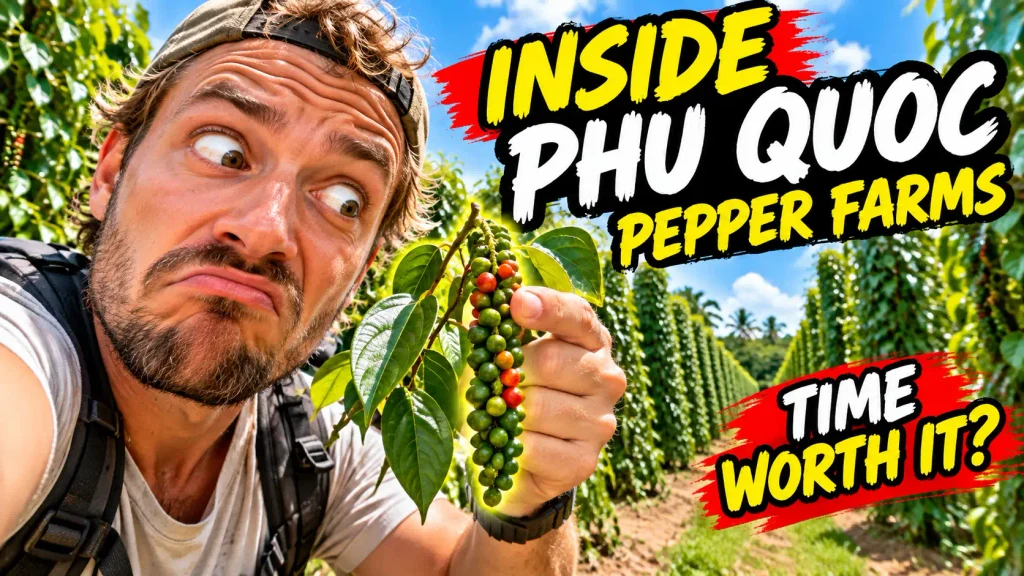
The first kind isn’t worth going out of your way for. The second is, if you have an hour and any interest in food, and it’s one of the few things on Phu Quoc that feels like the island before the resorts. I’ve been to both kinds, the roadside ones on a tour and two of the northern farms on my own while I was staying up the west coast, and this is how I’d decide between them.
Quick Answer: Phu Quoc pepper farms are worth visiting if you pick the right one. The roadside farms on TL47, such as Đức Thạnh and Ngọc Hà, are free shop stops of five to ten minutes, mainly for buying. The working farms in the north, Pepper Farm Phu Quoc (The Countryside) near Gành Dầu and Hai Dương pepper farm in Cửa Cạn, offer a proper walk through the garden with tastings. The Countryside’s guided tour is 110,000 VND and closed on Wednesdays. The best time to visit is the harvest, roughly December to March, when the vines carry red berries.
Roadside pepper farms on TL47:
Free, five to ten minutes, a few vines and a large shop.
Hai Dương pepper farm: Cửa Cạn. 8am to 4pm daily. Family-run, free, a slower and more personal visit.
Phu Quoc pepper types:
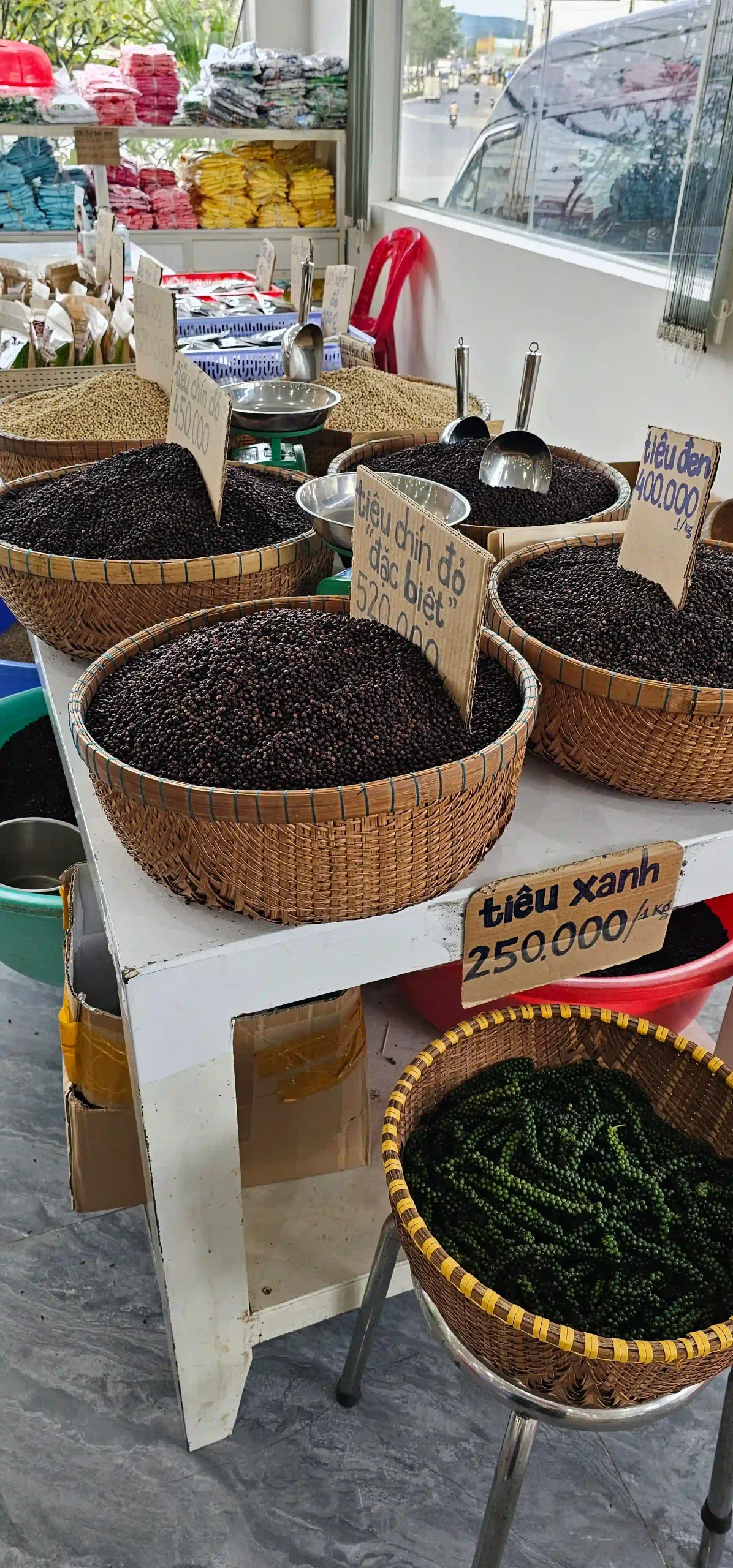
Black: green berries dried in the sun, about 200,000 to 350,000 VND a kilo.
Red: ripened on the vine and hand-picked, about 280,000 to 400,000 VND.
White: ripe berries with the skin removed, about 300,000 to 380,000 VND.
Best time: the harvest, from around December to March. Mornings, before the heat and with mosquito spray.
Are Phu Quoc Pepper Farms Worth It?
The good ones are worth an hour. The roadside ones are worth ten minutes if you’re already passing and nothing at all as a trip in themselves.
It comes down to what you want from it. If it’s pepper to take home, you can buy good Phu Quoc pepper in plenty of places without visiting a farm. If it’s to see where it comes from, a working farm in the north is one of the better hours you’ll spend on the island, and it costs little or nothing. You see how a vine is trained up a post, what a fresh green peppercorn tastes like off the plant, and why red pepper costs more.
The difference between the two kinds is roughly the difference I found with the fish sauce factories. The well-known stops near the main roads are showrooms with a story attached. The places that take time over you are further out, smaller, and run by people who grow the stuff themselves.
Roadside showrooms vs. real working farms
The Roadside Pepper Farms on TL47
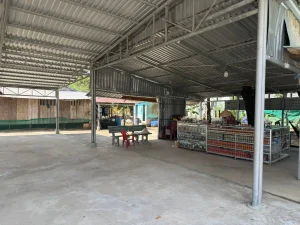
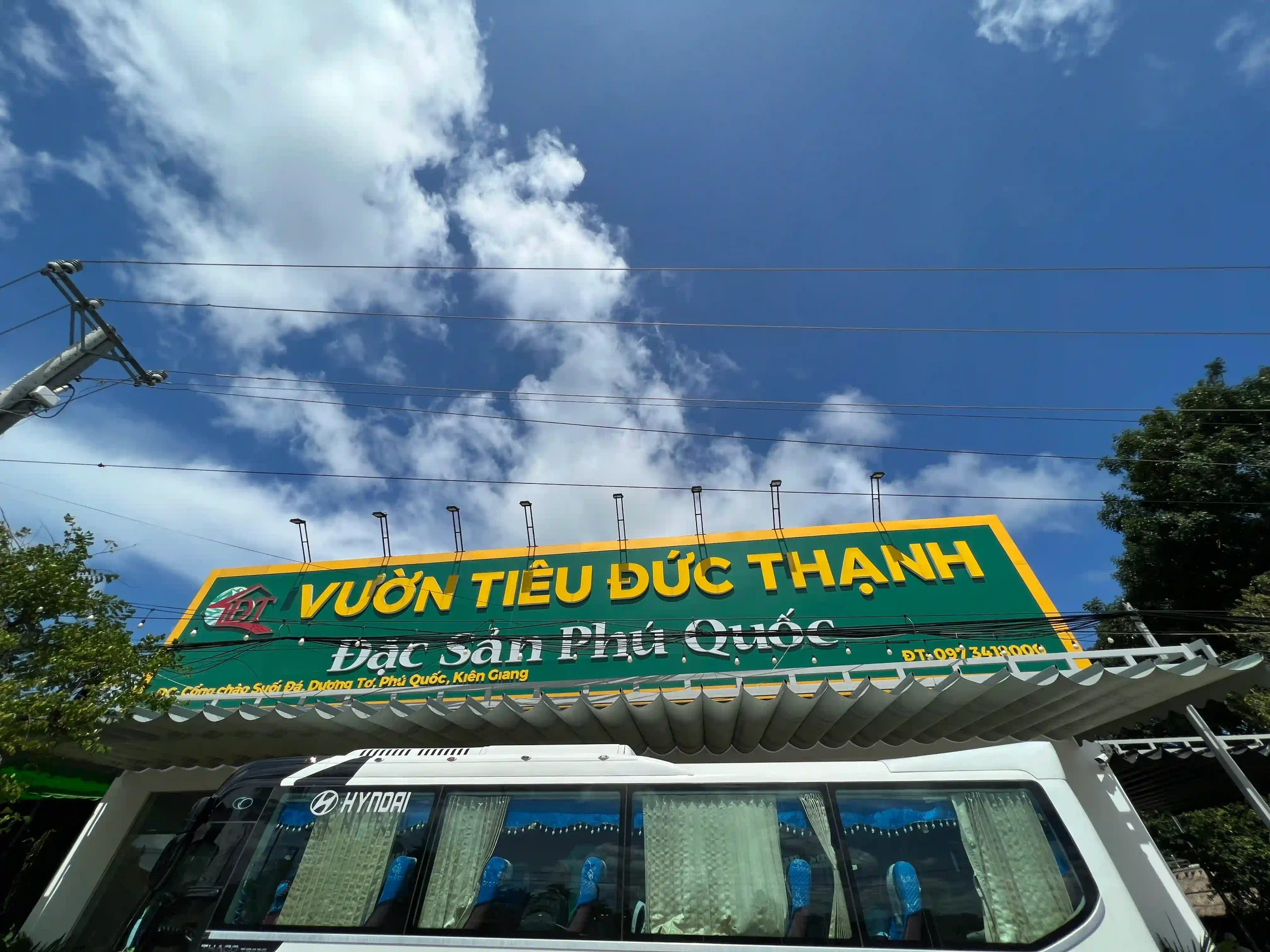
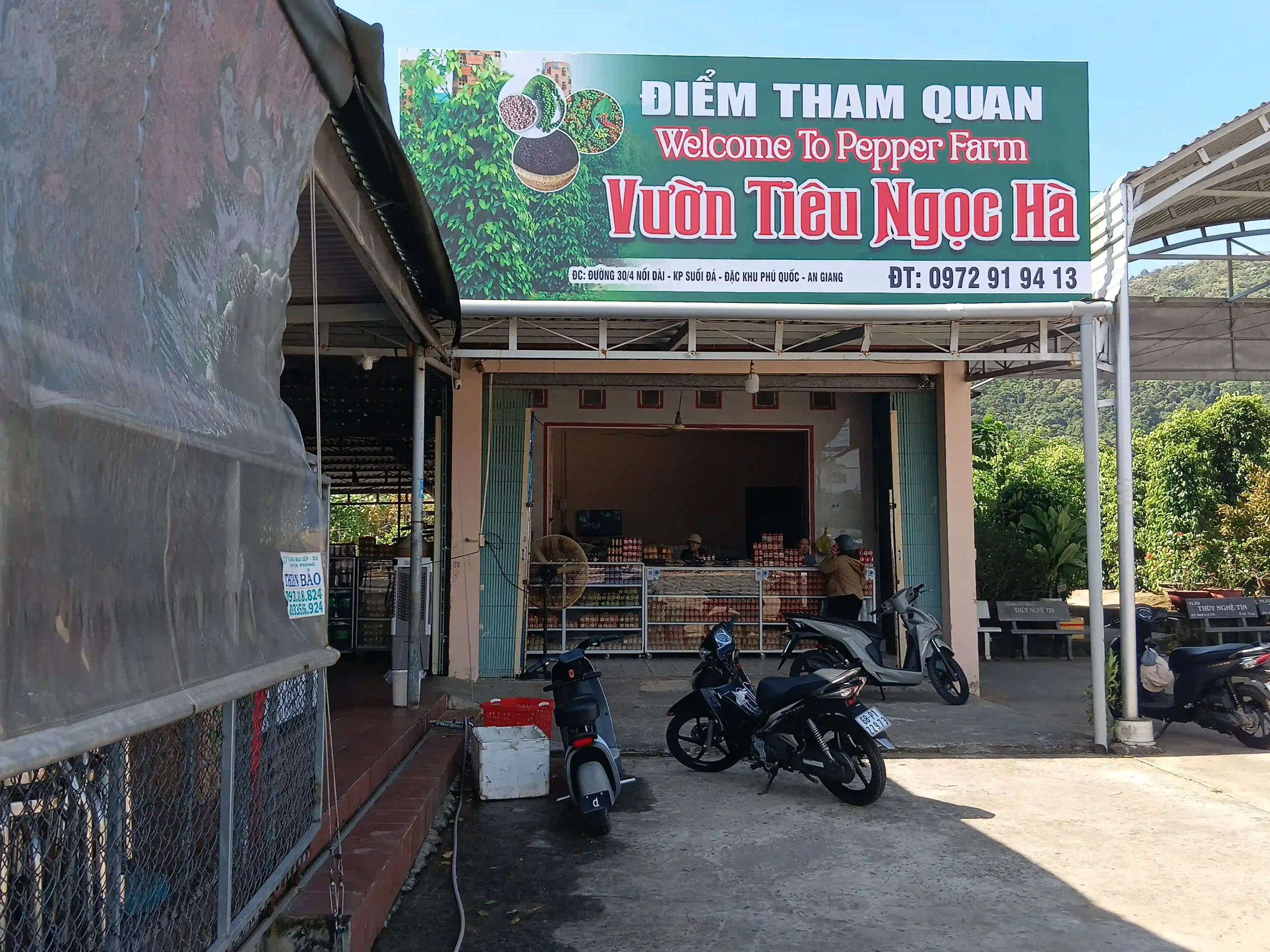
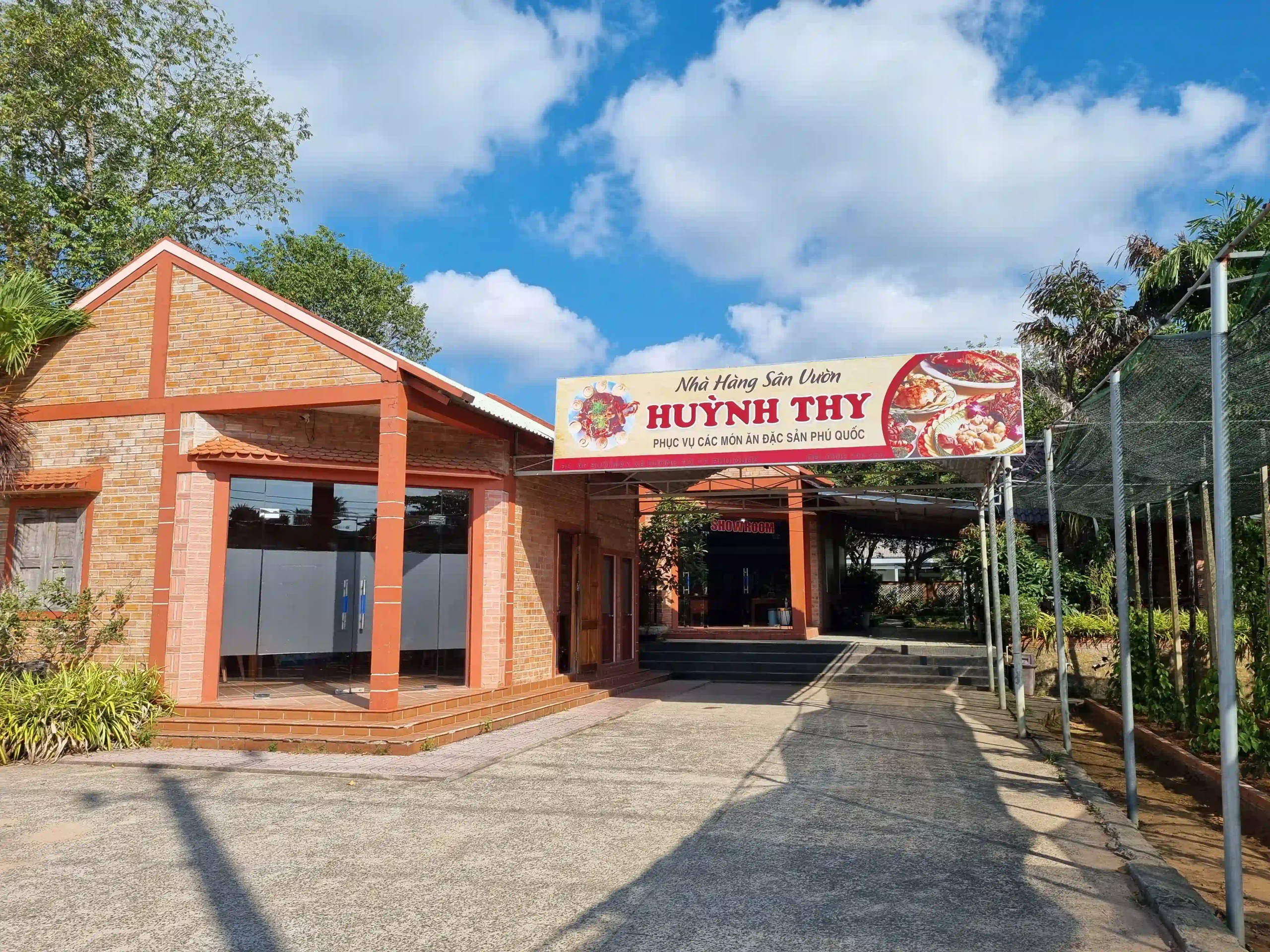
Along TL47, the road that runs down the middle of the island south of Duong Dong, there’s a cluster of pepper farms within a few hundred metres of each other: Đức Thạnh, Ngọc Hà, Huỳnh Thy in Suối Mây and several more without much of a name.
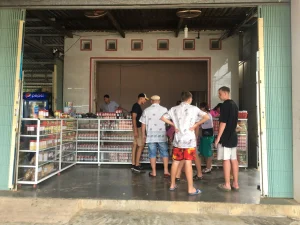
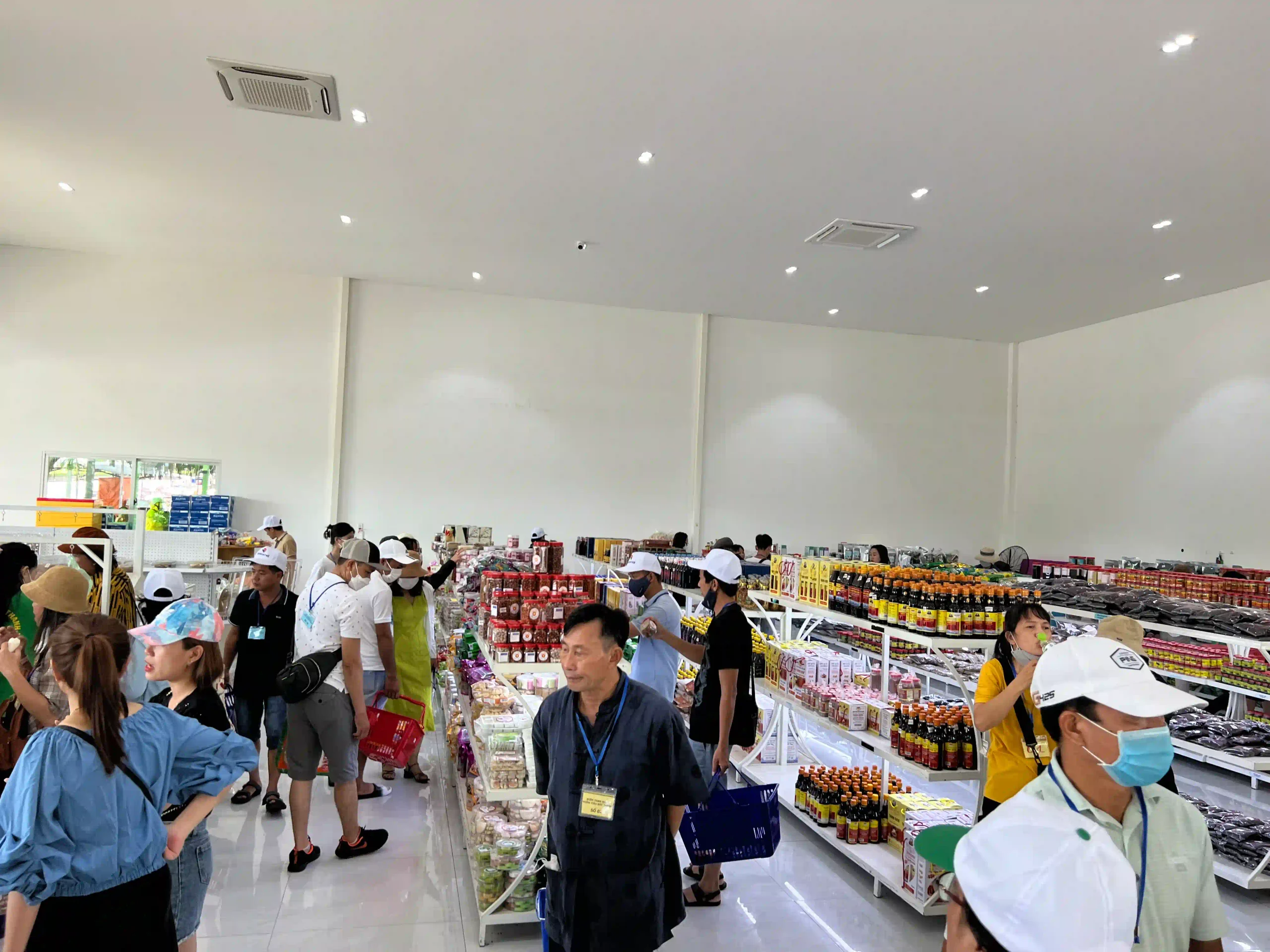
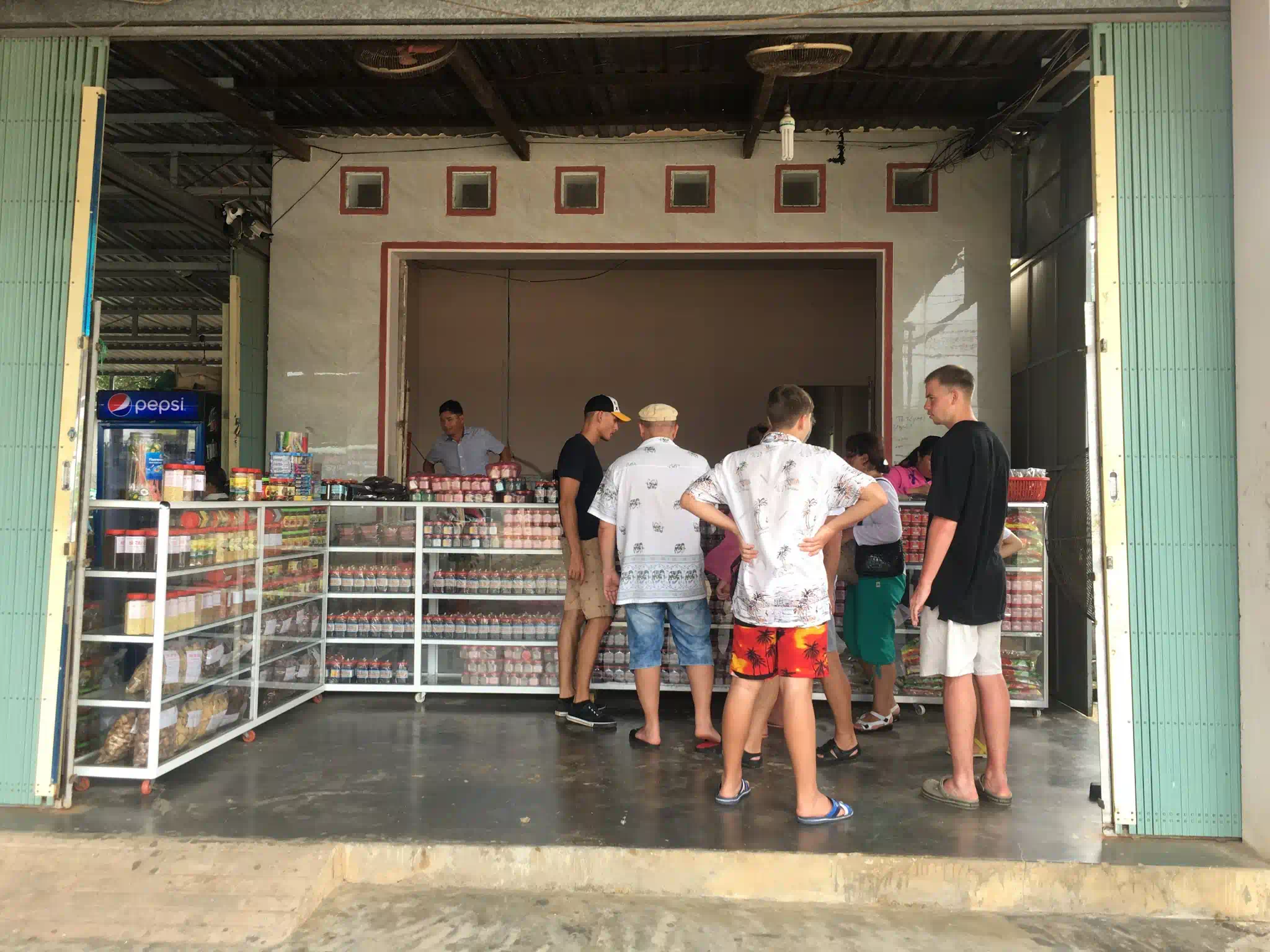
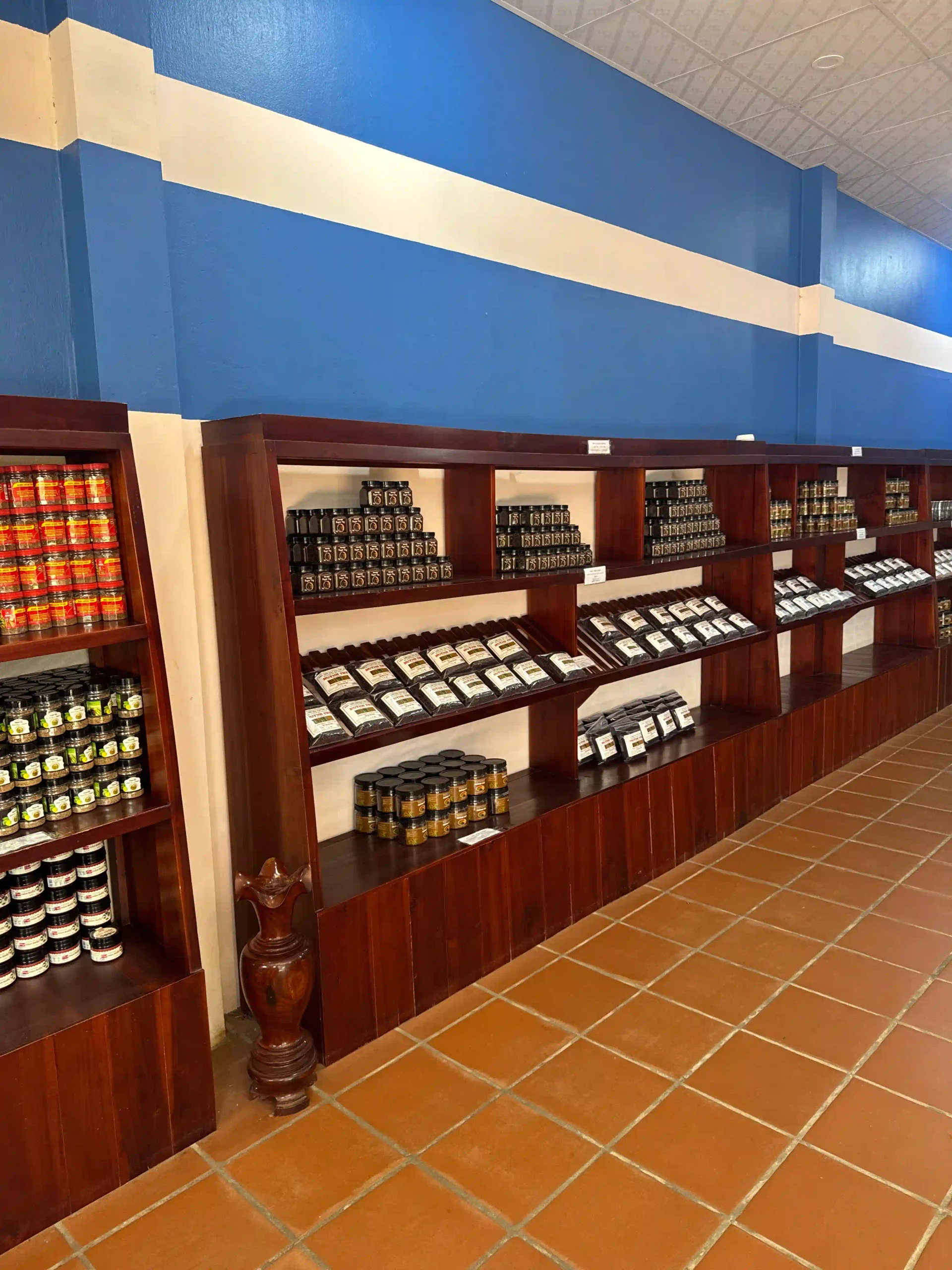
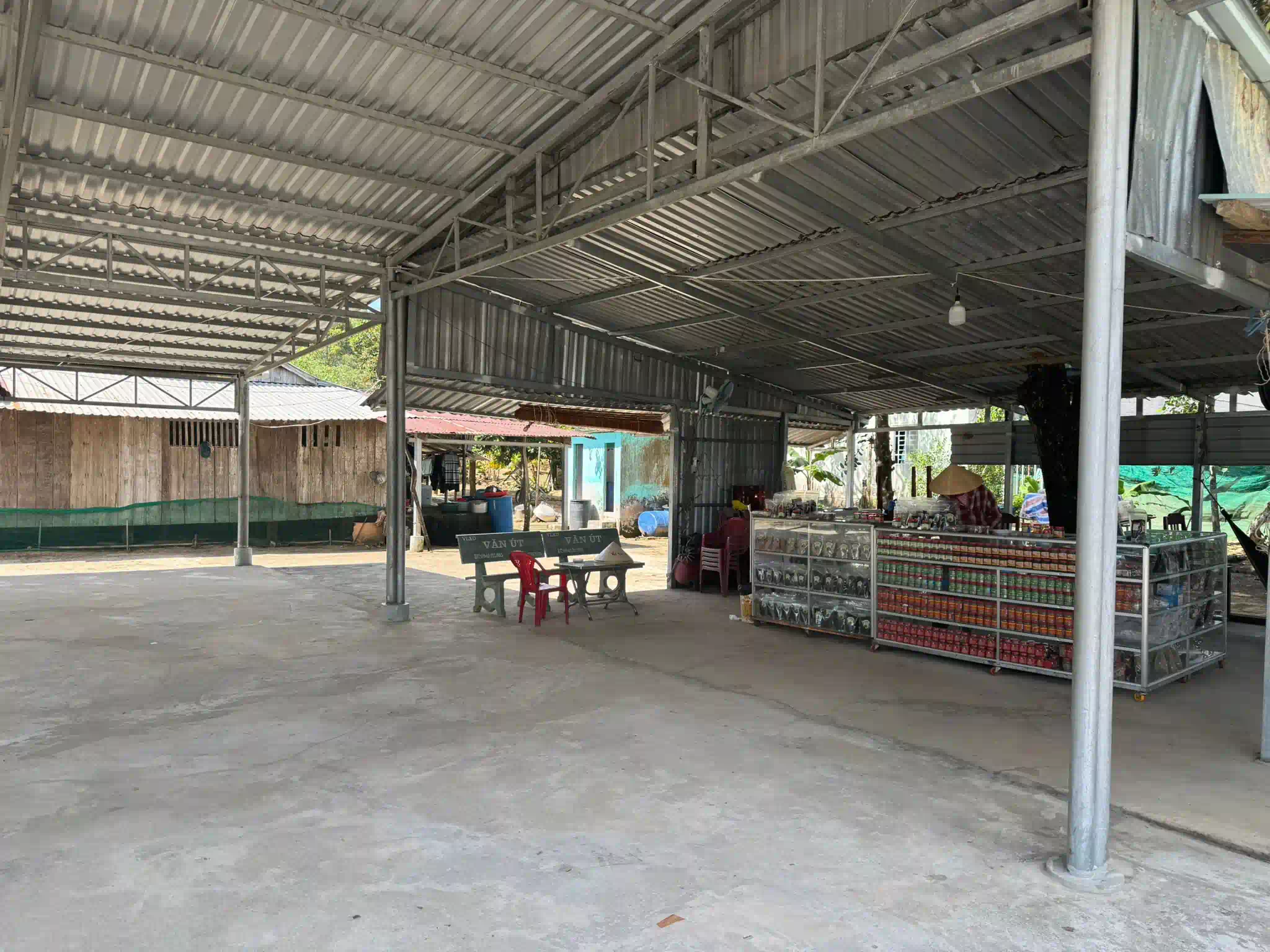
They’re the ones on every countryside tour, and they work the same way. You walk past a few rows of pepper vines, someone hands you a peppercorn to bite, and within five minutes you’re in a large shop full of pepper, chili salt, dried mango, candied fruit and dried seafood.
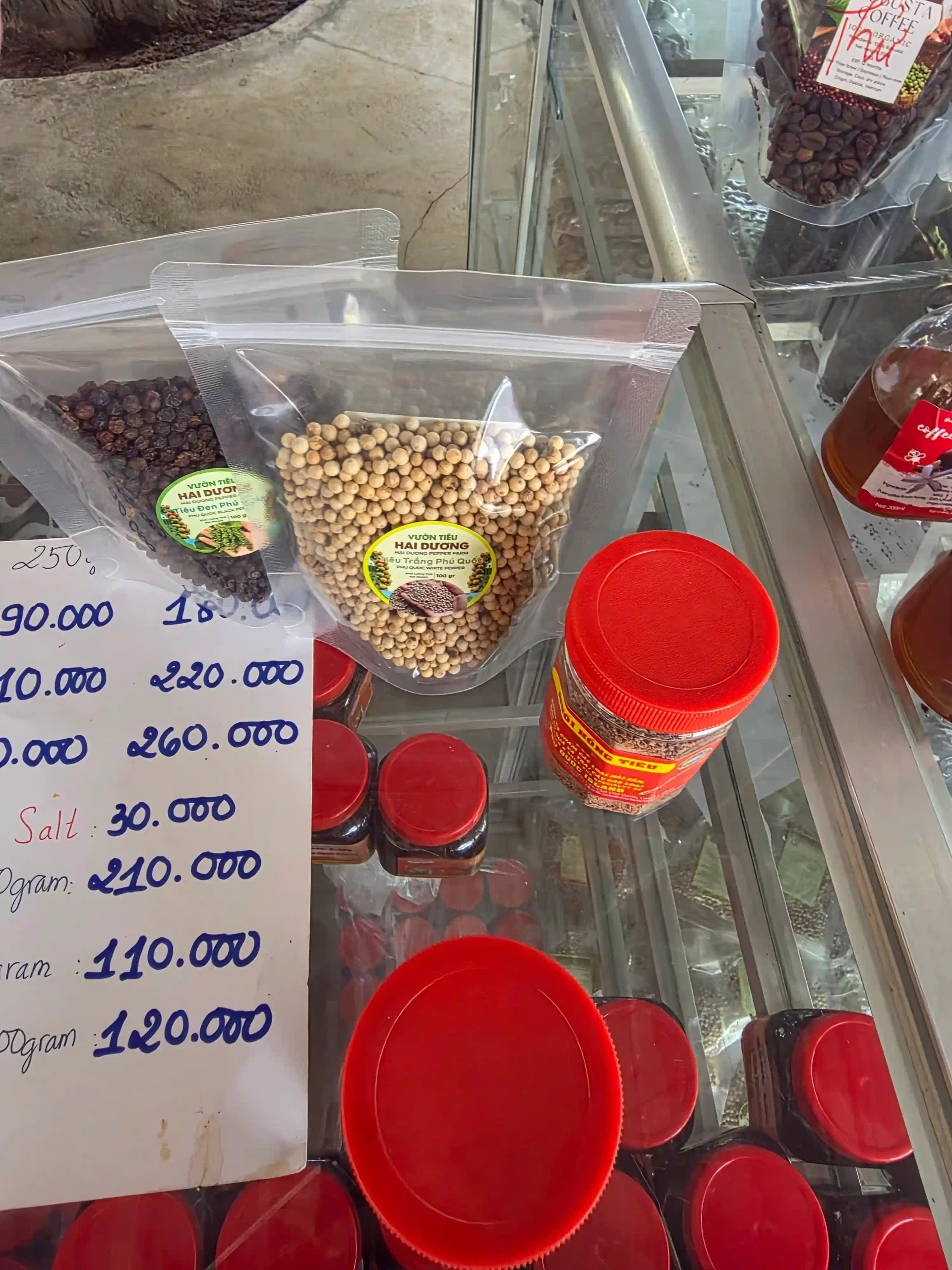
Entry is free and nobody minds if you just look. The pepper itself is fine. It’s the prices that aren’t. At one of these I saw 250 grams of black pepper for 90,000 VND and white for 110,000, which works out at well above the going rate on the island, and the dried fruit and gift boxes are marked up more.
The staff are friendly and keen to sell, and on a tour there’s usually a short talk first that leads straight into the shop.
If your tour stops at one, it’s a pleasant ten minutes and the chili salt is a good buy. Riding yourself, I wouldn’t make the detour, though Đức Thạnh is easy enough to reach on the free VinBus if you happen to be using it. What these places won’t give you is any real sense of how pepper is farmed.
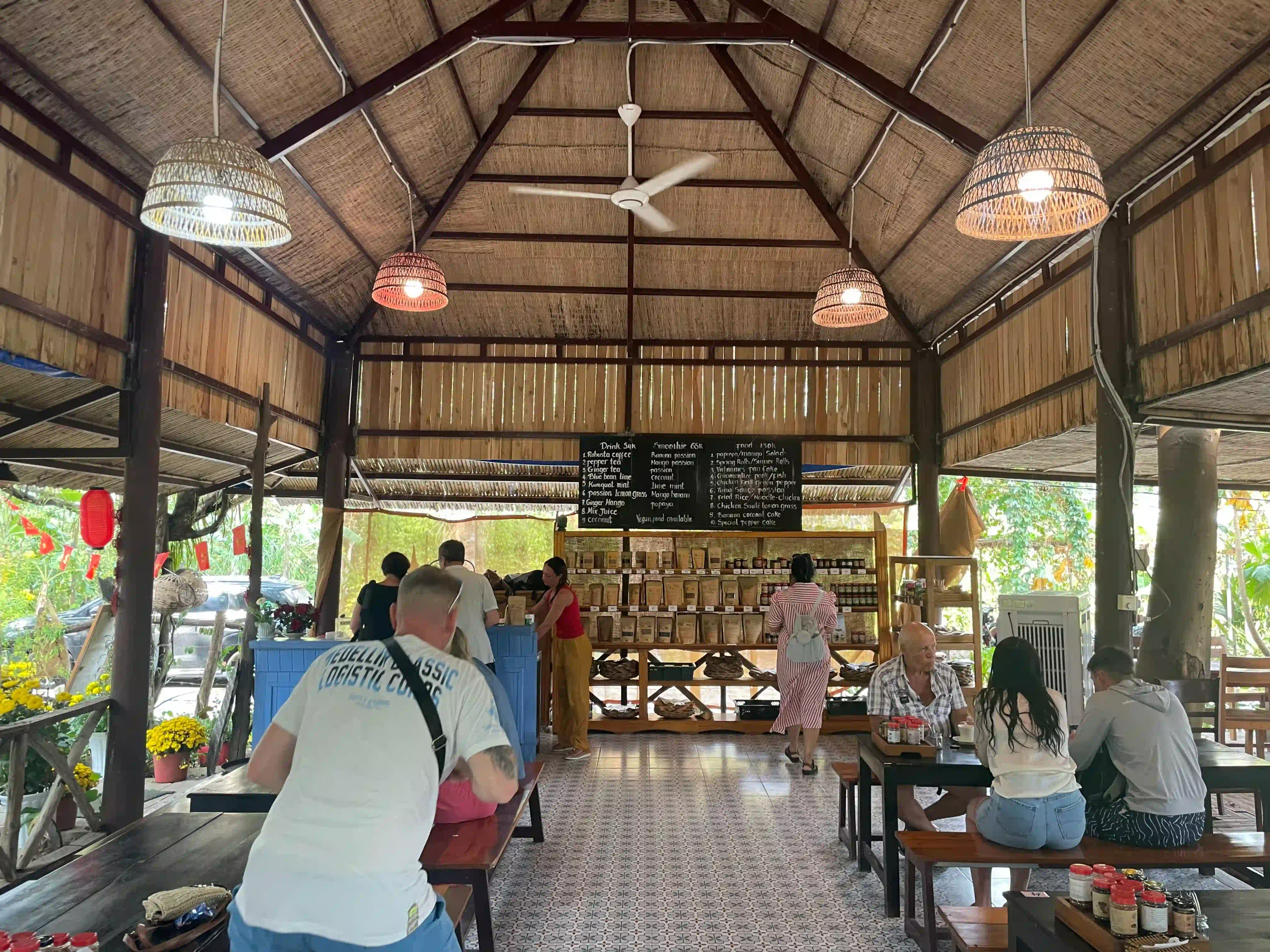
Free entry, quick photos, mostly a tourist shop
The Working Pepper Farms in the North
The north of the island, around Cửa Dương and Khu Tượng about 15km above Duong Dong and on up towards Gành Dầu, is where most of Phu Quoc’s pepper has always been grown. The two farms I’d send friends to are both up this way.
Pepper Farm Phu Quoc (The Countryside)
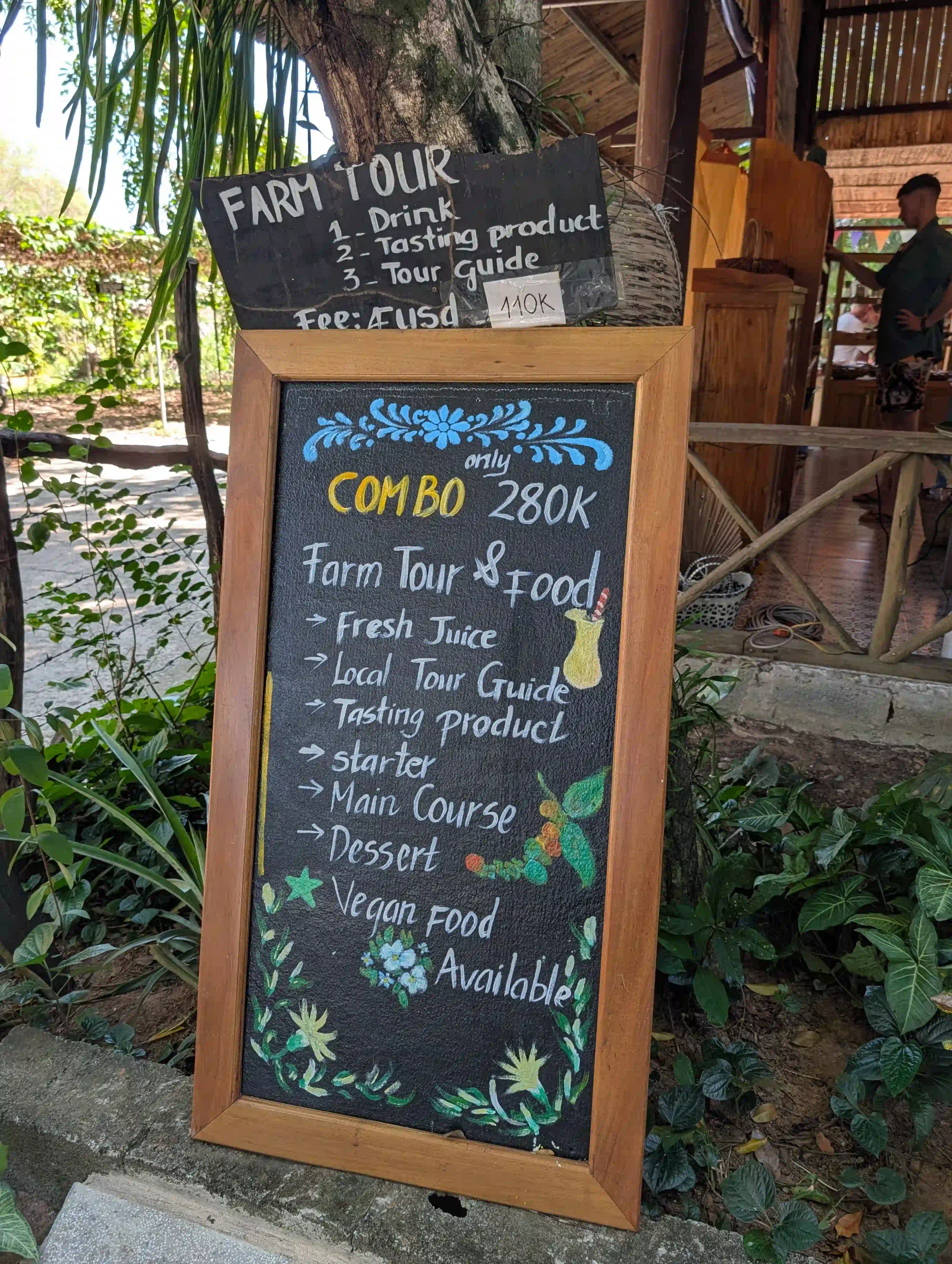
In Suối Cái near Gành Dầu, is the polished one, and in a good way. The guided tour costs 110,000 VND a person and runs from 9am to 4pm, every day except Wednesday.
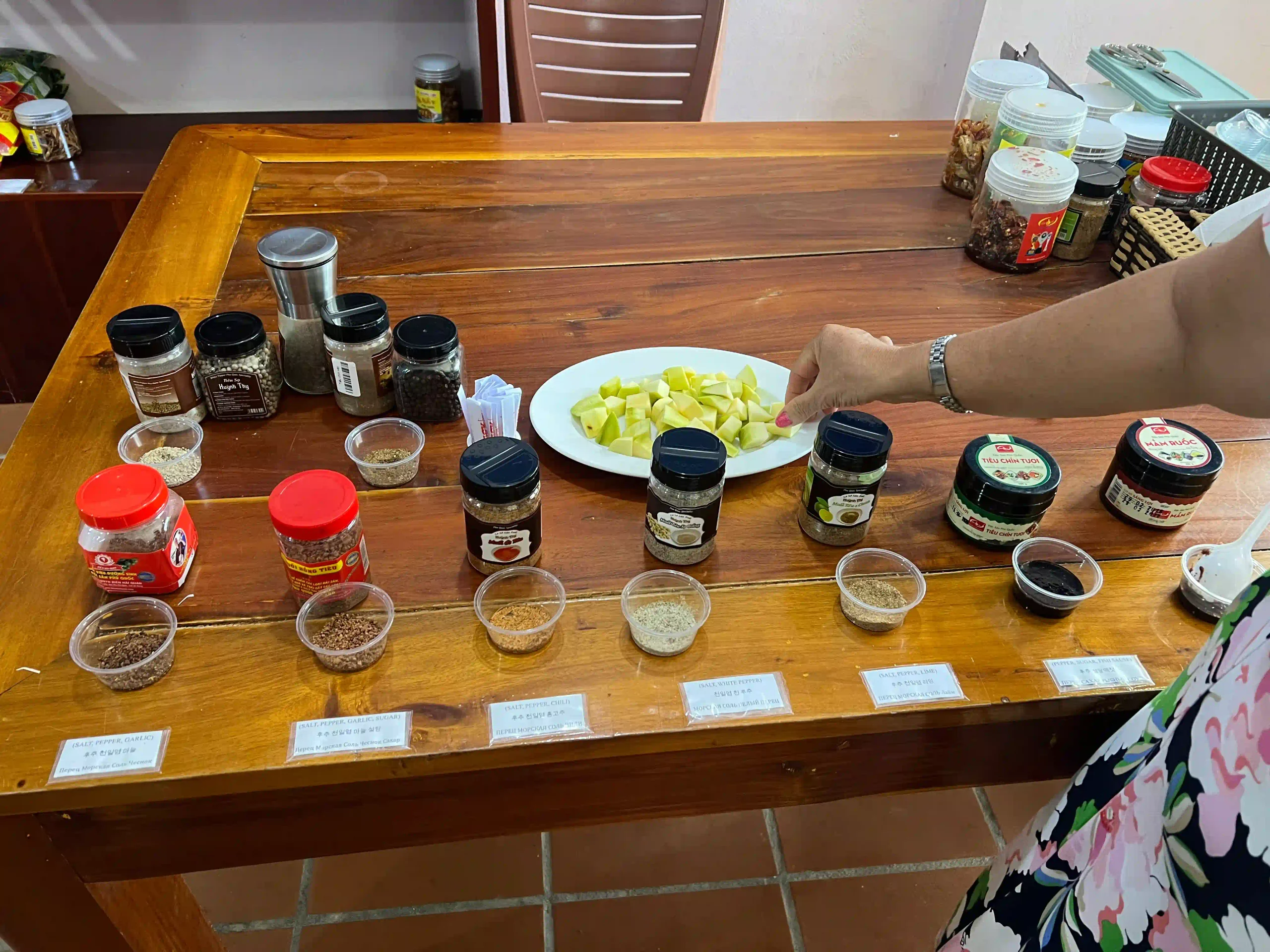
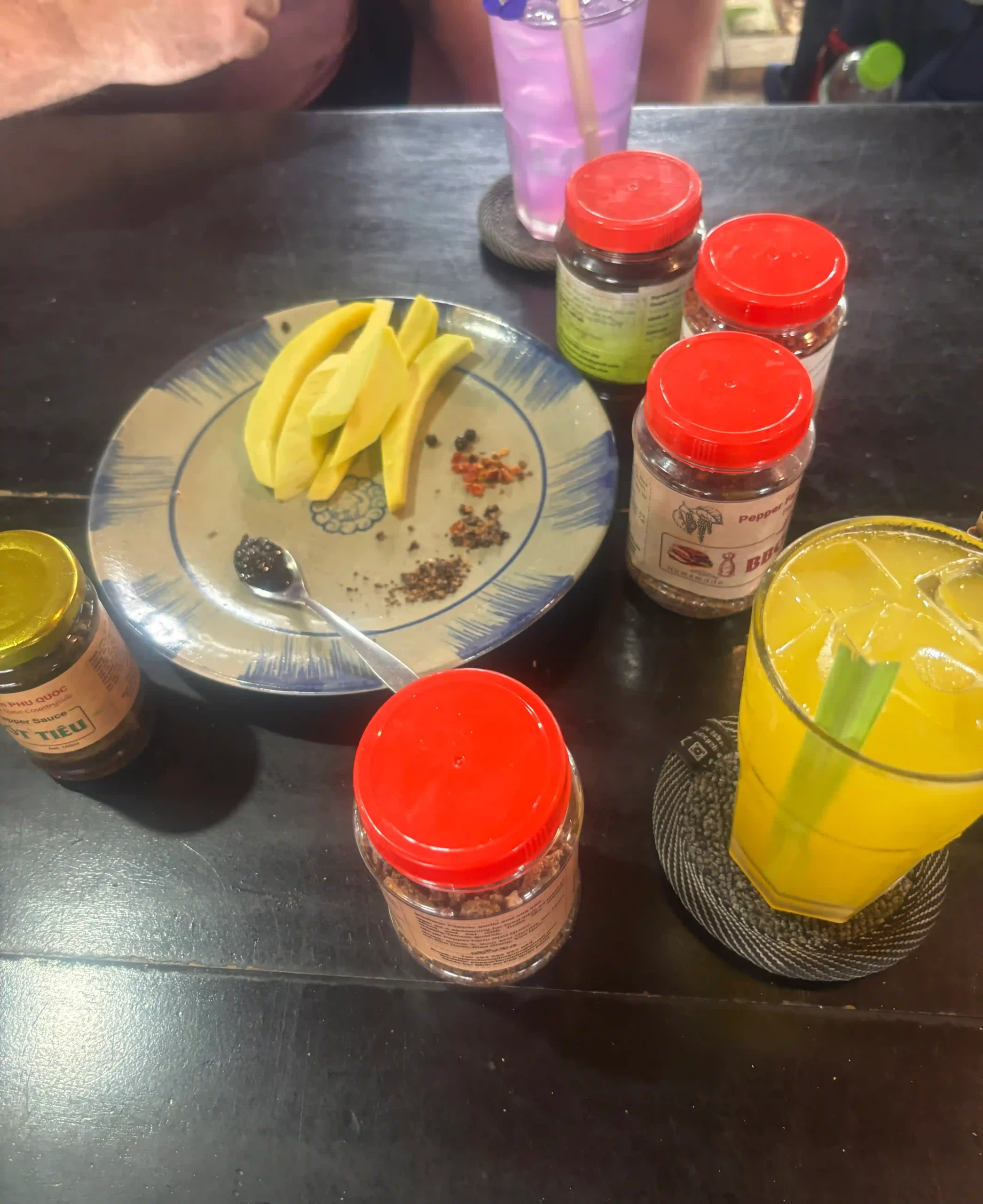
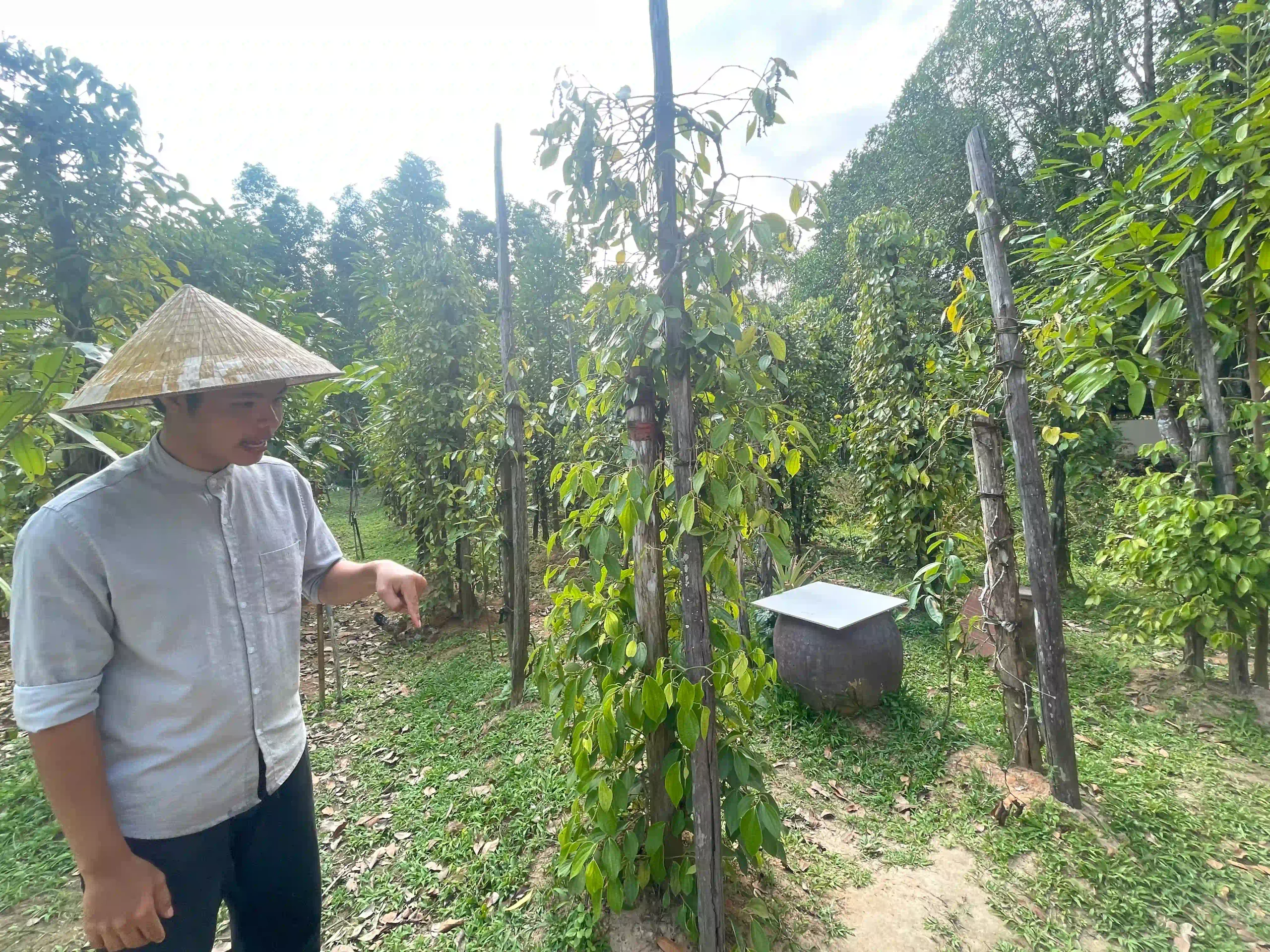
It starts with a drink and a tasting of five kinds of pepper with mango, you’re given mosquito spray and a rice hat, and then a guide with good English walks you round the farm for 20 to 25 minutes.
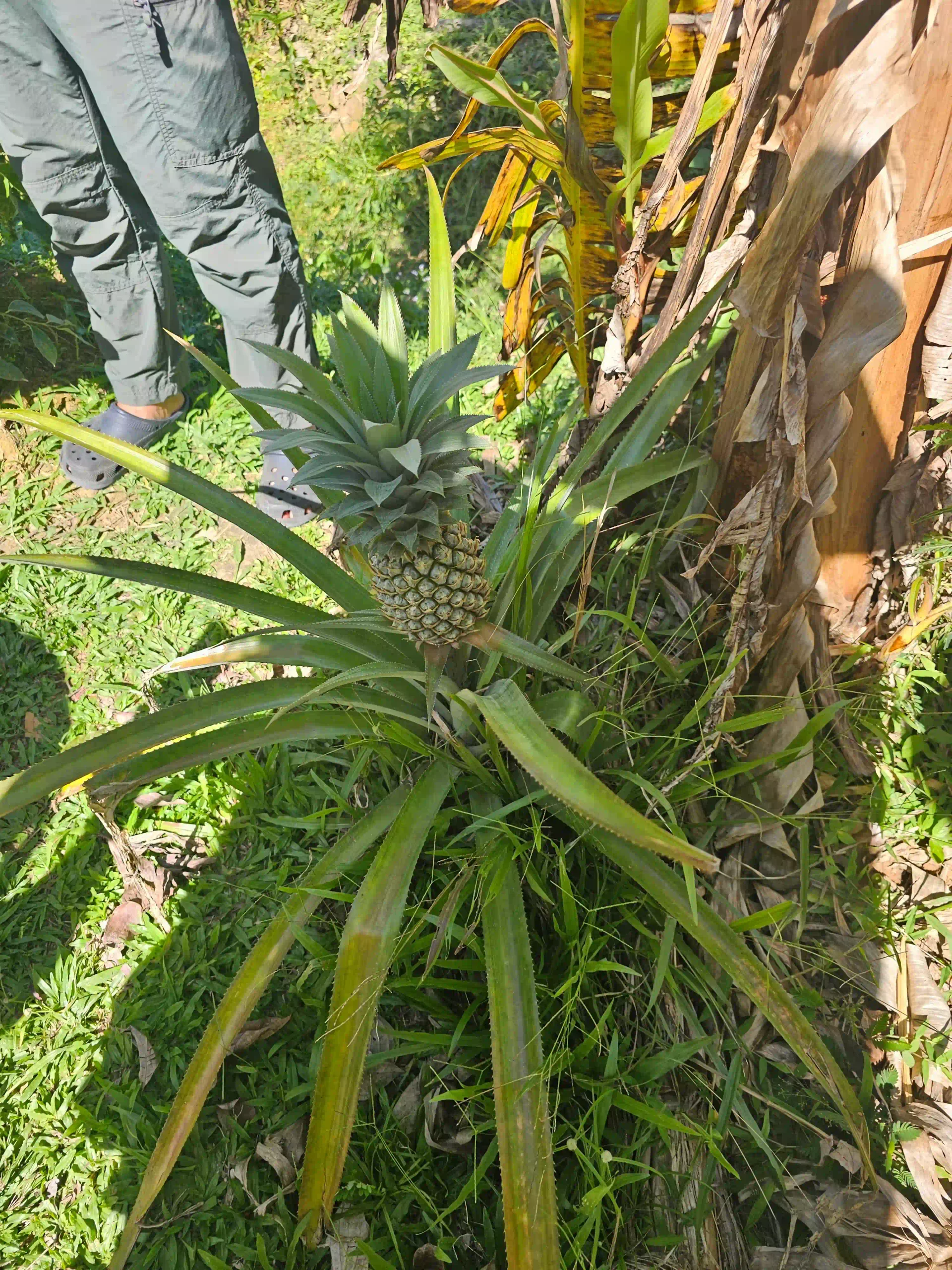
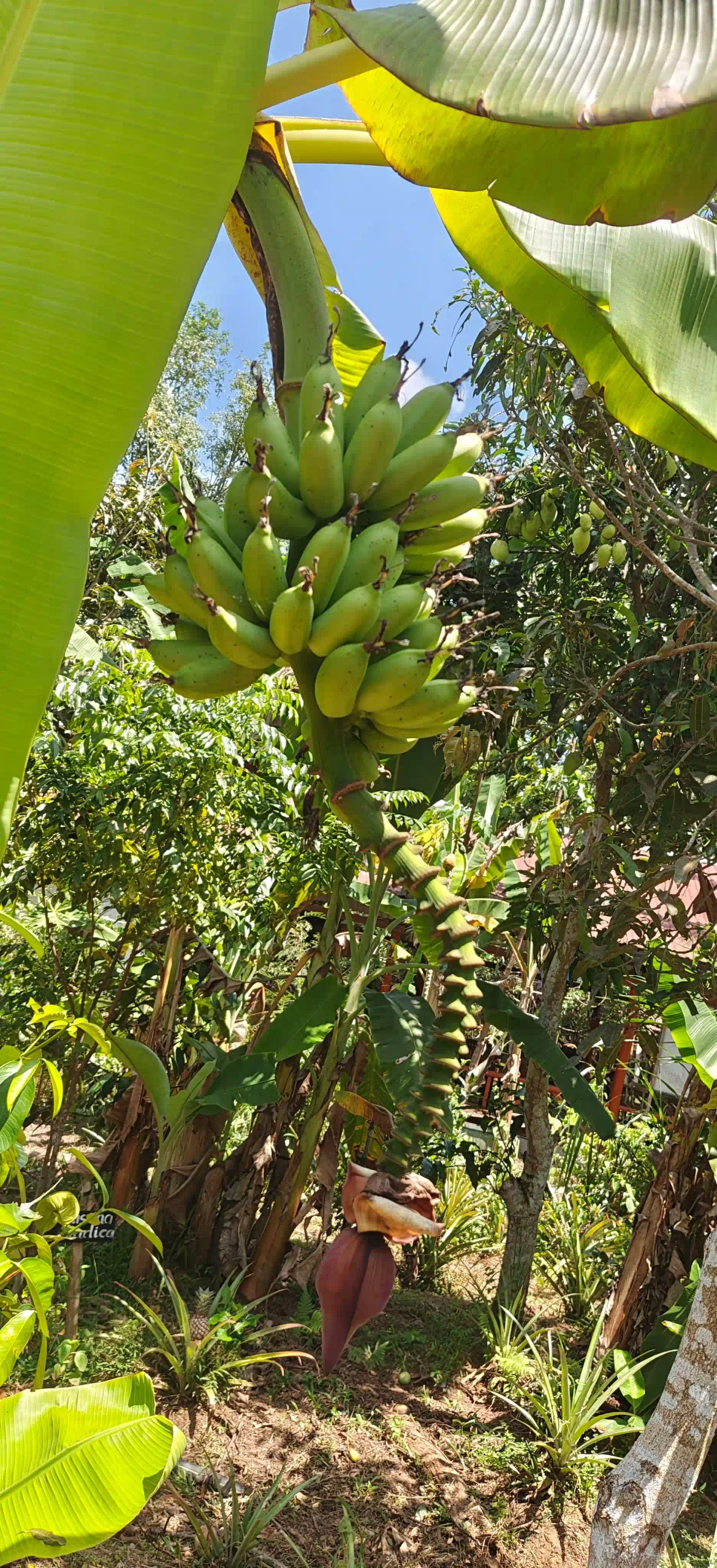
Pepper is only part of it. There’s cinnamon, coffee, mango, papaya and a long list of fruit and vegetables, and you taste things straight off the plants as you go. It finishes with a mango shake and the shop, where the fish-sauce pepper and the chili salt are both worth buying.
In the busy months it’s worth booking ahead, and there’s a bee farm down the road that pairs well with it for a morning.
Pepper tastings, garden walks, and fresh fruits
Hai Dương pepper farm
In Cửa Cạn, is the opposite in feel. It’s a small family farm, three generations and around fifty years old, open from 8am to 4pm every day and free to visit.
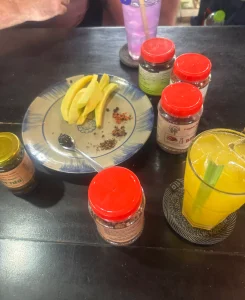
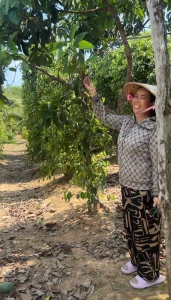
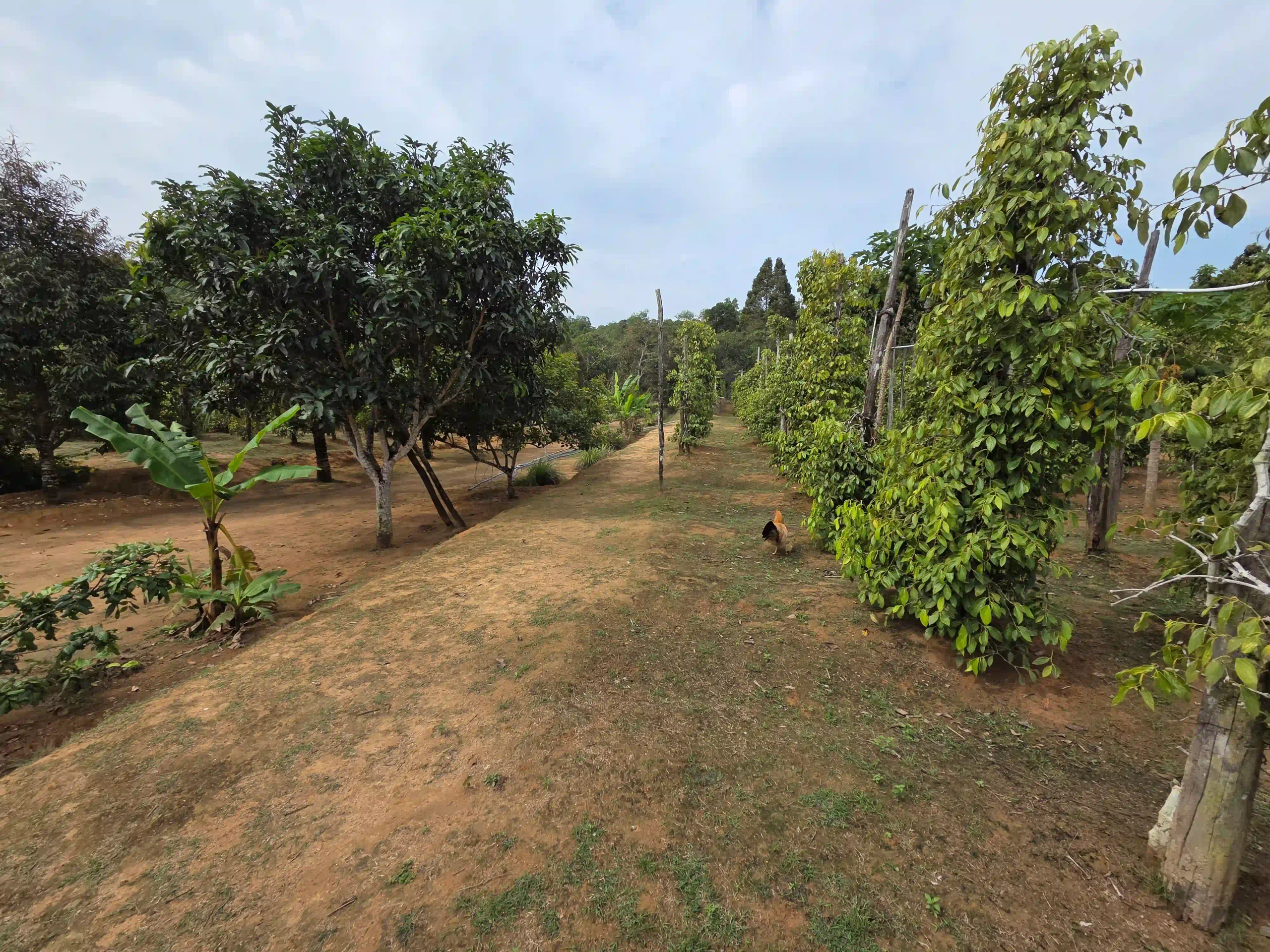
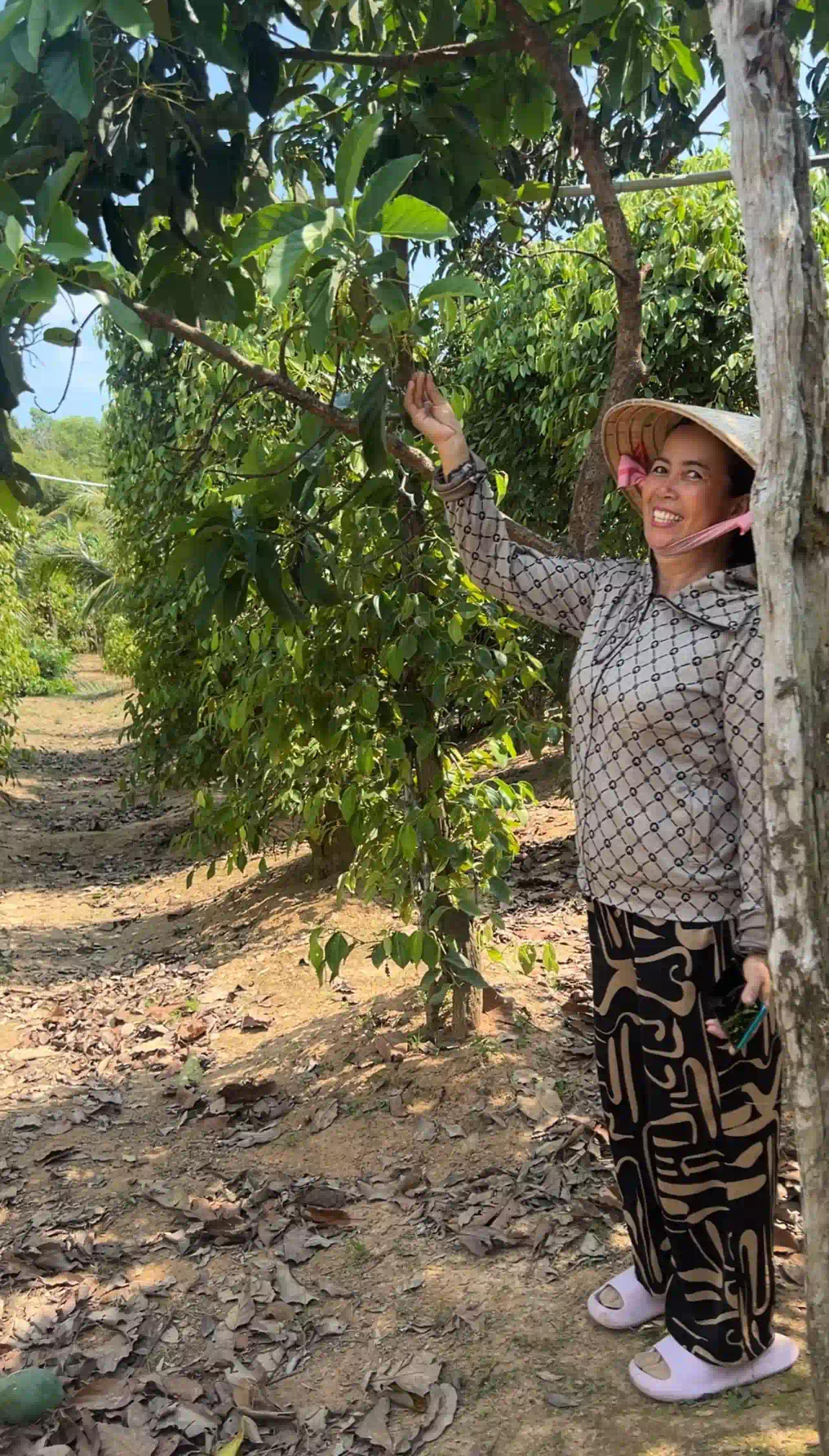
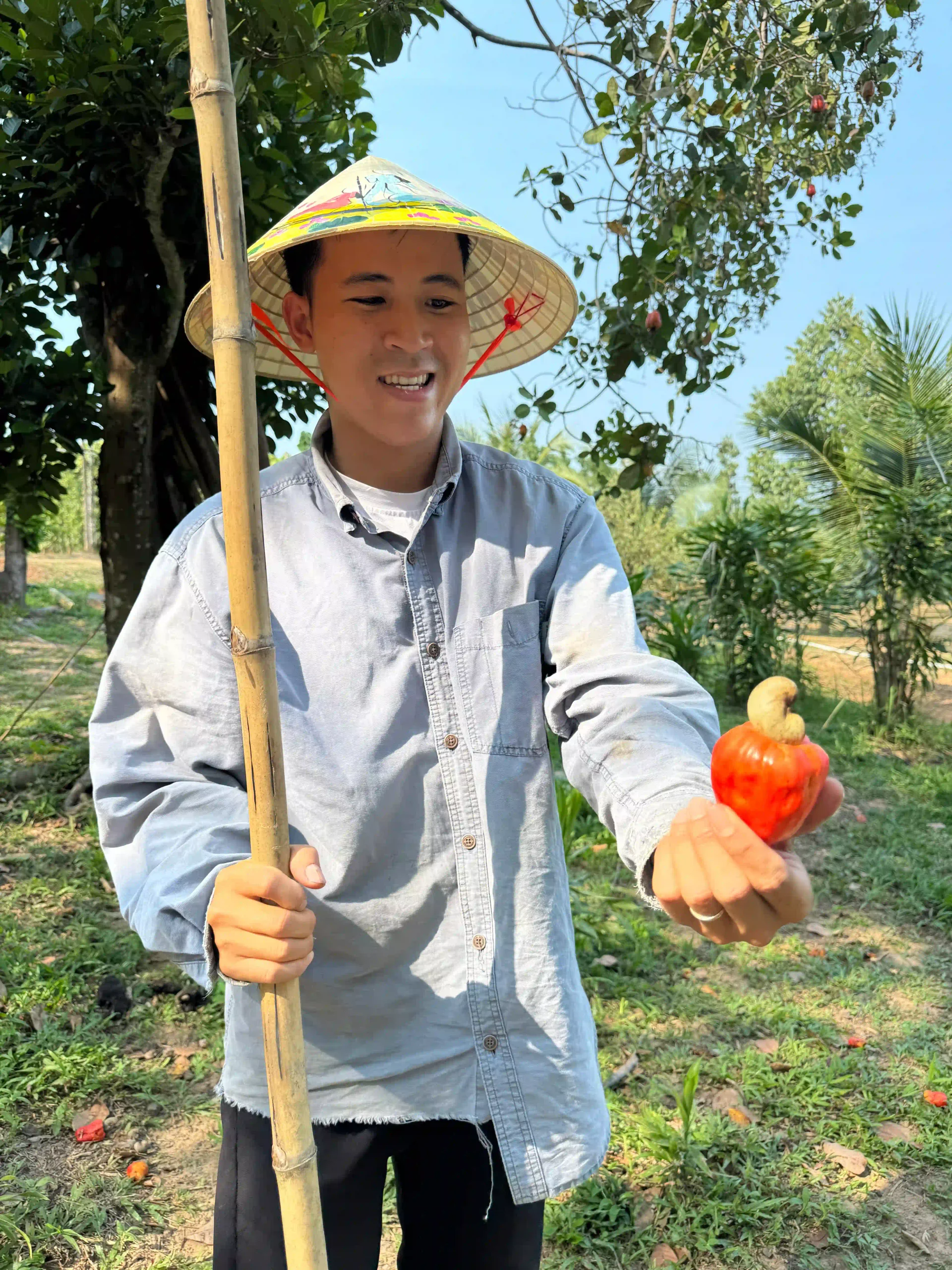
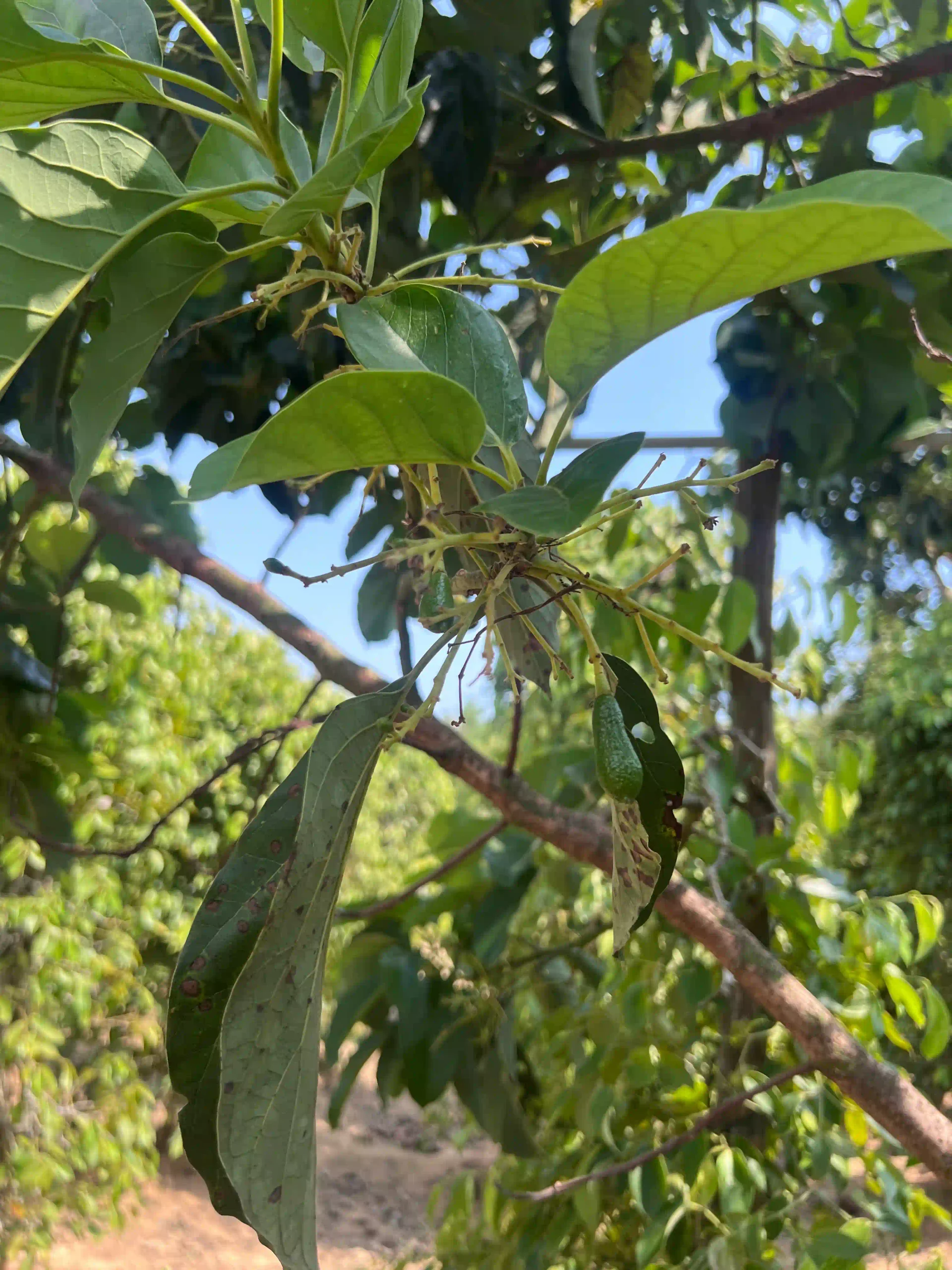
The owners speak little English and show you round with Google Translate, which works perfectly well. Alongside the pepper there’s jackfruit, cashew, star fruit and a long avocado I’d never seen in a shop, and you’ll probably be given some to try.
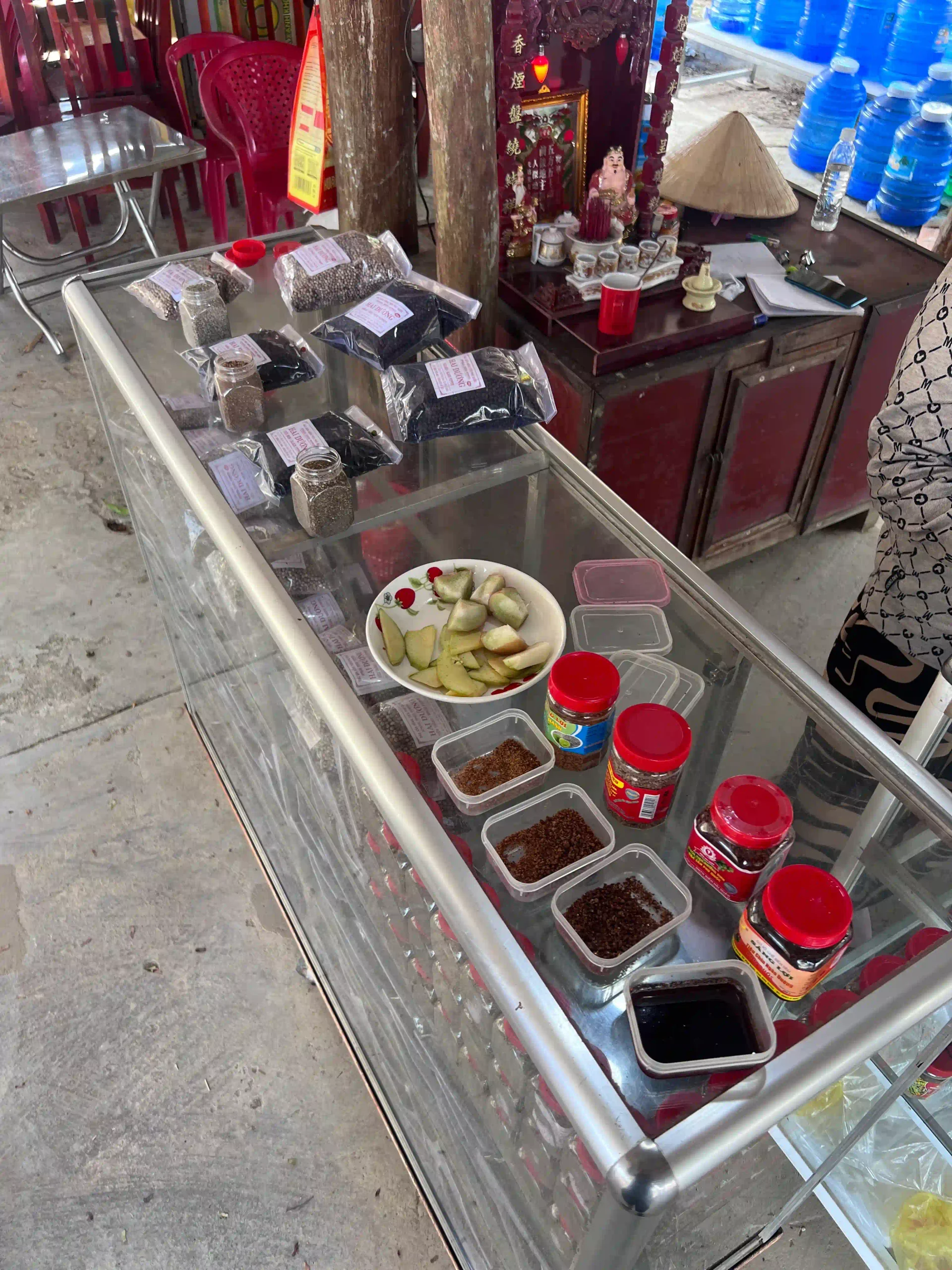
At the end there’s a table of white, black and red pepper in different sizes, spiced salts and cashews, with no pressure at all to buy. It’s a short ride from Ong Lang, where I was staying in the middle of my month, and it was the visit I enjoyed most.
Between the two, The Countryside suits a first visit and anyone who wants the full explanation in English. Hai Dương suits someone happy with less information and more of a real family farm. Both are better than anything on TL47.
Rustic, family-run, and completely pressure-free
What You Learn on a Phu Quoc Pepper Farm
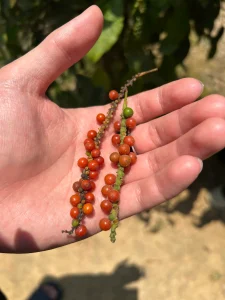
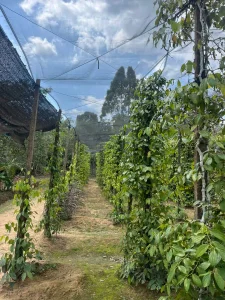
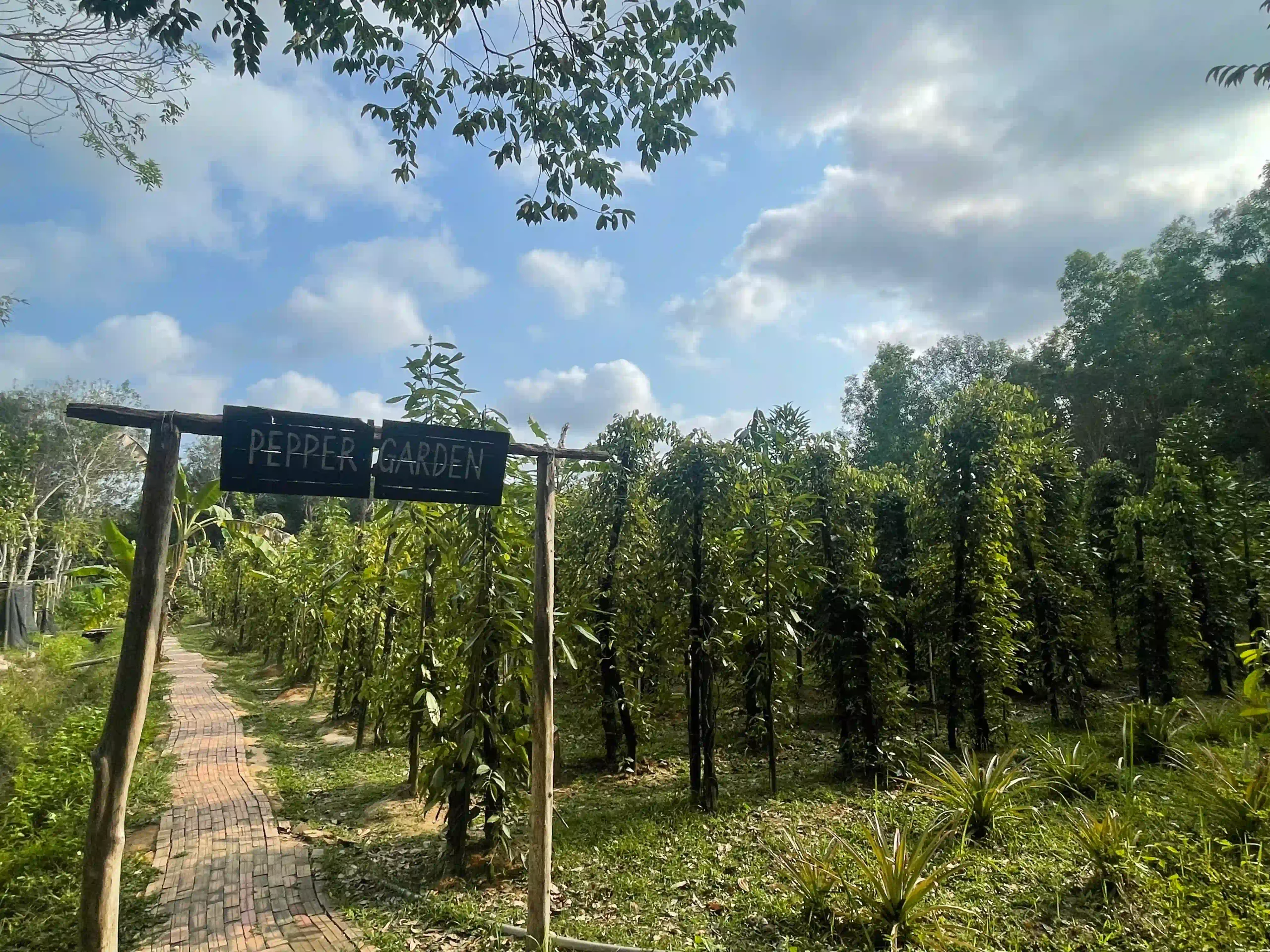
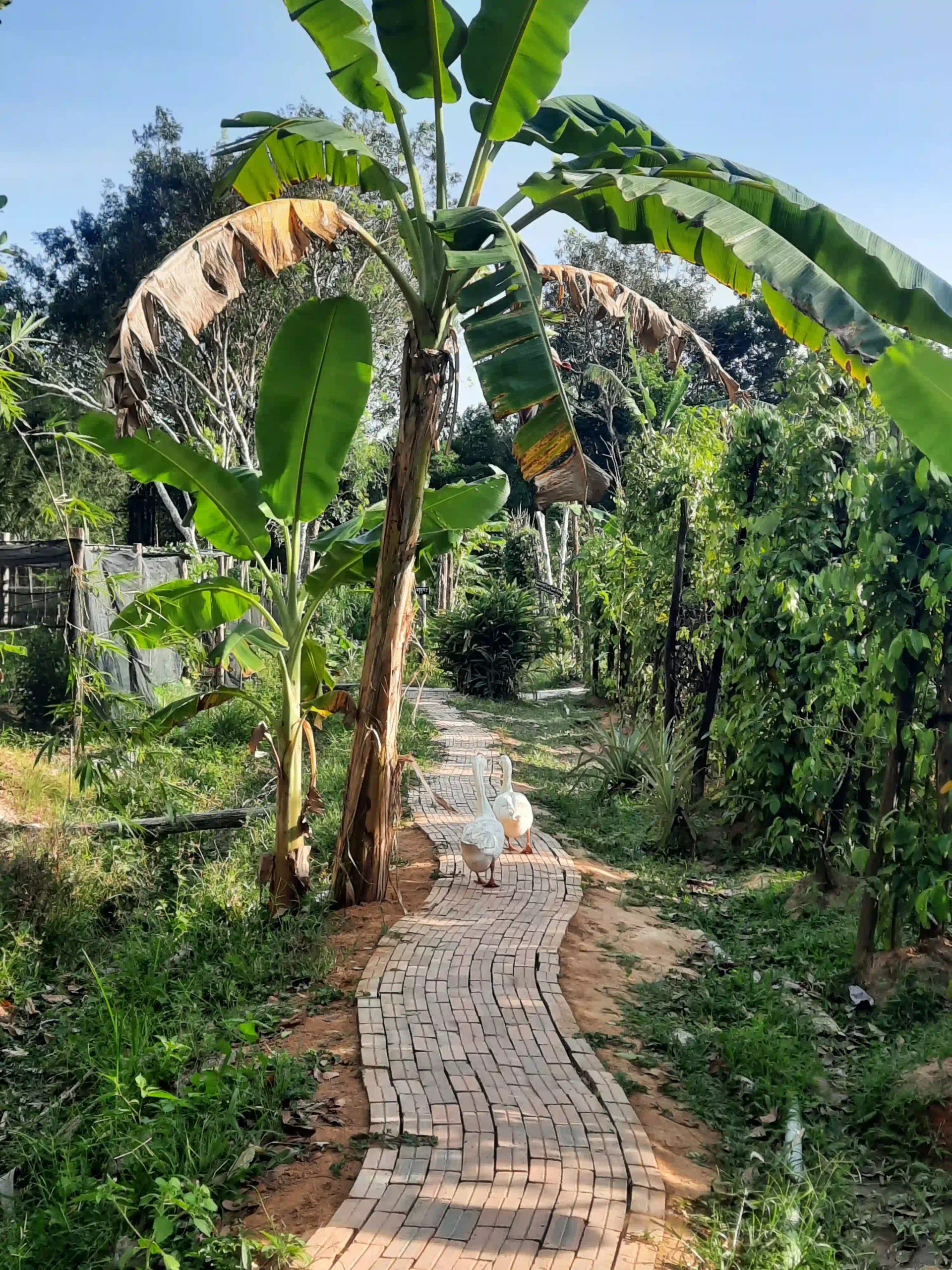
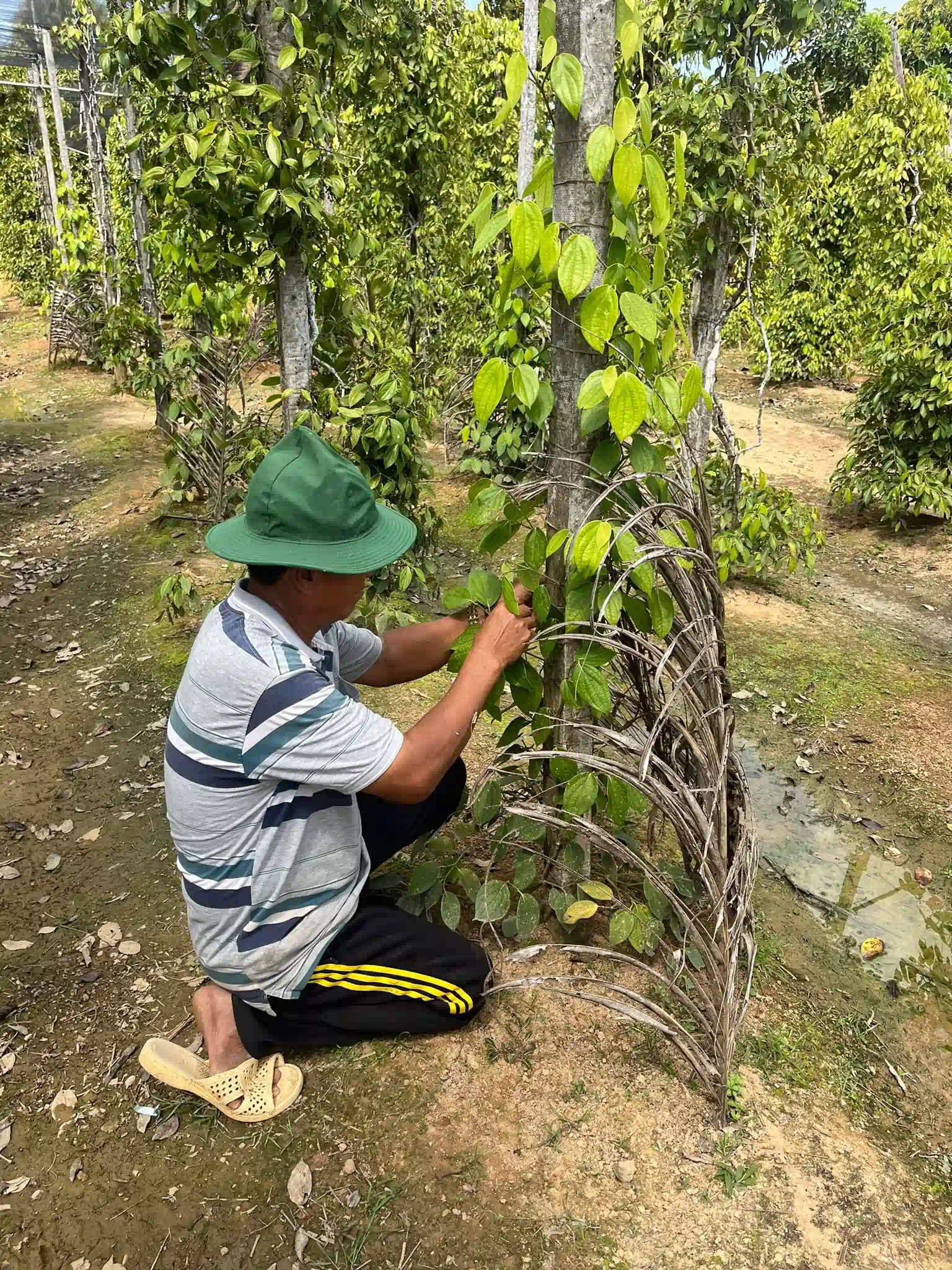
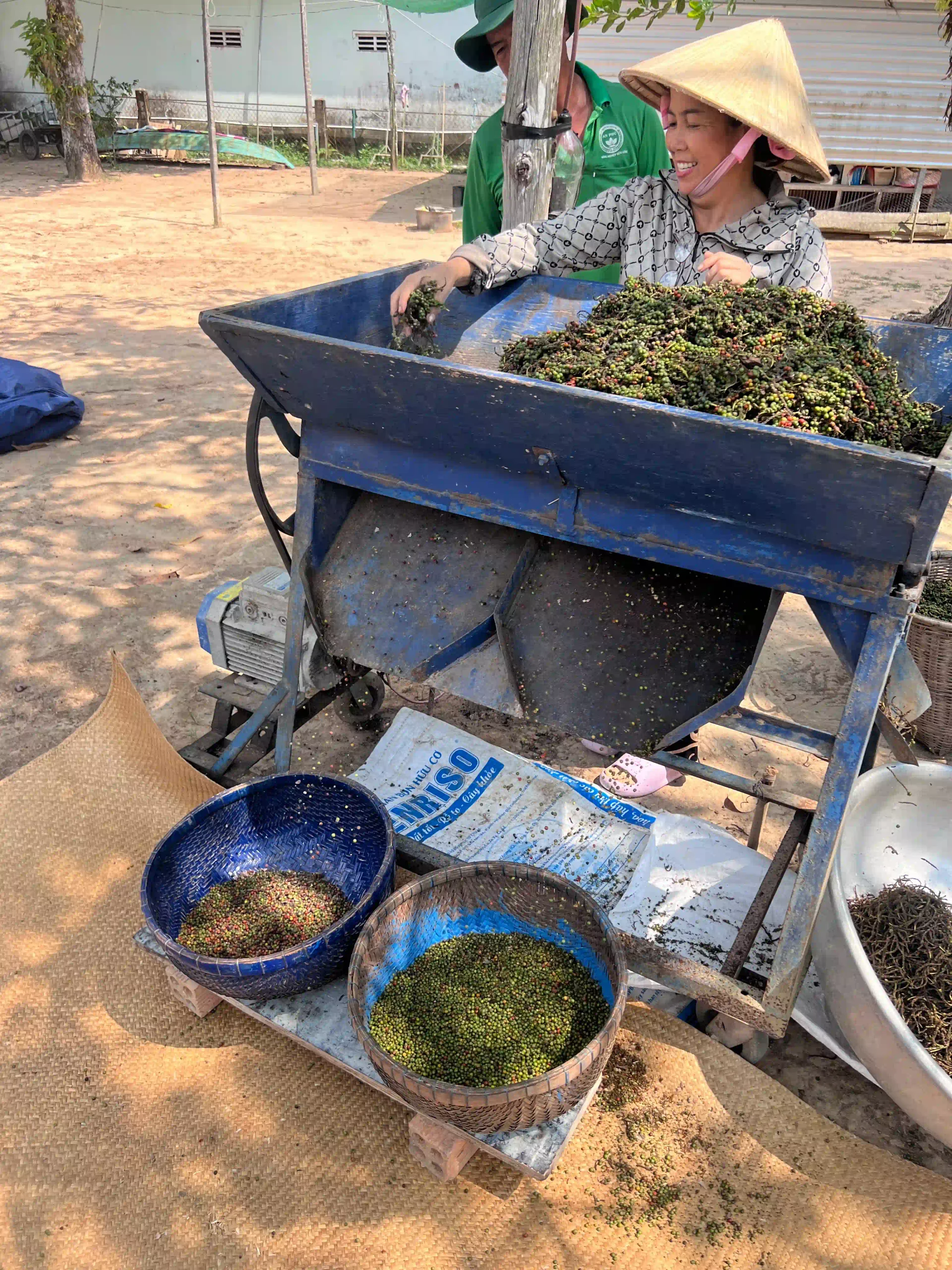
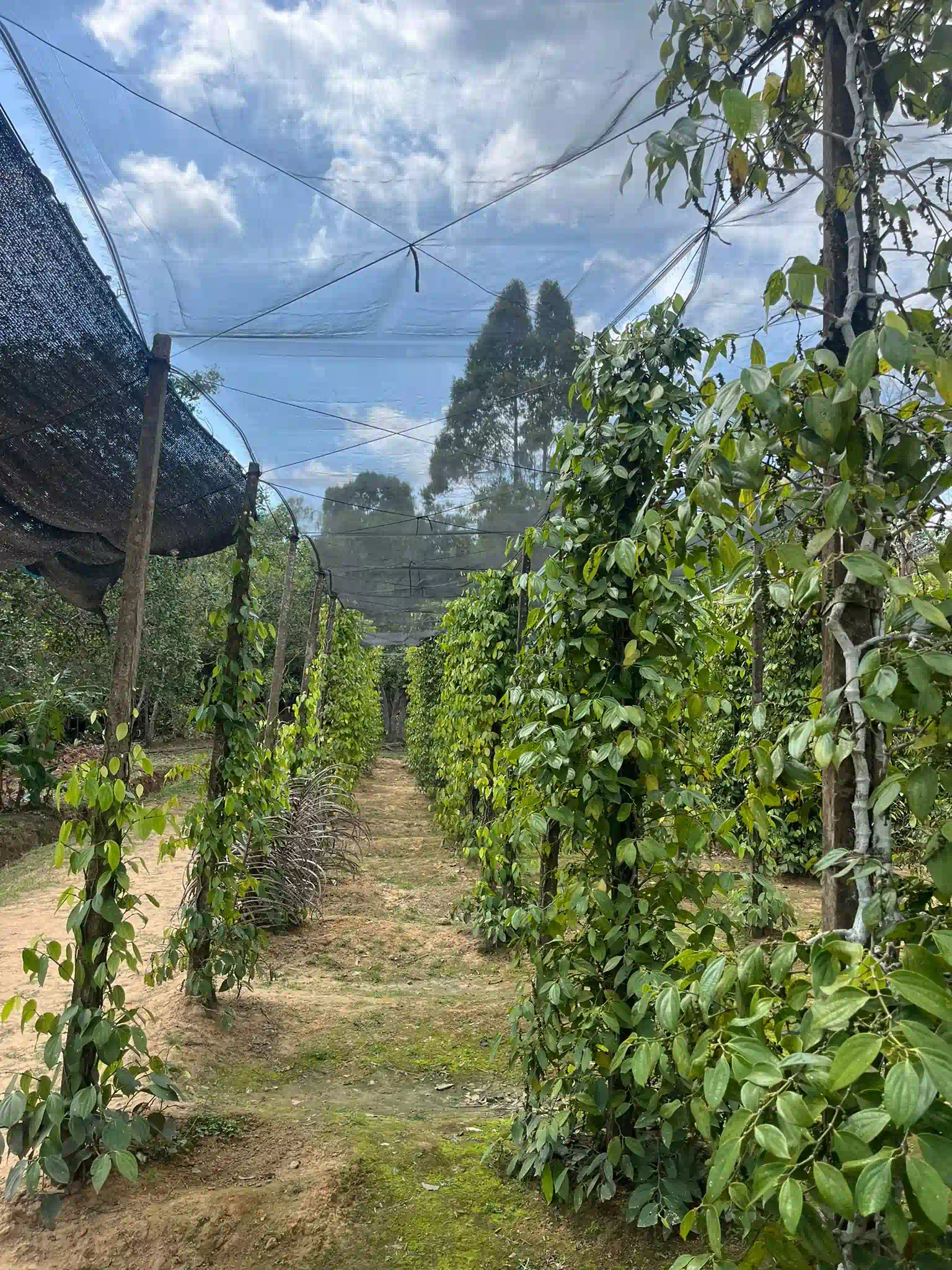
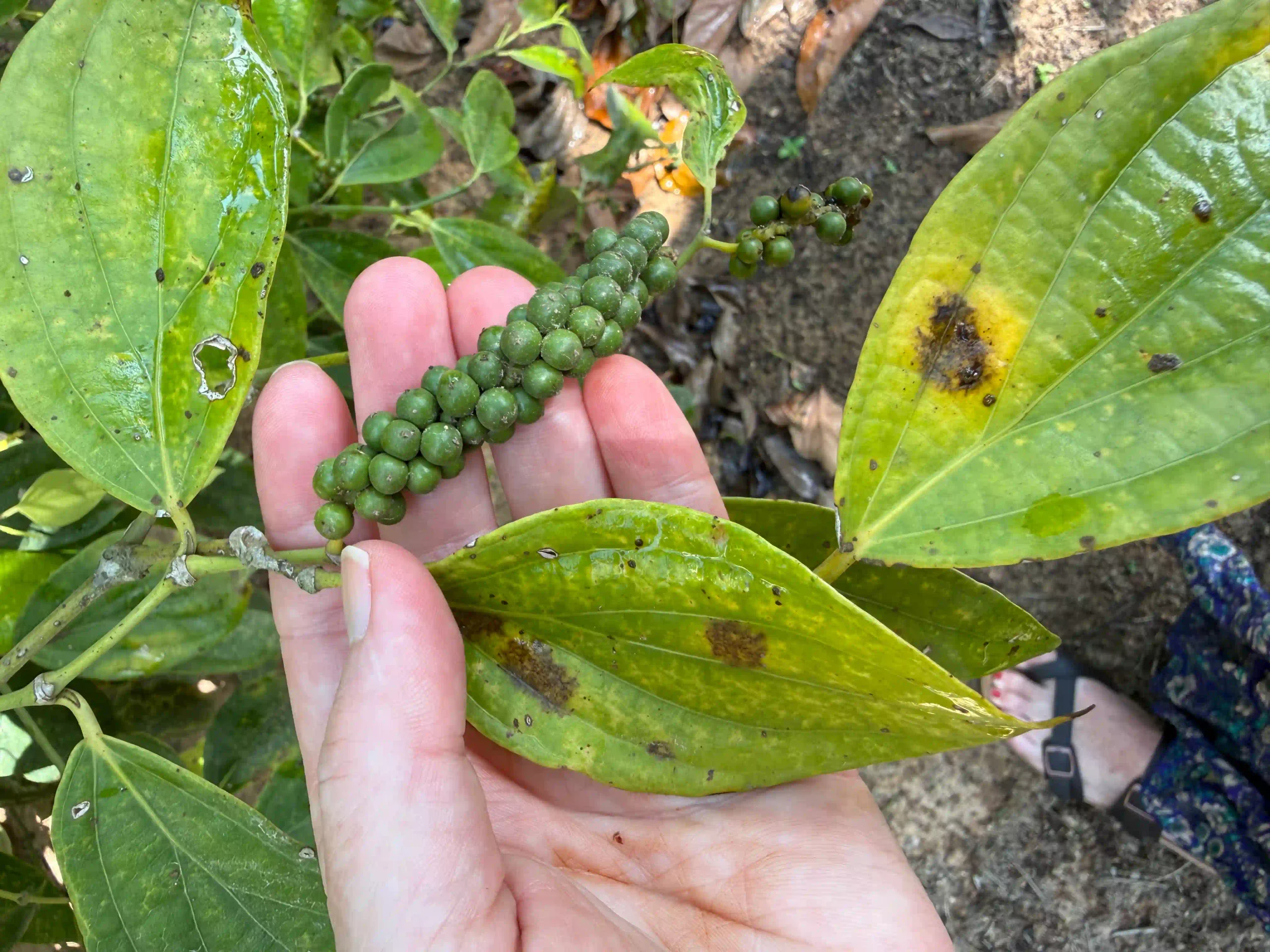
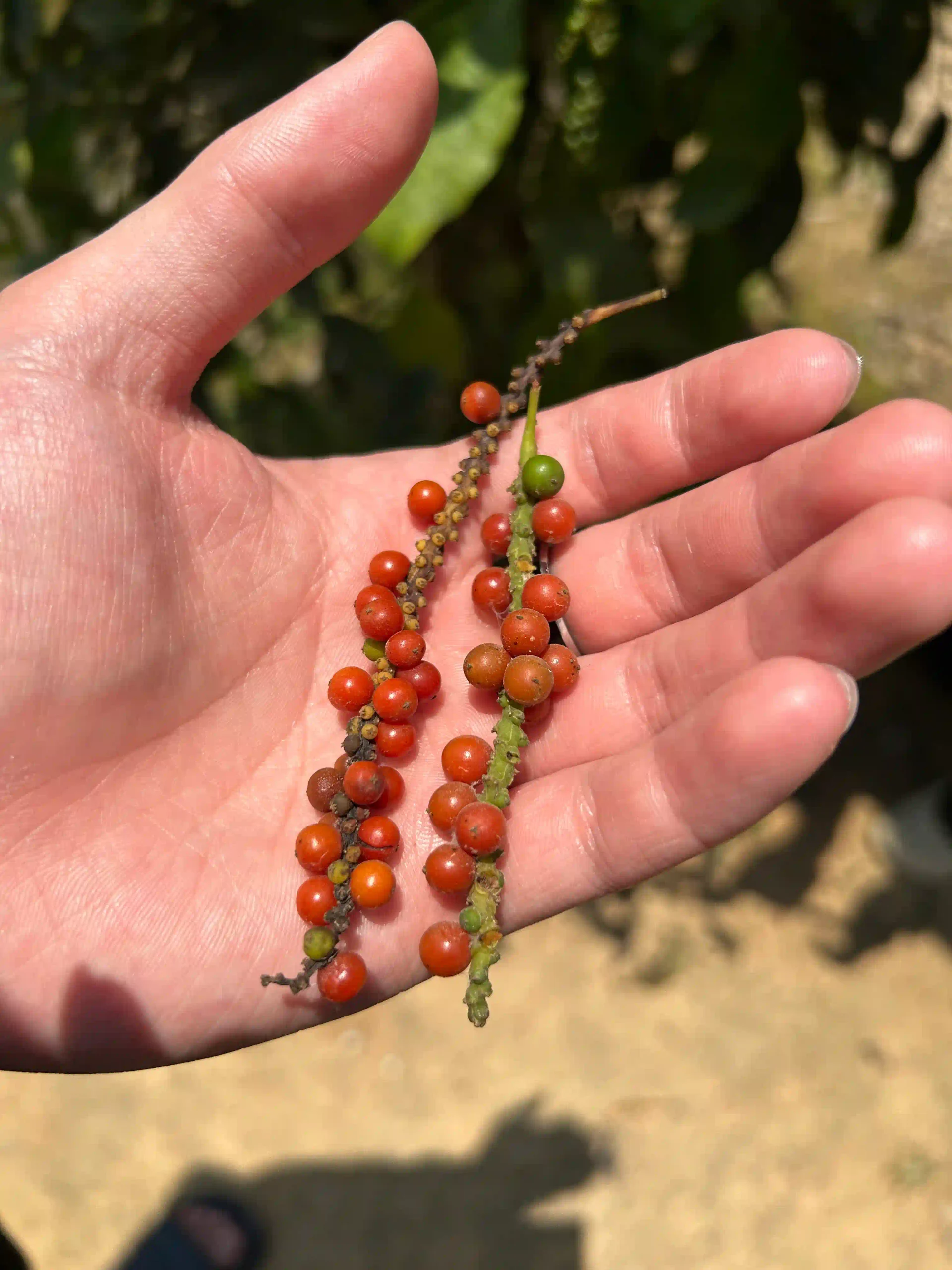
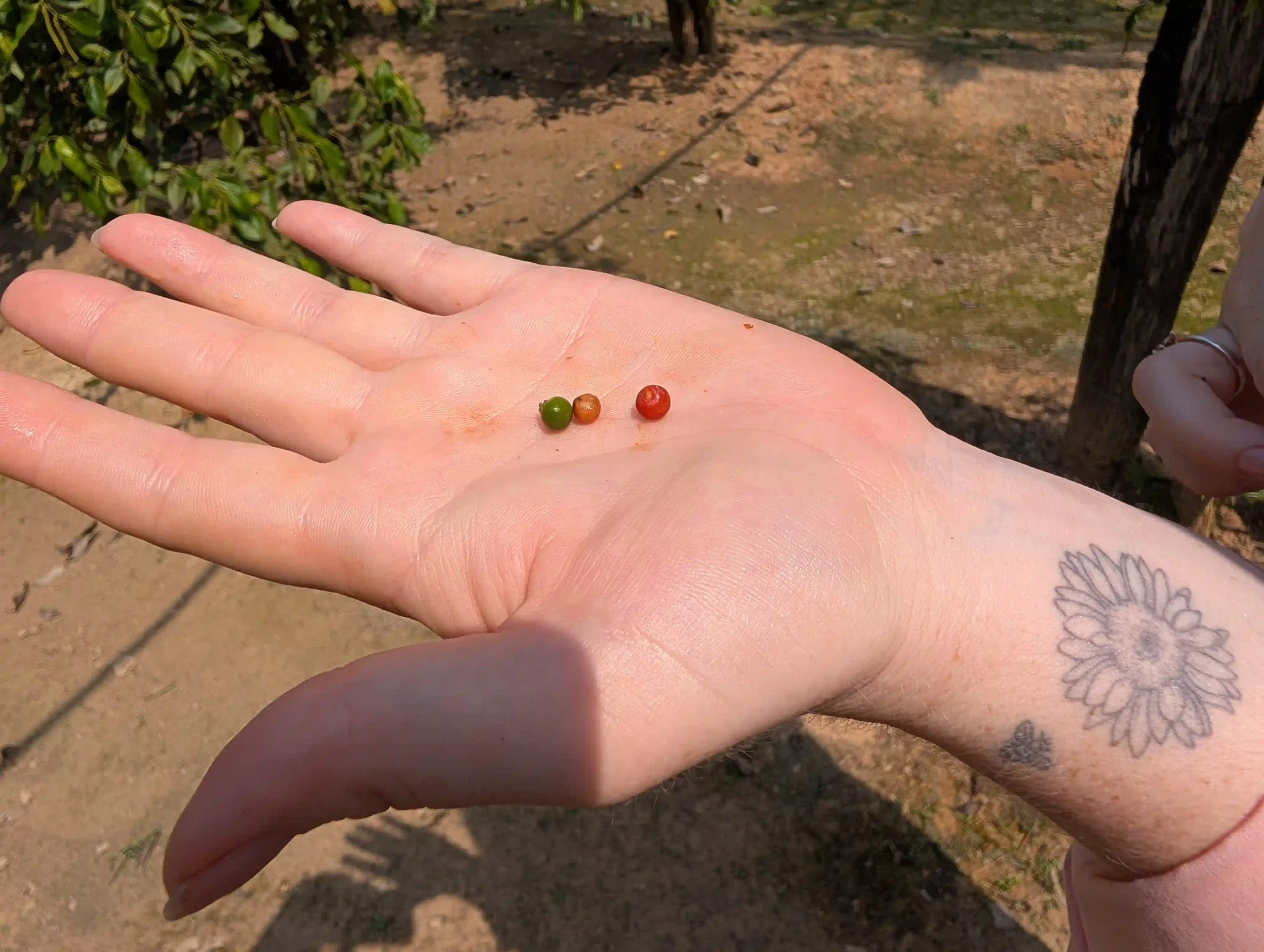
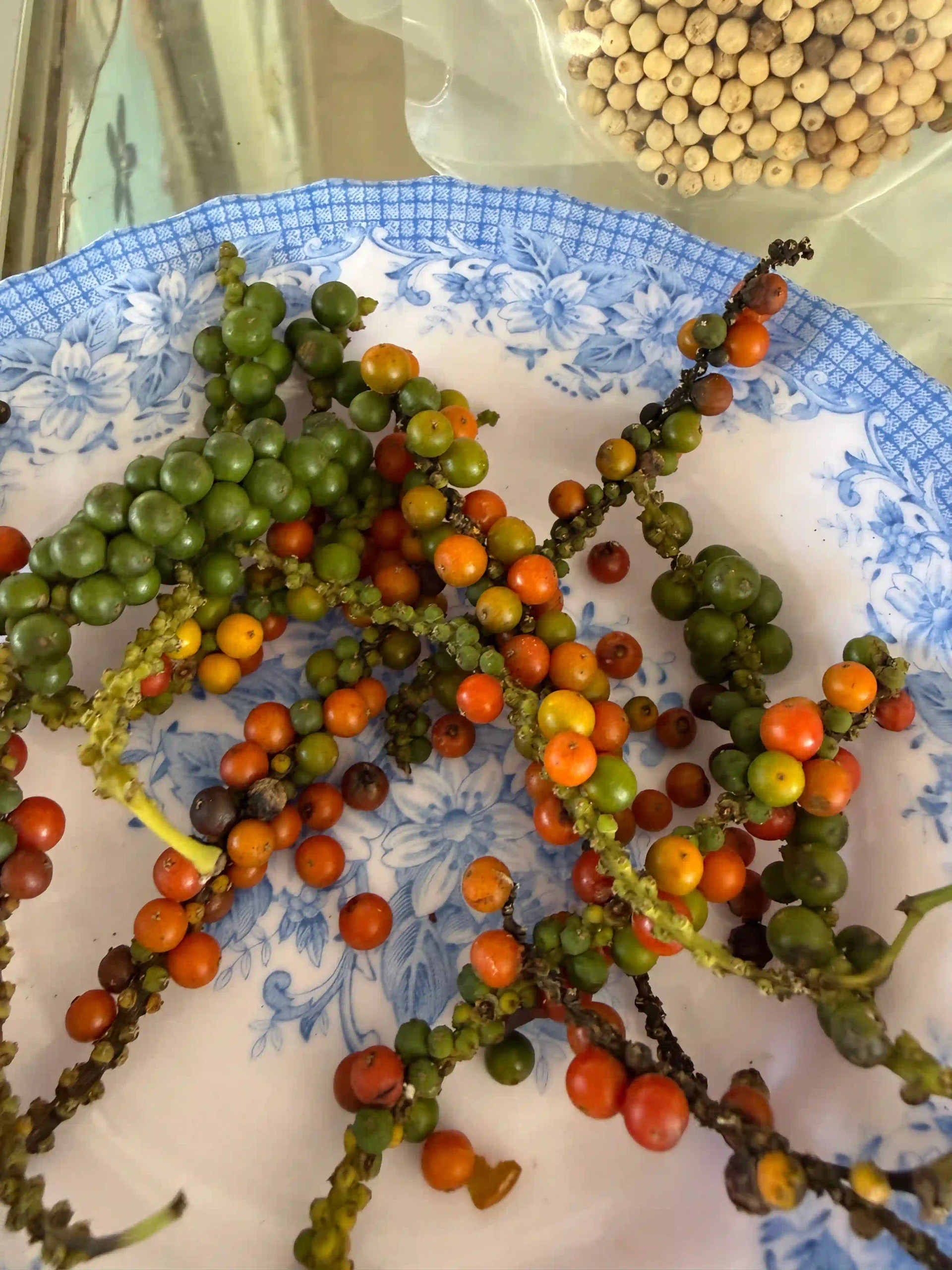
Pepper grows as a climbing vine, trained up posts in long rows, and the berries hang in strings that start green and turn red as they ripen. The harvest on Phu Quoc runs roughly from the 11th to the 2nd lunar month, so from about December to March, and it’s done by hand.
The three colours of Phu Quoc pepper all come from the same plant. Black pepper is the berries picked green and dried in the sun until they darken. Red pepper is berries left to ripen fully on the vine, picked one ripe cluster at a time and dried, which is why it costs more. White pepper is ripe berries with the outer skin removed, leaving the pale core, and it’s usually the most expensive of the three.
What makes Phu Quoc pepper worth the fuss is the smell more than the heat. It’s noticeably more aromatic than ordinary supermarket black pepper, which is why the salt, pepper and lime dip on every seafood table here is worth taking seriously, and why I’d order anything stir-fried with local black pepper when it’s on the menu.
Black, red, white: all from one plant
When to Visit, and How to Fit It In
The harvest, from around December to March, is the best time, because the vines are heavy with green and red berries and you might see it being picked and dried. Outside the harvest the vines are still there and still green, and a visit is still worthwhile, there’s just less going on.
Mornings are the time to go. The farms are hot and humid by midday and the mosquitoes are serious, so long trousers or repellent make the walk more comfortable. The Countryside closes on Wednesdays, which is worth checking before riding all the way up.
The northern farms fit best into a day in the north of the island. Gành Dầu and the beaches up that end are close, and Hai Dương is an easy stop if you’re staying around Ong Lang or Cửa Cạn. From Duong Dong it’s a 30 to 40-minute ride.
Phu Quoc Pepper Farms FAQ
Is there an entrance fee at Phu Quoc pepper farms? Most are free. The Countryside charges 110,000 VND for its guided tour with tasting.
What is the best pepper farm in Phu Quoc? Pepper Farm Phu Quoc (The Countryside) for a full guided tour in English, Hai Dương in Cửa Cạn for a small family farm.
How long does a pepper farm visit take? Five to ten minutes at the roadside farms on TL47, and 45 minutes to an hour at the working farms in the north.
When is the pepper harvest in Phu Quoc? From about December to March.
What does Phu Quoc pepper taste like? More aromatic and fragrant than ordinary black pepper, with a clean heat. Red pepper is the most distinctive.
Are pepper farms included in Phu Quoc tours? Most countryside tours include a roadside farm on TL47. The northern farms are usually a visit you make yourself.
Buying Phu Quoc Pepper to Take Home
Whole is the way to buy it. Ground pepper loses most of what makes it good within a few months, and whole peppercorns keep for a long time in a sealed bag or jar.
As a rough guide to fair prices in 2026, black pepper runs about 200,000 to 350,000 VND a kilo, red about 280,000 to 400,000, and white about 300,000 to 380,000. Spiced salts and small jars of pepper products are usually 20,000 to 60,000 VND each. The working farms in the north tend to sit within those ranges, and the roadside showrooms and gift-box counters well above them.
Red pepper is the one I’d bring home. It’s the most distinctive of the three and the hardest to find outside the island, and the chili salt and fish-sauce pepper are good second buys for anyone who cooks.
I still keep a bag of red pepper from the north in my kitchen in Saigon, and I haven’t found anything on the mainland that replaces it.
Help Us Keep It Real 🥰
Vance Derek (Author)
Did you find this guide helpful for your trip? 🤔
Thank you so much! 🥰
Your contribution helps keep our community informed. If you love our authentic guides, please support us on Google! (It only takes 5 seconds) 😊
Got a question or an idea you want to discuss? Start a discussion here to get opinions and connect with other members.
Guest Post
Have a story, valuable experience, or a detailed guide to share? Contribute a high-quality article to enrich our community.
Your Post's Journey
To ensure quality, all new posts are not immediately visible on search engines like Google, Bing... Our team prioritizes reviewing high-value, insightful posts to feature publicly. You'll receive a notification when your contribution is selected!
Report Content
Create Story
×
Wait...
Choose your preferred language for localized experiences:
Table of Contents
Keep exploring
Your best next reads
A few focused next reads, chosen from what you’re viewing now.
Finding the most useful next reads for you…
Your reading trail
Your latest pages, shown in the order you read them.Oldest → newest










 Ha Giang
 Hanoi
Hanoi Ho Chi Minh City
 Ha Long
 Sapa
Sapa Mekong Delta
 Da Nang
 Hue
Hue Hoi An
 Ninh Binh
 Da Lat
 Nha Trang
 Phan Thiet
 Phu Quoc
 Quang Binh
 Quy Nhon
 Vung Tau
 Thai Nguyen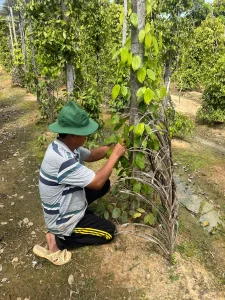













 Tiếng Việt
 한국어
한국어 中文 (中国)
 日本語
日本語 ไทย
ไทย Deutsch
 Español
 Destinations
 Instagram
 Facebook
 X (Twitter)
 Threads
 Tiktok