









 Ha Giang
 Hanoi
Hanoi Ho Chi Minh City
 Ha Long
 Sapa
Sapa Mekong Delta
 Da Nang
 Hue
Hue Hoi An
 Ninh Binh
 Da Lat
 Nha Trang
 Phan Thiet
 Phu Quoc
 Quang Binh
 Quy Nhon
 Vung Tau
 Thai Nguyen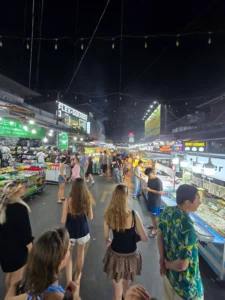

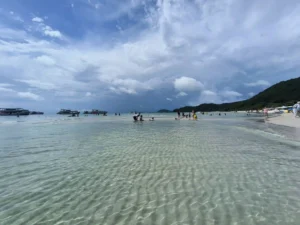
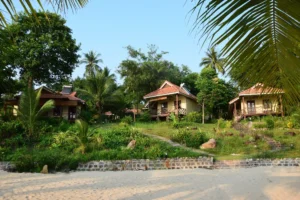
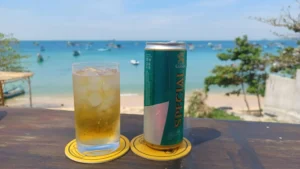


Phu Quoc has no island-wide public transport. That single fact does more to determine whether you enjoy your trip than the hotel you book, because where you sleep decides how much of your day you spend in a Grab.
I moved four times across a month here, deliberately, north to center to south, trying to work out which areas actually deserve the recommendations they get in every where-to-stay-in-Phu-Quoc guide online. Some do. A couple genuinely don’t, and one of them shows up on almost every list.
- Quick Answer: Where to stay in Phu Quoc comes down to Duong Dong for convenience and budget, Long Beach for beach access with restaurants nearby, Ong Lang for quiet, and the far south for luxury resorts. Duong Dong and north Long Beach are the best all-round base for a first visit. The far north around Ganh Dau is the one I’d steer most people away from unless the Vinpearl complex is specifically why you came.
- Duong Dong (Best for First-Timers and Budget):
- The island’s main town, roughly central on the west coast.
- Night market walkable, widest range of cheap accommodation, $10-40/night guesthouses.
- Every part of the island reachable, most beaches within 15 minutes.
- The trade-off: the beach right in town isn’t good.
- Long Beach / Bai Truong (Best All-Round Beach Base):
- 20km of west coast, holds around 95% of the island’s hotels.
- Northern end near town has the highest density of restaurants and bars.
- Best sunsets on the island.
- Water turns cloudy for a day or two after heavy rain.
- Ong Lang (Best for Quiet and Couples):
- 7km north of Duong Dong, broken into small coves by rock outcrops.
- Eco-resorts and bungalows, no beach clubs, no nightlife.
- 15-20 minutes to town by scooter.
- Some litter and glass in the water near the rocky snorkeling sections.
- The Far South (Best for Luxury, Worst for Exploring):
- Khem Beach and Sunset Town, resort territory, polished and expensive.
- Built for staying put, not for using as a base.
- Ganh Dau / The Far North (The One I’d Skip):
- Resort enclave around the Vinpearl complex.
- A long way from everything else on the island.
- Only makes sense if VinWonders and the Safari are your actual trip.
Where to Stay in Phu Quoc: Why the Area Beats the Hotel
Phu Quoc runs about 50km long and 25km wide, and there’s no bus network beyond a couple of free VinBus shuttles connecting the airport, Duong Dong, and Grand World. Everything else is Grab, Xanh SM, or your own scooter.
That means the distance between your hotel and the things you want to do is a daily cost, in money and in time.
Duong Dong to An Thoi in the far south runs about 45 minutes. Duong Dong to the northern tip is roughly the same in the other direction. Book the wrong end of the island for what you actually want to do and you’ll spend a meaningful chunk of your trip in the back of a car.
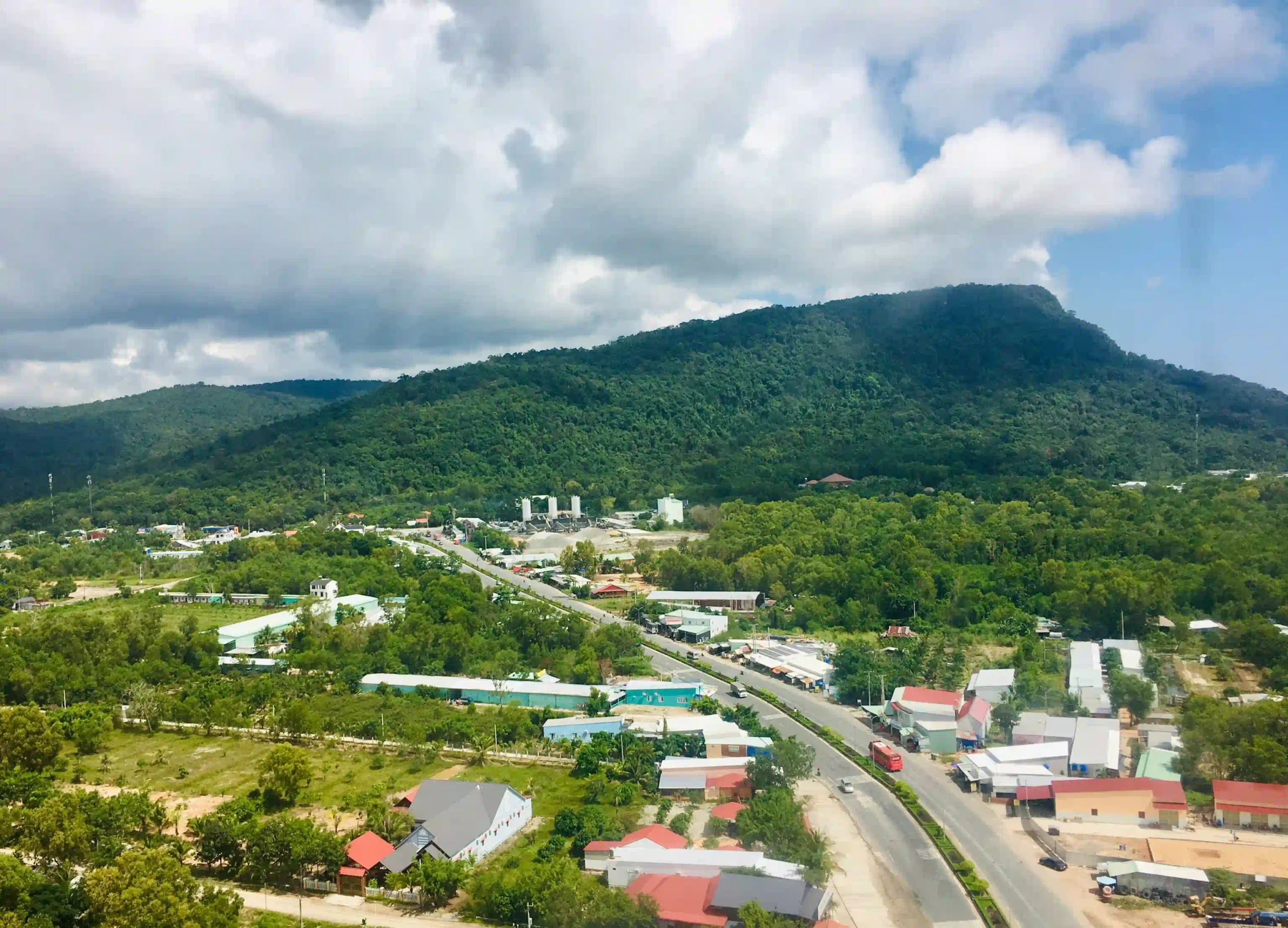
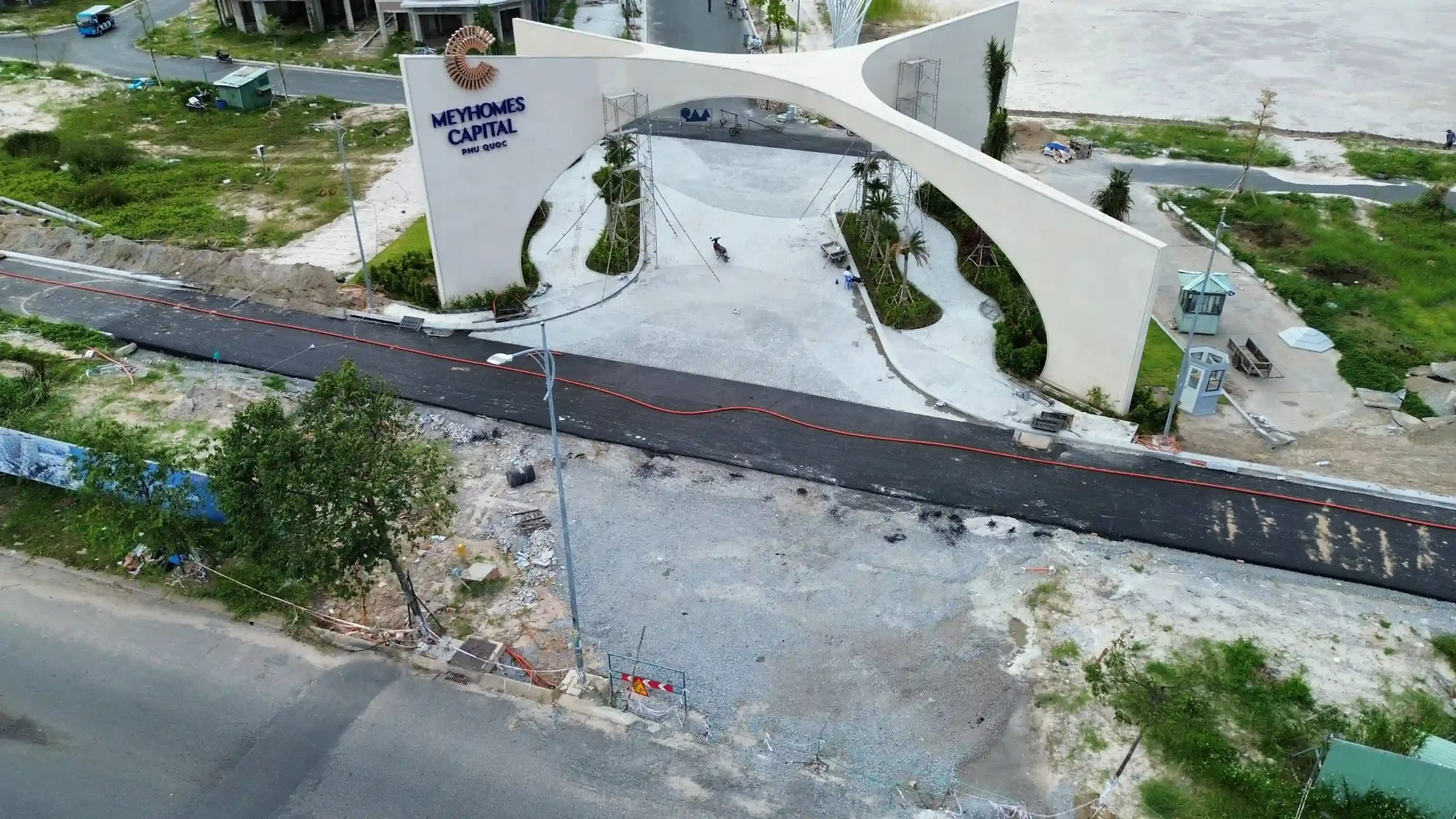
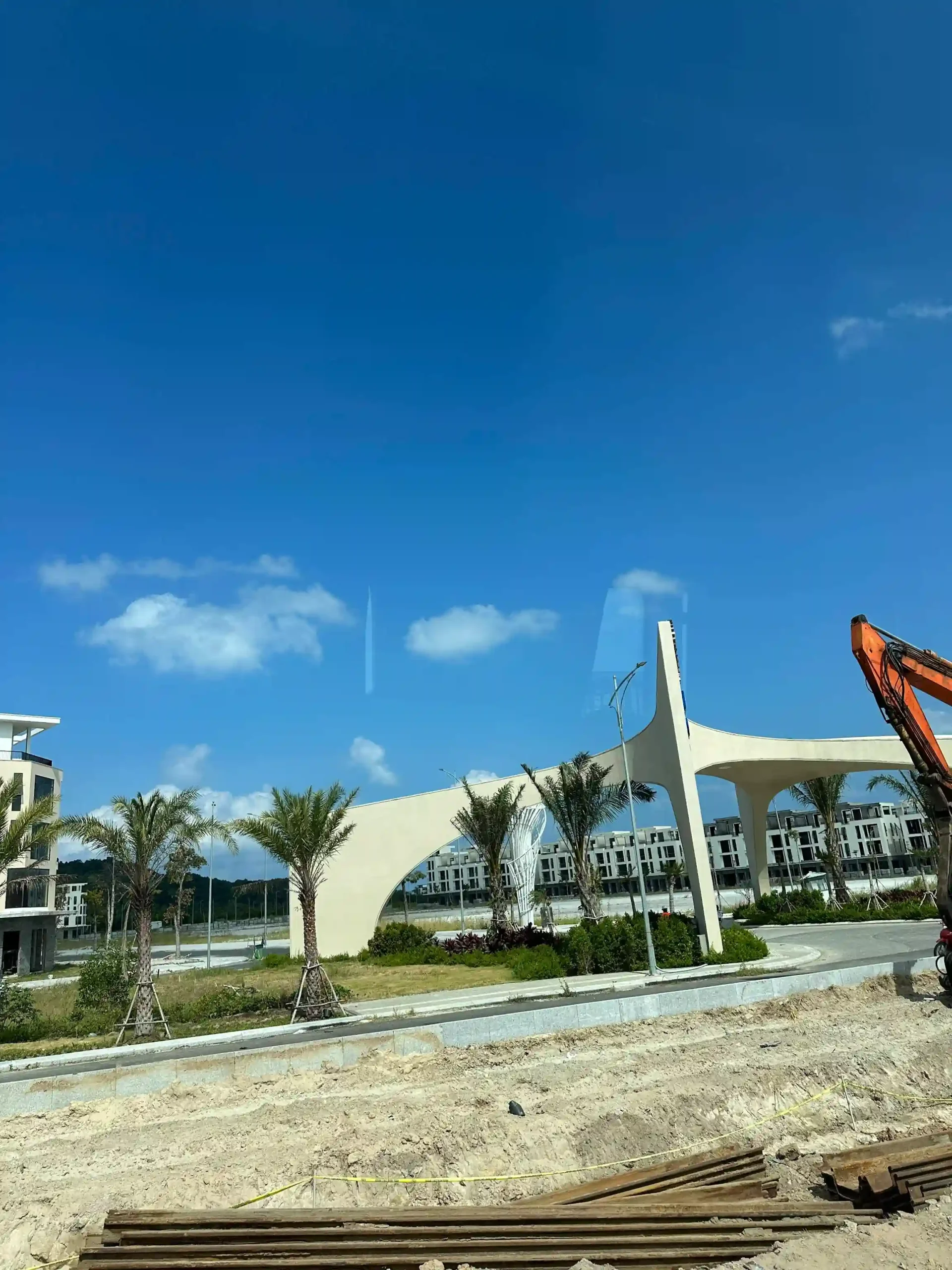
The island’s shape makes this worse than the numbers suggest. Most of the development sits along the west coast, most of the best swimming beaches sit in the south and east, and the main road linking them was still under construction in stretches while I was there.
A 45-minute drive on the map can run considerably longer in practice depending on what’s being dug up that week.
Which is why the where-to-stay-in-Phu-Quoc question should be settled before you look at a single hotel photo. A beautiful property in the wrong area produces a worse trip than an average property in the right one, and that’s not true of every destination, but it’s genuinely true here.
Duong Dong Town: Where to Stay in Phu Quoc on a Budget
The island’s main town, sitting roughly in the middle of the west coast, and the most sensible base for a first visit or a tight budget.
Everything is close from here. The night market is walkable, the widest range of guesthouses and small hotels sits in this area at $10-40 a night, local food runs $1-2 a plate, and a scooter rents for $3-7 a day. Grab drivers are everywhere. You’re never stuck.
Coming from Saigon, the pricing here felt familiar in a way the resort strips didn’t. A bowl of pho costs what a bowl of pho should cost, not what a beachfront restaurant thinks a tourist will pay for it. That gap between town prices and resort prices is bigger on Phu Quoc than in most Vietnamese destinations I’ve spent time in, and staying in town is the simplest way to sit on the right side of it.
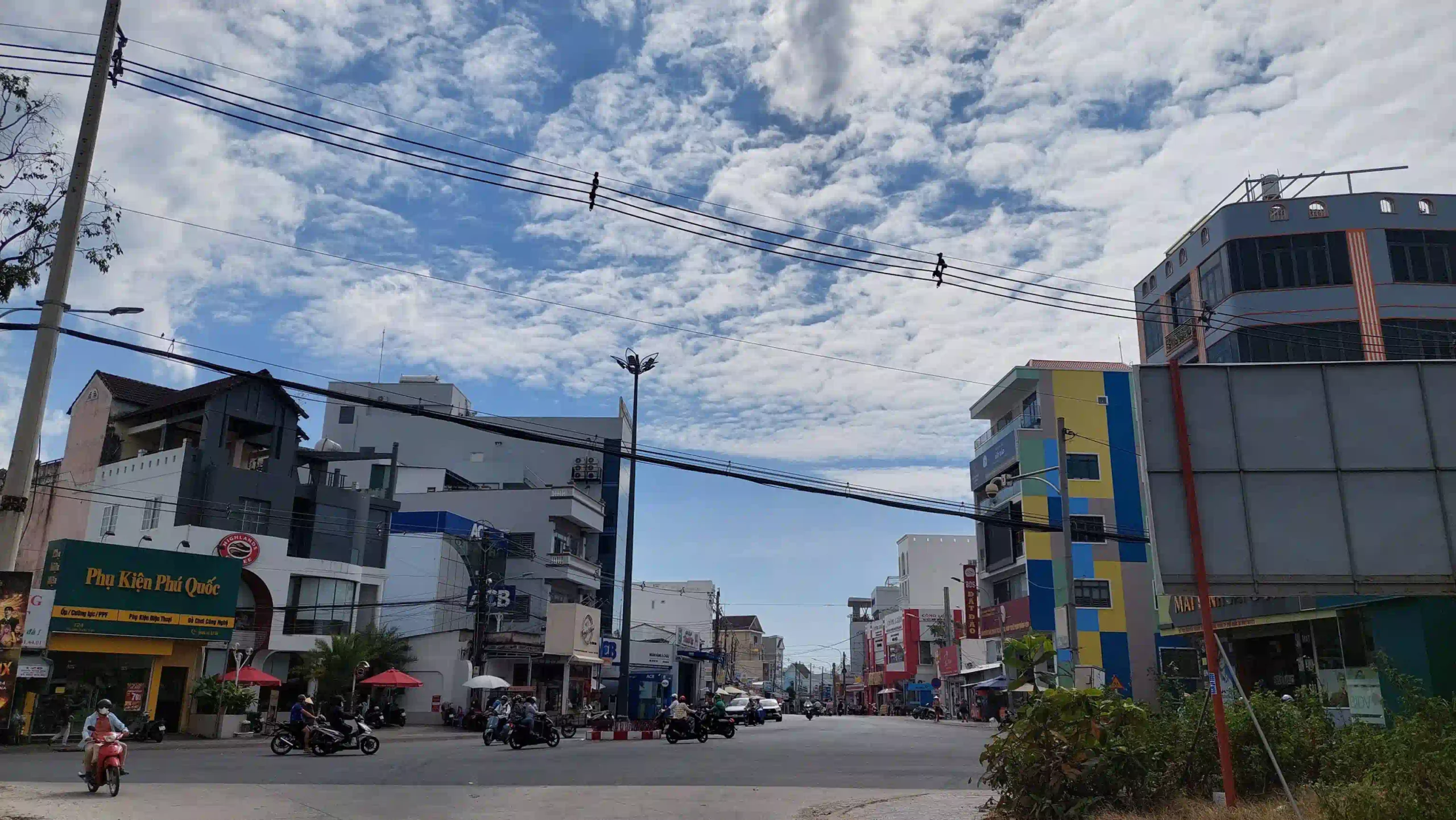
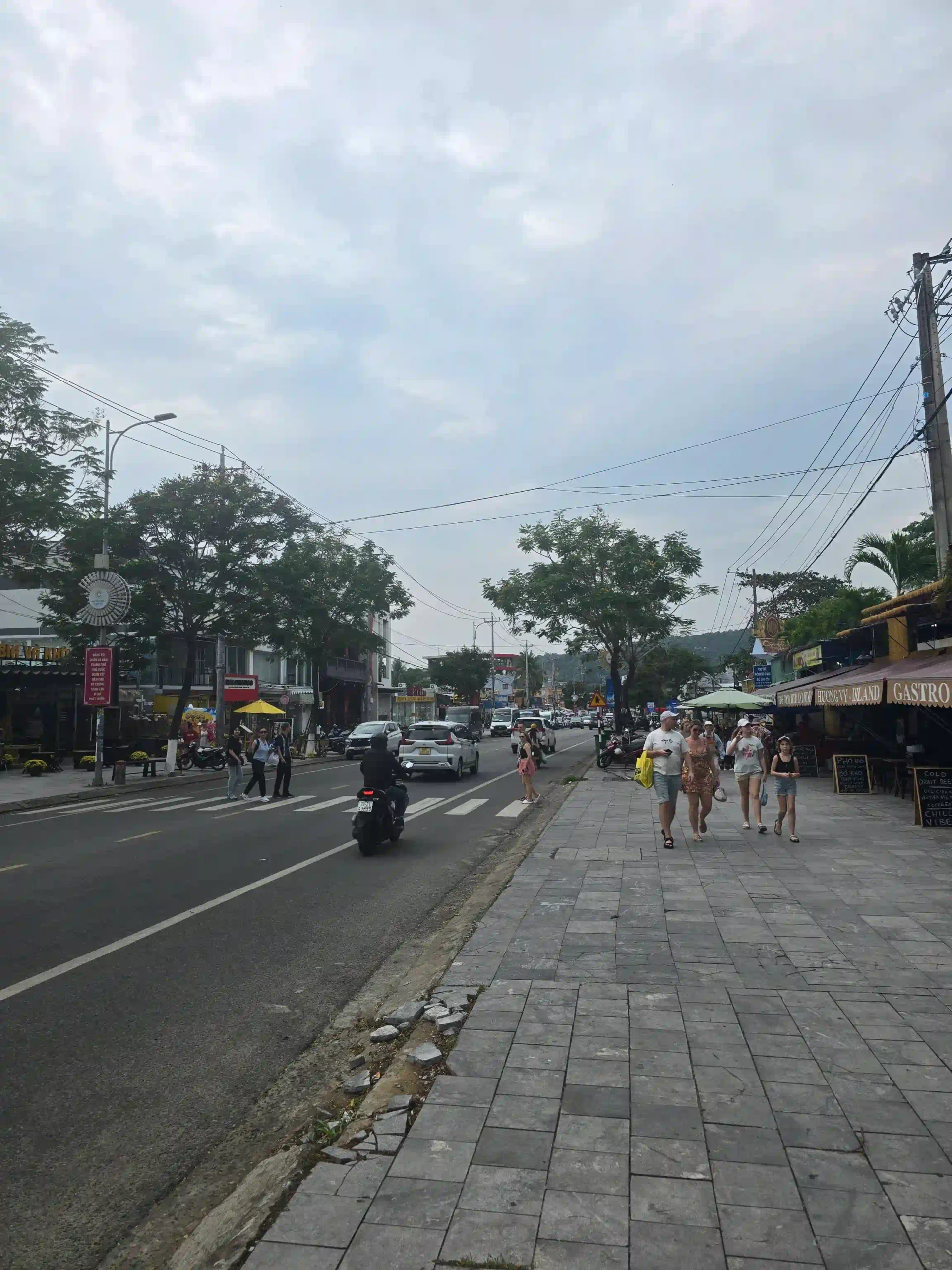
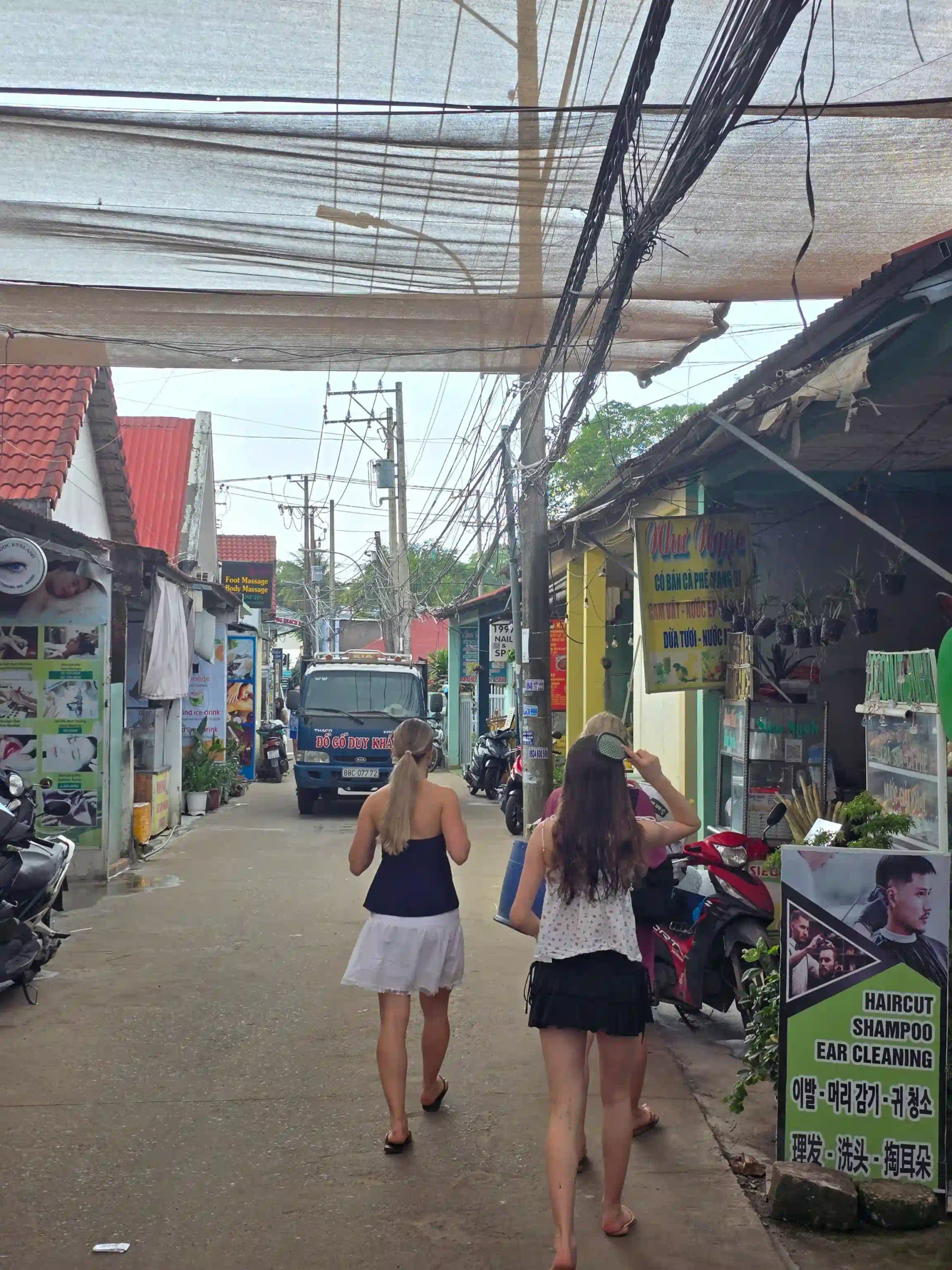
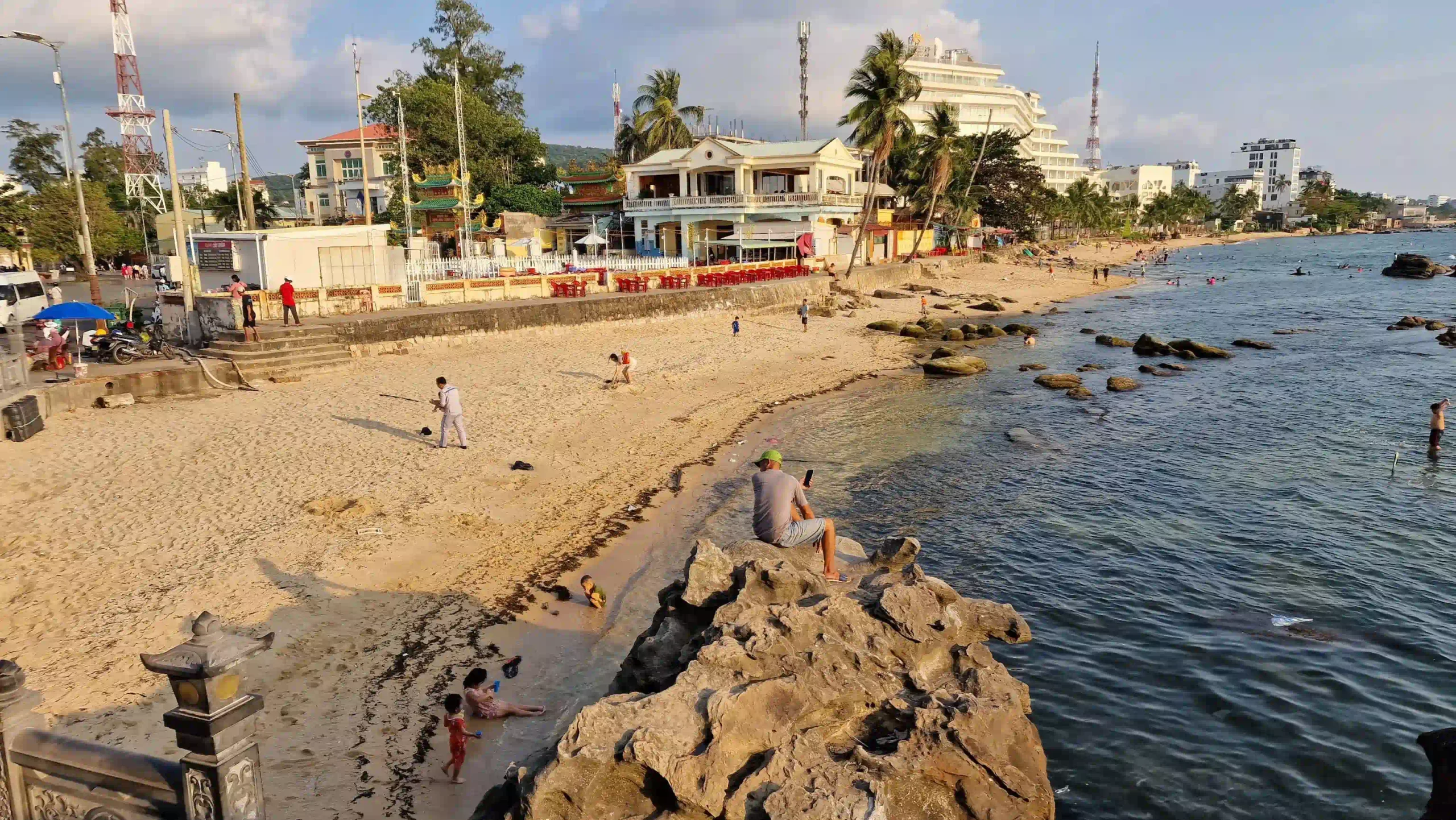
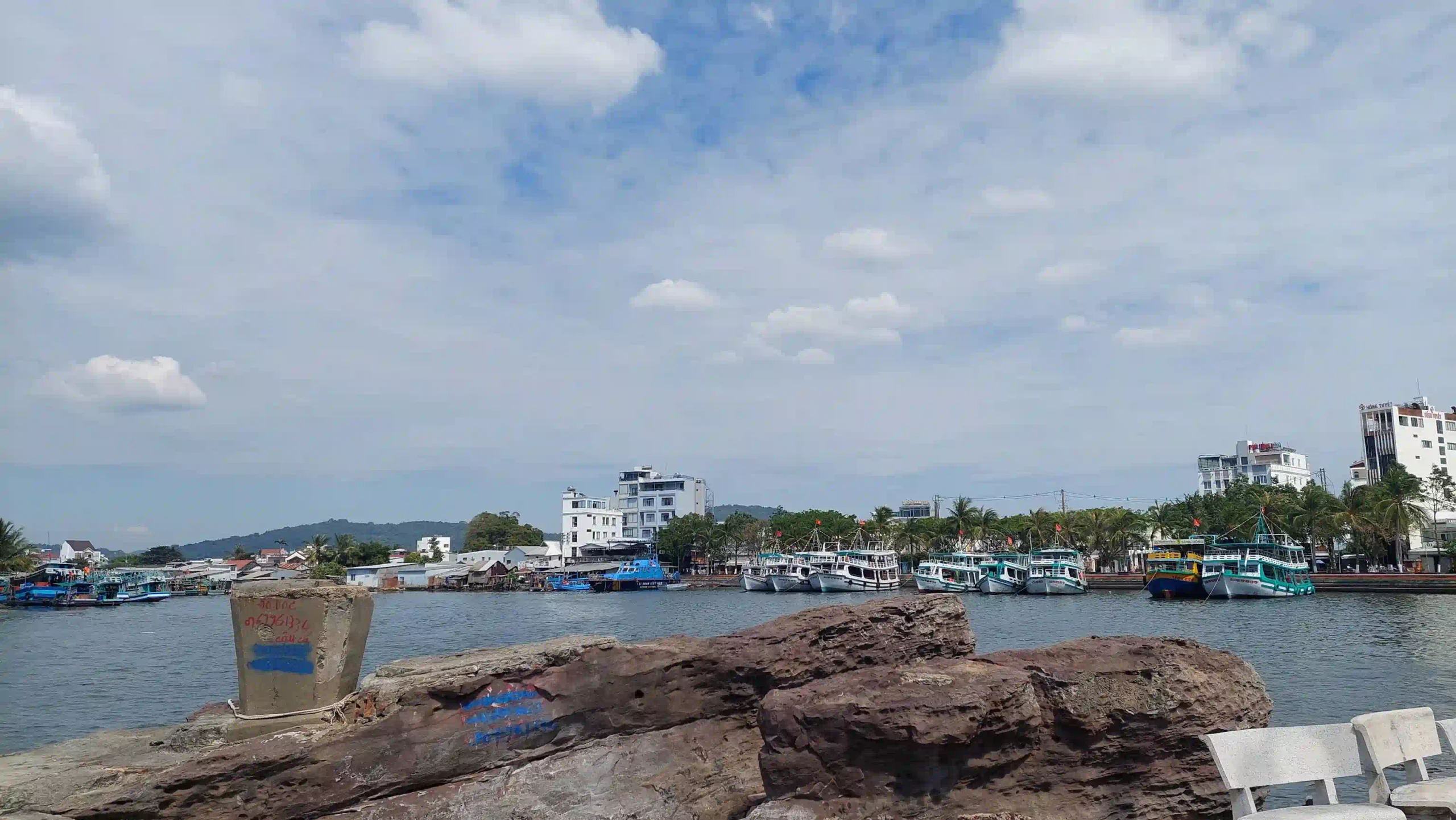
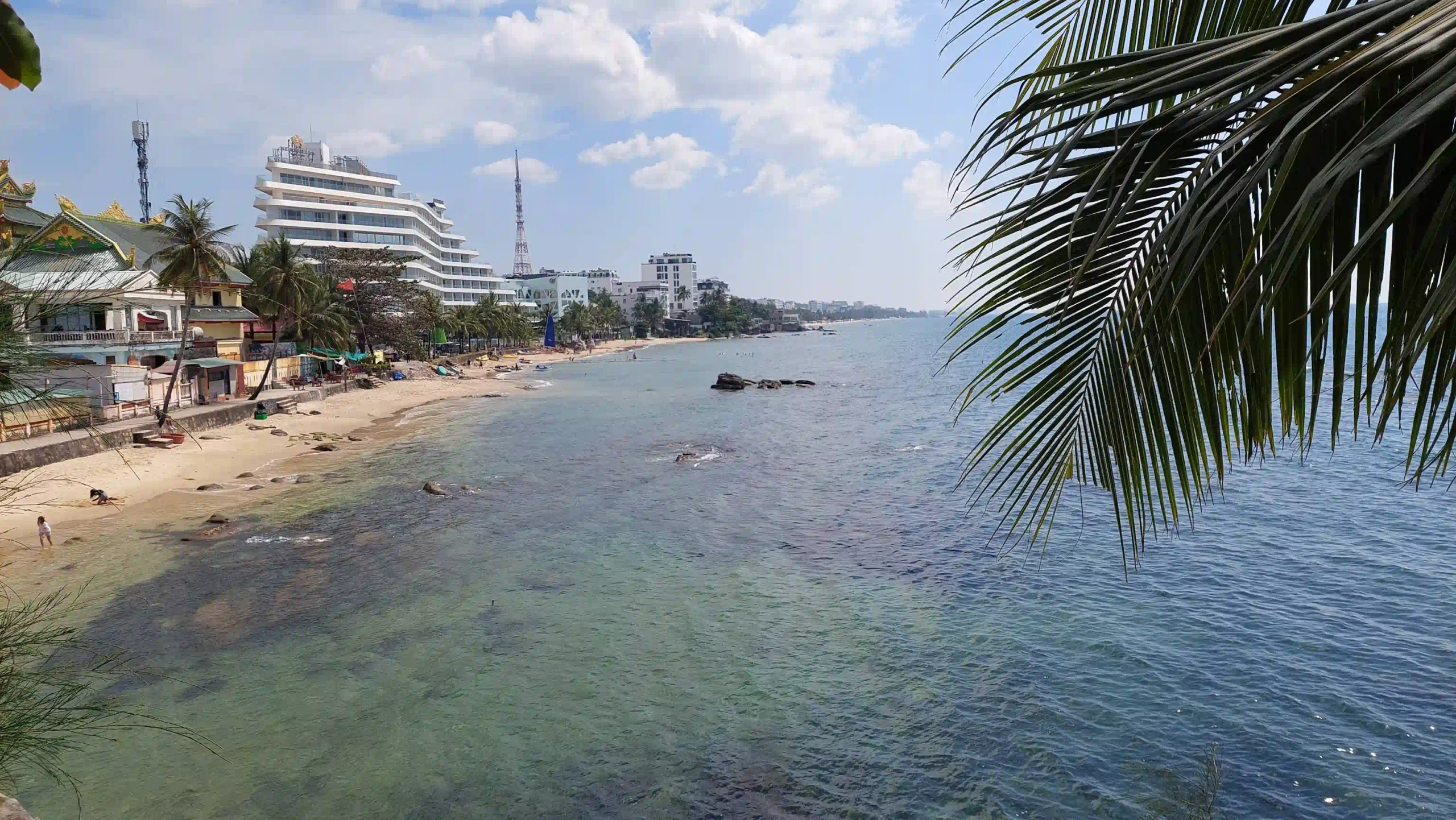
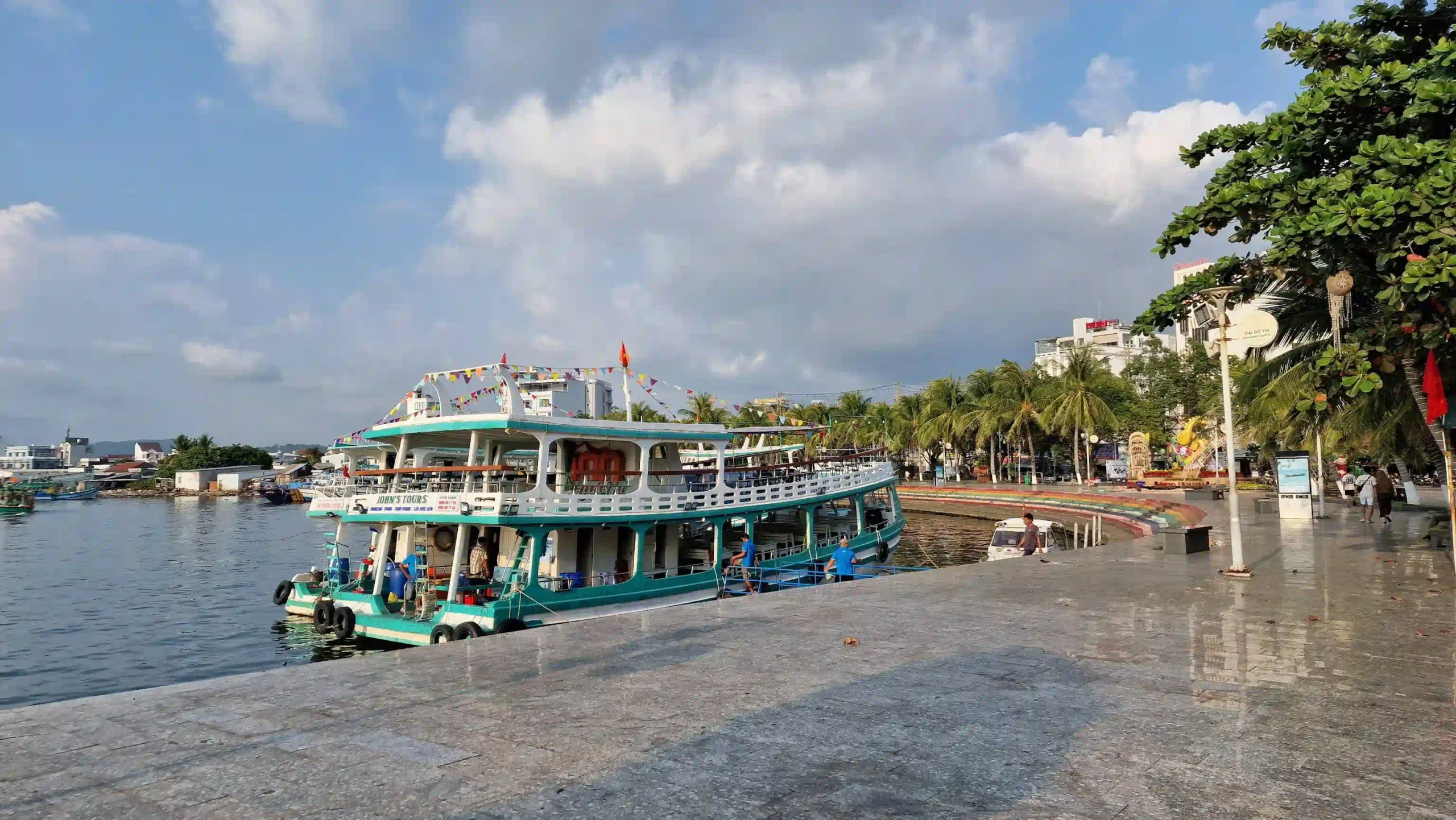
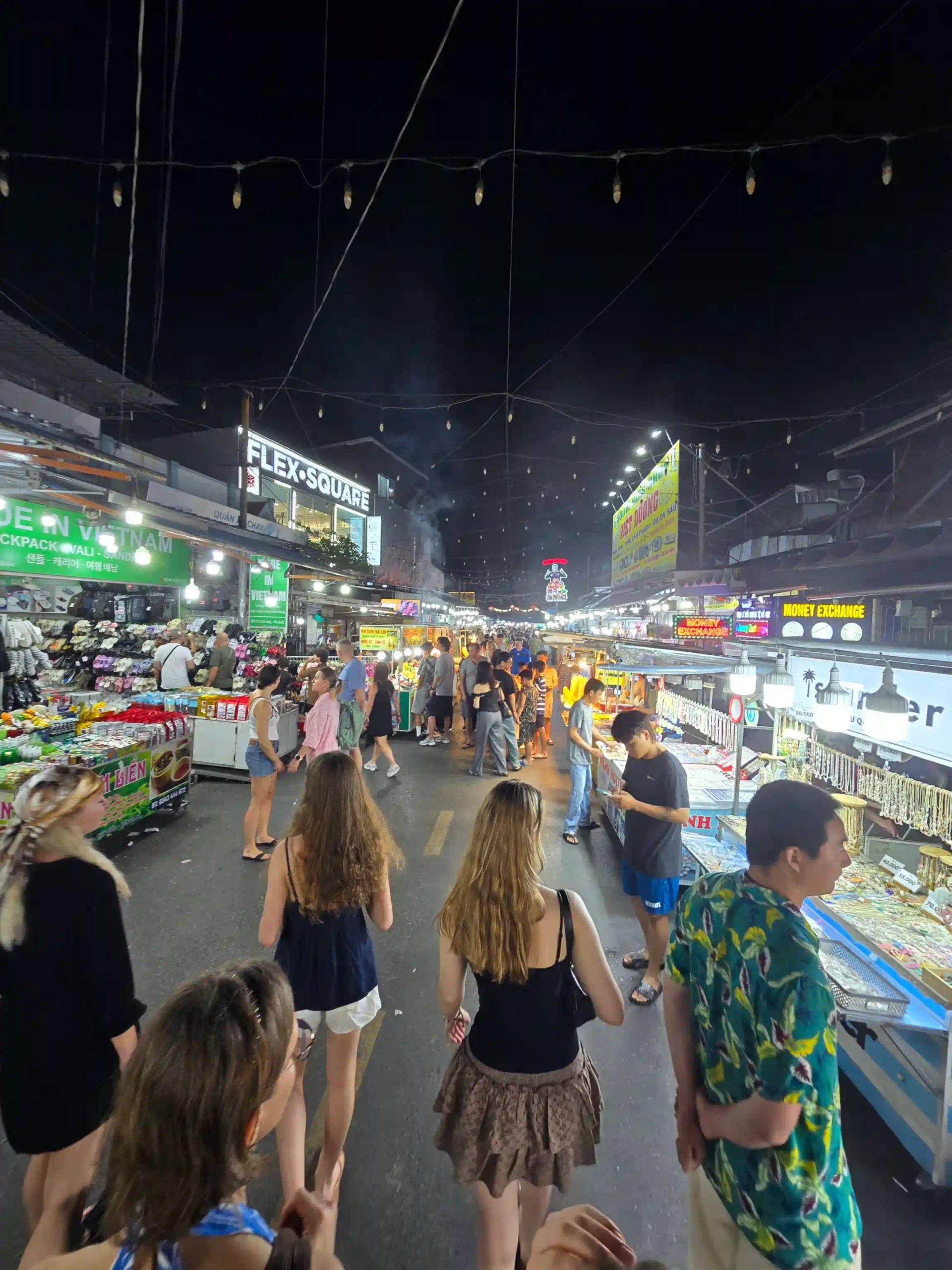
The obvious catch: the beach in town isn’t the reason anyone comes to Phu Quoc. If you want to swim, you’re taking a short ride to Long Beach or further. That’s a genuine trade, but for a first visit where you’re doing island hopping one day, the cable car another, and the north on a third, being central beats being on sand you’ll barely use.
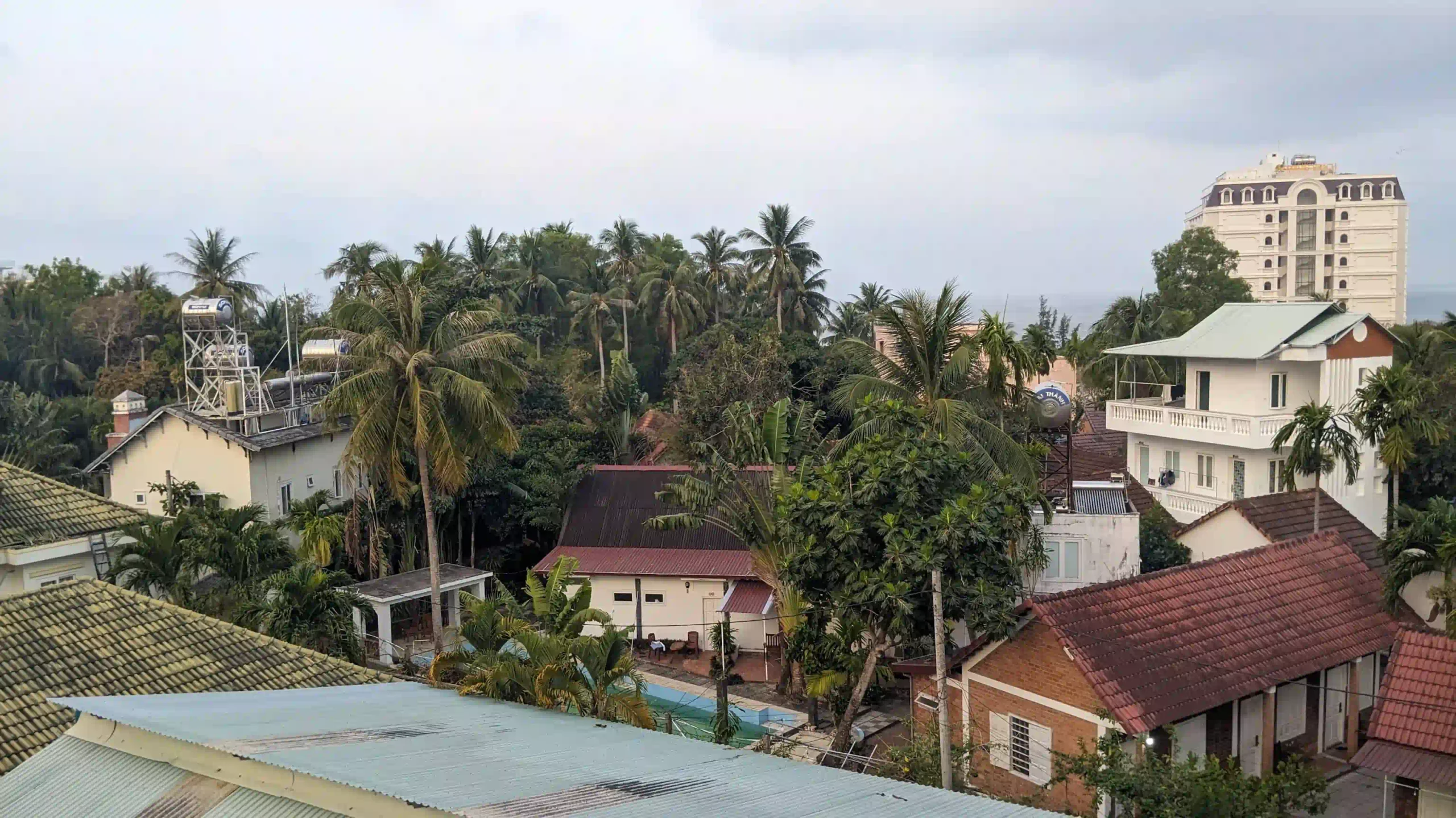
The town itself is functional more than charming. Fishing harbor, night market, a grid of streets with hotels and restaurants and phone shops. It’s not a place you’d photograph. It is a place where everything works and nothing takes a 40-minute drive.
This is also the best area for anyone staying a while. Long-stayers and digital nomads cluster here for the same reasons: everything’s available, everything’s cheap, and you don’t need a car.
Long Beach: Where to Stay in Phu Quoc for Beach Access
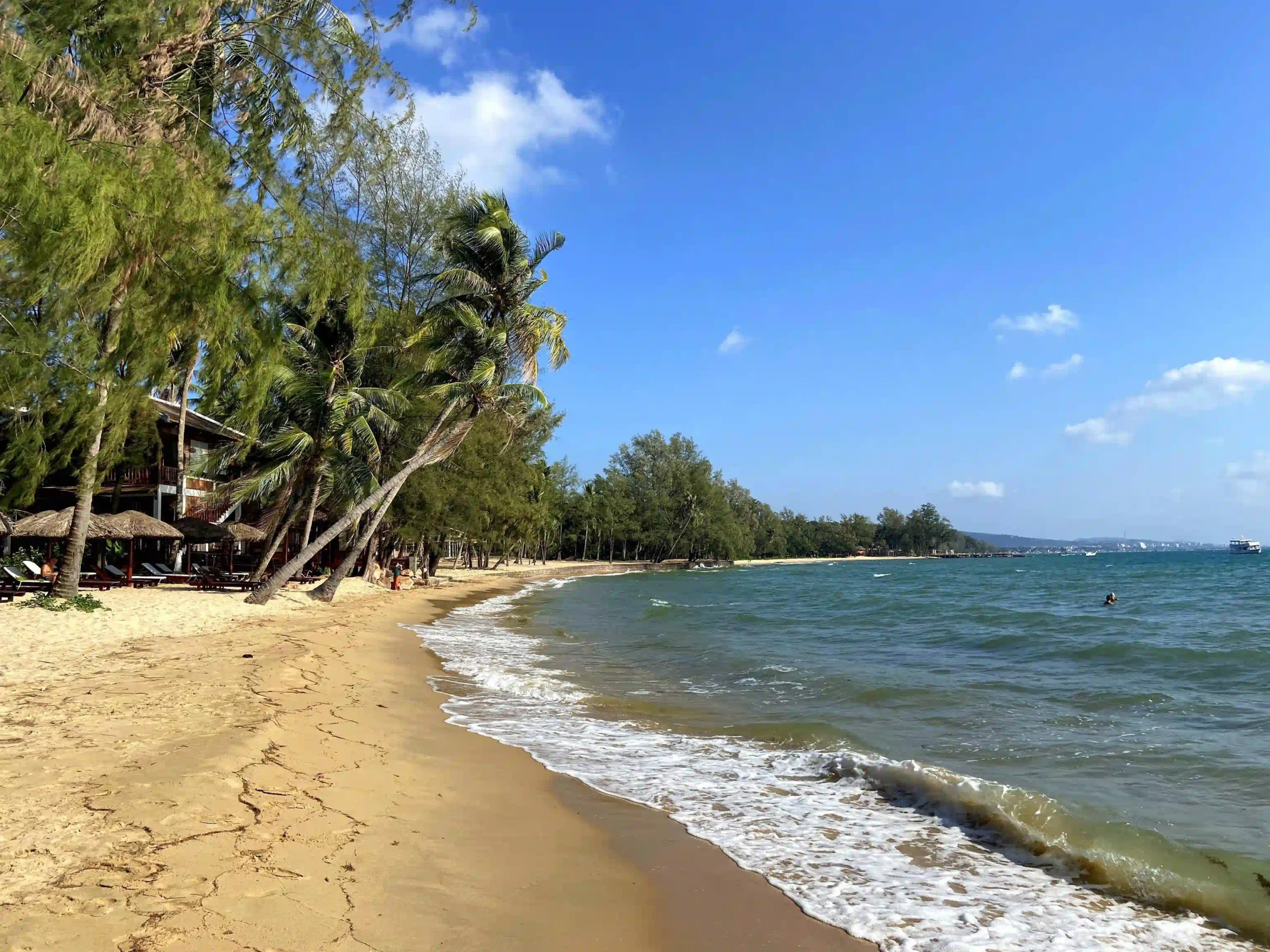
Twenty kilometers of west coast running south from Duong Dong, holding roughly 95% of the island’s accommodation. This is where most people end up, and for good reason.
The northern end, closest to town, has the highest concentration of hotels, restaurants, and bars, and Tran Hung Dao is the main road running parallel to the sand.
Stay up here and you get beach access plus walkable dinner options, which is a genuinely good combination for a first trip. This stretch is also where the budget and mid-range places cluster, so you’re not paying resort rates for a beachfront location.
Further south, the strip thins out, resorts get more spread out and more expensive, and you’ll need transport for anything beyond your own hotel restaurant.
That suits people who booked a resort intending to stay put. It doesn’t suit anyone planning to move around. The beach itself gets quieter as you go south, which is the trade you’re making.
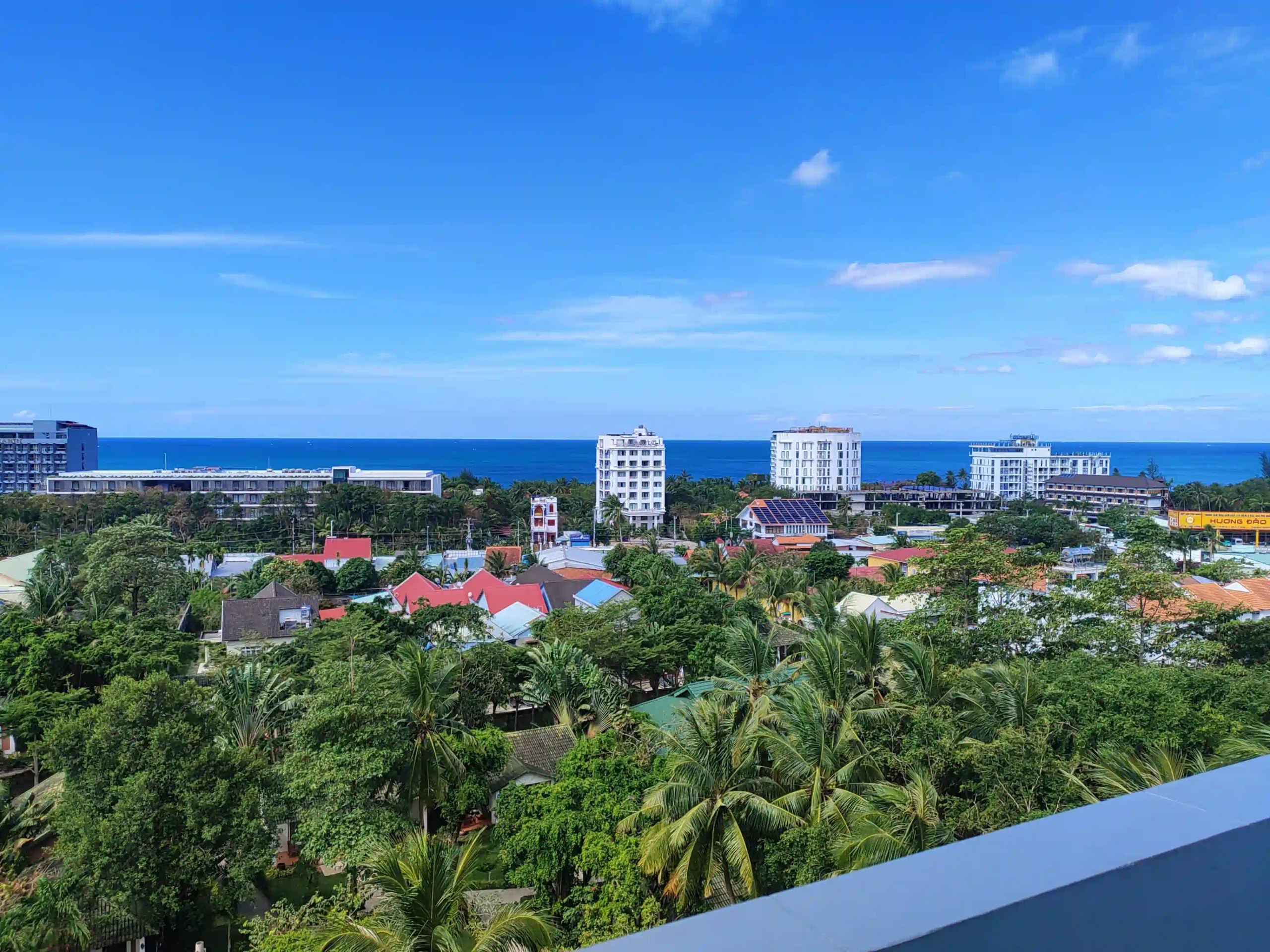
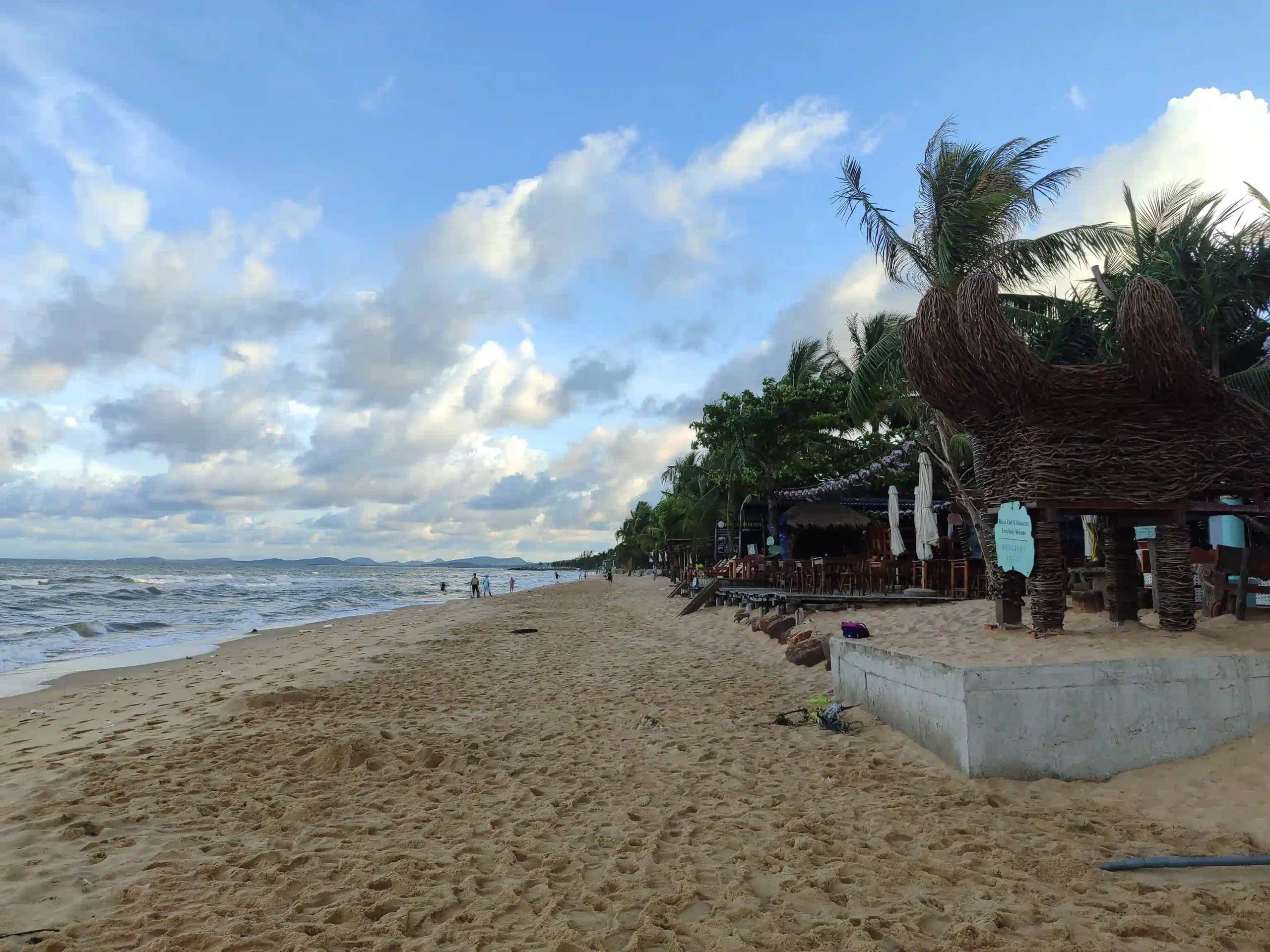
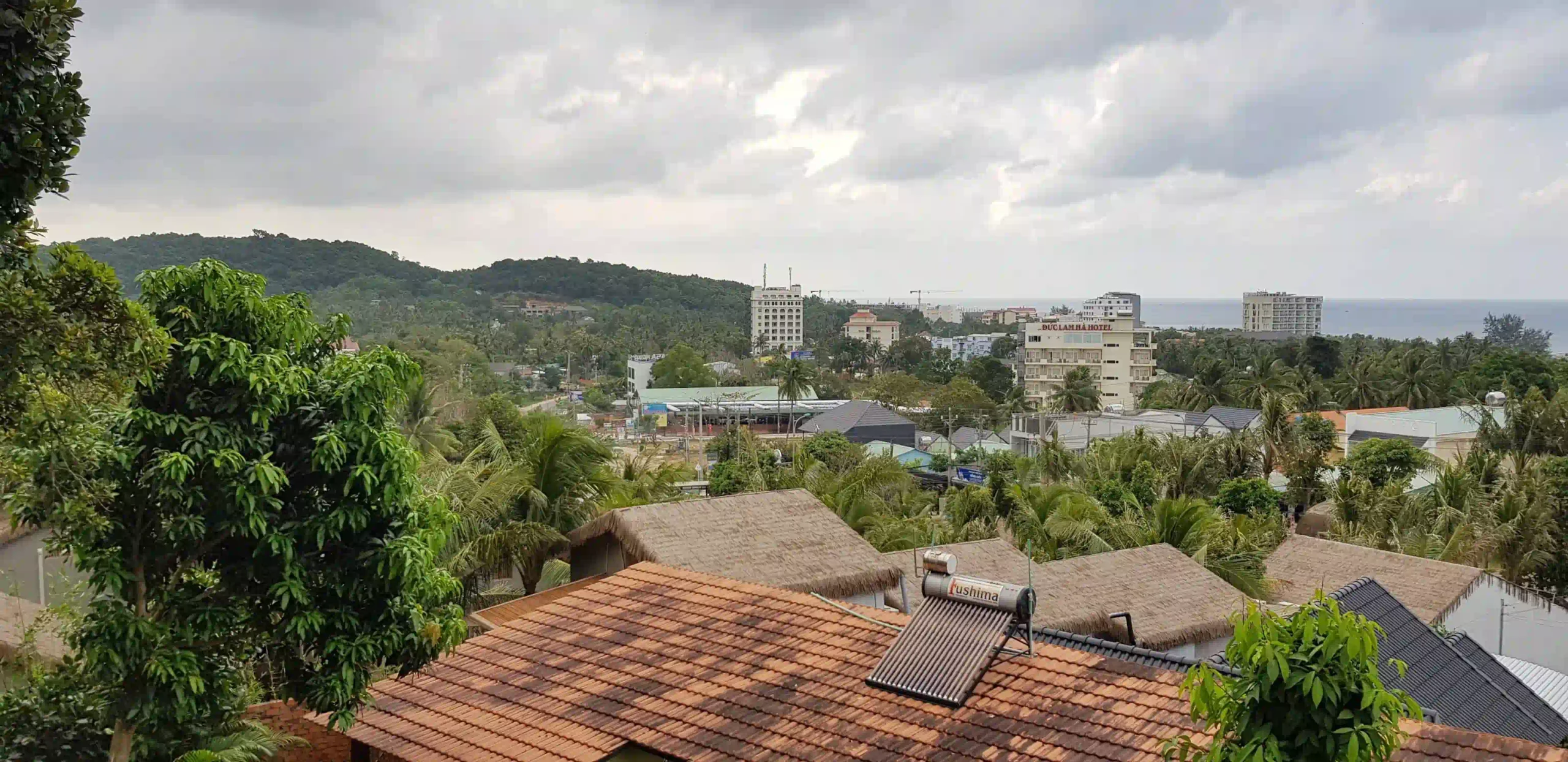
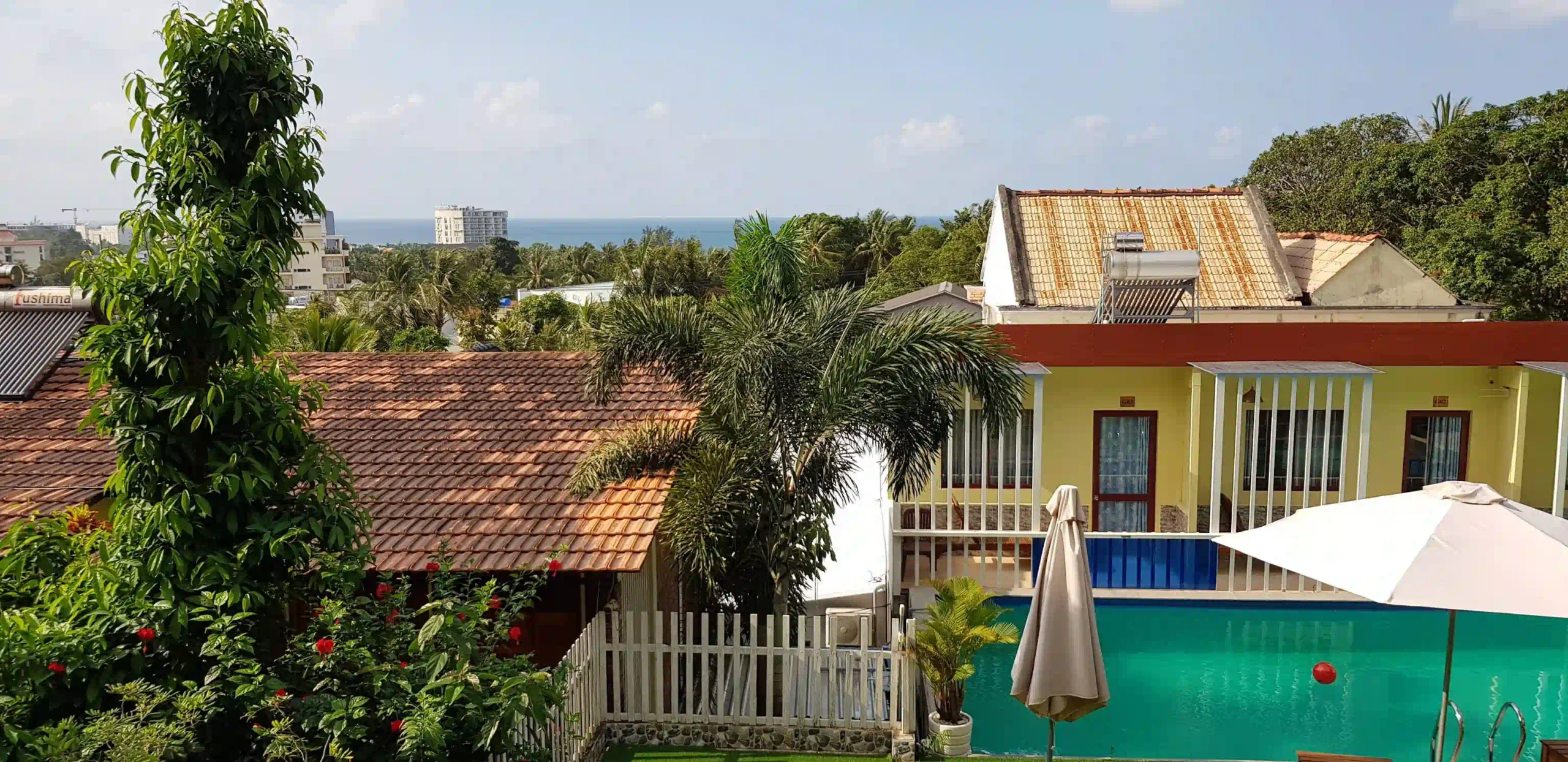
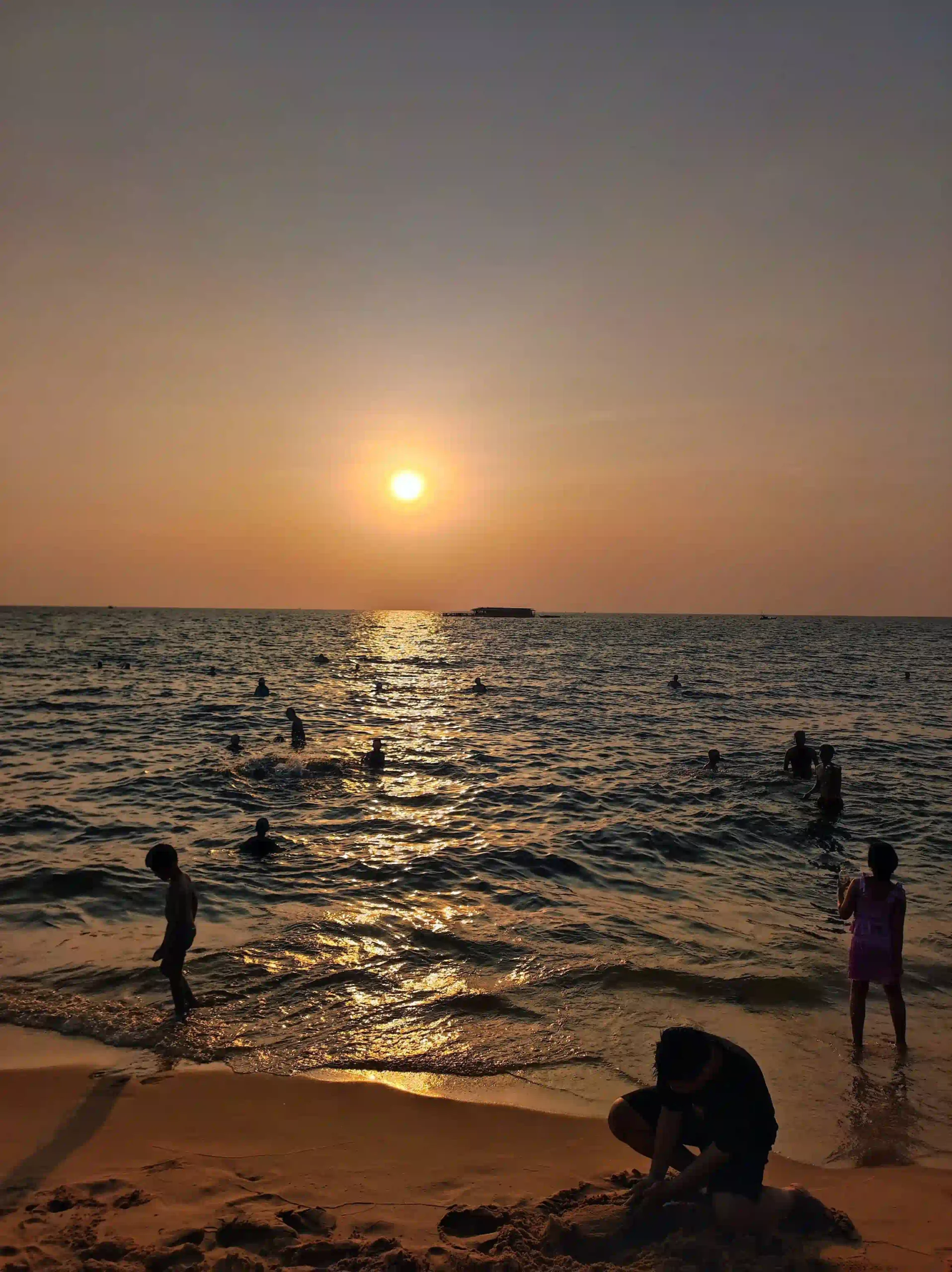
One practical thing about the north-south split here that took me a few days to work out: the difference in daily transport cost between the northern end and the southern end is substantial over a week. Up north you walk to dinner. Down south, every meal outside your resort is a Grab in each direction.
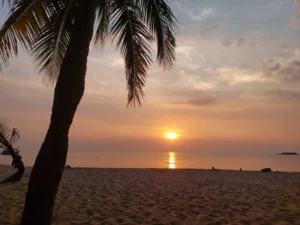
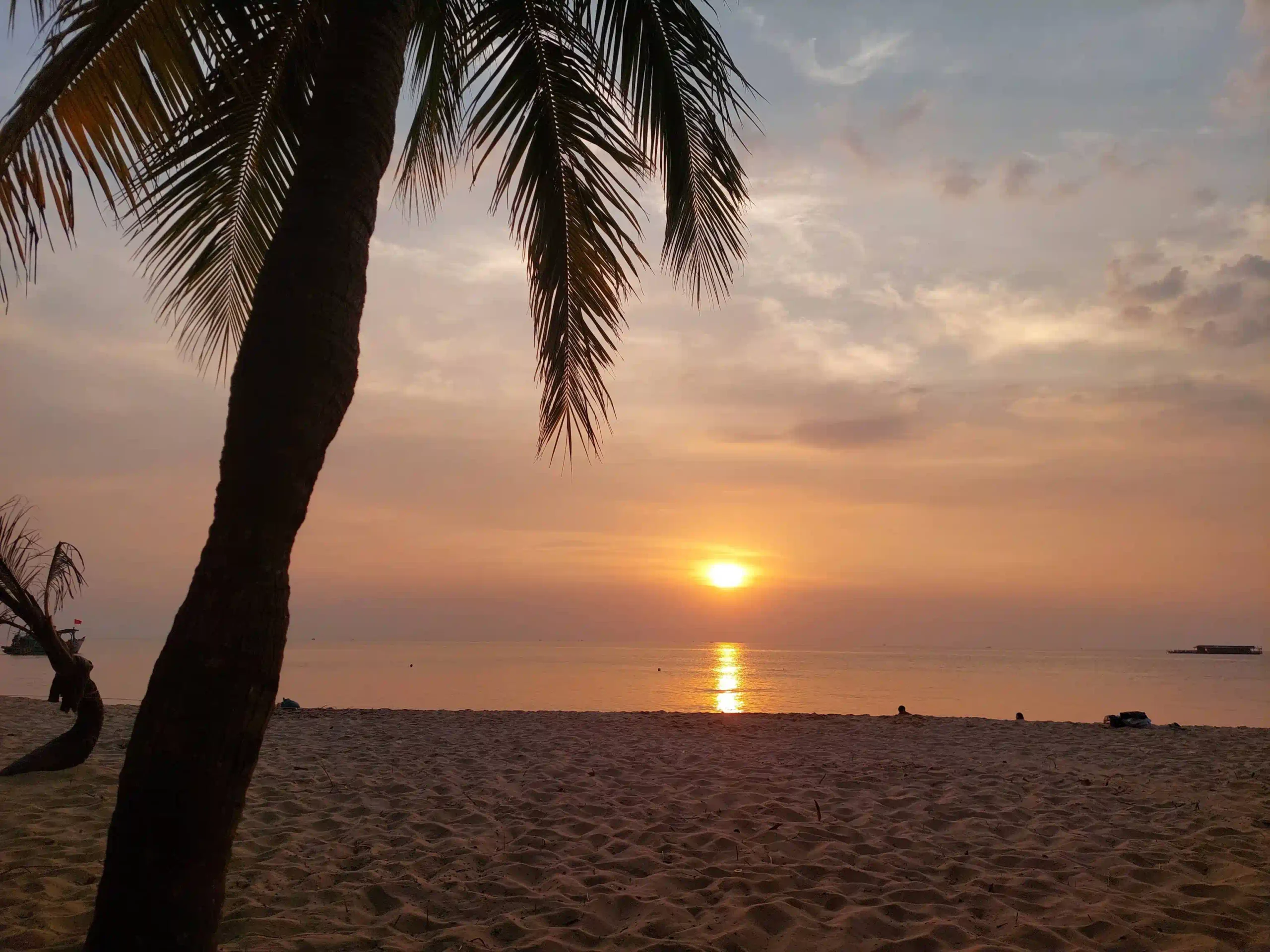
The sunsets here are the best on the island, over the Gulf of Thailand, and that’s not a marketing line. Most clear evenings the whole western horizon goes orange, and the beach fills up with people who came specifically for that.
The caveat: after heavy rain, the water on this coast goes cloudy for a day or two, which nobody mentions when you’re booking.
Ong Lang: Where to Stay in Phu Quoc for Quiet
Seven kilometers north of Duong Dong, and where I based myself for the middle stretch of the month.
The bay breaks into small coves separated by rock outcrops, which gives most properties a semi-private feel you don’t get on Long Beach’s continuous strip.
Development here is deliberately low-key. Eco-resorts and bungalows, no beach clubs, no chain restaurants, no nightlife. What you get is quiet, calmer water than Long Beach, and softer sand.
Mango Bay is the name that comes up most, one of the first properties to build here and still the standard for the eco-resort category, spread across a large stretch of beachfront jungle with rooms built from natural materials and fans instead of air conditioning in some categories.
That fan detail is worth knowing before you book anything in this category. Eco-resort here often genuinely means eco, which is charming in December and a real consideration in April when the island gets properly hot.
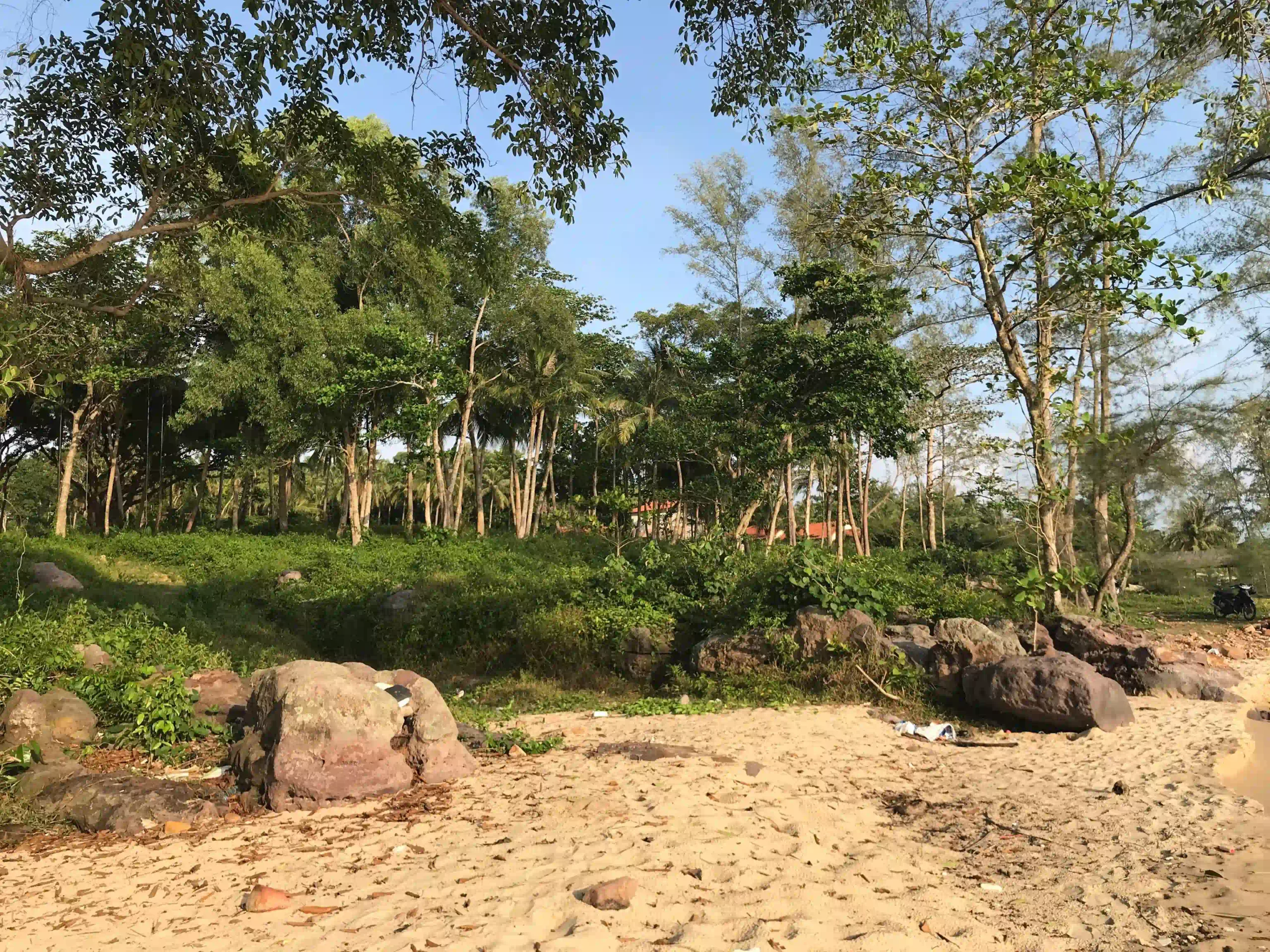
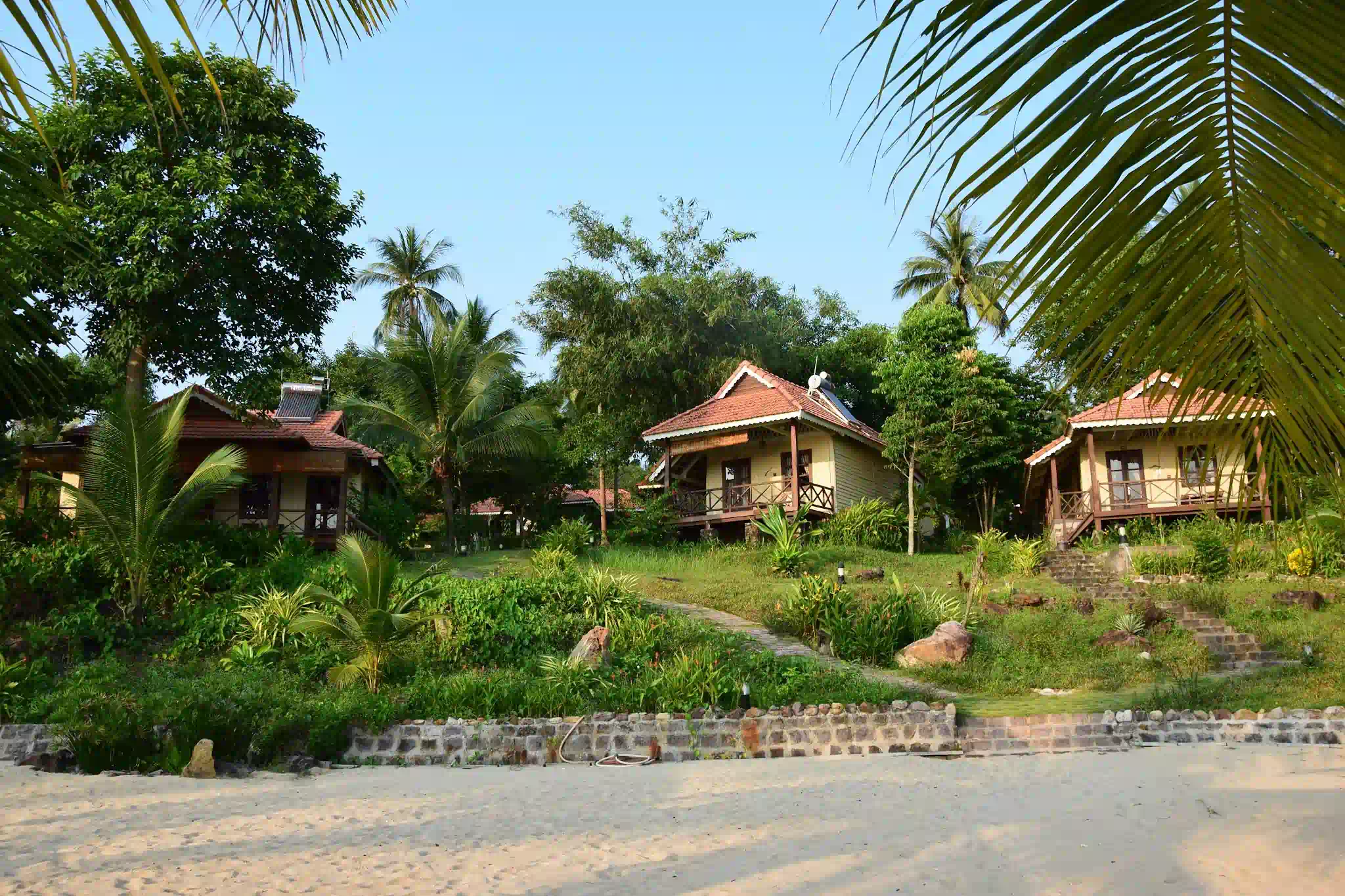
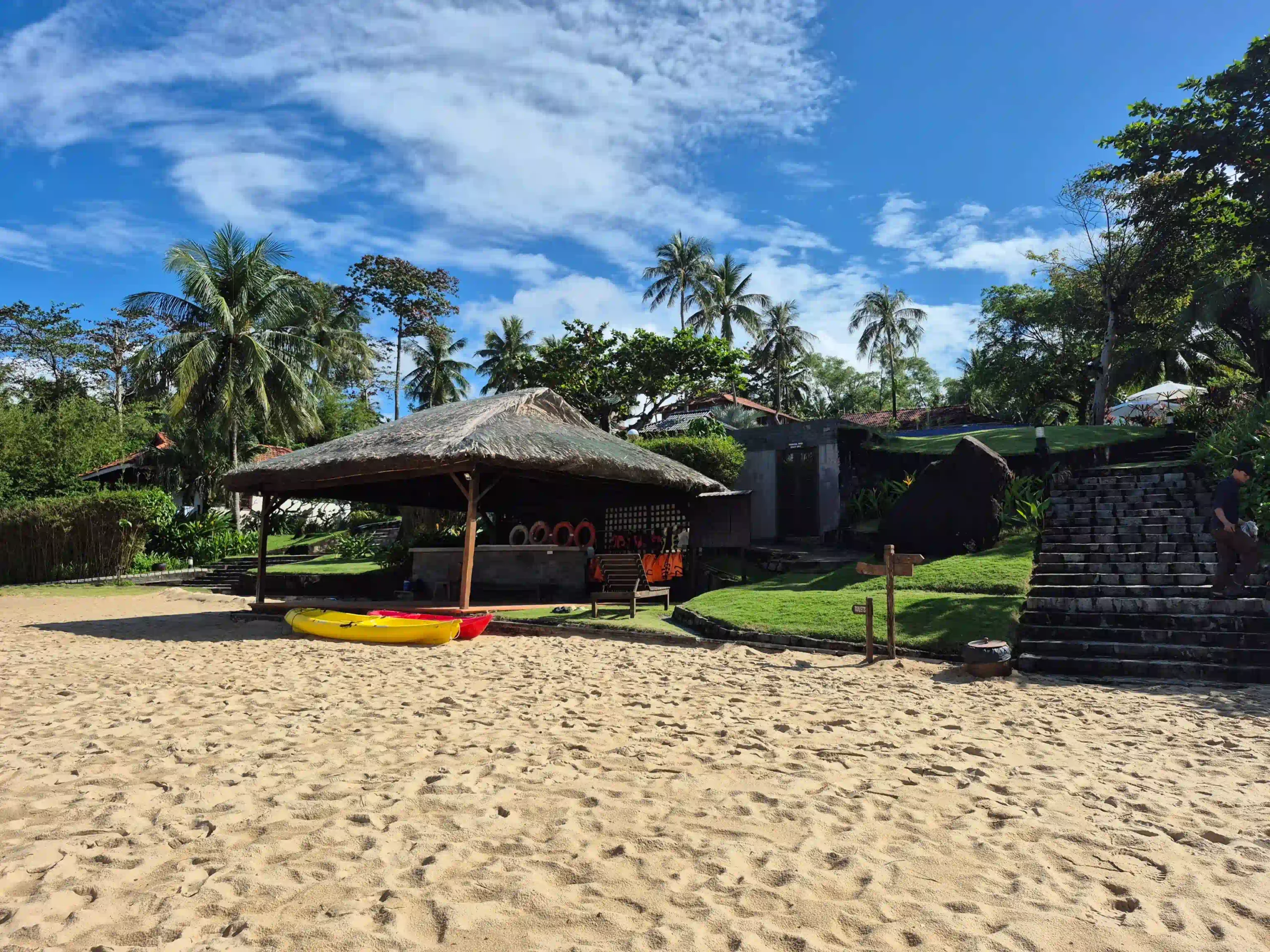
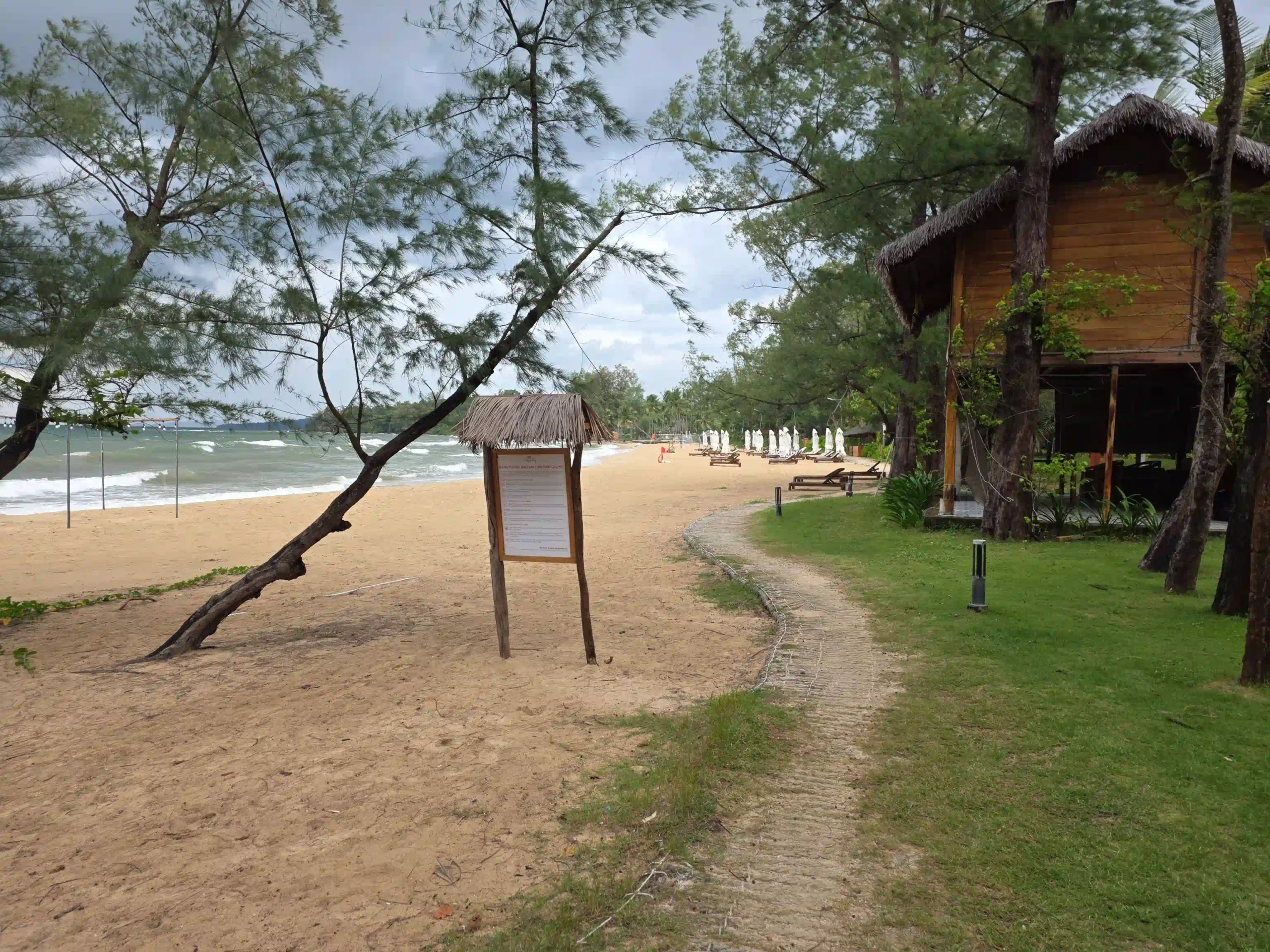
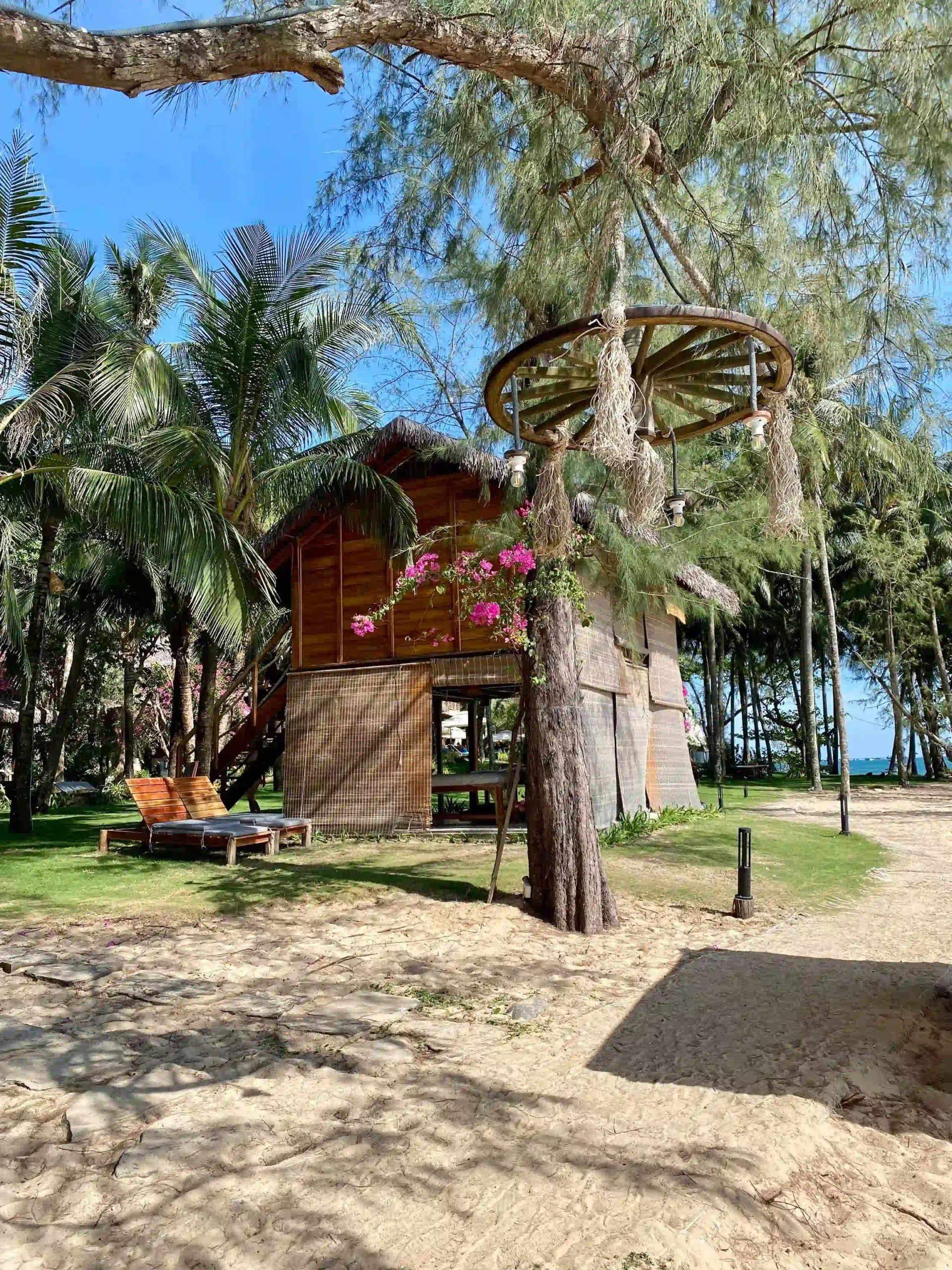
The trade-offs are real. You need transport for almost everything, 15-20 minutes into town by scooter. Restaurant options outside your own resort are limited, so you’re eating where you sleep more nights than not. And the snorkeling around the rocky sections, which sounds appealing, has a rubbish and broken glass problem in places that nobody mentions in the listings.
What Ong Lang gets right is the thing it’s actually selling. After a few days on Long Beach, the drop in noise here is immediate, and the coves mean you can find stretches of sand with nobody on them at all, which is close to impossible further south. For a stay of a week or more, that difference compounds.
For couples, families wanting space, or anyone whose priority is not being around other tourists, this is the pick. For a first-timer on a short trip who wants to see the island, it’s slightly too far out.
The Far South: Khem Beach and Sunset Town
Resort territory. Khem Beach on the southern tip is polished, expensive, and beautiful, and the properties here are built for guests who intend to stay on the property.
Sunset Town sits nearby, the purpose-built Mediterranean-style development I covered in my activities in Phu Quoc guide.
If your trip is a honeymoon or a pure resort holiday where the plan is a pool, a beach, and a spa, this delivers exactly that at a high standard.
The southern location also puts you closest to the An Thoi harbor for island hopping, which is a real advantage if boat trips are your priority. Morning boat departures from An Thoi mean an early start from anywhere else on the island, and staying down here removes that entirely.
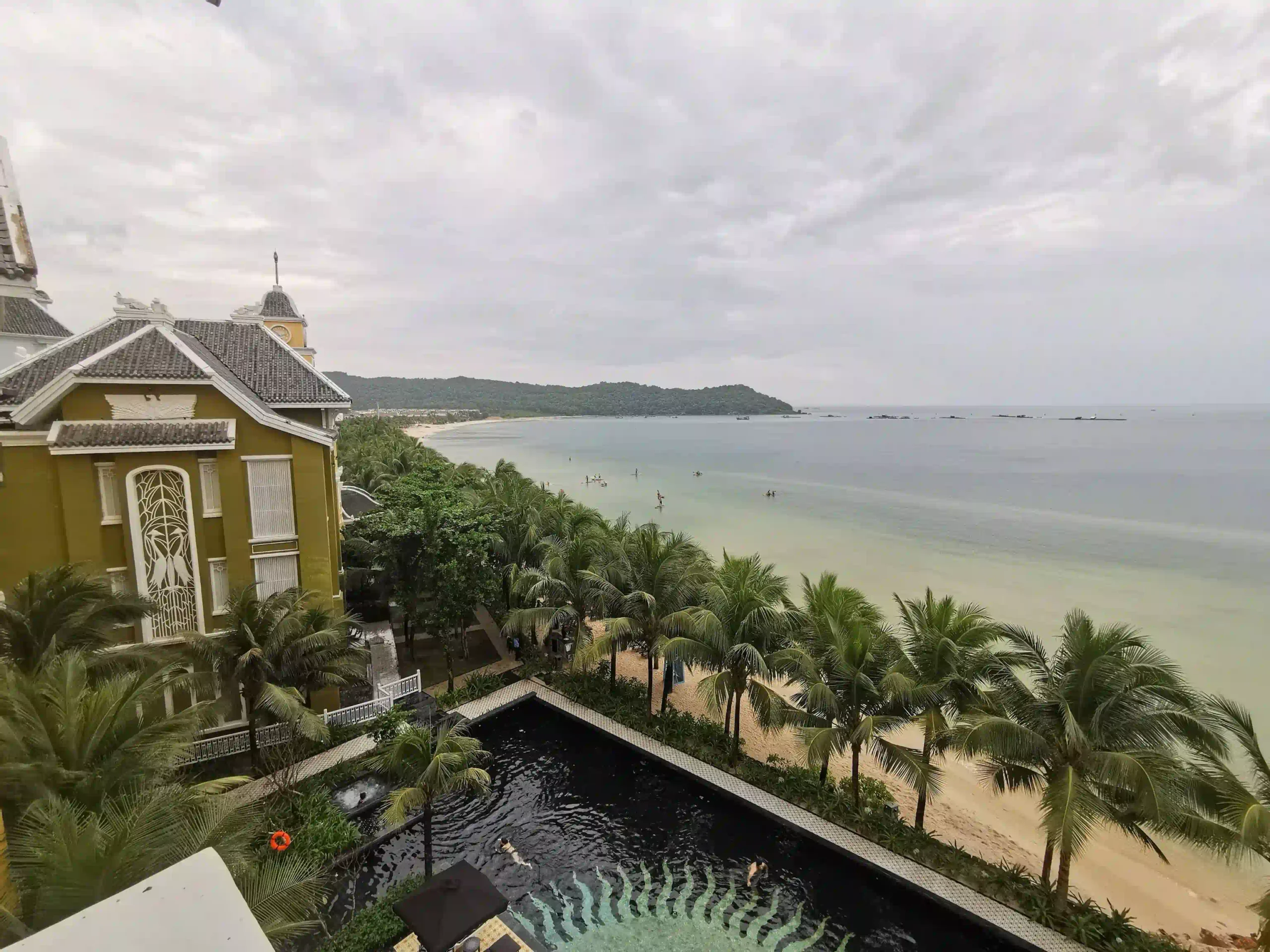
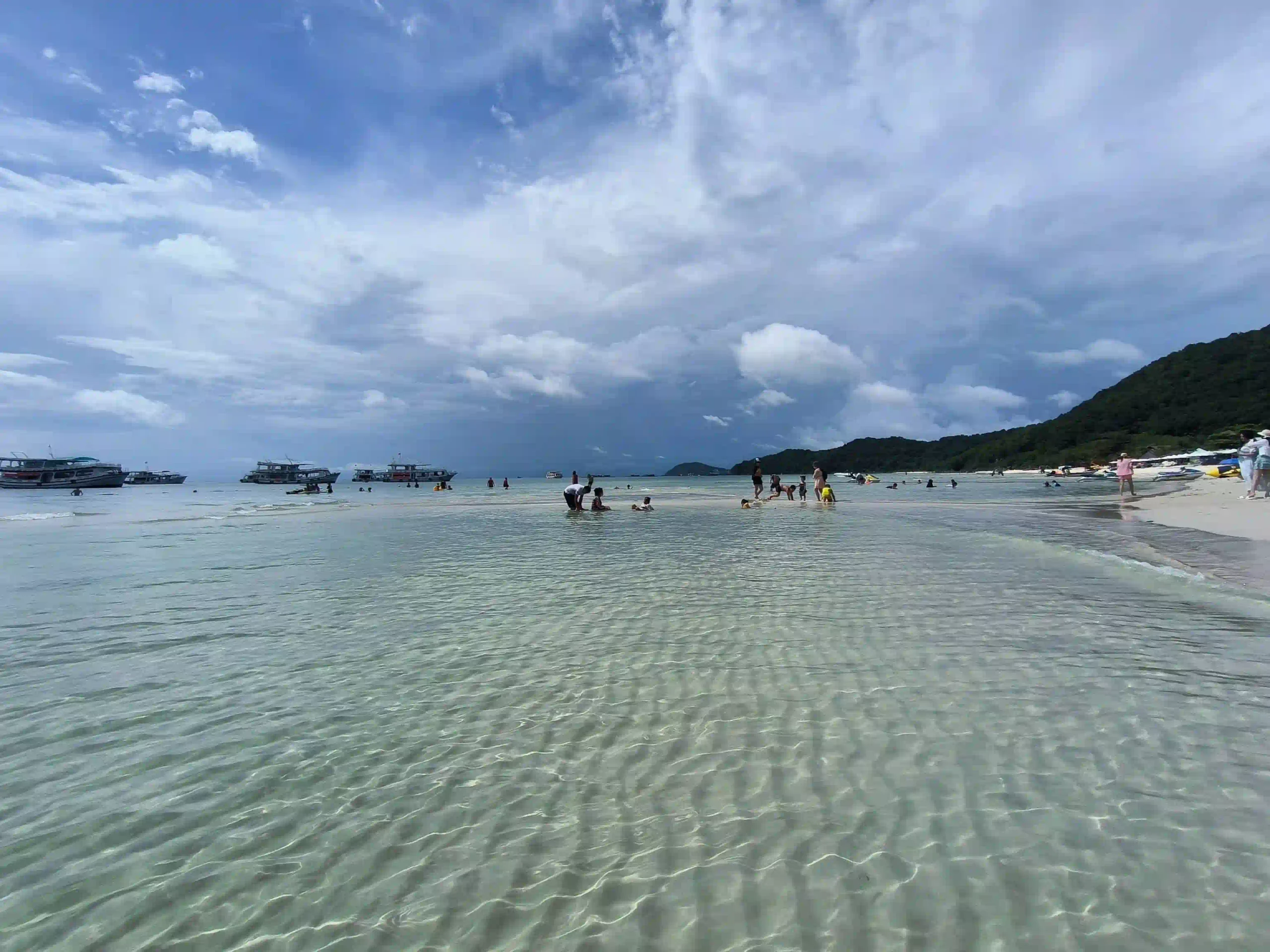
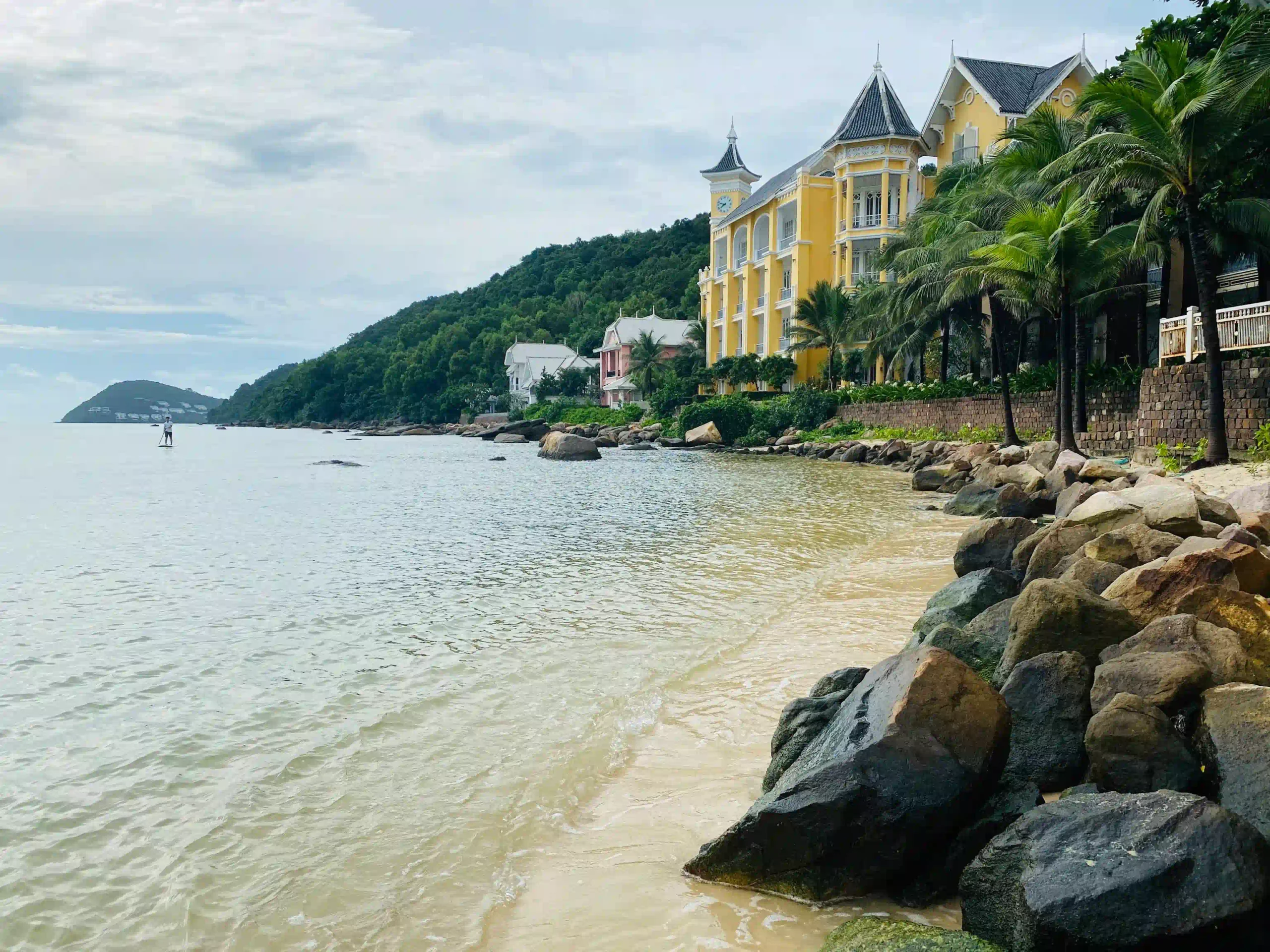
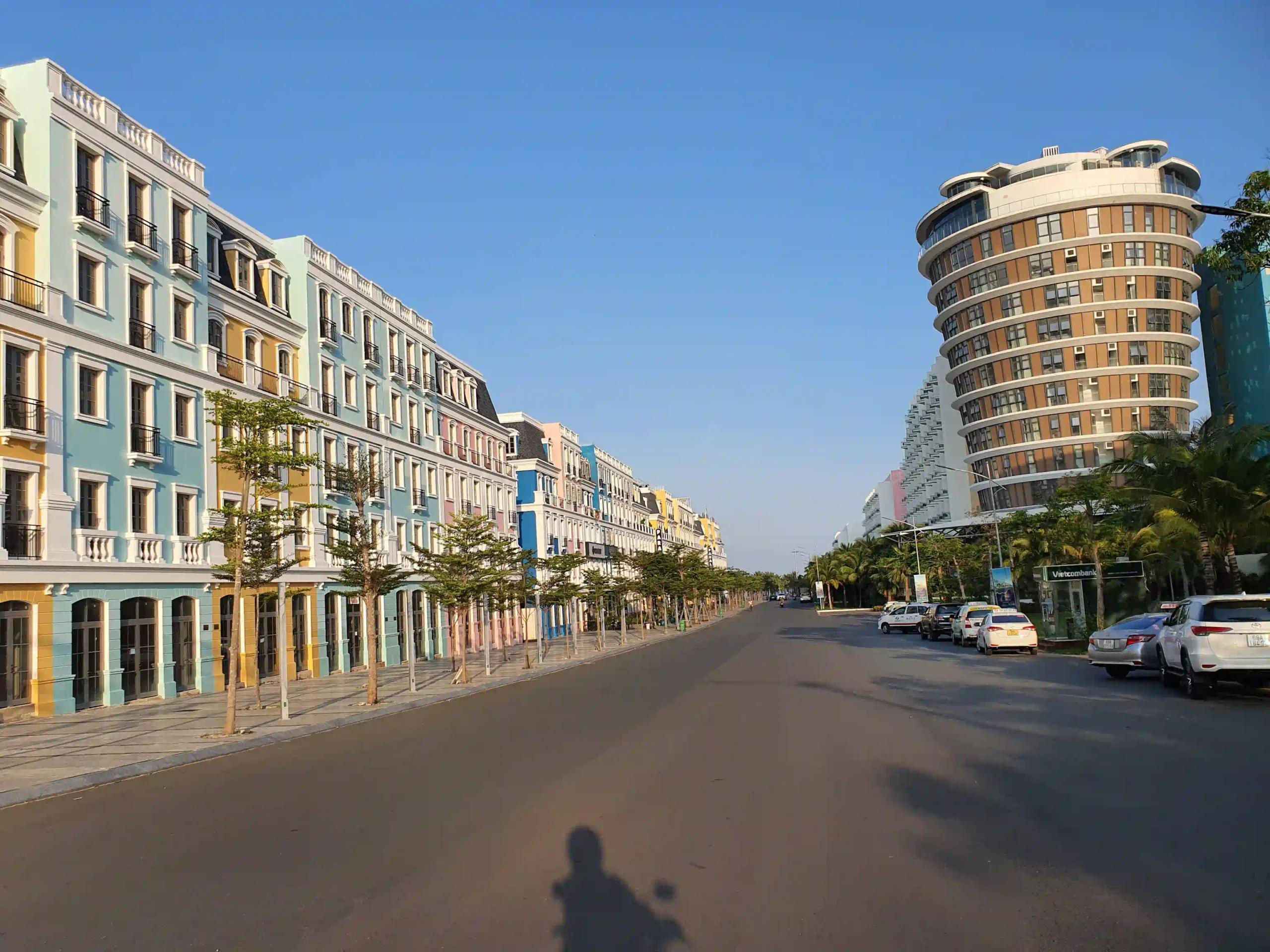
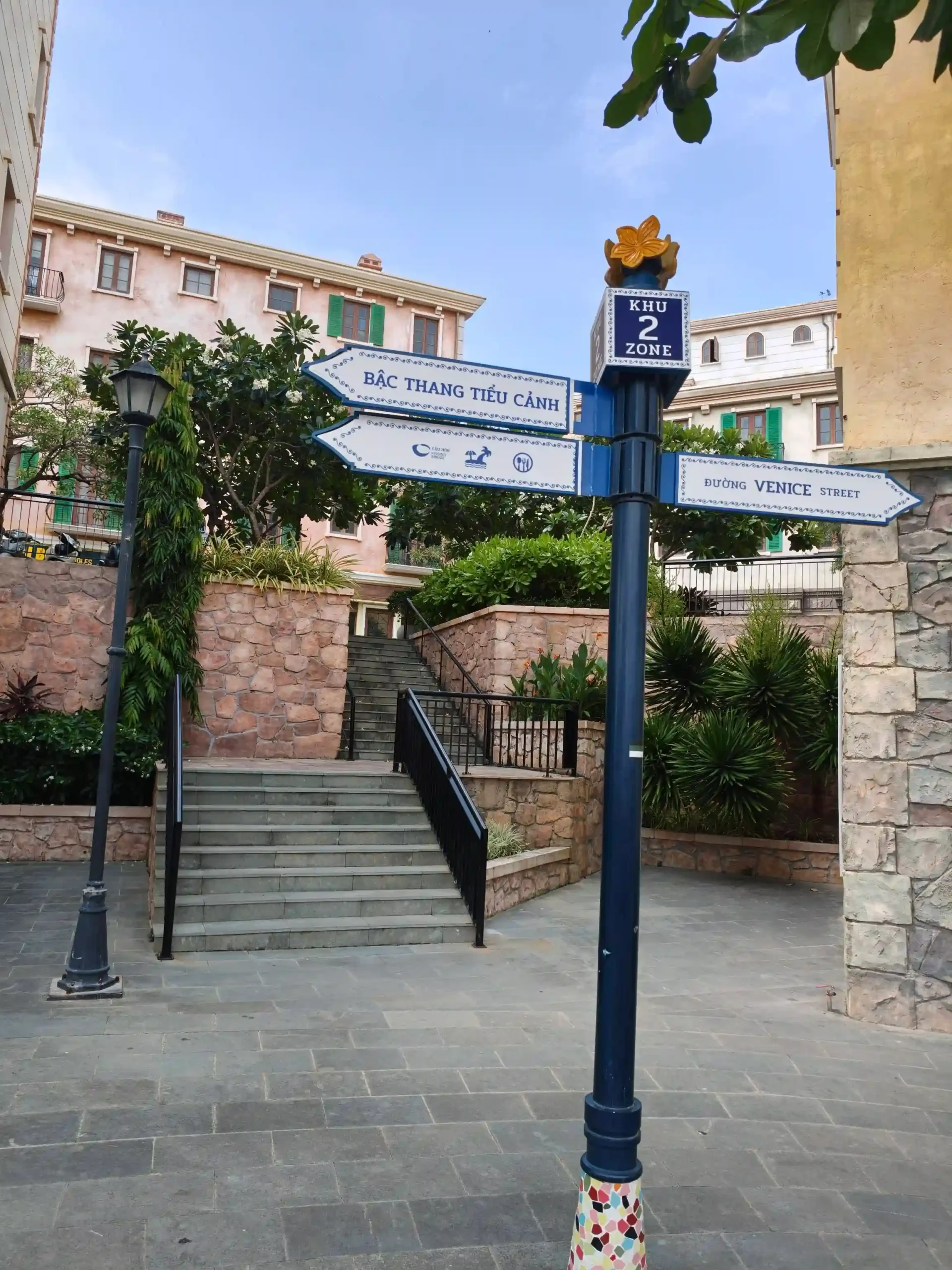
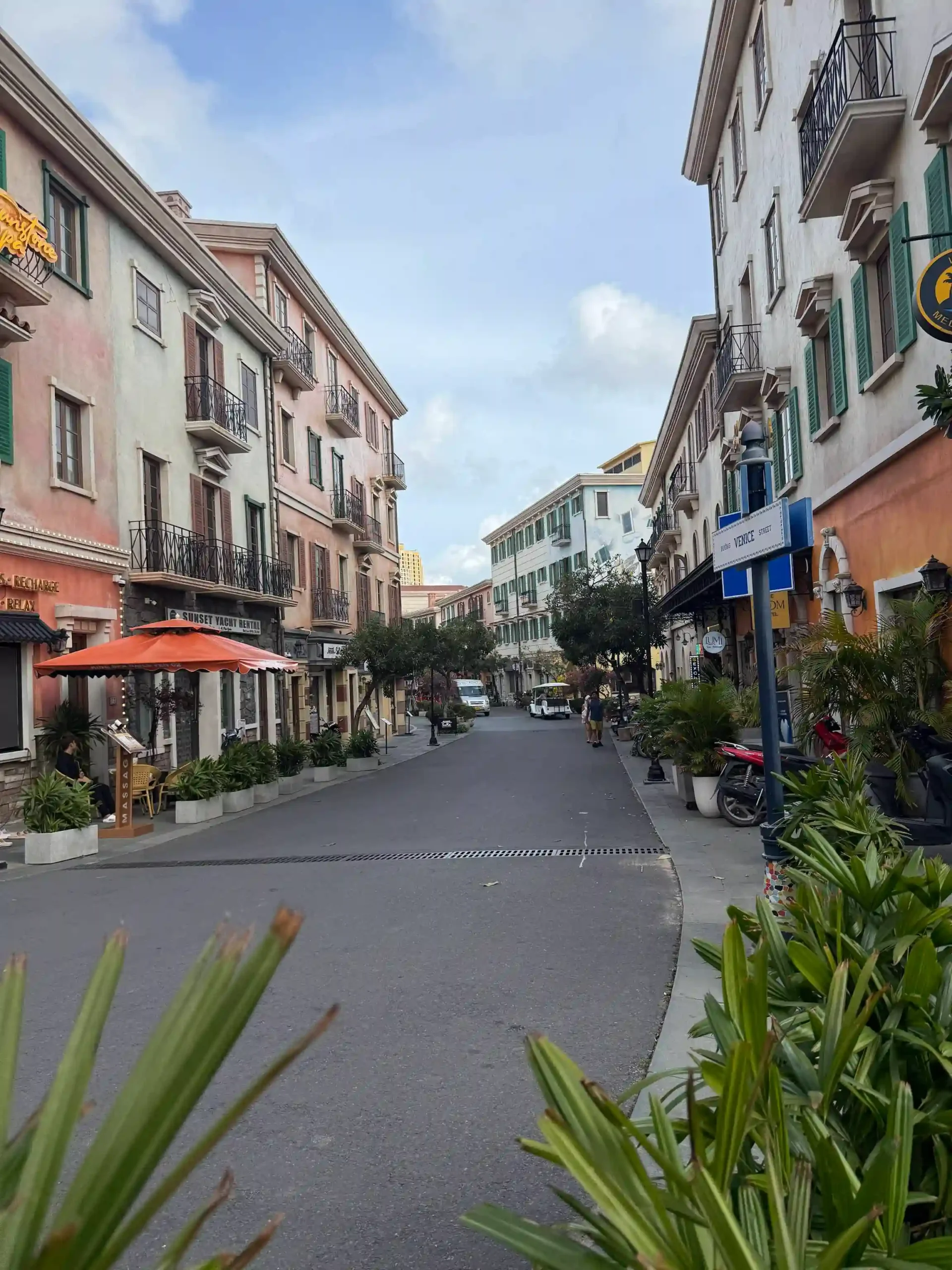
The beaches down this end genuinely are the best on the island, cleaner and clearer than the west coast strip, which is a real point in the area’s favor beyond just the resort quality.
For everything else, it’s isolated. You’re 45 minutes from Duong Dong and further from the north, and the area around the resorts has little of its own beyond what the resorts provide.
Eating outside your hotel means either Sunset Town’s restaurants, which are priced for tourists, or a drive. Base here deliberately, not by accident.
Ganh Dau and the Far North
This is the area I’d steer most people away from, and it appears on more lists than it deserves.
The far north holds the Vinpearl complex, VinWonders, the Safari, Grand World, and a cluster of large resorts built around them. It’s a self-contained enclave, and VinBus runs shuttles within it, which reduces the transport problem inside the bubble.
Outside that bubble, you’re a long way from everything. The beaches around Ganh Dau are quiet and largely undeveloped, which sounds appealing until you realize that means very little to eat and nothing to do beyond what your resort offers. Getting to An Thoi for a boat trip is most of a day’s driving round trip.
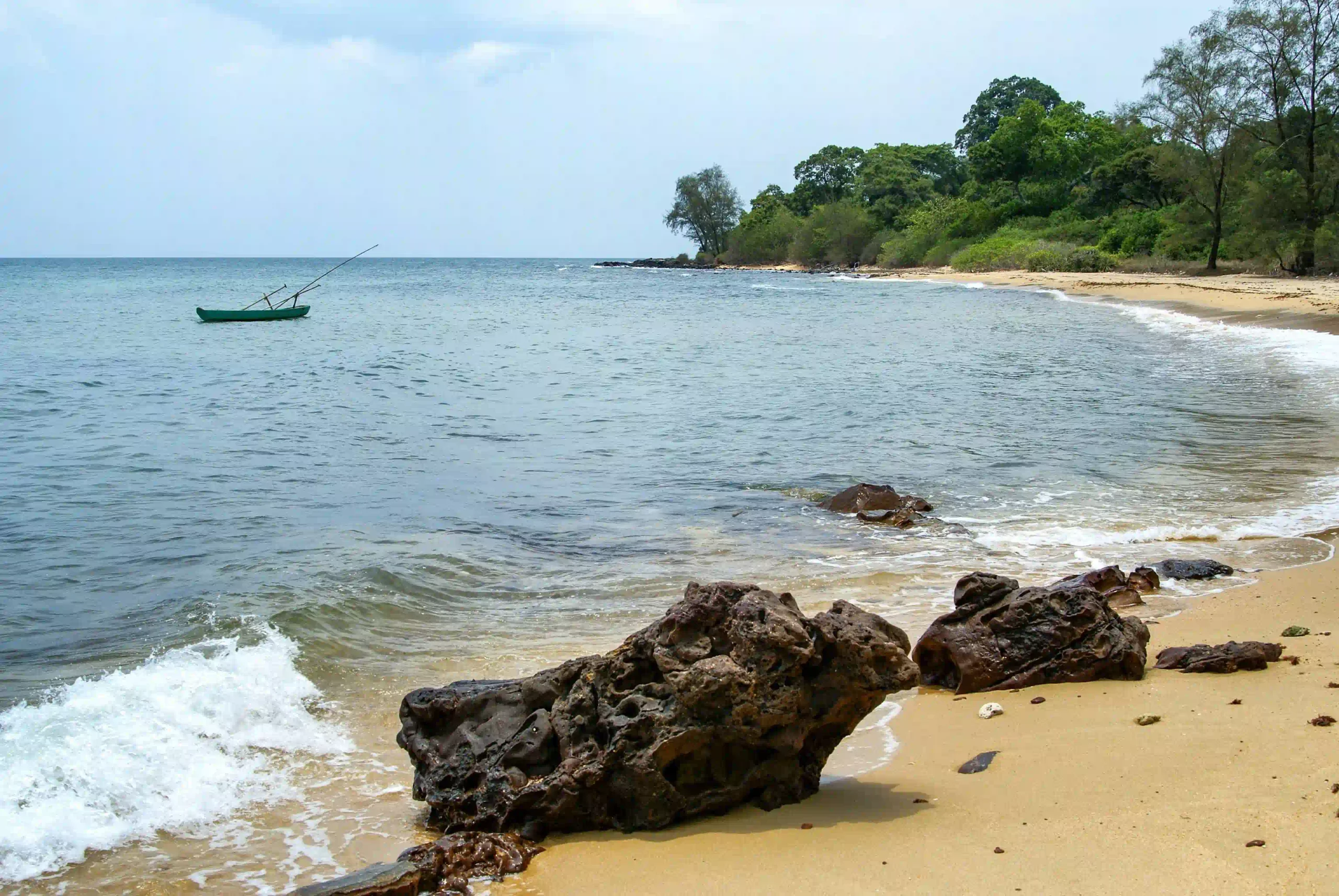
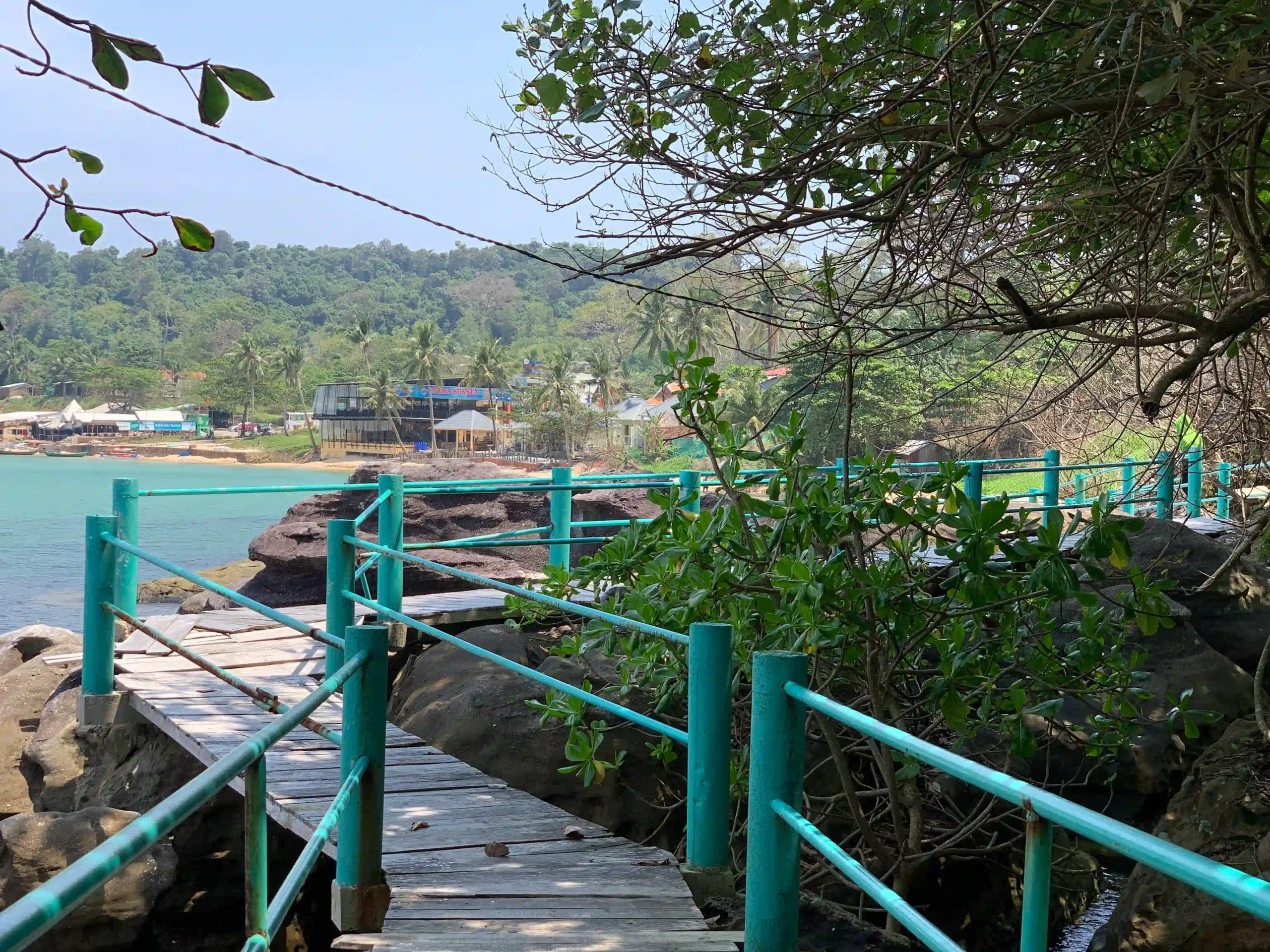
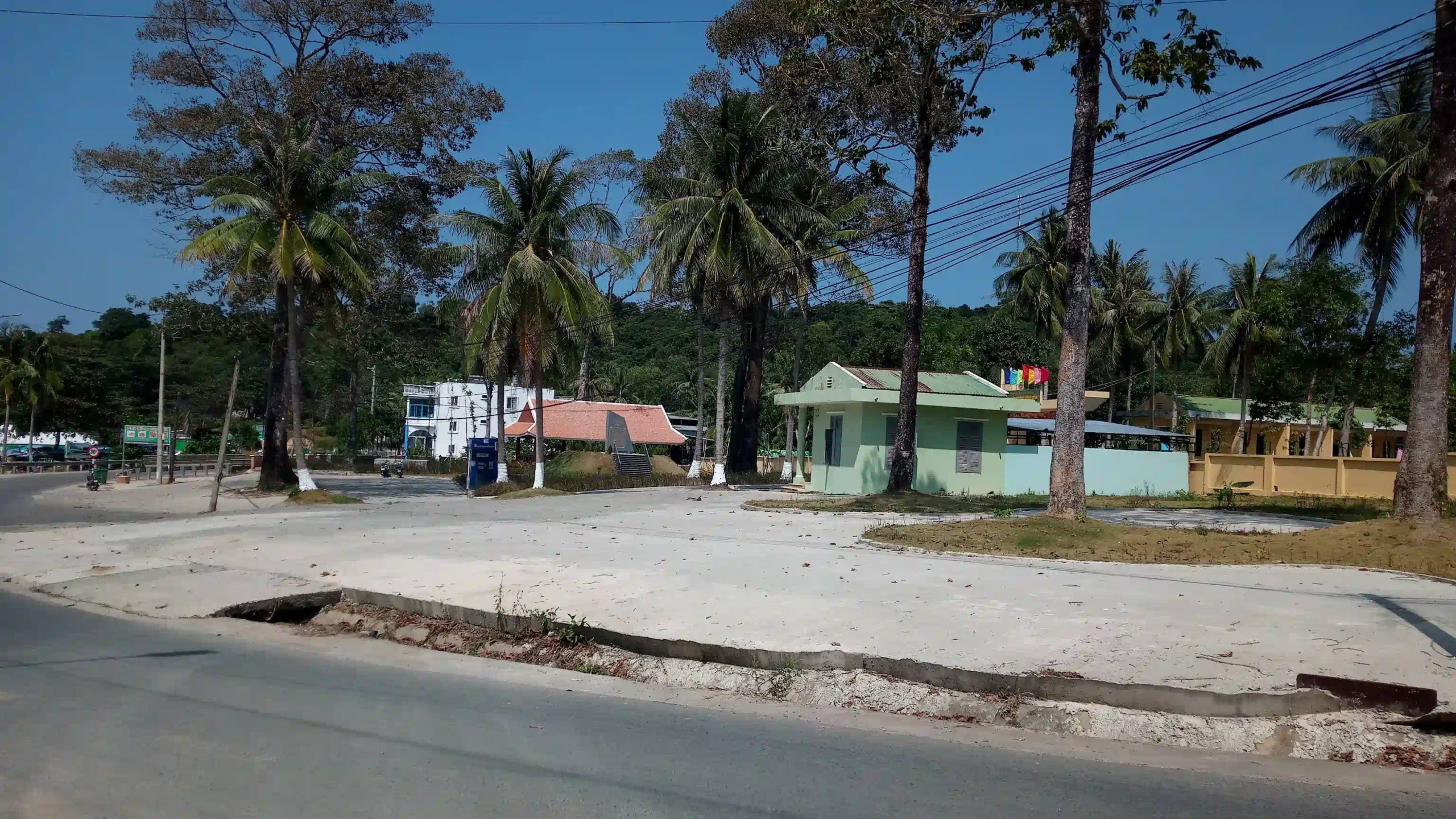
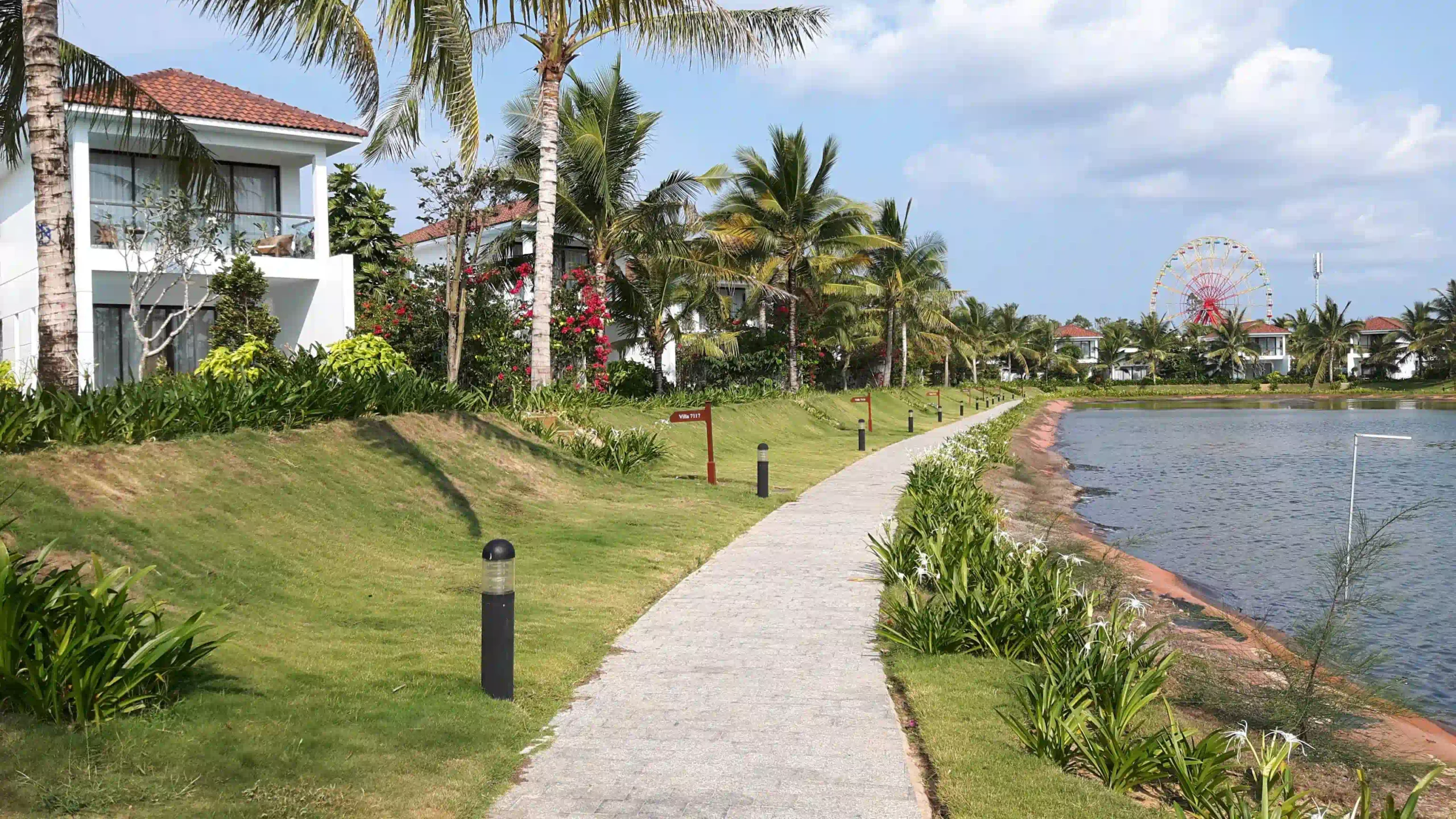
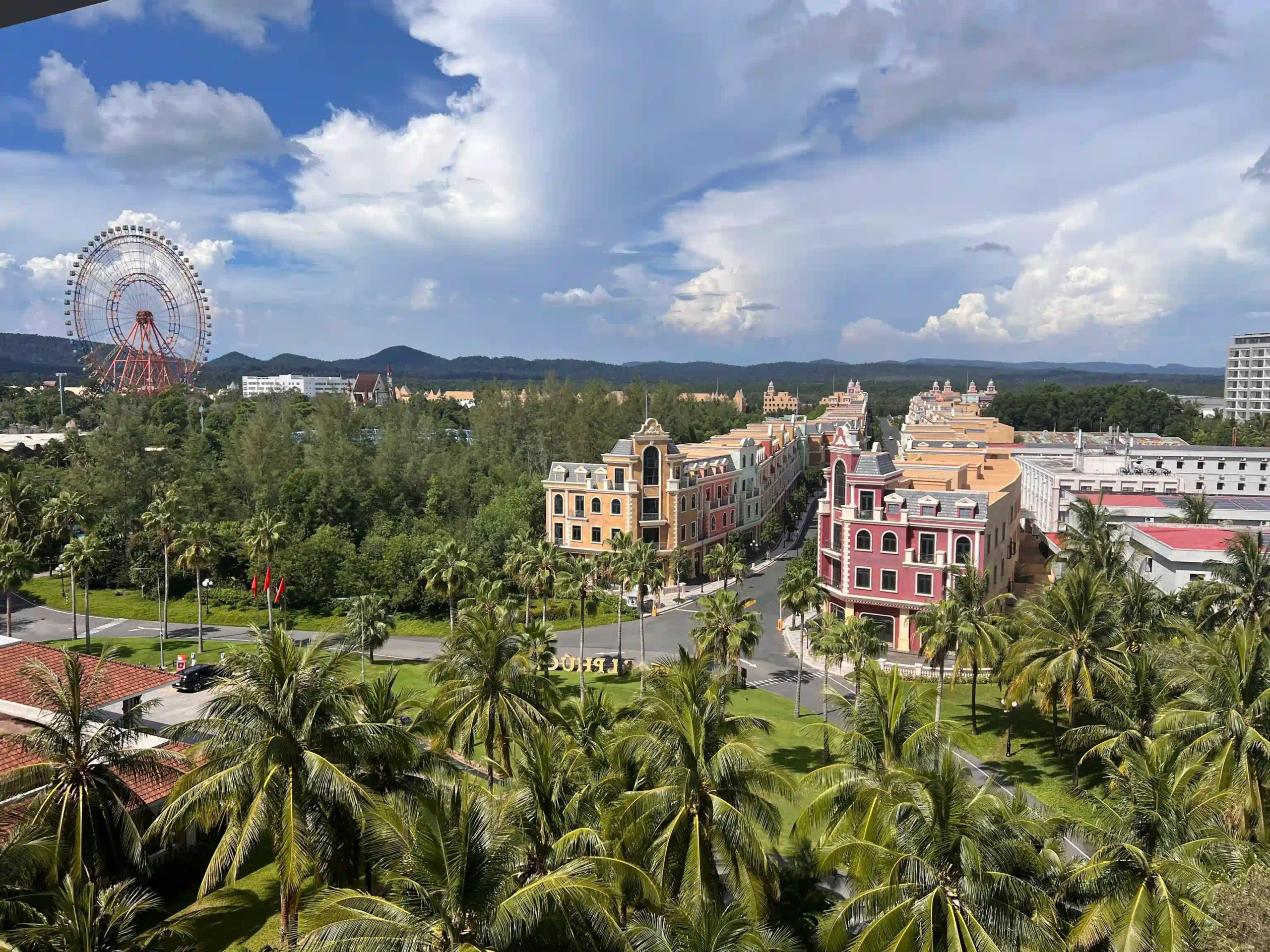
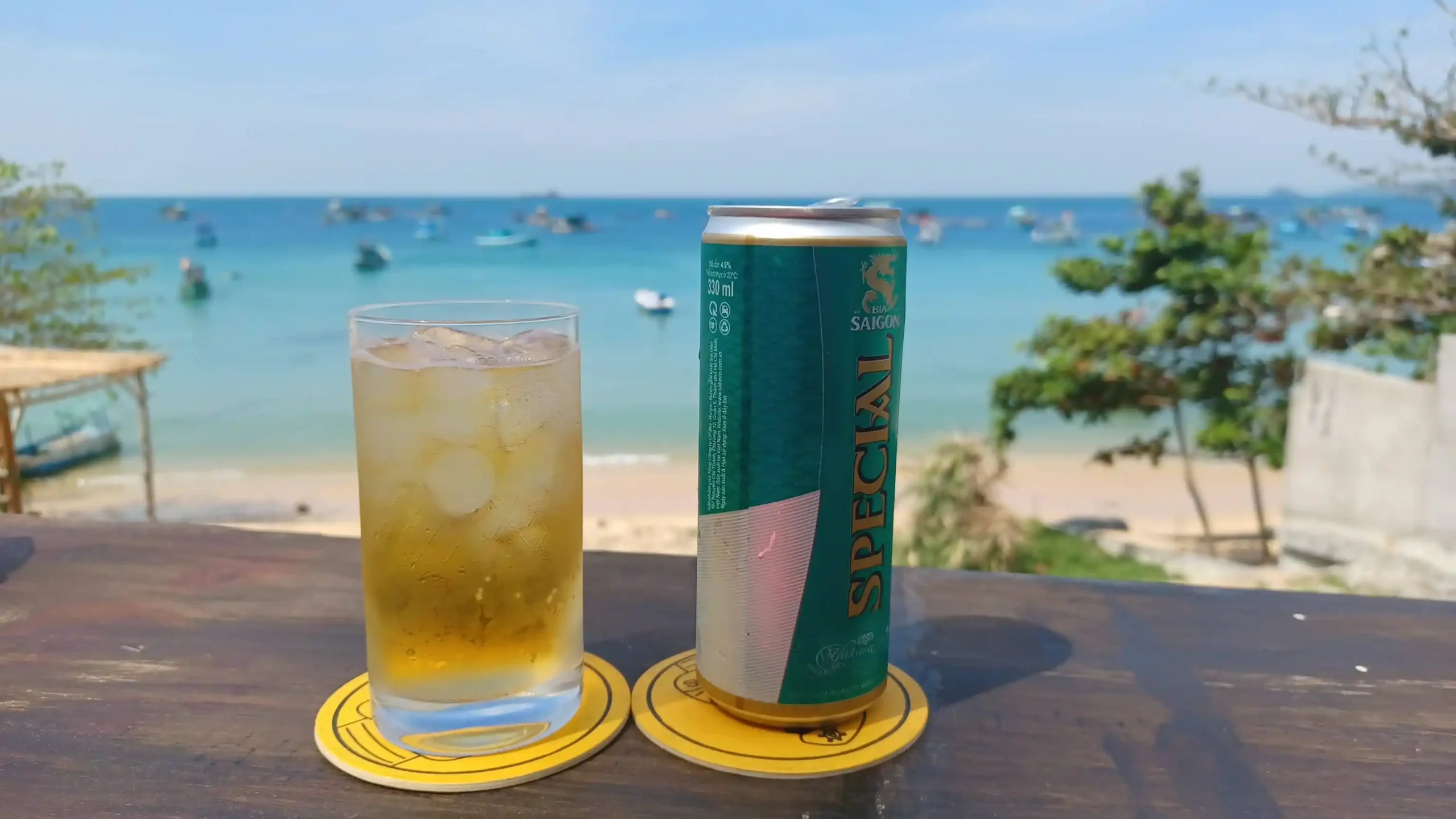
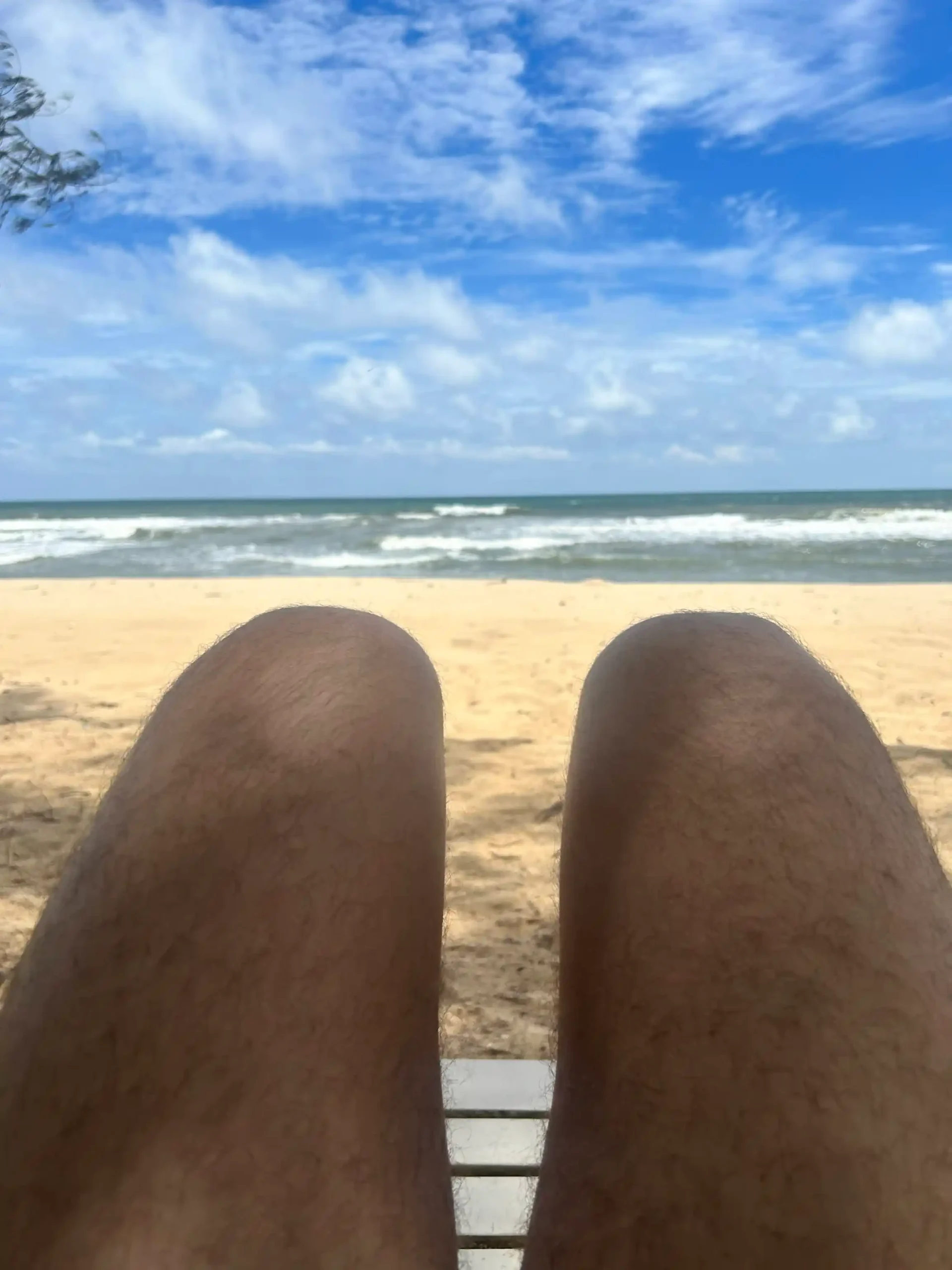
The area does have Starfish Beach and the Ganh Dau coastline itself, both genuinely nice and genuinely empty. I spent a good afternoon up here. But visiting the north for a day and basing yourself in the north for a week are completely different propositions, and the second one costs you access to most of what makes Phu Quoc worth the flight.
If your entire trip is built around the Vinpearl attractions, this makes sense and nothing else does. For anyone else, particularly a first-timer, it’s the wrong end of an island where distance genuinely costs you.
Where to Stay in Phu Quoc: Quick Comparison
| Area | Best For | Budget | Trade-off |
|---|---|---|---|
| Duong Dong | First-timers, budget, long stays | $10-40/night | Poor beach in town |
| Long Beach (north) | All-round first trip | Wide range | Cloudy water after rain |
| Long Beach (south) | Resort stays | Mid to high | Need transport for everything |
| Ong Lang | Couples, quiet, families | Mid to high | Limited dining, some litter |
| Khem / Sunset Town | Luxury, honeymoons, boat trips | High | Isolated from the rest |
| Ganh Dau / north | Vinpearl-focused trips only | Mid to high | Far from everything else |
When to Book and What It Costs
Season swings prices harder here than the area choice does. November through April is dry season and peak demand, and the same room can cost double what it does in July. If your dates are flexible, the shoulder months on either side of that window get you most of the good weather at a real discount.
Tet and the Christmas-to-New Year stretch are the two periods where booking early genuinely matters. Domestic Vietnamese tourism fills the island during Tet specifically, and the better-value properties in Duong Dong and northern Long Beach go first.
Outside those peaks, Phu Quoc has enough accommodation supply that booking a week or two out is usually fine, particularly in the mid-range. The exception is the small eco-resort category in Ong Lang, where properties are genuinely small and the good ones fill regardless of season.
One thing that surprised me: the price gap between areas is smaller than the price gap between seasons. A mid-range room in Ong Lang in July can cost less than a budget room in Duong Dong in January. If you’re weighing where to stay in Phu Quoc primarily on budget, the timing decision does more work than the location decision.
Accommodation Types and What They Cost
Area matters most, but the type of property matters second, and Phu Quoc has a wider spread than most Vietnamese beach destinations.
Guesthouses and homestays cluster in Duong Dong and the northern end of Long Beach, running $10-40 a night. These are the best value on the island and perfectly comfortable, generally clean rooms with AC and a fan, sometimes breakfast included.
Bungalows are the Ong Lang specialty, individual units with more privacy, usually $60-120. This is where the eco-resort category lives, and where you should check whether air conditioning is actually included or whether “natural ventilation” means a fan and an open window.
Full resorts dominate the far south and far north, running from $100 up to genuinely expensive. What you’re buying at this tier is the property itself as the destination, pools, private beach access, multiple restaurants, spa. If you’re going to spend most of your time inside the resort, the location matters less and the property matters more.
Apartments and villas exist for longer stays, mostly around Duong Dong and Long Beach, and they’re the sensible option for anyone here for a month or more. That’s the category I ended up in for part of my stay, and the monthly rates make almost no sense compared to nightly hotel pricing if you’re staying more than a couple of weeks.
Where I’d Actually Book, By Trip Type
First trip, four or five days, wanting to see the island: north Long Beach or Duong Dong. Central, cheap, everything reachable, and you can walk to dinner.
Couple wanting quiet, a week or more: Ong Lang, and accept that you’ll be riding into town every few days.
Pure resort holiday, not planning to explore: the far south, Khem Beach specifically.
Family doing the theme parks: the far north, but only if that’s genuinely the trip you’re taking.
Long stay or working remotely: Duong Dong, without much hesitation. The cost difference over a month is significant and the convenience compounds daily.
Boat trips as the main priority: the far south, close to An Thoi harbor, which saves you an early-morning drive on every water day.
The mistake I’d most want to prevent is booking a beautiful resort at one end of the island and then discovering the things you actually wanted to do are all at the other end. Sort out where to stay in Phu Quoc at the area level first, then the property. Which specific hotels are worth it within each area is a separate question, and one I’ll get into properly across the rest of this Phu Quoc series.

Keep Exploring Phu Quoc
-
See & do UltimateAll the best things to do in Phu Quoc as a first-timer ›
-
Stays3 Best Phu Quoc Private Pool Villas (Expat review 2027) ›
-
StaysBoutique Hotels in Phu Quoc: 3 charming & affordable stays ›
-
Stays3 best Phu Quoc family resorts I’d book with kids (2026) ›
-
StaysTop 5 Beachfront hotels in Phu Quoc: Personal picks (2026) ›
-
Route Must readPhu Quoc itinerary: How many days before you get bored? ›
-
Guide Must readIs Phu Quoc worth visiting or overrated? What to expect ›











 Tiếng Việt
 한국어
한국어 中文 (中国)
 日本語
日本語 ไทย
ไทย Deutsch
 Español
 Destinations
 Instagram
 Facebook
 X (Twitter)
 Threads
 Tiktok