









 Ha Giang
 Hanoi
Hanoi Ho Chi Minh City
 Ha Long
 Sapa
Sapa Mekong Delta
 Da Nang
 Hue
Hue Hoi An
 Ninh Binh
 Da Lat
 Nha Trang
 Phan Thiet
 Phu Quoc
 Quang Binh
 Quy Nhon
 Vung Tau
 Thai Nguyen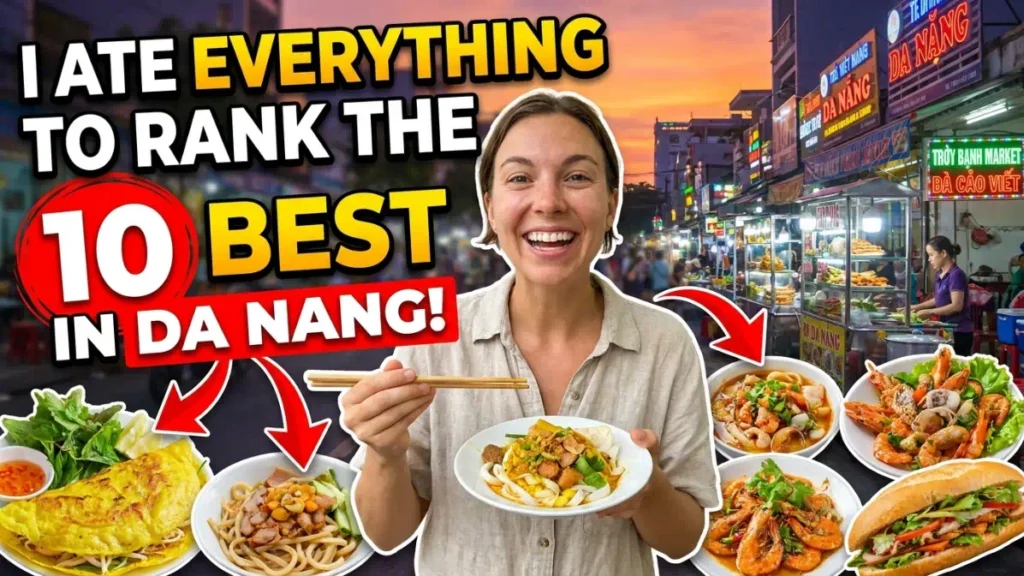

Skip the history lesson. You probably already know Vietnam has good food. People land in Hanoi expecting Pho, and they go to Saigon expecting massive plates of broken rice.
The Da Nang food scene is a completely different animal. It’s spicier. It relies heavily on fermented fish sauces that will punch you in the face if you aren’t ready for them. The locals put turmeric in almost everything. And because this is a coastal city backed by mountains, the ingredients are this weird mix of ocean catch and jungle herbs.
If you are trying to figure out the absolute best food in Da Nang, this is the definitive ranking. I cut out the generic stuff you can get anywhere in the country. This list is just the hardcore local specialties. 10 down to 1.
Consider this your hit list. You can map these places out around the cultural spots and landmarks you plan to visit so you don’t starve while walking around. And if you need to know the actual rules of street hygiene and how to order without speaking Vietnamese, cross-reference this with my complete survival manual for eating in the city .
- Quick Answer: The absolute best food in Da Nang is Mì Quảng (turmeric noodles in a rich pork broth), followed by Bánh Xèo (crispy sizzling pancakes) and fresh street seafood. Central Vietnamese food is spicy and uses strong fermented fish sauce, so skip the tourist traps and eat at local sidewalk stalls.
- The Top 3 Must-Eats:
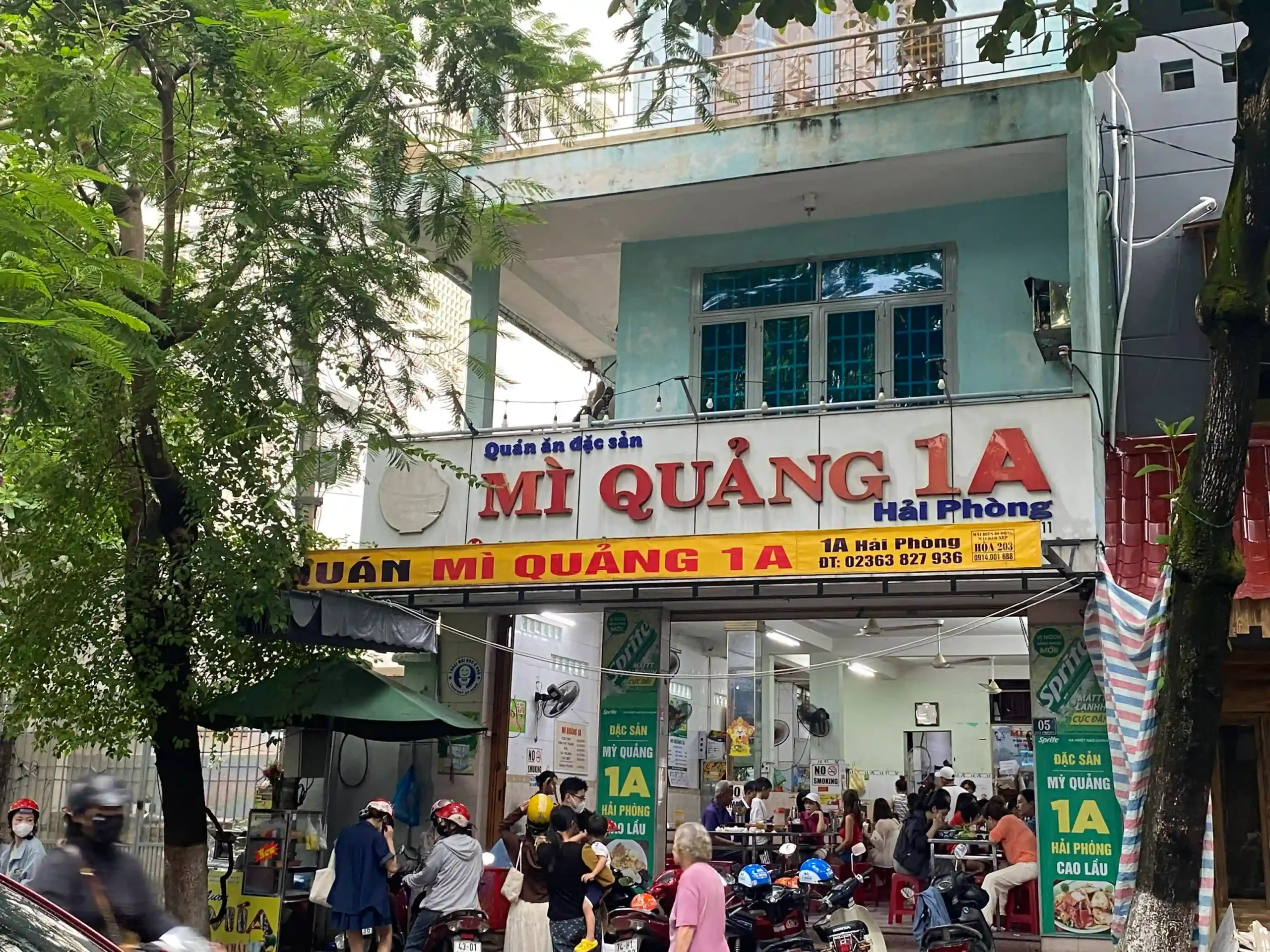
- Mì Quảng (Turmeric Noodles): The undisputed king of Da Nang food. Wide noodles, shallow fatty broth, pork, and crispy rice crackers. Go to Mì Quảng 1A or Bà Vị.
- Bánh Xèo & Nem Lụi: Crispy fried pancakes and grilled lemongrass pork skewers. Wrap them in rice paper and dip in peanut-liver sauce at Bánh Xèo Bà Dưỡng.
- Hải Sản (Street Seafood): Order steamed clams and grilled scallops at Hải Sản Năm Đảnh, a massive open-air tin roof joint hidden deep in the Son Tra alleys.
- The Local Heavy Hitters:
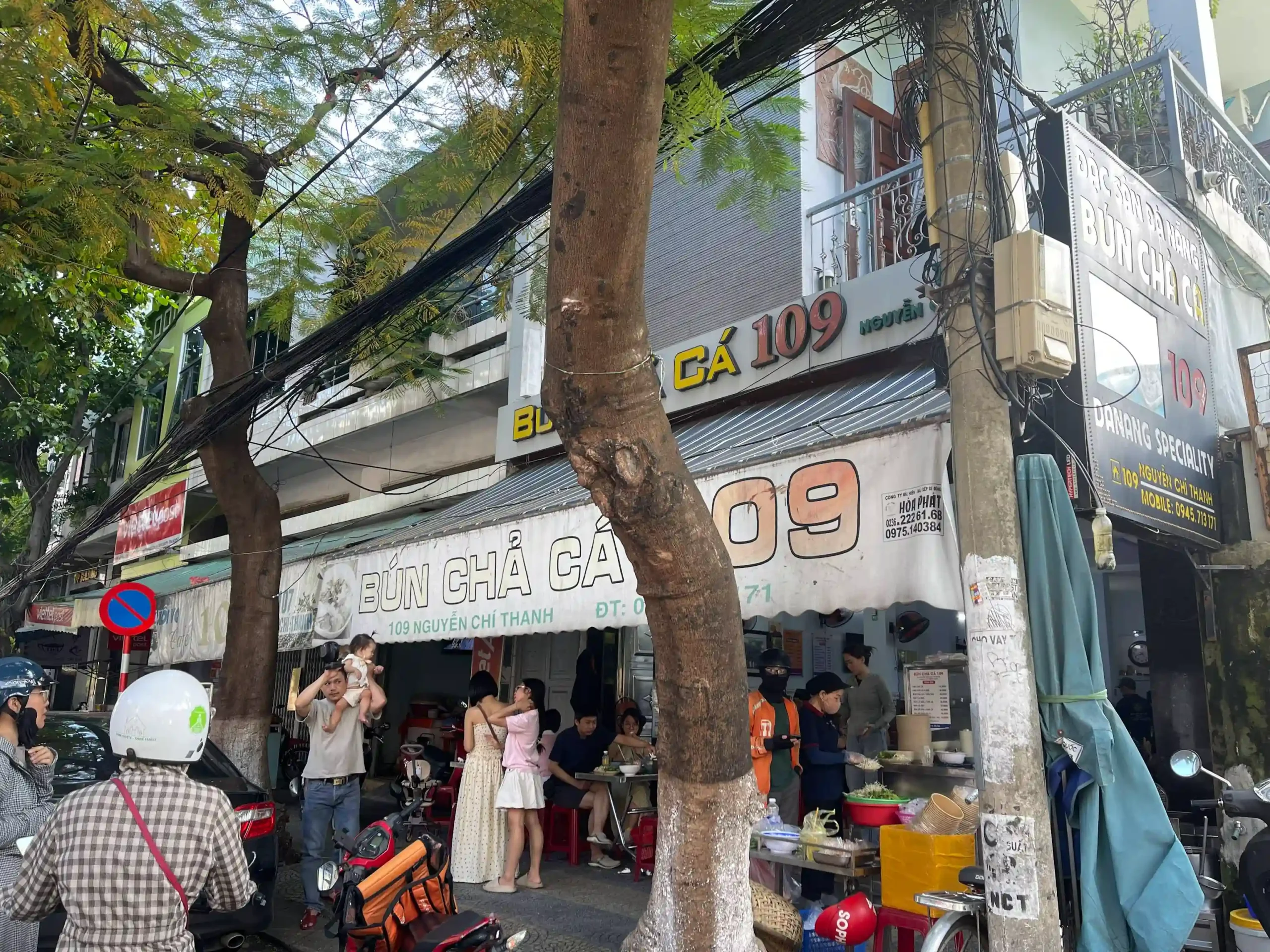
- Bún Chả Cá: Fish cake noodle soup with a sweet and sour pumpkin/pineapple broth. Best at Bún Chả Cá 109.
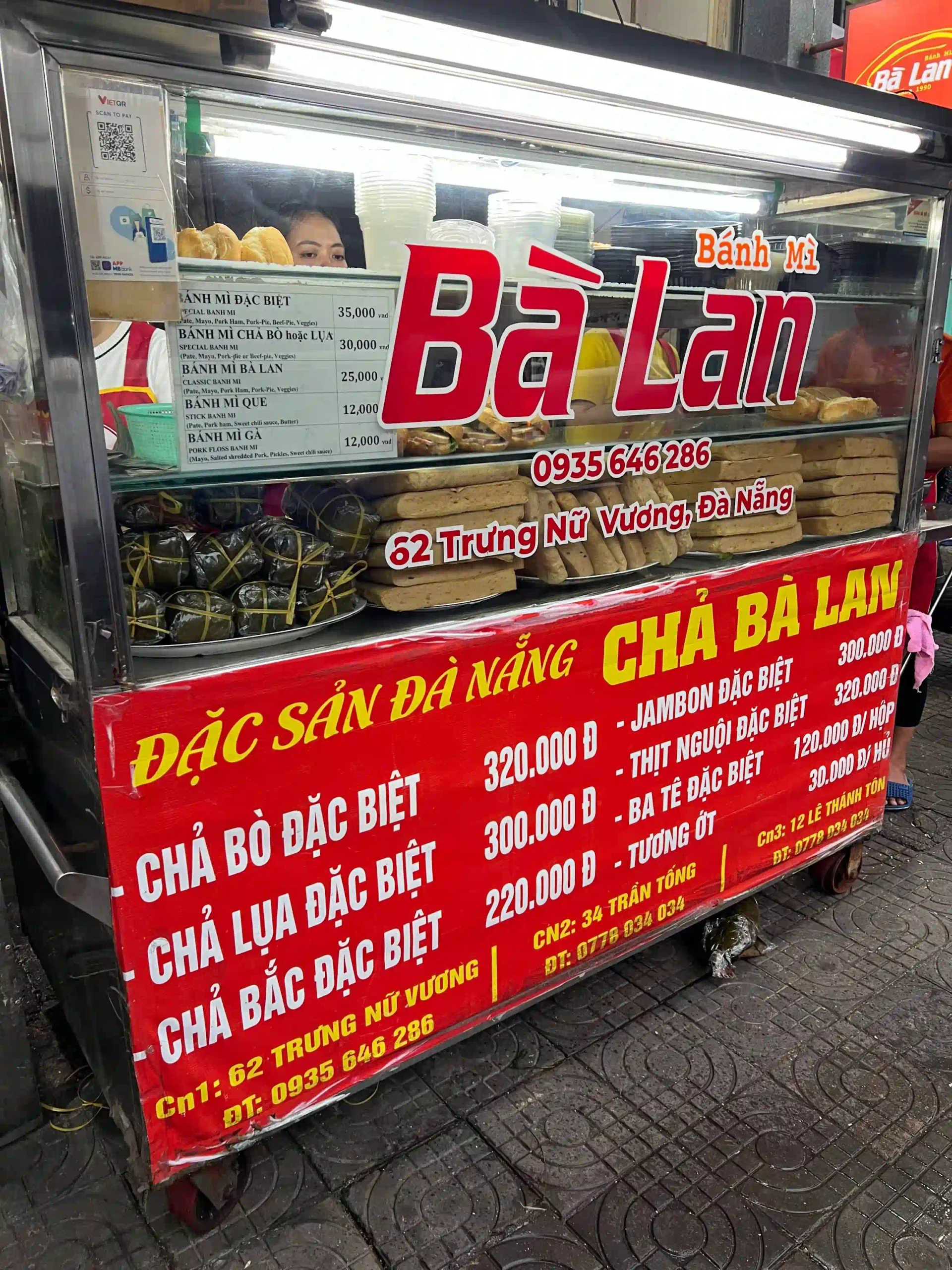
- Bánh Mì Da Nang: The bread here is shorter and crunchier than in Saigon, filled with pate and warm pork gravy. Bánh Mì Bà Lan is the top spot.
- Bún Mắm Nêm: A divisive, pungent bowl of cold noodles, roast pork belly, and fermented anchovy sauce.
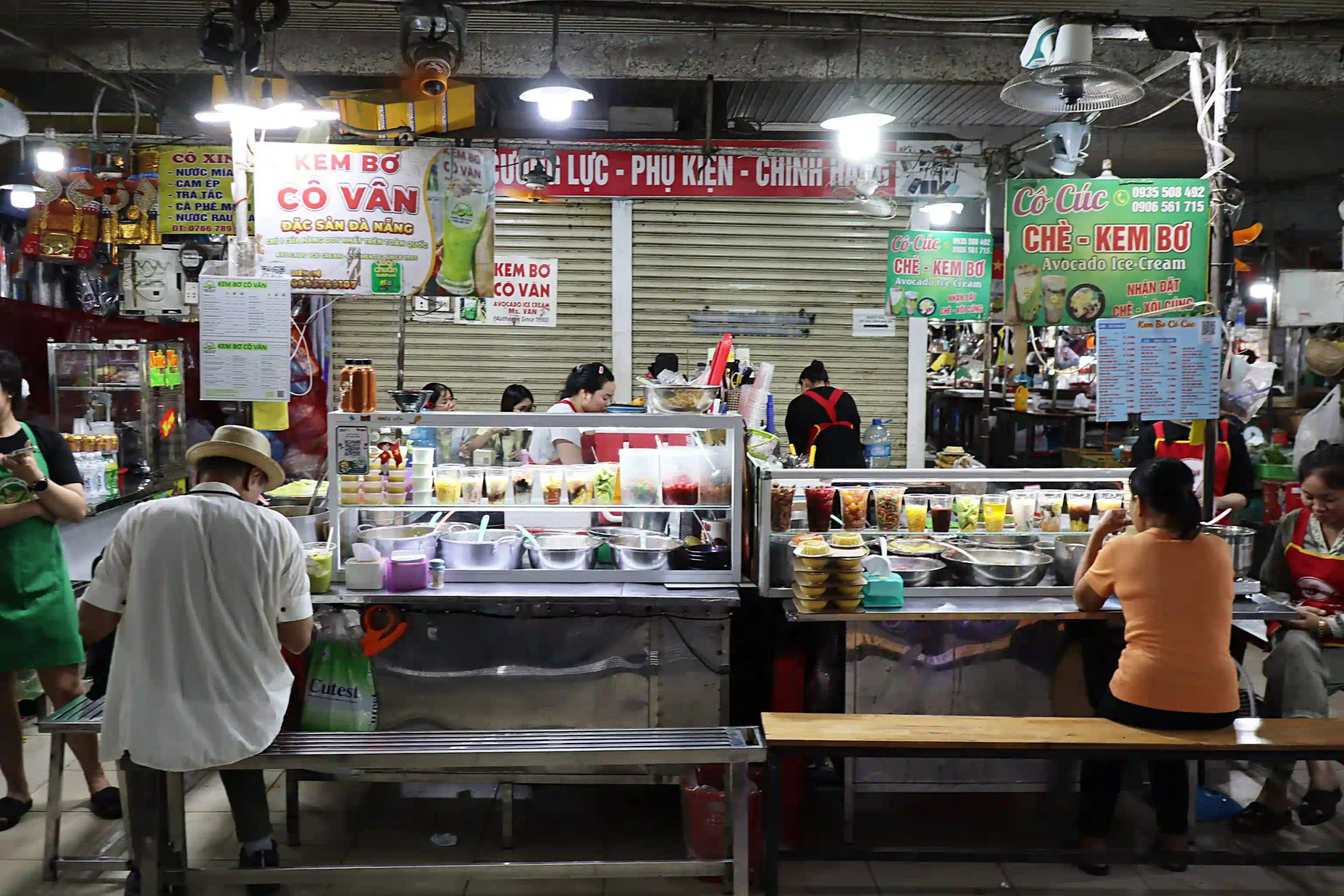
- Kem Bơ: A surprisingly amazing dessert of blended avocado and coconut ice cream inside Con Market (Kem Bơ Cô Vân).
- Street Food Survival Rules:
- Wipe your chopsticks with a dry napkin before you eat.
- Throw your dirty tissues on the floor, not on the table.
- Wet wipes on the table are not free (they add ~3,000 VND to your bill if you open one).
- Walk up to the cooking cart to pay in cash when you finish. Do not wait for a paper check.
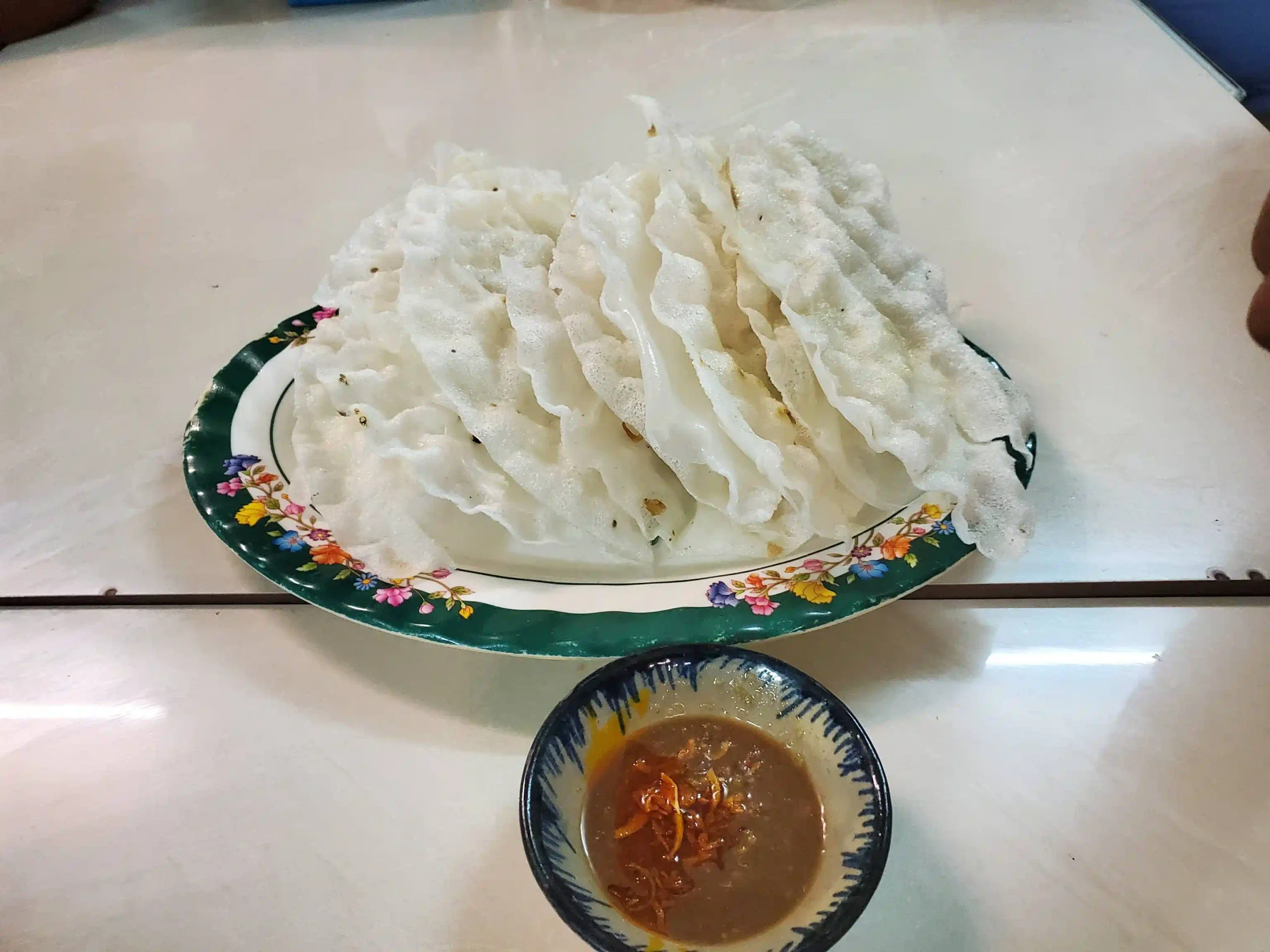
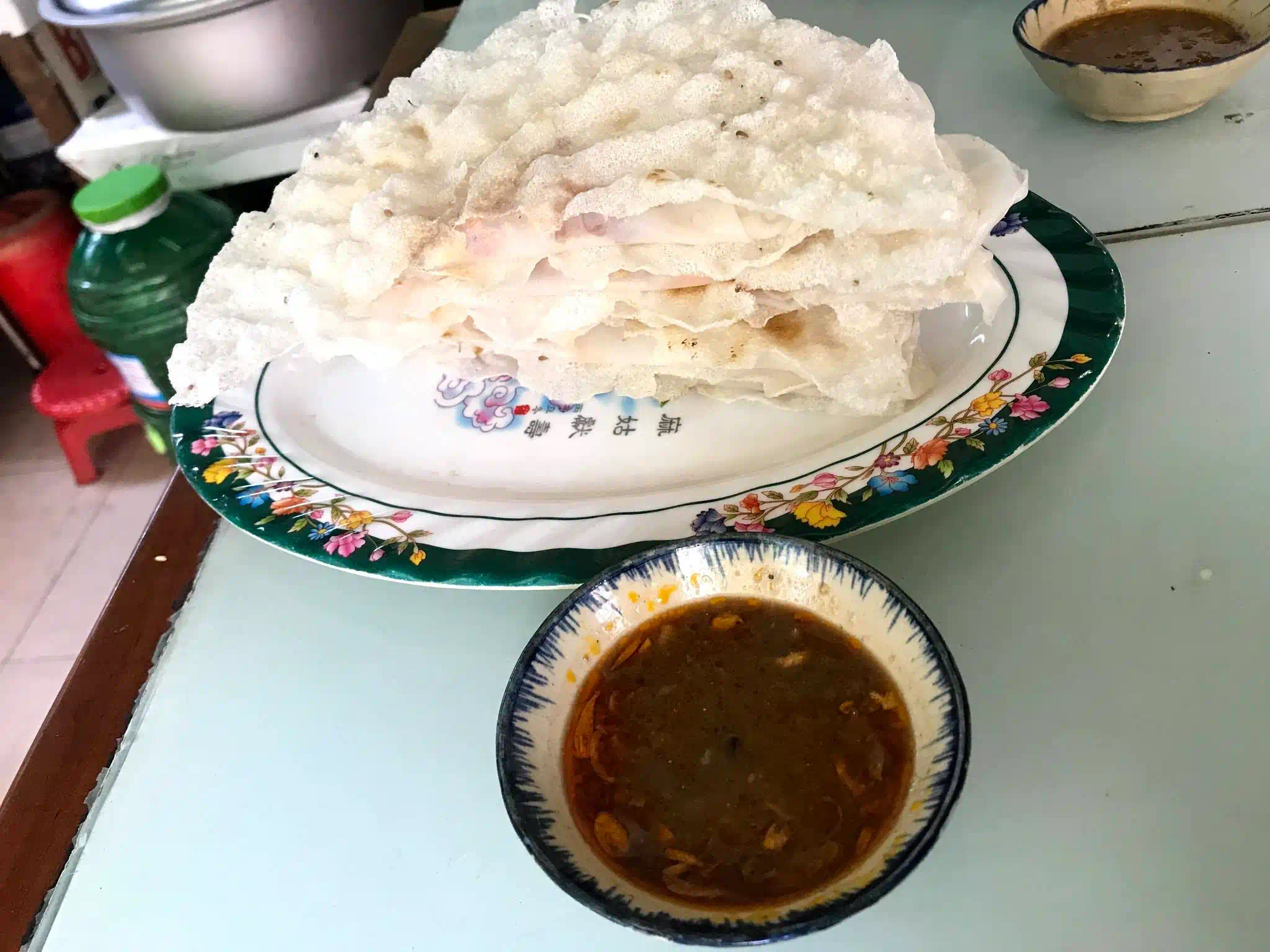
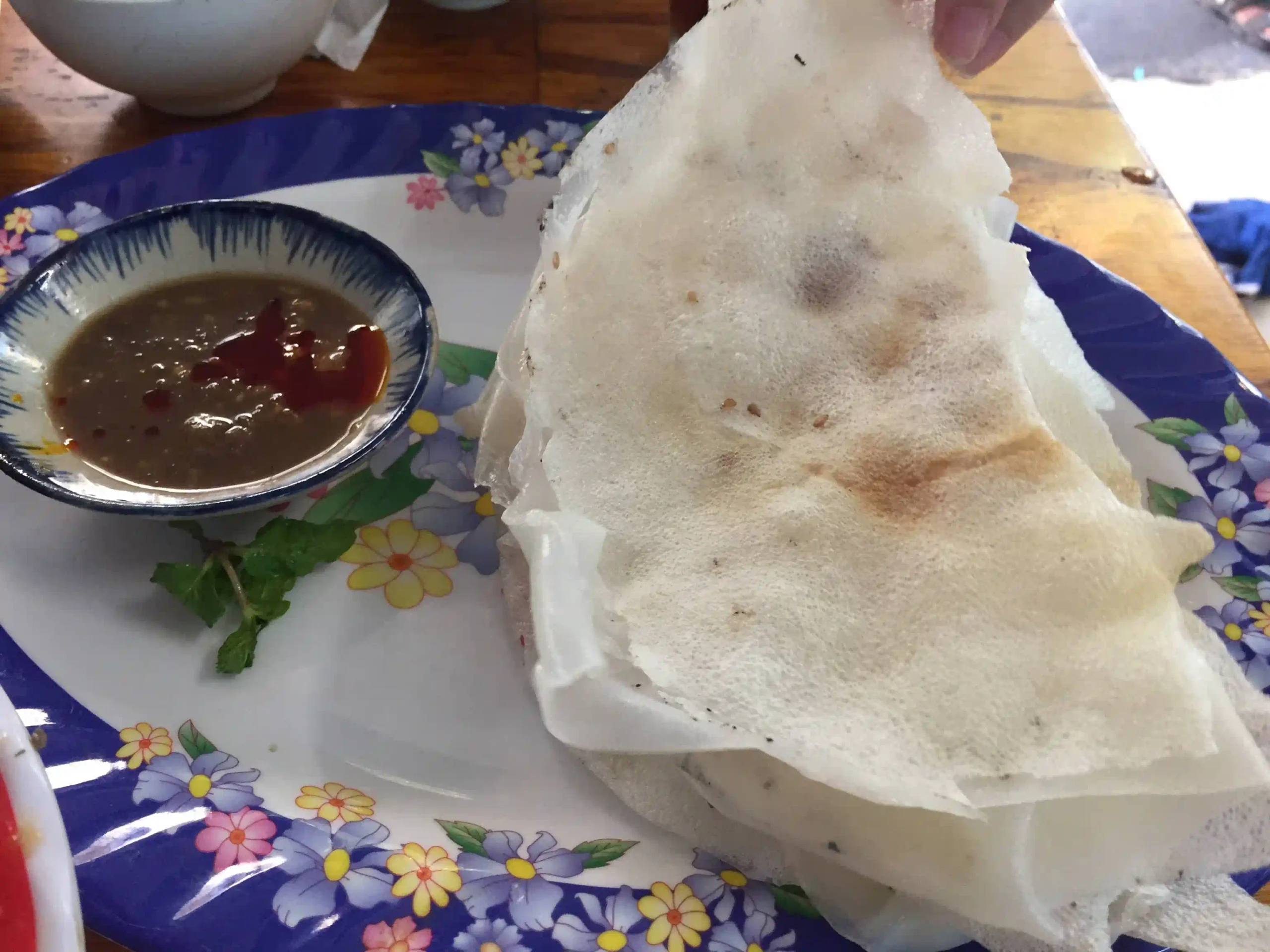
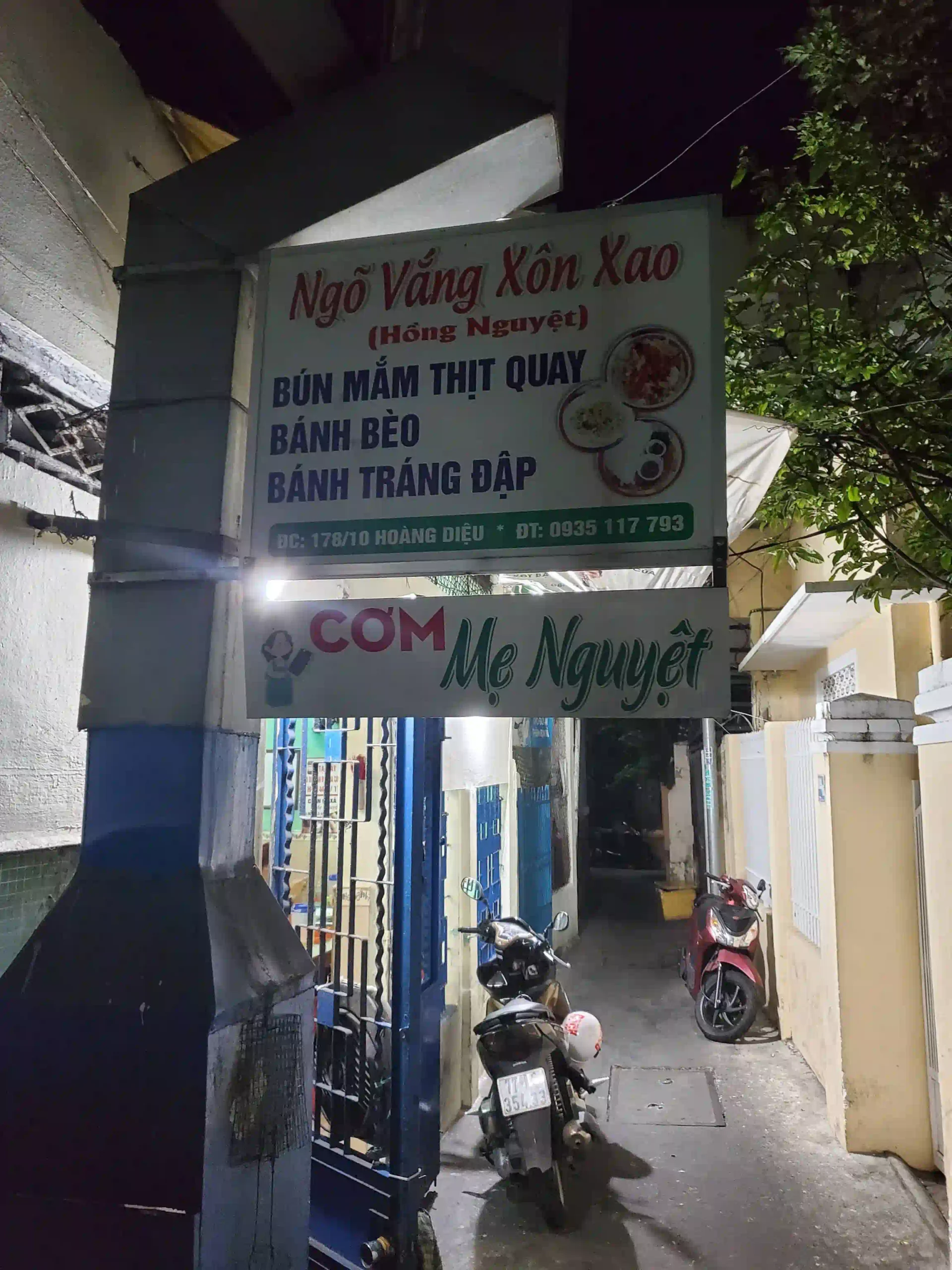
10. Bánh Đập (Smashed Rice Paper)
We are starting with something that barely qualifies as a full meal, but you have to eat it because the texture is crazy.
“Đập” literally translates to smash or hit. That is the entire cooking process.
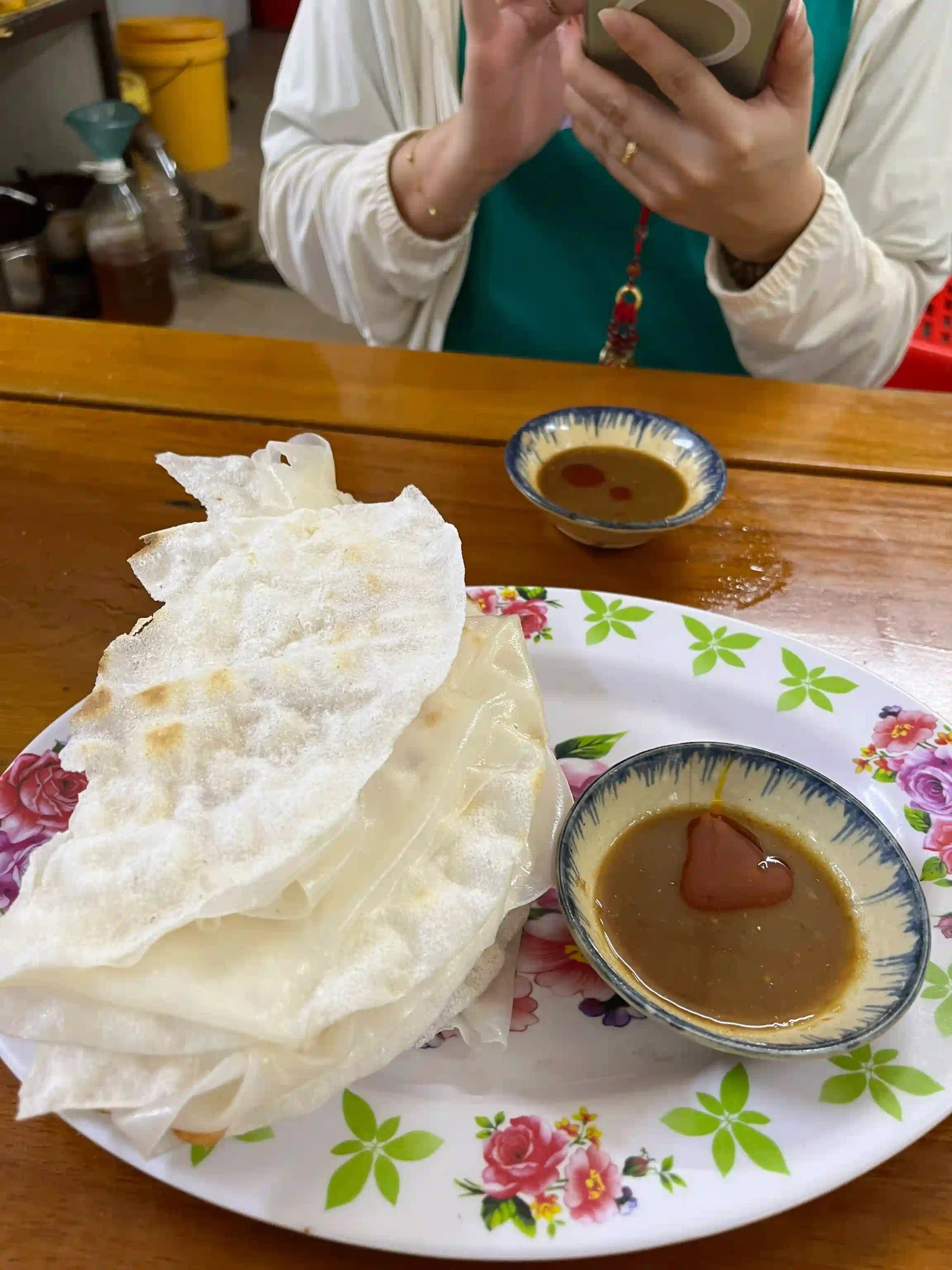
They take a piece of wet, steamed rice paper (the soft stuff they use to make rice noodle rolls). Then they lay it on top of a dry, crispy, grilled rice paper cracker. They smear a little bit of scallion oil and mung bean paste in the middle. Then they literally smash it with the flat of their hand so the wet and dry layers fuse together into one fragmented mess.
How you eat it:
You break off a jagged piece of this double-layered cracker. You dip it into a bowl of Mắm Nêm. This is the fermented anchovy sauce that defines Central Vietnam. It smells aggressive. It tastes deeply salty, sweet, and funky all at the same time. You chew it, and you get the crunch of the cracker mixed with the gummy chewiness of the wet rice paper.
The Reality:
It costs almost nothing. In 2026, a plate of this will run you 15,000 VND (about 60 cents). It is purely a snack. Locals eat it around 4:00 PM to bridge the gap between lunch and dinner.
9. Kem Bơ (Avocado Ice Cream)
Westerners have a weird mental block about avocado. We think it belongs on toast with an egg, or mashed up with onions in guacamole. The idea of eating it as a sweet dessert freaks some tourists out.
Get over it. This is one of the best things you can put in your mouth when it hits 35 degrees outside in July.
What is it?
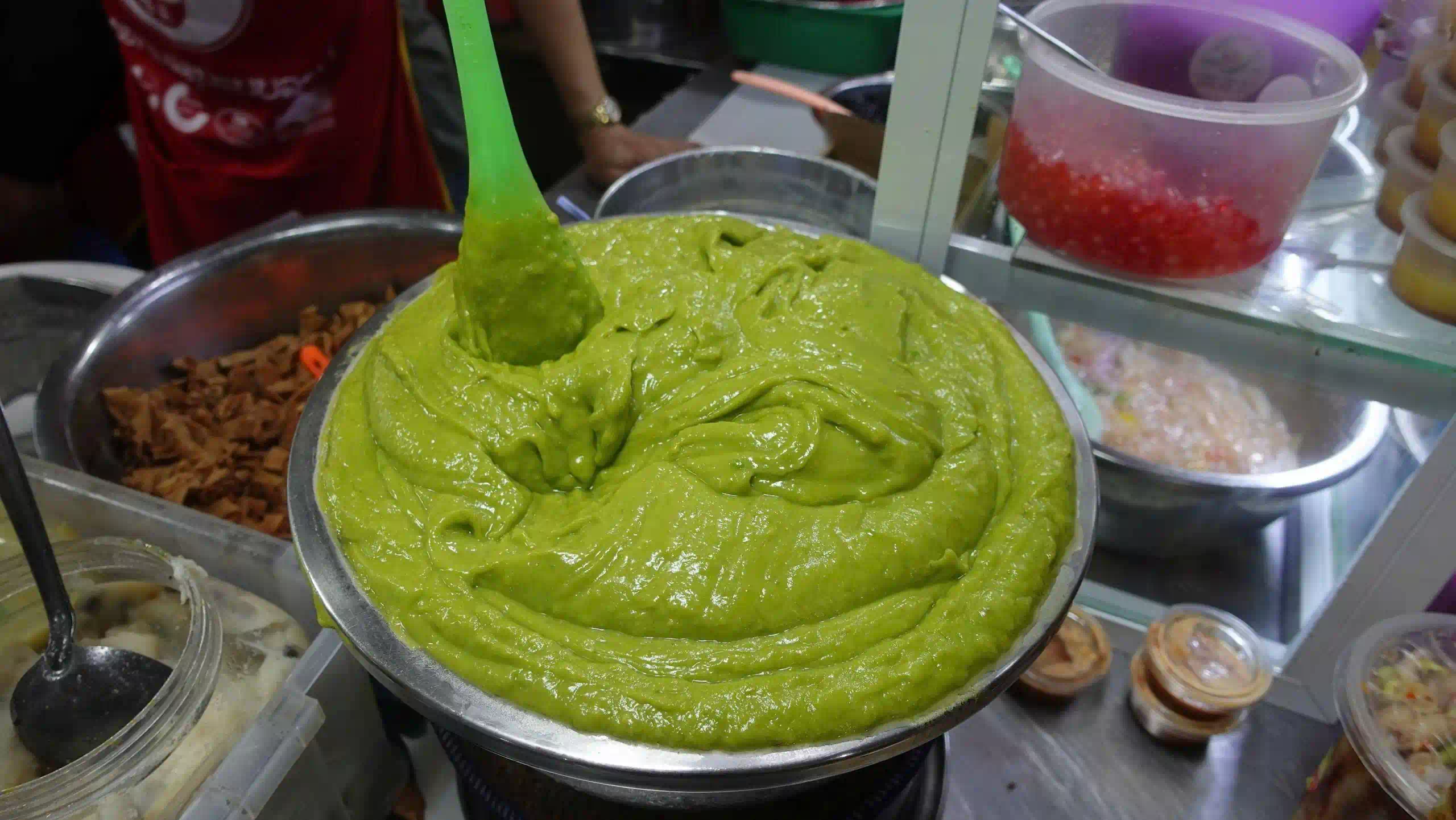
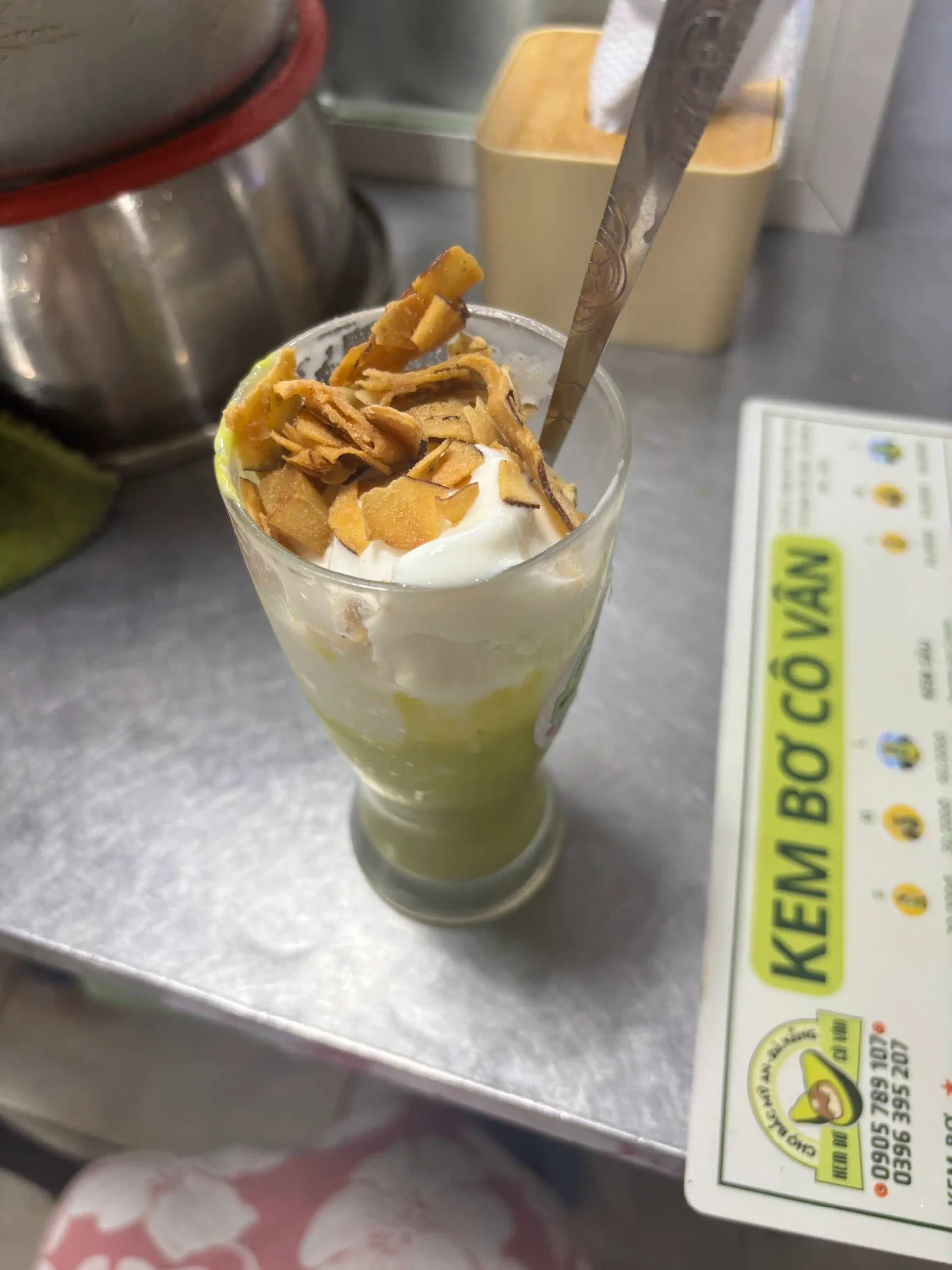
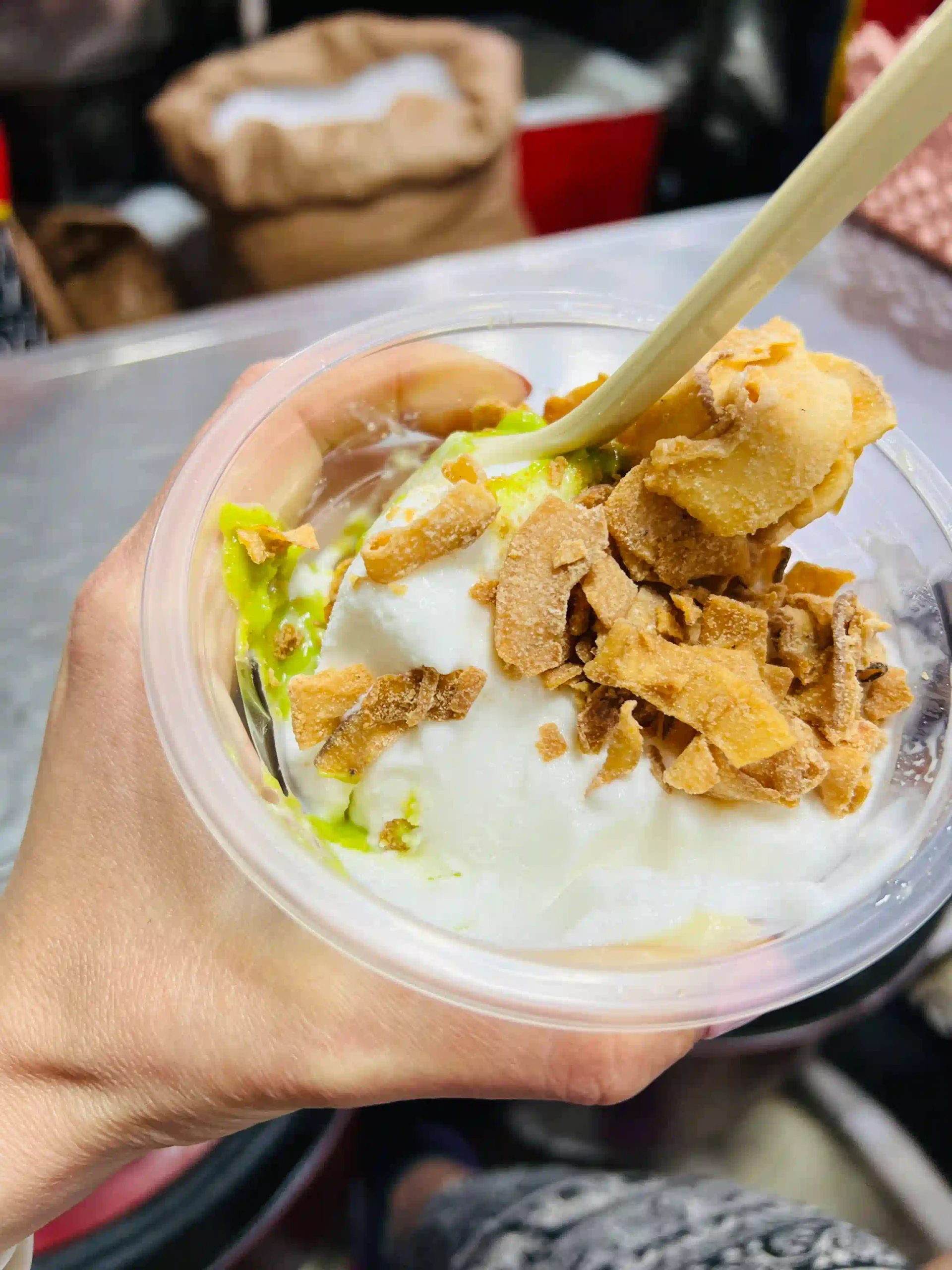
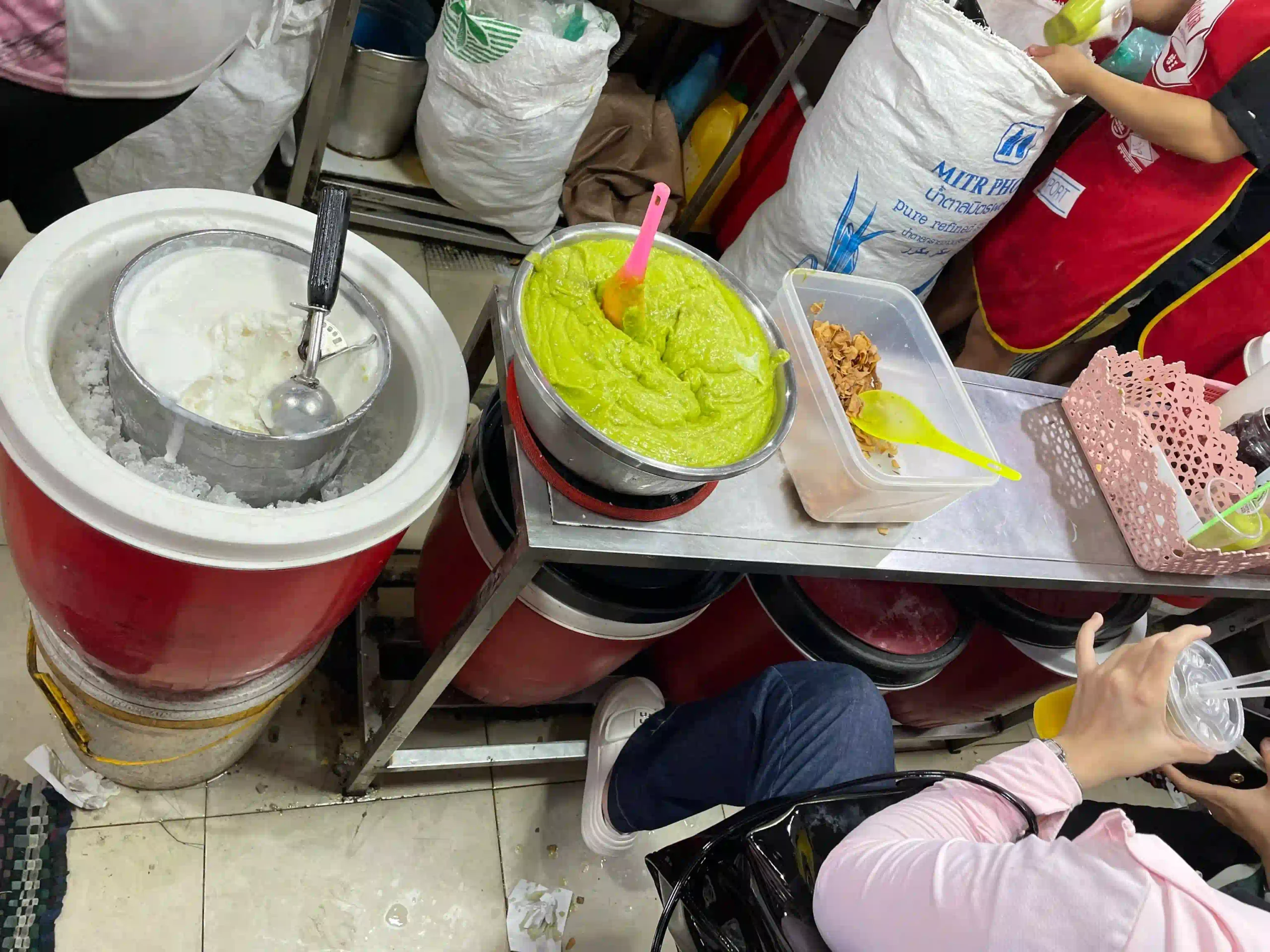
They take fresh, incredibly ripe Dak Lak avocados and blend them into a thick, bright green puree. They scoop that into a tall glass. Then they drop a massive scoop of homemade coconut ice cream on top. Finally, they cover the whole thing in toasted dried coconut flakes and a squirt of condensed milk.
How you eat it:
Do not just eat the ice cream off the top. You take your long spoon and aggressively mix the whole glass until the freezing coconut ice cream blends into the heavy, rich avocado puree. It turns into this thick, cold, sweet green sludge. It sounds terrible. It tastes amazing.
The Reality:
It costs 20,000 VND. You will find it everywhere, but the undisputed king of this dessert is inside Bac My An Market.
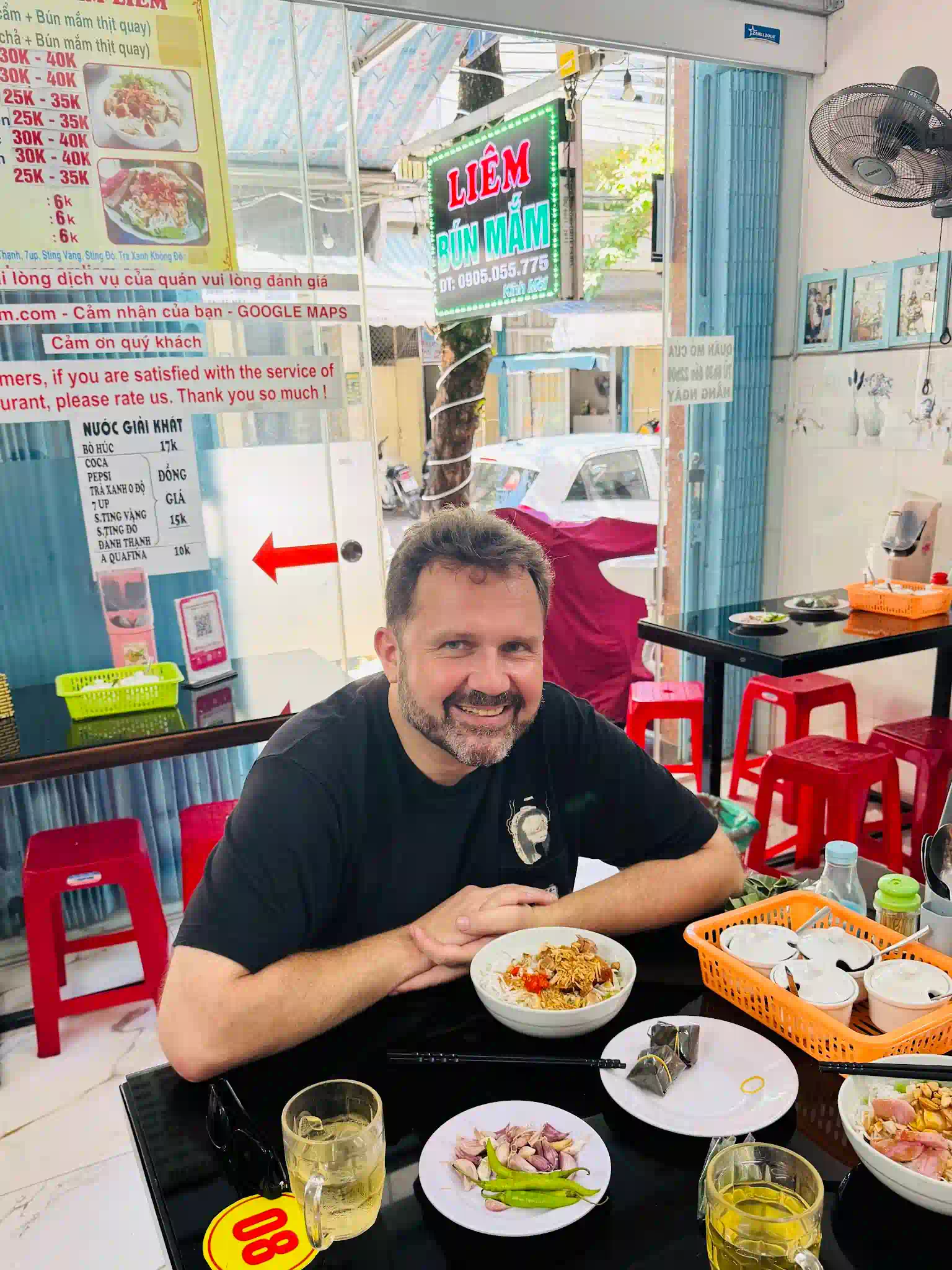
8. Bún Mắm Nêm (Fermented Pork Noodle Bowl)
This is the dividing line. This bowl is how you find out if you actually like Vietnamese food, or if you just like the safe stuff.
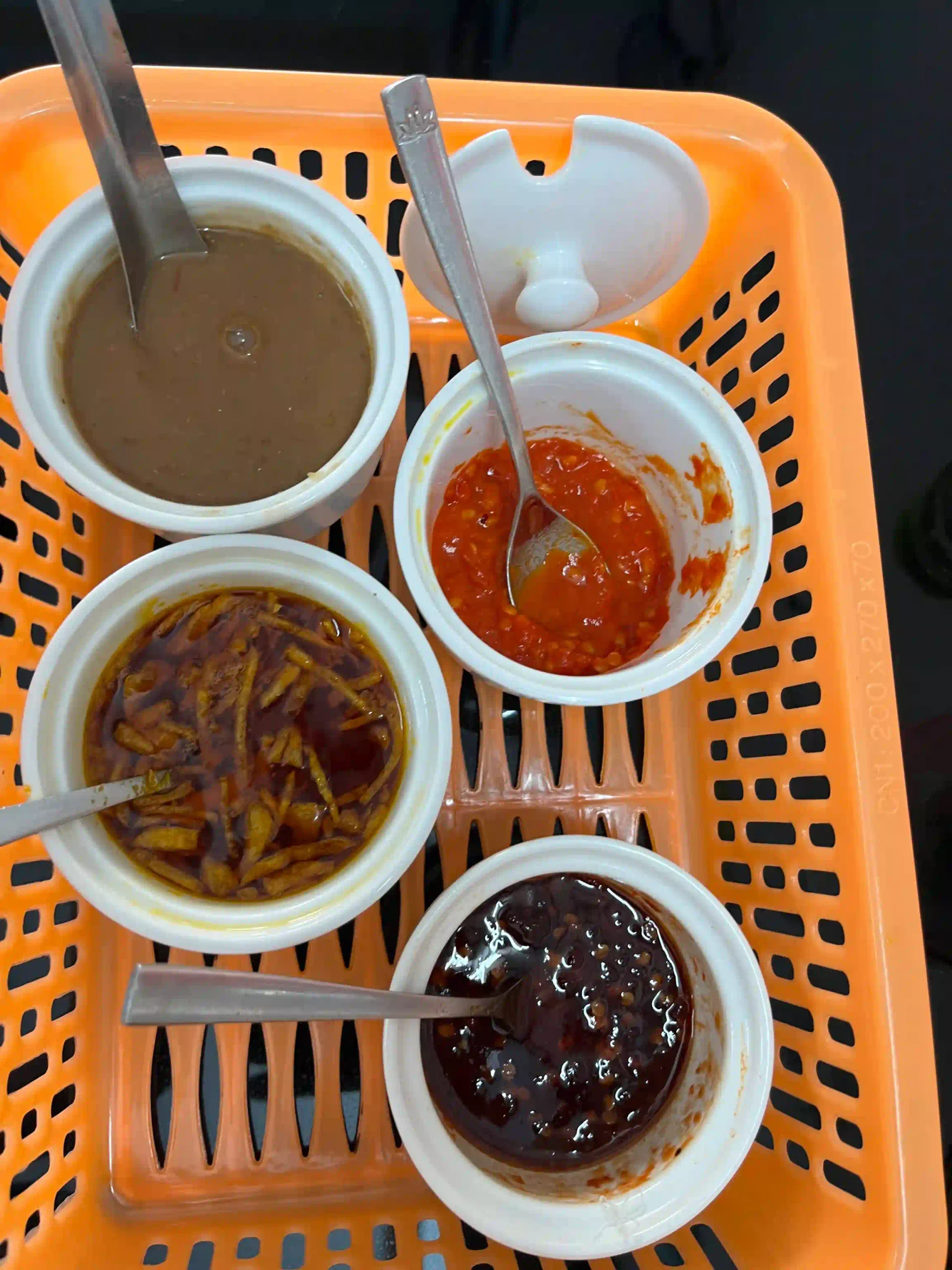
This dish revolves entirely around Mắm Nêm, that fermented fermented anchovy sauce I mentioned earlier. If you walk past a cart selling this, the smell hits you from ten feet away. Some tourists physically gag. Locals start salivating.
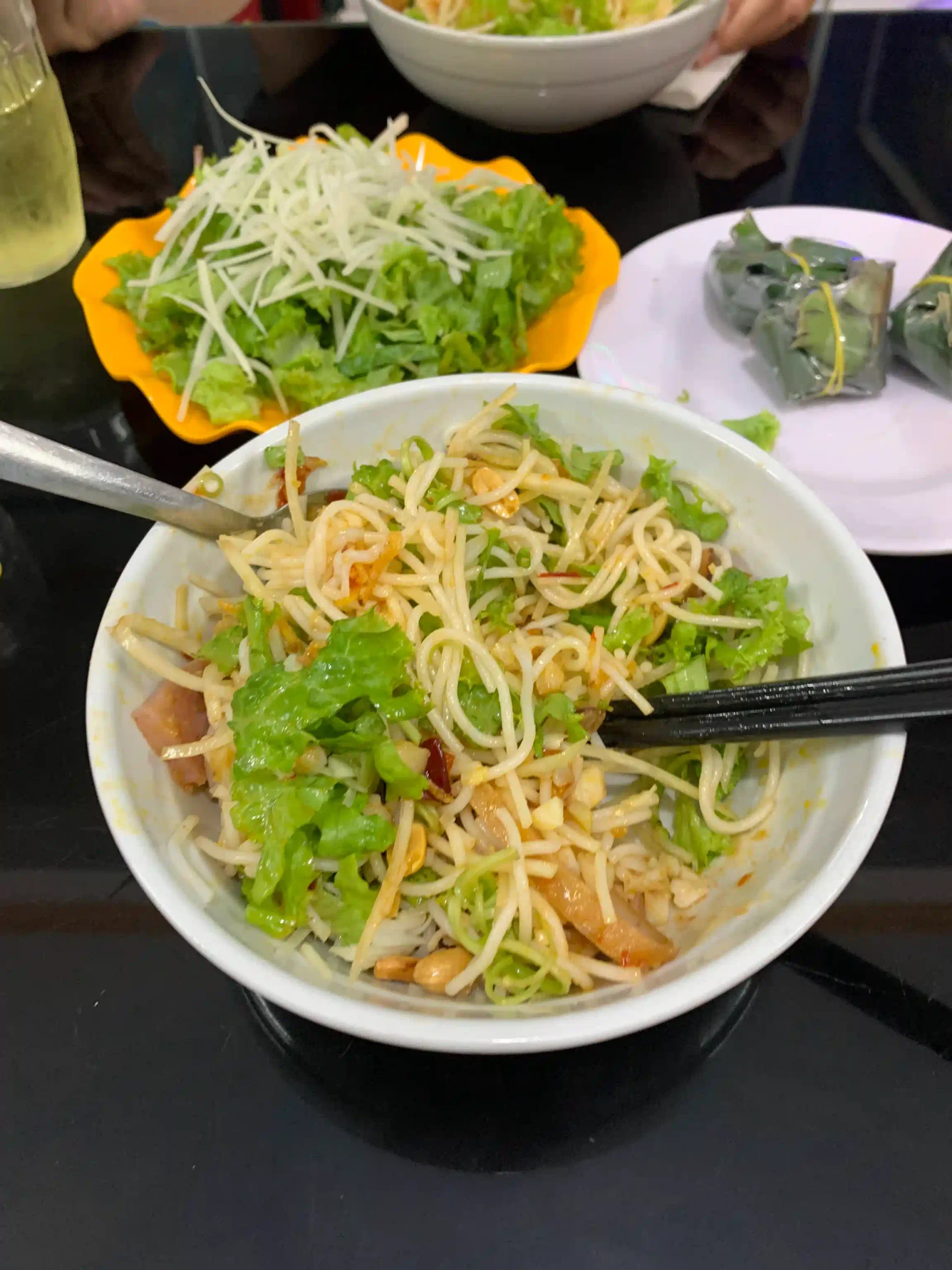
What is it?
It’s a dry noodle bowl. No hot broth.
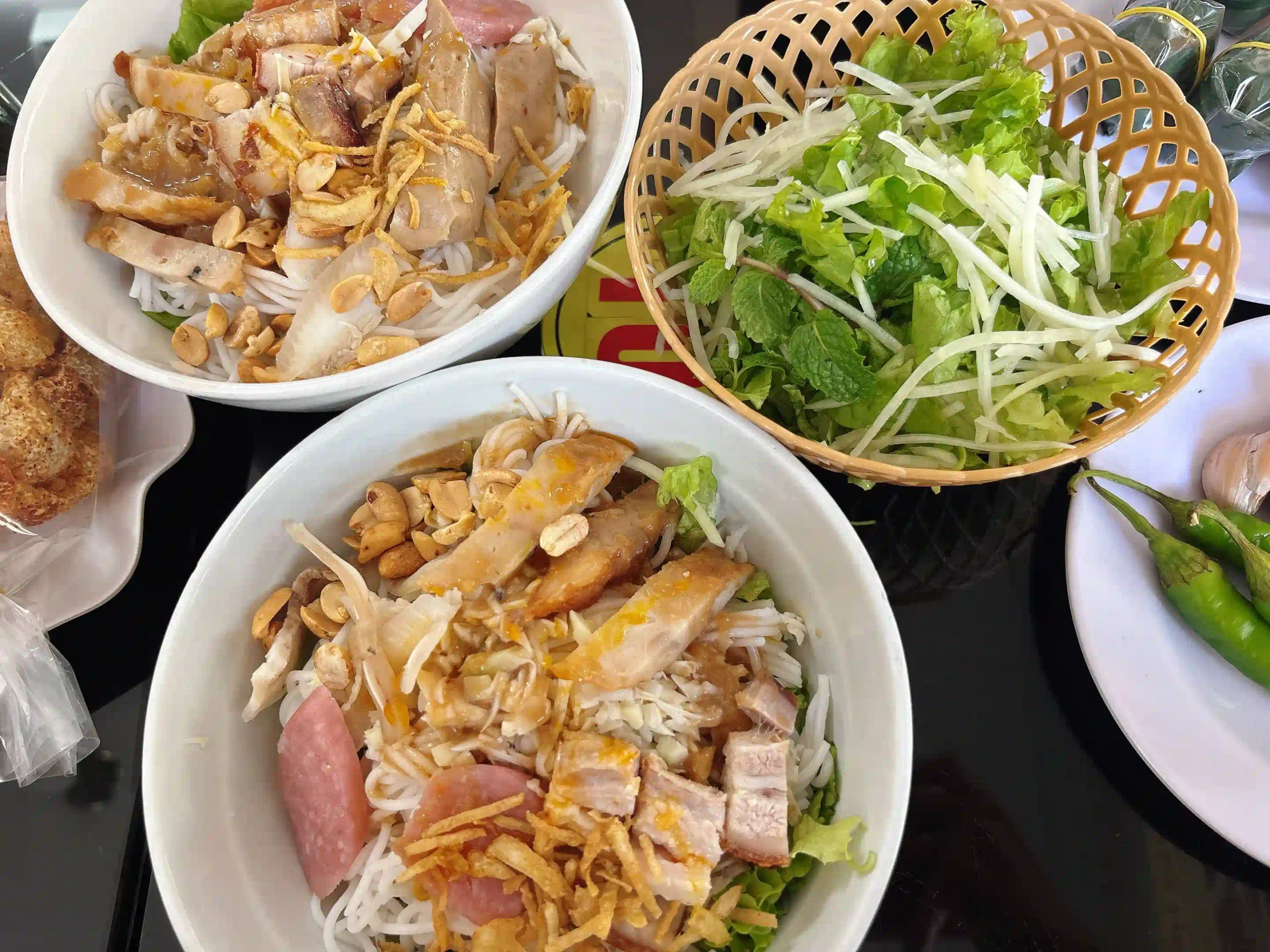
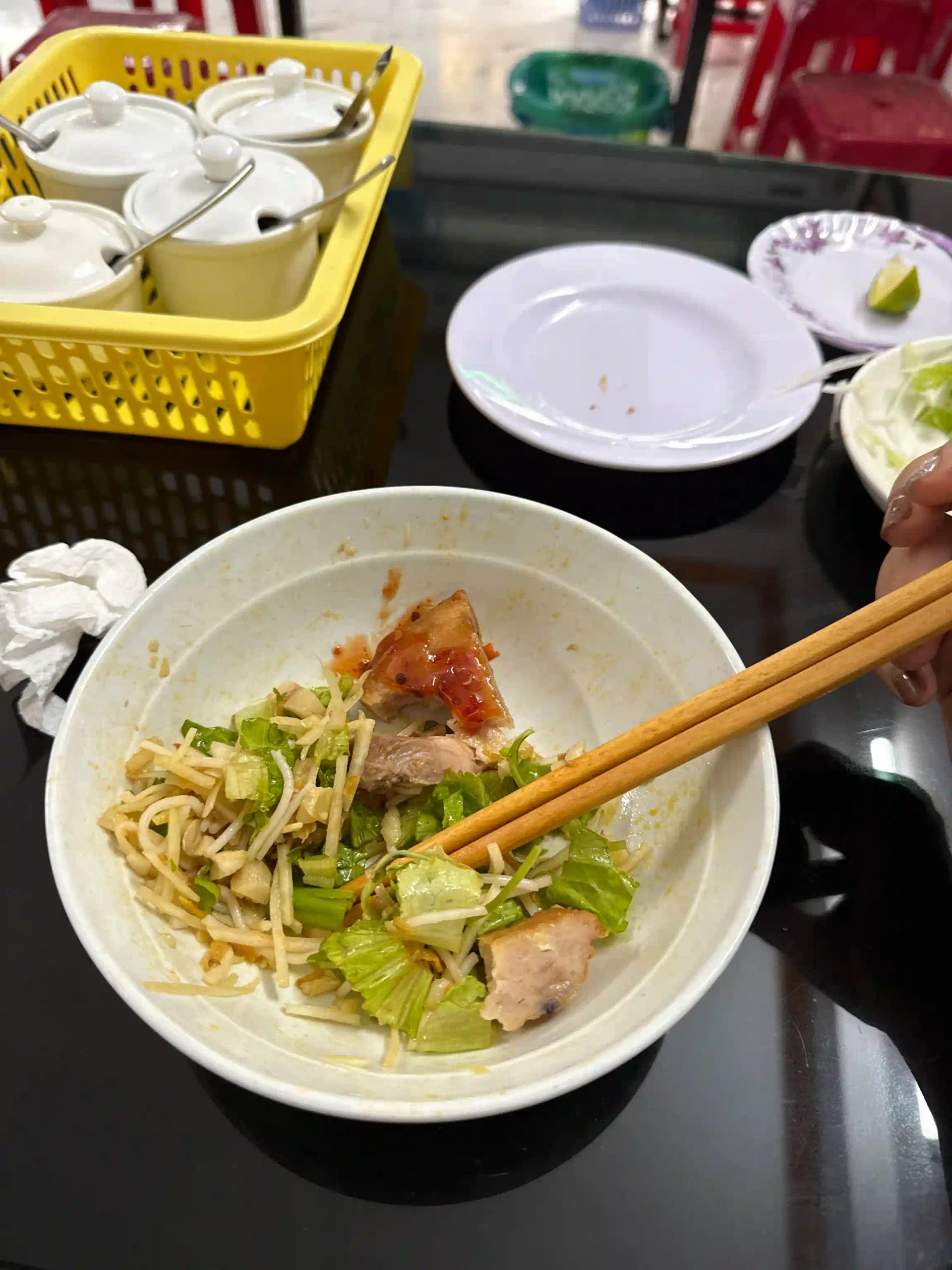
They put a handful of cold rice vermicelli noodles at the bottom of a bowl. They pile on shredded green papaya, fresh mint, lettuce, and cucumber. Then comes the meat. Usually, it’s a mix of crispy roasted pork belly (Heo quay) and boiled Vietnamese sausage (Chả bò). They dump a handful of roasted peanuts on top, and then drench the whole thing in the fermented fish sauce.
How you eat it:
You add a tiny scoop of crushed red chili. You mix the bowl violently for a full minute to coat every single noodle in the thick brown sauce. You eat it fast. The acid from the unripe papaya cuts through the heavy fat of the pork belly, and the funky fish sauce just glues the whole flavor profile together.
The Reality:
Your breath will smell terrible for hours after eating this. Do not eat this on a first date. It usually costs about 30,000 to 40,000 VND.
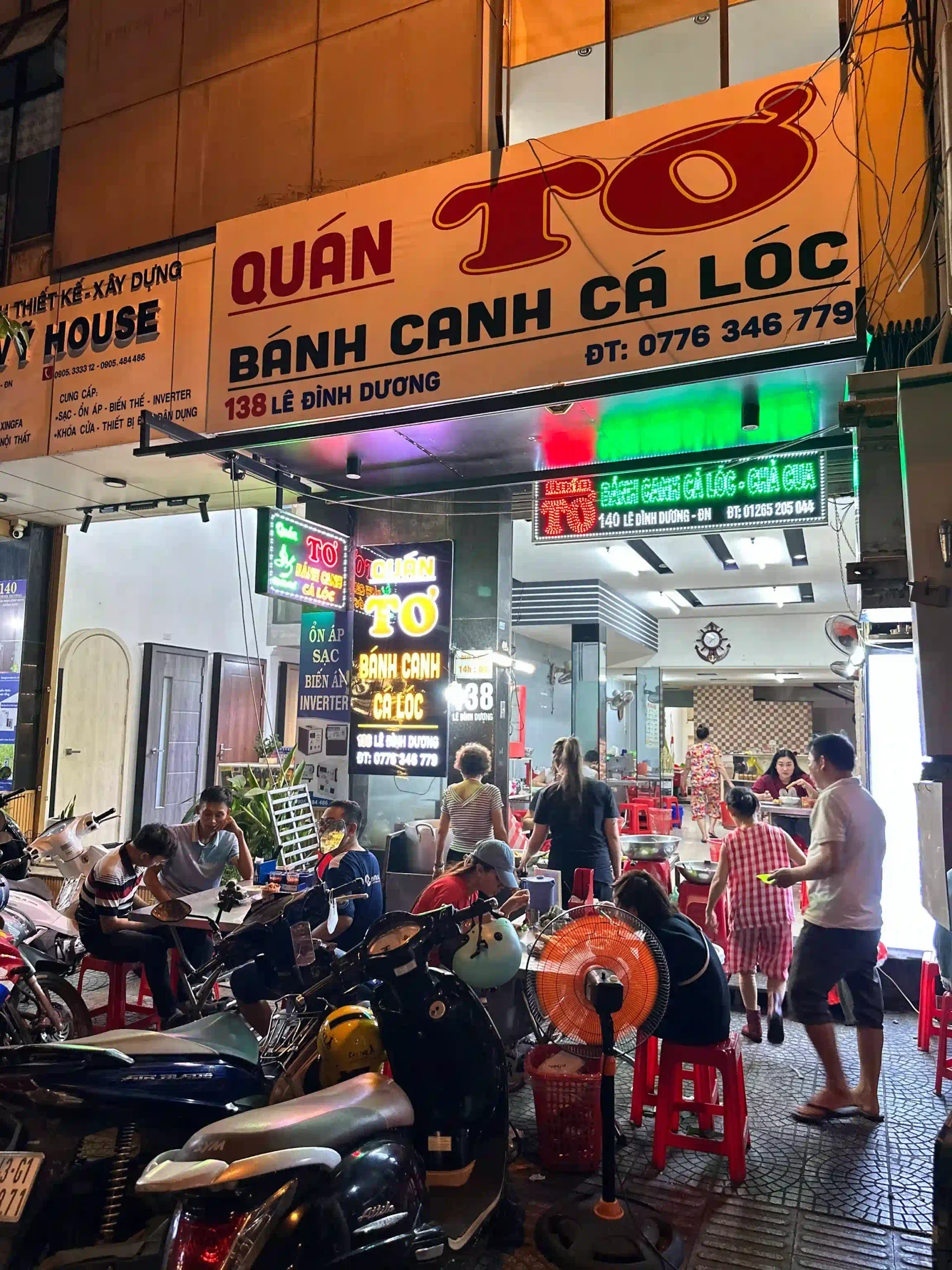
7. Bánh Canh (Thick Tapioca Noodle Soup)
Hanoi has Pho. Da Nang has Banh Canh.
This is working-class food. It is heavy, cheap, and designed to fill you up so you can go back to doing manual labor.
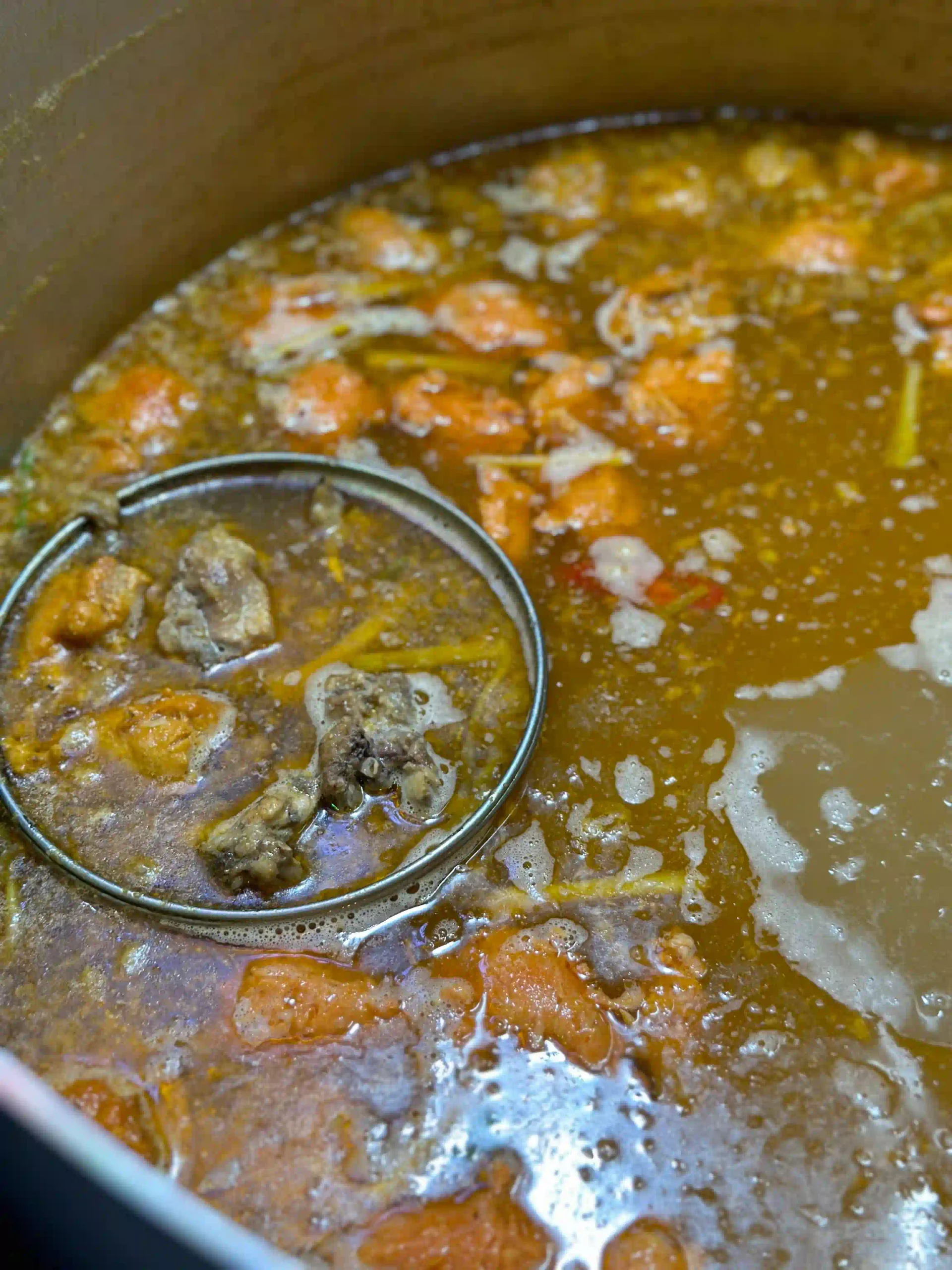
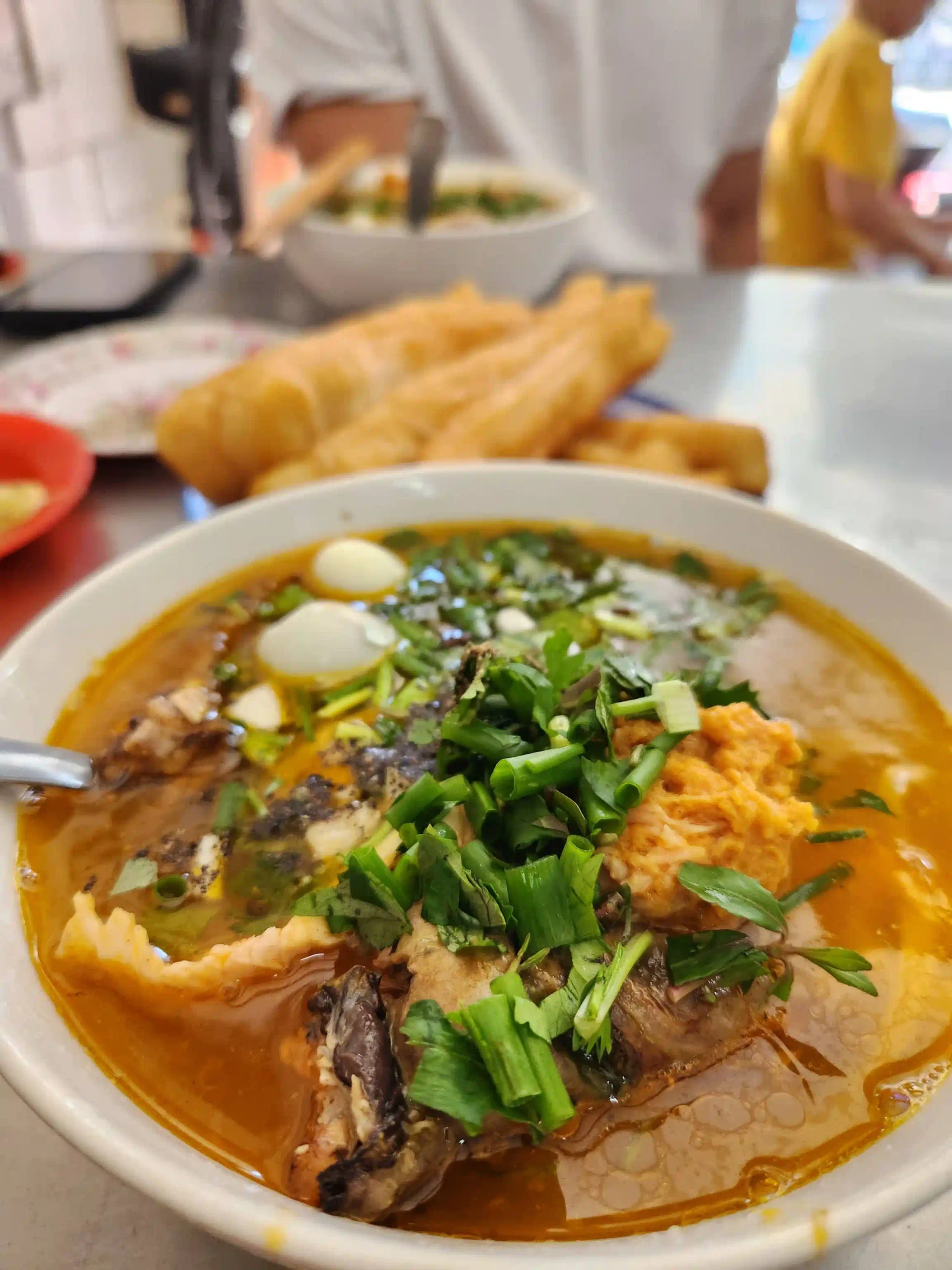
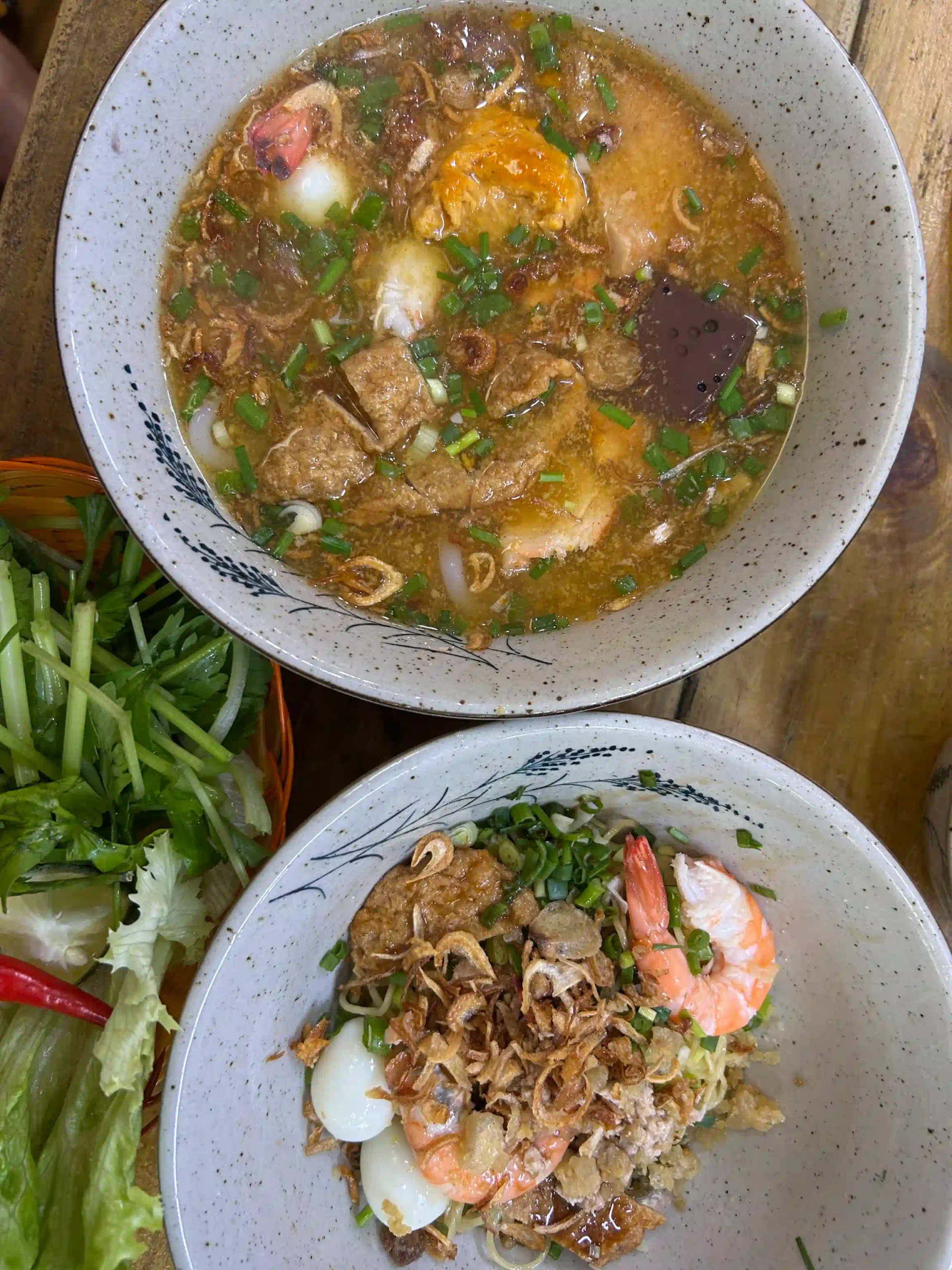
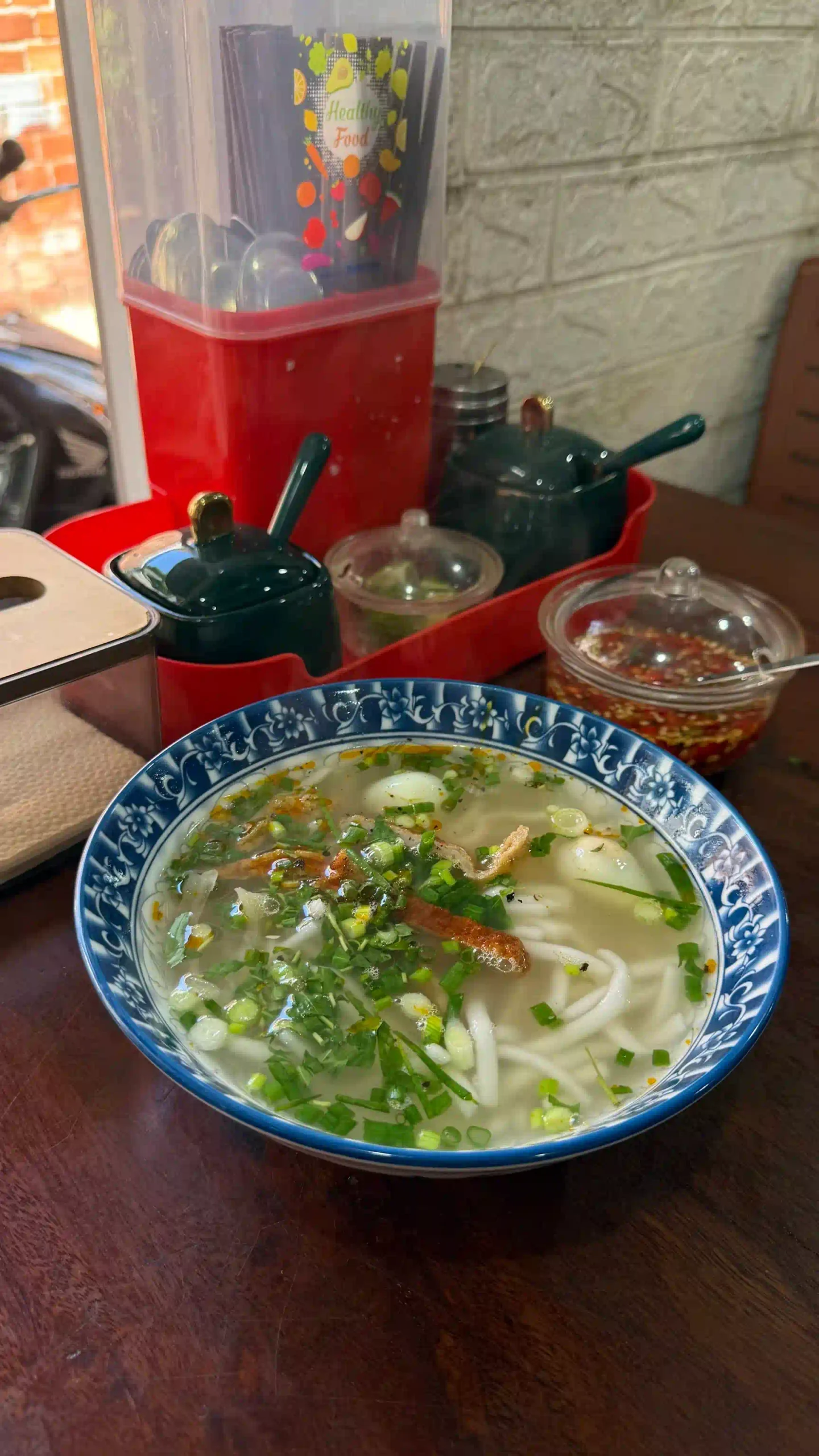
“Bánh Canh” translates to soup cake. The noodles are made from a mix of rice flour and tapioca flour. They are thick, translucent, and incredibly chewy. They almost look like Japanese udon noodles, but the texture is much gummier.
What is it?
The broth is the secret here. Instead of boiling beef bones for 12 hours like they do for Pho, they boil pork knuckles, crab, or snakehead fish. The broth is naturally thickened by the tapioca flour from the noodles, so it has a slightly slimy, gravy-like consistency.
My personal favorite version here is Bánh Canh Cá Lóc (Snakehead fish). They fry pieces of the fish with heavy turmeric and chili, then drop it into the boiling broth.
How you eat it:
You eat it with a spoon and chopsticks. You order a side of Quẩy (fried dough sticks). You rip the fried dough up, throw it into the thick broth, let it soak up the liquid for a minute, and eat it.
The Reality:
You can get a standard bowl for 25,000 VND. But there is a specific sub-culture around this dish in Da Nang called Bánh Canh Ruộng.
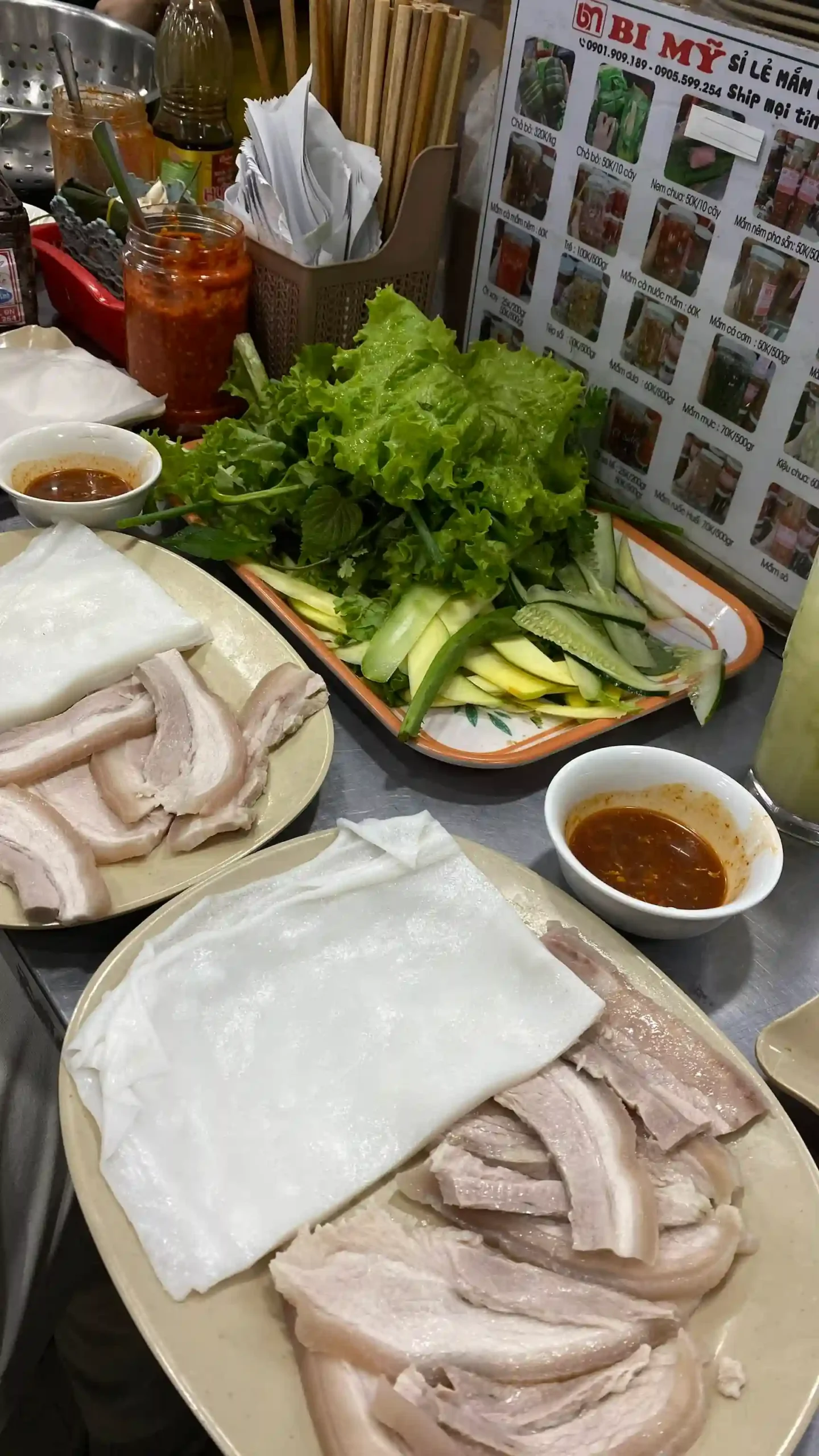
6. Bánh Tráng Cuốn Thịt Heo (Sliced Pork Rolled in Rice Paper)
This dish proves that you don’t need a hot kitchen to make the best food in Da Nang. This is basically a DIY lunch project. It is fresh, relies entirely on the quality of the ingredients, and requires you to use your hands.
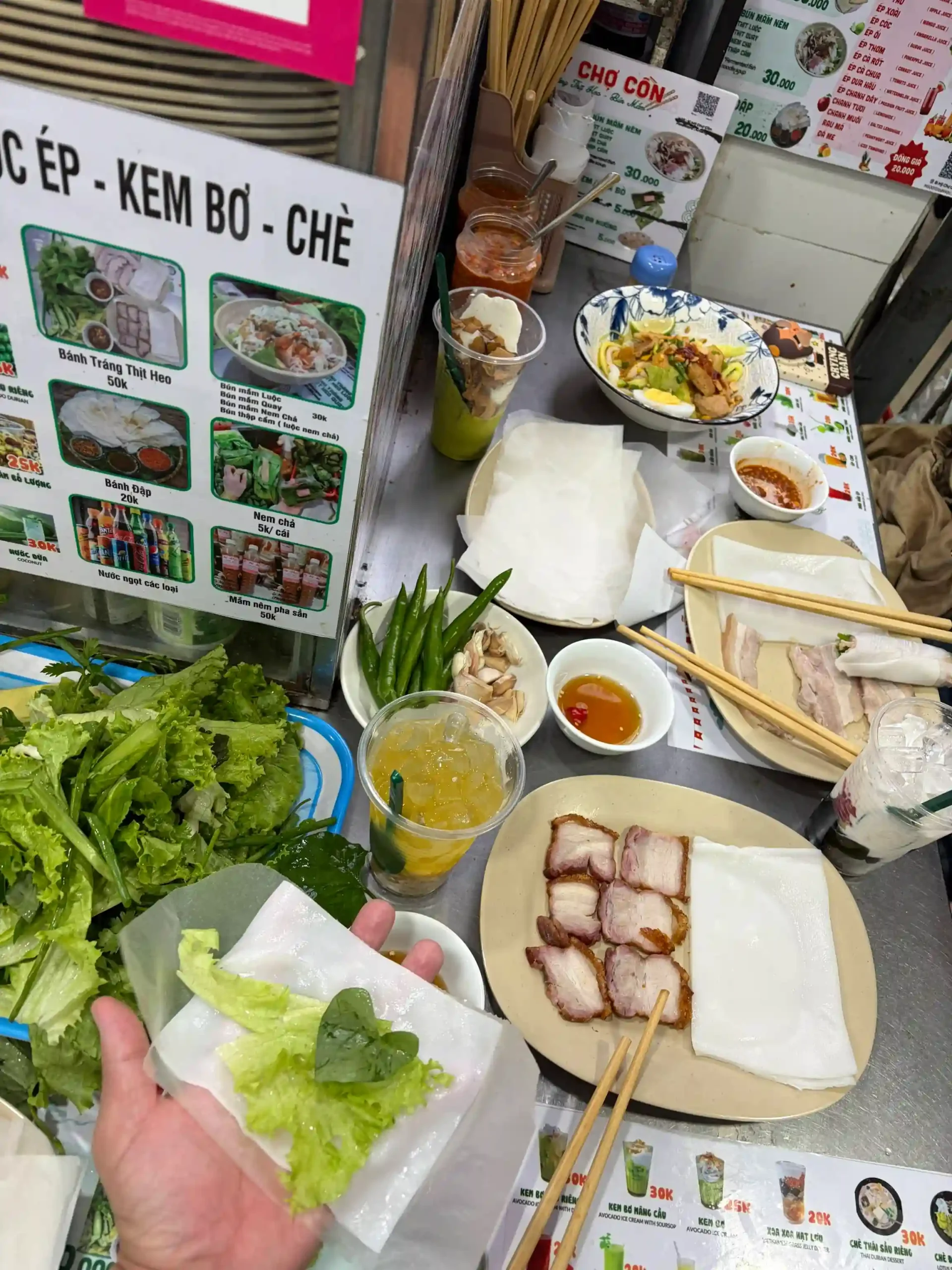
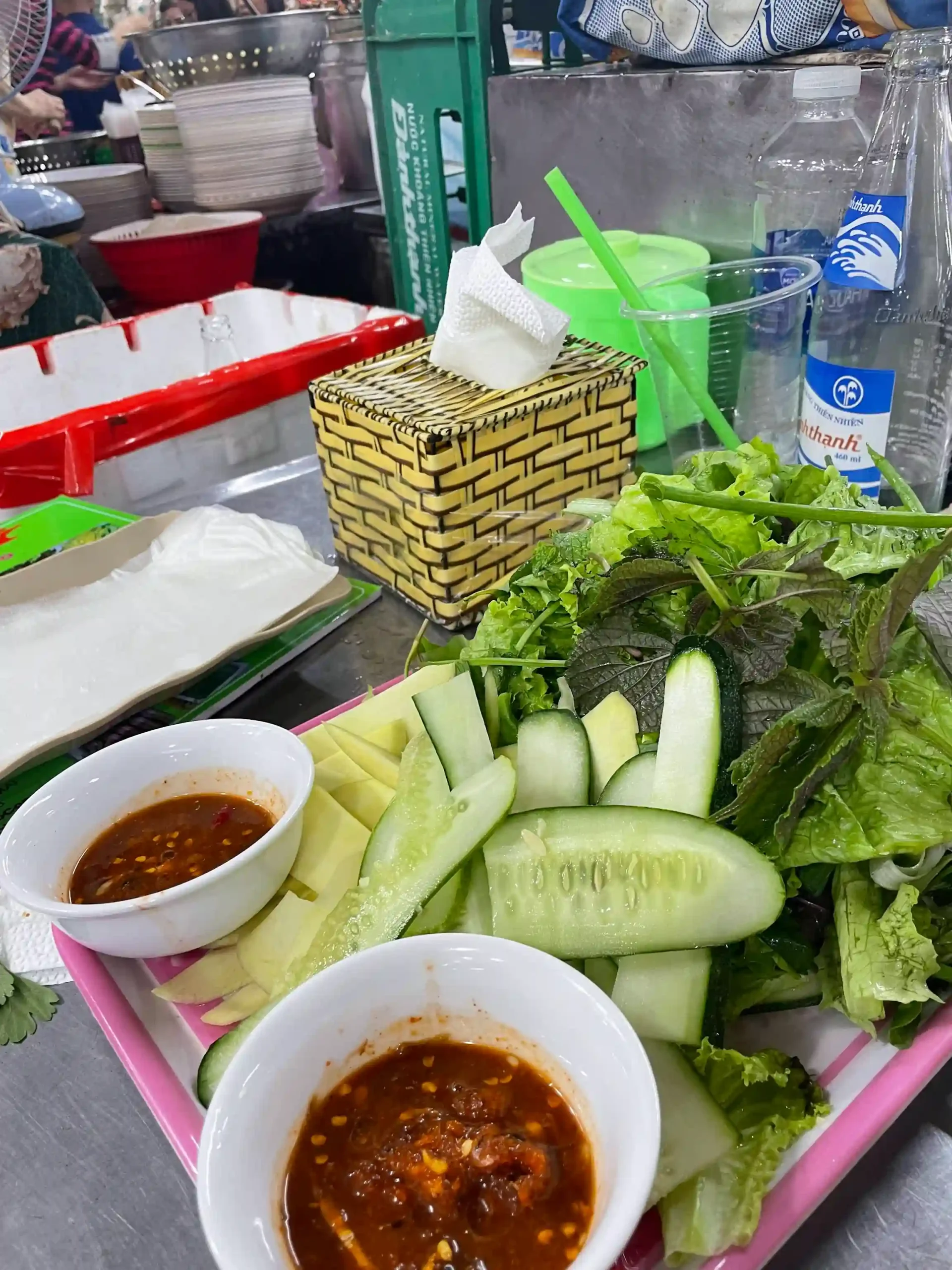
What is it?
When you order this, the waiter drops an absurd amount of plates on your table.
You get a plate of thin-sliced boiled pork. But this isn’t normal pork. They use a specific cut where there is a layer of meat in the center, flanked by a layer of fat and skin on both ends of the slice.
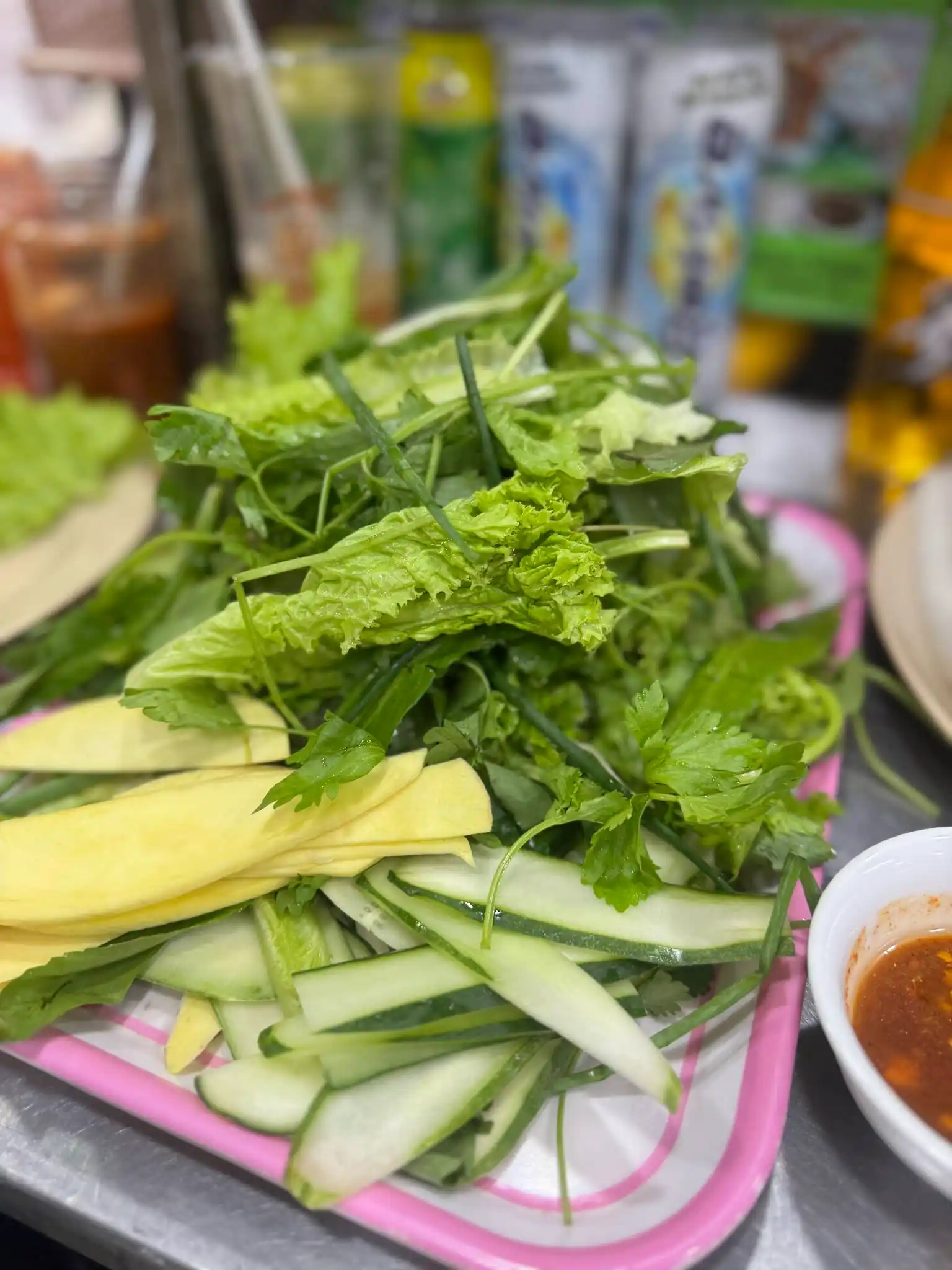
You get a massive basket of greens. I’m talking ten different types of leaves, lettuce, mint, perilla, fish mint, sliced green banana, and bean sprouts.
You get a stack of dry rice paper, and a stack of wet rice noodles.
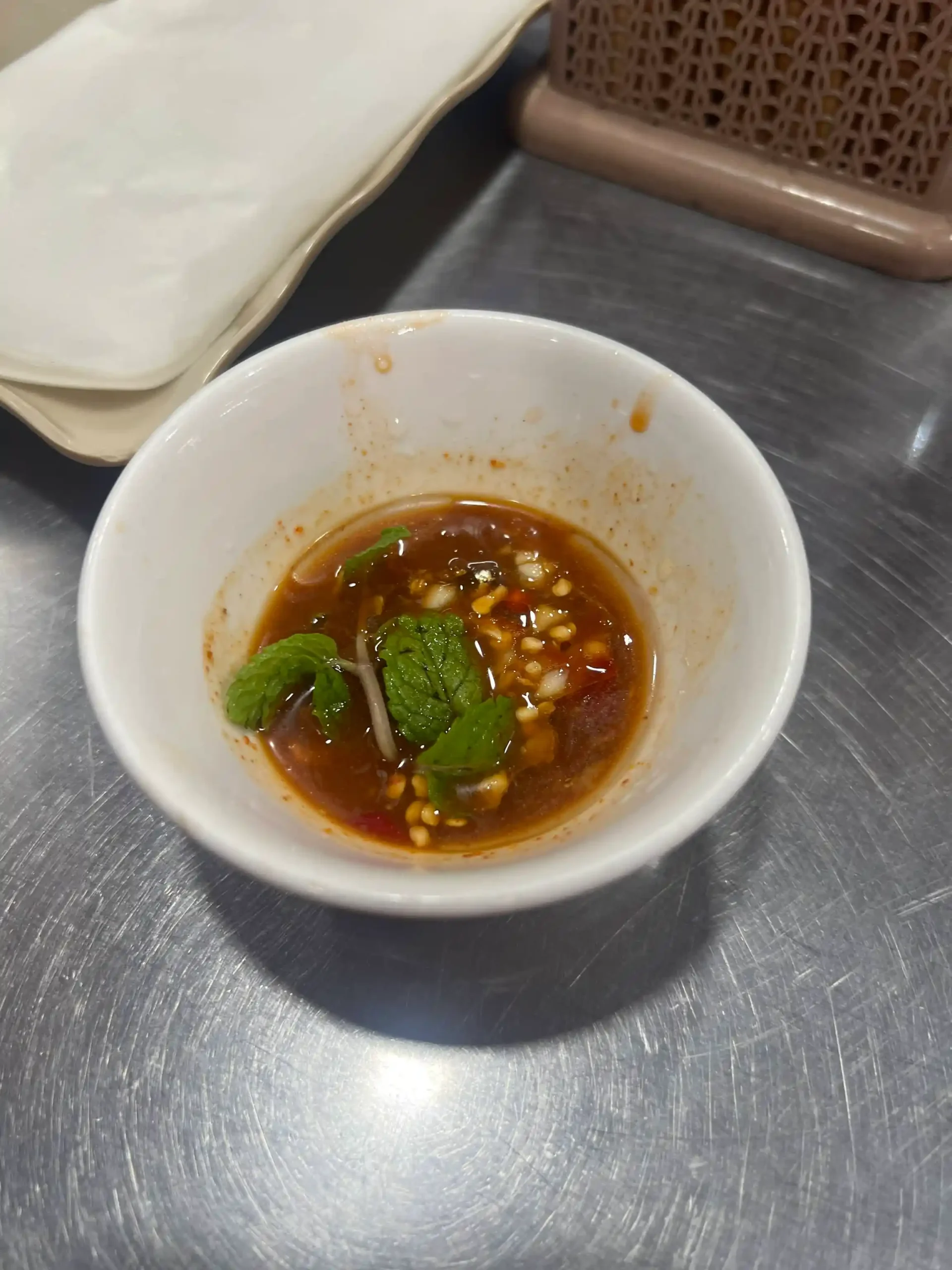
And finally, a bowl of dipping sauce (again, the fermented Mắm Nêm, but cut with pineapple and chili).
How you eat it:
You take a sheet of dry rice paper. You lay a wet noodle sheet over it. You stack your leaves on top. You lay a slice of the fat-rimmed pork down. Then you roll it all up tightly into a cylinder. You dip the cylinder into the sauce and take a bite.
The combination of the crunchy green banana, the soft pork fat, and the sweet/salty pineapple sauce is basically perfect.
The Reality:
Because it uses a lot of meat and fresh vegetables, this is slightly more expensive. Expect to pay about 70,000 to 90,000 VND per portion.
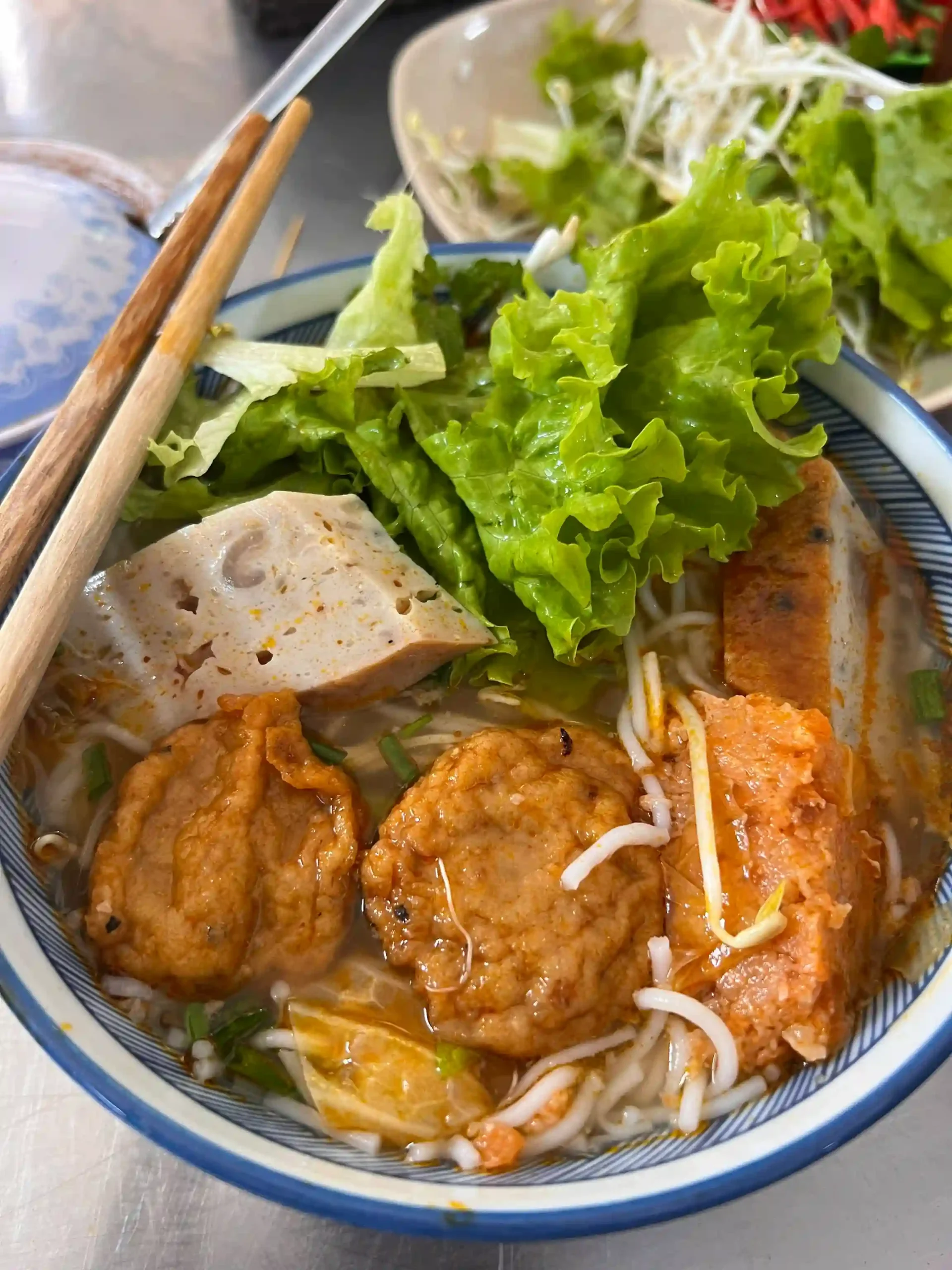
5. Bún Chả Cá (Fish Cake Noodle Soup)
If you wake up early in this city, this is what you smell cooking on the street corners. It is the definitive Da Nang breakfast. Every city on the coast of Vietnam claims they have the best fish cake noodles, but Da Nang actually wins this fight because of the broth.
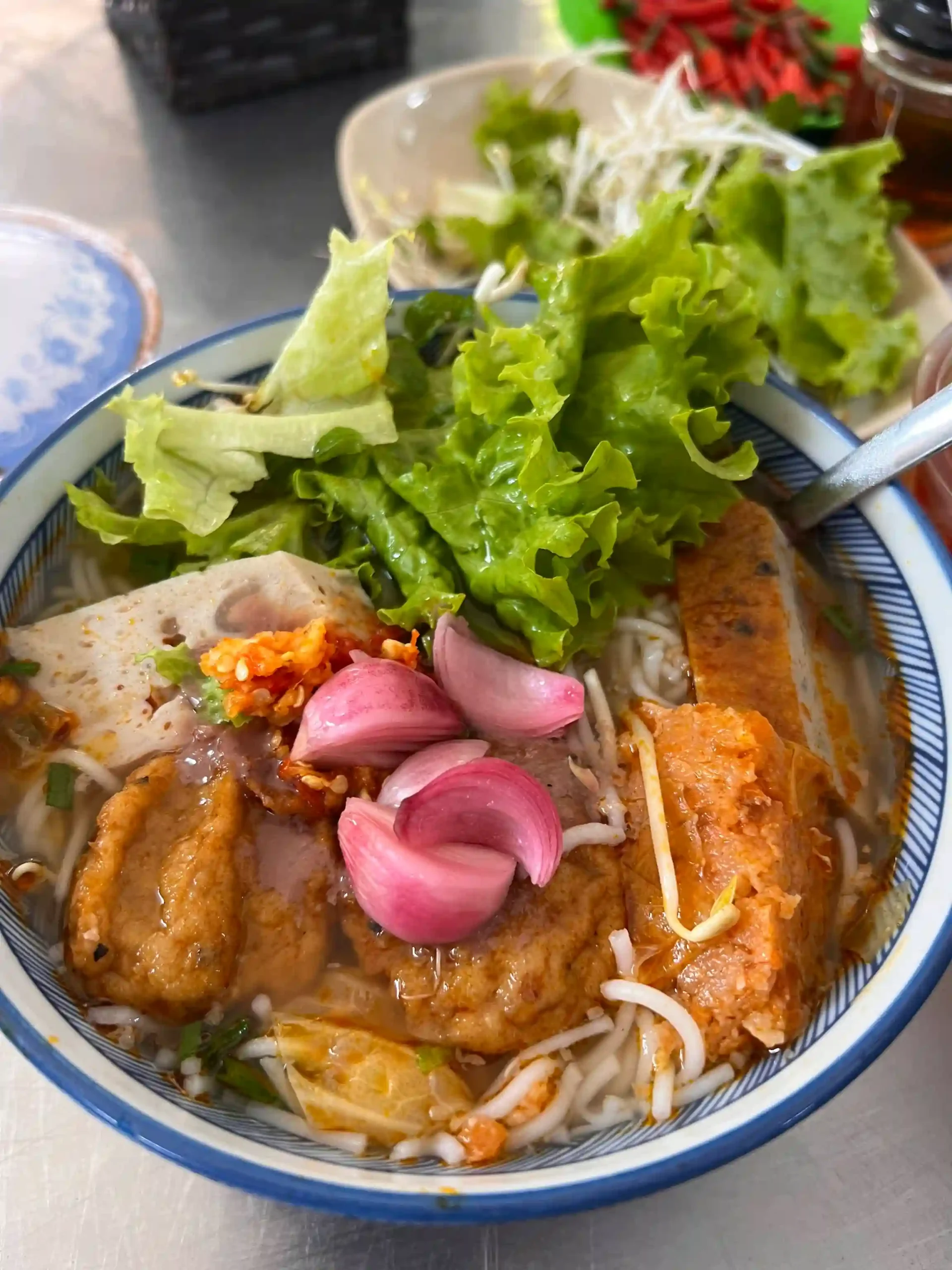
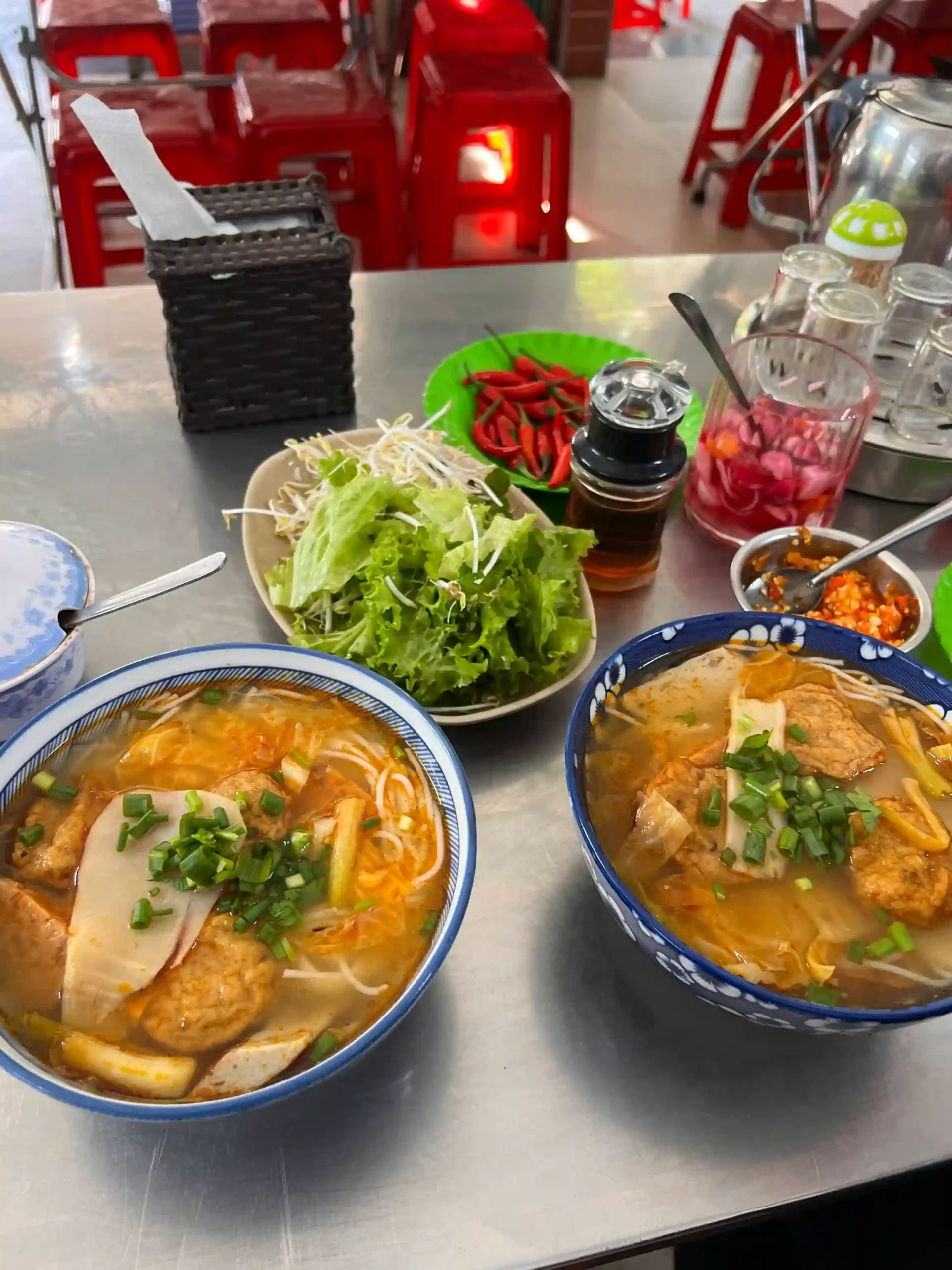
What is it?
The broth is completely different from anything else in the country. They boil fish bones, but they also throw in massive chunks of pumpkin, pineapple, cabbage, and bamboo shoots. The pineapple gives the broth a sweet, slightly sour kick, and the pumpkin melts down to make it rich and orange.
Then they throw in chunks of Chả Cá (fish cake). They take fresh mackerel, scrape the meat off the bone, pound it into a paste with black pepper and fish sauce, and either steam it or deep fry it.
How you eat it:
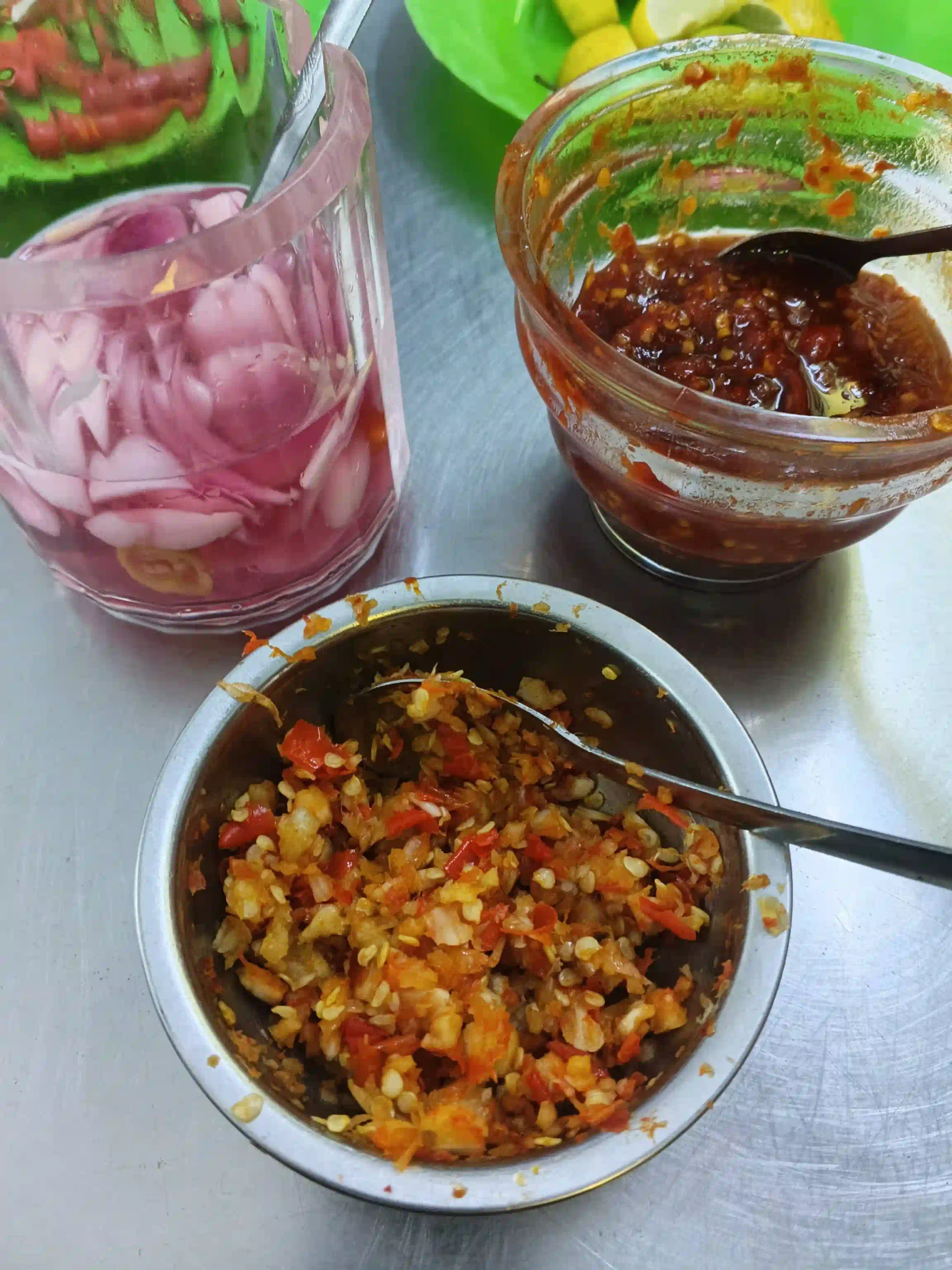
They hand you a bowl with noodles, broth, and fish cakes. On the table, you will see a jar of bright orange liquid. This is pickled garlic and chili.
You spoon a generous amount of that pickled garlic water into your broth. It cuts through the sweetness of the pumpkin. You also dump a mountain of shredded raw cabbage and mint into the hot broth to wilt it.
The Reality:
A bowl in 2026 costs around 35,000 to 45,000 VND. You will see guys in business suits eating this next to grab drivers at 6:30 AM.
4. Bánh Mì (The Da Nang Style)
You know what Banh Mi is. It’s the Vietnamese baguette. But if you have only eaten Banh Mi in Ho Chi Minh City or in western countries, you haven’t eaten the Da Nang version.
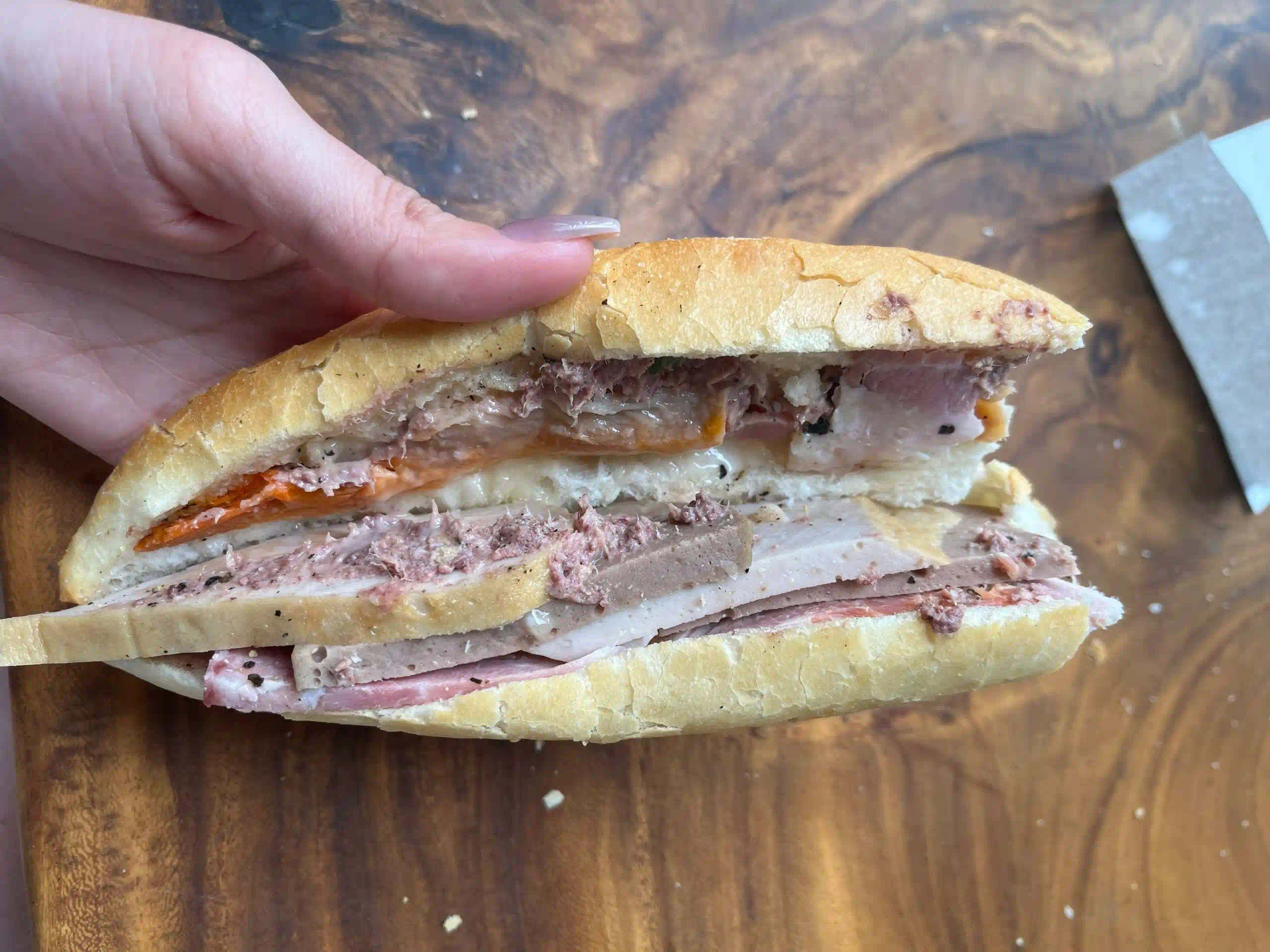
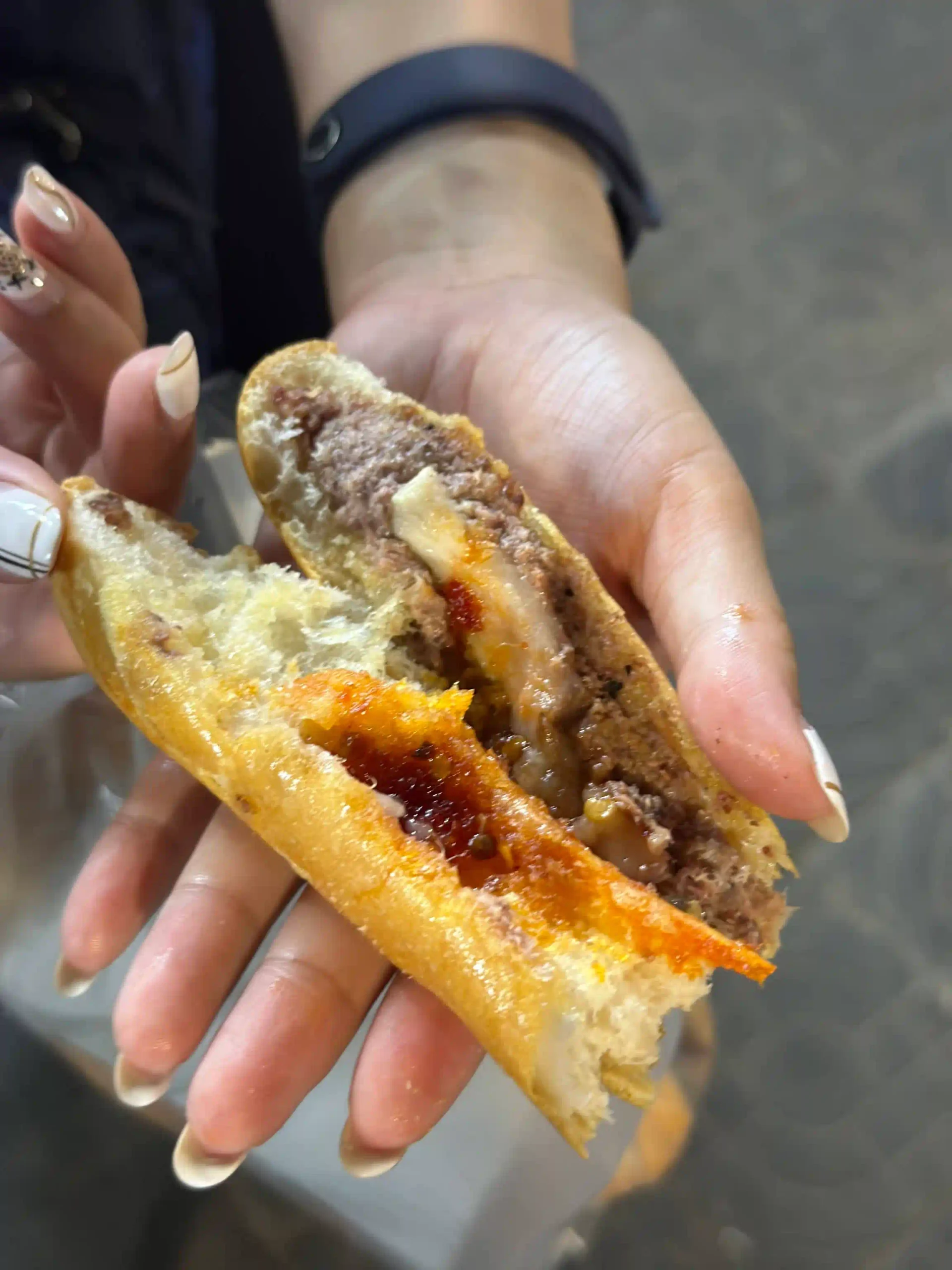
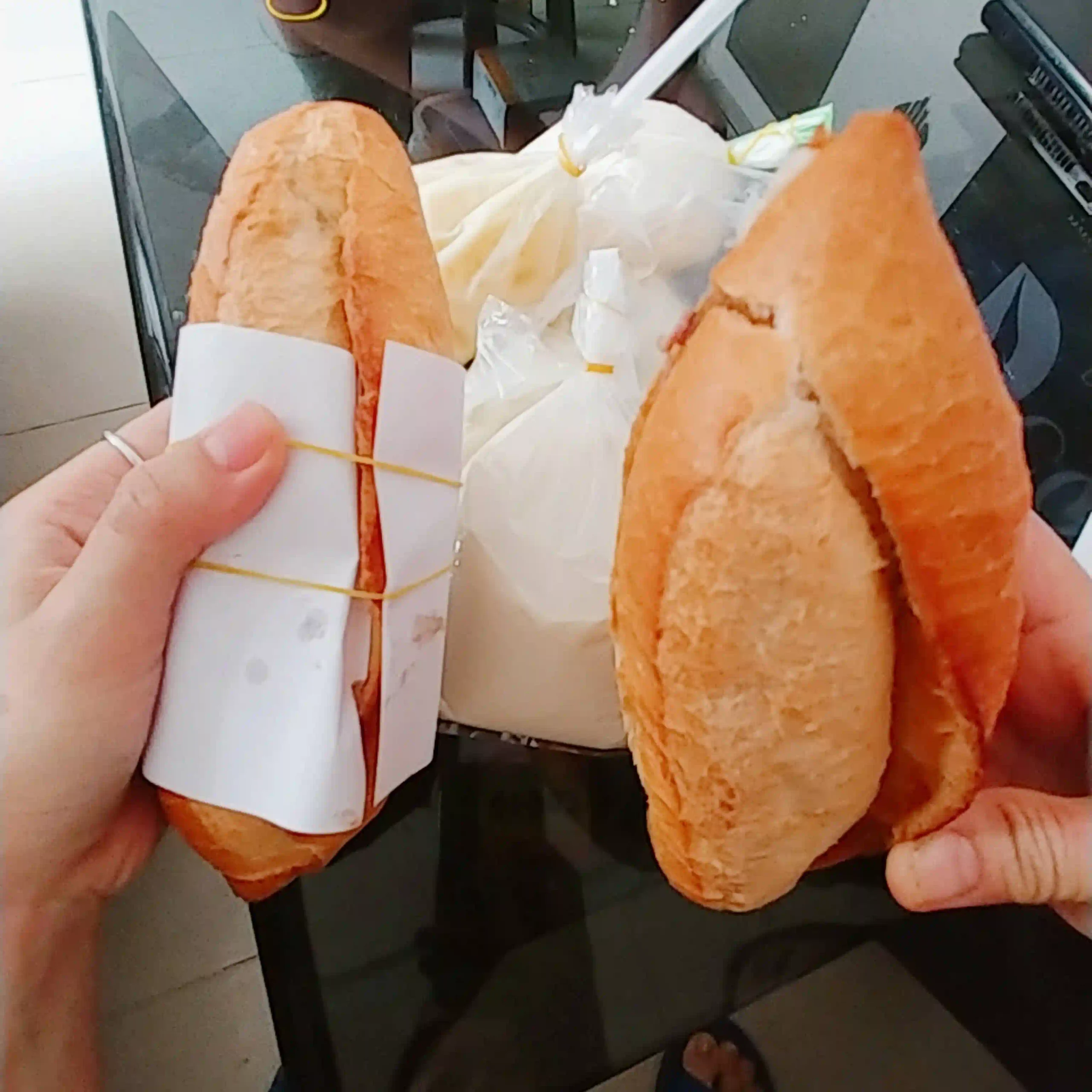
The bread here is different. In the south, the baguette is airy, wide, and cracks apart into a million pieces. In Central Vietnam, the baguette is shaped differently. It is shorter, fatter, and the crust is much thicker and harder. It has an actual chew to it.
What is it?
The classic Da Nang Banh Mi doesn’t rely on massive slabs of cold cuts like the Saigon version.
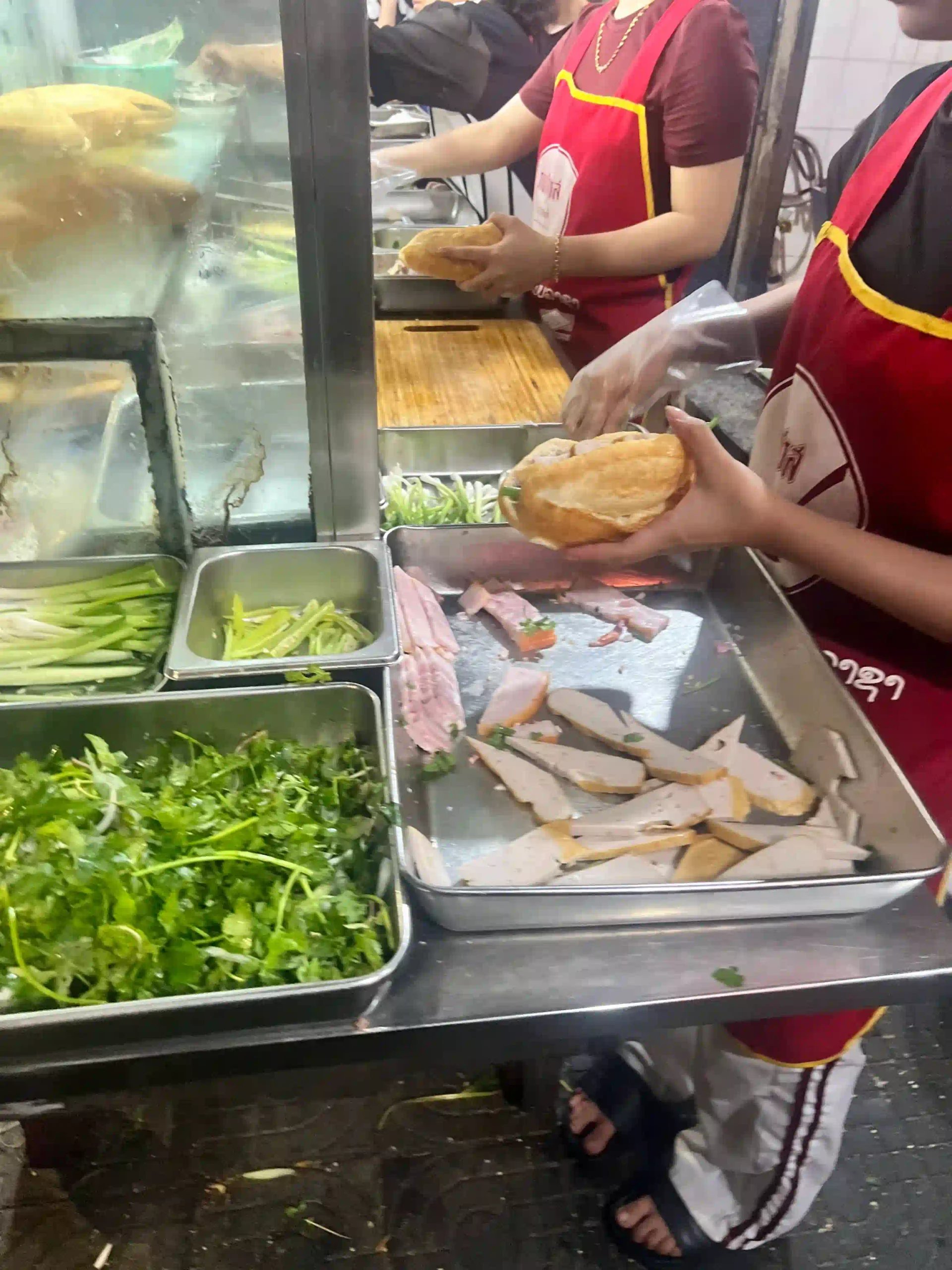
They slice the bread, scrape a heavy layer of pork liver pate on one side, and homemade egg mayo on the other.
Then they add Cha Luong (steamed pork roll), some thinly sliced roasted pork, and a heavy handful of green onions and cilantro.
But the kicker is the sauce. They don’t just use soy sauce. They pour a warm, savory pork gravy over the meat before closing the bread. It makes the inside of the bread soggy in the best way possible.
How you eat it:
You buy it from a glass cart on the sidewalk, they hand it to you wrapped in a piece of recycled notebook paper with a rubber band around it, and you eat it while standing over a gutter so the crumbs don’t get on your shoes.
The Reality:
Inflation hit Banh Mi hard. It used to be 10,000 VND. Now, a good one will cost you 25,000 VND (about $1).
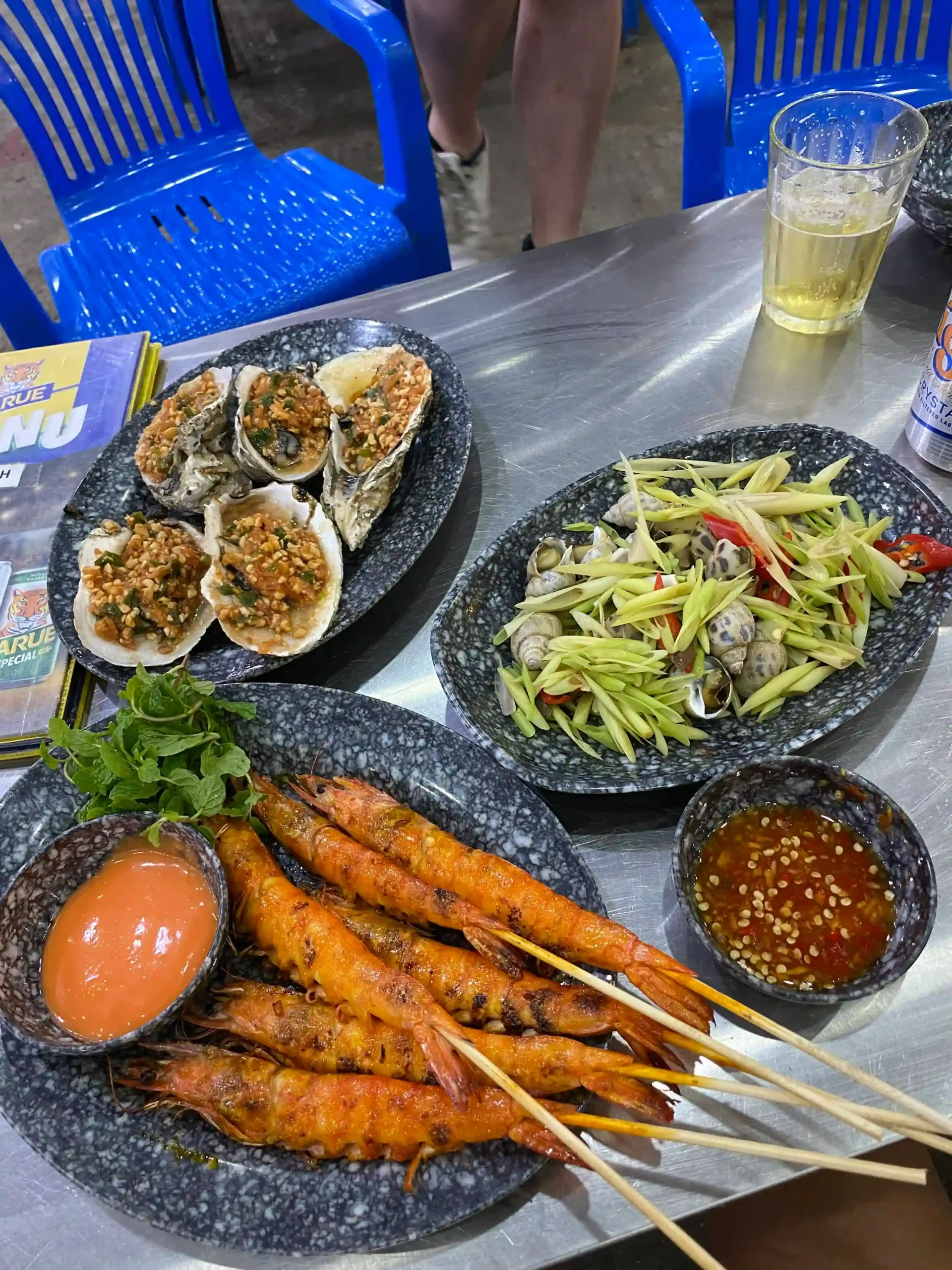
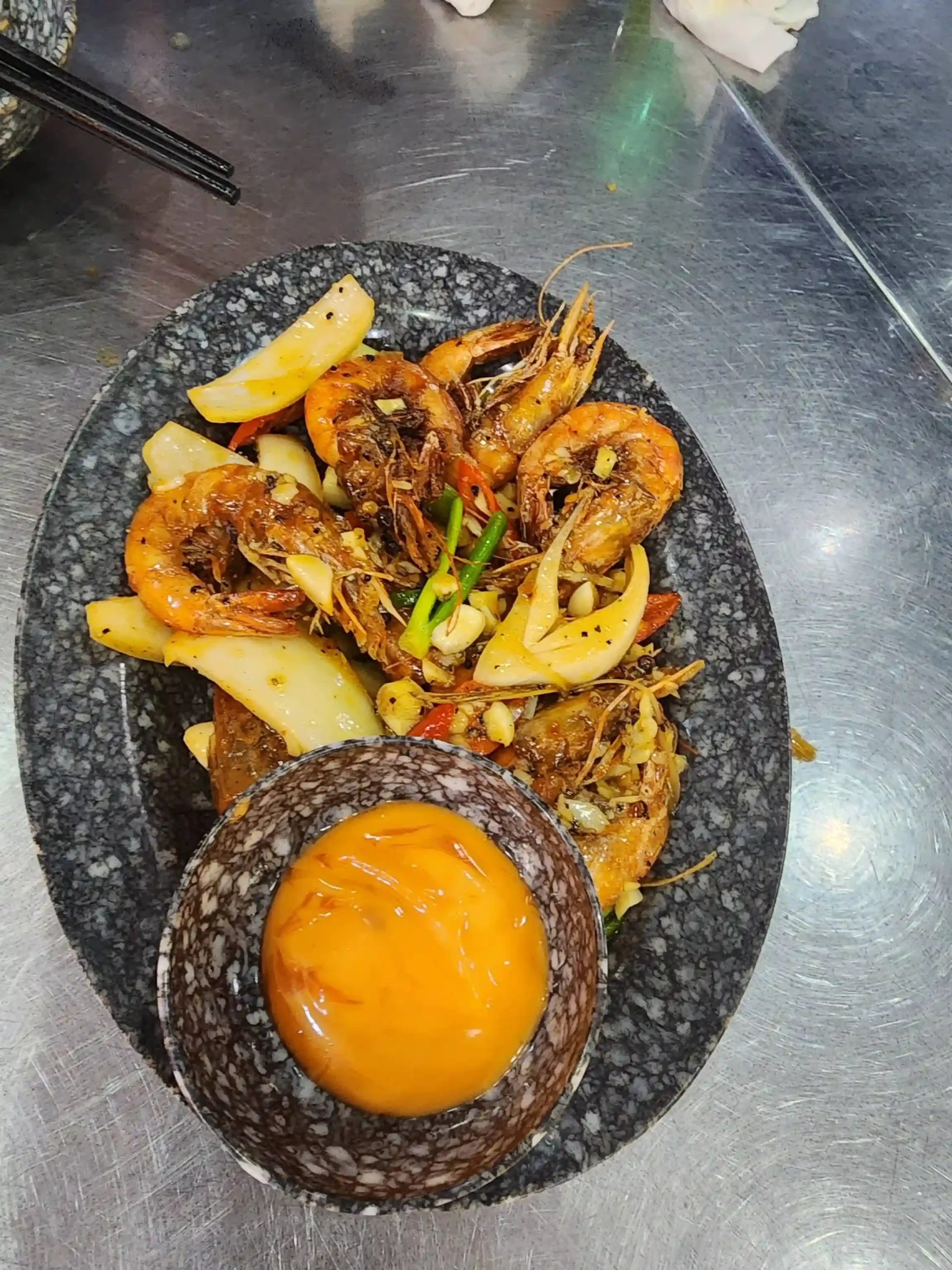
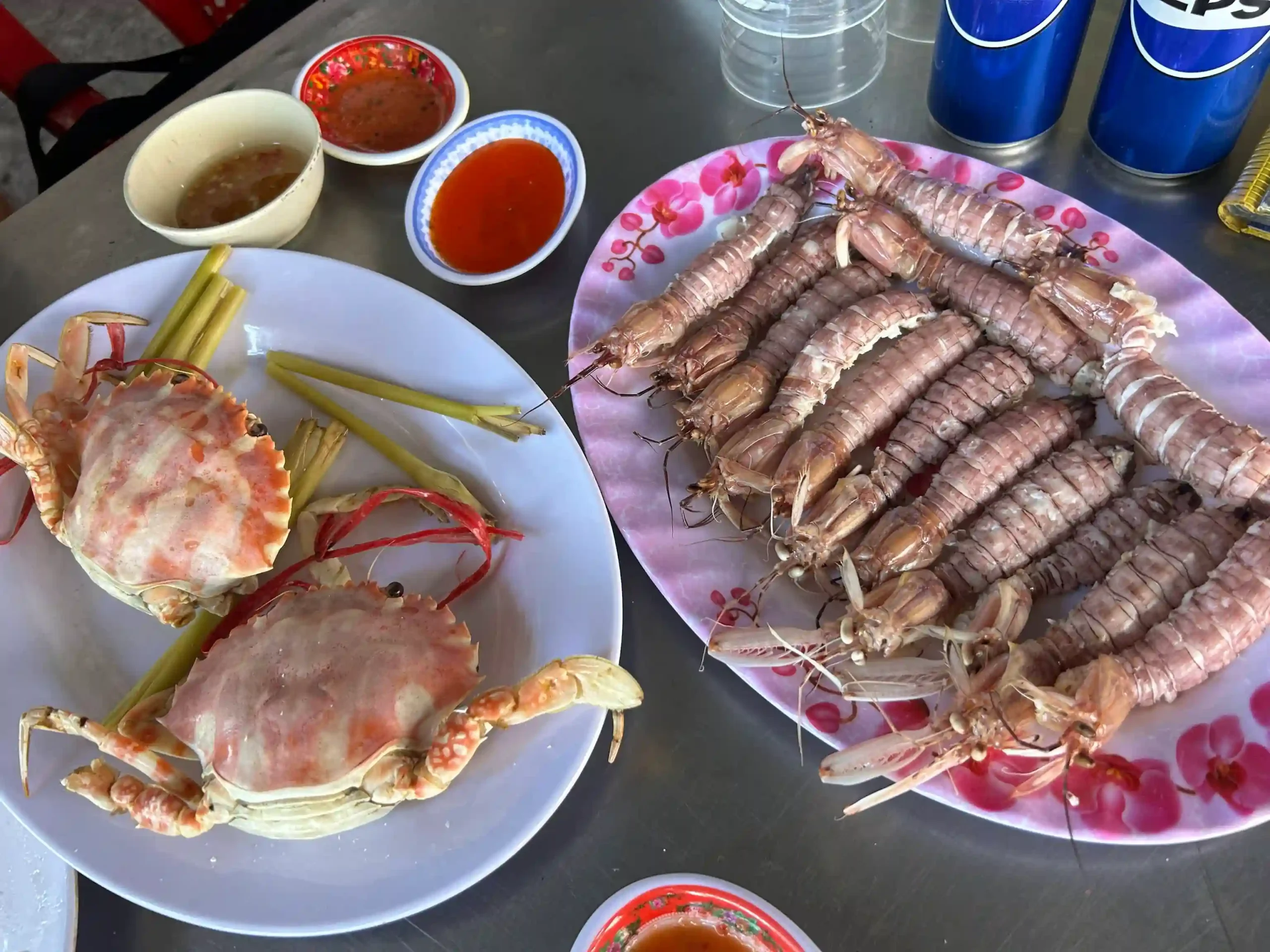
3. Hải Sản (The Street Seafood Experience)
You are in a coastal city. The ocean is literally across the street. The seafood here isn’t just a meal; it is a Friday night cultural event.
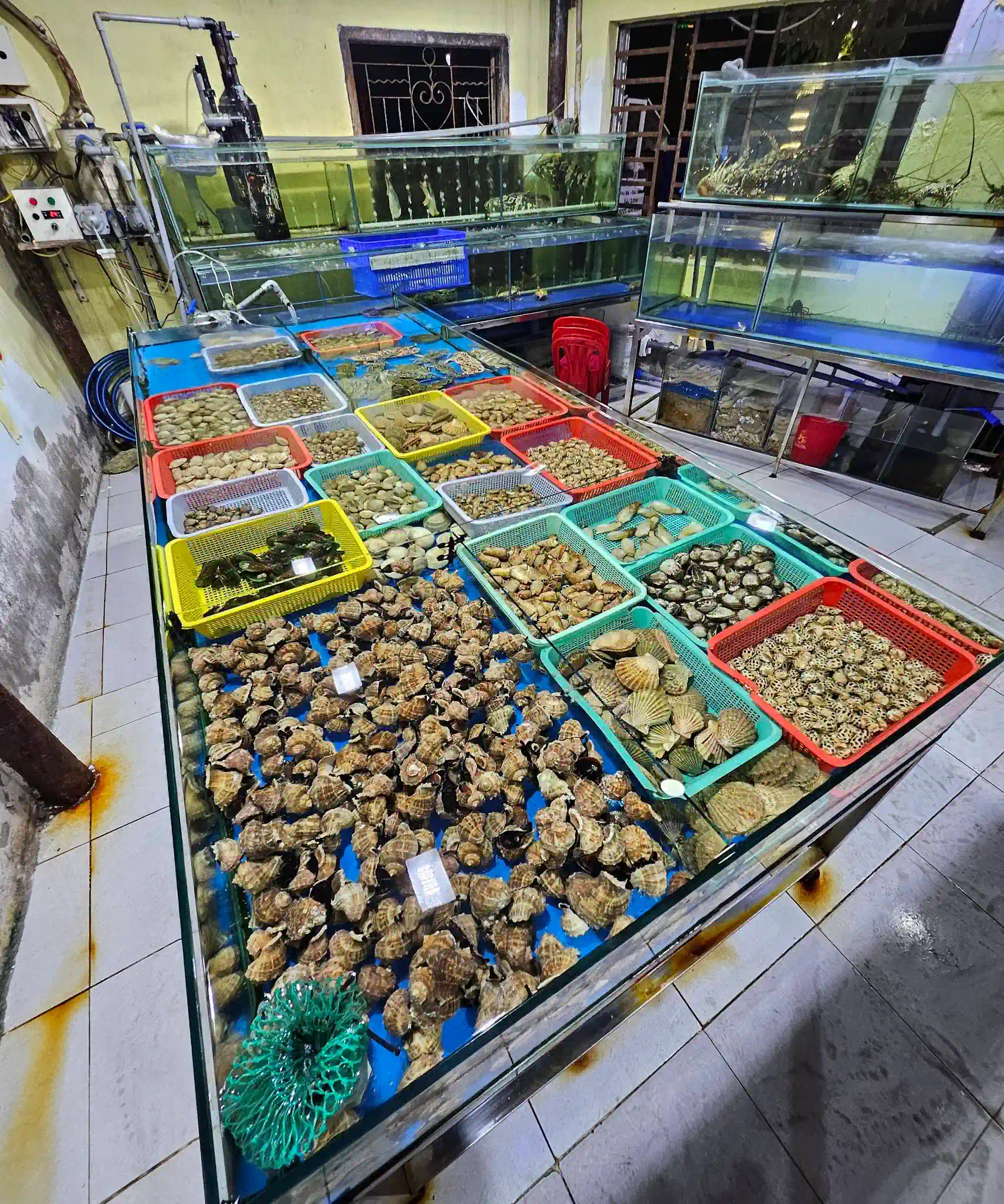
You do not go to a fancy restaurant with white tablecloths to eat seafood here. If the restaurant has air conditioning, you are in the wrong place. You want the massive, open-air tin roofs with bright fluorescent lights, wet tile floors, and hundreds of tiny plastic chairs.
What is it?
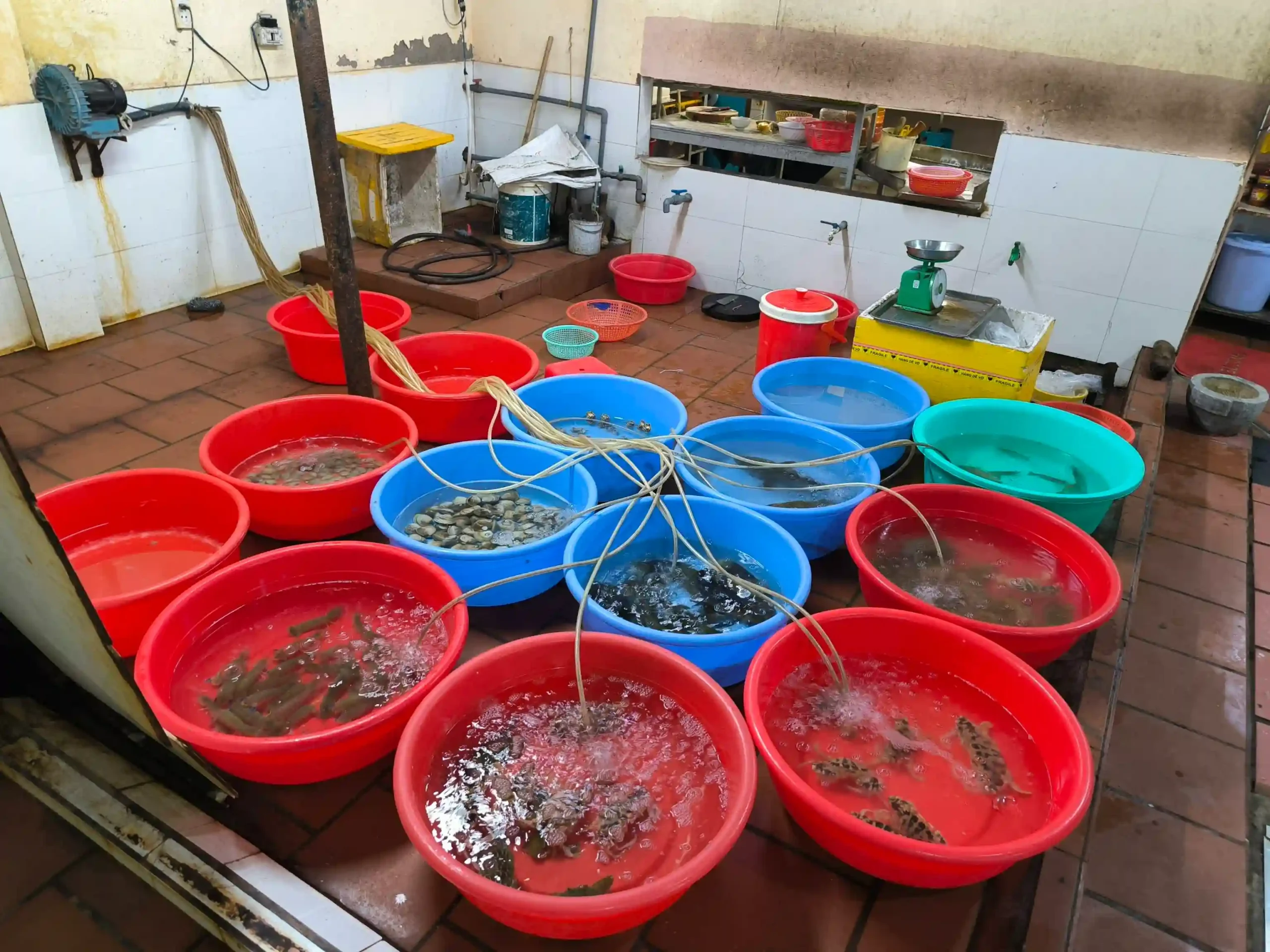
Everything. When you walk in, there is no menu. You walk up to a wall of blue plastic bins filled with aerated seawater. You point at what you want: Tiger prawns, scallops, squid, massive clams, sea snails, or a live grouper.
You tell the guy how many kilograms you want, and then you tell him how to cook it.
How you eat it:
Here are the exact three things you order if you don’t know what you are doing:
- Nghêu hấp sả: Clams steamed in a pot with lemongrass, chili, and ginger. You drink the broth straight from the pot.
- Sò điệp nướng mỡ hành: Scallops grilled on open coals, topped with scallion oil and crushed peanuts.
- Mực lá nướng sa tế: A giant cuttlefish scored with a knife, marinated in spicy chili sauce, and grilled. You cut it with scissors.
You dip everything in a mixture of salt, white pepper, and a squeezed green lime. You drink cheap local Larue beer out of a glass filled with a massive chunk of ice.
The Reality:
Seafood prices fluctuate daily based on the catch. But generally, a plate of grilled scallops or steamed clams will run about 60,000 to 80,000 VND. If you start ordering live lobsters or giant crabs, your bill will hit $40 or $50 fast. Always confirm the price per kilo before they take the fish out of the water.
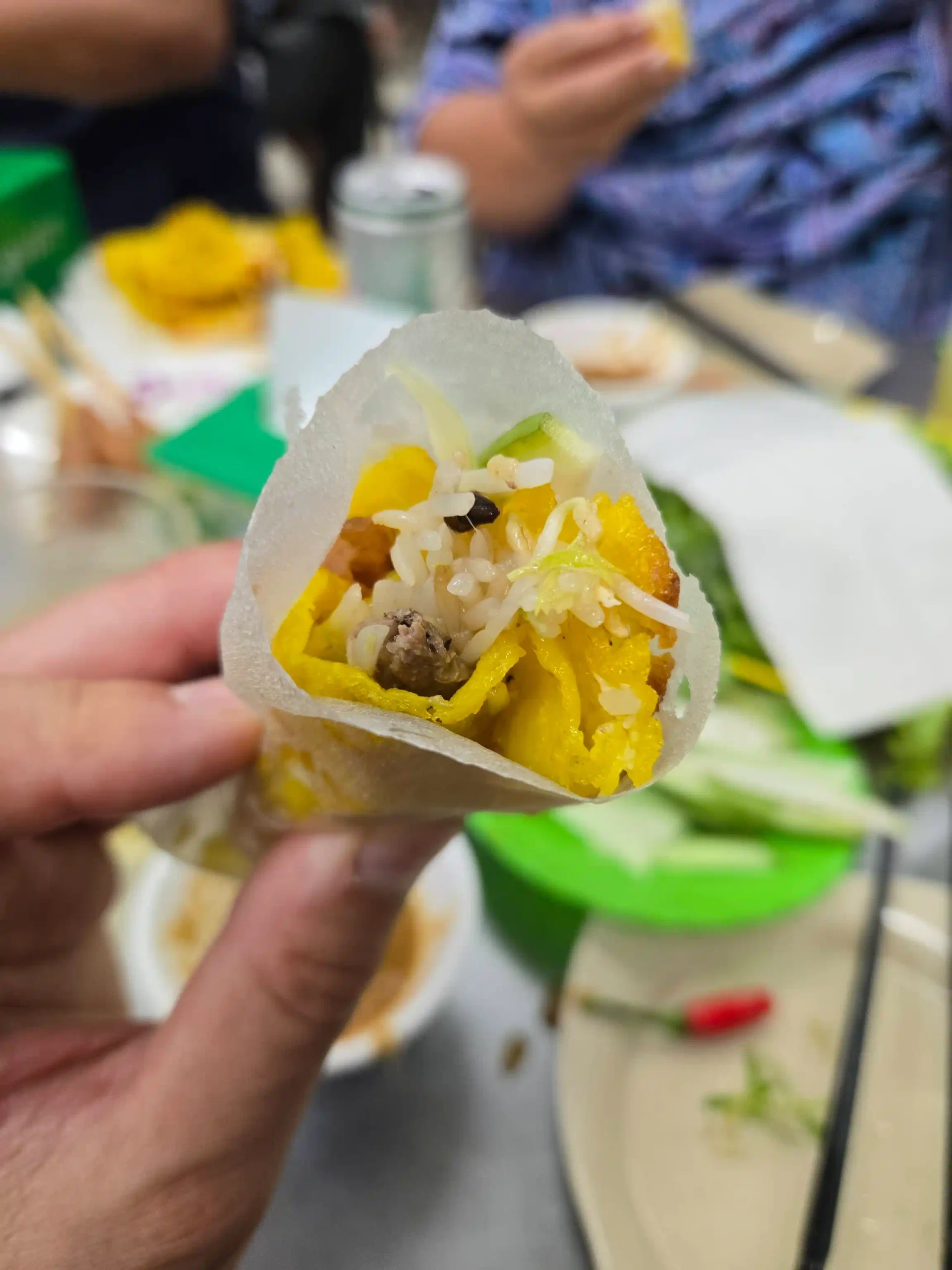
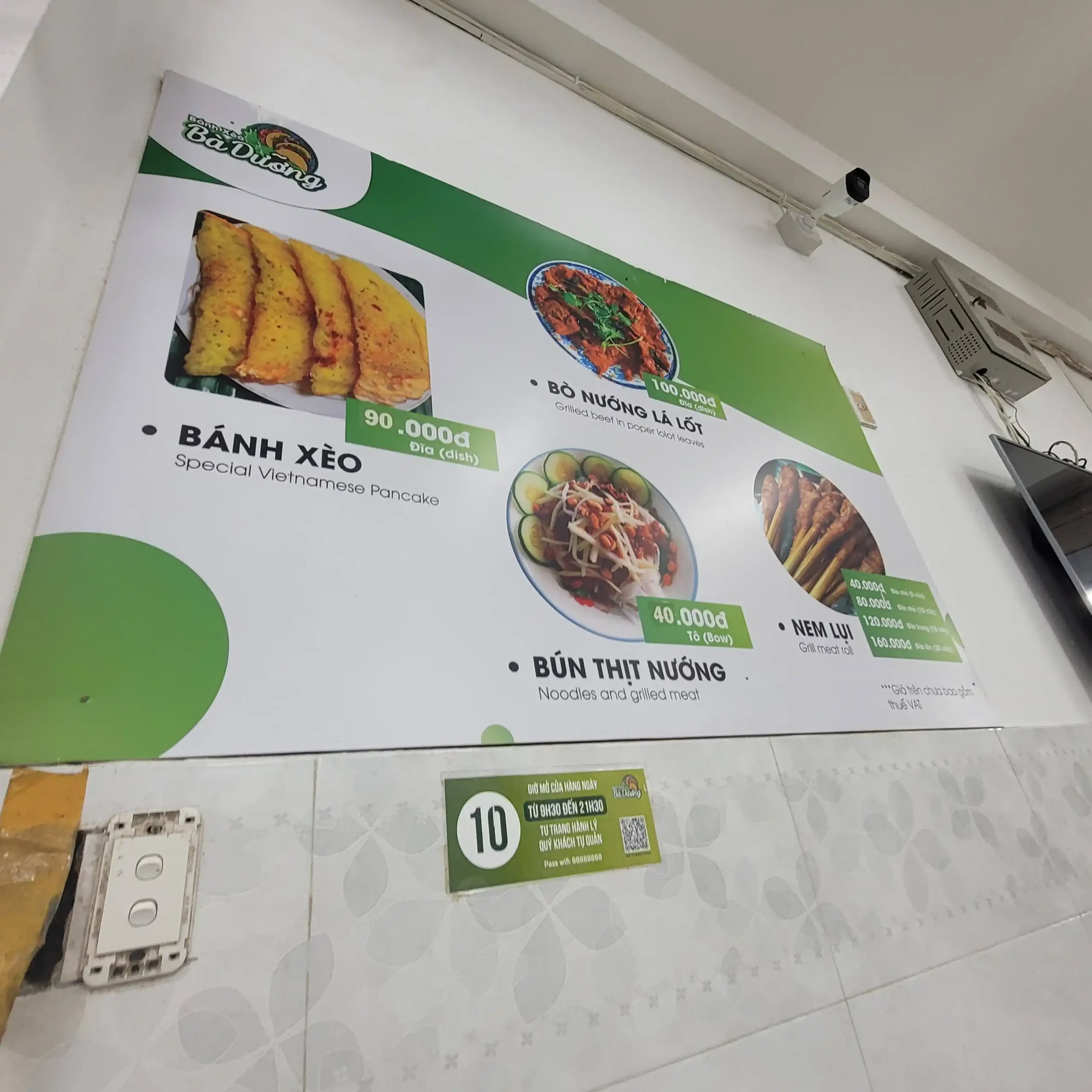
2. Bánh Xèo & Nem Lụi (Crispy Pancake & Lemongrass Pork)
This is the meal you take your friends to when they visit and you want to blow their minds. It is interactive, messy, loud, and tastes completely different from anything else.
If I had to make a generic list of the best food in Da Nang, this would probably be number one for pure entertainment value.
“Bánh Xèo” means sizzling cake. You will hear the kitchens before you see them. The cooks stand in front of twenty small cast-iron skillets over roaring open fires.
What is it?
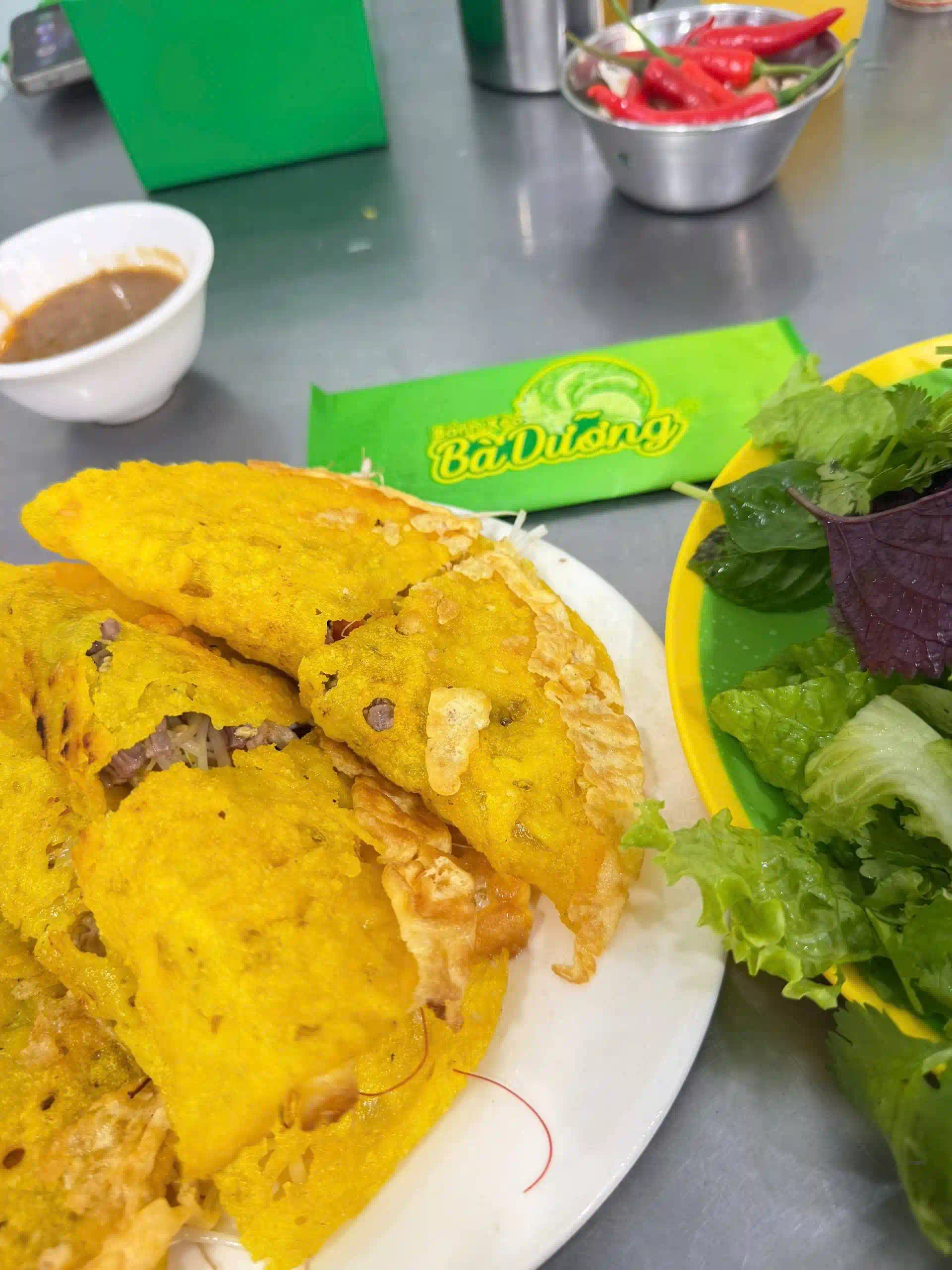
They pour a bright yellow batter (rice flour, water, and turmeric) into a smoking hot skillet full of oil. It sizzles violently. They throw in a few shrimp, some fatty pork slices, and a handful of bean sprouts. They fold it in half. The outside flash-fries into a crispy, greasy shell.
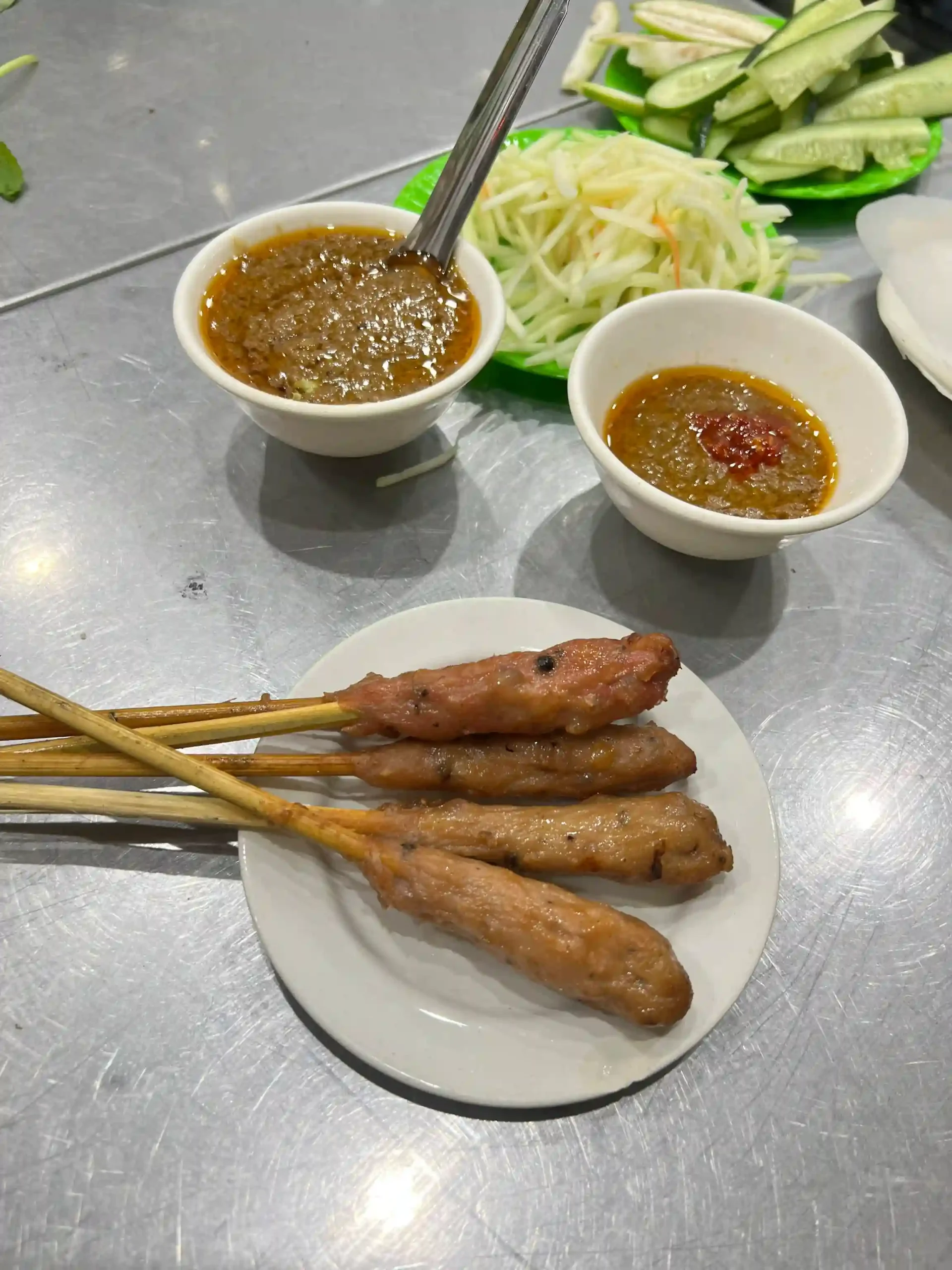
“Nem Lụi” is the side dish you always order with it. They take minced pork, marinate it with garlic and sugar, mold it around a stick of lemongrass, and grill it over charcoal.
How you eat it:
It’s another wrapping job. You take a piece of rice paper. You rip off a chunk of the greasy, crispy yellow pancake and put it on the paper. You grab a stick of the grilled pork, lay it down, and pull the lemongrass stick out, leaving the meat. You add your lettuce, green mango slices, and cucumber. Roll it up.
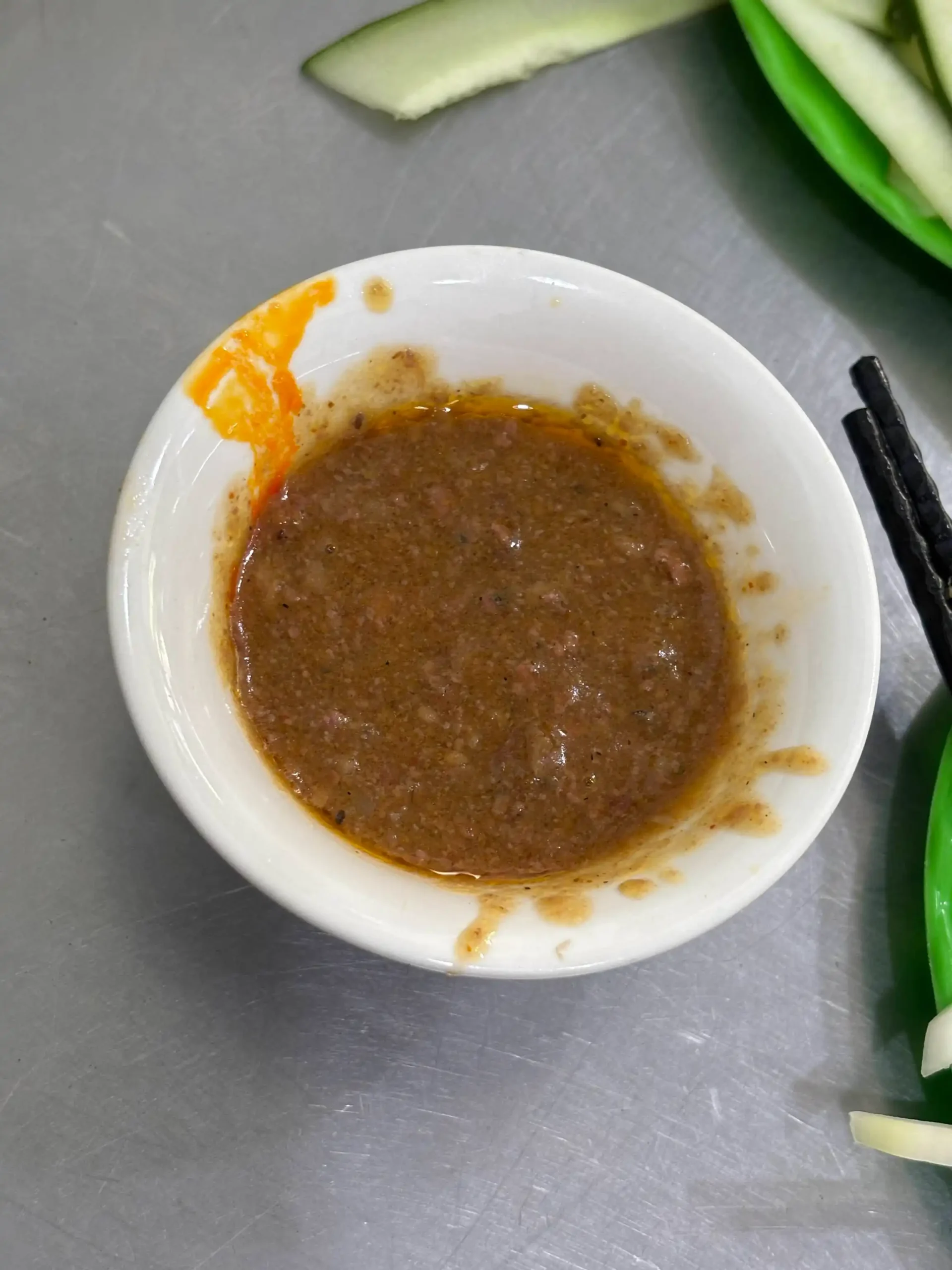
The dipping sauce is what makes the Da Nang version unique. In the south, they dip this in watery fish sauce. Here, they dip it in a thick, warm, peanut-liver gravy. It is incredibly rich.
The Reality:
You pay by the item. You sit down, and they just bring you a stack of pancakes and a plate of skewers. When you stand up to leave, they count the empty skewers on your table to calculate the bill. Usually, a person can eat about 80,000 VND worth of food before passing out.
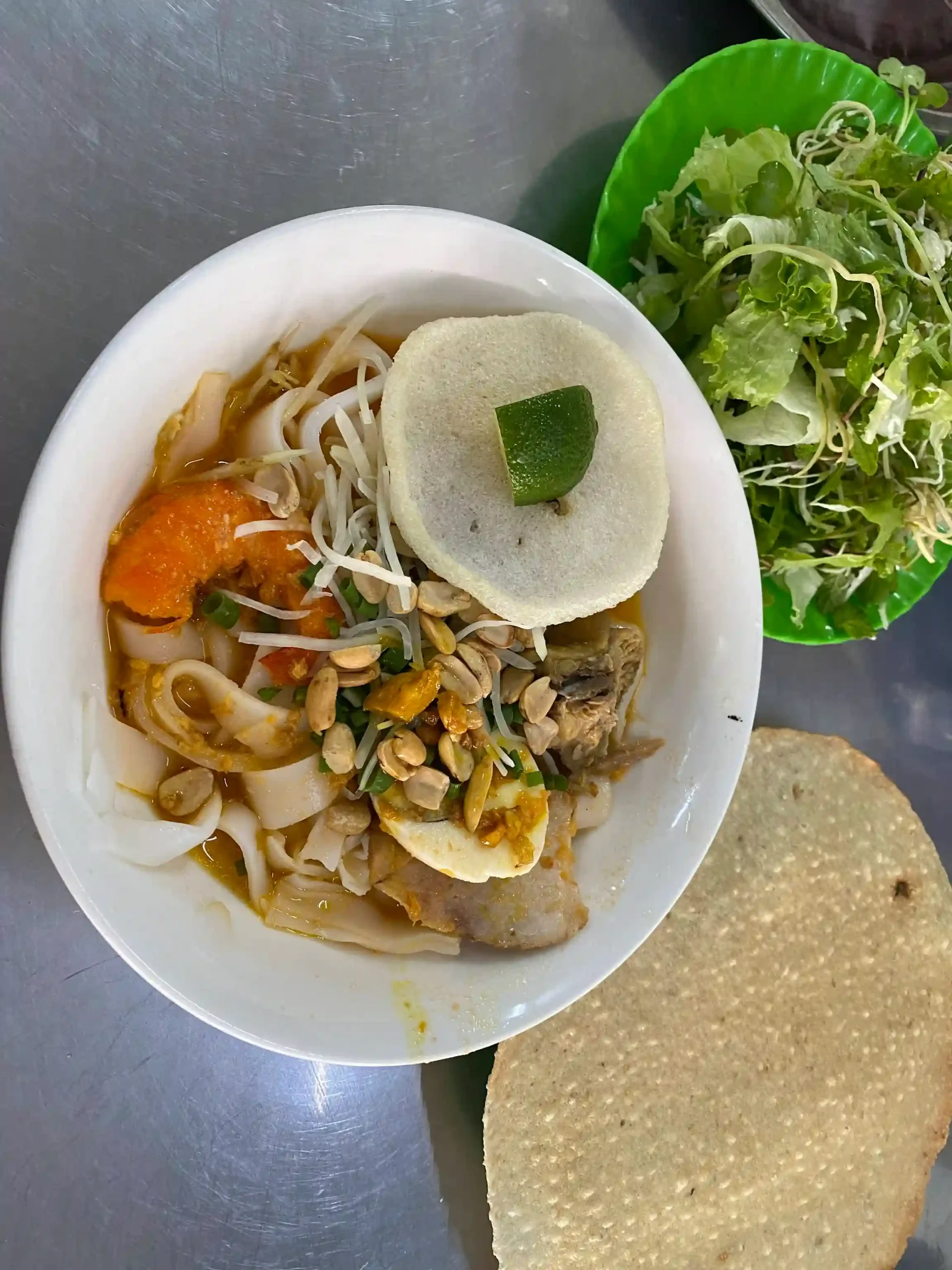
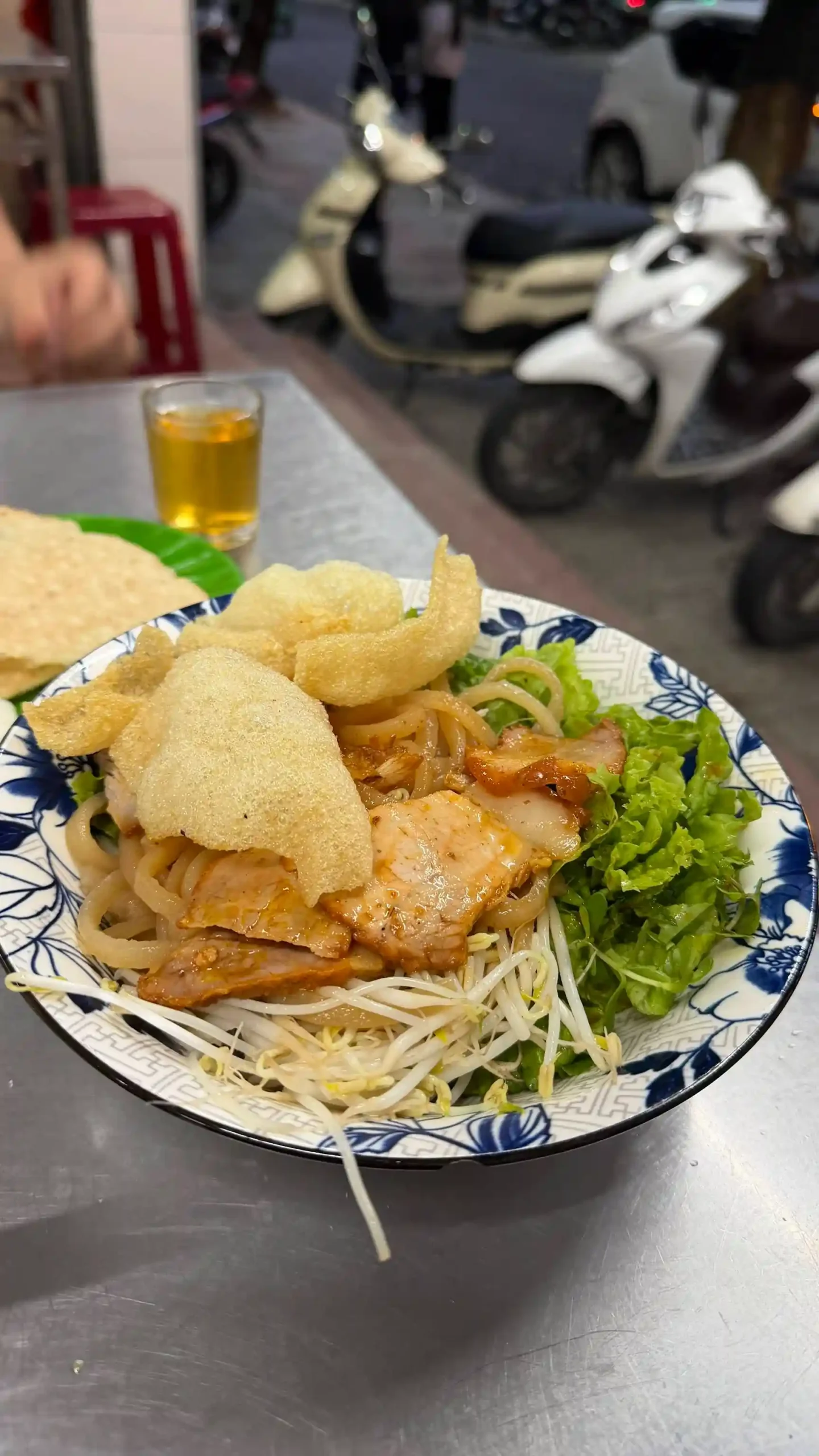
1. Mì Quảng (Turmeric Noodles)
This is it. The absolute peak. The soul of Central Vietnam in a bowl.
If you ask any local what the single best food in Da Nang is, 90% of them will say Mi Quang. It was invented in the Quang Nam province (which surrounds Da Nang). It is eaten for breakfast, lunch, dinner, weddings, and funerals.
It defies classification. It is not a soup. It is not a dry noodle dish. It exists in this weird, perfect middle ground.
What is it?
The noodles are the star. They are wide, flat rice noodles. Sometimes they are white, but usually, they are dyed bright yellow with turmeric.
They put a handful of these thick noodles in a bowl over a bed of baby mustard greens and banana blossom.
Then, they pour the broth. They only add about an inch of broth to the bowl. The broth is hyper-concentrated. It is usually boiled down from pork bones, dried shrimp, and shallots, seasoned heavily with peanut oil.
The toppings are endless, but the classic combination is Tôm Thịt (Shrimp and Pork belly). The shrimp are cooked whole with the shell on. You also get a hard-boiled quail egg, roasted peanuts, scallions, and a massive piece of toasted sesame rice cracker (Bánh Tráng) jammed into the side of the bowl.
How you eat it:
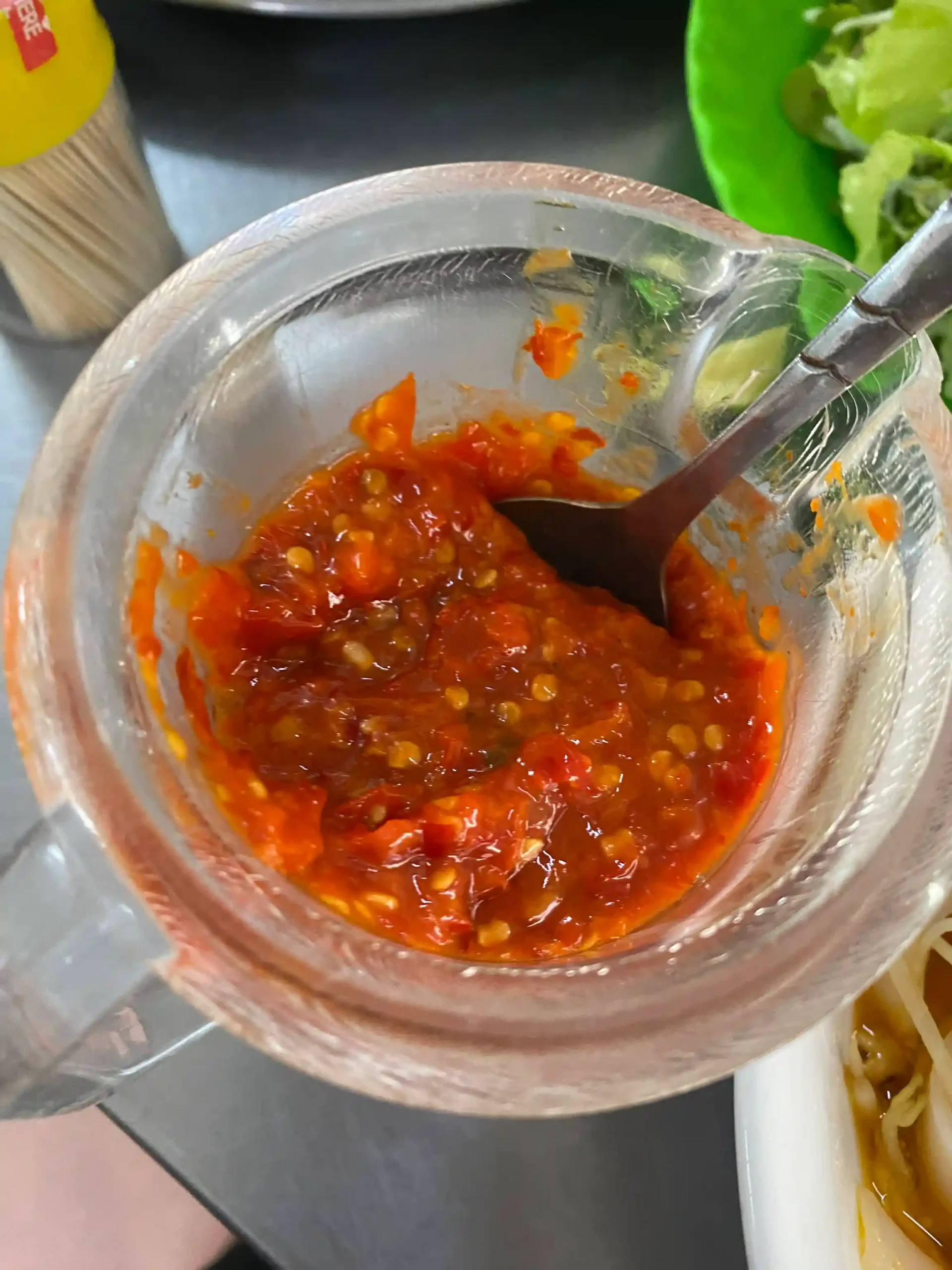
Mechanics matter here. You take the crispy rice cracker out of the bowl. You snap it into small pieces and drop the shards back into the shallow broth. You add a squeeze of lime and a whole green chili if you can handle it.
You mix it up. The wide noodles soak up the shallow, fatty broth. The rice cracker shards get half-soggy and half-crunchy. Every single bite is a different texture. The raw mustard greens give it a sharp, bitter bite that cuts through the heavy peanut oil.
The Reality:
It is everywhere. Every street corner has a lady selling it from a glass box. A standard bowl costs about 30,000 to 40,000 VND depending on the meat.
My list is based on my own years of eating here, but I wanted to see if the people born and raised in this city agreed with me. So, I asked 50 locals to rank 5 best restaurants in Da Nang to see where they actually spend their own money
Rules of eating here
Since I just gave you a list that requires you to go sit on a lot of plastic stools on the sidewalk, you need to know how this actually works. Eating street food in Da Nang involves some friction.
The napkin situation
Look down at the floor when you sit at a local food cart. It is probably covered in crumpled-up napkins, lime wedges, and discarded chopsticks.
This breaks western brains. We are taught to leave our tables clean. In Vietnam, the floor is the trash can. If you wipe your mouth with a tissue, you drop it on the ground. The staff sweeps the entire floor into a pile every few hours. If you leave your dirty tissues on the table, it actually annoys the person cleaning up because they have to brush them off anyway.
The wet wipe charge
When you sit down, there will usually be a small, commercially packaged wet wipe on the table. It is not free. If you tear it open and use it, they will add 3,000 or 5,000 VND to your bill at the end. It isn’t a scam, it’s just how the system works. If you don’t use it, you don’t pay for it.
Wiping the chopsticks
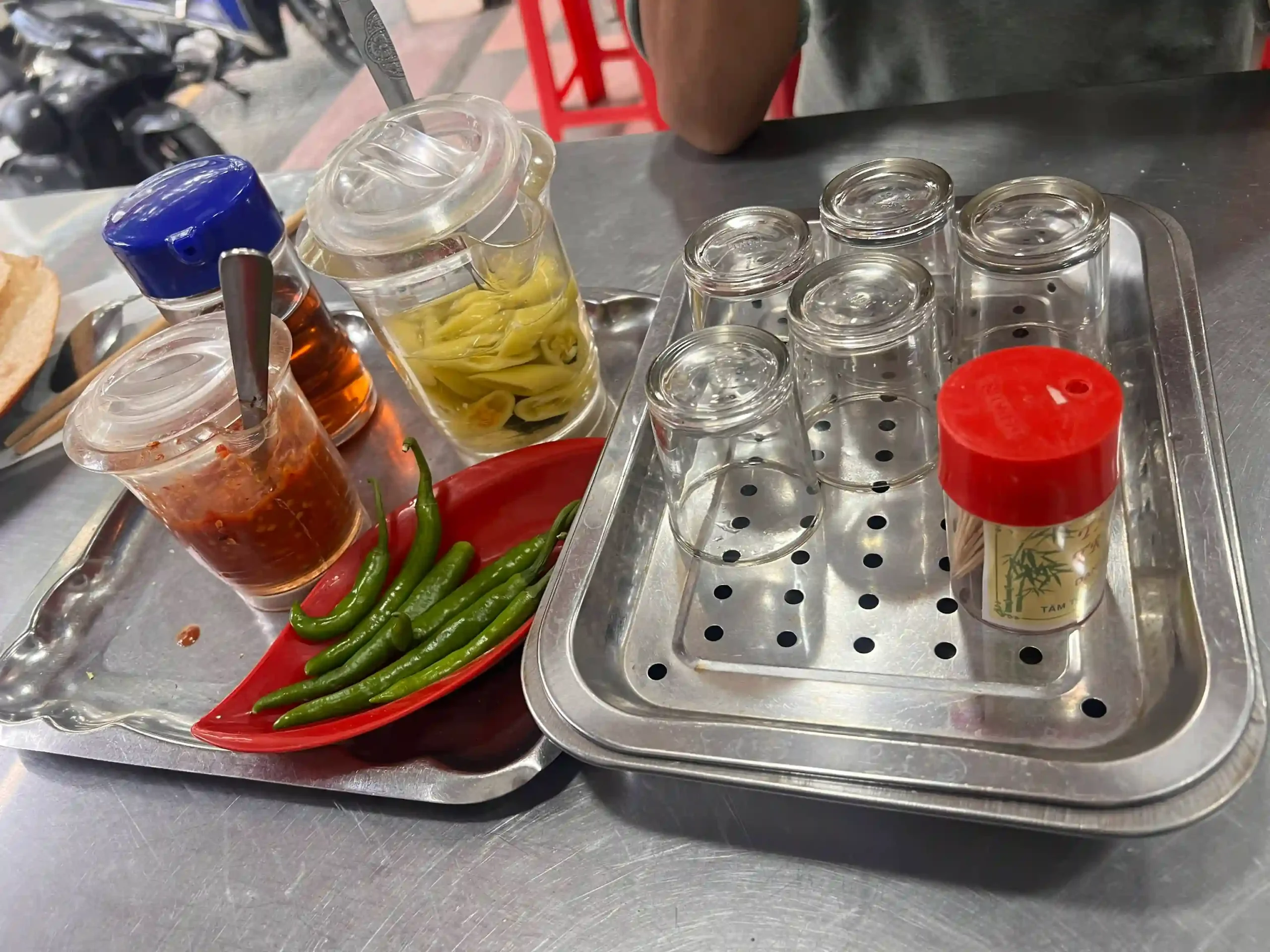
On every table, there is a plastic container holding chopsticks and spoons. There is also a jar of chili, some garlic, and a box of dry napkins.
Before you eat, you pull out your chopsticks, grab a dry napkin, and vigorously wipe down the chopsticks and your spoon. Everyone does it. The utensils are washed, but they sit out in the humid air all day. Wiping them down is just the standard hygiene ritual.
Paying the bill
You never get a paper check at a street stall. When you are done eating, you stand up, walk over to the lady cooking the food, and say “Tính tiền” (Calculate money). She will look at your table, count the empty bowls, remember what meat you ordered, and just state a number.
You hand her cash. Do not try to use a credit card, and honestly, do not expect them to have change for a 500,000 VND note if you are just buying a $2 bowl of noodles. Break your big bills at convenience stores, and use your small 20k and 50k notes for the street food.
You are going to sweat. You are probably going to spill fish sauce on your pants. But if you actually hunt down the places on this list, you will understand why people who live here never want to leave. The food is aggressive, cheap, and perfect. Start with the Mi Quang and work your way down.












 Tiếng Việt
 한국어
한국어 中文 (中国)
 日本語
日本語 ไทย
ไทย Deutsch
 Español
 Destinations
 Instagram
 Facebook
 X (Twitter)
 Threads
 Tiktok