









 Ha Giang
 Hanoi
Hanoi Ho Chi Minh City
 Ha Long
 Sapa
Sapa Mekong Delta
 Da Nang
 Hue
Hue Hoi An
 Ninh Binh
 Da Lat
 Nha Trang
 Phan Thiet
 Phu Quoc
 Quang Binh
 Quy Nhon
 Vung Tau
 Thai Nguyen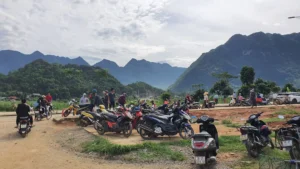
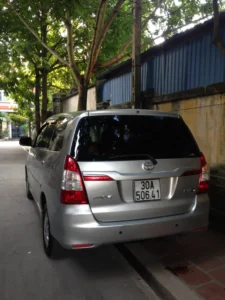
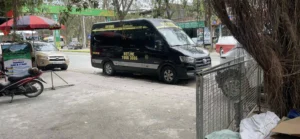



Most people finishing Ninh Binh head straight back to Hanoi, that’s where the flights and the trains are. But if you’ve got another week and want to trade limestone valleys for rice terraces, Pu Luong is a genuinely easy add rather than the logistical headache the transport websites make it sound like.
I did the Ninh Binh to Pu Luong run myself after a stretch in Ninh Binh, and it was simpler than half the day trips I’d already done that week.
| Option | Time | Cost | Notes |
|---|---|---|---|
| Private car | 2.5-3 hours | ~1.3-1.5 million VND per car | Most direct, door to door, priced per vehicle |
| Bus + transfer via Mai Chau | 5+ hours | Cheaper per person | No direct route, involves waiting and a luggage handoff |
| Motorbike (self-drive) | 3-4 hours | Fuel only | Only for confident riders, mountain roads near the end |
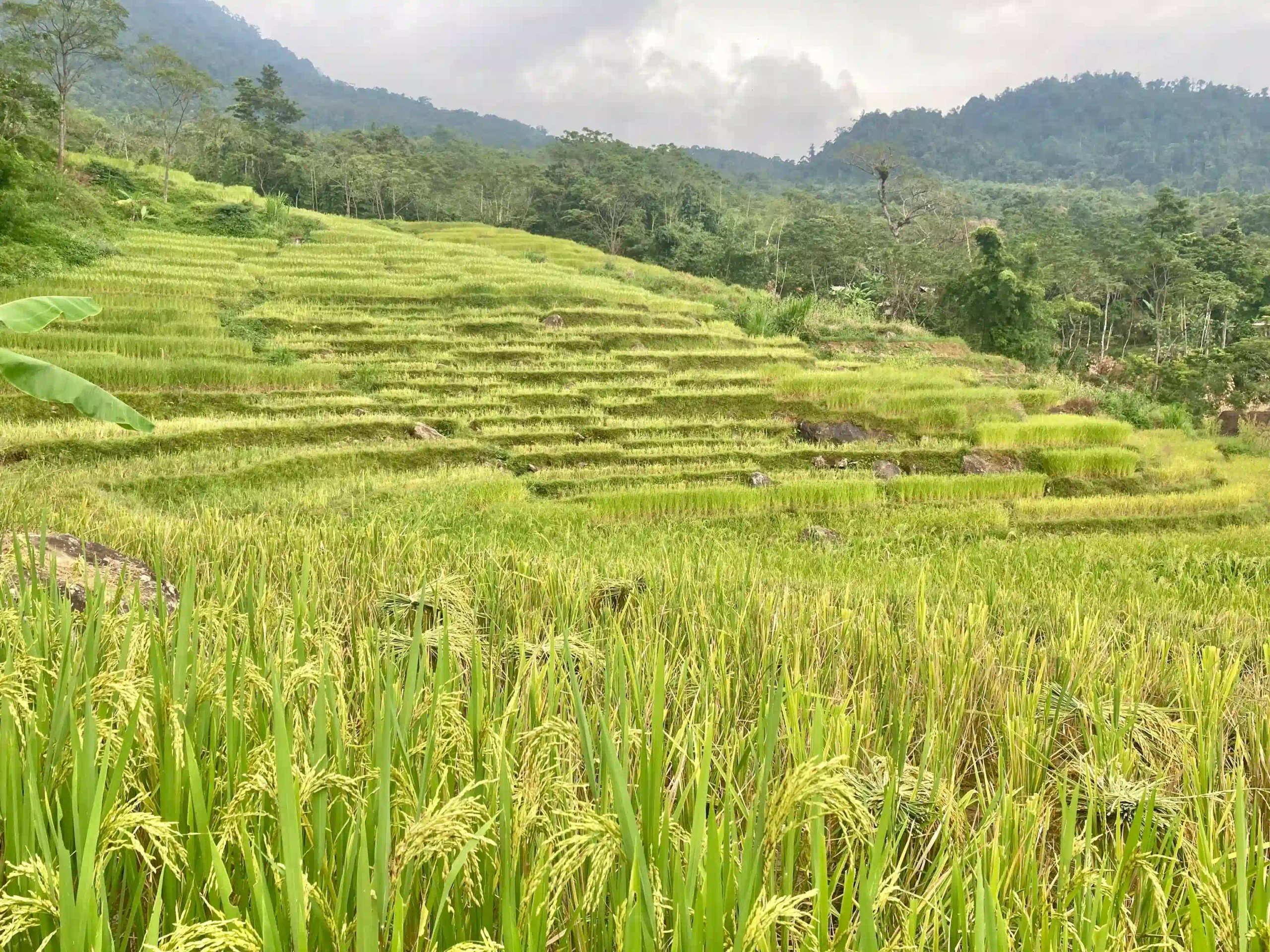
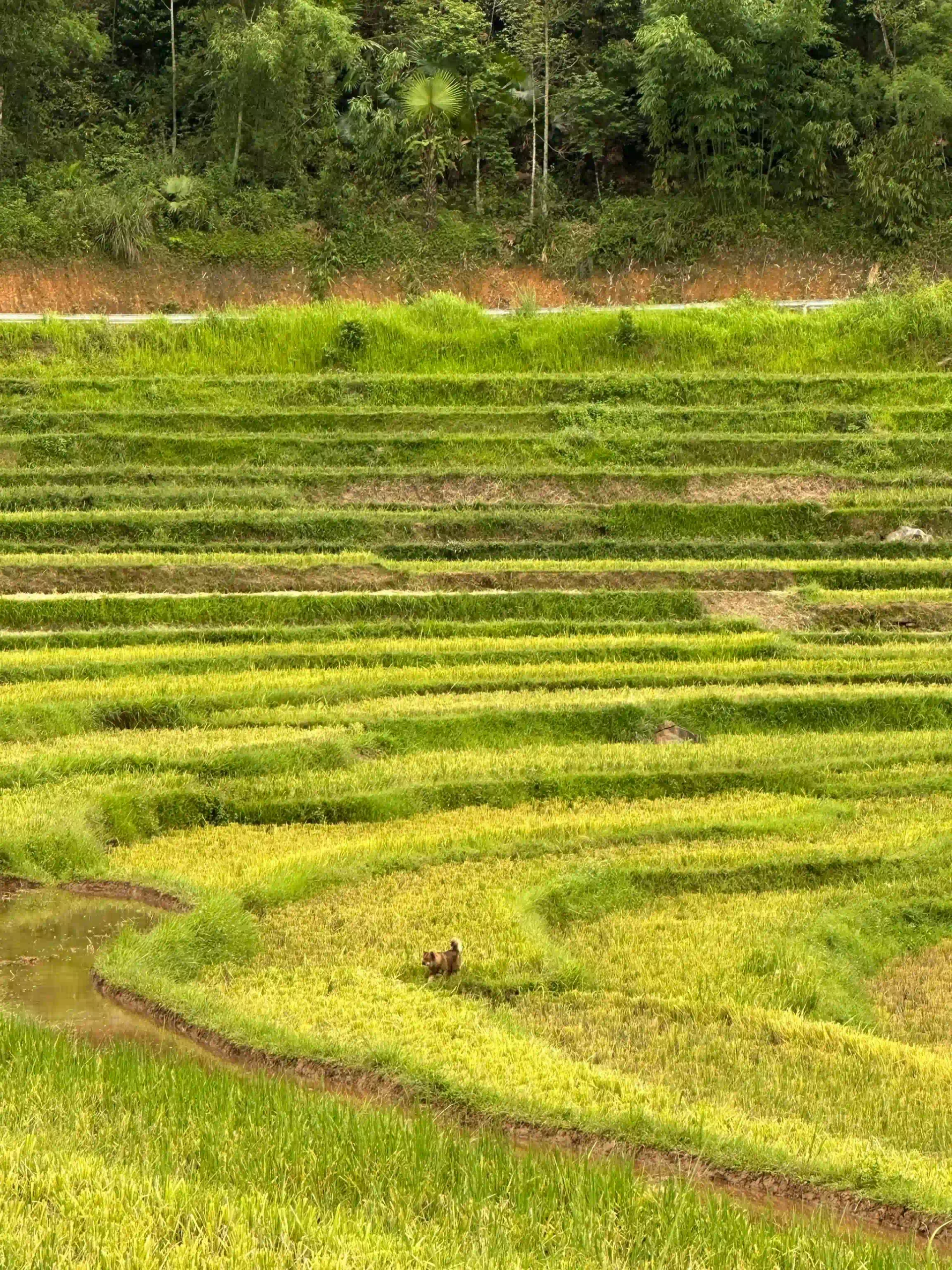
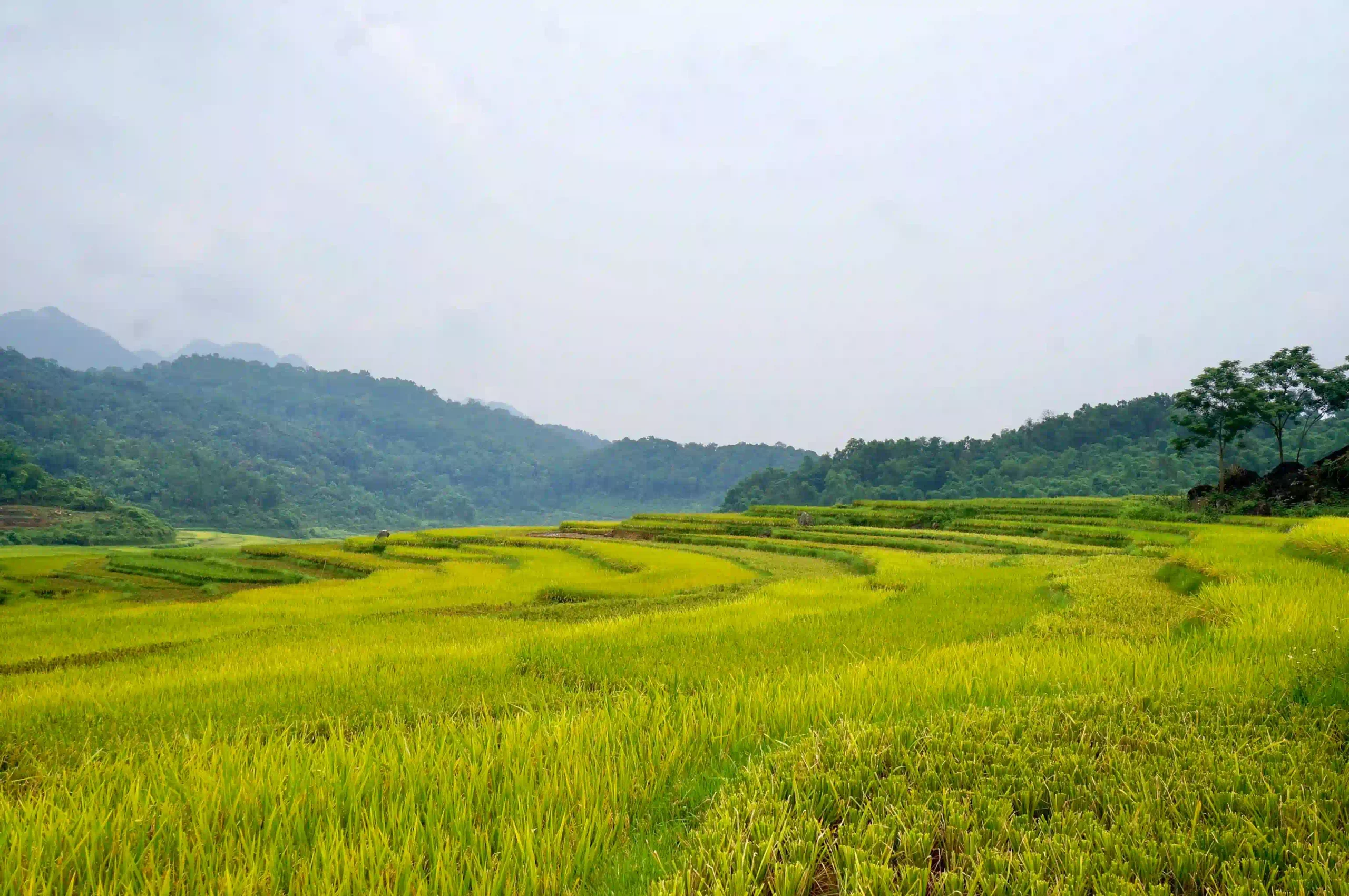
Pu Luong sits in Thanh Hoa province, terraced rice fields and Thai ethnic villages replacing Ninh Binh’s limestone peaks, and after a week of boat tours and cave climbs, the shift in pace was honestly welcome before it was anything else.
The distance between the two, depending on which exact road you take, runs somewhere between 120 and 135km, close enough that treating it as a genuine extension of the same trip rather than a separate destination requiring its own planning made sense the moment I actually looked at the map.
- Quick Answer: Ninh Binh to Pu Luong covers roughly 120-135km and takes 2.5 to 4 hours depending on transport, mountain roads, and traffic near the end. There’s no direct bus, public transport means a transfer through Mai Chau and eats most of a day, so a private car or transfer service is the realistic option for most travelers. It cost me around 1.3 million VND for the car, door to door, no transfers, no waiting around a bus station.
- The Route, By the Numbers:
- Distance: roughly 120-135km depending on the exact road taken.
- Private car: 2.5-3 hours, most direct option.
- Bus with a transfer via Mai Chau: no direct route, can take 5+ hours total.
- Main roads: QL217 or Highway 12B, well-paved early, narrower and winding near Pu Luong.
- What Actually Worked for Me:
- Booked a private car the day before through my Ninh Binh homestay.
- Pickup right at the homestay, no need to get to a bus station first.
- Cost: roughly 1.3-1.5 million VND (~$50 – $57 USD), priced per car not per person.
- Total door-to-door time: just under 3 hours including one stop.
- Worth Knowing Before You Go:
- Book your Pu Luong accommodation before you leave Ninh Binh, options are more spread out and signal can be patchy.
- September through October is peak season for the golden rice terraces, book transport and lodging further ahead if traveling then.
- The last stretch of road is genuinely winding, worth knowing if you’re prone to motion sickness.
Why I Skipped the Bus From Ninh Binh to Pu Luong
Every transport site selling this route lists a bus option, and technically it exists, but not as a single, direct ride. There’s no bus that runs straight from Ninh Binh to Pu Luong. What actually happens is a bus to Mai Chau, then a second bus or a taxi from there onward, and by the time you’ve waited for both legs and the transfer in between, you’re looking at five hours or more for a trip that takes under three by car. For a route this short, the savings didn’t seem worth losing half a travel day to bus station waiting.
The other issue is frequency. Buses on this corridor don’t run often, and if you land between departures, you’re either killing hours in Mai Chau or paying for a taxi to bridge the gap anyway, at which point you’ve spent close to what a direct private car would have cost in the first place.
I looked into this option seriously before deciding against it, mostly because the schedules I found online didn’t match what a couple of homestay owners told me when I asked directly, and I’d rather trust someone who deals with this route regularly over a booking site that might not reflect what’s actually running that week.
There’s also the luggage factor, which doesn’t get mentioned enough in the transport breakdowns. Switching buses in Mai Chau means physically moving your bags between vehicles, sometimes across a bit of distance if the connecting bus doesn’t pull in right where the first one drops you.
After a week of Ninh Binh already involving a fair bit of moving around, the idea of managing that handoff with a full backpack in unfamiliar territory didn’t appeal, and I’ve heard from other travelers since that it’s more of a hassle in practice than the websites suggest.
What Actually Got Me There
I booked a private car the evening before through my homestay in Ninh Binh, who arranged it with a local driver rather than a big transport company. Pickup was right at the door the next morning, no need to find my way to a bus station or coordinate a meeting point somewhere in town first.
The homestay owner made a phone call, quoted me a price on the spot, and confirmed a 7:30am pickup, the whole arrangement took maybe five minutes the night before over dinner.
The price came to right around 1.3 million VND (~$50 USD), and this is worth knowing specifically: it’s priced per car, not per person, so traveling with even one other person cuts the per-head cost close to half.
Solo, it’s a real expense, more than I’d normally spend on a single transport leg over this kind of trip. Split two or three ways, it’s genuinely reasonable for a door-to-door transfer covering over 100km of mountain road, and I ended up sharing the ride with another guest from the same homestay who was heading the same direction, which brought my share down to something much easier to justify.
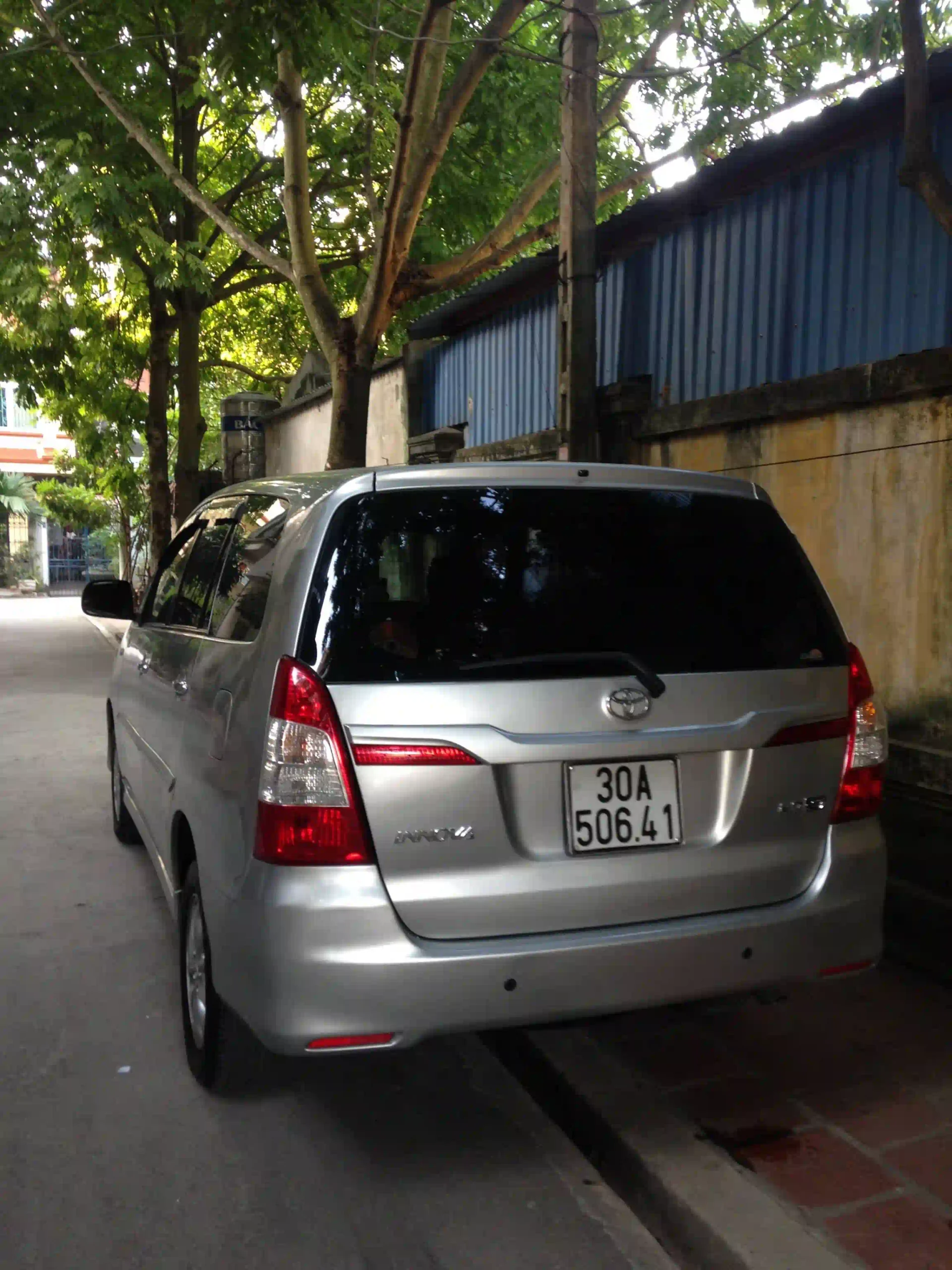
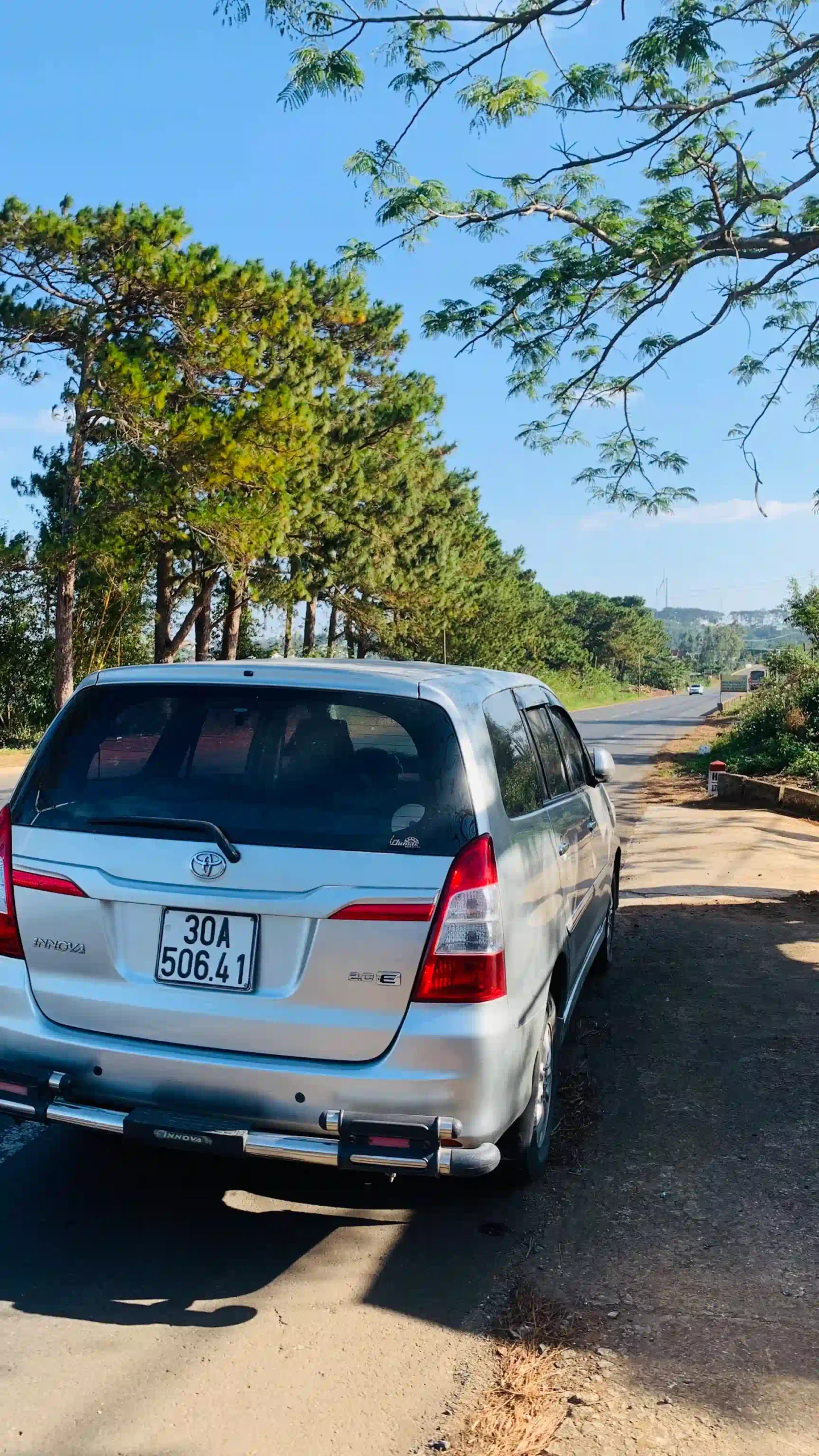
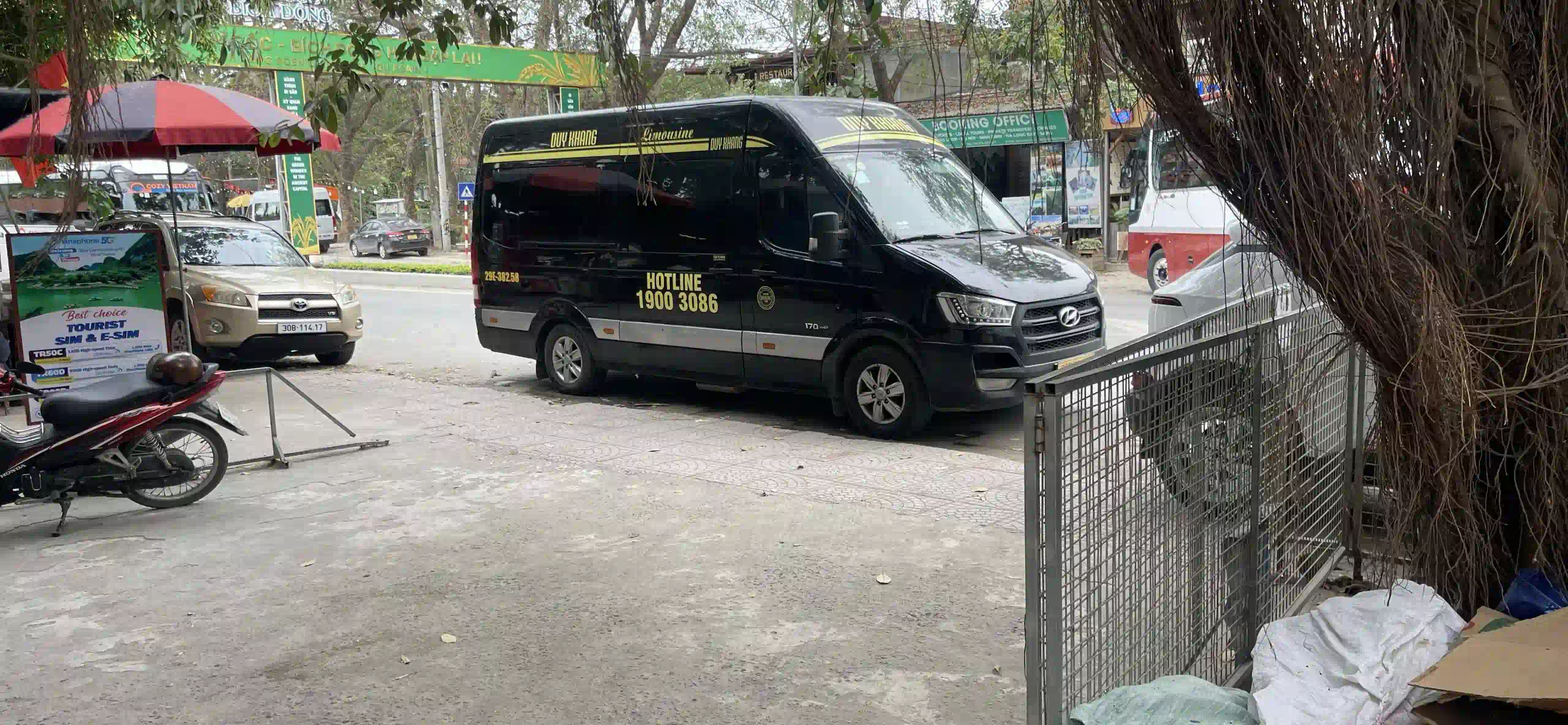
The car itself was a standard 7-seater suv, clean, air conditioning that actually worked, bottled water already in the door pocket without being asked. Nothing luxurious, but everything functional, which is genuinely all this kind of transfer needs to be.
My driver spoke enough English for basic conversation, confirmed the destination clearly before we left, and didn’t try to add unplanned stops at souvenir shops or restaurants along the way, something I’d specifically asked about beforehand after hearing stories from other travelers about drivers padding the route with commission stops.
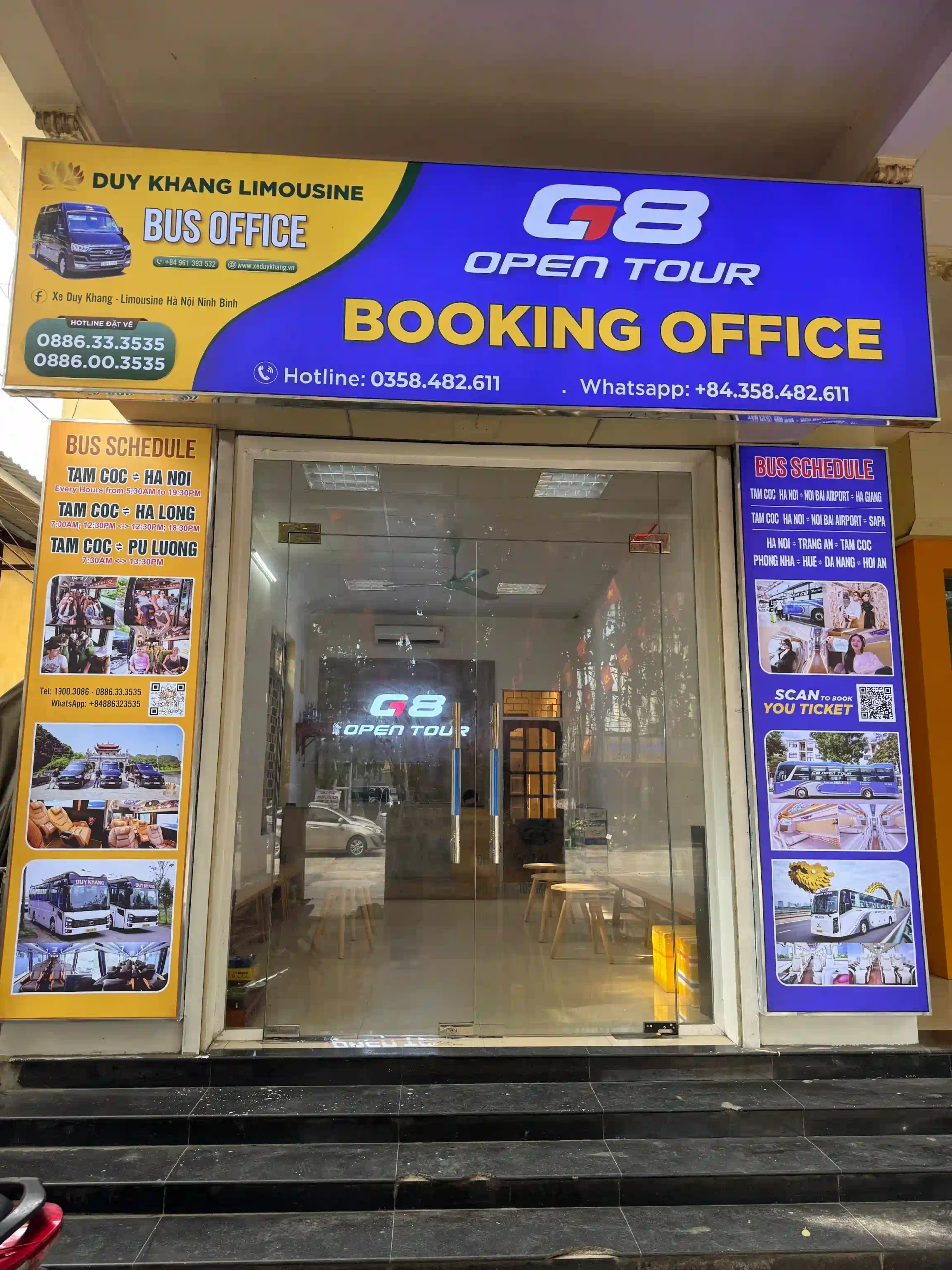
The alternative, if you’d rather have the whole logistics handled without arranging it yourself through a homestay, is booking a private car transfer directly through one of the operators running this specific route, several exist and specialize in exactly this Ninh Binh to Pu Luong leg, with pickup available at your Ninh Binh hotel or right at Tam Coc or Trang An if you’re coming straight from a morning boat tour.
This costs slightly more than arranging it informally through a homestay, but it comes with the kind of advance confirmation and fixed pricing that removes any uncertainty if you’re booking further ahead than the night before.
The Ninh Binh to Pu Luong Drive Itself
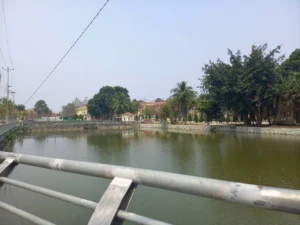
The first hour or so out of Ninh Binh runs through familiar territory, flat countryside, rice paddies, the kind of road you’d recognize from any day trip around Tam Coc. The change happens gradually rather than all at once, hills start showing up on the horizon, then close in properly as the road climbs into Thanh Hoa province.
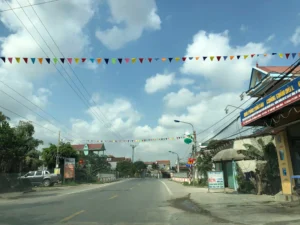
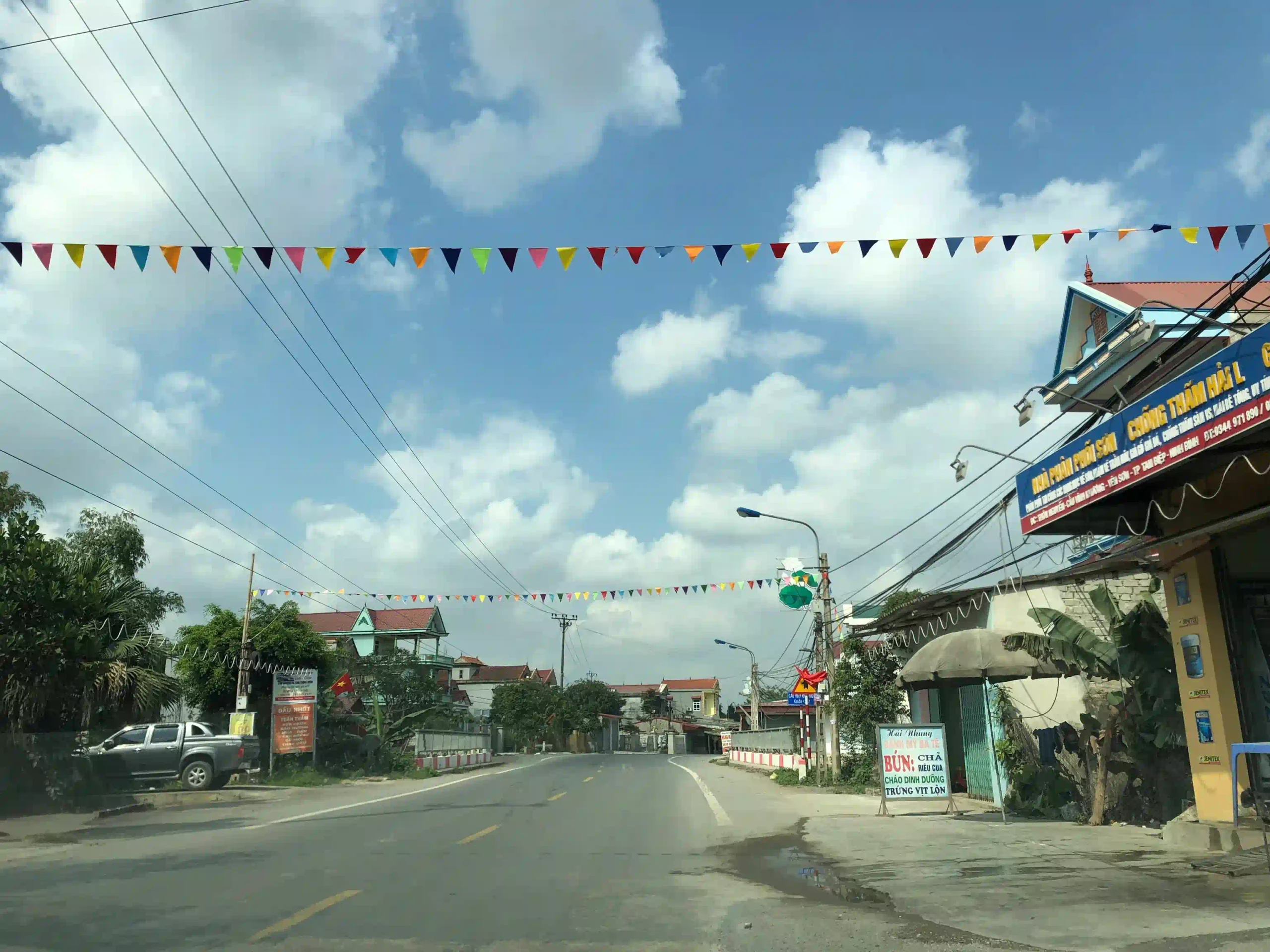
Small towns break up the drive every twenty minutes or so, roadside stalls selling fruit and drinks, motorbikes loaded with more cargo than seems physically possible, the ordinary rhythm of rural northern Vietnam that a lot of the more touristed routes elsewhere skip past.
QL217 handles most of the middle stretch, smooth and well-maintained for a rural Vietnamese highway, wide enough that overtaking a slow truck doesn’t feel like a genuine risk the way it does on some of the country’s more notorious roads.
My driver kept a steady pace through here, no rush, no aggressive overtaking, which after a week of Ninh Binh’s more chaotic in-town traffic felt like a genuine relief.
We passed through a couple of small district towns along this stretch, nothing worth stopping for specifically, but enough to break up what could otherwise be a monotonous middle hour.
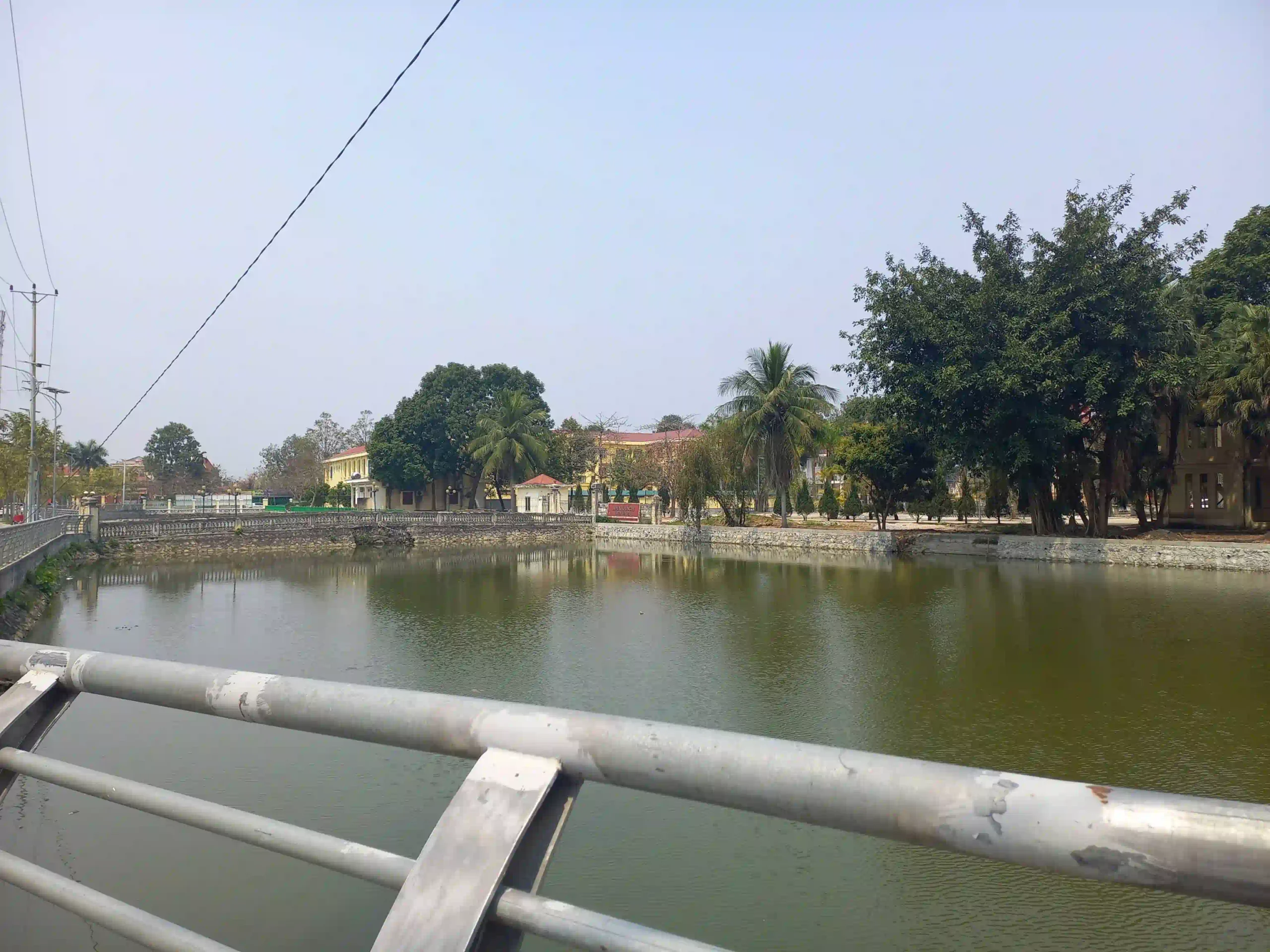
Somewhere past the halfway mark, the character of the drive shifts. The flat paddies give way to a river valley, the road tracking alongside water for a stretch before climbing again, and the traffic thins out noticeably, fewer trucks, fewer other cars, more of the road genuinely to yourself.
This is also where phone signal started dropping in and out, worth knowing if you’re relying on live navigation rather than trusting your driver to know the route, which mine clearly did without needing to check a map once.
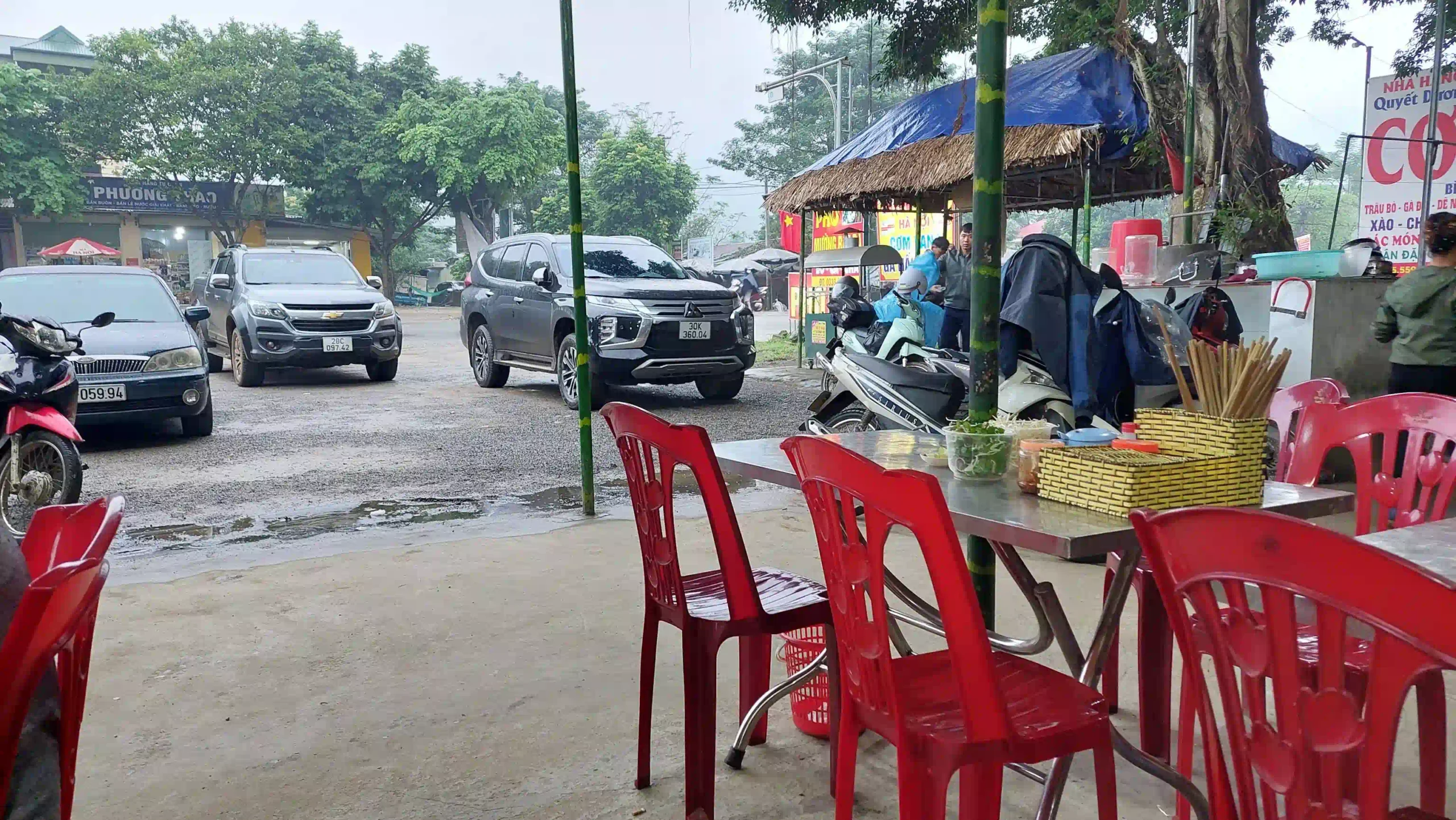
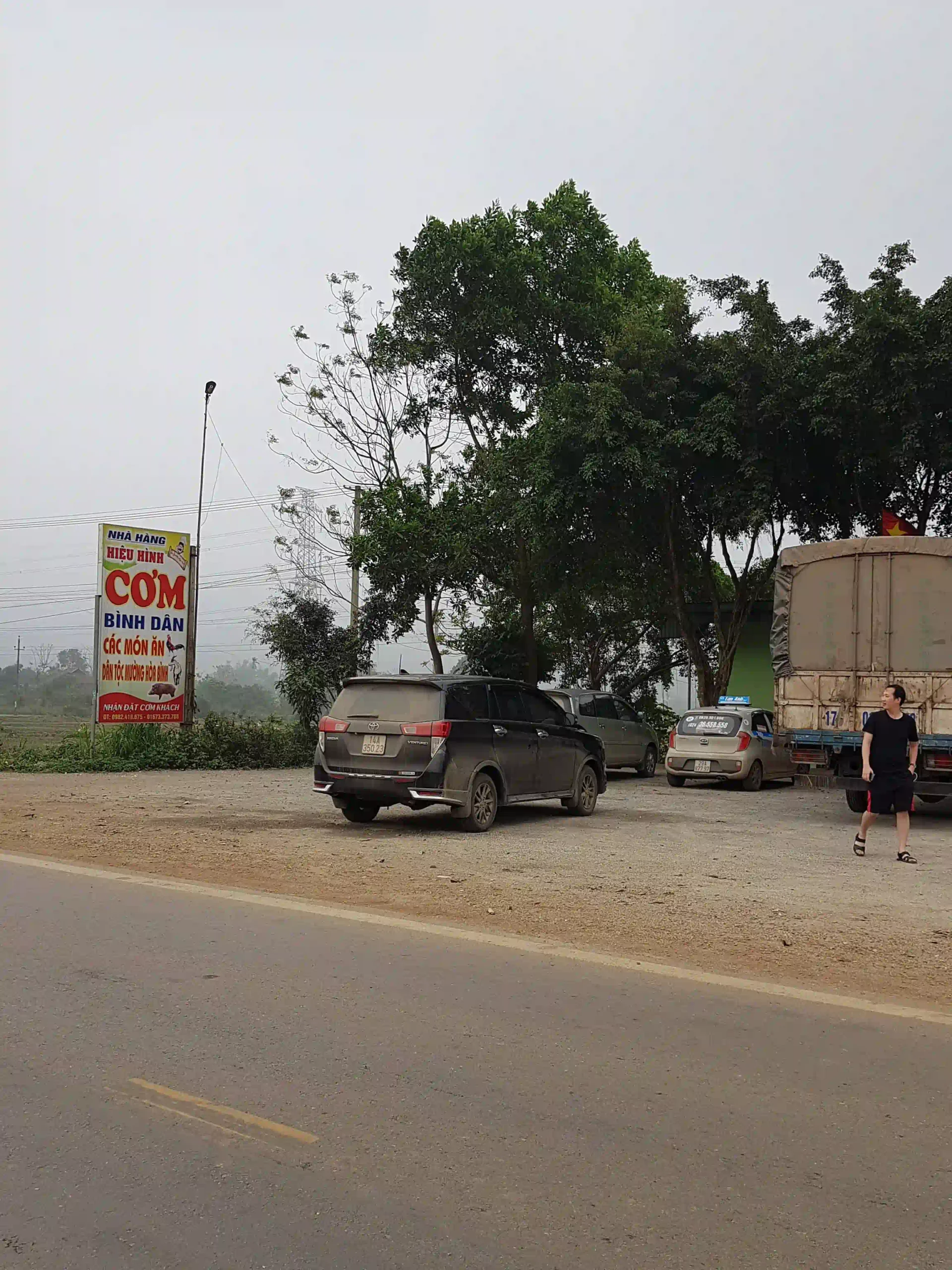
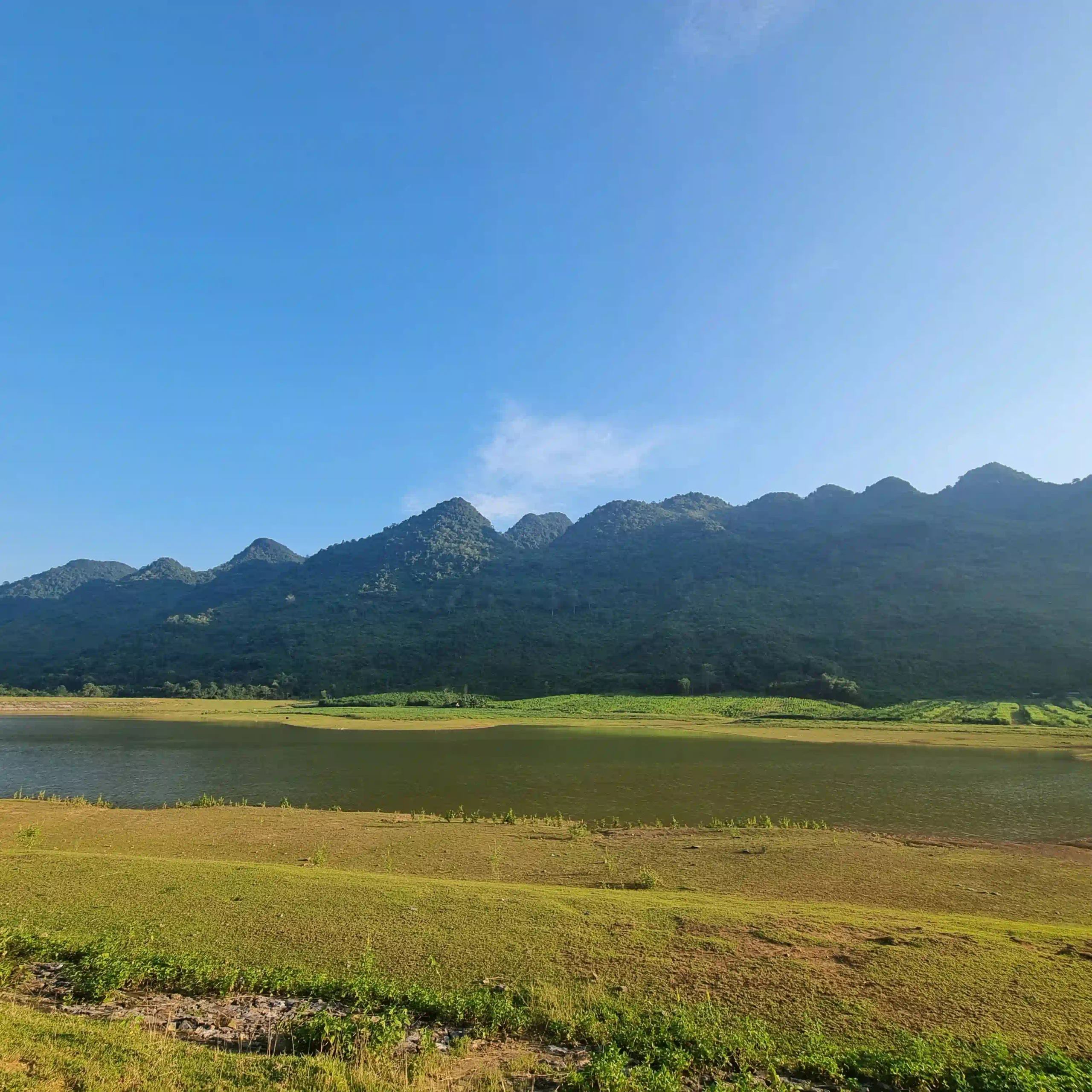
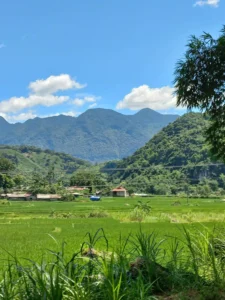
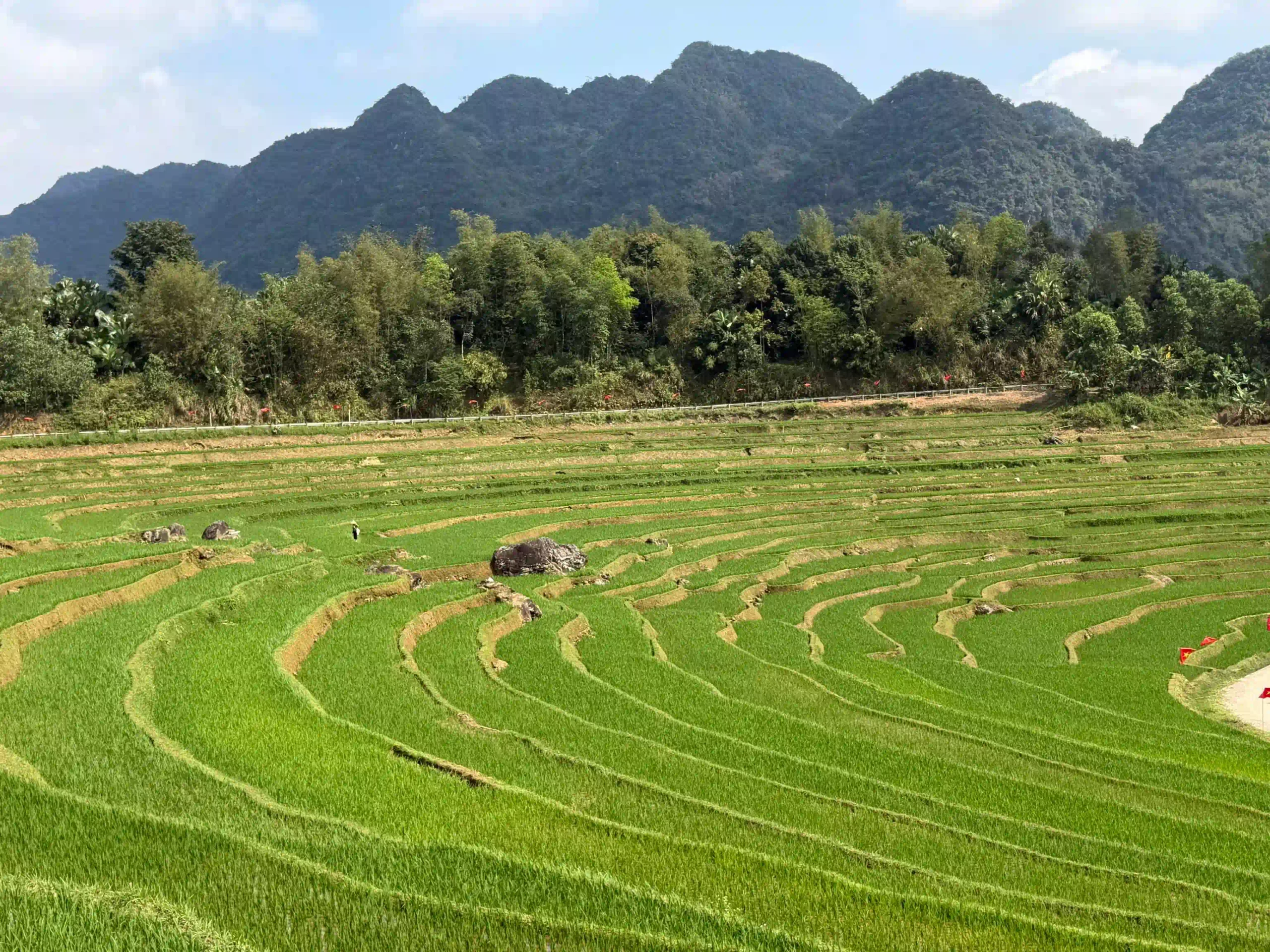
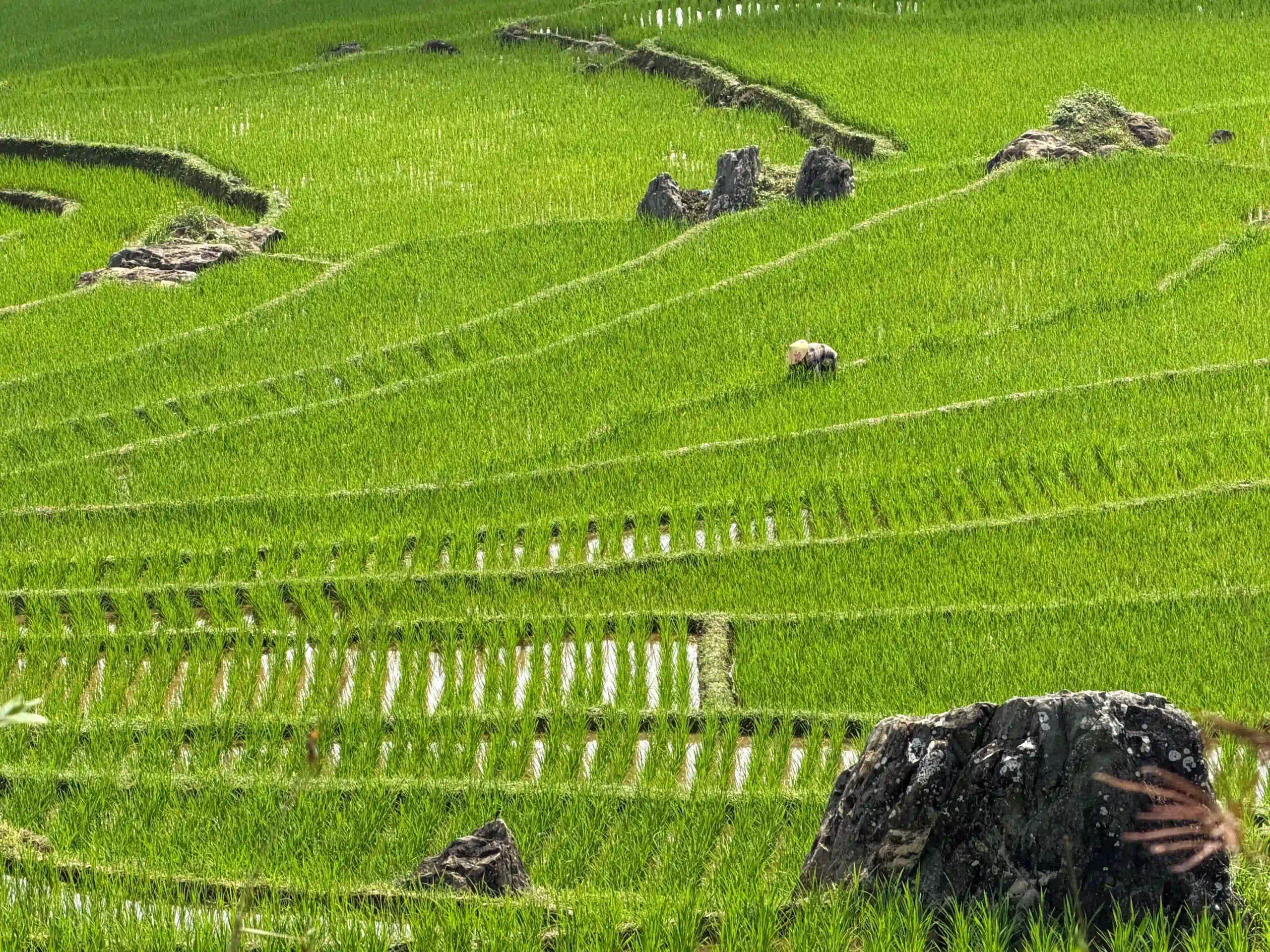
The last twenty minutes or so are where the road actually earns its reputation. It narrows, climbs, and winds through switchbacks with real drops on one side in places, forested hills replacing the open farmland from earlier. This is also where the scenery stops being a backdrop and starts being the actual point, terraced fields cut into the hillsides, small villages tucked into valleys that only show up once you’ve rounded the right bend.
I asked to stop once along this stretch, just to actually look rather than watch it go by through a window, and my driver pulled over without hesitation, seemingly used to the request.
Standing there for a few minutes, the quiet was the first thing I actually noticed, no traffic noise, just wind and something that might have been a rooster somewhere down in the valley. It’s the kind of moment that photos from other people’s blog posts about this route never quite capture, since a photo can show you the terraces but not the actual silence around them.
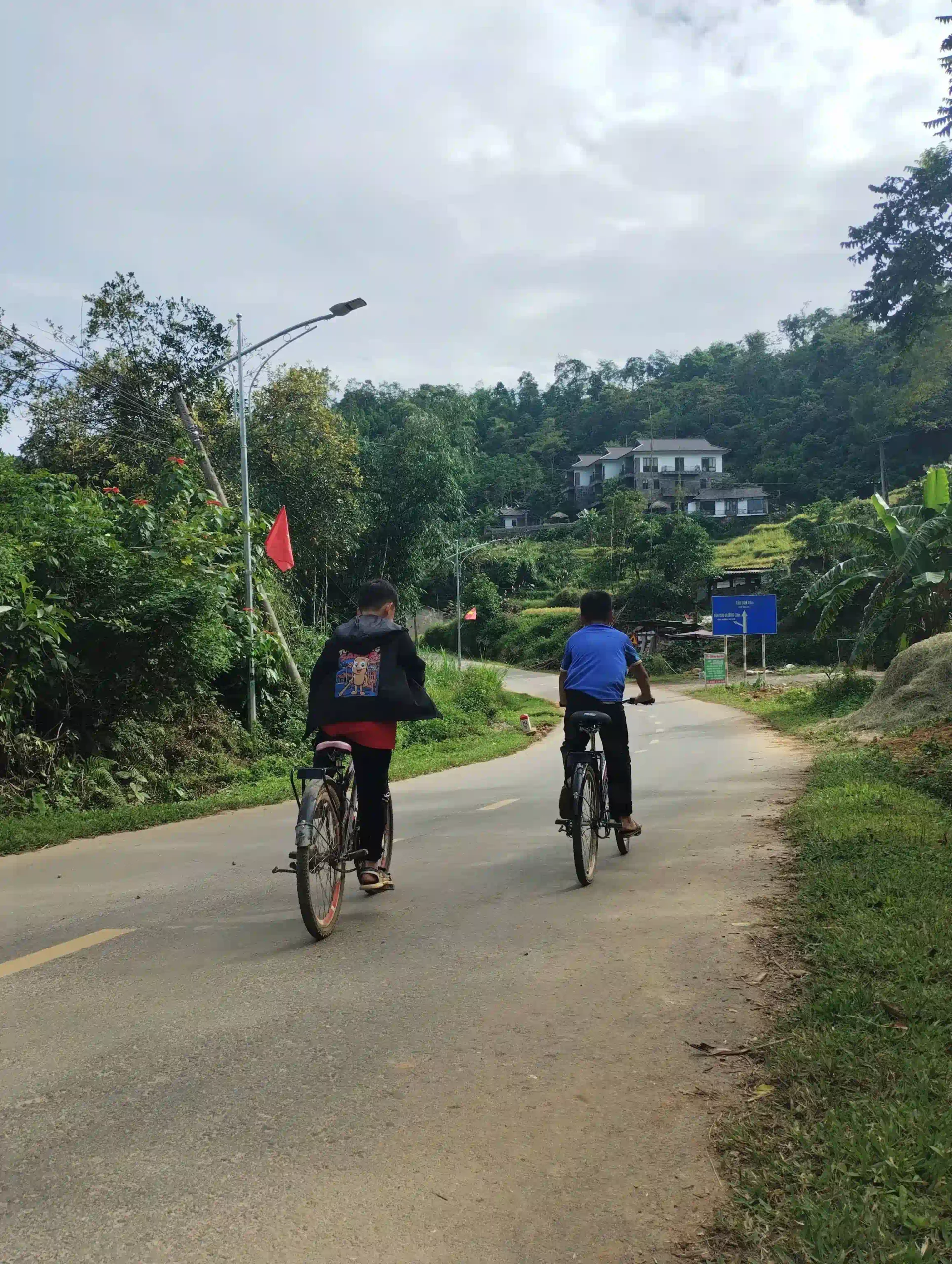
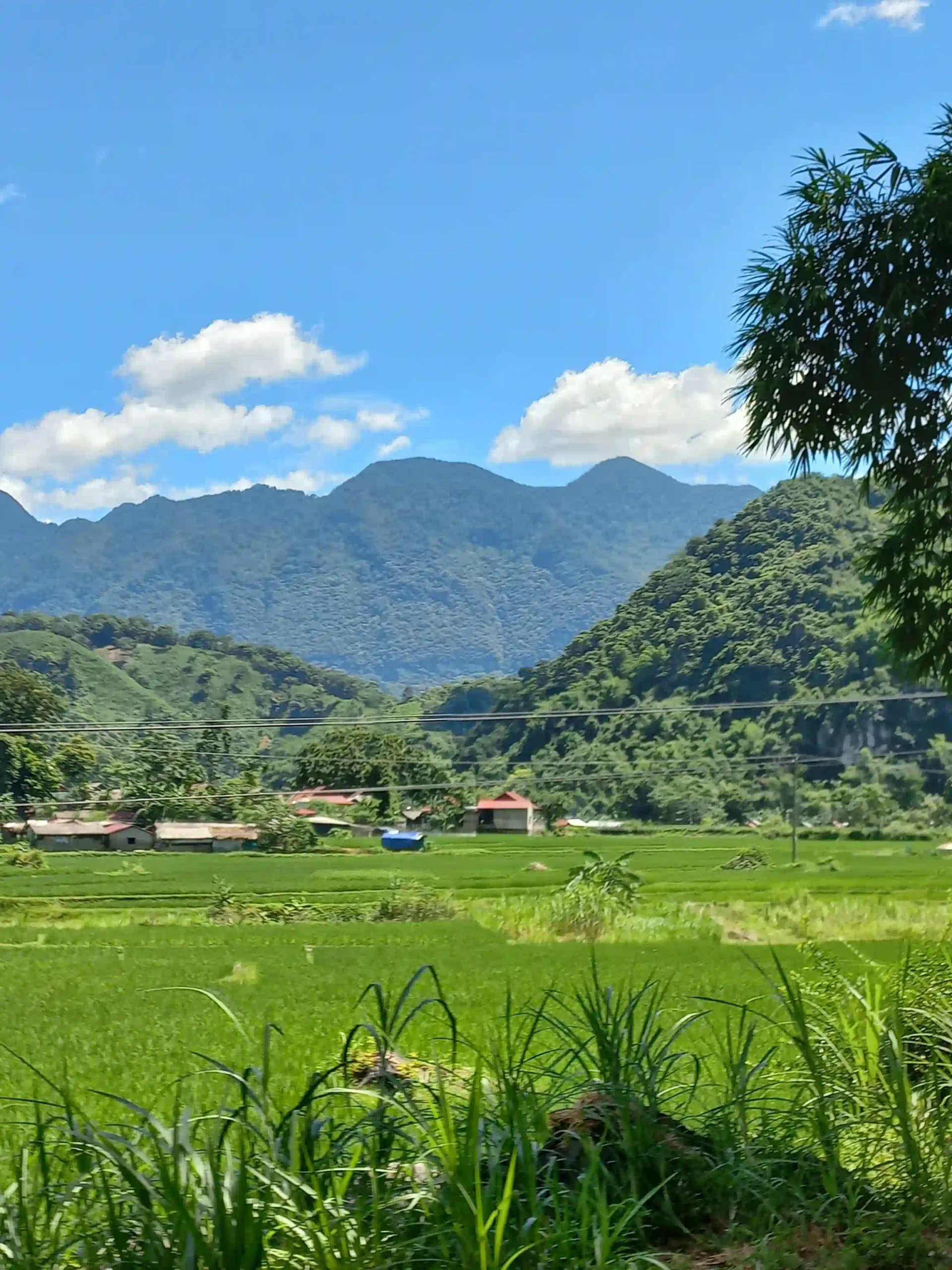
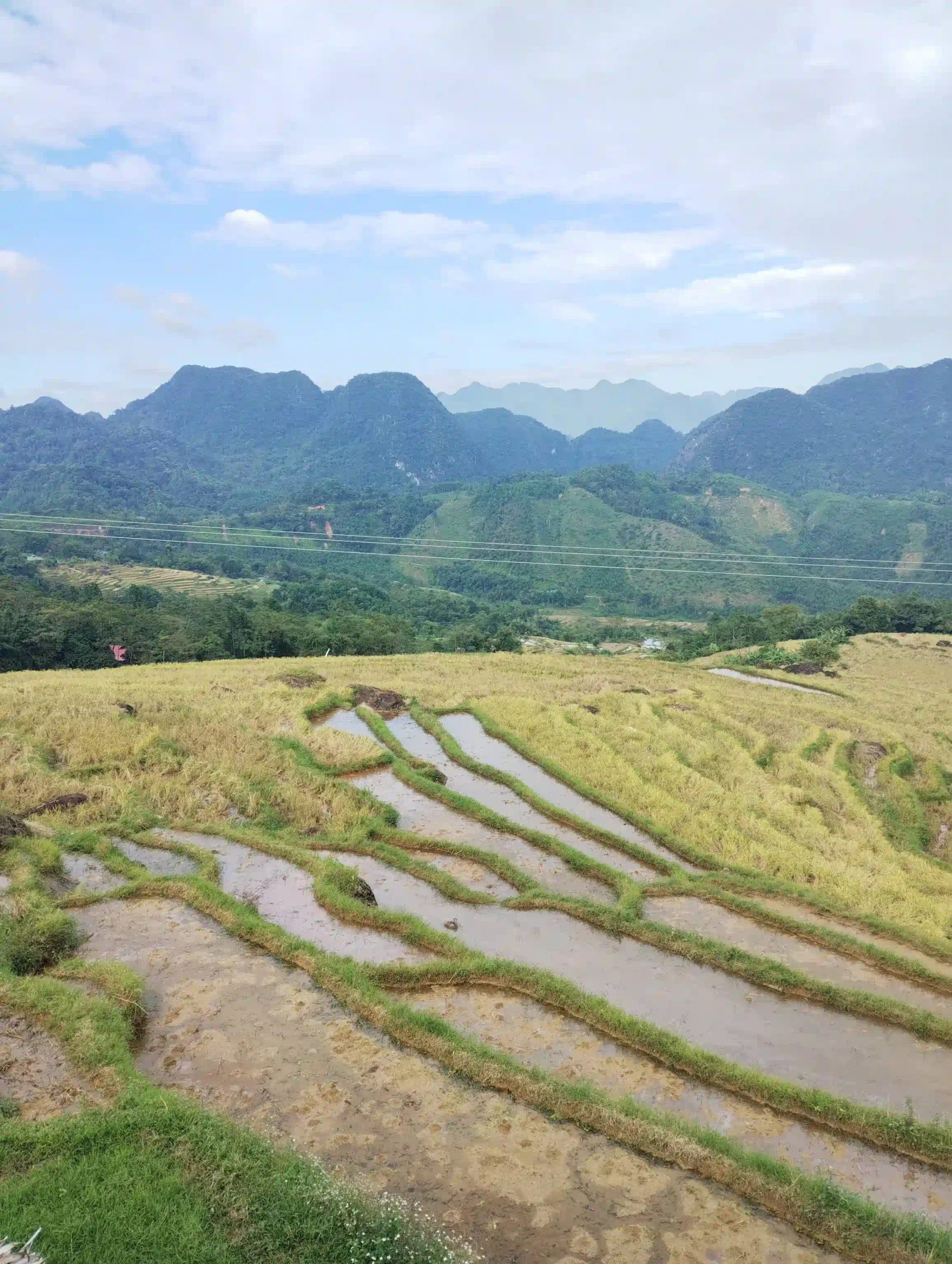
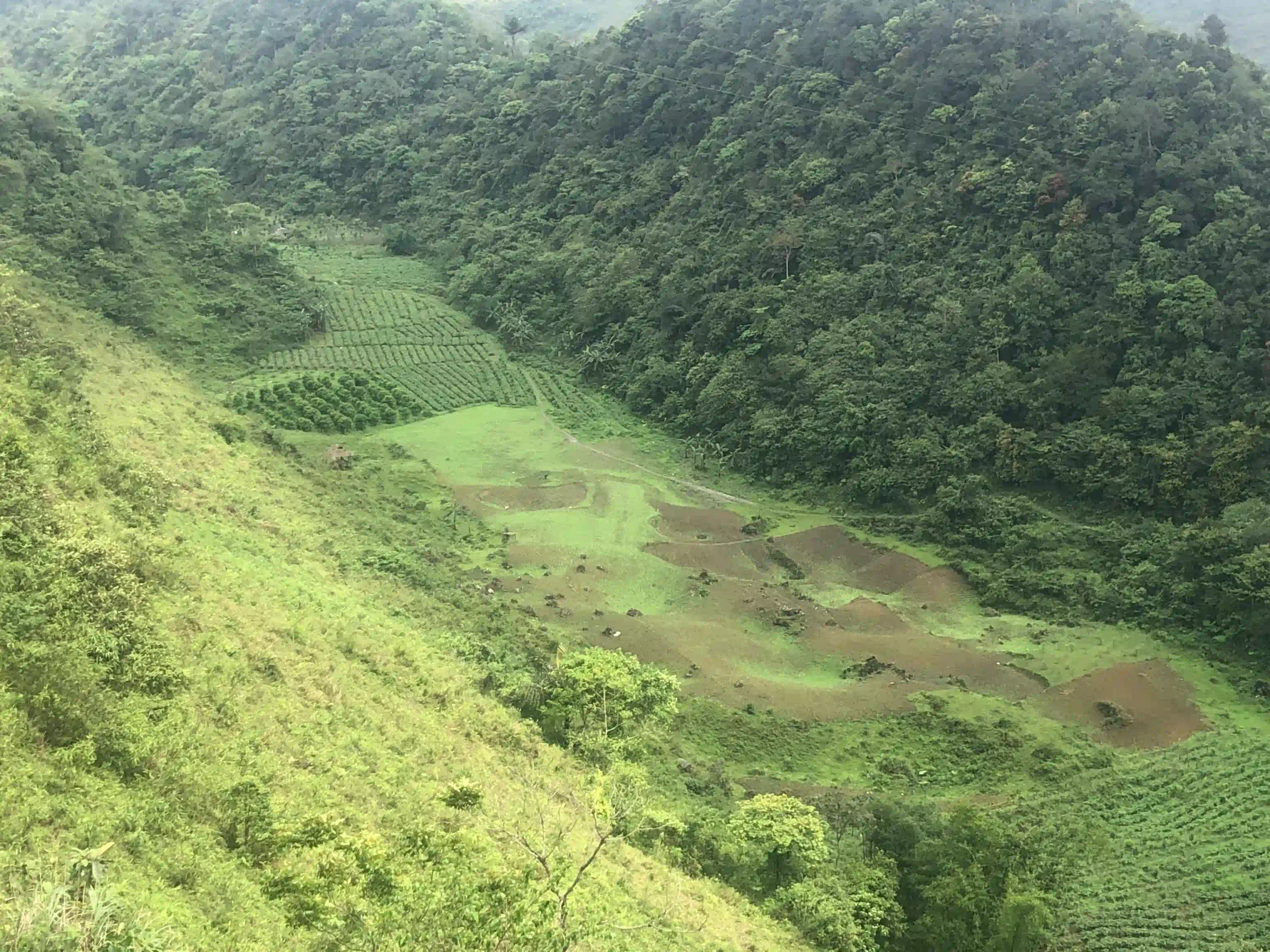
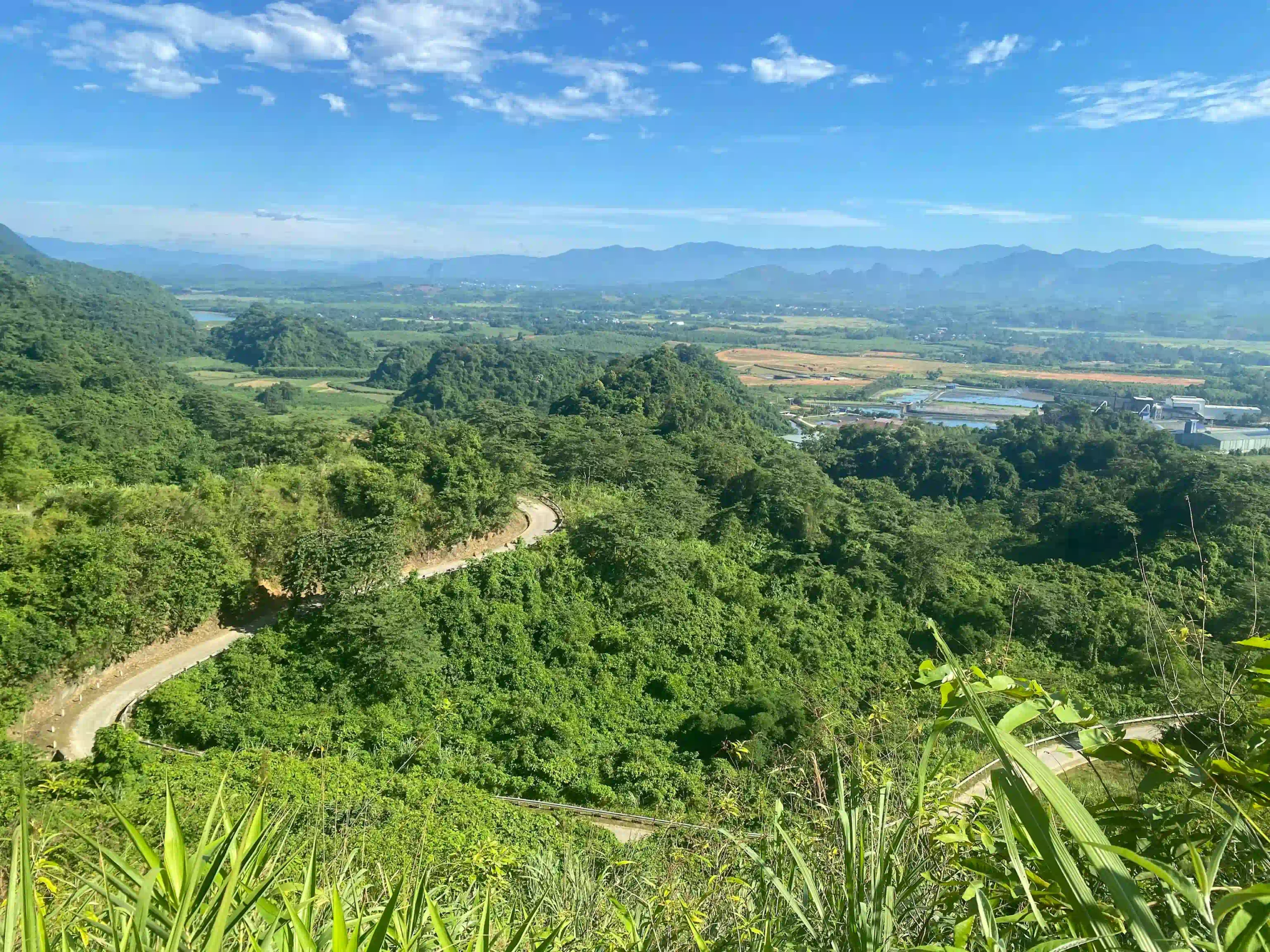
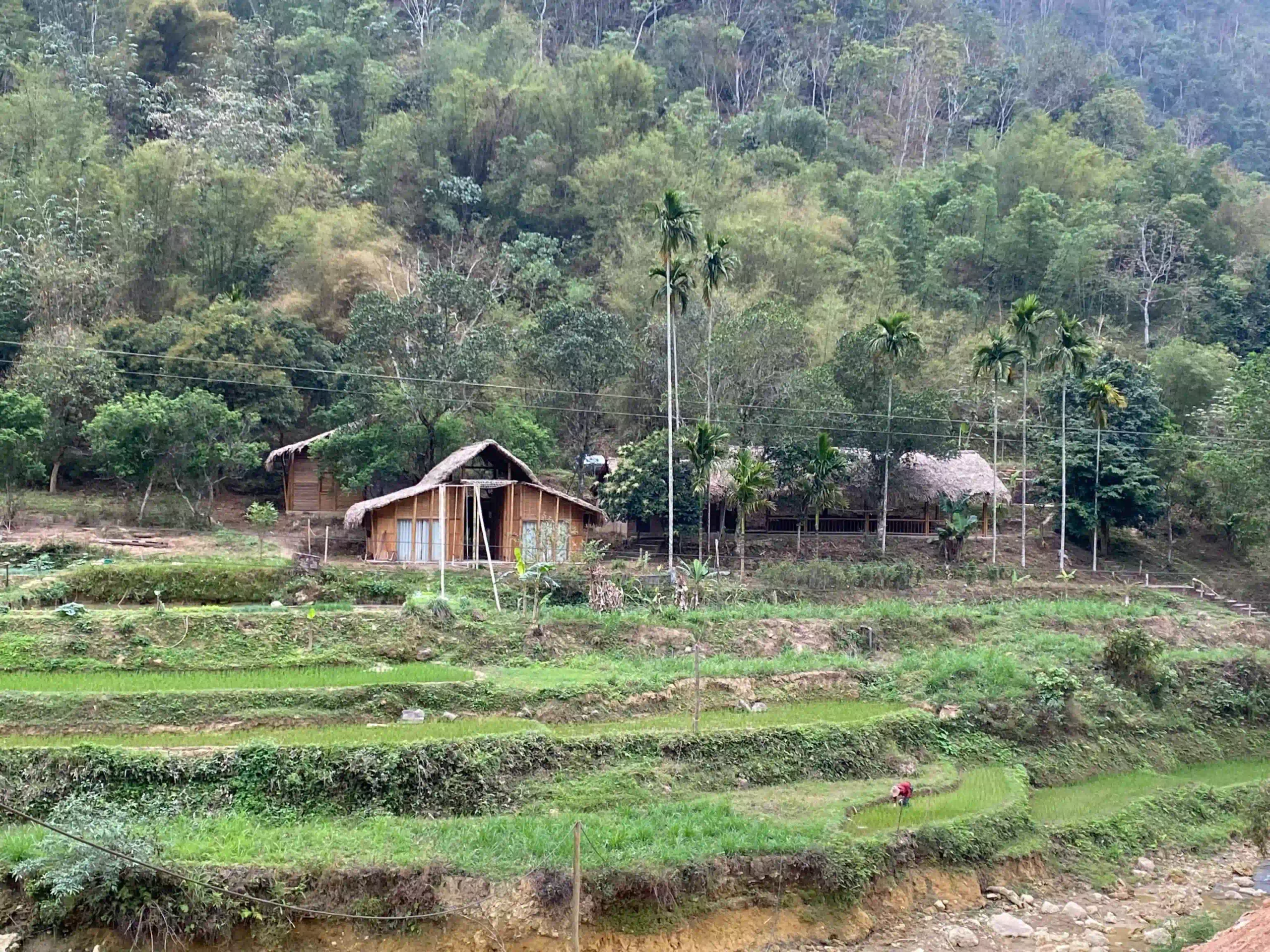
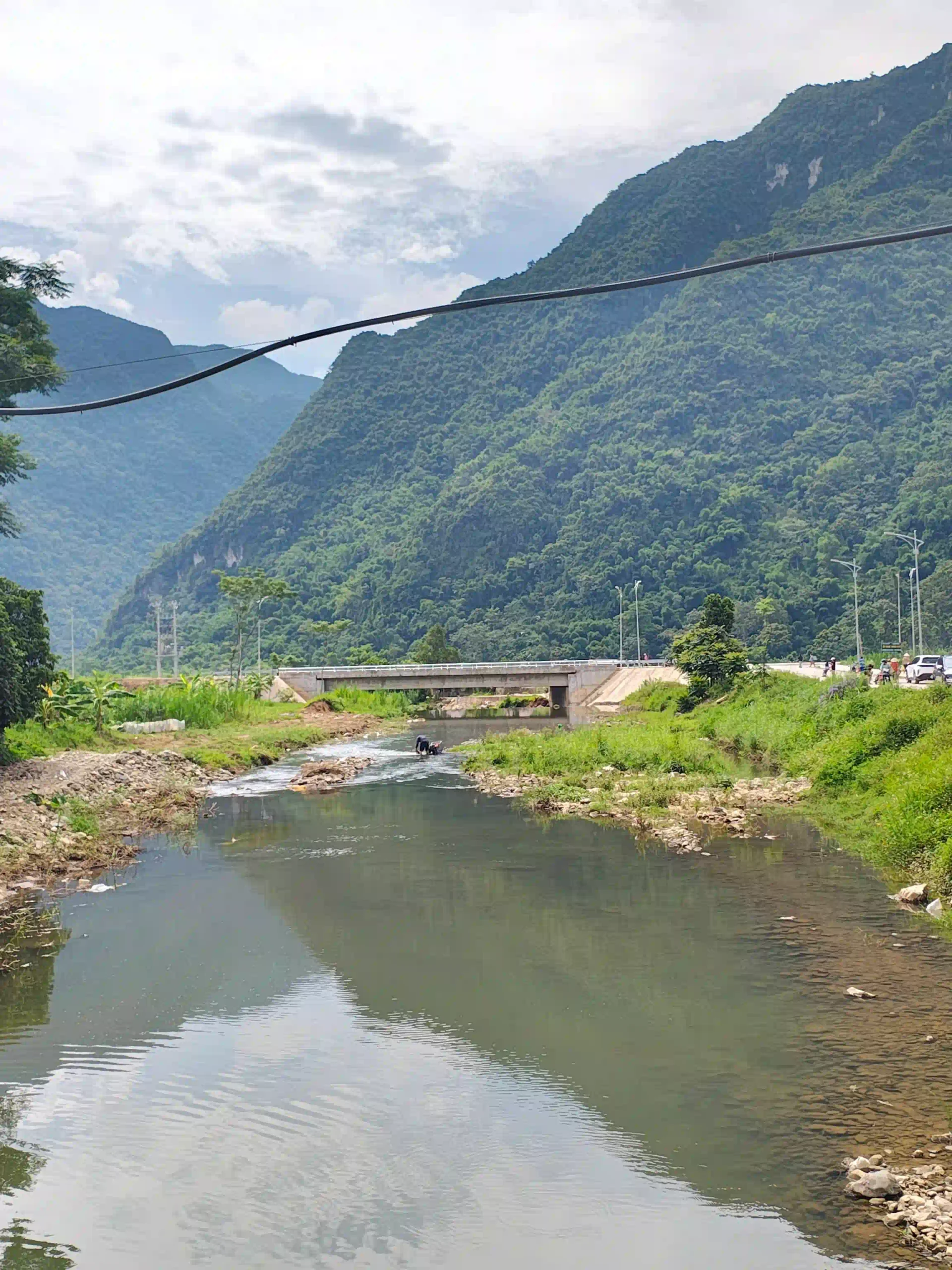
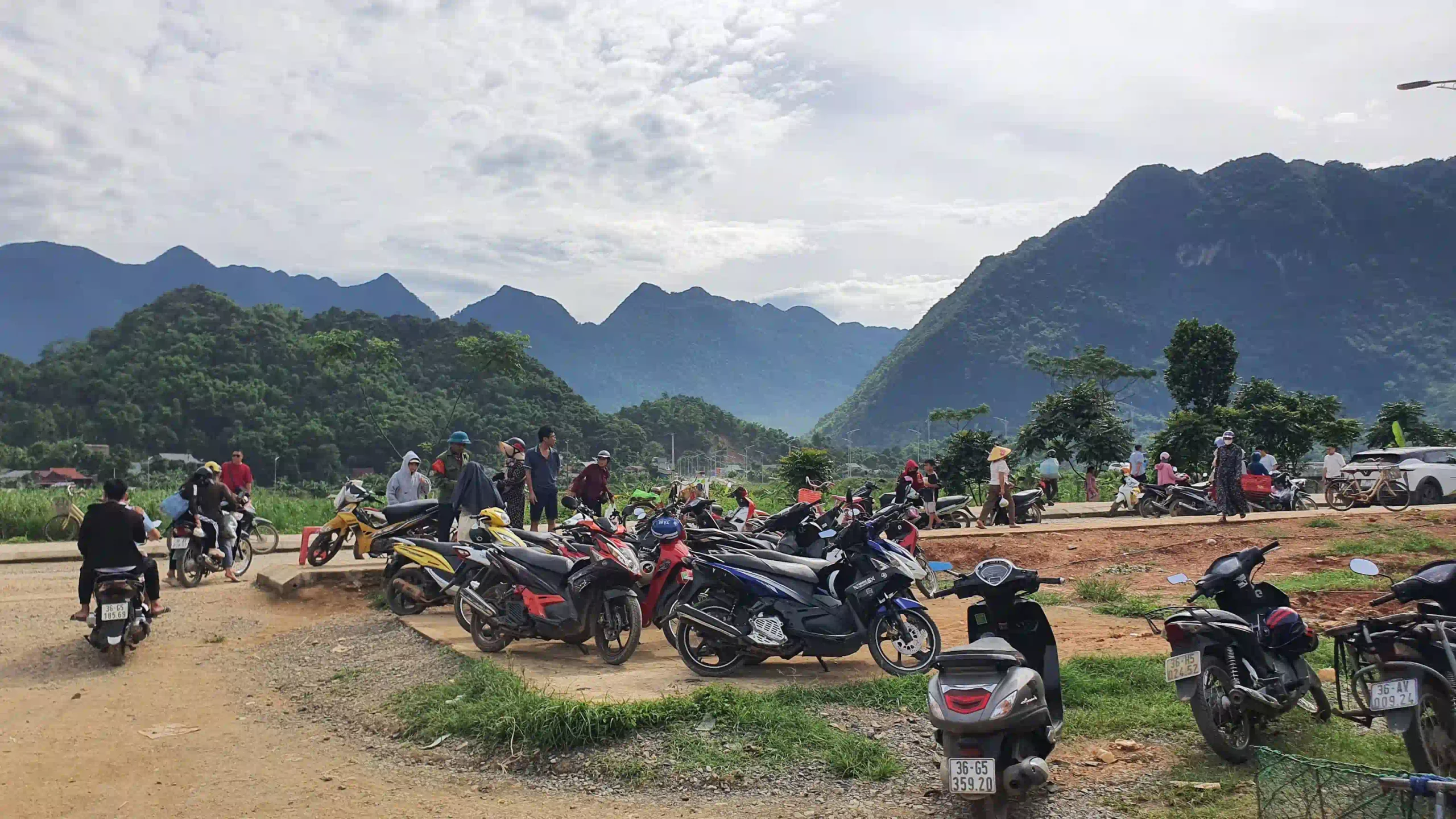
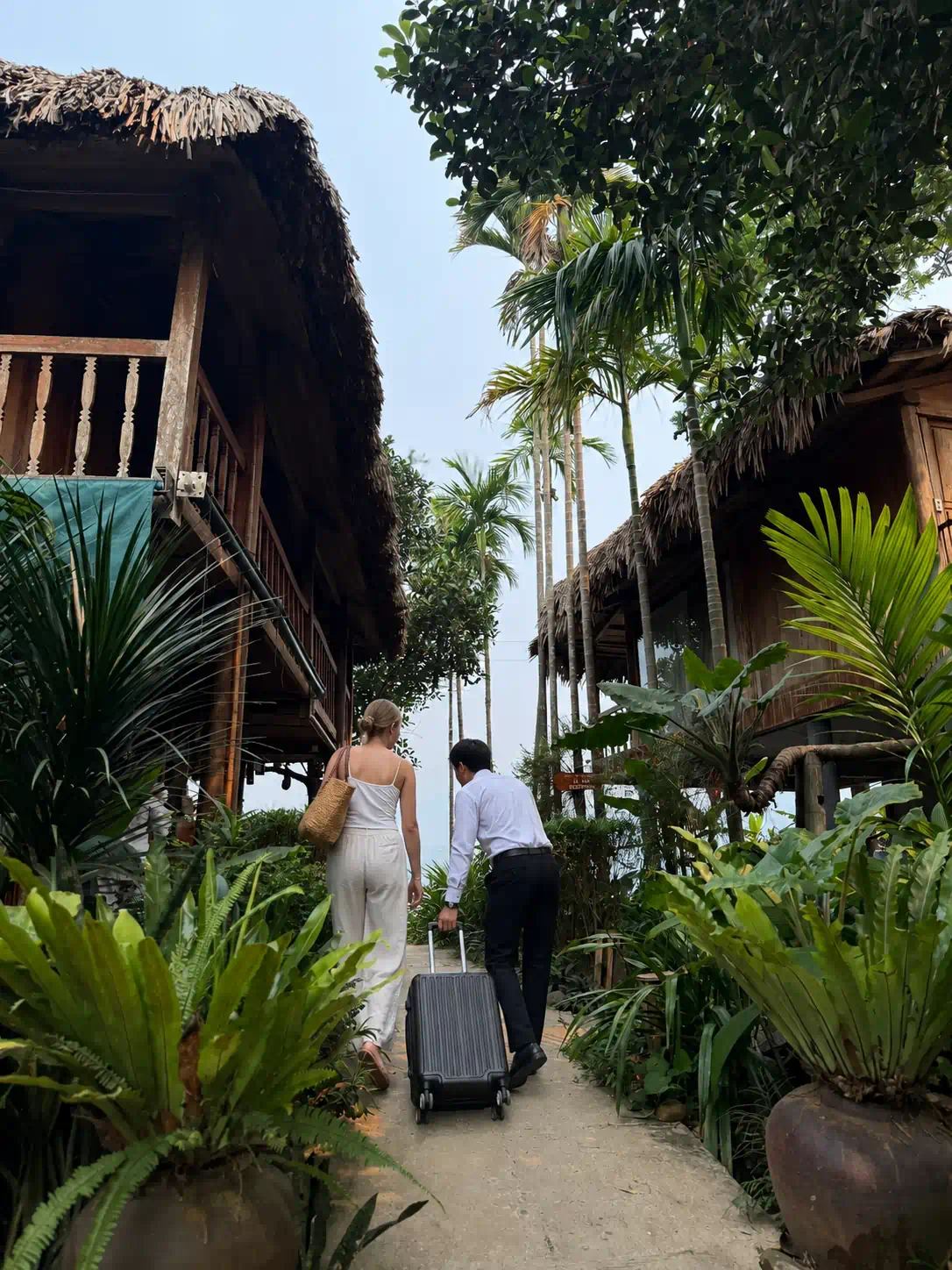
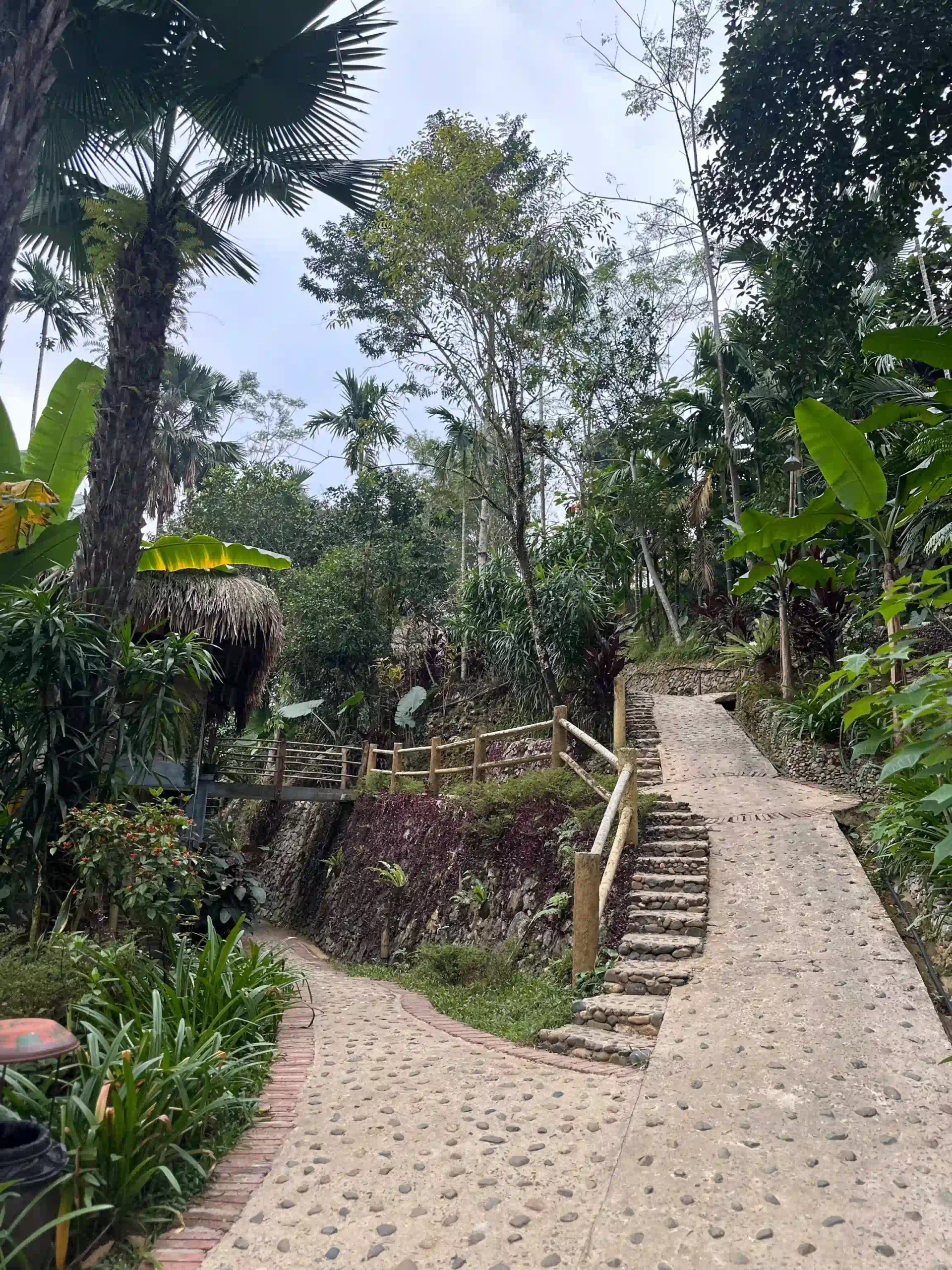
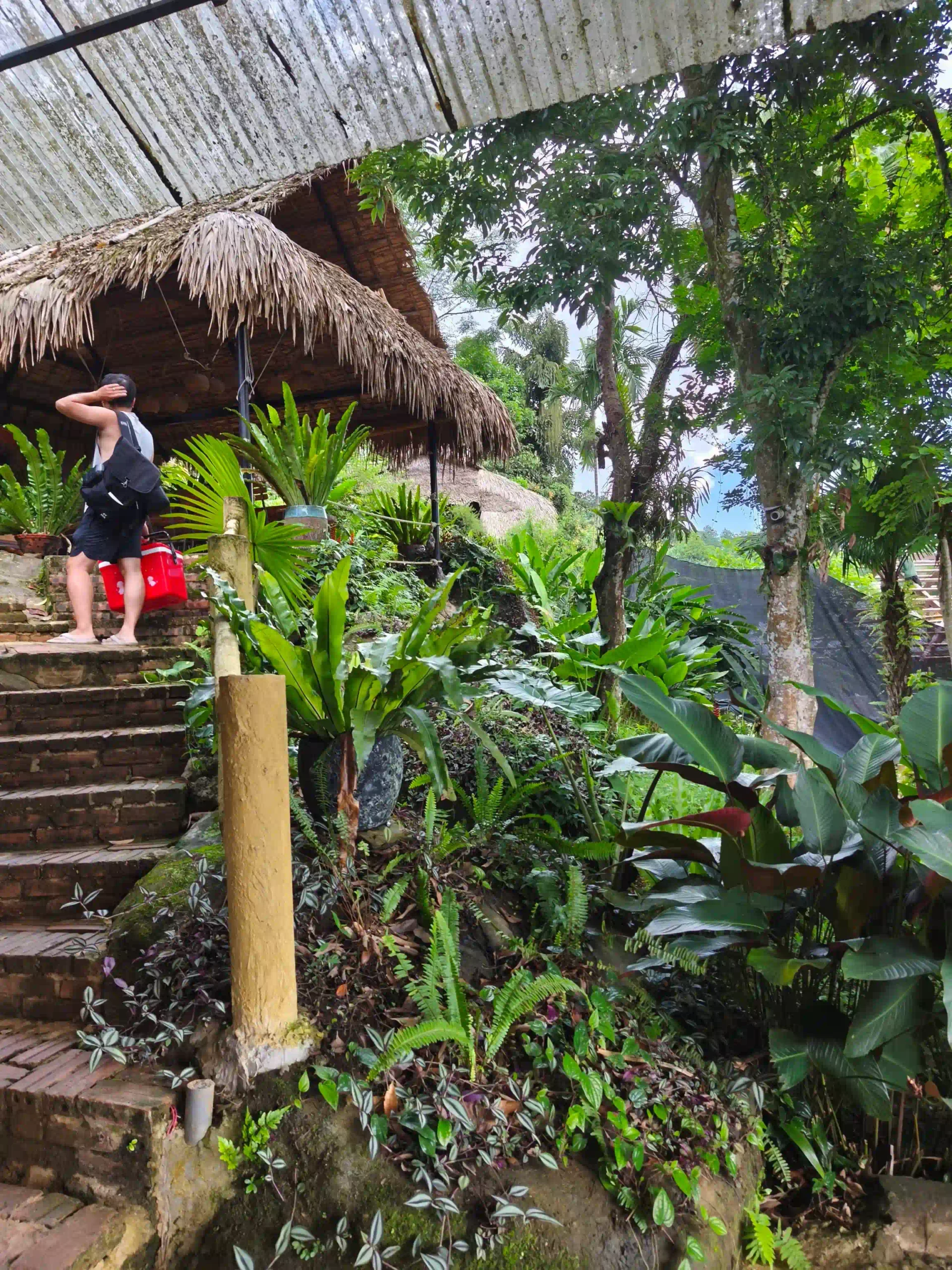
We rolled into Pu Luong a little under three hours after leaving, including that one stop. My accommodation, Pu luong Retreat, above one of the rice terrace villages, was easy enough for the driver to find even with the road narrowing down to something closer to a village lane for the final approach.
He helped carry my bag up the last stretch of path, unprompted, which felt like a small but genuine gesture after a driver who’d clearly been doing this specific route long enough to know exactly where everything was.
Checking in, the owner mentioned this was actually a fairly common request, guests finishing up in Ninh Binh and continuing straight here rather than looping back through Hanoi first. That was reassuring in a way I hadn’t expected, confirmation that the route I’d pieced together from a handful of transport websites and a phone call to my homestay was a genuinely normal thing to do, not some obscure workaround I’d invented out of stubbornness.
What I’d Actually Recommend for This Route
If you’re traveling with even one other person, book the private car without overthinking it.
The cost per head drops enough that the bus stops making financial sense, and you’re saving a genuine two to three hours over the transfer-through-Mai-Chau alternative.
Book it the day before through wherever you’re staying in Ninh Binh if you can, most homestays and hotels in the Tam Coc and Trang An area have a driver they work with regularly, and it tends to be simpler and occasionally cheaper than booking through a bigger operator online.
If you’re solo and the cost of a private car feels like a stretch, check whether anyone else at your homestay is making a similar move, splitting a private car with a stranger you met over breakfast is a genuinely normal thing to do on this route, and most drivers are happy to take two unrelated bookings heading the same direction if the timing lines up.
I got lucky finding a ride-share partner the night before, but asking around at breakfast the same morning would probably have worked just as well, this isn’t a rare enough request that homestay staff seem surprised by it.
Timing the departure matters more than I expected going in. Leaving Ninh Binh by 7:30-8am meant arriving in Pu Luong before the midday heat really set in, and gave me a genuine afternoon to actually settle into the lodge and take a first walk around before dinner rather than arriving exhausted with just enough daylight left to unpack.
A later departure, closer to noon, would have meant arriving with the day mostly gone, which felt like a real waste given how much of the appeal here is the golden late-afternoon light on the terraces.
Traveling in September or October specifically, book the car and your Pu Luong accommodation further ahead than you might for the rest of the trip. That’s peak season for the golden rice terraces, and both transport and lodging fill up faster than the quieter months.
Drivers who do this route regularly get booked out during the harvest weeks specifically, and a homestay owner mentioned that some travelers show up without having arranged transport in advance during this window and end up waiting a day or paying a premium for a last-minute car.
One last practical note: bring cash for the driver, small notes if you have them. Card payment isn’t really a thing for this kind of informal transfer arrangement, and while most drivers can make change, having something close to the exact amount avoids any awkwardness at the other end of a three-hour drive.
Whether Pu Luong itself is worth the extra week is a separate question, one I’ll answer properly once I’ve had more time here rather than rushing to judgment on arrival day.
Before you make this move, my things to do in Pu Luong guide and itinerary guide are worth a look for how to actually spend the days leading up to it.












 Tiếng Việt
 한국어
한국어 中文 (中国)
 日本語
日本語 ไทย
ไทย Deutsch
 Español
 Destinations
 Instagram
 Facebook
 X (Twitter)
 Threads
 Tiktok