









 Ha Giang
 Hanoi
Hanoi Ho Chi Minh City
 Ha Long
 Sapa
Sapa Mekong Delta
 Da Nang
 Hue
Hue Hoi An
 Ninh Binh
 Da Lat
 Nha Trang
 Phan Thiet
 Phu Quoc
 Quang Binh
 Quy Nhon
 Vung Tau
 Thai Nguyen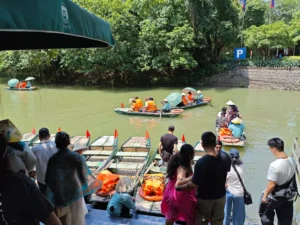

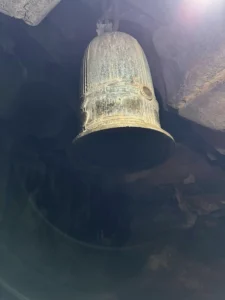
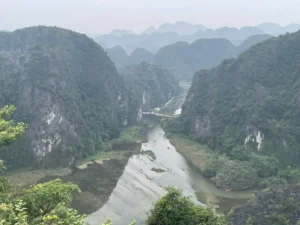


Two hours south on the highway from Hanoi, and you’re in a completely different landscape, karst limestone mountains rising out of flat rice paddies, rivers threading through caves, temple complexes in valleys. It’s genuinely one of the better things within easy reach of northern Vietnam.
But not everything in Ninh Binh is equally worth doing, and with a limited amount of time most visitors have, the order in which you do things matters. This is my ranking of what to prioritize, what’s optional, and what you can skip.
- Quick Answer: Trang An boat tour and Mua Cave viewpoint are the two things in Ninh Binh that you don’t skip no matter how little time you have. Hoa Lu Ancient Capital and Tam Coc boat ride are strong additions for a full day or overnight. Bich Dong Pagoda, Van Long Nature Reserve, and cycling through the rice paddies are worth adding if you’re staying longer. Bai Dinh Pagoda and Phat Diem Cathedral are for specific interests.
- Tier 1 (non-negotiable):
- Trang An Grottoes boat tour (UNESCO, 2-3 hours)
- Mua Cave / Dragon Mountain viewpoint (500 steps, 1.5-2 hours)
- Tier 2 (do if you have a full day or more):
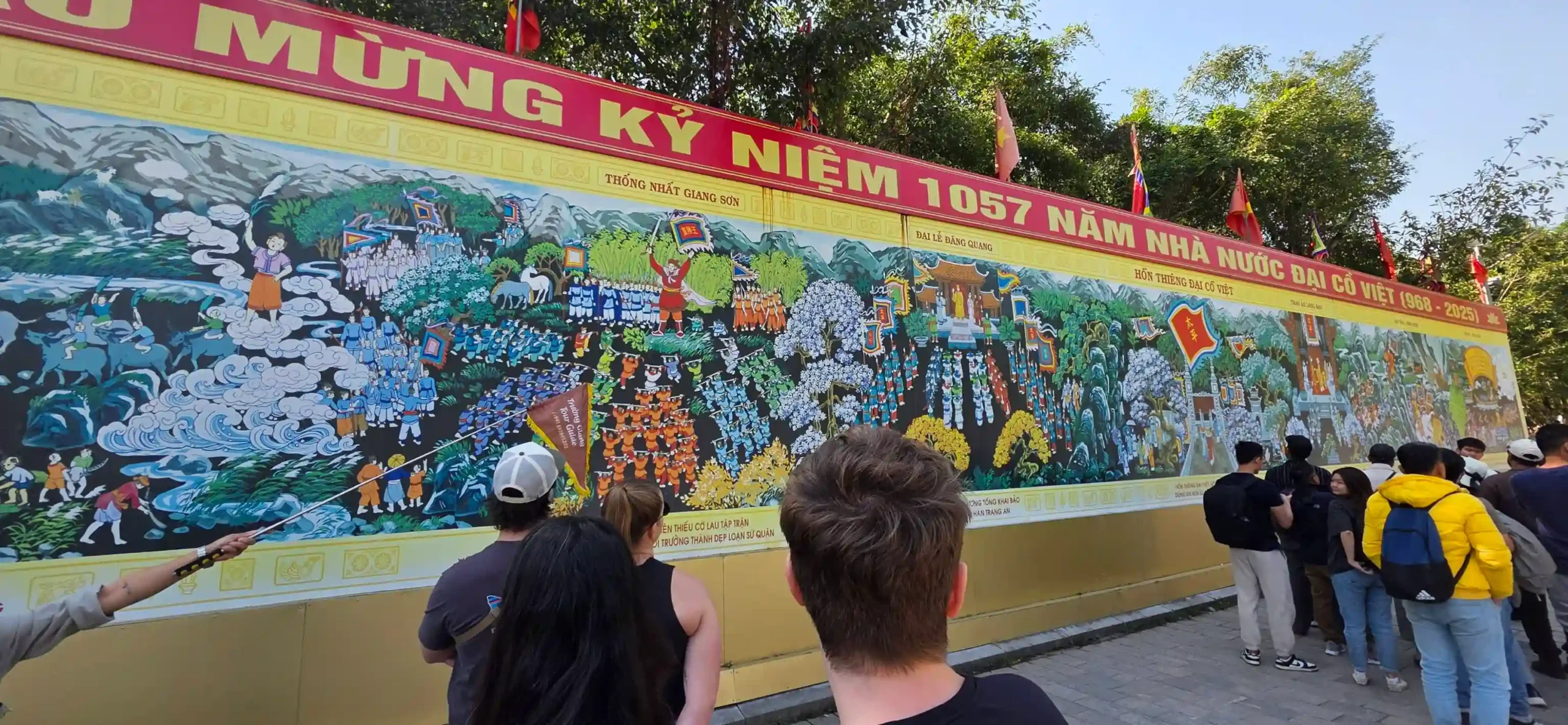
- Hoa Lu Ancient Capital (Vietnam’s first capital, 968-1010 AD)
- Tam Coc boat ride (different from Trang An, worth doing if staying overnight)
- Bich Dong Pagoda cave complex
- Tier 3 (for specific interests or longer stays):
- Van Long Nature Reserve (wetland, wildlife, much quieter)
- Cycling the rice paddy routes
- Bai Dinh Pagoda (biggest Buddhist complex in SE Asia, but overwhelming)
- Cuc Phuong National Park (for serious hikers and birders)
- Phat Diem Cathedral (unusual architecture, worth a detour)
- How long to stay:
- Day trip from Hanoi: covers Tier 1 + Hoa Lu
- One night: adds Tam Coc, Bich Dong, cycling
- Two nights: enough for everything you want
Tier 1: The Things You Don’t Skip
Trang An Grottoes Boat Tour
If you do only one thing in Ninh Binh, make it this.
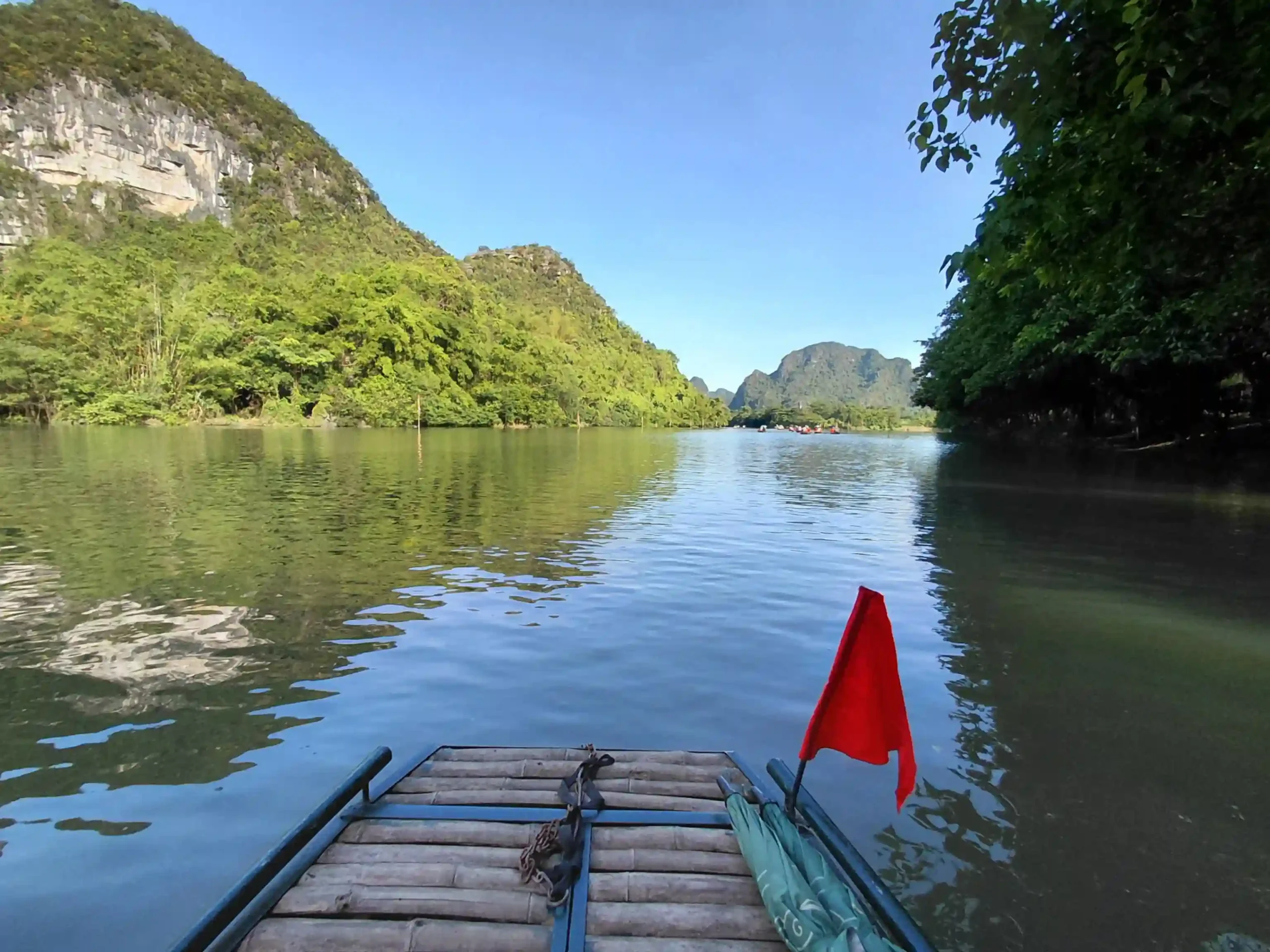
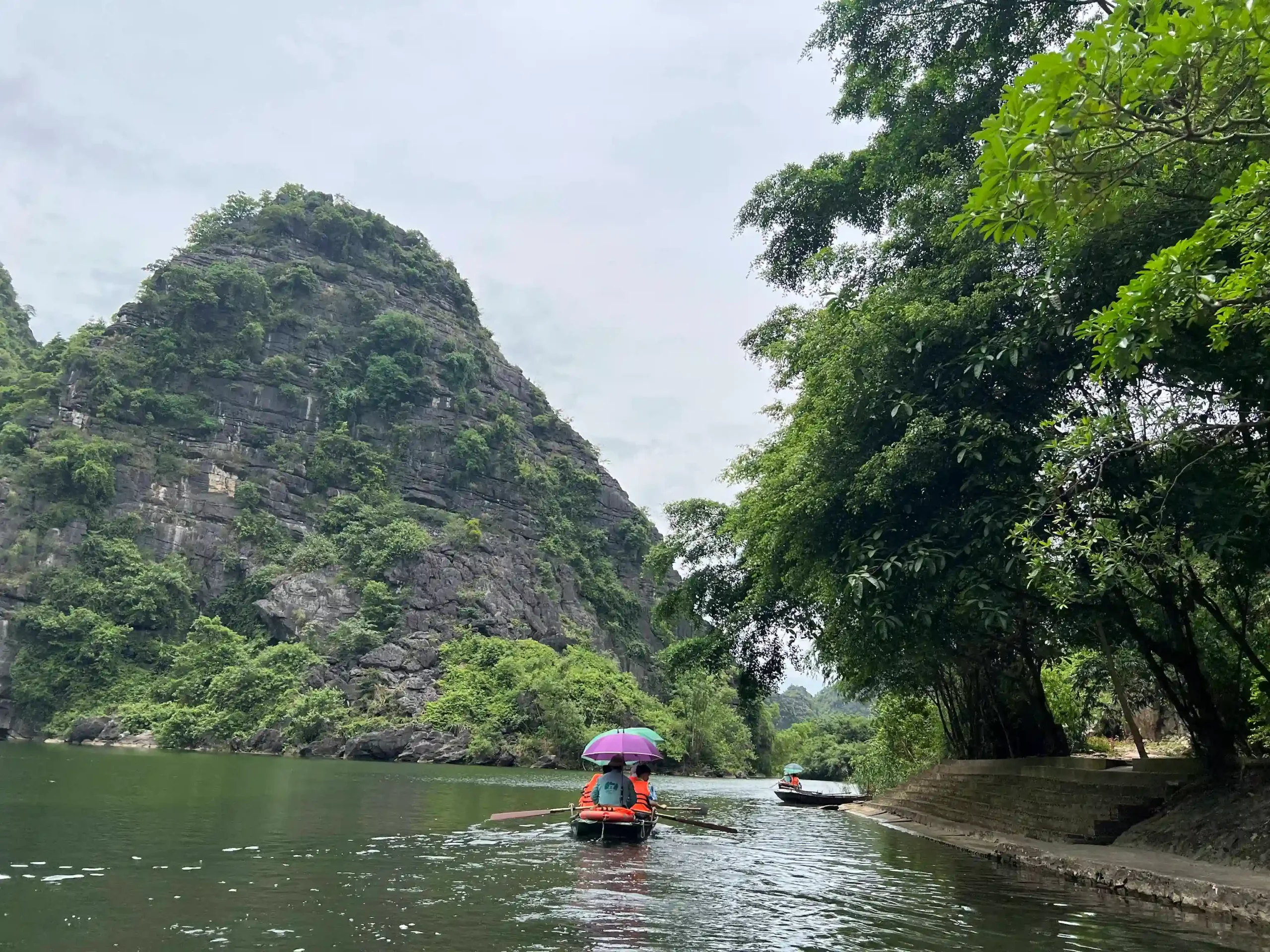
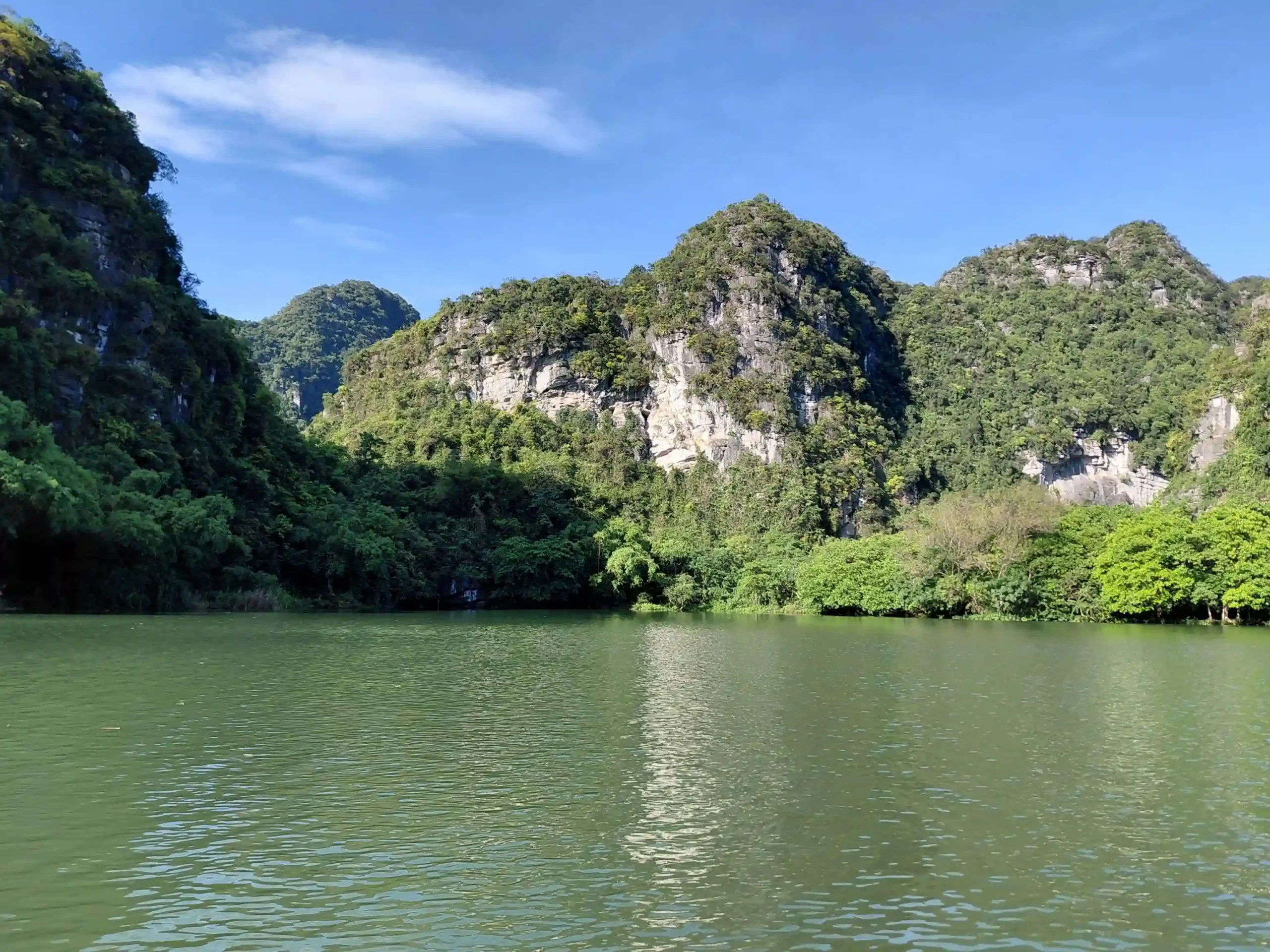
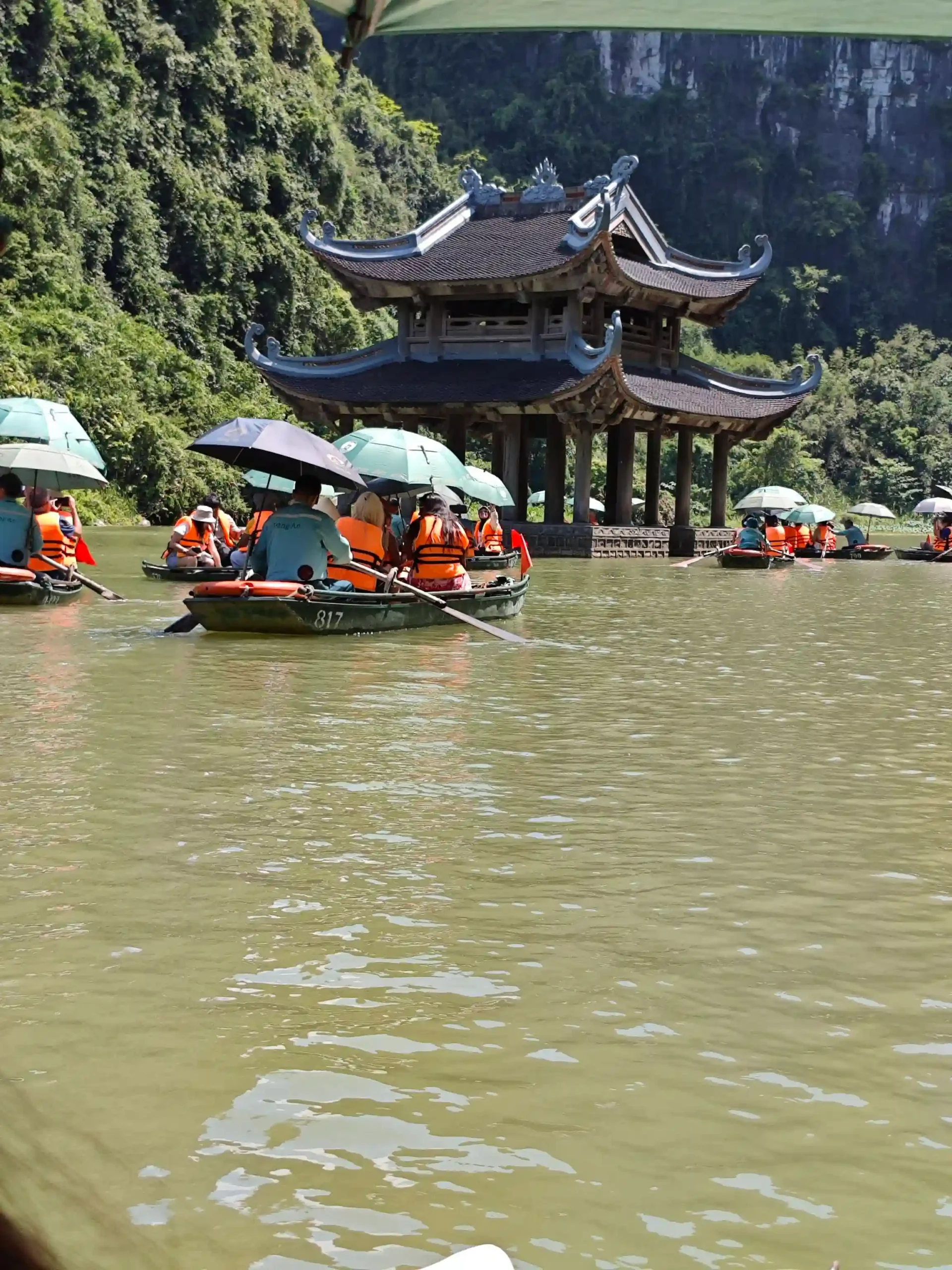
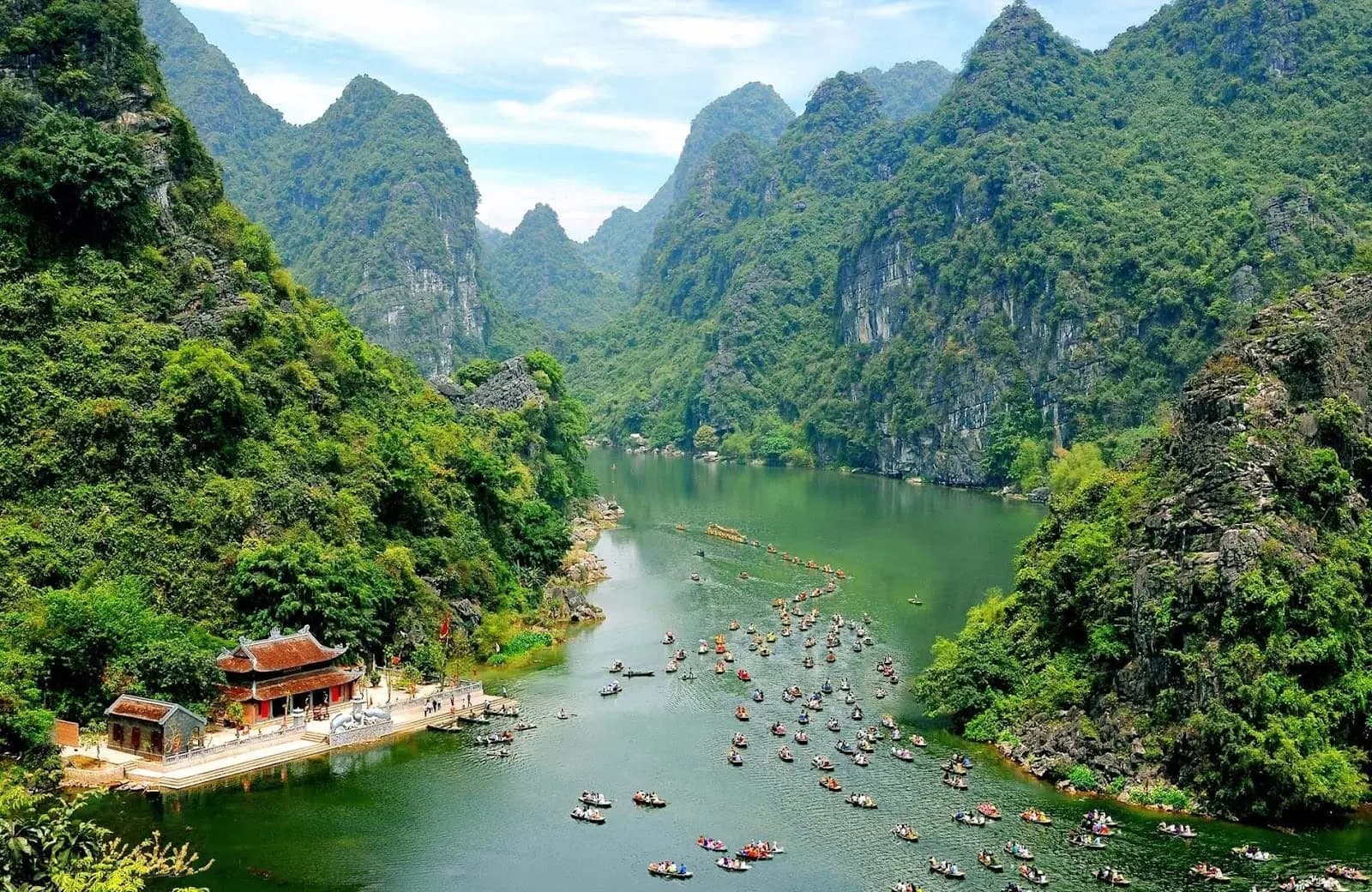
Trang An is a UNESCO World Heritage Site and the boat tour through it is genuinely unlike anything I’ve done anywhere else in Vietnam.
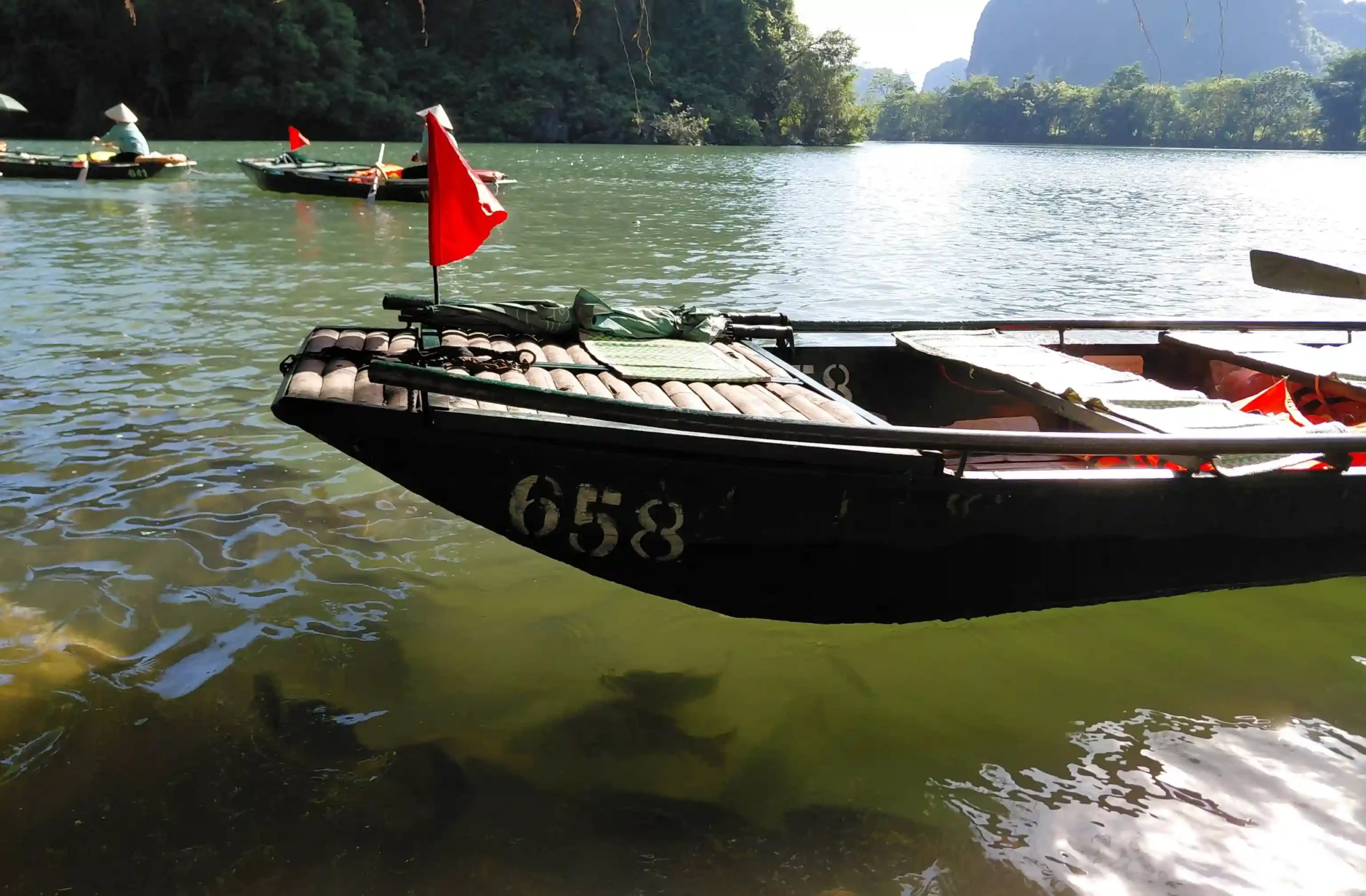
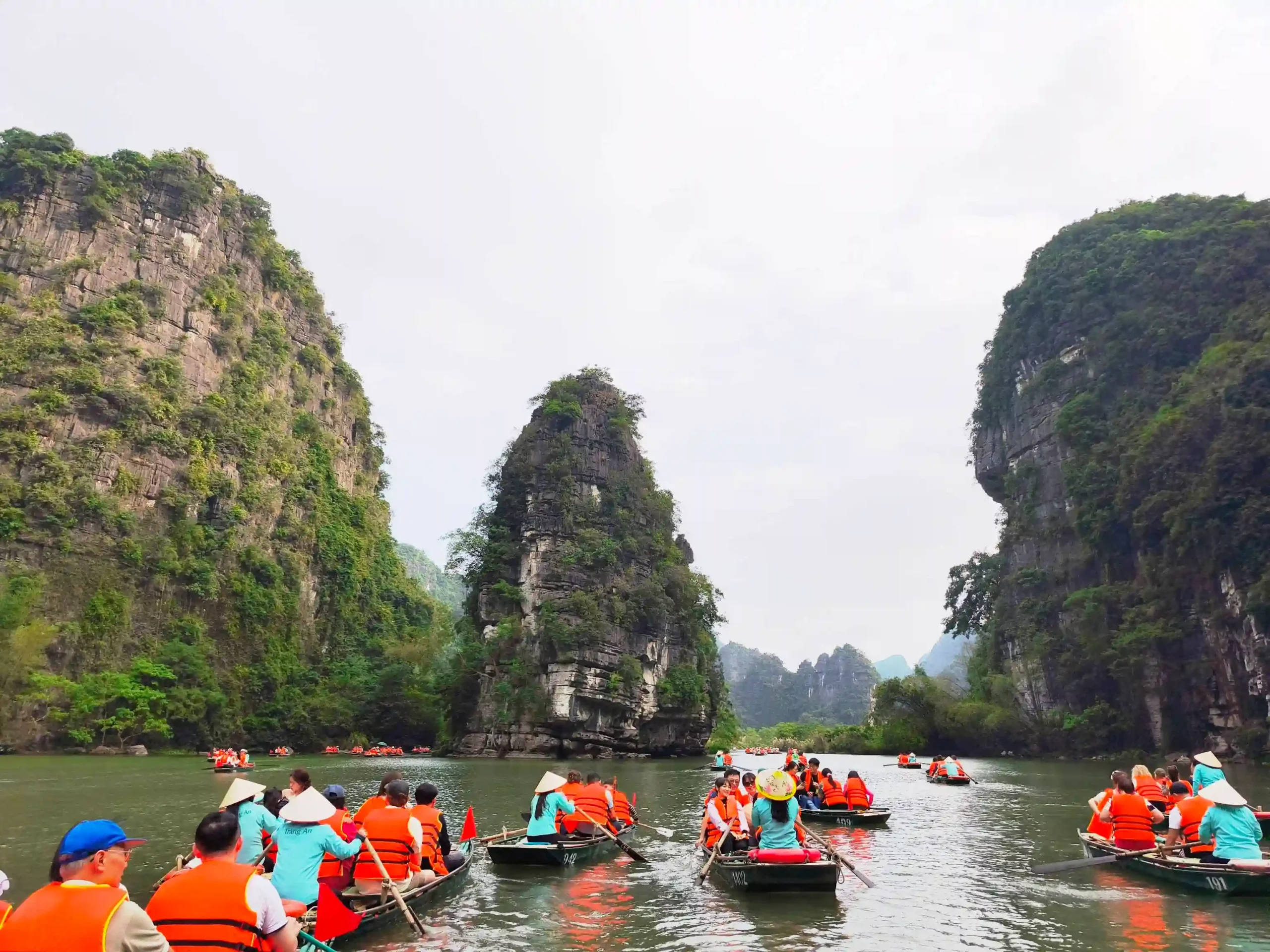
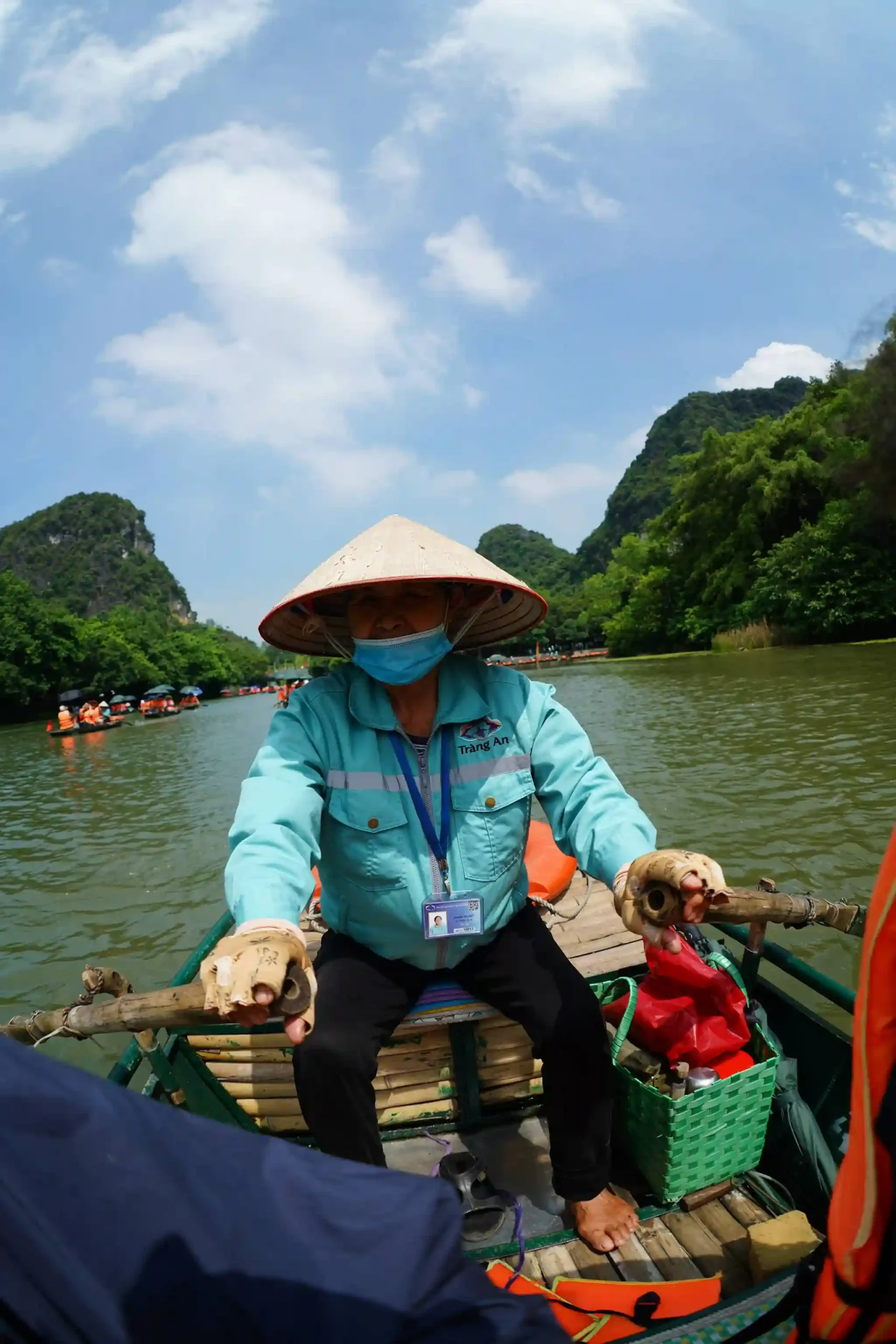
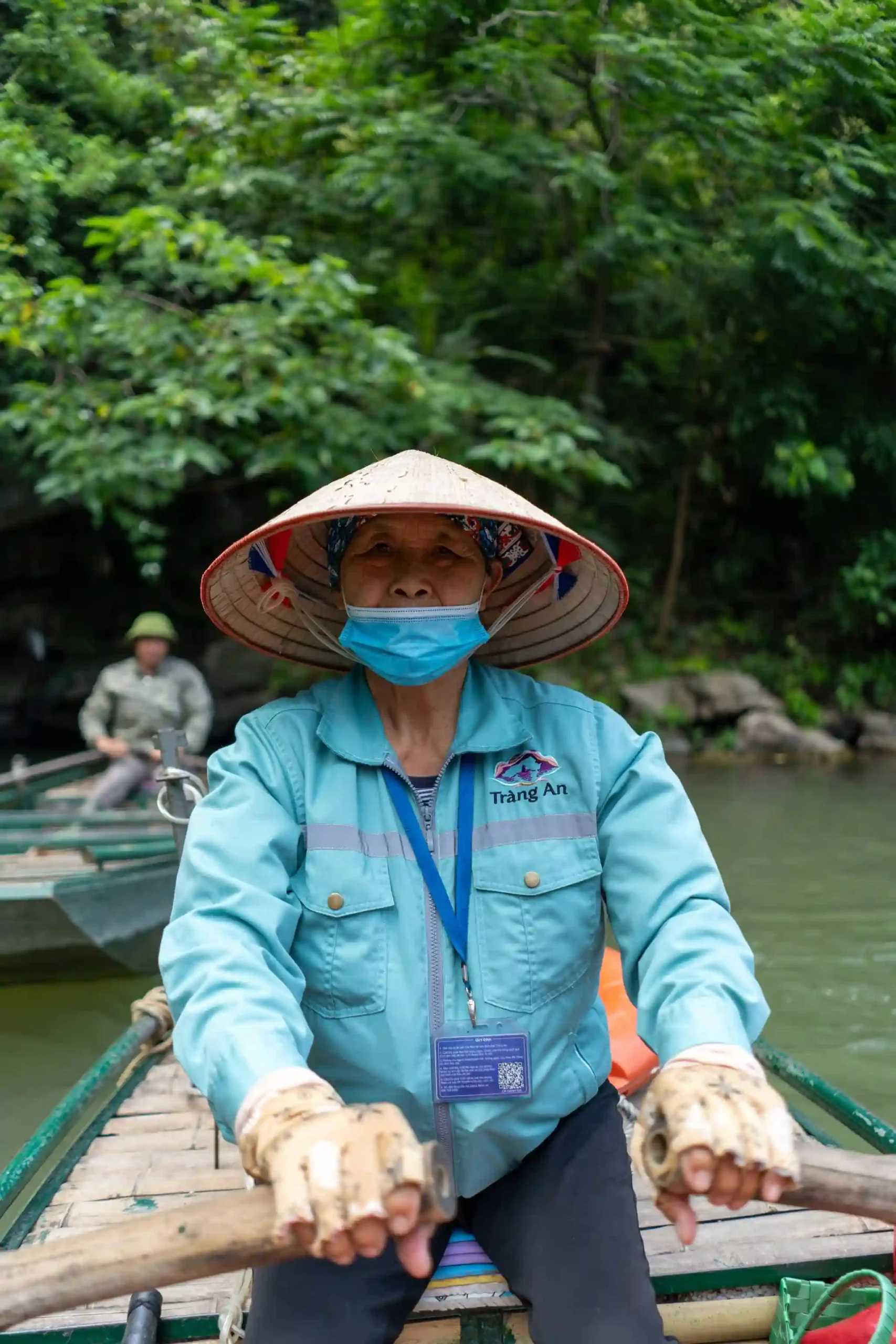
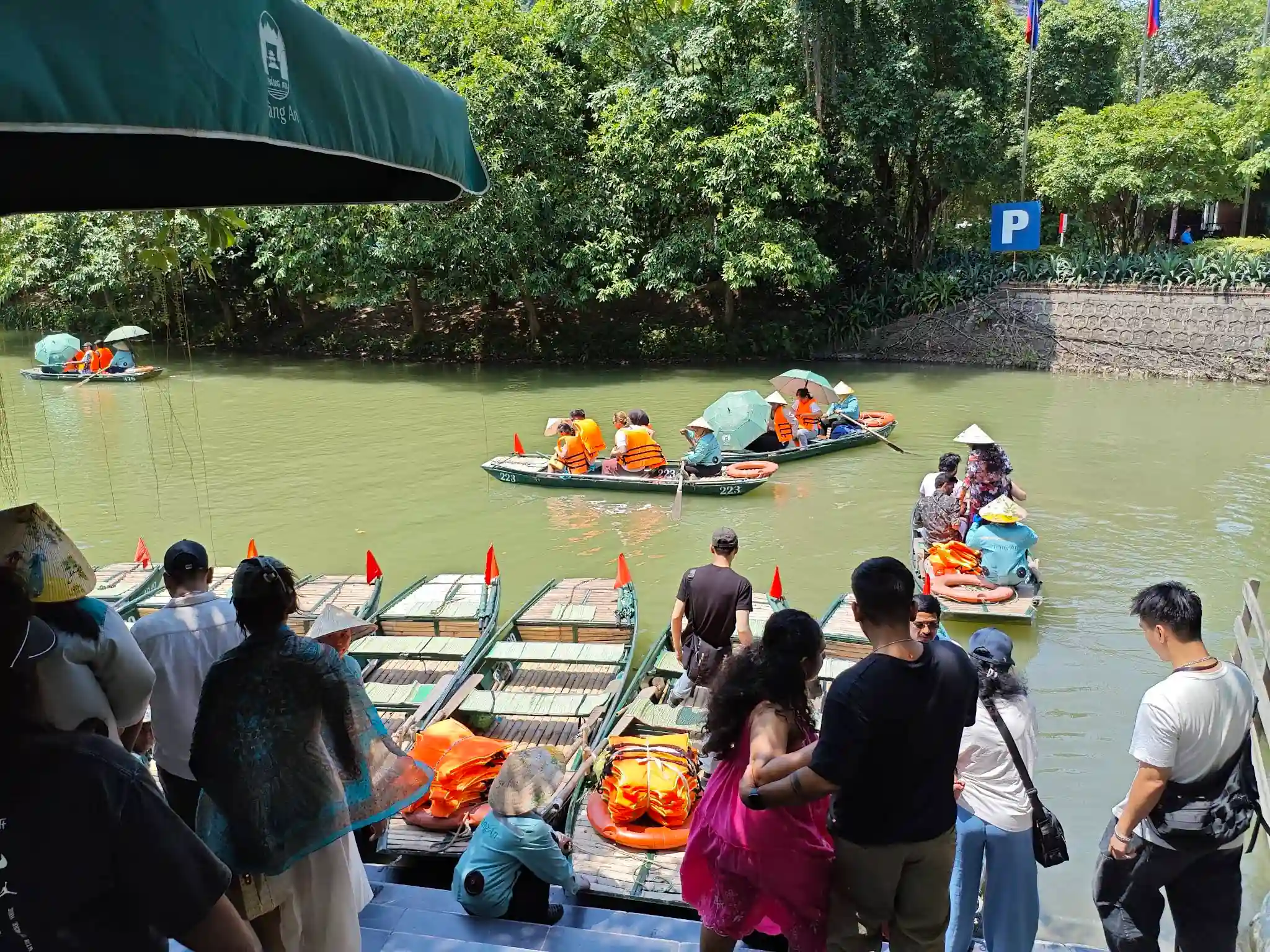
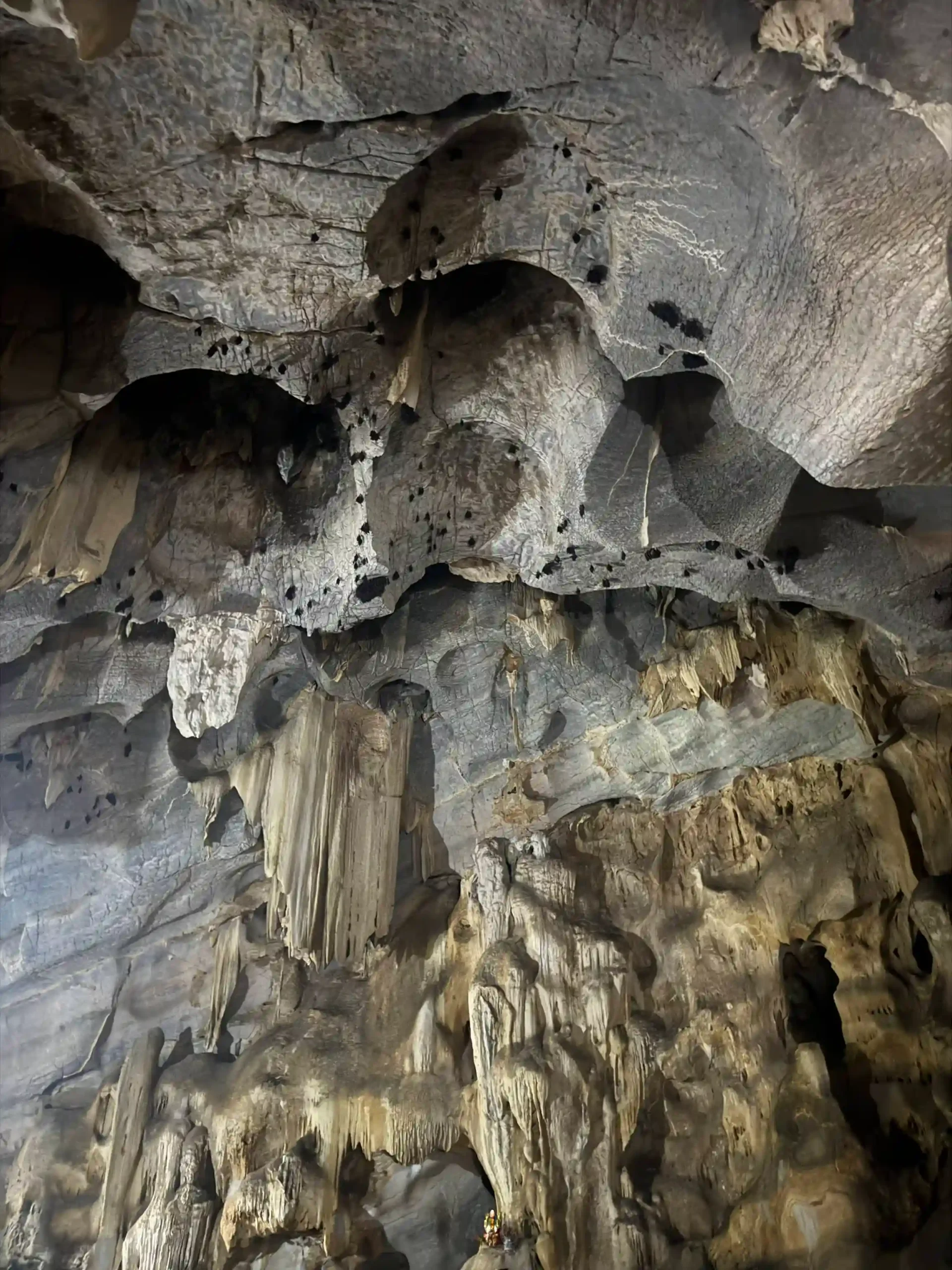
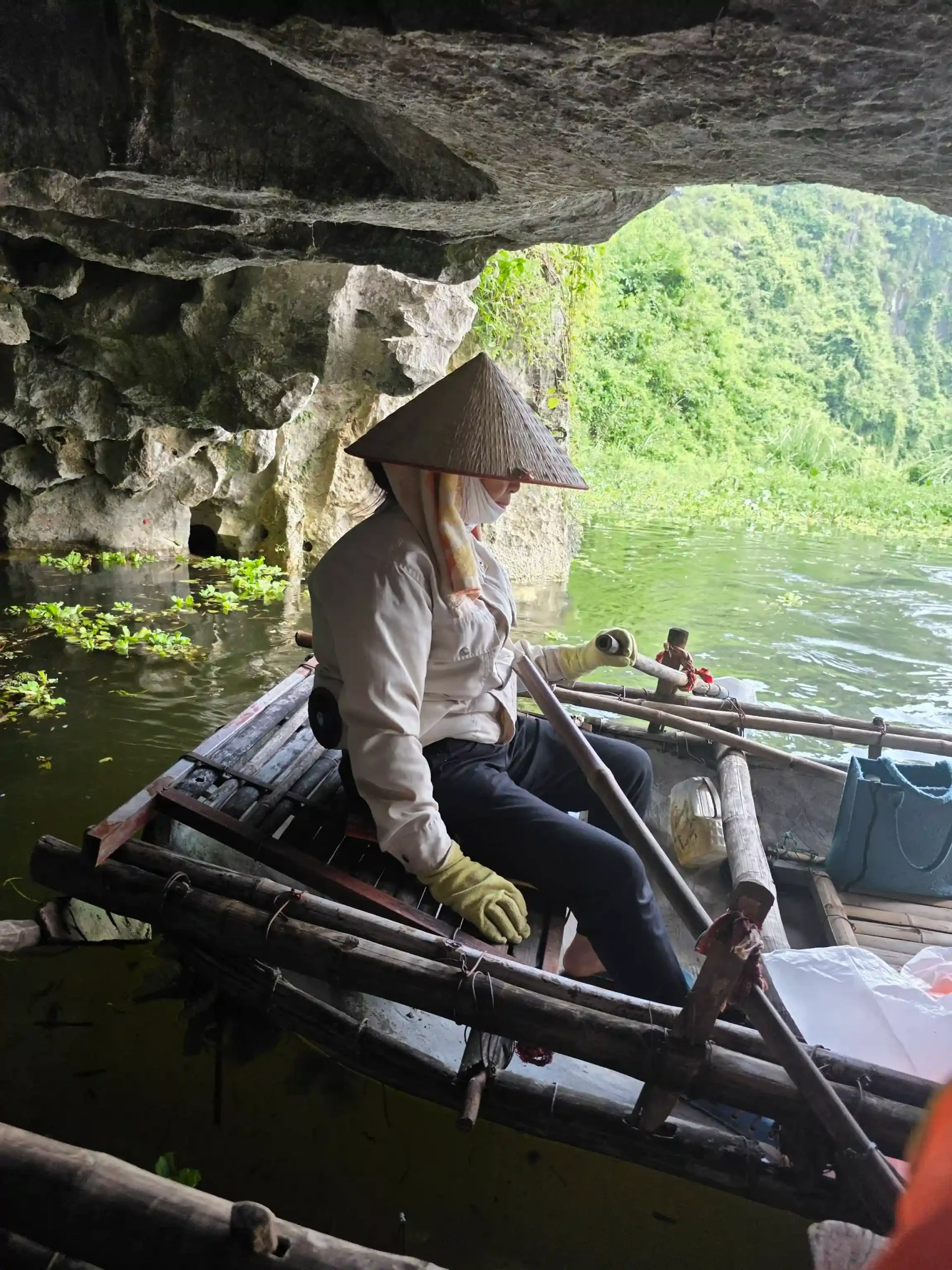
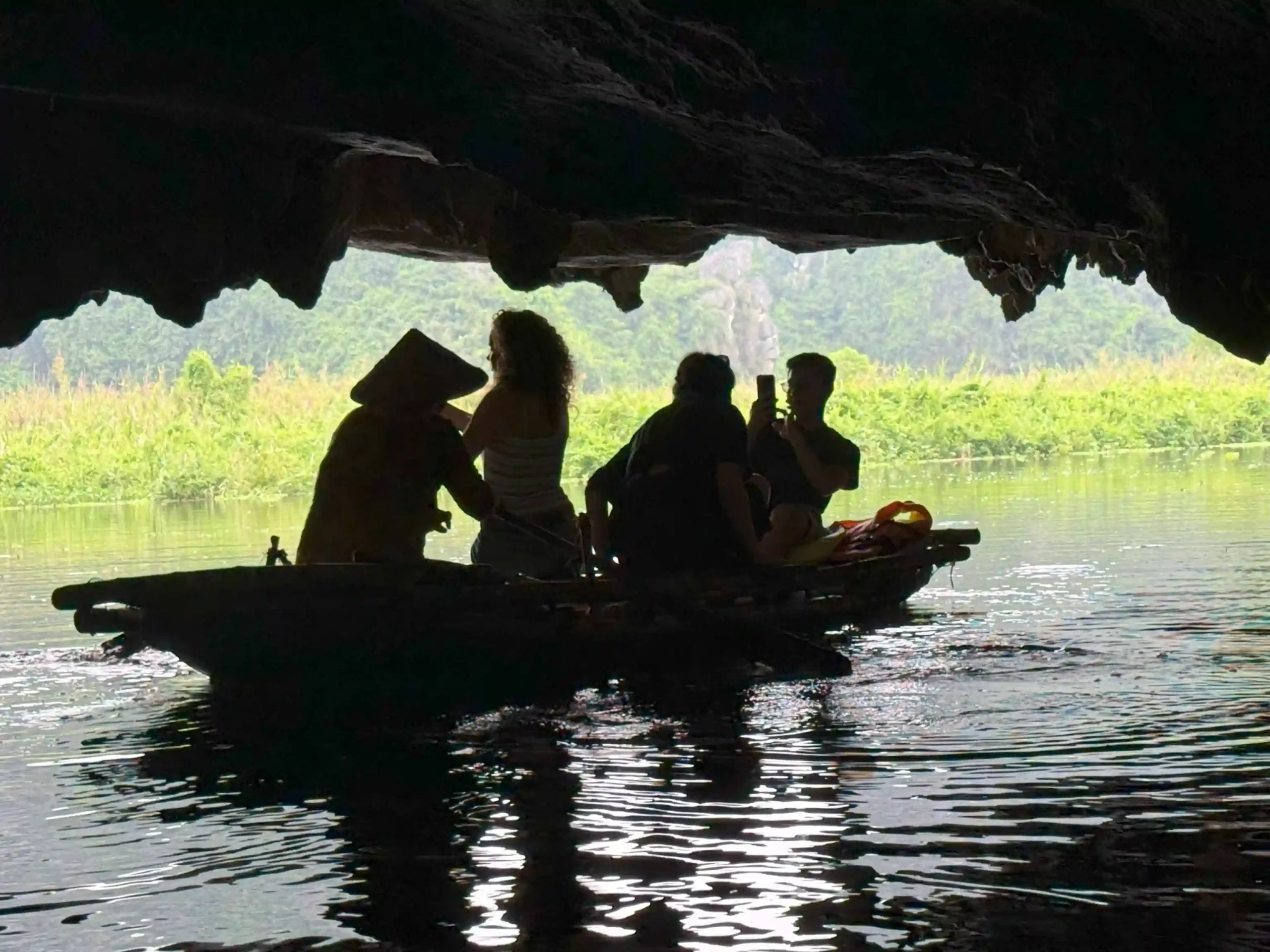
You board a sampan (a flat wooden rowing boat) with your boatwoman or boatman, and for the next two to three hours they row you through a series of rivers, lakes, and cave passages, stopping at three ancient Buddhist temples built into the limestone cliffs along the route. The caves are long enough that you lose the light for sections, and it takes a moment for your eyes to adjust before the river continues and the mountains close in again on either side.
What I appreciate about Trang An over Tam Coc is the atmosphere. There’s no selling on the boat. The rowers aren’t trying to sell you embroidered goods on the return journey. The UNESCO designation comes with management standards that translate into a noticeably less transactional experience. It’s still busy with other boats, but it doesn’t feel like a market.
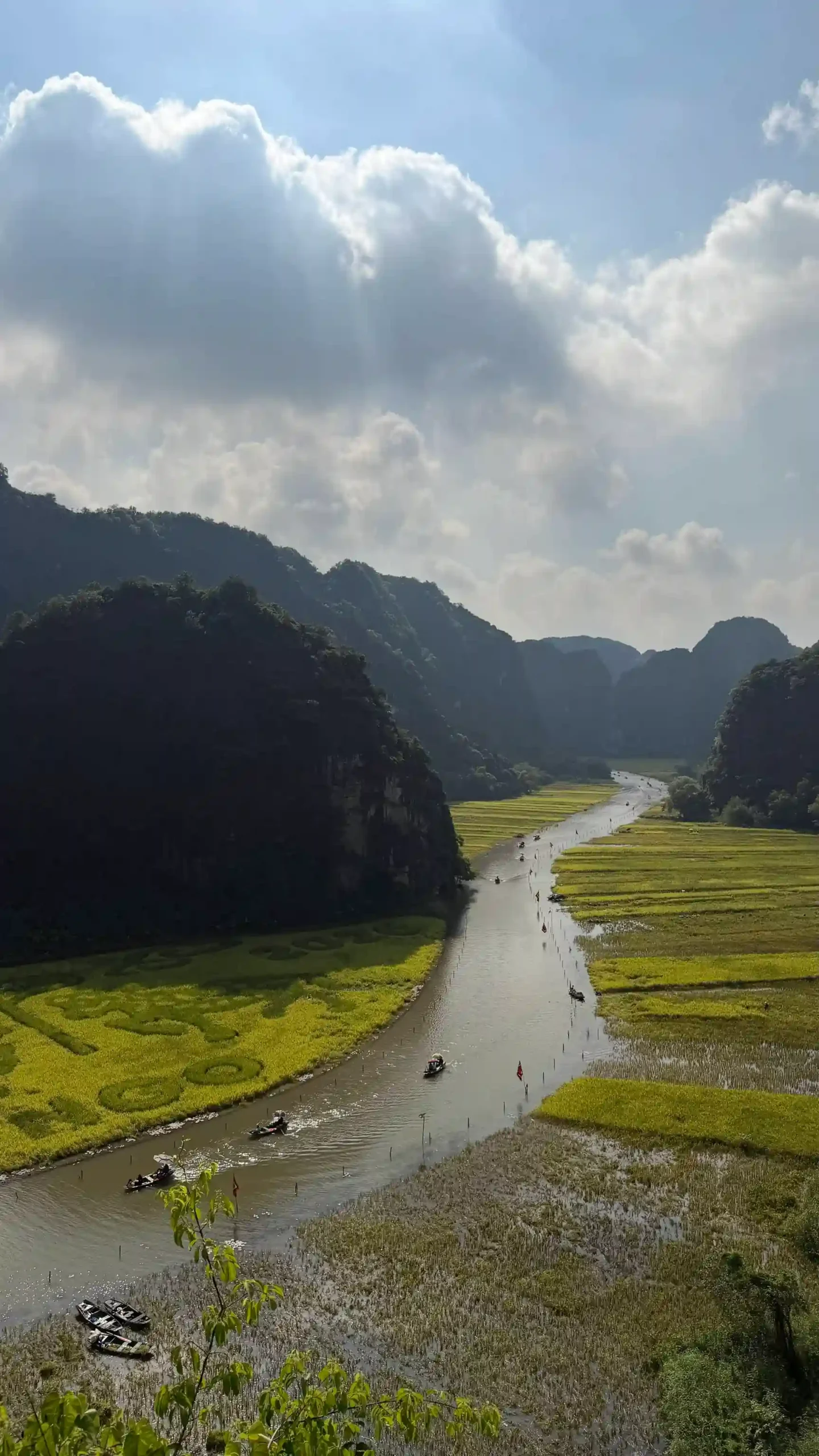
The rowing technique is something worth watching. The rowers alternate using their arms and their feet to paddle, which is specific to this part of Vietnam and something you don’t expect until you see it. There are routes with different numbers of caves. Option 1 takes you through more caves and more temples and is the one I’d book.
Ticket at the gate: 300,000 VND per person for a shared boat. Private boat for up to 4-5 people: around 1,250,000 VND. If you arrive early (before 8am) the lines are shorter and the light on the karst is better.
Mua Cave / Dragon Mountain Viewpoint
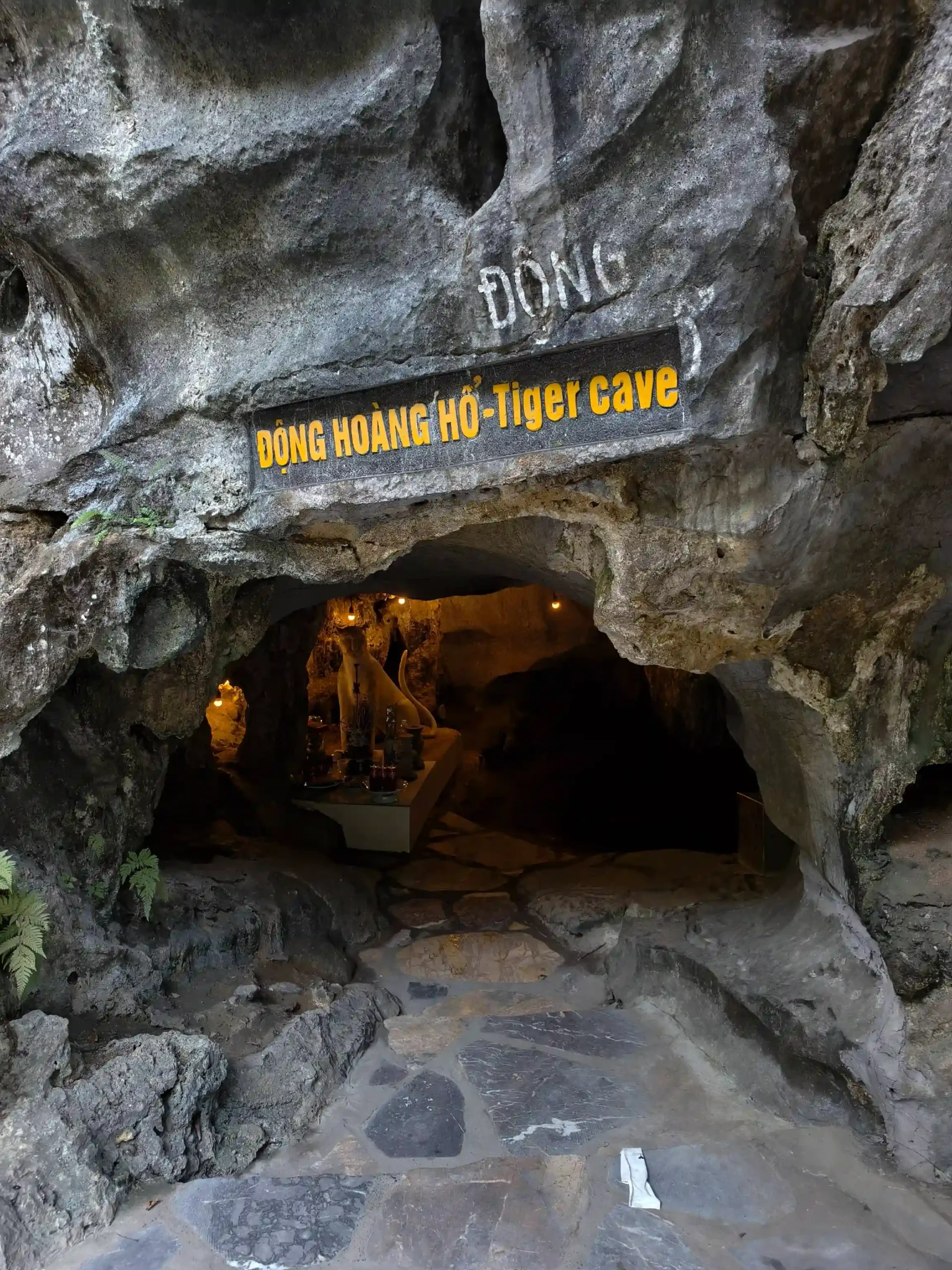
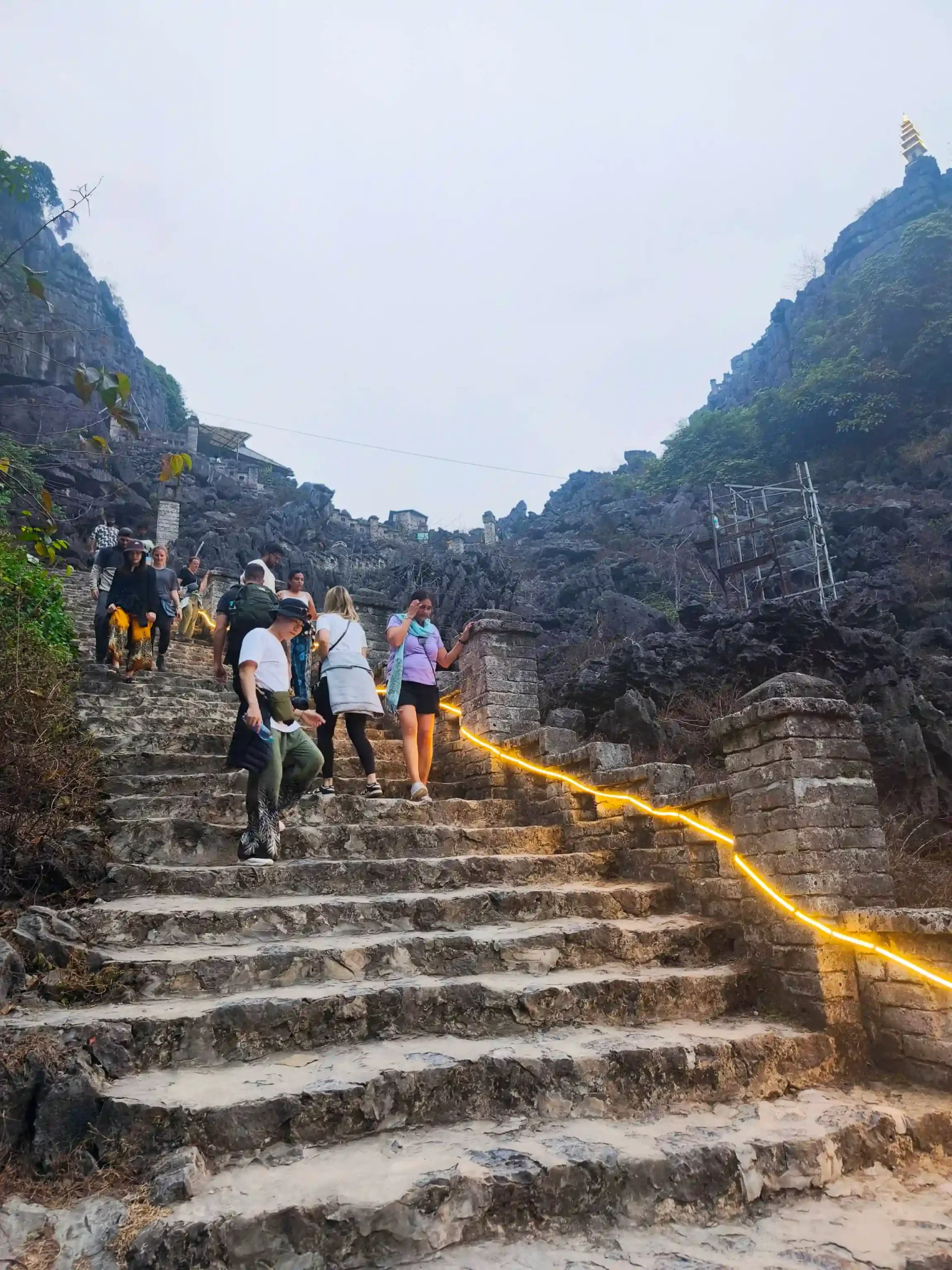
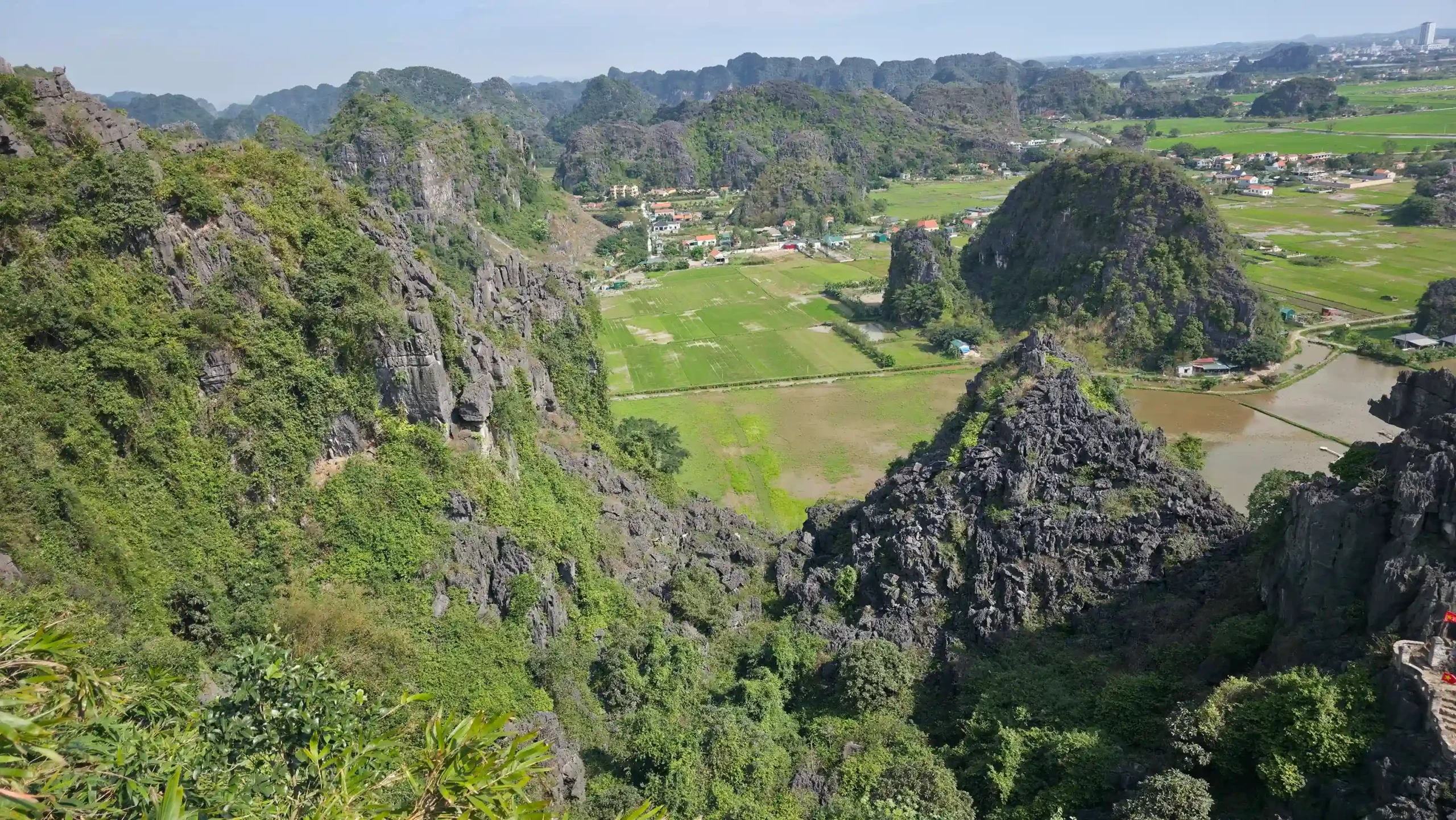
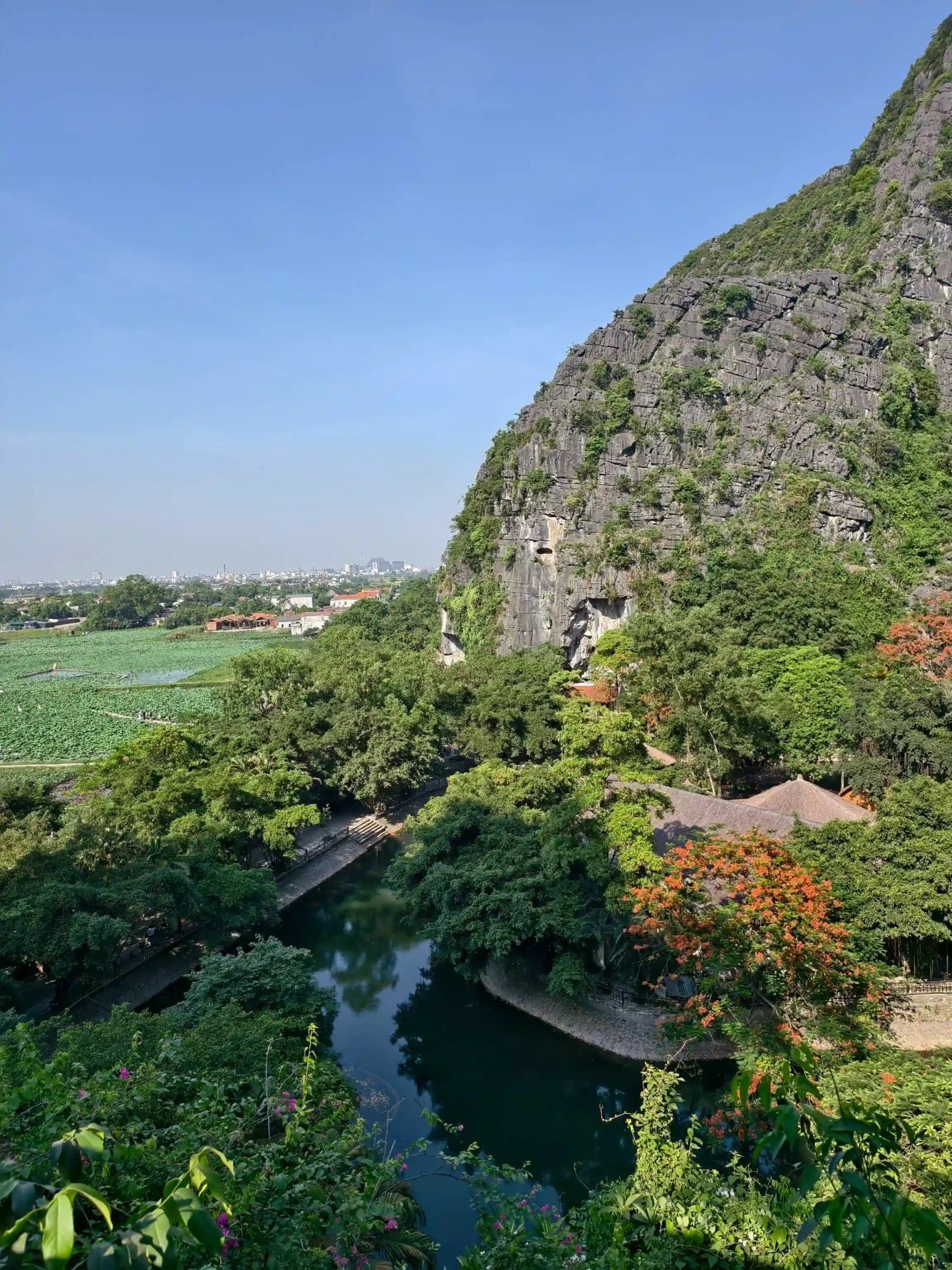
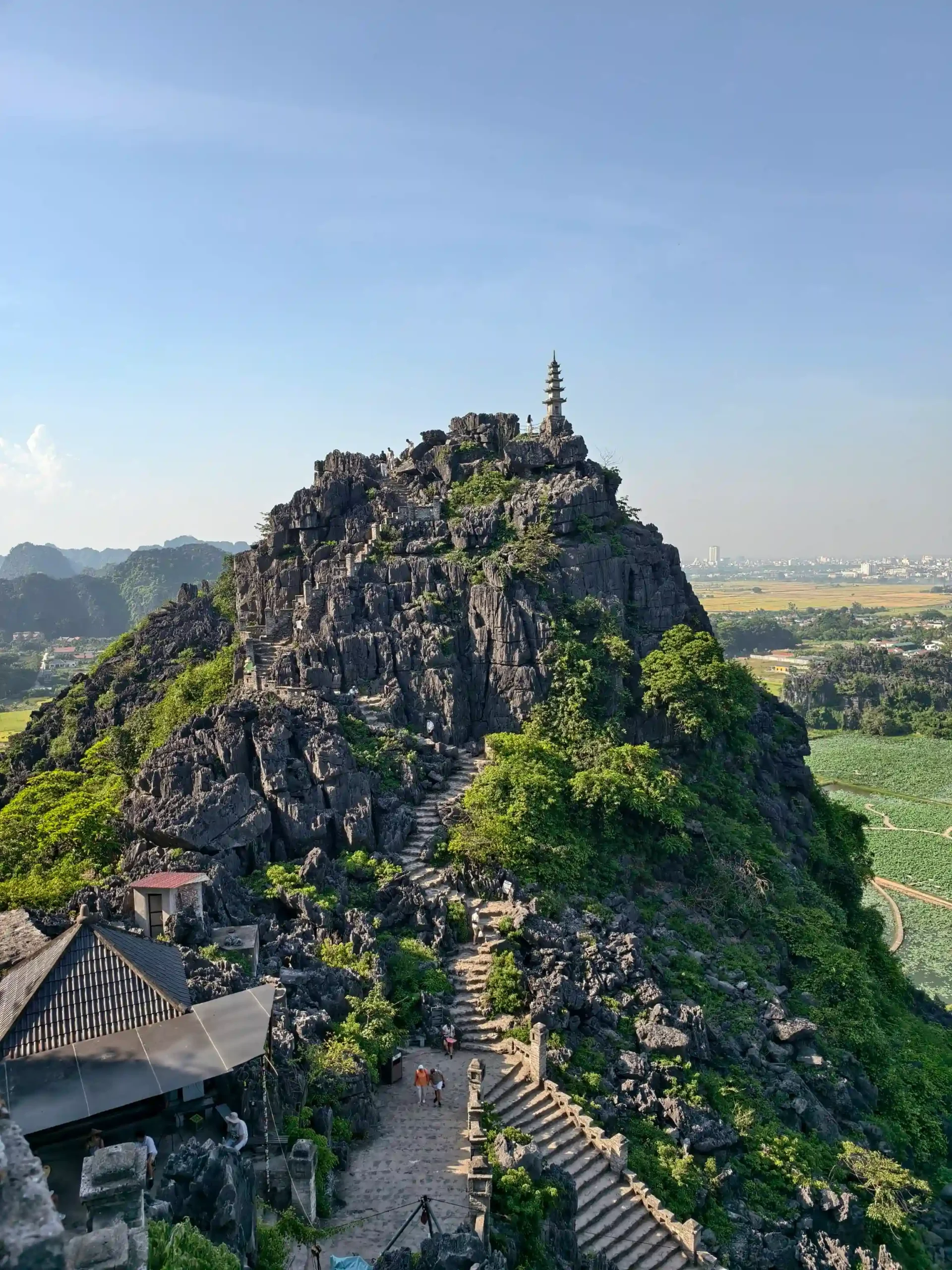
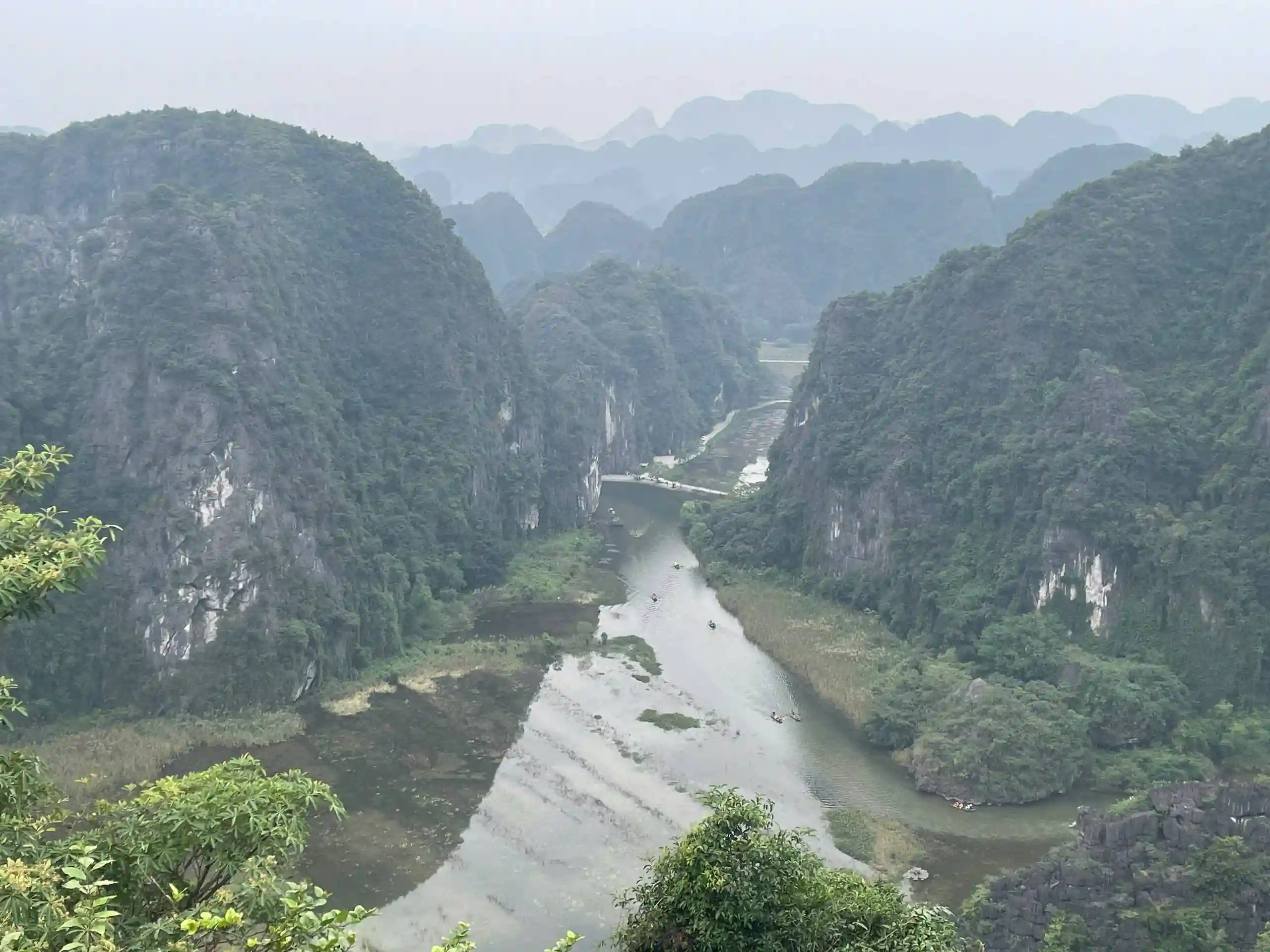
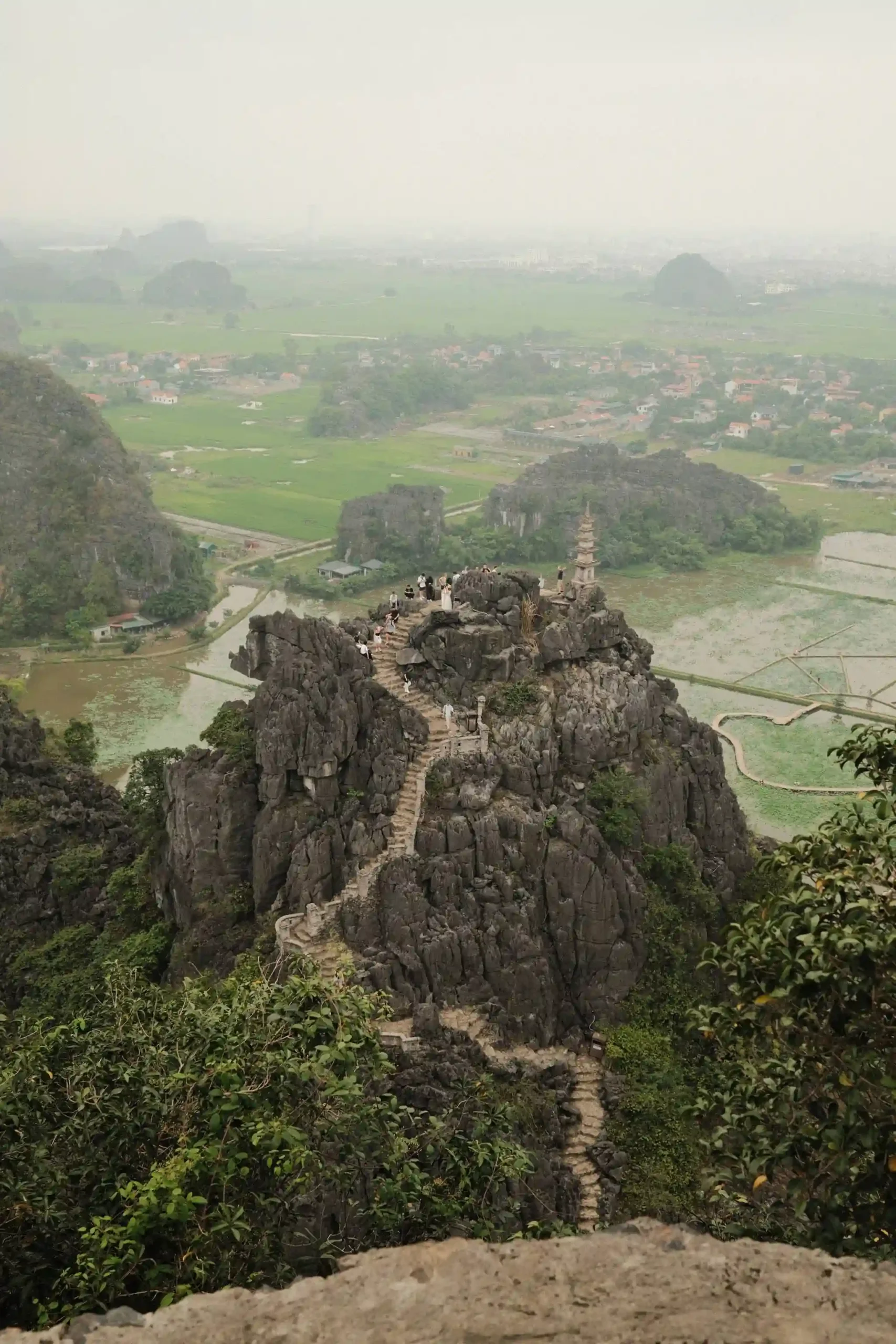
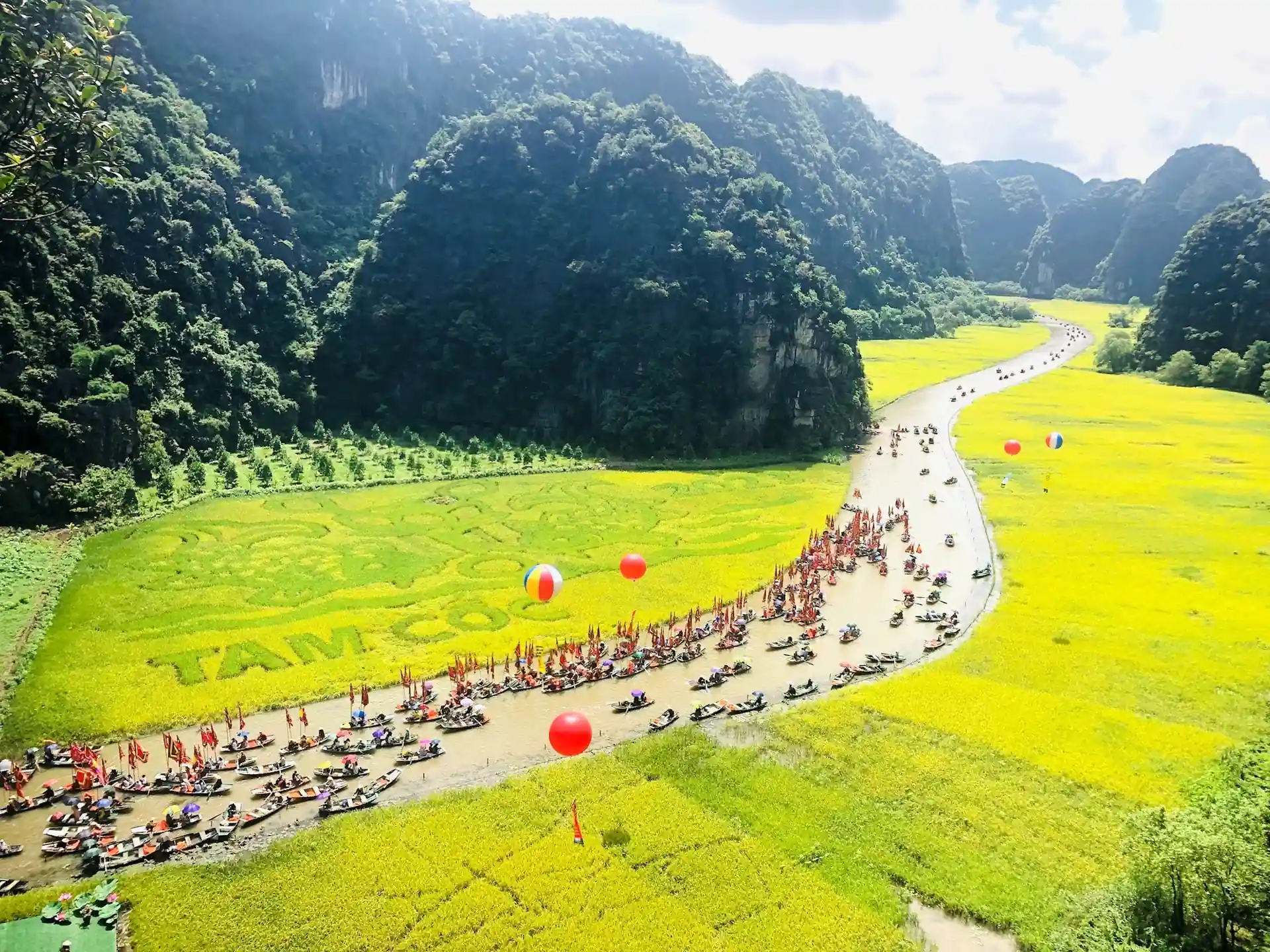
This is the photo everyone takes of Ninh Binh. The one with the river snaking through rice paddies surrounded by limestone mountains with a viewpoint up above. That viewpoint is Mua Cave (Hang Mua), and the 500 steps to reach it are what stands between you and it.
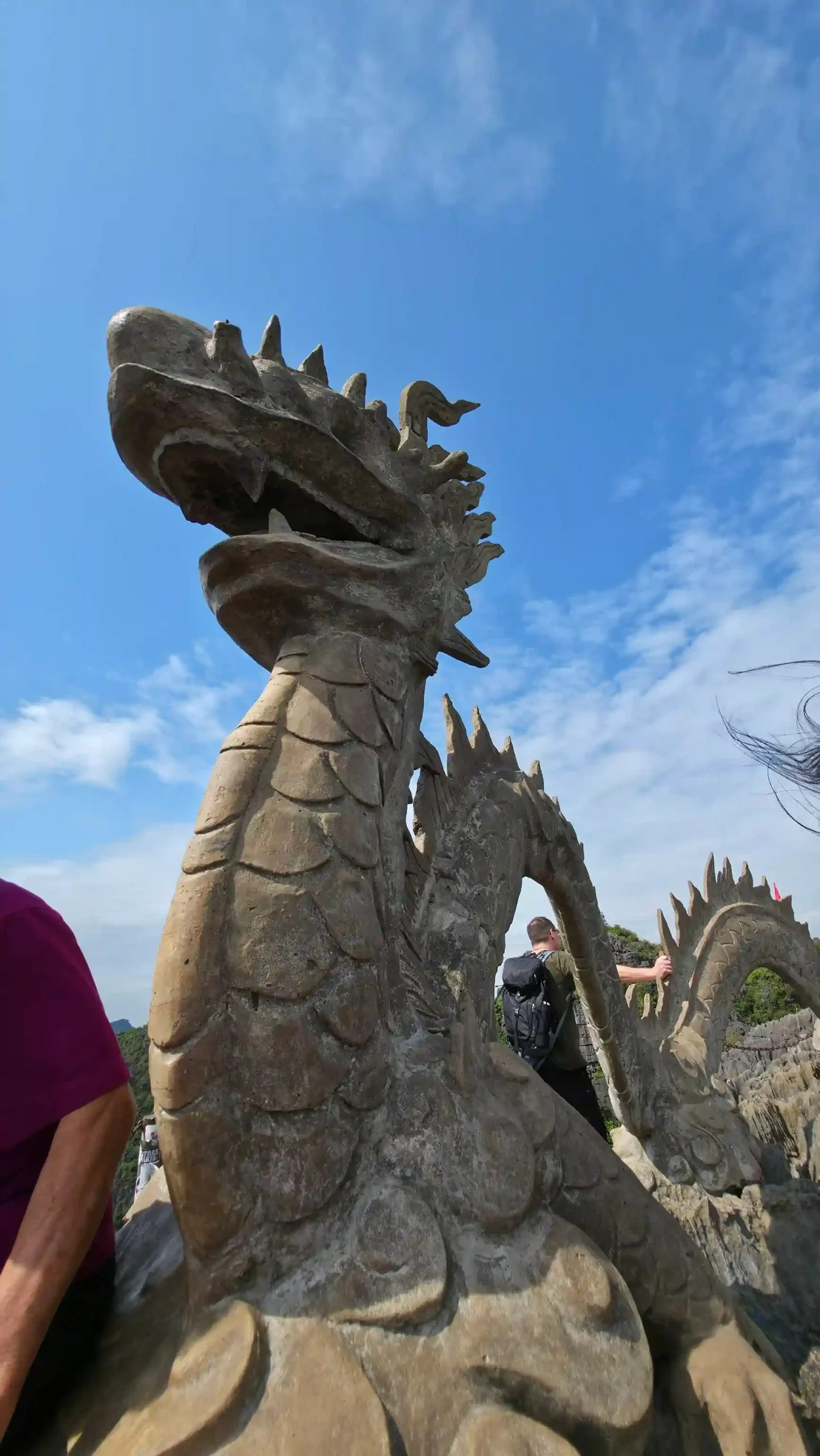
The steps are carved directly into the limestone and wind up the mountain through vegetation. They get steeper and narrower the higher you climb, and by the last 100 or so your legs are aware they’re working. At the top is a dragon sculpture you can sit near and look out over the entire Tam Coc valley.
On a clear day the view stretches over rice paddies, the Ngo Dong River, and the karst peaks in every direction. It’s one of the better vantage points in northern Vietnam and worth the effort.
Practical notes
- The hike takes 1.5-2 hours round trip. It’s significantly more strenuous in the heat. Go before 9am or after 4pm if you can, not in the middle of the day. Bring water.
- The entry fee is separate from Trang An and Tam Coc, around 100,000 VND.
- There are two paths at Mua Cave: the original route and a newer one to a second viewpoint. Both are worth doing if you have the energy; the left path from the entrance is longer and steeper but the views from the second peak are different.
A sunset from the Mua Cave viewpoint is genuinely beautiful if your timing works out and the weather is clear. On days with high cloud the light is soft and the valley below fills with mist. On a blazing clear day at noon it’s beautiful but exhausting. Manage accordingly.
Tier 2: Worth Adding for a Full Day or Overnight
Hoa Lu Ancient Capital
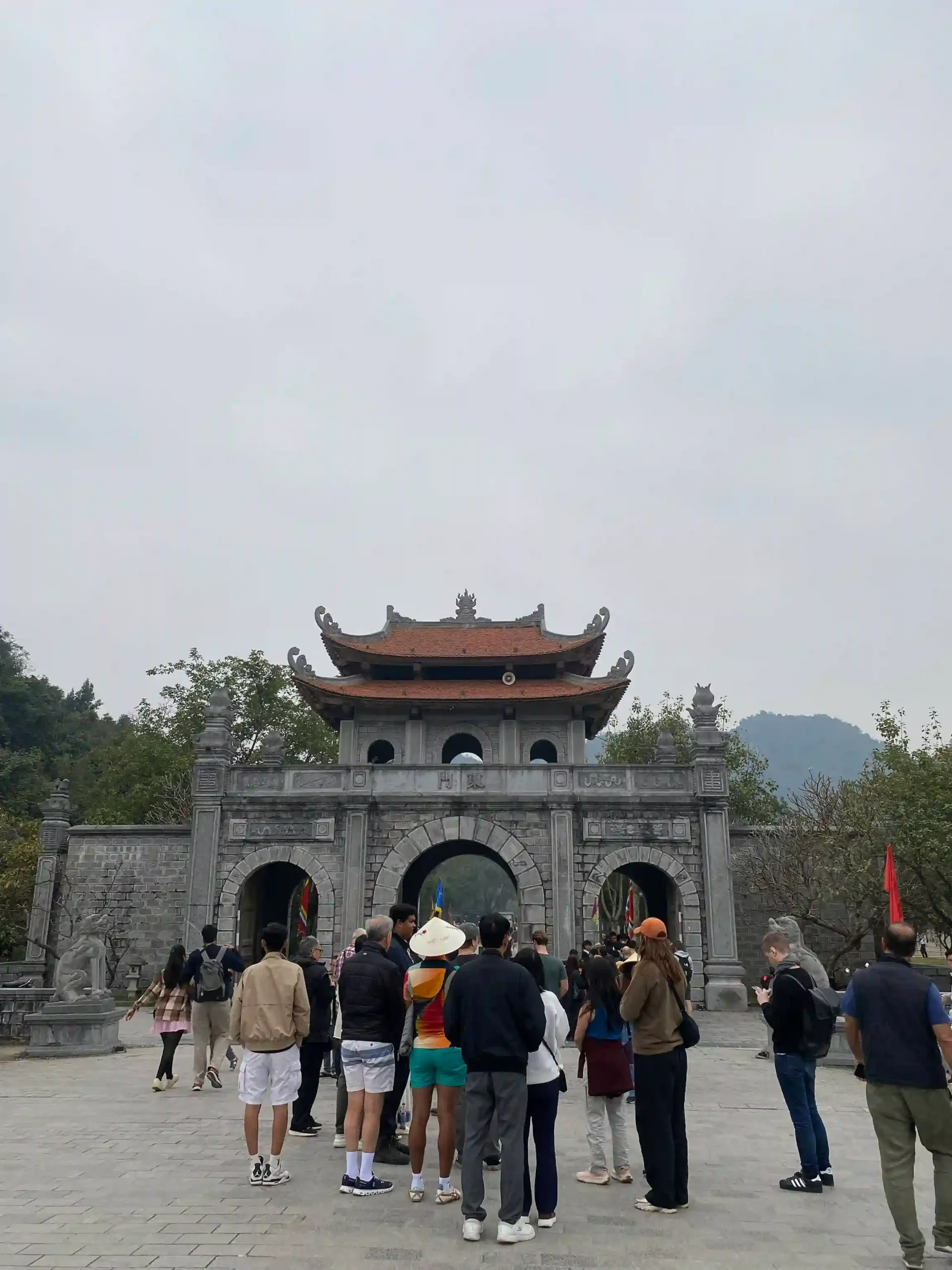
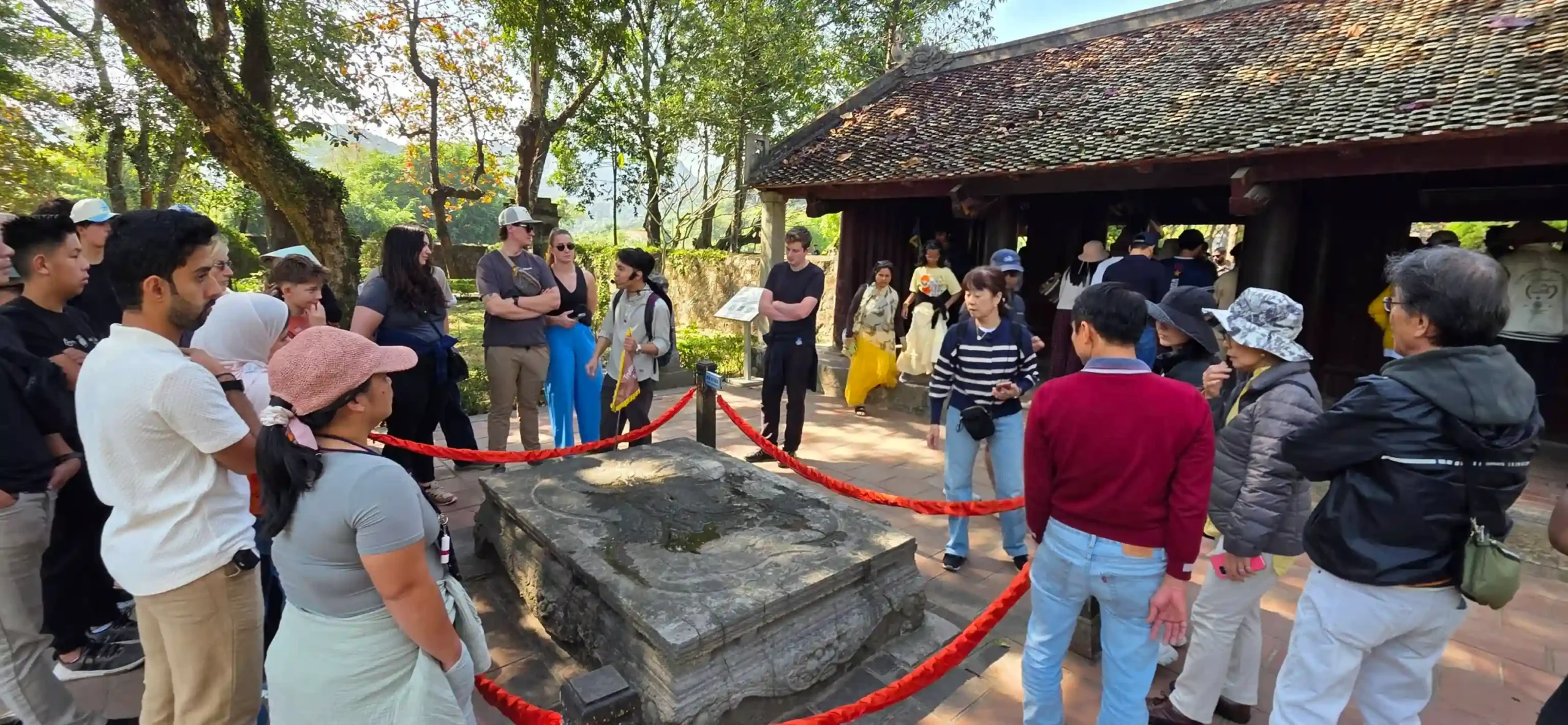
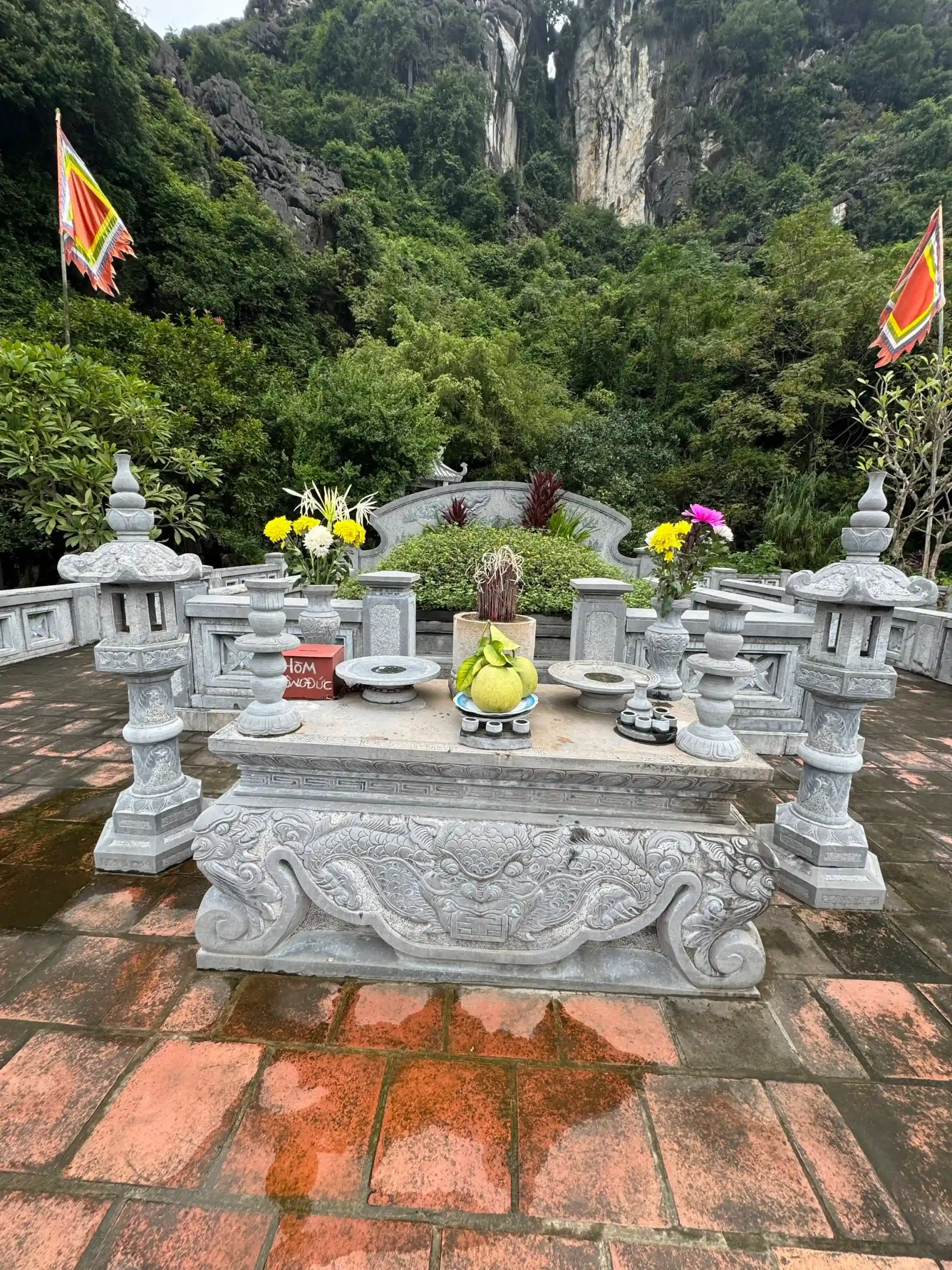
Hoa Lu is where Vietnam’s story starts, in a practical, political sense. From 968 to 1010 AD, this valley was the capital of the country, home to the Dinh and Early Le dynasties, and the temple complexes that remain here are built to honor King Dinh Tien Hoang and King Le Hoan, the rulers of that period.
The temples are not the most spectacular architecture in Vietnam, but the history attached to them is significant enough to be worth a couple of hours if you have them.
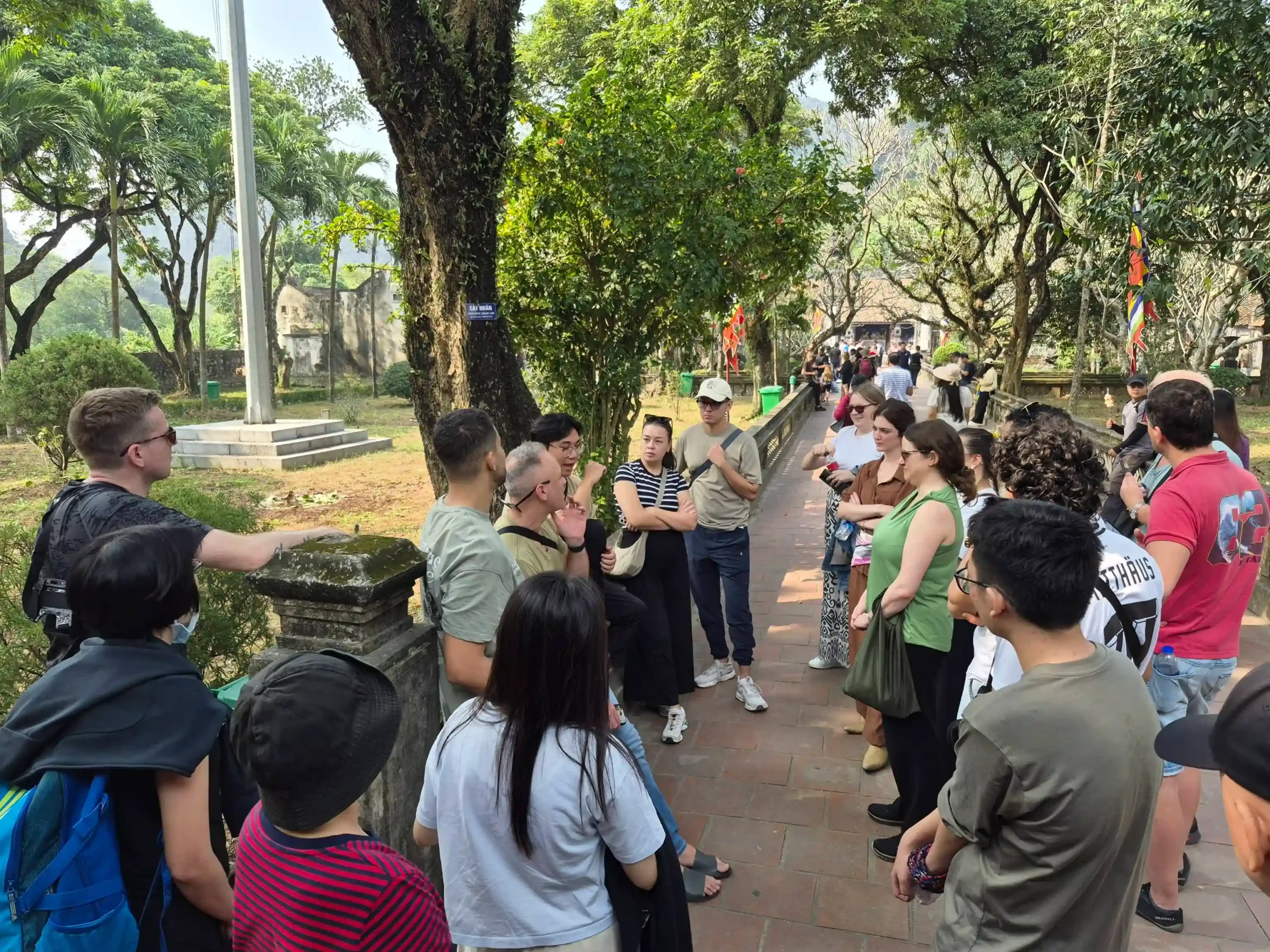
A guide makes the visit considerably more interesting. The context of why a capital was placed here, in a valley surrounded by natural limestone walls, and what it meant for early Vietnamese statehood, comes through better with someone explaining it than from reading interpretive panels in a second language. Most day tours from Hanoi include Hoa Lu with a guide, which is the sensible way to approach it.
Dress requirements: cover knees and shoulders. This applies to every religious site in Ninh Binh, so if you’re wearing shorts, pack a sarong.
Tam Coc Boat Ride
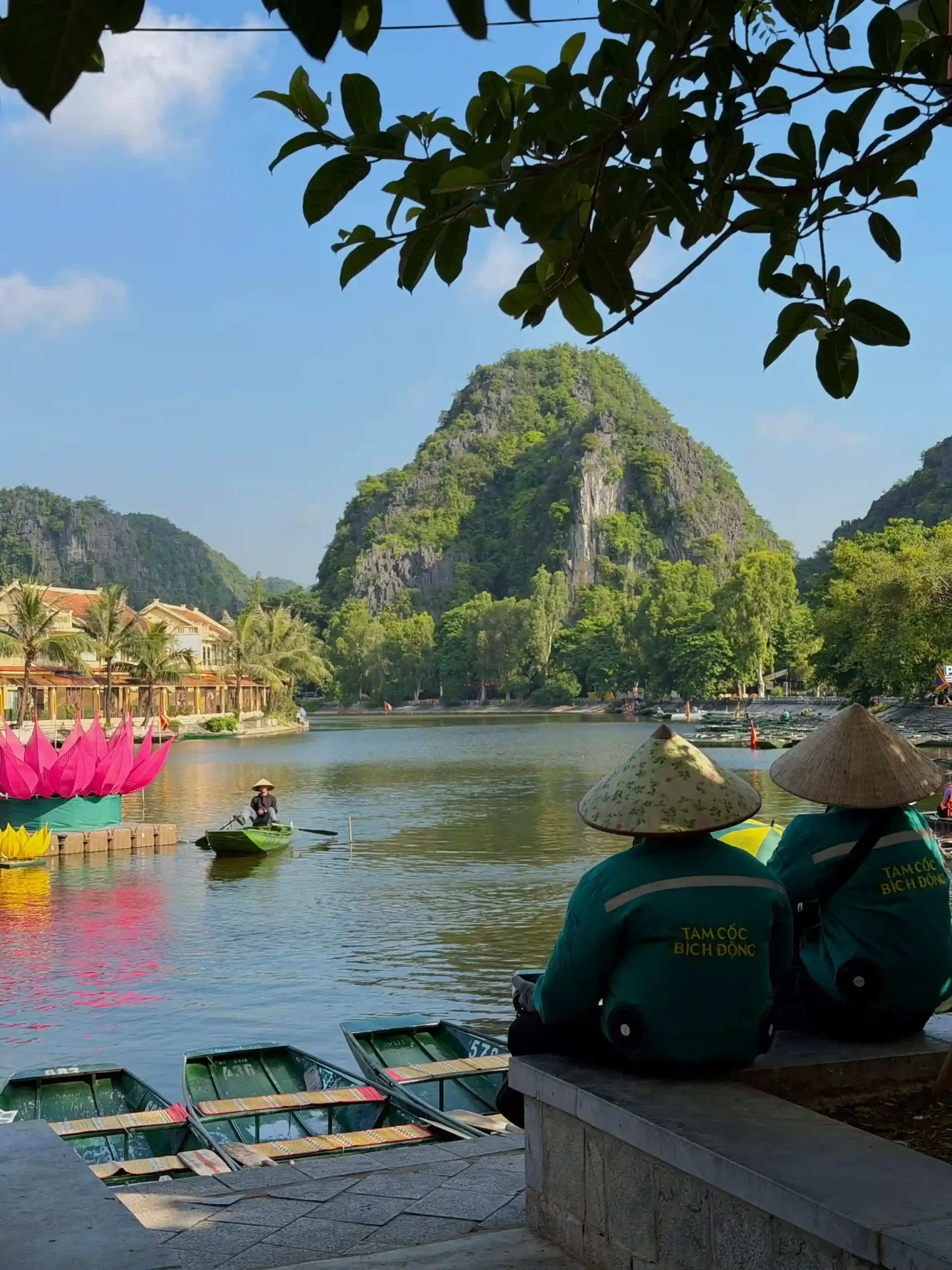
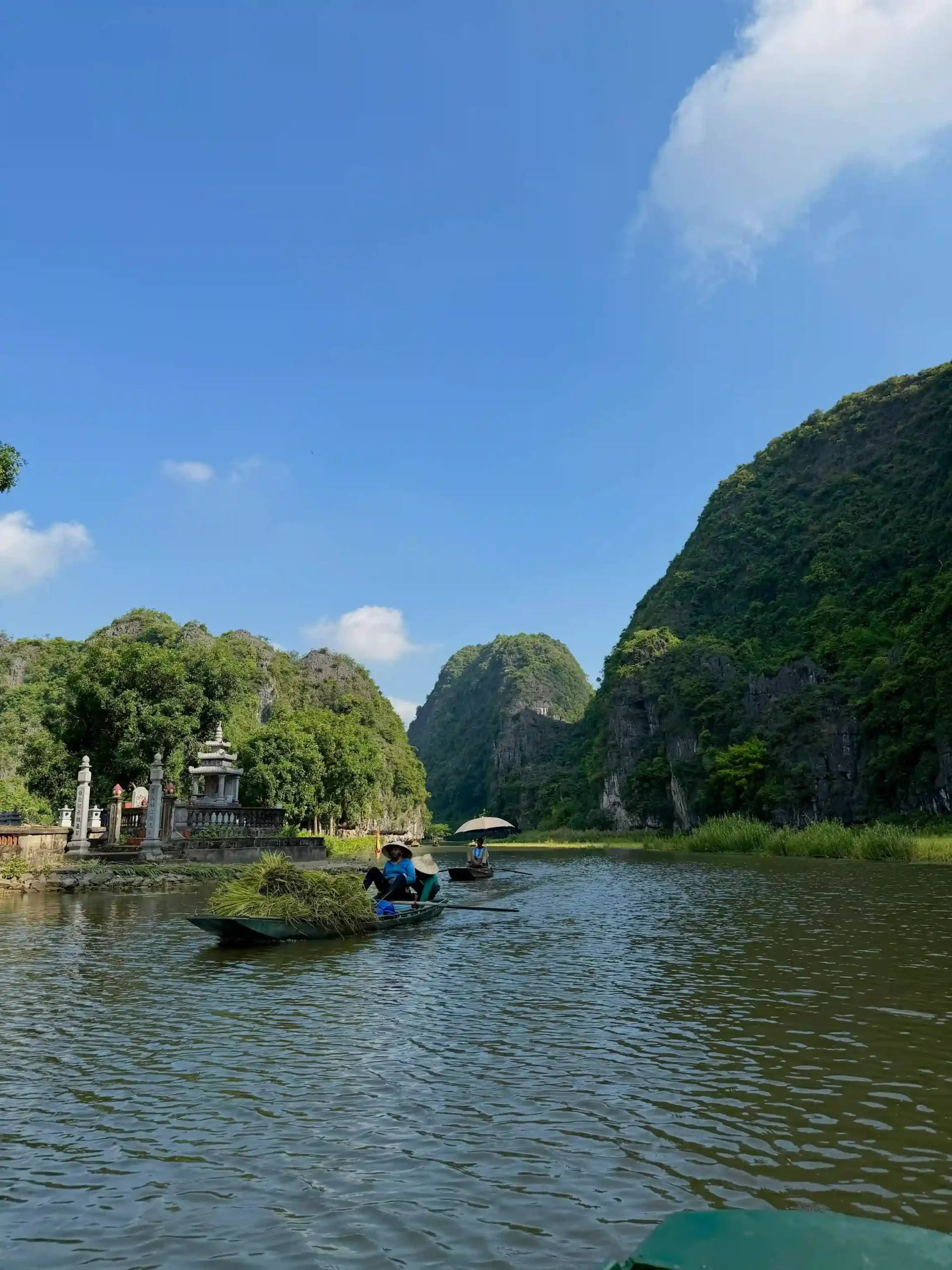
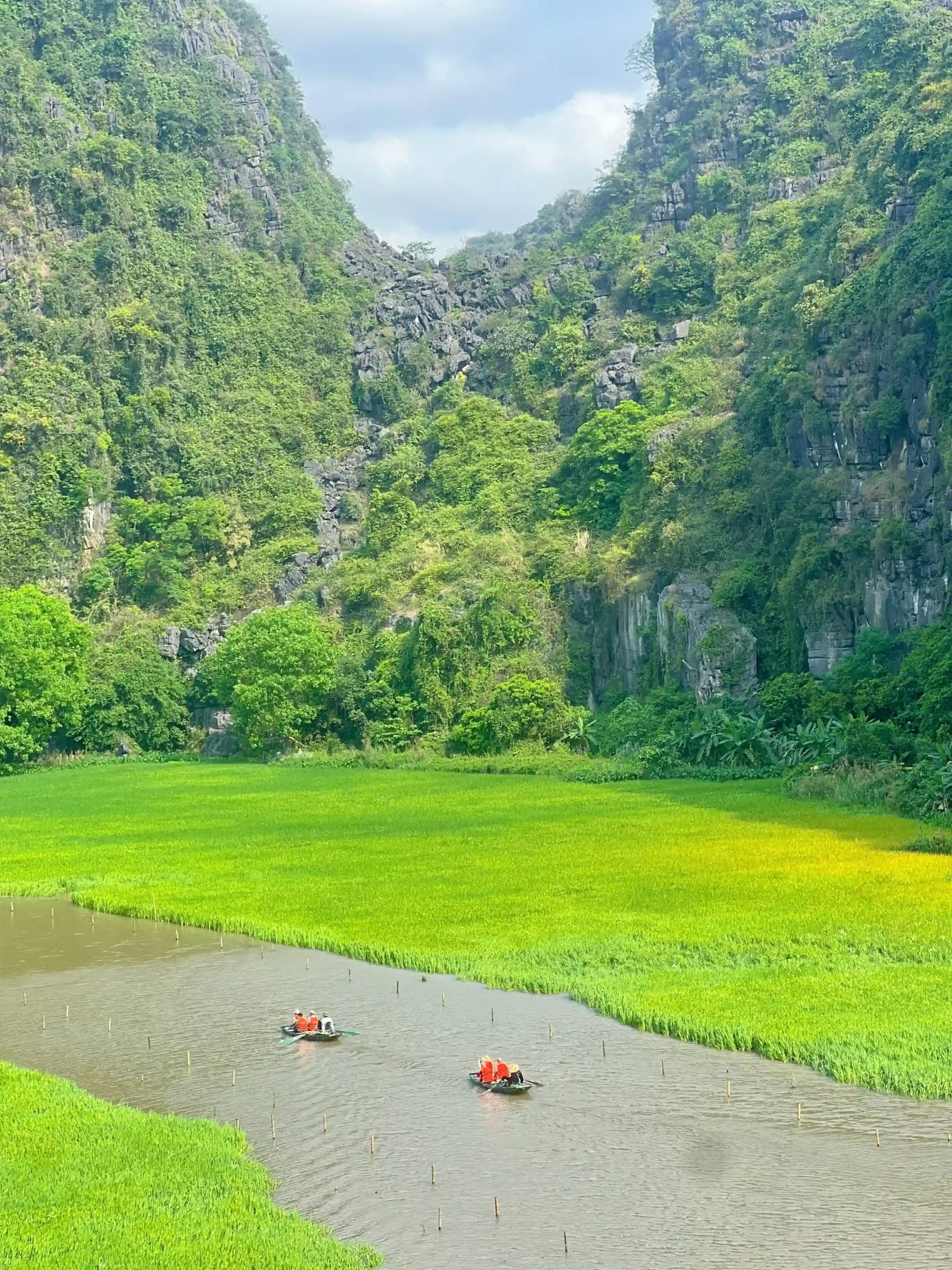
Tam Coc gets compared to Trang An constantly and the comparison isn’t quite right. They’re similar experiences at the surface, a sampan boat through karst scenery, but they’re different enough that if you’re staying in Ninh Binh for more than a day, doing both makes sense.
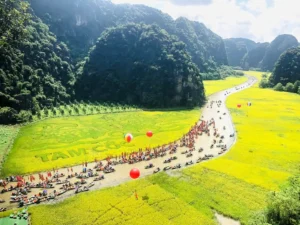
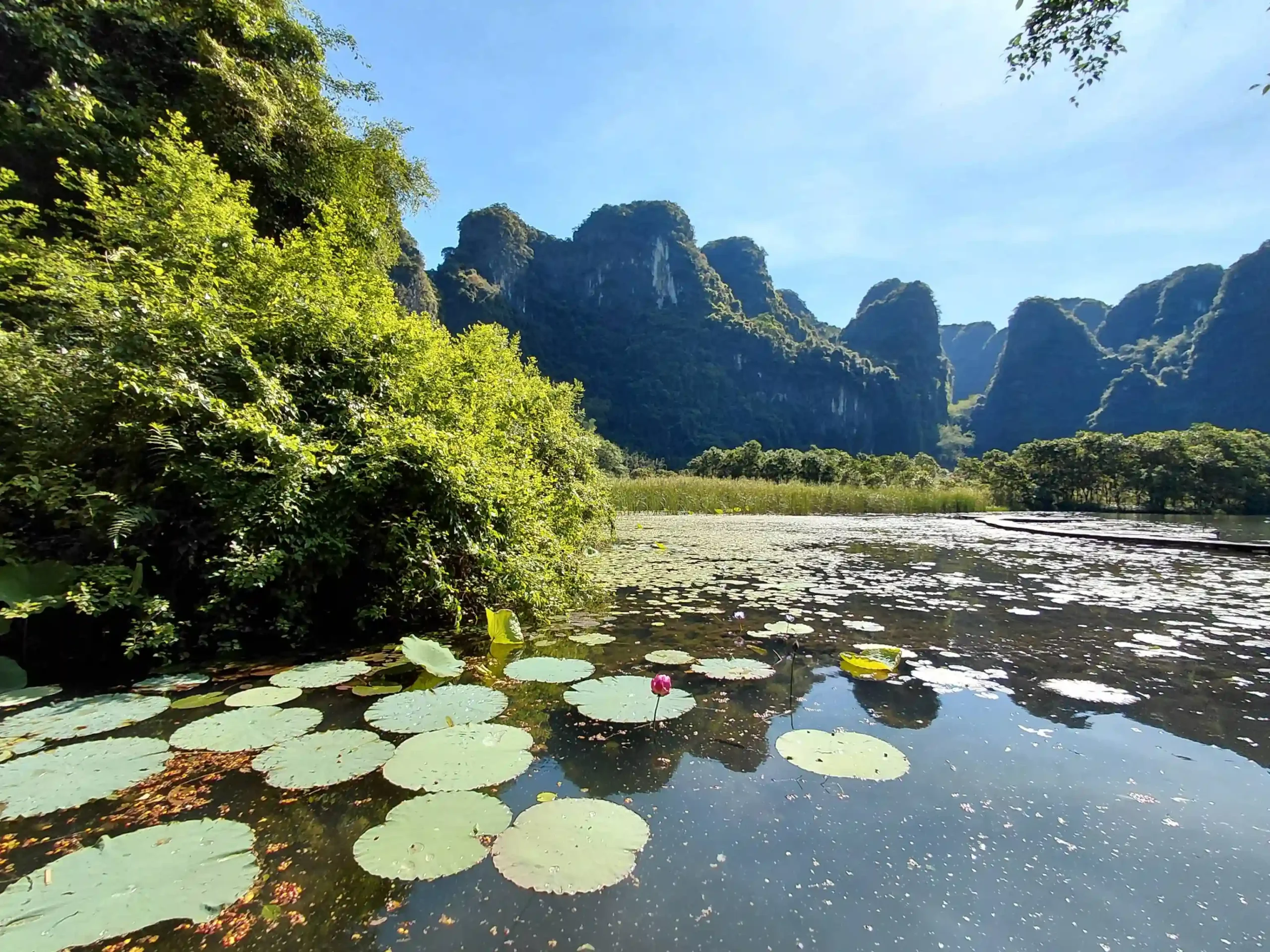
Tam Coc runs on the Ngo Dong River through three natural cave tunnels, surrounded by rice paddies and limestone walls. The rice fields are the thing here. When the rice is green, usually June through September, Tam Coc is genuinely extraordinary, the green against the grey limestone with the river threading through. In January and February, the rice fields are bare or just beginning to grow and the scenery is less dramatic. Worth knowing before you go.
Two things to be aware of: the queues can be long during peak times, and the rowers often try to sell embroidered goods on the return leg. This is the honest reputation Tam Coc has, and it’s not universal (I’ve done it without incident), but it’s worth knowing. A polite firm no works. The experience itself, even with those caveats, is worth doing if you have an extra half day.
Bich Dong Pagoda
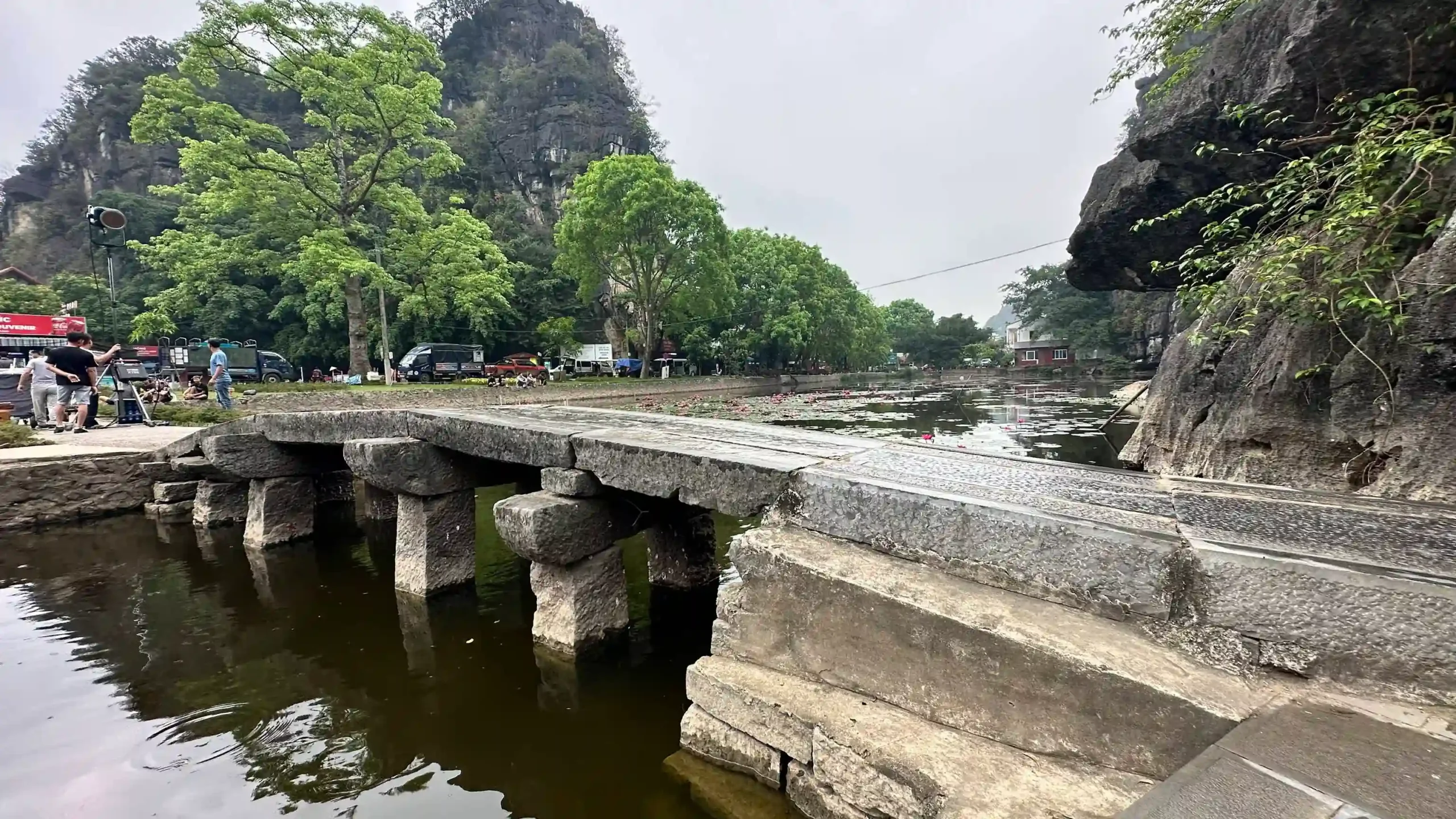
Three hundred meters from the Tam Coc boat pier is one of the quieter things to do in Ninh Binh and one of the genuinely photogenic ones.
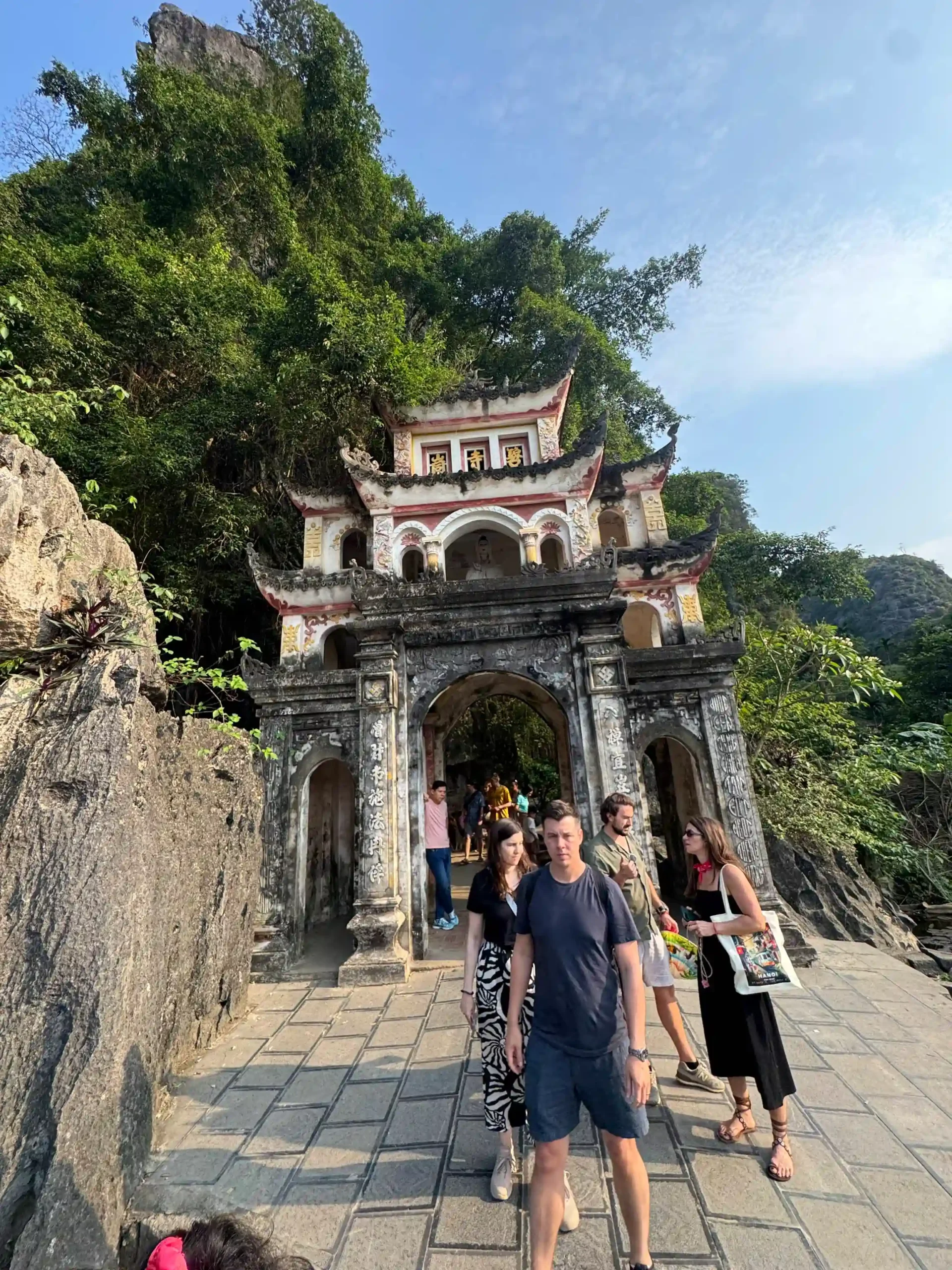
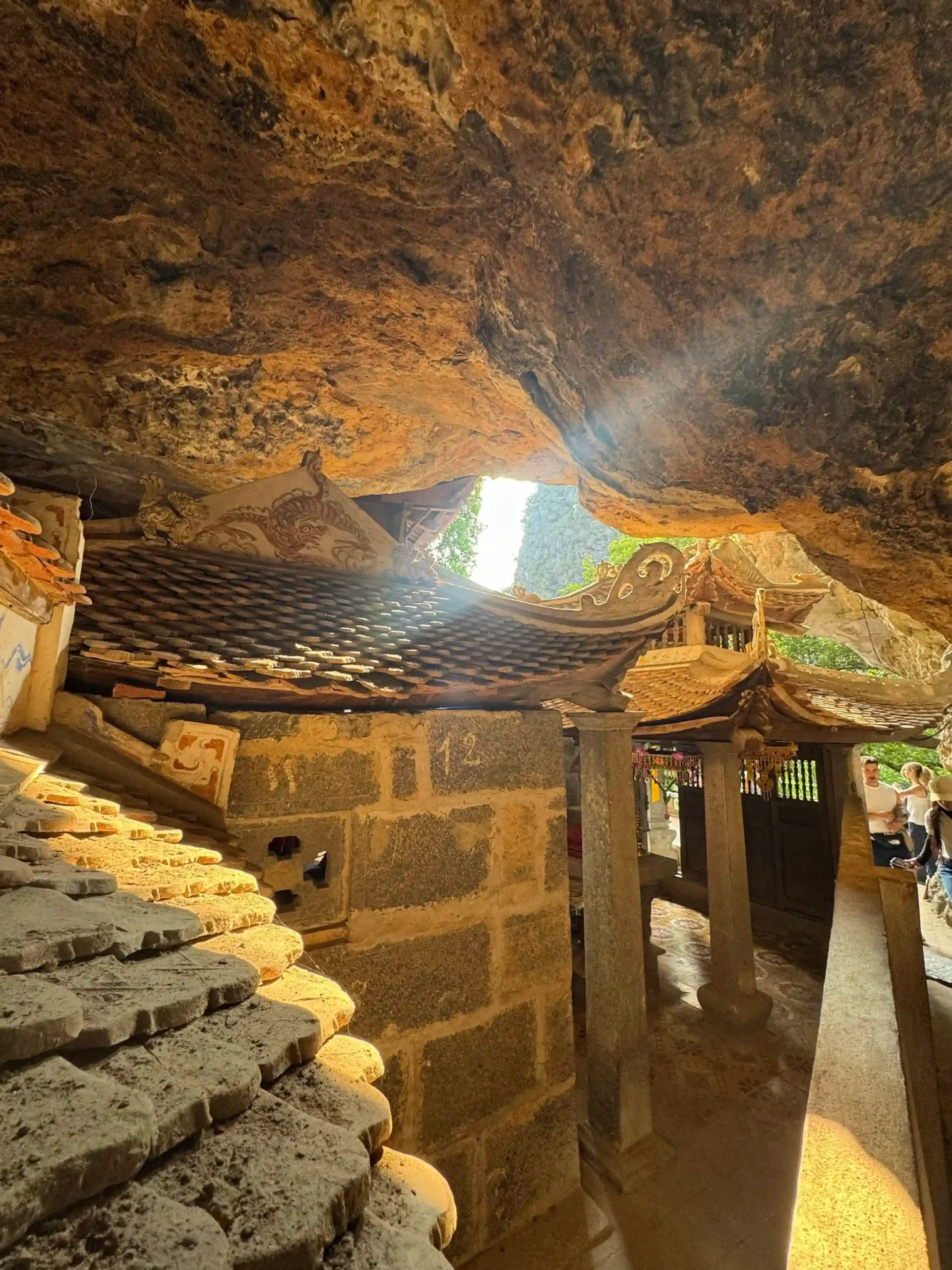
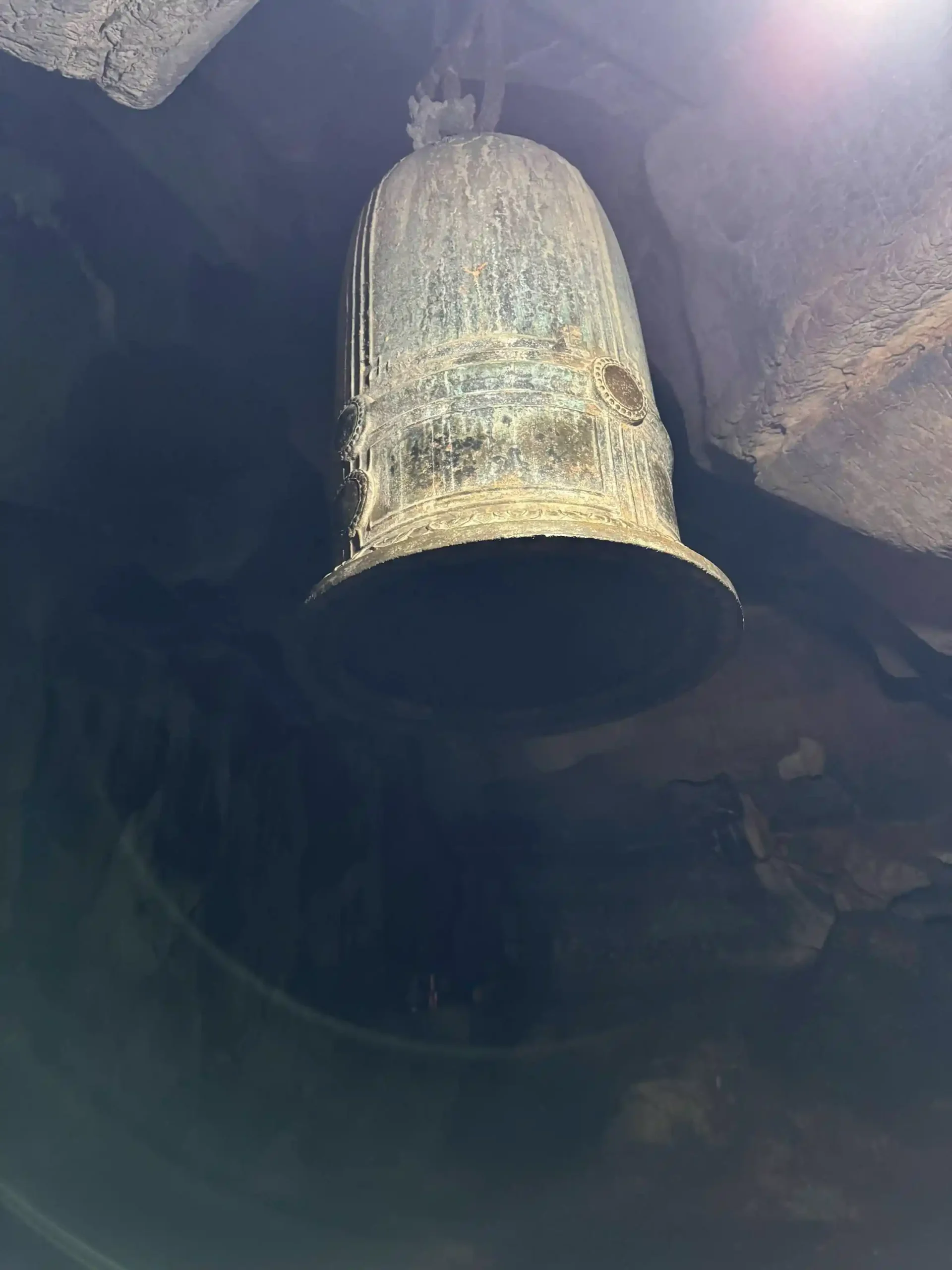
Bich Dong is a cave pagoda complex built in 1428, built into a limestone cliff above an emerald pond. The gate at the base of the cliff is the photo everyone takes. Beyond the gate, stone steps lead up through three levels of pagoda: the lower cave, the middle cave, and a smaller shrine at the top.
It’s not a big time commitment, an hour is enough, but the combination of the cave architecture, the natural setting, and the fact that it gets fewer visitors than Trang An or Mua Cave makes it a pleasant stop. Easy to combine with Tam Coc since they’re close together.
Tier 3: For Specific Interests or Longer Stays
Van Long Nature Reserve
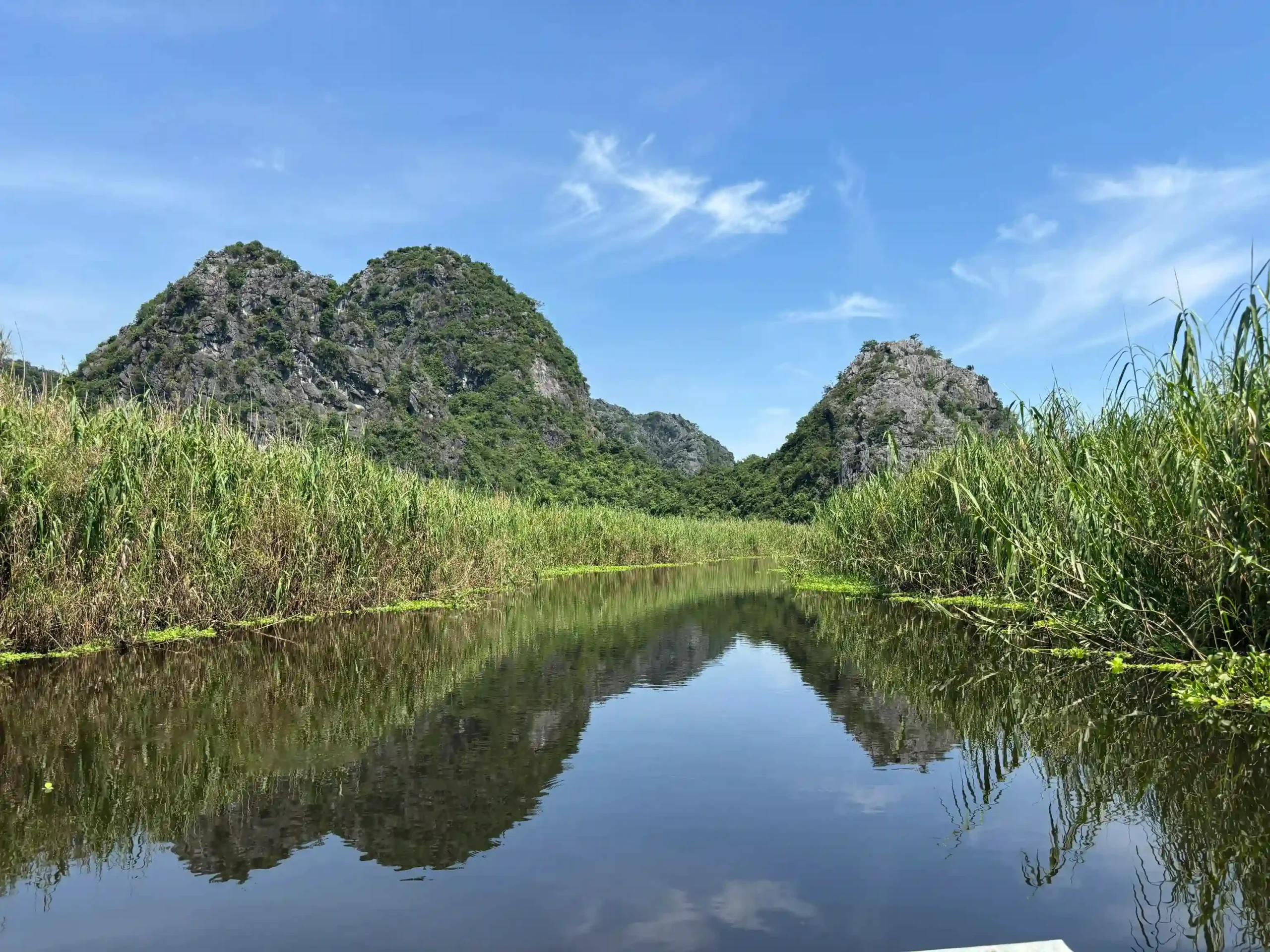
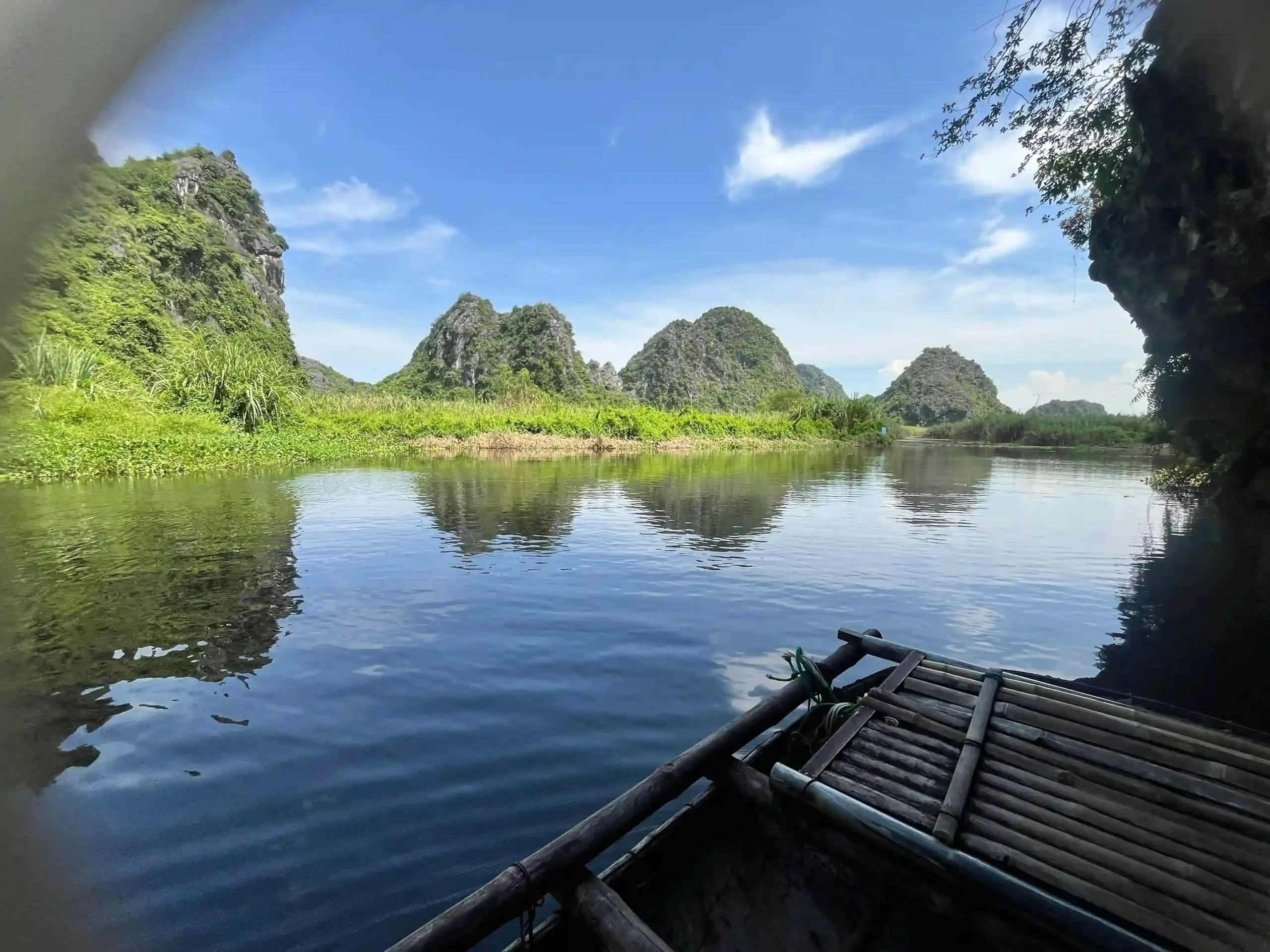
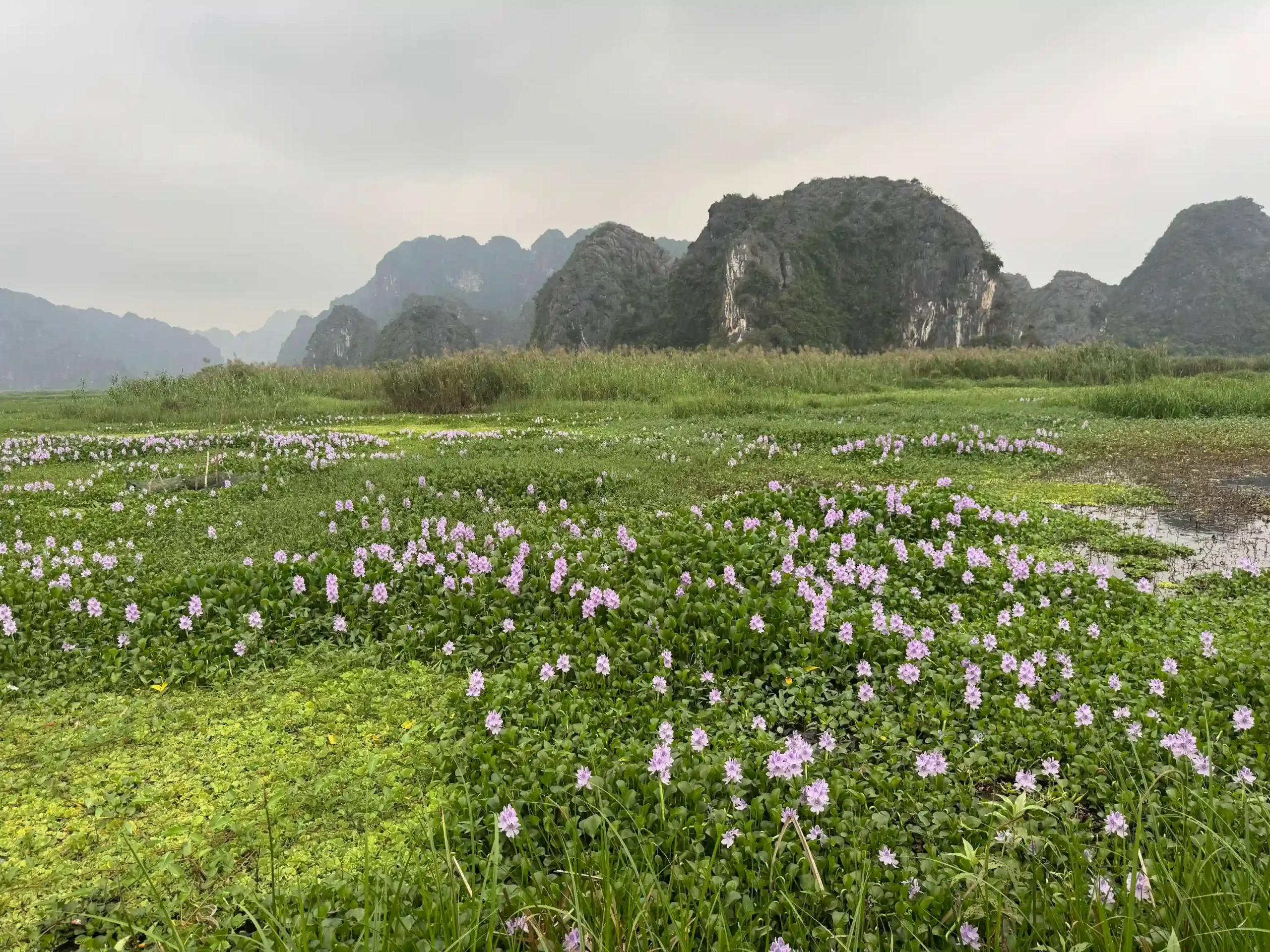
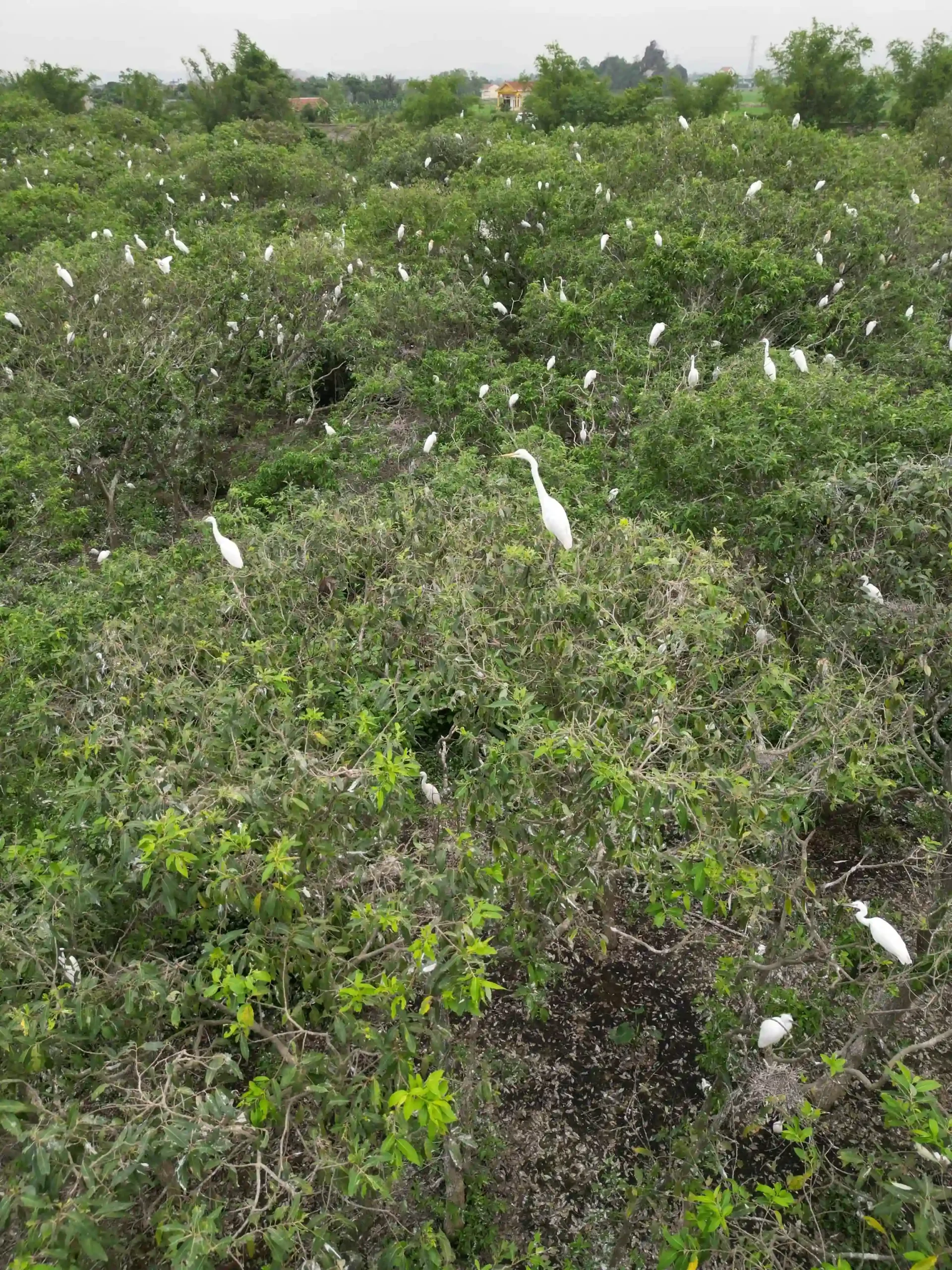
Van Long is what most of Ninh Binh feels like before the crowds arrive, which is to say, very quiet and very beautiful. It’s a wetland nature reserve about 20km from the Tam Coc area, with a boat tour through the wetlands and limestone karst that operates at a smaller scale and much lower visitor volume than Trang An or Tam Coc.
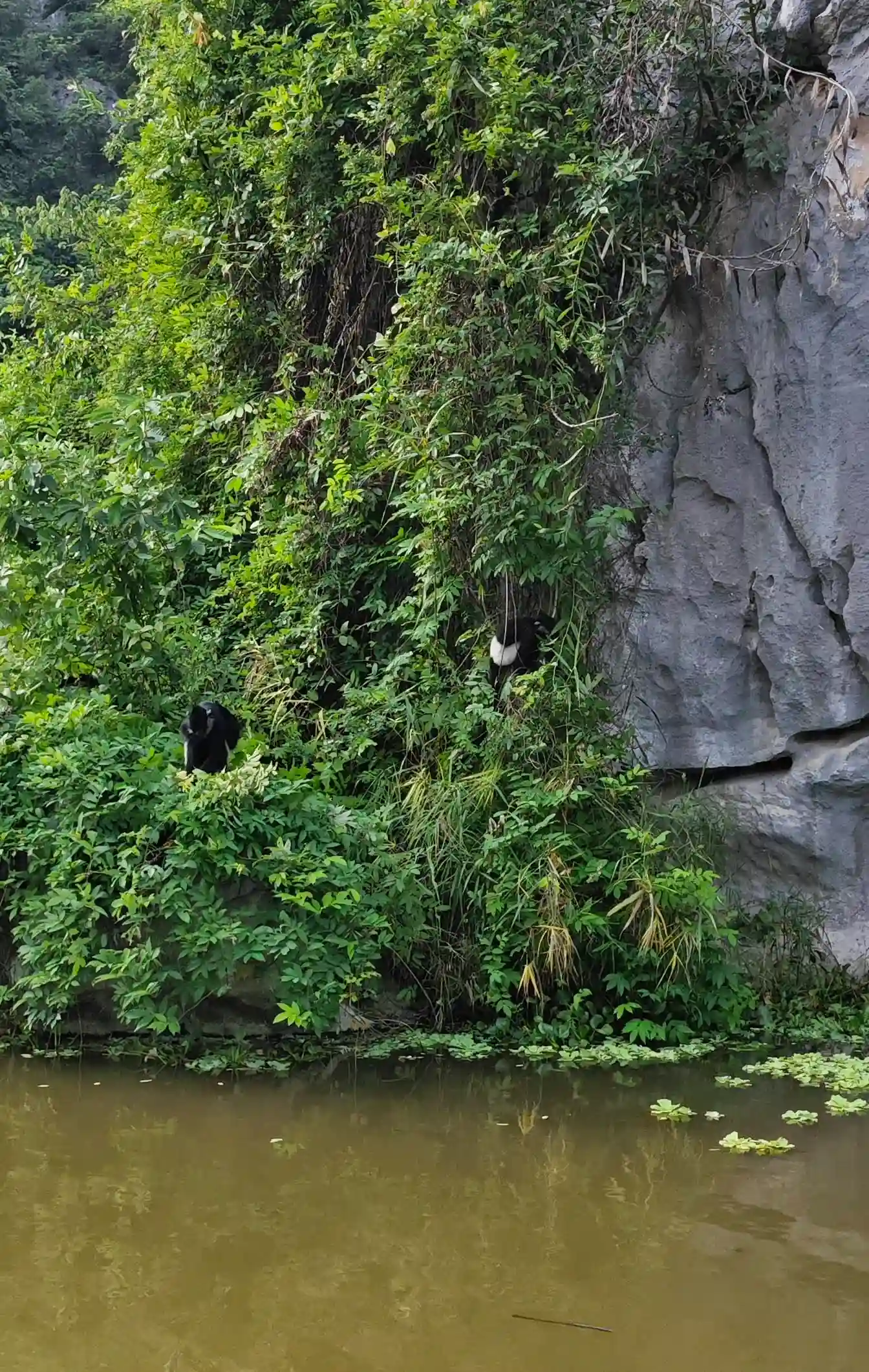
The reserve is home to Delacour’s langur, a critically endangered primate found almost nowhere else, and if you go in the early morning there’s a reasonable chance of seeing them on the limestone cliffs.
The bird life is also good. If you’re a birder or interested in wildlife rather than just scenery, Van Long is the more rewarding choice in Ninh Binh.
The boat tours here are quieter, the pace is slower, and the whole experience feels more like genuinely exploring a landscape rather than moving through a tourist attraction.
I’d rank this higher for the right person and lower for someone who just wants the Ninh Binh highlight reel.
Cycling Through the Rice Paddies
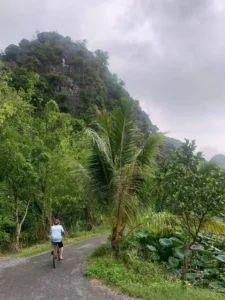
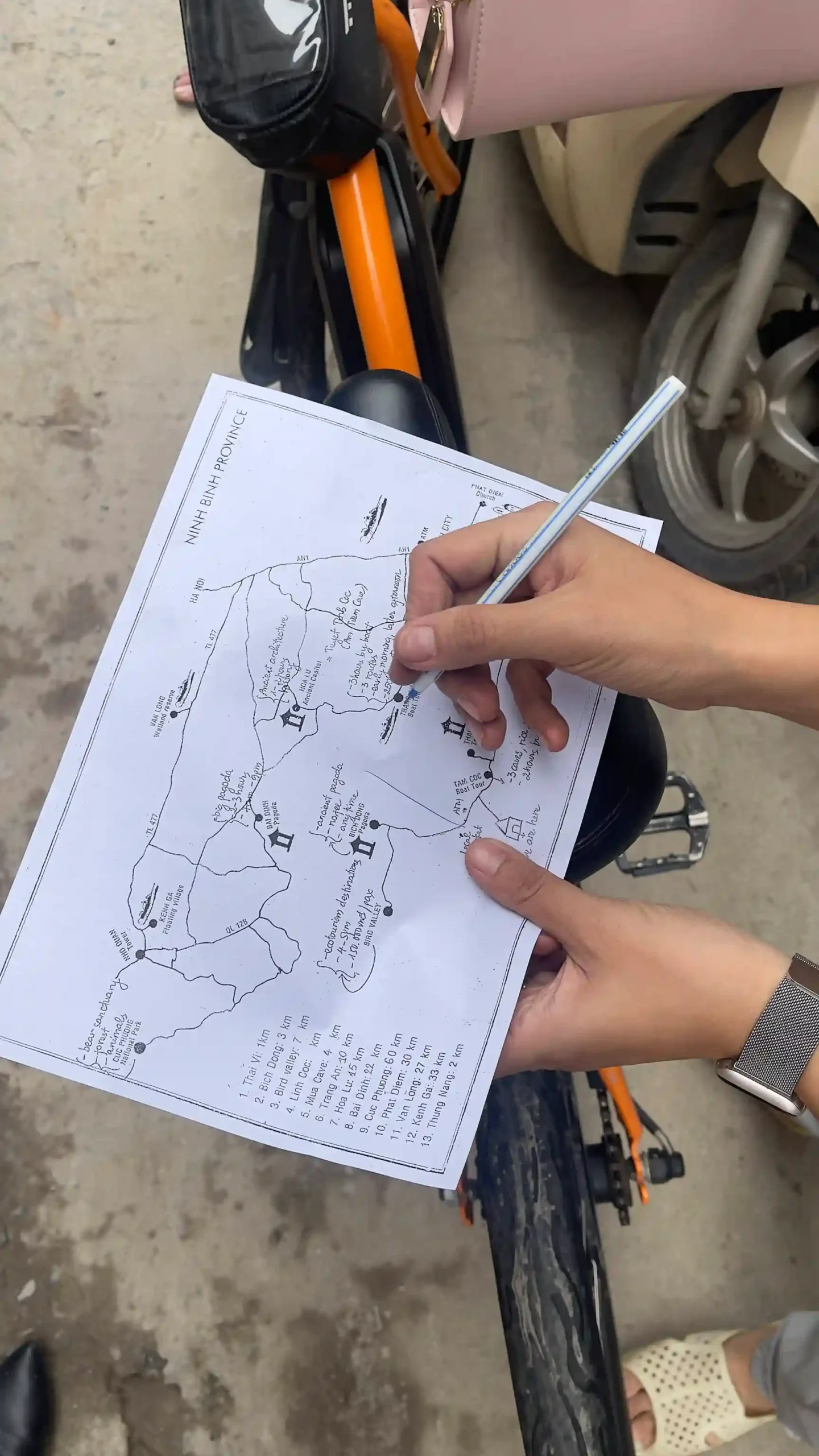
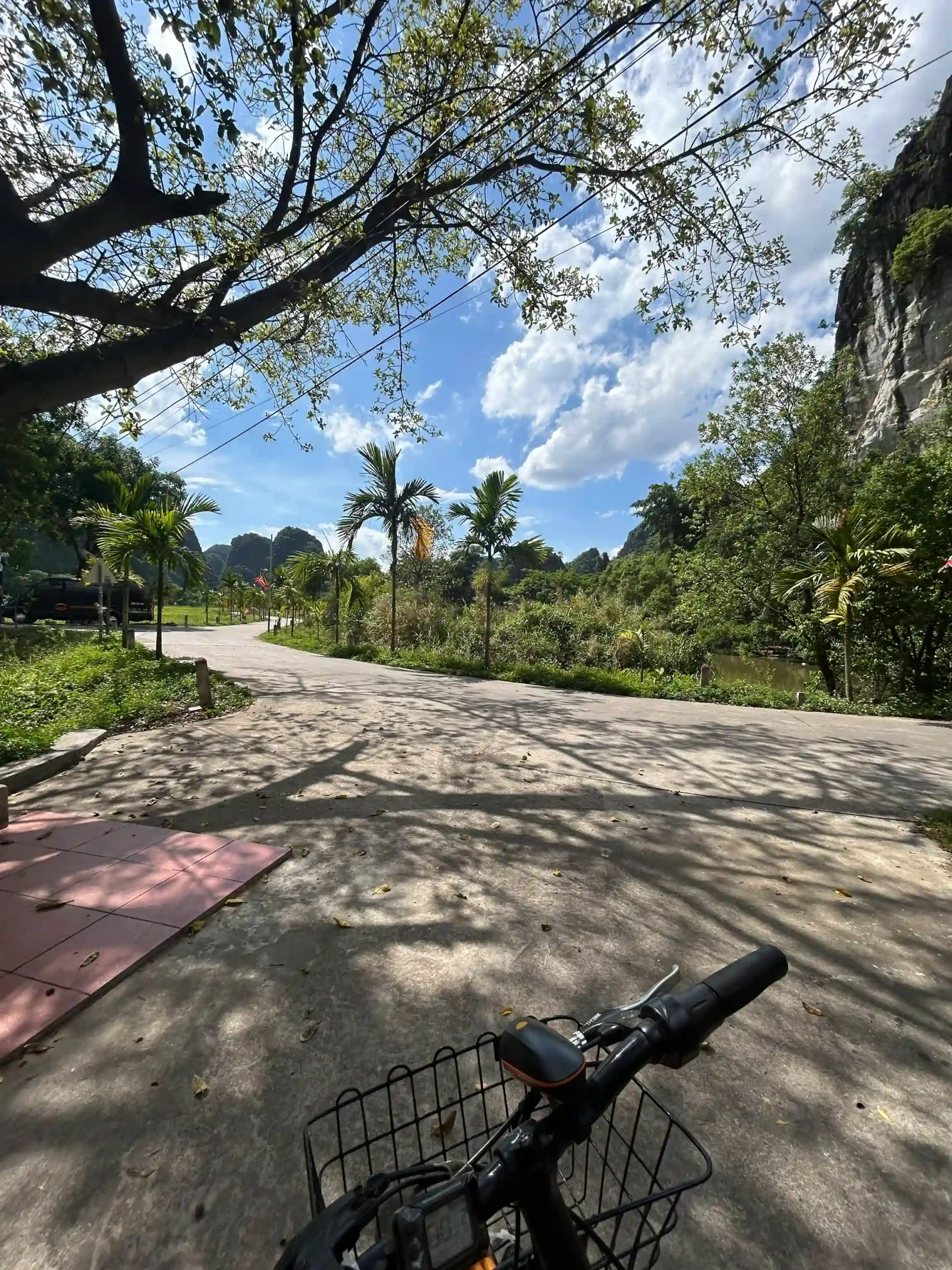
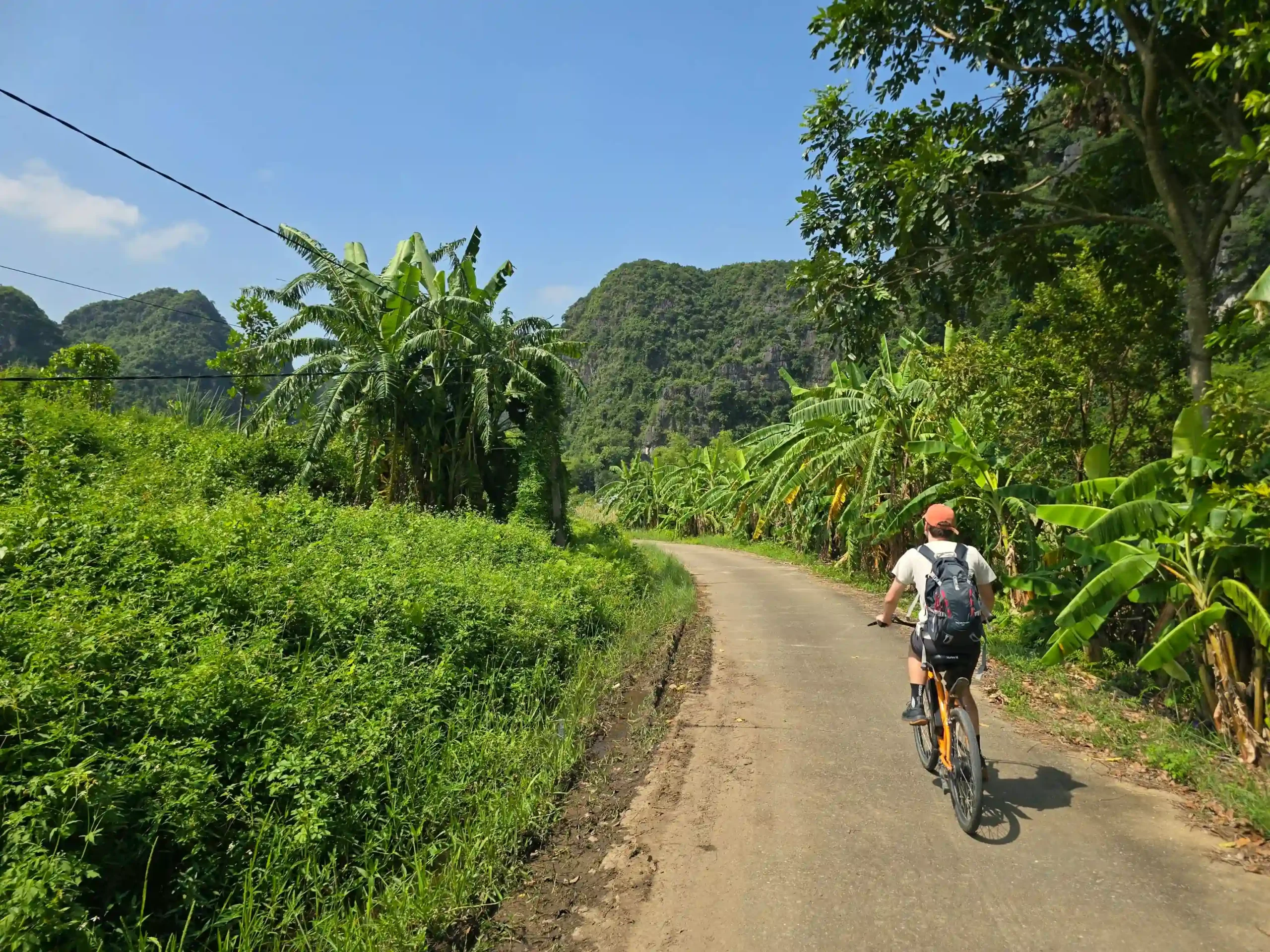
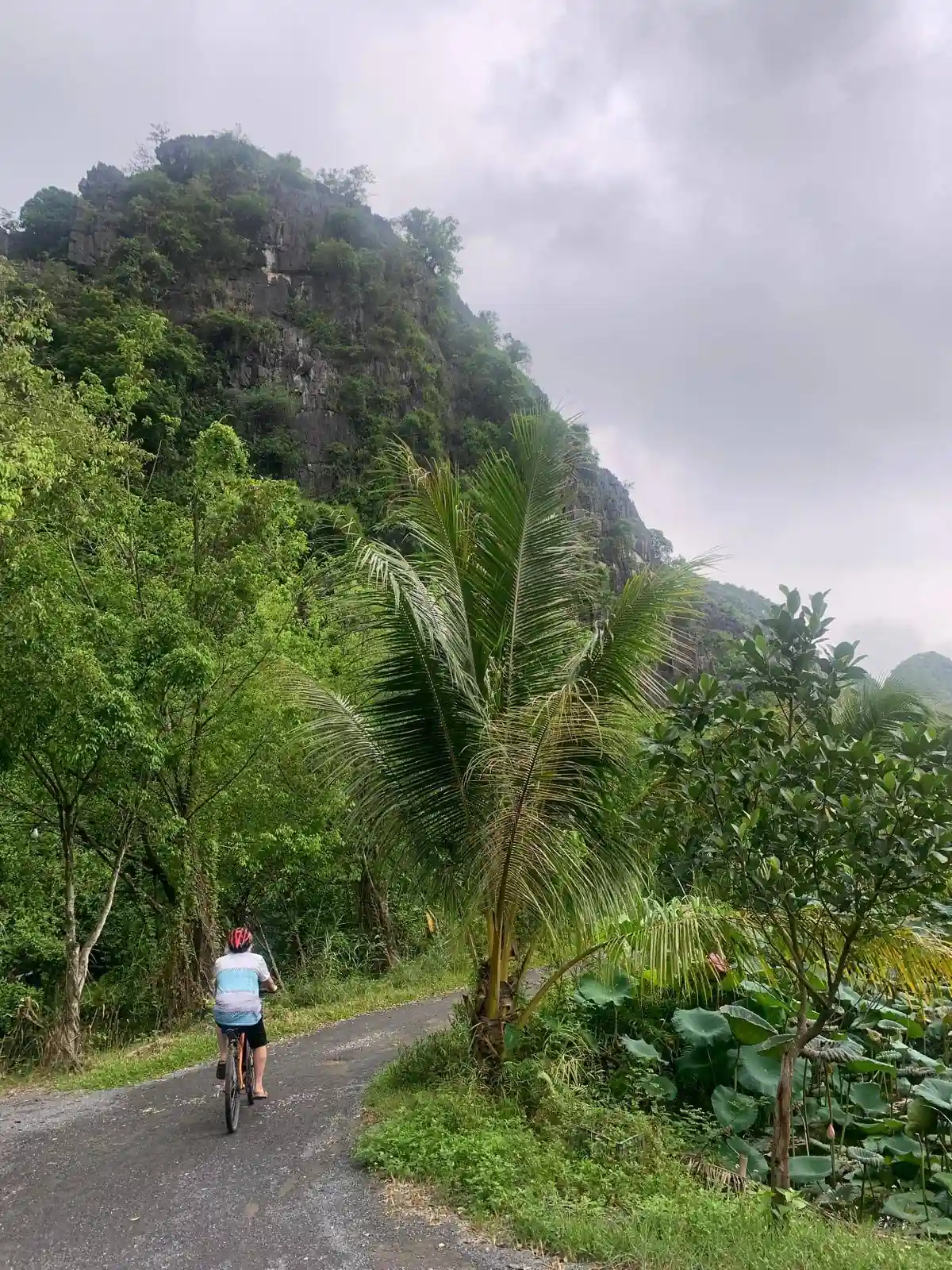
The rice paddy routes around Tam Coc and Trang An on a bicycle are genuinely one of the best ways to spend a few hours in Ninh Binh, and many people don’t do them because they’re focused on the boat tours and viewpoints.
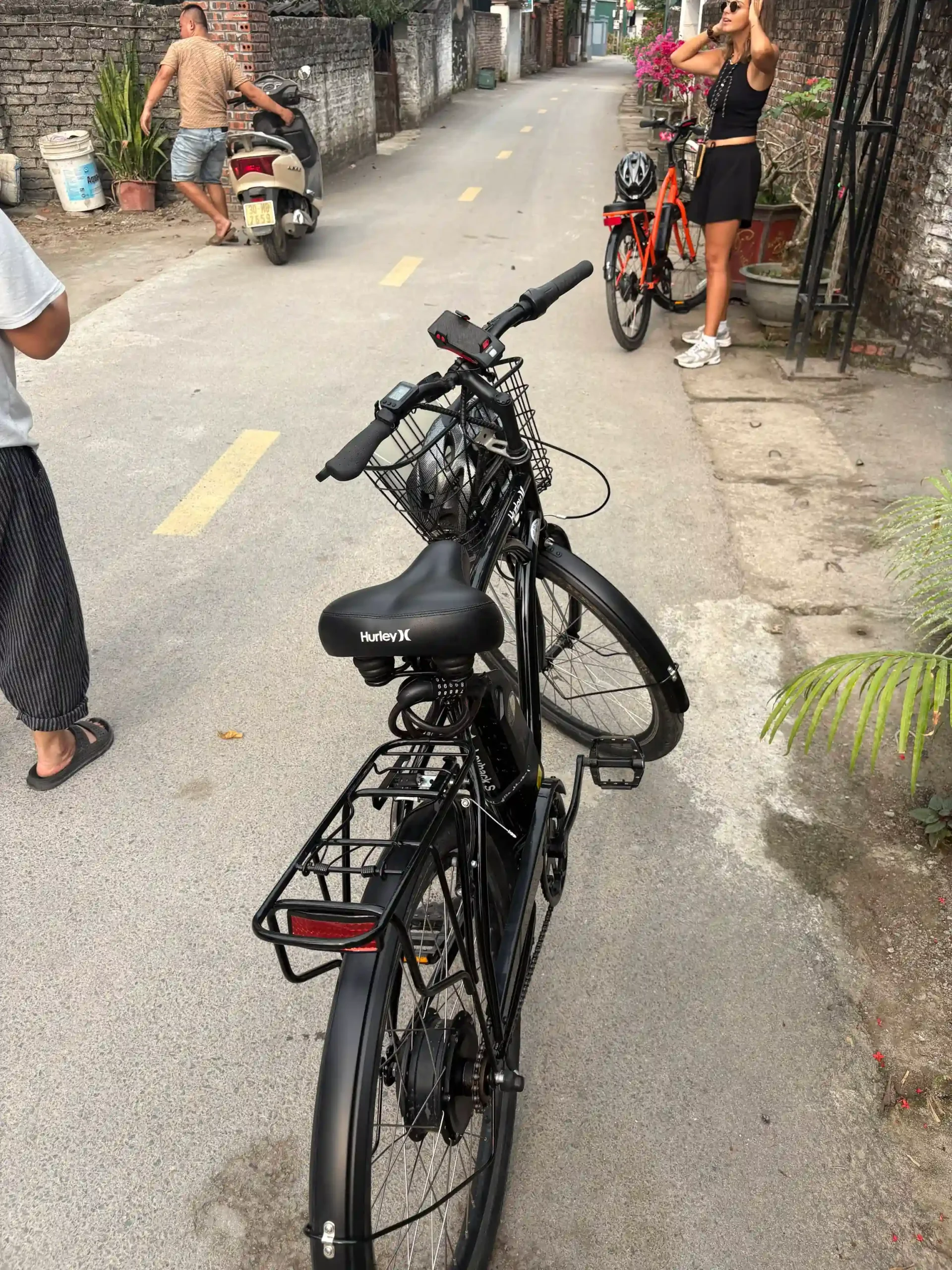
Most accommodation in the Tam Coc area rents bikes, and the roads through the surrounding villages are flat, car-light, and cut through the karst landscape in a way that the major sites don’t quite capture. The scale of everything from a bike seat is different from the view on a boat or from a mountain.
If you’re staying overnight, a sunrise or early morning cycling route before the tourist sites open is worth building your second day around. Most day tours from Hanoi also include a short cycling component, which gives you a taste of it.
Bai Dinh Pagoda
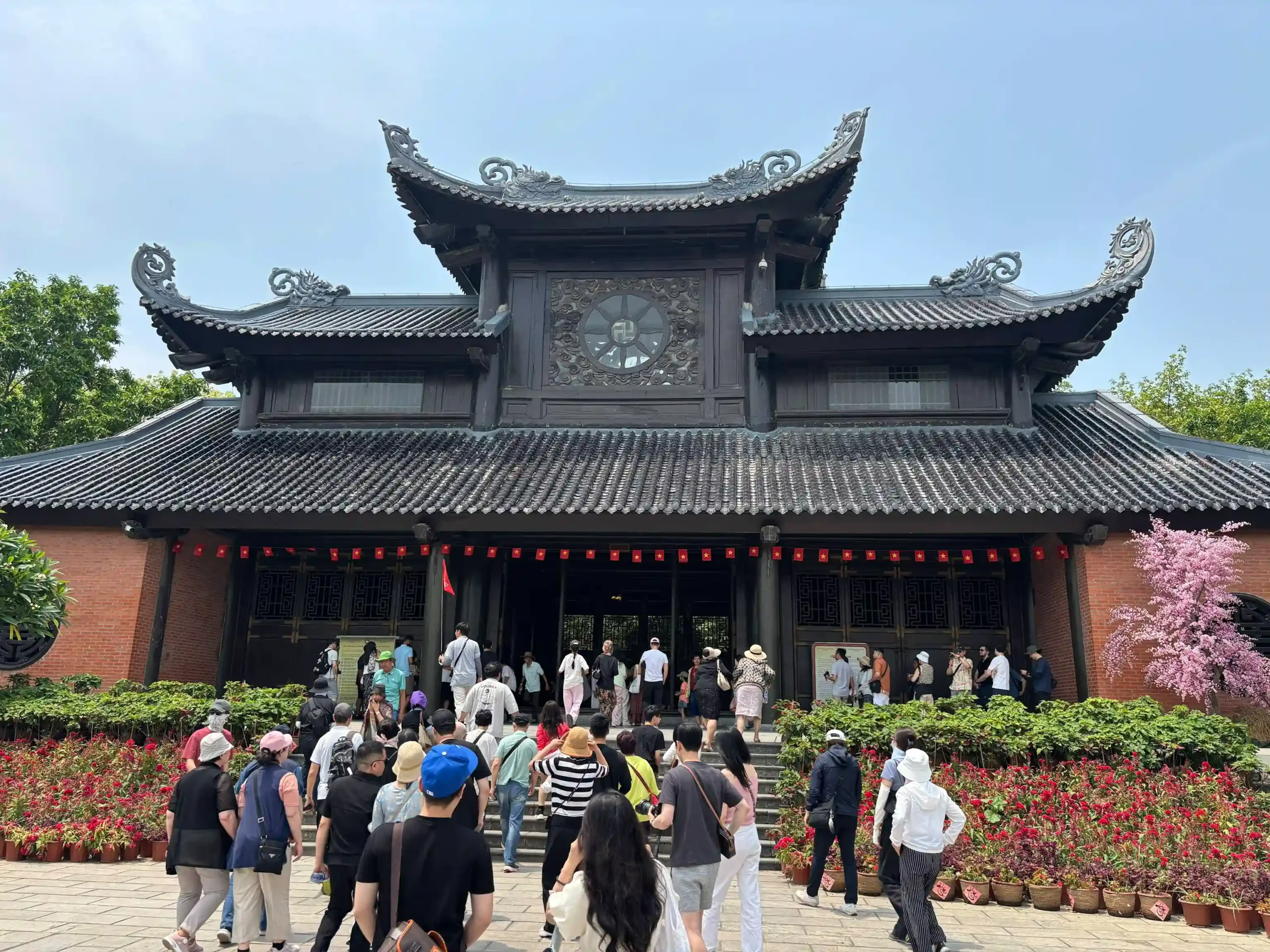
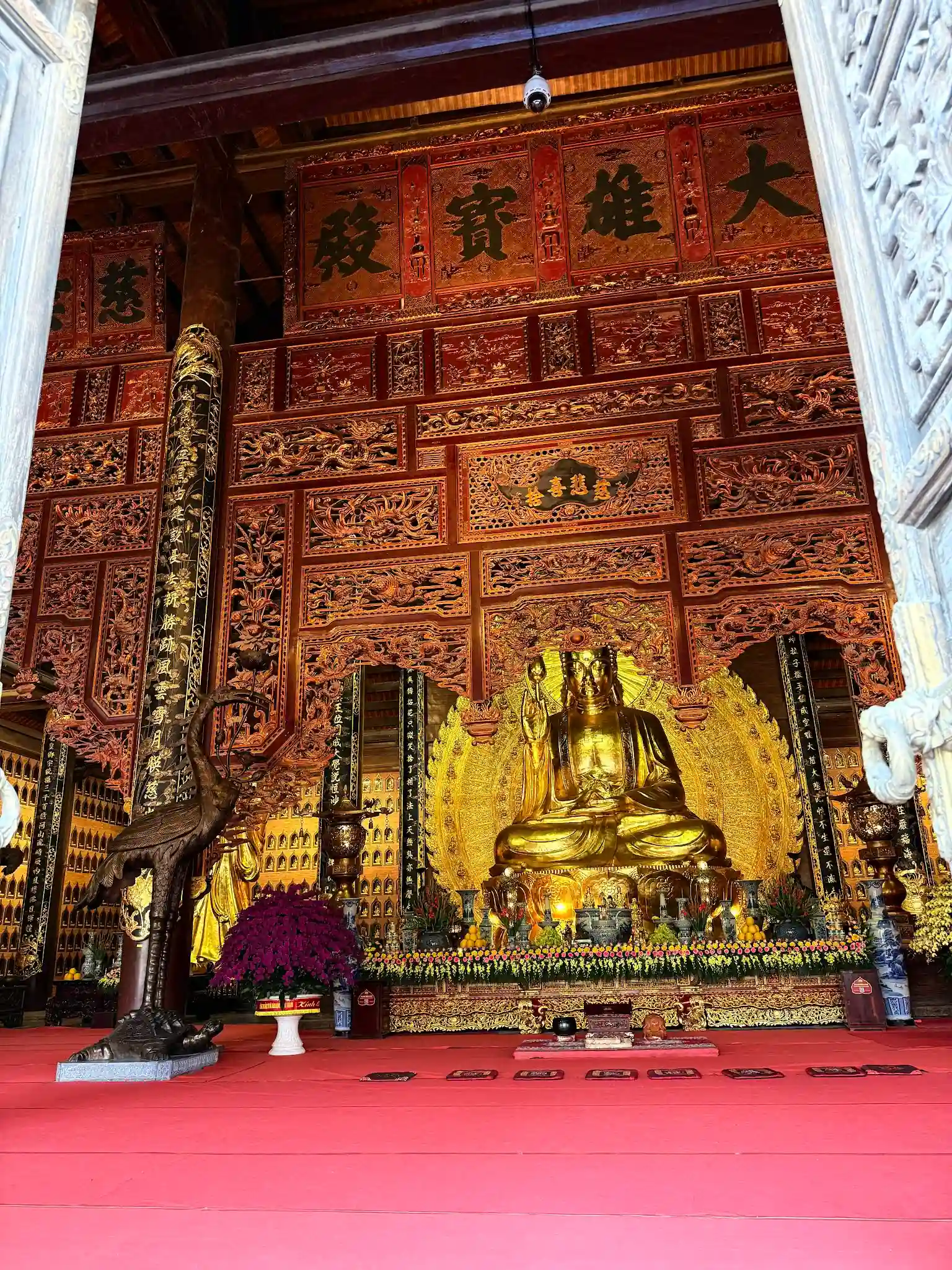
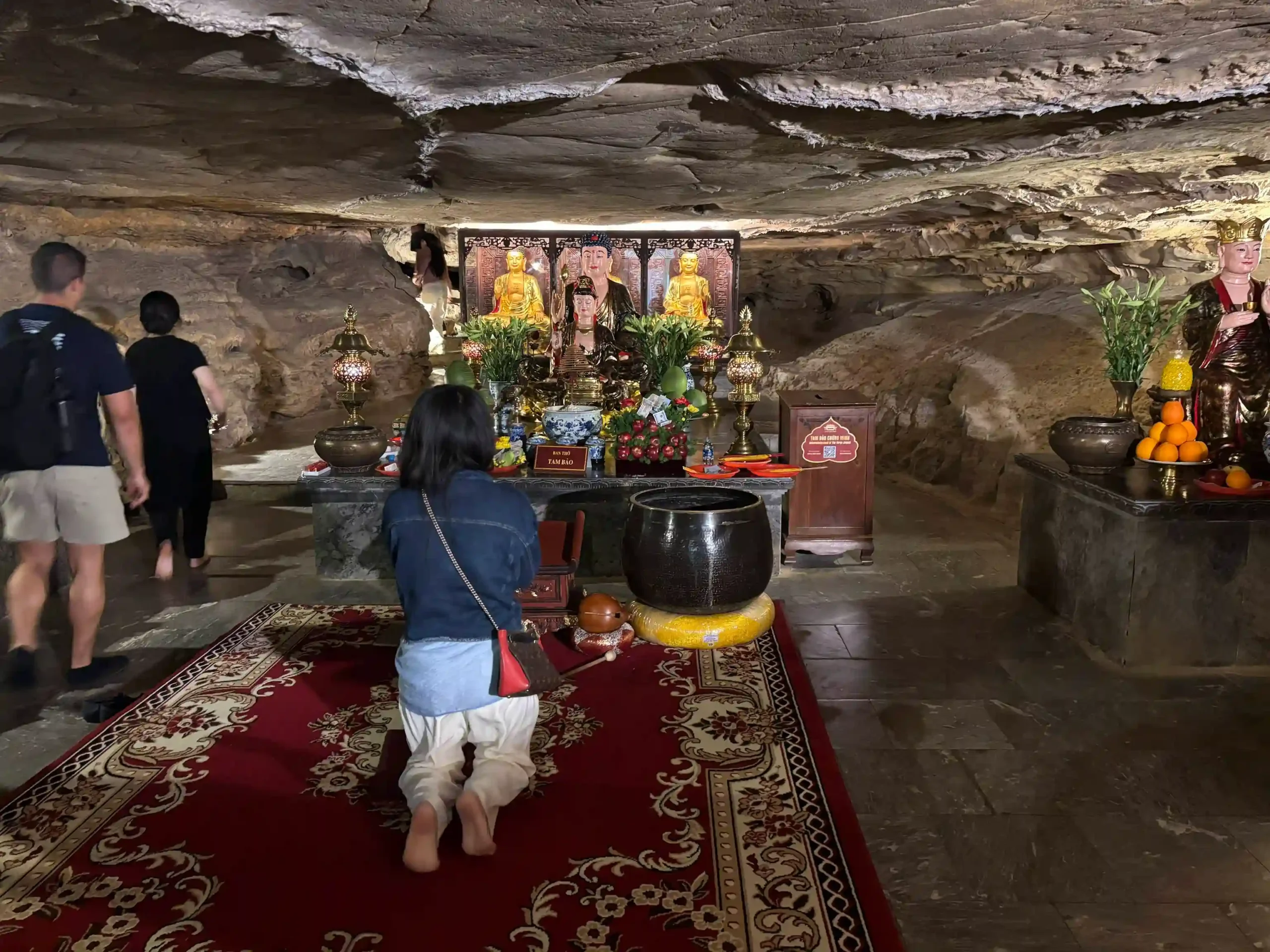
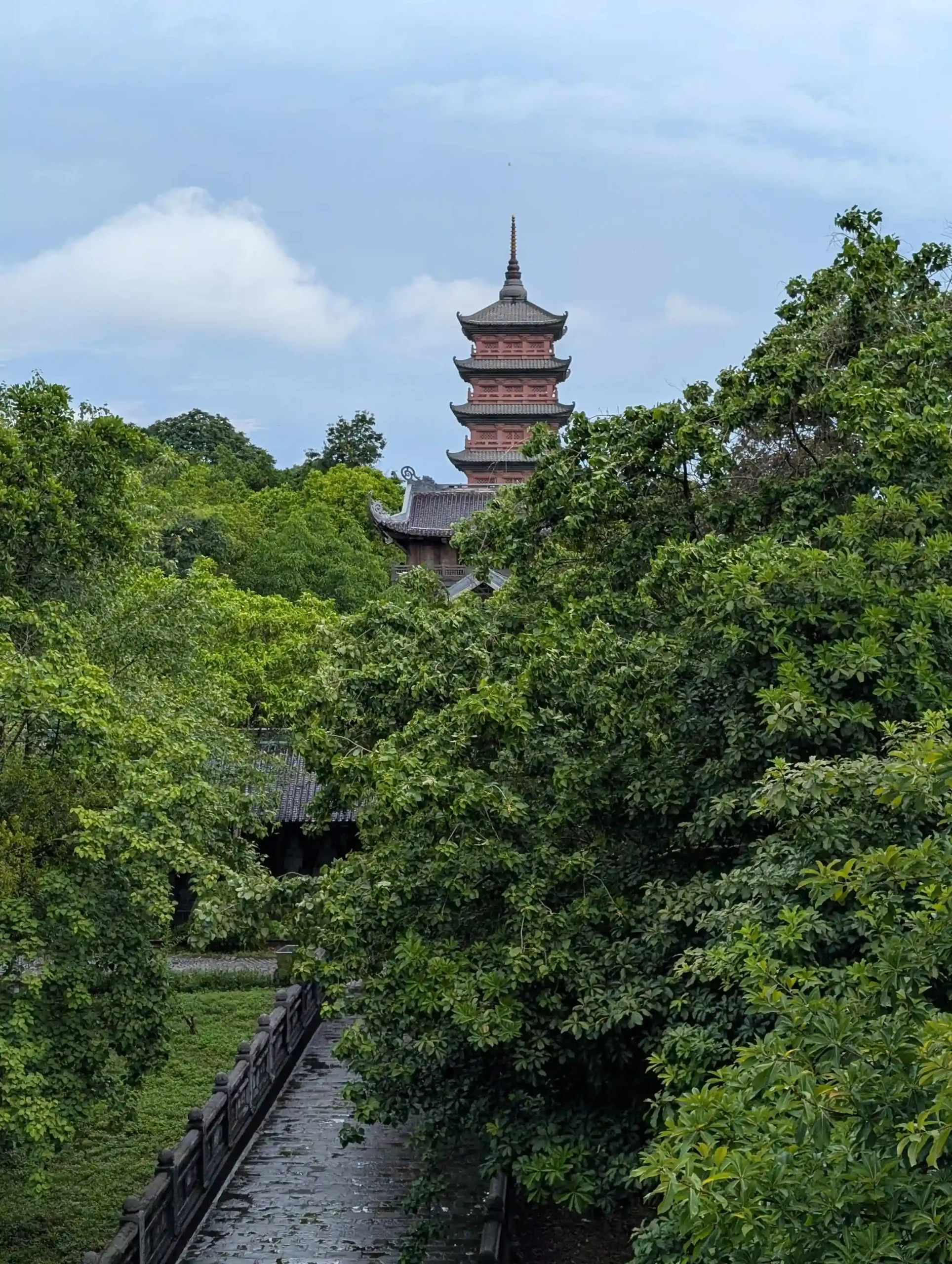
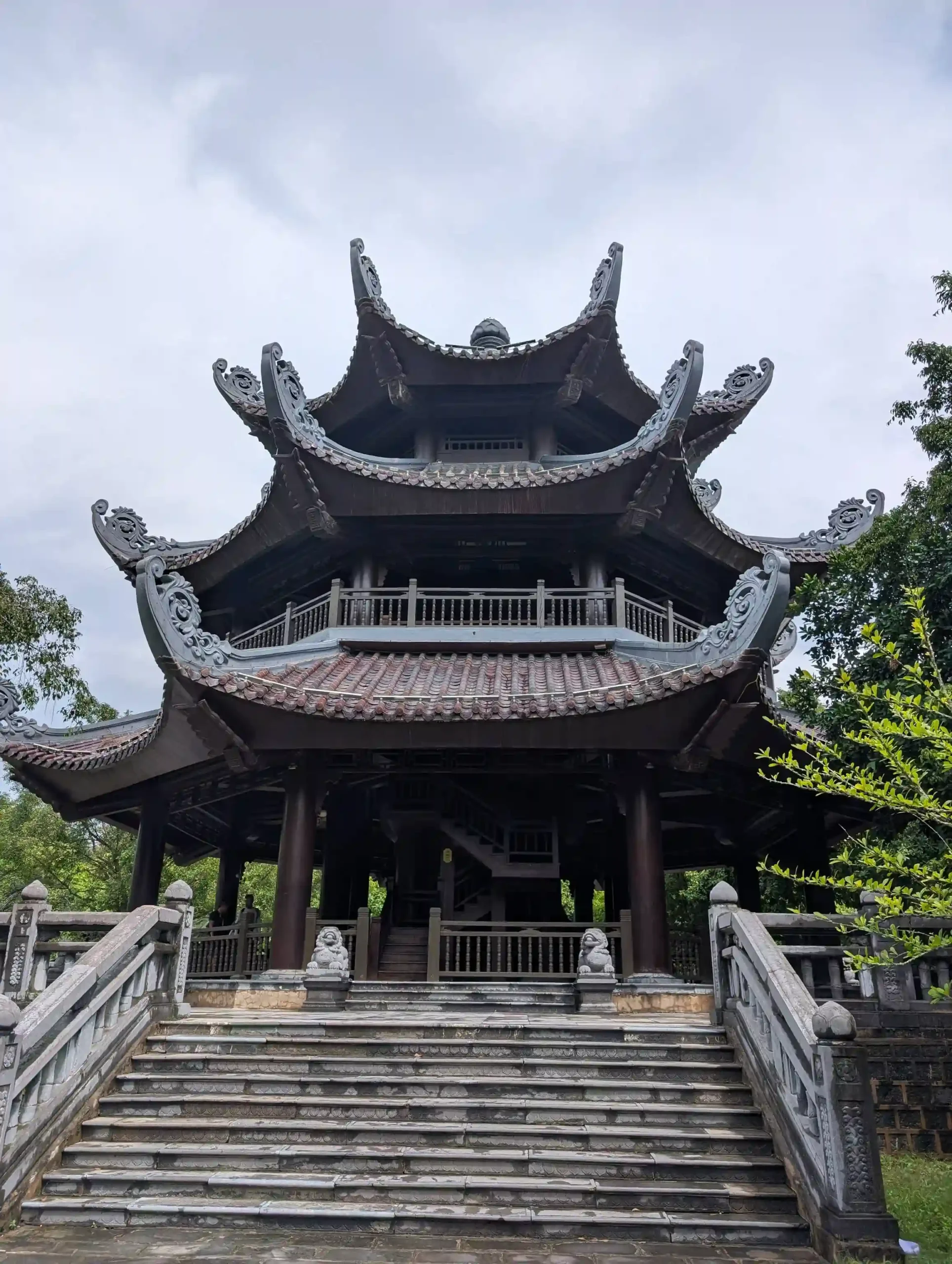
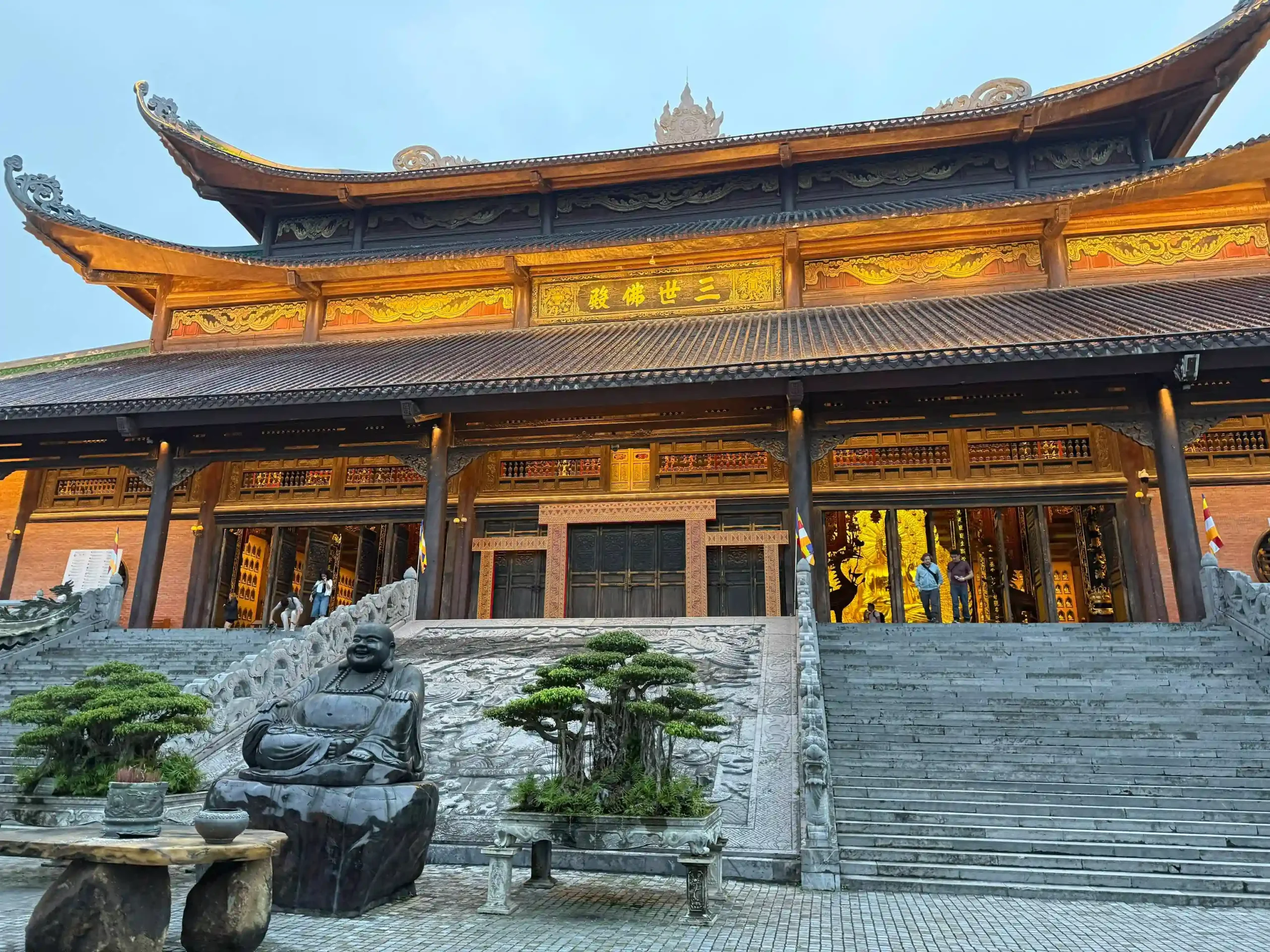
Bai Dinh is the largest Buddhist temple complex in Southeast Asia and it is, to be honest, a bit overwhelming. It’s vast, there’s a lot of walking, and the scale tips from impressive into something closer to sensory overload. I include it here because it’s significant and many people want to see it, not because I’d put it above the karst and boat experiences.
If you’re specifically interested in Buddhist architecture, Bai Dinh is worth a half day. If your time in Ninh Binh is limited and you’re choosing between this and another boat ride or a longer stint at Mua Cave, I’d choose the latter.
It’s 21km from the Ninh Binh city center, which means you need either a rented motorbike, a taxi, or it’s included in your day tour. Most organized day tours from Hanoi combine Bai Dinh with Trang An, which is a reasonable pairing geographically.
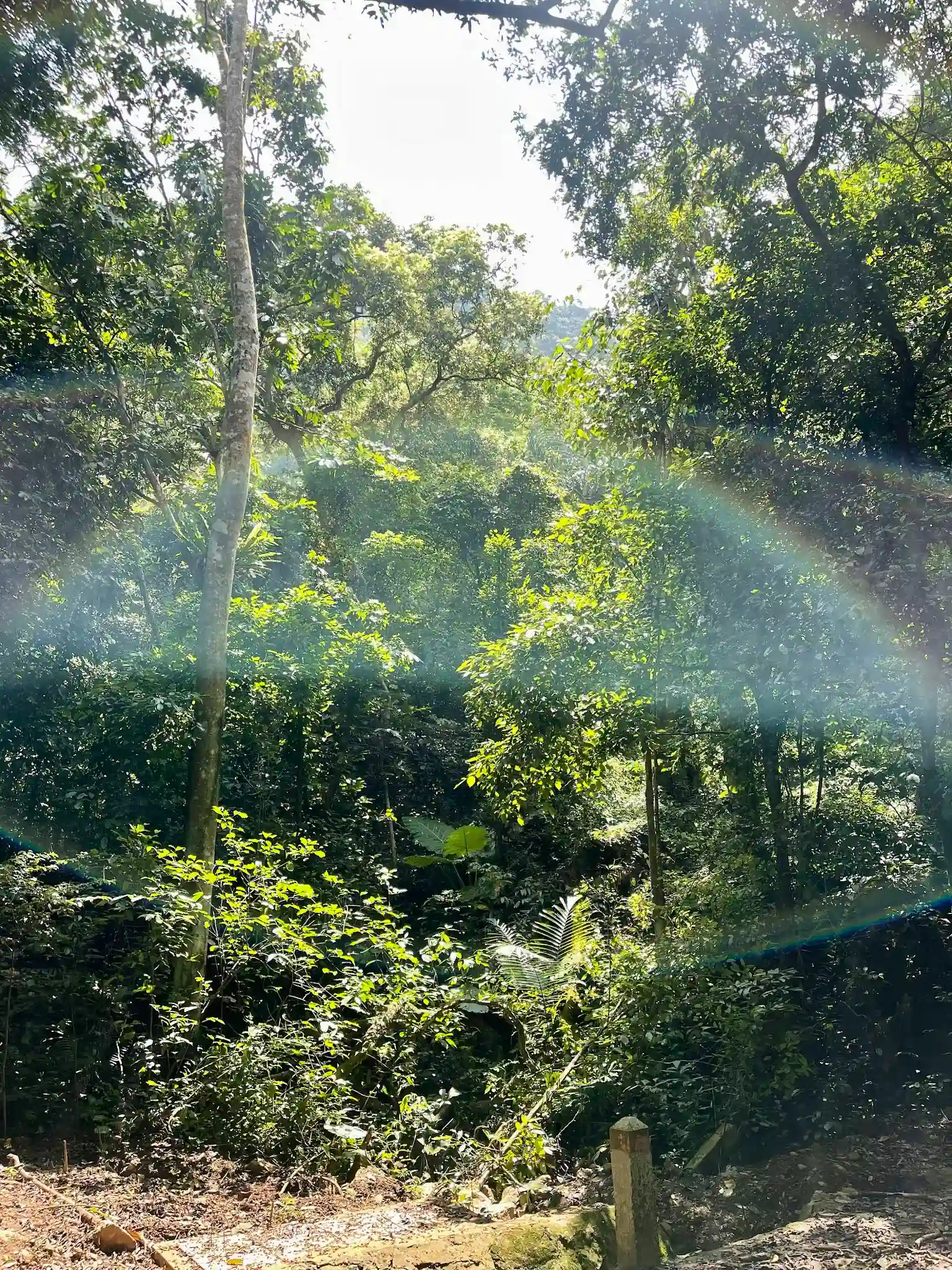
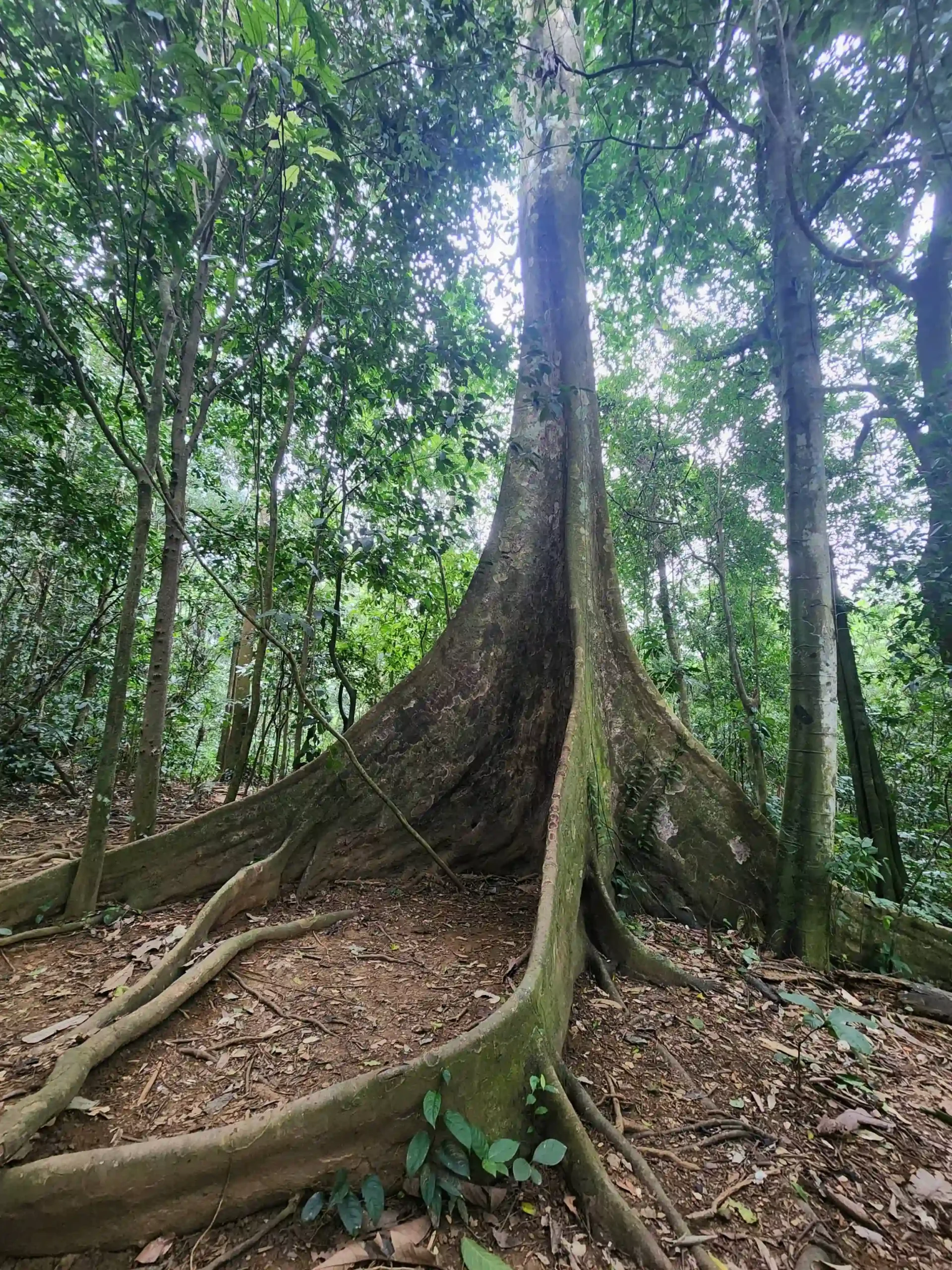
Cuc Phuong National Park
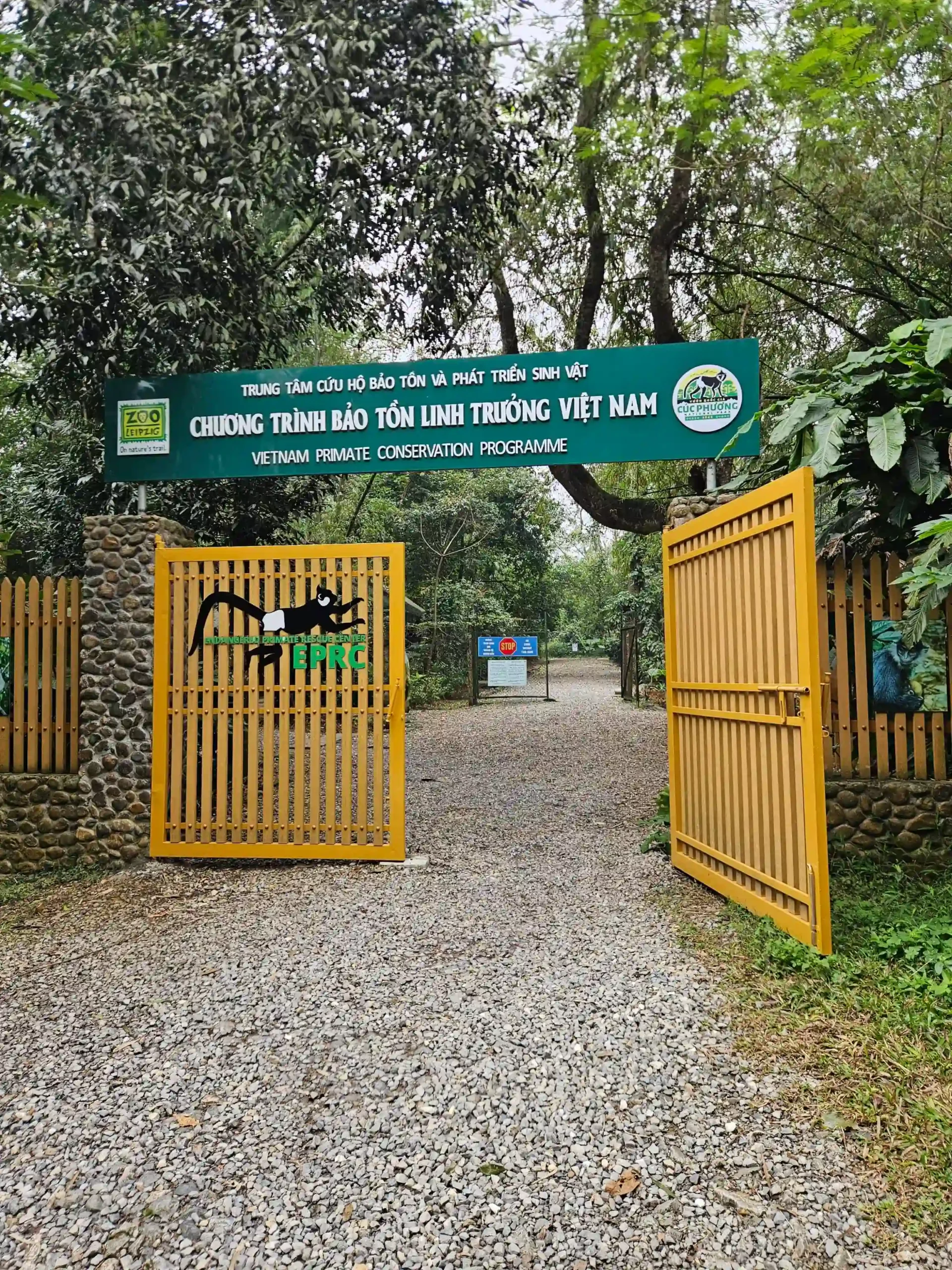
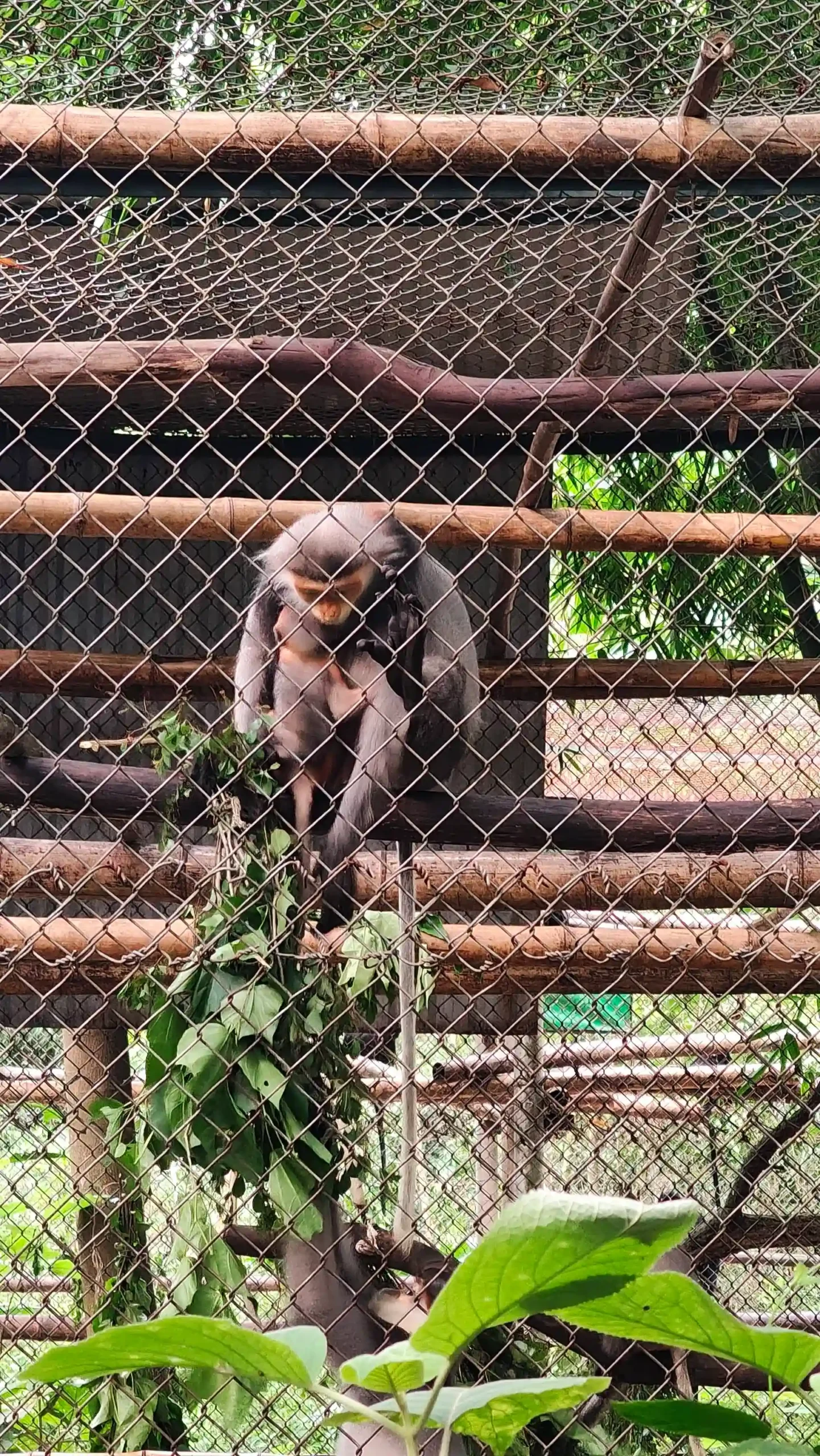
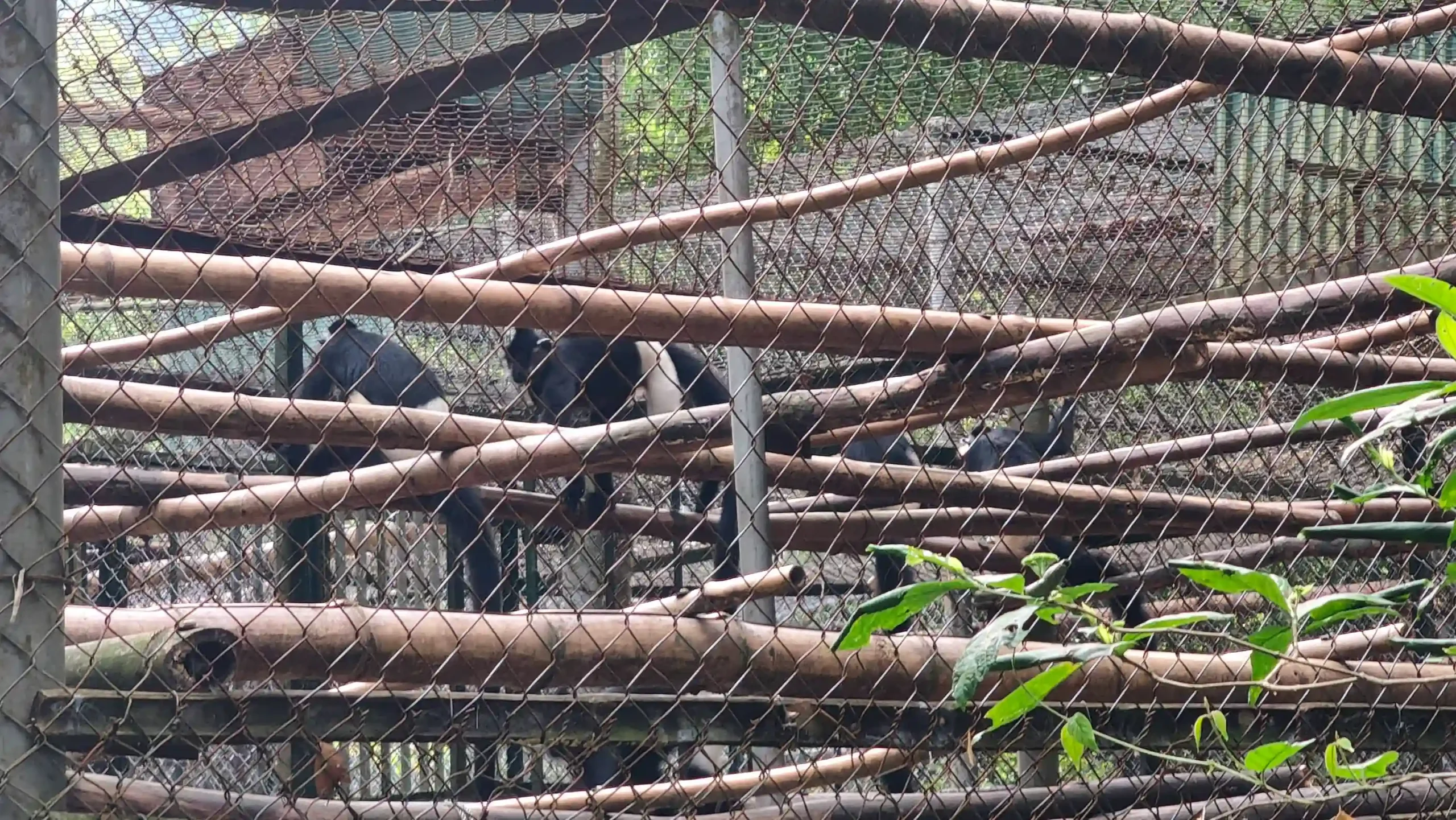
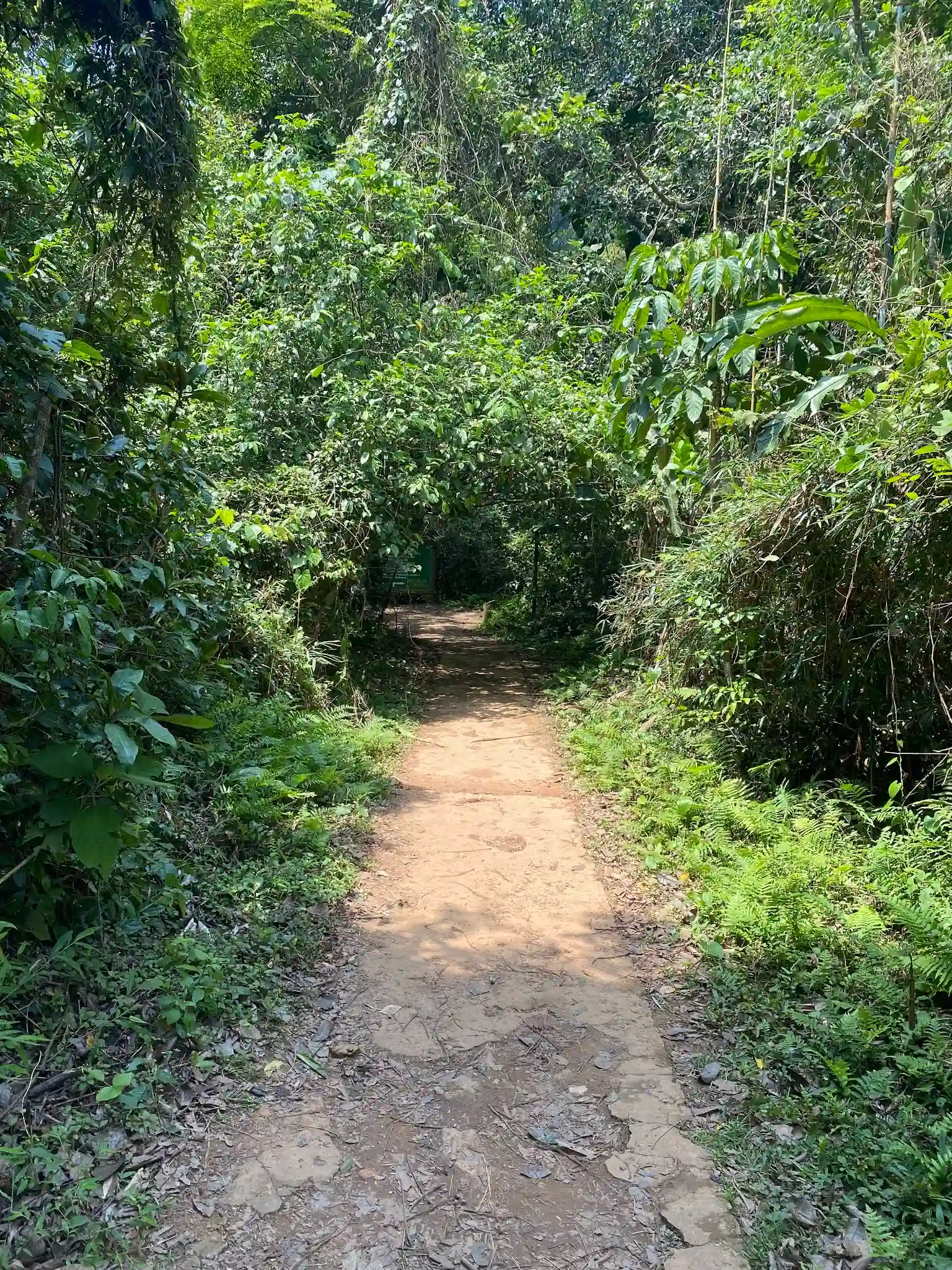
Technically in Ninh Binh province but a 45km drive from the Tam Coc area. Cuc Phuong is Vietnam’s oldest national park and is worth the trip if you’re interested in trekking, wildlife, or birdwatching. The Endangered Primate Rescue Center on-site is the draw for a lot of visitors. The forest itself is large and genuinely wild in places.
This is a different kind of thing to do in Ninh Binh from everything else on this list. It’s not karst and river scenery, it’s jungle trekking.
If that’s what you want, Cuc Phuong is excellent. It doesn’t combine naturally with a single day focused on Trang An and Mua Cave.
Phat Diem Cathedral
Phat Diem is about 30km from Ninh Binh city, and the cathedral there is worth the detour for anyone interested in architecture or religious history.
It’s built in a fusion of Vietnamese, Chinese, and Western Gothic styles, entirely unlike any other Catholic cathedral I’ve seen. Stone construction, Chinese-style towers, Vietnamese-carved decorations on what is unmistakably a church.
It’s not a top-tier Ninh Binh attraction in the sense that it doesn’t compete with the karst and boat experiences for most visitors. But if you’re doing multiple days and you want something architecturally unusual, Phat Diem is worth an afternoon.
How Long to Stay in Ninh Binh
Day trip from Hanoi: Covers Trang An or Tam Coc (choose one), Mua Cave, and Hoa Lu. This is what most guided day tours offer and it’s a genuinely full day, leaving Hanoi around 7-8am and returning by 7-8pm. If you’re doing this with a good guide the history comes alive in a way it doesn’t on a self-guided visit.
One night: The difference between a day trip and an overnight is significant. With a morning free before the day-trippers arrive, you can see Trang An without the peak crowds, do a sunrise ride around the rice paddies, and add Tam Coc and Bich Dong in the afternoon. Two nights lets you move slower and add Thung Nham or Cuc Phuong.
Two nights or more: Enough for everything you want to see at a pace that doesn’t feel rushed. Worth considering if you’ve already been to Halong Bay or Sapa and you want to spend time somewhere less crowded and more rural.
When to Go
The rice paddy views that define Ninh Binh’s aesthetic are seasonal. The fields are green in the wet season (roughly June to September) and golden-brown at harvest time (around October to November, varying by year). January and February, the rice is either bare or just starting to grow, and Tam Coc specifically is less photogenic than its reputation suggests.
For the karst scenery and boat tours, the experience is good year-round. The limestone mountains don’t change. The caves don’t change. But the rice paddies do, and if you have flexibility in your travel dates, visiting in September-November gives you the combination of green-to-golden fields plus clear weather that isn’t the summer peak heat.
For day-trippers from Hanoi: the peak heat of July-August makes Mua Cave genuinely hard work. Doable, but bring twice the water you think you need and consider going early morning.
Getting to Ninh Binh
Ninh Binh is about 100km south of Hanoi. The fastest route is the expressway, which puts the journey at 1.5-2 hours in a hired car outside rush hour.
Day tour from Hanoi is the easiest option for most visitors. You’re picked up at your hotel in the Old Quarter (or from specified meeting points around it), transported to the sites, guided through them, fed lunch, and returned in the evening. Good day tours include a guide who covers the history of Hoa Lu and Trang An, which is worth more than most people expect.
Important note as of July 2026: The Vietnamese government has stopped tourist buses from entering Hanoi’s Old Quarter directly. If you’re booking a day tour, confirm the pickup point with the operator before departure. Tours now typically pick up from surrounding streets (Hai Ba Trung, Trang Thi, Tran Nhat Duat, the Hanoi Opera House area) rather than from the Old Quarter itself.
Self-organized: Trains run Hanoi to Ninh Binh several times daily (about 2-2.5 hours, tickets around 80,000-120,000 VND). From Ninh Binh city you’ll need a taxi or motorbike to reach the Tam Coc and Trang An areas, which are a 10-15 minute ride from the station. Most accommodation rents motorbikes, which gives you flexibility once you’re there.
Private car hire from Hanoi: For groups of 3-4, a private car with driver for the day runs around 1,200,000-2,000,000 VND total and gives you more flexibility than a group tour. Worth considering if you want to control your own schedule and spend more time at certain sites.
Where to Base Yourself
This is covered in more detail in the where to stay in Ninh Binh guide, but the short version:
The Tam Coc area (Ninh Hai commune) is the most common base for overnight stays. It’s walkable in parts, close to Mua Cave, and the rice paddy views are right outside most accommodation. Gets busy in peak season.
Trang An is slightly quieter and puts you closer to the UNESCO site and Hoa Lu. Good choice if you’re prioritizing those over Tam Coc’s scenery.
Ninh Binh city (Hoa Lu City) is the provincial hub, convenient for transport connections but less atmospheric than staying among the rice fields.
The things to do in Ninh Binh spread across a wide enough area that wherever you base yourself, some of the sites require a 15-30 minute ride. A motorbike rental from your accommodation gives you the most flexibility.

Keep Exploring Ninh Binh
-
Stays Must readBest places to stay in Ninh Binh for views & fast access ›
-
Route Must readHow many days in Ninh Binh to see everything worth seeing ›
-
Guide Must readNinh Binh basics every first-time visitor should know in 2026 ›
-
Food Must readNinh Binh food guide: What to eat and where to find it ›











 Tiếng Việt
 한국어
한국어 中文 (中国)
 日本語
日本語 ไทย
ไทย Deutsch
 Español
 Destinations
 Instagram
 Facebook
 X (Twitter)
 Threads
 Tiktok