









 Ha Giang
 Hanoi
Hanoi Ho Chi Minh City
 Ha Long
 Sapa
Sapa Mekong Delta
 Da Nang
 Hue
Hue Hoi An
 Ninh Binh
 Da Lat
 Nha Trang
 Phan Thiet
 Phu Quoc
 Quang Binh
 Quy Nhon
 Vung Tau
 Thai Nguyen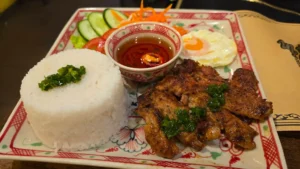
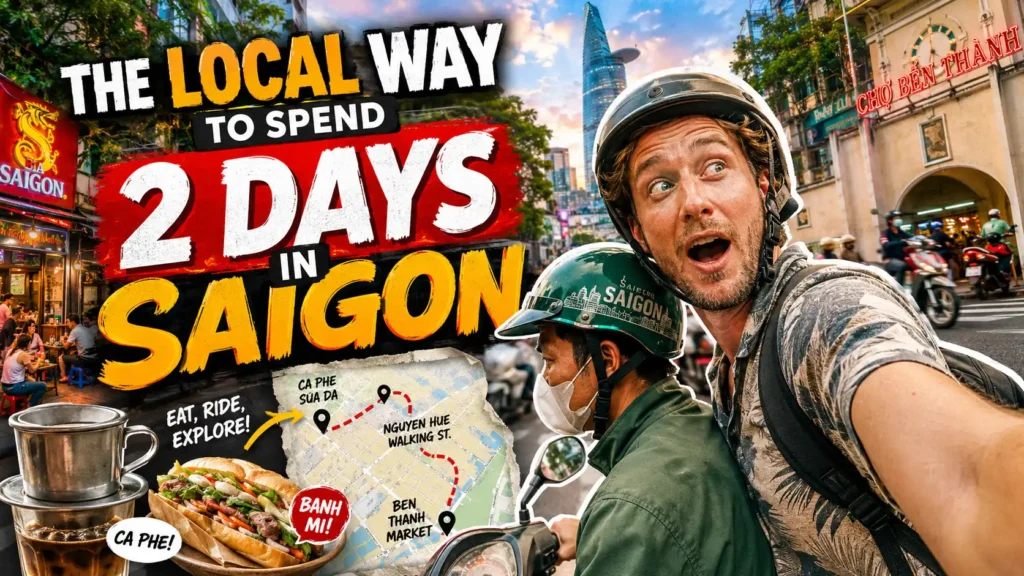

In this post, I’m sharing my 2-day Ho Chi Minh City itinerary. Saigon is a massive, fast-paced city, and while it’s home to incredible street food and history, it can easily overwhelm you if you try to see everything at once. In this guide, I aim to help you slow down, see the core of the city, and actually enjoy your trip without burning out.
Living in Vietnam for years, I’ve had a lot of friends visit, and they almost always arrive with a huge checklist. But if you only have 48 hours here, I honestly think less is more.
This post is actually a cluster piece to my bigger guide on the best things to do in Ho Chi Minh City. While that post covers everything you could possibly do here, this guide is specifically for those of you working with just two days. We’re going to keep it central, manageable, and highly focused.
- Quick Answer: 2 days in Ho Chi Minh City is enough to see the city’s core if you stay central and don’t try to cram in a day trip out of town. Use day one for the colonial heart and the heavy war history, and day two for a slower mix of street food, Chinatown, and a sunset somewhere high. Skip the Cu Chi Tunnels on a 48-hour trip. They eat too much of your day. Save them for a longer visit.
- The Big Expat Rules for a Short Trip:
- Stay in District 1: Keep everything walkable and avoid bridge traffic.
- Do not move hotels mid-trip: You’ll waste half your morning checking in and out.
- Skip the day trips: Save the Cu Chi Tunnels and Mekong Delta for a 3+ day trip; they eat up too much time on a 48-hour schedule.
- Day 1: The Core History & Colonial Saigon
- Morning: Drink an iced coffee (cà phê sữa đá) on a street stool, then walk to the Central Post Office and Notre-Dame Cathedral.
- Late Morning: Visit the Independence Palace before lunch (the ticket office often closes early in the afternoon).
- Lunch: Eat Cơm Tấm (broken rice with grilled pork) in District 1.
- Afternoon: Explore the War Remnants Museum (do this on Day 1 while you have mental energy, as it is a heavy experience).
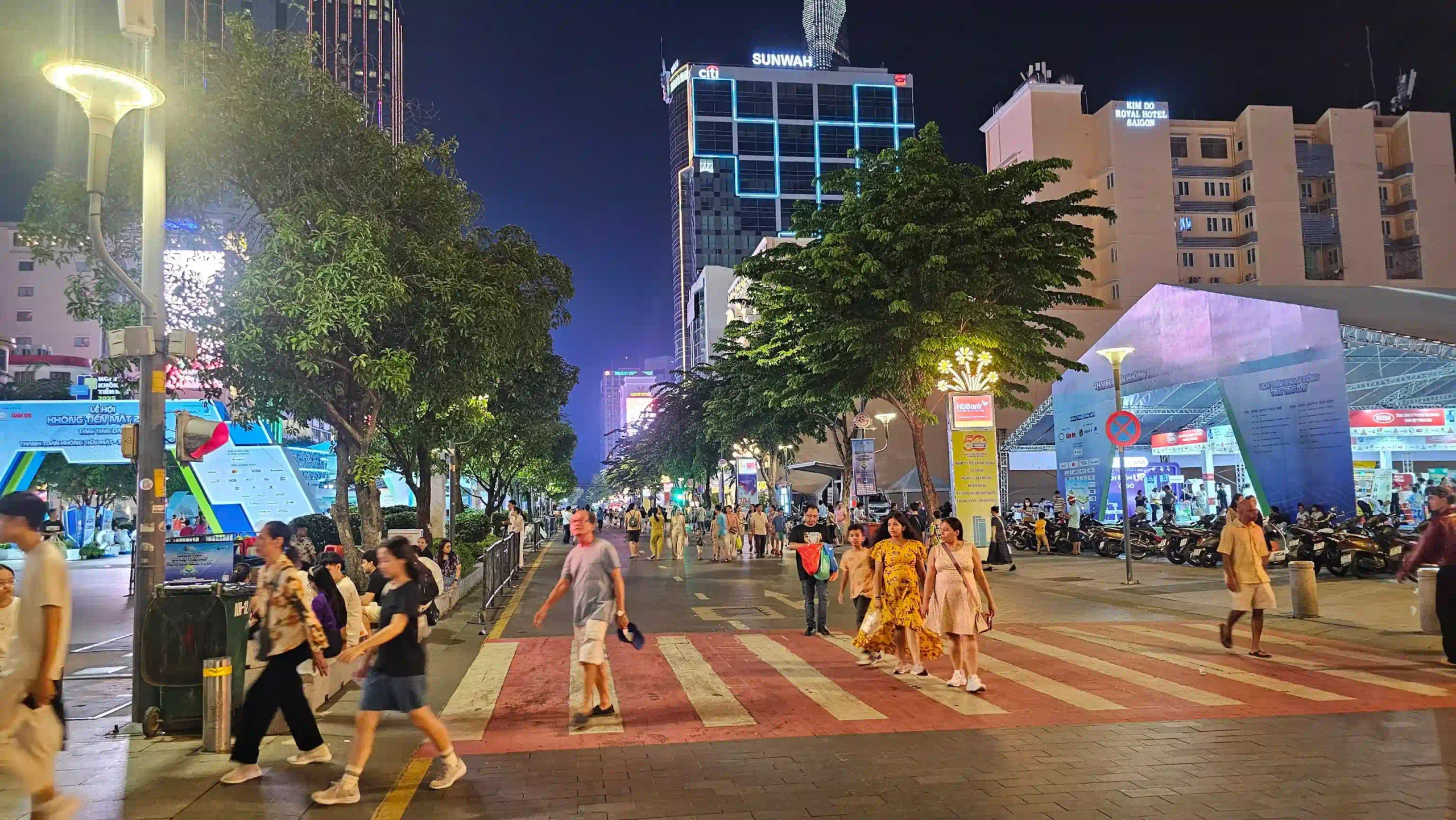
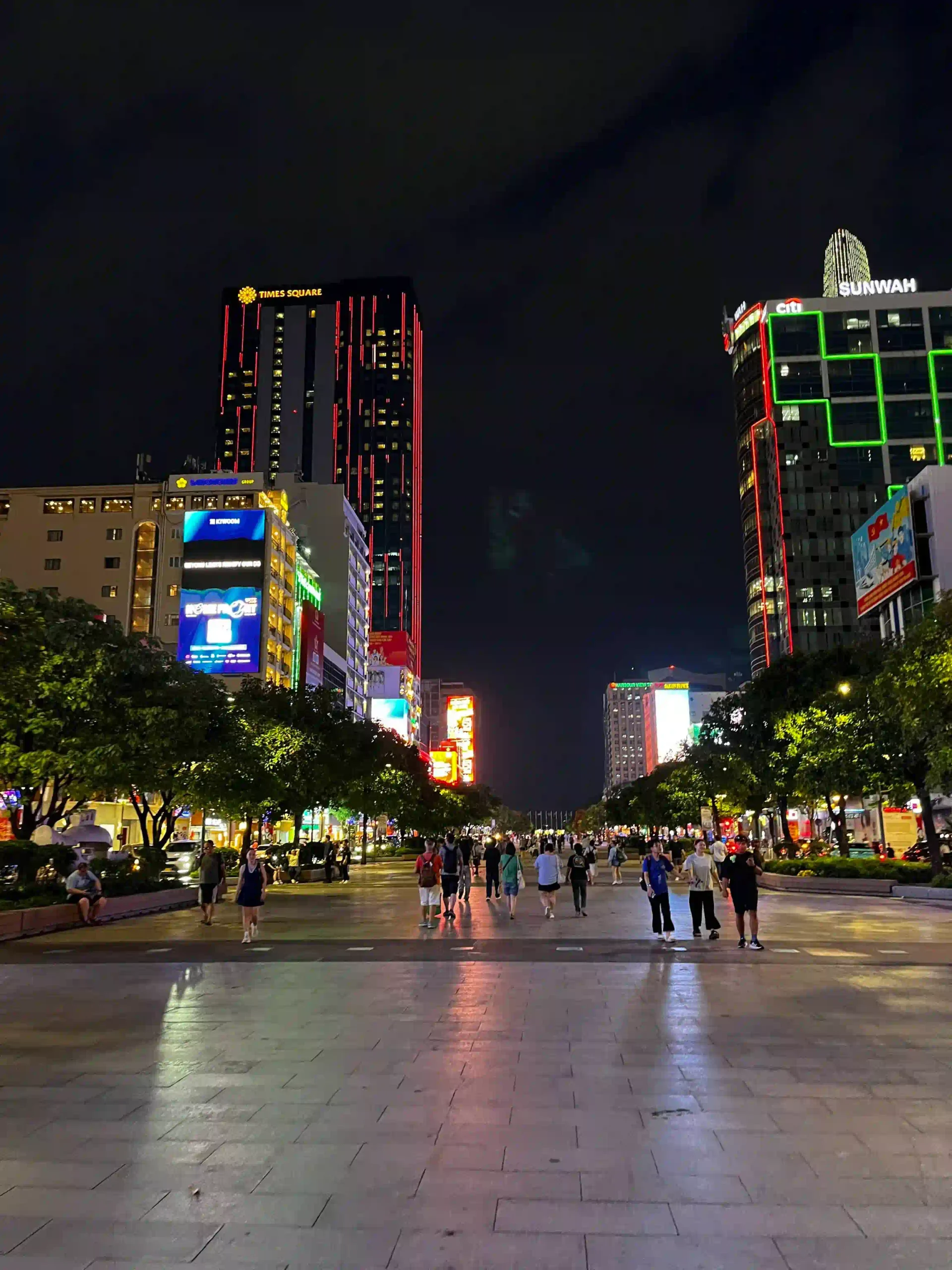
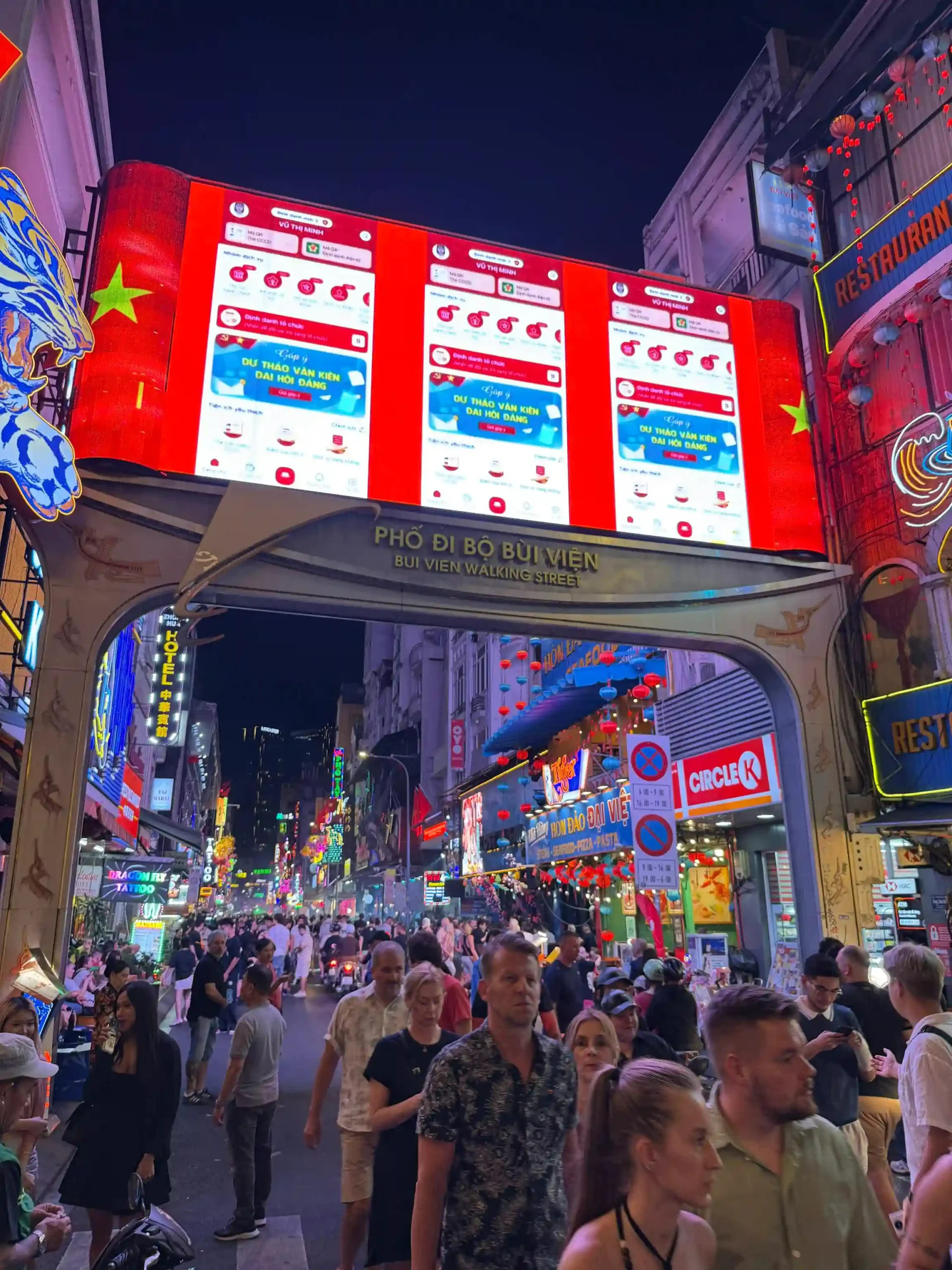
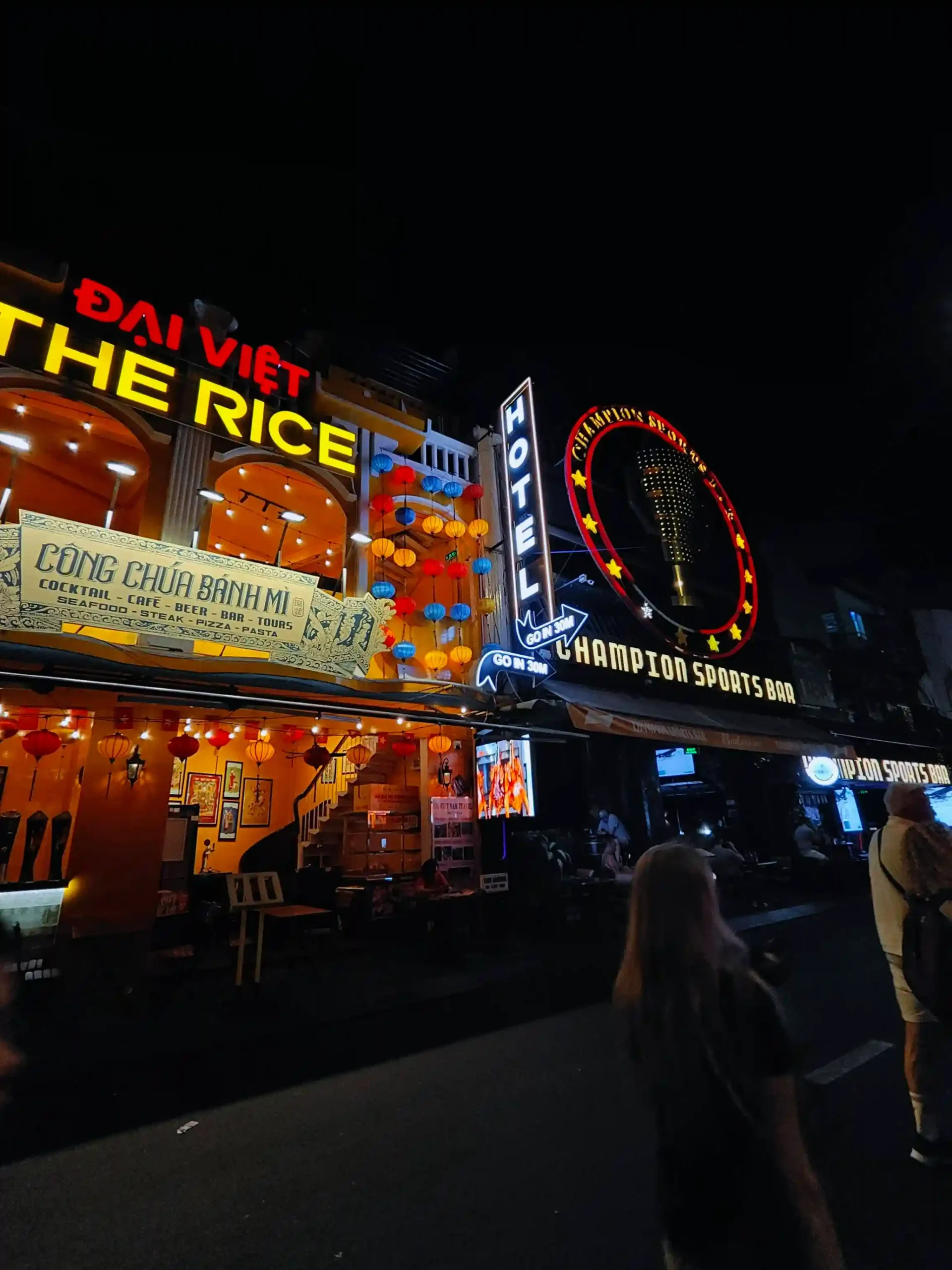
- Evening: Walk down Nguyen Hue Walking Street and grab dinner. (Stop by Bui Vien backpacker street for exactly one beer just to see it, then leave).
- Day 2: Street Food, Chinatown, & Slowing Down
- Morning: Eat Phở or a Bánh Mì on the street with the locals, followed by a quick walk through Ben Thanh Market for the sensory experience.
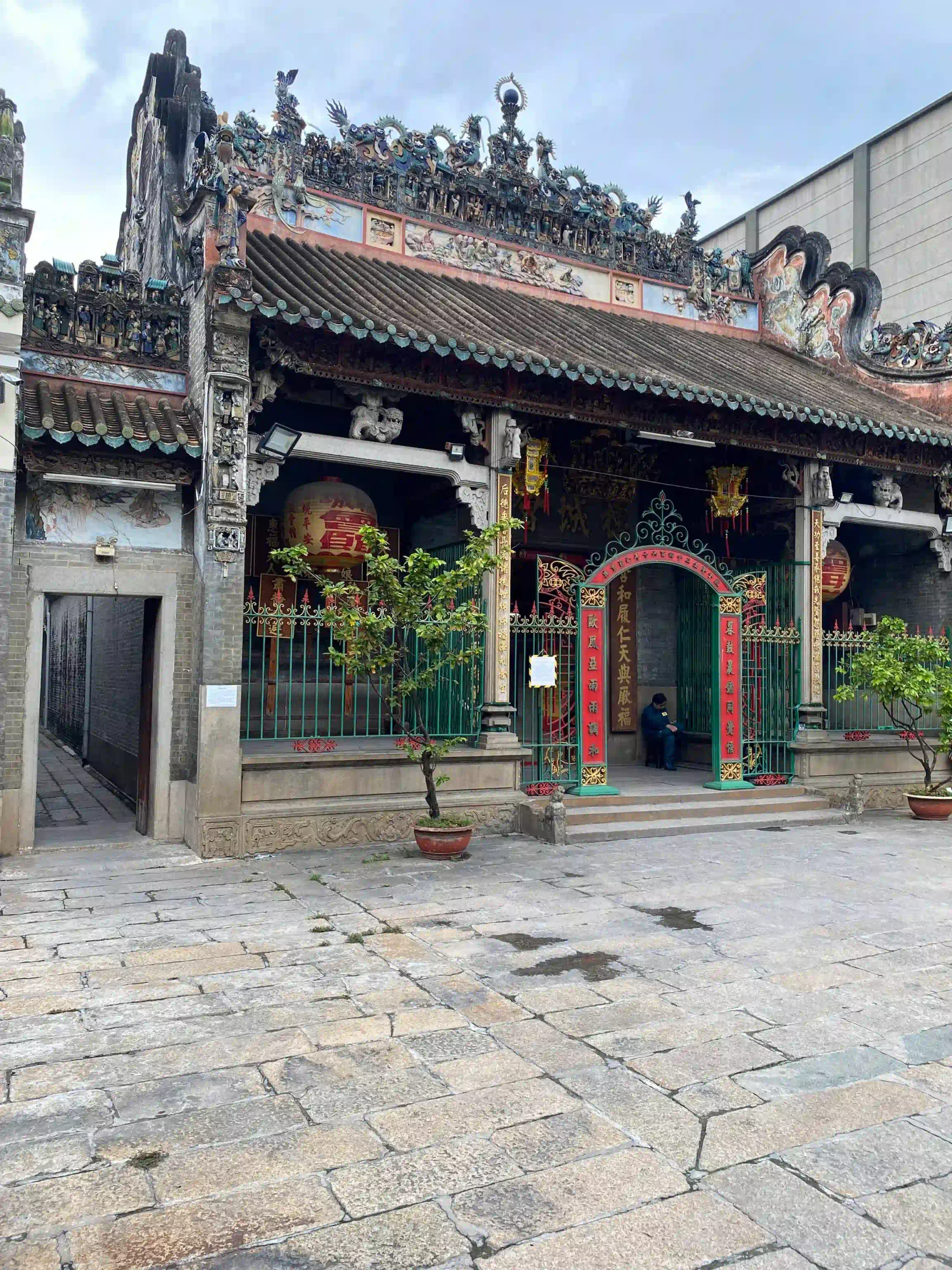
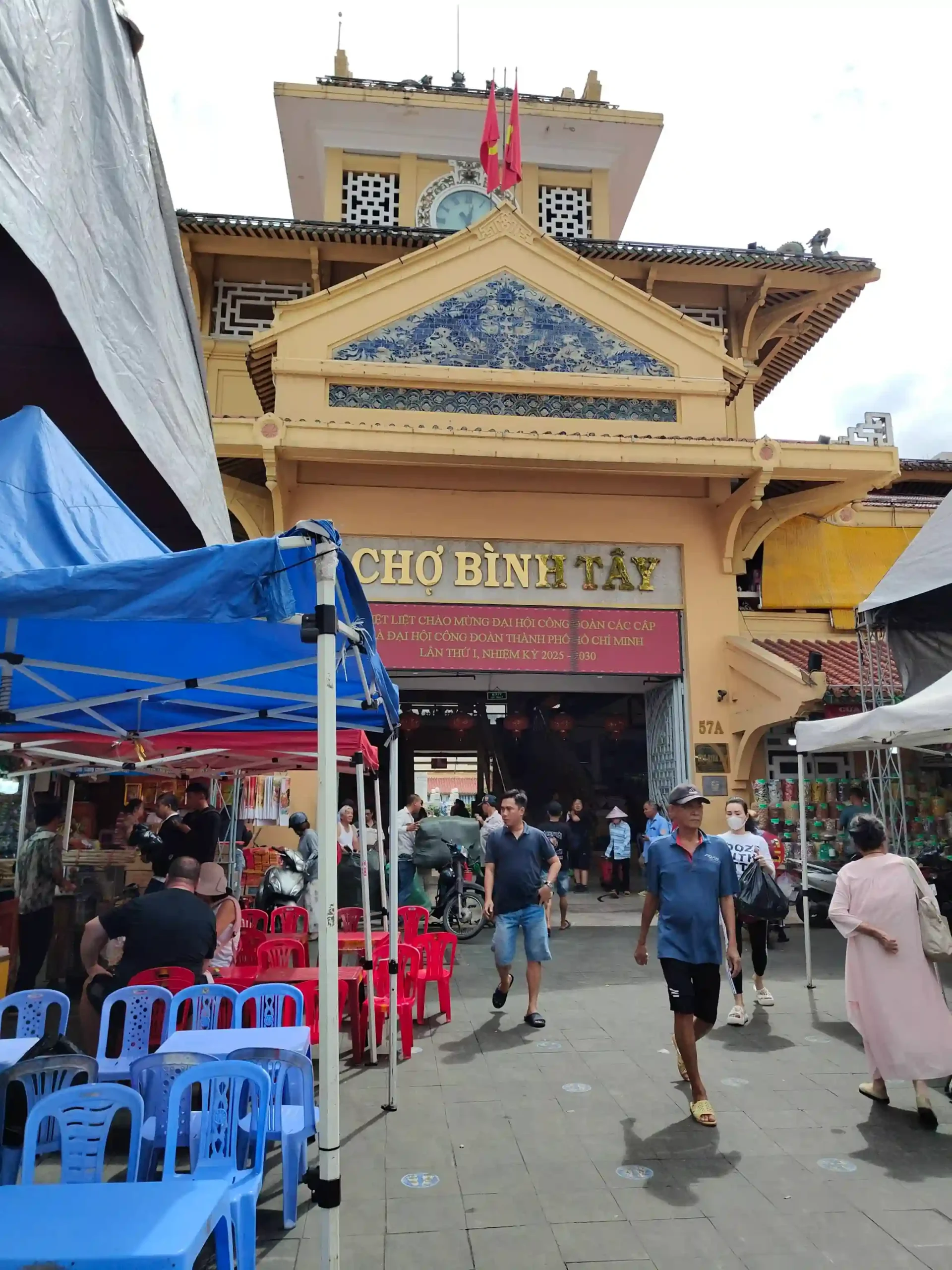
- Midday: Take a Grab to Chinatown (Cho Lon). Explore the Thien Hau Temple and the Binh Tay wholesale market.
- Late Afternoon: Hide from the midday heat in an alleyway cafe (hẻm) and order a salt coffee.
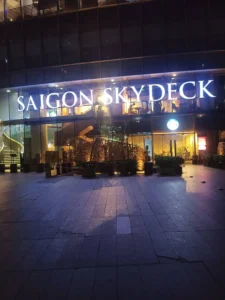
- Evening: Head to a rooftop bar (like Saigon Saigon or the Bitexco Sky Deck) for sunset, followed by a final dinner along the Saigon River.
How many days in Ho Chi Minh City do you need?
One of the biggest questions I get when I help people plan their Vietnam trip is, “How many days in Ho Chi Minh City is enough?”
And here’s the thing… it really depends on what you want to get out of it.
Personally, I think 2 full days in Ho Chi Minh City is a tight but highly rewarding trip, as long as you stay focused on the city center itself. With 48 hours, you’ll have enough time to see the colonial core, visit the major war museums, explore the alleys of Chinatown, and eat a lot of good food. You won’t see everything, but you will get a genuine feel for how the city moves.
However, if your goal is to do all of the city sights plus take day trips out to the Cu Chi Tunnels and the Mekong Delta, then 2 days is absolutely not enough. You’re going to spend your entire trip sitting in a hot minibus navigating highway traffic.
If you want to add those day trips, I highly recommend expanding your stay to 3 or 4 days.
For the sake of this 2-day Ho Chi Minh City itinerary, we are keeping everything right inside District 1 and Cho Lon (District 5).
What to Know Before You Arrive
Before we even get to the itinerary, we need to talk about logistics. Your first hour in Ho Chi Minh City can be incredibly stressful if you aren’t prepared.
Tan Son Nhat International Airport (SGN) is right in the middle of the city, and stepping out of the arrivals terminal into the wall of humidity and traffic is an intense introduction.
Getting from the Airport to Your Hotel
Do not get into a random taxi that approaches you inside the terminal. The quickest way to get overcharged is to follow someone who offers you a ride.
You have two safe options:
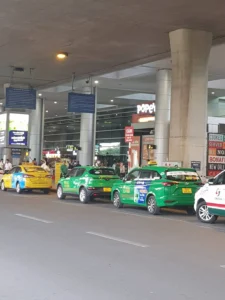
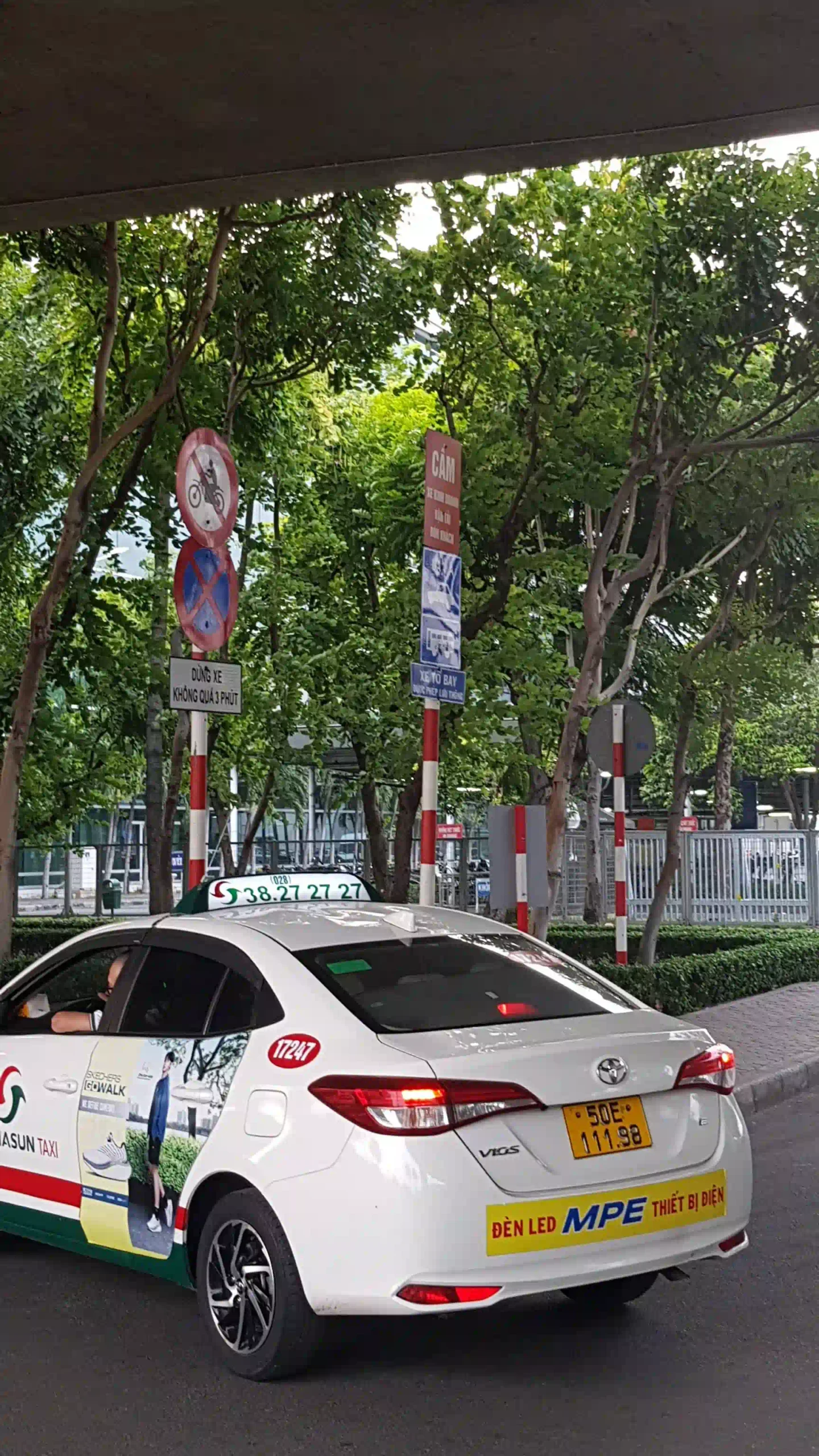
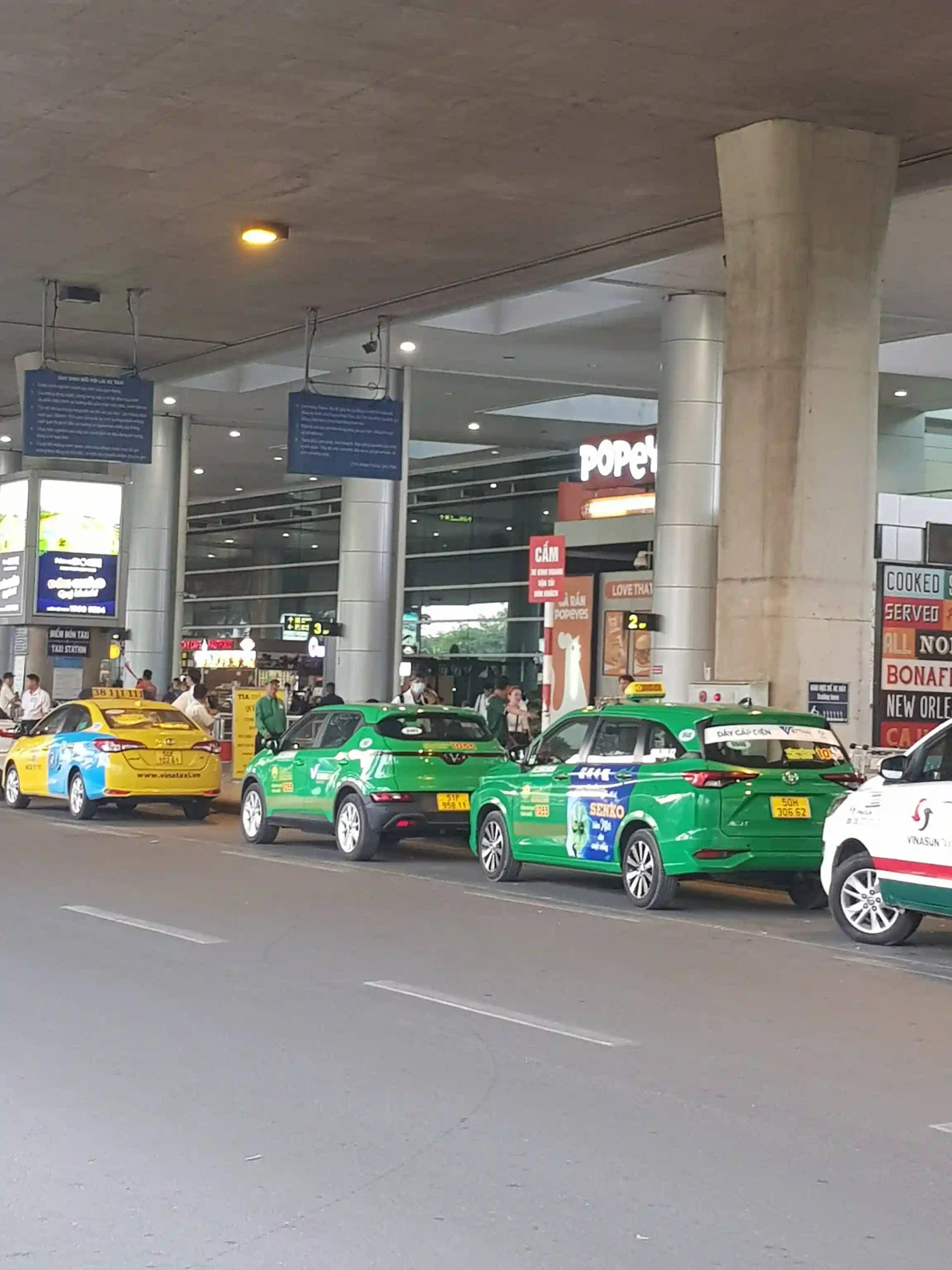
- Use Grab: Download the app before you leave home, connect your credit card, and use the airport Wi-Fi (or your new eSIM) to book a GrabCar. There is a designated lane for ride-hailing apps when you cross the street outside arrivals. It will usually cost you between 150,000 and 200,000 VND ($6 to $8) to get to District 1.
- Official Taxis: If you don’t want to use Grab, only get into a Vinasun (white with red and green text) or Mai Linh (all green) taxi. Make sure they turn the meter on.
Cash and ATMs
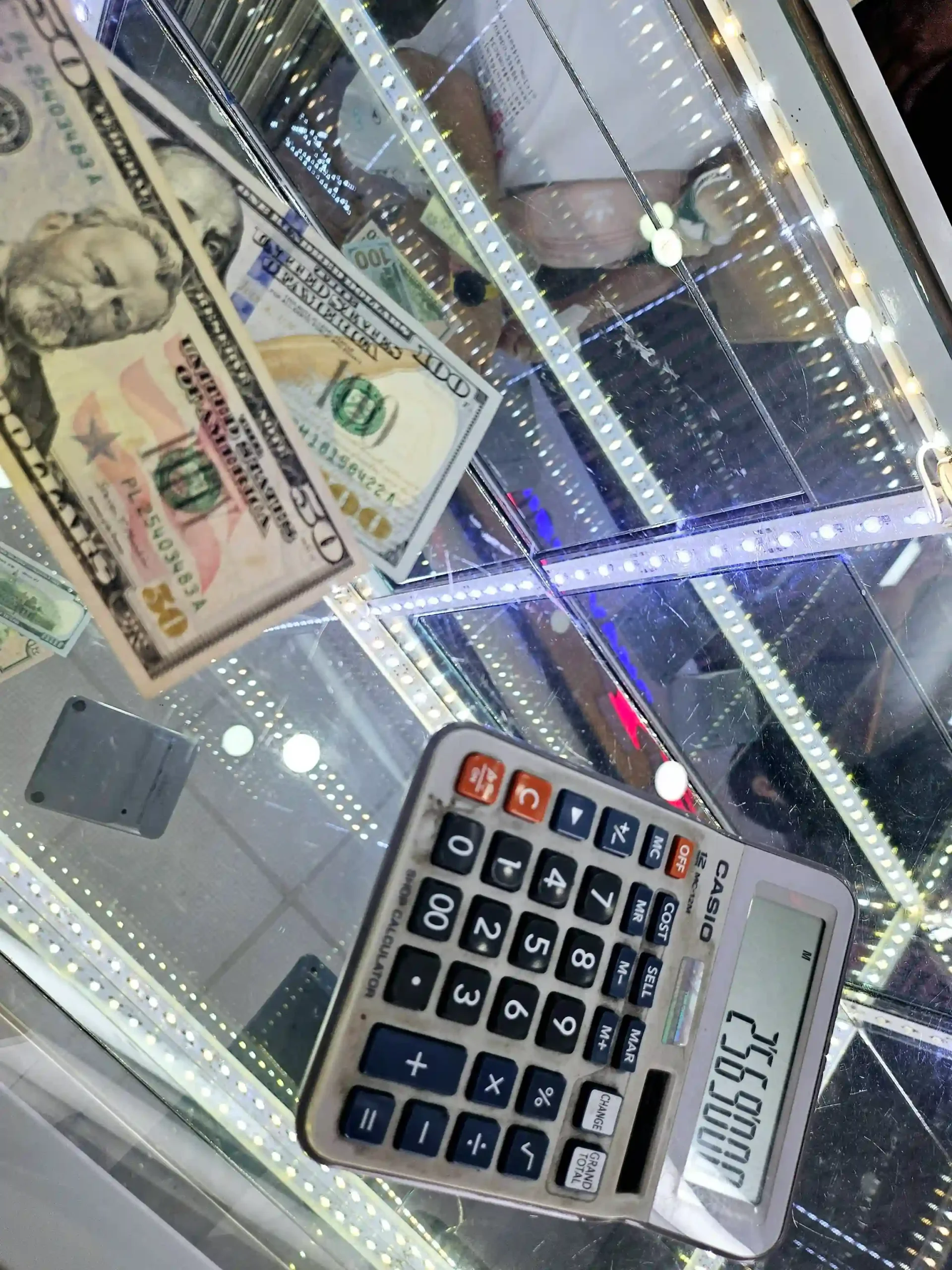
Vietnam is still a very cash-heavy society. While nice restaurants and convenience stores will take your Visa or Mastercard, the best street food, local cafes, and market stalls rely entirely on cash (Vietnamese Dong).
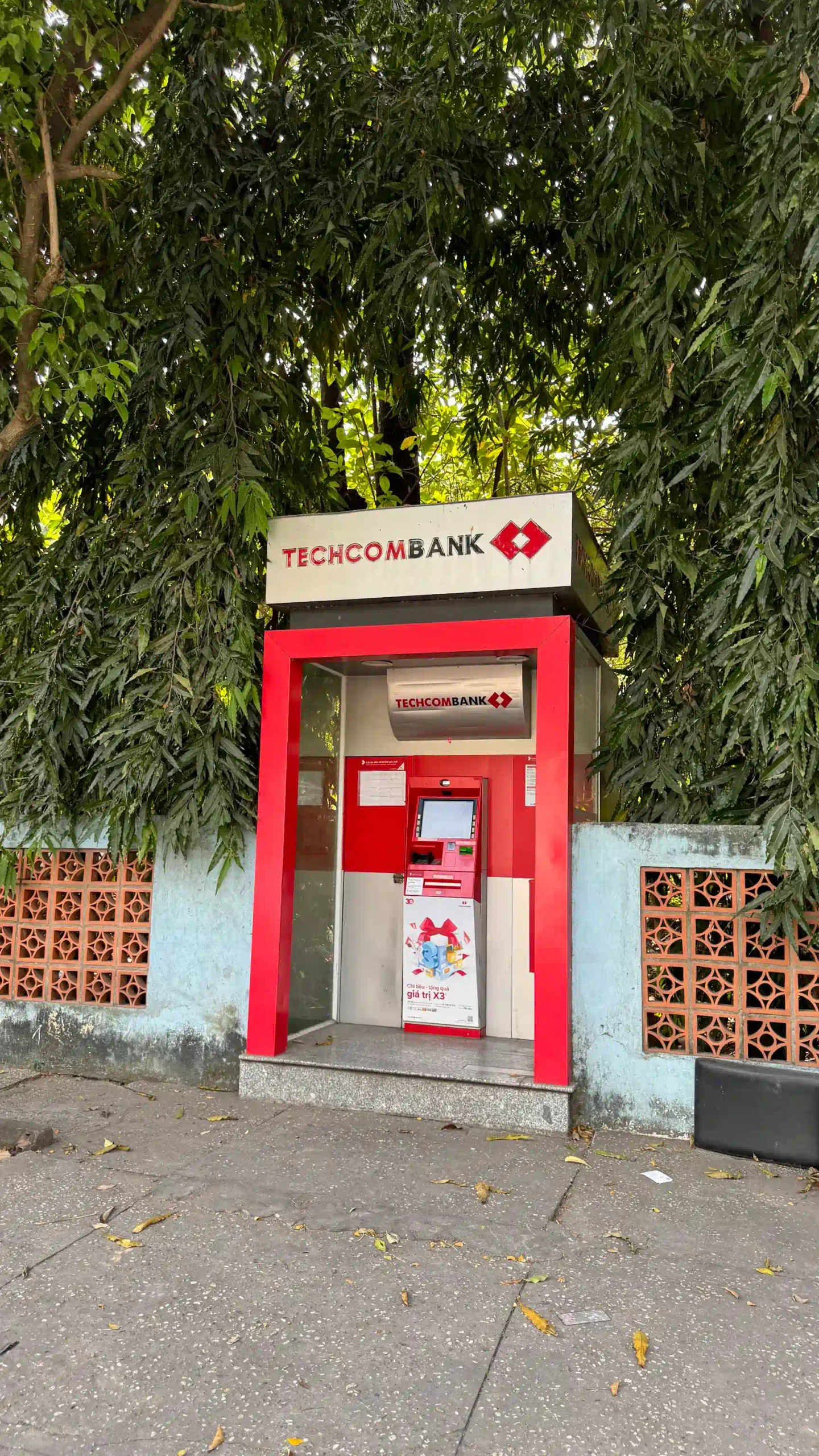
When you get to your hotel, find a local ATM. I recommend using HSBC, Techcombank, or VPBank, as they usually have higher withdrawal limits (some smaller banks limit you to only 2,000,000 VND, which is about $80, and charge you a fee every time).
As always, I recommend traveling with a Charles Schwab debit card if you are American, as they refund all international ATM fees at the end of the month.
Where to Stay on a 48-Hour Trip
I won’t go into a huge, exhaustive list of hotels here because I wrote a full neighborhood guide, but for a 2-day trip, your location matters a lot.
First, stay in District 1. This is the commercial and historical center of the city. You don’t want to try and save twenty dollars by staying over the river in District 4 or out in the expat neighborhoods of Thao Dien, only to waste your precious time taking Grabs back and forth in the midday heat.
Second, please don’t move hotels in the middle of your stay. Pick a central spot and stay put.
Here are a few specific areas in District 1 that work perfectly:
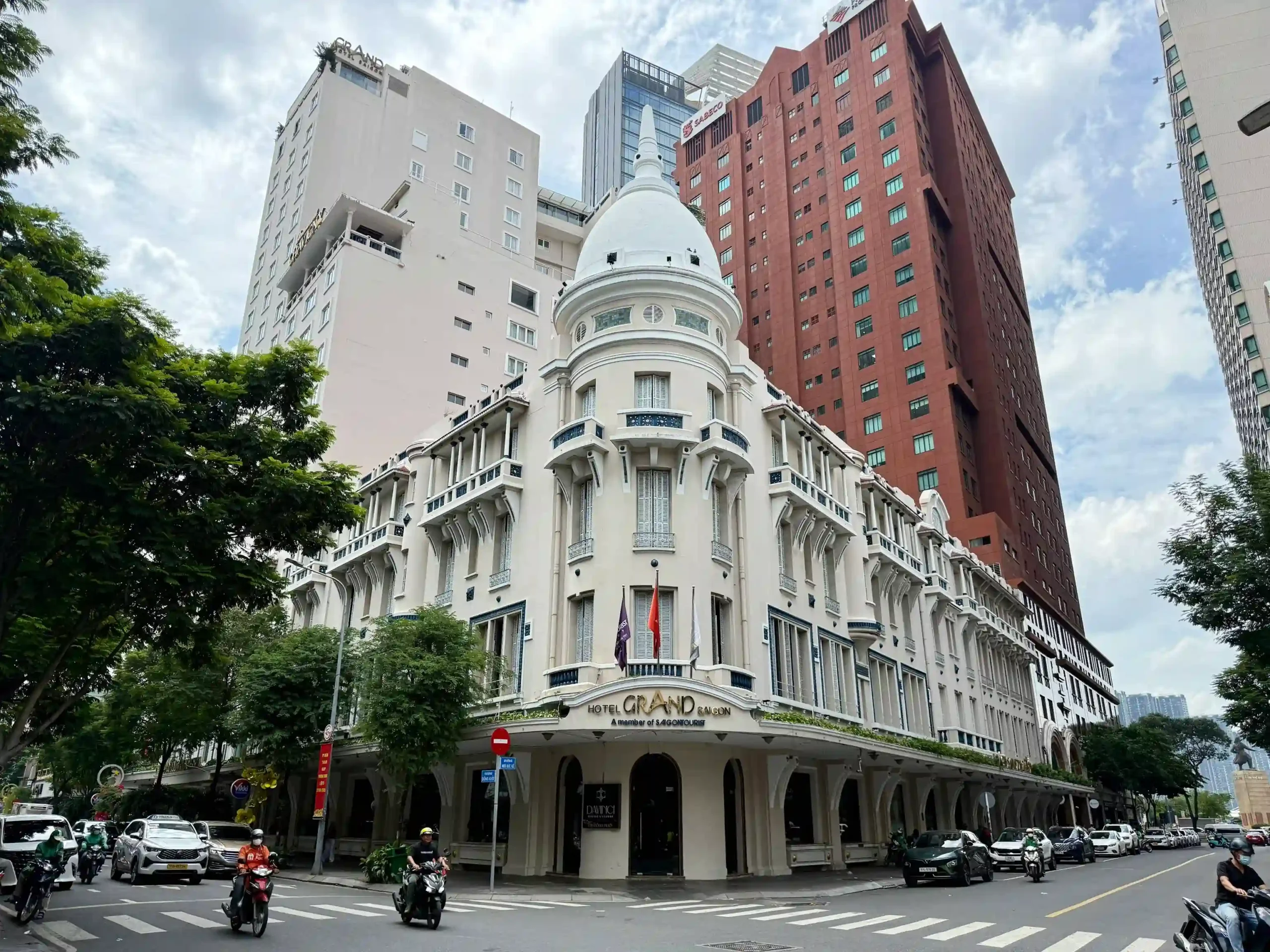
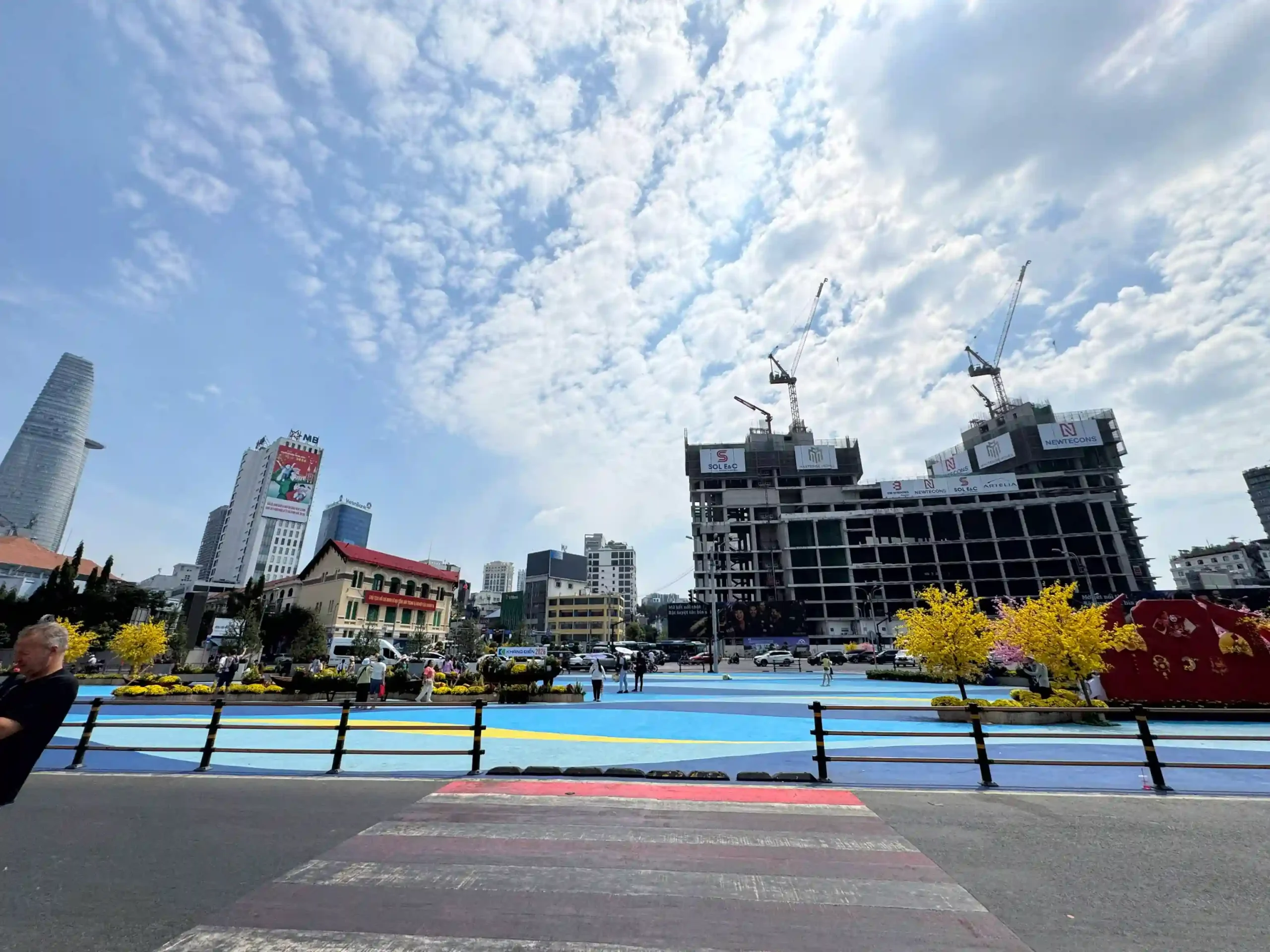
- Near Dong Khoi / Nguyen Hue: This is the most upscale part of D1. It’s walking distance to the Opera House, the Post Office, and the river. It’s quiet and clean.
- Near Ben Thanh: A bit busier and slightly louder, but you are literally in the middle of everything.
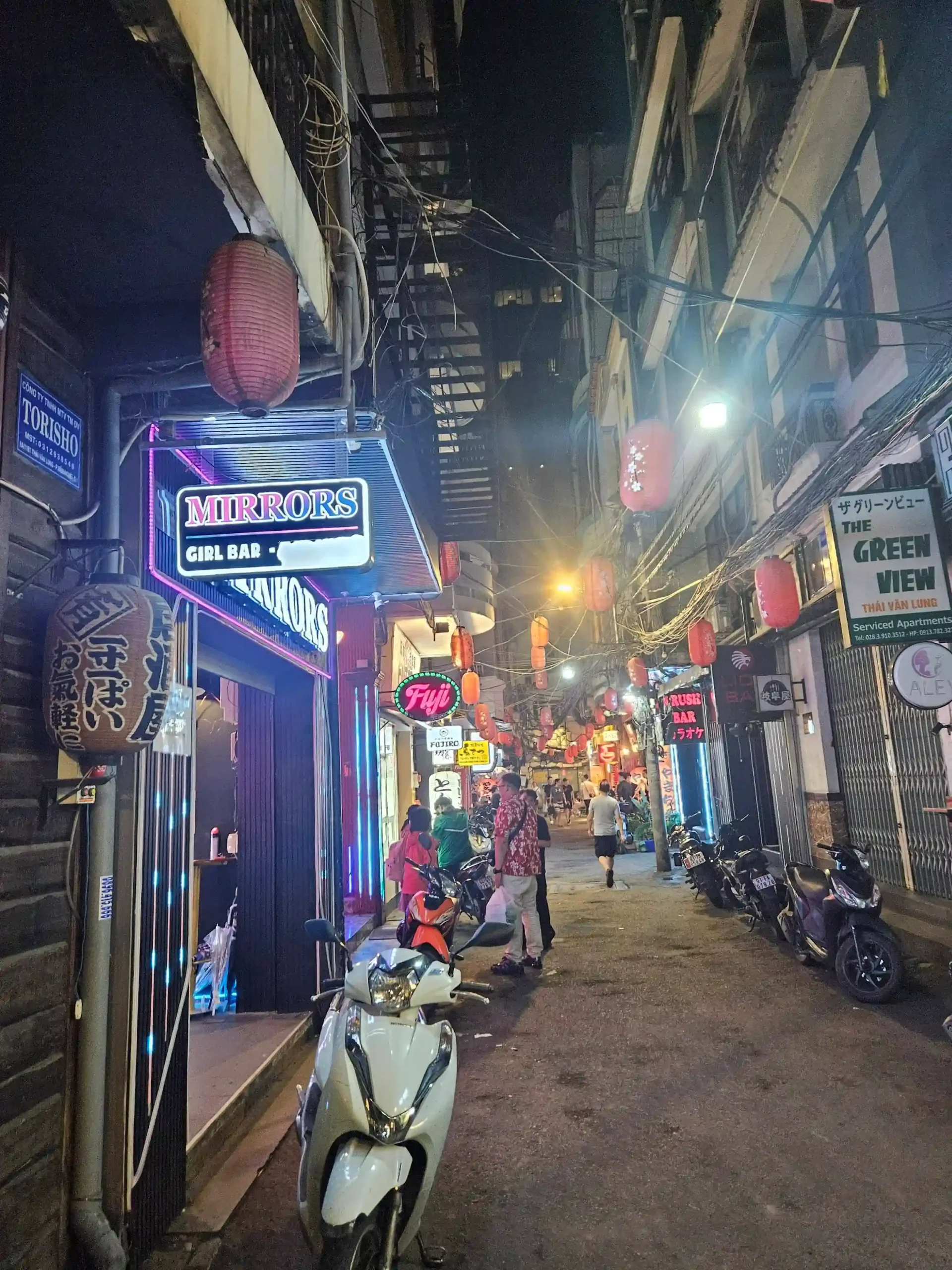
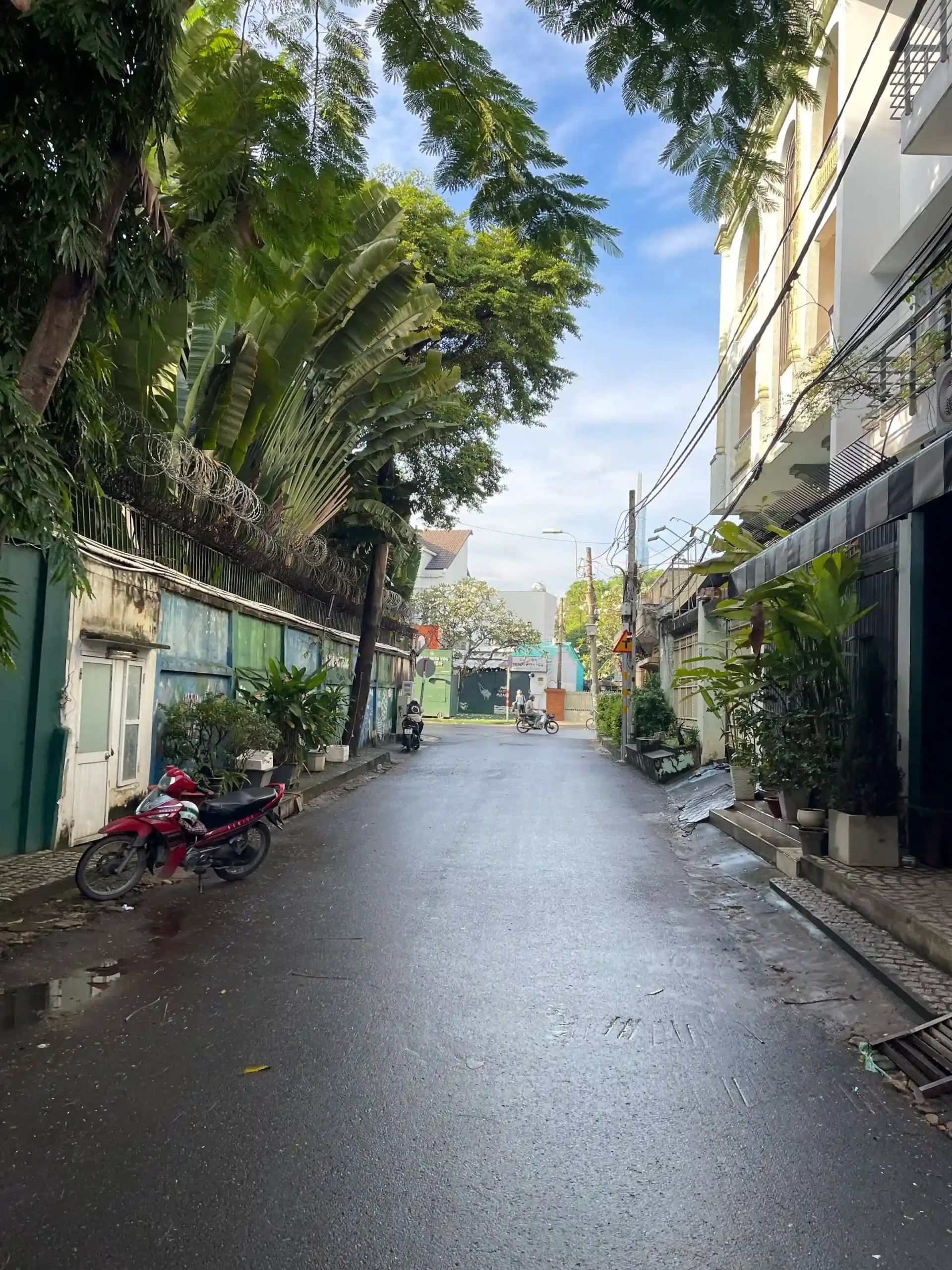
- The Japanese Quarter (Le Thanh Ton / Thai Van Lung): This is where I usually tell friends to stay. It’s full of incredible ramen shops, hidden cocktail bars, and boutique hotels, but it’s only a 10-minute walk to the main tourist sights.
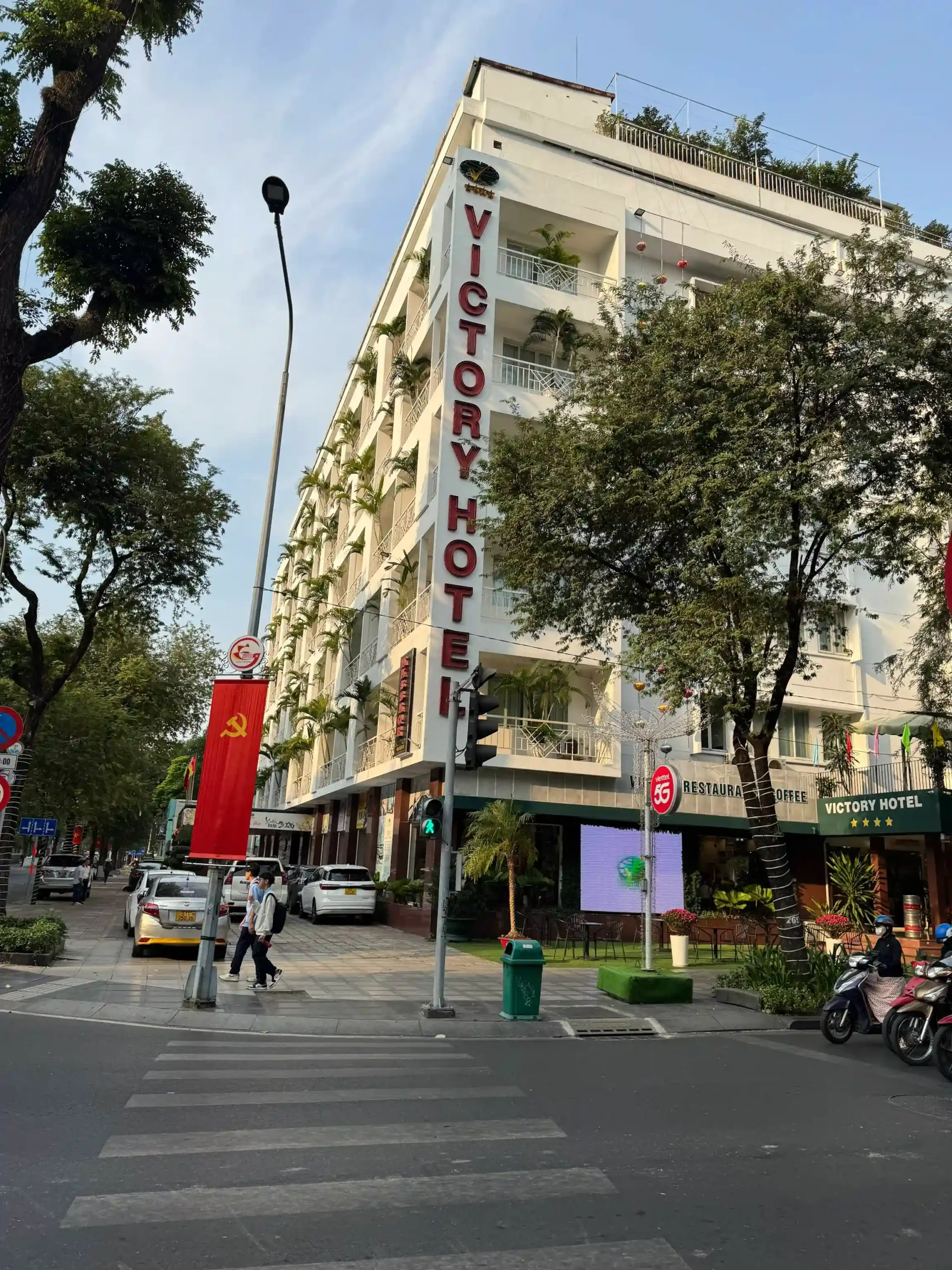
A few hotel recommendations for your search:
- La Siesta Premium Saigon: Absolutely gorgeous, excellent breakfast, and located right in the heart of District 1.
- Silverland Yen Hotel: A really popular mid-range option with a lovely rooftop pool (which you will be very grateful for after walking in the heat all day).
- The Myst Dong Khoi: If you want to splurge, this place has stunning architecture that incorporates old Saigon heritage with modern luxury.
I always start my hotel search on Booking.com. It’s my go-to for accommodation after years of traveling, largely because of their flexible cancellation terms.
Day 1: The Core History & Colonial Saigon
Your first day is all about getting your bearings and understanding the history of the city. Start your morning slightly late if you flew in the night before. A 9:00 AM start is perfectly fine here. Nothing opens super early except for the street food carts.
Morning Coffee & The Colonial Walk
Before you look at a single museum or monument, you need to start with the most important part of Vietnamese culture: coffee.
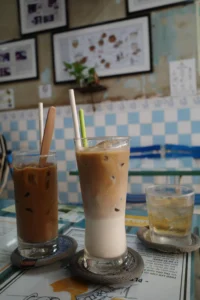
Walk out of your hotel and find a spot serving cà phê sữa đá (Vietnamese iced milk coffee). If you’ve never had it, prepare yourself. It’s incredibly strong, dark roast Robusta coffee dripped through a small metal filter directly over a thick layer of sweetened condensed milk, then poured over ice. It is sweet, bitter, and will wake you up immediately.
Find a small vendor with tiny plastic chairs on the sidewalk. Don’t overthink it, just point, smile, and pull up a chair. A quick cup on the street will usually cost you around 20,000 to 30,000 VND (about $1).
Sitting on a tiny stool and watching the swarm of motorbikes navigate the morning rush is a rite of passage.
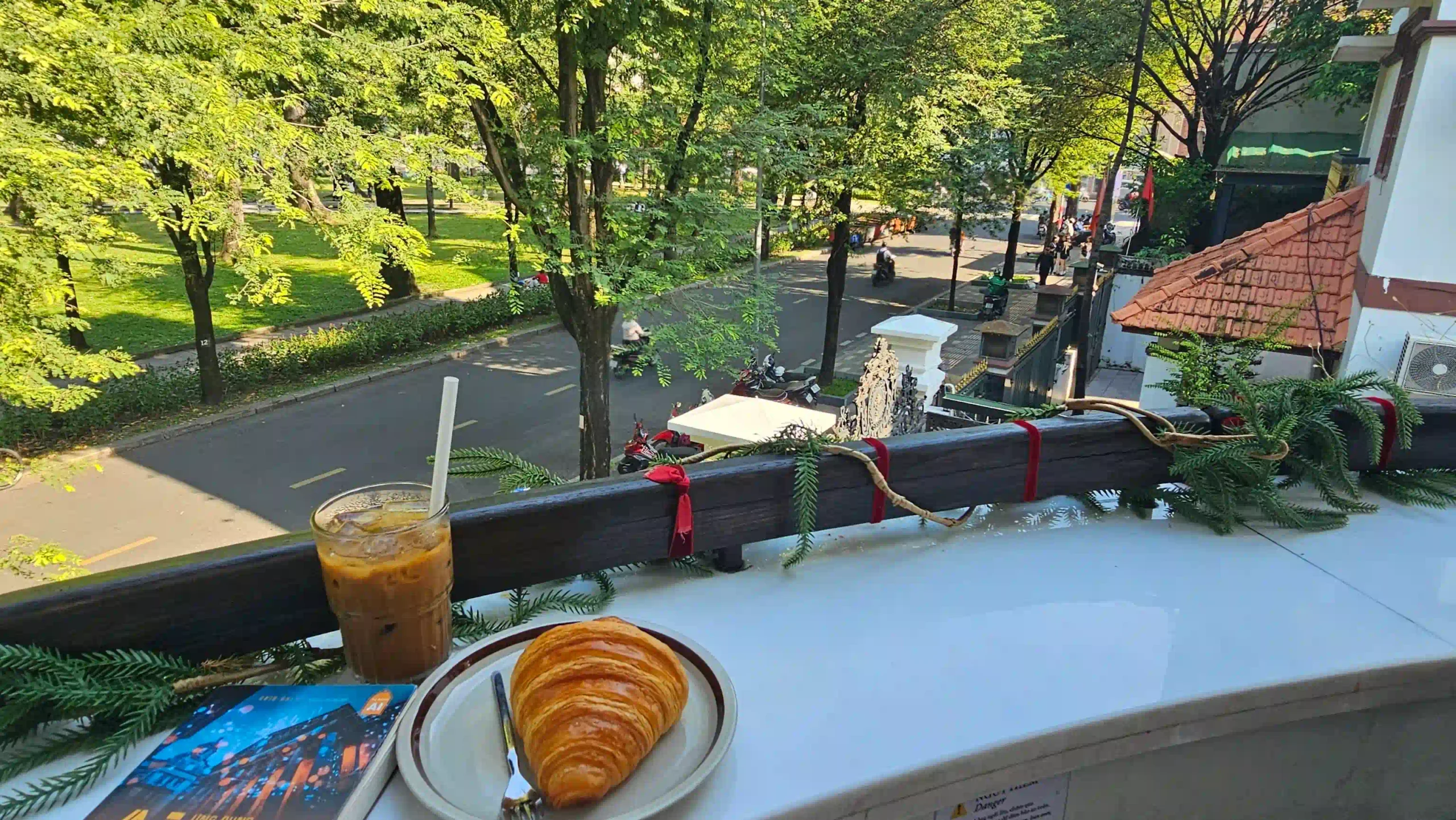
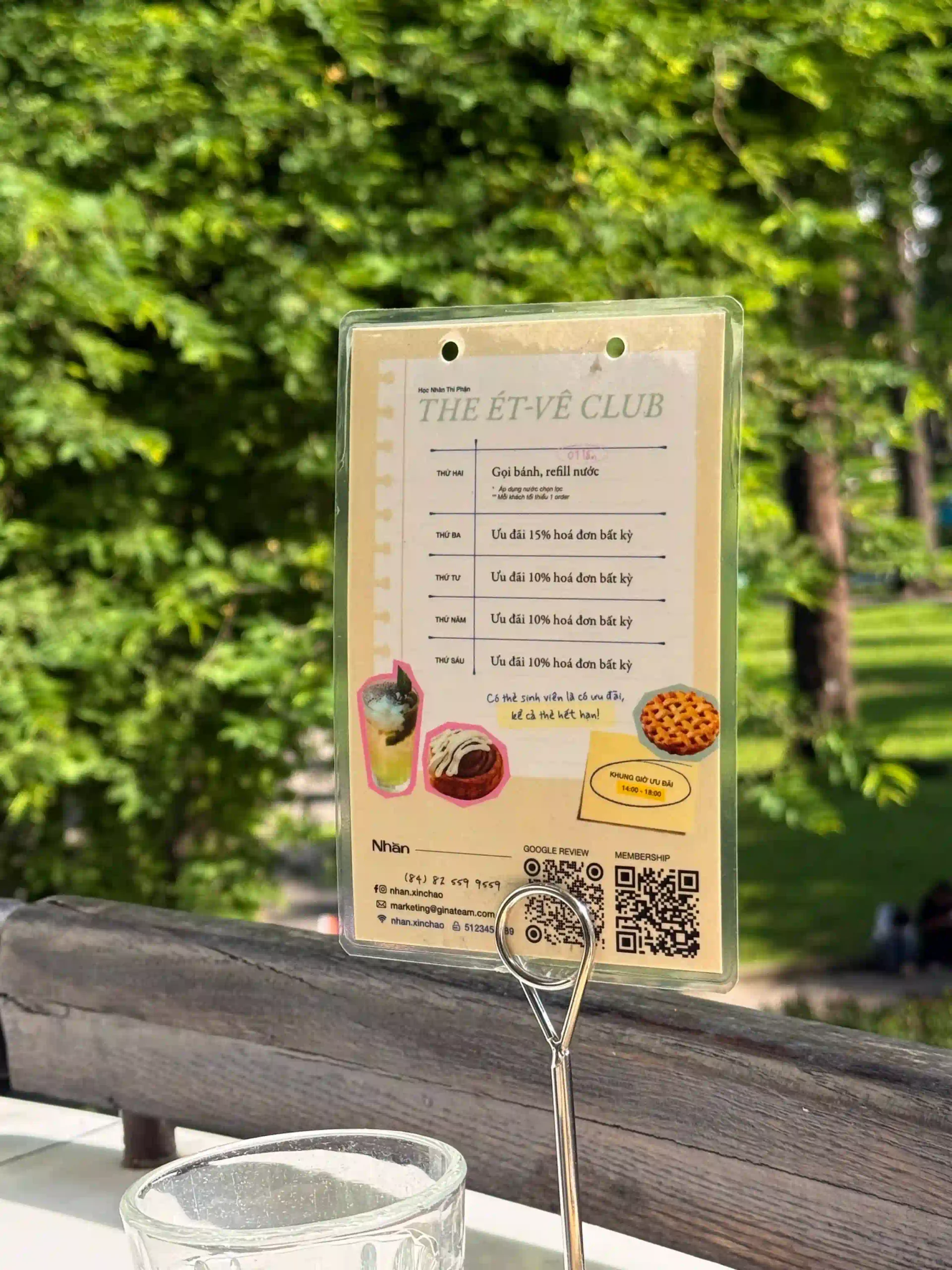
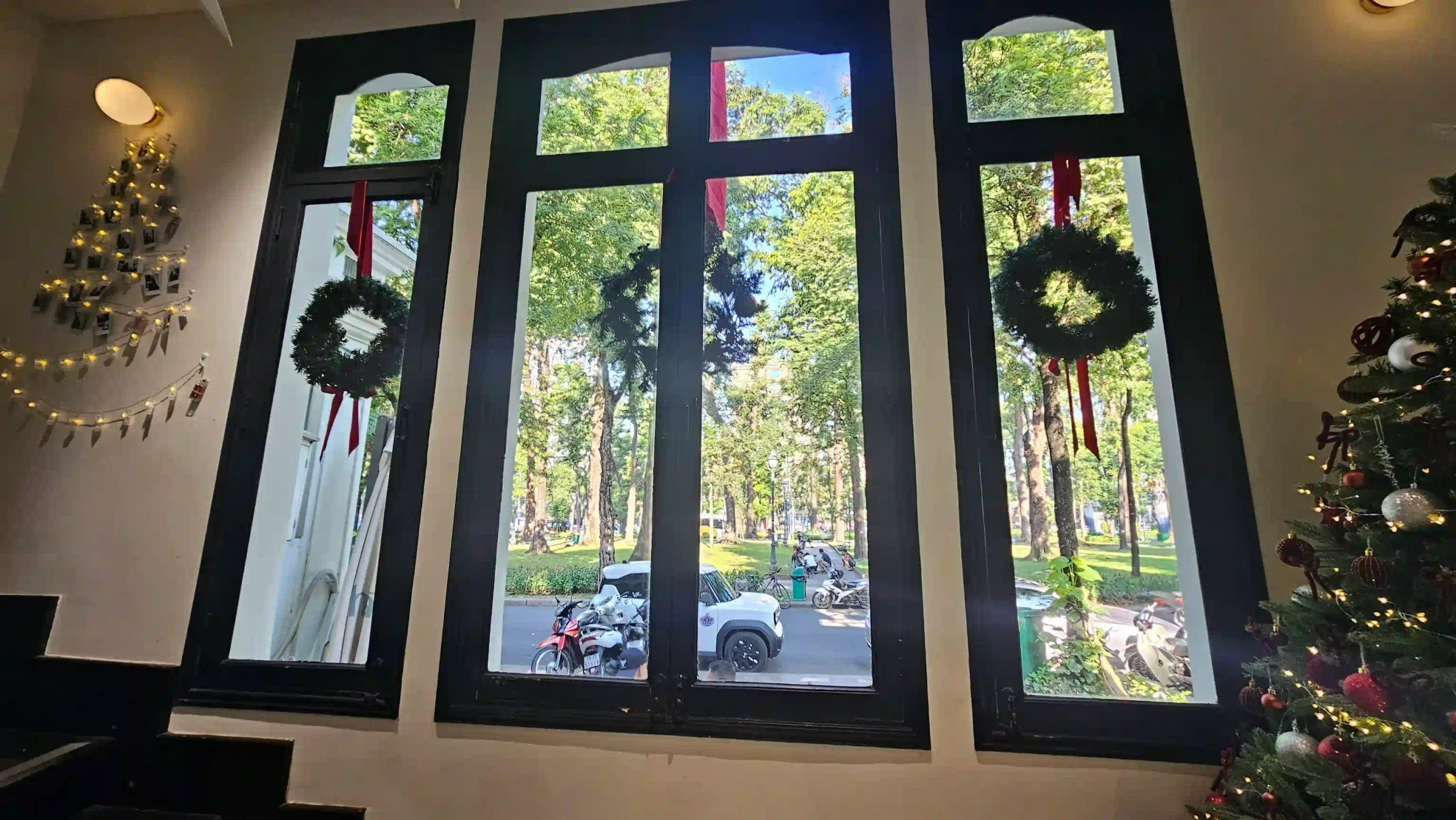
Coffee in hand, take a walk through the colonial core. These sights are clustered right next to each other, making it a very easy 45-minute stroll:
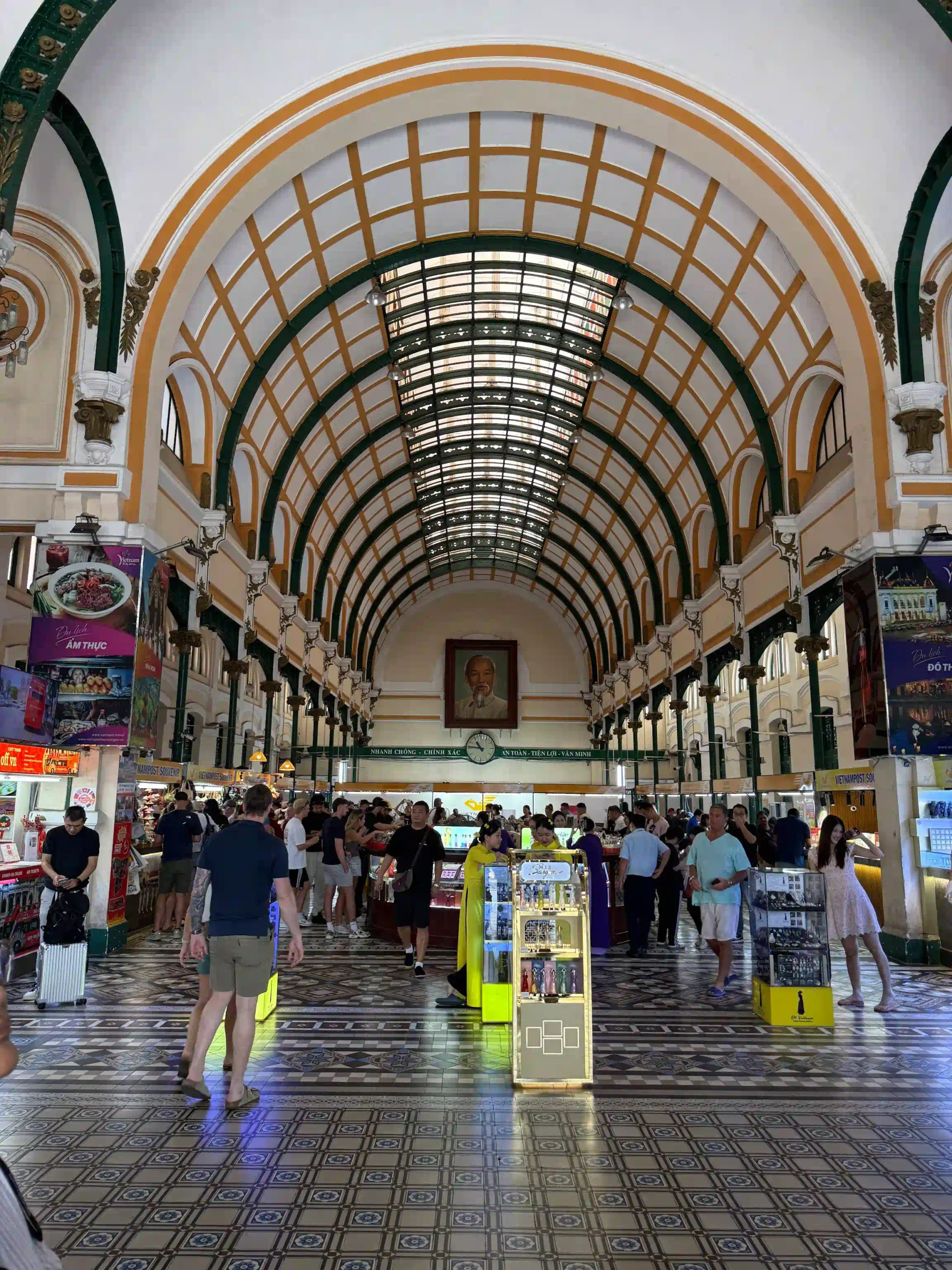
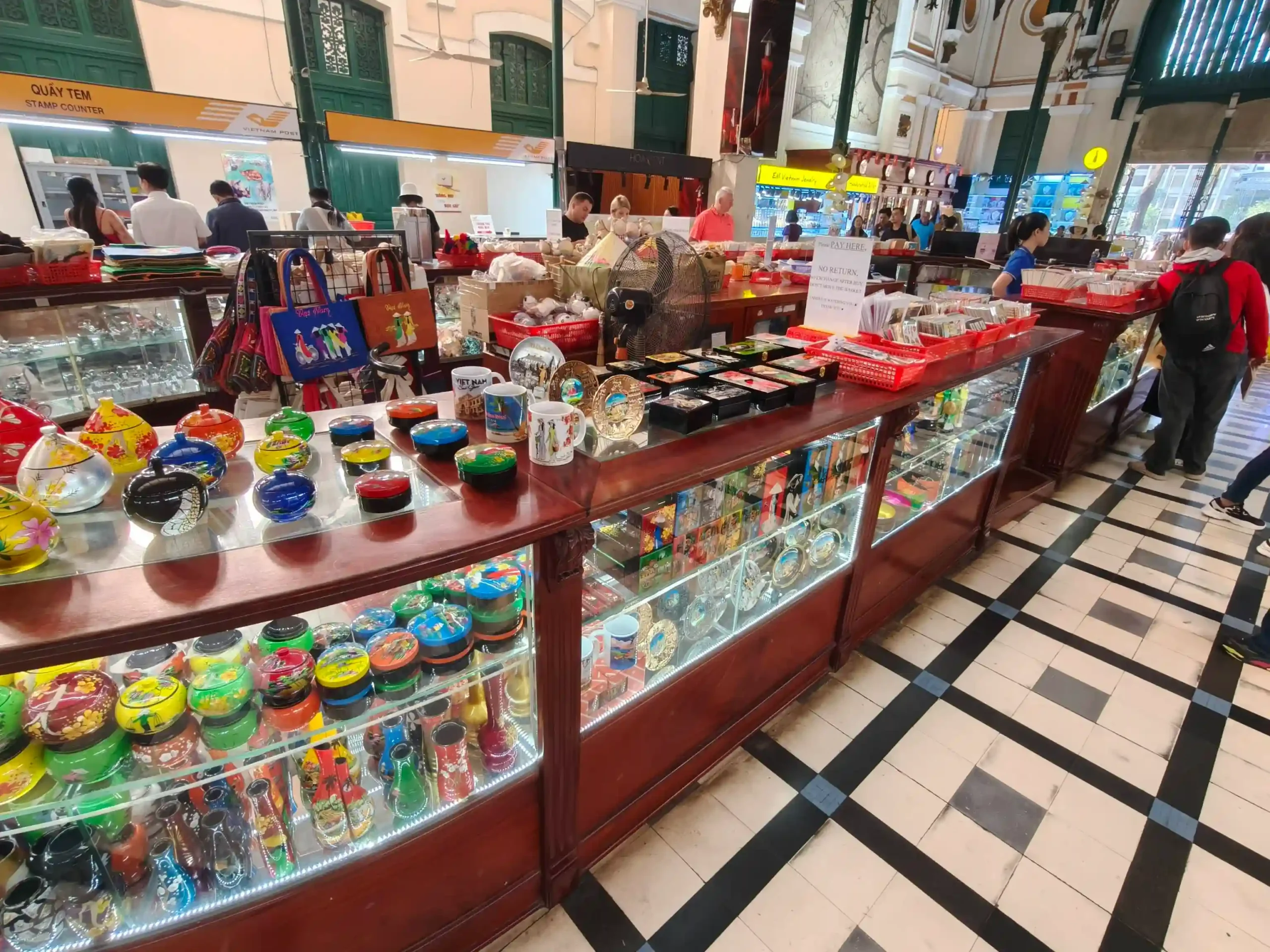
- Central Post Office: Located at Number 2 Công xã Paris. This is a gorgeous, working post office built in the late 1880s. A lot of guidebooks will tell you it was designed by Gustave Eiffel. That’s actually a myth, but it doesn’t take away from the beauty. The vaulted arched ceiling, the massive old maps painted on the walls, and the giant portrait of Ho Chi Minh at the back make it a stunning space. I always buy a postcard here and send it home, the international postage is cheap, and it’s a fun ritual.
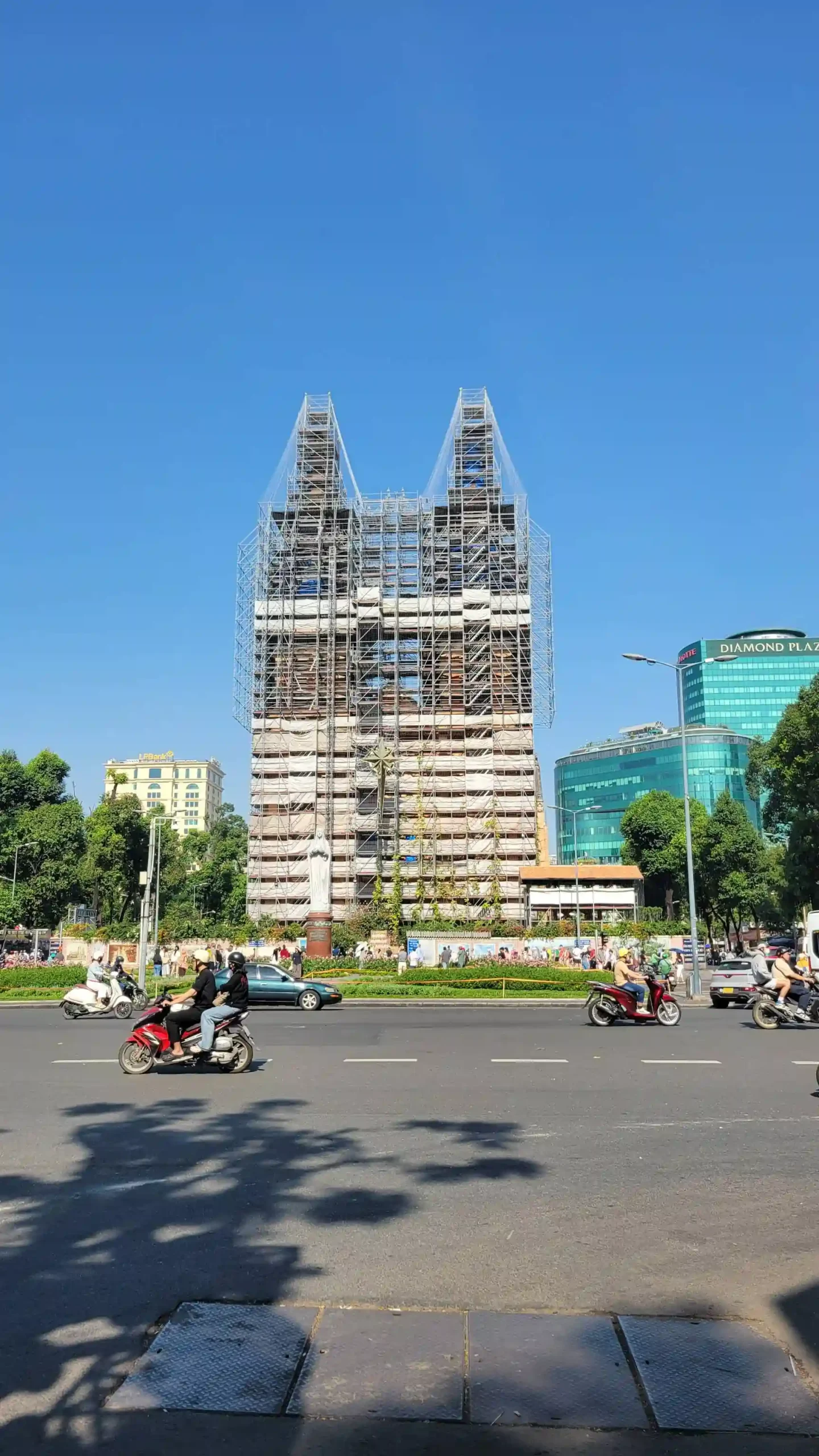
- Notre-Dame Cathedral: Located literally right next door in the small square. Just a quick heads-up, it has been completely covered in scaffolding for a massive, multi-year restoration project. You probably won’t get a clear photo of the red brick facade right now, but it’s still an imposing landmark to walk past.
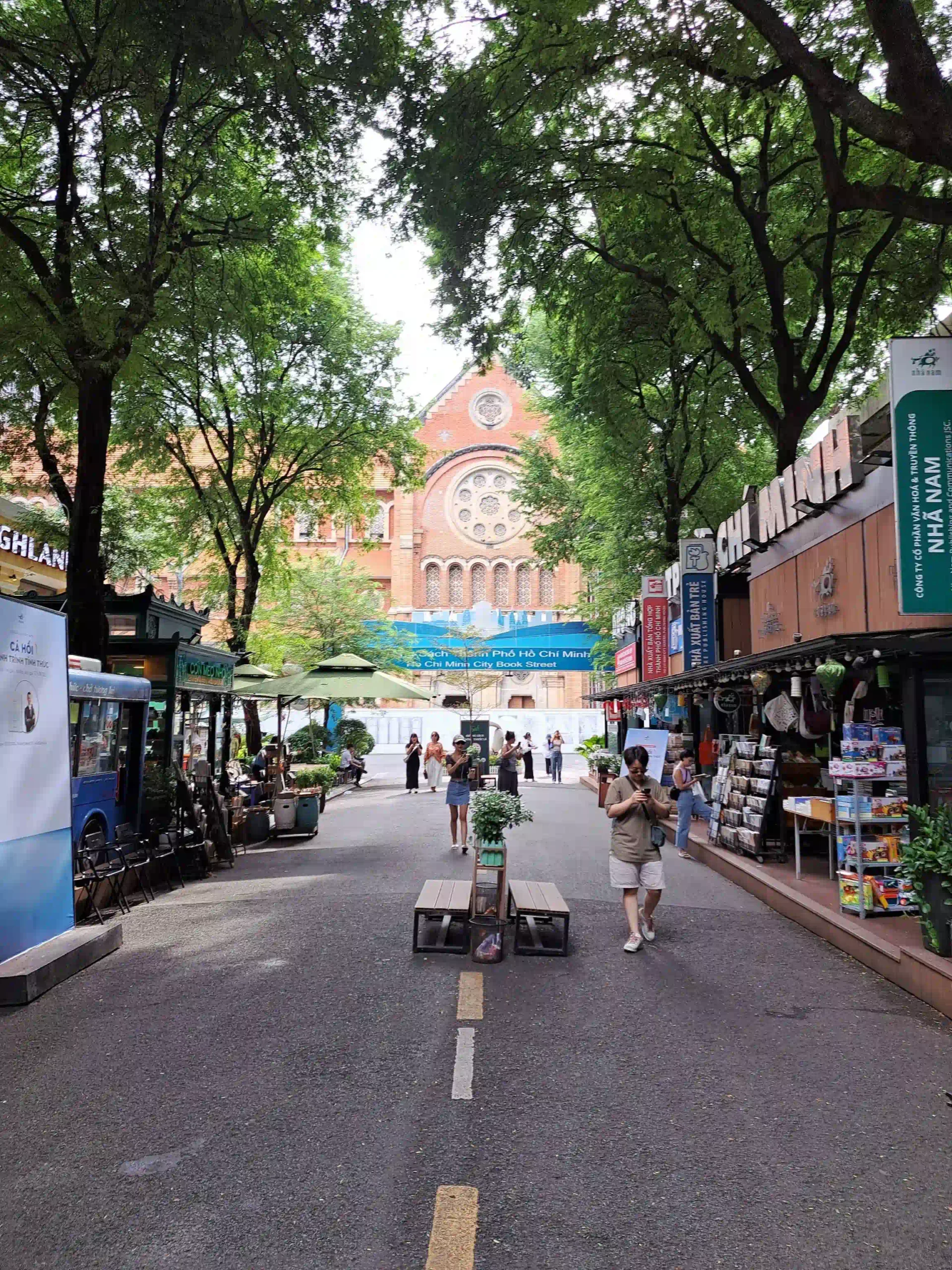
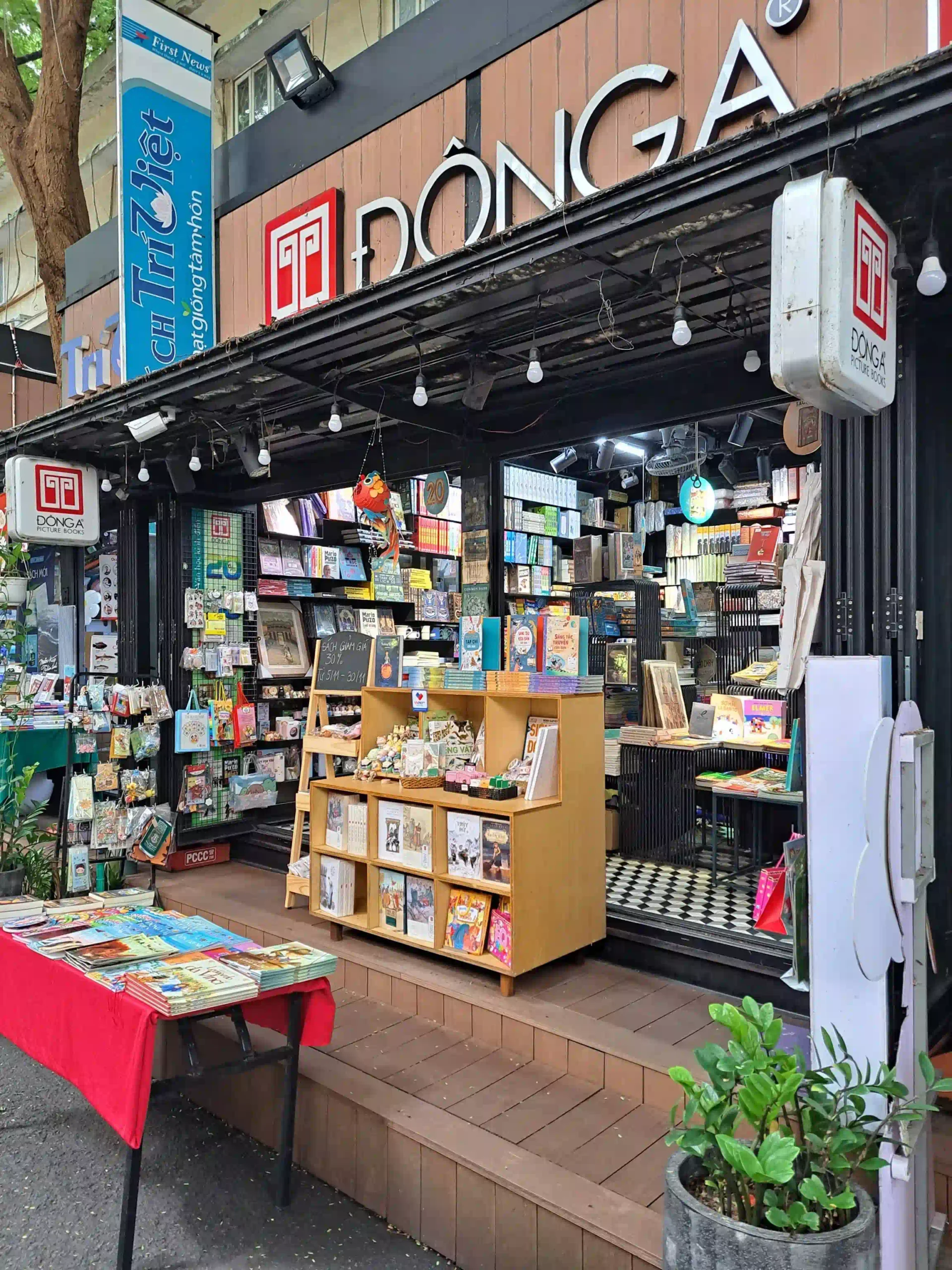
- Nguyen Van Binh Book Street: Walk around the side of the Post Office and you’ll find this shaded, pedestrian-only street. It is entirely dedicated to bookstores and small cafes. Even if you aren’t buying a book in Vietnamese, it’s a lovely, quiet pocket of the city covered in huge mahogany trees.
Late Morning
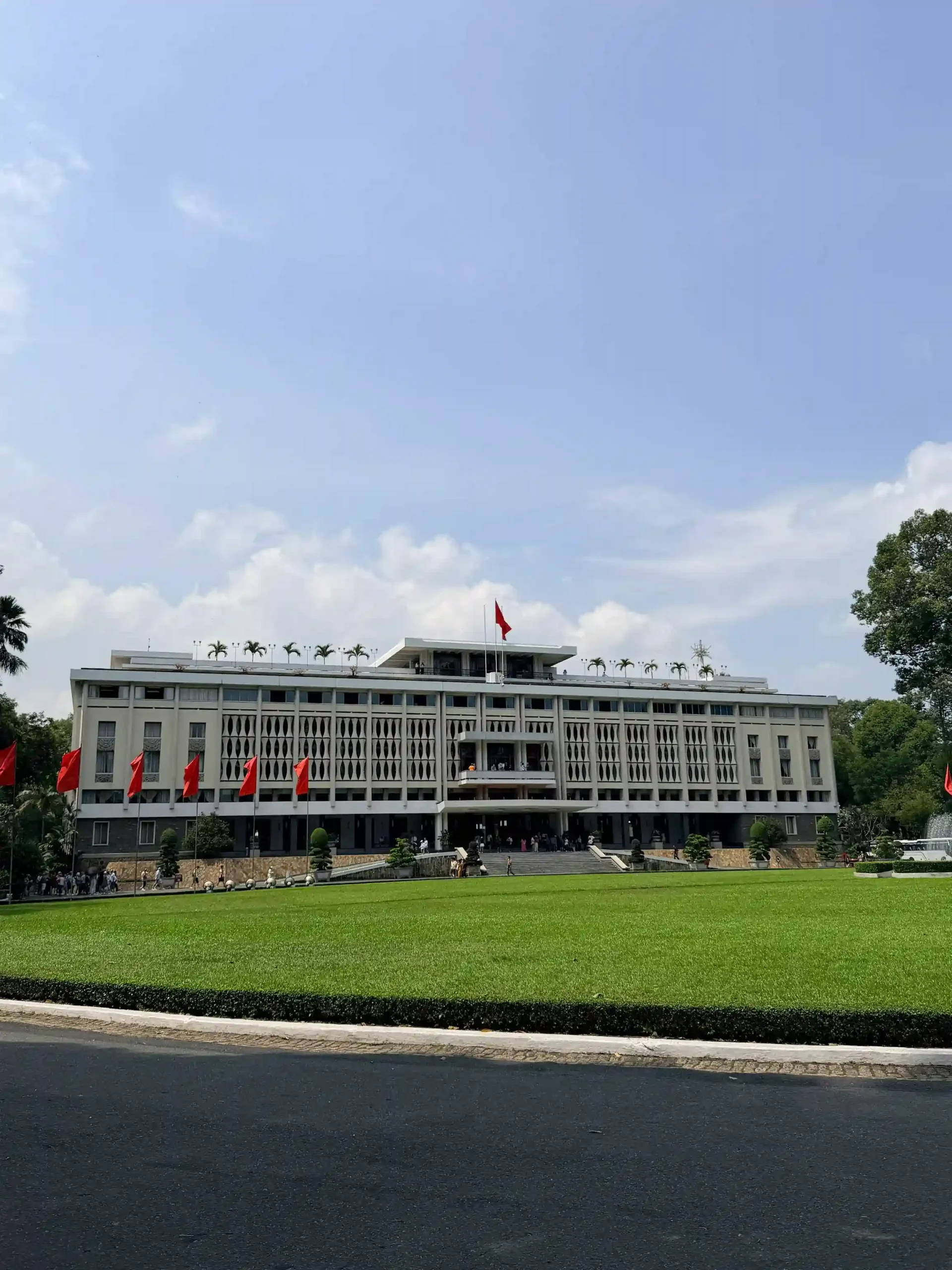
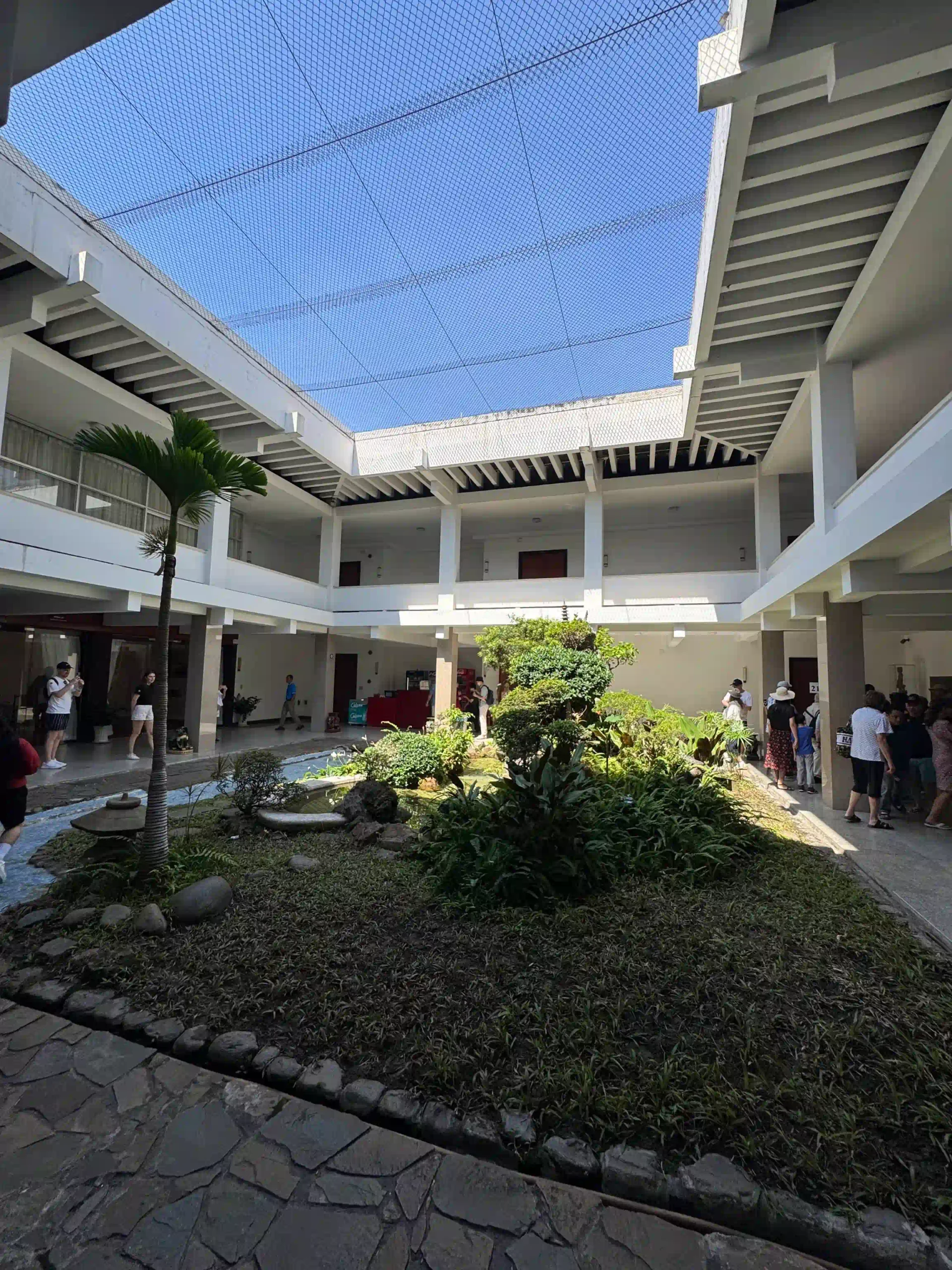
Next, take a 10-minute walk down Nam Ky Khoi Nghia street to the Independence Palace (often called the Reunification Palace). This is the 1960s modernist building that served as the home and command center for the South Vietnamese president.
A lot of 2-day itineraries online will suggest doing this in the afternoon. I honestly recommend doing it before lunch, and here’s why: the ticket office outside the gates sometimes closes randomly around 3:30 PM, well before the building itself actually shuts. It’s very easy to show up at 4:00 PM and get turned away.
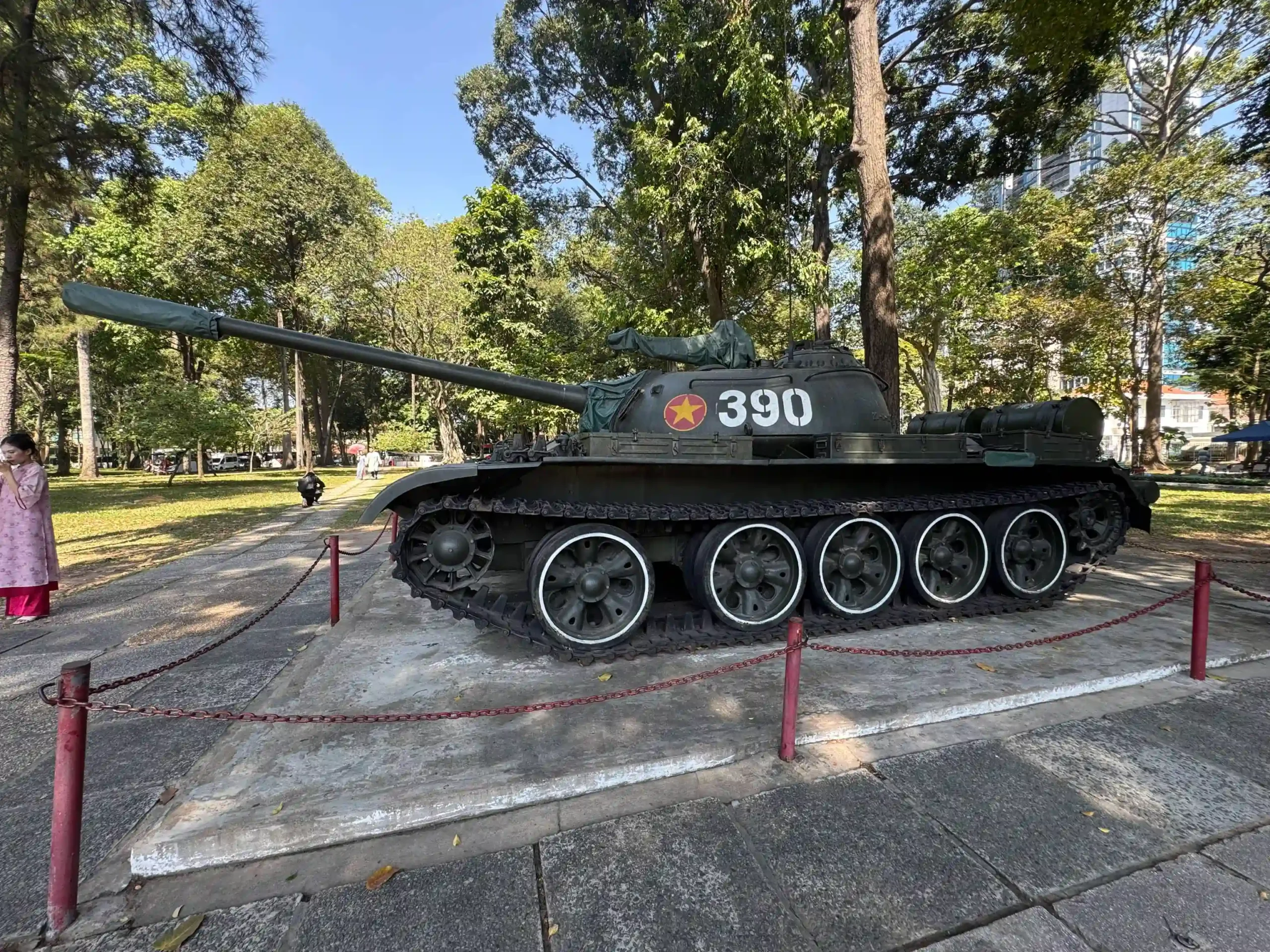
Entry is usually 40,000 VND. The entire building was completely frozen in time the day the Vietnam War ended on April 30, 1975, when a North Vietnamese tank crashed through the front iron gates. Walking through it feels like stepping onto a 1960s movie set.
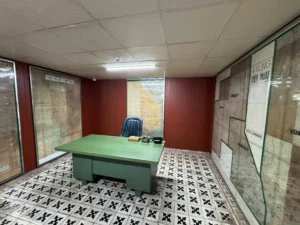
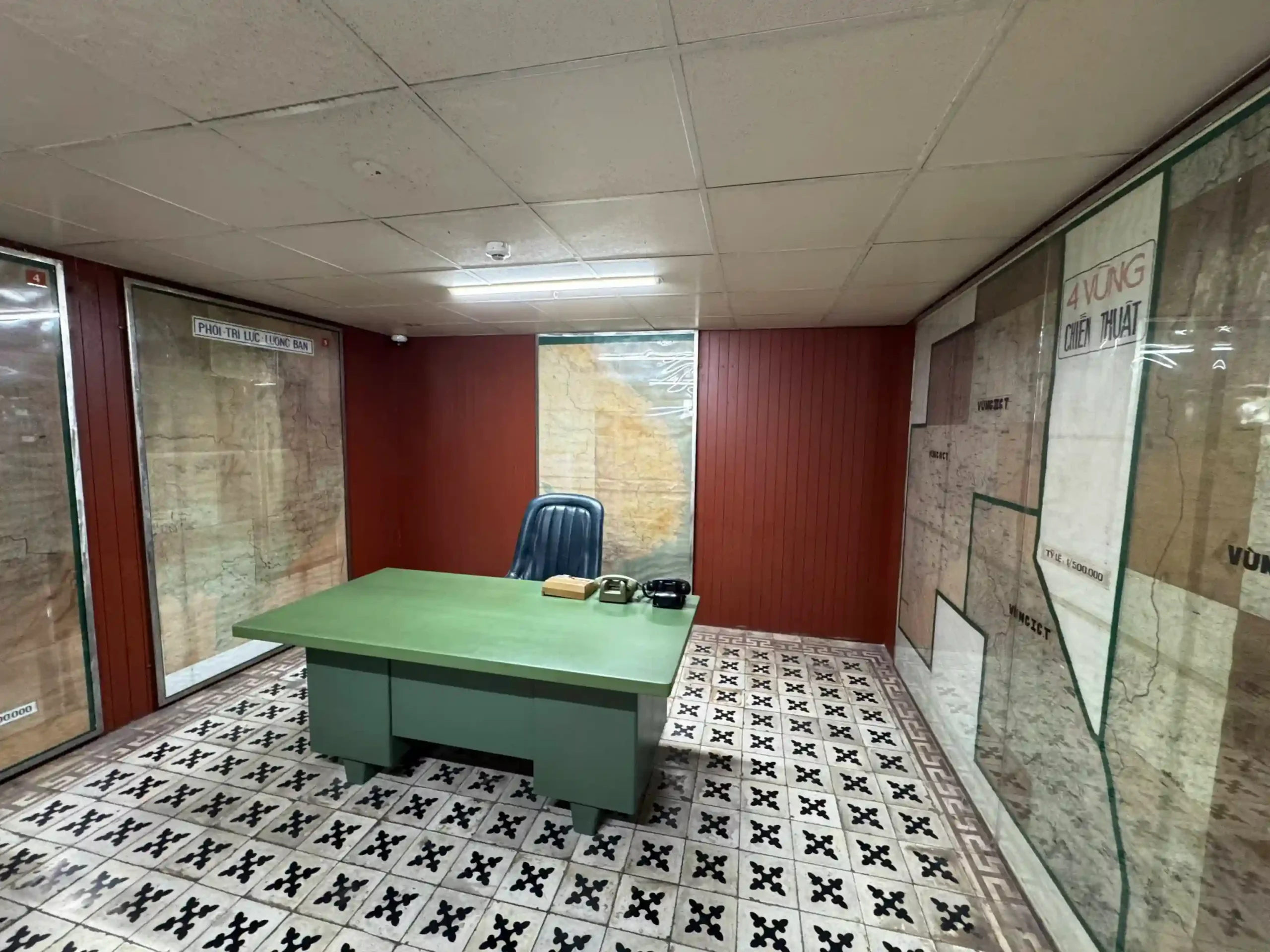
You’ll see the massive, airy reception halls and the president’s private quarters. But the most fascinating part is heading down into the basement bunker. The long, concrete corridors are still filled with old rotary phones, massive war maps on the walls, and heavy radio equipment.
Spend about 90 minutes here.
Lunch
By the time you finish the Palace, it’ll be around 1:00 PM. The midday heat in Saigon is intense, so keep your lunch close.
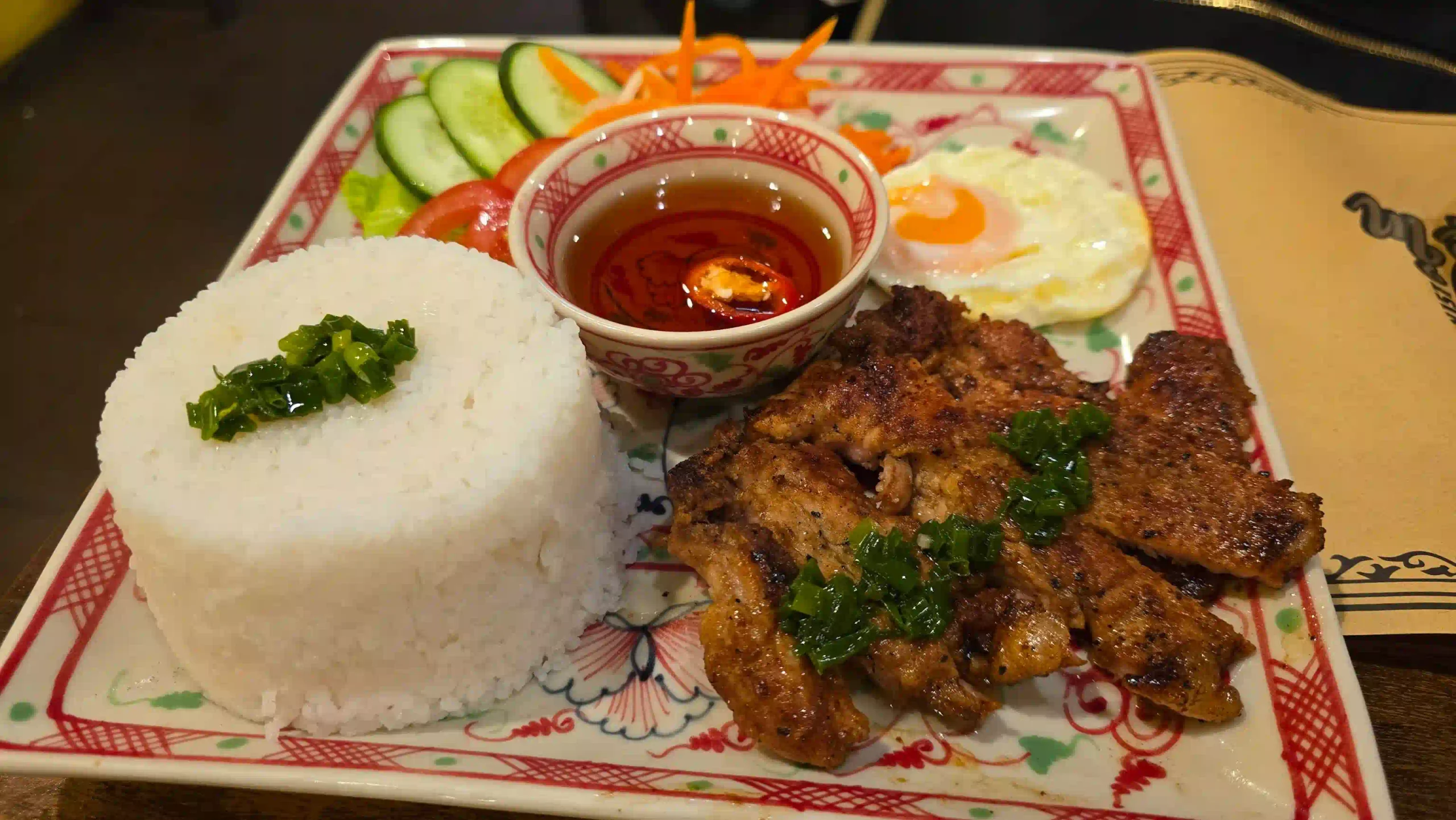
I highly recommend tracking down a plate of cơm tấm (broken rice). This is arguably Ho Chi Minh City’s signature dish.
Historically, broken rice grains were the cheap leftovers that couldn’t be sold, but locals figured out how to cook them beautifully. Today, a plate of cơm tấm usually comes with a massive, smoky piece of grilled pork chop (sườn nướng), a slice of steamed meatloaf with egg (chả trứng), some pickled carrots, and a heavy drizzle of sweet fish sauce.
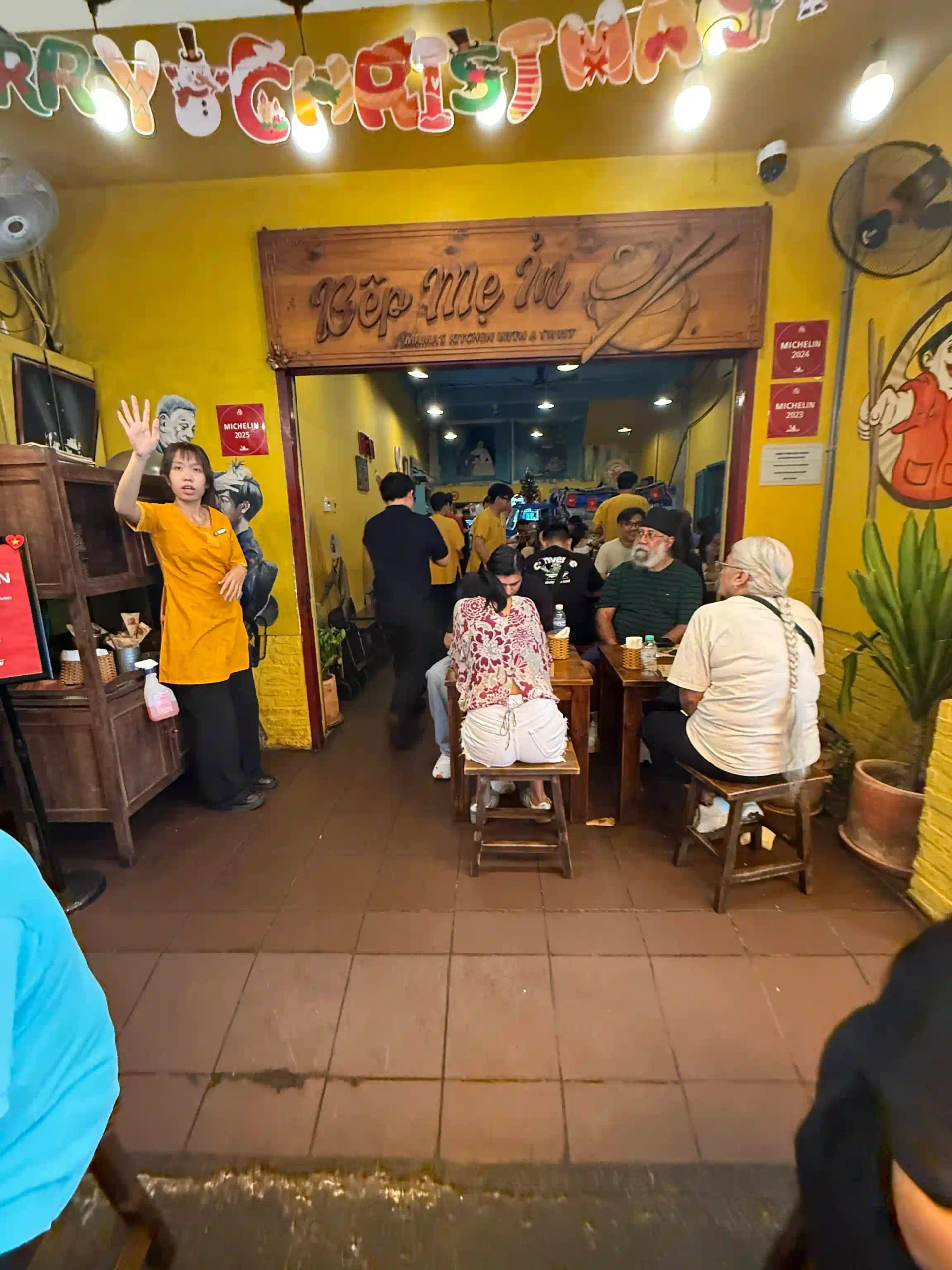
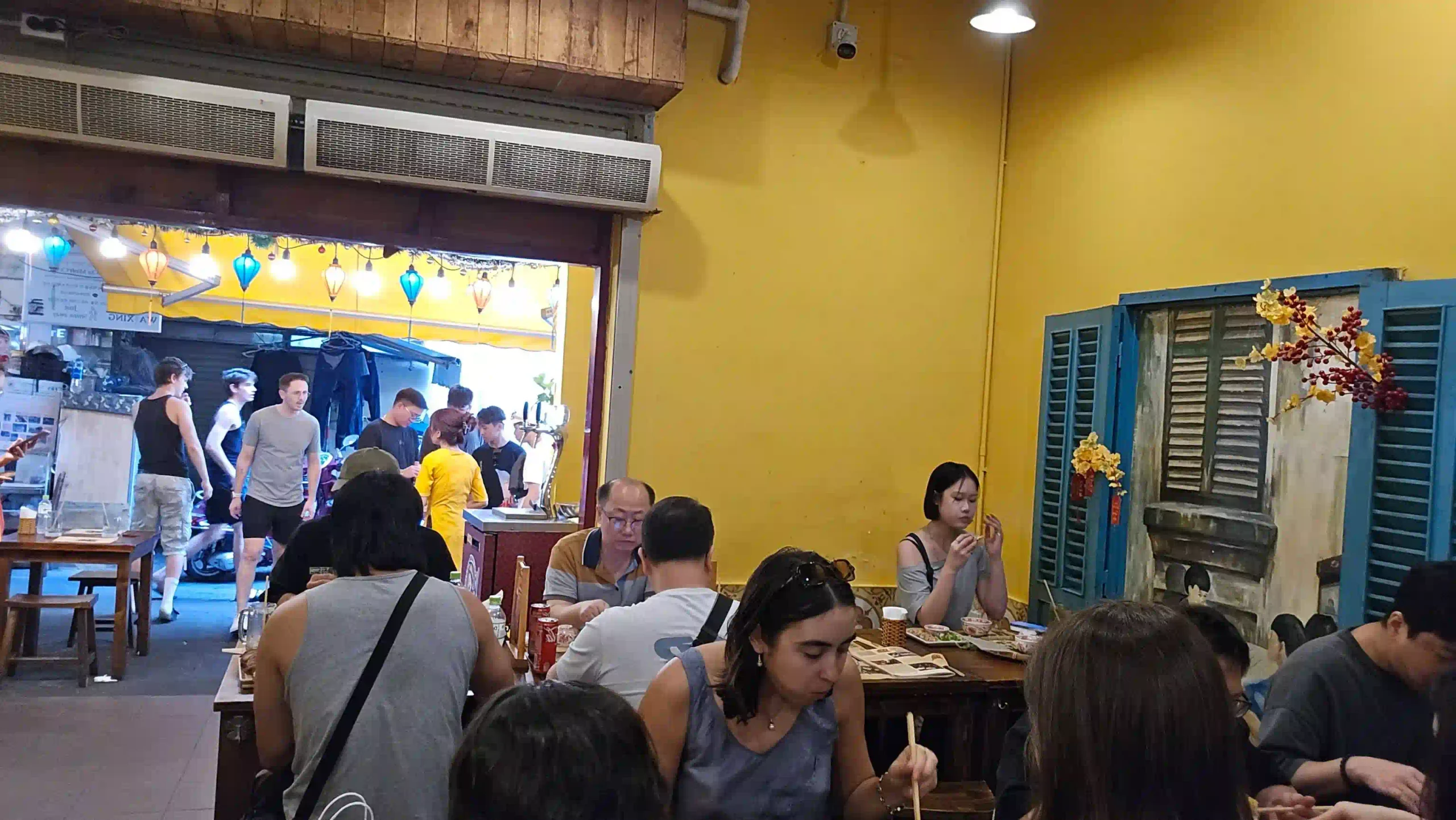
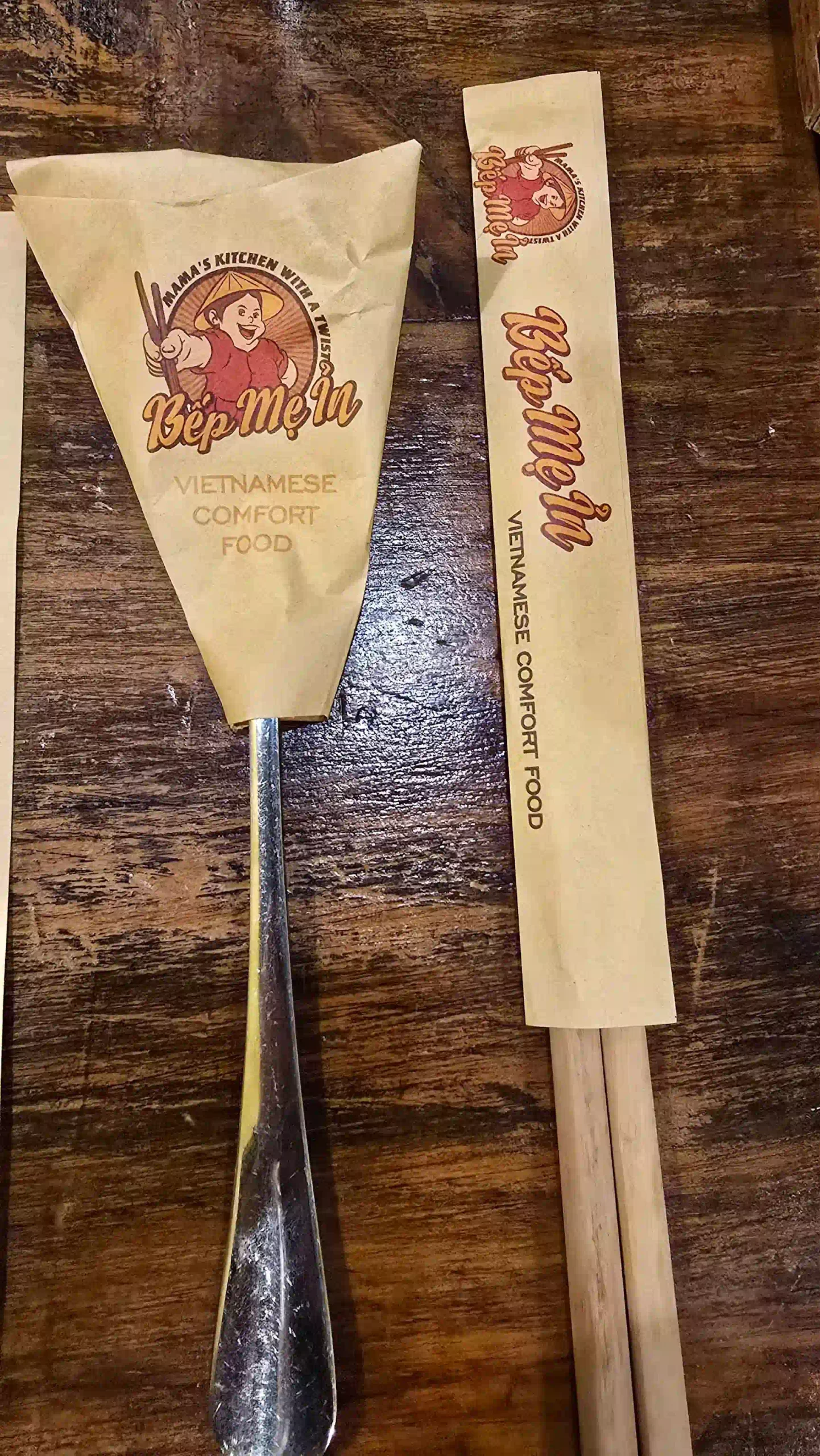
If you want a comfortable sit-down experience, Bep Me In is a great little restaurant tucked down an alleyway just a few blocks from Ben Thanh Market. Otherwise, look for any open-air local spot with smoke billowing out of a street-side grill.
Afternoon
In the afternoon, grab a quick GrabBike or car and head over to the War Remnants Museum in District 3 (28 Vo Van Tan Street).
I need to be very honest here: this is not a fun afternoon. The museum tells the story of the Vietnam War (referred to here as the American War) heavily from the Vietnamese perspective.
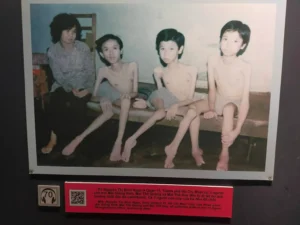
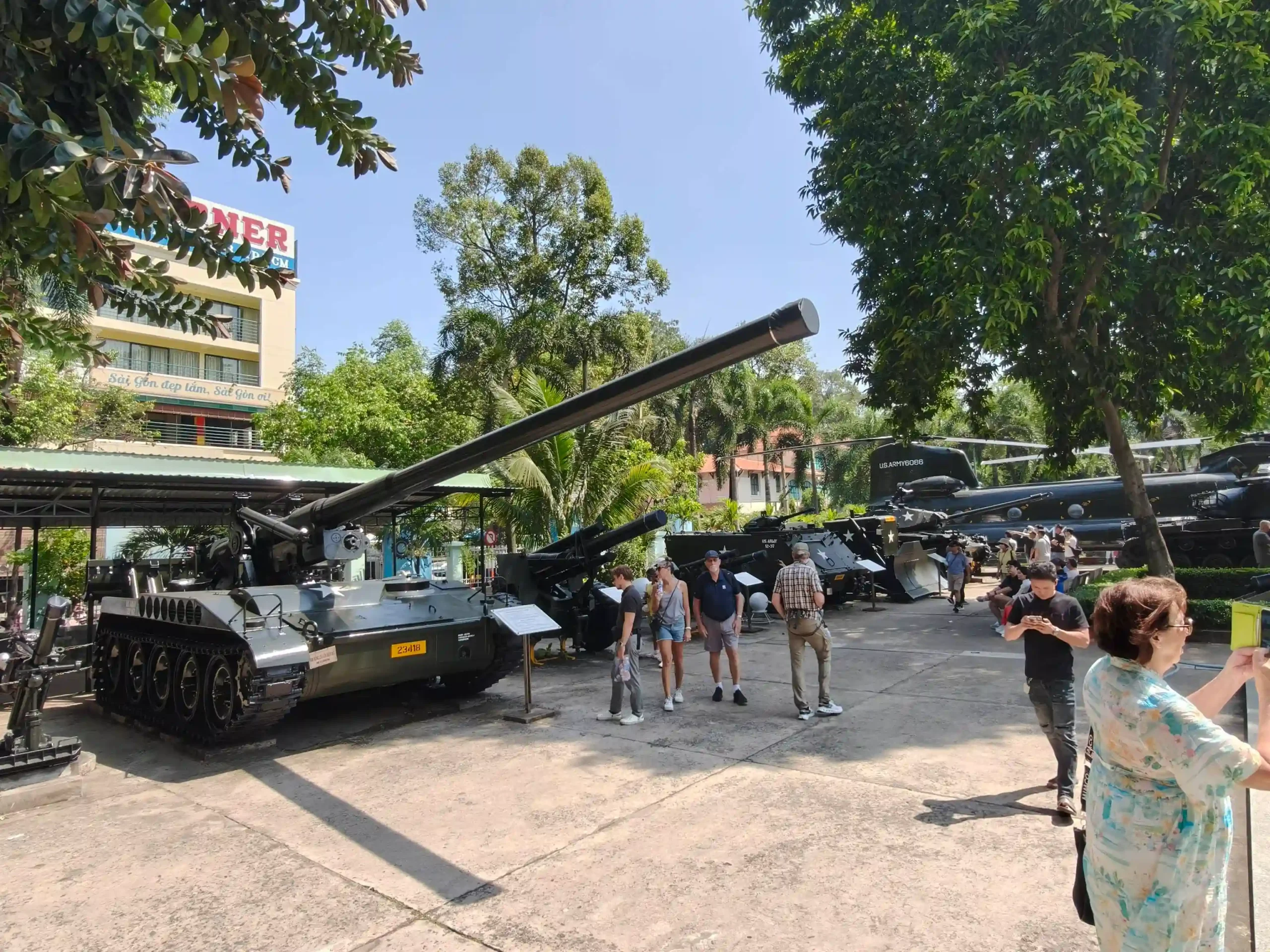
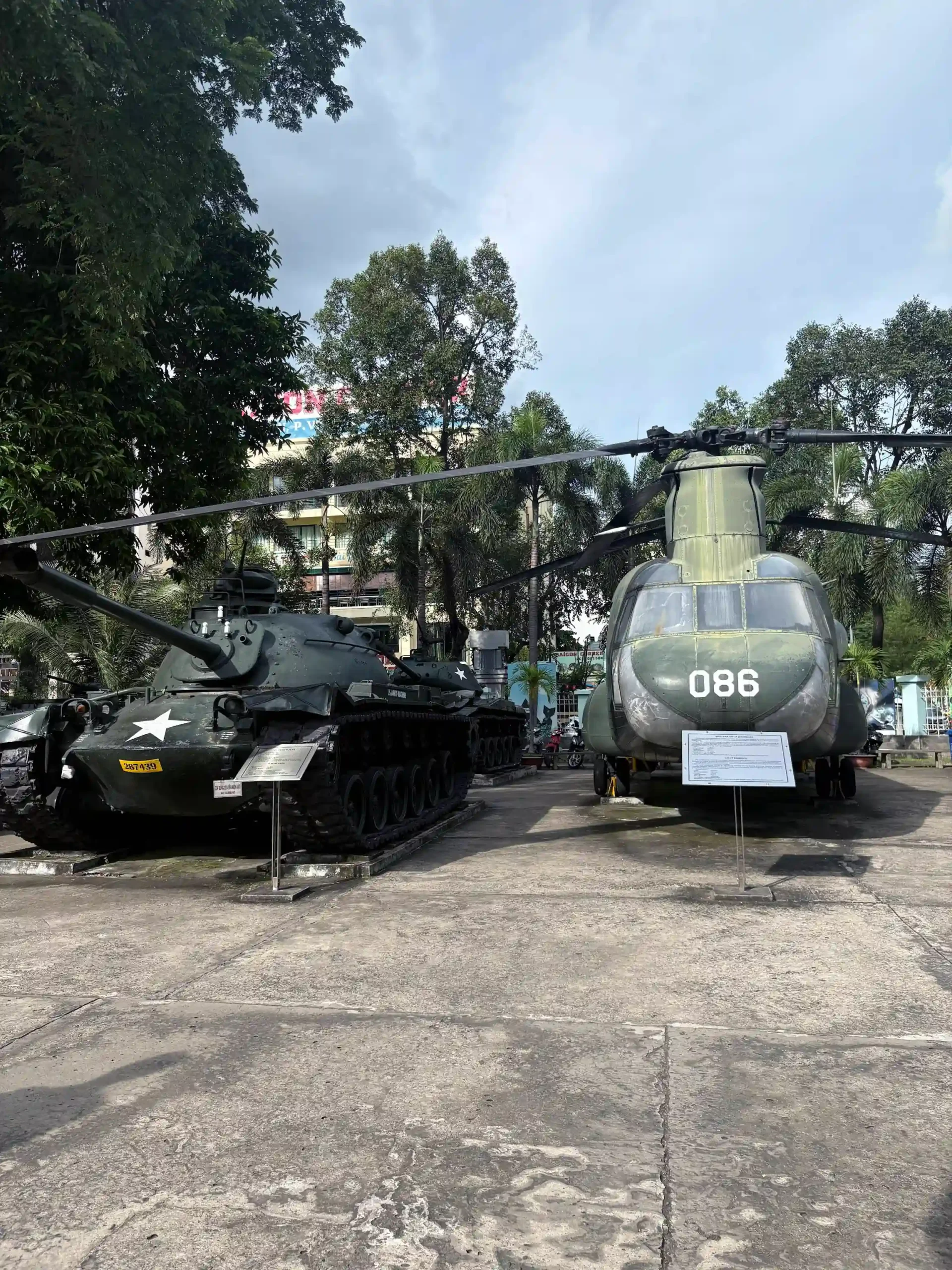
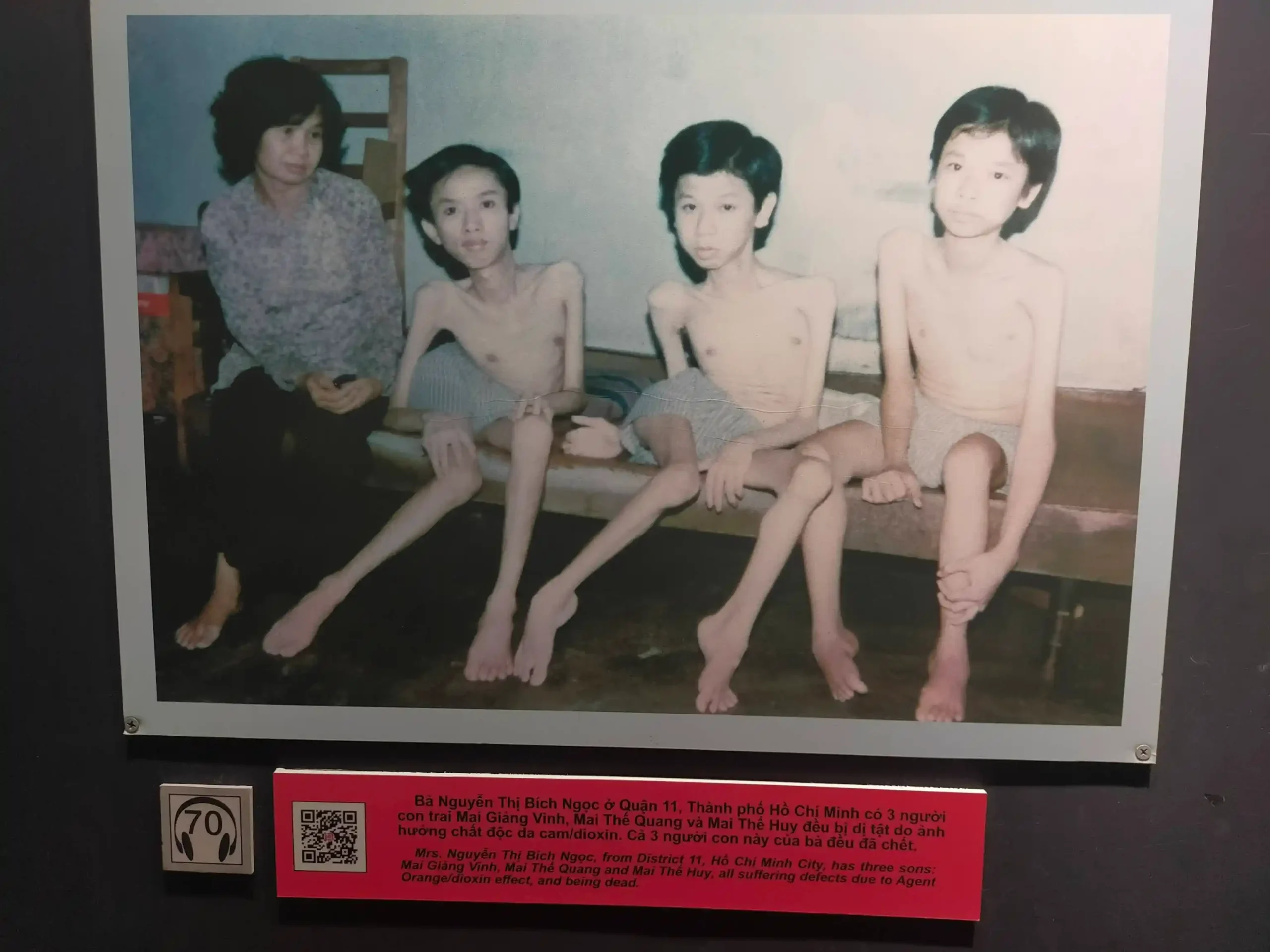
When you arrive, start on the top floor and work your way down. The photography exhibits are incredibly powerful. The “Requiem” exhibition features work from photojournalists on all sides of the conflict who lost their lives, and the Agent Orange exhibition is absolutely brutal and heartbreaking. The outdoor courtyard has captured American tanks, helicopters, and jets sitting in the sun.
It takes about 1.5 to 2 hours to walk through. I’ve been a few times, and it’s very normal to leave feeling quiet and drained. Even so, I think it is the most important stop on this entire Ho Chi Minh City itinerary. You cannot understand modern Vietnam without understanding what the people went through.
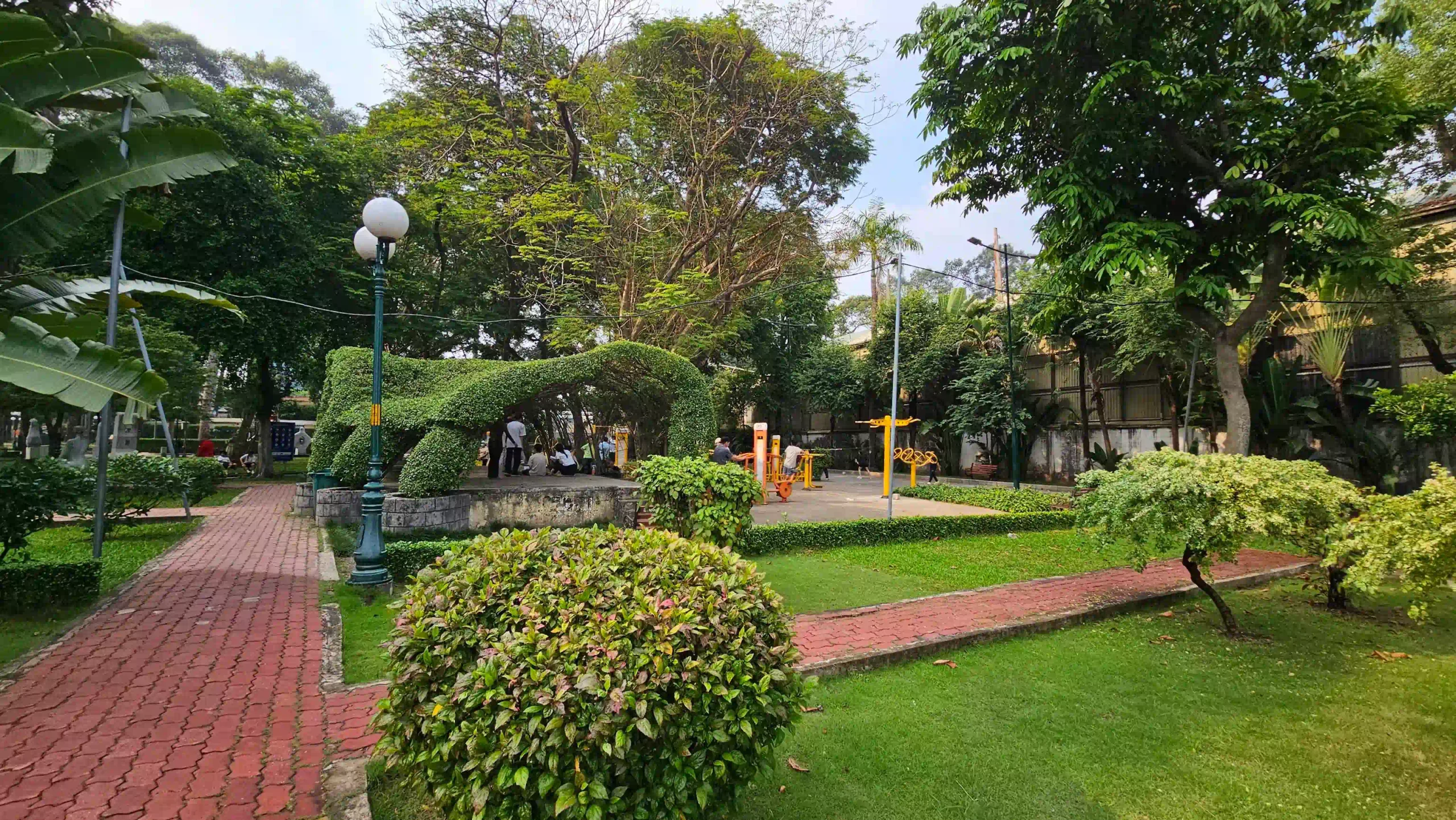
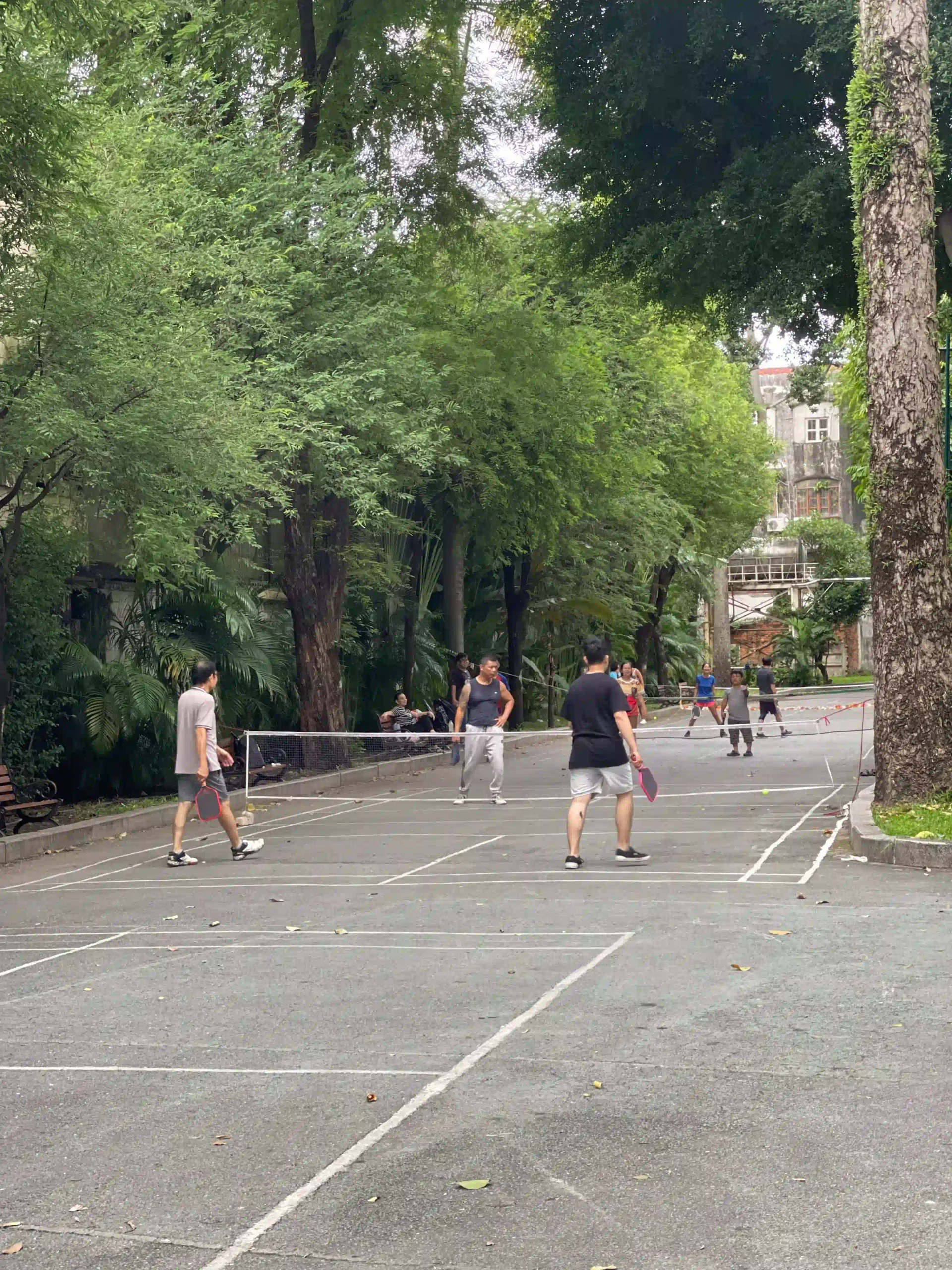
Travel tip: If you need a breather afterward, walk over to Tao Dan Park nearby. There are usually older local men sitting under the massive shade trees playing Chinese chess. Grab a bottle of cold water from a vendor, sit on a bench, and give yourself ten minutes to decompress.
Evening
After a heavy afternoon, take it easy tonight. Take a shower, change into fresh clothes, and walk down to Nguyen Hue Walking Street once the sun goes down.
This is a massive, wide pedestrian avenue that runs from the gorgeous French-colonial City Hall building all the way down to the Saigon River. At night, it lights up beautifully and the heat finally breaks. It’s full of local families pushing strollers, teenagers on skateboards, and street performers. It’s completely free and a great place to people-watch.
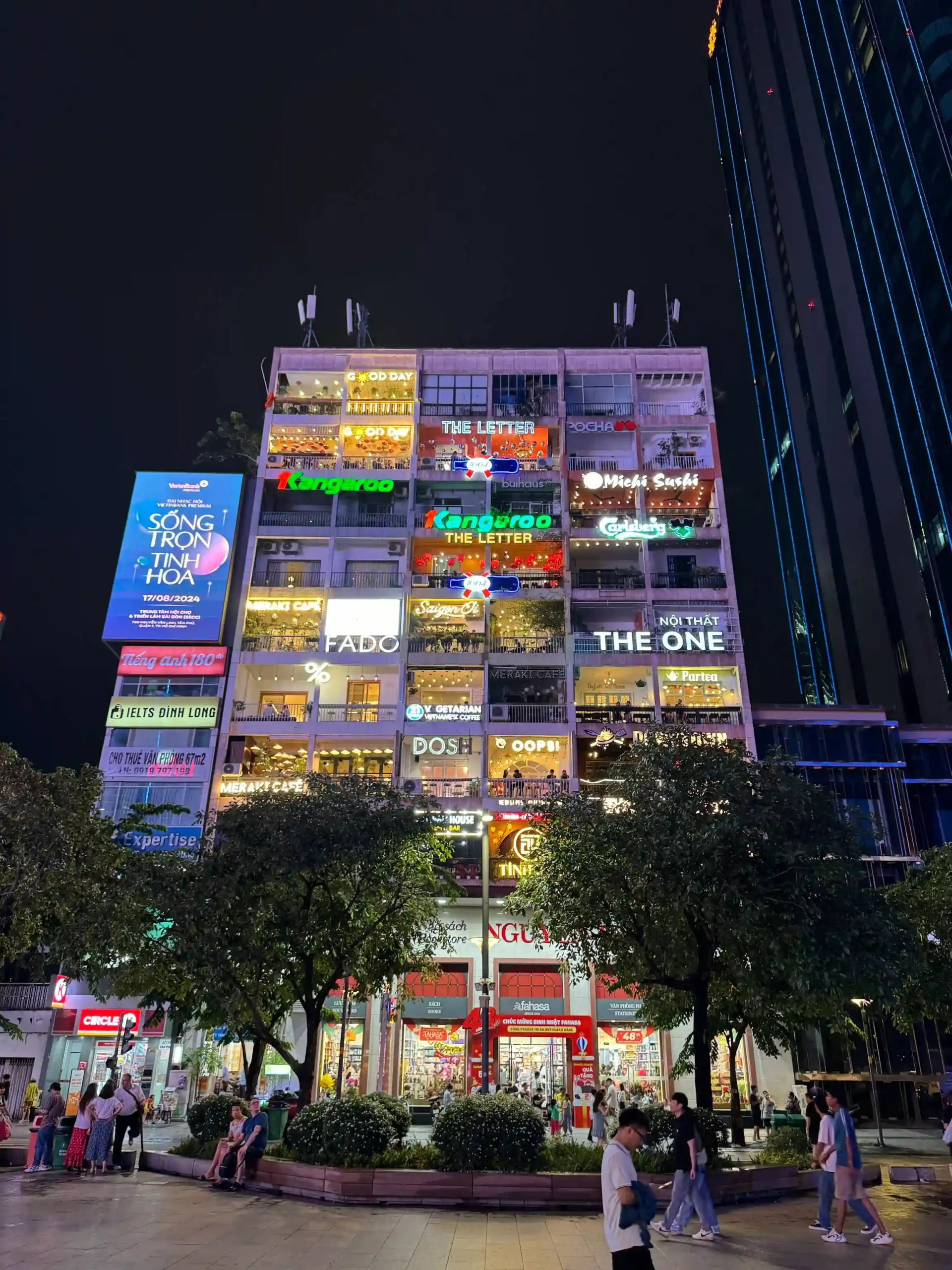
While you’re walking, look up at number 42 Nguyen Hue. You’ll see the famous Cafe Apartment building, a towering, dilapidated mid-century apartment block where almost every single residential unit has been converted into a tiny boutique cafe or shop. The whole building glows at night.
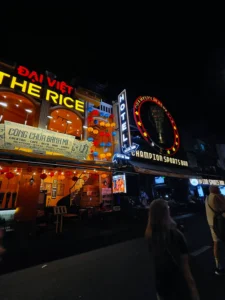
Grab dinner at a nearby restaurant. If you have the energy afterward, you could walk over to Bui Vien (the famous backpacker street) for exactly one beer just to see the chaos. But I wouldn’t make it the focus of your night. Bui Vien is overwhelmingly loud, lined with clubs blasting EDM, and filled with touts. It’s a bit of a circus, so go see it for 20 minutes and then head back to your quiet hotel.
Day 2: Cho Lon, Street Food, and Slowing Down
If day one was heavily focused on the historical monuments, day two is about discovering the rhythm of the city. We’re going to get slightly out of District 1 and see how the locals actually live.
Morning
Please skip the hotel buffet this morning. You want to try a classic southern-style breakfast out on the street.
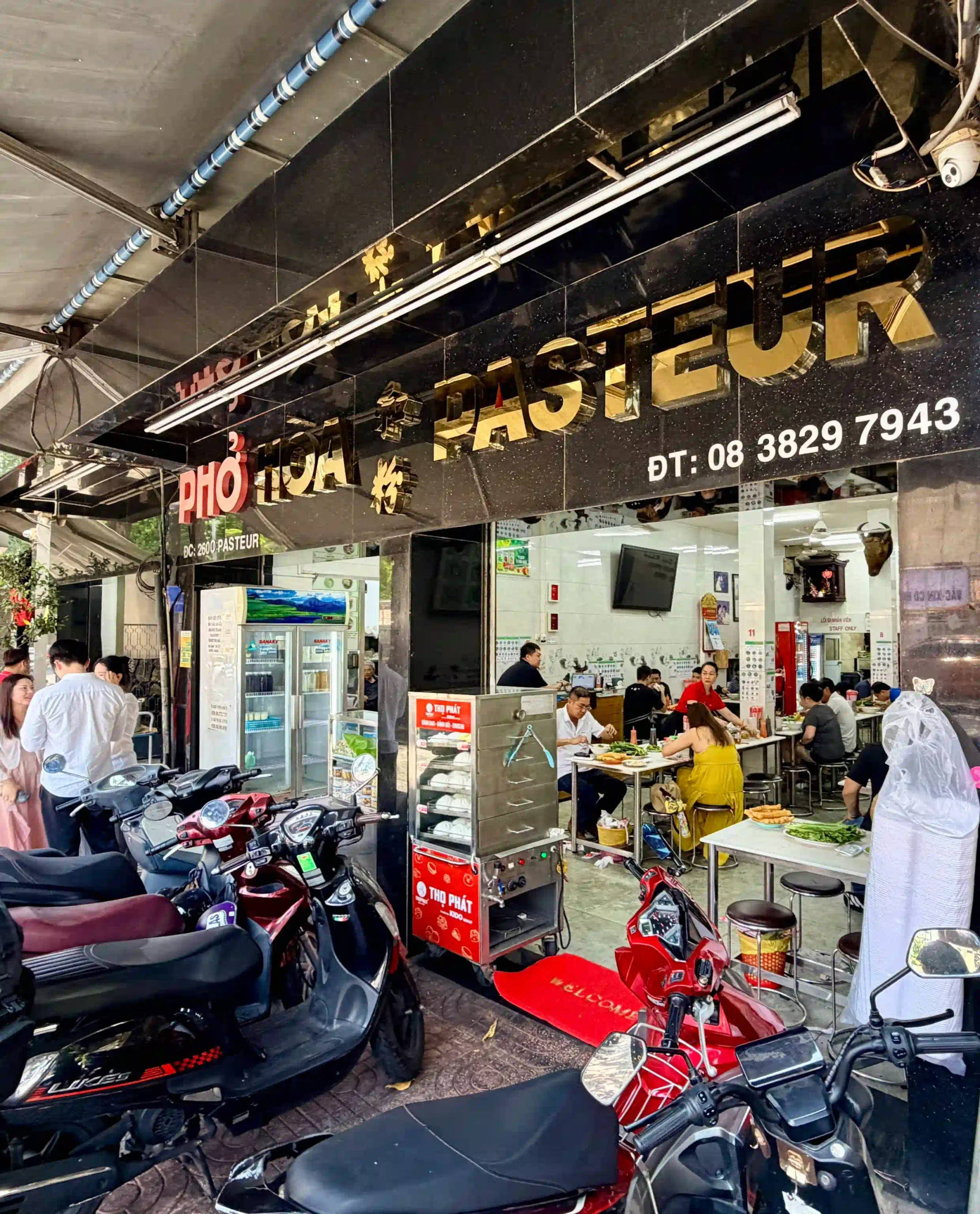
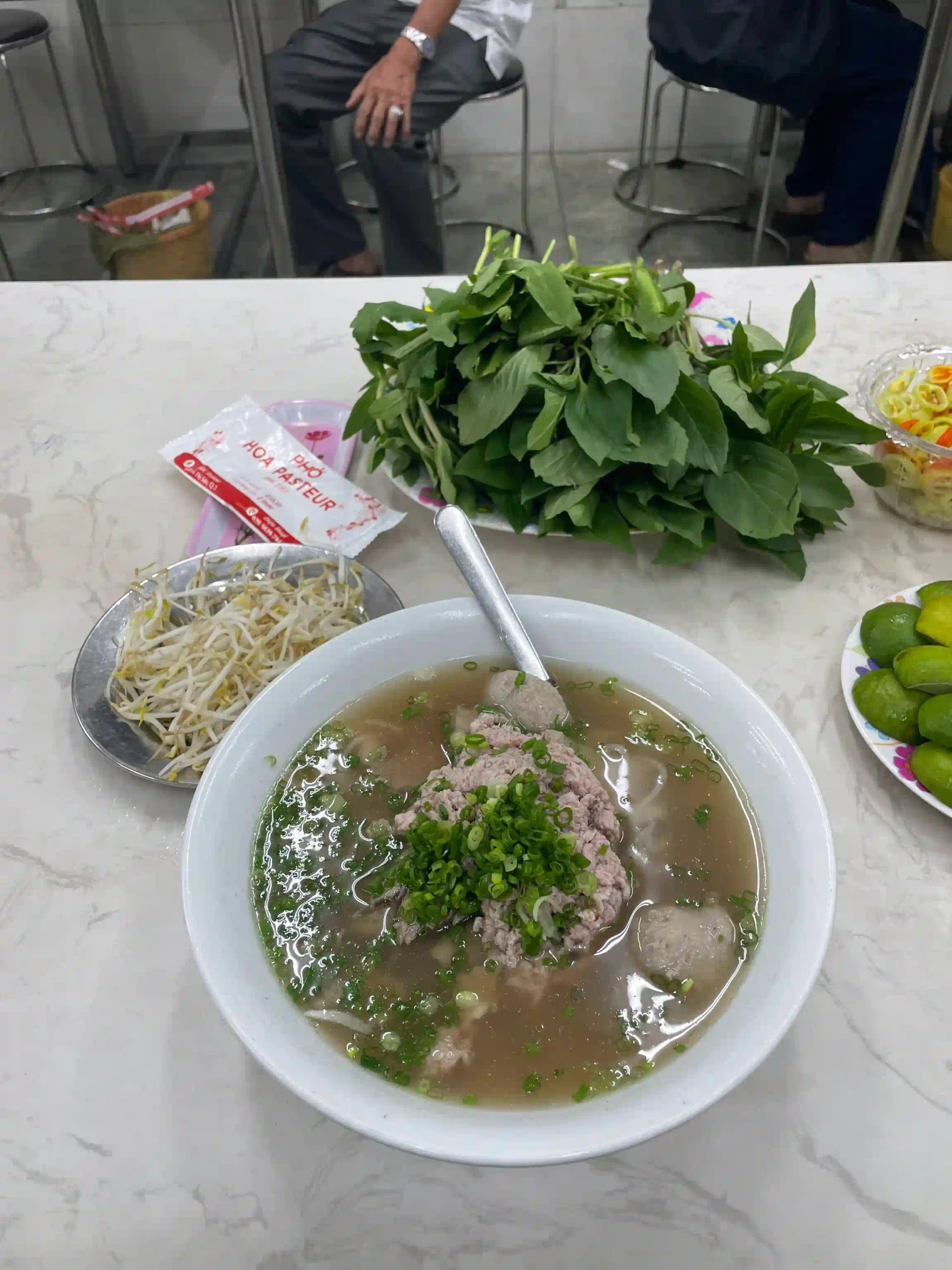
A lot of visitors don’t realize that Phở is traditionally eaten for breakfast in Vietnam, not dinner. Southern Pho is quite different from the Northern version we have up in Hanoi. The broth here is sweeter, richer, and they will serve you a massive plate of fresh herbs (like Thai basil and culantro) and raw bean sprouts for you to mix into the bowl yourself.
Phở Hòa Pasteur (at 260C Pasteur Street in District 3) is a legendary spot that has been around for decades. Yes, it’s a bit touristy because it appears in every guidebook, but the food is genuinely excellent and the turnover is so high that the ingredients are always incredibly fresh.
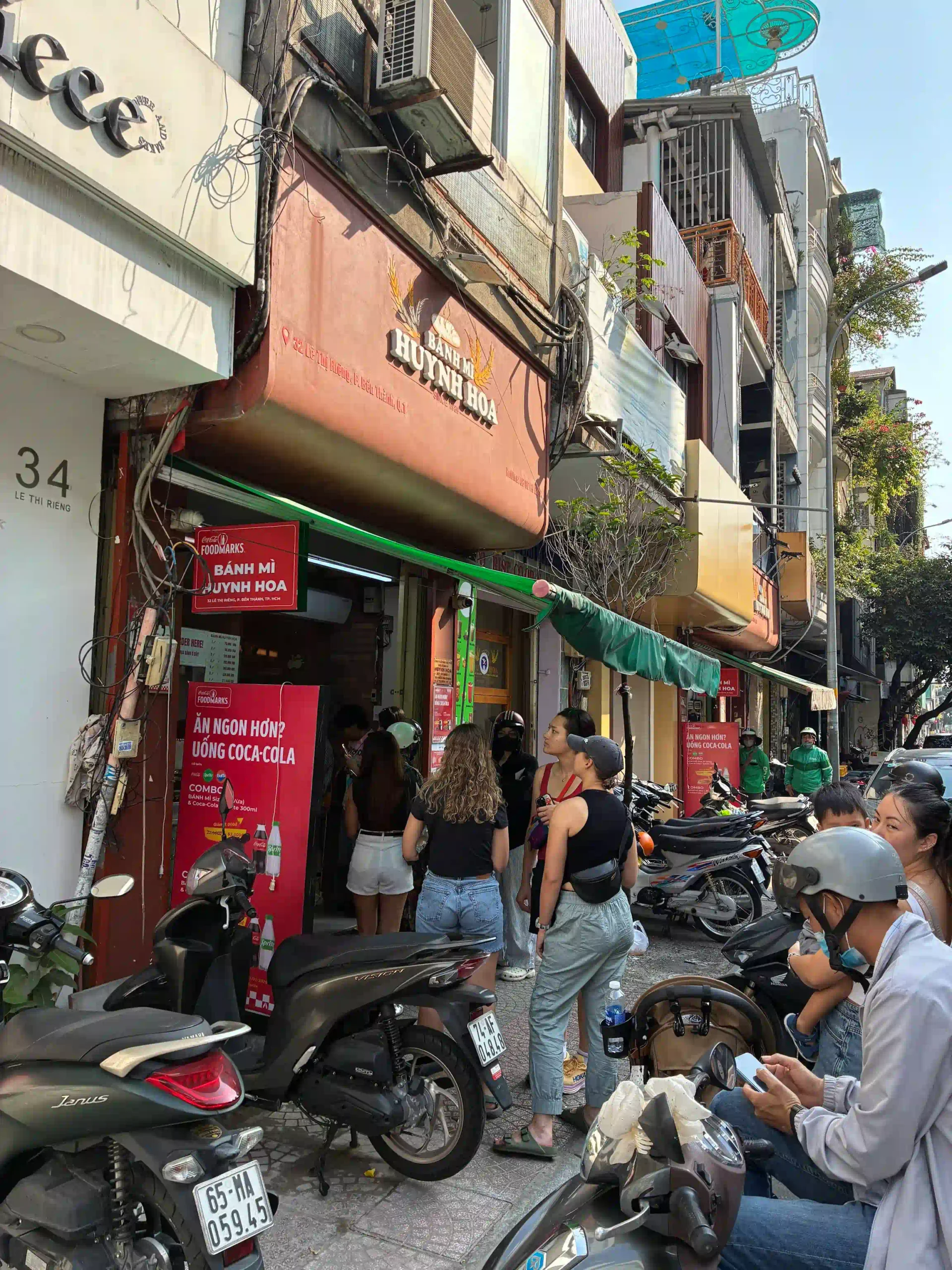
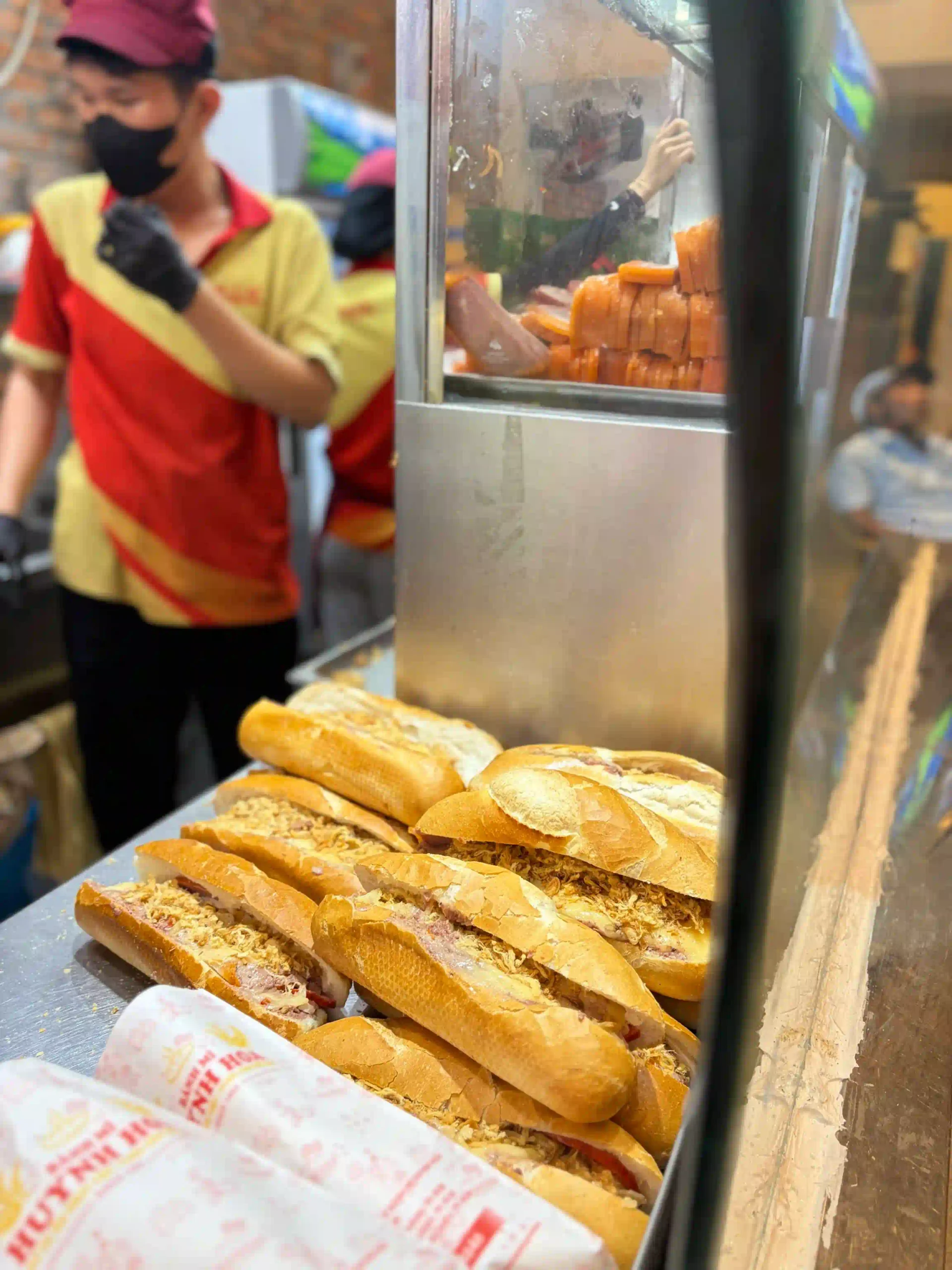
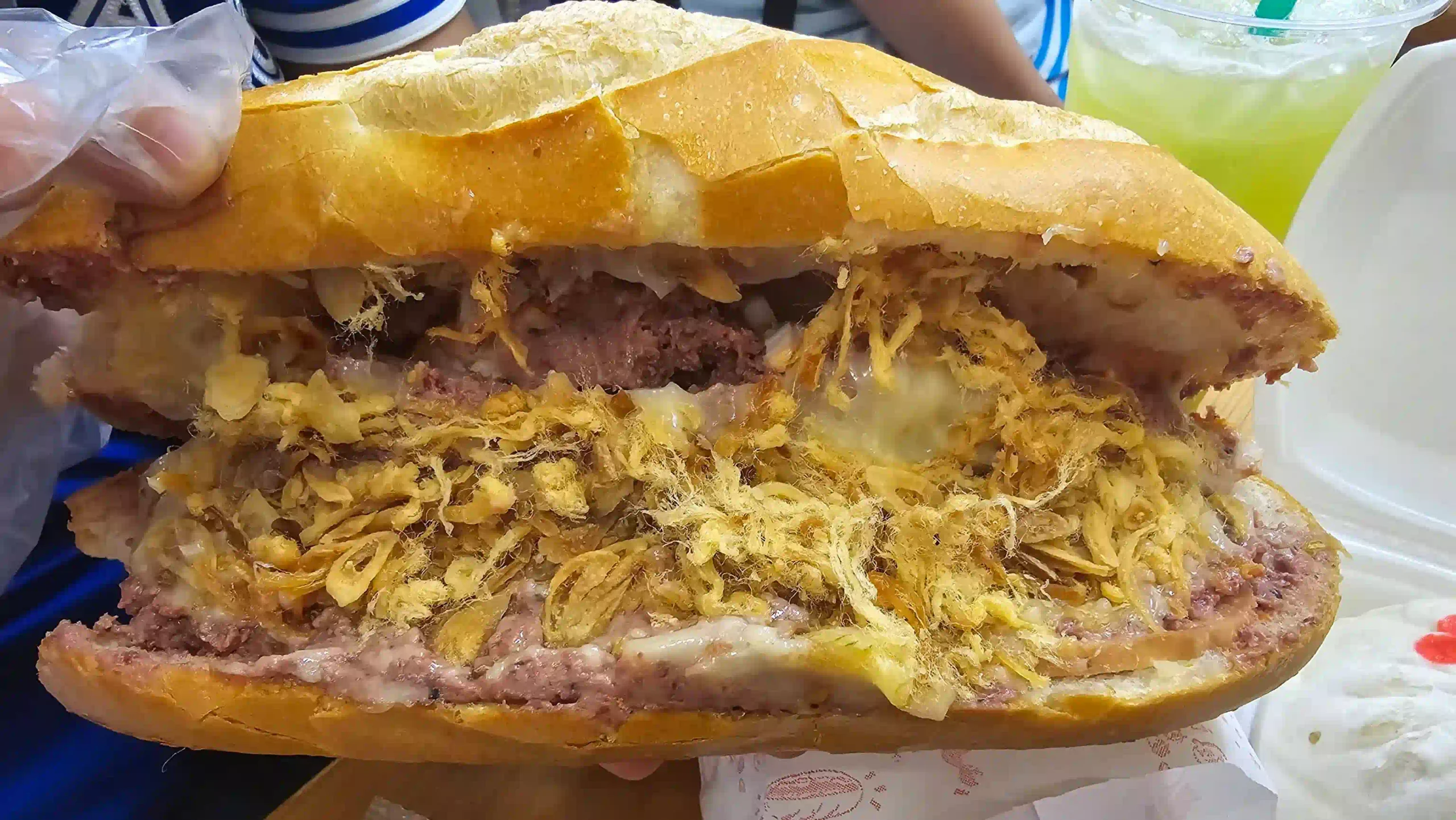
If you prefer a sandwich, look for a local Bánh Mì cart. Bánh Mì Huỳnh Hoa is the most famous in the city, they sell massively overstuffed baguettes packed with different types of pork, thick pate, and loads of chili. It’s technically more of an afternoon/evening spot, but you’ll see small carts selling breakfast baguettes with fried eggs everywhere you look.
Mid-morning
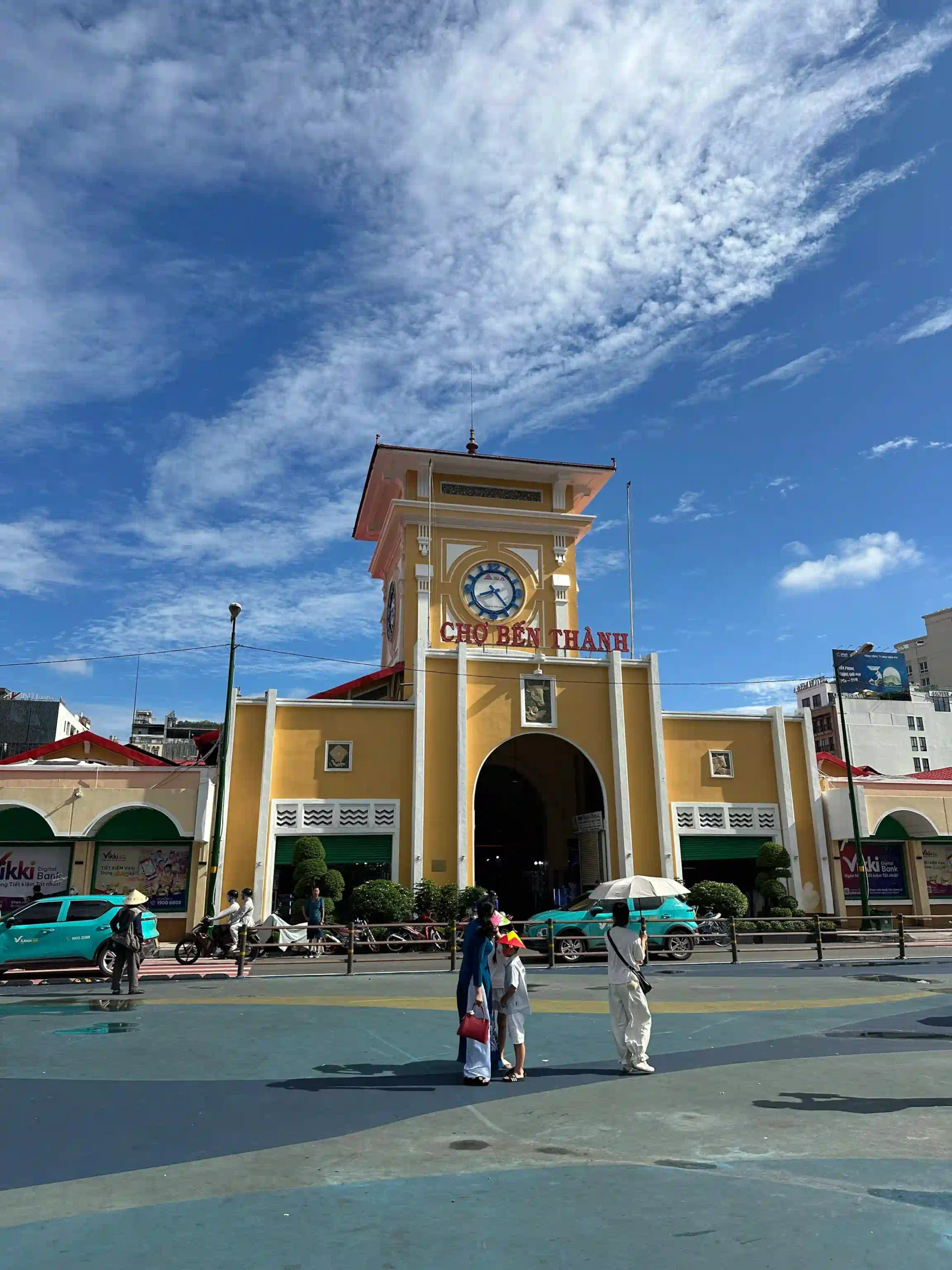
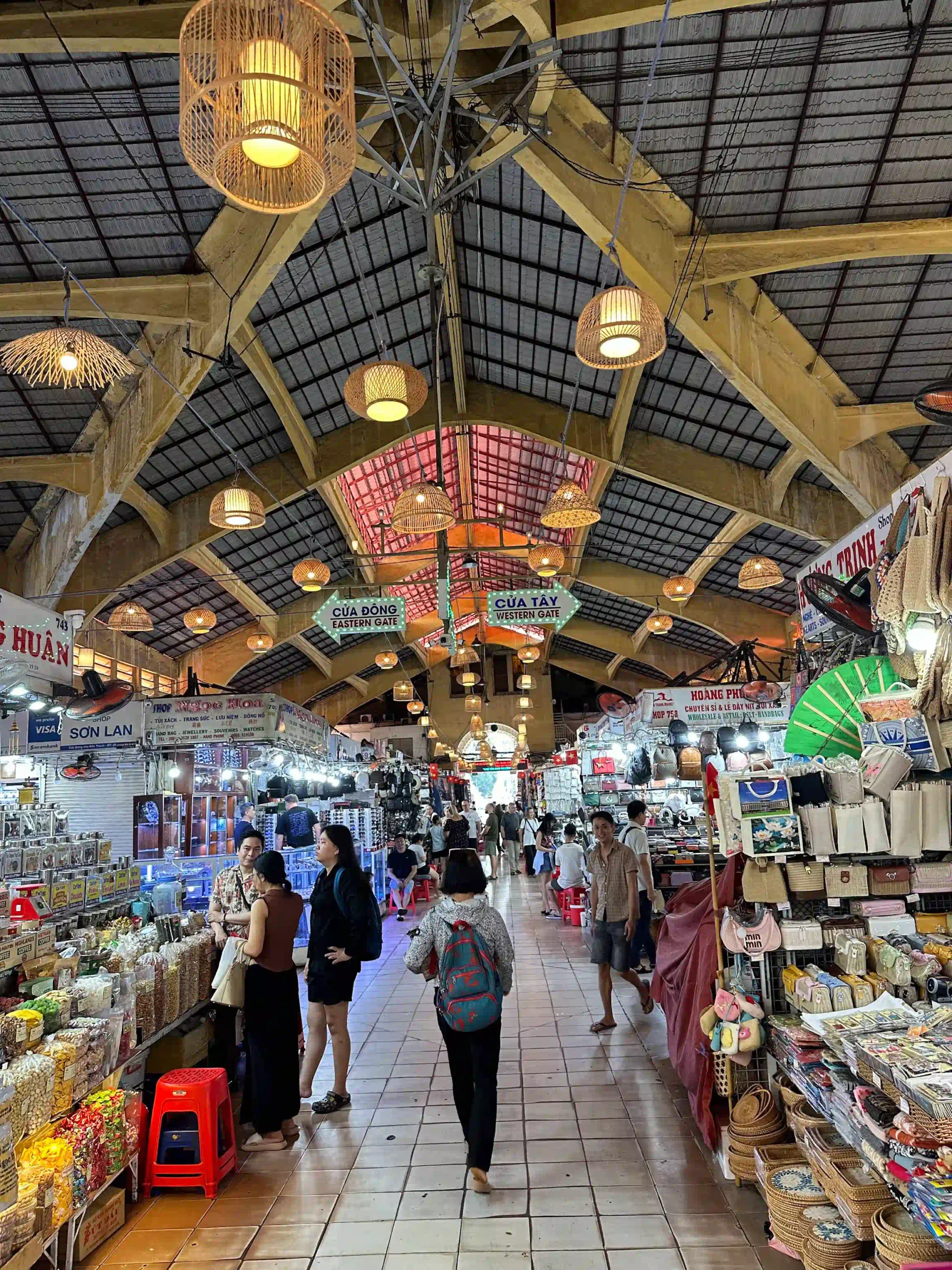
You’ll probably want to see Ben Thanh Market since it’s right in the center of District 1.
It has become very tourist-focused over the years. You will have to deal with vendors calling out to you constantly, and the starting prices they quote you are often three times what they should be.
It is absolutely worth a 30-minute wander just for the sensory experience. Walk the tight aisles, look at the piles of coffee beans and colorful fabrics, and head to the food court section in the back where local workers are eating noodles at tiny counters.
But I recommend holding off on doing any major souvenir shopping here unless you really enjoy aggressive haggling.
Lunch in Chinatown (Cho Lon)
After the market, pull up your Grab app, book a car, and head west to District 5, known locally as Cho Lon (Chinatown). It’s about a 20-minute drive from District 1, but so many travelers skip this area, which I think is a huge mistake.
Cho Lon is the historical commercial hub of the city. It is much denser, visually older, and feels entirely different from the manicured avenues of District 1. You’ll see traditional Chinese apothecaries, wholesale fabric shops, and roasted ducks hanging in windows.
Here are the two places I’d recommend exploring while you are here:
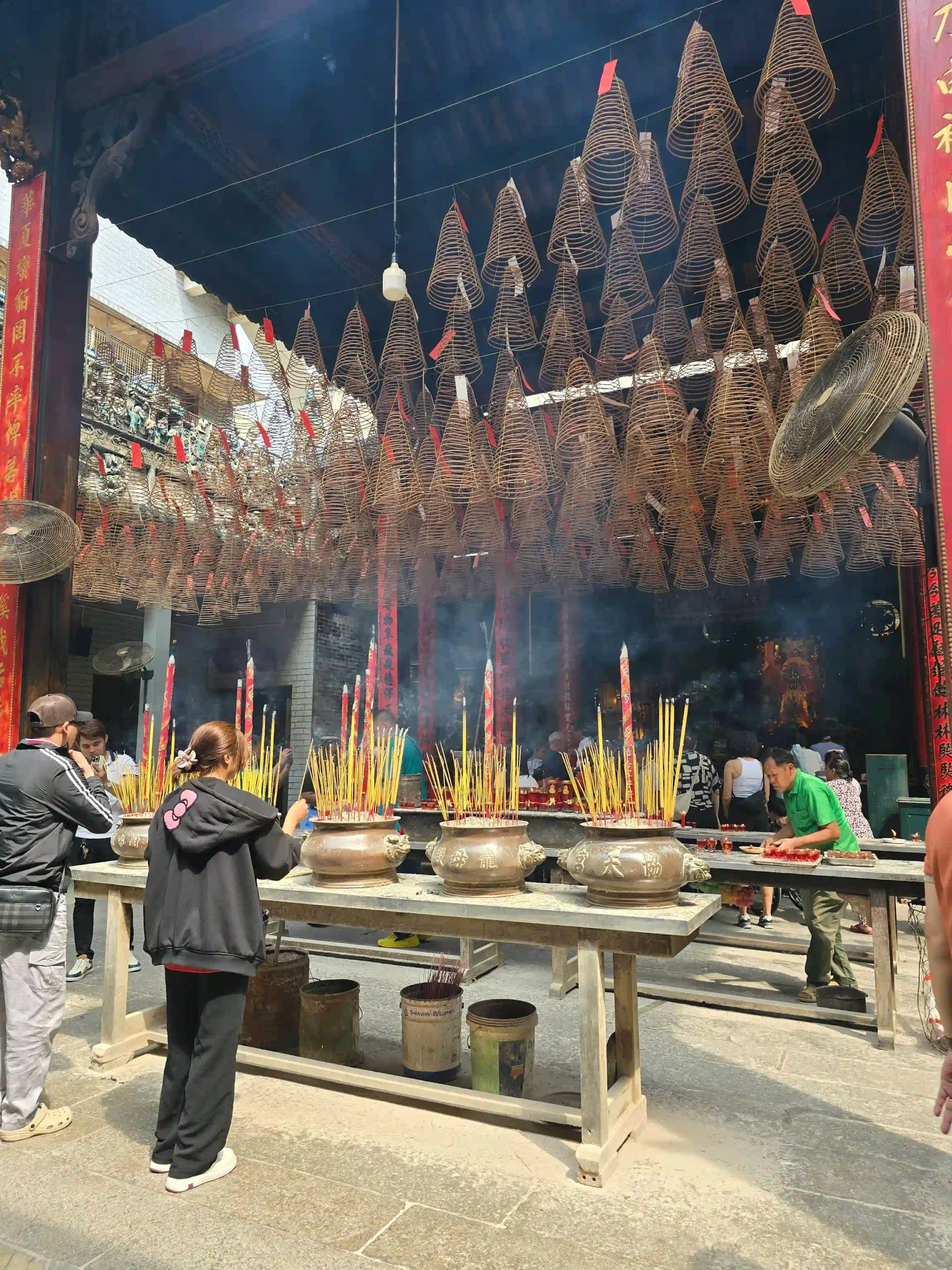
- Thien Hau Temple: Located at 710 Nguyen Trai Street. This is a stunning 18th-century Cantonese temple dedicated to Mazu, the sea goddess. The architecture is incredibly intricate, with tiny porcelain dioramas lining the roof. When you walk into the courtyard, look up. There are dozens of massive incense coils hanging from the ceiling, slowly burning over several weeks. Because it’s a working temple, it’s peaceful and always filled with locals lighting incense.
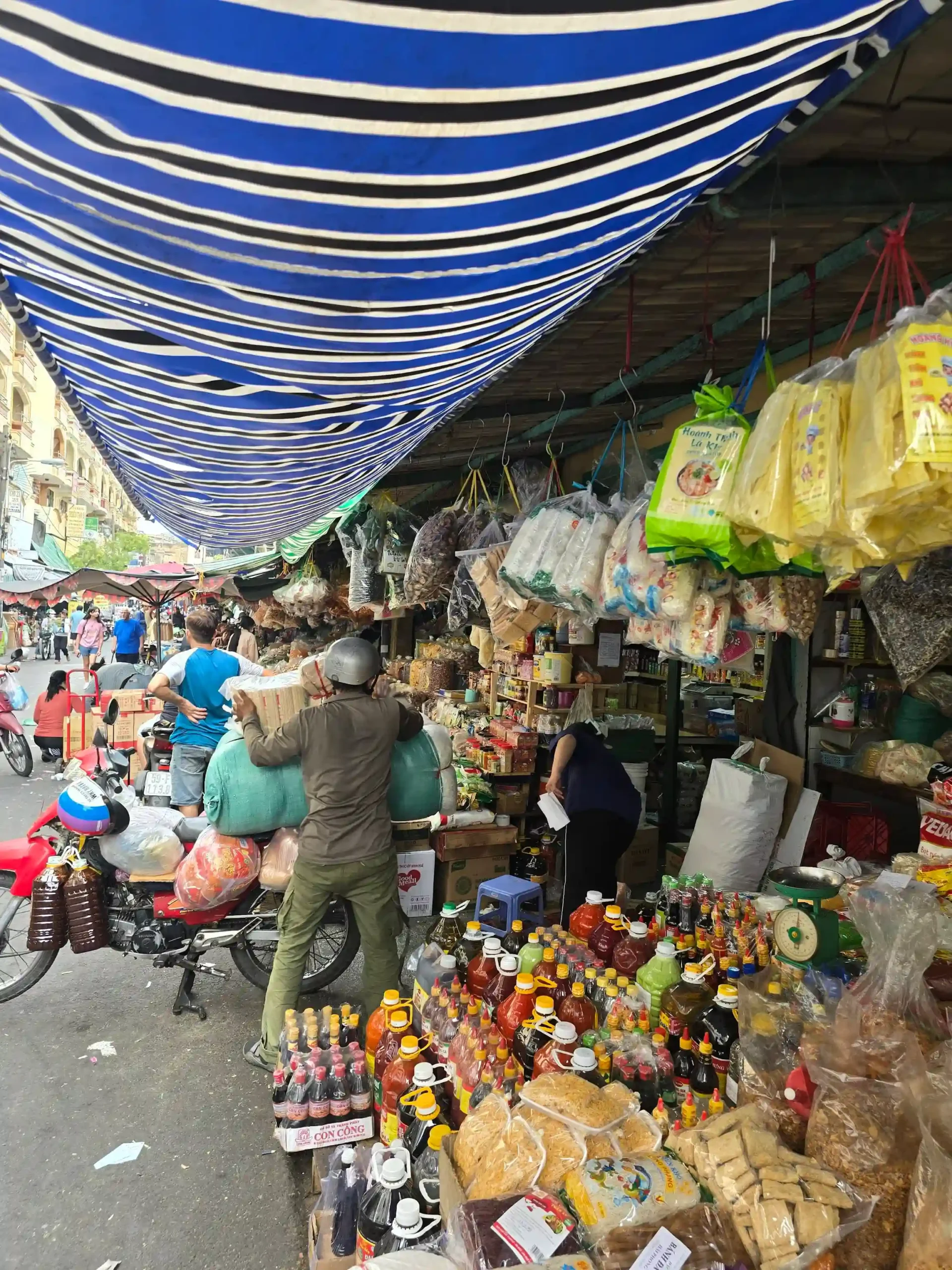
- Binh Tay Market: This is the massive wholesale market for the city. It is housed in a stunning old French-Chinese building with a central open-air courtyard. The vibe here is completely different from Ben Thanh. The vendors are much more relaxed because they are mostly selling bulk goods to other locals, not tourists. It’s fascinating to walk the perimeter and watch the pure logistics of goods being loaded onto motorbikes.
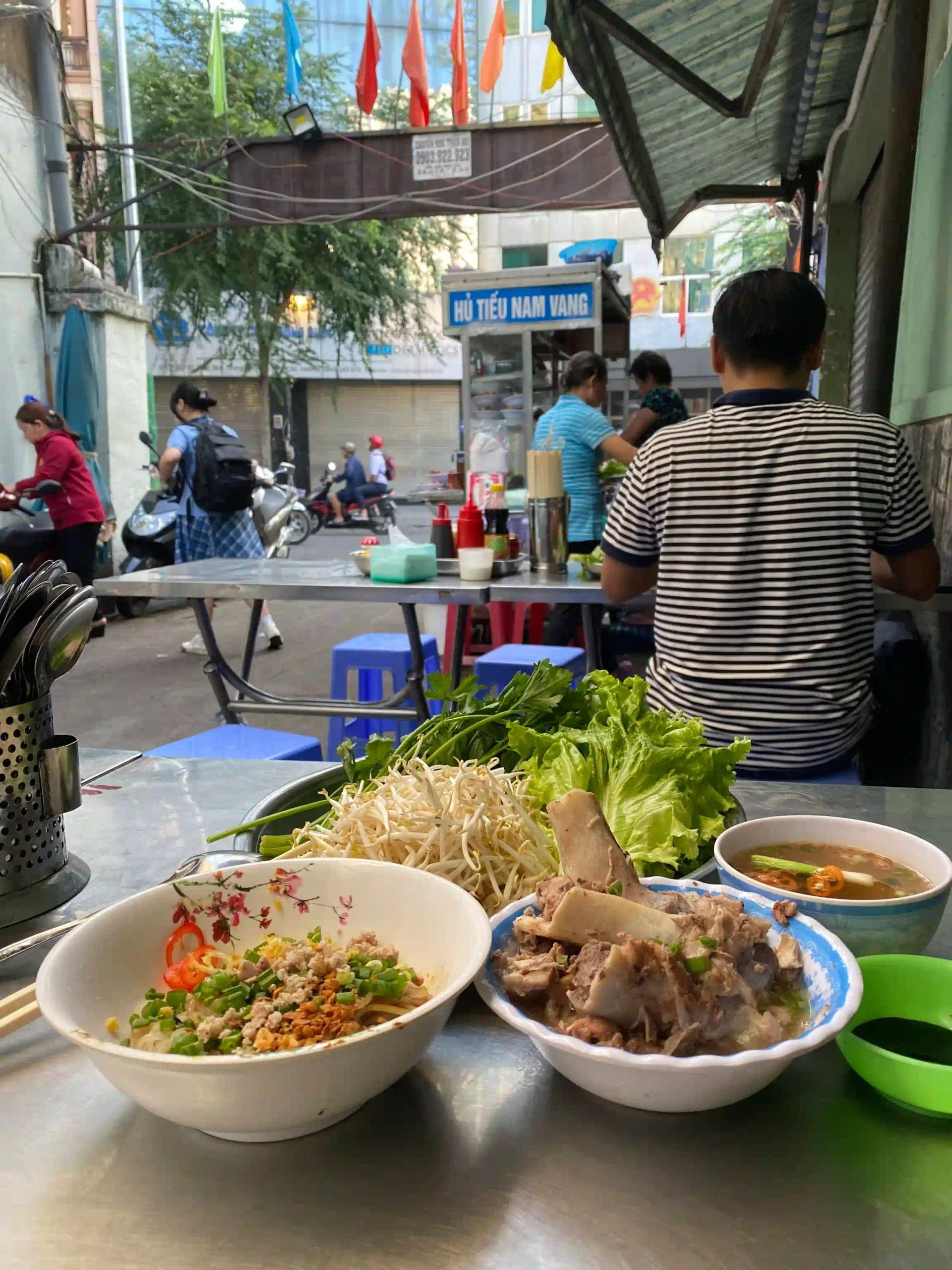
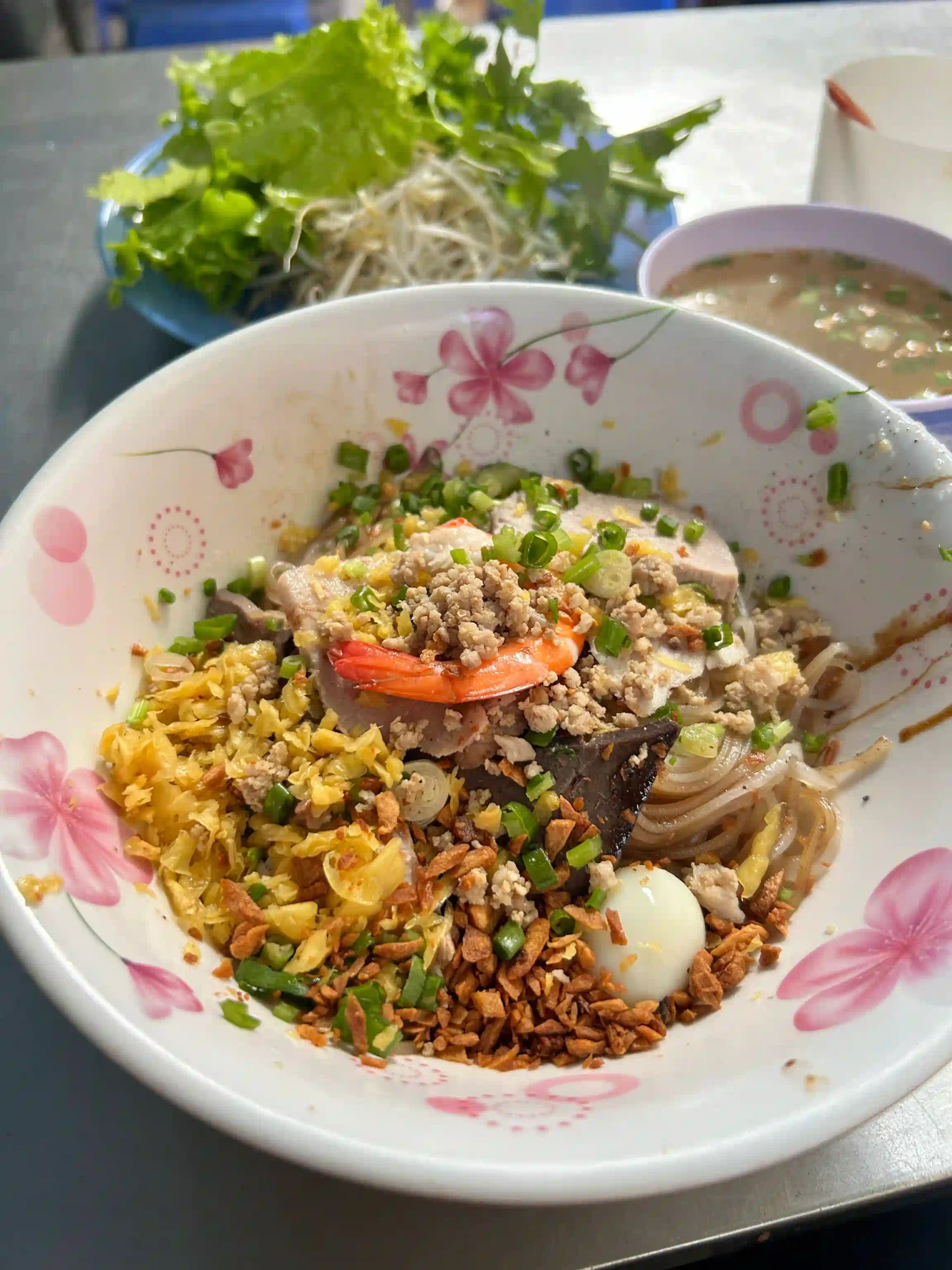
Have lunch while you are in Cho Lon. This area is famous for hủ tiếu (a pork and seafood noodle soup that is much lighter than Pho) and amazing dim sum. Stop at a local spot, order a bowl, and enjoy the fact that you will likely be the only foreigner in the restaurant.
Afternoon
By 3:00 PM, you’ve done a lot of walking, and the afternoon heat is going to peak. This is your excuse to slow down and enjoy Vietnam’s world-famous cafe culture.
In Ho Chi Minh City, cafes act as the living rooms of the city. People spend hours here socializing, working, or just hiding from the sun. Find a small alleyway cafe (hẻm) either back in District 1 or in District 3.
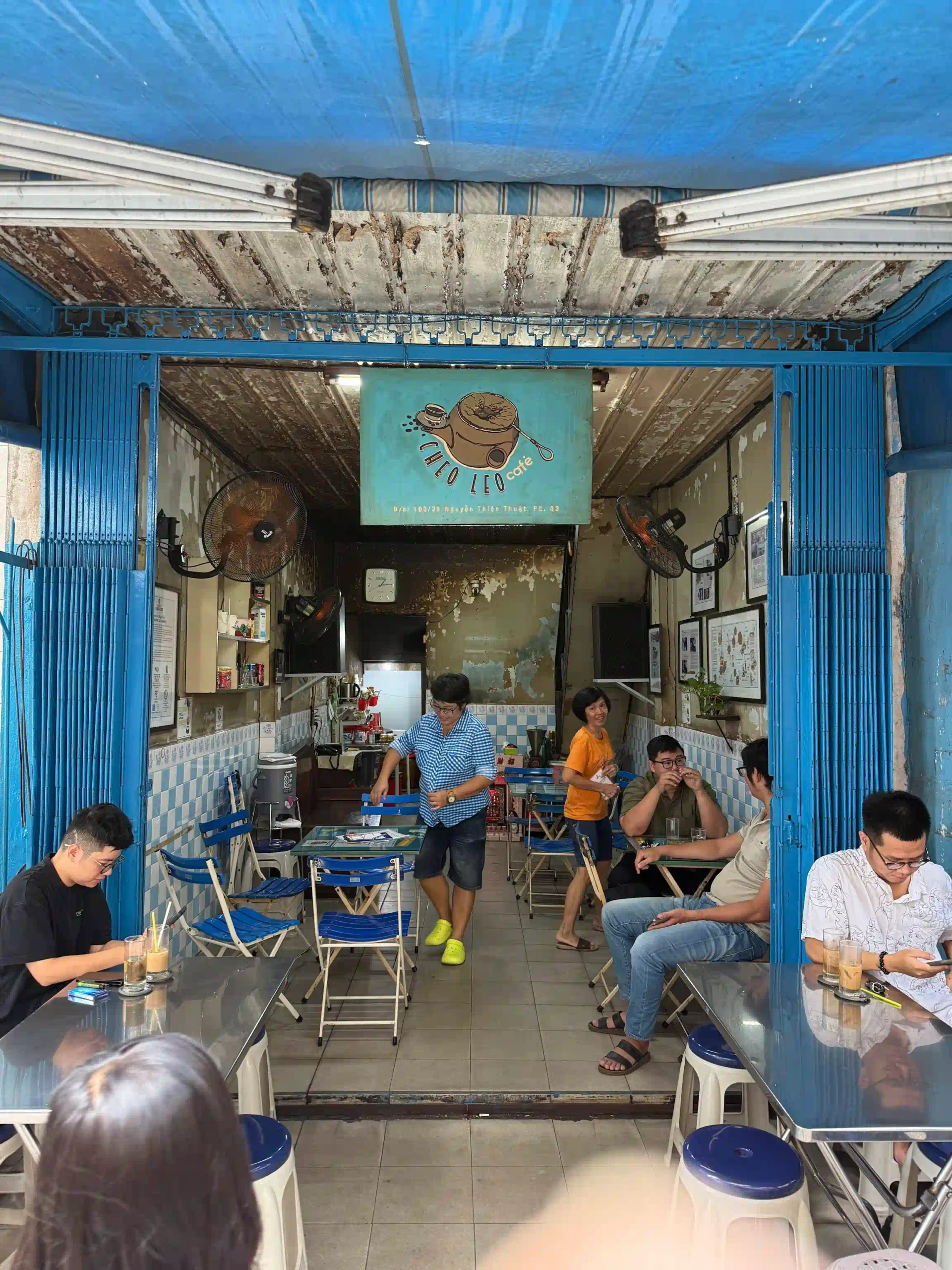
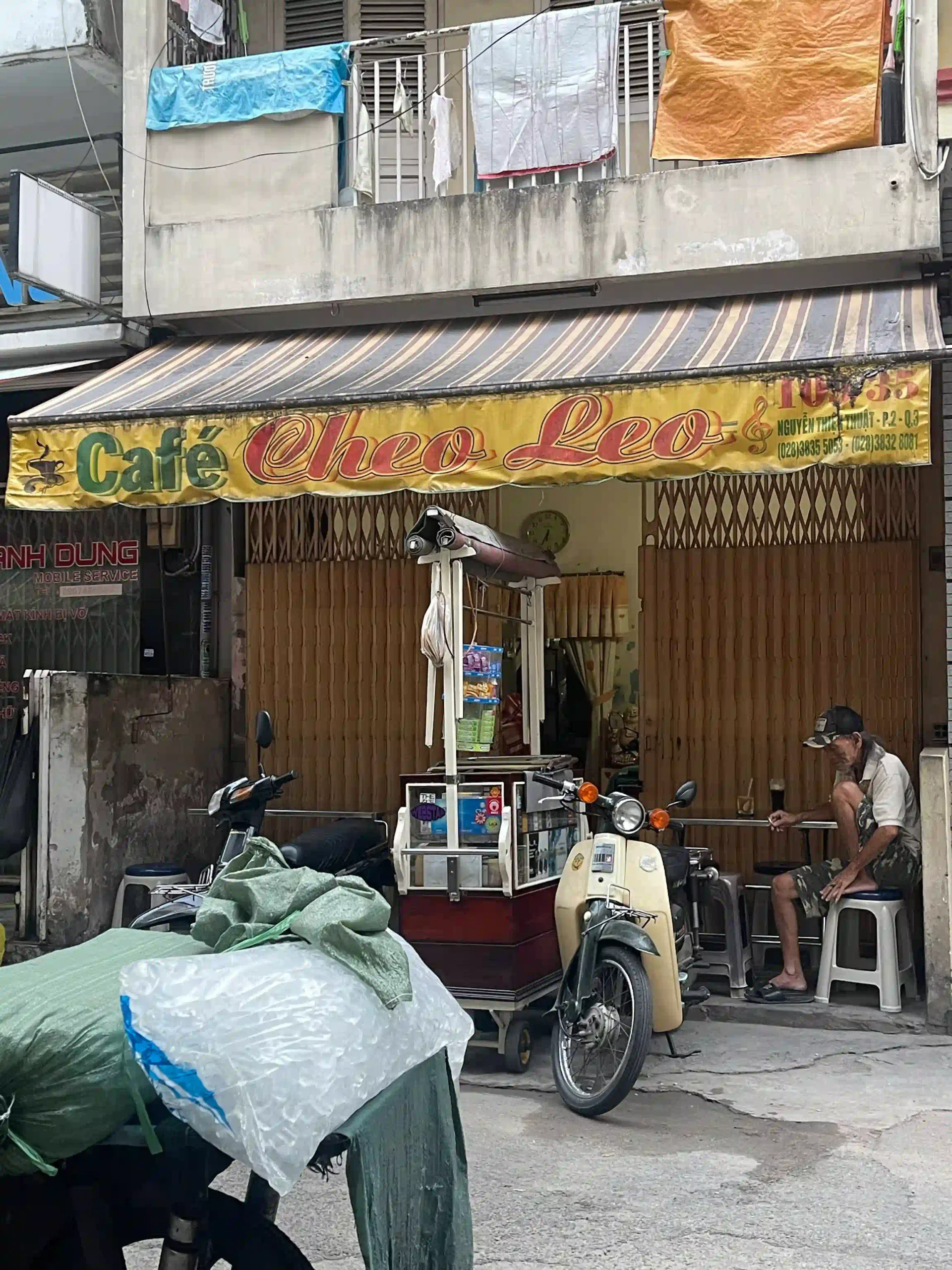
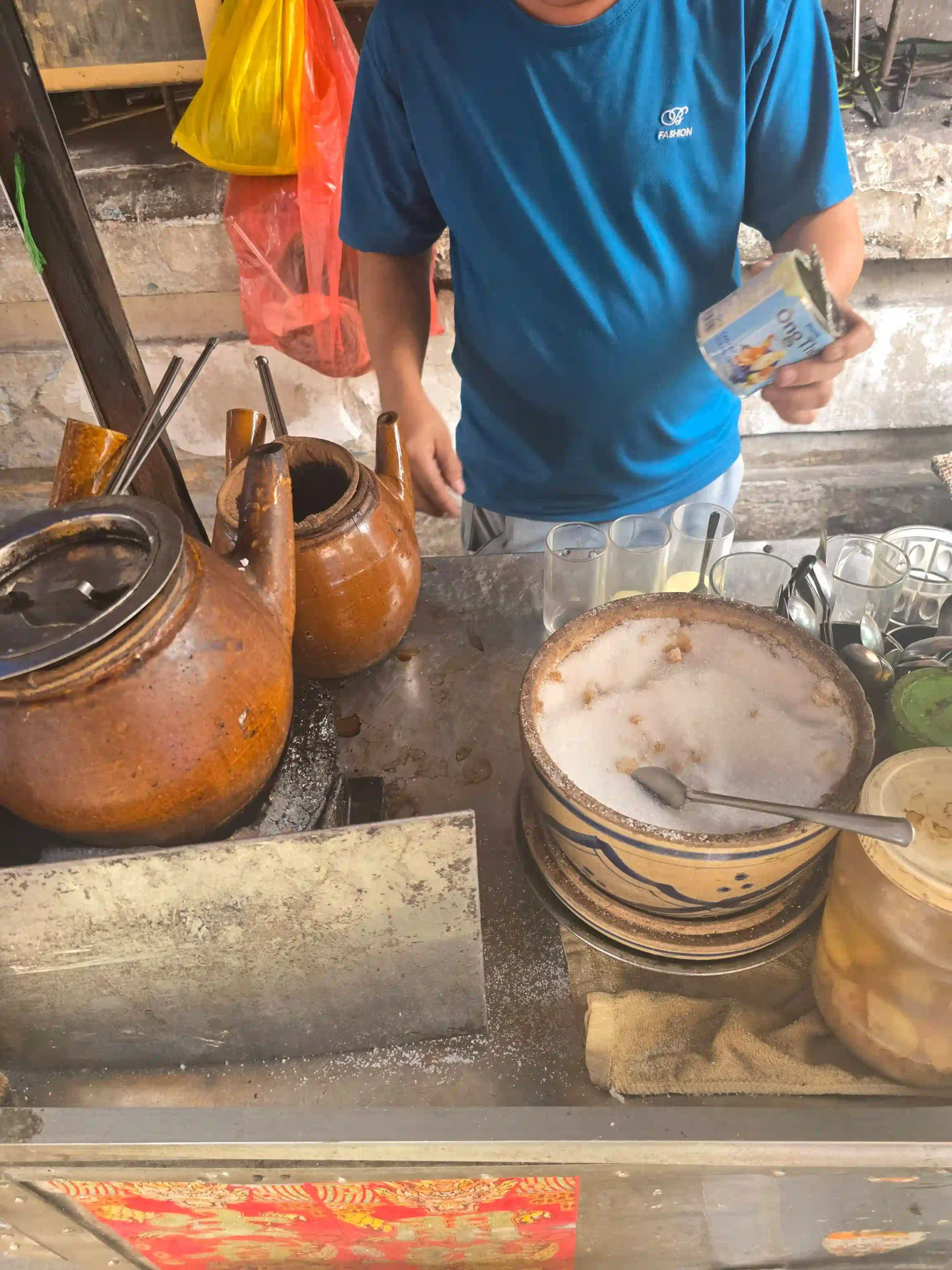
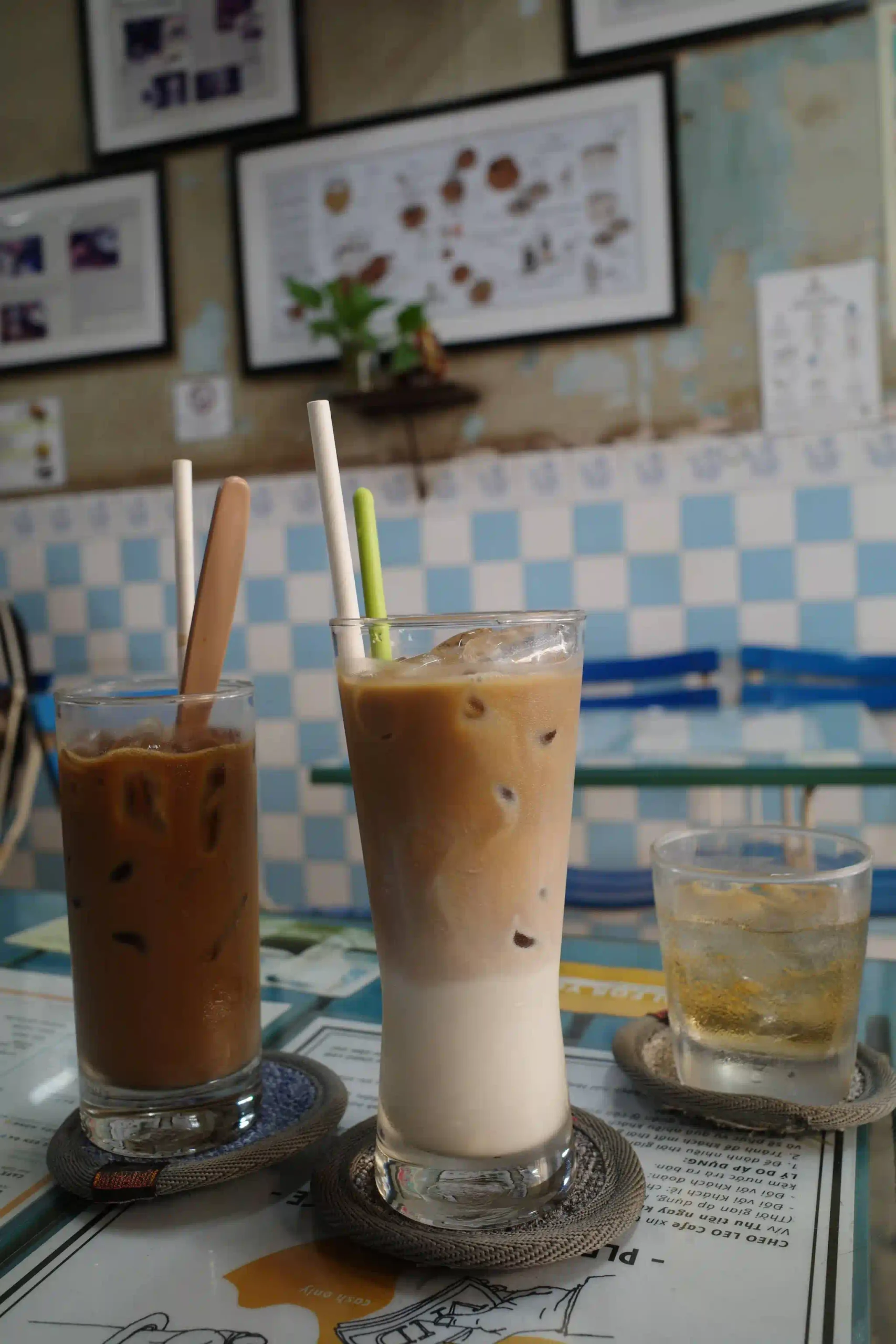
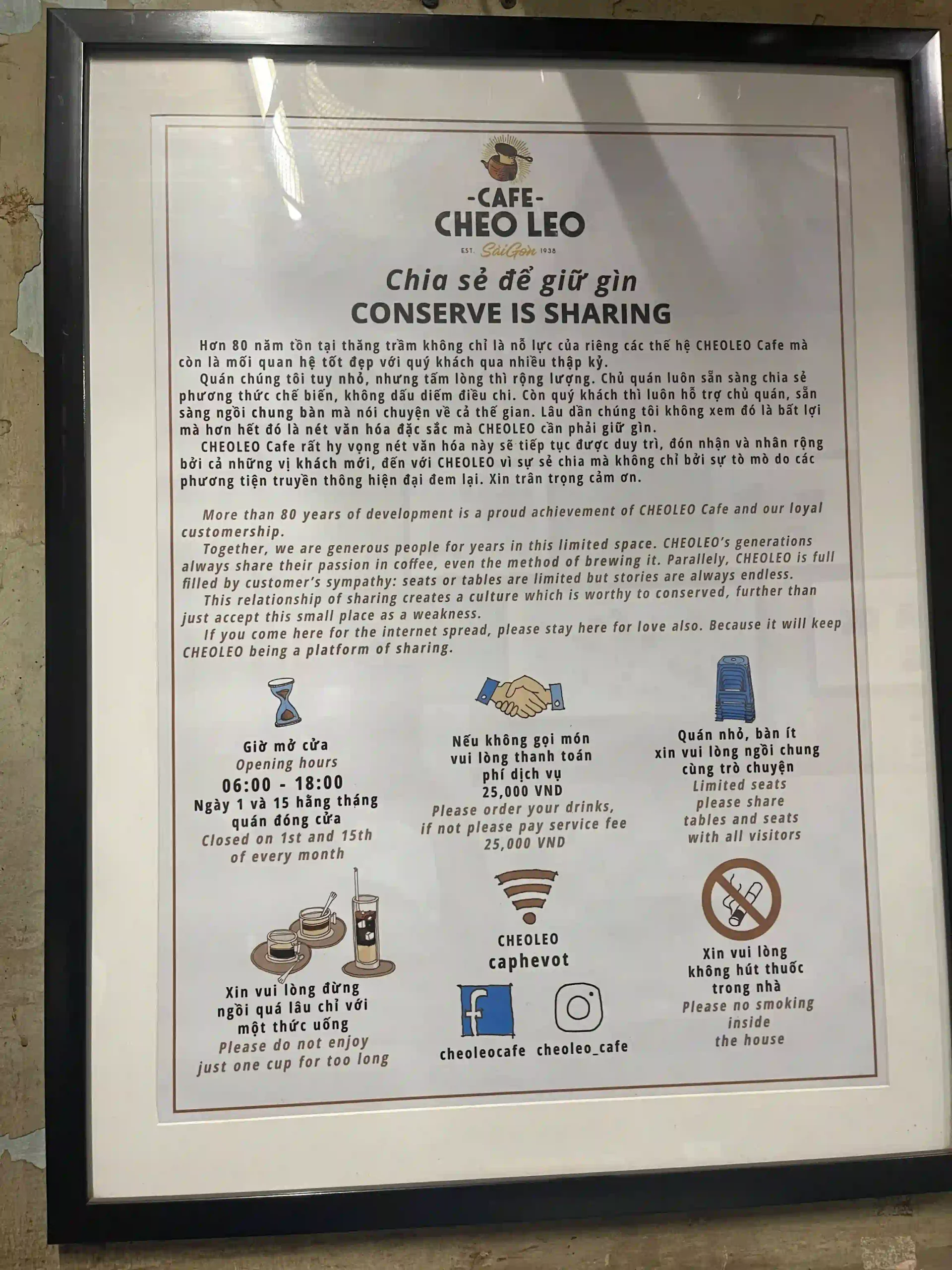
If you want something truly old-school, head to Cheo Leo Cafe (33 Nguyen Thien Thuat). Hidden deep in an alleyway, this family-run spot has been making coffee since 1938. They don’t use metal drip filters; they use a traditional clay pot and a cloth “racket” filter. Sitting on their old wooden chairs while vintage Vietnamese music plays on a crackly speaker is an amazing experience.
Another highly recommended order in local cafes is a salt coffee (cà phê muối). This originated in central Vietnam but has become hugely popular in Saigon. It’s a traditional iced coffee topped with a thick, slightly salty cream foam. The salt cuts through the bitterness of the coffee and the extreme sweetness of the milk, and it is entirely addictive.
Just sit. Drink your coffee. Don’t look at a checklist for an hour. Sometimes, the best way to experience Saigon is by doing absolutely nothing but watching it happen around you.
Evening
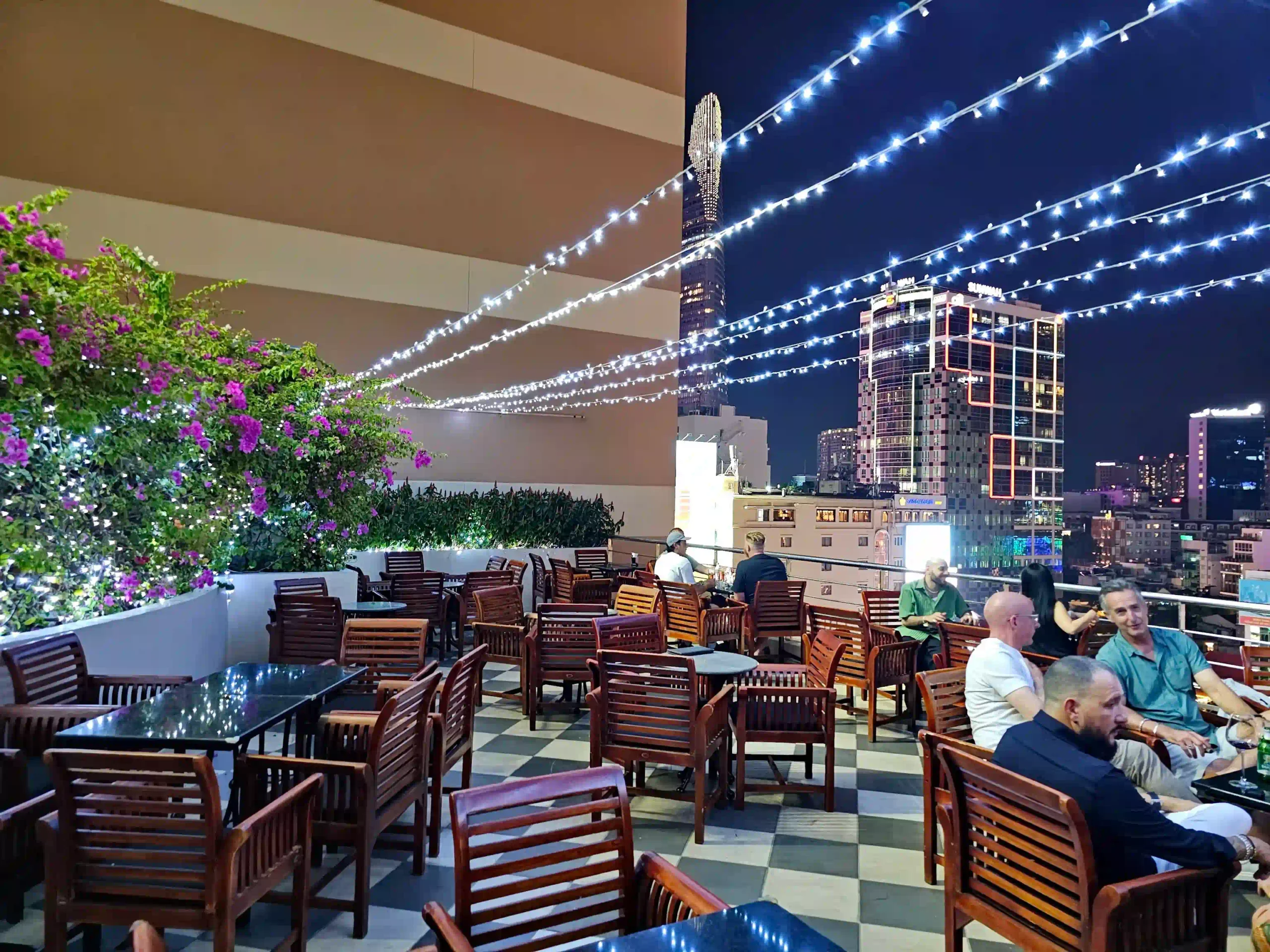
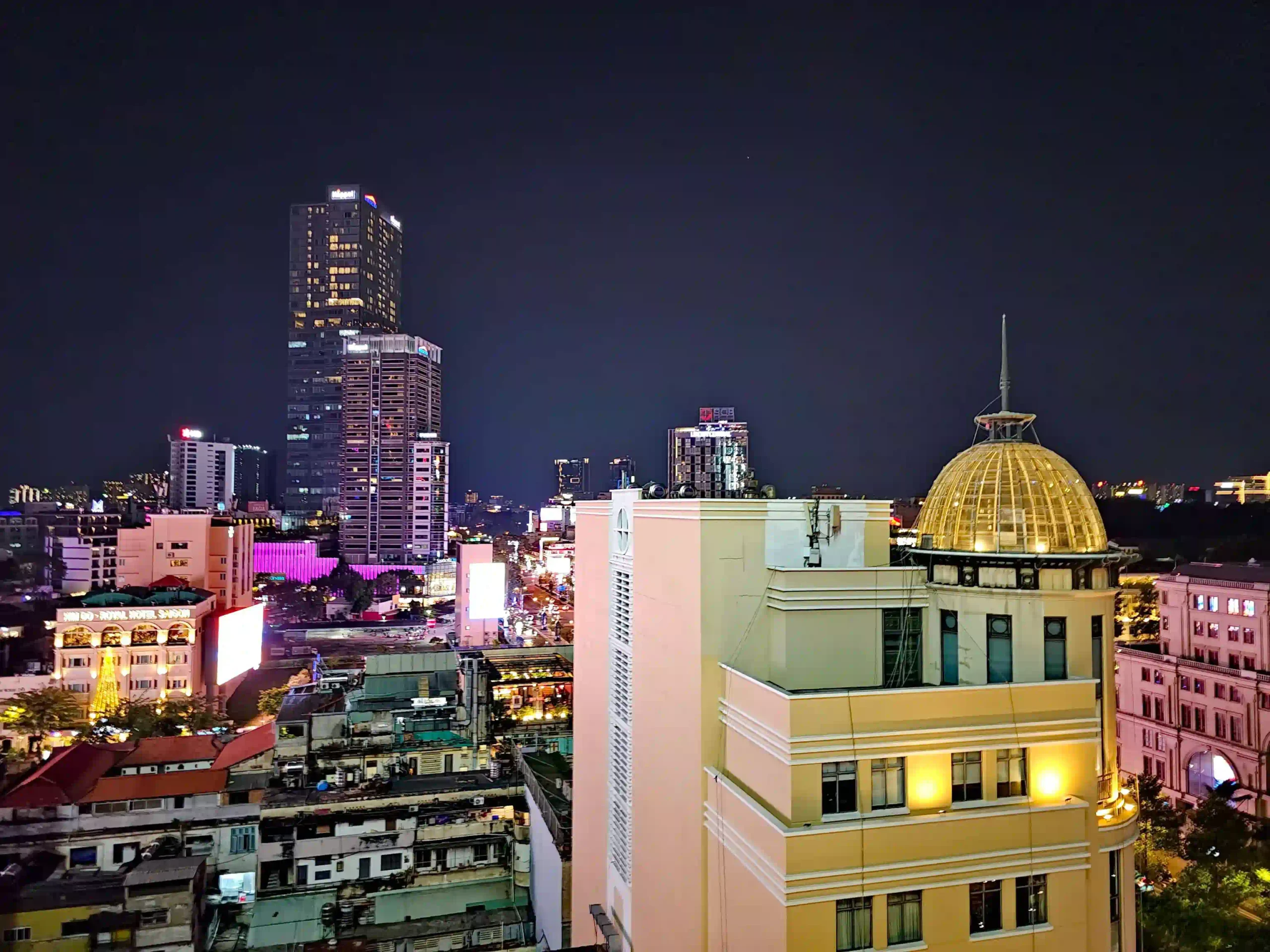
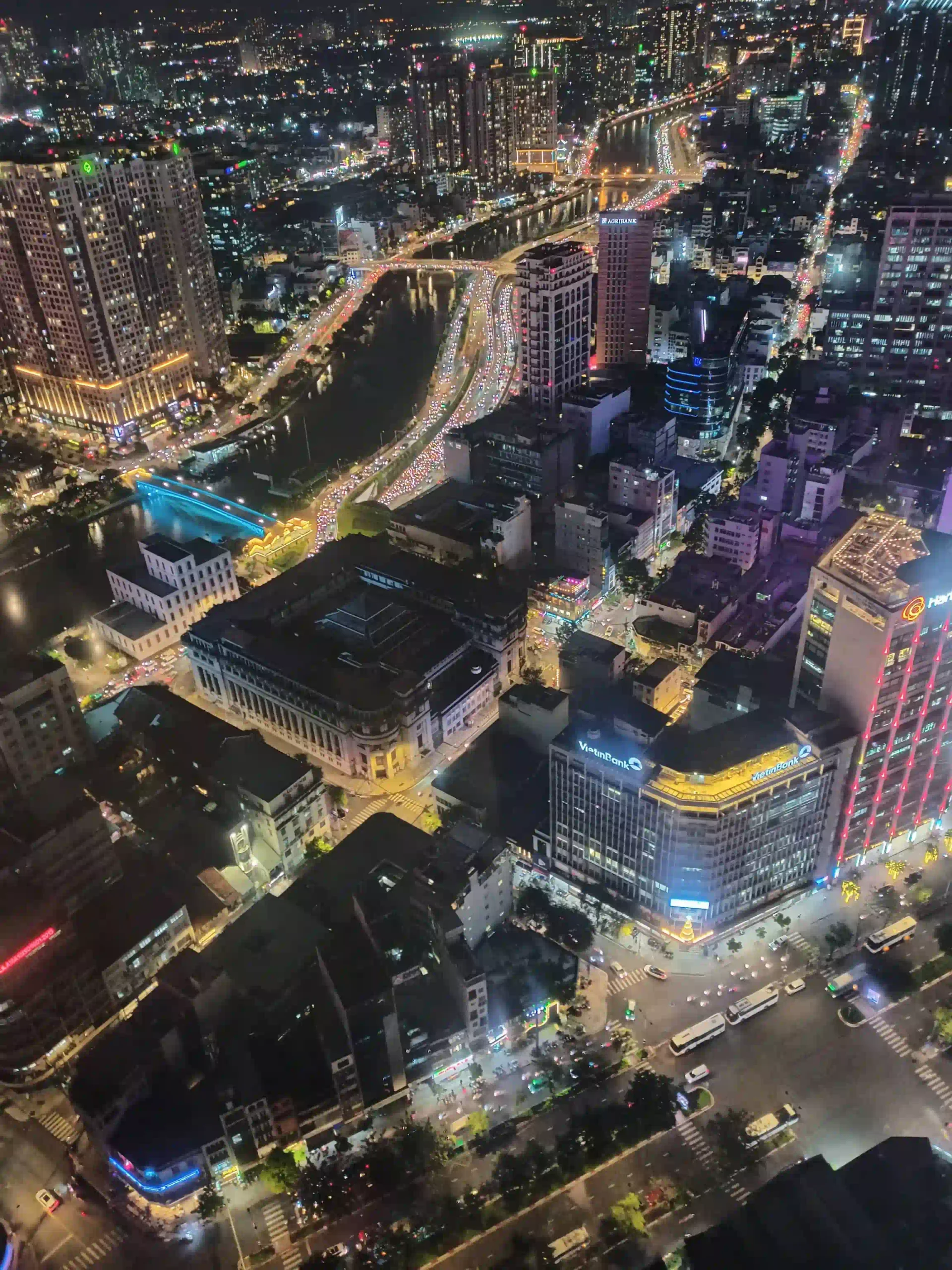
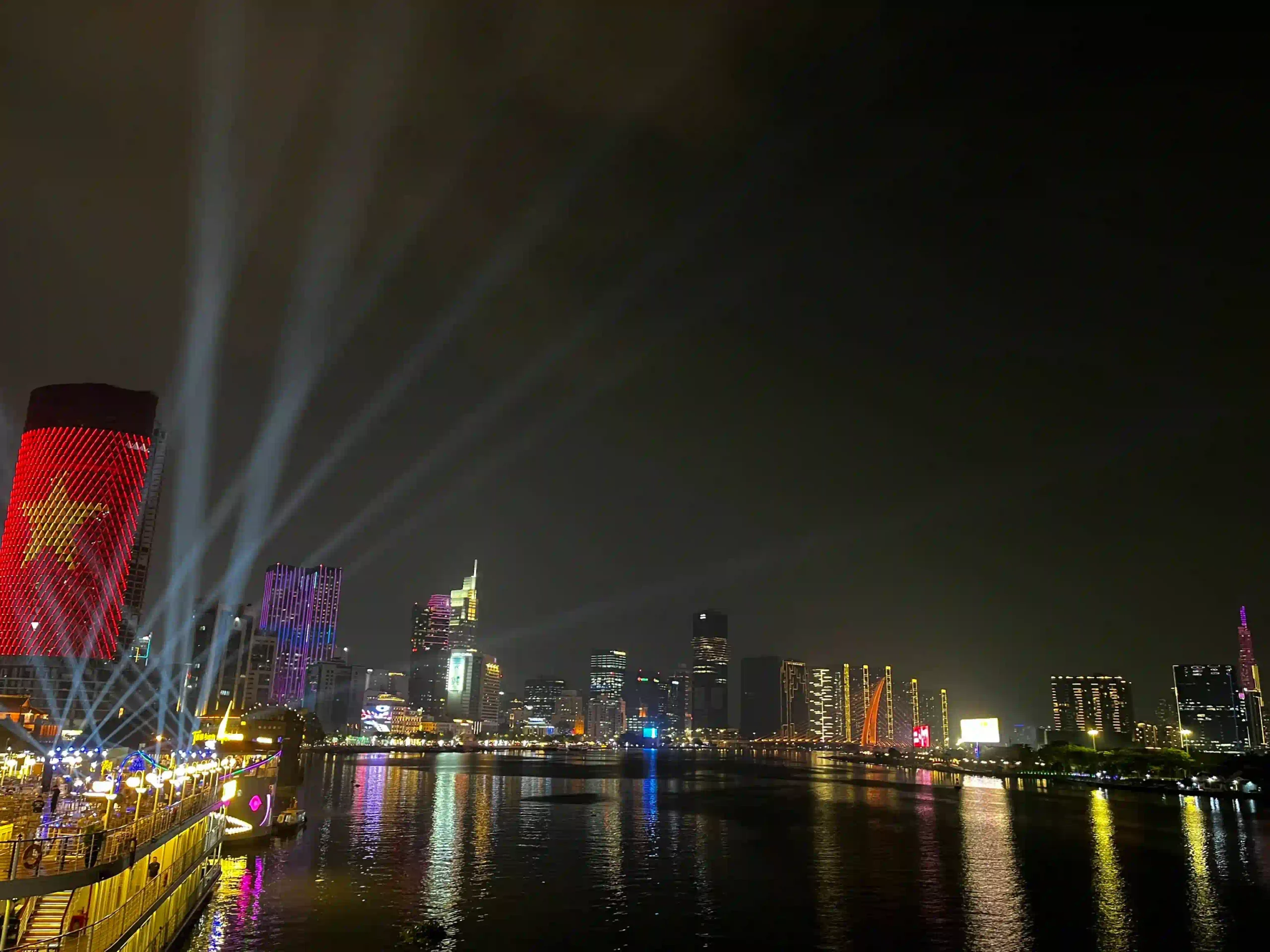
Wrap up your 48 hours by heading to a rooftop bar for sunset. Saigon is a skyline city, and the view is spectacular right as the neon lights start clicking on across the high-rises.
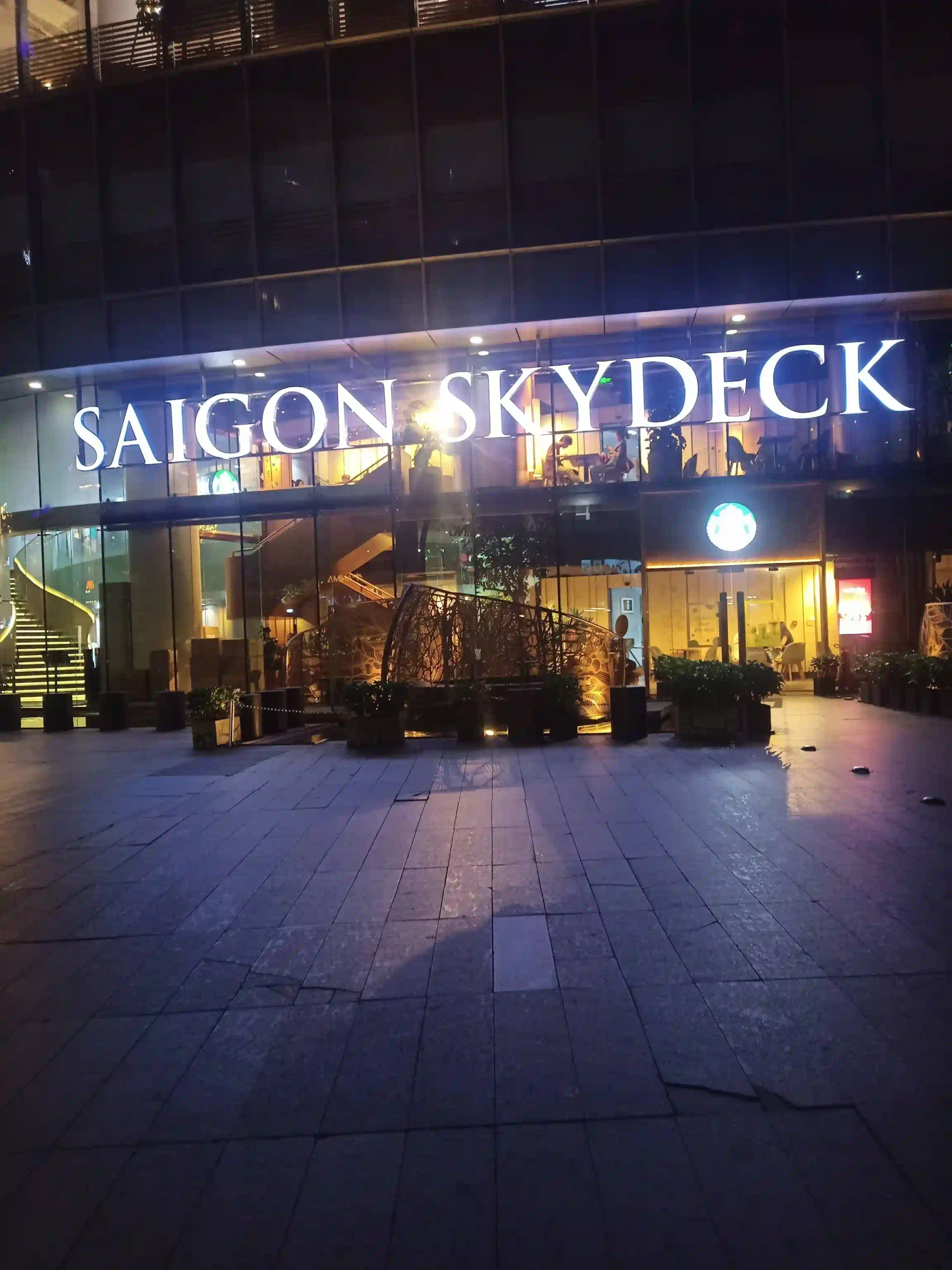
You don’t have to spend a fortune to get a good view. The Saigon Saigon Rooftop Bar at the Caravelle Hotel is a historic classic, this is the exact spot where foreign war correspondents used to drink in the 1960s while watching the horizon. If you want something extremely high up but don’t want to buy an overpriced cocktail, you can just buy an entry ticket to the Bitexco Financial Tower Sky Deck (usually around 200,000 VND). The 360-degree views are incredible.
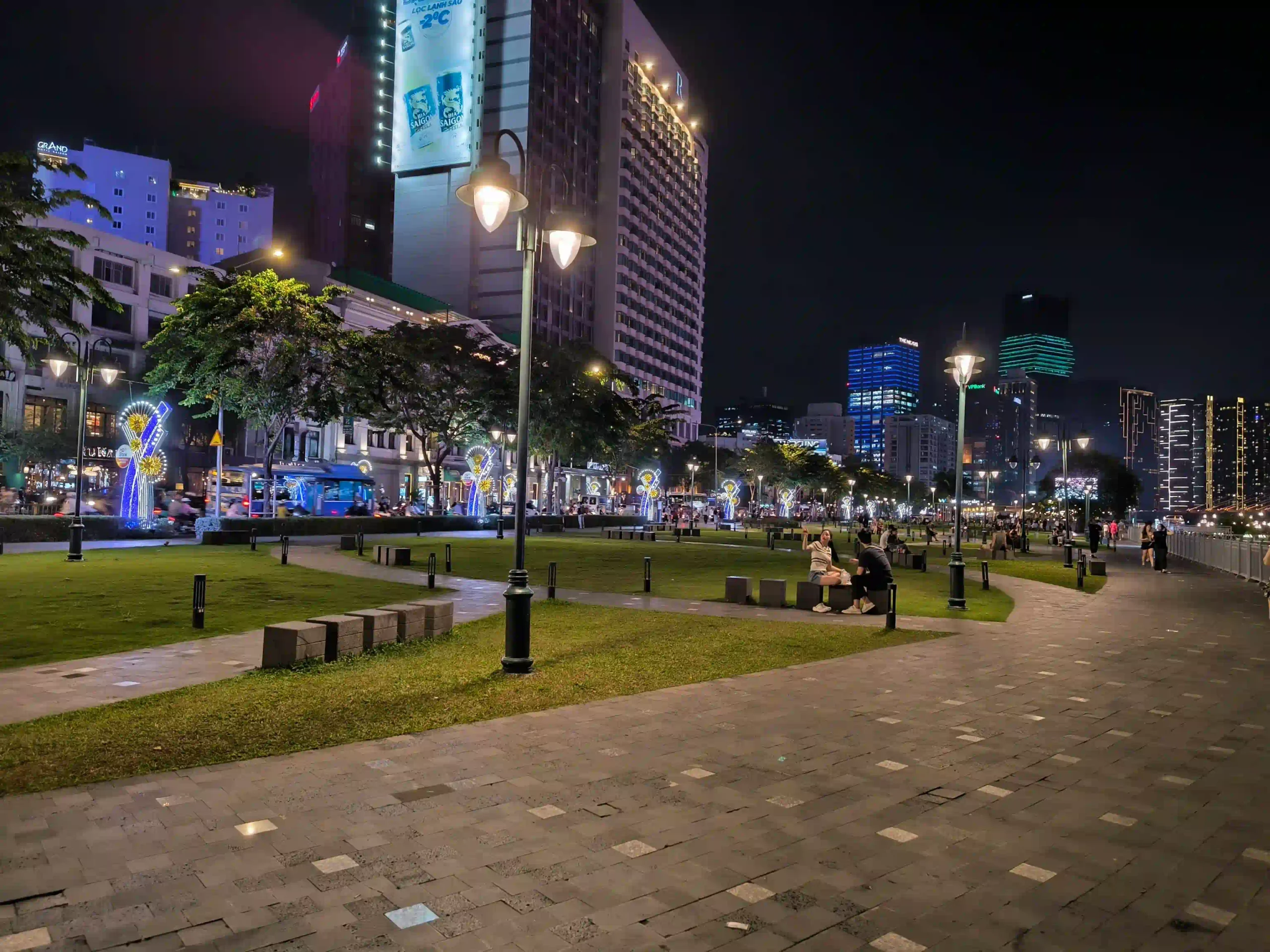
For your final dinner, take a walk down Ton Duc Thang street by the Saigon River. The waterfront has recently been cleaned up into a lovely park. Grab some dinner at a nearby spot and watch the sharp contrast between the old, weathered wooden cargo barges floating down the river and the massive, modern skyscrapers glittering right behind them.
FAQs
Is 2 days in Ho Chi Minh City really enough for a first visit?
Yes, but only if you stick strictly to the city center as outlined in this itinerary. You’ll have time to see the colonial history, understand the war from the local perspective, eat incredible street food, and soak in the cafe culture.
Should I stay near Bui Vien if I only have 48 hours?
I highly advise against it. The backpacker street is extremely loud until 4:00 AM, the streets are sticky, and the food right around there is mostly overpriced. Stay a bit closer to Dong Khoi or Le Thanh Ton for a much better, quieter base of operations.
Do I need to carry cash for a 2-day trip?
Yes. Pull out about 1 to 2 million VND ($40 – $80 USD) from an ATM when you arrive. While nice restaurants take cards, you will need cash for all the street food, taxis, market stalls, and museum entry fees.
Final Thoughts
The trick to a great 48 hours in Saigon isn’t trying to fit more things in. It’s being okay with leaving the right things out.
If you follow this 2-day Ho Chi Minh City itinerary, you won’t see every single museum or float down a coconut canal. But you will leave knowing what the city actually feels like. You’ll have sat on the plastic stools, survived crossing the chaotic intersections, and tasted some of the best coffee on the planet.
For deeper logistics (like food lists, deeper neighborhood guides, and longer itineraries), make sure you check out my main Ho Chi Minh City planning guides.
Are you currently wrestling with your own Saigon spreadsheet? Not sure if a specific cafe fits into this route? Drop a comment below, I’ll answer it, and your question will probably end up helping the next first-timer too.












 Tiếng Việt
 한국어
한국어 中文 (中国)
 日本語
日本語 ไทย
ไทย Deutsch
 Español
 Destinations
 Instagram
 Facebook
 X (Twitter)
 Threads
 Tiktok