









 Ha Giang
 Hanoi
Hanoi Ho Chi Minh City
 Ha Long
 Sapa
Sapa Mekong Delta
 Da Nang
 Hue
Hue Hoi An
 Ninh Binh
 Da Lat
 Nha Trang
 Phan Thiet
 Phu Quoc
 Quang Binh
 Quy Nhon
 Vung Tau
 Thai Nguyen
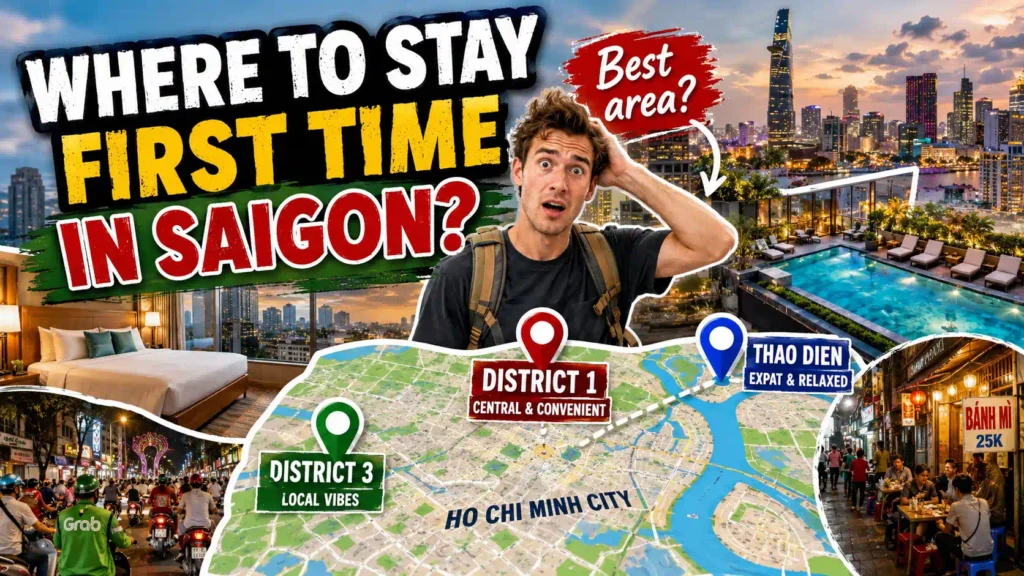

If you just came over from my main guide on things to do in Ho Chi Minh city, you already know that this city is a completely different monster compared to Hanoi. I currently live up in the north, but every time I head down to Saigon, my first headache is always booking a room.
Walking a mile in Saigon at 2 PM is not like walking a mile in Europe or even Hanoi. The humidity sits at a constant, heavy percentage that makes your clothes stick to your back. The pavements are not meant for pedestrians, they are used for parking scooters, setting up makeshift soup kitchens, or driving motorbikes head-on against traffic to bypass a jam.
Because of this, deciding where to stay in Ho Chi Minh city is the most important choice you’ll make. Let’s see the actual neighborhoods, the specific streets, and the weird things about Ho Chi Minh city hotels that the booking websites conveniently hide from you.
- Quick Answer: For your first time, stay in District 3 instead of District 1. It offers shaded streets, cheaper hotels, and quiet nights, while still being a 5-minute ride to the main sights. Avoid the cheap high-rise Airbnbs in District 4 because bridge traffic at rush hour will trap you.
- District 1 (Downtown): The Hub
- Pros & Cons: Extremely convenient for walking to big sights, but highly overpriced, noisy, and packed with tourist traps.
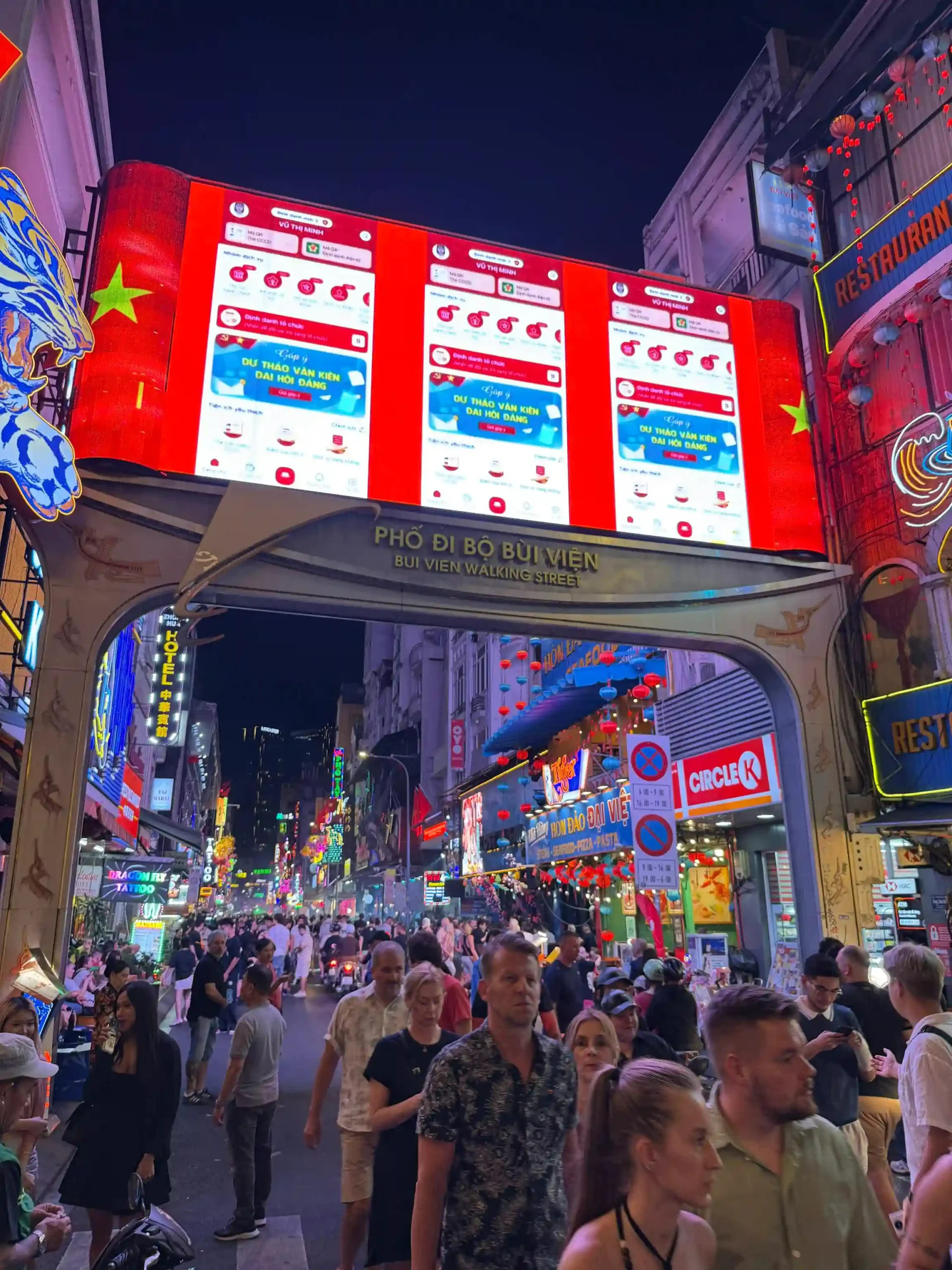
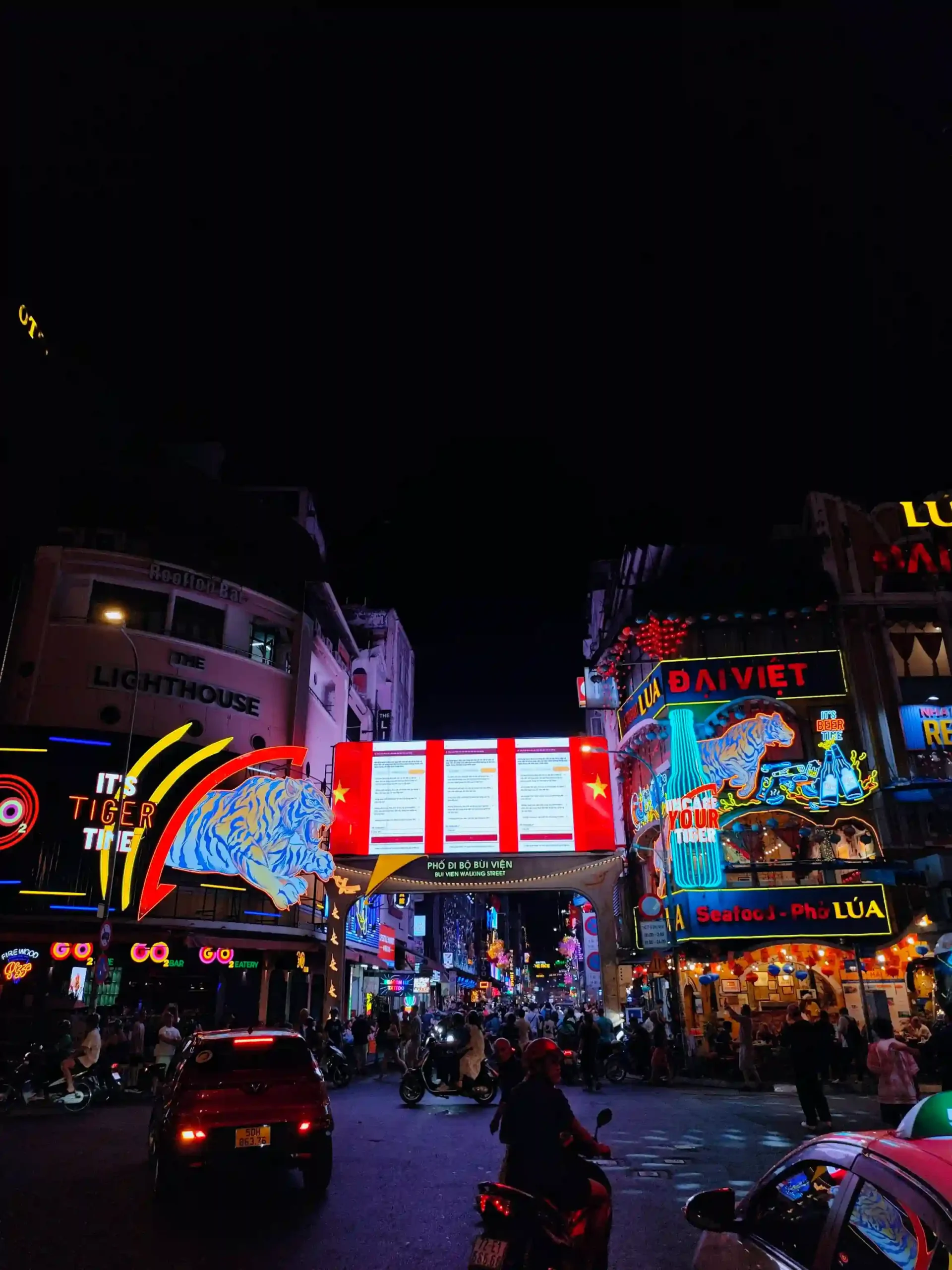
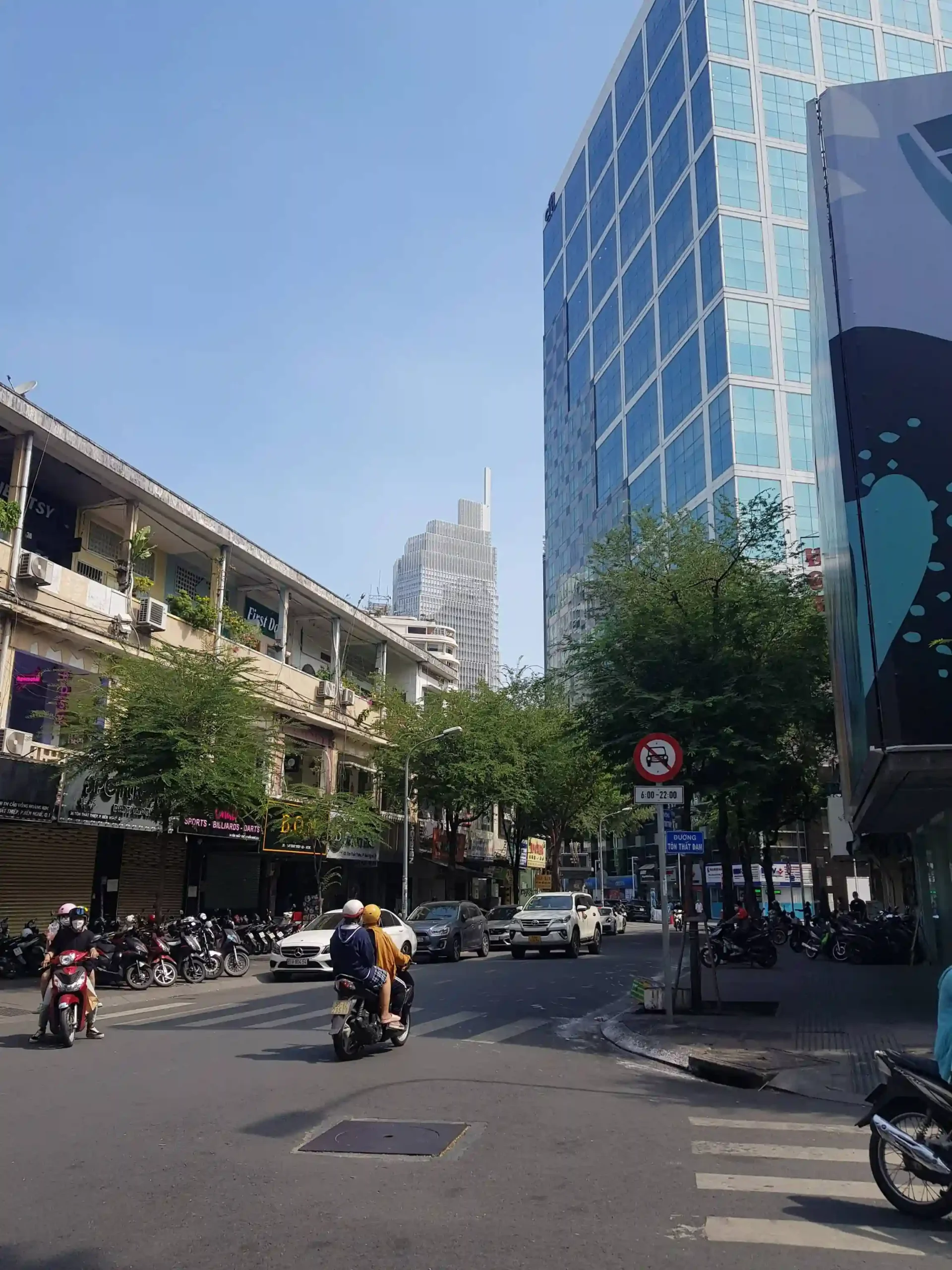
- Sub-zones to know: Dong Khoi / Nguyen Hue (very expensive luxury spots), Le Thanh Ton / Japantown (cool alley boutique spots like Wink Hotel), and Ben Thanh (convenient but chaotic). Avoid booking directly on Bui Vien street unless you want loud music vibrating your bed until 4 AM.
- District 3: The Smart Alternative
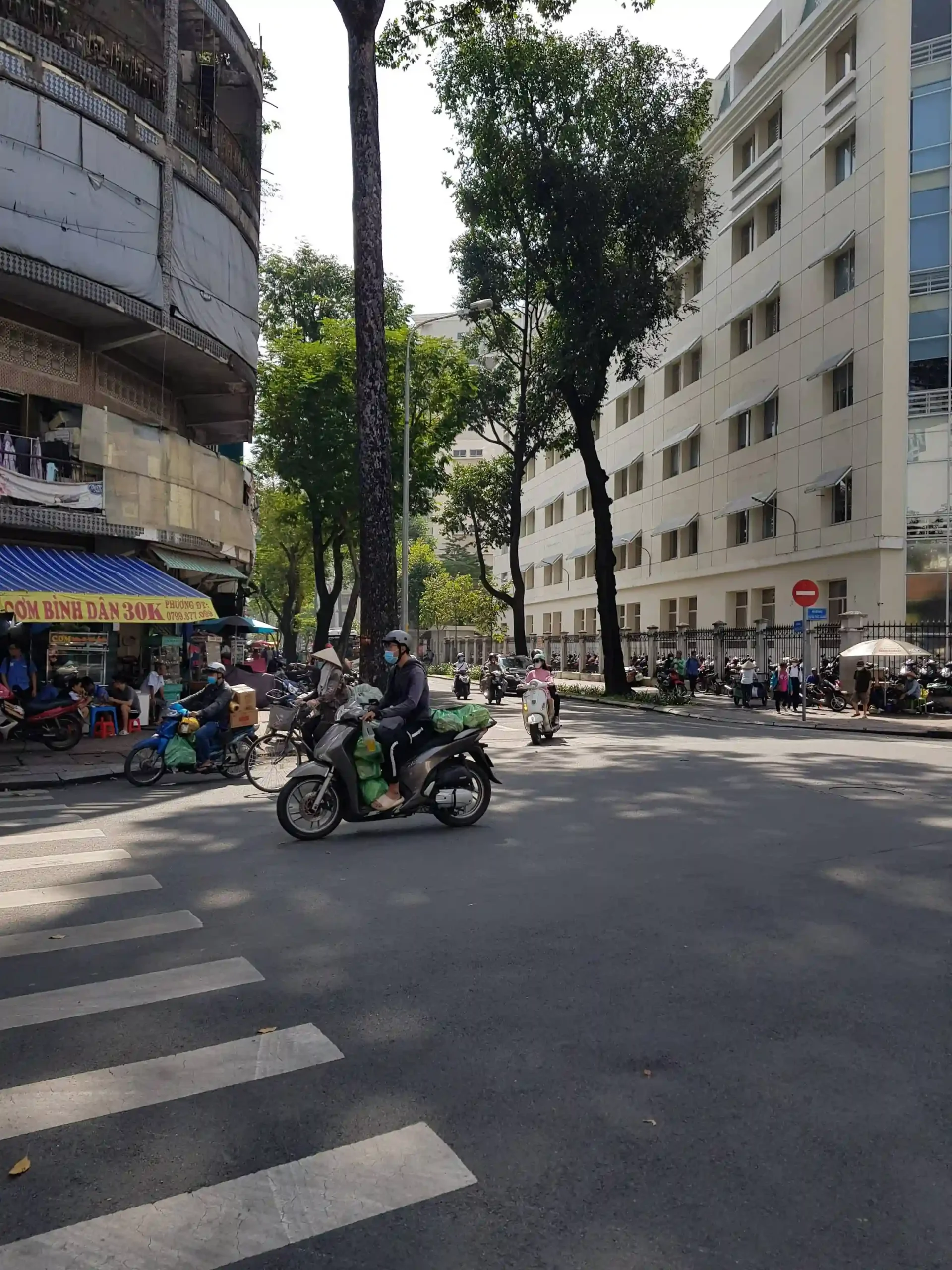
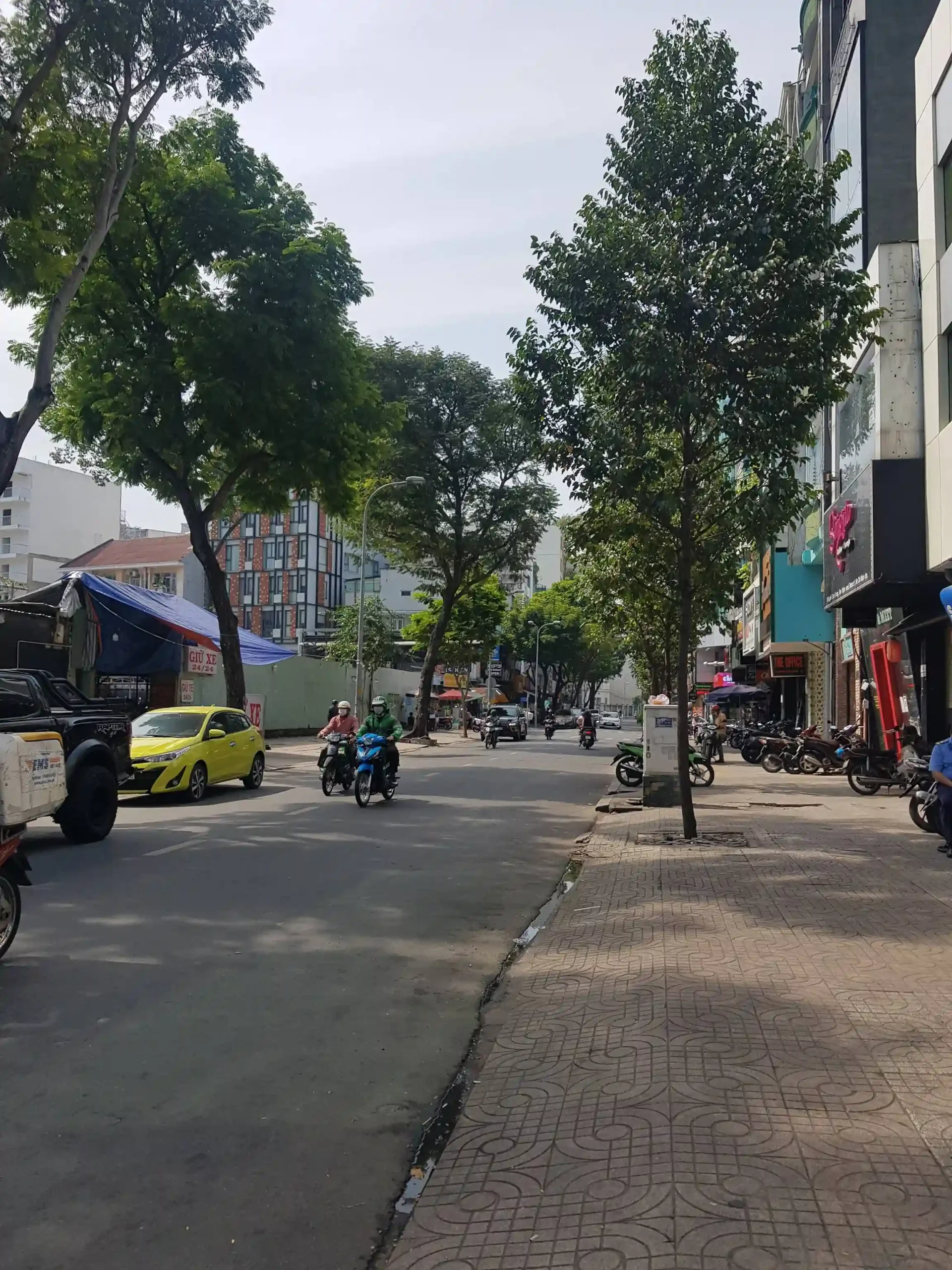
- Pros: Giant shade trees, wider sidewalks, historic French colonial villas, and fantastic alley food.
- Vibe: Much quieter and cheaper than District 1. Stay near Ngo Thoi Nhiem street or Pasteur street for the best balance of local restaurants and central access.
- District 4: The Airbnb Trap
- The Trap: Looks great on booking sites because of cheap modern condos with infinity pools.
- The Reality: The traffic jams on the narrow bridges back to District 1 at 5 PM are brutal, and you will waste hours stuck in gridlock.
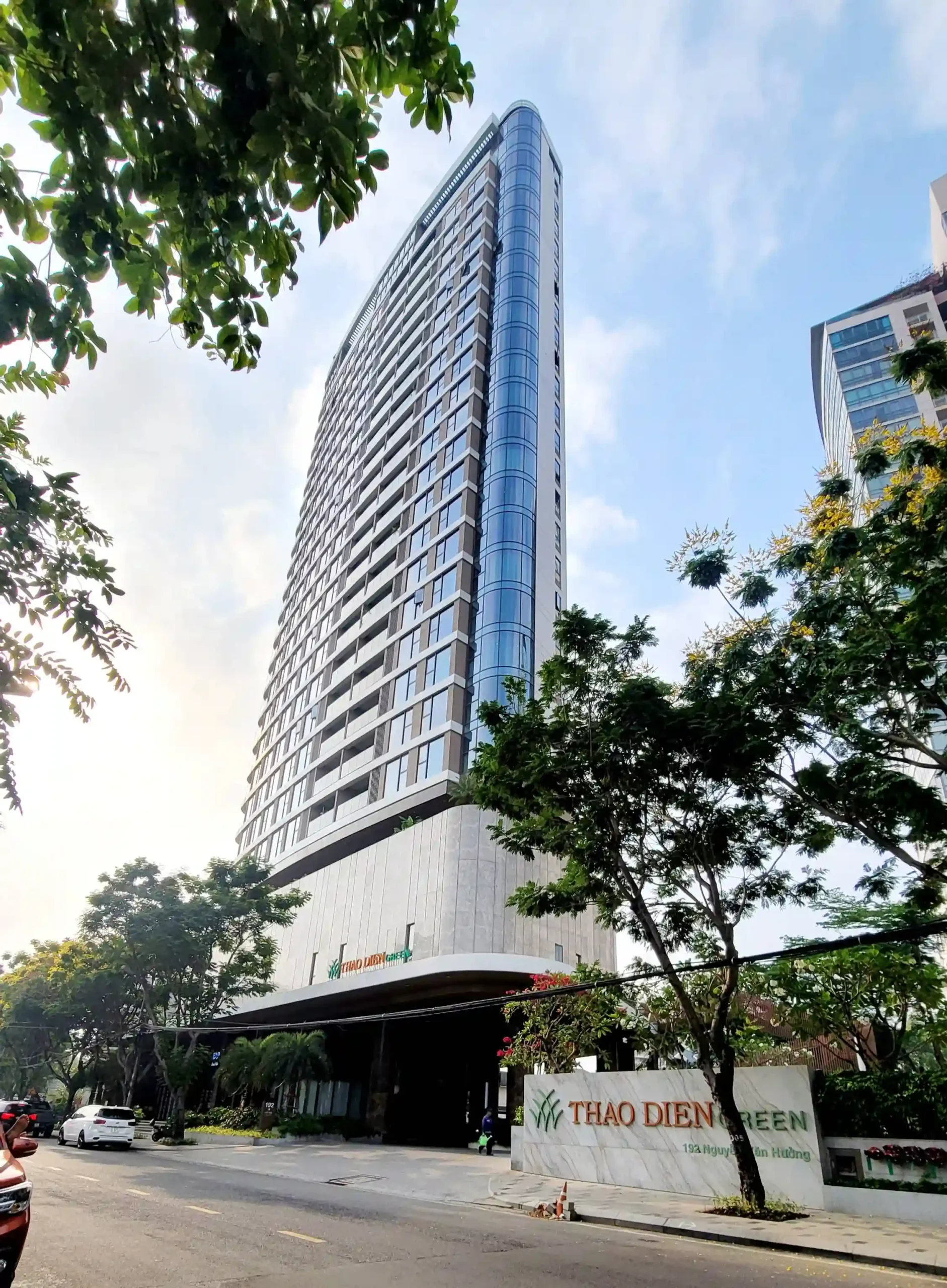
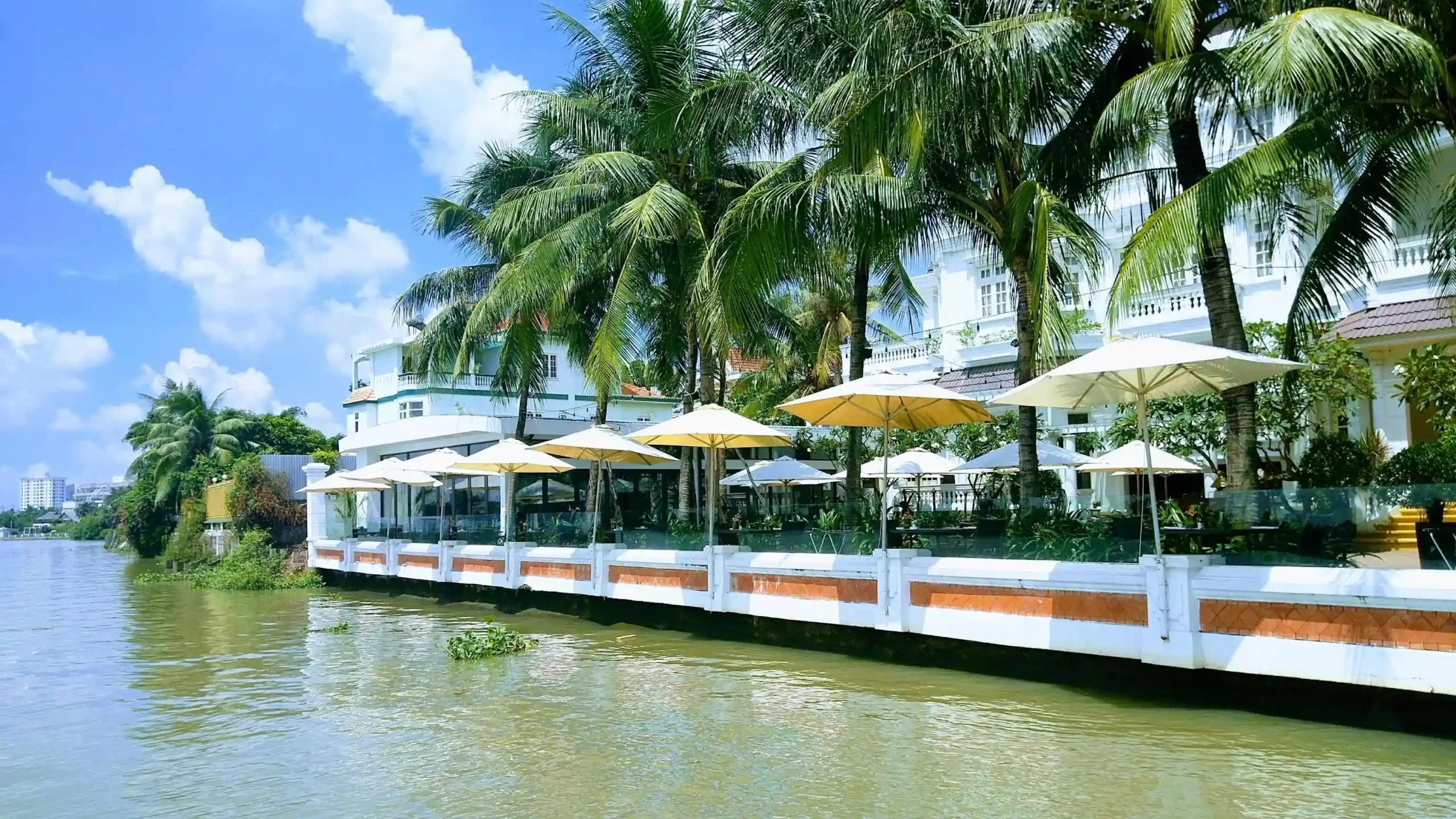
- Thao Dien (District 2): The Expat Bubble
- The Reality: A closed-loop suburb filled with western cafes and craft beer gardens. Do not stay here if you want an authentic Vietnamese experience.
- Crucial Hotel Checks Before Booking
- Booking.com vs. Agoda: Booking.com excels in Europe and America, but Agoda dominates Southeast Asia. Agoda offers cheaper rates in Vietnam due to superior local hotel contracts. Always compare both platforms before booking.
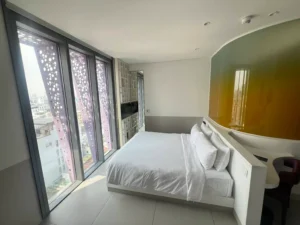
- Windowless Rooms: Many narrow “tube-house” hotels have rooms with no outside windows. Always confirm a “City View” before booking.
- AC & Noise: Saigon is permanently hot and noisy. Read recent reviews specifically filtering for “AC” and “construction noise.”
- Laundry: Skip expensive hotel laundry services and look for local “Giặt sấy” shops down the alleys to pay by the kilogram.
District 1: The Default Downtown Grid
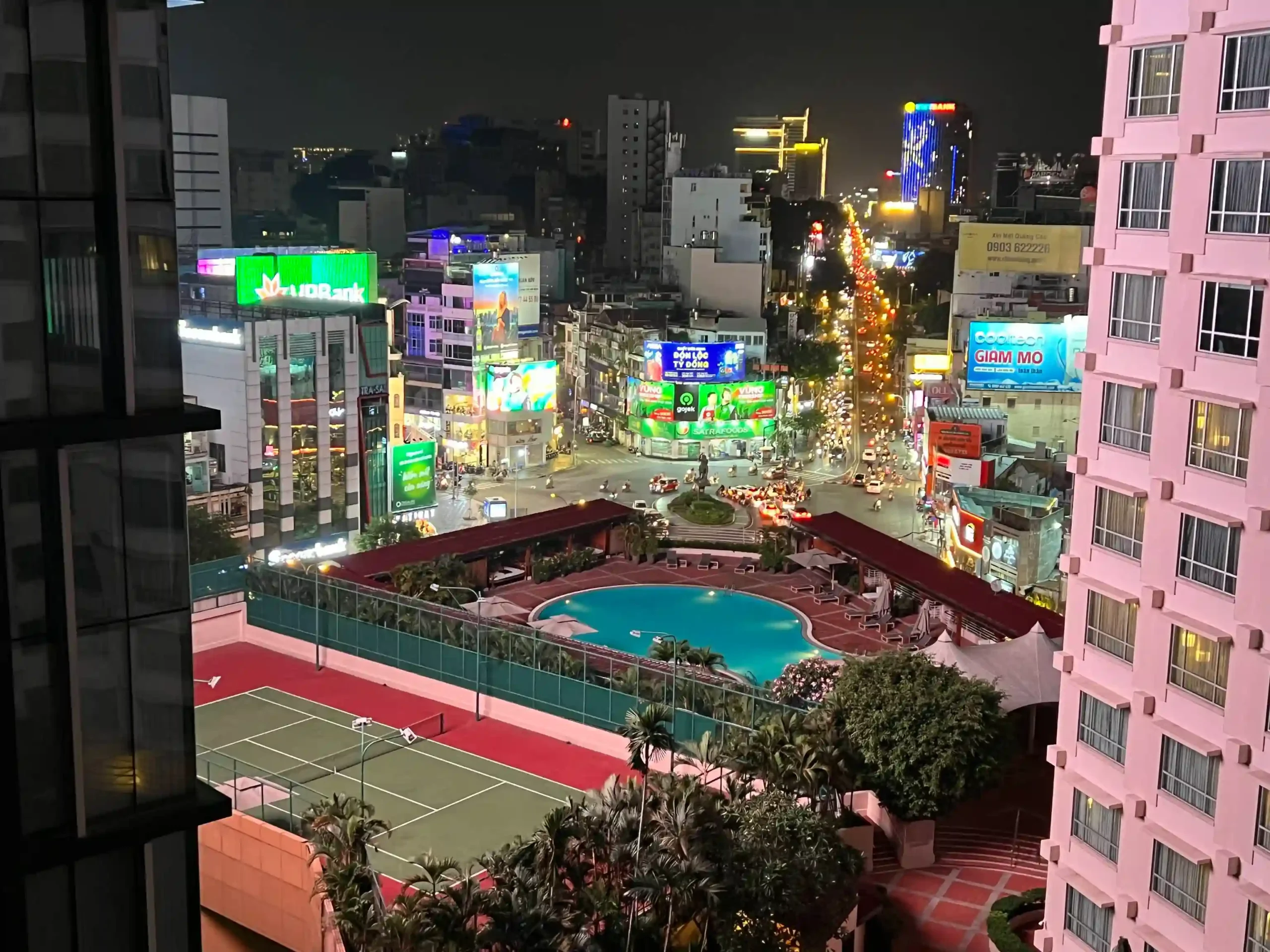
District 1 (D1) is the center of the city. If you look up places to stay in Ho Chi Minh city, 90% of search results will try to shove you here. It’s where the high-rise skyscrapers live, along with the old French colonial buildings and the main walking promenade of Nguyen Hue.
Staying in D1 means you can walk to the major spots quickly, but you pay a massive “convenience tax” on room rates, coffee, and food.
However, District 1 is huge and split into very different sub-neighborhoods. You can’t just book any random spot in D1 and expect the same experience. Here are the specific areas inside D1 you should look at:
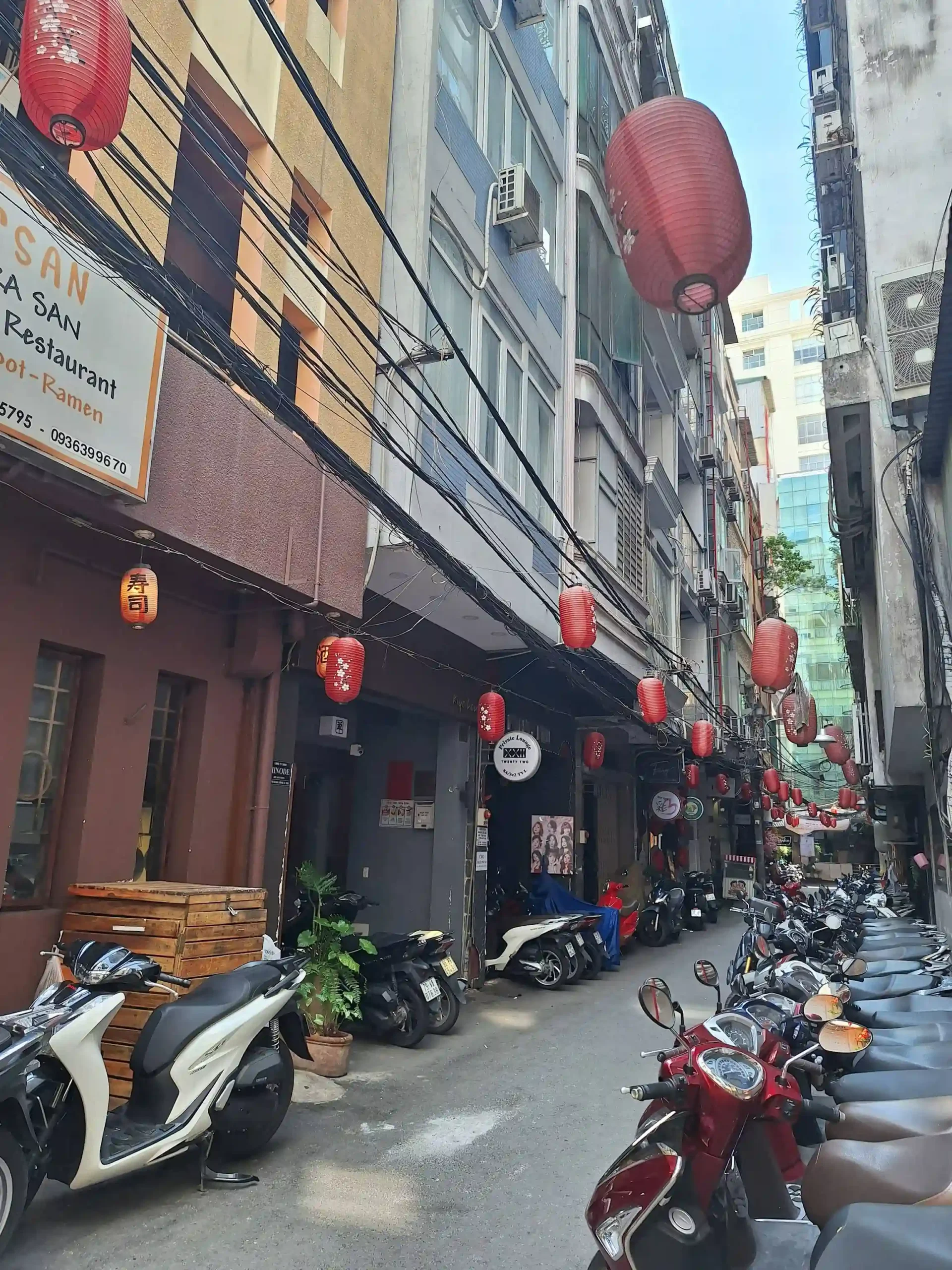
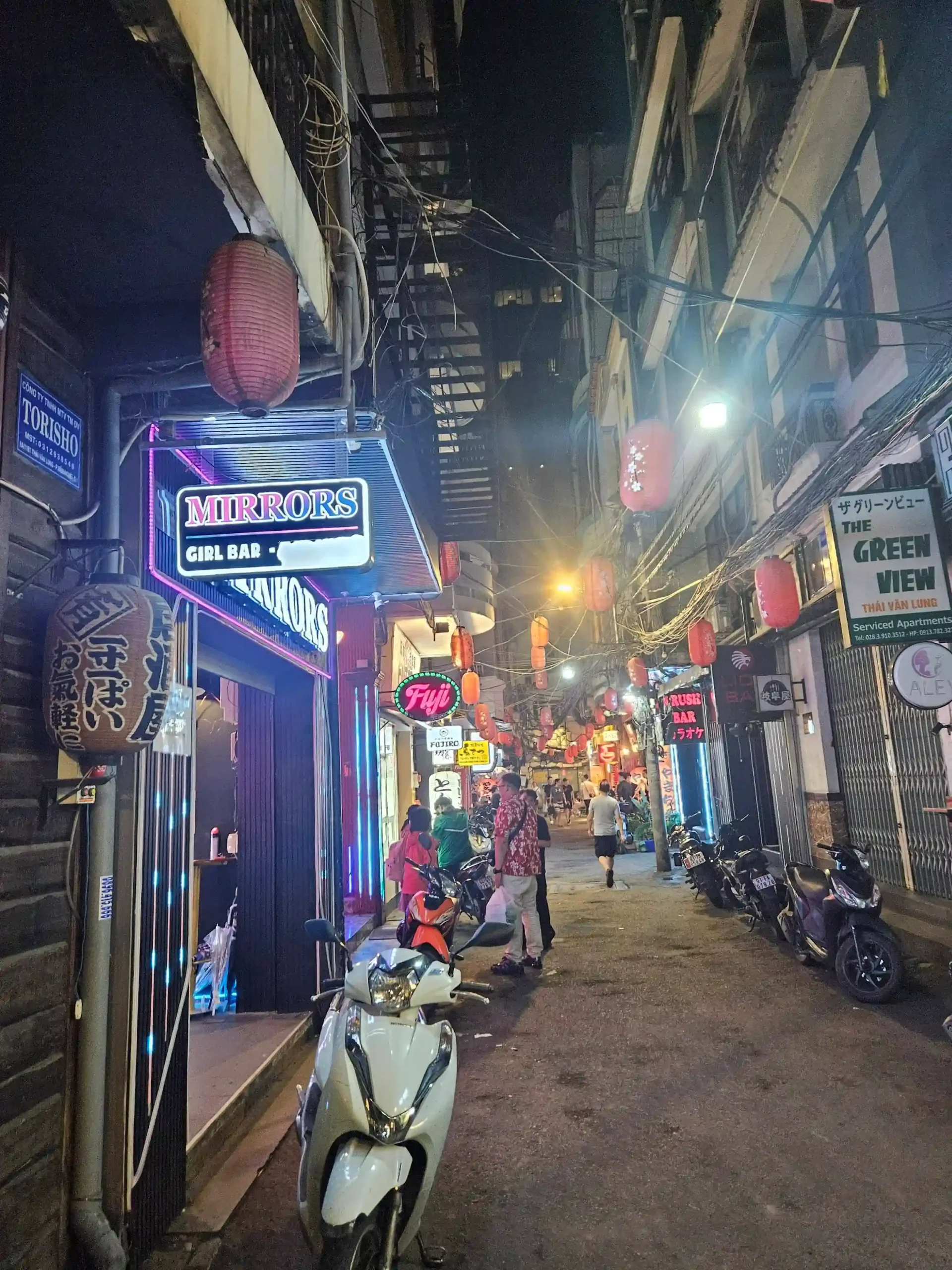
1. The Le Thanh Ton / Japantown Area (My favorite sub-zone in D1)
If you are determined to stay in the middle of everything, this is the specific pocket I tell people to book. Le Thanh Ton street sits slightly north of the main Opera House area.
- The Vibe: It’s known as “Little Japan” or Japantown. The main street is normal, but it is connected to a massive labyrinth of tiny, clean, interconnected alleys. At night, these alleys light up with red lanterns, small ramen shops, izakayas, and whiskey bars. It feels very compact, relatively safe, and heavily pedestrian-friendly compared to the rest of the city.
- Who is it for? Solo travelers, couples, and foodies who want to be able to walk out of their hotel lobby at midnight and instantly grab a bowl of noodles without dealing with the tourist chaos of the main markets.
- Hotel Style: Mostly modern boutique setups and smart hotels. The Wink Hotel on Dien Bien Phung or some of the smaller independent places hidden inside the alleys are solid choices here.
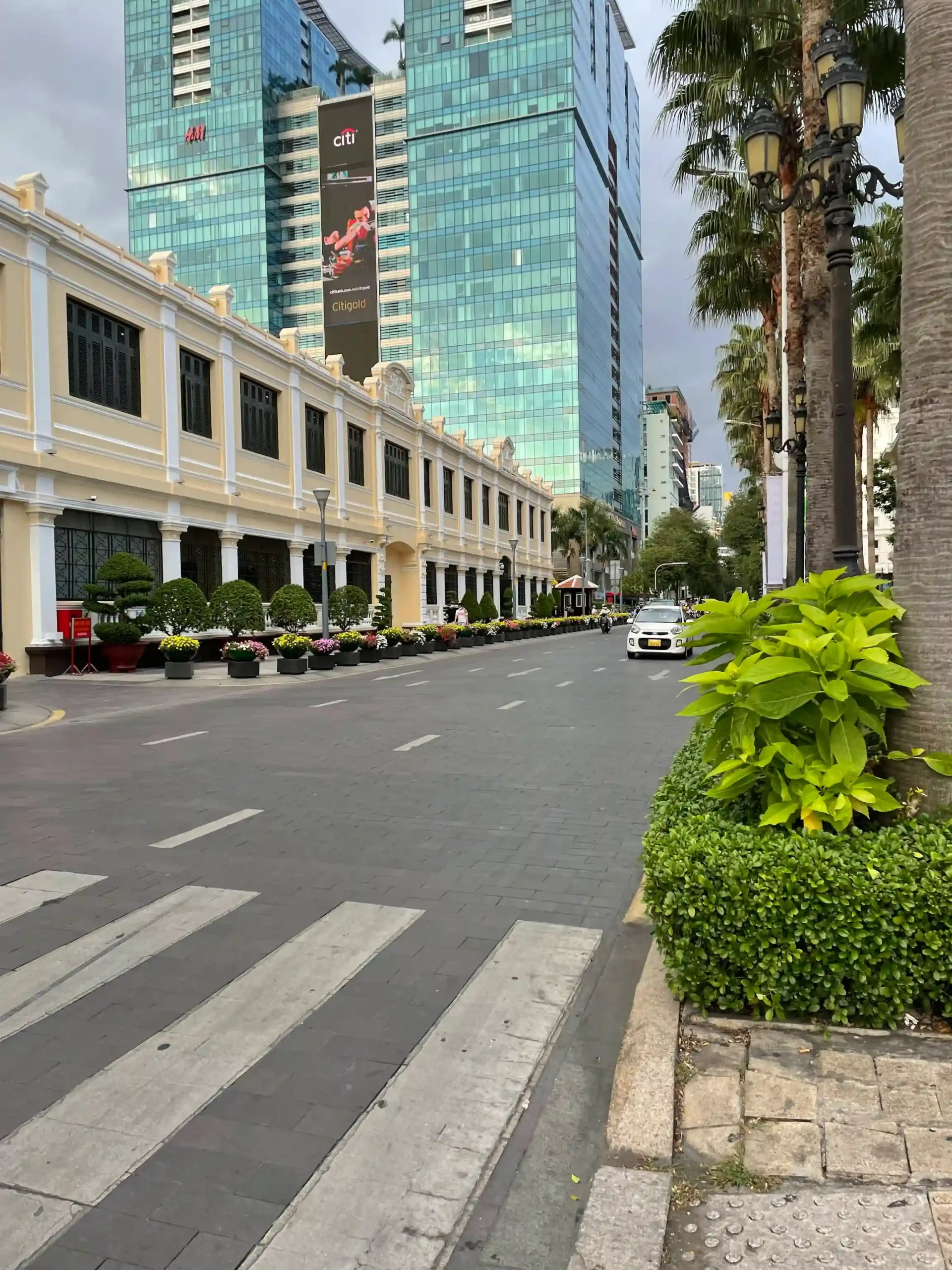
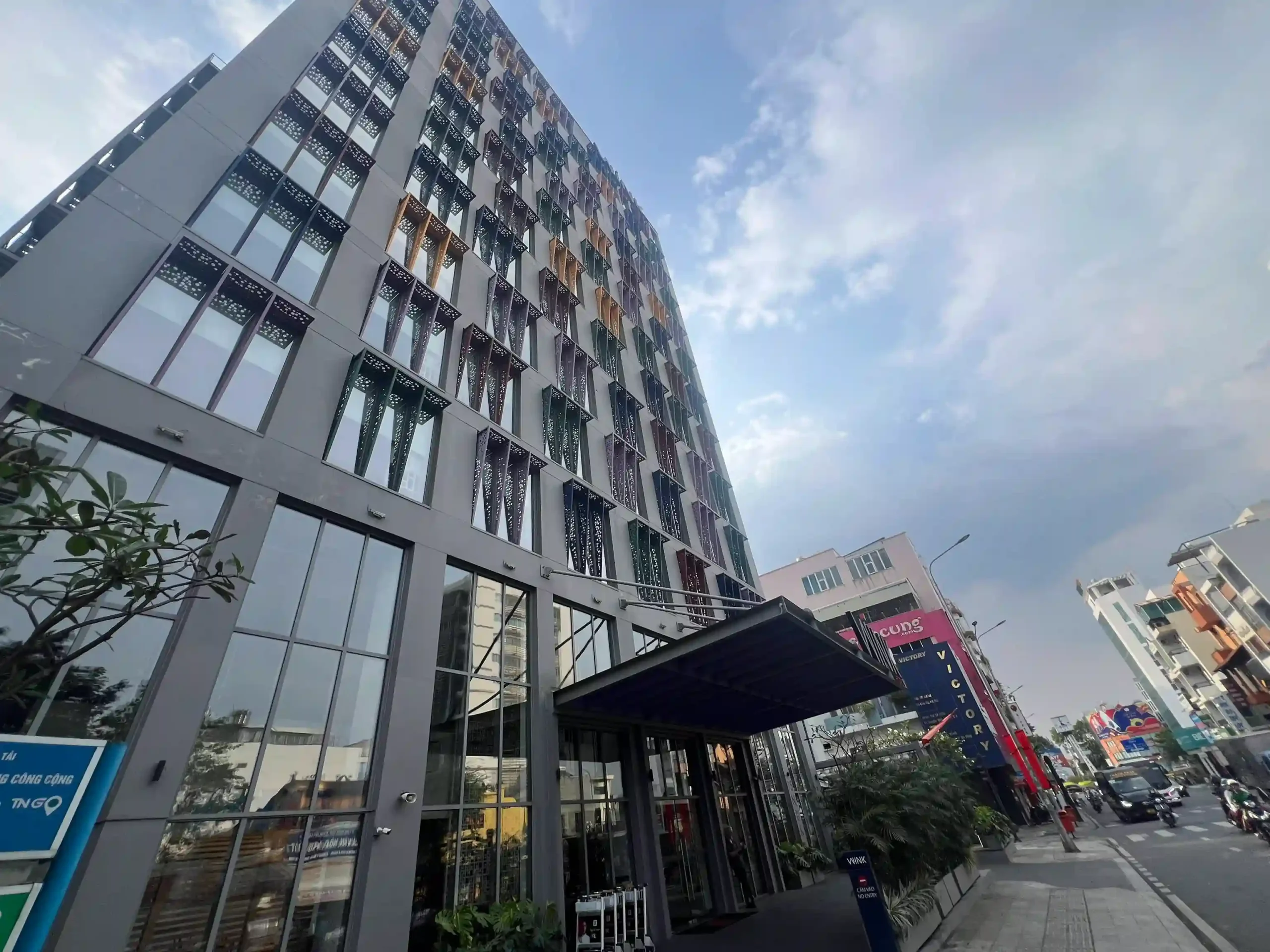
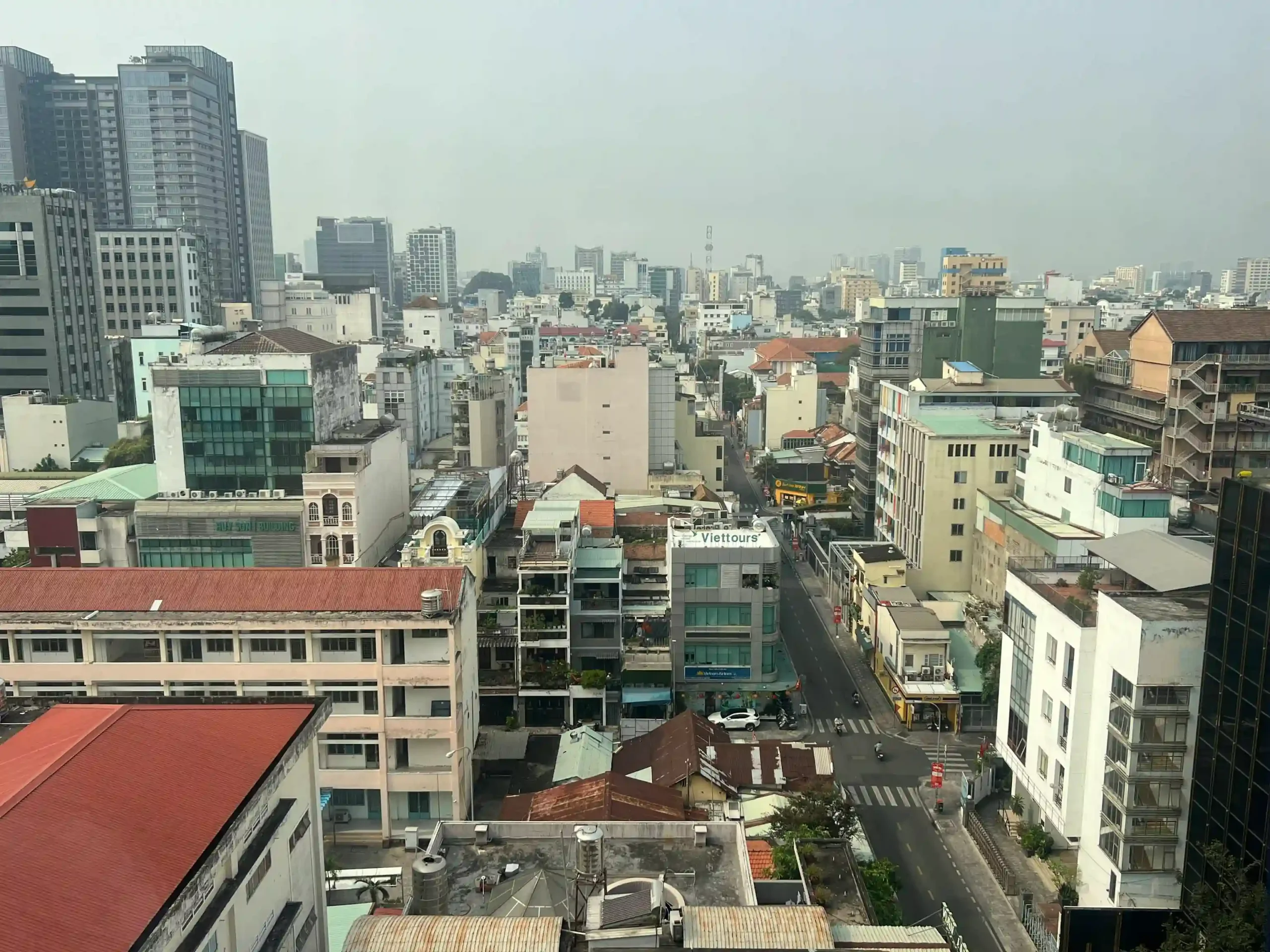
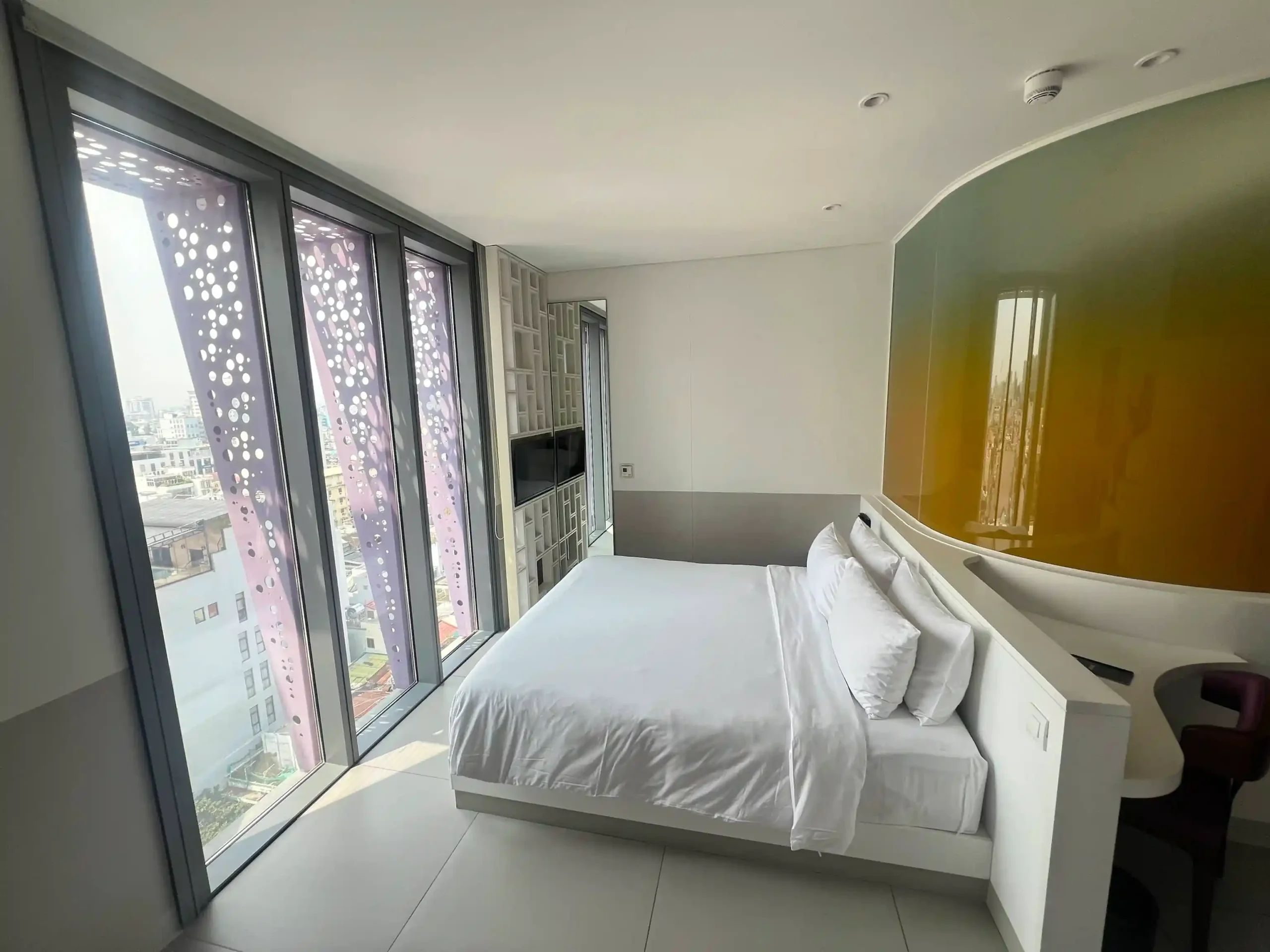
2. Dong Khoi & Nguyen Hue
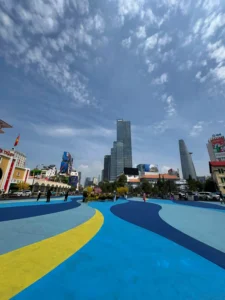
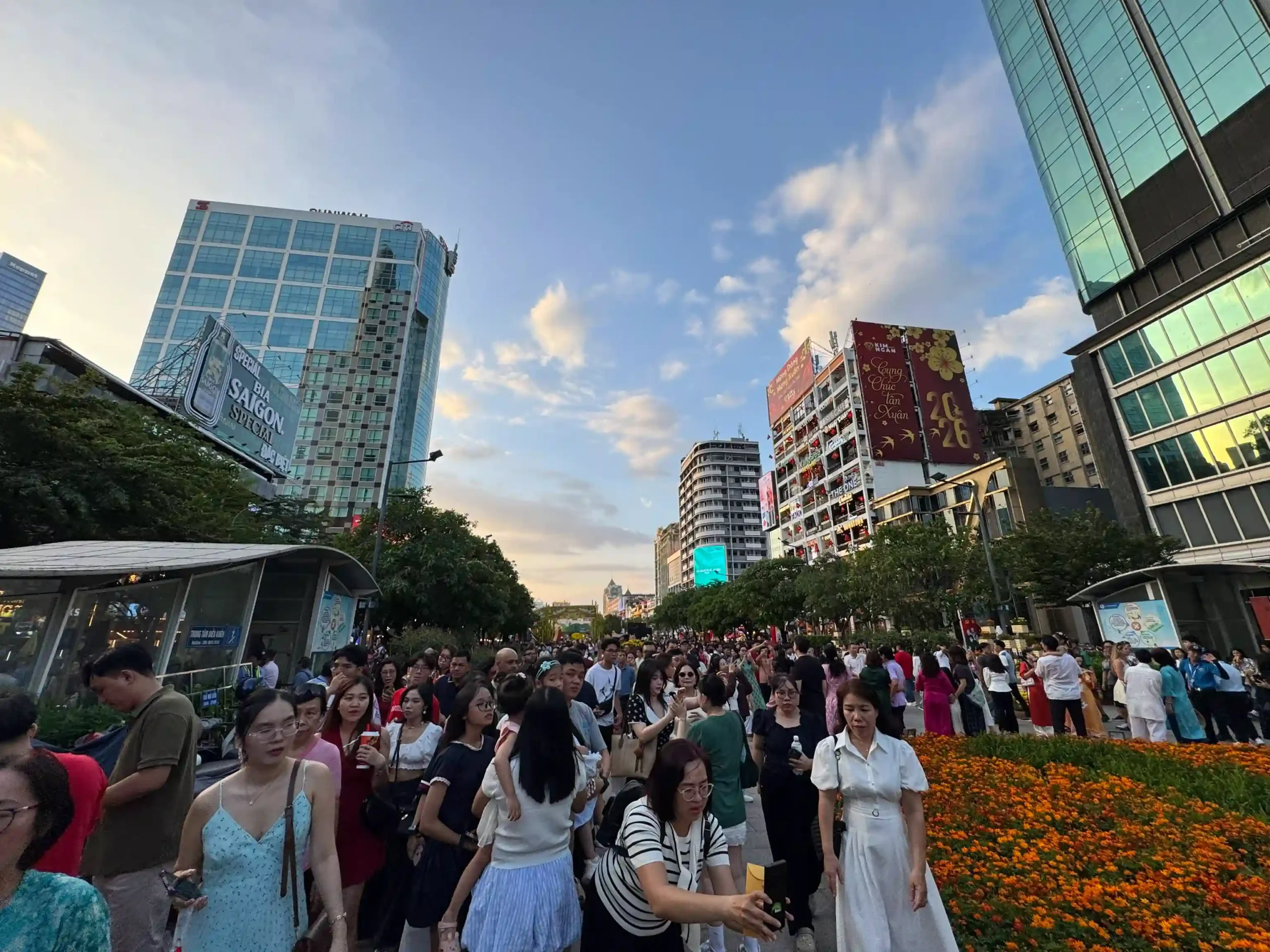
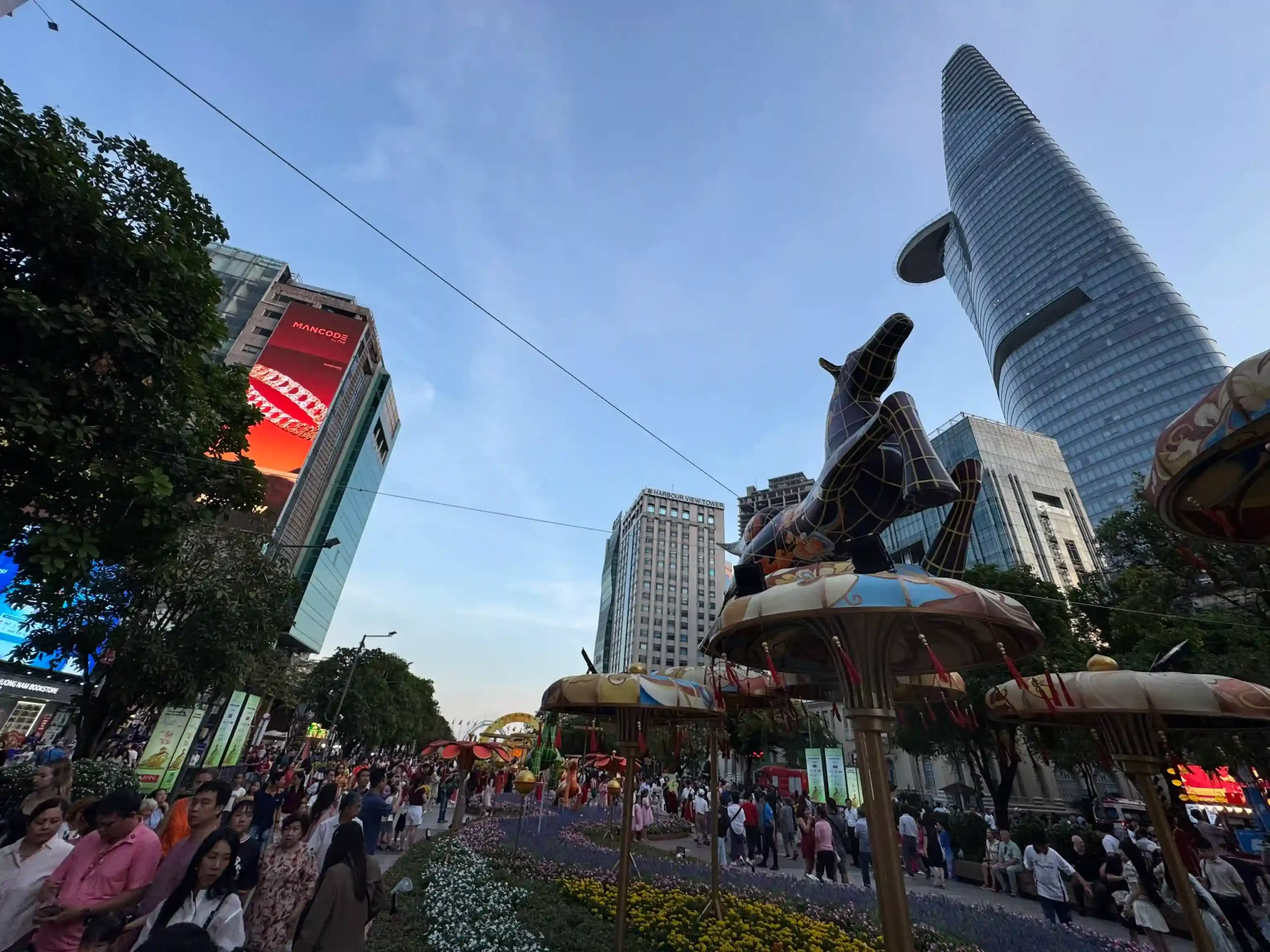
This is the old colonial heart of Saigon. Nguyen Hue is a massive, wide pedestrian plaza that runs all the way from the yellow City Hall building down to the river.
- The Vibe: High-end, clean, and expensive. This is where you see Lamborghinis parked outside designer boutiques. The streets are wider here, and it is one of the only places in the city where traffic police actually keep motorbikes off the sidewalks.
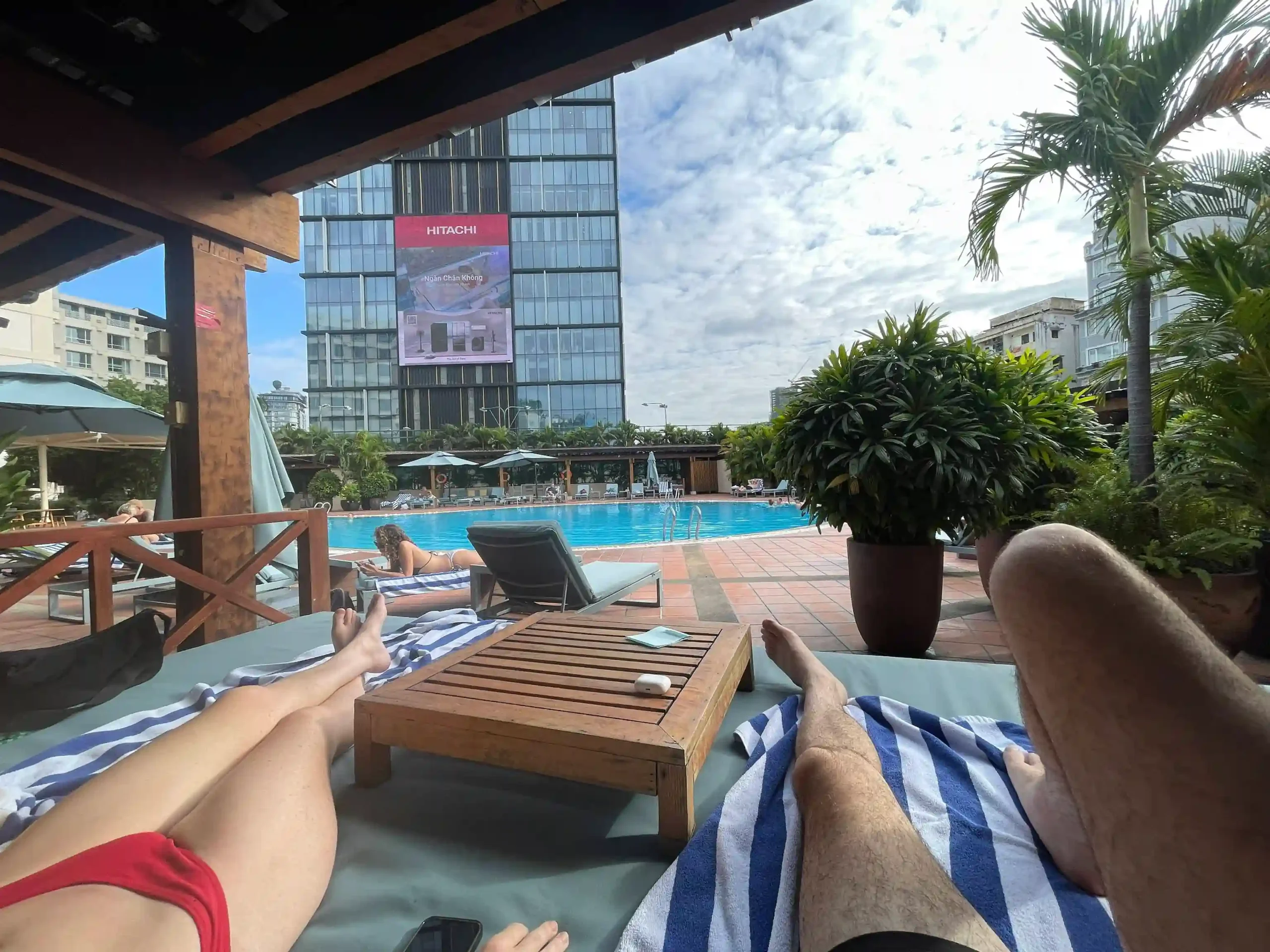
- Who is it for? Travelers with a larger budget who want five-star service, historical architecture, and rooftop pools.
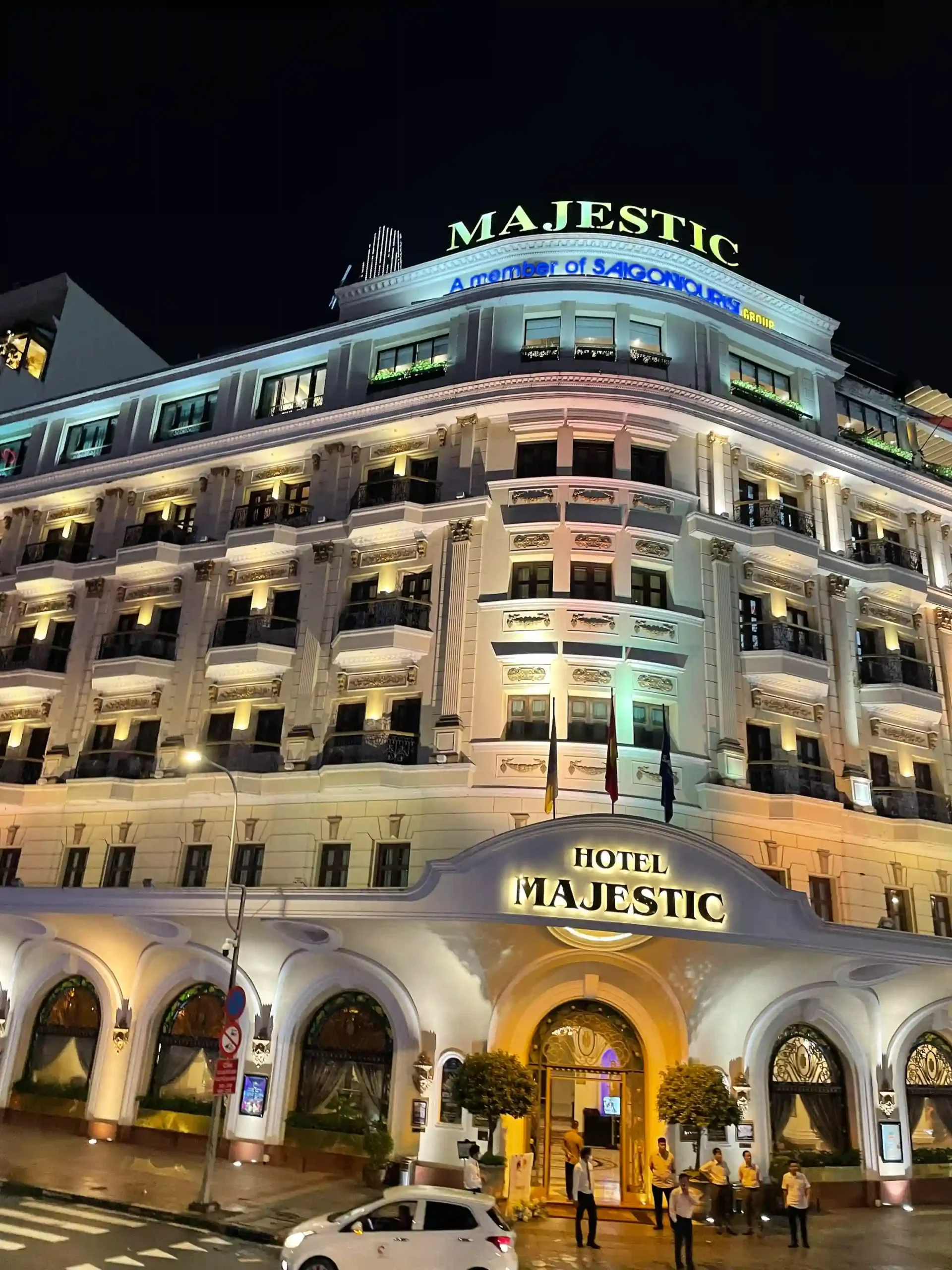
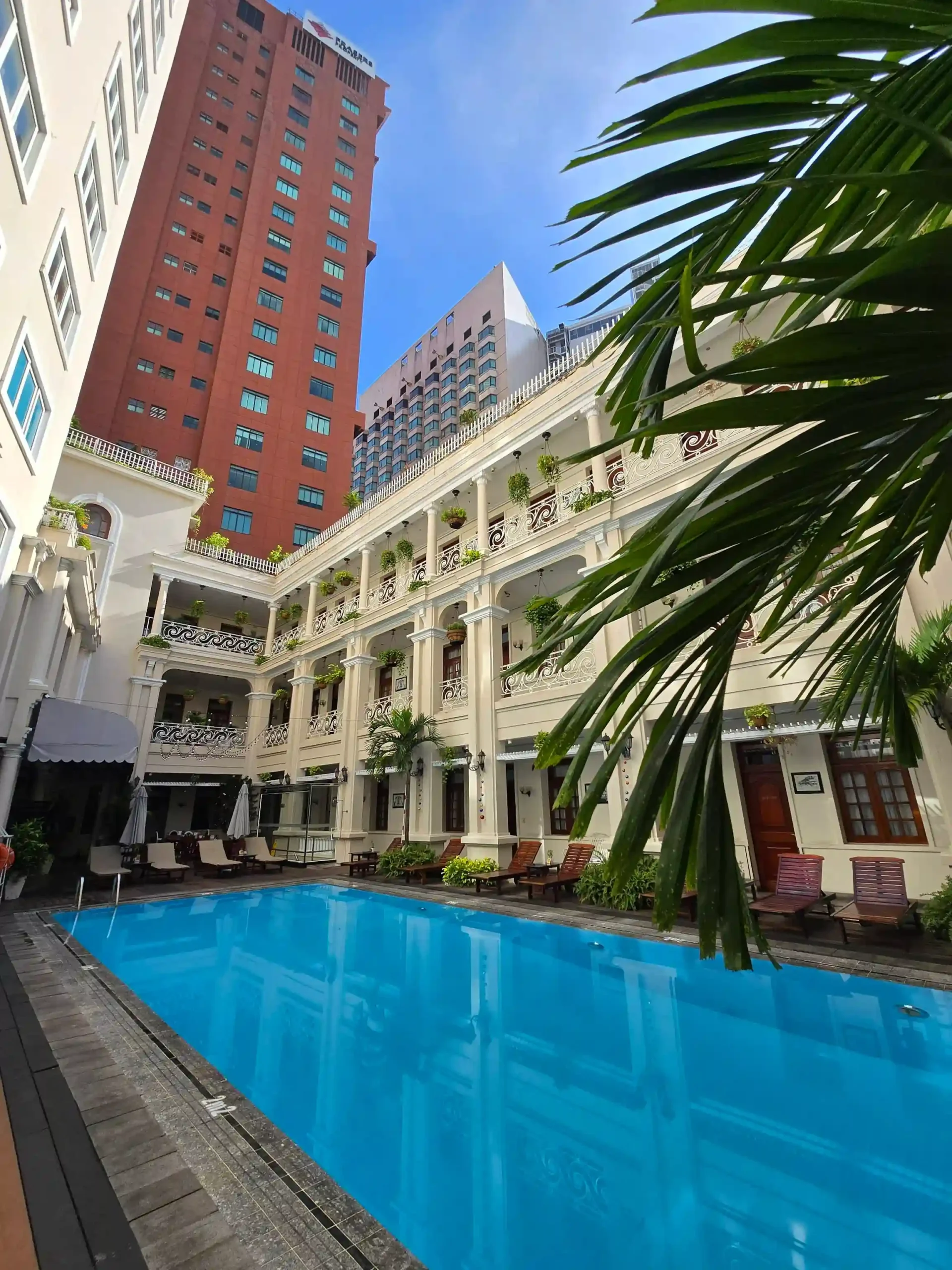
- Hotel Style: Grand historical properties. If you want to feel like a French diplomat in the 1920s, you look at Hotel Majestic facing the river or the Grand Hotel Saigon. If you want modern ridiculous luxury, you book The Reverie Saigon.
- The downside: It feels very corporate and heavily sanitized. You won’t find cheap street food stalls here; instead, you’ll find $8 flat whites and western luxury restaurants.
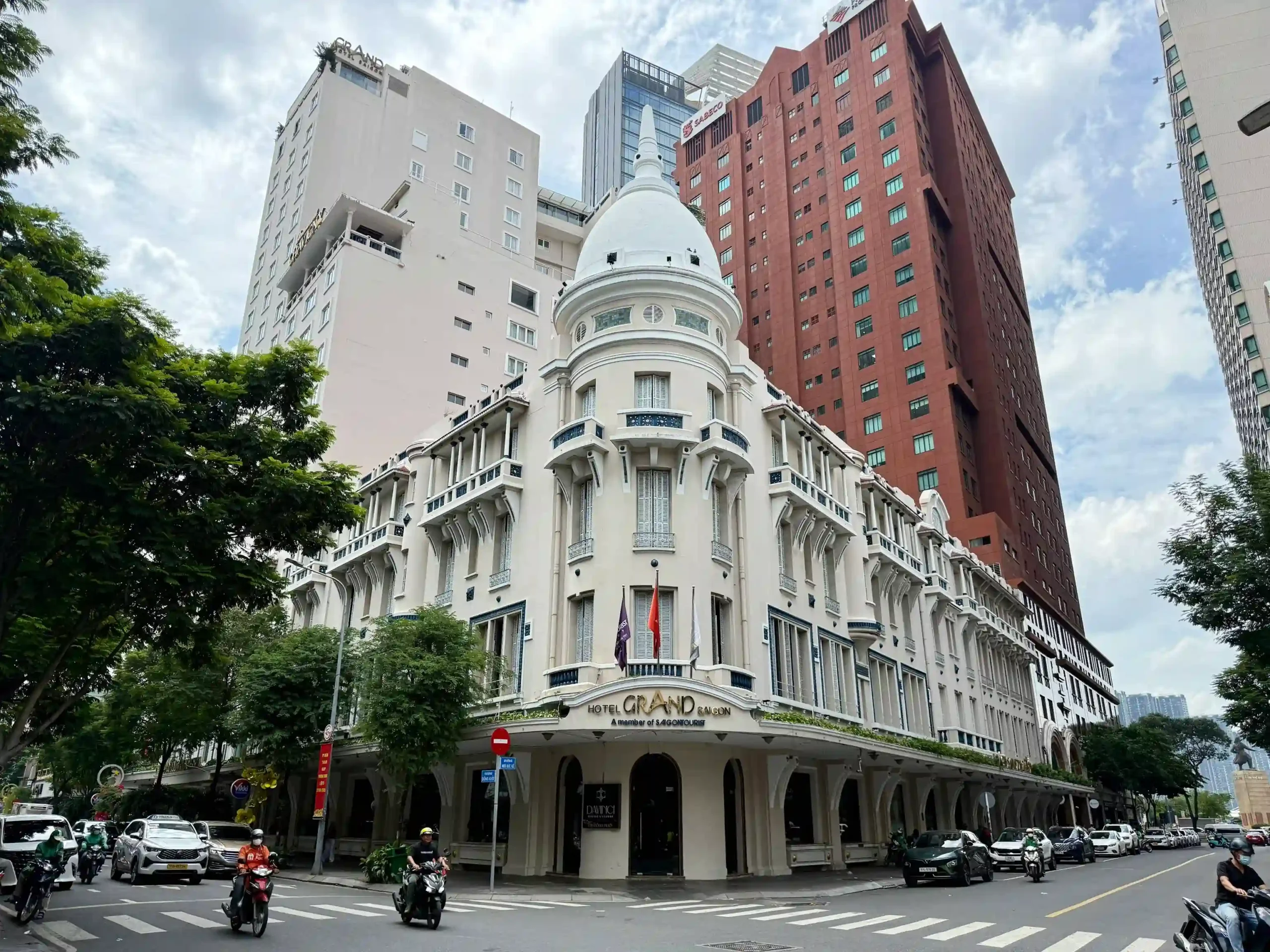
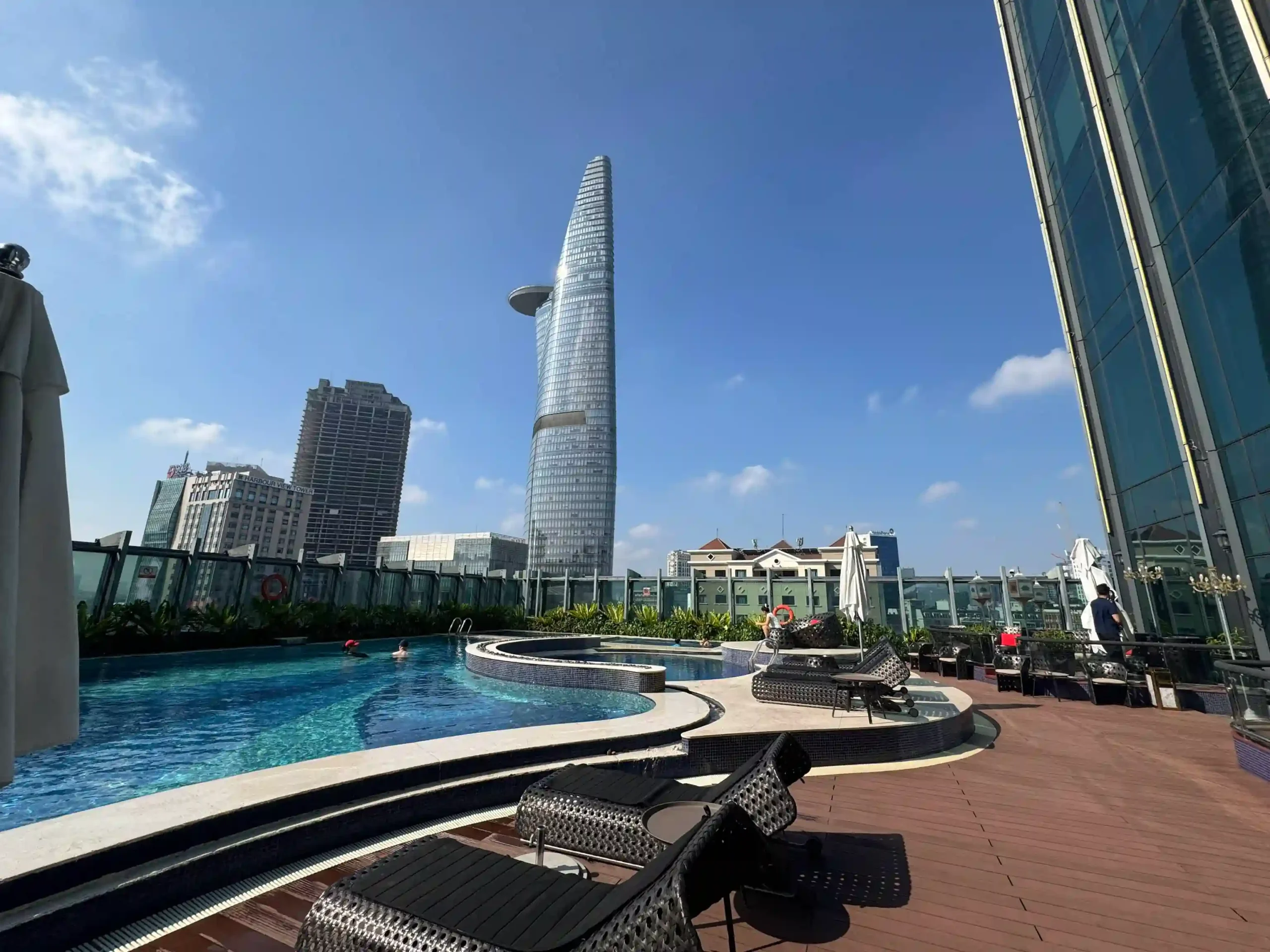
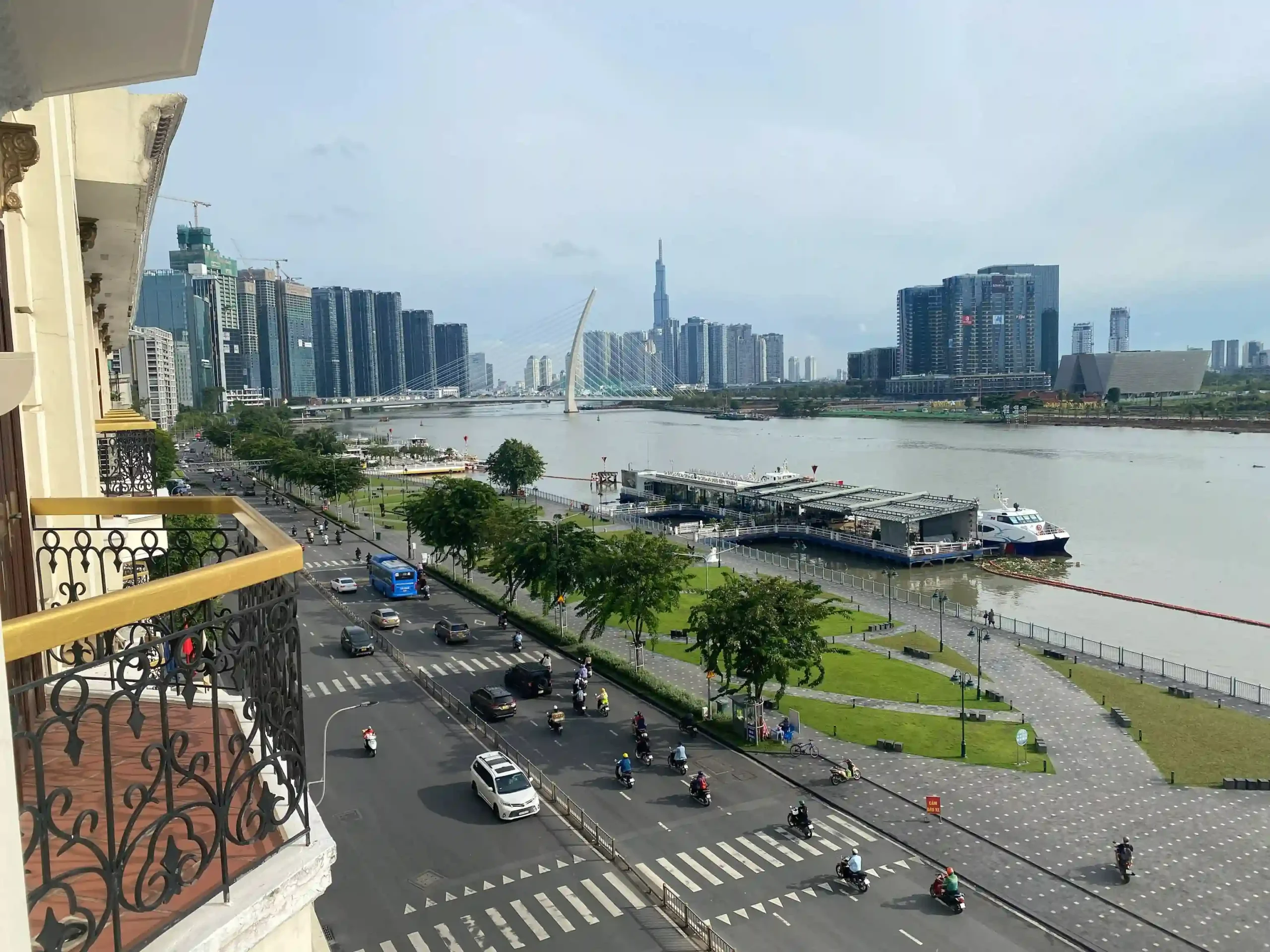
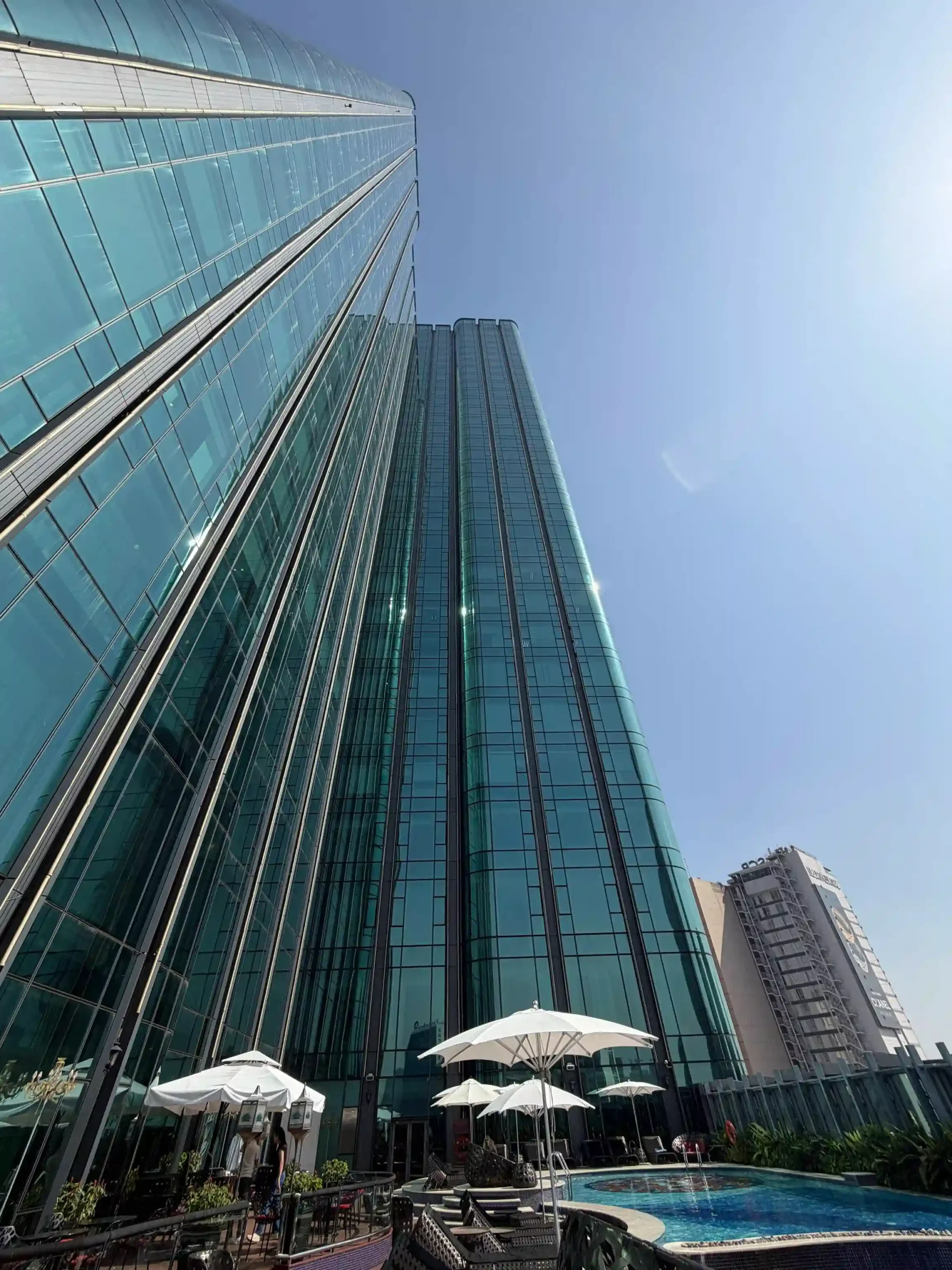
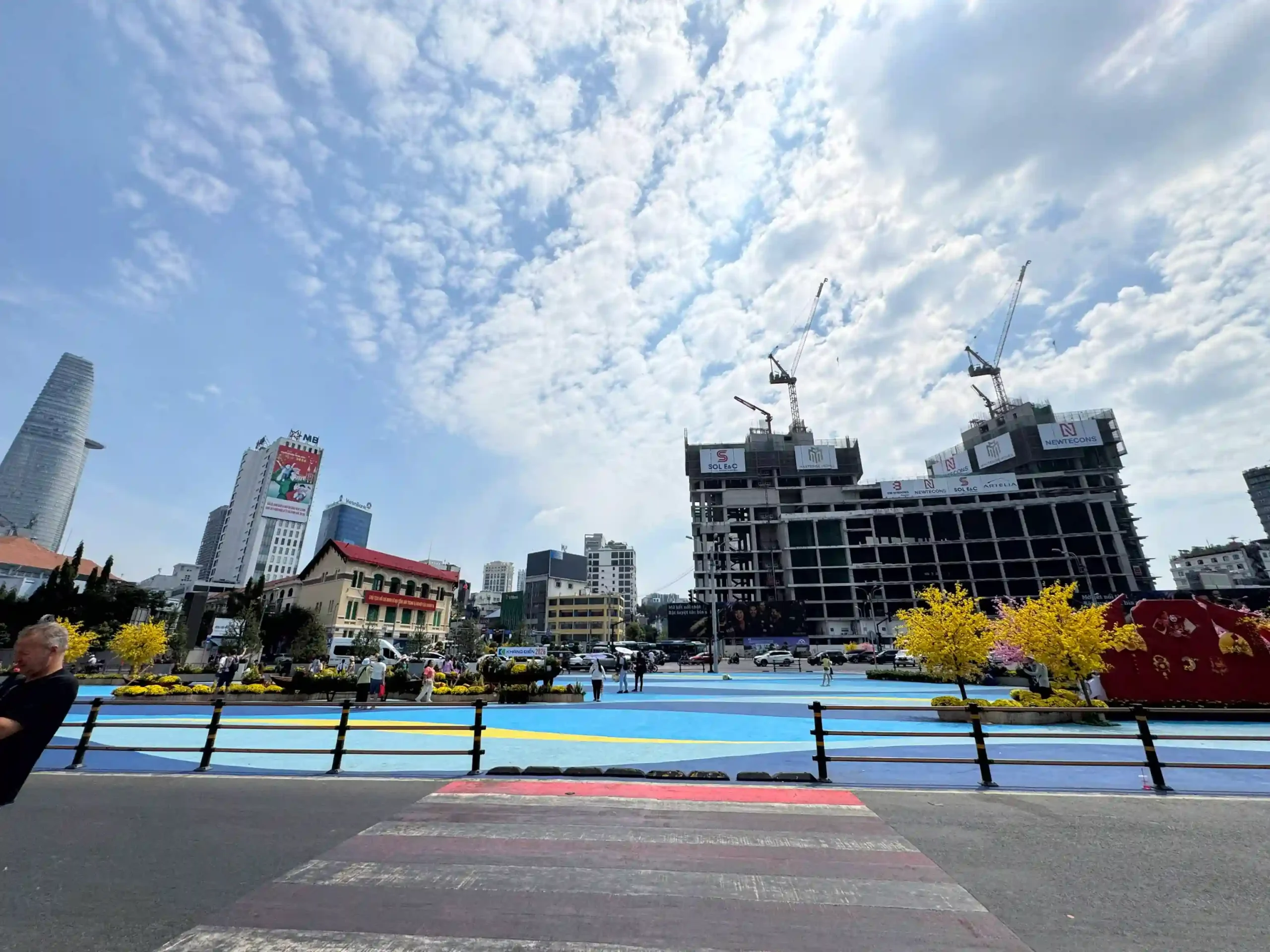
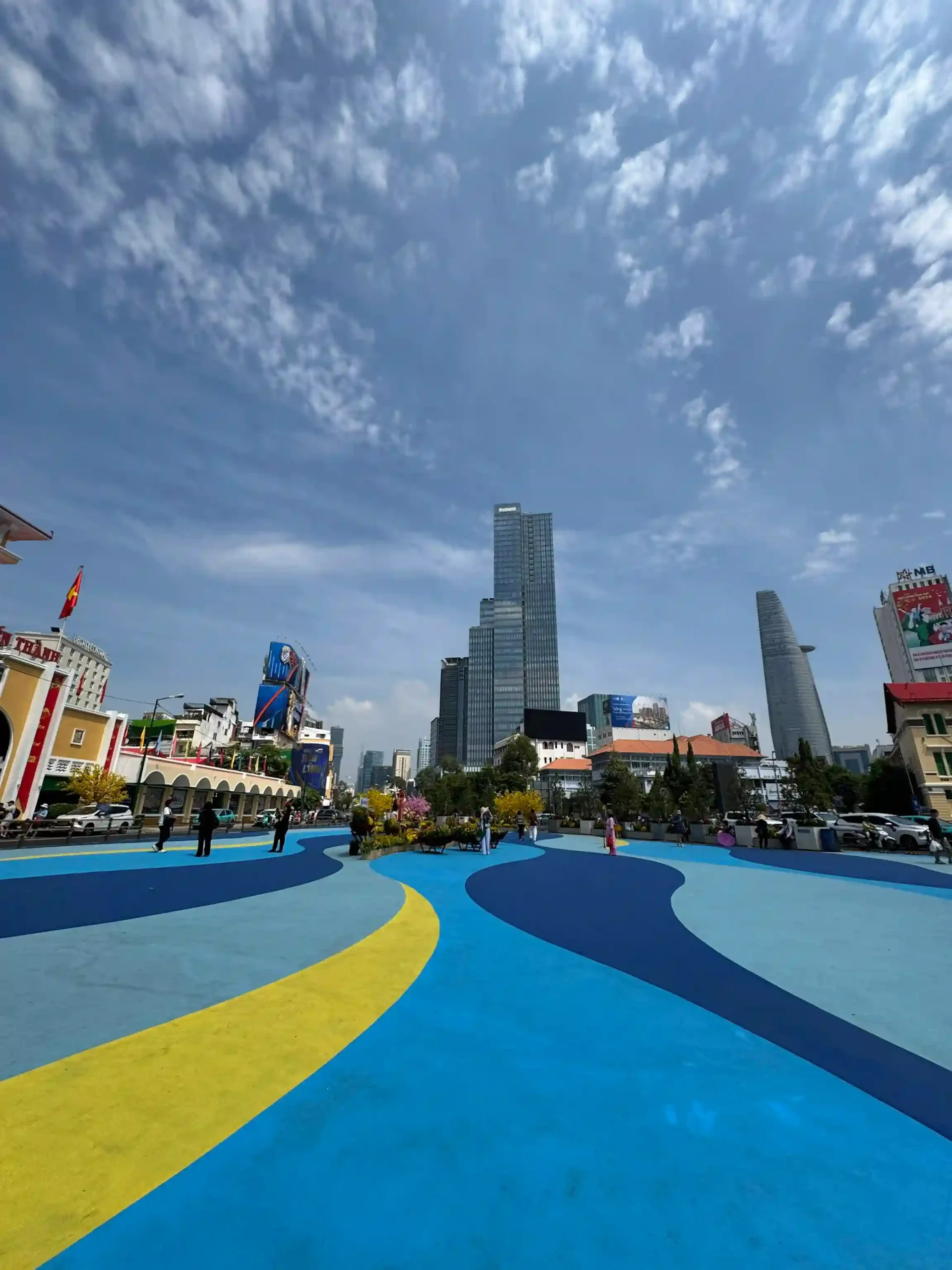
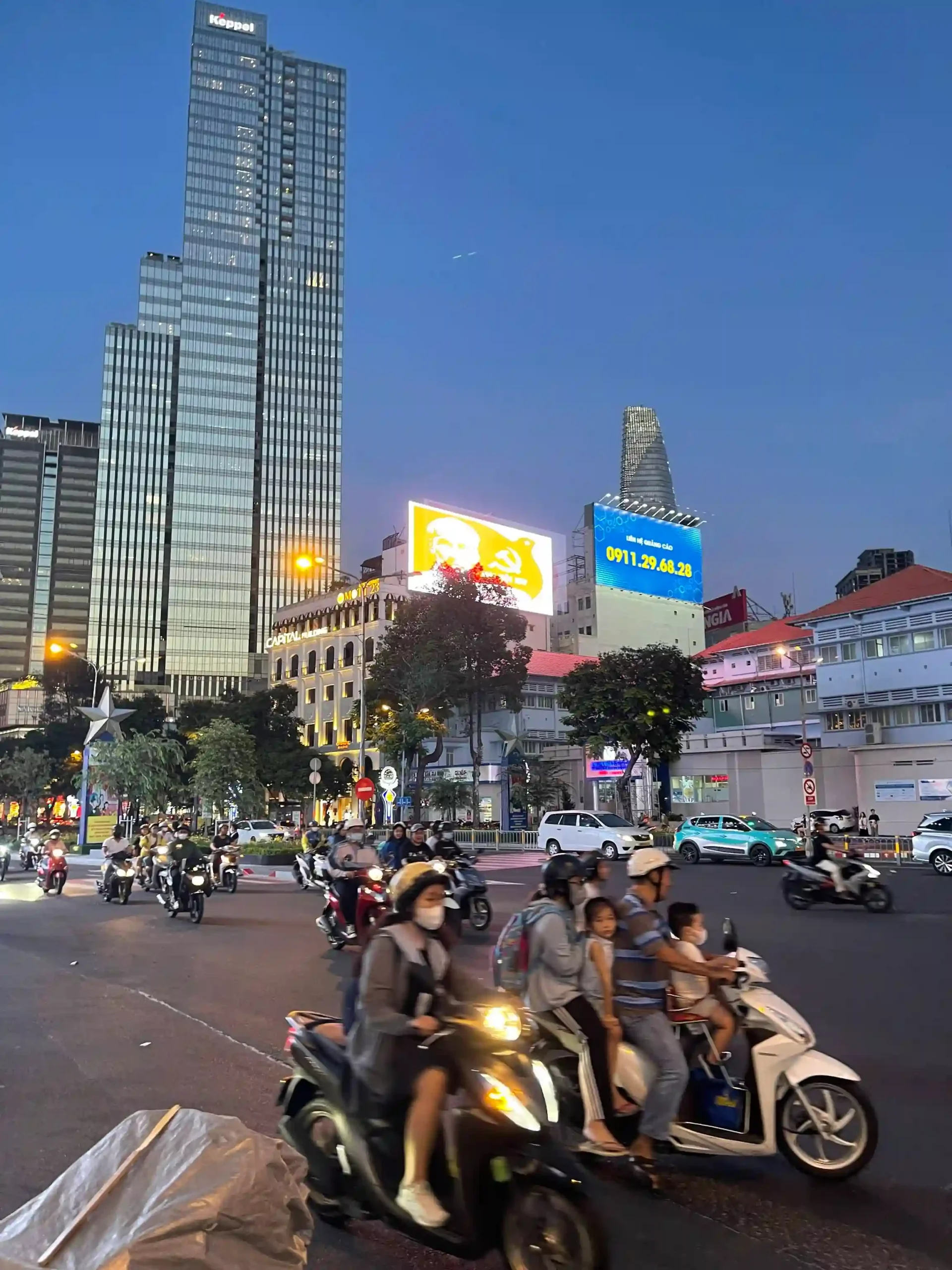
3. Ben Thanh & Le Lai
This is the grid of streets immediately surrounding the famous Ben Thanh Market clock tower.
- The Vibe: Pure, unfiltered chaos. The traffic around the Ben Thanh roundabout is legendary. Every day, thousands of tourists pour through here, which means you will be approached by tailors, massage parlor promoters, and taxi drivers every three seconds.
- Who is it for? People who are only in town for 24 hours and want to buy cheap souvenirs and take a photo of the market before leaving.
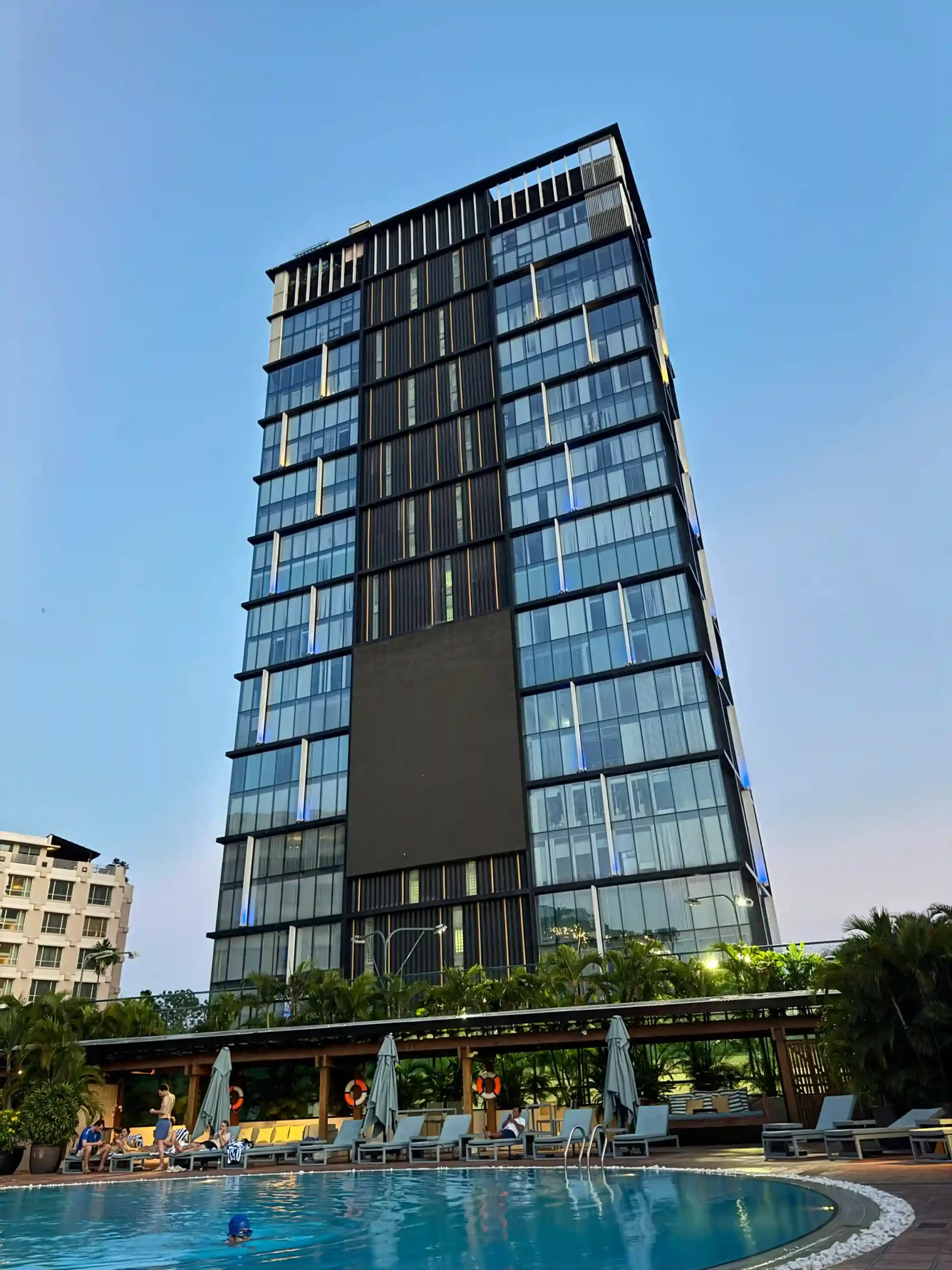
- Hotel Style: A mix of older, narrow mid-range hotels and massive business hotels like the New World Hotel.
- My advice: Honestly, skip staying directly next to the market. It is too loud, the food in the immediate vicinity is overpriced and mediocre, and the constant street hassle gets old very quickly.
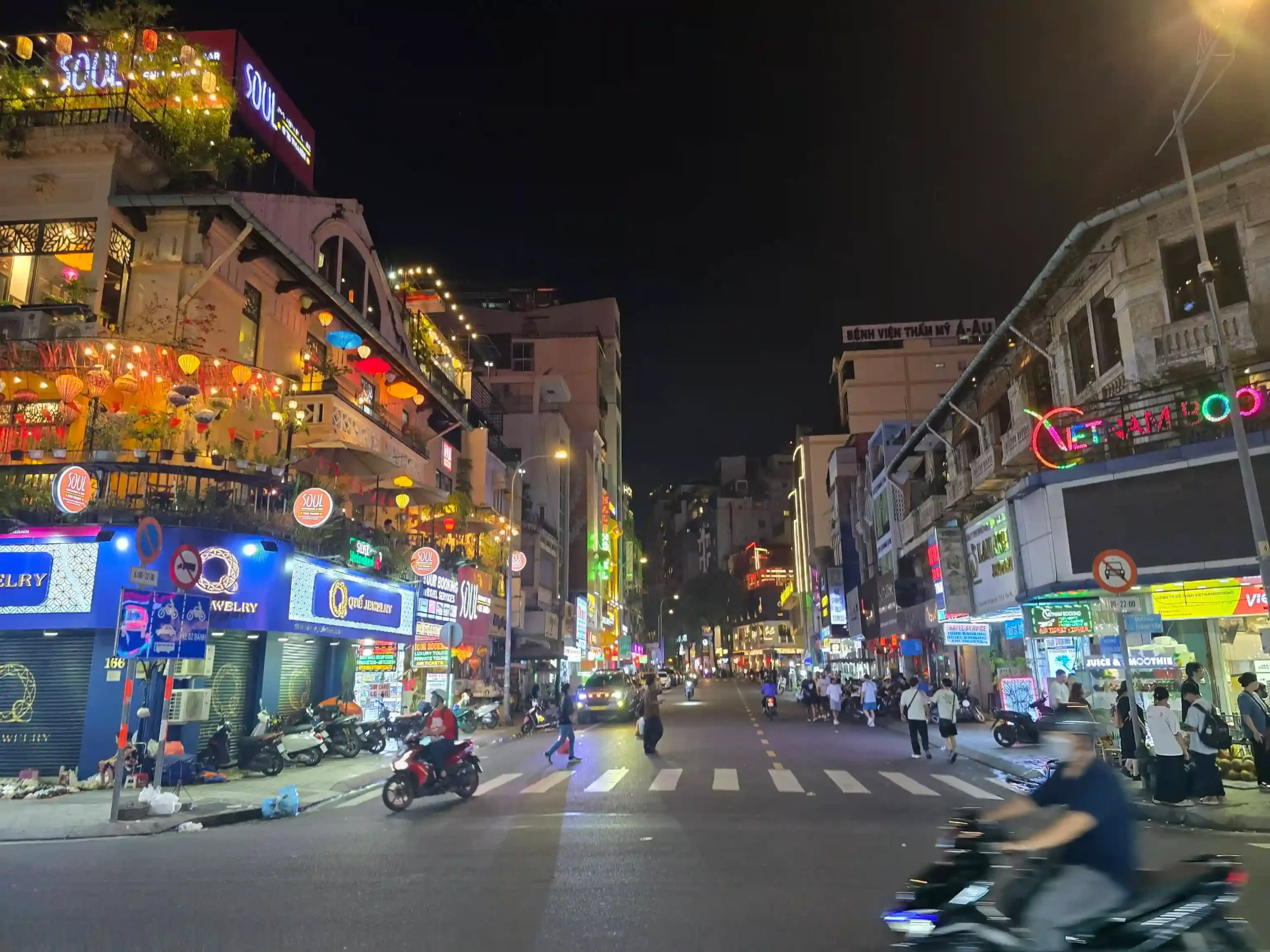
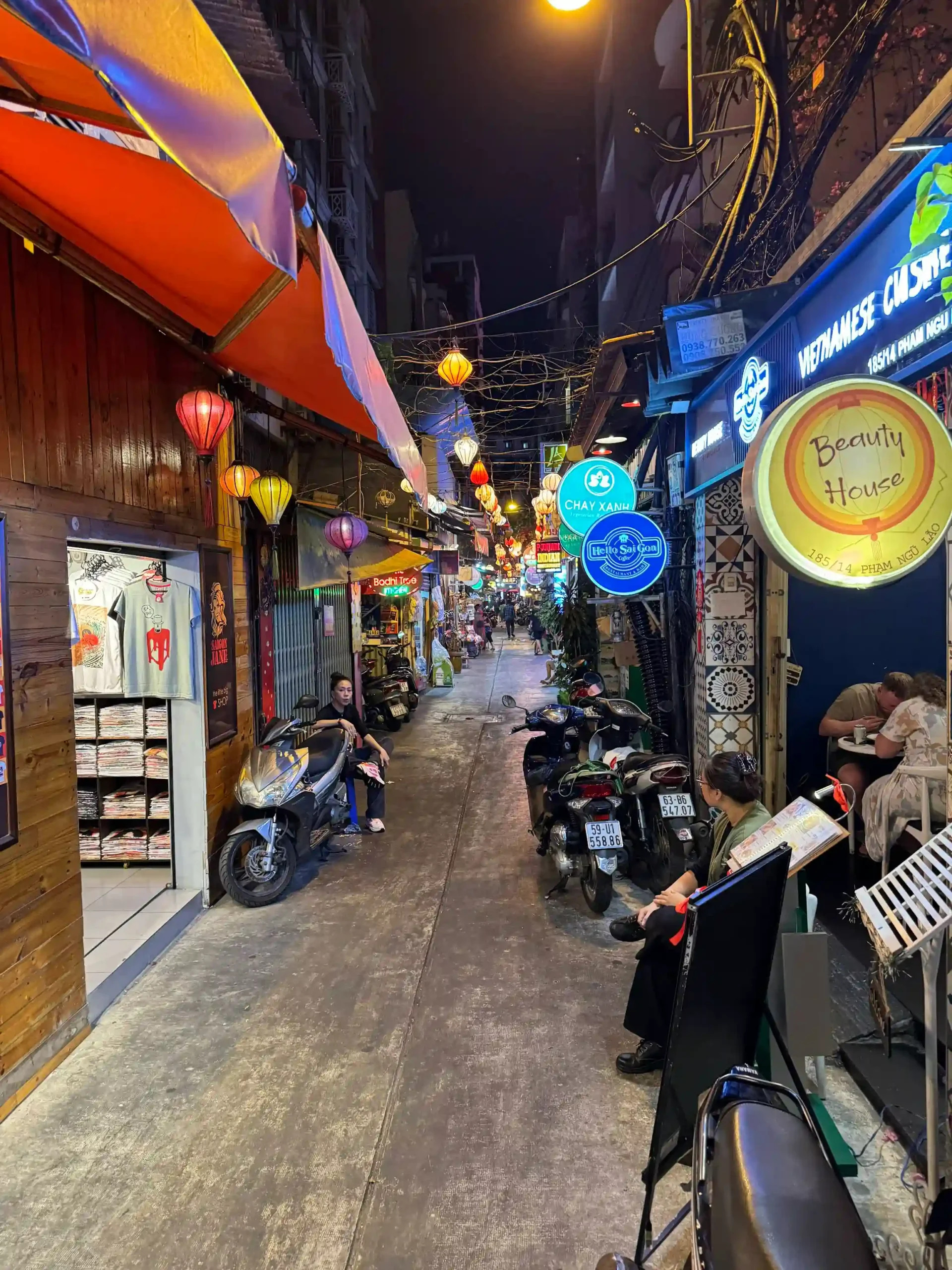
4. Bui Vien & Pham Ngu Lao
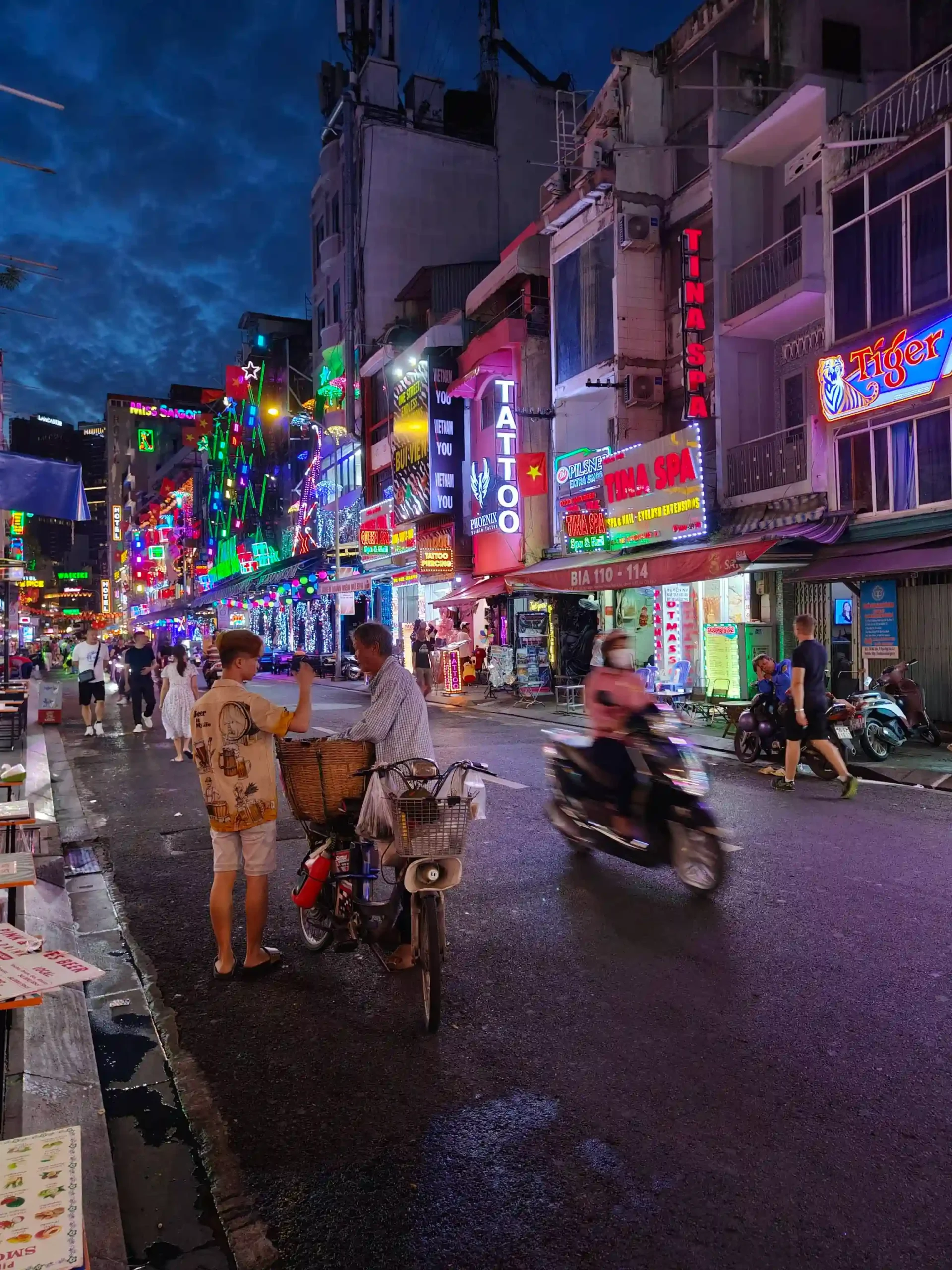
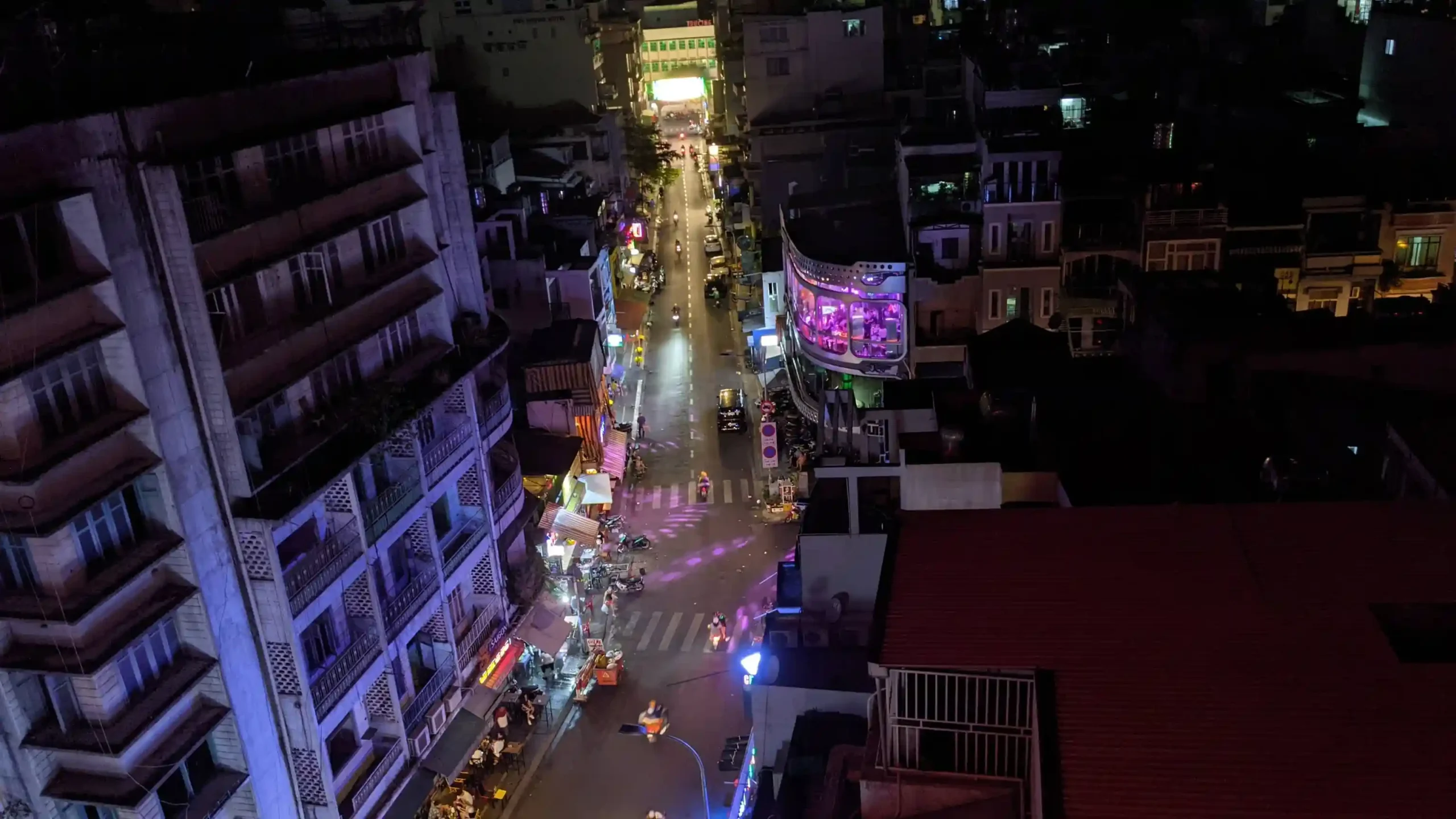
This is the backpacker ghetto. Bui Vien is a walking street that transforms into a loud neon corridor of bars and clubs after dark.
- The Vibe: Deafening. Like I said in my main things to do in Ho Chi Minh city guide, the bars here compete by pointing giant subwoofers directly into the street.
- Who is it for? Budget backpackers under 22 who want to drink cheap beer, socialize at hostels, and don’t care about sleeping.
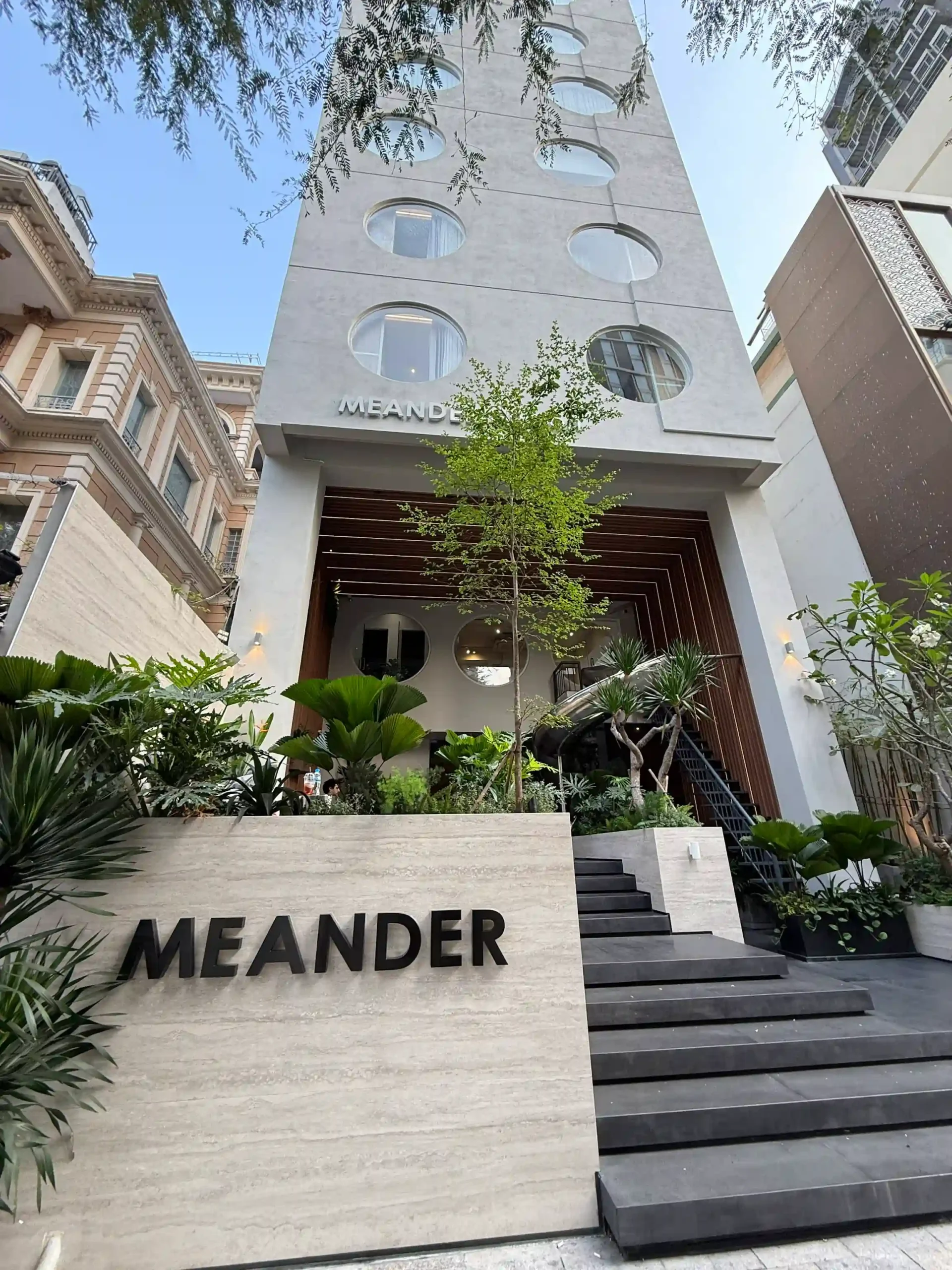
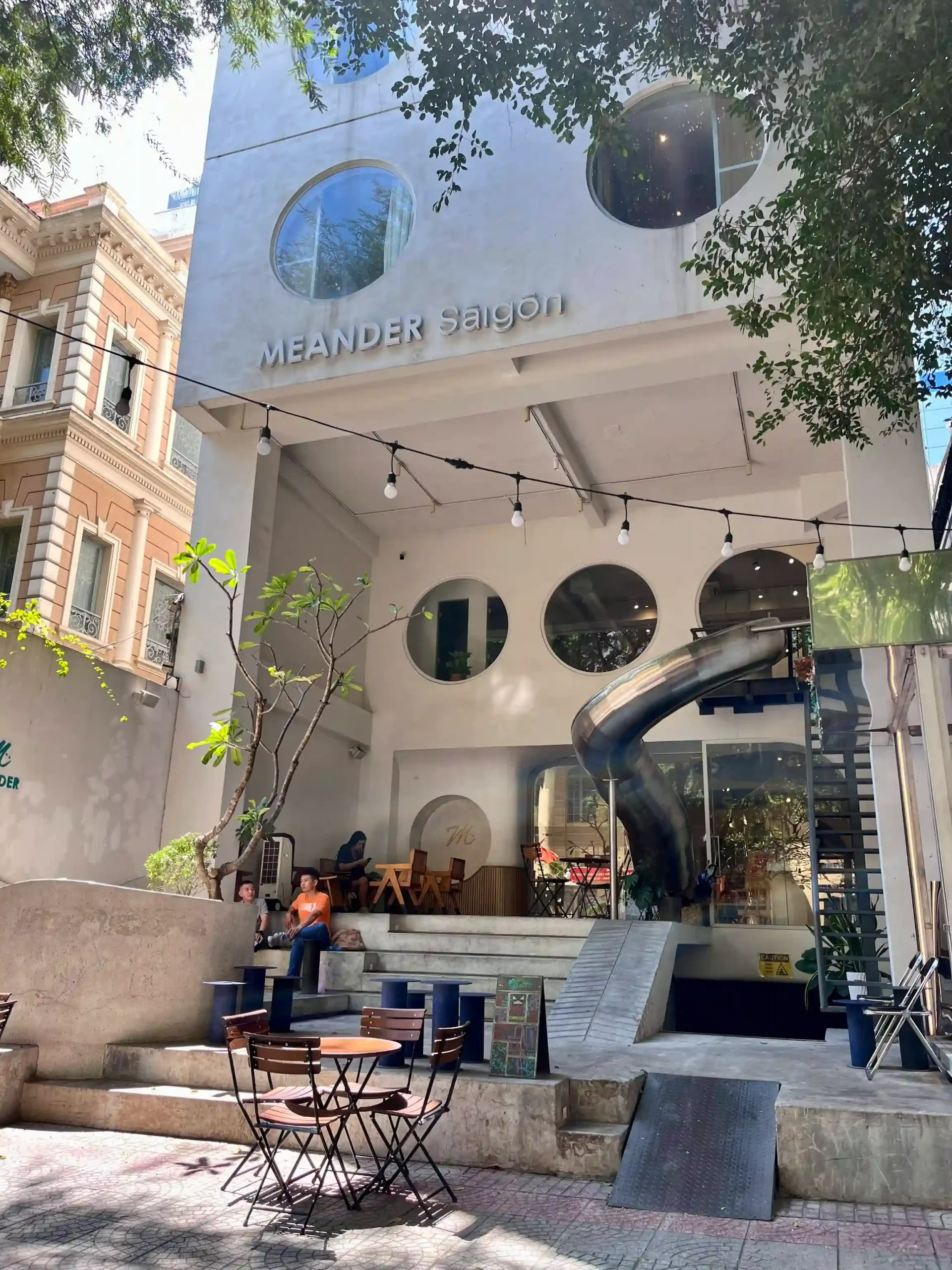
- Hotel Style: Super cheap hostels, homestays, and budget guesthouses. Places like MEANDER Saigon are great if you want a social hostel vibe but actually want a clean, professional place to sleep slightly away from the worst noise.
District 3: The Expat’s Secret Pick
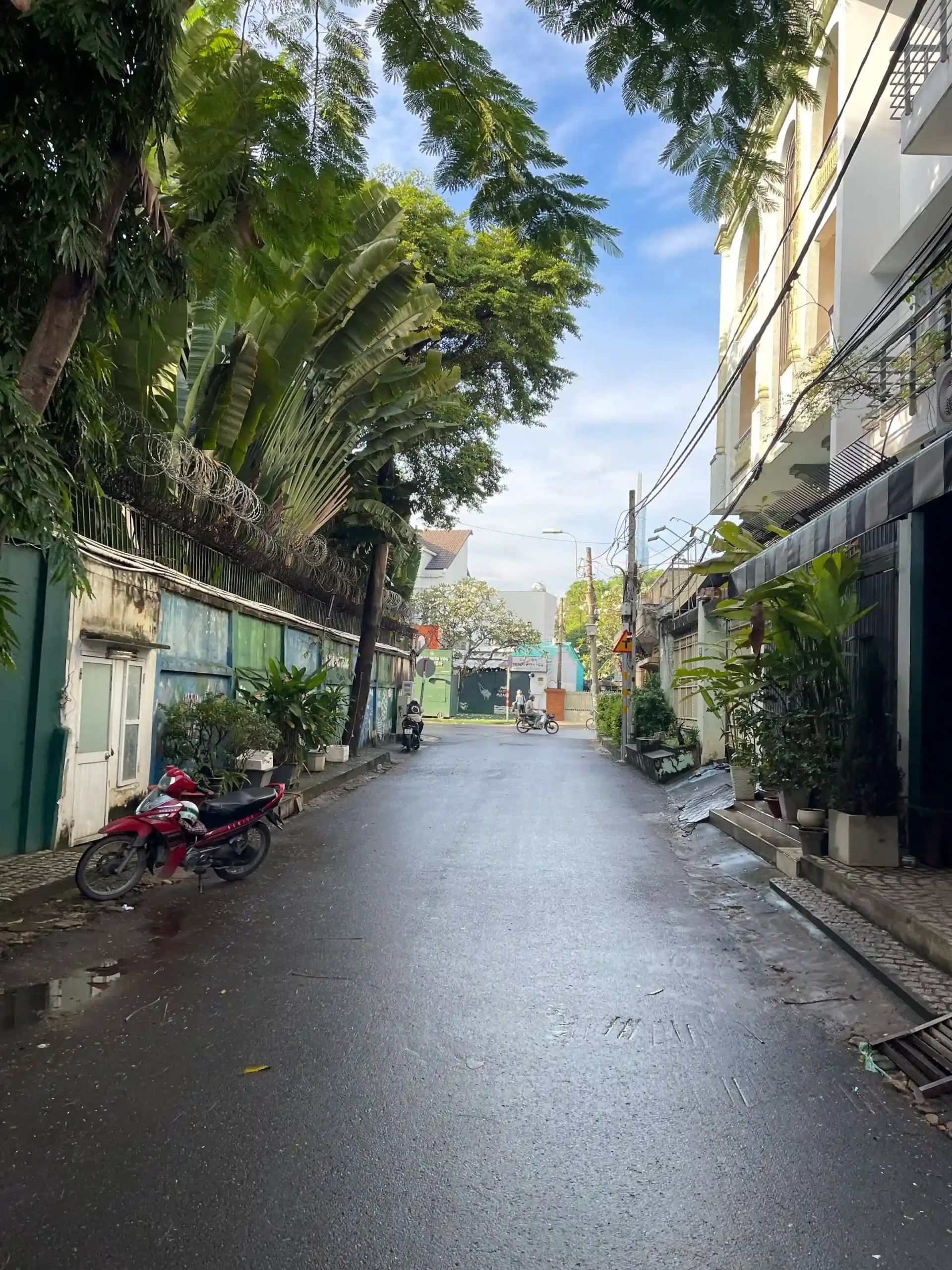
If you ask anyone who has lived in Saigon for more than a year where to stay in Ho Chi Minh city, they will almost always point you toward District 3.
D3 sits right next to D1. You can easily walk across the border line without even realizing you changed districts. But the entire layout feels completely different.
Back during the colonial era, the French planned D1 as the commercial business hub and D3 as the quiet residential sector for high-ranking officers and wealthy locals. They built huge villas set back from the roads and planted thousands of massive trees.
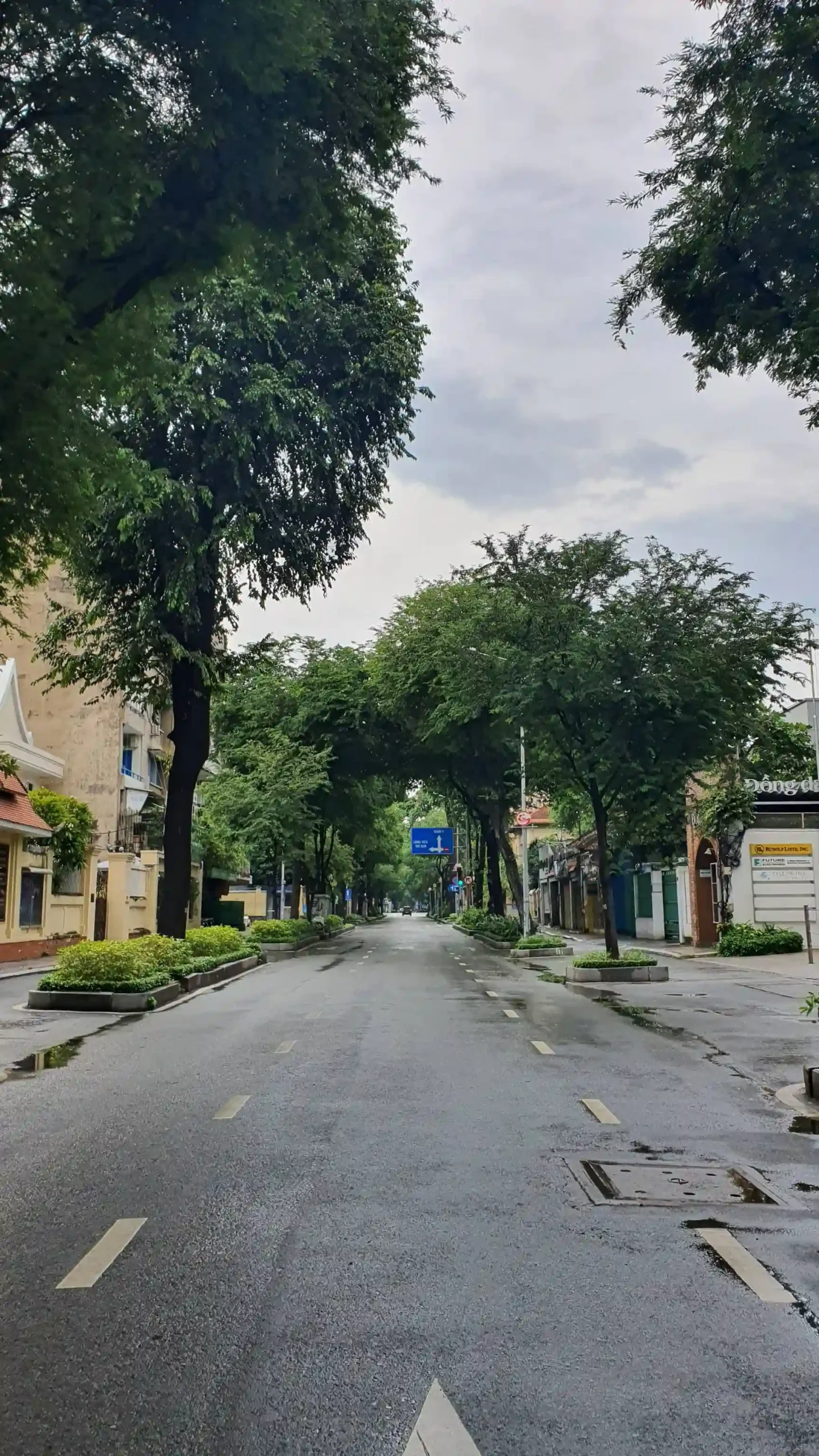
Today, those trees are fully grown. Their branches meet over the roads to form actual green tunnels. If you are going to walk anywhere during the day, you want to do it in District 3 because the shade keeps you from melting.
Why District 3 is better than District 1:
- Actual sidewalks: The sidewalks here are wider and less congested by commercial businesses, making it much easier to walk around.
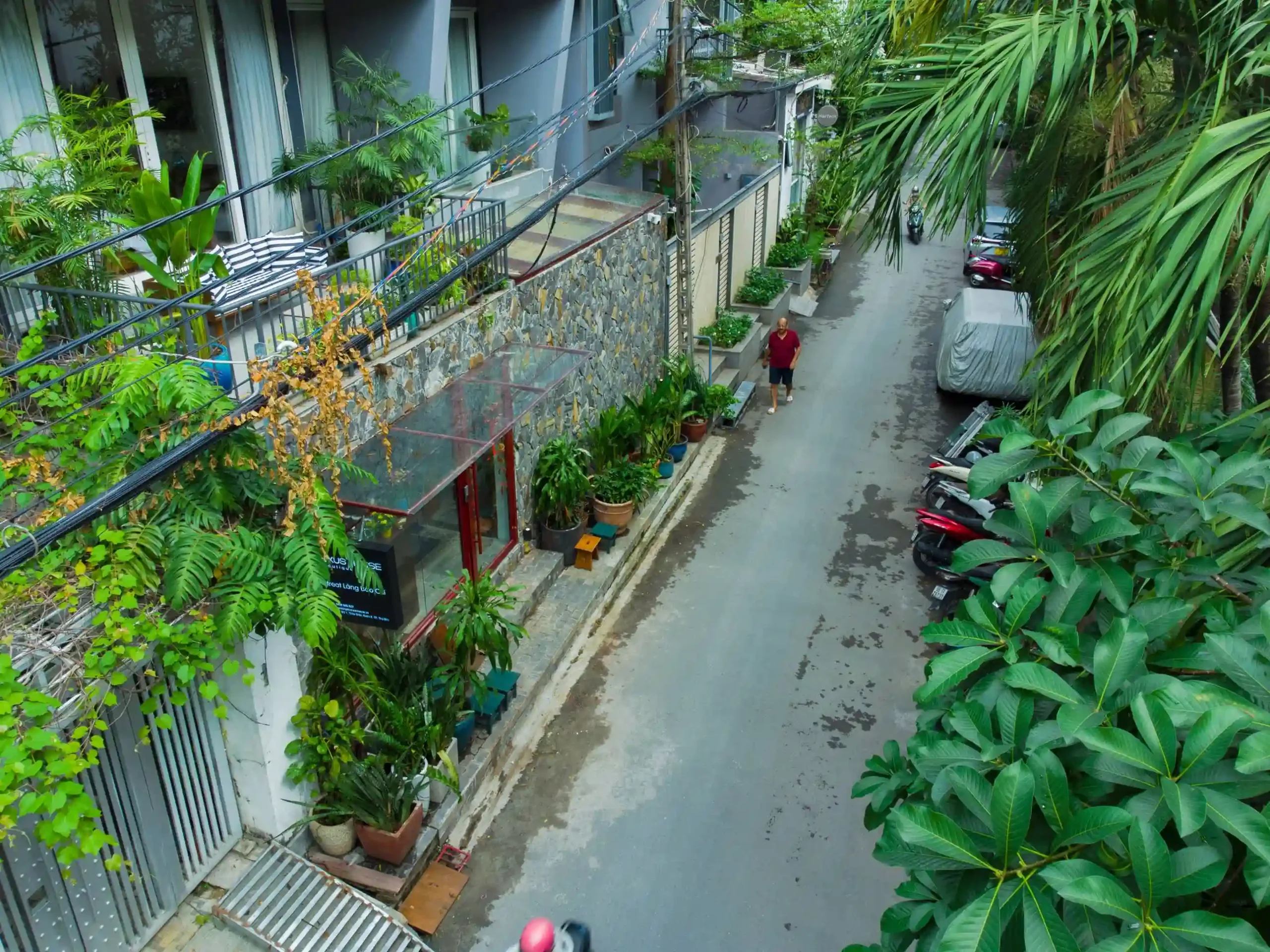
- The Cafe Culture: D3 is the undisputed king of hidden cafe alleys. You walk down a narrow residential corridor and suddenly find a quiet courtyard cafe built inside a ruined French villa.
- Better prices: The ho chi minh city hotels here are often much larger, cleaner, and cheaper than the cramped properties in D1 because they aren’t paying the prime downtown land tax.
- Quiet nights: While D1 is constantly honking and buzzing, D3 streets quiet down significantly after 10 PM. You can actually get decent sleep.
Where to look in District 3:
Look for hotels near Ngo Thoi Nhiem street, Vo Van Tan street, or Pasteur street. This puts you right in the middle of local food spots but keeps you within a 5-minute Grab bike ride to the Reunification Palace and the War Remnants Museum.
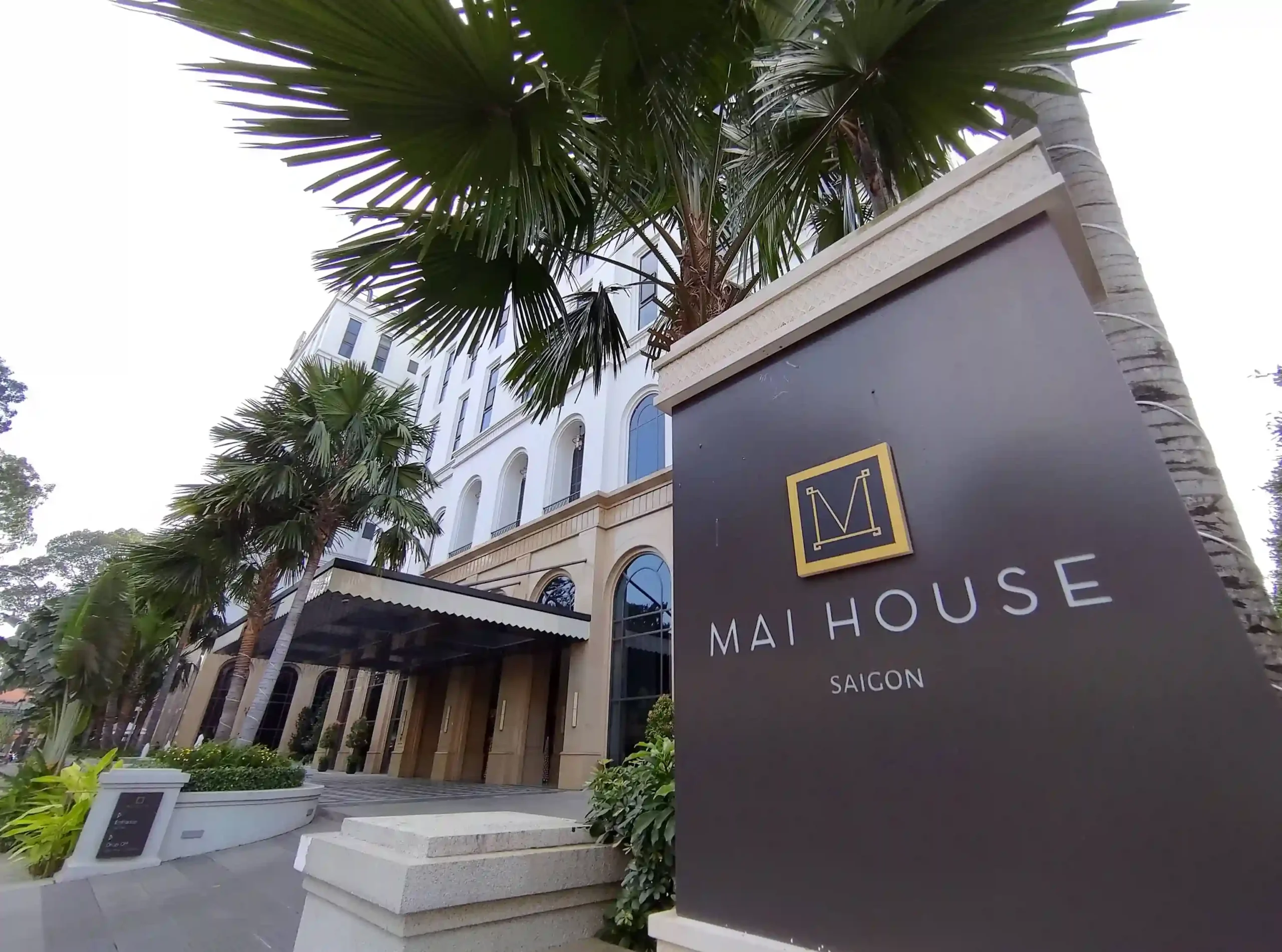
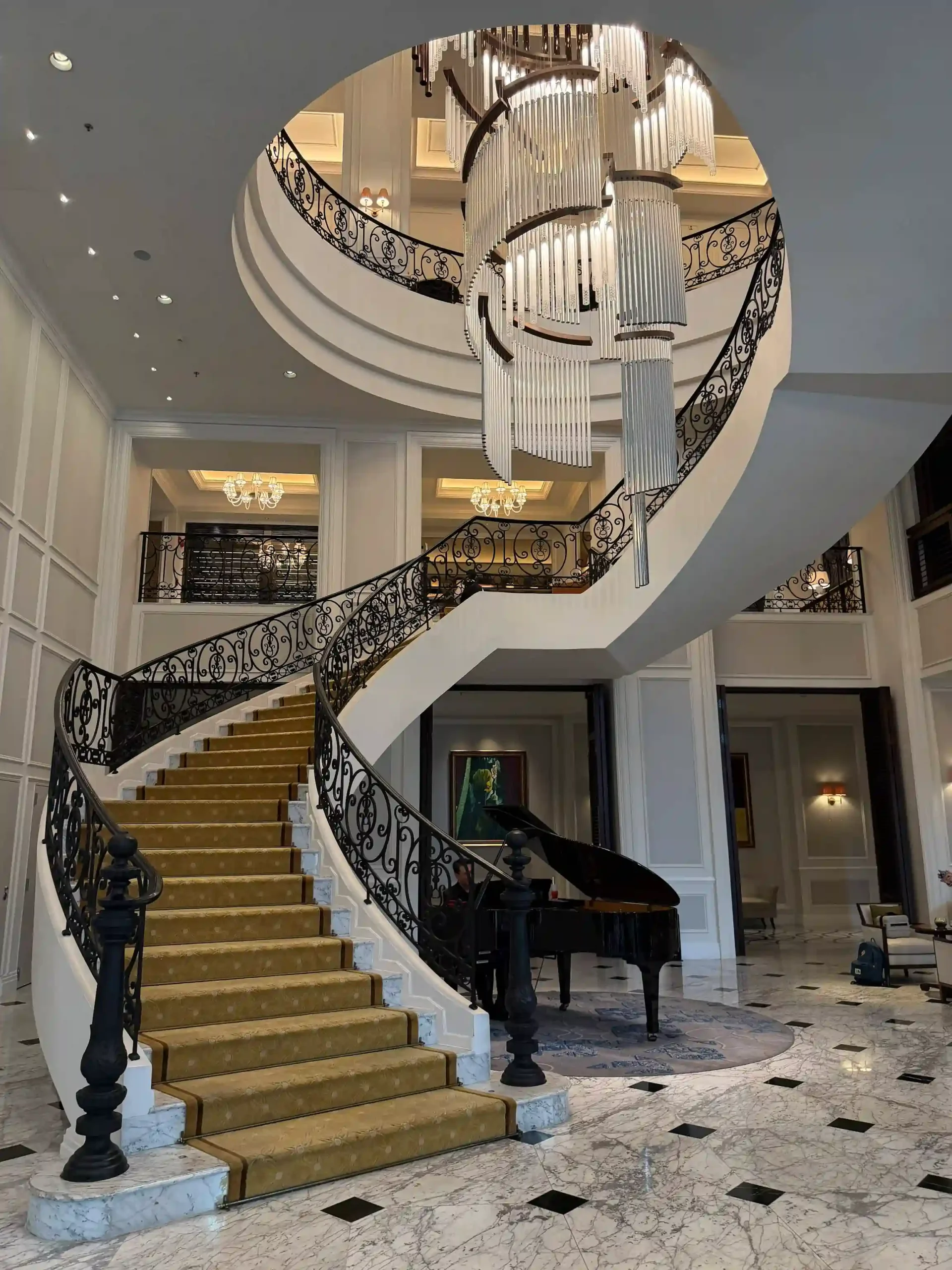
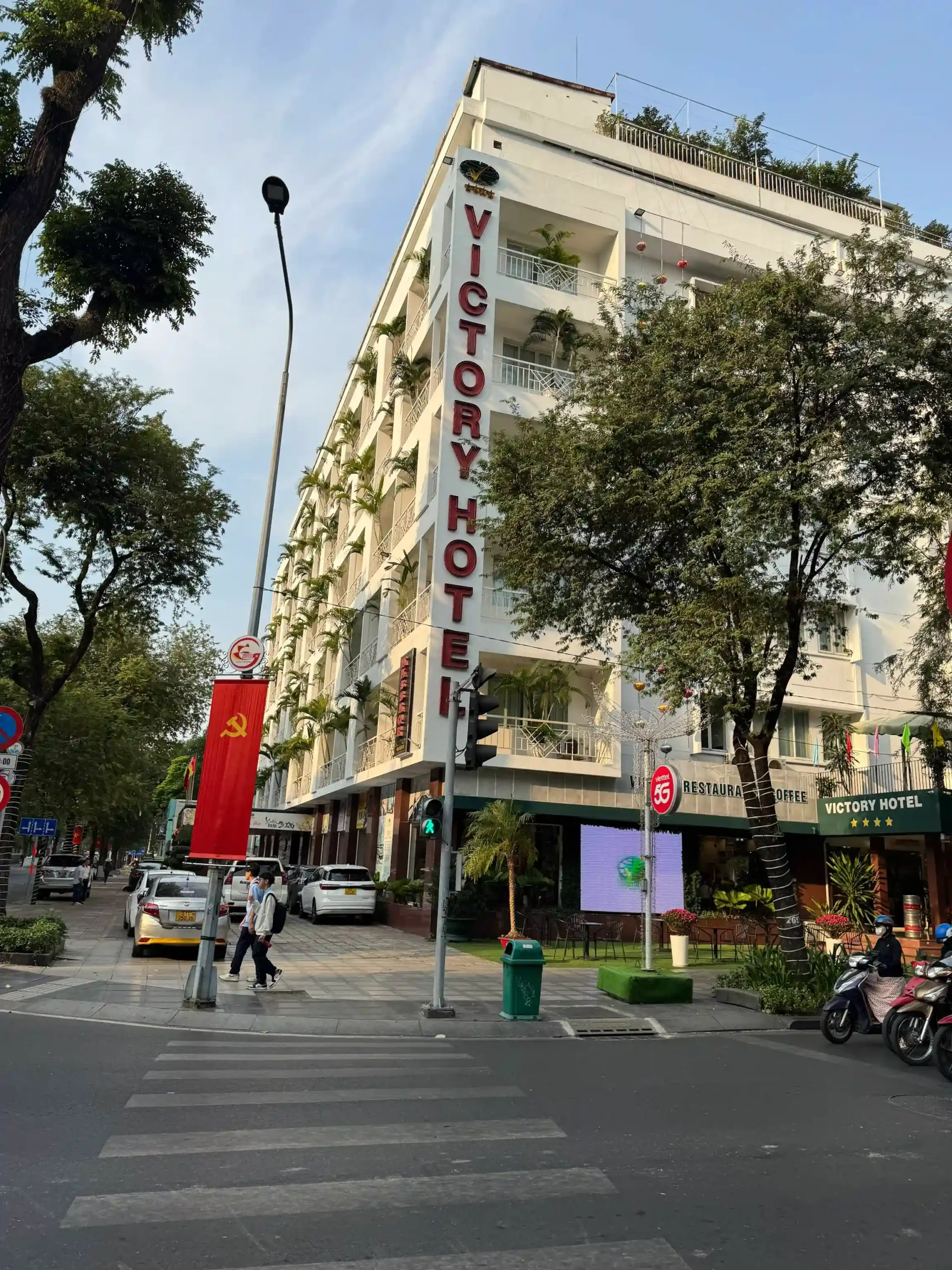
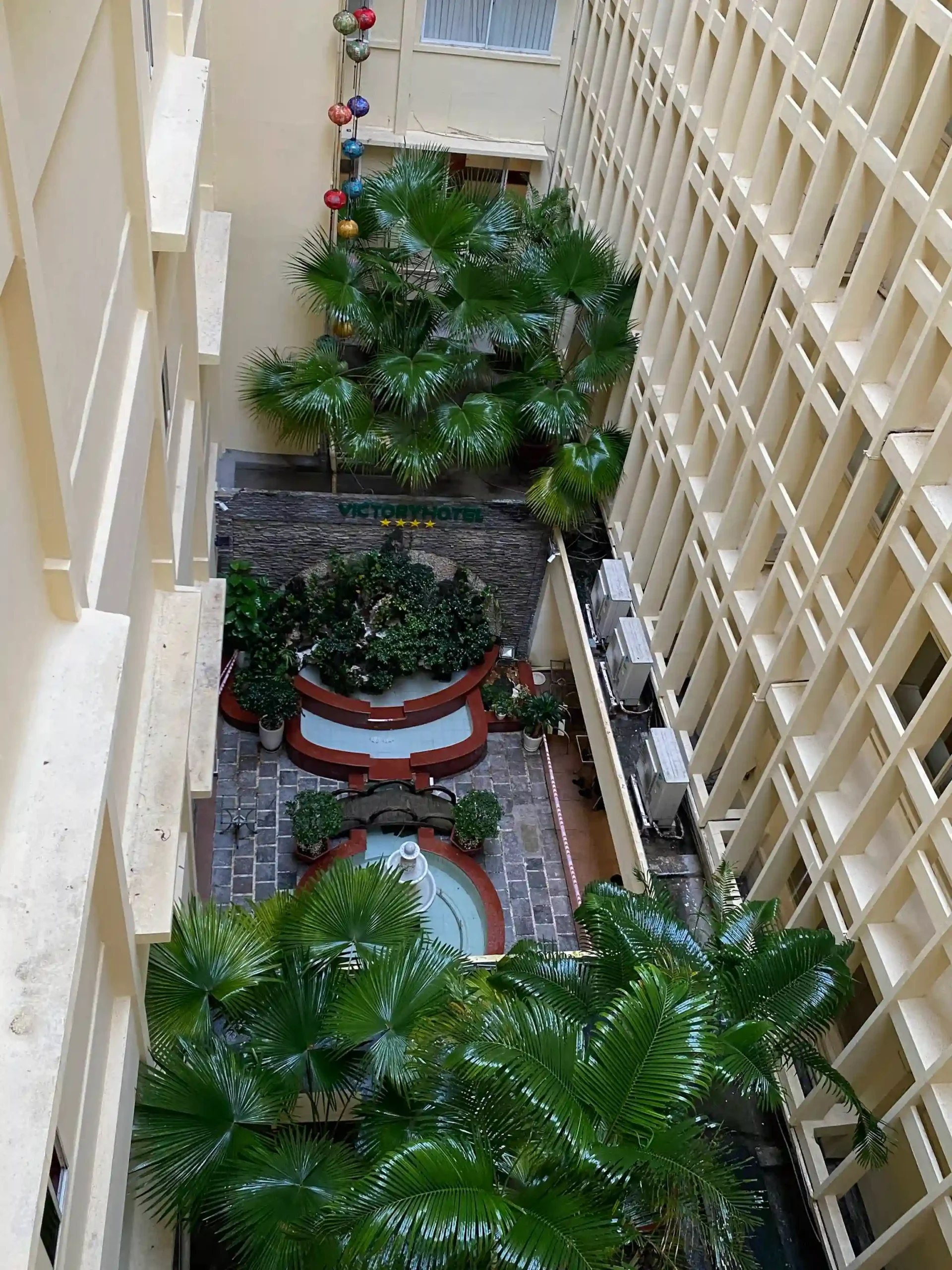
- My Hotel Recommendation: Mai House Saigon is a beautiful property that sits right on the border of D1 and D3. It has a colonial-era design but is modern inside. If you want something more budget-friendly, there are plenty of clean 3-star boutique spots like Victory Saigon Hotel or small local homestays hidden in the alleys.
District 4: The Airbnb Condo Trap
If you open up Airbnb or search for serviced apartments in Saigon, you will see hundreds of listings for luxury high-rise apartments with gorgeous infinity pools looking over the city skyline at ridiculously cheap prices ($30 – $40 a night).
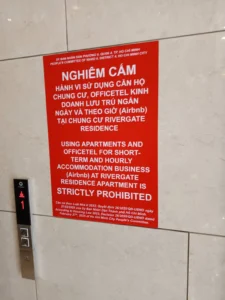
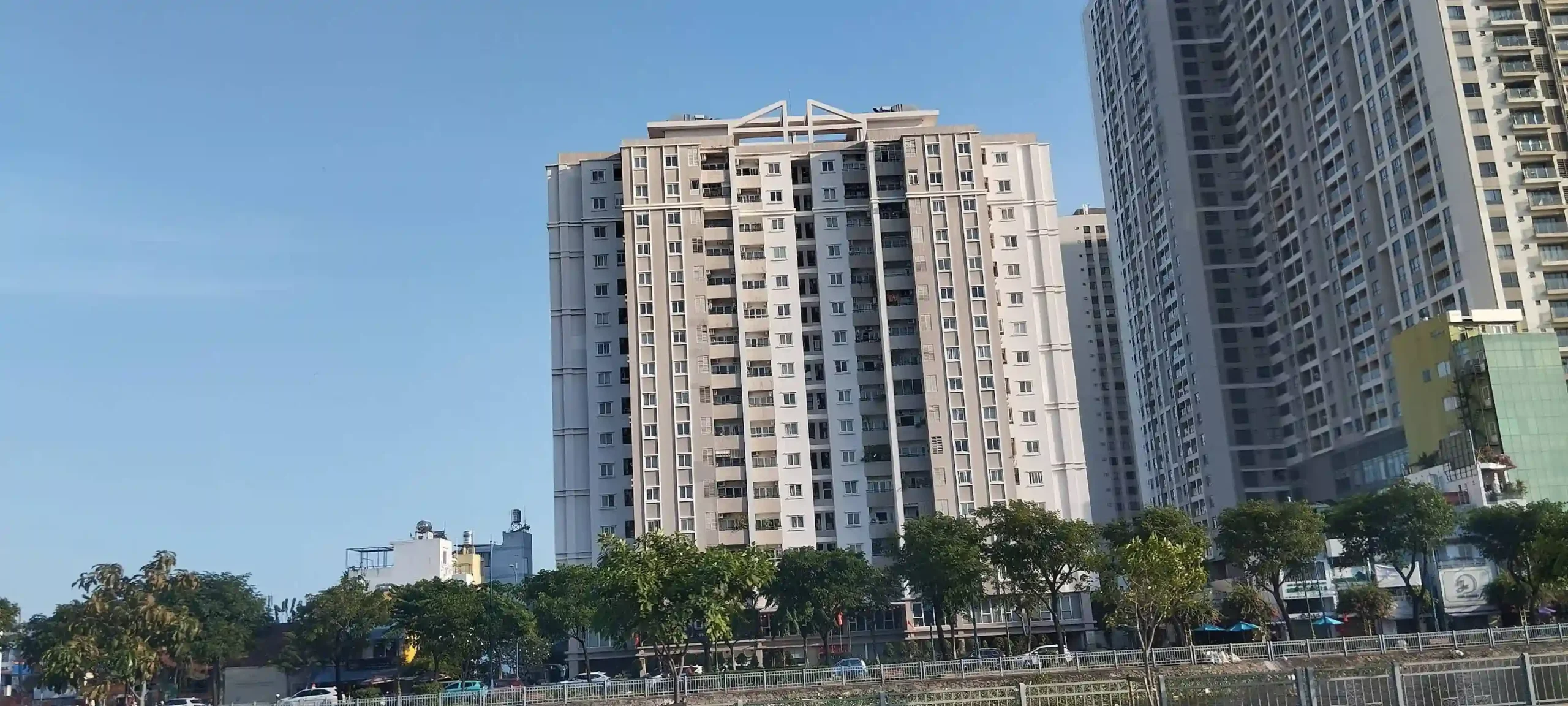
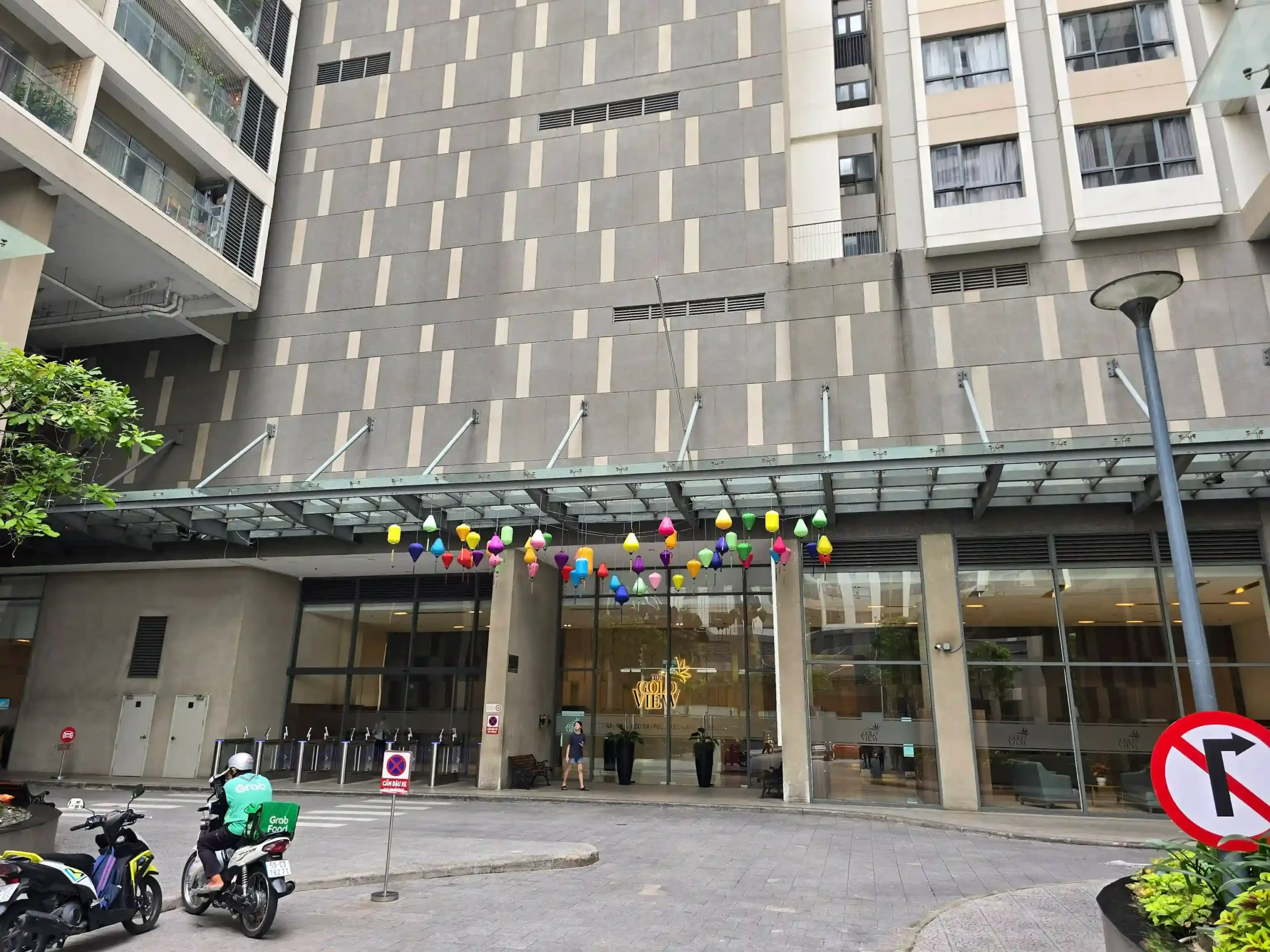
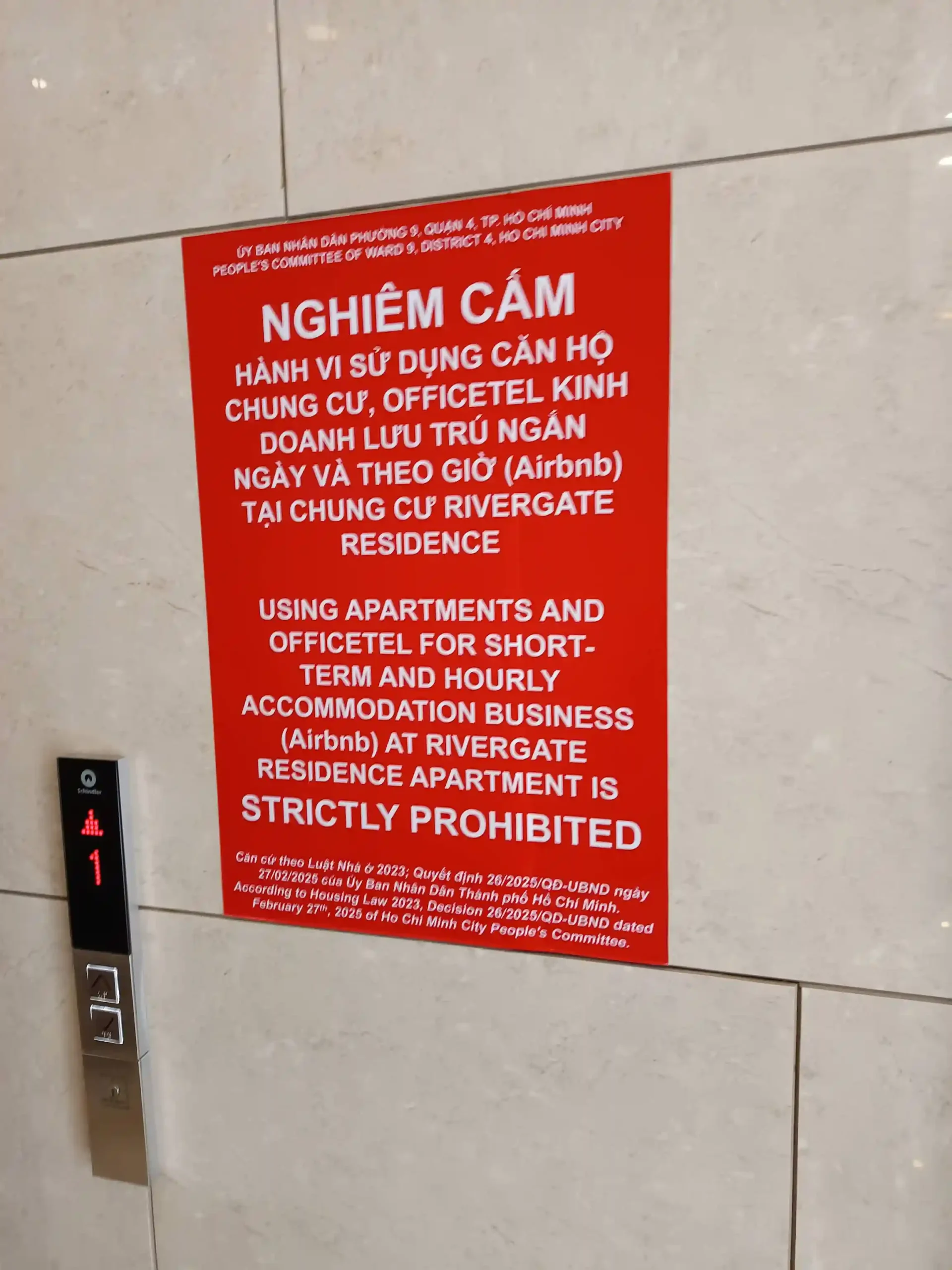
Almost all of these listings are located in District 4, specifically in massive condo complexes like The Gold View, Icon 56, or Rivergate.
They look perfect in photos. You think, “Great, I get a whole apartment, a kitchen, and a pool for cheaper than a basic D1 hotel room.”
Do not fall for this trap.
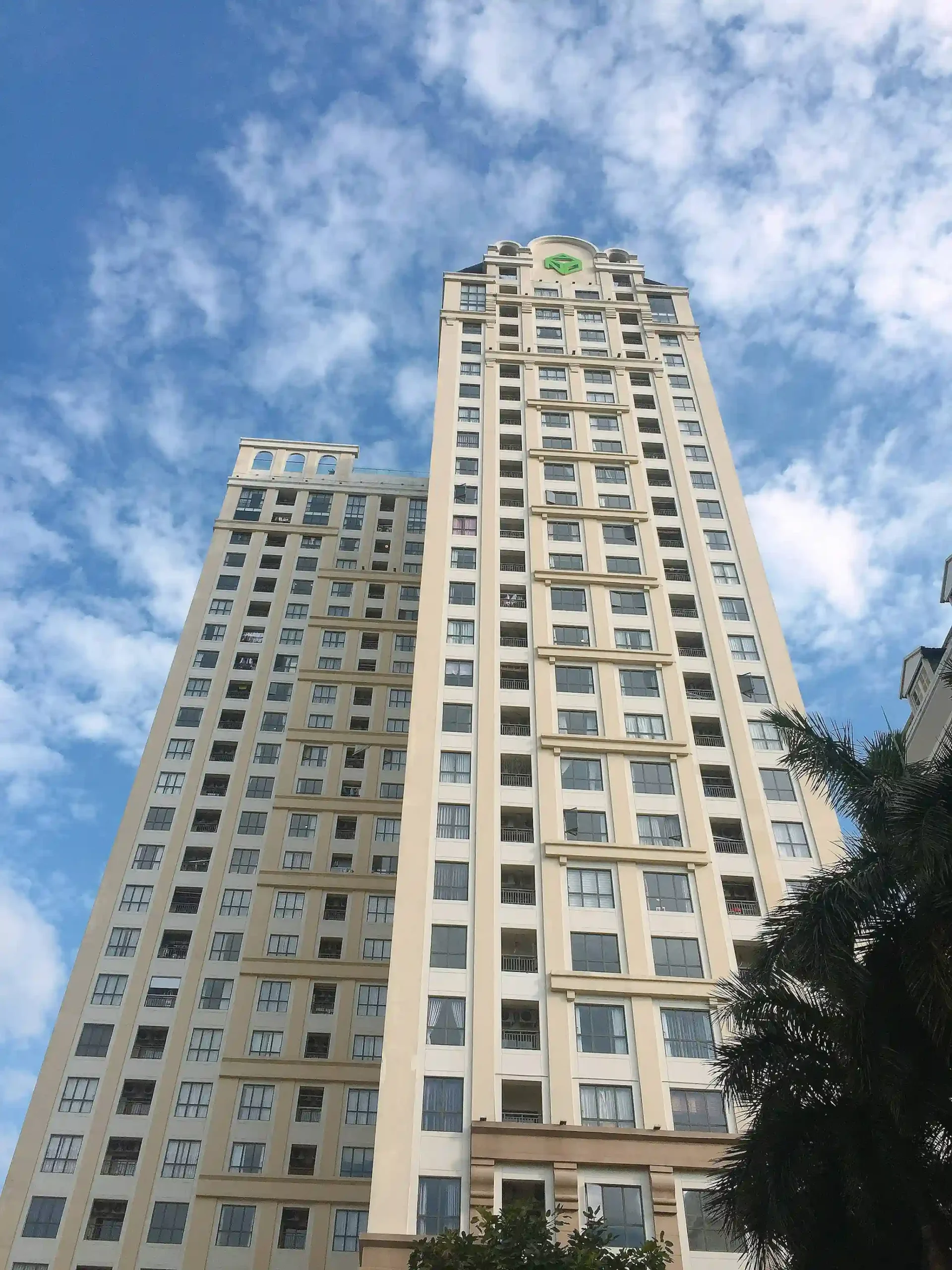
District 4 is a small, historically working-class peninsula sitting directly south of District 1, separated by a narrow canal. While the local street food scene here is amazing (especially the snail stalls on Vinh Khanh street), the logistics of staying in these massive condo buildings as a first-timer are incredibly annoying.
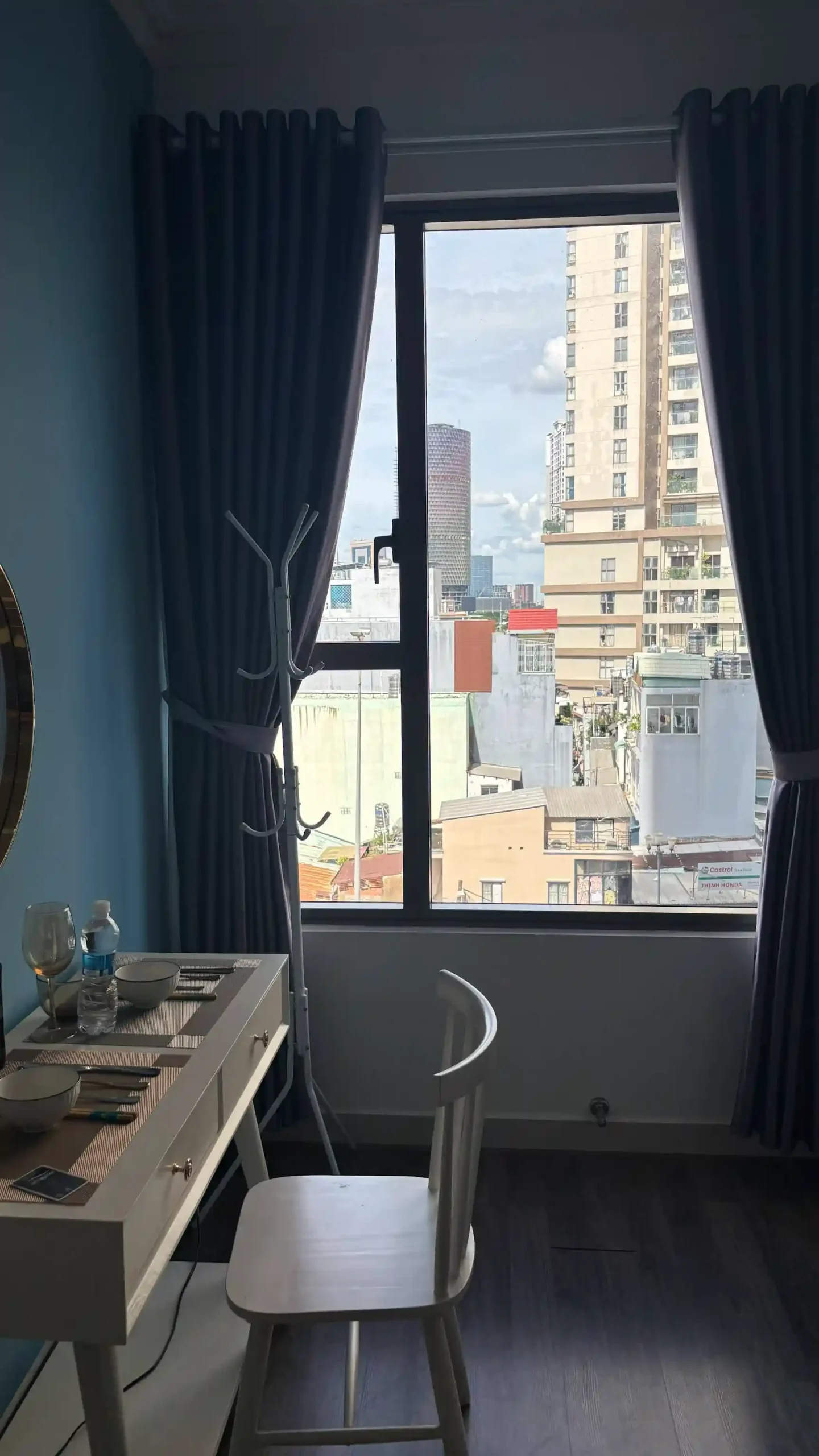
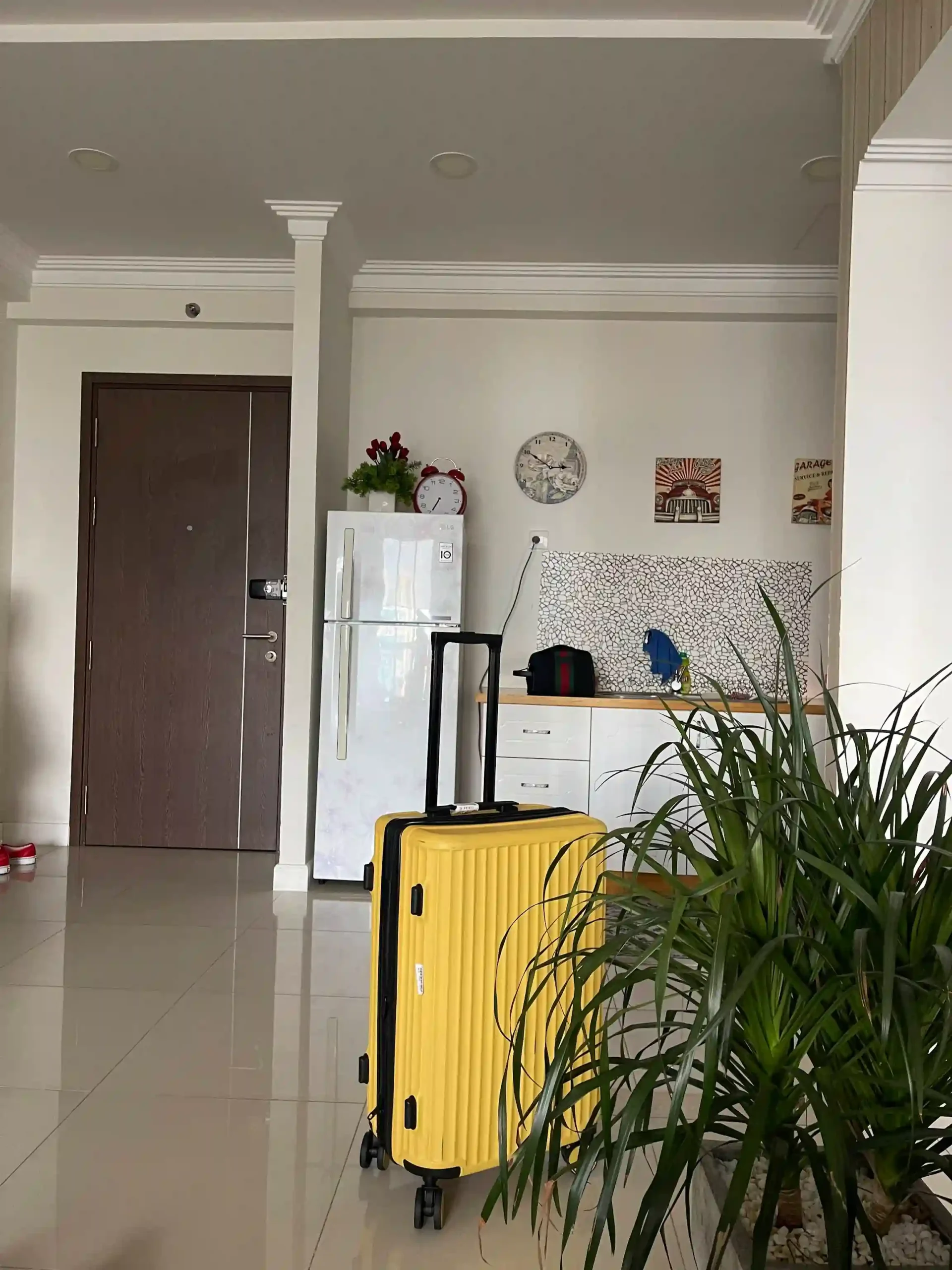
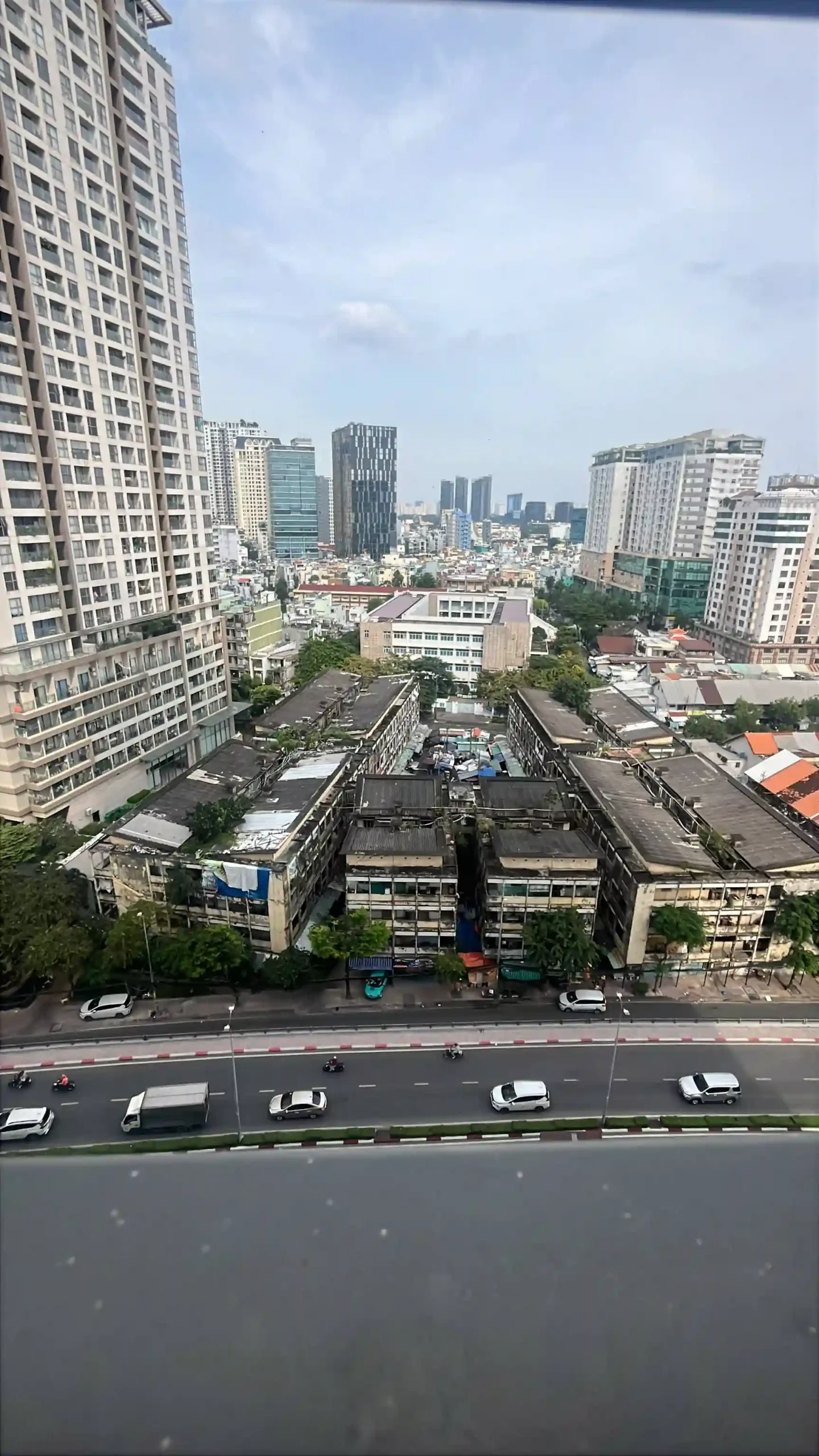
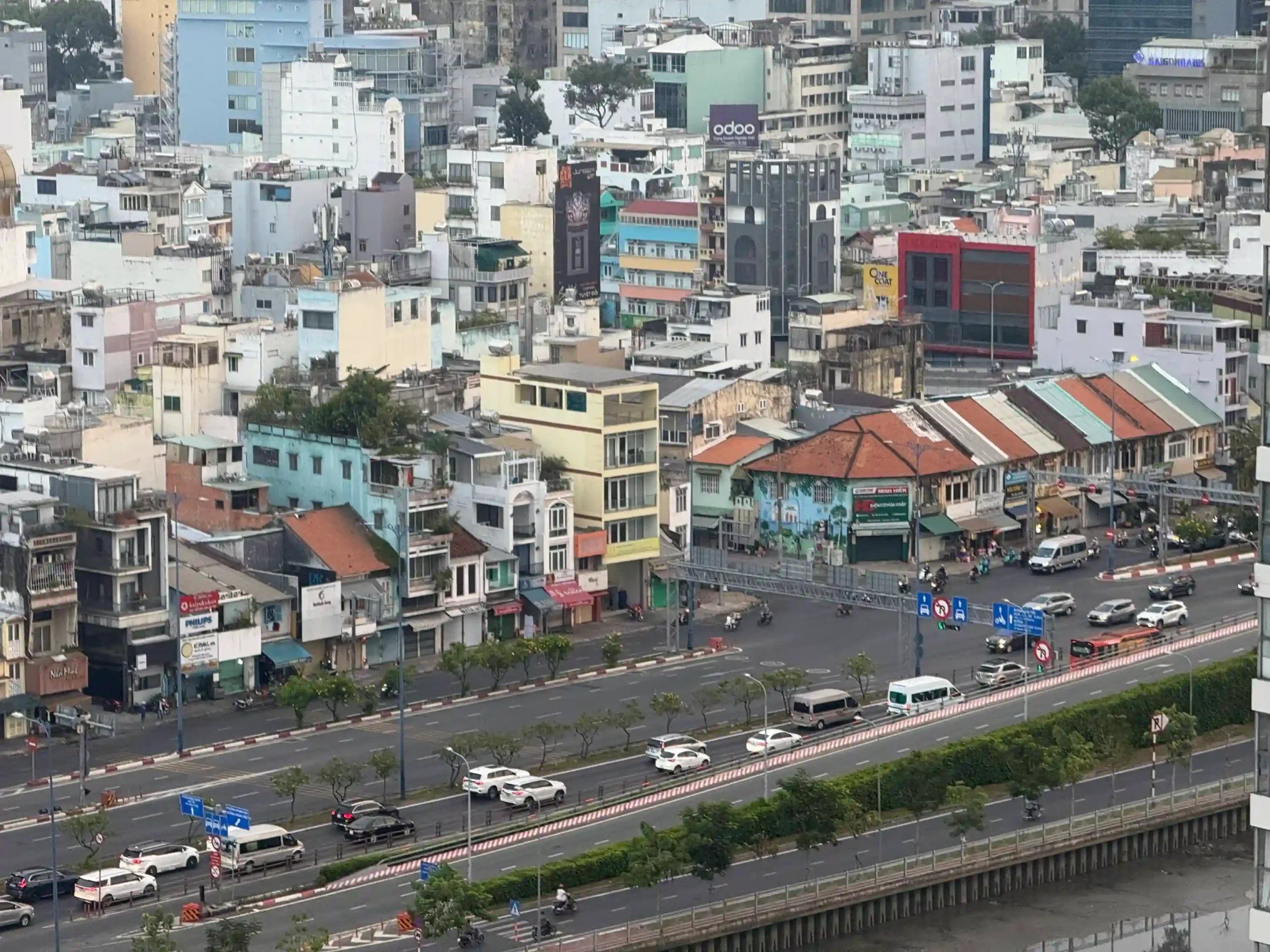
The Problems with the D4 Condo blocks:
- The Bridge Bottleneck: There are only a few narrow bridges connecting District 4 to District 1. Every single afternoon between 4:30 PM and 7:00 PM, these bridges become absolute parking lots. If you want to head into D1 for dinner or a drink, a journey that should take 5 minutes will take 35 minutes of bumper-to-bumper gridlock. Grab drivers will repeatedly cancel on your ride requests because they don’t want to get stuck on the bridge.
- The Elevator Queue: These buildings have thirty or forty floors and thousands of apartment units, many of which are run as illegal short-term holiday rentals. During peak checkout times (11 AM to 1 PM), you can easily wait 15 to 20 minutes just to get into an elevator. It feels like staying in a crowded university dorm, not a vacation rental.
- Lack of Neighborhood Feel: You walk out of these massive concrete towers and you are immediately on a busy highway-style road. There are no cute local cafes or shops immediately outside; you just have a convenience store inside the lobby and endless traffic noise.
If you want a serviced apartment, look for smaller, independent low-rise apartment buildings in District 3 instead. You’ll save yourself a massive transit headache.
Thao Dien / District 2: The Foreign Bubble
Across the Saigon River to the east lies District 2, specifically the peninsula known as Thao Dien.
If you read digital nomad forums, they will rave about Thao Dien as the best place to live in Vietnam. And for long-term expats with kids, it is. But for a first-time traveler who actually wants to experience Vietnam, staying here is a massive mistake.
The Vibe of Thao Dien:
It is an enormous, self-contained Western bubble. The streets are lined with Italian restaurants, French bakeries, gourmet organic grocery stores, vegan wellness cafes, and hip craft beer taprooms. You will see more Western faces walking down the street here than Vietnamese faces.
Almost everyone speaks perfect English, prices are listed in dollars as often as dong, and the local street culture is practically nonexistent.
Why you should avoid it on your first trip:
- It’s not Vietnam: You didn’t fly all the way to Southeast Asia to eat sourdough bread and drink avocado smoothies surrounded by other tourists.
- The Distance: Thao Dien is far from the historical center. To get to the War Remnants Museum or the Independence Palace, you have to cross the massive Saigon Bridge and navigate highway traffic. It takes at least 25 to 30 minutes each way on a good day, and easily an hour during rush hour.
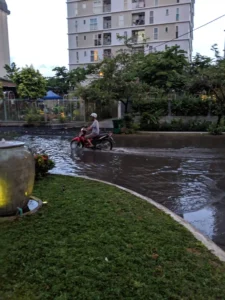
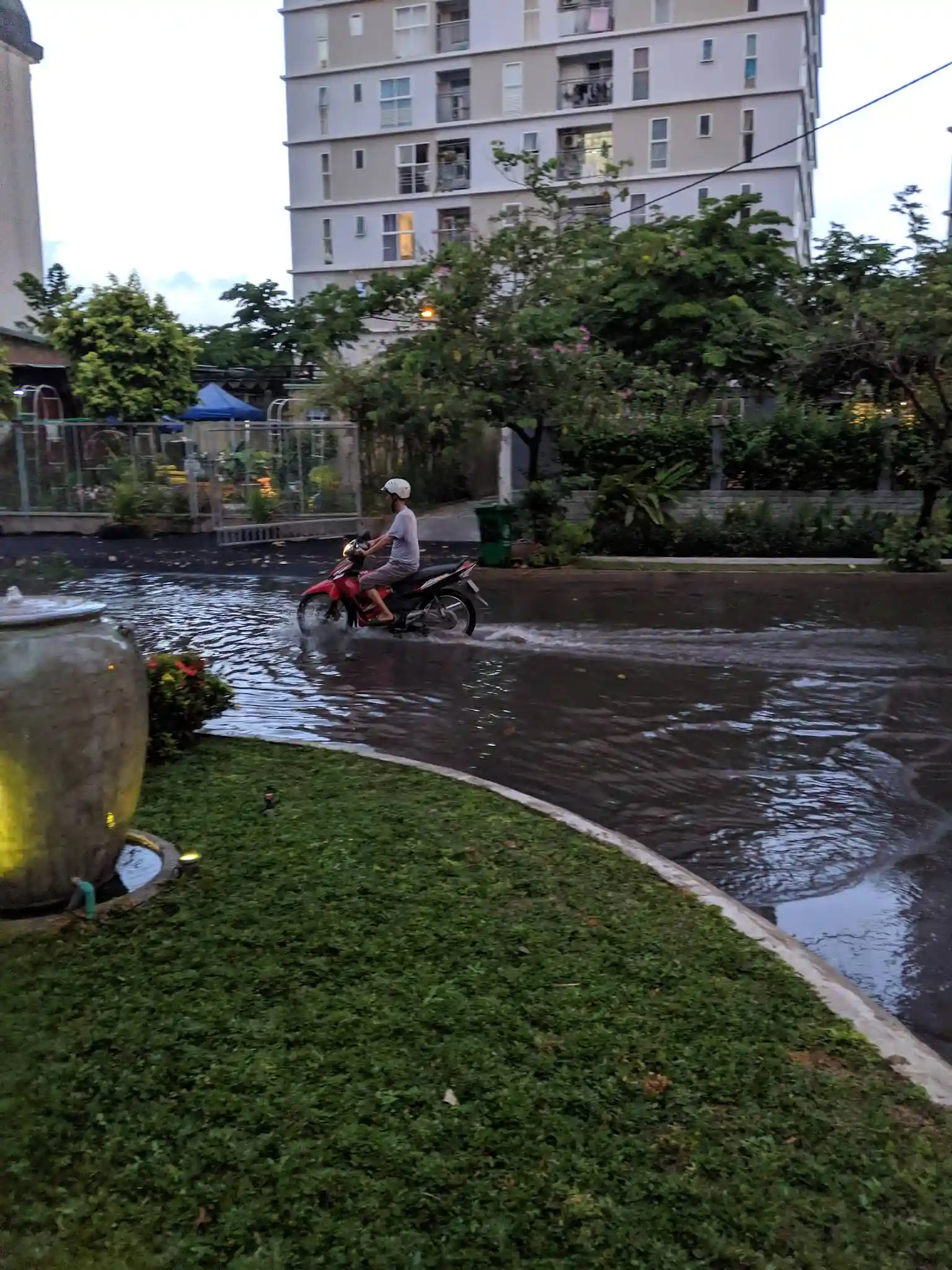
- Flooding: Thao Dien is notorious for having terrible drainage. If a heavy tropical rainstorm hits during the wet season, the main streets can flood up to your knees within thirty minutes, trapping you inside the neighborhood.
The only exception: If you are planning a slow trip, have already spent a week sightseeing, and just want to chill near a pool, drink craft beer, and work on your laptop for a few days, then Thao Dien is great. Otherwise, skip it.
Other Districts
If you are looking at maps and see other districts, here is the quick, blunt reality of what they are:
- District 5 (Cholon / Chinatown): This area is fantastic to visit for a morning to check out the old Chinese temples and wholesale markets. But I don’t recommend staying here. The traffic is dense, the streets are loud, and there are very few hotels geared toward English-speaking tourists. It is much better to visit for a half-day trip and sleep in D3.
- Binh Thanh District: This is a massive, sprawling area that sits between District 1 and District 2. It has some cool local areas near the canal and the massive Landmark 81 skyscraper (the tallest building in Vietnam). It’s actually a decent alternative if you want a purely local vibe, but the streets are highly confusing to navigate and it can feel a bit overwhelming for a first-timer.
- Phu Nhuan District: This is the most densely populated district in the city. It is famous for coffee streets (like Phan Xich Long) and amazing local food. It feels like “real” Saigon without any tourist filter. However, it is a bit far from the main historical sights in D1, and almost nobody speaks English here. Save this for your second or third trip to Vietnam.
- The Airport Area (Tan Binh District): Only stay here if you have a 12-hour layover and a flight leaving at 6 AM the next morning. The roads surrounding the airport are permanent bottleneck traffic jams, and there is absolutely nothing to do nearby except eat at local lunch spots catering to airport workers.
Crucial Things to Check Before Booking Ho Chi Minh City Hotels
Vietnam has some very specific architectural and business quirks that can completely ruin your stay if you aren’t prepared. Before you input your credit card details on any booking platform, go through this checklist:
1. The “Windowless Room” Trap
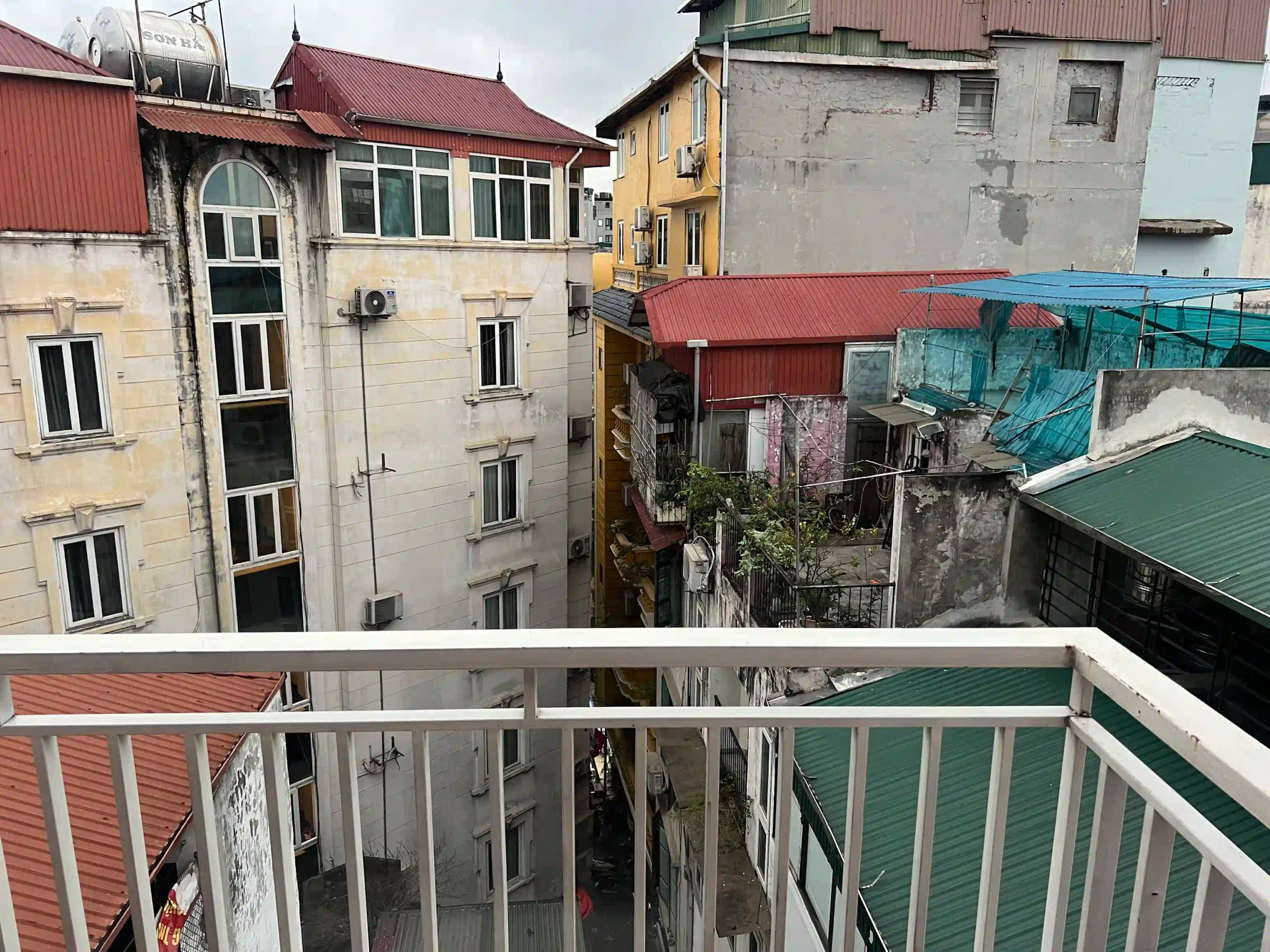
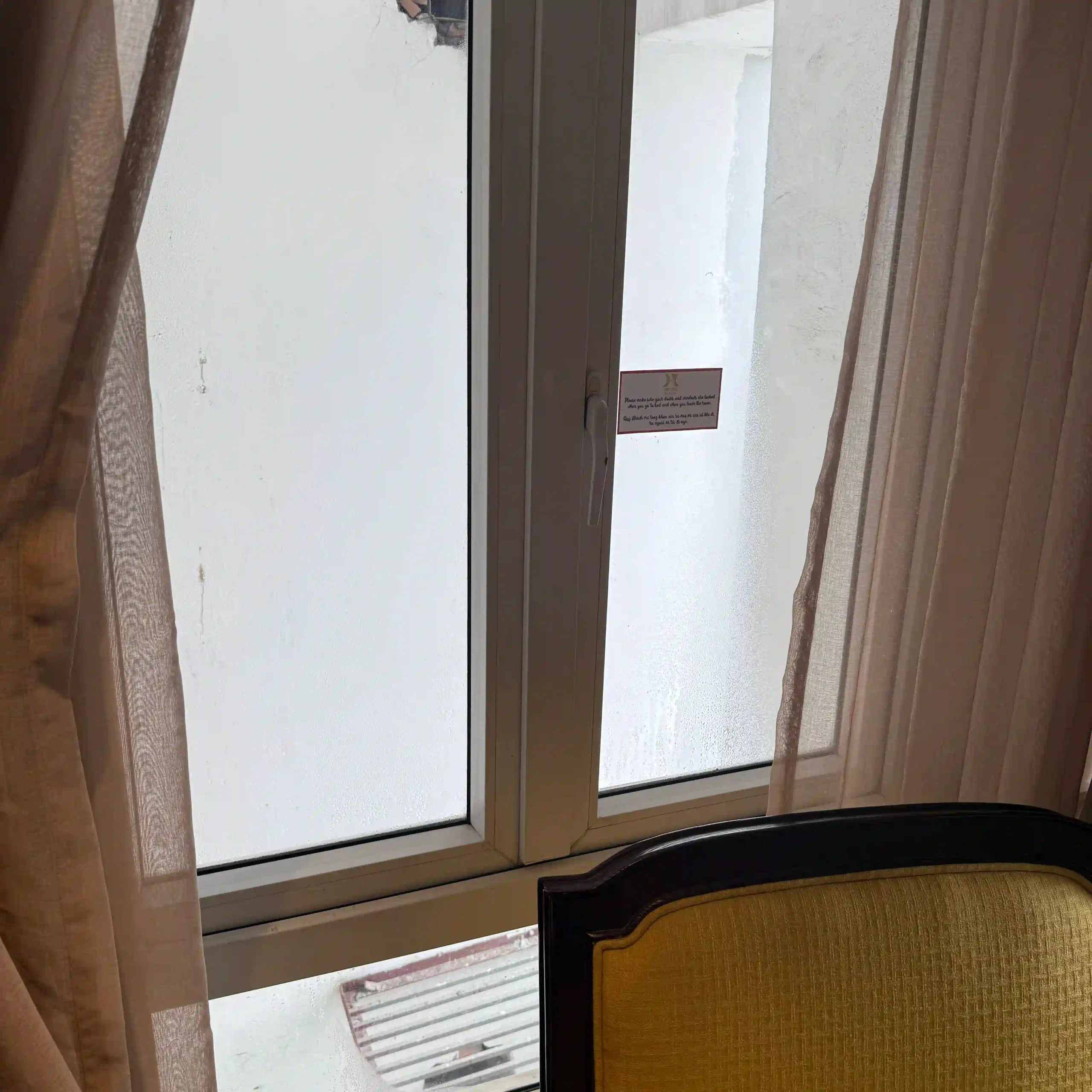
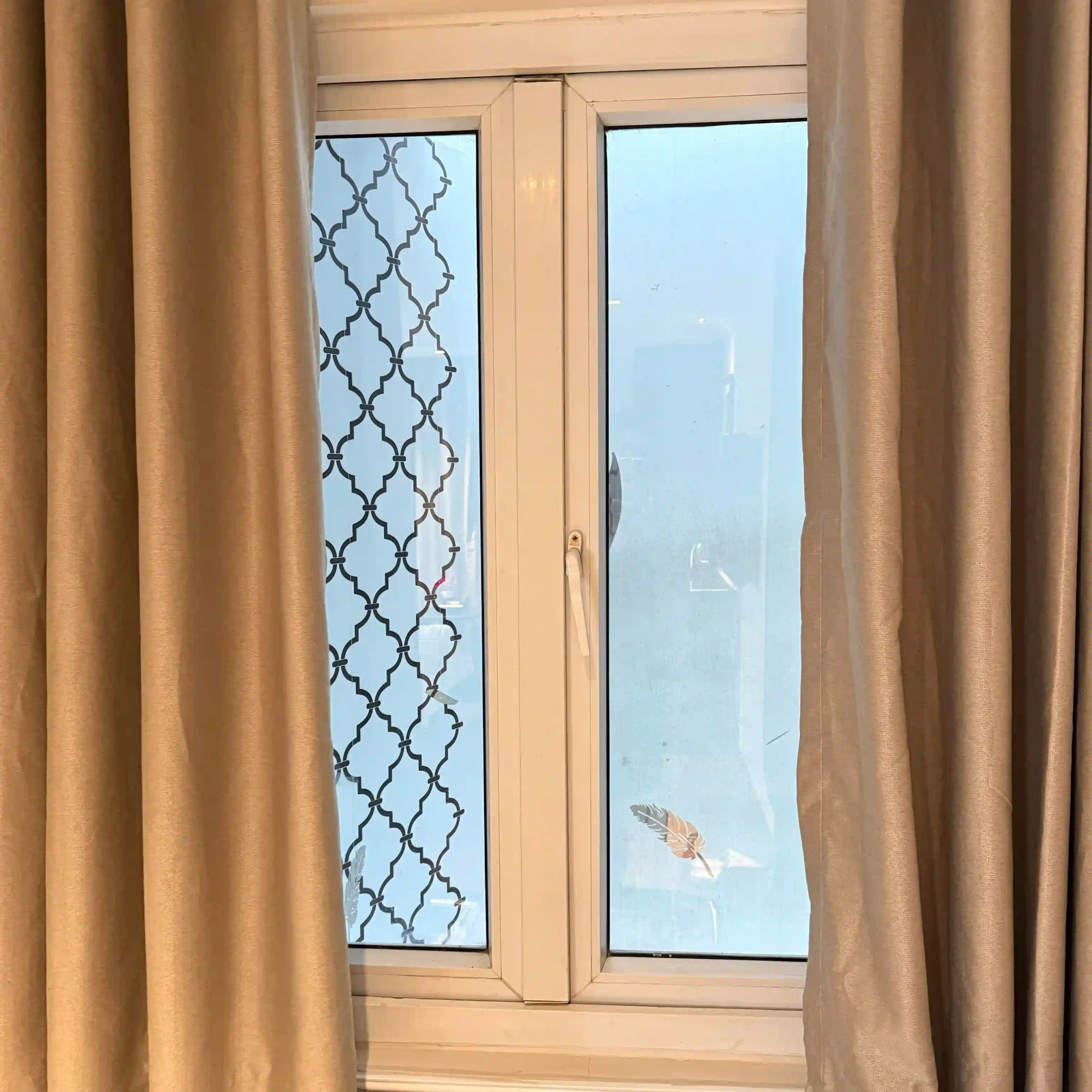
Due to the way land tax historically worked in Vietnam, houses were built extremely narrow but very deep (known as “tube houses”). Many mid-range and budget hotels are built on these exact plots.
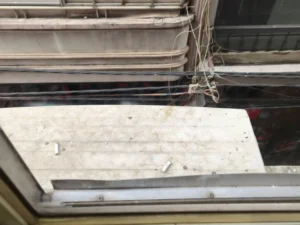
This means that only the rooms at the very front and the very back of the building have actual windows looking outside. All the rooms in the middle of the building have zero windows, or worse, a window that opens up into a dark, smelly internal concrete air shaft.
Hotel listings will use tricky wording like “Internal Window” or “Airtight window with atrium view.” This is code for “no natural light.” Spending three days in a room with no sunlight makes you lose all track of time and feels incredibly depressing.
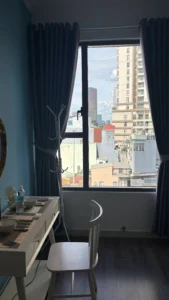
Always look for rooms that explicitly state “City View” or “External Window,” and look closely at the photos to see if actual daylight is coming through.
2. The AC Quality (The Ultimate Survival Factor)
Saigon’s heat is relentless. It does not cool down at night like Hanoi does.
In cheap or poorly managed hotels, they use old, cheap air conditioning units that have never had their filters cleaned. You turn the AC down to 16 degrees, it makes a deafening rattling noise all night, but the room temperature never drops below 26 degrees.
Go to the hotel’s Google Maps reviews or Agoda reviews. Use the search filter and type in “AC”, “Aircon”, or “Air conditioning”. If you see even two recent reviews complaining that the room was hot or the AC was weak, do not book it. You cannot survive a comfortable trip in this city without a freezing cold room to retreat to.
3. Construction Noise
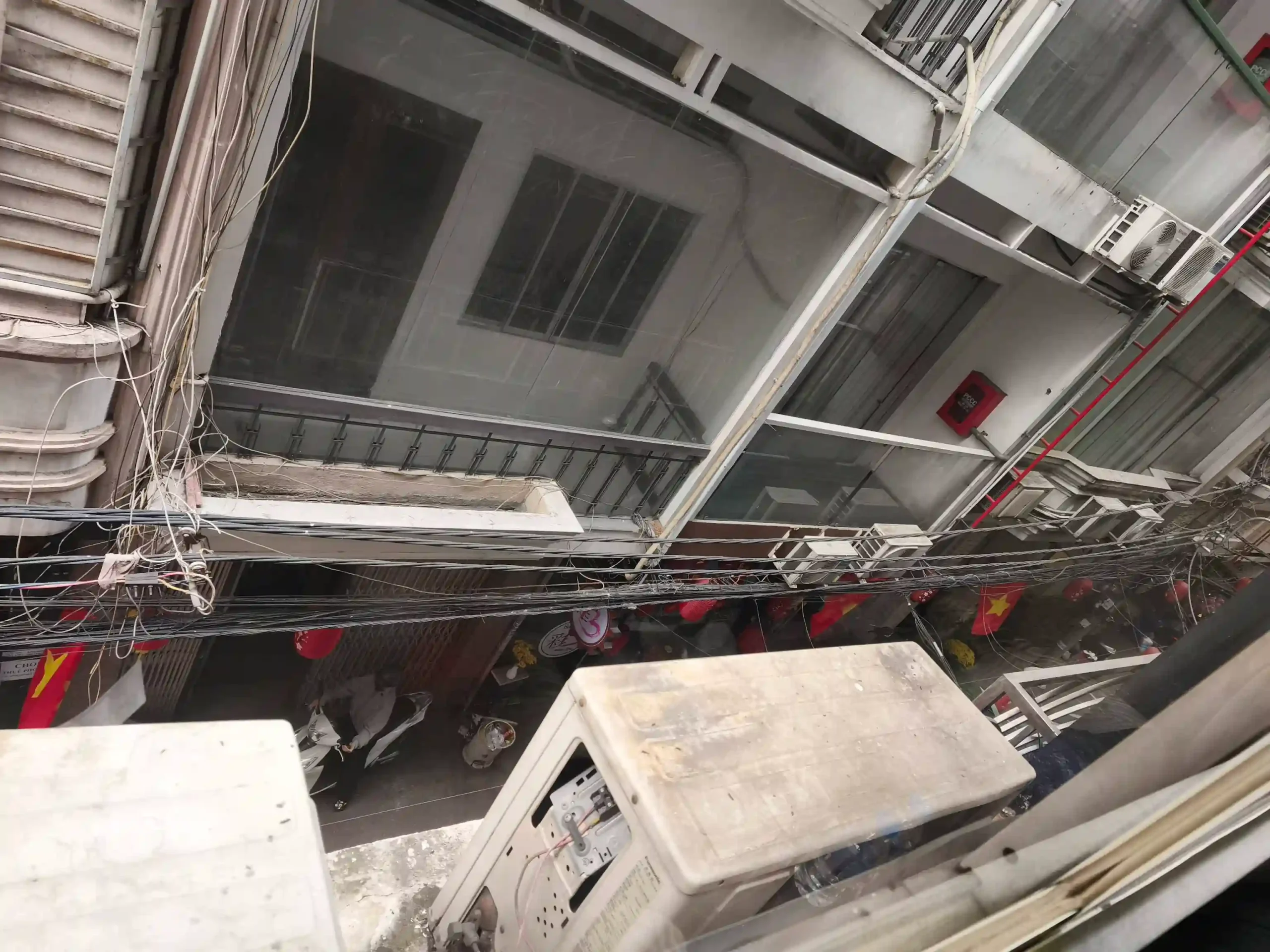
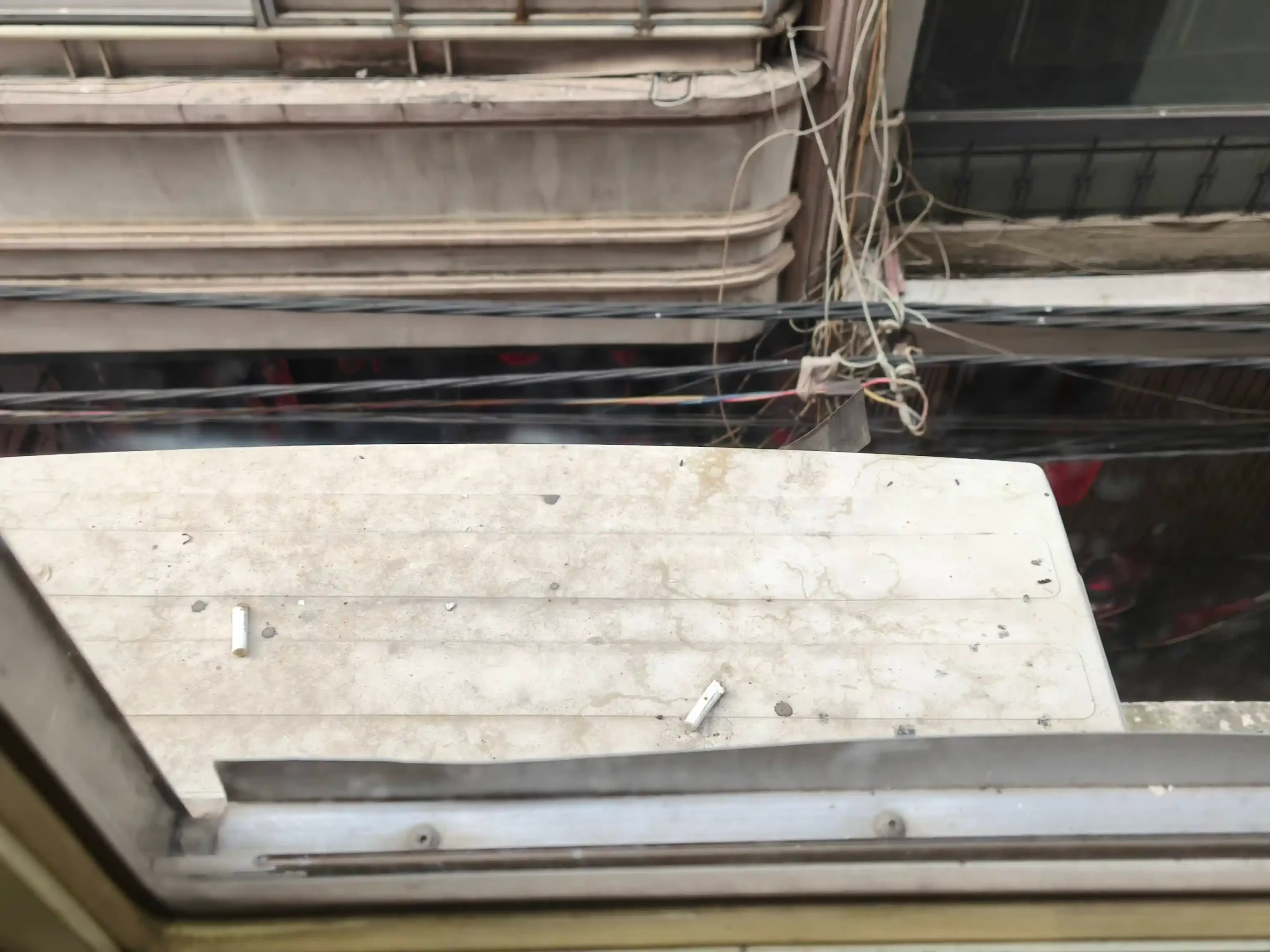
Saigon is a city that is constantly being demolished and rebuilt. There is almost zero enforcement of noise ordinances. If someone wants to start running a jackhammer at 4 AM next to your hotel room, they will.
Large hotels usually have better soundproofing, but smaller boutique spots or local homestays often have thin glass windows that let in every single horn tap, engine rev, and street vendor announcement.
Again, read the reviews from the last month. Look for the words “construction” or “noise.” If there is a massive high-rise being built next door, tourists will have complained about it online.
4. Don’t Pay for Hotel Laundry
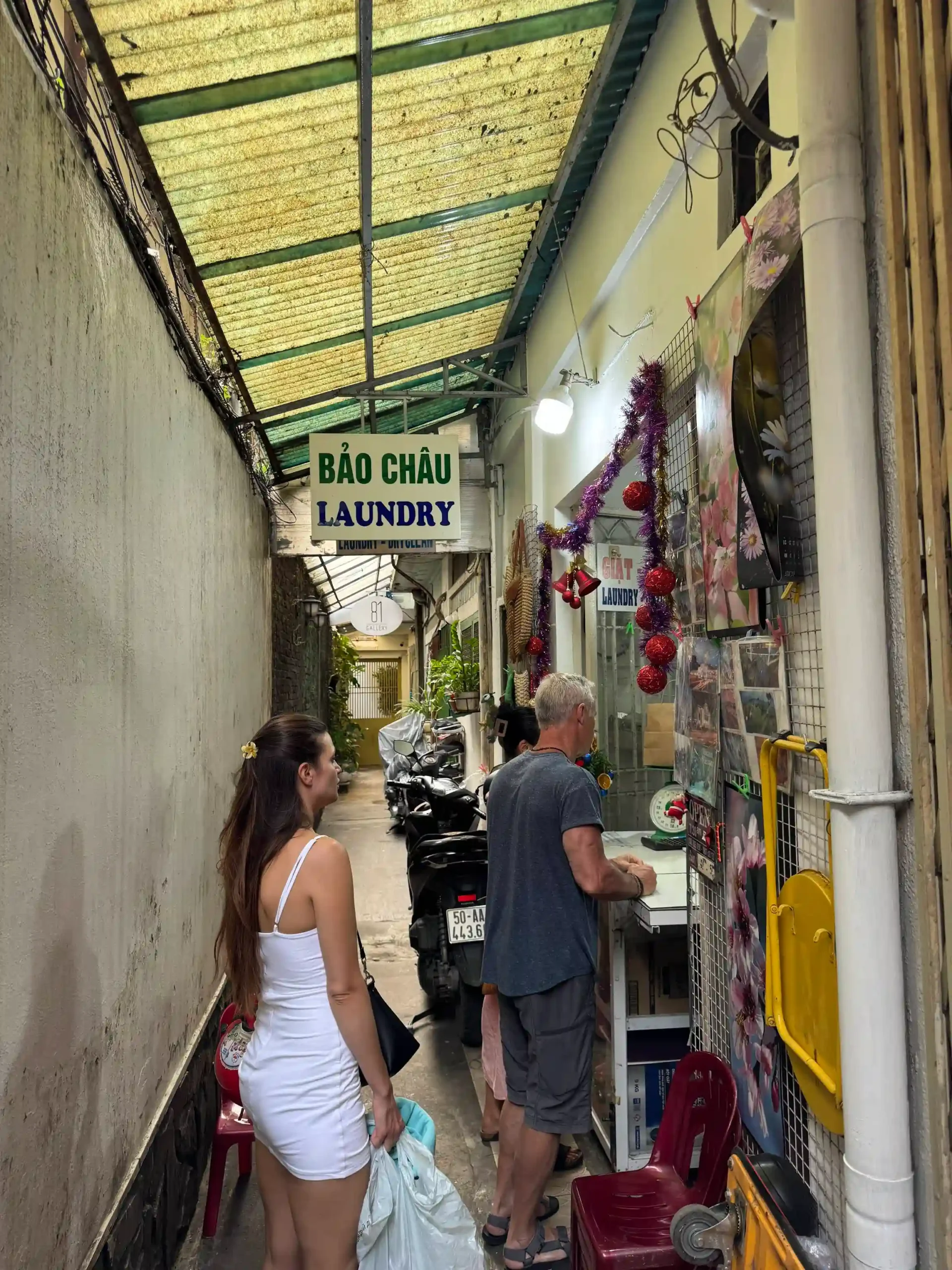
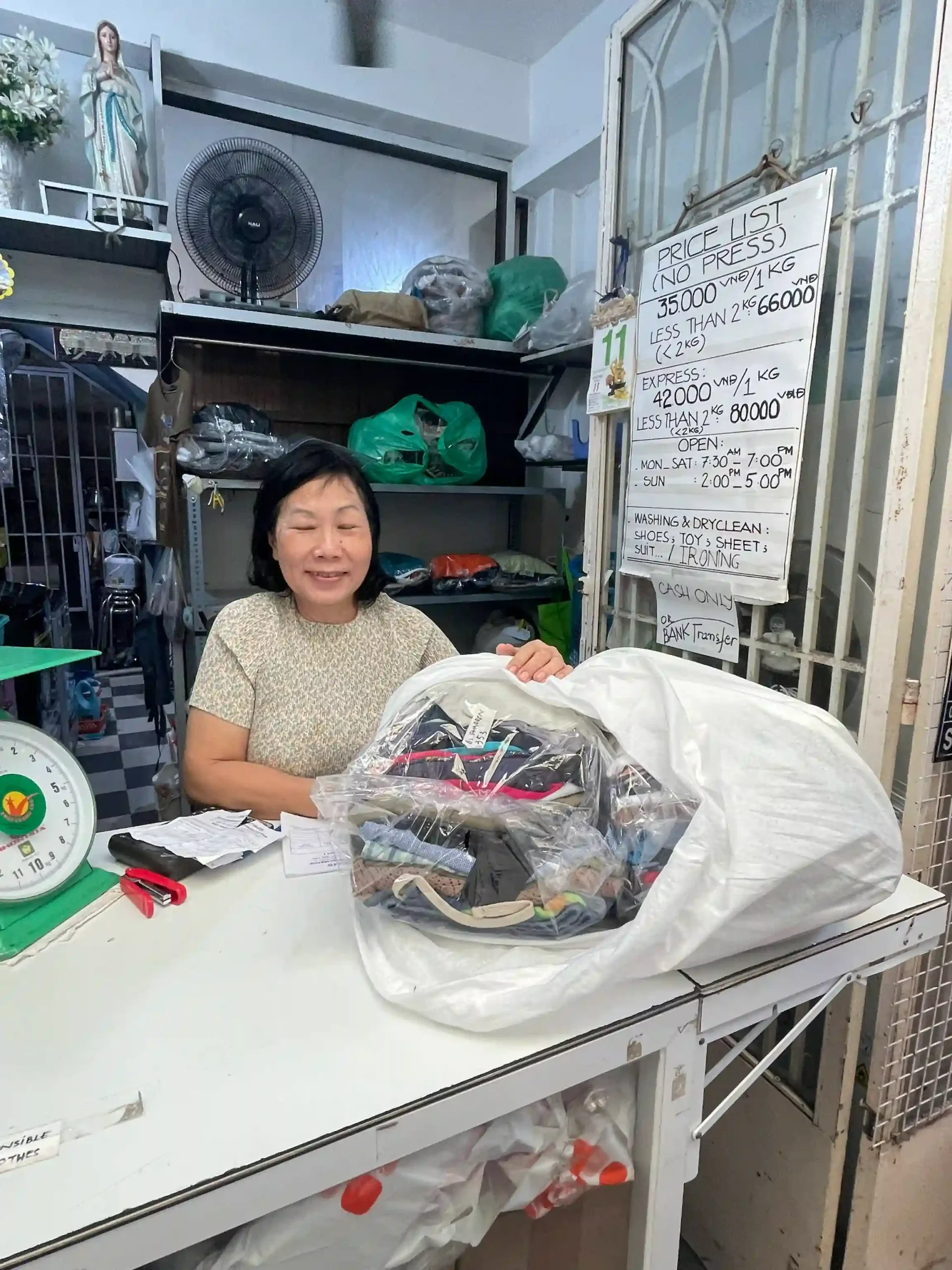
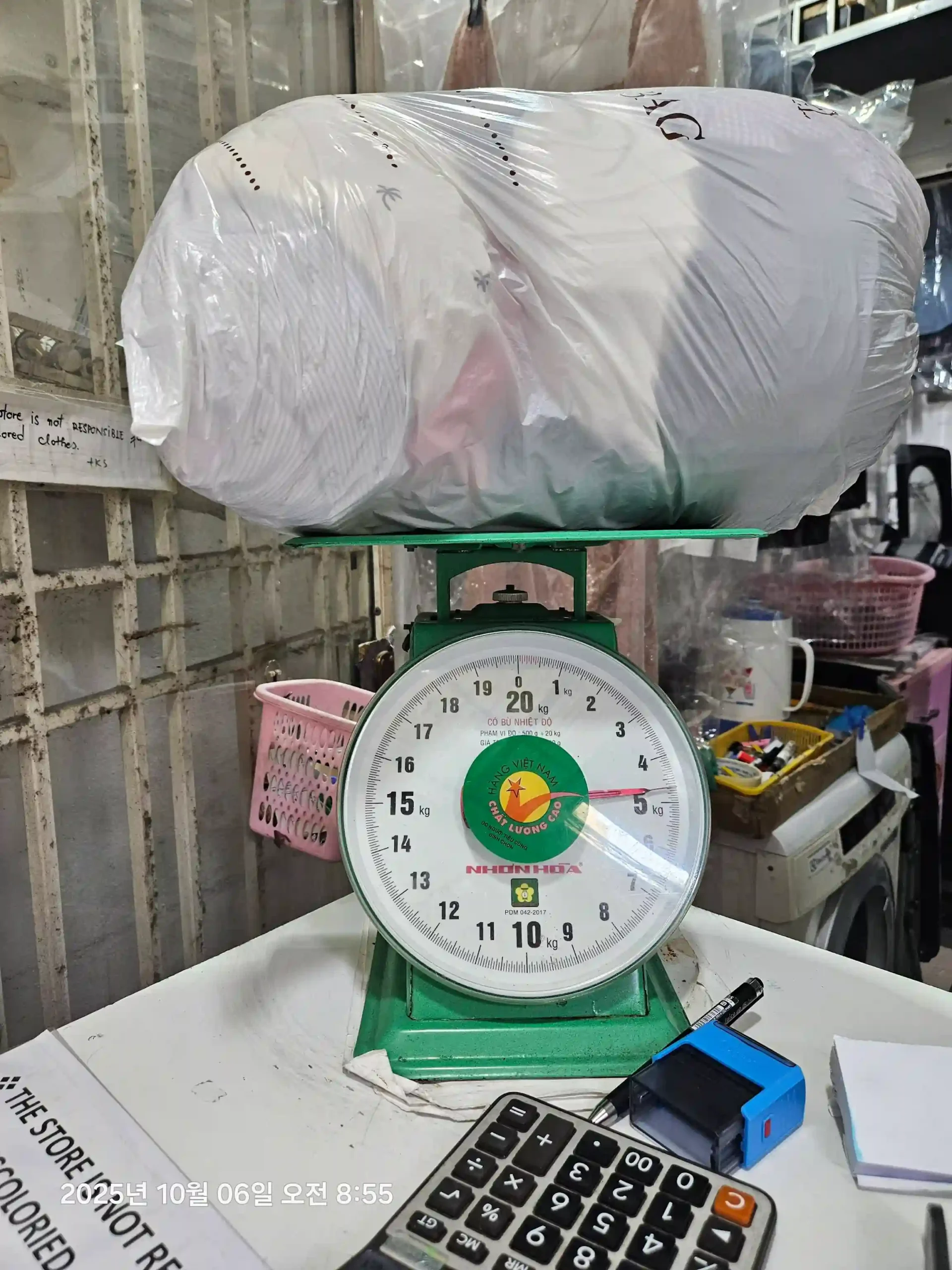
Almost every hotel in Ho Chi Minh city will try to charge you a per-piece rate for laundry (e.g., $2 for a single t-shirt). If you’ve been sweating through three outfits a day, your laundry bill can easily end up costing more than your room rate.
Instead, walk out of your hotel lobby and look down the nearest alley. You will see small signs that say “Giặt sấy” (Wash & Dry). These are local laundry shops. They will weigh your clothes on a scale, wash and dry them in modern machines, fold them neatly, and charge you roughly 30,000 to 50,000 VND ($1.20 – $2.00) per kilogram. You get your clothes back the next day smelling fantastic.
Expat Booking Tips & Logistics
- Agoda vs. Booking.com: While Booking.com is great for Europe and America, Agoda is the undisputed king of hotel bookings in Southeast Asia. They almost always have cheaper rates for the exact same rooms in Vietnam because they have better contracts with local hotel owners. Always check both before booking.
- Getting from the Airport to your Hotel: Order a ride on the GreenSM or walk directly to the official taxi queues outside and look for Vinasun (white cars) or Mai Linh (green cars) taxis. These are the only two reputable taxi companies that strictly run on honest meters. A ride from the airport to District 1 or District 3 should cost around 150,000 to 200,000 VND ($6 – $8) depending on traffic.
- Check-in Times: Standard check-in at most hotels is 2:00 PM. If you land on an early morning flight at 6 AM, do not expect your room to be ready. Most places will happily store your luggage for free in the lobby while you go grab your first coffee, but if you want to sleep immediately, you need to book the night before.
Where should you book?
To make this completely simple, here is a quick guide based on what type of traveler you are:
| Traveler Type | Recommended District | Why? | Specific Area to look at |
|---|---|---|---|
| First-timer with only 48 hours | District 1 | You need to see the sights fast without wasting time in traffic jams. | Near Nguyen Hue or Dong Khoi. |
| Couples & Slow Travelers (3+ days) | District 3 | Highly walkable, shaded streets, cool cafes, and actual peace at night. | Near Pasteur street. |
| Budget Backpackers & Partiers | District 1 (Bui Vien edge) | Cheap beer, social hostels, close to the action, but slightly away from the worst noise. | Near Pham Ngu Lao or Co Giang street. |
| Digital Nomads & Long Stays (1 month+) | Thao Dien (D2) | Massive expat community, western amenities, gym facilities, and quiet residential streets. | Near Xuan Thuy street. |
Final Thoughts
Saigon is an amazing, exhausting, high-energy city, but your experience will be completely dictated by how well you manage your environment.
Once you get your hotel sorted, head back over to my guide on how to plan your Ho Chi Minh City itinerary so you don’t waste your days wandering around aimlessly in the humidity. Have a safe flight, hold onto your phone on the street, and go eat some snails in District 4.

Keep Exploring Ho Chi Minh City
-
See & do UltimateMy expat guide to stuffs to do in Ho Chi Minh city ›
-
StaysFinding best quiet hotels in Ho Chi Minh City worth booking ›
-
StaysInside 5 Saigon family homestays with actually good kitchens ›
-
StaysI Found 5 Saigon Hotels Under $50 that are Best for Couples ›
-
StaysFamily Trip to Saigon? Check Out These 5 Perfect Stays! ›
-
Spots Must read10 Ho Chi Minh city attractions travelers must visit in 2026 ›
-
Route Must readPerfectly Paced Ho Chi Minh City Itinerary for first-timers ›











 Tiếng Việt
 한국어
한국어 中文 (中国)
 日本語
日本語 ไทย
ไทย Deutsch
 Español
 Destinations
 Instagram
 Facebook
 X (Twitter)
 Threads
 Tiktok