







 Ha Giang
 Hanoi
Hanoi Ho Chi Minh City
 Ha Long
 Sapa
Sapa Mekong Delta
 Da Nang
 Hue
Hue Hoi An
 Ninh Binh
 Da Lat
 Nha Trang
 Phan Thiet
 Phu Quoc
 Quang Binh
 Quy Nhon
 Vung Tau
 Thai Nguyen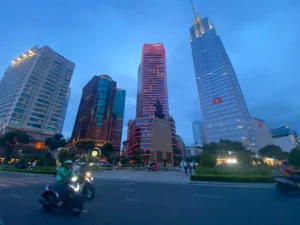

I mentioned in my general overview of what to do in Ho Chi Minh city that the standard historical war sites are physically heavy and usually drain you by midday. I put the War Remnants Museum and the Independence Palace in that first article because you honestly have to see them. But Ho Chi Minh City is massive. It covers multiple districts and millions of people, meaning you will inevitably need other places to go once you’ve checked those major blocks off.
If you are spending more than 48 hours here, you have to build out a wider route. The 10 locations I’ve detailed below focus on older French colonial infrastructure, the specific local religion hubs, modern skyline viewpoints, and smaller markets.
Some of these are heavily trafficked by tourist buses. Some are largely quiet. I’ve included how I typically access them now in 2026, since ride-hailing and the long-delayed Metro Line 1 have changed how we move around the city, plus what it actually costs to walk through the doors.
- Quick Answer: The core Ho Chi Minh city attractions are spread out. Your best bet is doing the old colonial district (the Post Office, Notre-Dame, Fine Arts Museum) in a single morning while it’s still cool. Leave places like the Fito Museum, Jade Emperor Pagoda, or jumping on the Saigon Waterbus for late afternoons. And manage your expectations: you don’t go to these places for quiet contemplation; you go to see how local history is surviving next to massive, fast-paced modern developments.
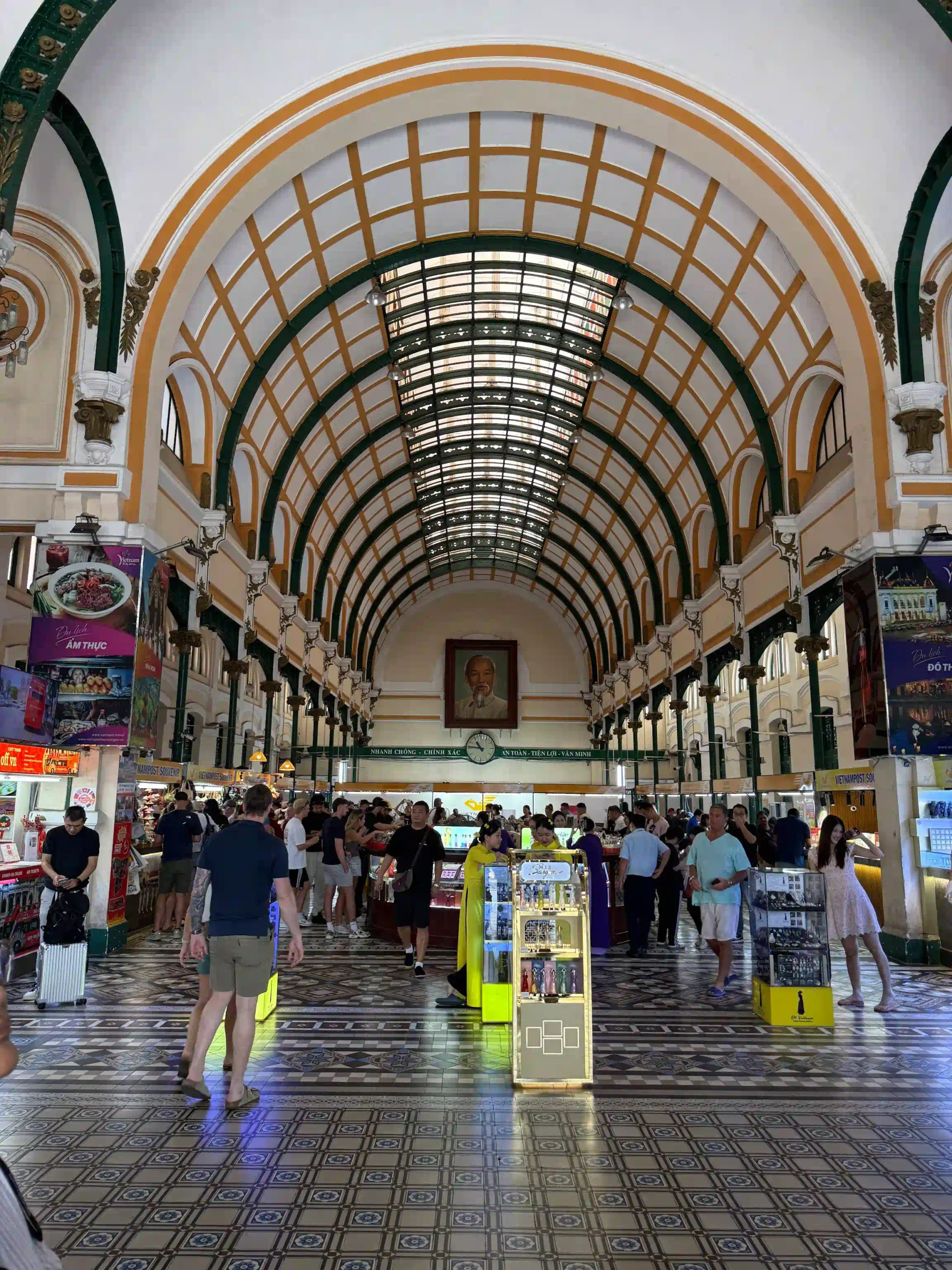
- Saigon Central Post Office & Notre-Dame: French architecture. Free to enter the post office. Notre-Dame is still surrounded by construction scaffolding, but you still go to look at the plaza.
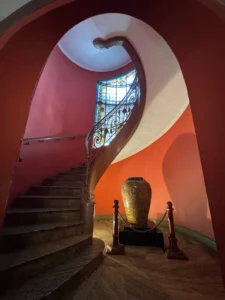
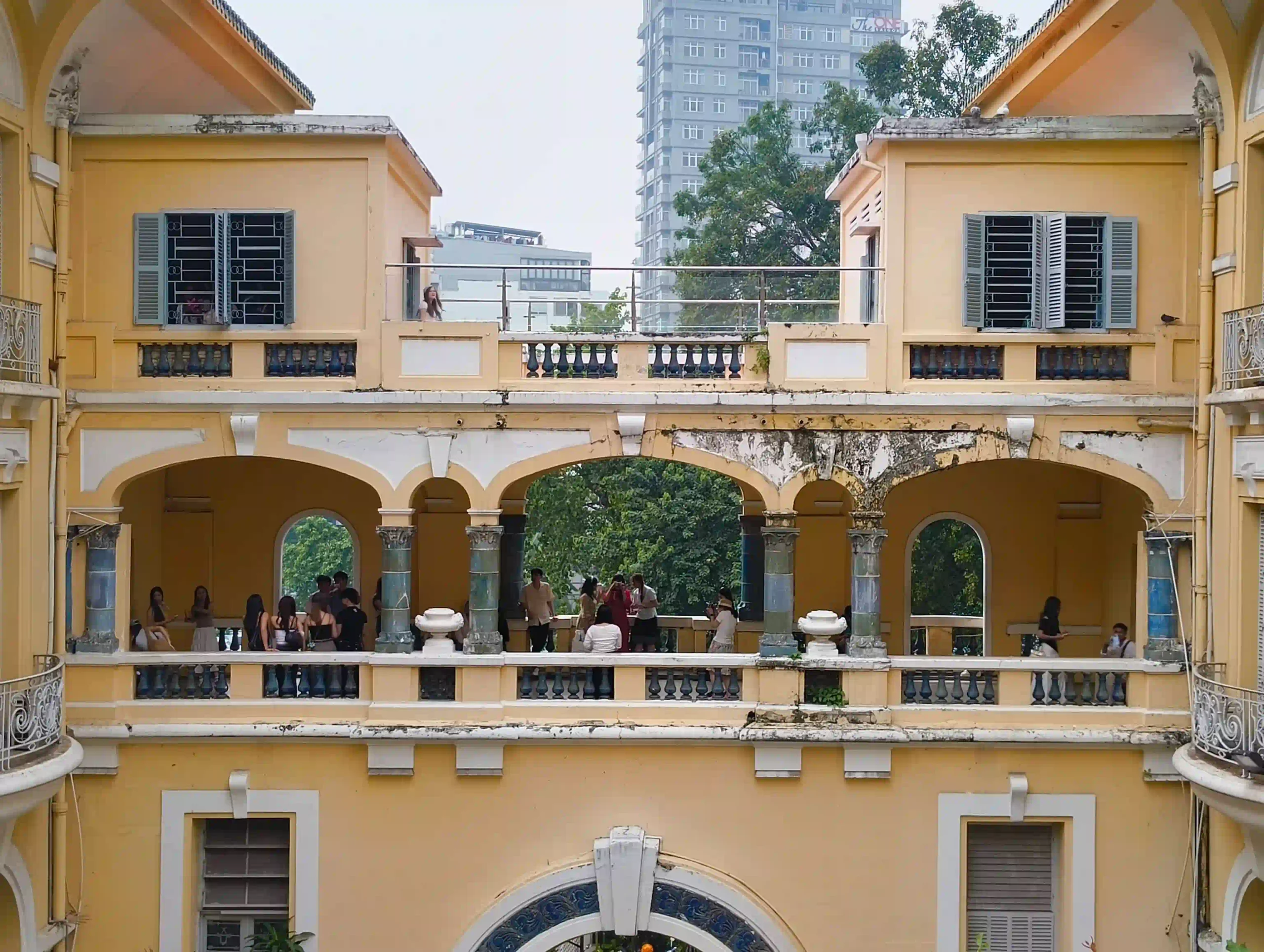
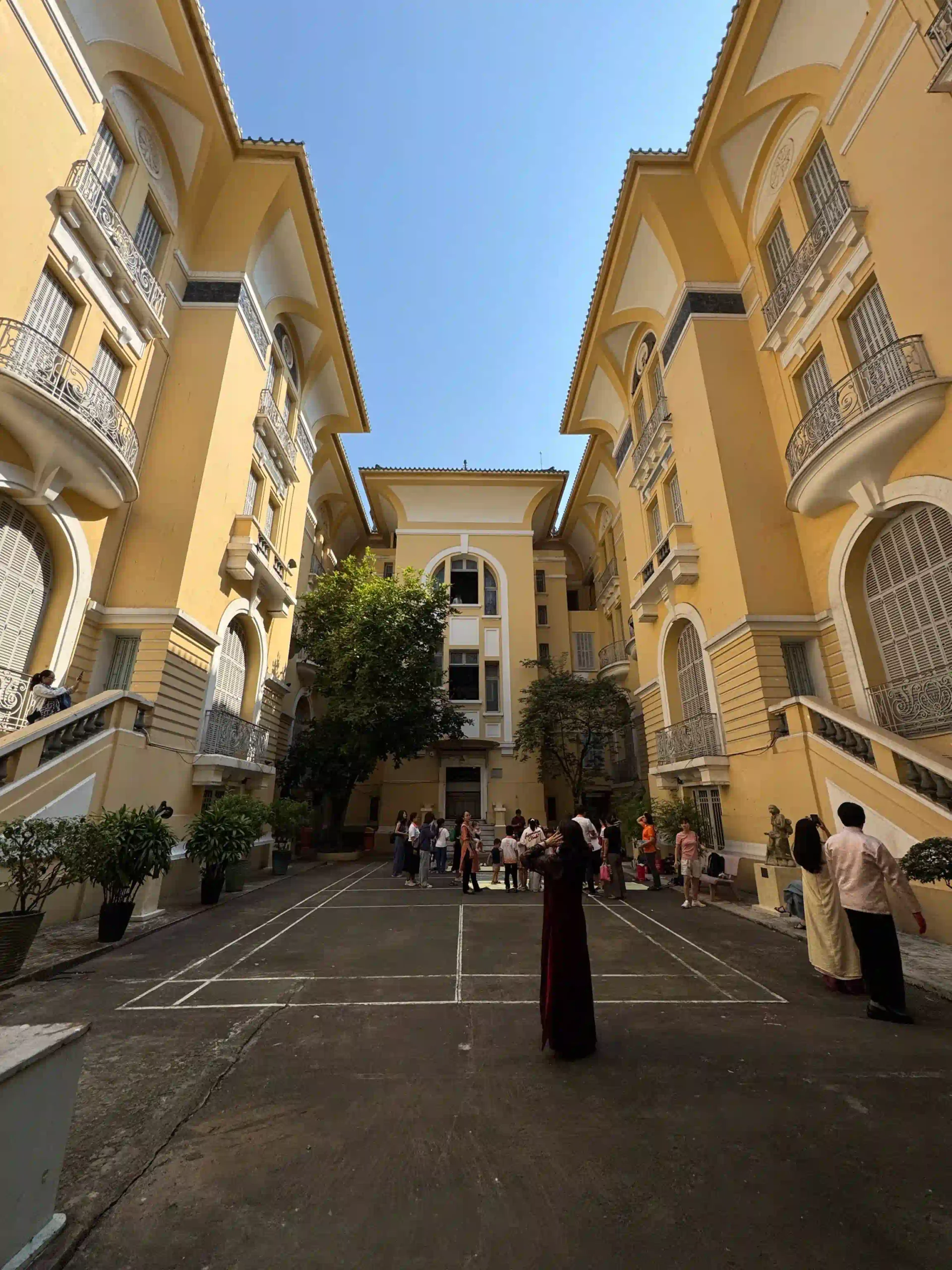
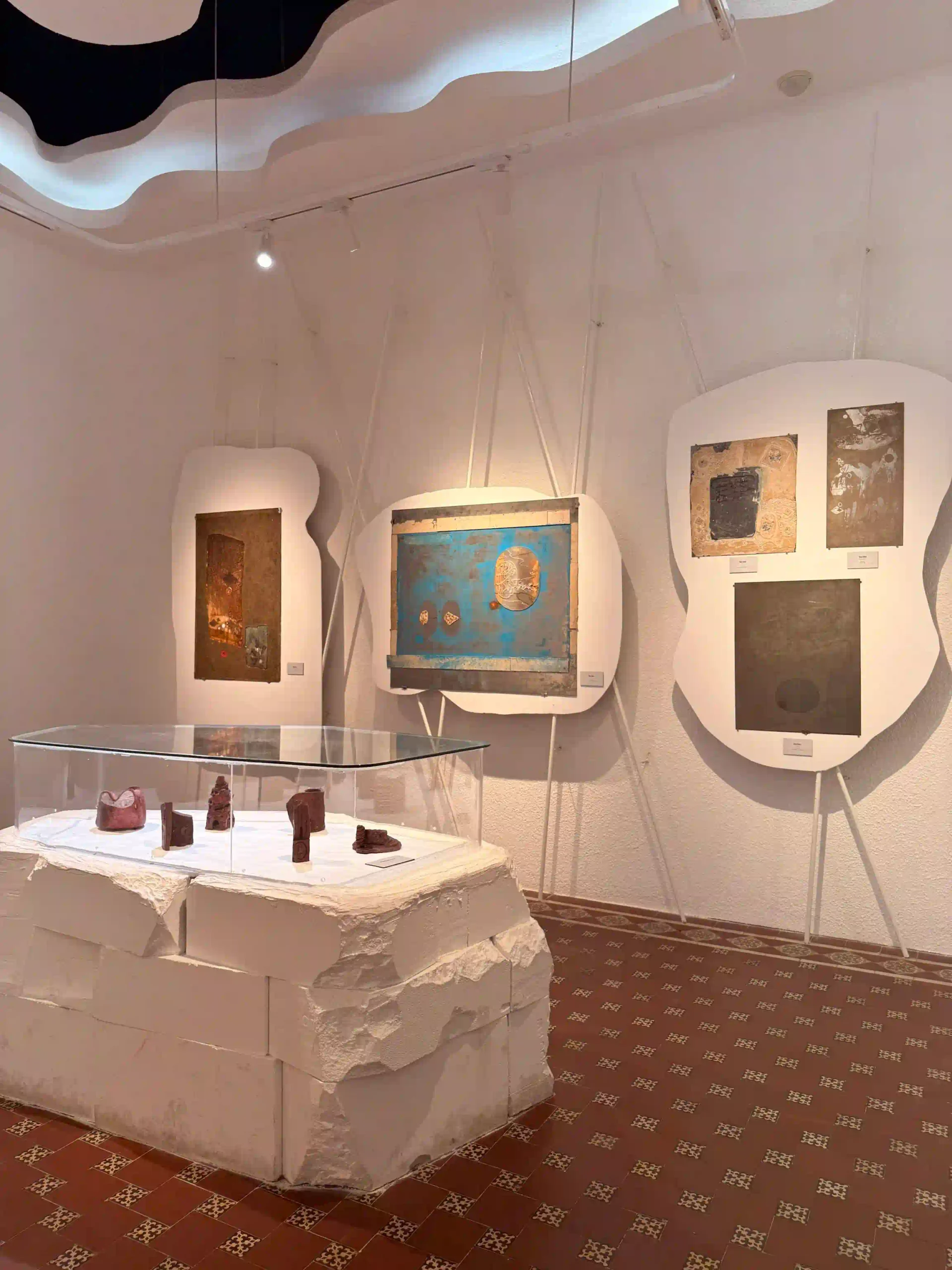
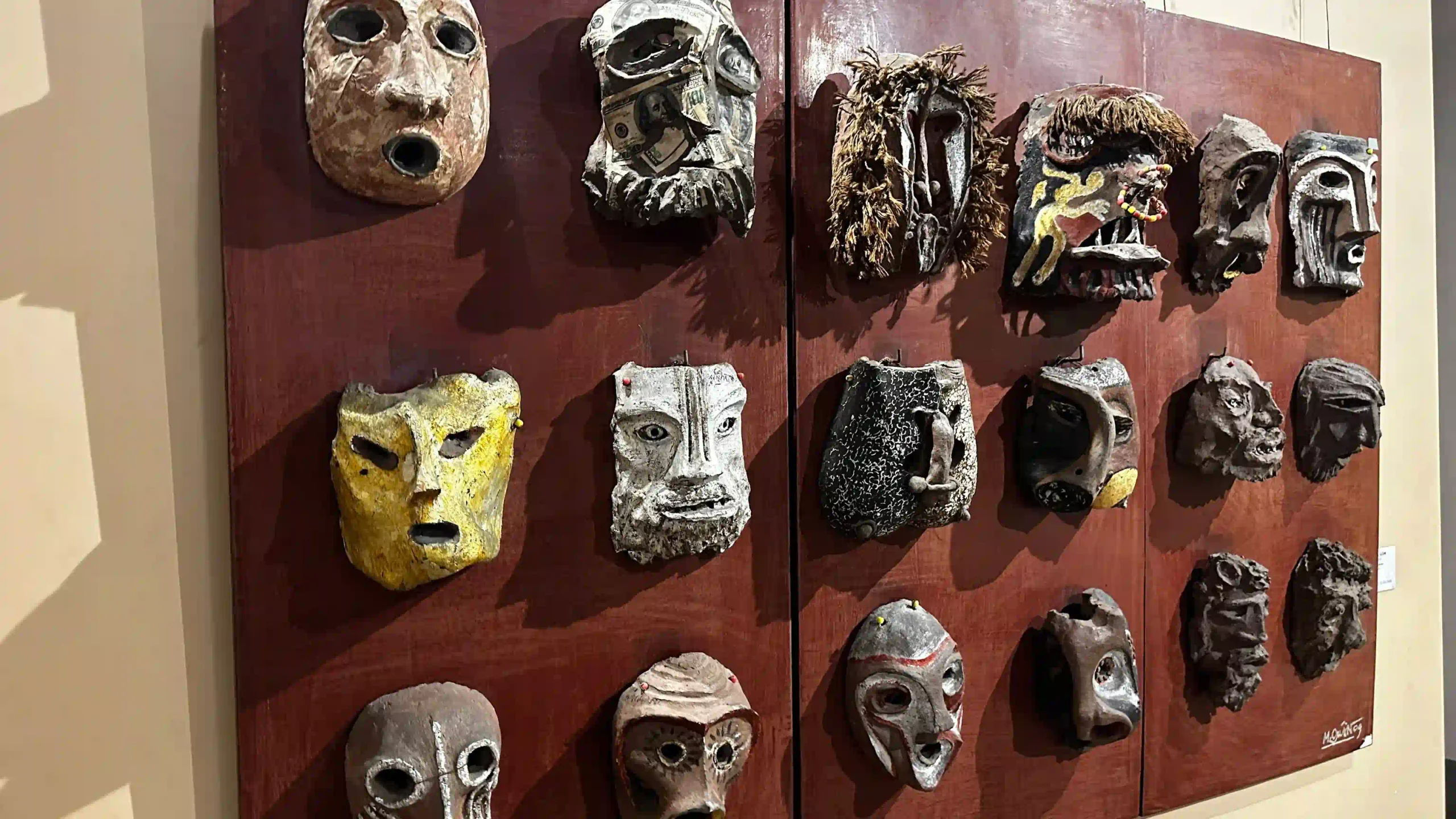
- Fine Arts Museum: An aging, yellow colonial mansion in District 1. Full of wartime art. Barely any AC, go early.
- Jade Emperor Pagoda: Heavy incense, Taoist statues, crowded. On the edge of District 1.
- Saigon Waterbus: Taking the 15,000 VND commuter ferry up the river just to watch the sunset against the skyline.
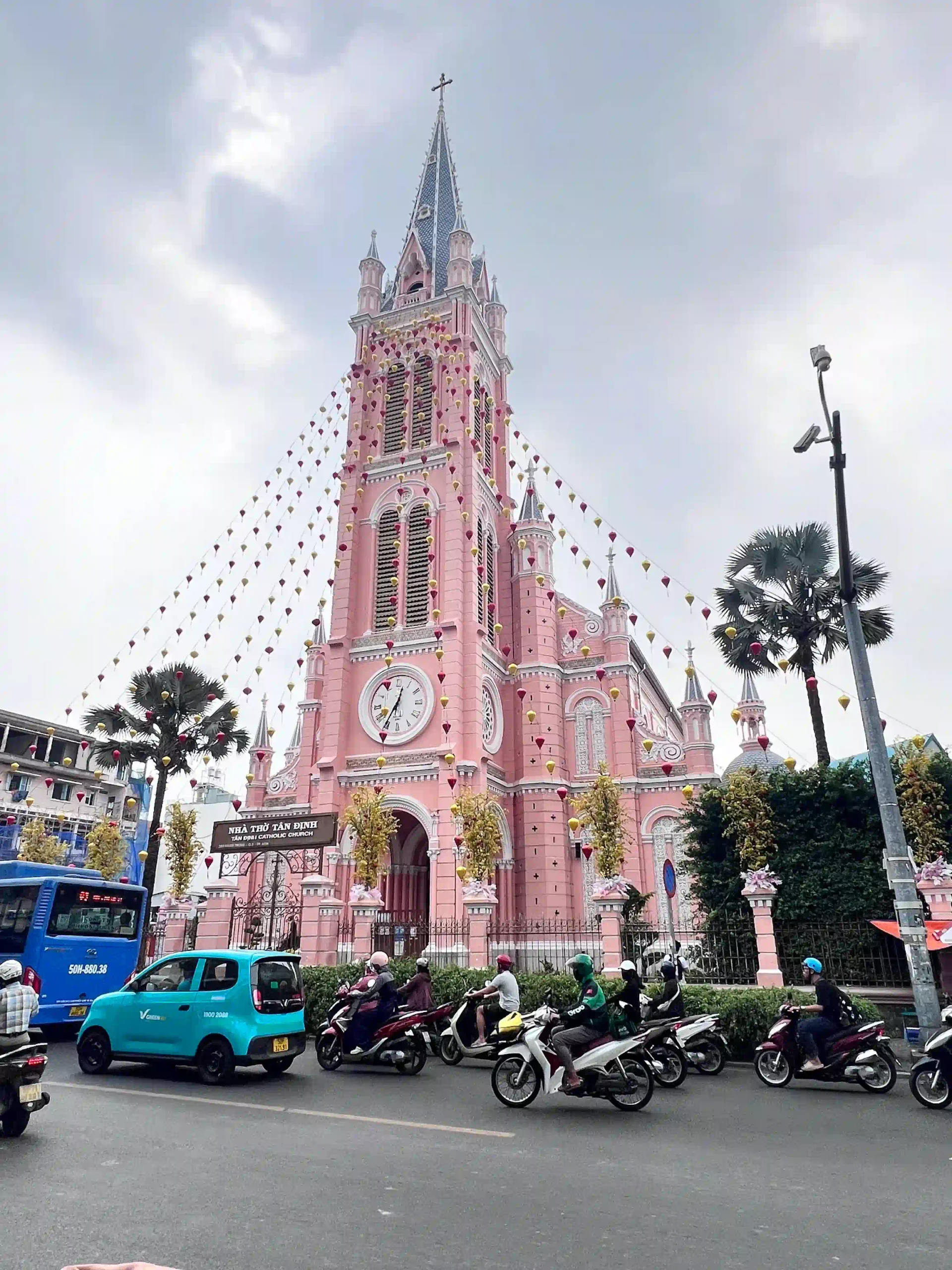
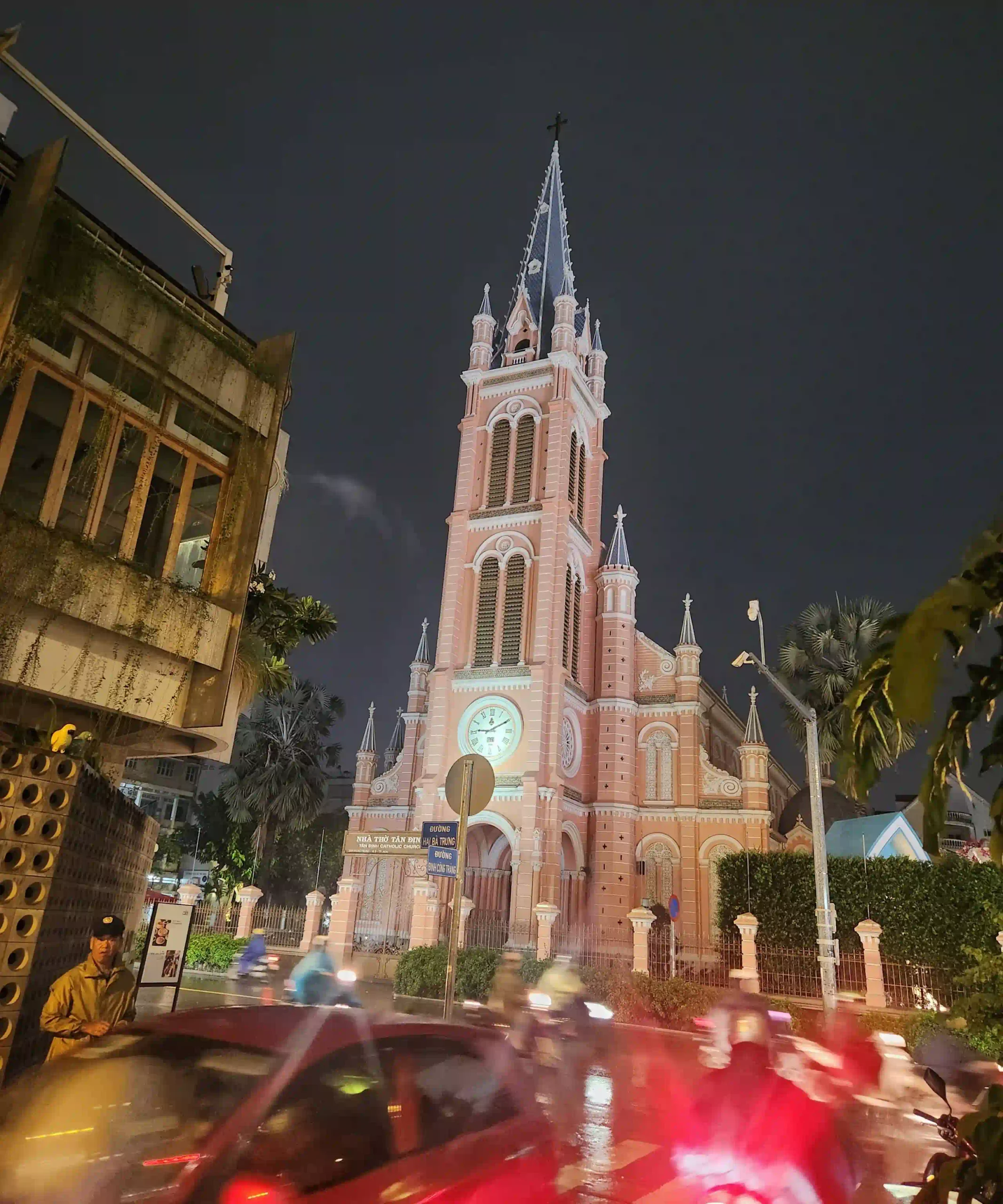
- Tan Dinh Church (The Pink Church): Massive bright pink building on Hai Ba Trung street. Pair it with crossing the road to the local Tan Dinh fabric market.
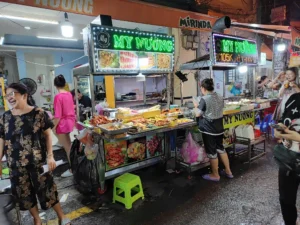
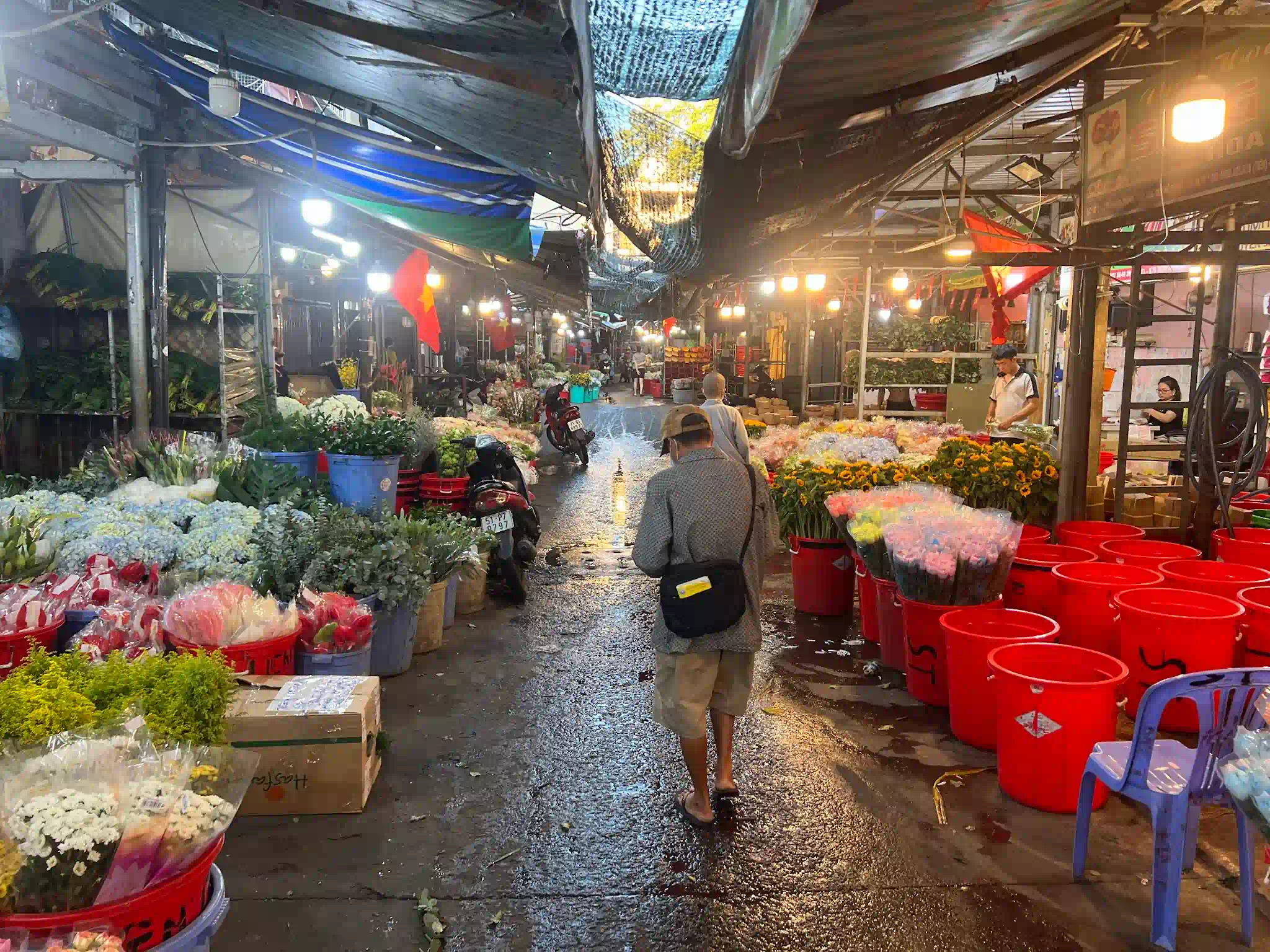
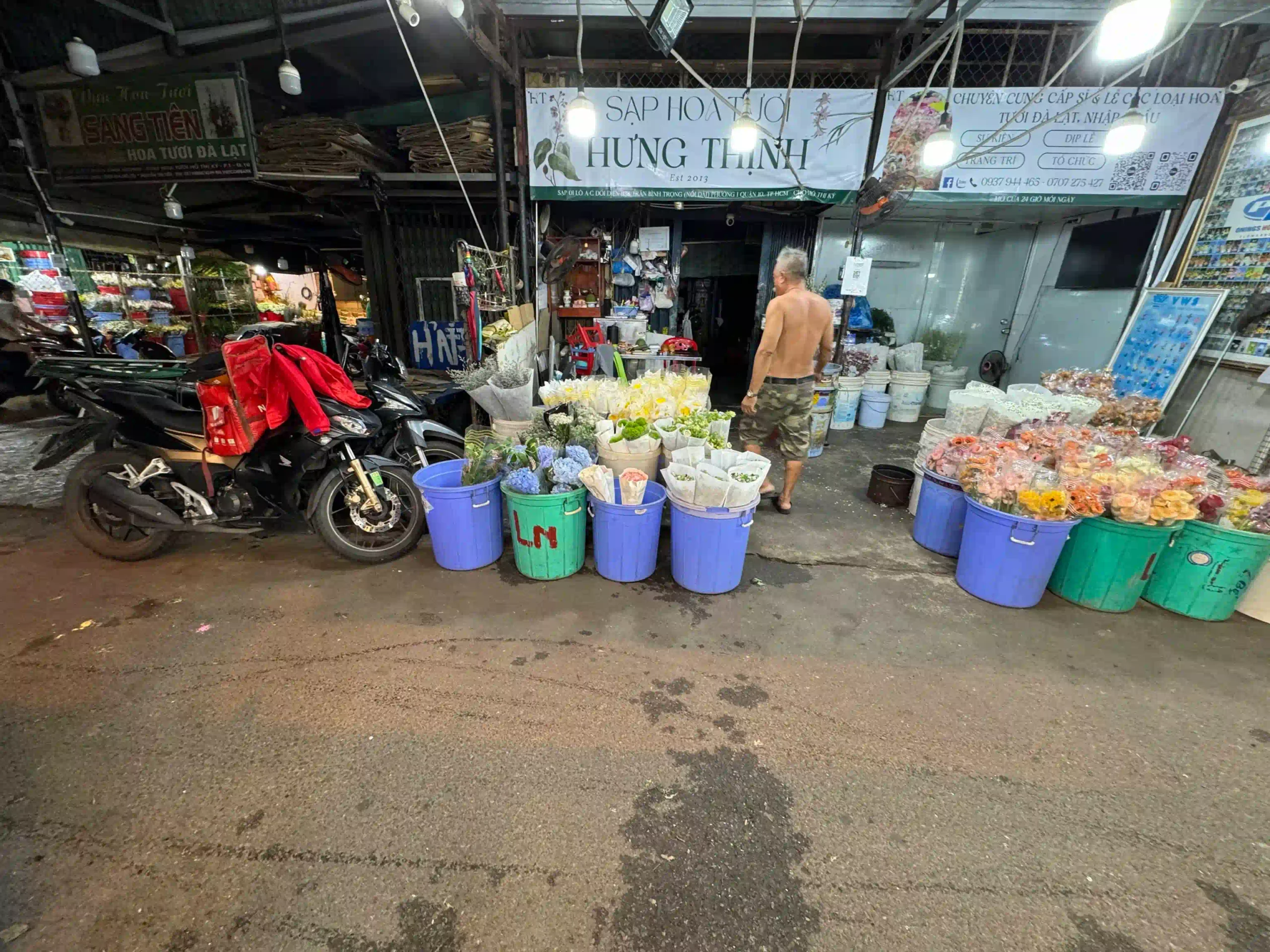
- Ho Thi Ky Market: A deep alley network in District 10 mostly known for fresh wholesale flowers in the morning and a massive street food run at night.
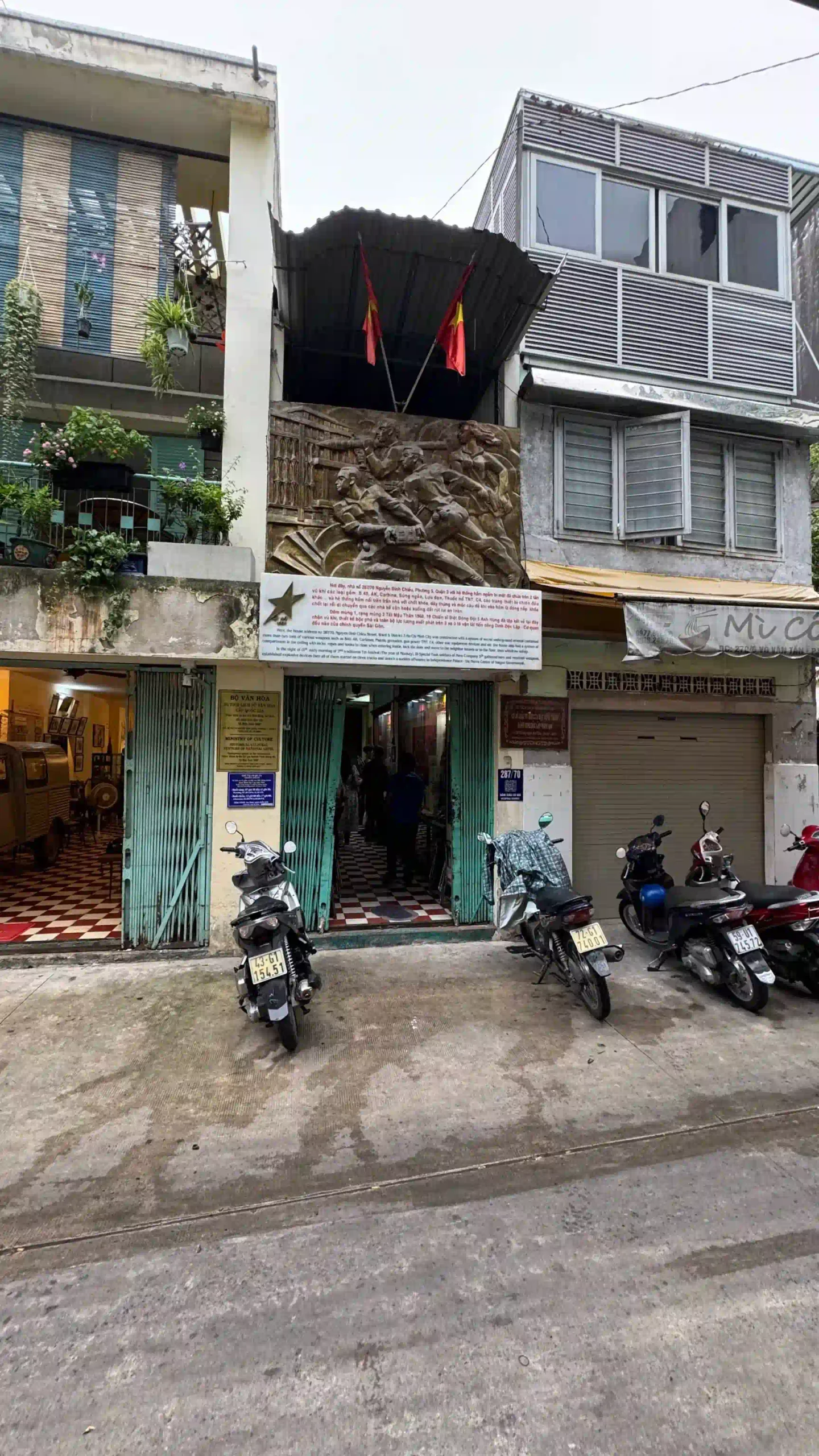
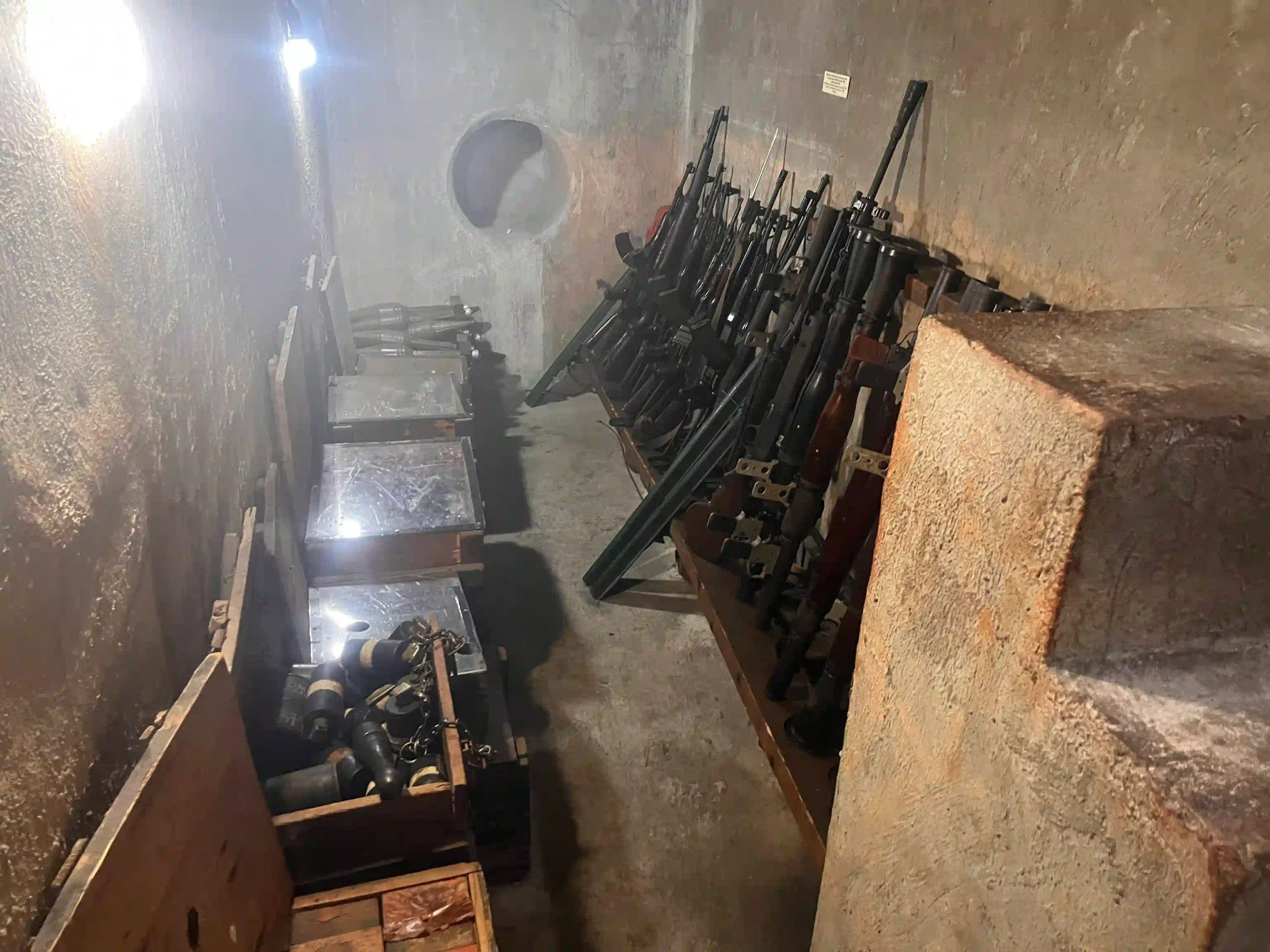
- The Secret Weapons Bunker: An overlooked suburban house in District 3 that hid 2 tons of weapons under a trap door during the war. Small, fast, fascinating.
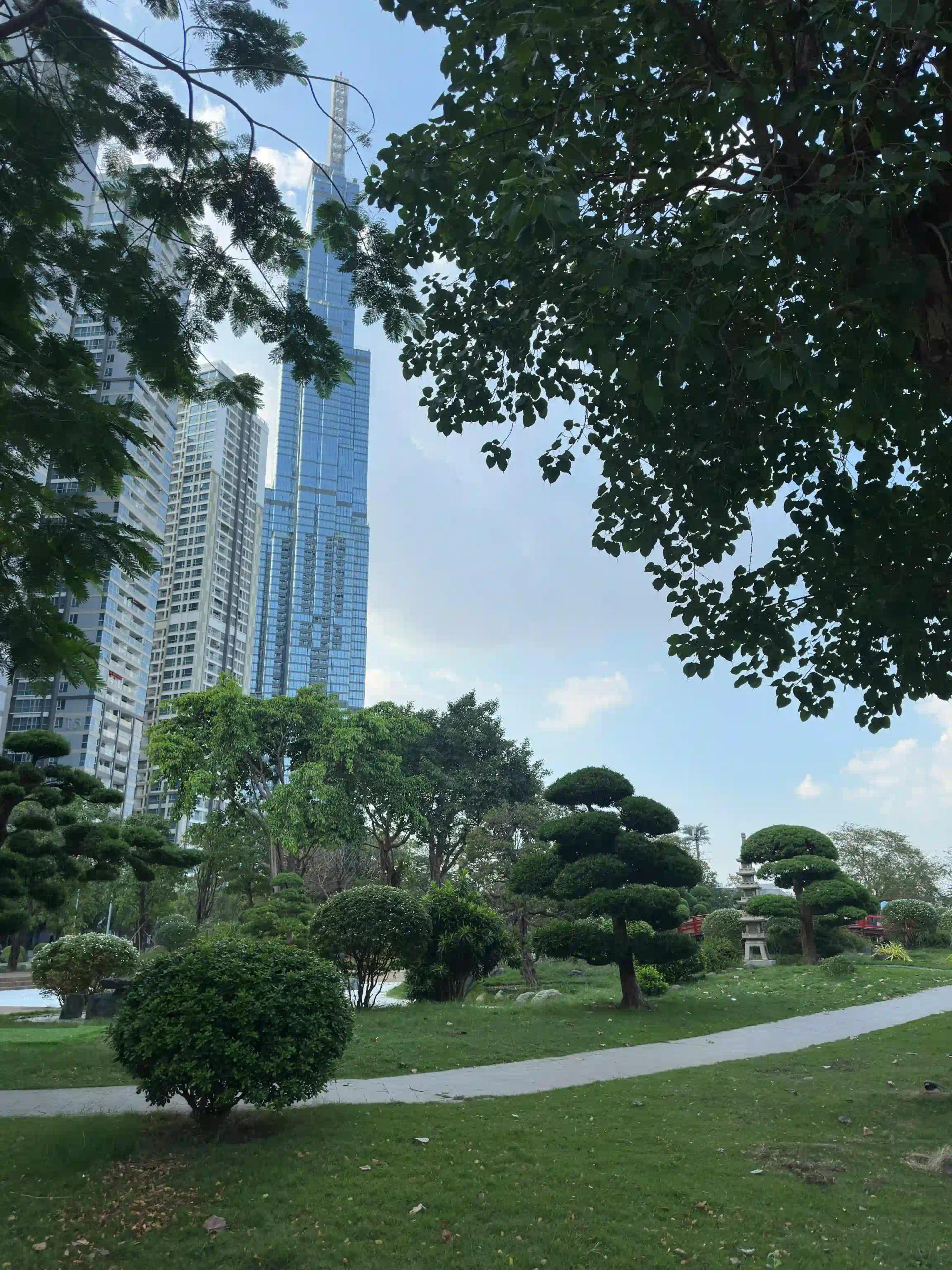
- Landmark 81 & Vinhomes Park: Using the new Metro Line 1 to go see the tallest skyscraper in Vietnam. The park next to the river is massive.
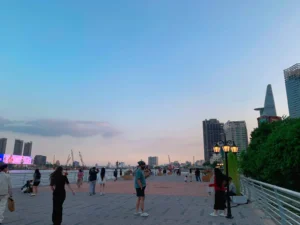
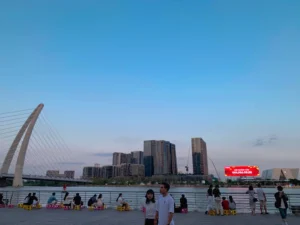
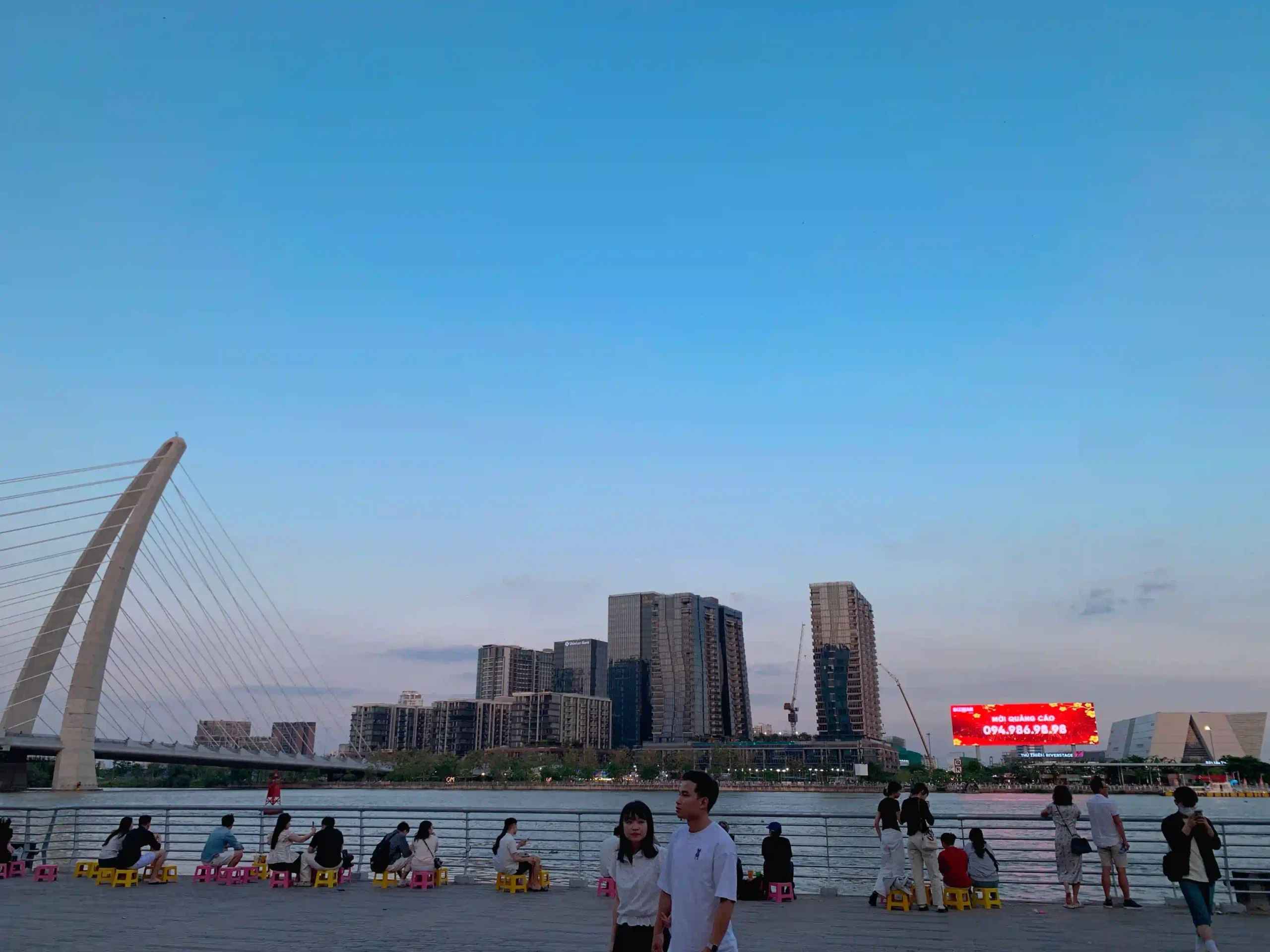
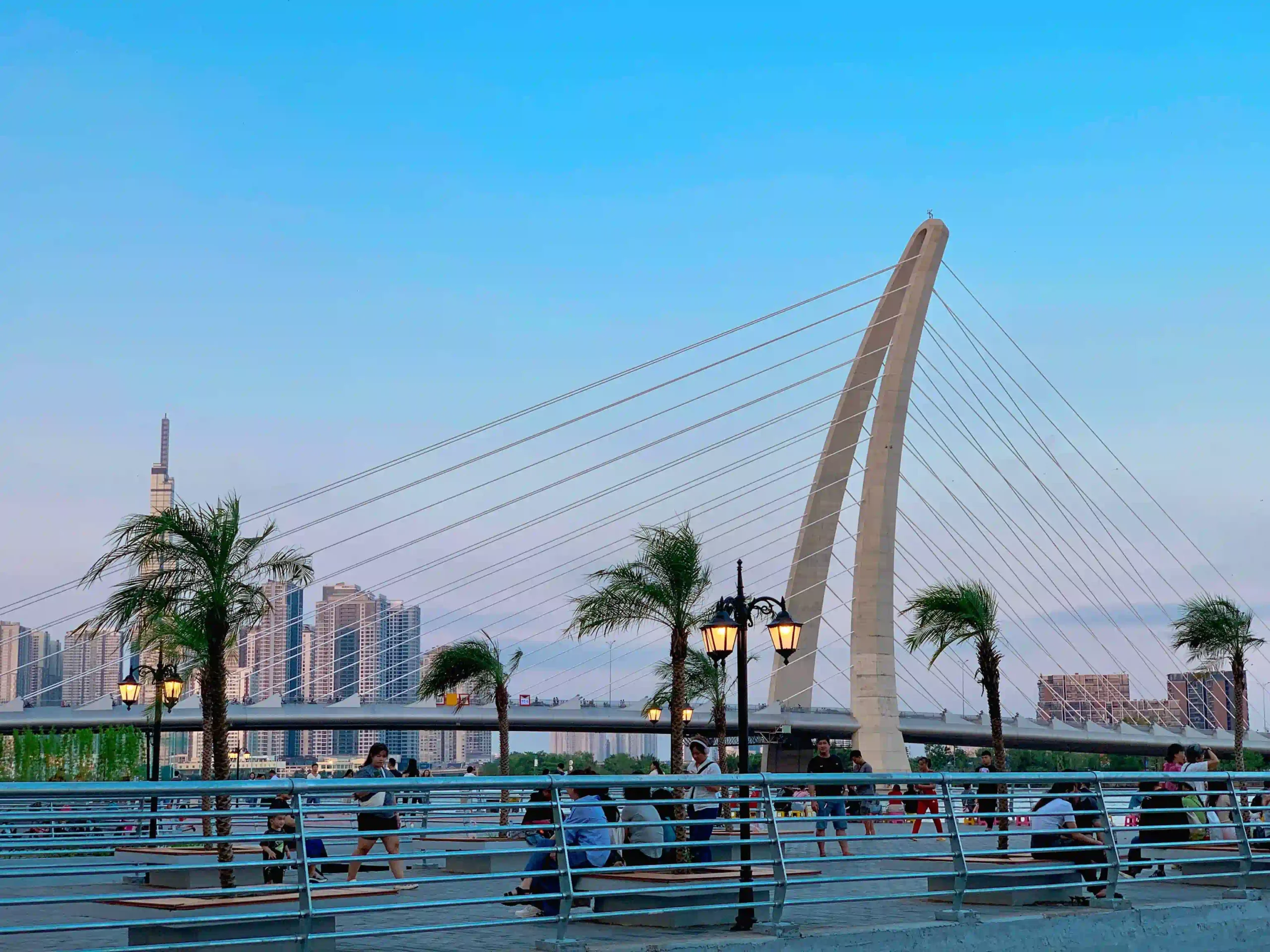
- Bach Dang Wharf Park: The waterfront strip looking over at the new Thu Thiem bridges. Teens hang out here drinking iced tea in the evenings.
- Fito Museum (Traditional Medicine): A multi-story wooden building detailing old medicine practices. Quiet, heavily carved, and actually air-conditioned.
1. Saigon Central Post Office (& the Cathedral exterior)
We might as well start at the geographical heart of District 1. The area where Nguyen Du and Dong Khoi streets intersect contains the city’s highest concentration of European architectural influence.
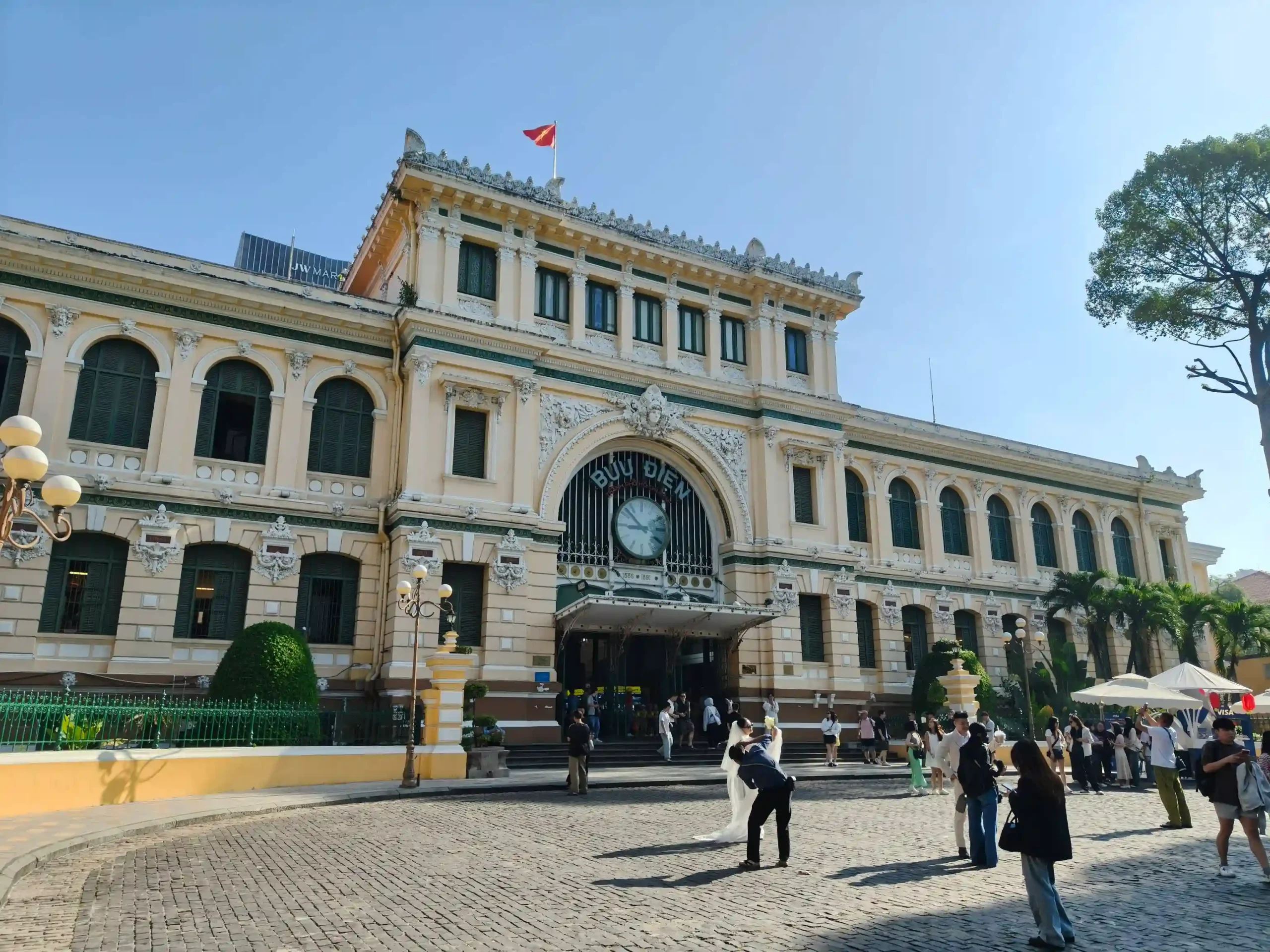
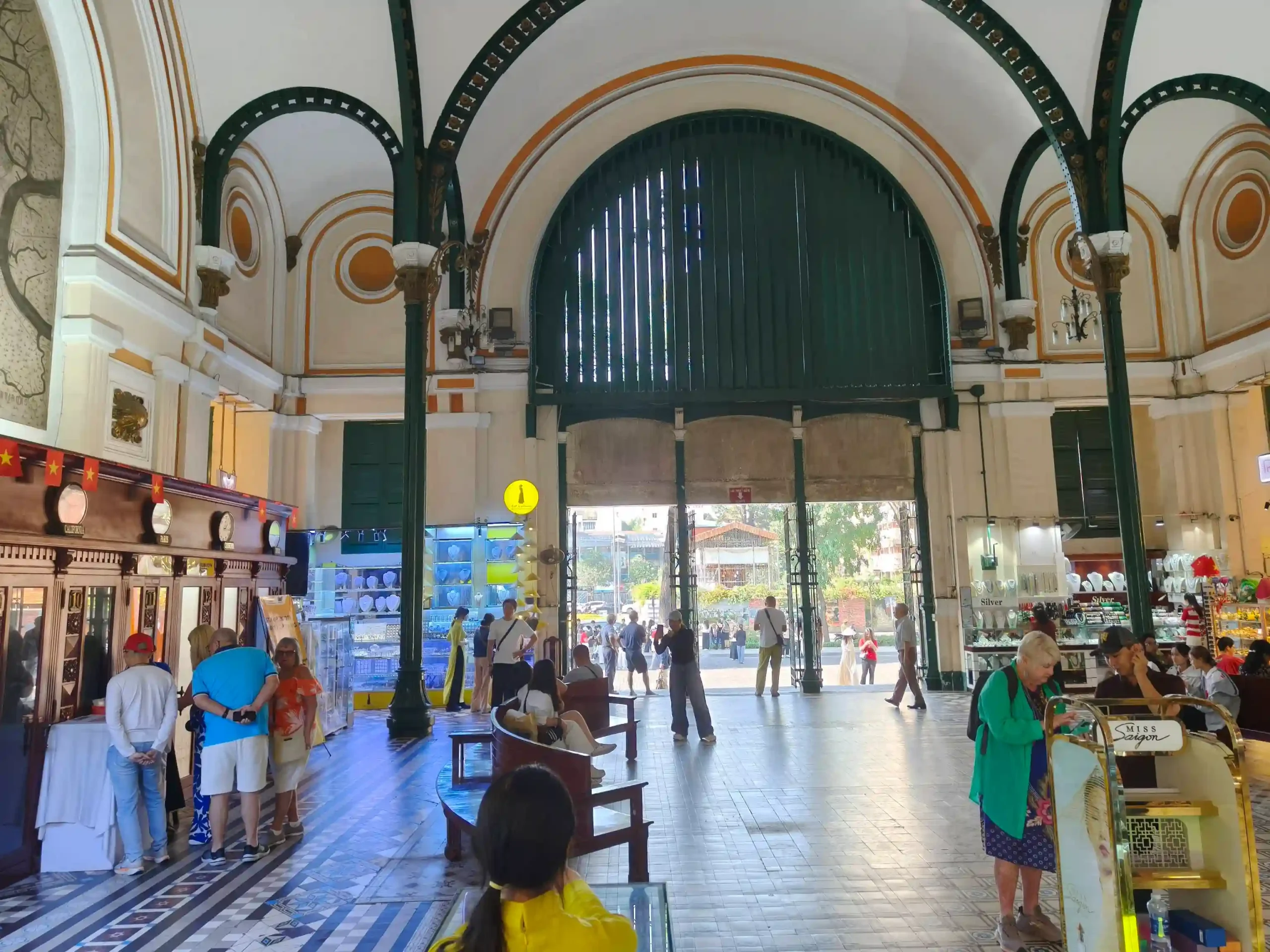
The Central Post Office is one of the oldest buildings left standing in the city, completed by the French around 1891. From the outside, the pale yellow exterior and the large green window shutters are hard to miss. Inside, the design relies heavily on a massive arched ceiling with exposed ironwork. Looking up at it honestly feels like standing in a 19th-century European train station rather than a Southeast Asian postal hub.
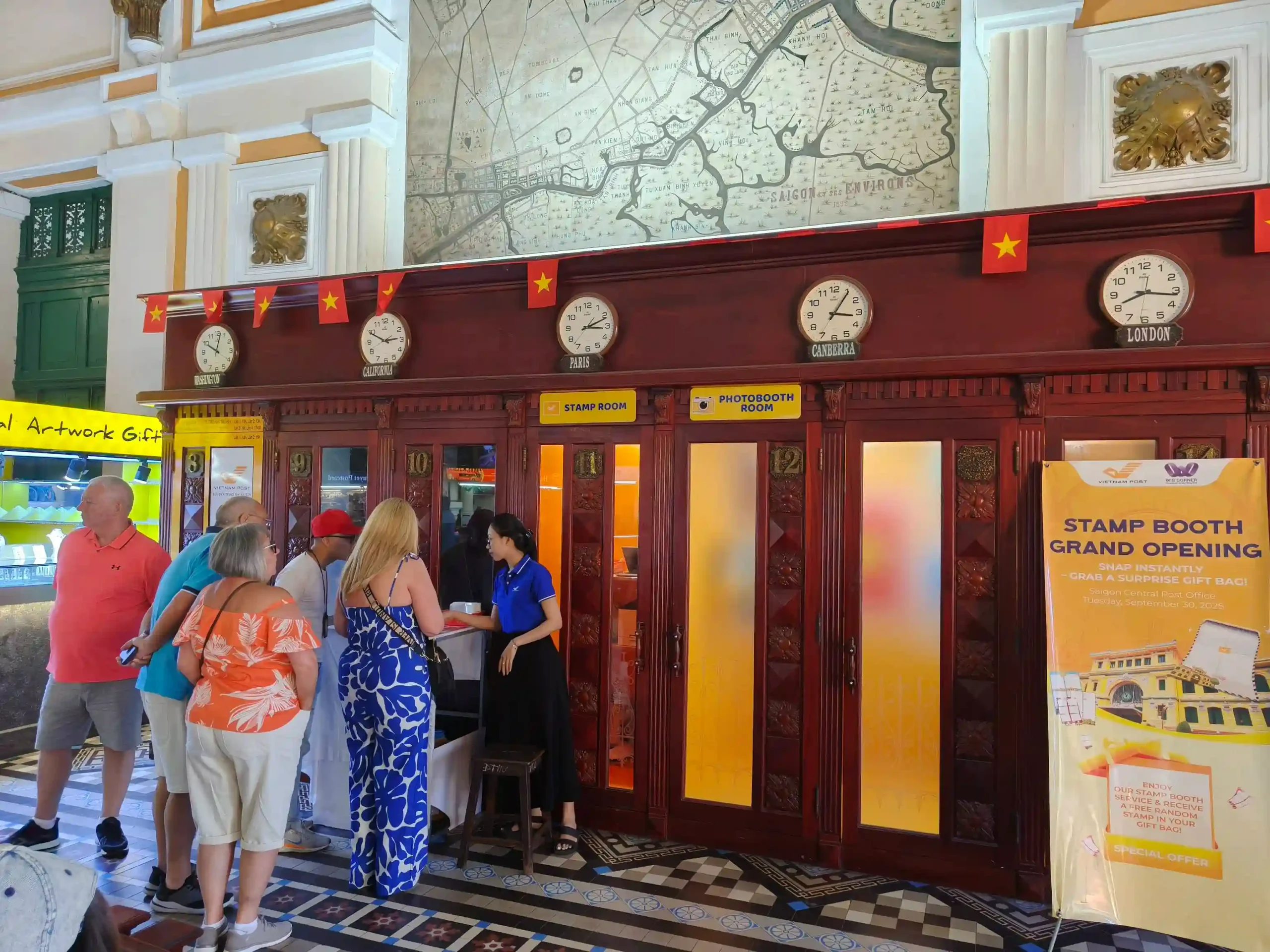
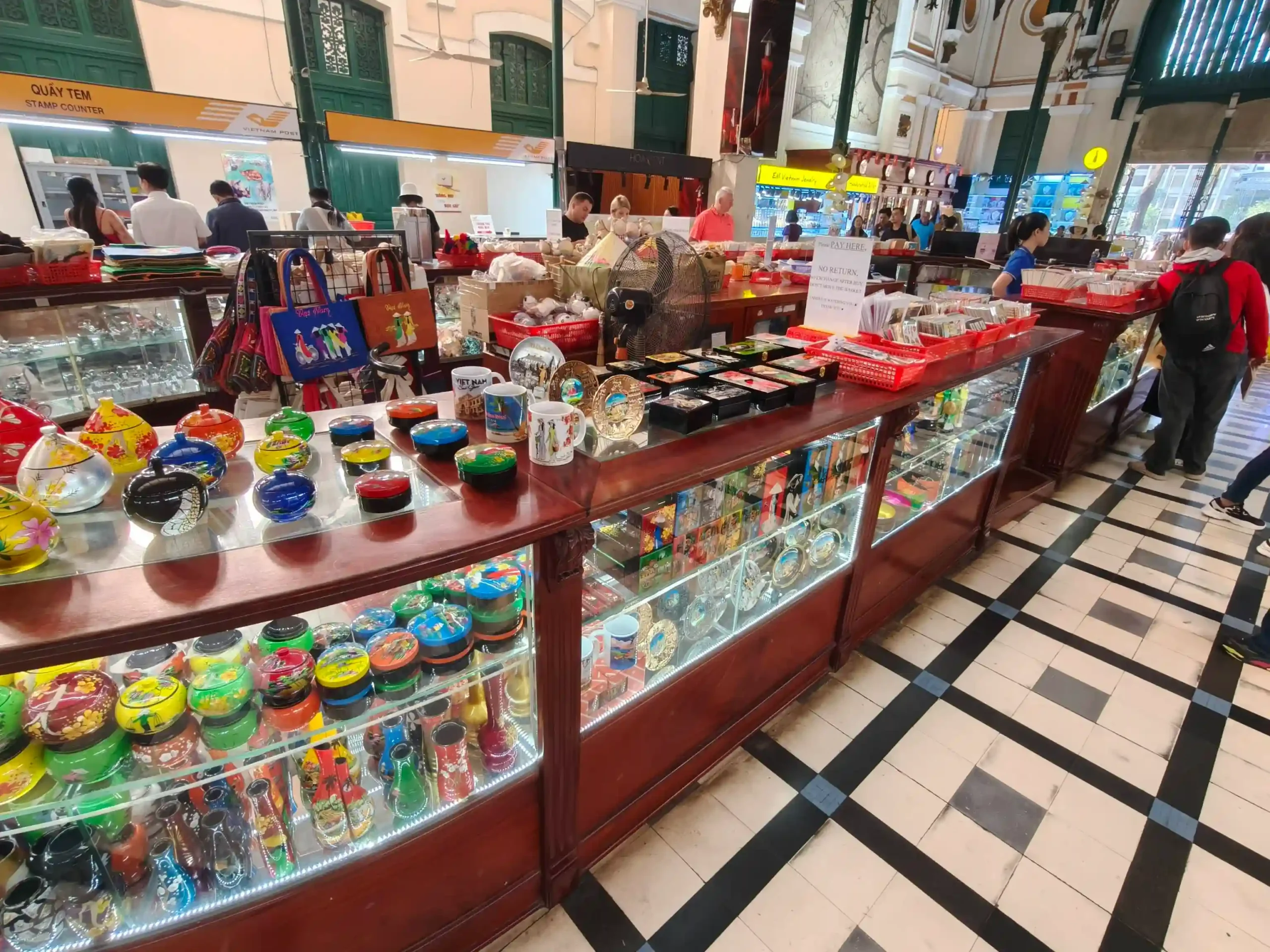
There are large hand-painted maps of the historic telegraph routes on the walls. It still functions as a real post office. You will see tourists queuing to buy postcards and stamps to send home right next to local administrative clerks handling massive cardboard delivery boxes. The wooden phone booths near the entrance don’t have phones in them anymore, people just use them for photos, but they look nice.
Right across the square from the post office is the Notre-Dame Cathedral Basilica of Saigon.
I need to be realistic about this one: the church has been undergoing a massive structural renovation project for years. In 2026, large sections of the brick exterior are still fenced off with heavy metal scaffolding. You mostly cannot just wander inside right now. However, you still come to the plaza out front to see the statue of the Virgin Mary. It’s an iconic piece of the city’s visual identity.
Logistical advice: Do this before 9:00 AM. After 9:30 AM, multiple large 45-seater coaches pull up and dump hundreds of people into the post office lobby at once, making it very loud. Also, watch out for the guys carrying coconuts hanging from wooden shoulder poles in the plaza out front. They are known for quickly dropping the heavy wooden pole onto a tourist’s shoulder “for a fun photo” and then aggressively demanding an unreasonable amount of cash for the coconuts. Just shake your head and walk past them.
- Tickets: Free to enter. Operates daily during business hours.
2. The Fine Arts Museum (Bảo Tàng Mỹ Thuật)
Down near the Ben Thanh market roundabout sits the Ho Chi Minh City Fine Arts Museum. It occupies a compound of three grand, slightly faded yellow colonial-era mansions that used to belong to Hui Bon Hoa, one of the wealthiest real estate tycoons in the city during the early 1900s.
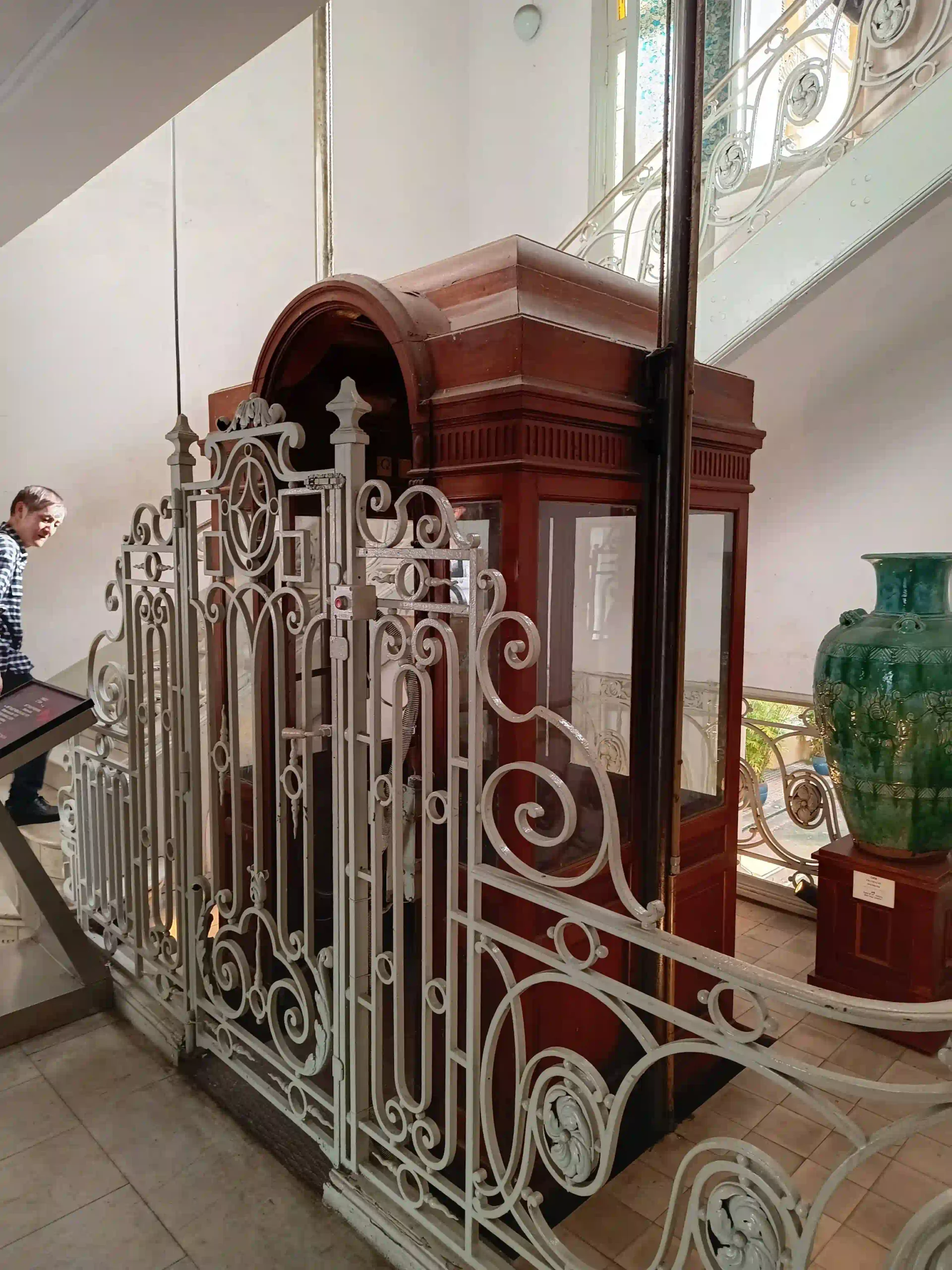
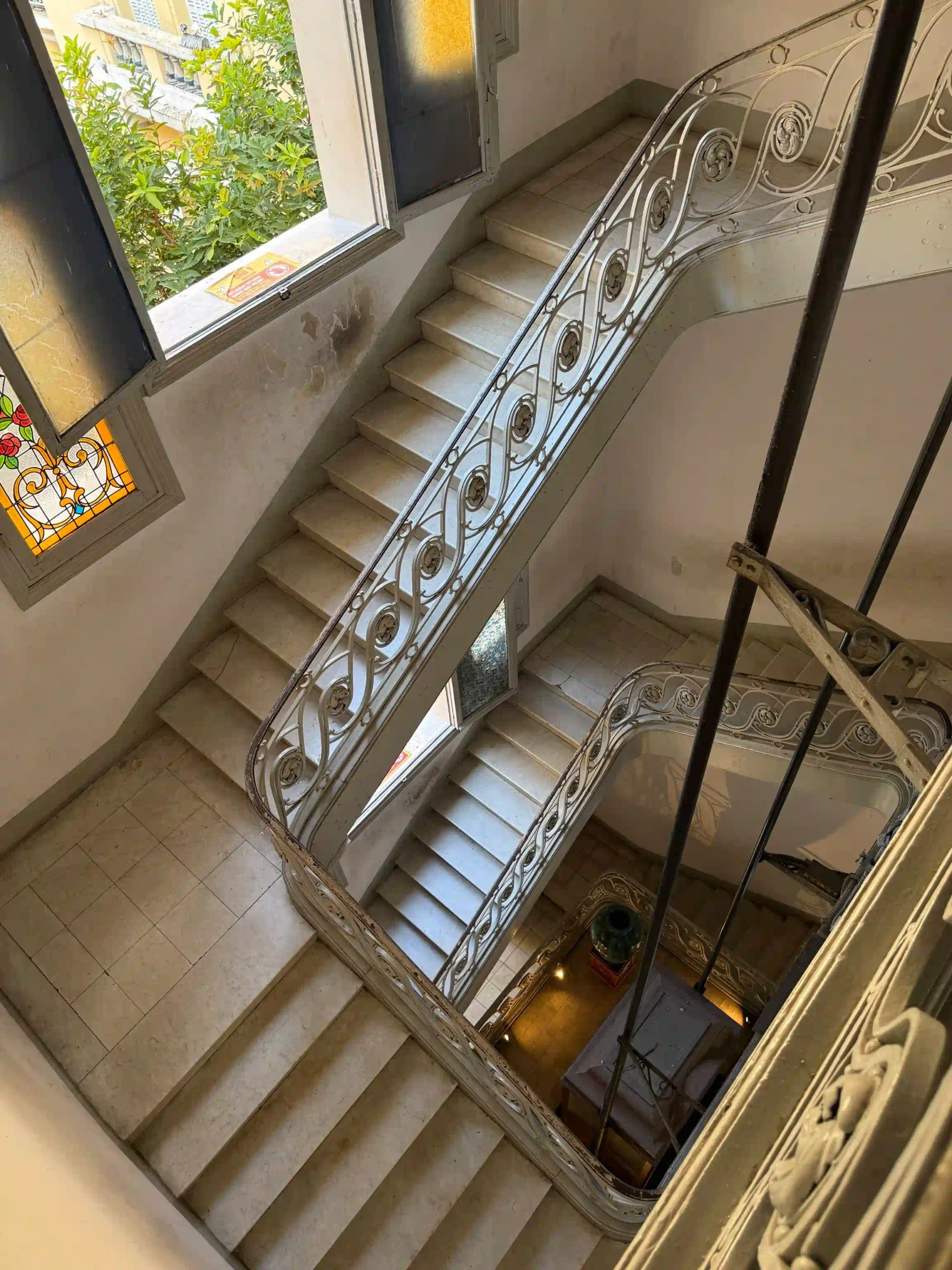
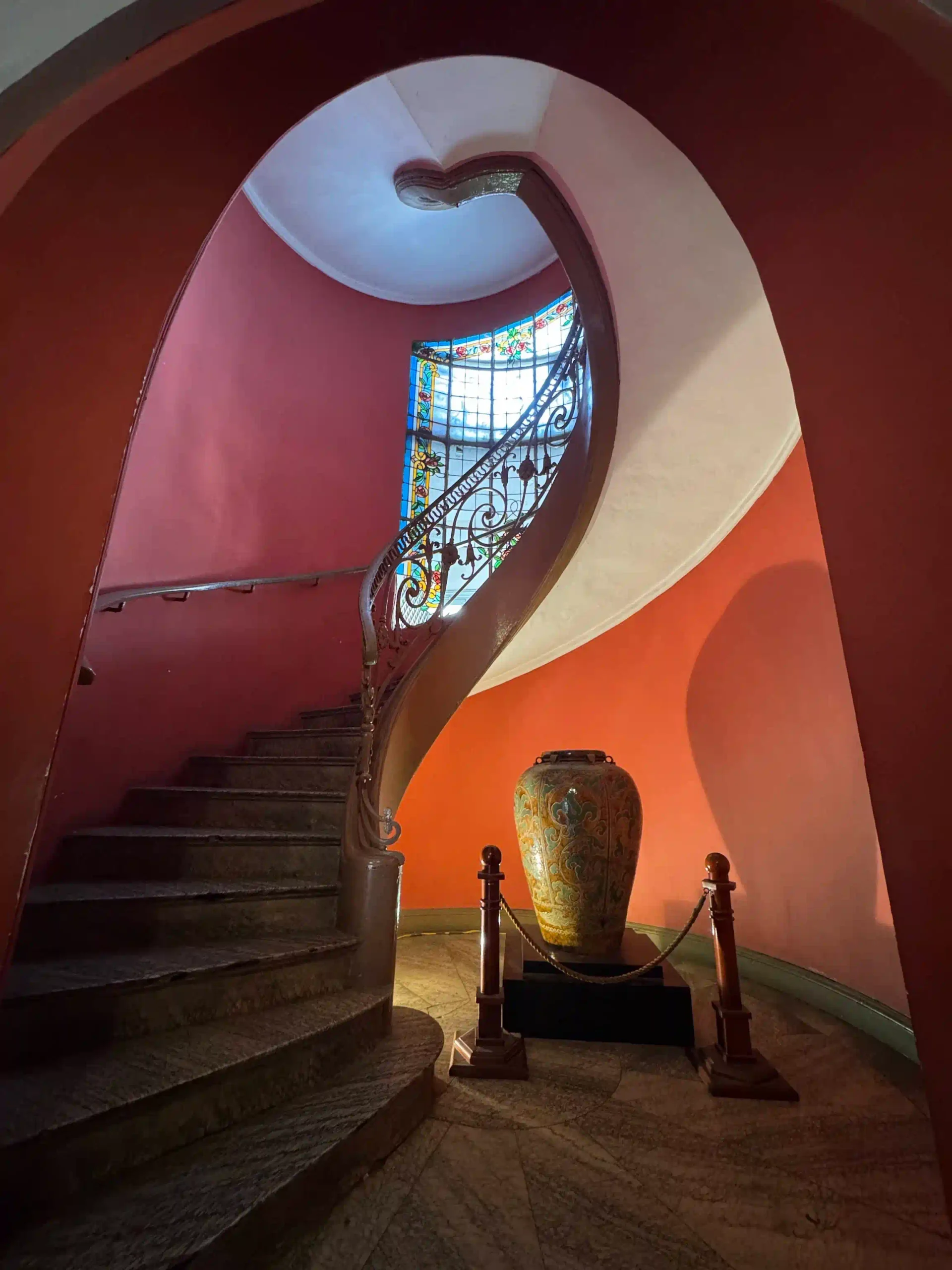
Even if you aren’t heavily interested in Southeast Asian art, the architecture of the building alone justifies coming here. The central building features grand curving staircases, decorative wrought iron, and an original vintage elevator cab (one of the first ever installed in Saigon, though it usually doesn’t work). The interior courtyard catches the sunlight quite well in the afternoons.
The collections inside document centuries of regional artwork. The main galleries focus heavily on wartime pieces. You’ll see thousands of pencil sketches, propaganda posters, and oil paintings created by soldiers documenting the battlefield and village life during the conflict.
You need to pace yourself here. The building essentially operates as an open-air structure without any serious air conditioning systems. The ceiling fans try, but moving through three floors of humid corridors takes it out of you.
- Tickets: Usually around 30,000 VND at the front gate box office. You enter off Pho Duc Chinh street.
3. Jade Emperor Pagoda (Chùa Ngọc Hoàng)
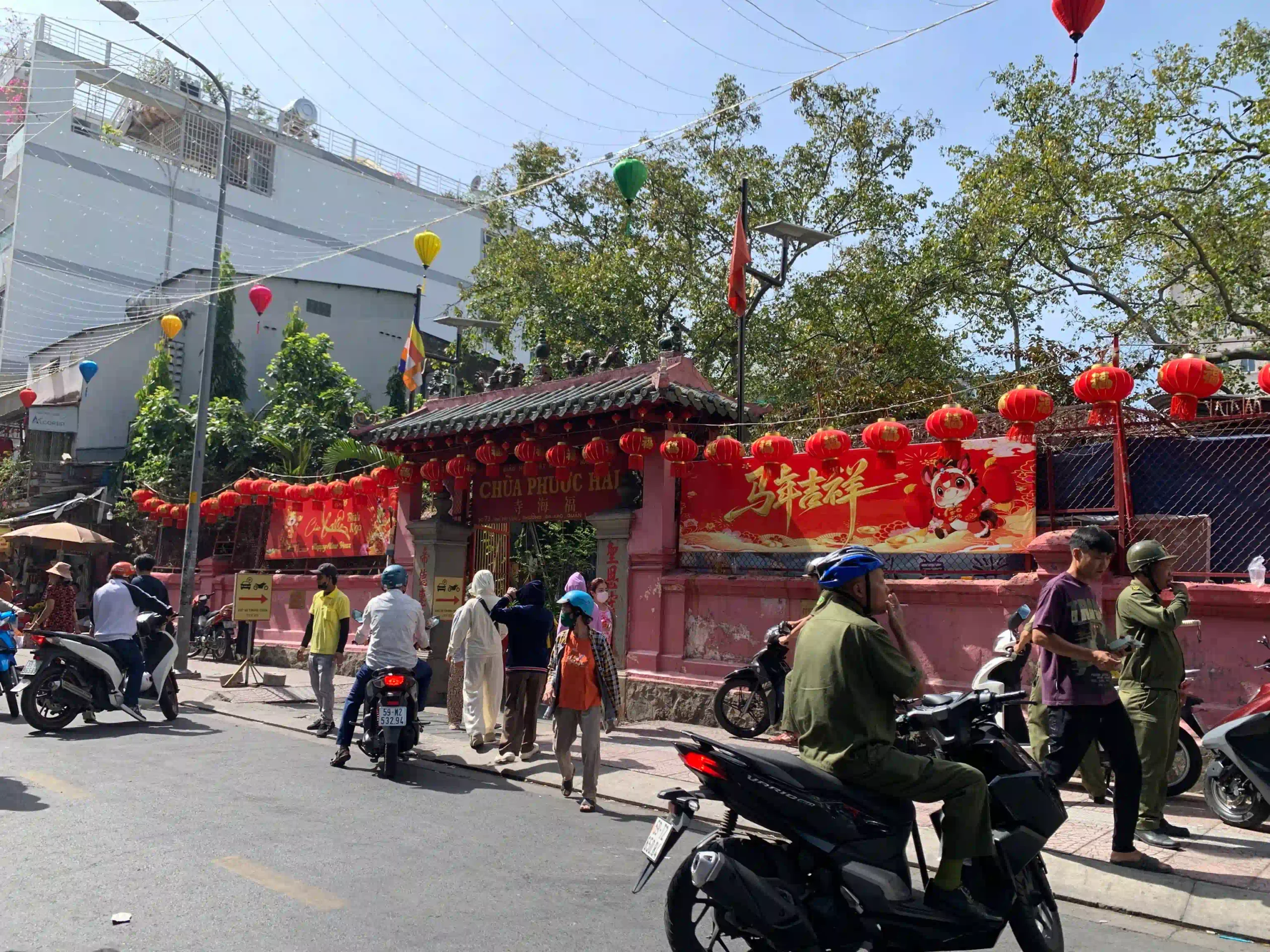
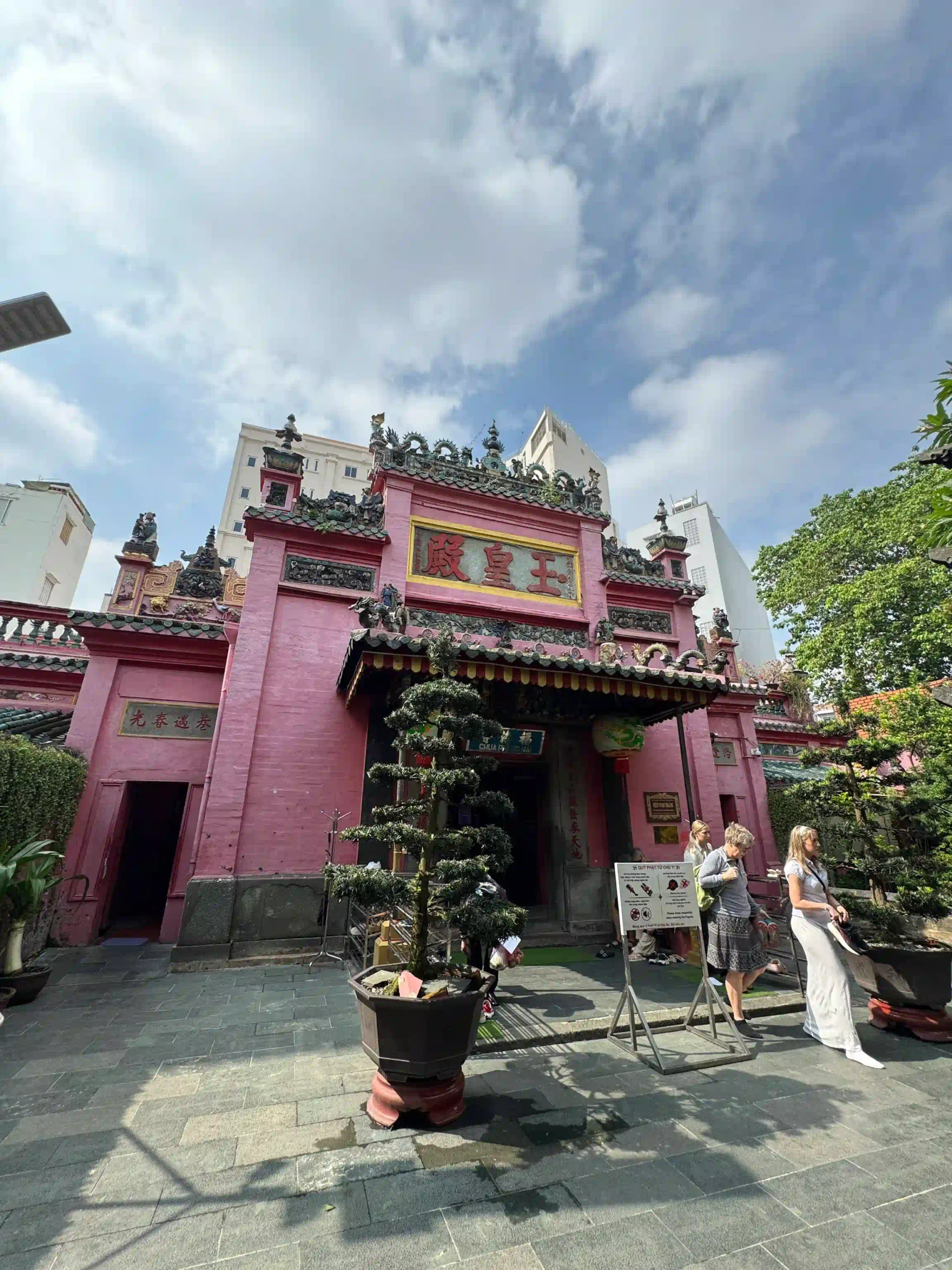
For a very long time, this was just another active neighborhood pagoda tucked onto the border of District 1 and District 3. Then US President Barack Obama visited it on his trip here years ago, and now it permanently sits on every tourist list of Ho Chi Minh city attractions.
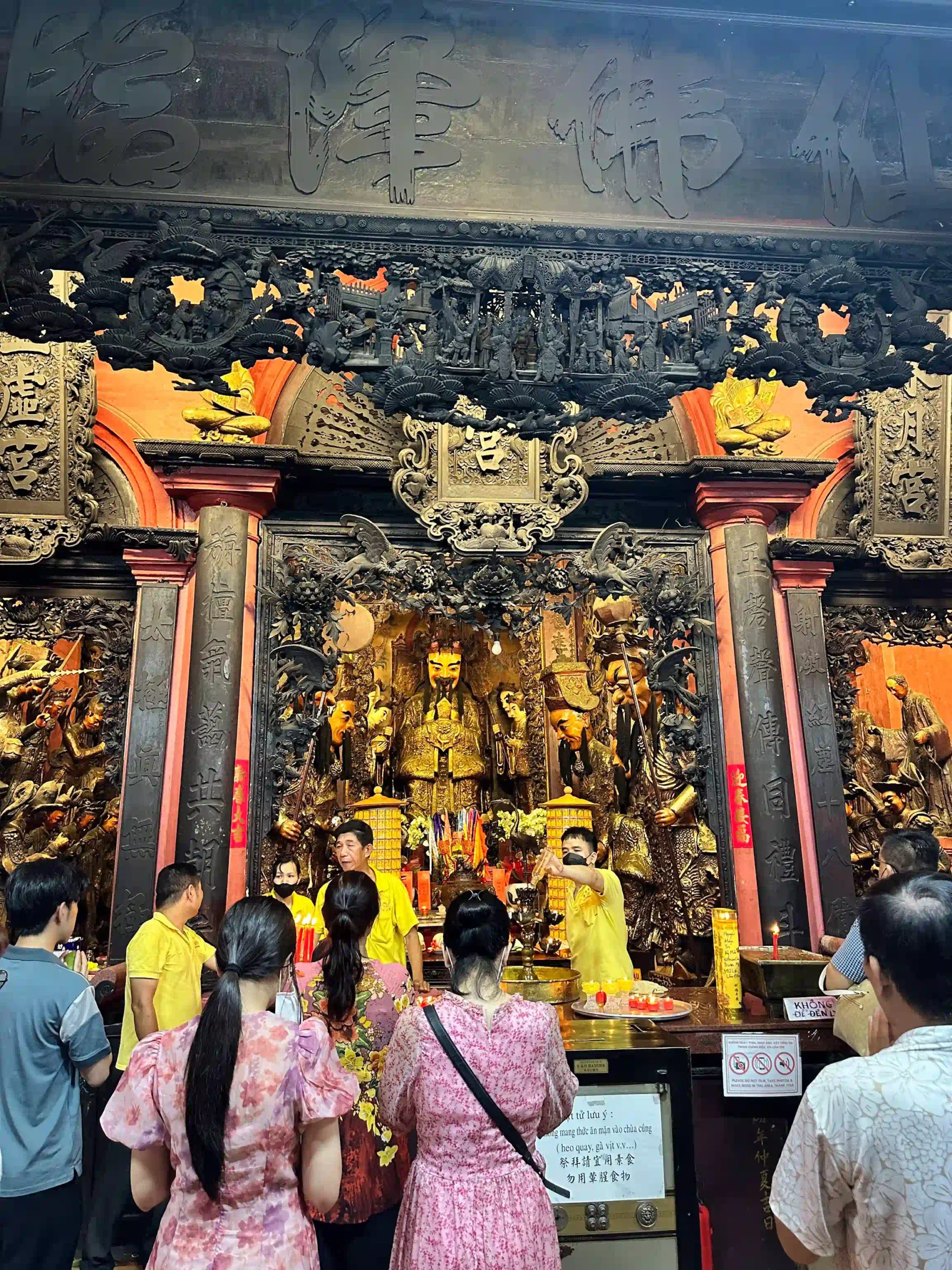
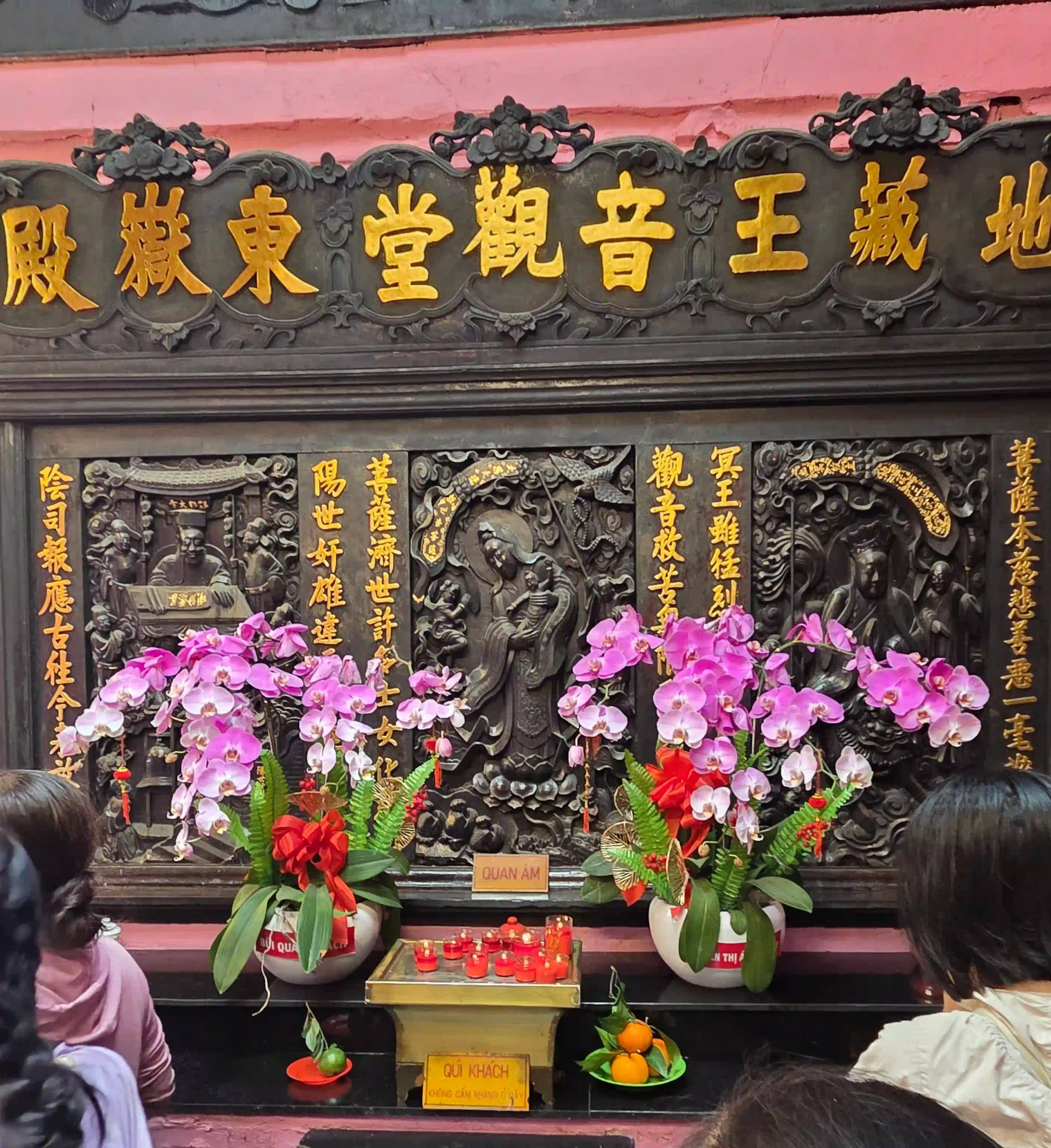
The Jade Emperor Pagoda is primarily Taoist, featuring heavy, intricately carved woodwork and numerous shrines. When you step through the main pink brick gate, the most overwhelming thing is the smoke. The ceiling inside the main sanctuary is heavily stained dark brown from years of large incense coils burning continuously overhead. The sunlight often cuts through the thick incense fog from small ceiling vents, which looks visually striking.
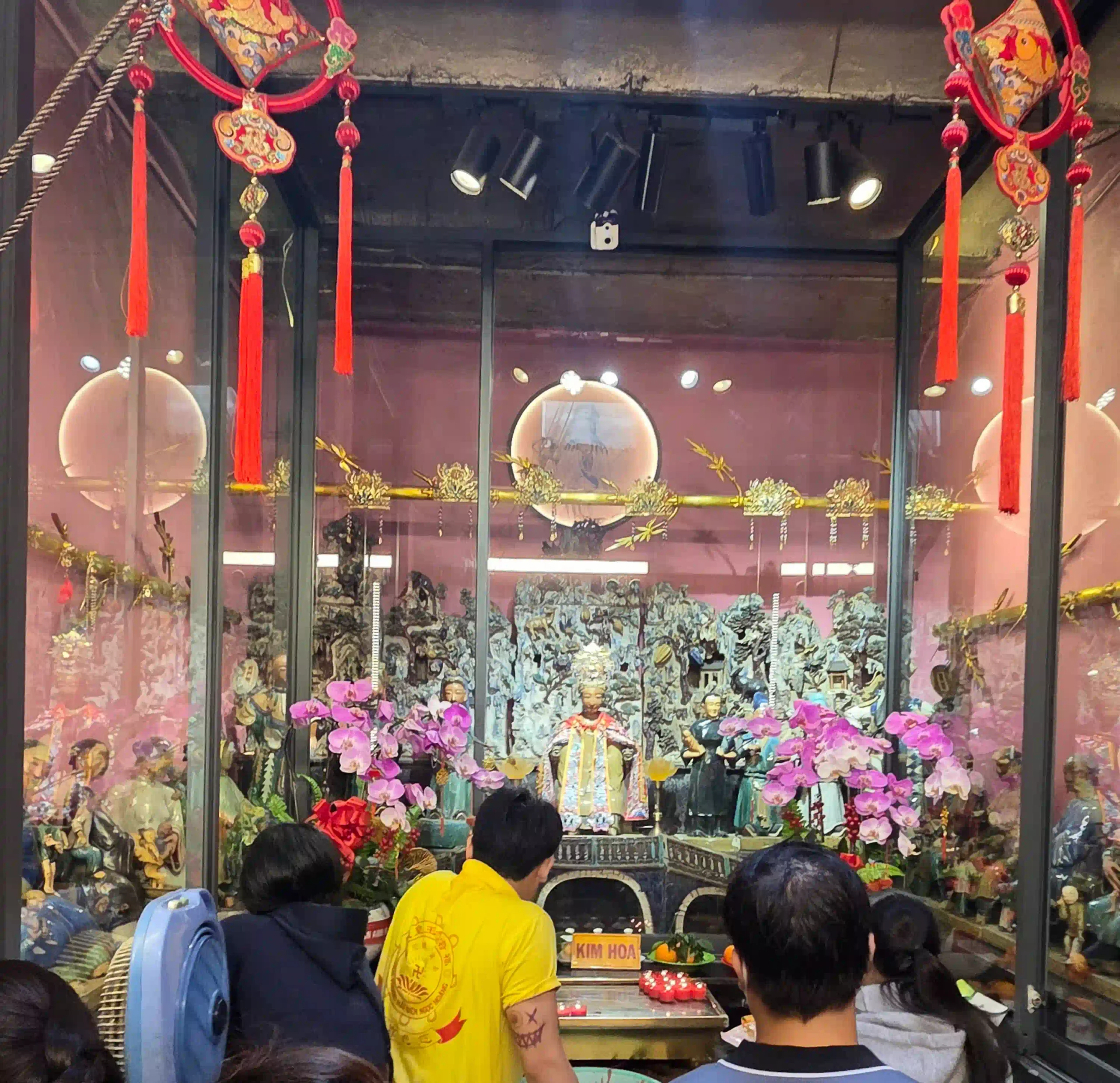
The pagoda contains numerous altars dedicated to different deities. One popular section is dedicated to Kim Hoa Thanh Mau, the Goddess of Fertility. People looking to conceive often visit to leave offerings.
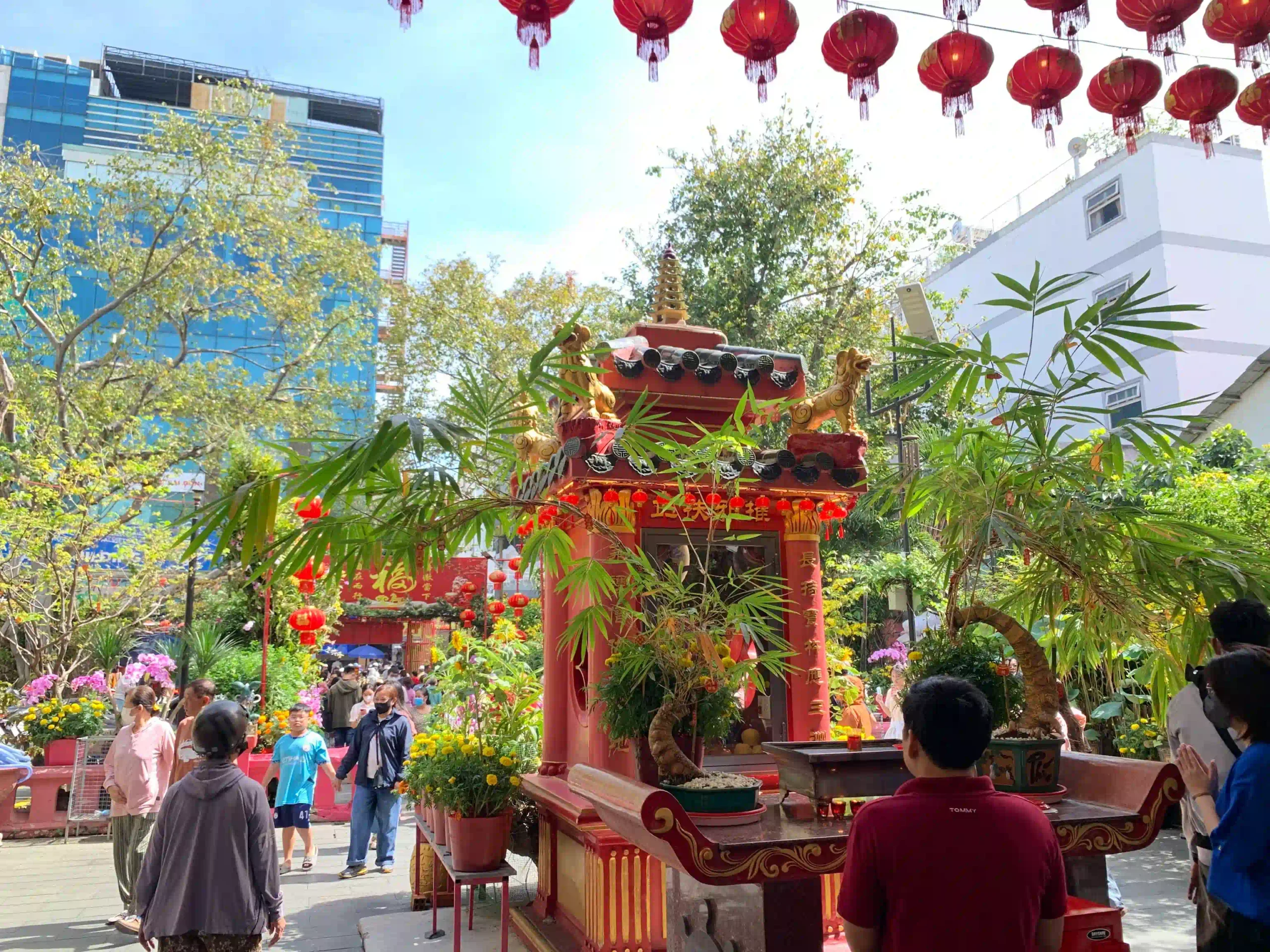
Out the front in the courtyard, there is a small pond containing dozens of turtles. The water condition often looks pretty murky, and animal welfare groups routinely point out that the pond is overcrowded, but releasing turtles here remains an established local tradition meant to bring merit.
Because of the location, accessing it requires navigating a few very congested alley roads. Taxis frequently struggle to turn around near the gates. You generally take a Grab bike or book this stop as part of an organized trip. See half-day Saigon sightseeing guided options if you prefer sorting logistics out through an app instead of mapping the streets yourself.
- Tickets: Free entry, though small donation boxes sit near the shrines.
4. Taking the Saigon Waterbus at sunset
I really recommend this specifically because finding Ho Chi Minh city attractions that take you completely away from motorbike exhaust is hard. The Saigon River forms a large natural boundary down the eastern side of the center.
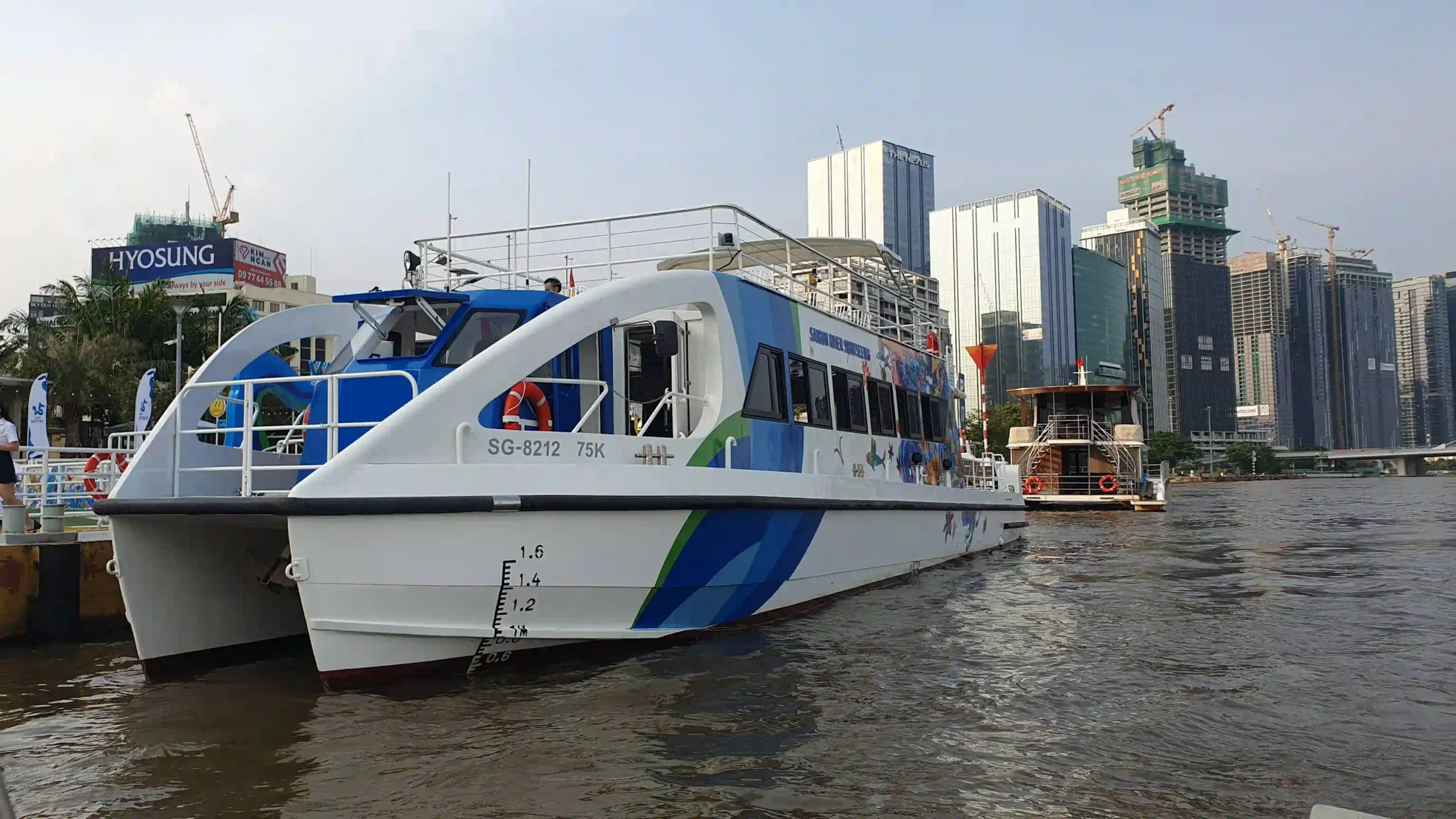
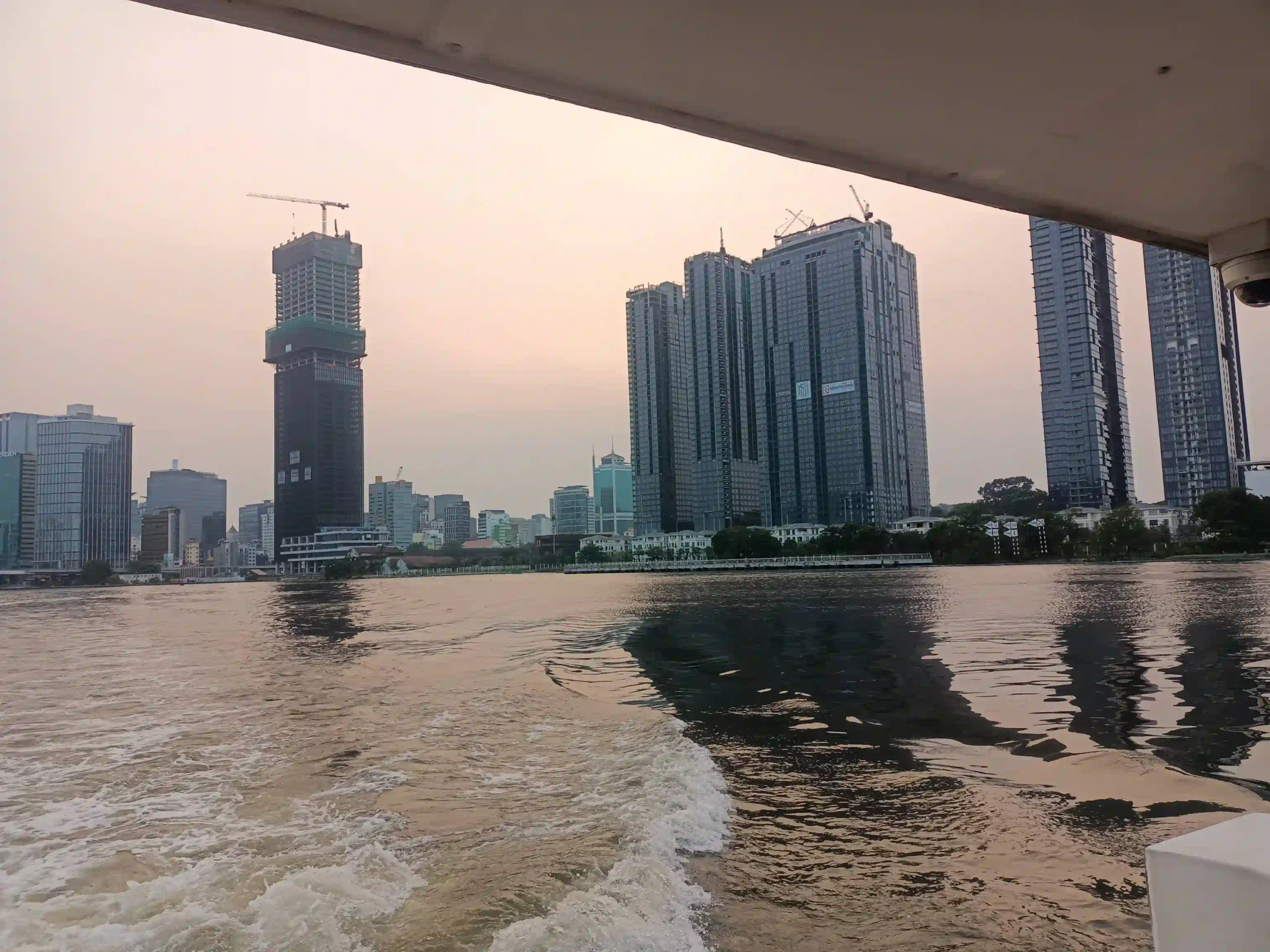
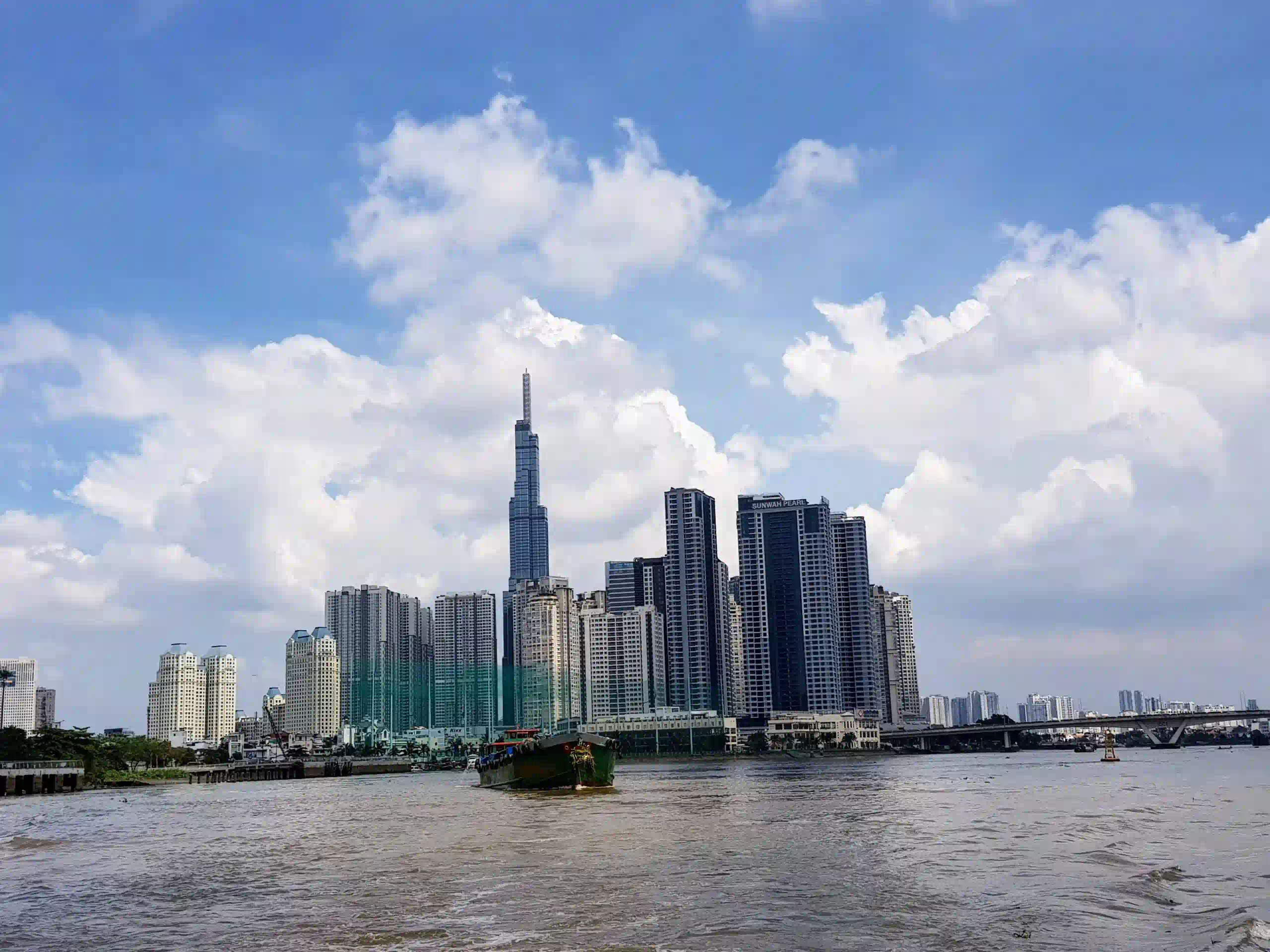
A few years back, the city launched the Saigon Waterbus network as a public commuter transit system connecting District 1 out to the outer eastern wards like Thu Duc. The locals quickly realized that sitting on a bright yellow, air-conditioned river ferry offered a massive visual upgrade to sitting in highway gridlock. It functionally became a leisure activity.
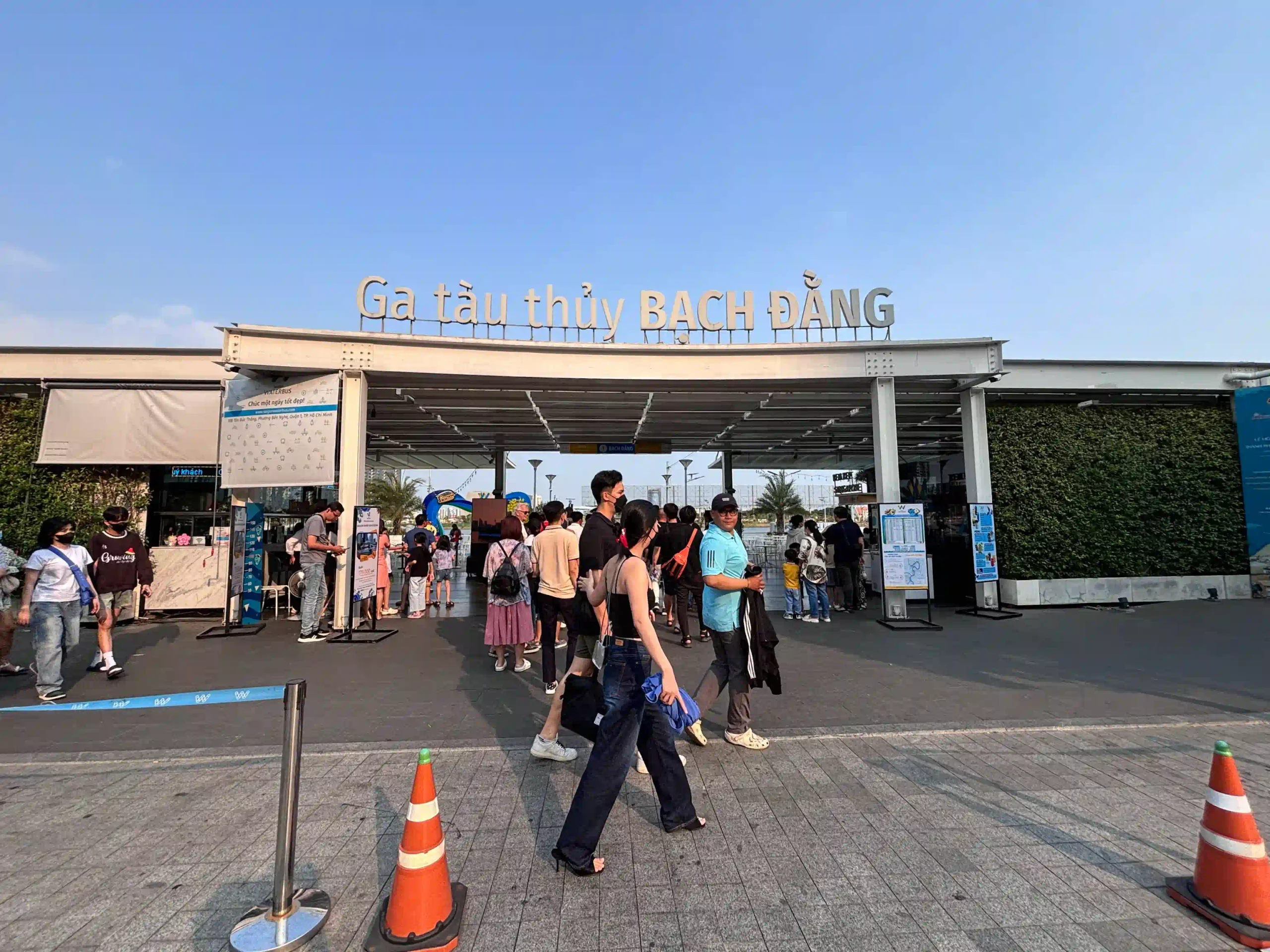
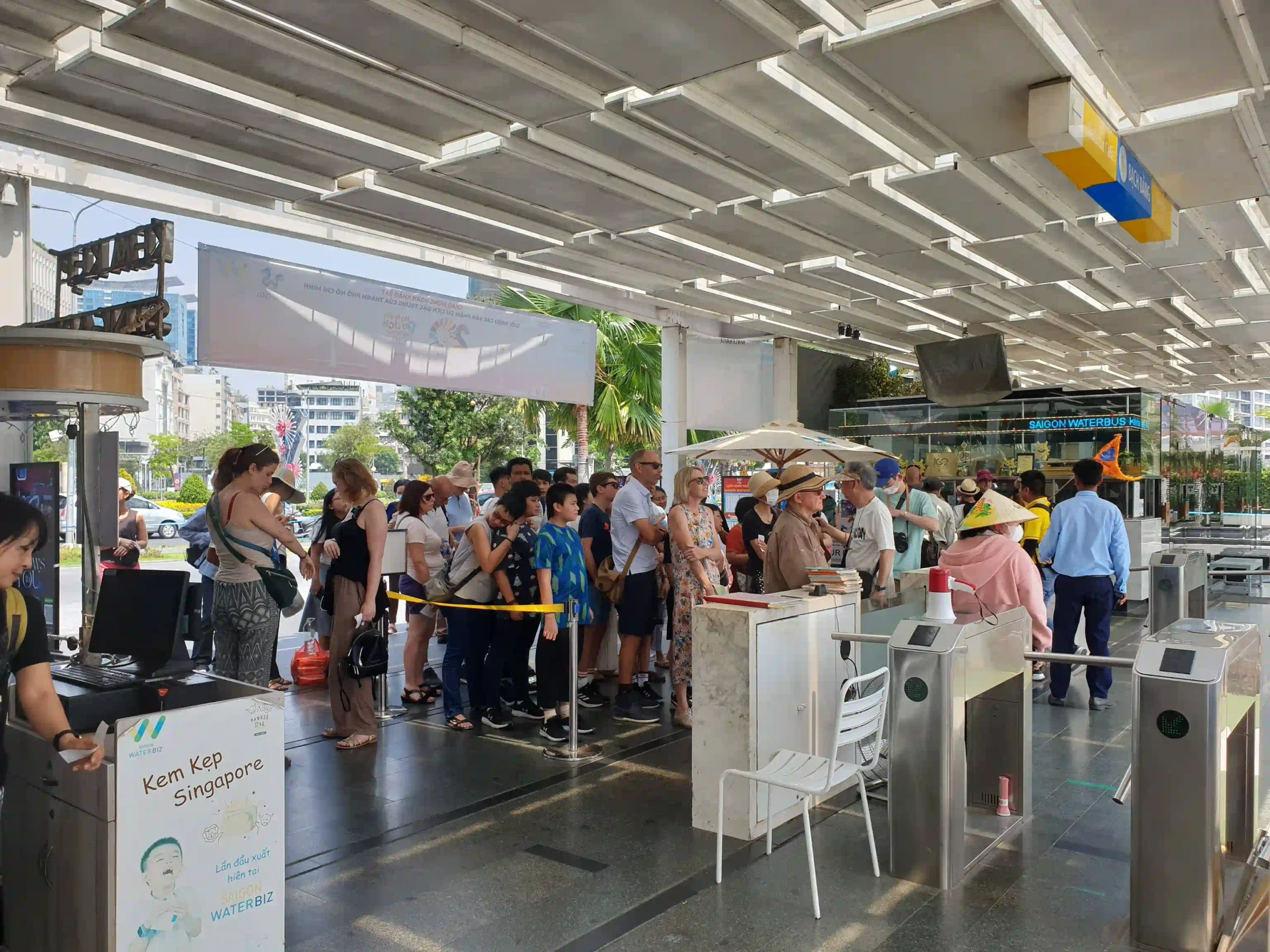
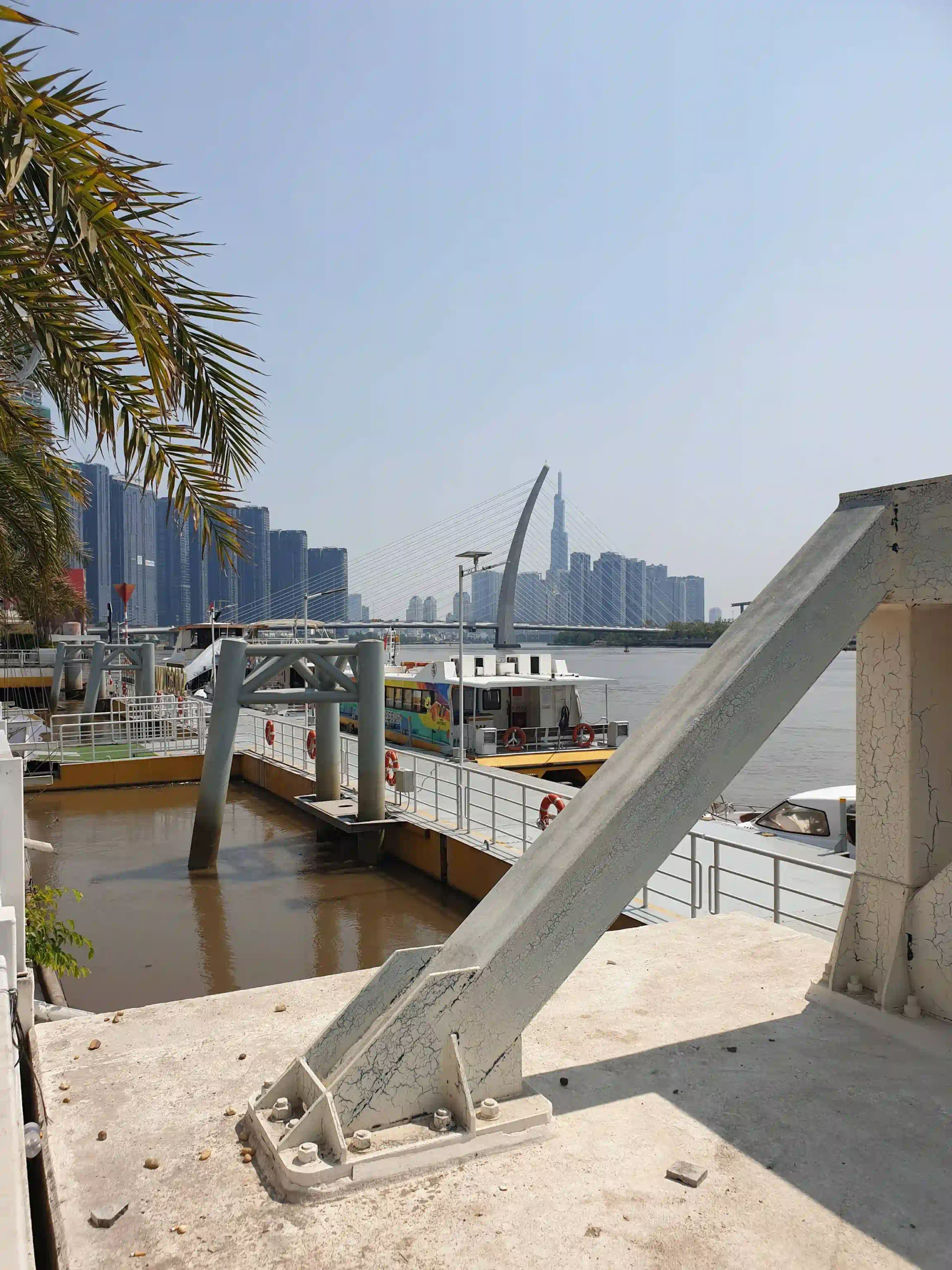
You start at Bach Dang Wharf, located near the Ton Duc Thang statue at the end of Nguyen Hue walking street. You buy a simple paper ticket. The boat leaves the dock and sweeps up the river.
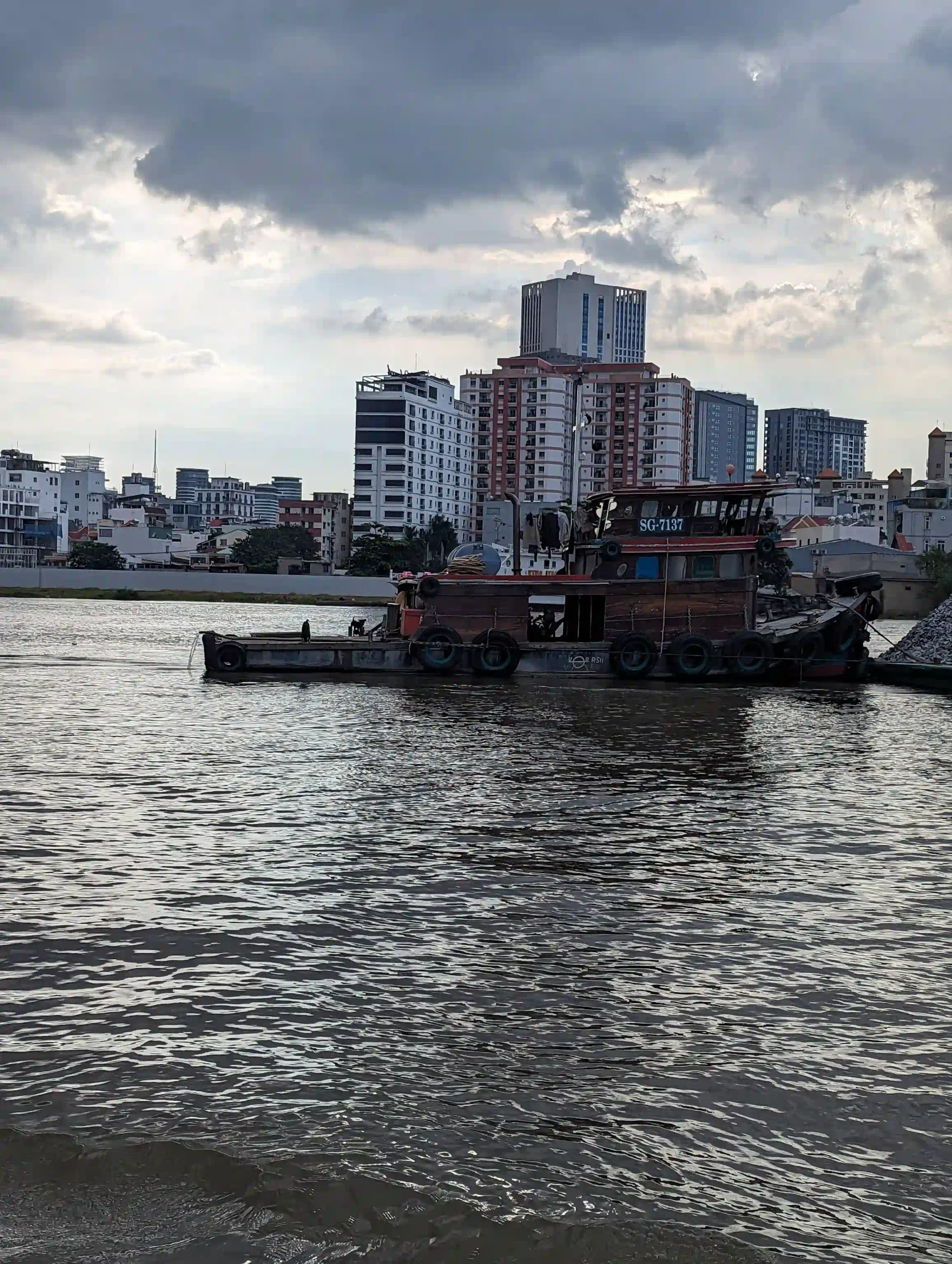
The view you get looking back at the District 1 skyline from the middle of the river is unobstructed. You drift underneath the Ba Son Bridge and can physically watch the cityscape shift from the heavy historical high-rises in D1 out to the newer residential developments bordering the water in District 2 and Binh Thanh.
A standard single ride ticket is cheap, mostly remaining under 20,000 VND (under $1 USD).
- How to plan it: Most people simply book a ticket, ride out a few stops (for instance to Thanh Da or Linh Dong), get off the boat, hang around for thirty minutes, and catch a returning boat back to District 1. If you go on a weekend around 5:00 PM for the sunset slot, ticket counters occasionally sell out of specific departure times, so dropping by the pier early to grab tickets and grabbing coffee nearby while you wait helps.
Note: Keep your eye on Full deep-dives on accessing river cruises and water routes here if you want proper dinner boats later in the night.
5. The Secret Weapons Bunker
Everyone eventually goes to the Cu Chi Tunnels. That’s outside the city limits. But what many travelers completely overlook is how the urban guerilla network actually operated directly within Saigon’s wealthy residential grids.
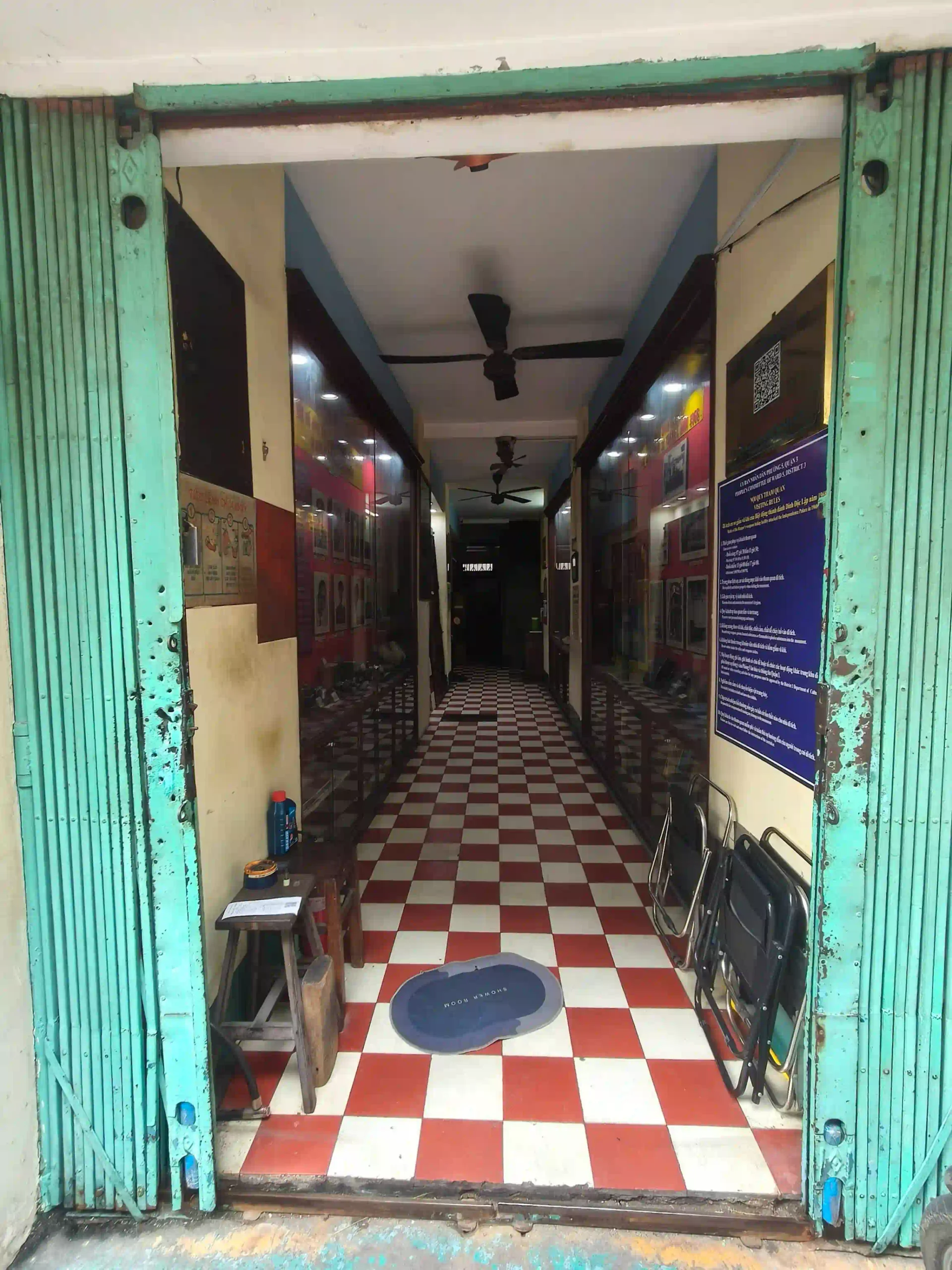
This specific site sits at 287/70 Nguyen Dinh Chieu street, in a regular alley in District 3. From the outside, it just looks like an unremarkable narrow tube house. It used to be owned by Tran Van Lai, a man who worked for the South Vietnamese Presidential Palace during the day but secretly supported the North.
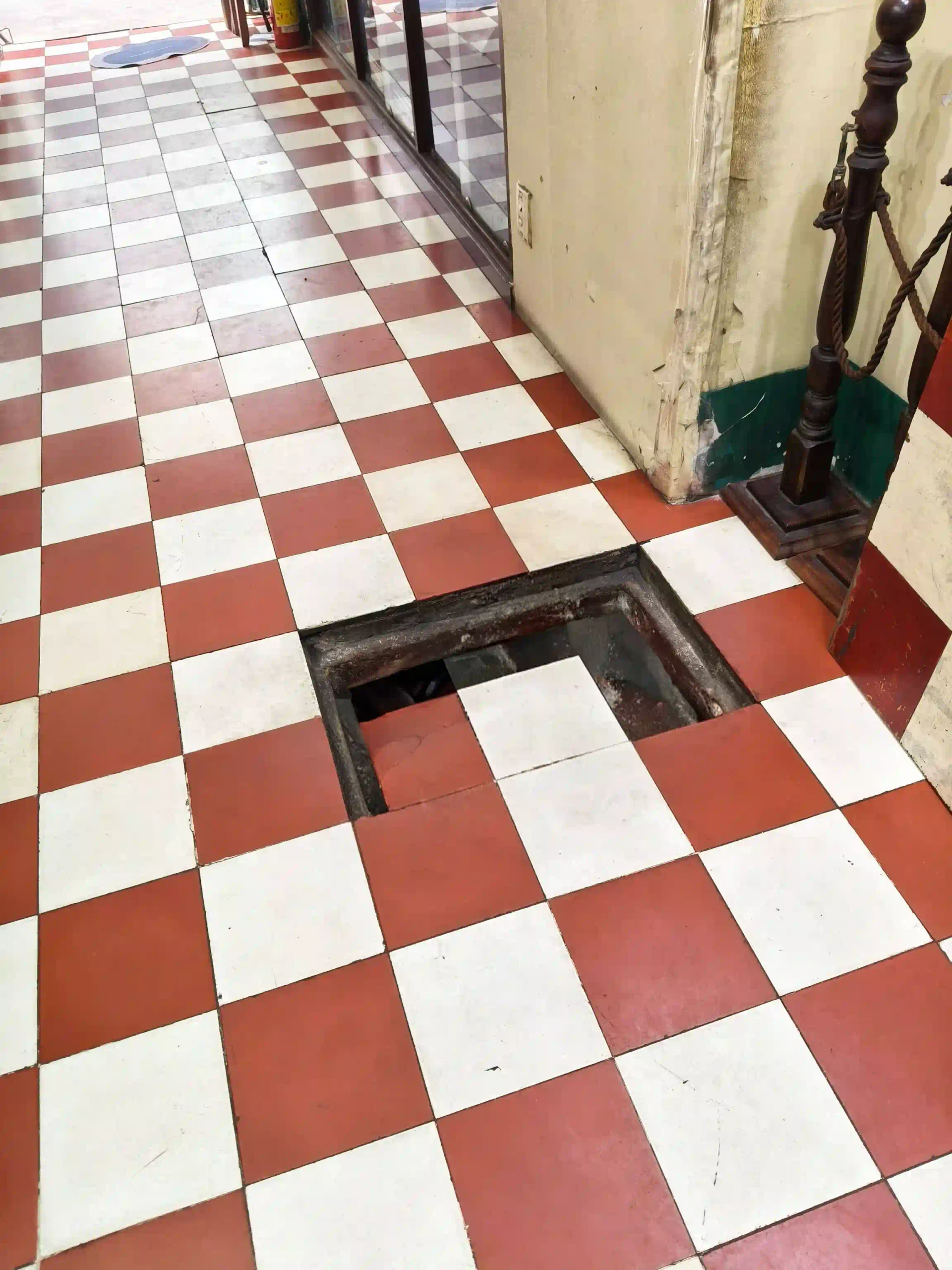
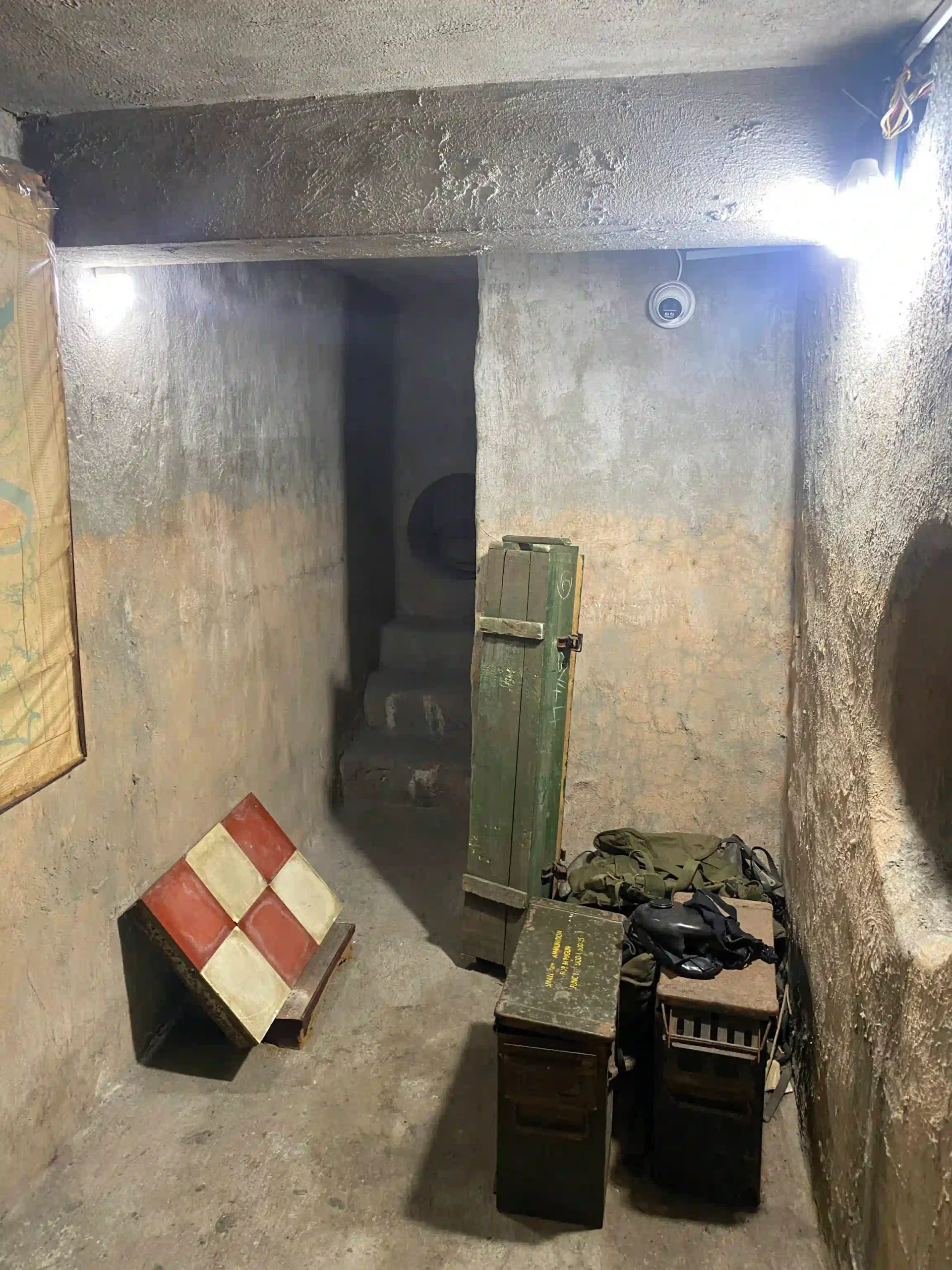
In the late 1960s, he bought this house, hollowed out sections underneath the living room, and disguised it completely with ordinary floor tiles. Over the years, couriers managed to slowly transport over two tons of weaponry, explosives, and ammunition into the city by hiding them in hollowed-out timber deliveries and concealing them inside this underground bunker. During the massive Tet Offensive of 1968, fighters launched direct assaults on the Independence Palace right from this suburban living room.
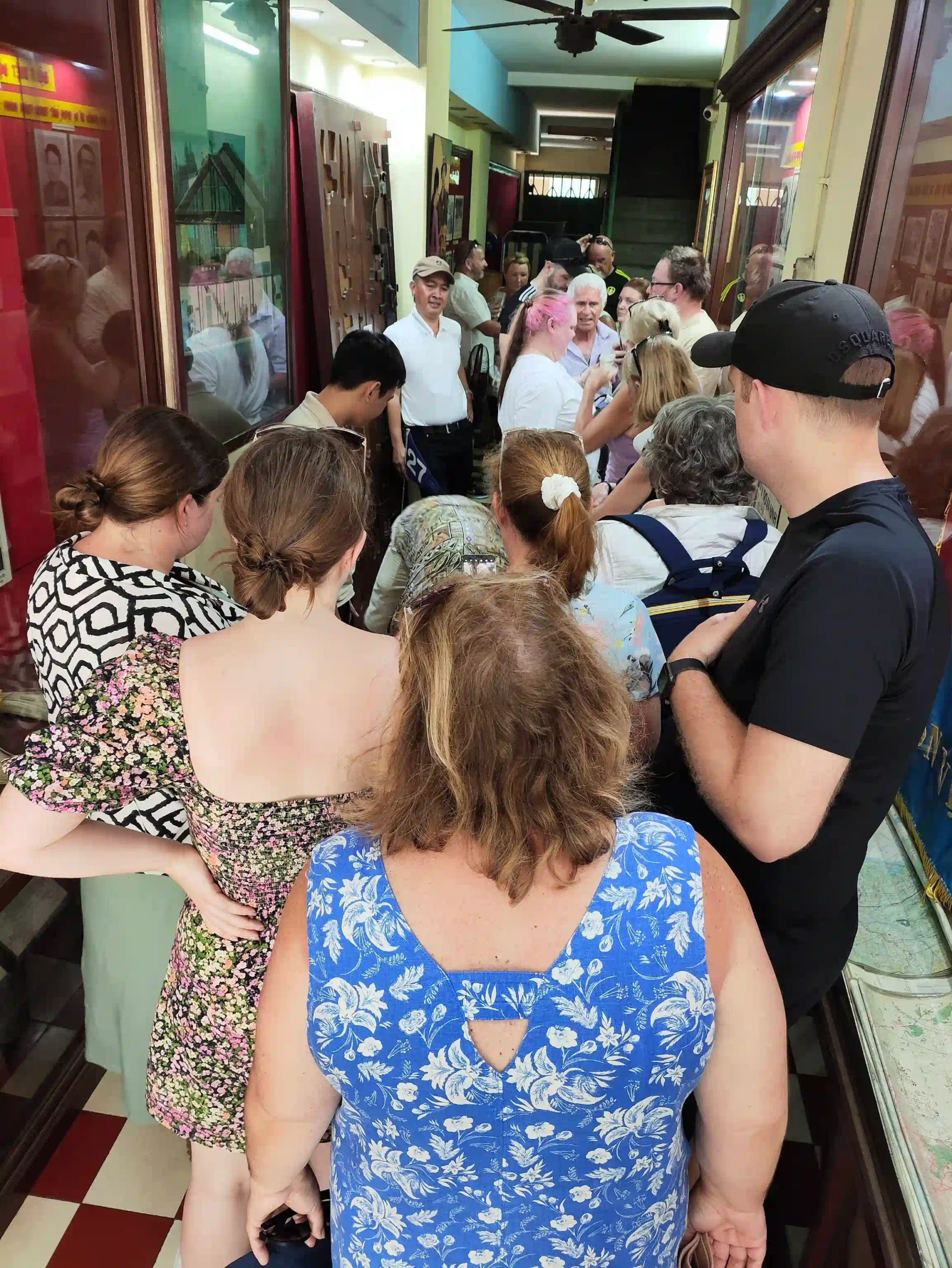
You step inside the house now and there’s a guide. They open up a small trap door hidden in the living room floor, and you can lower yourself down a metal ladder into the confined concrete basement area to see where they kept the ammunition crates.
It usually only takes about thirty or forty minutes to go through, but seeing significant military history preserved under an active, noisy, modern city alley adds tremendous context to the war timeline.
- Tickets: Small entry fee, usually around 20,000 to 30,000 VND. Closes around 11:30 AM for lunch, reopens in the afternoon.
6. Ho Thi Ky Flower Market
Normally, visitors gravitate straight toward Ben Thanh Market, but I pointed out earlier why District 5’s Cholon makes more sense if you hate being haggled over souvenirs. The Ho Thi Ky market located in District 10 serves another specific purpose.
This entire grid is dominated by flowers.
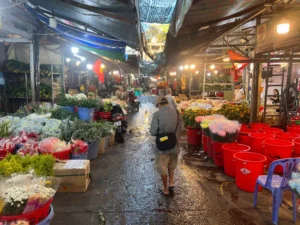
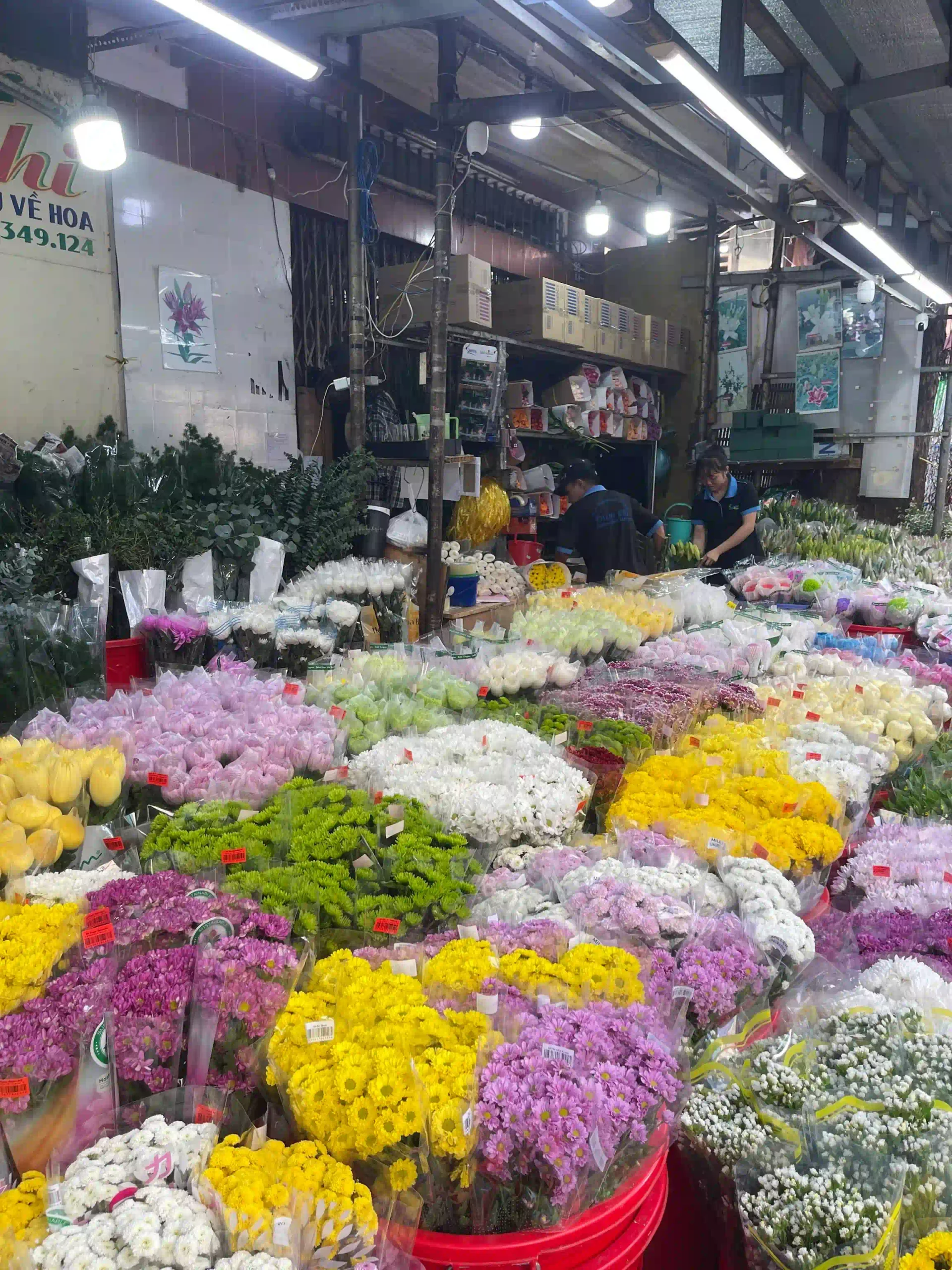
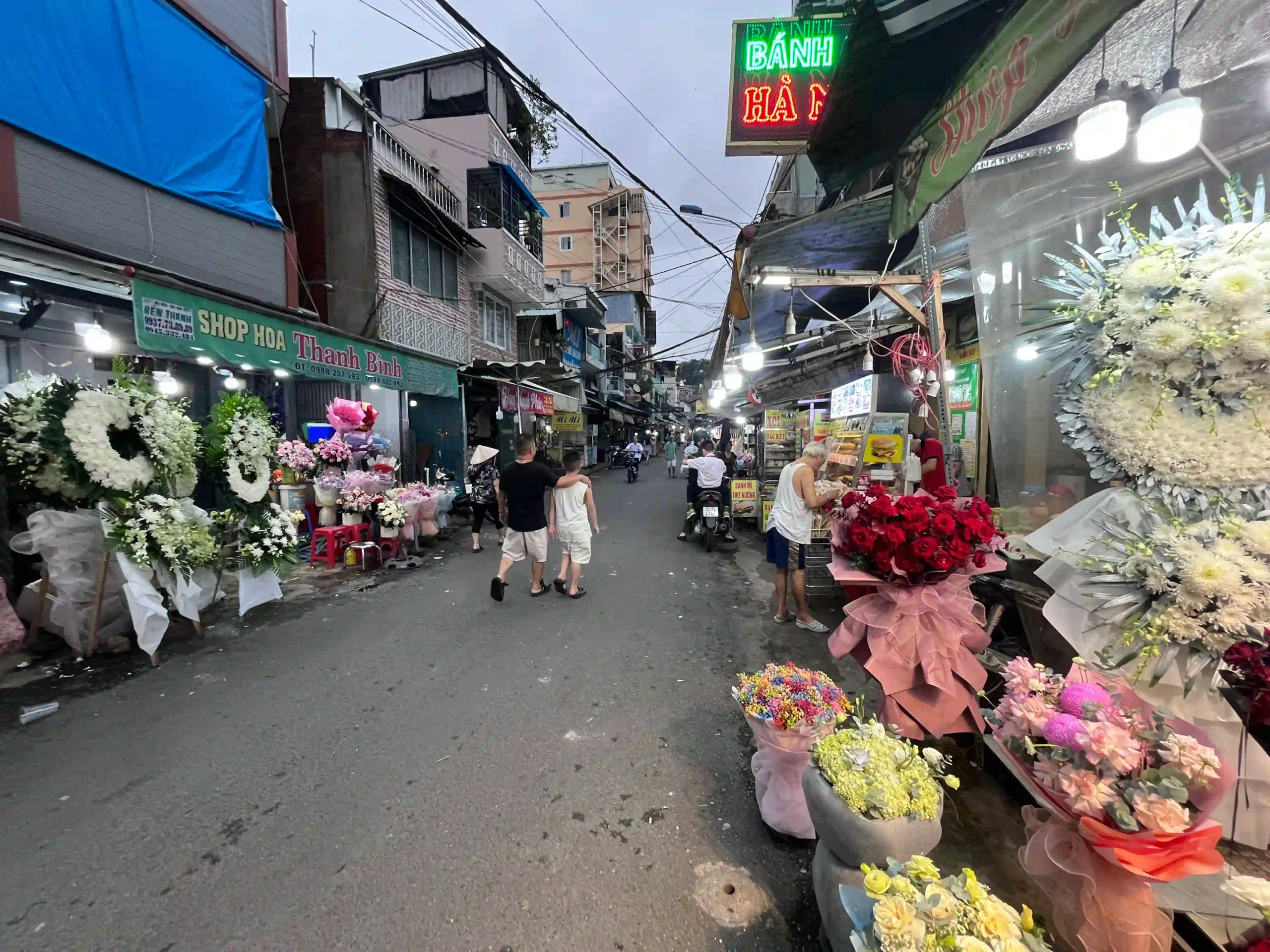
Every morning, trucks arriving from the highlands in Da Lat and the Mekong Delta pull up and unload thousands of fresh flowers into this tight maze of pedestrian streets. From 5:00 AM until late morning, it’s essentially a functioning wholesale floristry depot. You just walk past massive stalls filled heavily with lotuses, roses, and sunflowers wrapped in newspaper. It’s colorful and extremely photogenic.
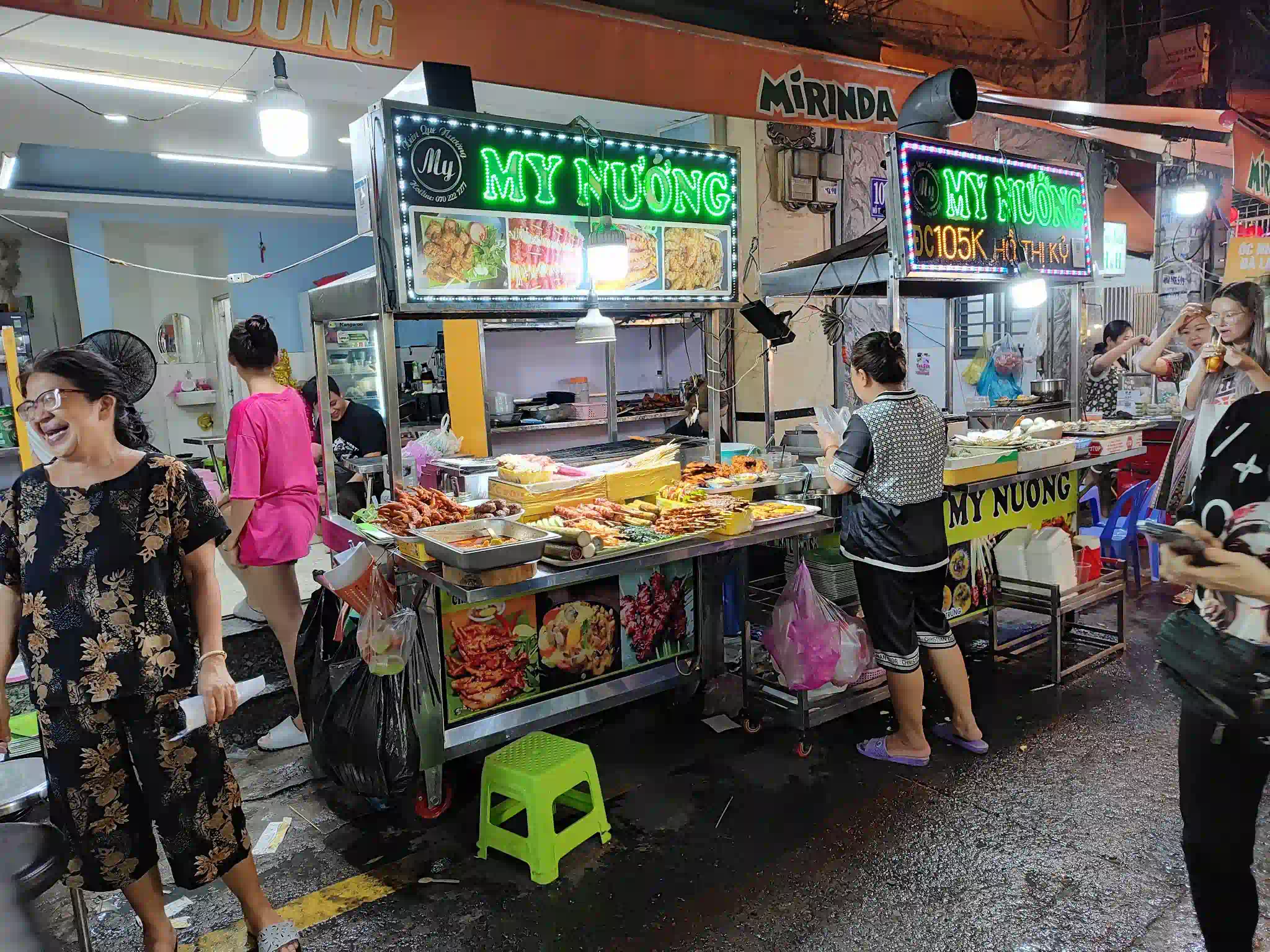
The evening shift: Once the flower trading calms down later in the day, Ho Thi Ky transitions smoothly into one of the dense street food streets in town.
District 10 houses a notable Cambodian-Vietnamese population. When you come here at night, you can find regional food you don’t easily spot in the center: Cambodian num banh chok (fermented rice noodles in fish gravy), massive snail stalls, beef skewers grilled with lemongrass, and small glass carts selling sweetened crab soups.
You walk the lane, order a bunch of small items, sit on very small stools, and maneuver your knees out of the way as delivery bikes scrape slowly past the crowds. It’s less drinking-focused than Bui Vien and completely oriented around local grazing.
7. Fito Museum (Museum of Traditional Vietnamese Medicine)
I sometimes suggest this place when someone tells me they have grown tired of French colonial history and war documentation, or simply if it starts raining heavily.
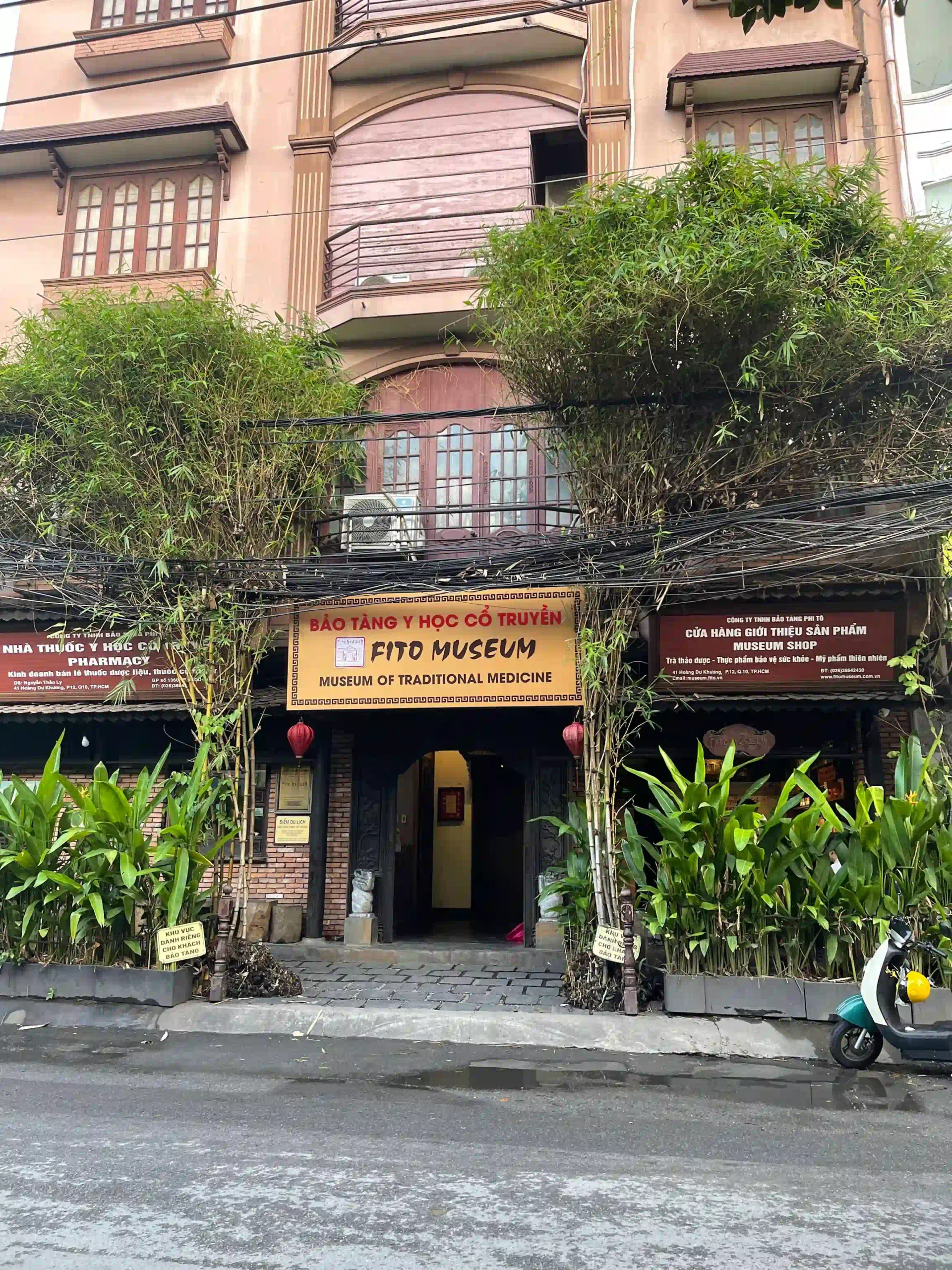
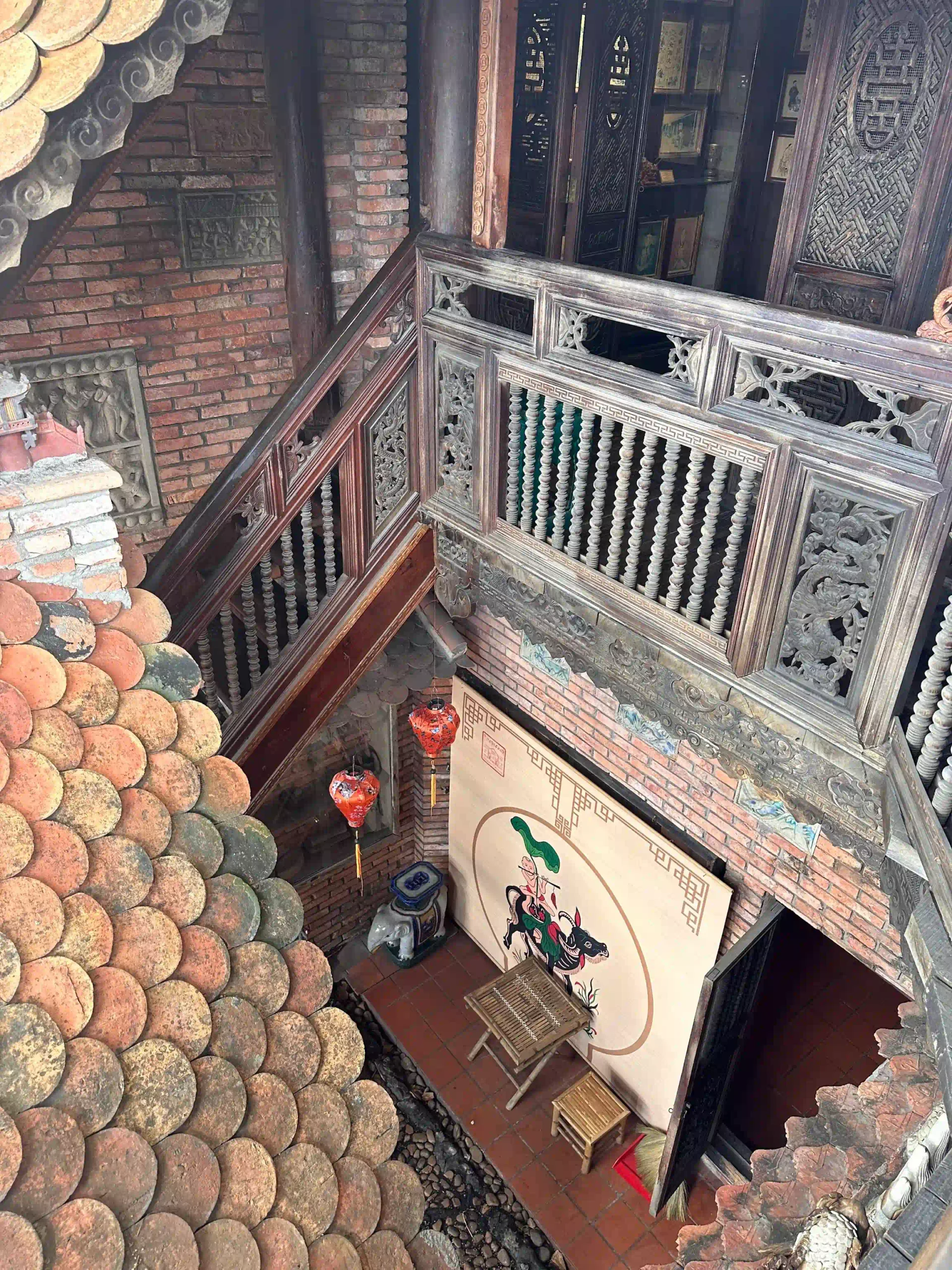
The Fito Museum sits on Hoang Du Khuong street, also up in District 10. The museum layout itself is fascinating. They built a towering five-story building composed mostly of intricately carved dark timber that smells faintly of wood resin and old dried roots.
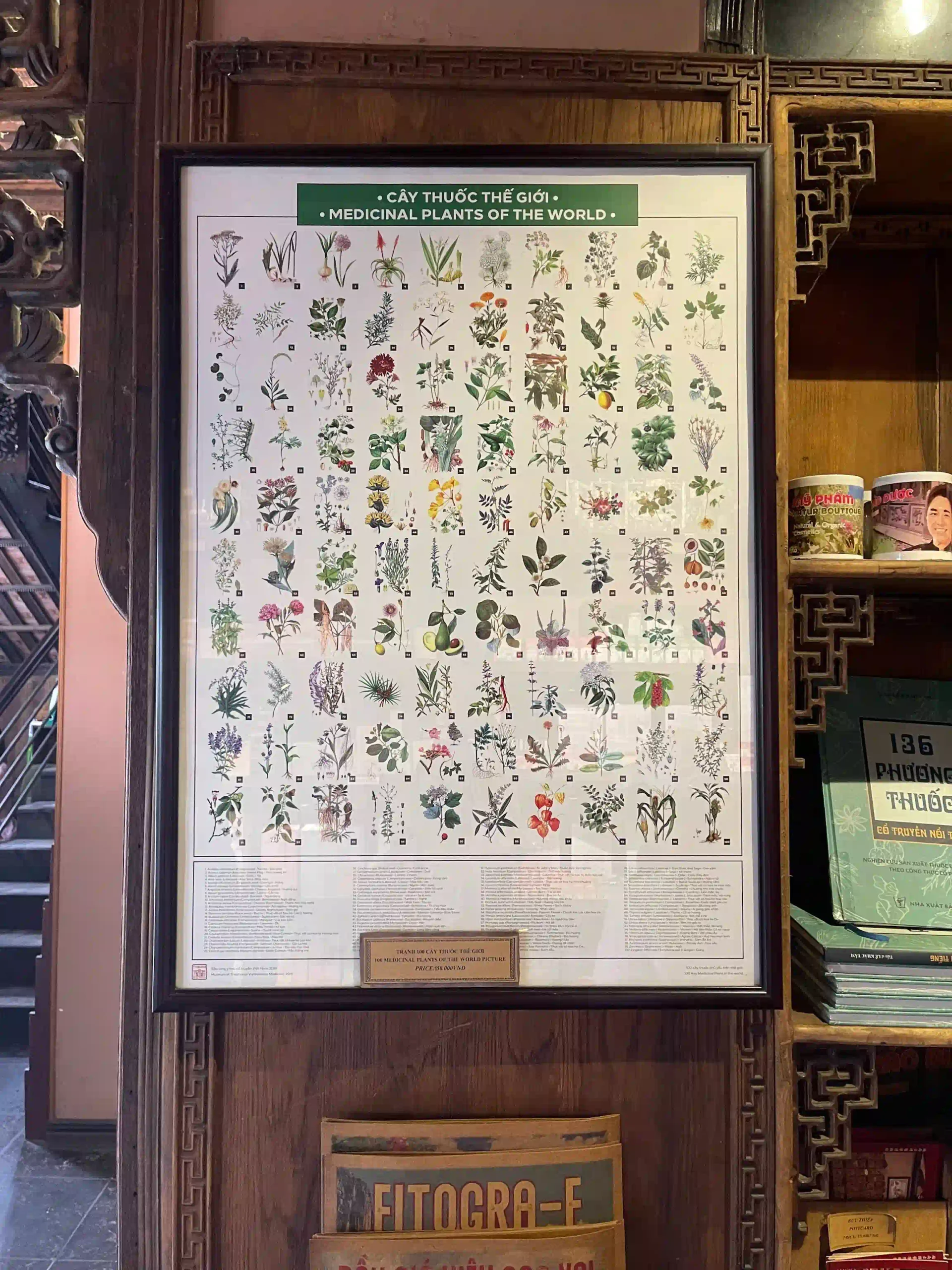
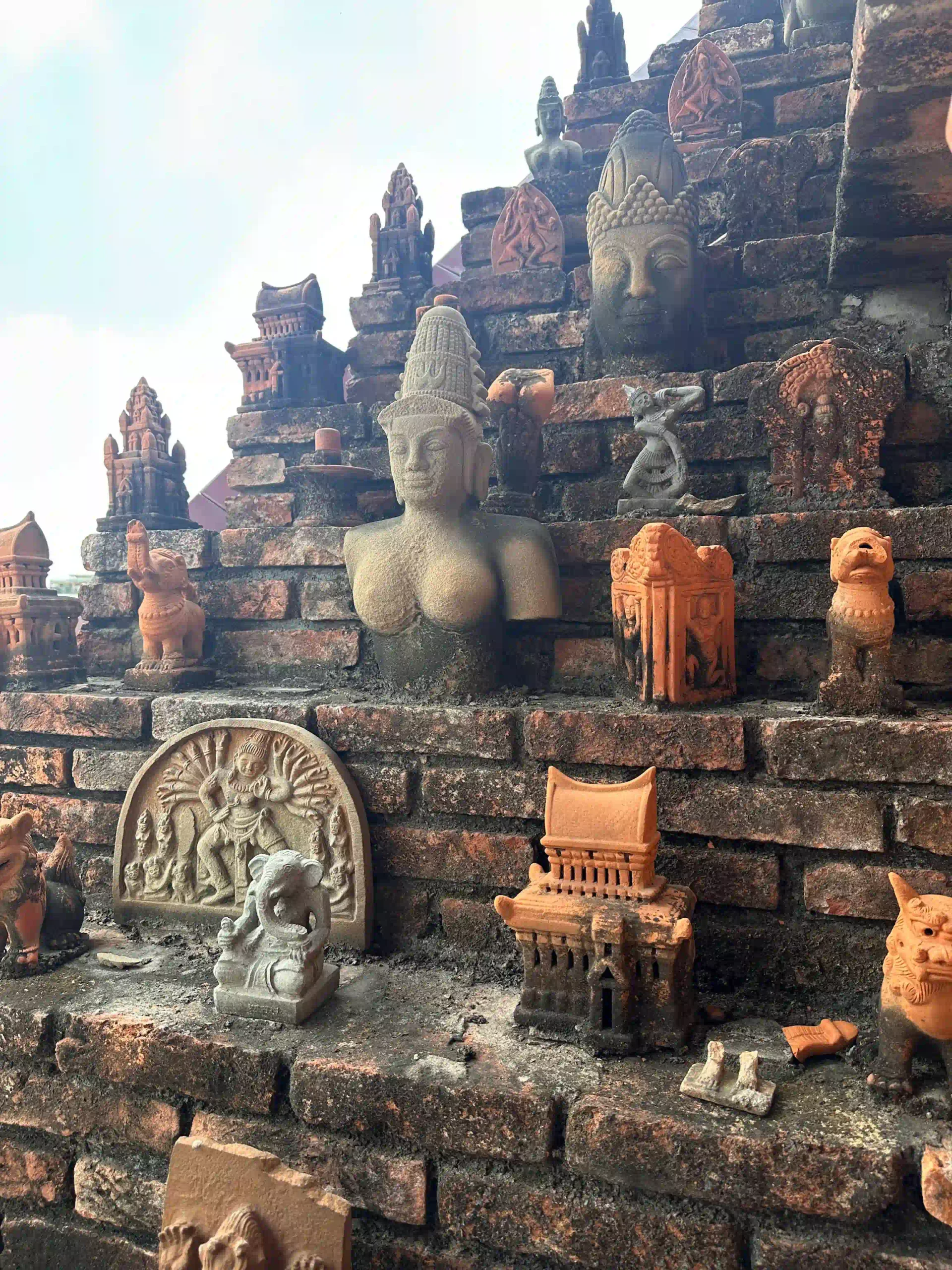
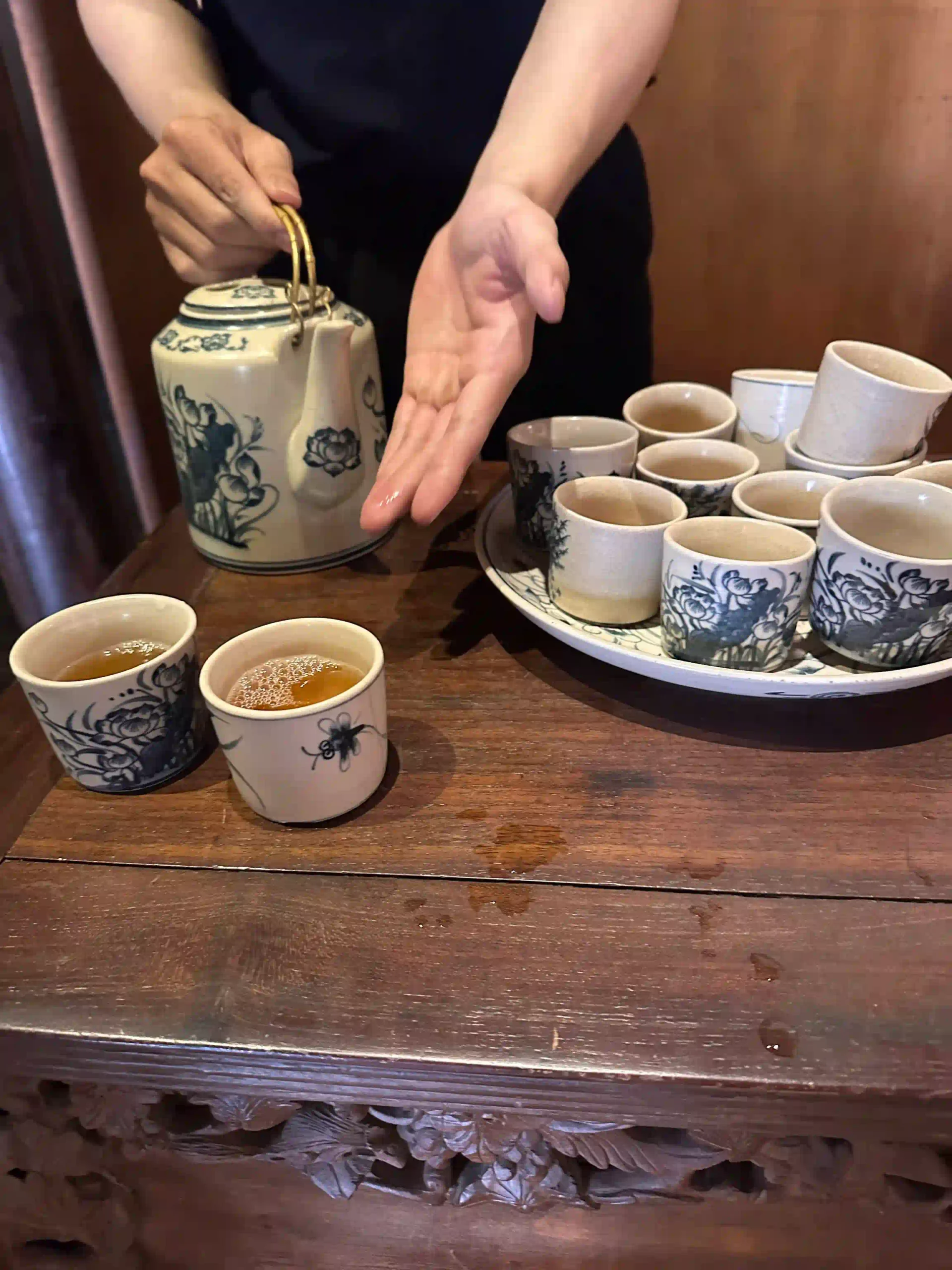
The exhibitions map out the long regional history of utilizing herbs, roots, tree bark, and minerals to cure illnesses. They hold vast collections of antique ceramic tea pots, bronze scales used to measure ingredients, and old medical prescription documents. It feels a bit like stepping into a traditional apothecary shop that expanded and took over a large townhouse.
The space is relatively narrow, containing wooden staircases that lead between quiet exhibition floors. It is also one of the rare indoor cultural Ho Chi Minh city attractions that runs excellent air conditioning throughout, meaning you don’t end up dripping in sweat like at the Fine Arts Museum.
Tickets: Standard adult ticket currently sits higher than municipal museums, at around 180,000 VND (about $7). Open from 8:30 AM to 5:00 PM daily.
8. Landmark 81 and the Central Park
If you use the new Metro Line 1, accessing Landmark 81 is fairly simple now compared to taking long car rides. You get off the train around Tan Cang Station in the Binh Thanh District.
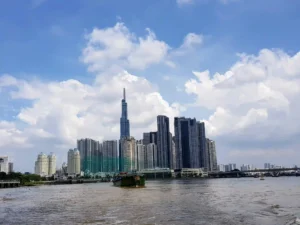
This skyscraper was completed a few years ago. It heavily reflects modern Vietnamese economic ambition, standing 461 meters tall with a design supposedly inspired by bundled bamboo. It’s the visual anchor for a massive, affluent riverside residential project called Vinhomes Central Park.
You can buy an entrance ticket to access the SkyView observation deck at the very top of the tower. It’s quite an expensive ticket, commonly well over 500,000 VND. I mostly skip it because watching the city from that high up simply abstracts all the chaos down to tiny moving dots, removing the specific grit that makes Saigon interesting.
Instead, the attraction for me is walking around the base level and visiting Vinhomes Central Park. The developers invested massive amounts of money into reclaiming a stretch of the riverfront. It features manicured green lawns, Japanese koi ponds, public barbecue areas, and long pathways where locals take evening walks with expensive dogs.
Sitting on a park bench here and looking back up at the 81-story glass monolith provides a surreal contrast to the dirty, cluttered local noodle alleys just ten minutes back across town.
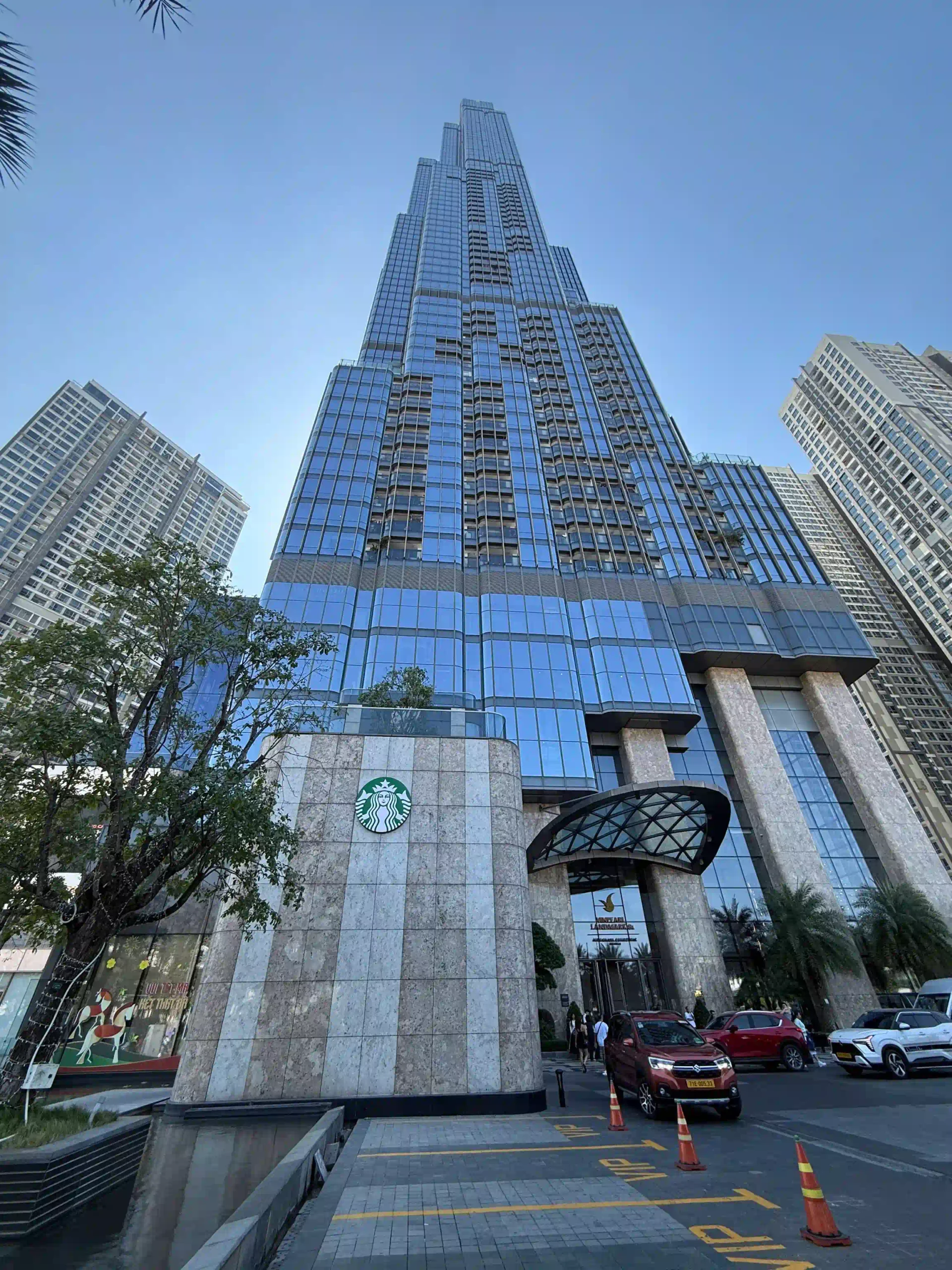
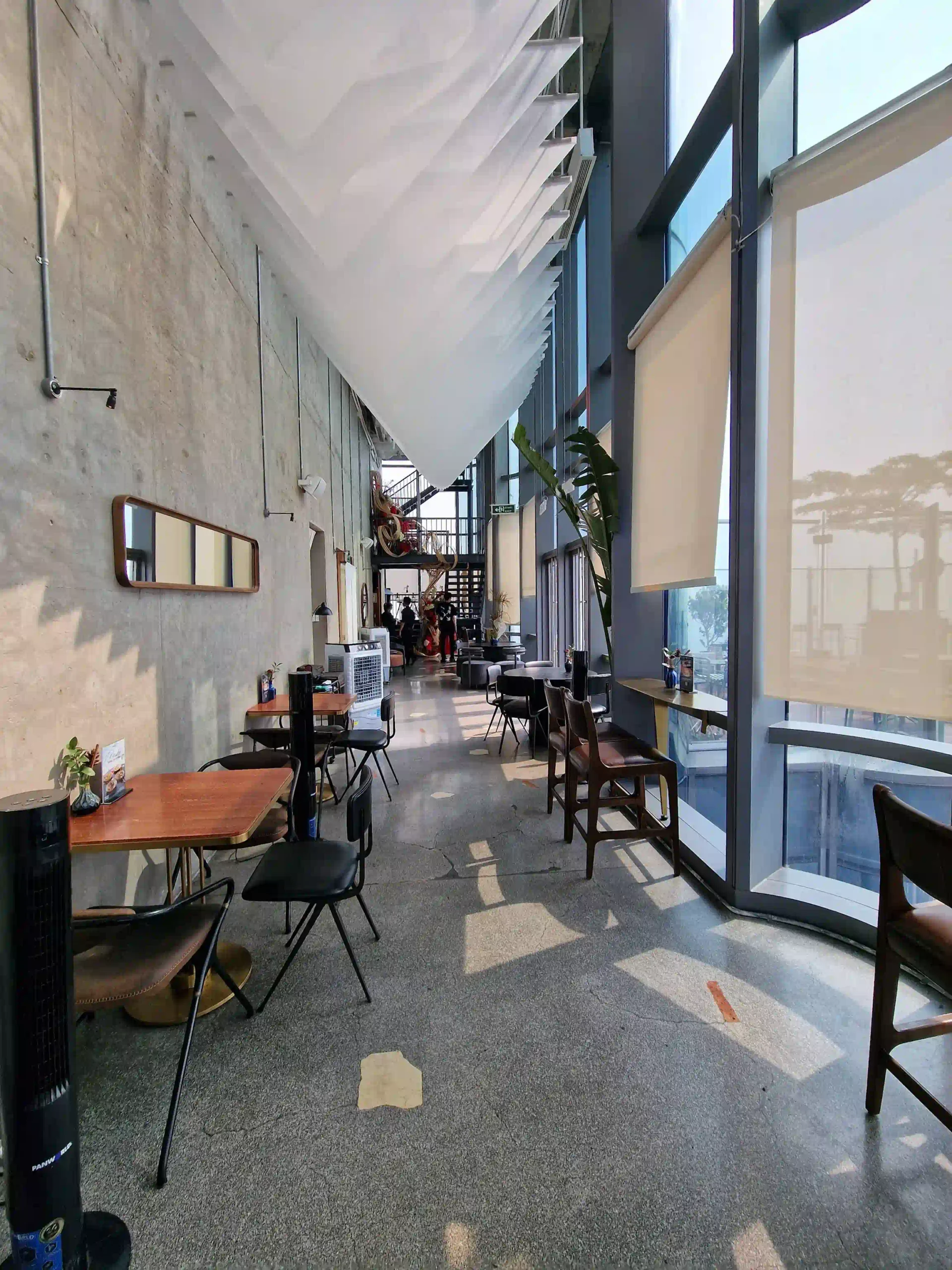
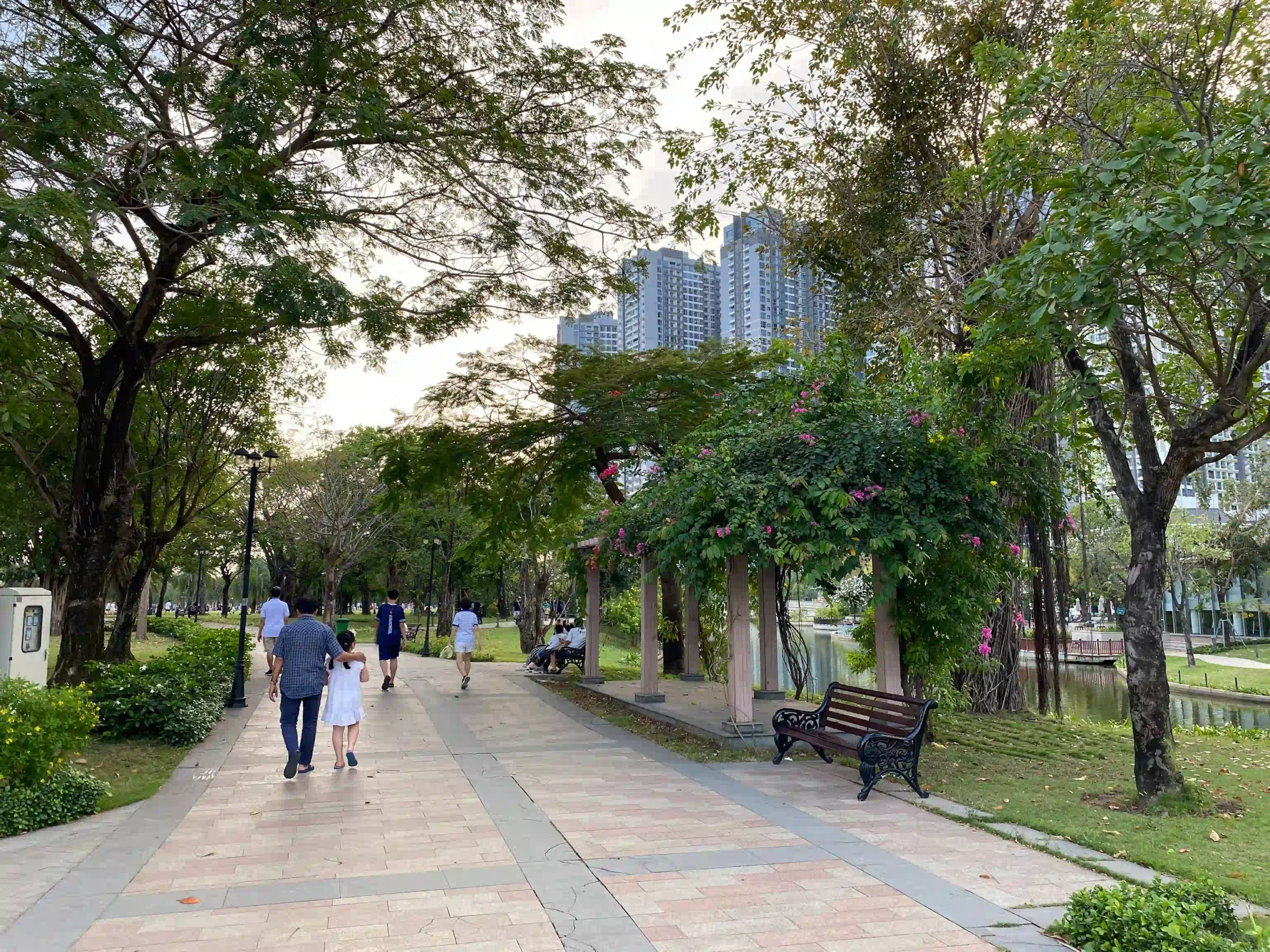
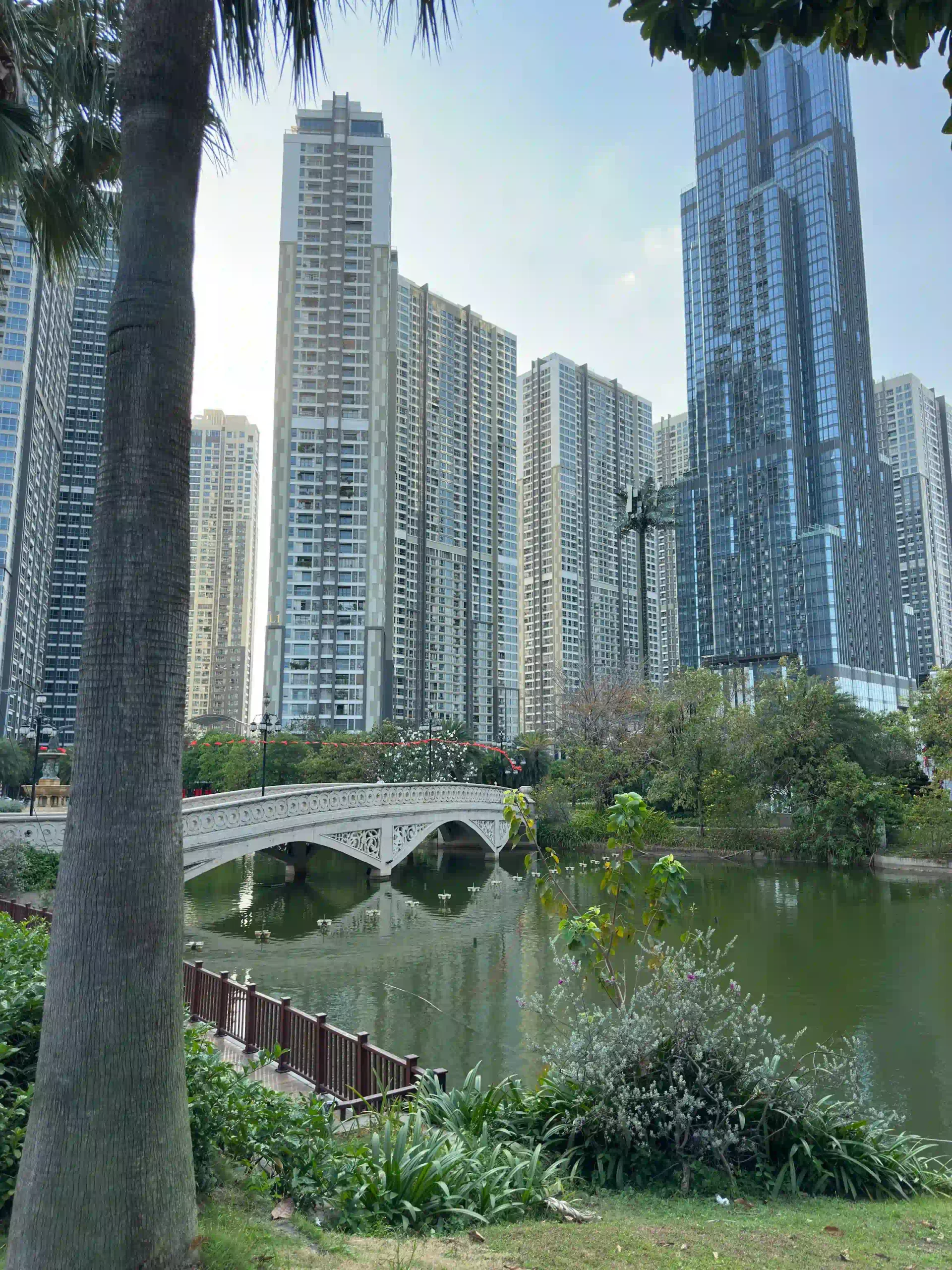
9. Tan Dinh Church (The Pink Church)
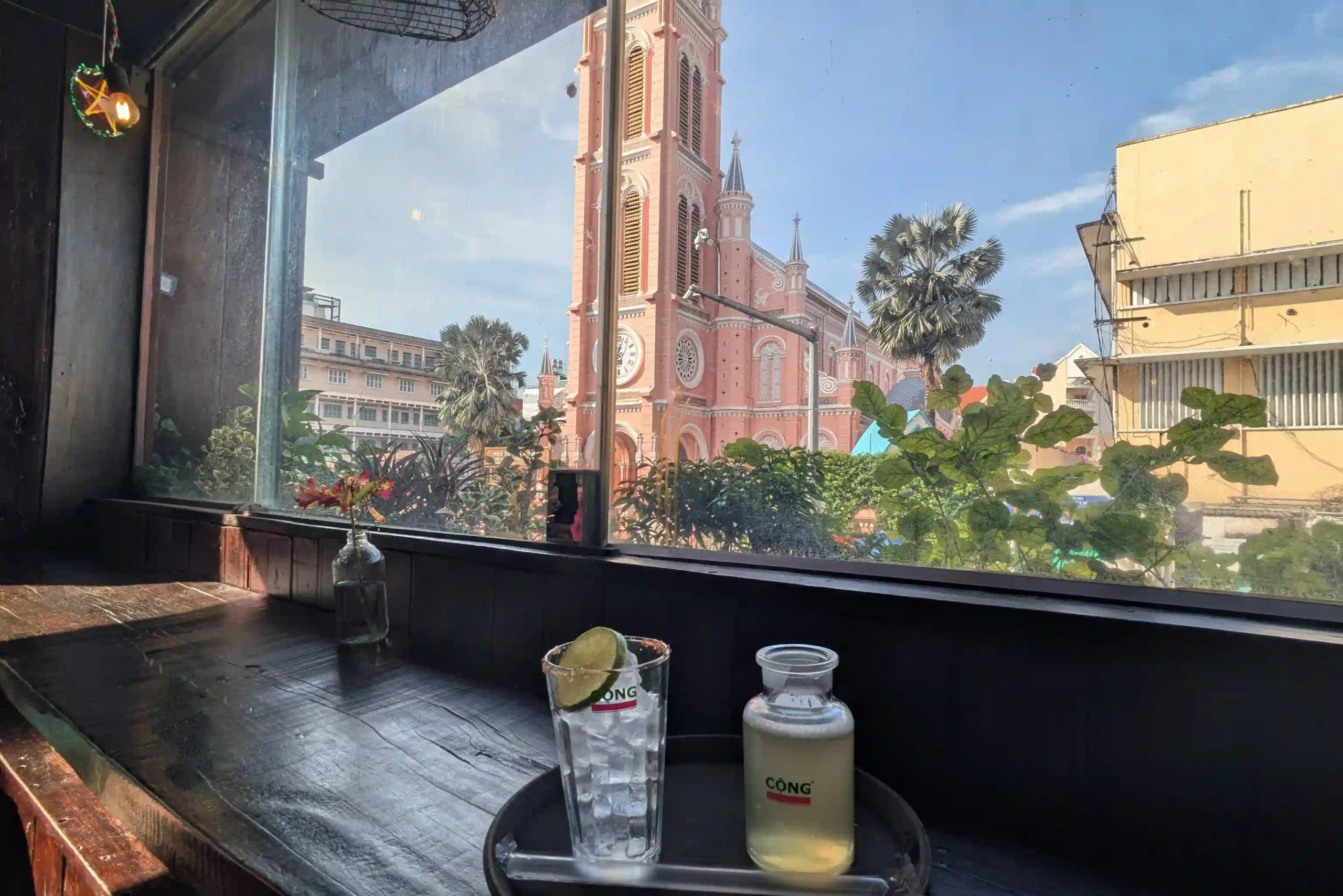
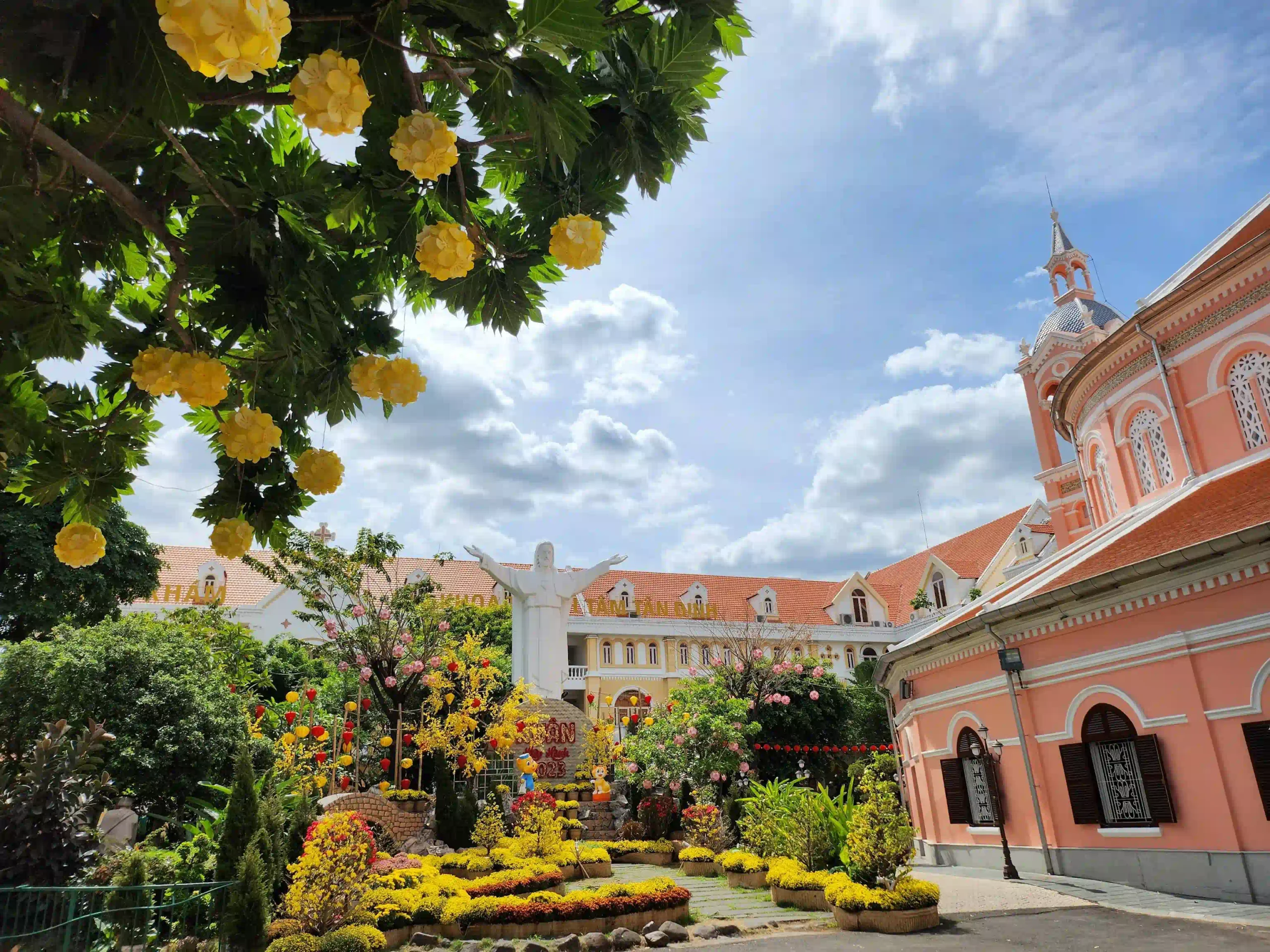
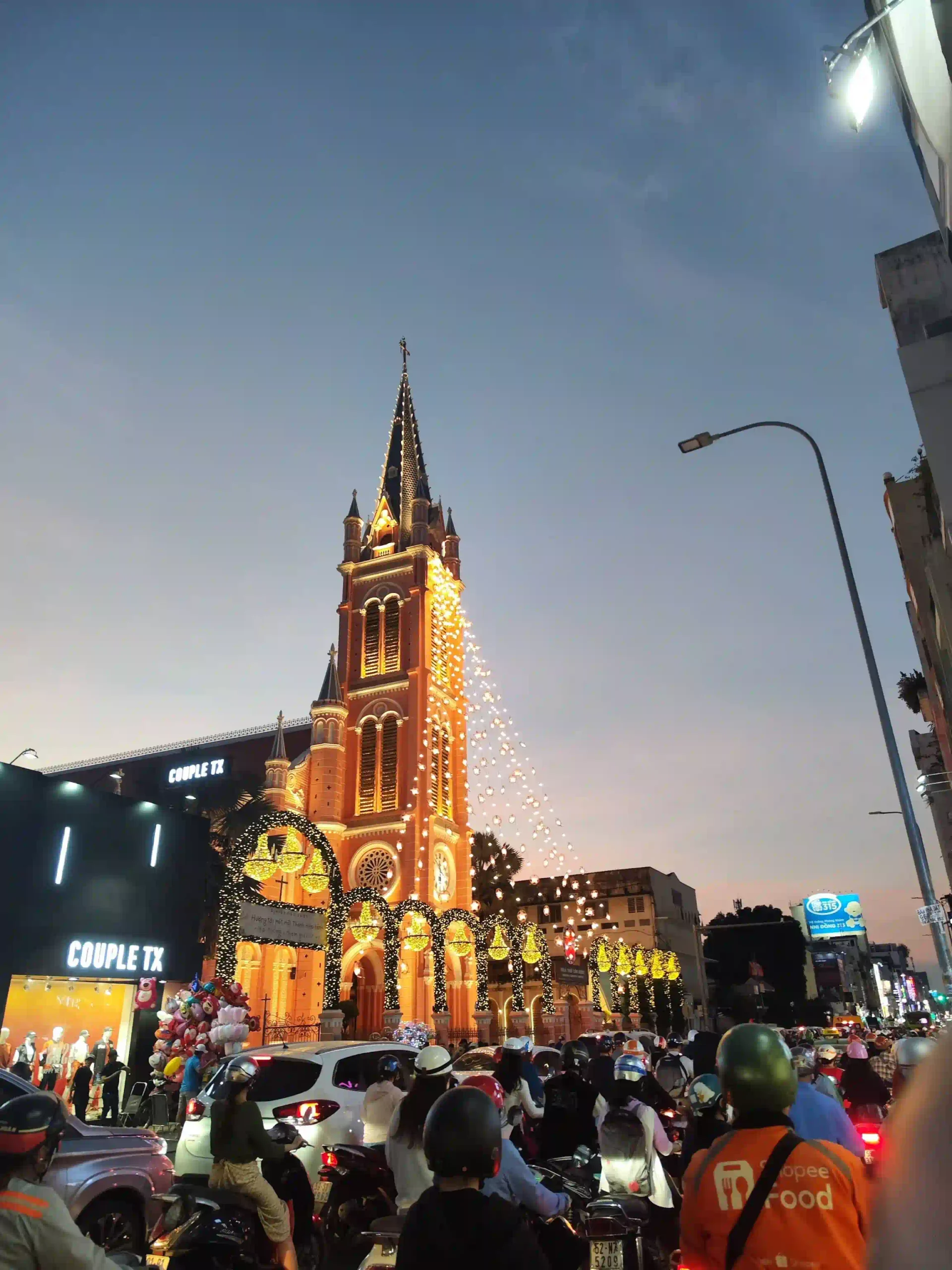
Sometimes visually strange things become permanent fixtures on the map. The Tan Dinh Church sits directly on Hai Ba Trung street in District 3. The exterior brickwork and towers are painted completely in an unmissable shade of salmon pink.
Originally built during the 1870s when the French held control over municipal planning, it continues operating today for Catholic mass services. The Romanesque architecture is impressive, but everyone really only comes to photograph the bold pink color.
A bit of advice: You generally can’t walk deep inside to wander the sanctuary unless mass is scheduled. A large fence and gates block the main doors most days to stop crowds from treating a working religious site strictly like a social media backdrop.
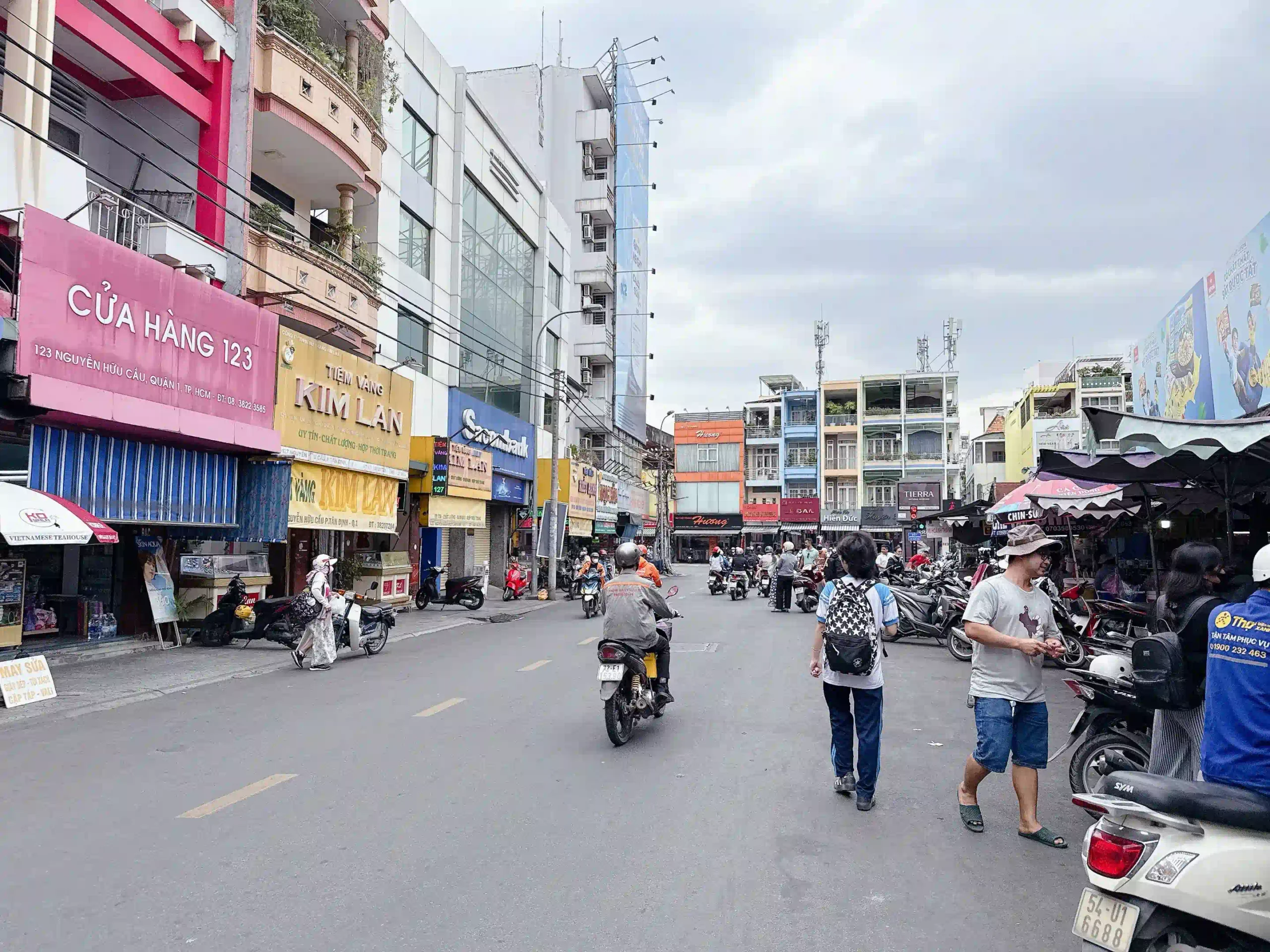
It remains a decent stop though because right across the street sits Tan Dinh Market. While tourists crowd Ben Thanh, the people living around District 3 usually go here for cloth, wholesale coffee beans, dry nuts, and casual dining stalls inside.
Spending ten minutes snapping a photo of the church from the pavement across the road, then ducking inside the shaded market building, is the normal routing here.
10. Bach Dang Wharf Park & Me Linh Square
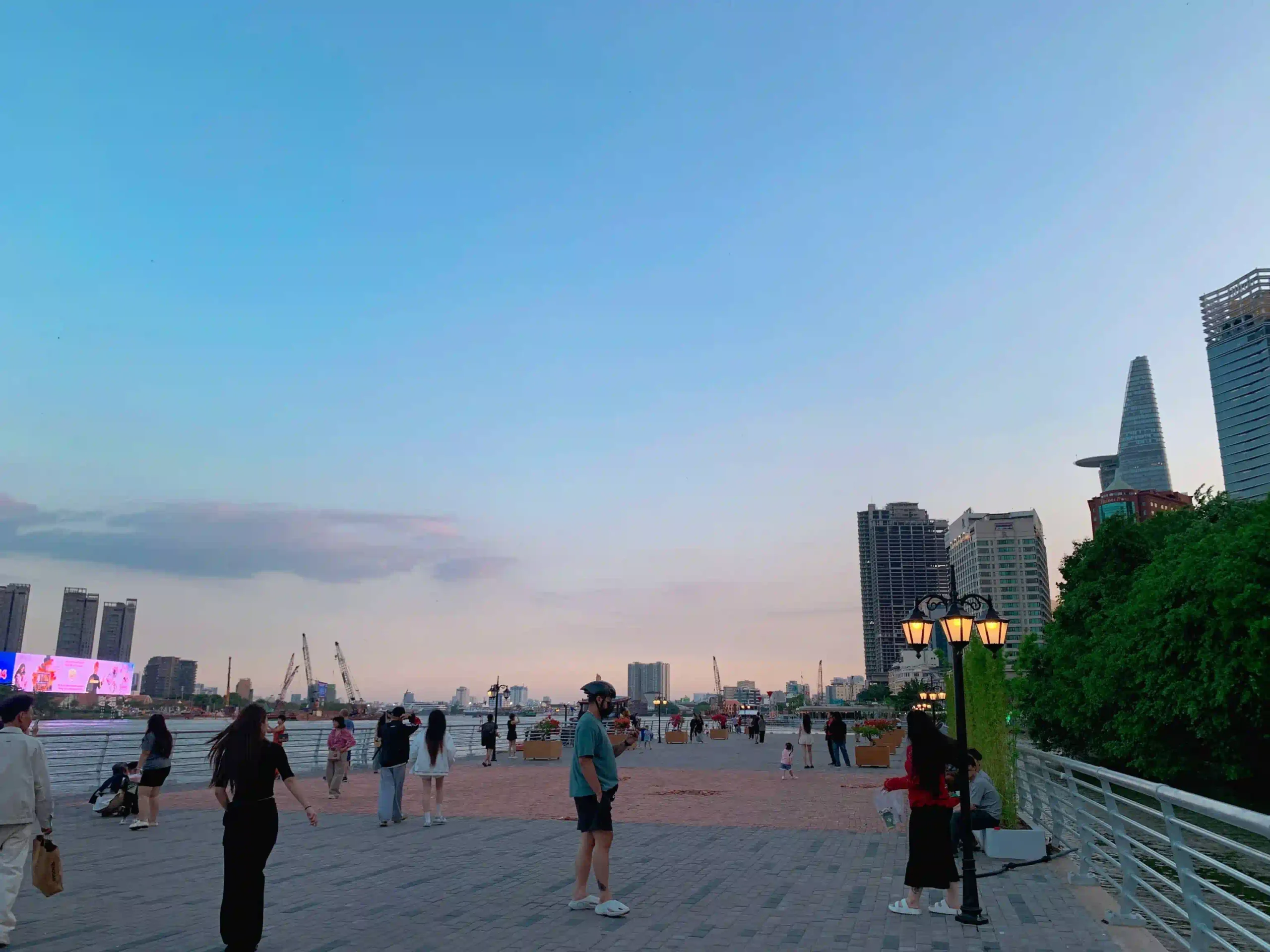
Ending the day around the waterfront is common local practice. Bach Dang Wharf Park is a strip of paved green space running parallel to the Saigon River right next to the busy Ton Duc Thang road.
The city revamped this promenade recently. Now it operates essentially as an evening communal space. It starts catching a slight river breeze past 4:30 PM as the harsh sunlight finally gives way.
You’ll see dozens of local groups unfold cardboard, sit cross-legged directly on the granite tiles, and share plastic cups of lemon iced tea (trà chanh) while cracking sunflower seeds onto the ground.
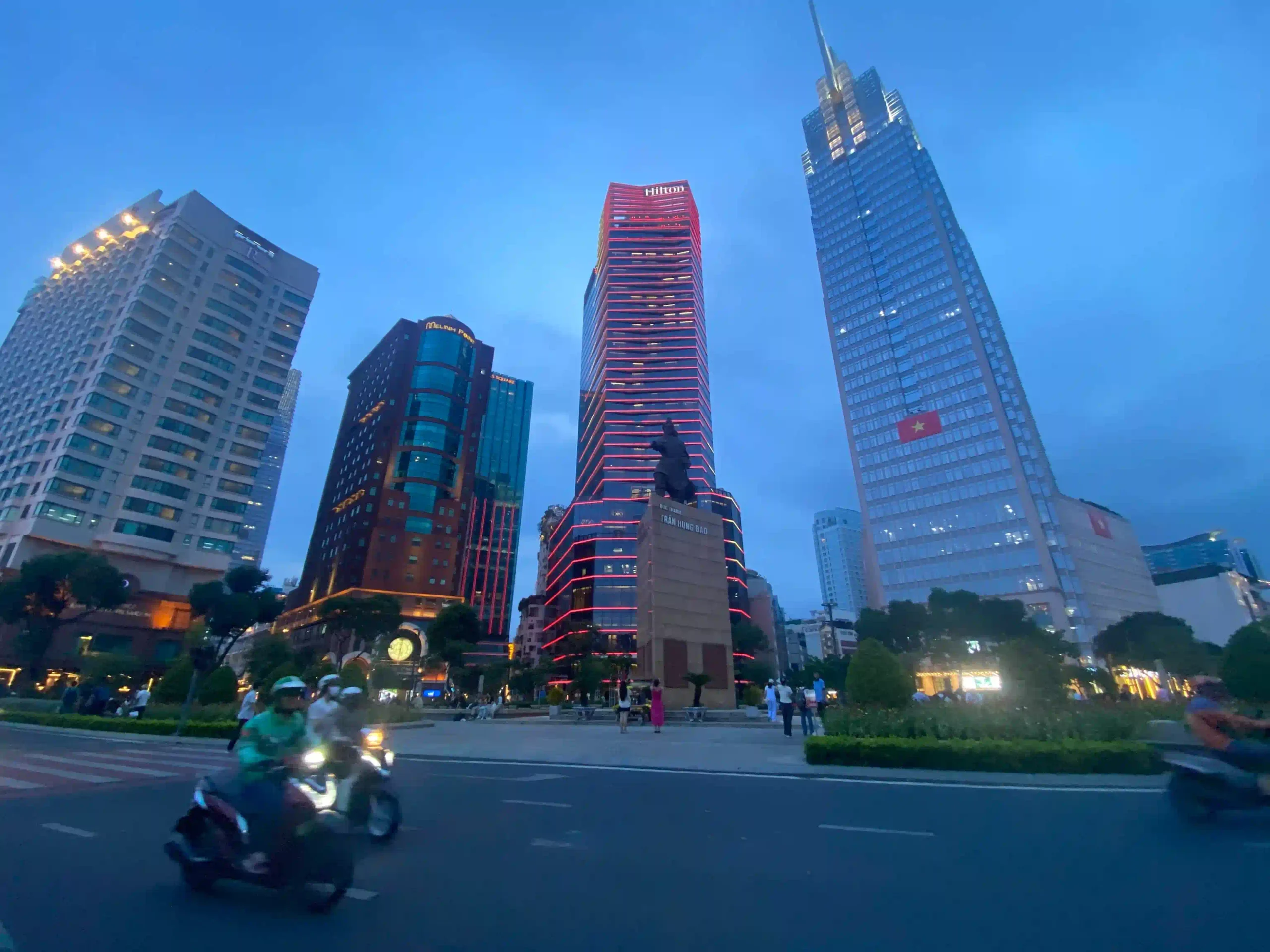
From the promenade walls, you stare across the river current toward the new Ba Son bridge stretching toward the developing Thu Thiem peninsula. Over behind you, the iconic helipad jutting out from the top of the Bitexco Financial Tower dominates the central skyline.
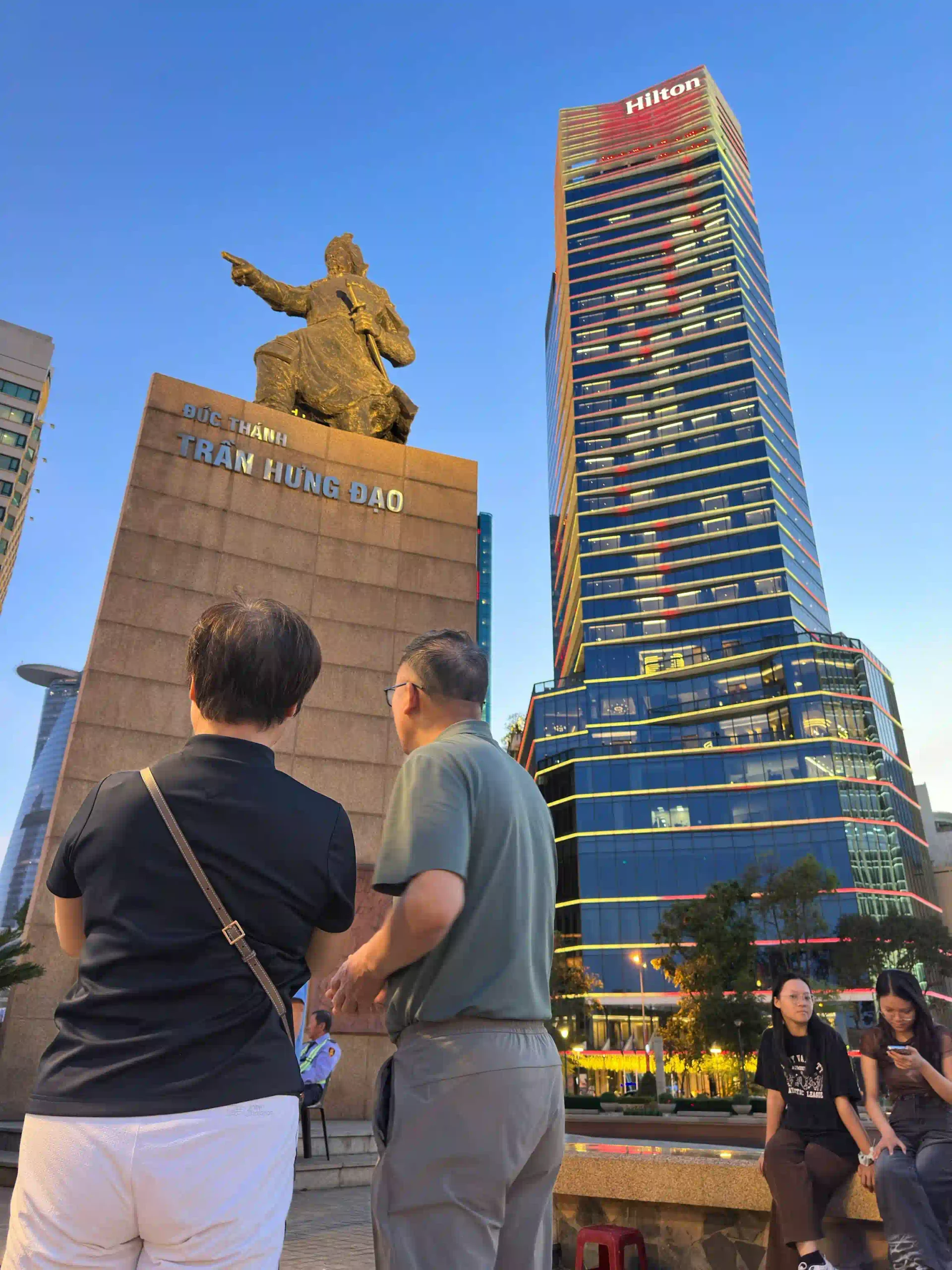
If you walk south slightly toward Me Linh Square, you will find the bronze statue of Tran Hung Dao, the medieval military commander, standing guard pointing down to the water. There aren’t tickets here. It’s purely just claiming some paved territory near the railing, drinking cheap iced tea, and listening to the ships passing in the dark while waiting for your hotel room to cool down.
The Pricing Sheet for Top Ho Chi Minh city attractions (2026)
Here’s an immediate overview if you need to calculate cash needed per day for Ho Chi Minh city attractions. Keep in mind entrance policies shift annually.
| Location Name | Core District | Purpose/Theme | Approximate Entrance Fee (VND) |
|---|---|---|---|
| Central Post Office | District 1 | French Colonial Design | Free |
| Fine Arts Museum | District 1 | History & Painting | ~30,000 |
| Jade Emperor Pagoda | District 1/3 border | Local Religion & Incense | Free (donations accepted) |
| Saigon Waterbus | Departs D1 Wharf | Scenic River Travel | ~15,000 (basic seat) |
| Weapons Bunker | District 3 | Specific War History | ~30,000 |
| Ho Thi Ky Market | District 10 | Street Food / Flowers | Free entry, pay per meal |
| Fito Museum | District 10 | Traditional Medicine | ~180,000 |
| Landmark 81 | Binh Thanh | Mega-Tower View | Tower deck is 800k+. Park is Free |
| Tan Dinh Church | District 3 | Pink Catholic Heritage | Exterior is Free |
| Bach Dang Park | District 1 (Waterfront) | Riverfront public views | Free |
Basic Tips for City Exploration
You learn fairly quickly when compiling Ho Chi Minh city attractions that geography isn’t your biggest hurdle; endurance is. Leaving an air-conditioned coffee shop and marching along a main arterial highway looking at a digital map will quickly drain the energy out of a 22-year-old backpacker and a 50-year-old traveler alike.
Because we constantly deal with high volume scooters everywhere we look, a lot of visitors eventually succumb to using ride-sharing. Taking a Grab Bike out from your central hotel near the Cathedral out towards District 10 (where Ho Thi Ky and Fito live) usually requires a very cheap fare. It simply prevents exhaustion. Keep a decent E-Sim installed so the data maps function constantly while moving around without begging cafes for their router codes.
I frequently use Google Maps and pin these Ho Chi Minh city attractions. My suggestion is to chunk them physically. Keep the Fine Arts Museum, the Post office, and Bach Dang Park isolated for District 1 mornings. Do the Secret Bunker, Tan Dinh Church, and Fito over in the inner Districts when you decide you finally want to step out of the tourist hub and into more authentic neighborhood layouts. Look both ways entirely when you walk past buses, secure your mobile phone against fast-passing hands along big avenues, and skip ordering anything complicated at midday if the heat rises early.

Keep Exploring Ho Chi Minh City
-
See & do UltimateMy expat guide to stuffs to do in Ho Chi Minh city ›
-
SpotsThe closest mountain to Ho Chi Minh City for real hiking ›
-
SpotsA day chasing best sunrise, sunset spots in Ho Chi Minh City ›
-
SpotsAo Dai photo tour in Ho Chi minh city, what to expect ›
-
SpotsWhat $50 actually gets you on a Saigon river dinner cruise? ›
-
Route Must readPerfectly Paced Ho Chi Minh City Itinerary for first-timers ›
-
Guide Must readSaigon travel guide from a longtime expat ›











 Tiếng Việt
 한국어
한국어 中文 (中国)
 日本語
日本語 ไทย
ไทย Deutsch
 Español
 Destinations
 Instagram
 Facebook
 X (Twitter)
 Threads
 Tiktok