









 Ha Giang
 Hanoi
Hanoi Ho Chi Minh City
 Ha Long
 Sapa
Sapa Mekong Delta
 Da Nang
 Hue
Hue Hoi An
 Ninh Binh
 Da Lat
 Nha Trang
 Phan Thiet
 Phu Quoc
 Quang Binh
 Quy Nhon
 Vung Tau
 Thai Nguyen





This is the guide for everything practical about visiting Saigon. The deep dives on each topic (visa walkthrough, full transport breakdown, money tips, scams, packing list, etc.) live in separate articles, and I’ll link to those throughout. Think of this page as the orientation. The clusters are the textbook.
If you’re working out where to actually go and what to do, check the main things to do in Ho Chi Minh City pillar guide and the Ho Chi Minh City itinerary planning post. This guide is the boring (but really important) part of trip planning.
- Quick Answer: Saigon is absolutely worth visiting and easier to navigate than its reputation suggests. The main things to know before you come: get a 90-day e-visa online ($25), expect heat year-round, download Grab before you land, bring cash for street food, and stay in District 1 for your first trip.
- Is Saigon Worth It:
- Yes, but it suits a specific kind of traveler. Saigon is fast, hot, loud, and full of life. People who like big, chaotic cities love it. People who want calm and order might find the first day or two hard.
- The food alone justifies the trip. The history is heavier than you’d expect. The energy is what most people remember.
- What to Expect On Arrival:
- Heat hits you first. Then the scooters. Then the smells of street food everywhere.
- The city looks chaotic but works. Locals are warm, patient, and good at helping confused tourists.
- When to Visit:
- Dry season is December to April. Hot but no rain.
- Wet season (May to November) gets one heavy afternoon downpour daily but is workable, cheaper, and less crowded.
- Visa & Entry:
- Most travelers need a 90-day e-visa, $25 single entry or $50 multiple, applied online at evisa.gov.vn.
- Apply at least 2 weeks before your trip. Processing takes 3-5 working days.
- Getting Around:
- Download Grab before you land. It’s the only ride app that matters.
- The new Metro Line 1 opened end of 2024, handy for a few specific routes.
- District 1 is walkable in chunks but you’ll still use Grab daily.
- Money:
- Vietnamese dong (VND), about 25,000 to 26,000 per USD.
- Cash for street food and markets. Cards work everywhere fancier.
- Pull cash from a major bank ATM, not the small kiosk ones.
- Language:
- English is spoken in District 1 tourism areas. Outside that, less.
- Vietnamese has 6 tones and is genuinely difficult. Locals appreciate any effort.
- Google Translate handles most situations.
- Where to Stay:
- District 1 for your first trip, full stop. Walkable, central, every attraction is 10 minutes away.
- $50 to $100 per night gets you something genuinely nice.
- Culture & Safety:
- Saigon is safe. Petty scams happen, violent crime is rare.
- Cover shoulders and knees at temples and the palace.
- Don’t take a taxi from the airport that isn’t Grab or a major company.
- Budget:
- Backpacker: $25 to $40 per day per person.
- Mid-range: $50 to $100 per day per person.
- Comfortable: $150+ per day per person.
Is Ho Chi Minh City Worth Visiting?
I get asked this a lot, weirdly often by people who already booked their flights… The honest answer: yes, but it suits a specific kind of traveler.
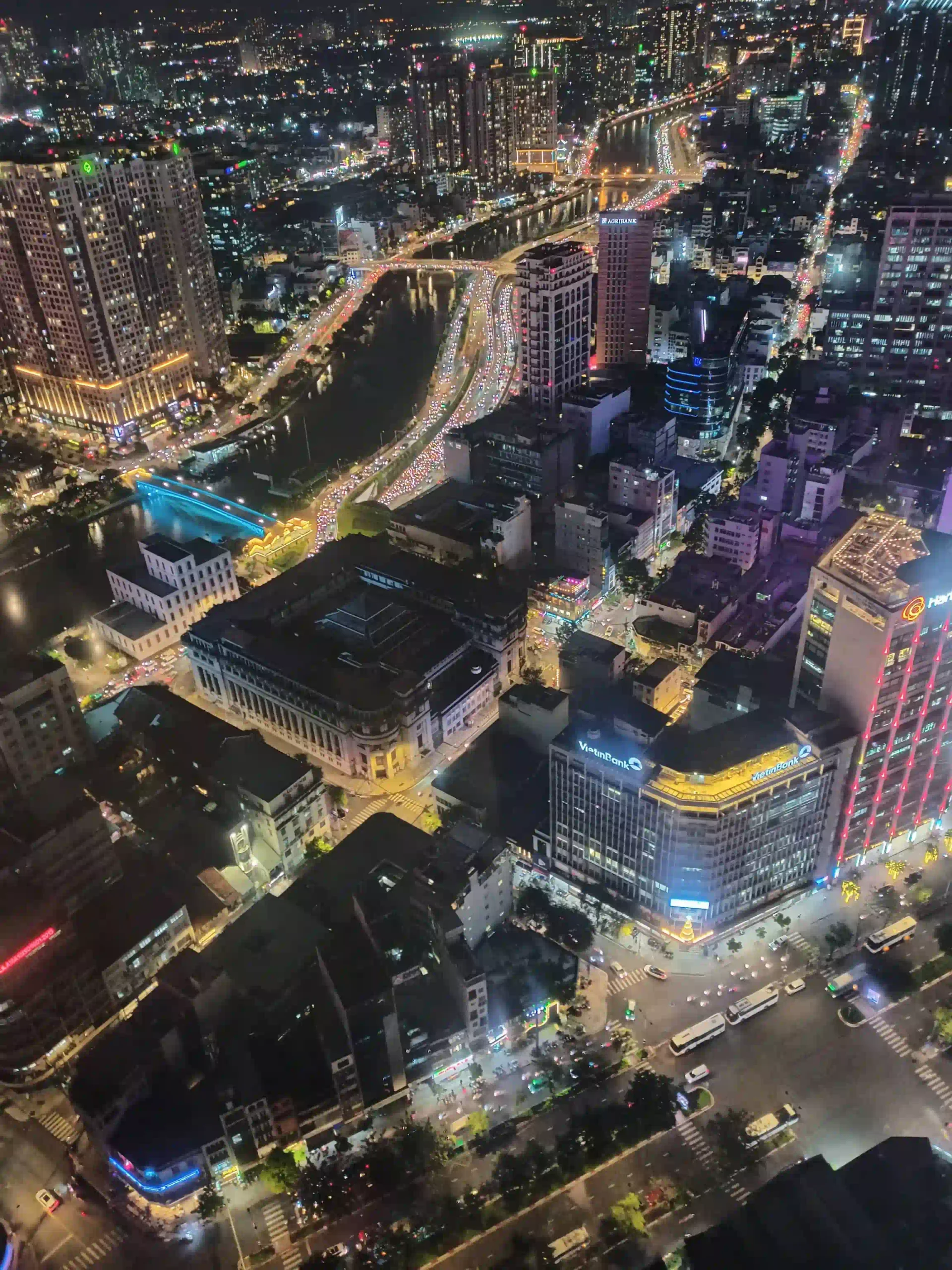
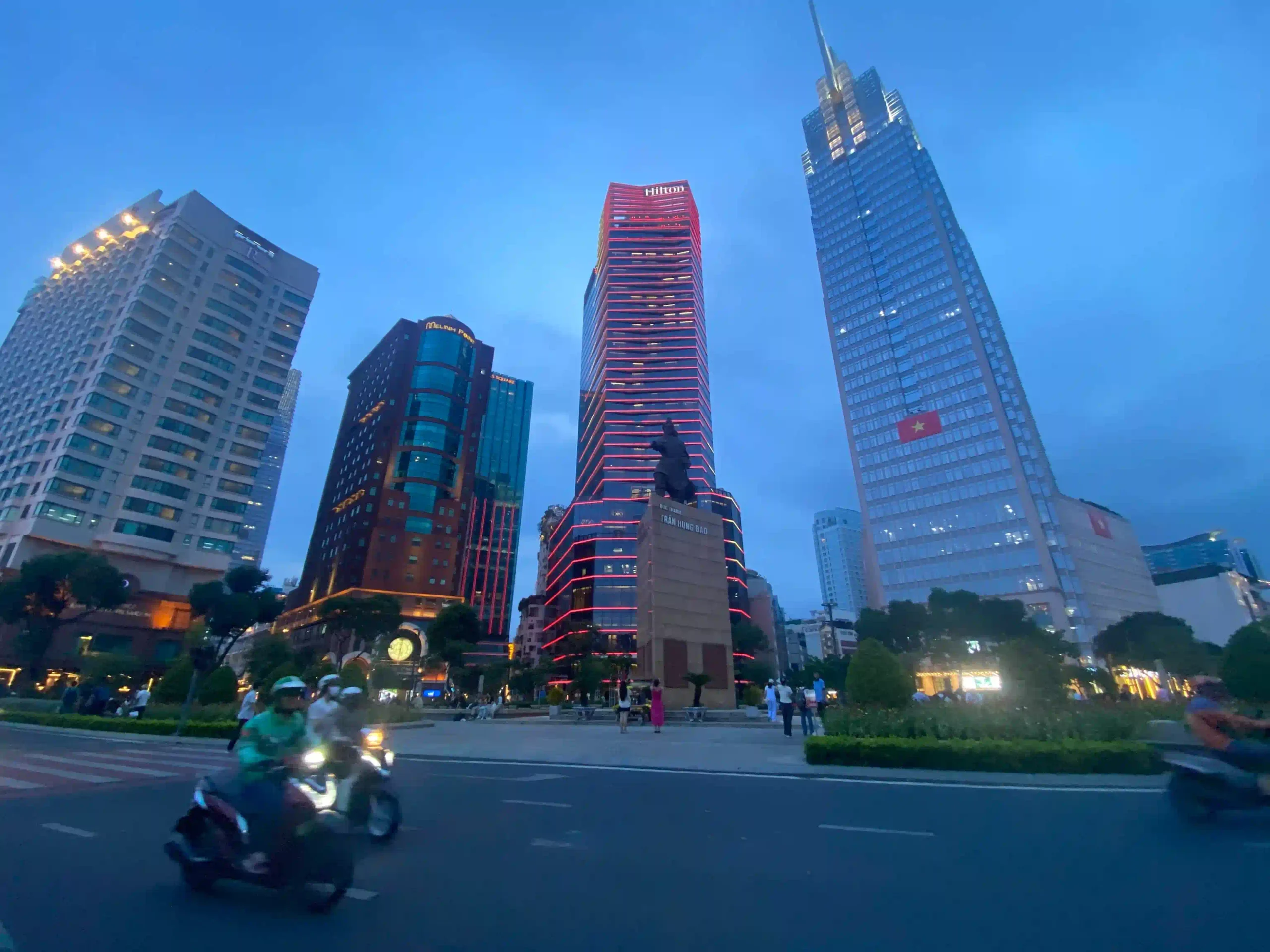
Saigon is not a quaint, ordered, photogenic city. It’s not Hoi An, it’s not Luang Prabang, it’s not the version of Vietnam you see on Instagram. It’s a working city of around 9 million people, fast and noisy and a bit grimy in parts, with very few “iconic” landmarks compared to other Southeast Asian capitals.
What it has instead is energy. The food culture here is one of the best in the world. The history (especially around the American War) is genuinely affecting. The coffee scene is world-class. And the city actually feels like a place where things happen, not a museum of itself.
So if you’re the kind of traveler who likes big, alive, slightly chaotic cities, Saigon will probably become one of your favorite places. If your ideal trip is slow, quiet, and ordered, you’ll find the first 48 hours tough.
If you’ve only got time for one Vietnamese city and you want temples and ancient streets and lakes, go to Hanoi. If you want the energy of where the country is going, Saigon’s the call.
Most people who actually have time do both and just say they’re different.
What Saigon Is Actually Like
Three things hit you when you walk out of the airport.
The heat is the first. Even in “cool season” it’s high 20s Celsius in the morning. The humidity makes everything feel hotter than the thermometer says. I still sweat my way to coffee every morning.
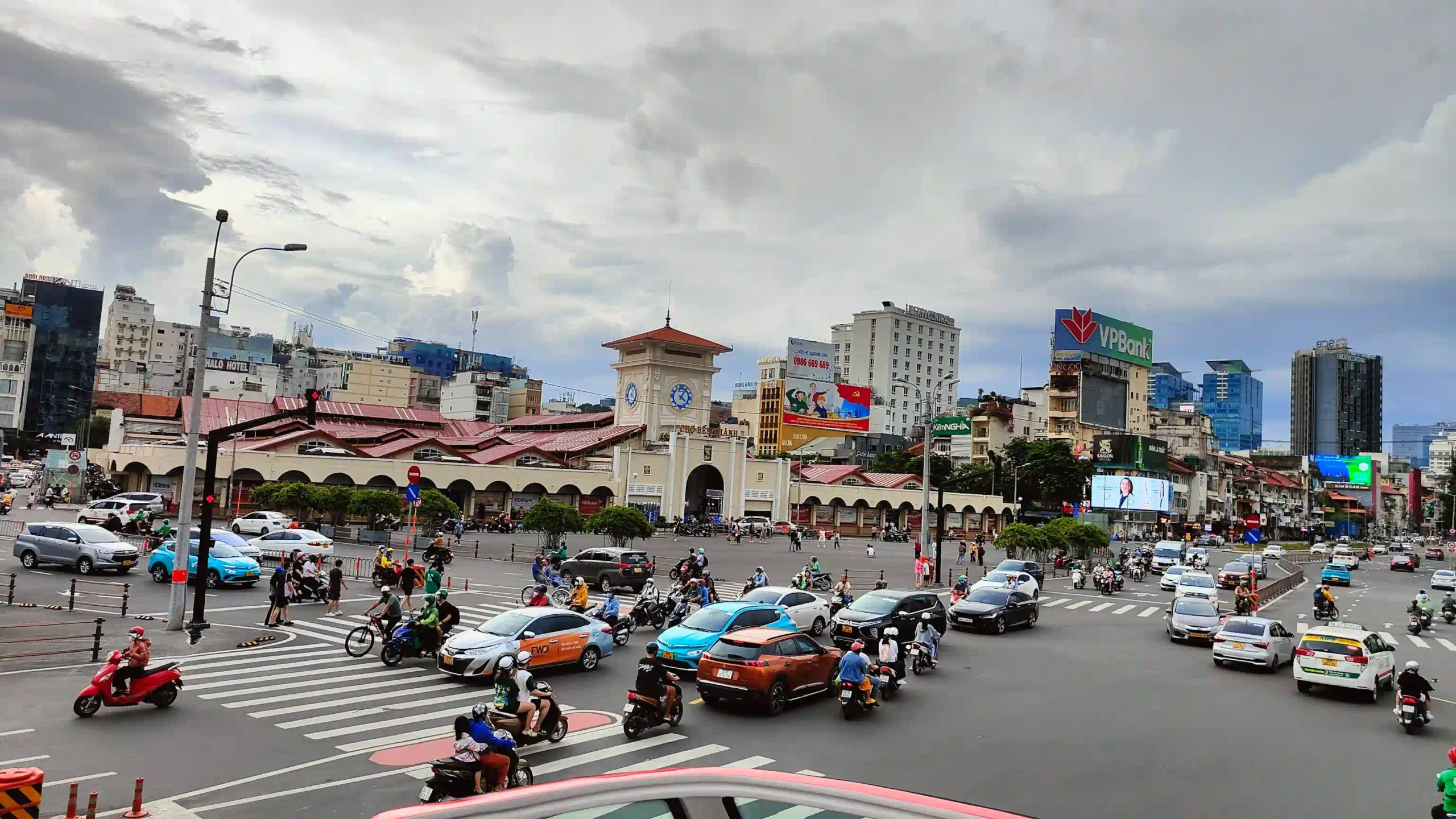
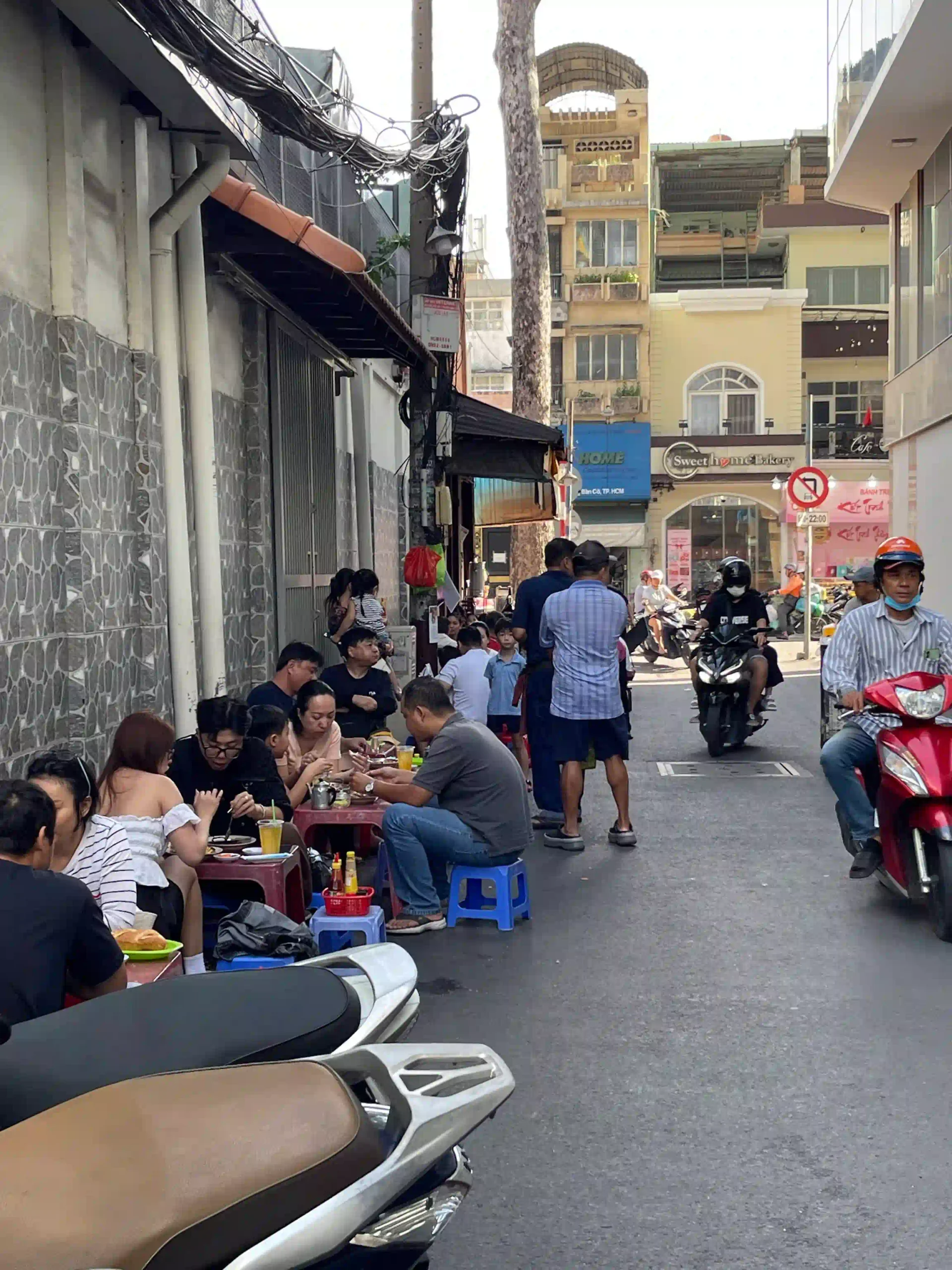
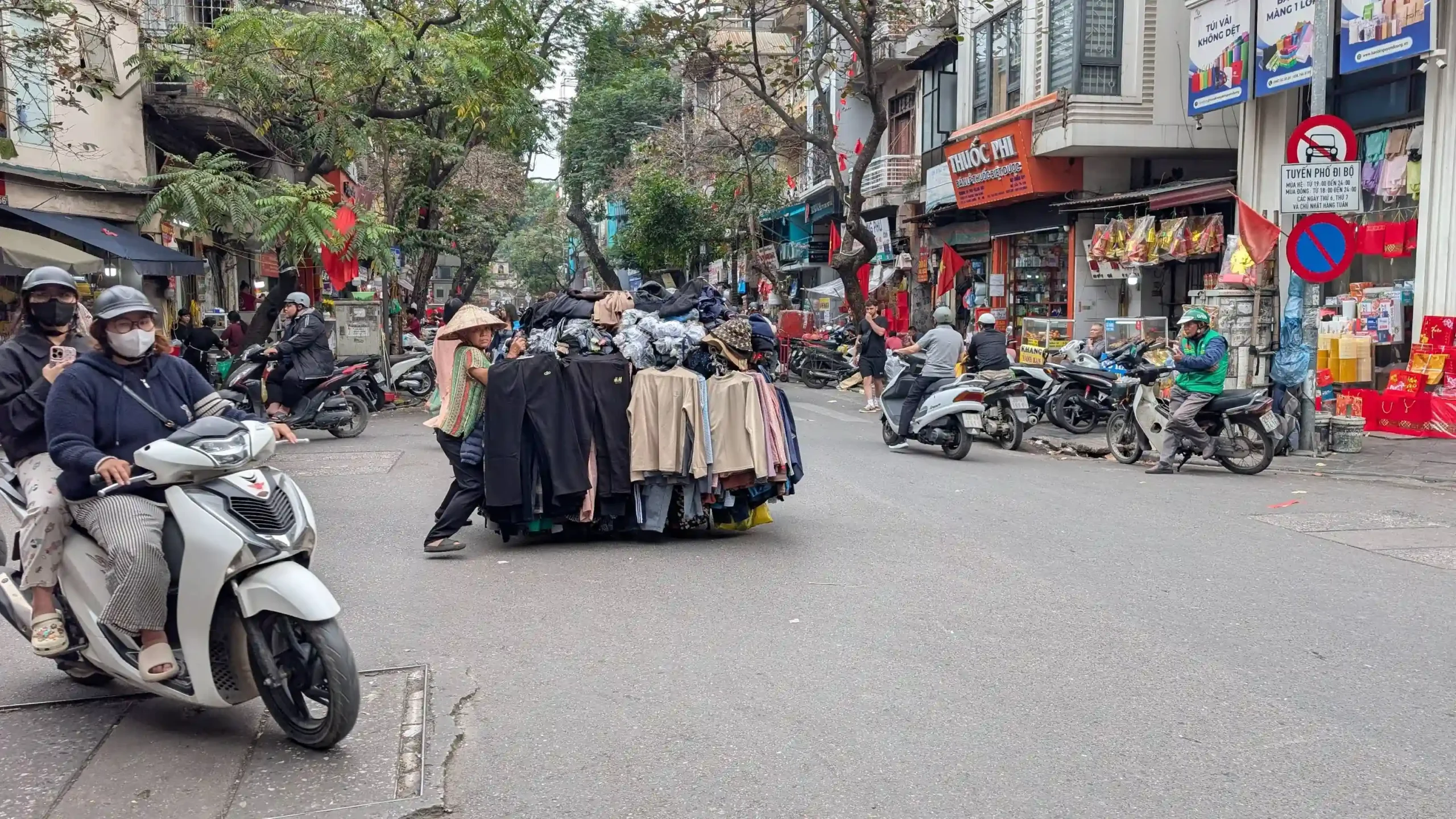
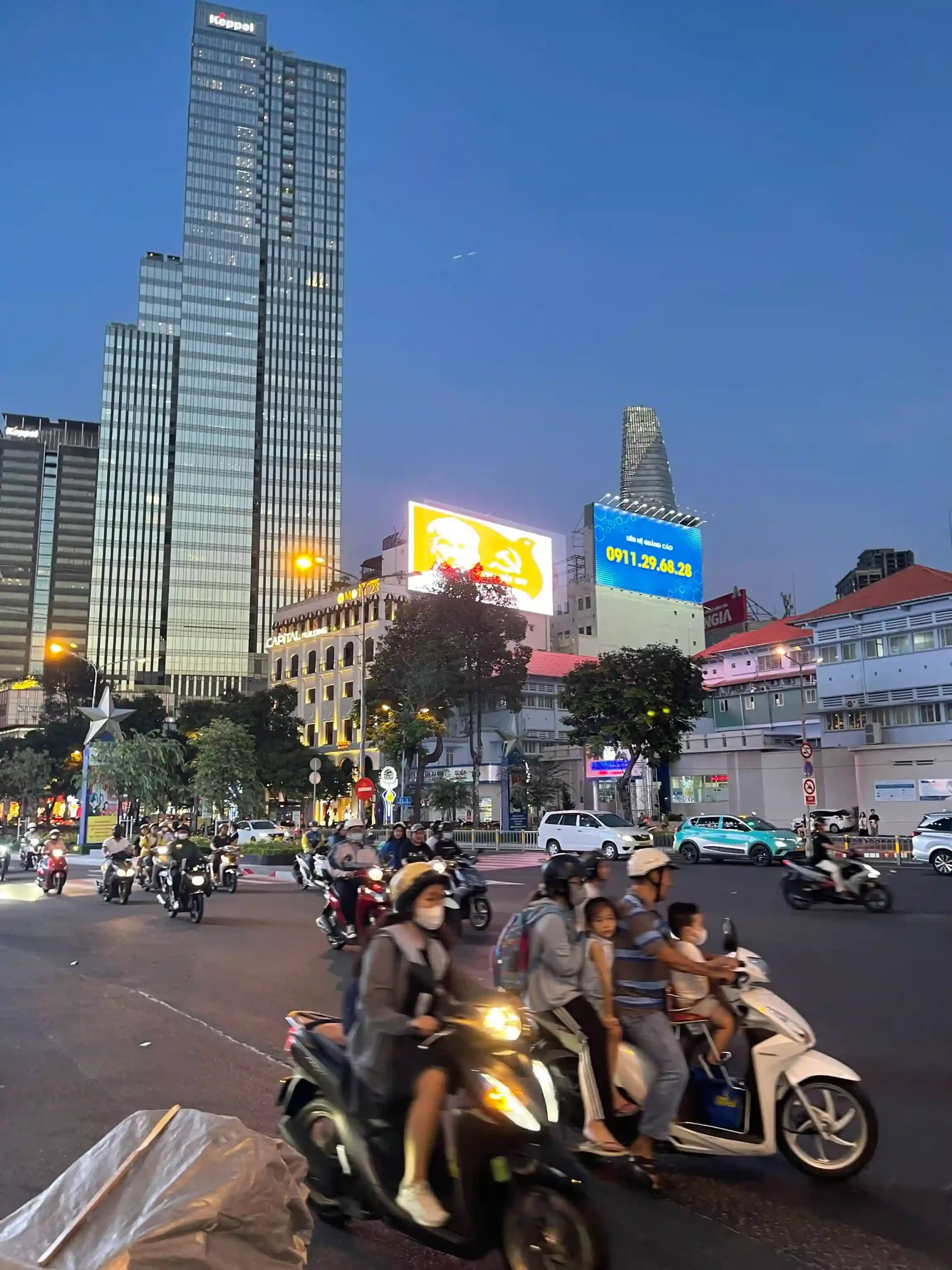
The scooters are the second. You’ll have read about Vietnam’s motorbike traffic and you’ll still be surprised. There are around 9 million motorbikes in Saigon, more bikes than people. They flow everywhere, on sidewalks, the wrong way down streets, four people on one bike. Crossing the road feels insane the first time. You’ll get it by day two.
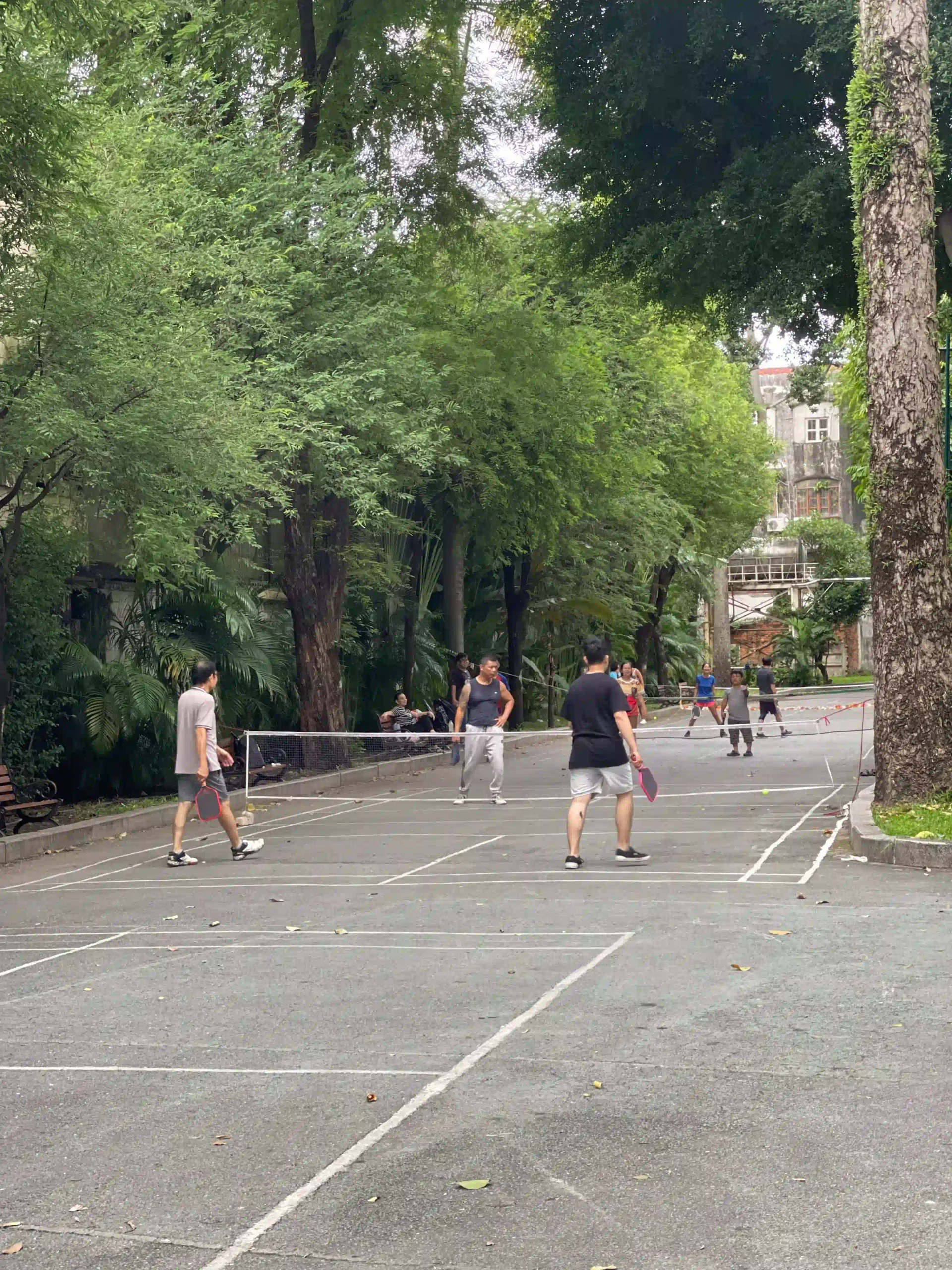
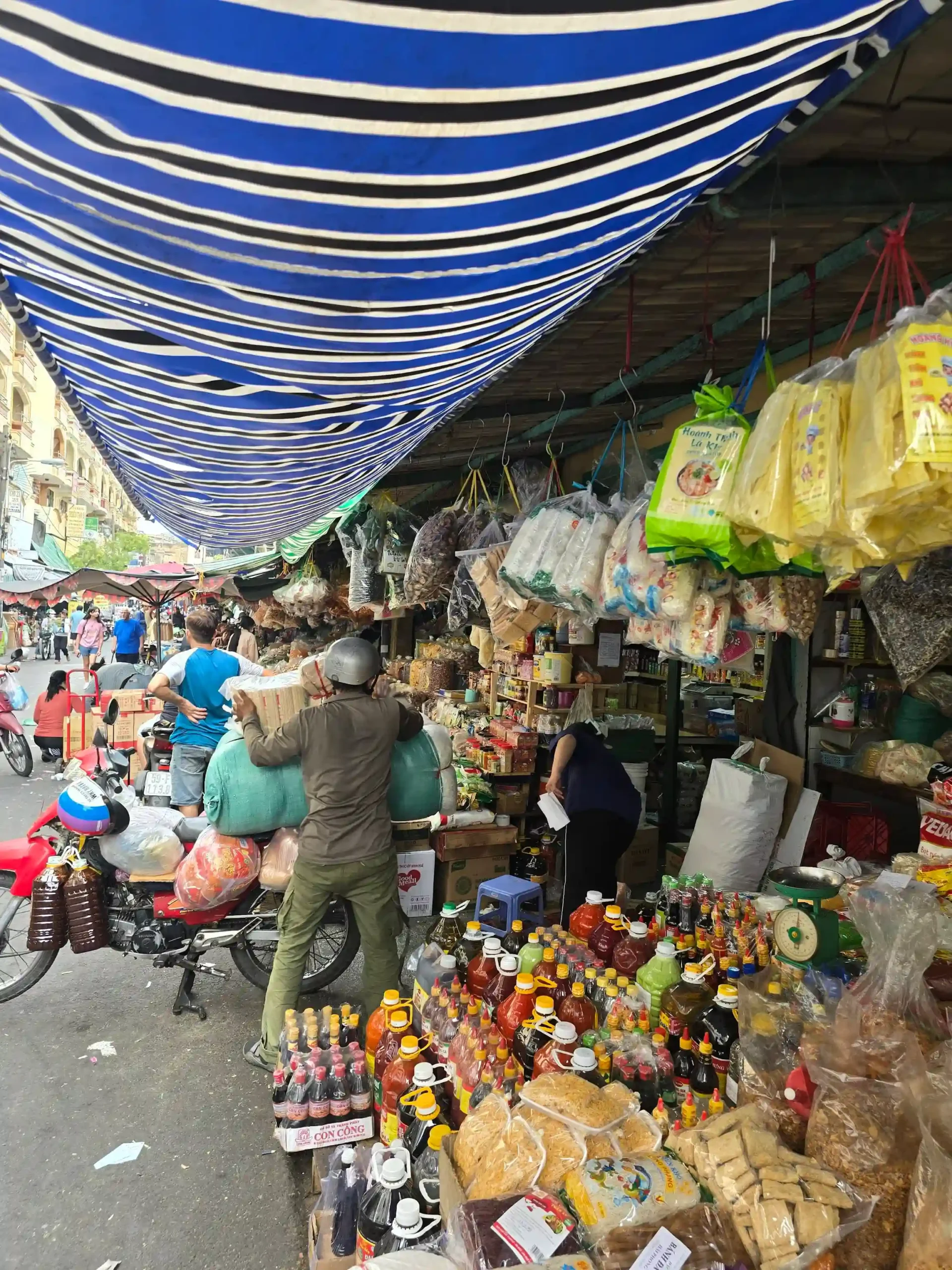
The third thing is harder to describe. It’s the density of life happening on the street. Food sellers, mechanics, hairdressers, mahjong games, parents walking kids to school, old men drinking iced tea on plastic stools. The city lives outside more than inside. Most travelers find this is what they end up loving.
A few practical first-day notes. Tan Son Nhat is the airport. It’s old and chaotic but works. Get a Grab to your hotel (set it up before you land) for around 200,000 to 250,000 VND ($8 to $10), or there’s a public bus 152 for 5,000 VND if you’re a real backpacker.
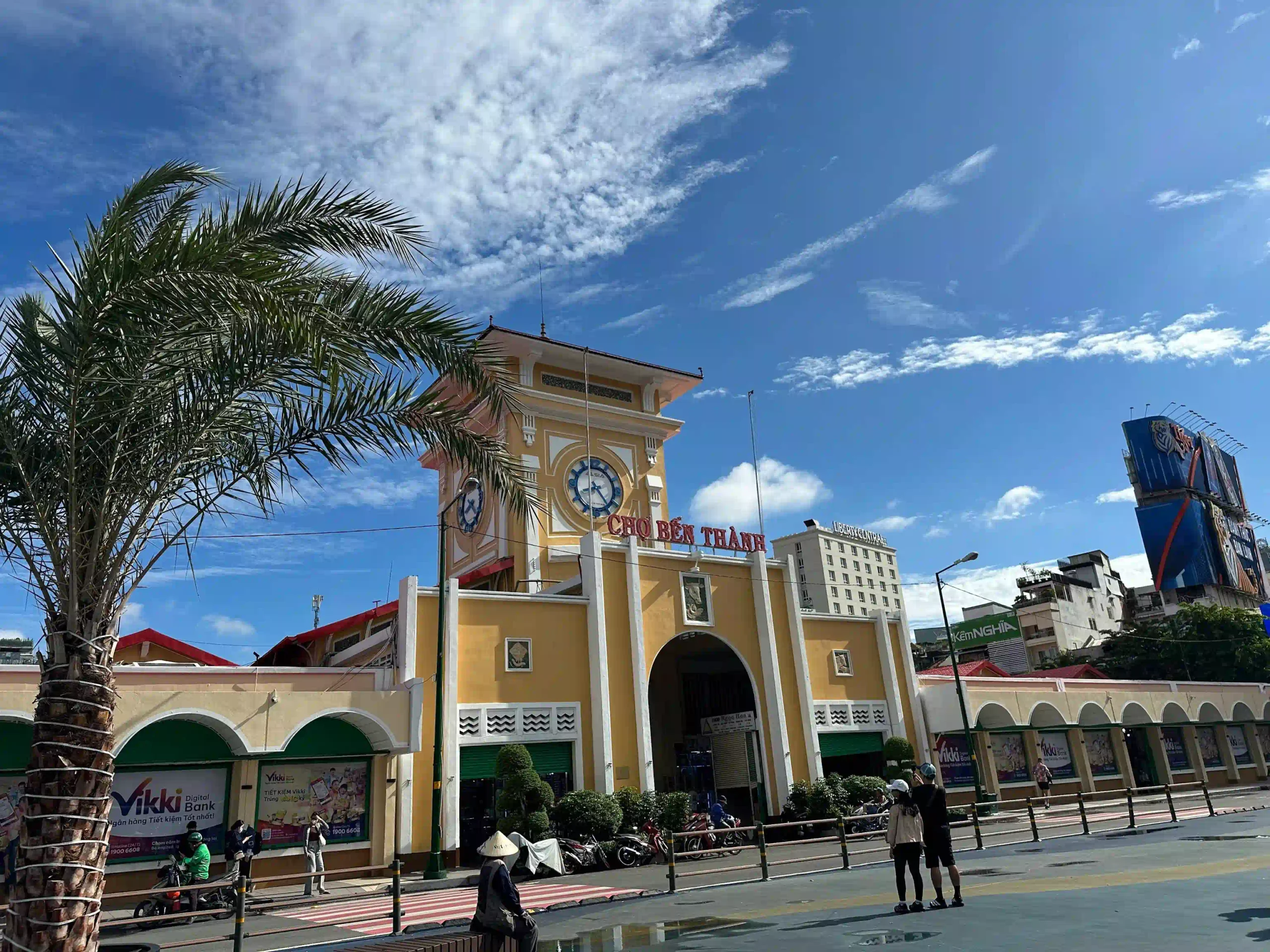
The city is huge geographically. Most travelers only see District 1 (the colonial center), District 3, and Cho Lon (Chinatown). That’s enough for a first trip.
When to Visit Saigon
Saigon has two seasons, and that’s it. No spring, no autumn. Just dry season and wet season.
Dry season runs roughly December to April. Less rain, lower humidity in the early months, sunny most days. December and January are the most comfortable months (high 20s, occasionally low 30s). March and April get genuinely hot, often above 35°C in the afternoon. December and January are also peak tourist season, so prices are higher and the popular spots are busier.
Wet season runs May to November. It’s not the constant downpour foreigners imagine. The pattern is mostly clear mornings, then a heavy afternoon storm that lasts an hour or two, then it clears. You plan around it: outdoor stuff in the morning, indoor stuff in the afternoon. The benefit is fewer tourists and lower prices.
The window I’d personally pick if I had no constraints is February to early March. Past peak season, still dry, weather is reasonable, and Tet (Vietnamese new year, usually late Jan or early Feb) is over so things are open again.
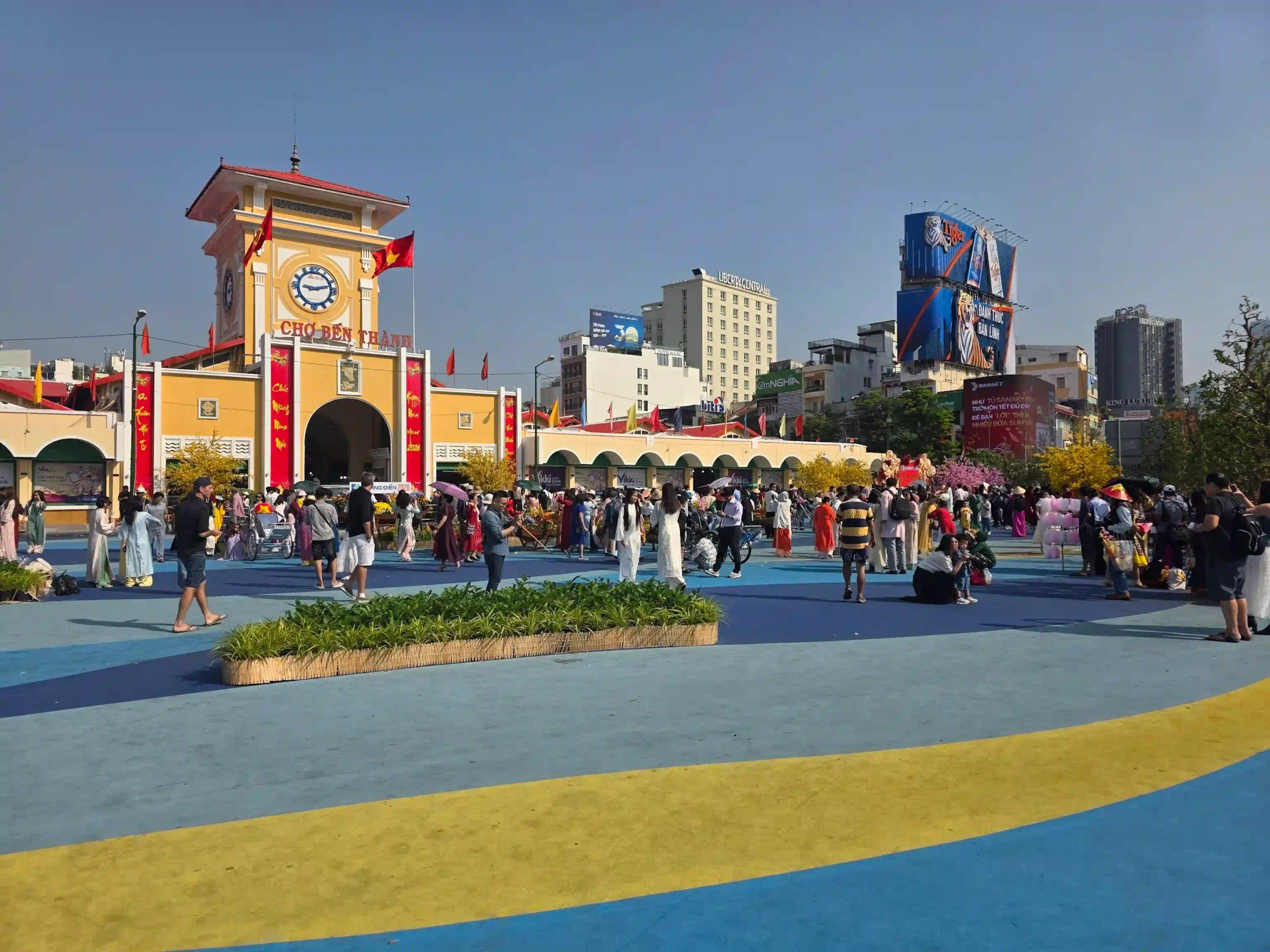
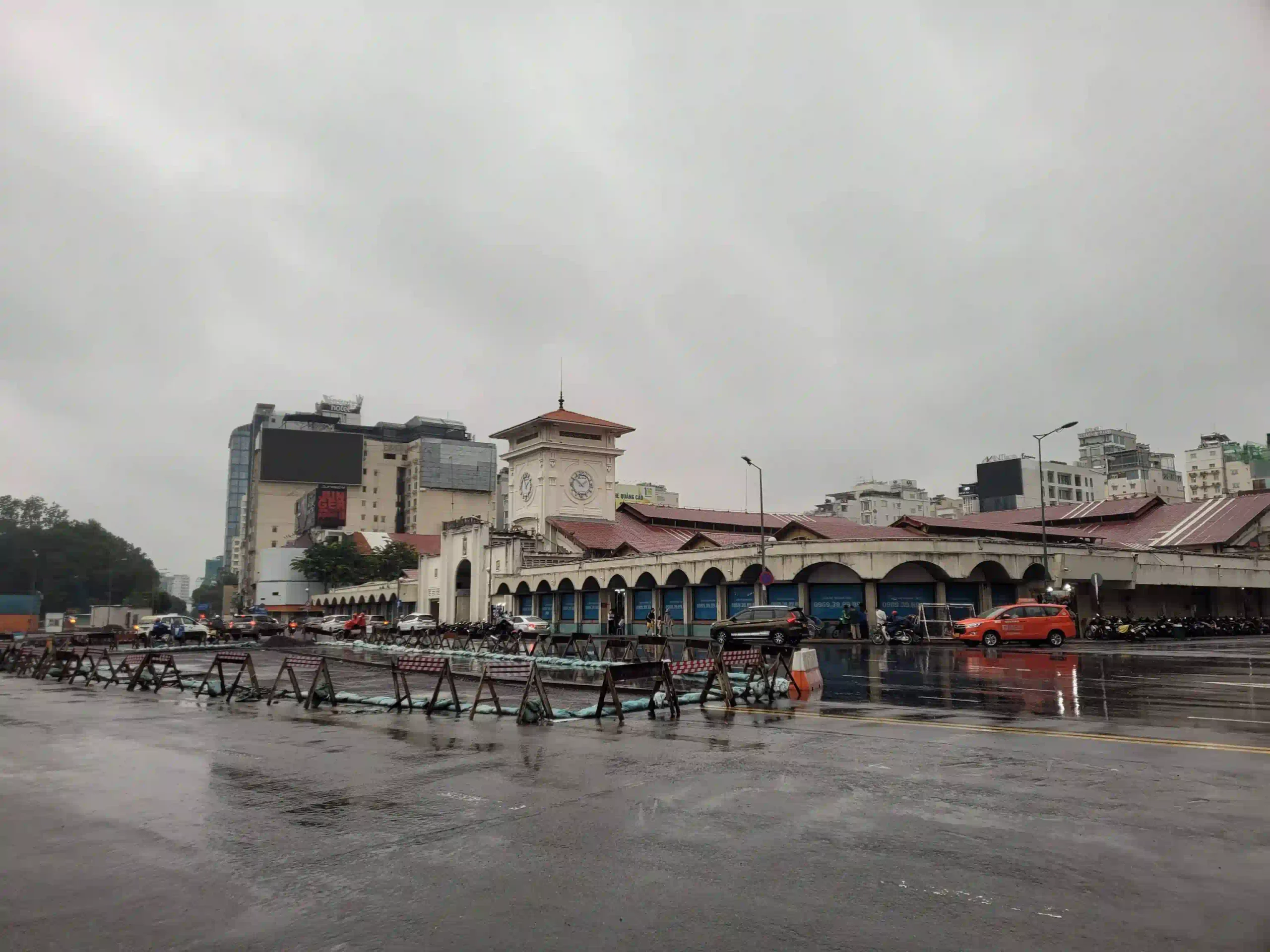
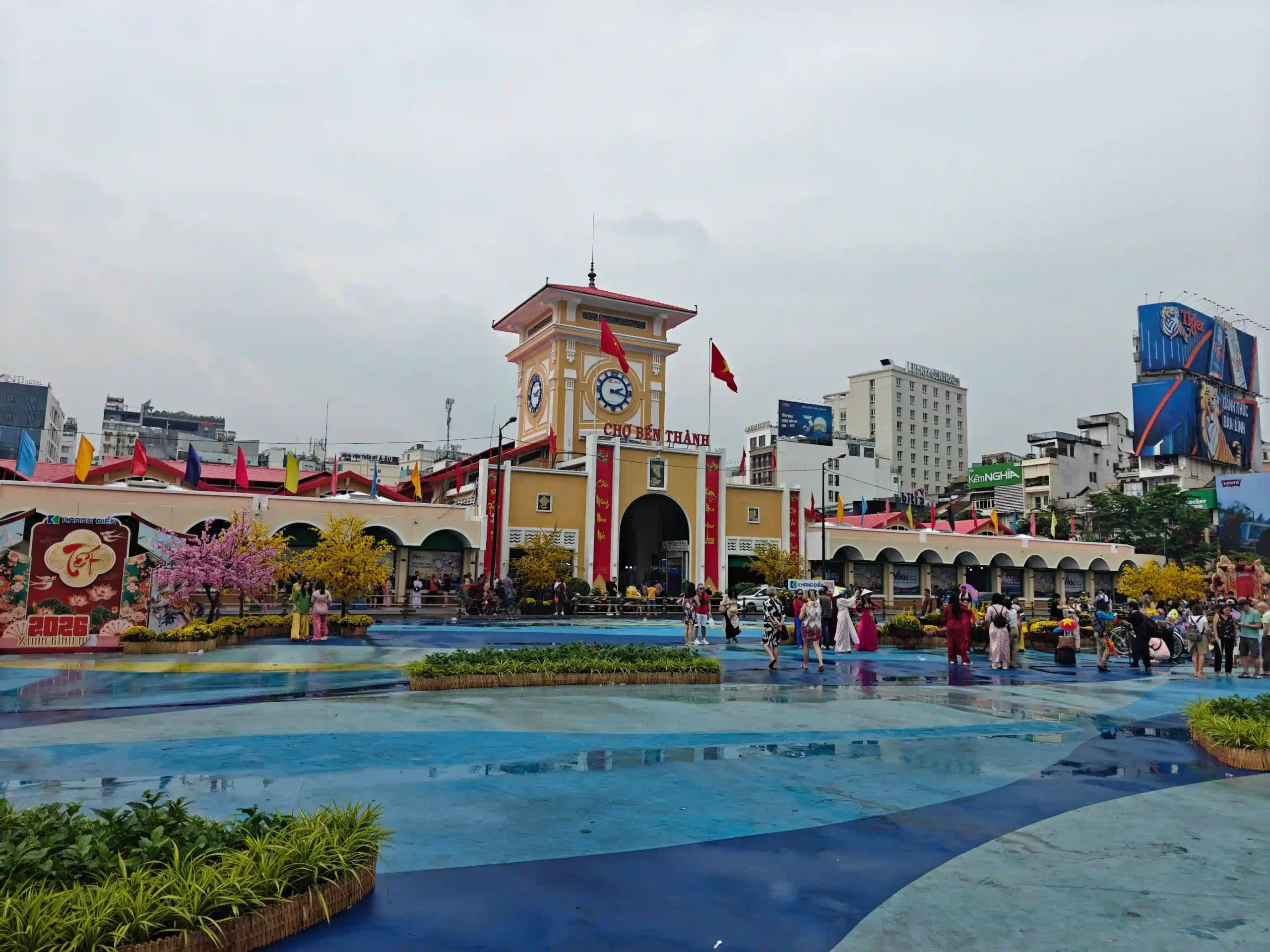
Tet is the one time of year I’d think hard about. The city basically shuts down for 4-7 days. Lots of restaurants, cafes, and shops are closed because everyone goes back to their hometowns. Prices on flights and hotels also spike. Either time your trip to overlap deliberately (the lead-up is festive and beautiful) or avoid the actual holiday week.
The full breakdown of monthly weather and what to expect each season is in the best time to visit Saigon guide.
Visa & Entry
Most travelers need a Vietnam e-visa. The good news is the process is now genuinely simple compared to a few years ago.
- Cost: $25 USD for single entry, $50 USD for multiple entry. Both are valid up to 90 days.
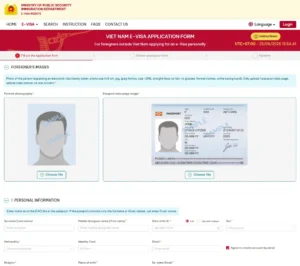
- How to apply: Go to the official site at evisa.gov.vn. Not a third party. Real talk, there are dozens of scam sites that look identical and charge you 3 to 5 times more. The official URL is evisa.gov.vn. Memorize it.
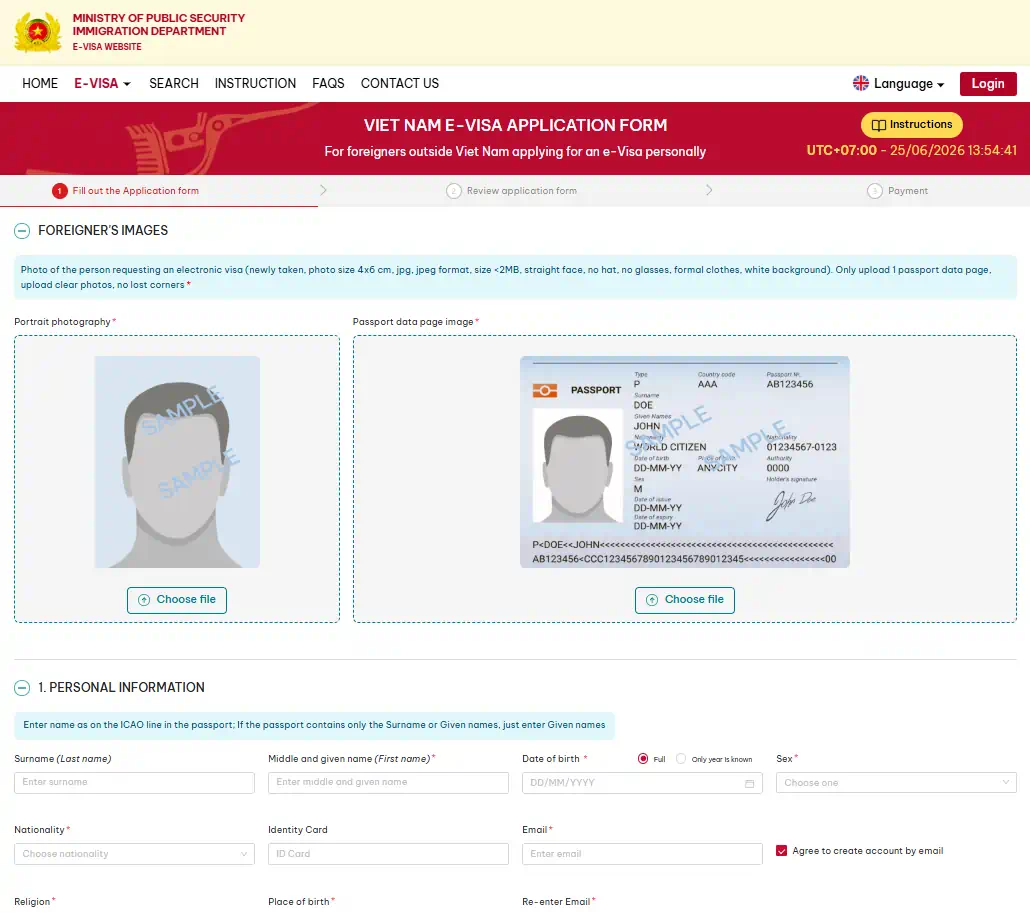
You’ll need a passport photo (white background, 4x6cm), a scan of your passport bio page, and a card that works for international payments. Fill in the form, upload the photo, pay. Processing takes 3 to 5 working days normally, sometimes longer during peak seasons.
Important: your passport must be valid for at least 6 months past your entry date.
- Visa-free entry: Some nationalities get visa-free entry. UK, France, Germany, Italy, Spain get 45 days visa-free. Many ASEAN countries get 14 to 30 days. Check what applies to your passport before you apply for an e-visa unnecessarily.
When you land at Tan Son Nhat, you’ll show your printed e-visa (or a clear photo on your phone) at immigration. No additional fees. Don’t fall for “expedited processing” booths inside the airport, you don’t need them.
The deep breakdown of all the visa options, including the rare 5-year visa for some nationalities and what to do if your application gets rejected, is in the Vietnam visa guide.
Getting Around Saigon
The single most important thing you can do for your trip is download Grab or GSM before you land. It’s the ride-hailing app, works exactly like Uber, available in English, and you’ll use it every day.
- GSM Bike/GrabBike is the motorbike taxi option. A trip across District 1 costs around 30,000 to 50,000 VND ($1.2 to $2), faster than a car in traffic, and you’ll wear the helmet they give you.
- GSM/GrabCar is the car option. A bit more (50,000 to 120,000 VND across the central districts) and slower in traffic, but useful if you’re with luggage or two-plus people.
- The Metro Line 1 opened end of 2024 after roughly a decade of delays. It runs from Ben Thanh in District 1 out east toward Suoi Tien. Fares are 7,000 to 20,000 VND depending on distance. Clean, air-conditioned, fast. You probably won’t use it heavily on a typical first trip but it’s a nice option if you’re staying in Thao Dien or visiting that side of town.
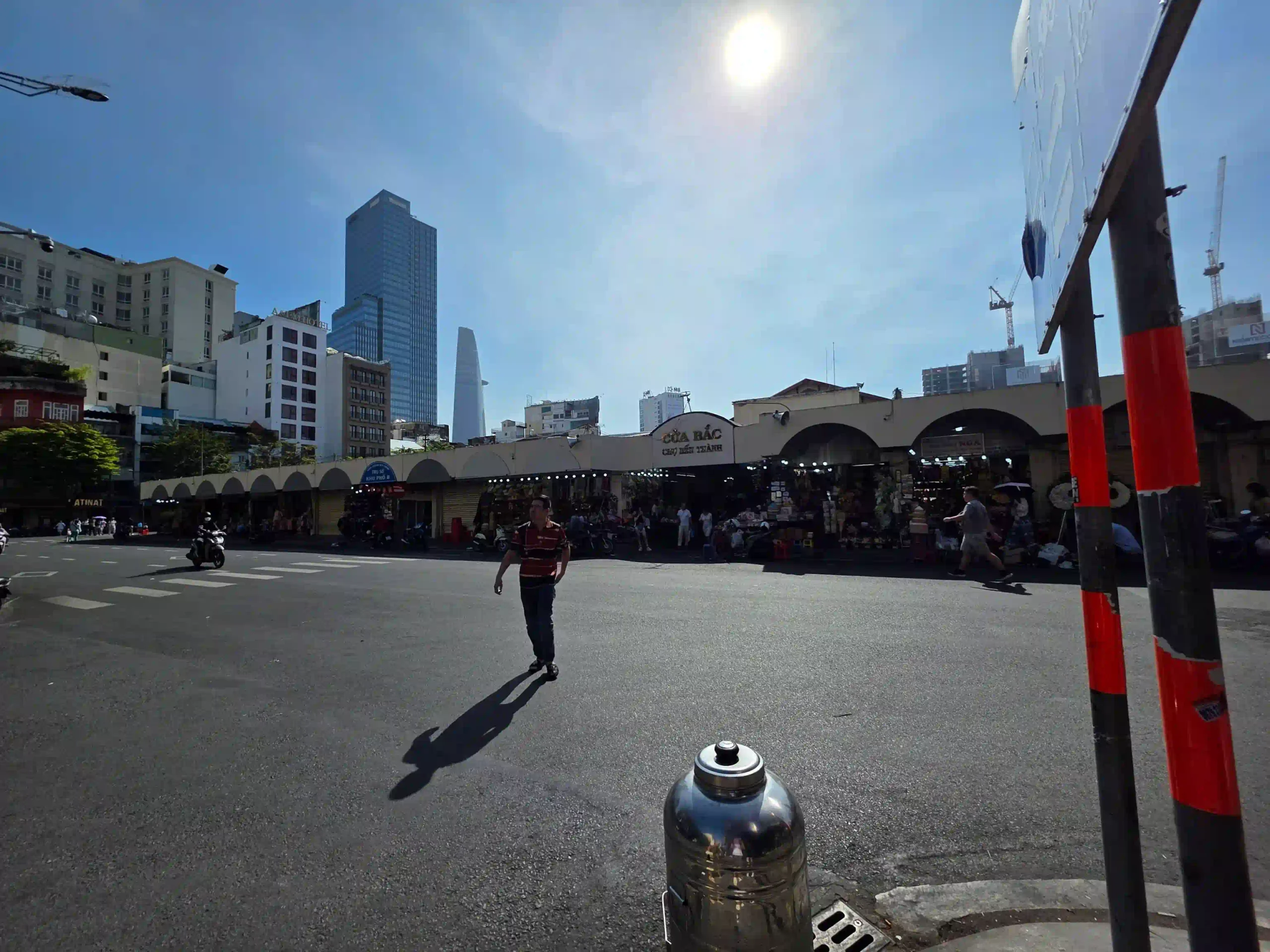
- Walking: District 1 is walkable in chunks. The colonial core is genuinely small. You can walk Notre-Dame to the Post Office to Nguyen Hue in 15 minutes. But the heat will limit how much you actually want to walk between 11am and 3pm.
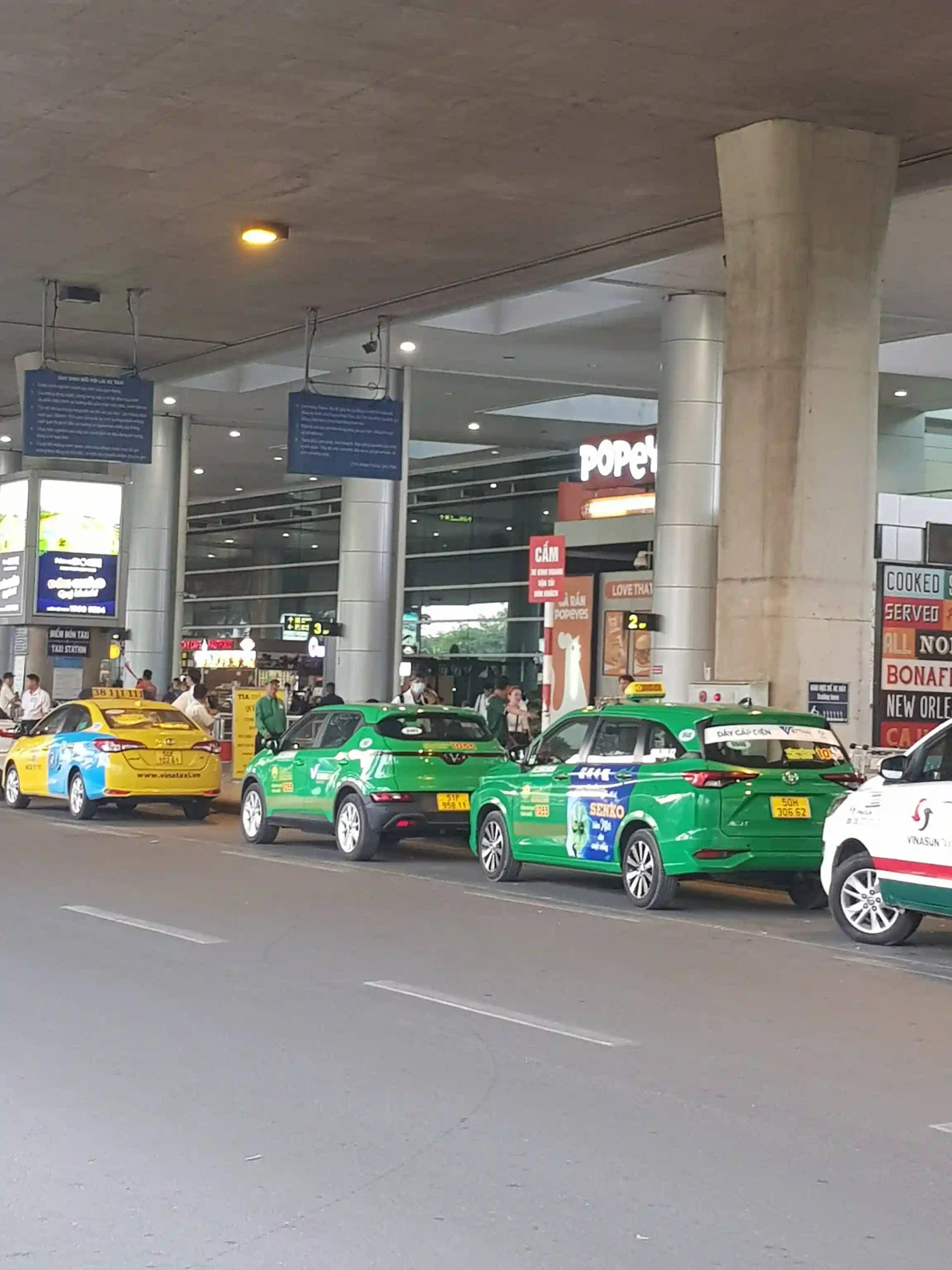
- Taxis from the airport: Use the official airport taxi line or order a Grab. Don’t take random unmarked cars. There’s a whole scam culture around airport pickups.
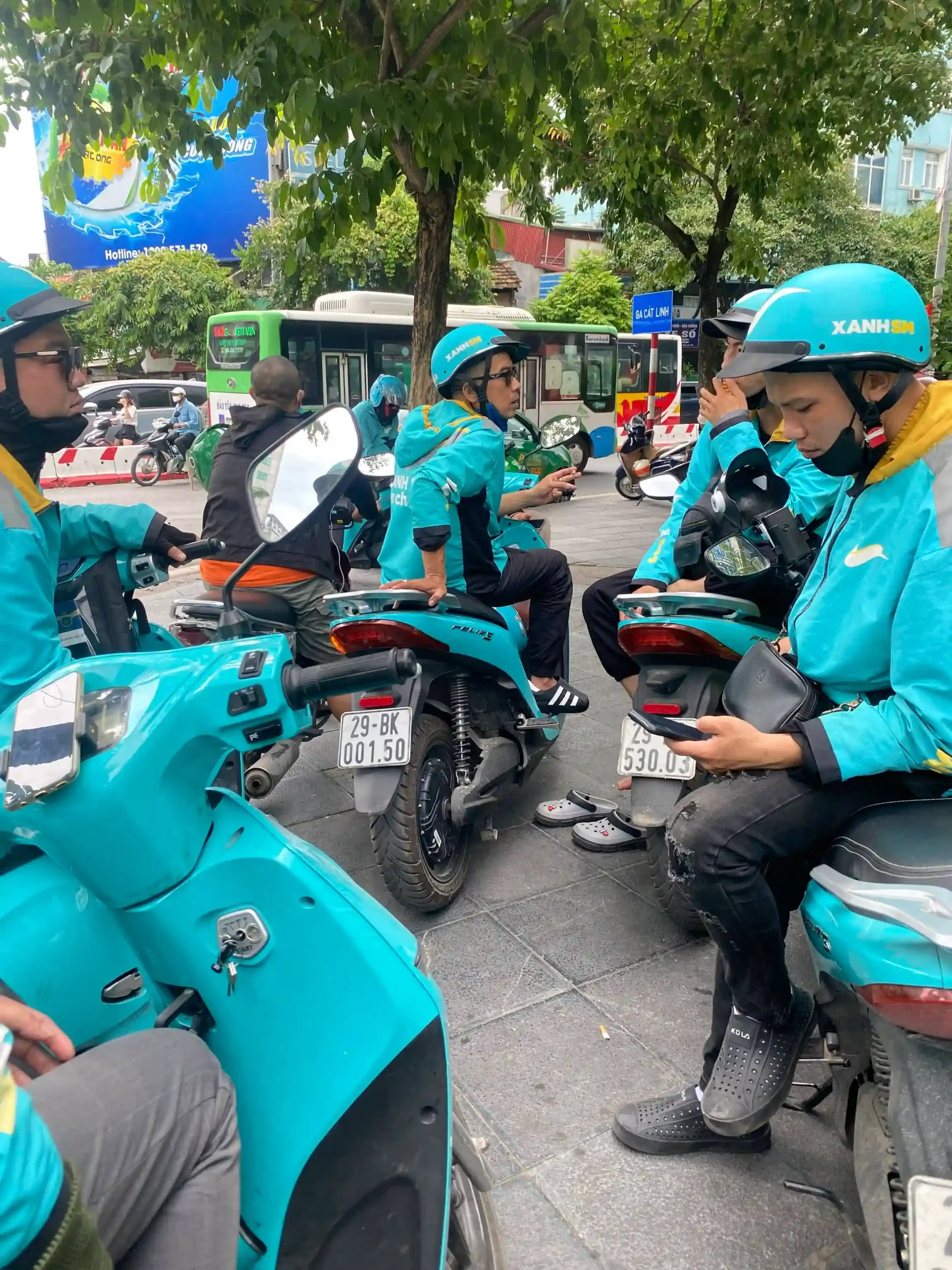
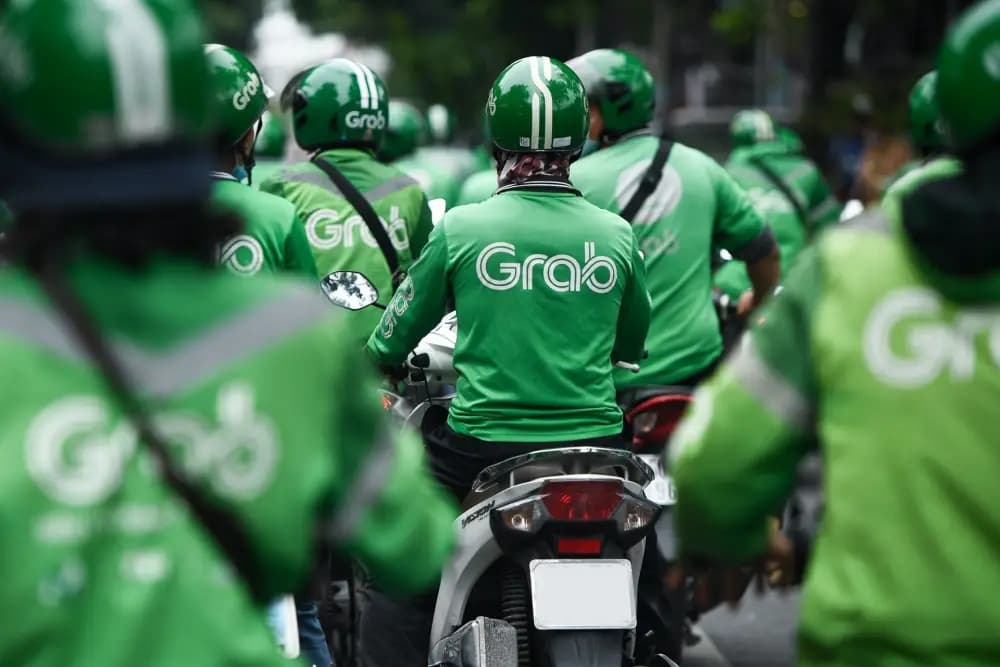

For getting to other Vietnamese cities, I use 12Go to compare buses, trains, and flights in one place. The Reunification Express train to Hanoi is a great experience if you have the time. Sleeper buses to Mui Ne, Da Lat, Phu Quoc are cheap and run constantly.
Full transport breakdown including the metro routes, airport options, and inter-city travel is in the getting around Saigon guide.
Money & Costs
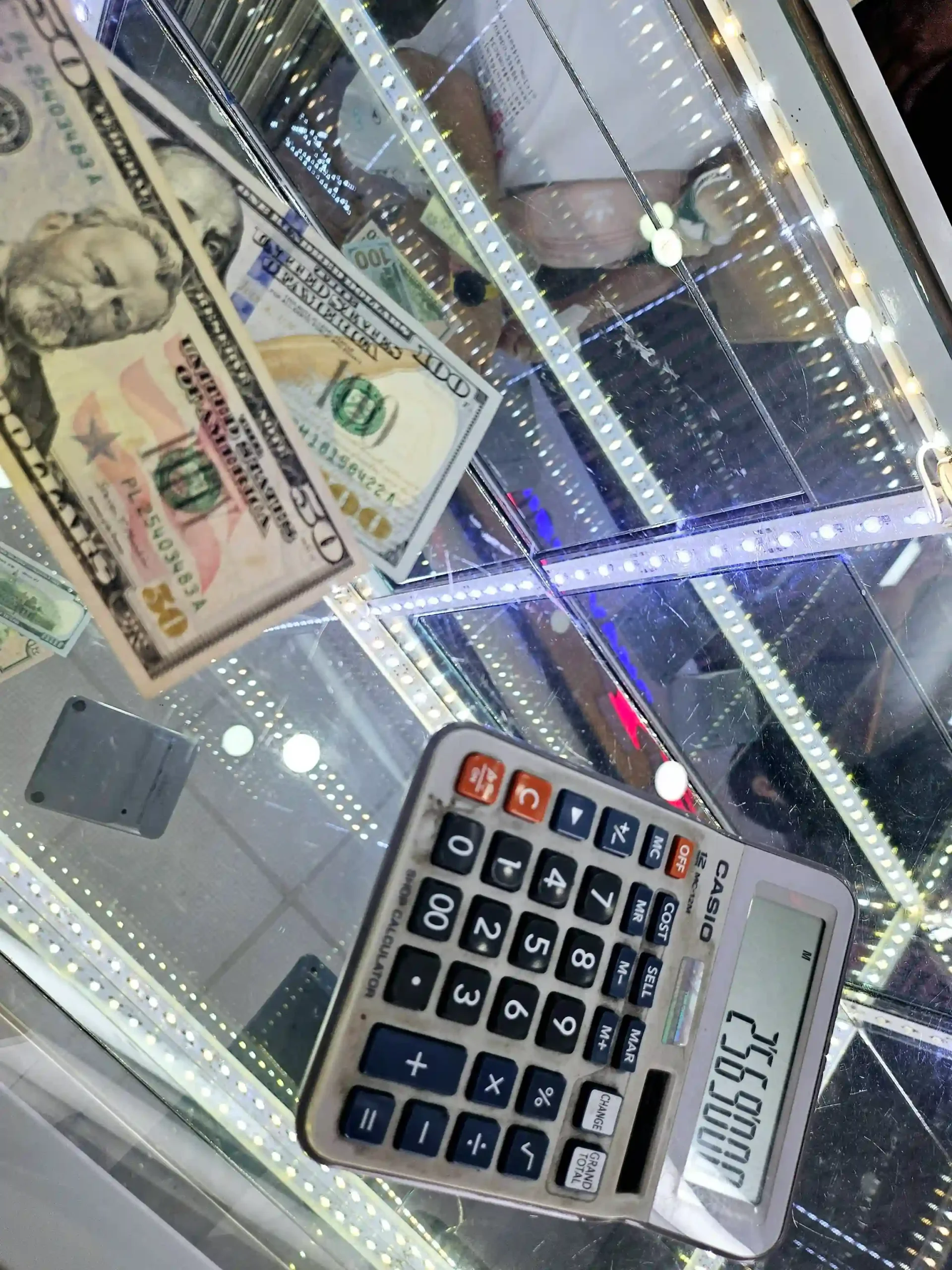
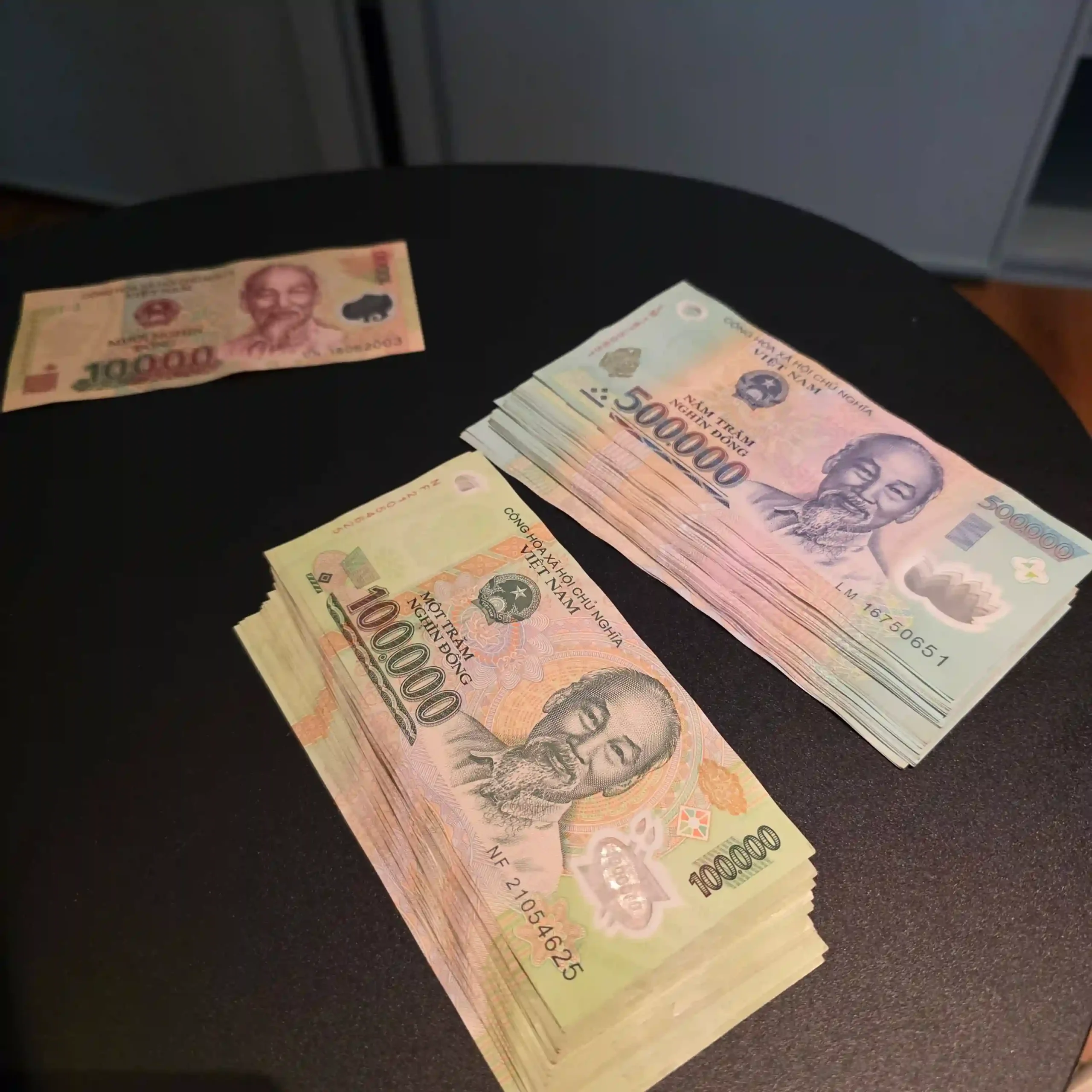
Vietnam runs on the dong (VND). Rough math: 1 USD = around 25,500 VND right now. A 100,000 VND note is about $4. 500,000 VND is about $20.
- Cash vs card: HCMC has reasonable card acceptance now. Hotels, restaurants, supermarkets all take cards. QR payment (via VietQR or MoMo) is taking over even faster but you need a local bank to use it.
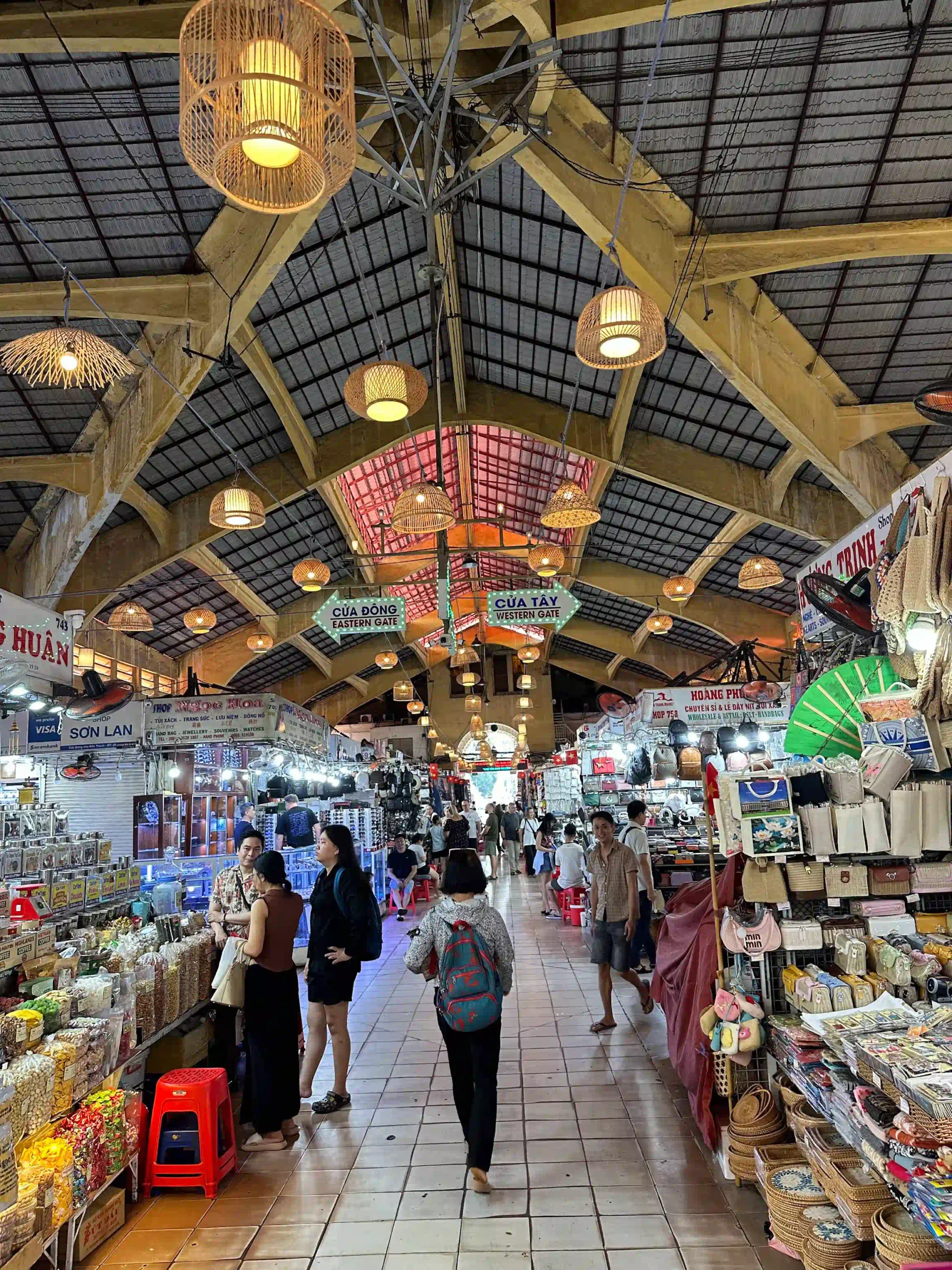
Street food, markets, taxis (some), small cafes: cash only. Carry a few 50,000 and 100,000 notes plus some 10,000 and 20,000 notes for smaller purchases.
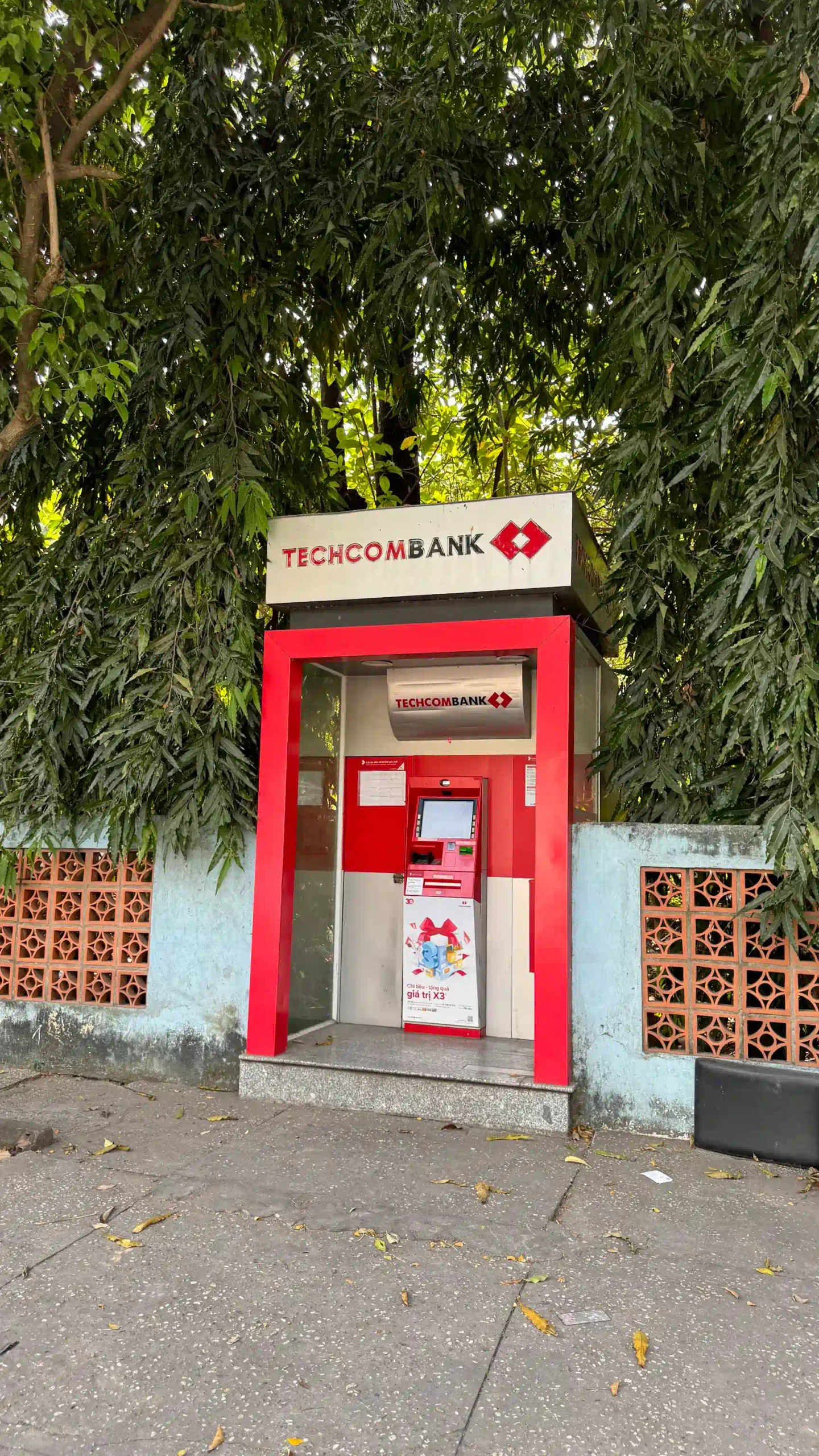
- Pulling cash: Stick to major bank ATMs (Vietcombank, BIDV, ACB, HSBC). The standalone “ATM” kiosks in tourist areas often have terrible exchange rates and high fees. Most ATMs charge a withdrawal fee of around 22,000 to 55,000 VND ($1 to $2) per transaction, on top of whatever your home bank charges.
Daily costs:
- Coffee: 20,000 to 80,000 VND
- Bowl of pho: 40,000 to 80,000 VND
- Banh mi: 20,000 to 45,000 VND
- Sit-down restaurant meal with drink: 200,000 to 500,000 VND
- Beer at a bar: 30,000 to 80,000 VND for local, more for craft
- Cocktail at a rooftop: 200,000 VND plus
- Grab across District 1: 25,000 to 80,000 VND
Realistic daily budget:
- Backpacker: $25 to $40 per day (hostel, street food, walking)
- Mid-range: $50 to $100 per day (nice hotel, mix of restaurants)
- Comfortable: $150+ per day (4-star hotel, fancy dinners)
Language
The local language is Vietnamese, and it’s genuinely hard for English speakers. Six tones, where the same word said with a different tone means a different thing. I’ve been here years and my Vietnamese is still embarrassing.
The good news: in District 1 and tourist areas, you’ll find English speakers everywhere. Hotels, most restaurants in the center, tour operators, museums, everyone in the service industry has some English.
Outside the center, less. In Cho Lon, in District 4, at street food stalls, in markets, you might be pointing at things and using Google Translate. That’s fine. People are patient.
Phrases worth learning:
- Hello: Xin chào (sin chow)
- Thank you: Cảm ơn (gam un)
- How much?: Bao nhiêu? (bow nyew)
- No: Không (khom)
- Delicious: Ngon (ngon)
Locals genuinely light up when you try. Even just “Xin chào” gets a smile.
Google Translate works fine for most situations. The conversation mode is decent. The image translation (point your camera at a menu) handles Vietnamese menus reasonably well.
Where to Stay
I’m not going to break down hotels by neighborhood here because that’s the entire where to stay in Ho Chi Minh City. Short version: stay in District 1 for your first trip.
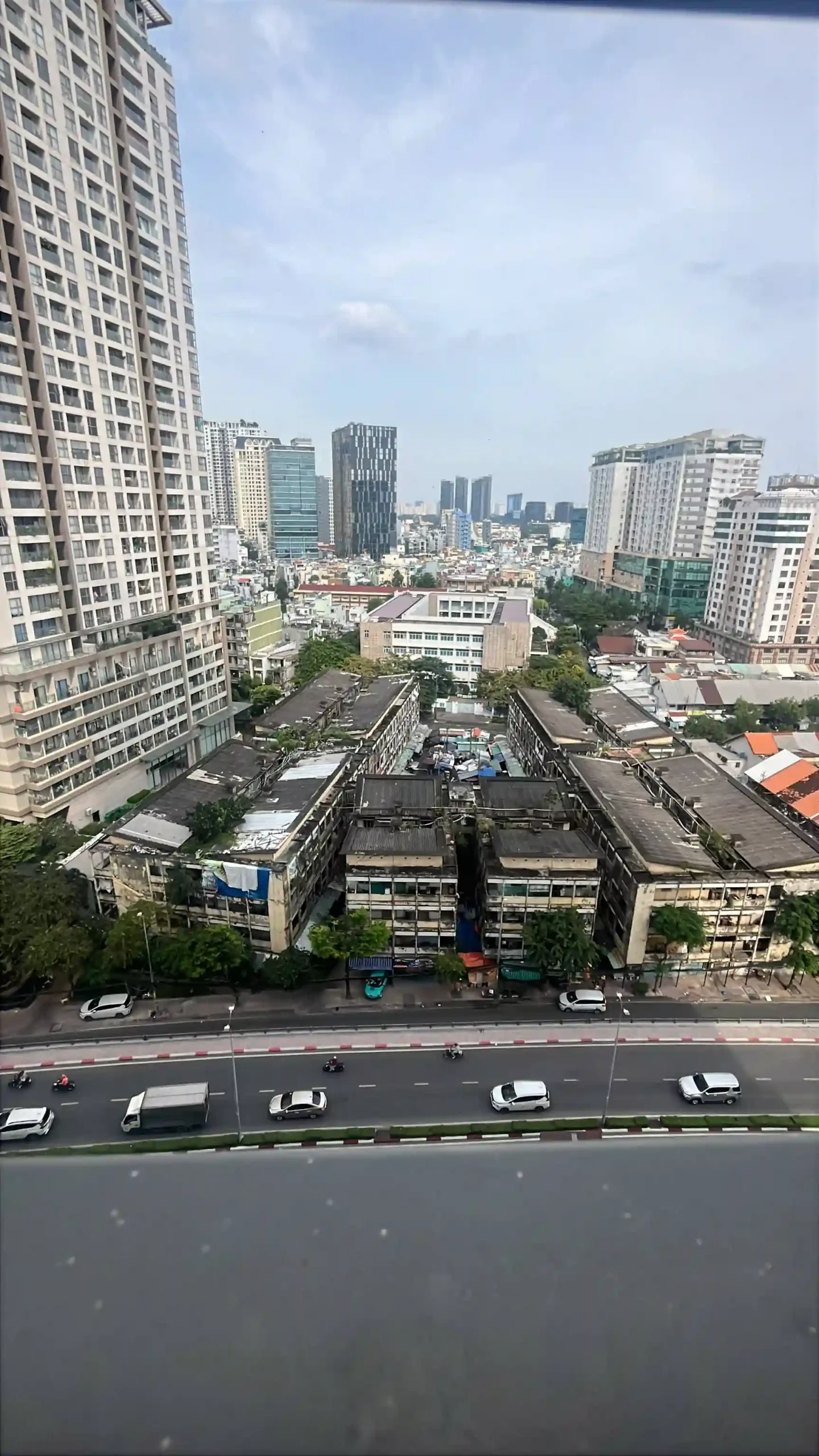
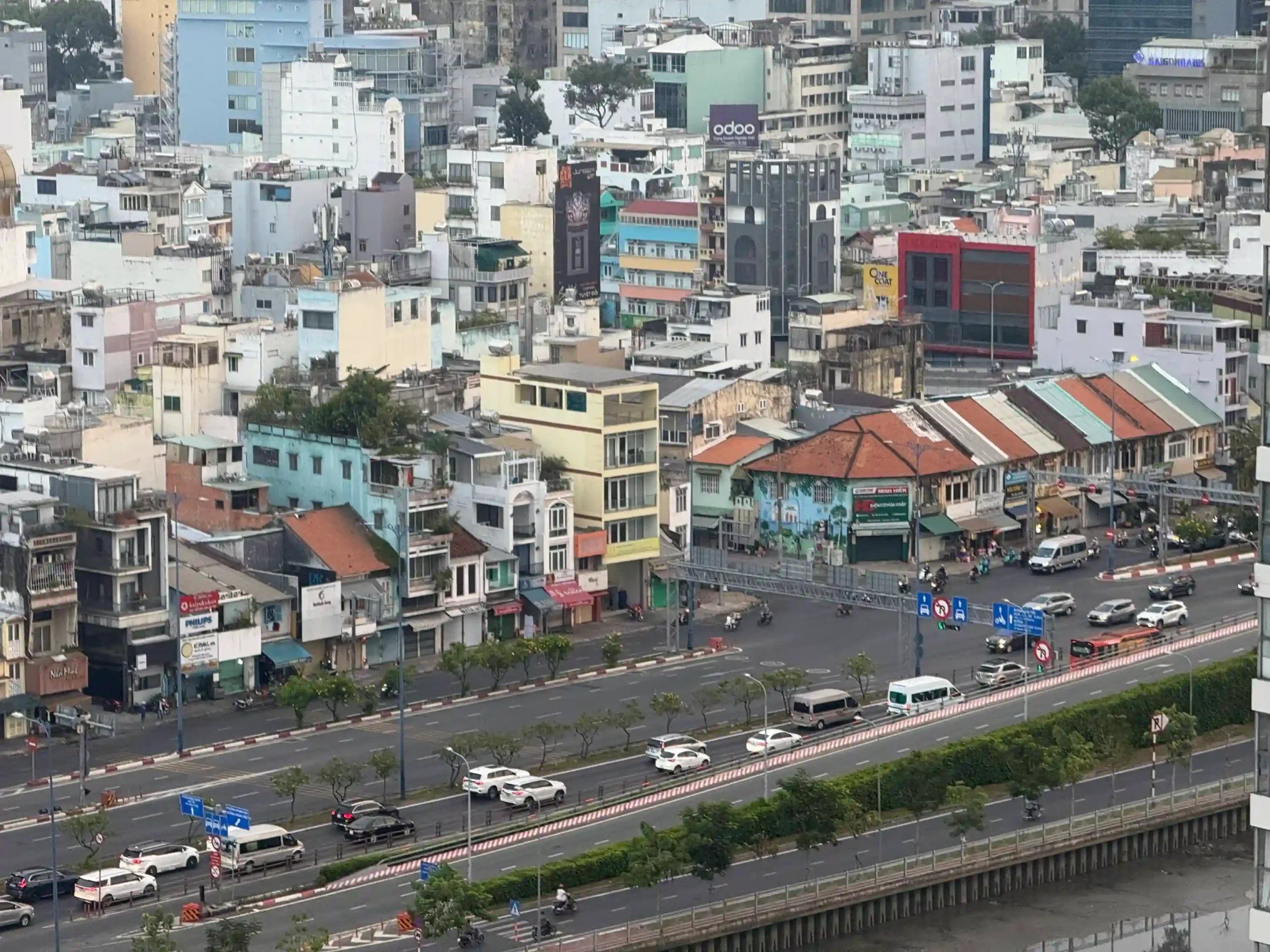
District 1 is the central, colonial, walkable part of the city where most attractions, restaurants, and tourist services are. You’ll save money on Grab fares, lose less time to traffic, and be 10 minutes from anywhere you want to go.
The mid-range pick is around $50 to $100 per night for a genuinely nice 3 to 4-star hotel. I tend to book through Booking.com for Vietnam because their free cancellation terms are useful, but Agoda often beats them on price for Vietnamese hotels specifically. Worth checking both before you commit.
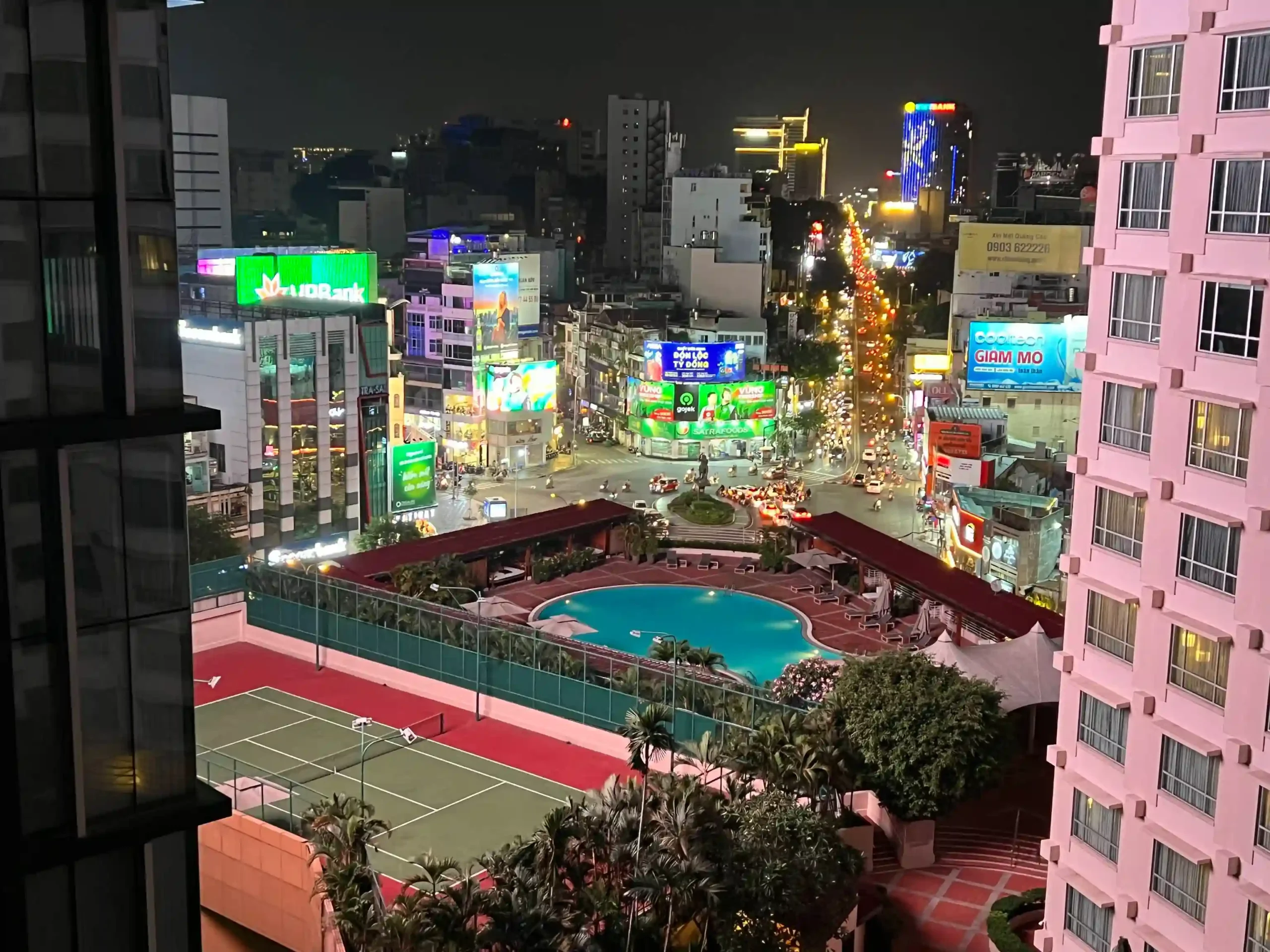
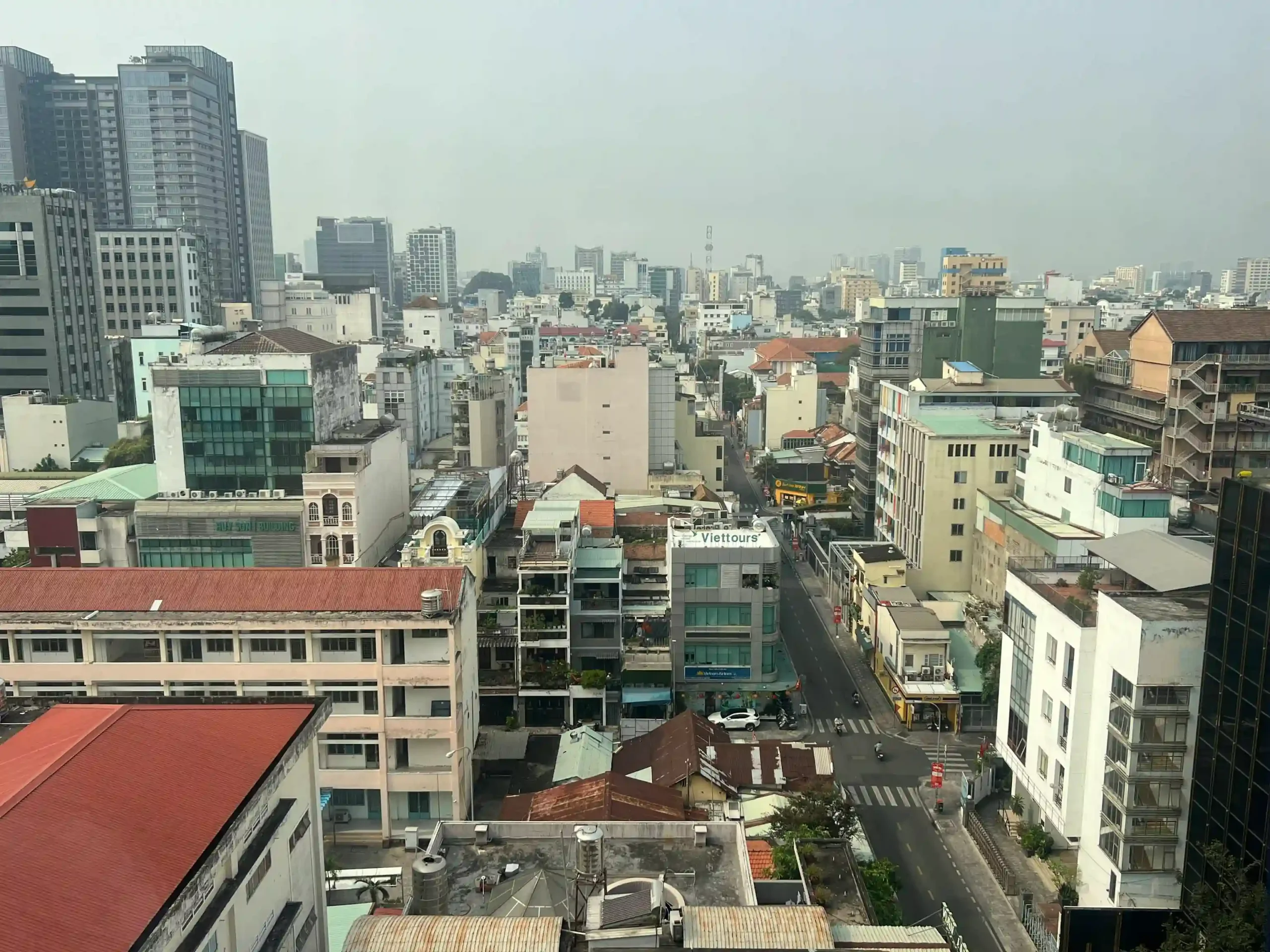
Other neighborhoods to know about (covered in the article):
- District 3: Local feel, fewer tourists, walking distance from District 1 in places.
- Pham Ngu Lao / Bui Vien: Backpacker zone. Loud, cheap, social.
- Thao Dien (District 2): Expat brunch and yoga vibe. Lovely but a 20-minute Grab from District 1.
- District 4: Very local, almost no tourists, getting trendier.
For a first trip, District 1 wins. Save the others for a return visit.
Cultural Notes & Etiquette
Vietnam is more relaxed than some other Asian countries about dress and customs, but a few things matter.
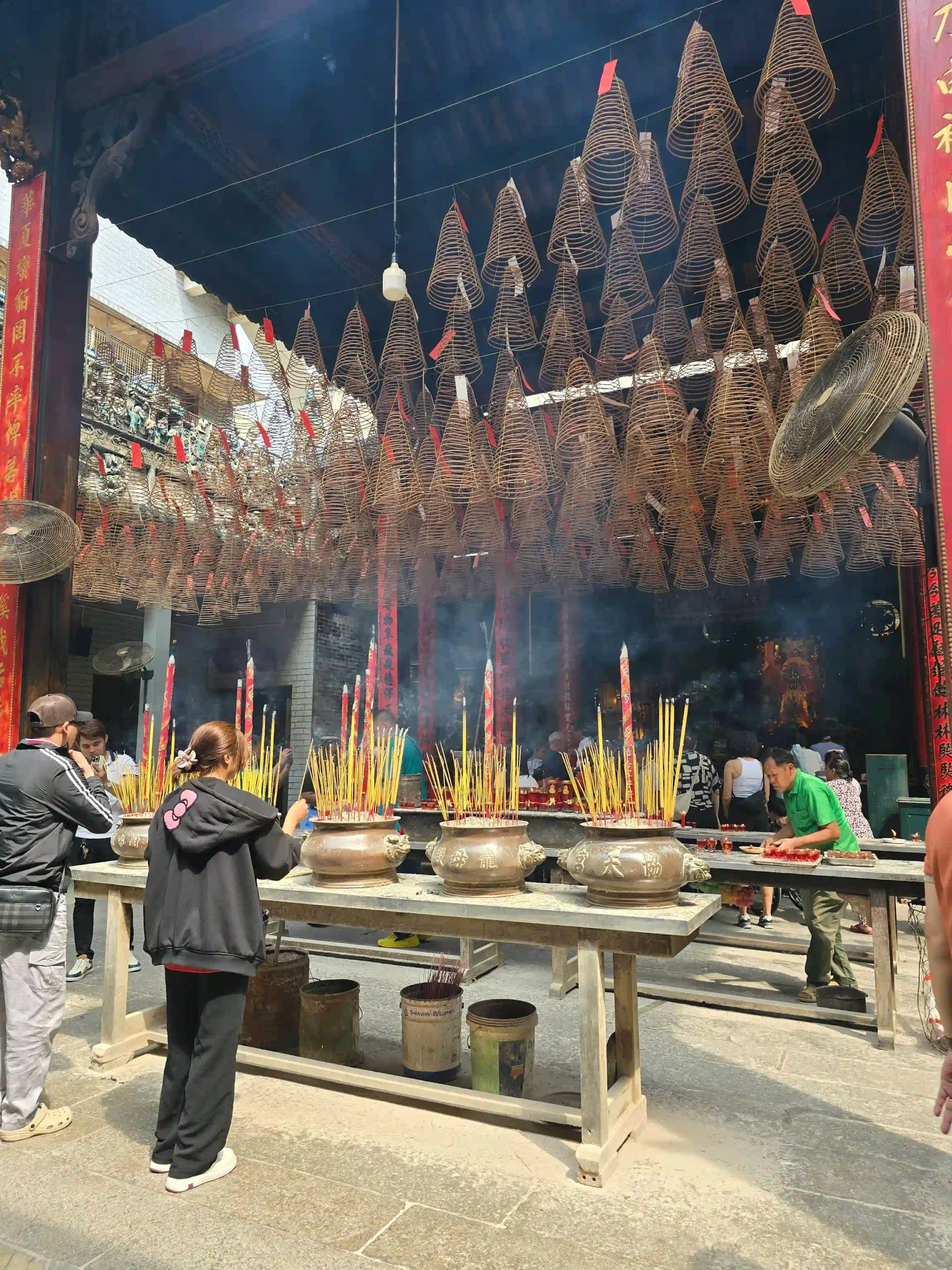
- Temples and pagodas: Cover shoulders and knees. No exceptions. Take your shoes off before entering. Don’t point your feet at any Buddha statues. Speak quietly.
- Reunification Palace and museums: Smart casual is fine. They generally don’t care about sleeveless tops or shorts, but if you’ve got both at the same time you might get asked to cover up.
- Tipping: Not expected, but appreciated. Round up at restaurants. For tour guides or spa staff, a tip of 50,000 to 100,000 VND is generous.
- Photography: Ask before photographing people, especially older locals and at temples. Be especially careful with photographing soldiers, police, or government buildings.
- Eating: Saigon’s eating culture is communal and casual. You can absolutely sit on a plastic stool at a street stall. Slurping noodles is fine. Pointing at what the person next to you is eating works as ordering. The expensive places have English menus, the cheap good places usually don’t.
- On the scooter: Helmets are required by law. Wear yours. The fine for not wearing one is real.
Safety & Scams
Saigon is safer than its reputation. Violent crime against tourists is rare. Petty theft and scams do happen, but they’re avoidable if you know what to watch for.
- Phone snatching from scooters is the most common one. Don’t walk on the street holding your phone out, especially near the curb. Don’t use your phone for navigation while walking past traffic. Tuck it away.
- Bag snatching is a variant. Wear backpacks on both straps, don’t carry bags on your roadside arm.
- Taxi scams from the airport. Use Grab or one of the major taxi companies (Vinasun, Mai Linh). Avoid the random touts inside the arrivals hall who offer “private cars.”
- Fake e-visa sites. Already covered in the visa section, but it’s worth repeating: only use evisa.gov.vn.
- Marked-up taxi fares. If a taxi driver refuses to use the meter, get out. Always use the meter.
What Saigon does NOT have: violent street crime, drink spiking targeted at tourists, kidnappings. You can walk around District 1 at night and feel fine. Solo women travelers tell me they feel safer in Saigon than in many European cities.
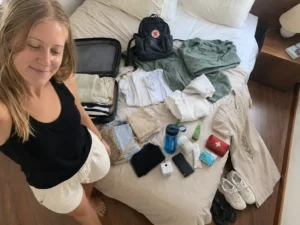
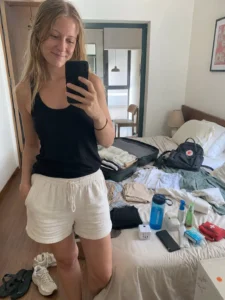
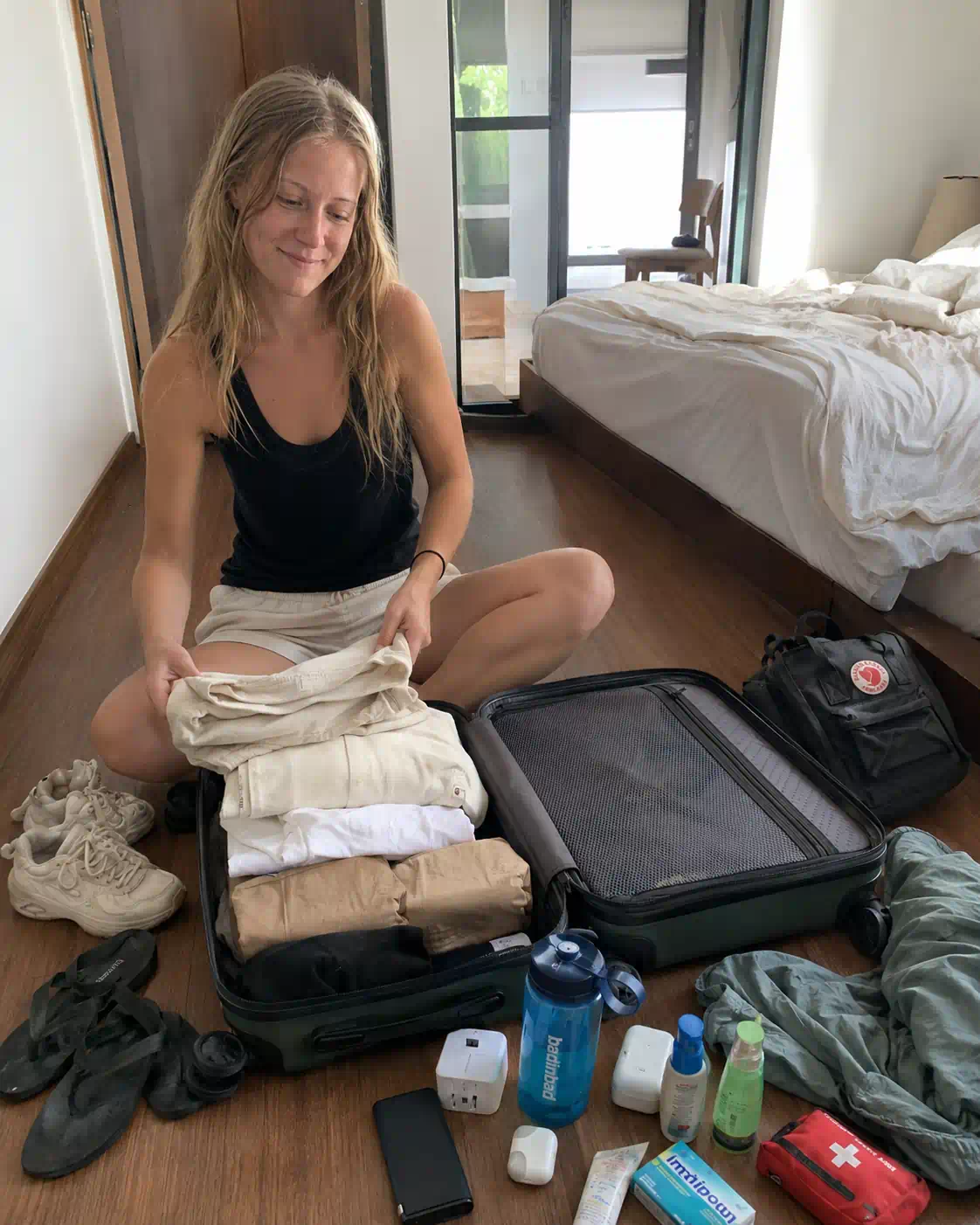
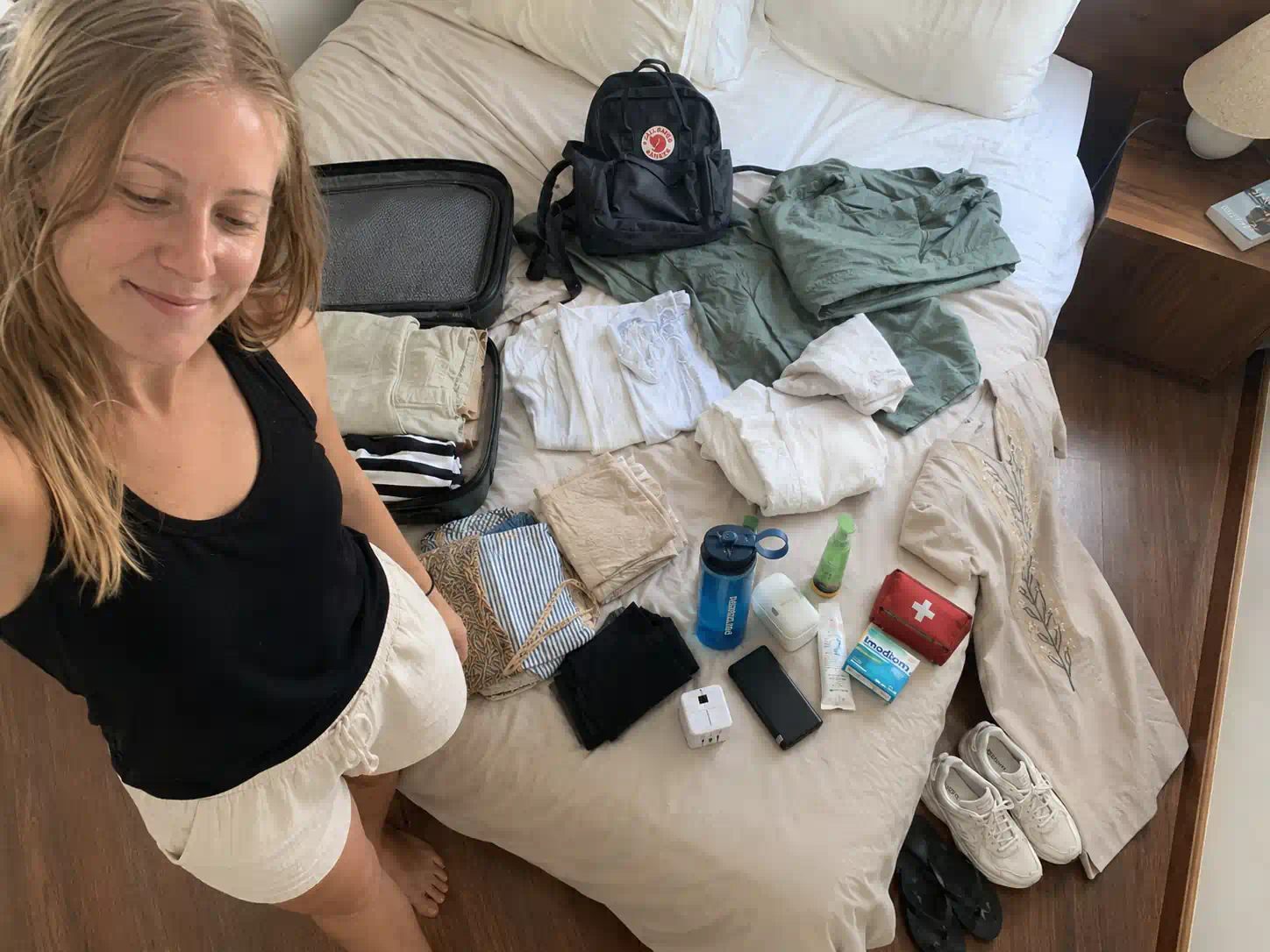
What to Pack
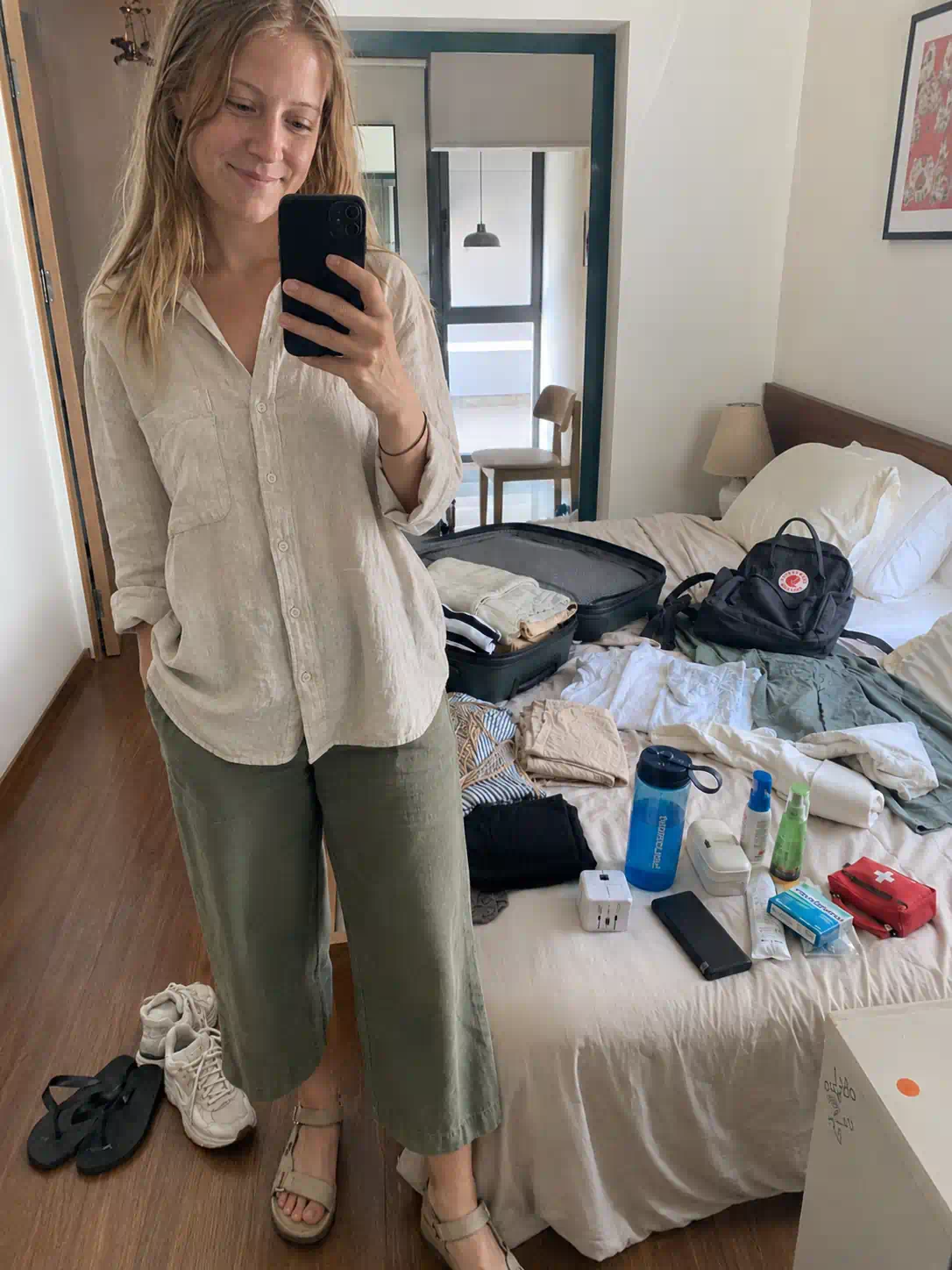
Pack light. You’re in the tropics and you’ll mostly want to wear less, not more.
Clothes:
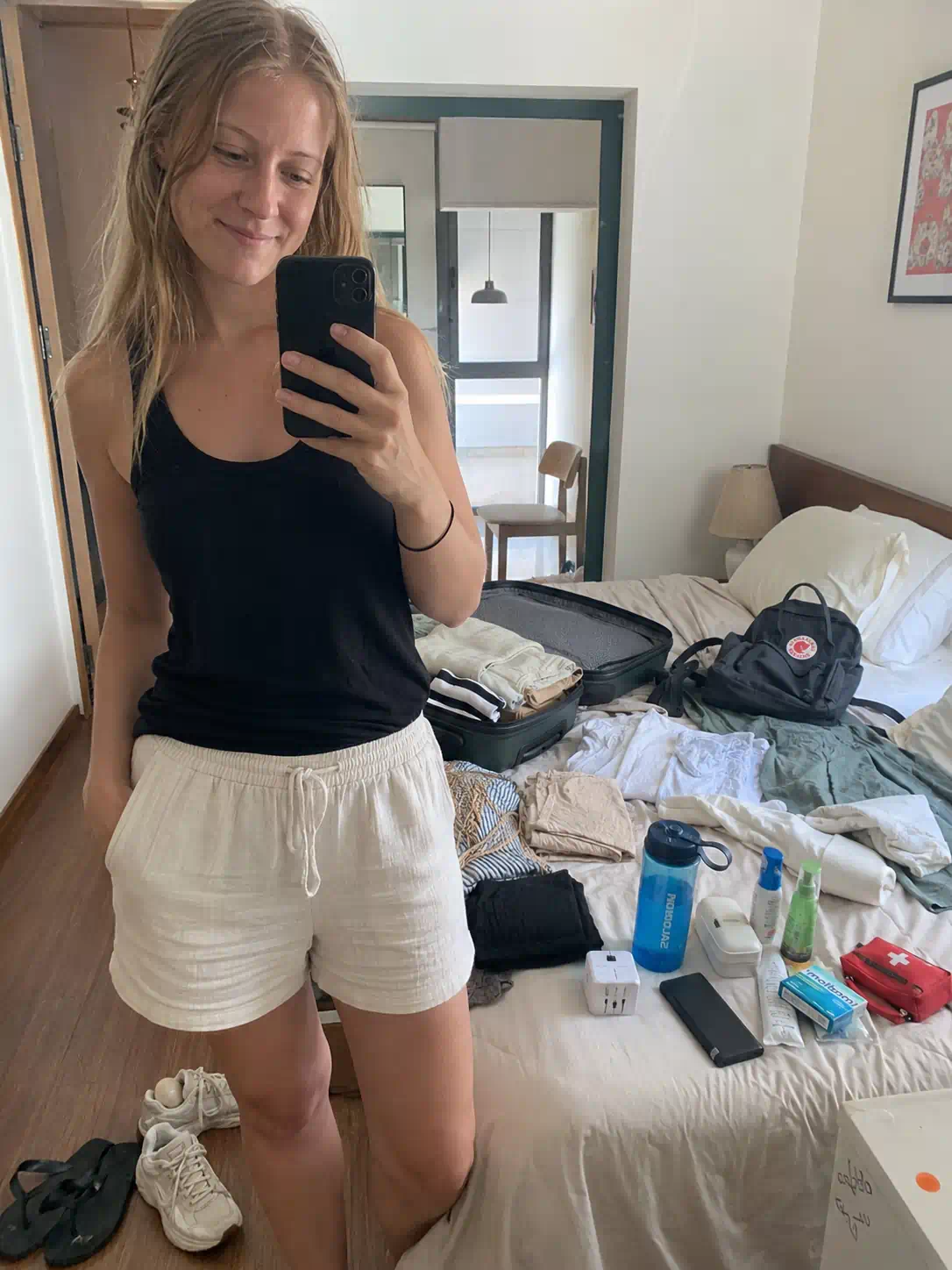
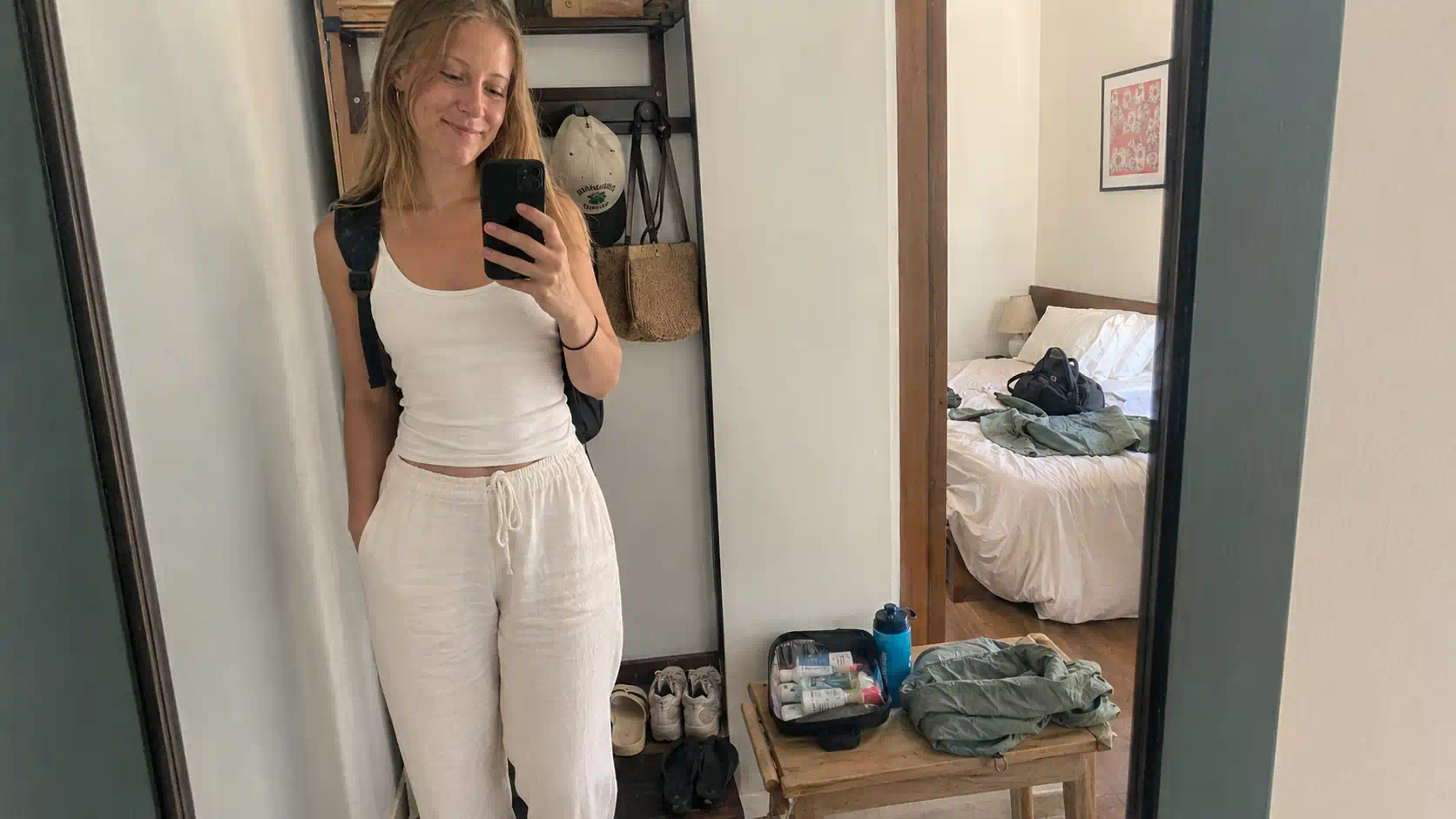
- Light, breathable fabrics. Linen, cotton, technical fabrics.
- Shorts and t-shirts are fine almost everywhere.
- One or two outfits with shoulders and knees covered for temple visits.
- Smart casual outfit if you plan to do nice restaurants or rooftop bars.
- Light rain jacket if you’re coming in wet season (or just buy a 50,000 VND poncho when you land).
Shoes:
- Comfortable walking shoes or sneakers
- Sandals or flip-flops for evenings
- That’s it. You don’t need anything fancy.
Other:
- Universal travel adapter (Vietnam uses A/C/D type plugs)
- Power bank for your phone
- Small daypack
- Refillable water bottle (tap water is not safe to drink, but most hotels have refill stations)
- Sunscreen (it’s cheaper at home than here)
- Bug spray (mosquitos especially in wet season)
- Imodium and basic first aid
Get an eSIM before you fly if your phone supports it. Klook has Vietnam plans starting around $4 for a week. Saves you queueing for a SIM card at the airport.
Local SIMs from Viettel or Mobifone are cheaper if you’re staying longer (around 100,000 VND for a month with plenty of data) and easy to buy at the airport or convenience stores once you arrive.
FAQ
Is Saigon safe for solo travelers, including women? Yes. I know multiple solo female travelers who consistently rank Saigon among the safest big cities they’ve visited. The usual precautions apply (don’t walk around drunk alone at night, keep your phone safe from scooter snatchers), but it’s a very safe city overall.
Do I need to learn Vietnamese before visiting? No. English is enough in District 1. Learning a few basic phrases (xin chào, cảm ơn) is appreciated but not necessary.
Is Saigon expensive? By Southeast Asian standards, mid-range. Cheaper than Singapore or Bangkok in some ways, similar to Bangkok overall. Way cheaper than Western cities for food, transport, and mid-range accommodation. Higher-end cocktail bars and Michelin restaurants are priced close to global rates.
Can I drink the tap water? No. Drink bottled or filtered water. Most hotels have refill stations or sealed bottles.
Is there an Uber in Saigon? No, Uber left Southeast Asia in 2018. Grab is the equivalent. Same app interface.
How many days should I spend in Saigon? For most first-timers, 3 days is the sweet spot. With time for a Cu Chi day trip. 2 days works if you skip Cu Chi. 5 days is great for slower travelers who want to add the Mekong Delta. Full breakdown in my Ho Chi Minh City itinerary guide.
Is Ho Chi Minh City the same as Saigon? Yes. The official name since 1976 is Ho Chi Minh City, but everyone (locals included, on signs, on bus destinations, on coffee menus) still calls it Saigon. Either is fine.
Last Word
Saigon isn’t a city that tries to impress you. It just is what it is, and either that hooks you or it doesn’t. Most people, by day three, are hooked.
The practical stuff in this Saigon travel guide is the easy part. Get the visa, download Grab, bring some cash, dress for the heat, stay in District 1, learn how to cross the road. Once those basics are sorted, the city does most of the work itself.
The deeper question, whether Ho Chi Minh City is worth visiting, isn’t really one I can answer for you. But I’ll say this: people who come here open to the chaos almost always leave wanting to come back. The food, the energy, the people, the strange way the city manages to feel both completely modern and completely itself, all of that gets in your head.
Drop any questions about your trip in the comments. I read everything and try to reply to the ones I haven’t covered already in the guides.

Keep Exploring Ho Chi Minh City
-
See & do UltimateMy expat guide to stuffs to do in Ho Chi Minh city ›
-
GuideShould you visit Hanoi or Ho Chi Minh City for short trip? ›
-
Guide2 week trip to vietnam cost as a foreigner, 2026 guide ›
-
GuideMy exact Ho Chi Minh City to Con Dao island travel timeline ›
-
GuideHow to Get From Saigon to Phu Quoc: Flight or Bus + Ferry (2026) ›
-
Food Must read10 Saigon street foods to eat before you leave ›
-
Stays Must readWhere to stay in Ho Chi Minh city as a first-timer? ›











 Tiếng Việt
 한국어
한국어 中文 (中国)
 日本語
日本語 ไทย
ไทย Deutsch
 Español
 Destinations
 Instagram
 Facebook
 X (Twitter)
 Threads
 Tiktok
This guide is like having a local friend! Did the Mekong Delta tour and was obsessed with the floating markets. Your packing list for day trips was super clutch. More like this, please!
サイゴン初めてだったけど、このガイドで全部バッチリ!クチトンネルツアーは歴史感じられて感動。バイクの多さにビックリしたけど、横断歩道のコツ助かった!