









 Ha Giang
 Hanoi
Hanoi Ho Chi Minh City
 Ha Long
 Sapa
Sapa Mekong Delta
 Da Nang
 Hue
Hue Hoi An
 Ninh Binh
 Da Lat
 Nha Trang
 Phan Thiet
 Phu Quoc
 Quang Binh
 Quy Nhon
 Vung Tau
 Thai Nguyen




This is the Ho Chi Minh City itinerary I’d hand someone who’s never set foot in the place. It’s not one of those minute-by-minute schedules that tells you to be standing outside a particular cafe at 9:14am, partly because I think those are a bit pointless and partly because nobody actually follows them.
It’s more the shape of a good first trip. The order I’d do things in, the stuff that earns its spot, and the stuff you can happily skip and not feel bad about later.
Where you need the close detail I’ll send you off to the proper guides, because I’ve already written most of them and there’s no point me typing it all out twice.
Get yourself a coffee. You’re going to be drinking a worrying amount of coffee on this trip, so you might as well start practising now. Let’s sort your days out.
- Quick answer: Three days is the sweet spot for a first-timer Ho Chi Minh City itinerary. Spend day one on the central colonial core and the heavier war history, day two on a half-day trip out to the Cu Chi Tunnels, and day three on slow food, markets and the river. Pace beats sightseeing here, front-load the history, ease off at the end.
- How long to stay
- Three days is the sweet spot for first-timers, enough to see the city and get out of it once
- Two days works if you cut the day trip; four to five days is for going slower, not seeing more
- One day is honest-to-god not really enough, plan to come back
- The three-day shape
- Day 1 — Ease in: Stay central, walk the colonial core, knock out the heavy war history while you’re still fresh
- Day 2 — Get out: Half-day trip to the Cu Chi Tunnels in the morning, slower city stuff in the afternoon
- Day 3 — Slow down: Street food breakfast, a market wander, an unjustifiable amount of cafe time, end by the river.
- The mistakes first-timers actually make
- Over-scheduling (the biggest one by miles)
- Saving the heavy history for when they’re already worn out
- Only eating at places with English menus and air-con
- Treating the famous tourist market as a shopping destination
- How to adapt the plan
- Two days: drop the Cu Chi day trip, keep the rest
- Four to five days: don’t add more sights, add more drifting
- With kids: pair heavy history with something gentle right after, build in pool time
- Rainy season: flip outdoor stuff to morning, save indoor things for the afternoon downpour
First, How Many Days Do You Really Need?
This is the question that matters most and it’s the one I see people get wrong constantly, so let’s deal with it before anything else.
A lot of the itineraries floating around want to sell you Saigon in a day, or do the whole “48 hours” thing. And look, you can technically do that. I just wouldn’t choose to, because a single day here turns into a sweaty blur of taxis and ticking off, and you come away with none of the stuff that actually makes people love the place. The alley coffee you stumble into. The hour you waste on a balcony watching the traffic that somehow ends up being your favourite memory. The plate of something you order a second time because the first was that good. You can’t rush your way into any of that.
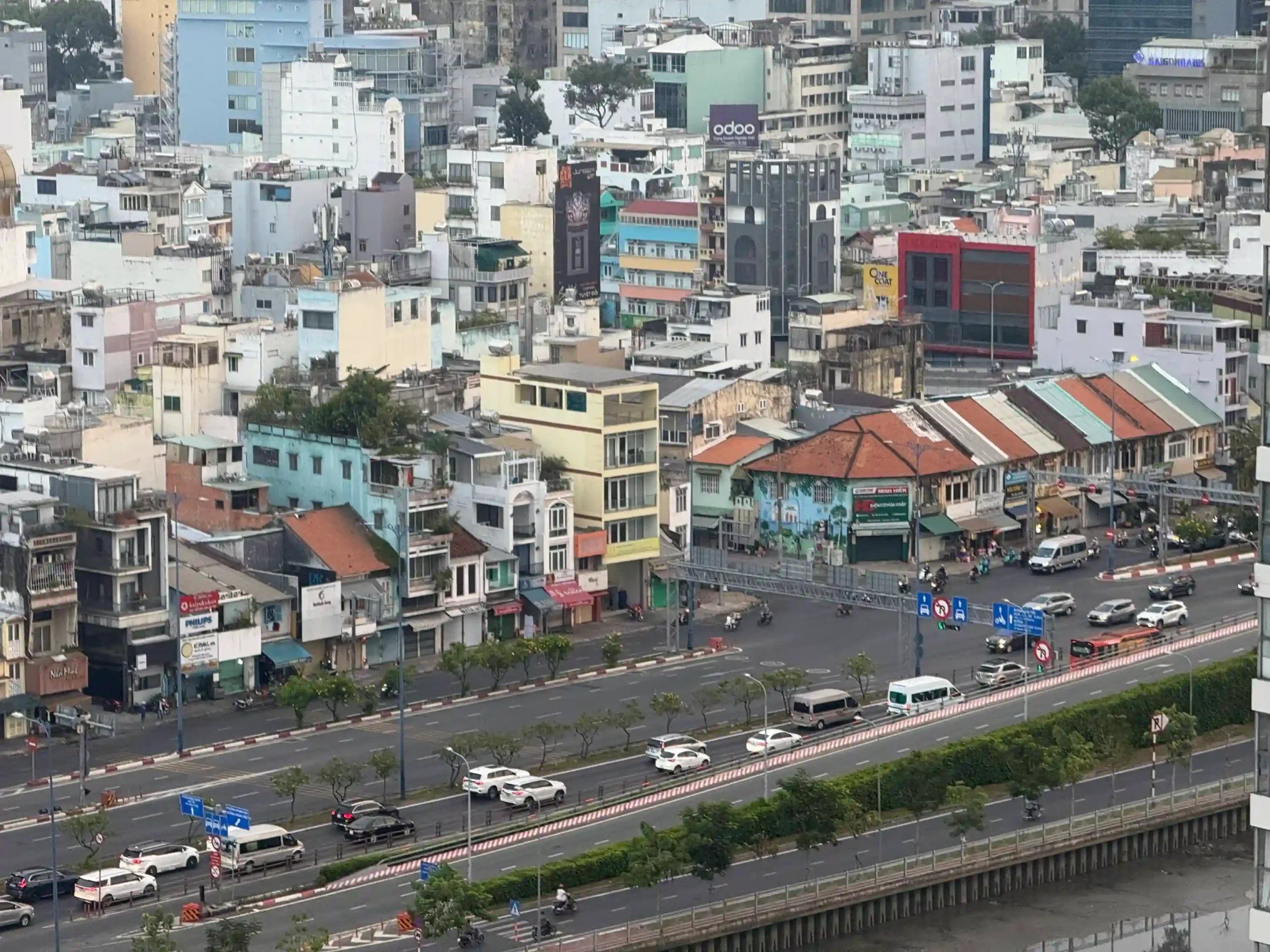
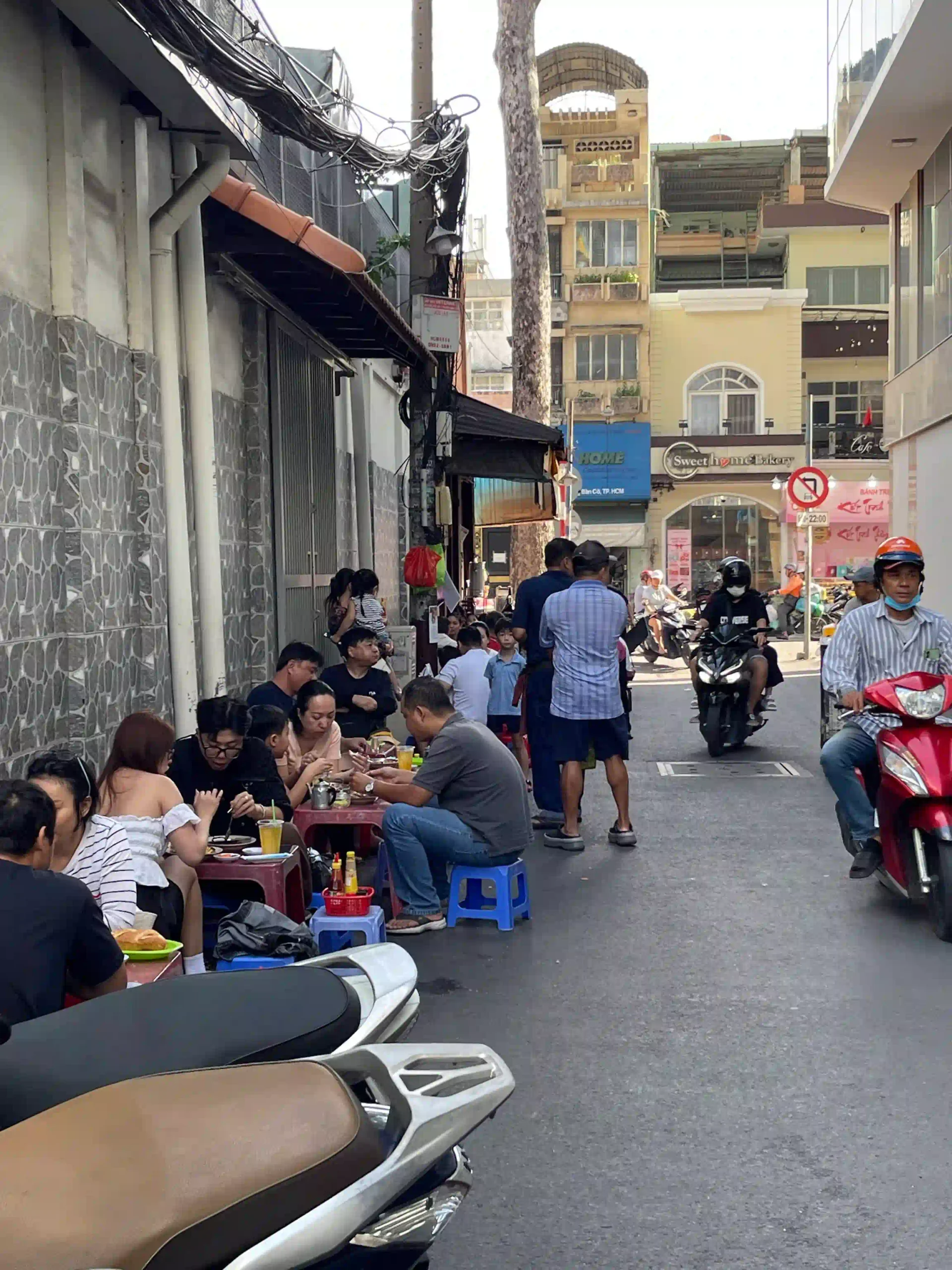
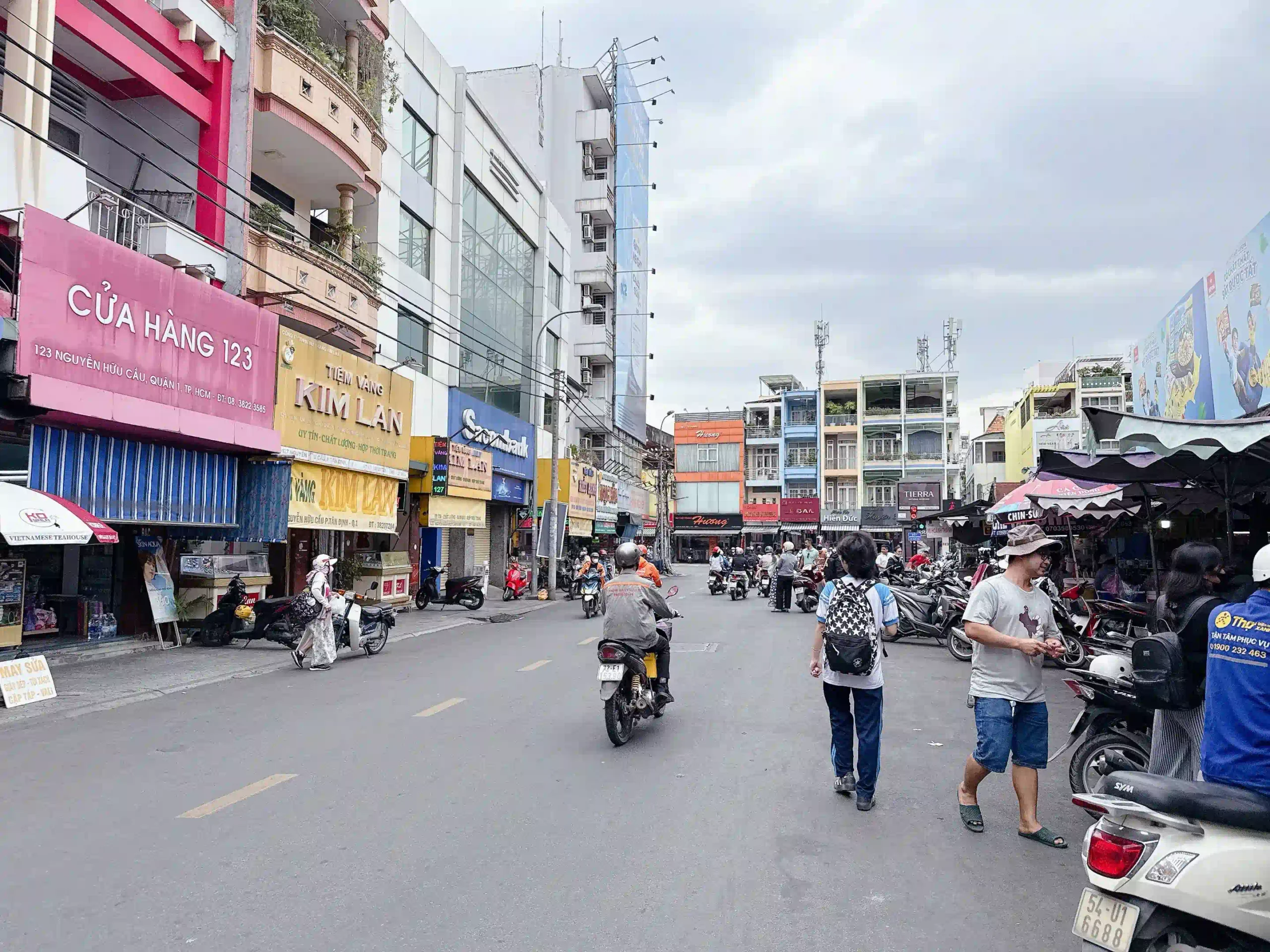
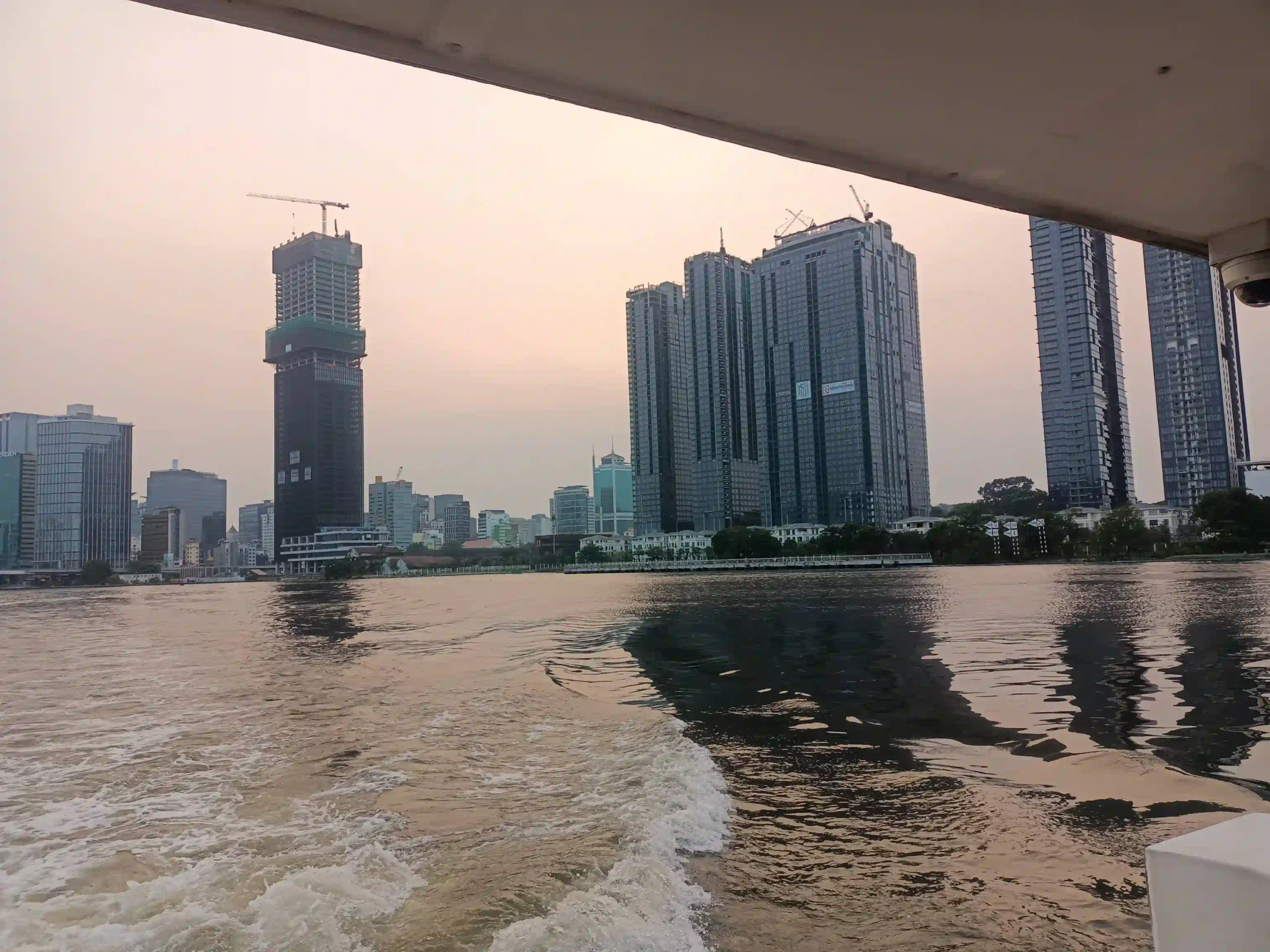
Three days is what I keep coming back to for almost everyone. It’s enough to see the parts of the city that count, get out beyond it for one proper trip, and still leave you time to just exist there rather than commute between attractions.
It also fits most people’s wider plans, since loads of travellers use Saigon as their way into the south of the country or their first stop before heading off elsewhere in Vietnam.
Two days will do if it has to, and I’ll show you how to trim it down below. Four or five is lovely, but and I really do mean this, please don’t fill those extra days with more sightseeing. You’ll fry. Use them to go slower instead.
The whole idea behind a Saigon itinerary built for slow travellers is that the city improves the less you try to cram into it, which is the opposite of how most people instinctively plan.
And if you’ve genuinely only got one day, then be honest with yourself, pick two or three things, accept that you’re only scratching it, and plan to come back properly another time.
The Shape of a Three-Day Saigon Itinerary
Right, here’s how I’d build it. I’m going to talk about the shape of each day rather than walk you stop by stop, because the specifics all live in the detail guides and you’ll want those open when you’re booking anyway.
What I care about on this article is the order and the logic, because that’s the part that quietly decides whether a first trip goes well or not.
Day one: don’t fight the jet lag
You’ve just got off a flight. You’re probably knackered, your sleep is upside down, and it’s hotter than the photos made it look. So day one is not the day to be a hero.
Keep it central and keep it walkable. Get your bearings around the old colonial heart of the city, get a proper Vietnamese coffee into you, and let yourself settle into the pace of the place.
This is also the day to get the heavier history done, while you’ve still got the energy and the attention for it, because some of what this city asks you to sit with is genuinely difficult, and you do not want to be facing that exhausted at the back end of the trip.
I’m not going to list the sights here, they’re all in the Ho Chi Minh City attractions with the prices and the timings, but the principle is to cluster the central stuff so you’re not crisscrossing town in the heat.

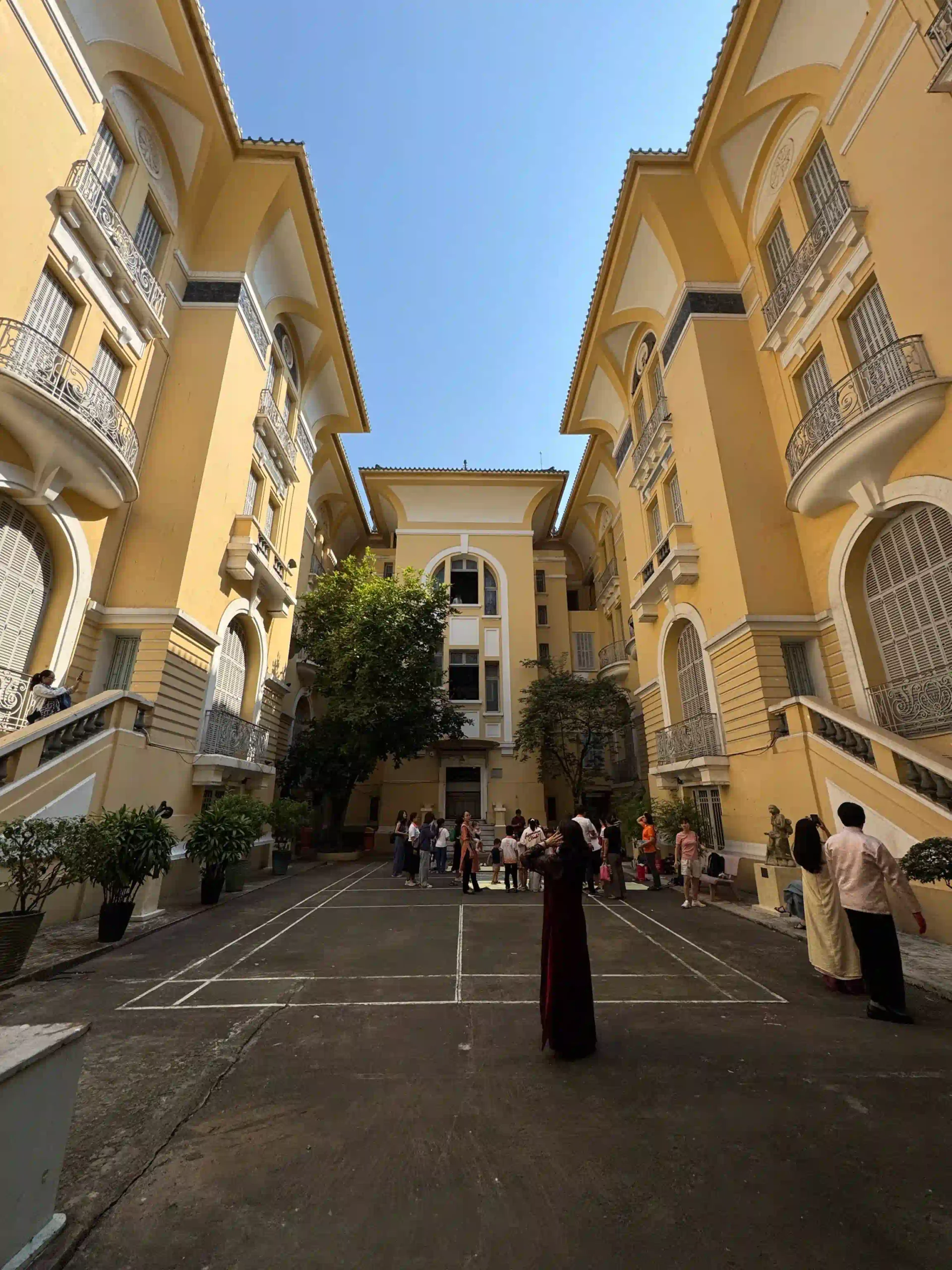
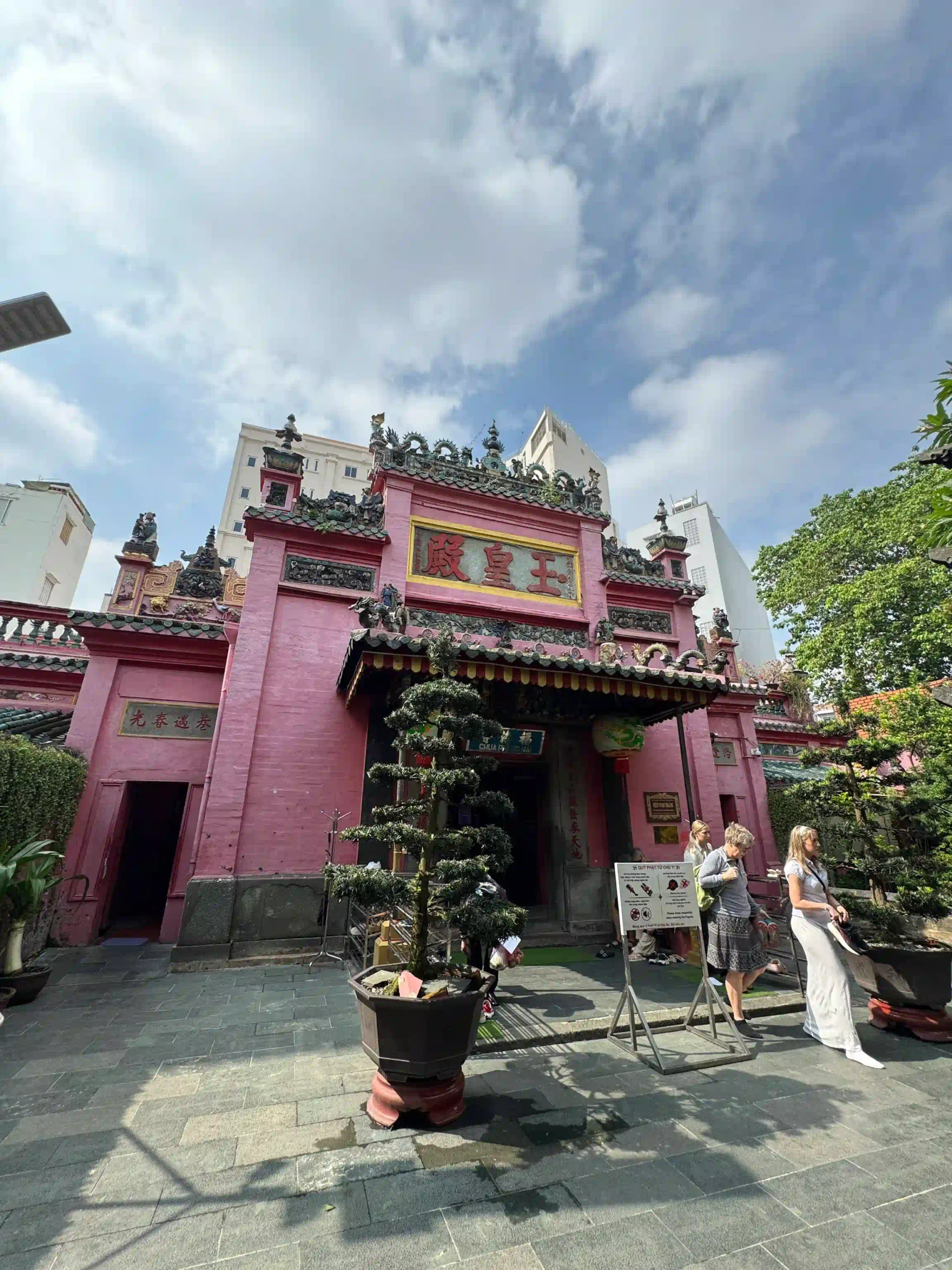
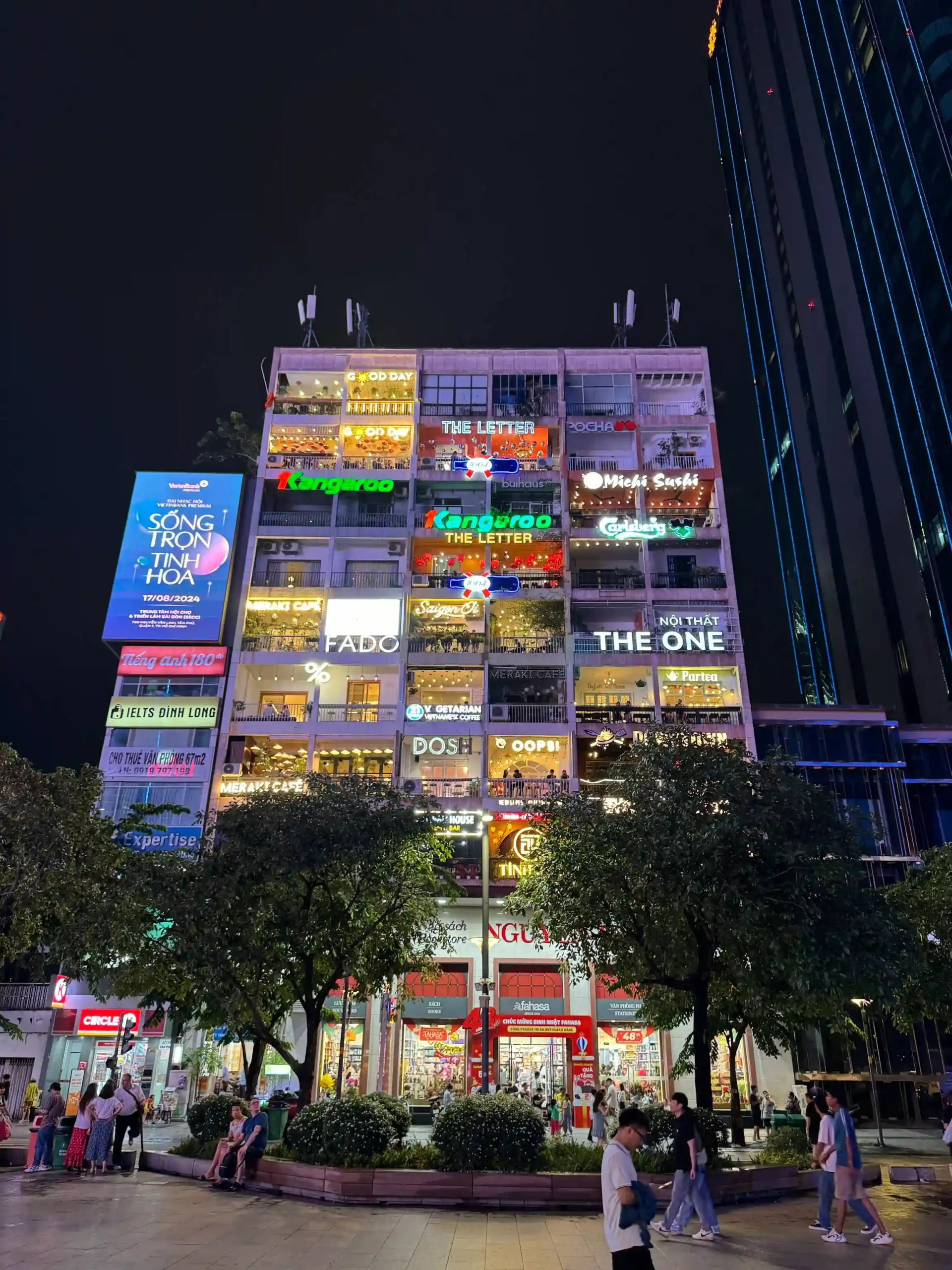
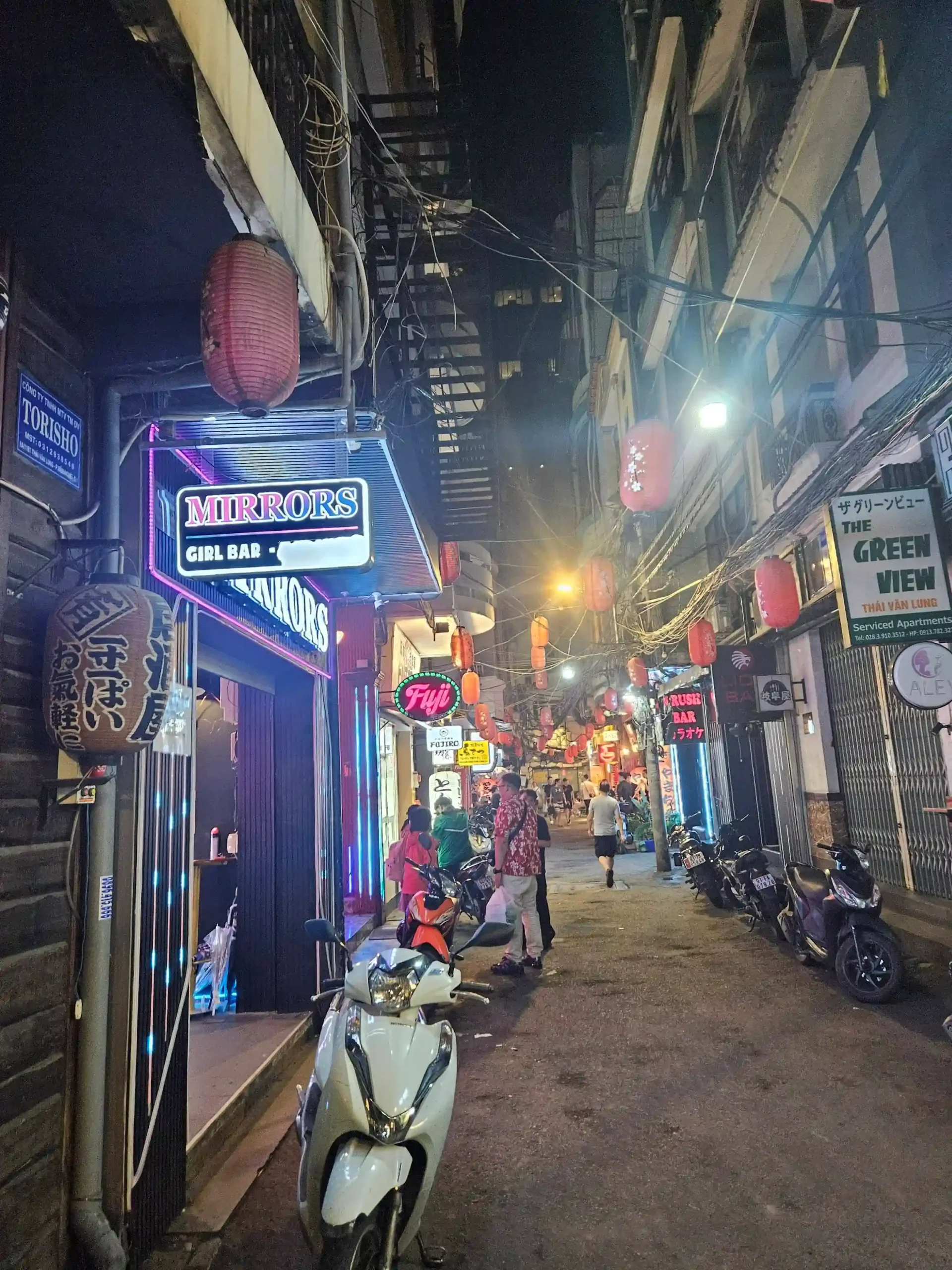
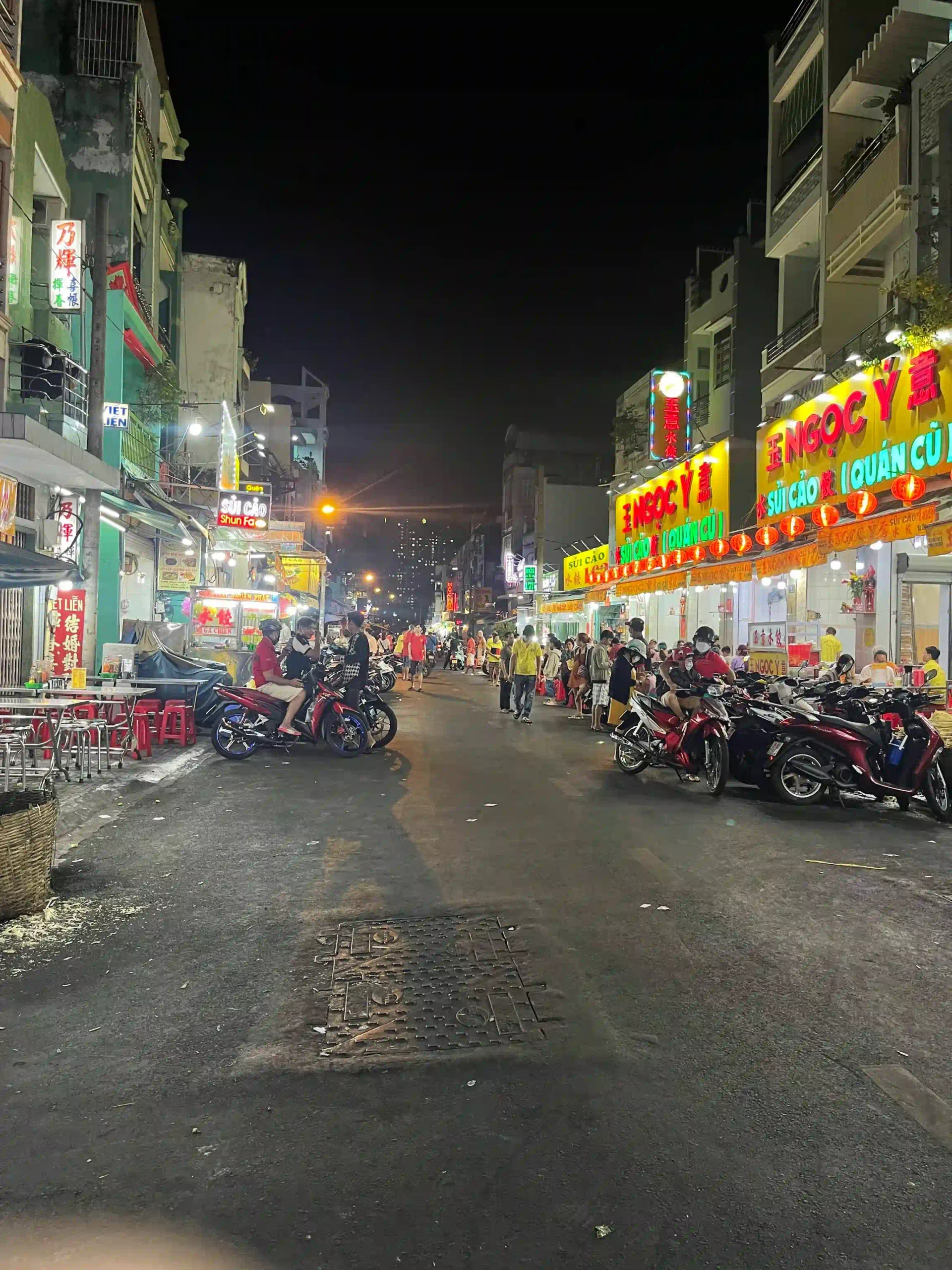
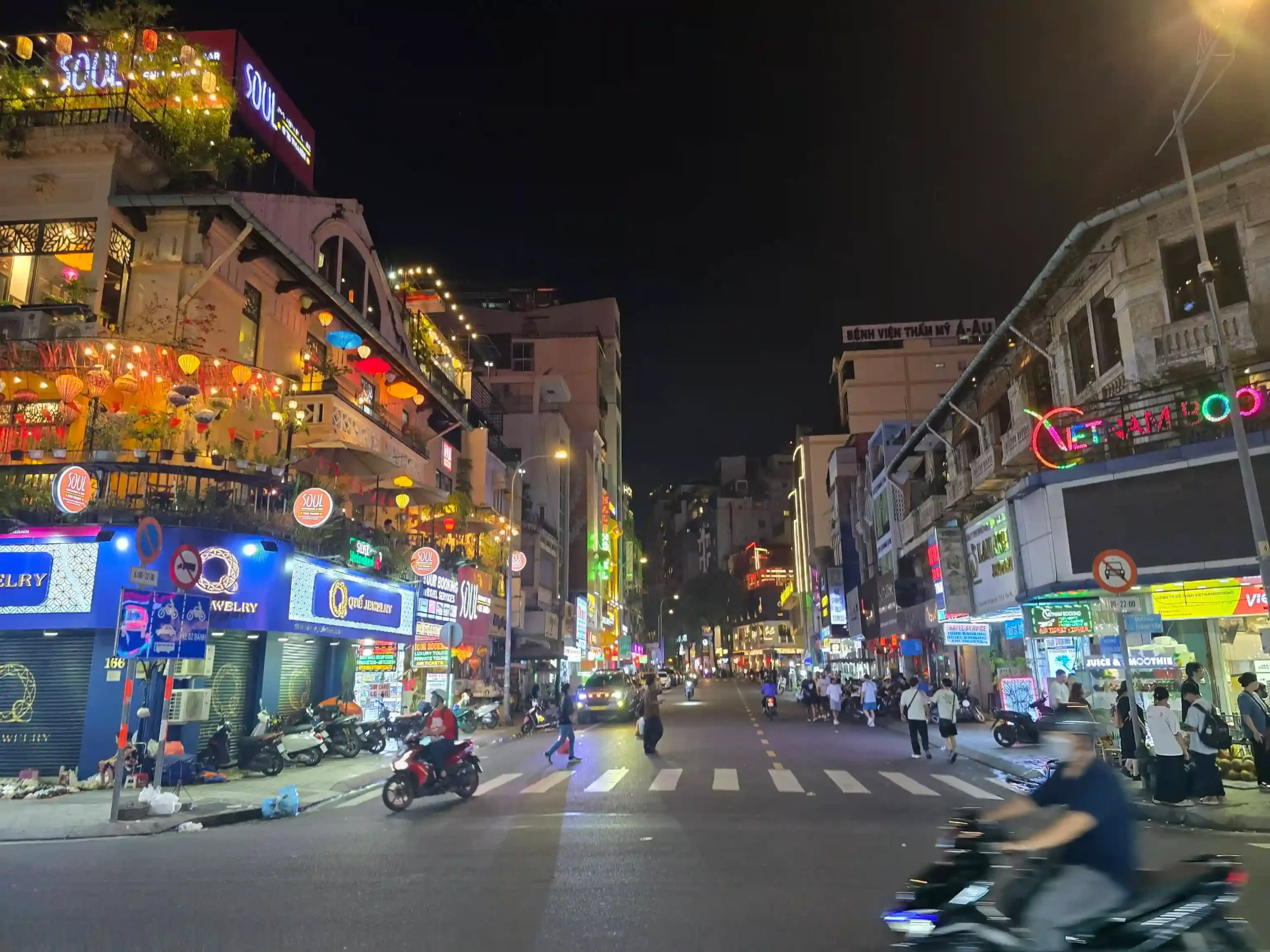
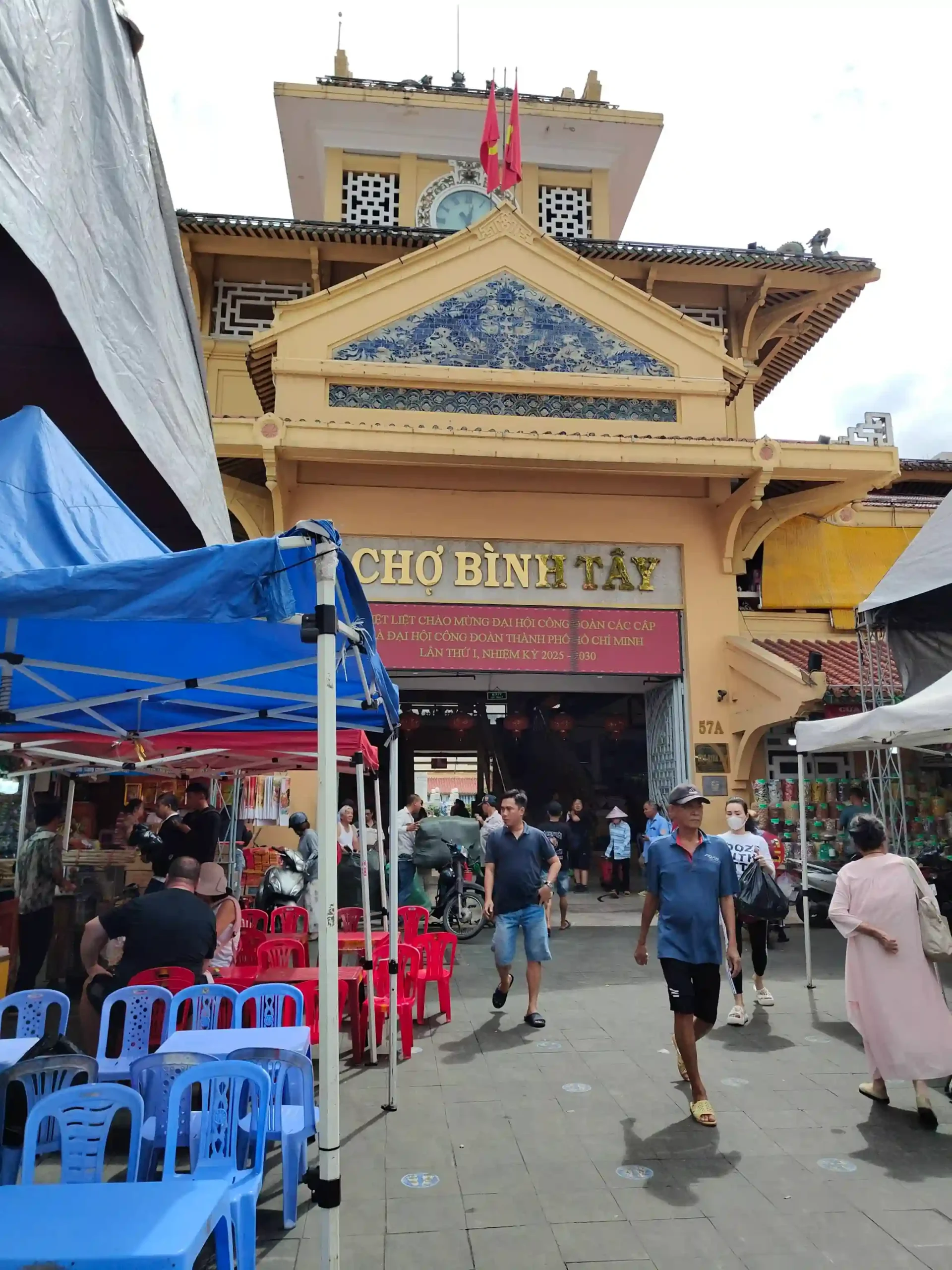
The colonial core is small and packed tightly together, which is a genuine gift on a hot day, so make the most of it.
Leave your evening open, though. If you’re flagging, eat something nearby and go to bed early without a shred of guilt. If you’ve somehow caught a second wind, that’s your moment to go watch the city light up. Both are completely fine.
The classic error is trying to run day three’s energy on day one. You really will pay for it across the rest of the trip if you do.
Day two: the one big thing
Day two is when you get out of the city for a bit. For most first-timers that means a half-day run out to the famous war tunnels in the northwest, which is the obvious choice and an excellent one.
I’ve packed off every visiting friend I’ve ever had out there and not one of them has come back disappointed, including the ones who swore beforehand they weren’t “into history.”
The reason it sits on day two and not day one is straightforward: it eats a real chunk of your day, most of it travel, and you want to be over the worst of the jet lag before you give a morning to a minibus. Head out in the morning, get back to the city by the afternoon, and you’ve still got half a day spare.
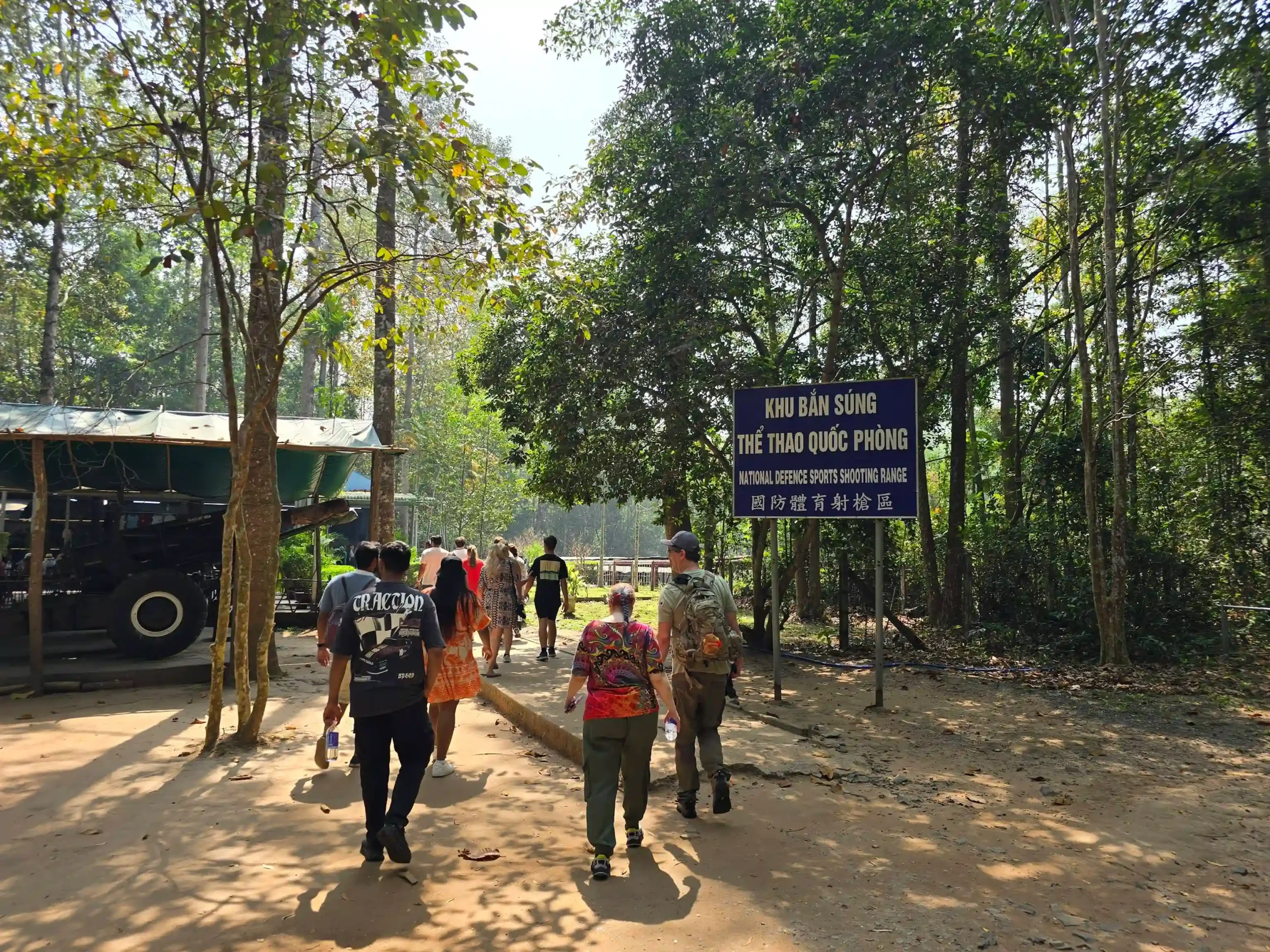


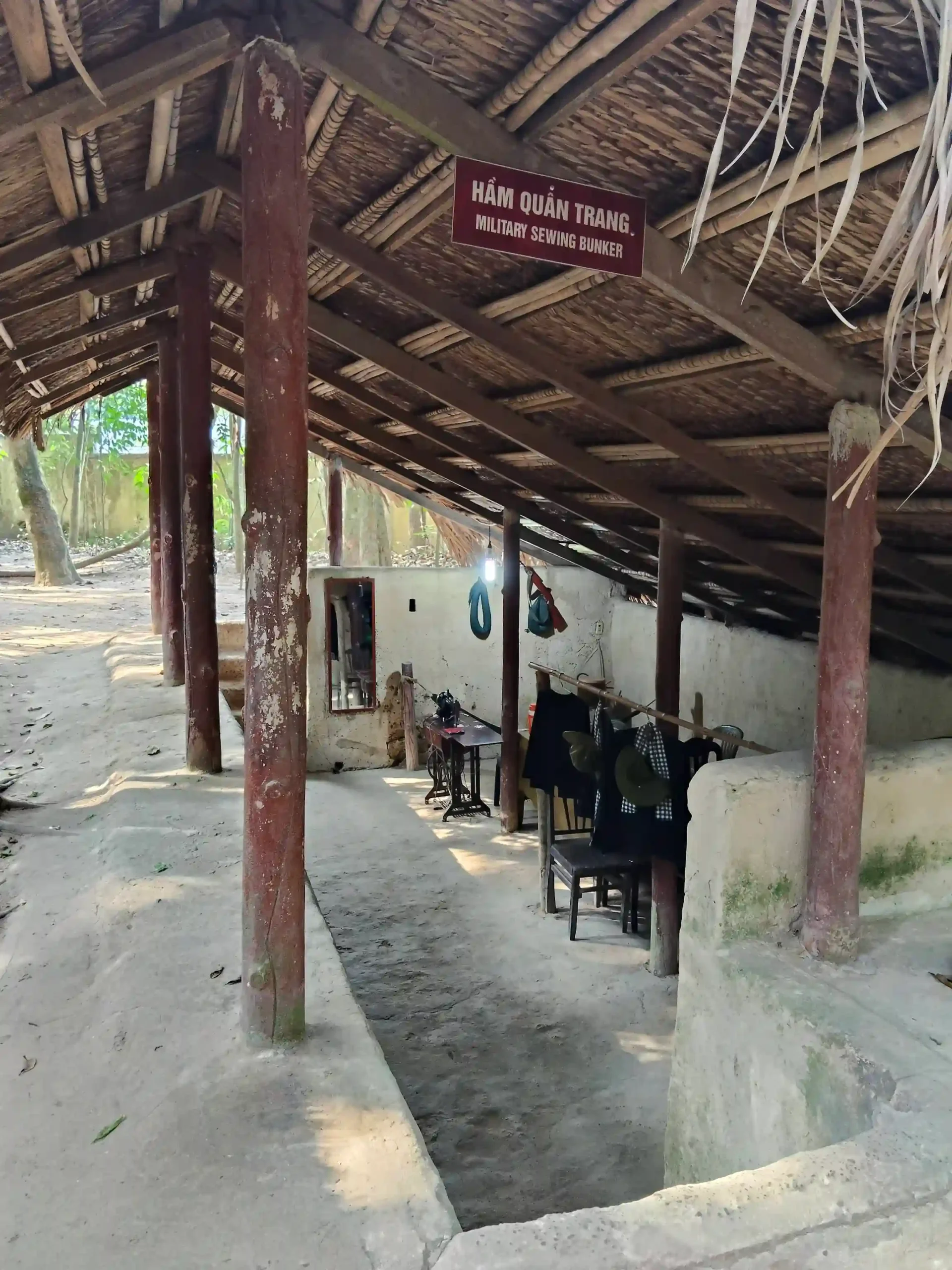
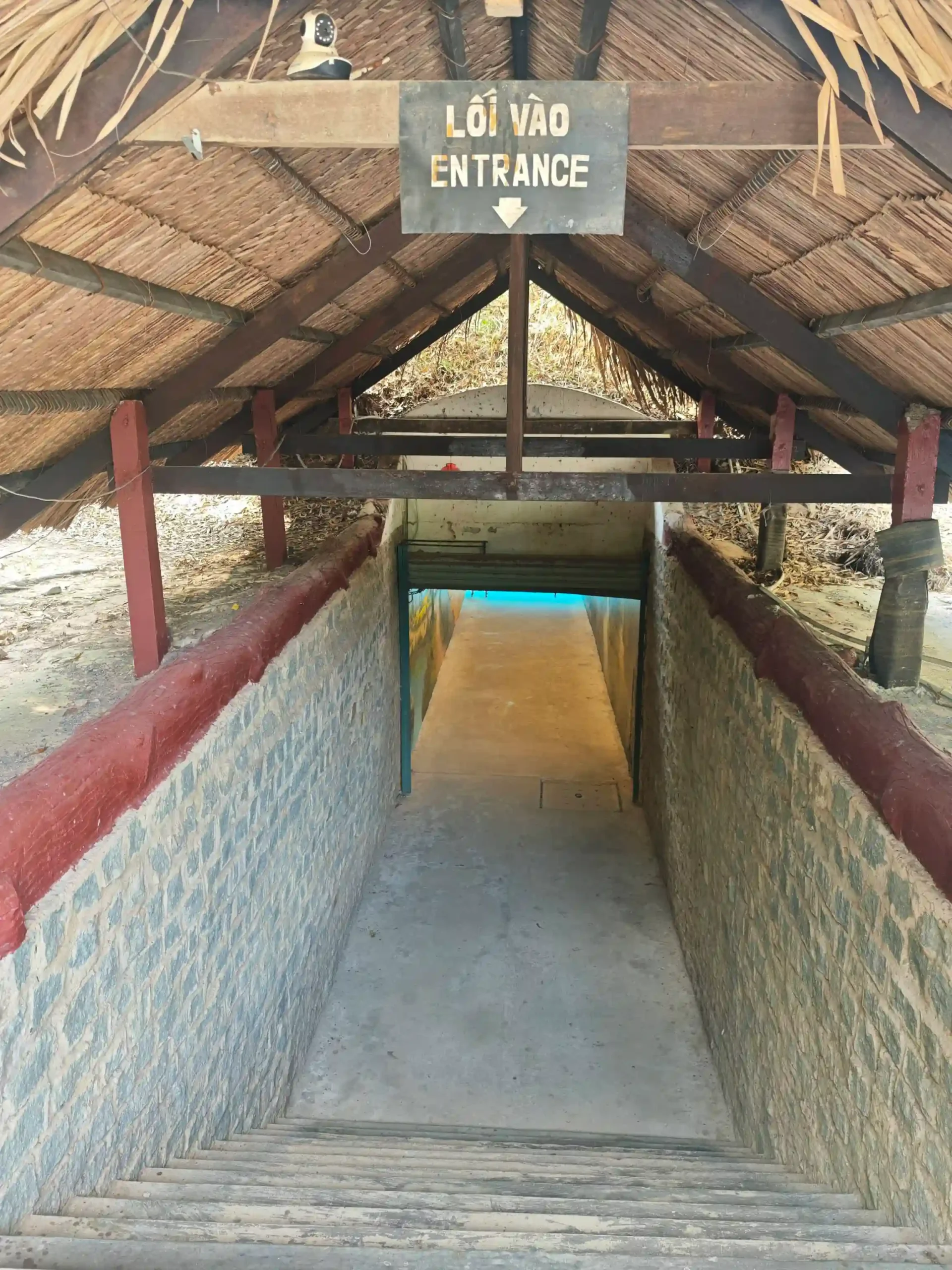
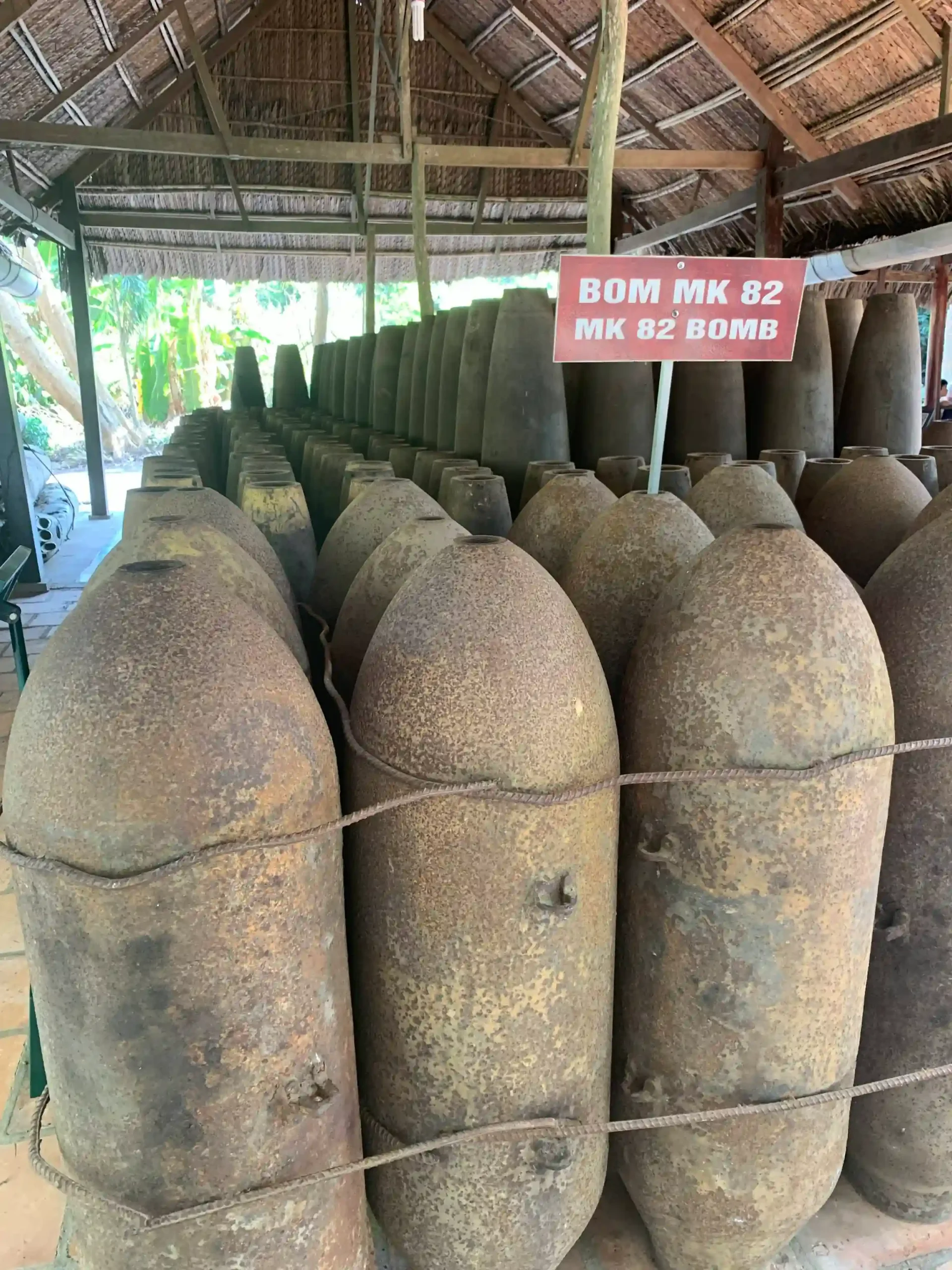
The how, the which-tour, the should-you-bother-going-solo questions all get answered in the dedicated Cu Chi Tunnels day trip guide, so I’ll leave that there rather than repeat it.
What you do with the afternoon once you’re back, I’d honestly just play by ear.
If the trip’s flattened you, lean into a lazy stretch of cafes and aim to be somewhere with a view when the sun goes down. If you’ve still got a bit of go in you, that’s a nice window to see a different, more local face of the city, away from the polished centre. There isn’t a wrong answer here.
Detail article: 2-day itinerary for Ho Chi Minh city
Day three: eat, drift, leave wanting more
Your last full day should look nothing like the first two, and that’s the whole intention. By now you’ve done the museums, you’ve been out of town, you’ve seen the skyline from up high.
So day three is for the actual reason people fall for Saigon, which, let’s not kid ourselves, is mostly the eating.
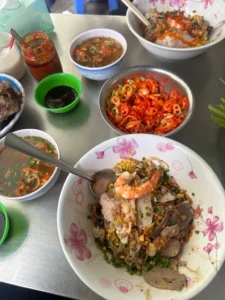
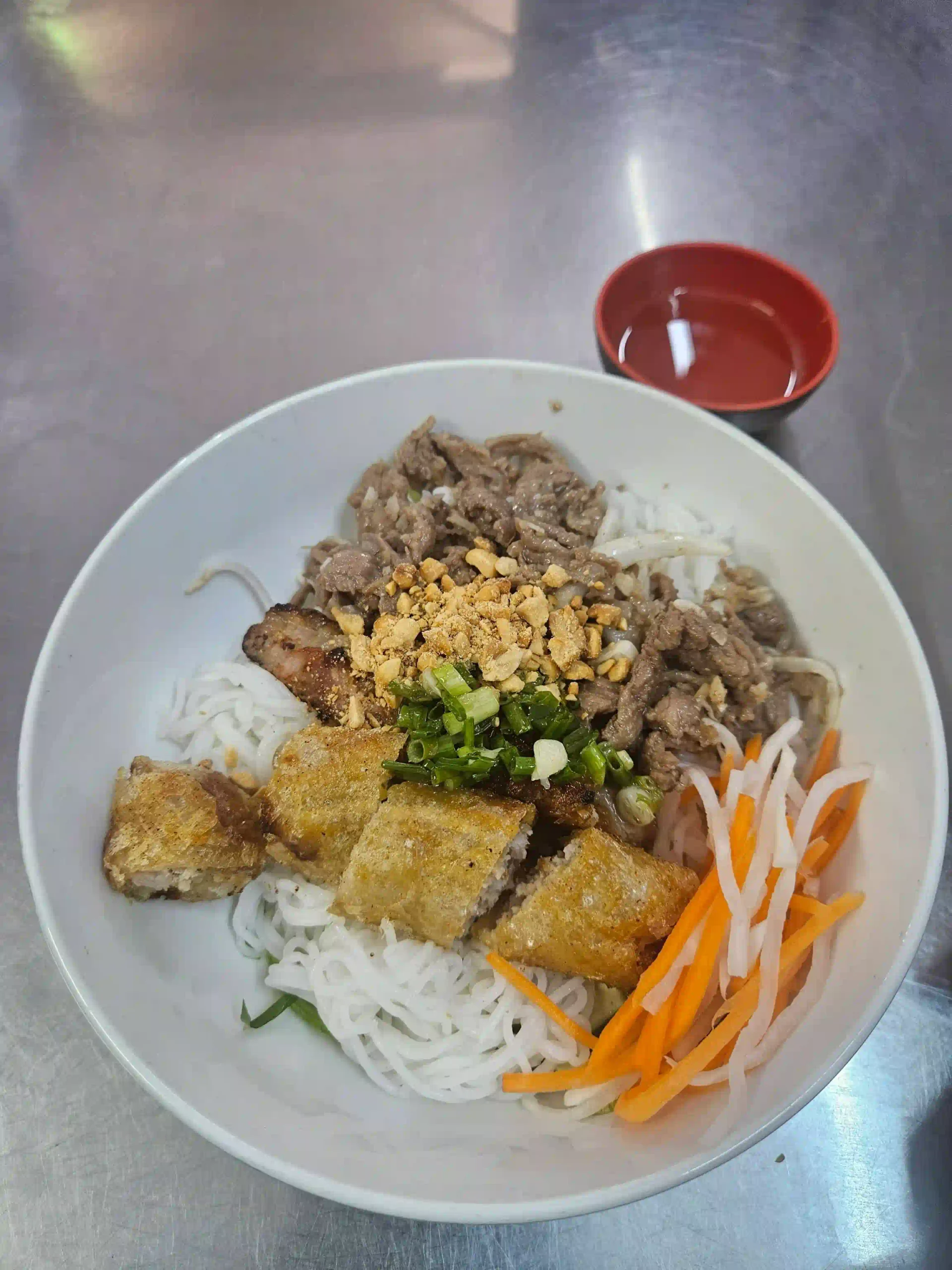
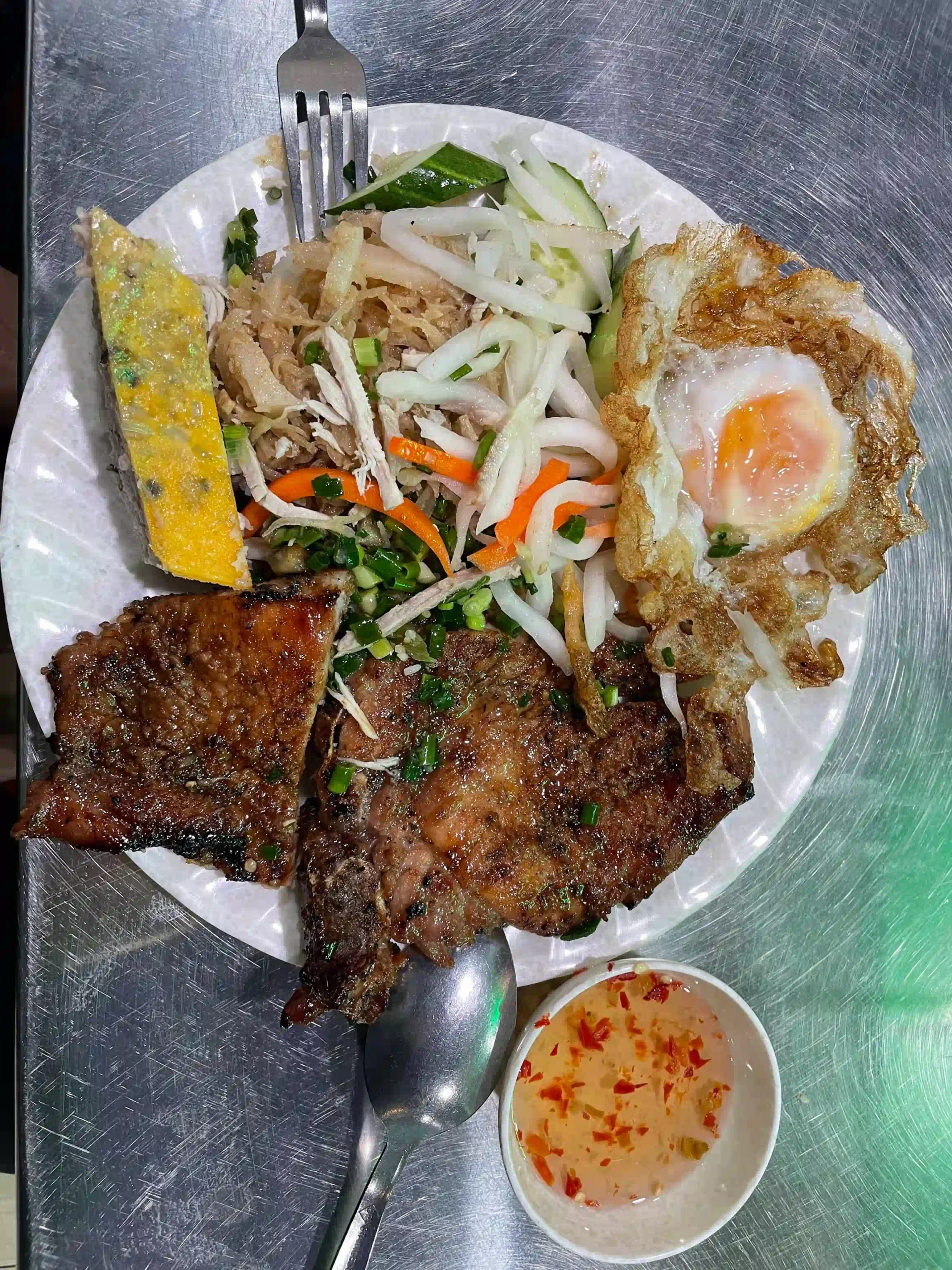
Make it a food day, then. Start with a real street breakfast on a tiny plastic stool with the rest of the neighbourhood. Wander through a market if the mood takes you, though I’d keep your expectations modest about the big touristy one. Spend a frankly unjustifiable portion of the afternoon doing nothing at all in a good cafe. Drift toward the river in the evening.
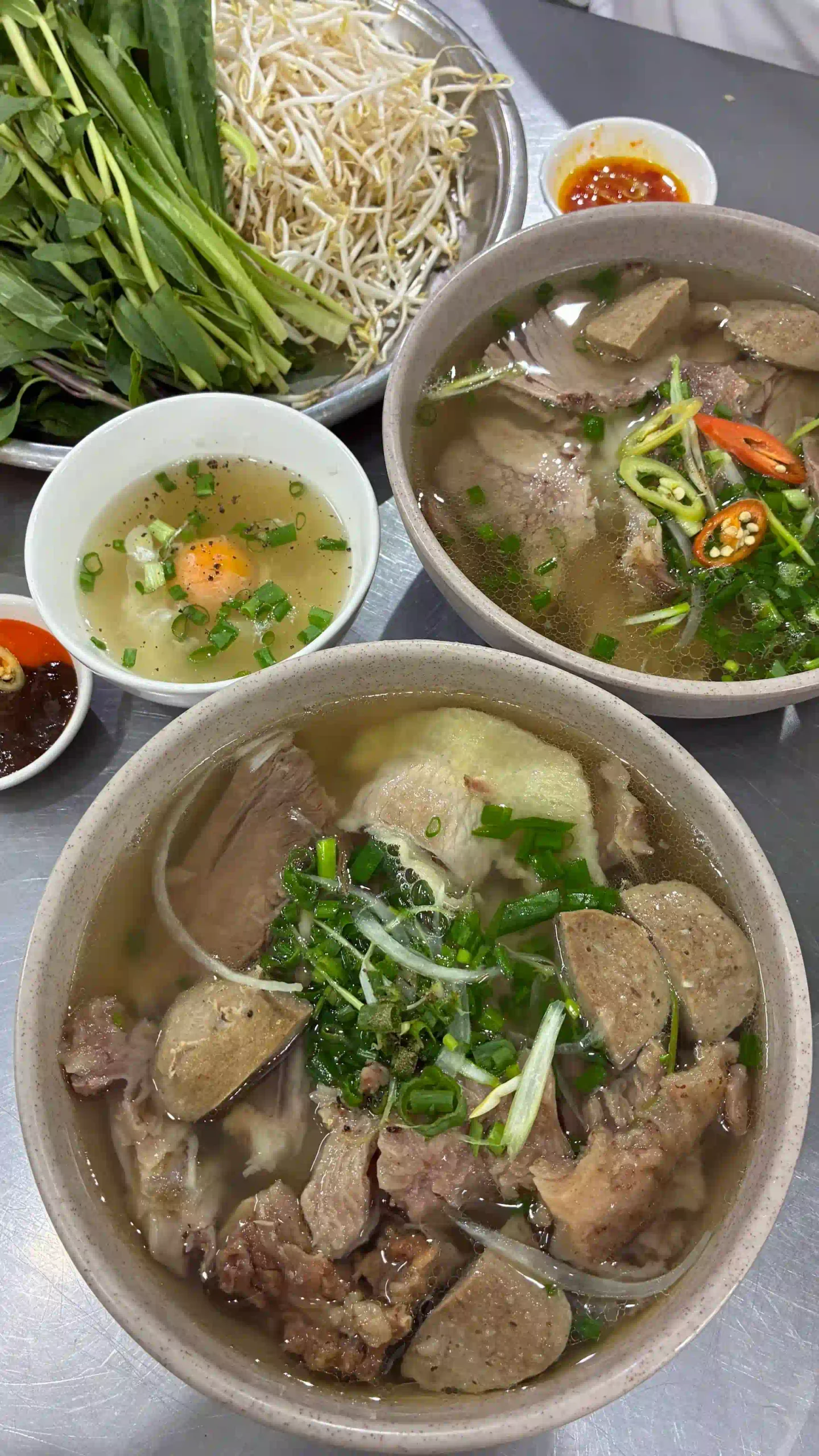


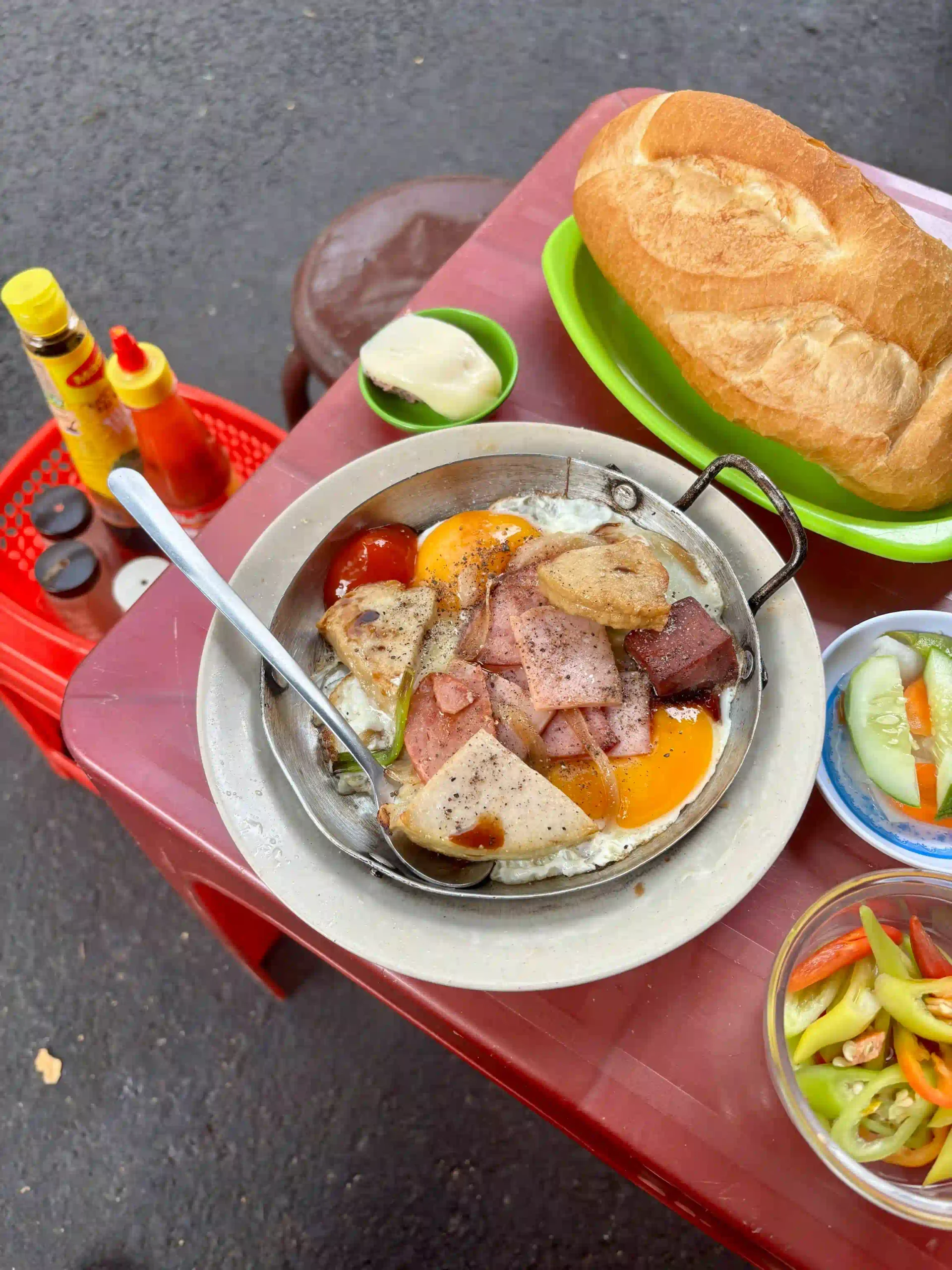
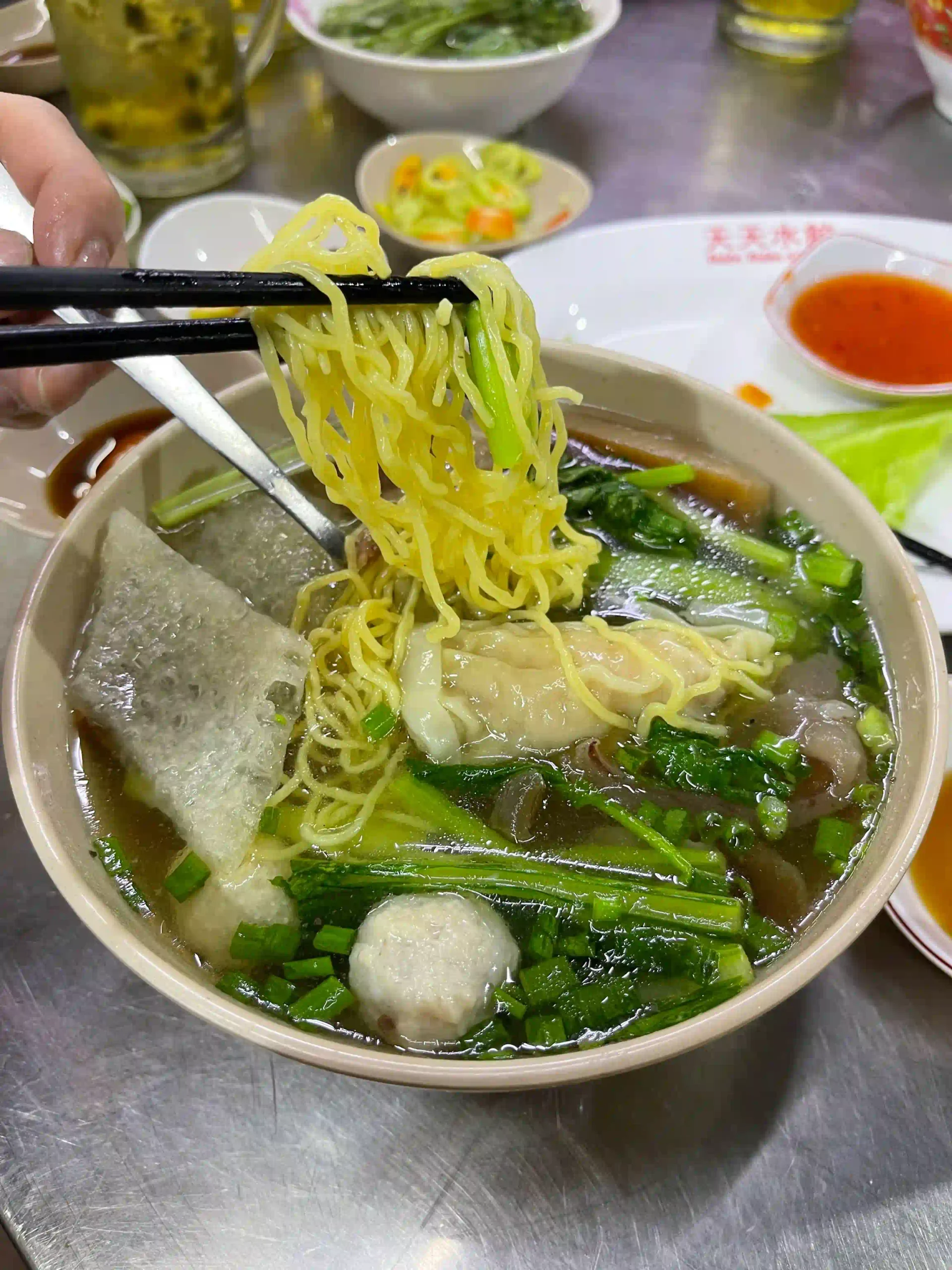
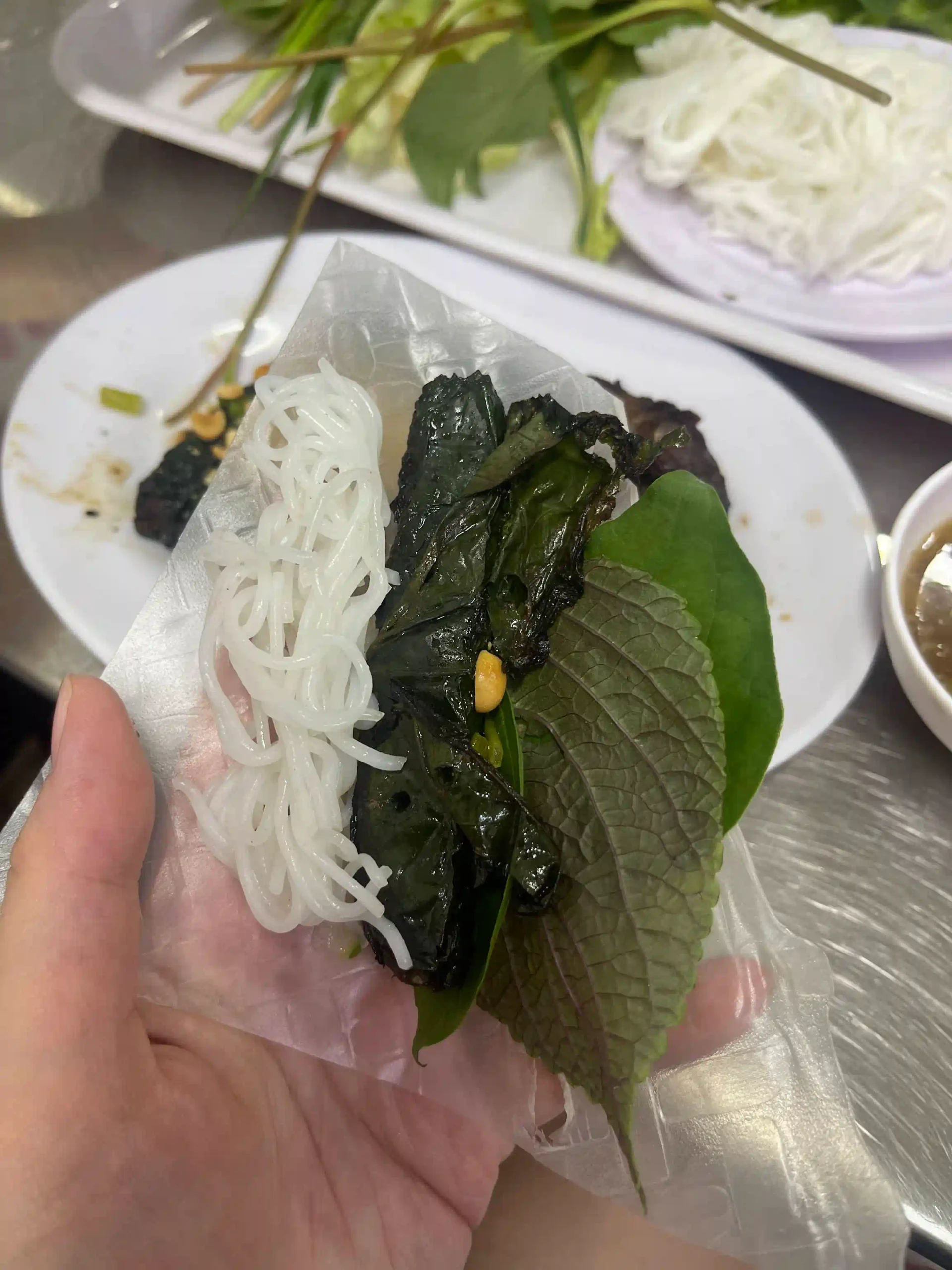
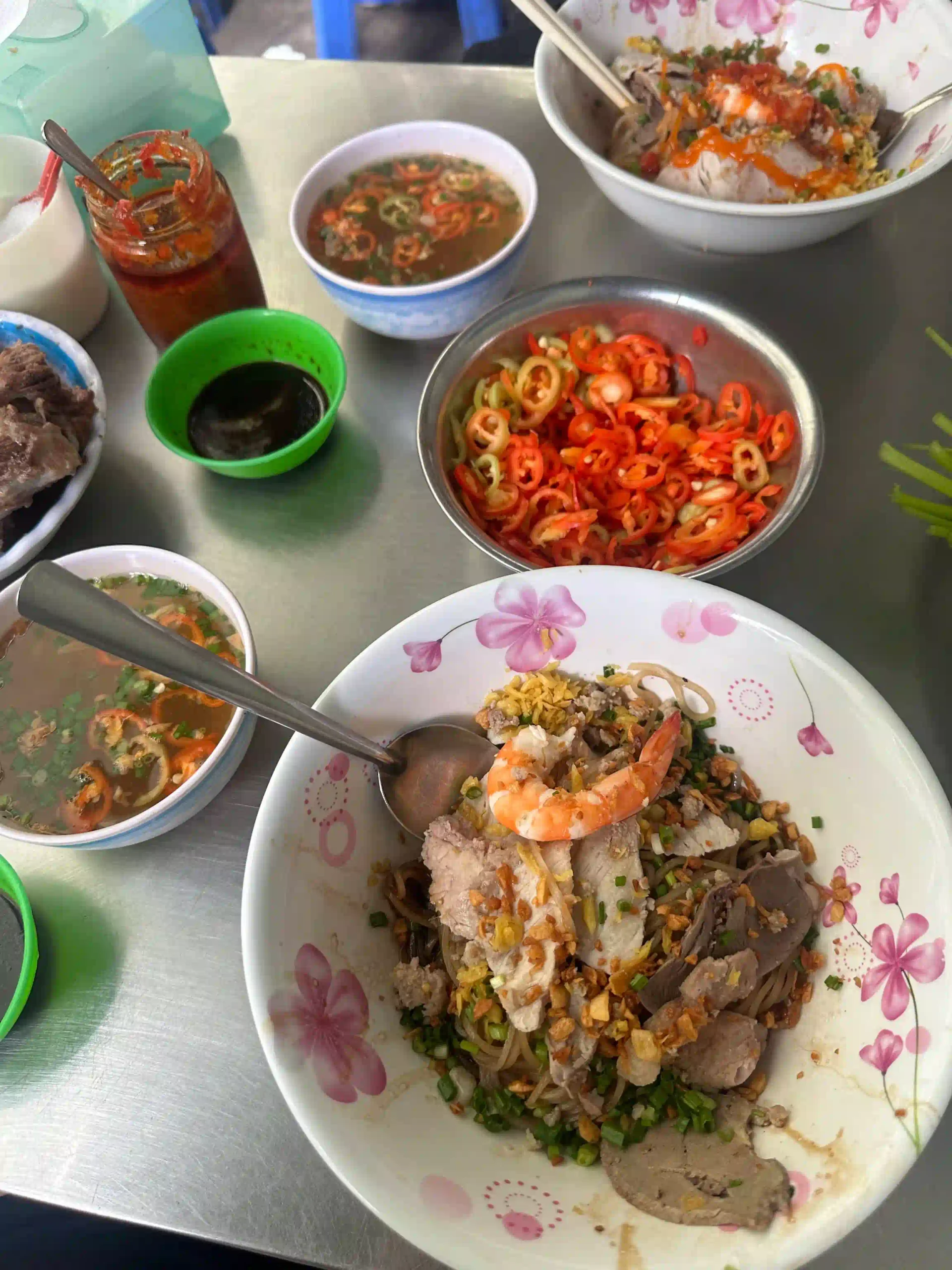
The trap on a last day is the sudden panic where you try to cram in everything you think you “missed.” Don’t. You didn’t miss anything that matters.
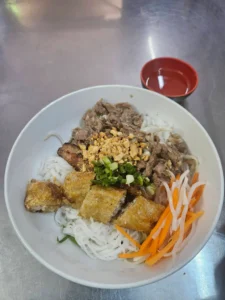
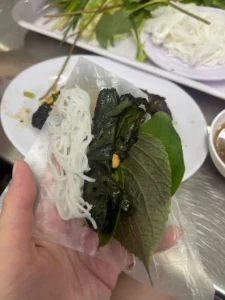
A trip where you saw a bit less but actually enjoyed it is the better trip, and it’s the one you end up telling people about. Every real eating recommendation, what to order and where to find it, is over in the what to eat in Saigon guide, so turn up hungry and read it first.
Adapting the Plan
No two trips are the same, so here’s how I’d bend this depending on your situation.
If you’ve only got two days
Cut the day trip. I know the tunnels are great, but they swallow a whole morning and a two-day trip can’t really spare it.
Keep the gentle history-and-centre plan for day one, keep the slow food day for day two, and you’ve got a tight little version of this Ho Chi Minh City itinerary that still doesn’t feel rushed.
The tunnels will still be there next time.
If you’ve got four or five days
This is exactly where people trip up, by reaching for more sights. Don’t. Add a second day trip if you want one big extra thing, the river delta to the south being the usual pick, but otherwise just stretch the days you’ve already got. Get up later. Do one thing in a day instead of three. Go back to a neighbourhood you liked instead of chasing a new one.
Those extra days are for depth, not for length.
If you’re travelling with kids
A couple of the central sights are heavy and war-related and frankly not suitable for little ones, so I’d plan something gentle straight afterward to break it up.
Keep your days shorter than you think you need to and build in pool or rest time, because the heat hits children a lot harder than it hits adults. The family side of Saigon is its own guide and I will cover the kid-friendly stuff properly there.
If you’re coming in the rainy season
Don’t fret, it’s not the washout you’re imagining. The rain usually arrives as one heavy afternoon downpour and then clears off. So flip your day to suit it
Do the outdoor and walking things in the morning, then park your indoor plans, a long lunch, a museum, a coffee, in the afternoon storm window. You lose almost nothing, and the city’s quieter and cheaper while you’re at it.
I dig into the timing of all this in the best time to visit part of the another guide.
A Few City-Wide Things That Shape the Whole Trip
These aren’t stops on your itinerary, they’re the background facts that affect how every day goes, so they’re worth half a minute each.
The heat runs the show. The middle of the day is genuinely punishing and trying to bulldoze through it on foot is the fastest route to being miserable by early afternoon. Do your walking and outdoor stuff in the morning and the late afternoon, and hand the midday over to air-conditioning, a long lunch, and yet more coffee. Plan with it and the city’s a pleasure. Plan against it and you’ll spend the trip wondering why everyone else seems to be enjoying themselves more than you are.
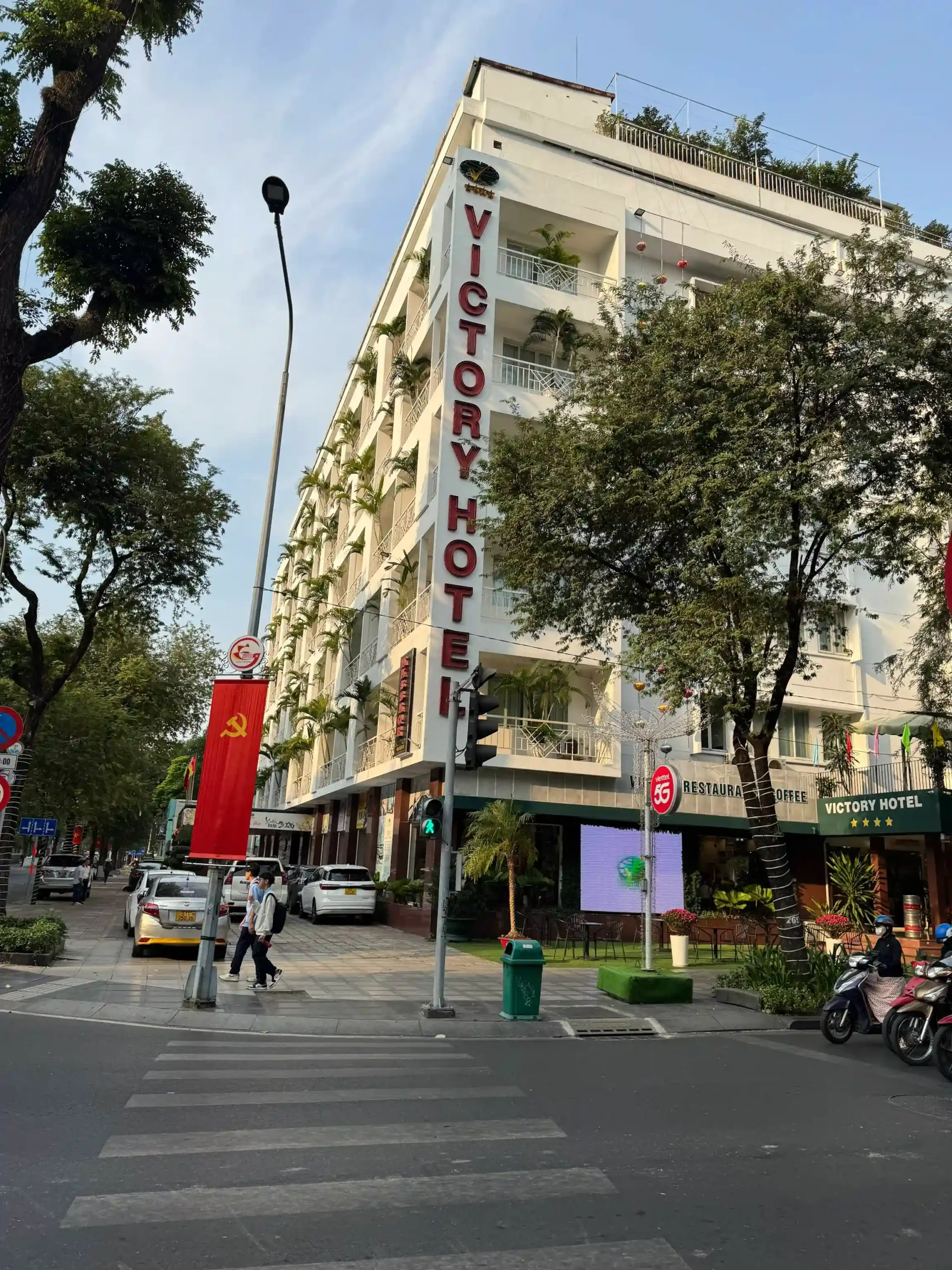
Where you sleep counts for more than people expect on a short trip. For a first visit you want somewhere central and walkable so you’re not losing an hour each way to traffic, and I go right into the actual neighbourhoods and picks in the where to stay in Ho Chi Minh City guide. For now just know that a central base buys you time, and on three days time is the thing you’re shortest on.
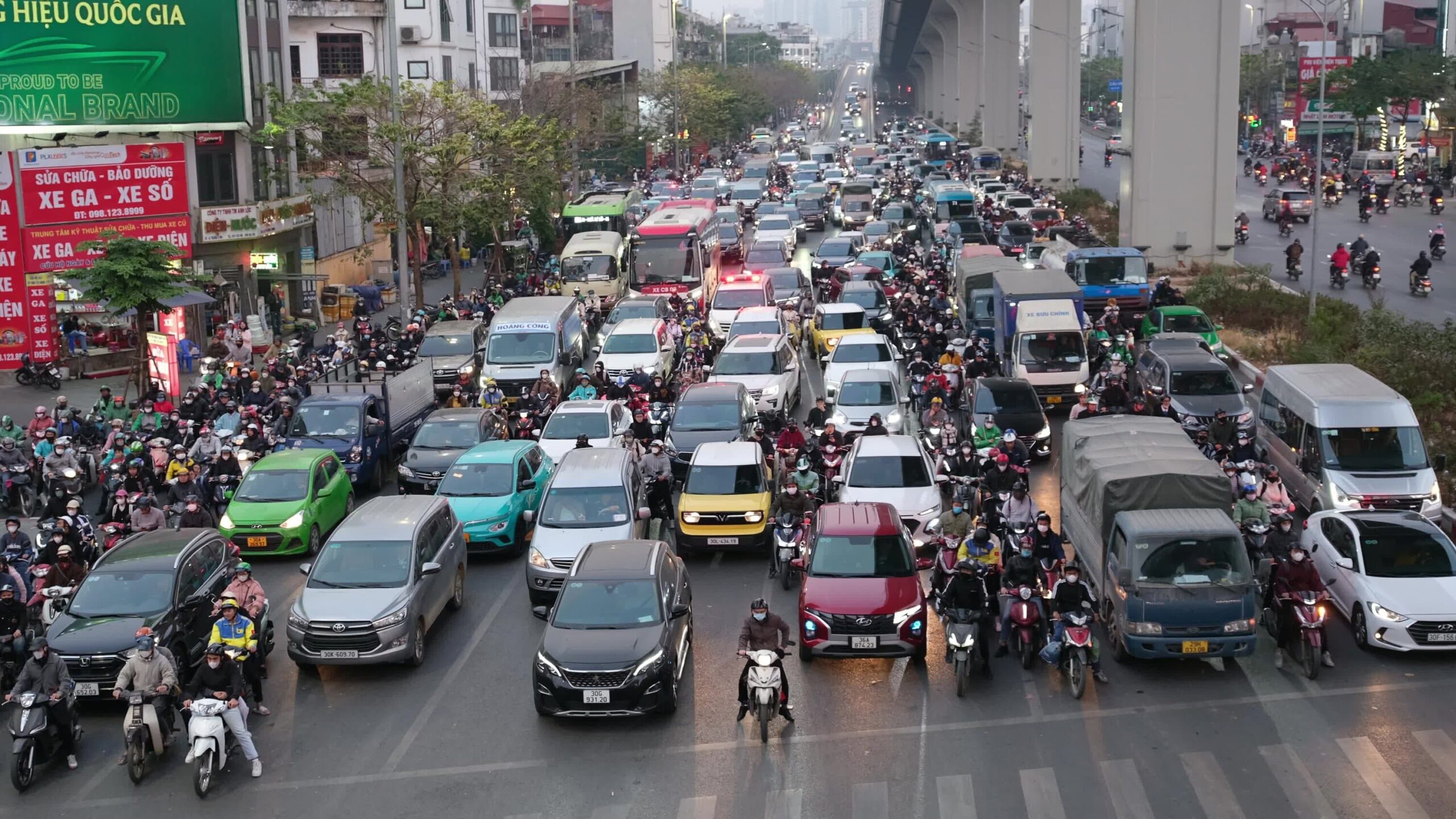
Getting around is easy the moment you’ve got the ride-hailing app on your phone, which you should download before you’ve even landed. Climbing onto the back of a motorbike taxi is terrifying for roughly ninety seconds and then it becomes your favourite way to move through the place. There’s a shiny new metro line now too. The short version is that it’s cheap, it’s everywhere, and you won’t need to rent a thing.

The Mistakes First-Timers Make (So You Don’t Have To)
I’ve watched a fair few people do Saigon for the first time, and the same patterns come up again and again. None of them are about which particular sight to see. They’re about how you go at the whole thing, which is exactly what an itinerary’s supposed to help you with.
Over-scheduling is the big one, by a mile. People clock how cheap the attractions are and decide to do nine of them in a day. Then they’re shattered, they’ve not really taken in a single one, and they fly home convinced the city was just stressful.
Do fewer things and stay at each one longer. It’s not complicated, it’s just hard to make yourself do.
Saving the heavy history for when you’re worn out is another. Those places deserve your full attention and they ask a lot of you emotionally, so get them done early in the trip and early in the day, not as a tired afterthought.
Then there’s only ever eating at places with an English menu and the air-con cranked up. I do understand the instinct, especially when you’re jet-lagged and a bit nervous, but the best food in this city is on the street and in the busy local joints.
And if you never once sit on a plastic stool you’ve kind of missed the whole thing. The Saigon street food guide will hold your hand through it if the idea makes you anxious.
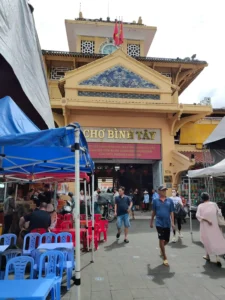
And treating the big famous market as a place to actually shop. Walk through it for the noise and the spectacle by all means. Just don’t do your real buying in there, and don’t expect a bargain unless you’re someone who genuinely enjoys a haggle.
The thread tying all of these together is the same one. People rush, and rushing is the one thing Saigon really doesn’t reward. If you do nothing else with this guide, plan fewer things and give each of them more room to breathe.
Who This Trip Actually Suits
Worth a quick honest note, because Saigon isn’t for everyone and there’s no shame in that.
If you like cities that are full-on, a bit chaotic, endlessly alive, and where the joy is in the everyday street-level stuff rather than a tidy list of monuments, you’re going to have a brilliant time.
If your ideal holiday is calm, quiet, and ordered, you might find the first day or two genuinely hard work, and that’s okay, you just want to know it going in and build in more escape valves, more cafes, more pool time, more early nights.
It also rewards repeat visits more than almost anywhere I know.
A first trip done on the plan above gives you the city’s greatest hits and a real feel for the rhythm of the place. But the version of Saigon I love now, the back-alley coffee spots, the noodle place with no sign that’s somehow always full, didn’t reveal itself on trip one. That comes with time.
So if you only get three days this round, don’t mourn what you don’t reach. File it under “next time” and let it pull you back.
Frequently Asked Questions
Is three days enough for Ho Chi Minh City?
For a first visit, yes, and comfortably so if you pace it the way I’ve set out. You’ll see the parts that matter, get one proper trip out of town, and still have time to actually enjoy yourself rather than just shuttle between sights.
You won’t see everything, but no one ever does, and that’s more a reason to return than a problem to solve.
Should I do a day trip or stay in the city the whole time
On three days I’d do one day trip, usually the tunnels, slotted into the middle of your stay. On two days I’d drop it and keep everything in the city. On four days or more you’ve got the room for a second bigger excursion if you fancy one.
What’s the best order to do things in?
Get the heavy history done early while you’re fresh, put your one big day trip in the middle once the jet lag’s worn off, and save a slow, food-led day for the end. Following that order is most of the secret to a good Saigon itinerary, and it costs you nothing to do.
Is it better than Hanoi?
They’re not really competing, they’re just different beasts. Saigon’s faster, hotter, more forward-leaning. If your wider trip has the time in it, do both and let each one be its own thing rather than picking a winner.
Do I need to book the big sights ahead?
For most of the in-city stuff, no, you can simply turn up. Day trips and tours are worth sorting a day or two in advance so you land on a smaller group rather than a packed coach. The booking specifics live in each of the attractions guides.
| Travel Situation | Best Plan | What to Prioritize | What to Avoid | Extra Tip |
|---|---|---|---|---|
| Ideal trip length | 3 days | A balanced mix of central sights, war history, one day trip, street food, markets, cafes, and river time | Trying to see “everything” in one short visit | Three days gives first-timers enough structure without turning the trip into a checklist |
| If you only have 1 day | Keep it simple | Choose 2–3 key experiences: the central colonial core, one museum or major sight, and a good local meal | Rushing across the city in taxis all day | Treat it as a first taste of Saigon, not a complete itinerary |
| If you have 2 days | Skip the day trip | Day 1: central sights and history; Day 2: food, markets, cafes, and a slower city wander | Forcing Cu Chi Tunnels into a tight schedule | A two-day version works best when you stay inside the city |
| If you have 3 days | Follow the full itinerary | Day 1: central core and history; Day 2: Cu Chi Tunnels; Day 3: street food, markets, cafes, and river views | Saving the heaviest history for the last day | Put the most demanding sightseeing early, then slow down toward the end |
| If you have 4–5 days | Go deeper, not busier | Add slower mornings, longer cafe stops, repeat a neighborhood you liked, or add one bigger excursion such as the Mekong Delta | Adding more sights just because you have extra time | Extra days are best used for atmosphere, food, and wandering |
| Day 1 focus | Ease into the city | Stay central, walk the colonial core, drink Vietnamese coffee, visit the heavier historical sites while fresh | Fighting jet lag or over-planning the first evening | Keep the evening flexible: rest early or enjoy the city lights if you still have energy |
| Day 2 focus | Do one big thing | Take a half-day trip to the Cu Chi Tunnels in the morning, then return for a slower afternoon in the city | Booking too many extra stops on the same day | Day 2 is better for Cu Chi because you are more settled than on arrival day |
| Day 3 focus | Eat and drift | Street breakfast, local markets, long cafe time, and an evening by the river | Panicking about things you “missed” and cramming the final day | This is the day to enjoy Saigon’s everyday rhythm rather than chase attractions |
| Best pace | Slow and realistic | Fewer stops, more time at each place, breaks during the day | Over-scheduling cheap attractions just because they are easy to access | Ho Chi Minh City feels better when the itinerary has breathing room |
| Booking advice | Book selectively | Day trips and tours are worth arranging a day or two ahead | Over-booking every city attraction in advance | Most in-city sights are easier to handle flexibly |
| Best for | First-timers who like lively cities | Street life, food, coffee, history, urban energy, and a little chaos | Expecting a quiet, polished, perfectly orderly city break | If the city feels intense at first, slow the pace instead of adding more structure |
Last Word
If you take one thing away from all this, make it the pacing.
A first-timer’s Ho Chi Minh City itinerary lives or dies on how much breathing room you leave in it, not on how many sights you manage to stack on top of each other. Get the history out of the way while you’re sharp, keep your one trip out of town in the middle, ease off at the end, and drink a frankly silly amount of coffee throughout.
Do it that way and you’ll leave a little tired and a little reluctant, already turning over when you can get back. Which, for what it’s worth, is the exact state this city likes to send people home in.
When you’re ready to start filling in the detail, open up the main things to do in Ho Chi Minh City guide and work outward from there. Everything you need is a click or two away.
Anything I haven’t covered about planning your first few days in Saigon? Drop it in the comments and I’ll get back to you, your question nearly always ends up helping the next person along too.
- https://maps.app.goo.gl/B6FFRYEC7tA5sMSd8
- https://maps.app.goo.gl/3nxcnQC7fecDQPqHA
- https://maps.app.goo.gl/di6fGYY6eTkBggYk6

Keep Exploring Ho Chi Minh City
-
See & do UltimateMy expat guide to stuffs to do in Ho Chi Minh city ›
-
RouteBest way to spend 5 days in Ho Chi Minh City for travelers ›
-
RouteThe local way to spend 2 days in Ho Chi Minh City ›
-
RouteThe only Vietnam 2-week itinerary you’ll ever need !!! ›
-
Guide Must readSaigon travel guide from a longtime expat ›
-
Food Must read10 Saigon street foods to eat before you leave ›











 Tiếng Việt
 한국어
한국어 中文 (中国)
 日本語
日本語 ไทย
ไทย Deutsch
 Español
 Destinations
 Instagram
 Facebook
 X (Twitter)
 Threads
 Tiktok