









 Ha Giang
 Hanoi
Hanoi Ho Chi Minh City
 Ha Long
 Sapa
Sapa Mekong Delta
 Da Nang
 Hue
Hue Hoi An
 Ninh Binh
 Da Lat
 Nha Trang
 Phan Thiet
 Phu Quoc
 Quang Binh
 Quy Nhon
 Vung Tau
 Thai Nguyen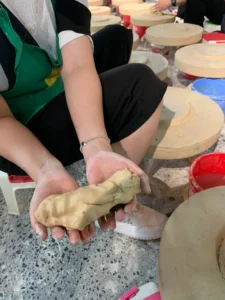





Whenever foreign friends visit, their lists of standard things to do in Hanoi eventually run out. They get tired of crossing streets with thousands of motorbikes, they show me a highly edited TikTok video of someone peacefully spinning clay by a river, and they ask if we can go to Bat Trang Ceramic Village.
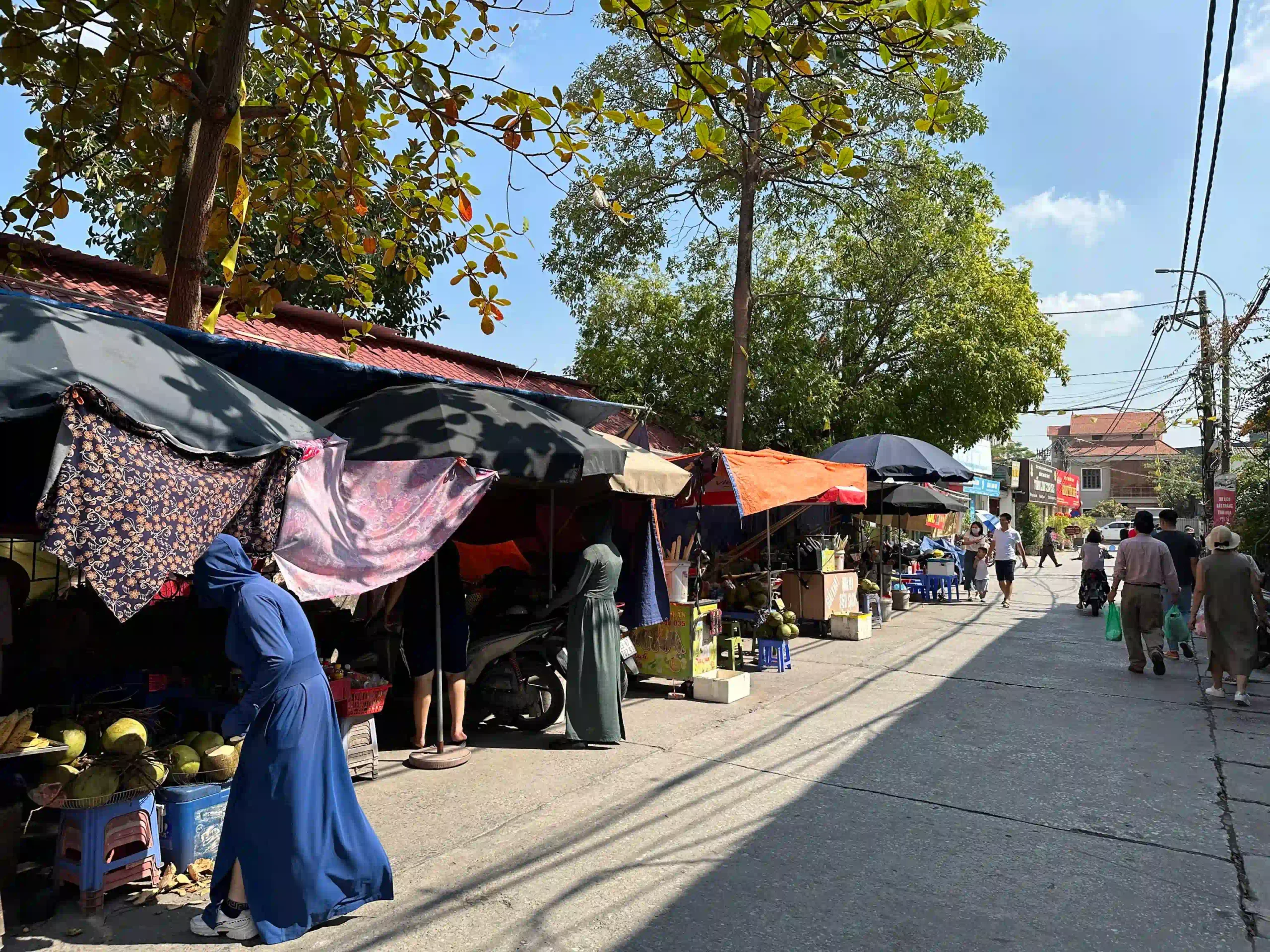
Their expectations are usually entirely wrong. Bat Trang is not a quiet, agrarian utopia stuck in the 17th century. It is a massive, heavily industrialized, open-air factory town sitting across the Red River. You are going to see massive coal-fired kilns, breathe in heavy clay dust, and dodge transport trucks loaded five feet high with teapots.
If you just want a pristine photo-op looking like a traditional artisan, stay in the city center. But if you actually want to see raw economic manufacturing, dig through chaotic wholesale markets, and score incredibly heavy handmade pottery for essentially factory floor prices, then yes, dedicating a Wednesday afternoon to Bat Trang is one of the smartest side trips you can make.
- Quick Answer: Is a half-day trip to Bat Trang Ceramic Village worth it? Yes, if you want authentic, high-quality ceramics at factory prices. Skip the DIY pottery wheel unless you have days to wait for it to be fired. Instead, take the 40-minute Bus 47A, shop the massive market, and explore the ancient alleys.
- The transportation exploit: Do not pay for a private tourist car. Just catch the fully air-conditioned Bus 47A from Long Bien station. It costs less than 10,000 VND (around 40 cents) and drops you exactly at the village gates, completely avoiding Grab drivers who refuse to pick you up for the return trip.
- The DIY Pottery Wheel reality check:
- Yes, throwing your own clay for $2 is fun for photos, but real ceramics take up to 4 days to dry, glaze, and bake in a furnace.
- You cannot fly out with a piece of wet mud. Do the workshop for fun, but assume you’ll leave empty-handed unless your hotel checkout is days away and you can pay for local delivery.
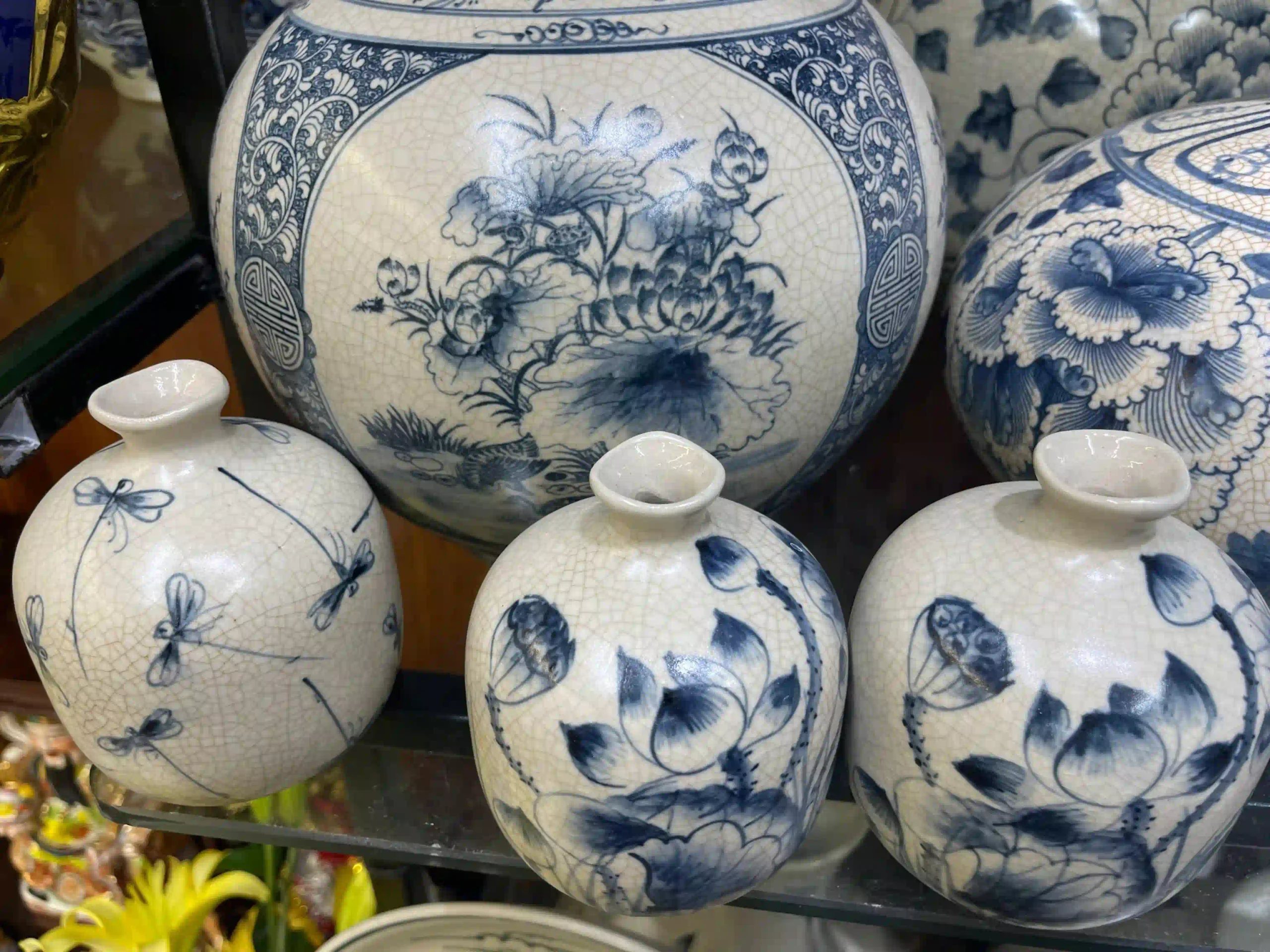
- What you should actually buy: Skip the mass-produced, lightly printed bowls at the entrance. Head deep into the covered market to hunt down heavy high-fire ceramic coffee filters (Phin), detailed incense burners, and their famous historical cracked-glaze (men rạn) items.
- The “Airplane” packing cheat code: Whenever you hand cash to a vendor, physically point to your bags and say “Máy Bay” (Airplane). These local women will aggressively mummy-wrap your bowls in a fortress of industrial tape and heavy bubble wrap, ensuring everything survives the harsh impact of international checked luggage without a single scratch.
Transit: Bus 47A vs. The Dead-Zone Taxi Trap
The village sits about 15 kilometers southeast of Hoan Kiem. That sounds close, but you have to cross a major bridge.
Driving yourself on a rented scooter across the Vinh Tuy bridge next to semi-trucks trying to beat the traffic light is genuinely terrifying if you lack local driving instincts.
You have two actual choices.
The budget exploit: The 47A Bus
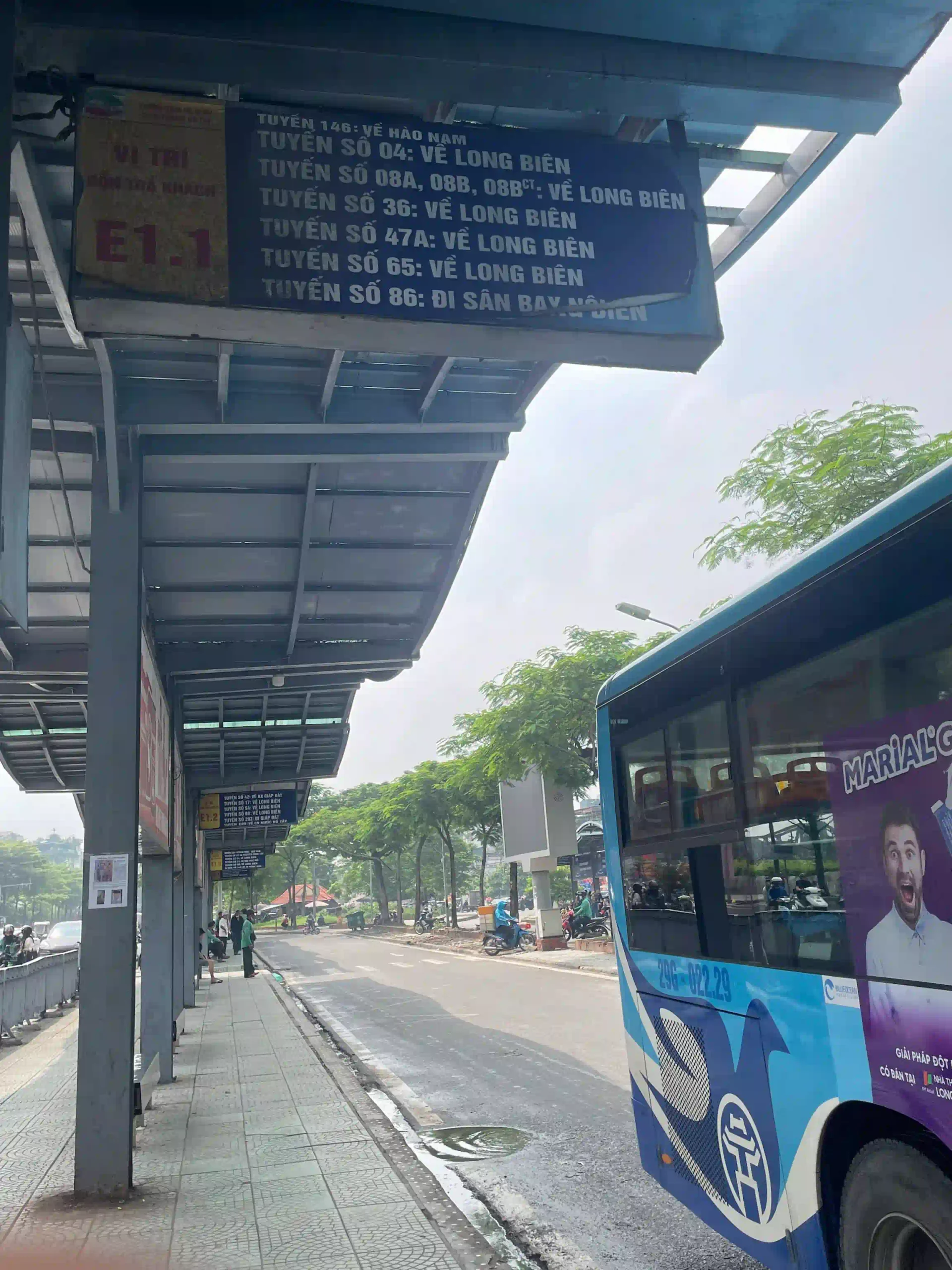
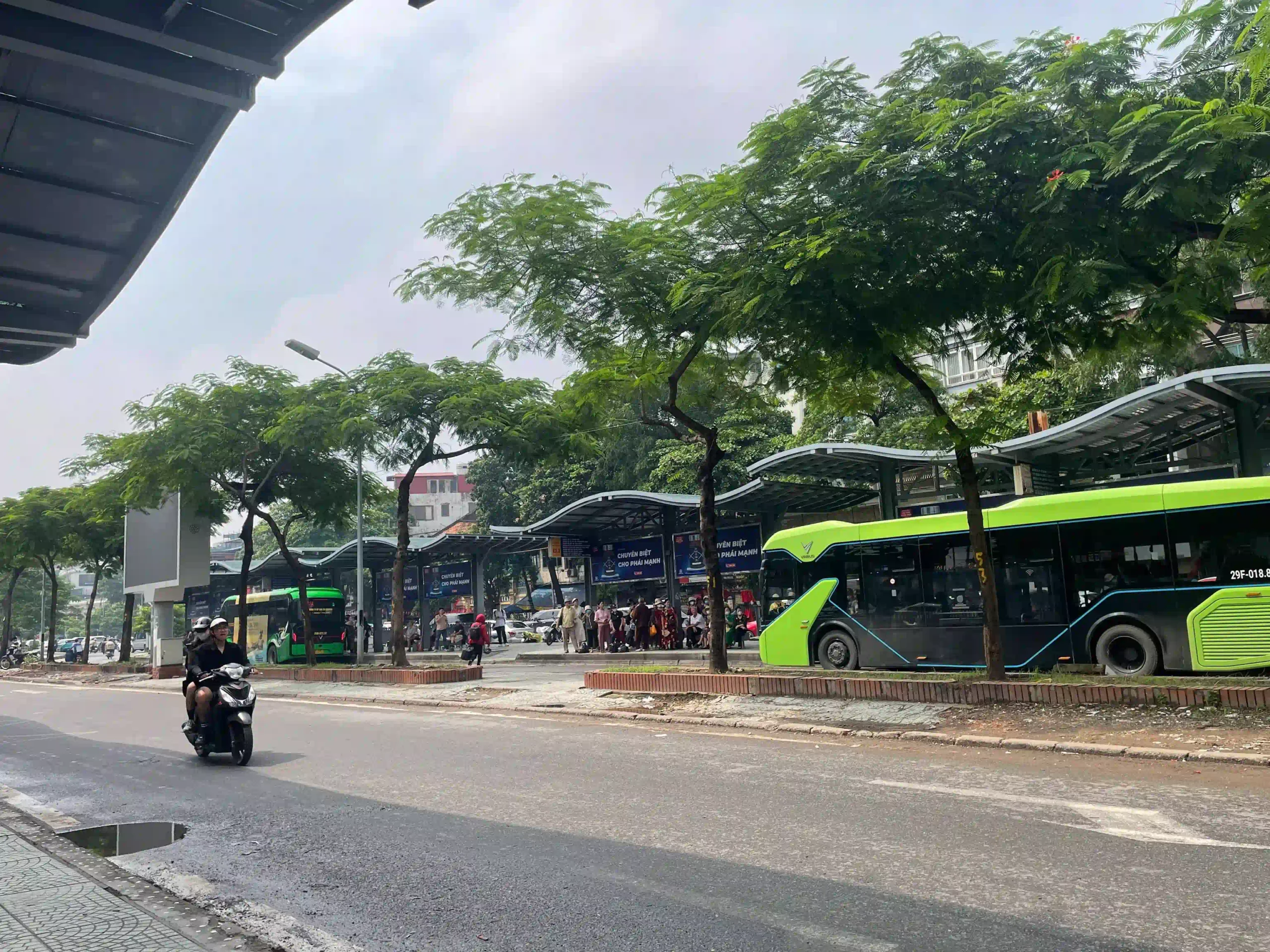
Just go to the Long Bien Transit Point. Look for the green/yellow bus stamped 47A. Step on. When the guy comes down the aisle with his little ticket printer, hand him about 7,000 VND (less than 50 cents). It is insanely cheap, heavily air-conditioned, and it essentially drives directly down the river dyke without making aggressive city turns.
About 40 minutes later, it unceremoniously dumps you exactly outside the village welcome gate. To get home, you just stand on the exact opposite side of the road and wait for the next green bus. Zero brain power required.
The Grab trap:
If you hate buses and have cash, Grab works. You will pay about $7 for a car. But pay close attention to this detail: When a Grab drops you off in Gia Lam, they immediately flee back toward the denser downtown grid because nobody wants to wait in the village for a fare.
When you get tired at 4:30 PM and open your app to go home, your search radar will just spin for thirty minutes finding nothing.
To prevent this anxiety, use a blunt local negotiation tactic. Before getting out of the car initially, type 200,000 VND into your phone calculator, point at the ground, hold up three fingers, and type your hotel address.
You are telling the driver to wait 3 hours for a flat cash trip home. They almost always nod, turn off the app, go sit at a local iced tea stall, and text you when you are ready.
The Museum Upcharge
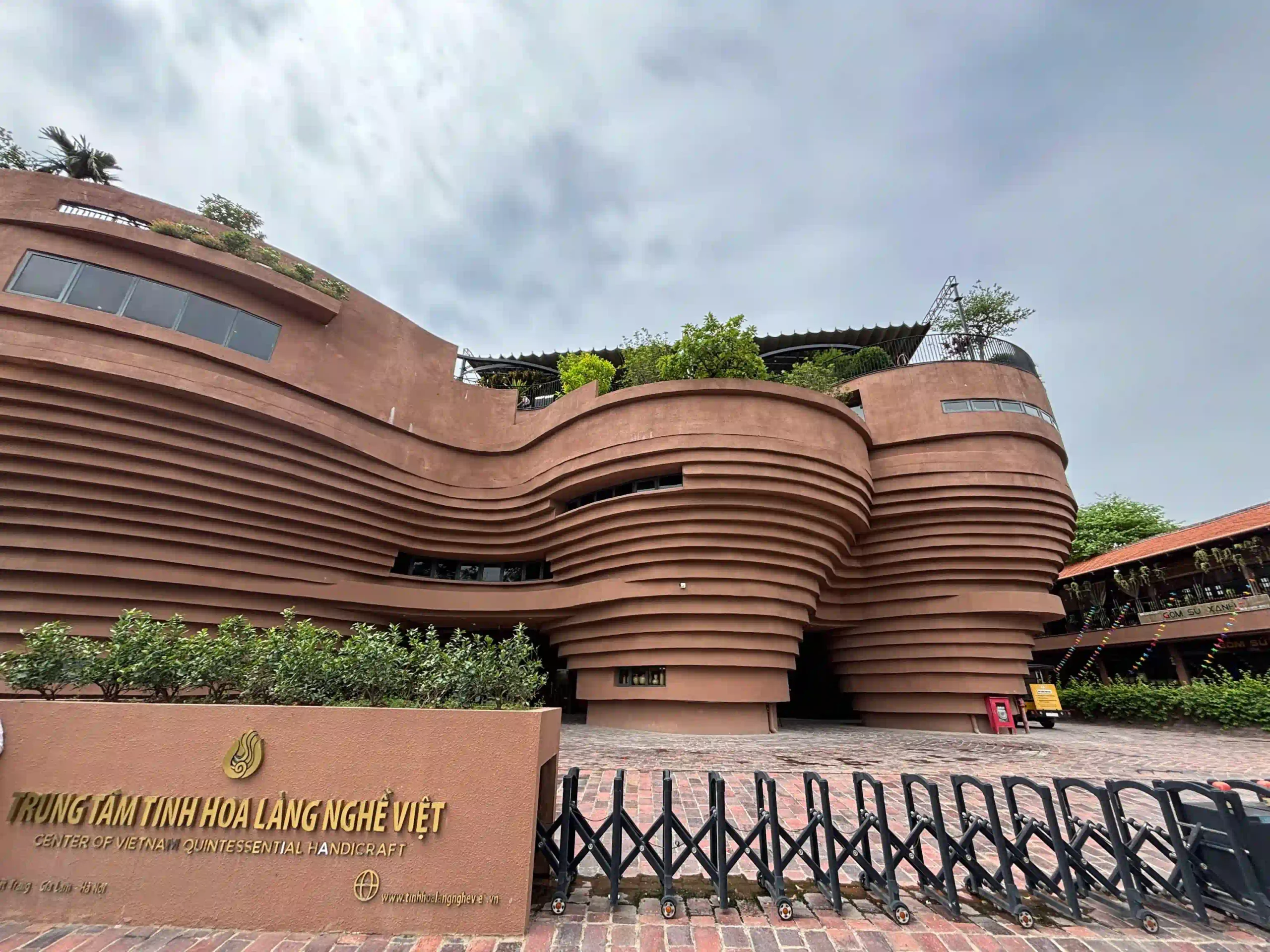
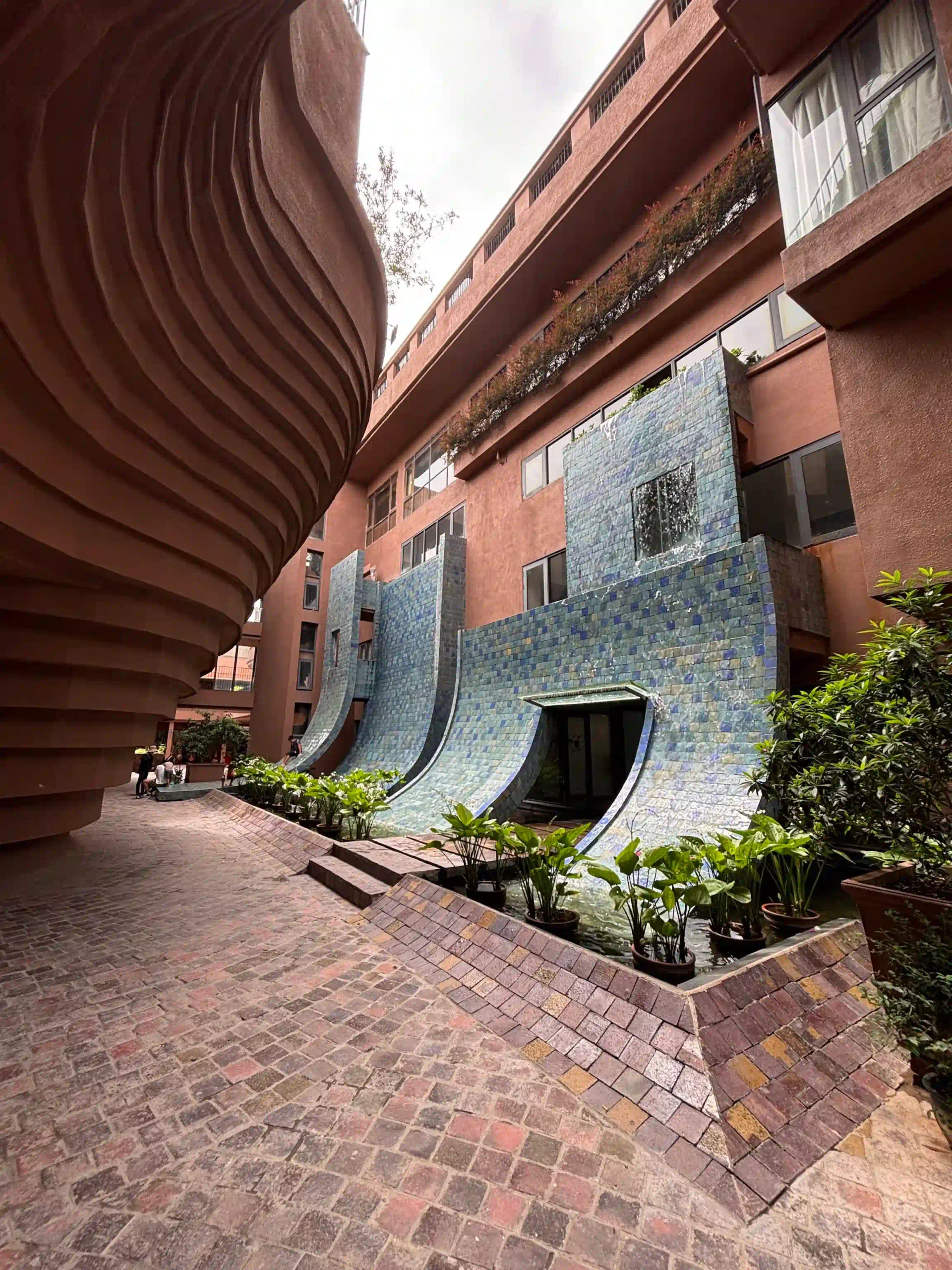
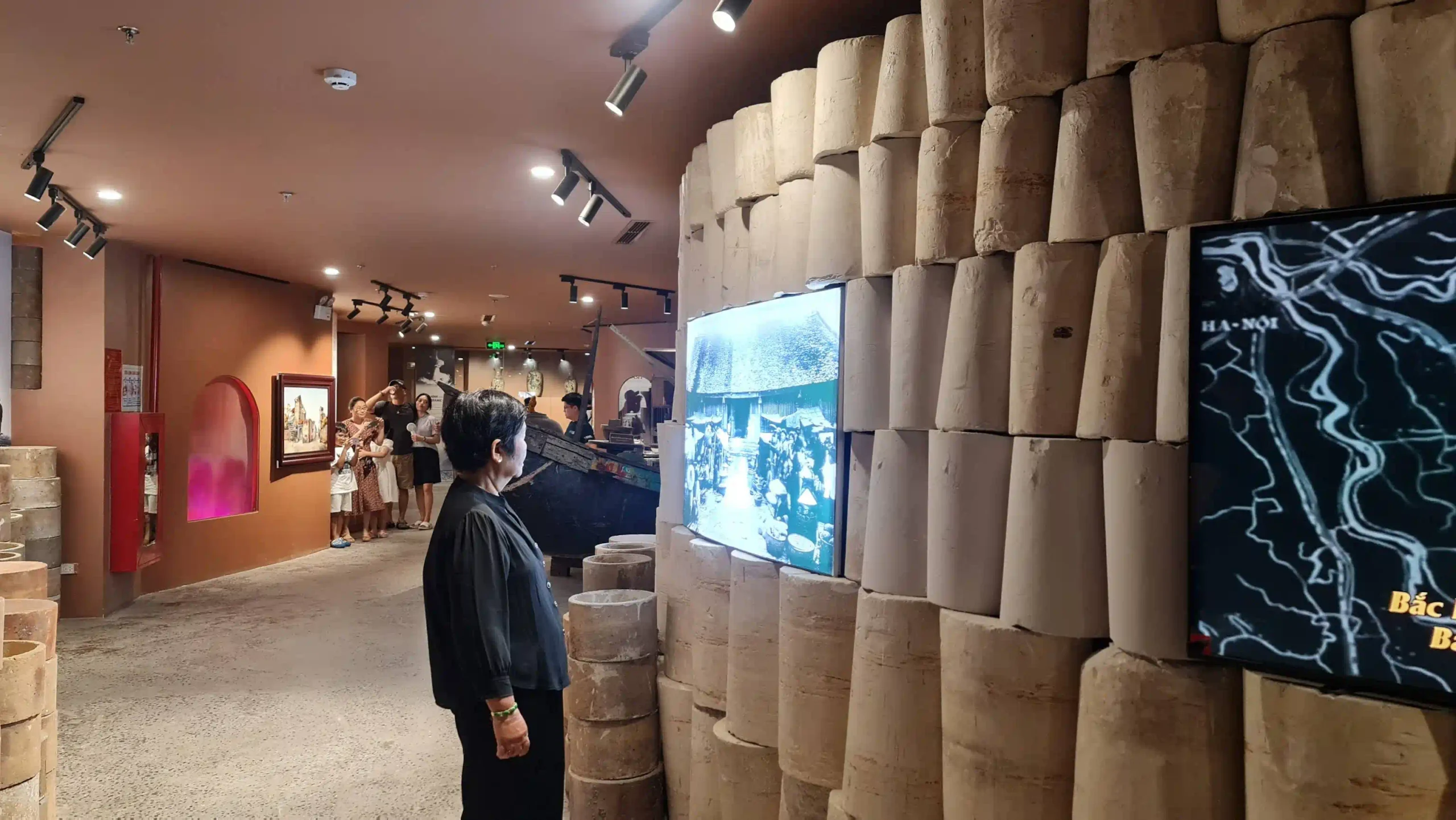
Before a couple of years ago, you just aimlessly walked down dirty streets to find stuff. Then, the government funded the Center for Vietnamese Craft Village Essence. Everyone just calls it the Bat Trang Pottery Museum.
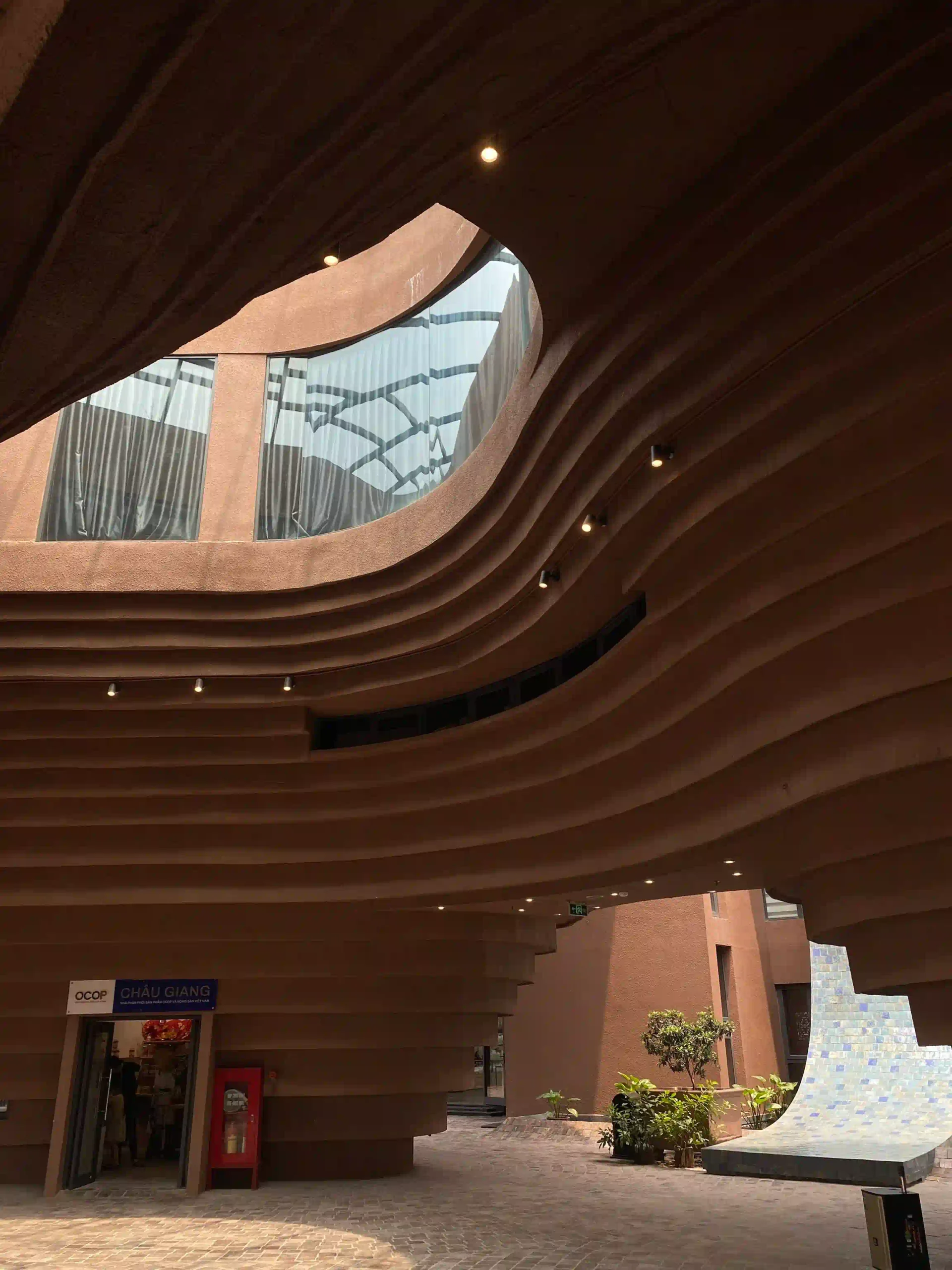
You literally cannot miss it from the road. It looks like seven massive terracotta tornados twisting out of the ground. From an architectural standpoint, it is staggering.
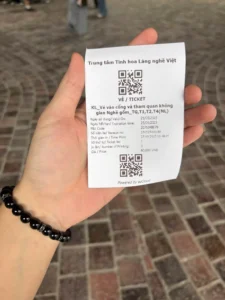
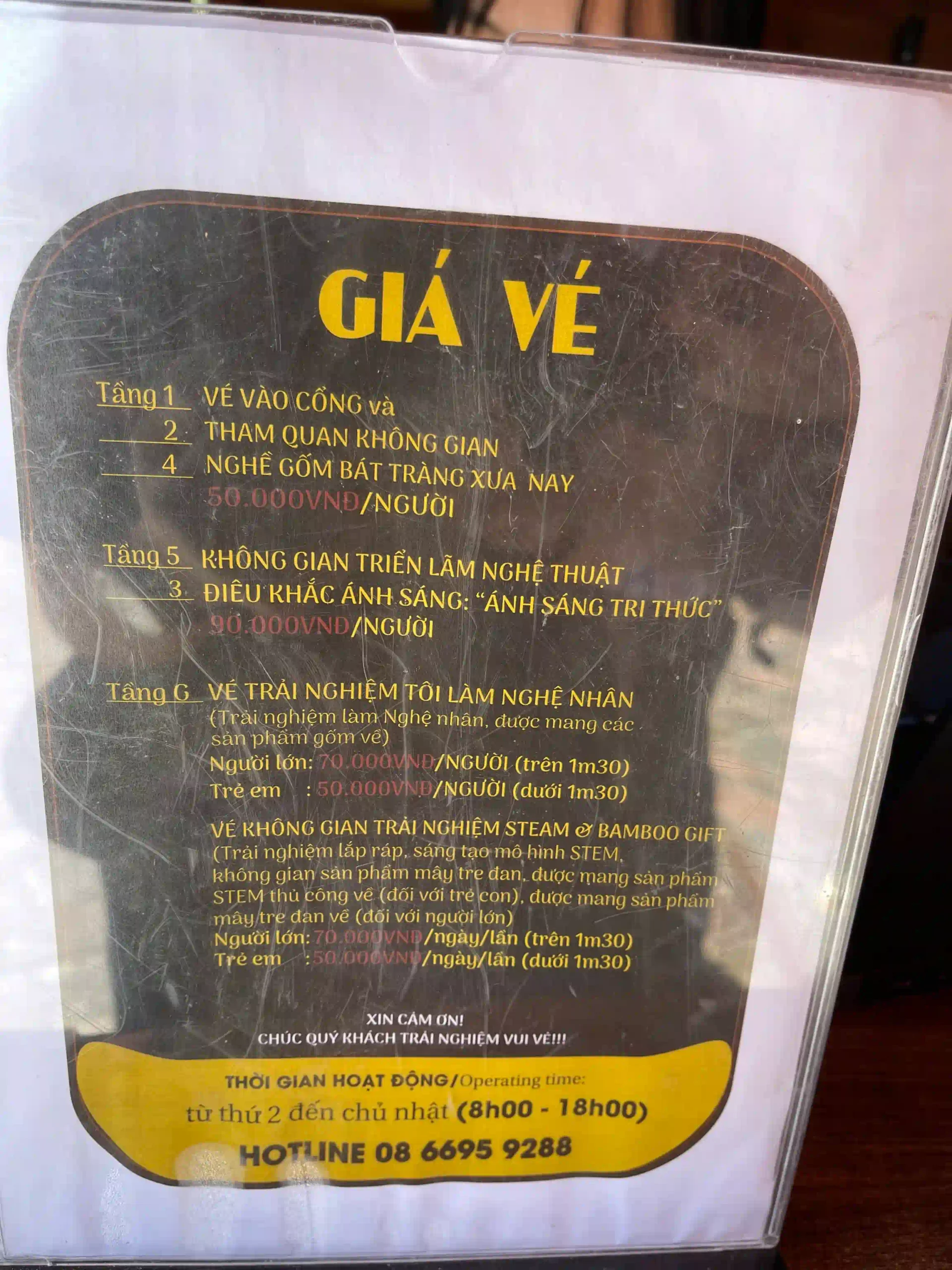
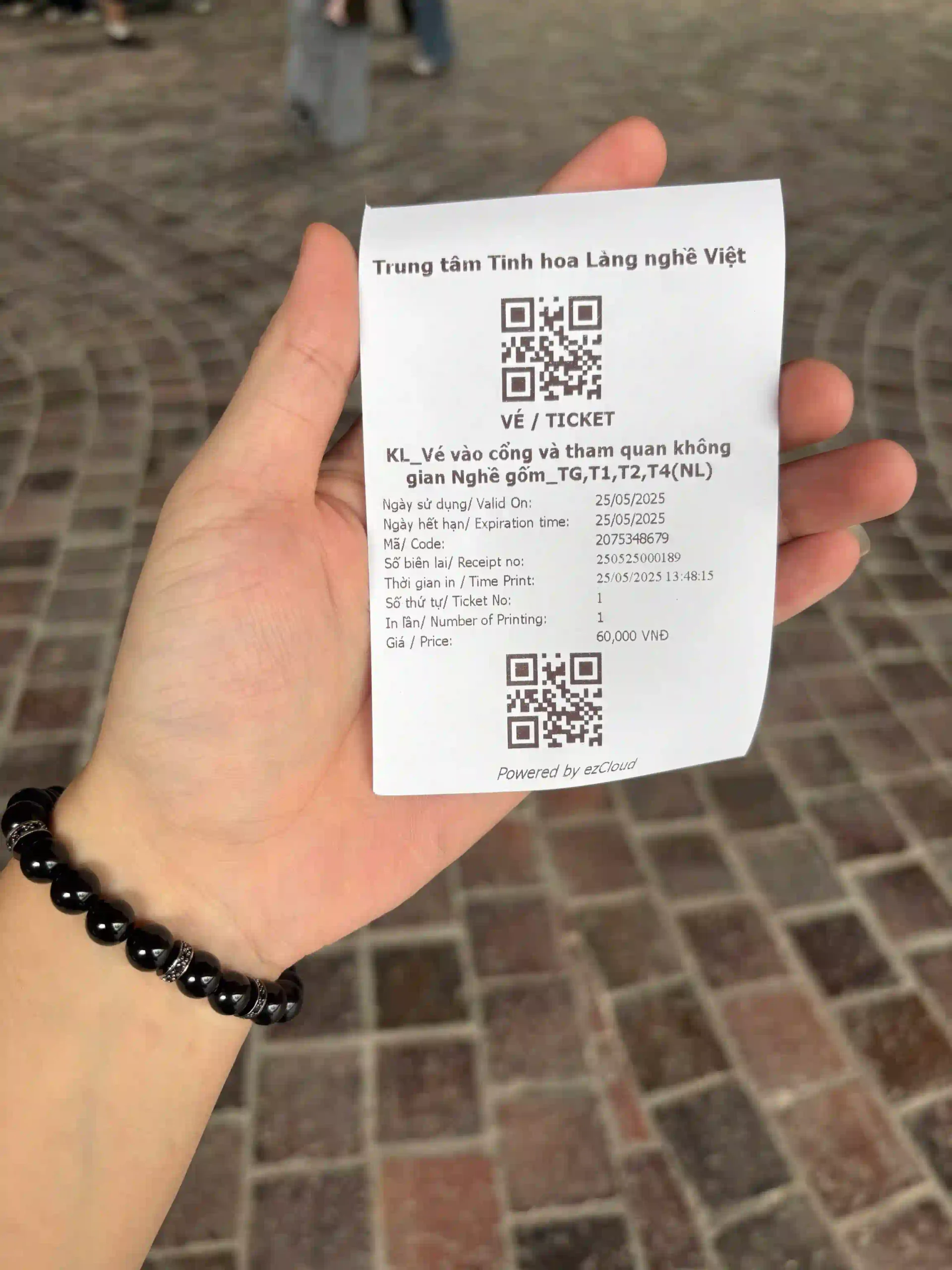
Walk into the ground floor lobby. The ticket lady will try to hand you a price sheet with extremely complex combination tiers reaching up to 250,000 VND depending on if you want tea ceremonies, rooftop access, and contemporary exhibitions. Just ask for the basic 60,000 VND entrance fee (which covers floors 1, 2, and 4).
Do you need to spend two hours reading all the museum placards? No. But paying the 60,000 VND is entirely justified for three specific reasons.
- First, the AC blasts at a violently cold temperature, serving as the perfect heat-escape bunker.
- Second, staring upward into the massive twisting internal clay domes looks incredibly cool on camera.
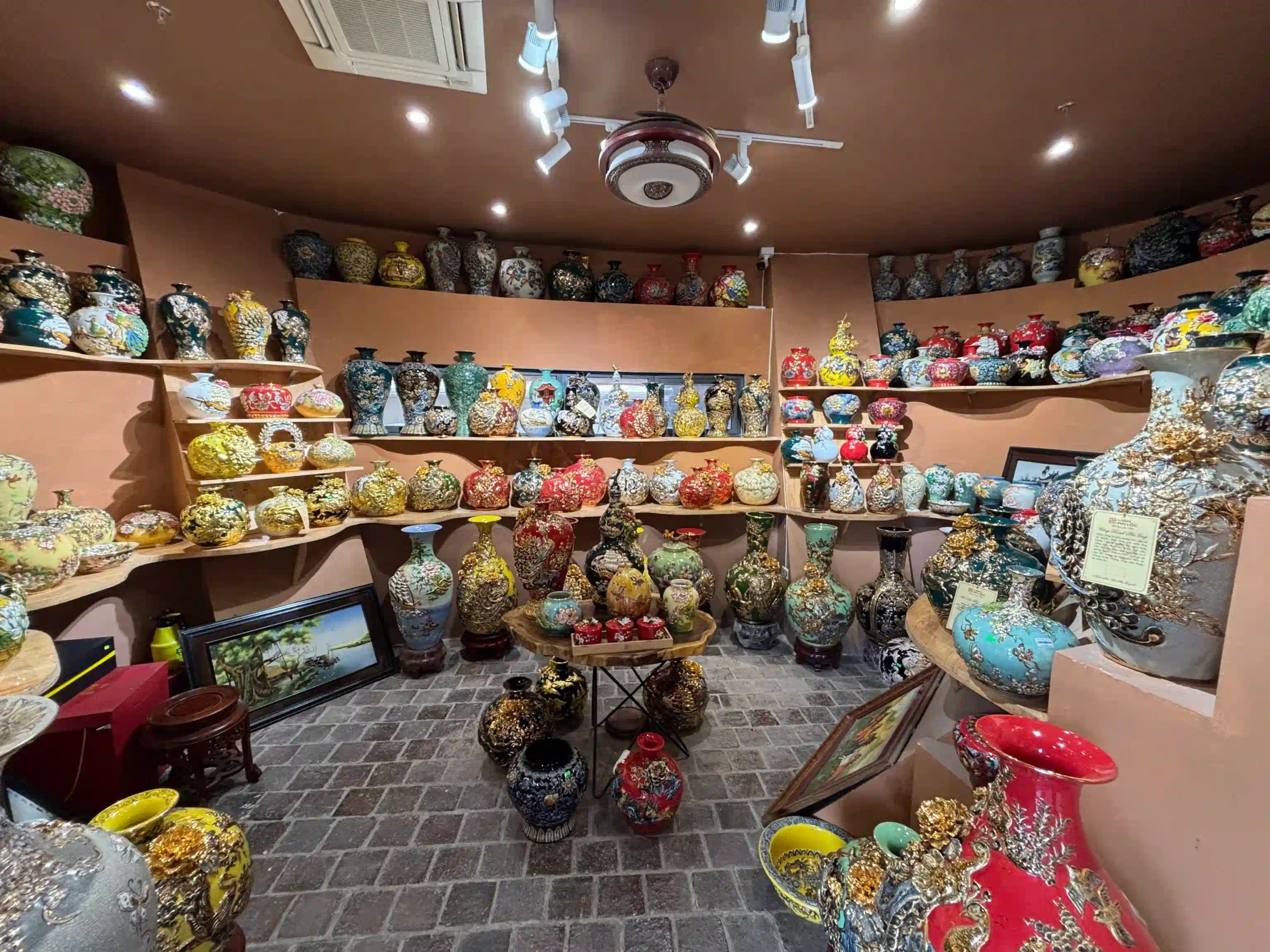
- Third, the dynastic antique vases displayed here give you a quality baseline. When you see exactly how detailed authentic historical imperial glazing is supposed to look, you can much better identify the cheap, rushed garbage sold down the street. Spend roughly 40 minutes here and get out to the real commerce.
The “Ghost” Movie Delusion (DIY Pottery Fails)
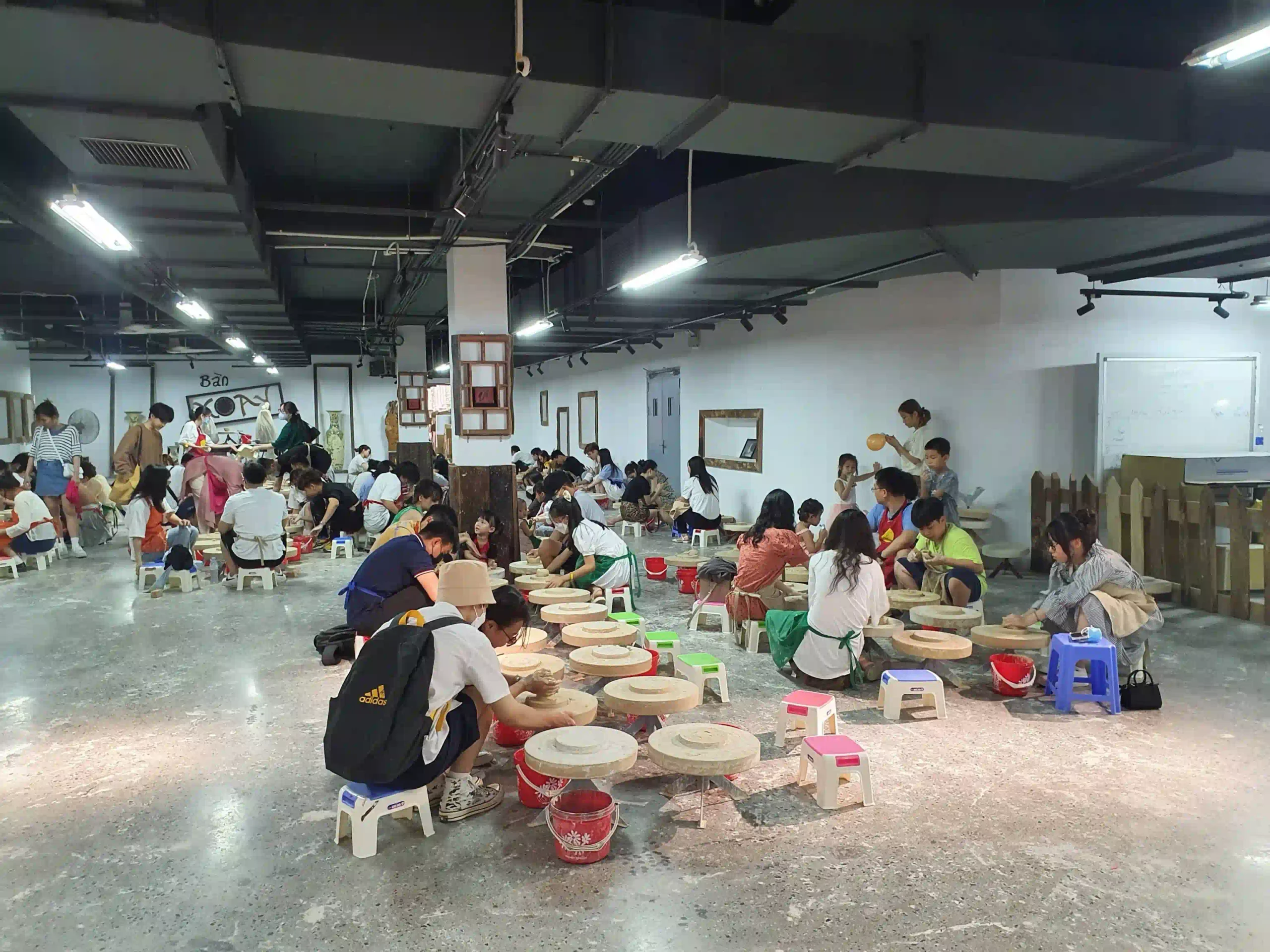
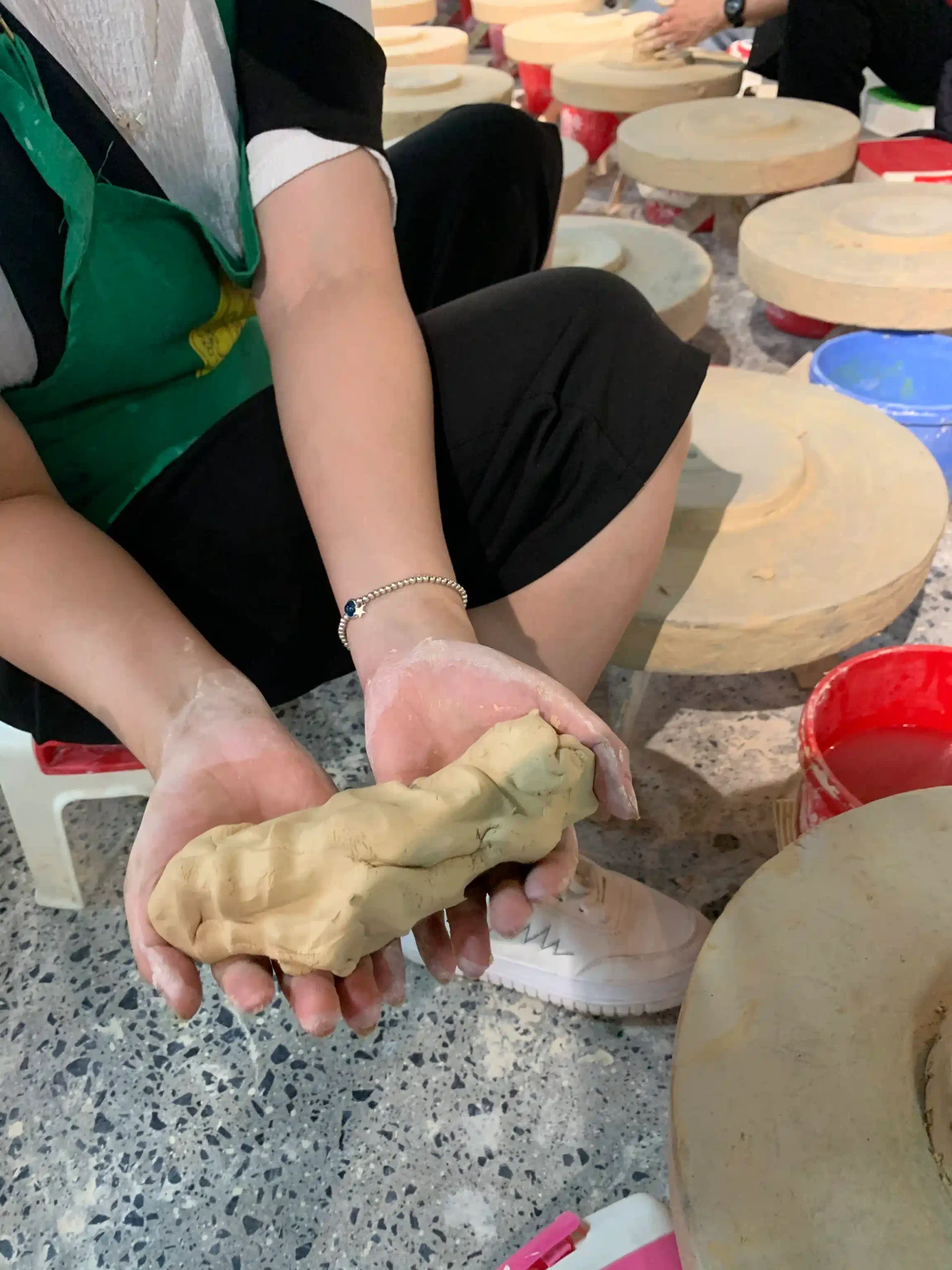
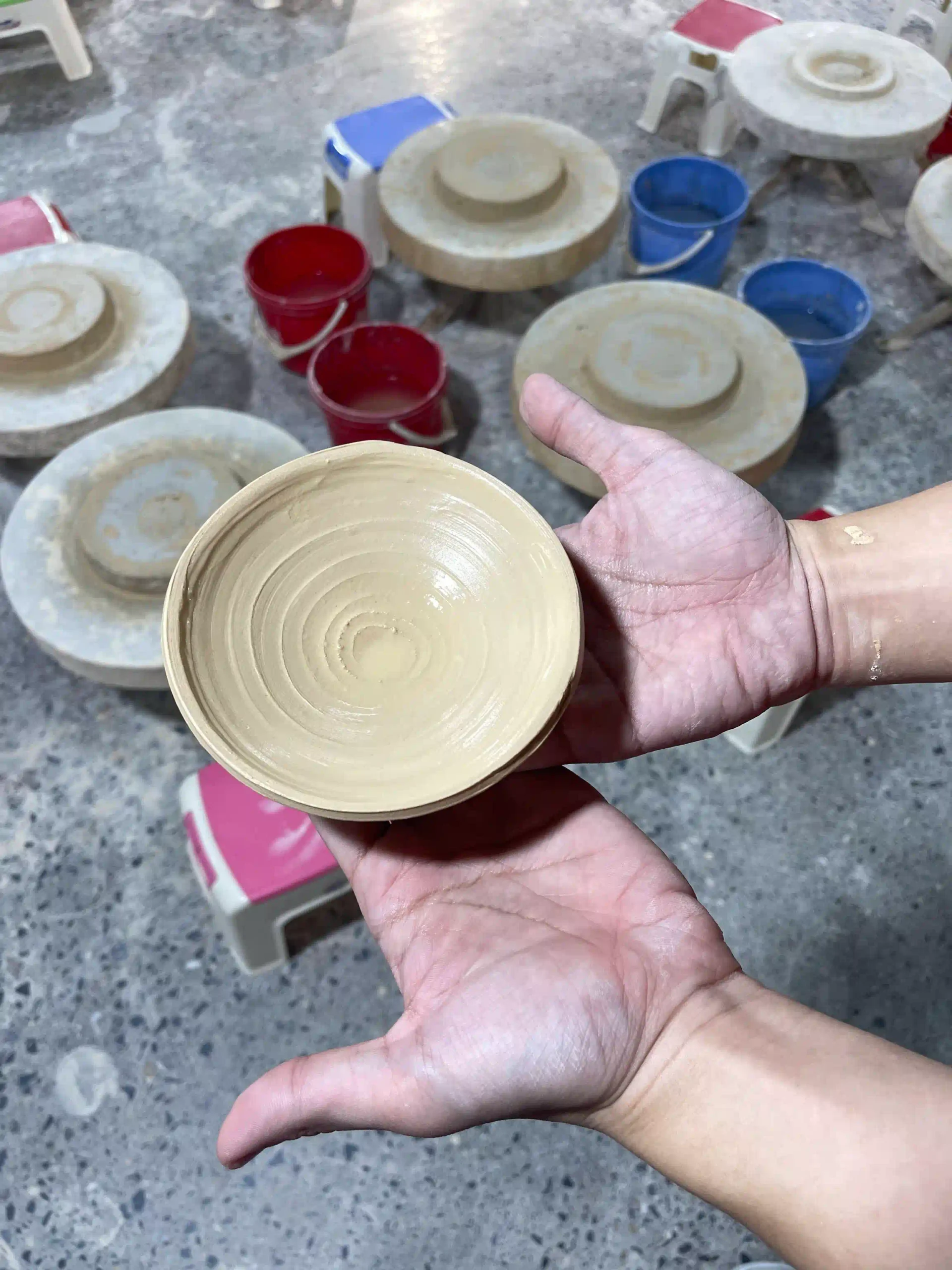
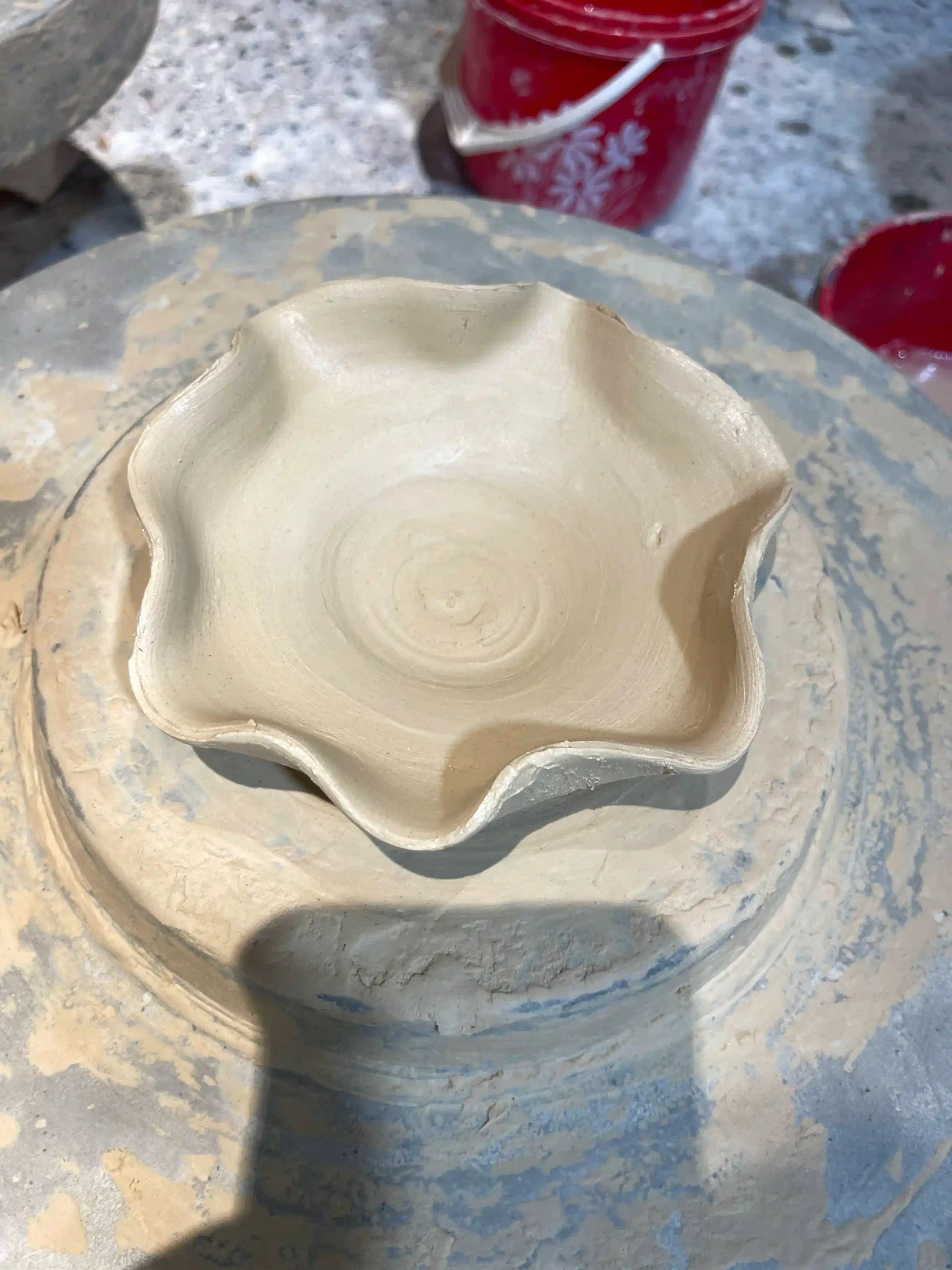
This is the biggest mistake first-time travelers make here. You will see thirty different open-air family shops advertising a DIY pottery wheel. It costs anywhere from 40,000 to 70,000 VND to sit down on a plastic stool, tie on a dirty apron, and get your hands into wet earth.
An aggressive but nice older woman basically places her hands over yours, physically forcing the lopsided clump of dirt you ruined into a usable cup shape. You have fun. You take a video.
And then reality hits. Clay requires fire to solidify.
Most people assume they can take their masterpiece back to the hotel that afternoon. But raw clay must air-dry for hours, get covered in heavy chemical glaze, and then endure massive 1,200-degree industrial furnace heat for a full day, followed by a deeply slow cool-down period so the material doesn’t fracture. A proper ceramic baking cycle literally takes 3 days minimum.
If your flight out of Noi Bai leaves on Friday and it is currently Thursday, your mug isn’t making it into the oven. You will either walk away holding a soft, damp piece of heavy gray mud in a plastic bag, which will shatter into literal powder the moment someone drops your luggage on the airport carousel, or you leave it behind entirely.
If you absolutely must take your custom item home, ask the owner to deliver it to your specific hotel front desk in four days for an extra 80,000 VND. If your timeline doesn’t allow that, just pay the initial cheap fee entirely for the five-minute experience and wash your hands at the rusty hose out back. Don’t expect a permanent souvenir.
Surviving Market Logistics & Baggage Check Reality


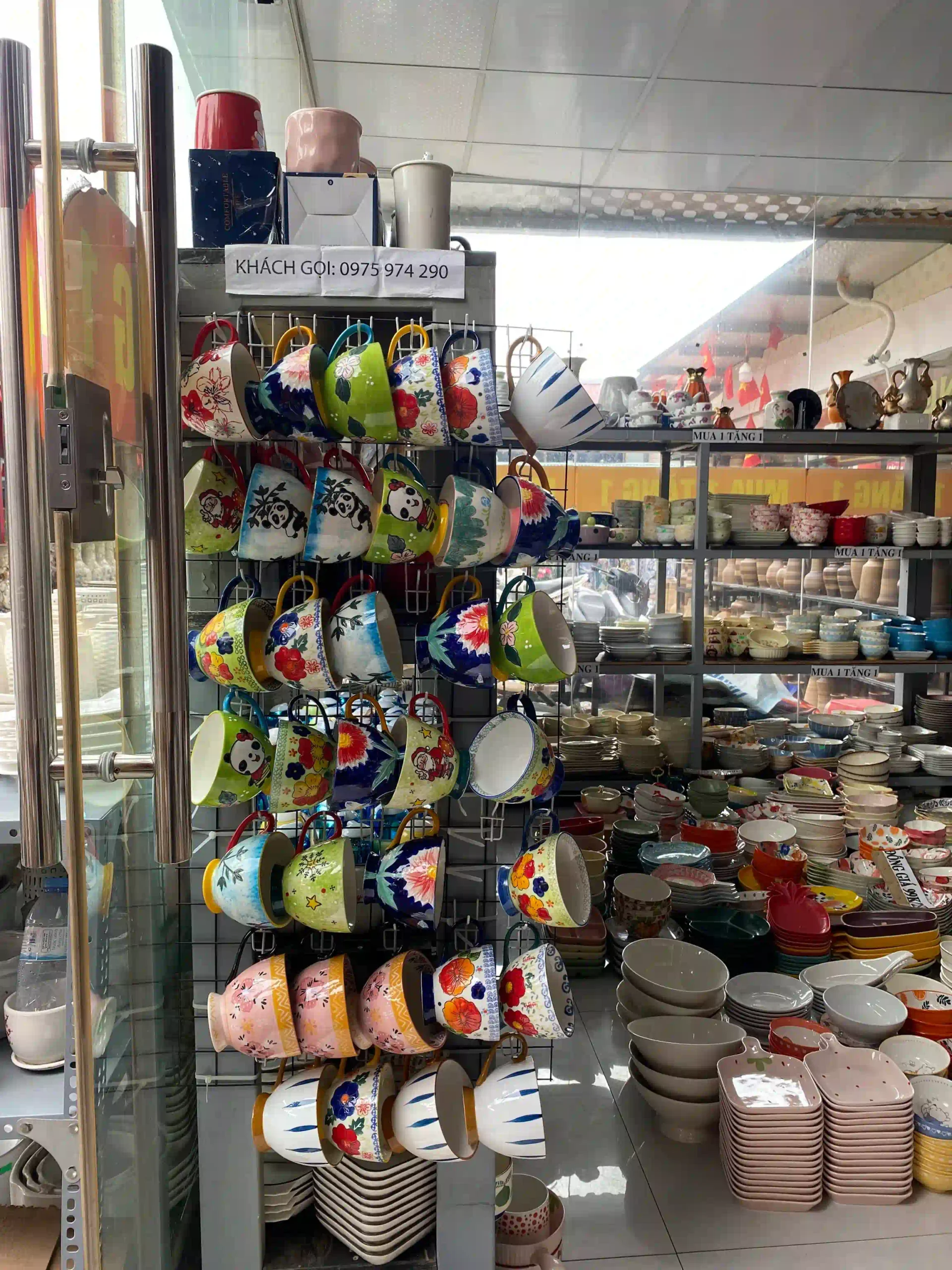
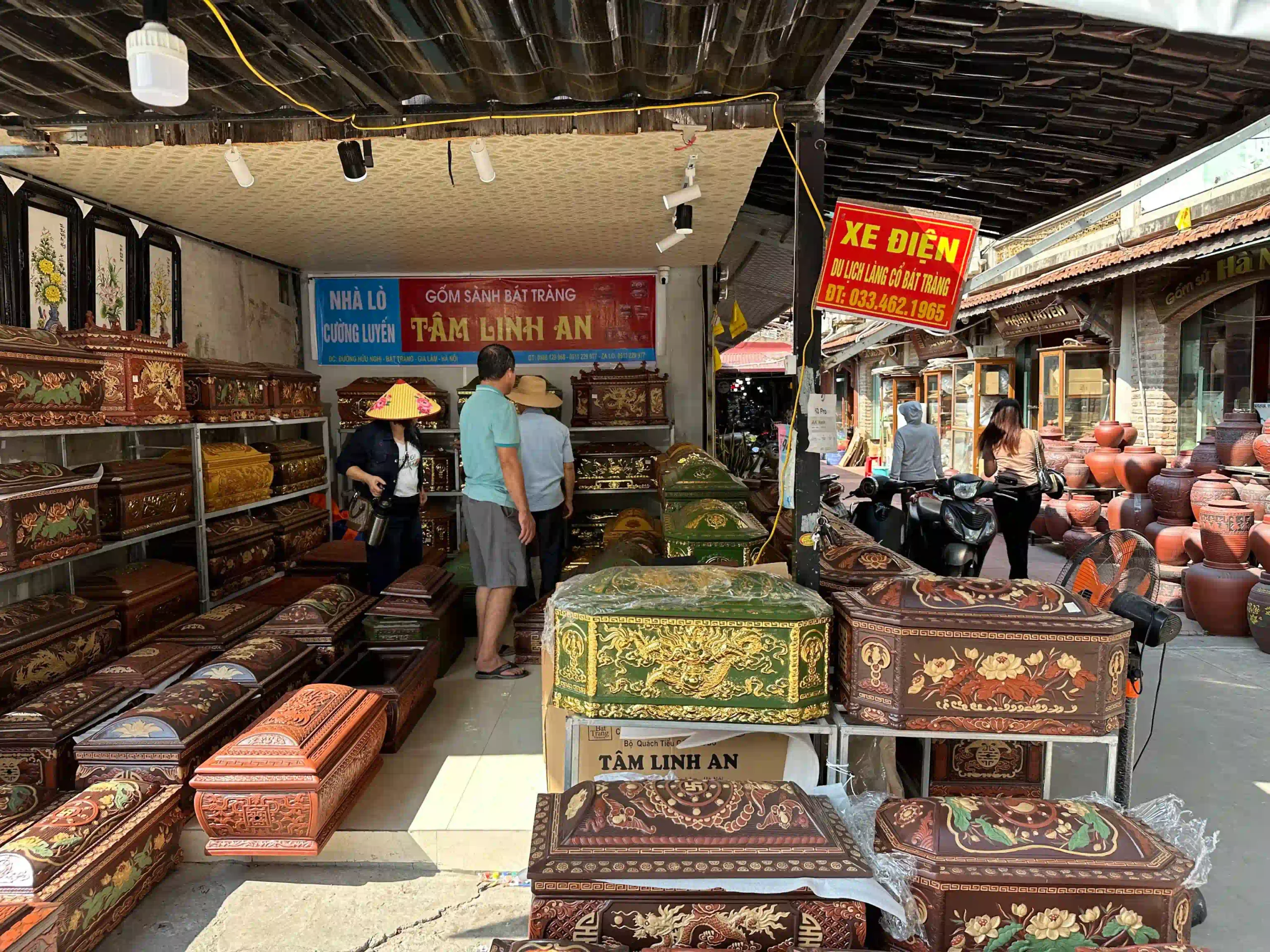
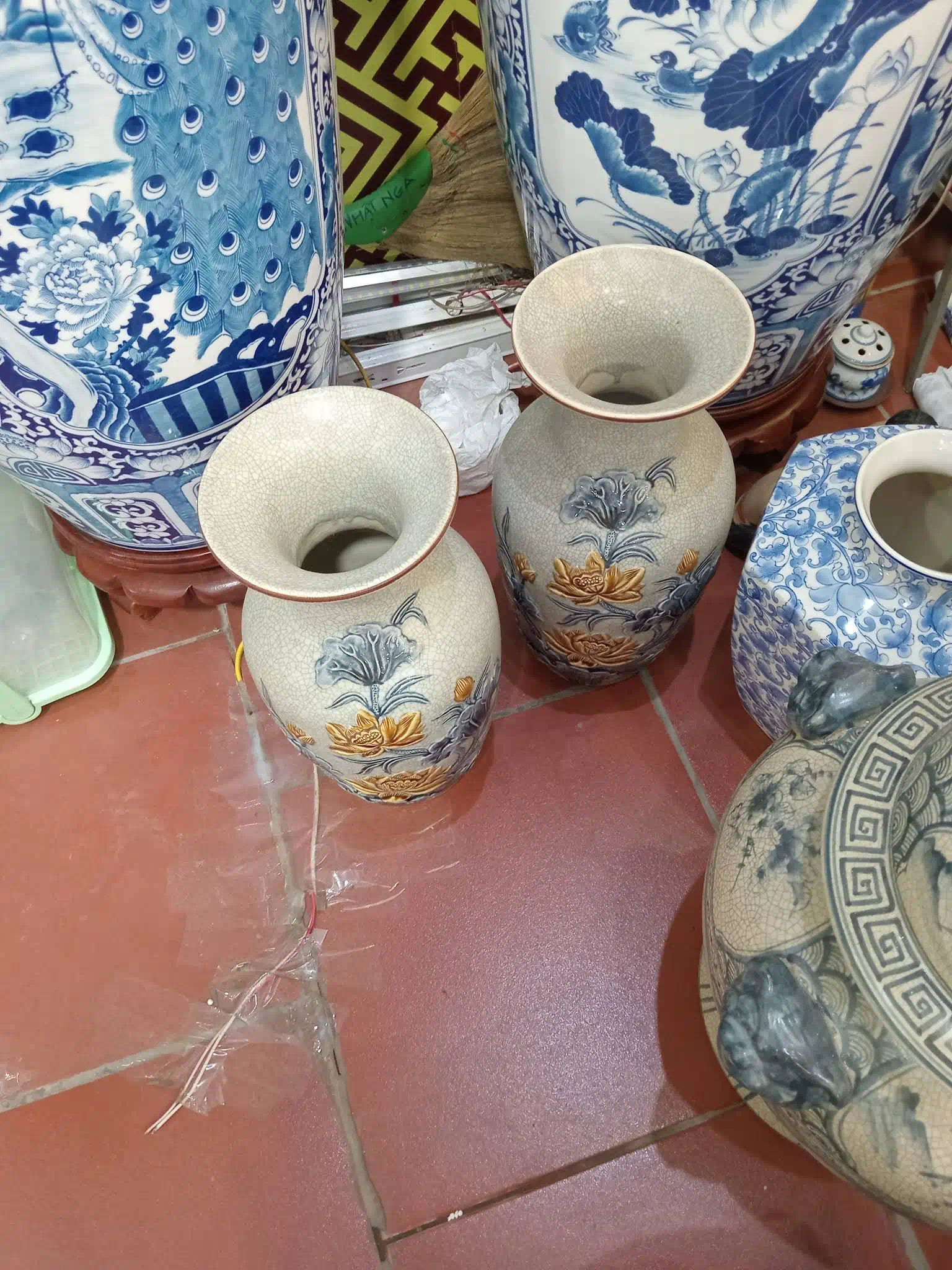

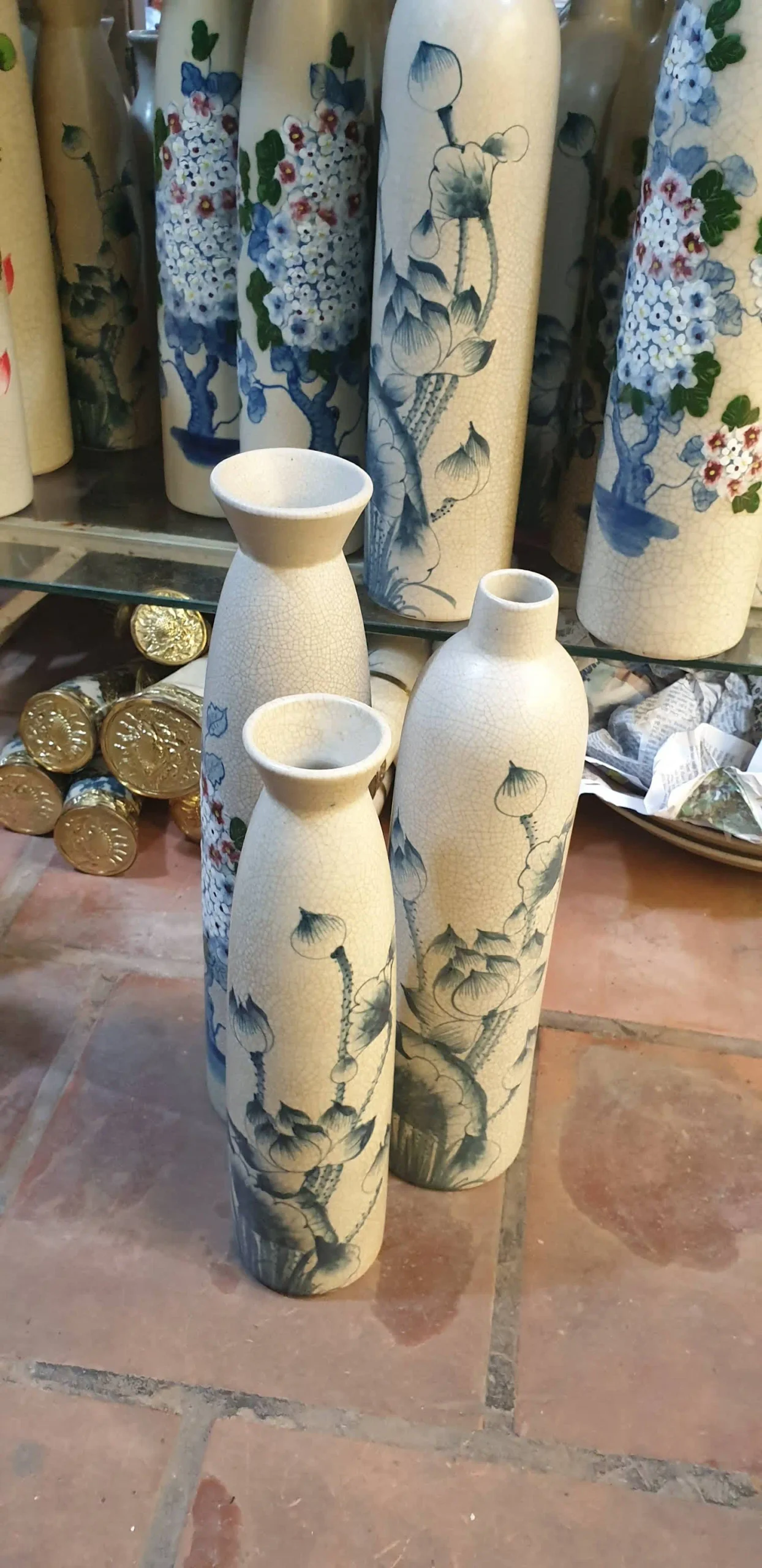
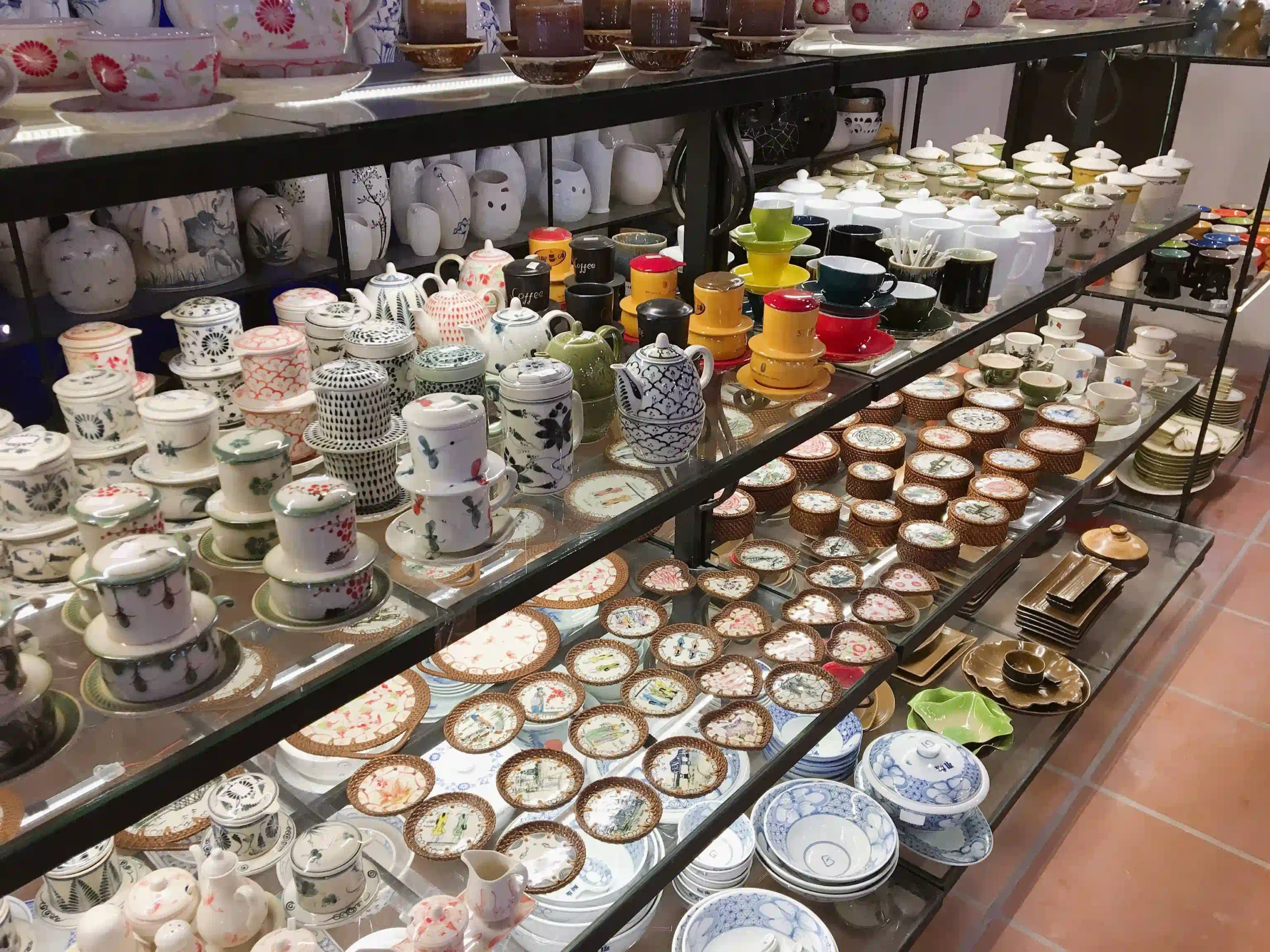
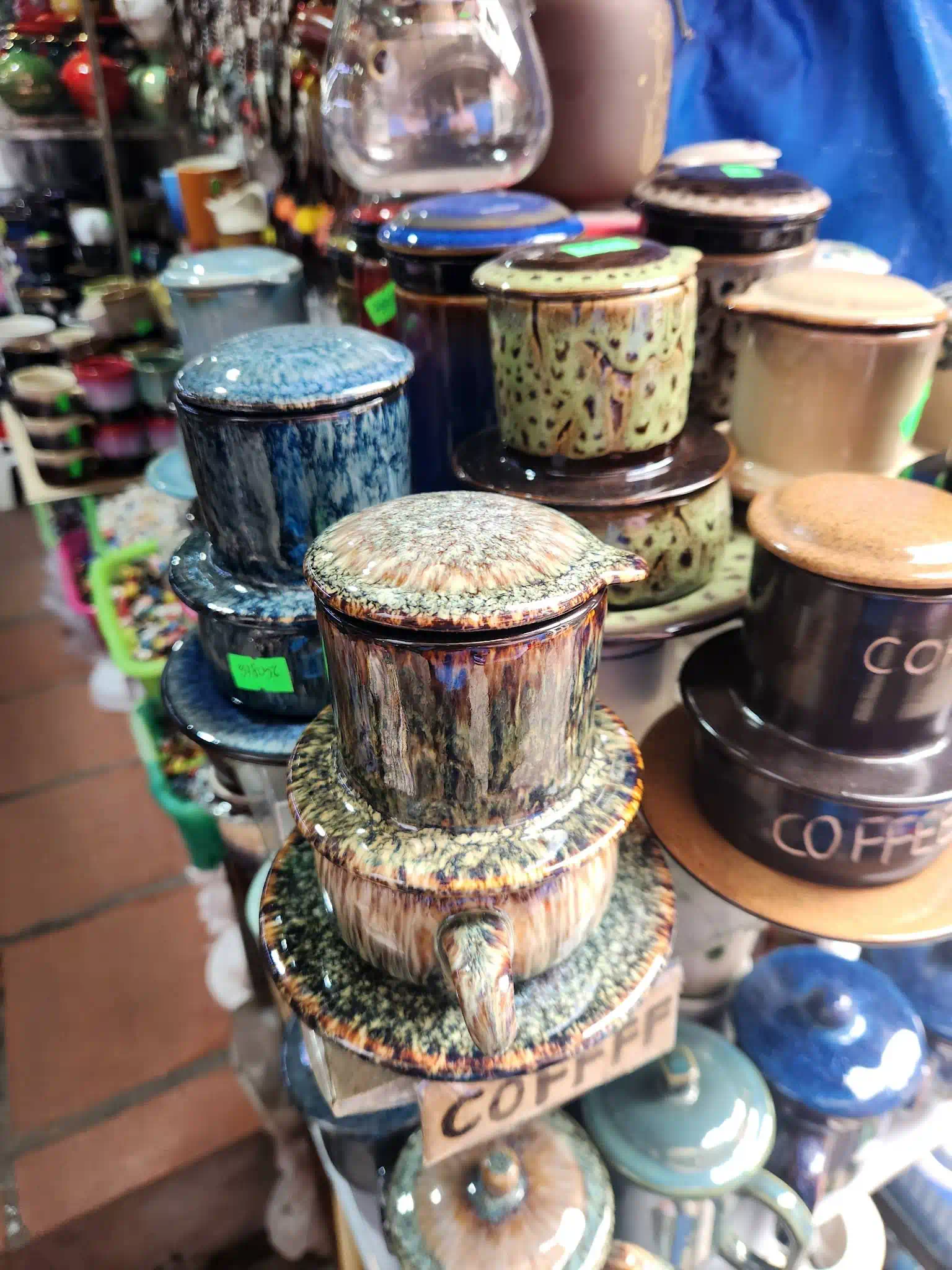

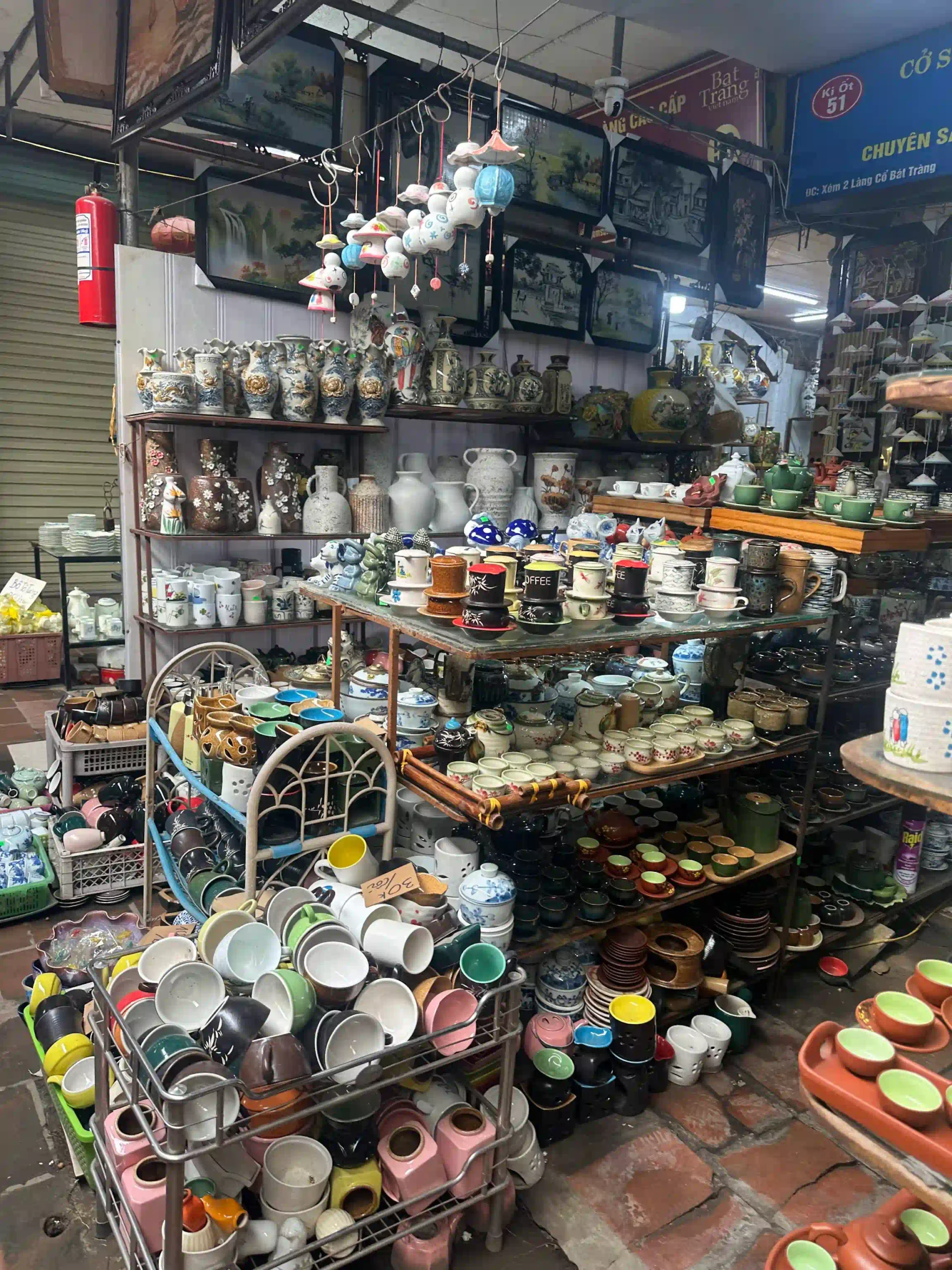
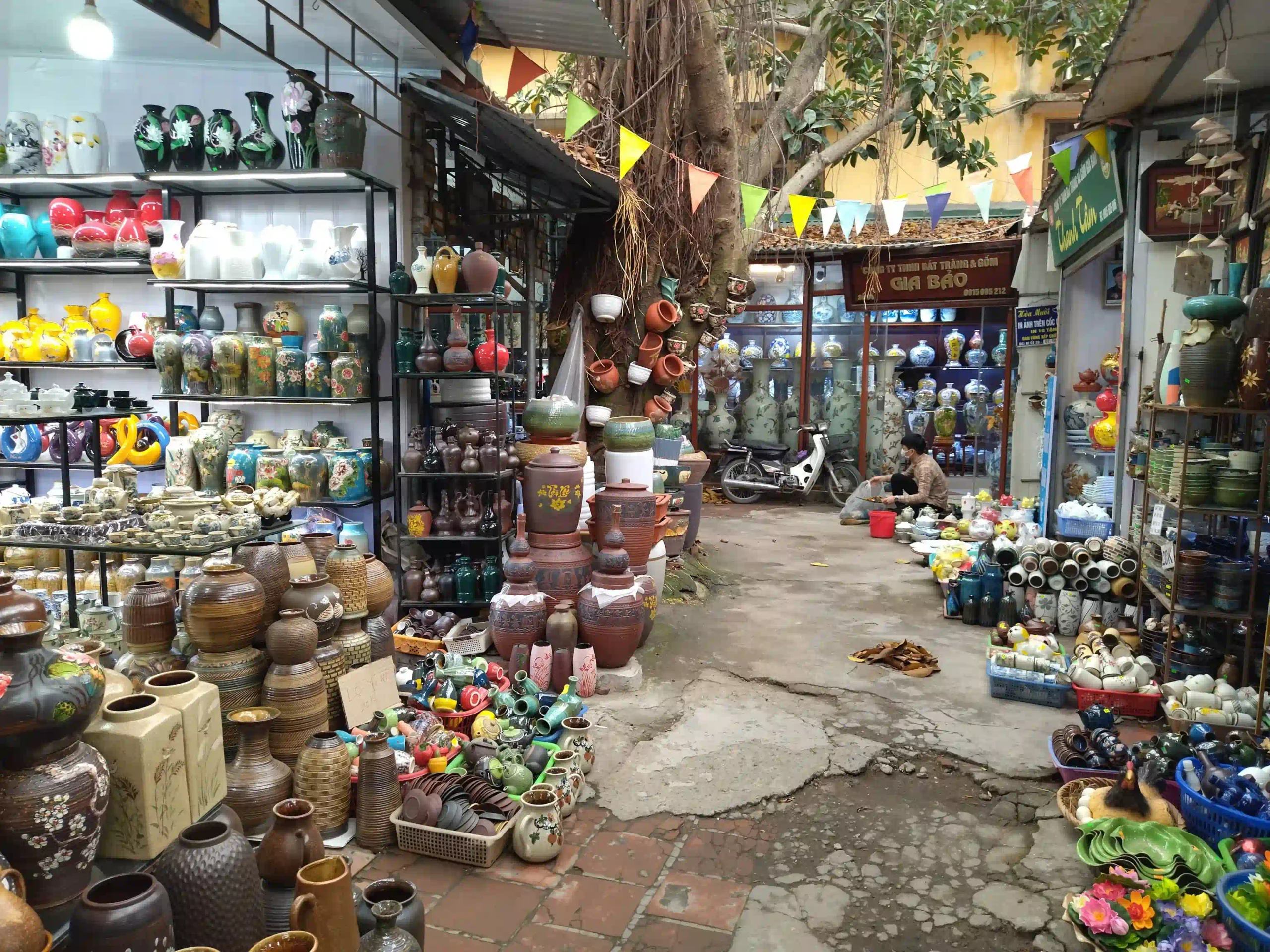
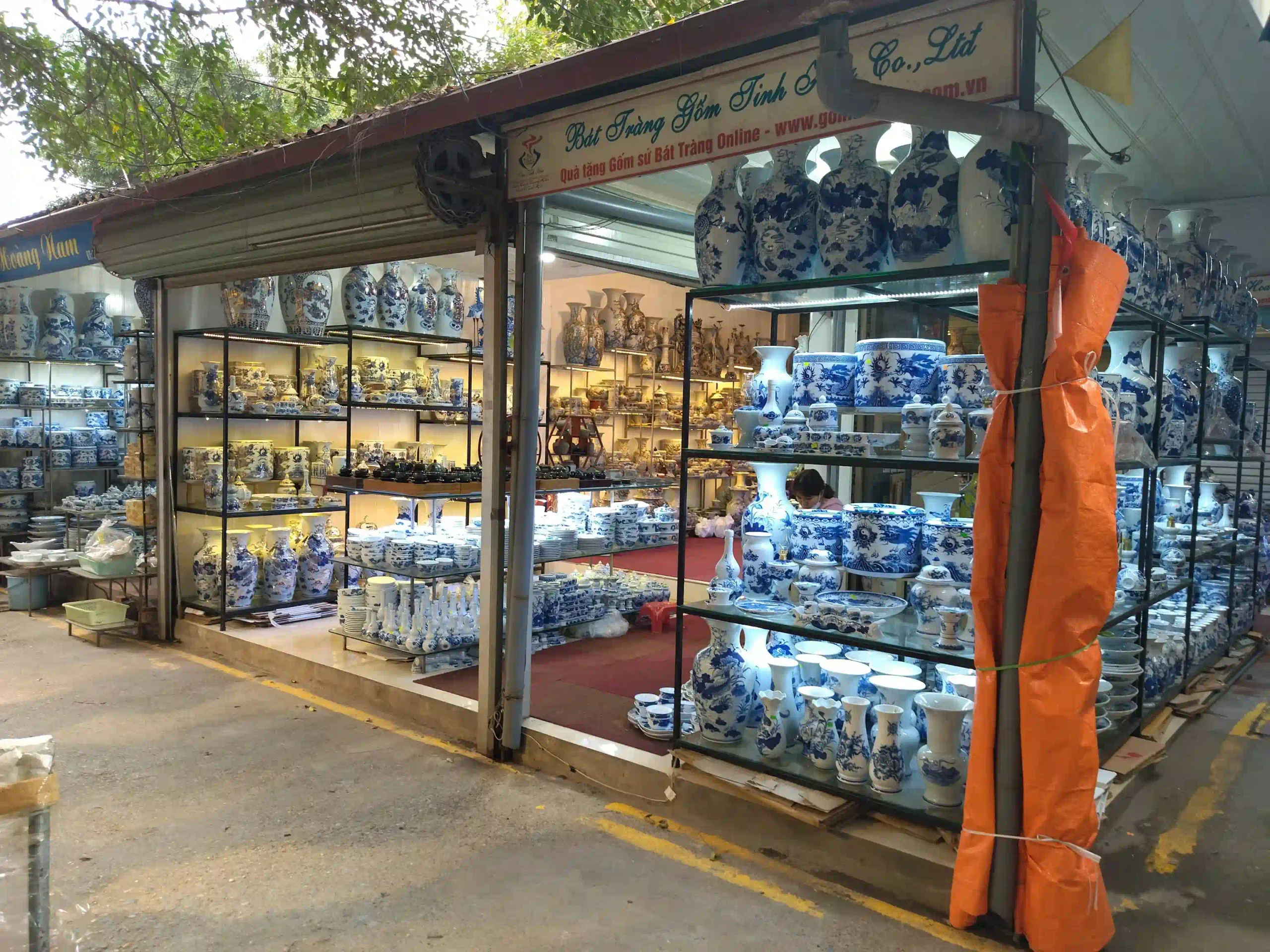
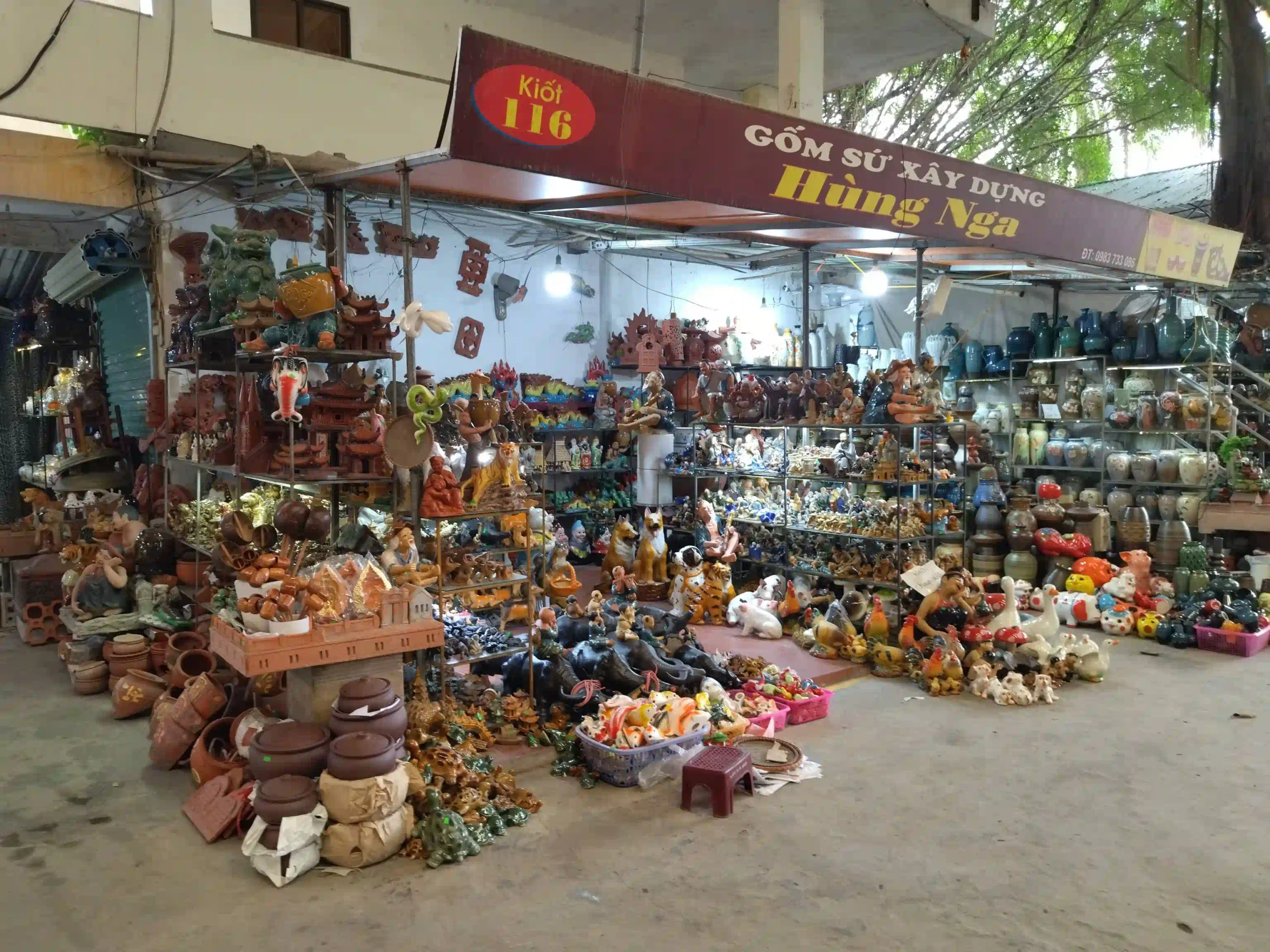
Your actual target is the Bat Trang Pottery Market (Chợ gốm). This is a completely overwhelming, densely packed, indoor/outdoor structure that feels intensely claustrophobic. Millions of plates, spoons, massive garden pots, and incense burners are stacked precariously high in dark tin aisles.
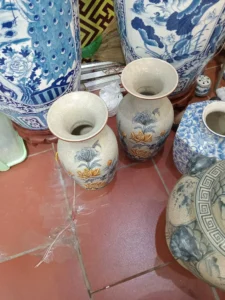
Ignore the outer ring stalls facing the main parking lot. They sell standard, identical, slip-cast bowls featuring badly printed blue flowers. You can buy that mass-manufactured junk anywhere. Push deeply toward the dim rear corridors of the market. You are looking for actual dense stoneware.
Specifically, look for the stalls pushing Men rạn. It is a famous localized cracking technique. The potters manipulate the cooling shrinkage of the glaze so the exterior looks completely shattered into a spiderweb of cracks, while a clear layer traps it cleanly underneath.
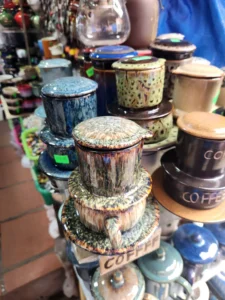
My specific routine involves aggressively hunting down heavy coffee gear. The flimsy tin drip filters sold around Hoan Kiem for $1 suck. They lose water heat instantly.
Dive into this market and buy heavy, high-fired ceramic Phin filters for about 90,000 VND. They hold aggressive boiling temperatures far better, making Vietnamese dark roast coffee properly thick.
How you prevent your stuff from shattering:
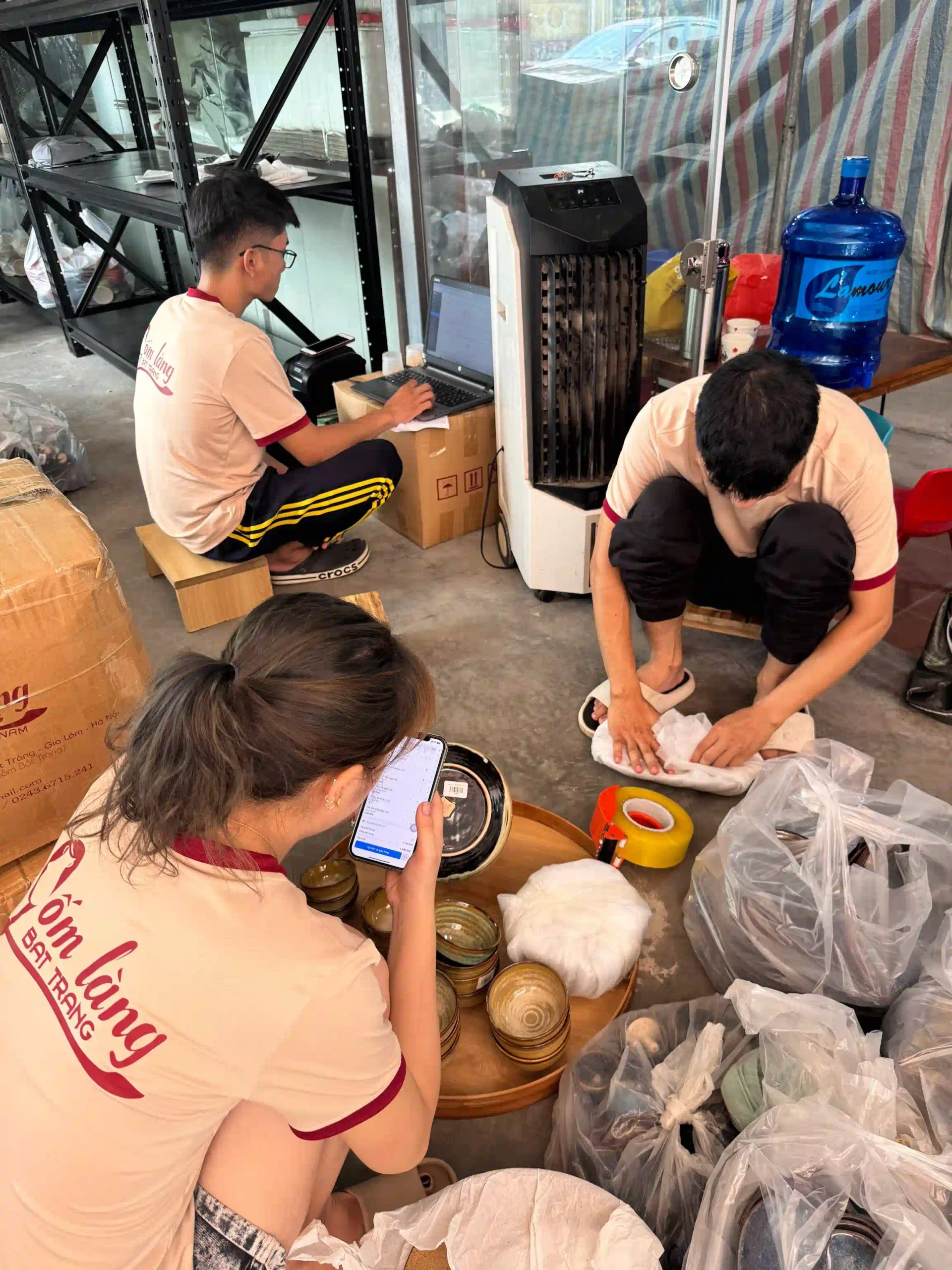
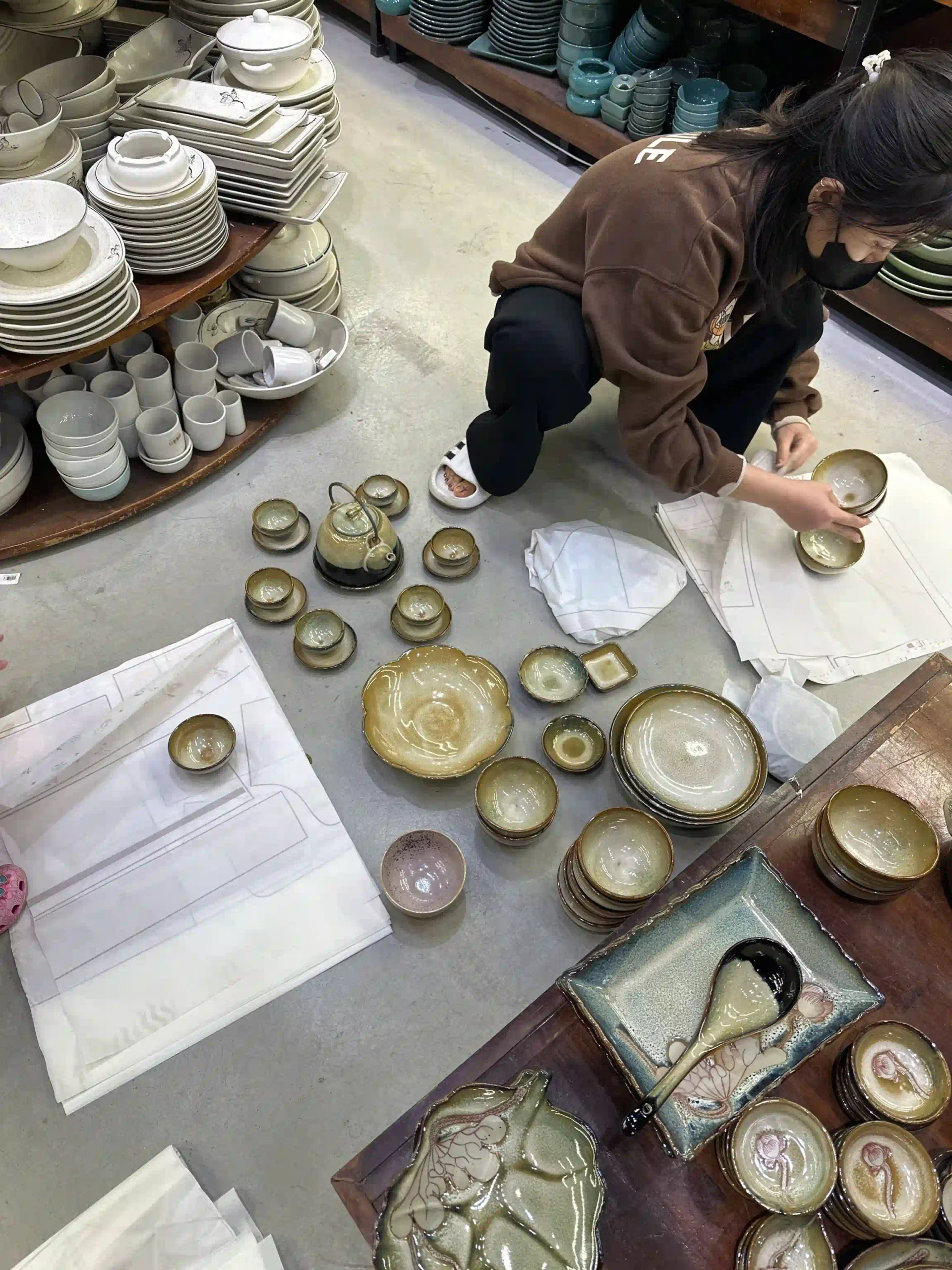
Buying ceramics mid-trip always causes packing panic. You do not want heavy stoneware slicing up the clothes inside your suitcase.
Fortunately, the shop ladies here treat packing like defensive warfare. They possess giant commercial spools of industrial tape, cardboard, and bubble wrap. Simply look them in the eye while handing them cash and utter two words: Máy bay. (It means airplane).
The second they hear “airplane,” they go into full construction mode. They stuff newspaper into the cups, swaddle it violently in five dense layers of large-bubble wrap, construct a cardboard exterior wall around the clump, and tape it so aggressively that you’ll literally need a hunting knife to open it later.
I have tossed wrapped serving platters straight into soft canvas duffel bags, shoved them into a dirty Boeing cargo hold, and zero chips occurred. Do not attempt to negotiate packing supply fees if they add an extra 10,000 VND. Just be thankful for the armor.
Read more: How I’d spend 1 week in Hanoi on a Mid-Budget
Realizing it’s actually an ancient village
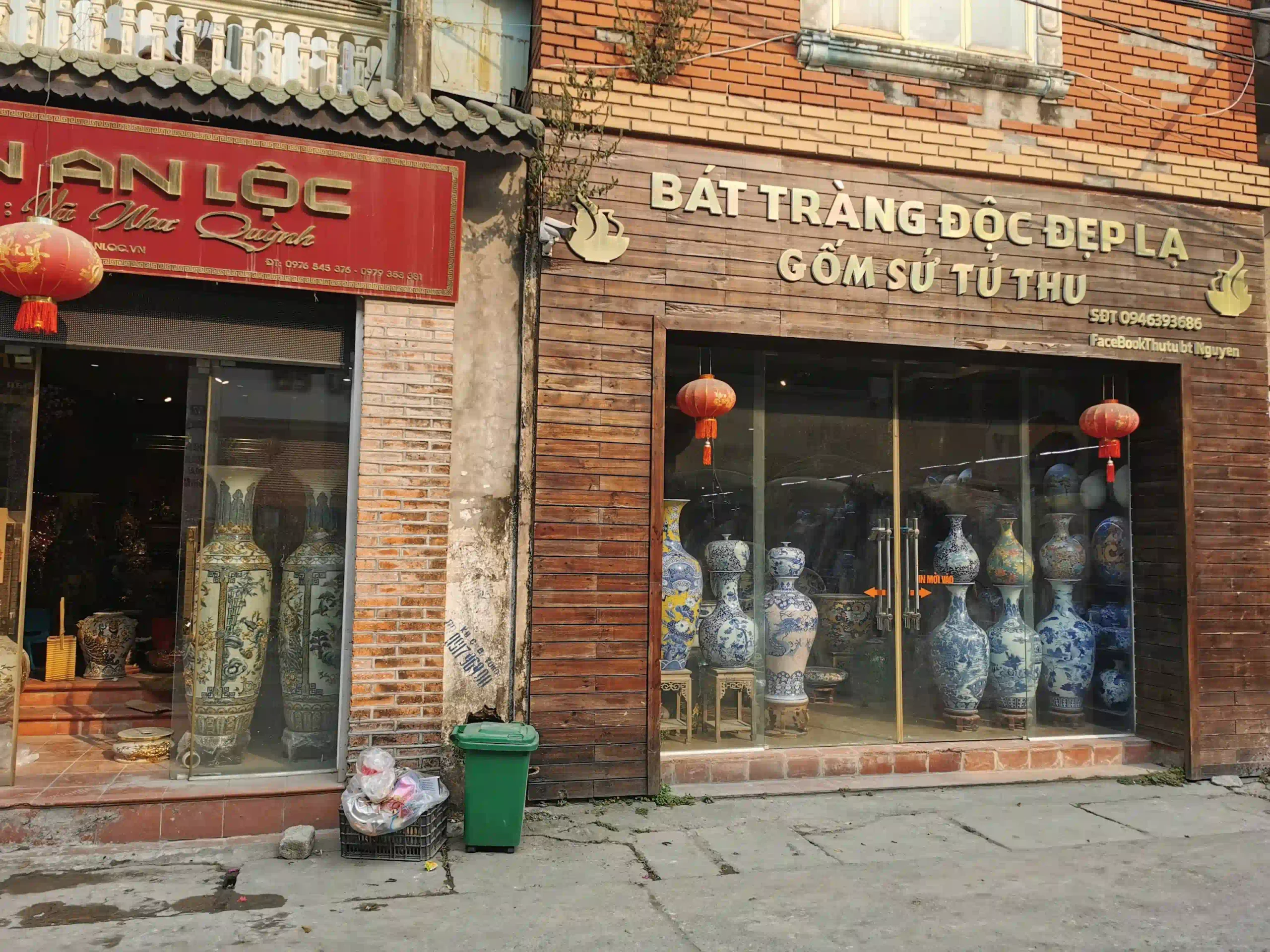
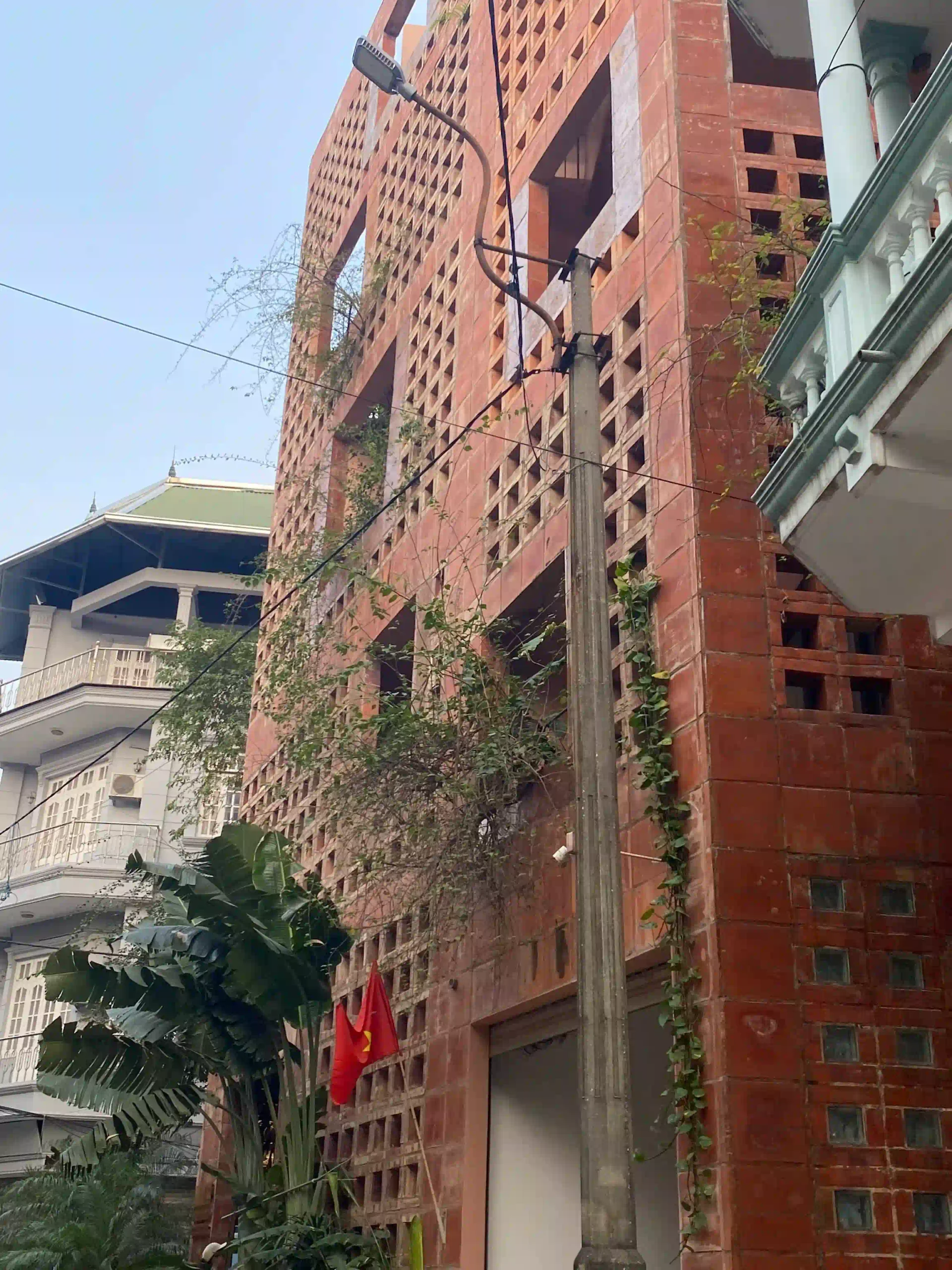
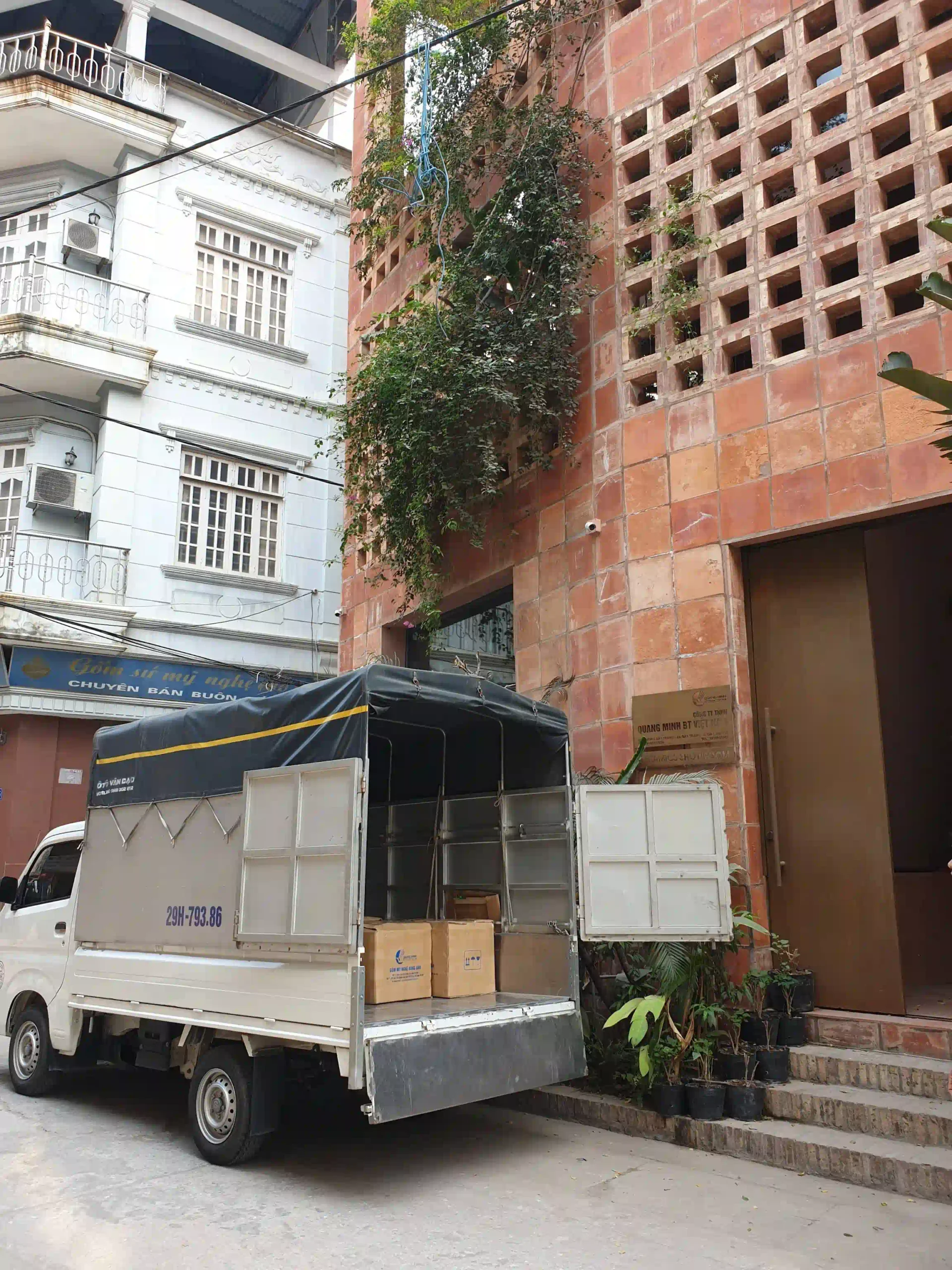
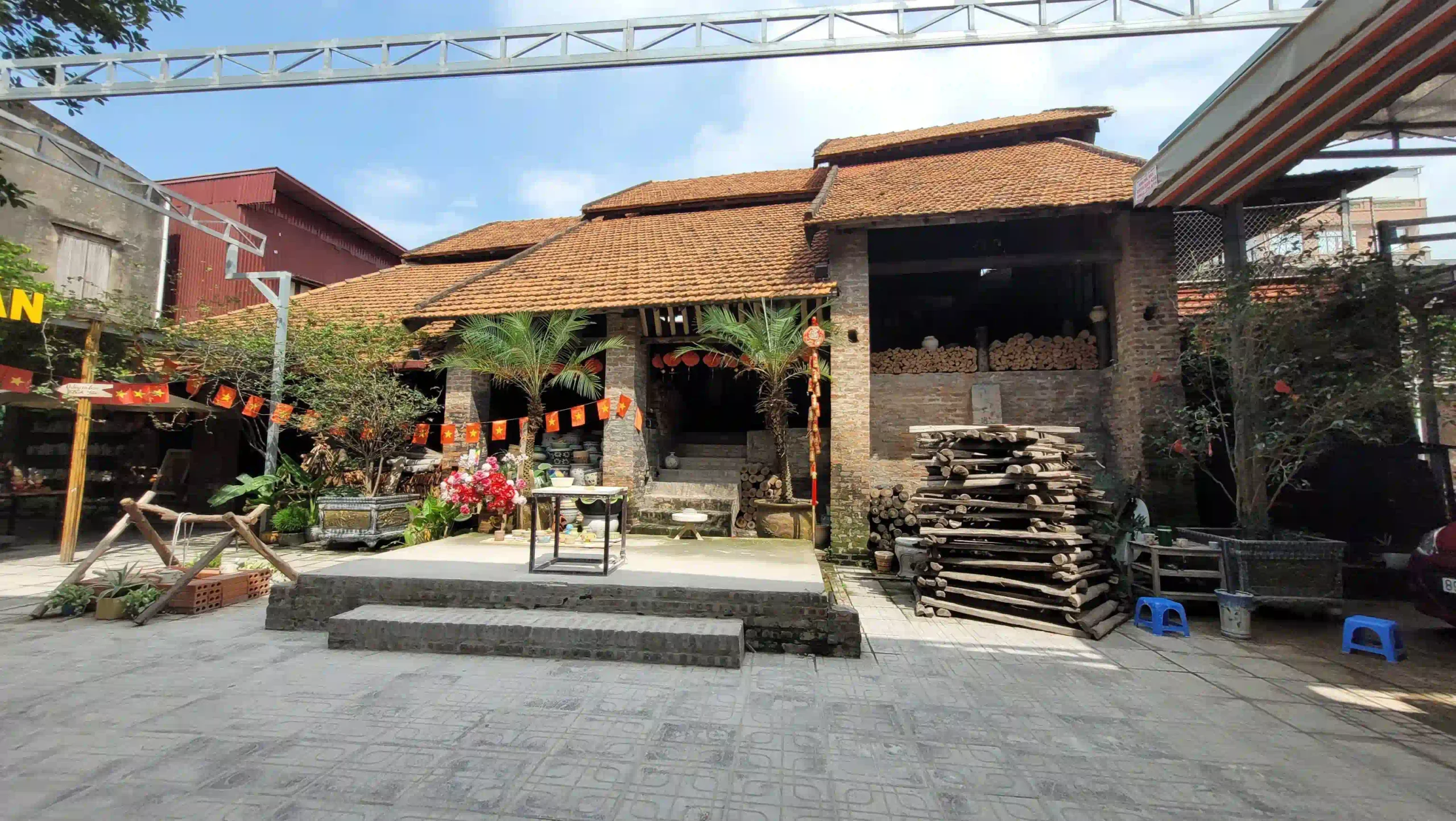
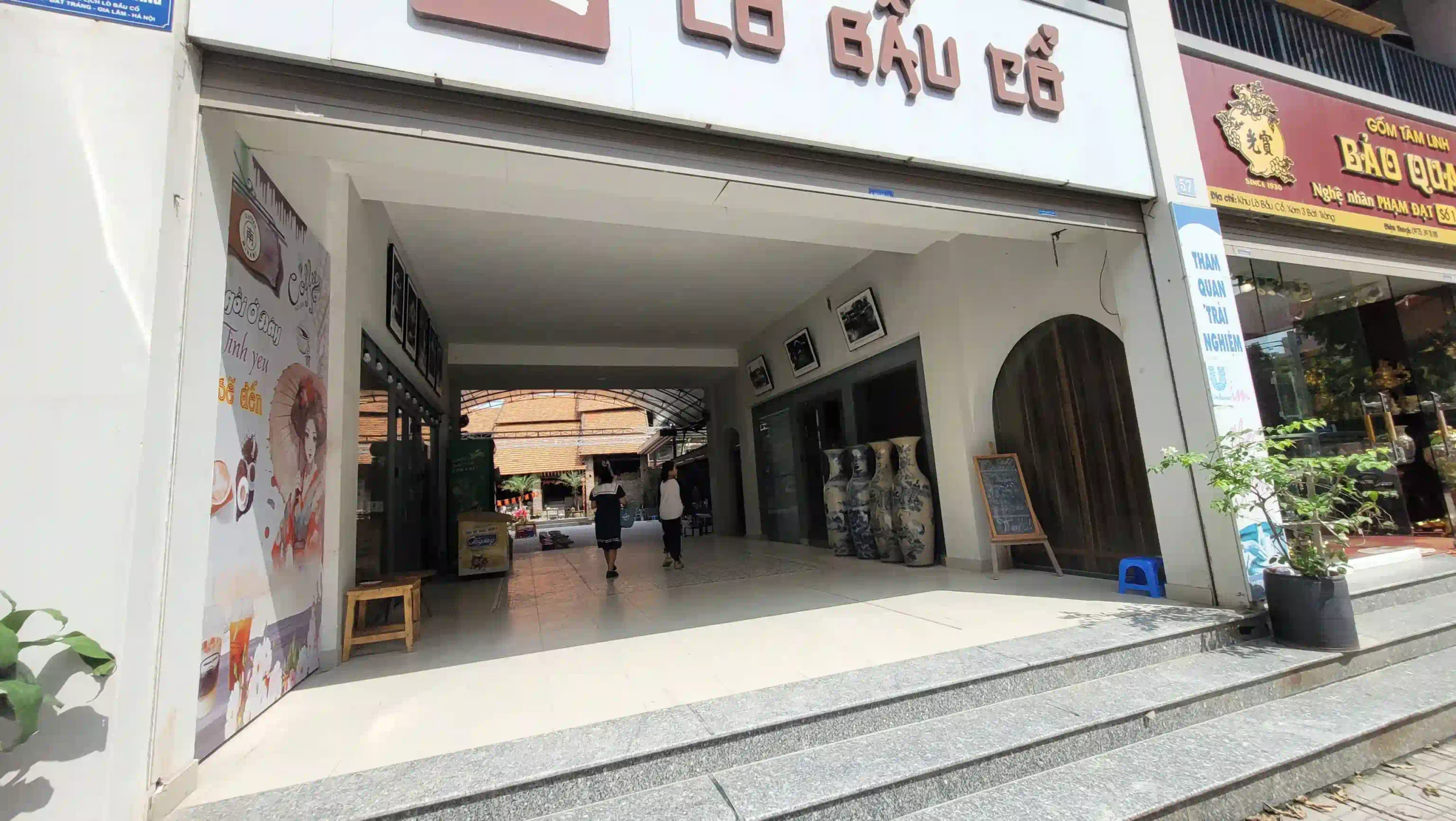
When you eventually tire out from dodging vendors, dragging your feet dragging 10 kilos of bowls, your patience will drop. Do not immediately board the bus. Leave the loud metal market shed.
Check Google Maps, put away the heavy shopping bags, and purposefully locate the alleys immediately running alongside the Red River bank, totally removed from the massive asphalt parking zone. Walk toward the Lò Bầu cổ (the ancient kilns) and the Van Van house area.
The second you slip between two residential buildings, the noise entirely cuts off. The roads physically shrink down to about four feet wide. There are no tourist traps here, just generational family homes. You’ll notice the physical boundary walls dividing the properties look weird.
Because historical poverty in this craft town meant nothing got wasted, families constructed their exterior walls purely by stacking thousands of cracked, defective pottery failures and thick black discs of burnt-out coal mud together using wet river clay as mortar. It is entirely brilliant localized recycling.
The air deep in these brick tunnels smells heavily like sweet coal exhaust and wet river dirt. Walk around until you smell steaming banana leaves. Look for an open kitchen door selling local Bánh tẻ. These are hyper-dense tubes of rice flour thickly stuffed with heavily peppered minced pork and chopped wood-ear mushrooms, fully encased in massive green leaves and boiled. They cost pocket change. Rip one open sitting on a low stool by a brick wall while the intense midday heat reflects off the ground.
That twenty minutes spent chewing incredibly heavy street food next to an abandoned, moss-covered brick oven is exactly when you realize why this dirt town survives despite modern manufacturing.
Escaping before burnout
By hour four, your t-shirt is completely sweated out, your backpack straps are painfully cutting into your collarbones from the weight of clay jars, and you have seen roughly five million bowls. The charm officially dies around 1:00 PM.
If you are smart, you followed the timing window. You don’t try to cram Bat Trang into a full day itinerary with four other locations. You came out, bought entirely un-marked-up dinnerware, endured the severe local grit, and got the hell back onto the 47A bus specifically while mid-afternoon city traffic was totally asleep.
It’s heavy, sweaty, dirty, entirely transactional, and profoundly interesting, provided you drop the romantic delusions at the door and just pack your bubble-wrapped coffee mug with absolute pride.
Read more: 3 best historical sites & museums in Hanoi for just 1 day

Keep Exploring Hanoi
-
See & do UltimateReal things to do in Hanoi for travelers who hate big crowds ›
-
Spots Must read15 attractions in Hanoi every traveler needs to see! ›
-
SpotsRevealing the only 2 best tailors in Hanoi worth your money ›
-
Spots3 best historical sites & museums in Hanoi for just 1 day ›
-
SpotsThe top 5 Hanoi egg coffee shops I’d send my best friends to ›











 Tiếng Việt
 한국어
한국어 中文 (中国)
 日本語
日本語 ไทย
ไทย Deutsch
 Español
 Destinations
 Instagram
 Facebook
 X (Twitter)
 Threads
 Tiktok