









 Ha Giang
 Hanoi
Hanoi Ho Chi Minh City
 Ha Long
 Sapa
Sapa Mekong Delta
 Da Nang
 Hue
Hue Hoi An
 Ninh Binh
 Da Lat
 Nha Trang
 Phan Thiet
 Phu Quoc
 Quang Binh
 Quy Nhon
 Vung Tau
 Thai Nguyen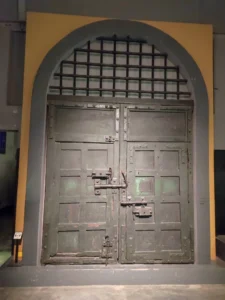


Hanoi’s heat, traffic, and general volume levels make back-to-back museum hopping an incredibly miserable experience. The city doesn’t have a unified transit grid. You have to physically cross insane traffic and walk sweating on blocked sidewalks to get between these places.
I have accompanied enough visiting family members to figure out exactly how much culture a normal person can absorb in 8 hours without throwing a tantrum. The answer is three. Three well-chosen, geographically logical spots.
If you only have one dedicated day to soak up culture, do not spread yourself thin. Below is the most efficient, low-stress blueprint for hitting the three best historical sites in Hanoi and the most crucial museums in Hanoi. No rushing. No following umbrella-wielding tour guides.
- Quick Answer: Trying to squeeze 6 museums in Hanoi into one day will literally melt your brain. If you want the real history without the huge tour bus crowds, only visit three historical sites in Hanoi: Hoa Lo Prison (at 1:30 PM), the Fine Arts Museum for AC and silence, and Thang Long Citadel’s war bunkers.
- The golden rule of scheduling:
- Stop rushing. Hanoi’s traffic ruins tight itineraries, and almost every government building physically locks you out for lunch between 11:30 AM and 1:30 PM.
- Stop 1: Hoa Lo Prison (1:30 PM)
- Never go in the morning unless you want to be trapped behind 40 teenagers on a field trip.
- Go right after lunch. Buy the audio guide. The real heavy stuff is the French colonial death row, not just the American POW section.
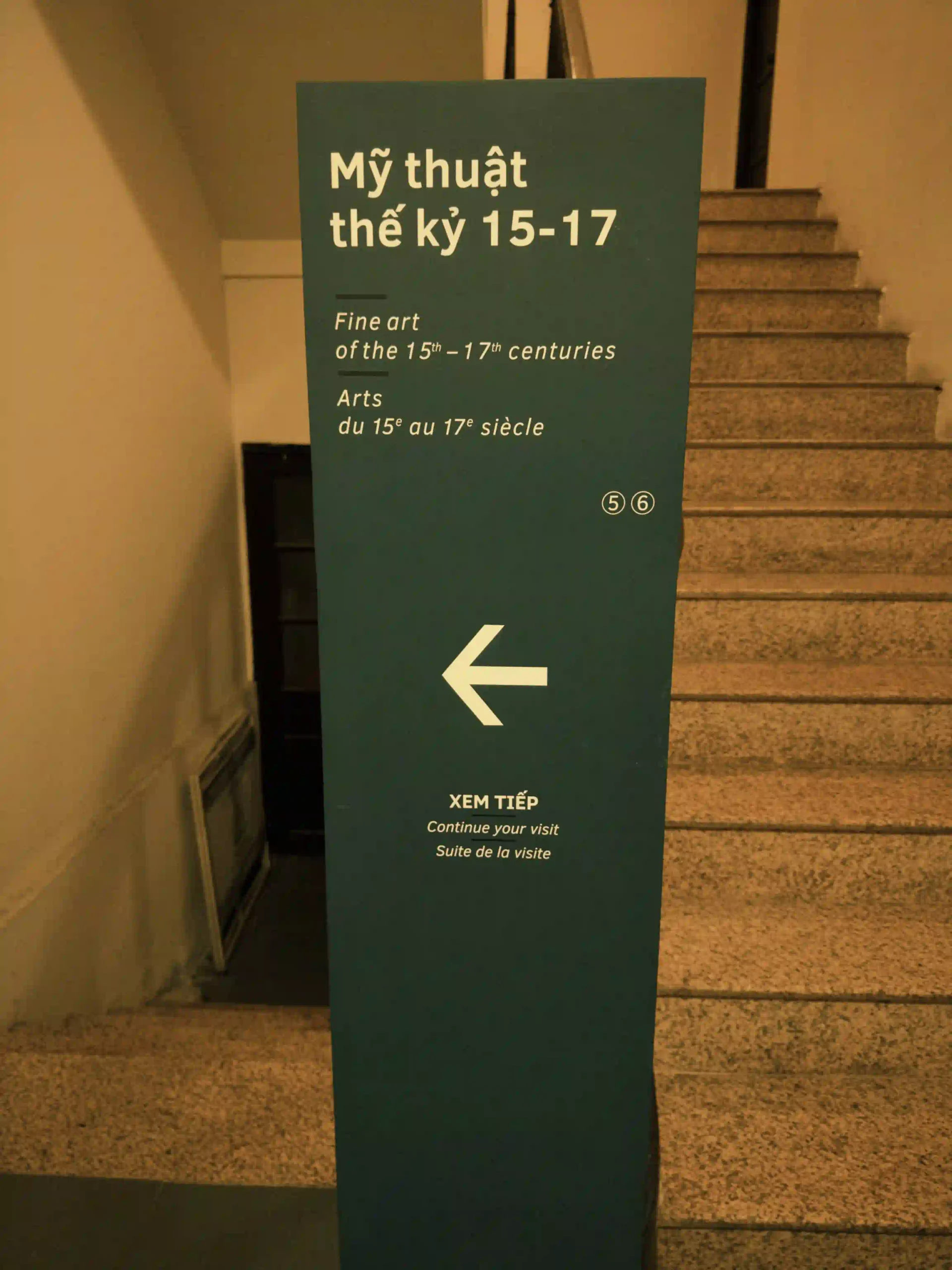
- Stop 2: Vietnam National Fine Arts Museum (2:45 PM)
- Let regular tourists fight for shoulder space at the Temple of Literature. You cross the street to this building instead.
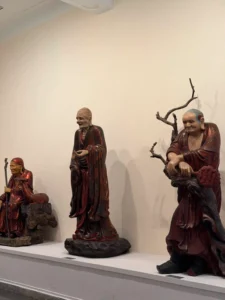
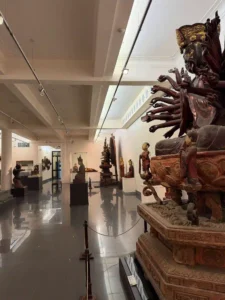
- It is deeply quiet, the AC is ice-cold, and you get to stare at massive ancient lacquer statues and raw battlefield sketches completely undisturbed.
- Stop 3: Thang Long Imperial Citadel (4:00 PM)
- Hit this when the late afternoon sun cools down. It gives you massive open green space in the middle of an otherwise cramped city.
- Don’t just look at the old palace grounds, go around back and walk down into the actual sealed D67 underground bunkers from the 1960s.
The Reality of Museums in Hanoi: The “Lunch Break” Trap
Before you plan anything, you need to understand one deeply frustrating local rule.
Many government-run buildings, including several museums in Hanoi, strictly observe a lunchtime closure. This usually happens between 11:30 AM and 1:30 PM.
If you show up at the Ethnology Museum at 11:45 AM, the guard is just going to cross his arms, shake his head, and point at a plastic sign. You will then have to sit on the sidewalk for an hour and a half doing absolutely nothing.
The three locations I’ve picked below largely stay open through lunch, or their locations allow you to logically take your own lunch break nearby without ruining the timeline.
Site 1: Hoa Lo Prison (The “Hanoi Hilton”)
- Location: 1 Hoa Lo Street (right on the edge of the French Quarter).
- Time needed: 1.5 to 2 hours.
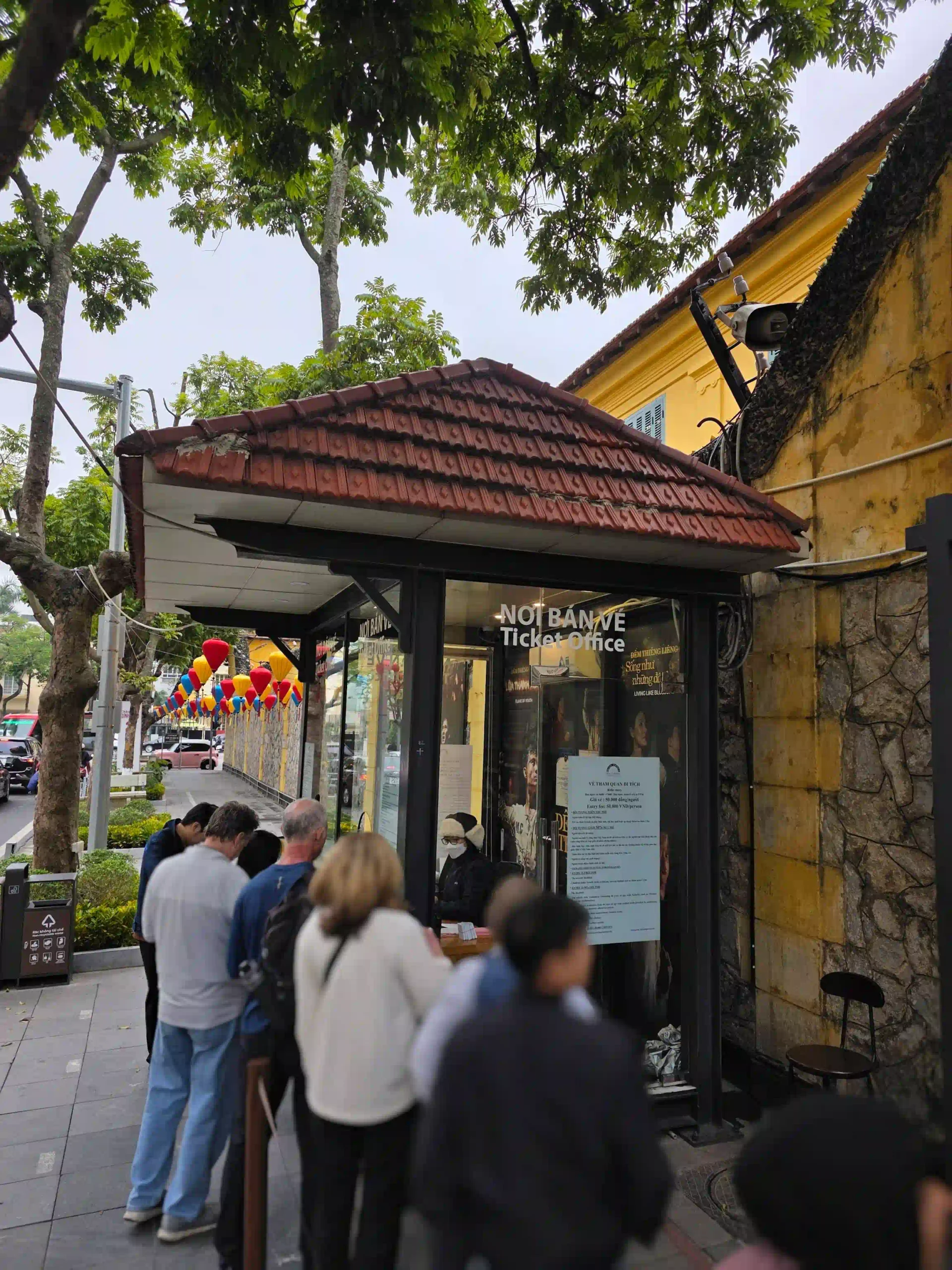
- Cost: 50,000 VND (around $2 USD).
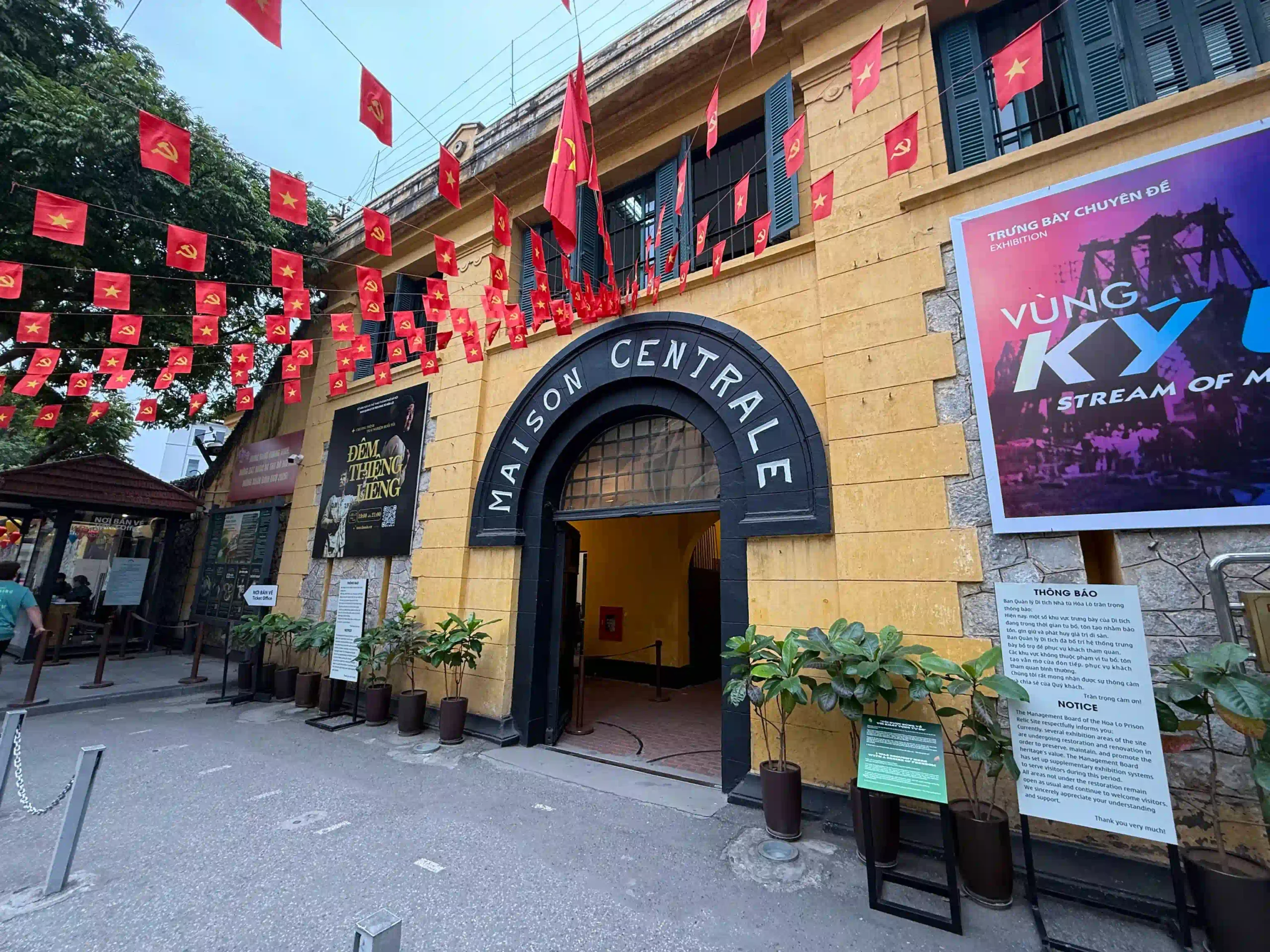
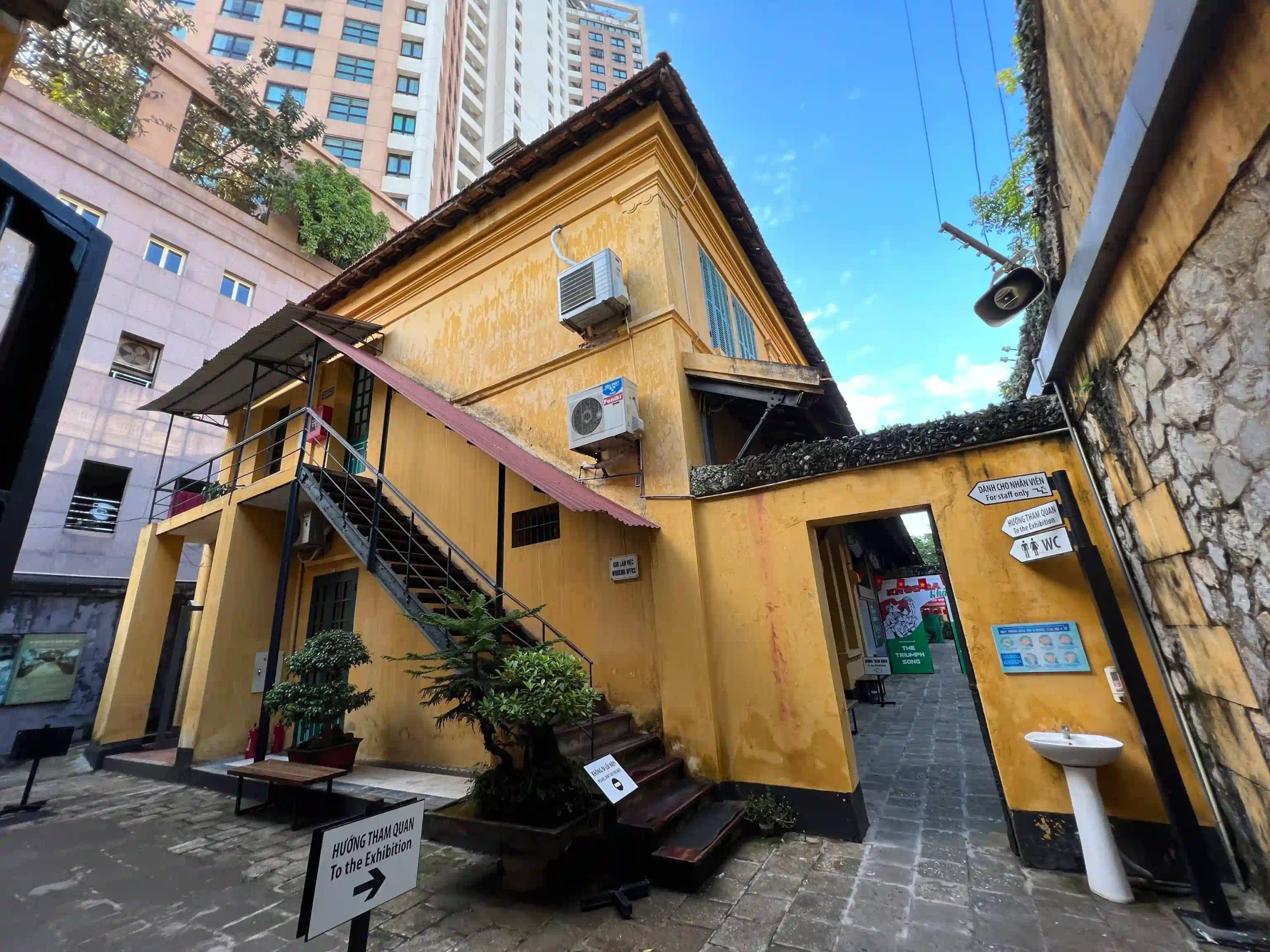
We start here because you essentially have to. When you look up the top historical sites in Hanoi, this one consistently ranks number one. And for good reason. But your experience completely depends on when you step through those massive, imposing yellow gates.
What it actually is:
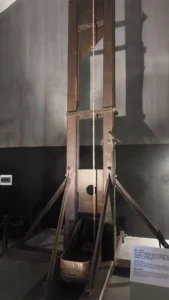
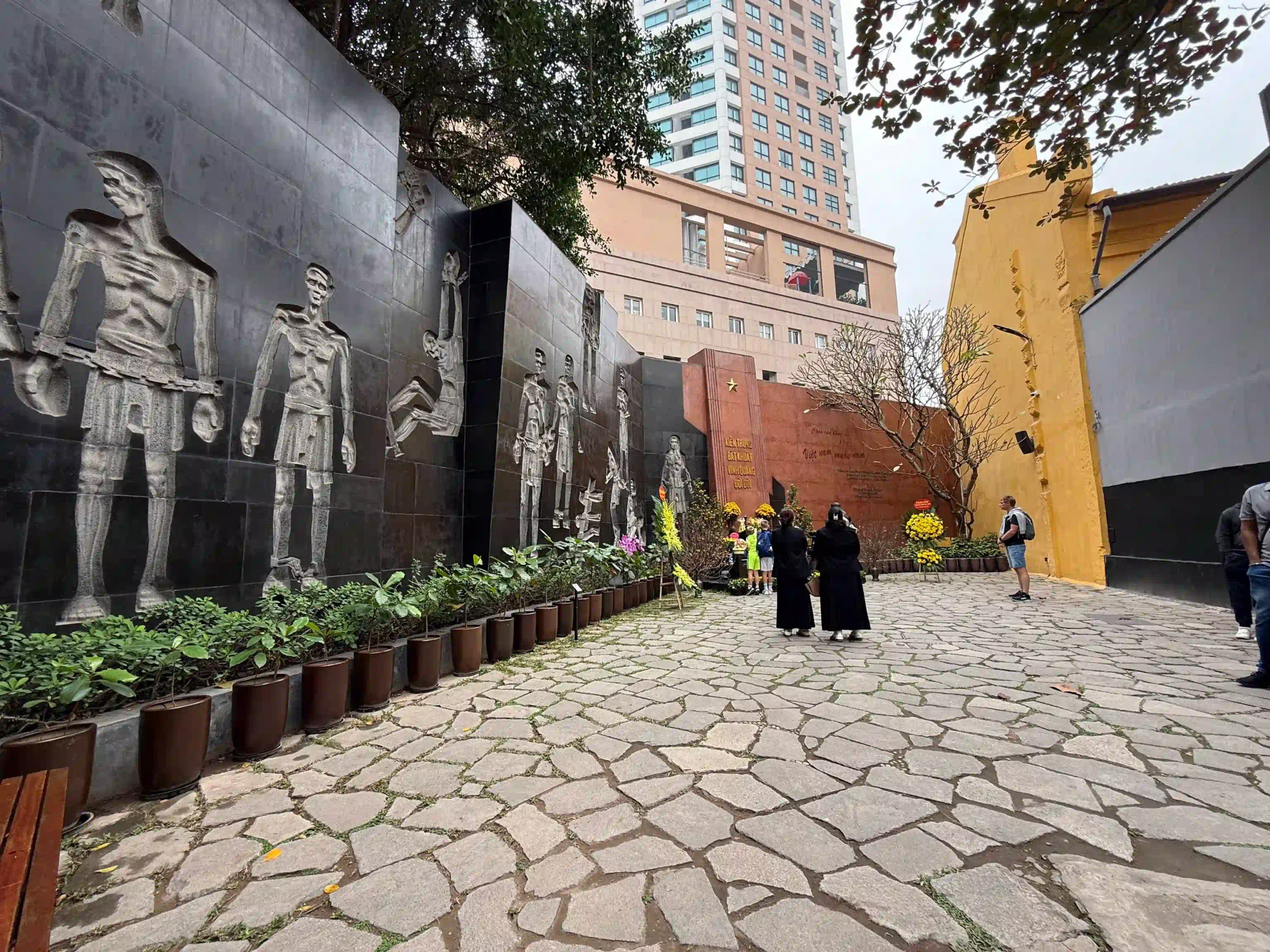
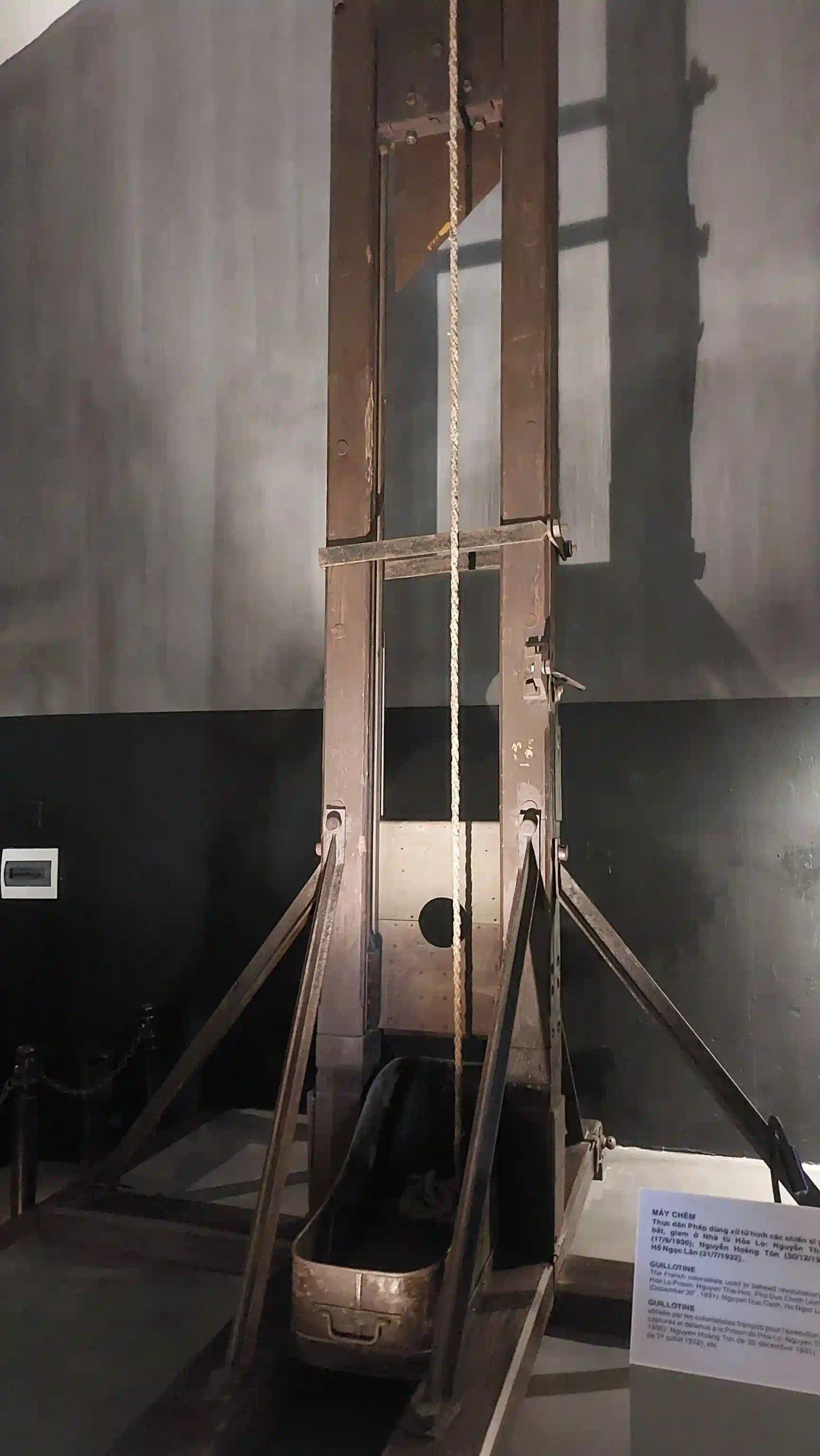
Built by the French colonial government in the late 1800s, Maison Centrale (Hoa Lo) was originally used to detain, torture, and execute Vietnamese political revolutionaries. There is an actual, original French guillotine sitting in the dimly lit back room. It is massive, cold, and entirely terrifying.
Later, during the Vietnam War (which is locally called the American War), the North Vietnamese used a section of it to house downed American pilots, including John McCain. The pilots sarcastically named it the “Hanoi Hilton.”
Most Western tourists come here purely to see the POW rooms, but be warned: the museum heavily prioritizes the narrative of the Vietnamese struggle against the French.
The American POW section is actually very small and essentially operates as light propaganda, displaying photos of pilots playing basketball and decorating Christmas trees to show how well they were supposedly treated. Take the specific phrasing with a grain of salt.
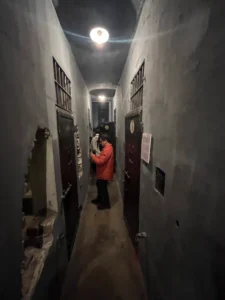
The French colonial history section, however, is intensely dark, historically dense, and incredibly well preserved. You will walk down death row corridors where the air gets noticeably cooler and heavier.
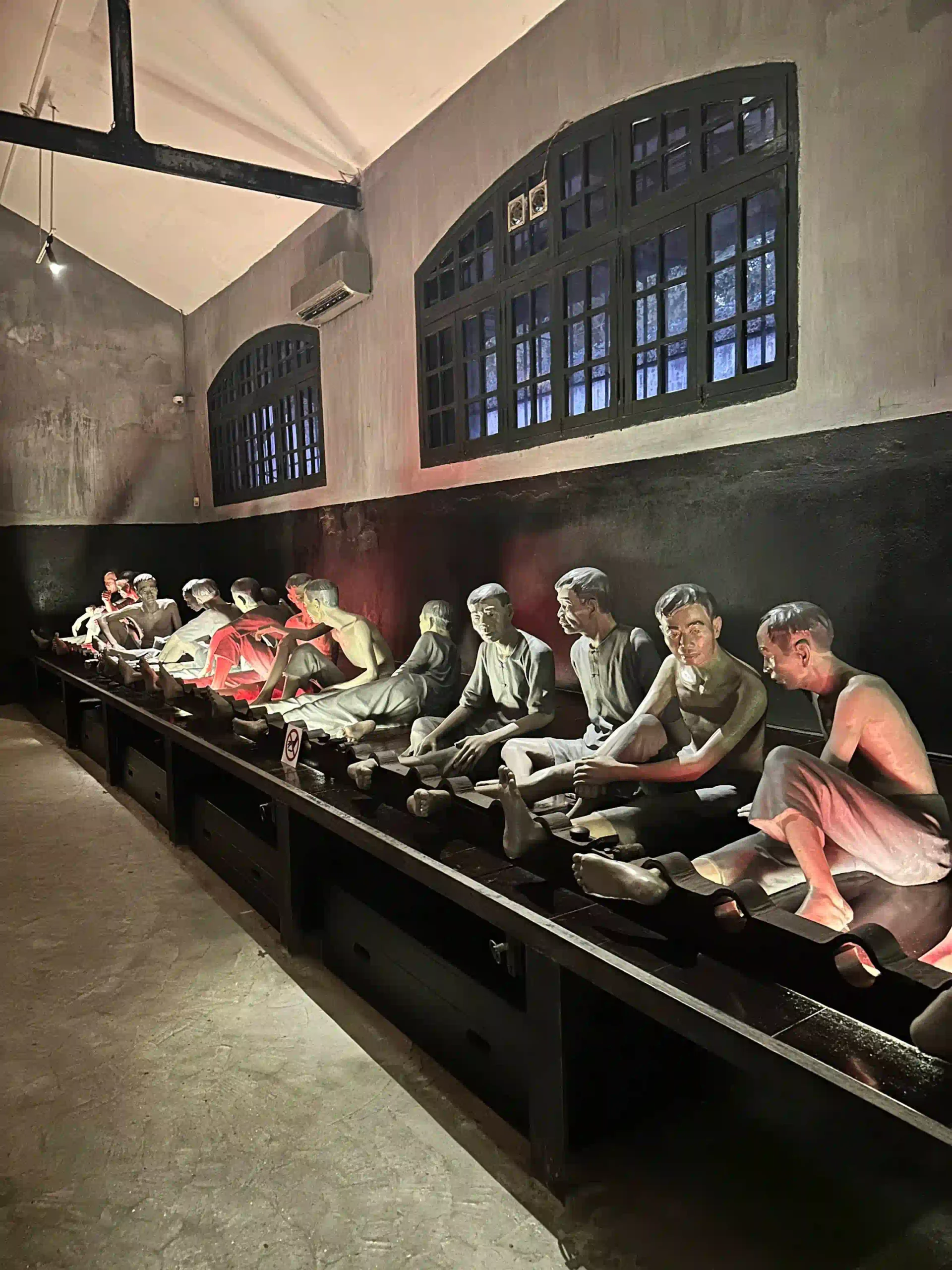
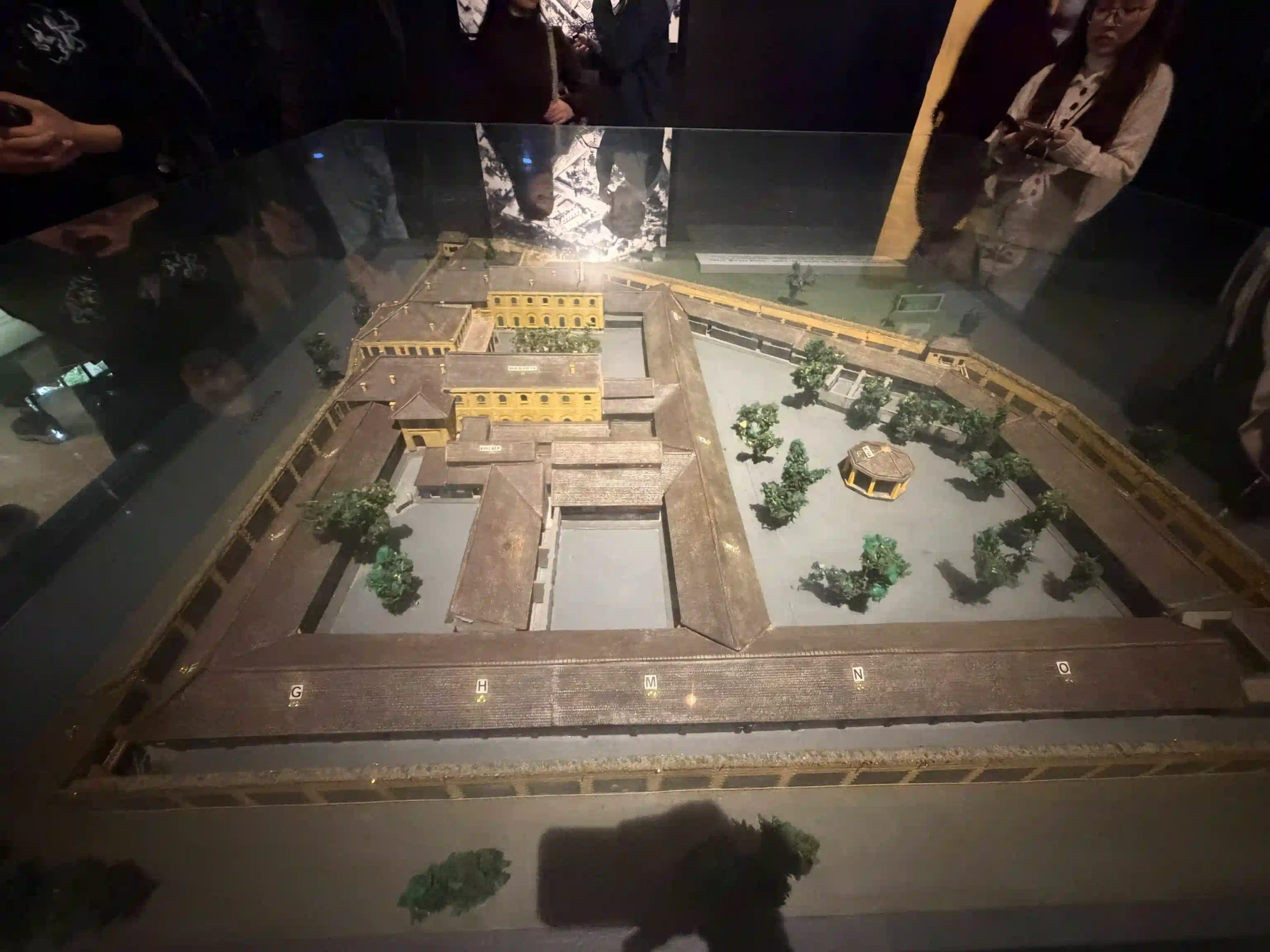
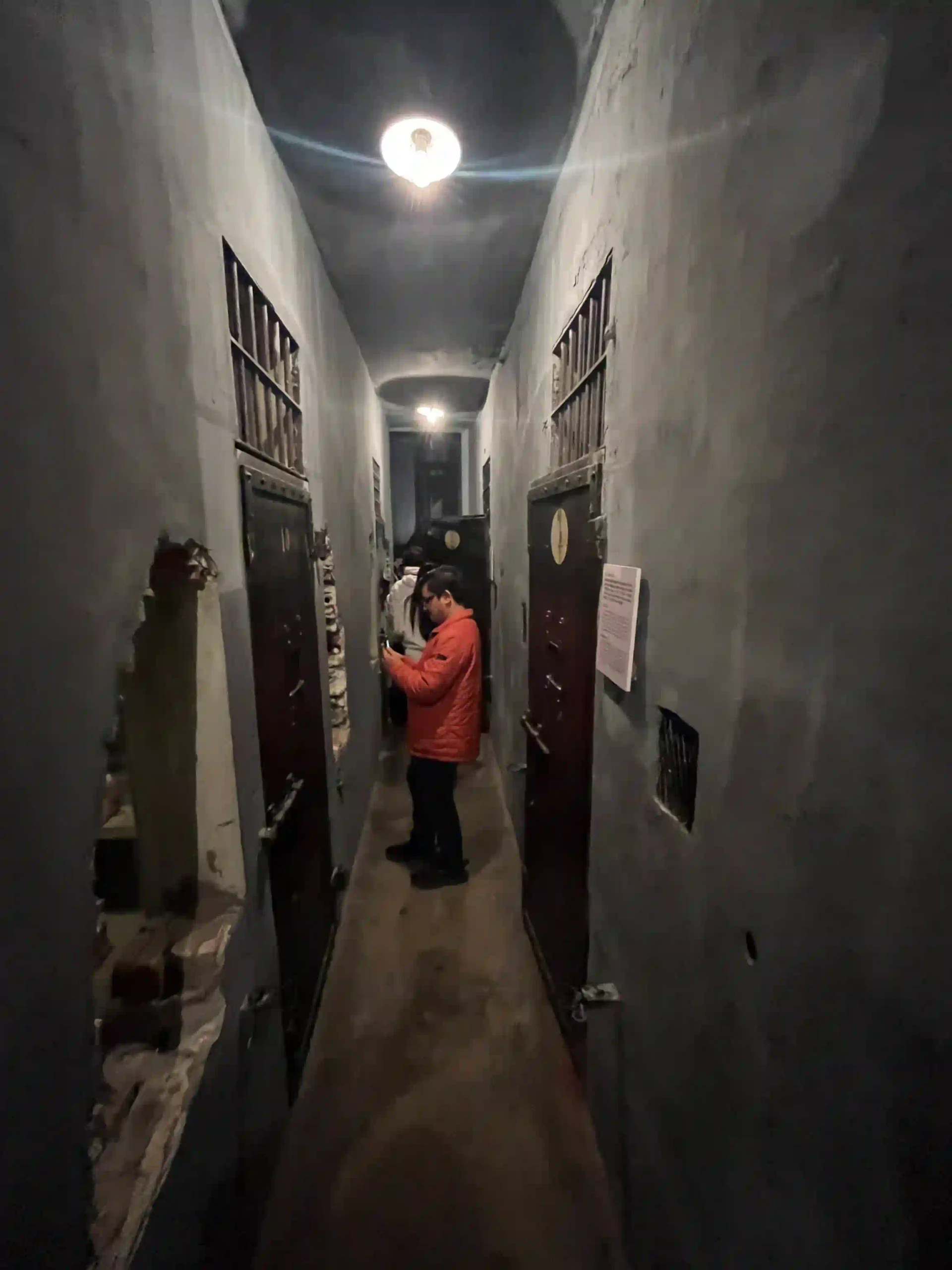
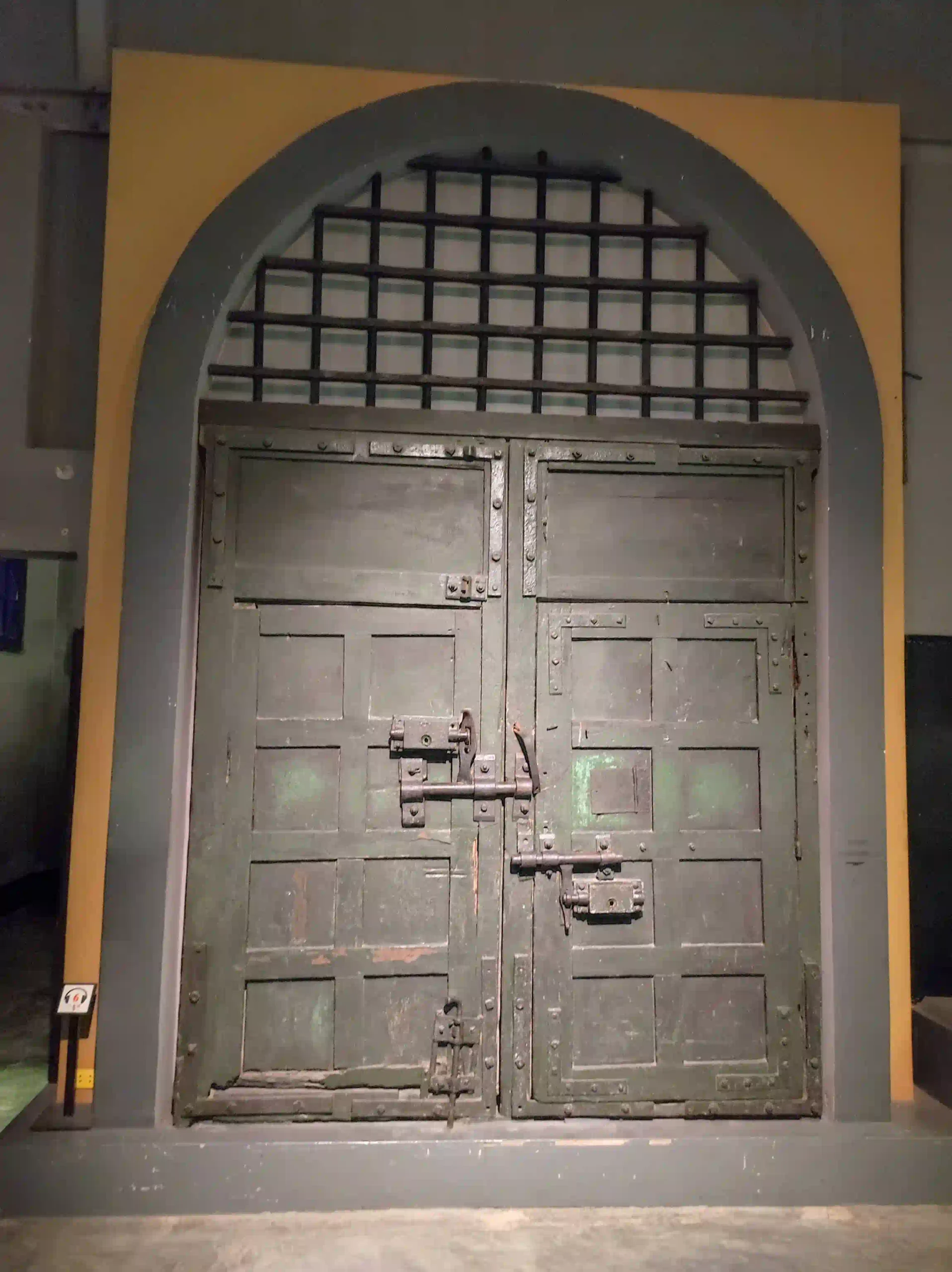
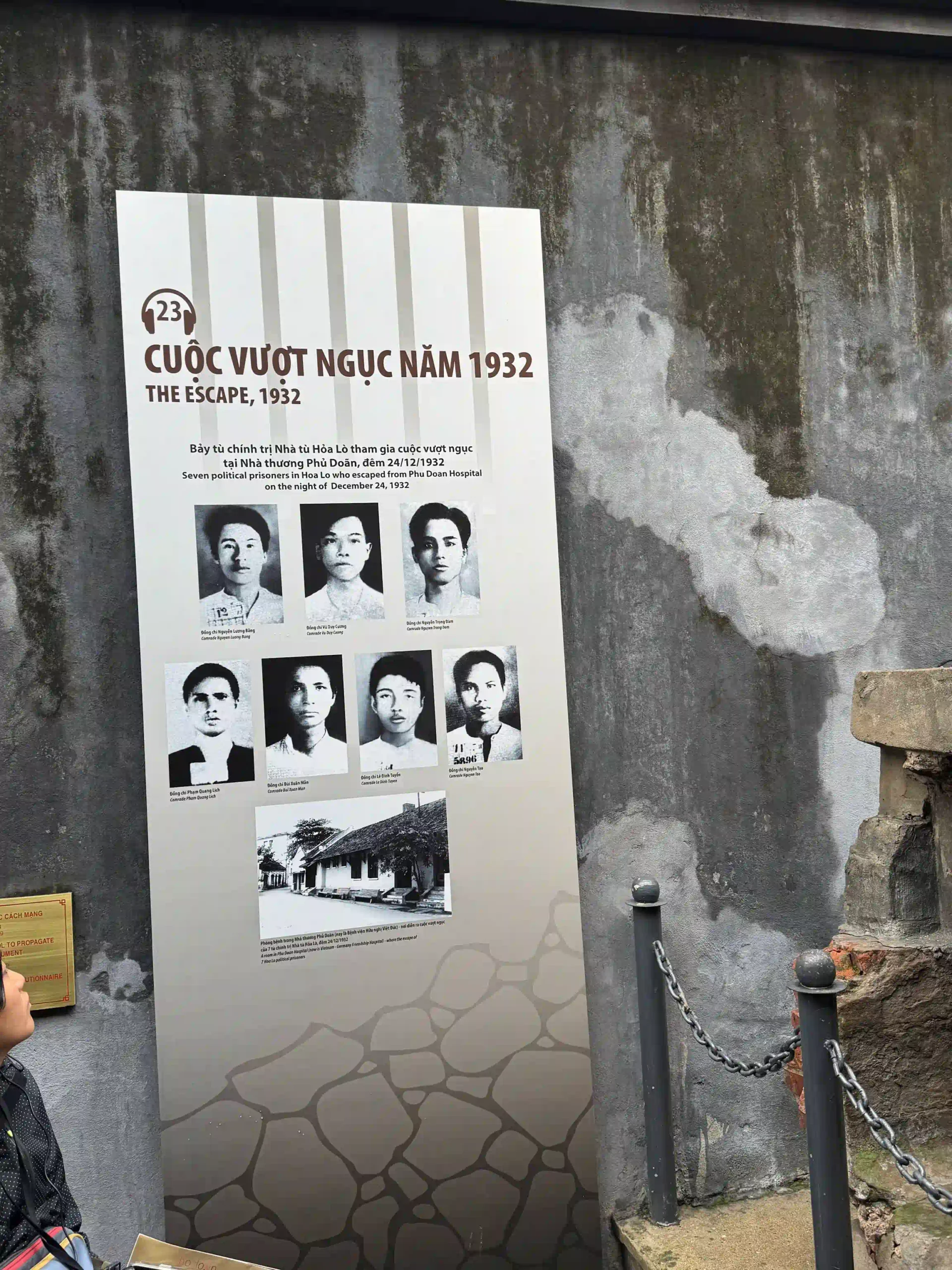
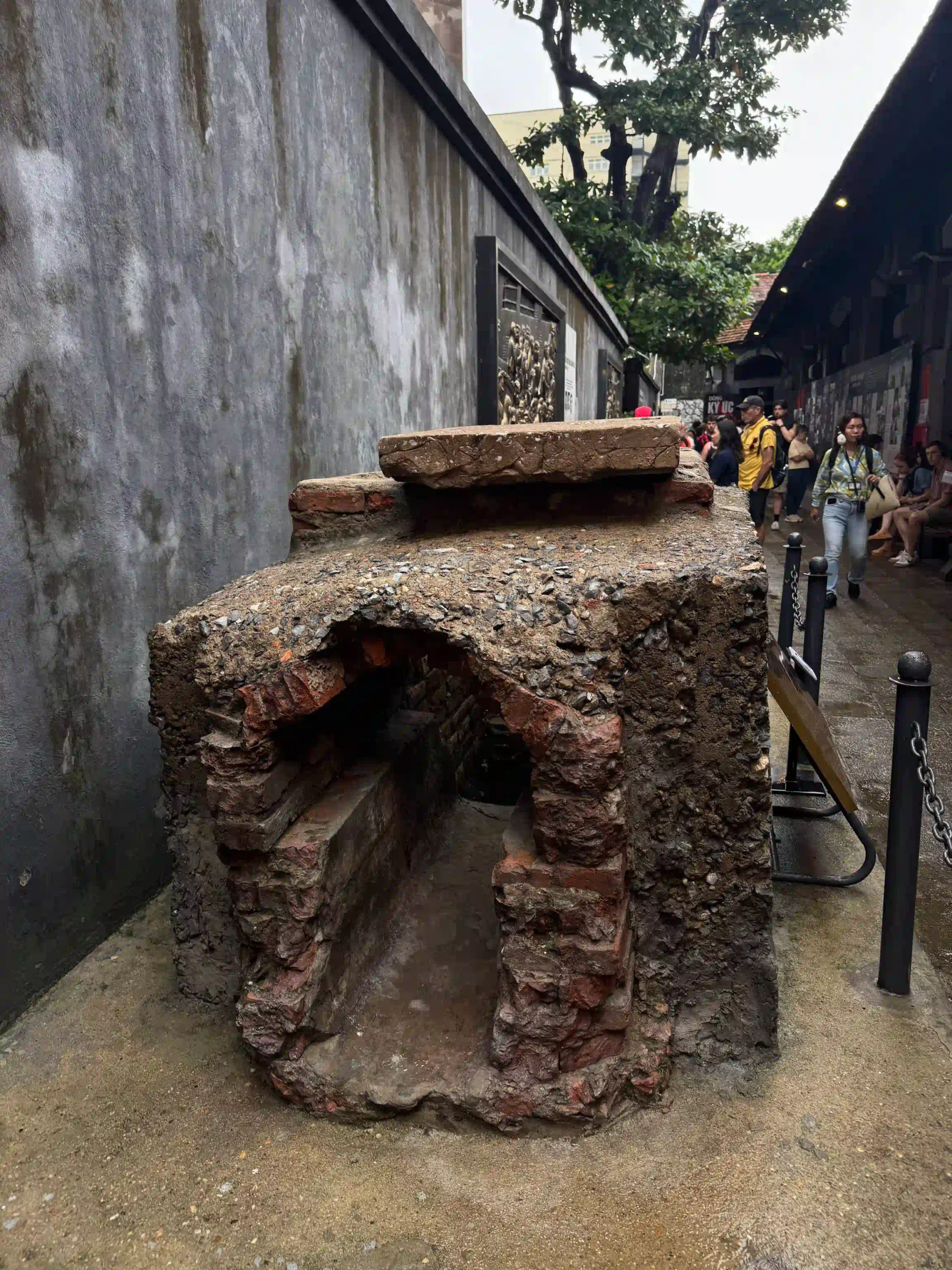
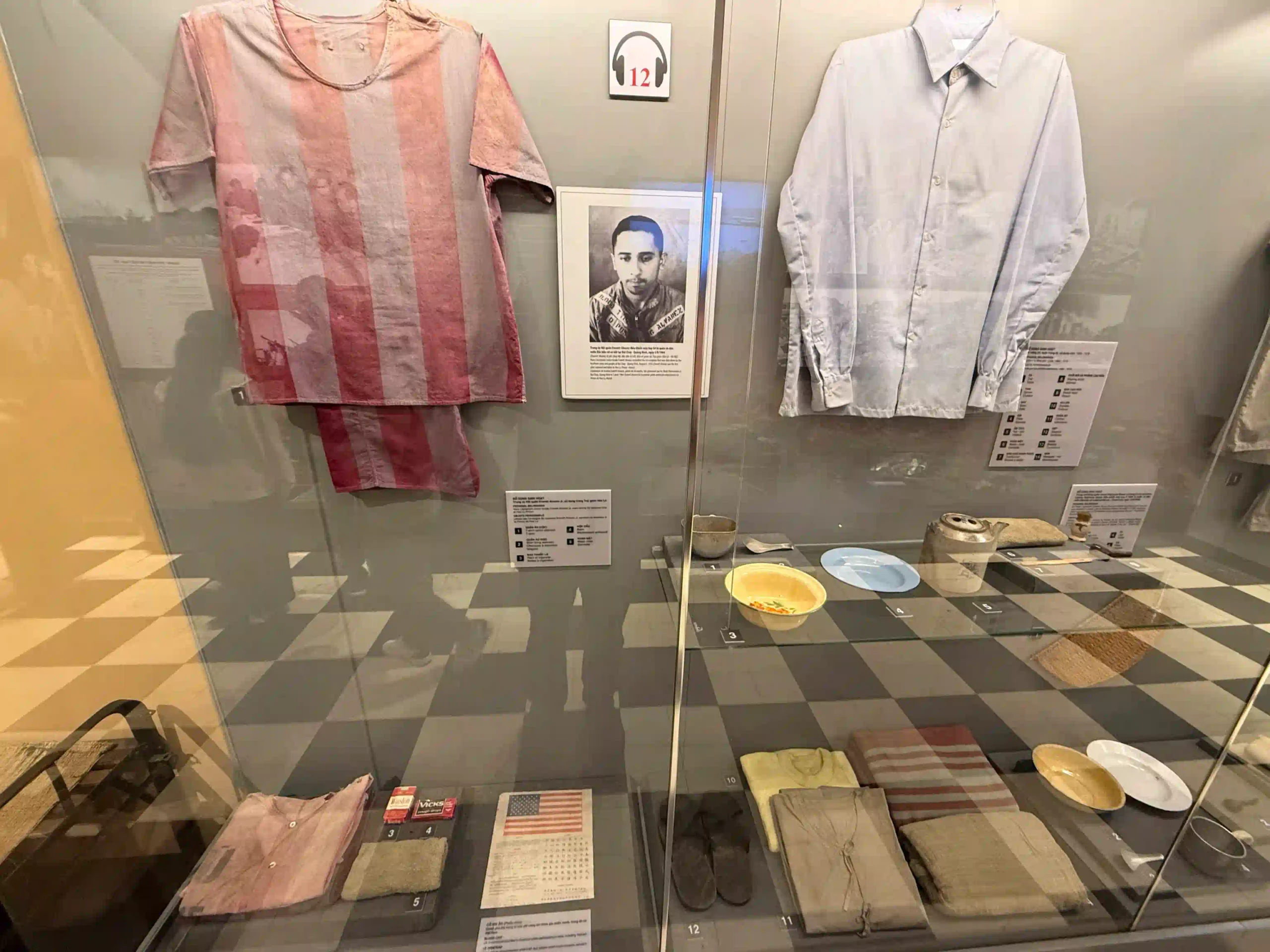
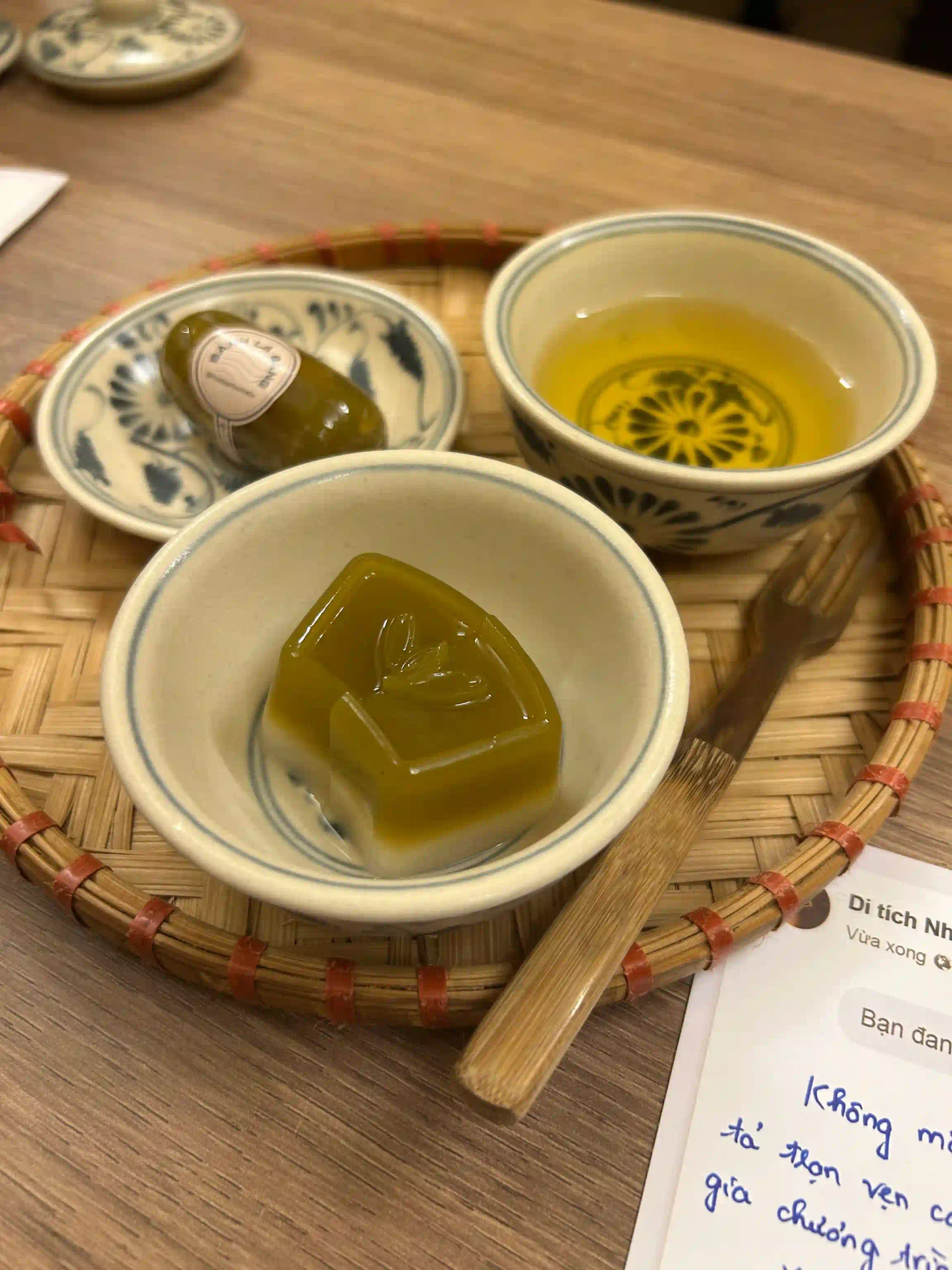
The Strategy for visiting:
Because this is the most famous historical site, tour buses dump massive groups of high schoolers and foreign tours here at 8:30 AM and 9:00 AM. Trying to read the plaques while trapped behind 40 teenagers isn’t fun.
I prefer doing this at 1:30 PM. The morning rush is gone. The post-lunch crowd hasn’t fully committed yet.
Grab the audio guide (usually an extra 50,000 VND to 100,000 VND depending on if they upgraded the headsets recently). You absolutely need the audio guide because the physical placards are mostly brief translations.
Booking tips: They recently introduced a Hoa Lo Night Tour that starts around 7PM. It is essentially a piece of interactive theater inside the prison with live actors playing guards and inmates. It’s emotionally heavy and actually brilliant. However, locals buy these tickets out weeks in advance.
If you want to do the Night Tour instead of the day pass, search “Hoa Lo Night Tour“, or contact their official Fanpage a month before your flight lands. If you wait until you are in the city, you will absolutely not get in.
Read more: What to do in Hanoi at night for first-timers
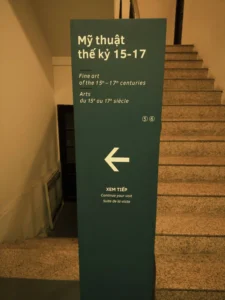
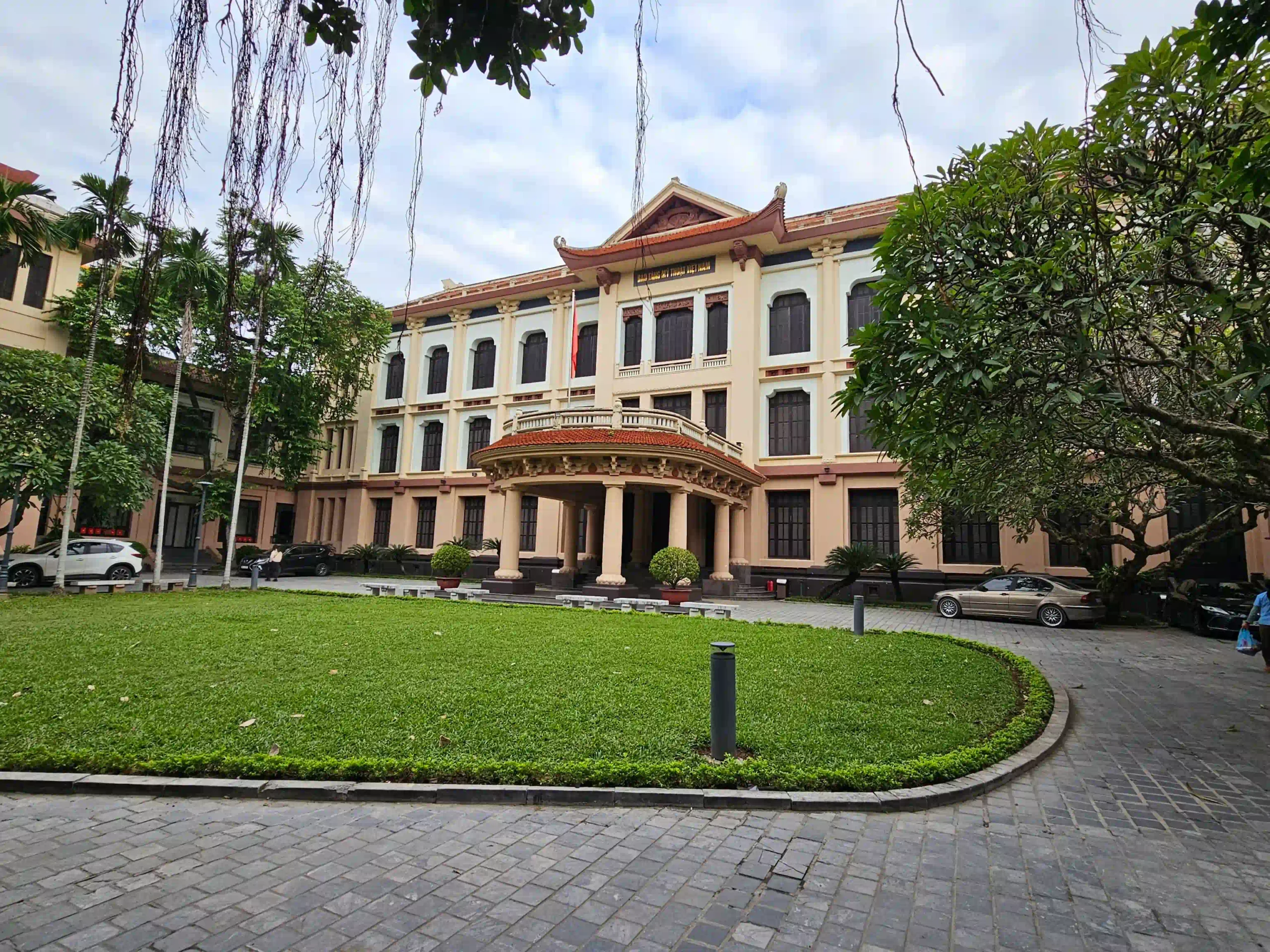
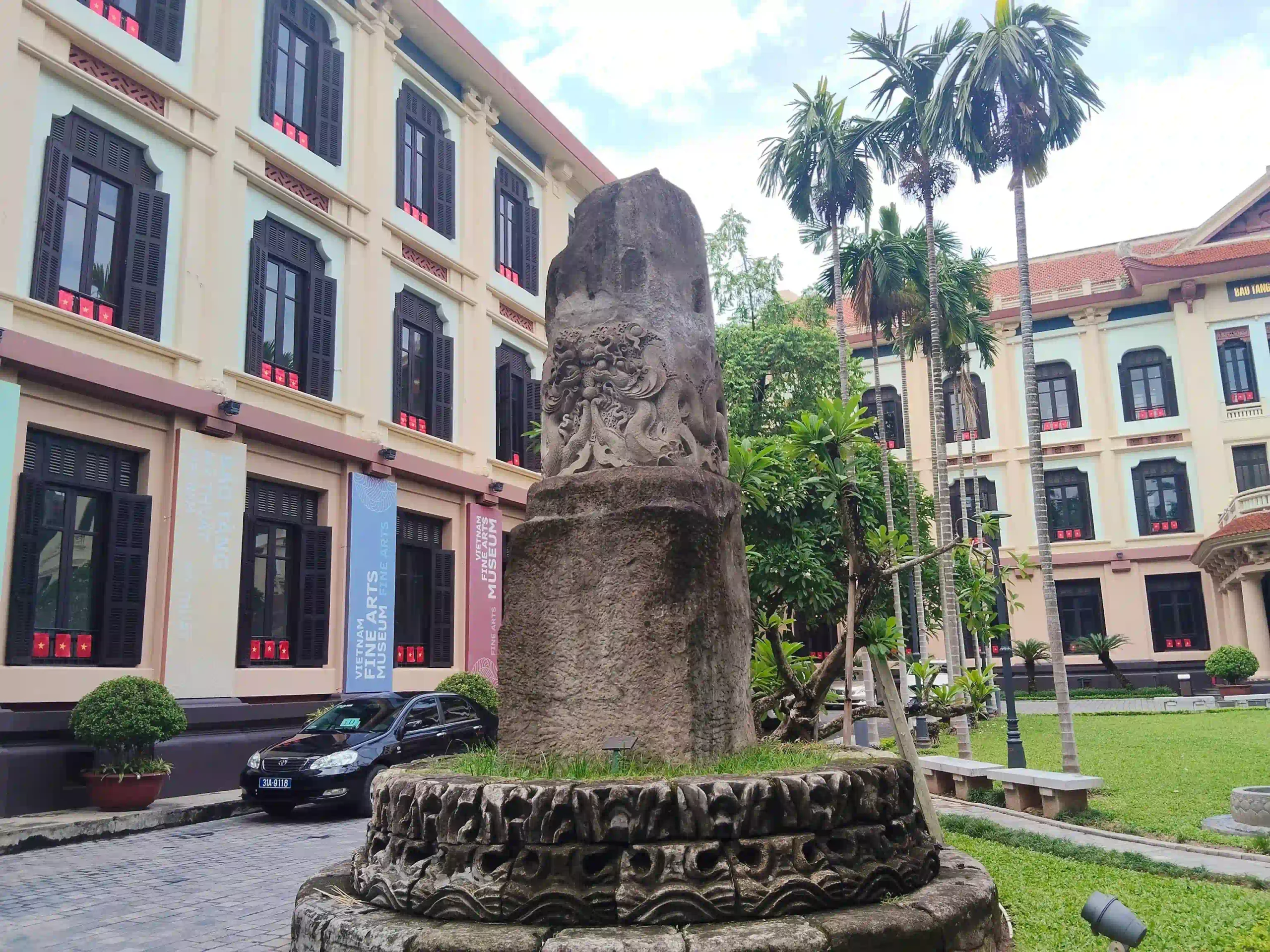
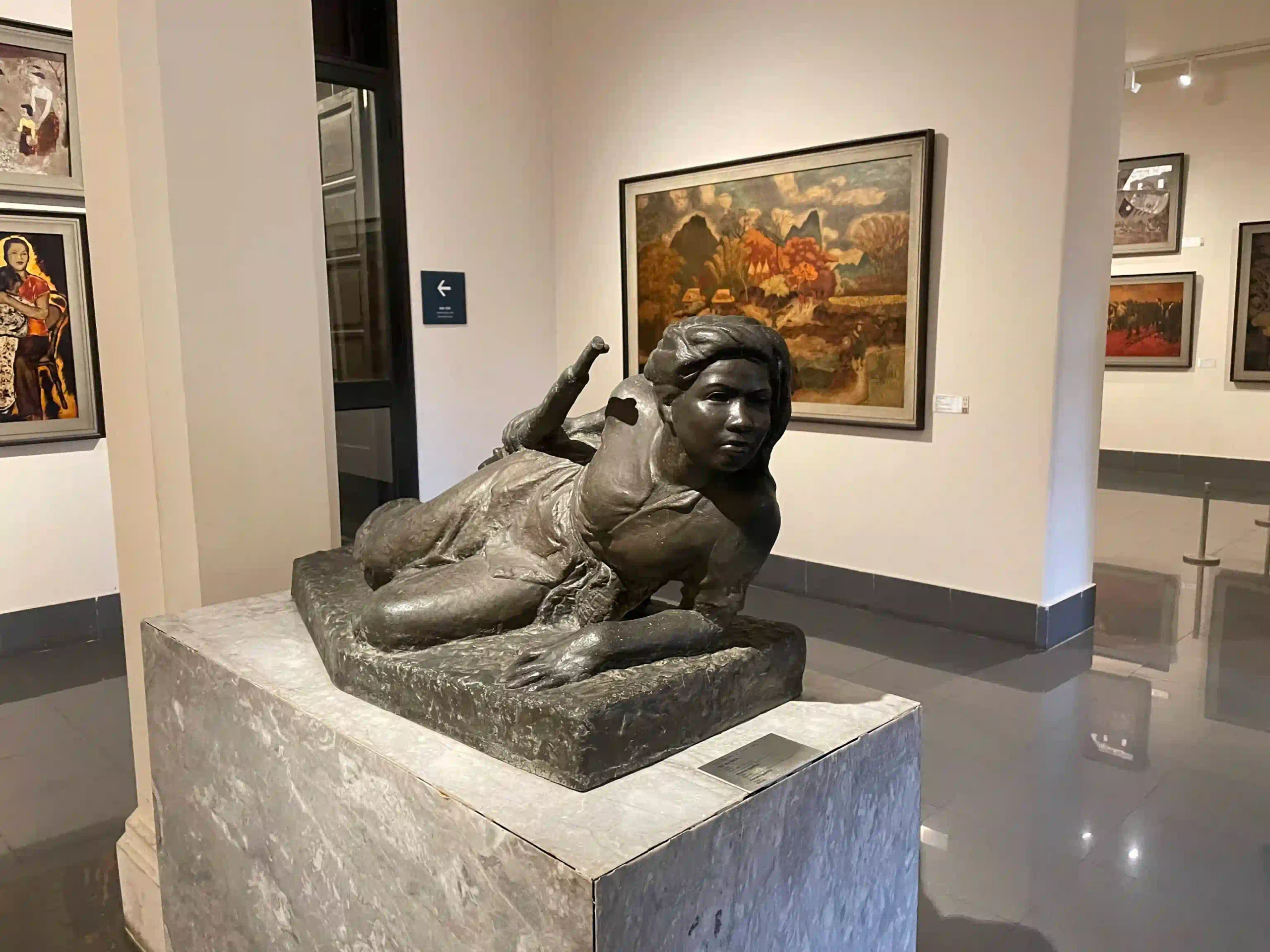
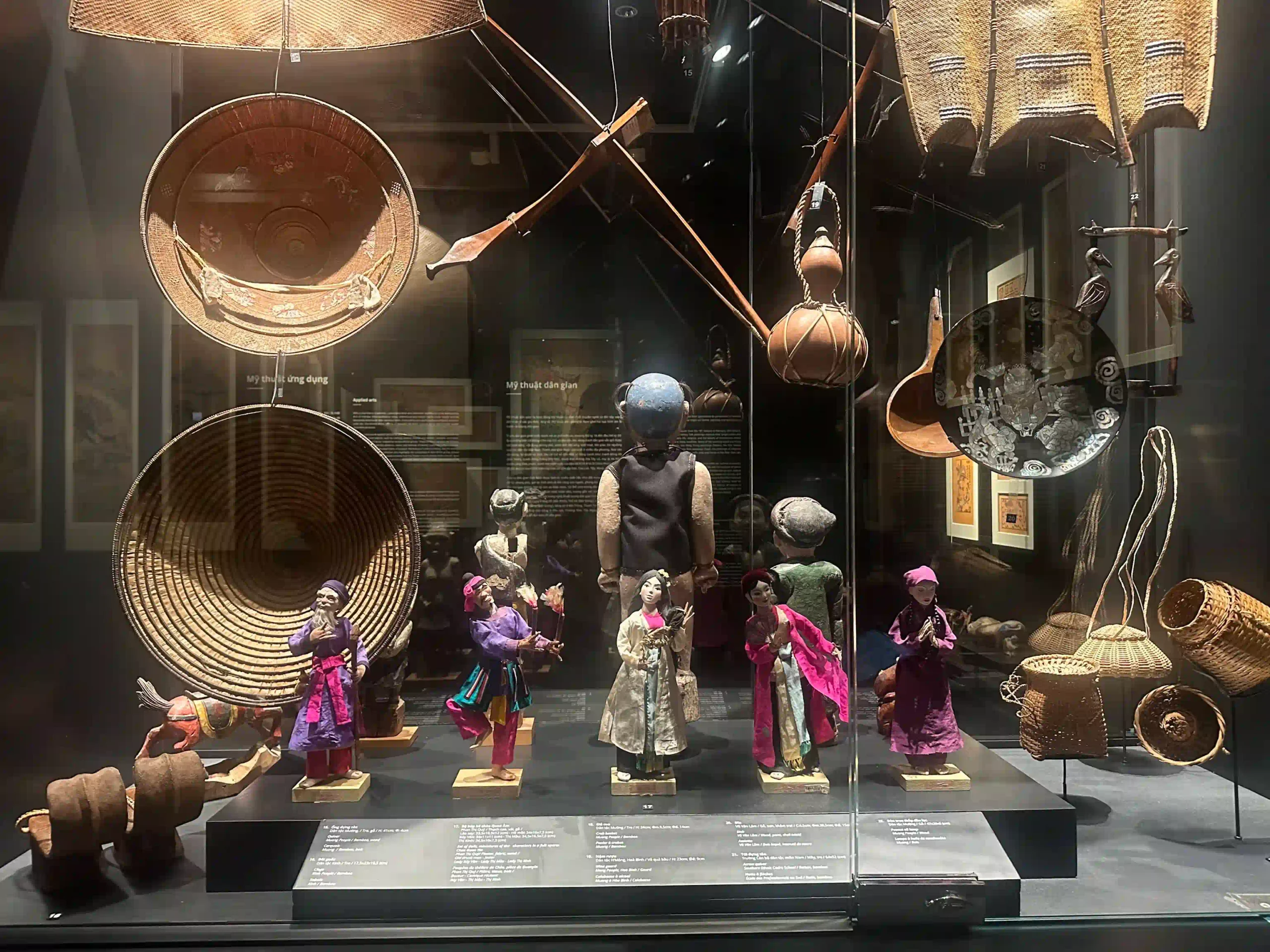
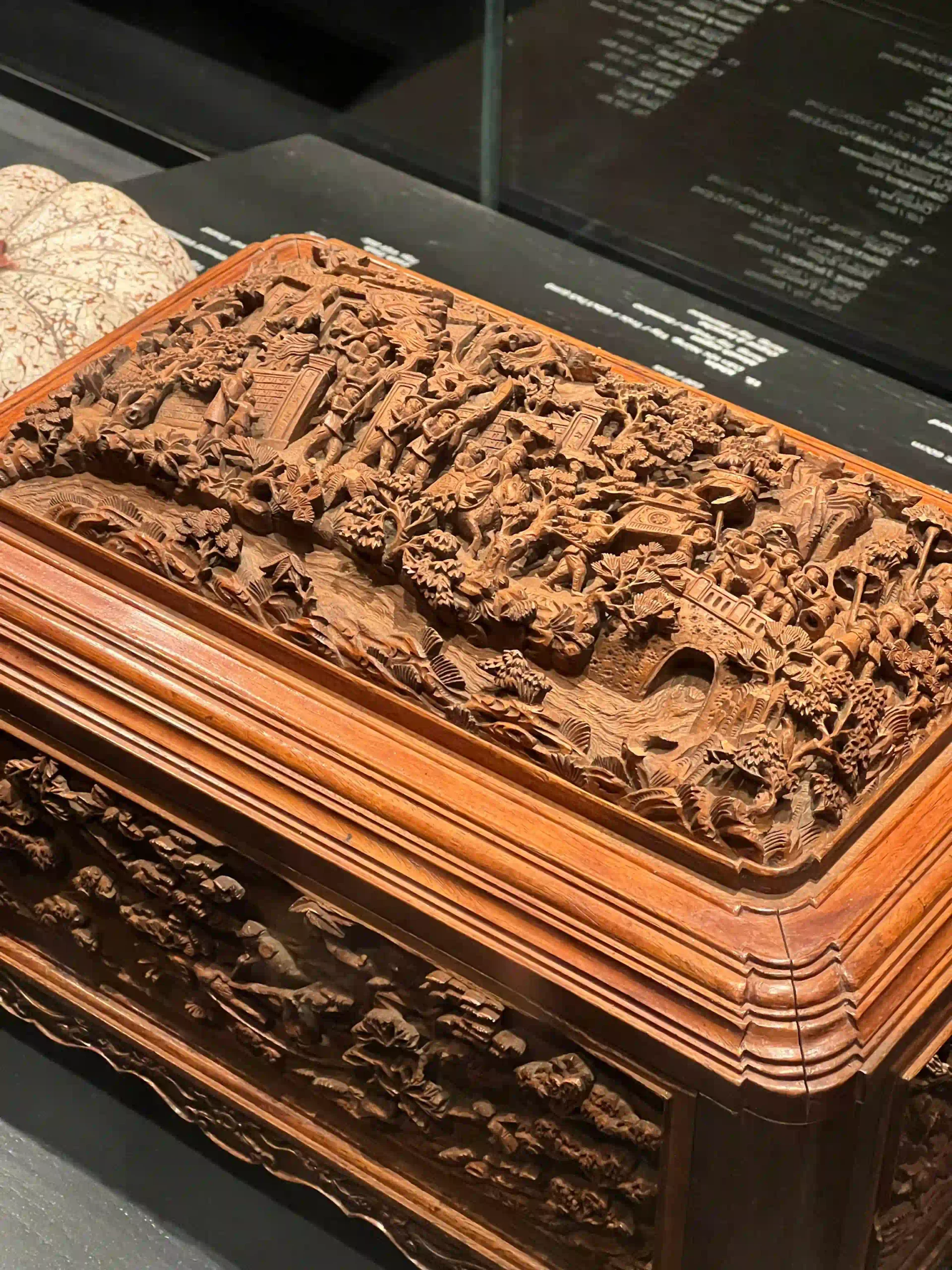
Site 2: The Vietnam National Fine Arts Museum (Bảo Tàng Mỹ Thuật)
- Location: 66 Nguyen Thai Hoc Street (Ba Dinh District).
- Time needed: 1 hour.
- Cost: 40,000 VND.
I mentioned this specific spot in my main guide about things to do in hanoi for people who hate crowds.
You just finished Hoa Lo. You’ve been walking on hard stone floors, dealing with heavy themes of war, torture, and imprisonment. You need a palate cleanser, but you still want culture.
Why this is the perfect middle stop:
The Vietnam National Fine Arts Museum is directly across the street from the incredibly famous Temple of Literature. Everyone goes to the Temple of Literature. Thousands of people stand shoulder-to-shoulder inside the Temple of Literature taking graduation photos.
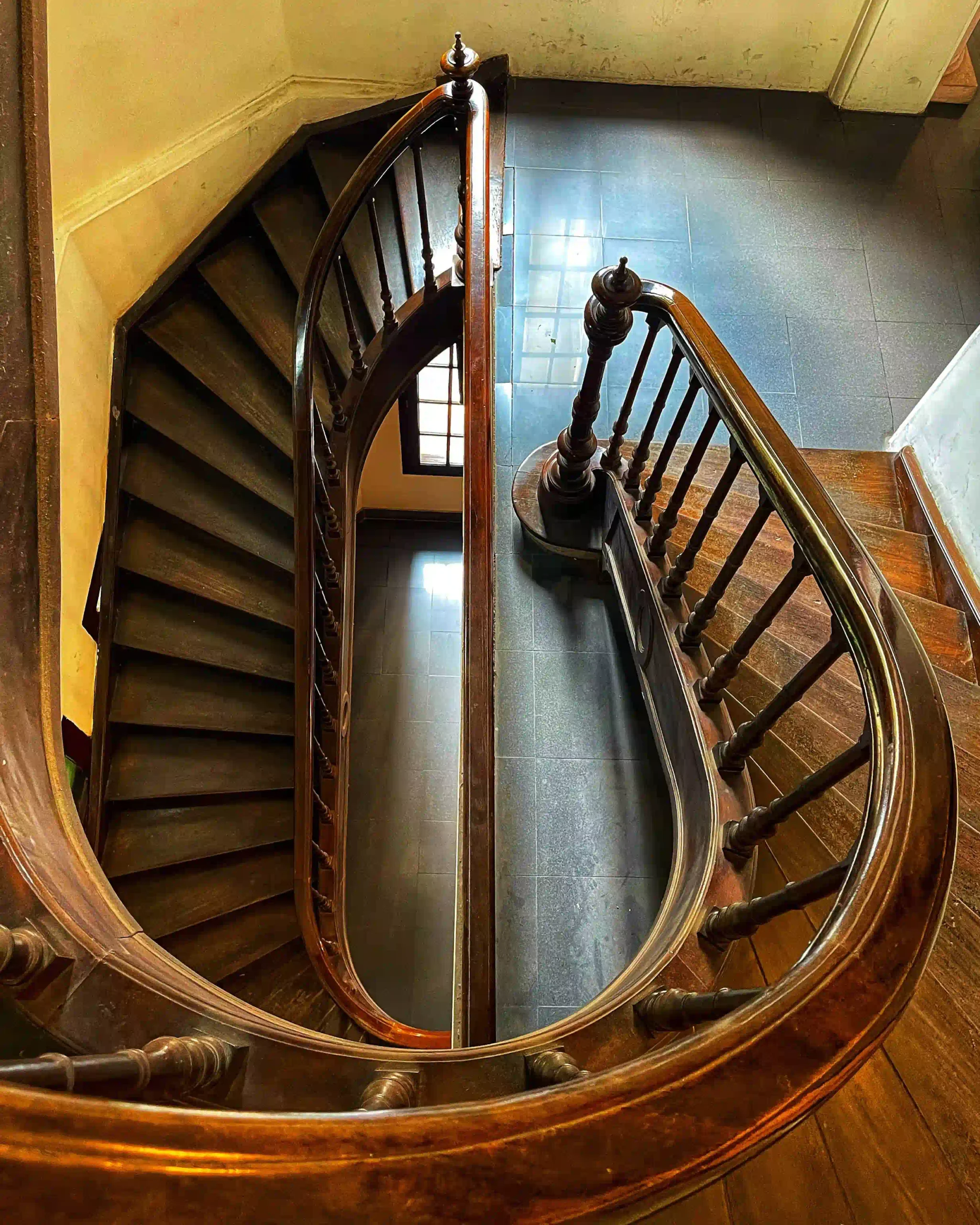
Let the crowds go there. You turn around, walk up to the old French-style building housing the Fine Arts Museum, pay your 40,000 VND at the sleepy ticket counter, and walk into total silence.
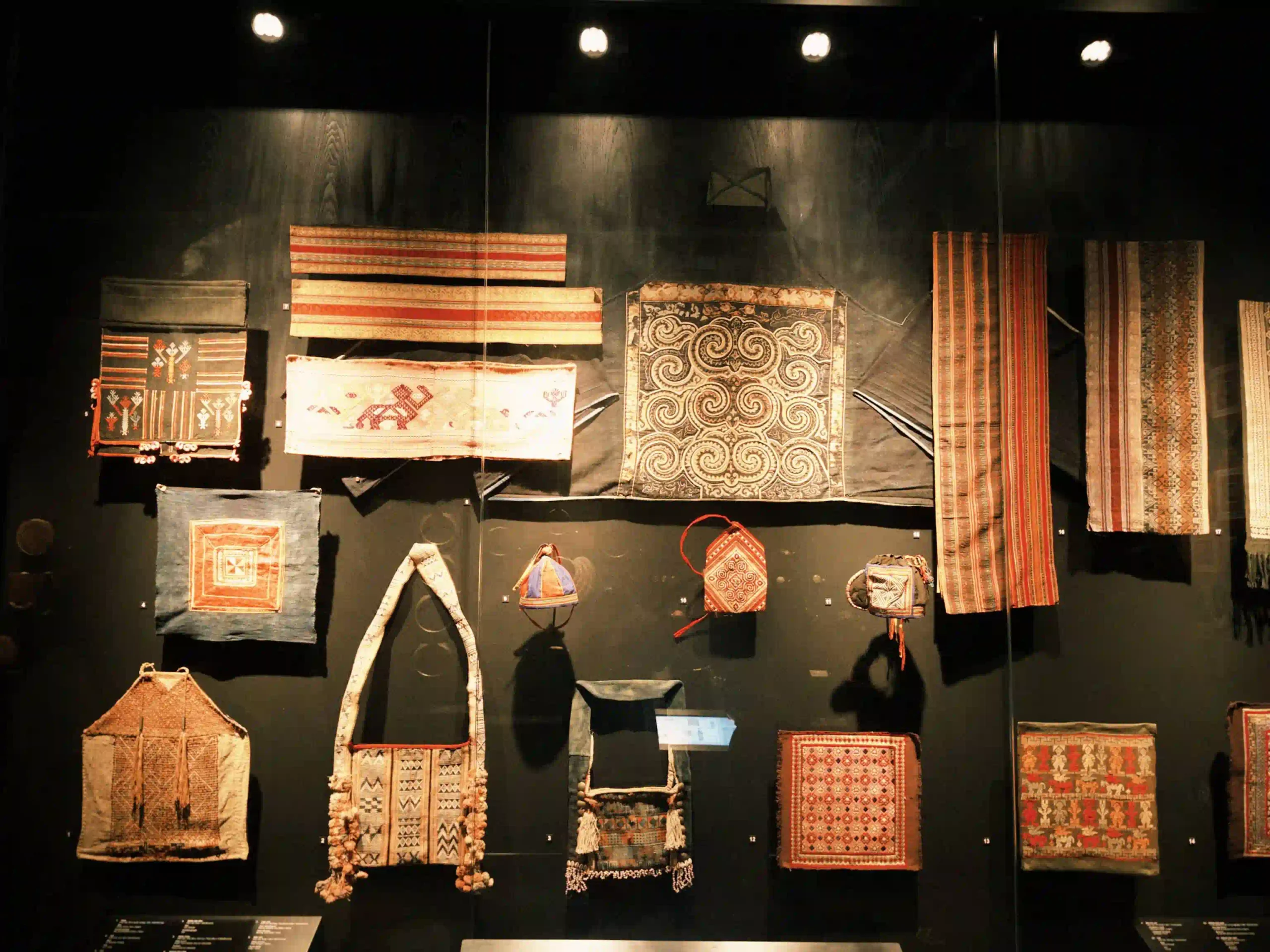
Of all the museums in Hanoi, this one makes me feel the most physically relaxed. The air conditioning usually works well in the primary exhibit rooms.
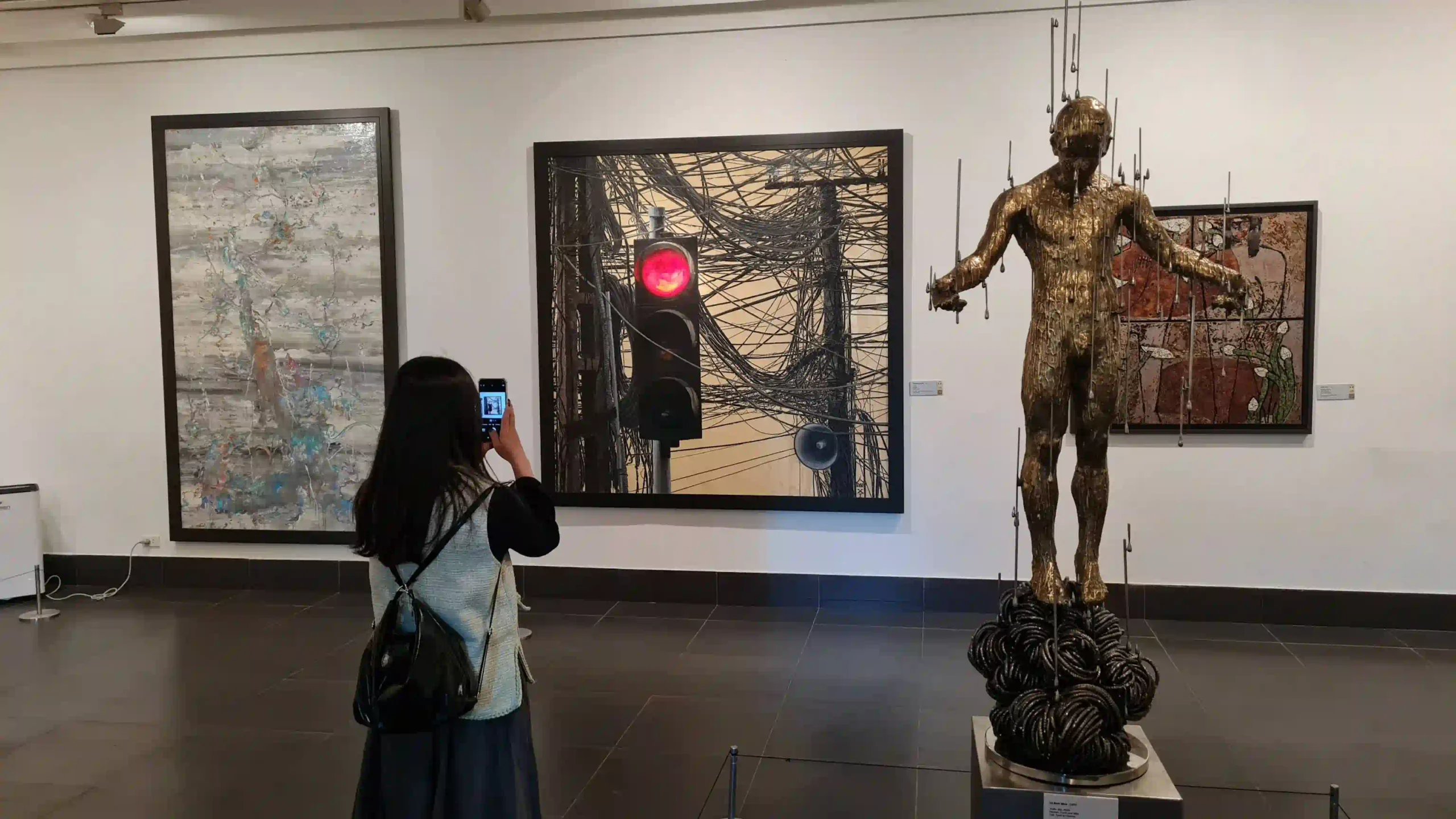
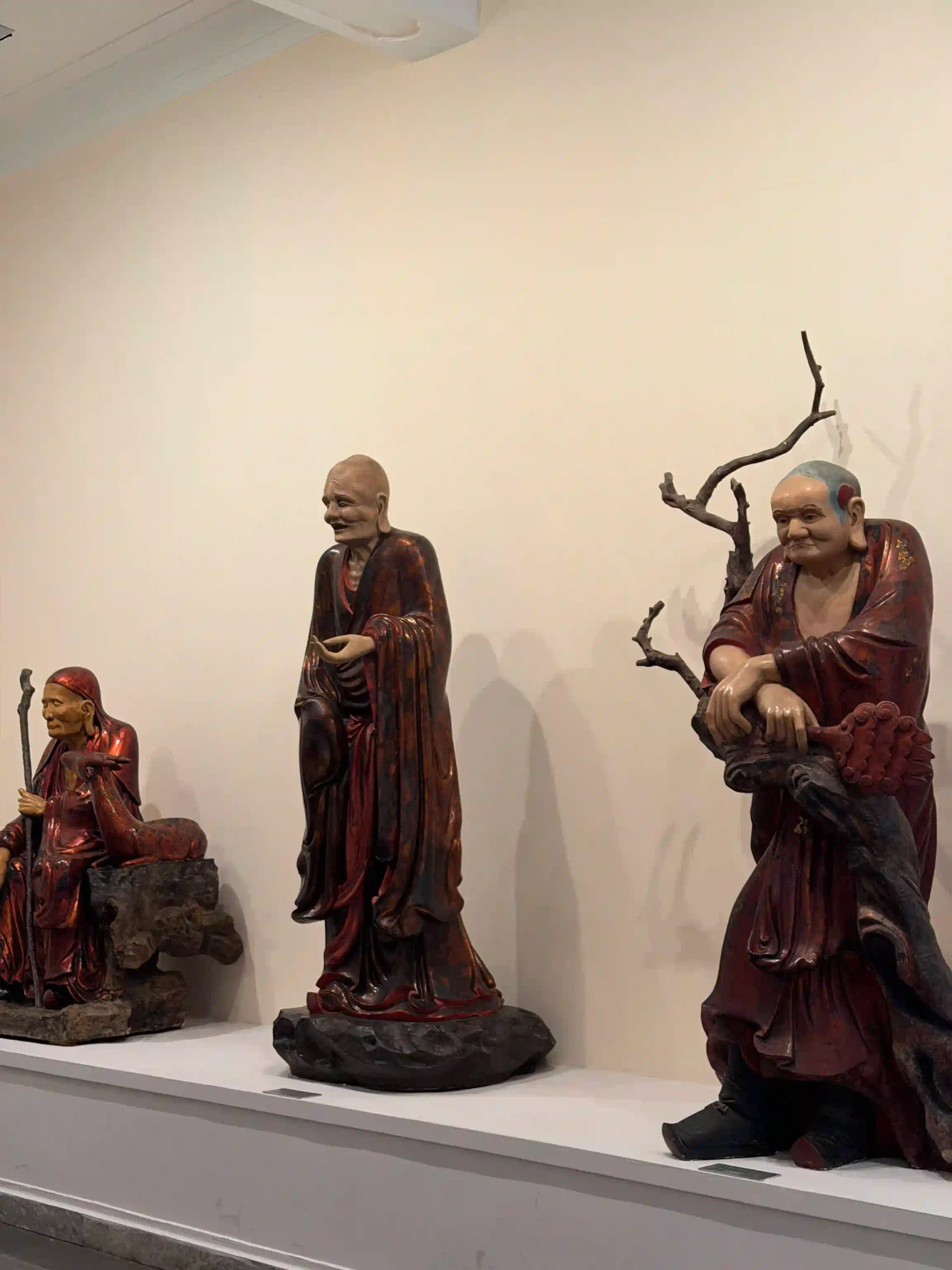
What you’re looking at:
Vietnam has a uniquely distinct art form using natural lacquer. Making lacquer art is an agonizingly slow process involving applying layers of tree sap, painting, and sanding it down underwater.
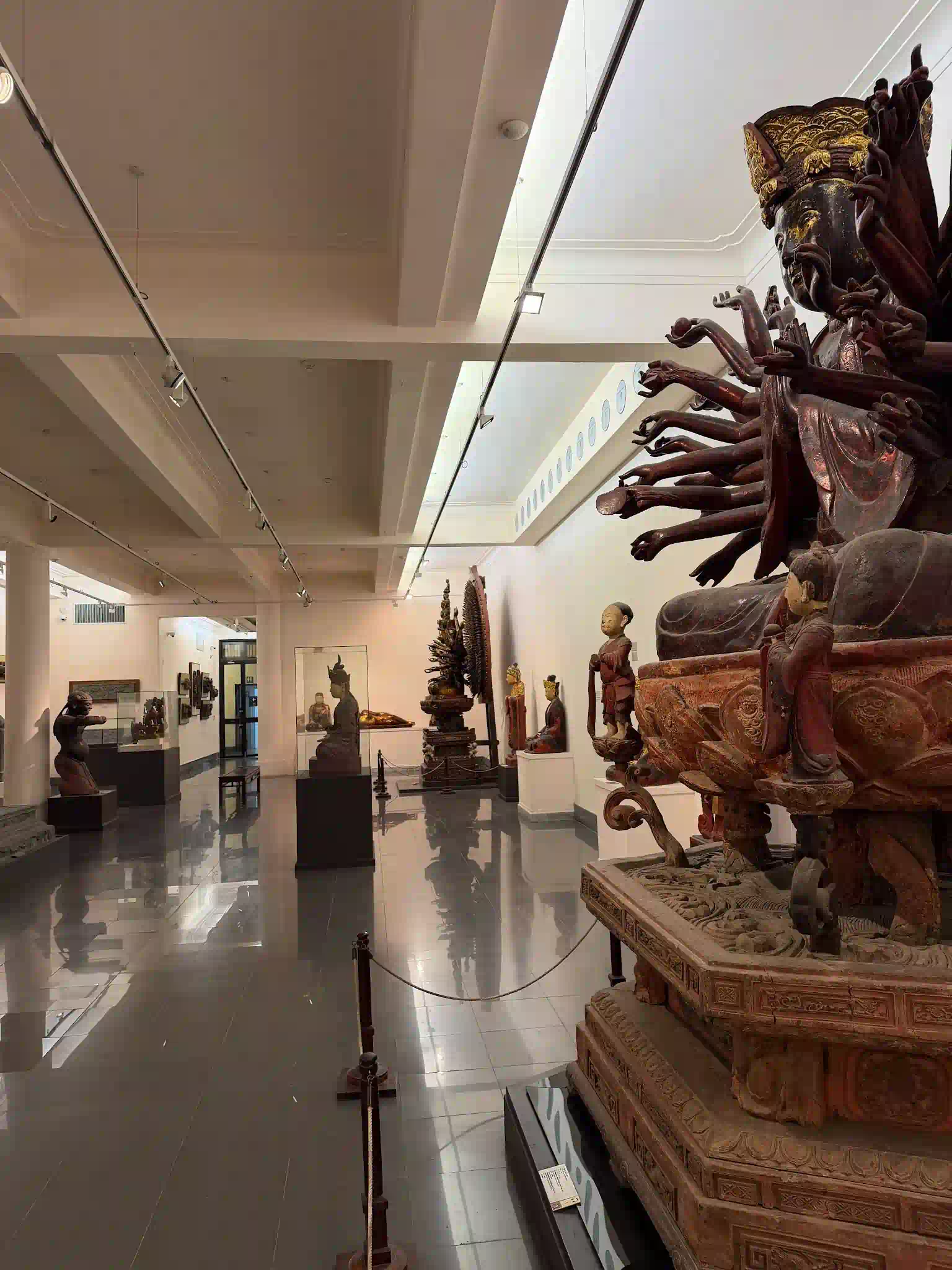
You will walk into massive, dimly lit rooms holding 200-year-old dark red and black lacquered Buddhist statues with thousand arms.
Go up to the second floor and look at the propaganda sketches drawn during the war. Soldiers sitting in trenches with rifles, sketched with quick charcoal strokes.
You don’t have to be a severe art critic to appreciate the sheer blunt-force reality of these pieces. You are seeing history captured in the dirt of a battlefield, framed nicely on a white wall in a totally silent room.
Because almost nobody prioritizes art over war sites here, you will practically have the place to yourself. It functions perfectly as an hour-long break where you just drag your feet, enjoy the AC, and let your brain stop analyzing history for a few minutes.
Site 3: Thang Long Imperial Citadel
- Location: 19C Hoang Dieu Street (Ba Dinh District).
- Time needed: 2 to 3 hours.
- Cost: Around 70,000 – 100,000 VND depending on foreigner updates (roughly $3 – $4). Closed on Mondays.
Alright, it’s now around 3:30 PM. The worst of the heat has peaked. The afternoon sunlight is starting to stretch the shadows out, which is the only visually decent time to visit outdoor historical sites in Hanoi.
The setup:
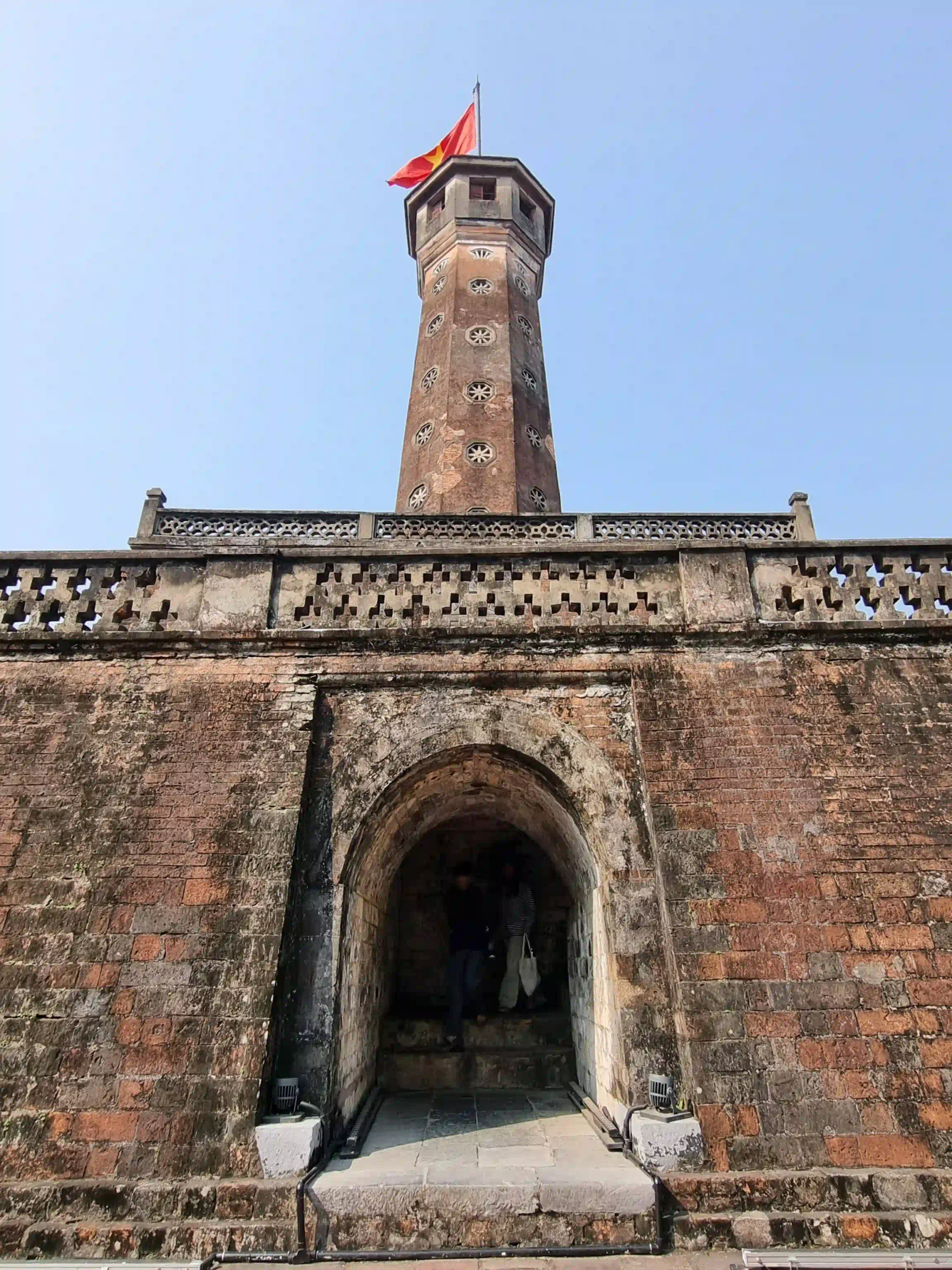
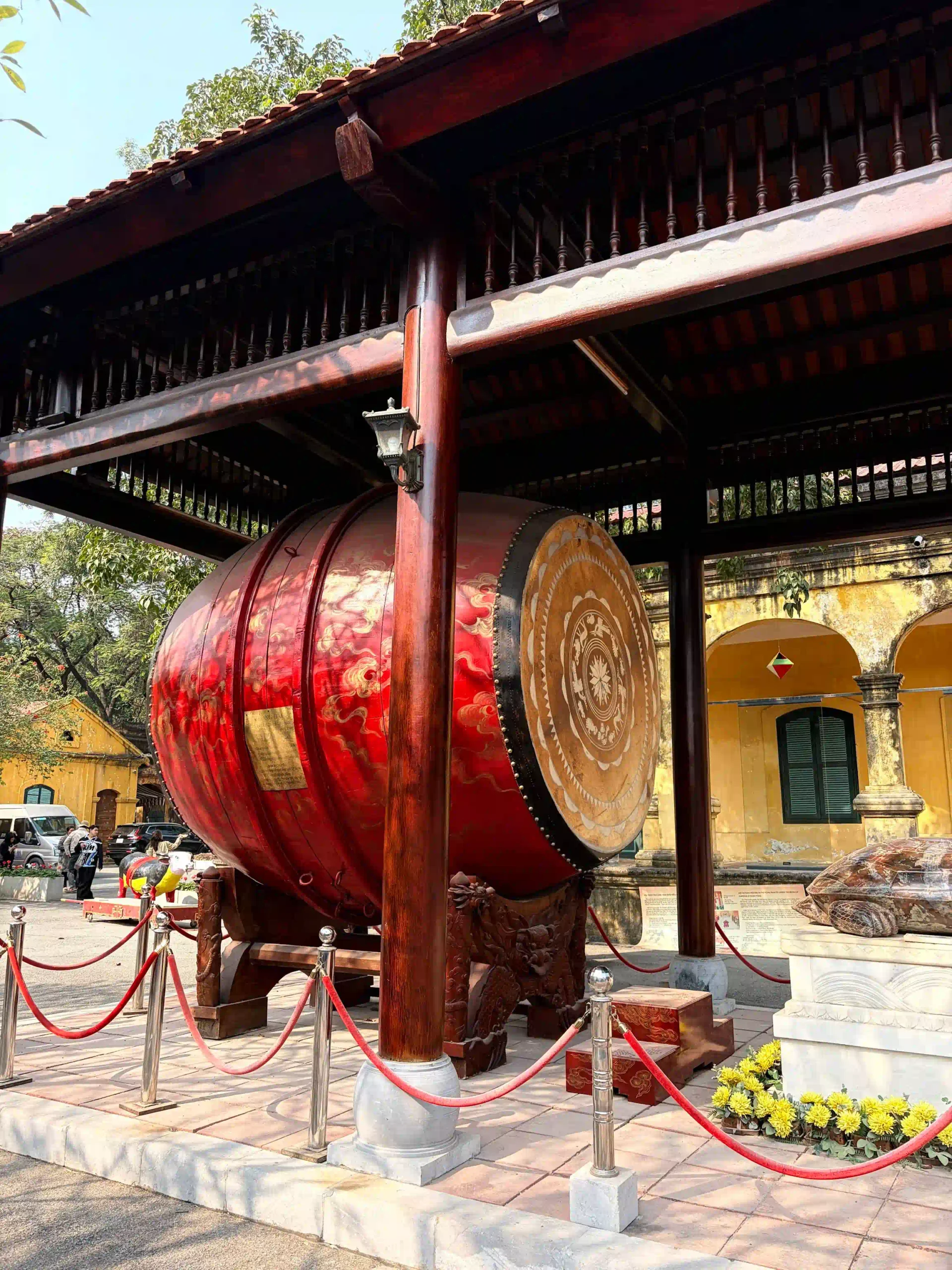
This place is massive. Do not mix it up with the ancient capital in Ninh Binh or the Imperial City down in Hue. The Thang Long Imperial Citadel is sitting smack in the middle of Hanoi. It served as the political and military nerve center of Vietnam for 13 centuries straight.
UNESCO declared it a World Heritage Site, yet weirdly, half the foreigners who visit the city completely skip it because it looks like a large empty park on Google Maps.
Their mistake is your reward.
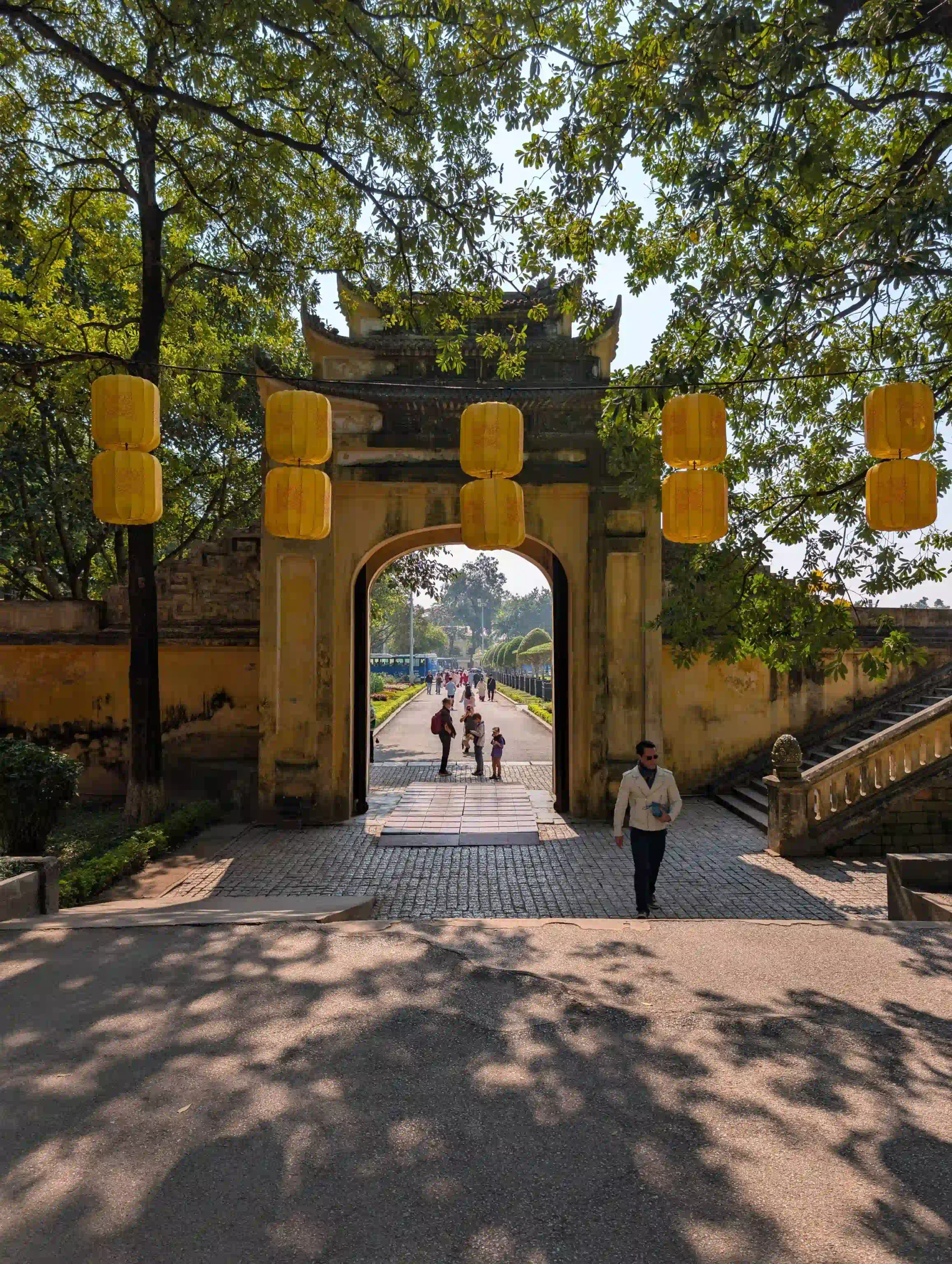
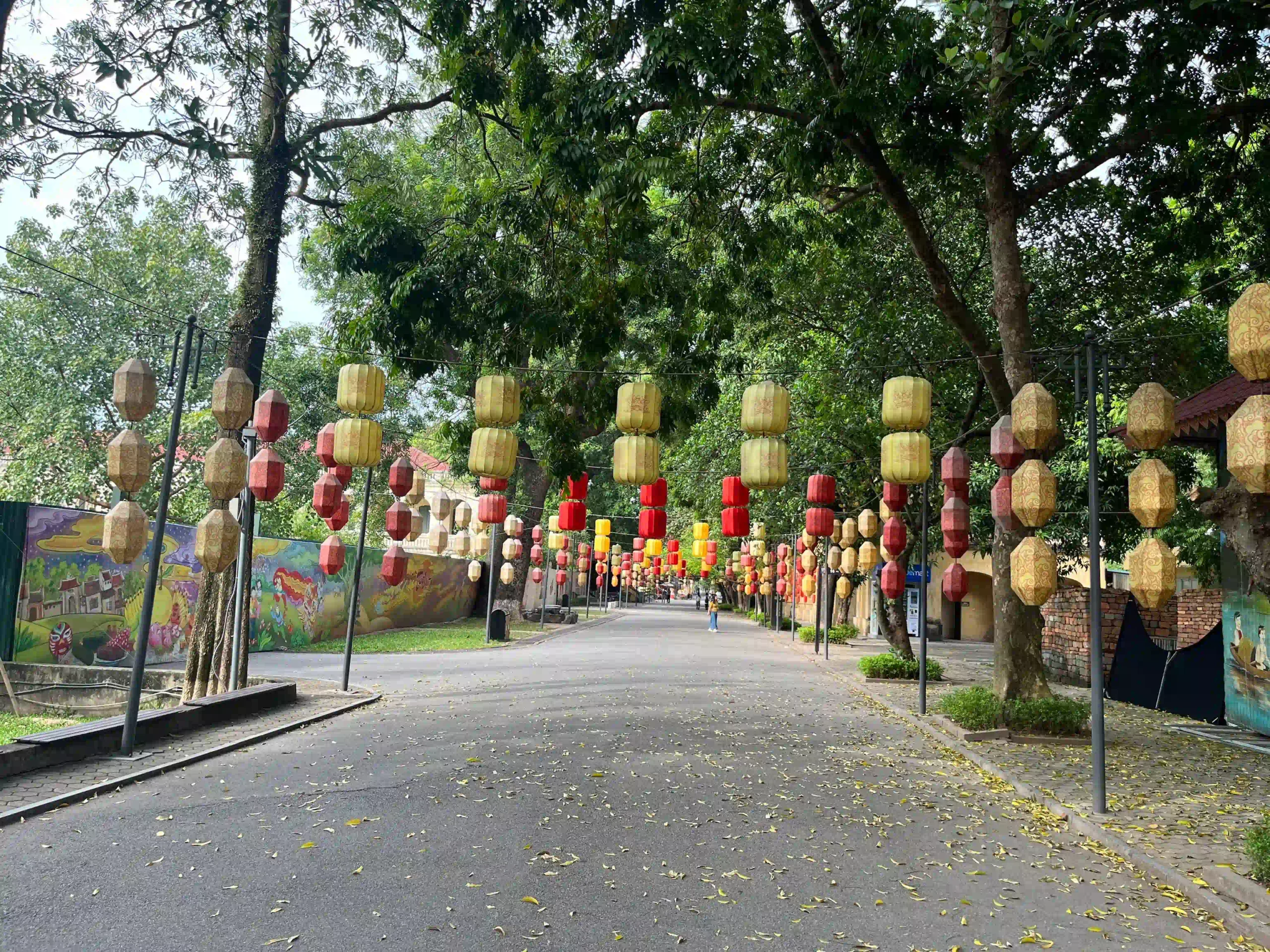
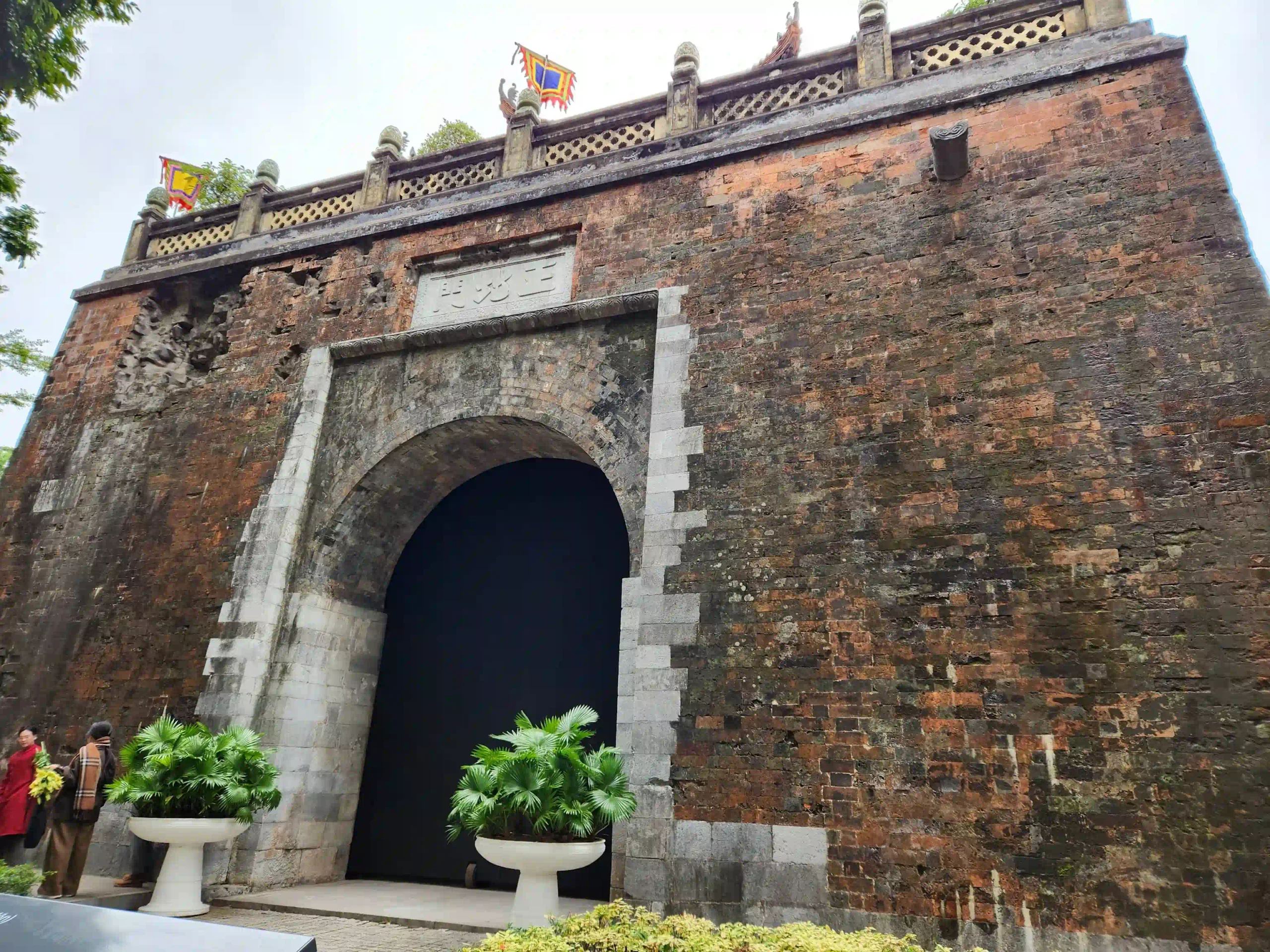
When you walk through the monumental South Gate (Doan Mon), a massive multi-tiered stone archway built in the 15th century, you get a sense of sheer scale.
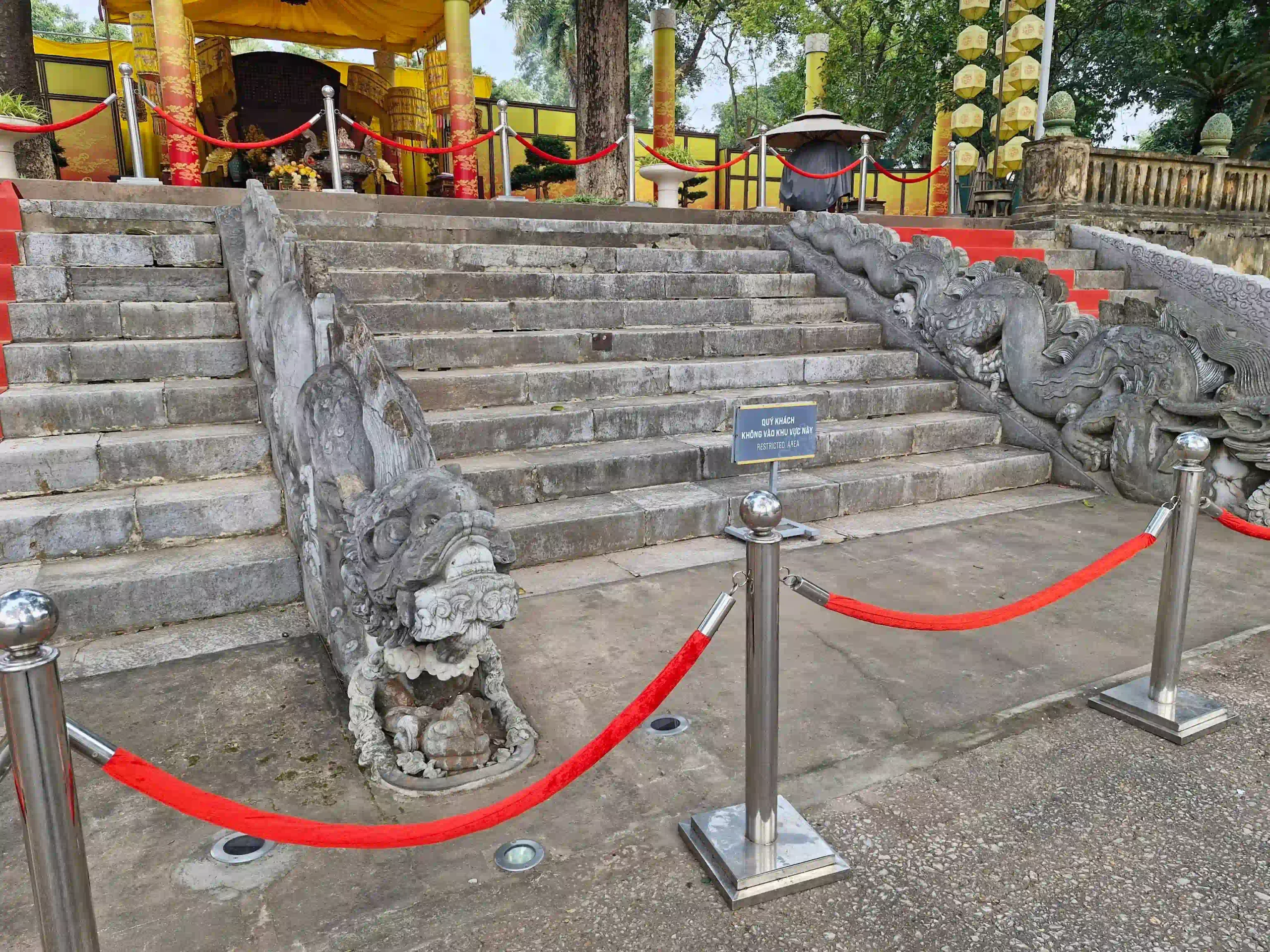
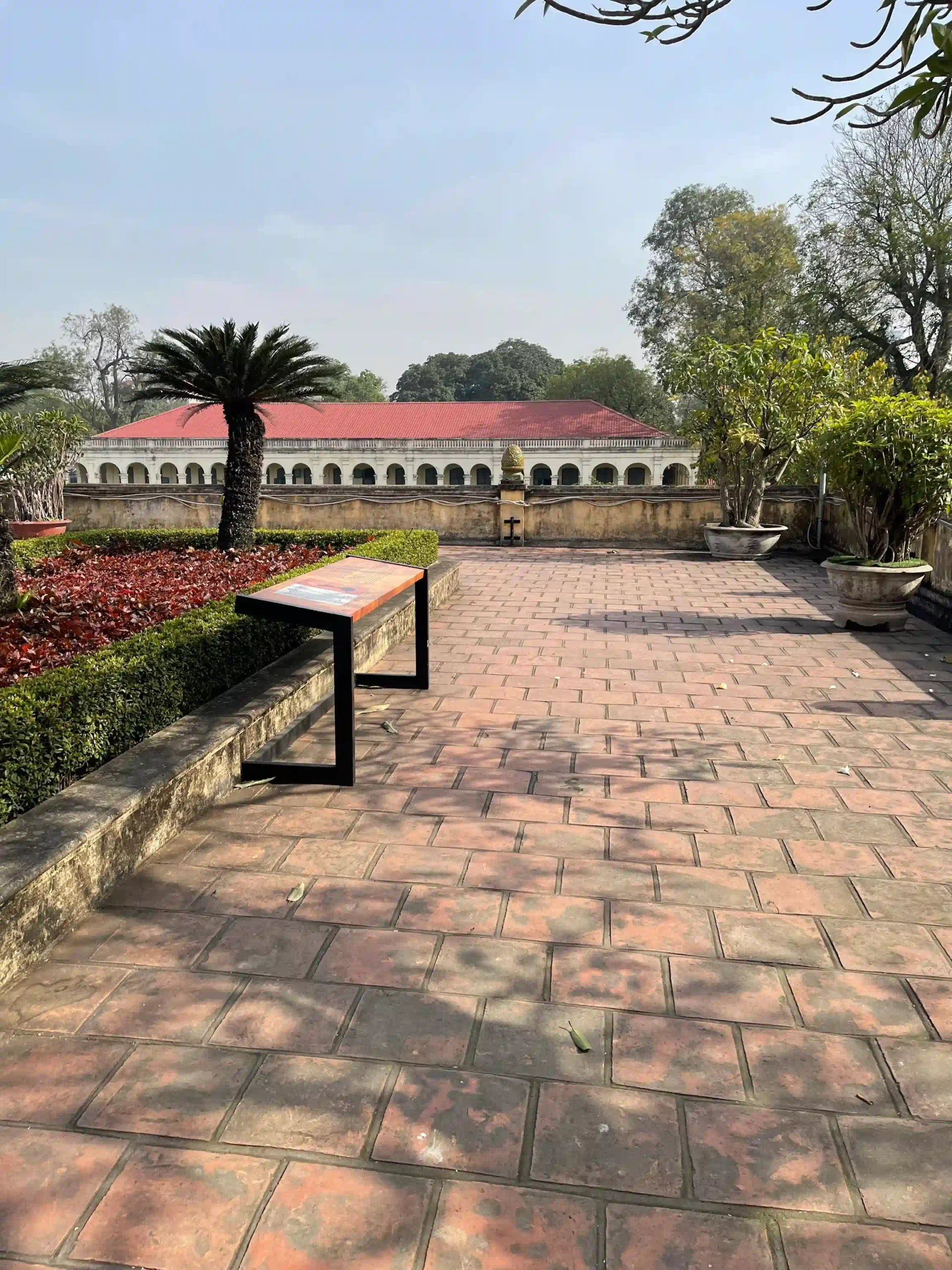
There are immense grassy lawns leading up to Dragon-flanked stone staircases of what used to be the main palace. You actually have the physical room to stretch out your arms.
In a hyper-dense city, walking through acres of flat open space is weirdly therapeutic.
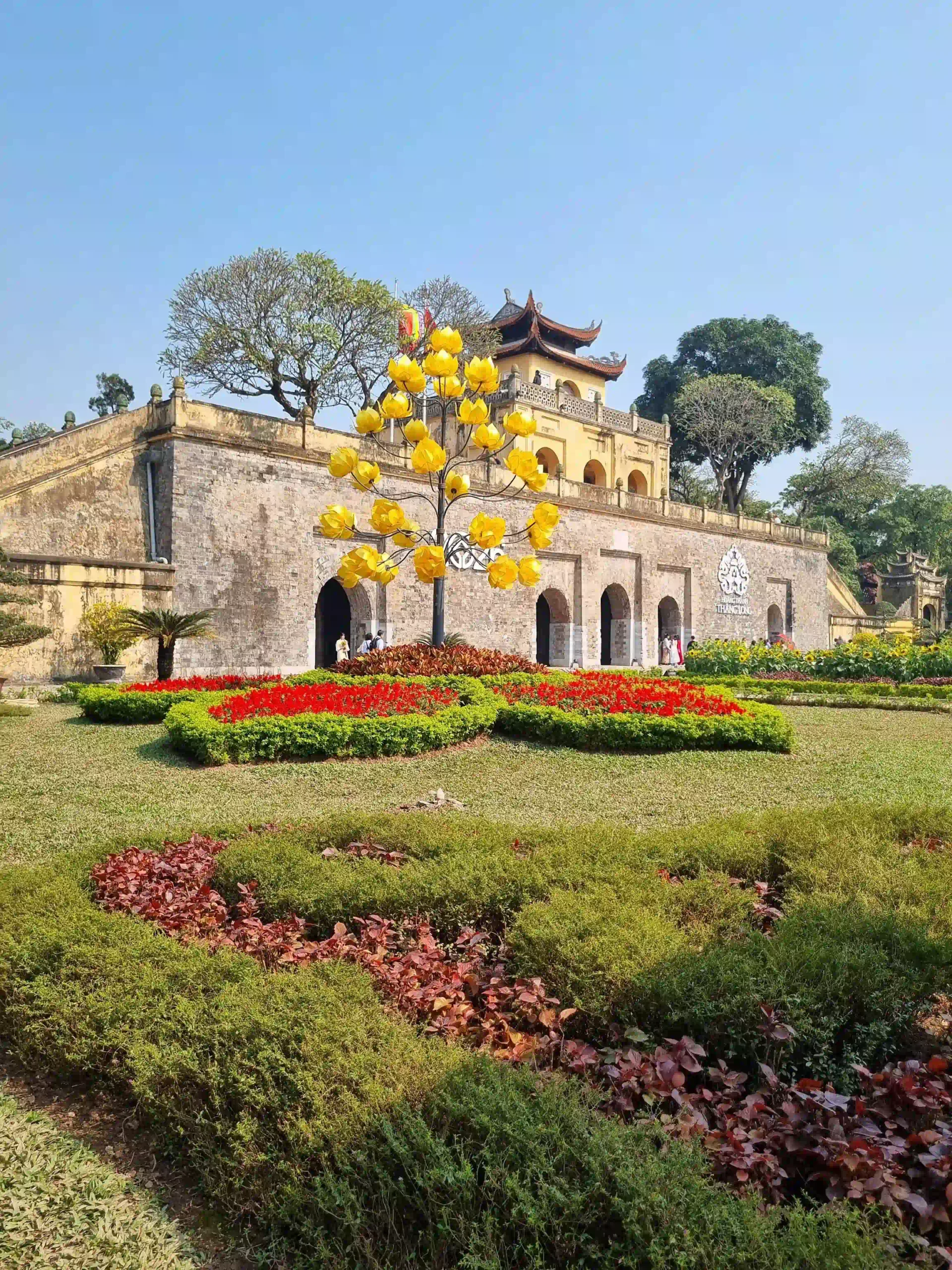
The unexpected highlight: The D67 Bunker
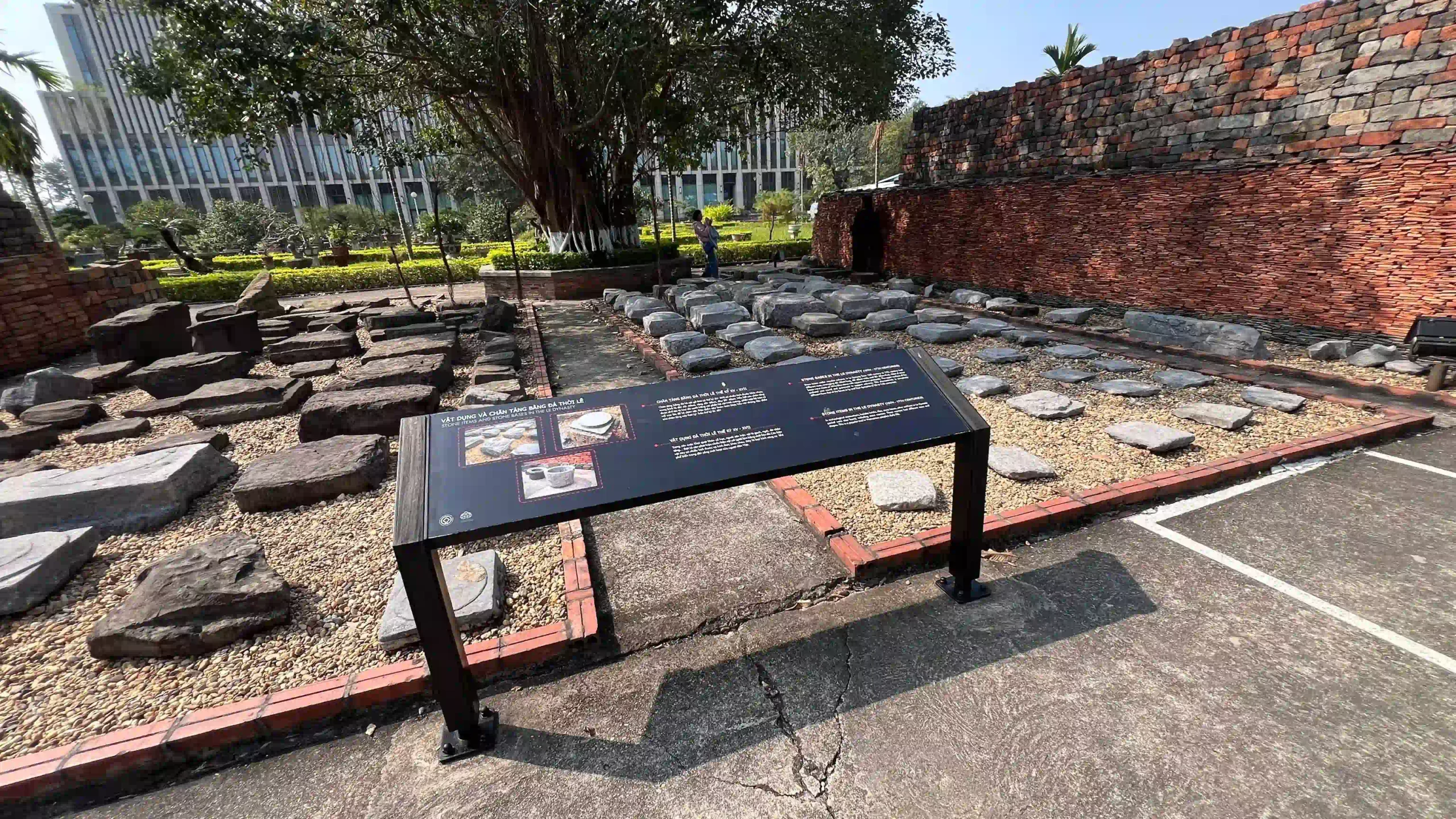
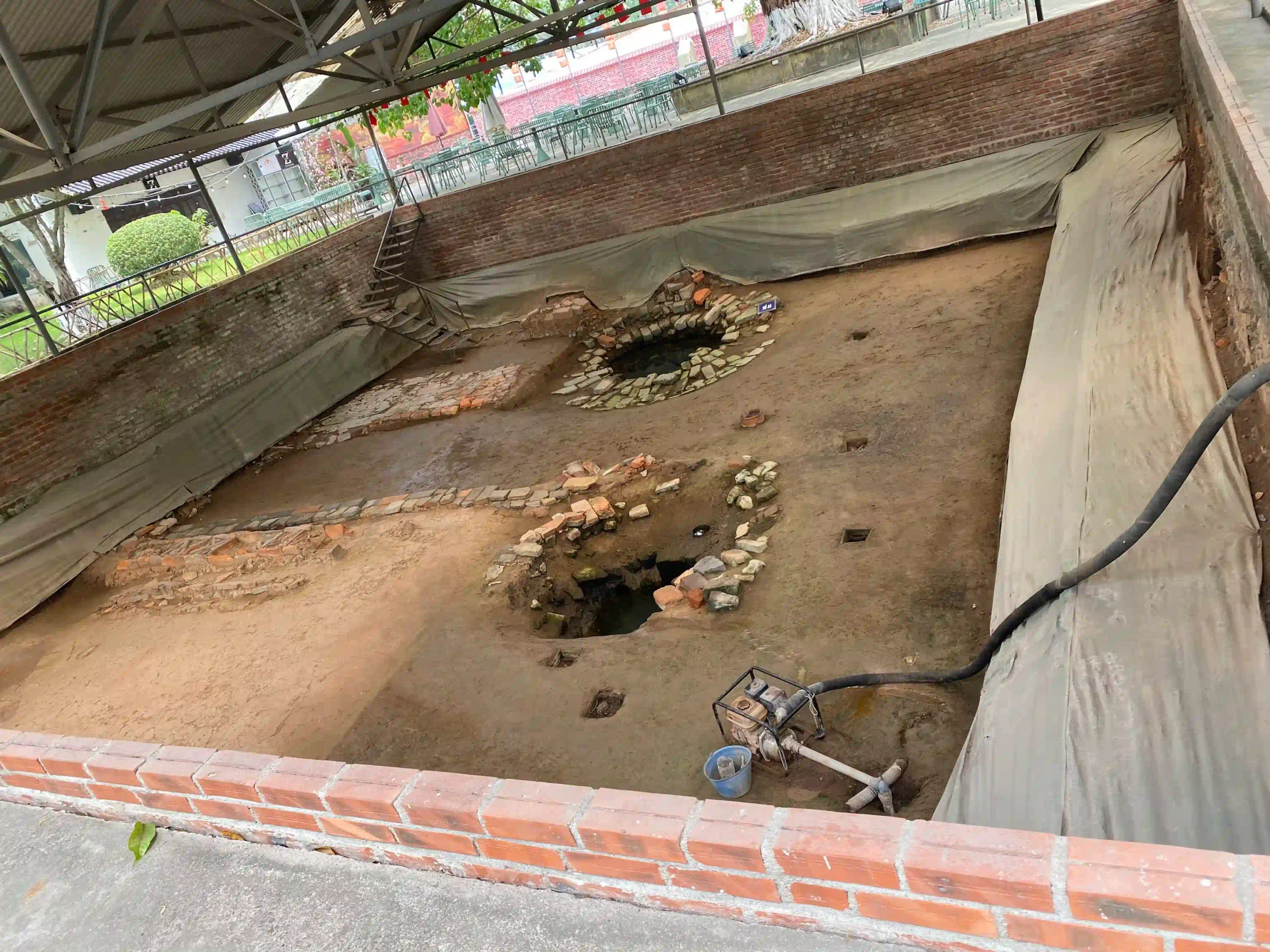
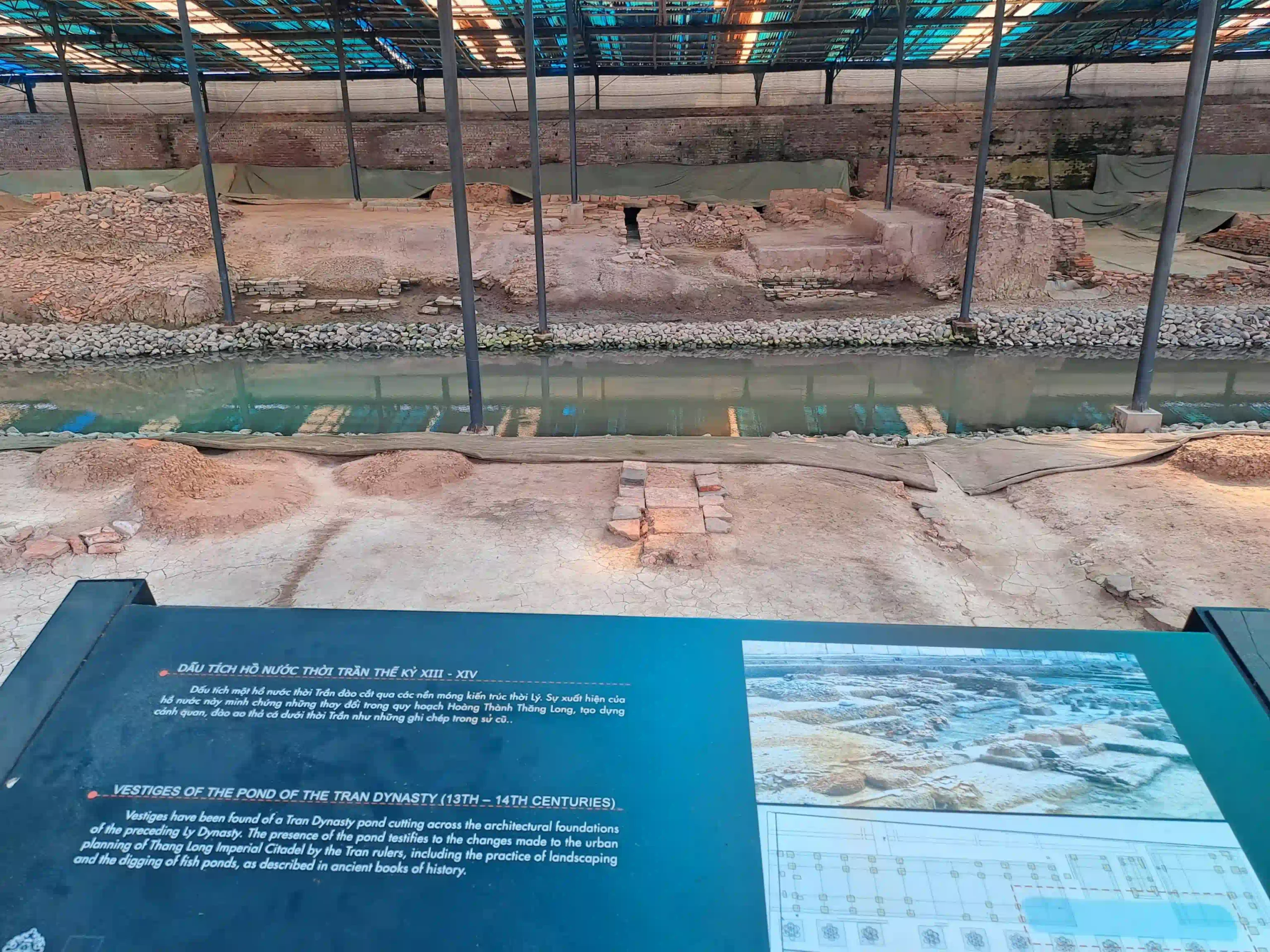
You go to the Citadel expecting old Asian dynastic history. And yes, there are deep archeological trenches across the street at 18 Hoang Dieu showing thousands of broken clay pots and palace floor tiles dating back to the year 1010.
But the actual highlight is hidden out back. Tucked behind the old emperor’s grounds is House D67.
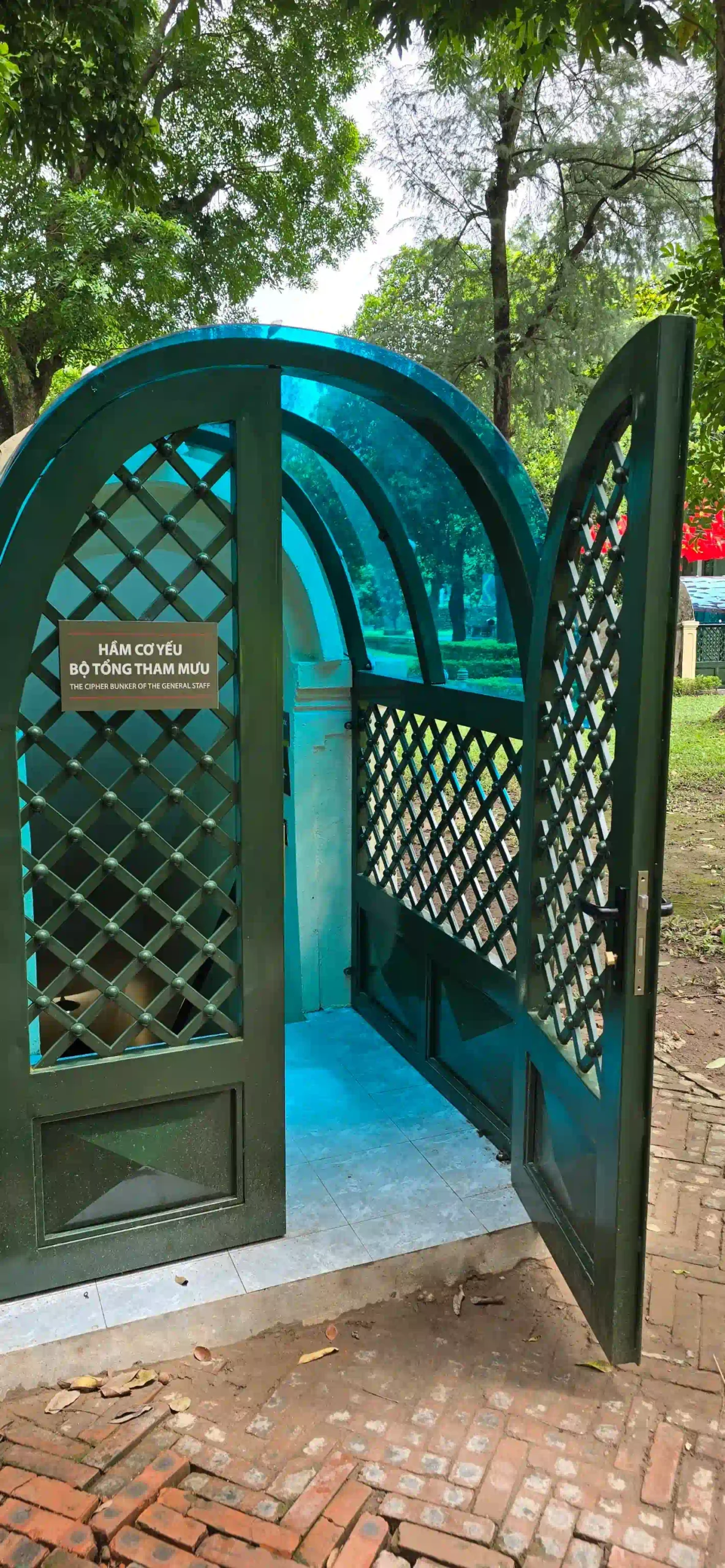
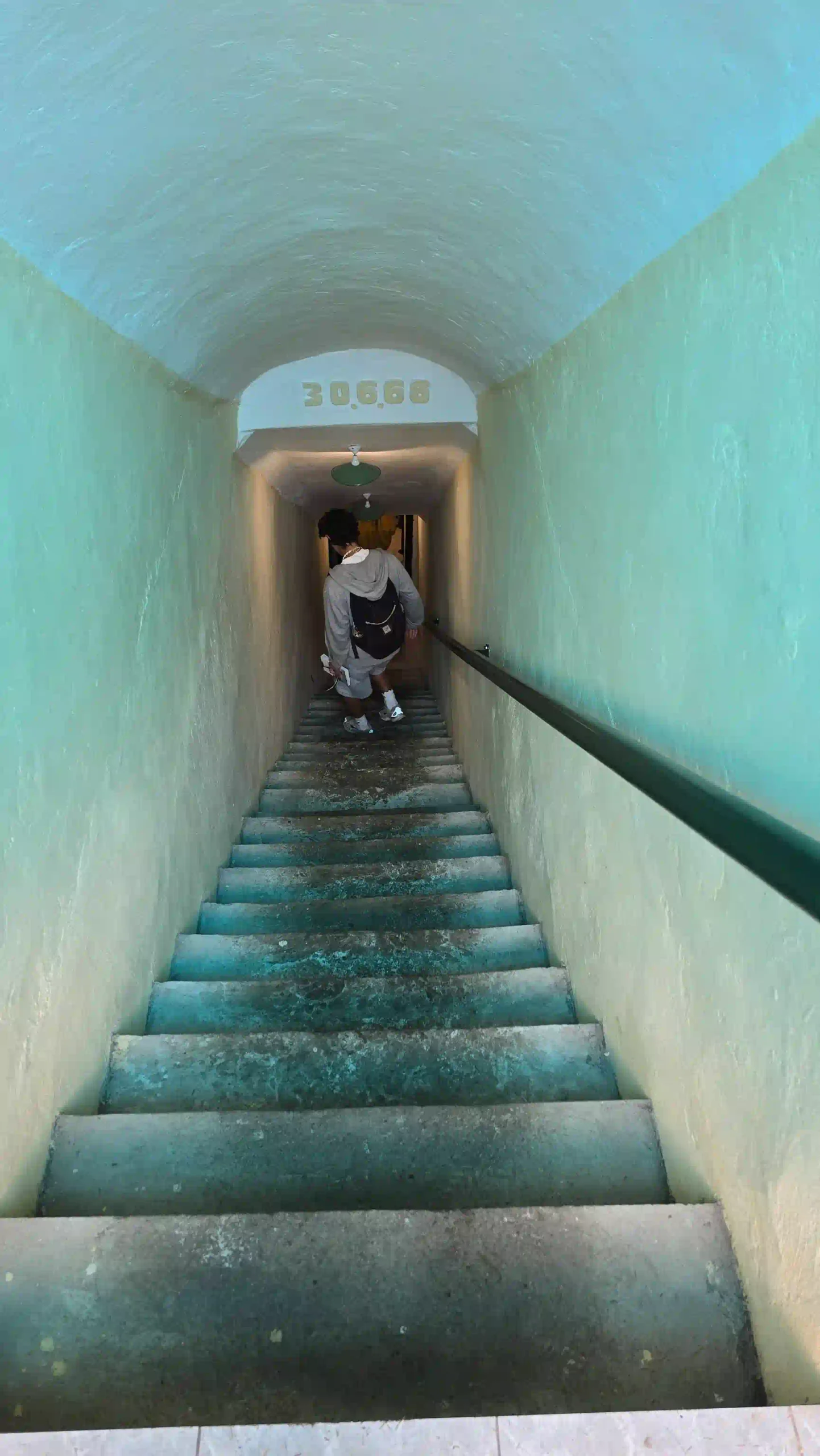
During the height of the bombings in the 1960s, the North Vietnamese politburo and the high command (General Vo Nguyen Giap) operated right here. House D67 is an inconspicuous green building. But you walk through it and see heavy steel staircases descending into the ground.
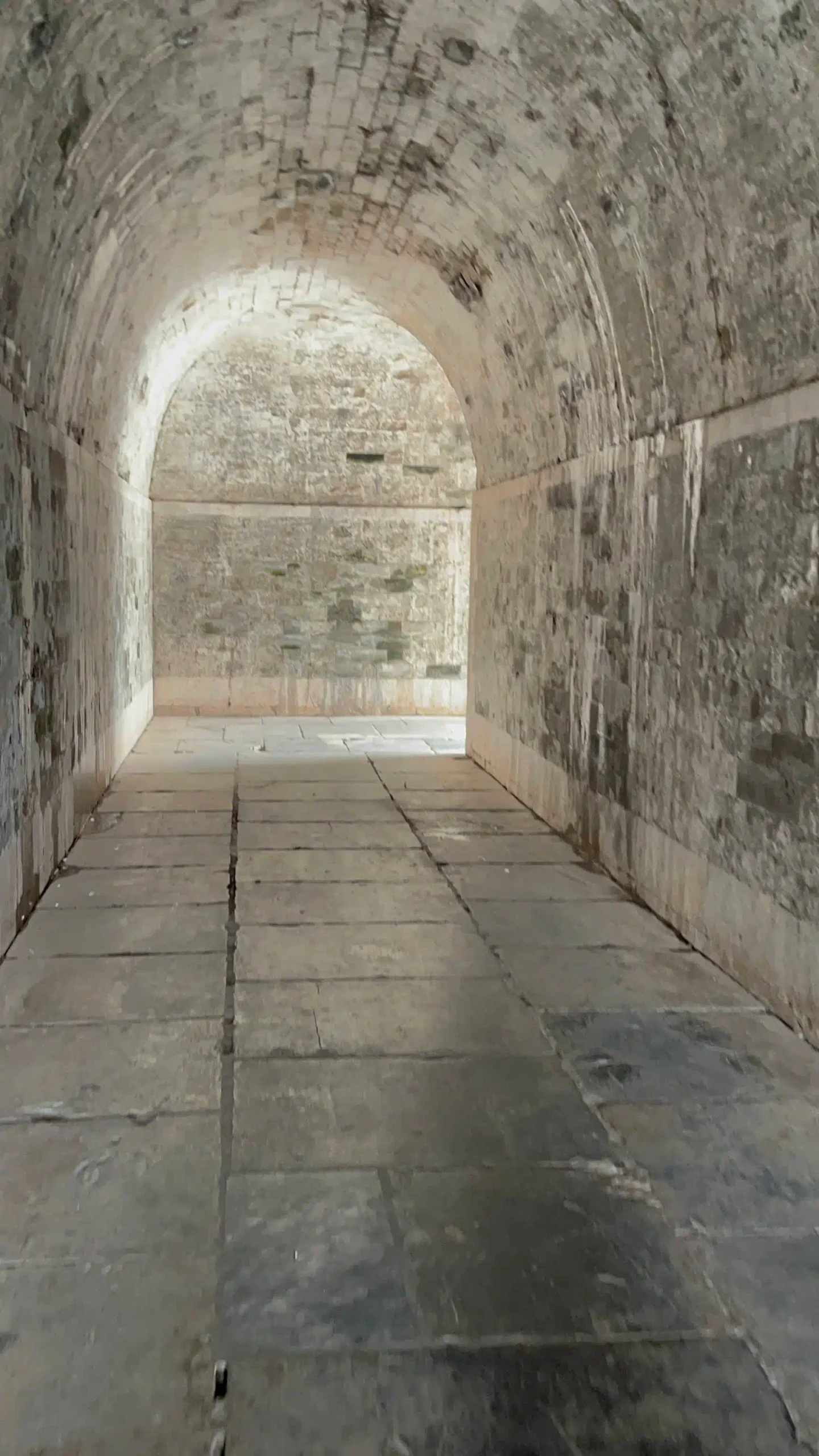
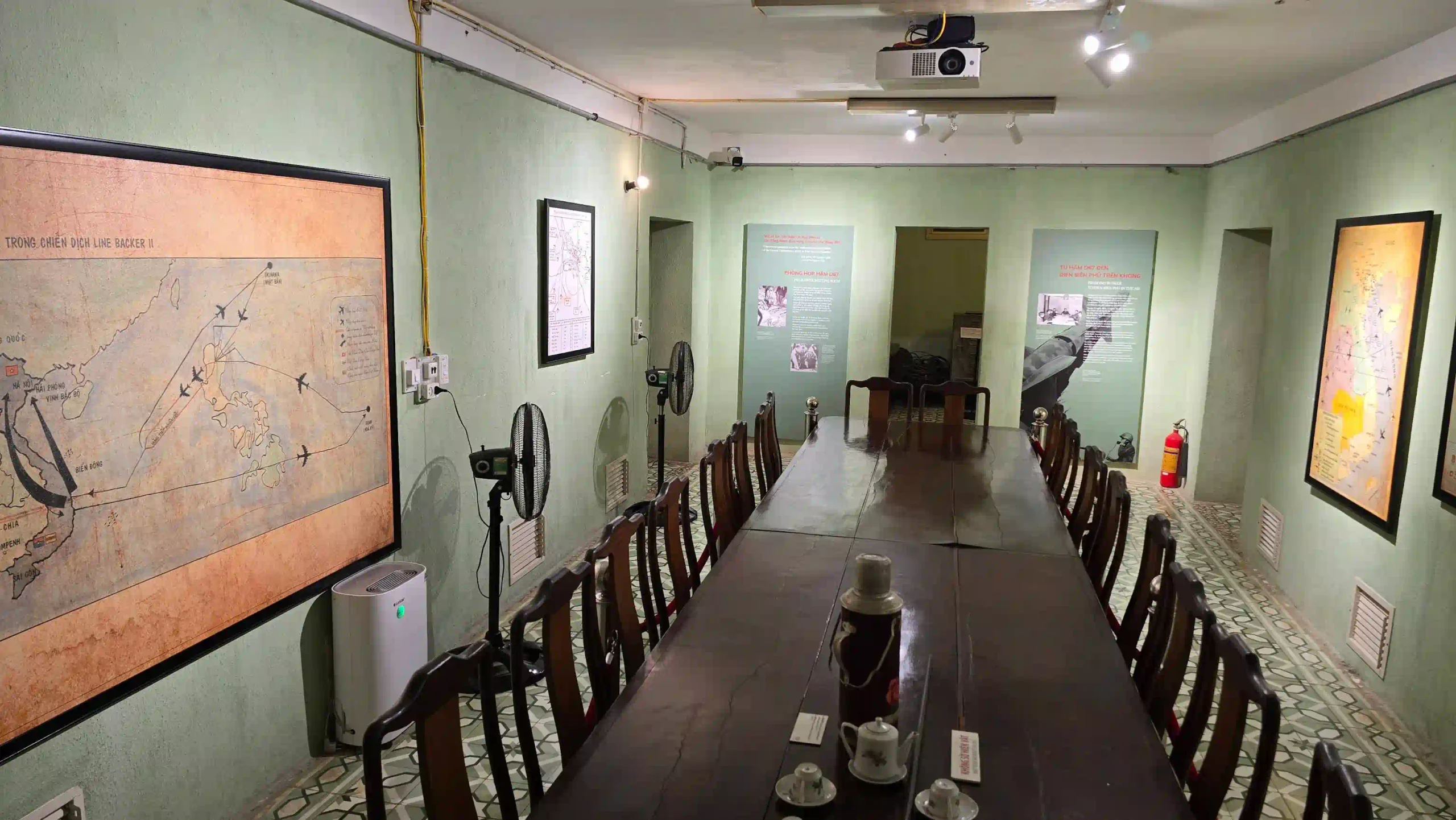
Follow them down into an immense concrete bunker system. You are walking into the exact sealed war rooms where North Vietnamese commanders directed the Tet Offensive.
The old maps with plastic overlays are still tacked to the walls. Telephones from the 1960s sit on heavy green metal desks. It smells exactly like damp, cold underground concrete.
There’s almost no signage. You just walk alone down a steel tunnel 30 feet below the Citadel grass. It is jarring, authentic, and honestly cooler than any replicated exhibit at the Military History Museum.
Booking/Agoda tip: By the way, the Citadel is massive and exhausting to reach if you’re staying all the way out in Tay Ho. If you came to Vietnam specifically because you’re a history nerd, don’t sleep in Tay Ho or Hoan Kiem. Look for properties on Booking.com mapped to the “Ba Dinh” district.
Specifically, around Phan Dinh Phung street or Le Hong Phong street. This area is intensely quiet, strictly patrolled because of government embassies, heavily shaded by giant French colonial trees, and puts you within a five-minute walking radius of both the Citadel and the Fine Arts Museum. It will change the entire vibe of your trip.
Making the 1-Day Itinerary Actually Work
Knowing the locations is only half the battle. Surviving the logistics is what makes or breaks your day. This is exactly how you tie them together.
10:00 AM – Slow Start and Early Lunch
Don’t start at 8 AM. Seriously, you’re on holiday. Sleep in, have coffee. By 11:00 AM, head toward the French Quarter.
Before entering the prison, sit down for Bun Cha or some simple street food around Hai Ba Trung street. You want a heavy meal now so you don’t crash halfway through the afternoon.
Read more: The top 5 Hanoi egg coffee shops I’d send my best friends to
12:45 PM – Grab a car to Hoa Lo Prison
Wait until the exact moment the school groups leave. You pay the 50k at the gate, buy the headset, and do a slow walk. You’ll finish right around 2:30 PM.
2:30 PM – Transport to Ba Dinh
Here’s where you use Grab. Do not let the cyclo drivers (the guys sitting on pedicabs) outside Hoa Lo hassle you into a ride. They will quote you 200,000 VND, drag it out to a 45-minute agonizing ride blocking traffic, and eventually drop you off on the wrong side of the museum.
Pull out your Grab app. Order a GrabBike if you are traveling alone (way faster to bypass the Hoan Kiem gridlock), or a standard Grab 4-seater if you are a couple. It should cost barely 40,000 VND (under $2) and takes exactly 10 minutes to reach the Fine Arts Museum.
2:45 PM – Cool off in the Fine Arts Museum
Take an hour. Check your bag at the locker (it’s free). Wash your hands in the ground-level bathroom (actually surprisingly clean for local standards). Stare at the giant lacquer Buddhas. Grab a cold water from a convenience store nearby after you exit.
4:00 PM – Walk to the Citadel
From the Fine Arts Museum on Nguyen Thai Hoc, you can actually walk to the Citadel. It is roughly an 800-meter straight line up Hoang Dieu street. Hoang Dieu is stunning. It is easily the best street in Hanoi. Four lanes wide, flanked by 100-year-old mahogany trees, casting massive canopies over the street.
The air is slightly cooler here. Pass the embassies, watch locals take photos against the yellow fortress walls, and buy your Citadel ticket.
Because the Citadel officially closes around 5:00 PM (or the outdoor gates might remain open longer but the exhibit rooms close), hitting this at 4:00 PM gives you an hour for the museum exhibits and underground bunkers.
Once the interior rooms lock up, you usually can still loiter on the giant grassy grounds taking pictures as the sun drops and the heat finally dies off.
Check out those night tours on Getyourguide/Klook if you really want to optimize this location, some operators bundle an evening cyclo ride specifically looping Hoang Dieu with VIP tickets to the Citadel light show.
Stop Missing the Nuance for the Big Names
Lists of things to do rarely warn you how much brain power processing historical trauma takes.
Going to Ho Chi Minh’s Mausoleum involves dealing with incredibly rigid rules, long unshaded security lines, checking your cameras, walking single-file in dead silence, and getting shoved along by stern soldiers.
Going to the huge new Museum of Hanoi outside the city center is an architectural trip, but it is massive, echoes aggressively, and takes forever to get to by taxi.
The combo of Maison Centrale’s dense intensity, the Fine Art Museum’s aesthetic isolation, and the Thang Long Citadel’s wide-open archeological magnitude strikes a literal perfect balance. You get colonial brutality, high-culture artisanship, and thousand-year dynastic power completely uninterrupted by tourist traps.
You pay your entry fees without arguing. You download your audio guide apps in advance. You sit in an empty garden drinking iced coffee while everyone else is trying to elbow their way down the tiny Train Street track. This is how you win at tourism here.
Take the slow path, filter out the chaos, and you’ll find the museums are genuinely carrying the weight of the city’s past behind those heavy stone doors.

Keep Exploring Hanoi
-
See & do UltimateReal things to do in Hanoi for travelers who hate big crowds ›
-
Spots Must read15 attractions in Hanoi every traveler needs to see! ›
-
SpotsThe top 5 Hanoi egg coffee shops I’d send my best friends to ›
-
SpotsMy 20+ best places in North Vietnam after 8 years of living ›
-
Spots7 best shopping malls in Hanoi actually worth visiting in 2026 ›











 Tiếng Việt
 한국어
한국어 中文 (中国)
 日本語
日本語 ไทย
ไทย Deutsch
 Español
 Destinations
 Instagram
 Facebook
 X (Twitter)
 Threads
 Tiktok