









 Ha Giang
 Hanoi
Hanoi Ho Chi Minh City
 Ha Long
 Sapa
Sapa Mekong Delta
 Da Nang
 Hue
Hue Hoi An
 Ninh Binh
 Da Lat
 Nha Trang
 Phan Thiet
 Phu Quoc
 Quang Binh
 Quy Nhon
 Vung Tau
 Thai Nguyen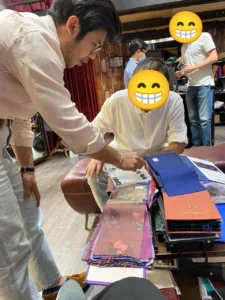
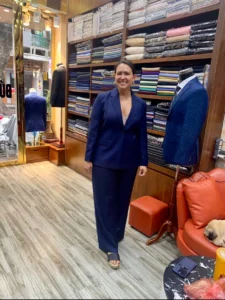
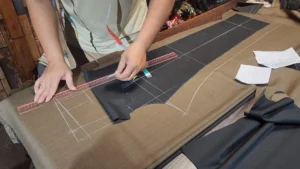
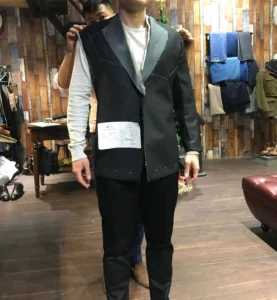



You just arrived in the capital. You want some clothes made.
Every travel blog tells you to immediately board a plane to Hoi An because that is the famous “clothing capital” of Vietnam. Sure, it is. But if you are staying up north and just want to know if there are highly capable tailors in Hanoi that can cut a perfect dress or sew a sharp suit without guessing at the measurements, the answer is a massive yes.
Actually, some of the most technically gifted clothing construction in the country happens right in this city. They deal with winter weather up here. The locals demand heavier coats. People dress slightly more conservatively and appreciate severe tailoring for office work. You just have to know who is running the measuring tape.
If you want legitimate quality, tight stitching, and tailors who actually tell you the truth about fabric types instead of pushing whatever synthetic material is on sale, I only trust these two storefronts.
No long introductions. Here is exactly what you get at both spots, exactly how to talk to them, and what the real costs actually look like.
- Quick Answer: Looking for the best tailors in Hanoi? You only need two names: Duc Nhat Tailor & Tailor Bros. Head to Duc Nhat Tailor for extremely fast, perfectly measured casual wear, linen trousers, and complex silk dresses. If you want heavy-structured wool coats or sharp custom female blazers with proper canvas, book Tailor Bros.
- For fast turnaround & everyday wear: Duc Nhat Tailor
- They excel at women’s clothing, understanding how to drape curves properly for slip dresses and high-waisted linen pants without making a boxy mess.
- Extremely transparent pricing (custom shirts around $25 – $35) with a highly reliable 48-hour turnaround time.
- For elite structure & heavy coats: Tailor Bros
- The absolute best spot if you want sharp, highly structured boardroom blazers or wool winter coats.
- They use actual half or full-canvas construction (not cheap glue), meaning you need a realistic 4 to 5-day window for proper fittings.
- Rules for surviving the tailor process:
- Don’t panic at the first fitting: The first draft will look baggy and terrible. It’s supposed to. They cut it big so they can pin it tightly to your exact body shape while you wear it.
- The ultimate cheat code: Don’t try to explain “loose fit” across a language barrier. Bring an old piece of clothing you already love and tell them to clone it completely.
- Tell them what you are hiding: Point exactly to the areas you want to mask (like a bloated stomach line after dinner) so they can cut extra room into the zipper seam.
The Speed & Versatility Master: Duc Nhat Tailor
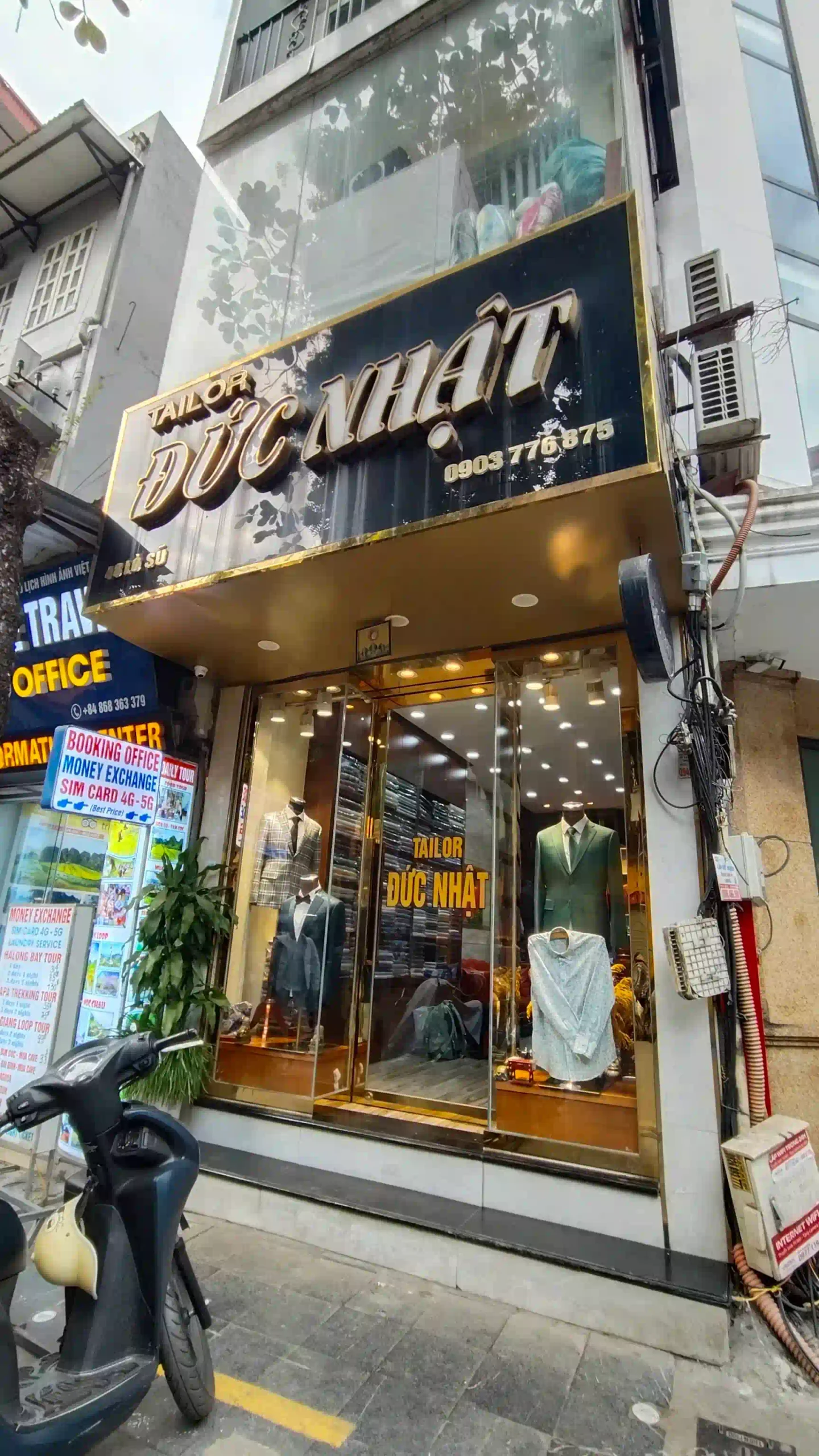
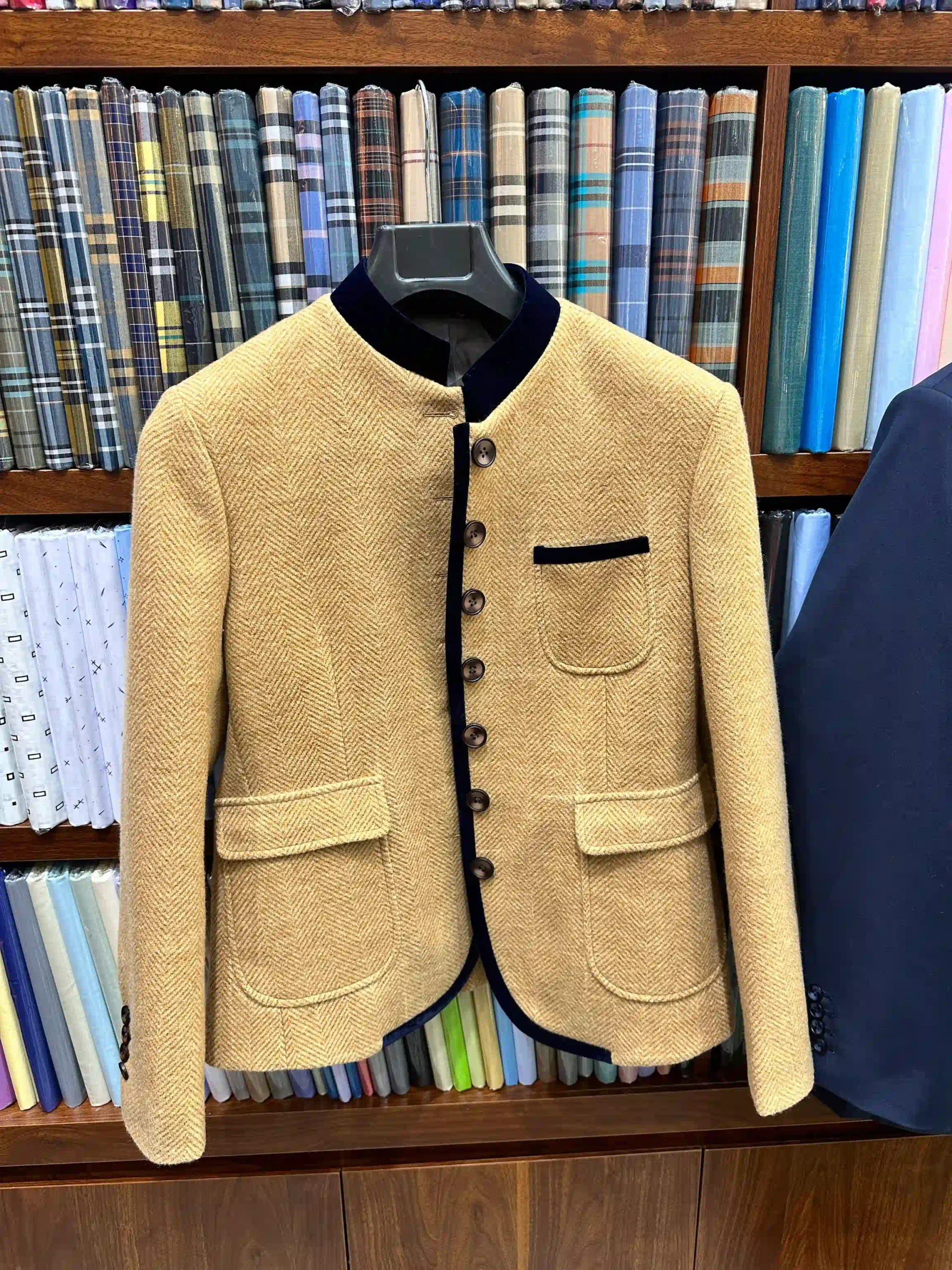
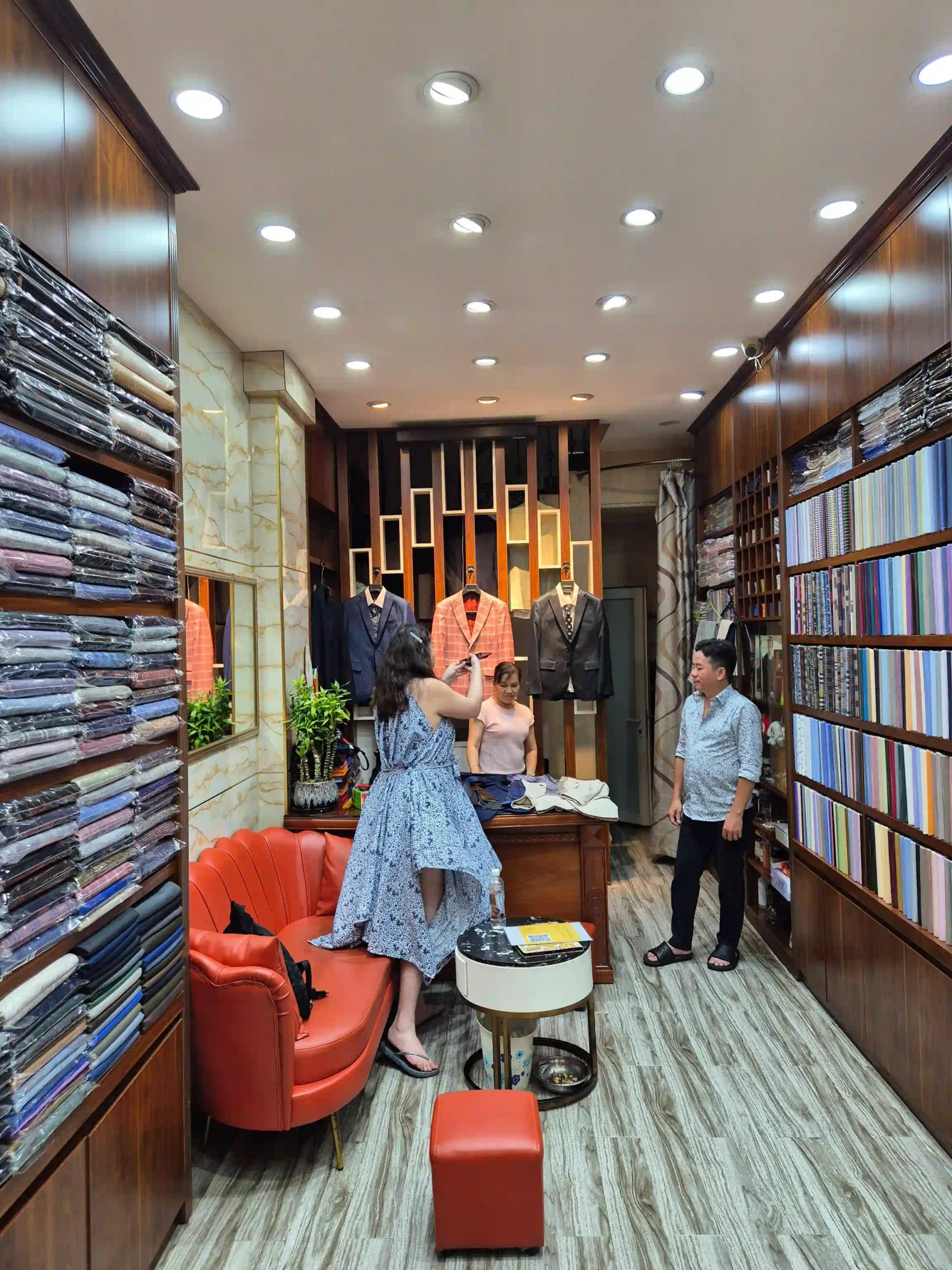
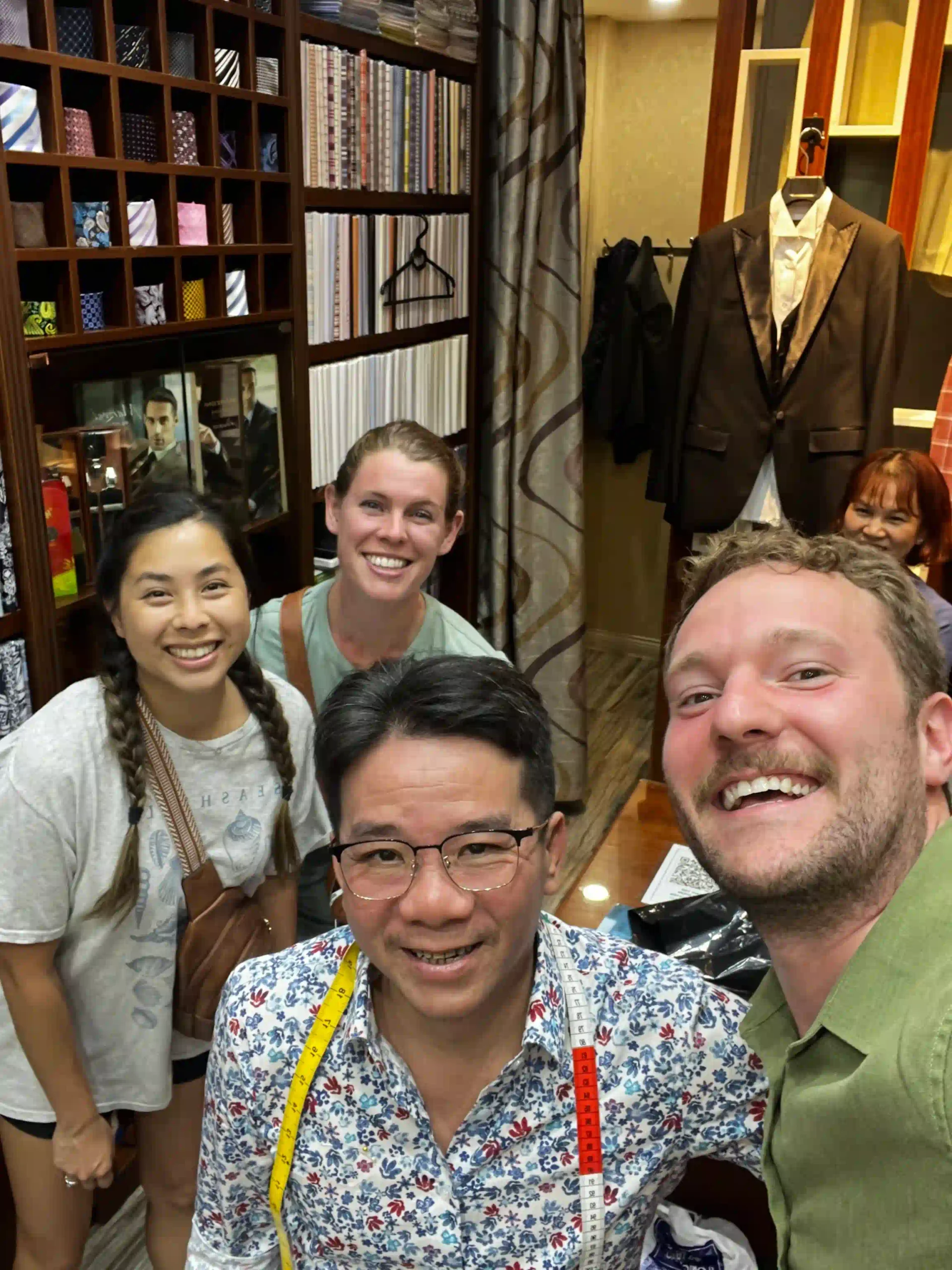
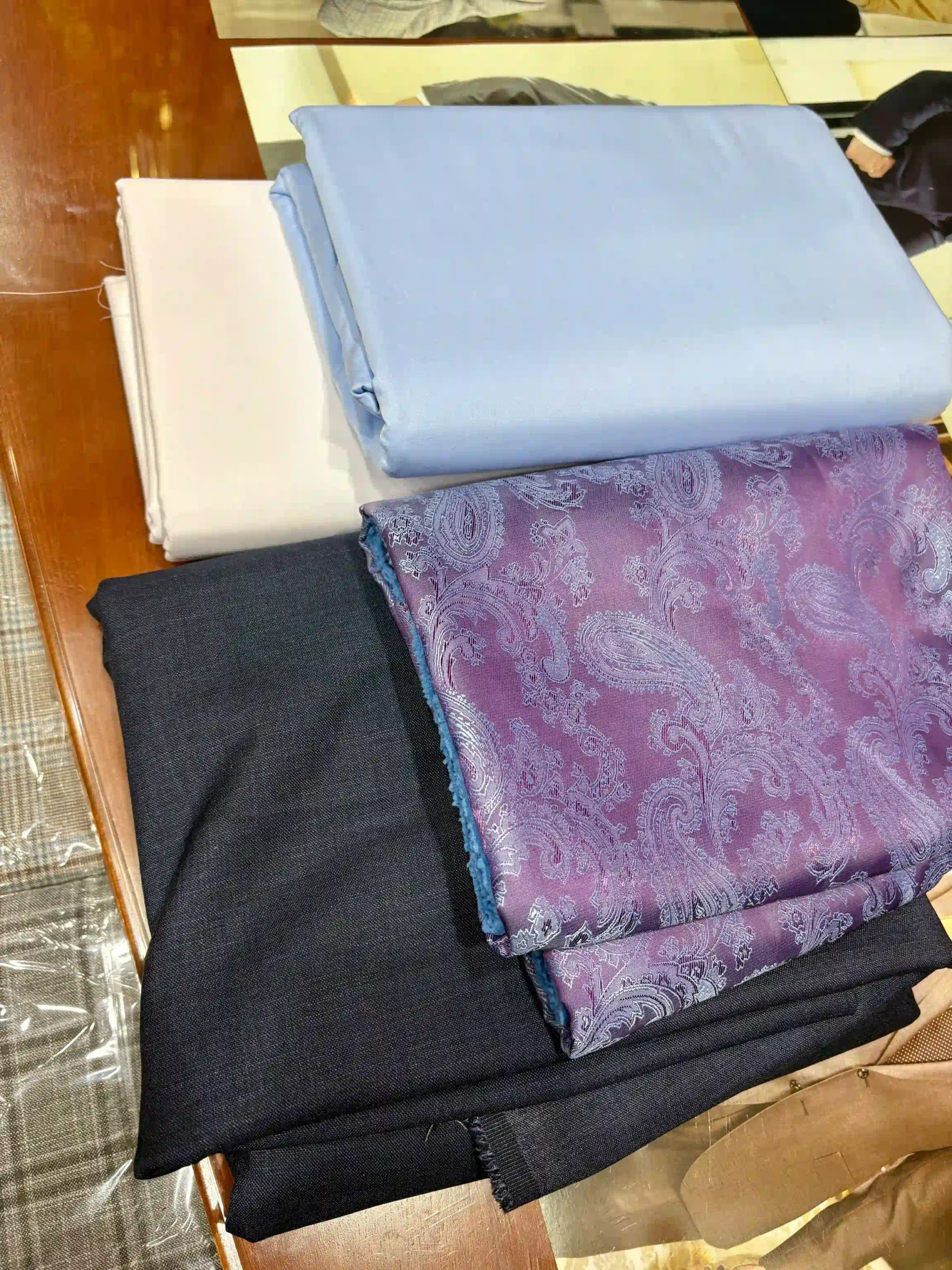
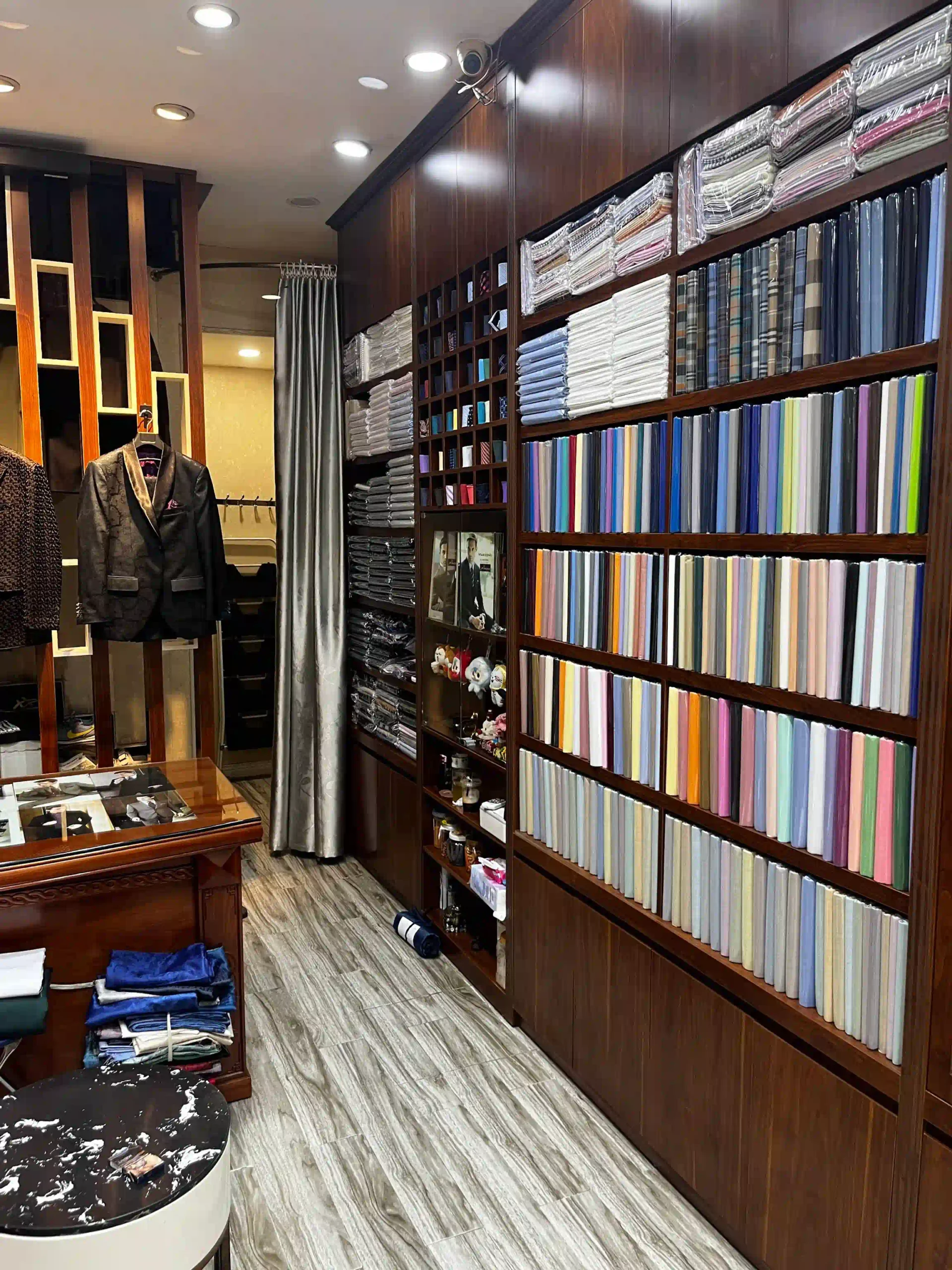
Let’s start right inside Hoan Kiem district at Duc Nhat Tailor. Located precisely at 48 Lo Su street, this place completely flips the stereotype that fast tailoring means sloppy work.
When you look them up, their rating is wild. It holds a flat 5.0 from almost 900 separate reviews. This isn’t luck. When I take my visiting family here to get outfits made before their flights home, the process is practically a masterclass in extreme efficiency.
Why they dominate the list:
A huge problem with typical suiting shops is that they strictly only know how to cut boxes for men. If you are a woman trying to get a summer slip dress, or an asymmetrical silk top, or just high-waisted linen trousers that flatter your body, traditional menswear cutters often struggle. They just don’t do feminine draping.
Duc Nhat excels across the board for both men and women. The master cutters here look at a picture on your phone for three seconds and immediately know how the pattern should behave. They instantly understand where darting needs to happen under a bust line, or how low a neckline needs to drop before it ruins the structural integrity of the fabric.
I brought them a photo of a complicated, heavily ruched midi skirt once. I assumed they’d reject it because the folds were too difficult to sew in 48 hours. The cutter just measured my hips, pulled down a roll of green linen, chalked a price, and nailed it on the first fitting.
If your husband wants a classic two-piece linen beach suit, they knock that out perfectly. If you want an intricate A-line dress, they will literally build you one over a weekend.
The Timeline & Reality Check:
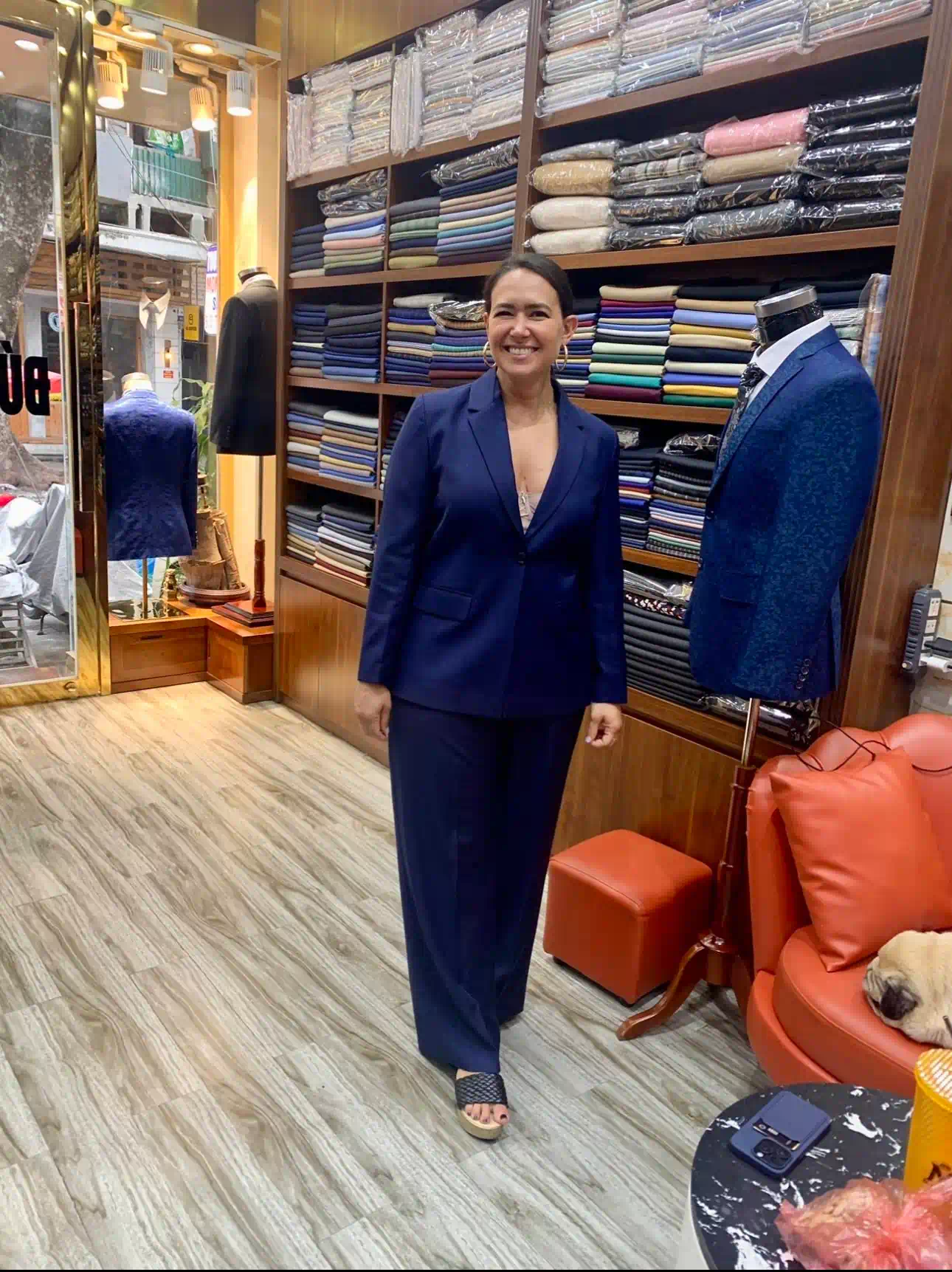
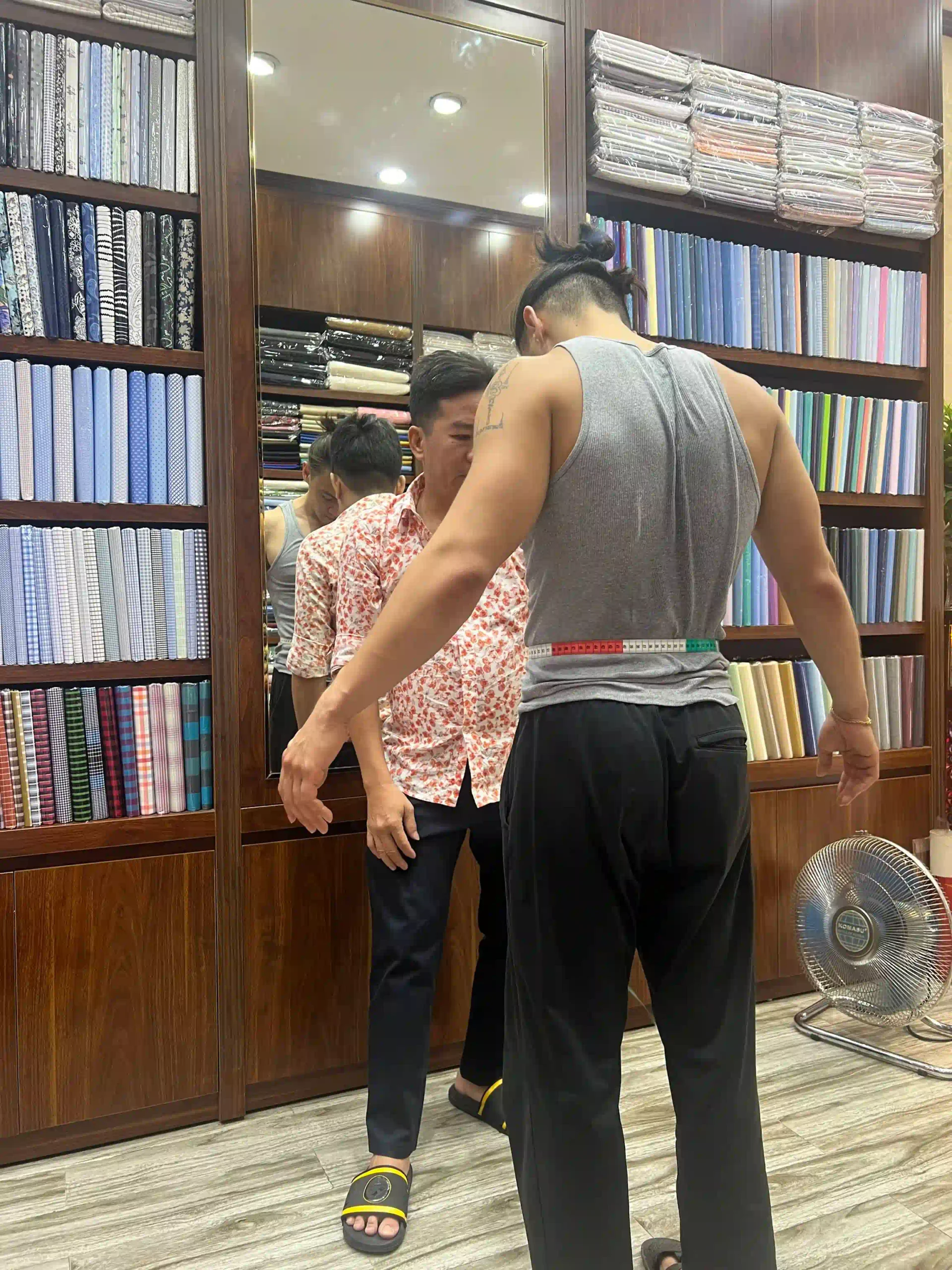
They move quickly, but they need reasonable breathing room to make quality stuff. If you order casual linen pants or Oxford shirts, they can absolutely execute that in roughly 24 hours. A standard turnaround time here is right at 48 hours.
You go in on Tuesday morning, they take your numbers. They usually tell you to come back Wednesday late afternoon for the first fitting. This is where you put on the half-finished item to check tightness. Then they finish the final hems, and you pick it up Thursday.
Do not expect them to do massive three-piece bespoke wedding suits overnight. Respect their craft. Give them 48 to 72 hours for highly technical suit builds.
What you will likely pay:
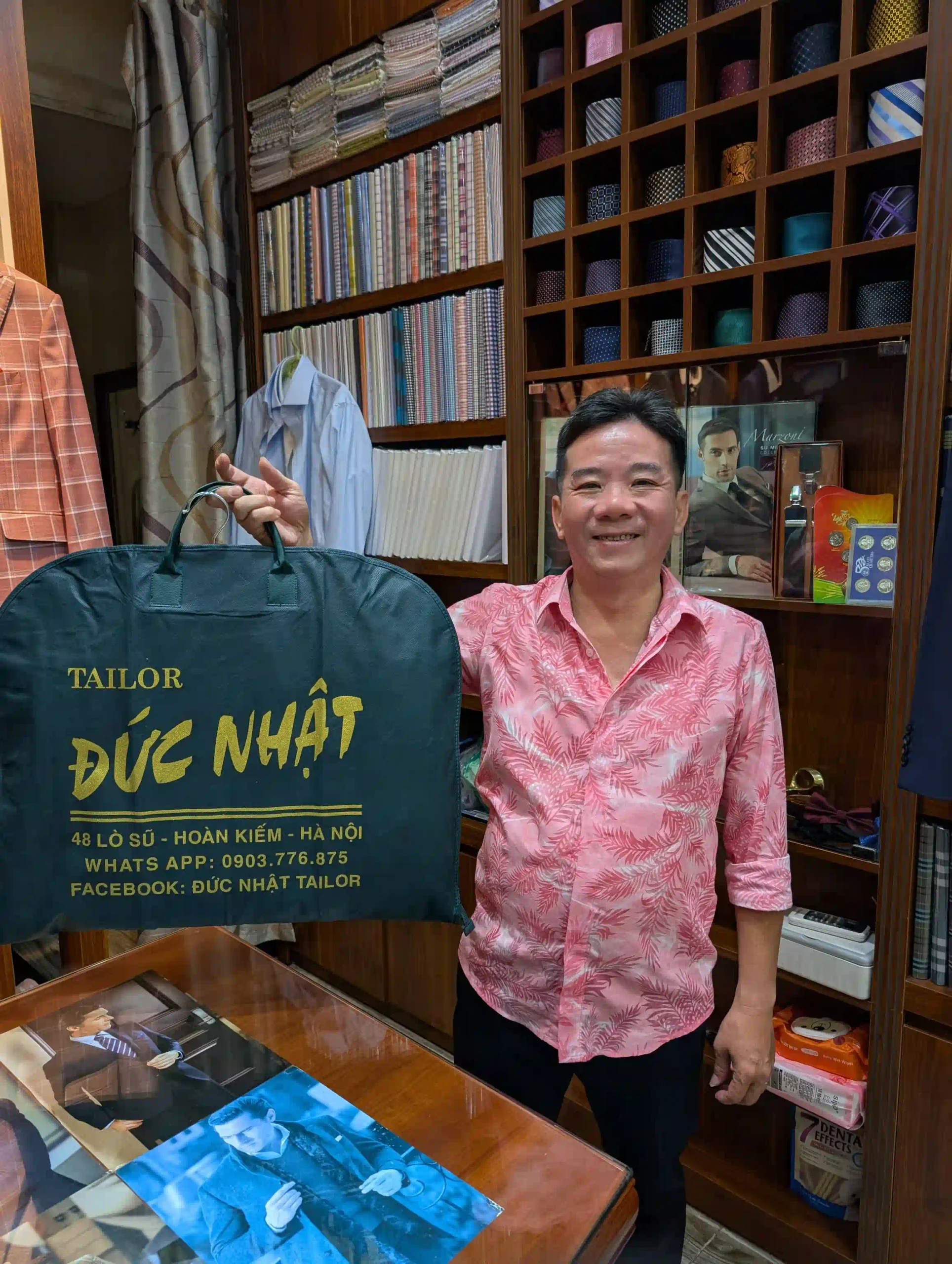
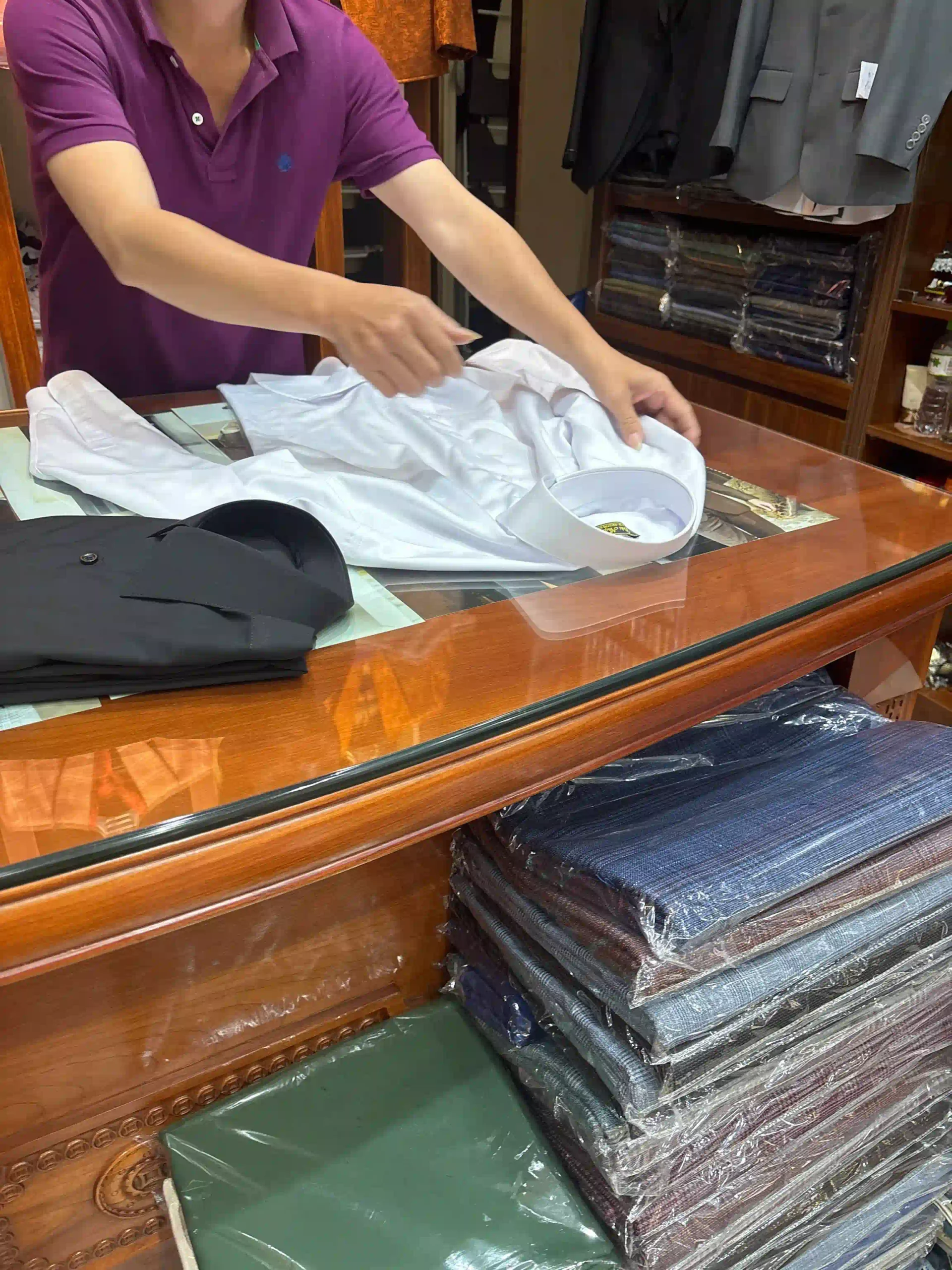
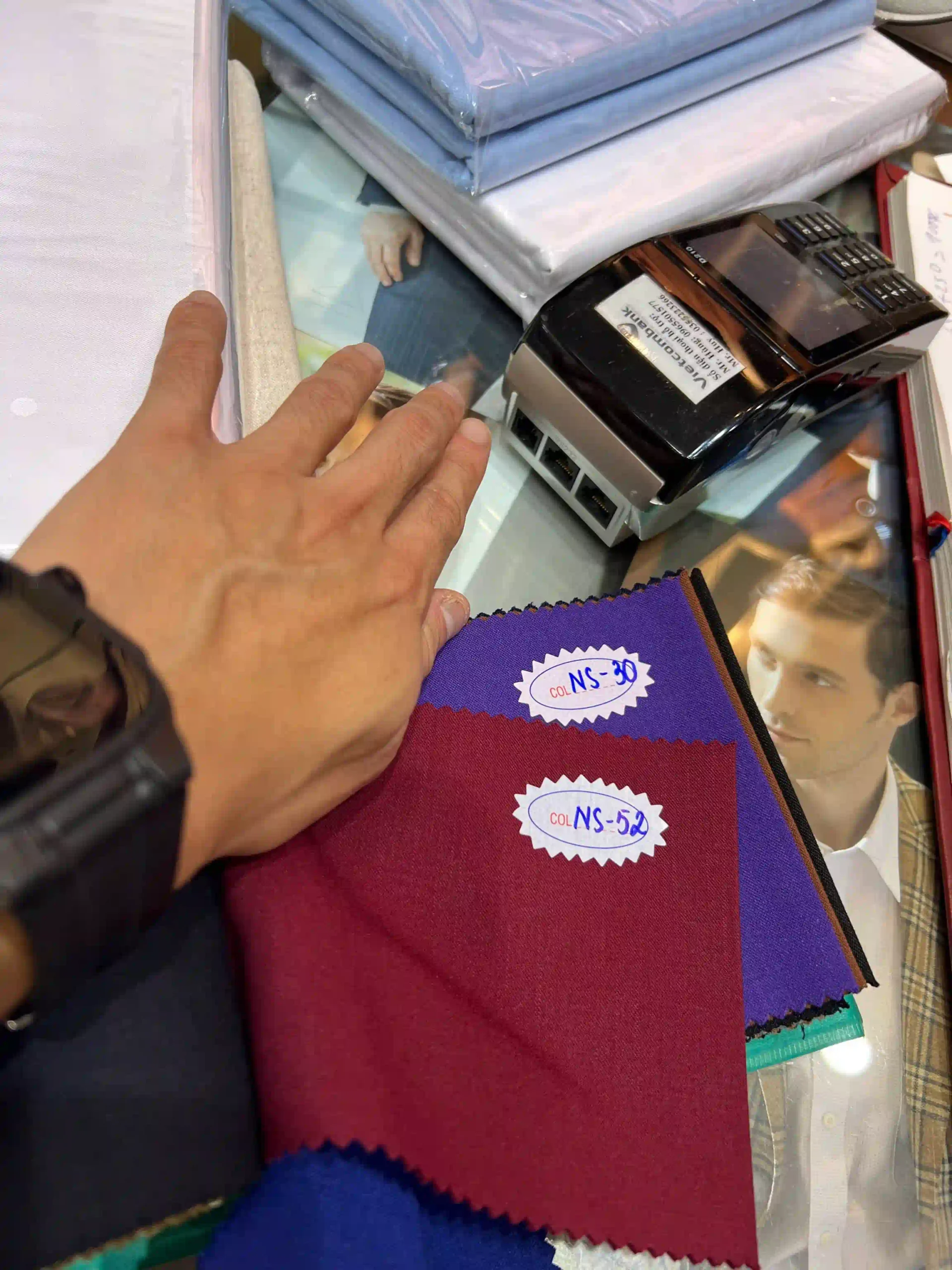
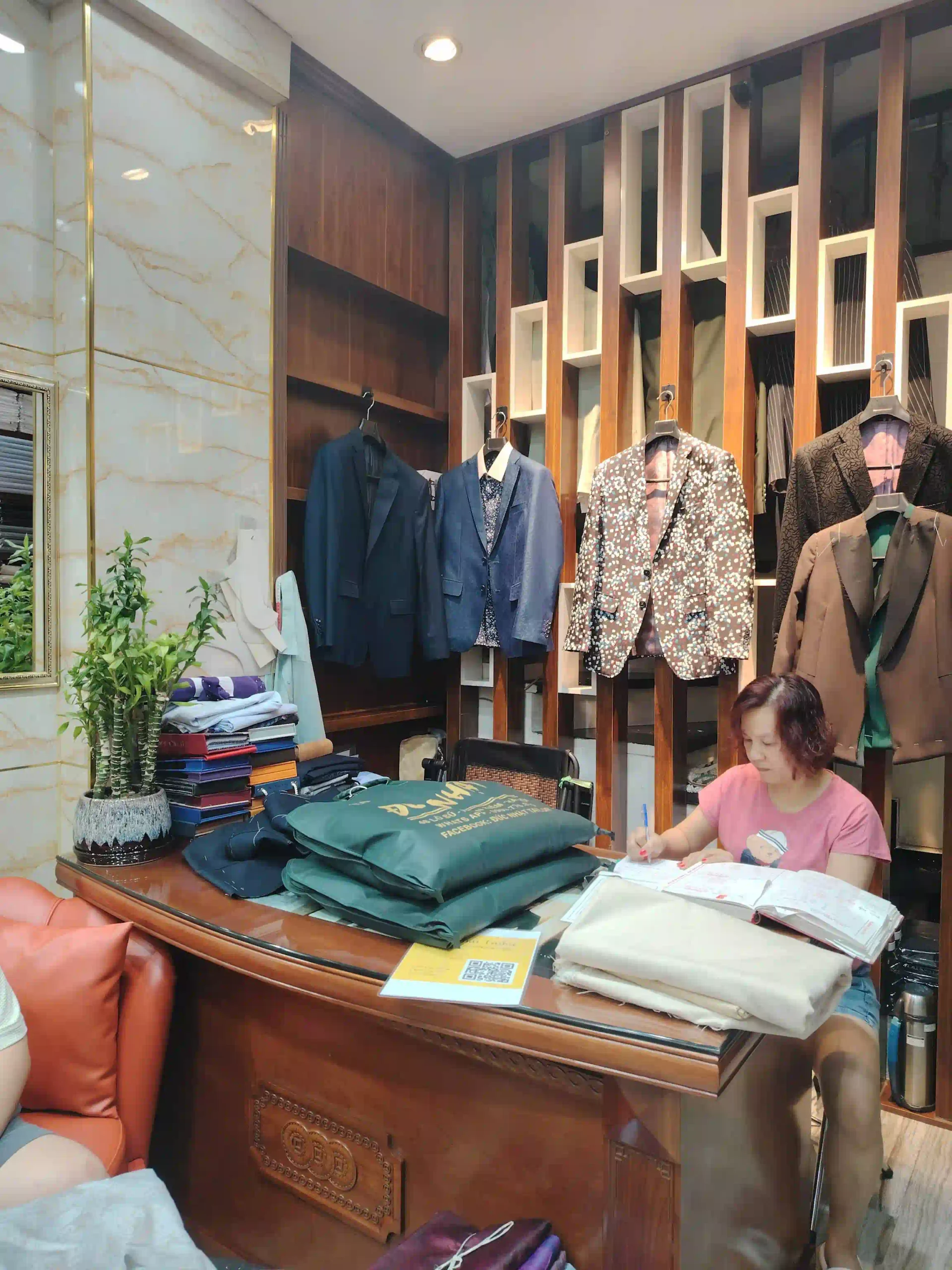
Prices fluctuate purely based on the quality of the fabric roll you touch on their wall. But they are entirely transparent up front. They quote you directly. They do not invent fees halfway through.
A high-quality cotton or linen men’s shirt usually ranges between $25 to $35 USD depending on collar style and button choice. For custom dresses, expect to drop between $50 and $100.
Let’s be clear, paying $80 for a completely unique, fully-lined dress cut exclusively to the physical width of your actual shoulders is completely justified.
They quote full business suits somewhere between $120 to $250, depending on if you pick simple linen blends or heavier imported cashmeres. You pay a percentage deposit on the first day in cash or by card, and hand over the rest on the final pick-up day.
The Precision Bespoke Authority: Tailor Bros
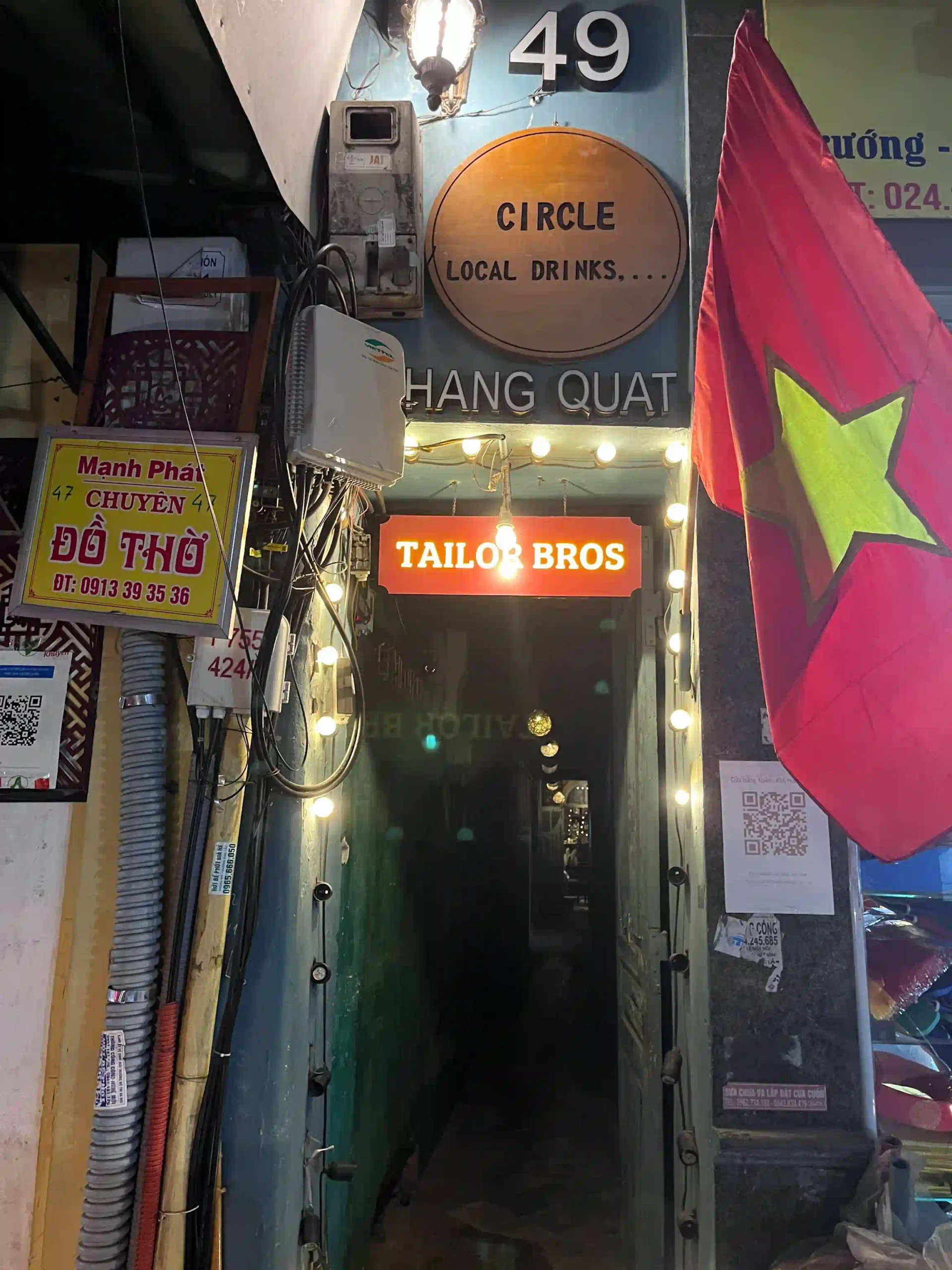
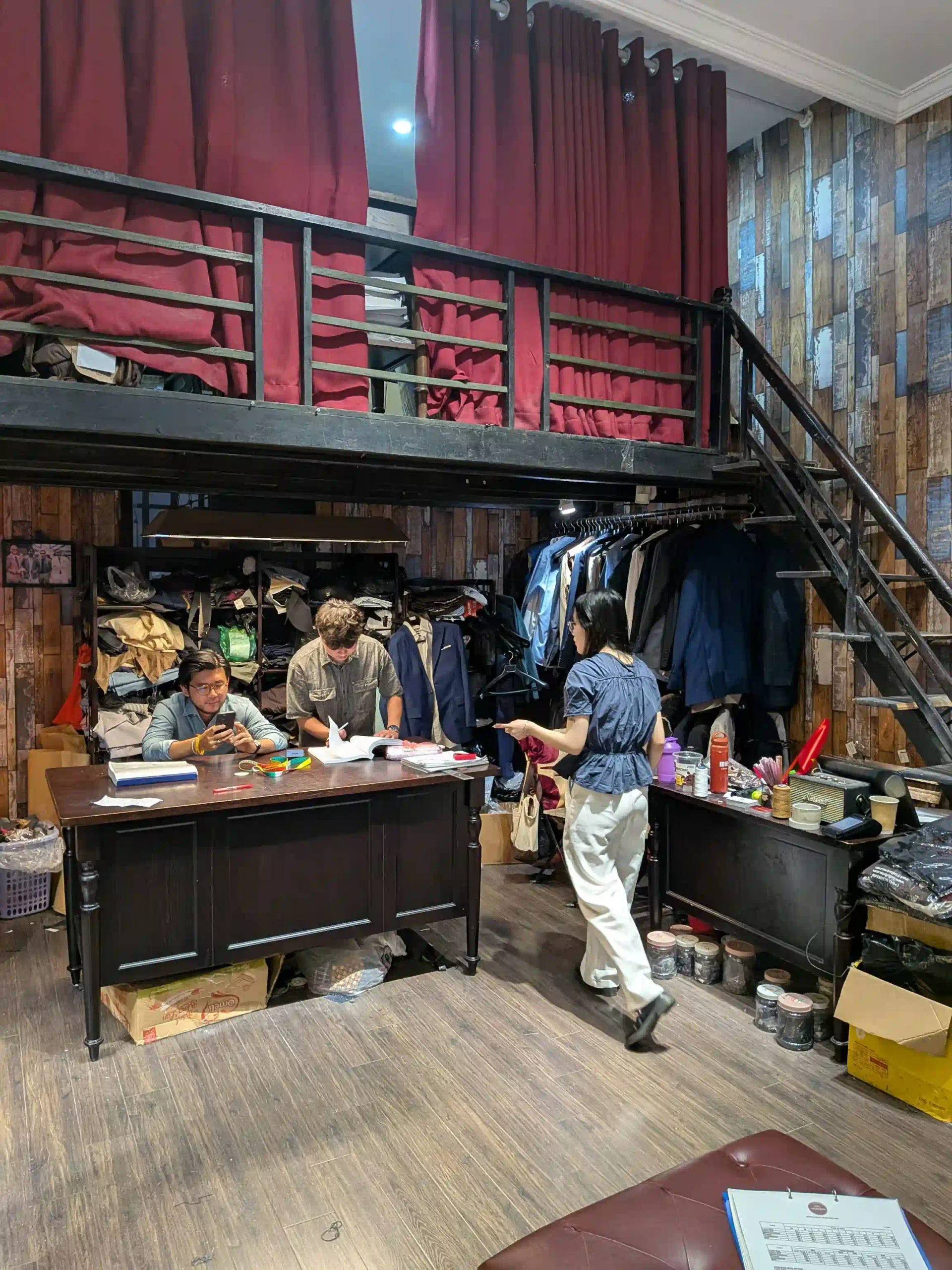
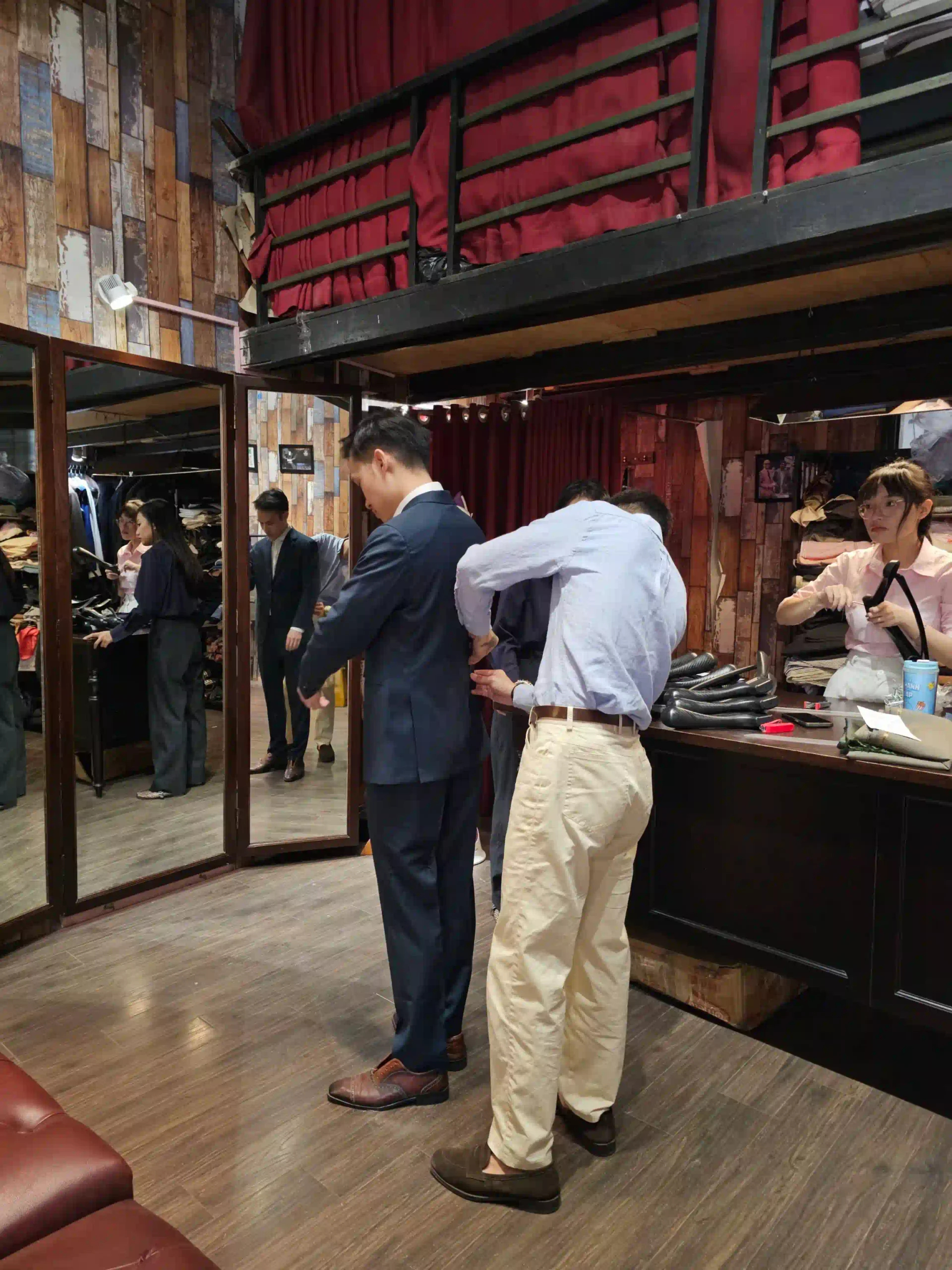
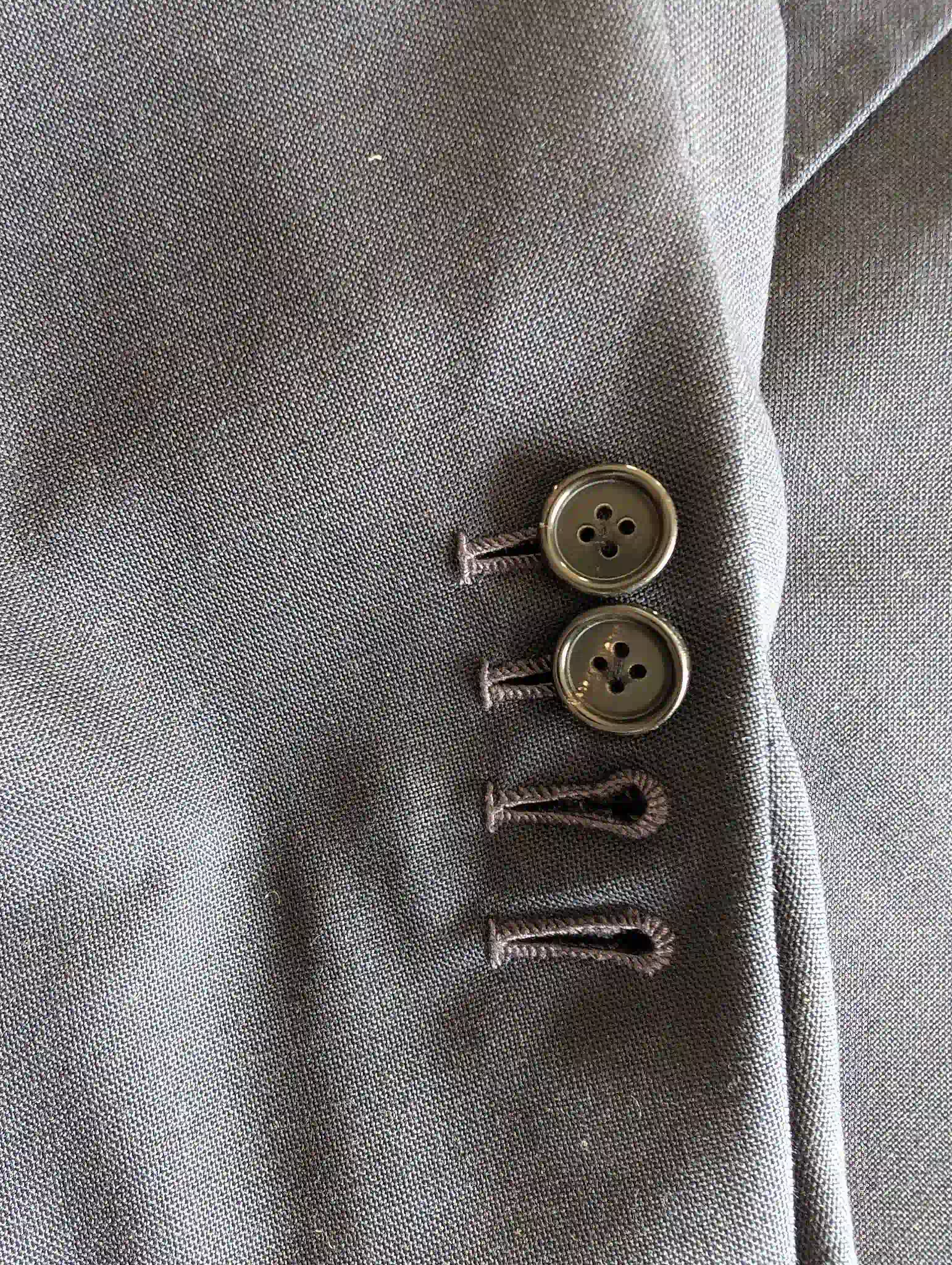
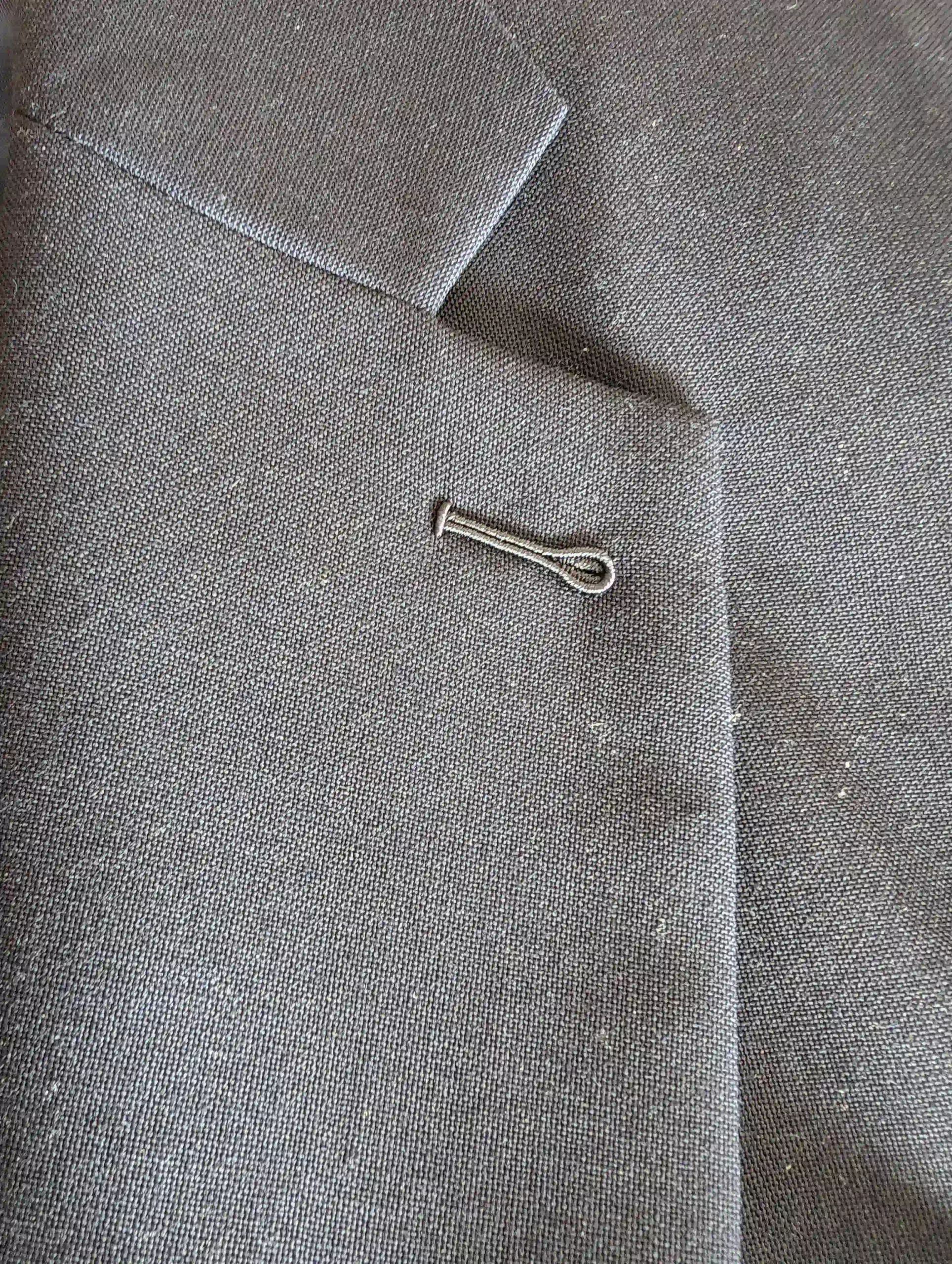
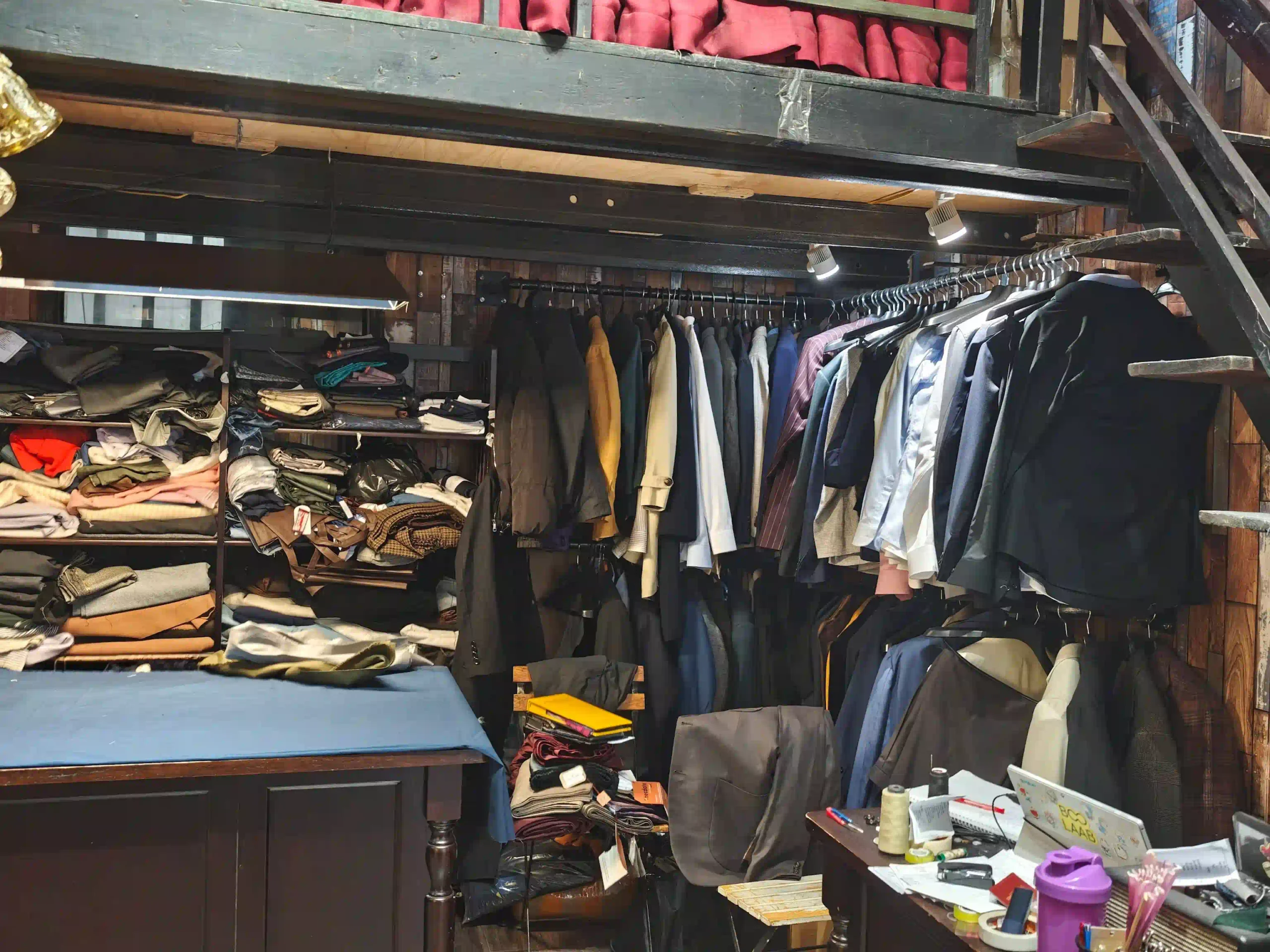
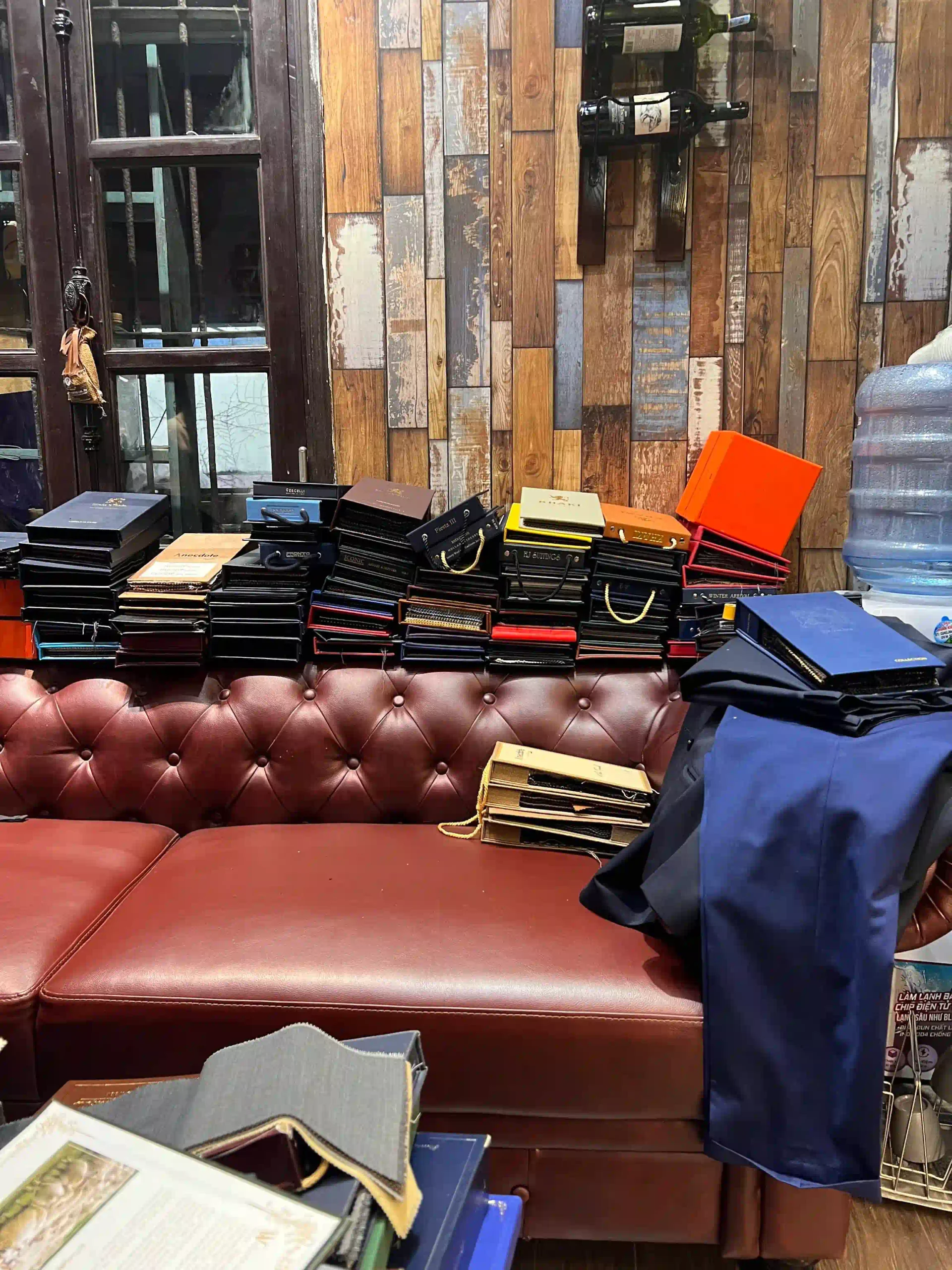
Okay, let’s pivot entirely. Sometimes you don’t want a light summer dress. You want extreme precision. You want to drop serious money on a heavy wool trench coat. You want a sharp double-breasted suit that feels like it could stop a bullet.
If that is what you need, your exact destination is Tailor Bros.
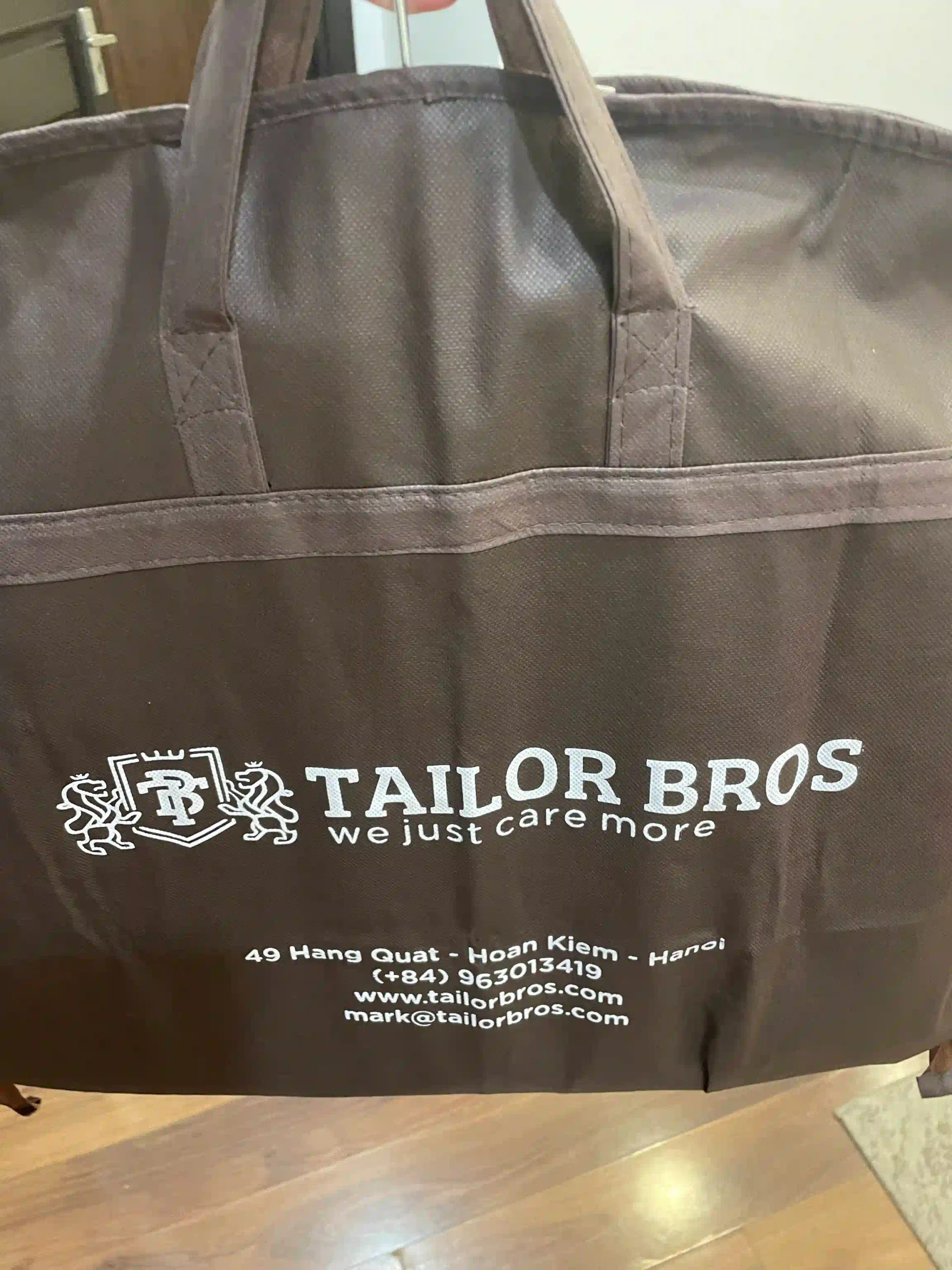
This team operates out of a sharp-looking space over on 49 Hang Quat. You’ll immediately notice the vibe is heavily focused on modern styling. These guys understand high-level contemporary fashion logic.
If Duc Nhat is your versatile, fast speed-factory for the perfect travel wardrobe, Tailor Bros functions much more like a premium bespoke salon targeting modern professionals. They sit at a 4.8 rating with over 400 highly loyal customer reviews.
Why their work is elite:
What makes them stand out heavily against hundreds of other tailors in Hanoi is their obsession with canvas structure.
Cheap tailors will take wool, glue a synthetic lining to it to make the lapel stiff (called fusing), and sell it to you. Fused suits look incredibly stiff, trap body heat immediately, and will actually start to bubble after three times at the dry cleaners.
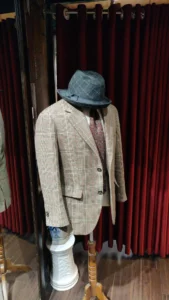
Tailor Bros heavily champions half-canvas or full-canvas jacket construction. This means they are actually hand-stitching horsehair canvas between the outer fabric and the inner lining.
When you wear one of their blazers, the horsehair warms up against your chest and permanently molds to your specific posture. It moves exactly when you move. It is real, authentic craftsmanship that usually costs three thousand dollars in New York or London.
For female professionals needing severely sharp, strong-shouldered blazers that demand respect in board rooms, they nail the architecture. They do highly structural garments exceptionally well.
If you have sloping shoulders or mismatched arm lengths (we all basically do, our bodies aren’t symmetrical), they account for that sleeve pitch flawlessly.
Fabric choices available here:
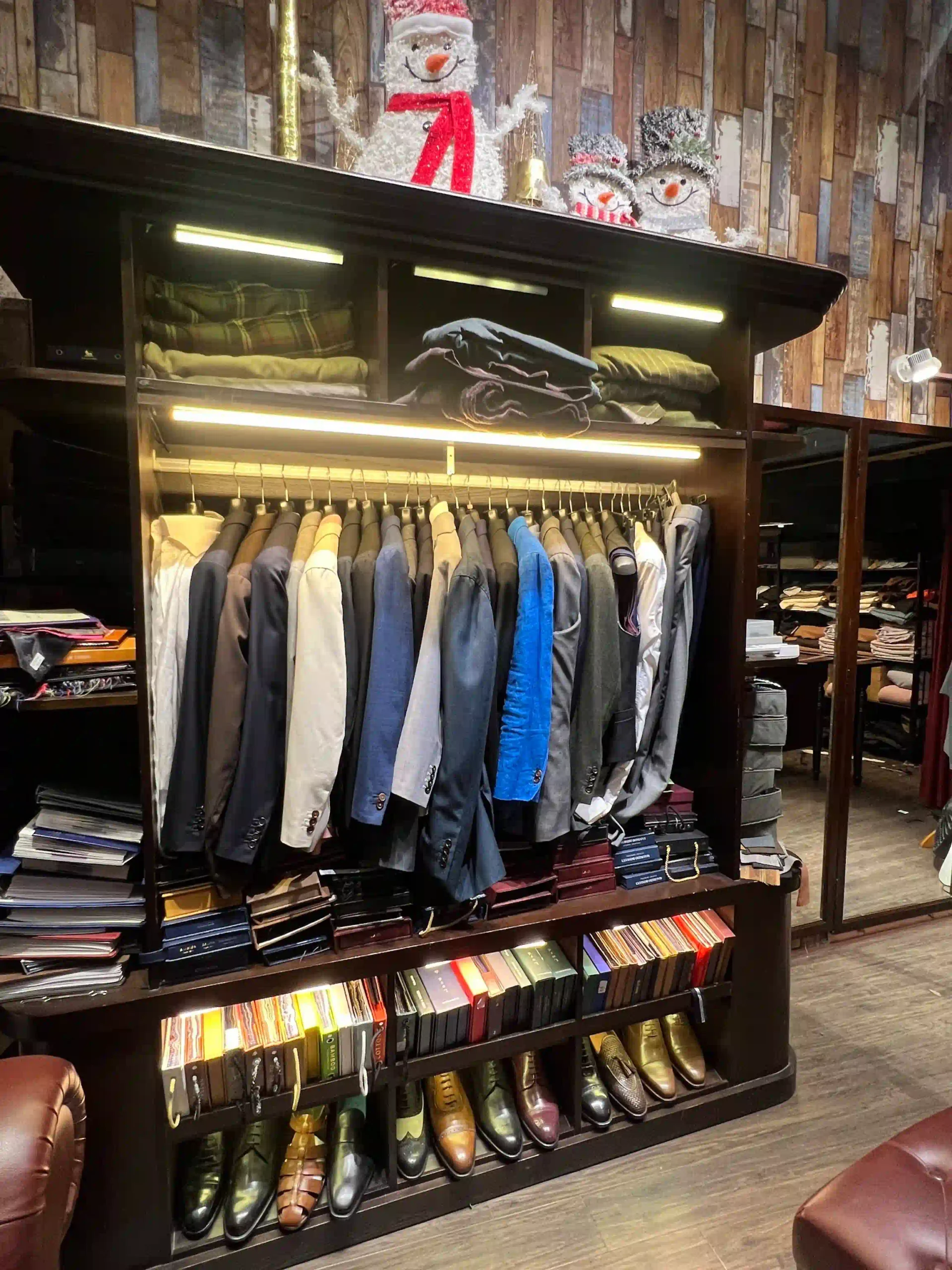
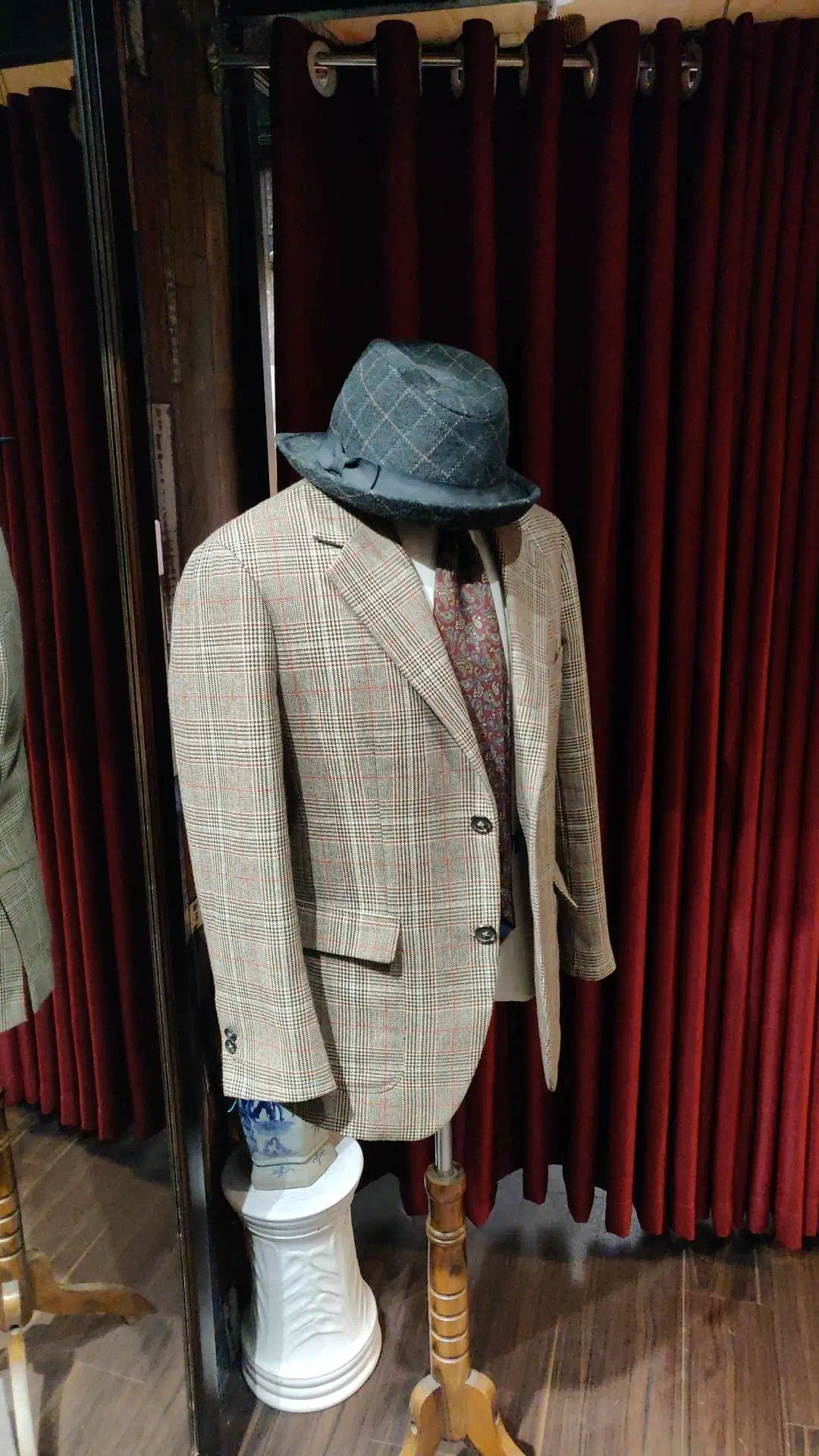
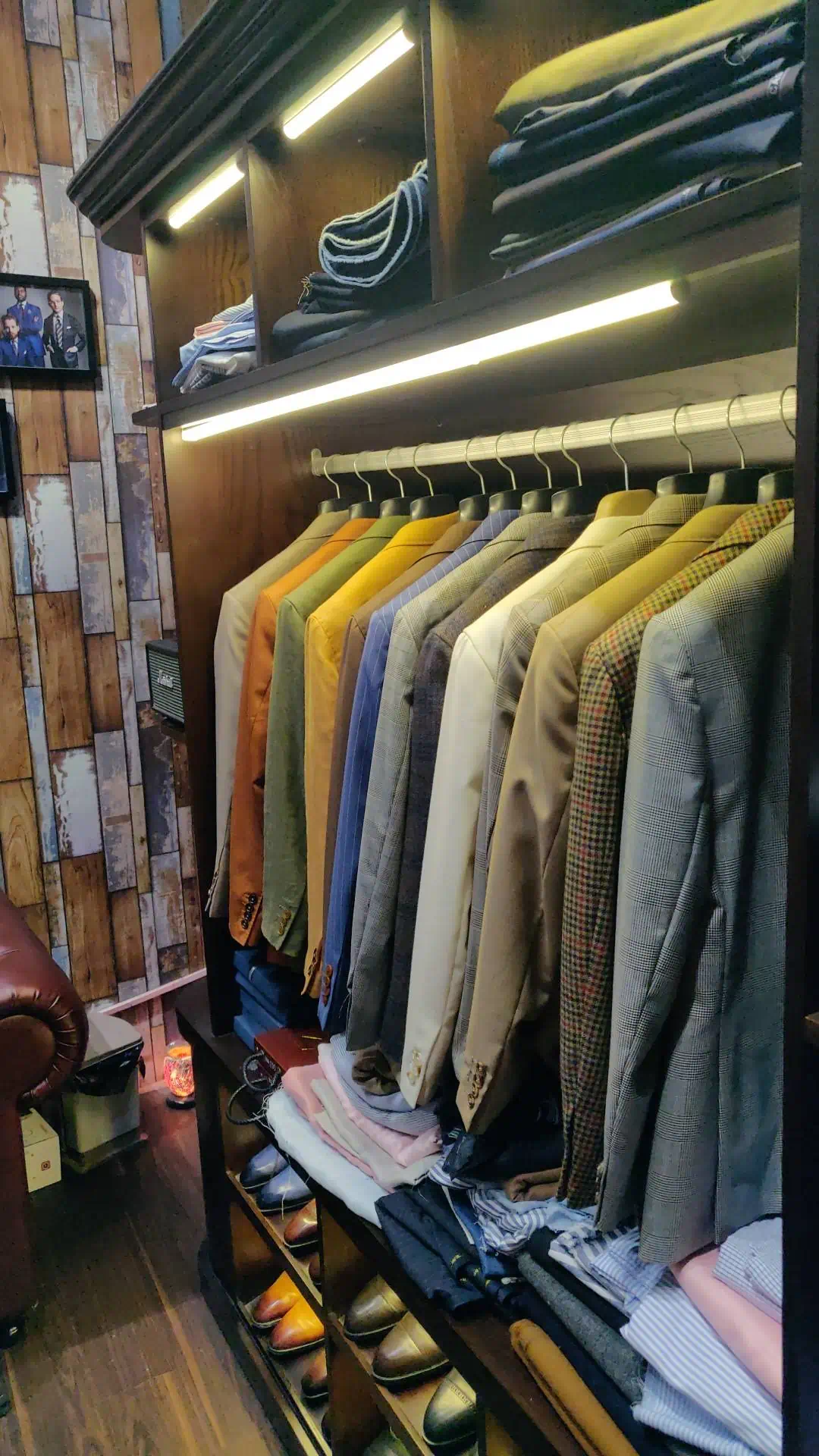
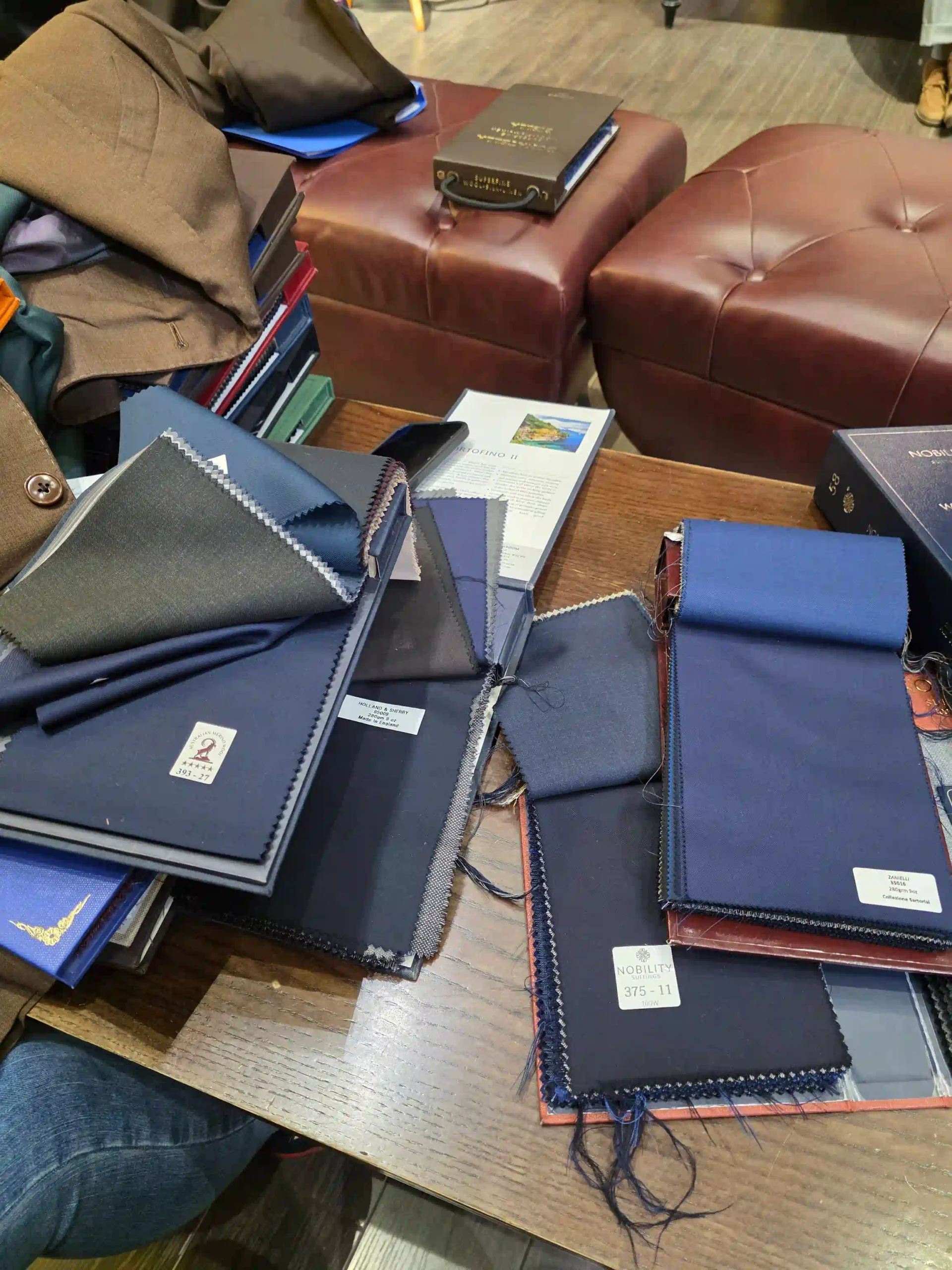
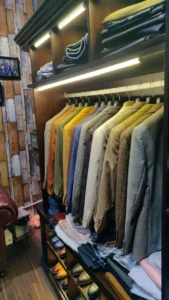
Because they cater strongly to heavy suiting and coats, their fabric books are insane. You flip through genuine imported English and Italian wools. Thick tweeds that will easily survive a European winter. Super-110 to Super-150 grade merino wools that feel softer than butter.
When you are dropping this level of money on the cloth alone, having total confidence in the cutter’s scissors is deeply required.
The Timeline & Expectations:
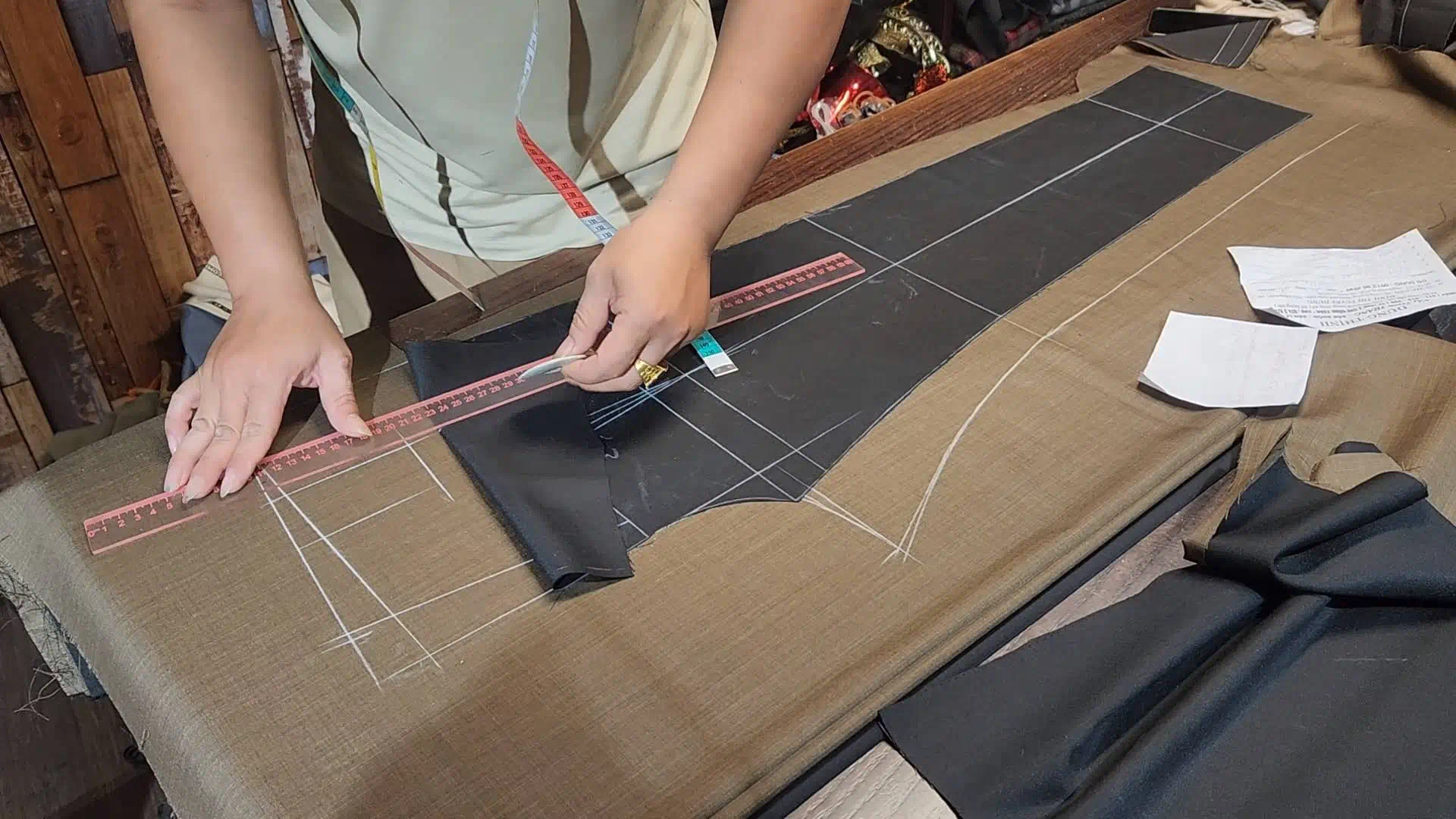
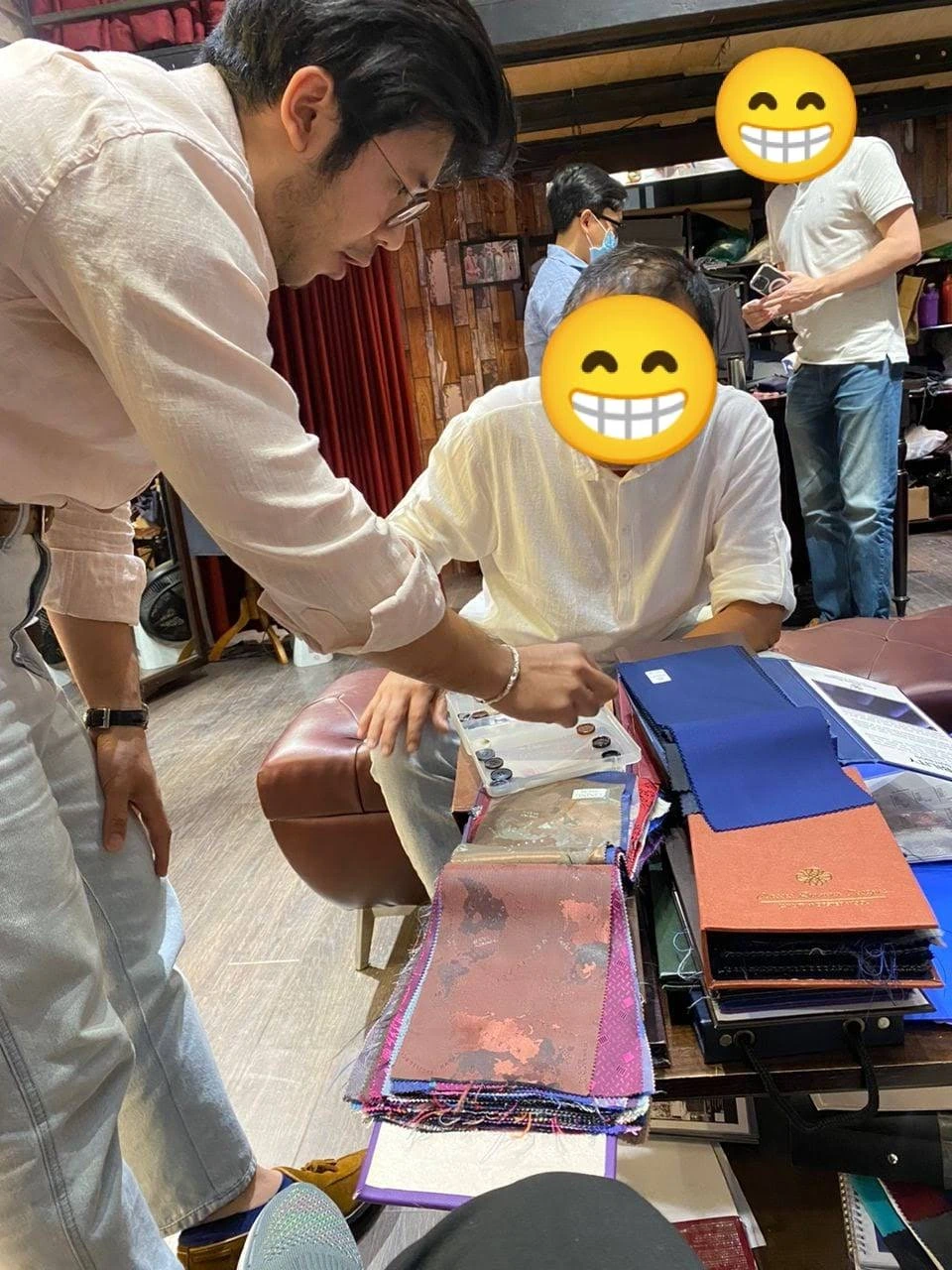
You cannot and should not rush this process. Creating structural clothing properly takes pure mechanical labor time.
You realistically need a four-to-five day window in the city if you are going to Tailor Bros for full coats or three-piece suits.
Your schedule with them usually looks like:
- Day 1: Intense measuring. Taking down sleeve tapers, deciding how tight you actually want your trousers. Selecting inner linings (you can choose totally wild patterns for the inner silk).
- Day 3: The initial fitting. They assess the bare skeleton of the coat against your chest wall.
- Day 4: Fine-tuning hem lengths.
- Day 5: You walk out wearing armor.
They require time to make something truly bespoke. Wait a few days, let them do the hand-stitching right. Use the spare time to look into alternative things to do in Hanoi to kill time between fittings rather than begging them to rush the machine.
The result easily justifies waiting an extra Tuesday. You’ll spend roughly $180 for complex structured coats up to $300 – $500 for fully detailed luxury imported wool suits, but that cost translates entirely directly to the garment weight.
The First Fitting Always Feels Terrible
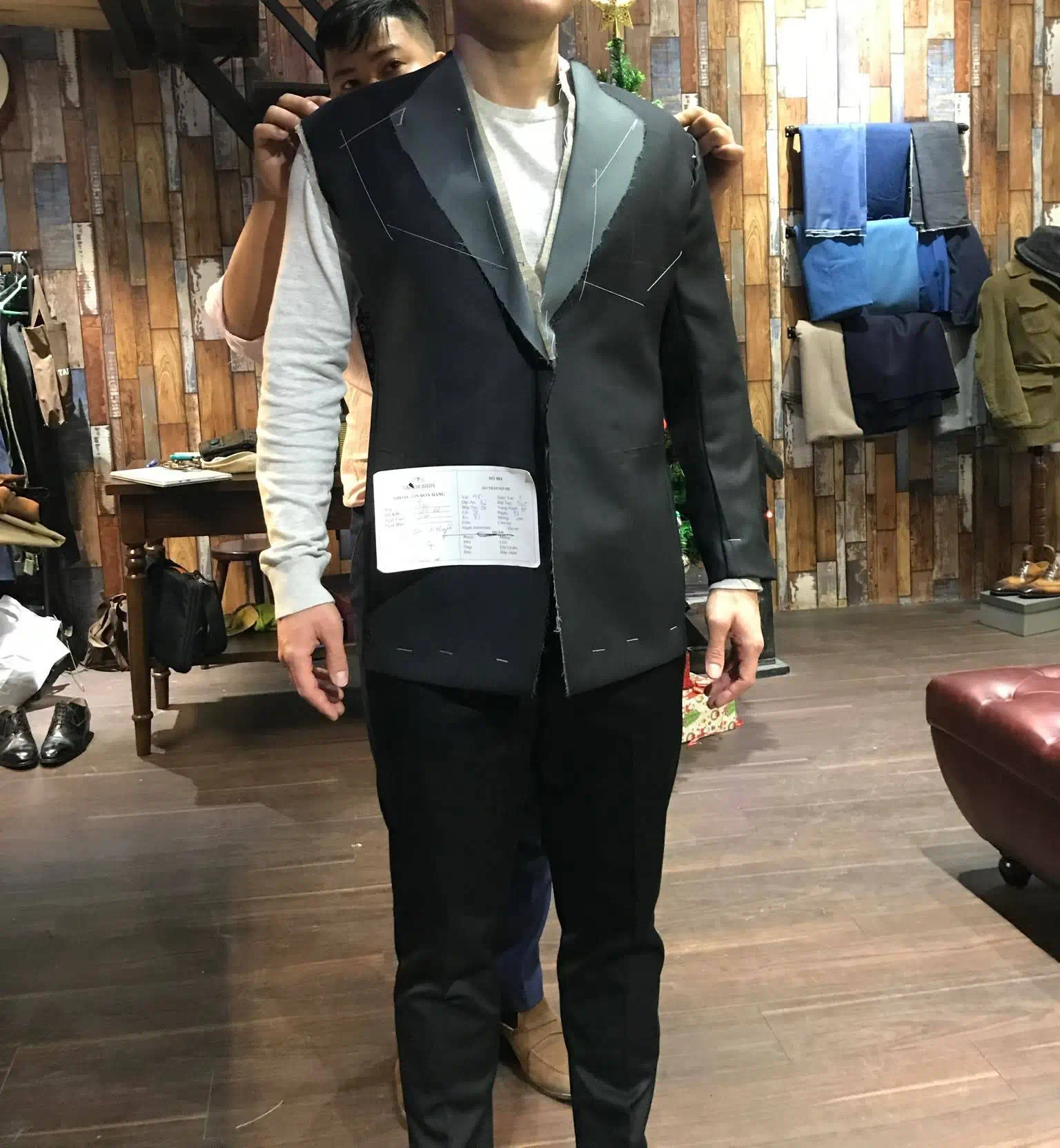
Here is something extremely practical I want you to memorize right now, because every foreign friend I’ve brought to either of these shops has almost cried from panic on day two.
When you come back for your very first fitting appointment (usually 24 hours after your measurements are taken), you are going to put the clothing on. You are going to look into the mirror. You are going to absolutely hate it. It will feel massive in the shoulders, strange in the waist, and nothing will line up perfectly. You will mentally freak out that you just wasted 200 dollars.
Deep breath. You are wearing a “basted” garment.
Tailors in Hanoi, when dealing with western body sizes they only measured once, will physically leave two or three inches of extra margin in the rough draft. They do not run it entirely through a machine yet.
It is often temporarily held together with long white basting thread. They cut things deliberately too large so you can slide into it, step in front of the tall mirrors, and allow the master tailor to physically fold, pin, and chalk the exact tightening adjustments onto your live body.
If they cut it perfectly tight on the first draft and messed up one number by an inch, there is zero spare fabric inside the hem to release. The whole project goes into the trash.
It is endlessly easier for a professional tailor to shave an inch off the stomach waist line after seeing how it sits over your natural belly curves than to try to invent new cloth that isn’t there.
So, when the pant leg looks baggy, don’t just stand there angrily. Just communicate. Say “It’s slightly too full here, can we pinch this an inch?” The tailor literally snaps chalk, pins it tight with three silver pins right while you are wearing it, asks “How’s this feel?”, and sends it immediately to the machines out back.
Be active during the mirror test. That is the entire fundamental purpose of a custom build.
Communication Rules to Not Get Ruined
A local tailor cannot read your mind. We are speaking over a slight language gap here, even though the central front-desk staff at these spots are entirely fluent in English. Clothing shape means different things to different cultures. What a Hanoian tailor defines as “loose fit” and what you define as “oversized” are wildly different concepts.
If you want absolute perfection when looking up the top tailors in Hanoi, you need to employ these specific tactics on day one.
Method One: The Ultimate Cheat Code (Cloning)
This is hands down the highest success rate strategy you will ever use. Every woman I know has that one specific blouse that she bought five years ago from some dead mall store. It perfectly covers her stomach without feeling like a box, but the threads are fraying entirely and the color faded long ago.
Pack it in your suitcase. Hand that dirty blouse across the glass counter to the staff at Duc Nhat. Tell them to cut you a new dress in this blue silk exactly, purely matching those specific structural dimensions. Cloning a piece of existing clothing totally bypasses language entirely.
They just lay the original piece flat, trace out the block panels perfectly onto paper, run it against your specific fresh shoulder length in case you changed weight, and suddenly you have your favorite top reincarnated in totally fresh material.
Method Two: Severe Visual Evidence
If you don’t have something to clone, go open up an entire photo gallery. Provide extremely specific photographs. Bring five photos showing exactly how long you want the coat to drop over your thigh. Find close-up zoom photos showing exactly how low the chest line cuts. Provide the front angle, side profile, and back panel photos of exactly what you envision.
The cutter analyzes pictures much better than they analyze your vague hand gestures while trying to say “I want a casual but dressy pant style.” If you tell them you want an “elegant neckline” that subjective concept falls apart quickly. If you show a picture of an extreme wide boat neck collar on a celebrity, they instantly get out the tape to recreate it accurately.
Tell them what you are hiding:
Do not be physically polite or falsely confident. The only point of paying a skilled cutter is to mask the things you hate and emphasize what actually looks nice.
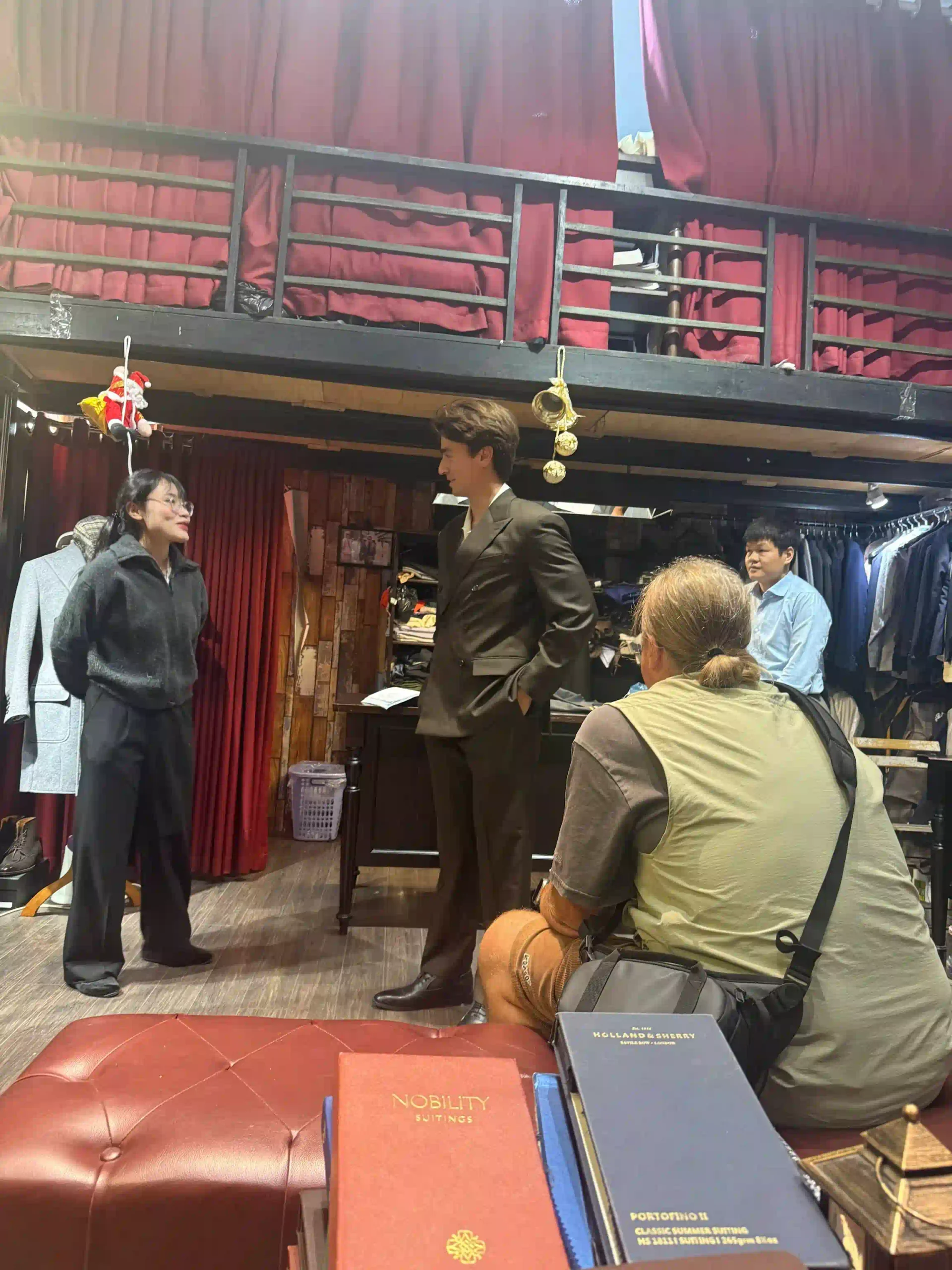
When they stand you on the small wooden platform in front of the mirrors at Tailor Bros with measuring tape wrapping across your hips, speak bluntly. Just point at your lower abdomen and physically say: “I bloat right here after dinner. You absolutely need to cut extra ease into the upper zipper line so I have stomach room to breathe.”
Let them factor it entirely into the initial slope of the trousers. Explain exactly where your thickest shoulder drop lands. They do not care about politeness. They care about making you satisfied. Direct instructions equal flawless garments.
Setting Honest Deadlines Before Flying Out
This brings me back around to the logistics of getting anything constructed correctly while managing international travel stress.
Let’s assume you’ve booked a quick exit flight to Ho Chi Minh City on Friday afternoon. It’s Wednesday. Your mind panics, and you run down Lò Sũ right when shops open. A lot of minor tier shops around Hoan Kiem will confidently tell you “Sure, no problem, we will push the team, finished by Friday noon”. And you feel immensely validated giving them cash.
Then Friday at noon hits, you go pick the items up, the stitch lengths look huge because they hurried their machines, there are visible thread loops sticking out of your lapels, and because your taxi to Noi Bai is literally honking outside their window, you do not have thirty minutes to demand corrections on a botched armpit fitting. You leave annoyed. This isn’t how fine custom suiting operates.
A high quality operation works backwards strictly based on absolute realism. When I walk a newly arrived expat coworker down to either of these spots, we do it almost immediately as a primary stop to reserve space in their workload schedule.
The front desk staff usually ask when your departing plane is taking off right upfront before they write down numbers in the main book. Listen entirely to their reply. If you request a full, detailed custom blazer that requires internal interfacing with three separate lining choices, and the person holding the notebook calmly informs you that there simply are not enough actual daytime working hours to accomplish two detailed trial fittings and finishing touches before you fly, take them extremely seriously.
Rejecting a big dollar rush job actually strongly demonstrates technical integrity. You prefer a shop that simply says no to impossible timelines over an aggressive shop happy to snatch up foreign currency in exchange for terrible rapid quality.
Generally, keep three clean open days inside the city calendar before you ask anybody to hold their scissors to silk fabric. You leave your first round of instructions. Use the wide 48-hour space between taking exact numbers and stepping back into the first fitting strictly to enjoy finding more normal things to do in Hanoi totally absent of schedule tension. Just plan well.
The custom clothes being engineered around Hoan Kiem entirely rival anything created anywhere in Vietnam provided you give extremely blunt visual instructions, don’t randomly switch to impossible materials, commit honestly to all scheduled follow up corrections, and grant the heavy seam sewing processes the physical working daylight they demand.
Pick a design. Be intensely strict on the fit length during trial checks. Take absolute advantage of access to some heavily talented master hands while you stand in their shops, and you will totally transform how effectively a well-built shoulder fits into your future daily life back home.

Keep Exploring Hanoi
-
See & do UltimateReal things to do in Hanoi for travelers who hate big crowds ›
-
Spots Must read15 attractions in Hanoi every traveler needs to see! ›
-
Spots3 best historical sites & museums in Hanoi for just 1 day ›
-
SpotsThe top 5 Hanoi egg coffee shops I’d send my best friends to ›
-
SpotsMy 20+ best places in North Vietnam after 8 years of living ›











 Tiếng Việt
 한국어
한국어 中文 (中国)
 日本語
日本語 ไทย
ไทย Deutsch
 Español
 Destinations
 Instagram
 Facebook
 X (Twitter)
 Threads
 Tiktok
Hi! Do you know if Duc Nhat Tailor would be able to work with cotton blend fabrics? If they dont have the fabric themsleves, would it be possible to buy the fabric elsewhere and then bring it to them to have the garment made? Thanks!
Replying to Anonymous Member
Great question! Yes, Duc Nhat Tailor absolutely works with cotton blends, they handle linen-cotton mixes, cotton-poly, and cotton-spandex quite well. Their specialty is actually casual wear (linen trousers, silk dresses) but they’re proficient with all fabric types.
As for bringing your own fabric: yes, most tailors in Hanoi including Duc Nhat will accept customer-supplied fabric. Just bring it to your first appointment and they’ll inspect it first to make sure it’s suitable (some fabrics are too slippery or stretchy for certain cuts). They’ll typically deduct the fabric cost from the total and charge you only for the labor, expect around $15-25 for a shirt, $35-50 for trousers depending on complexity.
One tip: make sure you bring at least 10-15% extra fabric than you think you’ll need, especially if it’s a patterned fabric that needs pattern matching. Also wash and press the fabric before bringing it in so any shrinkage happens before cutting.
Happy tailoring! 🙌
Astrid