









 Ha Giang
 Hanoi
Hanoi Ho Chi Minh City
 Ha Long
 Sapa
Sapa Mekong Delta
 Da Nang
 Hue
Hue Hoi An
 Ninh Binh
 Da Lat
 Nha Trang
 Phan Thiet
 Phu Quoc
 Quang Binh
 Quy Nhon
 Vung Tau
 Thai Nguyen
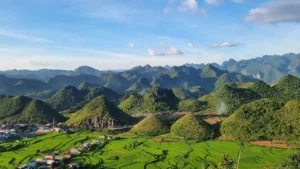
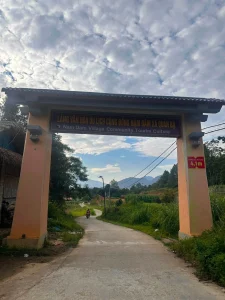



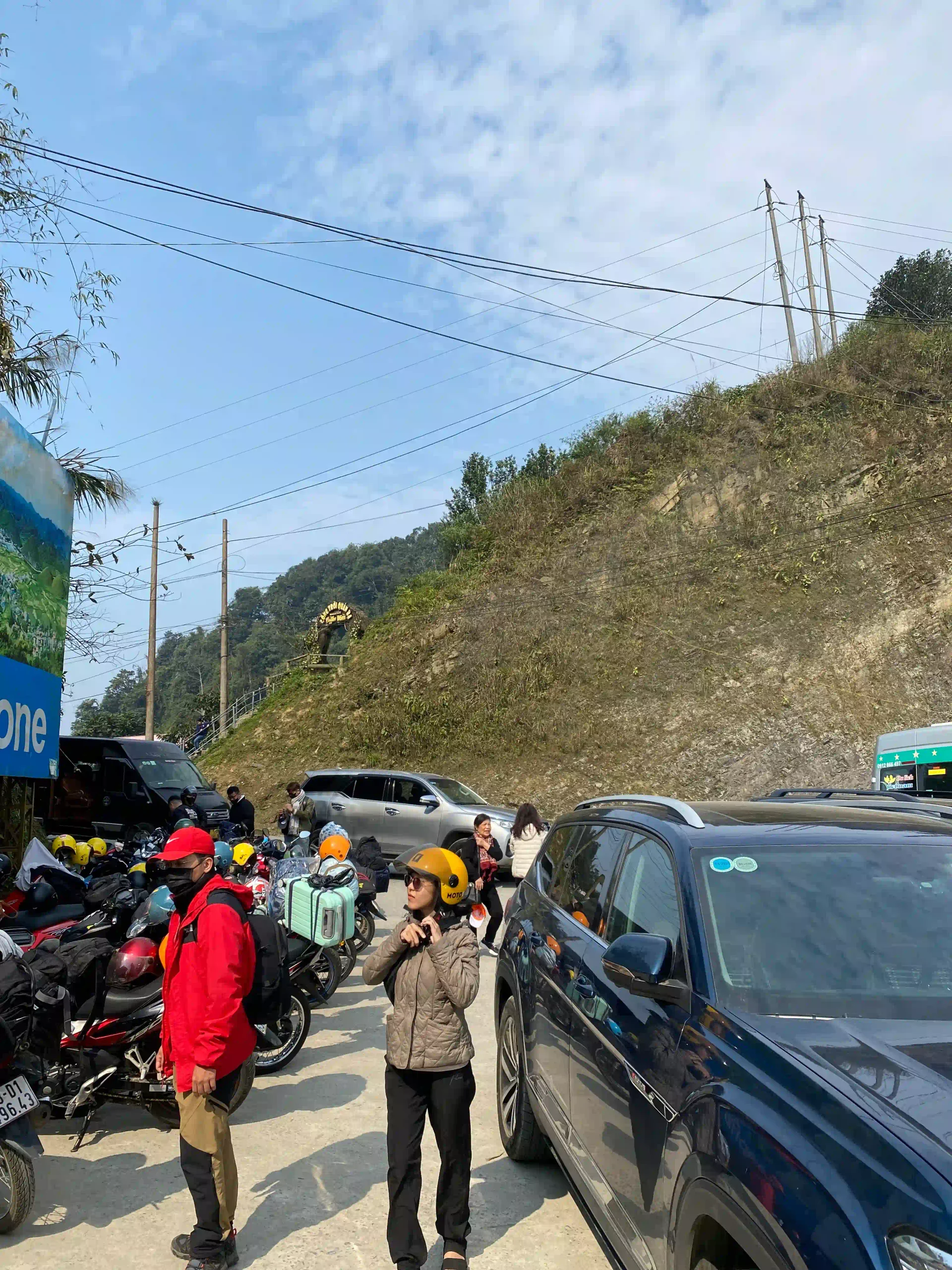
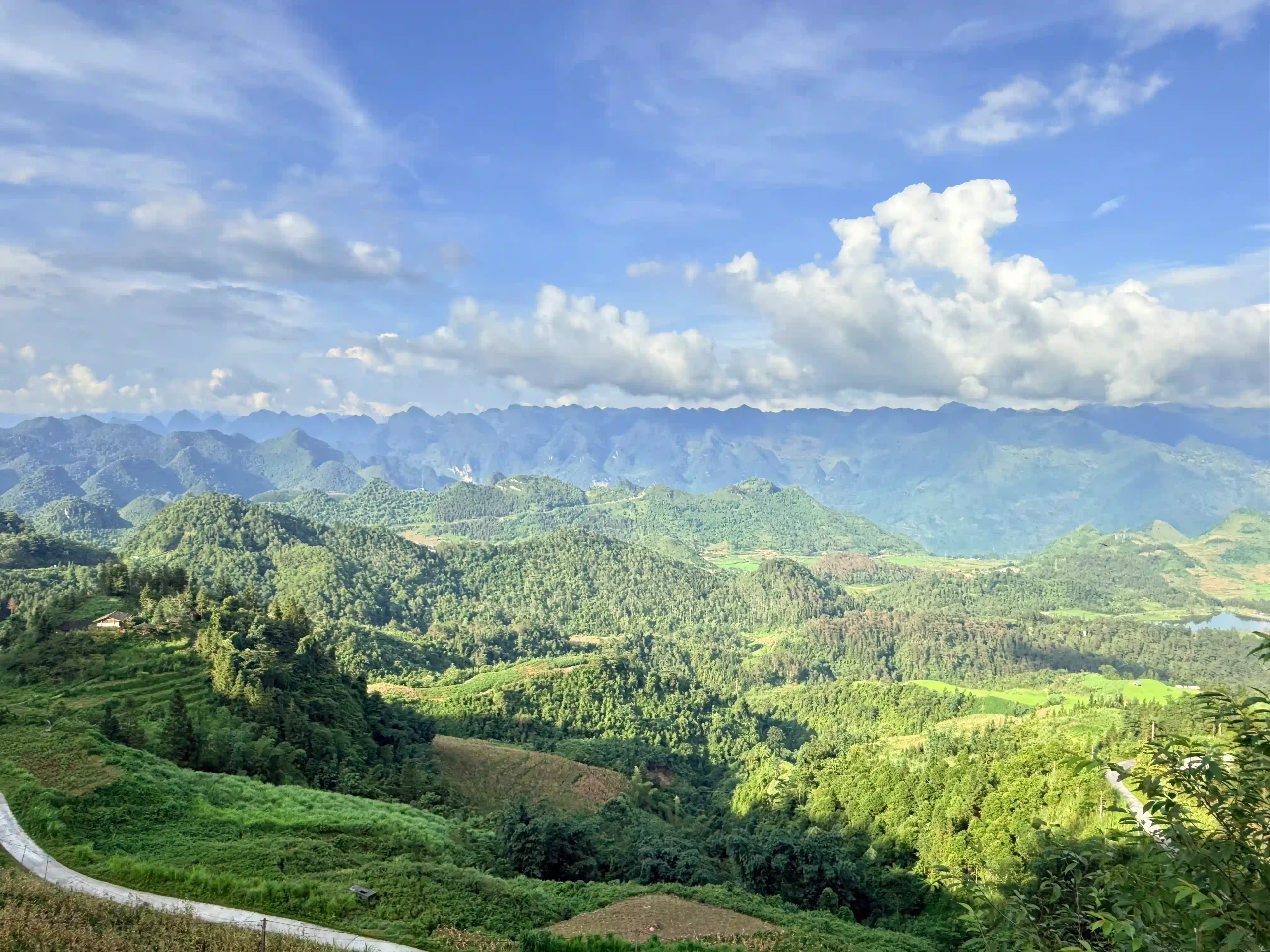
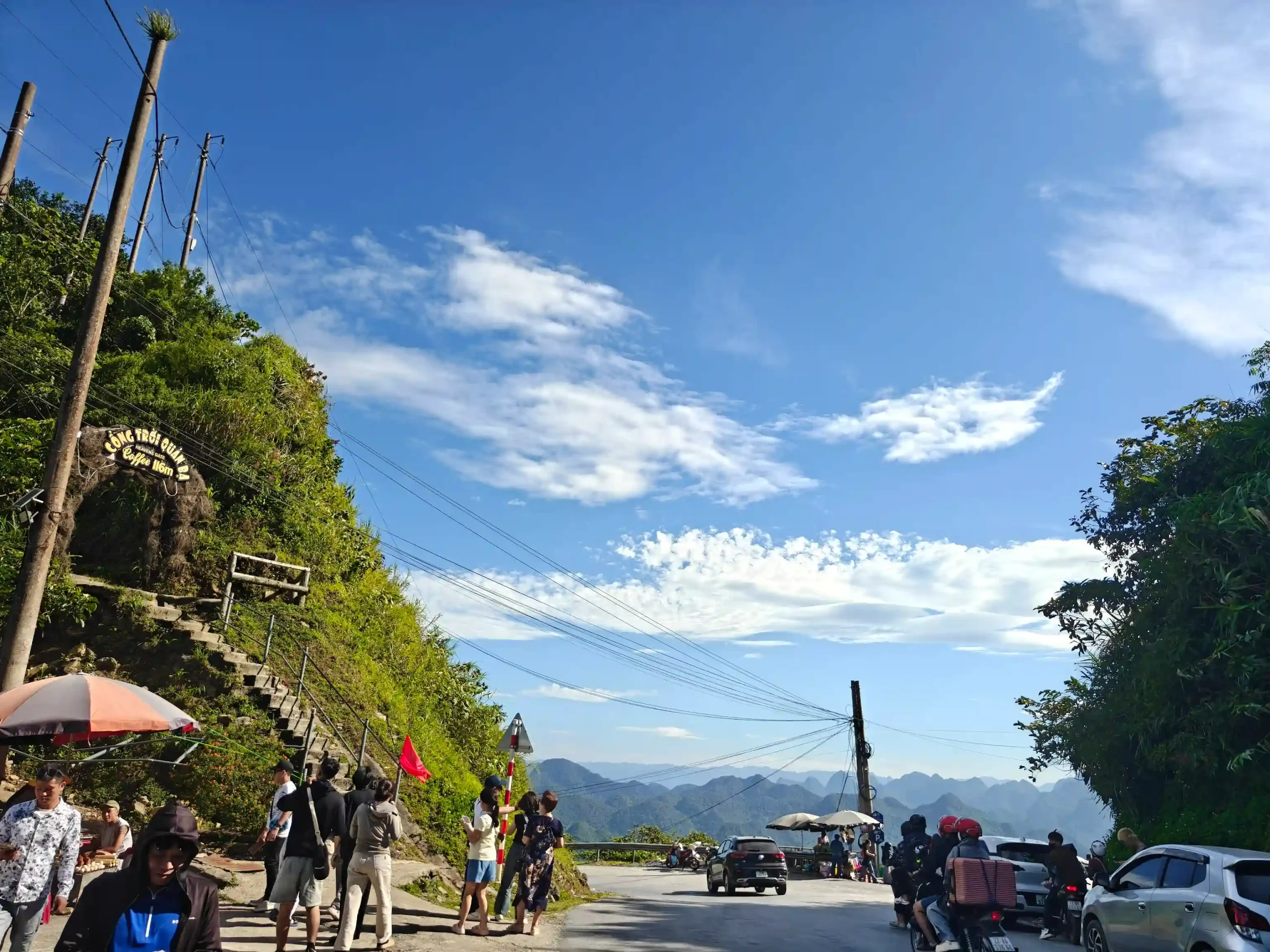
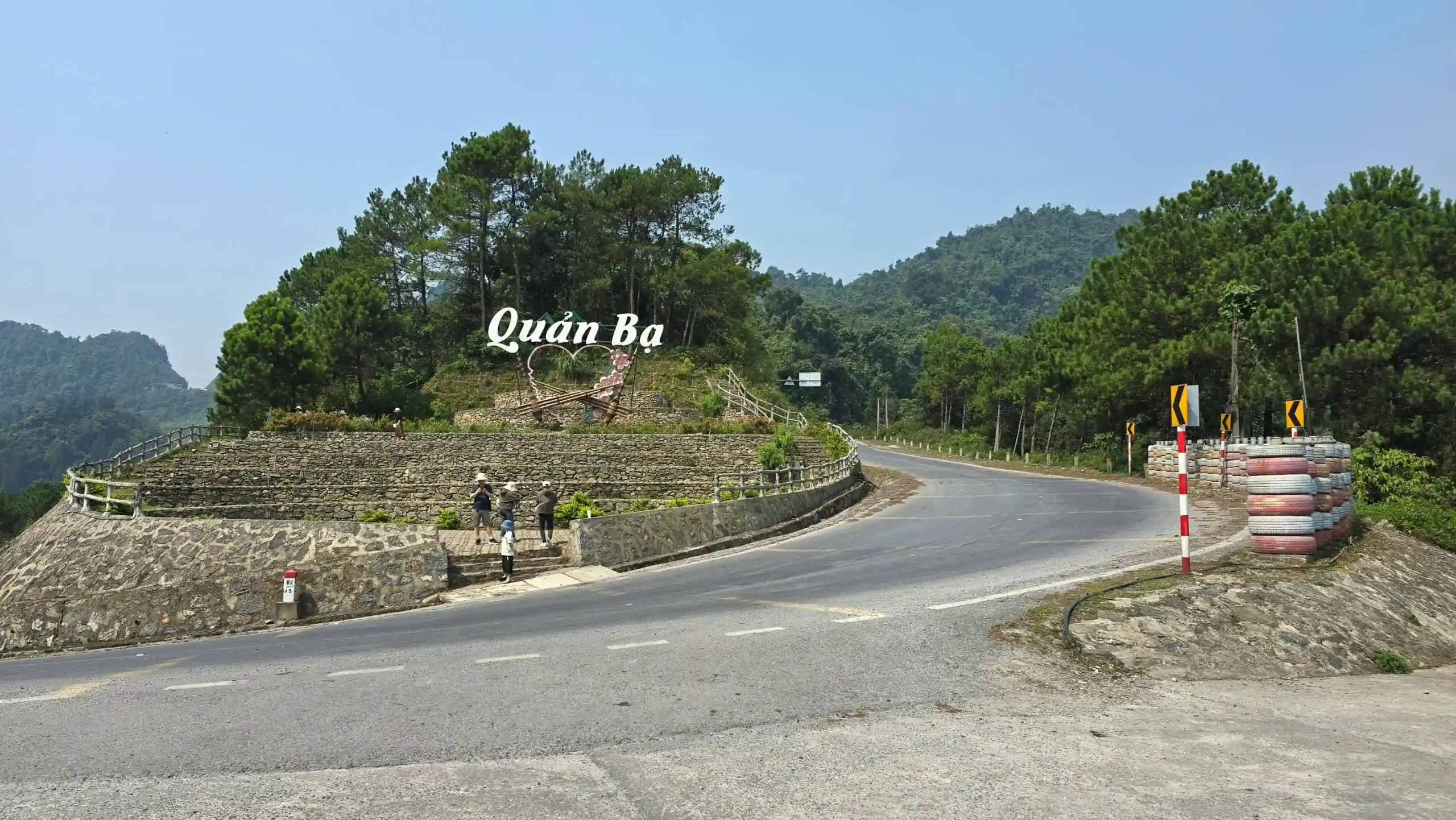
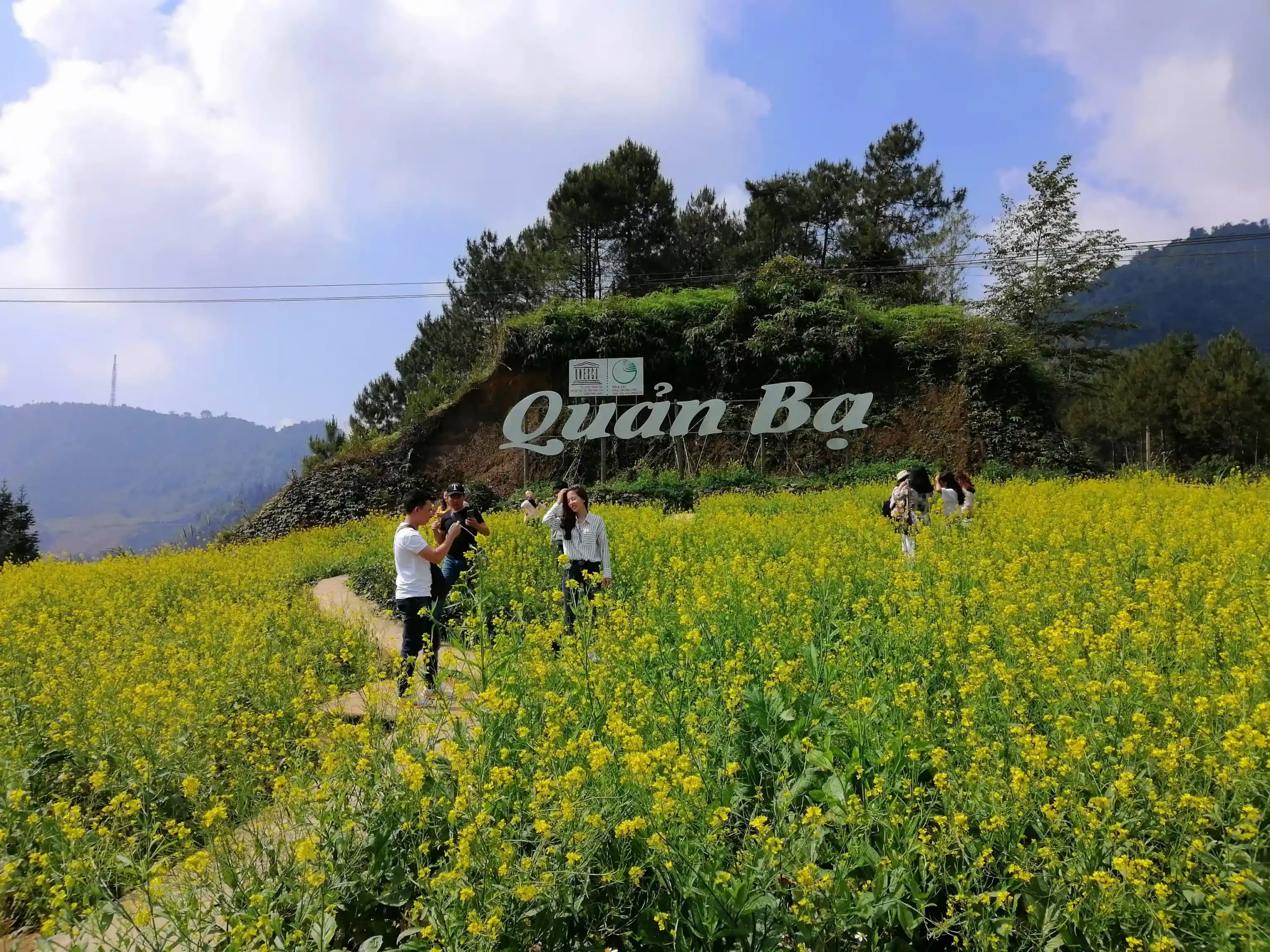
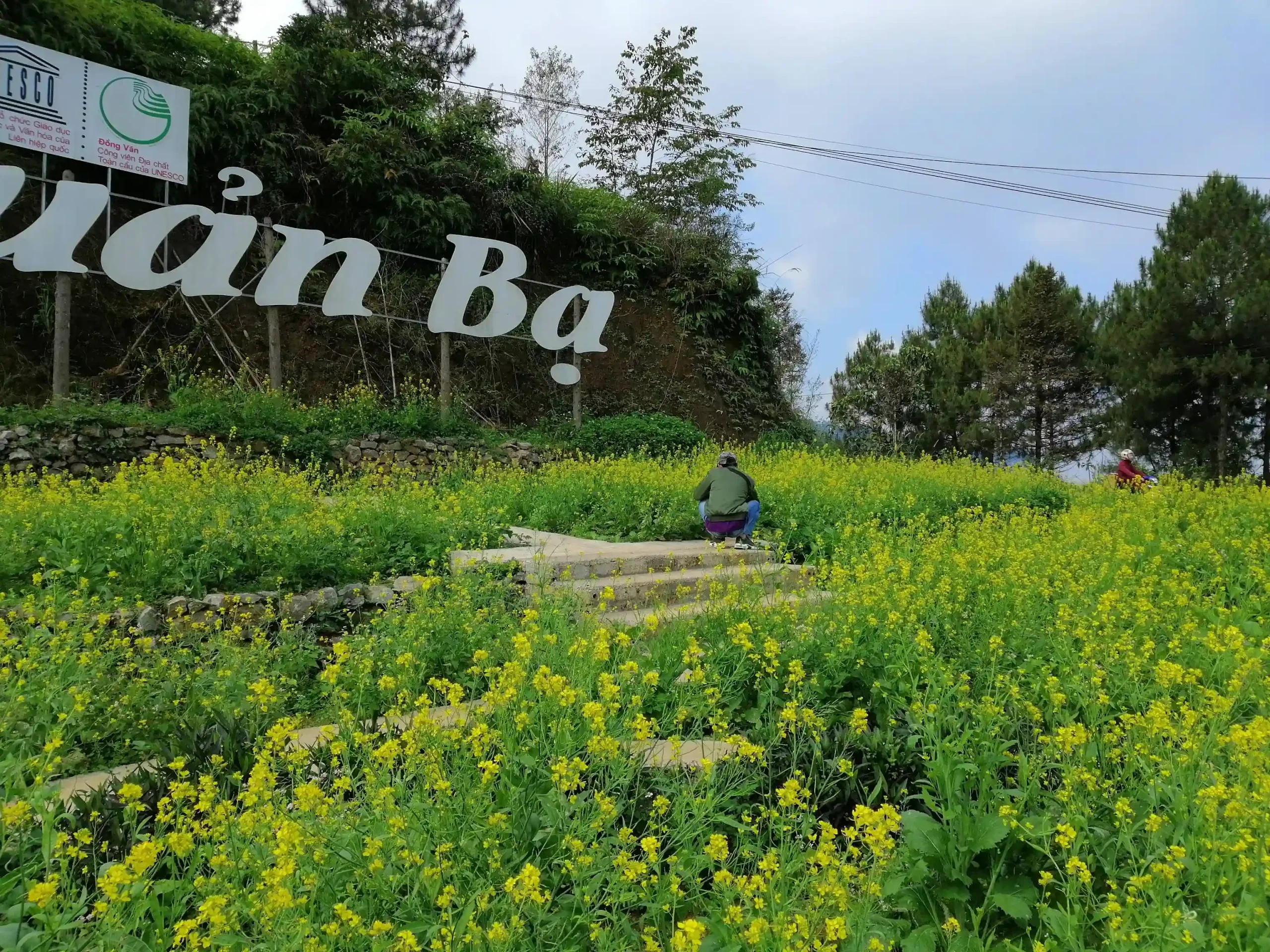
Quan Ba Heaven Gate is a bend in the road at about 1,500 metres, with a parking area, a couple of cafés and a set of stone steps that most people never climb. It’s also the first proper view of the Ha Giang Loop, and the moment the karst starts.
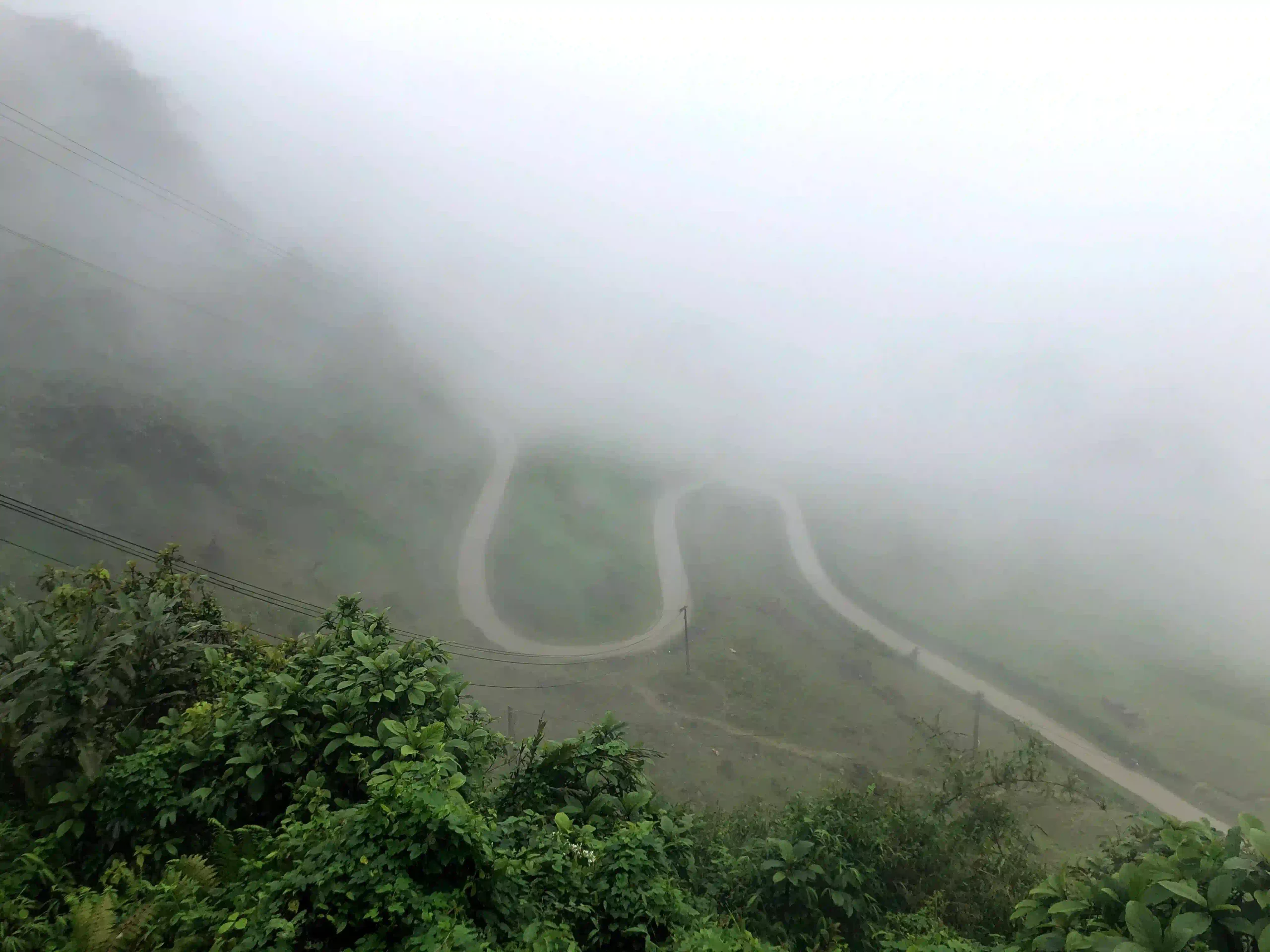
I stop at Quan Ba Heaven Gate on every loop, usually for a coffee on the first morning, and I’ve had it in fog so thick I couldn’t see across the road as well as on days when the whole Tam Son valley was laid out below. So this is the practical version: where it is, how long to give it, the steps worth climbing, the Twin Mountains a few kilometres on, and the three detours nearby that tours mostly ride past.
- Quick Answer: Quan Ba Heaven Gate, Cổng Trời Quản Bạ in Vietnamese, is a free roadside viewpoint at the top of the Quan Ba Pass on QL4C, about 43 to 46km north of Ha Giang city and around 1,500 metres up. It looks down over Tam Son town and the valley towards the Twin Mountains, and it’s the first stop on day one of the Ha Giang Loop. Twenty to thirty minutes is enough, with a coffee at around 25,000 VND and a climb up the stone steps behind the viewpoint for the better view. Mornings from November to February are often foggy, and late mornings are the busiest.
- Quan Ba Heaven Gate basics:
- About 1,500 metres up, on QL4C, 1 hour 20 minutes to 1.5 hours from Ha Giang city.
- Free and open all day. The cafés are open about 7:30am to 5pm.
- The start of the Dong Van Karst Plateau Geopark and the Happiness Road.
- Near it:
- Quan Ba Twin Mountains: about 4.5km further on, free, with a short climb to the ridge viewpoint.
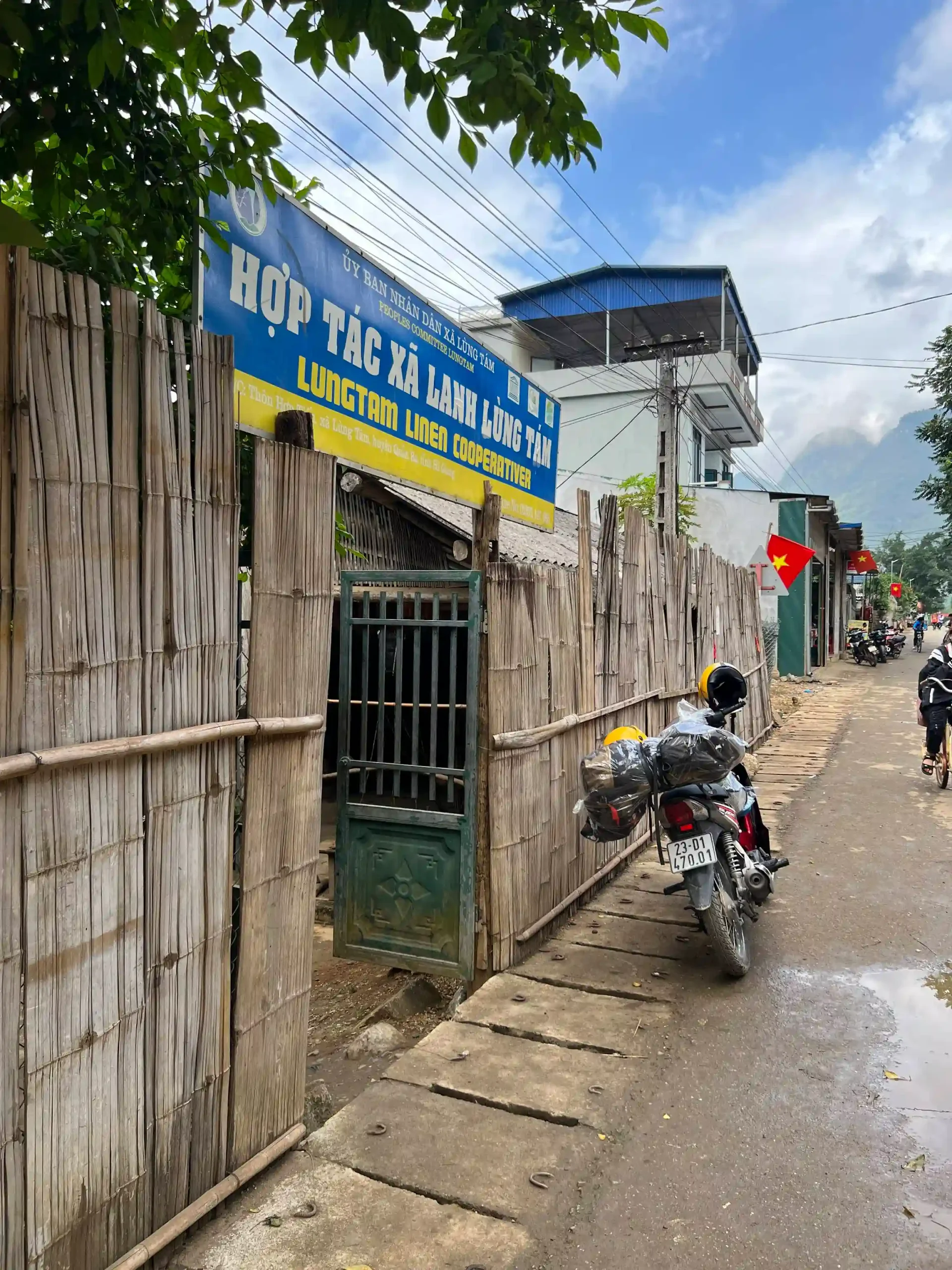
- Lùng Tám linen cooperative: hemp weaving, 7am to 5pm, about half an hour.
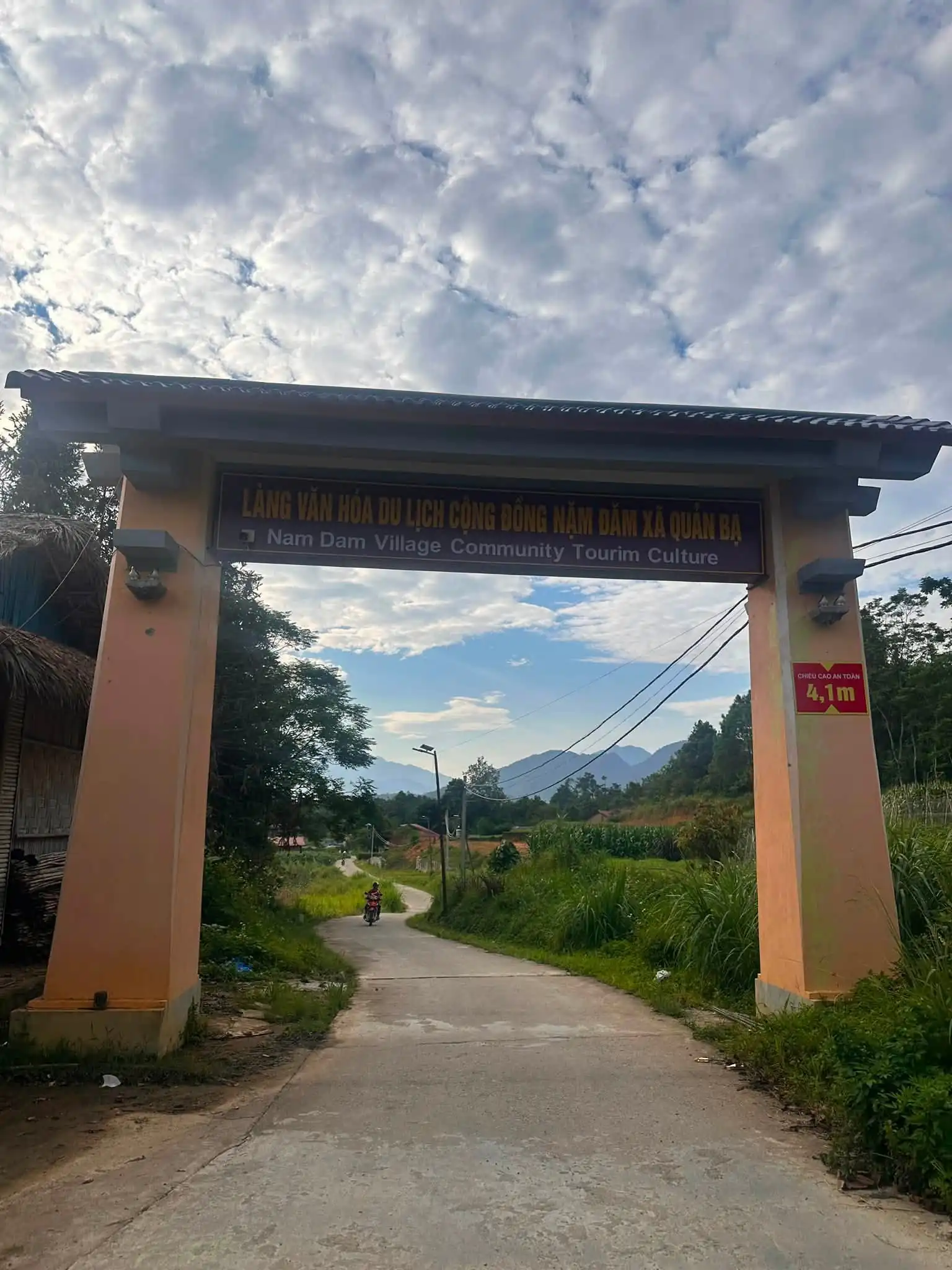
- Nặm Đăm: a Dao village of rammed-earth houses by a small lake.
- Lùng Khúy cave: a 30 to 45-minute walk up from the parking, a headlamp and a small fee.
- Tips: climb the steps, go late morning in winter to miss the fog, expect gravel and roadworks near the pass, and on October and November weekends expect traffic.
What Quan Ba Heaven Gate Is, and Where
Quan Ba Heaven Gate sits at the top of the Quan Ba Pass on QL4C, about 43 to 46km north of Ha Giang city, and it’s about an hour and a half on a bike with the climb up Bac Sum pass on the way. The viewpoint is about 1,500 metres up.
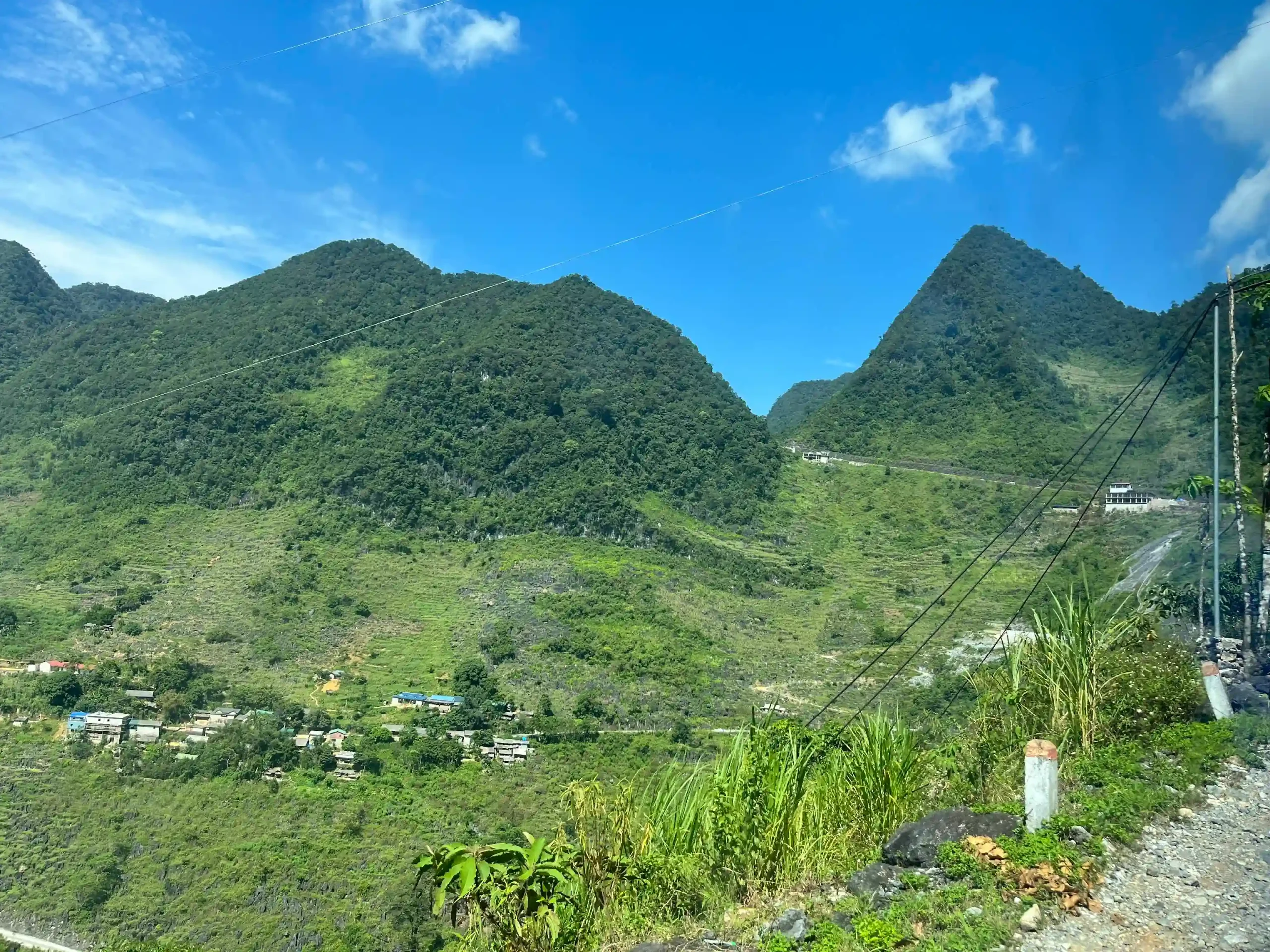
There isn’t a gate. The name comes from the way the road squeezes between two peaks at the top of the climb and then opens out over the valley, as if you’d come through a door into the mountains. It’s also the point where the loop officially enters the Dong Van Karst Plateau Geopark and the old Happiness Road begins.
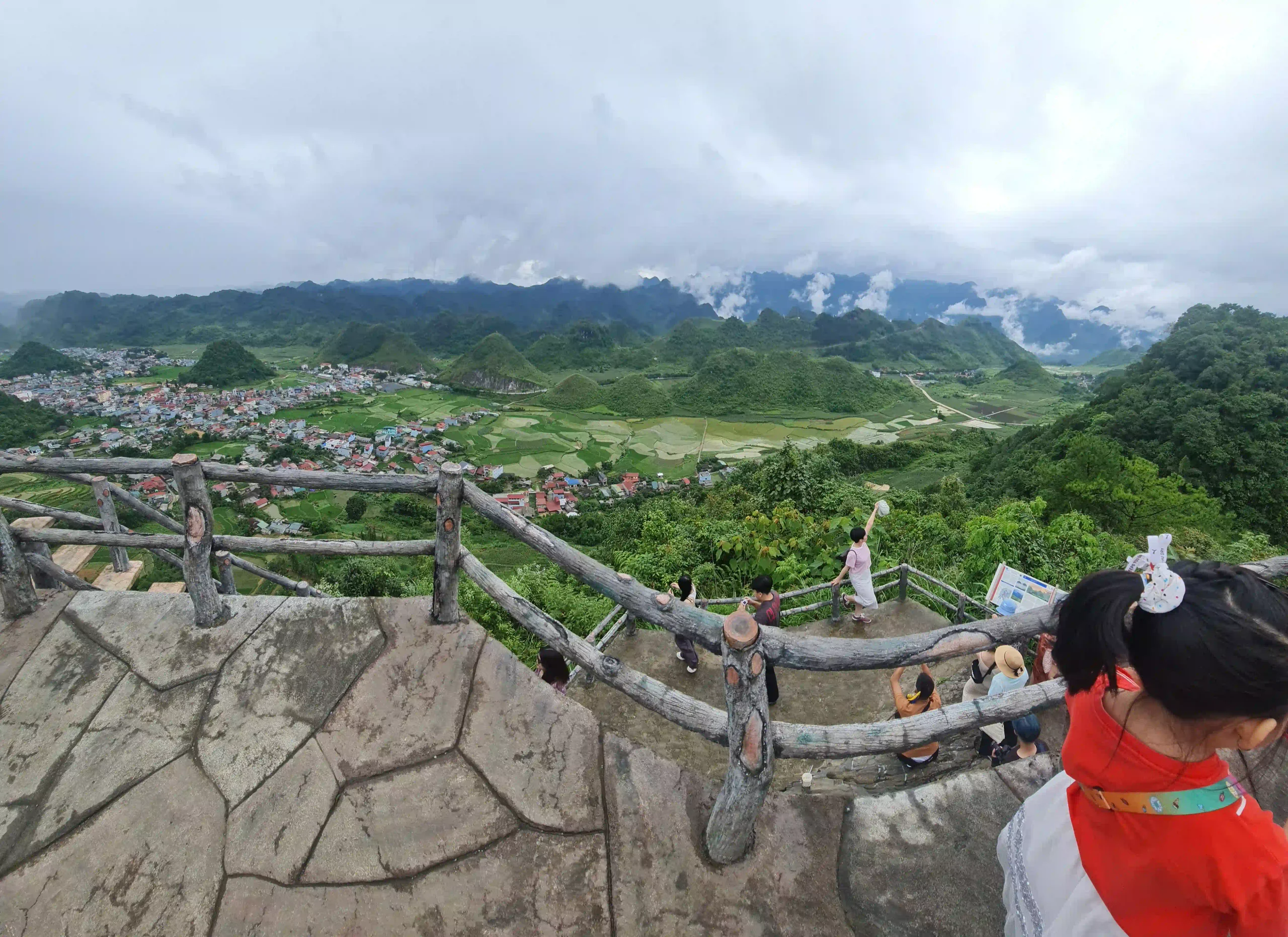
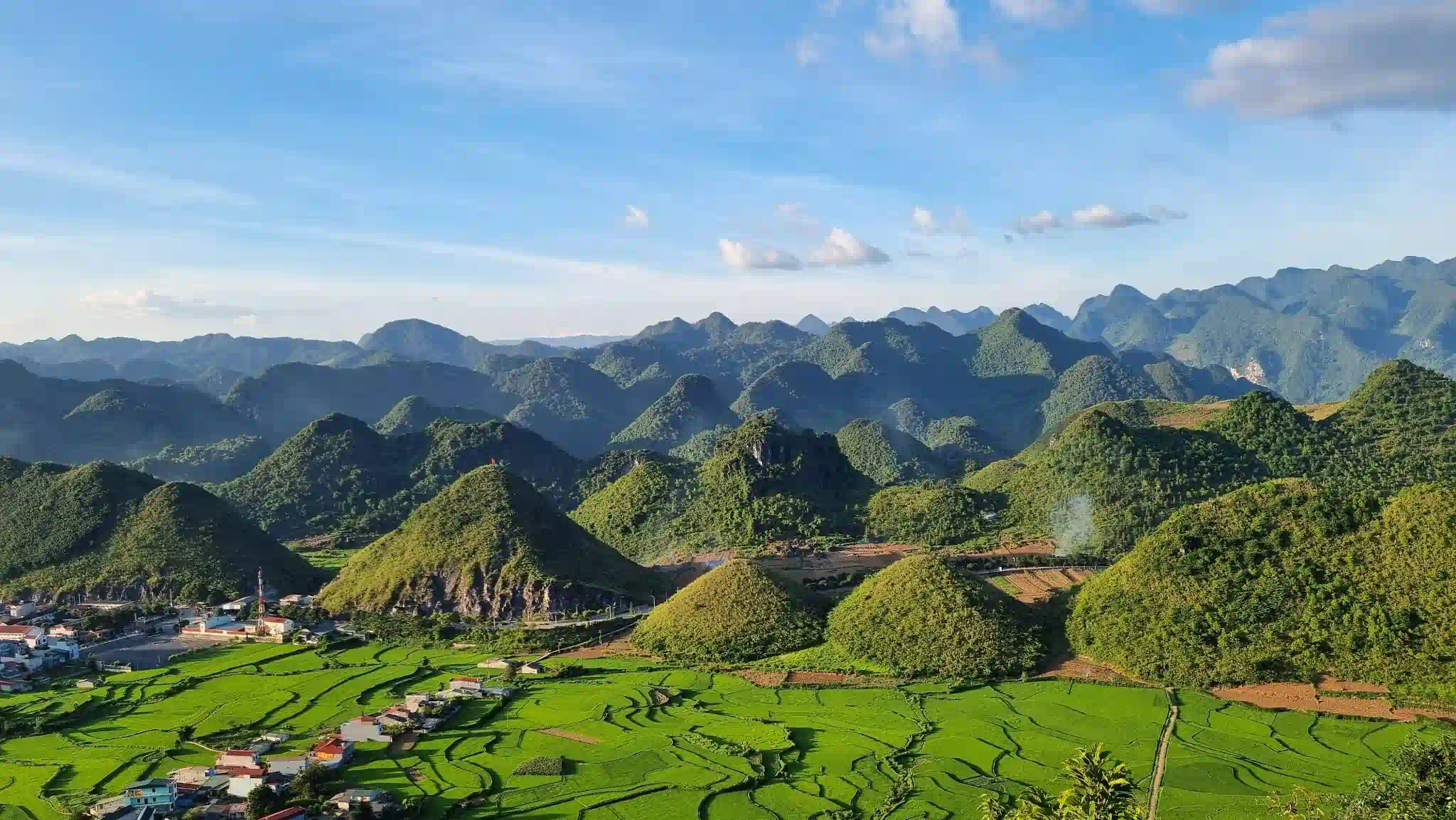
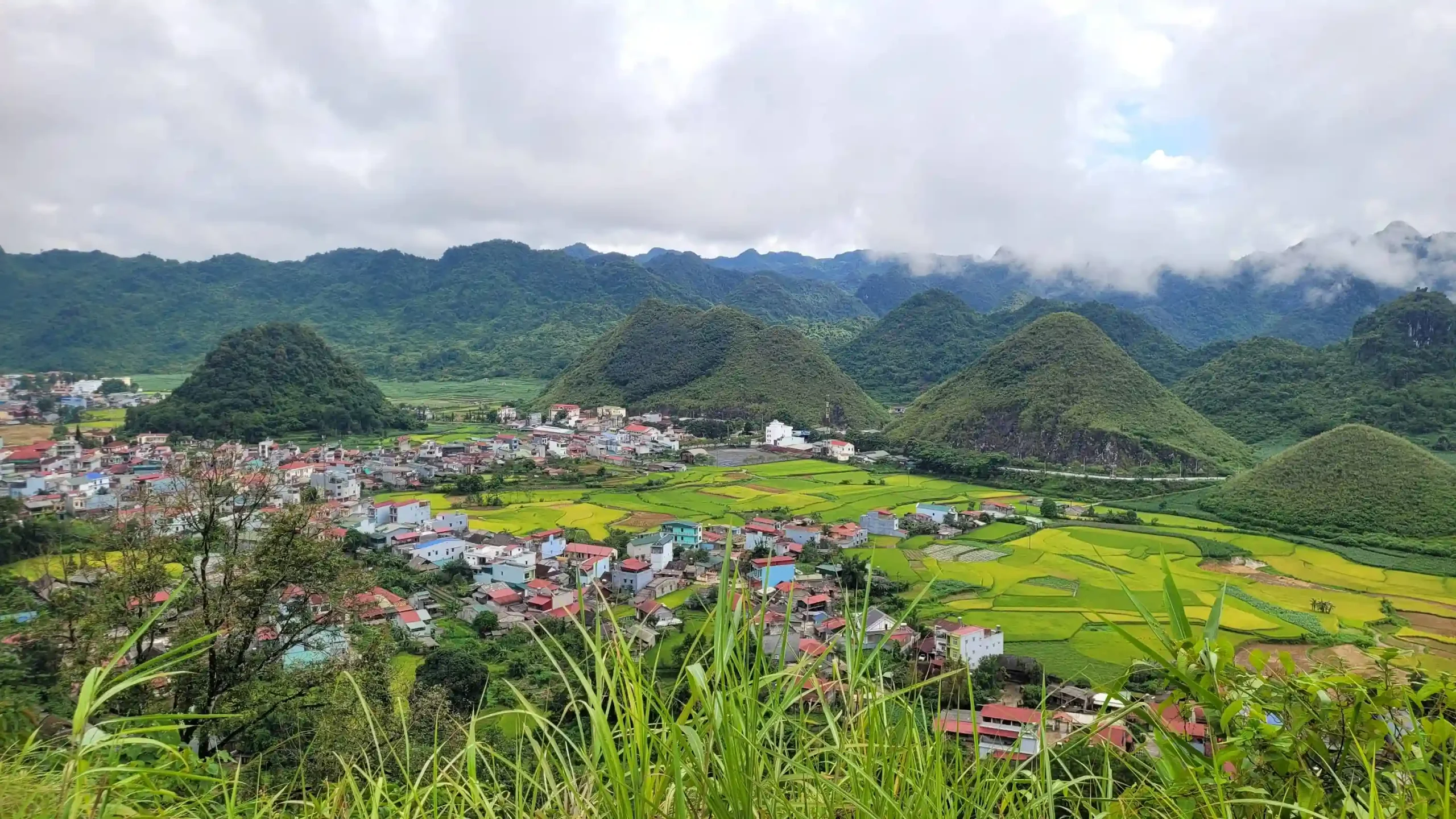
What you see from the viewpoint is the Tam Son valley, with the town of Quan Ba spread across the floor of it, fields in every direction and the two rounded Twin Mountains off in the distance.
There’s no ticket, it’s open all day, and there are cafés on both sides of the road. Most people give it twenty minutes and a coffee and ride on towards Yen Minh, and on day one of the loop that’s about right. How day one fits together is in the Ha Giang Loop 3-day itinerary.
Tips from My Trip to Quan Ba Heaven Gate
The steps behind the viewpoint
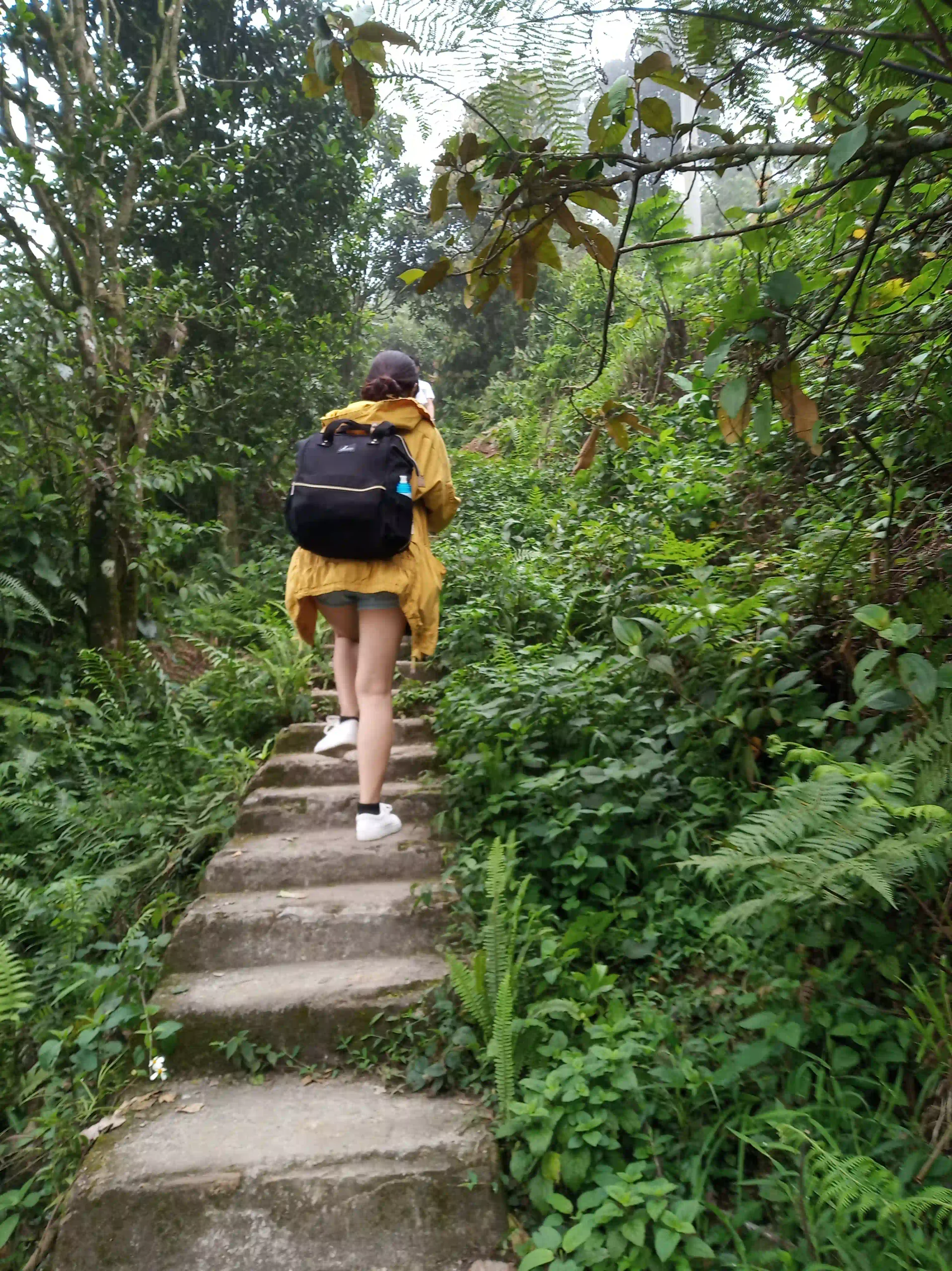
Behind the viewpoint there’s a steep set of stone steps up to a higher lookout, and it’s where the best version of the view is, with the switchbacks you’ve just ridden below you and the valley in front. It takes five minutes and very few people bother. I climb them every time.
Late morning beats early in winter
From November to February the valley often fills with cloud first thing, and I’ve stood at the rail in the morning seeing nothing at all. Leaving Ha Giang city at eight gets you here in the thick of it. Around ten or eleven it has usually lifted. In autumn the early light is lovely and it’s clear.
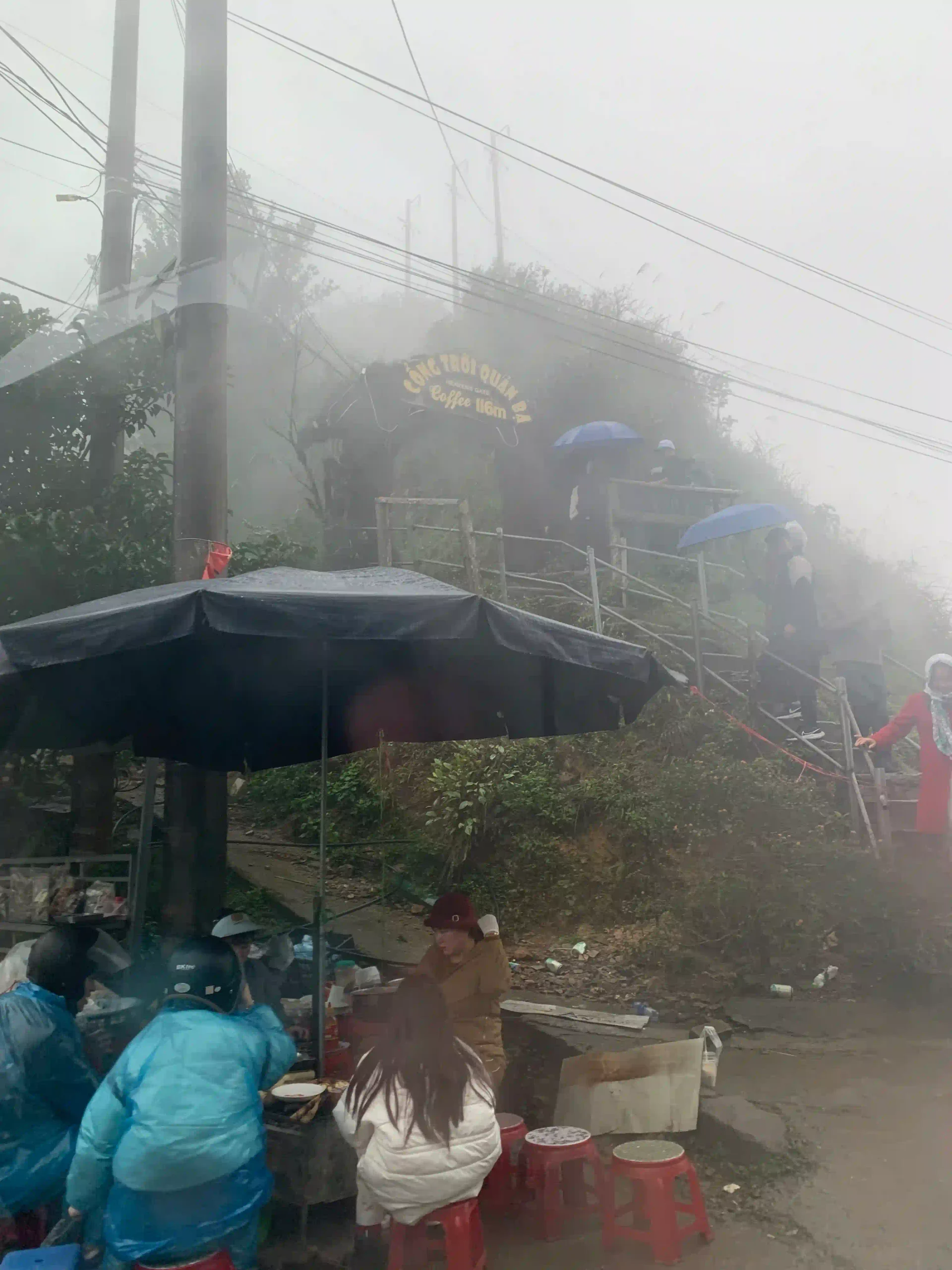
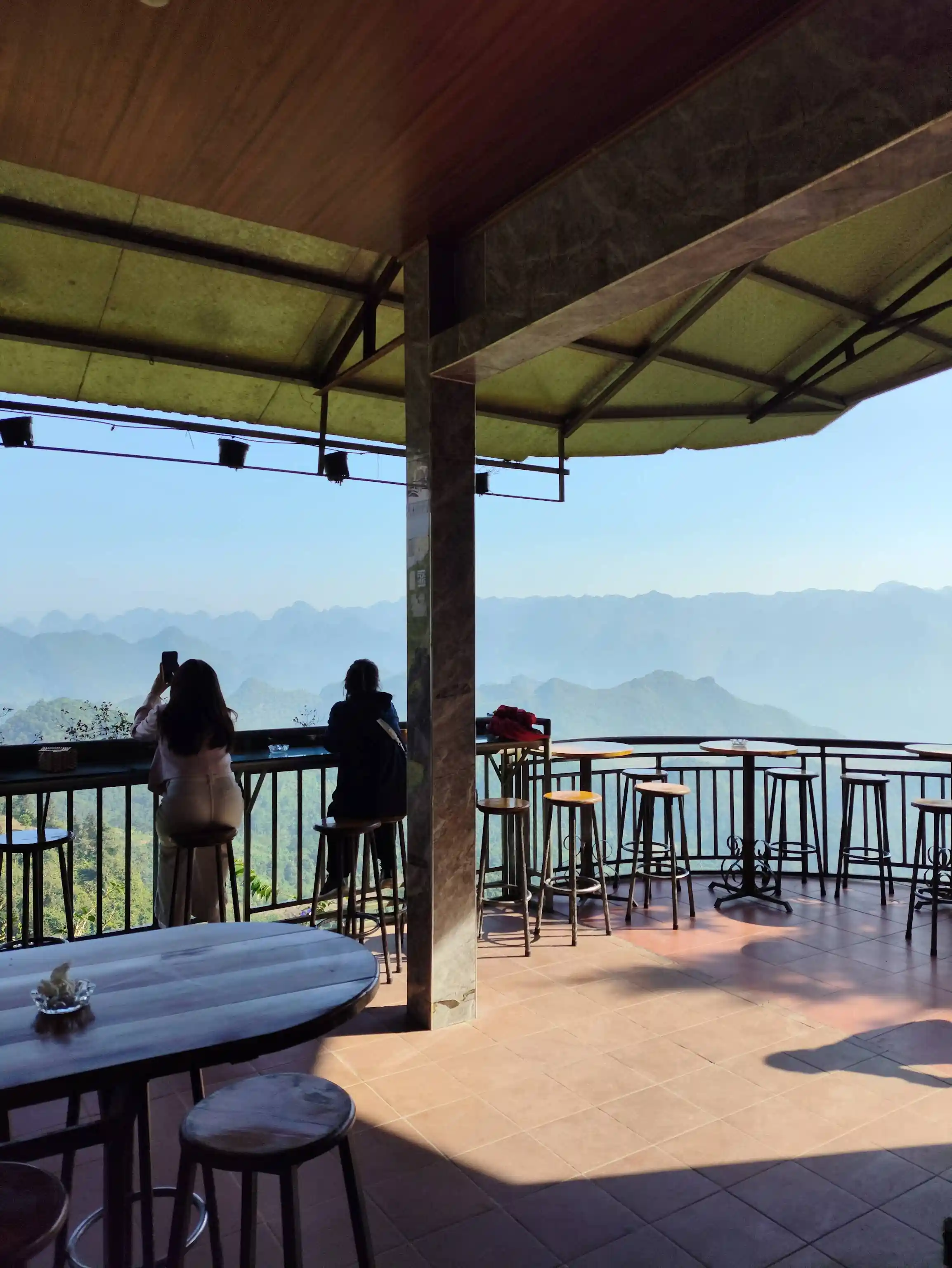
Cafe Cổng Trời
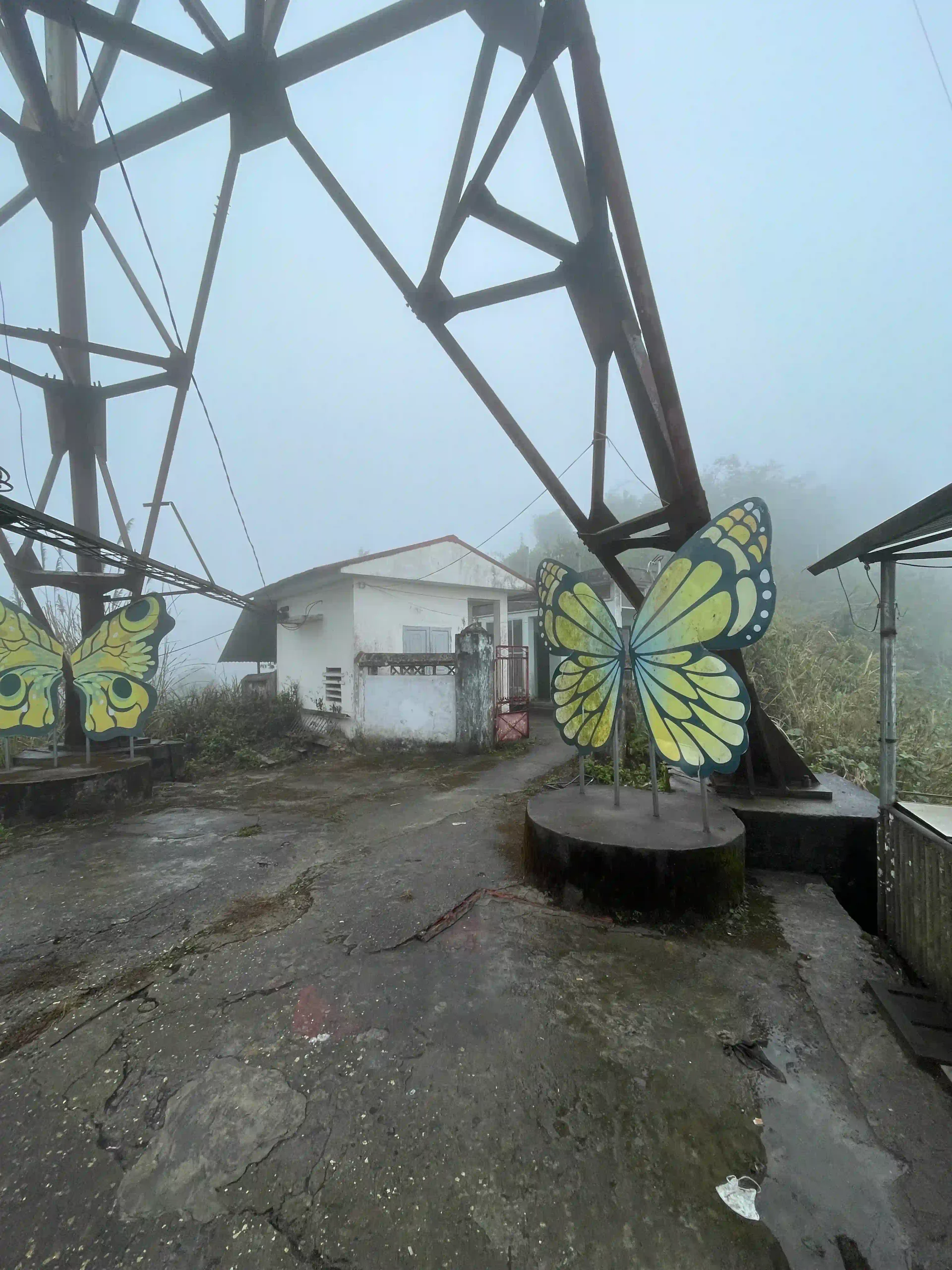
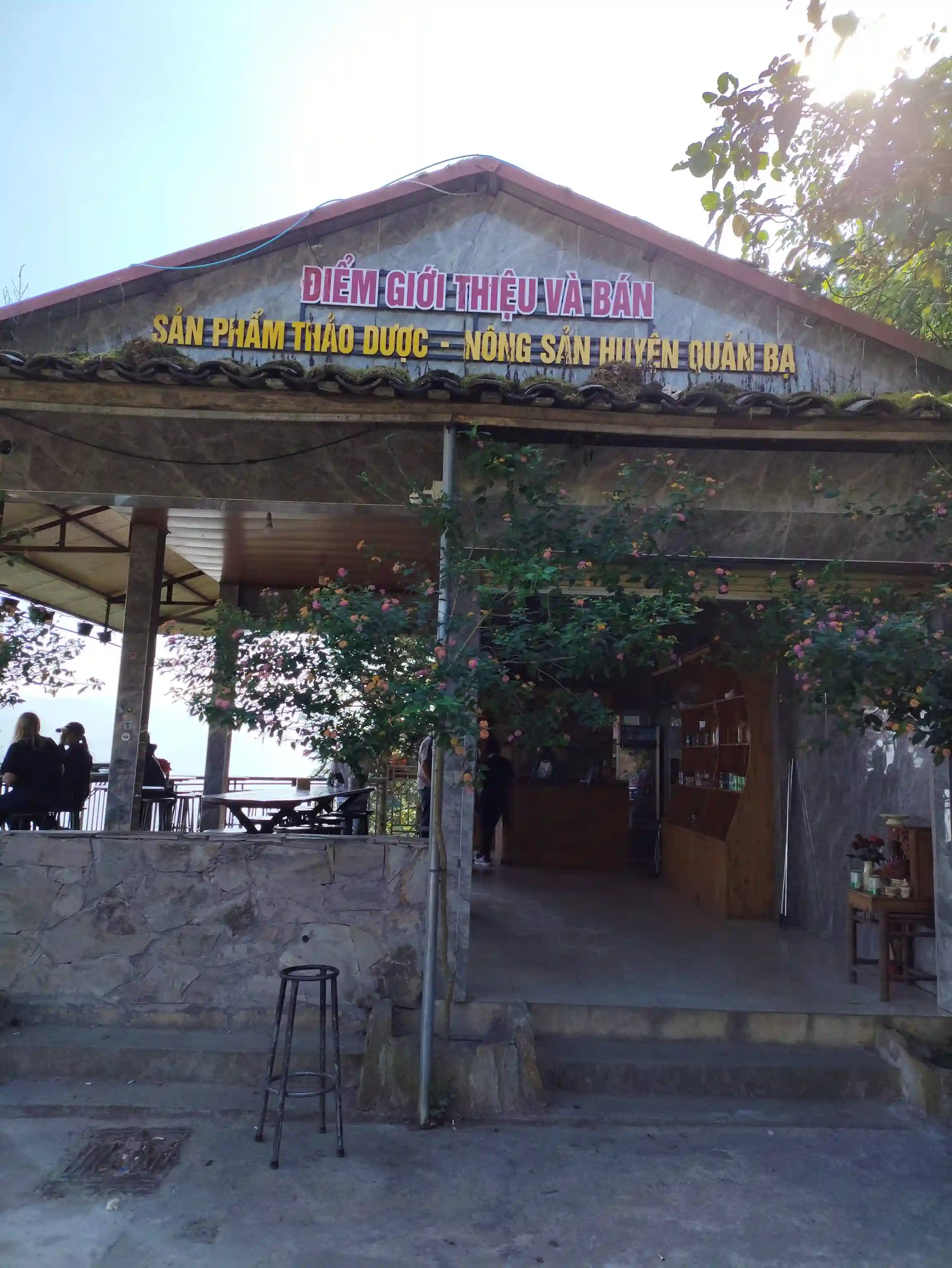
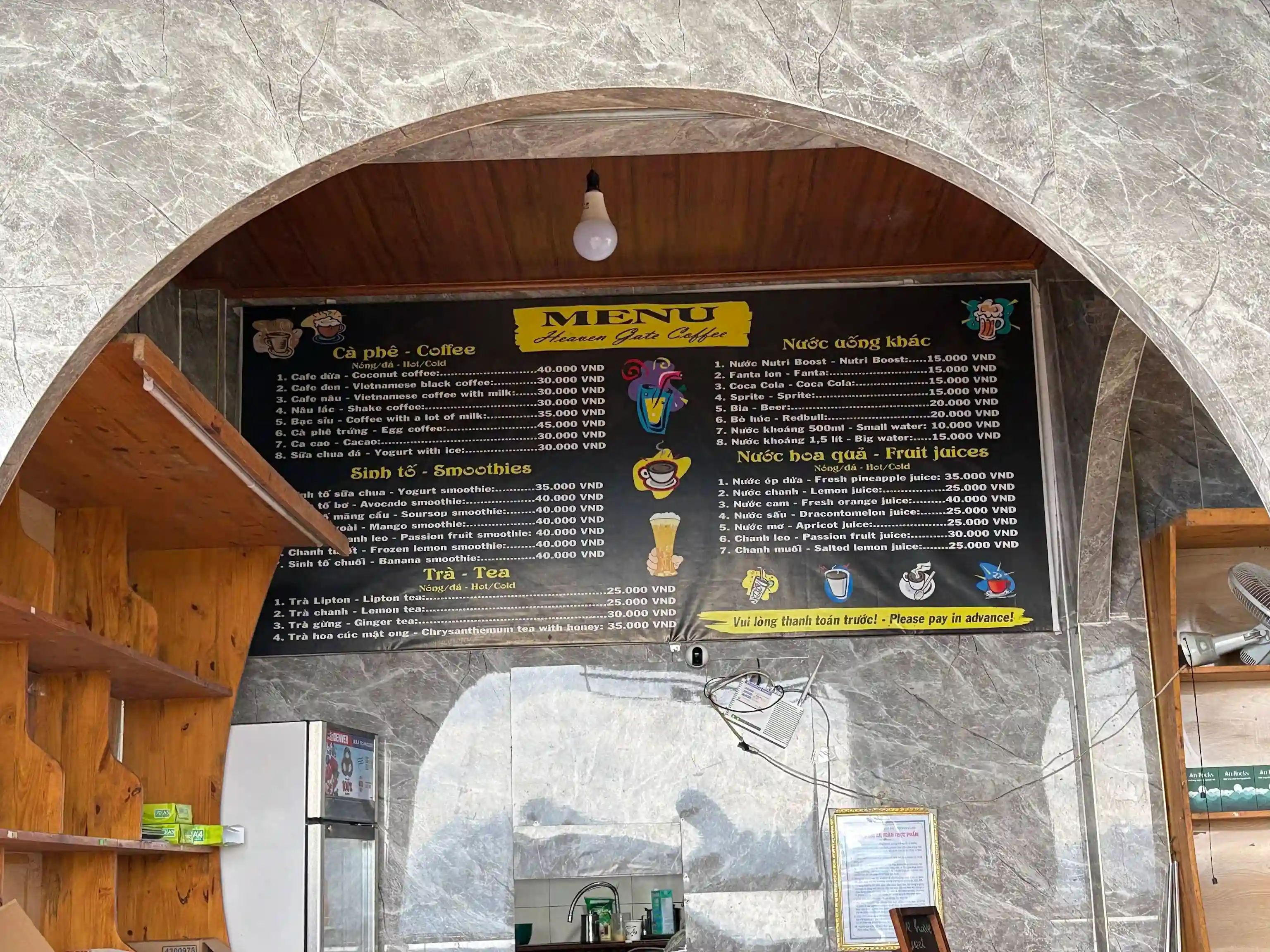
Coffee is 25,000 VND, on the viewpoint side (7:30am to 5pm) does a decent coffee and a hot chocolate at 30,000, and it has a toilet, which after an hour and a half on the bike matters. The smoothies are hit and miss.
The road itself
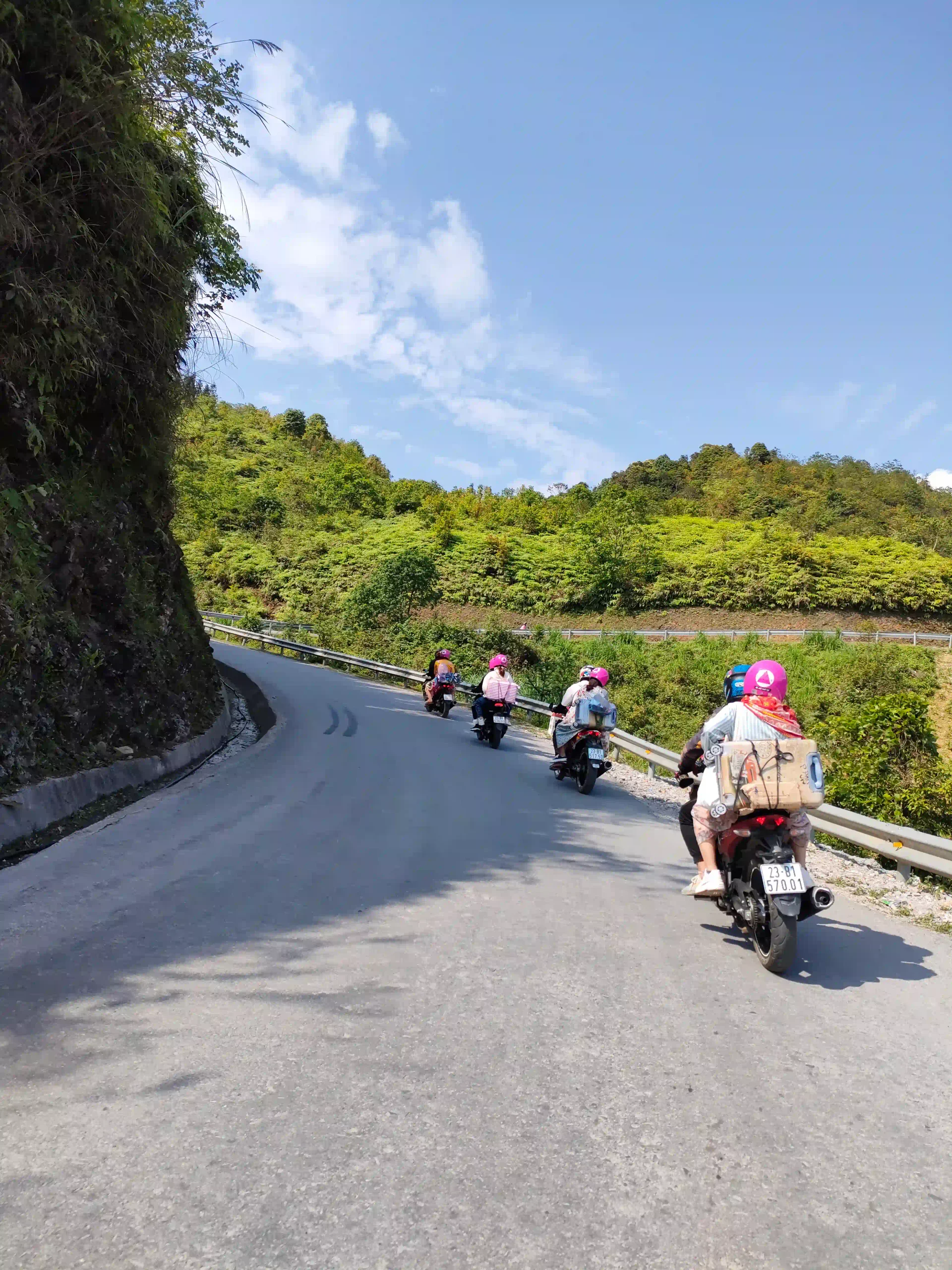
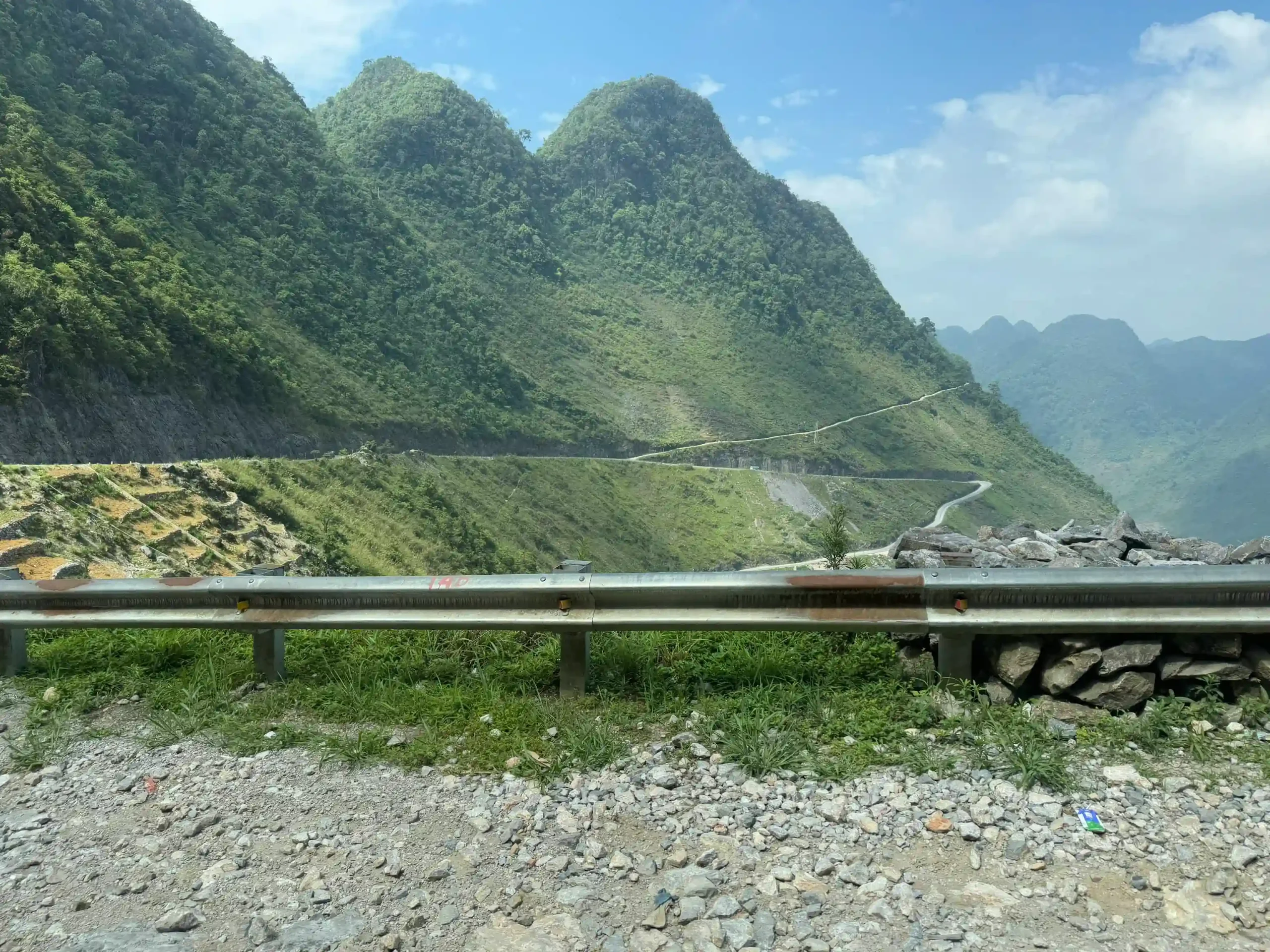
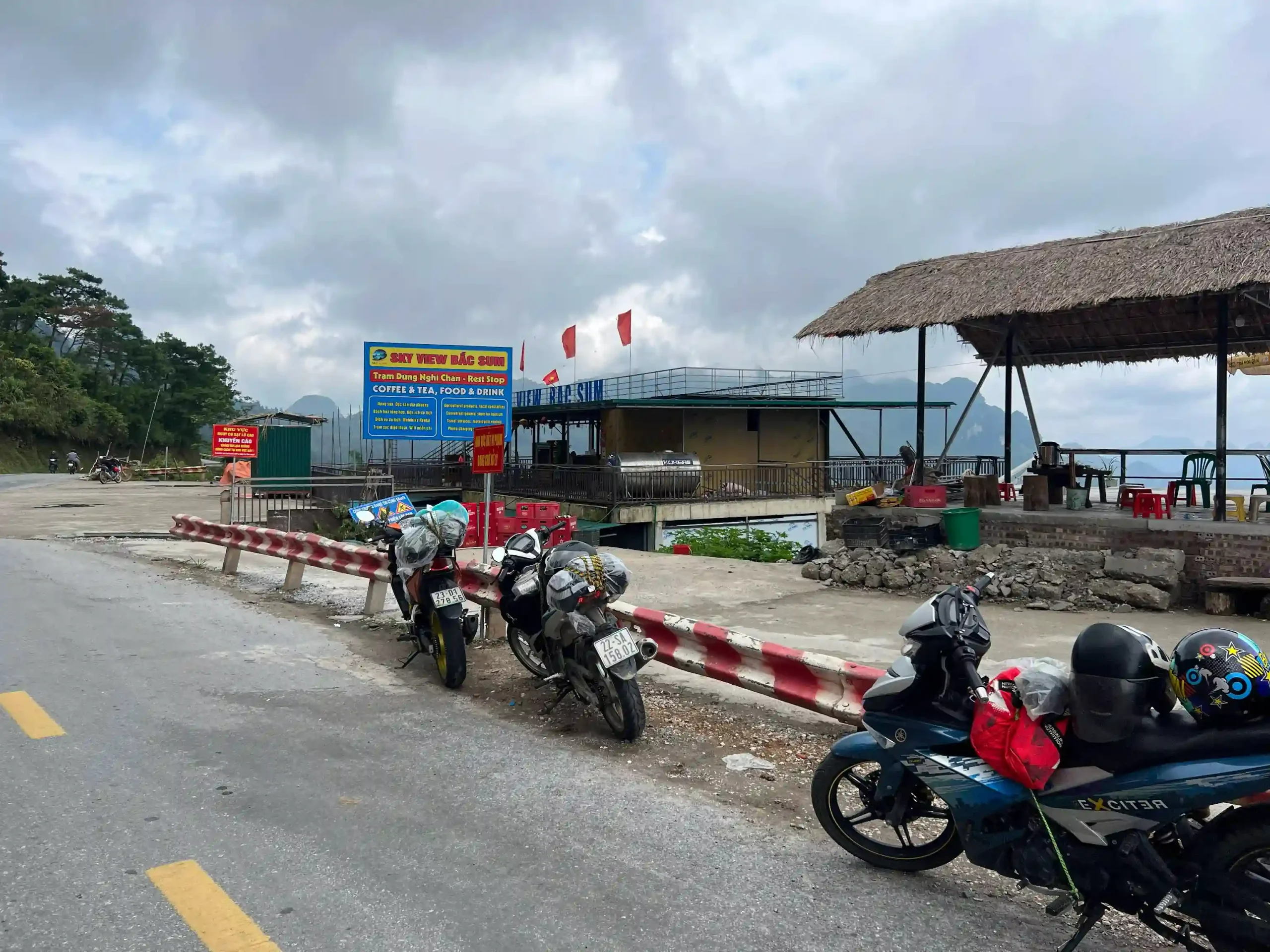
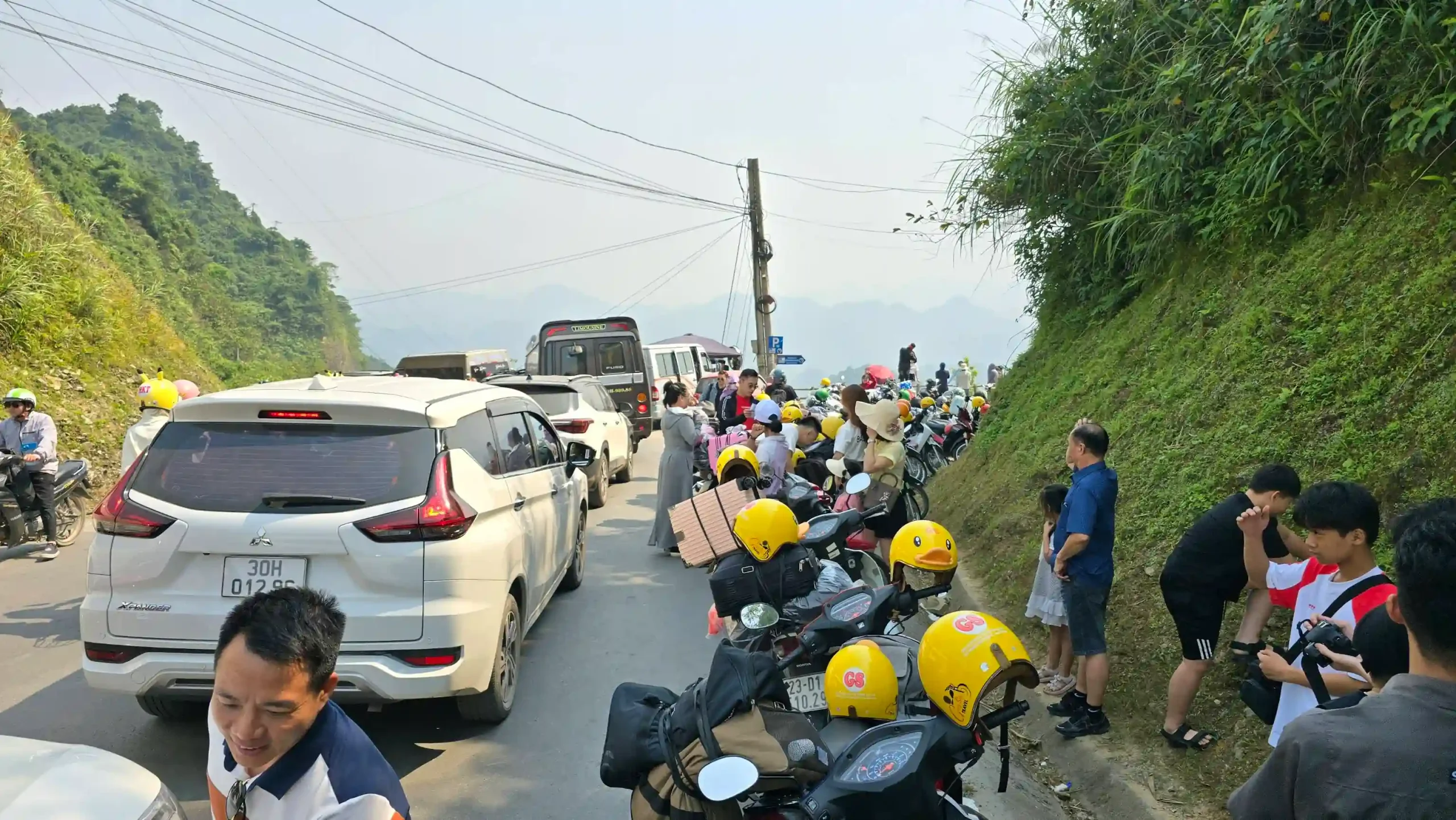
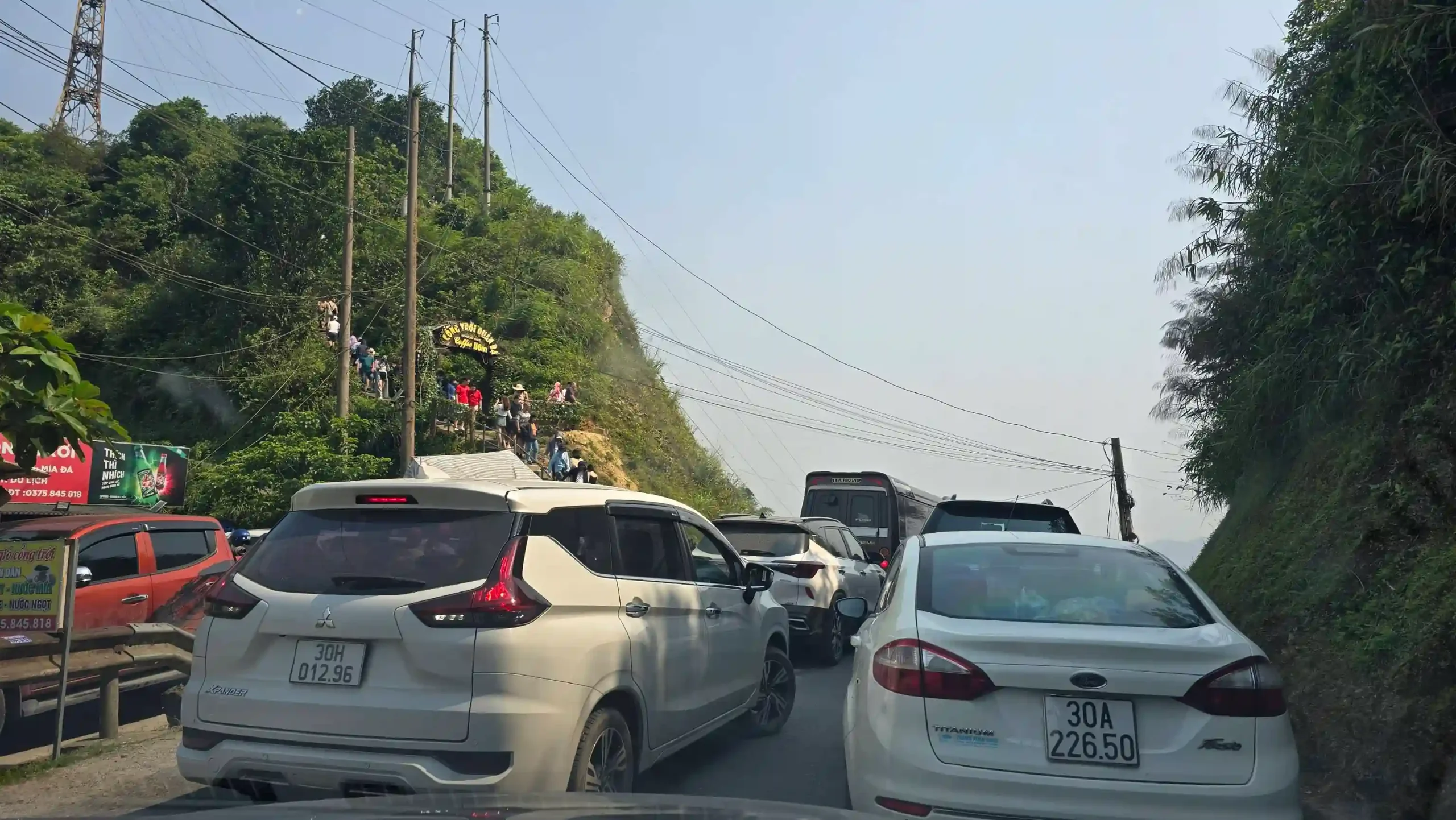
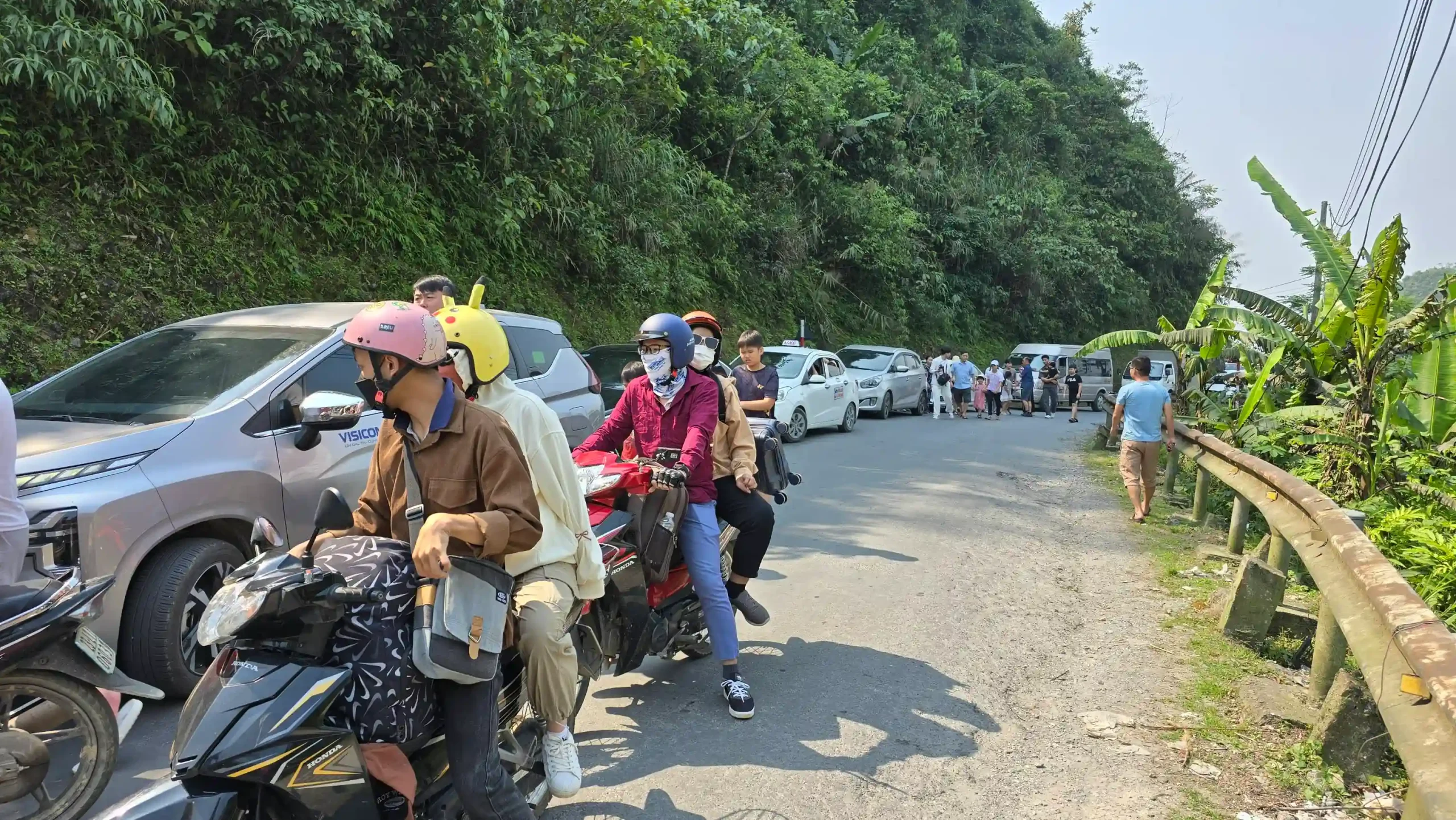
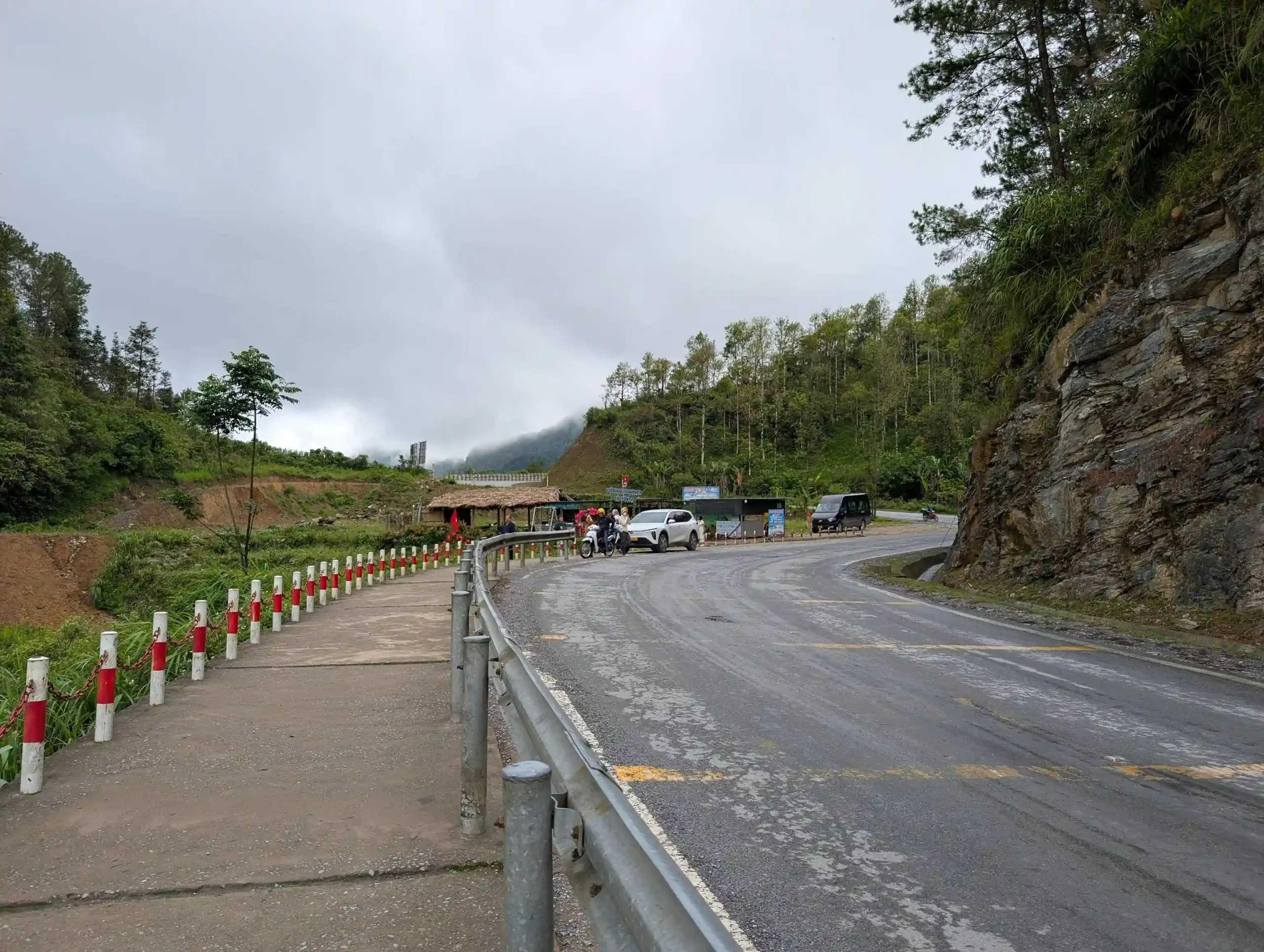
In 2026 the stretch around the pass has had roadworks, with gravel on the surface and narrow sections where buses, trucks, cars and a lot of motorbikes all meet at once. People also stand in the road for photos. I park well off it, walk to the rail, and treat getting back on the road as the most dangerous part of the stop.
Weekends in buckwheat season are slow
Late October and November weekends bring a lot of Vietnamese visitors, and the traffic around Quan Ba Heaven Gate backs up. Last November one group took nearly two hours to cover the 20km from Yen Minh to Quan Ba. A weekday is much easier.
You only pass it once
On a standard anticlockwise loop you pass the Heaven Gate once, on the morning of day one, and you return to Ha Giang city by a different road from Du Gia. If it’s fogged in, it’s worth waiting half an hour over a coffee. Only loops that come back the same way through Yen Minh get a second chance.
On a tour you get about twenty minutes
That’s enough for the steps and the view, and not for the cave or the linen cooperative below. If either of those matters to you, it’s a question for the company before you book, since the stops on day one are usually fixed. Riding yourself, the whole morning is yours, and a slow one here makes the long run to Dong Van feel shorter than it is.
Quan Ba Twin Mountains (Fairy Bosom)
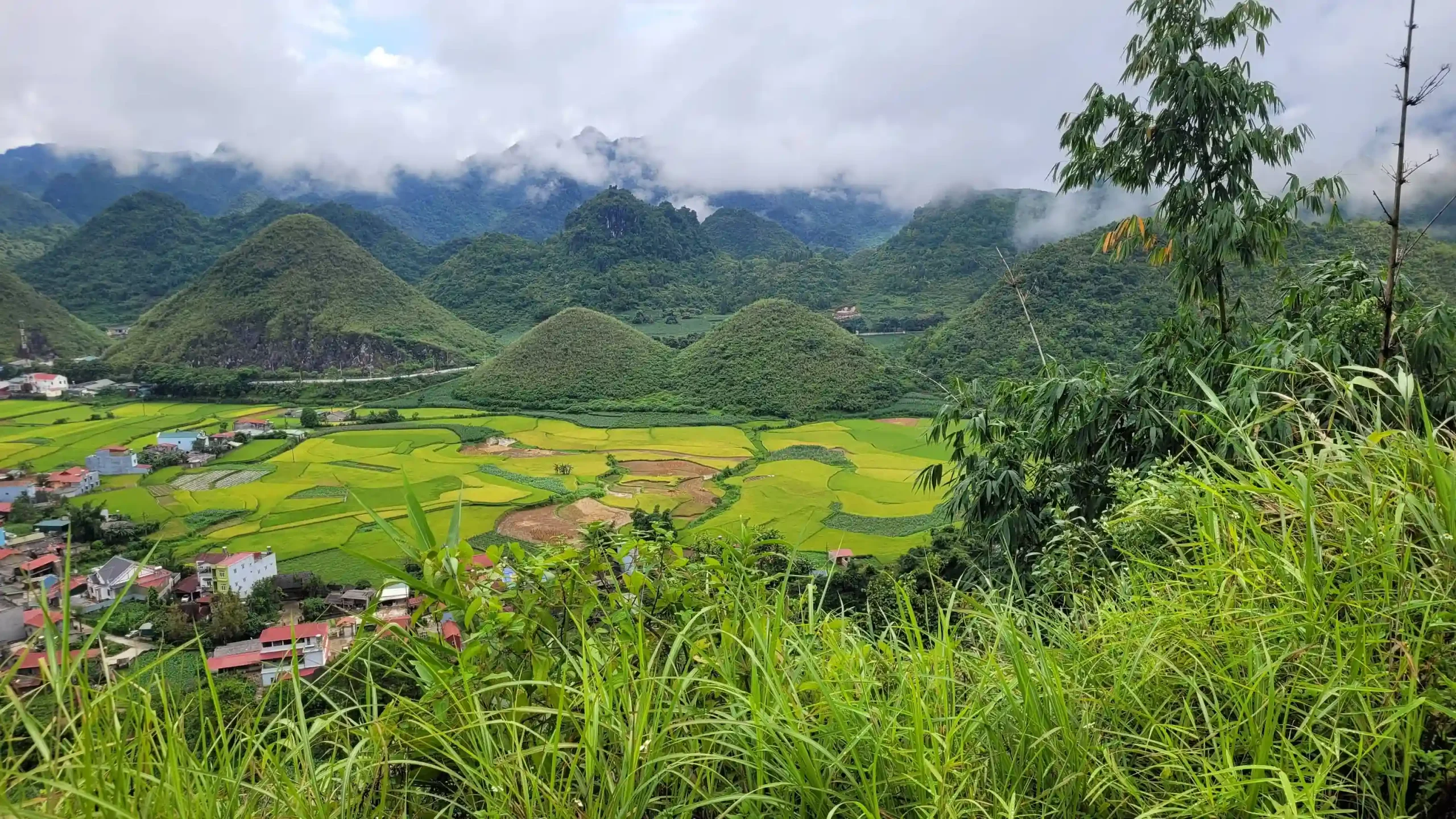
About 4.5km past the Heaven Gate, on the way down into Tam Son, are the Quan Ba Twin Mountains, Núi Đôi Cô Tiên, two rounded hills rising side by side out of the fields. Seen from the Heaven Gate they’re a detail in the distance; up close they’re the thing people photograph.
The legend is that a Hmong boy’s flute playing drew a fairy called Hoa Đào down from heaven. They married and had a son, and when the Jade Emperor ordered her back to heaven, she left her breasts behind so the child could still be fed, and those became the two hills. Her tears are supposed to be the Miện River running through the valley. Locals say the mother’s milk is why the valley is so green.
The Twin Mountains viewpoint is a short climb up to the ridge above the road, listed as open 7am to 5pm and free. There’s also a clear roadside view from the lay-by if you’d rather not walk, and on a first-morning schedule that’s usually what I do. Half an hour covers it, and in low cloud it’s less of a view than the Heaven Gate, since the hills are down in the valley.
Worth a Detour Near Quan Ba
Lùng Tám linen cooperative
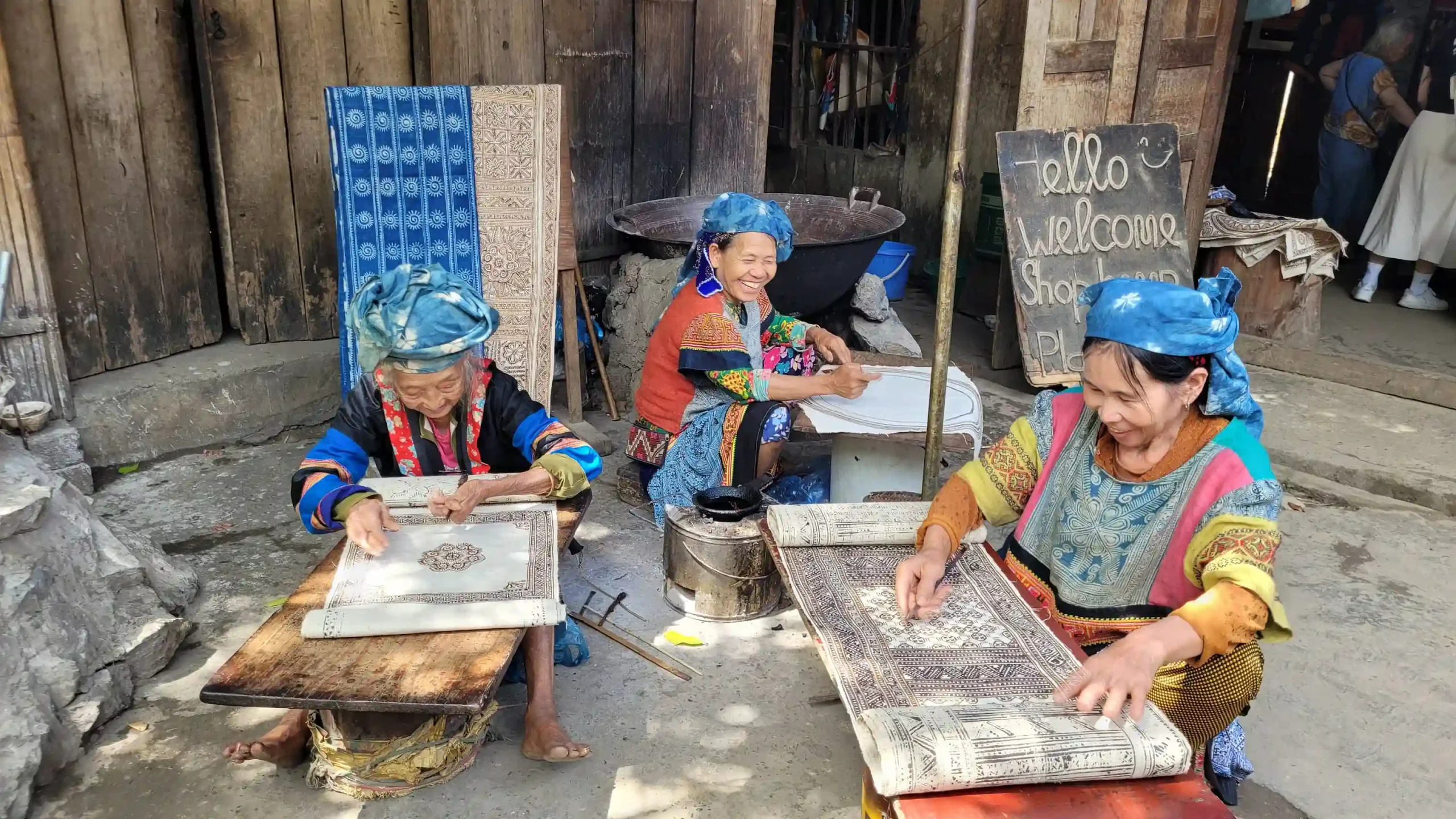
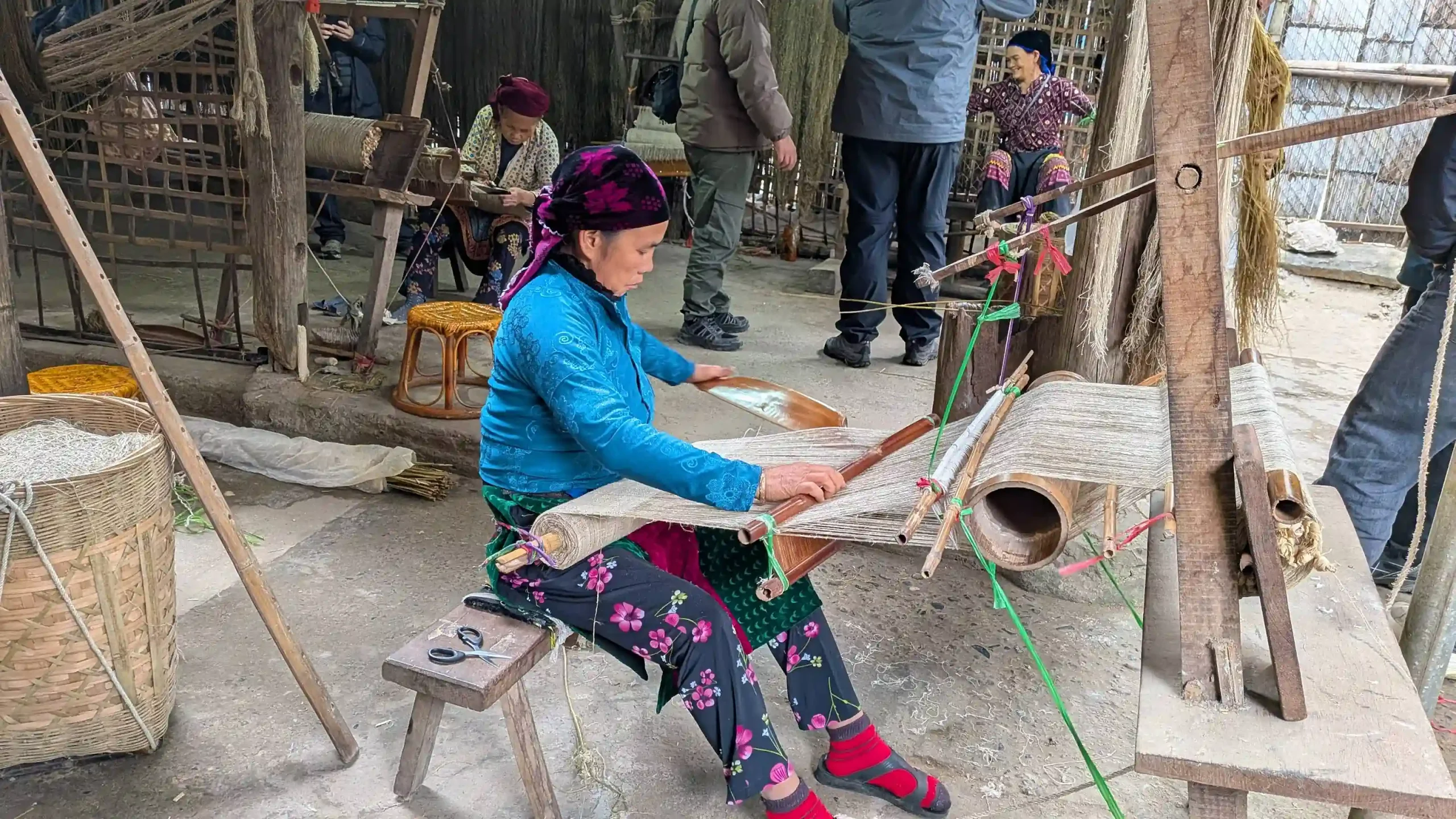
Lùng Tám is a Hmong hemp weaving cooperative a few kilometres off the road towards Yen Minh. You see the whole process, from stripping the hemp to spinning and weaving, and there’s a shop with no pressure to buy.
Some of it is set up for visitors, but the women working there are doing the real thing, and half an hour is well spent. I’ve always stayed longer than I meant to.
Nặm Đăm
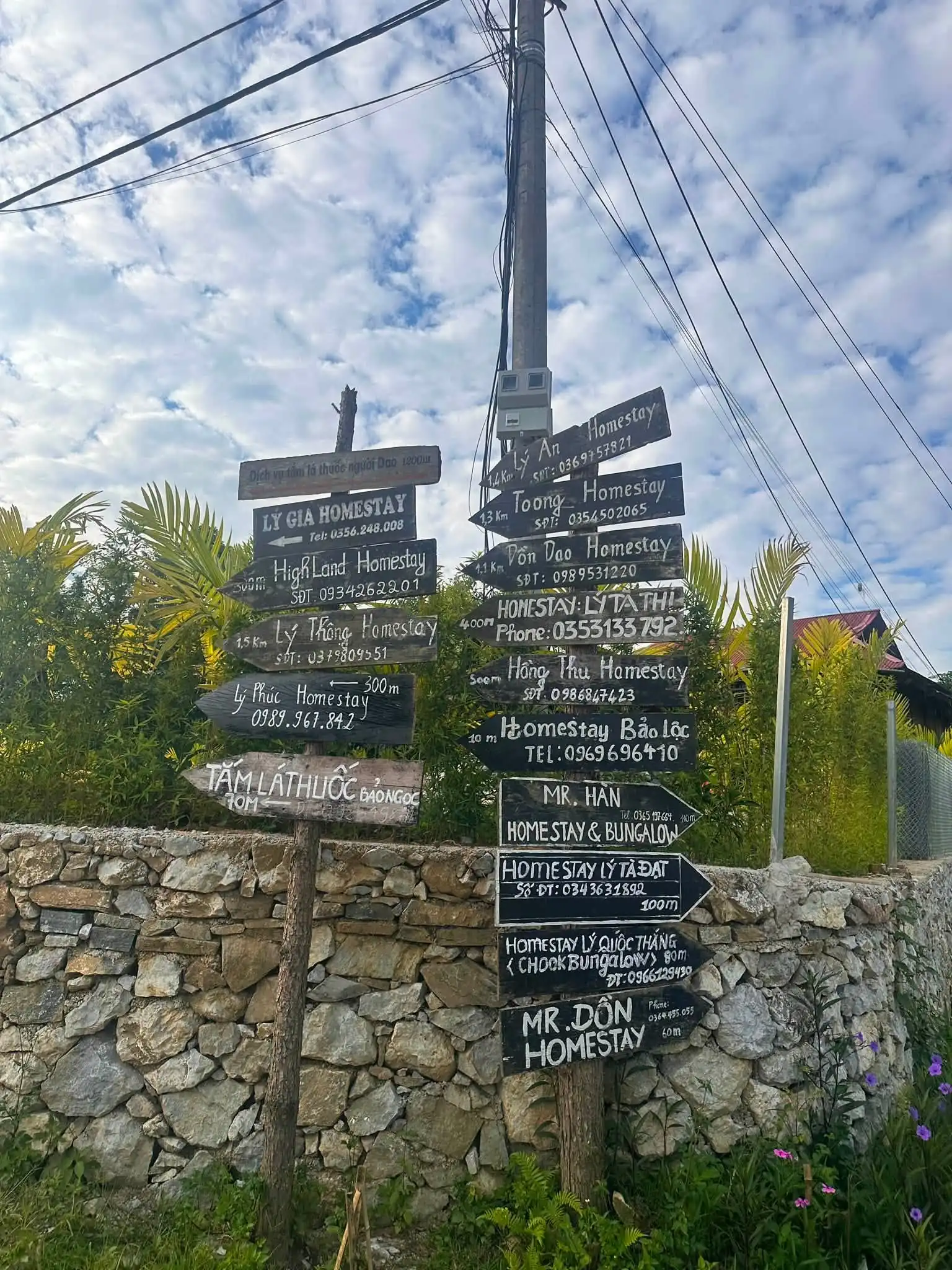
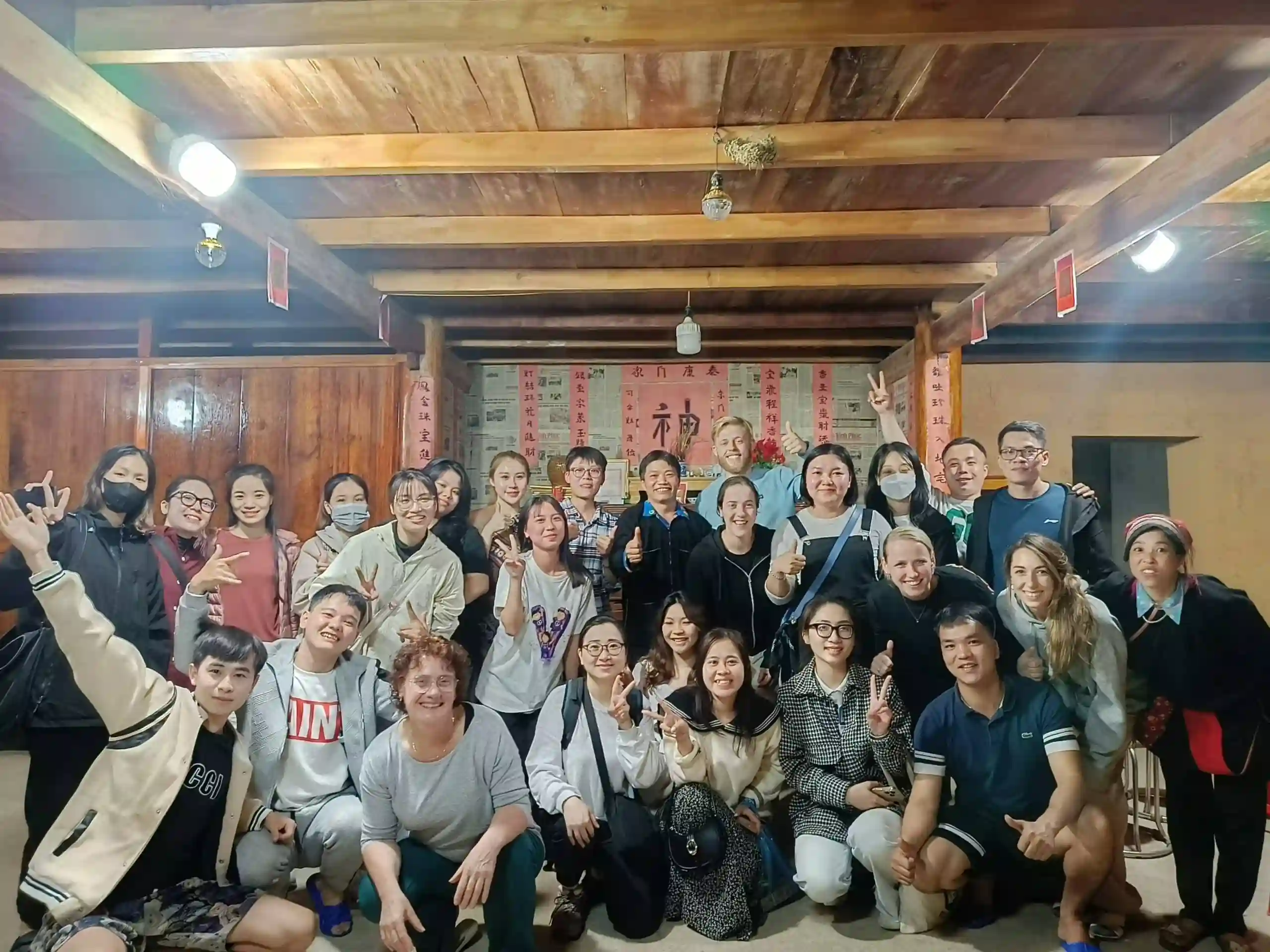
Nặm Đăm is a Dao village just below the main road, with rammed-earth houses, a small lake and a community homestay project, and it’s where the valley is quietest. Nặm Đăm Homestay is a genuine family stay with a good dinner, and it’s where I’d sleep if I stopped in Quan Ba.
Lùng Khúy cave
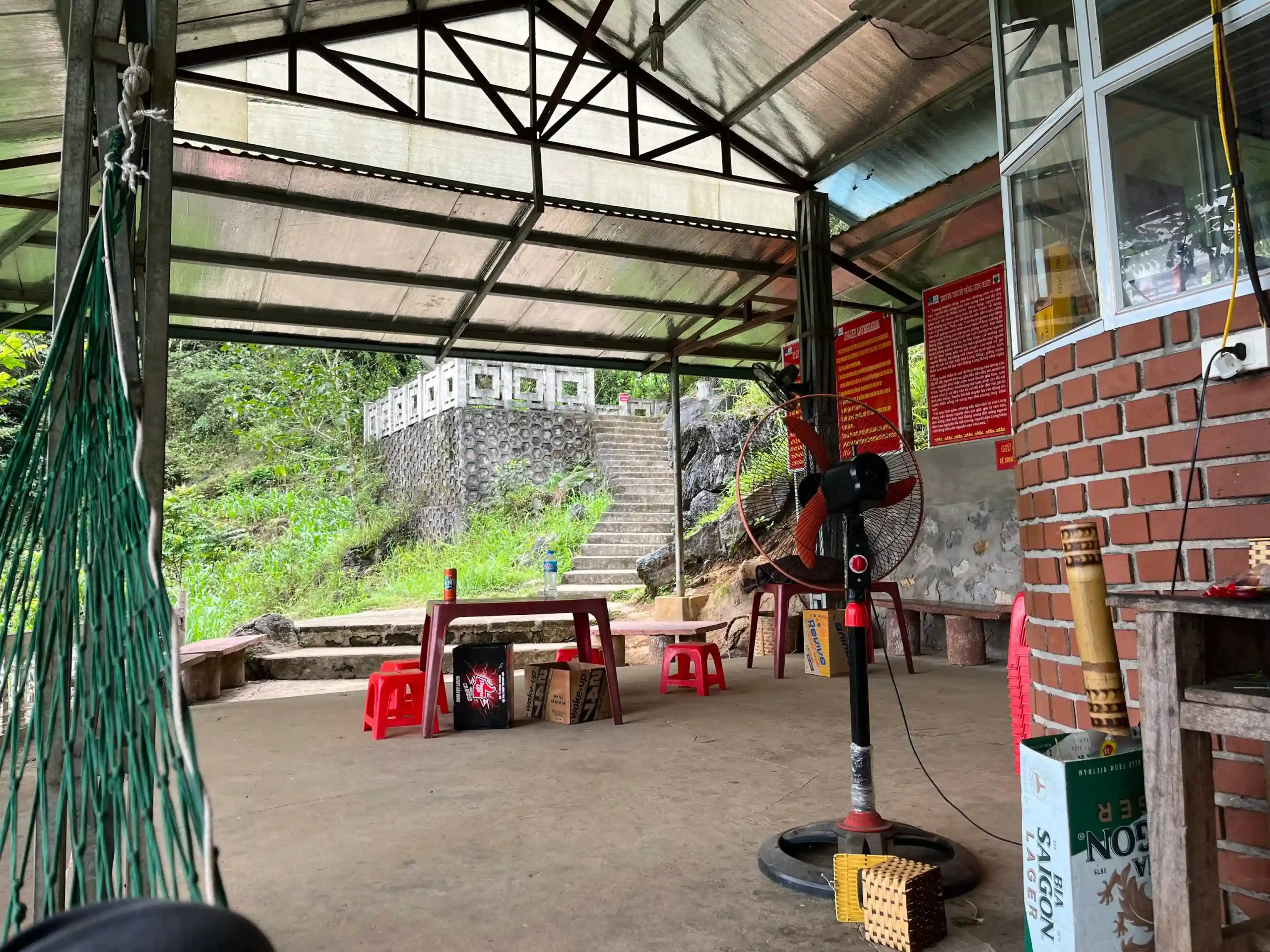
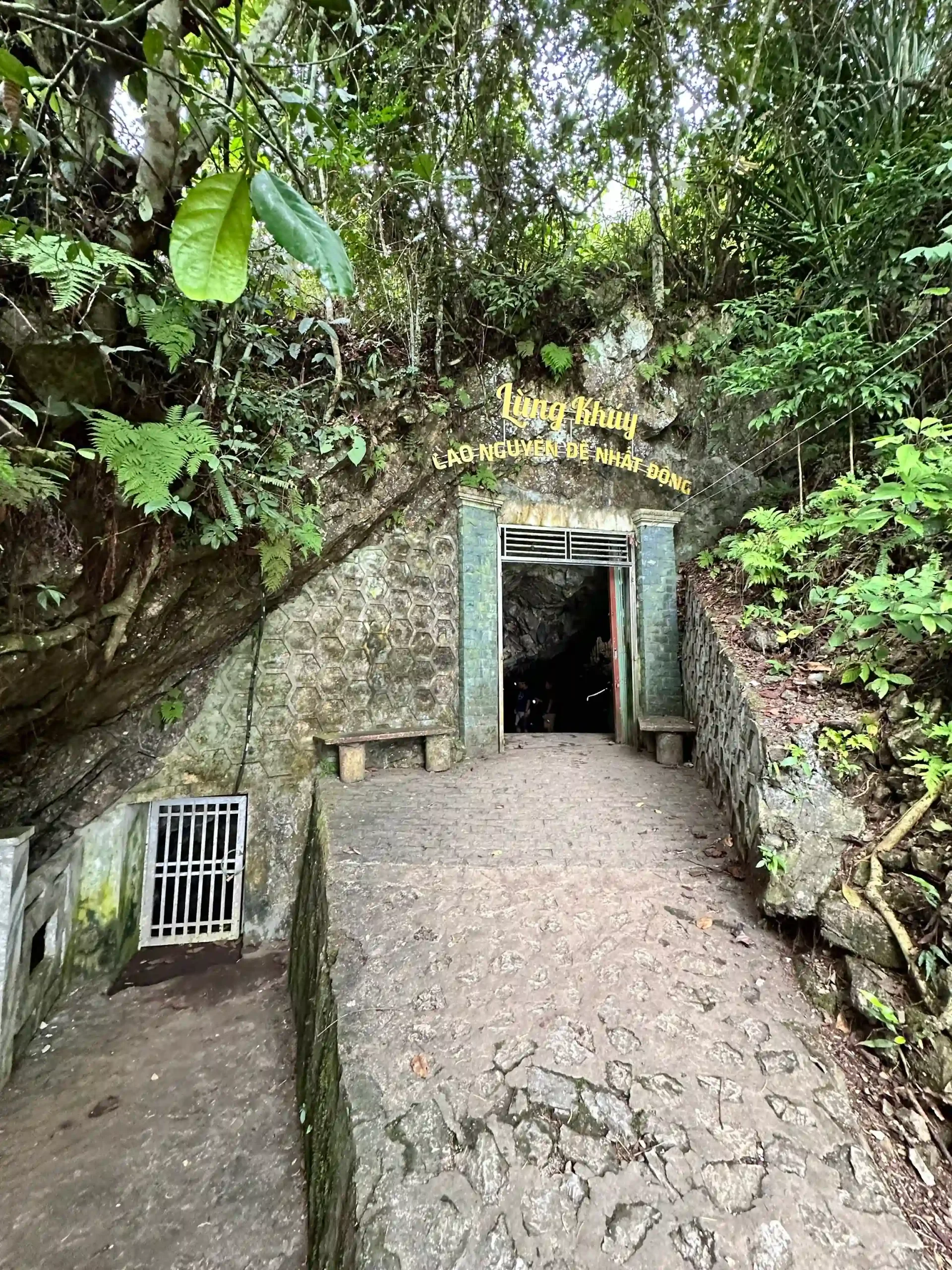
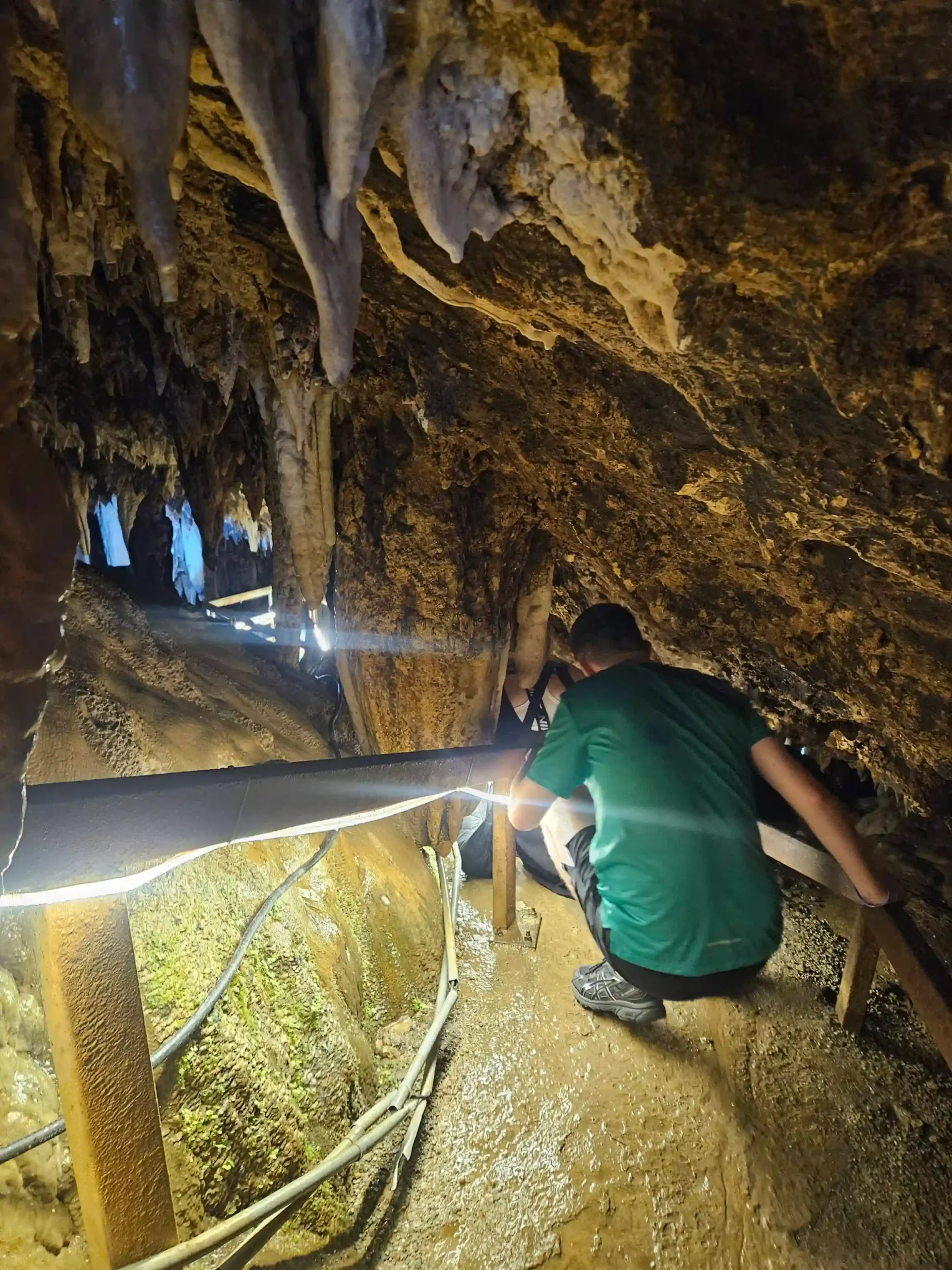
Lùng Khúy cave is the one I’d do with the time. The turn-off is on the left off QL4C coming from Ha Giang, just past a Petrolimex station, then a narrow cement lane to the parking and a 30 to 45-minute walk up to the entrance.
There’s a small fee and a headlamp to rent, a café at the top, and inside it’s huge, with a few sections you crawl through. Buses can’t get down the lane, so it’s rarely busy. Allow two hours.
Staying Near Quan Ba Heaven Gate
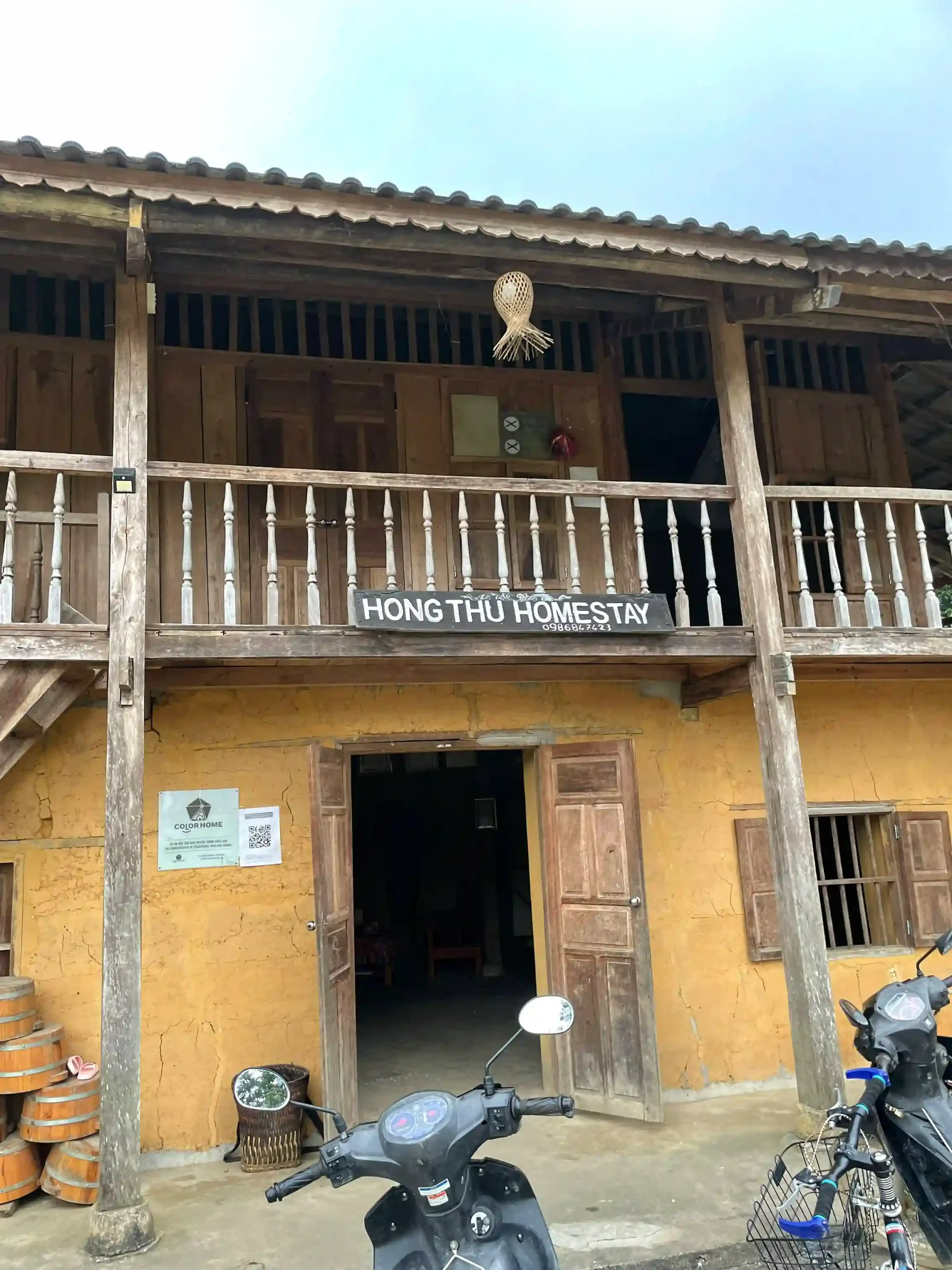
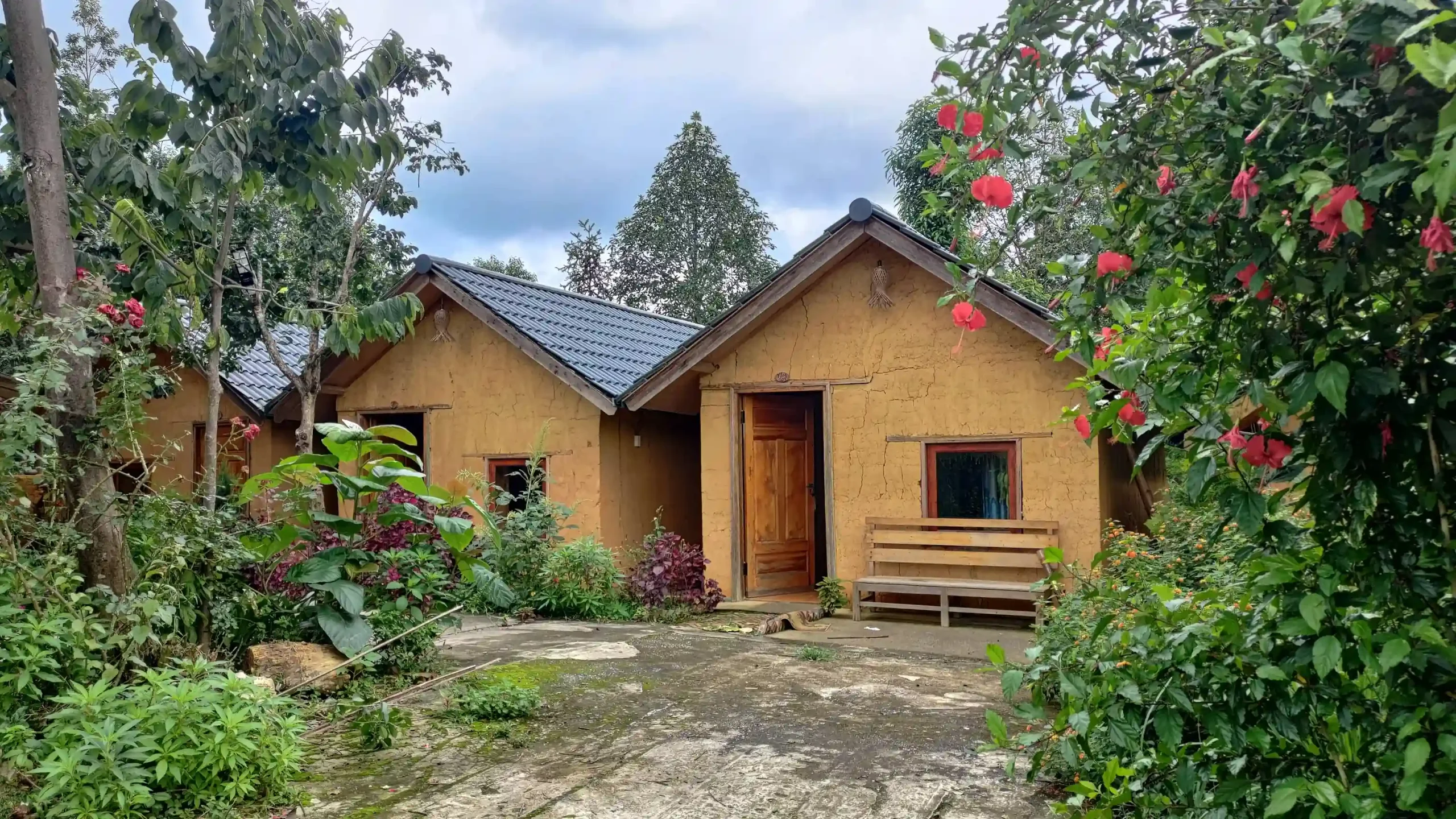
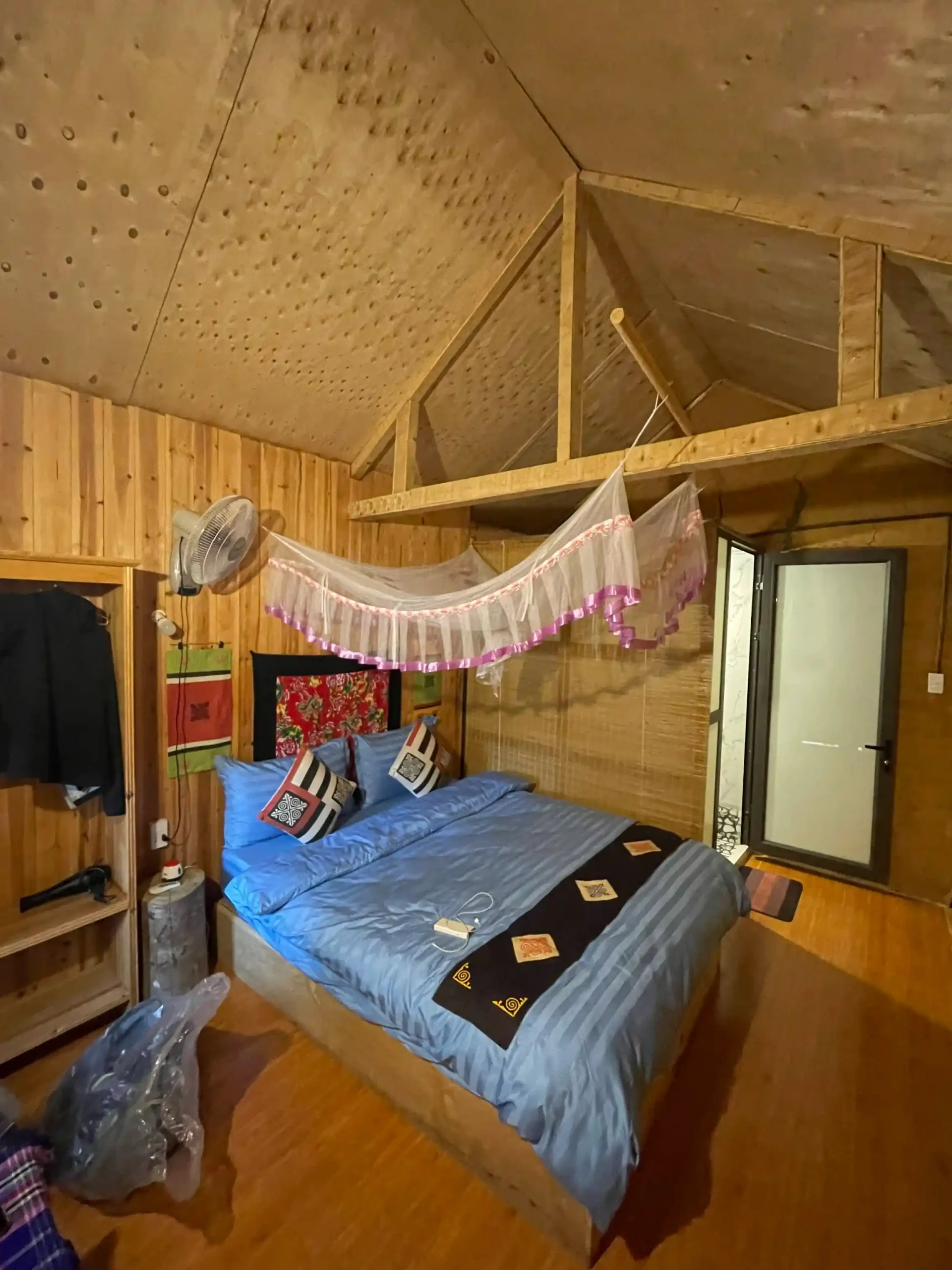
On a four-day loop, some people spend the first night in Quan Ba, which makes day one a short afternoon after the Heaven Gate. Tam Son town has the basics. For somewhere better, Nặm Đăm is the quiet village option, and Hong Thu Homestay & Bungalow is the Quan Ba pick in where to stay in Ha Giang. Most tours ride on to Yen Minh for the first night, and those homestays are in the best Yen Minh homestay.
Best Time and Weather at Quan Ba Heaven Gate
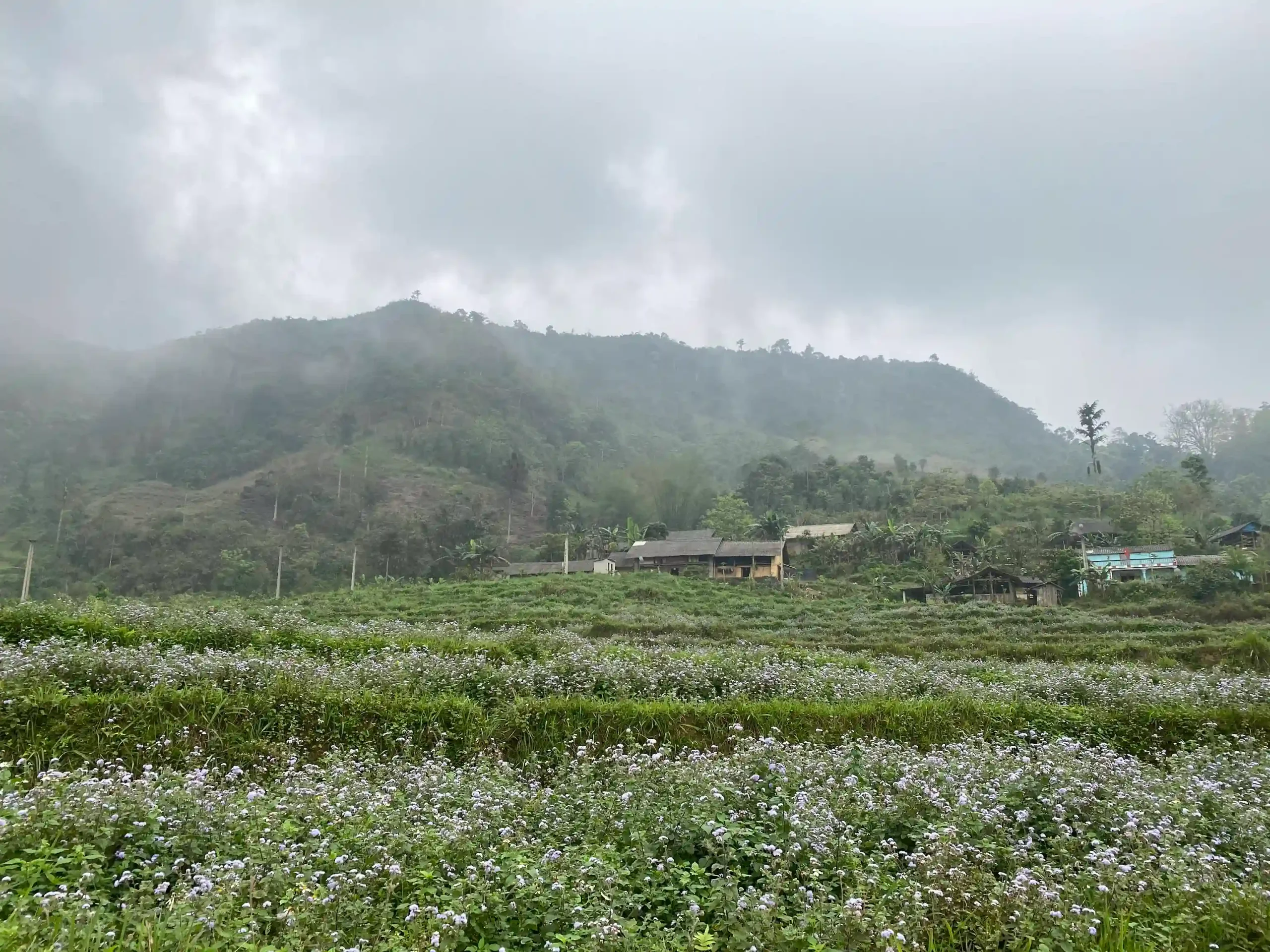
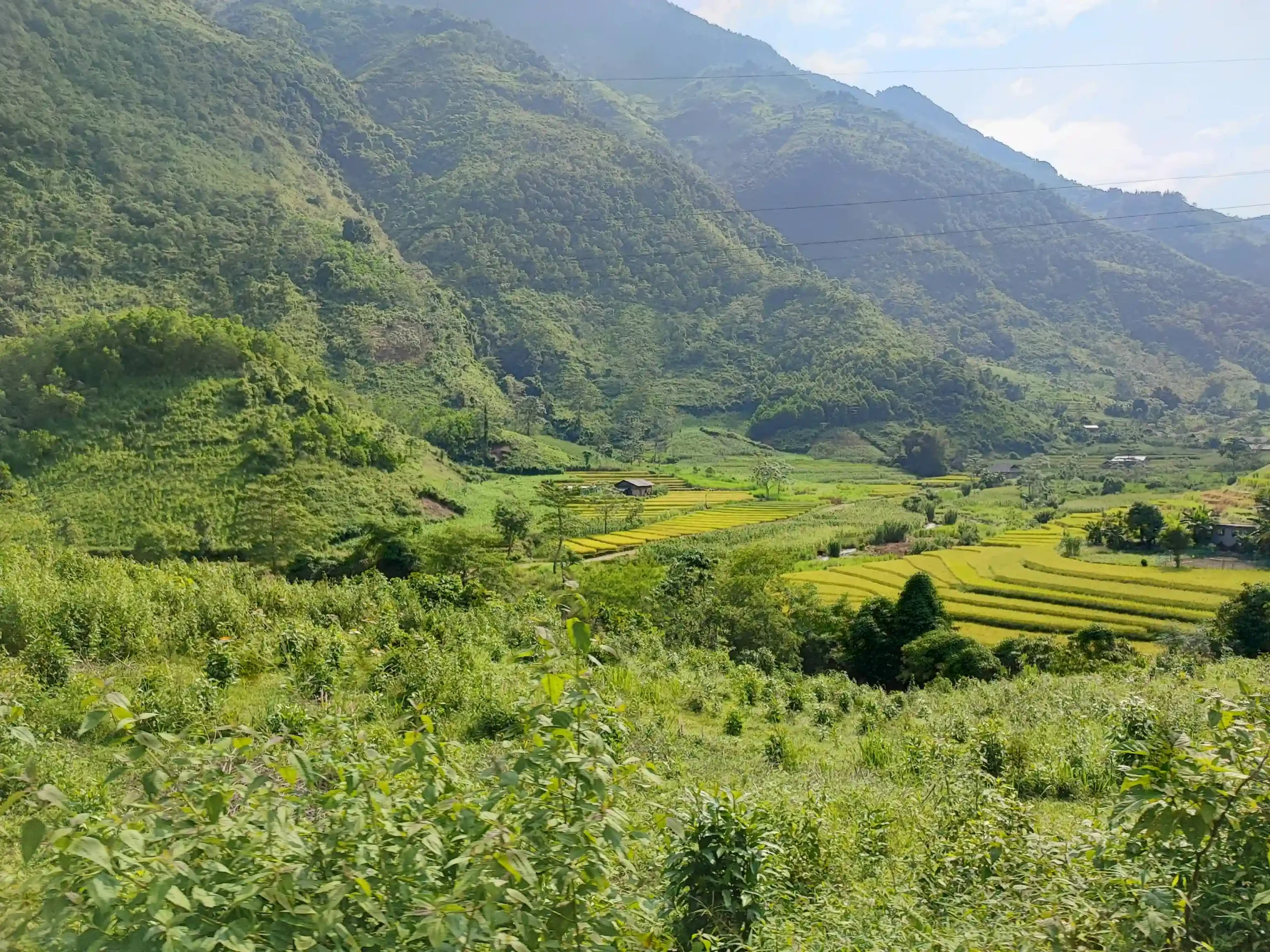
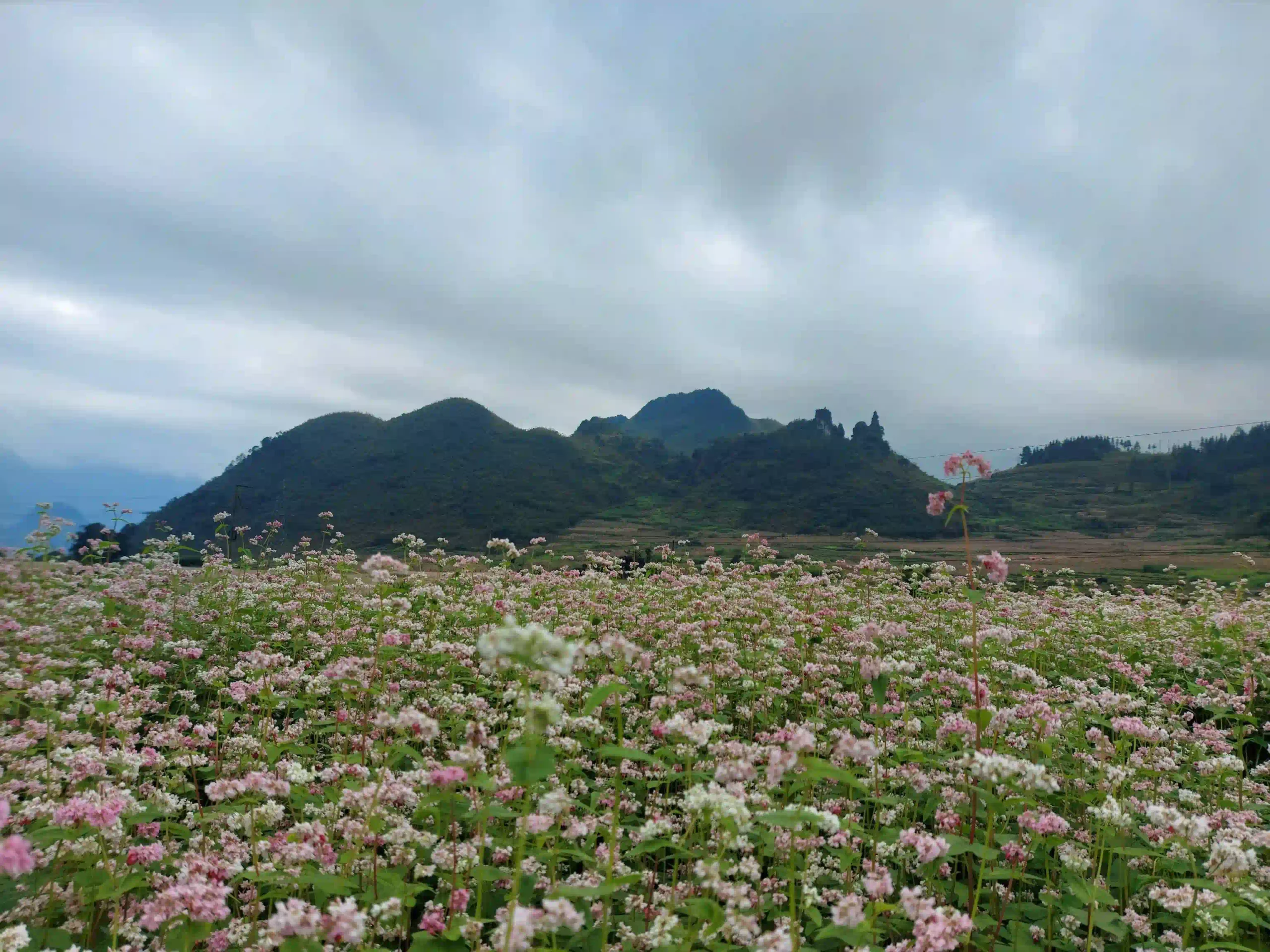
September to November is the best Quan Ba weather, clear and cool, and my clearest days at the rail have all been in October, with the rice turning in September and buckwheat flowering in the valley in October and November. That’s also when the weekends are busiest. December to February brings the most fog and cold, and mornings especially can be completely white. May to August is warm and green, with haze and afternoon rain.
Quan Ba Heaven Gate FAQ
Is there an entrance fee at Quan Ba Heaven Gate? No. The viewpoint is free, and the cafés expect you to buy a drink if you sit.
How high is Quan Ba Heaven Gate? About 1,500 metres.
How far is Quan Ba Heaven Gate from Ha Giang city? 43 to 46km, around an hour and a half by motorbike. The whole route is in the Ha Giang Loop guide.
Why is it called Heaven Gate? Because the road passes between two peaks at the top of the Quan Ba Pass and opens onto the valley, like a gate into the mountains.
Can you see the Twin Mountains from the Heaven Gate? Yes, in the distance on a clear day. They’re 4.5km further on for the close view.
Is Quan Ba Heaven Gate the same as Heaven’s Gate in Sapa? No. Sapa’s is on the O Quy Ho pass, in a different province. Quan Ba’s is in Ha Giang, on the loop.
The Three Photos I Take Every Time
The first is from the top of the stone steps, looking back down at the switchbacks of the Quan Ba Pass you’ve just ridden up, which shows how the road climbs better than any photo from the rail.
The second is from the rail, straight out over the Tam Son valley, waiting for a gap in the cloud if there’s any about, with the Twin Mountains small in the middle distance.
The third is at the Twin Mountains themselves, from the ridge, late morning when the light’s on the fields.
If you get all three, you’ve done Quan Ba Heaven Gate properly, and you’ll probably be the only one in your group who climbed the steps.












 Tiếng Việt
 한국어
한국어 中文 (中国)
 日本語
日本語 ไทย
ไทย Deutsch
 Español
 Destinations
 Instagram
 Facebook
 X (Twitter)
 Threads
 Tiktok