









 Ha Giang
 Hanoi
Hanoi Ho Chi Minh City
 Ha Long
 Sapa
Sapa Mekong Delta
 Da Nang
 Hue
Hue Hoi An
 Ninh Binh
 Da Lat
 Nha Trang
 Phan Thiet
 Phu Quoc
 Quang Binh
 Quy Nhon
 Vung Tau
 Thai Nguyen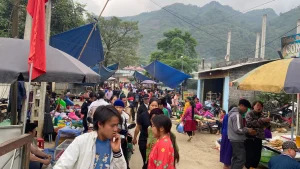


If I had one extra night on the Ha Giang Loop, I’d spend it in Du Gia. It isn’t really for Du Gia Waterfall, which is what brings most people down here and has become the busiest swim on the whole loop. It’s for the village, which is still the quietest night you’ll get, and for the second waterfall upstream that most people never walk to.
I stay in Du Gia whenever the route allows, and I’ve swum in both pools, at the busy hour and the quiet one. So this covers how to get to Du Gia Waterfall from Ha Giang city or Meo Vac, what the falls are actually like now, the quieter pool ten minutes further up, and what there is to do in Du Gia village once you’re dry.
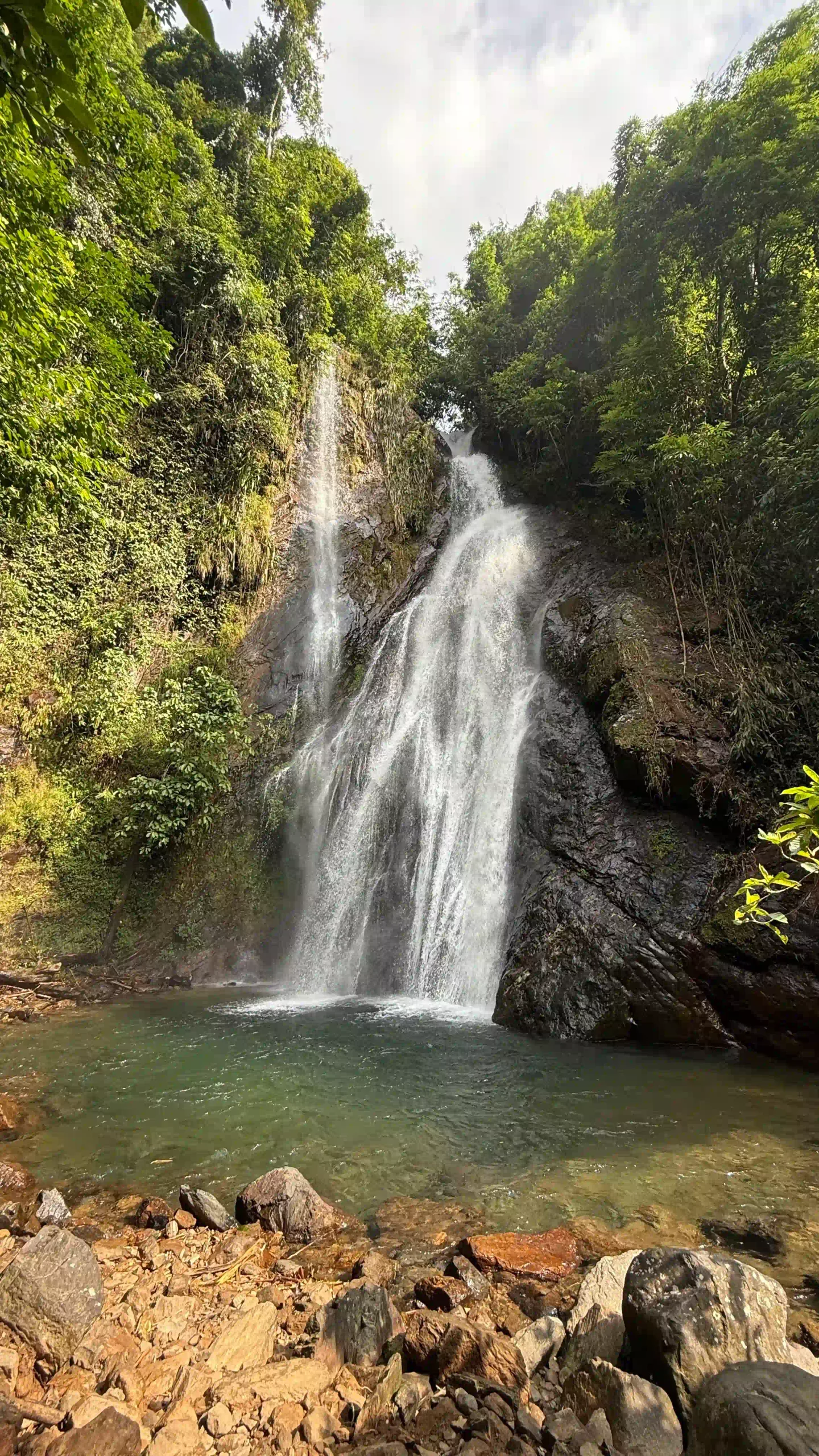
- Quick Answer: Du Gia Waterfall is a 6-metre waterfall with a deep swimming pool about 3km west of Du Gia village, on the southern side of the Ha Giang Loop. It’s roughly 70km from Ha Giang city and 60 to 80km from Meo Vac, and you park at a roadside stop and walk the last stretch. It’s free to visit, good for swimming and jumping, and busiest when tour groups arrive in the late afternoon. Du Gia Waterfall 2, about ten minutes’ walk upstream, is quieter with a better pool. Du Gia village itself has a Saturday market, rice fields and some of the best homestays on the loop.
- Getting there:
- From Ha Giang city: about 70km, 2 to 3 hours, on a rougher road with trucks.
- From Meo Vac: 60 to 80km via Mau Due and the Lung Ho viewpoint.
- On the loop: the end of day two on a three-day trip, or day three on four.
- The waterfall:
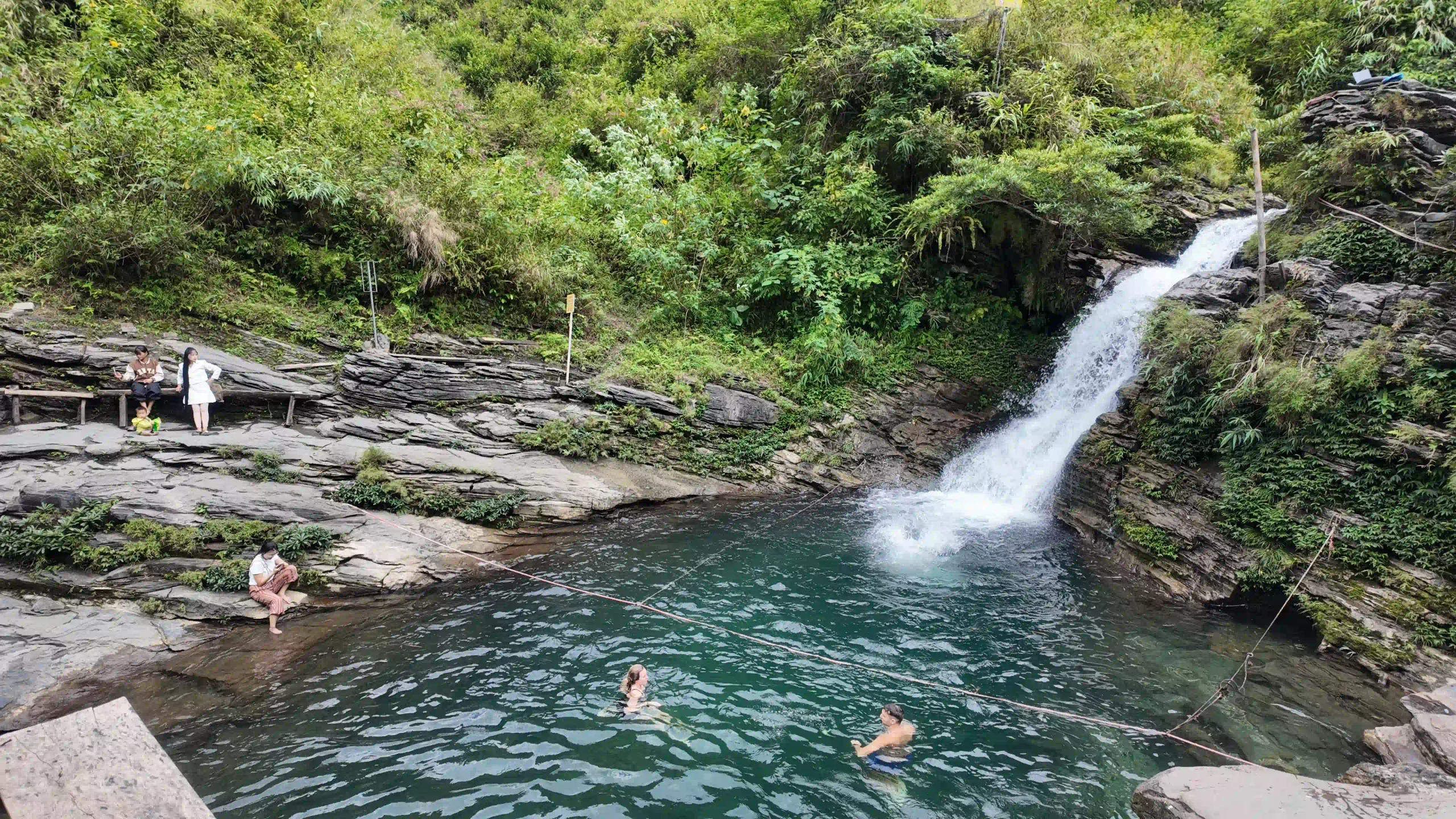
- About 6m high, into a deep, narrow pool with big rocks.
- A small jump, with someone at the top enforcing the rules at busy times.
- Slippery algae on the rocks, and loud music from the stalls when it’s crowded.
- Du Gia Waterfall 2: about 1km upstream on a steep path, quieter, a better pool.
- Du Gia village:
- Saturday market for the Hmong villages around, with corn wine and thắng cố.
- Mường Trà Coffee & Pub (4.9, 99 ratings) for egg coffee and waffles.
- The Lung Ho viewpoint on the road in from Meo Vac.
- Best time: before nine in the morning or around midday, and September to October for the rice.
Where Du Gia Waterfall Is, and How to Get There
Du Gia Waterfall is in Bản Tiên, about 3km west of the centre of Du Gia village, at the foot of the Ba Tiên mountains and on the edge of the Du Gia national park. Du Gia sits on the southern side of the Ha Giang Loop, so it’s the swim at the end of the Ma Pi Leng Pass day for most people, or the first thing on the last morning.
| Coming from | Route | Distance | Time |
|---|---|---|---|
| Meo Vac | QL4C to Mau Due, then south on the provincial road past Lung Ho | 60 to 80km | 2.5 to 3 hours |
| Ha Giang city | The direct road east towards Bắc Mê, then north | About 70km | 2 to 3 hours |
| Yen Minh | QL4C to Mau Due, then as from Meo Vac | About 70km | 2.5 hours |
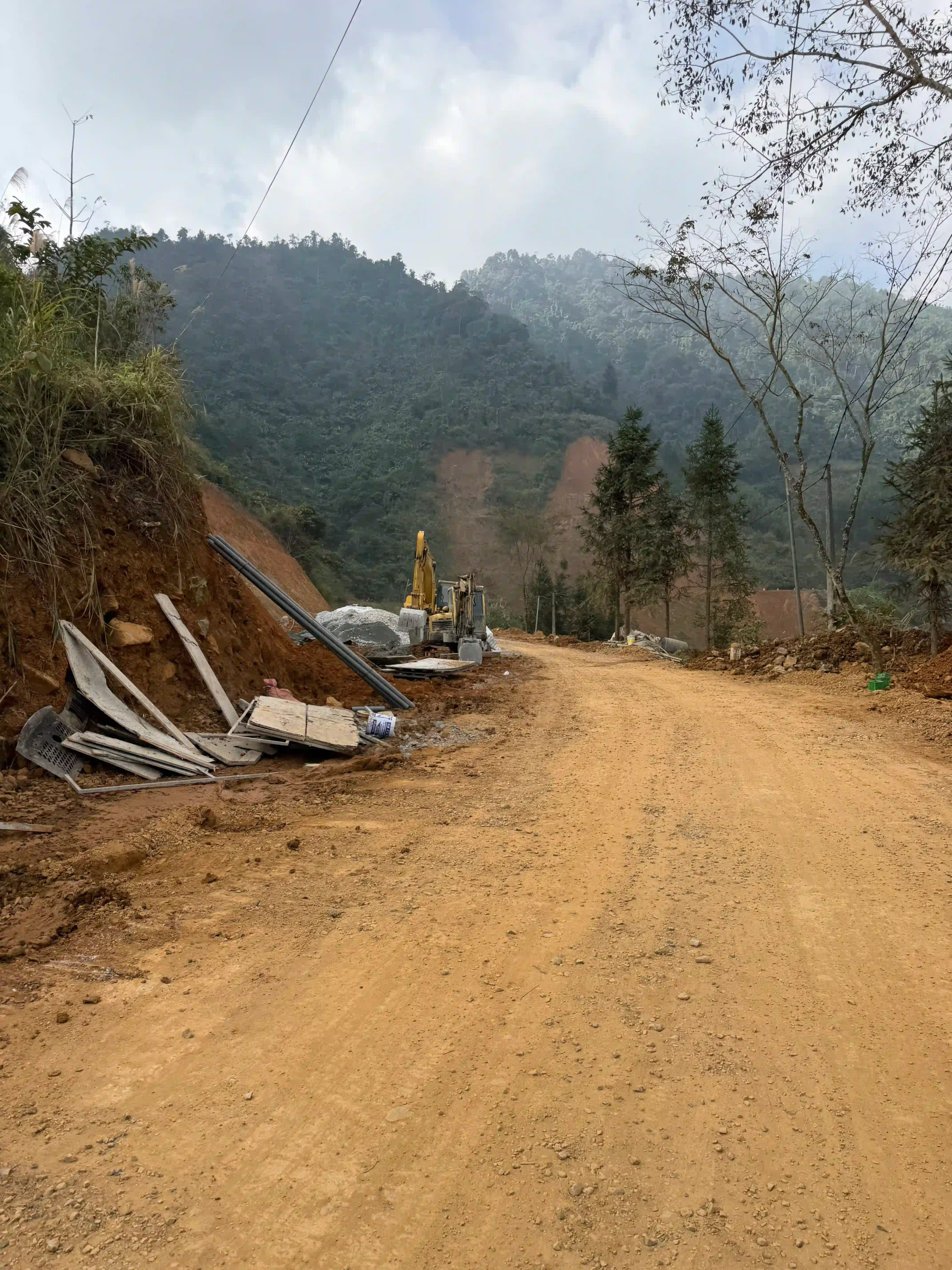
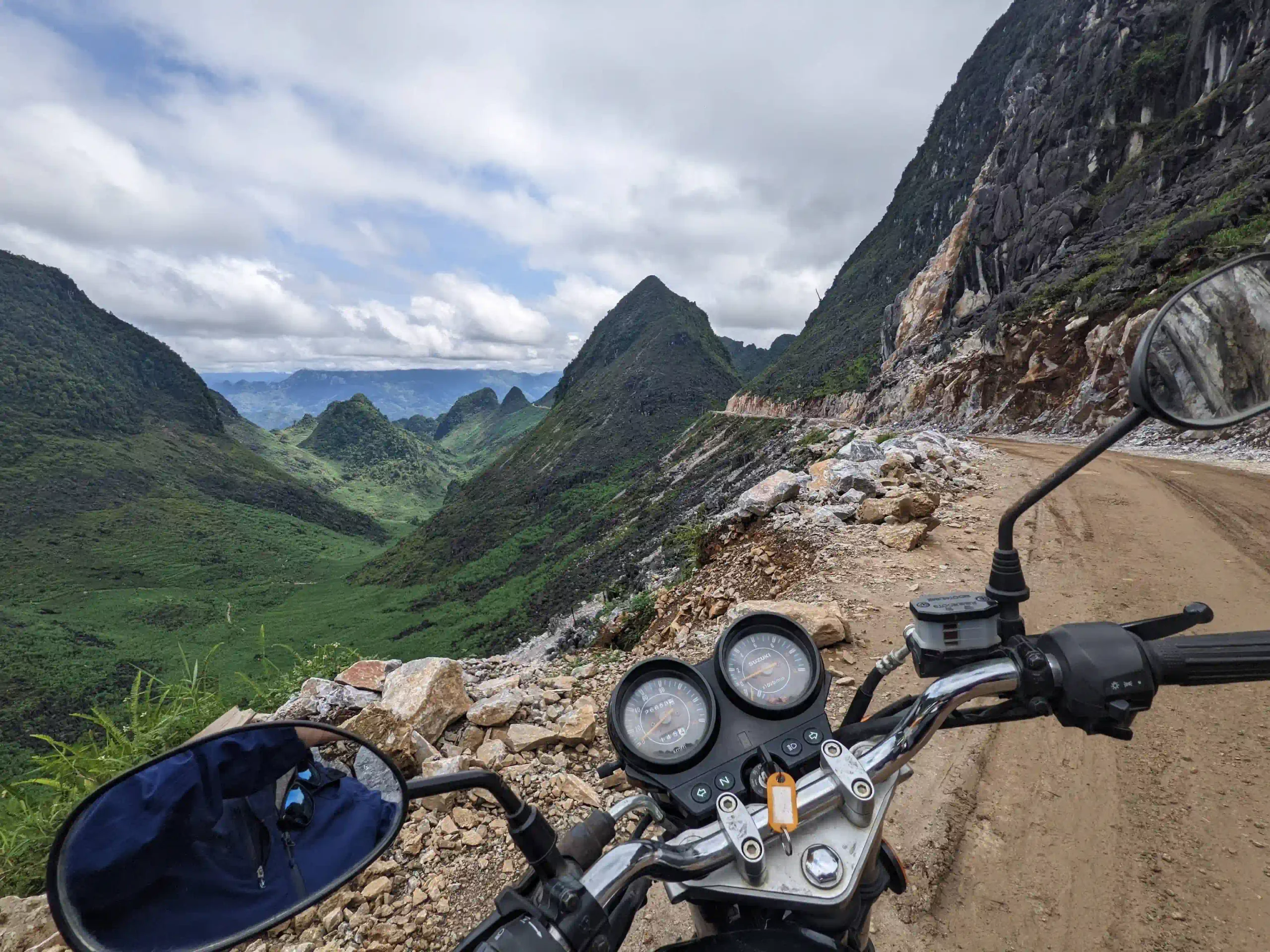
From Meo Vac is the way almost everyone arrives. The road south from Mau Due climbs past the Lung Ho viewpoint, which is the best view of the valley before you drop into it, and then gets rough, with broken tarmac and potholes on the slope down. From Ha Giang city the direct road is shorter and rougher, with lorries, and it’s mostly used for getting back to the city on the last day. The whole route, with Du Gia in it, is in the Ha Giang Loop 3-day itinerary.
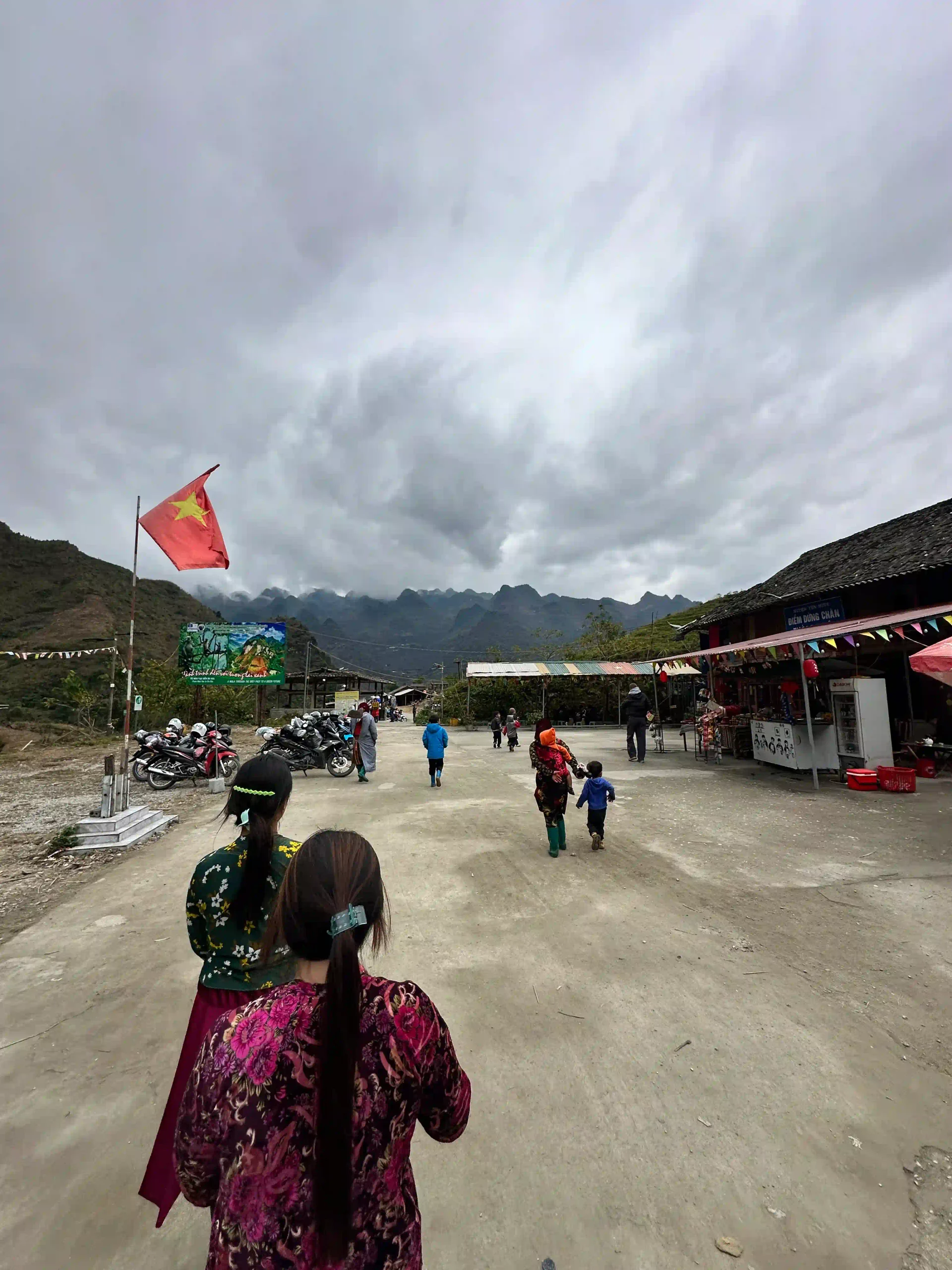
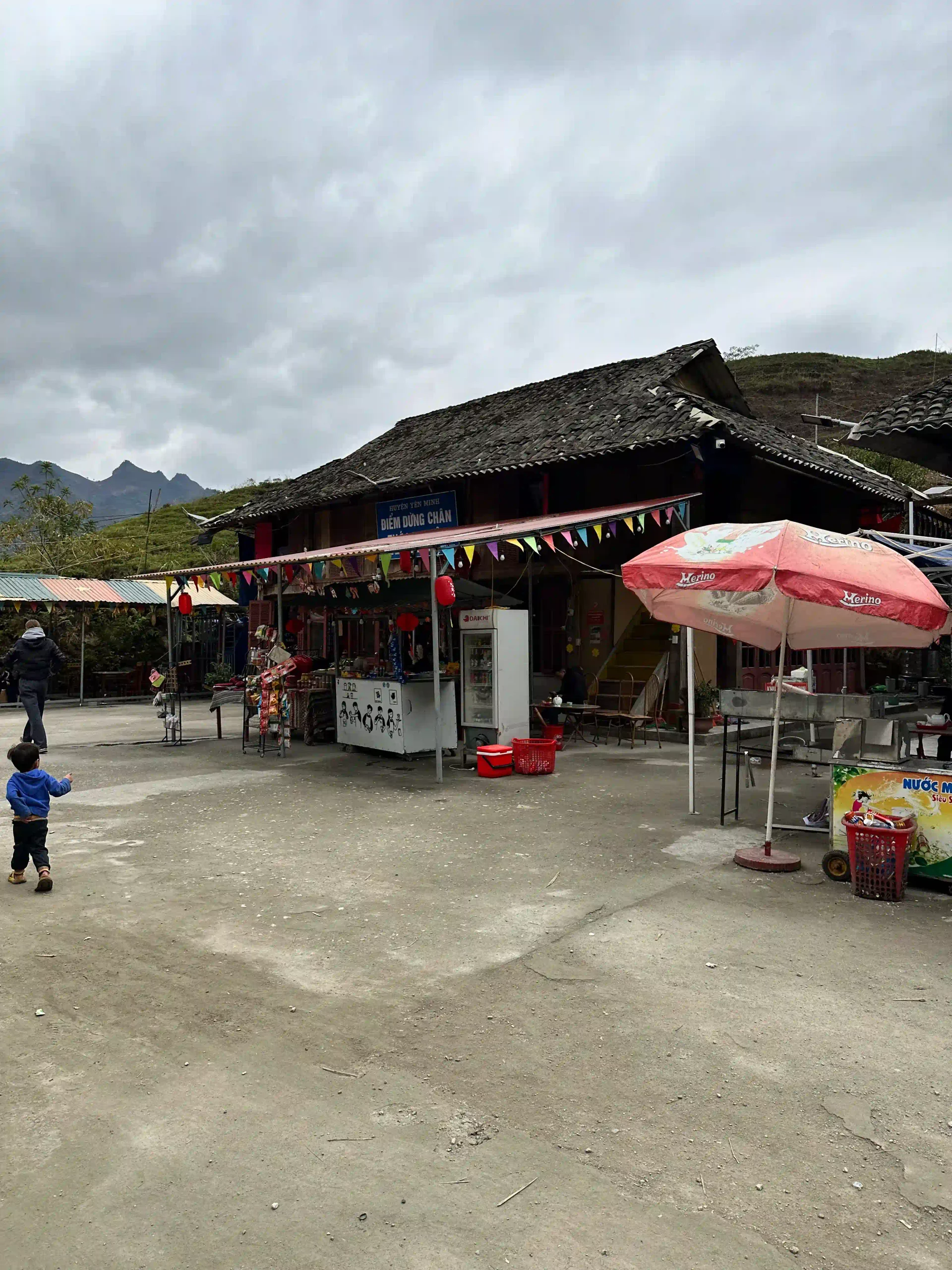
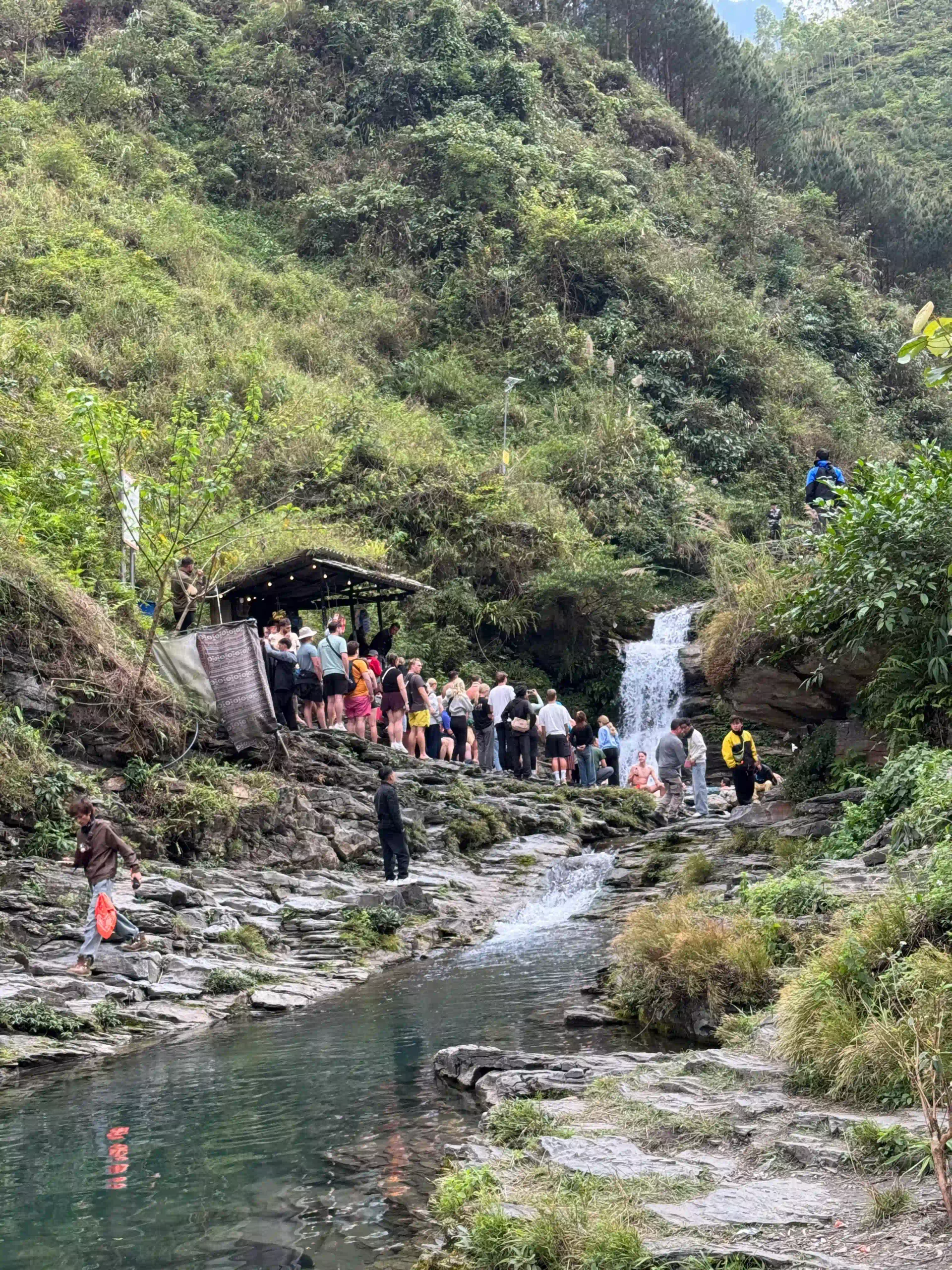
At the falls you leave the bike at a roadside stop and walk in, and there are stalls selling drinks near the pool. There’s no ticket.
Du Gia Waterfall: What It’s Actually Like
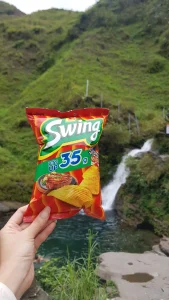
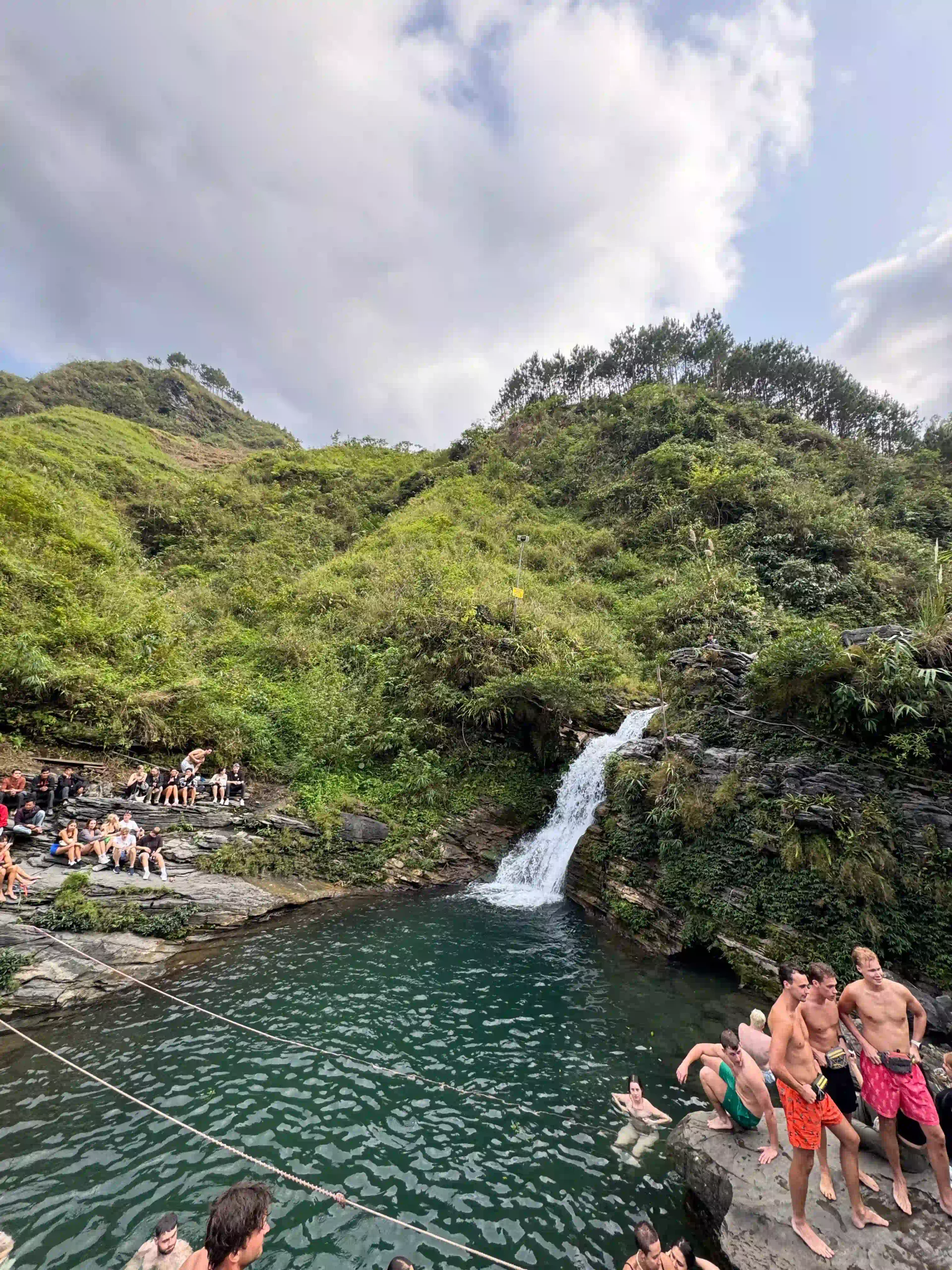
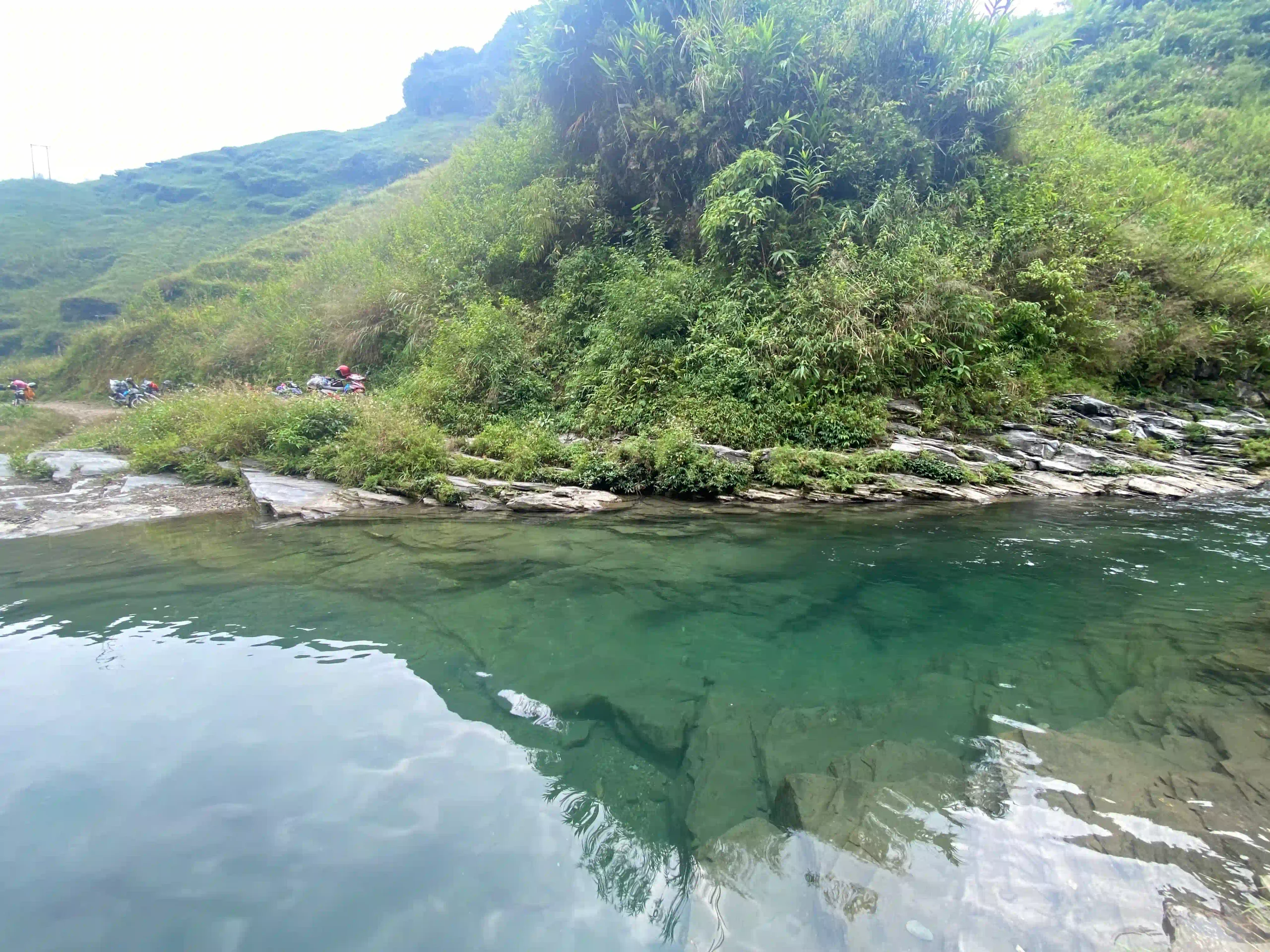
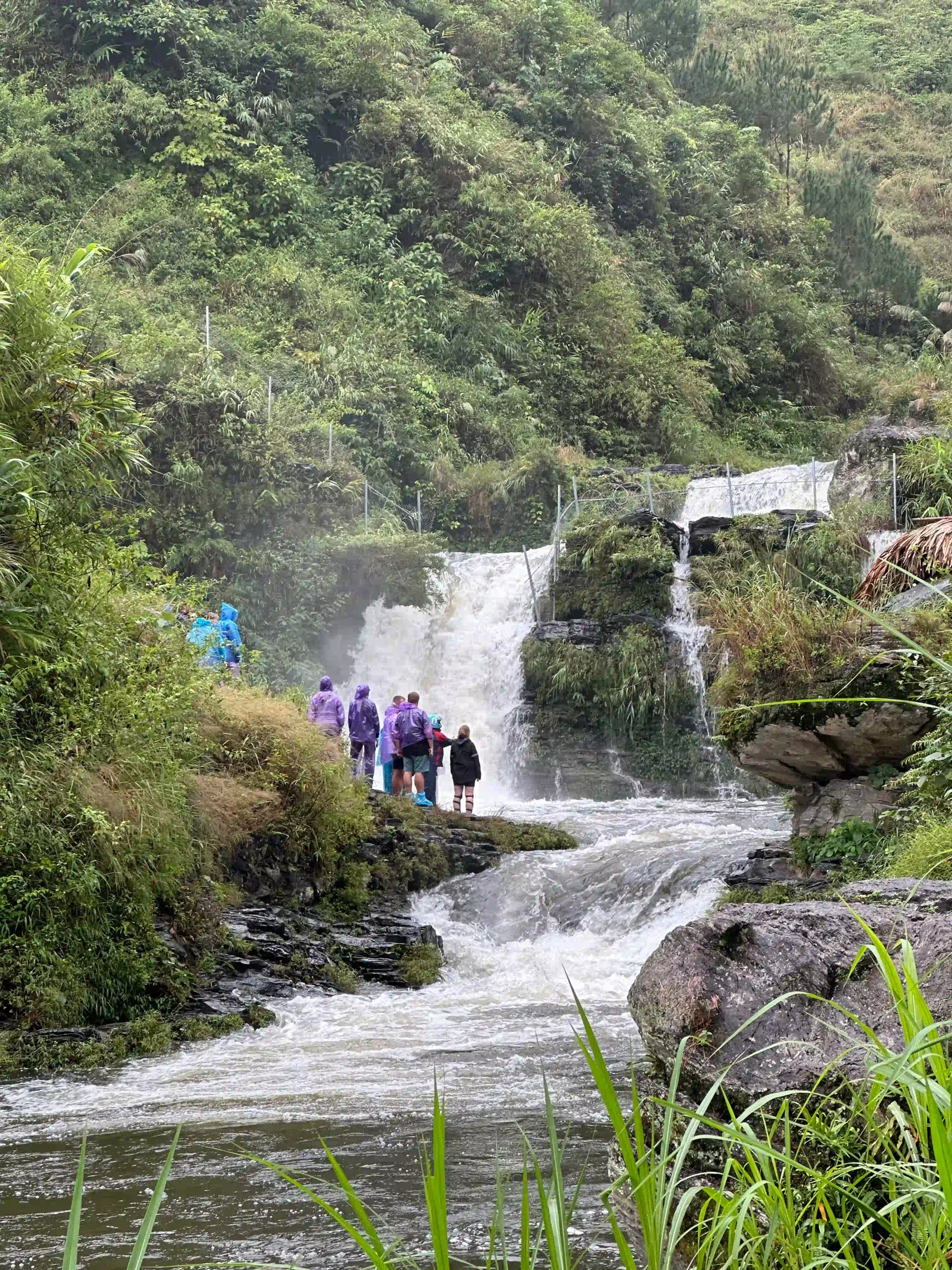
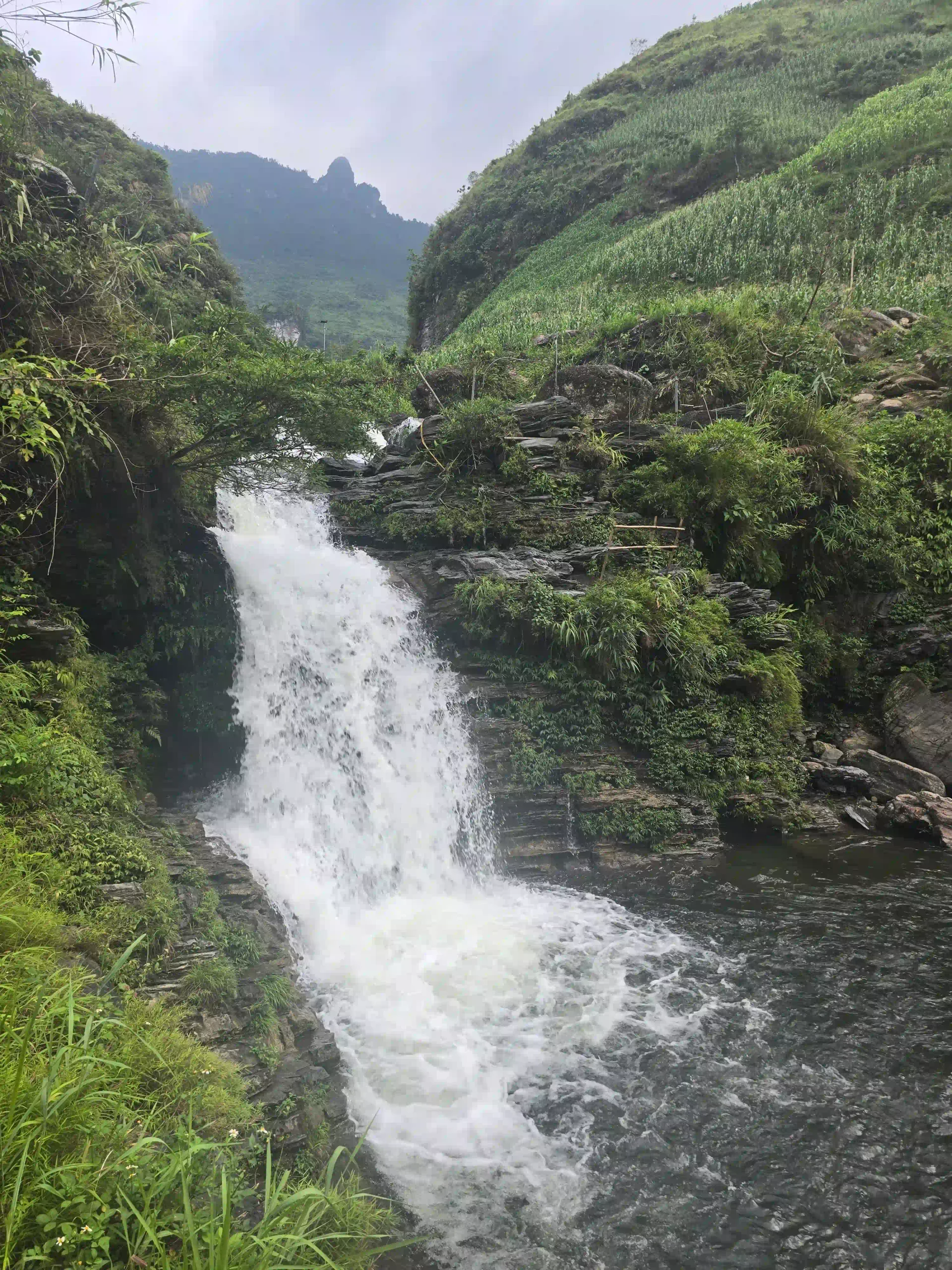
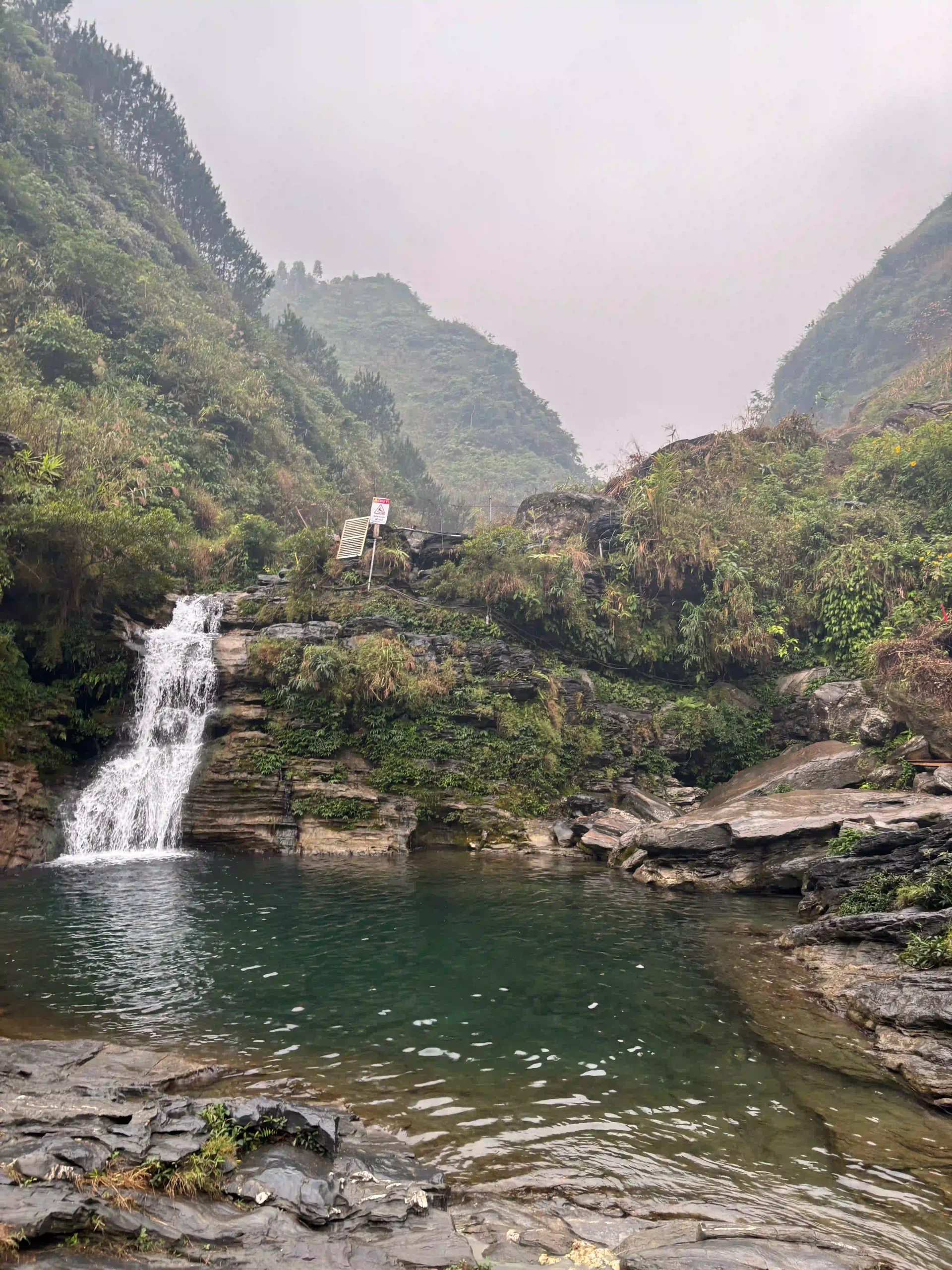
The waterfall itself is small, about 6 metres, pouring over a lip of rock into a deep green pool with big boulders round the edge, and then running on into a lower pool you can slide down to over the rocks. It’s the pool that makes it, and I’ve never managed to stay in the top one for long. After a day on the road the water is properly cold and very clear, and it’s the best swim on the loop.
The catch is how popular it’s got. When the tour groups come through, late in the afternoon on their second day and mid-morning on their last, it’s packed. The stalls by the pool play music loudly, there’s rubbish where there shouldn’t be, and the coffee isn’t good. The lower pool is usually calmer than the top one. I go before nine, or around midday, when it’s mostly locals and a few riders, and it’s a different place.
People jump from a ledge beside the falls into the top pool, and at busy times there’s someone at the top keeping an eye on it and enforcing a few rules, which is a good thing. The pool is deep but narrow, with rocks, and there are warning signs for a reason.
I’d look at where others land before jumping, and not jump at all when the water’s brown after heavy rain. The rocks are coated in a slippery film, so shoes with grip help more than you’d think.
One more thing, mostly for women swimming. At busy times it’s worth being aware of anyone pointing a camera at the pool who isn’t with your group, and speaking to your guide or the person at the top if it bothers you.
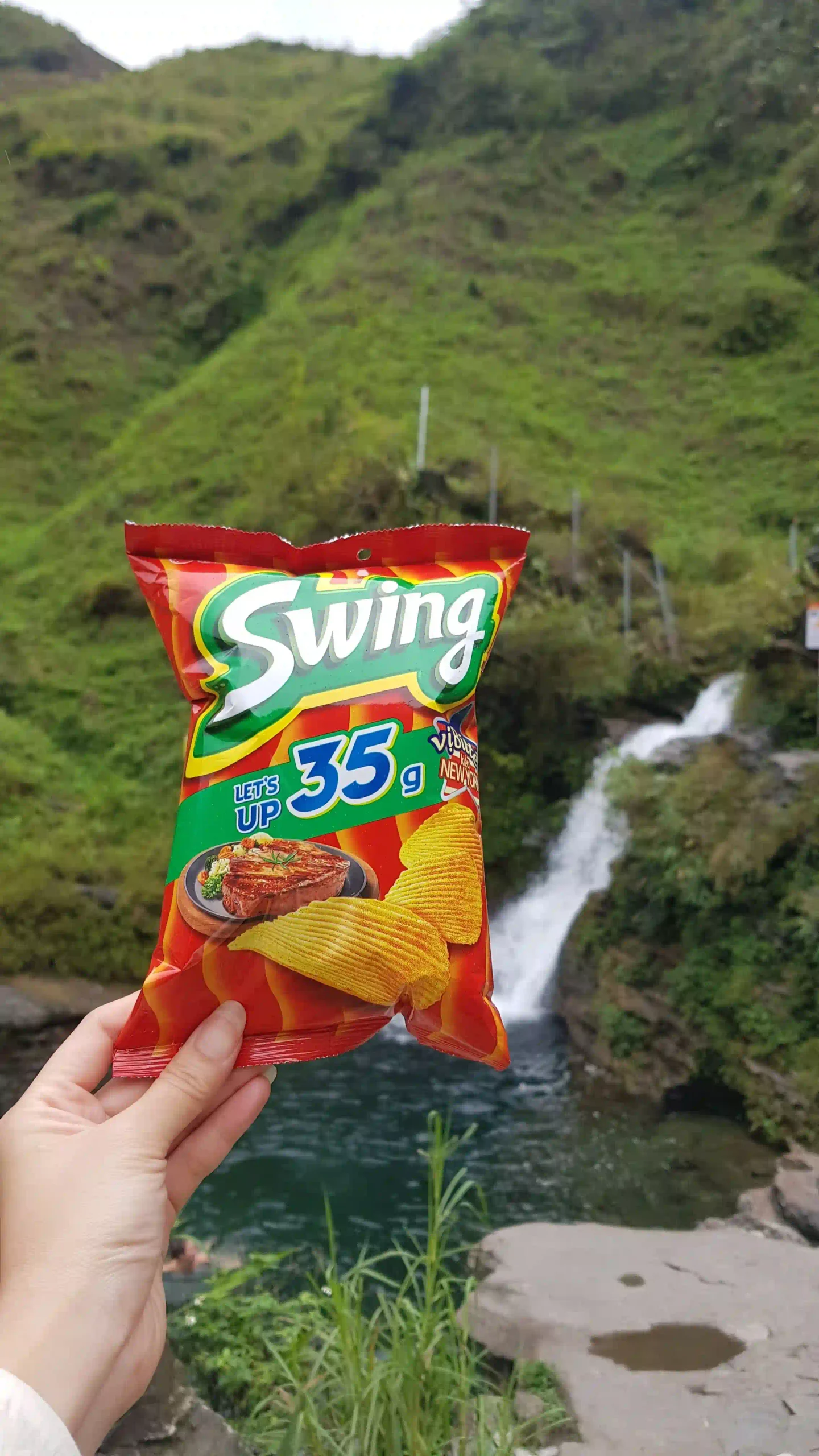
Du Gia Waterfall 2, the Quieter One Upstream
About ten minutes’ walk above the first pool is Du Gia Waterfall 2, and it’s the one I’d go for.
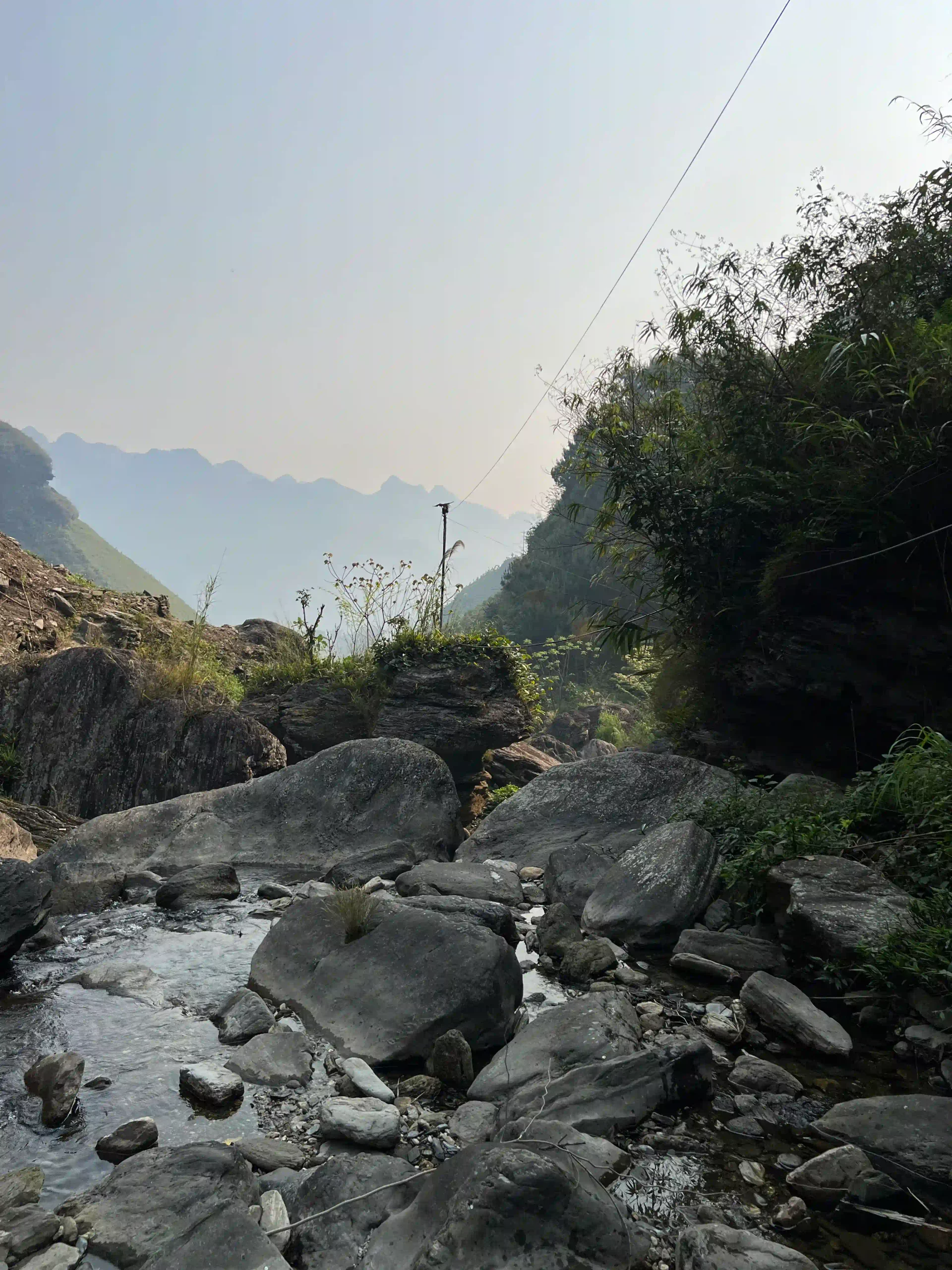
The path starts past the main falls on the right-hand side. After about five minutes it runs out, so you cross the stream to the left bank and follow the path there for another five to ten minutes. It’s steep in places, and the last stretch before the pool is overgrown with sharp grass and branches, so long trousers and sleeves are a good idea.
At the top is a wider, calmer pool, and if there’s been enough rain it’s the better swim of the two, with small fish that nibble your feet. There are more streams and small falls above it for anyone who keeps going.
Most of the people at the first pool never make the walk, which is the whole appeal.
Du Gia Village: What to Do
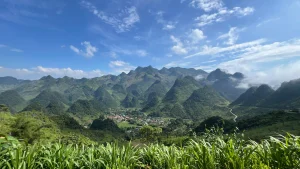
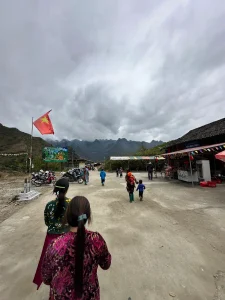
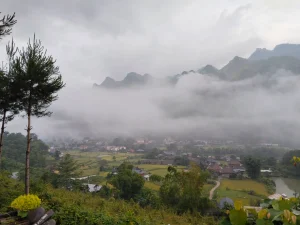
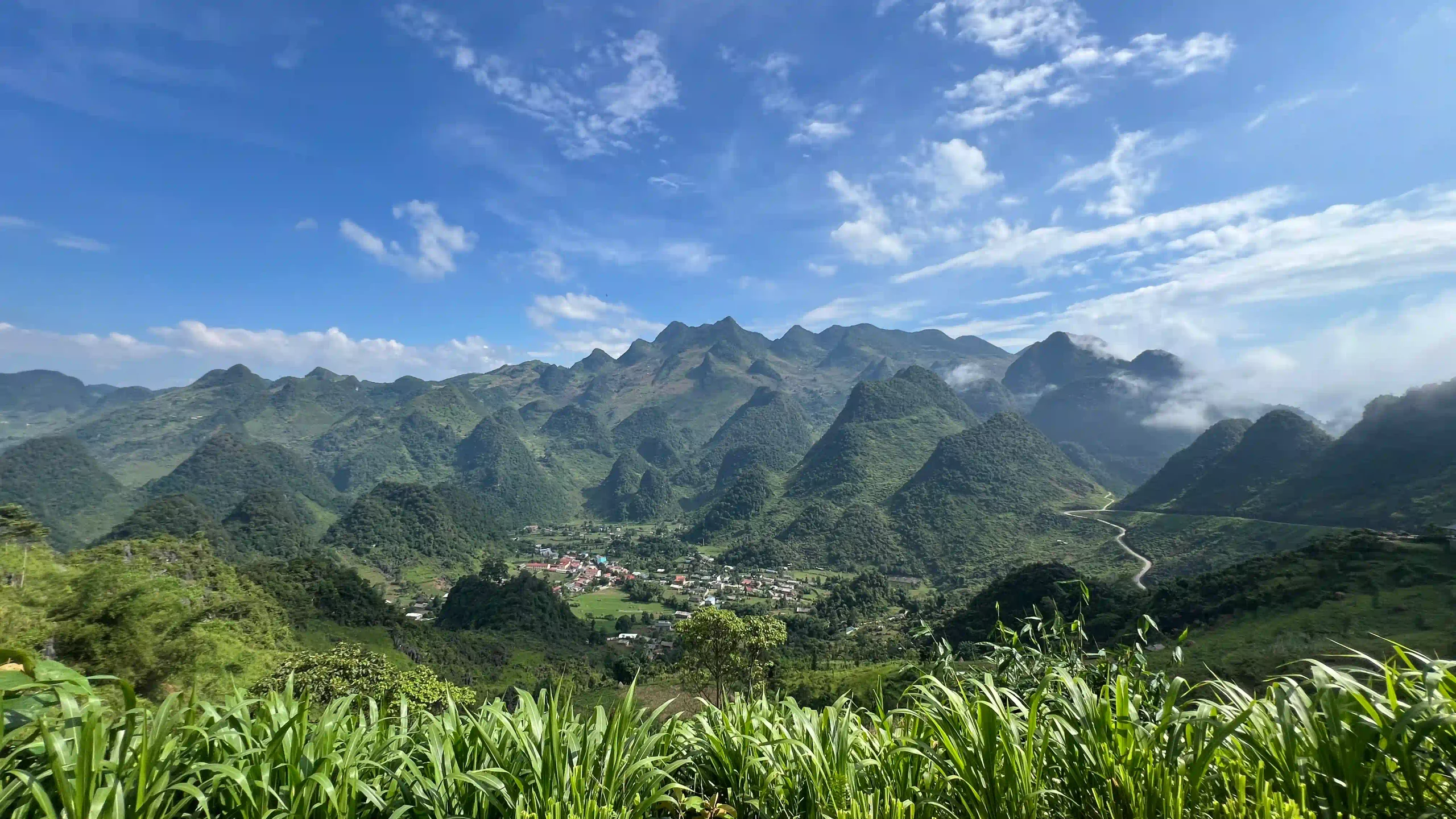
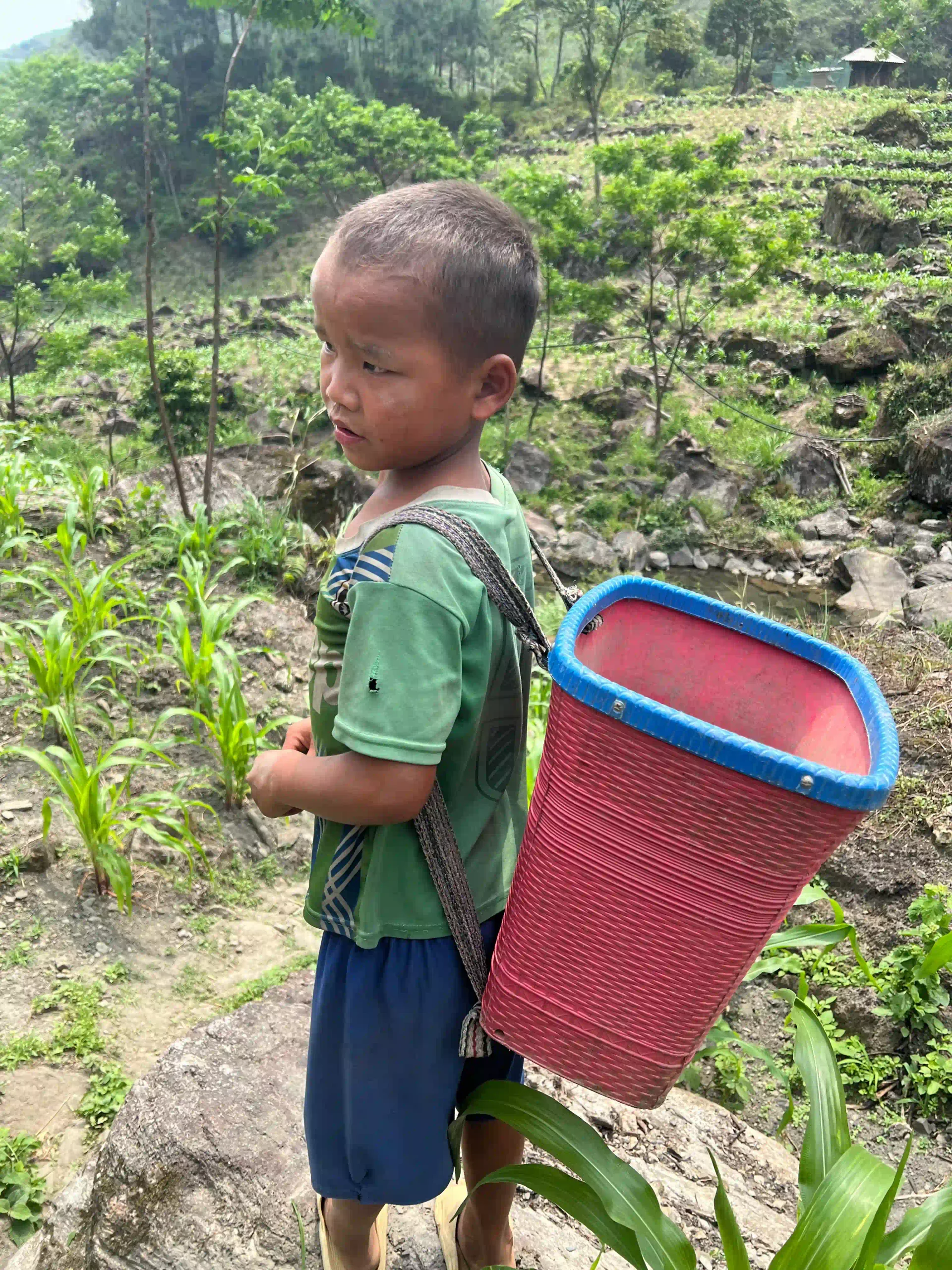
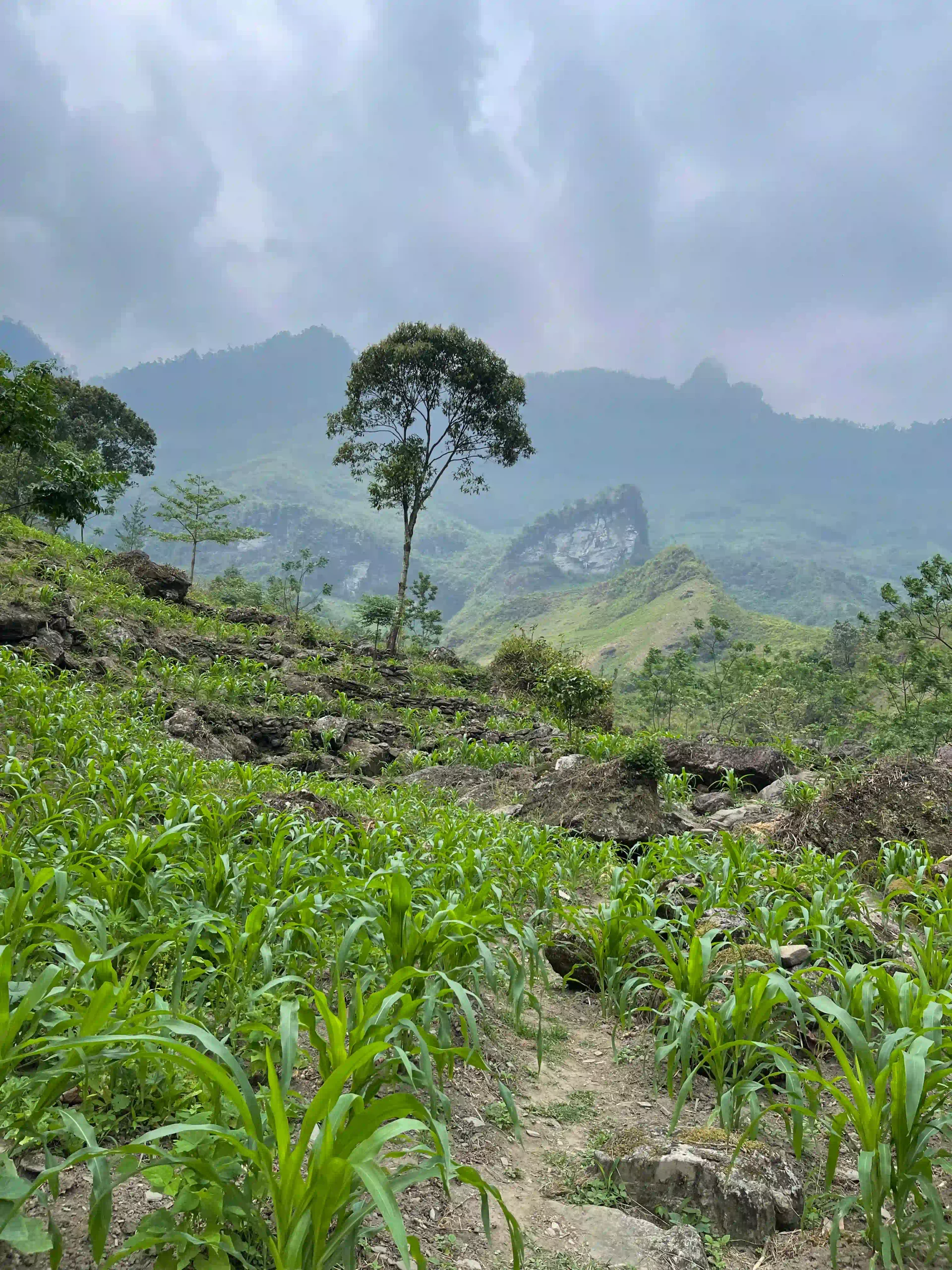
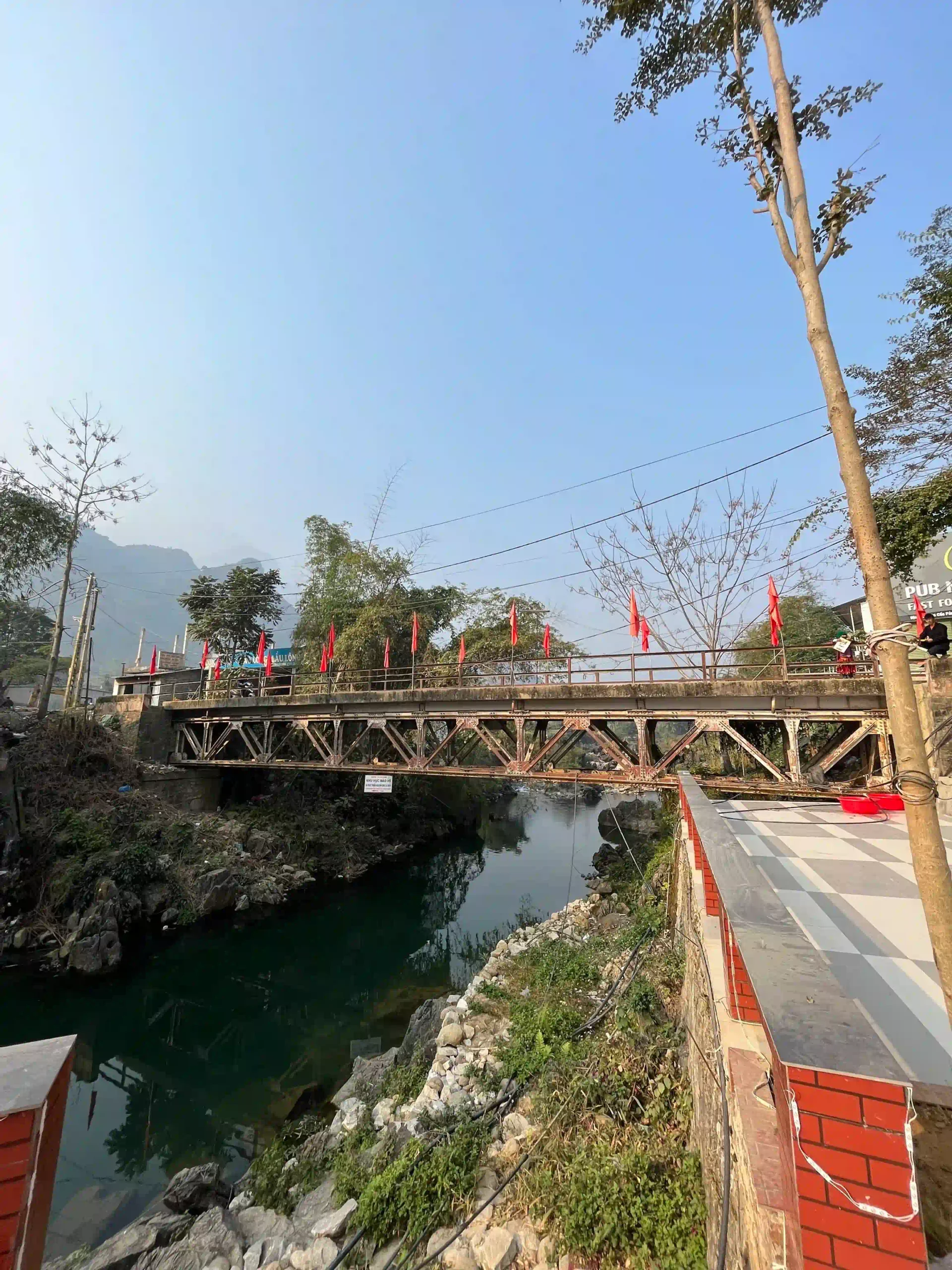
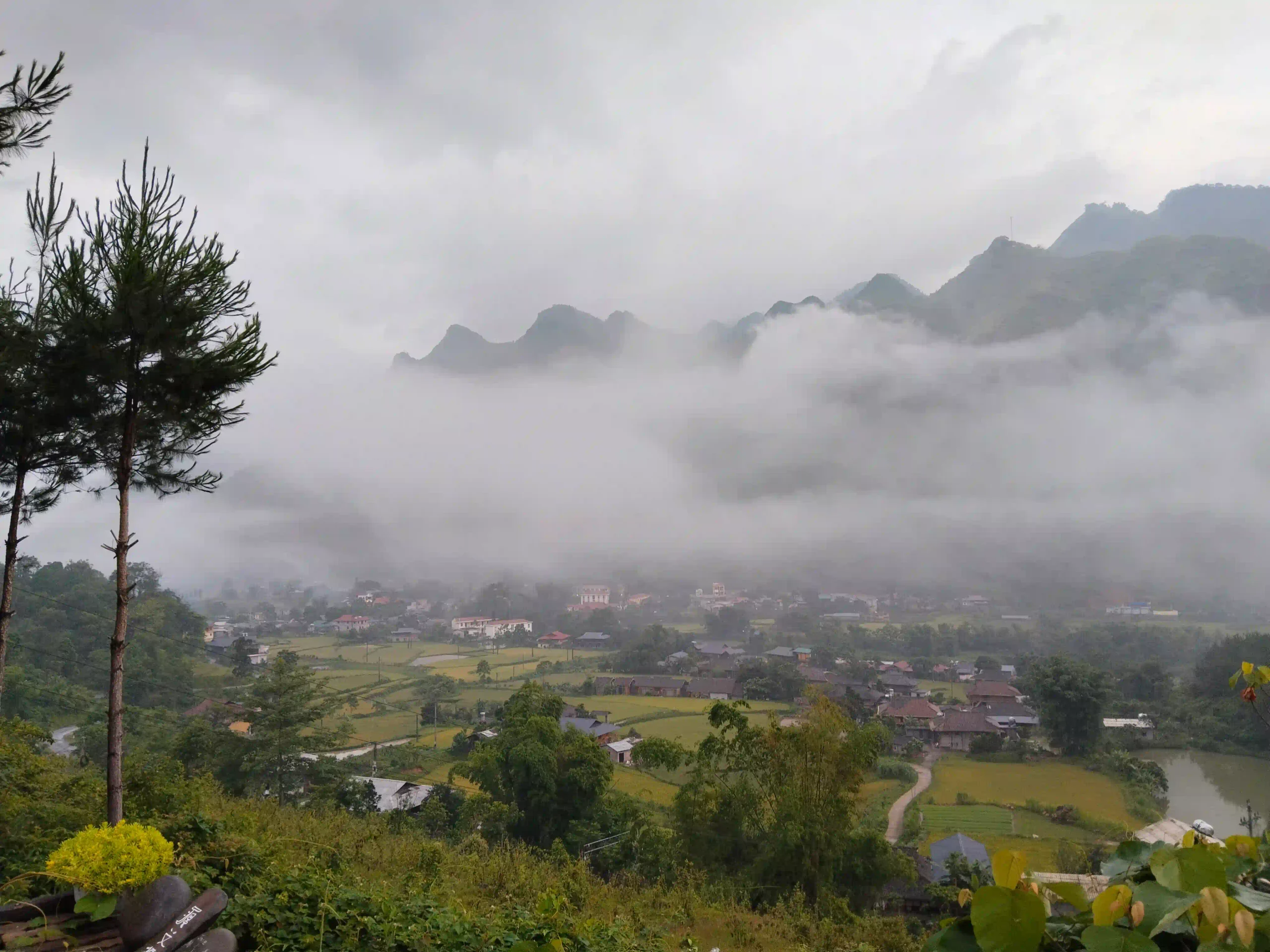
Du Gia village is a green valley of rice fields and wooden houses under steep limestone, and it’s quieter than anywhere else you’ll sleep on the loop. The things to do are small ones, and that’s the point of it.
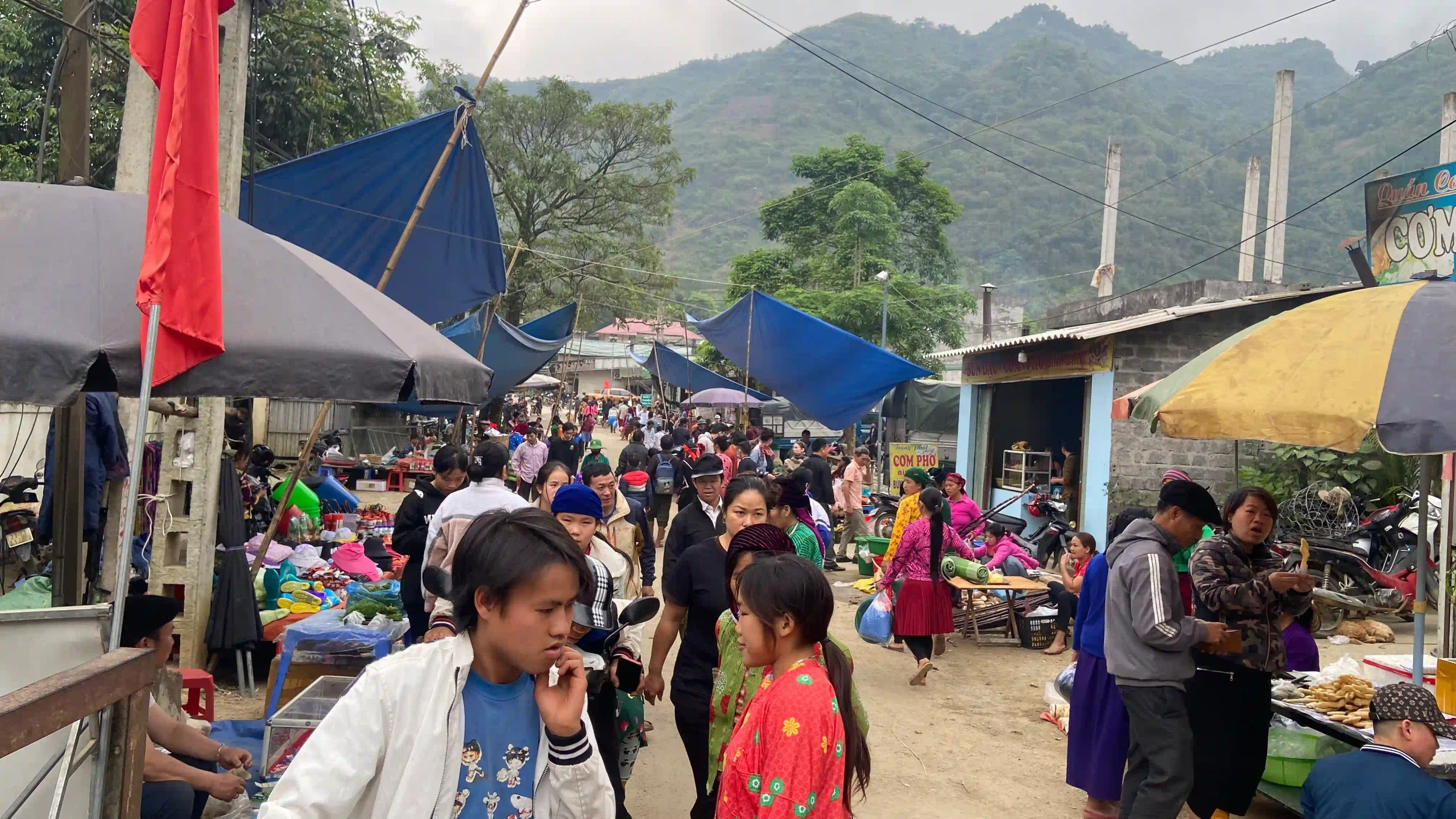
The Saturday market. Chợ phiên Du Già runs on Saturday mornings in the village centre, and the Hmong from the villages around come down to trade. There’s corn wine by early morning, thắng cố, buckwheat cakes and cháo ấu tẩu, and a lot of goods from over the border. It’s smaller than the Sunday market in Dong Van, busy enough to jam the road, and if your Du Gia morning is a Saturday it’s the reason to get up.
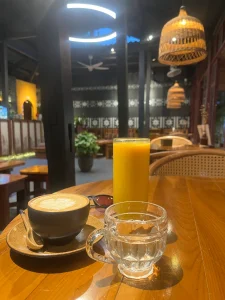
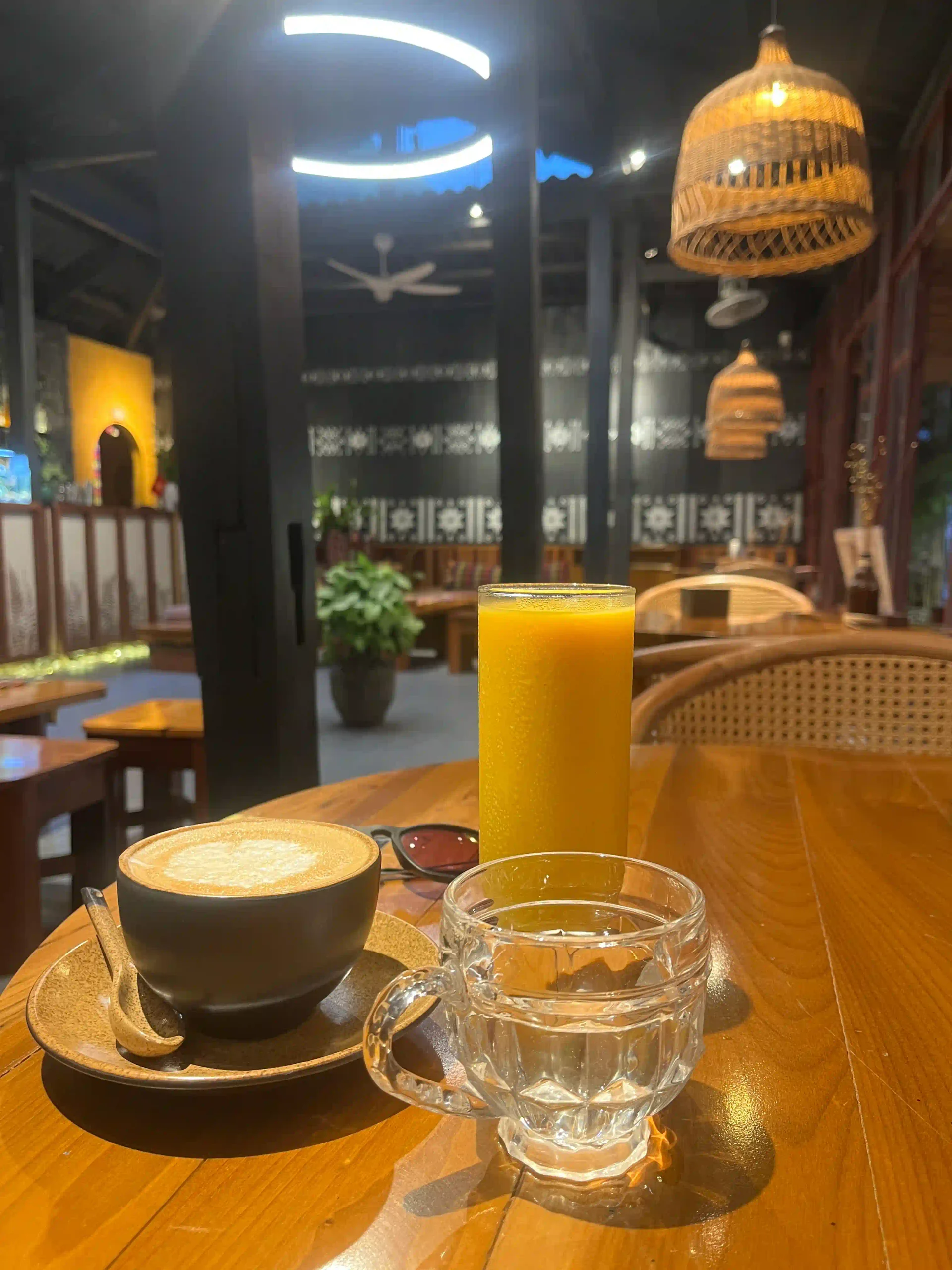
Coffee. Mường Trà Coffee & Pub, in Cốc Pảng in the middle of the village (7am to midnight), makes the best coffee I’ve had on the loop. The egg coffee is the order, with waffles and fruit, and they do soy milk.
The fields. Walking or riding slowly out along the valley roads in the early morning, when the mist is still on the paddies, is most of what I come to Du Gia for. The Lung Ho viewpoint on the road from Meo Vac is worth a stop on the way in.
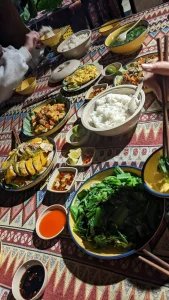
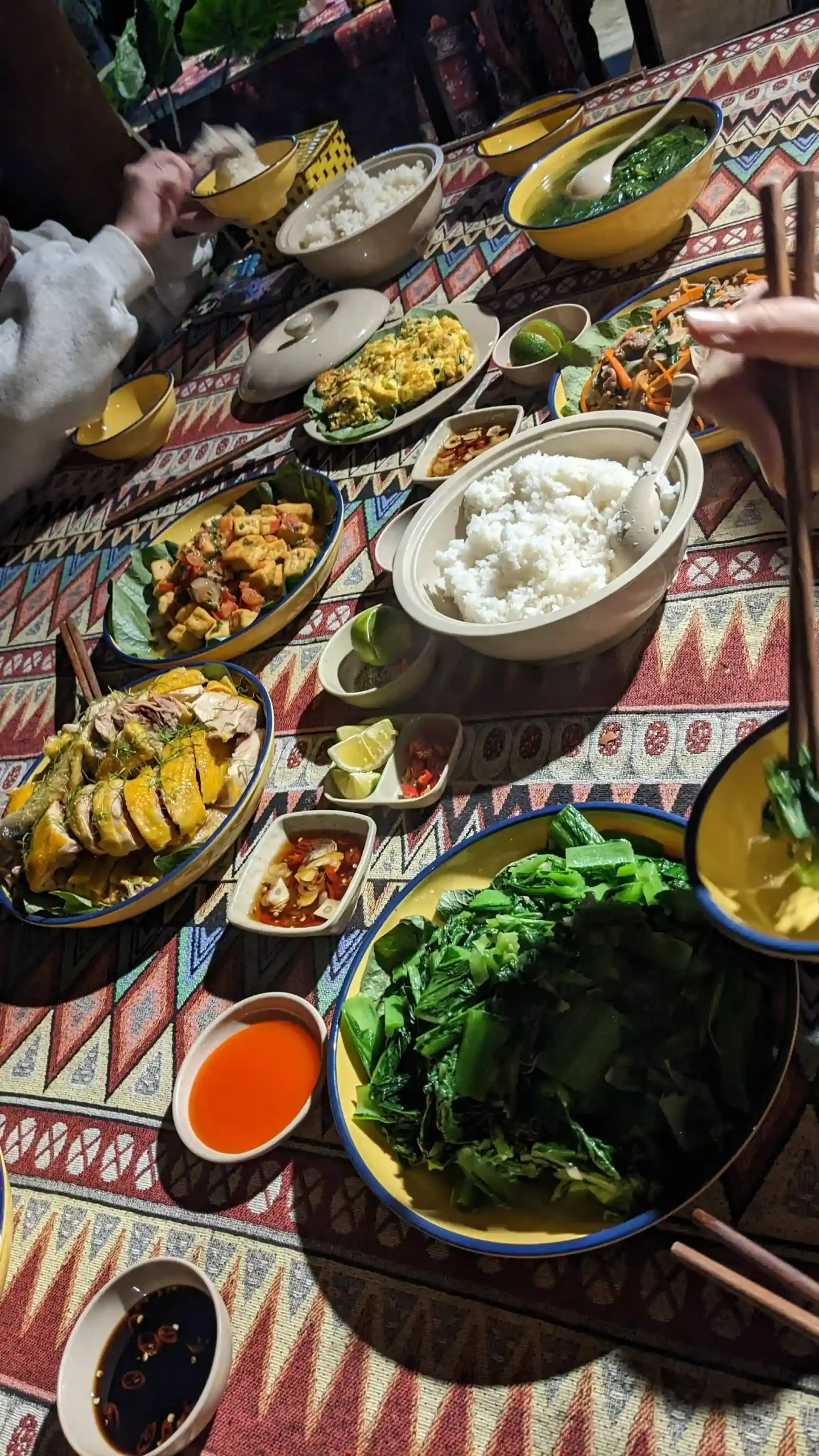
The evening. Dinner at your homestay, some corn wine, and at a couple of places karaoke until about nine, then silence. The homestays themselves, from Tớ Dày’s glamping tents over the rice fields to the food at Du Gia Panorama Ecolodge, are in where to stay in Du Gia.
When to Go to Du Gia
September and October are the best months, when the rice in the valley goes gold and the weather is clear. Summer is the best for swimming, and hot, with the water at its fullest, though after heavy rain the pool goes brown and fast, and that’s not a day to jump. From December to February Du Gia weather is cold enough that most people look at the waterfall and don’t get in.
Time of day matters more than the month. Before nine and around the middle of the day the waterfall is quiet, and from about three in the afternoon the tour groups arrive. Riding myself, I always try to get in before them, and it’s easy to. Month by month, the rest is in the best time to visit guide.
Du Gia Waterfall FAQ
Can you swim at Du Gia Waterfall? Yes, in both the top and lower pools, and at Du Gia Waterfall 2 upstream.
Is it safe to jump at Du Gia Waterfall? From the usual ledge, with the person at the top watching, in clear water, most people do it fine. The pool is deep but narrow and rocky, so I’d skip it after heavy rain.
How high is Du Gia Waterfall? About 6 metres.
Is there an entrance fee for Du Gia Waterfall? No ticket. You park the bike by the road and walk in.
How far is Du Gia from Ha Giang city? About 70km, 2 to 3 hours on the direct road.
Is Du Gia worth it on a 3-day loop? Yes. It’s the night I’d least want to lose, and most three-day tours sleep there.
Where should I stay in Du Gia? In the village, walking distance from the centre. The picks are in where to stay in Ha Giang, and what the night costs is in the Ha Giang Loop cost.
Ten Minutes Further Up
The best thing I can tell you about Du Gia Waterfall is to keep walking when everyone else stops. Ten minutes up the stream, past the end of the first path and across to the left bank, there’s a pool with nobody in it, and on the right morning you’ll have it to yourself.
I pack shoes I can swim in, a dry bag for the phone and a layer for afterwards, since the water’s colder than it looks. Then it’s back down to the village for an egg coffee at Mường Trà, and if it happens to be a Saturday, over to the market while the corn wine’s still being poured.












 Tiếng Việt
 한국어
한국어 中文 (中国)
 日本語
日本語 ไทย
ไทย Deutsch
 Español
 Destinations
 Instagram
 Facebook
 X (Twitter)
 Threads
 Tiktok