









 Ha Giang
 Hanoi
 Ho Chi Minh City
 Ha Long
 Sapa
 Mekong Delta
 Da Nang
 Hue
 Hoi An
 Ninh Binh
 Da Lat
 Nha Trang
 Phan Thiet
 Phu Quoc
 Quang Binh
 Quy Nhon
 Vung Tau
 Thai Nguyen
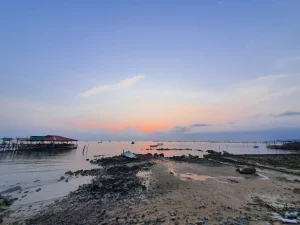
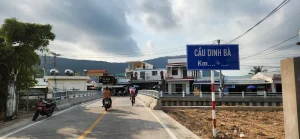
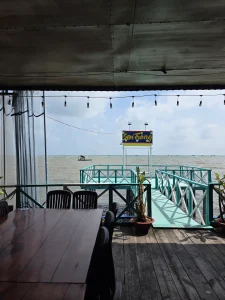
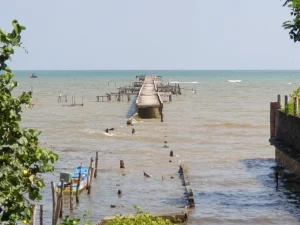
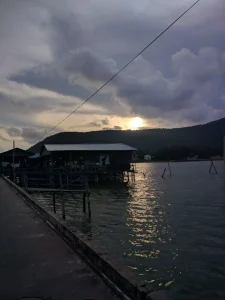
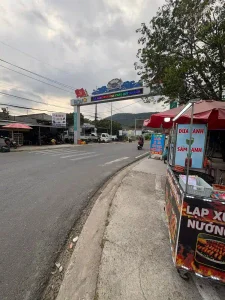
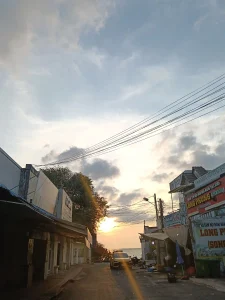

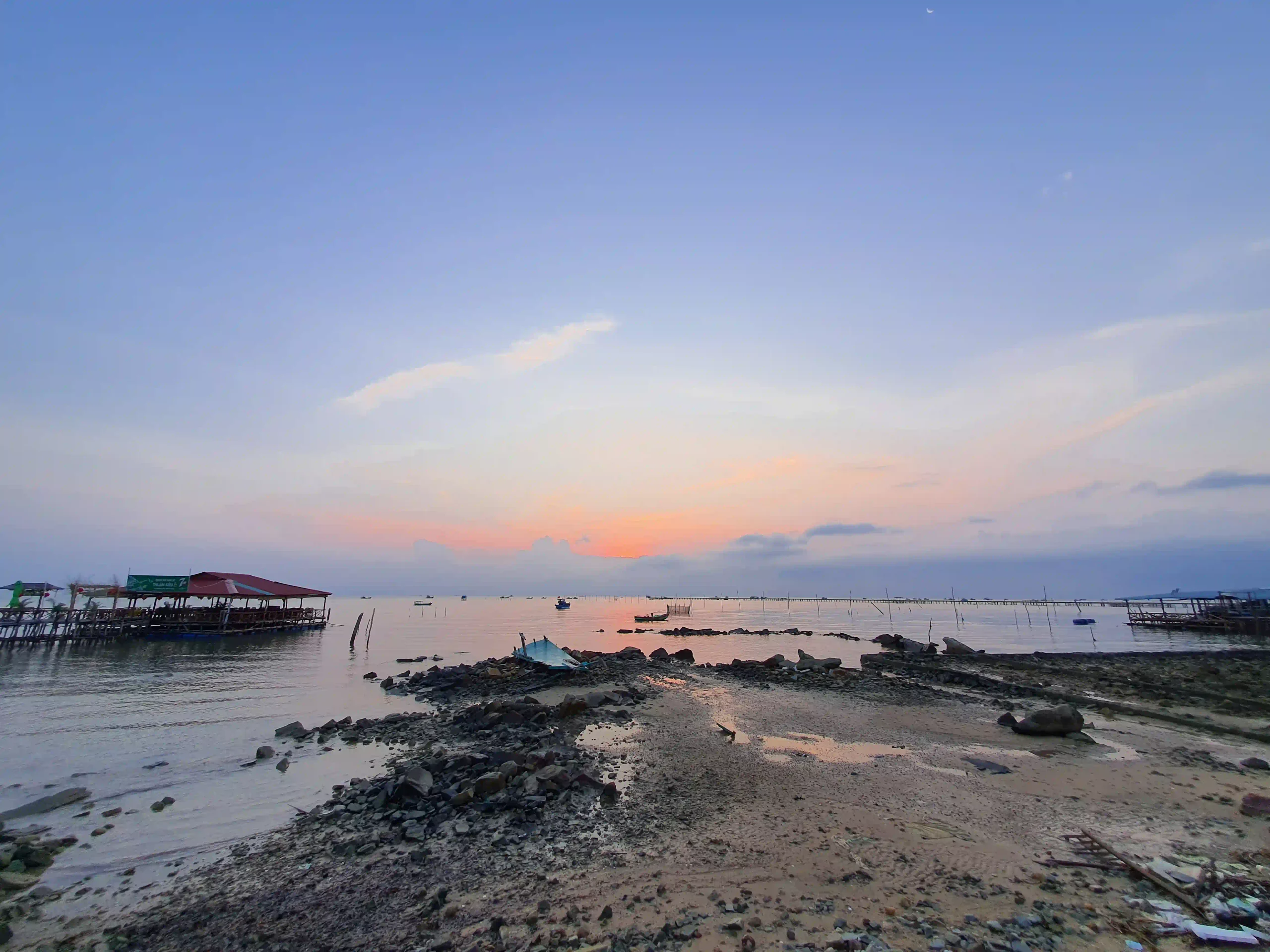
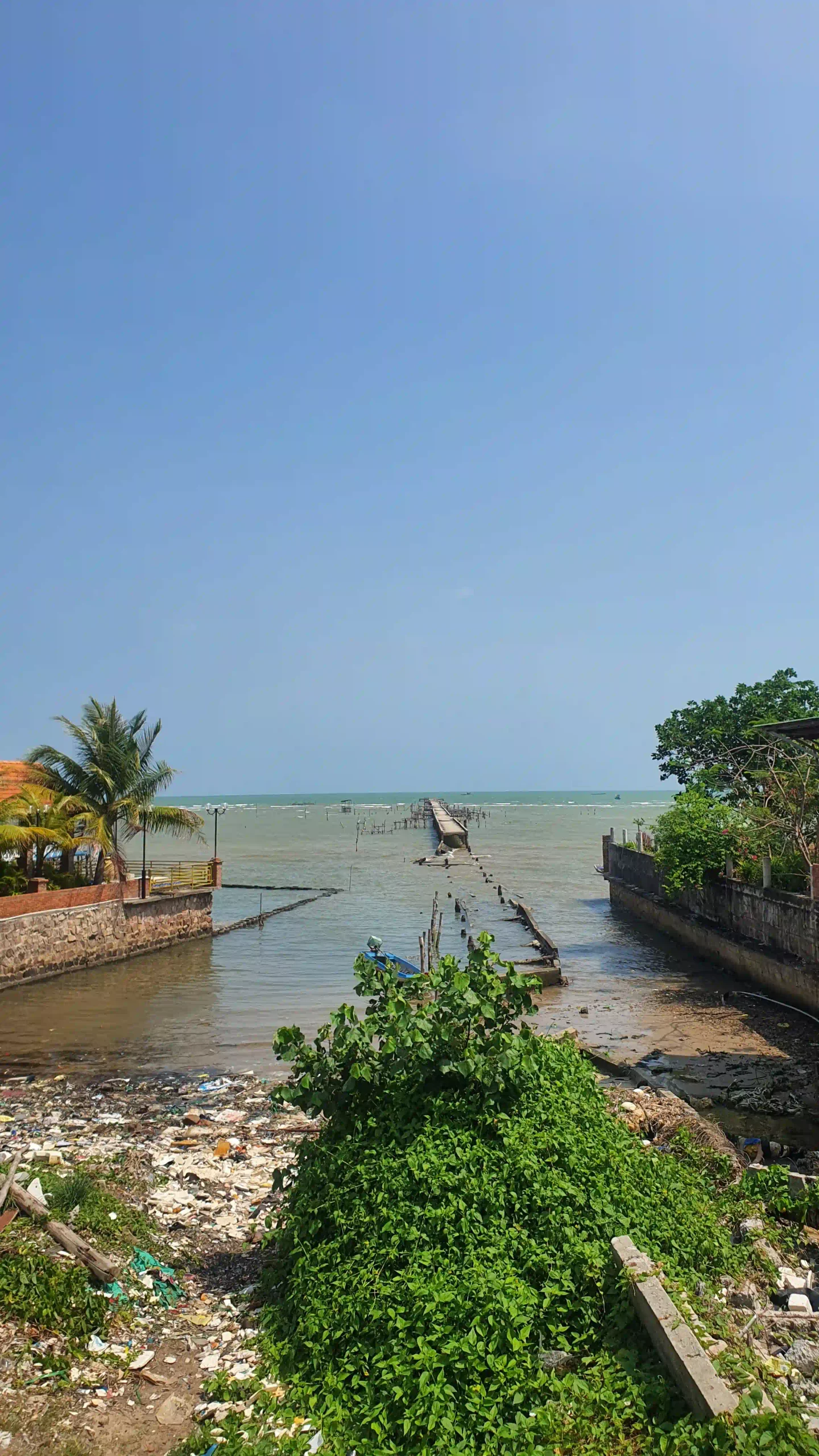
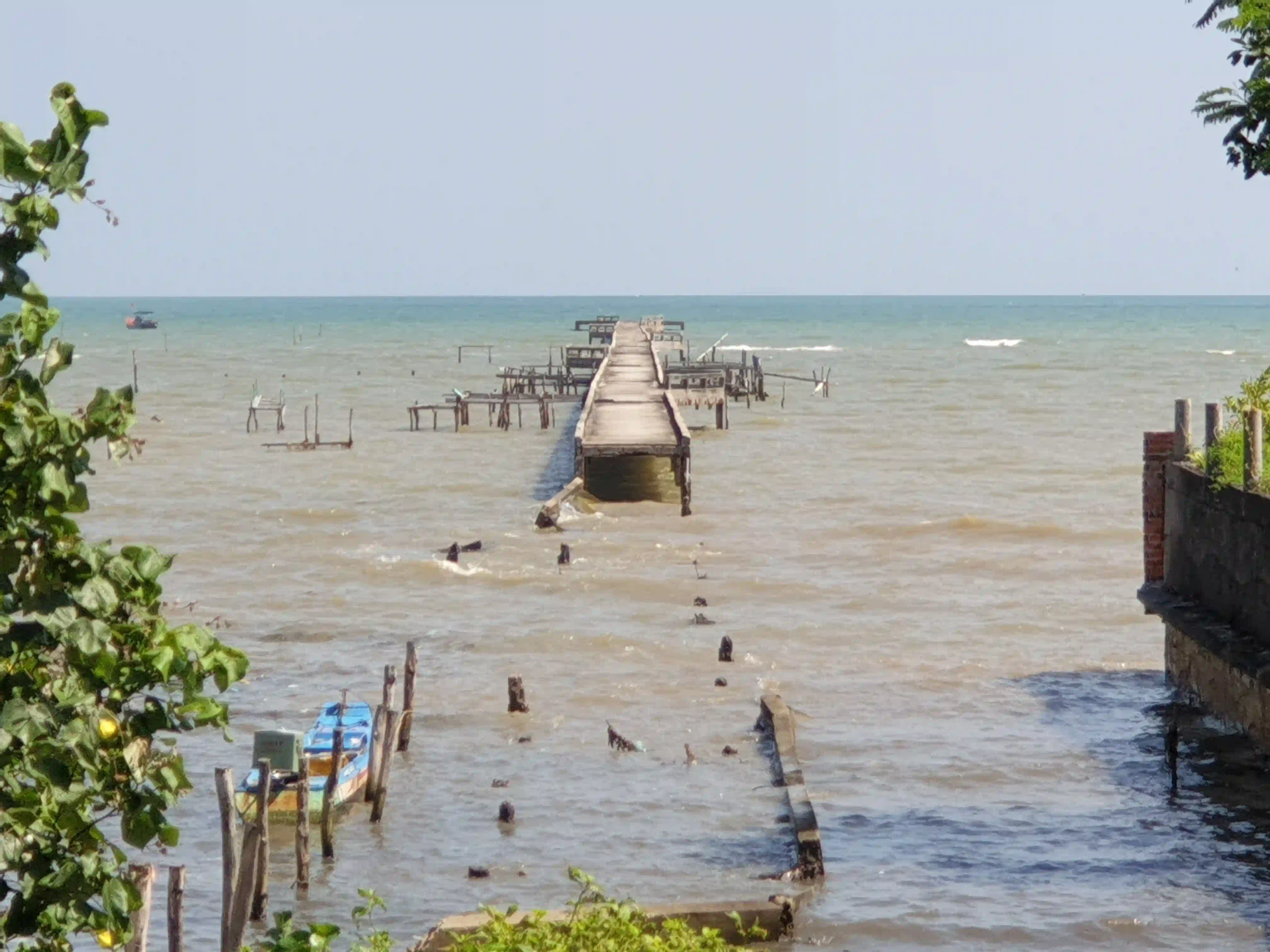
The narrow concrete pier in most photos of Ham Ninh fishing town hasn’t reached the beach since 2020. The section nearest the shore was taken down after an inspection found it unsafe, and the rest of it stands out in the water on its own. A lot of what’s still written about the village describes walking out along that pier to eat on a floating restaurant, and that walk is gone.
The village is still there, on the east coast of Phu Quoc under the Hàm Ninh hills, still fishing, and still where the island’s best-known crab is caught and cooked. Most maps call it Ham Ninh fishing village, the signs say Làng chài Hàm Ninh, and I’ve eaten there more than once, during my month on the island and on visits since. I’d still send people, for the crab and an early morning more than for anything in the old photos.
- Quick Answer: Ham Ninh fishing town (Làng chài Hàm Ninh), on the east coast of Phu Quoc, is worth visiting for its crab and for sunrise, and disappointing as a sight on its own. The famous pier lost its section nearest the shore in January 2020 and can’t be walked, so the seafood restaurants now sit on stilts along the shoreline with their own wooden walkways. Steamed crab costs roughly 350,000 to 600,000 VND a kilo there in 2026, it’s cash only at most places, and the village is a scruffy working one with rubbish at the water’s edge.
- The verdict: worth an early morning or a long lunch for the crab. A letdown if you’re expecting the pier from the photos.
- The pier:
- The 40m or so nearest the shore was demolished in 2020. Nobody walks out on the rest.
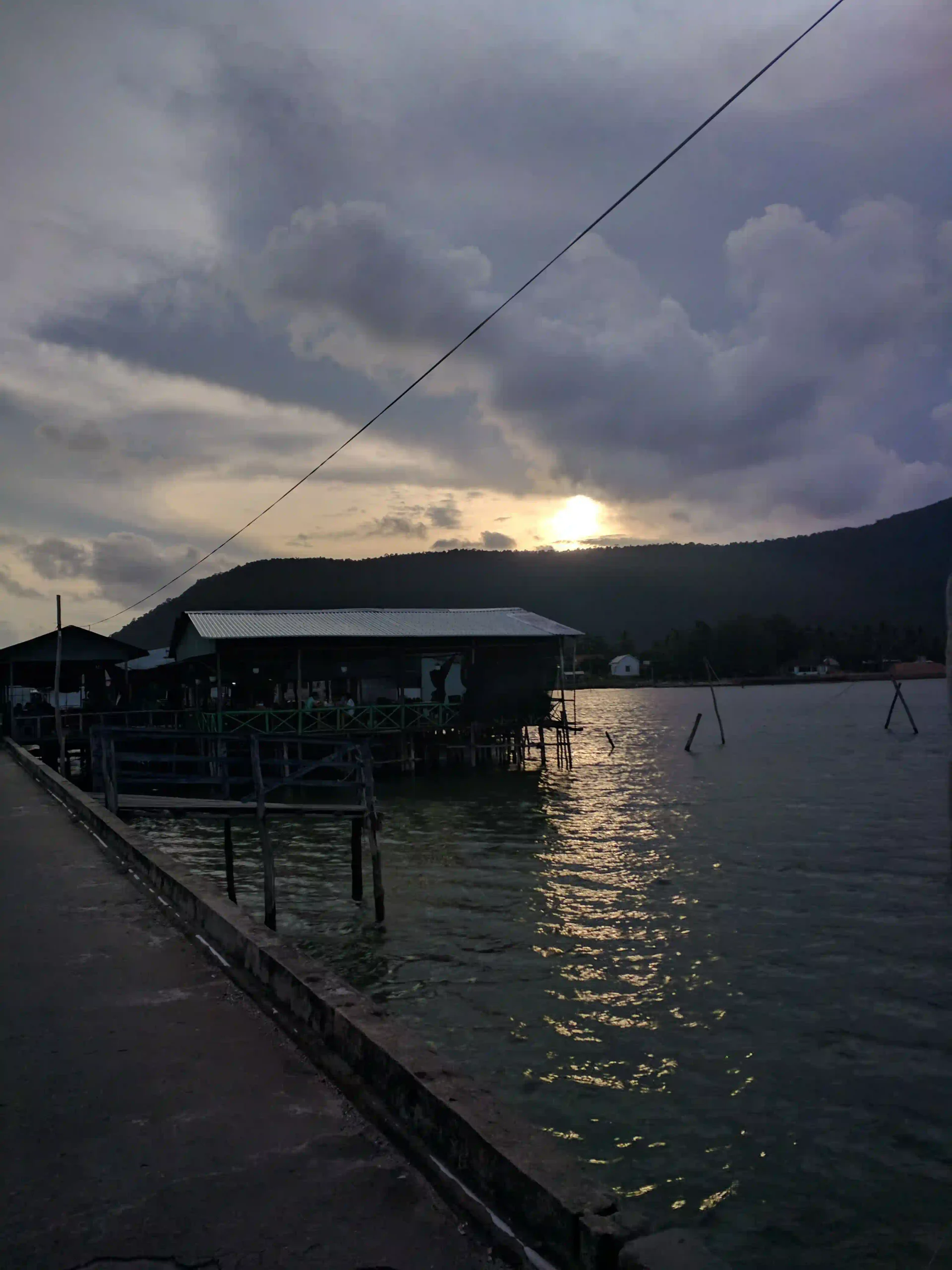
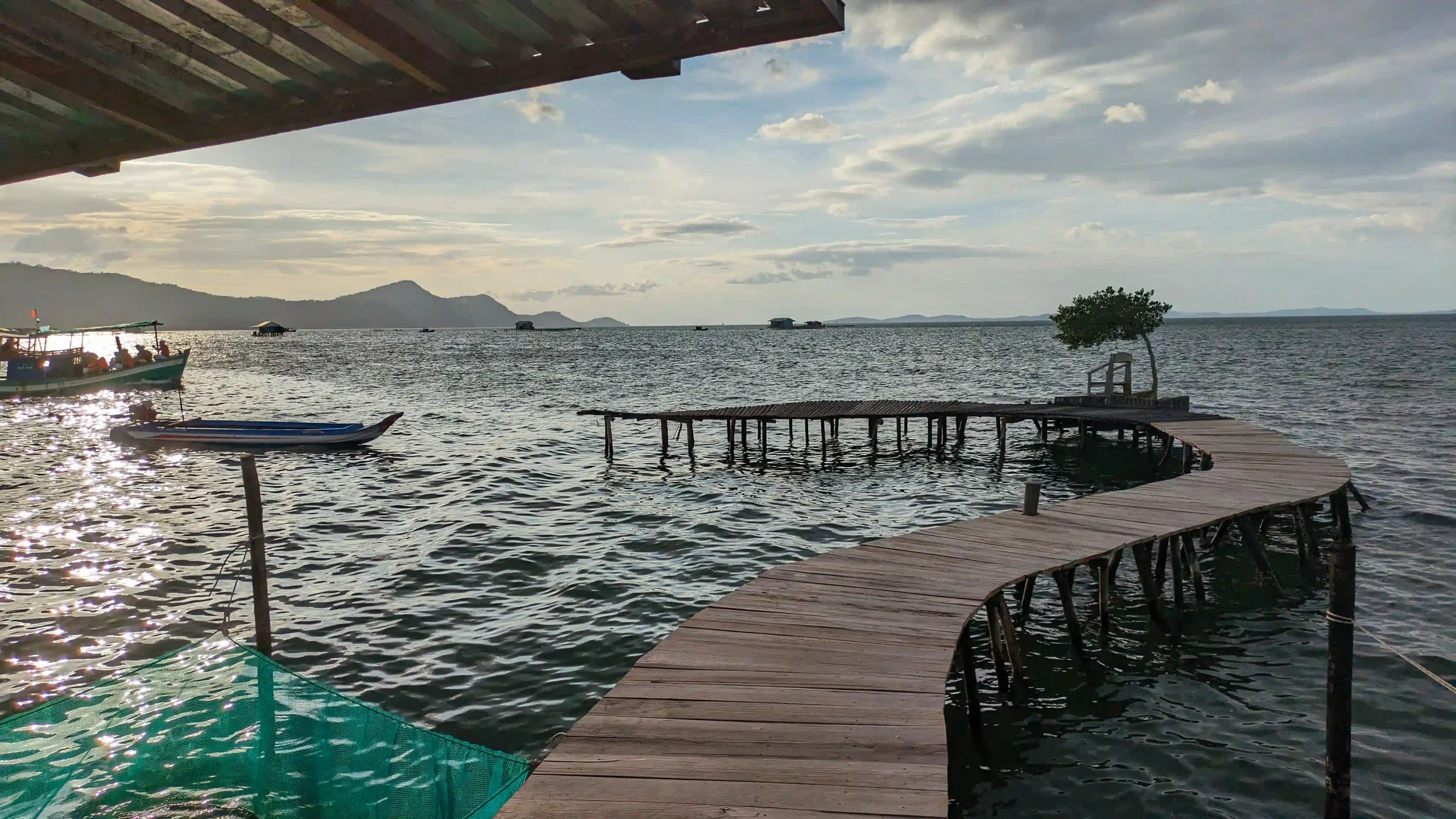
- The restaurants moved to stilt houses along the shore, each with its own walkway.
- A new tourist pier was proposed in late 2024. Nothing built as of October 2026.
- Where I’d eat:
- Thảo Nhi, end of the dirt road south of the village. The crab I’d pick, very basic, little English.
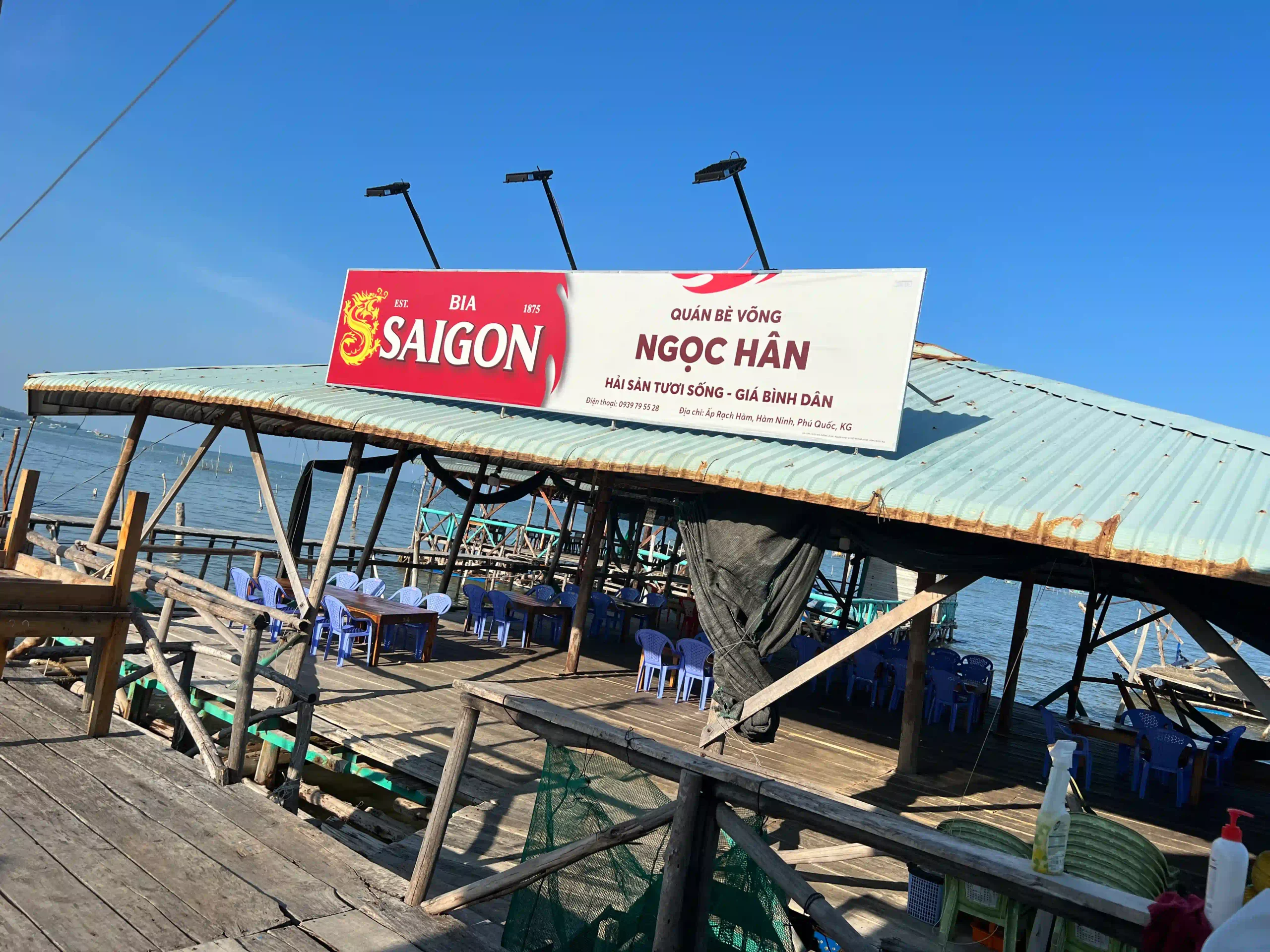
- Ngọc Hân, Tổ 10, Ấp Rạch Hàm, 9:30am to 10pm. Beside the old pier. Grilled small oysters and crab, skip the hotpot.
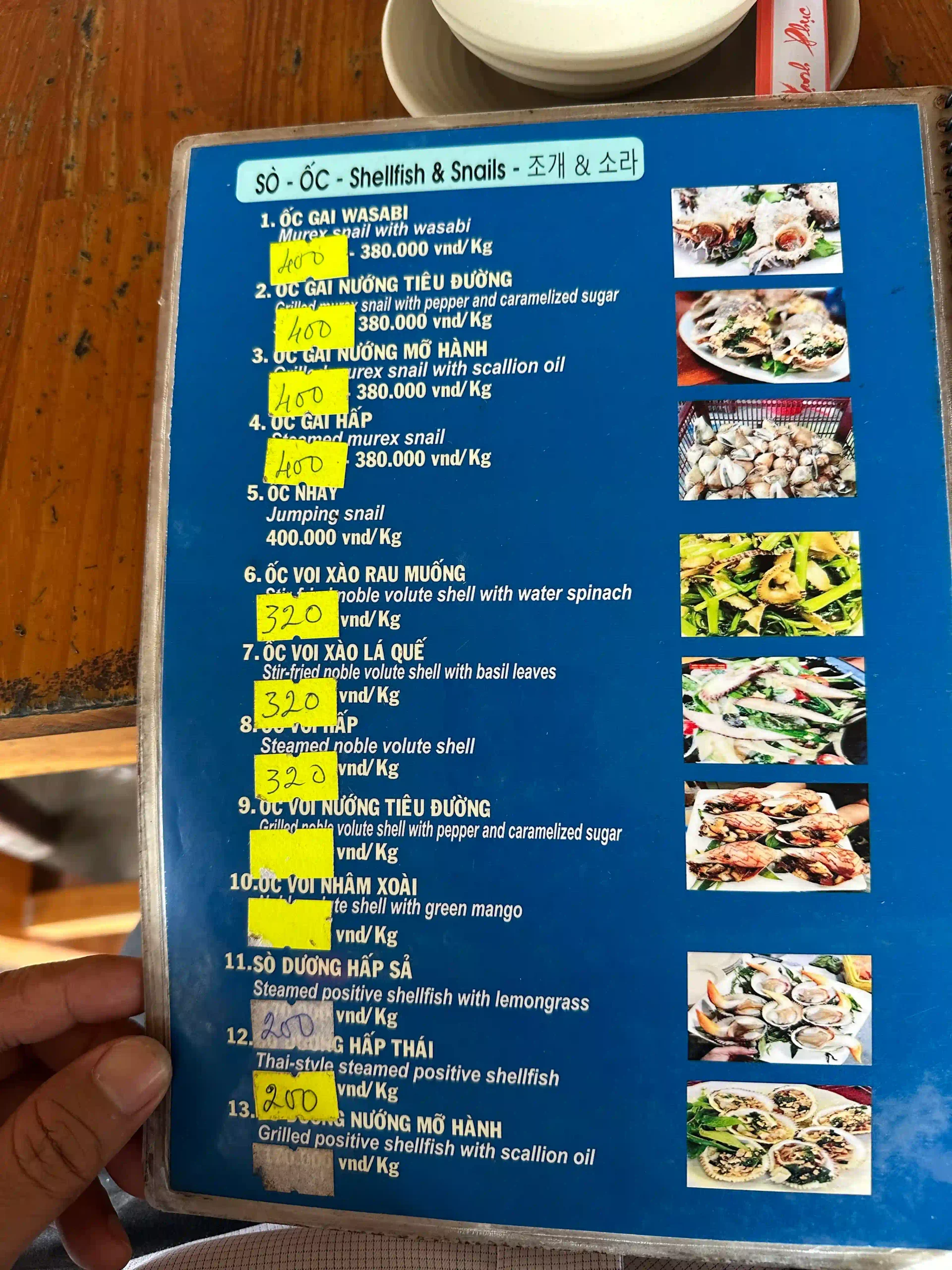
- Sơn Trang Quán, Ấp Rạch Hàm. Prices on a board before you order.
- Hạnh Nhung, TL47, 9am to 10pm. Biggest, easiest with a group or kids, slow at dinner.
- Tình Biển 2, by Cầu Rạch Gốc, 8am to 11pm. Handy before a flight, priced higher.
- Prices in 2026:
- Live crab 200,000 to 500,000 VND a kilo. Steamed at the restaurants 350,000 to 600,000.
- Grilled sea urchin 20,000 to 40,000 each. Herring salad 150,000 to 250,000 a plate.
- A kilo of crab, a herring salad and two beers at the cheaper rafts: about 550,000 to 650,000 VND.
- Price boards mostly in Vietnamese. Bring cash.
- The bill: agree the price per kilo, watch it go on the scale, count prawns sold by size.
- Ham Ninh market: small, on TL47, best early. Cheap fruit, grouper and ponyfish. Leave the dried seahorses.
- Getting there:
- About 14km east of Duong Dong, around 20 minutes by Grab. About 15 minutes from the airport.
- Getting a car back is harder. Have the restaurant call one, or book your driver for the return.
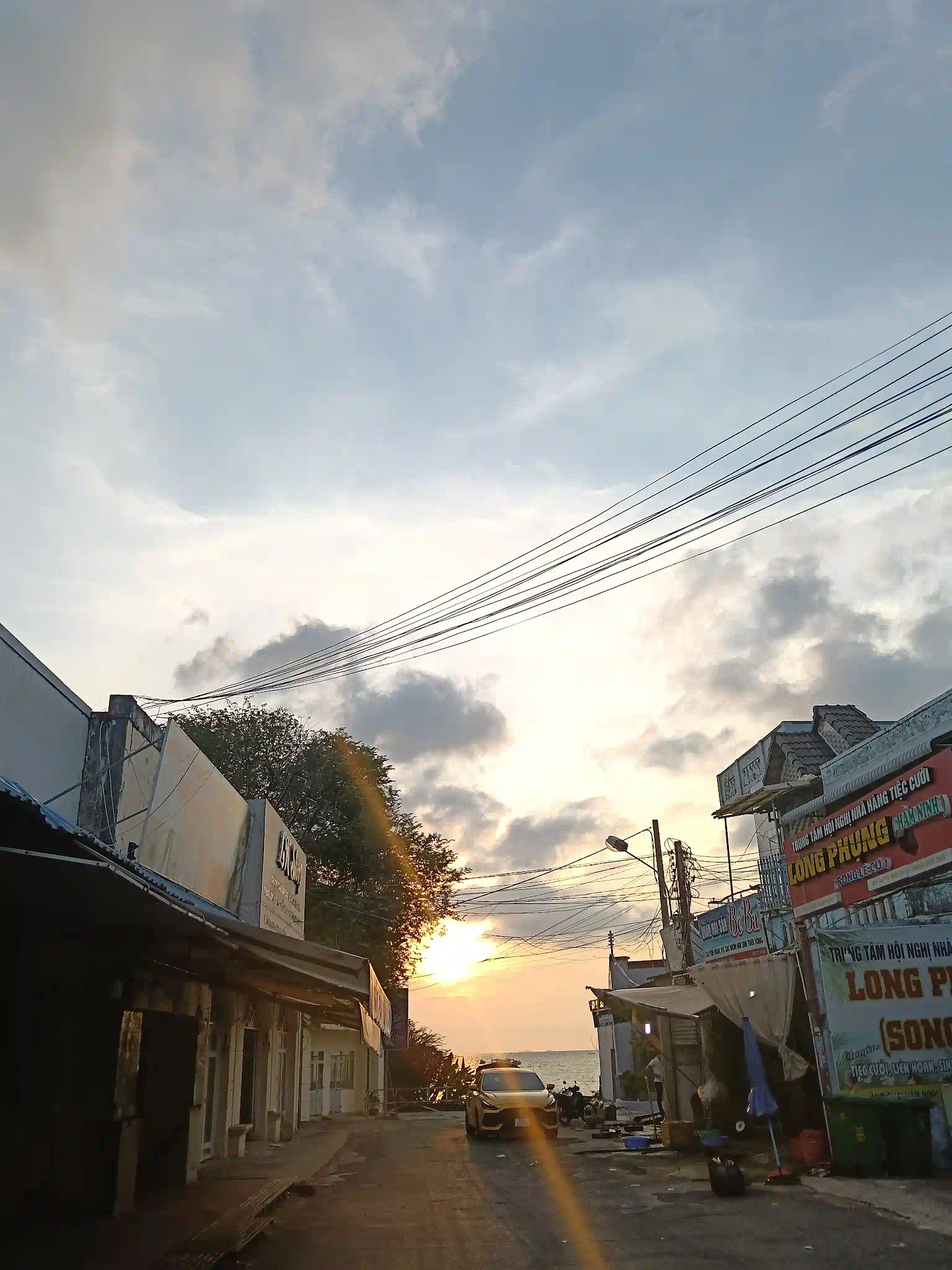
- When to go: sunrise, a little before 6am. The village faces east, so there’s no sunset over the water.
Ham Ninh Fishing Town Review: Is It Worth Visiting?
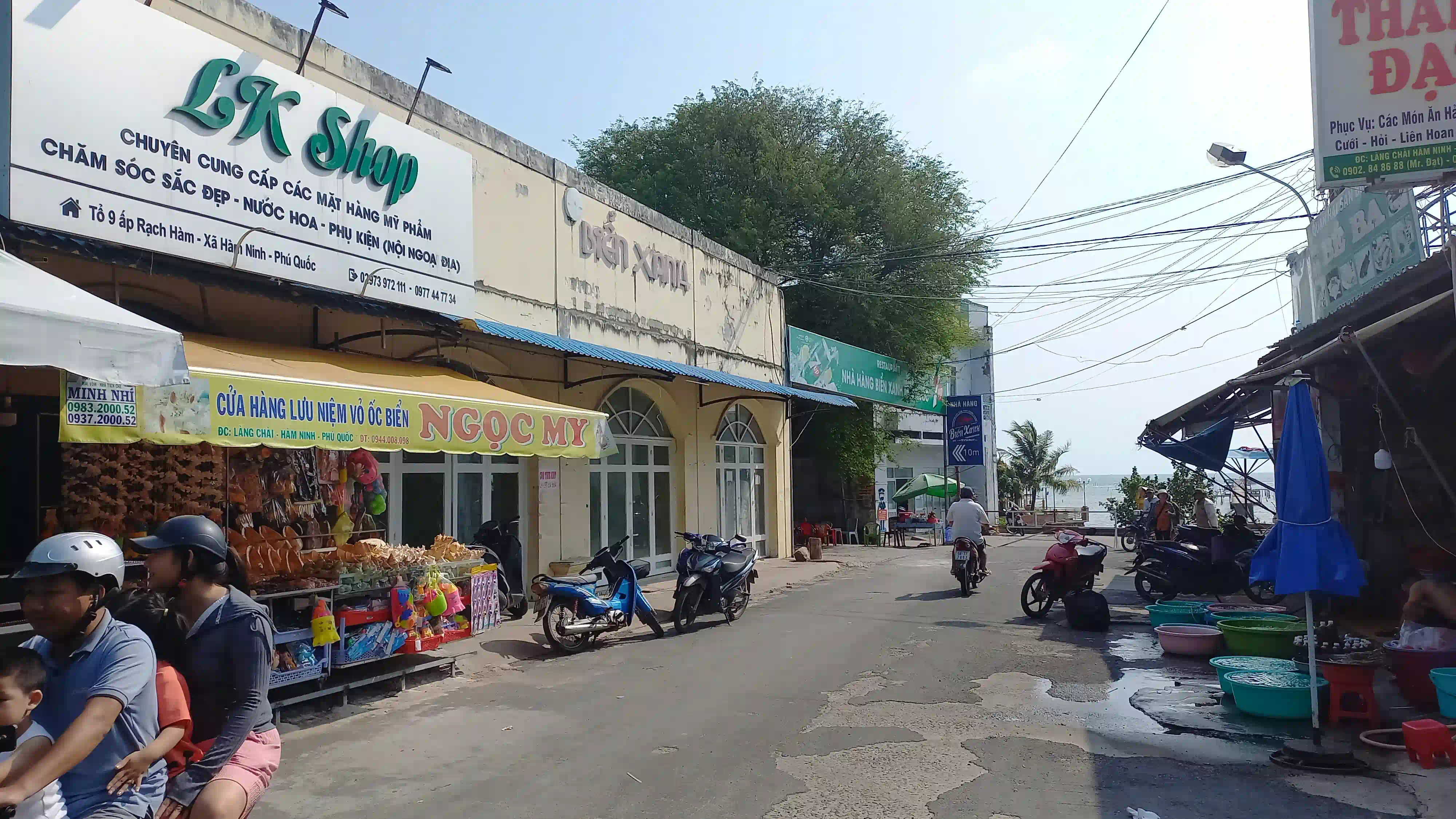
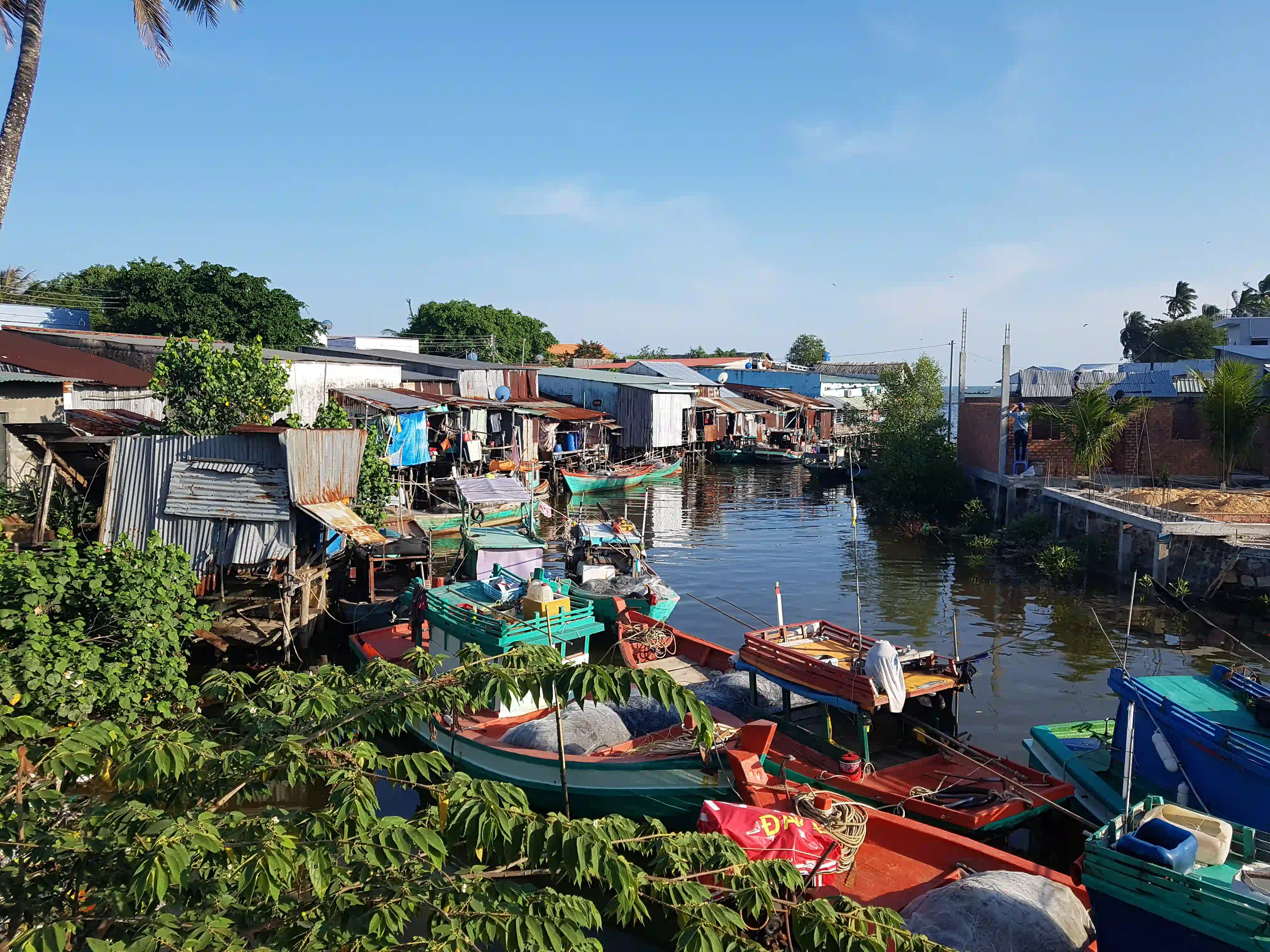
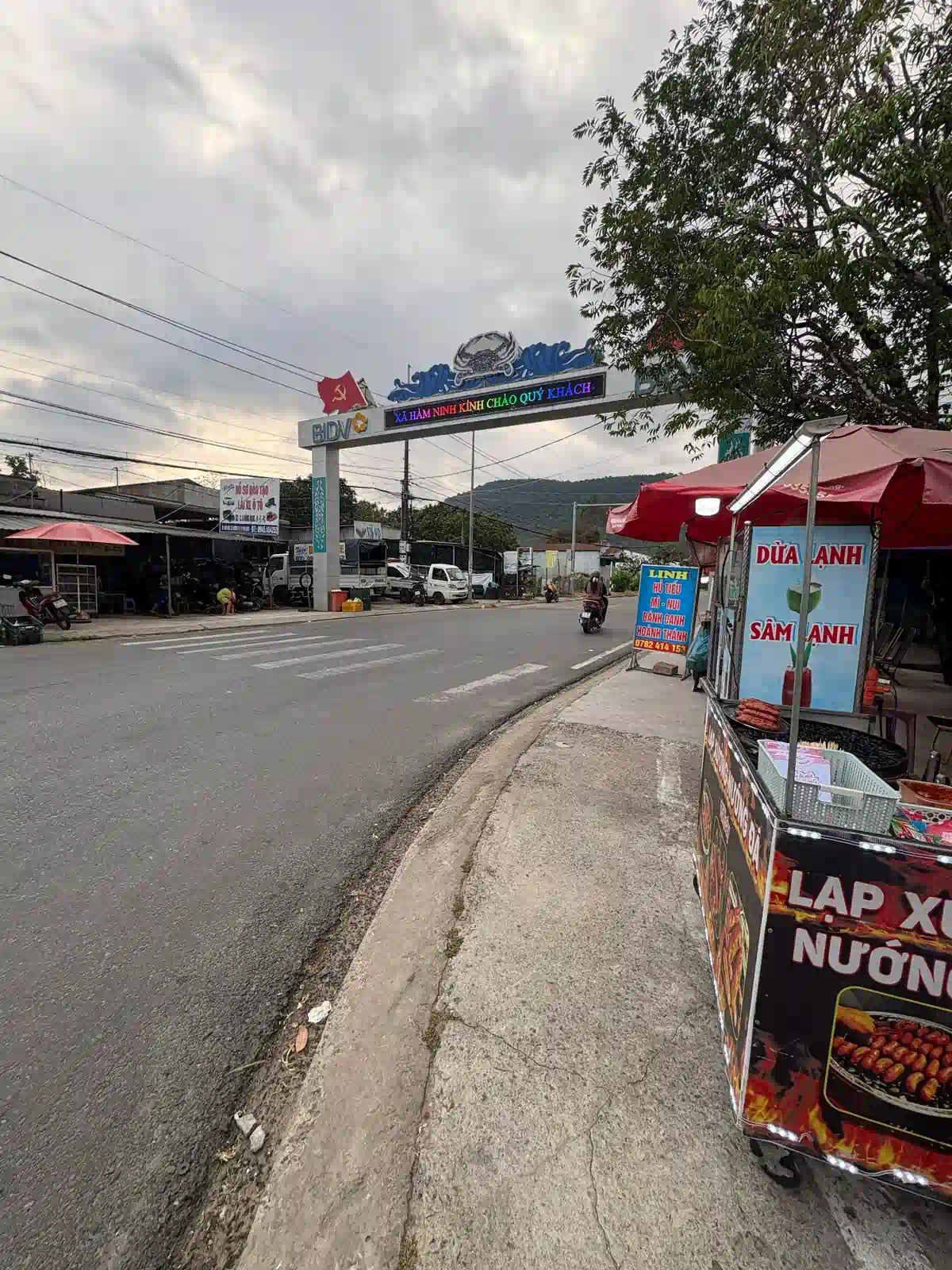
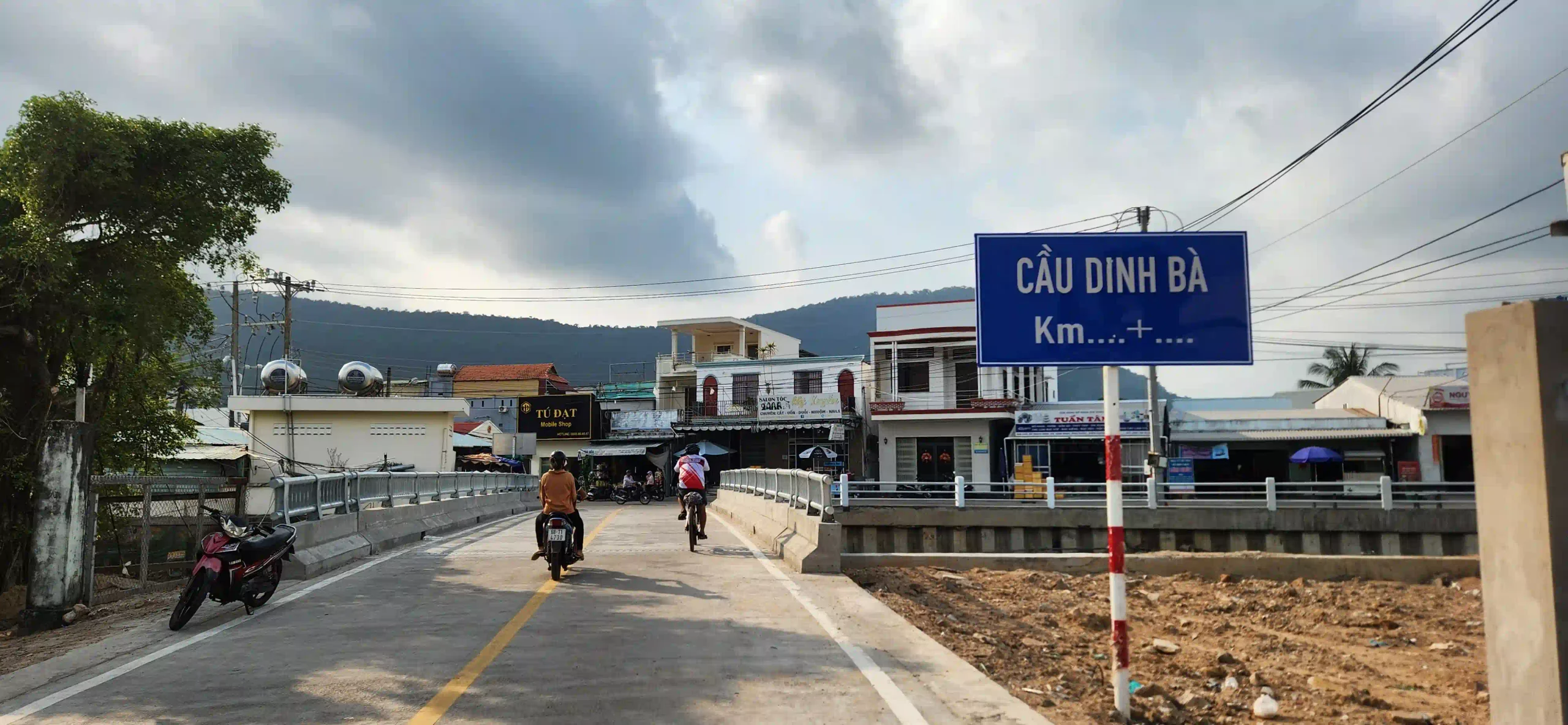
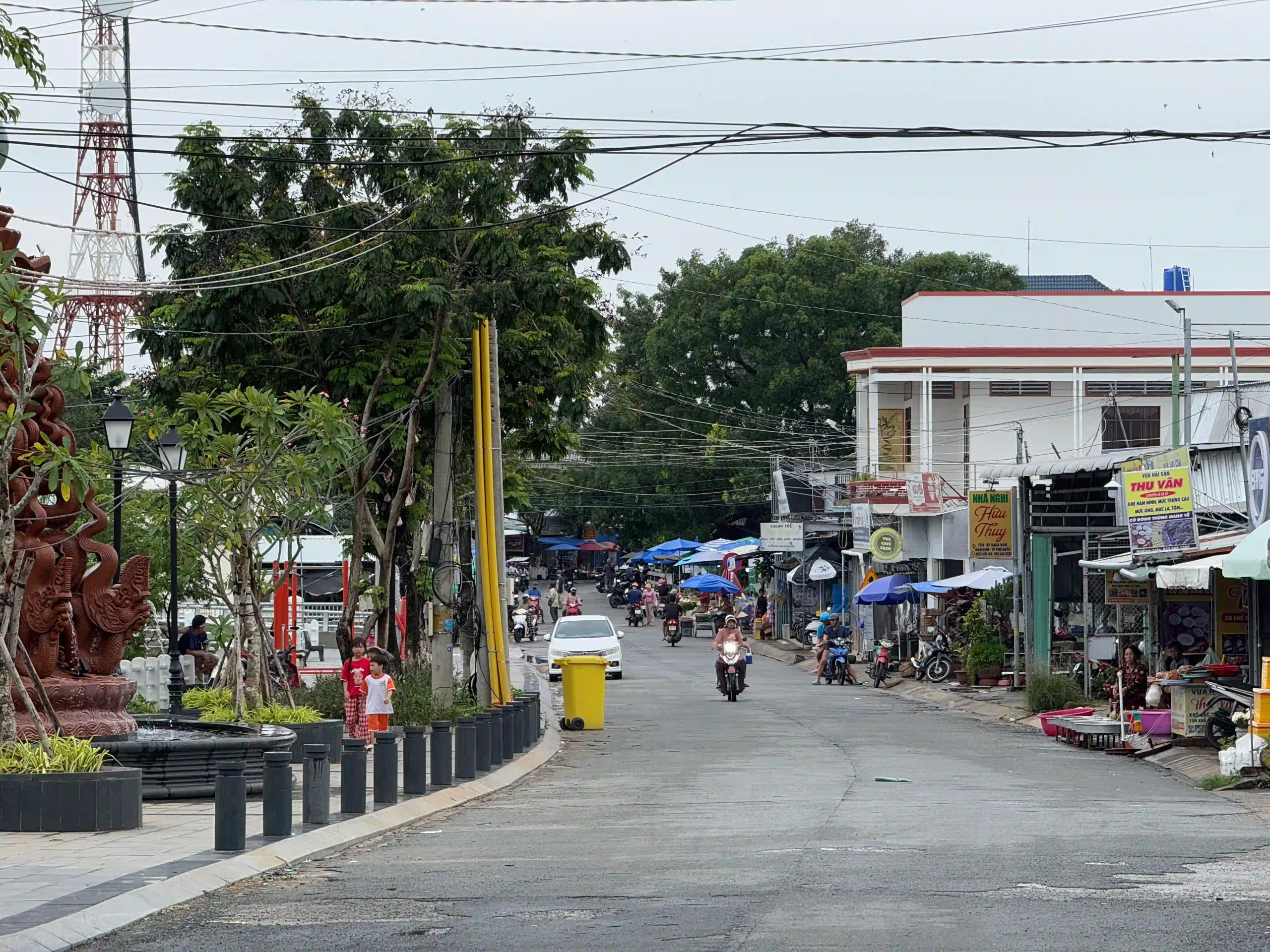
Yes for a crab lunch and an hour on the waterfront early in the day. As a sight on its own, next to the other things to do in Phu Quoc, no. Ham Ninh fishing town is one main road running down to a strip of stilt restaurants, a small market, boats at anchor in shallow water, nets and anchovies drying in the sun, and a fair amount of plastic wherever the road meets the sea.
People come back from it divided, and I think it comes down to what they expected. Anyone picturing a postcard village finds a scruffy working place that smells of drying fish and calls it nothing special. Anyone who came for the crab eats well, pays less than on the west coast, and is happy. Both are describing the same Ham Ninh fishing town.
The scruffiness is real. There’s rubbish at the water’s edge, more around the stilts at low tide, and I wouldn’t swim anywhere near the restaurants. It’s also tied up with why the food is good, since these are families who fish or keep crab cages. If clean and polished matters more than the crab, the seafood places on 30/4 Street in Duong Dong will suit you better.
What Happened to the Ham Ninh Pier
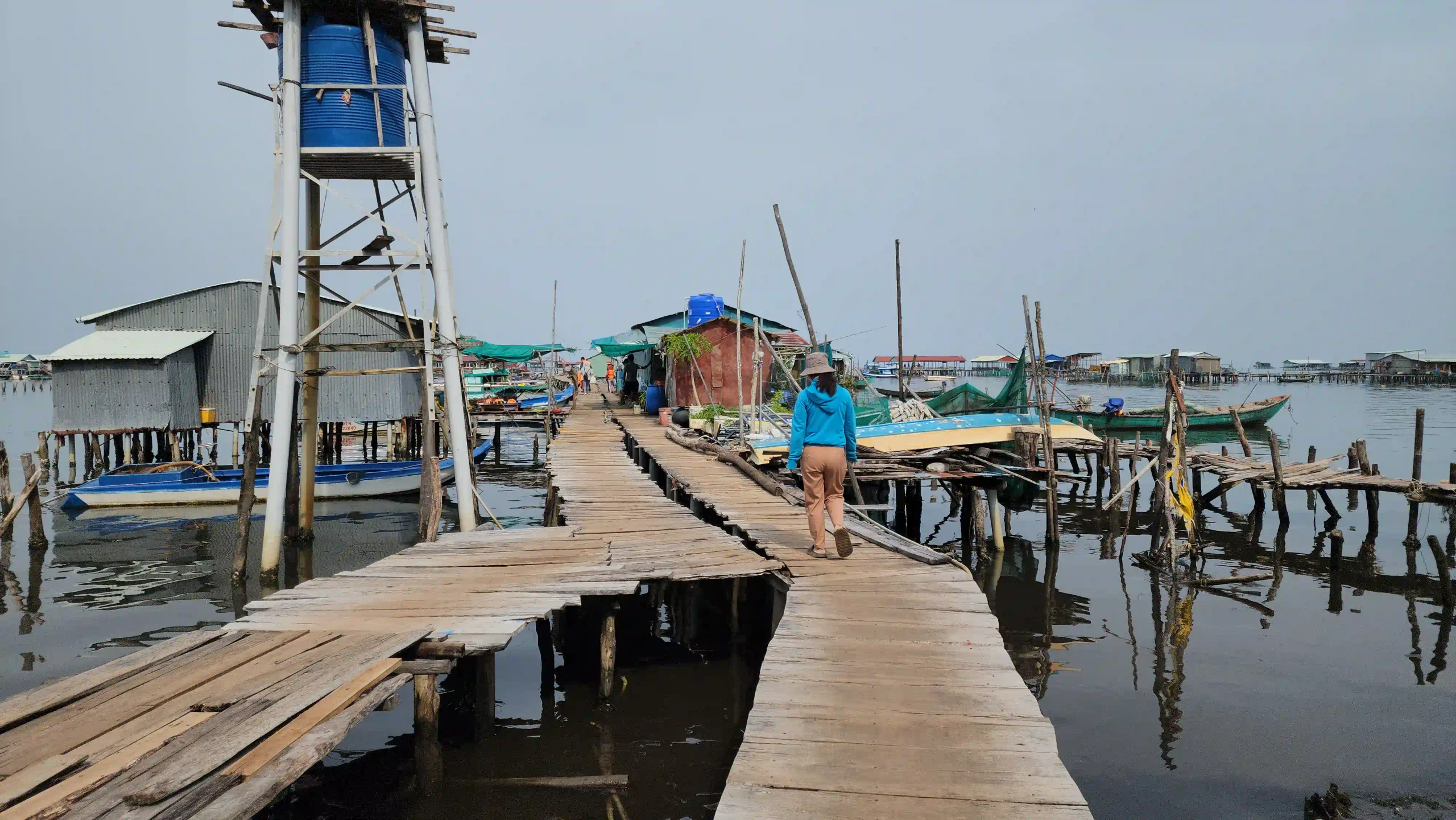
About 80 centimetres. That was the width of the concrete pier, rebuilt in 2002 over an older wooden one. Families who farmed fish in floating cages turned those cages into small restaurants moored along it, so you walked out over the sea on a path the width of a doorway and ate crab pulled from a net beside the table. That’s the Ham Ninh fishing town in the photos, and in the guides nobody has updated.
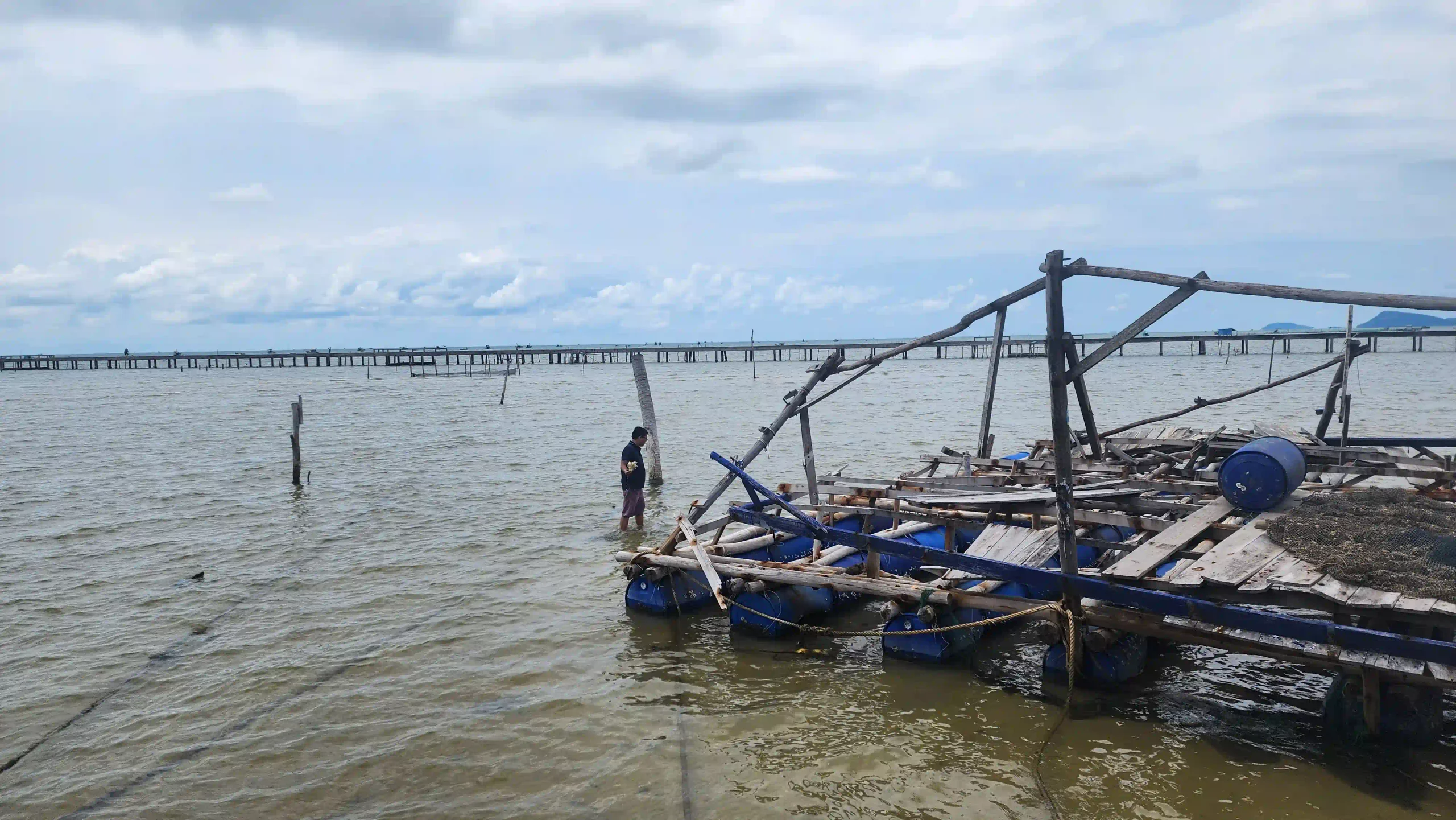
In the past, a provincial inspection found the pier couldn’t safely carry normal use, and in 2020 the local authorities took down the 40 or so metres nearest the shore. The raft owners protested, since the pier was their trade, and it went ahead anyway. What’s left stands out in the water, cut off from the land.
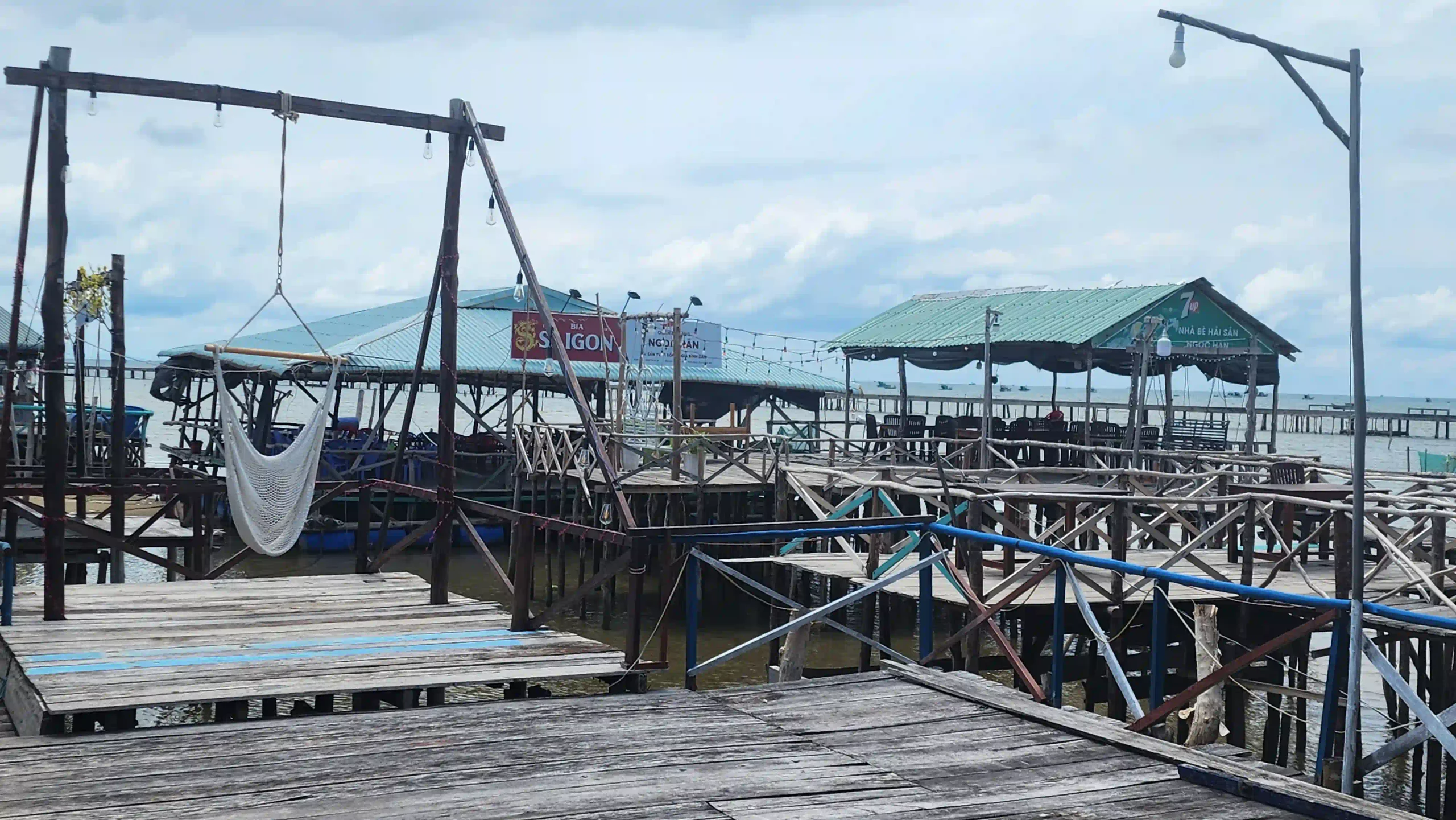
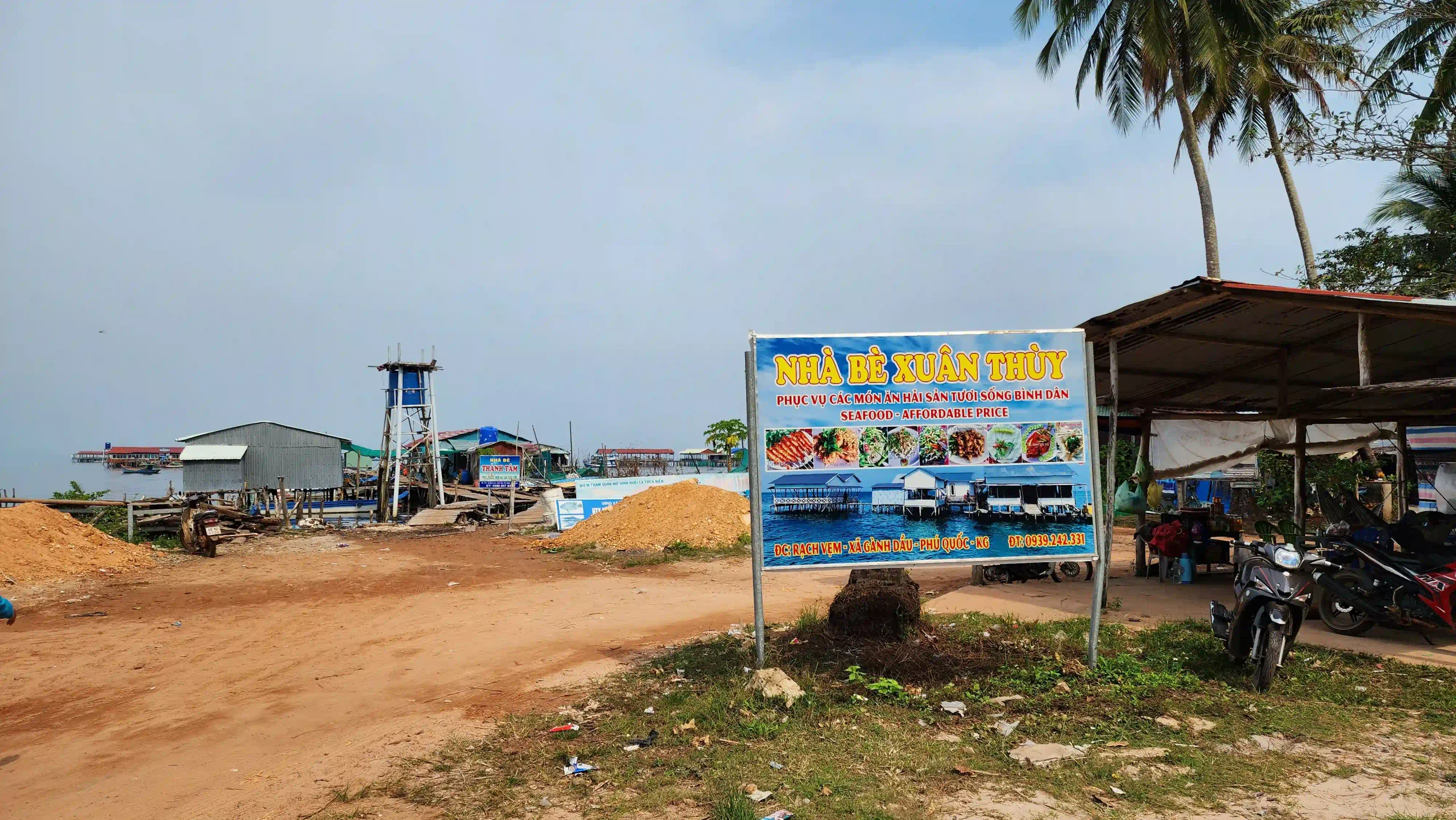
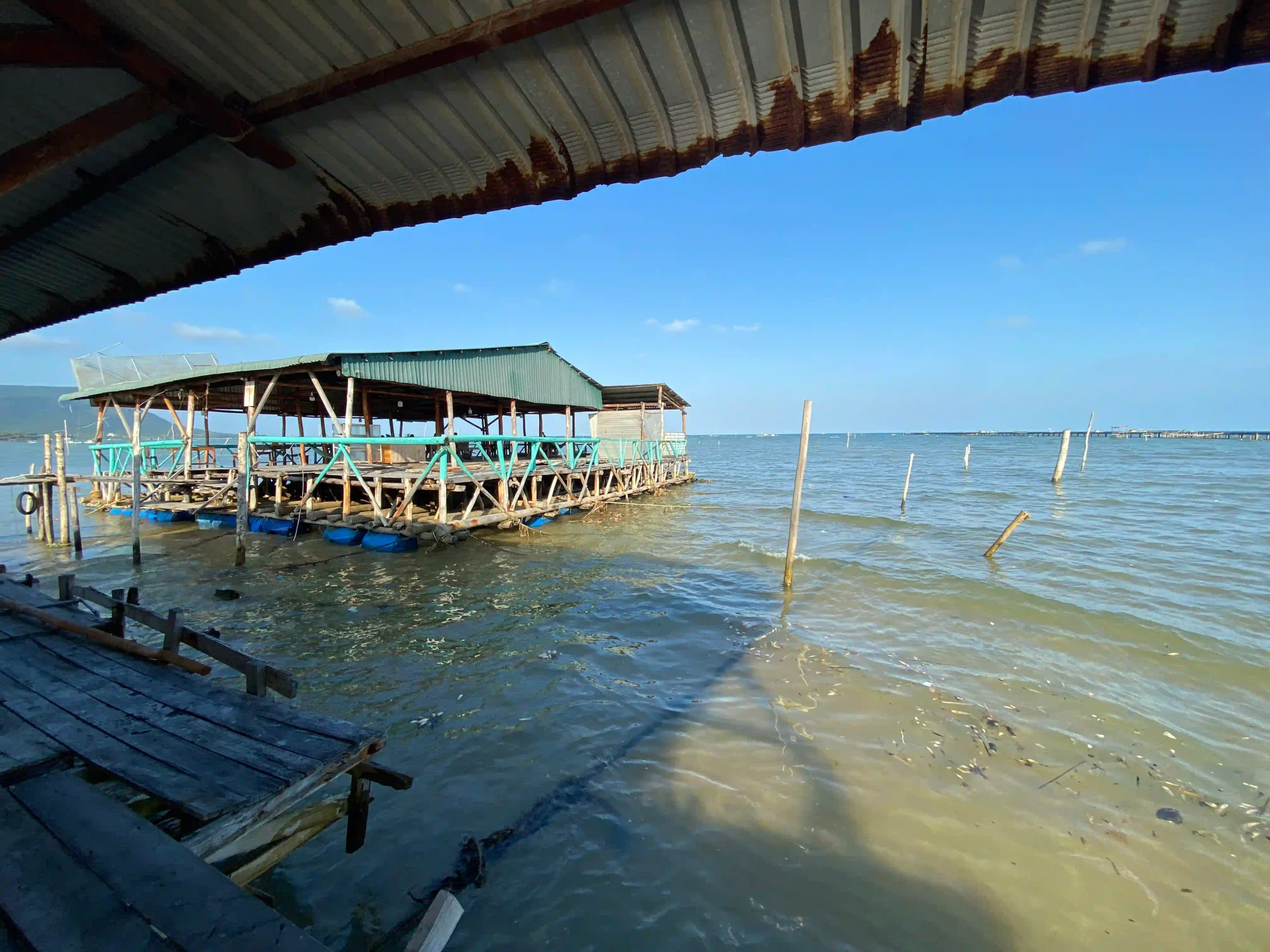
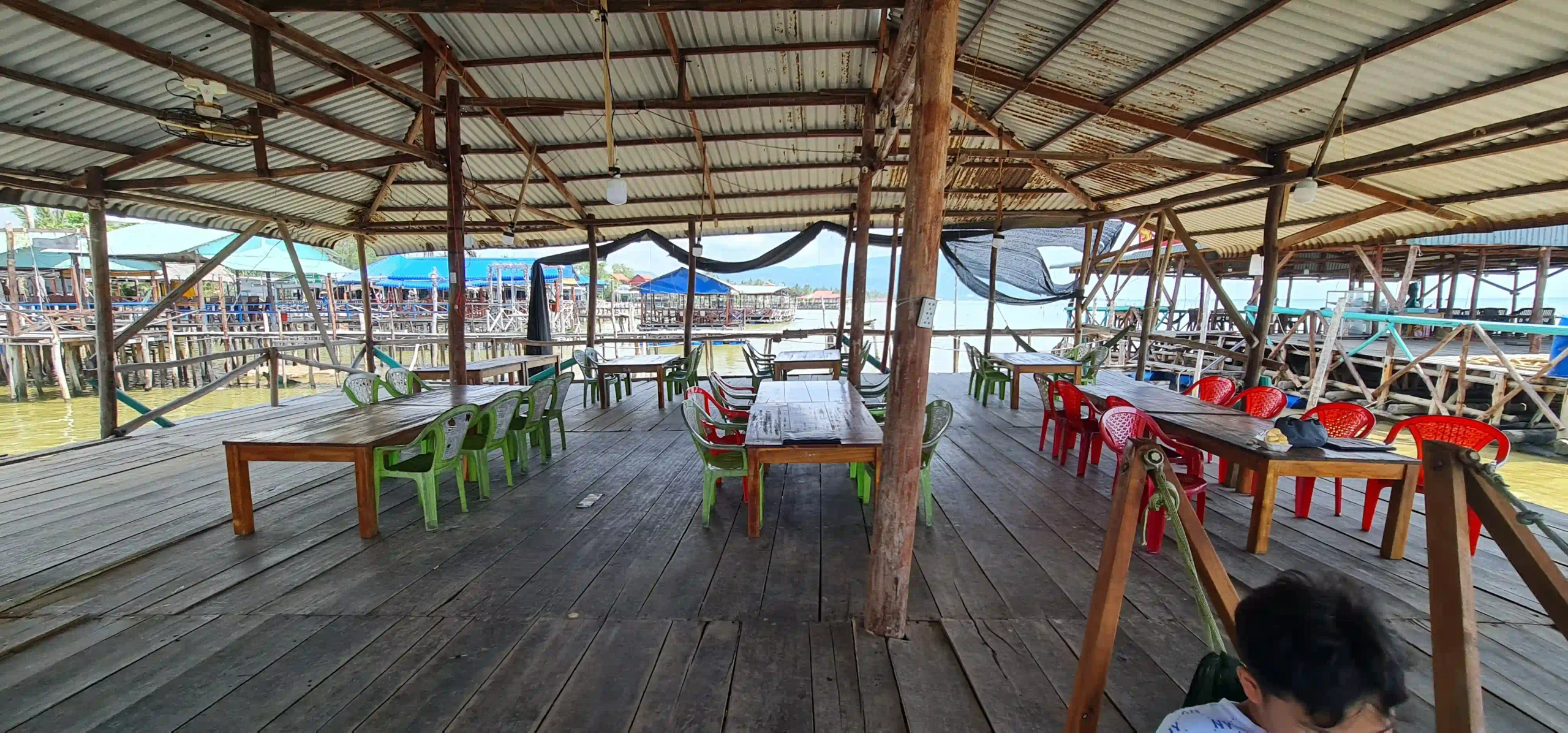
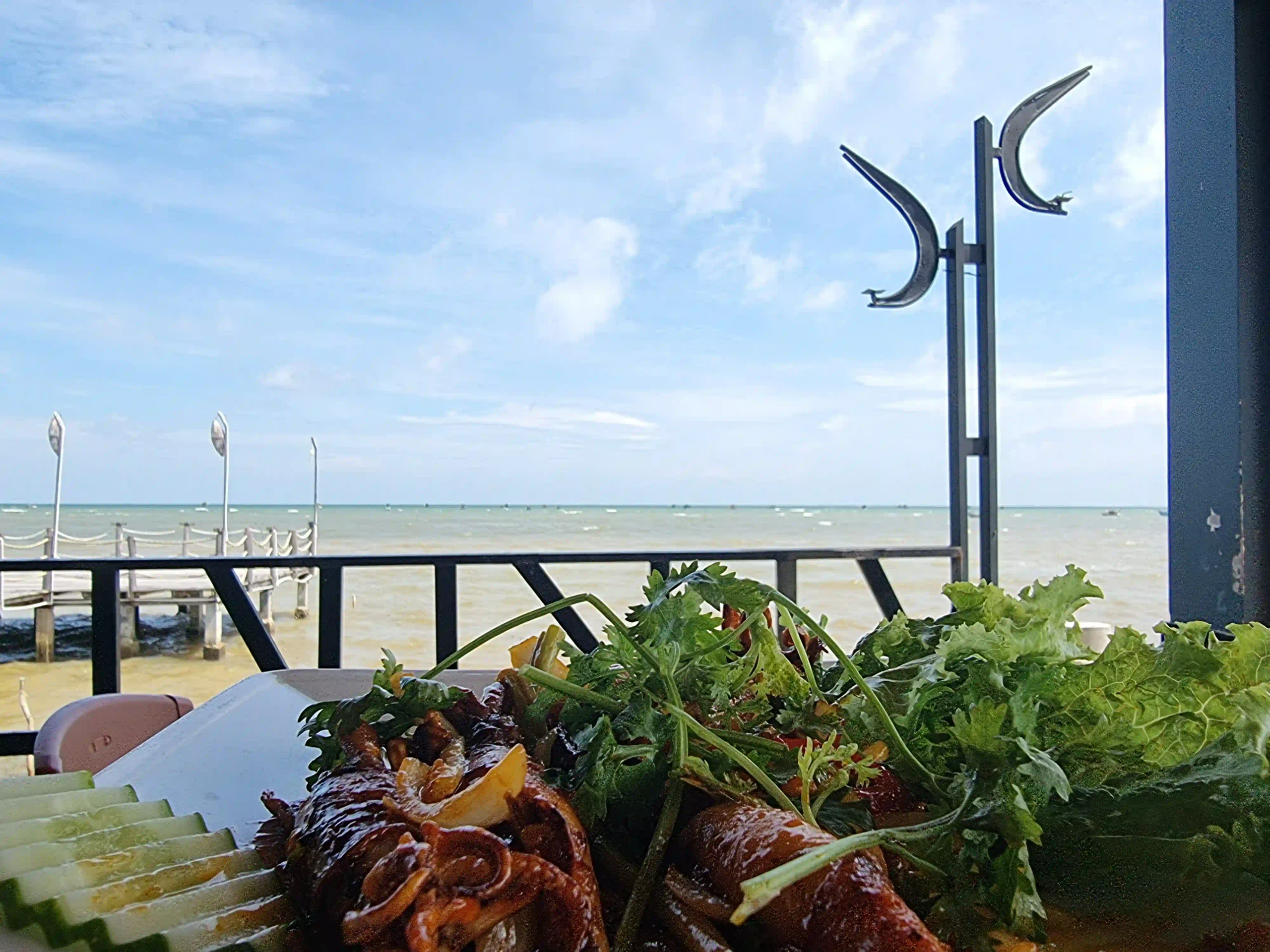
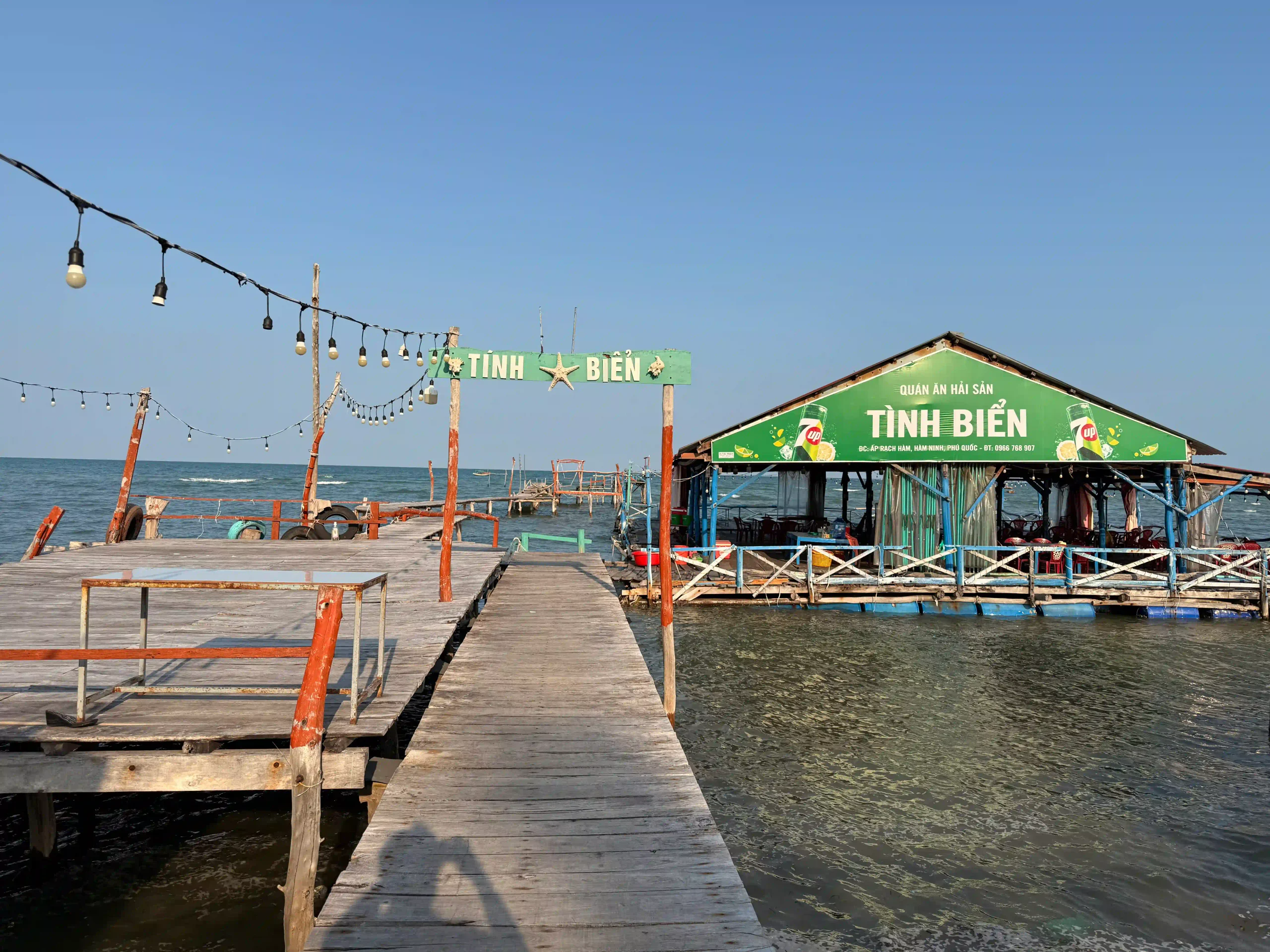
The restaurants moved to the shoreline. They’re stilt houses now, nhà bè, each with its own wooden walkway over the shallows, and the meal at the Ham Ninh fishing town is much the same: tanks of crab, mantis shrimp and fish, a table over the water. What went was the walk out to sea, and some of the business with it. Several places closed after 2020, and on a weekday a few rafts are close to empty, which I count in the village’s favour.
A new tourist pier was proposed in late 2024, in two designs, one based on sea creatures and one on a lotus. Nothing has been built as of 2026. The pier on the map just south of the village is Bãi Vòng, the port where boats from the mainland come in, which is in the Phu Quoc ferry guide.
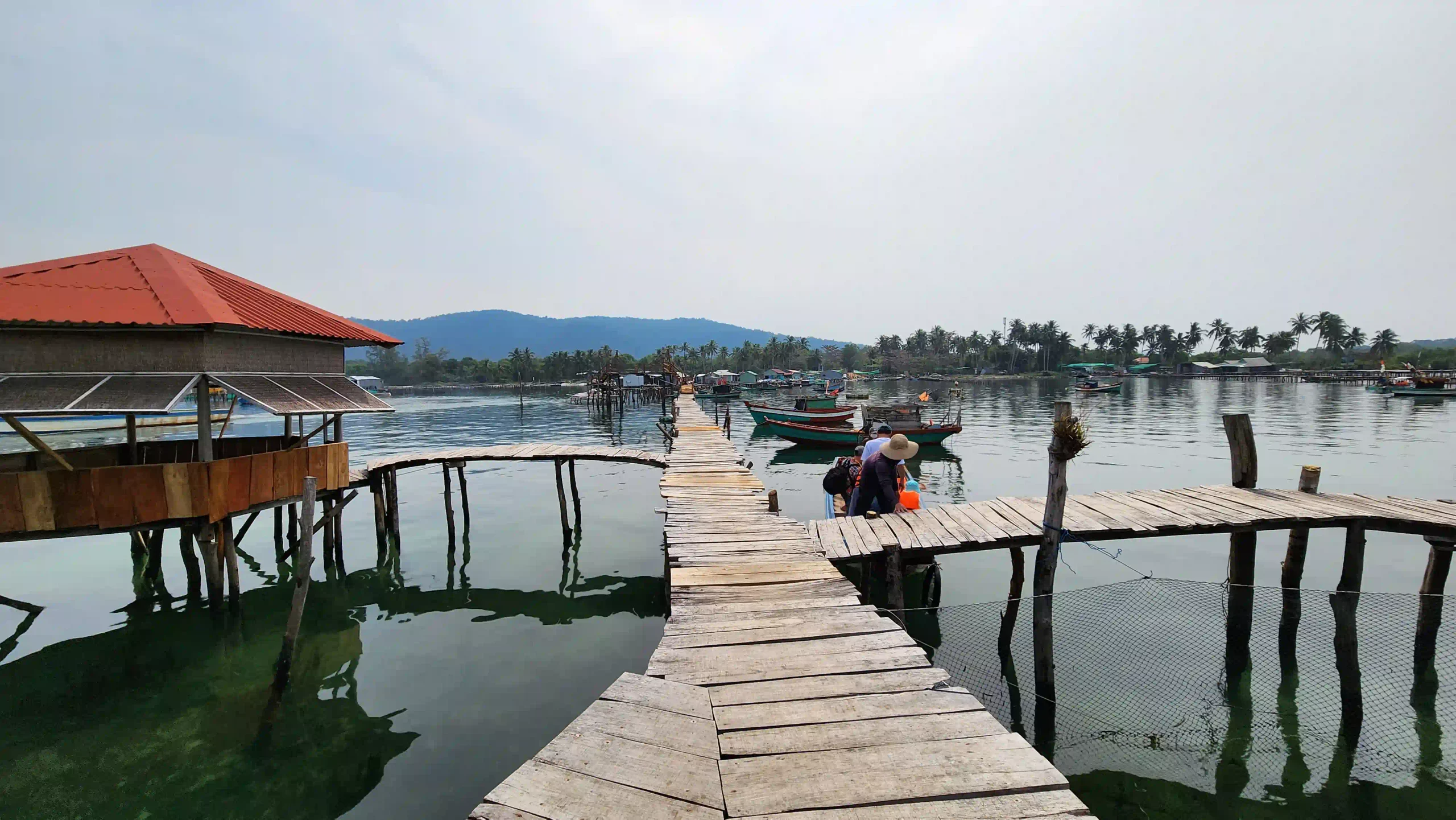
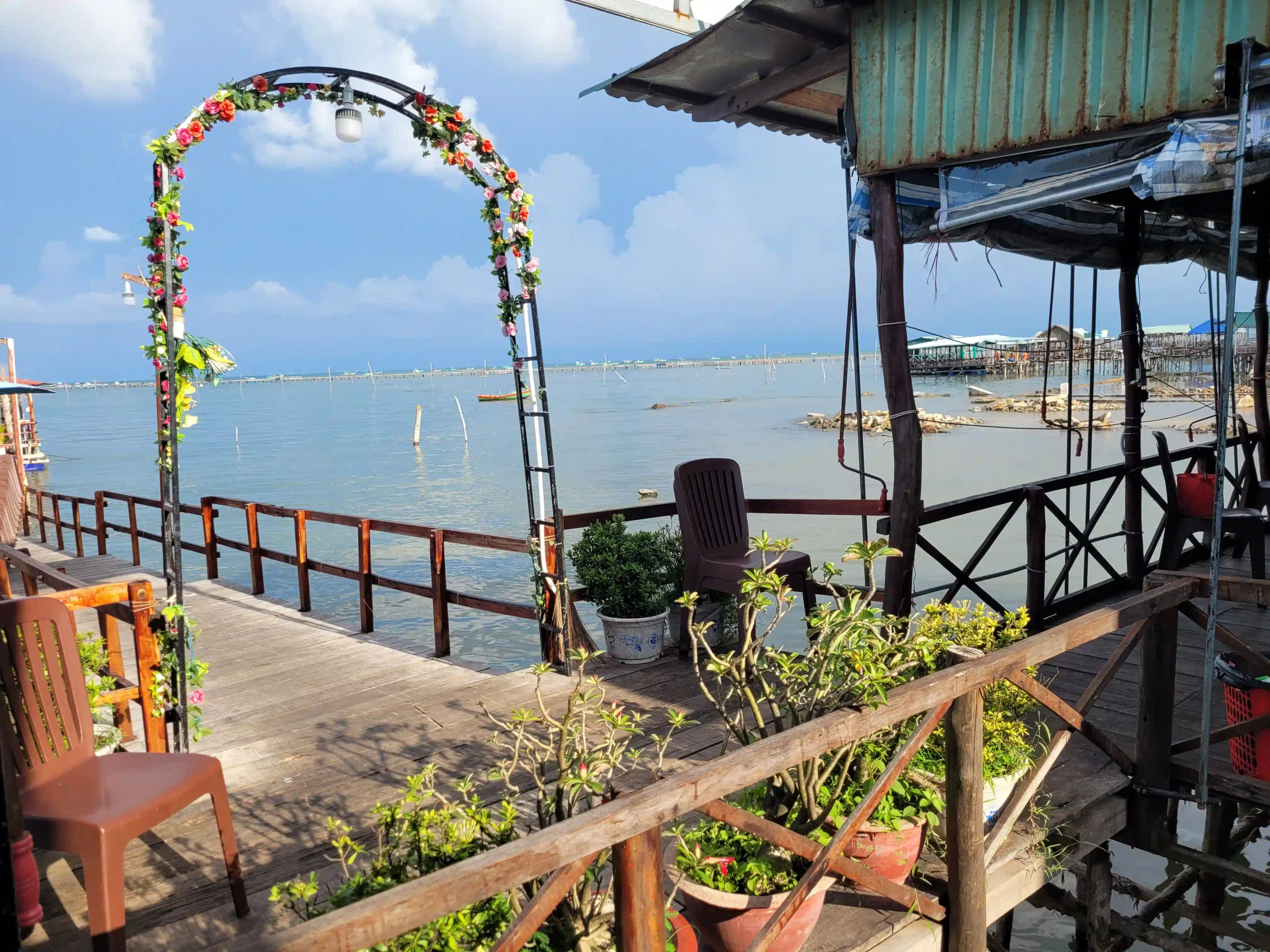
Where to Eat in Ham Ninh Fishing Village
Every restaurant in Ham Ninh fishing village works the same way. Seafood is kept alive in tanks or cages under the walkway, you pick it, it’s weighed, you agree the price per kilo and say how you want it cooked: steamed, grilled, with tamarind, with garlic. Rice, vegetables and herring salad are by the plate. The price boards are in Vietnamese and it’s cash nearly everywhere. More on the scale further down.
Some drivers take people to whichever restaurant pays them a cut, so I name the place when I book the car and hold to it when we arrive.
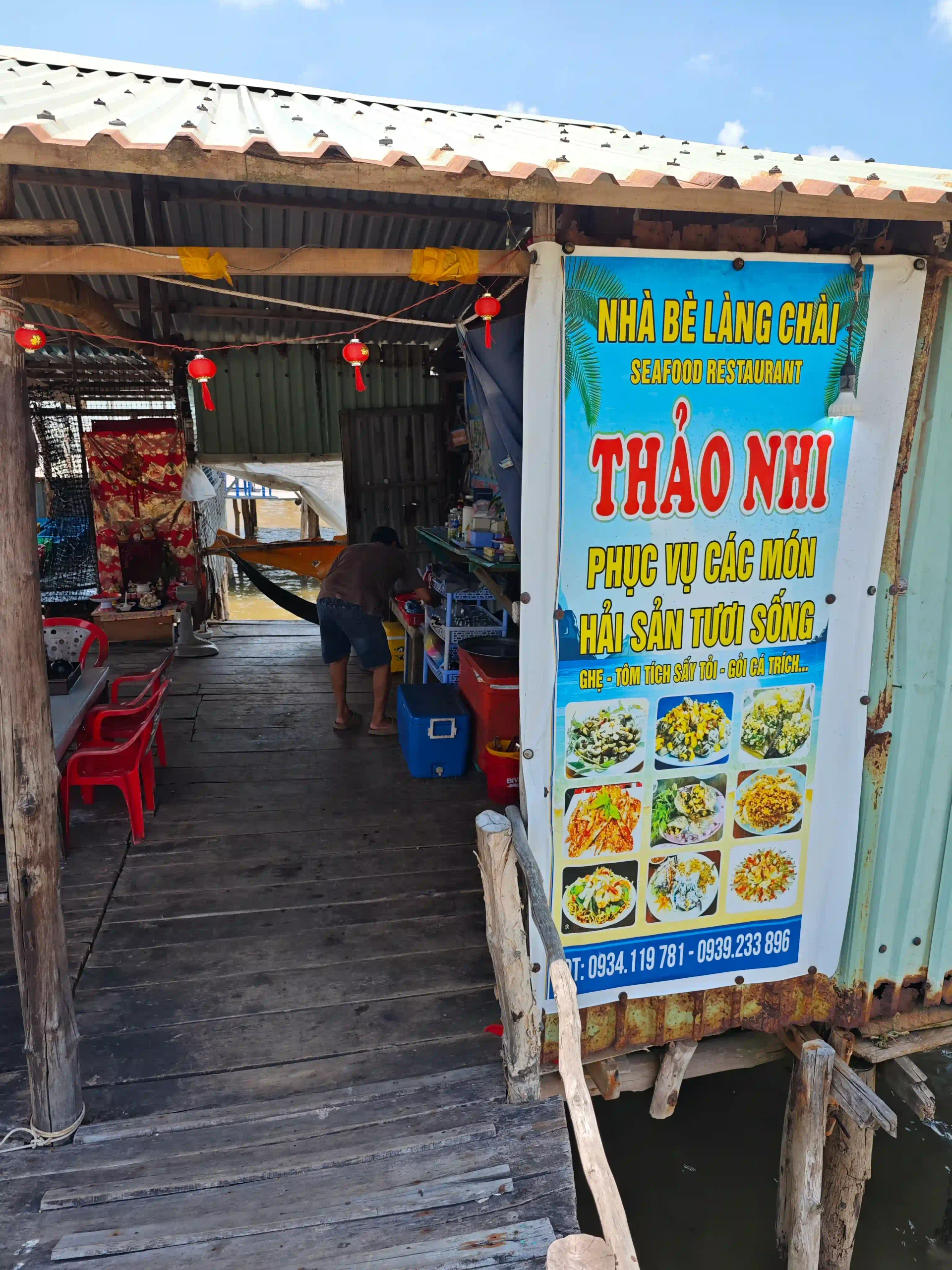
Thảo Nhi, at the South End
Nhà bè Thảo Nhi is the one I’d pick for crab in Ham Ninh fishing village. It’s a small family raft at the end of the dirt road south of the village (phone 0934 119 781).
Google Maps stops a little short, and it’s about 200 metres further along the white dirt track, on the left. The road is rough and dusty, and some taxi drivers don’t want to take it, so asking for the route past the market helps.
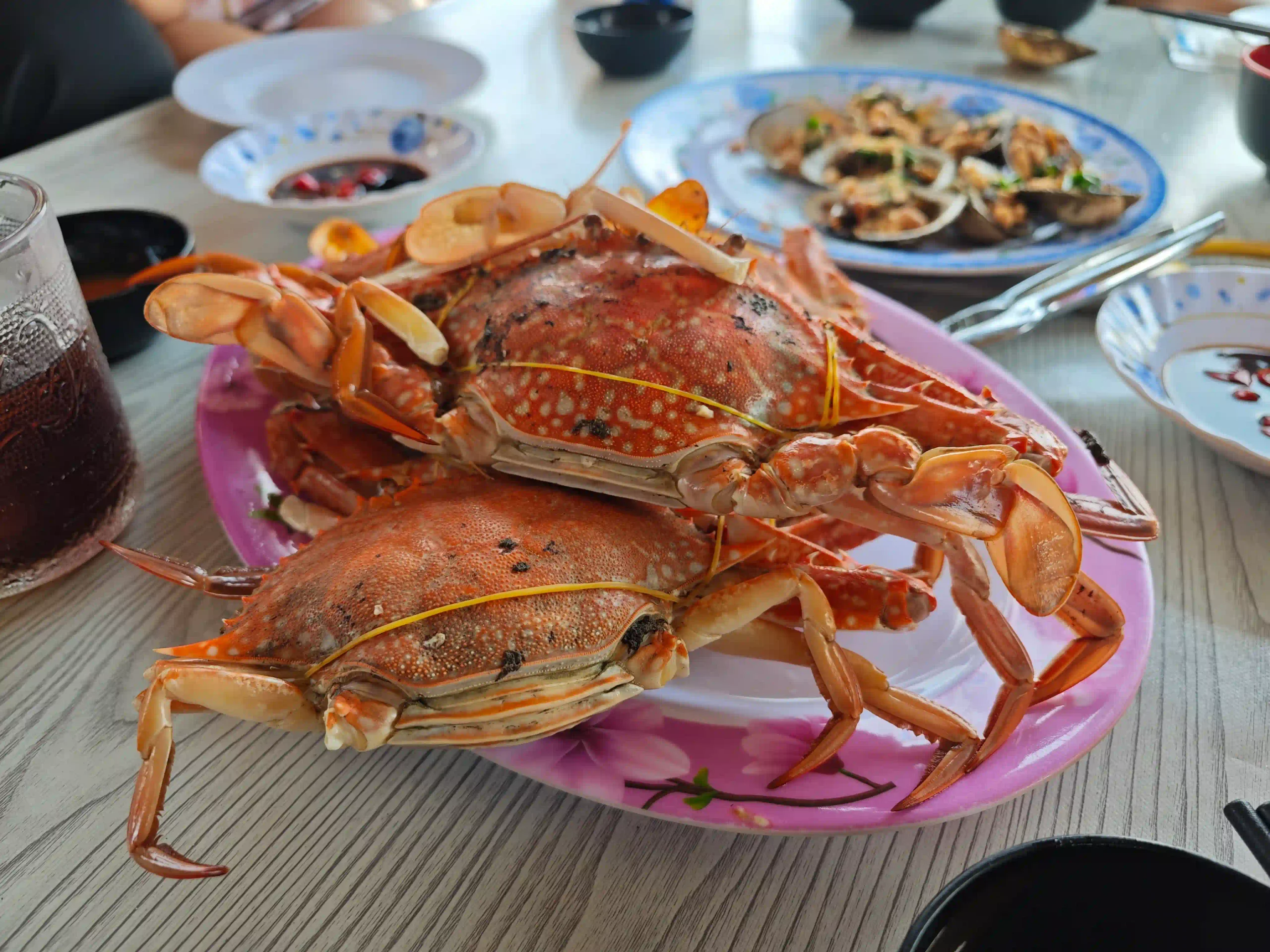
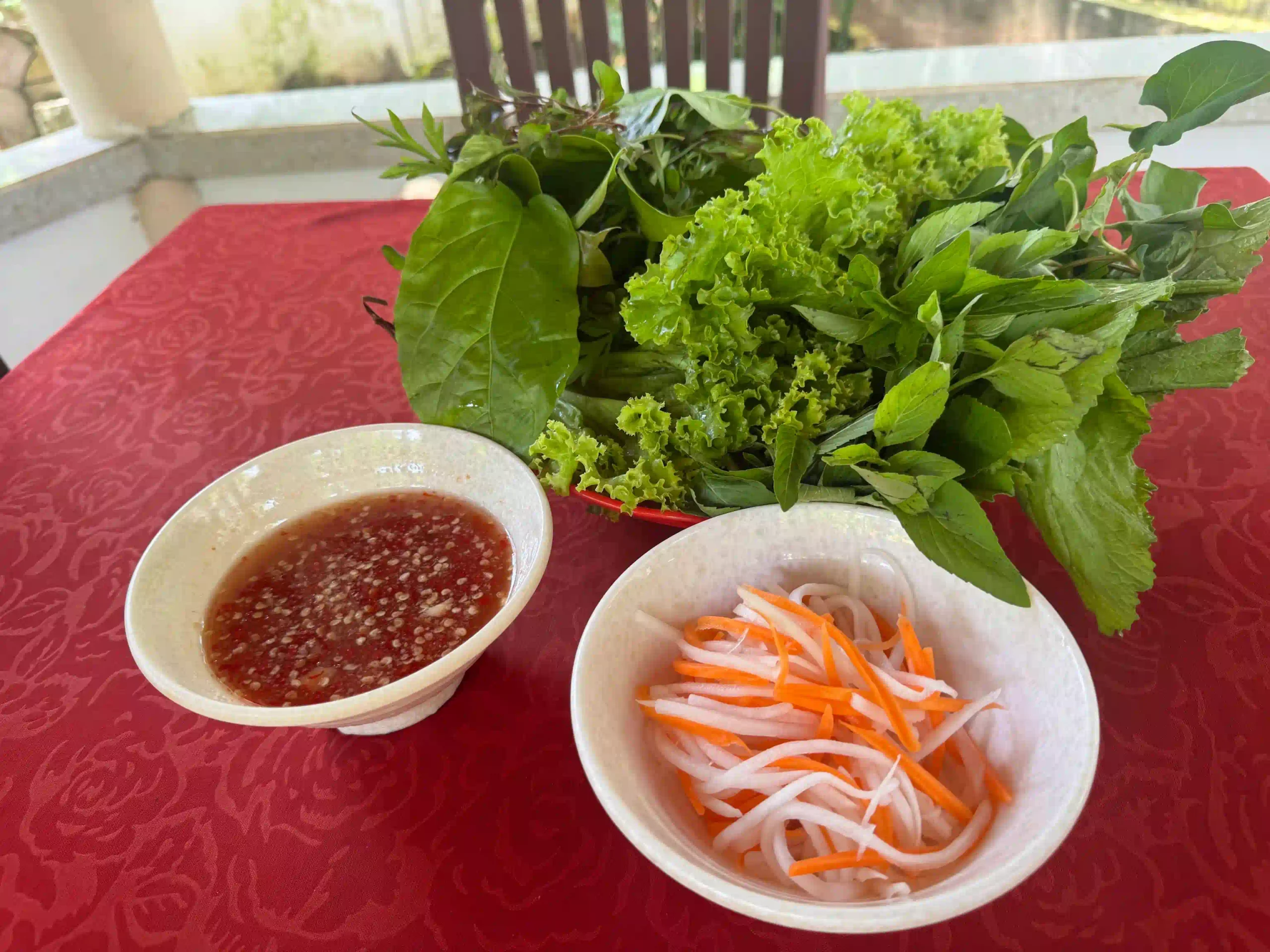
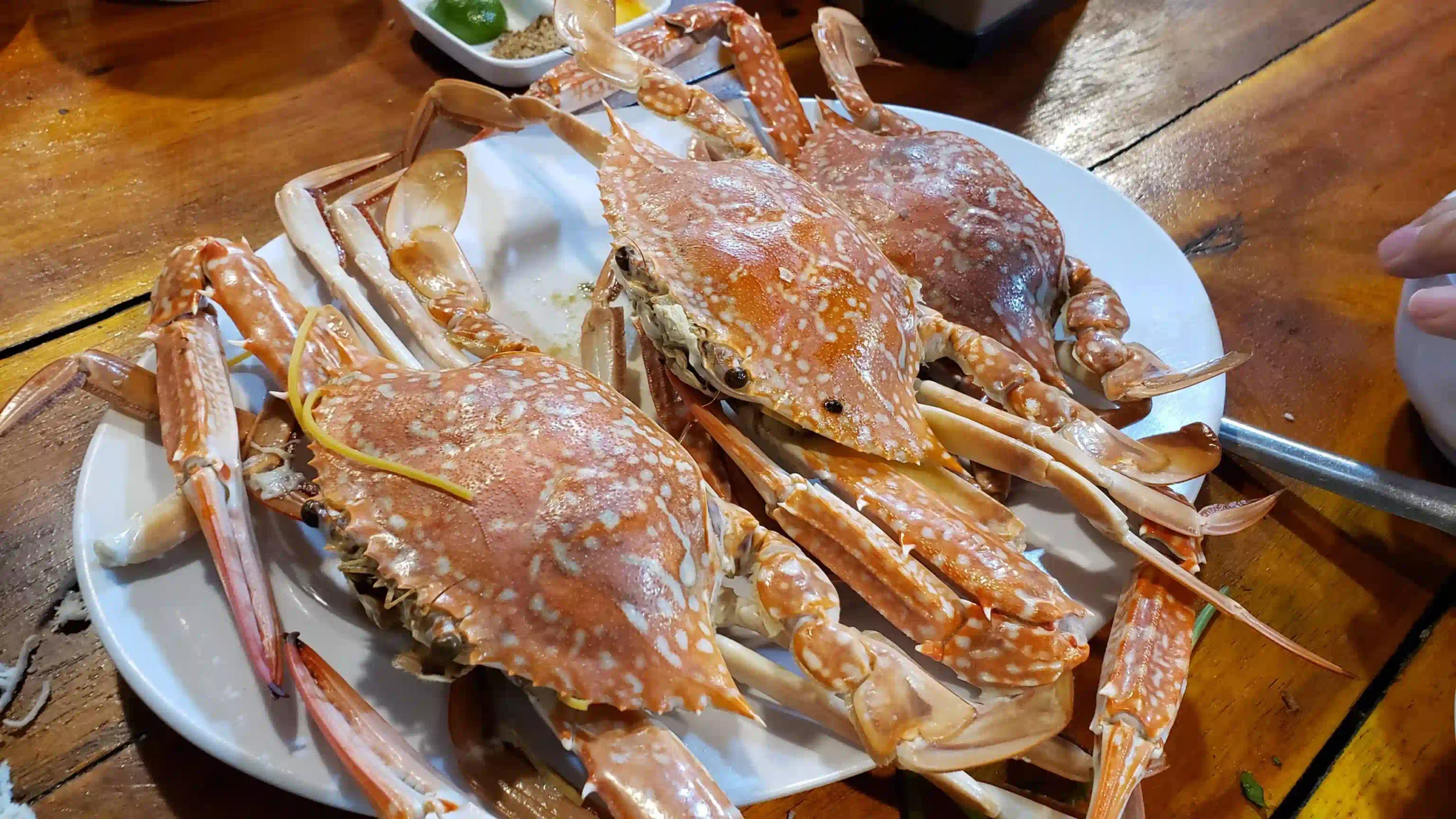
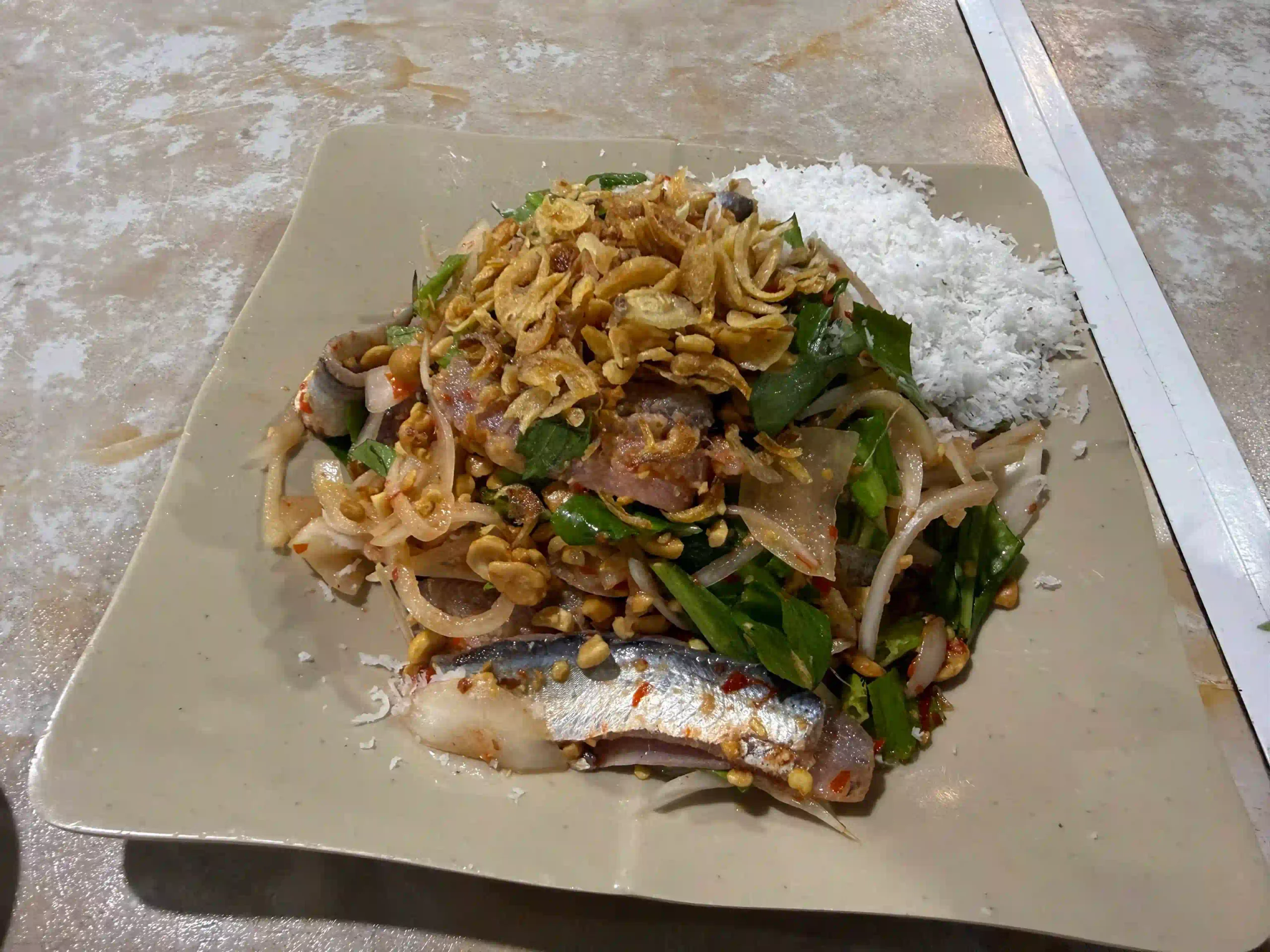
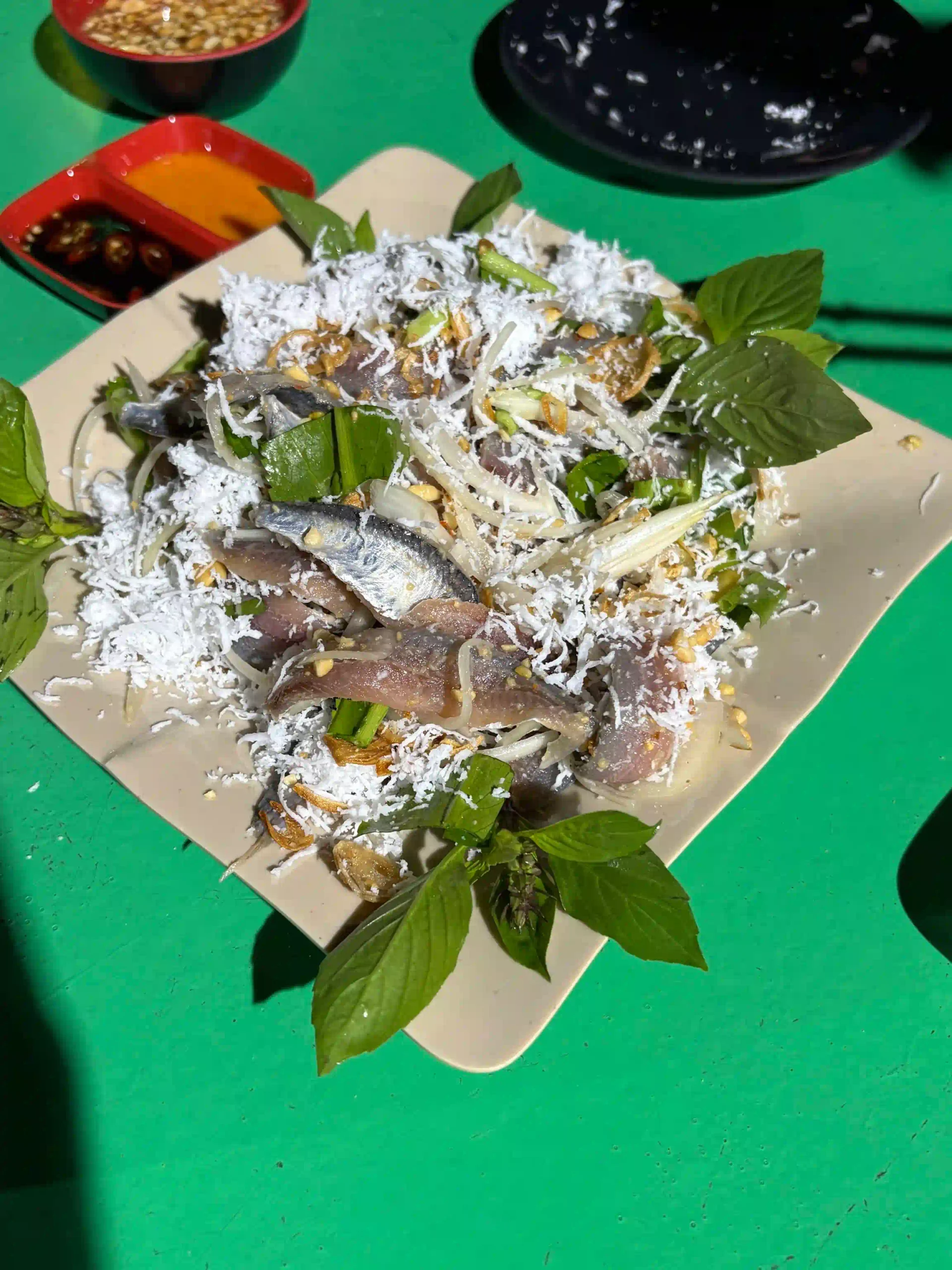
Steamed crab is the thing to have, with crab in tamarind sauce and gỏi cá trích, the raw herring salad, alongside, and whatever’s in the baskets is what came in that day.
It’s basic in every way, the toilet included, and English runs to pointing. Most meals come to 100,000 to 300,000 VND a person.
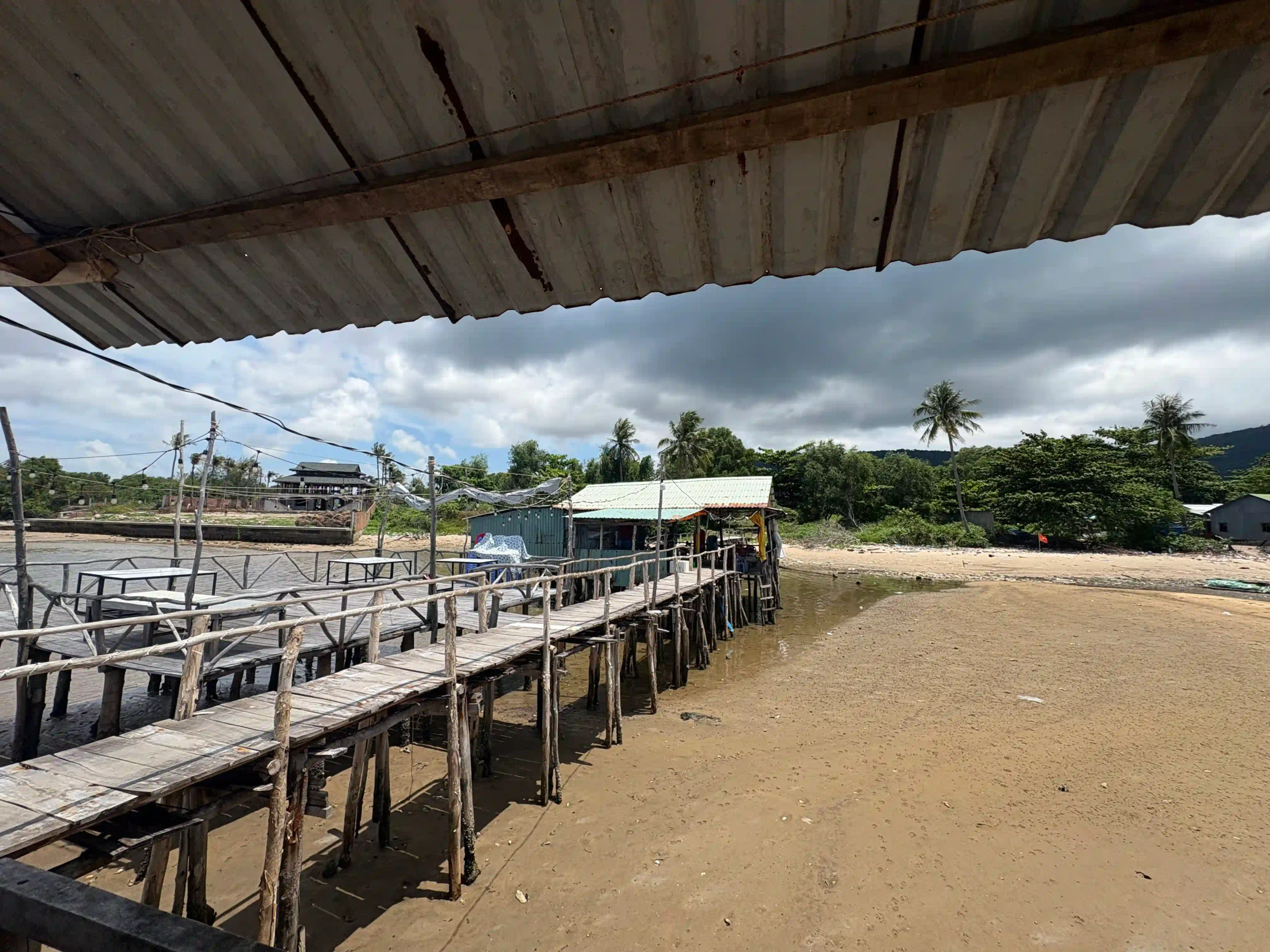
Ngọc Hân, Beside the Old Pier
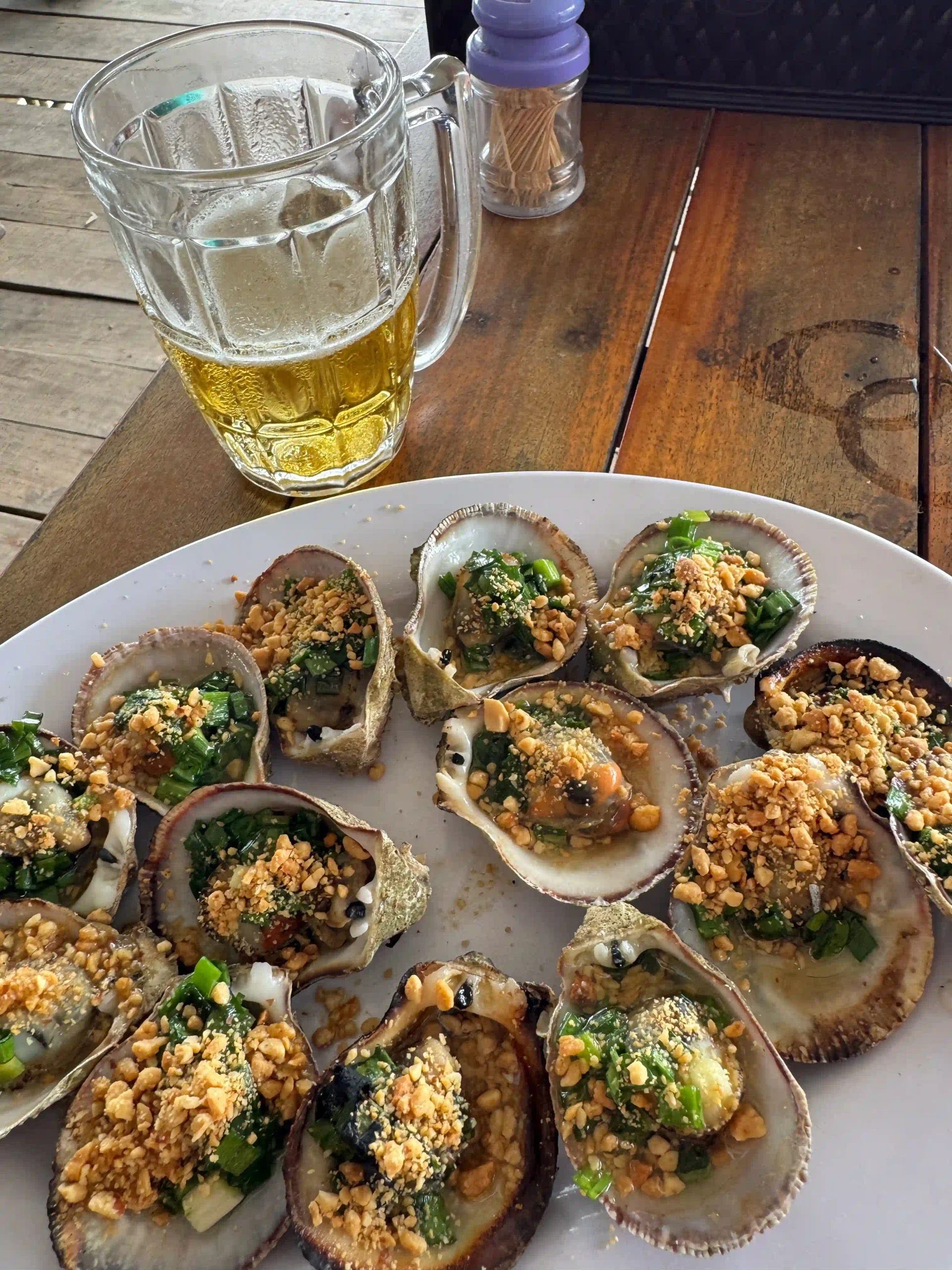
Nhà bè Hải sản Ngọc Hân, Tổ 10, Ấp Rạch Hàm, open 9:30am to 10pm, sits right beside where the pier used to start, so it’s the easiest to find. The small oysters grilled with scallion oil are what I’d order first, then crab and the sea snails.
The seafood hotpot is the one to leave, thin on seafood for the price. A proper meal comes to 400,000 to 500,000 VND a person.
Sơn Trang Quán
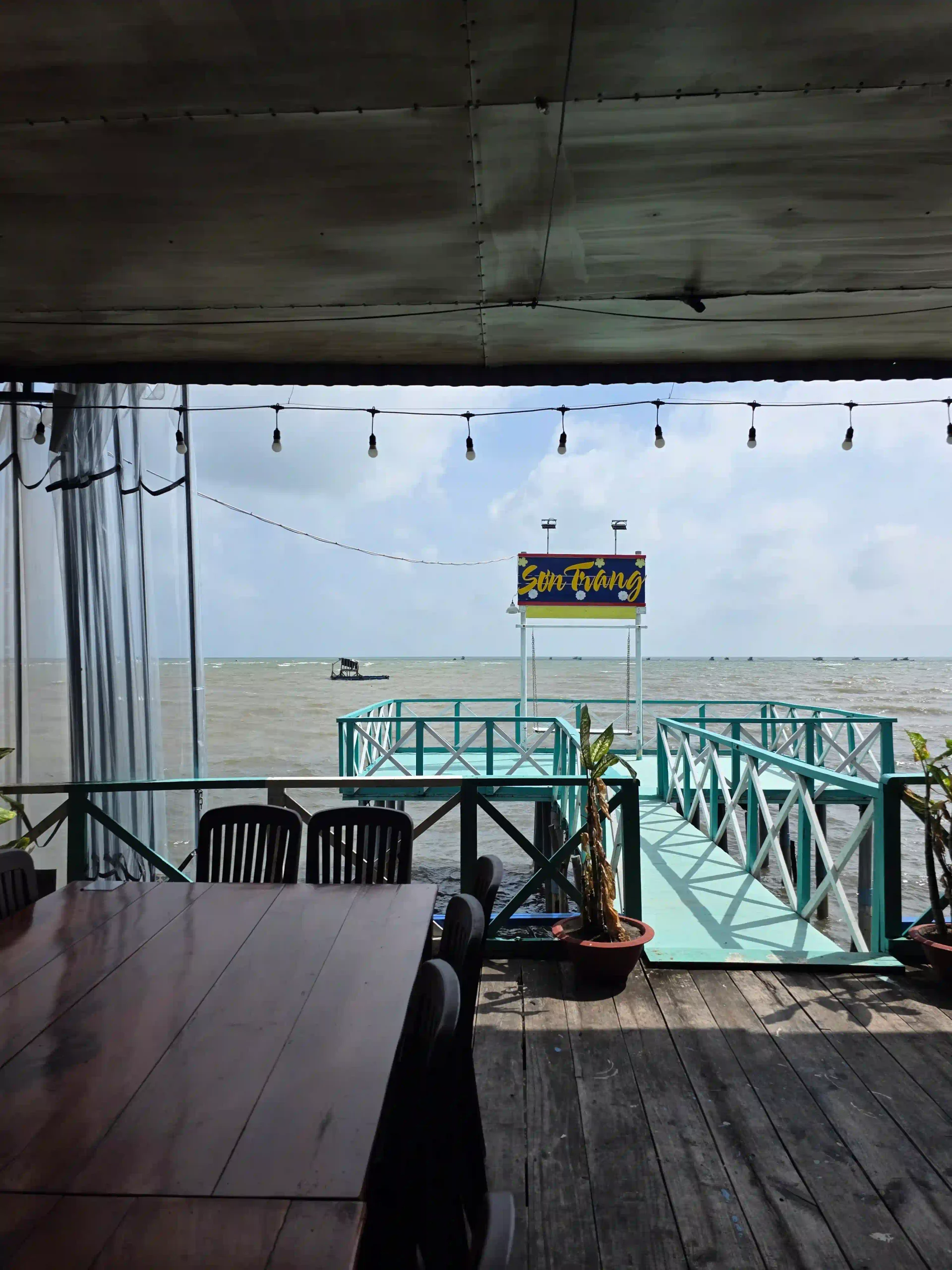
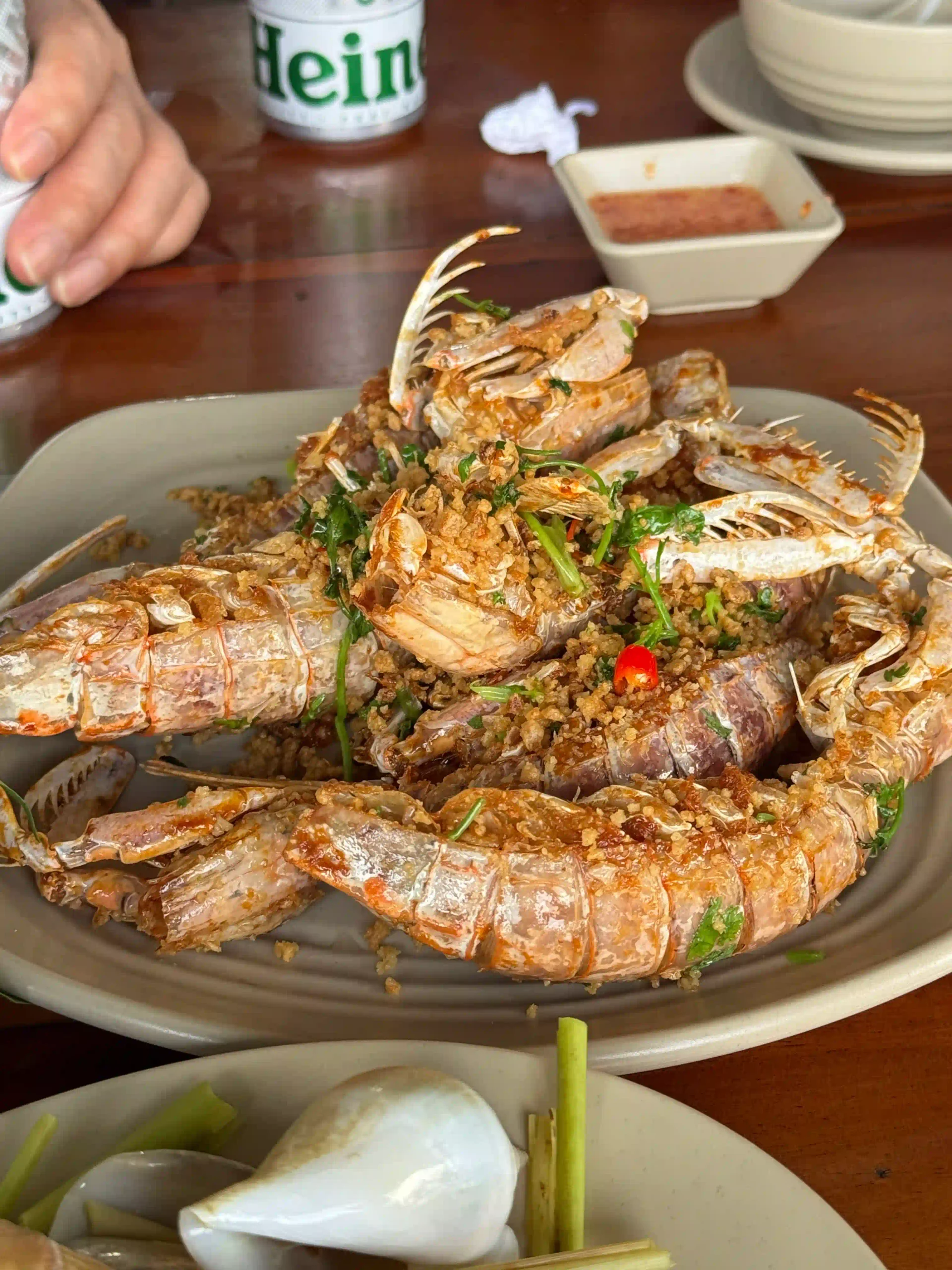
Sơn Trang Quán, also in Ấp Rạch Hàm, puts its prices on a board before you order, and that alone gets it on this list. Steamed crab and mantis shrimp fried with garlic (tôm tít cháy tỏi) are the dishes, and there’s a short jetty out over the water for photos.
Some taxi drivers will try to drop you at the place next door, and the sign is how you tell.
Hạnh Nhung, the Big One on TL47
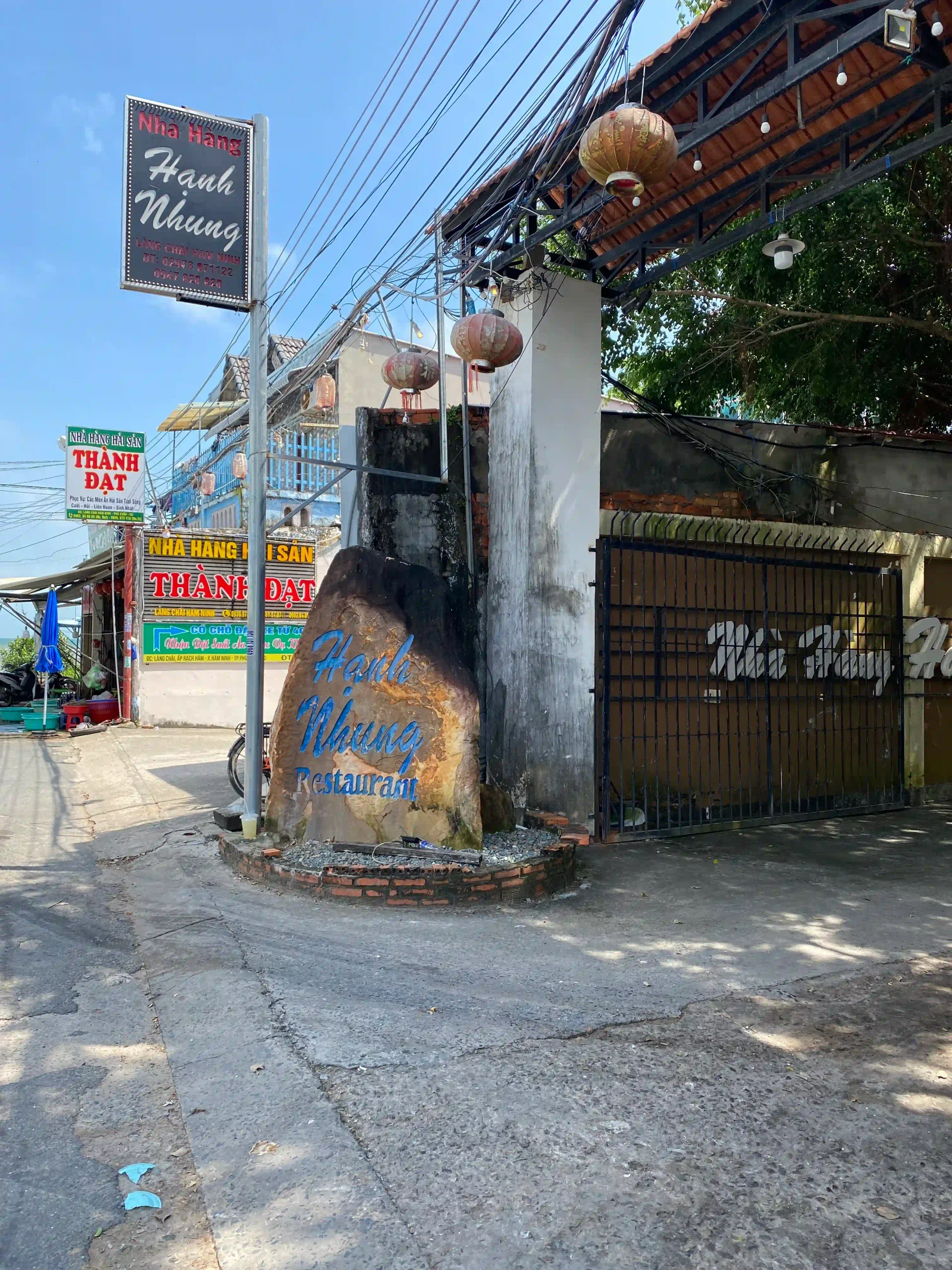
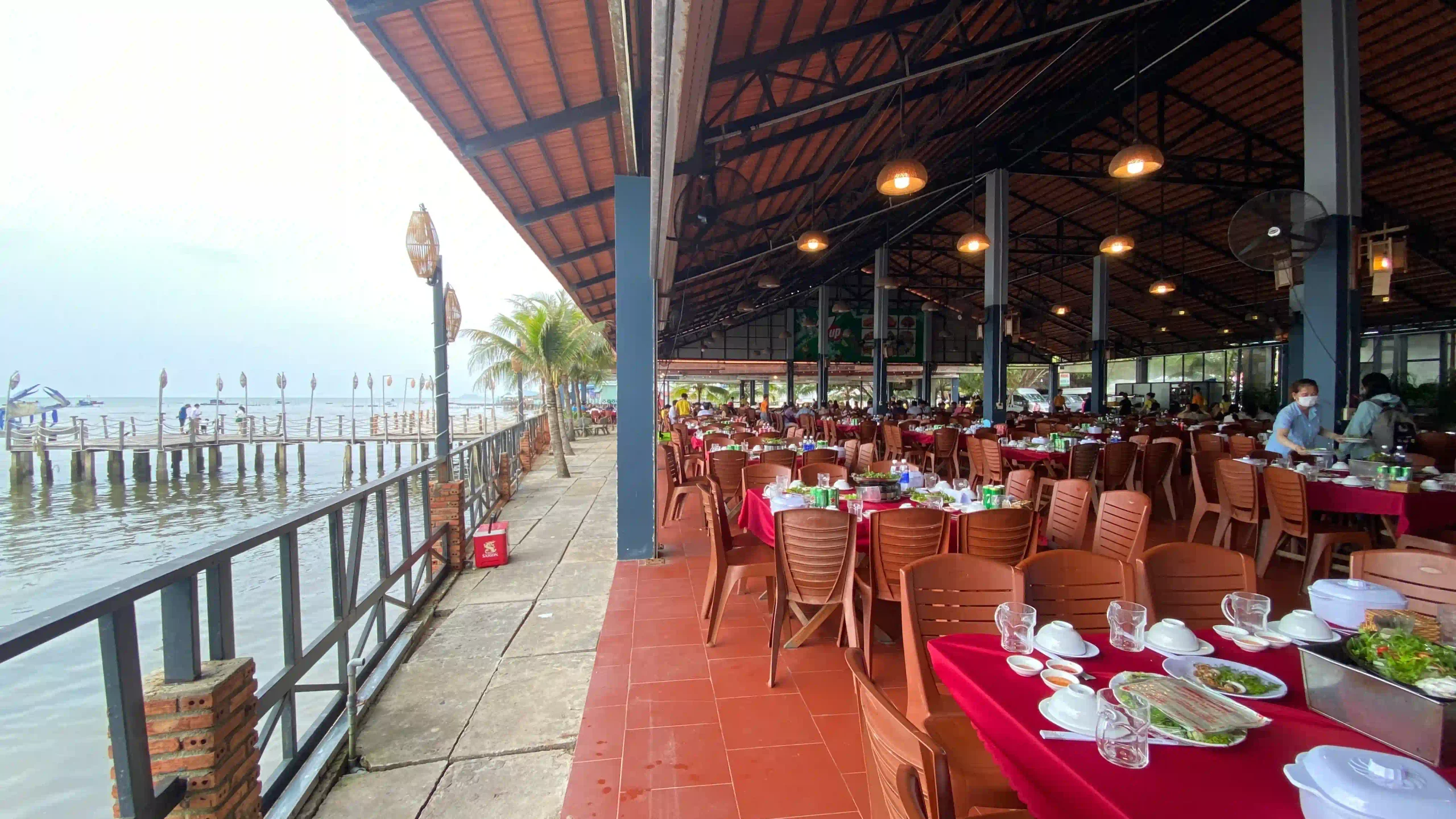
Hạnh Nhung, on TL47, is the biggest restaurant in the village, with seats for hundreds and a terrace facing the sea, open 9am to 10pm.
With children, or eight people who all want something different, it’s the easy choice, and the steamed grouper and grilled prawns are fine. Service slows right down at dinner, so before 5pm is better.
Tình Biển 2, on the Way to the Airport
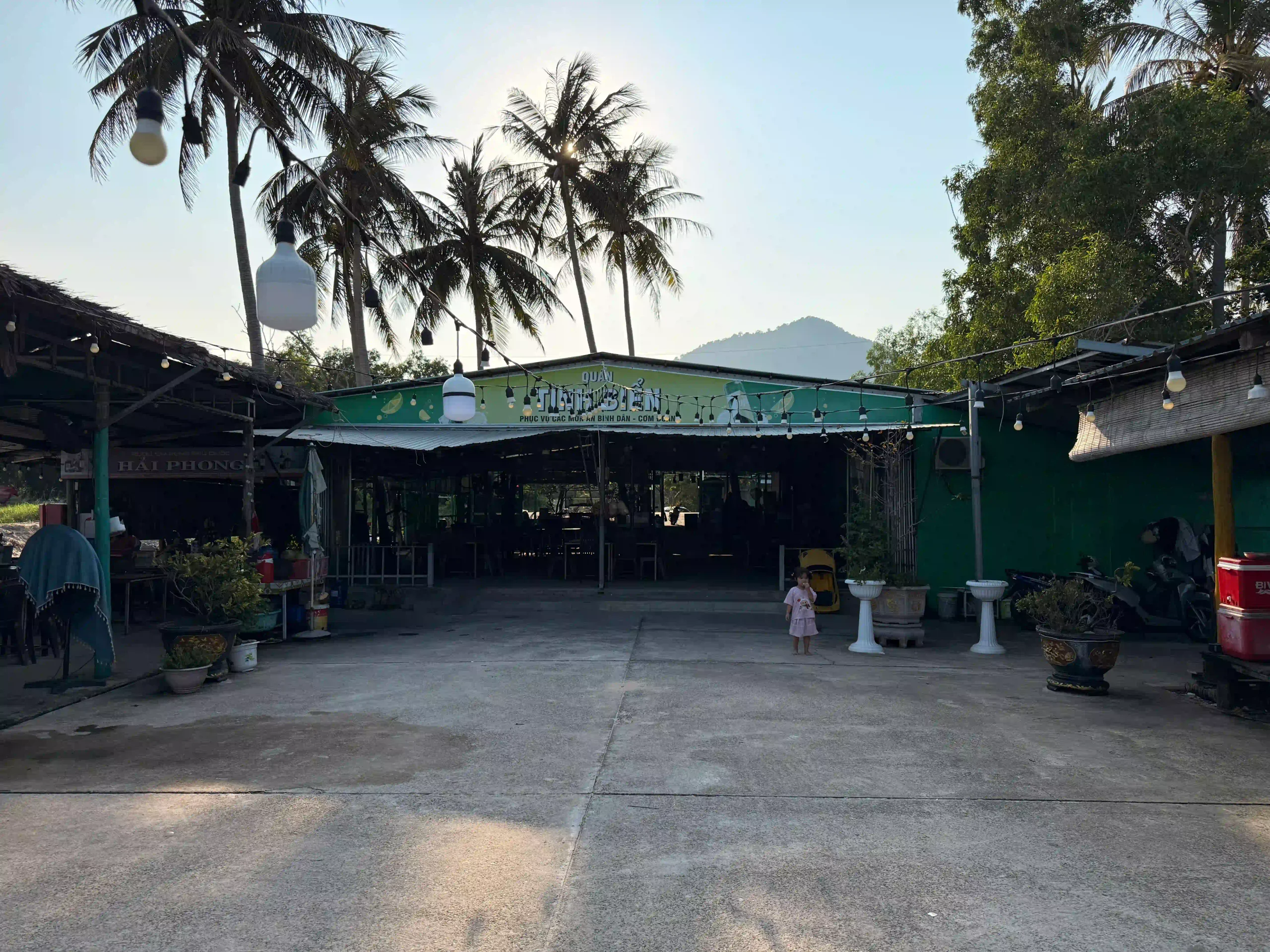
Bè hải sản Tình Biển 2 is on the river by Cầu Rạch Gốc, just north of the village, open 8am to 11pm, and it’s the one I’d use for a last meal before an afternoon flight, with the airport about 15 minutes away.
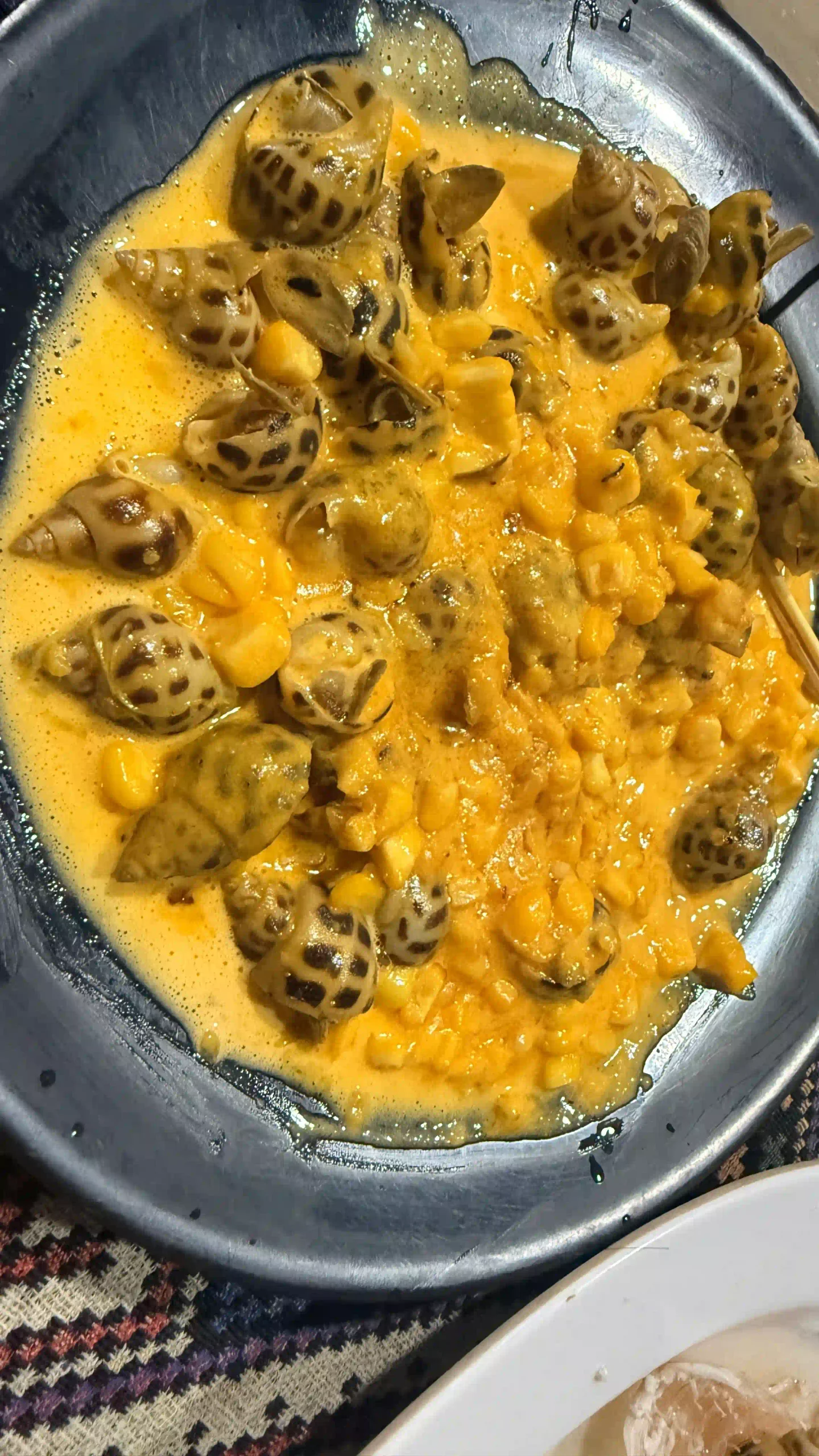
Crab with fresh local black pepper and sweet snails (ốc hương) in salted egg are the dishes. At 500,000 to 900,000 VND a person in 2026 it costs more than the rafts, which is the price of the river and the convenience.
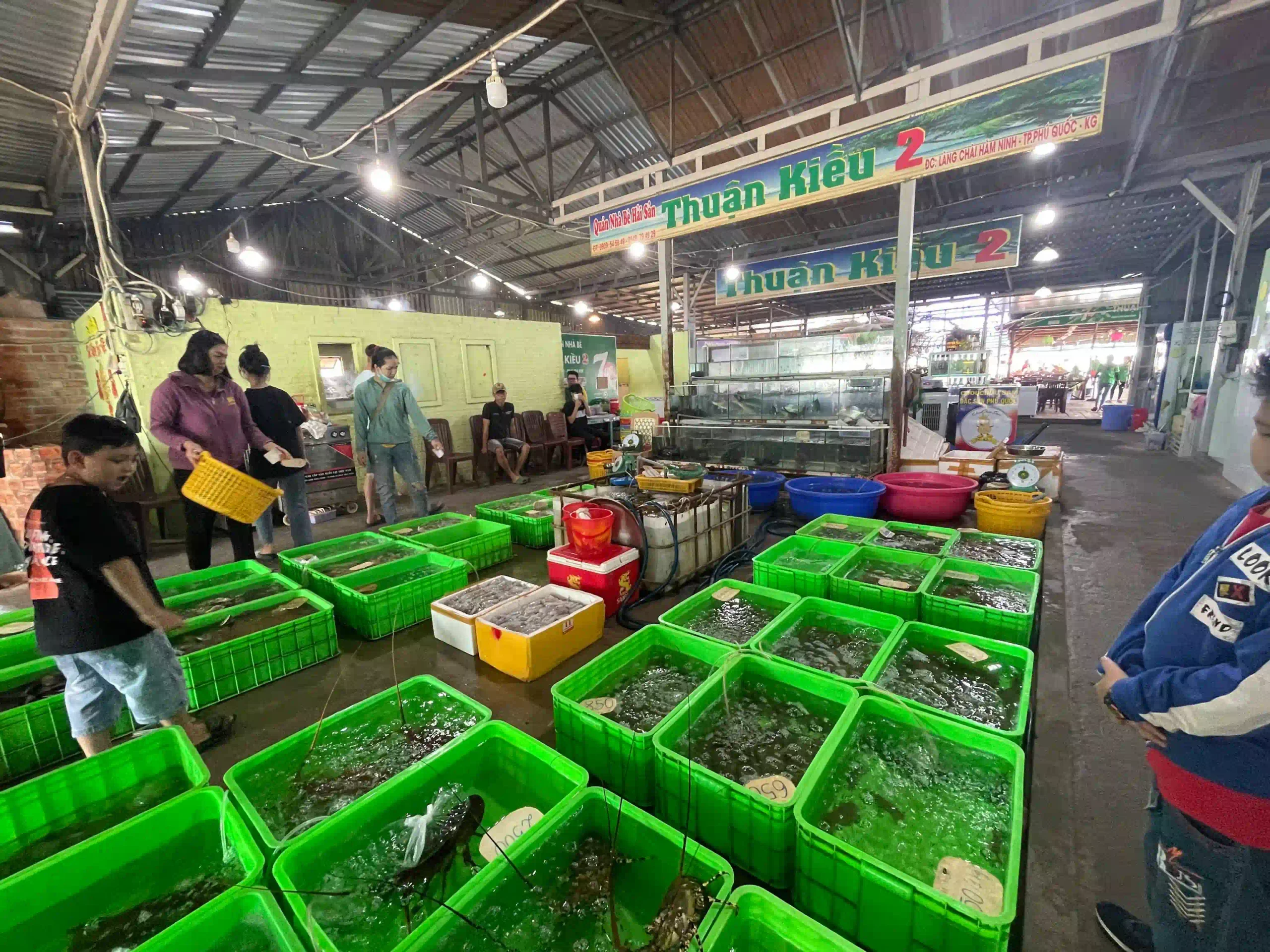
Thuận Kiều 2 and Bé Ghẹ by the old pier are the other names you’ll come across, and at Thuận Kiều 2 the printed menu works out cheaper than choosing from the tanks at the door.
Ham Ninh Crab Prices in 2026, and the Scale
| What | 2026 price |
|---|---|
| Live crab (ghẹ) at the market | 200,000 to 500,000 VND a kilo |
| Steamed crab at the stilt restaurants | 350,000 to 600,000 VND a kilo |
| Crab set menu | 300,000 to 500,000 VND a person |
| Grilled sea urchin with scallion oil | 20,000 to 40,000 VND each |
| Gỏi cá trích (herring salad) | 150,000 to 250,000 VND a plate |
Ham Ninh crab is ghẹ, the small blue swimmer crab from the seagrass shallows off the village, and the width of those ranges is mostly size and season. The calm months from late autumn to early spring are crab season, prices go up around Tết, and the 100,000 to 130,000 VND a kilo still copied around older guides is years out of date.
Medium crabs, six or seven to the kilo, are the ones to pick, females for the roe and males for more meat. The local rule is to buy at the start or end of the lunar month, because mid-month the crabs are moulting and the meat goes soft.
The check takes a minute. Find the price board by the tanks, run it through the Google Translate camera, agree the price per kilo, then watch the crab go on the scale. The good places in the Ham Ninh fishing town weigh in front of you without being asked. For prawns and mantis shrimp sold by size, ask how many there are to the kilo and count the plate when it comes. I didn’t watch the scale the first time I ate here, and it’s the one thing about that meal I’d do differently.
Ham Ninh is no worse for this than anywhere else on the island, and since February 2026 Phu Quoc has had a tourist rapid-response team taking price complaints around the clock.
For a sense of the whole bill, that kilo of crab with a herring salad and two beers at the cheaper rafts comes to around 550,000 to 650,000 VND, less than the same meal at the Phu Quoc night market, and the main reason the drive out pays for itself.
Ham Ninh Market
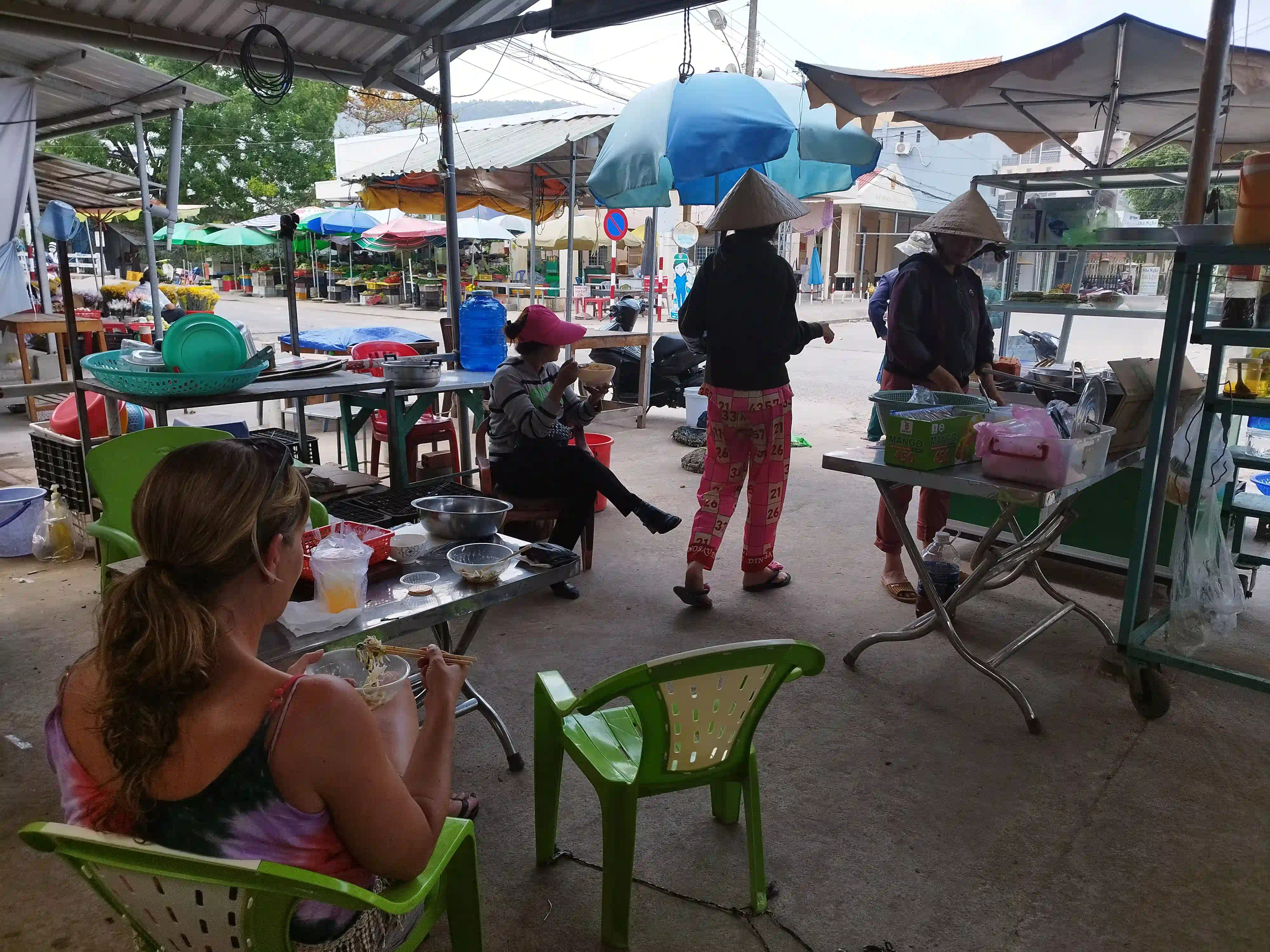
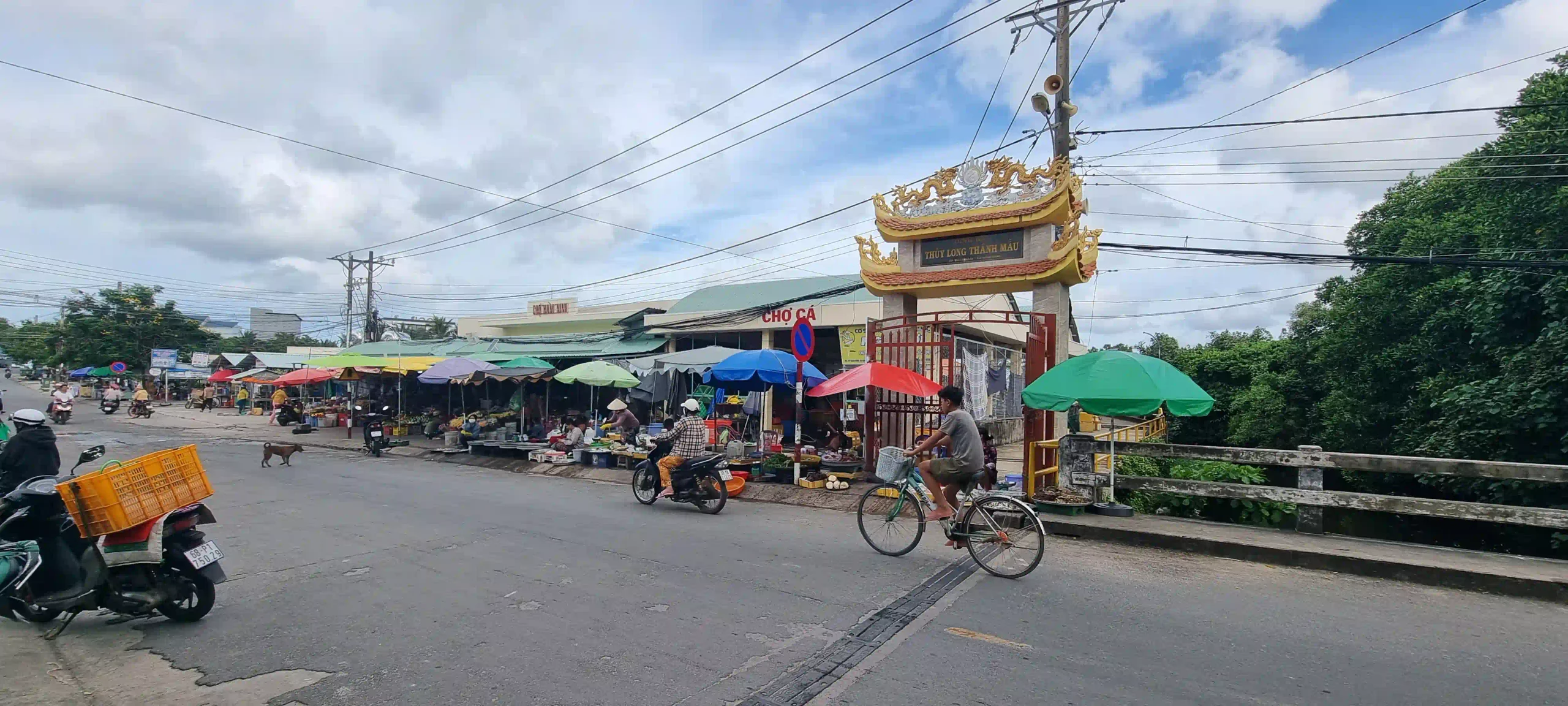
Small, on the main road, and busiest early. Ham Ninh market is where the village does its shopping, so prices lean local and almost nobody speaks English.
Fruit is the easy buy, a pineapple for about 10,000 VND, a big coconut for 20,000, and the seafood is cheaper than at the night market, grouper and ponyfish especially. A few stalls do slip bruised fruit into the bag, so I look at what goes in.
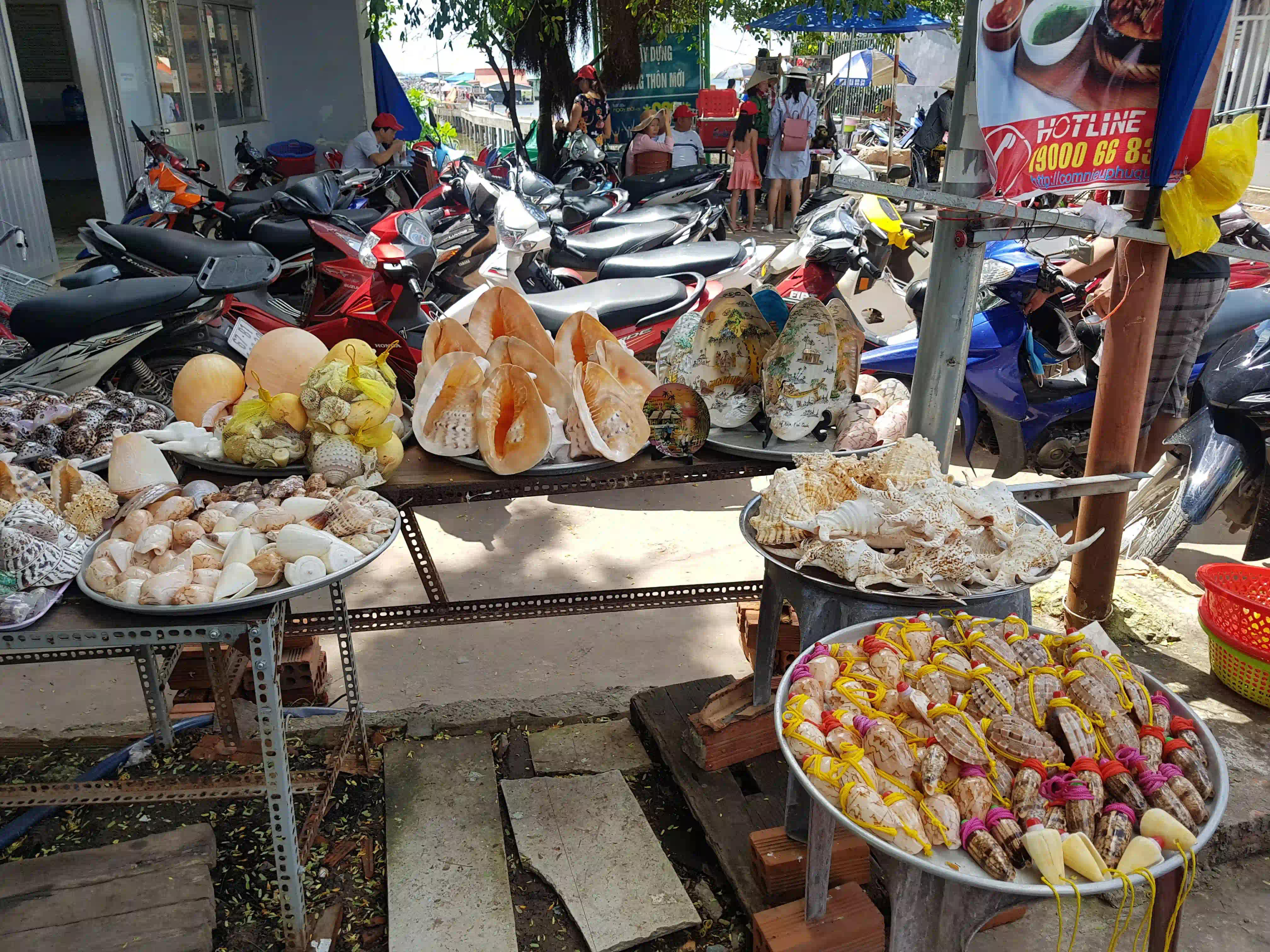
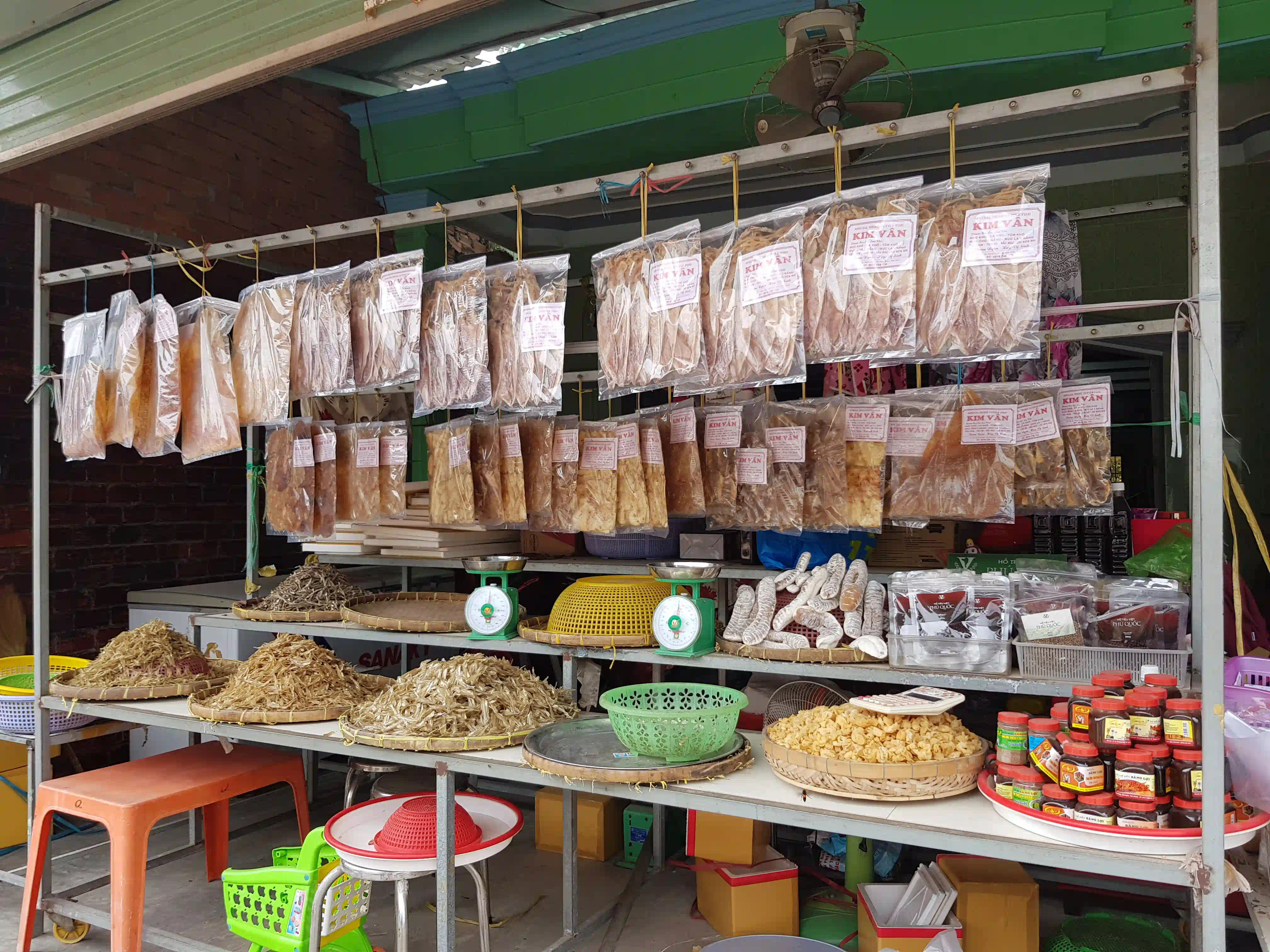
Some stalls at Ham Ninh market sell dried seahorses and bottles of seahorse rice wine. Every seahorse species is on CITES Appendix II and plenty of countries restrict bringing them home, so I leave them on the table.
Getting to Ham Ninh, Phu Quoc, and Back
The Ham Ninh fishing town is about 14km east of Duong Dong, roughly 20 minutes by Grab, and about 15 minutes from the airport along TL47. From Ong Lang it’s more like 35 to 40 minutes.
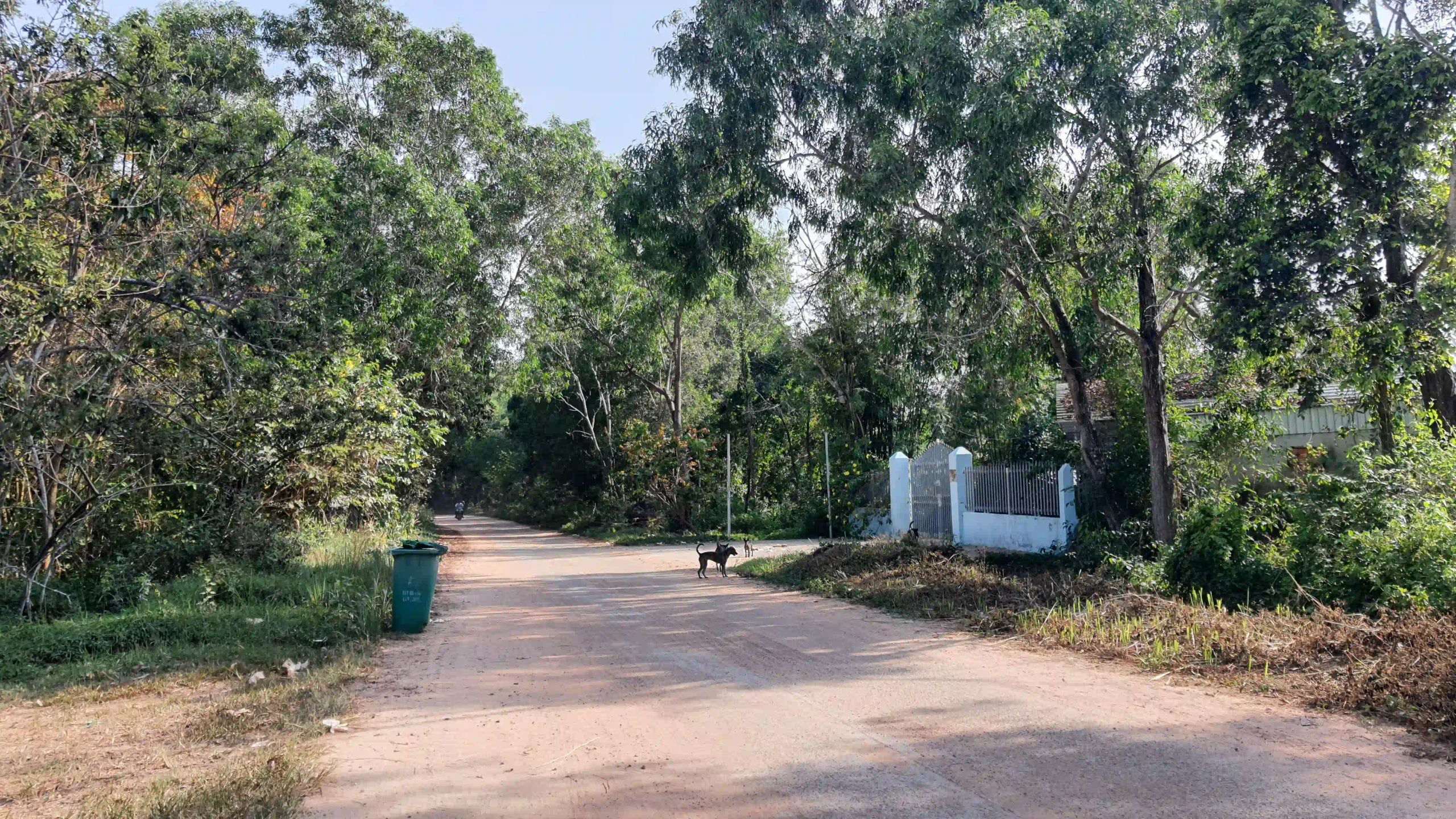
On a scooter, which the motorbike rental guide covers, it’s an easy ride, with dust the main nuisance in 2026, because land behind the village is being cleared for an APEC resettlement area and the trucks use the same roads.
Getting there is easy. Getting back is the part to plan, because there aren’t many cars waiting in Ham Ninh after dark. I ask the restaurant to call one when the bill comes, or agree a time with the driver who brought me.
Suối Tranh waterfall is on the road between Ham Ninh and Duong Dong, the roadside pepper farms on TL47 are close, and the national park trek finishes with bánh xèo at the Hàm Ninh roundabout.
Beds near the Ham Ninh fishing town are thin on the ground, Dugong Resort for bungalows and a big pool, Hai Anh Guesthouse in the village for something simple, so most people come out for the day from wherever they’re staying in Phu Quoc.
Sunrise at Ham Ninh Fishing Town
A little before six for most of the year. Ham Ninh faces east, out toward the Hải Tặc islands, so the sun comes up in front of the village and the boats come in under it. That’s the best hour here by a distance: the market is at its busiest, the crab is freshest, it’s still cool, and the rubbish is less noticeable in that light, which I’ll admit is part of it.
Sunset is the other way, behind the hills, so for the sun going into the sea it’s the west coast, Ong Lang or Long Beach.
Tiên Sơn Đỉnh, the hill behind the village, takes 30 to 45 minutes to climb, short and steep, with ropes and ladders on the worst parts and scooter parking at the bottom for about 10,000 VND. Done straight after sunrise it’s over before the heat. Midday is when I’d stay away from the Ham Ninh fishing town altogether, hot, little shade, and stuffy on the rafts.
Elsewhere on this site I’ve called Ham Ninh a dinner, a whole evening of driving for the crab, and that still works. I’ve changed my mind about which is better, though. Sunrise, the market and the hill, then crab at Thảo Nhi around eleven before it gets hot, Suối Tranh on the way back, and you’re over on the west coast by early afternoon with the whole drive done in daylight.












 Tiếng Việt
 한국어
 中文 (中国)
 日本語
 ไทย
 Deutsch
 Español
 Destinations
 Instagram
 Facebook
 X (Twitter)
 Threads
 Tiktok