









 Ha Giang
 Hanoi
Hanoi Ho Chi Minh City
 Ha Long
 Sapa
Sapa Mekong Delta
 Da Nang
 Hue
Hue Hoi An
 Ninh Binh
 Da Lat
 Nha Trang
 Phan Thiet
 Phu Quoc
 Quang Binh
 Quy Nhon
 Vung Tau
 Thai Nguyen





I should be upfront about something before you read this: I’ve lived in Ho Chi Minh City for nearly a decade and this blog is about HCMC. You might reasonably wonder if that makes me a biased guide on this particular question. It probably does. So I’ve tried to be deliberately harder on my own city and more generous with Hanoi than I’d otherwise be, and I’ll let you calibrate accordingly.
The honest answer to which city to visit first is: it depends entirely on what kind of traveler you are. But that sounds like a cop-out, so I’m going to be more specific about what it actually depends on, city by city, dimension by dimension.
Both cities are genuinely worth visiting. Neither one is a consolation prize. The question is which one fits you better, for this trip, given your interests and timeline.
- Quick Answer: Ho Chi Minh City is bigger, louder, more international, and has better nightlife and Southeast Asia connections. Hanoi is cheaper, more traditionally Vietnamese, has a genuine cool season, and better access to northern destinations like Halong Bay and Sapa. For digital nomads, HCMC wins on community size and warmth but Hanoi wins on monthly cost and cooler working temperatures. For short trips: Hanoi if you want old-world atmosphere and cultural depth, HCMC if you want energy, modernity, and easy onward travel.
- Climate:
- HCMC is hot year-round (27-35°C), wet season May-November.
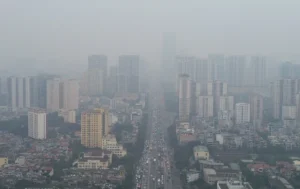
- Hanoi has real seasons: cool-to-cold October-March (sometimes 12°C in January), hot summer. Hanoi winter air quality (AQI 100-200+) is a real consideration for extended stays.
- Food: Both are excellent but genuinely different.
- For digital nomads:
- Coworking and infrastructure:
- Day trips:
- Hanoi has more dramatic scenery: Halong Bay (90 min), Ninh Binh (2h), Sapa, Ha Giang Loop.
- HCMC has stronger cultural weight: Mekong Delta, Cu Chi, Vung Tau beach, easy Phu Quoc flights. Hanoi wins on landscapes, HCMC wins on history and regional connectivity.
- Verdict by traveler type:
- Tourists on short trips: follow your personality from the descriptions above, or Hanoi if Halong Bay is a priority.
- Digital nomads: HCMC for community and warmth, Hanoi for cost and culture.
- Winter-specific: HCMC is the clearer choice during Hanoi’s cold, polluted November-February.
- Already visited one: go to the other.
- Getting between the two:
- Budget flights ~$50-90 (2 hours), overnight soft sleeper train ~$40-80 (worth doing once for the experience). Book on 12Go for price comparison across both options.
The Core Personality Difference
Before the data, the vibe.
Ho Chi Minh City

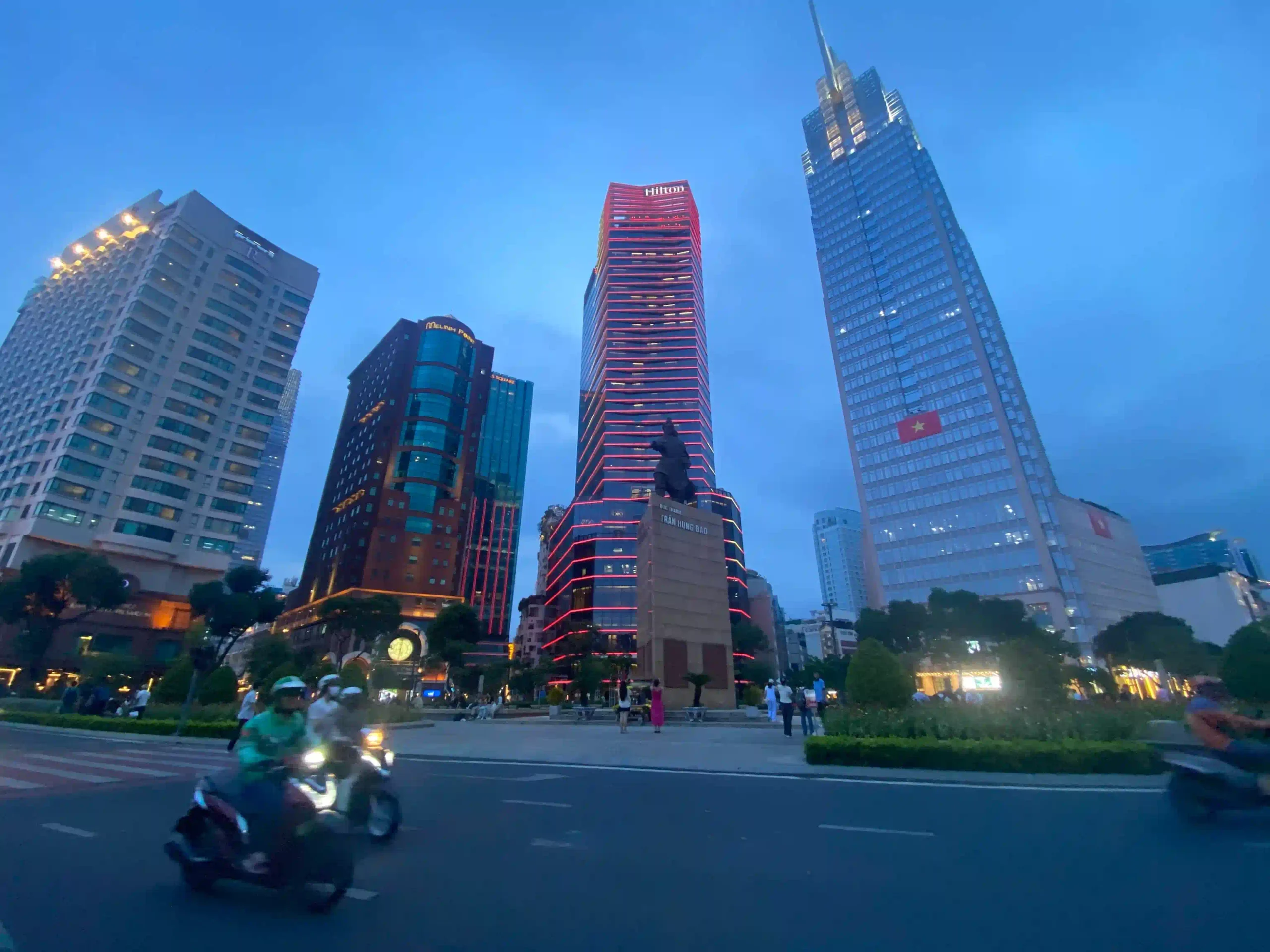
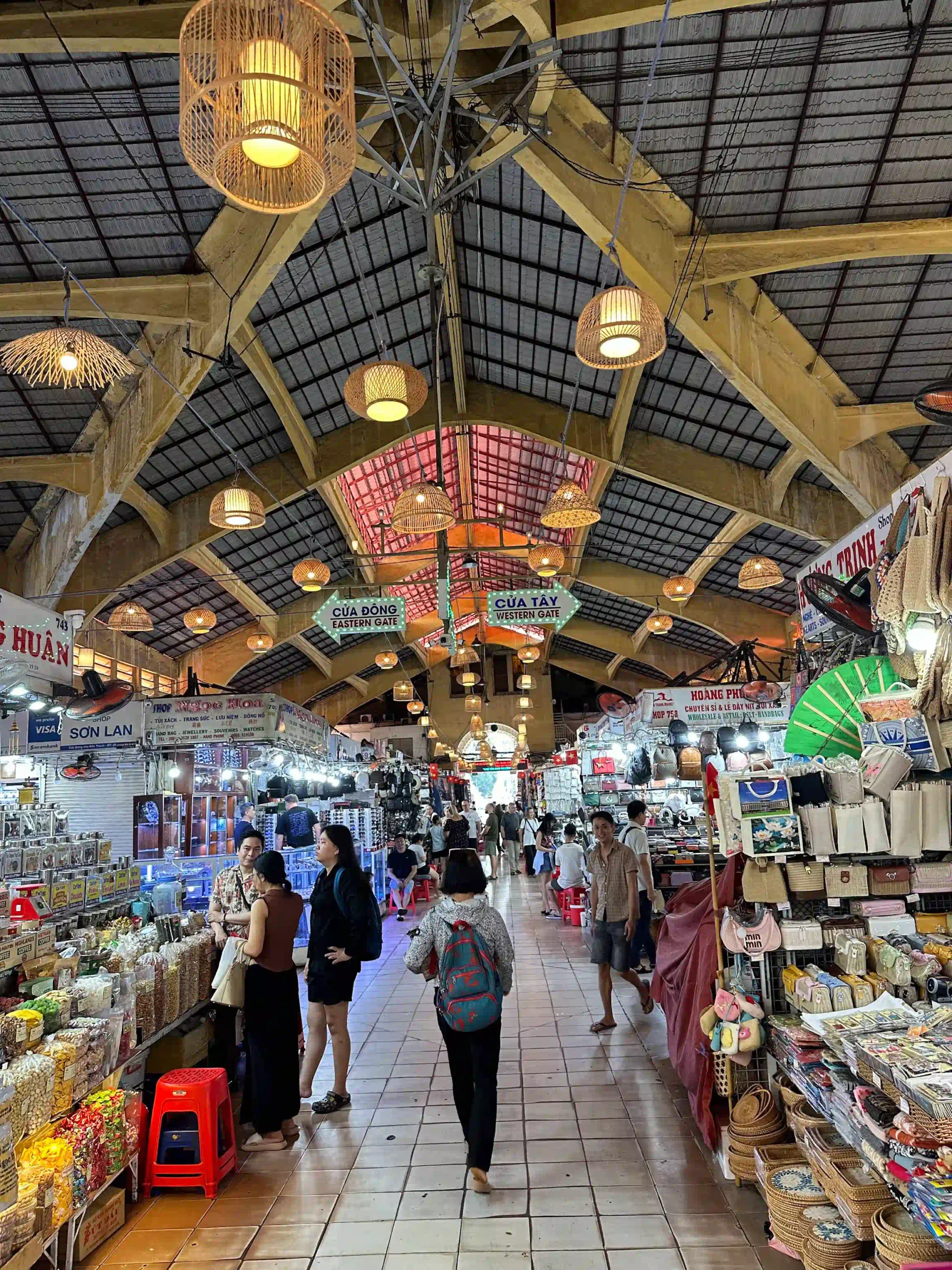
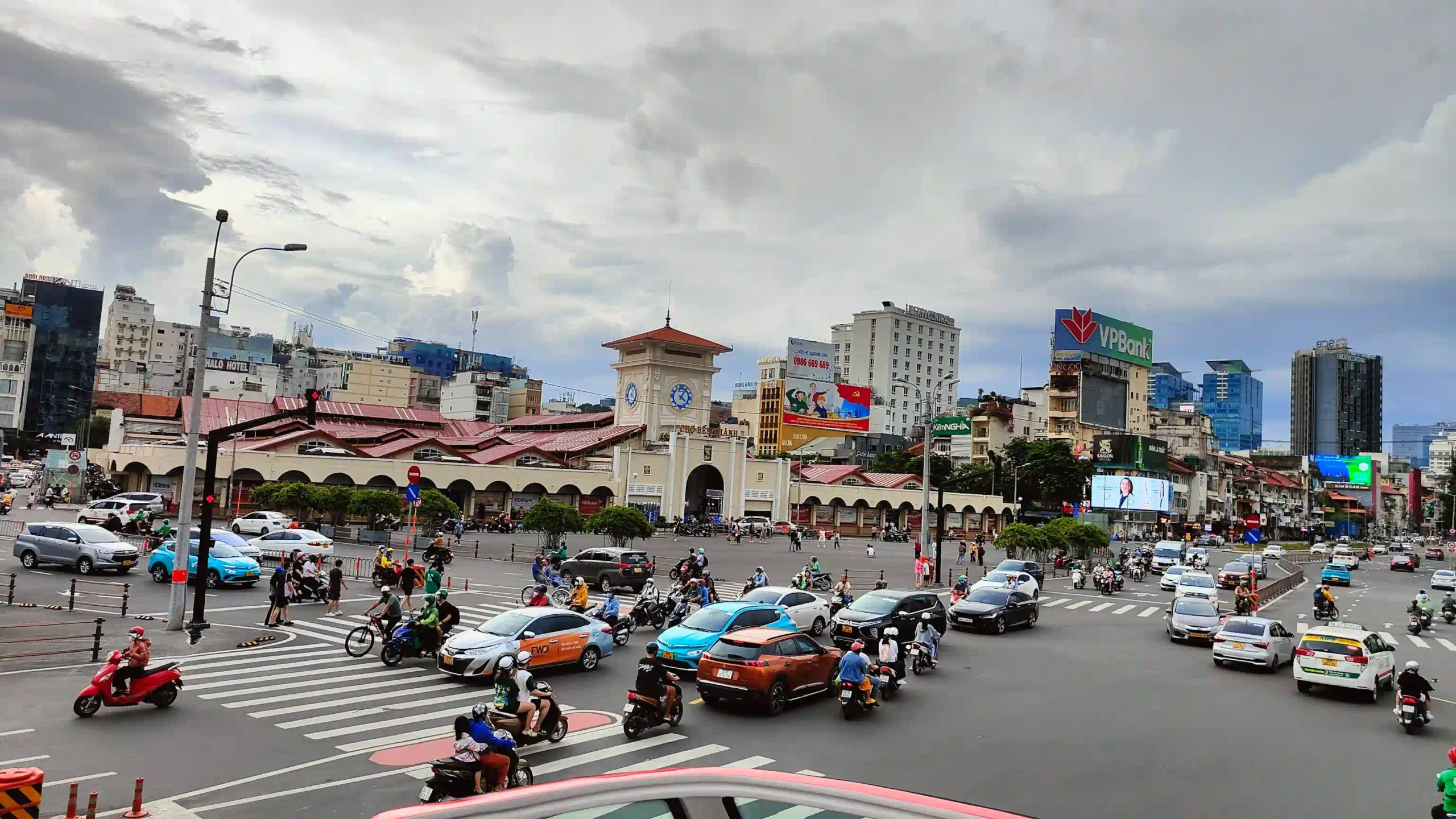
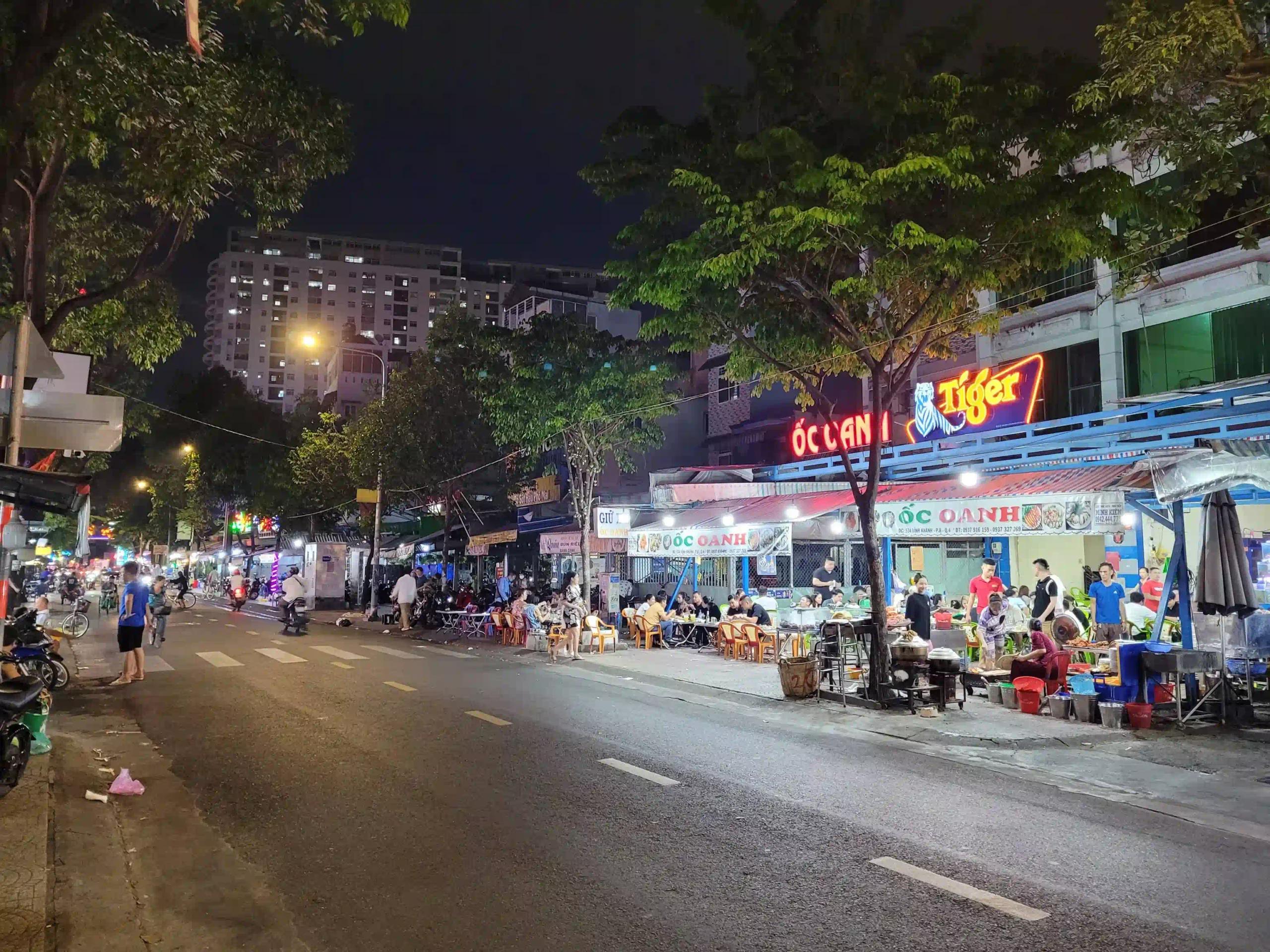
Moves fast. It’s a commercial city first, always has been, even under different names and regimes. The energy is relentless in a way that’s energizing for some people and exhausting for others. The food scene is extraordinary. Nightlife runs until the small hours. The motorbike traffic is something you have to experience to believe, and then you believe it and you still find it surprising.
It’s more cosmopolitan than Hanoi, more international, more 24-7. It doesn’t feel much like what most people imagine “Vietnam” to look like before they arrive, and that either disappoints or delights depending on what you were expecting.
Hanoi

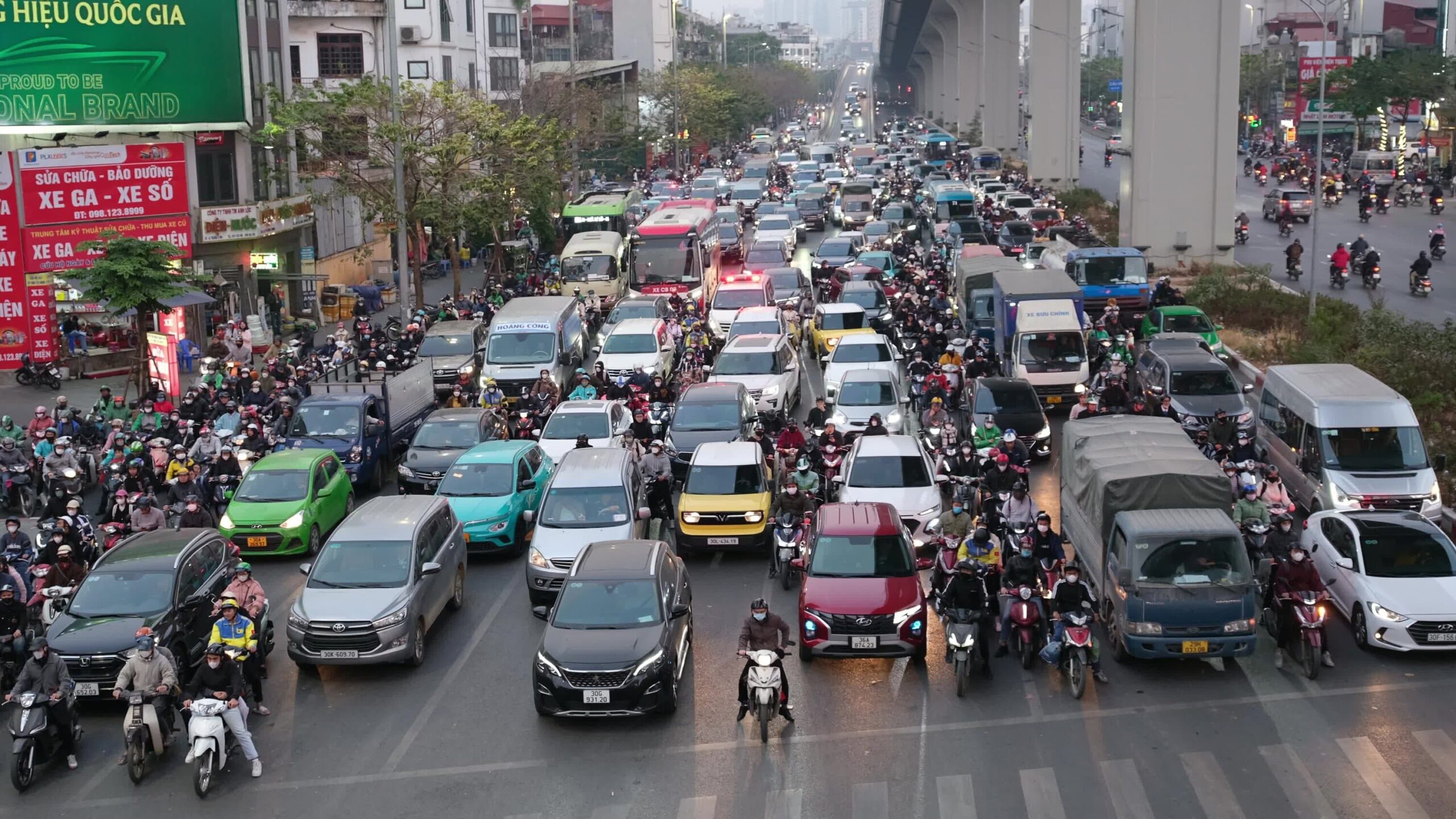
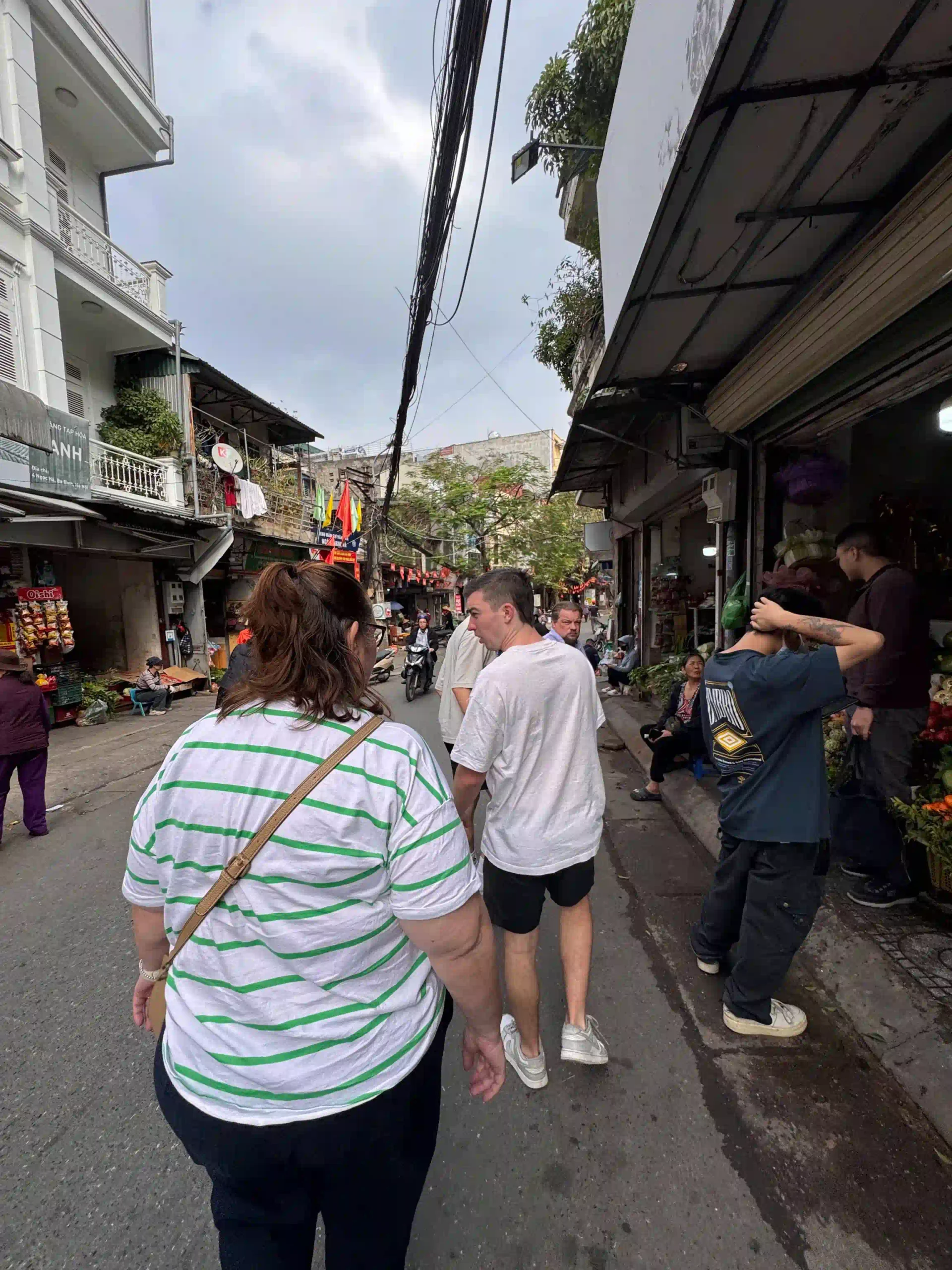
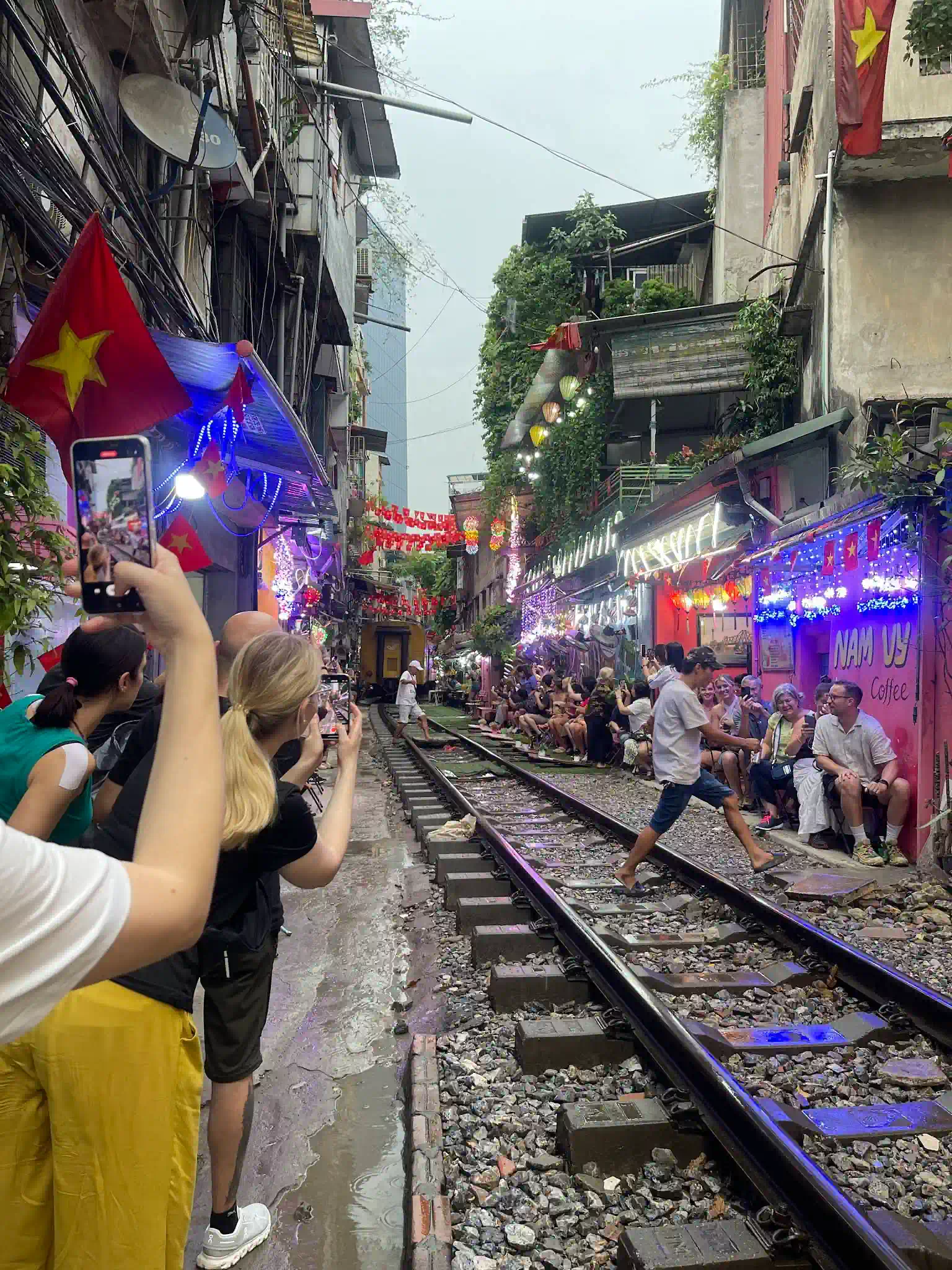
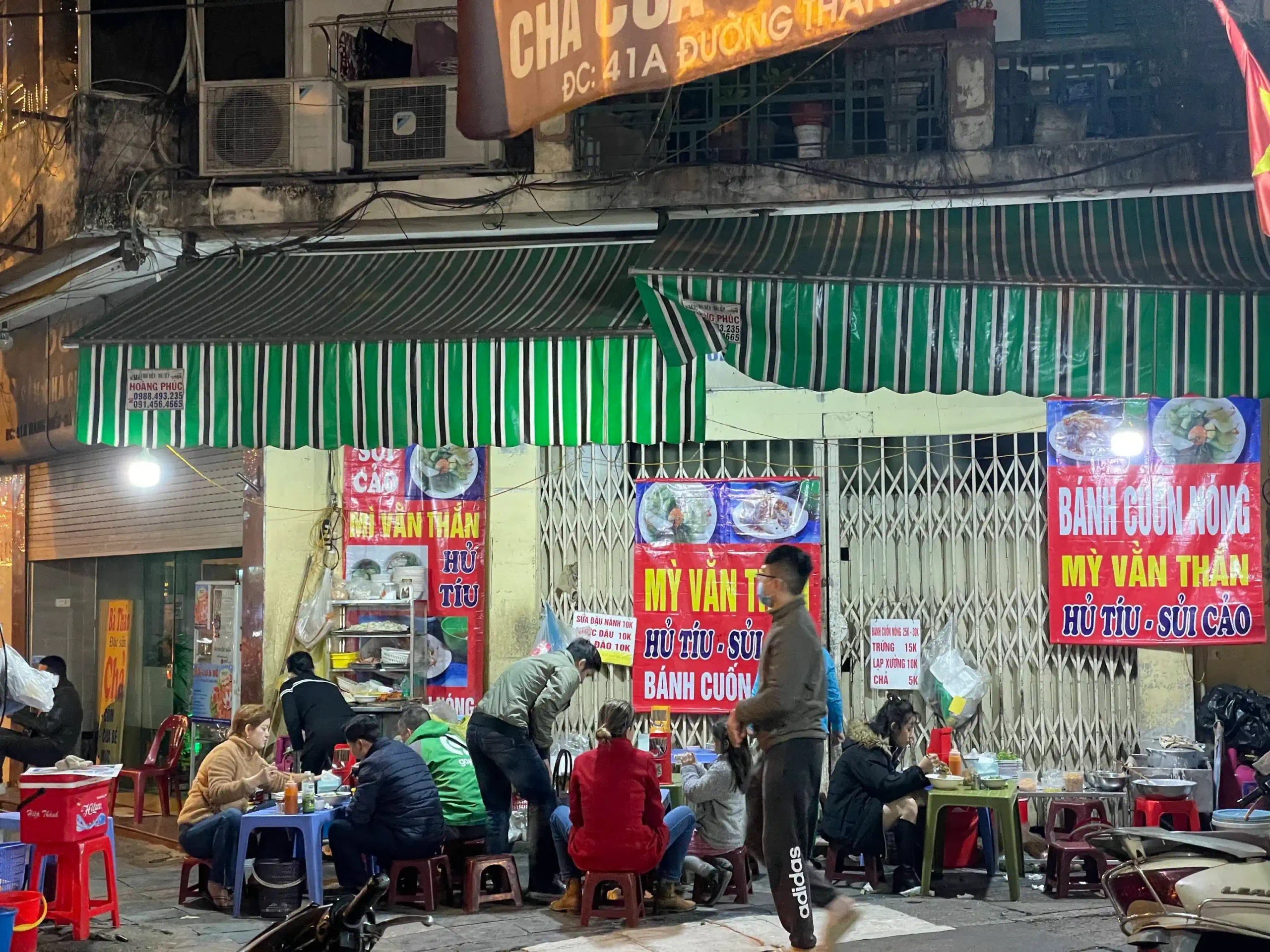
Hanoi is Vietnam’s capital and feels like it. It’s older in character, slower in pace, and has a cultural confidence that comes from being the political and historical center of the country for a thousand years.
The Old Quarter is genuinely one of the most intact traditional urban neighborhoods in Southeast Asia, where streets were historically named after the craft sold on them and some still are. Hang Bac is silver street, Hang Gai is silk street, Hang Quat is fan street. Many still sell exactly what their names say.
The food is different and the city feels like a place where tradition was preserved rather than replaced. In November it can be cool enough for a jacket at night, which is a completely different experience from the permanent heat of the south. Hanoi also has an intellectual and artistic community that feels genuinely different from HCMC’s commercial energy: more galleries, more university culture, more of what people mean when they say a city has “character.”
Neither personality is better. They’re just different, and knowing which one appeals to you more is probably the most useful thing you can figure out before you book.
Visa Situation for Extended Stays
Worth knowing before you plan any long stay in either city.
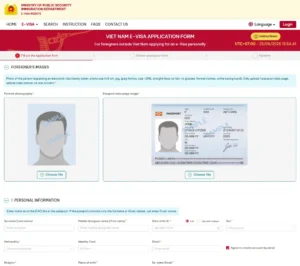
Vietnam’s e-visa allows 90-day single or multiple-entry stays for most nationalities, introduced in 2023. That’s the baseline most tourists and short-stay nomads use.
For longer stays, the options get murkier. There is no formal Vietnam digital nomad visa as of 2026. A proposed Golden Visa framework was discussed in 2025 and remains under government review. Most long-term nomads stay on a rolling e-visa system, exiting and re-entering every 90 days. Vietnam-based visa agencies (Vietnam Visa Online, MyVietnamVisa) can arrange 1-year multiple-entry visas sponsored by partner companies, which some longer-term residents use.
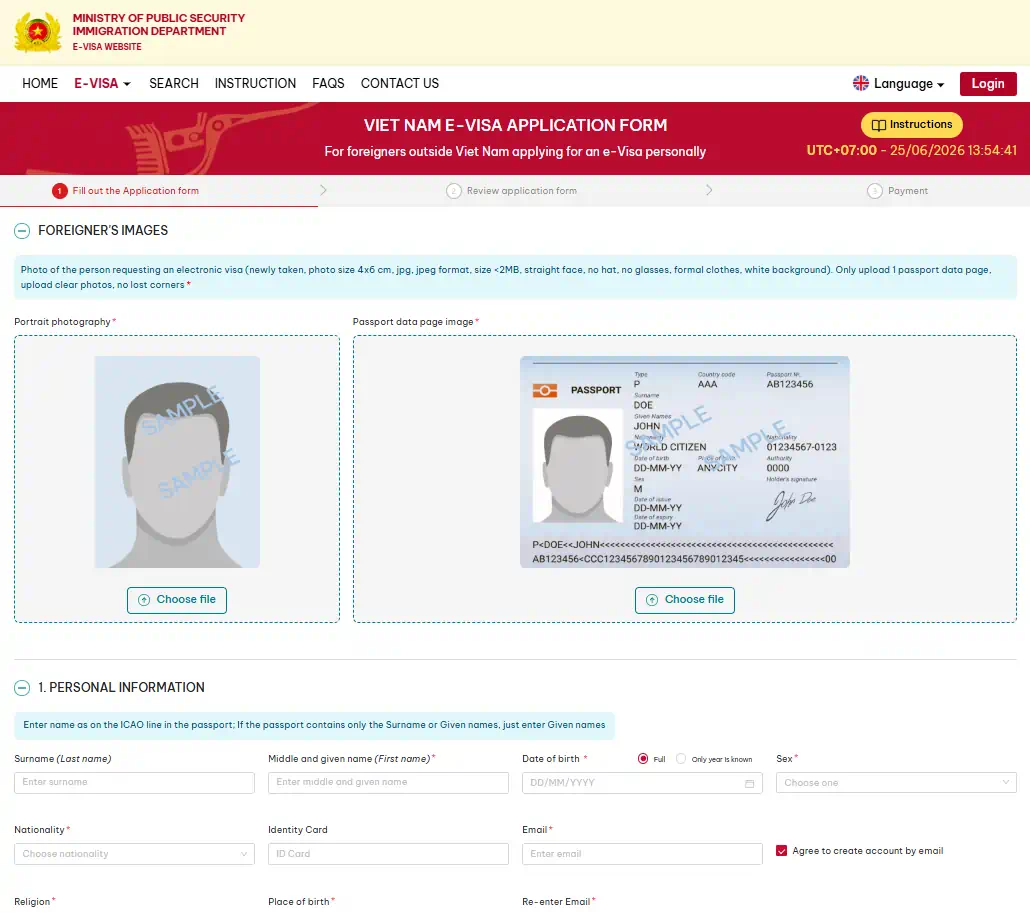
Overstays incur fines starting at roughly $50 per day and can affect future entry. Factor this into any long-term planning and keep your passport documents backed up digitally.
The visa situation is identical for both cities since it’s a national policy, but it’s relevant to the comparison for digital nomads specifically who might be planning a 3-6 month stay.
For Short-Stay Tourists
| Ho Chi Minh City | Hanoi | |
|---|---|---|
| Best for | First-timers wanting modern, accessible Vietnam | Travelers wanting cultural depth + traditional character |
| Time needed | 3-4 days minimum | 3-4 days minimum |
| Day trips | Mekong Delta, Cu Chi Tunnels, Vung Tau beach | Halong Bay, Ninh Binh, Sapa, Ha Giang Loop |
| Walking | Less walkable, Grab-dependent | Old Quarter is very walkable |
| English | Widely spoken in tourist areas | Good in tourist areas, less so outside |
| Nightlife | Significantly better | Decent, not HCMC’s scale |
| Budget/day | $35-70 mid-range | $30-60 mid-range |
A Few Points That Matter for Short Trips
Halong Bay accessibility is the single biggest practical reason many people prioritize Hanoi. The bay is roughly 170km from Hanoi and accessible on a standard day trip or, better, an overnight cruise that runs about $150 for a decent operator. From HCMC it would be a flight plus additional travel. If Halong Bay is on your list and you have limited time, base yourself in Hanoi for it.
Onward travel connections favor HCMC. Tan Son Nhat airport connects directly to Bangkok, Singapore, Kuala Lumpur, Bali, Seoul, and basically the rest of Southeast Asia and much of Asia. If you’re doing a broader regional trip, HCMC is the easier hub. Hanoi connects well to northern Asia (Beijing, Seoul, Tokyo) but has fewer budget airline routes south.
The north-south train runs 1,726km and takes 30-35 hours between the two cities. Some people love this journey. Overnight sleeper trains in private cabins run around $50-90 and give you a genuine cross-country experience. Budget airline fares start around $30-80 with advance booking. If you have 3-4 weeks in Vietnam and want to see both ends of the country, doing one direction by train and one by flight is worth considering.
Climate
This is probably the most underrated factor in the choice and very few comparison articles give it the weight it deserves.
Ho Chi Minh City
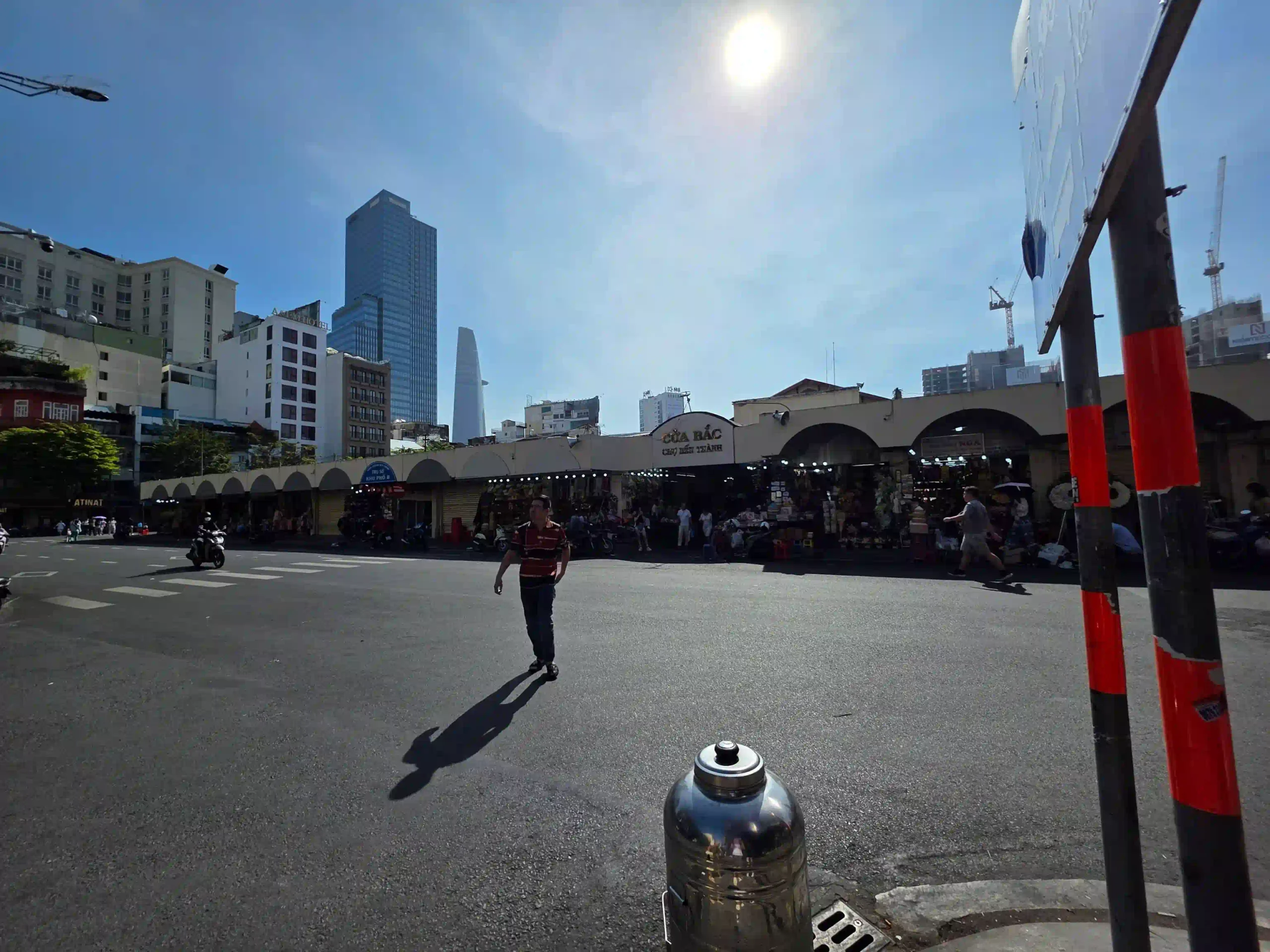

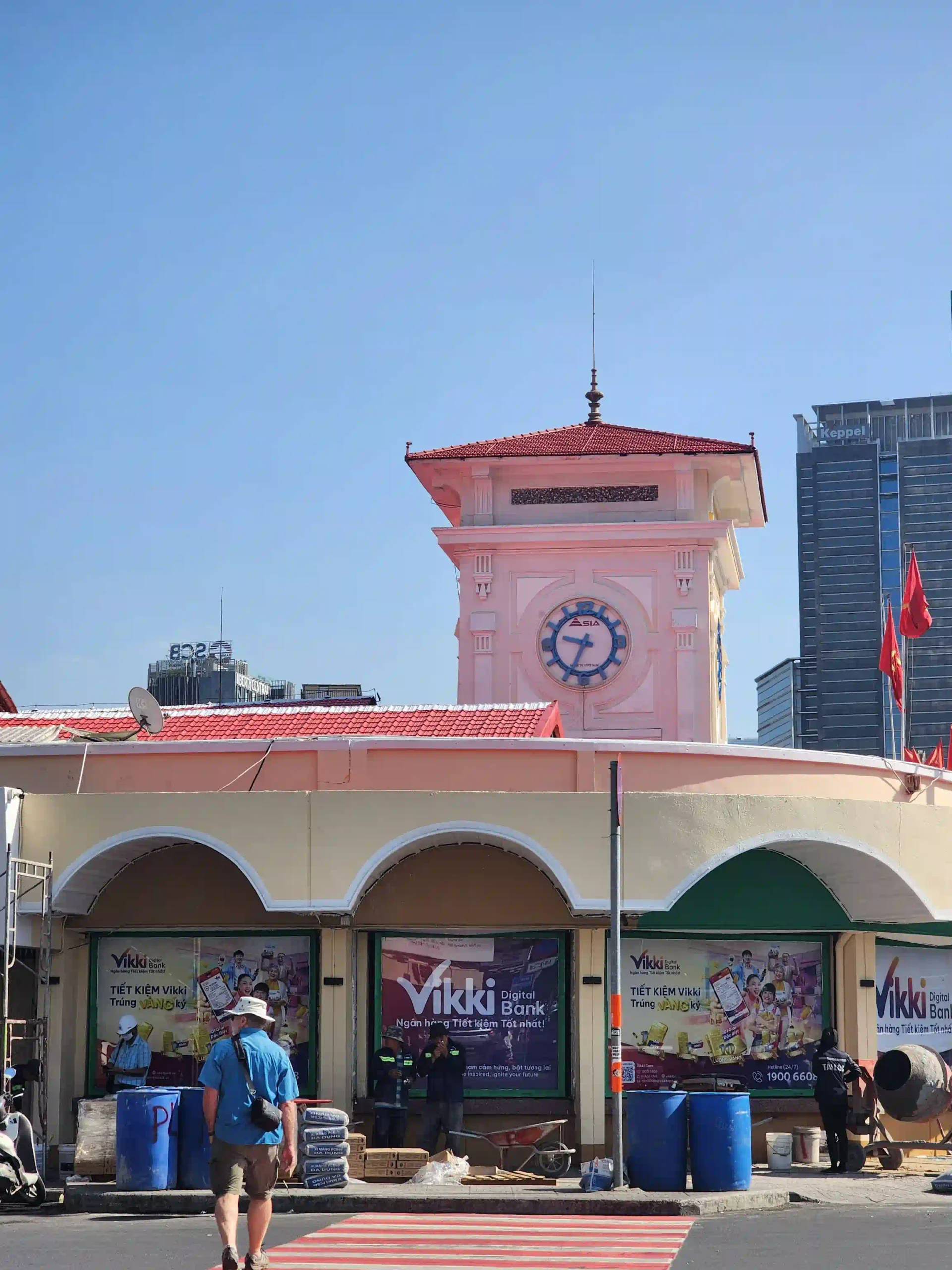
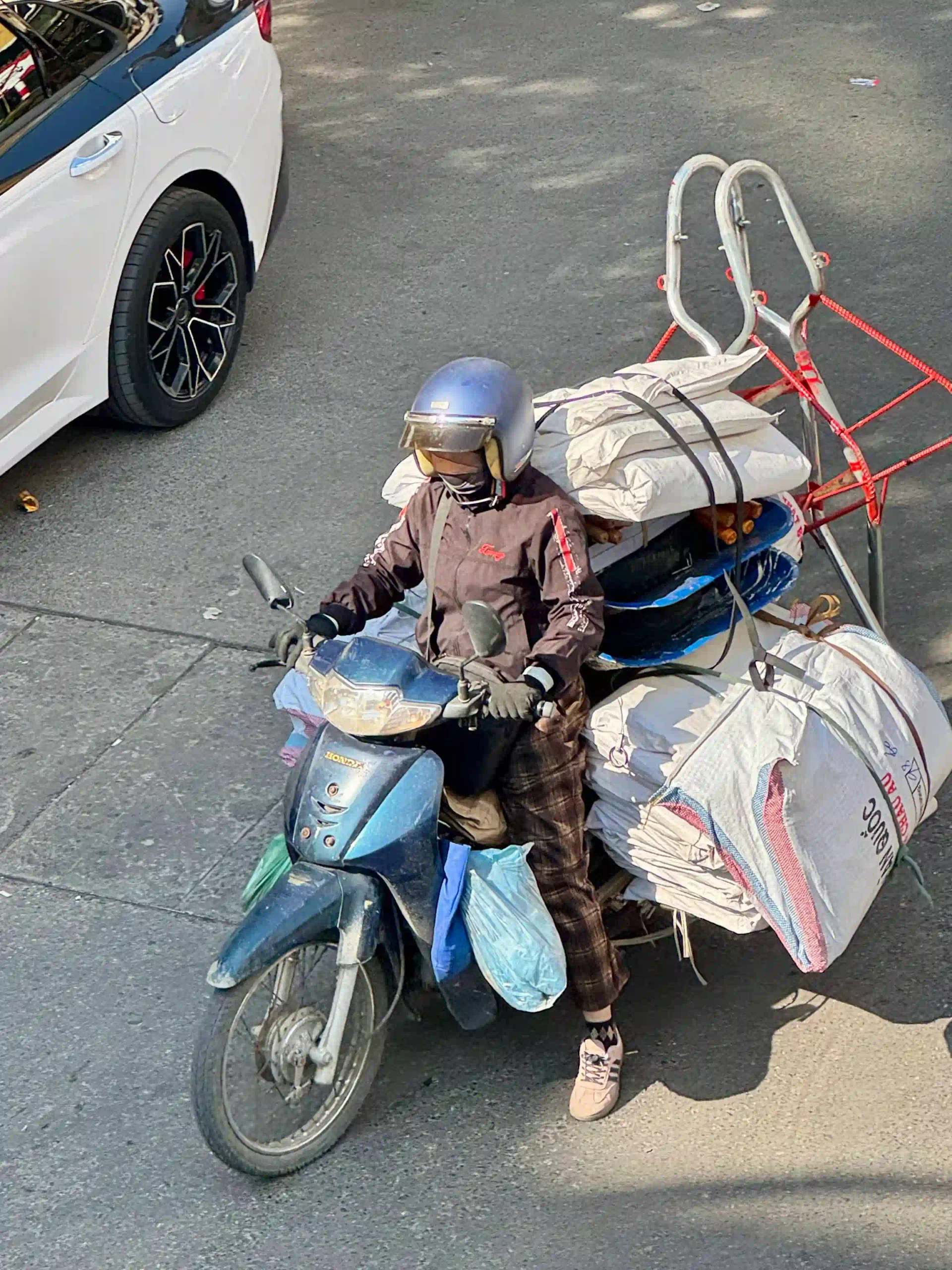
HCMC has essentially one season: hot. The range is roughly 27-35°C year-round. There’s a wet season (May to November) with regular afternoon downpours, and a dry season (December to April) which is hot without the rain.
“Cool” in HCMC means a pleasant 27 degrees instead of a brutal 35. If you’re heat-sensitive, this is useful information.
Hanoi
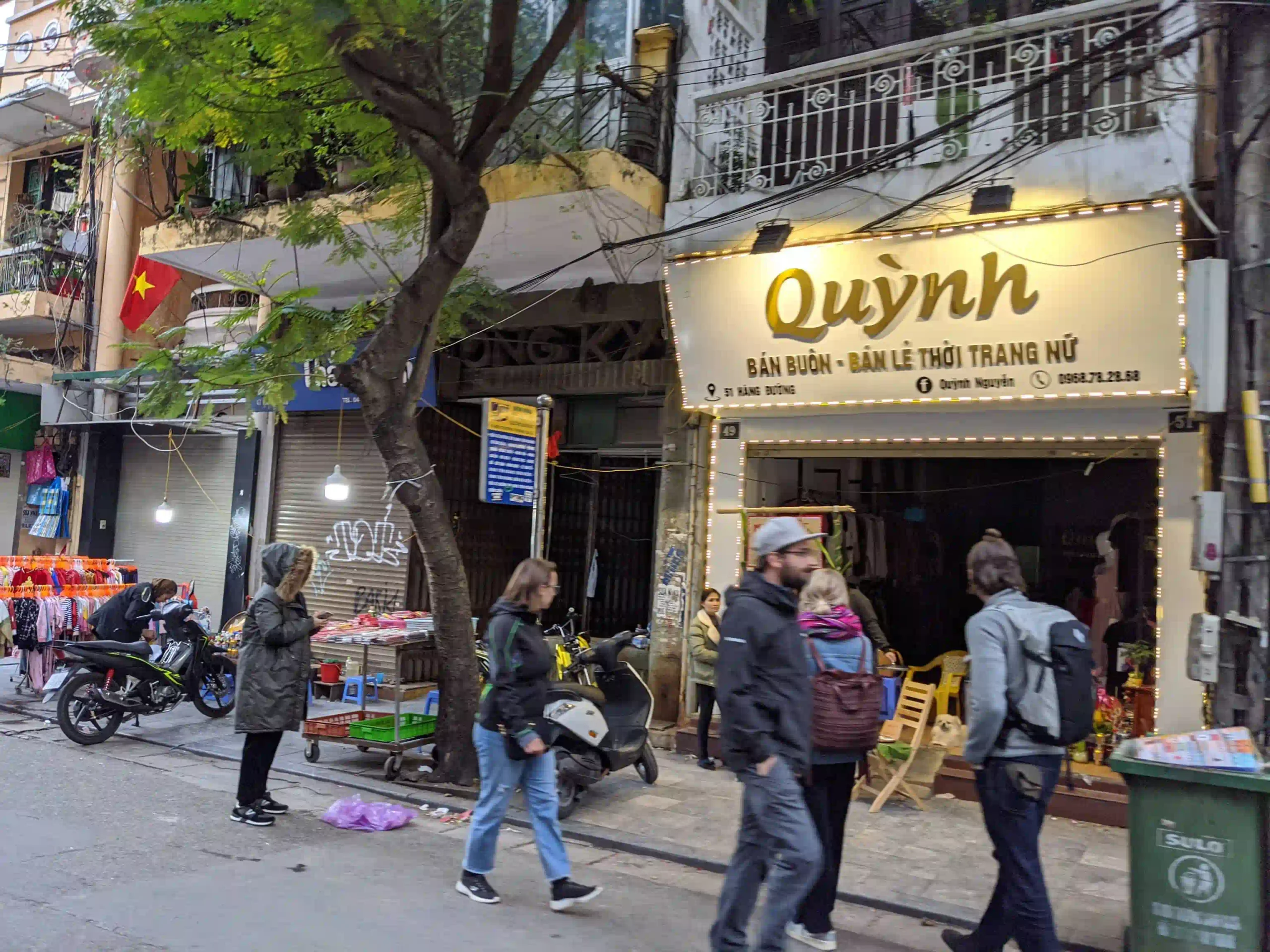
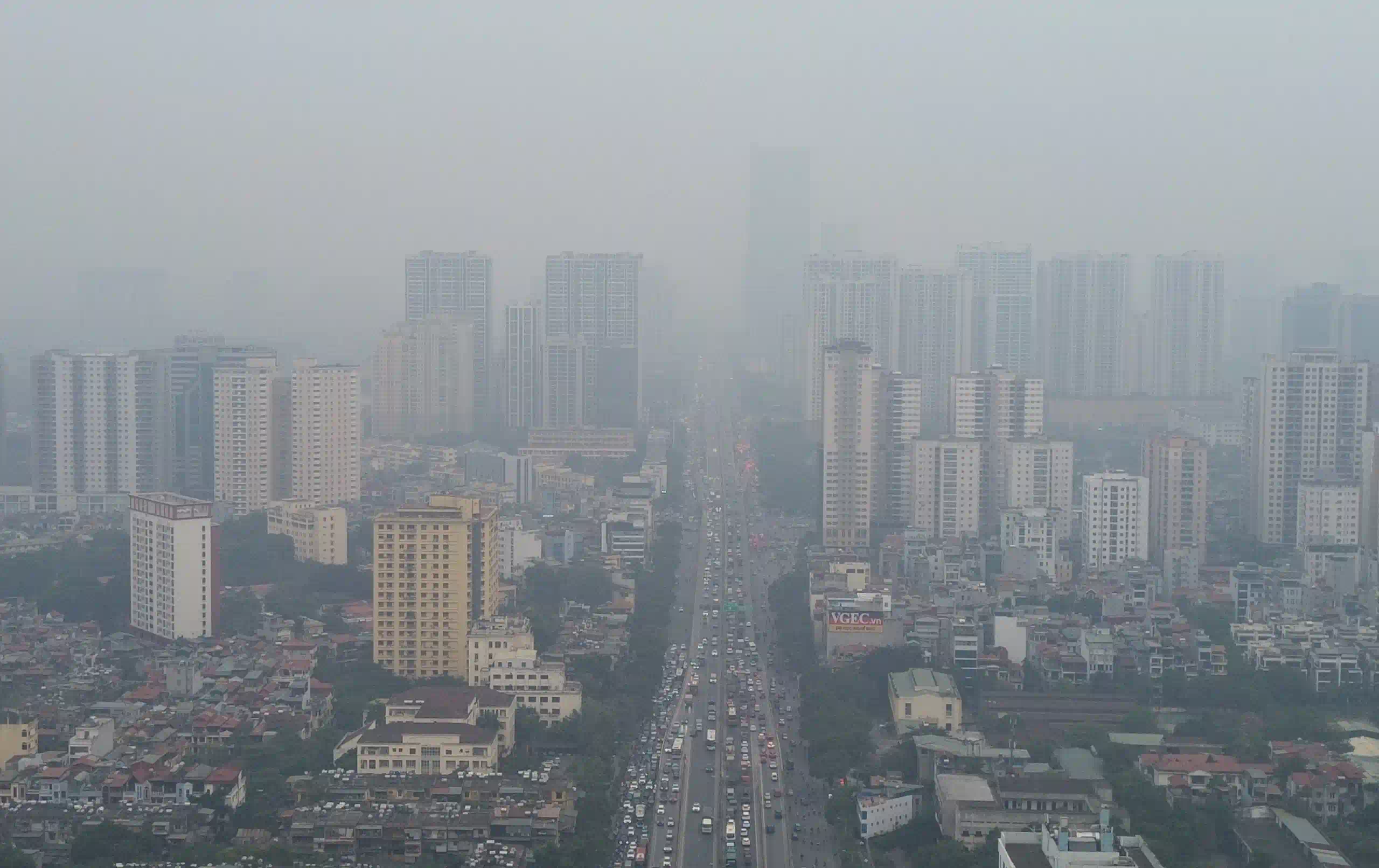
Hanoi has actual seasons. Real ones. October to March is genuinely cool, with temperatures sometimes dropping to 12-15°C in January and February. November to January is overcast and occasionally cold enough that locals wear down jackets. This is either wonderful or depressing depending on your relationship with grey skies. April to September is hot and humid, similar to HCMC but with more defined storm activity.
The practical upshot: if you’re visiting Vietnam during the cool northern months (November to February) and you want weather that feels different from Southeast Asia’s usual heat, Hanoi specifically offers that. If you’re going in June through September, both cities are hot, and HCMC’s wet season rains are more predictable (usually a few hours of heavy rain in the afternoon) than Hanoi’s more variable summer weather.
For digital nomads specifically
HCMC wins on climate year-round if you prefer warmth. Hanoi’s October-February period is genuinely pleasant for working: 18-22°C, no sweating during your commute to the coworking space, sometimes a good jacket weather.
Hanoi winters are also when the city’s cafe culture comes into its own, since people are actually sitting inside the coffee shops rather than finding shade.
Air quality caveat for Hanoi
November to February in Hanoi brings pollution from the north and local sources. AQI readings regularly hit 100-200+, which is classified as “Unhealthy” on international scales. If you have respiratory issues, this matters.
HCMC’s air quality is not good either, but it tends to be less extreme than Hanoi’s winter pollution peaks. An N95 mask is genuinely useful if you’re in Hanoi for an extended winter stay.
Food
Both cities have great food. They’re also genuinely different from each other, which is part of why the north-south comparison is interesting.
In HCMC
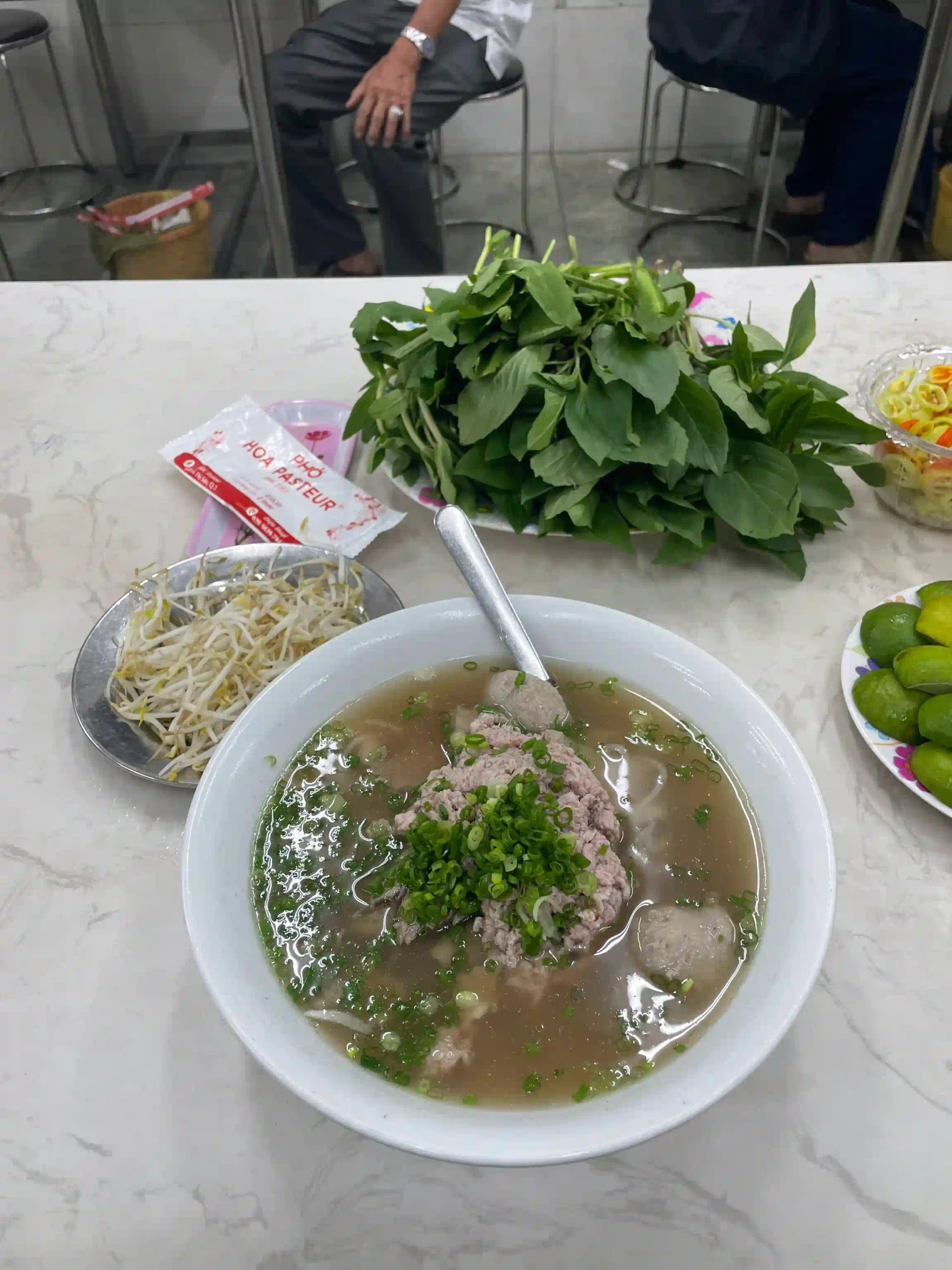

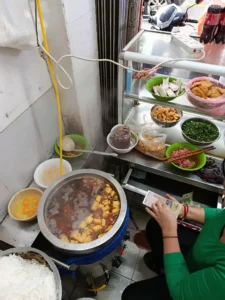
- Pho comes with a plate of fresh herbs and bean sprouts that you add yourself. The broth is sweeter than the northern version.
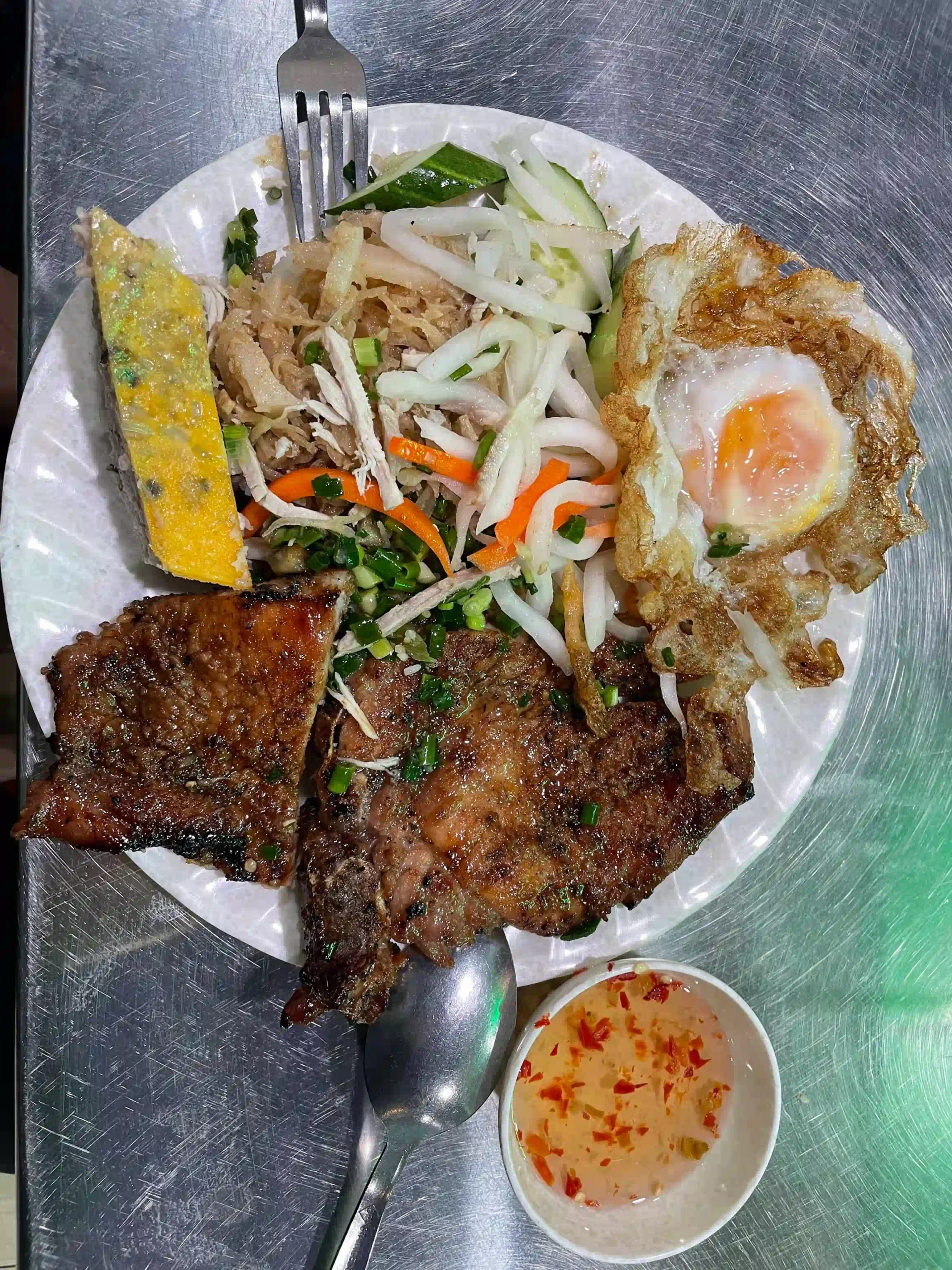
- Broken rice (cơm tấm) with grilled pork and a fried egg is the default evening meal for a huge portion of the population and it’s one of the best cheap meals anywhere in Southeast Asia.
- Bánh mì is available everywhere and the southern version tends to be more loaded than what you find in the north.
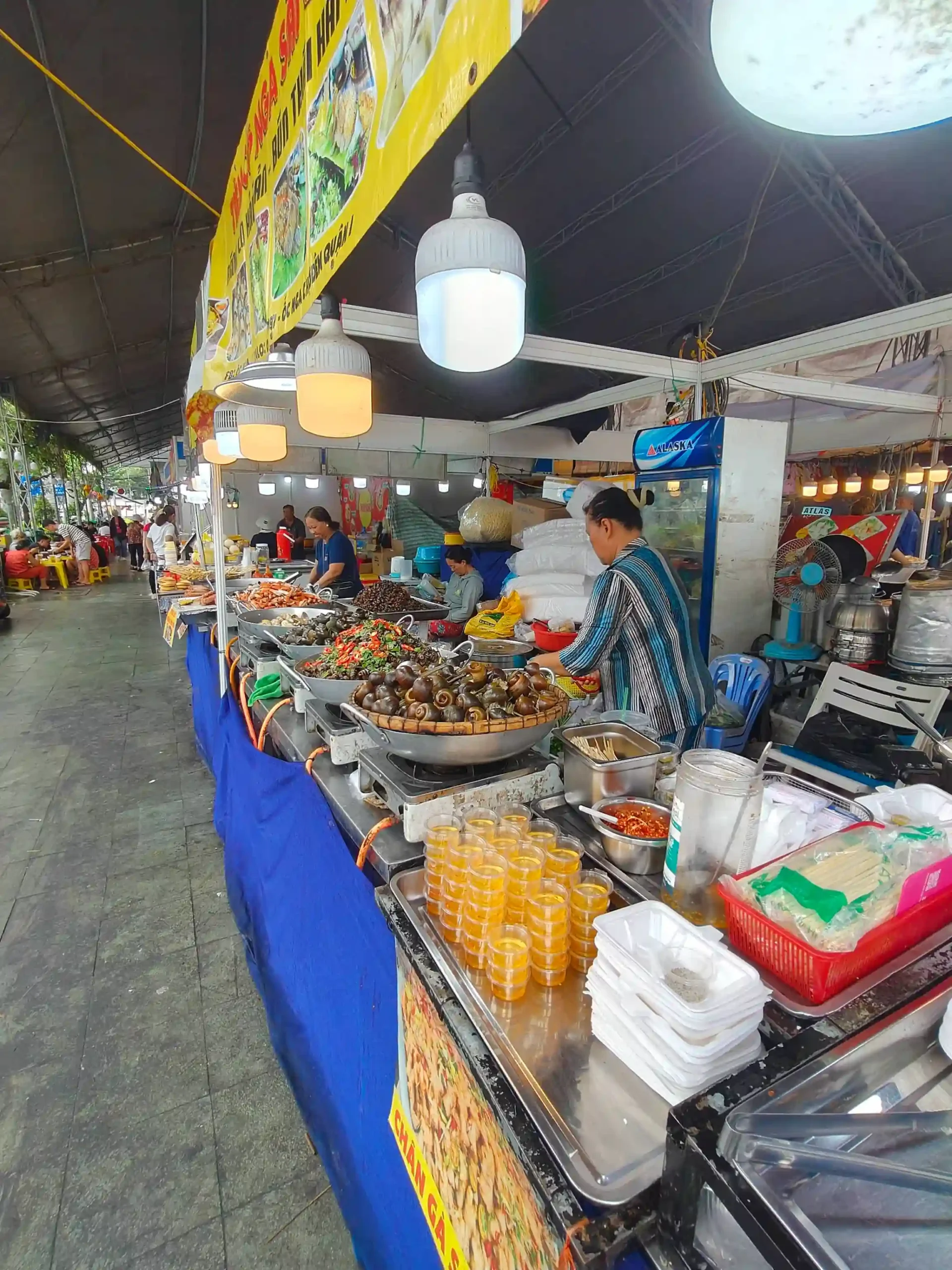
- Seafood is excellent. The city has a large ethnic Chinese community in Cho Lon (District 5) and a Cantonese and Teochew food tradition that runs parallel to the Vietnamese one.
10 Saigon street foods to eat before you leave
In Hanoi
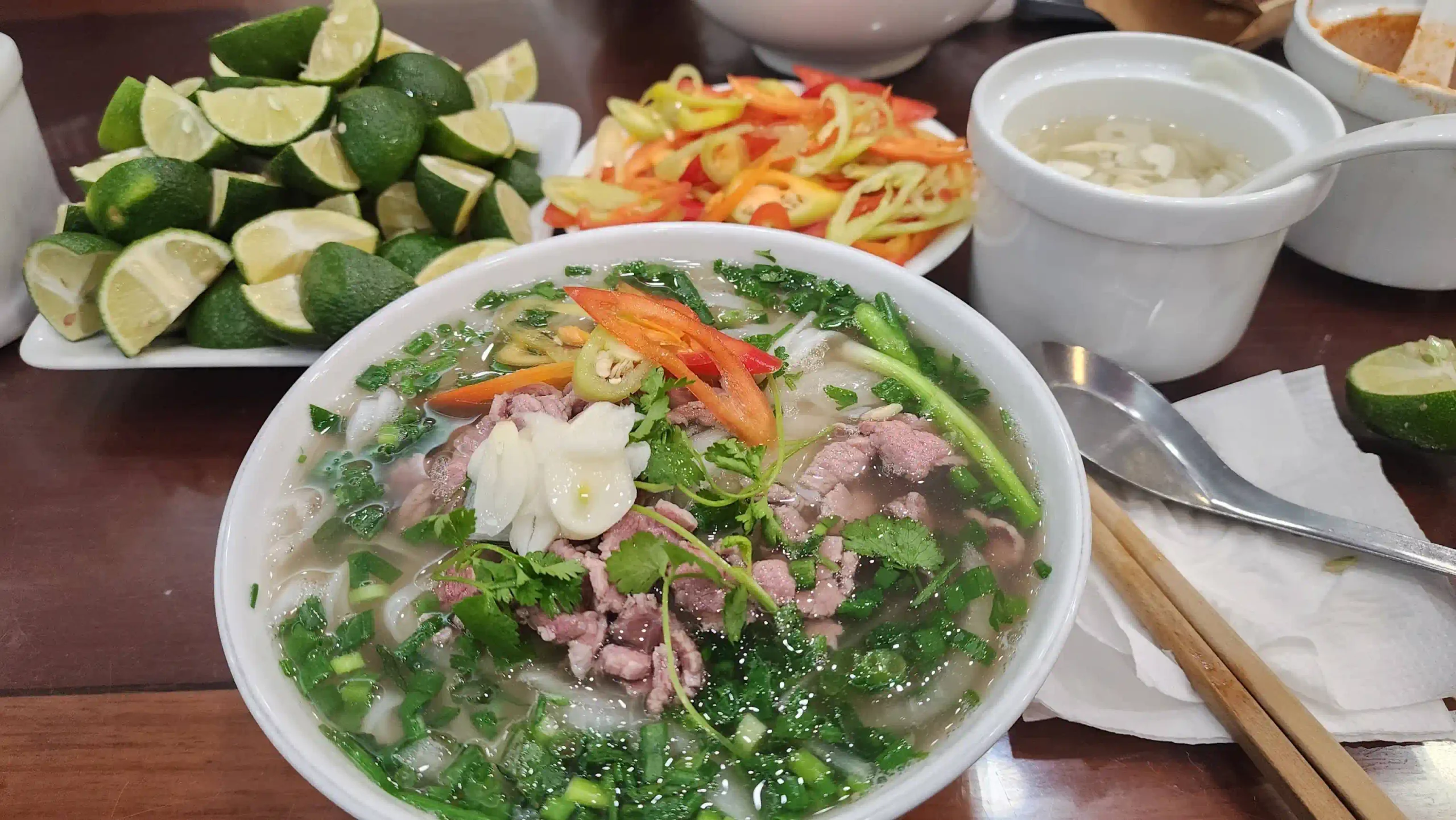
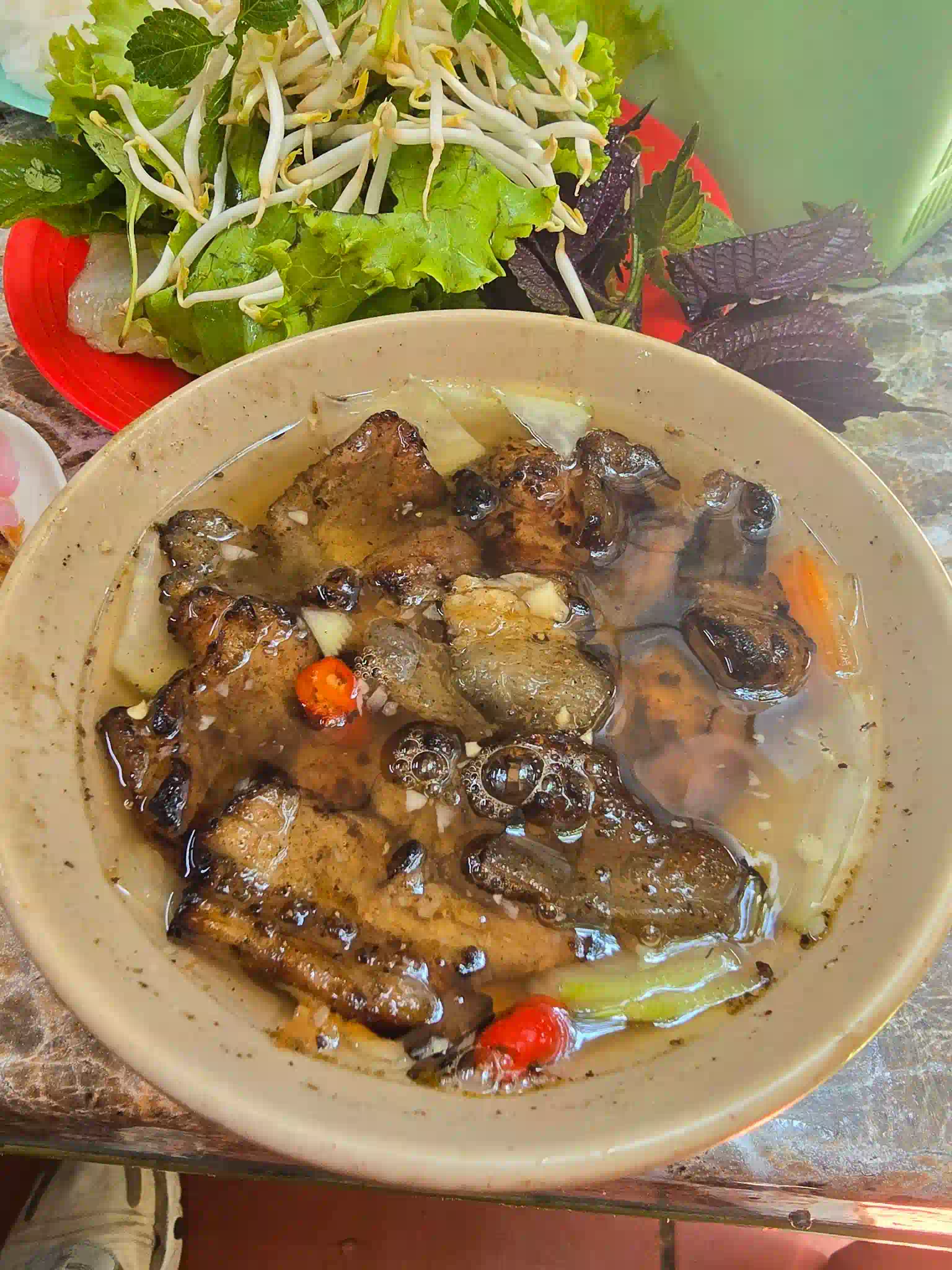
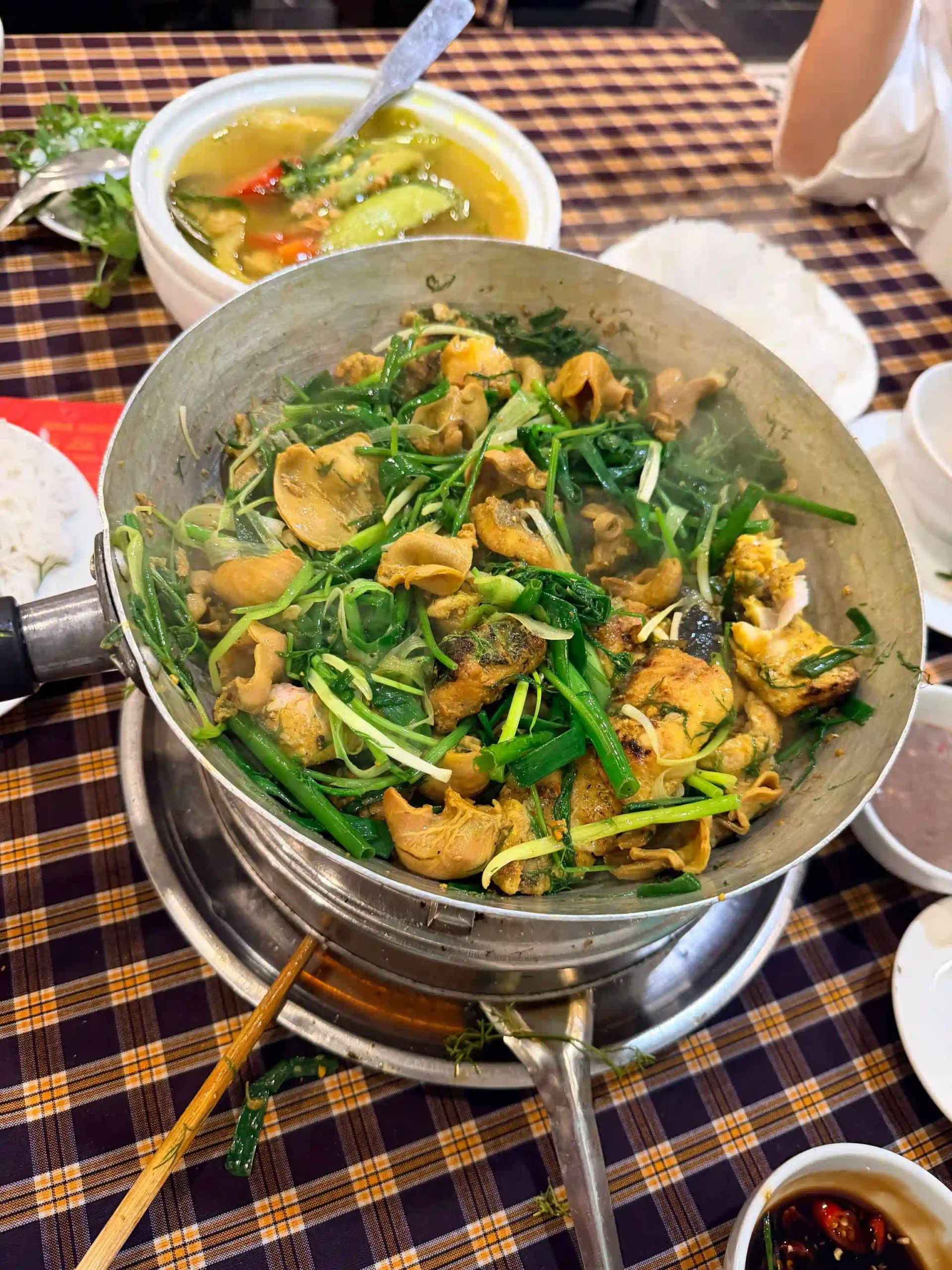
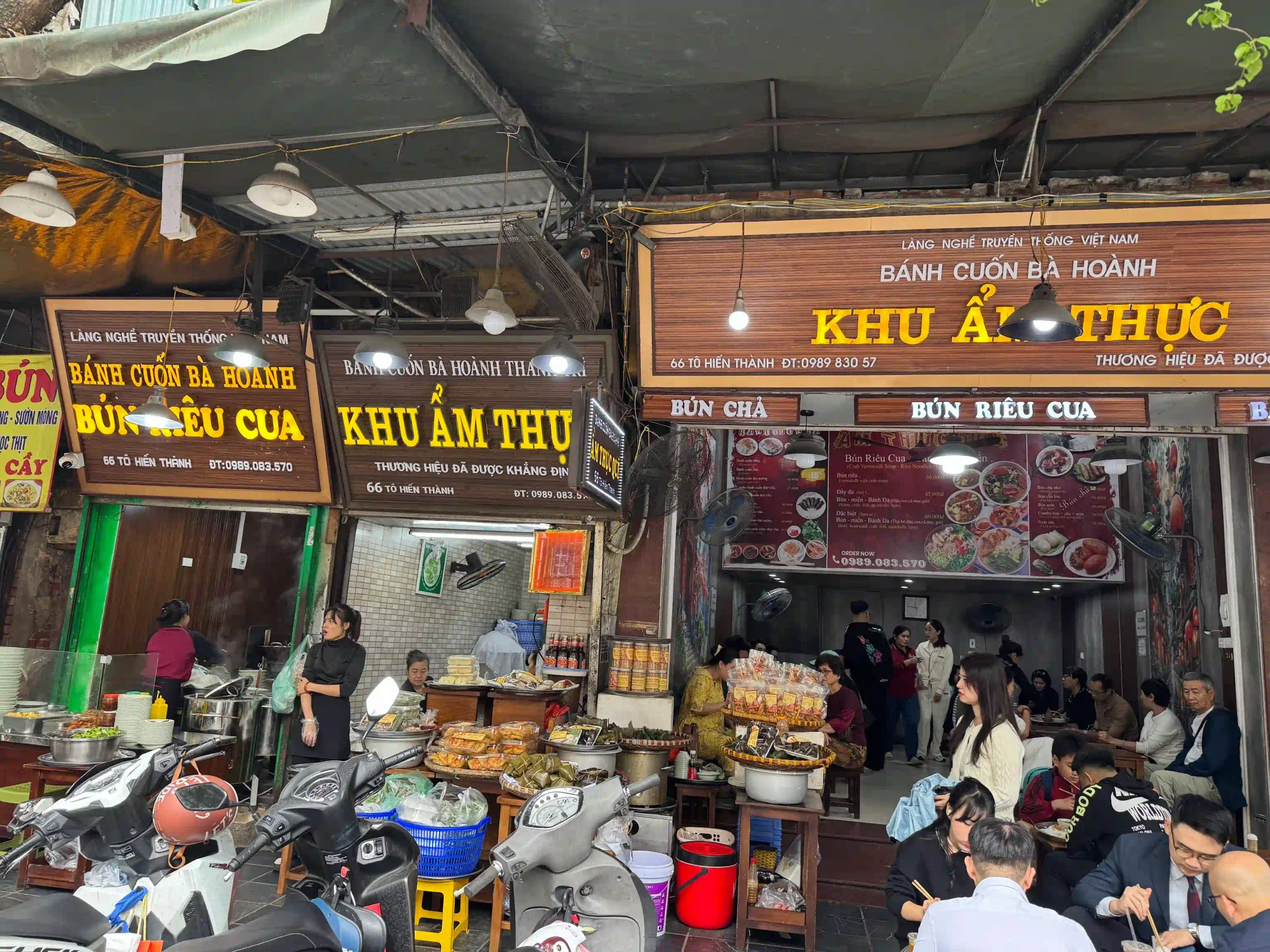
- The pho is simpler. Fewer additions, the broth is clearer and less sweet, and if you’re used to southern pho it takes some adjustment. But the pure northern broth is something a lot of people find more elegant once they’ve got used to it.
- Bún chả, the grilled pork and vermicelli dish that Barack Obama ate with Anthony Bourdain in 2016, is a Hanoi dish specifically.
- Chả cá Lã Vọng, a grilled turmeric fish with dill that’s been sold on a single street in Hanoi for over a century, is unlike anything in the south.
Ranking the 10 best street food in Hanoi locals actually eat daily
My honest take: I slightly prefer HCMC’s food variety and the com tam specifically. But Hanoi’s bún chả is legitimately one of the best dishes I’ve eaten in Vietnam, and the city’s food tradition is distinct enough that it genuinely adds to the reason to go.
For both cities, the street food scene is best in the morning and evening. The midday period when the heat peaks is not when you want to be eating from a sidewalk stall in either city.
For Digital Nomads
This is where the comparison gets more specific and the data matters more.
Cost Comparison 2026
| Category | HCMC | Hanoi |
|---|---|---|
| Estimated monthly (solo) | ~$833 / $1,300 comfortable | ~$756 / $1,000-1,200 comfortable |
| Studio apartment (central) | $450-700 | $350-600 |
| Coworking (hot desk/month) | $60-120 | $40-90 |
| Street food meal | 40,000-80,000 VND | 35,000-70,000 VND |
| Coffee at cafe | 35,000-70,000 VND | 25,000-55,000 VND |
| Grab (5km) | 35,000-55,000 VND | 30,000-50,000 VND |
Hanoi is genuinely cheaper, by roughly $75-150 per month for a comparable lifestyle. Not massively different, but real over six months. The gap is most visible in rent and coworking costs.
Coworking Spaces
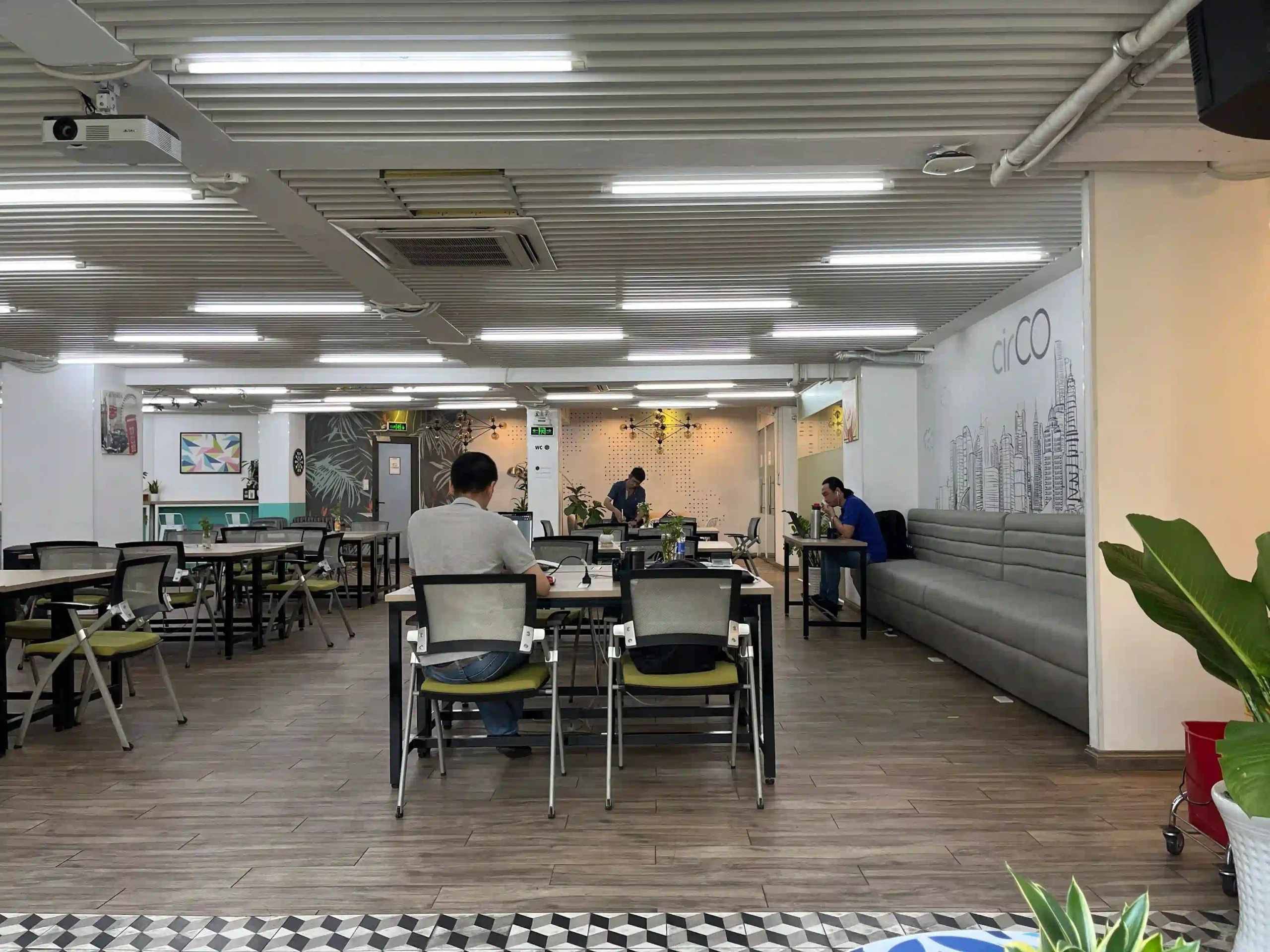
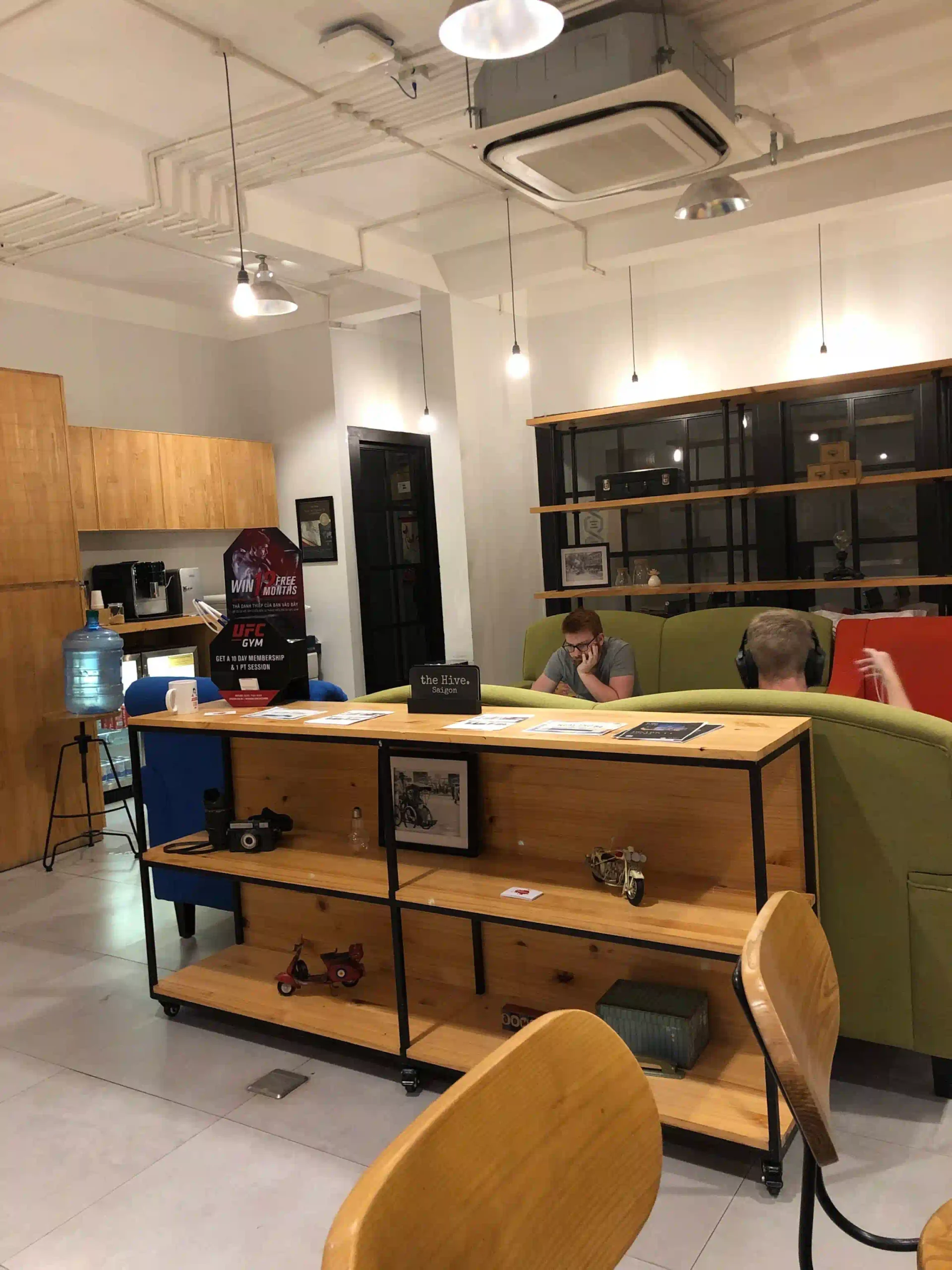
HCMC: Dreamplex (premium, $80-150/month, well-equipped), CirCO (creative community, $60-120/month), The Hive (community events, solid WiFi), Toong (chain, consistent, more affordable). The Cafe Apartment at 42 Nguyen Hue in District 1 is a nine-floor building of independent cafes, each with WiFi, that functions as a free coworking alternative that many nomads use for light-work days.
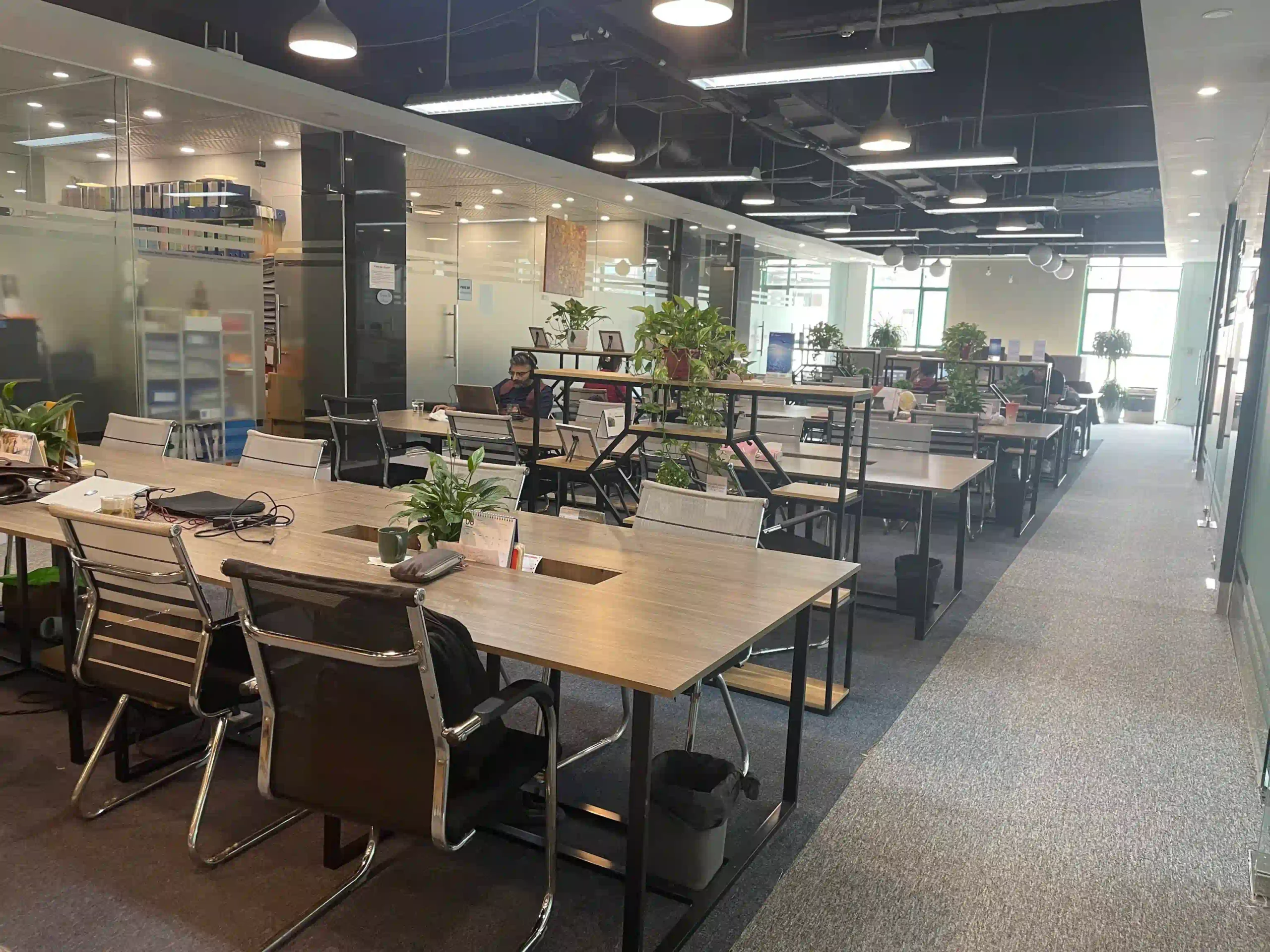
Hanoi: Toong (chain, $40-90/month, consistent across cities), UP Coworking, Espace (pricier, predictable quality). The Tay Ho/West Lake area has an excellent cafe-working scene with fast fiber and tolerant owners.


Community
The HCMC expat and nomad community is bigger. 100,000+ expats registered, multiple active Facebook groups, frequent meetups, and the kind of depth that comes with a long-established international community. Finding people in your professional field, making friends outside your immediate social circle, and meeting other nomads is genuinely easier in HCMC.
Hanoi’s community is smaller but has grown significantly in the last few years. The Hanoi Massive Facebook group is active. Tuesday Internations meetups run regularly.
If you prefer a smaller scene where you actually get to know people rather than move through a constantly refreshing pool of newcomers, Hanoi can work better for community in a counterintuitive way.
Neighborhoods for Nomads
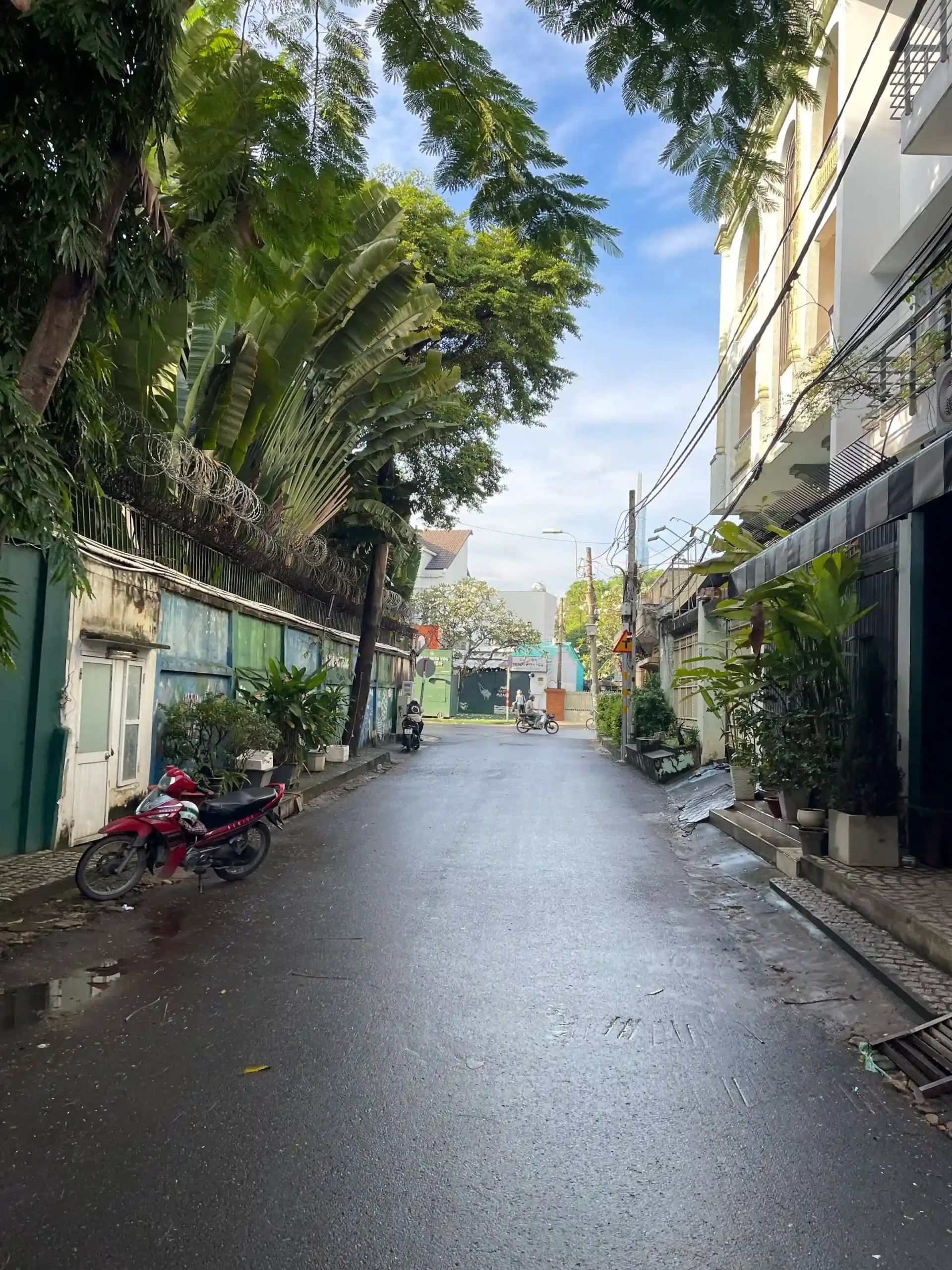
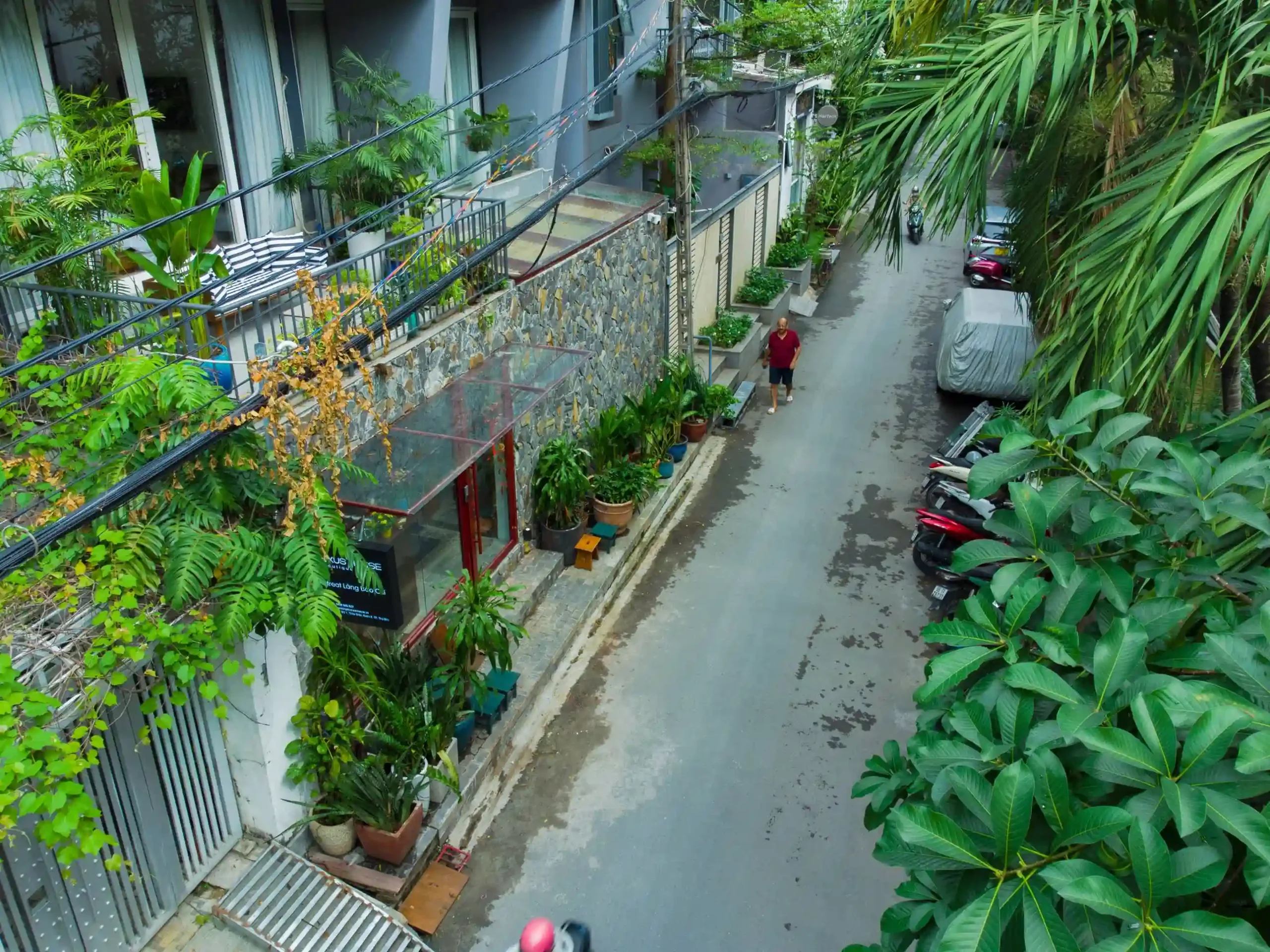
HCMC: District 1 puts you in the center, walking distance from everything, highest rent, most dense. Thao Dien (formerly District 2) is the expat enclave: calmer, leafy, Western cafes and restaurants, strong community, 20-30 minutes from the center. District 3 is the best value-to-convenience ratio, close to everything without the District 1 price premium.

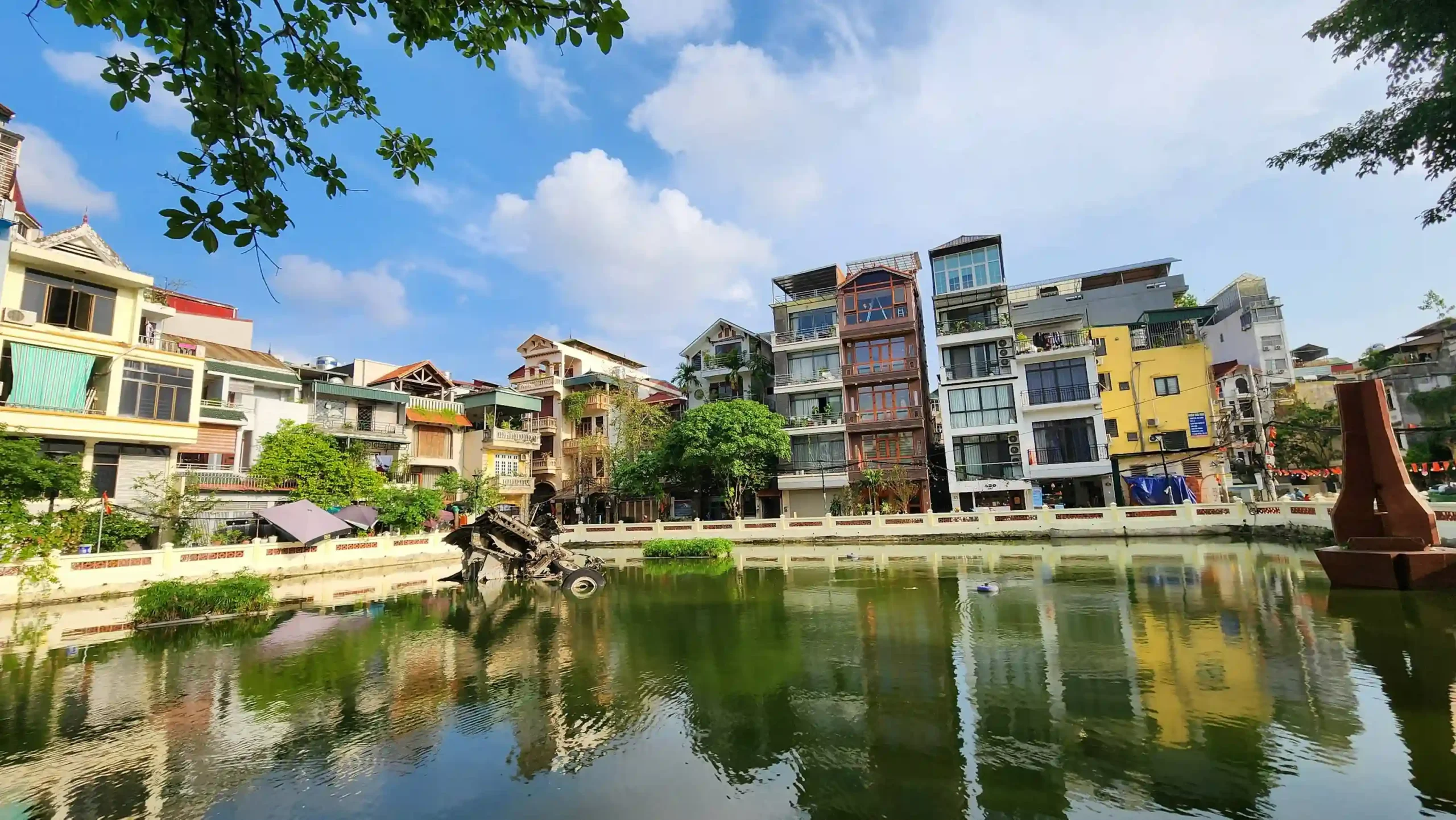
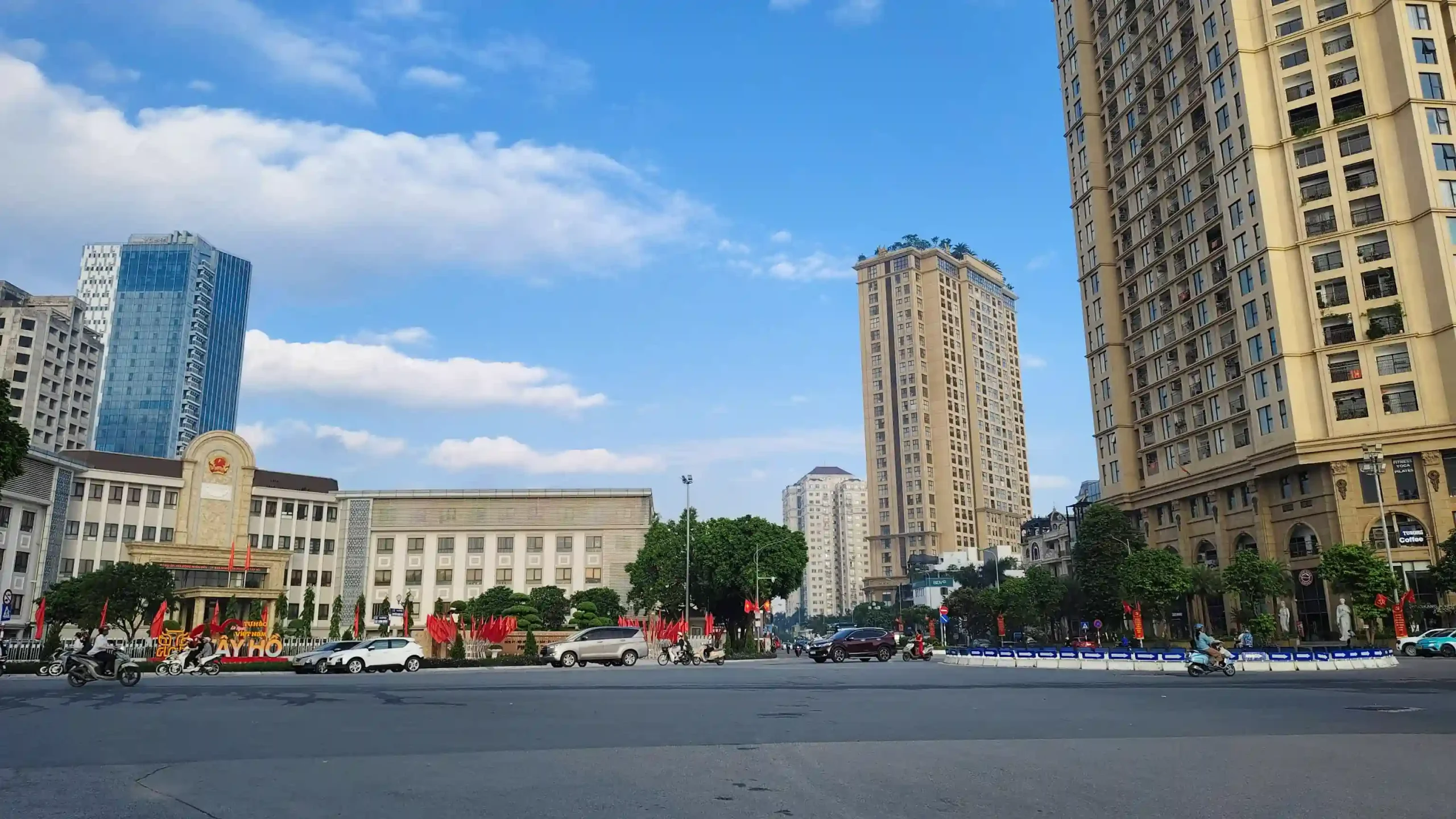
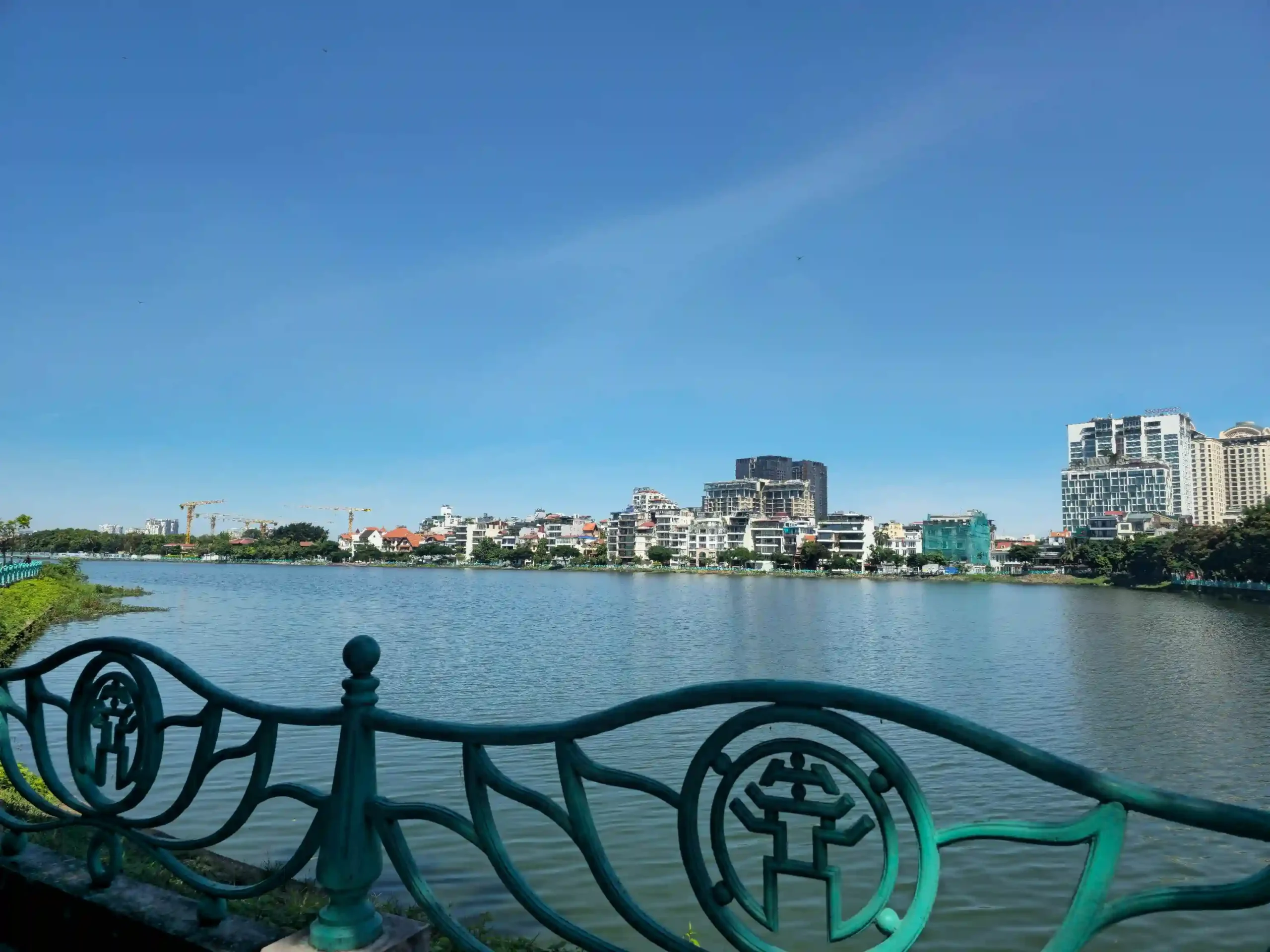
Hanoi: Tay Ho (West Lake) is the consensus choice for extended stays: lakeside, international restaurants, good cafes, solid community. The Old Quarter is better for short stays where walking around suits you, but it gets noisy and is harder to live in for more than a couple weeks. Ba Dinh district is also worth considering for its calmer residential feel.
WiFi and Infrastructure
Both cities have excellent internet. Average speeds in the 100-200 Mbps range are standard on fiber, and 5G rollout has been ongoing since 2024-2025 in both. Vietnam consistently ranks as having some of the fastest and most affordable broadband in Southeast Asia.
HCMC coworking spaces tend to have slightly more consistent infrastructure and backup power than Hanoi equivalents, which reflects the larger investment in the nomad sector. Both cities experience occasional power outages during heavy rain, which affects Internet connectivity. HCMC’s flooding during the wet season (May-November) can make certain districts temporarily difficult to navigate, which is worth knowing but not usually a serious problem.
Weekend Escapes and Day Trips from Each City
From HCMC: Mekong Delta & Cu Chi Tunnels (half day), Vung Tau beach (2 hours by ferry or Grab bus), Mui Ne (4-5 hours), Dalat highlands (6 hours or fly), Phu Quoc (1-hour flight).
From Hanoi: Halong Bay (90 minutes to 3 hours depending on route), Ninh Binh (2 hours), Cat Ba Island (2.5-3 hours), Sapa (overnight bus or train, or 1.5-hour flight), Ha Giang (6 hours to the province, then the famous motorbike loop).
Hanoi’s weekend options are frankly more dramatic in terms of scenery. Halong Bay, Sapa, and Ha Giang are some of the most photographed landscapes in Vietnam, and they’re all reasonably accessible from Hanoi. HCMC’s day trips are culturally interesting (Mekong, Cu Chi, the history) but the scenery is flatter and the beach options are less impressive than what you can reach from the north.
For nomads who want to explore Vietnam while based in one city, Hanoi gives you access to the more dramatic natural landscapes. HCMC gives you easier access to Cambodia, island beaches (Phu Quoc), and cheap flights to the rest of Southeast Asia.
The Honest Verdict by Type of Traveler
For a first-time Vietnam visitor on a short trip (less than 7 days)
Pick the one that matches your personality from the descriptions above. Both are valid starting points. If Halong Bay is on your list, go to Hanoi first. If you’re continuing to Bangkok or Bali afterward, HCMC is the more convenient hub.
If you genuinely can’t decide, HCMC is slightly easier to navigate on your first arrival simply because the tourism infrastructure is more developed and English is marginally more common in service settings.
For a first-time Vietnam visitor with 2+ weeks
Do both. Fly in one end, out the other. The overnight train between them is worth doing at least one direction, and the country between the two cities is interesting to cross even at speed.
For a digital nomad settling for 1-3 months
HCMC if you want a larger international community, warmer weather year-round, more nightlife, and better Southeast Asia connections.
Hanoi if you want lower costs, cooler working temperatures for part of the year, a calmer city pace, and the northern travel circuit as your weekend option.
Both work well. The choice between them is lifestyle preference more than a clear “better” answer. If you can only pick one, and you’re new to both cities, HCMC tends to integrate newcomers faster because the community is larger and more transient, which paradoxically makes it easier to meet people.
For a digital nomad in winter specifically (November-February)
HCMC during Hanoi’s cold, polluted months is the clearer choice for people who moved to Southeast Asia for warmth. Hanoi during this period is grey, sometimes cold, and the air quality can be a real issue.
If you love the cool-weather working experience, Hanoi in November is genuinely lovely, but go in knowing what you’re getting.
For someone who’s been to one already
Go to the other one. They’re genuinely different cities and seeing both is much closer to understanding Vietnam than seeing one twice.
For backpackers on a tight budget
Hanoi is slightly cheaper and the Old Quarter backpacker infrastructure is excellent. HCMC’s budget accommodation in District 1 and the Pham Ngu Lao area is also well-developed, but Hanoi edges it on straight monthly cost numbers.
For families
Both cities work. HCMC has more Western-style facilities and larger international school presence, which matters for long stays. Hanoi’s Old Quarter is less chaotic for walking around with children. Neither city is particularly child-hostile by Southeast Asian standards.
Frequently Asked Questions
Is Hanoi or Ho Chi Minh City cheaper?
Hanoi is cheaper by roughly $75-150 per month for a comparable lifestyle in 2026. The gap is most visible in rent and coworking membership costs. Street food is similarly priced, but slightly lower in Hanoi. For short-term tourism, the day-to-day cost difference is smaller.
Which city is better for first-time visitors to Vietnam?
Depends on your priority. HCMC for energy, accessibility, and Southeast Asia connections. Hanoi for cultural depth, walkability in the Old Quarter, and access to Halong Bay and Sapa. Both are perfectly good starting points for a first Vietnam trip.
Is Ho Chi Minh City or Hanoi better for digital nomads?
HCMC has a larger nomad and expat community (100,000+ expats), more developed nightlife and social scene, and warmer weather year-round. Hanoi is cheaper, quieter, and offers access to the dramatic northern landscapes on weekends. HCMC for community and warmth, Hanoi for cost and a more traditional Vietnamese working environment.
How far is it between Hanoi and Ho Chi Minh City?
About 1,726km by road. By plane (roughly 2 hours), budget fares run $50-90 with advance booking. By overnight train (30-35 hours), soft sleeper private cabin costs $40-80. Most people fly if doing a single connection; some travel the train for the experience of crossing the country.
What’s the weather difference between Hanoi and HCMC?
HCMC is hot year-round (27-35°C), with a wet season May-November and a dry season December-April. Hanoi has genuine seasons: a cool-to-cold period October through March (12-22°C), a hot and humid summer, and a transitional spring. The climate difference is one of the more compelling reasons to visit both.
Which city has better day trips?
Hanoi’s day trips are more visually dramatic: Halong Bay, Ninh Binh, Sapa. HCMC’s day trips are culturally interesting: Mekong Delta, Cu Chi Tunnels, Vung Tau.
Hanoi wins on scenery, HCMC wins on cultural-historical weight.
Is the air quality in Hanoi a concern?
In winter (November to February), Hanoi’s AQI regularly reaches 100-200+, classified as “Unhealthy” on international scales. It’s not dangerous for short visits, but for extended stays, an N95 mask is useful. HCMC’s air quality is also not great, but tends to be less extreme than Hanoi’s winter pollution peaks.
A Few Things I Got Wrong About Hanoi
Since I’ve been biased toward HCMC for the last decade, it’s worth noting where Hanoi surprised me.
The coffee scene in Hanoi is better than I expected. Egg coffee (cà phê trứng) is a specifically Hanoian invention, a rich, creamy whipped egg yolk over espresso, and it’s genuinely good. The Old Quarter cafe culture of sitting on tiny plastic stools on a second-floor balcony with a cup of black drip coffee and watching the street below is one of the better quiet-morning experiences I’ve had anywhere.
The food is more interesting and differentiated from HCMC food than I acknowledged for years. I spent a long time thinking of northern Vietnamese food as “pho without the toppings” and that was lazy. Bún chả is its own thing. Cha ca is its own thing. The vegetarian temple food tradition in Hanoi is excellent.
Hanoi’s Old Quarter on foot is genuinely one of Southeast Asia’s better walking neighborhoods, and I’d put it above anything walkable in HCMC for that specific pleasure.


Getting Between the Two
Budget flights between Hanoi and Ho Chi Minh City run $30-80 with VietJet, Vietnam Airlines, or Bamboo Airways, and the flight is just over 2 hours. Booking 3-4 weeks out gets better prices. There are multiple daily flights in both directions.
The overnight train is a worthwhile alternative for at least one direction. A private cabin in the soft sleeper class costs around $30-50 and gets you from Hanoi to HCMC (or vice versa) overnight, arriving the next morning. Comfortable enough, genuinely scenic in daylight on either end, and gives you a window into the Vietnamese countryside that a 2-hour flight doesn’t.
For more on Hanoi specifically, the Hanoi travel guide covers the full picture. And if you’ve decided HCMC is first, the Ho Chi Minh City itinerary guide has the day-by-day structure.

Keep Exploring Ho Chi Minh City
-
See & do UltimateMy expat guide to stuffs to do in Ho Chi Minh city ›
-
Guide Must readSaigon travel guide from a longtime expat ›
-
Guide2 week trip to vietnam cost as a foreigner, 2026 guide ›
-
GuideMy exact Ho Chi Minh City to Con Dao island travel timeline ›
-
GuideHow to Get From Saigon to Phu Quoc: Flight or Bus + Ferry (2026) ›











 Tiếng Việt
 한국어
한국어 中文 (中国)
 日本語
日本語 ไทย
ไทย Deutsch
 Español
 Destinations
 Instagram
 Facebook
 X (Twitter)
 Threads
 Tiktok