









 Ha Giang
 Hanoi
Hanoi Ho Chi Minh City
 Ha Long
 Sapa
Sapa Mekong Delta
 Da Nang
 Hue
Hue Hoi An
 Ninh Binh
 Da Lat
 Nha Trang
 Phan Thiet
 Phu Quoc
 Quang Binh
 Quy Nhon
 Vung Tau
 Thai Nguyen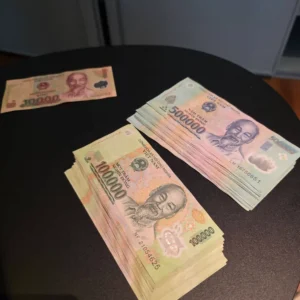


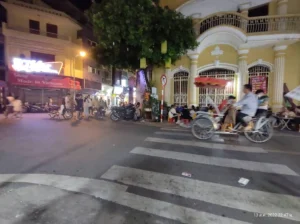


Stop googling “is Hanoi worth visiting” hoping some travel blog will tell you it’s a peaceful, romantic paradise.
If you want to know why I came here for a year and somehow stuck around for a decade… well, you sit down on a plastic stool that’s inches off the gutter, you order a two-dollar bowl of bun cha from a grumpy lady fanning charcoal smoke into traffic, and it reorganizes your brain. It just clicks.
Hanoi hasn’t sold out yet. It doesn’t pause to accommodate tourists. The 8 million people here are just busy trying to live, and you are simply allowed to weave through them.
You’re probably going to have a minor panic attack trying to cross the street on day one. Everyone does. But if you’re stubborn enough to embrace the grit, it’s the most electric place in Southeast Asia.
So drop the romantic expectations. Here is the actual, unpolished truth about what to expect, the pet peeves you have to deal with, and the things to know in Hanoi so the city doesn’t chew you up and spit you out on your first afternoon.
Let’s just get into the ugly stuff first.
- Quick answer: Yes, Hanoi is absolutely worth visiting, but only if you are ready for intense traffic, noise, and heat. It is not a relaxing resort holiday, but it offers the best, cheapest street food in Asia, a raw local culture, and an energetic cafe scene you won’t find anywhere else.
- The Raw Reality (Pros & Cons)
- The Bad: High air pollution in winter, relentless honking, and sidewalks completely blocked by scooters that force you to walk in the path of oncoming traffic.
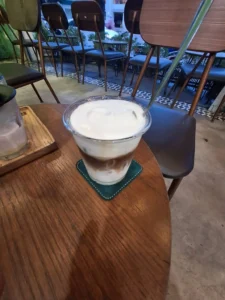
- The Good: Incredible street food (like Bun Cha and Pho) for under $2, a world-class cafe culture (egg coffee and salt coffee), and a raw, historic energy that hasn’t been sterilized for tourists.
- Essential Things to Know Before Visiting Hanoi
- Crossing the Road: Walk slowly and at a predictable pace. Do not run, freeze, or step backward, and the scooters will flow around you like a river.
- Money & Cash: Street food stalls do not take credit cards or Apple Pay. You must carry physical Vietnamese Dong (VND) cash; break your large 500k notes at convenience stores first.
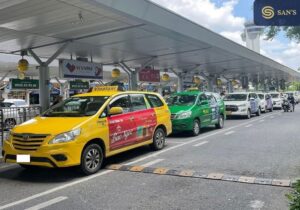
- Transport & Tech: Never hail a random taxi on the street. Download the Grab or Green ride-hailing apps, and install an eSIM before landing so you have instant mobile data to book rides.
- Weather & Visas: Summer (May to September) is brutally humid and requires midday AC breaks, while winter can drop to a damp 10°C. Also, only use the official government website for e-Visas to avoid markups.
- Where to Spend Your Time
- Old Quarter & French Quarter: The chaotic, noisy heart of the city vs. the leafy, quiet colonial district with actual walkable sidewalks.
- Ba Dinh & Tay Ho: The safe, quiet political center near the Mausoleum vs. the relaxed lakeside expat bubble packed with western cafes and restaurants.
- Petty Scams to Avoid
- Shoe Shines & Fruit Baskets: Street workers who force glue onto your sneakers or put bamboo shoulder baskets on you for a “free photo” before demanding huge tips.
- Fake Massage Spas: Grumpy copycat spas in the Old Quarter that steal the exact name and sign of highly-rated spas nearby to trick tourists.
Let’s start with the ugly stuff (Because you need to know)
A lot of blogs try to sell you this idea of an “ancient, romantic city of peace”. Yes, the French architecture is nice. Yes, Hoan Kiem lake is pretty. But Hanoi is rough around the edges.
If you want a sterilized holiday where everything goes according to a spreadsheet, go to Singapore. Hanoi does not care about your spreadsheet.
The air quality is an issue.
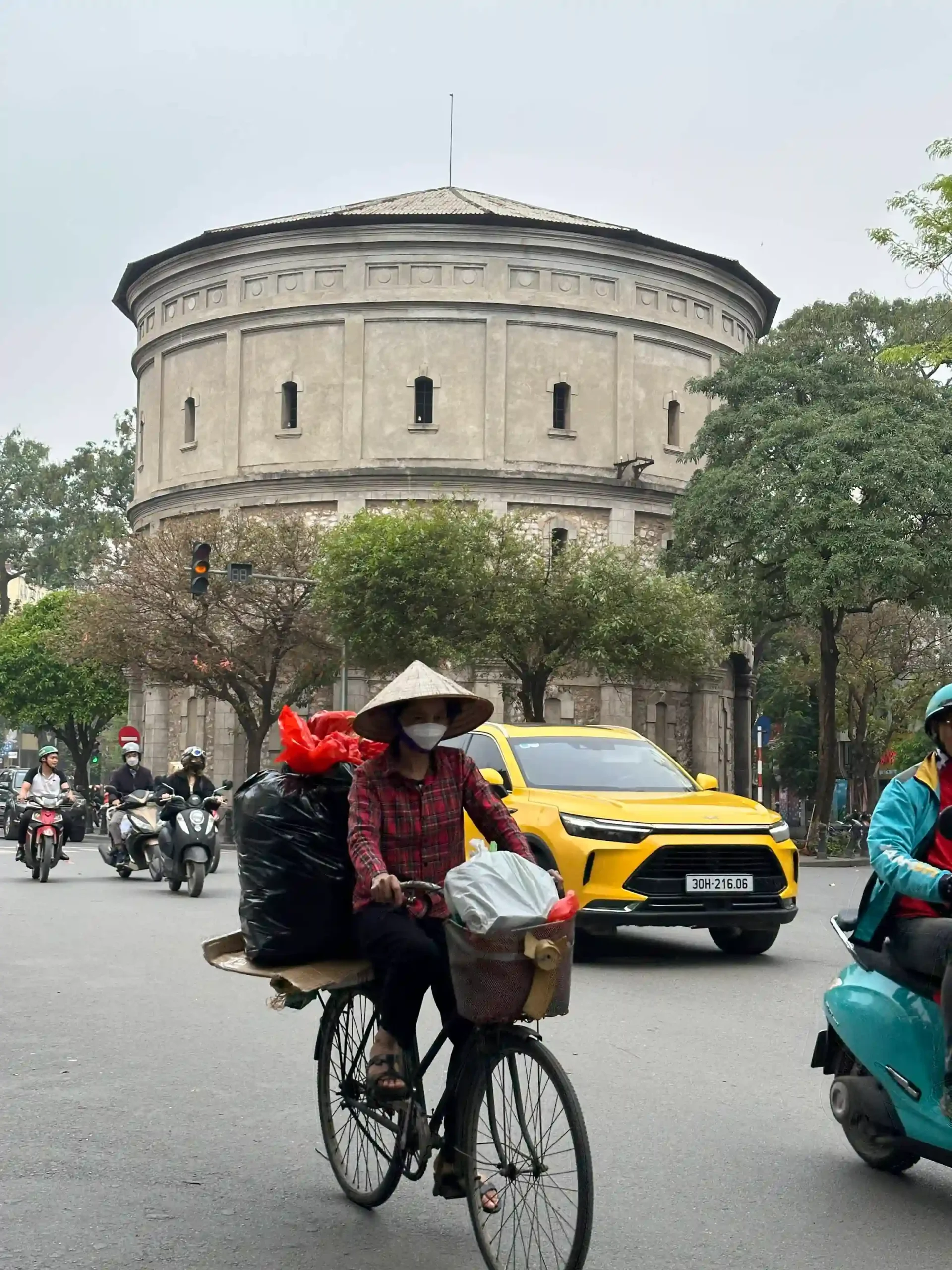
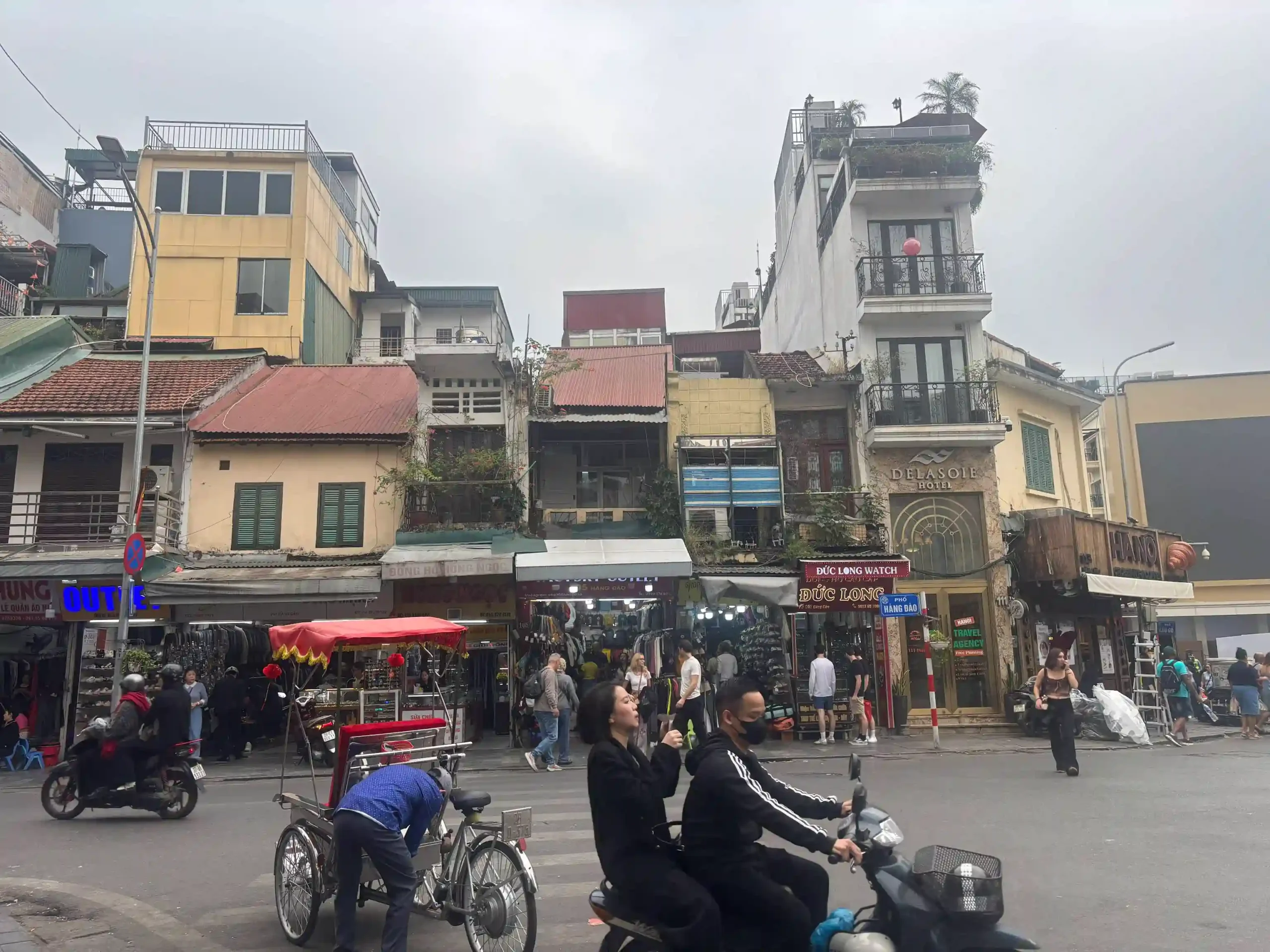
There’s no way around this. You can’t write a realistic Hanoi travel guide without bringing it up. In the winter months specifically (November to March), the PM2.5 levels get high.
Sometimes the sky looks overcast but it’s actually just smog from traffic, burning crops in the countryside, and industrial factories surrounding the capital.
I use the AirVisual app every morning to check it. If you have asthma or sensitive lungs, you might find yourself needing a mask some days. The local government keeps promising to fix it, but right now, it is what it is.
The traffic will give you gray hair on day one.
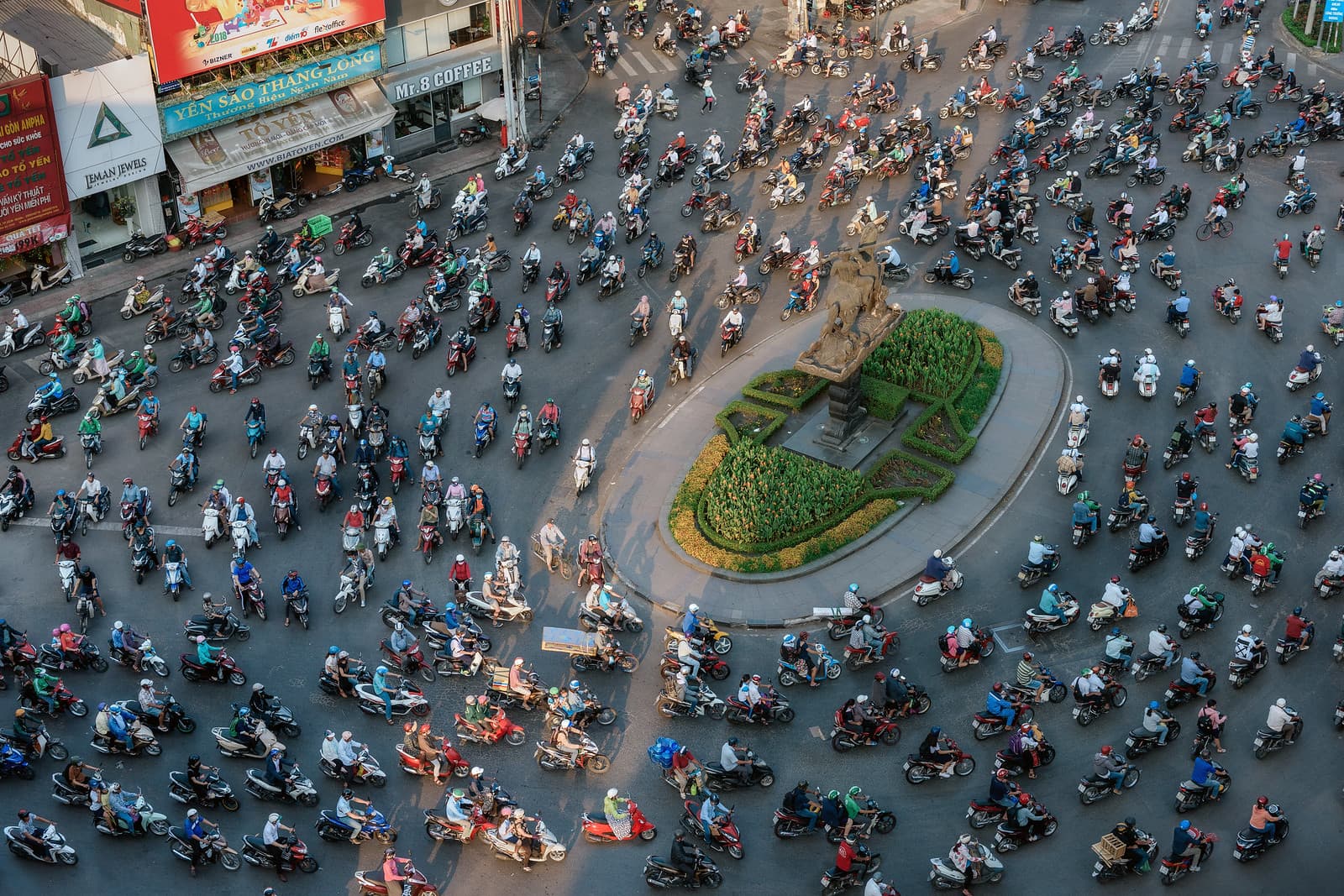
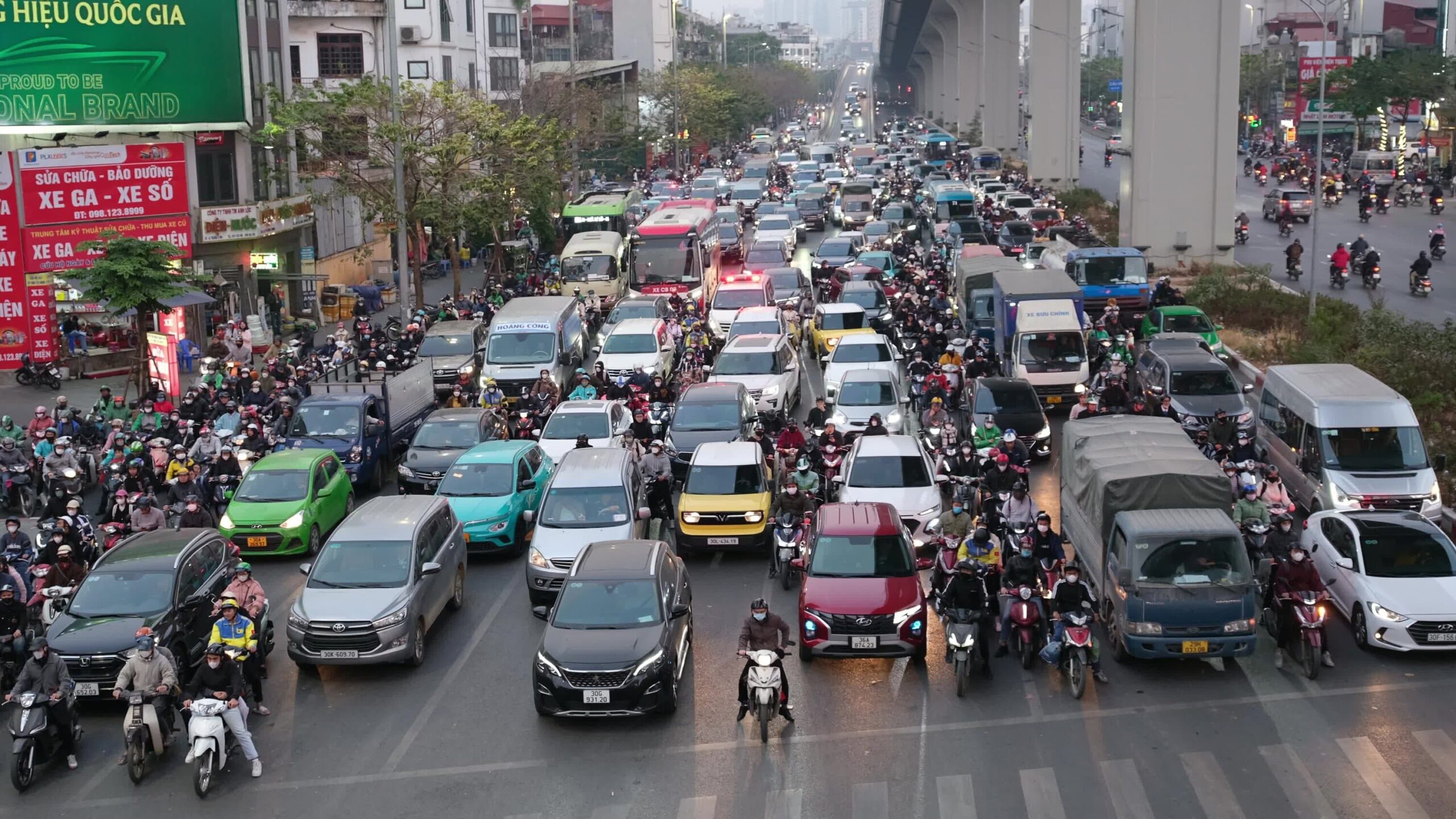
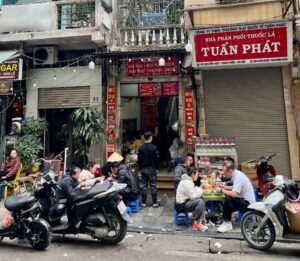
There are about 8 million people here and something like 6 million motorbikes. The traffic rules are essentially “he who is larger, wins”. Red lights are treated as strong suggestions by scooters. Sidewalks are not for walking; they are parking lots for motorbikes and places to set up plastic tables to eat noodles.
You have to walk on the street, brushing elbows with moving traffic.
The noise never really stops.
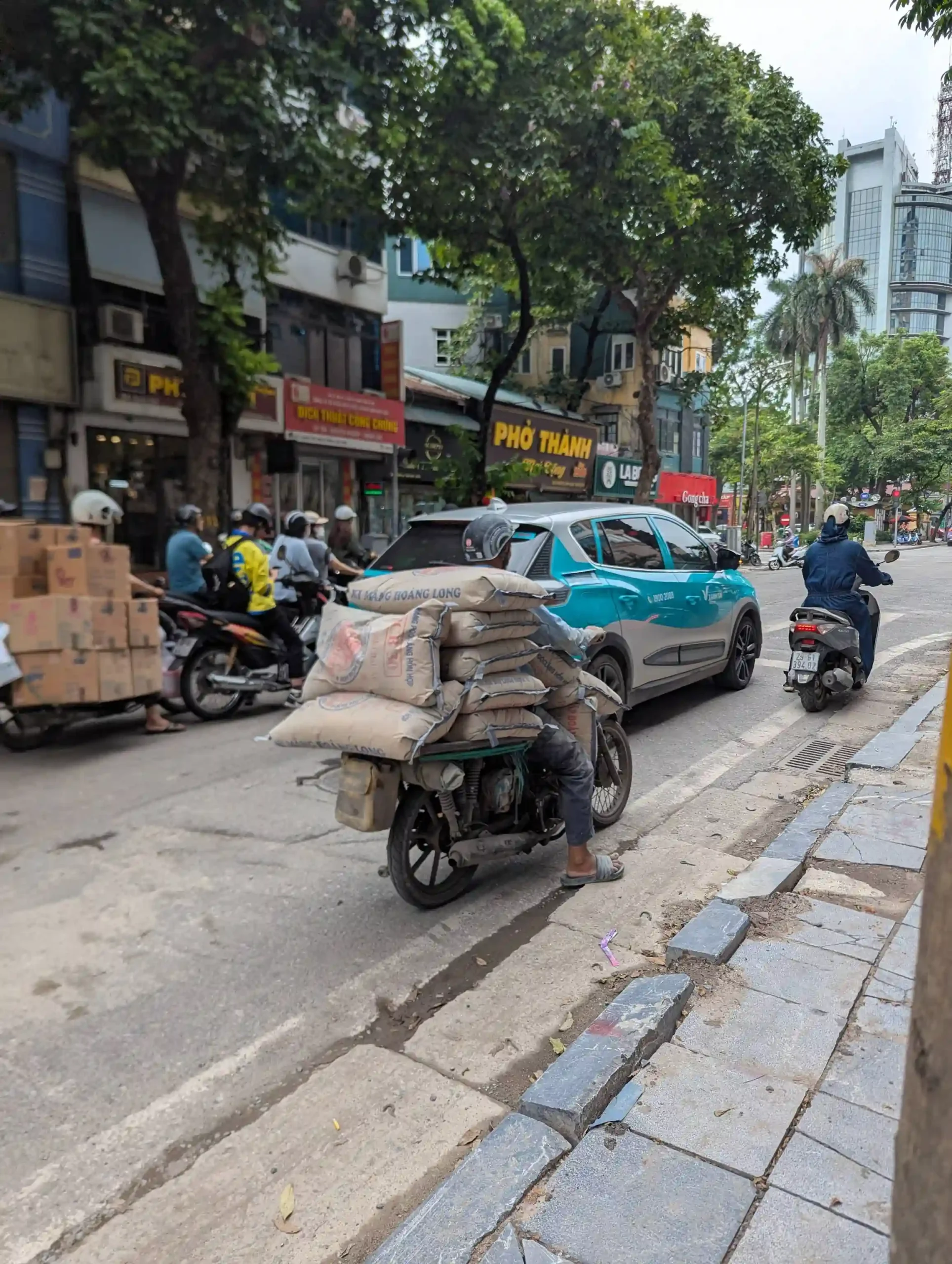
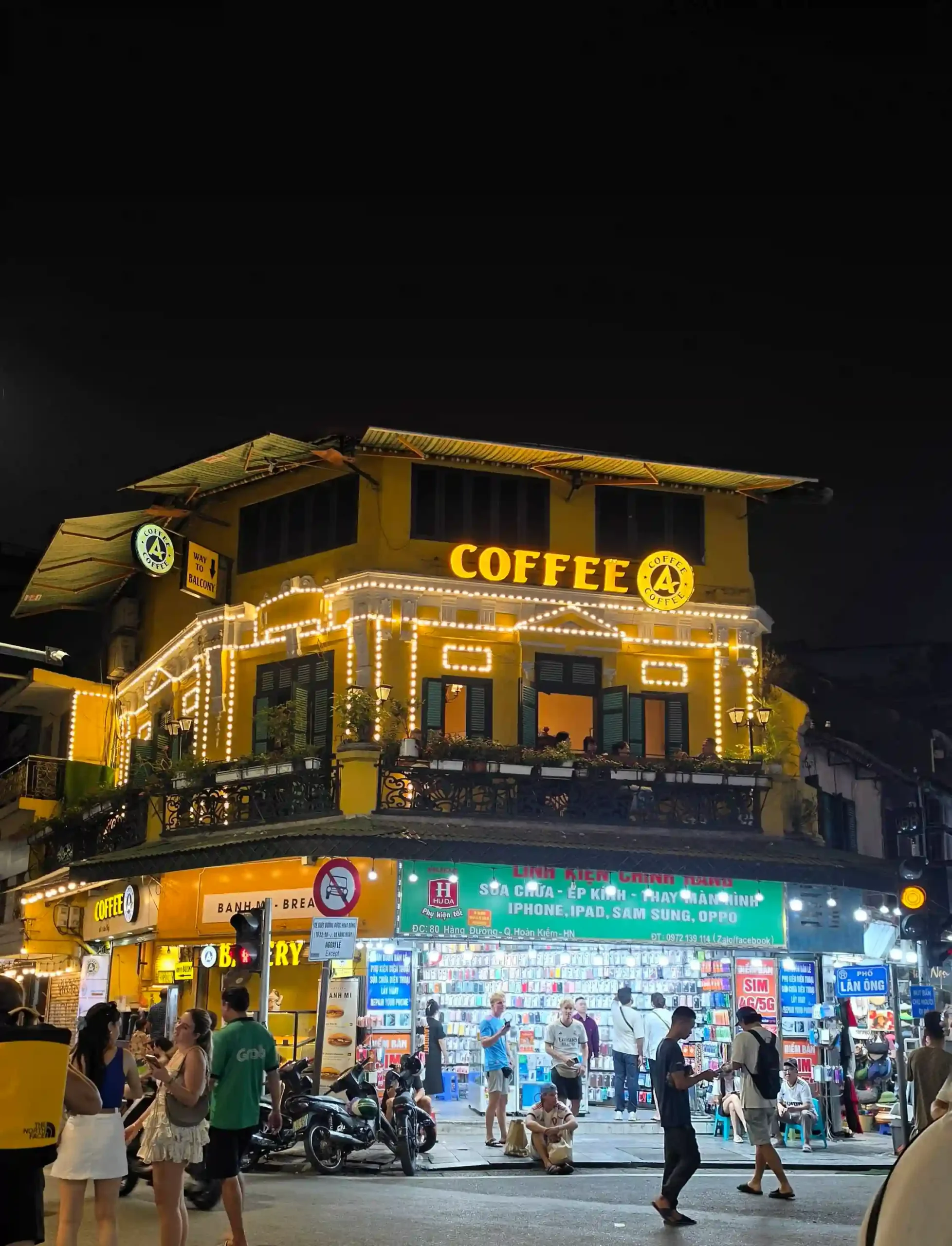
People here honk for everything. It’s not out of anger like in New York or London. They honk to say “I’m passing you”, “I’m in your blind spot”, or just “Hey, existentially, I am here.” But the sheer volume of it will physically tire you out if you aren’t used to it.
The city wakes up at 5:30 AM when the public loudspeakers turn on and the street sweepers start moving, and the grinding of the city continues until midnight.
So with all that… Is Hanoi worth visiting?
Why do people subject themselves to the exhaust fumes and the chaos? Because underneath all of that noise is an energy that basically doesn’t exist anywhere else in the world anymore. It is unapologetically alive.
Why I am still here (And why you will love it)
I usually tell people it takes about 48 hours for the Stockholm Syndrome to kick in. You hate it for the first two days, and on the third day, you eat a bowl of Pho that reorganizes your brain chemistry, you learn how to cross the street, and suddenly it clicks.
The street food culture is untouchable.
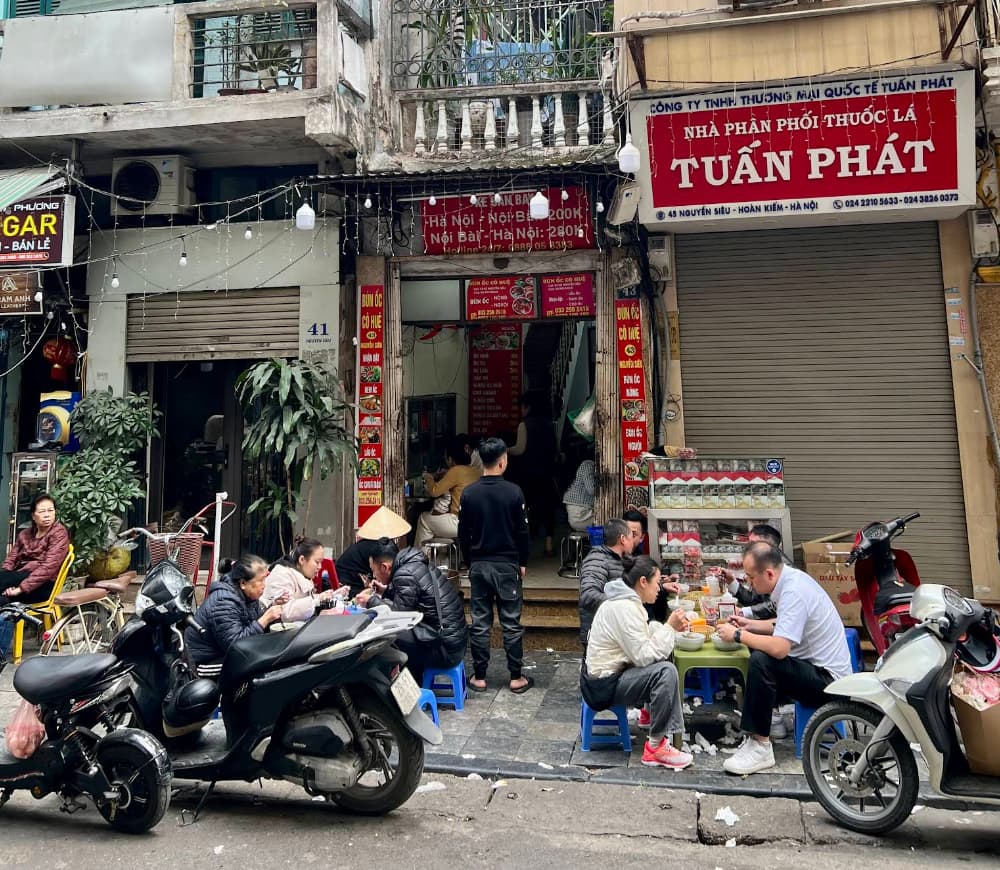
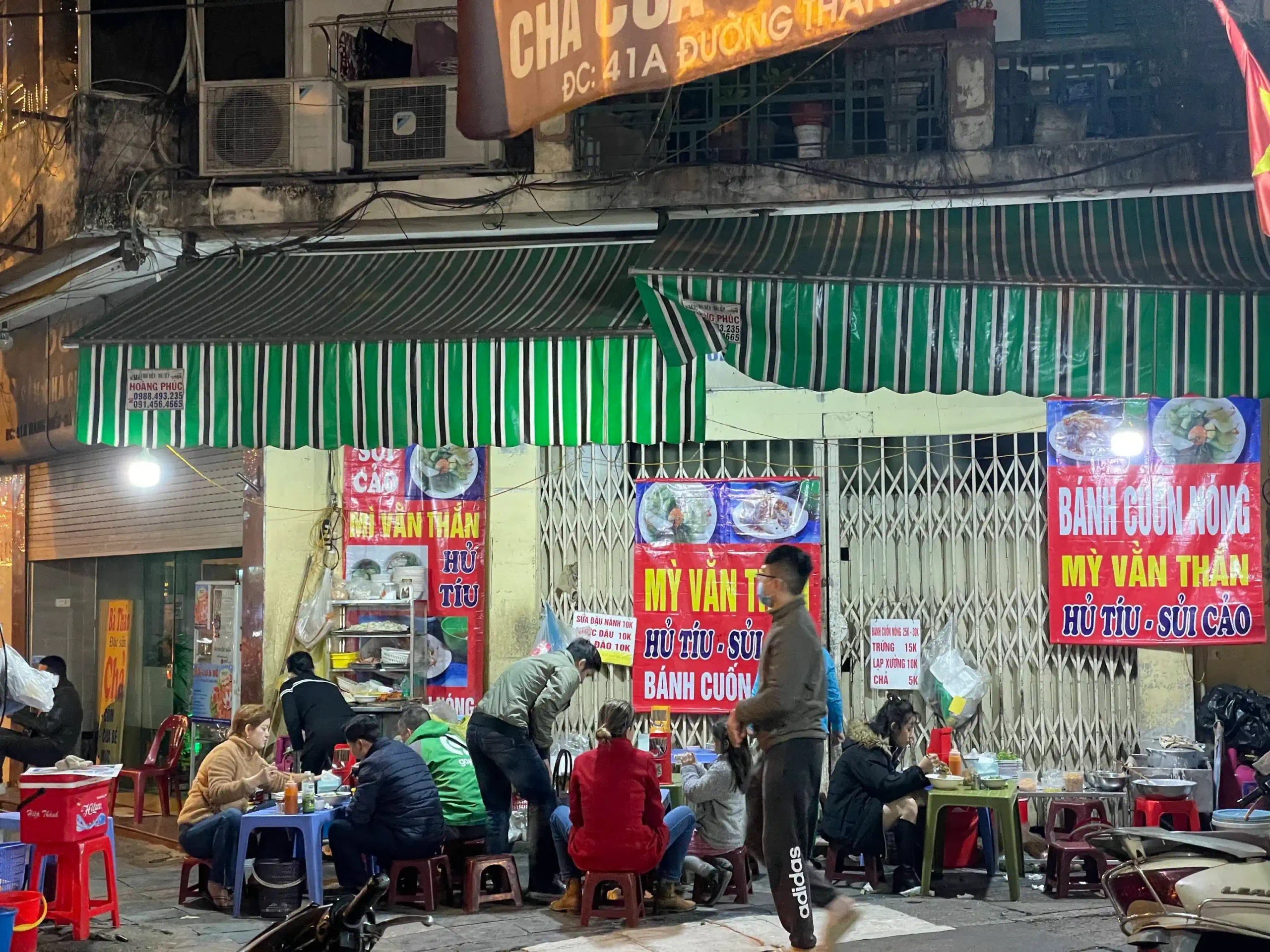
This is the number one reason Hanoi is worth visiting. People talk about Thailand’s street food, but Vietnam’s street food is a religion.
You don’t just “grab food” here. Every meal is a localized event.
A woman on the street corner will sell only one dish. She sells Bun Cha. She has sold Bun Cha every day since 1994. She uses a rusty fan to blow charcoal smoke over fatty pork belly right onto the sidewalk. You sit on a tiny stool that looks like it belongs in a kindergarten class, pay $1.50, and eat the most complex, fresh, herb-heavy bowl of food you have ever tasted.
You will sit next to a CEO in a suit and a guy covered in paint from a construction site. Everyone eats on the street.
The cafe culture ruins you for anywhere else.
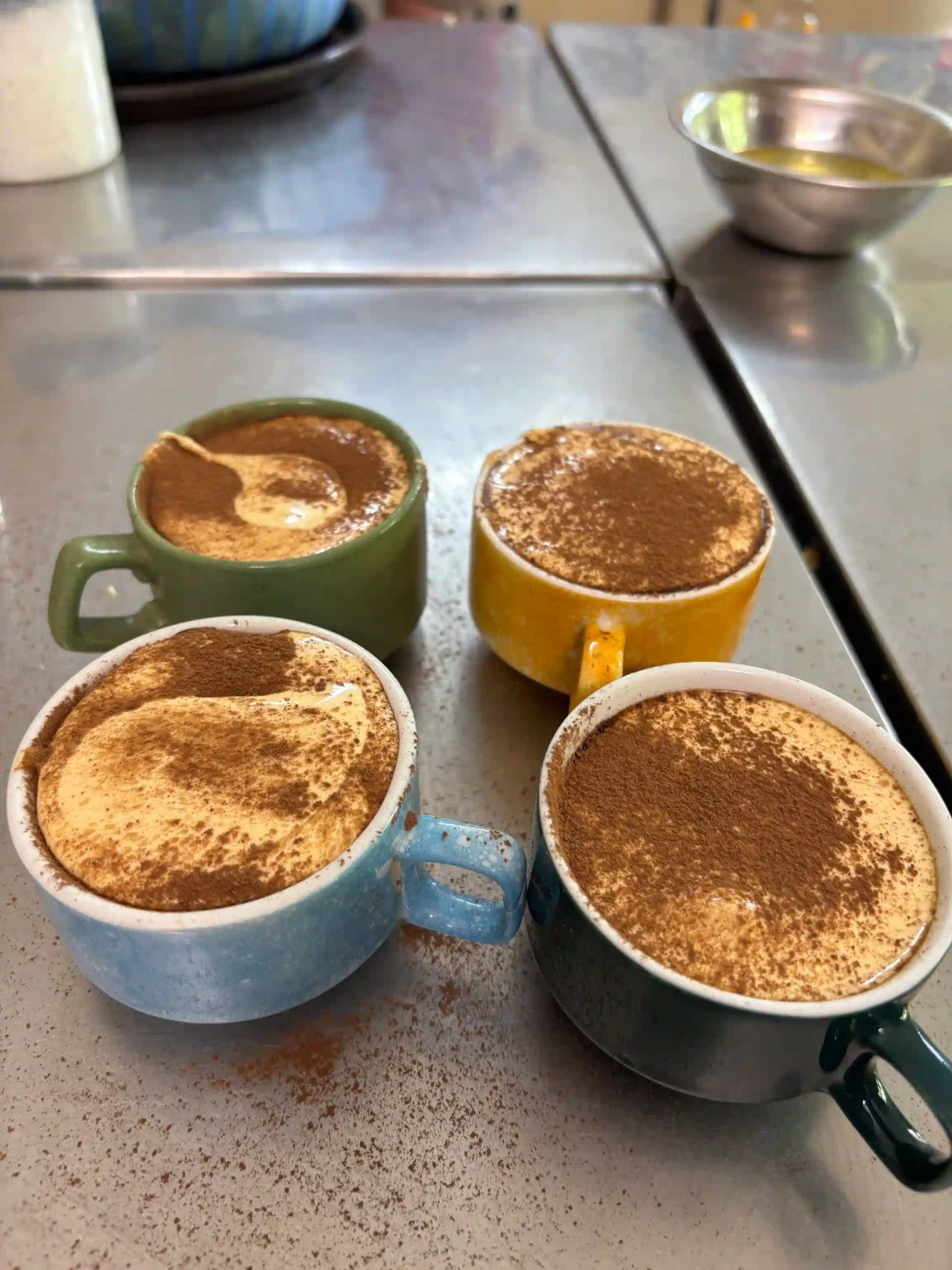
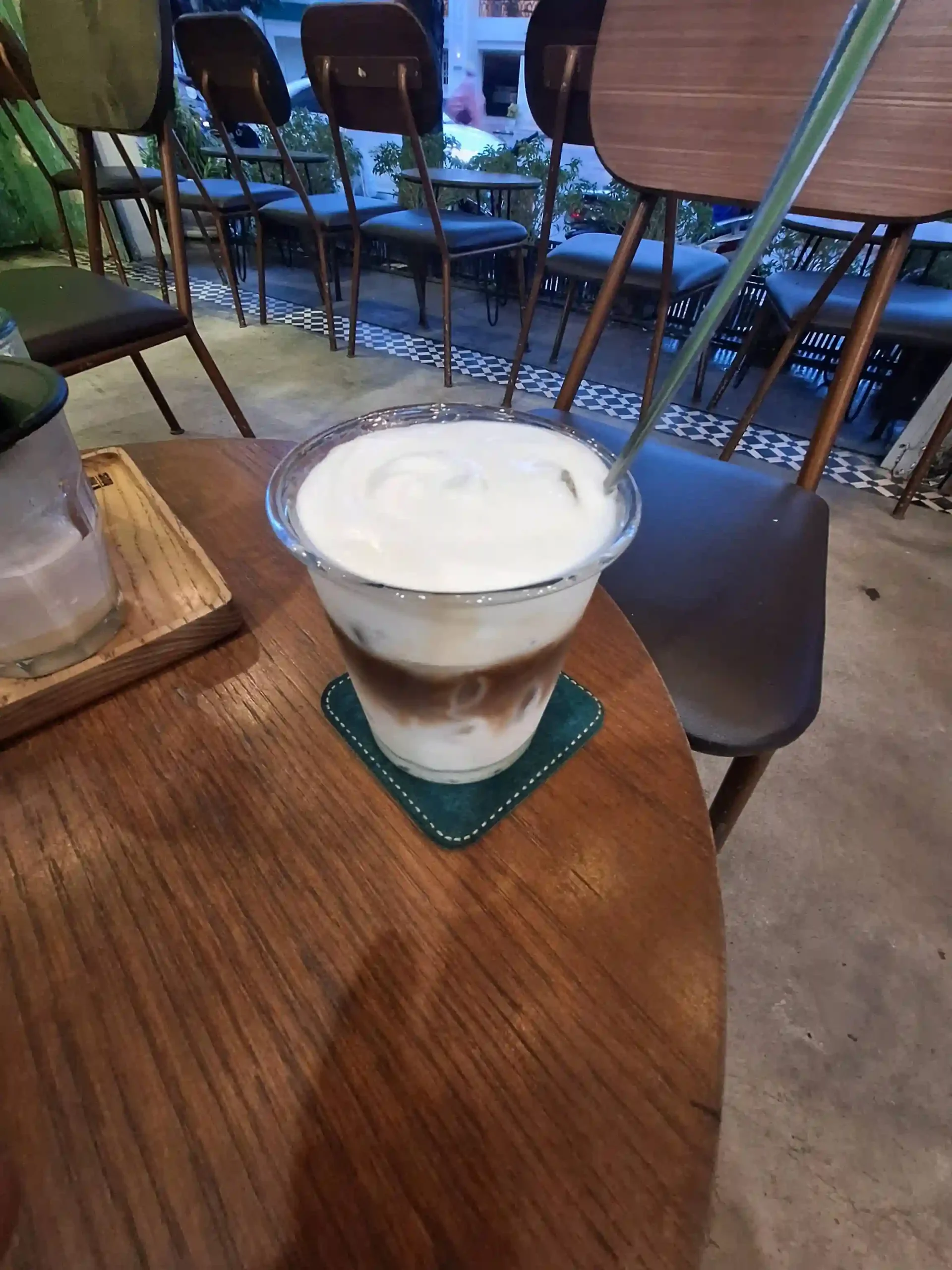
I am convinced Hanoi runs entirely on caffeine and nicotine. There are cafes on every single street, ranging from grimy, dark places with wooden stools selling 20-cent iced green tea to ultra-minimalist concrete hipster spots pouring single-origin pour-overs.
We invented egg coffee (which sounds disgusting but is basically liquid tiramisu). And right now in 2026, the trend of Ca Phe Muoi (salt coffee – salted foam over strong robusta) is literally everywhere. You can easily spend four hours just hopping between cafes, watching people play Chinese chess on the sidewalk.
Read more: Top 5 best egg coffee shops in Hanoi
The chaos is deeply organized.
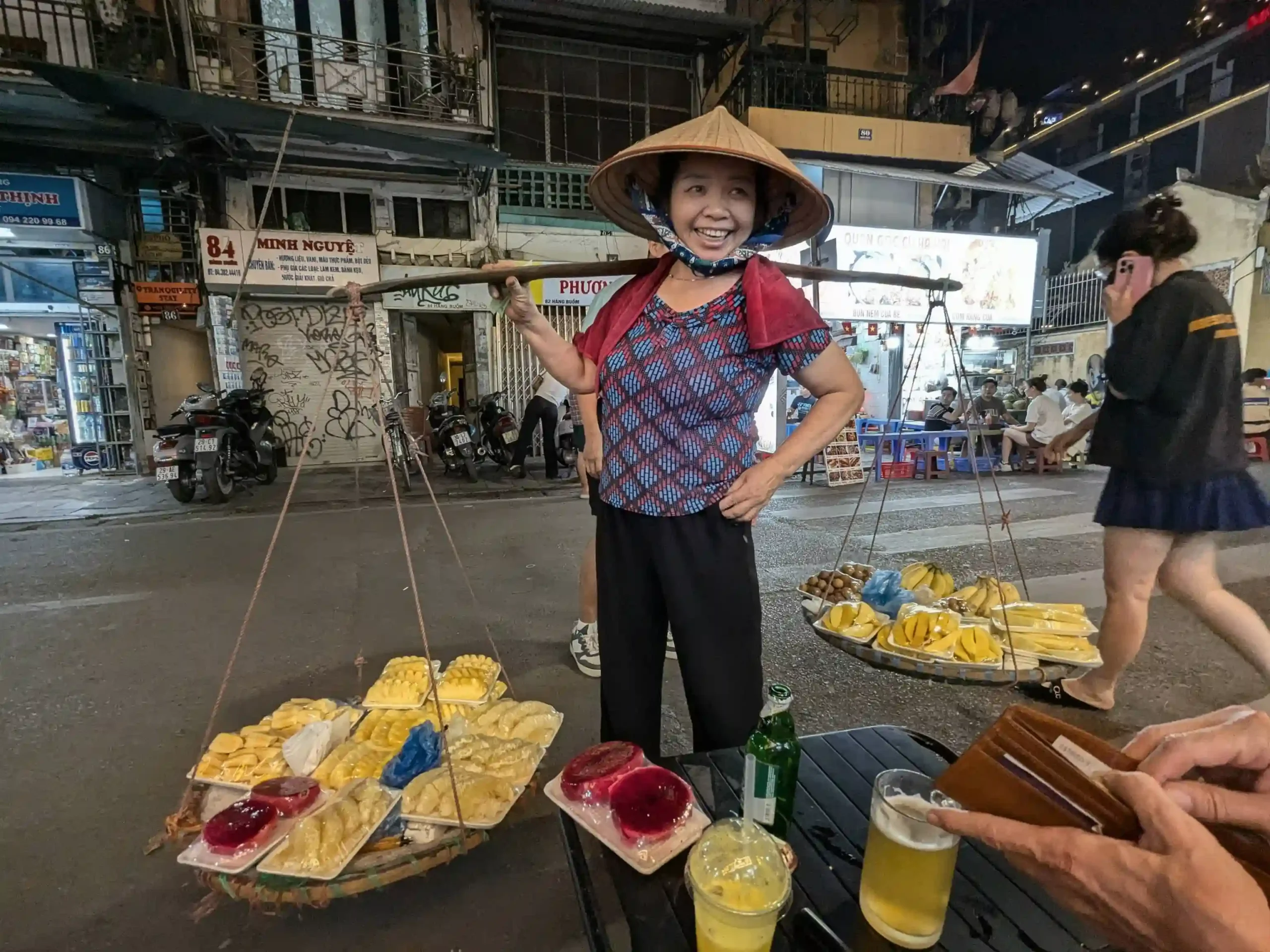
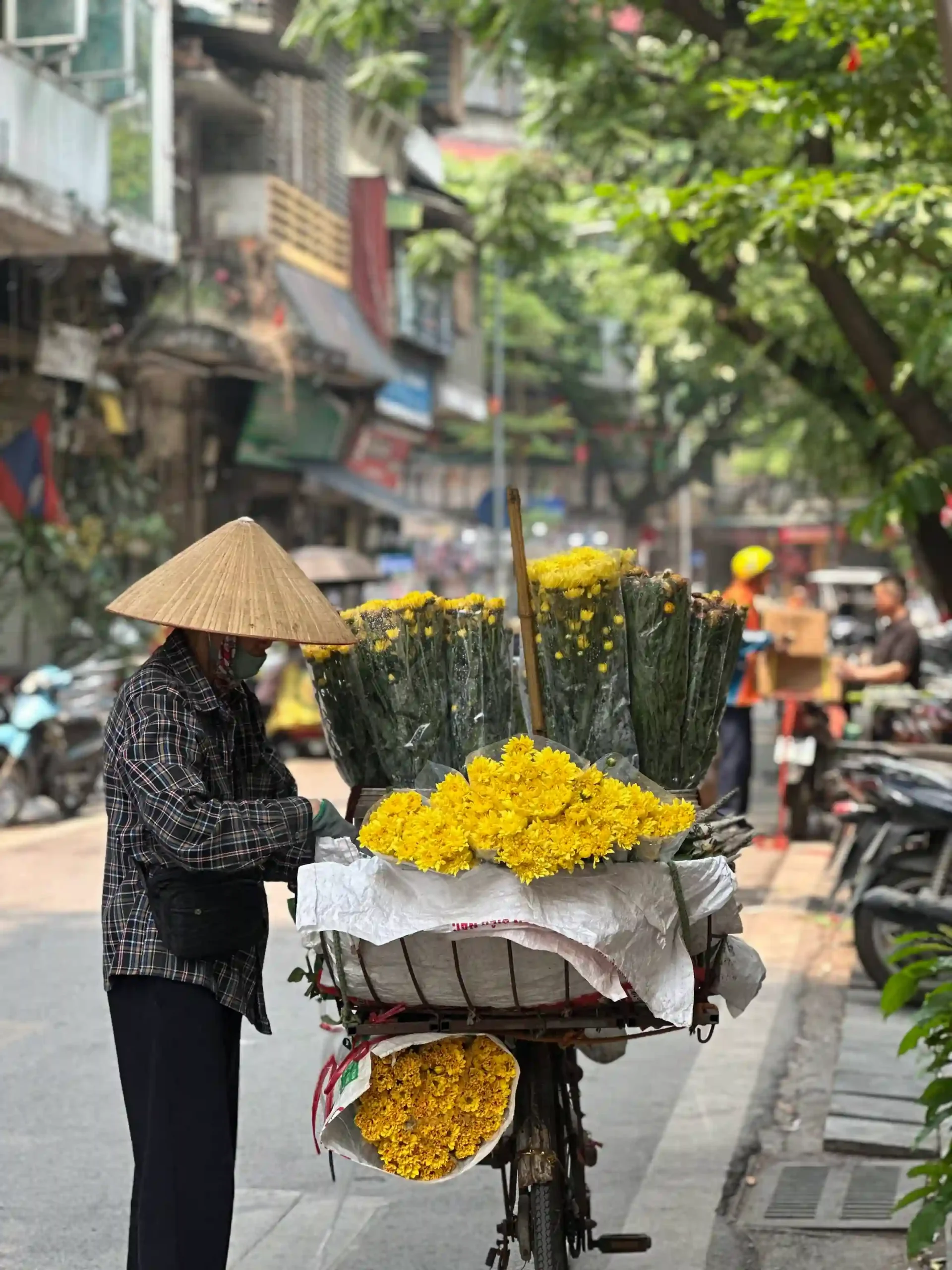
It looks insane, but once you sit still, you realize it works. The lady on the bicycle carrying enough flowers to fill a van perfectly dodges the guy pushing a cart of pineapples. It’s a messy, symbiotic ecosystem. Nothing feels fake or put on for tourists (except maybe some of the overpriced cycle rickshaws in the Old Quarter).
Crucial things to know before visit Hanoi
If I’ve convinced you to actually come, you need to arm yourself with some street knowledge. This isn’t stuff I read in a Lonely Planet book. This is stuff I’ve had to learn by making stupid mistakes over the last decade.
This section is going to act as my main article. So I’ll explain the basics, and eventually you can click the links below them if you want an explanation on how to get an eSIM or a visa without crying.
1. How to actually cross the street without dying
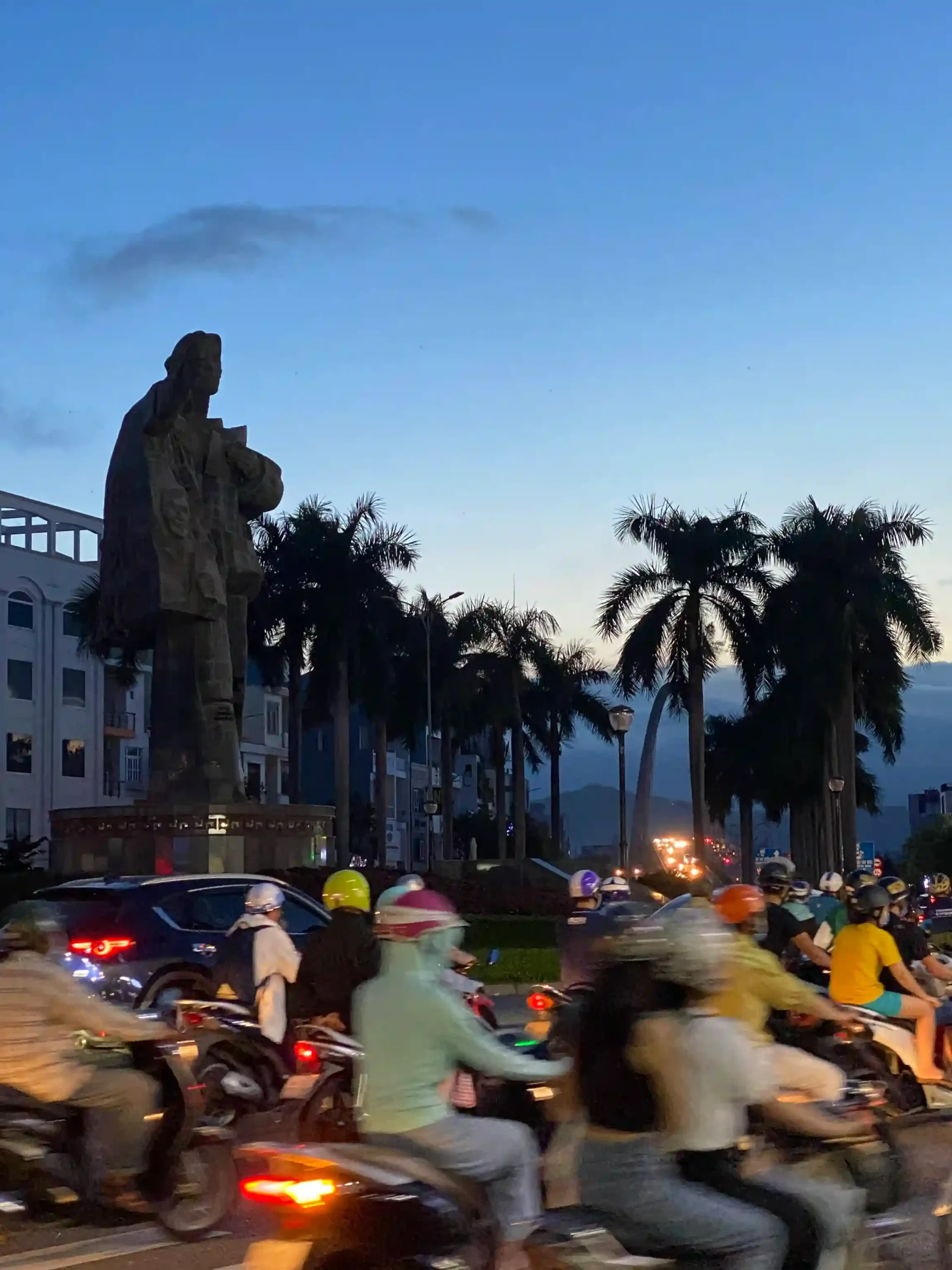
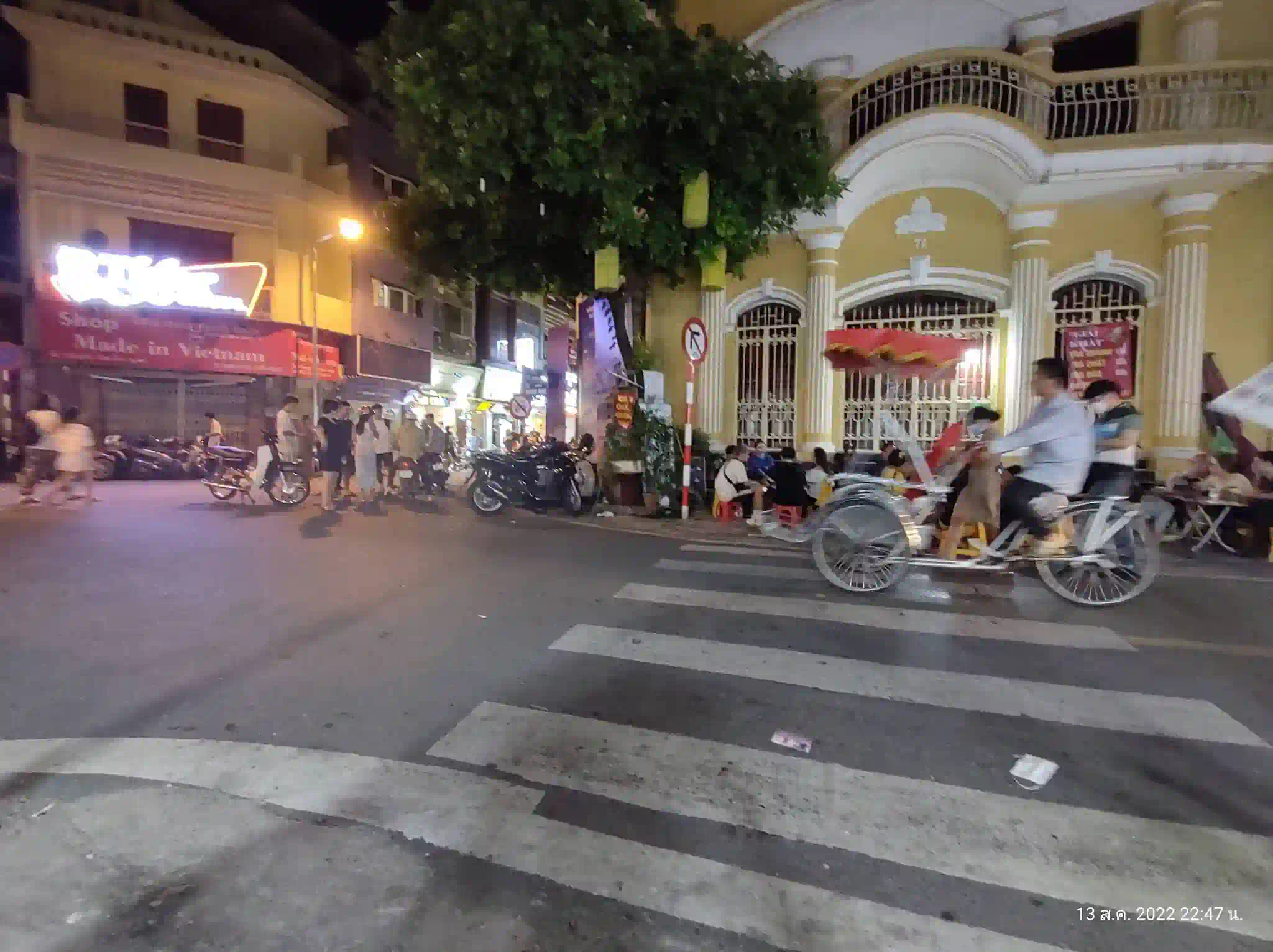
This is the first question I get when friends visit. The trick is: Be predictable.
Traffic here flows like water around rocks. You are the rock. When you step into a busy road, walk at a slow, completely steady pace.
Do not sprint.
Do not suddenly stop and freeze in fear.
Do not step backward.
Just maintain your pace, make eye contact with the drivers, and they will calculate your trajectory and swerve behind you or in front of you. The moment you run, you ruin their math, and that’s how people get clipped by mirrors.
Tip: Hold your arm out on the side of oncoming traffic, hand down, slightly pushing back, to tell them “slow down, I’m here”.
2. Get the Grab app and link your card BEFORE you land
Forget waving down a taxi. Do not do it. Most of the guys waiting outside tourist spots have rigged meters that spin up way too fast.
Grab is Southeast Asia’s Uber. Download it in your home country, link a credit card to it so you don’t have to fumble with weird cash notes, and use it for everything.
You can book cars if it’s raining, but if you are solo, you have to try booking a “GrabBike”. Sitting on the back of a local’s scooter zipping through alleyways for 80 cents is better than any theme park ride.
There’s also “Be” or “Xanh SM” (the cyan colored electric cars you’ll see everywhere now), but Grab is still easiest for foreigners.
Incoming: Getting around Hanoi – Grab vs Taxis vs Renting your own bike
3. How to survive Noi Bai Airport Transfers
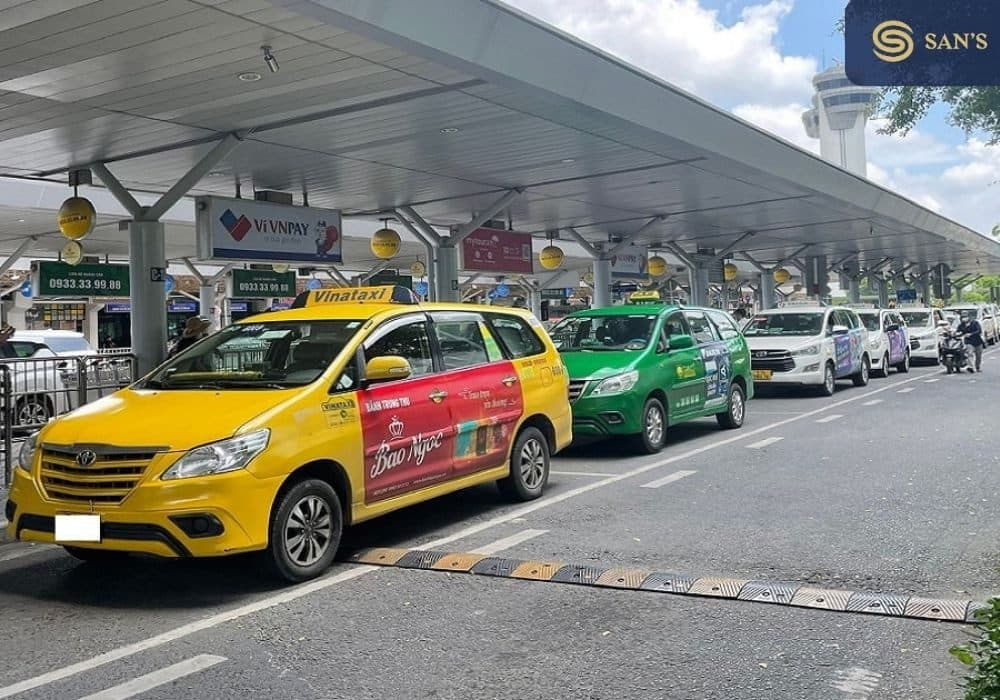
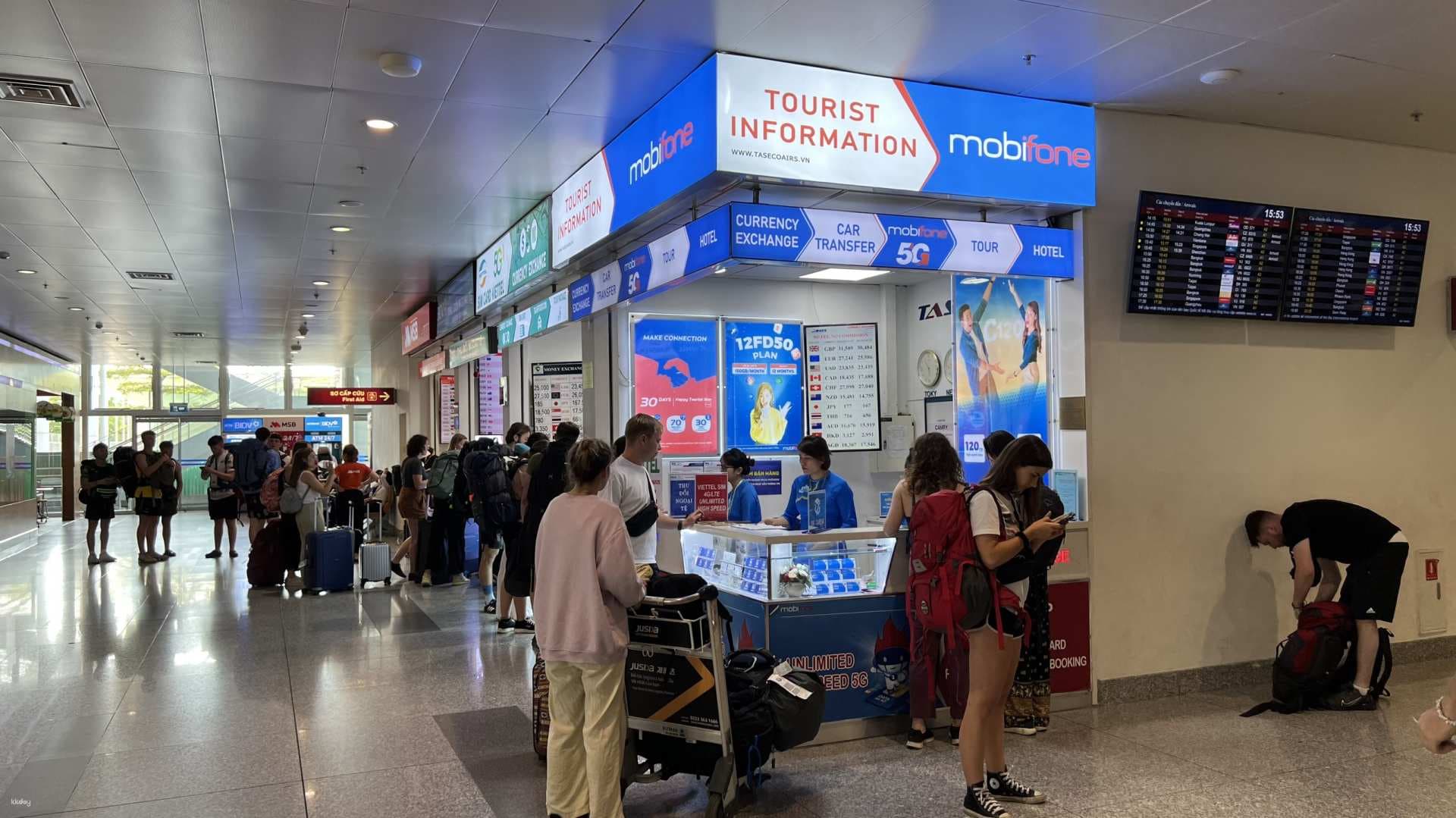
Your first real test is when you walk out of the terminal. Drivers will approach you and grab your bags. Ignore them completely.
It takes 45 minutes to drive to the city center from the airport.
If you order a Grab, it will cost you about 300,000 VND ($12).
If you book a private pickup through your hotel, it’ll be about $20 – $25. Personally, if my flight lands past 11 PM, I just pay my hotel the extra 10 bucks to send a guy with my name on a sign. It is just so much easier than fighting with ride apps when you are jetlagged and standing in the heat.
Incoming: Exactly how to get from Noi Bai Airport to the Old Quarter
4. The Data/SIM Card Situation
The cafe wifi in Hanoi is mostly free but the speeds fluctuate depending on how many people are streaming football matches. You need mobile data on the streets at all times so you can Google translate “does this have shrimp in it?” and order your Grab rides.
Don’t mess around at the airport kiosks comparing 10 different plans if you just want things simple. Grab an eSIM beforehand.
I’ve forced every person who visits me to just buy the Asia data package on Klook. They email you a barcode, you install it on the plane, and turn your phone on when you hit the runway in Hanoi. Done. No tiny SIM removal tools. I usually drop this Klook eSIM link here because it actually just works and it’s cheap
Read more: The best eSIM in Vietnam
5. Understand how the Money works (The zeros are confusing)
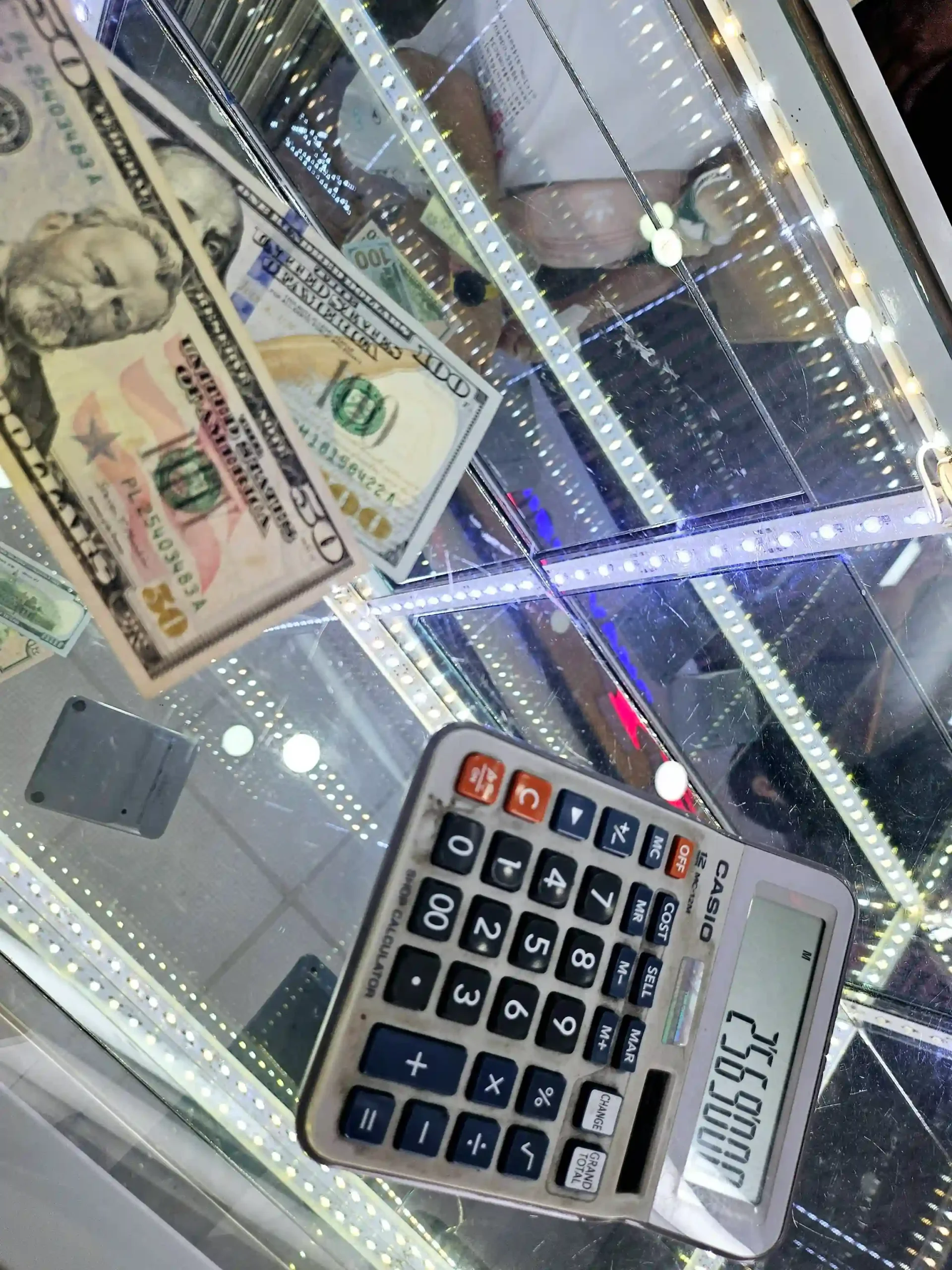
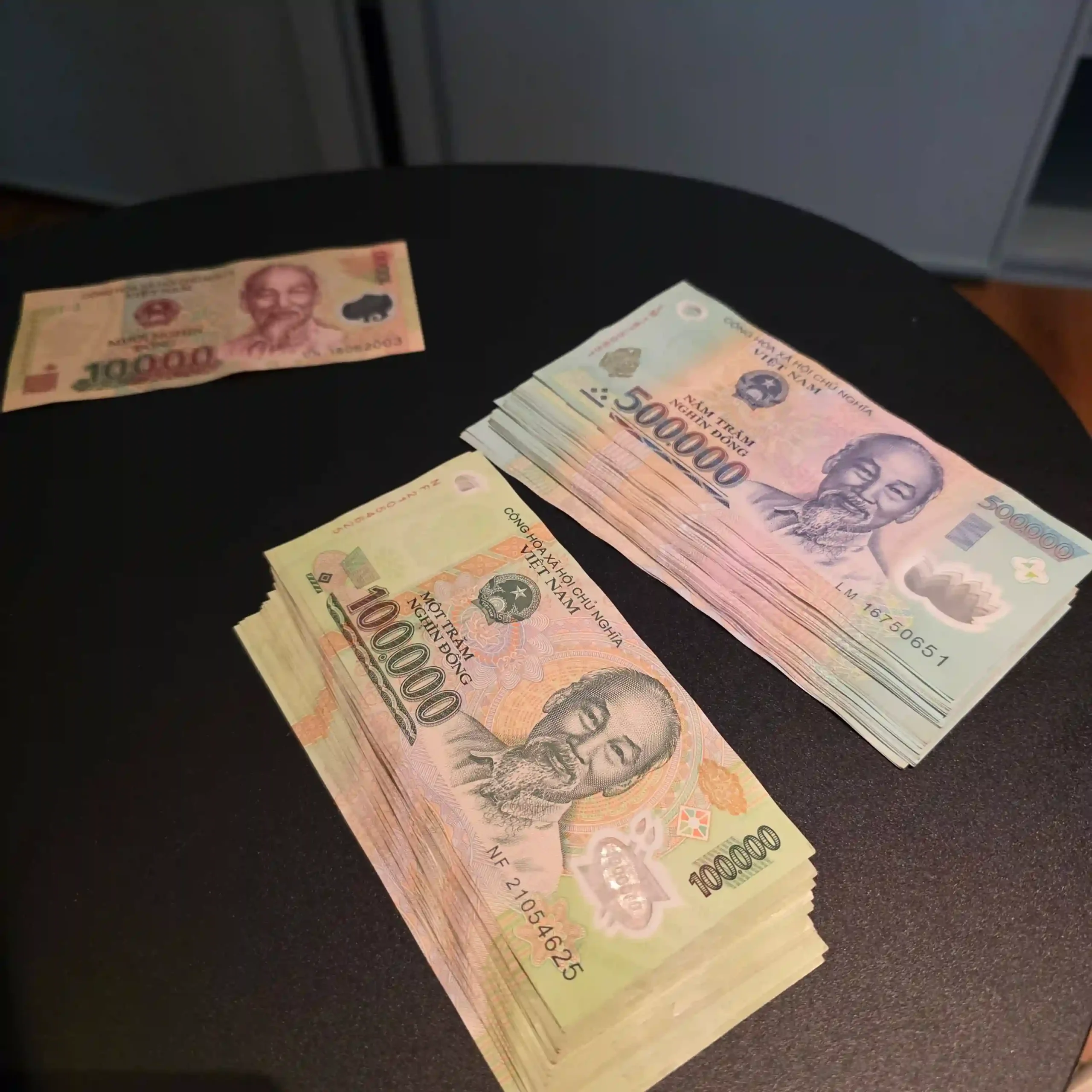
Vietnamese Dong (VND) makes you a millionaire immediately. One dollar is roughly 25,000 VND right now in 2026.
- A bowl of Pho: 40,000 to 60,000 VND
- A Grab Bike across town: 30,000 VND
- A standard draft beer (Bia Hoi): 10,000 to 15,000 VND
Do not use credit cards on the street. Do not try to Apple Pay a lady selling corn on a bicycle, she will look at you like you are crazy. Only proper sit-down restaurants, big cafes, and convenience stores like Circle K take cards. Everything on the street operates on cash, or a QR code scanning system connected to domestic Vietnamese banks that tourists usually can’t access anyway.
Always break big bills (like the 500k notes the ATMs spit out) at convenience stores because street food vendors rarely have change.
Also, the 20,000 VND note and the 500,000 VND note are both a shade of blue. Tourists constantly accidentally tip street vendors 20 bucks for a coffee. Double check the zeros.
6. The Weather is going to ruin your schedule
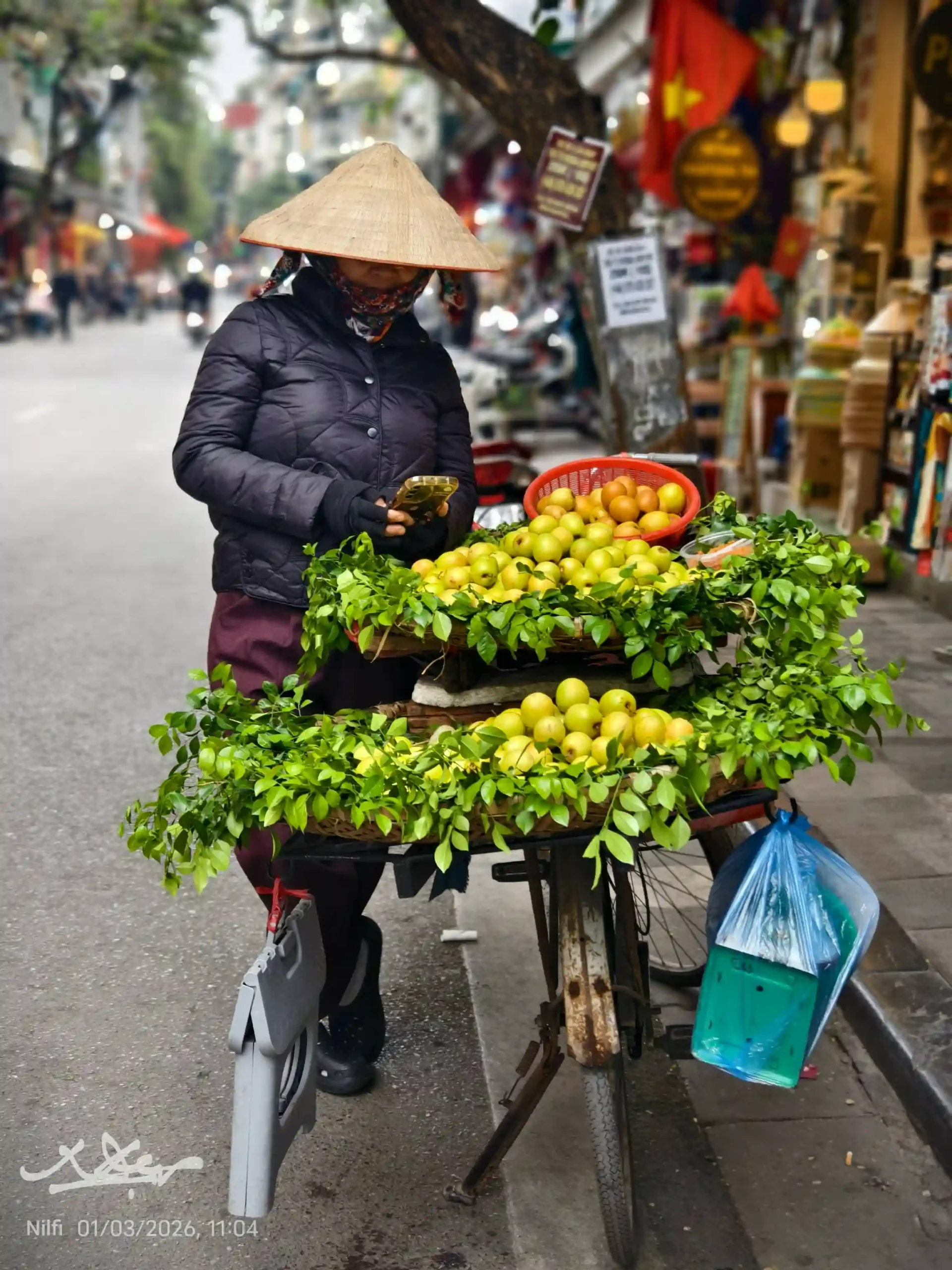
When you search for a Hanoi travel guide, look at the dates they published it.
People think “Vietnam is a tropical country, it’s always hot.” Wrong. Northern Vietnam has four weird, aggressive seasons.
If you come in December or January, it gets down to 10°C (50°F). It doesn’t sound cold until you realize none of the buildings have central heating and it’s deeply damp. People come with tank tops and freeze, and all the local North Face stores sell out of fake down jackets immediately.
If you come in June, it is basically an oven. The 40°C heat means your itinerary has to include forced AC breaks between 1 PM and 4 PM, otherwise you will genuinely pass out. You will shower twice a day. Pack appropriately.
7. E-Visas (Don’t mess this up)
The government is pushing hard on e-Visas. Currently citizens from almost every country can apply online and get a 90-day multiple-entry e-Visa.
But people constantly get scammed. There is only ONE official government website (it looks terrible and breaks often, which is how you know it’s the real government one). The other fifty websites that pop up when you google “Vietnam Visa” are third-party agencies that charge you double the price to fill out the form for you.
And, make sure you write your middle name exactly as it appears on your passport, or immigration at the airport will make you pay a “fixing fee” under the table to let you in.
The Neighbourhood breakdown: Where are you actually spending time?
Part of answering Is Hanoi worth visiting comes down to where you sleep and where you wander. The city feels very different depending on what zip code you are standing in.
The Old Quarter (Hoan Kiem)
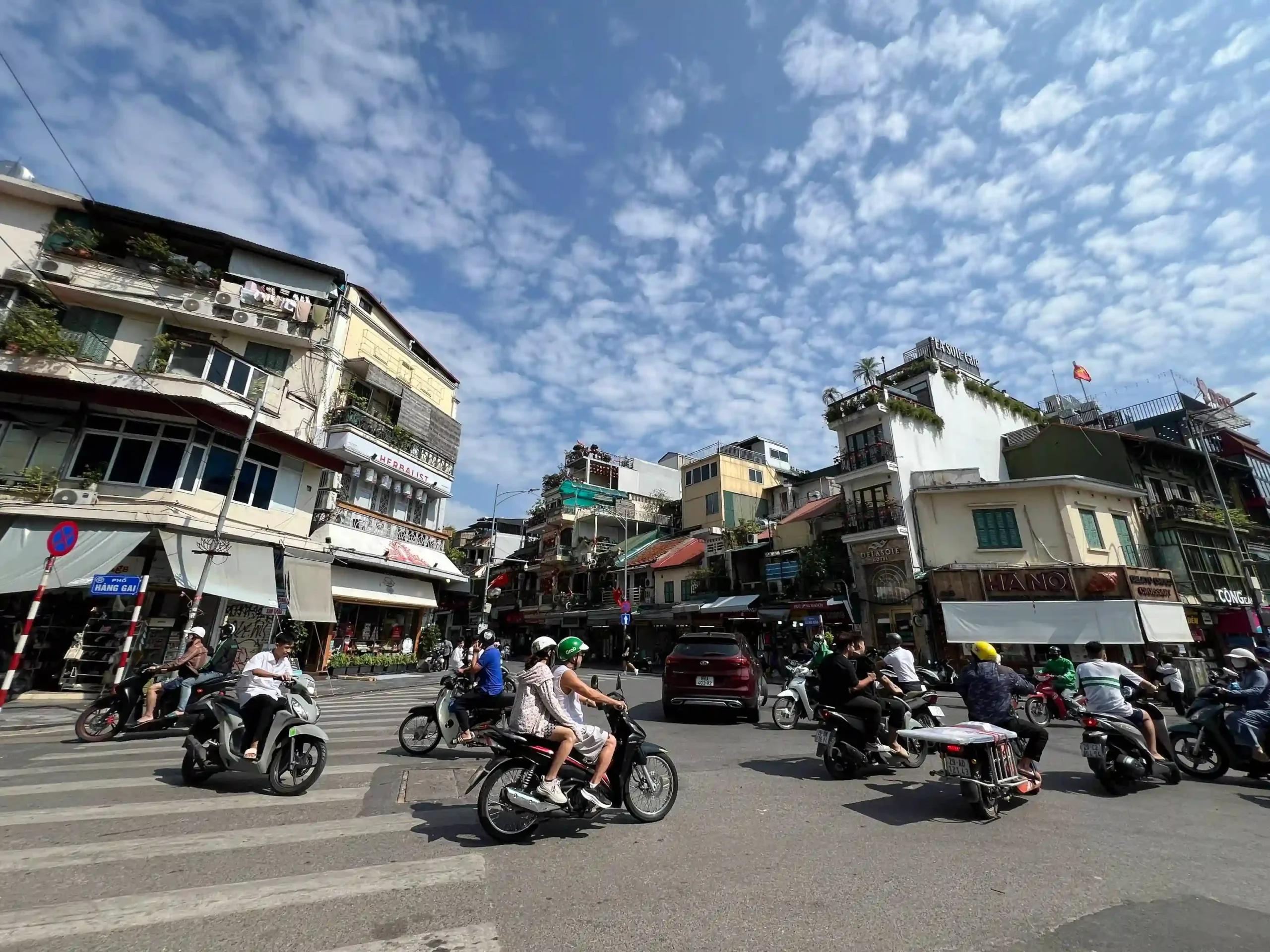
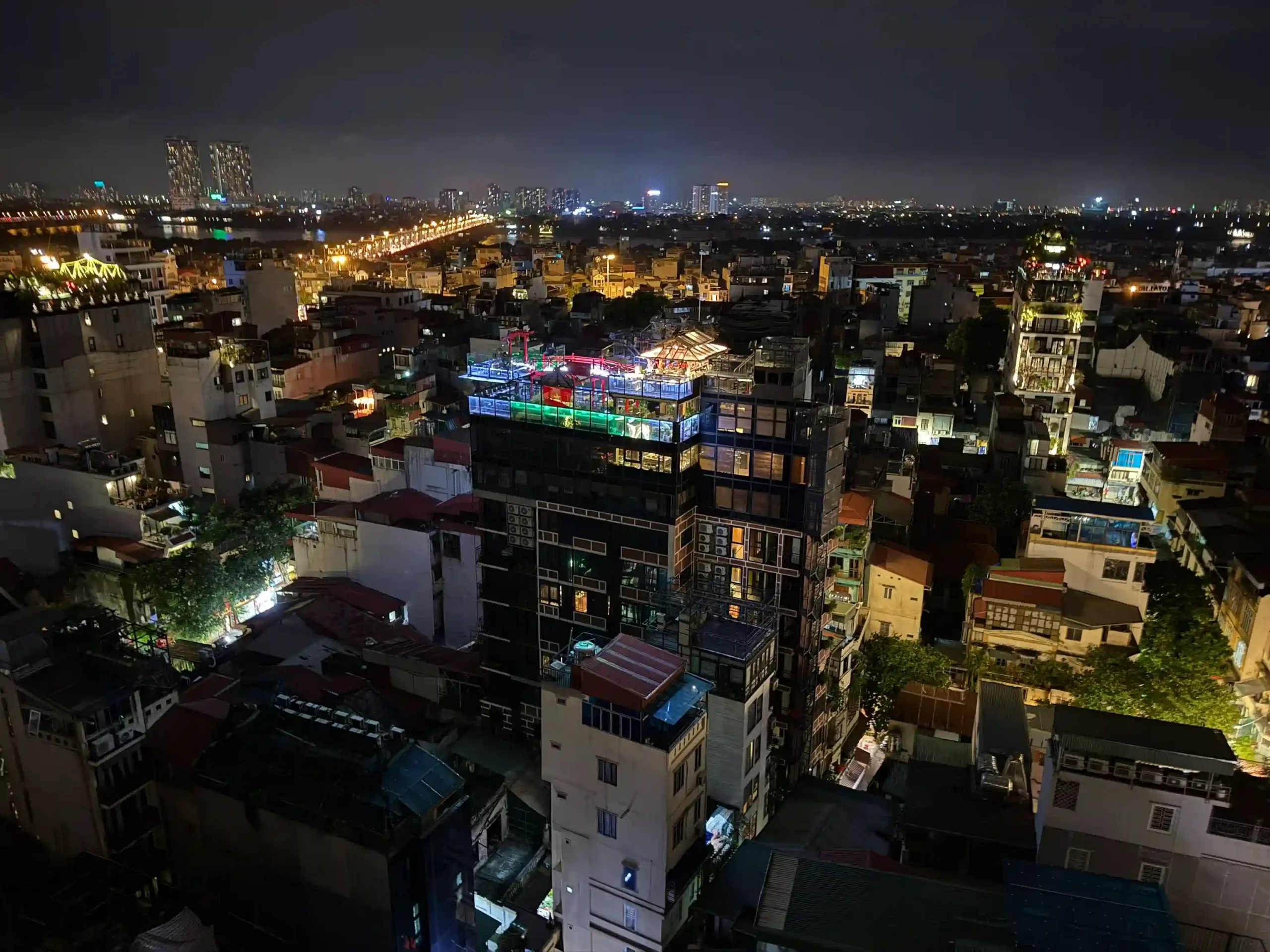
This is the chaos core. 36 streets that used to be categorized by what they sold. Hang Bac sells silver, Hang Ma sells paper goods for dead ancestors (very colourful right now), Thuoc Bac sells traditional medicine and smells like weird bark.
It’s insane, noisy, and absolutely packed. You come here to eat, drink, and be overwhelmed. Don’t book a hotel here if you are a light sleeper unless your room has double-glazed windows facing away from the street.
The French Quarter
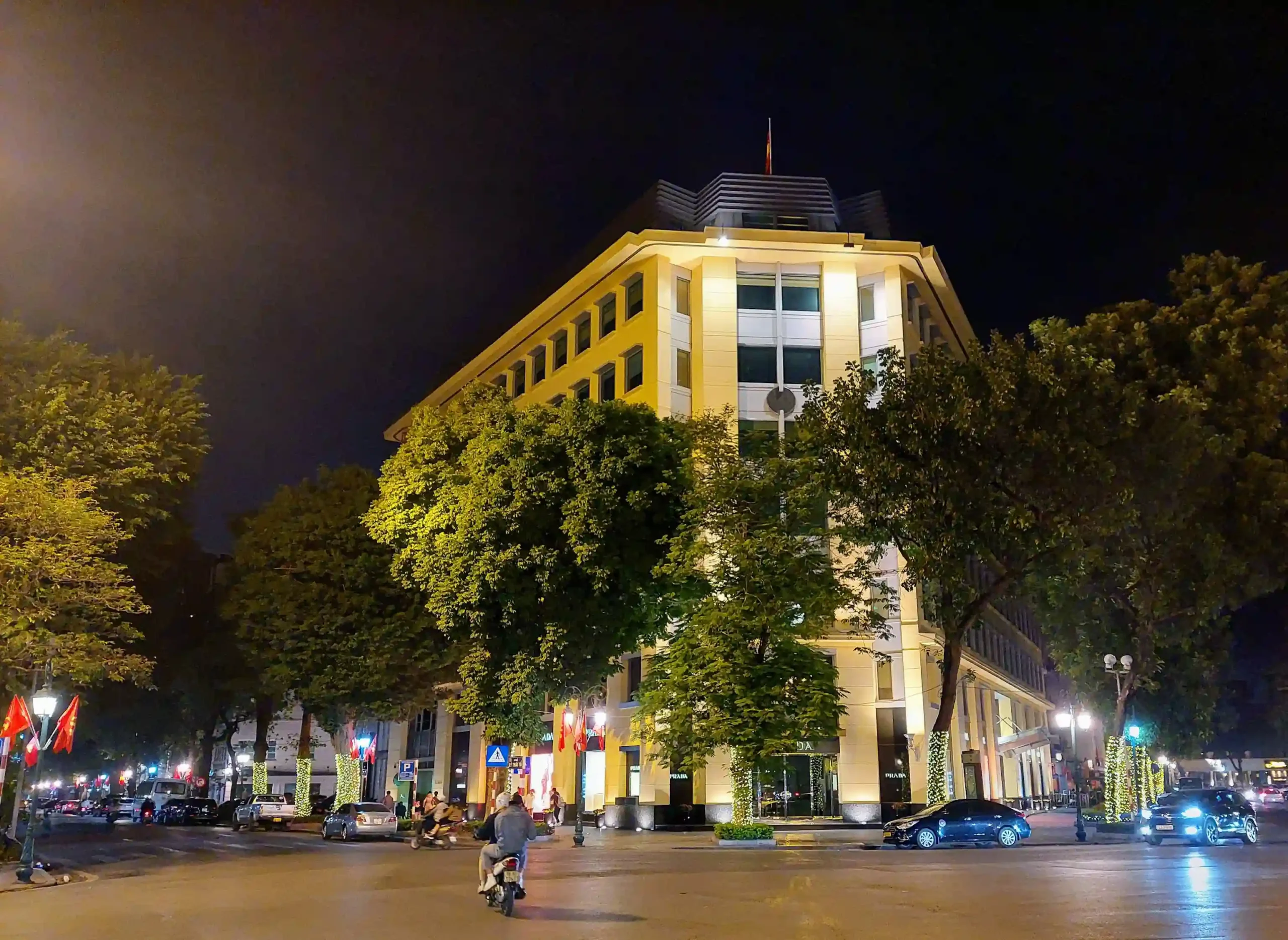
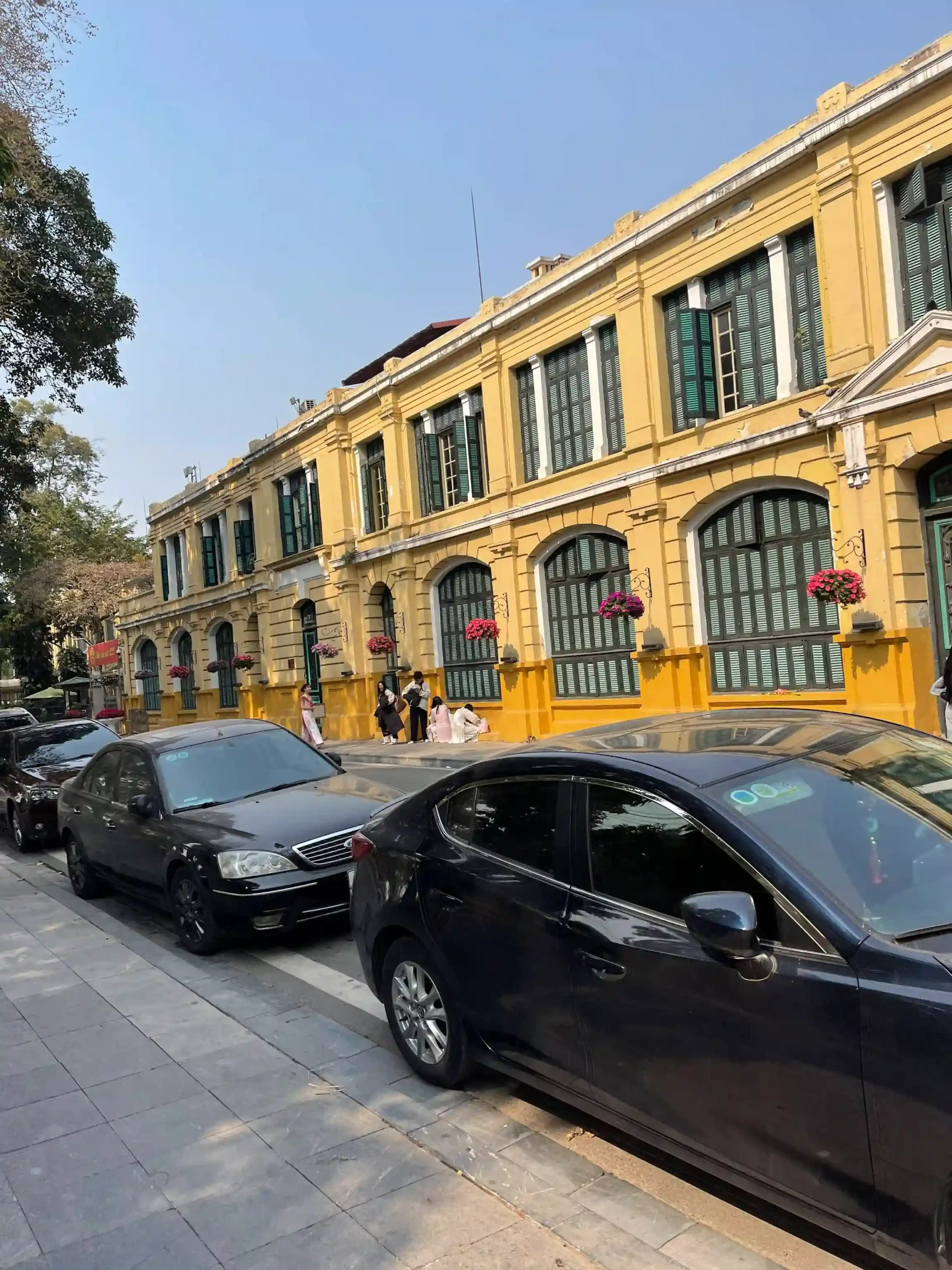
Just southeast of the central lake. This is where the madness pauses. Wide roads, massive yellow colonial villas that now house foreign embassies or Gucci stores, huge trees.
You can actually walk on the sidewalks here. You stay here if you have money or just want a quiet break.
Ba Dinh (The History block)
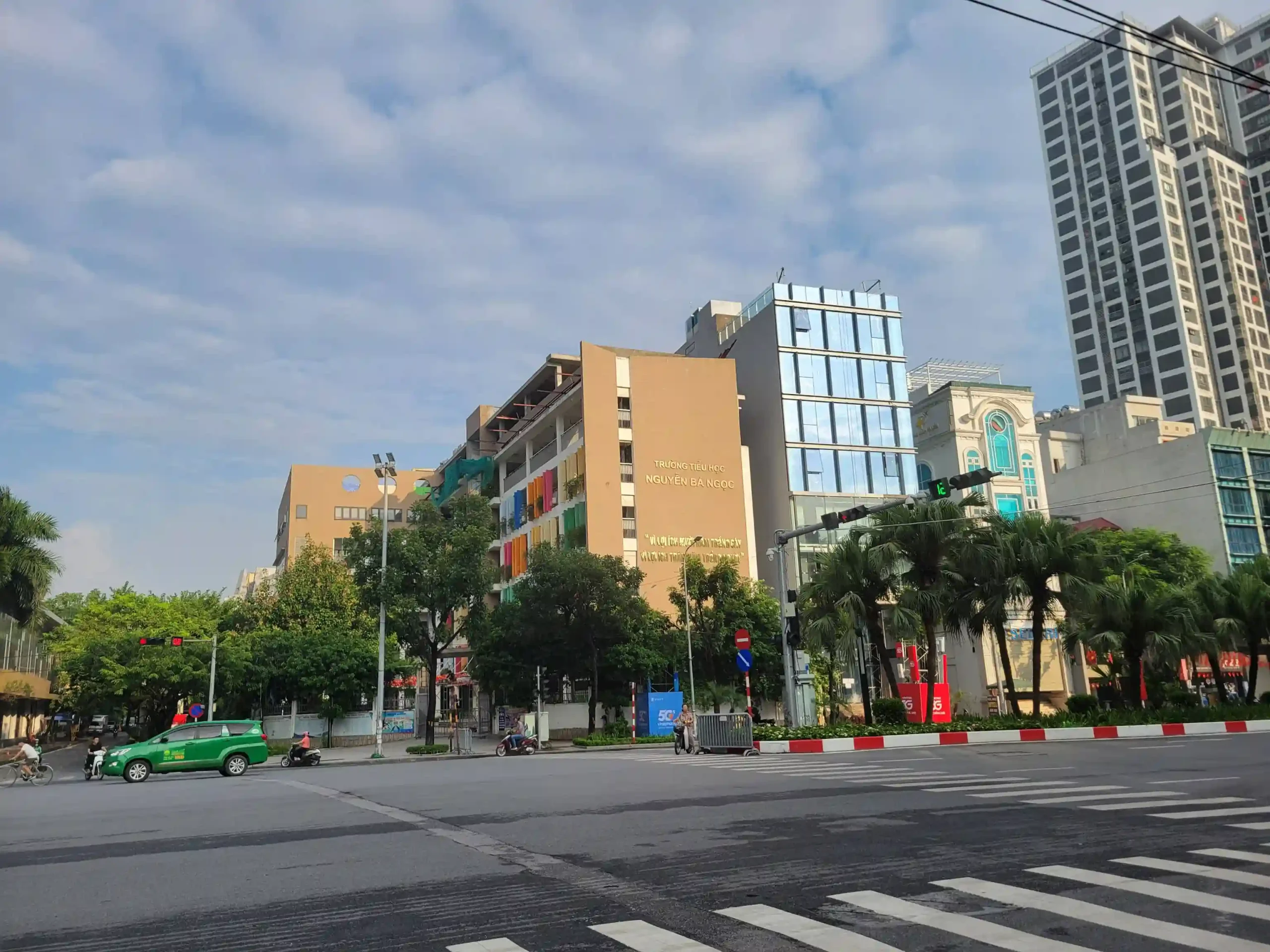
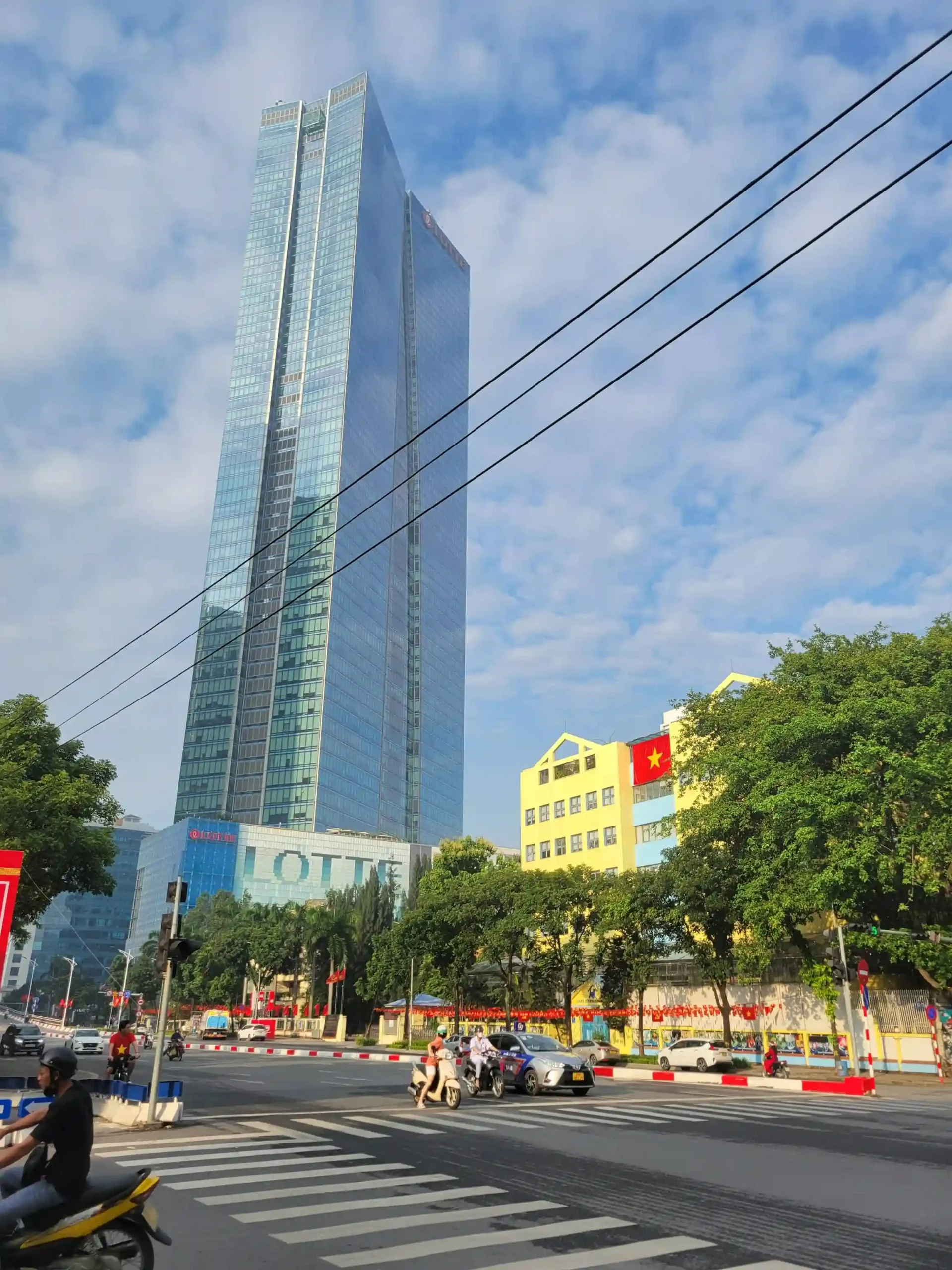
It’s super green and leafy because the government ministry buildings are all here, plus the Ho Chi Minh Mausoleum and the Imperial Citadel.
Because it’s a political hub, security is tight, it’s safe, and there is virtually no loud nightlife. Deep local food down the small alleys though, especially on Doi Can street.
Tay Ho (The Expat Bubble)
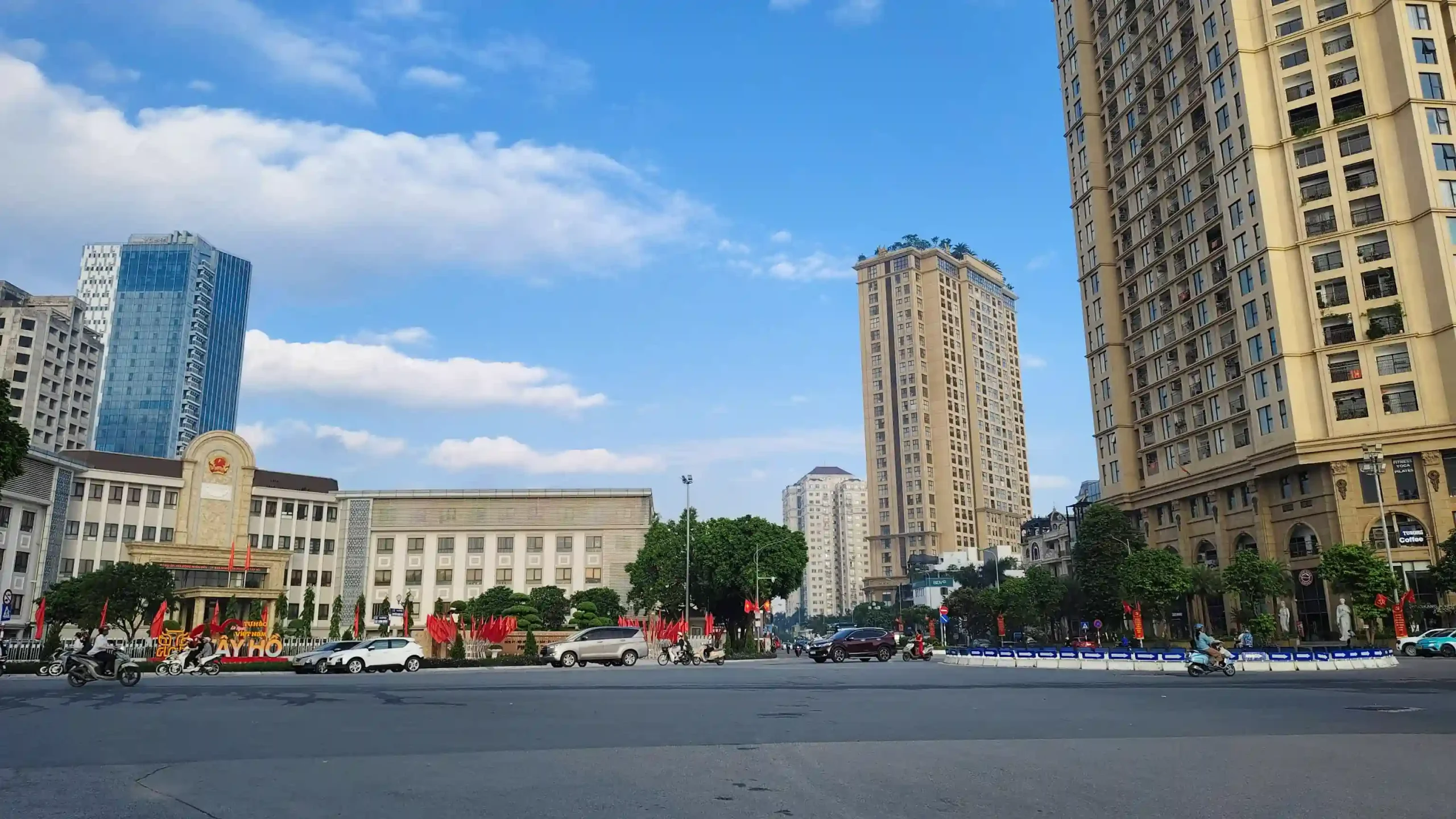
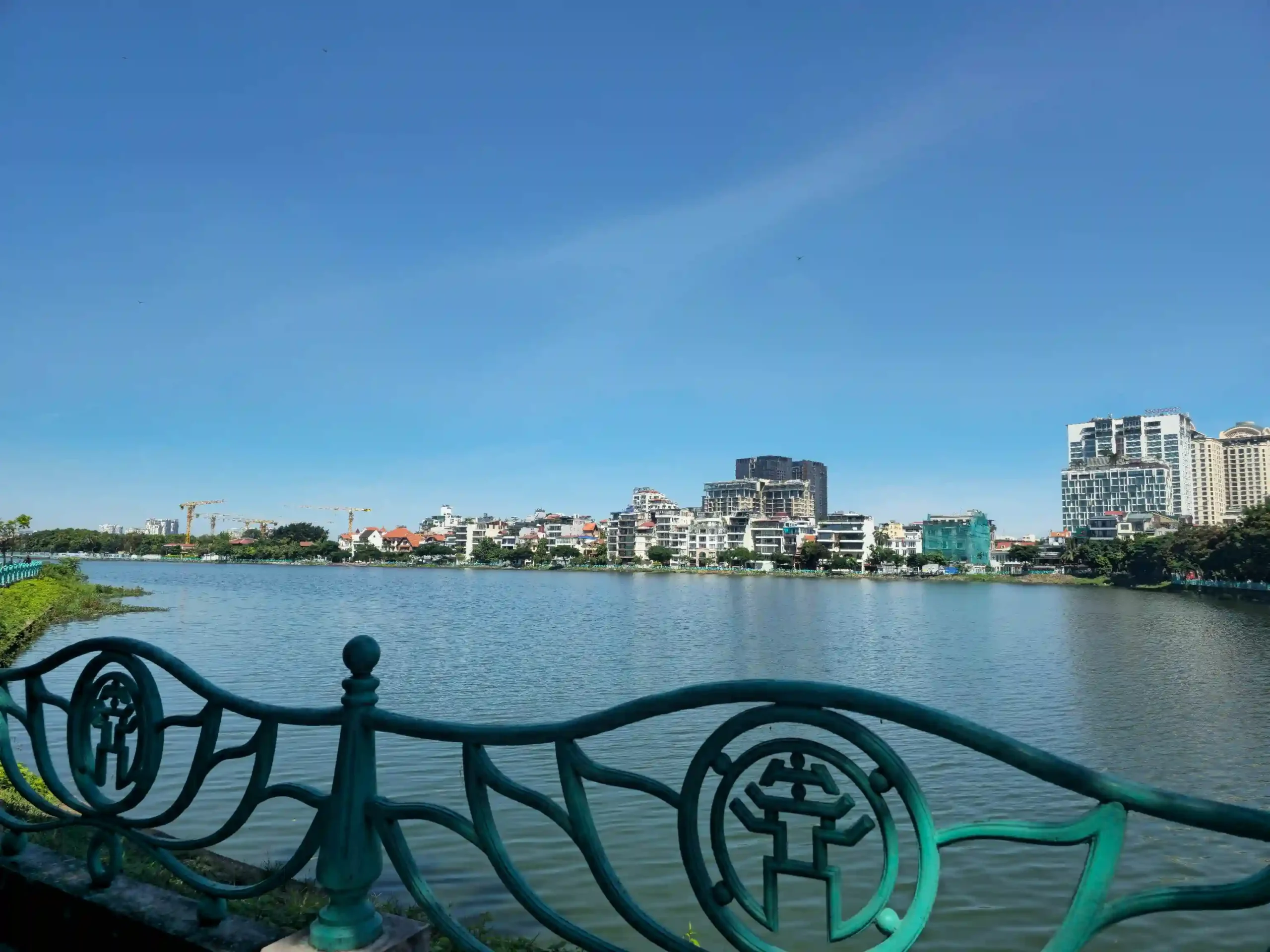
This is where I live. A massive lake at the top of the city. We joke that once you move to Tay Ho, you stop going south to the Old Quarter because you just get lazy.
It’s full of international schools, craft beer taprooms, fancy pizza places, vegan cafes, and endless lakeside walking paths. A lot of digital nomads drop anchor here. It’s a very comfortable bubble, but you don’t stay here if you only have 2 days in the city because getting downtown is a 30-minute traffic fight on Au Co road.
If you need help choosing, jump back to my neighborhood hotel guide I wrote a while ago
The minor scams to keep an eye on
I have to throw this in this Hanoi travel guide because the petty scams happen frequently enough to annoy people.
It’s rarely violent crime here. Muggings basically don’t happen. The scams are all about confusing you into parting with small amounts of money.
- The Shoe Shine guys: Mostly around the Old Quarter. A guy will point at your sneakers, act shocked, squirt some glue or foam on your shoe before you can say no, scrub it, and then demand 300,000 VND ($12). Just loudly say no and keep walking. Don’t engage.
- The Fruit Basket ladies: A woman carrying the iconic bamboo yoke with two baskets of pineapples will smile, put the baskets on your shoulder so you can “take a photo”, slap her conical hat on your head, and then aggressively demand a massive tip or try to sell you a bag of tiny bananas for ten dollars. Again, don’t let them put stuff on your shoulders.
- The Fake Massage Spas: Be very careful reading Google reviews for cheap spas. Some places steal the name and sign of a reputable, highly rated spa and set up shop three doors down the same street. Cross-reference addresses carefully, and usually ask the price before they lock you in a room.
Is Hanoi worth visiting? The Expat Conclusion
A lot of friends from back home message me. They’ve seen pictures of Ha Long Bay or Sapa and they ask: “Should we just skip Hanoi? Just fly in, stay near the airport, and go straight to the nature stuff?”
No. That is a massive mistake.
Vietnam isn’t a country you understand by just looking at some limestone mountains out of a cruise ship window. The soul of this place is on the sidewalks.
Yes, Hanoi will challenge you. Sometimes in the dead of July, when my AC breaks and I get stuck in a traffic jam behind a bus blowing black exhaust smoke into my face, I question my life choices.
But then the evening hits. The heat breaks. You take a bike up to West Lake, sit by the water with a group of friends on a crumbling concrete block, buy a 15k Bia Hoi, smell someone grilling meat three houses away, and you just realize… there is no city quite like this.
It hasn’t been homogenized into another glass-and-steel metropolis yet. It still functions the way it did 30 years ago, just with smartphones and more motorbikes. The culture here hasn’t bent itself to appease tourists; you are forced to figure out how they live.
And that friction, that requirement to actually pay attention and learn the flow of the streets, is exactly why it leaves such an impact.
Don’t skip Hanoi. Read this stuff, prepare for the noise, get a hotel room with decent air conditioning, learn a few words like “Cam On” (thank you), and come experience it before it changes.
Check out the links at the bottom. As I build this guide out over 2026, I’ll drop all the nitty-gritty tutorials for buses, sim cards, and getting out to the countryside below so you have everything in one spot.

Keep Exploring Hanoi
-
See & do UltimateReal things to do in Hanoi for travelers who hate big crowds ›
-
GuideI lived in Hanoi & Hoi An: Which is better for first-timers? ›
-
GuideShould you visit Hanoi or Ho Chi Minh City for short trip? ›
-
Guide2 week trip to vietnam cost as a foreigner, 2026 guide ›
-
GuideHanoi vs Da Nang 2026: Which city fits your vibe? ›
-
Food Must readRanking the 10 best street food in Hanoi locals actually eat daily ›
-
Stays Must readMy top handpicked areas on where to stay in Hanoi ›











 Tiếng Việt
 한국어
한국어 中文 (中国)
 日本語
日本語 ไทย
ไทย Deutsch
 Español
 Destinations
 Instagram
 Facebook
 X (Twitter)
 Threads
 Tiktok