









 Ha Giang
 Hanoi
Hanoi Ho Chi Minh City
 Ha Long
 Sapa
Sapa Mekong Delta
 Da Nang
 Hue
Hue Hoi An
 Ninh Binh
 Da Lat
 Nha Trang
 Phan Thiet
 Phu Quoc
 Quang Binh
 Quy Nhon
 Vung Tau
 Thai Nguyen




If you are standing at the airport or planning your trip right now and just want the answer, here is the breakdown. I have tested these personally from the mountains of Ha Giang to the floating markets of Can Tho.
- Your city data plan won’t work in the rice fields. I’ve lived here 8+ years and tested the Best Vietnam eSIMs for Tourists from the Mekong Delta to the Northern Loop. I break down why you need Viettel coverage, which providers offer it, and why you should avoid cheap “Vietnamobile” plans. Get the honest verdict on connectivity before you land.
- The #1 Choice for Rural & Mountain Travel: Gigago
- Network: Look for their plans running on Viettel. This is crucial because Viettel is military-owned and has the only reliable towers in remote areas like the Ha Giang Loop, Cao Bang, or the Phong Nha caves.
- Best For: Motorbikers, hikers, and anyone venturing off the paved roads.
- Value: Great price-to-performance ratio (approx. $10-15 USD for 15GB+).
- The Most User-Friendly Option: Airalo
- Network: Primarily connects to Vinaphone (Vietnam’s second-largest carrier).
- Performance: Excellent stability in cities (Hanoi, Saigon), coastal towns (Da Nang, Hoi An), and major tourist hubs. The app is the easiest to use if you aren’t tech-savvy.
- Limitation: Signal can get weak in deep valleys or border zones compared to Viettel.
- Best for Heavy Data Users: Holafly
- The Draw: Offers Unlimited Data packages, which is rare.
- The Catch: Most plans do not allow Hotspot/Tethering. You cannot share data with your laptop or your travel partner’s phone. Read the fine print carefully if you need to work.
- The “Avoid” List: Vietnamobile
- Warning: You will see very cheap eSIMs using this carrier. Do not buy them.
- Why: Speeds are throttled, and rural coverage is non-existent. It works in District 1 (Saigon) but will leave you stranded with no GPS in the countryside.
- Critical Need-to-Knows Before You Buy
- No Phone Numbers: Most tourist eSIMs are Data-Only. You cannot make traditional voice calls to local businesses. You must use WhatsApp, Zalo (Vietnam’s chat app), or Messenger to communicate.
- Setup Rule: Install the eSIM at home or using airport Wi-Fi before you land. You need an internet connection to activate the profile.
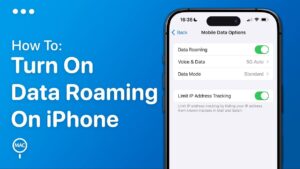
- The Setting Everyone Forgets: You must manually toggle “Data Roaming” ON for your eSIM line in your phone settings, or it will not work.
Why Your City SIM Won’t Work in the Rice Fields
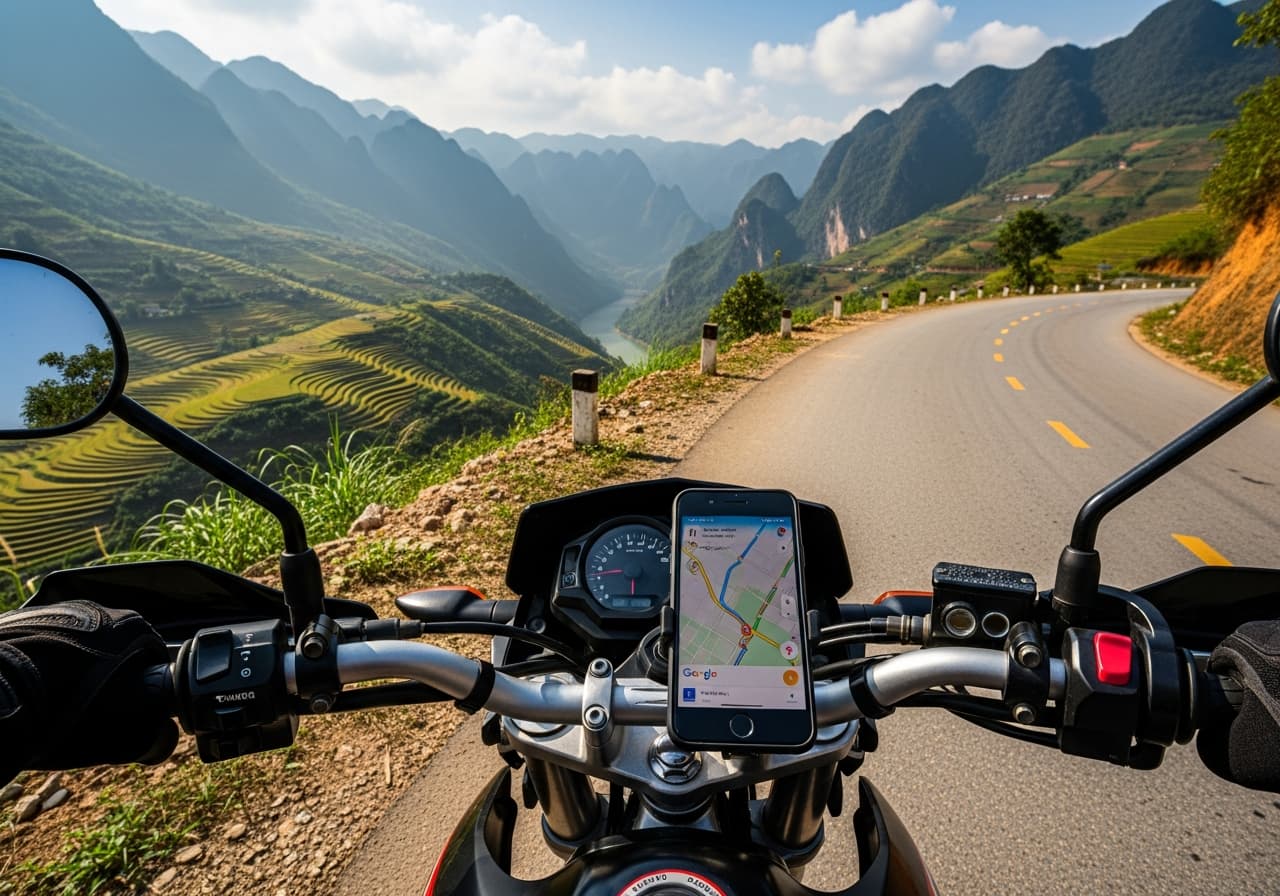
I’ve lived in Vietnam for many years. I’ve driven a Honda Win up the coast and gotten lost in more provinces than I can count. Here is a hard truth that most generic travel blogs won’t tell you: Network coverage in Vietnam is not created equal.
In Ho Chi Minh City (Saigon) or Hanoi, you can use a potato as an antenna and probably get 4G. But you aren’t reading this because you plan to sit in a Starbucks in District 1. You are likely planning to visit the rice terraces of Mu Cang Chai, the caves of Quang Binh, or the rocky plateaus of Ha Giang.
When you are 20 kilometers from the nearest paved road and your bike gets a flat tire, you don’t care about “vibrant culture.” You care about Google Maps loading and being able to call a mechanic.
This guide is about finding the Best Vietnam eSIMs for Tourists who actually want to leave the cities. I’m skipping the academic fluff and giving you the raw data based on signal strength, price, and actual usability in the middle of nowhere.
Understanding Vietnam’s Mobile Networks
Before you buy an eSIM from a provider like Airalo or Nomad, you need to know which local network they are piggybacking on. This is the single most important factor for rural travel.
There are three main players (and one to avoid):
1. Viettel (The King of the Mountains)
Viettel is owned by the military. Why does this matter? Because they have infrastructure everywhere, including border zones, islands, and deep jungles. If you are doing the Ha Giang Loop, Viettel is non-negotiable. I have stood on top of the Ma Pi Leng Pass with full 4G on Viettel while my friend with a different carrier had “No Service.”




2. Vinaphone (The Reliable Runner-Up)
Vinaphone is excellent. It covers about 90-95% of what Viettel covers. For places like Ninh Binh, Da Nang, and Sapa town, it is flawless. It only struggles in extremely remote border areas.
3. Mobifone (The City/Coastal Option)
Good for cities and coastal resort towns (Nha Trang, Phu Quoc). It gets spotty in the northern mountains.
4. Vietnamobile (The Tourist Trap)
You will see SIM cards for this carrier sold for dirt cheap. Do not buy them if you leave the city. The data speeds are throttled, and the rural coverage is non-existent.
Best Vietnam eSIMs for Tourists (Review)

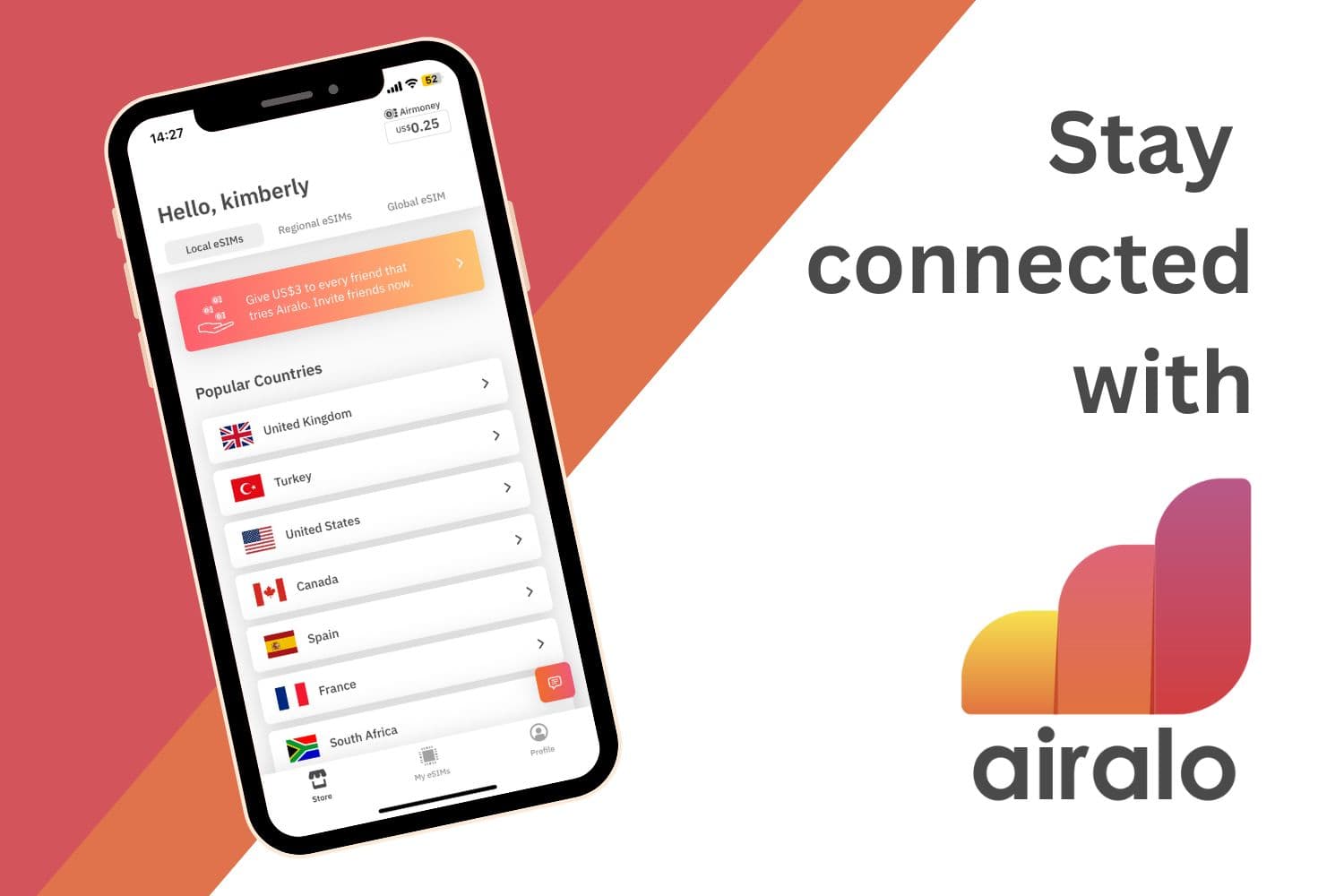
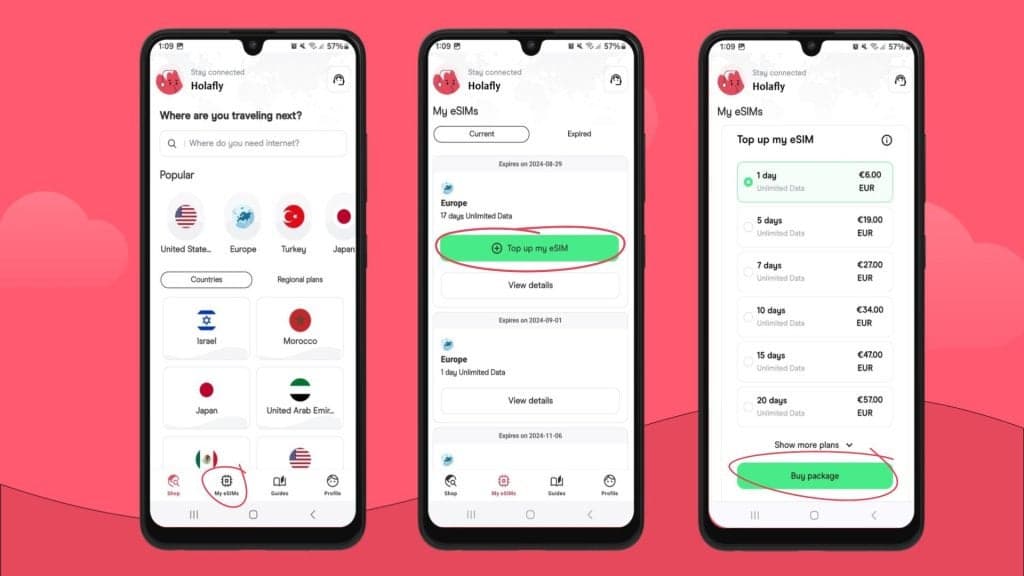

I have selected these based on ease of purchase (no passport scanning nightmares), price per GB, and most importantly, the network they use.
1. Gigago (The Rural Champion)
Gigago is a local Vietnamese provider that caters specifically to tourists. Because they are local, they seem to have better access to Viettel plans than the big international aggregators.
- Network: Viettel or Vinaphone (Plan dependent).
- Why I like it: They offer a specific plan often labeled as “Giga” or similar that runs on Viettel. This is the holy grail for rural travel without needing to register a physical SIM at a store.
- Performance: I used a Gigago eSIM on a trip to Cao Bang recently. Speed tests consistently showed 40-50 Mbps download speeds, even in small villages.
- Cost: roughly $10 – $15 USD for varying data caps (e.g., 15GB for 30 days).
- Verdict: If you are going off-road, this is the Best Vietnam eSIM for Tourists currently available.
- Download: IOS/Android
2. Airalo (The Convenient Standard)
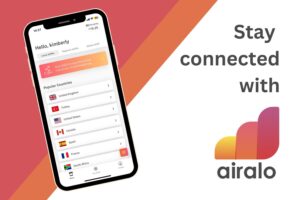
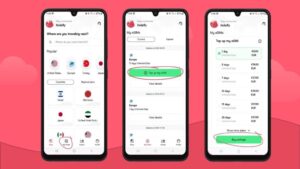
Airalo is the biggest name in the game for a reason. Their app is slick, installation is instant, and support is decent.
- Network: Usually Vinaphone (Brand name: “Chin Su”). Note: They sometimes switch partners, so check the “Additional Info” tab in the app before buying.
- Performance: I use Airalo when I do short visa runs. It connects immediately upon landing. In rural areas, Vinaphone holds up well. You might lose signal in deep valleys, but it returns quickly.
- Cost: A bit pricier per GB. $4.50 for 1GB (useless) up to $32 for 20GB.
- Verdict: Reliable, user-friendly, and perfectly adequate for 95% of tourists. Just check which network it’s using.
- Download: IOS/Android
3. Holafly (The Unlimited Data Option)
Holafly markets “Unlimited Data” aggressively. This sounds great, but there are caveats.
- Network: Often connects to Vinaphone or Mobifone.
- The Catch: “Unlimited” usually comes with a Fair Usage Policy (FUP). If you download 90GB of 4K video, they will throttle you. Also, Hotspot/Tethering is often blocked. If you need to work on your laptop using your phone’s data, check the fine print carefully.
- Performance: Solid in cities. In rural areas, it depends heavily on which carrier they are routing you through that week.
- Cost: You pay for the days. 5 days is ~$19 USD.
- Verdict: Good for Instagram addicts who don’t need to tether to a laptop.
- Download: IOS/Android
4. Nomad (The Budget Alternative)
Nomad is similar to Airalo but often runs aggressive promotions making them cheaper.
- Network: Usually Vinaphone or Viettel (Plan specific).
- Performance: The app interface is clean. I’ve found their latency (ping) to be slightly higher than Airalo in some tests, possibly due to routing servers, but for maps and messaging, it’s fine.
- Verdict: Check their prices against Airalo. If they are running a sale on a Viettel plan, grab it.
- Download: IOS/Android
The “Physical SIM” Dilemma: Why Not Just Buy Local?
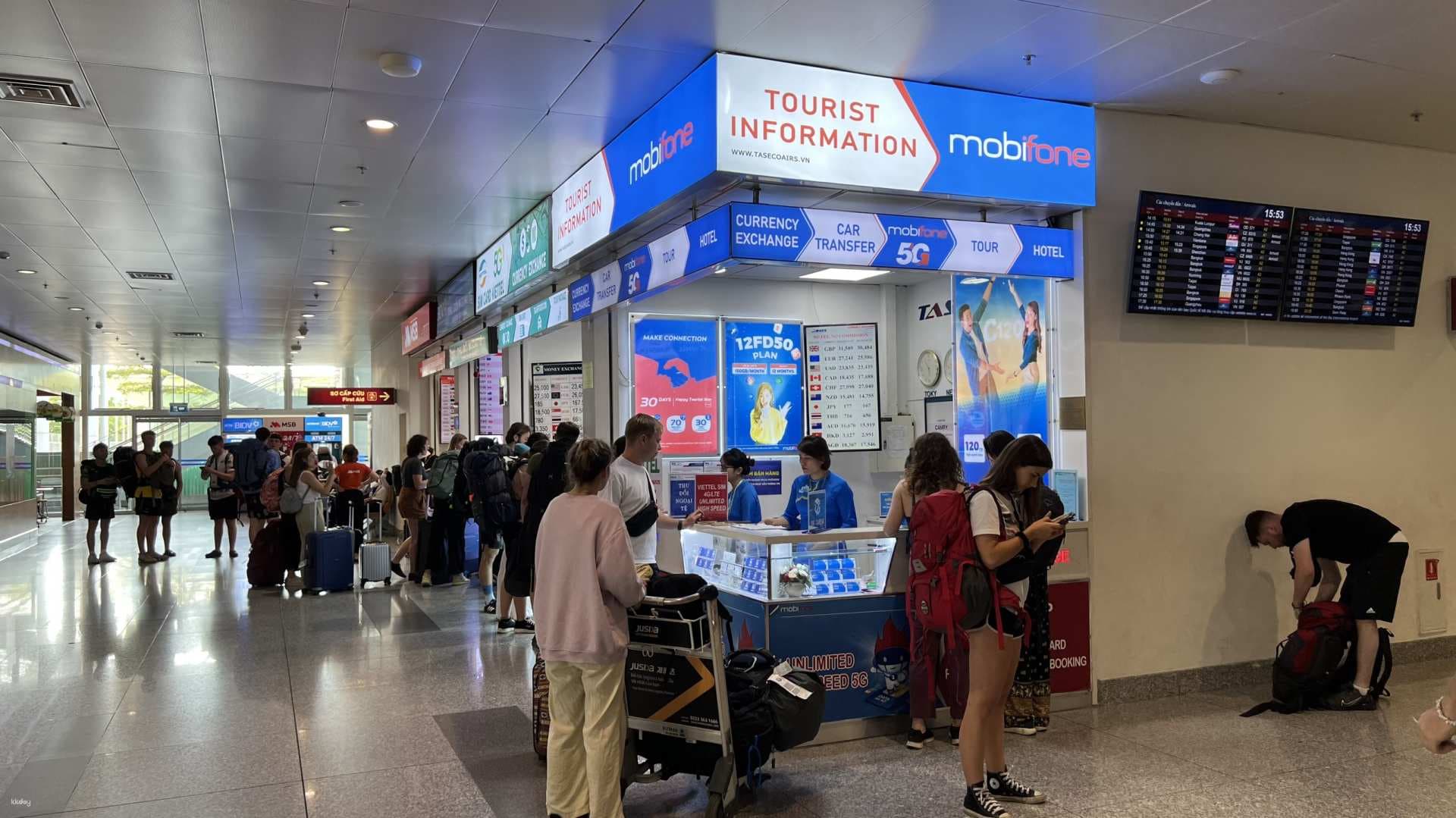
You might ask: “Why not just buy a SIM card at the airport or a store for $5?”
Three years ago, that was the best advice. Today, it is complicated.
The Vietnamese government cracked down hard on “junk SIMs” (pre-activated SIMs) to stop spam.
- Registration (KYC): To get a legit SIM from a Viettel store, you need your passport. The process takes 20-30 minutes. Staff in rural stores often don’t speak English.
- Airport SIMs: The kiosks at Tan Son Nhat (HCMC) or Noi Bai (Hanoi) sell “tourist SIMs.” These often have inflated prices or, worse, are registered under someone else’s name. If the network does a sweep, your SIM gets cut off mid-trip. I have seen this happen to friends.
- Convenience: An eSIM means you have data the second the plane tires hit the tarmac. No haggling, no swapping tiny plastic chips.
For peace of mind, the slightly higher cost of a travel eSIM is worth avoiding the regulatory headache.
Regional Guide: Which eSIM for Which Destination?
Here is my breakdown based on geography. This will help you pick the Best Vietnam eSIM for Tourists based on your itinerary.
The North (Hanoi, Sapa, Ha Giang, Ninh Binh)
- Terrain: High mountains, limestone karsts, deep valleys.
- Recommendation: Viettel is mandatory for Ha Giang and Cao Bang. Vinaphone is fine for Sapa and Ninh Binh.
- Pick: Gigago (Viettel plan) or Nomad (if Viettel).
Central Vietnam (Da Nang, Hoi An, Hue, Phong Nha)
- Terrain: Coastal roads and jungle caves.
- Recommendation: Coverage is generally excellent along the coast. Phong Nha (caves) is the exception; signal cuts out near the park entrance.
- Pick: Airalo or Holafly work perfectly here.
The South (Ho Chi Minh City, Mekong Delta, Phu Quoc)
- Terrain: Flat delta, urban density, islands.
- Recommendation: Literally anything works here. Even Mobifone is fast in the Mekong Delta.
- Pick: Whatever is cheapest or offers the most data.
Installation & Troubleshooting
I have seen many tourists freak out because their eSIM “doesn’t work” immediately. It’s usually user error.
1. Install Before You Fly
You need Wi-Fi to install the eSIM. Do this at home or in your departure airport lounge. Do not wait until you land in Vietnam where you have no connection.
2. Turn on “Data Roaming”
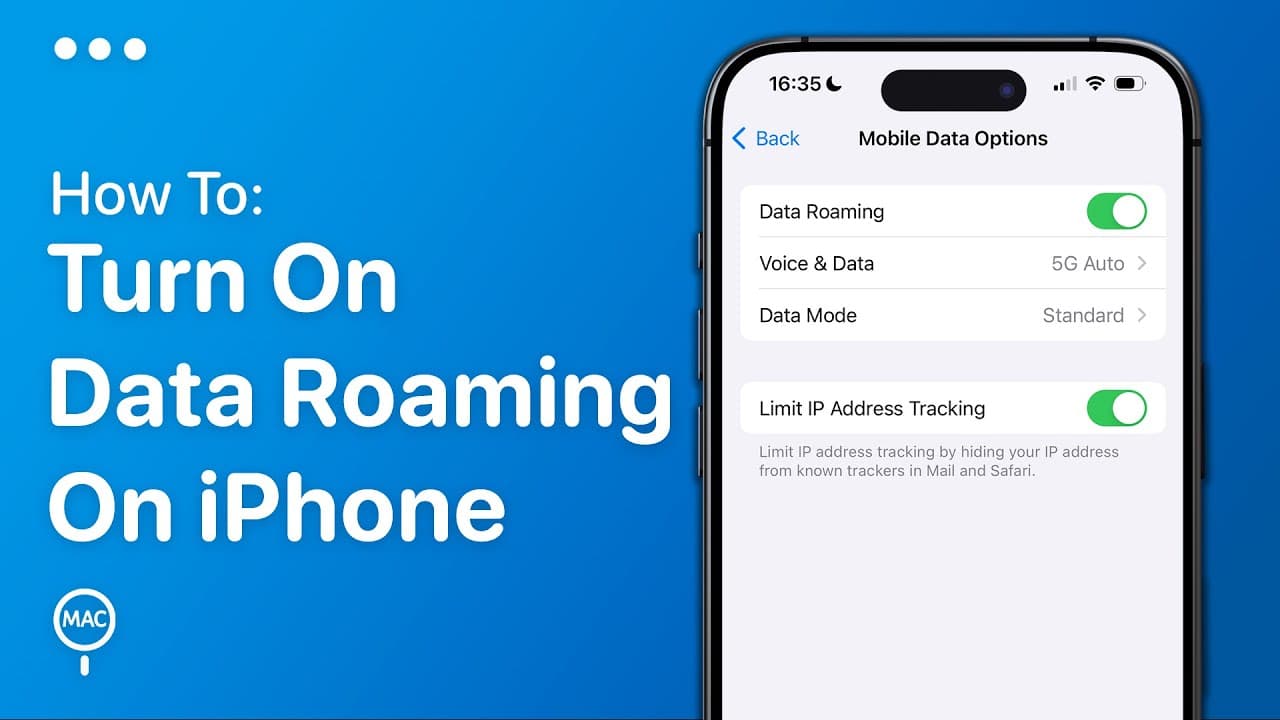
This is the #1 mistake. Travel eSIMs are technically “roaming” on the local Vietnamese network. You must go into your phone settings and toggle “Data Roaming” ON for the eSIM line.
3. The APN Settings

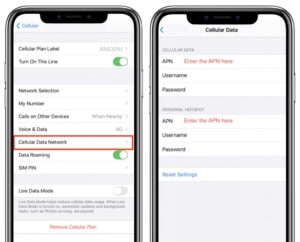
Rarely, the eSIM won’t auto-configure. The app will give you “APN” details (like ‘internet’ or ‘m-wap’). You have to manually type these into the Cellular Data Network settings. It takes 10 seconds.
4. Restart Your Phone
The classic IT fix. When you land, turn your phone off and on to force it to search for the local towers.
Cost Comparison
Let’s look at the math. Prices change, but these are the averages for this year.
| Provider | Data | Validity | Approx Price (USD) | Network | Best For |
| Gigago | 10GB | 30 Days | $10 – $12 | Viettel/Vina | Rural Coverage |
| Airalo | 10GB | 30 Days | $21 | Vinaphone | Convenience |
| Nomad | 10GB | 30 Days | $14 – $17 | Mixed | Budget |
| Holafly | Unlimited | 10 Days | $34 | Vina/Mobi | Heavy Users |
Note: Local physical SIMs are cheaper (approx $8 for 4GB/day), but remember the registration hassle mentioned above.
FAQs: Questions I Get Asked at the Bar
Q: Can I keep my WhatsApp number with a Vietnam eSIM?
A: Yes. When you install the eSIM, your phone will ask if you want to keep your primary line for calls/texts. Say yes. WhatsApp uses data, so it works seamlessly.
Q: Is 5G available in Vietnam?
A: Technically, yes, in central parts of Hanoi and HCMC. But it is still in the testing phase and spotty. Don’t expect 5G speeds in the countryside. 4G LTE is the standard and it is fast enough for video calls.
Q: Can I make phone calls with these eSIMs?
A: Usually, no. Most travel eSIMs are data-only. You cannot make traditional voice calls to a Vietnamese restaurant to book a table. You will need to use WhatsApp, Zalo (the local chat app), or Messenger. If you absolutely need a local phone number, you must buy a physical SIM card.
Q: My phone is locked to AT&T/Verizon. Can I use an eSIM?
A: No. Your phone must be “Carrier Unlocked.” If you are on a contract in the US, call your provider before you leave to see if they will unlock it for travel.
Conclusion
Vietnam is not a place where you want to be disconnected. Navigating the chaotic traffic, translating menus with Google Lens, and booking Grab bikes require a constant connection.
If you stick to the main tourist trail, Airalo is a safe, easy bet. But if you want to experience the real Vietnam, the one found on the dusty backroads of the north, you need the reach of the military network. In that case, finding a provider like Gigago that offers Viettel access is the smartest move you can make.
Don’t cheap out on $5 to save money on a SIM card. Being able to load a map when you are lost in a rainstorm in Ha Giang is priceless.
Safe travels, and watch out for the potholes.












 Tiếng Việt
 한국어
한국어 中文 (中国)
 日本語
日本語 ไทย
ไทย Deutsch
 Español
 Destinations
 Instagram
 Facebook
 X (Twitter)
 Threads
 Tiktok