









 Ha Giang
 Hanoi
Hanoi Ho Chi Minh City
 Ha Long
 Sapa
Sapa Mekong Delta
 Da Nang
 Hue
Hue Hoi An
 Ninh Binh
 Da Lat
 Nha Trang
 Phan Thiet
 Phu Quoc
 Quang Binh
 Quy Nhon
 Vung Tau
 Thai Nguyen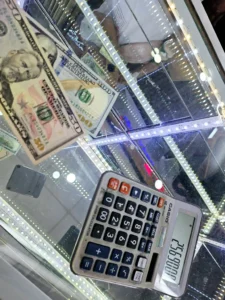

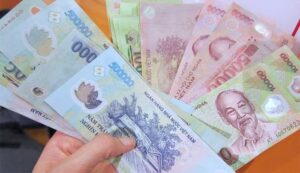
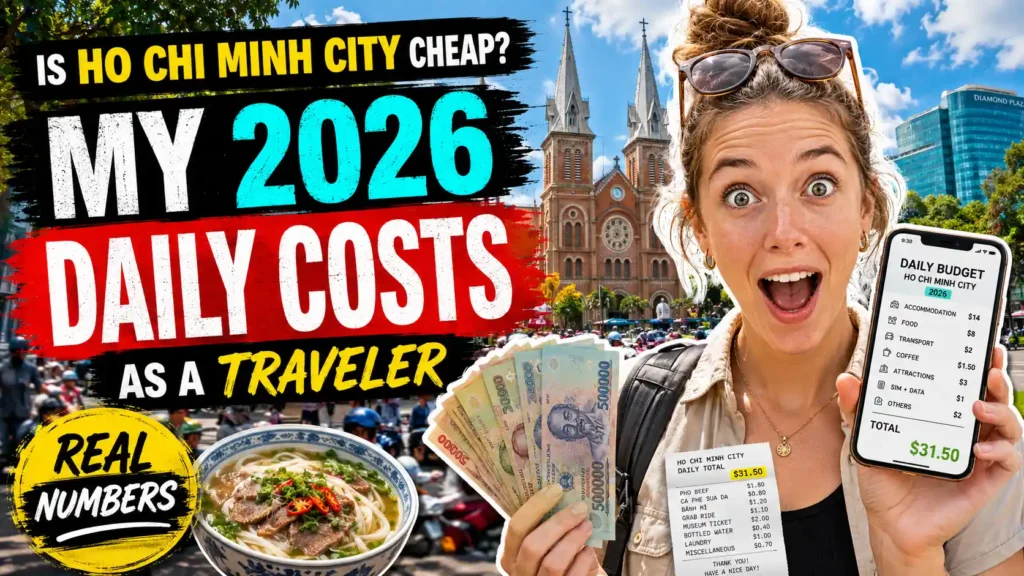


People want to know what a day in Saigon actually costs, how much cash to pull from the ATM, whether their cards will work, and whether they’re being ripped off when a bowl of pho is 80,000 VND. So this is the full breakdown for 2026.
The numbers below are what things actually cost right now, late 2025 into 2026, not what some blog from 2019 says they cost. I’ve cross-checked them against current price sources and my own grocery bills.
This is a guide that sits under my Saigon travel guide. If you want the broader practical orientation (visa, weather, language, getting around), that’s the parent. This page is just money.
Right, let’s get into it.
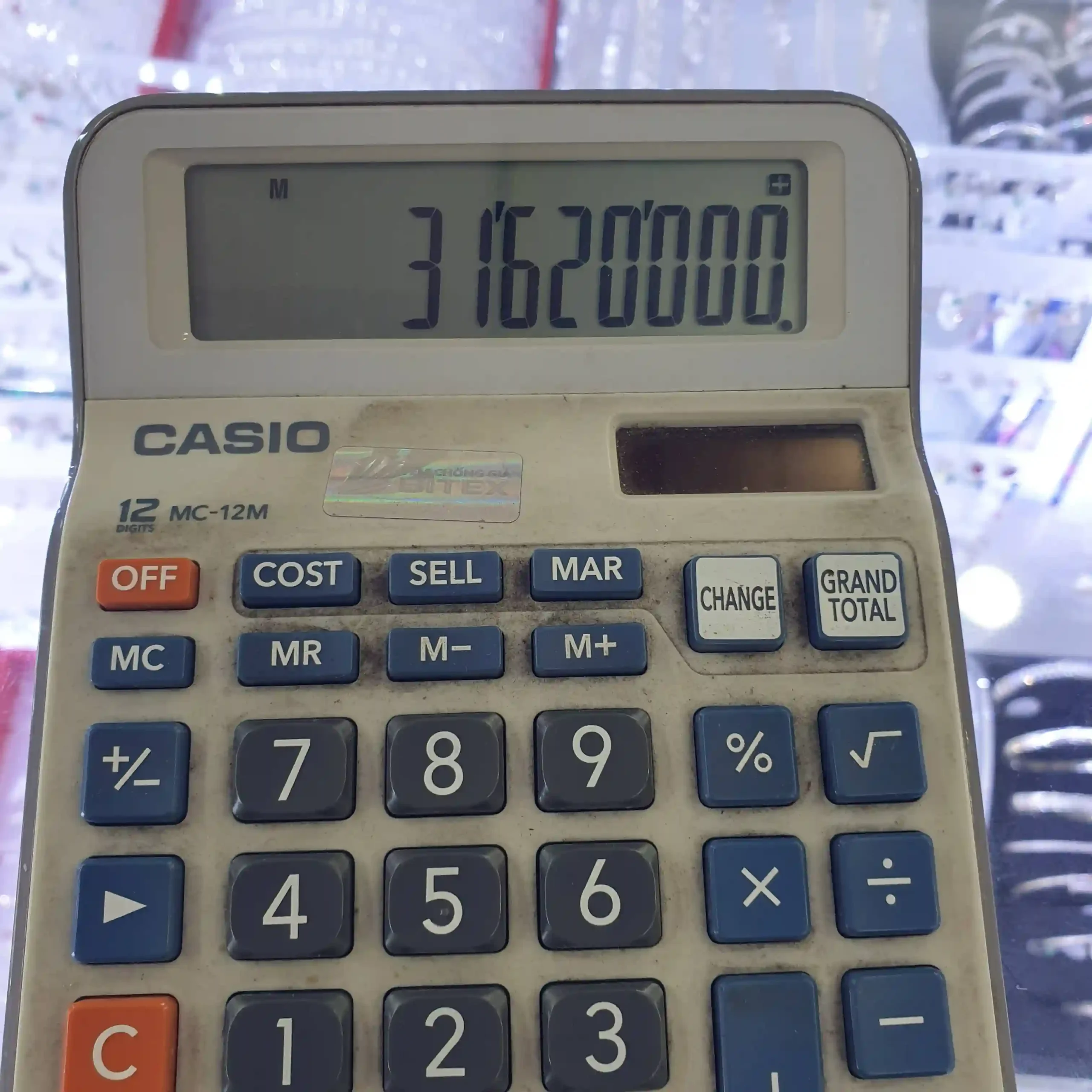
- Quick Answer: A traveler in Ho Chi Minh City should budget around $25-40 USD a day for backpacking, $60-90 for mid-range, and $150+ for comfort. For a 5-day trip, bring or withdraw roughly 4-5 million VND in cash, use cards for hotels and nicer restaurants, and expect ATM fees of $1-3 per withdrawal.
- The Headline Numbers:
- Backpacker: $25-40 per day (hostel, street food, walking and Grab bikes).
- Mid-range: $60-90 per day (3-star hotel, mix of restaurants, attractions and one tour).
- Comfort: $150-250+ per day (4-5 star hotel, nice dinners, private tours).
- Currency Reality:
- Vietnamese dong (VND), about 25,500 to 26,000 per USD in early 2026.
- 100,000 VND is roughly $4. A million VND is about $40.
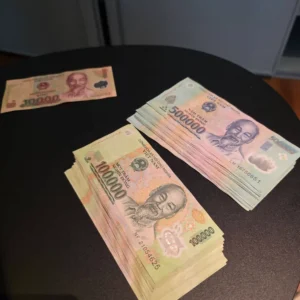
- Two specific bills (20,000 and 500,000) are both blue and similar-sized. Easy to mix up.
- What Things Cost:
- Street pho or banh mi: $1-3.
- Sit-down local restaurant: $4-8 per person.
- Vietnamese coffee: under $2 at street, $2-3 at specialty cafes.
- Grab bike across District 1: under $2.
- Mid-range hotel night: $30-75.
- Cash vs Card:
- Cash for: street food, markets, small cafes, scooter taxis, tipping.
- Card for: hotels, mid-range and up restaurants, supermarkets, tour bookings.
- QR pay (VietQR, MoMo) is taking over but needs a local bank account.
- Pulling Cash:
- Use major bank ATMs (Vietcombank, BIDV, TPBank, Techcombank). Avoid the standalone tourist kiosk ATMs.
- Per-transaction fees usually 22,000-80,000 VND ($1-3.20).
- Pull 2-5 million VND at a time to minimize fee impact.
- Hidden Costs:
- E-visa: $25-50.
- VAT 8-10% at mid-range restaurants and up.
- ATM withdrawal fees per transaction.
- Foreign card transaction fees from your home bank.
- The Verdict:
- Saigon is mid-range cheap by Southeast Asian standards. Cheaper than Bangkok or Singapore. Roughly on par with Hanoi. Way cheaper than Bali for comparable comfort.
The Headline Numbers
Most travelers fall into one of three rough budget tiers. Here’s what each looks like as a daily total for Saigon in 2026.
| Tier | Daily Budget | What That Gets You |
|---|---|---|
| Backpacker | $25-40 | Hostel dorm bed, street food for all meals, walking and Grab bikes, free or cheap attractions |
| Mid-range | $60-90 | Solid 3-star hotel, mix of street food and sit-down restaurants, Grab cars when you want them, paid attractions and one tour |
| Comfort | $150-250+ | 4 or 5 star hotel, nice dinners, private tours, rooftop bars |
These are per person per day, not including flights, your visa, or travel insurance.
A few things to know about these tiers.
The backpacker number assumes you’re sharing a dorm room, eating from plastic stools, and walking or taking GrabBike everywhere. If you upgrade to a private room in a cheap guesthouse, you’re probably $35-45 a day.
The mid-range number is what most non-backpacker travelers actually spend. It’s roomy enough that you can have a nice dinner one night without blowing the budget, but tight enough that you’re being conscious. Most of the people I know fly in for a week and land somewhere in this range without trying hard.
The comfort tier is where Saigon stops being “cheap” and starts being “good value”. A 5-star hotel here costs what a 3-star costs in most Western cities. The food at top-end Vietnamese restaurants is honestly some of the best in the world for the price.
If you only remember one number, remember $70 a day. That’s the realistic mid-range figure that fits most travelers. Multiply by trip length, add 15% buffer, and you have a workable total.
Quick Currency Primer
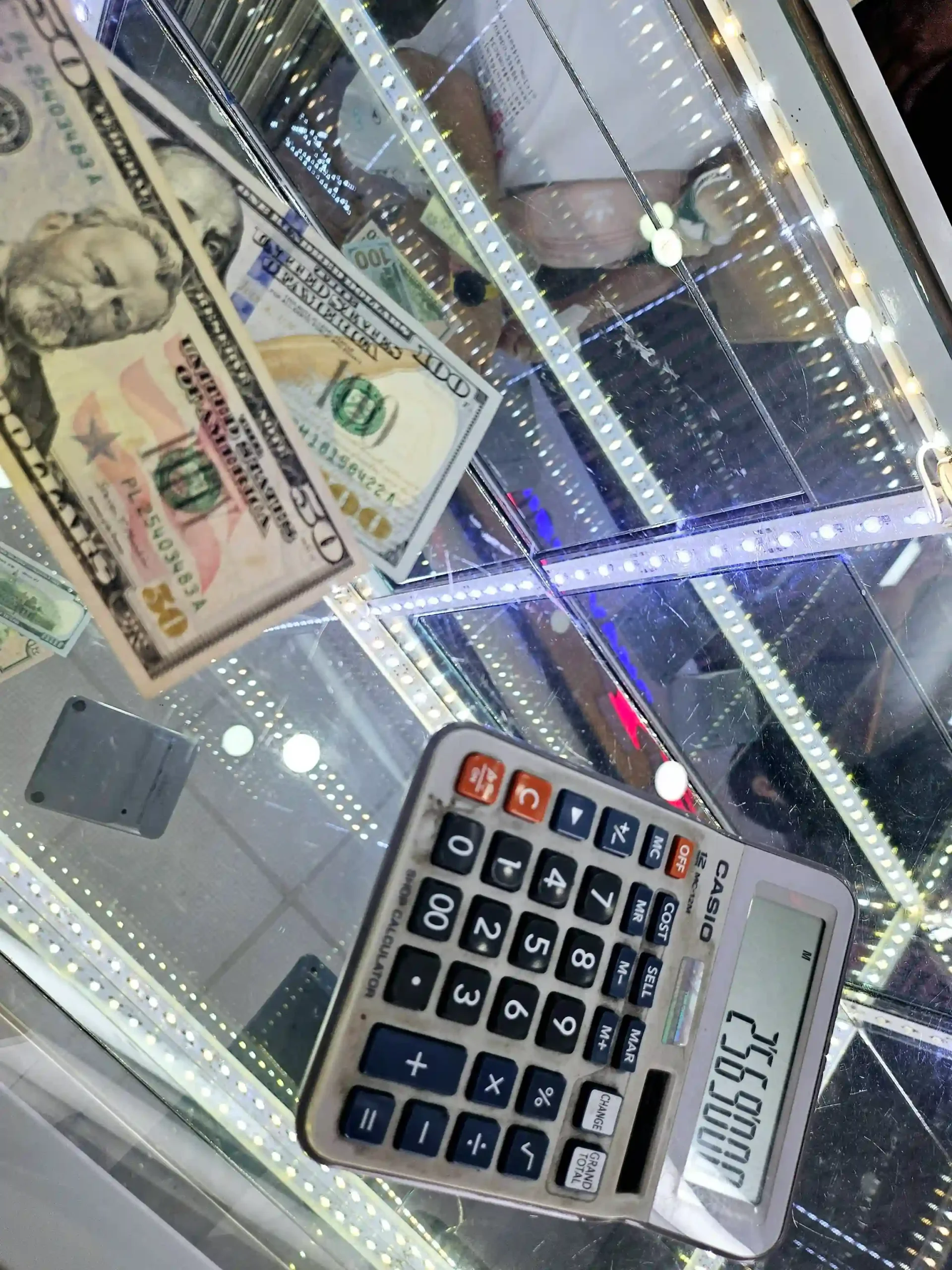
Vietnamese dong (VND) sits at about 25,500 to 26,000 per USD in early 2026, stable since 2024. Two useful mental conversions:
- 100,000 VND ≈ $4
- 1,000,000 VND ≈ $40
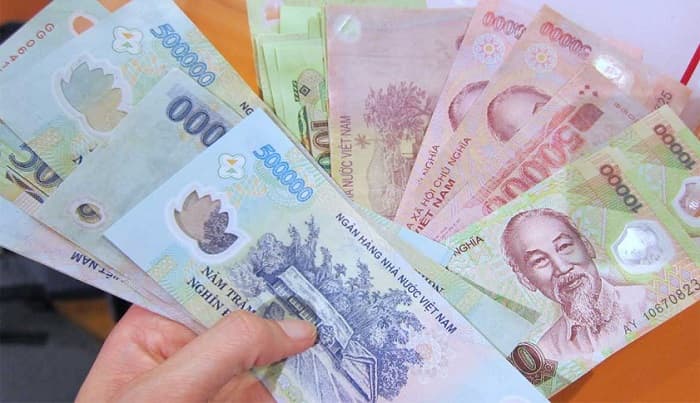
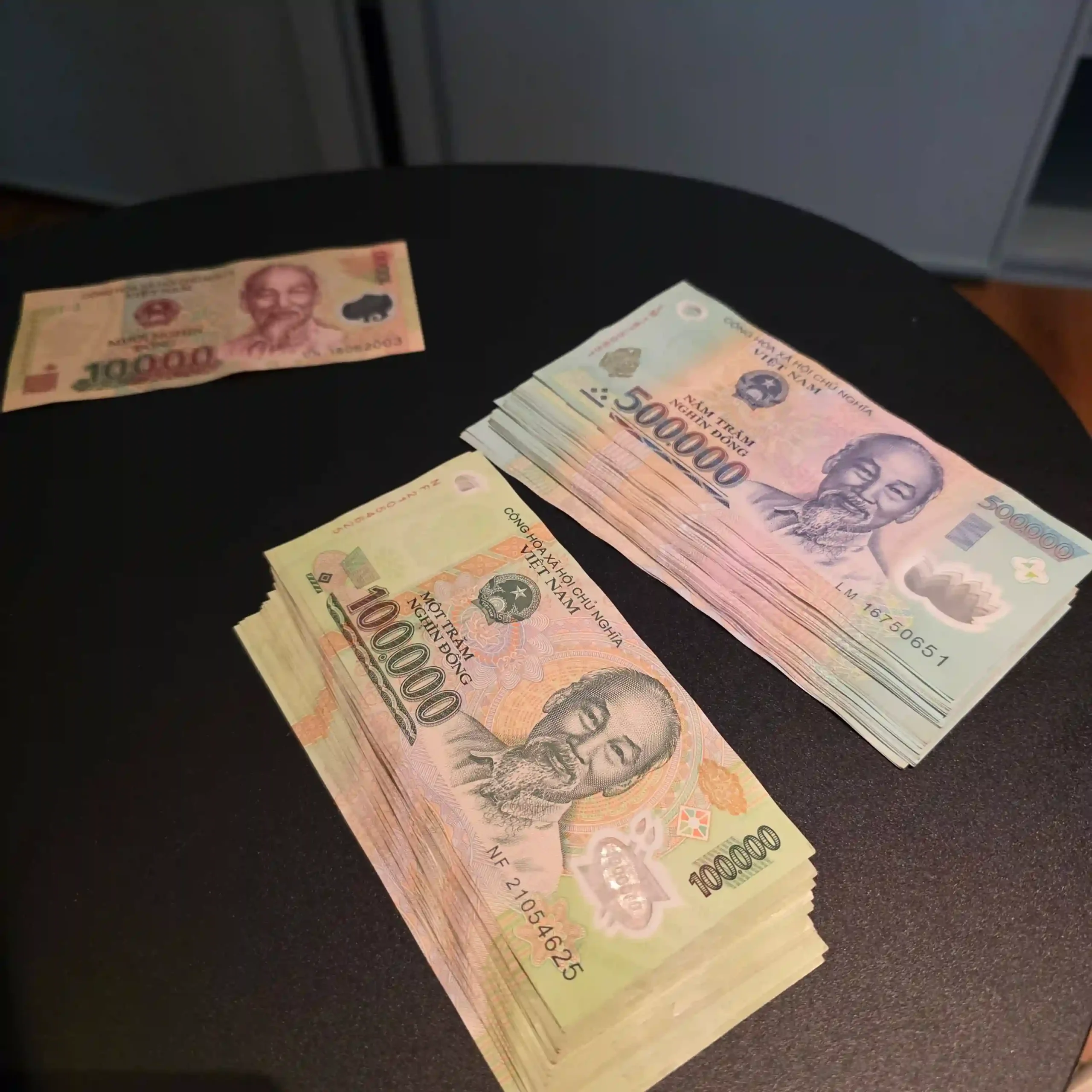
The notes you’ll actually see day to day are 10,000, 20,000, 50,000, 100,000, 200,000, and 500,000 VND. There are smaller bills (1,000, 2,000, 5,000) but you’ll only see them as change at street stalls.
One thing that catches every first-timer at least once.
Heads up: The 20,000 VND note and the 500,000 VND note are both blue and a similar size. In dim lighting or when you’re tired, they look almost identical. The difference is roughly $19 USD. Always check the number before handing a bill to a taxi driver or a vendor.
I still glance twice every time, years in. It’s the single most common money mistake I see tourists make.
What Things Actually Cost
Real prices for the stuff you’ll actually buy. All in VND with USD in brackets.
Food
| Item | Street/Local | Mid-range | Western/Tourist |
|---|---|---|---|
| Pho (a bowl) | 40,000-60,000 ($1.60-2.40) | 80,000-120,000 ($3.20-4.80) | 150,000+ ($6+) |
| Banh mi | 20,000-40,000 ($0.80-1.60) | 50,000-90,000 ($2-3.60) | 120,000+ ($4.80+) |
| Com tam (broken rice plate) | 50,000-80,000 ($2-3.20) | 100,000-150,000 ($4-6) | n/a |
| Full sit-down meal with drink | n/a | 200,000-400,000 ($8-16) | 400,000-1,000,000+ ($16-40+) |
| Bowl of upscale Vietnamese (Anan etc.) | n/a | n/a | 800,000-1,500,000 ($32-60) |
The cheap-end column is where you get the actual best food in the city, by the way. Western tourist prices buy you familiarity, not quality. Worth knowing.
Coffee and drinks
| Drink | Street/Local | Specialty Cafe | Bar/Rooftop |
|---|---|---|---|
| Cà phê sữa đá (iced coffee) | 20,000-35,000 ($0.80-1.40) | 50,000-90,000 ($2-3.60) | 100,000+ ($4+) |
| Egg coffee or salt coffee | 35,000-55,000 ($1.40-2.20) | 60,000-100,000 ($2.40-4) | 100,000+ |
| Bia hoi (fresh draft beer) | 10,000-15,000 ($0.40-0.60) | n/a | n/a |
| Local beer (Saigon, 333, Tiger) | 20,000-40,000 ($0.80-1.60) at a restaurant | 40,000-80,000 ($1.60-3.20) at a bar | 100,000+ ($4+) |
| Cocktail | n/a | n/a | 150,000-300,000+ ($6-12+) |
Coffee is one of the genuine bargains here. Vietnam is the second-largest coffee producer in the world and prices reflect that.
Transport
| Type | Cost |
|---|---|
| GrabBike (short trip) | 20,000-50,000 VND ($0.80-2) |
| GrabBike across District 1 | 30,000-80,000 VND ($1.20-3.20) |
| GrabCar across District 1 | 50,000-120,000 VND ($2-4.80) |
| GrabCar from airport to District 1 | 200,000-280,000 VND ($8-11) |
| Public bus 109 from airport | 15,000 VND ($0.60) |
| Metro Line 1 (one ride) | 7,000-20,000 VND ($0.30-0.80) |
Full transport detail is in the getting around Saigon article. For costs, the table above is what matters.
Accommodation
| Tier | Per Night |
|---|---|
| Hostel dorm | $4-12 (100,000-300,000 VND) |
| Budget private room | $12-25 (300,000-650,000 VND) |
| Solid 3-star hotel | $30-50 (750,000-1,300,000 VND) |
| Nice 4-star or boutique | $55-90 (1,400,000-2,300,000 VND) |
| 5-star luxury | $130-250+ (3,400,000-6,500,000+ VND) |
I tend to use Booking.com for Vietnam hotels because the cancellation terms are flexible, though Agoda often beats them on price for Vietnamese properties specifically. Worth checking both before you book.
Attractions and activities
| Item | Cost |
|---|---|
| War Remnants Museum entry | 40,000 VND ($1.60) |
| Reunification Palace entry | 40,000-65,000 VND ($1.60-2.60) |
| Bitexco Sky Deck | 200,000-250,000 VND ($8-10) |
| Half-day Cu Chi Tunnels tour | $15-30 |
| Full-day Mekong Delta tour (small group) | $33-70 |
| Vespa night food tour | $50-80 |
| 60-minute massage | $12-25 |
| Cooking class | $25-60 |
For tours, GetYourGuide and Klook usually carry the same options. Klook is sometimes 10-20% cheaper for Asian destinations, so worth comparing both before you commit.
Three Sample Days
Sometimes the headline numbers don’t land until you see them broken into an actual day. So here are three real-feeling days for each tier.
Backpacker day ($30 total)
| Item | Cost |
|---|---|
| Hostel dorm bed | $8 |
| Banh mi for breakfast | $1.20 |
| Iced coffee at a street cart | $1 |
| Pho for lunch | $2 |
| Banh xeo + spring rolls dinner | $4 |
| War Remnants Museum entry | $1.60 |
| Three GrabBike rides around the city | $4 |
| Two Saigon beers in the evening | $2 |
| Bottled water and snacks | $2 |
| Tip into bia hoi corner with the lads | $4 |
| Total | ~$30 |
Mid-range day ($75 total)
| Item | Cost |
|---|---|
| 3-star hotel (per night) | $40 |
| Coffee + pho breakfast at a nice cafe | $5 |
| Reunification Palace + War Remnants Museum entries | $3.20 |
| Lunch at a local restaurant (cơm tấm + drink) | $5 |
| Three GrabCar rides | $8 |
| Sit-down Vietnamese dinner with drinks | $14 |
| Rooftop cocktail | $8 |
| Bottled water, snacks, ATM fee | $2 |
| Total | ~$85 |
Comfort day ($210 total)
| Item | Cost |
|---|---|
| 5-star hotel night | $130 |
| Hotel breakfast (or skip and do Hoa Tuc) | included |
| Private guide for the morning (4 hrs) | $40 |
| Lunch at a Michelin-recommended Vietnamese place | $25 |
| 90-min massage at a nice spa | $25 |
| Dinner at Anan Saigon (with drinks) | $50 |
| Two GrabCar rides | $5 |
| Total | ~$275 |
That comfort day is on the higher end because the hotel is doing most of the lifting. Drop to a $80 hotel and you’re at $225.
Cash vs Card: When You Need Each
Saigon is more card-friendly than it was even three years ago, but it’s still cash-heavy outside the obvious tourist places.
| Venue Type | Pay with |
|---|---|
| Street food stalls | Cash only |
| Local markets | Cash only |
| Local cafes (the small, independent ones) | Mostly cash |
| Taxis (Grab, Mai Linh, Vinasun) | Card or cash both fine through the apps |
| Mid-range restaurants | Card usually accepted |
| Hotels (anything 3-star and up) | Card |
| Supermarkets (Co.opmart, Big C) | Card |
| Convenience stores (Circle K, 7-Eleven) | Card |
| Tour operators (online booking) | Card |
| Spas, salons, cooking classes | Card or cash |
| QR pay (VietQR, MoMo) | Needs a Vietnamese bank account, so not really an option for tourists |
Practical rule: carry enough cash for a normal day of street food, scooter taxis, coffee, and one beer. Use card for hotels, sit-down restaurants, and anything you book in advance.
Pulling Cash: The ATM Strategy
This is where travelers waste real money if they don’t think about it.
ATMs charge a per-transaction fee on top of whatever your home bank charges. The trick is to minimize the number of transactions.
Steps that actually save you money:
- Use major bank ATMs only. Vietcombank, BIDV, TPBank, Techcombank, ACB, and HSBC are reliable and have lower fees. Avoid the standalone “ATM” kiosks in tourist areas, especially the ones in Bui Vien or near Ben Thanh Market. Their fees are higher and their exchange rates are worse.
- Withdraw the maximum allowed. Most local bank ATMs let you take out 2-5 million VND per transaction ($80-200). Pull the larger amount so the fee gets spread over more cash. The fee is the same whether you take 500,000 or 5,000,000.
- Check your home bank’s foreign withdrawal policy. Some banks (Charles Schwab, certain Revolut accounts) refund foreign ATM fees. Others charge 2-3% on top. This matters more than the local fee.
- Cover any sensor when entering your PIN. Standard advice, but worth saying.
- Take cash during the day, ideally inside a bank branch ATM. Less risk, better lighting, and if the machine eats your card you can walk inside to deal with it.
Typical fees you’ll see:
| Bank | Per Transaction |
|---|---|
| TPBank, VPBank | ~22,000-45,000 VND ($1-2) |
| Vietcombank, BIDV | ~50,000 VND ($2) |
| Standalone kiosk ATMs | 60,000-100,000+ VND ($2.40-4+) |
Add your home bank’s foreign transaction fee on top.
Hidden Costs Travelers Forget
These are the line items that surprise people on their first trip.
- E-visa application fee. $25 USD for single entry, $50 USD for multiple entry, valid up to 90 days. Pay directly at evisa.gov.vn, not on a third-party site. The official fee is non-refundable even if your application is rejected.
- Travel insurance. $30-80 for two weeks of decent coverage. Not optional in my book. You will not need it 99% of the time. The 1% it covers is the time you really, really need it.
- VAT and service charge at restaurants. Mid-range and up places typically add 8-10% on the bill. Sometimes more. It’s listed at the bottom and isn’t a tip, it’s a tax.
- ATM and foreign card fees. Already covered above, but easy to underestimate. On a 10-day trip with three withdrawals, you can lose $5-10 just to fees.
- The “tourist tax” on first-timer purchases. This isn’t a real tax. It’s just the markup at the first cafe near your hotel, the first Grab driver who quotes a fixed price, the first souvenir vendor at Ben Thanh. Walk two streets away and the same coffee or t-shirt is 30-50% cheaper.
- Tips for guides. Not technically hidden, but tourists forget to budget for it. Most full-day tour guides expect 100,000-300,000 VND per guest per day ($4-12). I’ll cover this properly in the next section.
- SIM or eSIM. Local SIM at the airport or a Viettel store is around 100,000-300,000 VND for a month with plenty of data. An eSIM through a service like Klook starts at $4-16 for 7-30 days. Either way, budget it.
- Airport transfer back to the airport. People forget the trip out. A Grab to Tan Son Nhat is 200,000-280,000 VND. Add it to your last day.
Tipping in Saigon
Tipping isn’t strongly built into Vietnamese culture but it’s becoming more common in tourist-facing places. Here’s what locals and longtime expats actually do.
- At street food stalls and small local cafes: No tip. Don’t try, you’ll confuse them. Just round up if your change is awkward.
- At mid-range restaurants: If service charge is on the bill (8-10% usually), you’re covered. If not, leaving 5-10% in cash on the table is fine.
- At nice restaurants: 10% is generous and very welcome. Cash if possible, since card tips often don’t reach the staff.
- Grab drivers: No tip expected. The app lets you tip a small amount and the driver gets it. Up to you.
- Tour guides (half-day): 100,000-200,000 VND ($4-8) per guest is standard.
- Tour guides (full-day): 200,000-300,000 VND ($8-12) per guest is generous and appreciated.
- Hotel housekeeping: 20,000-50,000 VND ($1-2) per day, left on the bed.
- Spa and massage: 50,000-100,000 VND ($2-4) for a good 60-min massage. More for longer or excellent service.
How Much Cash Should You Actually Bring?
This is the question I get asked most. Short answer: enough for the first 24 hours, then pull more from an ATM.
Your plan for arrival cash:
- Have $50-100 USD in clean, smaller bills hidden in your luggage as emergency money. Don’t change this at the airport unless you must (their rates are bad).
- Pull 2-3 million VND ($80-120) from a major bank ATM in the arrival hall or at your first stop in the city.
- That gives you cash for a first dinner, a few Grab rides, breakfast, and coffees while you figure out your week.
- Pull more as needed every 3-4 days. Don’t carry 10 million VND on you at once, that’s a lot of money to lose if your bag goes.
For a full trip cash calculation, here’s a rough table:
| Trip Length | Total Cash to Plan For |
|---|---|
| 2 days | 2-3 million VND ($80-120) |
| 5 days | 4-5 million VND ($160-200) |
| 10 days | 6-8 million VND ($240-320) |
| 2 weeks+ | 8-12 million VND ($320-480) |
That’s cash specifically. The rest goes on card (hotels, big restaurants, tours booked online, etc.).
For transport in and out of Saigon (buses to Mui Ne, Da Lat, sleeper trains to Hanoi), you’ll probably book online ahead of time. 12Go is what I use to compare bus, train, and ferry options across Vietnam in one place. Card payment works there too.
Is Saigon Actually Expensive?
Honest verdict, having paid for both ends of this market for years.
By Southeast Asian standards, Saigon is mid-range cheap. Cheaper than Singapore, obviously. Cheaper than Bangkok in some categories (food, transport) and roughly equal in others (mid-range hotels). About on par with Hanoi. Meaningfully cheaper than Bali for comparable comfort.
By global standards, Saigon is very cheap to mid-range depending on tier. You can eat well for $3 a meal forever here. A great hotel for $50. A spa massage for $15. The places where Saigon’s prices climb to global rates are the high-end restaurants and rooftop bars, which are priced for expats and tourists with foreign salaries.
The cost gap between street and high-end is the widest of any major city I know. You can have a $2 dinner that’s better than a $30 meal in most cities. You can also drop $100 on a cocktail tasting menu without anyone batting an eye. Both are normal here.
Where you’ll feel the cost most:
- Imported alcohol (foreign wine and spirits are heavily taxed)
- Western imported food at supermarkets
- Anything with a tourist markup near major attractions
- Airport taxis from touts (just use Grab, see the getting around guide)
Where you’ll feel like you’re getting away with something:
- Coffee
- Street food
- Public transport
- Massages and spa services
- Mid-range Vietnamese restaurants
- Local beer
So the answer to “Is Saigon expensive?” depends entirely on where you spend. Eat where locals eat and Saigon is one of the best-value cities in the world. Eat at the imported-everything Western brunch place every morning and you’ll spend more than you would in Lisbon.
That’s the math. Now go enjoy the coffee.
For everything else about visiting (visa, weather, where to stay, getting around) head back to the Saigon travel guide. For what to actually do once you’re here, the stuffs to do in Ho Chi Minh City is the place to start.
- https://maps.app.goo.gl/GoUNgRdcuZaMfXVx8
- https://maps.app.goo.gl/wPvENekGyHbCrwgf6
- https://maps.app.goo.gl/ExbYqjTJRGmdkHGD6
- https://maps.app.goo.gl/dNj3yXcHmALig4Pv6
- https://maps.app.goo.gl/o3TX43xuSPHTuvsd8
- https://maps.app.goo.gl/o7Y4ELfkfXqAvti98

Keep Exploring Ho Chi Minh City
-
See & do UltimateMy expat guide to stuffs to do in Ho Chi Minh city ›
-
Guide Must readSaigon travel guide from a longtime expat ›
-
GuideShould you visit Hanoi or Ho Chi Minh City for short trip? ›
-
Guide2 week trip to vietnam cost as a foreigner, 2026 guide ›
-
GuideMy exact Ho Chi Minh City to Con Dao island travel timeline ›











 Tiếng Việt
 한국어
한국어 中文 (中国)
 日本語
日本語 ไทย
ไทย Deutsch
 Español
 Destinations
 Instagram
 Facebook
 X (Twitter)
 Threads
 Tiktok
아주 훌륭함.
hi, nice post