







 Ha Giang
 Hanoi
Hanoi Ho Chi Minh City
 Ha Long
 Sapa
Sapa Mekong Delta
 Da Nang
 Hue
Hue Hoi An
 Ninh Binh
 Da Lat
 Nha Trang
 Phan Thiet
 Phu Quoc
 Quang Binh
 Quy Nhon
 Vung Tau
 Thai Nguyen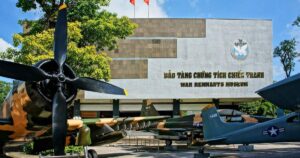
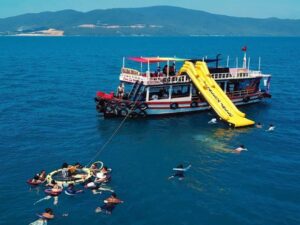


Alright, buckle up. This is it. Part three. The last one in this series where I ramble about Vietnam. You probably read my takes on the North – the organized chaos and the stunning mountains.
Then Central – the history, the beaches, the weird French theme park. Now, we’re heading South. Where I’ve actually spent most of my time living. It’s… different. Hotter, faster, a bit crazier maybe.
This isn’t some travel agency pitch. This is me, after years of sweating through its humidity, dodging motorbikes (still dodging, actually), and trying every questionable street food imaginable, telling you about the best places in Southern Vietnam that I’d genuinely tell a friend to check out.
These are the Southern Vietnam gems that make you realize this country never stops surprising you.
Quick Look for the Impatient (aka “What I’ll Grumble About Below”)
Look, I get it. Not everyone has time to read my entire life story. So, here’s the quick rundown of the best places in Southern Vietnam I’ve actually spent time in.
- Beyond the brochures: The real Southern Vietnam. 🏝️ This guide uncovers 10+ of the best places in Southern Vietnam, shared by a long-term expat. From vibrant city life to pristine beaches and lush deltas, find out where to go, what to do, and how to genuinely connect with this incredible region.
- District 1: History, Food & Nightlife (Saigon): The bustling heart of HCMC, where colonial buildings meet modern skyscrapers and endless street food. It’s a sensory overload of sights, sounds, and smells, perfect for experiencing the city’s vibrant energy. Expect chaotic traffic and endless food options. Best explored on foot or by Grab.
- Cu Chi Tunnels: An immense network of underground tunnels used by Viet Cong soldiers during the war, offering a harrowing but essential glimpse into Vietnam’s resilience and guerrilla warfare tactics. Entry is 125,000 VND; located about 1.5 hours from HCMC. Many highly-rated tours combine this with transport and a guide.
- War Remnants Museum: A confronting museum displaying graphic photographs and exhibits documenting the horrors of the Vietnam War (American War), providing a vital and somber historical perspective. Entry is 40,000 VND; located in District 3. Allow 2-3 hours for a thorough visit.
- Street Food & Coffee Culture: The soul of HCMC, offering an incredible array of delicious and cheap local dishes like pho, banh mi, and unique coffee shops, best experienced from a tiny plastic stool on the sidewalk. Dishes typically 30,000-60,000 VND; coffee 20,000-45,000 VND. Consider a scooter food tour for the best experience.
- My Tho & Ben Tre (Classic Day Trip): A common entry point to the vast Mekong Delta, offering boat rides, visits to coconut candy workshops, and short sampan trips through narrow canals, providing a quick glimpse into riverine life. Day tours from HCMC usually cost $20-40 USD, covering transport and basic activities.
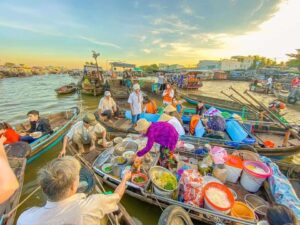
- Can Tho (Floating Markets): The largest city in the Delta, famous for its bustling Cai Rang Floating Market, where boats trade goods directly on the river – a truly authentic and vibrant early morning experience. Requires an early start (5-6 AM); private boats 300,000-500,000 VND. Staying overnight in Can Tho is recommended.
- Chau Doc & Tra Su Cajuput Forest (Lesser Known Gem): A unique border town offering a blend of cultures and access to the incredibly peaceful Tra Su Cajuput Forest, where you explore dense, bird-filled waterways by rowboat – a serene escape from the crowds. Forest entry 100,000 VND; about 30 mins from Chau Doc. Best visited as part of a multi-day Delta tour or independent trip.
- Phu Quoc Island: Vietnam’s largest island, boasting long white-sand beaches, clear waters, and growing resorts, ideal for relaxation and water activities, especially famous for stunning sunsets. Accessible by flight from HCMC (45 mins); motorbike rental around 150,000 VND/day.
- Con Dao Islands: A remote and pristine archipelago known for untouched beaches, excellent diving, and a dark historical past as a prison island, offering a unique blend of natural beauty and somber reflection. Accessible by flight from HCMC (1 hr); flights can be pricey. Beaches are quiet, historical sites impactful.
- Mui Ne (Sand Dunes & Kitesurfing): A coastal town famous for its surreal red and white sand dunes, offering adventurous activities like dune buggy rides, and a popular spot for kitesurfing due to its consistent winds. Accessible by bus from HCMC (4-5 hrs); tours to dunes $10-40 USD. Kitesurfing lessons are available.
- Vung Tau (Weekend City Escape): A popular coastal city near HCMC, providing an easy weekend getaway with beaches, a large Jesus statue you can climb for views, and plenty of fresh seafood, often frequented by locals. Accessible by hydrofoil ferry (1.5 hrs) or bus (2 hrs) from HCMC. Jesus statue is free, great views.
- Nha Trang: The Beach City: A popular coastal city featuring a long, crescent-shaped beach, clear waters, and a lively urban atmosphere, offering easy access to island hopping for snorkeling/diving and historical Cham towers. Accessible by flight/train from HCMC; beach is free. Many tour options for nearby islands and attractions.
- Cao Dai Temple: The incredibly ornate and colorful headquarters of the Cao Dai religion, a unique syncretic faith, offering a fascinating cultural experience during its daily ceremonies where followers in vibrant robes pray. Free entry; midday ceremony (12 PM) is most popular. Often combined with Cu Chi Tunnels on full-day tours from HCMC.
My 10+ Best Places in Southern Vietnam: I’d Recommend to Friends
Alright, Southern Vietnam. It hits you different. The air feels thicker. The motorbikes are even more relentless. But there’s a pulse here, an energy you don’t quite find anywhere else in the country. This is where I lived, worked, sometimes just tried to survive. And yeah, I found some real Southern Vietnam gems in the process. This is my list. Take it or leave it.
Ho Chi Minh City (Saigon)
This city, honestly, it’s just… a lot. Call it Saigon. Everyone still does. It’s loud, it’s hot, and it never, ever shuts up. But it’s also the beating heart of Southern Vietnam, and you kinda have to see it. It’s where most people land, after all.


District 1: History, Food & Nightlife
This is the main tourist bit, where the fancy colonial buildings from the French days are jammed up against massive skyscrapers. And, like, a million small shops.
My unfiltered thoughts: Yeah, so, this is where I actually lived for a few years. It’s intense. Every day. Motorbikes everywhere, constant honking, but then you duck into an alley, find some amazing noodle soup, or sit down for a cheap beer on a tiny plastic stool on the sidewalk. And you get it. The energy. The buzz.
You’ve got the old landmarks like the Central Post Office – pretty cool inside, high ceilings, lots of old photos, feels like stepping back in time, even if half the people inside are just on their phones.
And Notre Dame Cathedral, which seems to always be under renovation, honestly. It’s usually got scaffolding up, which, you know, makes for unique photos.
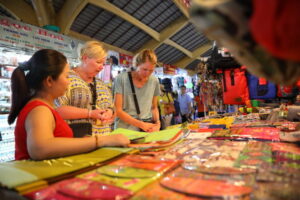
Ben Thanh Market? It’s a total tourist trap, but also, you kinda have to go. It’s loud, smells like everything from incense to fried pork, and people will try to sell you stuff. Bargain hard. Like, really hard. I once got into a 10-minute haggle over a t-shirt.
Outside at night, it turns into a huge street food area, which is less pushy and pretty good for a quick dinner. You can sit at these long tables, beer in hand, watching the world go by.
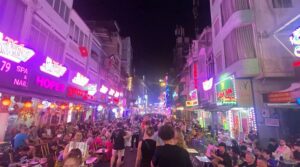
Bui Vien Street. The backpacker zone. It’s a madhouse at night. Loud music pumping from every bar, cheap drinks, just… chaos. Neon lights everywhere. People dancing on tables. Good for one night, maybe. Then find somewhere quieter, your ears will thank you. The vibe here, it’s distinctly Southern Vietnam energy.
Practical bits: Most of the main stuff in District 1? You can walk it. Seriously. Just look both ways, then look again, then slowly step into traffic. It’s an art form. Taxis and Grab (the app, get it) are everywhere and usually pretty cheap, just make sure they use the meter or go by the Grab price.
Ben Thanh Market is generally open from 6:00 AM to 6:00 PM for the regular market, then the night market outside takes over.
Where to stay: If you want something central and pretty reliable, the Liberty Central Saigon Citypoint Hotel (8.7/10 on Booking.com) is good, even has a pool on the roof, which is a blessing in this heat. If you’re watching your money but still want decent and clean, The Hammock Hotel Ben Thanh (8.7/10) is a solid bet, small rooms but great location.
If you are traveling with your family, you might be want to read my full guide for where to stay for family trip to Saigon
Cu Chi Tunnels


It’s this massive underground tunnel system the Viet Cong used during the war. Like, a whole city underground.
My unfiltered thoughts: Okay, so this place. It’s not a fun day out. It’s heavy. You go, you see these tiny, hidden entrances that are just unbelievable – like, someone just popping out of the ground. And then they let you crawl through some of the tunnels.
They’ve actually widened a few sections for us bigger Westerners, but even then, it’s tight. Dark, humid, claustrophobic. The air is thick. You’re in there for just a few minutes, maybe 20 or 30 meters, and you immediately think, “How did people live down here for years? Like, raise kids? Cook?” It really hits you, how resilient people were. I came out covered in sweat and dust.
They show you the booby traps too. Horrific, pointy bits of bamboo and stuff, but, like, you understand the ingenuity behind it all. It’s a very raw look at the war.
Necessary, I think, to understand the country. You can even try shooting an AK-47, which is… loud. Very loud. Definitely one of the most significant historical best places in Southern Vietnam to see.
Practical bits: Entry is 125,000 VND. They’re open 7:00 AM to 5:00 PM. It’s about an hour and a half drive from HCMC. Not exactly next door.
How to see it: Honestly, just do a tour. Don’t try to figure out buses yourself, it’s a pain and you’ll waste half the day just getting there. Loads of half-day tours from HCMC. The “Cu Chi Tunnels Half-Day Tour from Ho Chi Minh“ (it’s got a solid 4.7/5 stars with thousands of reviews on Getyourguide, usually costing around $25-35 USD) is what most people do. It includes transport and a guide who can actually explain what you’re looking at, which is crucial here. You can even combine it with the Mekong Delta for a very long day, but that’s a lot to take in and might feel rushed.
War Remnants Museum


This museum is exactly what it sounds like. Photos and stuff from the Vietnam War.
My unfiltered thoughts: So, yeah. This is not for the faint of heart. It’s graphic. The photos, man. They stick with you. The room with the Agent Orange photos, especially. Kids with deformities, just devastating. It’s raw, it’s confronting, and it pulls no punches.
Outside, they have old tanks, planes, helicopters, even a guillotine (that’s a fun surprise). It all leaves a strong impression. I’ve walked through it a few times, and each time, it’s just… it’s heavy.
You leave feeling kind of numb, but also with a much clearer understanding of the human cost of conflict. It’s a powerful experience and vital for anyone wanting to understand Vietnam’s recent history.
It’s a critical, albeit difficult, one of the best places in Southern Vietnam for historical immersion.
Practical bits: Entry is 40,000 VND. It’s open from 7:30 AM to 5:30 PM, but they close for lunch, like, 12:00 PM to 1:30 PM, so don’t get caught in the middle, you’ll be standing around. It’s in District 3, pretty easy to grab a taxi or Grab from District 1. Give yourself a good two or three hours. You really can’t rush it.
Street Food & Coffee Culture


Ho Chi Minh City, the food here is just… everything. And the coffee? Don’t even get me started.
My unfiltered thoughts: This is where HCMC just wins. Forget fancy restaurants, honestly. The street food here is mind-blowing. And cheap. You can eat like a king for, what, three bucks? Phở (beef noodle soup), bánh mì (sandwich), cơm tấm (broken rice with grilled pork), bánh xèo (sizzling pancake with shrimp and pork) – it’s all here, and it’s all delicious.
My personal obsession, after years, became bún riêu cua – that crab noodle soup. I found this tiny stall down an alley, plastic stools digging into your legs, but the steaming bowls were just… perfect. The broth, the crab paste, the fresh herbs. Unbeatable.
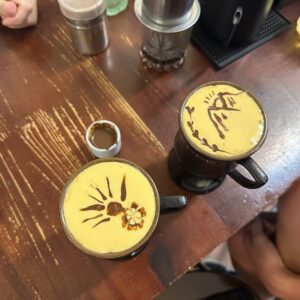
And the coffee. Oh man. Cà phê sữa đá (iced milk coffee) is the standard. Strong, sweet, perfect for this heat.
But then you’ve got the fancy cafes, the hidden ones in old apartment blocks that feel like secret clubs, where you climb four flights of stairs to find a cool little spot serving fancy brews.
I’ve spent countless hours, just perched on those tiny plastic stools on the sidewalk, slurping down noodles or slowly sipping a coffee, watching the city just do its thing. It’s an immersive experience.
It’s the daily rhythm of Southern Vietnam.
Practical bits: Most street food dishes will hit you for 30,000 – 60,000 VND. Coffee is usually 20,000 – 45,000 VND. Yeah, cheap.
How to experience it: A food tour by scooter is probably the best way. Seriously. The “Ho Chi Minh City Food Tour by Ao dai rider“ (it’s got a fantastic 4.9/5 stars, thousands of reviews on Getyourguide, usually costing around $30-60 USD) is amazing. You just hop on the back of a local’s bike, they zip you through traffic, and take you to all these hidden spots you’d never find on your own. For coffee, just walk around District 1 or 3, find a busy spot with tiny chairs, and just sit down. Learn a few basic phrases like “một cà phê sữa đá” (one iced milk coffee) and you’re golden.
Mekong Delta: The Rice Bowl


This is the big river country. The “rice bowl” of Vietnam, basically a massive network of rivers, canals, and islands. Life here is all about the water. It’s a completely different vibe from HCMC. It’s the essential natural landscape of Southern Vietnam.
My Tho & Ben Tre (Classic Day Trip)
These are usually the first spots people hit if they’re just doing a day trip from HCMC. Easy to get to.
My unfiltered thoughts: So, this is your basic “Mekong Delta experience.” It’s what most of the day tours do. You’ll jump on a big boat, cruise down a bit of the Mekong, visit a coconut candy workshop (where, yes, they’ll try to sell you everything with coconut in it – the coconut brittle is actually quite good, though), and maybe a bee farm (where they’ll try to sell you honey tea).
And then, the famous sampan ride. You know, the little wooden boats, paddled by a local lady or guy, through a super narrow canal, often with giant green palm fronds almost touching your head.
It’s definitely touristy, no doubt. Like, you won’t be the only one there. But, it does give you a good visual of what the Delta is. It’s lush, green, humid, and there’s water everywhere.
It’s fine for a quick look, gives you a snapshot. I’ve done it a few times with visitors, and it gives them the gist of the Delta’s watery world.
Practical bits: Full-day tours from HCMC usually run about $20-40 USD. That usually covers transport and the boat stuff. Open all day, obviously, it’s a river.
How to book: If you’re short on time, the “Mekong Delta My Tho and Ben Tre Day Tour from Ho Chi Minh City“ (it’s got a solid 4.7/5 stars with thousands of reviews on Getyourguide, usually costing around $25-35 USD) is the standard, efficient choice. It gets you in and out, gives you the main highlights.
Can Tho (Floating Markets)


This is the biggest city in the Mekong Delta. And it’s famous for its floating markets.
My unfiltered thoughts: If you want a bit more of the real Delta, beyond the day-trip tourist spots, Can Tho is your move. The floating markets here, especially Cai Rang, are incredible. But you gotta get up early. And I mean early. Like, your alarm clock will probably hate you. But by 5 or 6 AM, the river is just packed with boats selling everything from fresh fruit to veggies, even a floating coffee shop – you literally pull up to a boat serving coffee.
It’s noisy, chaotic, colorful, and smells like fresh produce mixed with river water. My boat driver was a pro, expertly weaving through dozens of other boats, yelling greetings to other vendors.
This felt like the actual beating heart of the Southern Vietnam Delta, where people really live and work on the water, not just putting on a show.
Practical bits: Boat tours for Cai Rang usually start 5:00 AM – 6:00 AM. Private boats can be hired for around 300,000-500,000 VND for 2-3 hours. Group tours are cheaper.
You should definitely stay overnight in Can Tho if you want to experience this properly; trying to do it from HCMC is a nightmare.
Where to stay: For something a bit nicer right on the river, the Victoria Can Tho Resort (9.3/10) is pretty lush, very colonial feel. If you want something decent and central that’s not super expensive, the TTC Hotel Premium Can Tho (8.5/10) is a solid, clean choice.
Chau Doc & Tra Su Cajuput Forest (Lesser Known Gem)


Chau Doc is a town right on the border with Cambodia. It’s got some cool spiritual sites. And then there’s this forest.
My unfiltered thoughts: This part of the Delta? It’s definitely off the usual tourist path. Which is why it’s a genuine Southern Vietnam gem. Chau Doc itself has this cool mix of cultures – Vietnamese, Cham, Khmer, Chinese.
You see mosques next to temples. It’s vibrant, but calmer than HCMC. Sam Mountain is nearby, with some cool views and temples on its slopes.
But the real highlight, for me, was the Tra Su Cajuput Forest. It’s a bit of a journey. You take a motorboat in, then switch to a tiny rowboat, and they paddle you through these incredibly dense cajuput trees.
The water, especially in rainy season, is often completely covered in this thick, green algae, almost like a carpet. It’s so quiet. Like, dead quiet, except for the sound of the paddles and the birds.
I swear I saw more birds in an hour there than I have in a month in HCMC – kingfishers, egrets, storks, all sorts. It felt truly wild, untouched. Very peaceful. It’s a bit of an effort to get there, but it’s worth it if you’re into nature and quiet.
Practical bits: Tra Su Cajuput Forest entry: 100,000 VND Boat ride is included. They’re open 7:00 AM – 5:00 PM. It’s about a 30-minute drive from Chau Doc town. You can get to Chau Doc by bus from Can Tho or HCMC, but it’s a journey, like 5-6 hours from HCMC.
How to see it: Some of the longer, multi-day Mekong Delta tours will extend to Chau Doc and include Tra Su. If you’re going independently, you can easily hire a local taxi or Grab in Chau Doc to take you to the forest entrance, then buy tickets there.
Southern Beaches & Islands: Coastal Escapes
When the endless motorbikes and humidity of HCMC get too much, you need a beach. And Southern Vietnam has some good ones.
Phu Quoc Island


This is Vietnam’s biggest island. Loads of resorts, but also some seriously beautiful white-sand beaches and jungle.
My unfiltered thoughts: Phu Quoc has exploded in recent years. I remember it being pretty chill, but now it’s got huge resorts, a massive theme park, and even a cable car to an amusement park – the longest oversea cable car, apparently.
Still, the beaches are genuinely beautiful. Long Beach (Bai dai) is the main strip, and it’s pretty busy, especially around sunset. But if you head north or south a bit on a motorbike, you can still find quieter, stunning spots.
Starfish Beach (Rach Vem) up north is cool because, well, it’s got tons of red starfish in the shallow water, which is pretty unique. I’ve spent days just chilling on the sand, or trying to snorkel in the clear water.
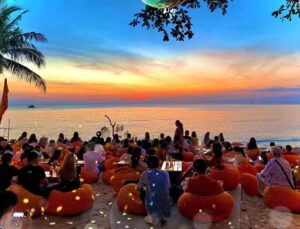
The sunsets on the west coast? Incredible. Like, fiery orange and purple. It’s got a relaxed island vibe, despite all the new development.
Practical bits: Easiest way to get there is flying from HCMC (like, 45 minutes, flights are frequent) or a ferry from Ha Tien or Rach Gia on the mainland. Motorbike rental around 150,000 VND/day. Boat trips for snorkeling or island hopping are about $20-40 USD, and pretty popular.
Where to stay: If you’re going big, the JW Marriott Phu Quoc Emerald Bay Resort & Spa (9.2/10) is ridiculously beautiful, like a Wes Anderson movie set. For a solid mid-range option near Long Beach, the Lahana Resort Phu Quoc (9.3/10) is highly rated for its eco-friendly focus and nice pools.
Con Dao Islands


This is a remote group of islands. Very pristine beaches, coral, but also a dark, dark history.
My unfiltered thoughts: Con Dao is special. And it’s not for everyone. It’s harder to get to, and it’s definitely pricier than Phu Quoc. But the effort? Worth it. The beaches are absolutely stunning. Seriously.
Often deserted, just you and the sand and the incredibly clear water. The snorkeling and diving are some of the best I’ve seen in Vietnam, loads of coral and fish.
But here’s the kicker: it was a brutal prison island for centuries. From the French colonialists to the American War. Visiting the old prisons is harrowing. You see these tiny cells, the “tiger cages” where prisoners were kept in open-air pits with barbed wire roofs. It’s a very raw, emotional experience.
So, it’s a place of stark contrasts – brutal history and untouched natural beauty. I found it very moving, and important to see. It’s a true, slightly difficult, Southern Vietnam gem.
Practical bits: Best way to get there is flying from HCMC (about an hour, flights can be expensive and sell out fast, especially on Vietnam Airlines, which is usually the main carrier). Or there’s a ferry from Vung Tau, but it’s a longer, sometimes rough, journey. Entry to the historical sites is usually 10,000-20,000 VND.
Where to stay: Six Senses Con Dao (9.8/10) is the ultimate luxury, but it’ll cost you. For something still very good but a bit more accessible, The Secret Con Dao (8.6/10) is a popular choice, quite stylish.
Mui Ne (Sand Dunes & Kitesurfing)


A coastal town known for its bizarre red and white sand dunes. Also, if you’re into kitesurfing, this is the spot.
My unfiltered thoughts: Mui Ne is windy. Like, really windy sometimes, you can feel the sand blasting your face. Which is why it’s a kitesurfing hotspot – you see dozens of colorful kites in the sky all day. But for me, the main reason to go are the sand dunes.
The White Sand Dunes especially, they feel like you’ve been dropped into a mini desert – just vast stretches of white sand. I’ve gone dune buggy riding there – surprisingly fun but also super dusty, you’ll be shaking sand out of your hair for days.
The Red Sand Dunes are smaller, closer to town, and perfect for sunset photos, though they get pretty crowded with vendors. It’s a different kind of beach destination, more about activities than just lounging.
Oh, and the Fairy Stream is this quirky little walk through a shallow stream past colorful rock formations – takes about 45 minutes, very strange but cool.
Practical bits: You can get there by bus from HCMC (4-5 hours, fairly comfortable sleeper buses usually), or take a train to Phan Thiet and then a short taxi ride. Tours to the dunes usually cost $20-70 USD for a half-day jeep tour. Kitesurfing lessons are pricey, expect to pay hundreds of dollars for a beginner’s course.
Where to stay: The Victoria Phan Thiet Beach Resort & Spa (8.6/10) offers charming bungalows right on the beach. Plenty of budget-friendly guesthouses along the main strip too, often run by expats.
Read my full guide here for the best hotels I stayed at for the sand dunes.
Vung Tau (Weekend City Escape)


This is a popular coastal city near HCMC. Locals go there for a quick beach break.
My unfiltered thoughts: Vung Tau is basically HCMC’s backyard beach. It’s where city folks go on the weekend to escape the concrete jungle, get some fresh air.
It’s not Phu Quoc, definitely not Con Dao, but it’s close and easy. The main beaches can get crowded, especially on weekends when families flock there.
They have this giant Jesus statue (Christ of Vung Tau), and you can climb up inside it for views – like, 800+ steps, so prepare your legs, but the view from the arms is pretty good. It’s got this working port feel mixed with a casual seaside town.
I’ve gone here just to get some fresh air, walk along the promenade, and eat seafood. There are tons of seafood restaurants, fresh catches, and it’s plentiful and usually good. It’s an easy, quick escape.
Practical bits: Easiest way is a hydrofoil ferry (1.5 hours, about 250,000 VND) or a bus (2 hours) from HCMC. The Jesus Statue is free to enter, but watch the hours: 7:30 AM – 11:30 AM & 1:30 PM – 5:30 PM.
Where to stay: The Pullman Vung Tau (8.7/10) is a solid, international chain option, good facilities. For something with a bit more local flavor or closer to the beach, there are plenty of guesthouses and smaller hotels.
Nha Trang: The Beach City


A popular coastal city known for its long crescent-shaped beach, clear waters, and lively atmosphere, often considered a gateway to nearby islands and diving spots.
My unfiltered thoughts: Nha Trang. Yeah, it’s a beach city. It’s popular, definitely. The main beach, that long crescent strip, it’s pretty nice.
The water is usually clear, and you see a lot of people just chilling there, exercising in the morning, or swimming. It’s got a big city feel right on the coast.
I’ve spent a few days there just enjoying the ocean. It’s not remote or quiet like some of the other spots, it’s more about convenience and easy access to the beach.
You’ll find lots of seafood restaurants, bars, and plenty of hotels. If you’re looking for a simple, accessible beach holiday with city amenities, this works. It’s got a different vibe than, say, Phu Quoc. More urban beach.
There’s a cool cable car over to VinWonders (formerly Vinpearl Land) on Hon Tre Island, which is a giant amusement park. If you have kids, or you just like amusement parks, it’s a thing.
Otherwise, there are boat tours that take you island hopping to places like Hon Mun (for snorkeling/diving) or Hon Tam (resort island).
I did one of those island tours once, it was pretty standard, lots of other tourists, but you get some decent snorkeling.
The Po Nagar Cham Towers are also in Nha Trang – they’re these ancient Hindu temples, quite impressive, sitting on a hill overlooking the river. Good for a quick cultural hit.
Practical bits: Easily accessible by flight from HCMC (about 1 hour), or by train from HCMC (7-9 hours). The main beach is free. Po Nagar Cham Towers entry is around 30,000 VND. Island hopping tours usually cost around $15-30 USD, plus extra for island entry fees.
Where to stay: For reliable, central beach access, the InterContinental Nha Trang (9.3/10 on Booking.com) is a good upscale option. For something mid-range and popular, the Liberty Central Nha Trang (8.7/10) is also a solid choice.
Tay Ninh: Spiritual Site
This place is just northwest of HCMC. Not super famous, but has something pretty unique.
Cao Dai Temple


This is the headquarters of the Cao Dai religion. It’s a totally unique faith, kind of a mix of everything.
My unfiltered thoughts: This place is wild. Seriously. The temple building itself is insane – so colorful, incredibly ornate, just covered in dragons and symbols you don’t expect to see together.
Nothing like it anywhere else. The main draw is going during one of their daily ceremonies. The followers wear these brightly colored robes – red for Confucianism, yellow for Buddhism, blue for Taoism, white for commoners – and they chant and pray in a very synchronized way.
It’s a fascinating cultural experience, utterly unique to Southern Vietnam. You sit up on a balcony, respectfully, and just watch the whole thing. It’s very quiet up there.
I remember just being completely mesmerized by the ritual, and by the sheer blend of symbols – you see Buddha, Jesus, Confucius, even Victor Hugo is considered a saint. Definitely an eye-opener. It feels very peaceful, despite the visual overload.
Practical bits: Free to enter. Ceremonies are held at 6:00 AM, 12:00 PM, 6:00 PM, 12:00 AM. The midday ceremony (12:00 PM) is the most popular for visitors. It’s about a 2-hour drive from HCMC. Not a quick trip.
How to see it: This is another one that’s often paired up. The “Cu Chi Tunnels and Cao Dai Temple Full-Day Tour“ from HCMC (rated 4.7/5 stars with hundreds of reviews on Getyourguide, usually costing around $45-60 USD) is probably the most efficient way to see both. Trying to do both independently is a bit much for a day, especially with transport.
Conclusion
So, that’s it. Southern Vietnam. An absolute explosion of energy, history, and natural beauty. From the relentless pulse of Ho Chi Minh City to the quiet, sometimes wild, waterways of the Mekong Delta, and the stunning beaches of its islands – these Southern Vietnam gems are just incredibly diverse.
It’s a region that’ll make you sweat, challenge you a bit, but also surprise you constantly. It’ll leave you with stories, I guarantee it.
This is the end of my “Vietnam Deep Dive” series. It’s been a long ride, writing these. I’ve tried to give you the honest truth, what I’d tell a friend over a few beers. Go explore this country. All of it. It’s worth it.
So, what’s first on your list for Southern Vietnam? Or what are you curious about now?

Keep Exploring Ho Chi Minh City
-
See & do UltimateMy expat guide to stuffs to do in Ho Chi Minh city ›
-
Spots Must read10 Ho Chi Minh city attractions travelers must visit in 2026 ›
-
SpotsMy 10 secret instagrammable Places in Ho Chi Minh City 2026 ›
-
SpotsThe closest mountain to Ho Chi Minh City for real hiking ›
-
SpotsA day chasing best sunrise, sunset spots in Ho Chi Minh City ›











 Tiếng Việt
 한국어
한국어 中文 (中国)
 日本語
日本語 ไทย
ไทย Deutsch
 Español
 Destinations
 Instagram
 Facebook
 X (Twitter)
 Threads
 Tiktok