









 Ha Giang
 Hanoi
Hanoi Ho Chi Minh City
 Ha Long
 Sapa
Sapa Mekong Delta
 Da Nang
 Hue
Hue Hoi An
 Ninh Binh
 Da Lat
 Nha Trang
 Phan Thiet
 Phu Quoc
 Quang Binh
 Quy Nhon
 Vung Tau
 Thai Nguyen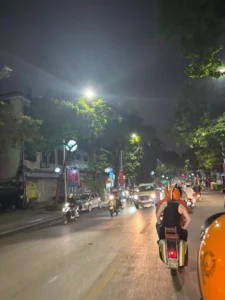

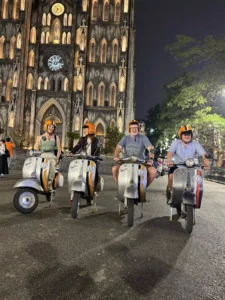






Walk around Hoan Kiem Lake for roughly five minutes and a guy will ring a bell at you. He’ll be pointing to a cyclo, that weird bicycle-meets-wheelchair contraption with the seat in the front, and offering you an hour tour around the Old Quarter.
If you’re mapping out the Real things to do in Hanoi for your trip, you’re eventually going to look at transport activities. And usually, the choice boils down to booking a Hanoi cyclo tour because it seems “traditional” and “safe”, or getting over your fears and booking a Hanoi scooter tour.
Let me save you the internal debate.
The cyclos are awful now. I’m sorry if that ruins the vintage romantic image of Indochina you had in your head, but sitting in traffic in 2026 while someone manually pedals you through carbon monoxide is a terrible way to spend an afternoon.
If you want to actually see this city the way the 8 million people who live here see it, you get on a scooter.
Let’s actually look at the logistics of how these two tours operate in the city today, why the cyclo guys get terrible reviews, and exactly why companies running scooter tours are somehow pulling in literal thousands of perfect 5-star ratings from people who were initially terrified to get on a bike.
- Quick answer: A Hanoi scooter tour is far superior to a Hanoi cyclo tour. Cyclos are slow, restricted to tourist-clogged streets around Hoan Kiem, and leave you breathing in heavy exhaust fumes. Scooter tours driven by locals are safer, faster, and let you explore deep food alleys and off-road river islands.
- The Cyclo Trap (Why it fails on modern streets)
- Zero Range: Banned on major roads due to congestion, keeping your ride trapped in repetitive loops around Hoan Kiem Lake.
- Comfort Issues: You sit low, breathing in tailpipe emissions at walking speed with no breeze in the humid summer.
- Financial Risk: Unregulated street pricing often leads to aggressive upselling, fake surcharges, and tipping scams.
- The Motorbike Edge (Why scooters win)
- Real Access: Bikes easily navigate 1-meter-wide alleys, dirt tracks on Banana Island, and the rusty Long Bien Bridge.
- Human Connection: Guided by enthusiastic local university students who share real cultural insights rather than scripted history.
- Food Coverage: Zips across multiple districts to authentic local street food spots in a few hours instead of just the tourist traps.
- Safety & Physics on the Road
- Flowing with Traffic: Scooters move with the “school of fish” flow, whereas slow cyclos act as dangerous road blocks that commuters swerve around.
- Gear & Vetting: Reputable agencies provide high-quality DOT-approved helmets and professional, daily drivers.
- Practical Survival Tips
- Avoid the “Hanoi Kiss“: Only mount/dismount on the left side to avoid burning your bare leg on the hot exhaust pipe.
- Dress Rough: Skip dresses and pristine white shoes; you will get dusty and muddy on Red River dirt trails.
- Trusted Operators: Vespa Adventures (smoother, retro-classic comfort) or Hanoi Backstreet Tours (raw, loud Minsk bikes).
The reality of the Cyclo in 2026
I get the appeal. You see old photos of Vietnam from the 90s and the streets are quiet and full of bicycles and cyclos. It looks romantic. It looks slow.
But Hanoi is not slow anymore. There are something like 6 million motorbikes in this city now. The infrastructure is bursting at the seams.
The cyclo used to be a legitimate way for locals to move heavy things or get across town. Now, no local would ever get in one. It is a 100% tourist-only ecosystem that exists almost entirely around Hoan Kiem Lake and the Old Quarter.
And the local government actually hates them. They ban cyclos from entering a lot of the major roads during rush hour because they are so slow they cause gridlock.
So when you pay a guy on the street for a tour, you aren’t actually going anywhere interesting. You are just doing laps around the same four streets in the tourist center. You are paying money to sit in traffic.
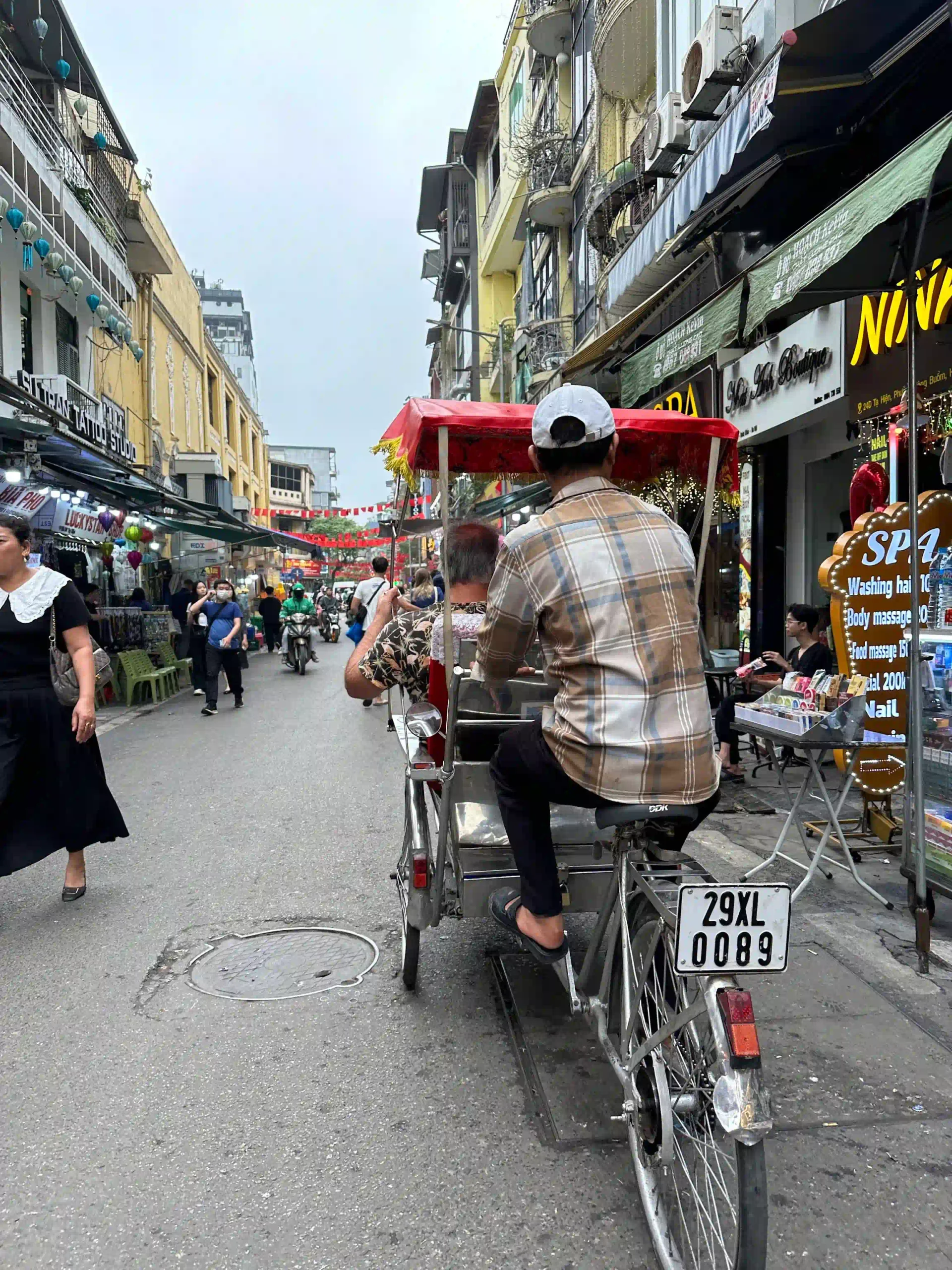
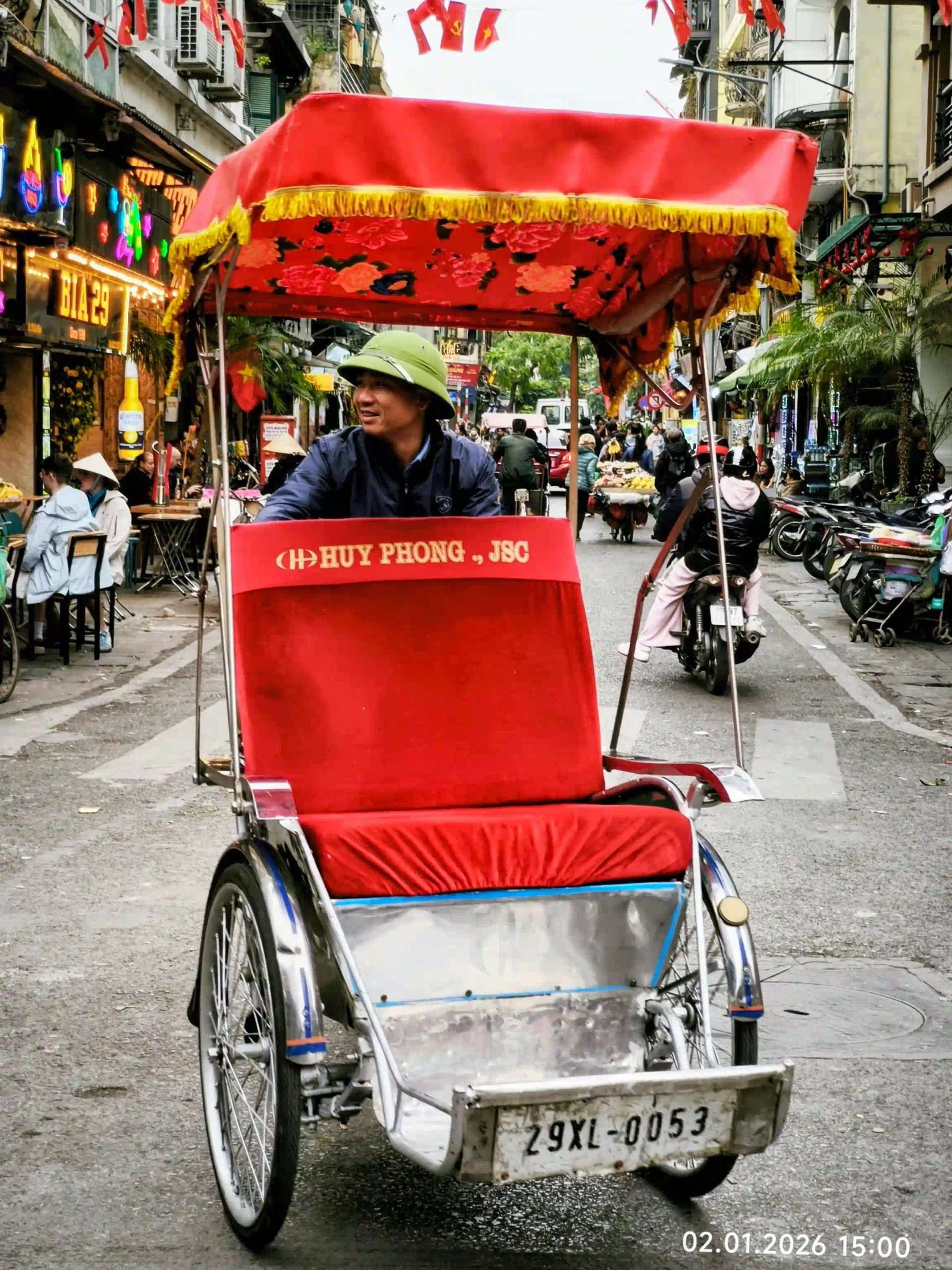
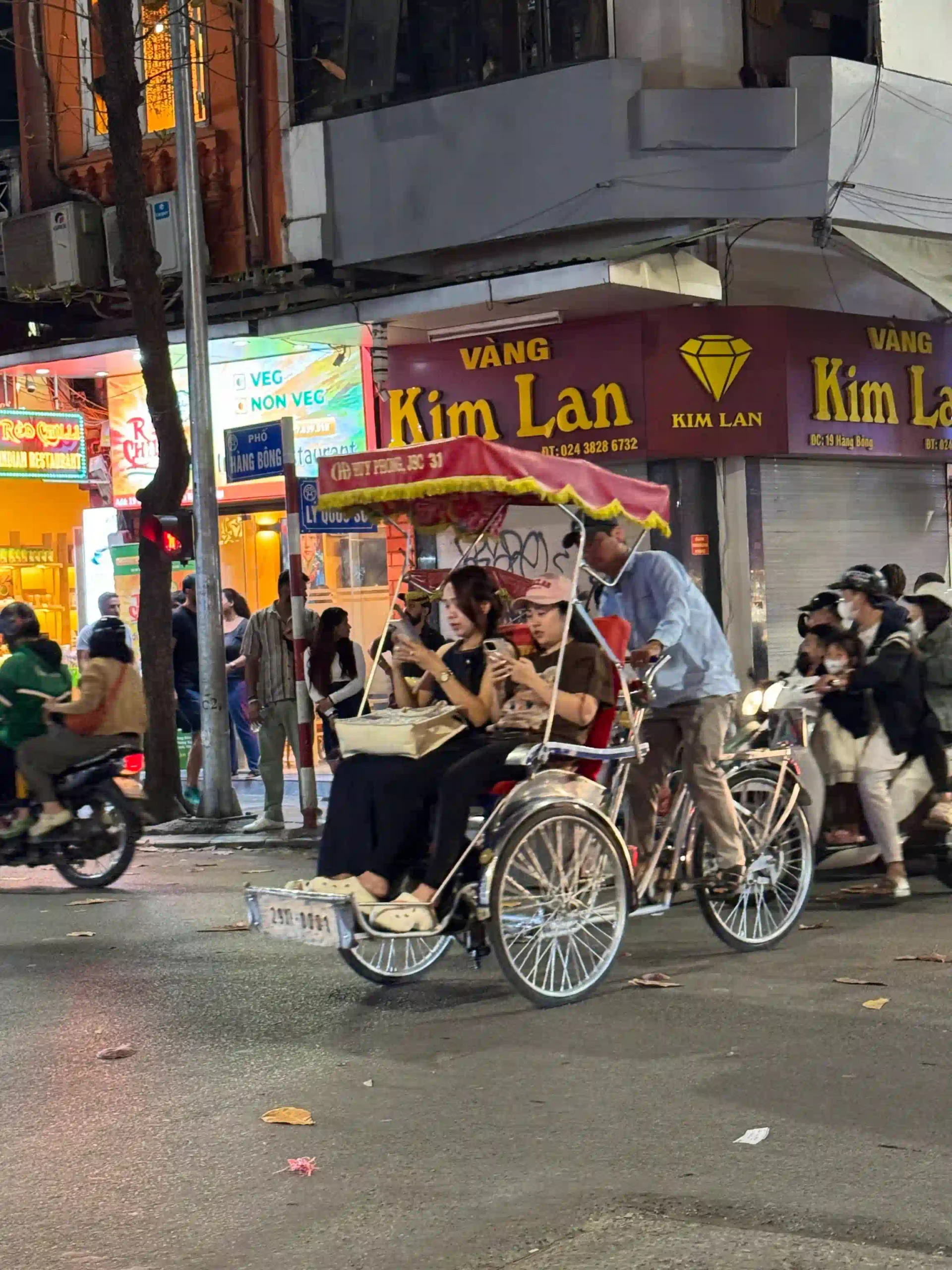
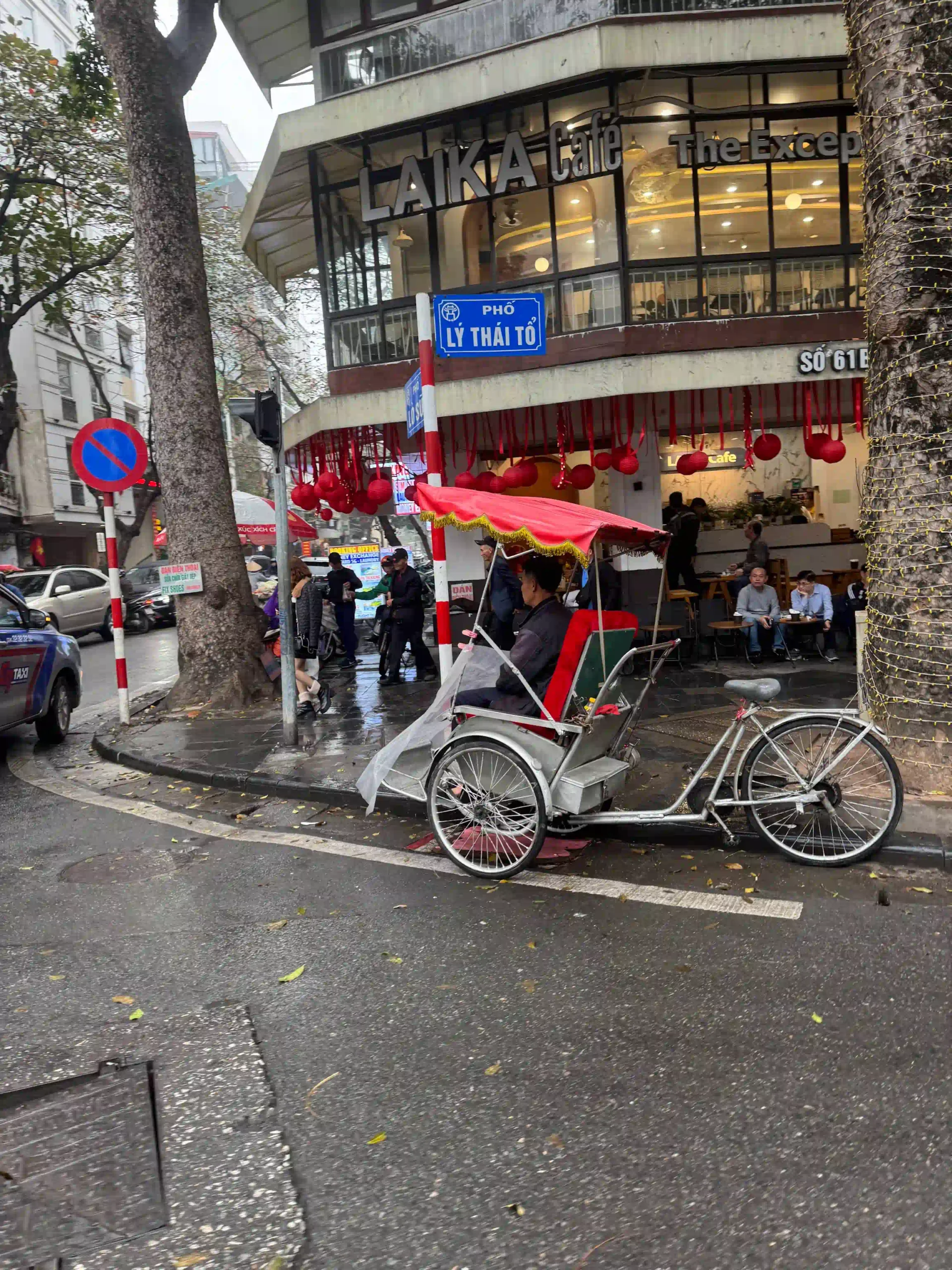
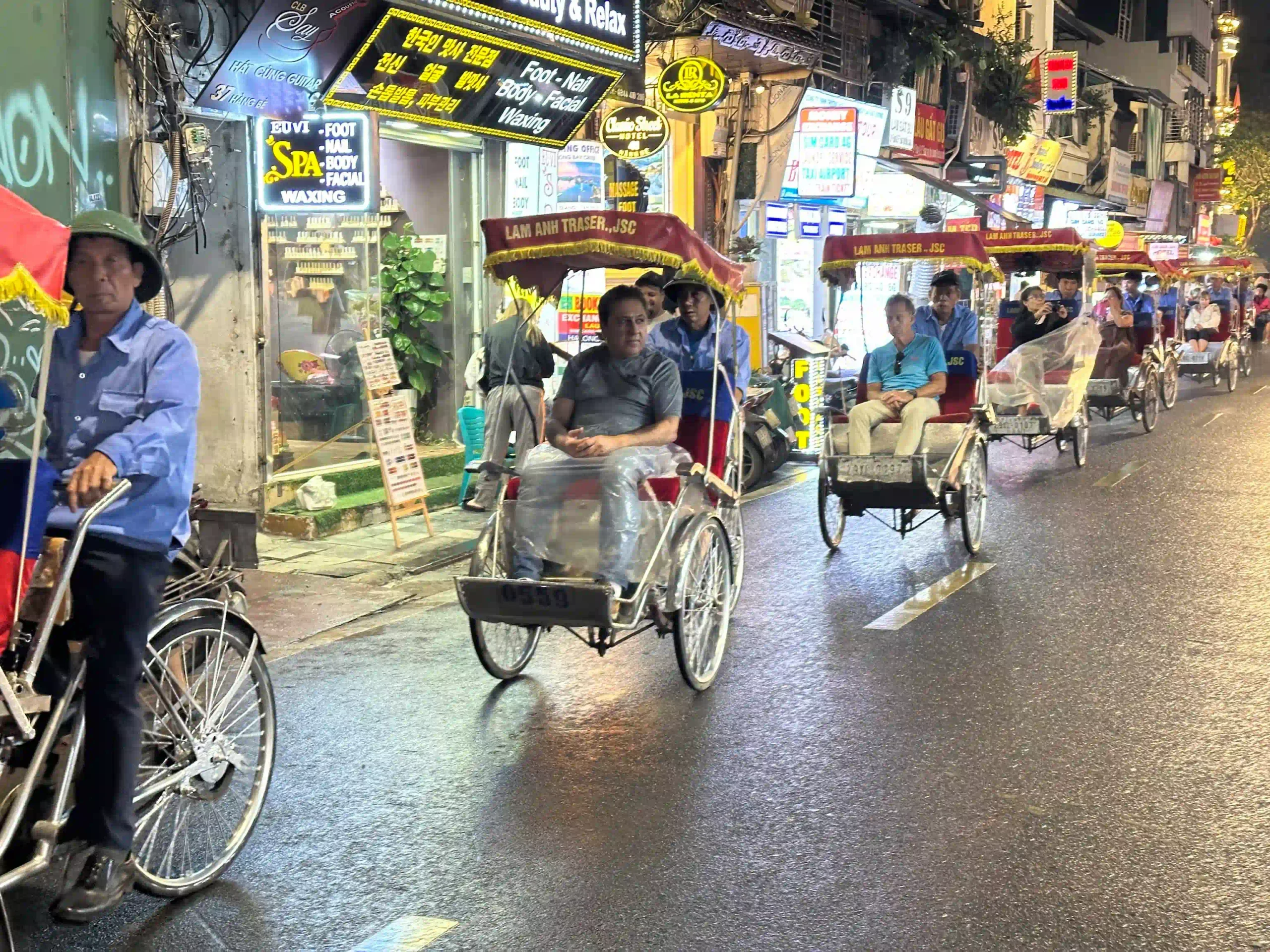
And the heat is a massive factor. If you come here in the summer, it is 39 degrees Celsius. When you are on a motorbike, you at least get a breeze because you are moving at 30 km/h. On a cyclo, you are moving at walking speed. There is no breeze. You just sit there baking in the sun while the guy behind you drips sweat.
It’s incredibly awkward. I always feel this weird guilt watching a guy physically exhaust himself to move my body weight two blocks.
Then there is the money thing.
There are some honest cyclo drivers out there, usually the older guys who have been doing it for thirty years. But a lot of the guys hanging around the Water Puppet Theatre are running a hustle. You agree on 200,000 VND for an hour. They pedal you for twenty minutes, pull over in a random alley, and say the traffic is too bad to continue. Then they demand 500,000 VND because they “worked very hard”.
Tourists get intimidated, they hand over the cash, and they walk away feeling scammed. You can’t even really read a review for these guys because they don’t work for official companies, they just own a cart. It’s a mess. Just avoid it.
Why the scooter tour actually makes sense
If you want to understand Hanoi, you have to move the way Hanoi moves. And Hanoi moves on two wheels.
When you read a Hanoi scooter tour review online, the first sentence is almost always some variation of “I was terrified to get on the bike, but after five minutes it was the best thing I did on my trip.”
It’s true. The anxiety of looking at the traffic from the sidewalk is huge. It looks like a blender of metal and plastic. But when you actually get on the back of a bike with a local driver who knows what they are doing, the fear just vanishes. You realize there is a rhythm to it.
These tour companies don’t just put you on a cheap Honda Wave. They usually use vintage Vespas or old Soviet-era Minsk motorcycles.
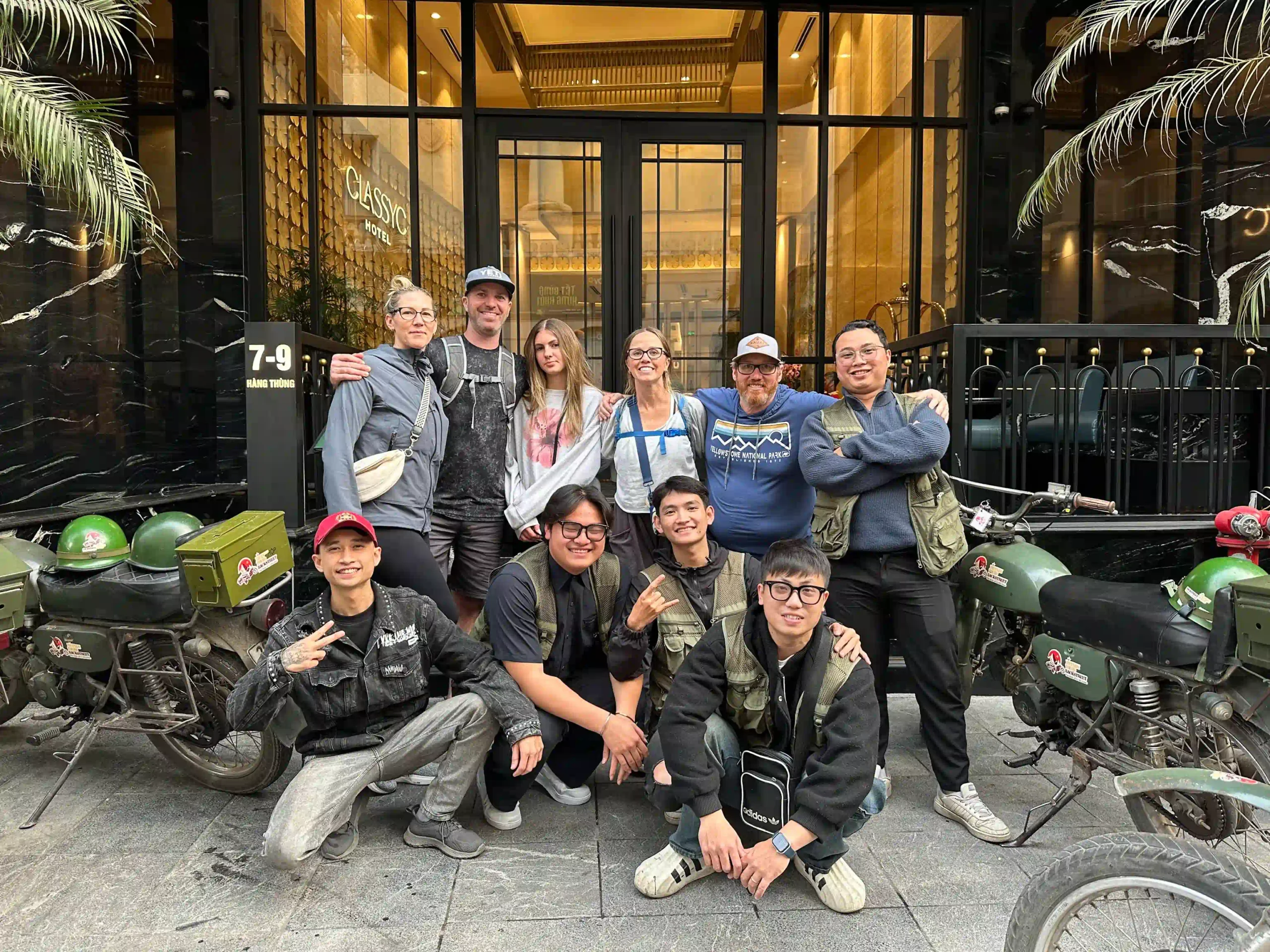
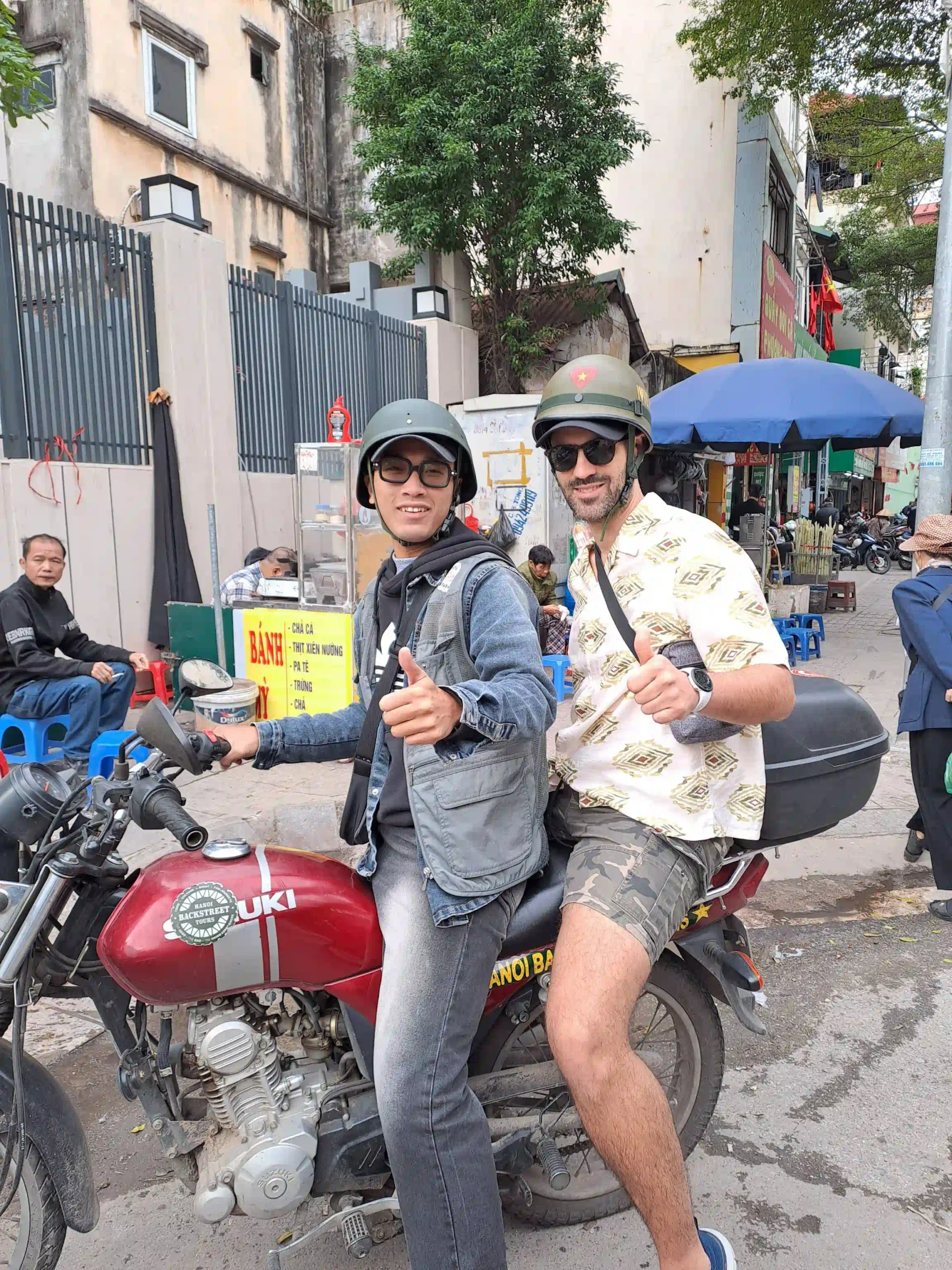
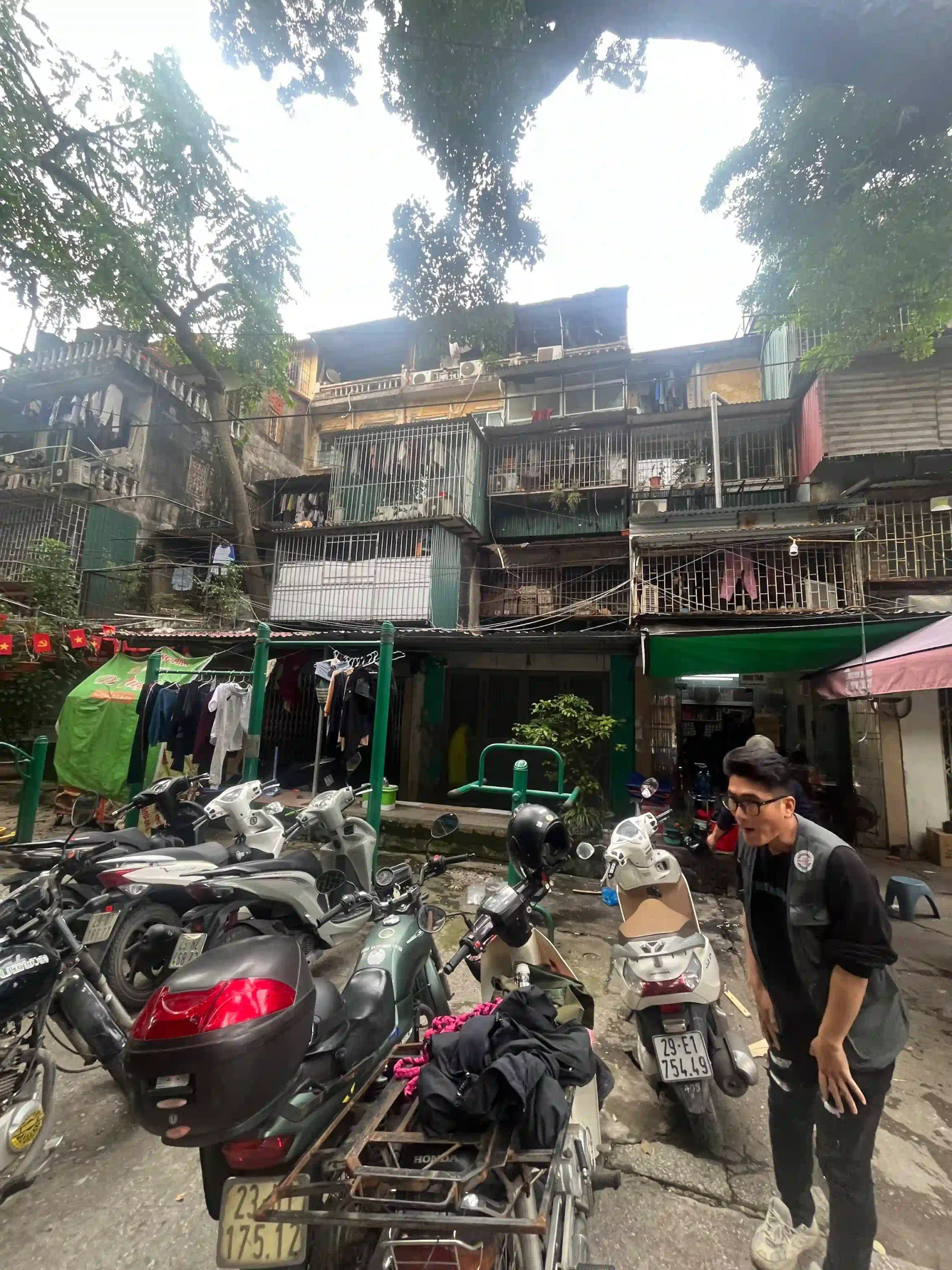
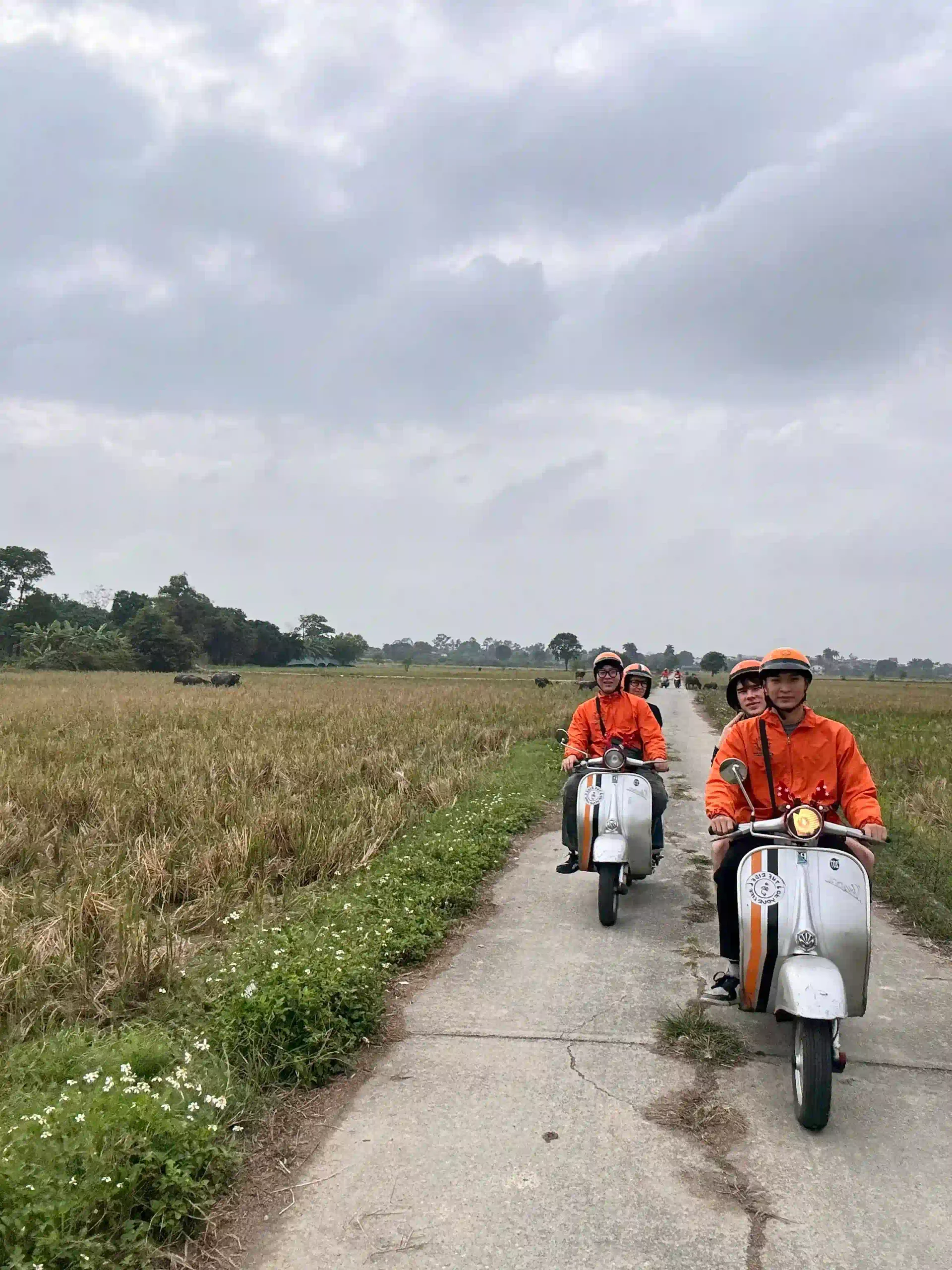
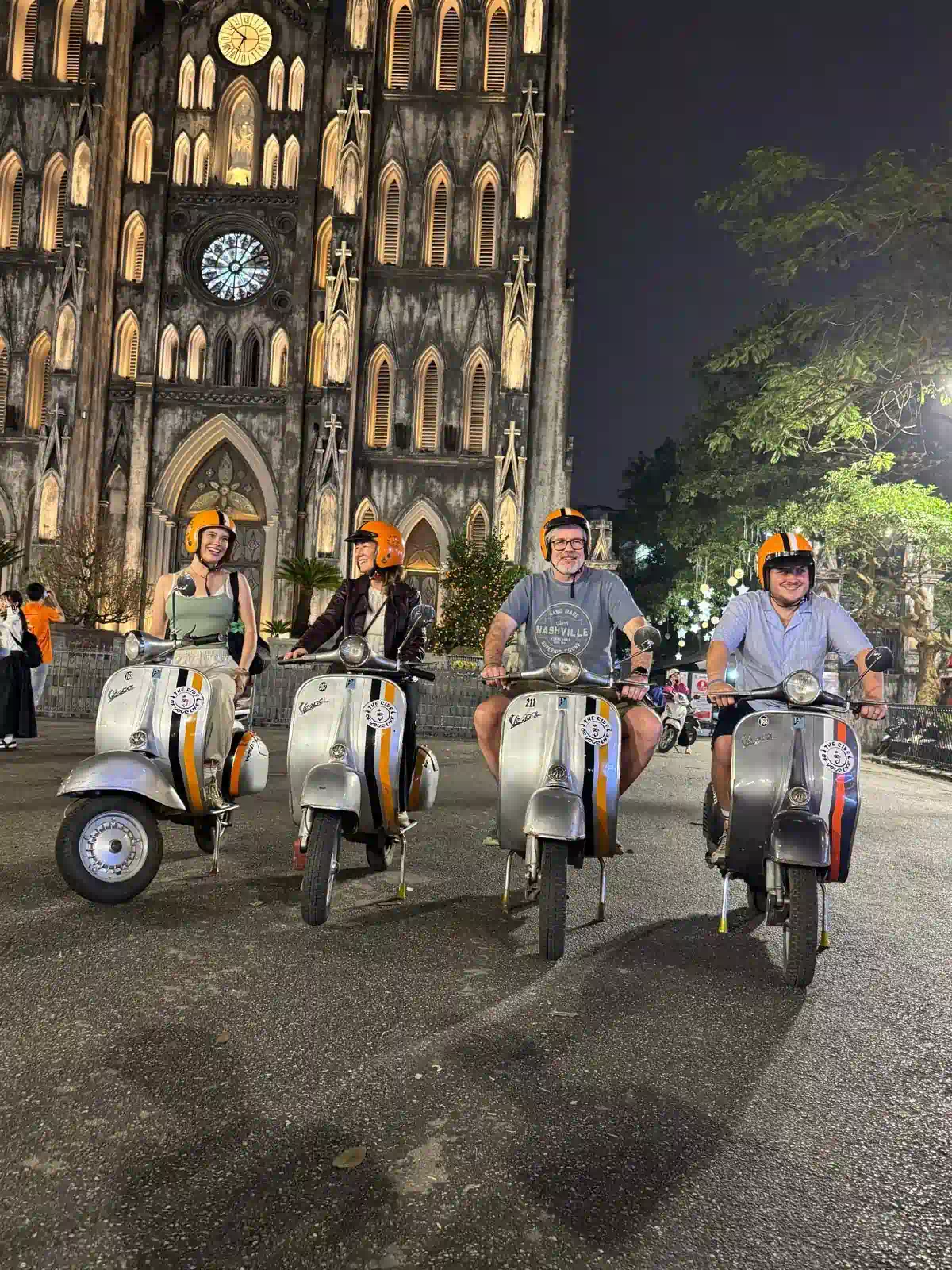
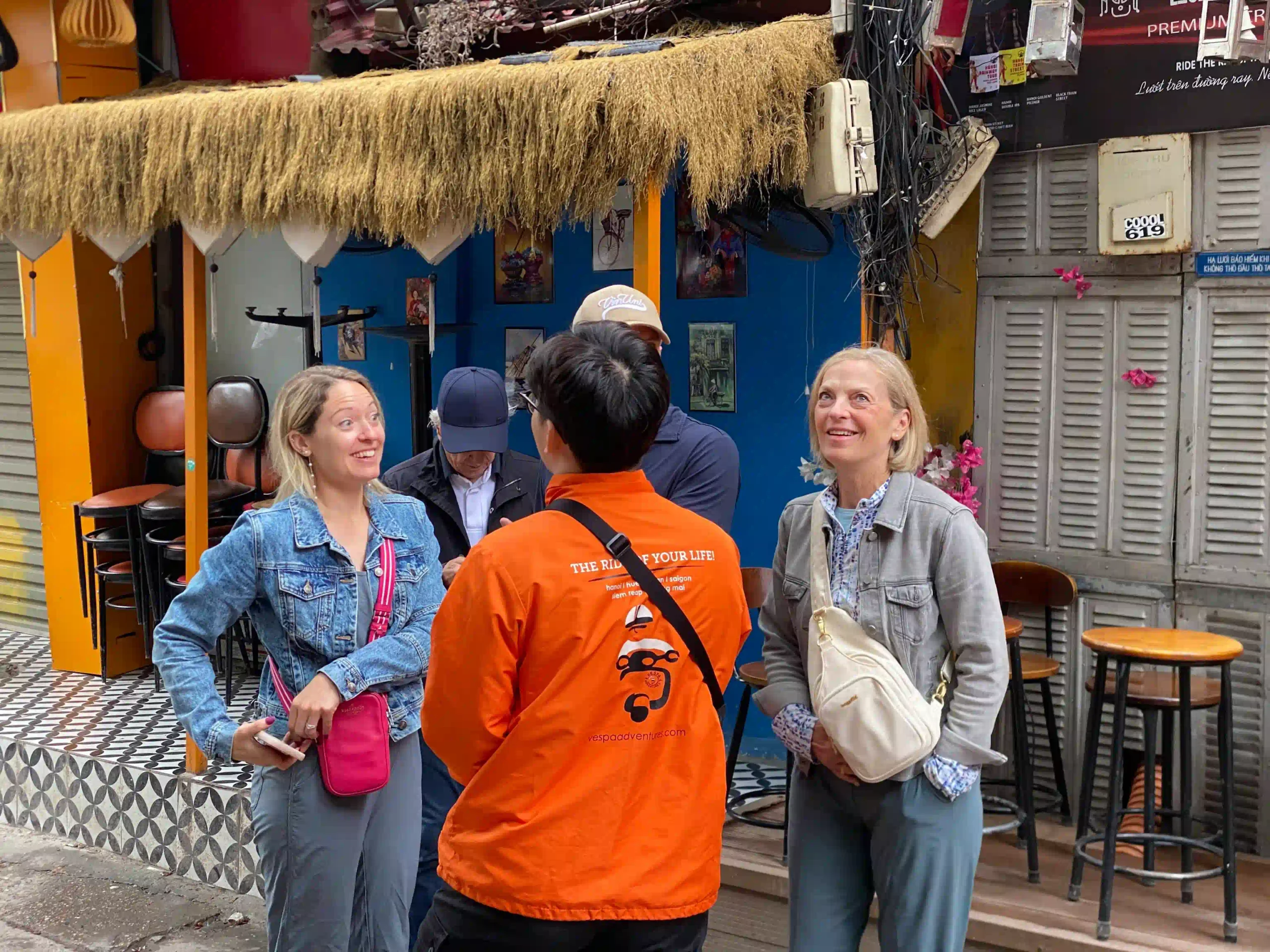
A guide shows up at your hotel, hands you a proper heavy helmet (not the flimsy plastic baseball caps the locals wear), you swing your leg over the back, and you just go.
The reason this is the best way to see the city is purely about access.
A cyclo can’t leave the Old Quarter. A tour bus can’t fit down the alleys. But a scooter can go literally anywhere. And the tour companies know this, so they designed routes that take you completely off the map.
What actually happens on these tours
I’ve done these routes a bunch of times when I tag along with visiting friends. They usually follow a similar pattern, and it’s stuff you would never find on your own even with Google Maps.
The Long Bien Bridge crossing
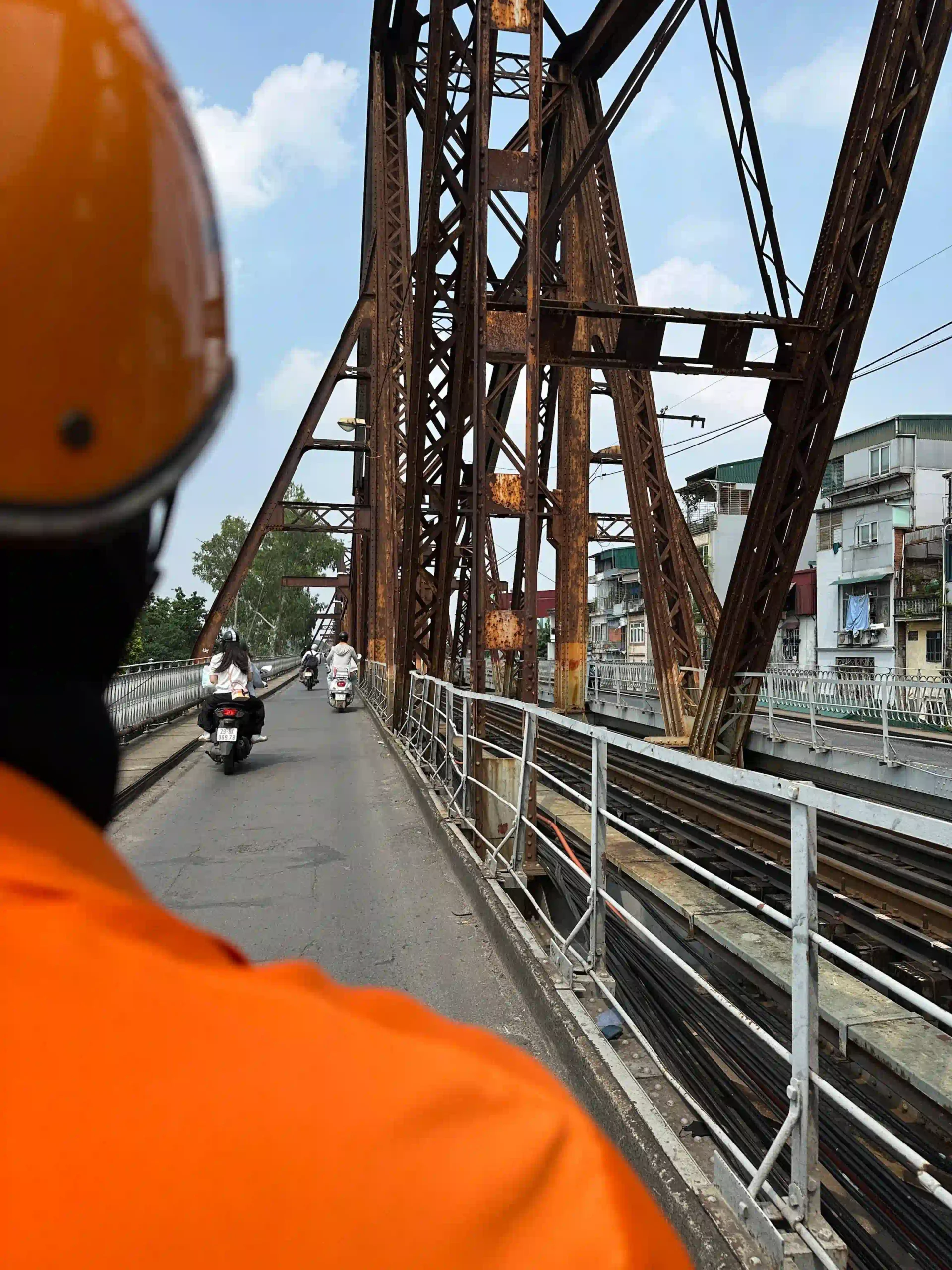
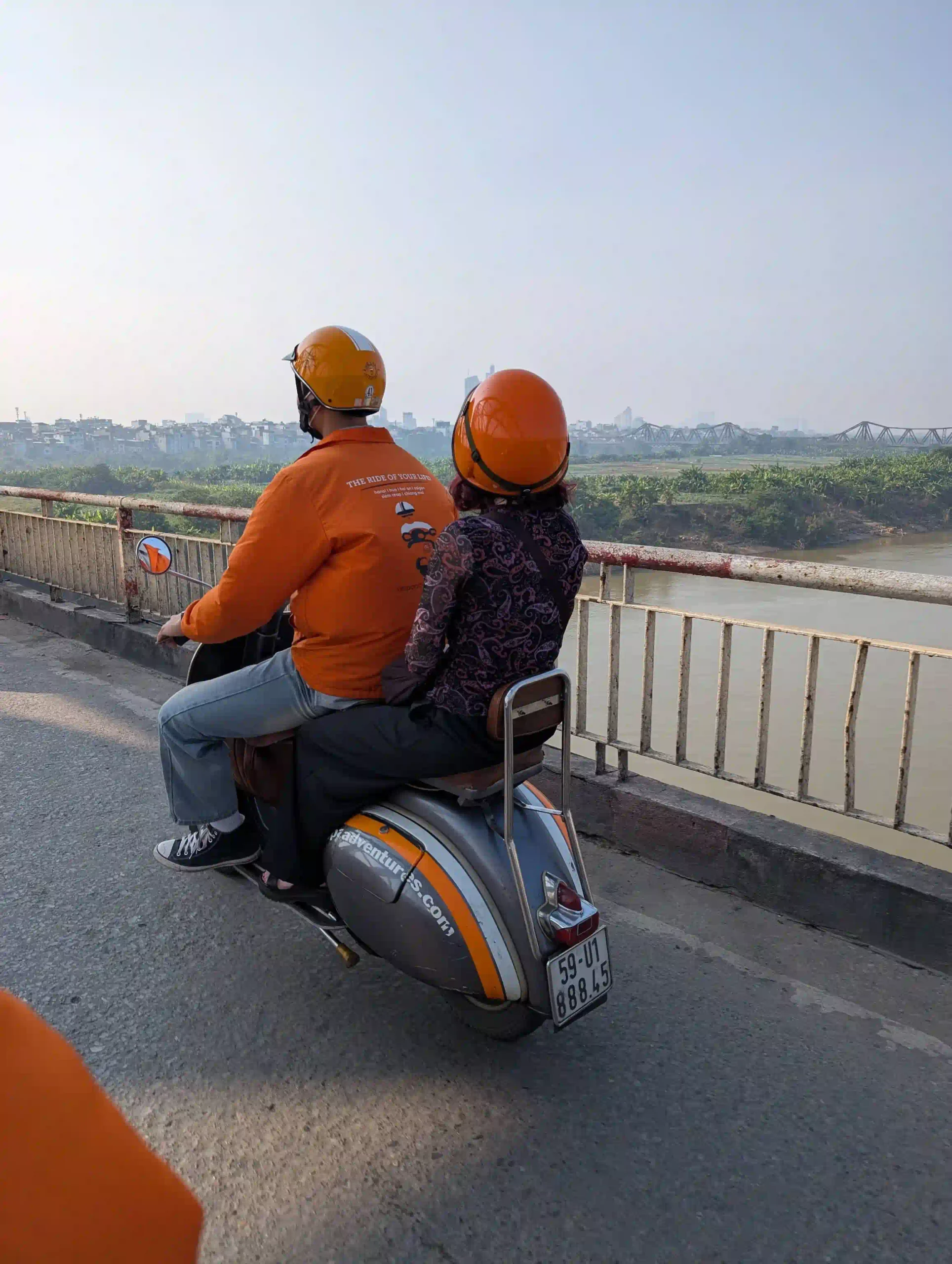
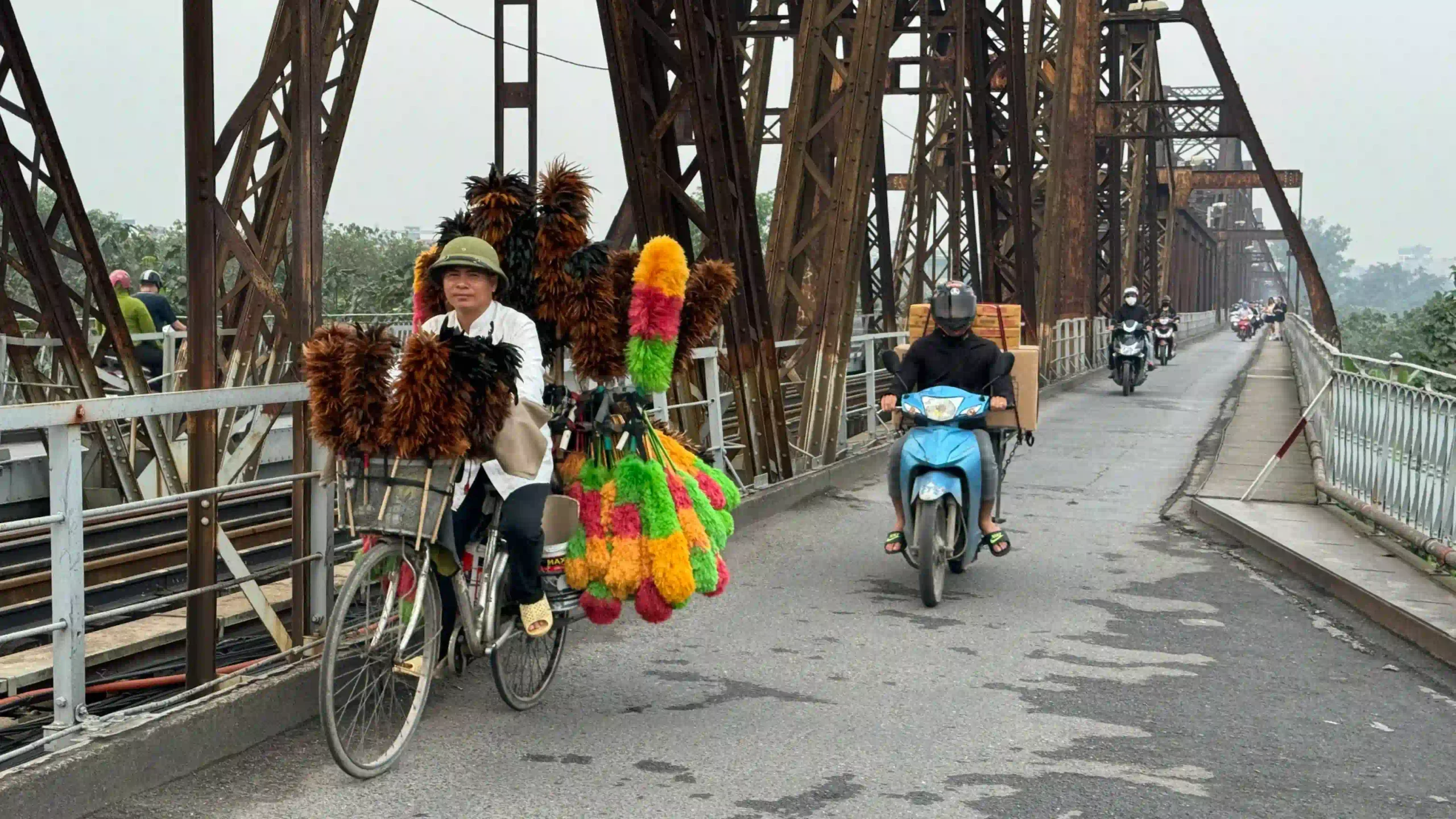

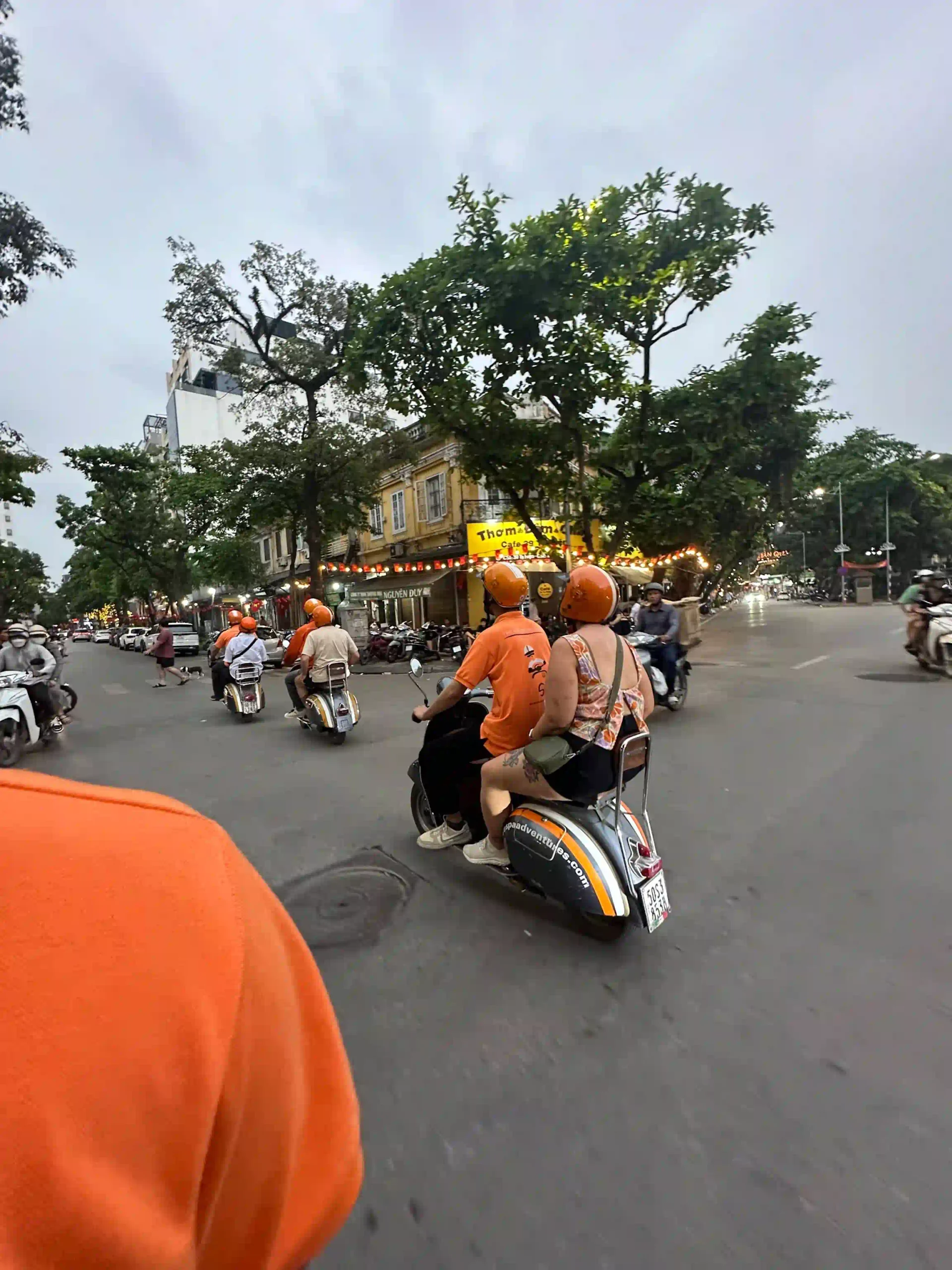
This is usually the first major thing they do. The Long Bien bridge is this massive, rusting steel structure that crosses the Red River. It was built by the French over a century ago and it got bombed heavily during the war.
Cars are banned from it. It’s only for trains, bicycles, and motorbikes.
Your driver takes you up the ramp and suddenly you are riding on these narrow concrete slabs that are just resting on the rusty metal beams. You can look straight down between the gaps and see the brown river water swirling below you. It is loud, it shakes when the freight trains go past, and the sunset views over the banana farms are insane.
You can’t do this in a car. You can’t do this in a cyclo. You have to be on a bike.
Going off-road on Banana Island
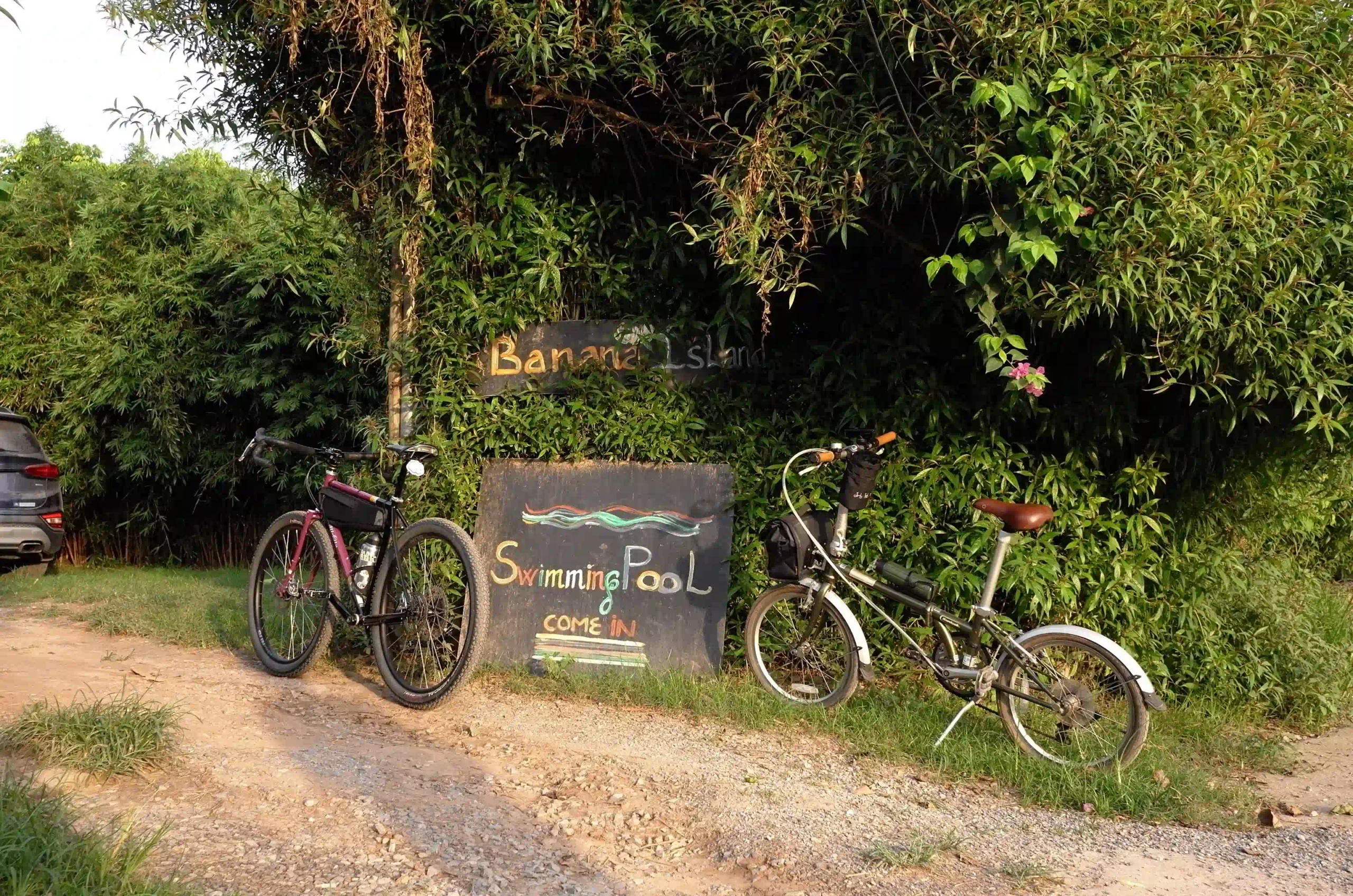

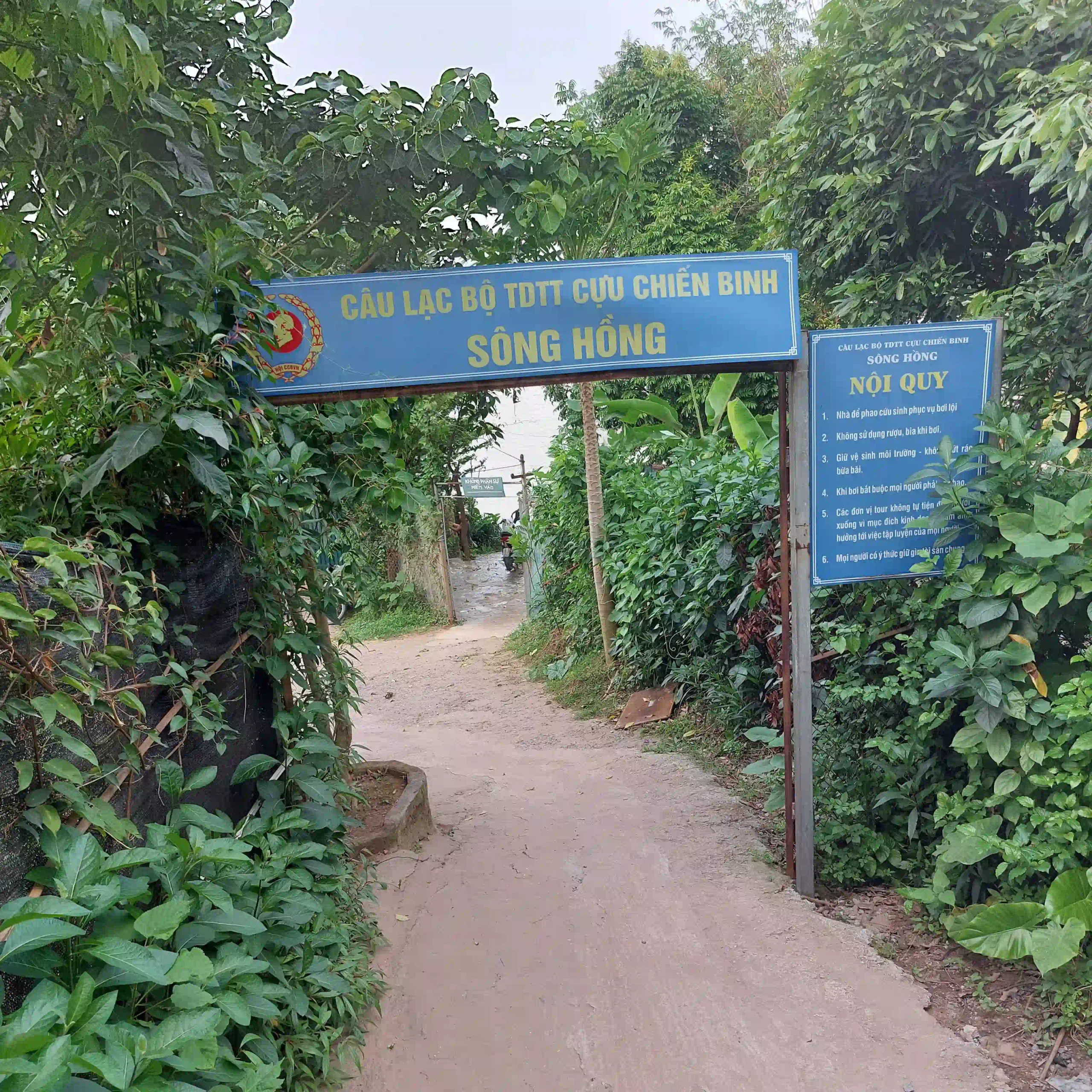

This is the part that always blows people’s minds. Right in the middle of the Red River, directly under the bridge, is a massive island called Bãi Giữa.
It is entirely agricultural. There are no paved roads. It’s just dirt tracks, banana trees, corn fields, and people living on floating houseboats.
Your scooter driver turns off the bridge, goes down a steep little concrete ramp, and suddenly the noise of the city just stops. You are bouncing down a dirt path dodging chickens and stray dogs. It feels like you drove four hours into the deep countryside, but you are literally sitting directly underneath the capital city. The contrast is wild.
The Minsk motorcycles are great for this because they are basically dirt bikes, so you just tear through the mud.
The B-52 Lake in Ba Dinh
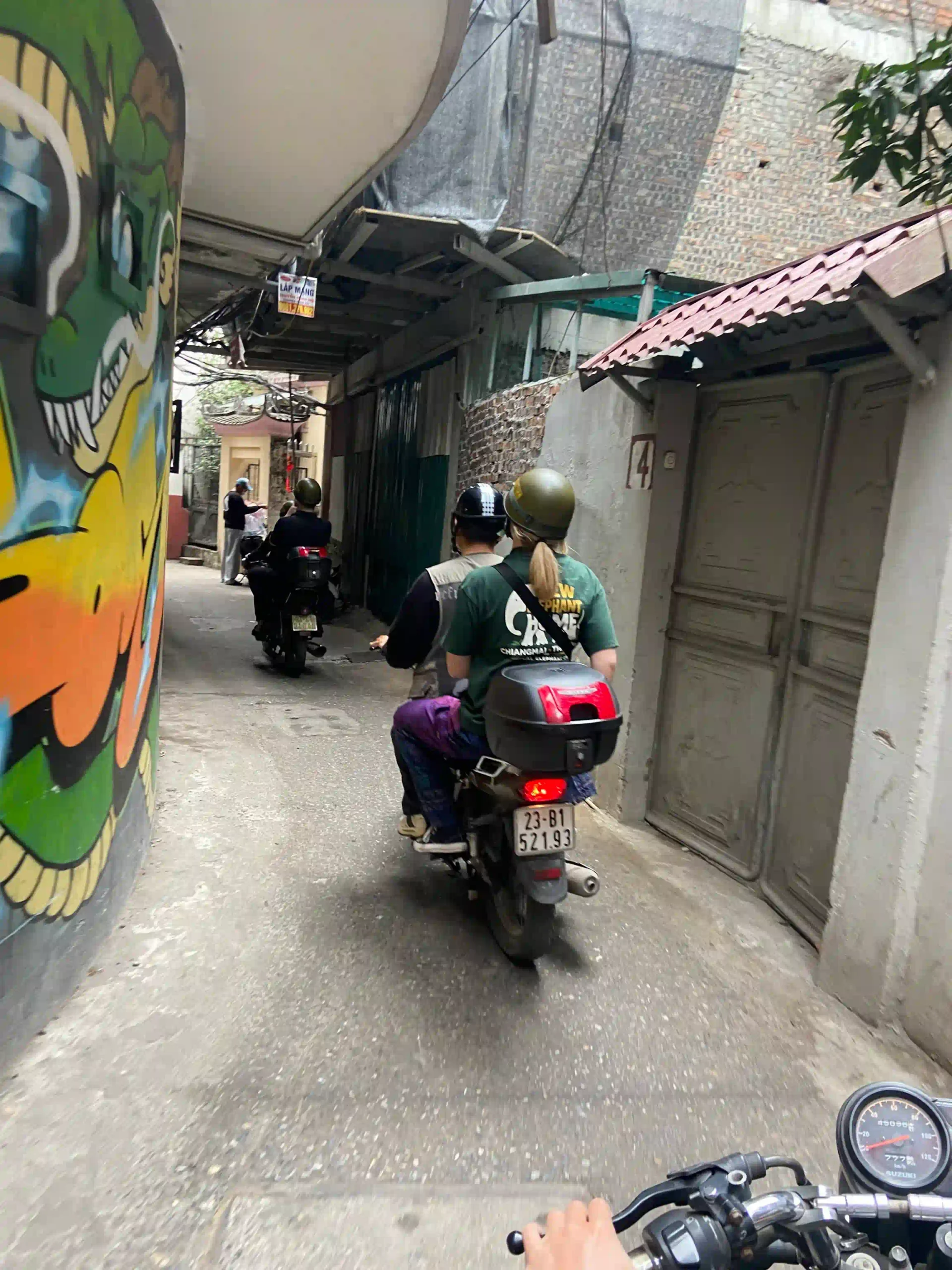
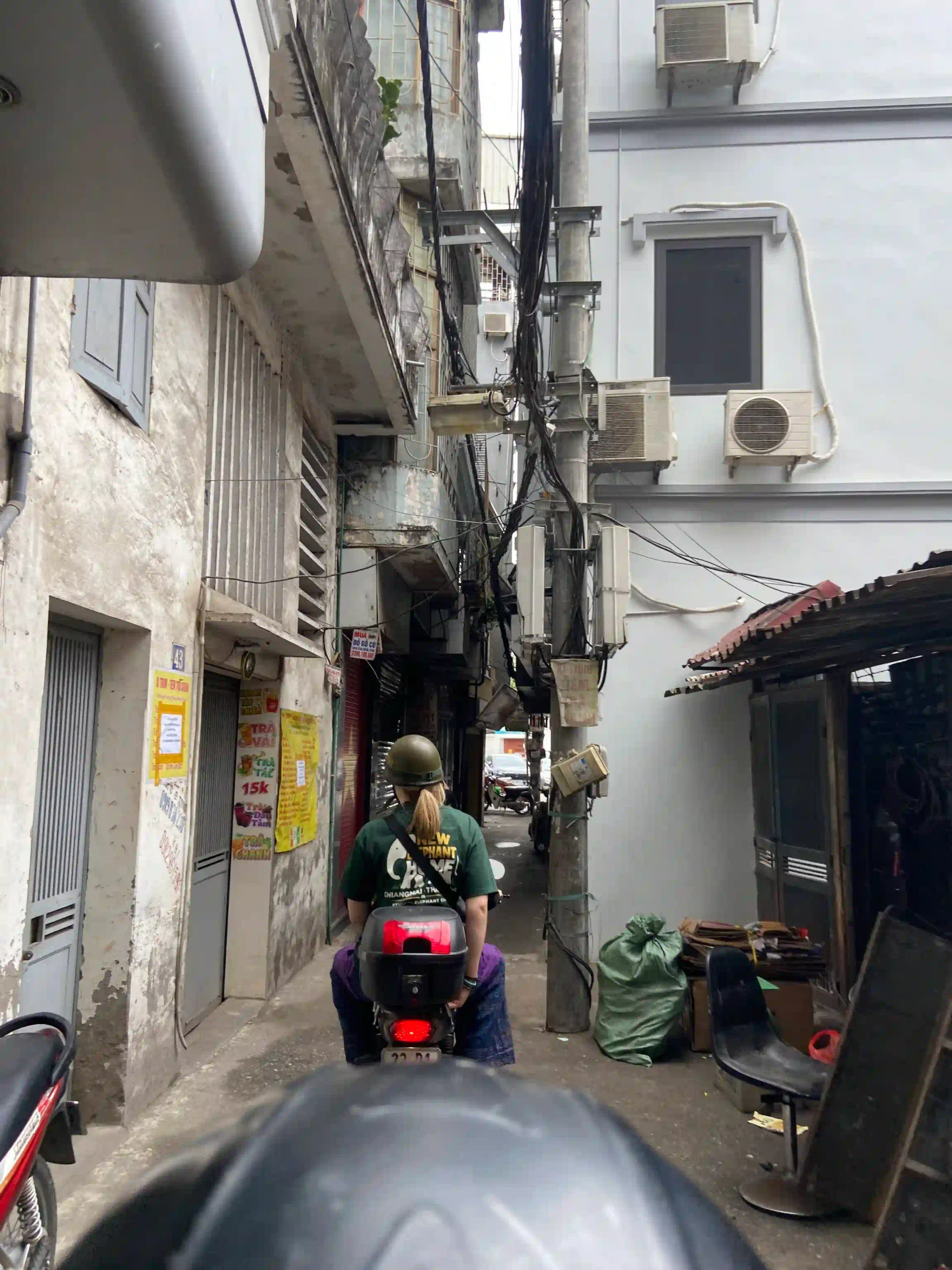

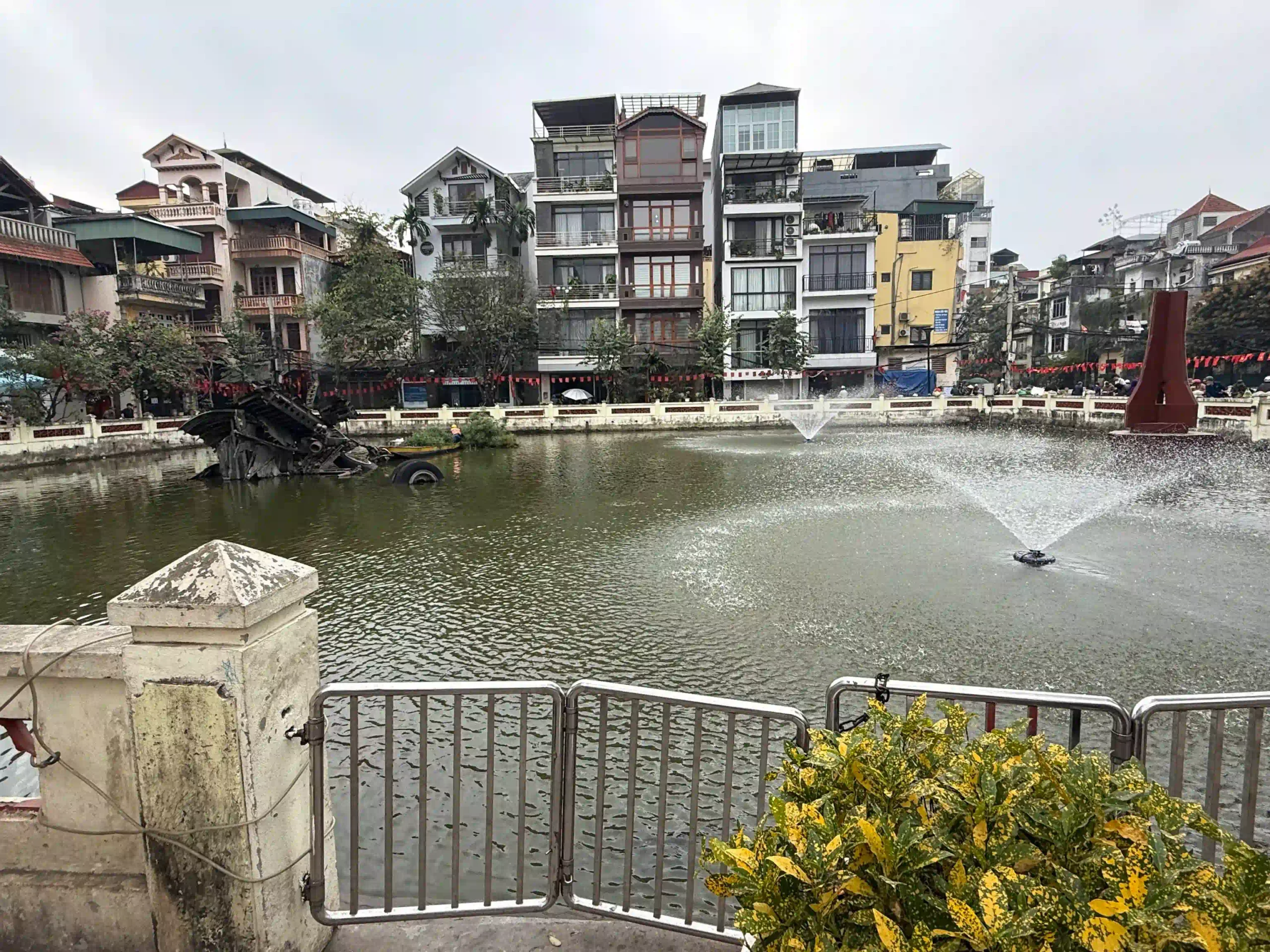
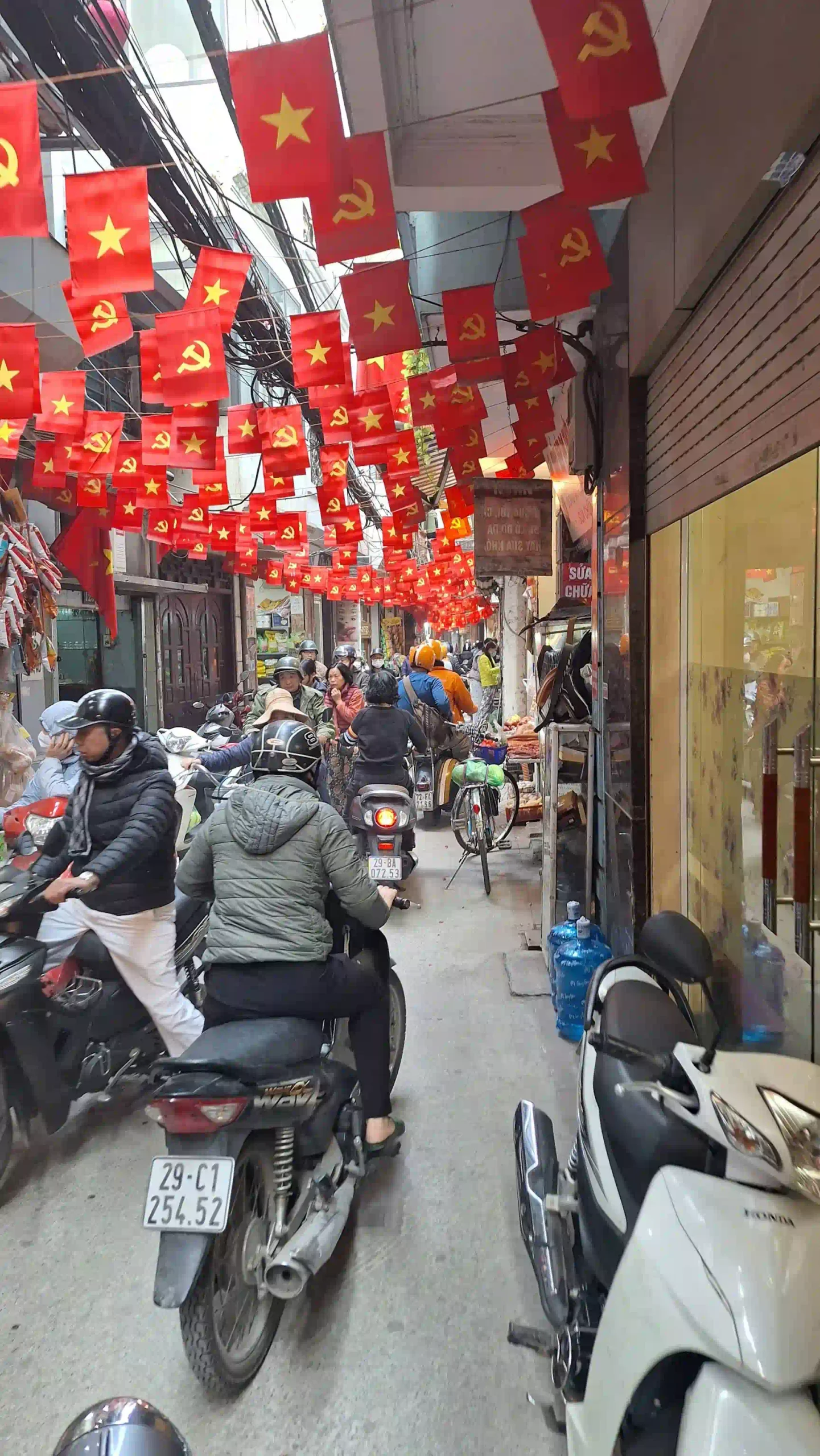
After the river, they usually take you back into the city, but not the tourist parts. They drive you over to Ba Dinh district, near where the Ho Chi Minh Mausoleum is.
But instead of staying on the main roads, they turn into the Ngoc Ha neighborhood. The alleys here are maybe one meter wide. You are driving so close to people’s living rooms you can see what they are watching on TV. You can smell the garlic frying in their kitchens.
They weave through this maze until it opens up into a tiny square with a green lake called Huu Tiep. And sitting right in the middle of the water is the rusted wreckage of an American B-52 bomber that was shot down in 1972. It’s just sitting there, surrounded by cafes and houses. A tour bus could never get within a mile of this place.
The Food Stops
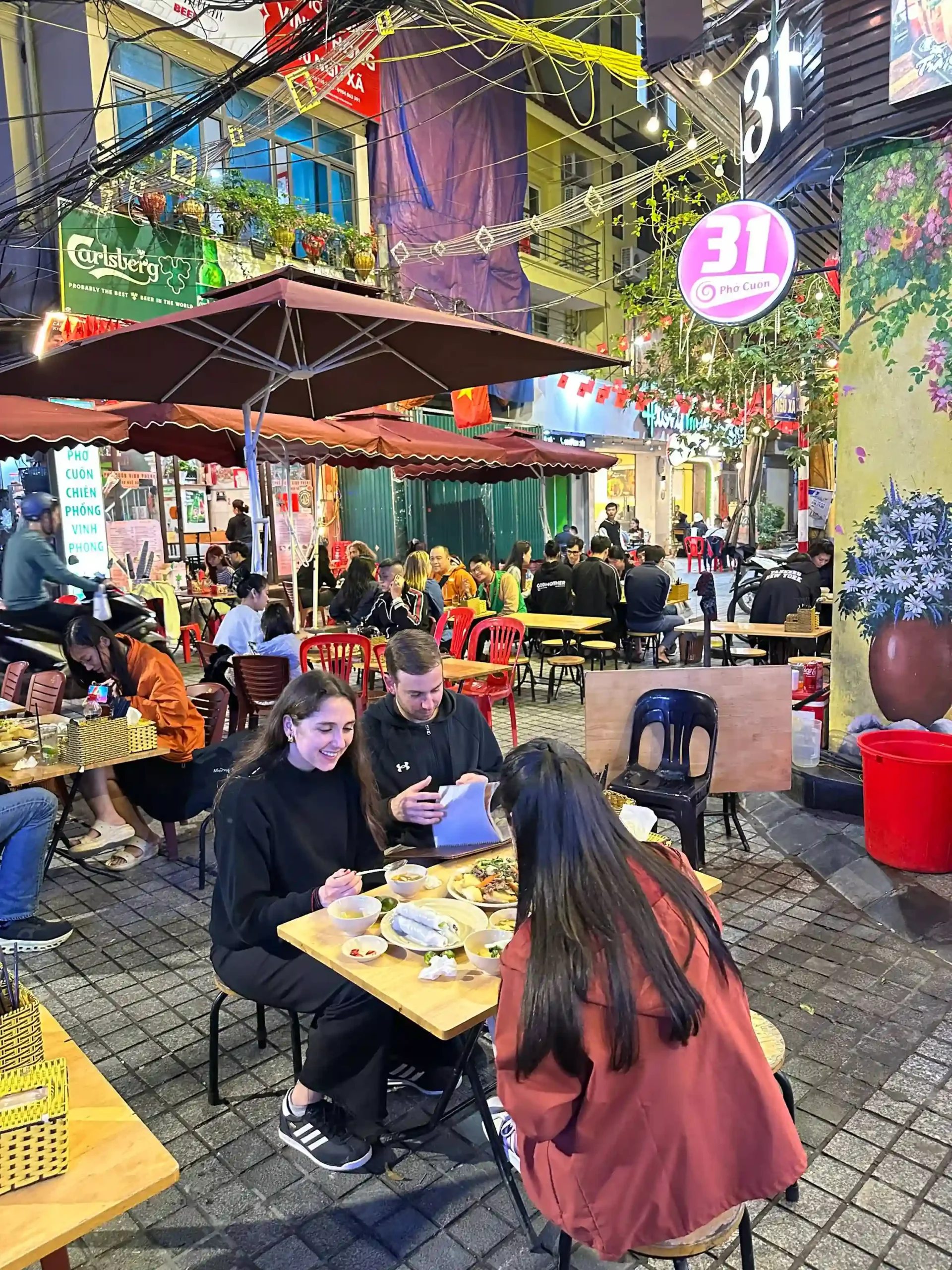
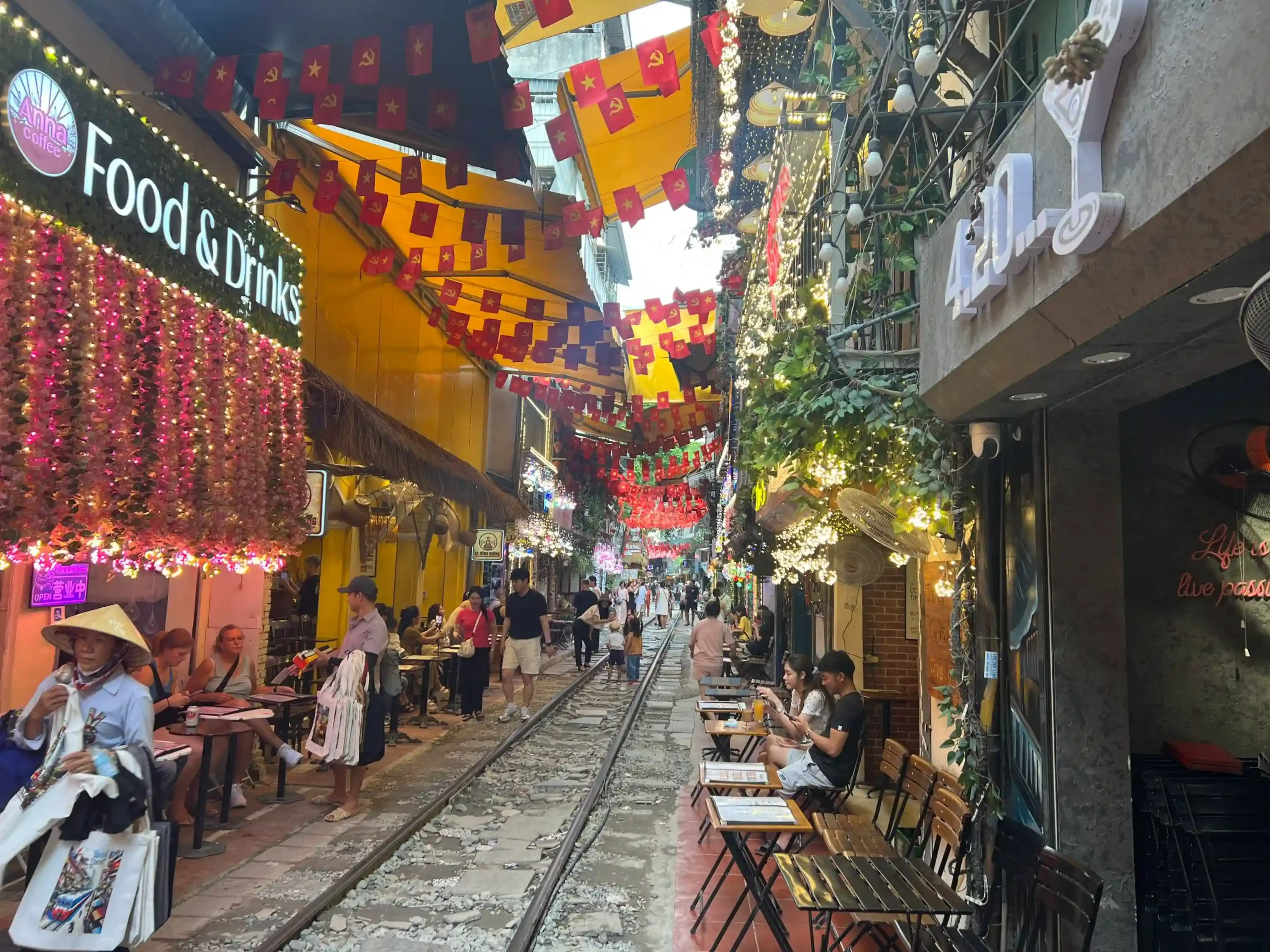
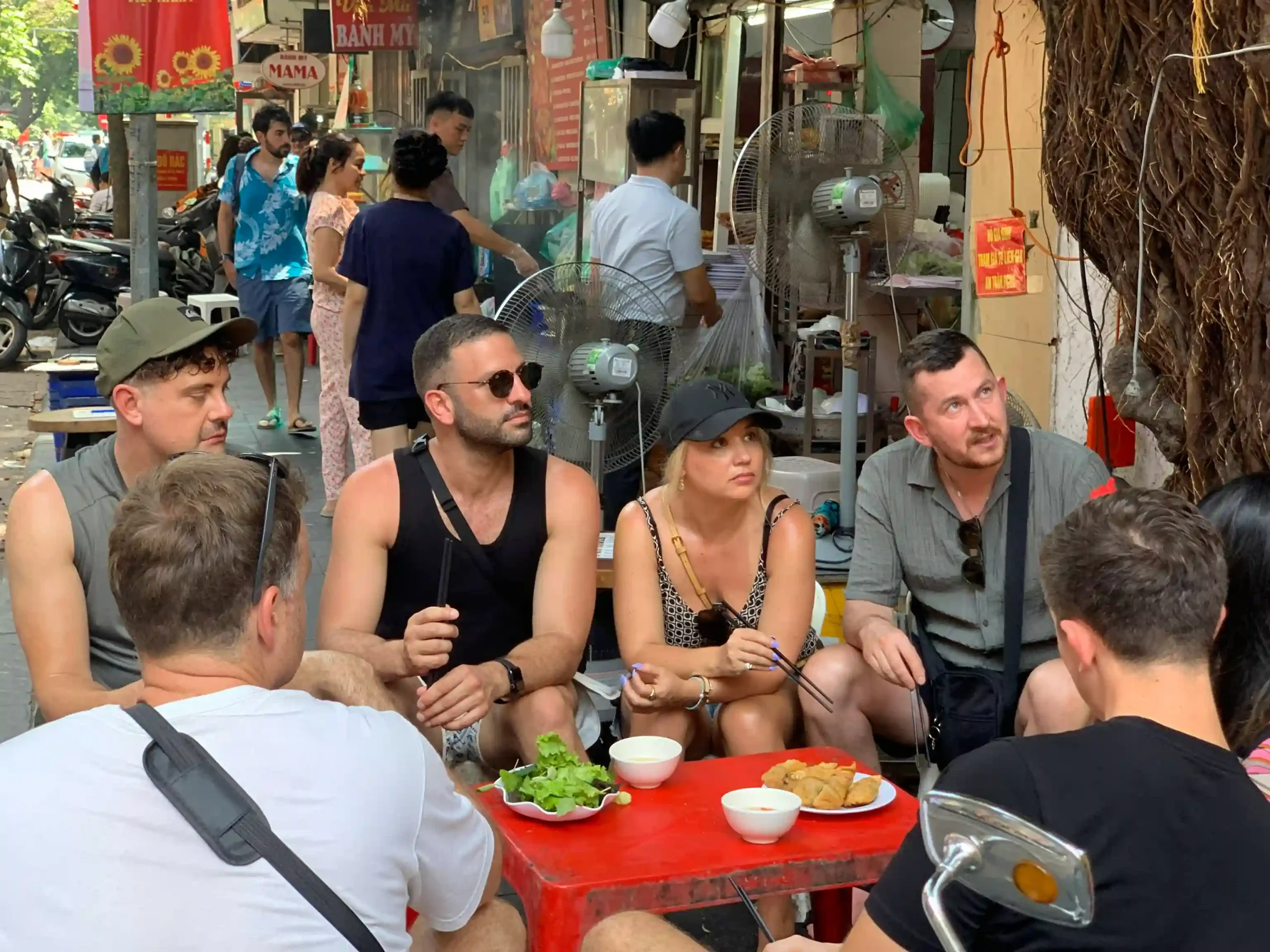

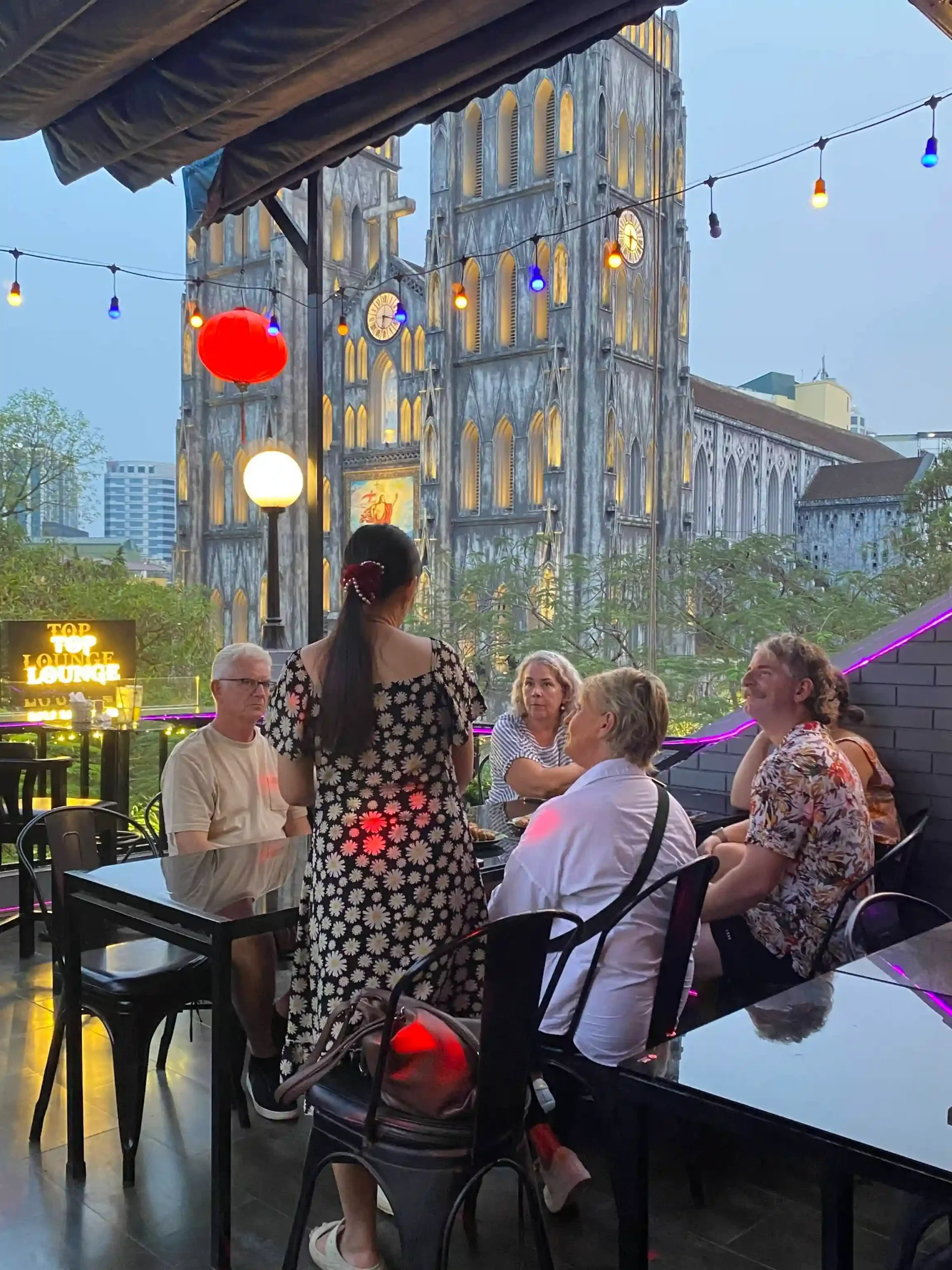
A lot of people book a Hanoi scooter tour specifically for the food. Because the drivers are local, they don’t take you to the sanitized restaurants with English menus.
They pull up to a sidewalk in Dong Da district where a lady is steaming Banh Cuon (rice rolls) over a pot of boiling water. You jump off the bike, sit on a tiny blue chair, eat, jump back on, and ride ten minutes to a hidden cafe down a dark alley for egg coffee. Then you ride up to West Lake to eat coconut ice cream.
You cover so much ground. If you tried to do a food tour on foot, you would only hit three places in the Old Quarter. On a bike, you eat across four different districts in three hours.
Which companies to actually book
Because this became so popular, there are a lot of copycat companies now. You have to be a little careful because you don’t want to end up on the back of a poorly maintained bike with a driver who doesn’t care.
There are two main companies that basically run this town, and they offer slightly different vibes.
Hanoi Backstreet Tours
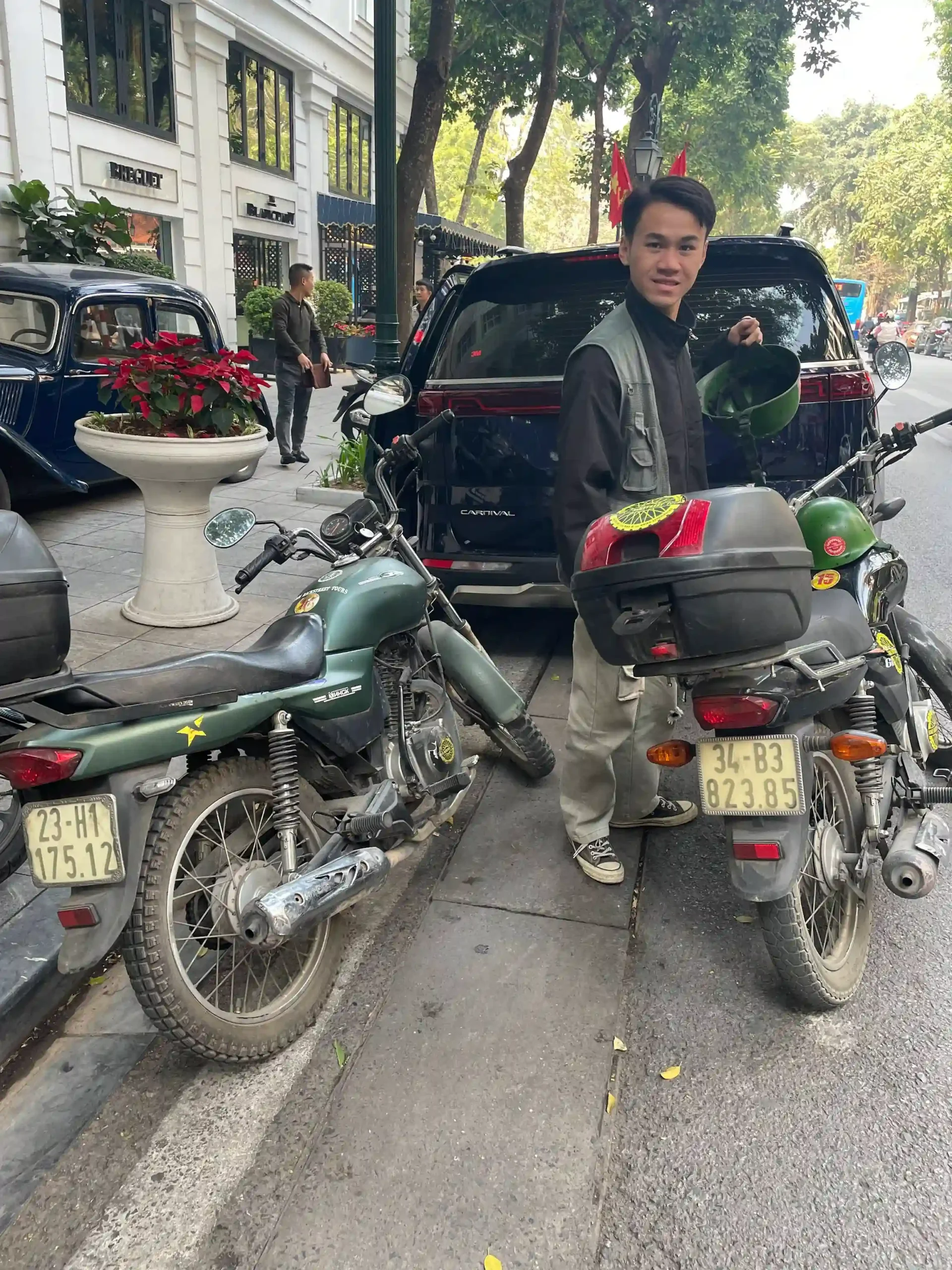
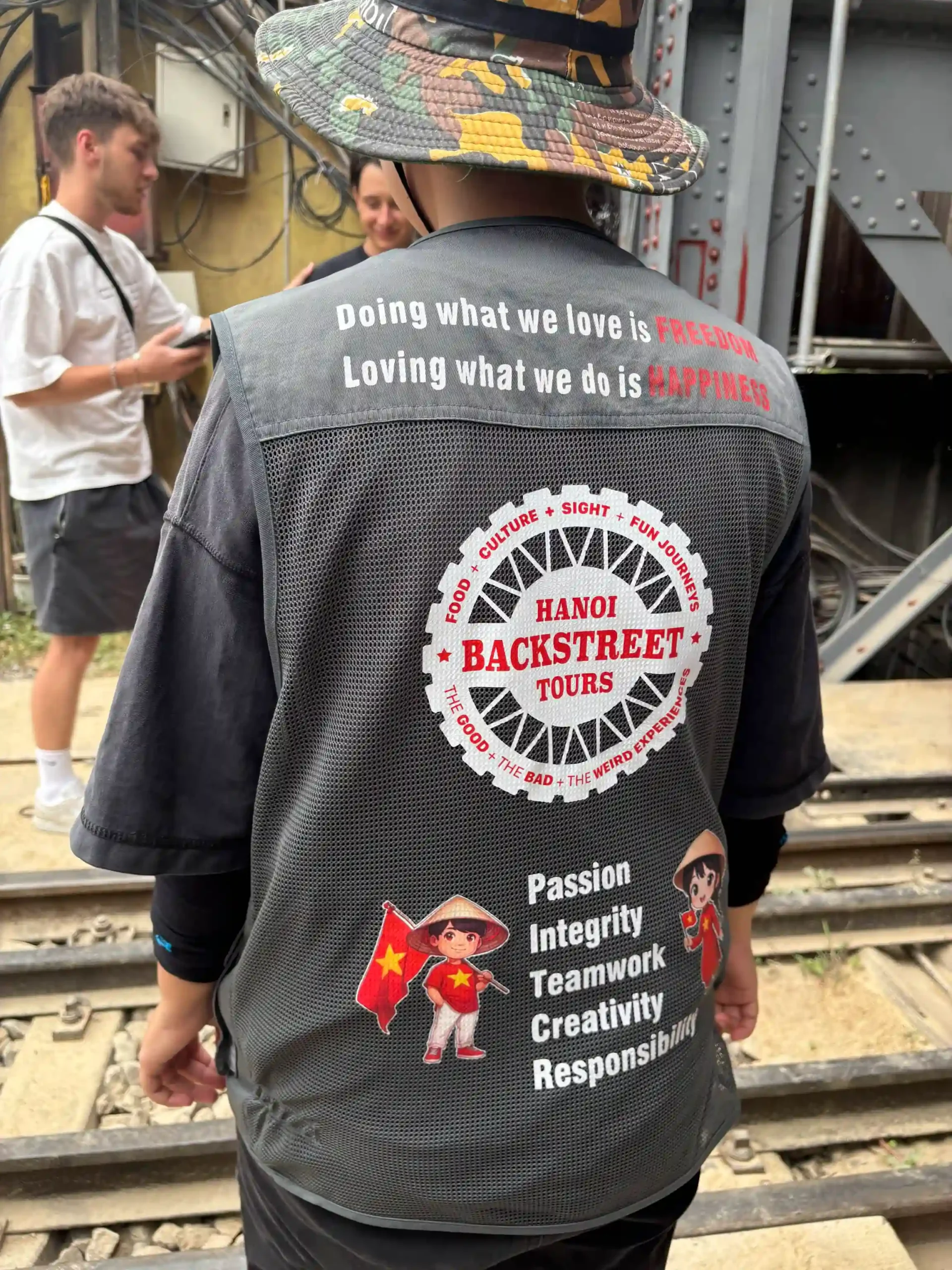
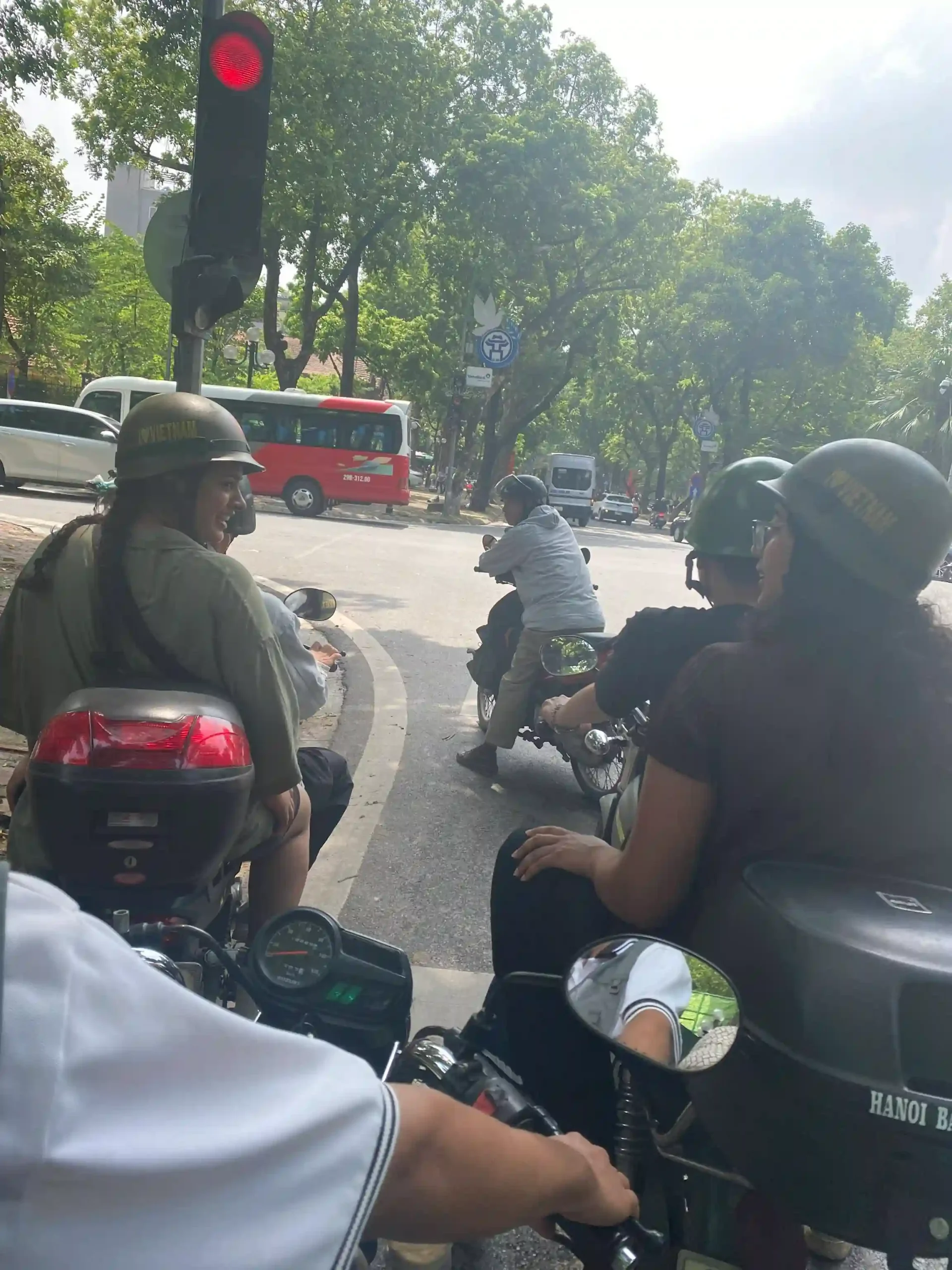
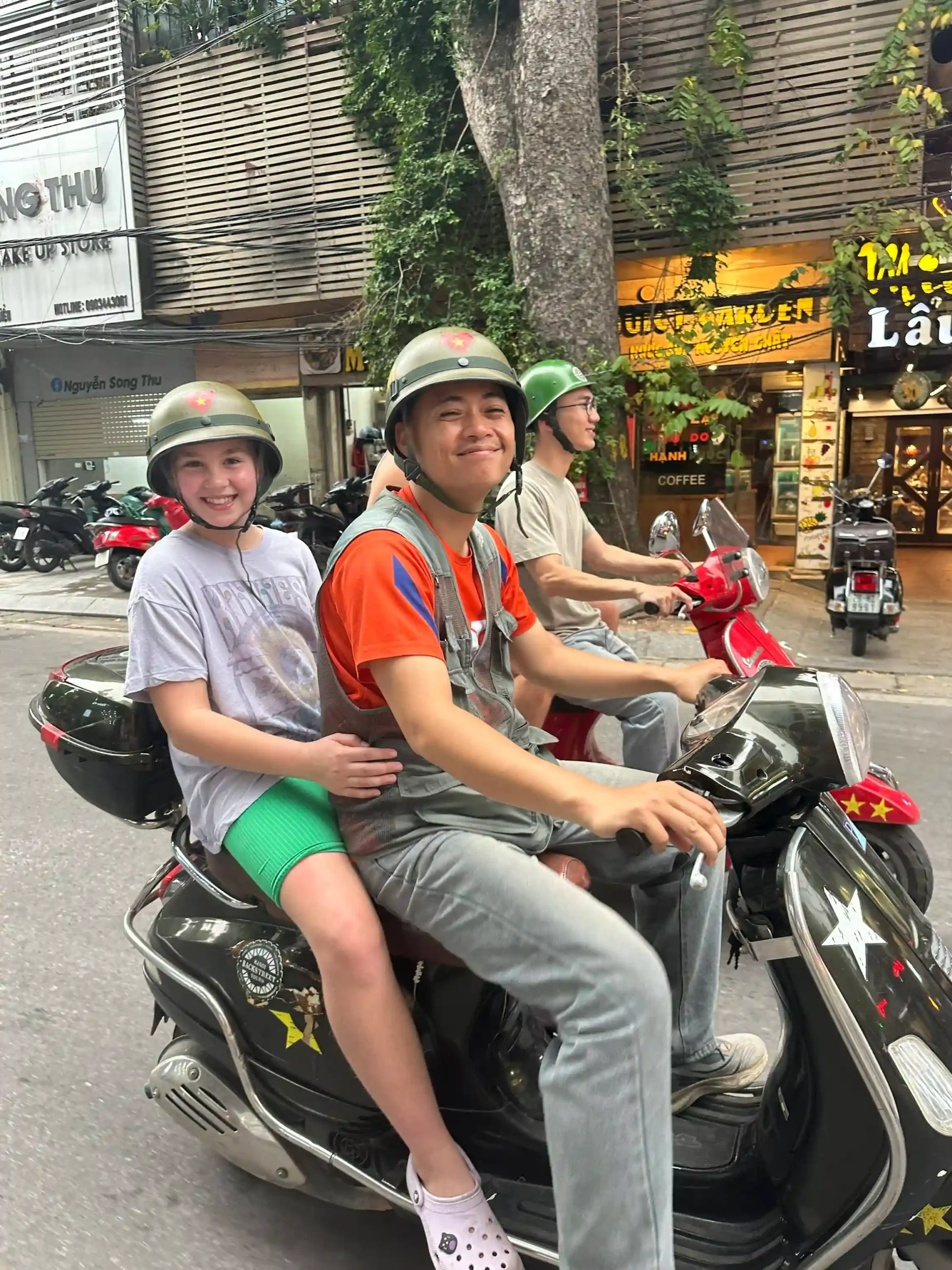
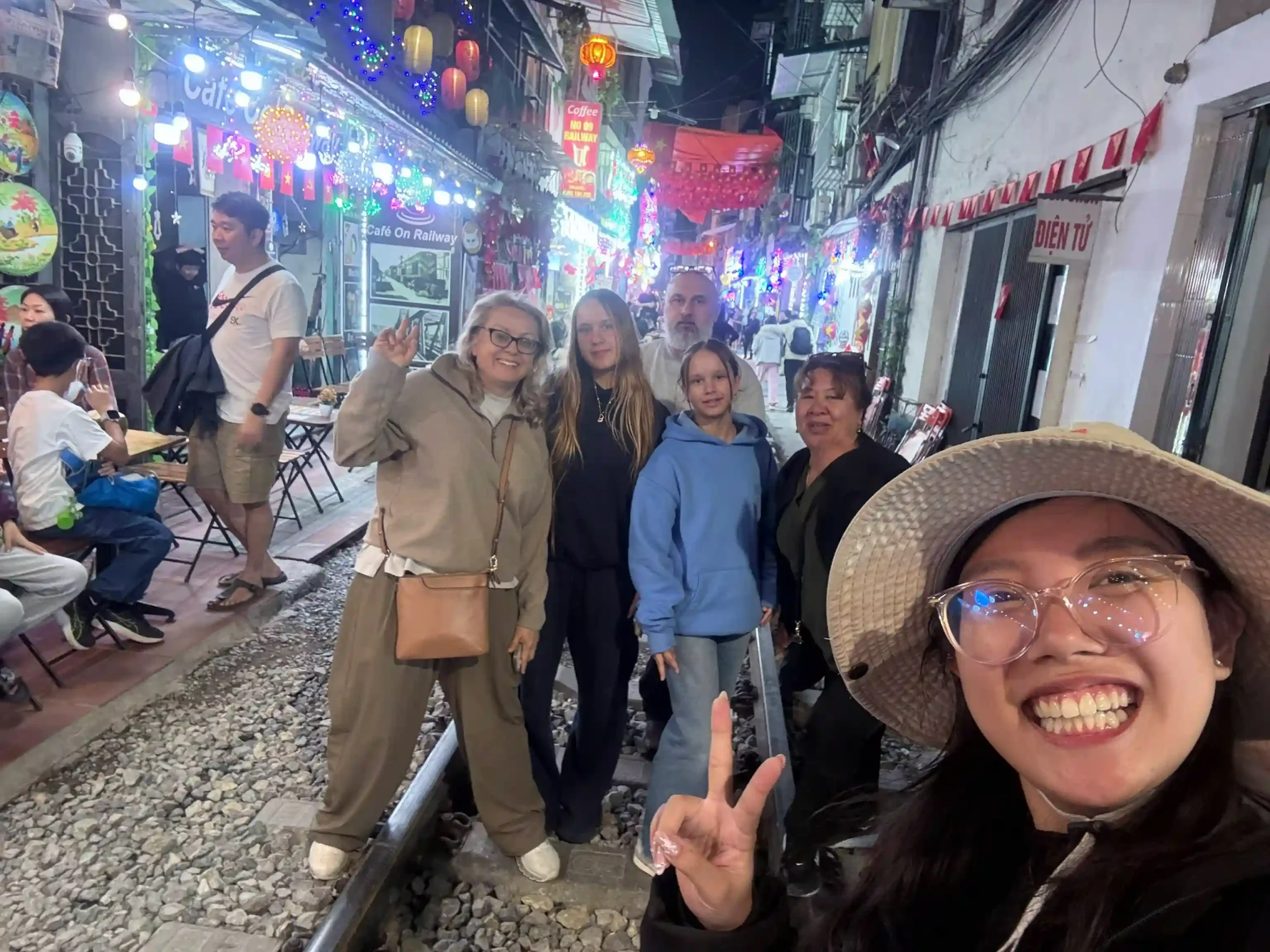
Hanoi Backstreet are the guys with the green Minsk motorcycles. I see their convoys all the time. It is a very raw, loud, gritty experience. The bikes smell like gasoline and they make a ton of noise.
The thing that makes them good is their staff. They hire local university students who are usually studying tourism or English. The drivers are young, they are energetic, and they actually want to talk to you. You don’t just get a history lecture; you get to ask a 21-year-old Vietnamese kid what they think about dating apps or the local music scene.
I usually just tell my friends to book this one. I actually keep a link handy for it because people always ask me. You can check the prices and book the Backstreet Tour on Getyourguide right here. I use Getyourguide for this stuff because I hate dealing with cash on the street, and if it rains heavily you can usually get a refund through the app way easier than arguing with a tour office in person.
Full disclosure, if you use that link I might get a small commission that buys me an iced coffee, but honestly just book it however you want, just make sure it’s the official company.
Vespa Adventures
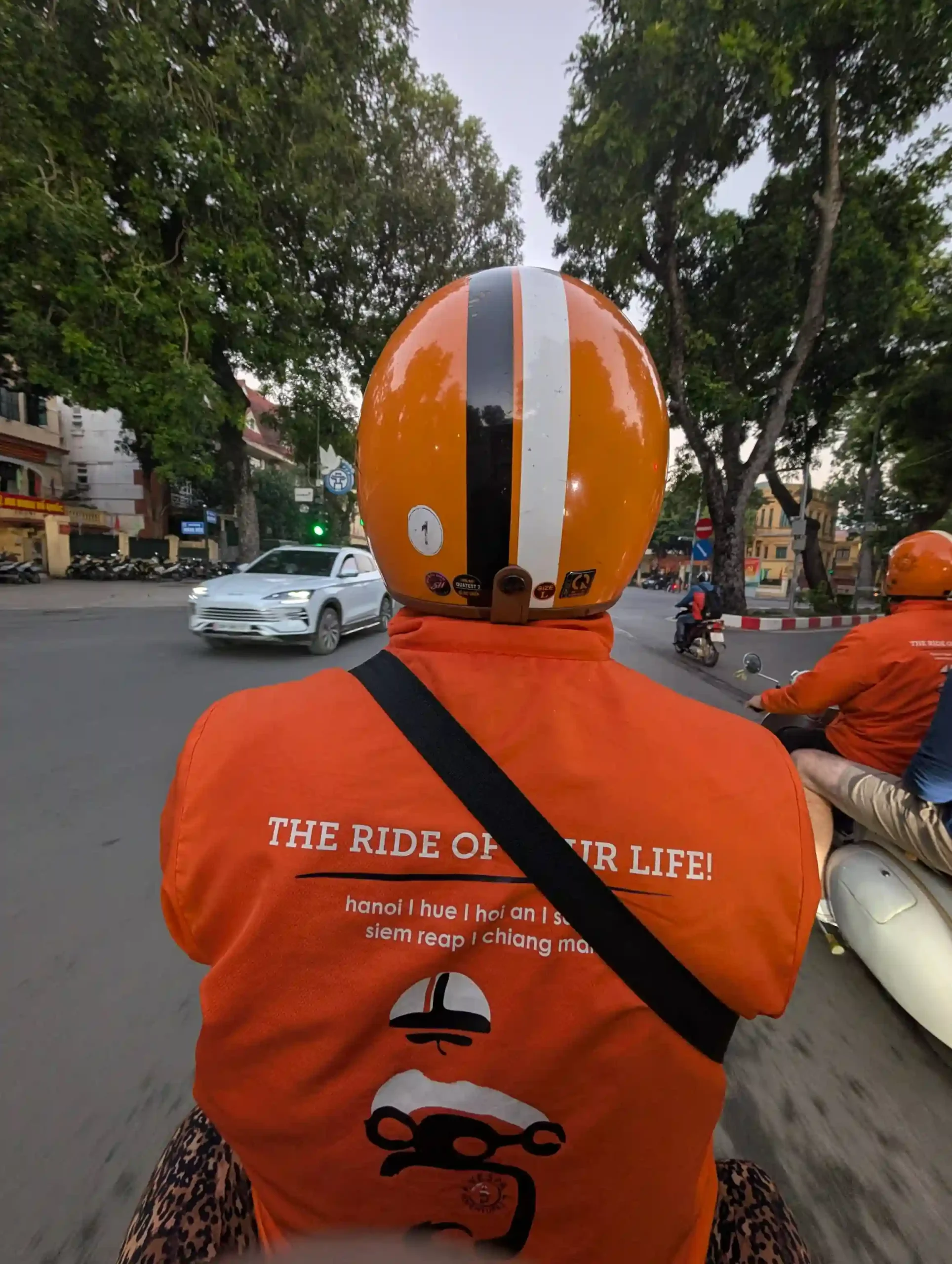
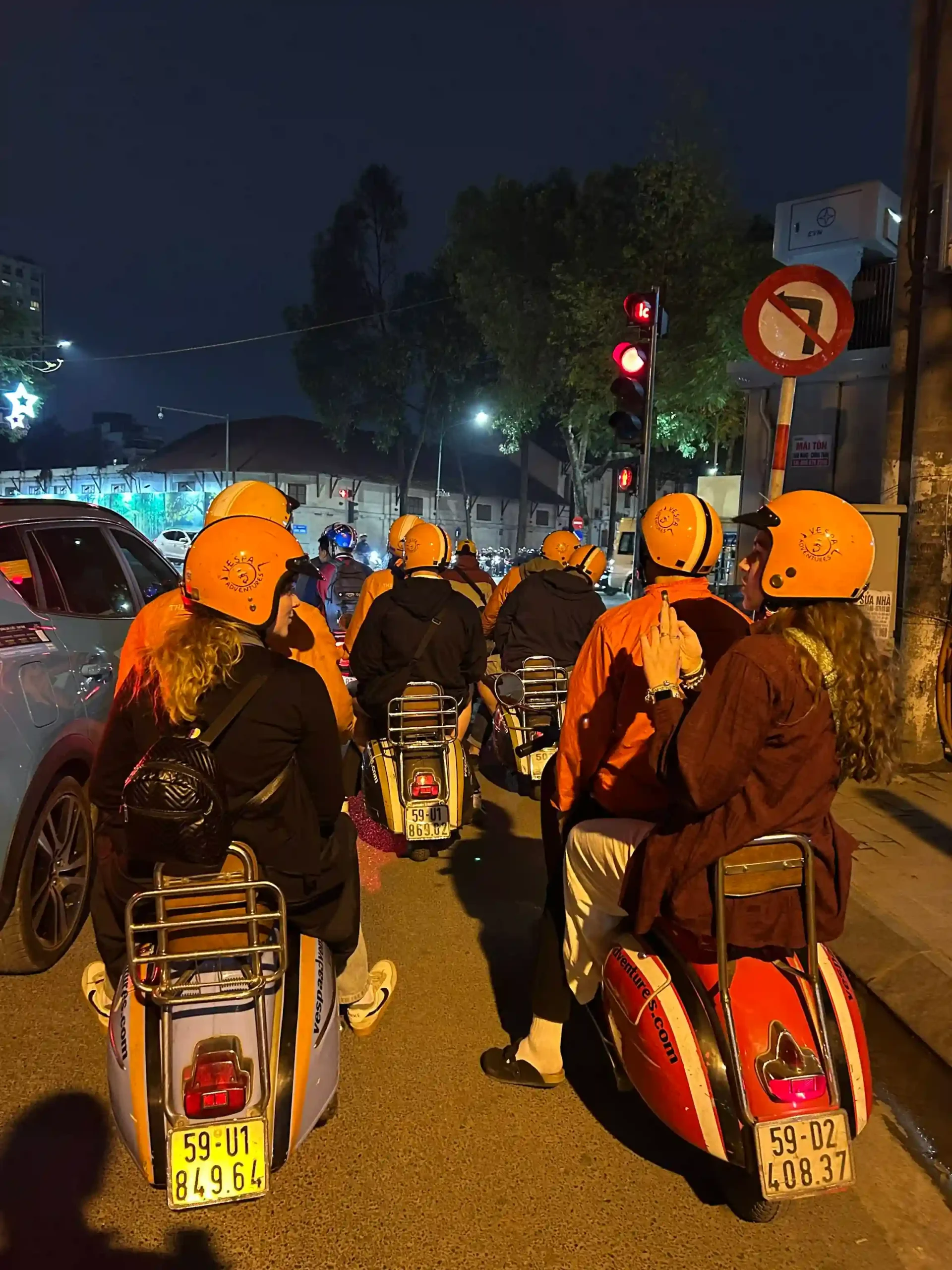
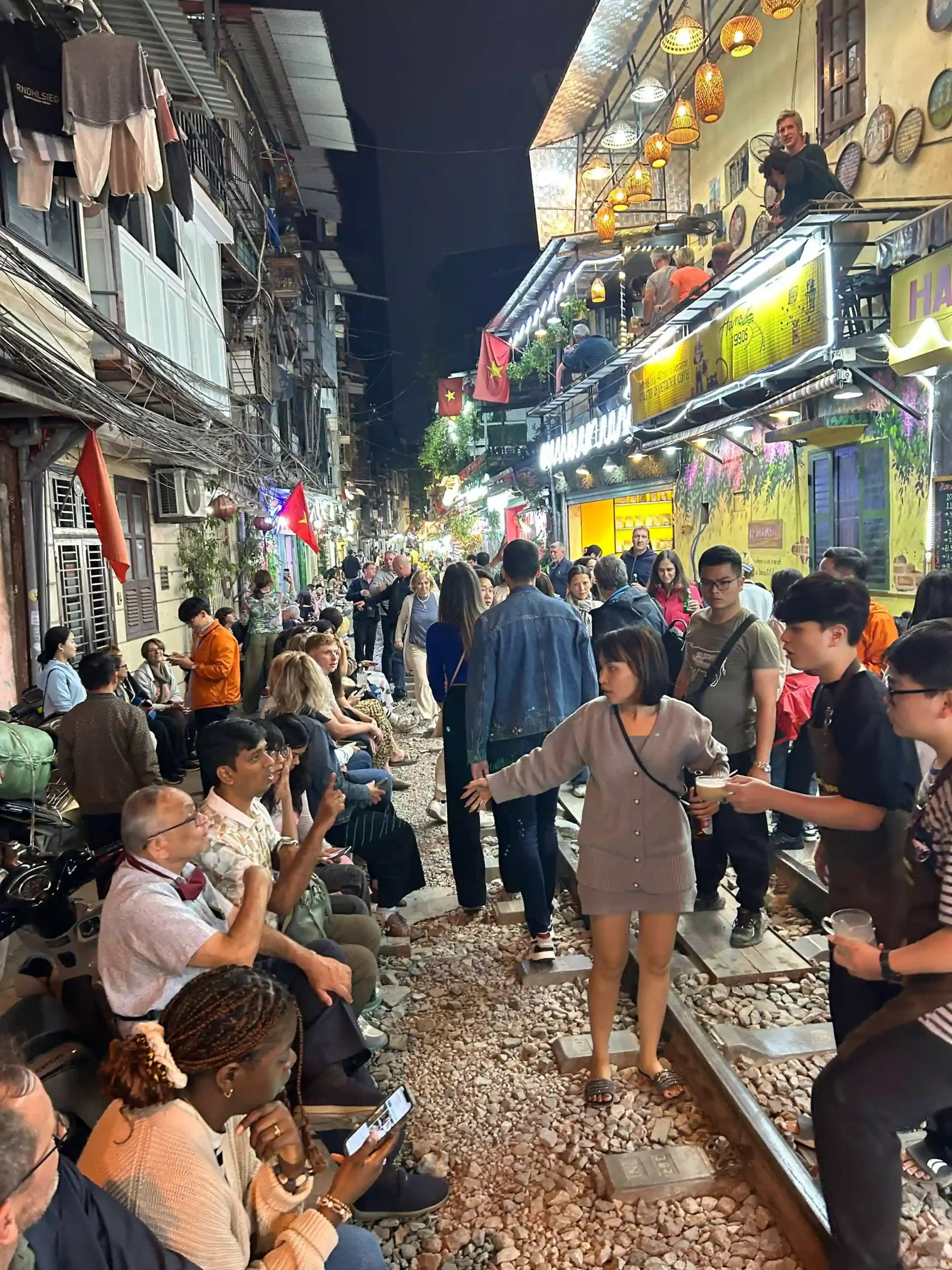
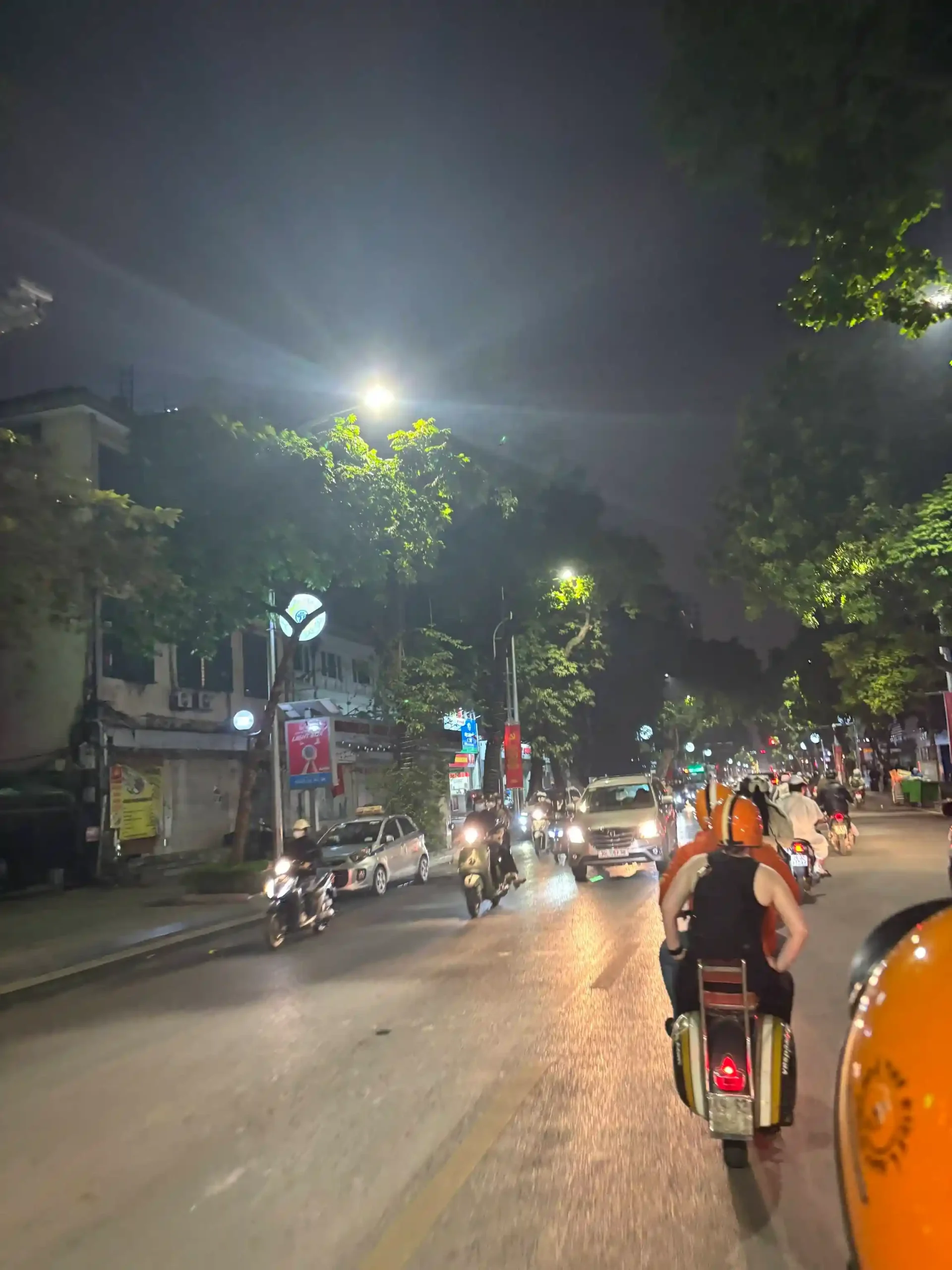
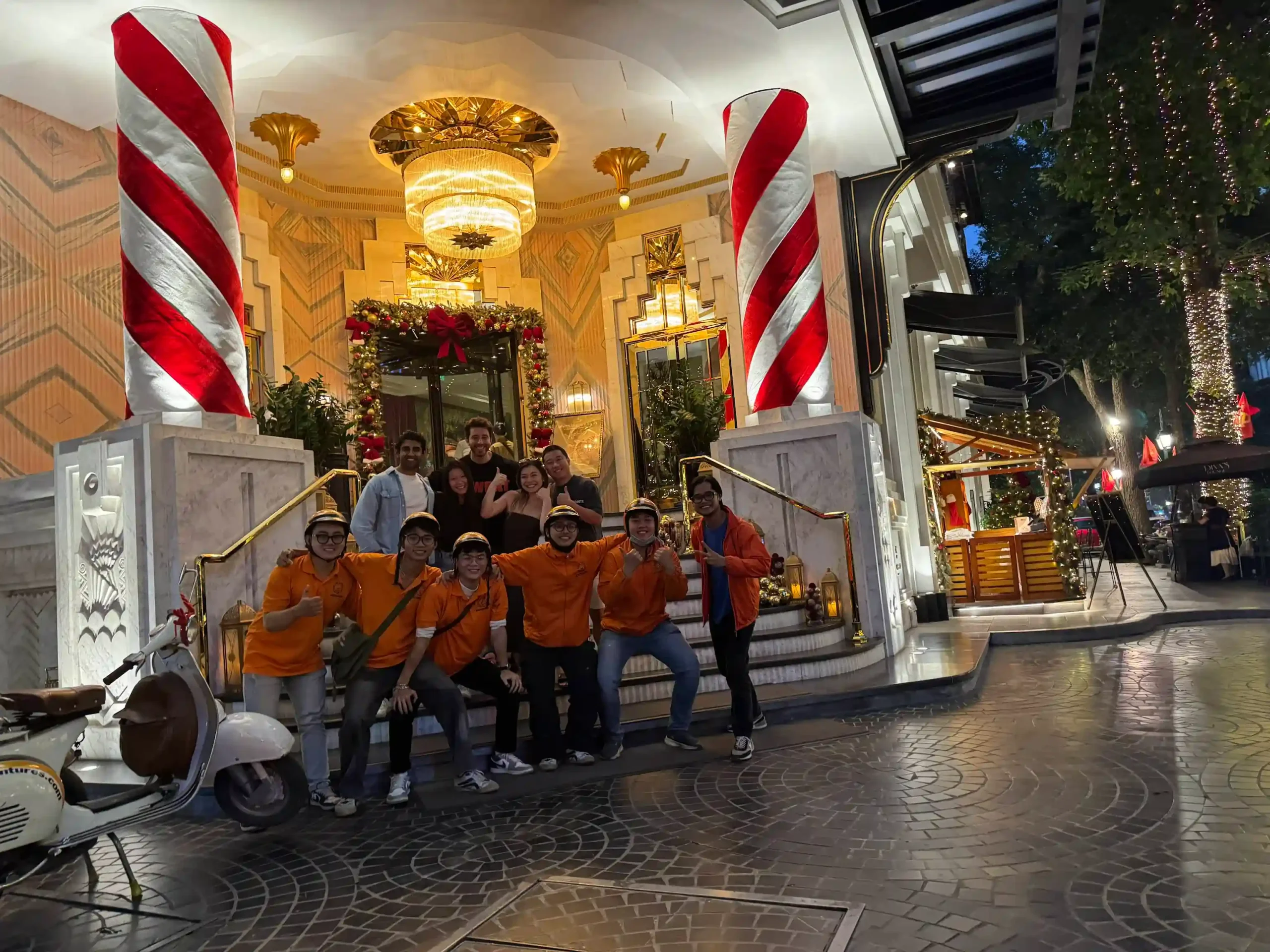
If the idea of bouncing around on a loud Soviet dirt bike sounds exhausting, you look at Vespa Adventures.
They use restored, brightly painted classic Vespas. The seats are wider, the suspension is better, and you don’t have to straddle the bike quite as aggressively. It’s a much smoother ride.
Their “Hanoi After Dark” tour is massive. It’s less about off-roading and more about cruising through the city at night when the lights are on, stopping at high-end street food spots and jazz bars.
It’s very popular with older couples or people who want the thrill of the motorbike without getting mud on their shoes. You can usually find their specific Vespa tours on GetYourGuide here.
Both of these companies are going to cost you somewhere between $45 and $75 depending on how long the tour is and how much food is included. Yes, it is way more expensive than a $10 cyclo ride. But you are paying for four hours of a private driver, a dedicated tour guide, all your food, and the fact that you won’t get scammed at the end of it.
The Safety Paradox (Why the bike is safer)
I know someone reading this is still hung up on the safety aspect. Your brain tells you that a slow-moving cyclo must be safer than a motorbike zipping through traffic.
It’s a paradox, but the motorbike is safer.
You have to understand the physics of Hanoi traffic. It is not like traffic in the West where people stay in their lanes and stop at red lights. Traffic here is fluid. It moves like a school of fish.
As long as you are moving at the same speed as the school of fish, you are fine. Everyone just adjusts and flows around each other.
A cyclo does not move with the school of fish. A cyclo is a giant, slow-moving rock dropped into the middle of the river. It forces hundreds of motorbikes to aggressively brake, swerve, and cut each other off to get around it. It creates chaos. And you are sitting at the very front of it, completely exposed, with zero protection.
When you are on a scooter tour, your driver is part of the flow. When the traffic speeds up, you speed up. When it slows down, you slow down. You are wearing a heavy helmet. You are sitting higher up so cars can actually see you.
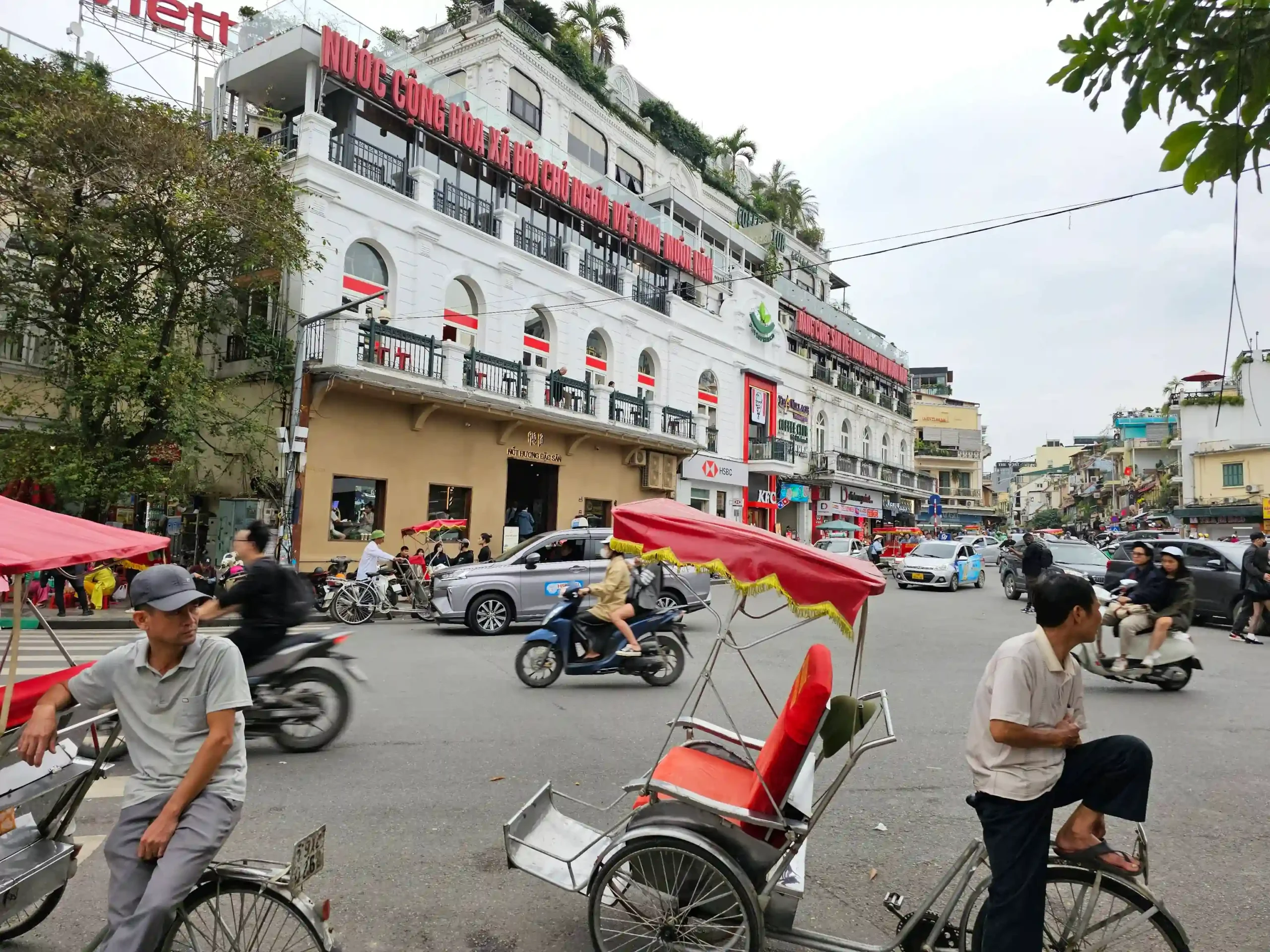
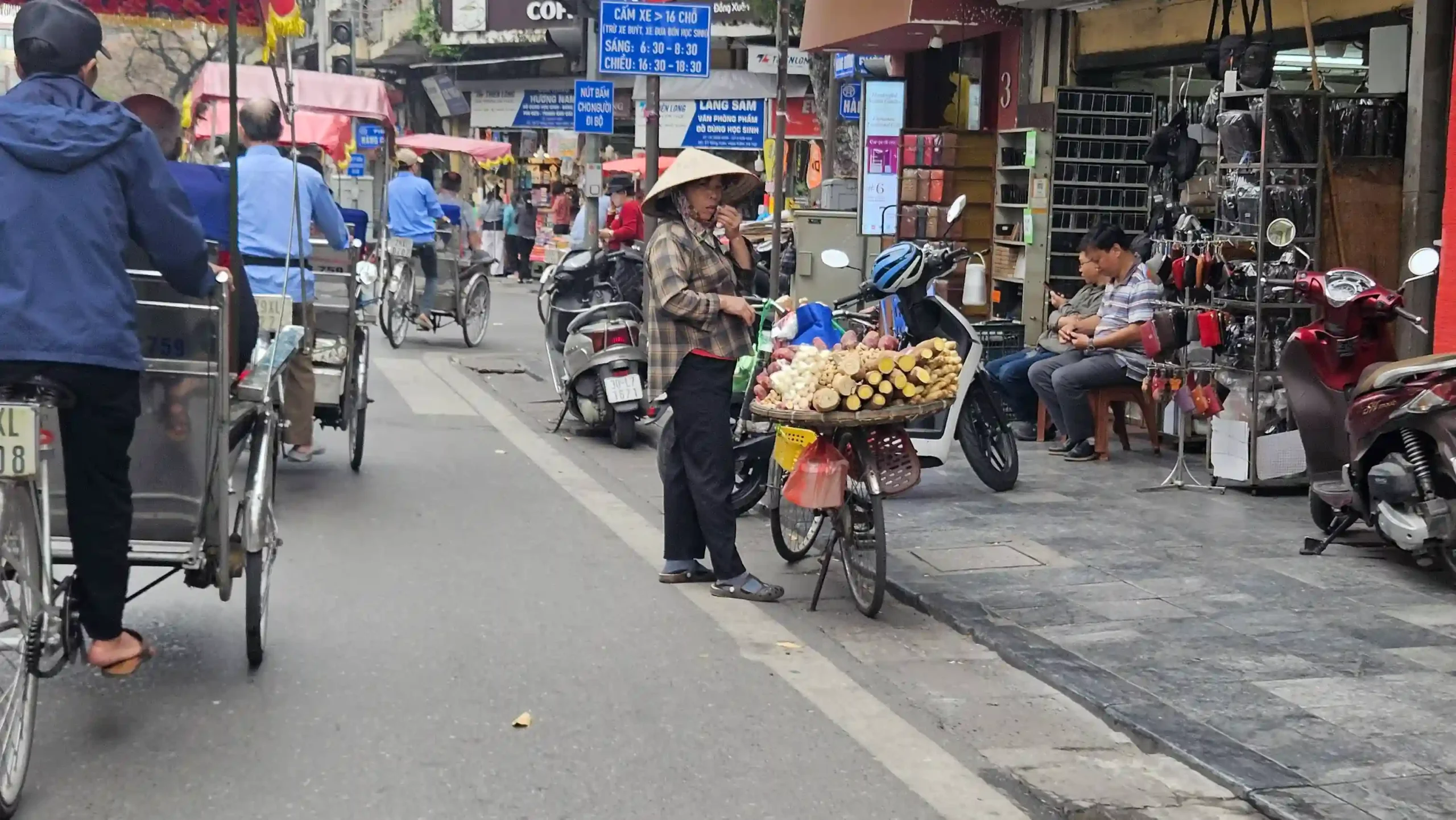
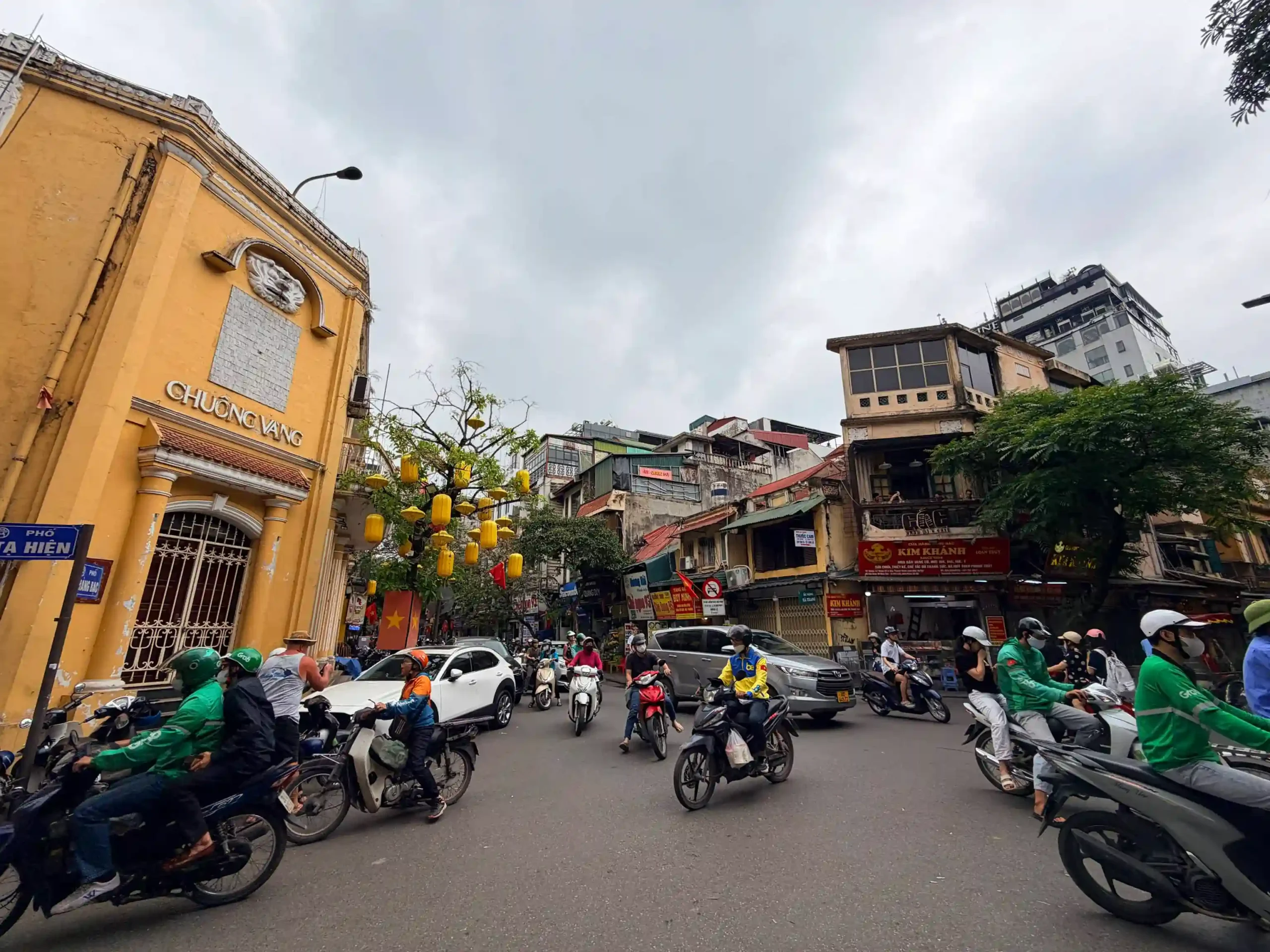
The drivers for these big companies do this every single day. They know exactly how much space they need. They know which intersections are dangerous. I have never seen one of these tour groups get into an accident. I have, however, seen cyclos get clipped by taxis because they were taking up too much space on a narrow corner.
If you have severe mobility issues, or a bad back, or you are traveling with a toddler, then obviously a motorbike tour isn’t going to work. In that case, skip the cyclo and just book one of those electric buggy cars (the green golf carts) that do laps around the lake.
But if you are physically able to sit on a bike, do the bike.
Random practical stuff you need to know before you get on
If you do book the tour, there are a few things you need to prepare for so you don’t ruin your day.
The Hanoi Kiss
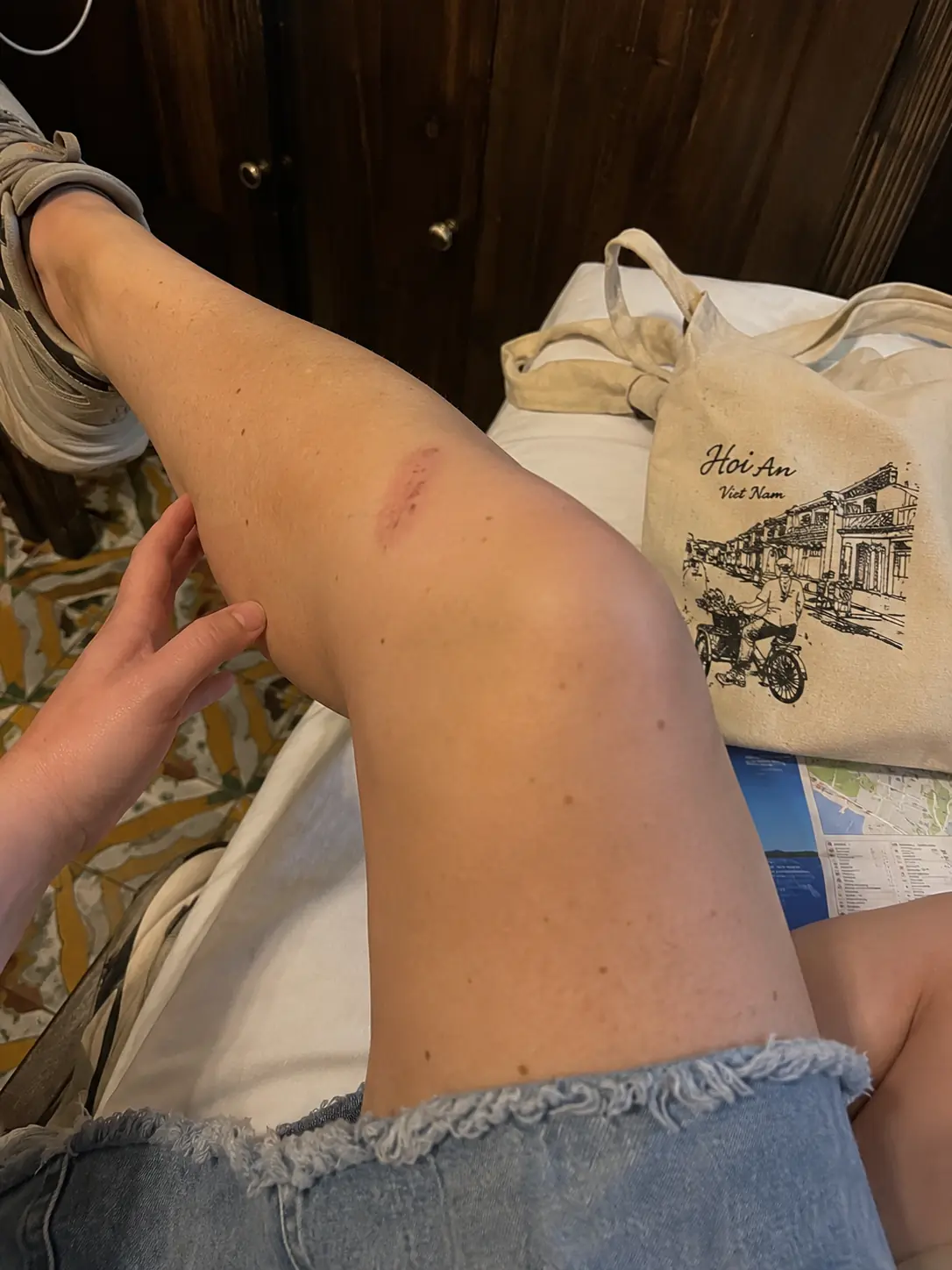
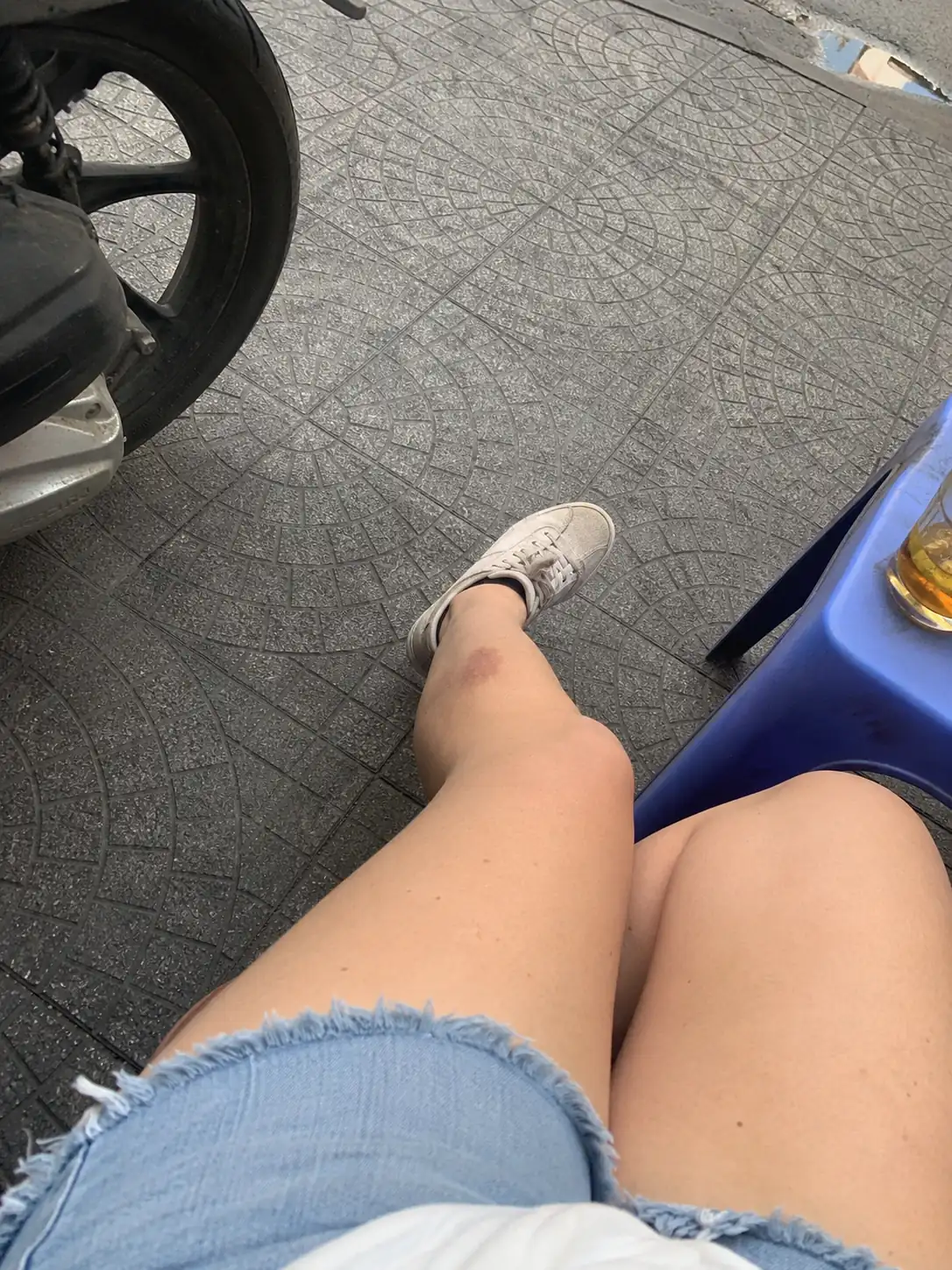

This is the most important thing. Classic motorcycles look cool, but the exhaust pipes are exposed metal and they get incredibly hot.
When you are getting on and off the bike, your driver will tell you to only step off on the left side. Listen to them. If you forget and swing your leg off the right side, your bare calf is going to touch that exhaust pipe. It will instantly burn you.
Expats call it the “Hanoi Kiss” because almost everyone who lives here has a scar on their right leg from doing it once. Just pay attention when you dismount.
Dress for a mess



Do not wear a nice dress or a skirt. You are straddling a motorcycle seat for four hours. It’s mechanically difficult and the wind will be an issue. Wear shorts or jeans.
And look at your shoes. If you do the daytime tour that goes out to Banana Island, you are going to be driving on dirt. If it rained the day before, it will be mud. Do not wear your pristine white sneakers. Wear something you don’t mind getting dusty.
Leave the big camera at the hotel
I see people trying to bring massive DSLR cameras with huge lenses on these tours. It’s a terrible idea.
You need your hands to hold onto the grab rails on the back of the bike, especially when they go over bumps. If you are trying to balance a heavy camera, you are going to drop it, or you are going to fall off.
Just bring your phone. Keep it in your pocket. When the bike stops at a red light or pulls over, take it out and snap a photo. The tour companies actually know this is an issue, so they usually have a dedicated guy riding alongside the group whose only job is to take professional photos of you riding. They just email you a Google Drive link the next day. It’s much easier.
Don’t eat a massive meal before you go
If you book the food tour version, pace yourself. They are going to feed you at like five different stops. I’ve seen people eat a huge bowl of Pho right before the tour starts, and by the second stop they are too full to eat the Banh Xeo (crispy pancakes) and they miss out. Go hungry.
How this fits into your trip
When you are looking at your overall Hanoi itinerary planning guide, you have to figure out where to put this.
I always tell people to book the scooter tour for their very first full day in the city.
Why? Because it acts as a crash course.
When you first arrive, the city is overwhelming. You don’t know how to cross the street, you don’t know what food to order, and you don’t know the layout of the neighborhoods.
You get on the back of the bike for four hours. The driver shows you how the traffic works. They take you to five different food stalls and show you exactly how to order and how to eat it (like how to wrap the pork in the rice paper with the herbs). They drive you through four different districts so you get a mental map of where the lake is, where the mausoleum is, and where the river is.
By the time they drop you back at your hotel, the jet lag is gone because of the adrenaline, and you suddenly feel confident. The next day, when you walk out of your hotel, you aren’t scared of the motorbikes anymore. You know exactly which alley to walk down to get that coffee you liked.
It just unlocks the city for you.
So yeah, skip the cyclo. Let the romantic idea of it die. The reality of Hanoi in 2026 is loud, it smells like exhaust and grilling pork, it moves fast, and it doesn’t wait for anyone. Get on the bike and just go with it.
I’ll be writing a separate guide soon for the crazy people who actually want to rent their own motorbikes and drive themselves up to the mountains, but if you are just staying in the city, stick to the tours.

Keep Exploring Hanoi
-
See & do UltimateReal things to do in Hanoi for travelers who hate big crowds ›
-
Spots Must read15 attractions in Hanoi every traveler needs to see! ›
-
SpotsThe most realistic Hanoi hop on hop off bus review in 2026 ›
-
SpotsIs a half day trip to Bat Trang Ceramic Village worth it? ›
-
SpotsRevealing the only 2 best tailors in Hanoi worth your money ›











 Tiếng Việt
 한국어
한국어 中文 (中国)
 日本語
日本語 ไทย
ไทย Deutsch
 Español
 Destinations
 Instagram
 Facebook
 X (Twitter)
 Threads
 Tiktok