









 Ha Giang
 Hanoi
 Ho Chi Minh City
 Ha Long
 Sapa
 Mekong Delta
 Da Nang
 Hue
 Hoi An
 Ninh Binh
 Da Lat
 Nha Trang
 Phan Thiet
 Phu Quoc
 Quang Binh
 Quy Nhon
 Vung Tau
 Thai Nguyen


Nearly all the historical places in Hanoi I take visitors to are done by lunch. Part of that is the heat, but mostly it’s the opening hours. The mausoleum only opens in the morning, Tran Quoc Pagoda shuts its gate from eleven until half past one, and the Temple of Literature is so full by mid-morning that you spend more time in a crowd than looking at anything.
So the ten historical places in Hanoi below are grouped by where they are and when to go, more than by how important they are, and at the end there’s how I’d fit them into two mornings and a couple of afternoons. One of them, the Imperial Citadel, comes with a warning for now, because a lot of it is a building site at the moment.
- Quick Answer: The historical places in Hanoi to see on a first visit are the Temple of Literature, the Ho Chi Minh Mausoleum and Ba Dinh Square, the One Pillar Pagoda, the Imperial Citadel of Thang Long, Hoa Lo Prison, Ngoc Son Temple, Bach Ma Temple, Tran Quoc Pagoda, Long Bien Bridge and the B52 wreck in Huu Tiep Lake. Most of them are best before 11am, since the mausoleum opens only in the morning and Tran Quoc closes over lunch.
- Ba Dinh (one morning):
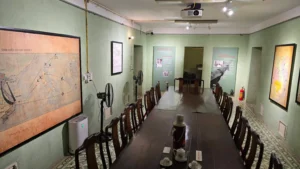
- Ho Chi Minh Mausoleum: free, mornings only, closed Monday and Friday, entry from Lê Hồng Phong, sleeves and long trousers, no pocket knives.
- One Pillar Pagoda: free, next to the mausoleum, small.
- Imperial Citadel: about 100,000 VND, closed Monday, partly under construction.
- Temple of Literature: 70,000 VND, 8am to 5pm, go at opening. Knees and shoulders covered.
- Hoa Lo Prison: 50,000 VND, 8am to 5pm with no lunch break. Take the audio guide.
- Old Quarter: Ngoc Son Temple about 30,000 VND; Bach Ma Temple, 76 Hàng Buồm, free; 48 Hàng Ngang, where the Declaration of Independence was written.
- West Lake: Tran Quoc Pagoda free, 7:30 to 11am and 1:30 to 5pm. Ignore the sarong sellers at the gate.
- Long Bien Bridge: walk it at sunrise or sunset. Designed and built by Daydé et Pillé, opened 1902.
- B52 wreck, Huu Tiep Lake: outside, always visible; the B52 museum’s opening is unreliable.
- Not on the ten: Opera House, St Joseph’s Cathedral, National Museum of Vietnamese History, Museum of Ethnology.
Historical Places in Hanoi in Ba Dinh
Four of the ten are in Ba Dinh, close enough together to walk between, and it’s the one part of Hanoi history that really does need an early start.
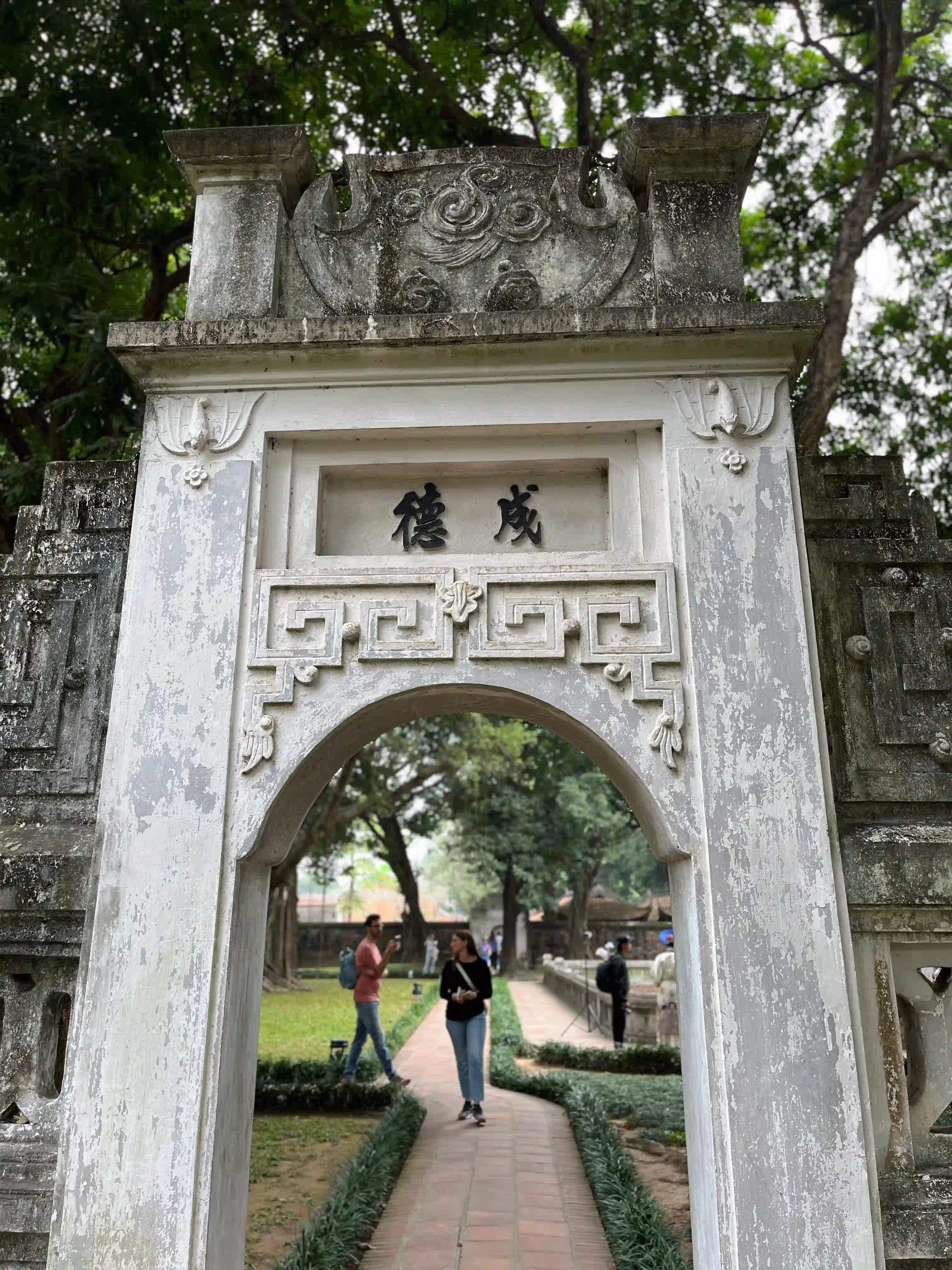
1. Temple of Literature (Van Mieu)
The Temple of Literature is the one I’d do first, at 8am when it opens, because nobody limits how many people go in and by ten it’s tour groups and graduation photos in every courtyard.
It was founded as a temple to Confucius in 1070, and a few years later the Imperial Academy next to it became the country’s first university, so it’s a temple and a school at once, which explains why it feels a bit like a campus.
The stone turtles carrying the names of the old doctoral graduates are what most people come for, and they’re behind a low fence now, so you look and don’t touch.
It’s laid out as five courtyards one behind the other, and the further back you go the quieter it gets. The first two are mostly gates and garden, the stelae are in the third, round a square pond called the Well of Heavenly Clarity, and the last one is the old academy, with a big drum and a bell upstairs. I like that last courtyard best. In exam season it fills with students in white ao dai who come to ask for luck, which is nice to see and makes the photos harder. Tickets are 70,000 VND, and knees and shoulders should be covered.
In late 2026 there’s a stage up for the 950th anniversary of the Imperial Academy, with music playing through the day, and it takes something away from the place. It’s temporary, but if your dates fall in the middle of it, an early visit helps more than ever.


2. Ho Chi Minh Mausoleum and Ba Dinh Square
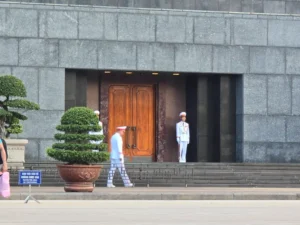
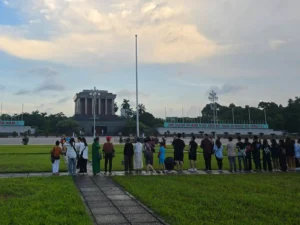
The mausoleum is free, only opens in the morning, and is closed on Mondays and Fridays, plus a stretch every year for maintenance (in 2026 that was September to early November). People turn up at noon all the time and find it shut, which is fine in a way, because Ba Dinh Square in front is open all day, and it’s where Ho Chi Minh read the Declaration of Independence in September 1945.
To go inside, the way in is from Lê Hồng Phong street, through an X-ray machine. They do turn people away for short sleeves, so it’s long sleeves and long trousers, and a pocket knife won’t be kept for you at the door, it just won’t come back. The queue is usually ten to thirty minutes, sometimes nothing, and inside you file past without stopping, no photos, in silence. There are free toilets and water at the back once you’re out.
Some visitors find it moving and some find it strange, and both are fair. I’ve taken friends who decided the queue wasn’t for them and were happy with the square and the walk round the outside. Either way it belongs on the list, because nothing else in Hanoi tells you as much about how the country sees itself.
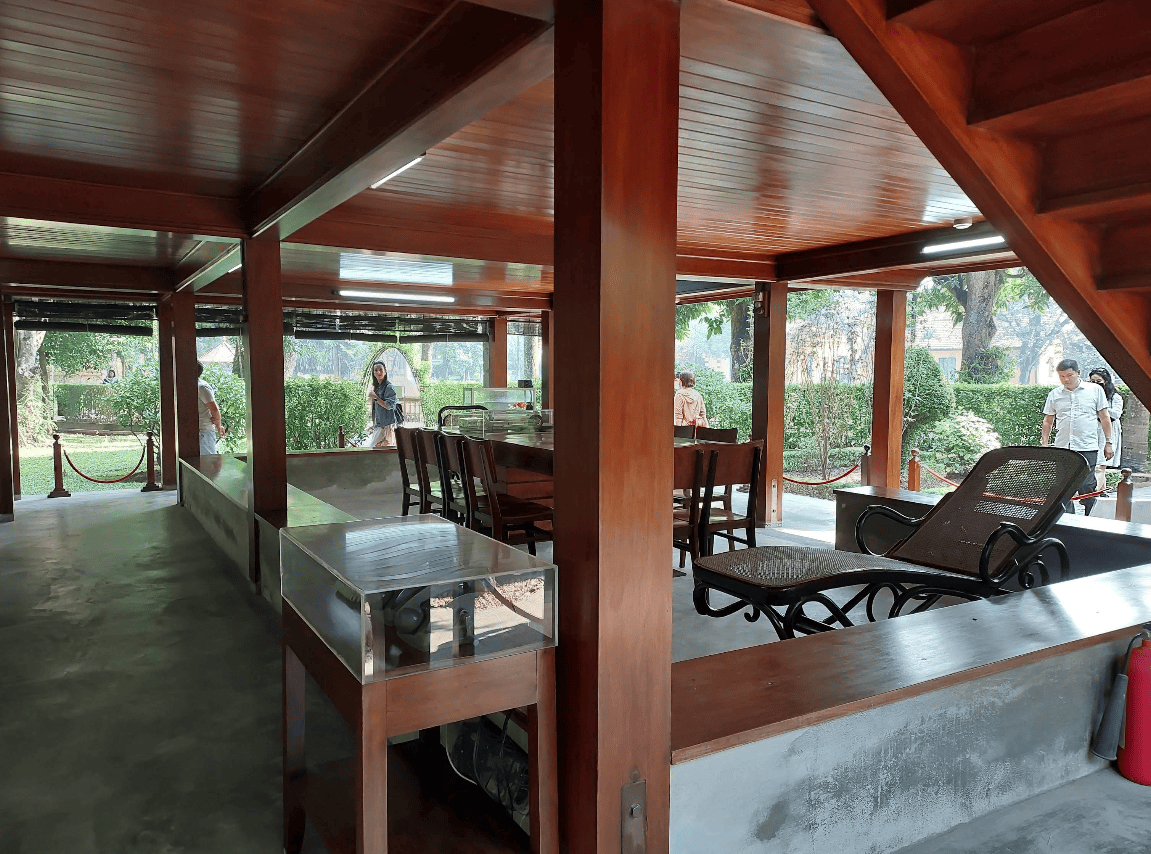
Behind it, the grounds carry on to the yellow Presidential Palace, which you see from outside, and the stilt house where Ho Chi Minh actually lived and worked, a small wooden house on stilts by a fish pond, with his desk and his bed and not much else. I find that house more interesting than the mausoleum, it says a lot about how he wanted to be seen.


3. One Pillar Pagoda
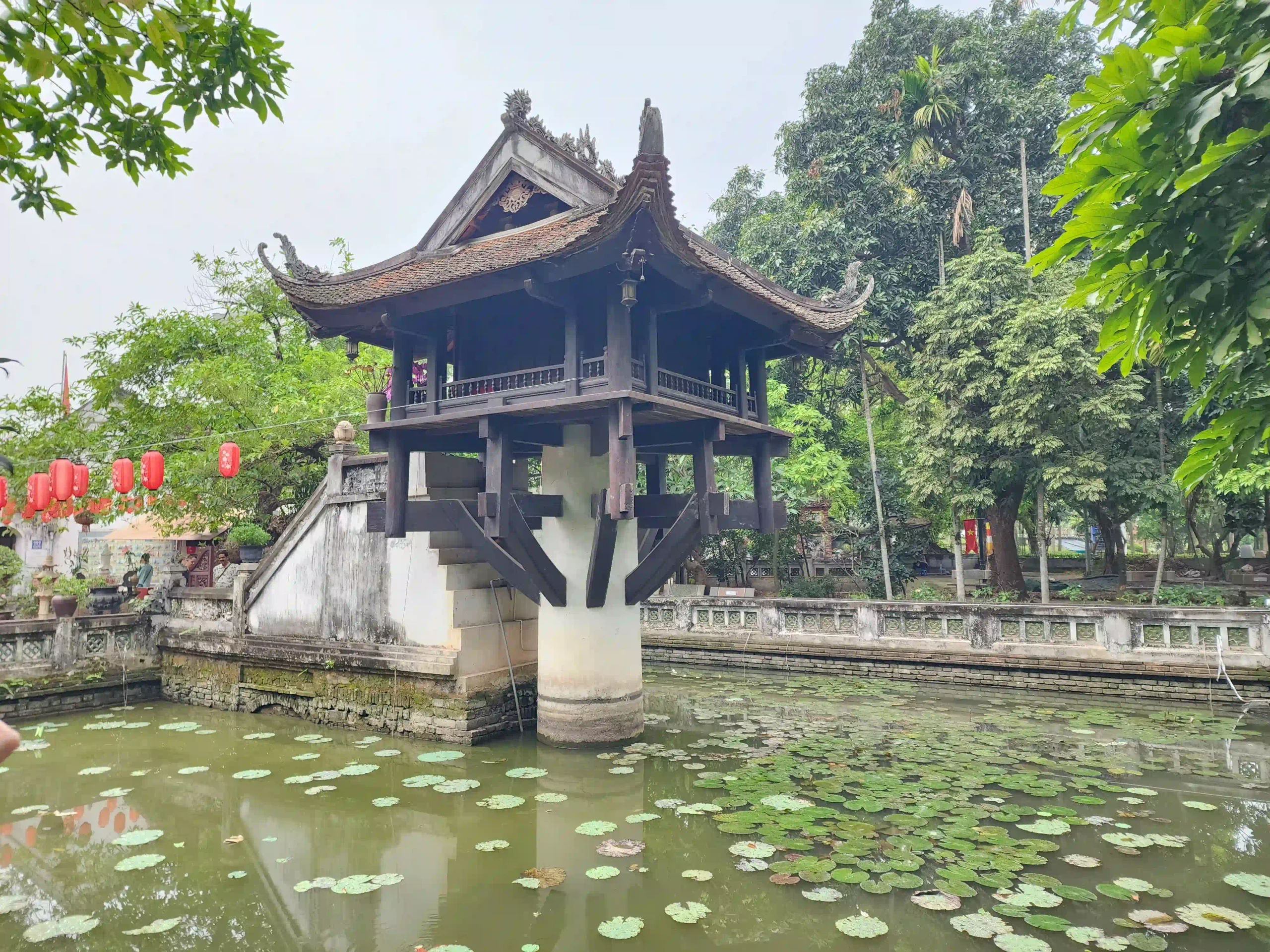
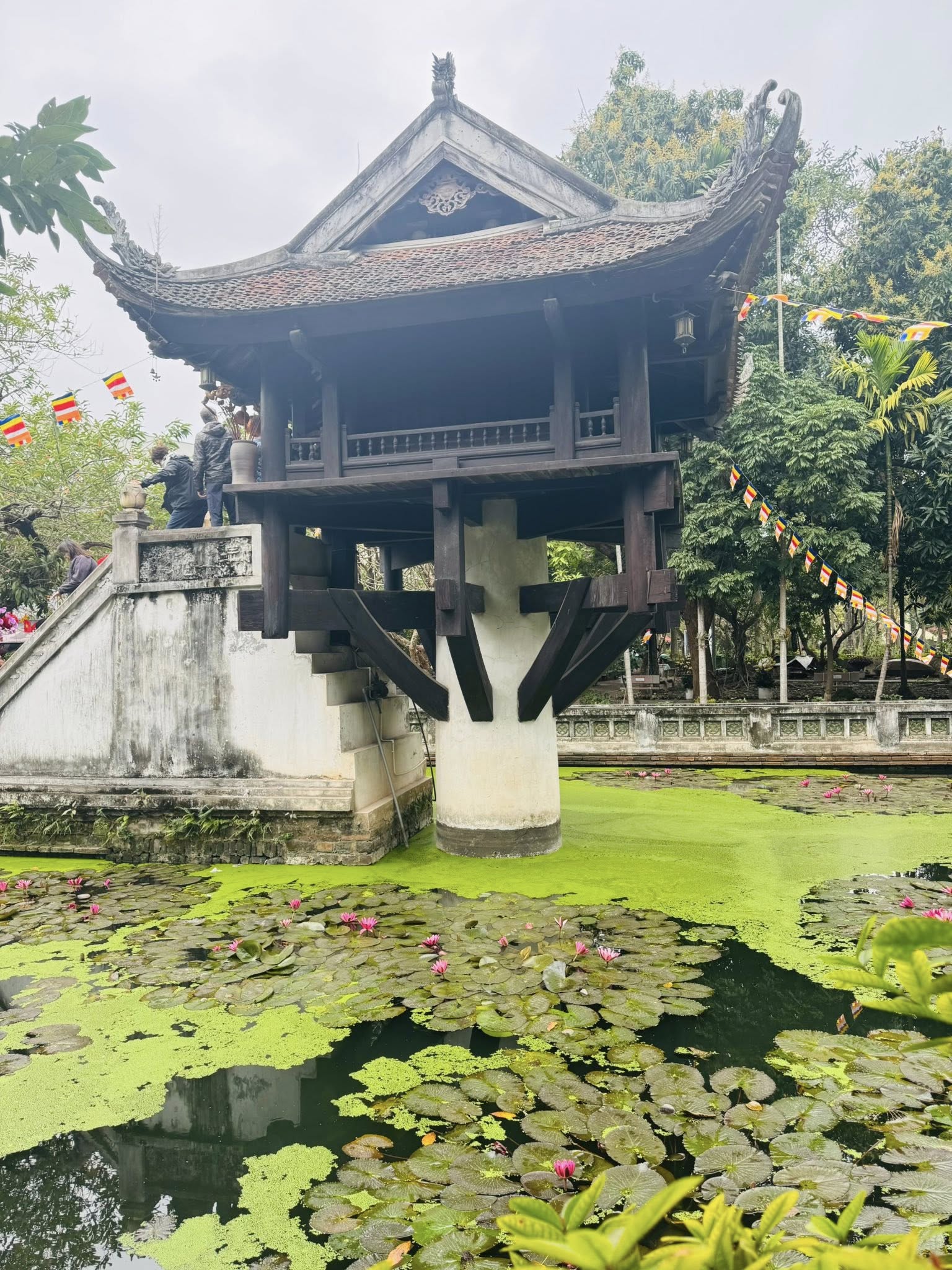
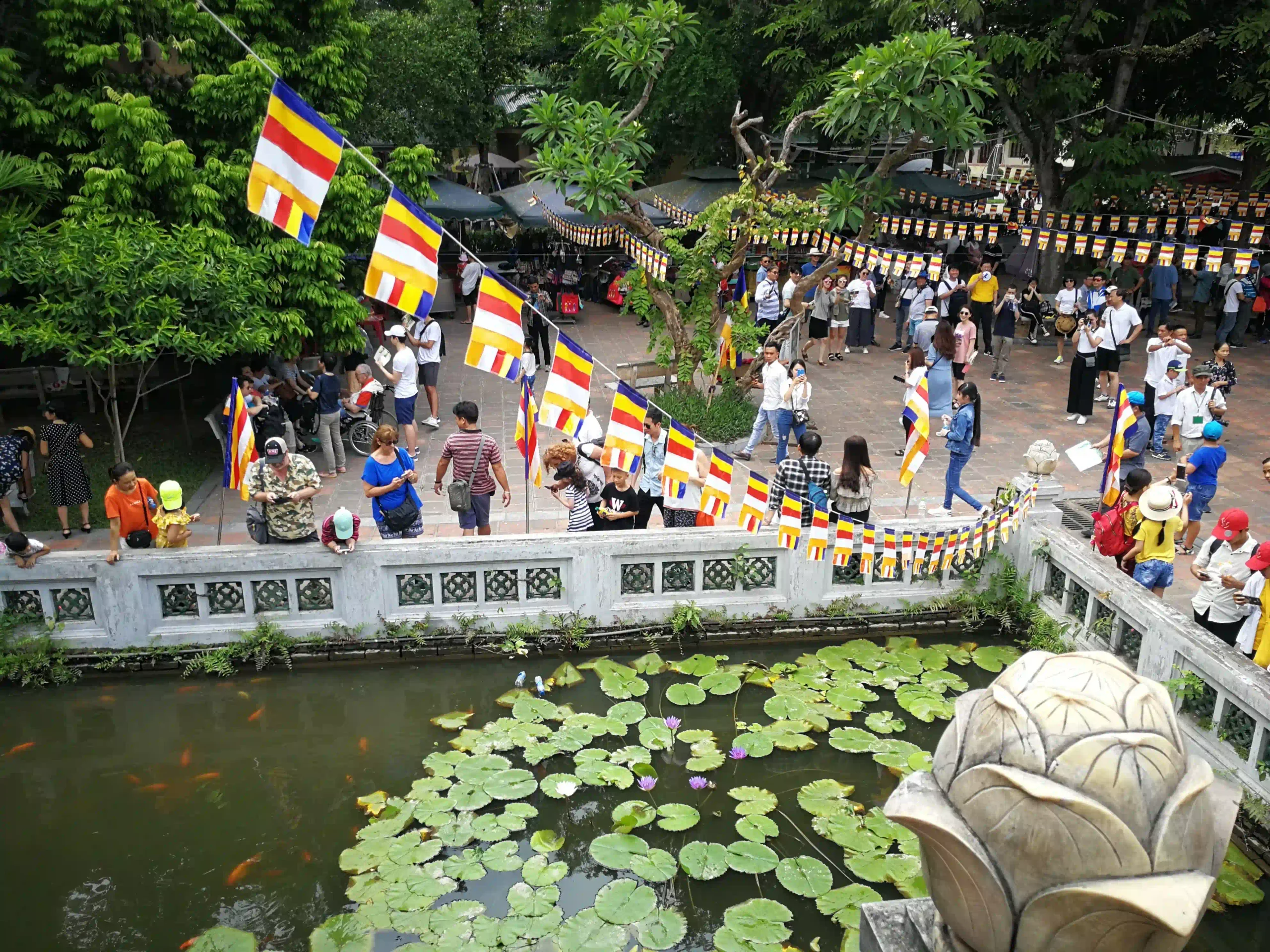
The One Pillar Pagoda is a couple of minutes’ walk from the mausoleum, free, and much smaller than people expect, a small wooden shrine on a single pillar in a lotus pond. It’s been rebuilt several times over its thousand-odd years, including after it was blown up by the French in 1954.
The front view is the one in the photos and it’s a bit flat. From the side and the back the shape makes more sense, it’s meant to look like a lotus coming up out of the water. There’s usually a short queue to climb the steps to the altar, and around ten it gets very busy, so straight after the mausoleum is the right time. Ten or fifteen minutes is plenty.
4. Imperial Citadel of Thang Long
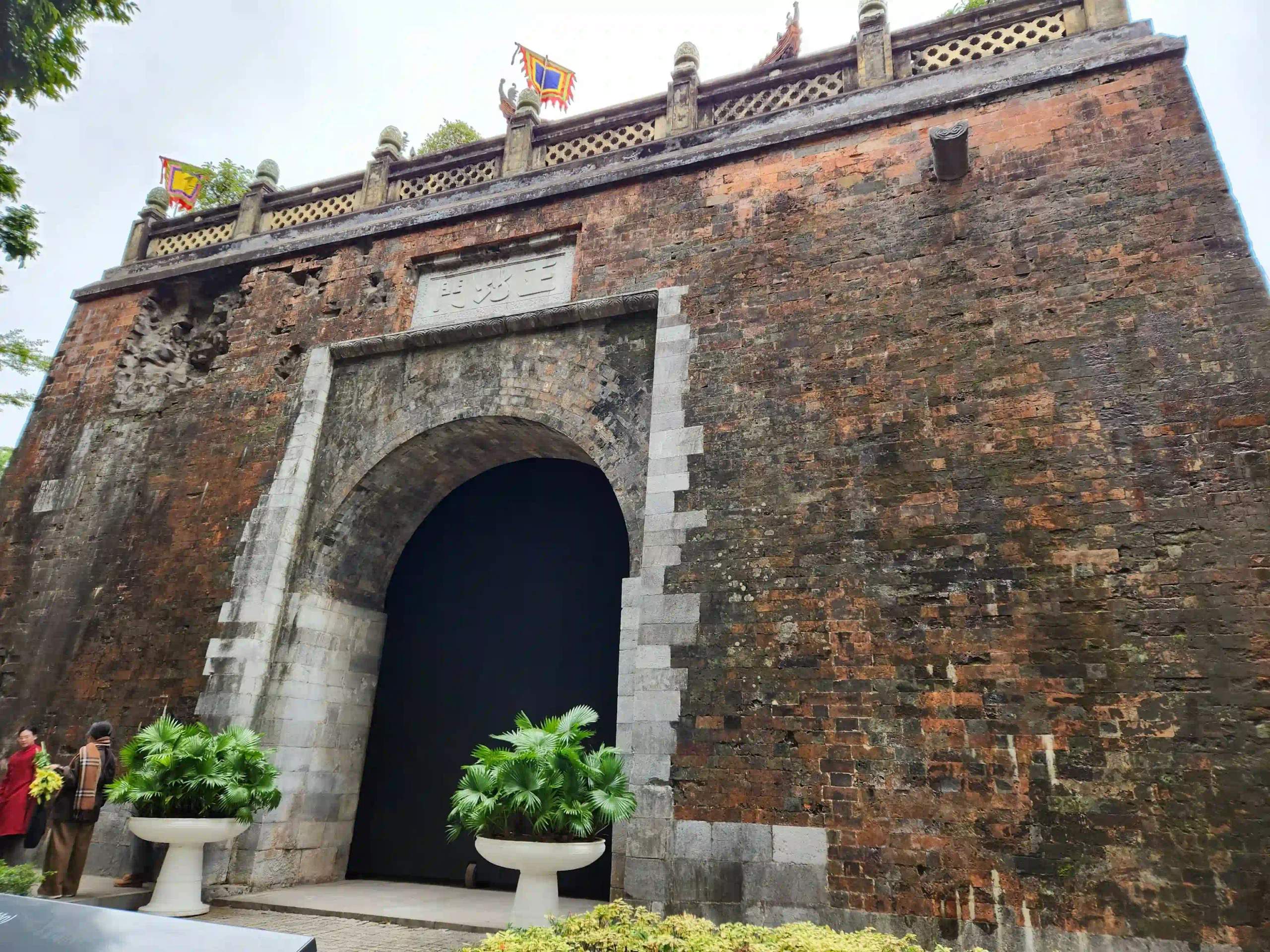
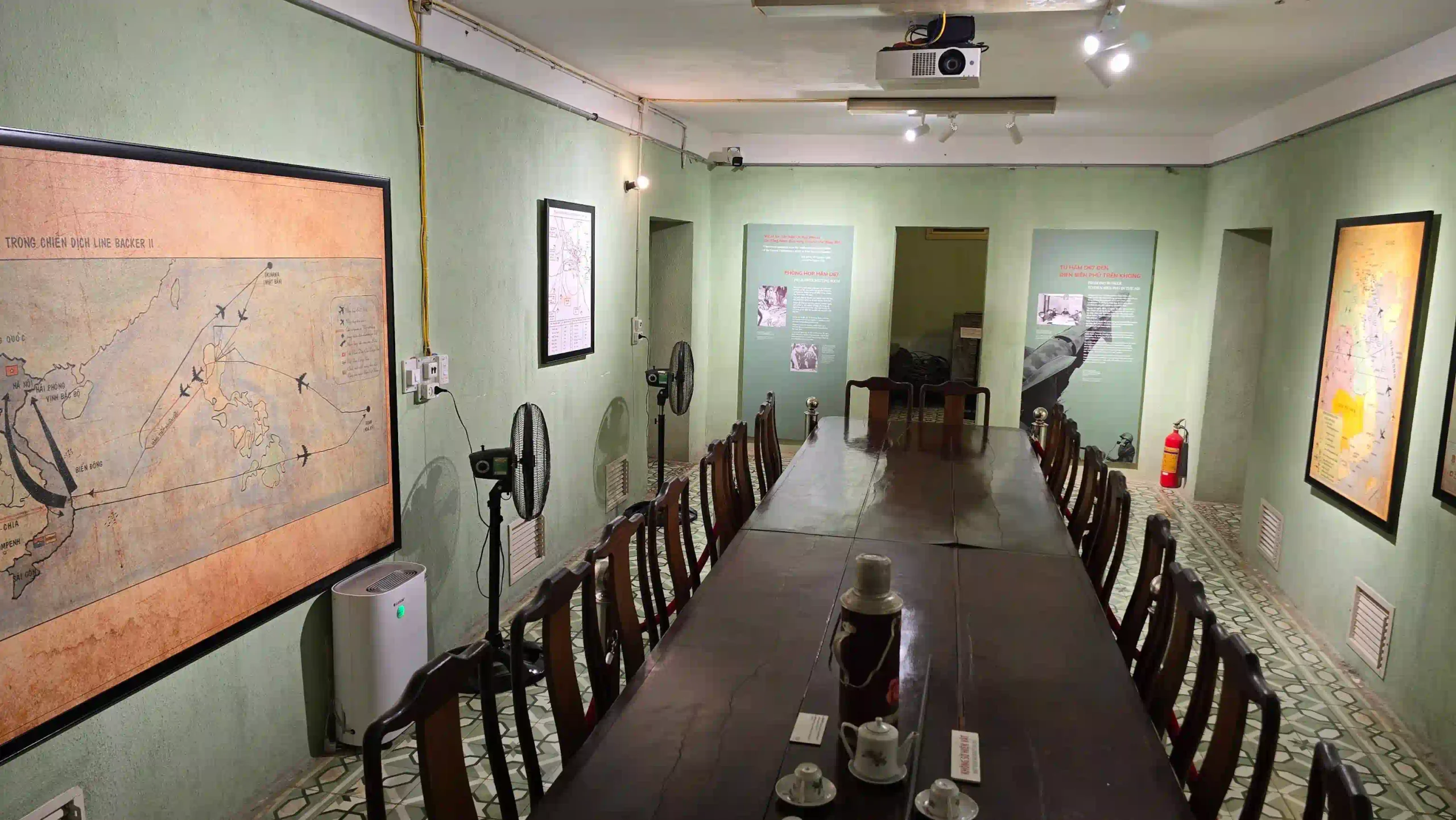
Usually I’d say give the Imperial Citadel a whole afternoon. It was the seat of power for most of eight centuries, it’s a UNESCO site, and the D67 bunker underneath, where the army command sat during the war, is one of the best things to see in the city.
At the moment, though, late 2026, a big part of it is an open-air construction site, dusty, with very little shade, and it’s lost a lot of its feeling. So for now I’d go for an hour, see the main gate and the D67 bunker, and come back another time when the work is done. Tickets are around 100,000 VND, and it’s closed on Mondays.
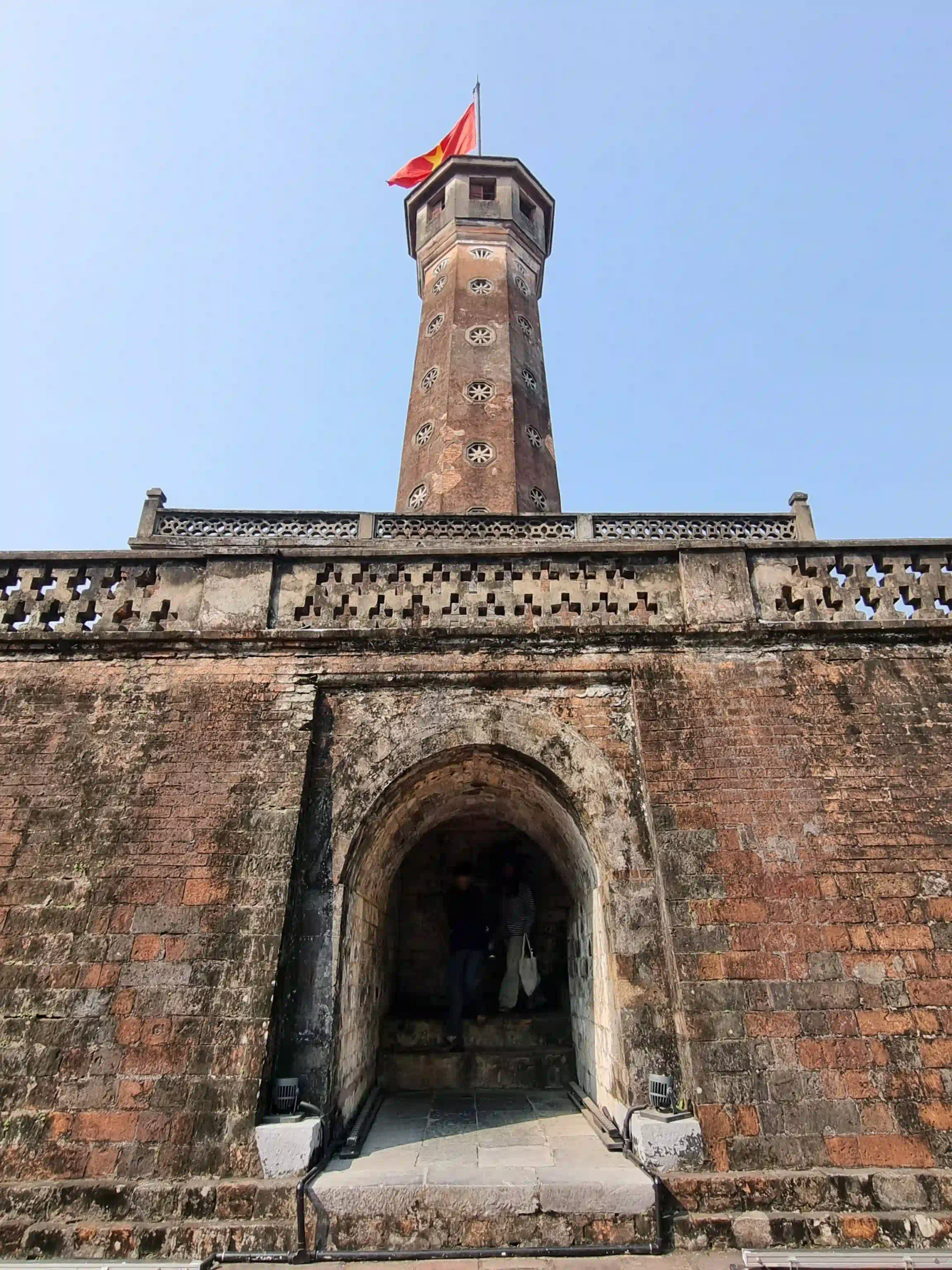
The Hanoi Flag Tower, from 1812, is at the southern edge of the same area and you’ll pass it either way. Across Hoang Dieu street from the main entrance is the archaeological site at 18 Hoang Dieu, where digging for a new National Assembly building turned up layer after layer of the old palaces, and it’s a short walk across the road if it’s open.
Hanoi History In and Around the Old Quarter
The next three are an easy walk from the lake, and none of them close at lunch, so they’re the ones to save for the middle of the day, along with a long lunch somewhere with a fan.
5. Hoa Lo Prison
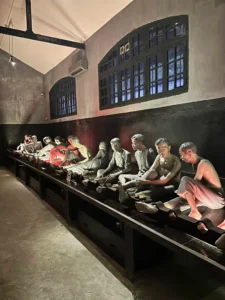
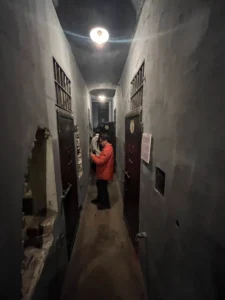
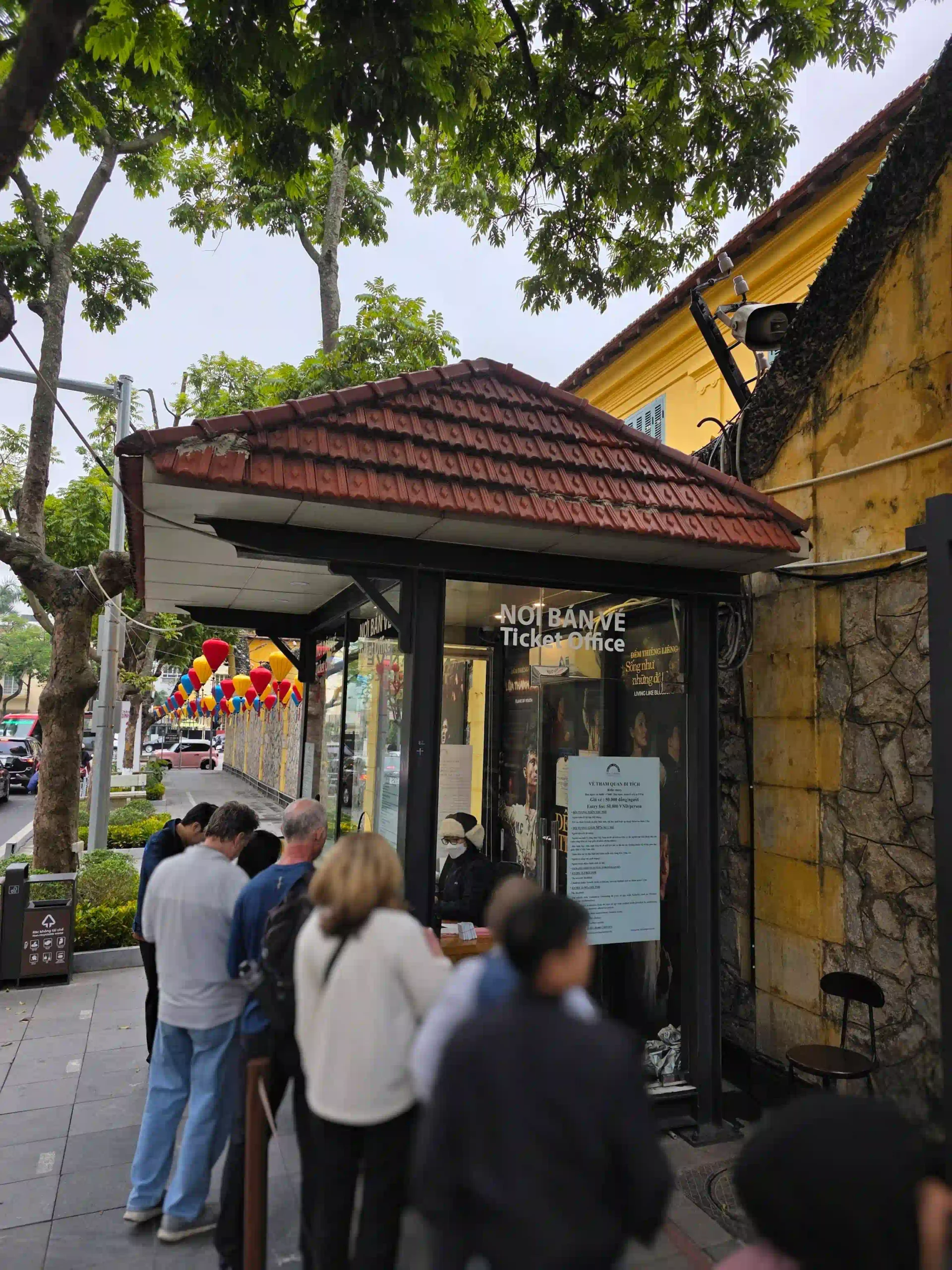
Hoa Lo Prison is open from 8am to 5pm without a lunch break, which makes it the obvious place for the middle of the day. Tickets are 50,000 VND. The French built it to hold Vietnamese political prisoners, and later it held American pilots, who called it the Hanoi Hilton.
I always take the audio guide. It costs more than the ticket and it’s the difference between reading small signs in a hot corridor and actually following what happened in each room.
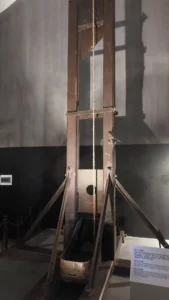
It’s a heavy place, the cells and the guillotine especially, and the part about the American pilots tells the story the Vietnamese way, which is very different from how it’s told in the US. I think that’s part of the point of going. There can be a queue of ten to thirty minutes at busy times. Only a corner of the prison is left, by the way. Most of it was knocked down in the 1990s for the tower block that now stands behind it, which is a strange thing to look up at when you come out.
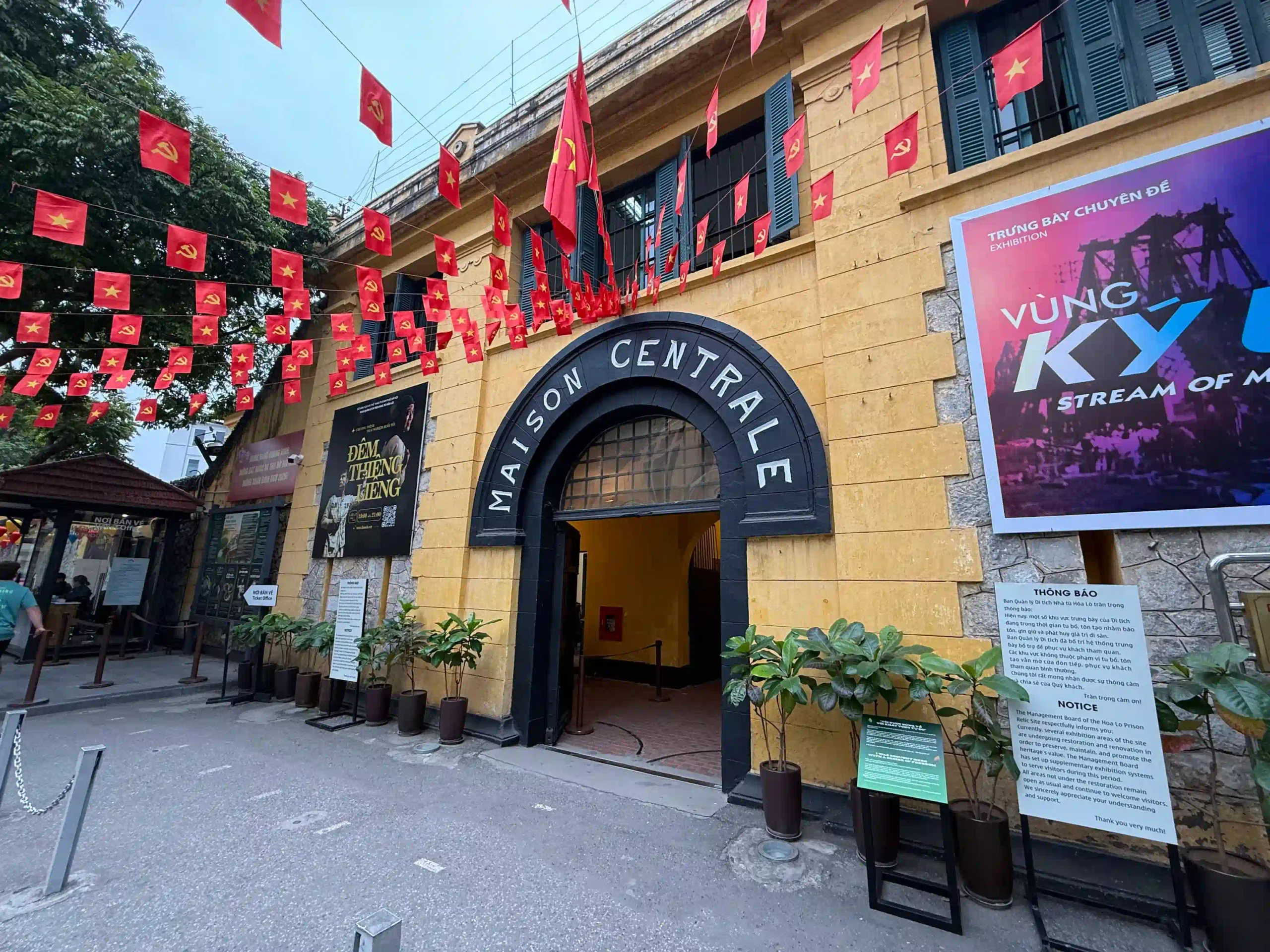
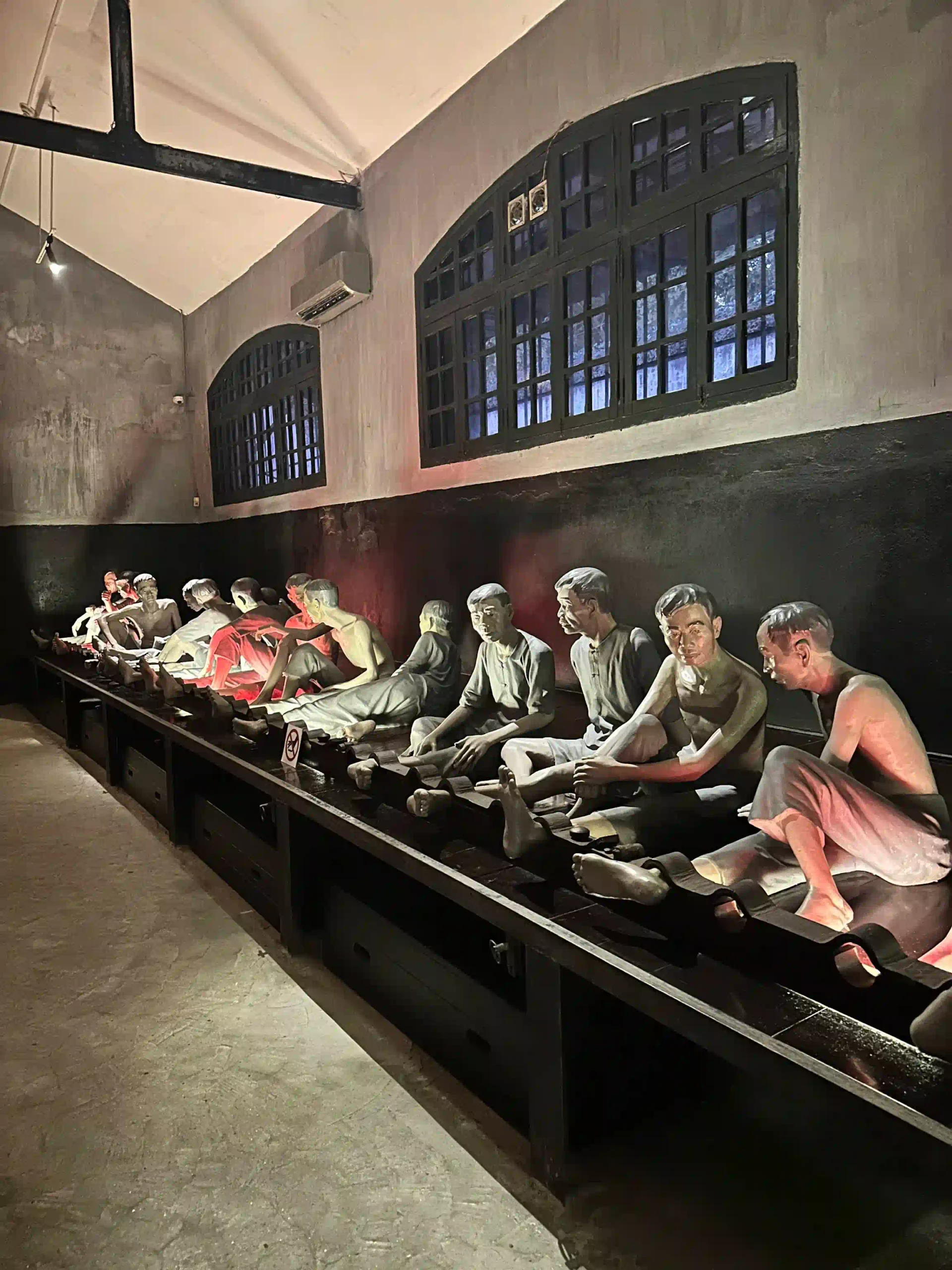
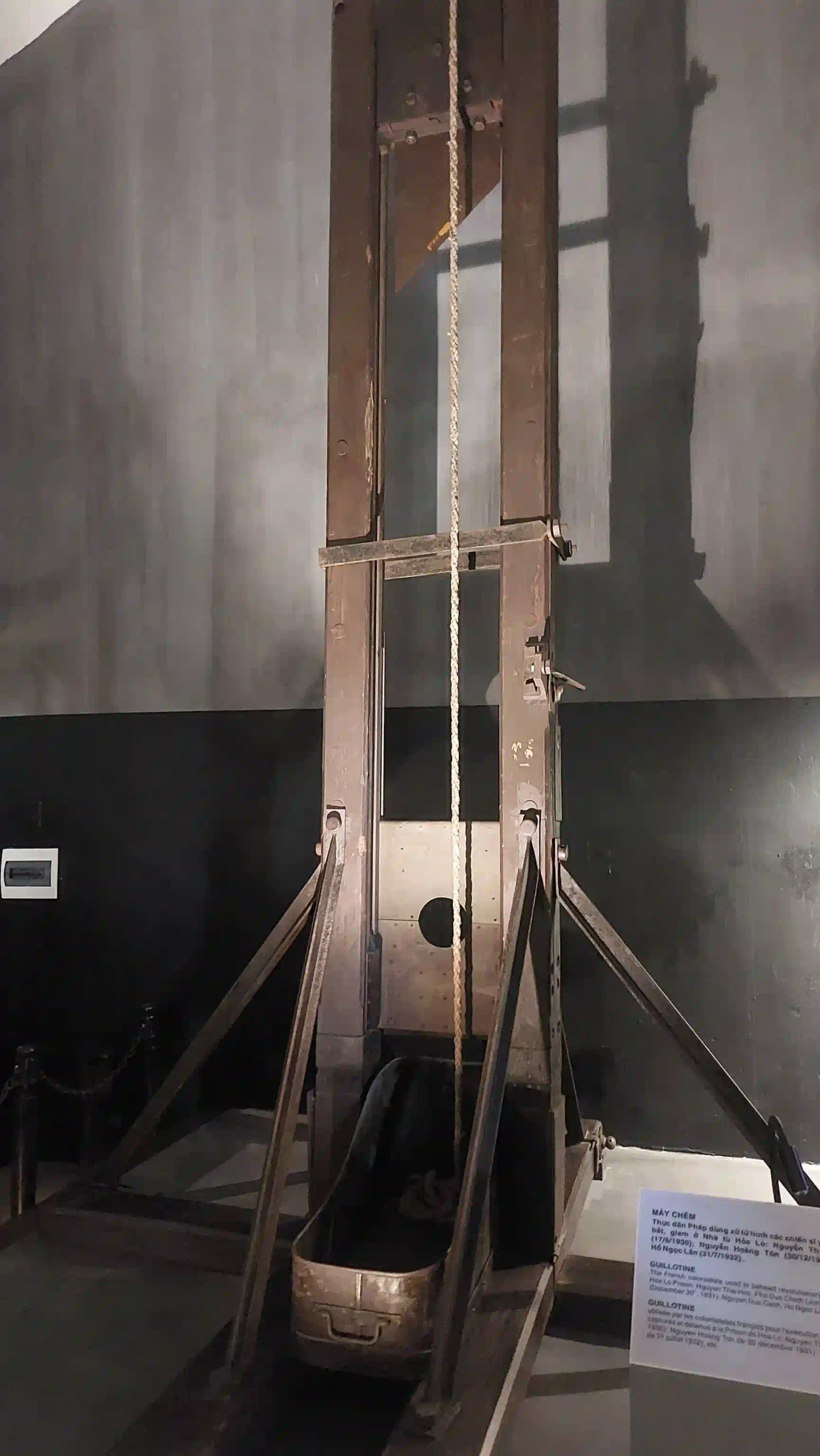
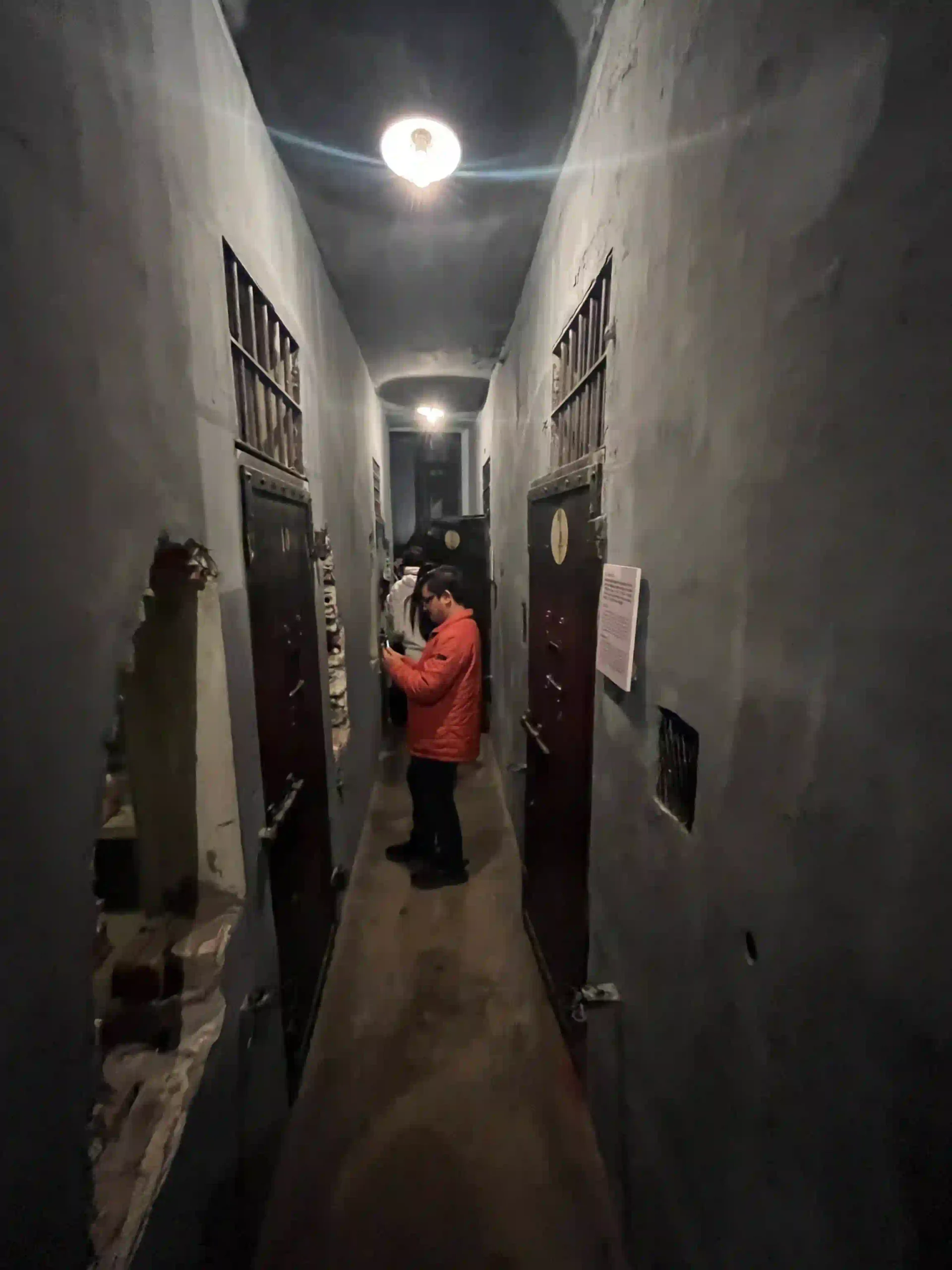
6. Ngoc Son Temple and Hoan Kiem Lake
Ngoc Son Temple sits on a small island in Hoan Kiem Lake, over the red Huc Bridge, about 30,000 VND to go in. The temple itself is from the 18th century and honours Tran Hung Dao, the general who beat the Mongols, along with a scholar and a god of literature.
The lake’s own story is the better-known one. The emperor Le Loi is supposed to have been given a magic sword to fight the Ming invaders, and after he won, a golden turtle came up out of the lake and took it back, which is where the name, Lake of the Returned Sword, comes from. There’s a preserved turtle inside the temple.
I’d go early in the morning, when the lake is full of people doing exercises and the bridge isn’t covered in selfie sticks.


7. Bach Ma Temple and 48 Hang Ngang
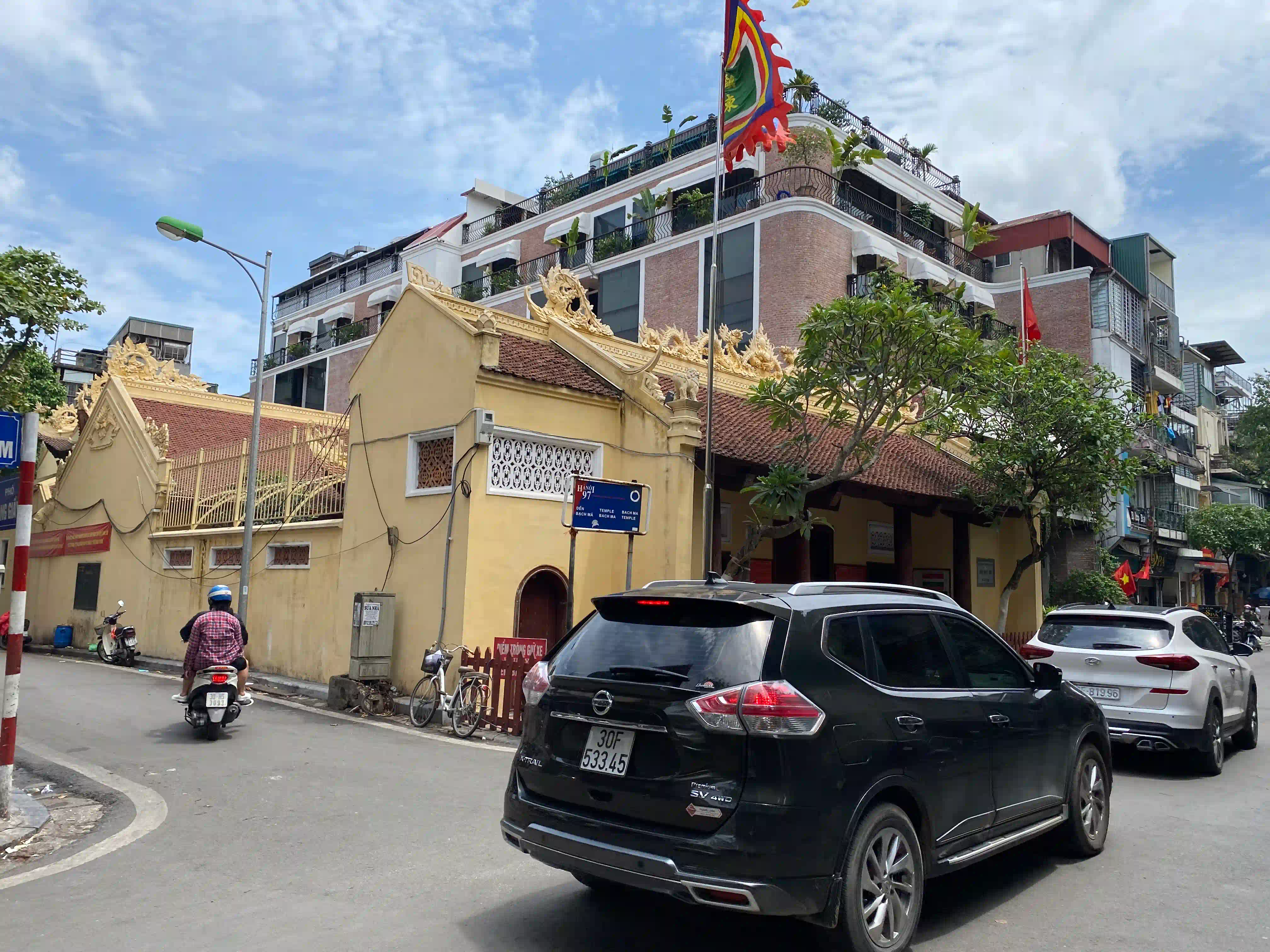
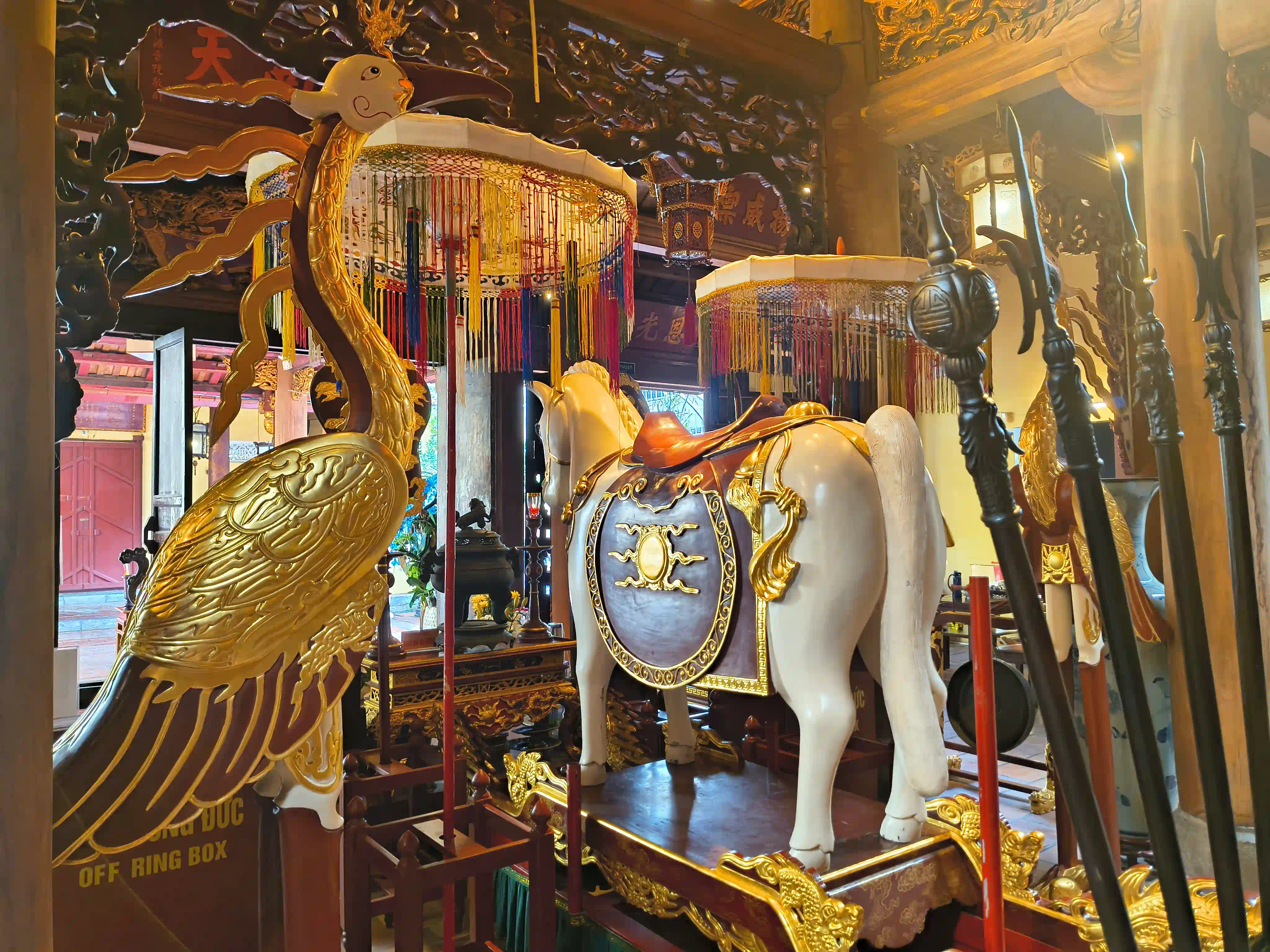
For Hanoi Old Quarter history, Bach Ma Temple at 76 Hàng Buồm is the one I’d stop at. It’s free, open 9am to 5pm, and it’s the oldest temple in the Old Quarter, older than the streets around it.
The legend is that a white horse showed the first Ly king where to build the city walls, and the temple was built for it. It’s small and dark and smells of incense, and most people walk straight past it.
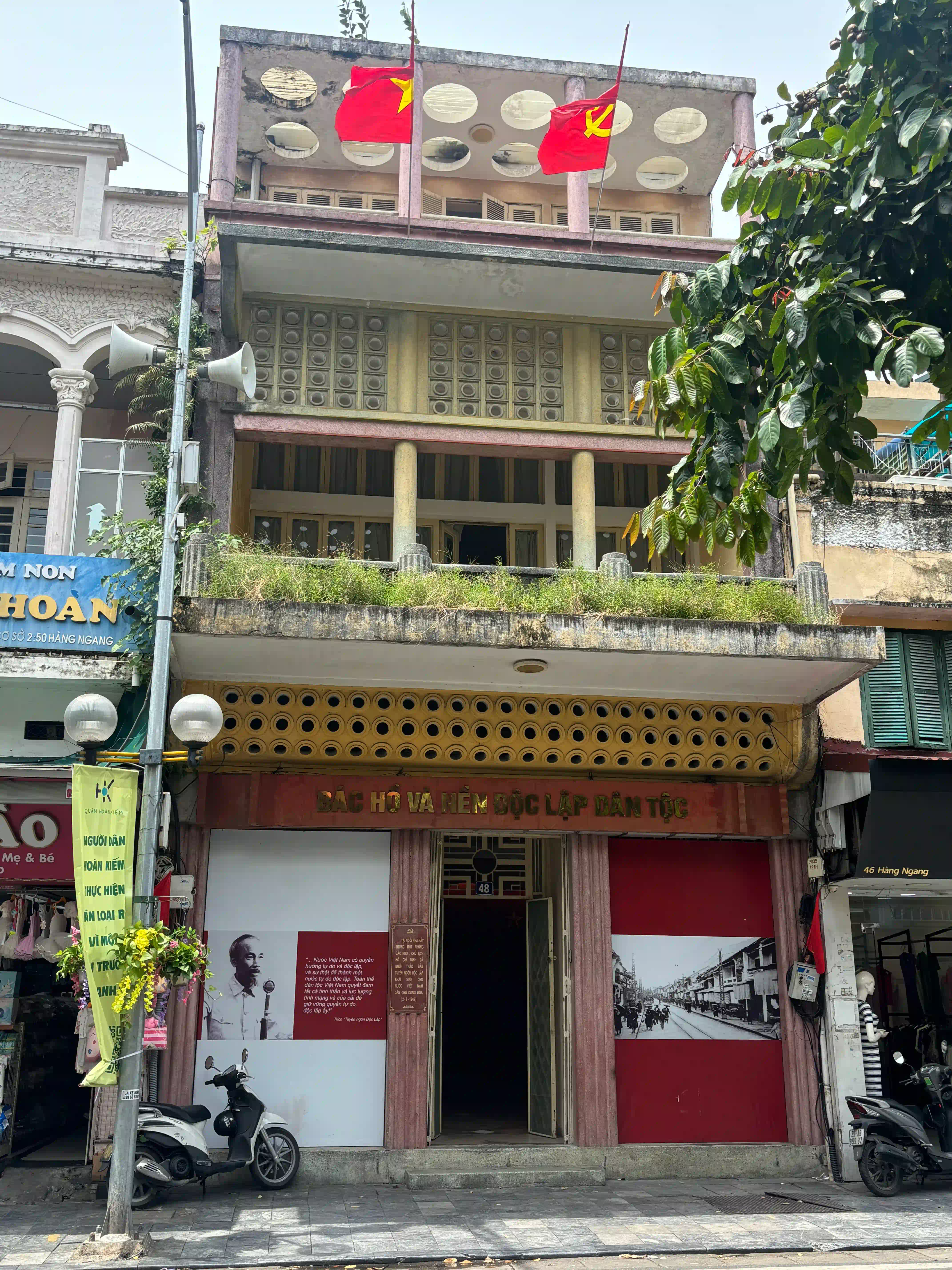
A few minutes away, 48 Hàng Ngang is an ordinary-looking shophouse where Ho Chi Minh stayed in the last days of August 1945 and wrote the Declaration of Independence. There’s a plaque outside, and it’s one of those places that’s easy to miss if nobody tells you it’s there.
West Lake and the River
The last three are spread out a bit more, and the timing matters for two of them.
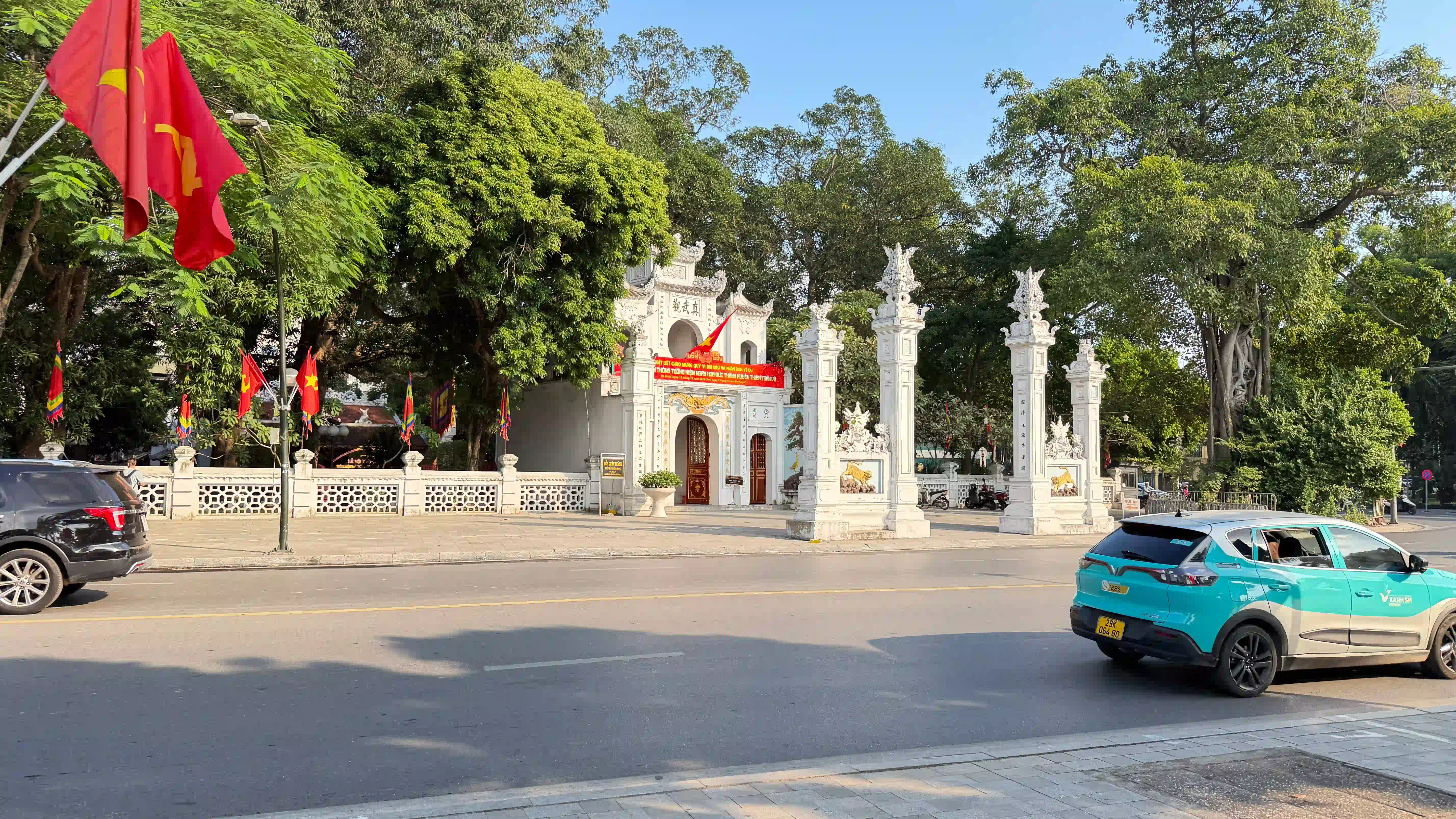
8. Tran Quoc Pagoda
Tran Quoc Pagoda is the oldest pagoda in Hanoi, on a little island off the road between West Lake and Truc Bach, and free. It was moved to where it is now from the bank of the Red River in the 17th century, and the tall red tower, eleven tiers, is the photo everyone takes.
It closes from 11am to 1:30pm every day, which catches a lot of people out, so it’s either first thing or mid-afternoon. Sunset is lovely and also very busy.
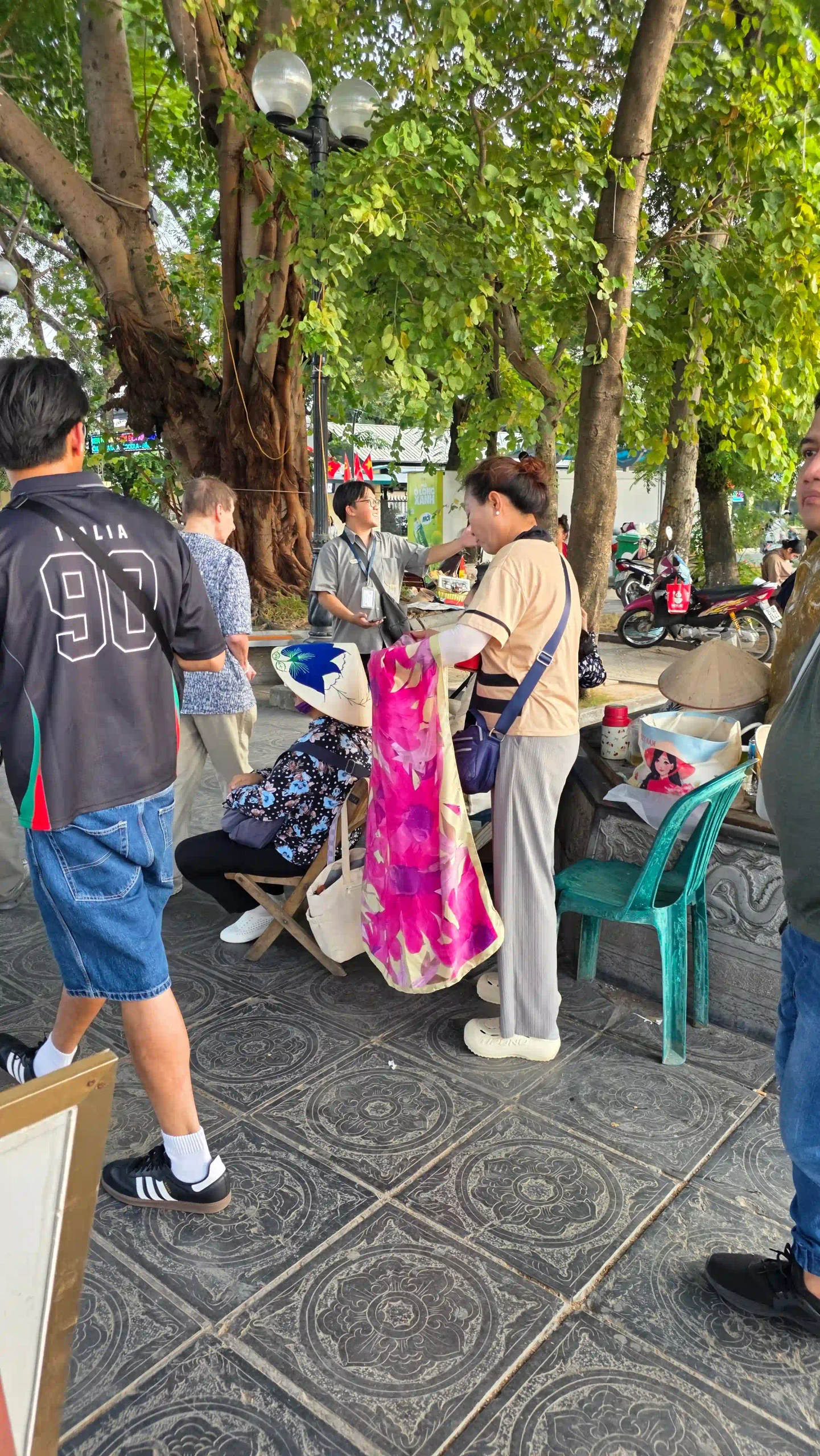
At the gate there are women selling sarongs and long trousers, telling visitors in shorts they can’t go in, at silly prices. Covered knees and shoulders are polite at a pagoda, but nobody checks at the door, and shorts get in fine. Anyone who wants to be respectful can bring trousers from the hotel.
Quan Thanh Temple, a Taoist temple to one of the guardians of the city, is just across the road, and the walk along Thanh Nien between the two lakes, with fishermen and couples on the benches, is a nice way to arrive.
On the Truc Bach side of that road there’s a small stone memorial marking where John McCain’s plane came down in 1967, which most people walk past without noticing.


9. Long Bien Bridge
Long Bien Bridge went up between 1898 and 1902, the French called it the Doumer Bridge, and it’s about 1.7km long. A lot of what’s written about it says Gustave Eiffel designed it. He didn’t. The contract went to a French company called Daydé et Pillé in 1897, and their makers’ plates are still on the steel if you look.
It was bombed again and again in the war and patched every time, and you can see the different repairs. I walk across it at sunrise or just before sunset, on the narrow path at the side, with motorbikes on one side and the occasional train going through the middle. It’s the best view of the river in the city, and the banana fields and sandbanks underneath are a surprise the first time.
The bridge starts at the north edge of the Old Quarter, near Long Bien station and a short walk from Dong Xuan market, and walking out to the middle and back is enough for most people. The whole way across and back is the best part of an hour.


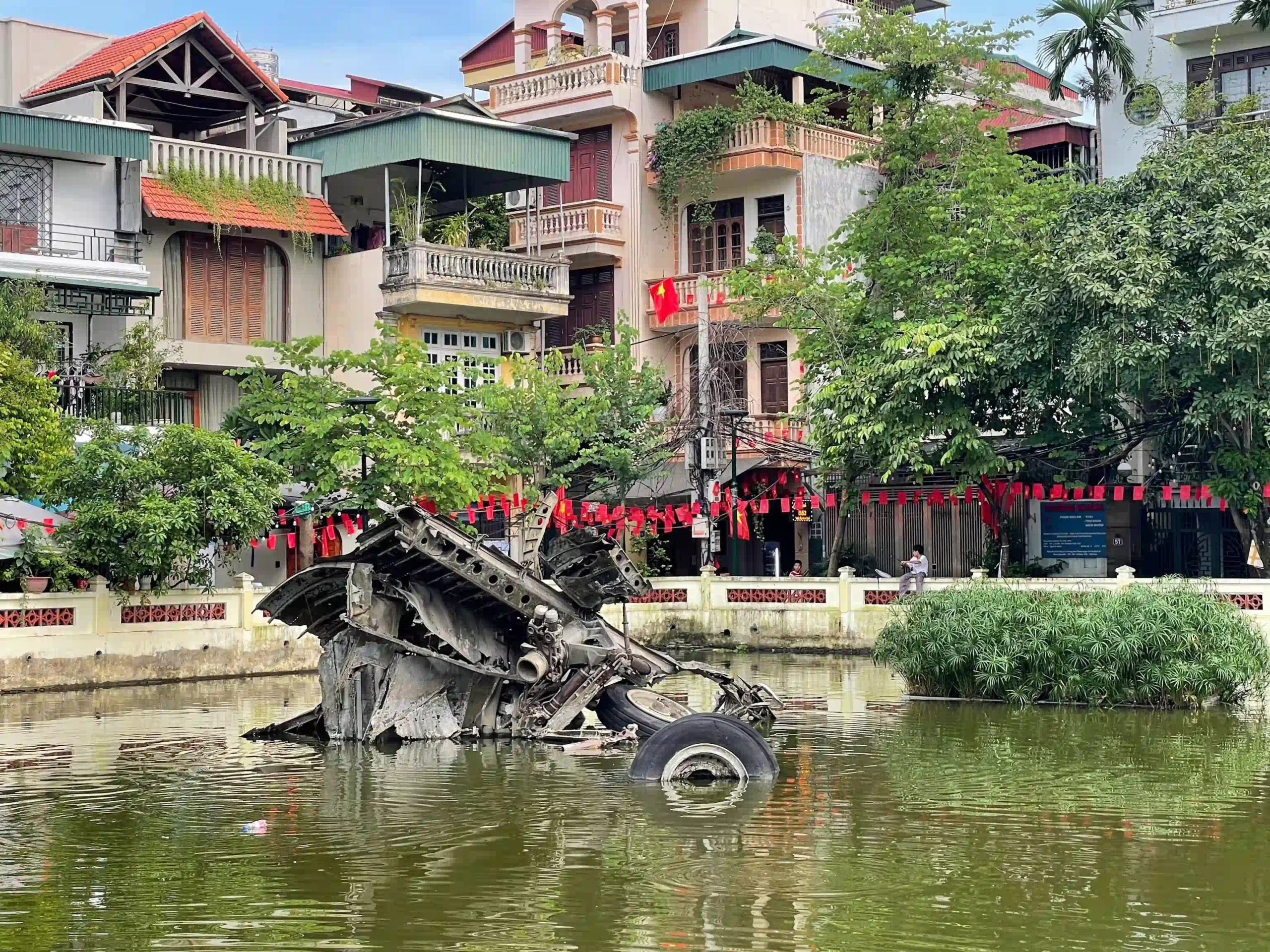
10. The B52 Wreck at Huu Tiep Lake
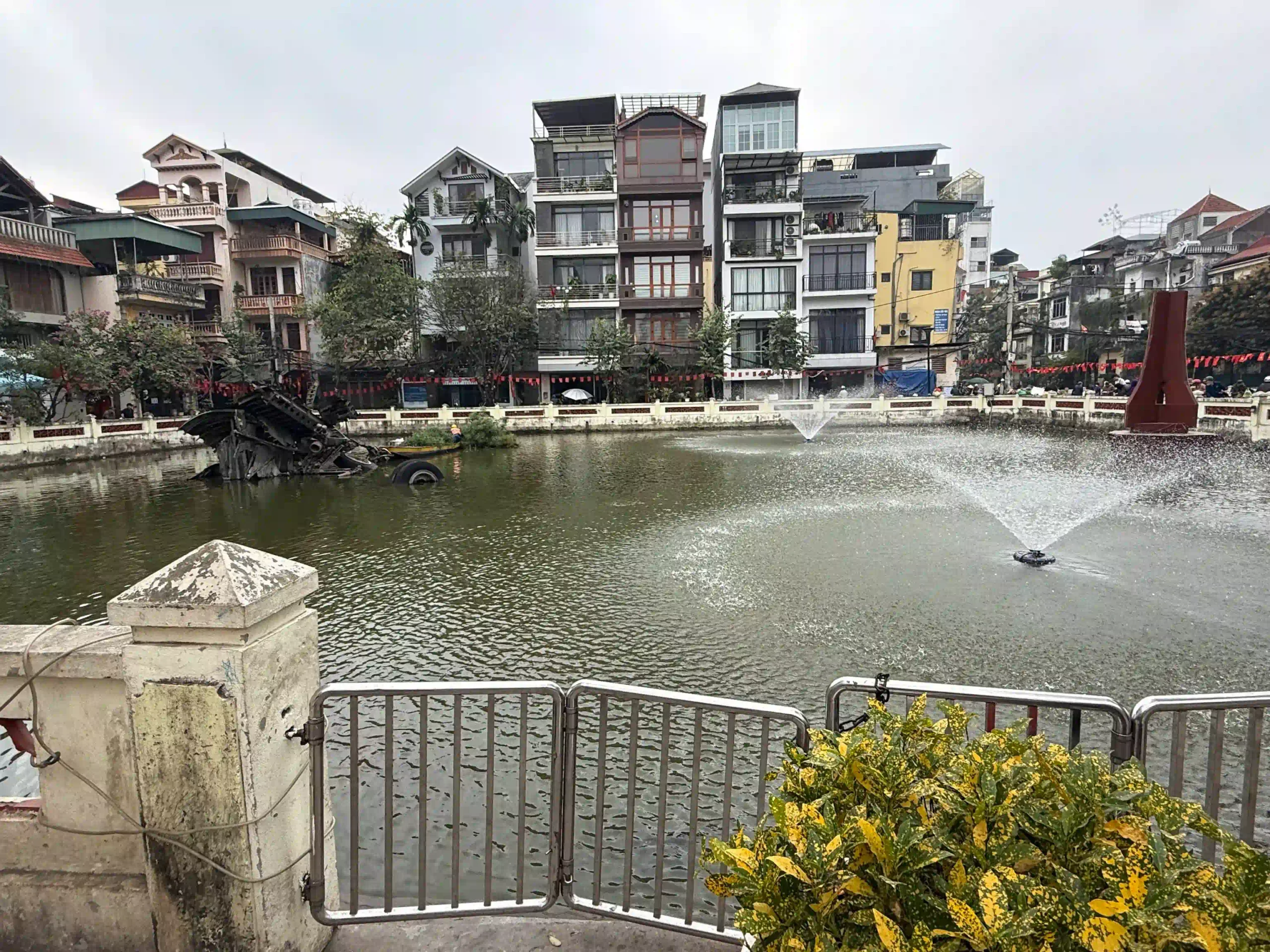
In a small pond in a residential lane in Ngoc Ha, part of a B52 bomber shot down in December 1972 is still sticking out of the water. It’s Huu Tiep Lake, outdoors, free, and there’s a café and a bia hơi place right by it.
The plane came down during the twelve days of bombing over Christmas 1972, which older Hanoians still talk about, and seeing a piece of it in a neighbourhood pond, with washing hanging on the balconies above, does more than any museum case for me.
The B52 Victory Museum, about 500m away, has been open some weeks and shut others lately, and I wouldn’t plan a trip round it. The wreck in the lake is always there, which is the reason it’s on this list and the museum isn’t.

The Ones That Didn’t Make the Ten
Three more historical places in Hanoi came close. The Hanoi Opera House, finished in 1911 and modelled on the Palais Garnier in Paris, is beautiful from the outside, and the guided tours inside are good if you like that kind of thing. August Revolution Square in front of it is where the big rallies of 1945 happened. St Joseph’s Cathedral, from 1886, is a working church, and on Christmas Eve the whole area is packed solid.
For museums, the National Museum of Vietnamese History near the lake covers everything up to 1945, bronze drums and Cham sculpture included, and the Museum of Ethnology out in Cau Giay is the one I’d pick if you only do one. Both are in the Hanoi museums guide. Outside the city, Duong Lam ancient village and the old Son Tay citadel make a good half day if you have the time.
People sometimes ask me about war tunnels near Hanoi. There aren’t any you can visit on your own. The tunnels people have in mind are near Saigon.
How I’d Fit the Hanoi Historical Sites Into Two Days
Most of these ten historical places in Hanoi fit into two mornings and a couple of afternoons, if the hours are on your side.
On the first morning, the mausoleum as early as you can, the One Pillar Pagoda straight after, then an hour at the Citadel while the work is going on. Lunch, then Hoa Lo Prison in the afternoon, since it doesn’t close at midday.
On the second morning, the Temple of Literature at 8am, then a Grab up to Tran Quoc before eleven, Quan Thanh across the road, and the B52 wreck on the way back. Long Bien at the end of either afternoon, and the Old Quarter temples whenever you’re passing.
If the first morning lands on a Monday or a Friday, swap the two days round. The Ba Dinh part is easy on foot, and the route I walk with friends is in the Hanoi walking tour. How these mornings sit inside a three-day trip is in the Hanoi itinerary.
A full-day city tour with a local guide covers most of the Ba Dinh list and the Temple of Literature in one go, which suits anyone who would like someone else to deal with the timing.
From May to September, after about ten, it’s properly hot, and the stone courtyards and open squares hold the heat. On my own I’d still do the Hanoi historical sites in mornings, and spend the hot middle of the day eating and sitting somewhere with a fan.












 Tiếng Việt
 한국어
 中文 (中国)
 日本語
 ไทย
 Deutsch
 Español
 Destinations
 Instagram
 Facebook
 X (Twitter)
 Threads
 Tiktok