









 Ha Giang
 Hanoi
 Ho Chi Minh City
 Ha Long
 Sapa
 Mekong Delta
 Da Nang
 Hue
 Hoi An
 Ninh Binh
 Da Lat
 Nha Trang
 Phan Thiet
 Phu Quoc
 Quang Binh
 Quy Nhon
 Vung Tau
 Thai Nguyen
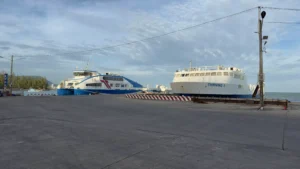

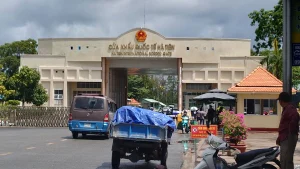


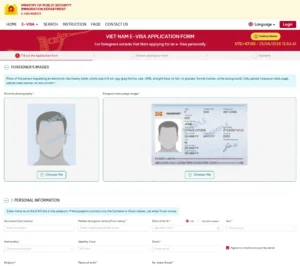


There is no ferry from Ho Chi Minh City to Phu Quoc. Every ferry to Phu Quoc leaves from one of two towns in the Mekong Delta, Rạch Giá or Hà Tiên, and they all come into the same small port at Bãi Vòng on the island’s east coast. Where you’re starting from decides almost everything else.
I live in Saigon, and from Saigon I fly, every time. The flight is an hour, and the bus and boat is the best part of a day. The ferry is the right way onto the island from somewhere else: from Cần Thơ or anywhere in the Delta, from Kampot or Kep across the Cambodian border, or with your own car or motorbike, which no plane will carry. It’s also the fallback over Tết, when every seat out of Saigon is gone.
So this covers every route there is, the two that matter, the visa catch on the Cambodia crossing, and what happens at Bãi Vòng when you step off.
- Quick Answer: Phu Quoc ferries run from Hà Tiên and Rạch Giá in the Mekong Delta to Bãi Vòng port on the island. From Hà Tiên, Superdong and Phú Quốc Express fast boats take about 75 minutes and cost 216,000 to 230,000 VND, and the Thạnh Thới and Bình An car ferries take about three hours. From Rạch Giá the fast boats take 2 hours 10 to 2 hours 45 and cost 315,000 to 324,000 VND. Fast boats run from about 6am to 2pm. There is no direct ferry from Ho Chi Minh City, Cambodia or Thailand: from Saigon it’s a bus to Rạch Giá plus the boat, and from Kampot or Kep it’s a van over the Hà Tiên border plus the boat.
- Ferry routes to Phu Quoc:
- Hà Tiên to Phu Quoc, fast boat: about 75 minutes, 216,000 to 230,000 VND, VIP 330,000. Superdong and Phú Quốc Express.
- Hà Tiên to Phu Quoc, car ferry: about 3 hours, from 185,000 VND. Thạnh Thới and Bình An, sailings from about 4:30am to 6pm.
- Rạch Giá to Phu Quoc, fast boat: 2 hours 10 to 2 hours 45, 315,000 VND (Phú Quốc Express) or 324,000 (Superdong), VIP 500,000.
- Rạch Giá to Phu Quoc, car ferry: Thạnh Thới, about 3 hours or more, 290,000 VND.
- Ho Chi Minh City: no direct boat. Bus to Rạch Giá, 4 to 5 hours, about 230,000 VND, then the ferry.
- Cambodia: no direct boat. Van and ferry combo from Kampot or Kep via Hà Tiên, 4 to 6 hours, about $22 to $35.
- Nam Du: a direct Superdong boat runs in some seasons, about 90 minutes. Otherwise via Rạch Giá.
- The port: Bãi Vòng, east coast near Hàm Ninh, about 15km from Duong Dong. Superdong’s shuttle bus into town is 40,000 VND.
- Visa: the 30-day Phu Quoc exemption doesn’t cover the mainland, so taking the ferry to Hà Tiên or Rạch Giá needs a Vietnam visa, and so does arriving from Cambodia by land.
- Weather: fast boats stop when the wind and waves get up, mostly in the southwest monsoon from May to October. Tickets are refunded.
Phu Quoc Ferry Routes at a Glance
| Route | Operators | Time | Adult fare (2026) | Departures |
|---|---|---|---|---|
| Hà Tiên to Phu Quoc, fast boat | Superdong, Phú Quốc Express | about 75 min | 216,000 to 230,000 VND | about 6am to 2pm |
| Hà Tiên to Phu Quoc, car ferry | Thạnh Thới, Bình An | about 3 hours | from 185,000 VND | about 4:30am to 6pm |
| Rạch Giá to Phu Quoc, fast boat | Superdong, Phú Quốc Express, Lightning 68 | 2h10 to 2h45 | 315,000 to 324,000 VND | about 7am to 1pm |
| Rạch Giá to Phu Quoc, car ferry | Thạnh Thới | 3 hours or more | 290,000 VND | a few a day |
| Phu Quoc to Nam Du | Superdong | about 90 min | varies | some seasons only |
| Ho Chi Minh City to Phu Quoc | bus to Rạch Giá + ferry | 7 to 9 hours | about 550,000 VND total | night buses for the 7am boat |
| Kampot or Kep to Phu Quoc | van via Hà Tiên + ferry | 4 to 6 hours | about $22 to $35 | mornings |
Every boat lands at Bãi Vòng, and the return boats leave from there on the same pattern. The times above shift a little every few months, most recently in August and September 2026, so the hours are a guide to the shape of the day. What doesn’t change is that the fast boats finish by early afternoon. Miss the last one and you’re on a car ferry, or sleeping in Hà Tiên.
Most of the table doesn’t apply to most people. For a traveller without a car, it comes down to the first and third rows, Hà Tiên or Rạch Giá, and the choice between them is mostly about where you’re coming from.
Ha Tien to Phu Quoc Ferry
Hà Tiên is the short crossing, about 45km of water, and if I had the choice the Ha Tien to Phu Quoc ferry is the one I’d take. The fast boats take about 75 minutes, the sea is more sheltered than on the Rạch Giá run, and the fare is lower.
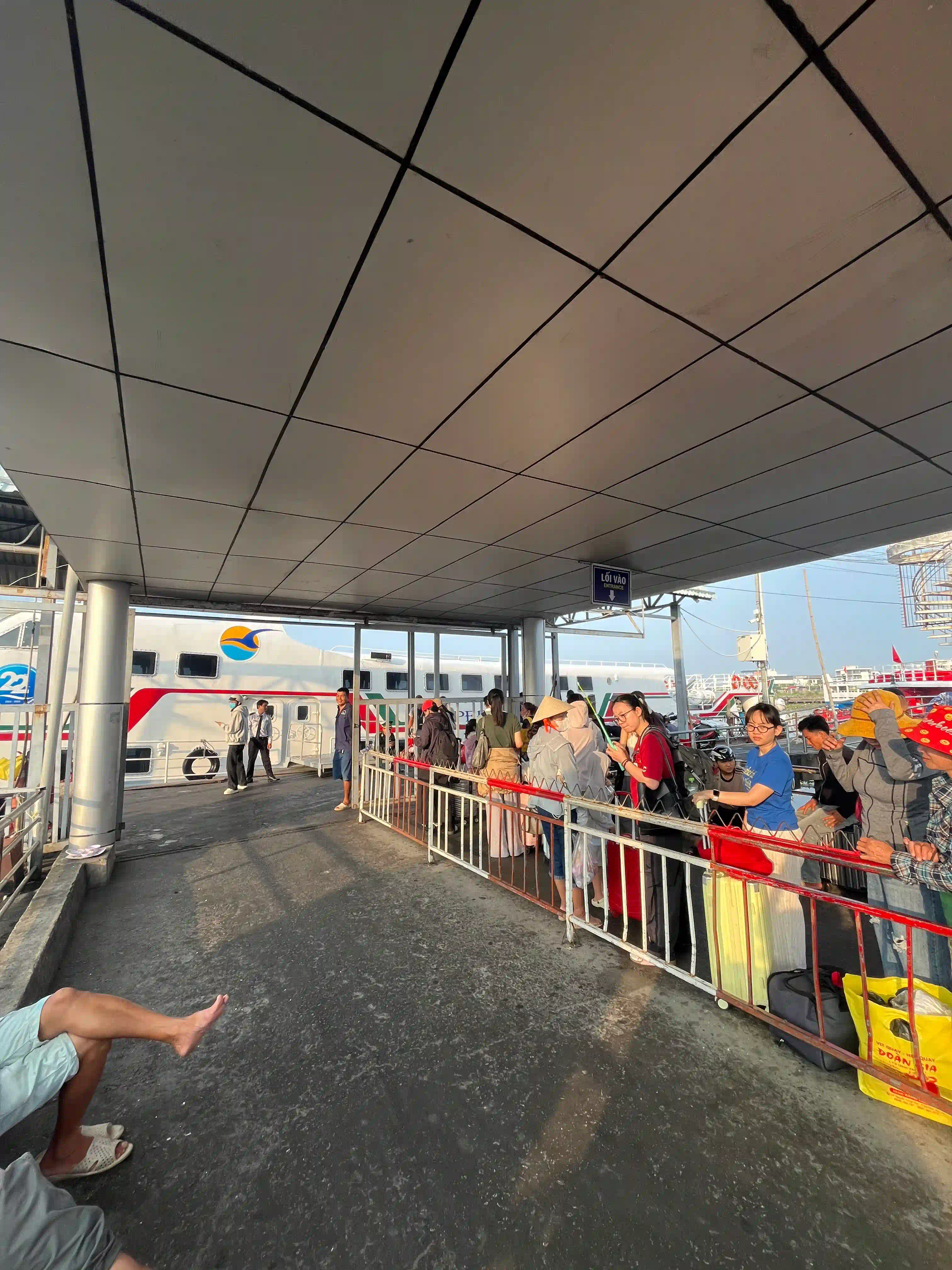
Two companies run the fast boats. Superdong runs the white boats, about 226,000 VND for an adult, and Phú Quốc Express the red twin-hulled ones, 216,000 VND, with a VIP cabin at 330,000. Between them there are six or more sailings a day, starting a little after 6am and finishing at around 2pm in both directions.
The twin hull matters on a choppy day, because it rolls less, and that’s the reason I’d pick Phú Quốc Express over Superdong when both times suit.


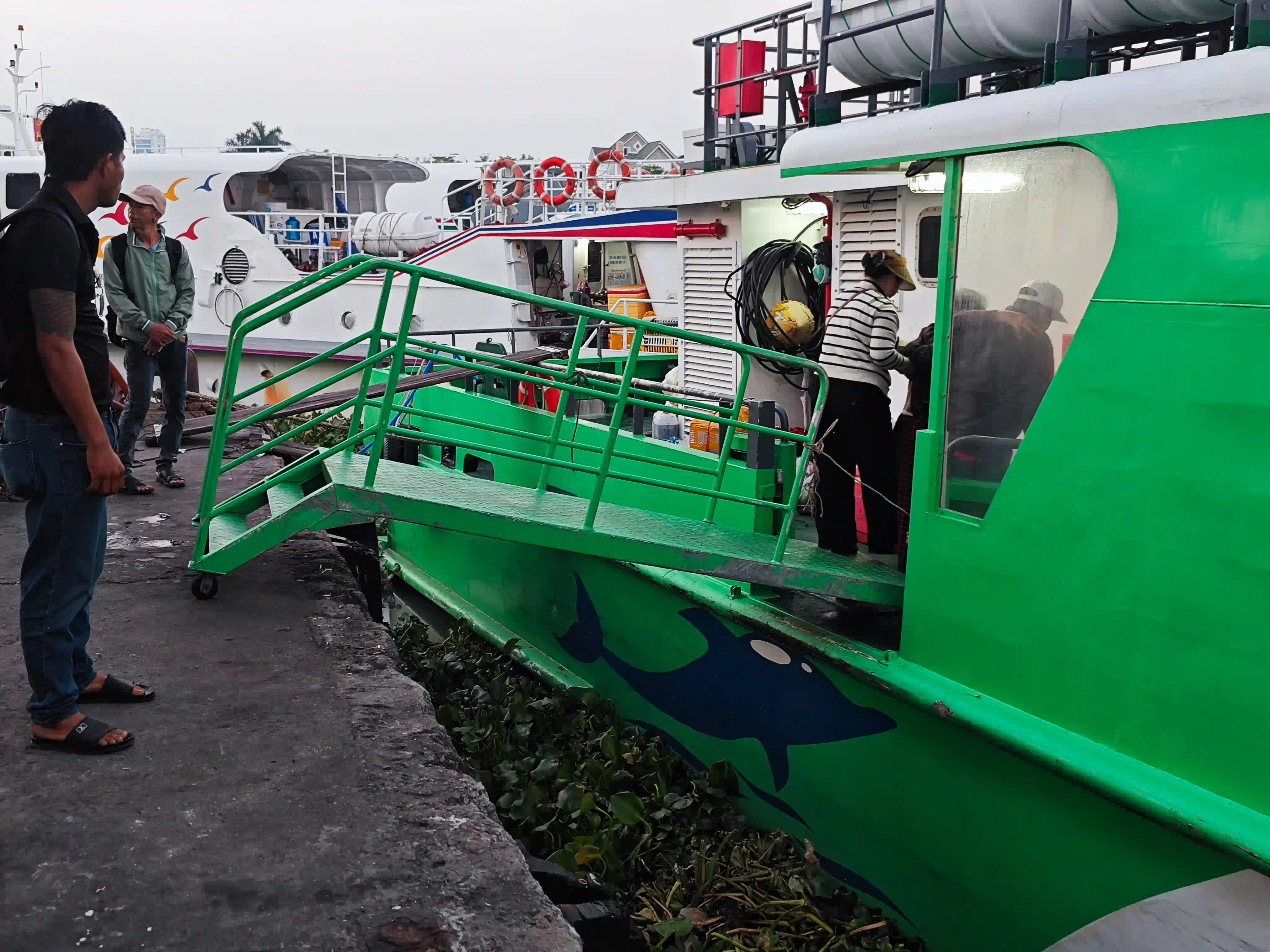
The car ferries are the other half of this route. Thạnh Thới and Bình An run big roll-on ferries that take about three hours, carry cars, motorbikes and trucks, and charge passengers from 185,000 VND. They’re slower and less comfortable, and they run when the fast boats don’t: the first leaves Hà Tiên at about 4:30am and the last at around 6pm, with evening sailings back from Phu Quoc too.
Anyone whose bus from the Delta or Cambodia gets into Hà Tiên after two in the afternoon ends up on one of these, and it’s a perfectly good way to cross, with a café on board and a deck to stand on.
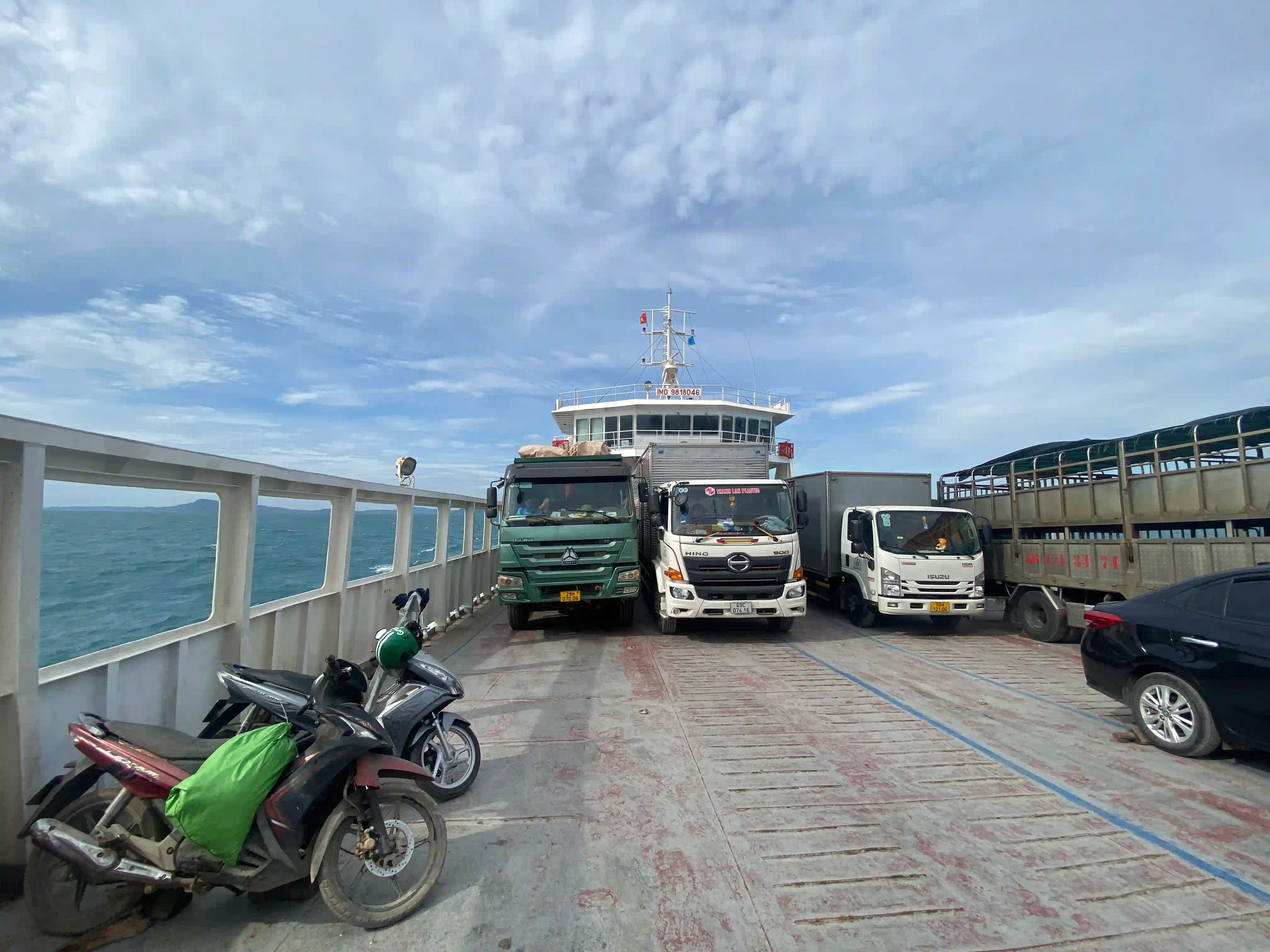
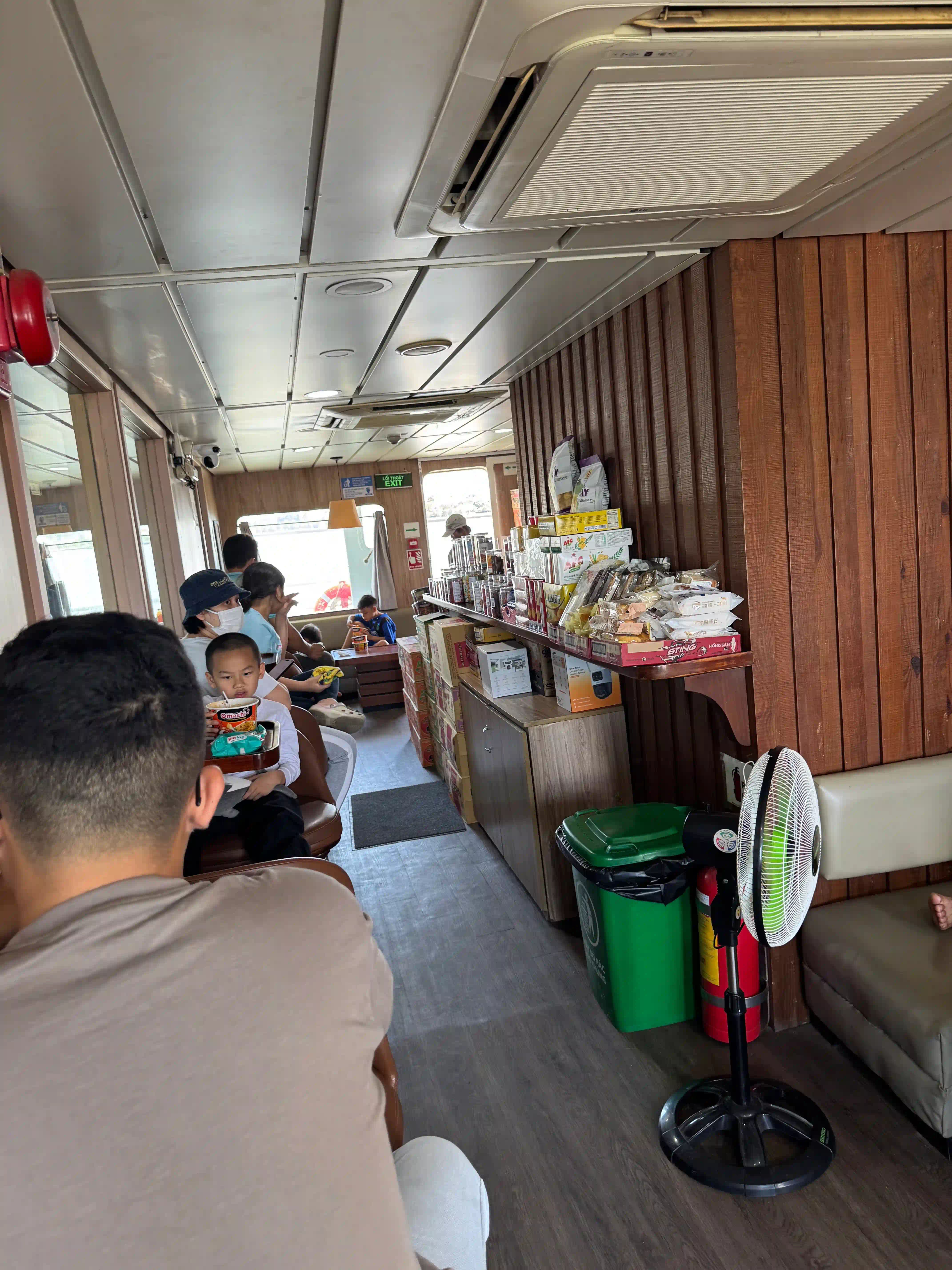
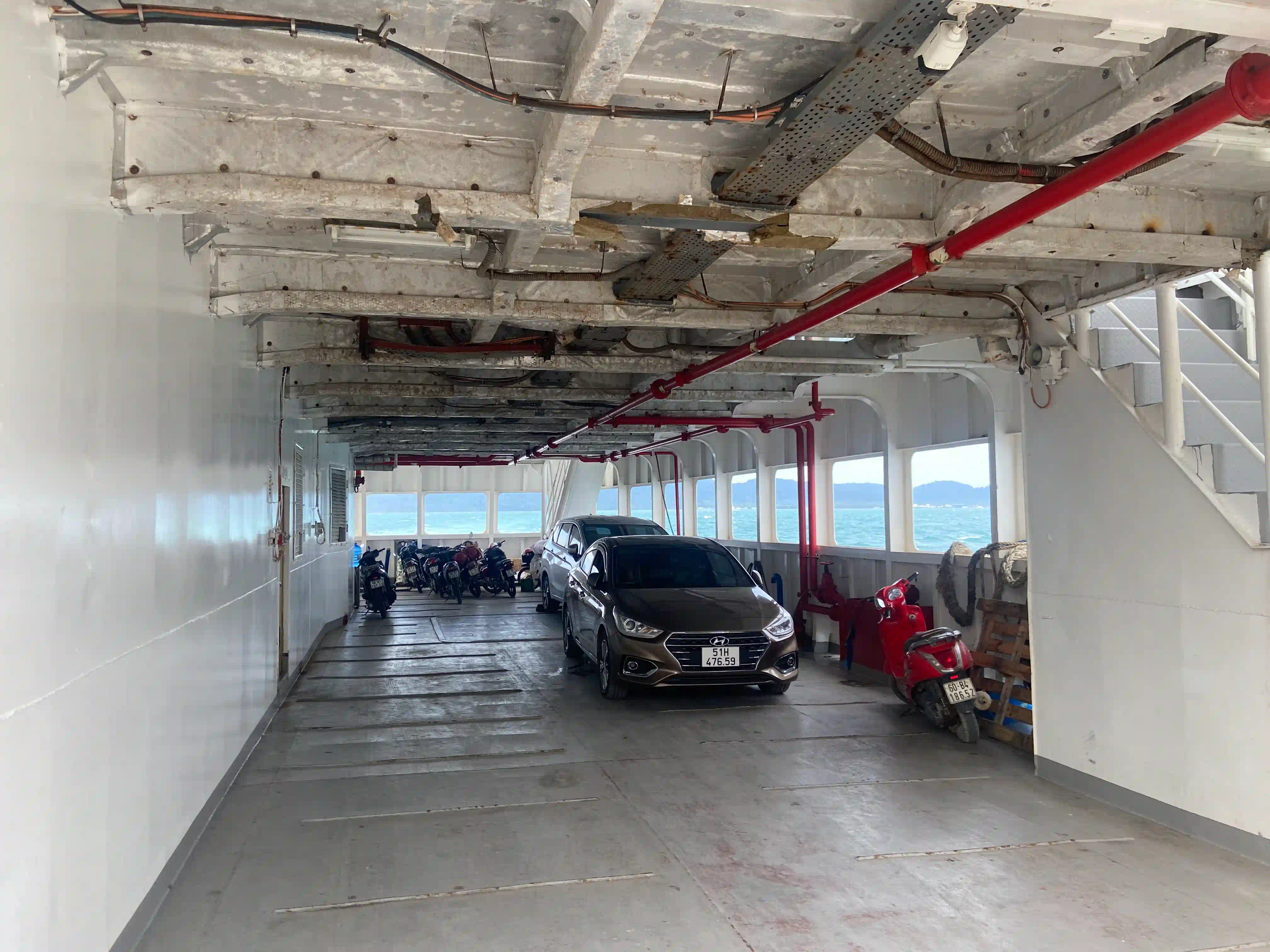
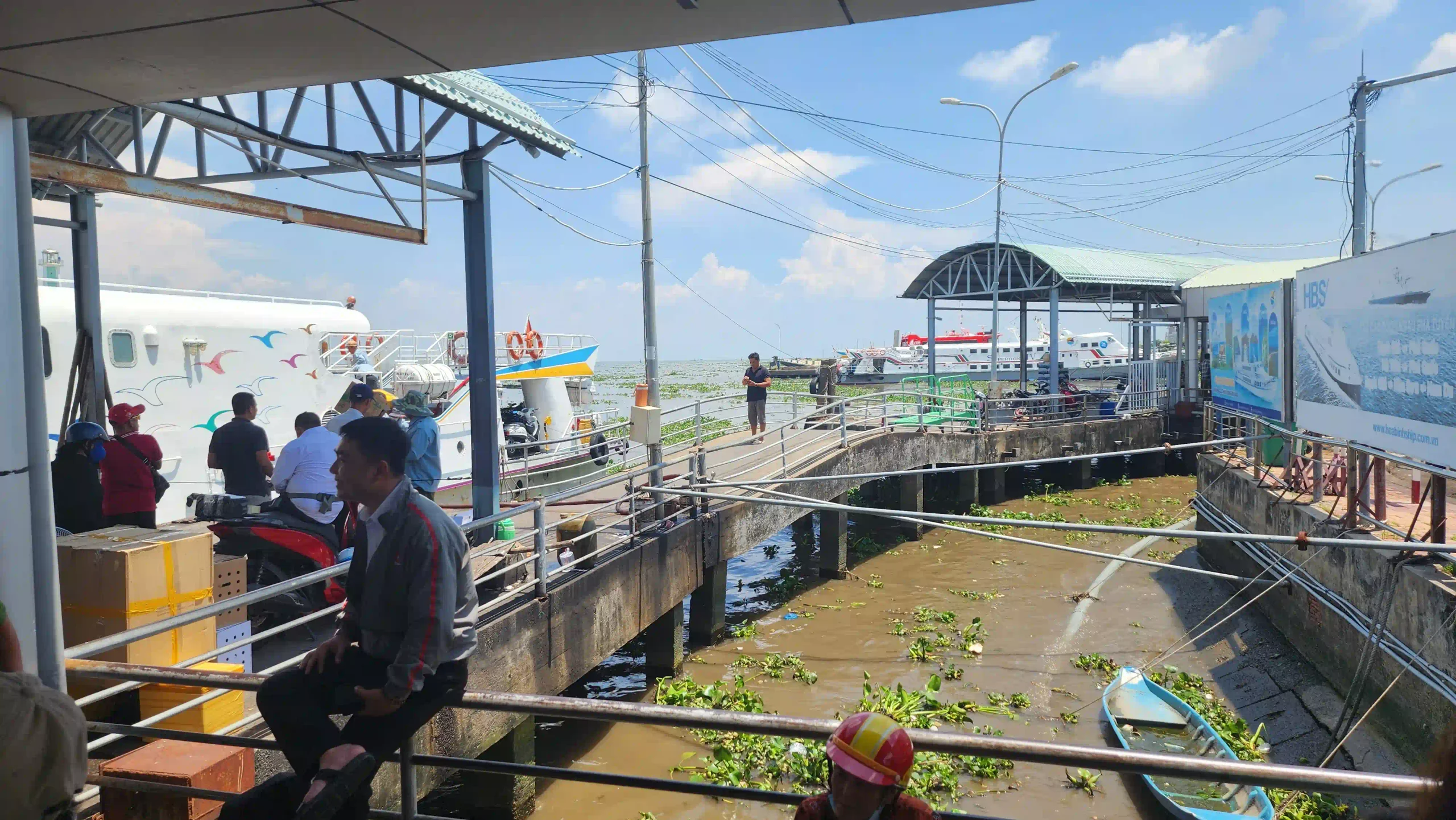
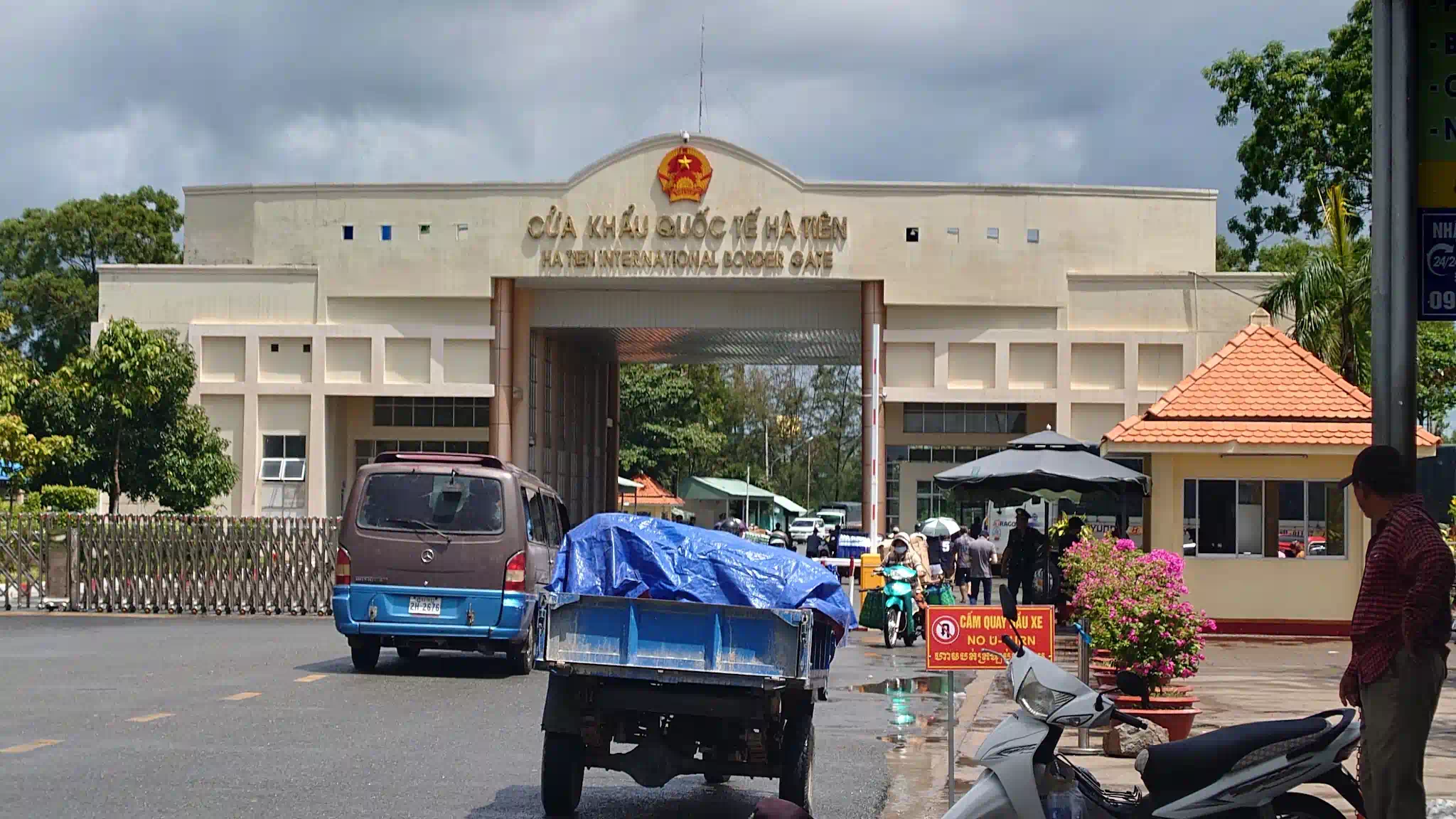
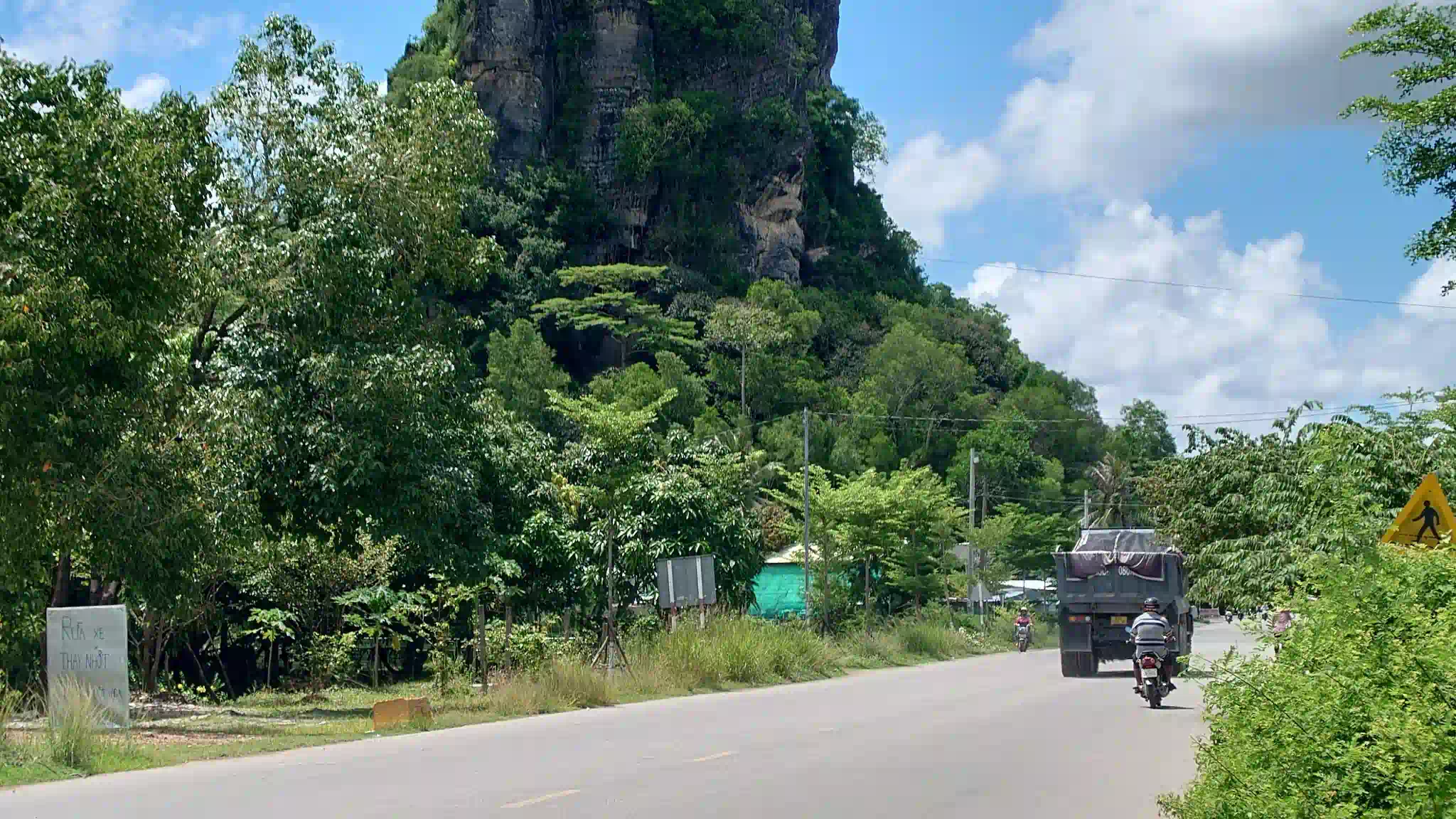
The fast-boat pier in Hà Tiên is in town, about 5km from the Xà Xía border crossing, which is why this is the route from Cambodia. More on that further down, along with the visa problem that comes with it.
Rach Gia to Phu Quoc Ferry
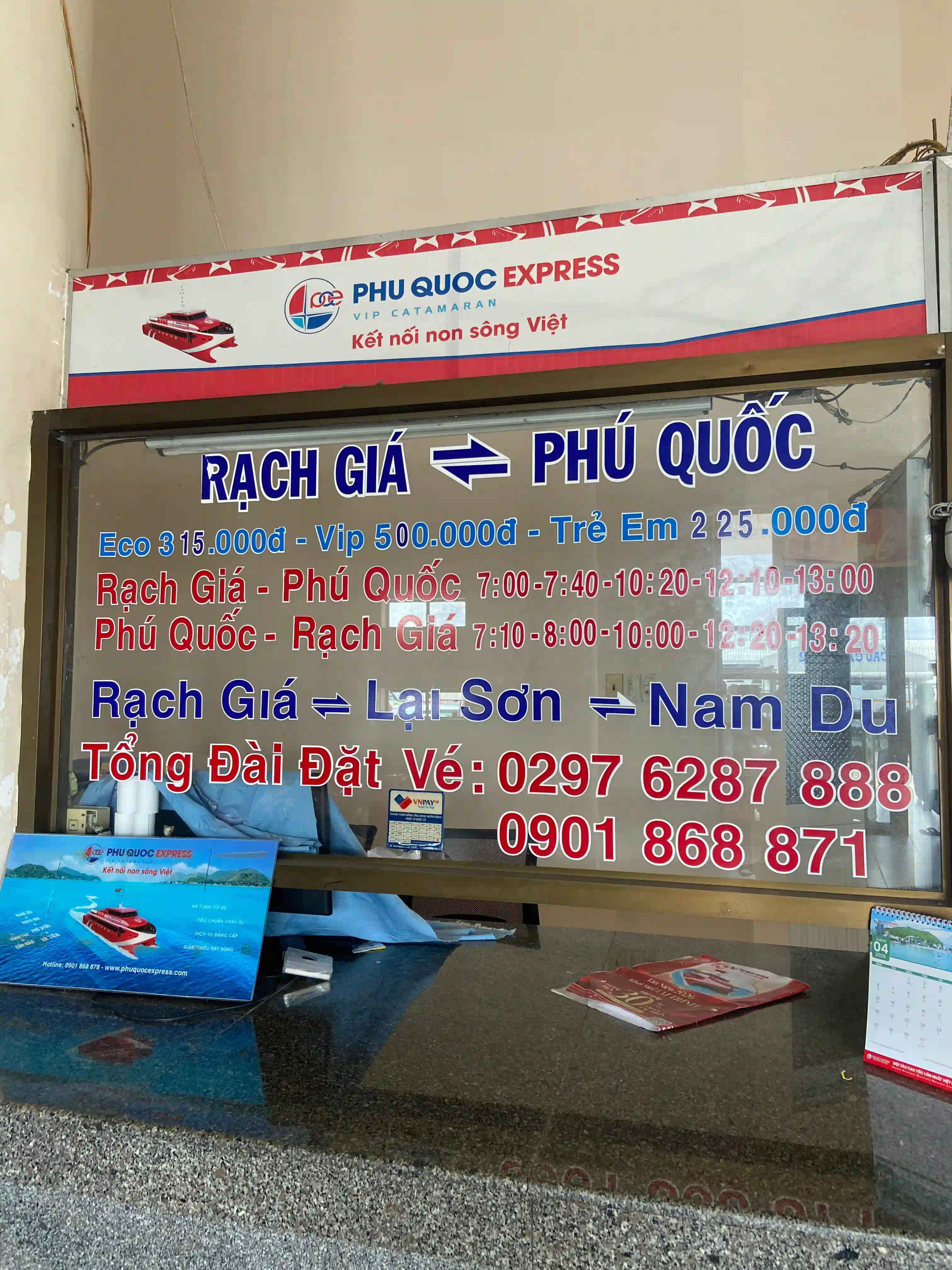
Rạch Giá is the bigger town and the longer crossing, and it’s where the buses from Saigon and Cần Thơ go, which is why the Rach Gia to Phu Quoc ferry carries more people than any other route. The fast boats take between 2 hours 10 and 2 hours 45 depending on the company, over open sea that gets rough in the monsoon months.
Phú Quốc Express is the quicker of the two, at about 2 hours 10, and costs 315,000 VND for an adult, with a cheaper promotional fare of 260,000 in the quiet weeks from mid-September to mid-December, and VIP seats at 500,000. Superdong takes longer, at about 324,000 VND. Lightning 68 runs on this route as well, with fewer sailings. All three run three or four boats a day each way, the first at about 7am and the last at about 1pm.
Children aged 6 to 11 pay a reduced fare, around 225,000 VND on Phú Quốc Express, and young children sharing a parent’s seat travel free.
The Thạnh Thới car ferry also runs from Rạch Giá, at 290,000 VND for a passenger and 400,000 in VIP, and takes about an hour longer than the fast boats.
I’d only spend the extra hour on it with a vehicle to bring over. Bringing your own motorbike across makes sense only on a licence Vietnam accepts, the same rule that applies to Phu Quoc motorbike rental.
Ho Chi Minh City to Phu Quoc by Ferry
There’s no direct boat. The Ho Chi Minh to Phu Quoc ferry trip is really a bus to Rạch Giá and the ferry from there. Rạch Giá is about 250km from Saigon, four to five hours by bus, and the bus companies on that road, Phương Trang, Tuấn Nga and the Thiện Thành limousine vans among them, charge around 230,000 VND.
A night bus out of Saigon gets into Rạch Giá in time for the 7am boat, and a lot of ticket offices sell the bus and the boat together.
Add it up and it’s around 550,000 VND and seven to nine hours door to door, against an hour in the air. On a normal week I’ve never found the saving big enough to give up a whole day for, and the flight is often not much dearer. The airlines, the airport and the transfer across the island are in the HCMC to Phu Quoc.
The bus and boat makes sense when the flights are sold out, over Tết and the long weekends at the end of April and the start of September, or when you want to stop in the Delta on the way. From Cần Thơ the arithmetic is different and the boat wins. It’s about three hours by bus to Rạch Giá, so a morning bus and an early-afternoon boat puts you on the island the same day, around five and a half hours in all.
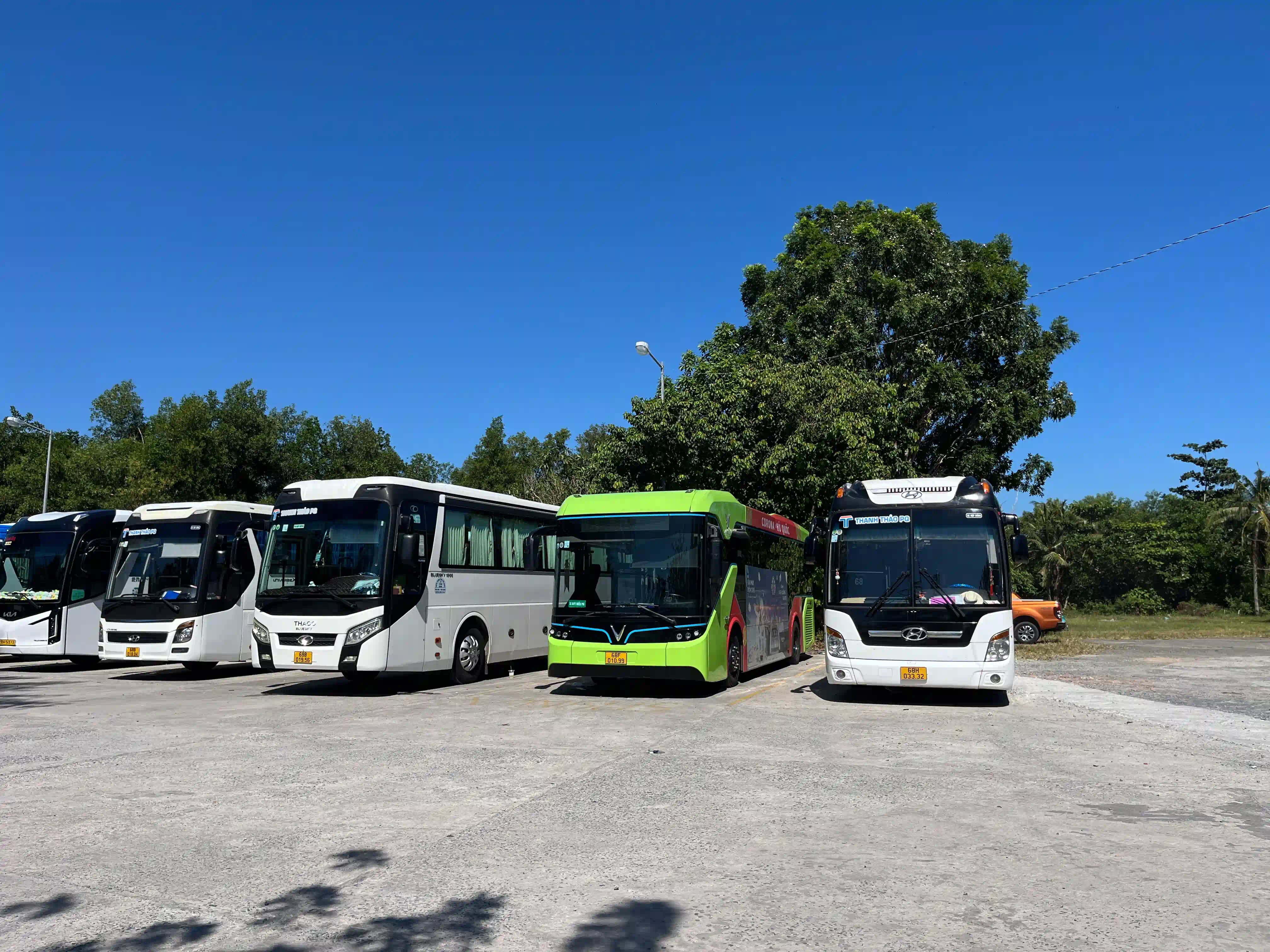

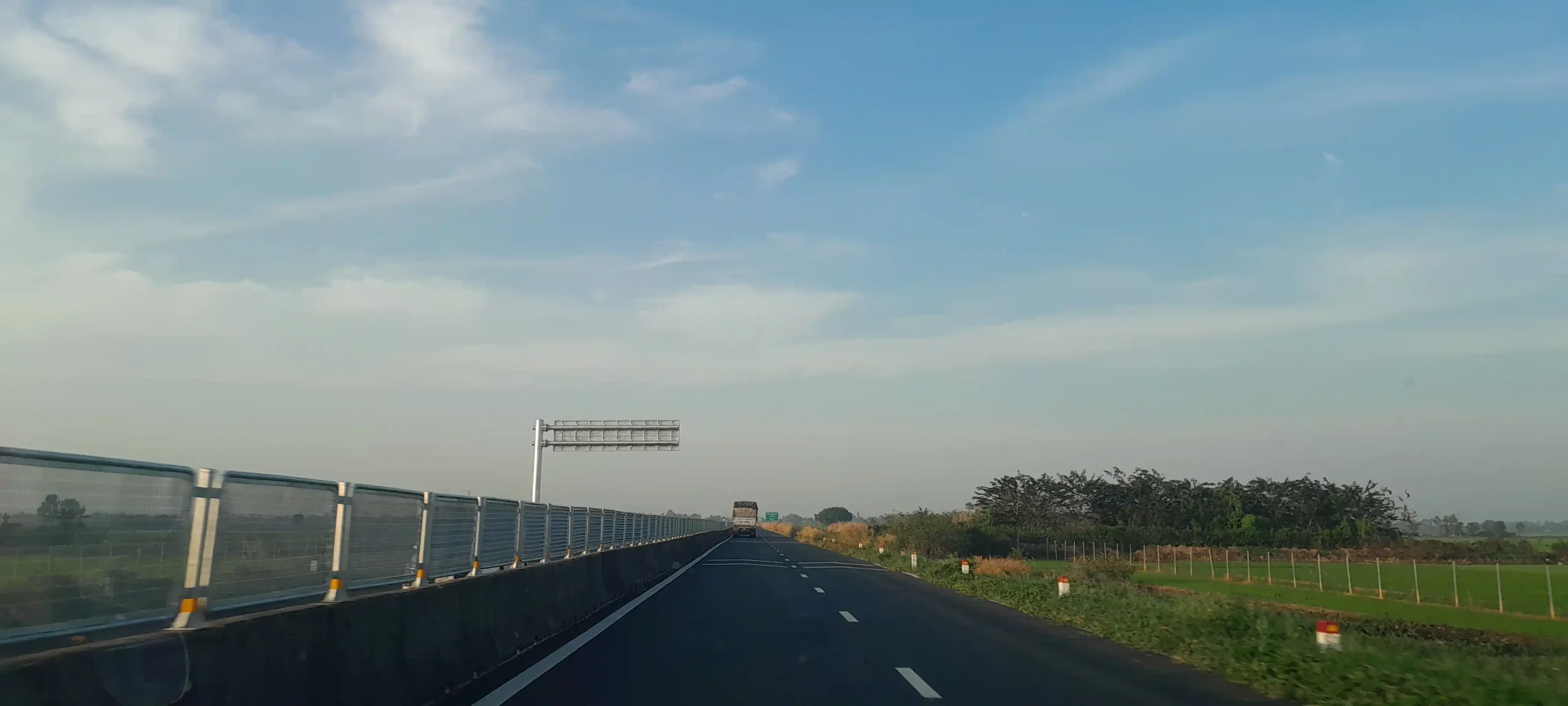
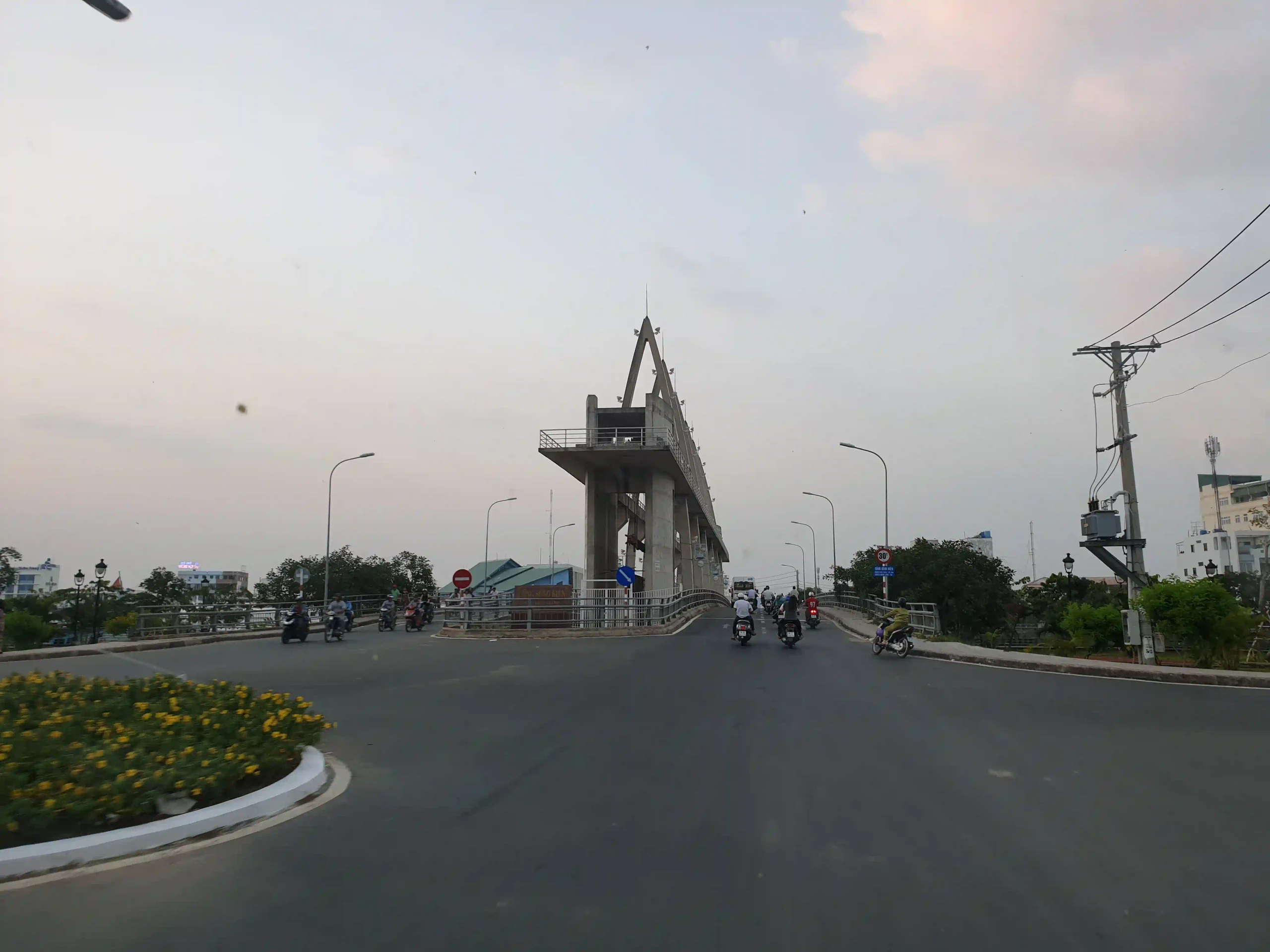
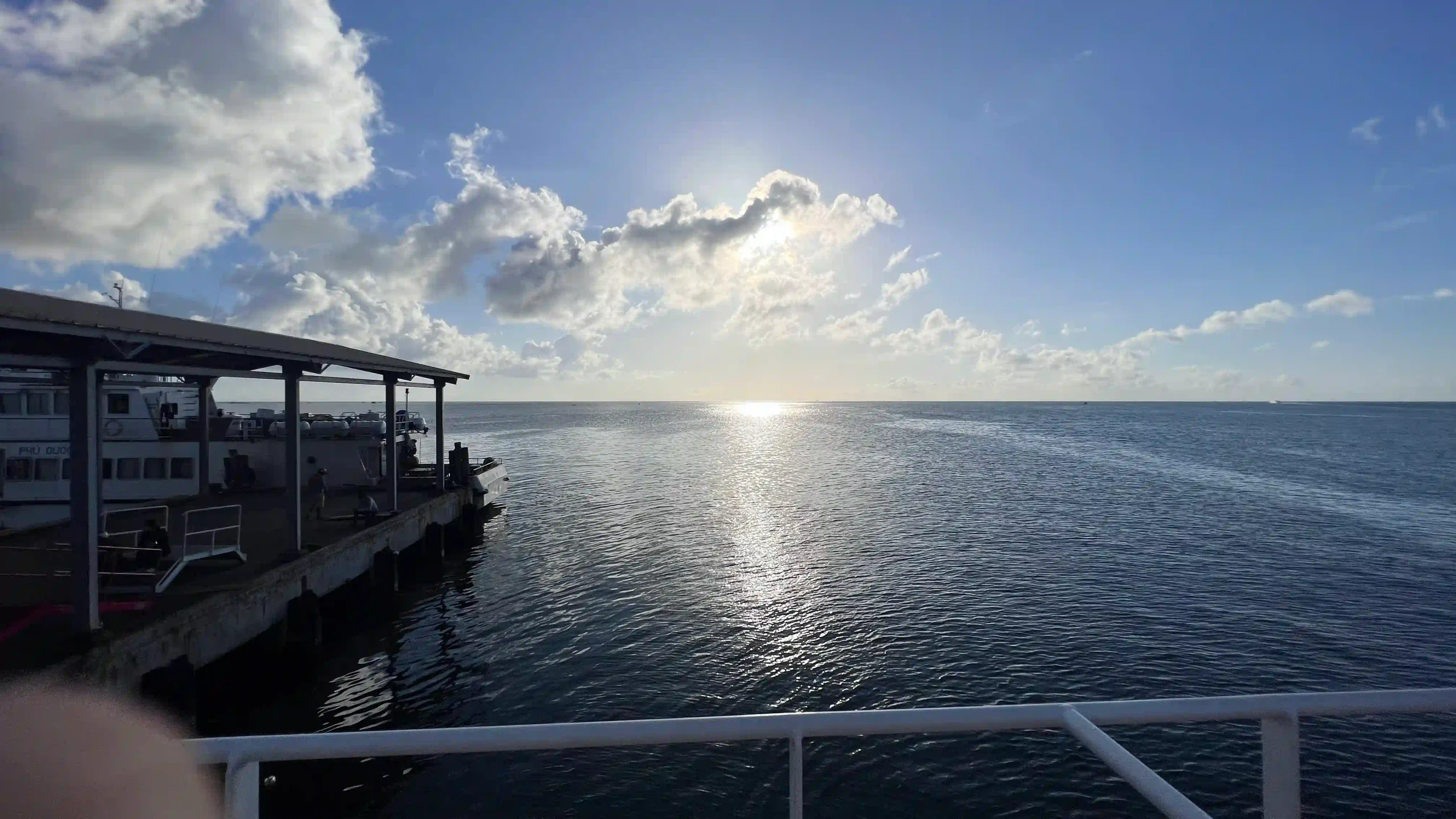
Phu Quoc Ferry to Cambodia: Kampot, Kep and the Ha Tien Border
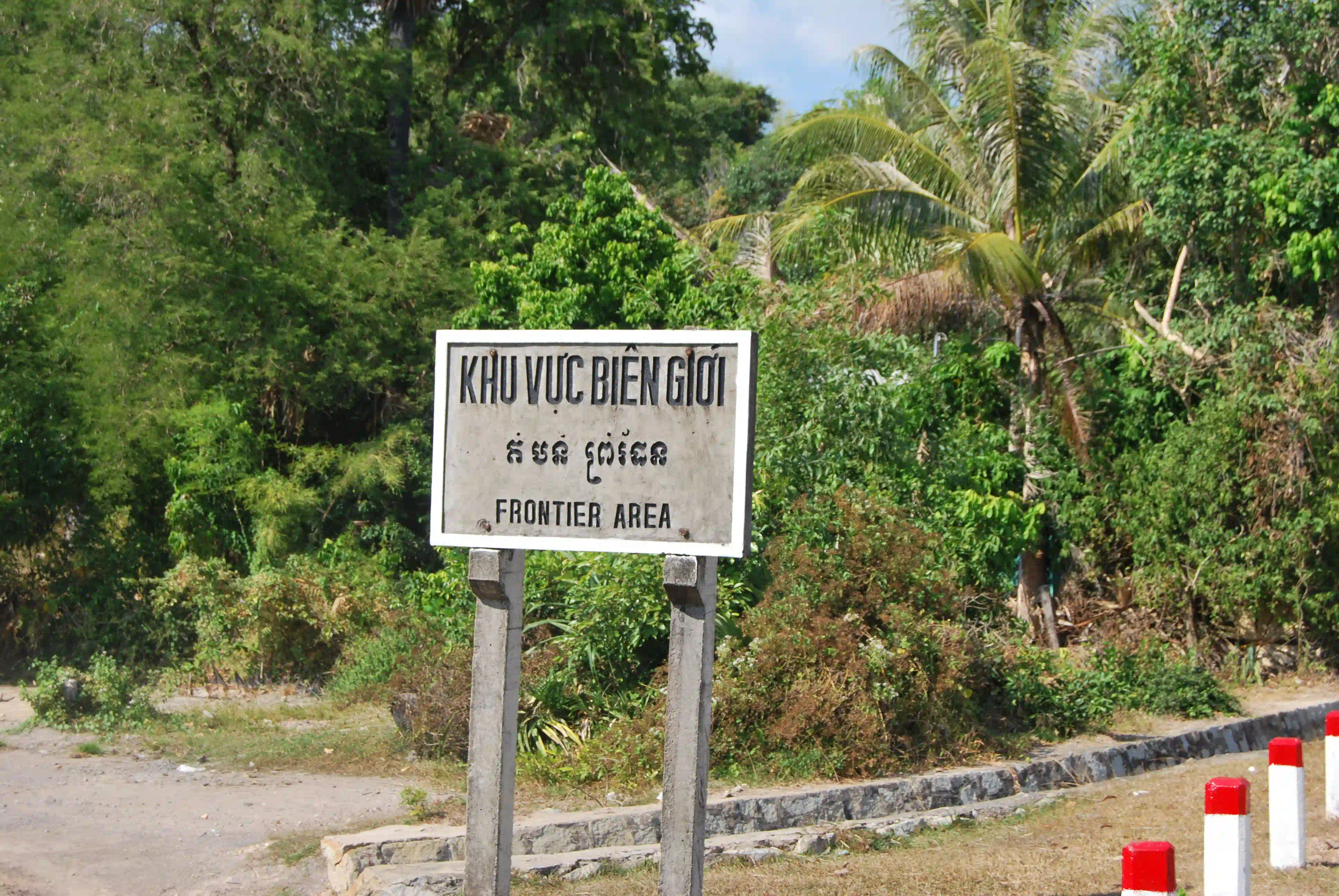
There’s no boat between Phu Quoc and Cambodia, whatever older guides say. The route to Kampot, Kep and the rest of Cambodia’s south coast is the ferry to Hà Tiên, then a van over the border at Xà Xía, which the Cambodian side calls Prek Chak.
Kampot is about 50km from Hà Tiên, an hour by road, and Kep is closer. I’d book the combined ticket over doing it in pieces, because the one thing that goes wrong on this trip is a van arriving after the last fast boat has gone.
Several companies sell the whole thing as one ticket, van and ferry together, Hà Tiên Xanh and Champa Tourist among them, for about $22 to $35 a person, and the trip takes four to six hours.
The van meets the boat, or the boat meets the van, and somebody walks you through the border. From Phnom Penh, the same combination runs to about $32 and eight to ten hours.
The border is open roughly 7am to 6pm. Cambodia sells a visa on arrival there for $30, or an e-visa beforehand for $36. Vietnam, coming the other way, needs more thought, which is the next section.
The Phu Quoc Visa Exemption and the Ferry
Phu Quoc gives every nationality 30 days without a visa, but only to people who arrive on the island directly from abroad and stay on the island. The ferry breaks both halves of that.
Coming from Cambodia, you enter Vietnam at the Hà Tiên land border, and the Hà Tiên to Phu Quoc boat is a domestic route. The exemption doesn’t apply, and the officer at Xà Xía will want a Vietnamese visa or e-visa.
Going the other way, if you flew into Phu Quoc on the exemption and decide to take the ferry over to Hà Tiên or Rạch Giá, you’re on the mainland without permission to be there. That includes a day trip.
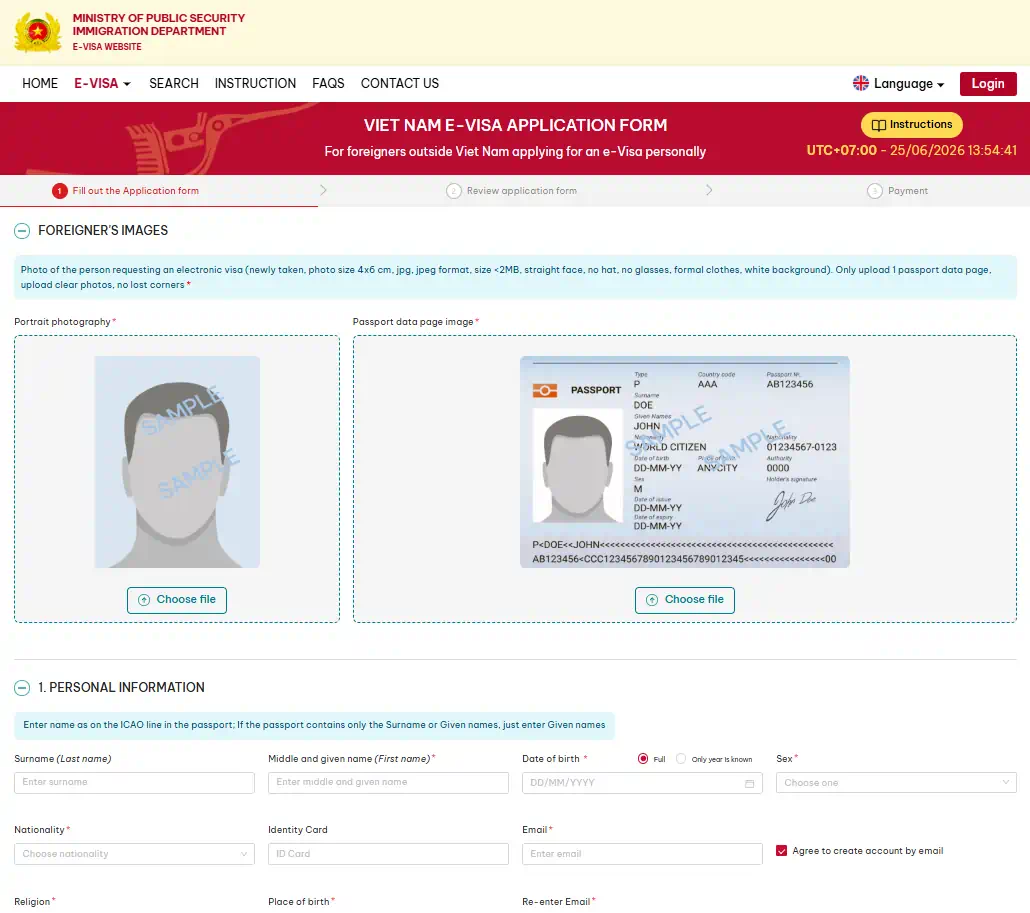
For anyone mixing the island with the Delta or Cambodia, the e-visa is the answer, applied for online a few working days ahead, and I’d sort it before booking any boat. It’s the one thing on this page that can turn a delay into a real problem.
Phu Quoc to Nam Du and the Other Islands
Superdong has run a direct boat between Bãi Vòng and the Nam Du islands, about 90 minutes, leaving Phu Quoc in the morning and coming back in the afternoon. It runs in some seasons and not in others, and when it isn’t running, the way to Nam Du is back through Rạch Giá, which is 2 hours 30 on the Superdong boat, with Hòn Sơn 1 hour 40 from the same port.
Doing Phu Quoc and Nam Du on one trip is a good idea, and I’d check the direct boat before building a plan around it, since going back through Rạch Giá adds most of a day.
The day trips to the An Thới islands off the south of Phu Quoc are a different thing altogether. Those are tour boats from An Thới, which the snorkelling tour review goes through.
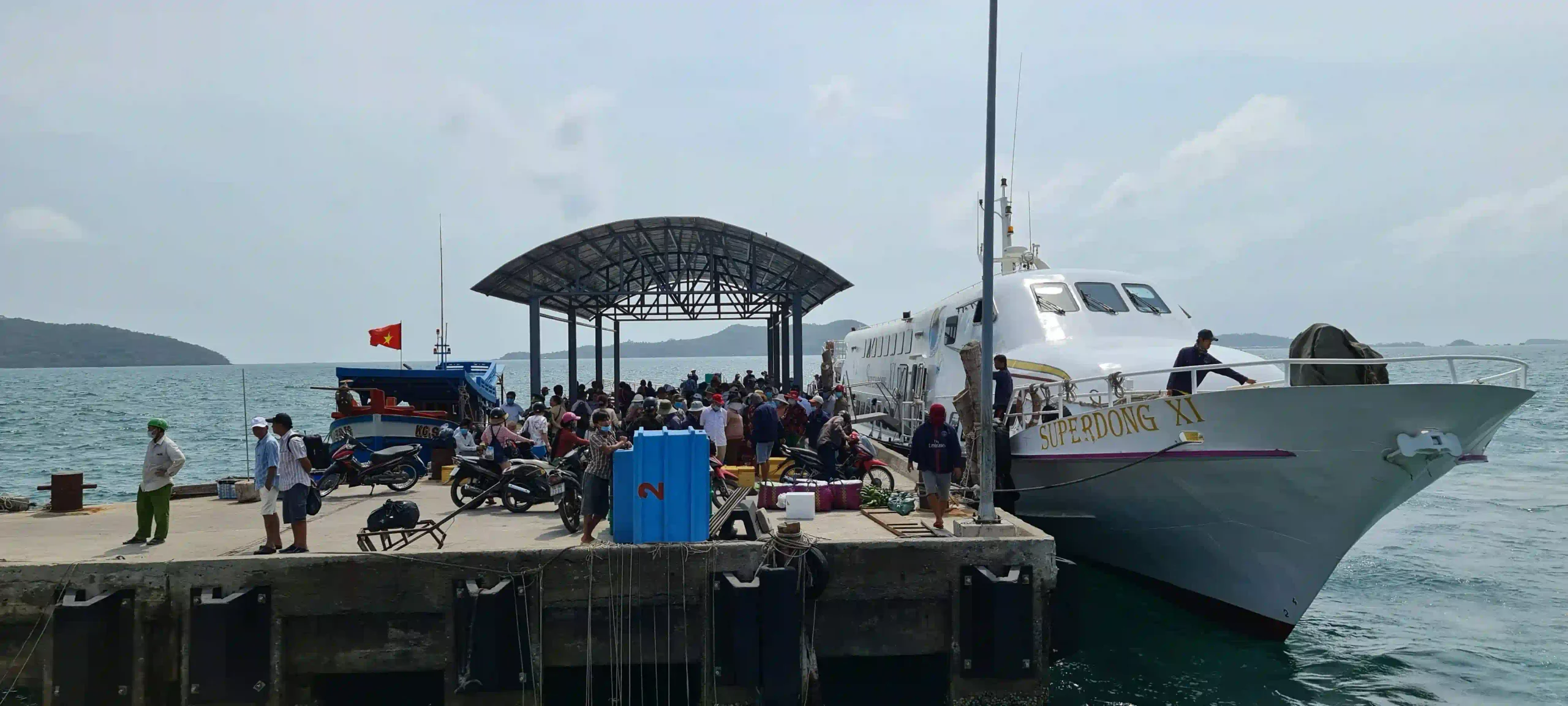
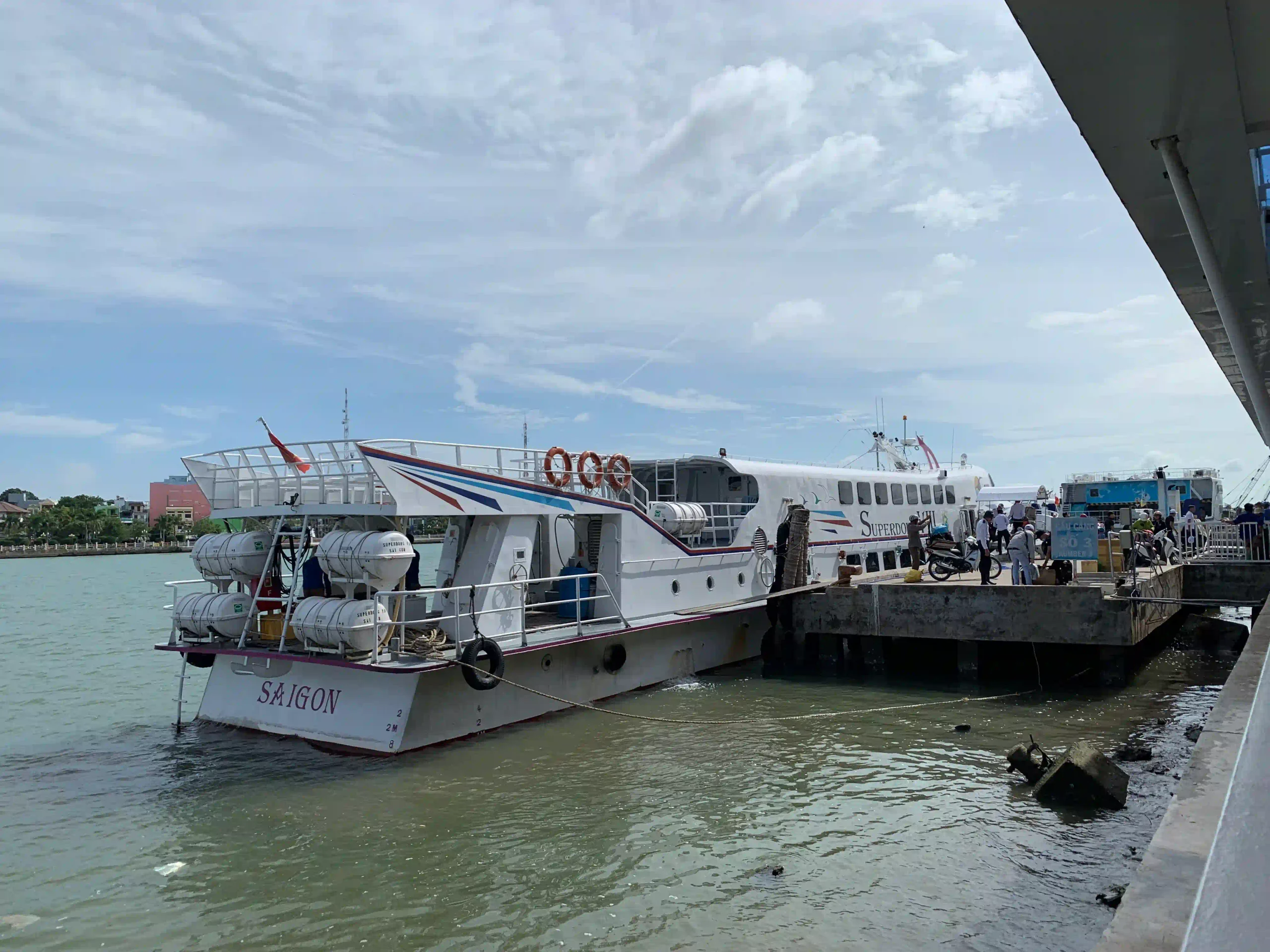
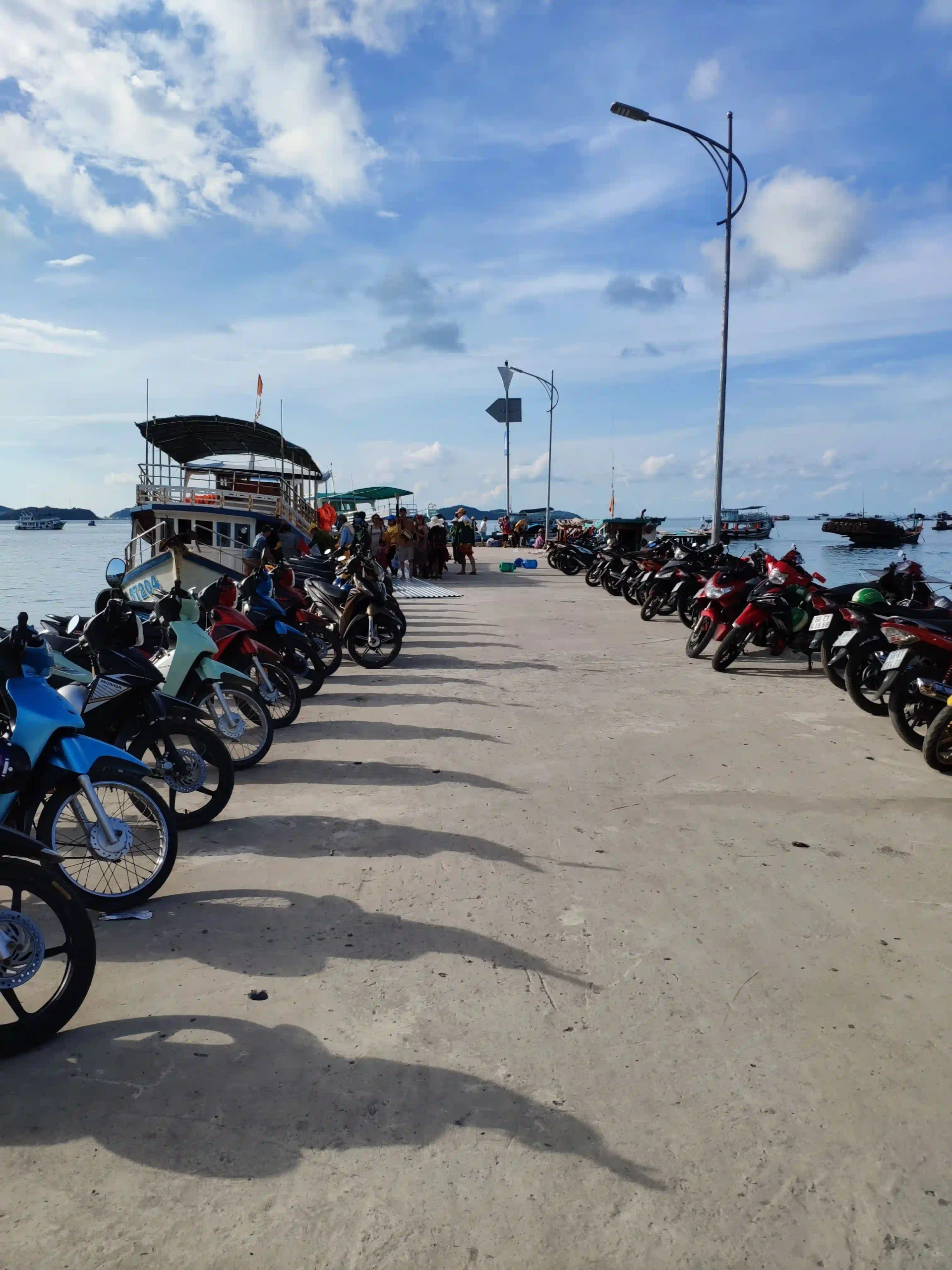
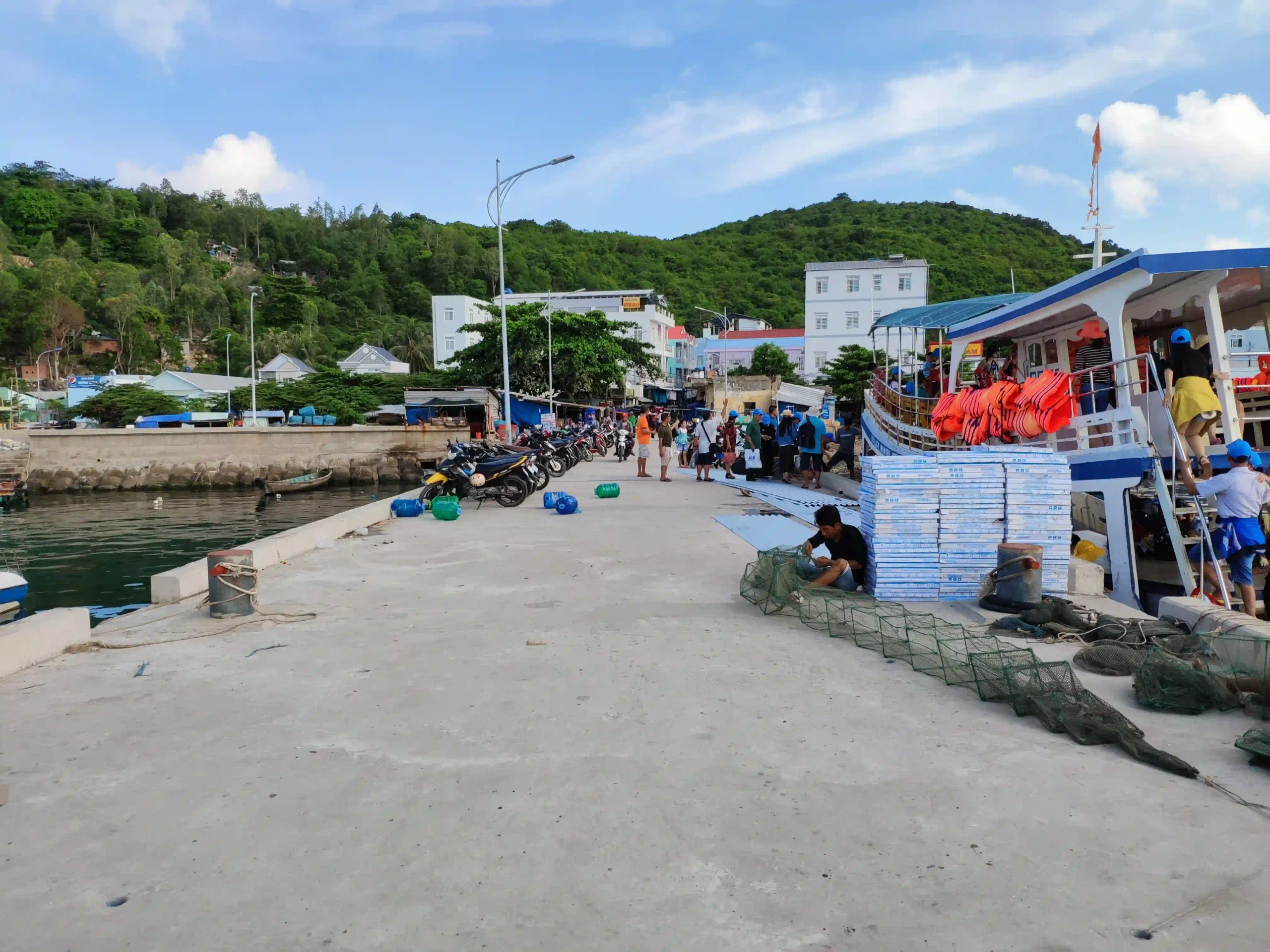
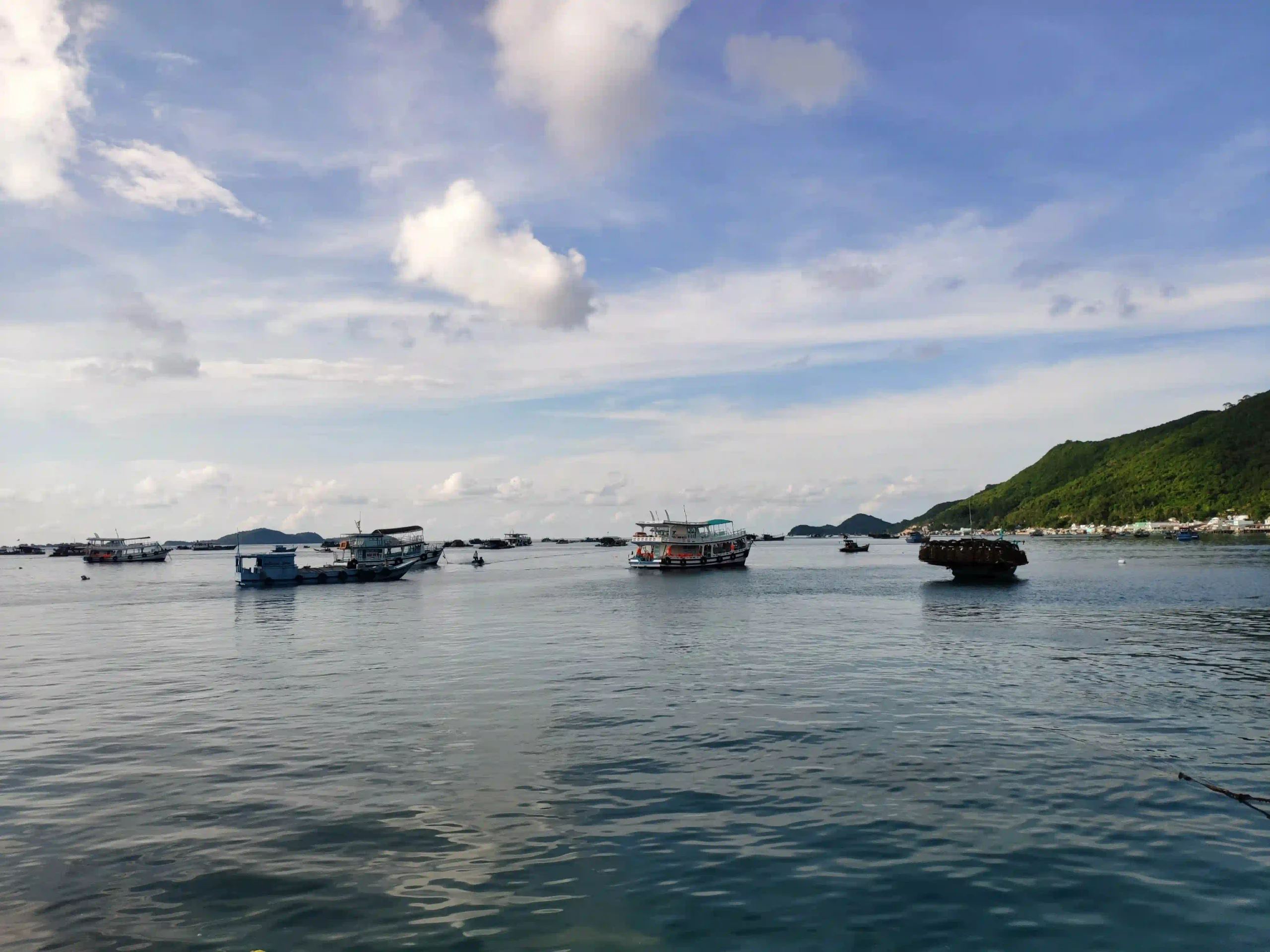
Bai Vong, the Phu Quoc Ferry Terminal
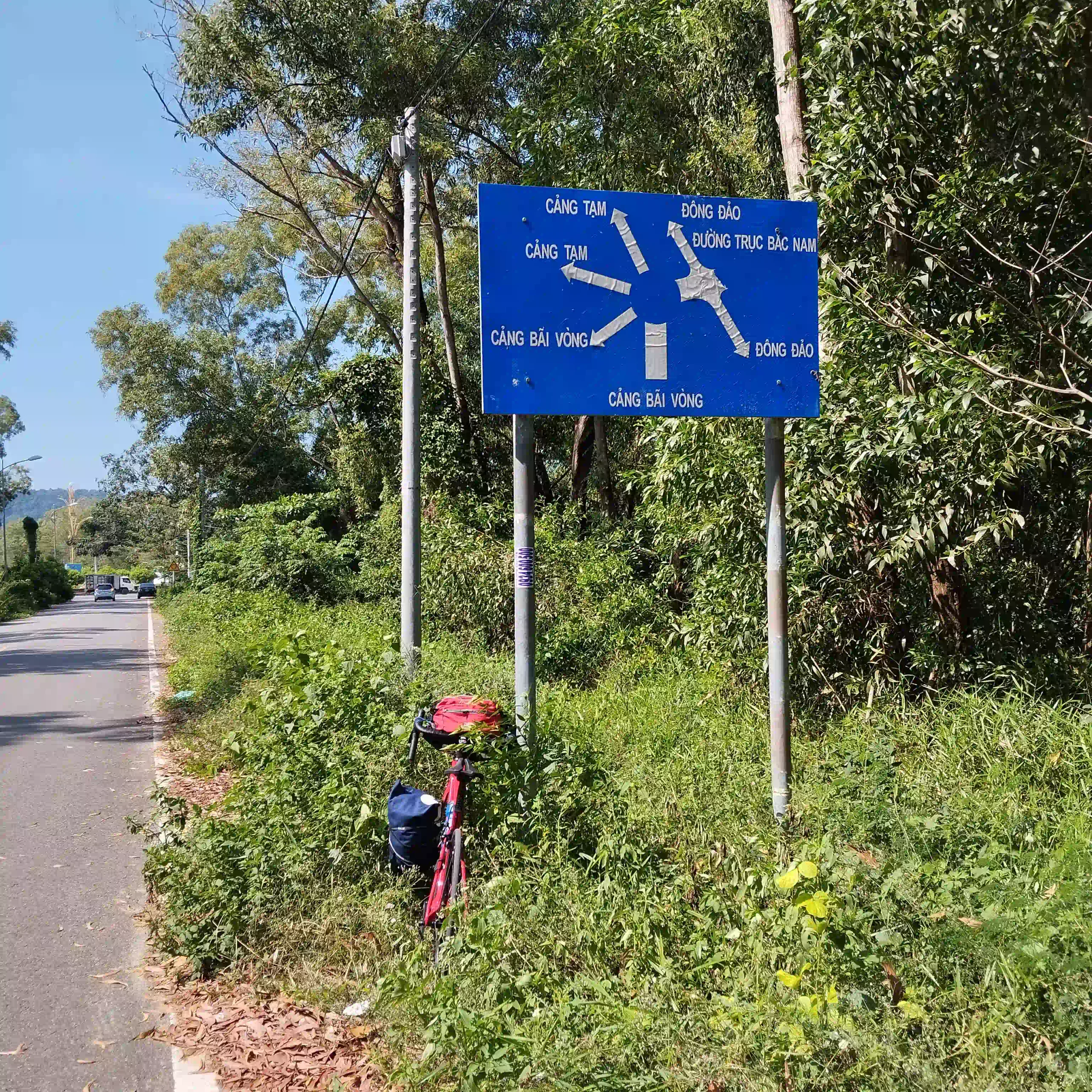
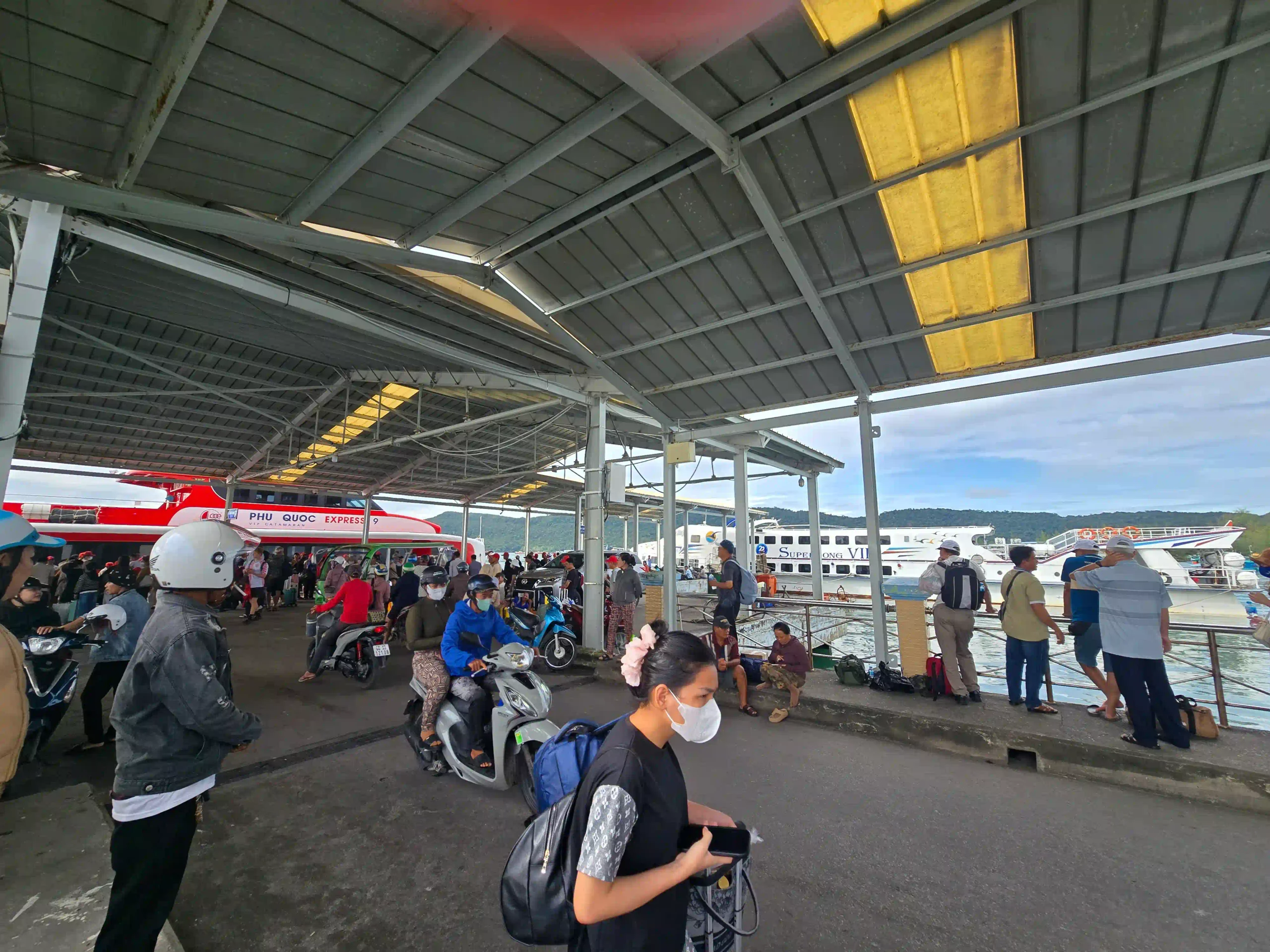
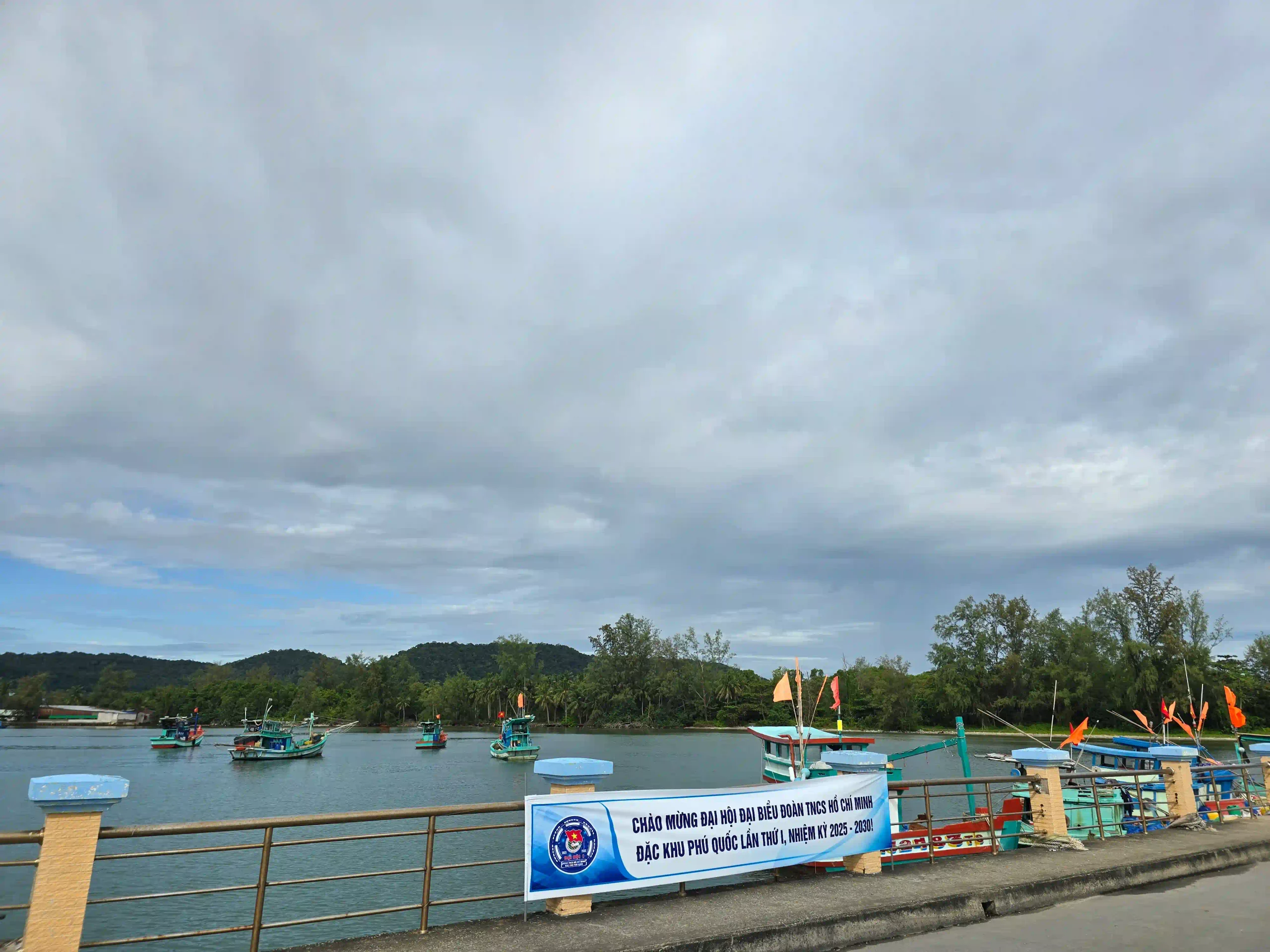
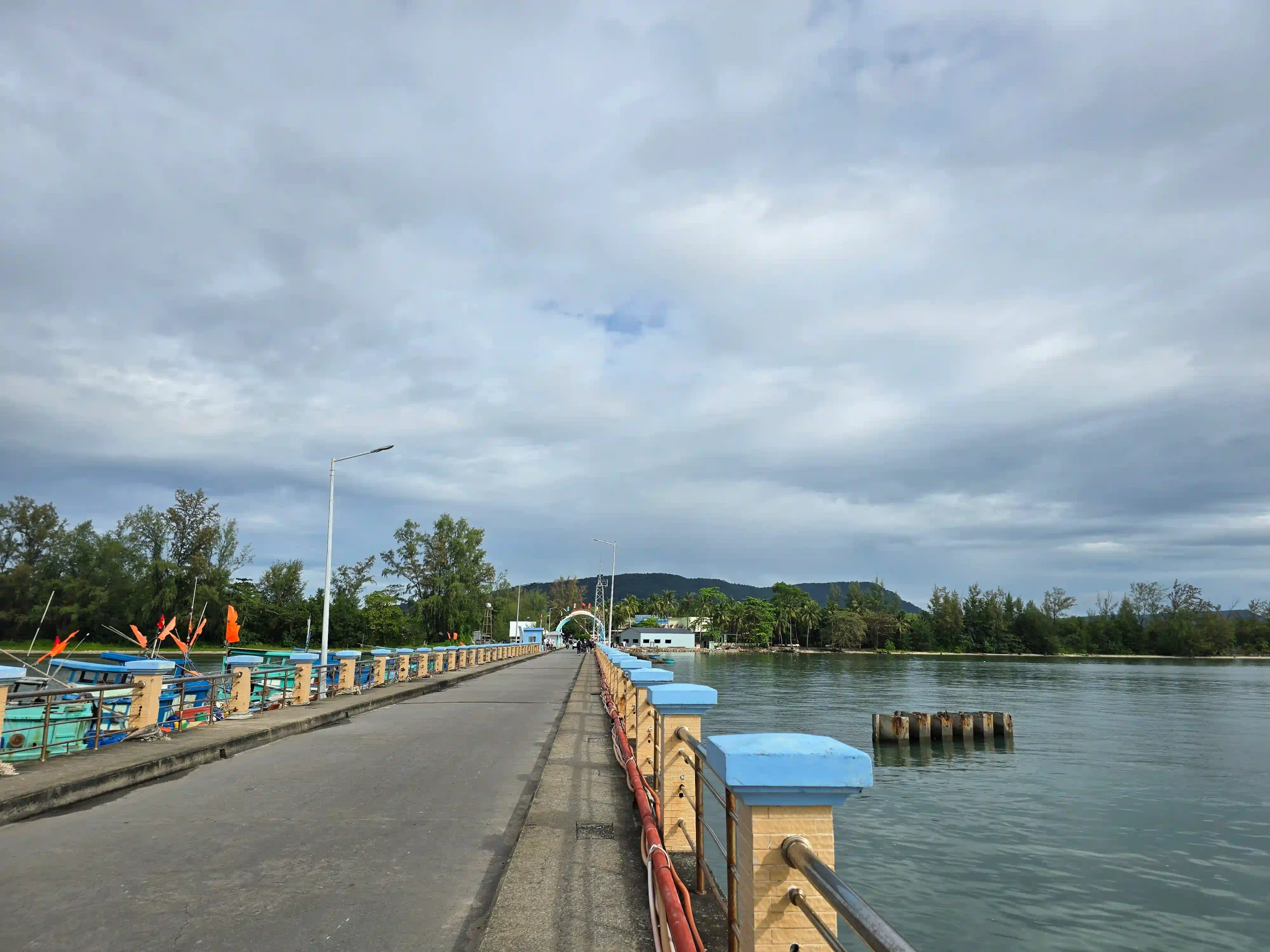
Bãi Vòng is on the east coast, just south of Hàm Ninh, the crab village, about 15km and 20 to 25 minutes from Duong Dong. It’s a working port with a couple of cafés, a minimart and the ticket offices, and nothing much else.
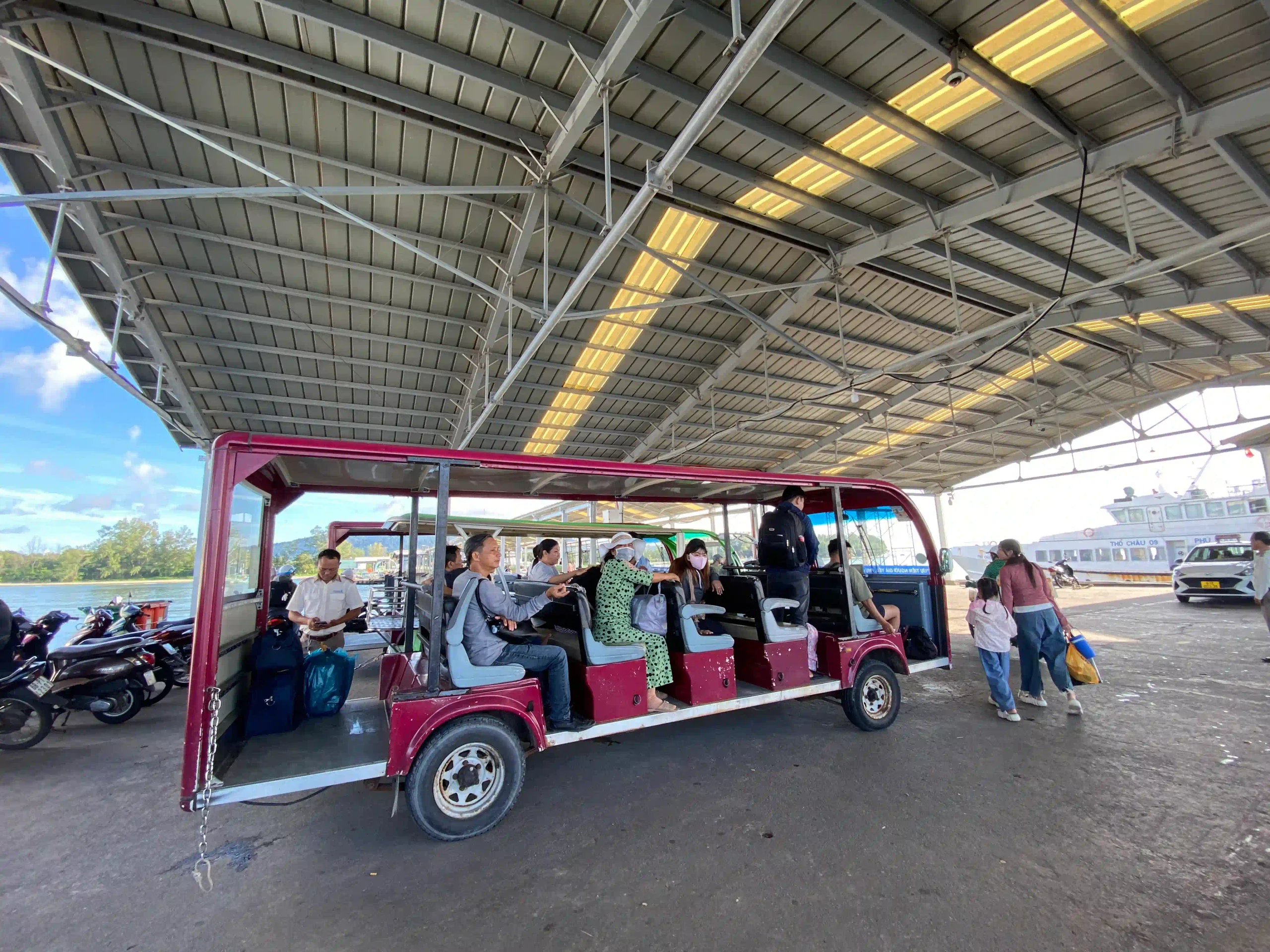
Getting away from it is easy in the morning and slower in the late afternoon. Most people coming off the boat head for Duong Dong, and Superdong runs a shuttle bus into town for 40,000 VND, dropping at its ticket office in town, and the other companies run similar shuttles. Grab and taxis wait at the gate, and the ride to the south of the island, Sunset Town or Long Beach, is a little shorter than to Duong Dong.
Which part of the island you’ve booked matters more than it looks on a map, and where to stay in Phu Quoc is mostly about that.
Leaving, the boats board on time and the gangway comes up when they say. I’d be at Bãi Vòng 45 minutes before the sailing, more with a car, which has to be in the queue for the ferry well before the passengers.
Booking Phu Quoc Ferry Tickets
Tickets are sold on the operators’ own websites, on Vexere and 12Go, by most hotels, and at ticket offices in Duong Dong, Rạch Giá and Hà Tiên. Each ticket carries the passenger’s name and passport number, so booking for a group means having everyone’s details ready.
On an ordinary weekday you can buy at the pier. Over Tết, the 30 April and 1 May holiday, 2 September and Vietnamese summer weekends, the morning boats sell out days ahead and fares go up for the holiday dates, so I’d book as soon as the flights look full. Changing or refunding a ticket generally needs at least two days’ notice.
The VIP seats on Phú Quốc Express are in a smaller cabin with more legroom. On a 75-minute crossing I wouldn’t pay for them. On the Rạch Giá run, when the sea is up, I would.
What the Phu Quoc Ferry Is Like on Board
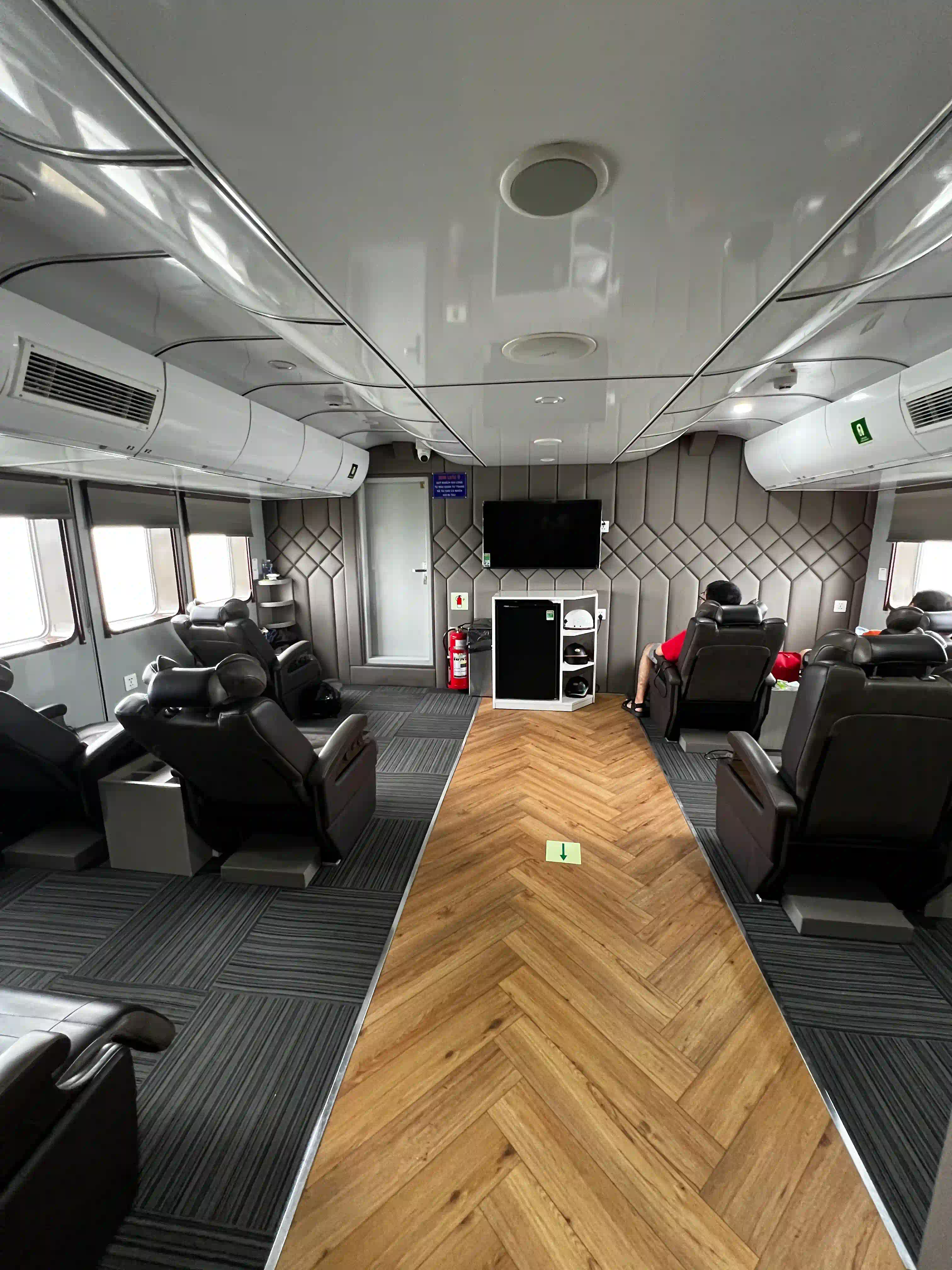
The fast boats are enclosed, air-conditioned cabins with rows of aircraft-style seats, and the seat number is printed on the ticket. The air conditioning runs cold, and there’s usually a television playing something loud at the front, so on the Rạch Giá run a layer and earplugs make the two hours easier. You can’t go out on deck on most fast boats once they’re moving.
Big bags go in a pile near the door or at the back, loaded by the crew, and come off the same way at the other end, which at Bãi Vòng means a scrum of people pulling suitcases out of a heap. Anything valuable is better in a bag on your lap, with the suitcase left to take its chances. Water and snacks are sold on board, at a markup, and there’s a toilet.
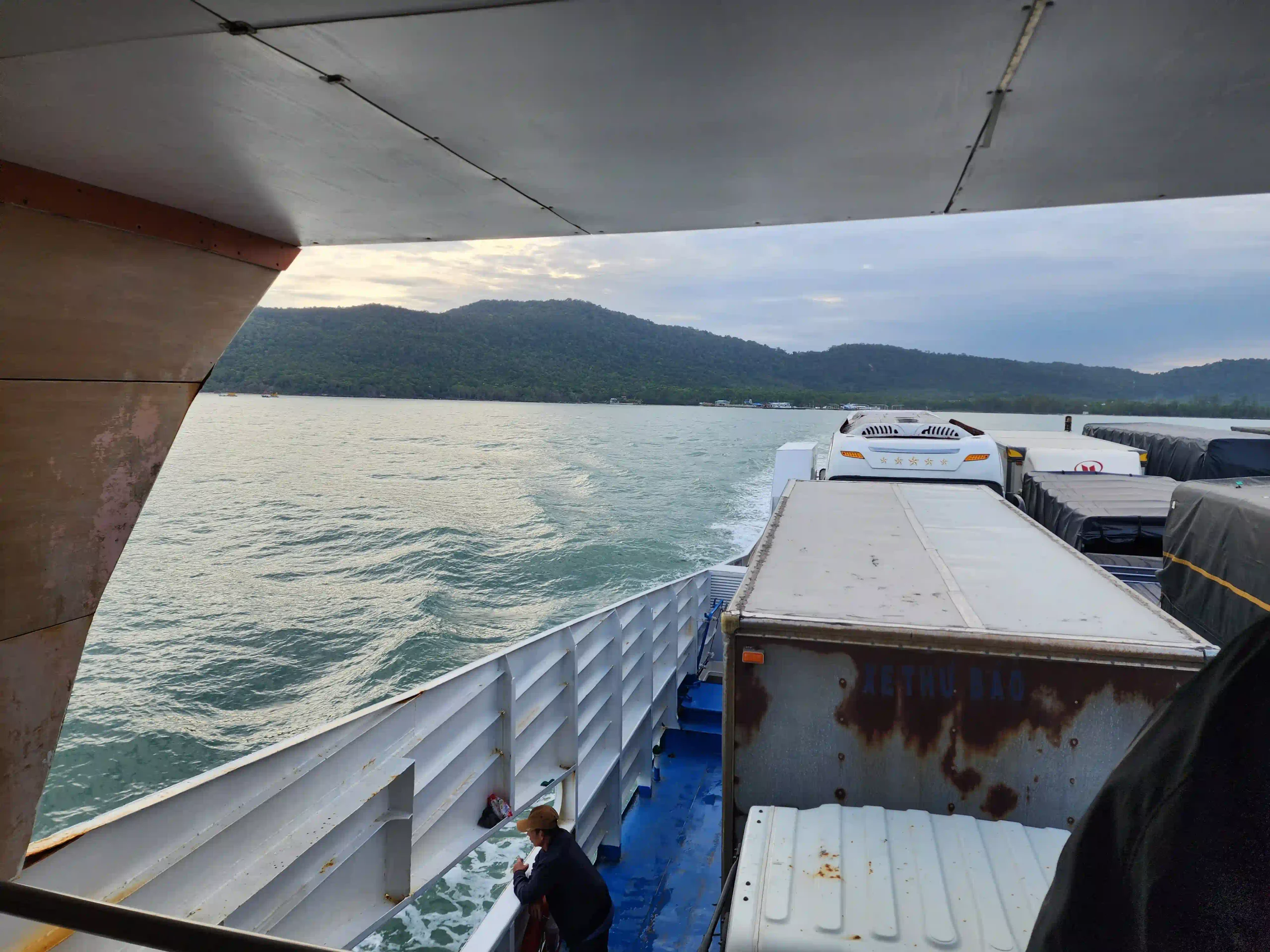
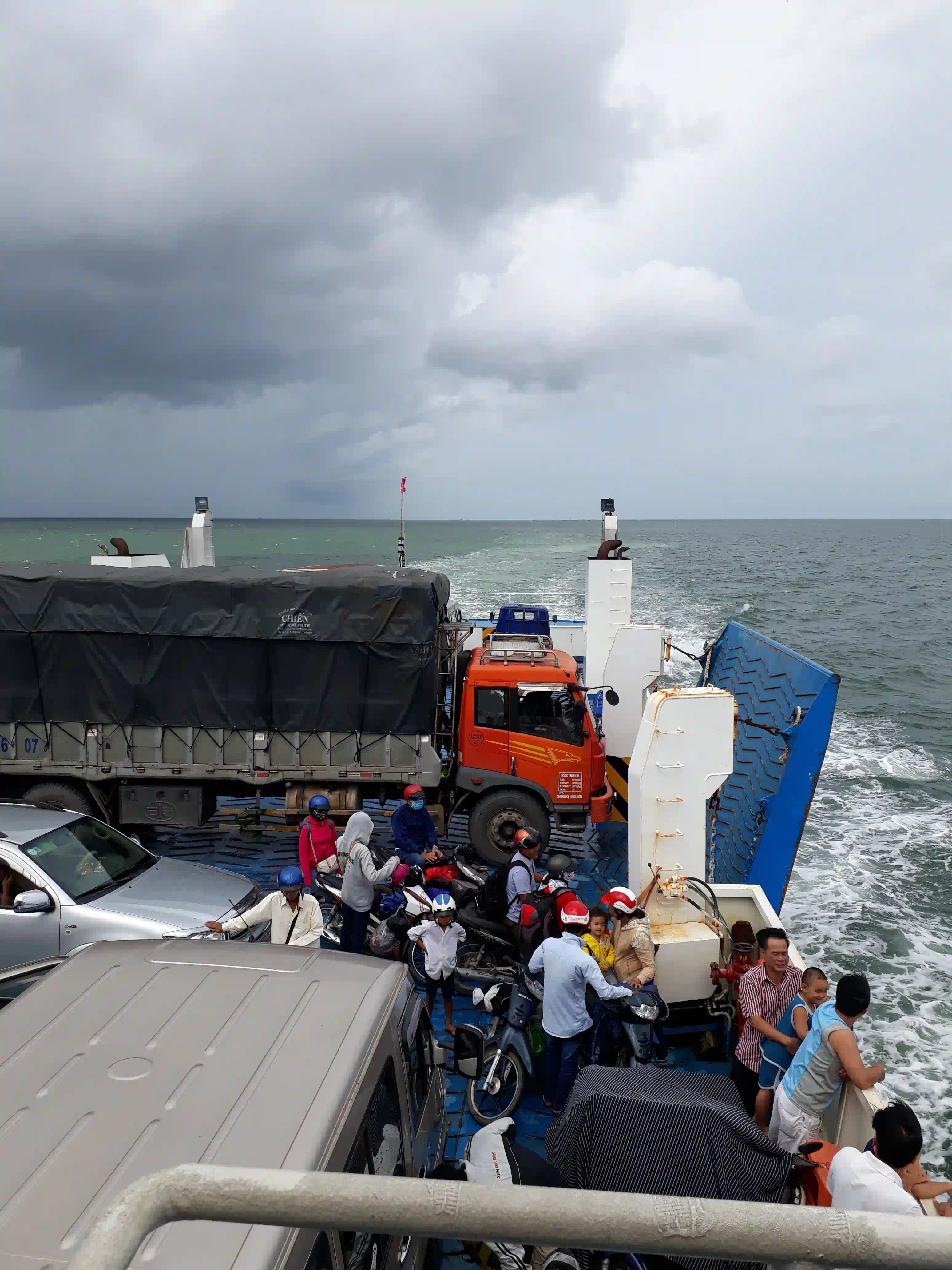
The car ferries are the opposite: a big open vehicle deck below and a passenger lounge above, with a café, more space to move, and an outside deck where you can stand for the crossing. They’re slower and roll more in a swell, and in good weather I think they’re the nicer way to arrive.
At Bãi Vòng the motorbike taxi and taxi drivers are waiting at the gate as you come off. The shuttle and Grab are both cheaper than the first price you’ll be offered there.



Bad Weather, Seasickness and Safety
The fast boats stop running when the wind and the waves get up, usually when gusts reach force 6 or 7 and the sea is around two metres. That happens most in the southwest monsoon from May to October, and occasionally in November when a northeasterly blows through. When a sailing is cancelled the ticket is refunded, and the car ferries sometimes keep going when the fast boats don’t. With an international flight to catch from Saigon after crossing back, I’d leave a spare day, or fly.
For seasickness, I’d go by three things: the morning boats are usually calmer than the afternoon ones, the twin-hulled Phú Quốc Express boats roll less, and a seat low down in the middle of the boat moves least. The tablets work if you take them before boarding. Once you’re out on the water they do very little.
“Phu Quoc ferry capsize” comes up because of 11 July 2026, when a tourist speedboat carrying 32 Indian visitors and four crew overturned in heavy waves on its way back from Mây Rút Ngoài to An Thới, and at least 15 people died. That was a small speedboat on an island tour. It wasn’t one of the scheduled ferries, and several tour operators stopped running speedboat trips afterwards. The scheduled routes from Hà Tiên and Rạch Giá are big boats on a fixed timetable that the port authority closes in bad weather. On any boat, a life jacket within reach is the one thing I’d check before it leaves.


Is There a Ferry from Thailand or Con Dao to Phu Quoc?
No. There’s no passenger ferry from Thailand, whether from Koh Chang, Koh Samui, Phuket, Pattaya or Bangkok, and none from Sihanoukville or Koh Rong in Cambodia either. The nearest you get by sea from Thailand is overland through Cambodia and the Hà Tiên crossing above, which is a long trip, and most people fly via Bangkok or Saigon.
There’s no boat from Côn Đảo to Phu Quoc either. Côn Đảo’s ferries go to Vũng Tàu and Trần Đề in Sóc Trăng, on the other side of the Delta, so linking the two islands means flying through Saigon or Cần Thơ.
The direct Nam Du boat is the one route on this page I can’t pin down from one season to the next, and it’s the one people planning a two-island trip ask about most. If you’ve taken it in 2026 or 2027, the month and the departure time in the comments would settle it for the next person reading this.

Keep Exploring Phu Quoc
-
See & do UltimateAll the best things to do in Phu Quoc as a first-timer ›
-
Guide Must readIs Phu Quoc worth visiting or overrated? What to expect ›
-
GuidePhu Quoc Motorbike Rental: My Guide & 5 Best Shops ›
-
GuidePhu Quoc vs Da Nang: Where expats actually prefer to live ›
-
GuideIs Phu Quoc Expensive? 2026 Prices vs Da Nang, Phuket & Bali ›











 Tiếng Việt
 한국어
 中文 (中国)
 日本語
 ไทย
 Deutsch
 Español
 Destinations
 Instagram
 Facebook
 X (Twitter)
 Threads
 Tiktok