









 Ha Giang
 Hanoi
Hanoi Ho Chi Minh City
 Ha Long
 Sapa
Sapa Mekong Delta
 Da Nang
 Hue
Hue Hoi An
 Ninh Binh
 Da Lat
 Nha Trang
 Phan Thiet
 Phu Quoc
 Quang Binh
 Quy Nhon
 Vung Tau
 Thai Nguyen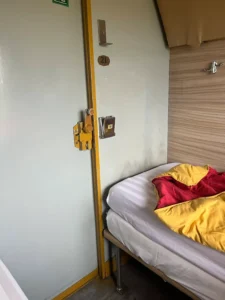

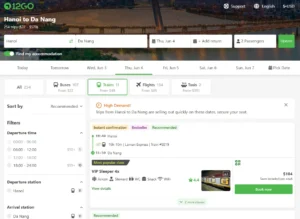
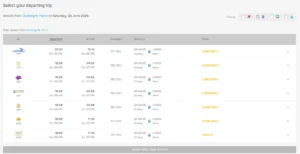



Taking the overnight train down the spine of Vietnam is one of those things you just have to do once. I’ve done this route maybe six times now over the last ten years. I’ve done it in the cheap hard-sleeper cabins where people are smoking in the hallways, and I’ve done it in the high-end private sleeper cabins.
If you are building your itinerary and you are planning your exit strategy to head south, this is the guide you need. I am going to break down exactly what it is like inside the private Hanoi Da Nang train sleeper cabins. I’m going to tell you about the noise, the toilets, the food, and why the last two hours of the trip make the whole thing worth it.
- Quick answer: The private Hanoi Da Nang train sleeper cabins are the best way to travel south if you have the time. While flights are faster, booking a VIP 2-berth cabin gives you clean sheets, a private western toilet, and incredible morning views of the Hai Van Pass. Just bring earplugs because the 100-year-old tracks will shake you all night.
- What are private cabins?
- Choosing your bed:
- VIP 2-Berth: Best for couples. It’s a standard 4-berth room but they fold the top beds up so you can actually sit up straight and look out the window.
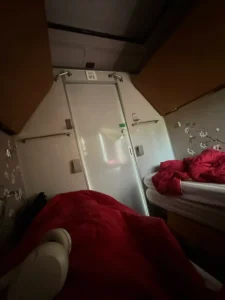
- 4-Berth: Very cramped if you are tall. Avoid the top bunk unless you like sliding into bed like a torpedo.
- The Sleep & Noise:
- The tracks are old. The train aggressively rocks side-to-side and the horn blares all night at railway crossings. Silicone earplugs are mandatory.
- The Bathroom Situation:
- Private carriages have their own dedicated, western-style toilets that are actually cleaned during the 16-hour trip. This alone justifies the higher ticket price.
- The Hai Van Pass:
- The ultimate payoff. Wake up at 6 AM to watch the train hug the jungle cliffs right over the ocean before pulling into Da Nang.
- How to book:
What exactly is a “Private” Sleeper Cabin?
This is the biggest point of confusion for tourists.
When you go online to book a ticket, you will see the standard Vietnam Railways tickets (VNR). But then you will see all these fancy names: Lotus Express, Laman Express, Livitrans, Damitrans.
People think these are separate, luxury trains. They are not.
There is only one set of train tracks in Vietnam. It’s a single-gauge track built by the French over a century ago.
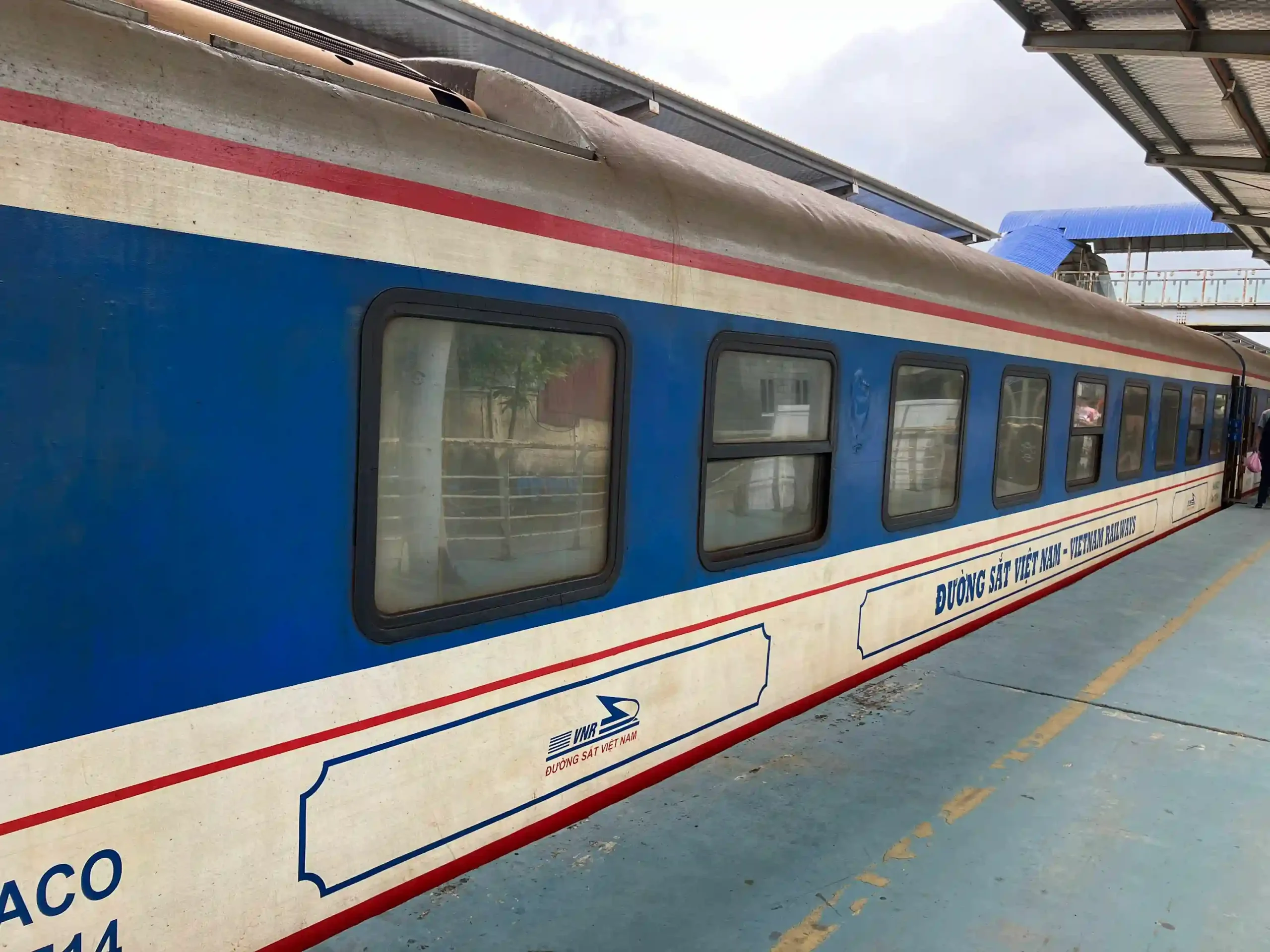
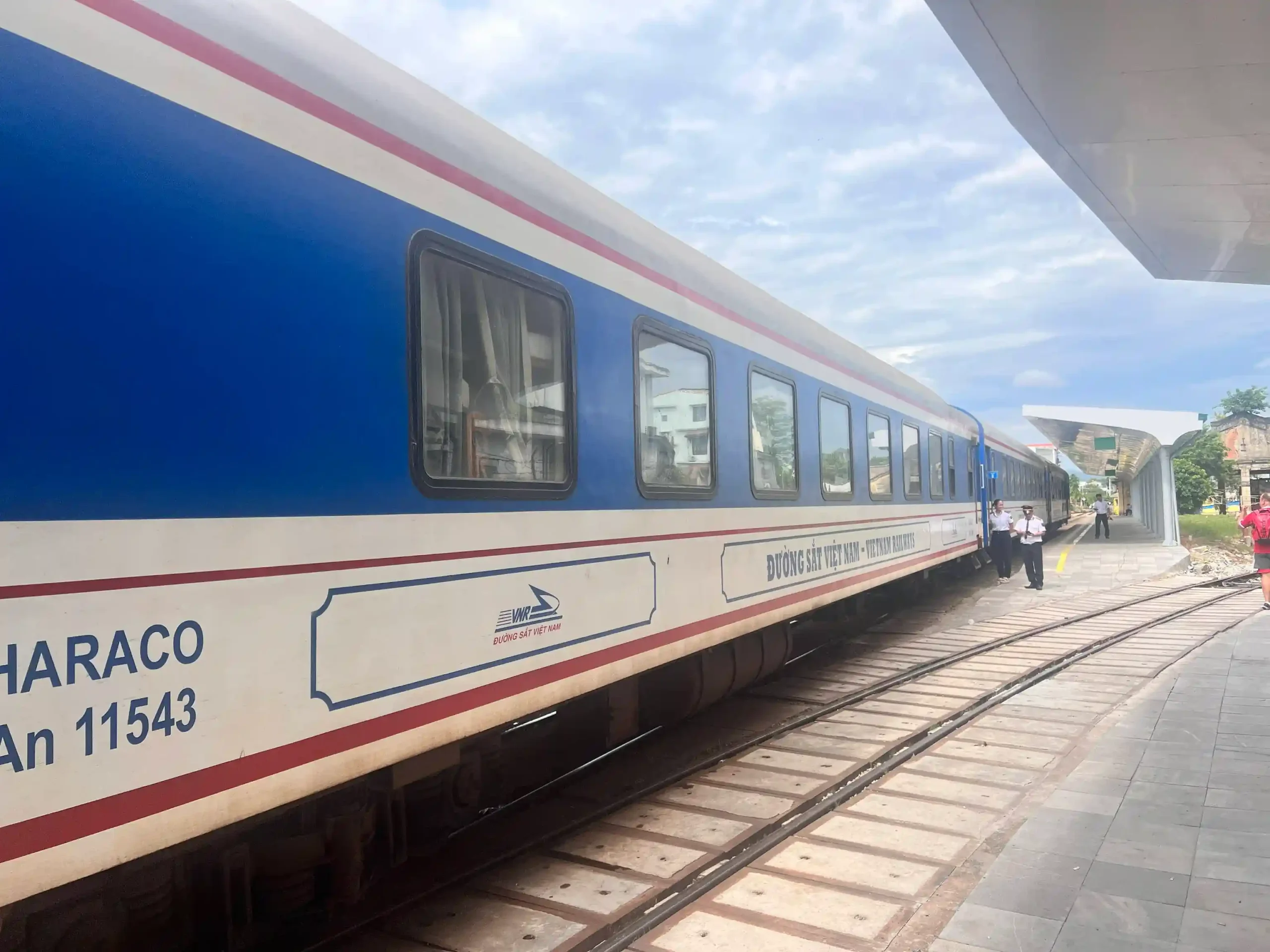
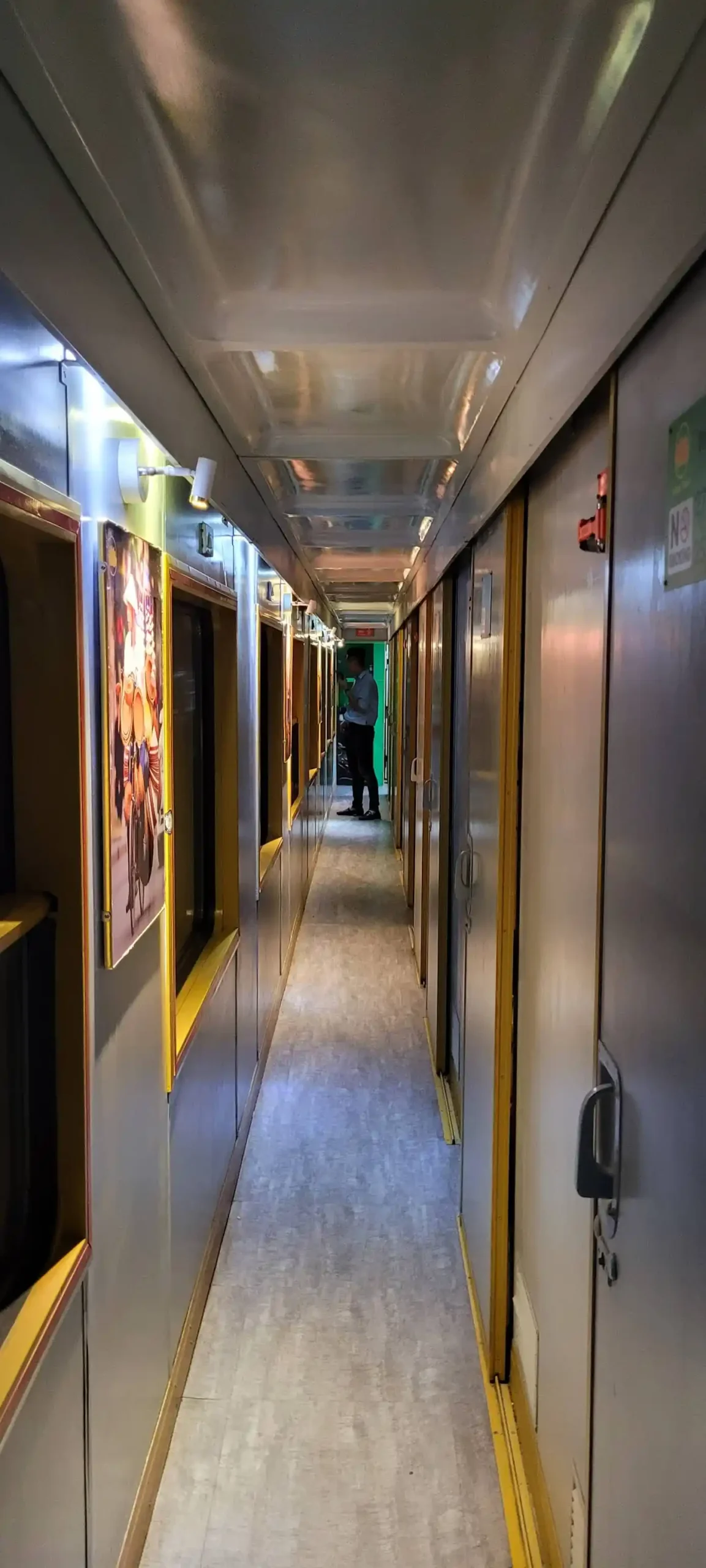
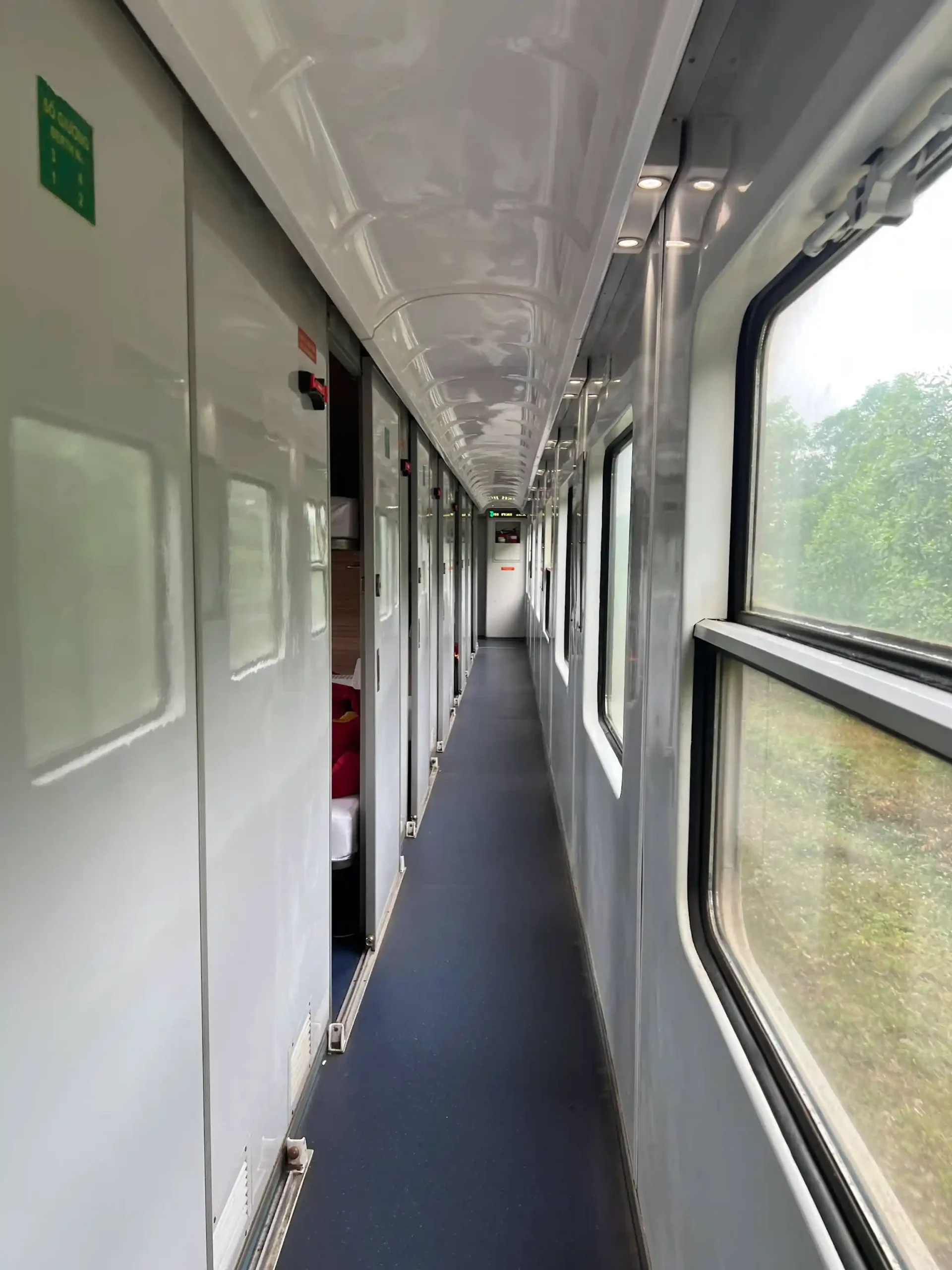
What these private companies do is they buy a single carriage. They completely gut the inside. They rip out the cheap plastic beds and the terrible fluorescent lights. They install wood paneling, thicker mattresses, reading lights, USB charging ports, and they put a dedicated staff member in charge of that specific carriage.
Then, they just hook their fancy carriage onto the back of the regular state-run train (usually the SE19, SE1, or SE3 trains leaving Hanoi station).
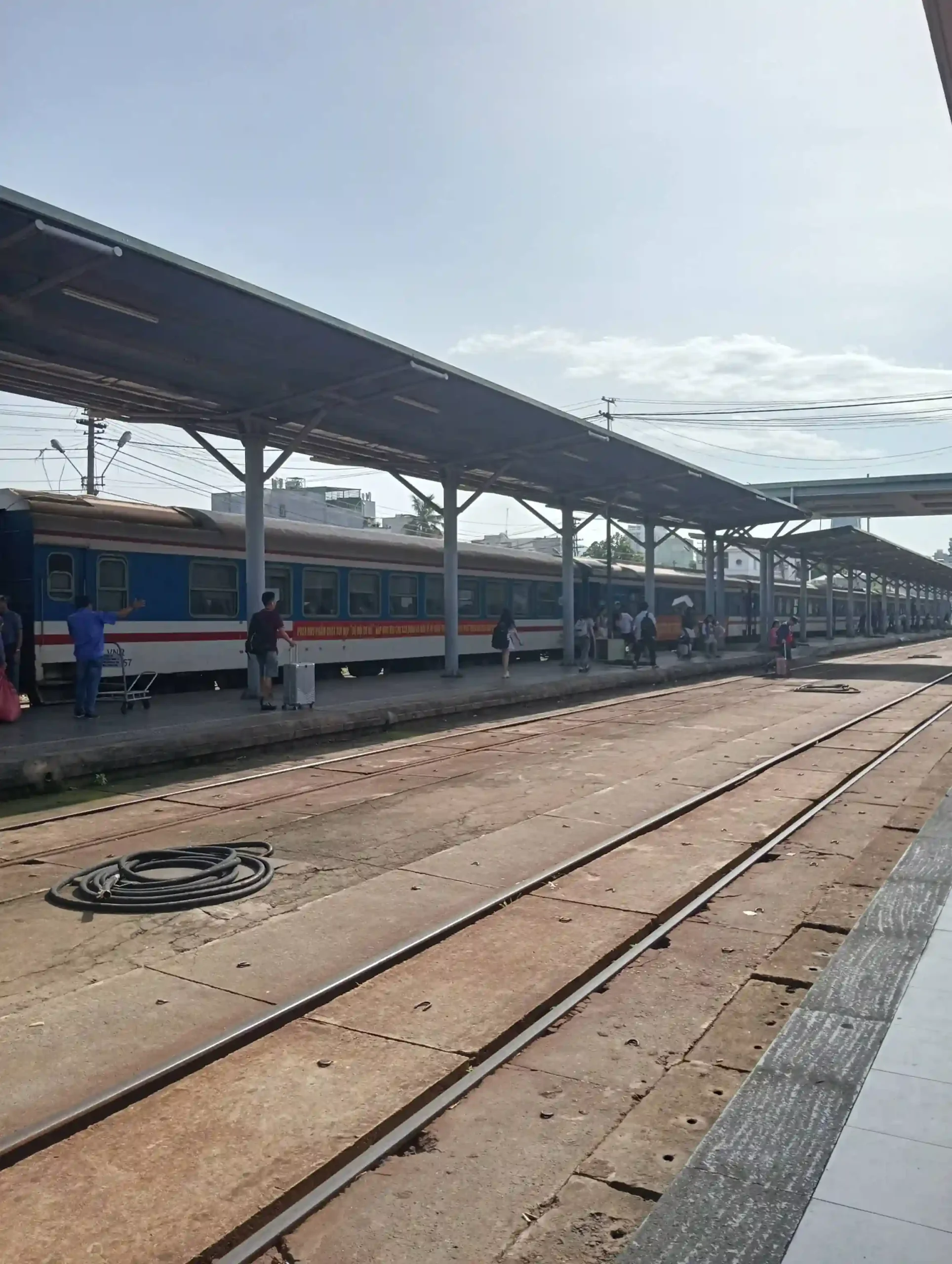
So when you stand on the platform at Hanoi Railway Station, you will see a massive, dirty metal train, and then right at the end, there will be two or three brightly painted, clean carriages. That’s where you are sleeping.
The 2-Berth VIP vs 4-Berth Dilemma
When you book a private carriage, you have two choices for your room.
The 4-Berth Cabin
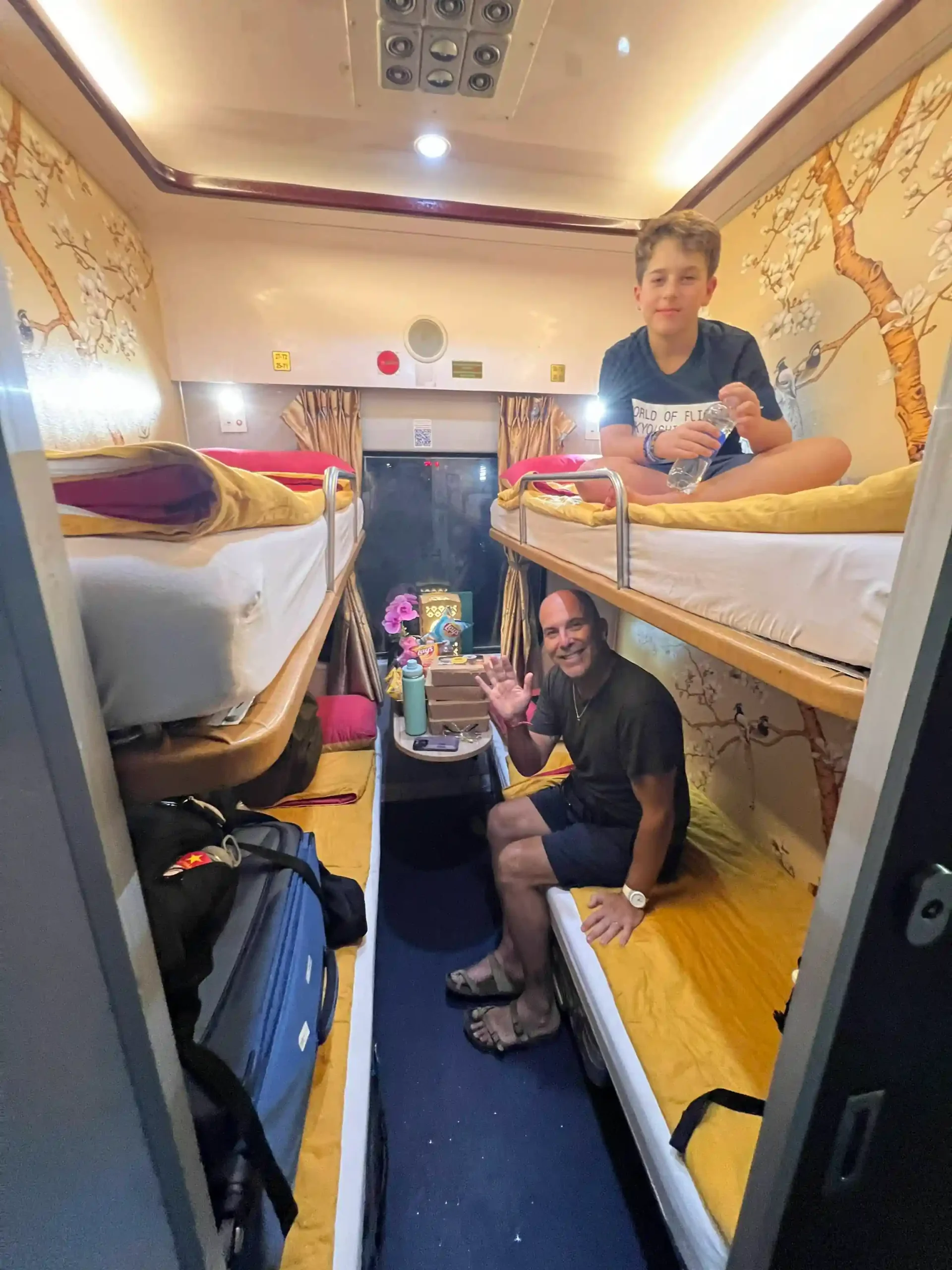
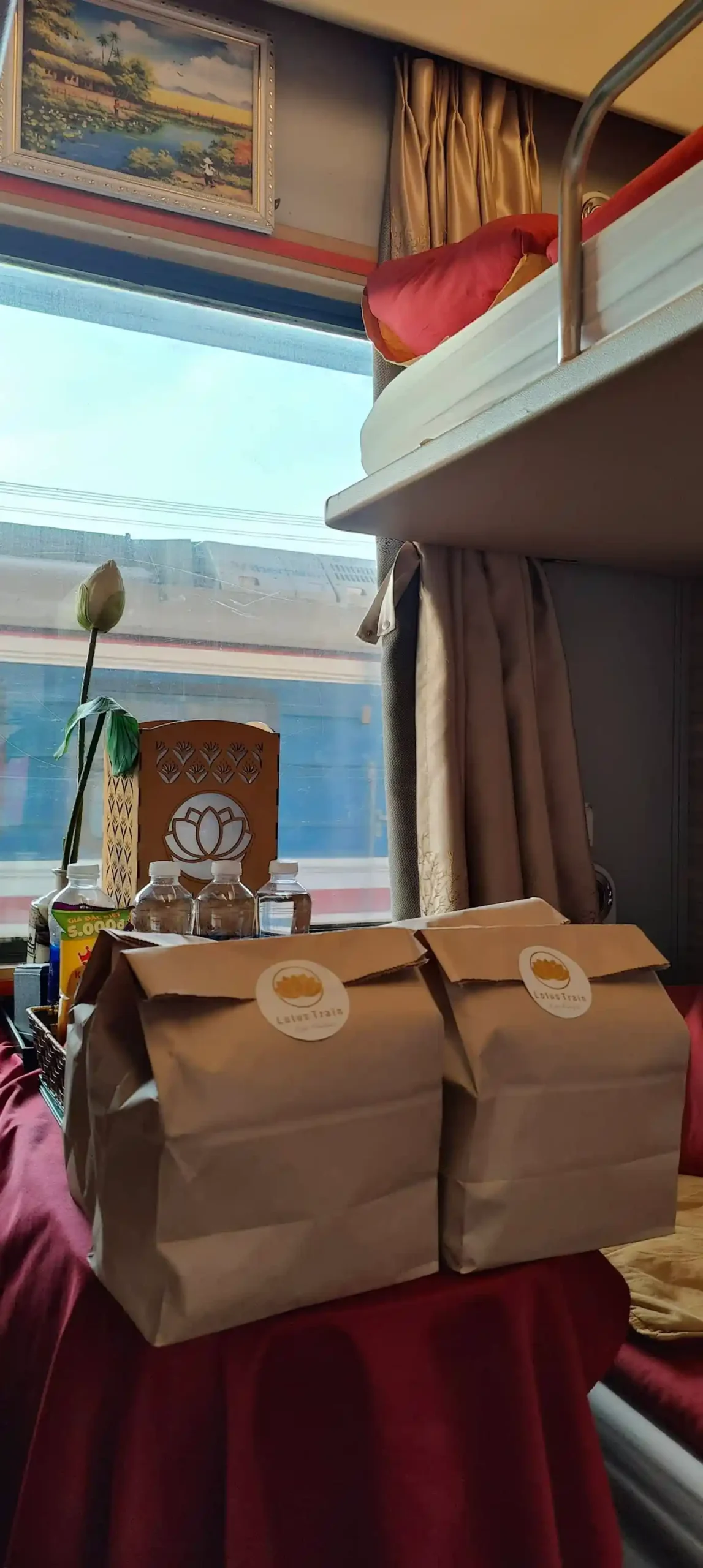
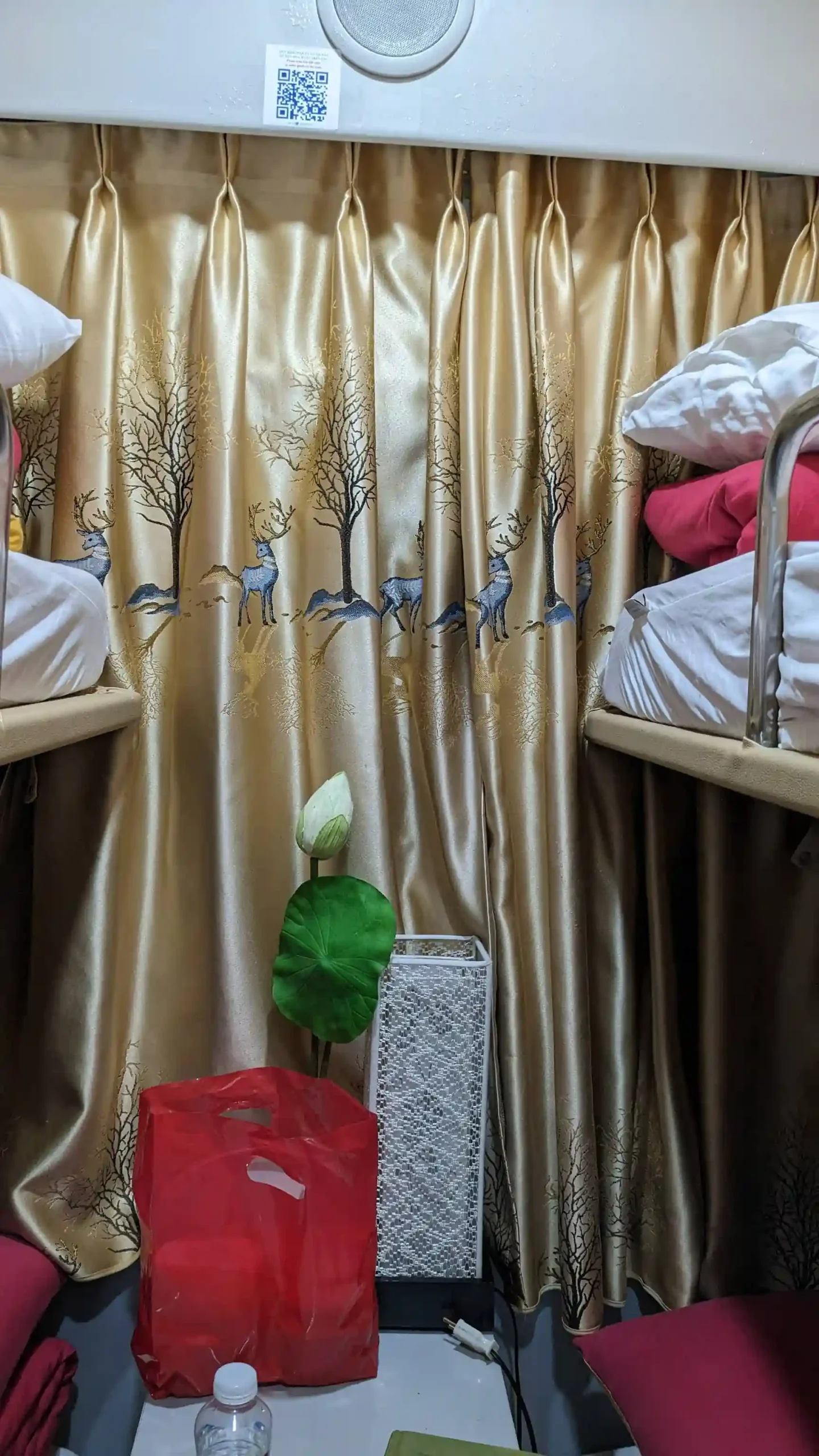
This is a room with two bunk beds. Four beds total.
If you are a family of four, this is perfect. You just buy out the whole room and lock the door.
If you are a solo traveler or a couple, and you only buy two beds in a 4-berth, you are going to be sharing a very small space with two strangers.
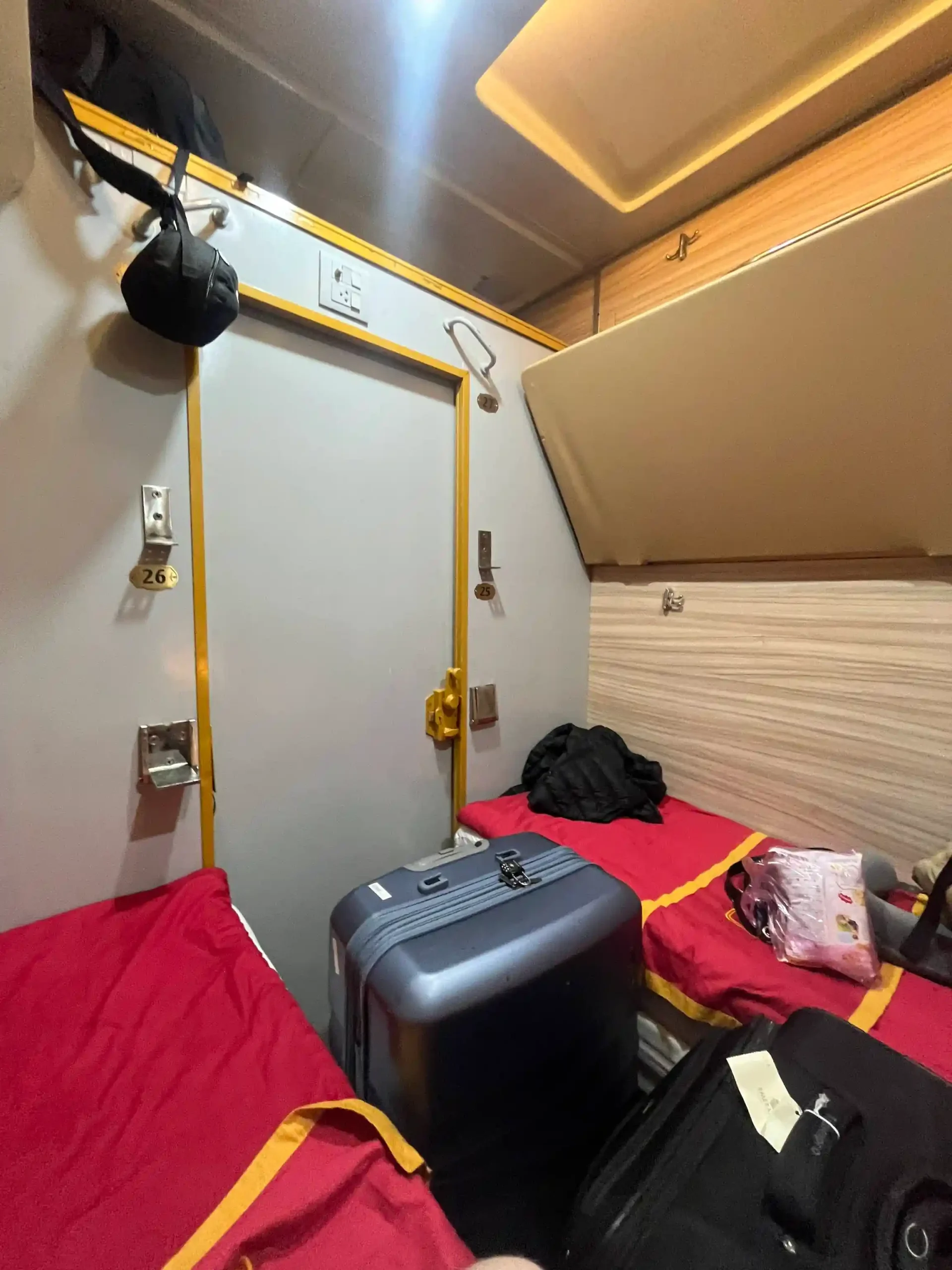
The reality of the space: It is tight. If you are over 6 feet tall (180cm), you are going to have to sleep slightly diagonally. If you get the top bunk, you cannot sit up straight in bed. Your head will hit the ceiling. You have to slide into it like a torpedo.
The 2-Berth VIP Cabin
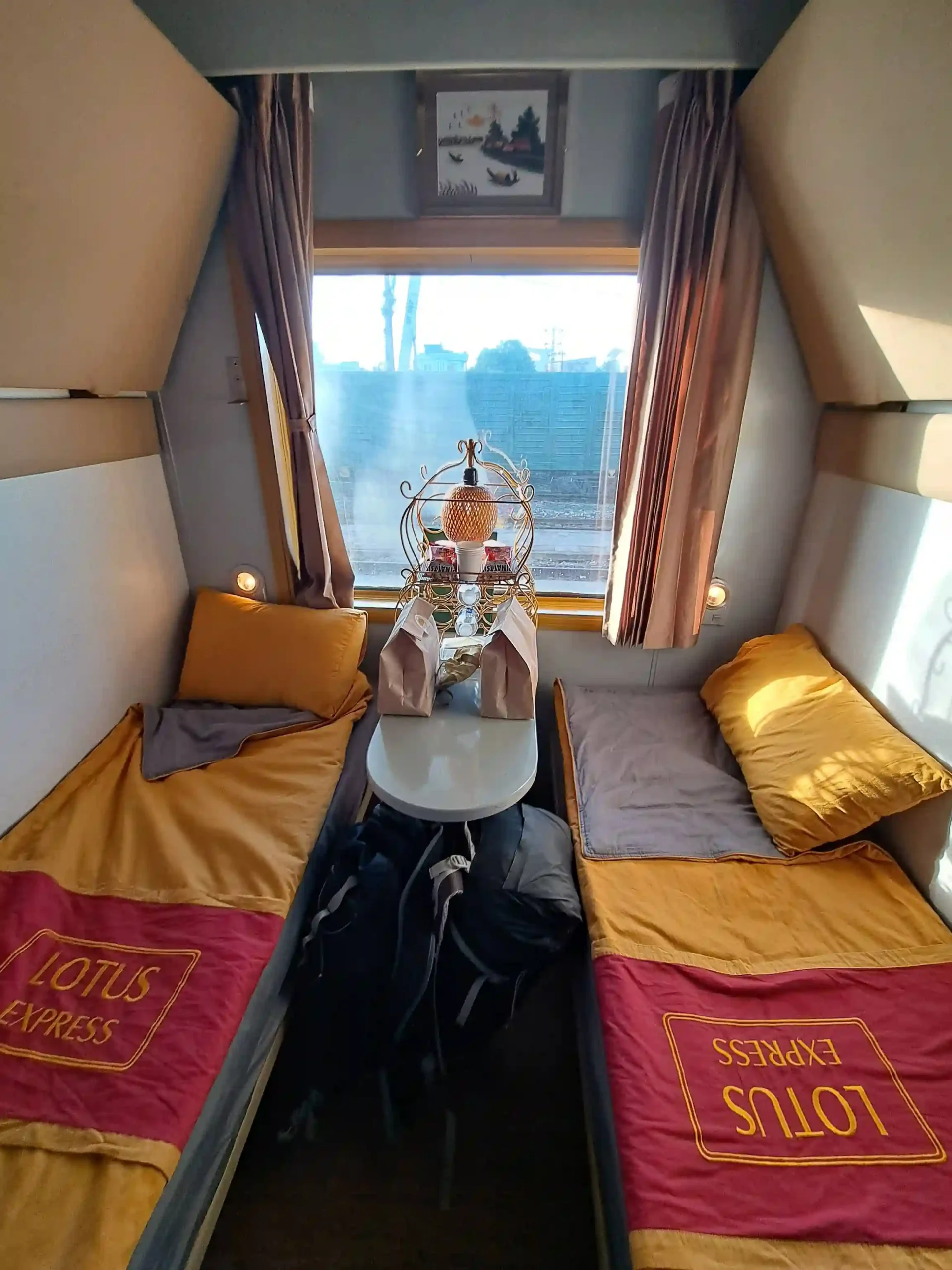
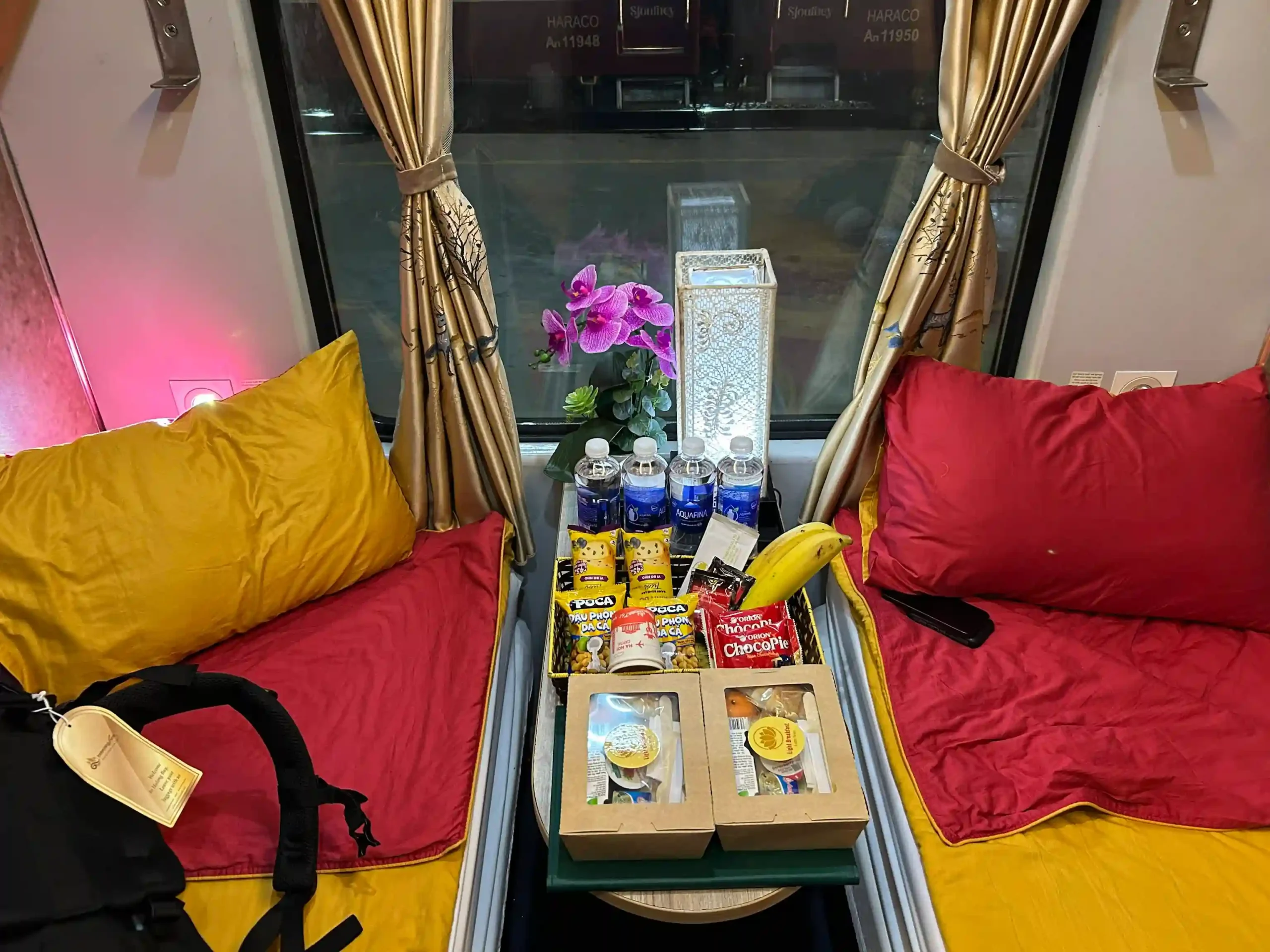
If you are a couple and you have the budget, just book this.
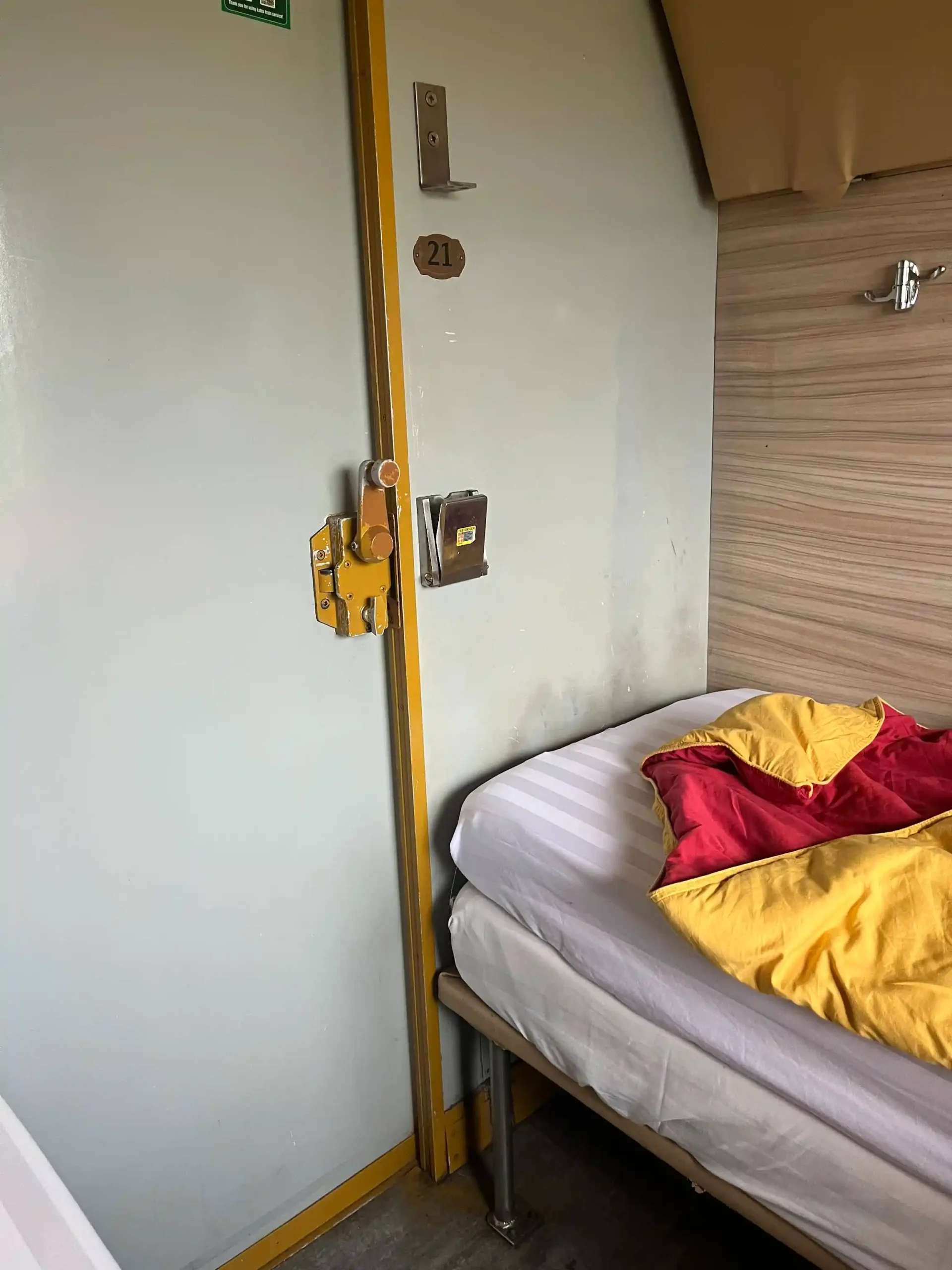
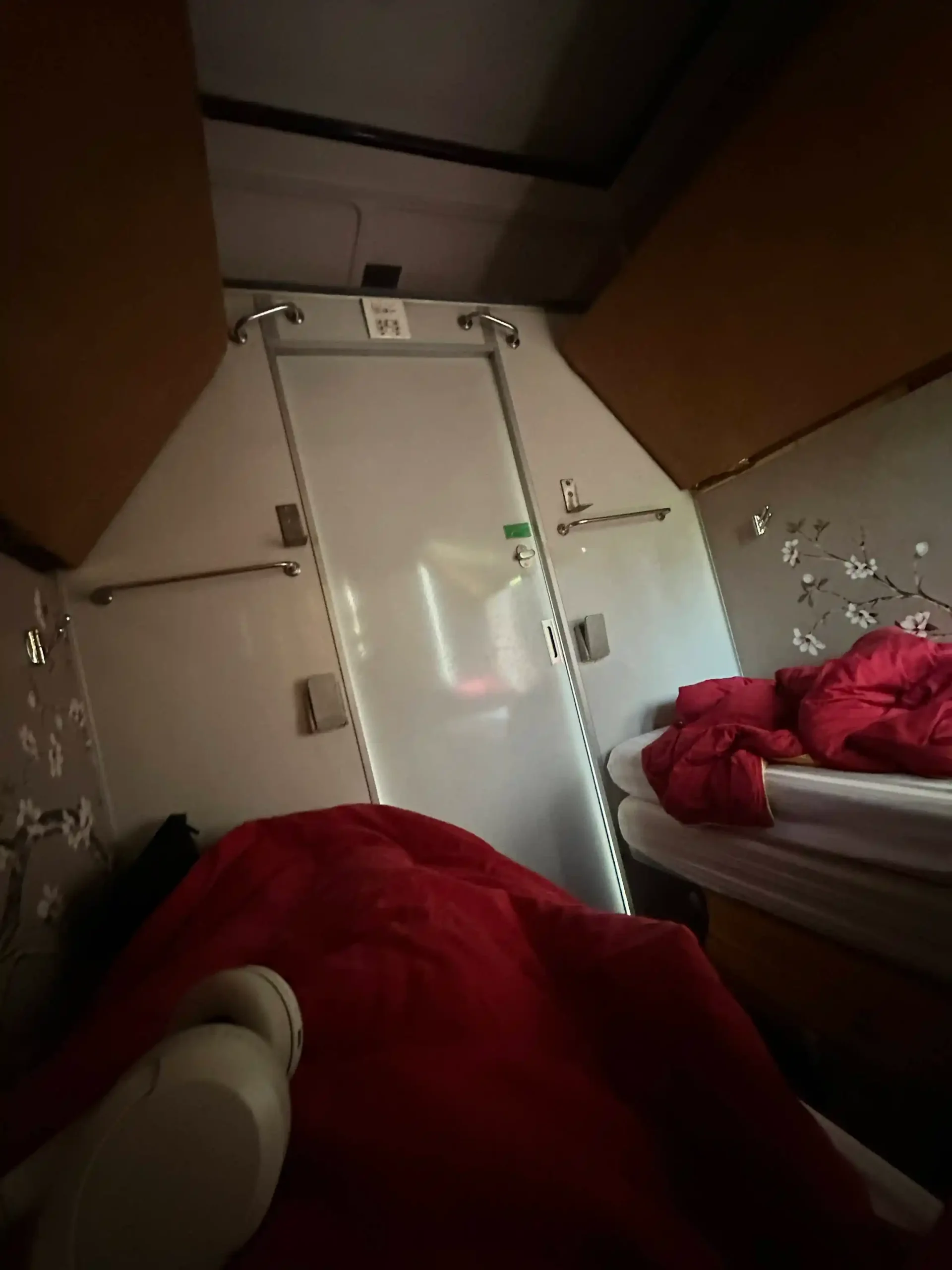
Here is the secret though: It is the exact same physical room as the 4-berth. The companies don’t build bigger rooms. They just take a 4-berth room, fold the top two beds up against the wall, and lock them in place.
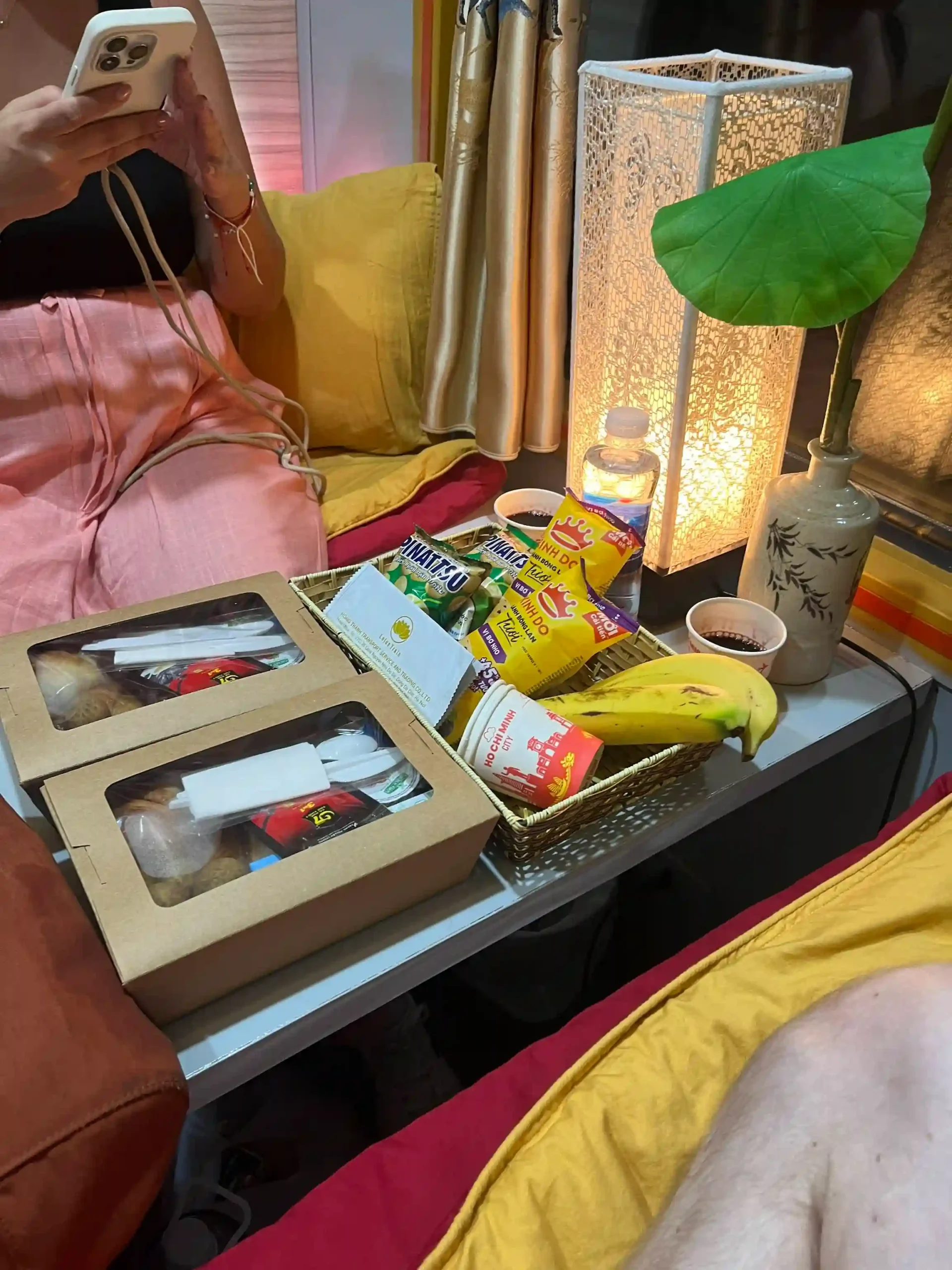
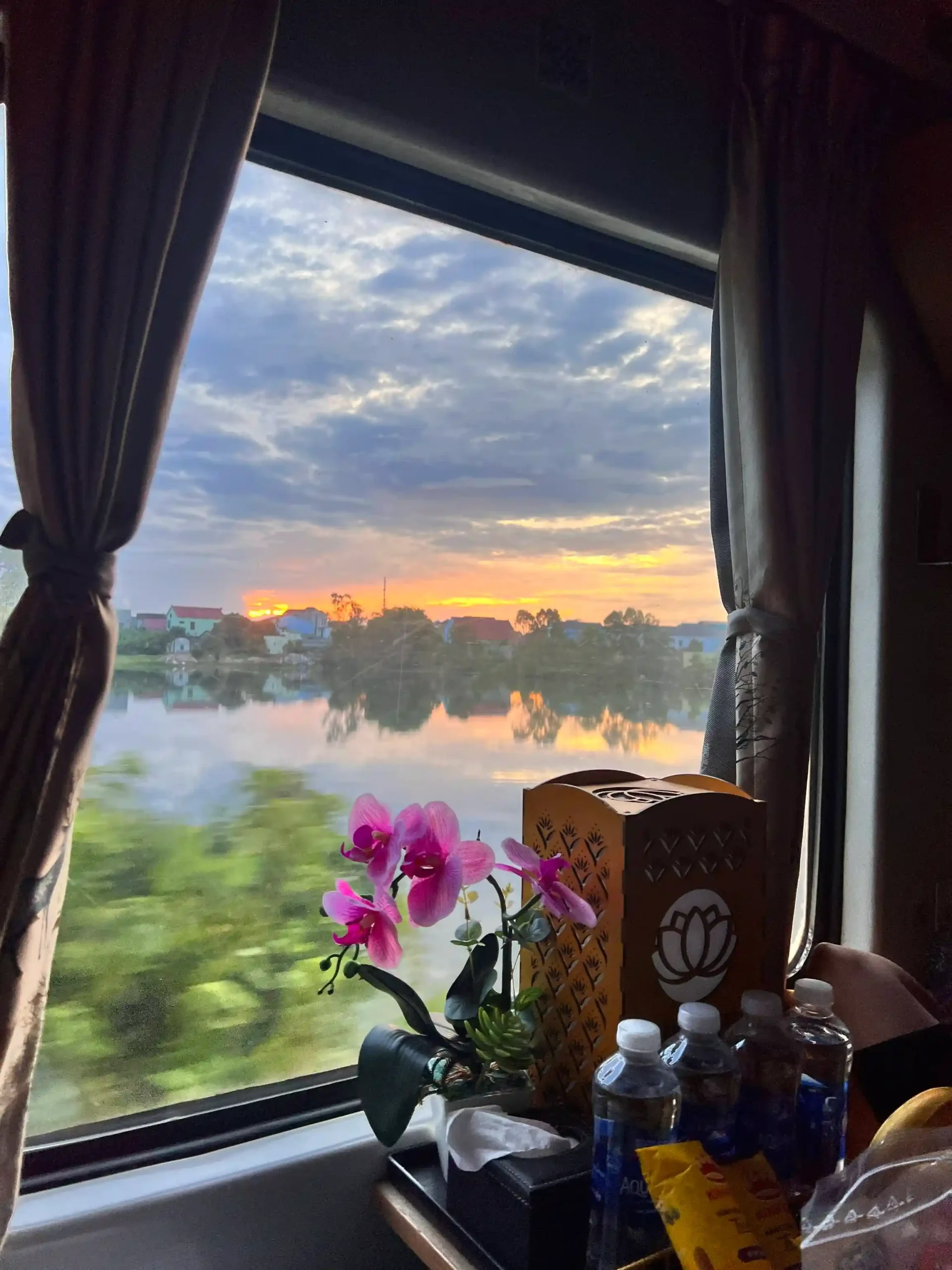
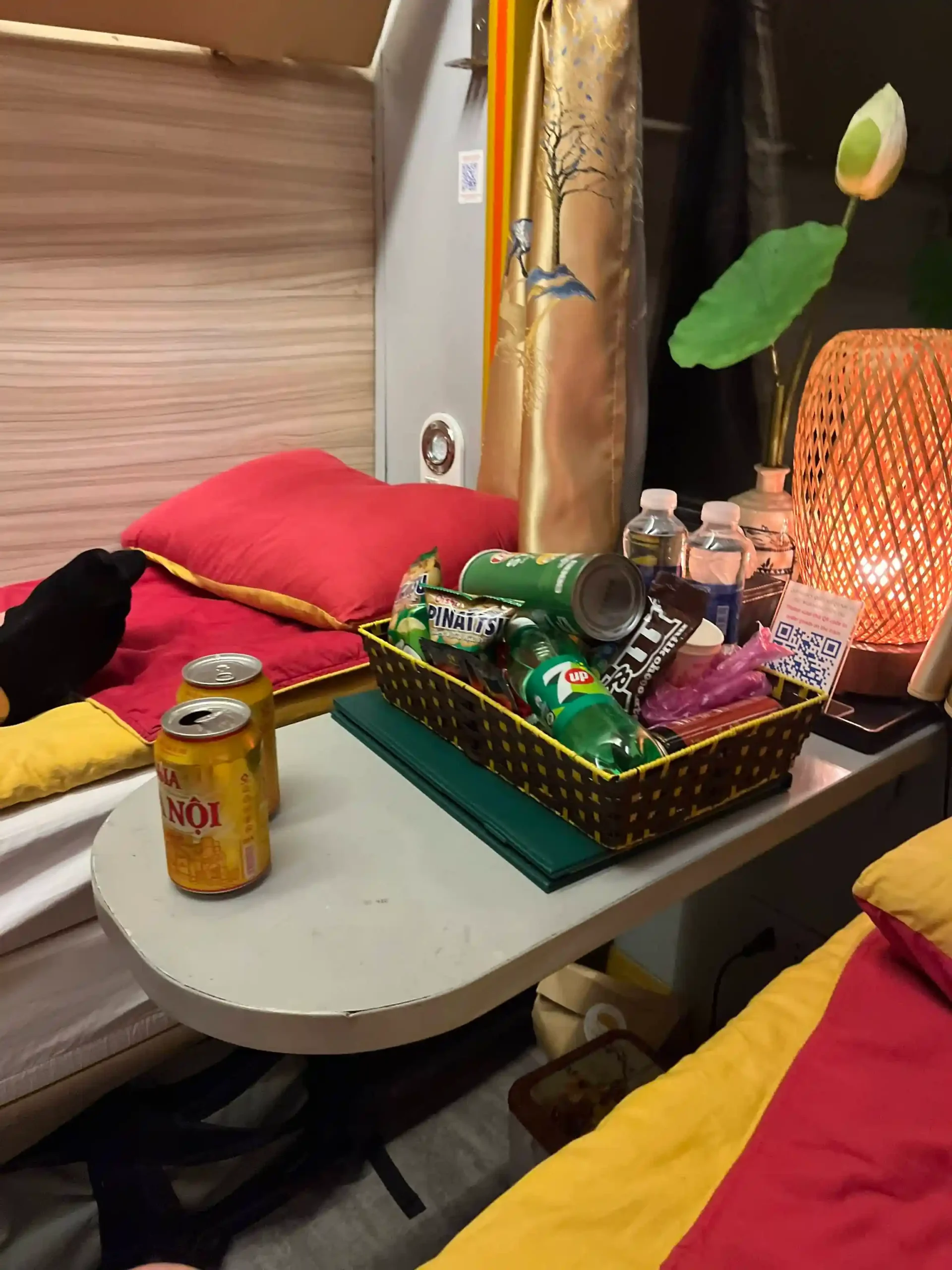
But the difference in comfort is massive. Because the top beds are gone, you can actually sit up on your bed, lean against the wall, and look out the window while drinking a beer. You get free snacks on the table, usually some water, maybe a few cans of soda, and some bananas.
Here is a quick breakdown of what you are actually paying for:
| Feature | Standard VNR Sleeper | Private 4-Berth (Lotus/Laman) | Private 2-Berth VIP |
|---|---|---|---|
| Mattress | Thin, hard foam | Thick, soft foam | Thick, soft foam |
| Bedding | Washed… sometimes | Fresh white hotel sheets | Fresh white hotel sheets |
| Space | Cramped | Cramped (Top bunk is tight) | Spacious (Can sit up) |
| Price (Approx) | $40 – $50 | $70 – $90 | $170 – $190 (per room) |
| Vibe | Very local, loud | Quiet, mostly tourists | Private, relaxed |
The actual experience: Sleeping on a 100-year-old track
Because I see people booking these VIP cabins thinking they are going to get a smooth, silent, Orient Express luxury experience.
You are not.
The Hanoi Da Nang train runs on the North-South railway line. It is a narrow-gauge track. It is old.
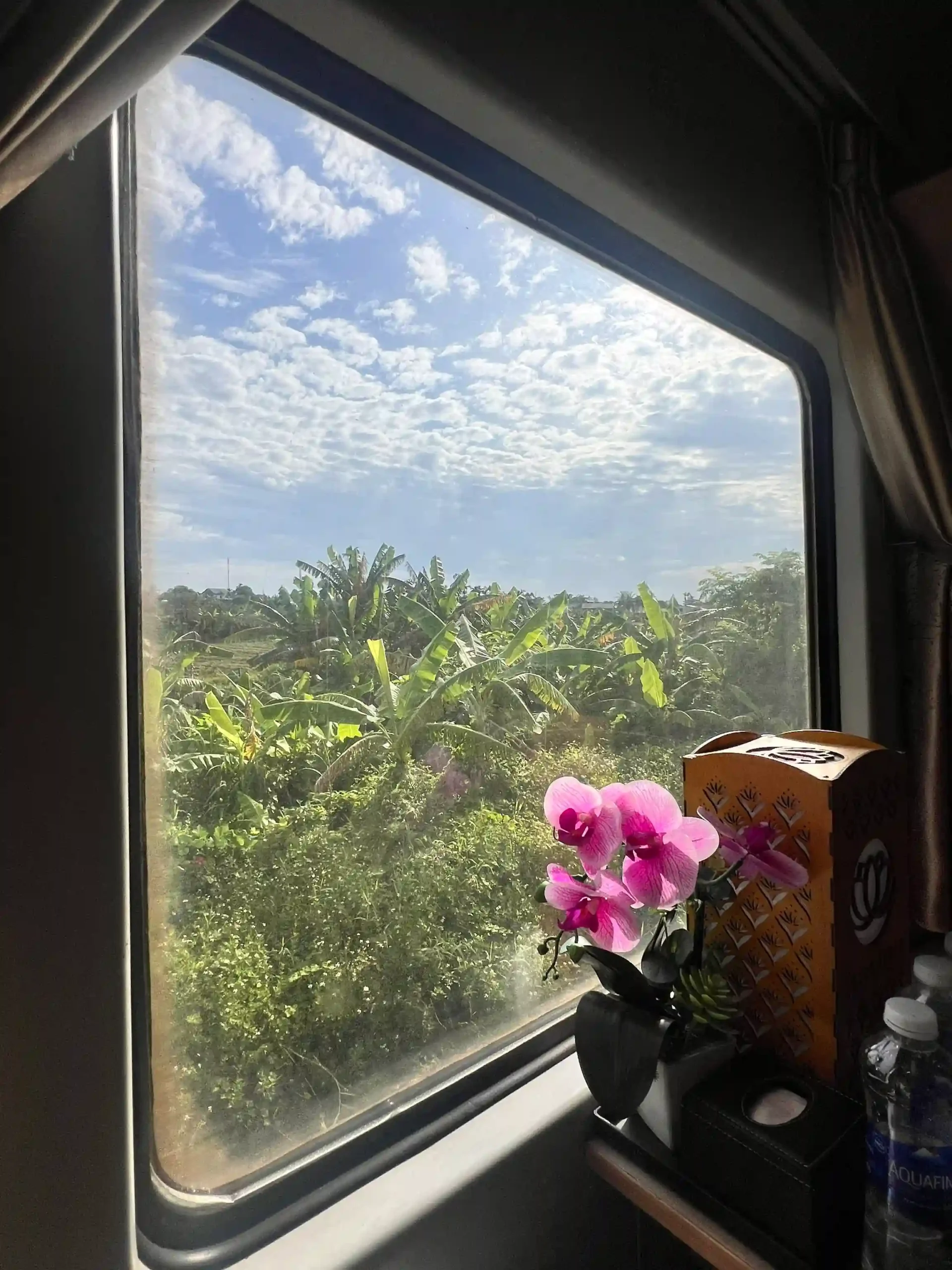
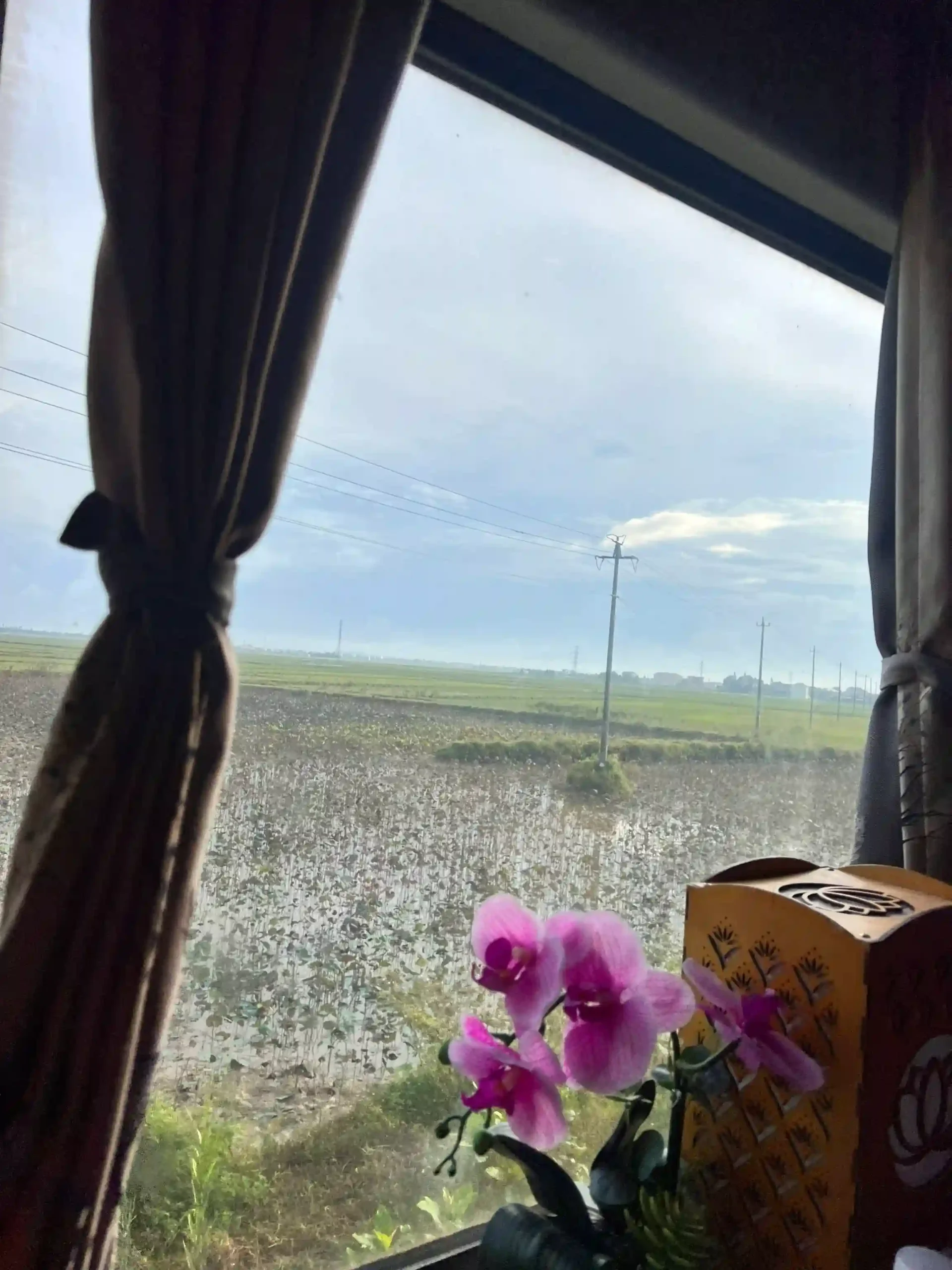
When the train leaves Hanoi around 7:00 PM or 8:00 PM, it moves slowly through the city suburbs. It’s actually really cool. You look out the window and you are passing literally inches away from people’s backyards and kitchens. You can see what they are watching on TV.
But once it hits the countryside and speeds up, the reality of the tracks kicks in.

The Shaking
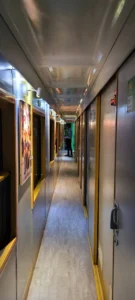
The train rocks. It doesn’t just vibrate, it aggressively sways from side to side. If you are walking down the hallway to go to the bathroom, you have to bounce off the walls like a pinball.
When you are lying in bed, you will feel every single joint in the tracks. Clack-clack, clack-clack.
The Noise
The private carriages have better soundproofing than the standard carriages, but it is still a train. You hear the wheels grinding. You hear the horn blaring constantly because the train has to warn scooters at unregulated railway crossings in the middle of the night.
If you are a light sleeper, you absolutely must bring silicone earplugs. Do not rely on cheap foam ones.
I usually take a melatonin, put my earplugs in, and just let the rocking of the train knock me out. It’s a very specific type of sleep. You wake up every few hours when the train stops at a random station like Vinh or Dong Hoi in the dead of night, you hear some shouting outside, and then you fall back asleep when it starts moving again.
The Bathroom Situation (This is why you pay extra)
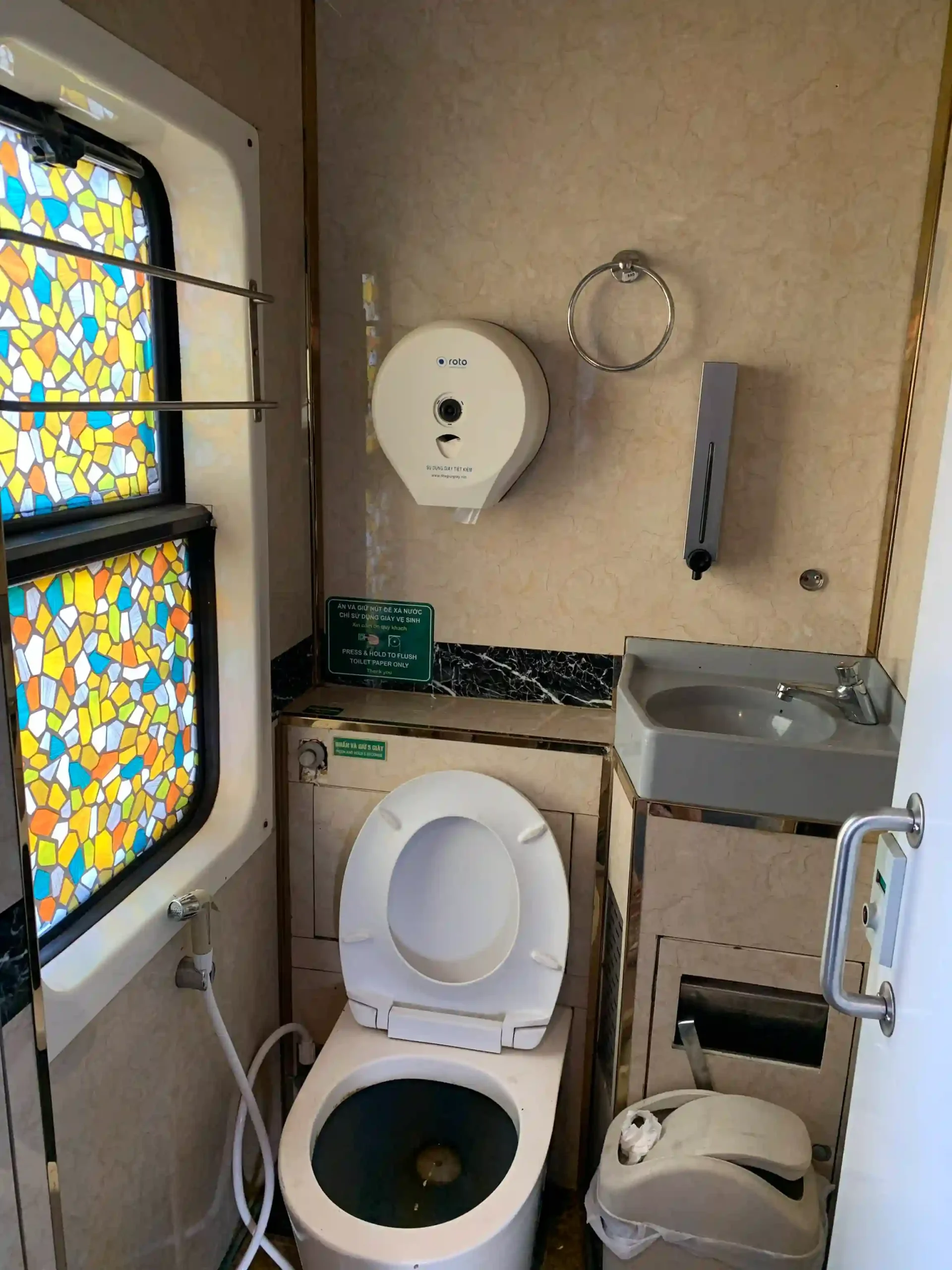
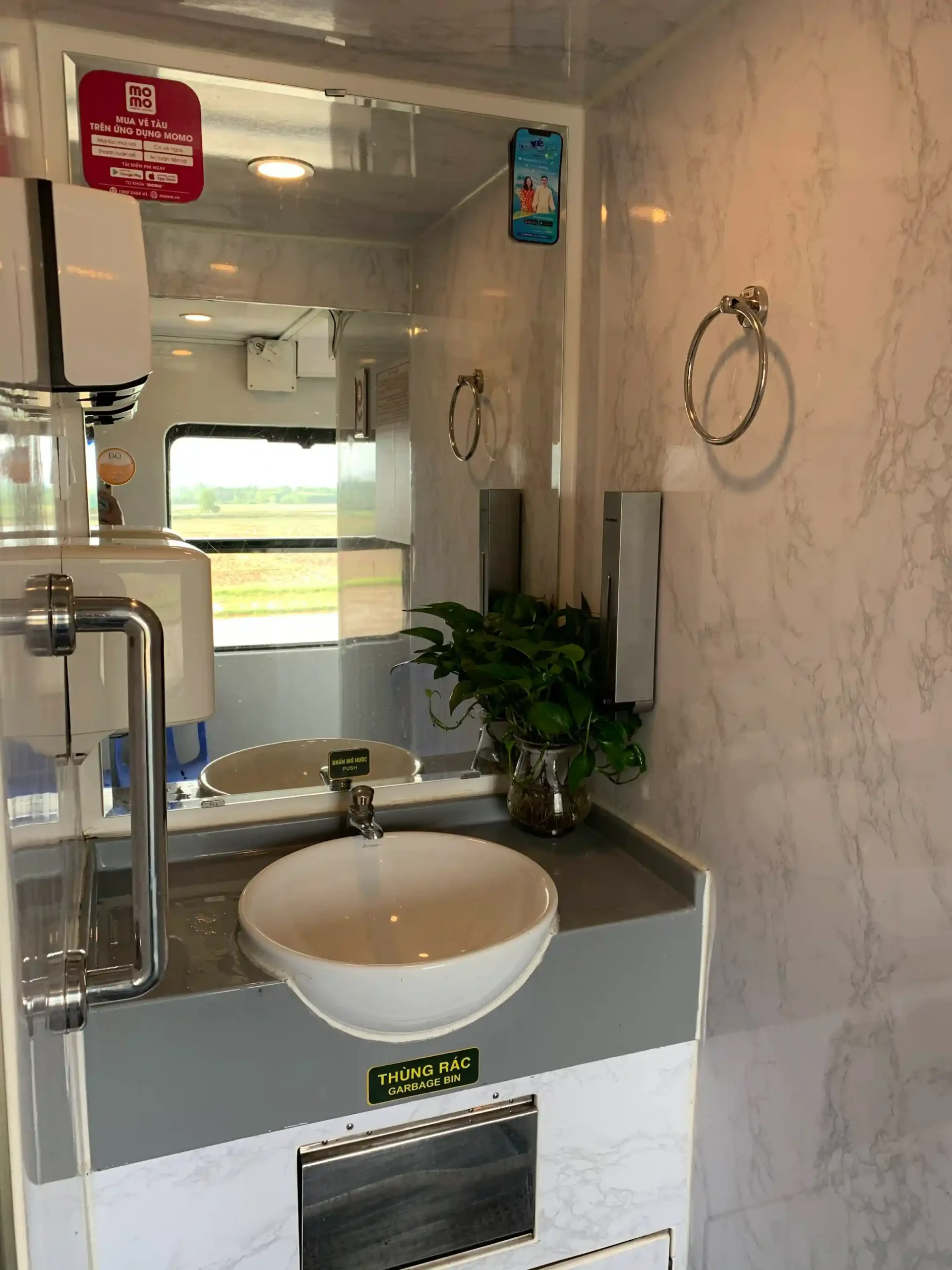
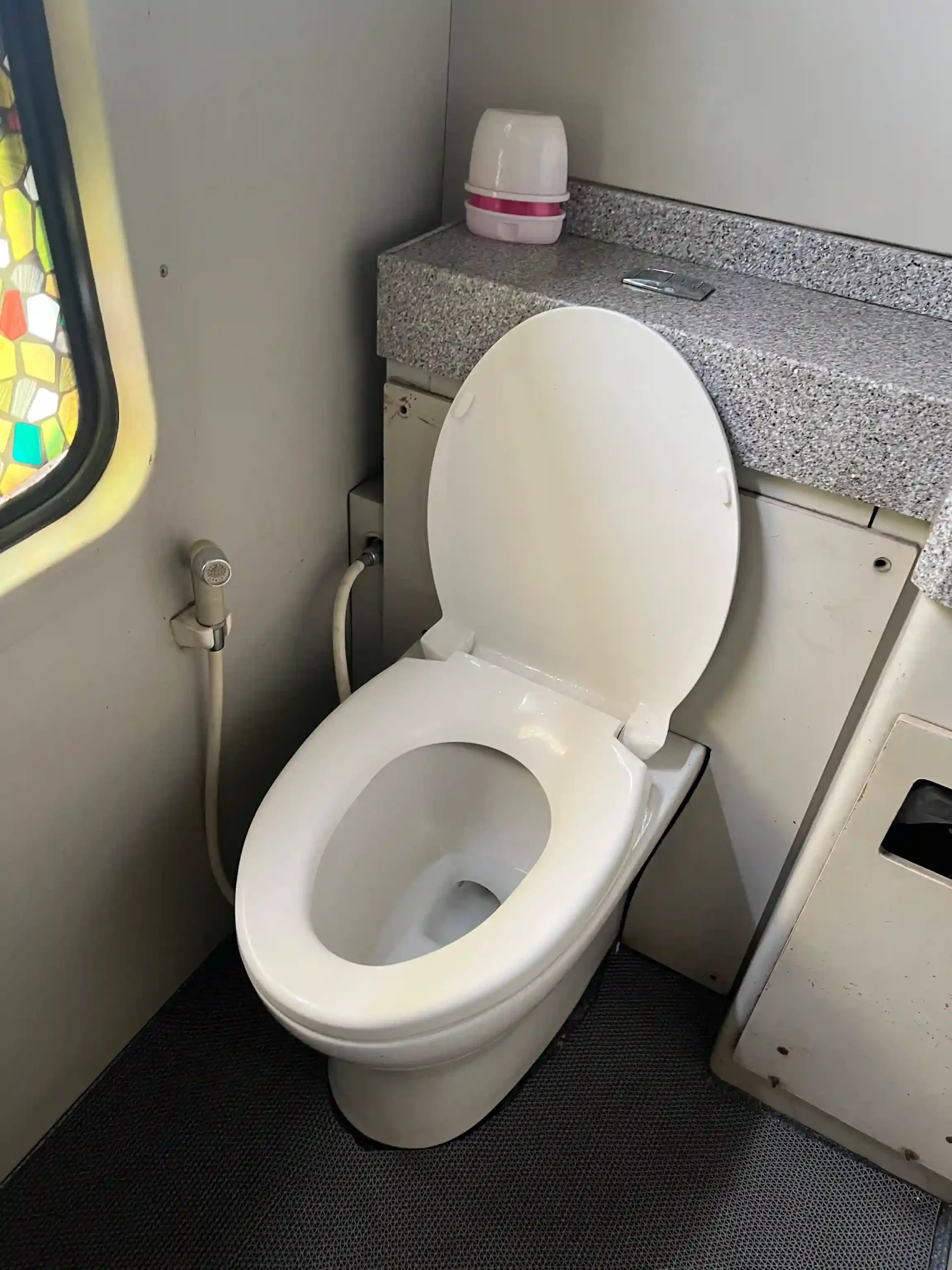
The single biggest reason you pay $80 for a private sleeper cabin instead of $40 for a standard state-run cabin is the toilet.
If you take the standard train, the toilet at the end of the carriage is a nightmare by hour 12. It is usually a wet room, the floor is soaked, the toilet paper is gone by 10 PM, and the smell is aggressive.
When you book Lotus Express or Laman Express, they have their own dedicated bathrooms at the end of their specific carriage.
- They are Western-style sit-down toilets.
- They actually have toilet paper.
- They have a sink with soap.
- Most importantly, the staff member assigned to your carriage actually cleans it multiple times during the 16-hour trip.
It is still a train toilet. It is tiny. Trying to pee while the train is violently shaking side to side is an athletic event. But it is clean.
Food and Drink on board
You are going to be on this train for 16 hours. You need to eat.
When you board the private cabins, they usually have a little welcome basket on the table. It’s nothing crazy, a couple of bottles of water, some Oreos, maybe a local beer, and some instant coffee packets.



The Dining Cart
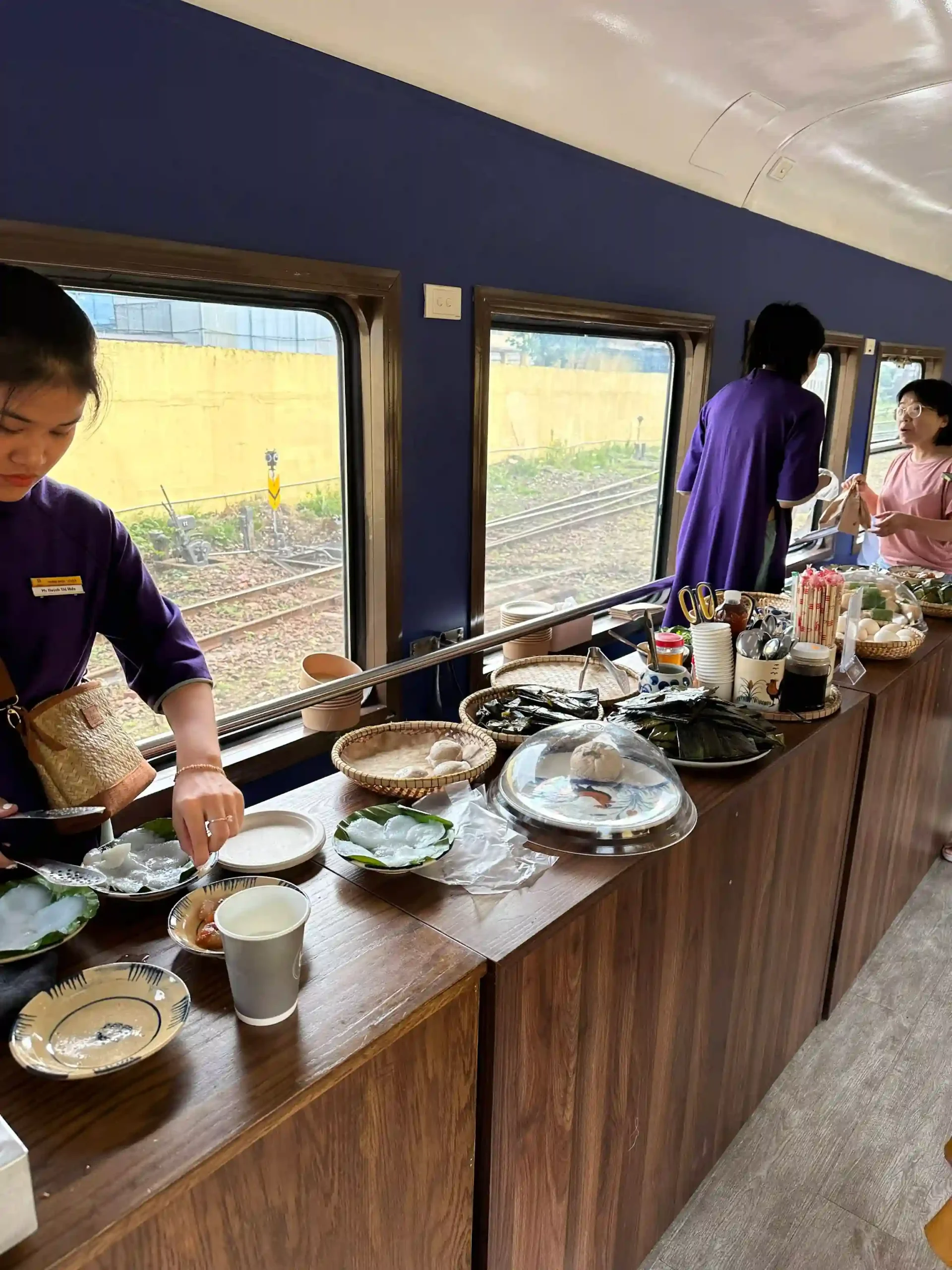
There is a dining cart on the train. It is usually located all the way at the other end of the train. Walking through 10 moving carriages to get to it is an adventure.
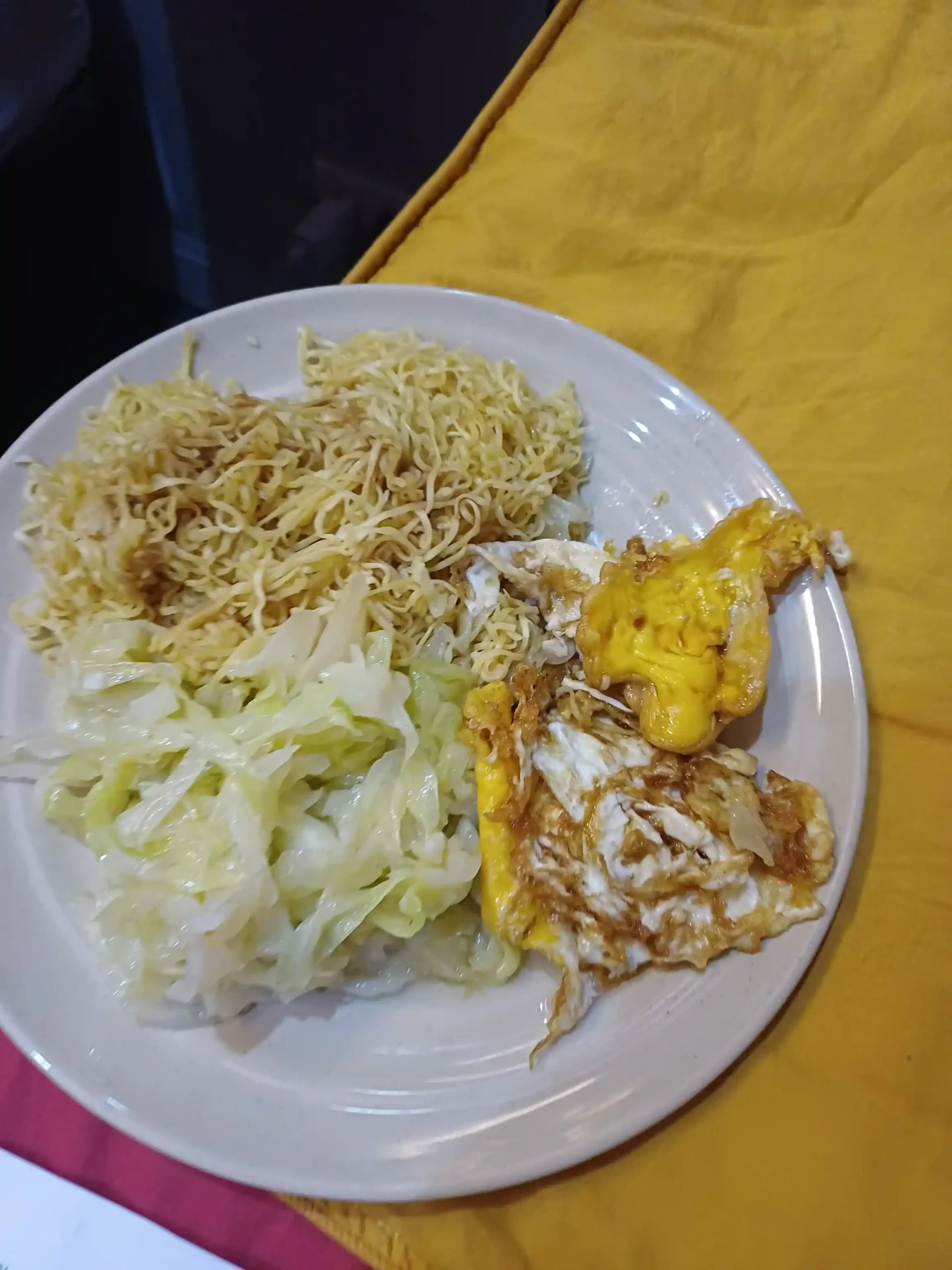
The food in the dining cart is… fine. It’s usually instant noodles with an egg, or some rice with braised pork. It’s cheap, but it’s not going to blow your mind.
The Food Cart Ladies
Throughout the trip, staff from the train will push a metal cart down the hallway selling snacks. In the morning, they will come by selling hot coffee and steamed pork buns (Banh Bao).
My Advice:
Just bring your own food. Before you go to Hanoi Railway Station, stop at a Banh Mi stand and buy two sandwiches. Go to a Circle K and buy some chips, some chocolate, and a few cans of Bia Hanoi.
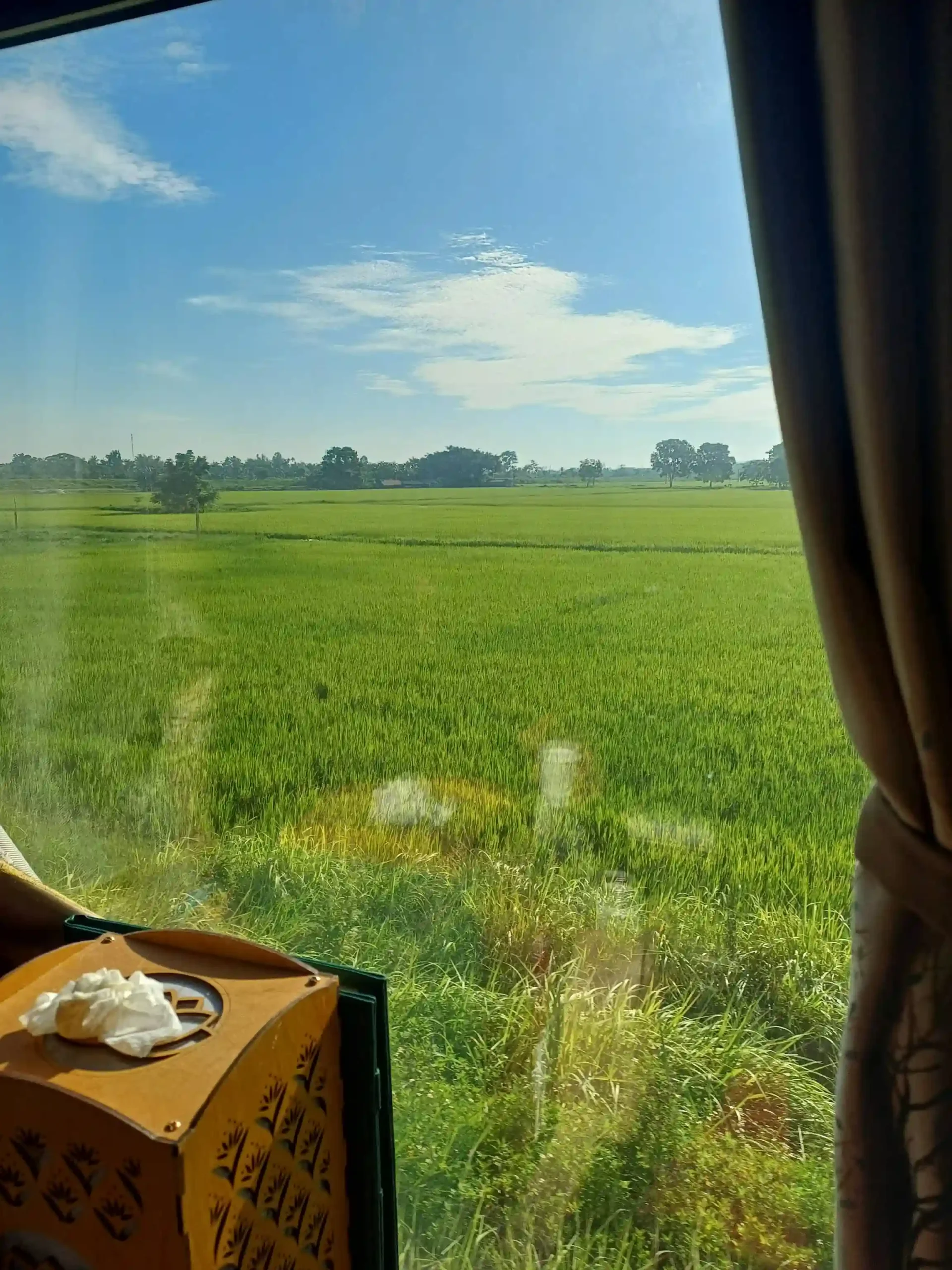
Sitting in your private cabin, eating a Banh Mi, and drinking a cold beer while watching the Vietnamese countryside roll by in the dark is the exact vibe you are paying for.
The Morning View: The Hai Van Pass
This is the payoff. This is why you didn’t take the one-hour flight.
If you take the SE19 train (which leaves Hanoi around 8:00 PM), you will wake up around 6:00 AM. The train will be pulling into Hue.
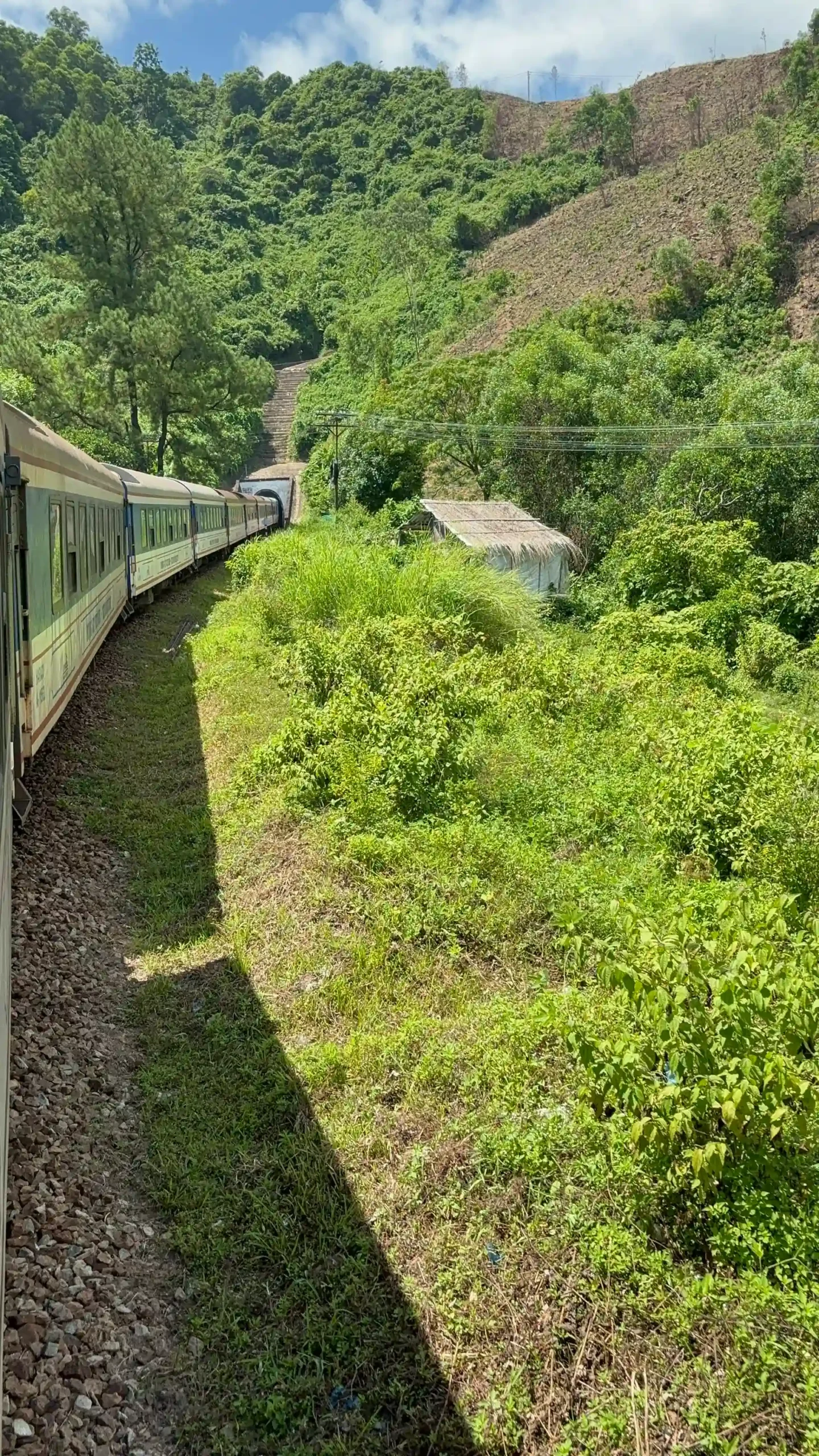
After Hue, the train starts the final two-hour stretch down to Da Nang. And this stretch of track is arguably one of the most beautiful train rides in the world.
The train has to cross the Truong Son mountain range to get to Da Nang. It does this by hugging the cliffs of the Hai Van Pass.
You are sitting in your bed. On one side of the train, you have massive, dense green jungle mountains rising straight up. On the other side, the cliff drops away and you are looking out over the South China Sea. The water is bright blue, there are tiny empty white sand beaches down below that you can’t even reach by road, and the train is just slowly winding its way along the edge of the cliff.
It takes about an hour to get through the pass. Everyone in the carriage usually wakes up, opens their doors, and stands in the hallway just staring out the windows.
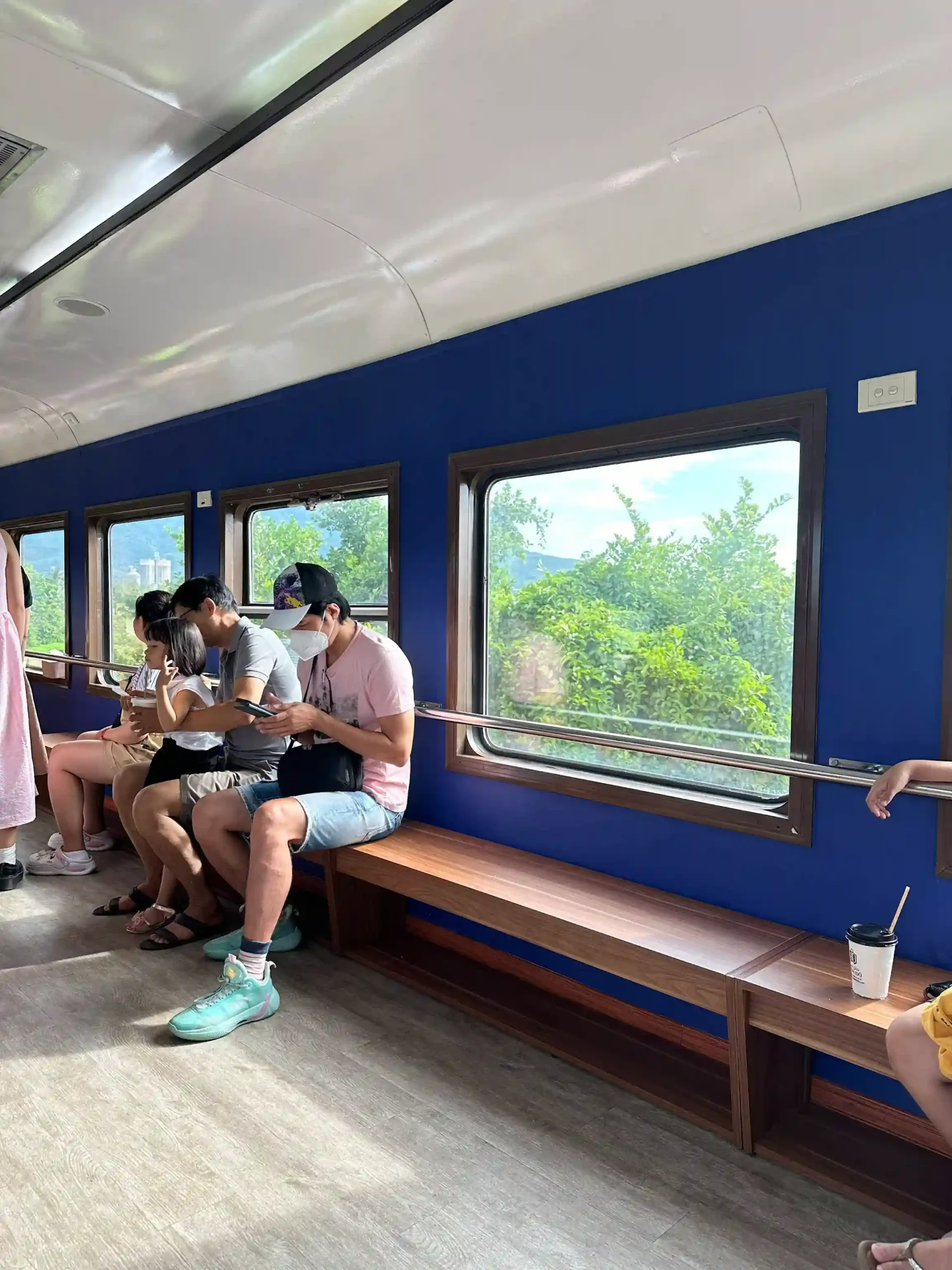
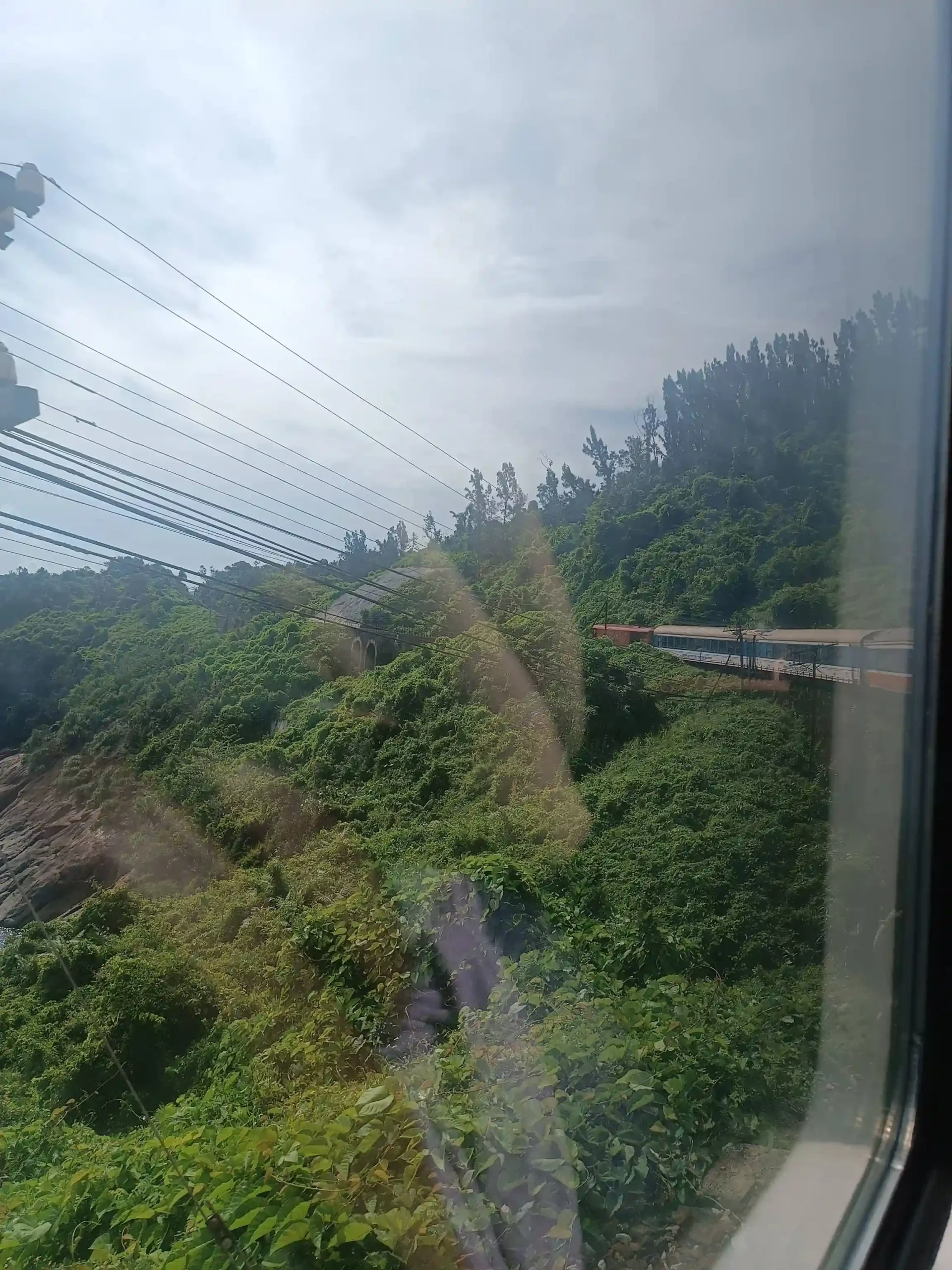
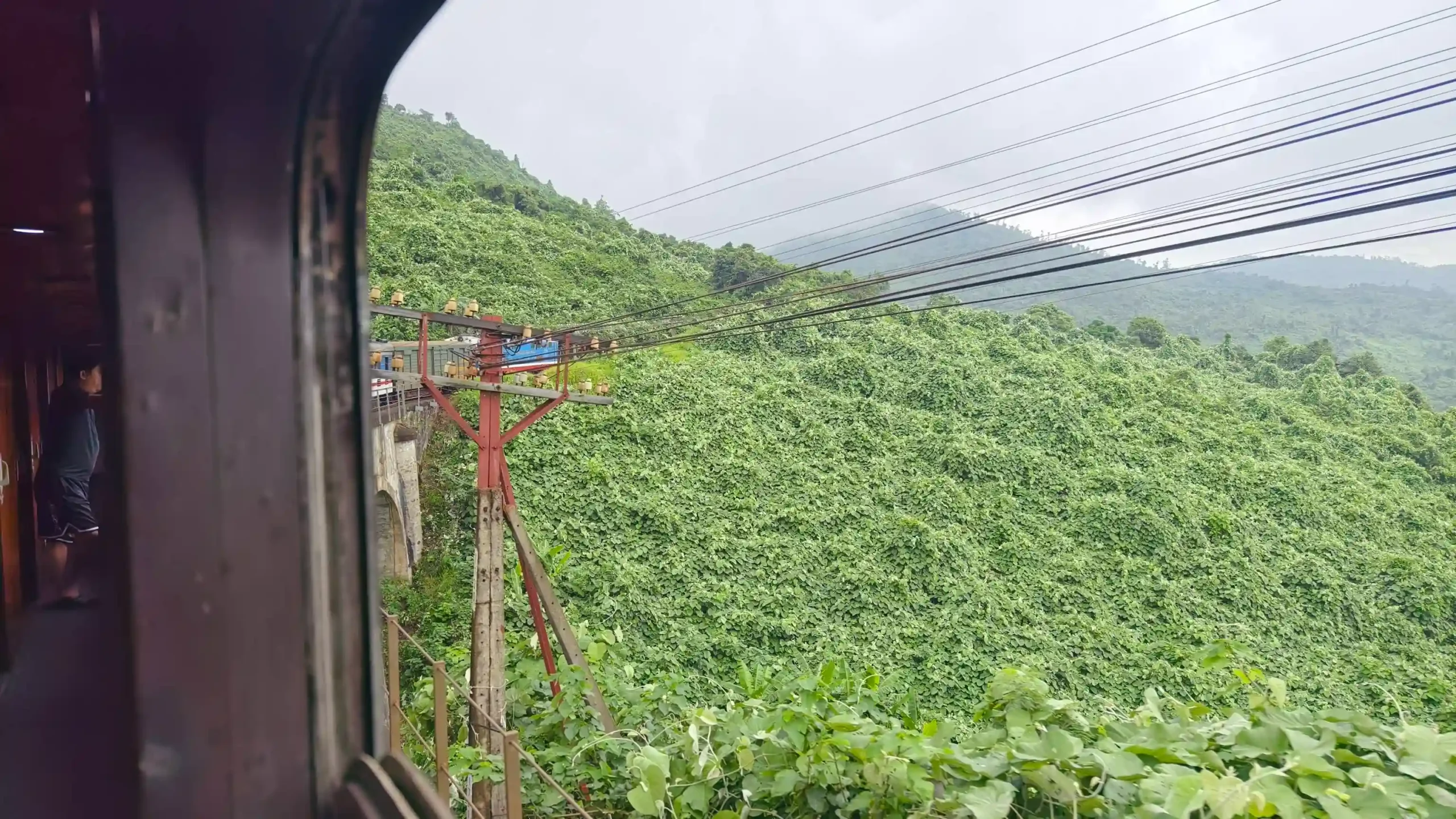
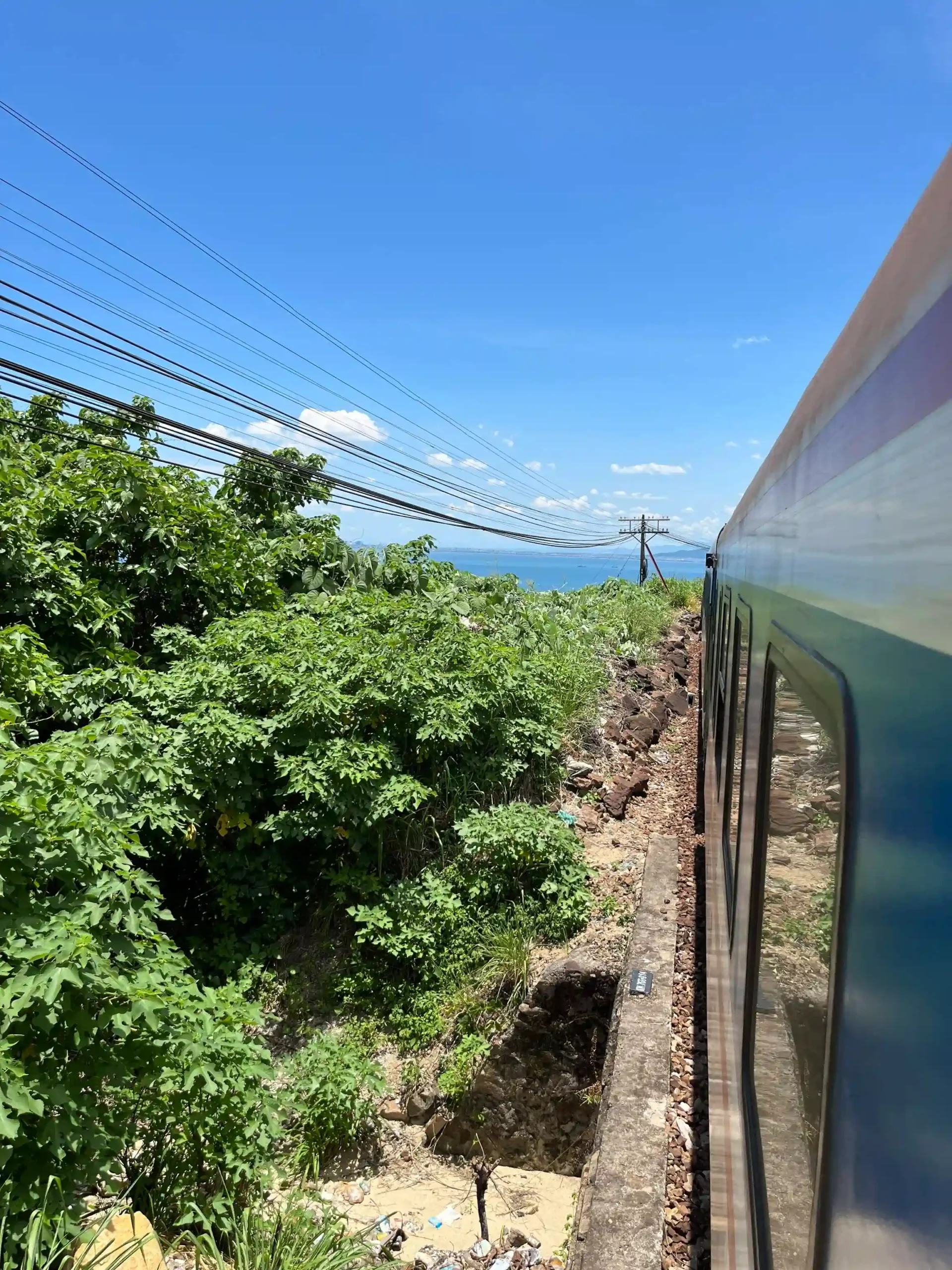
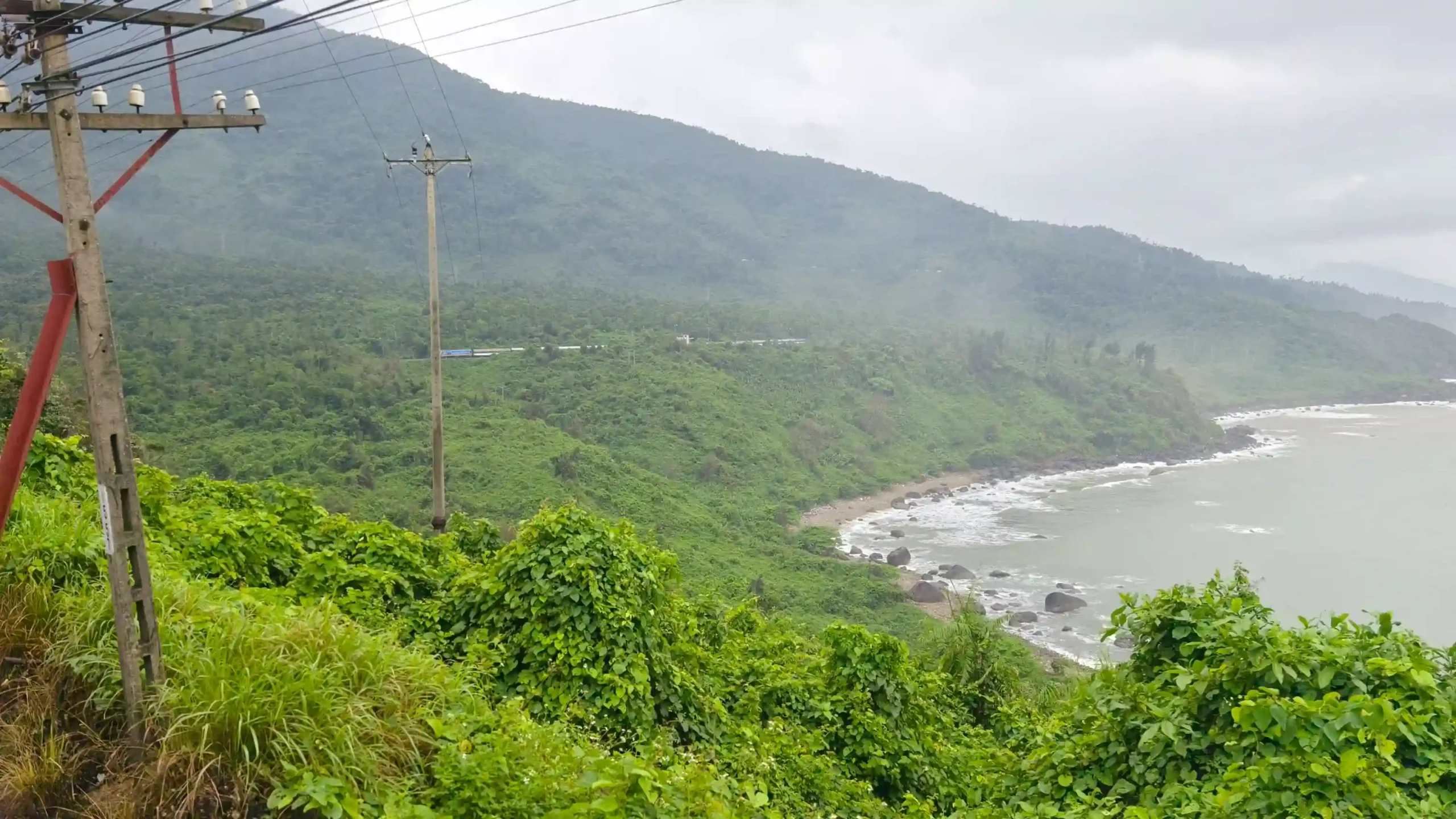
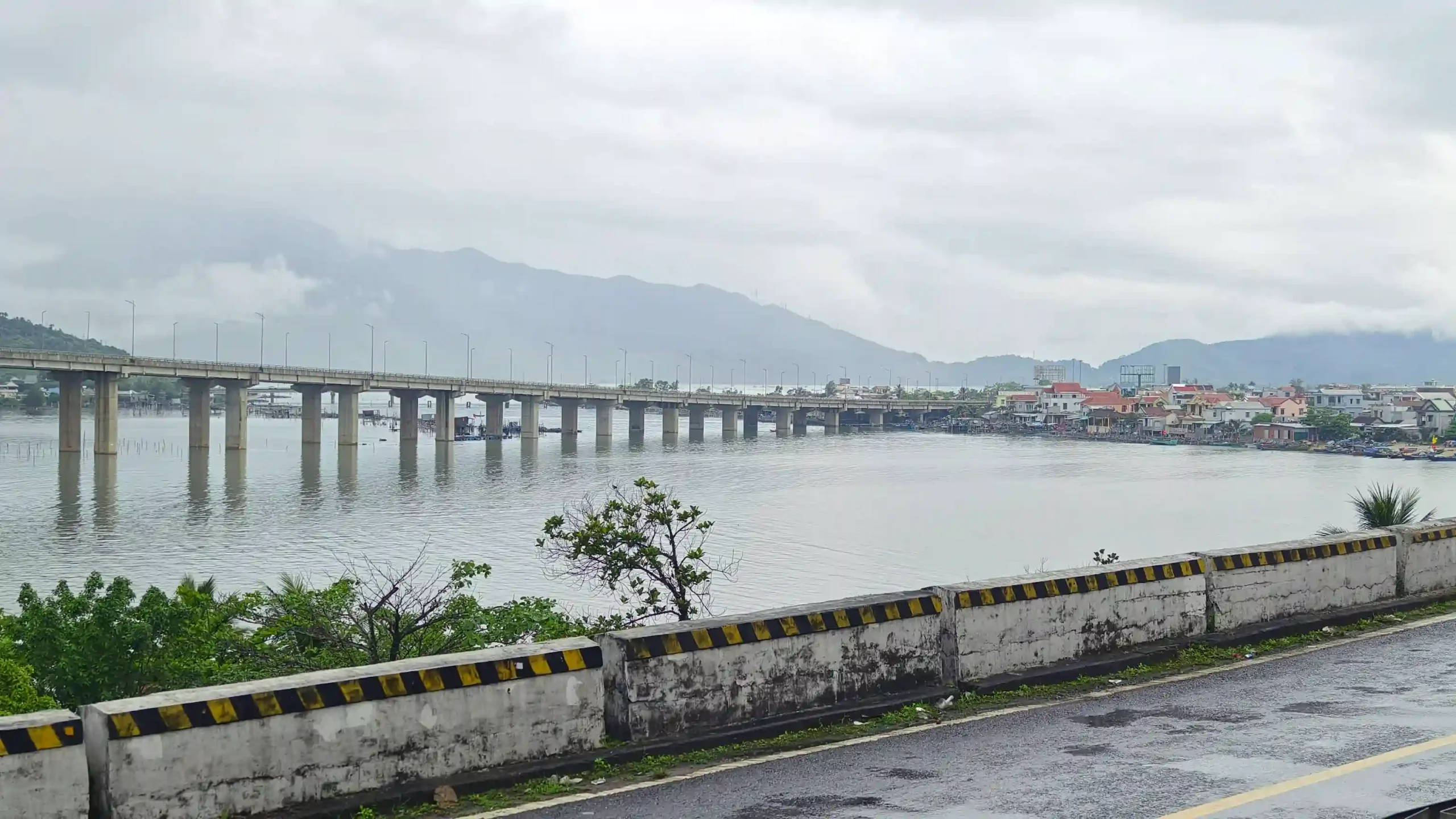
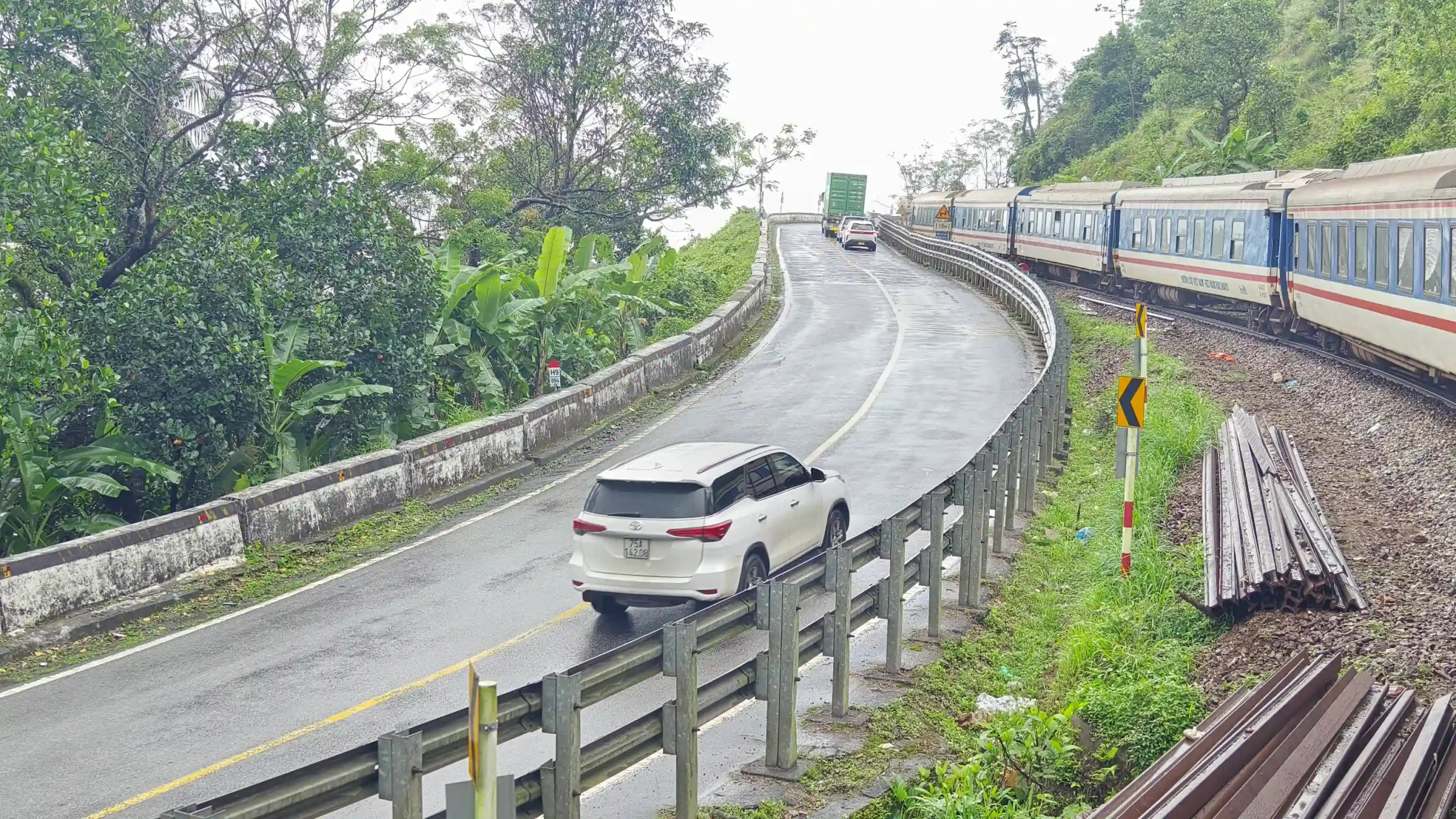
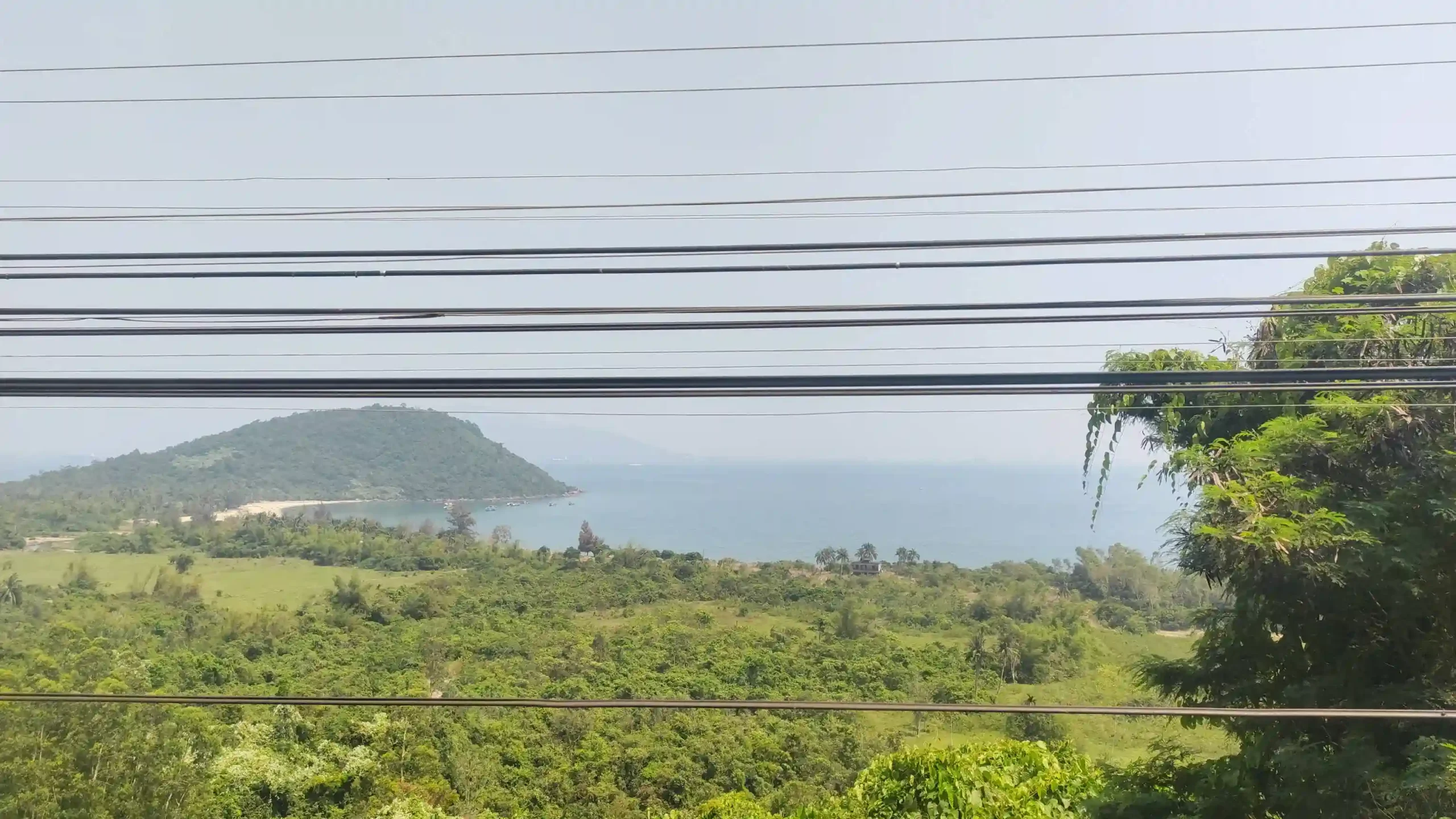
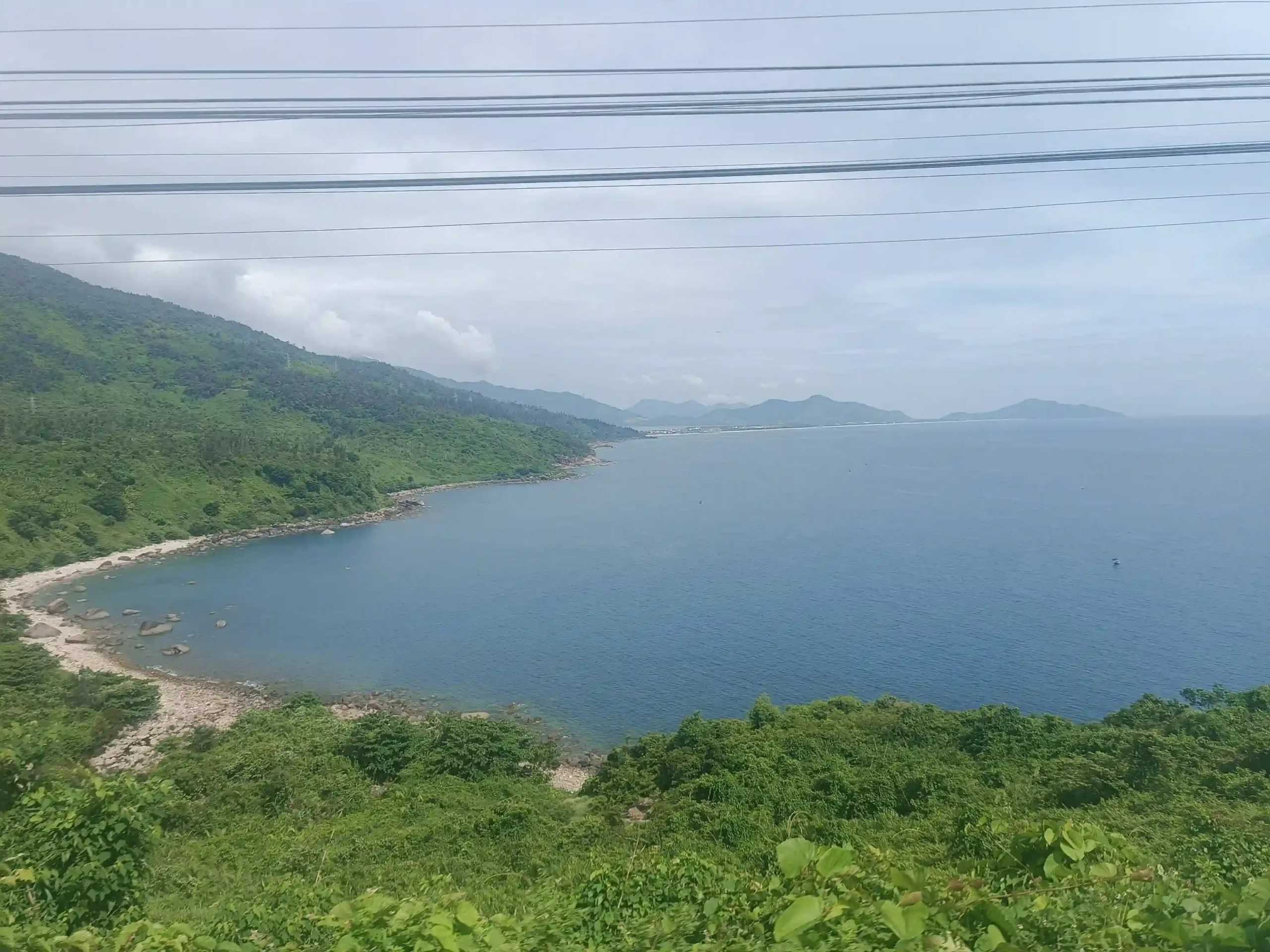
Crucial Tip: When you book your ticket, you can’t really choose which side of the train your room is on because the carriages get flipped around. But it doesn’t matter. If your room is facing the mountain, just step out into the hallway. The hallway has massive windows facing the ocean.
The train finally descends from the mountains, curves around the bay, and pulls into Da Nang station around noon. You grab your bags, step off into the heat, and you are done.
How to actually book these tickets without getting scammed
Booking train tickets in Vietnam used to be a nightmare of fake travel agency websites. It is much easier now in 2026, but you still have to be careful.
If you just google “Hanoi Da Nang train”, the first five results are usually third-party agencies pretending to be the official railway.
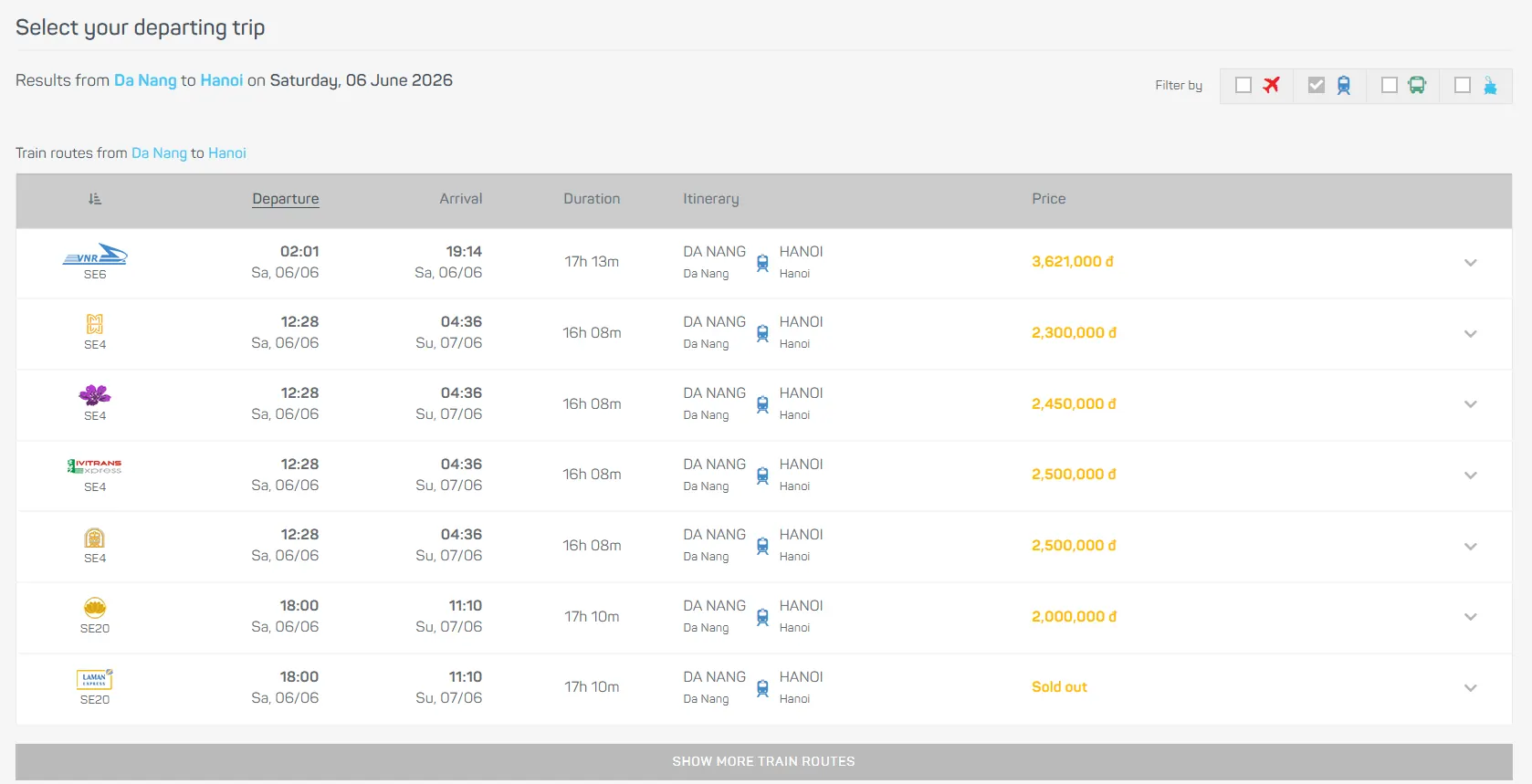
Option 1: The Official Site (dsvn.vn)
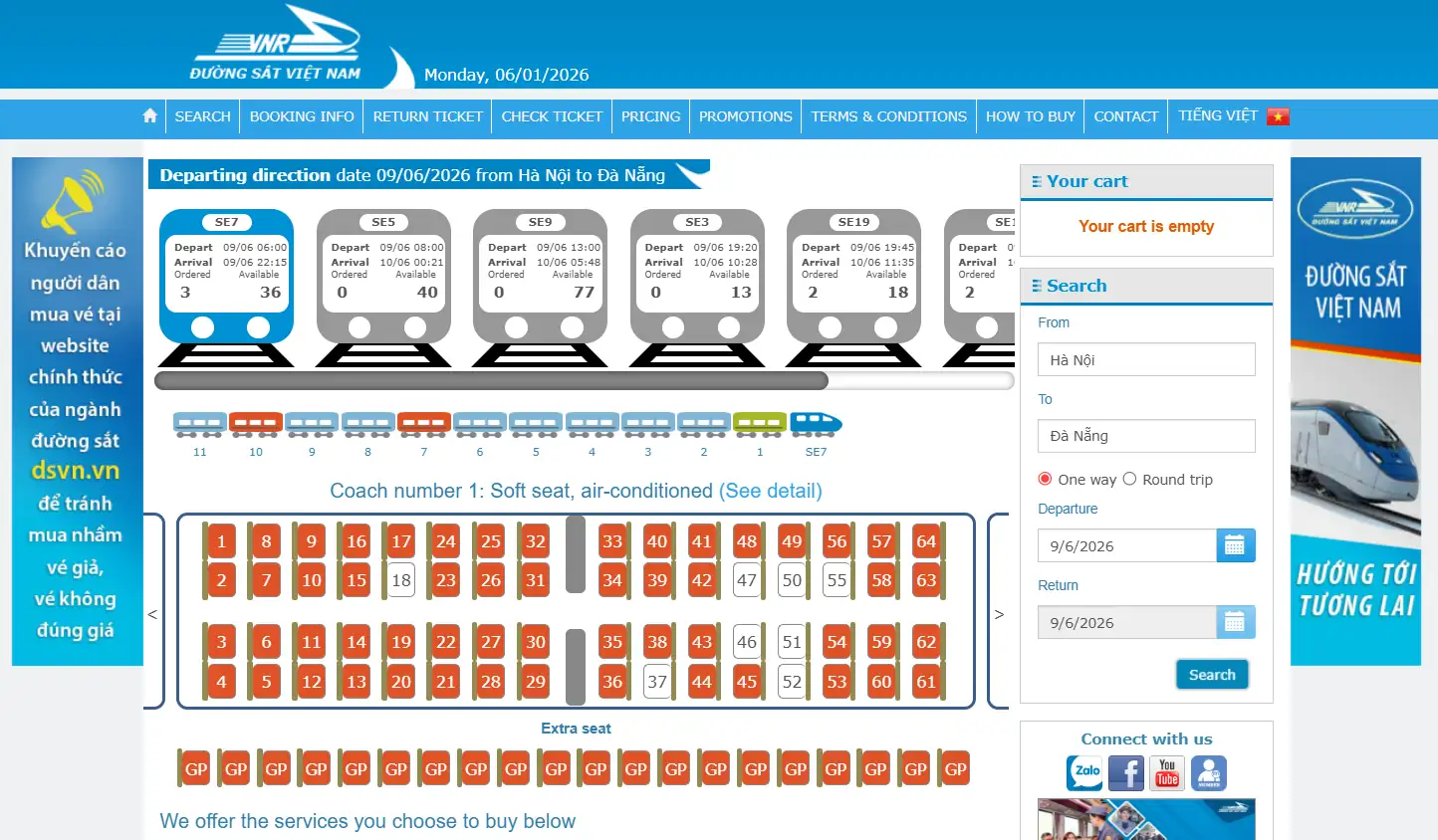
This is the official government website. It works, but it is clunky. Sometimes foreign credit cards get rejected. Also, it is harder to find the private VIP carriages on here because they are mixed in with the standard tickets.
Visit their site here: https://dsvn.vn
Option 2: Baolau or 12Go Asia
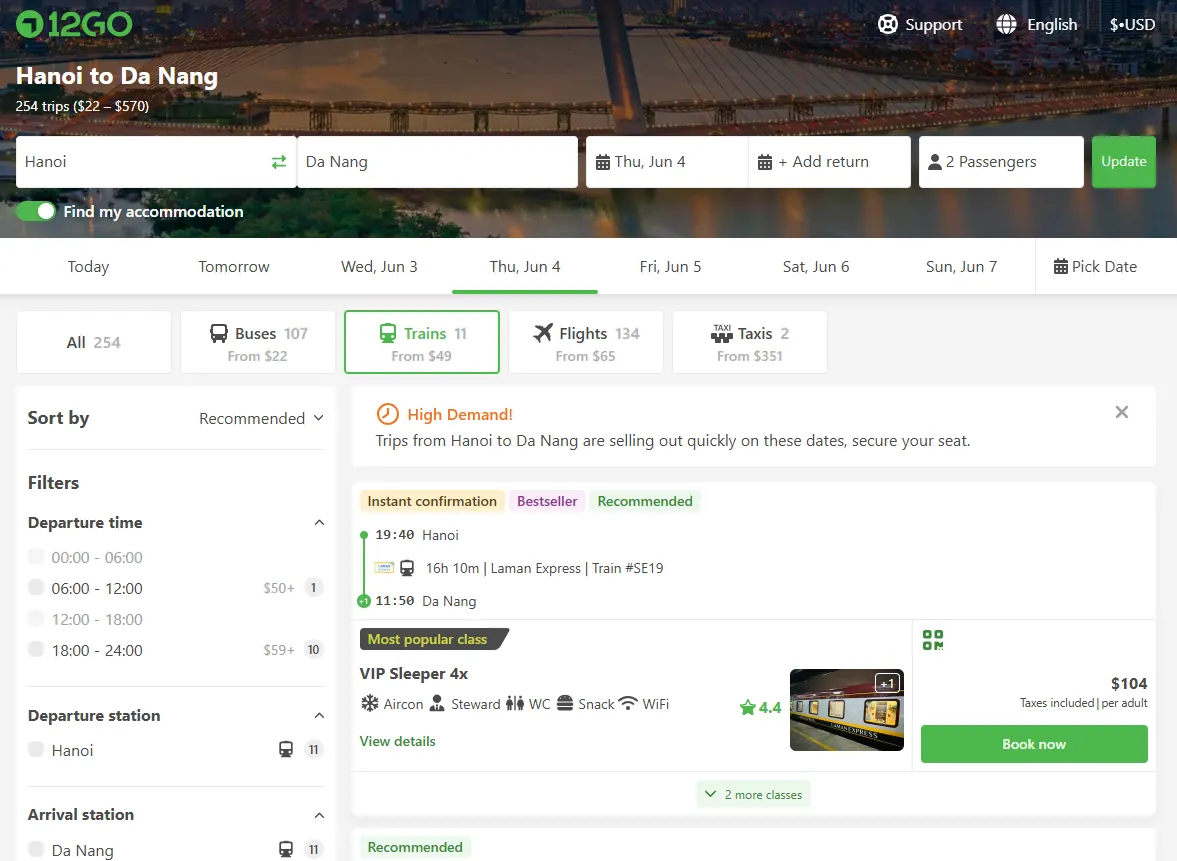
This is what I use and what I tell every expat to use. Yes, they charge a small processing fee (like $2 or $3), but the interface is incredibly clean.
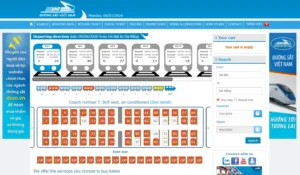
You just type in Hanoi to Da Nang. It shows you every single train. And more importantly, it clearly separates the private carriages. You will see a listing for “SE19 – Lotus Express” or “SE19 – Laman Express”. You can click on it, see the photos of the exact cabin, and pick your bed on a visual map. It takes foreign cards with zero issues and emails you a PDF ticket with a QR code. You don’t even need to print it, you just scan your phone at the gate.
Which company is best?
Honestly, Lotus Express, Laman Express, and Violette are all basically the same. They all buy the same carriages and use the same wood paneling. Lotus seems to have slightly better snacks, but just book whichever one has the VIP 2-berth available for your dates. They sell out fast, especially in the summer, so book at least a month in advance.
Is it worth the time?
If you only have 7 days in Vietnam, do not take the train. You cannot afford to lose 16 hours of your trip sitting in a metal box. Just book the flight.
But if you have two weeks or more, and you are trying to figure out how to get from the north to the center, the Hanoi Da Nang train is an experience you will actually remember.
Nobody goes home and tells their friends about a generic one-hour VietJet flight.
You go home and talk about how you drank a beer in a wood-paneled cabin, got rocked to sleep by a 100-year-old railway track, and woke up to see the ocean crashing against the cliffs of the Hai Van Pass.
It is rough around the edges. The wifi they advertise almost never works. The coffee in the morning is instant. The train will probably arrive in Da Nang 45 minutes late because it had to wait for a freight train to pass.
But that is travel. It forces you to slow down.
If you are planning the rest of your time in the capital before you get on this train, make sure you check out my main guide so you don’t get scammed by the airport taxis before you even make it to the railway station.
Pack some earplugs, buy a good Banh Mi, and enjoy the ride.

Keep Exploring Hanoi
-
See & do UltimateReal things to do in Hanoi for travelers who hate big crowds ›
-
Guide Must readIs Hanoi worth visiting? Why I still love it after 10 years ›
-
GuideThe best Hanoi to Sapa route I recommend to all my friends ›
-
Guide(2026) A Solo Female Guide to the Hanoi to Ha Giang Loop ›
-
GuideI lived in Hanoi & Hoi An: Which is better for first-timers? ›











 Tiếng Việt
 한국어
한국어 中文 (中国)
 日本語
日本語 ไทย
ไทย Deutsch
 Español
 Destinations
 Instagram
 Facebook
 X (Twitter)
 Threads
 Tiktok
Ich hoffe, dieser Guide hilft euch bei der Planung! Eine kleine Ergänzung: Wenn ihr die 2-Bett-Kabine bucht, fragt nach einem Abteil auf der linken Seite (Fahrtrichtung Süden) — dann habt ihr morgens beim Hai Van Pass den direkten Meerblick aus dem Fenster, ohne auf den Gang gehen zu müssen. Gute Fahrt! 🚂