









 Ha Giang
 Hanoi
Hanoi Ho Chi Minh City
 Ha Long
 Sapa
Sapa Mekong Delta
 Da Nang
 Hue
Hue Hoi An
 Ninh Binh
 Da Lat
 Nha Trang
 Phan Thiet
 Phu Quoc
 Quang Binh
 Quy Nhon
 Vung Tau
 Thai Nguyen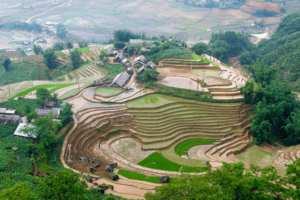
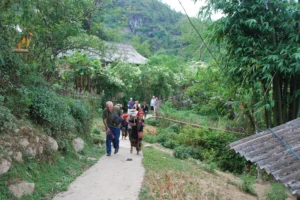
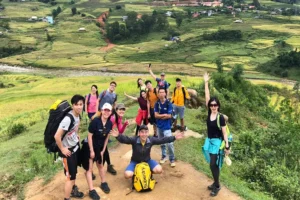
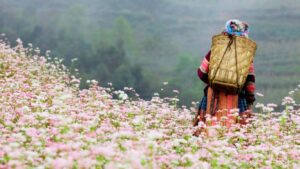
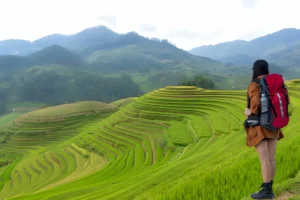
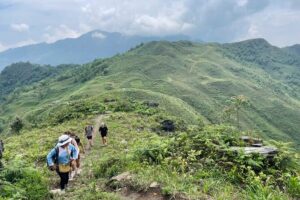
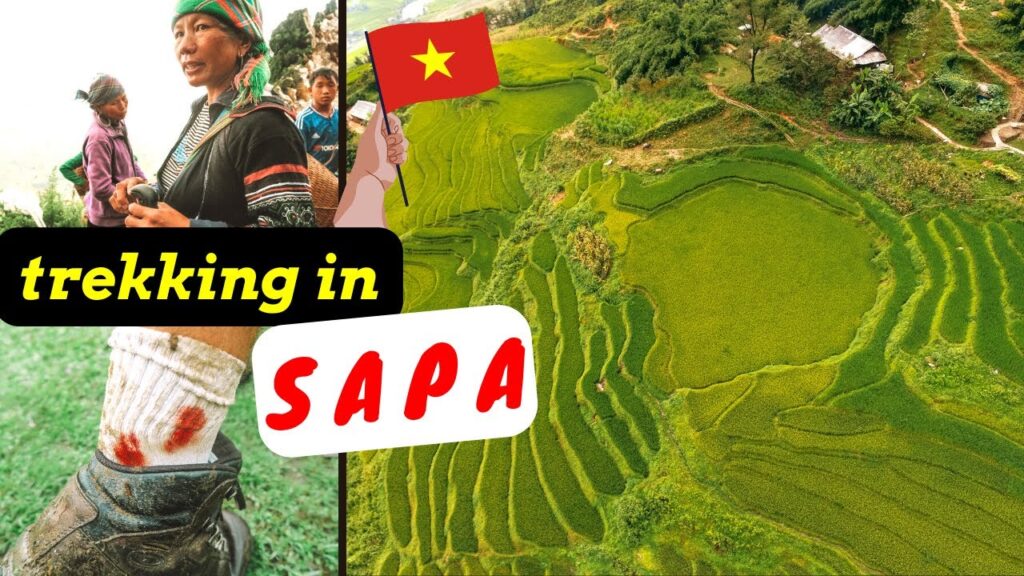


Hey there, fellow traveler! If you’re dreaming of an adventure that takes you beyond the usual tourist spots in Vietnam, you’re in for a treat. Today, we’re diving into the magic of Sapa’s hidden trails—those lesser-known paths that wind through misty mountains, vibrant villages, and breathtaking landscapes. Whether you’re a seasoned trekker or just someone craving a unique experience, Sapa’s off-the-beaten-path adventures have something special for you. Let’s chat about what makes this corner of Vietnam so unforgettable and how you can explore it like a local.
Quick Highlights
- What’s Sapa? A mountain town in northern Vietnam famous for its rice terraces, cool weather, and diverse ethnic cultures.
- Why Hidden Trails? Skip the crowds and discover secret paths like Sa Seng and Hau Thao for a more authentic experience.
- Top Trails: Sa Seng Village (Red Dao culture), Hau Thao Village (Hmong homestays), and gems like Giang Ta Chai.
- Best Time: September to December—crisp air, clear views.
- Pack Smart: Trekking shoes, rain gear, and a curious spirit.
- Cultural Bonus: Meet locals, taste homemade meals, and soak in traditions.
- Eco-Tip: Travel responsibly to keep Sapa pristine.
- Next Step: Ready to go? Book a tour or dig deeper with us!
The Allure of Sapa’s Hidden Trails
Picture this: you’re standing on a misty ridge, the air cool against your skin, with rolling green hills stretching out as far as you can see. That’s Sapa—a place that feels like it’s been plucked from a postcard. For many international travelers, Vietnam is all about bustling Hanoi or the lantern-lit streets of Hoi An (which are amazing, by the way—check out our Hoi An guide if you’re curious!). But Sapa? It’s a different vibe. It’s quieter, wilder, and perfect for those of us who love a good adventure off the beaten path.
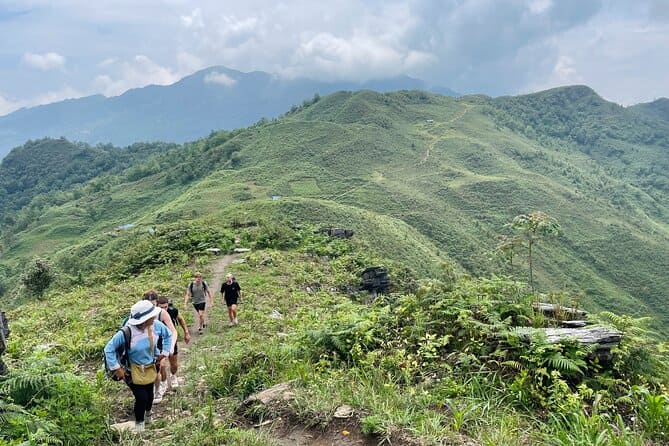
I get it—traveling to a new country can feel overwhelming. Will the Sapa’s food be too spicy? Will I get lost? Will I accidentally offend someone? But here’s the thing: Sapa’s hidden trails aren’t just about the views (though trust me, they’re stunning). They’re about slowing down, breathing in the fresh mountain air, and connecting with a side of Vietnam you won’t find in guidebooks. Ready to lace up your boots? Let’s explore!
Understanding Sapa’s Terrain and Culture
First things first—where are we headed? Sapa sits in the Hoang Lien Son mountains, about 300 kilometers northwest of Hanoi. It’s high up—around 1,600 meters above sea level—so expect cooler weather than the steamy lowlands of Vietnam. For many of you coming from colder climates, it’s a refreshing break. The landscape is a patchwork of rice terraces, bamboo forests, and tiny villages that feel like time capsules.
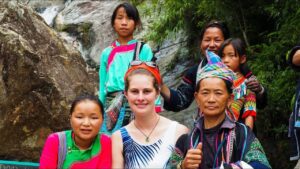
What really sets Sapa apart, though, is its people. The H’mong, Dao, and other ethnic groups have lived here for centuries, each with their own traditions, languages, and colorful clothing. As a foreign traveler, you might feel a little shy at first—I know I did! But the locals are warm and curious, often eager to share a smile or a cup of tea. Knowing a bit about their culture makes your trek even richer, so let’s dive into some of Sapa’s hidden trails next.
Top Hidden Trails to Explore
Sapa has plenty of well-trodden paths, but we’re here for the secret ones—the off-the-beaten-path adventures that make you feel like an explorer. Here are my favorites:
1. Sa Seng Village Trail
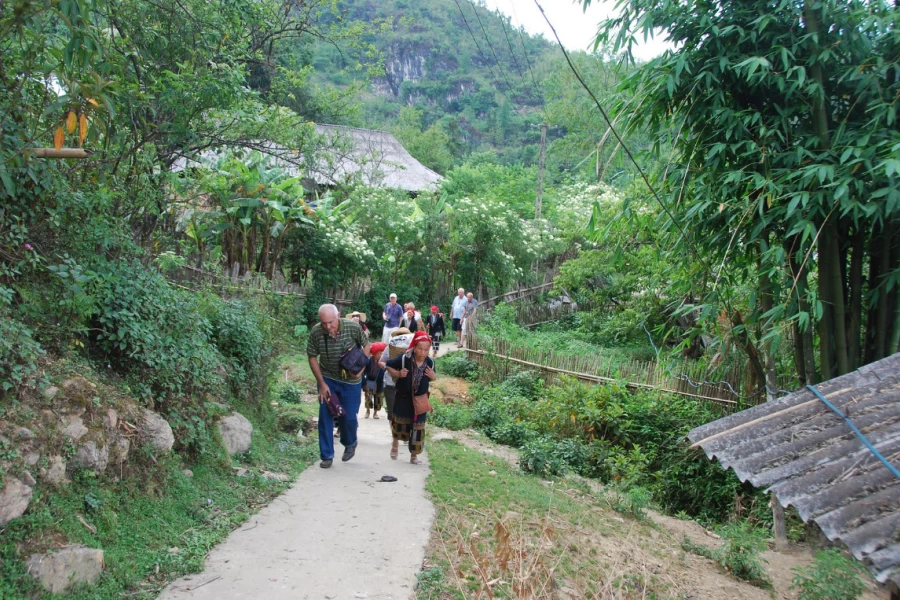
Imagine trekking through a forest of cardamom trees, their spicy scent mixing with the crisp mountain air. That’s the Sa Seng Village trail, about 15 kilometers from Sapa town. It’s a bit of a climb—1,600 meters up—but the reward is a jaw-dropping view of the valleys below. The Red Dao people call this place home, and you’ll spot women in their vibrant red headscarves weaving or tending to their crops. If you’re lucky, they might invite you in for a chat (through gestures if there’s a language barrier—don’t worry, it’s all part of the fun!).
2. Hau Thao Village Trail
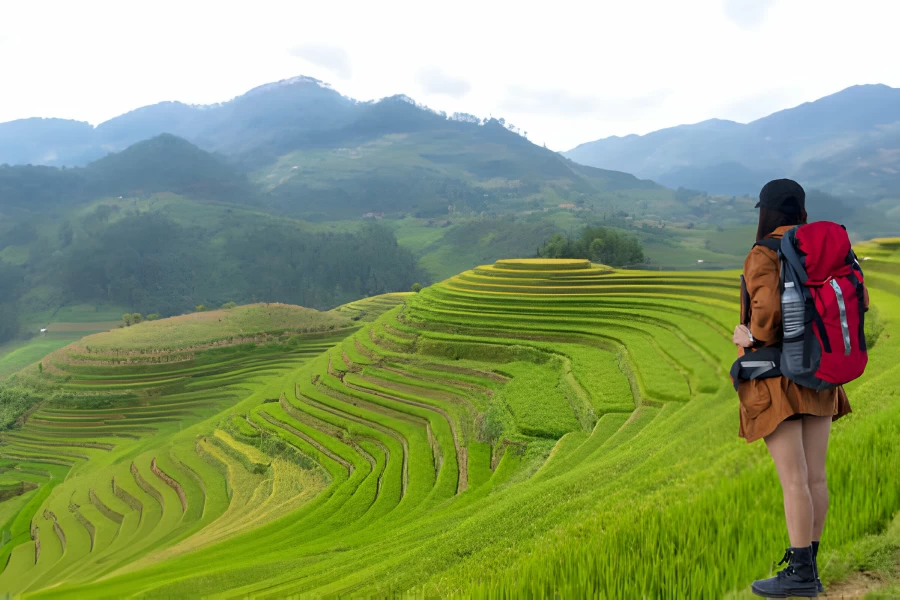
Just 10 kilometers from Sapa, Hau Thao feels like a world away. The trail winds through the Muong Hoa Valley, where rice terraces glow golden in the right season. The H’mong folks here are masters of hospitality—many offer homestays where you can sleep under a thatched roof and wake up to roosters crowing. I’ll never forget my first night there, sipping rice wine by a crackling fire while my host shared stories of the mountains. It’s Sapa trekking at its coziest.
3. Ta Van Village Trail

Craving peace? Ta Van, a Giay village about 8 kilometers from Sapa, is your spot. The trail meanders through rice fields so serene you’ll forget the world exists. The wooden homes and friendly locals make it feel like stepping into a painting. I stopped for a bowl of pho at a tiny stall—simple, steaming, and unforgettable.
4. Cat Cat Village: The Lesser-Known Routes
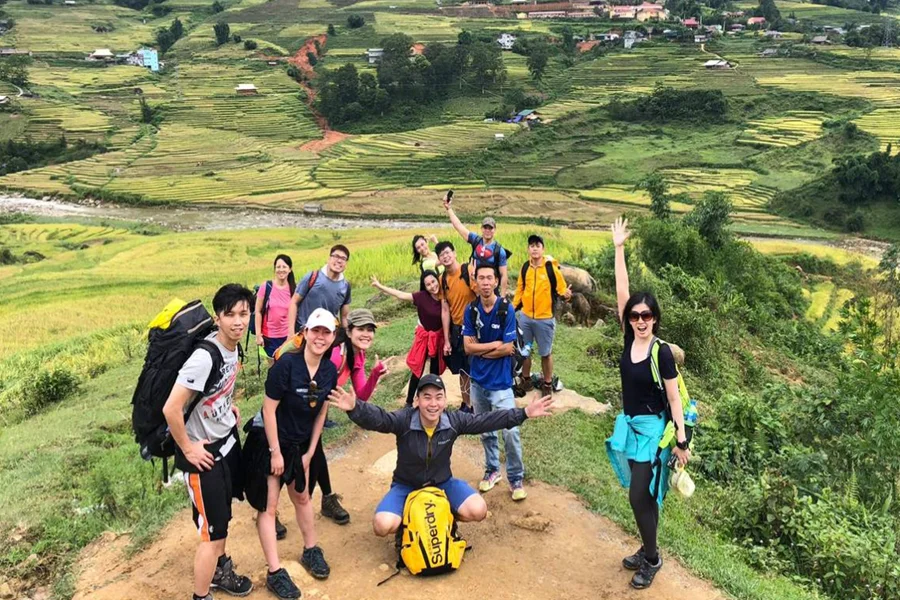
You’ve heard of Cat Cat, right? It’s near Sapa town, but skip the main path—head for the quieter trails instead. They weave past hidden waterfalls and bamboo bridges, with H’mong kids giggling as they herd goats. I stumbled on a tucked-away viewpoint once—pure bliss, no crowds. It’s a hidden village in Sapa waiting to surprise you.
5. Thanh Kim Valley Trail
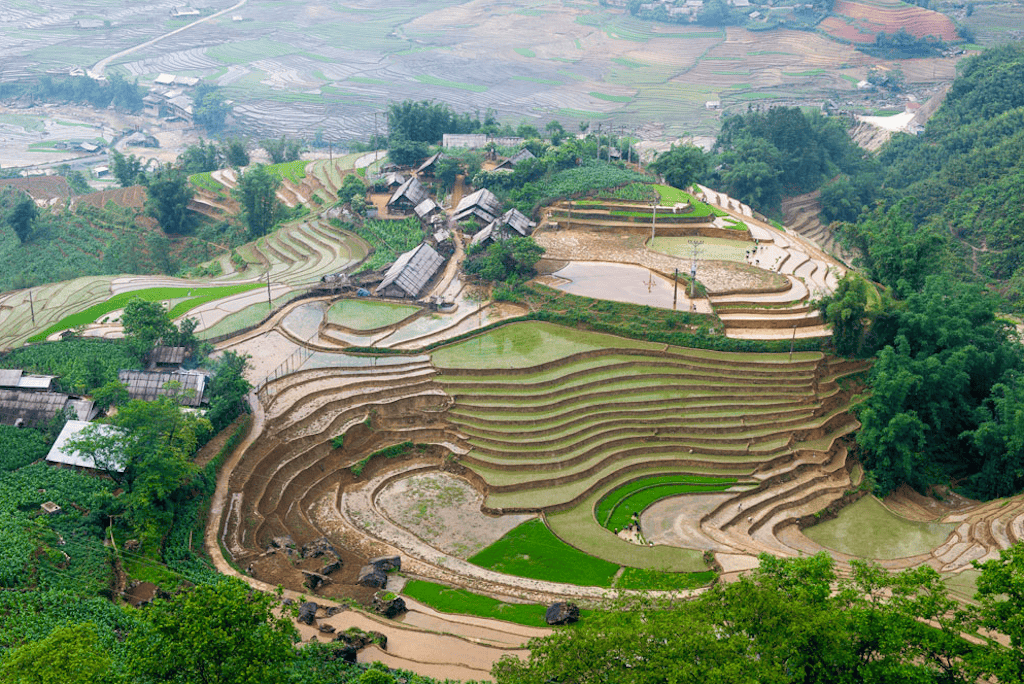
For the bold, Thanh Kim Valley is a remote stunner, about 20 kilometers from Sapa. The trail cuts through dense jungle and opens to a valley of untouched terraces. The H’mong and Dao here live far from the tourist buzz—my guide pointed out wild herbs they use for healing. It’s raw, rugged, and totally worth the trek.
6. Other Hidden Gems
Don’t stop there! Giang Ta Chai is a quiet H’mong village with a waterfall that’s perfect for a mid-hike dip. Sin Chai, just 6 kilometers from town, offers peaceful trails and a glimpse of local school life—kids waving as you pass by. And if you’re up for a challenge, My Son Village at the valley’s edge is as remote as it gets, with raw, untouched beauty. These hidden villages in Sapa are where the real magic happens—fewer tourists, more soul.
Planning Your Off-the-Beaten-Path Adventure
Okay, you’re hooked—I can feel it! But before you grab your backpack, let’s talk logistics. Traveling to Vietnam can feel daunting, especially if it’s your first time. How do you prepare for Sapa’s hidden trails? Don’t worry, I’ve got you covered.
Best Time to Visit
Timing is everything. September to December is ideal—the air is crisp, the skies are clear, and the trails aren’t too muddy. Spring (March to May) works too, with wildflowers popping up everywhere. Avoid the rainy season (June to August) unless you love a slippery challenge!
What to Pack
You don’t need much, but pack smart:
- Sturdy trekking shoes (those terraces can be steep).
- A lightweight rain jacket—mountain weather loves to surprise.
- Water and snacks—trailside vendors are rare on these routes.
- A small first-aid kit (just in case).
- A camera or phone—trust me, you’ll want pics.
Safety Tips
The trails are safe, but they’re remote. Stick with a guide if you’re new to Sapa trekking—they know the paths and can bridge the language gap. Respect the locals’ privacy (ask before snapping photos), and watch your step on uneven ground. Oh, and don’t be alarmed if a water buffalo crosses your path—they’re friendly!
Want more planning tips? Our Independent Travel Tips in Sapa for First-timers has everything you need to hit the ground running.
Cultural Immersion: Meeting the Locals
Here’s where Sapa’s hidden trails really shine. Trekking isn’t just about the scenery—it’s about the people you meet along the way. I remember my first trip, feeling nervous about how I’d connect with villagers who spoke little English. But a smile and a “xin chào” (hello) went a long way. Before I knew it, I was sipping tea in a H’mong home, watching a grandmother embroider a intricate pattern.
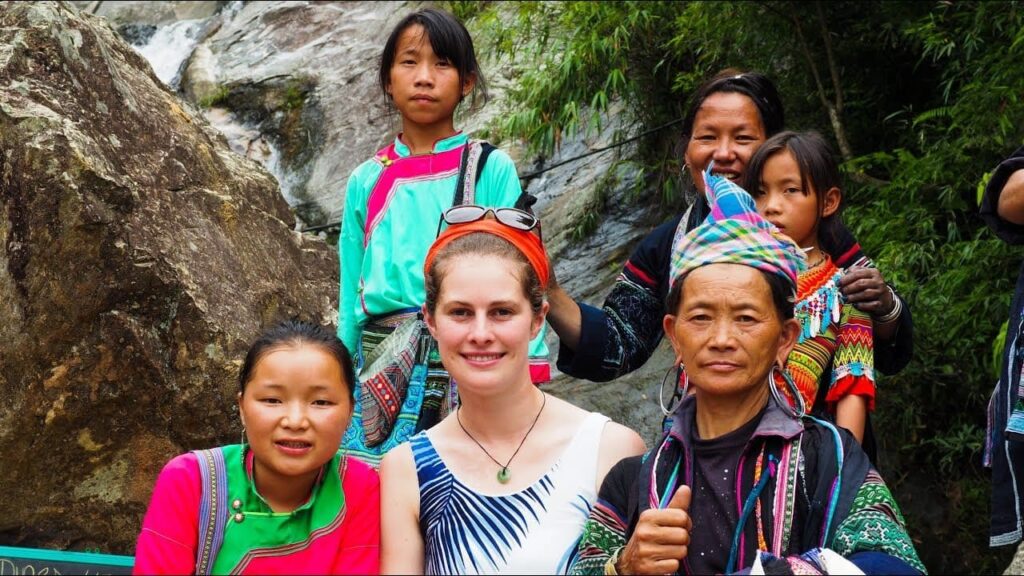
In Sa Seng, you might learn how the Red Dao use herbs for medicine. In Hau Thao, you could try your hand at weaving or taste a bowl of thang co (a hearty local stew—don’t knock it ‘til you try it!). These hidden villages in Sapa are living museums, and the locals are your guides. Just be respectful—ask permission, listen more than you talk, and leave your assumptions at home.
Sustainable Travel: Respecting the Environment and Communities
As travelers, we’ve got a responsibility to keep Sapa special. These off-the-beaten-path adventures are pristine because they’re not overrun—let’s keep it that way. Stick to the trails to protect the fragile ecosystem, and pack out what you pack in (no litter, please!). Buying handmade crafts or staying in a homestay puts money directly into local pockets, too.
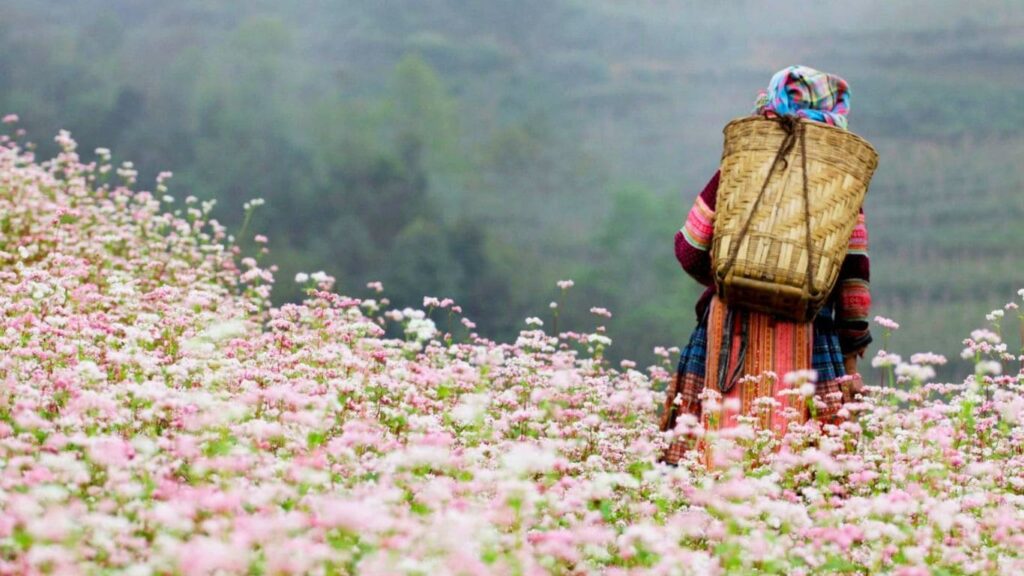
I’ve seen how tourism can change a place—sometimes for better, sometimes not. In Sapa, it’s about balance. Snap your photos, but don’t turn sacred spots into Instagram props. Chat with the locals, but don’t treat them like a spectacle. Small choices make a big difference.
Curious about eco-friendly travel in Vietnam? Check out our sustainable travel tips for more ideas.
The Rewards of Venturing Off the Beaten Path
So, why go off the beaten path in Sapa? Because it’s where you’ll find the real Vietnam—the one that doesn’t come with tour buses or selfie sticks. It’s the sound of a bamboo flute drifting through the mist, the taste of rice wine shared with a new friend, the ache in your legs after a day of Sapa trekking that feels oh-so-worth-it. These hidden trails aren’t just hikes—they’re stories waiting to be lived.
I know you might be nervous about getting lost or not fitting in. But trust me, the moment you step onto one of Sapa’s hidden trails, those worries fade. You’ll be too busy marveling at the views, laughing with locals, and wondering why you didn’t come sooner.
Ready to make it happen? Book a tour with a local operator like Trekking Sapa and start your adventure. Or dig into more of our Vietnam travel guides to plan the perfect trip. Sapa’s calling—will you answer?












 Tiếng Việt
 한국어
한국어 中文 (中国)
 日本語
日本語 ไทย
ไทย Deutsch
 Español
 Destinations
 Instagram
 Facebook
 X (Twitter)
 Threads
 Tiktok
Did a hike near some villages. The views were cool, but the path got narrow and sketchy in spots. Made it, though.
Sapa’s trails are no joke. Slipped in the mud but laughed it off. The terraces made every sore muscle worth it.
The air felt so clean, but my phone died, so no pics. Kinda glad I just took it in.