









 Ha Giang
 Hanoi
Hanoi Ho Chi Minh City
 Ha Long
 Sapa
Sapa Mekong Delta
 Da Nang
 Hue
Hue Hoi An
 Ninh Binh
 Da Lat
 Nha Trang
 Phan Thiet
 Phu Quoc
 Quang Binh
 Quy Nhon
 Vung Tau
 Thai Nguyen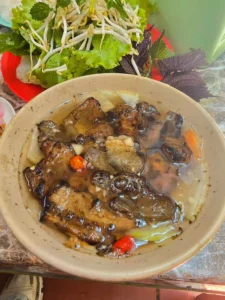

Everyone landing here wants to eat Hanoi street food. But the second a tourist actually steps out of their air-conditioned hotel, reality hits hard.
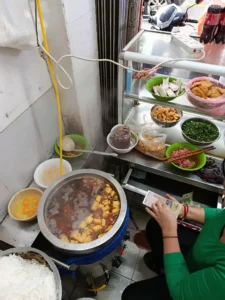
The sidewalk is entirely blocked by parked scooters. There are giant vats of boiling oil over open flames next to your knees. The lady making the food does not have an English menu, and if you accidentally sit in the red plastic chair instead of the blue one, you might be occupying a completely different vendor’s turf and get yelled at in a language you don’t understand.
It usually takes about ten minutes for a solo tourist to get overwhelmed, retreat to an overpriced cafe, and order a mediocre western sandwich just to feel safe.
So, is Hanoi street food worth it if the process causes a mild panic attack? Yes. But there’s a highly effective cheat code for your first 24 hours: outsourcing your anxiety.
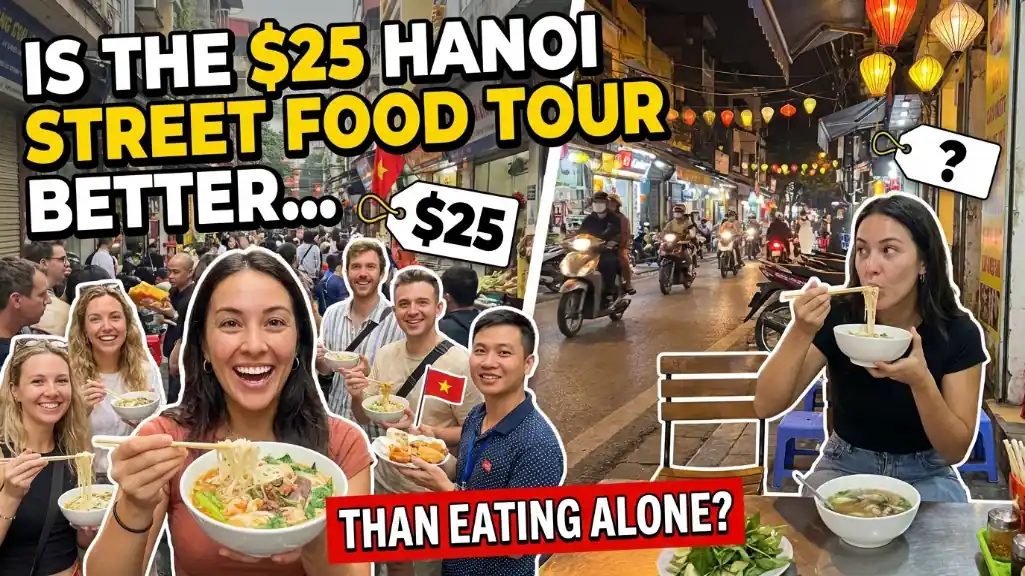
For roughly $20 to $25 on apps like GetYourGuide or Klook, you can hire a local kid to aggressively block traffic for you, order the obscure dishes, and teach you how to wipe your chopsticks. Let’s look at the exact financial breakdown of these tours to see if paying someone else to buy your noodles is actually better than wandering the Old Quarter blind.
- Quick Answer: Is Hanoi street food worth it? Absolutely, but surviving it alone is rough. Paying $25 for a guided Hanoi street food tour on day one isn’t about the raw food cost. You are paying a local expert to eliminate your severe anxiety about sidewalk hygiene, complicated ordering rules, and street traffic.
- The actual math ($10 vs $25):
- Eating exactly what a tour offers by yourself costs roughly $11 USD (around 280,000 VND).
- You are paying a $15 premium for translation, safety, and an education on how the city actually operates.
- Beating the sidewalk panic:
- Foreigners often default to basic Banh Mi because translated menus don’t exist at the best stalls. A guide forces you to try obscure, incredible dishes you would otherwise walk right past.
- Guides teach you the exact mechanics of eating, like which raw herbs belong in which boiling broth.
- The unspoken turf rules:
- Sitting in the wrong blue plastic chair can get you kicked out. Guides know the vendor territory lines.
- The hygiene reality:
- Yes, boiling street stall broths with massive local turnover are actually significantly safer than eating lukewarm salads in empty western-style hotel restaurants. A tour guide knows exactly which corners pass the daily freshness test.
The brutal reality of eating Hanoi street food solo
If you decide to be brave and do a DIY crawl without anyone helping you, you will quickly realize that navigating this city’s food scene requires skills you do not currently possess. As an expat who has lived here for years, I still occasionally mess up the local etiquette.
When you first arrive, you are going to face a few distinct, immediate problems.
1. You won’t know the unwritten turf rules
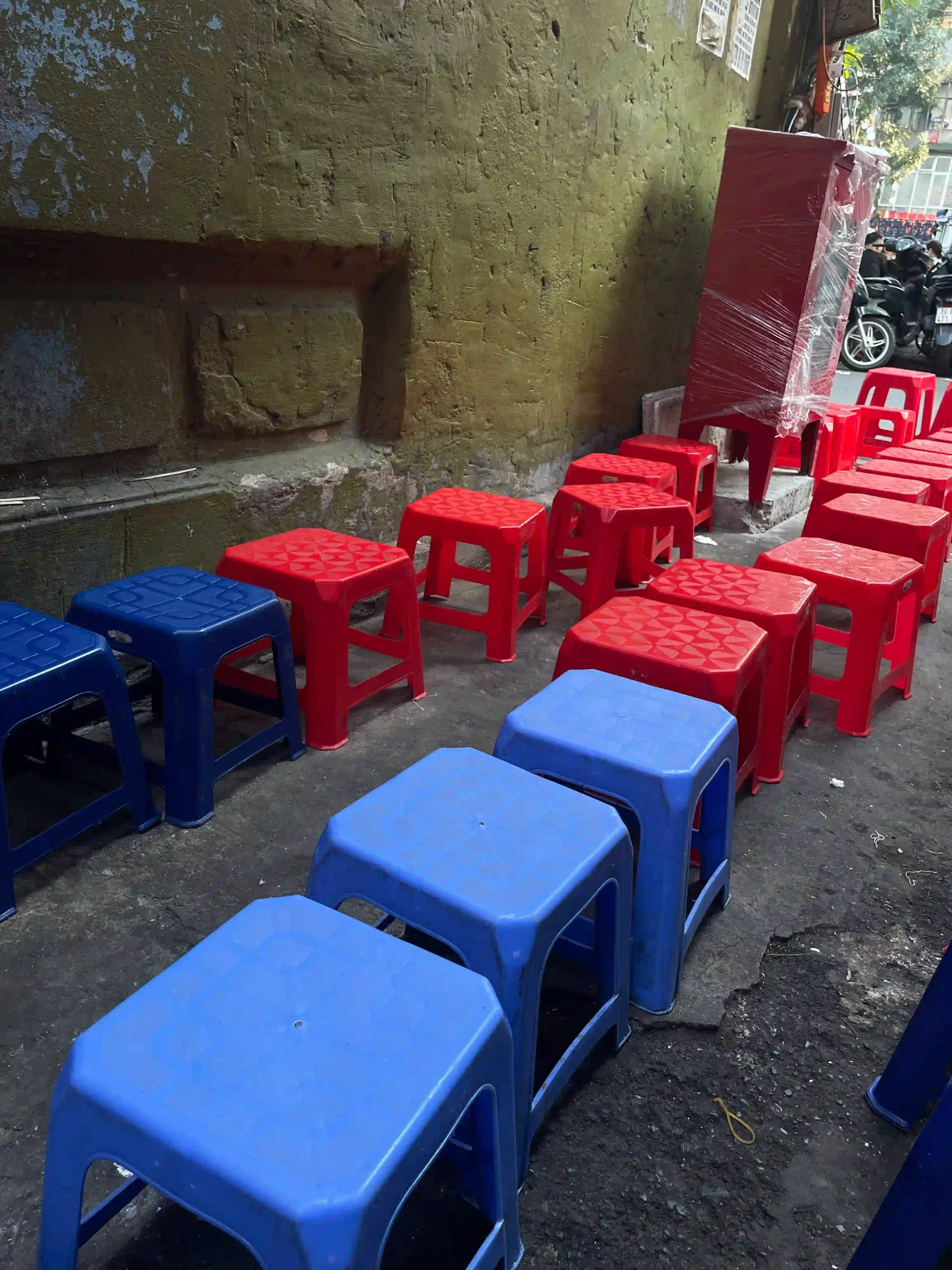
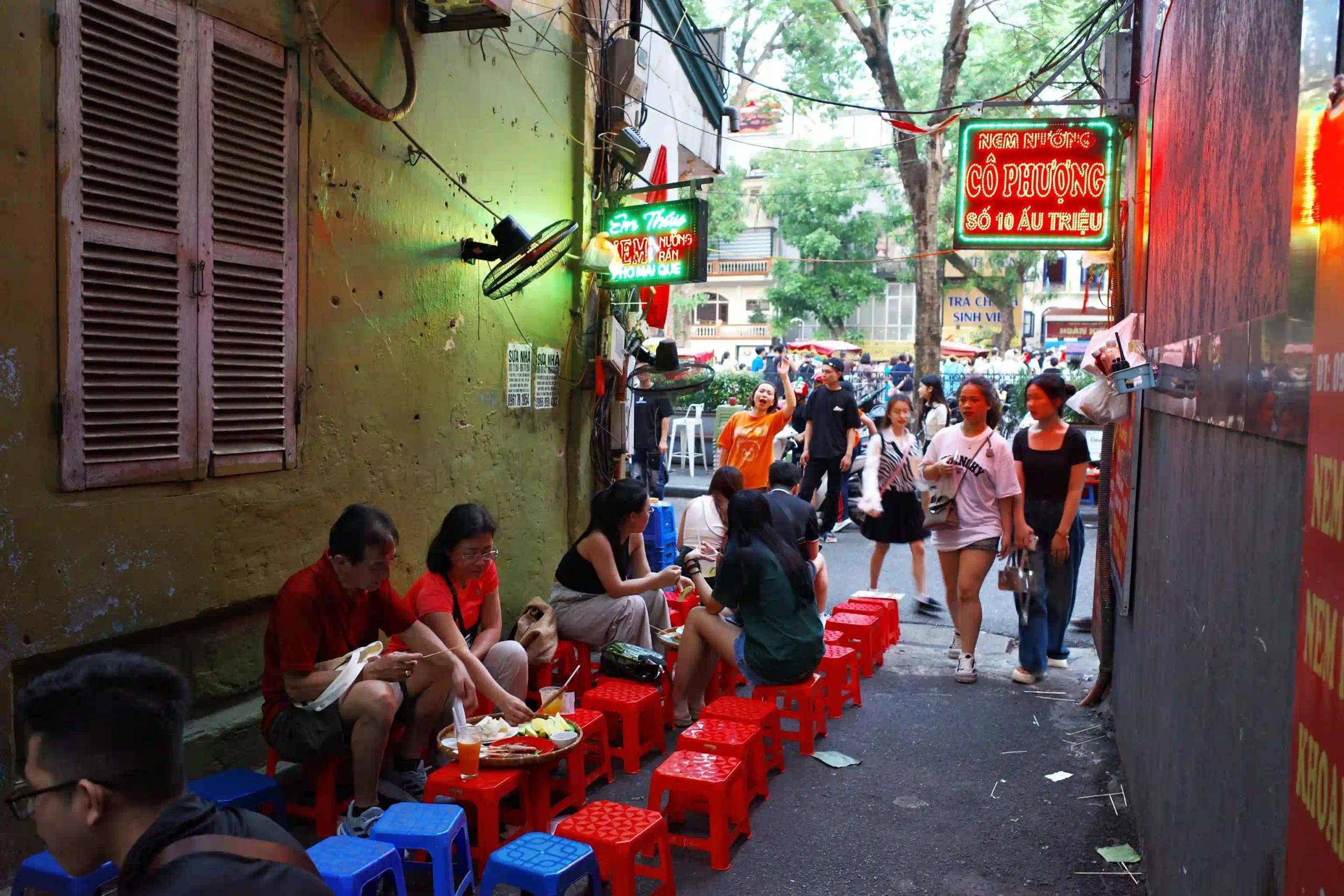
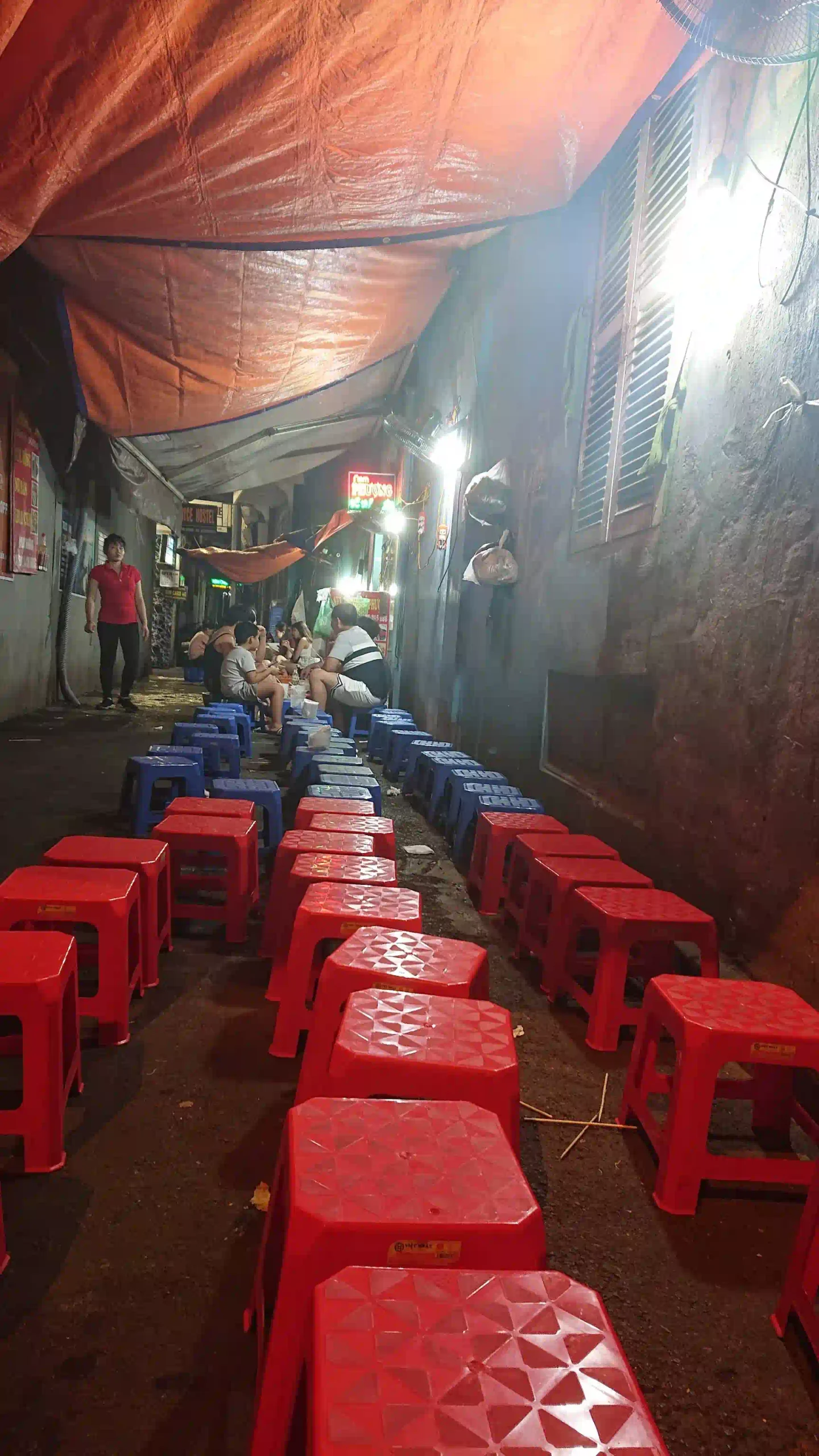
Sidewalk space is highly political here. The lady selling hot green tea does not own the seating next to the lady selling BBQ pork skewers (Nem nướng), even though the stools are physically two feet apart. If you buy a snack from a passing cart and sit down at a random table to eat it, the owner of that table will probably shoo you away.
You aren’t buying their specific soup, so you can’t use their plastic real estate. If you don’t speak Vietnamese, you’ll just think they hate tourists. A guide smooths all of this over instantly because they already have agreements with the stall owners.
2. You will eat it completely wrong
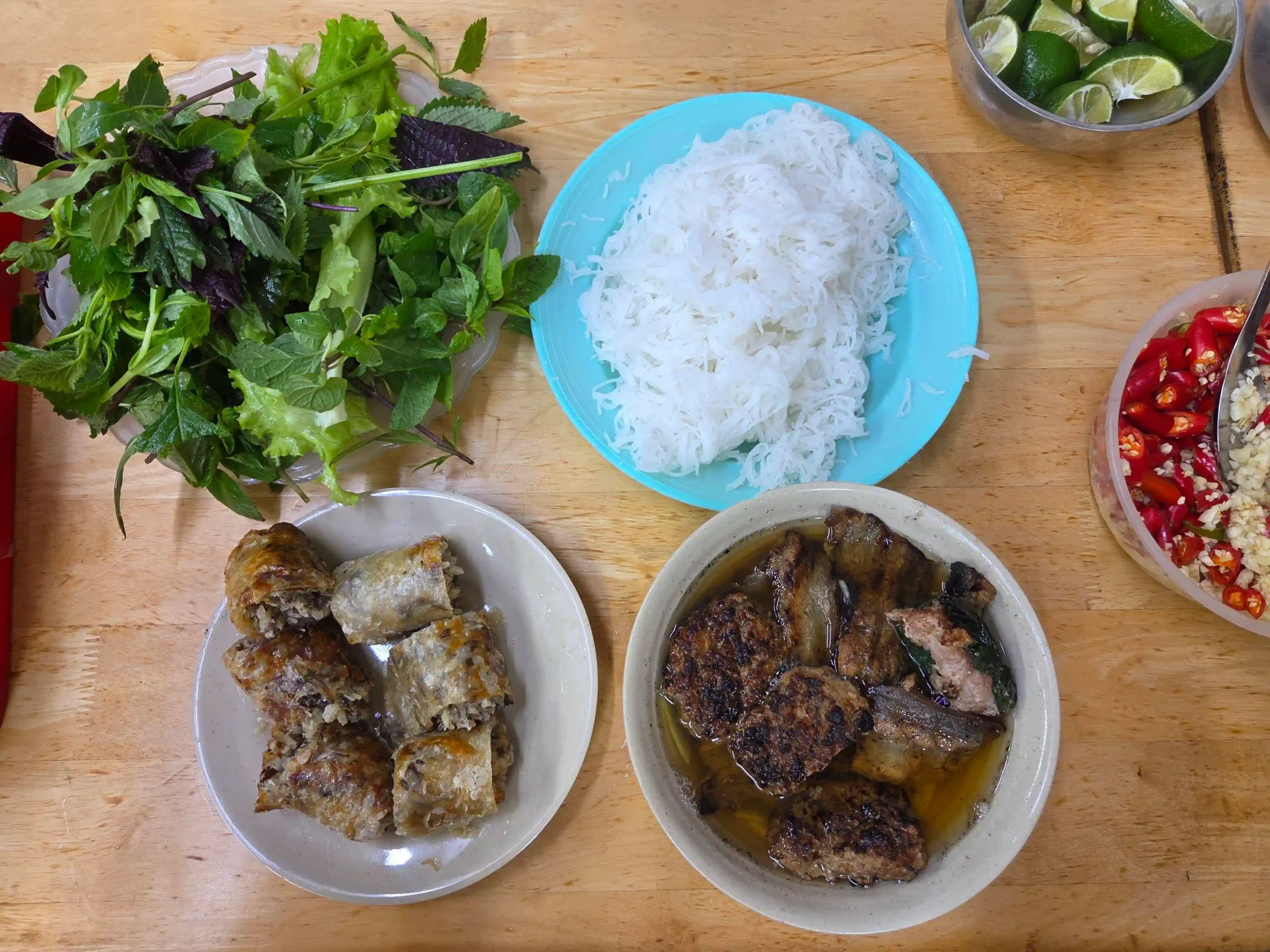
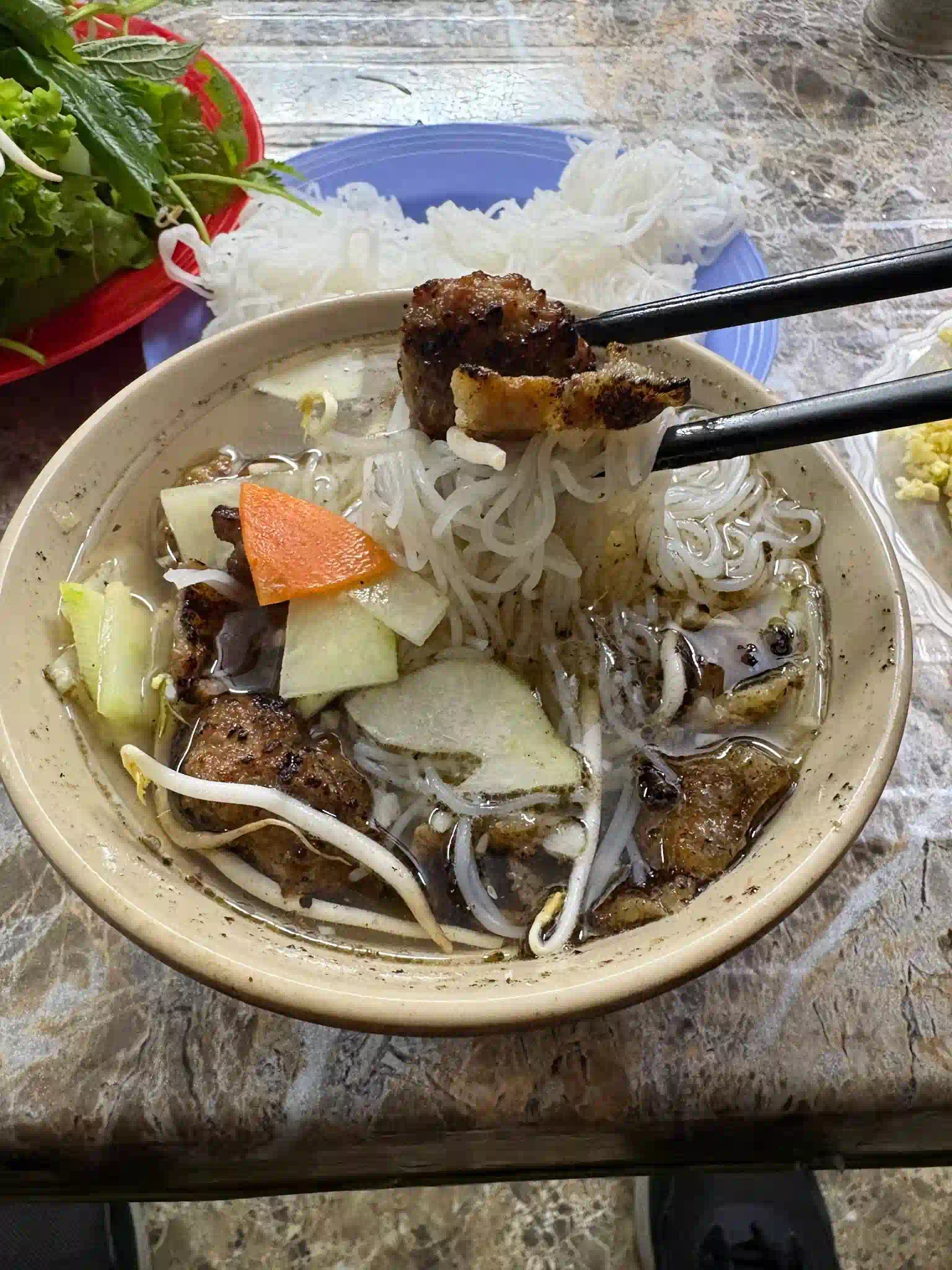
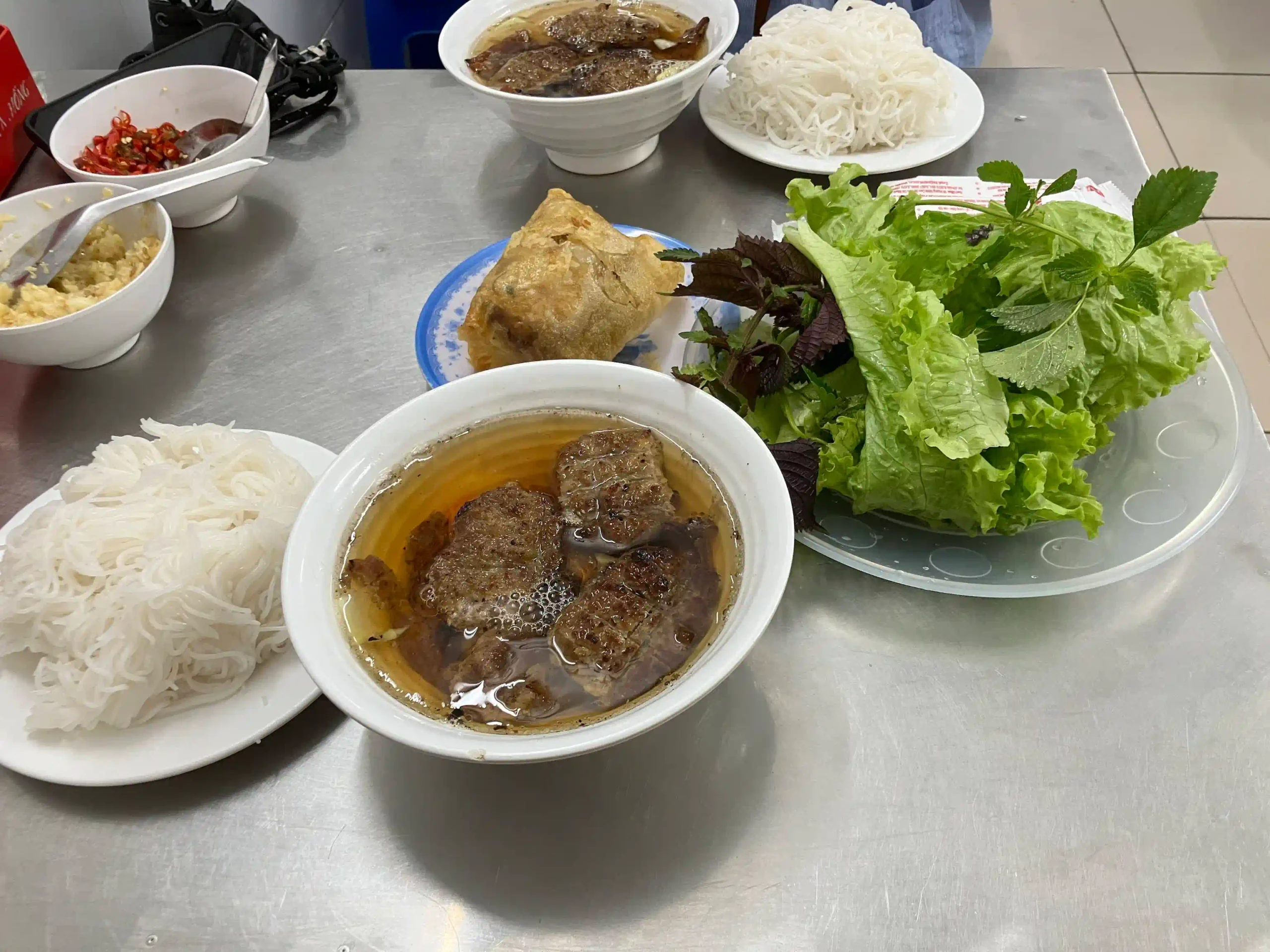
This is the biggest tragedy of all. A bowl of noodles is rarely just a bowl of noodles here. It is an interactive project.
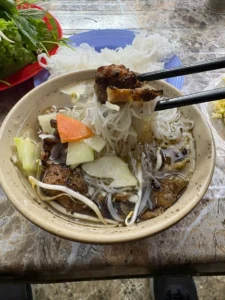
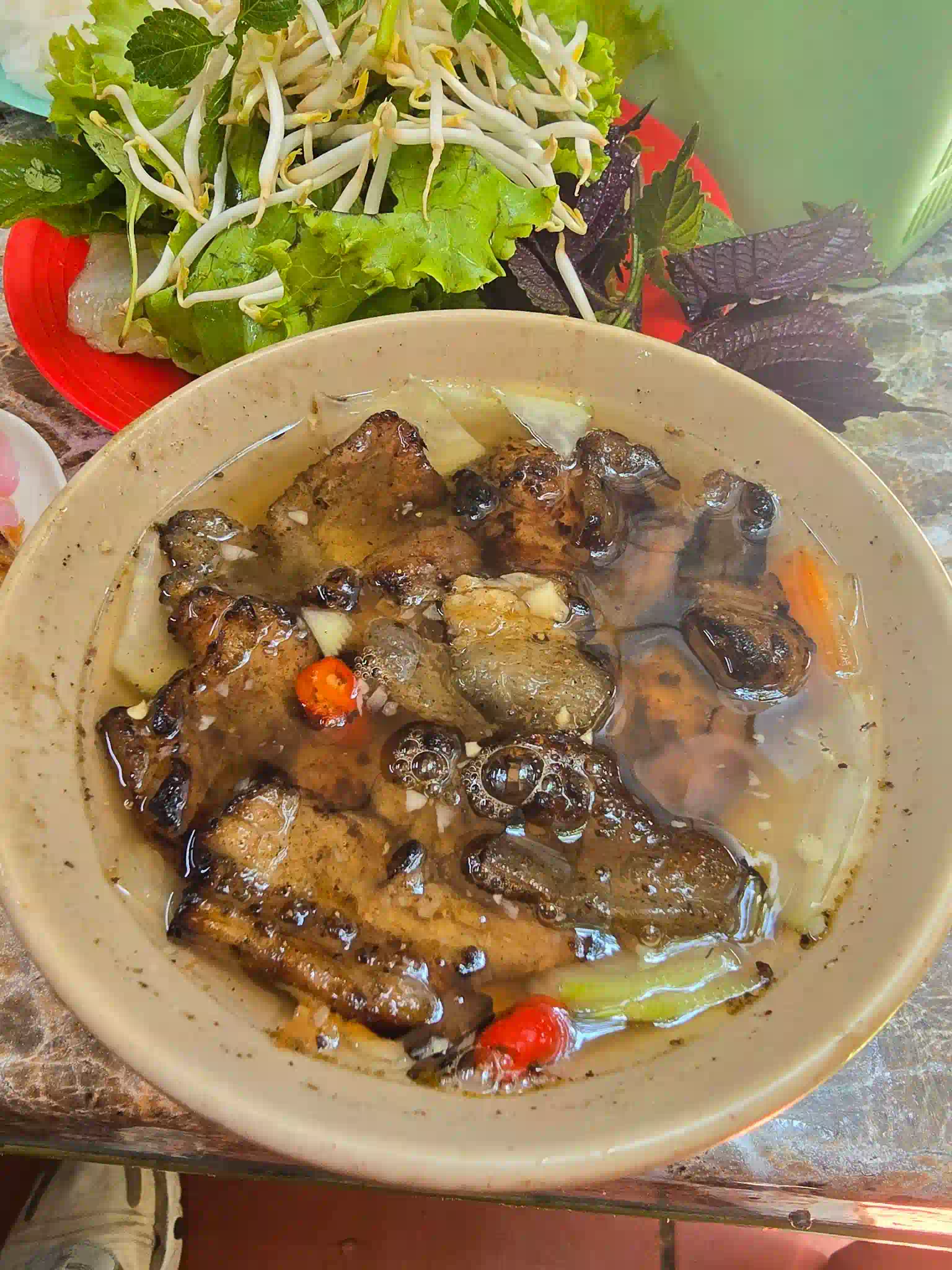
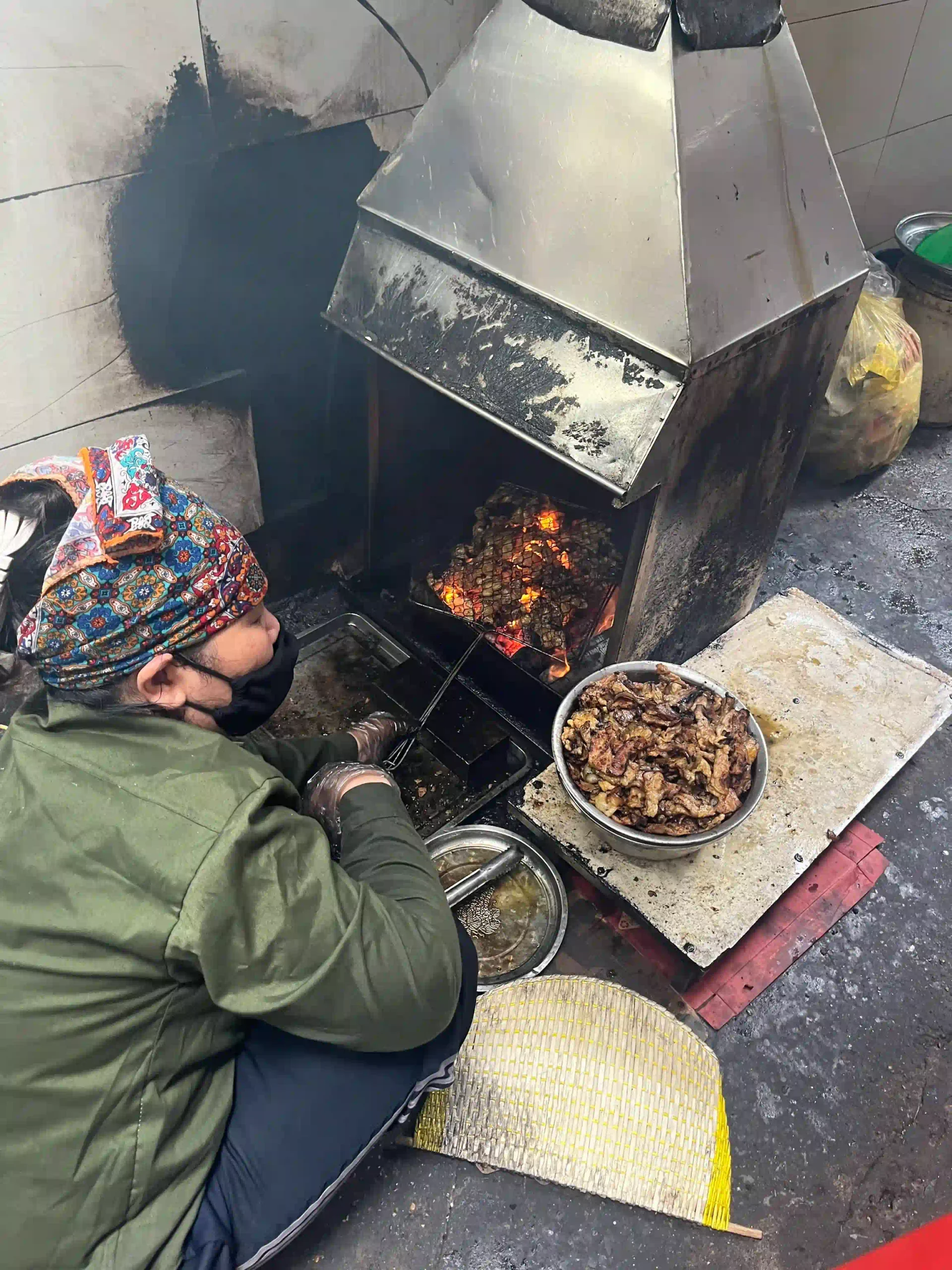
When you sit down for Bún Chả (grilled pork, rice noodles, and fish sauce broth) by yourself, a teenager will slam down a massive basket of green leaves, a plate of cold sticky noodles, a tiny bowl of minced garlic, and some sliced chilies.
A solo tourist will usually take the cold noodles, dump the entire plate into the hot meat soup, choke on a piece of raw chili because they threw the whole spoon in, and then ignore the herbs completely because they don’t know what they are.
If you do this, the local cook is secretly judging you. A local guide explicitly teaches you the mechanics. They show you how to break the basil, tear the perilla leaves, and dip the noodles bite by bite into the broth so they don’t turn into a soggy lump. They explain why putting a lime wedge in certain broths ruins the flavor. That practical education alone saves you from three weeks of miserable, soggy dinners.
3. The communication barrier guarantees you get bored
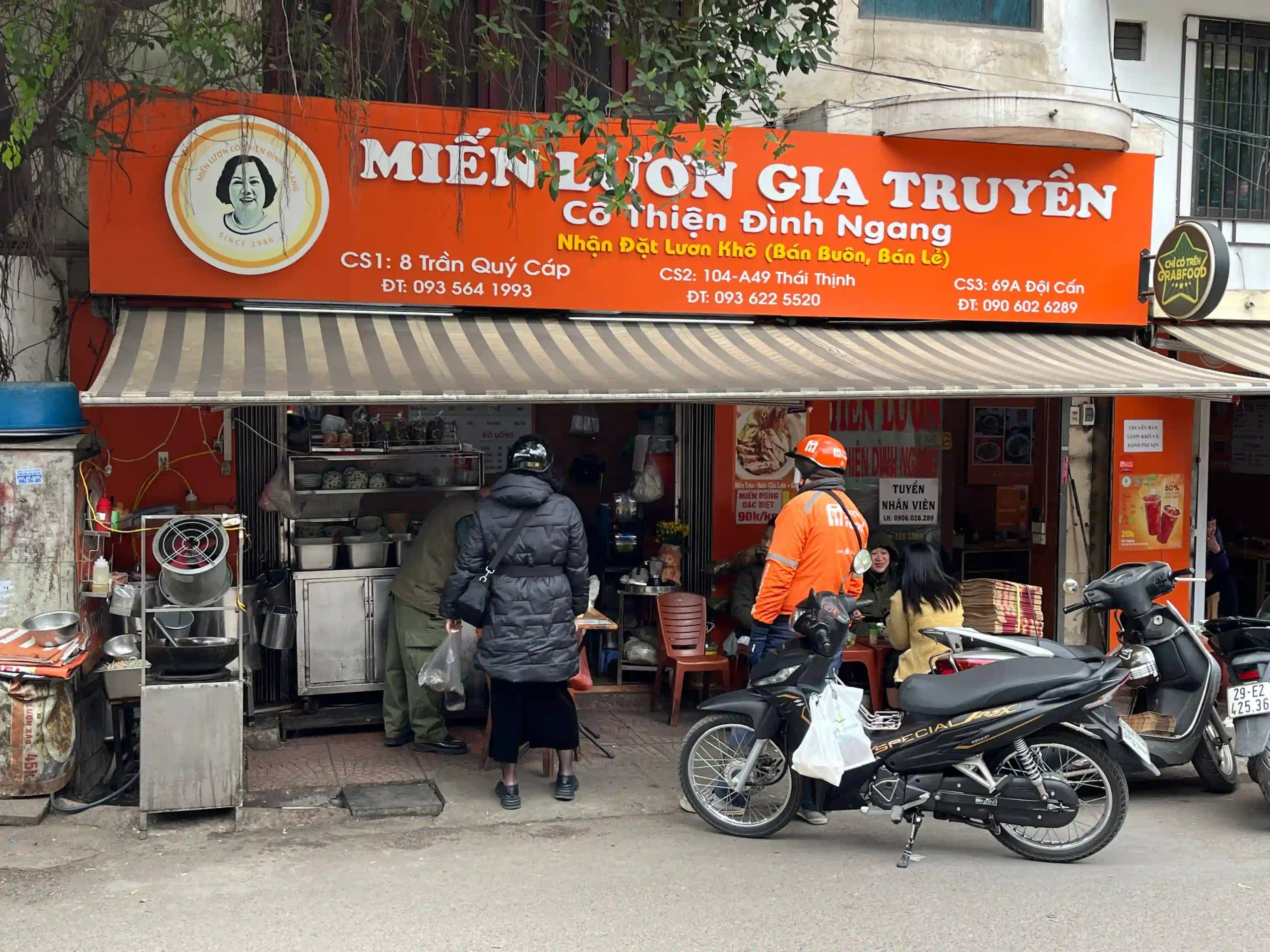
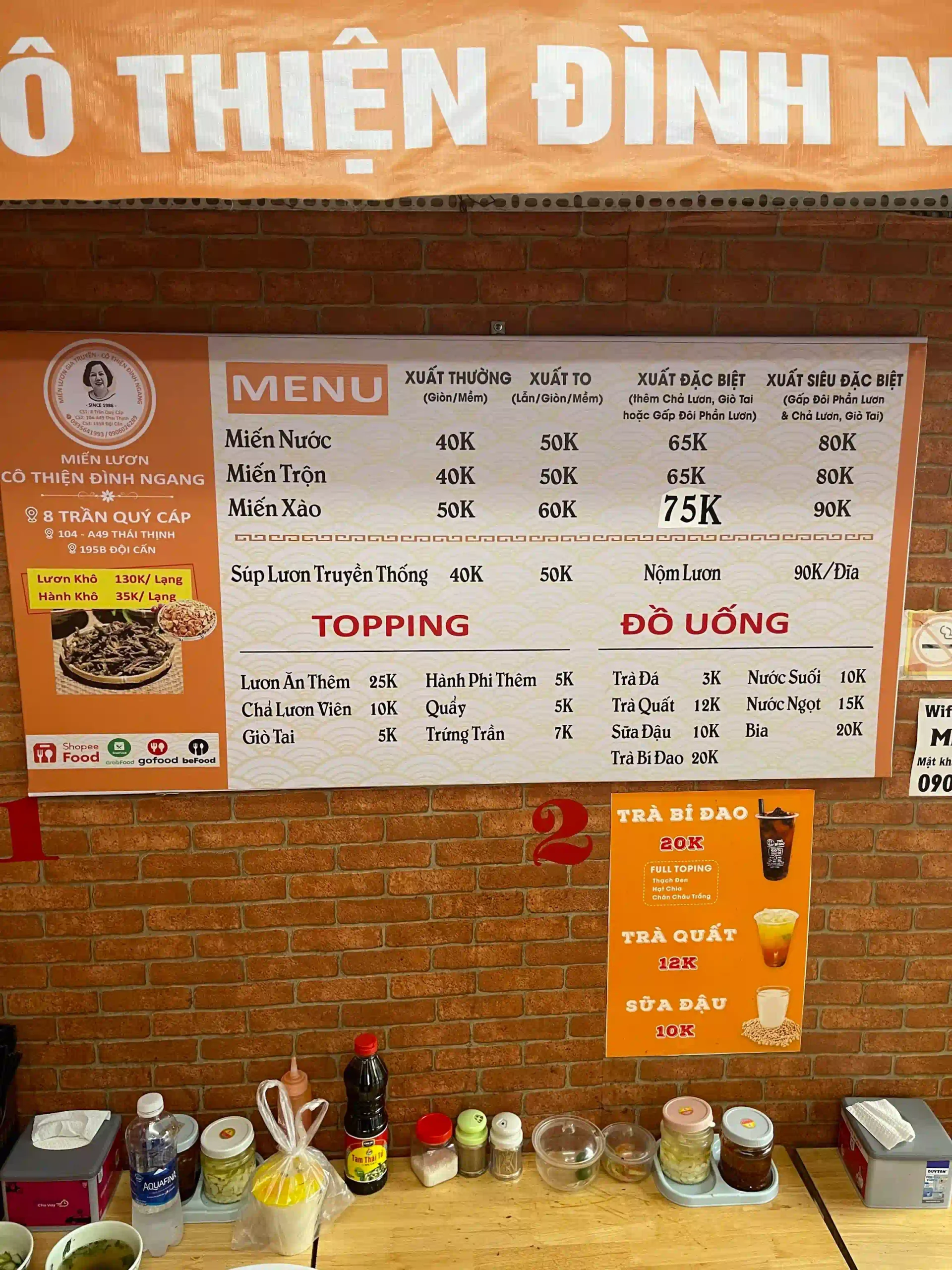
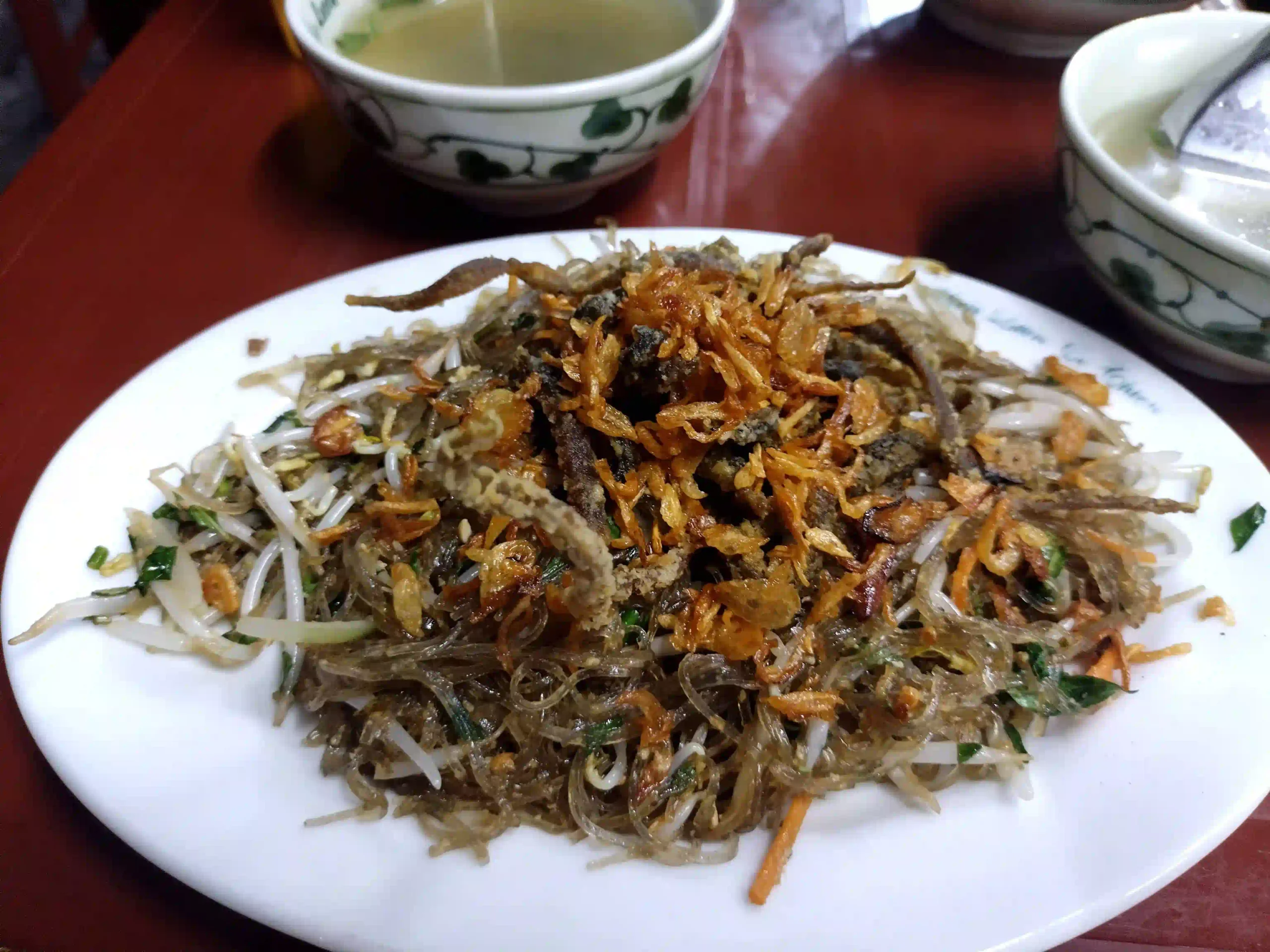
You look at a stained plastic sign strapped to a tree. It says Miến lươn xào. Because you have no internet signal to translate it, you walk away. (By the way, it means stir-fried glass noodles with crispy eel, and it is a top-tier Hanoi street food).
Instead of trying it, you will spot a neon sign that says “Pho Beef” in English. You point at it, you eat it, you go home. If you only eat standard Pho and basic Banh Mi because you are scared to accidentally order organs, you are wasting your trip.
Before you just eat Banh Mi every day, read my actual list of real things to do in Hanoi to expand your itinerary.
The Exact Math: DIY vs The $25 GetYourGuide Tour
Let’s break down the money. A lot of budget travelers aggressively hate the idea of paying a markup for cheap local goods. I get it. I am also cheap.
Currently, the most highly-rated small group food tours on platforms like GetYourGuide or Viator sit between $20 and $28 depending on the day of the week (roughly 500,000 to 700,000 VND). The average tour lasts three hours, walks a few kilometers, and stops at about seven different stalls.
Let’s assume you spy on their exact itinerary, write down the street names, and try to replicate it alone. What is the raw, local price of the food in 2026?
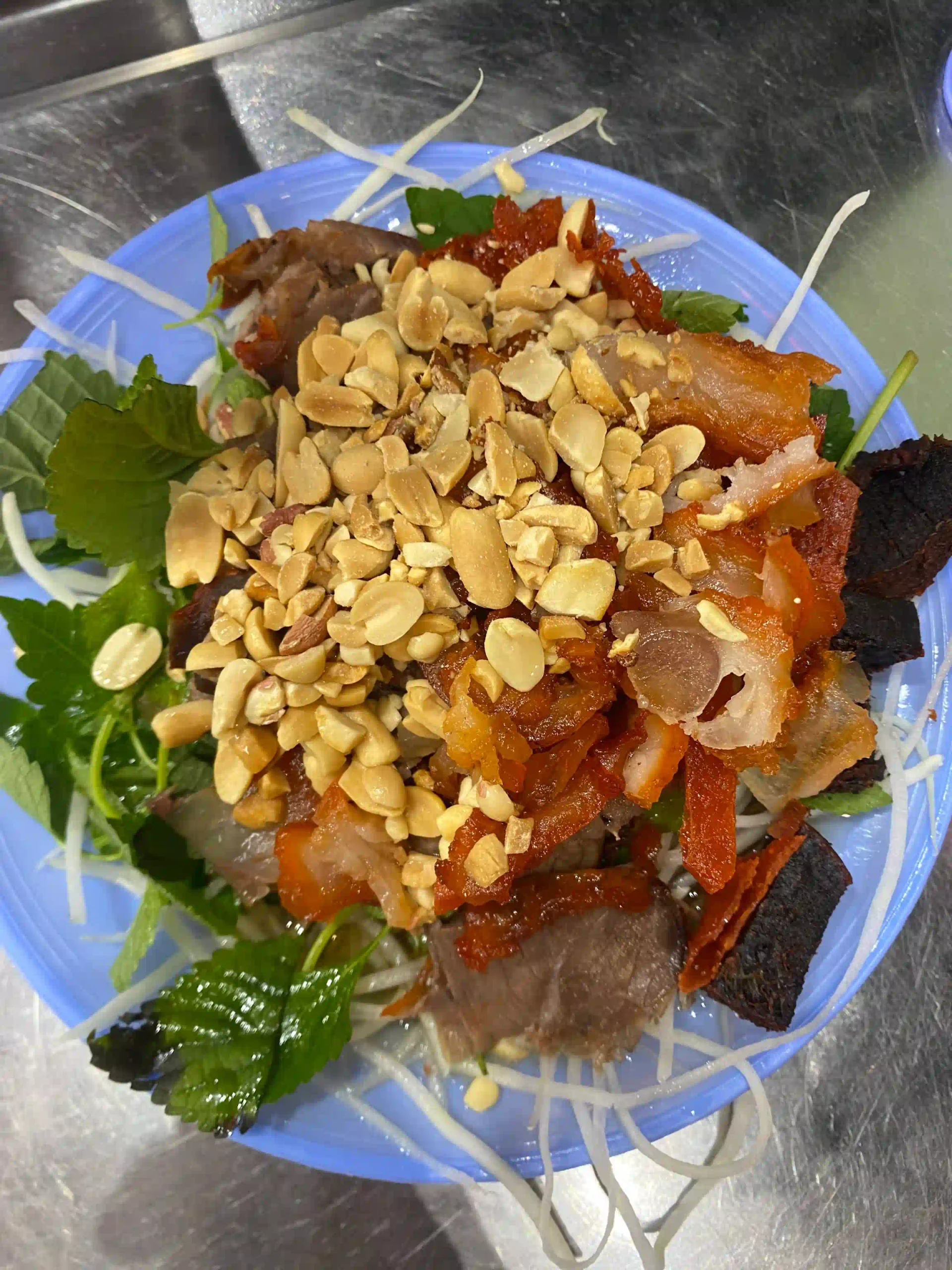

- Nom Bo Kho (Green Papaya & Dried Beef Salad): 40,000 VND
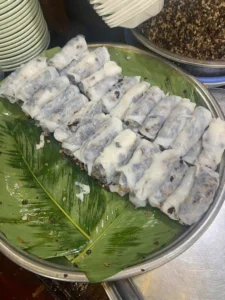
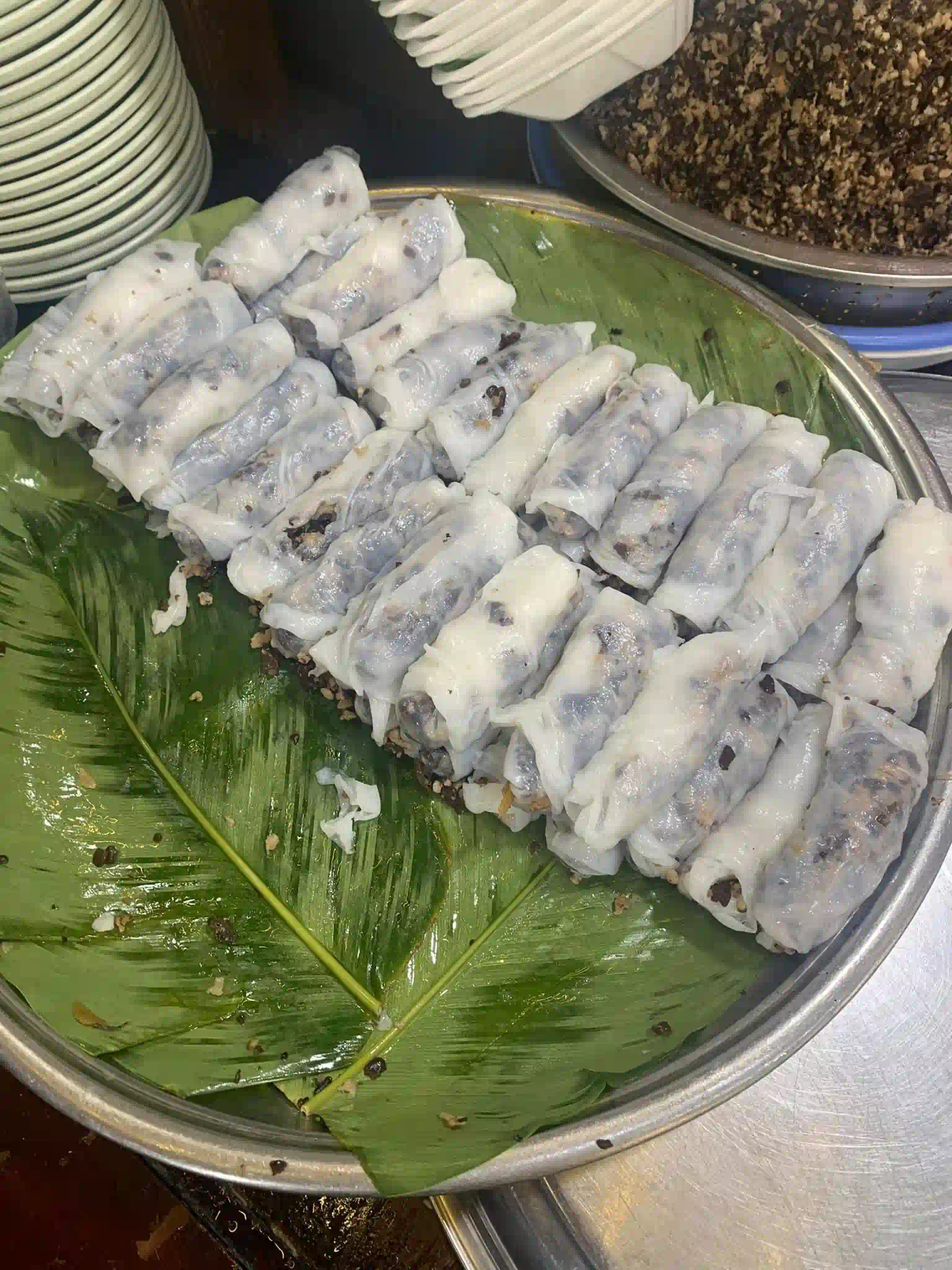
- Banh Cuon (Steamed Rice Rolls with minced pork): 35,000 VND
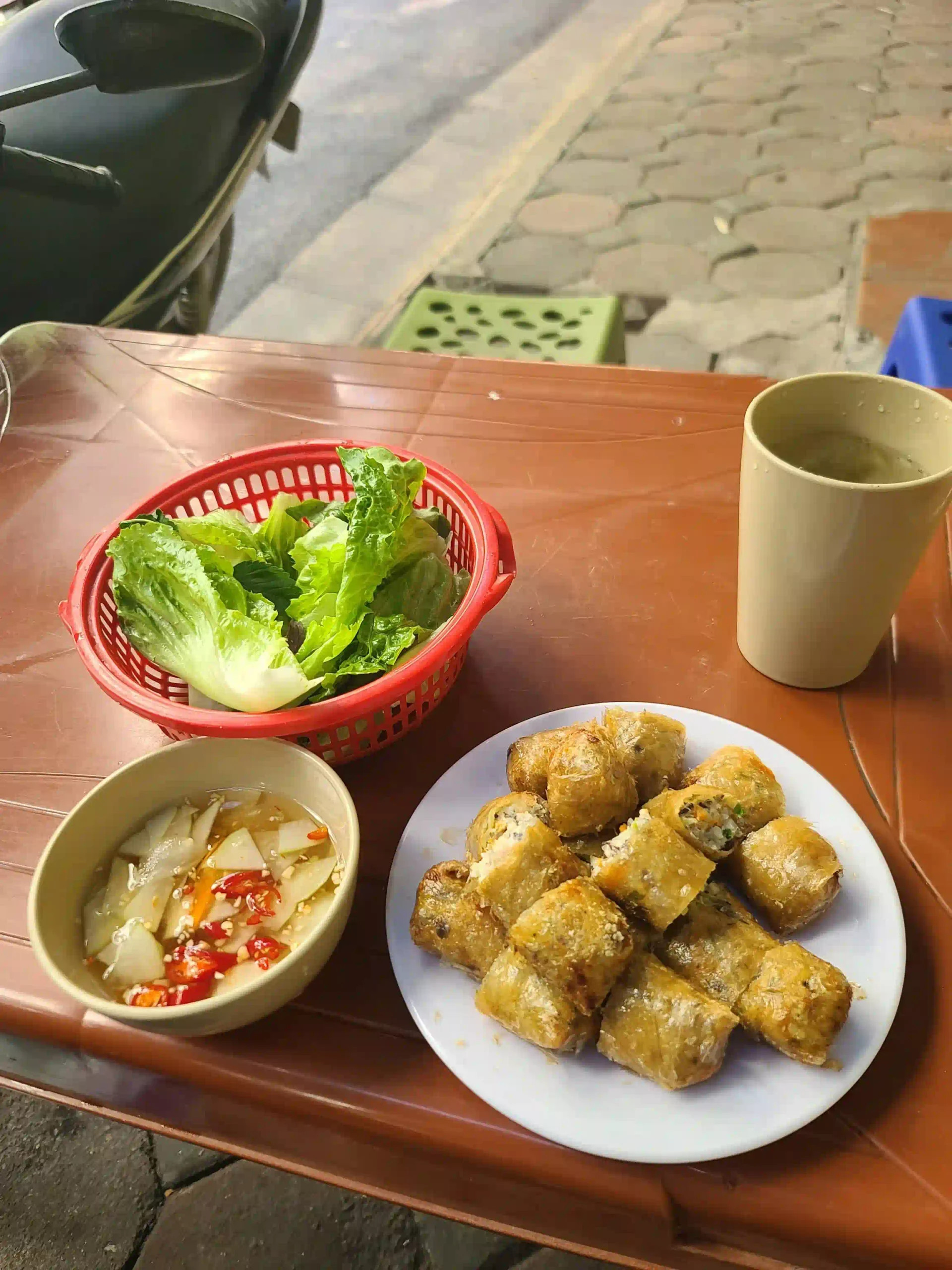
- Nem Rán (Deep-fried spring rolls): 50,000 VND
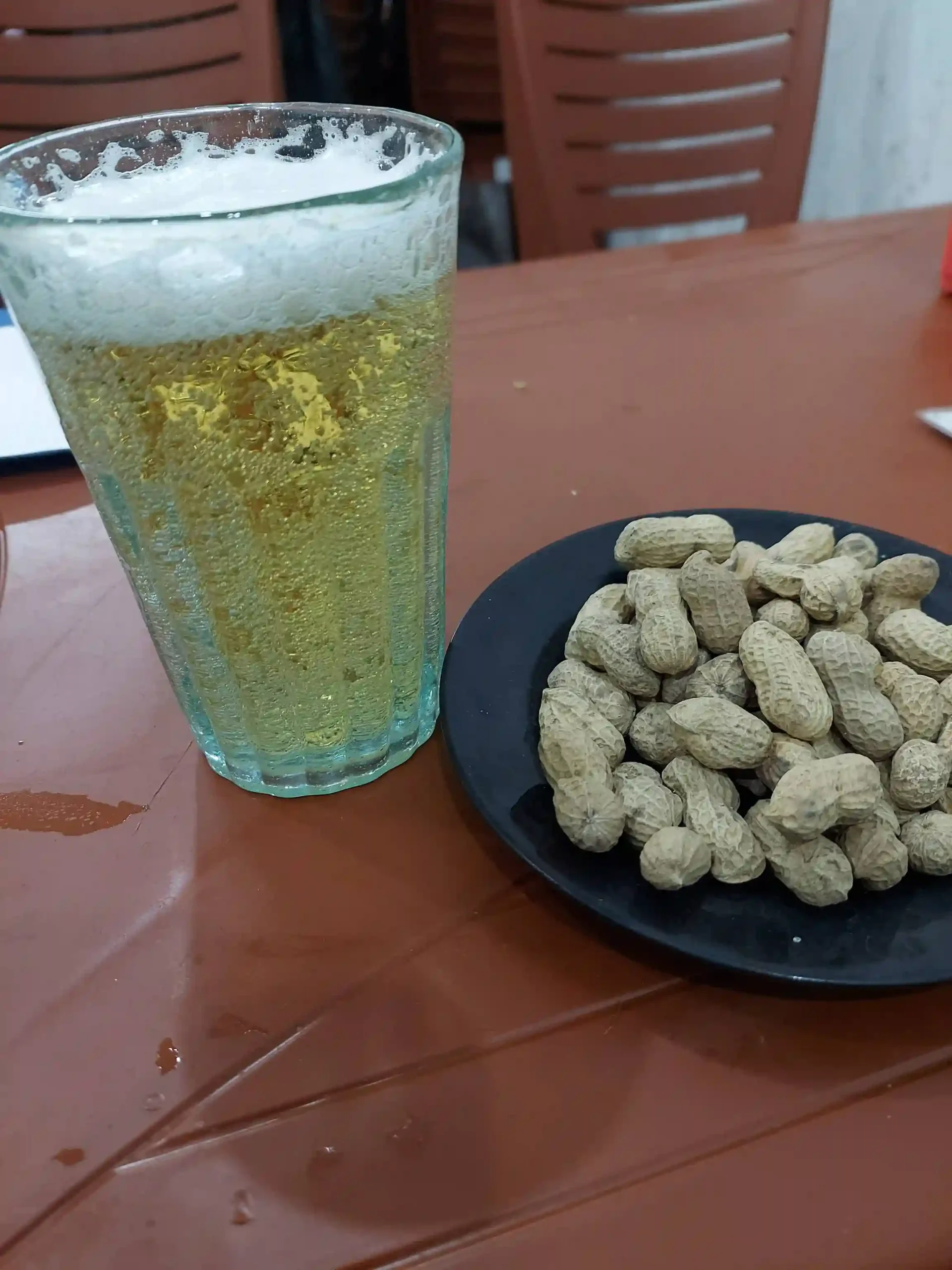
- Bia Hoi (Fresh Draft Beer in a dirty glass): 15,000 VND (You’ll probably have two, so 30,000 VND)
- Bun Cha (Charcoal BBQ pork): 60,000 VND
- Banh Gối (Fried savory dumplings shaped like pillows): 20,000 VND
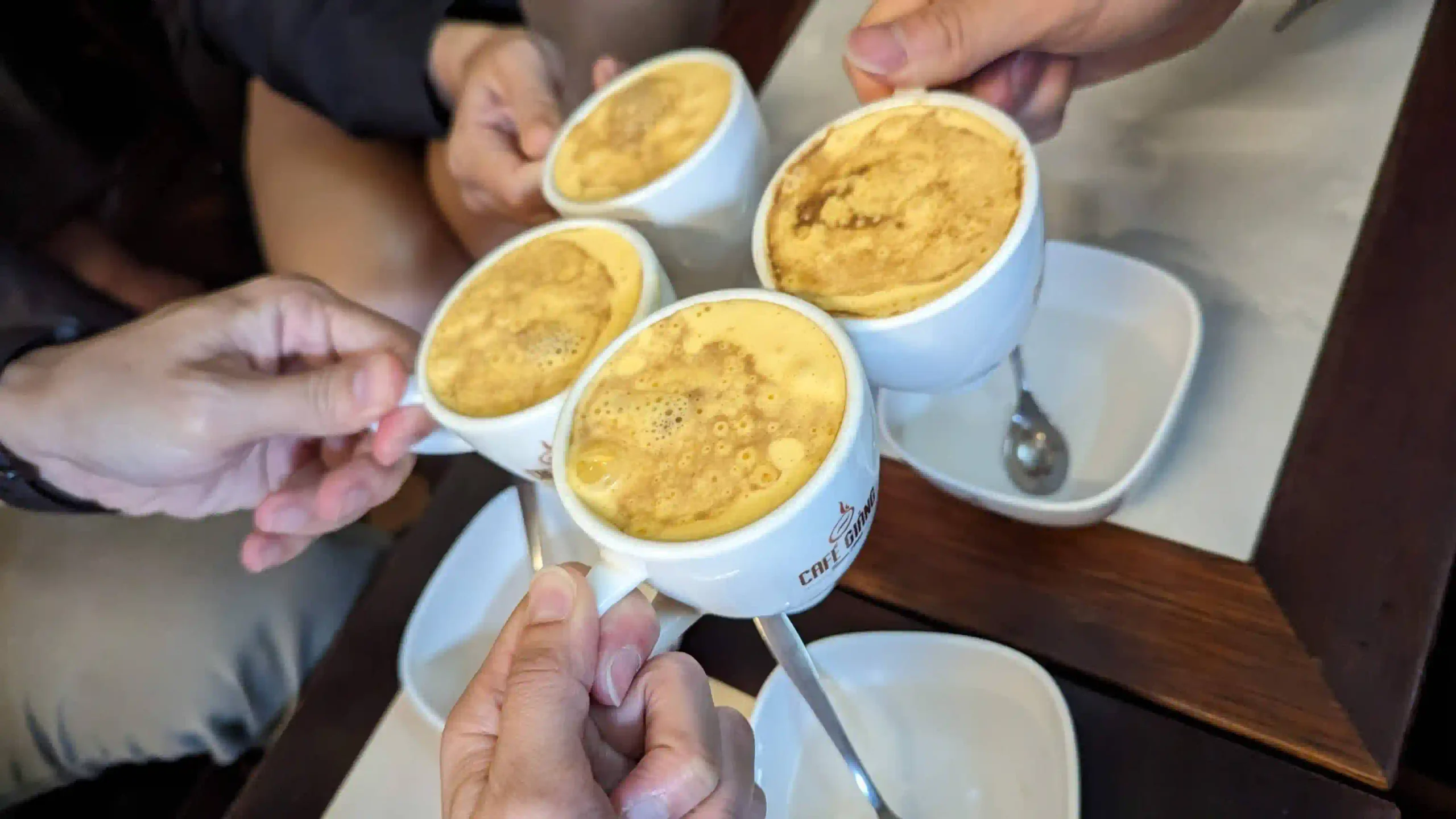
- Cafe Trứng (Vietnamese Egg Coffee): 45,000 VND
Total cost if you walk around and point at stuff yourself: Roughly 280,000 VND. That translates to approximately $11 USD.
So yes, the financial math is entirely obvious. The tour company is keeping a profit margin. You are “overpaying” by $14.
But judging a tour based strictly on the street value of the pork is totally missing the point. That extra $14 is a service fee.
You are paying a twenty-something university student to play Frogger in rush hour traffic so a taxi doesn’t run you over. You are paying them because they know exactly which Banh Cuon vendor scrubs their pots properly. You are paying them so you don’t get handed a 200,000 VND “tourist menu” at a spot that usually charges locals 40,000.
In my opinion, throwing a $20 bill at a local guide to ensure your stomach handles your first night in Southeast Asia is the most rational investment you can make.
If you look up tours online right now, you will see a hundred identical listings. Do not just sort by price. Filter your search on GetYourGuide/Klook explicitly for “Small Group Hanoi Street Food” and check the maximum headcount in the description.
Do not book any tour that allows more than 8 people. You physically cannot get 12 foreigners to stand inside a cramped local alleyway stall. The tour becomes a slow, irritating nightmare where half the group blocks the street. Keep it small, under 8 people.
Chronology of a tour: What exactly happens for 3 hours?

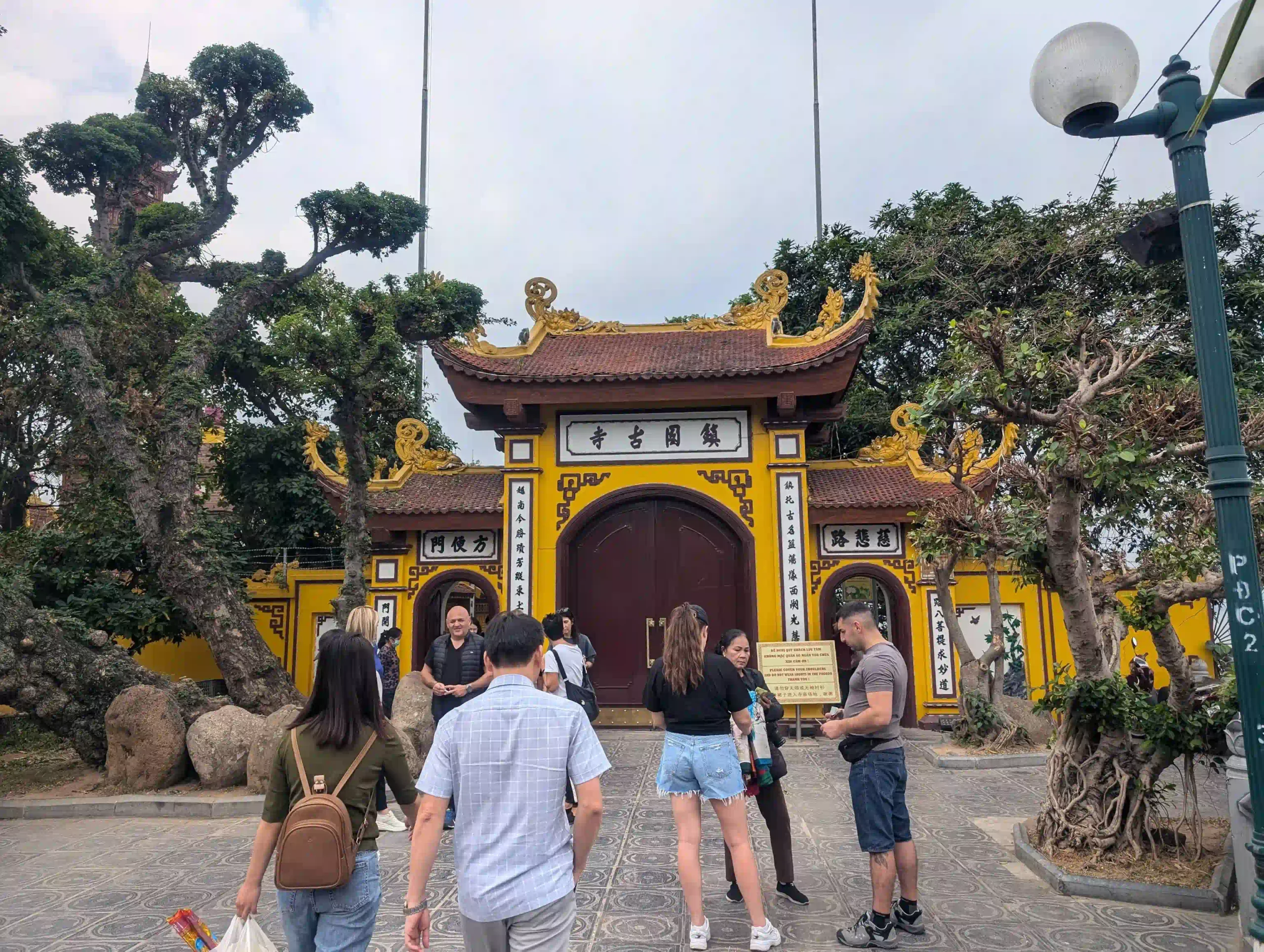
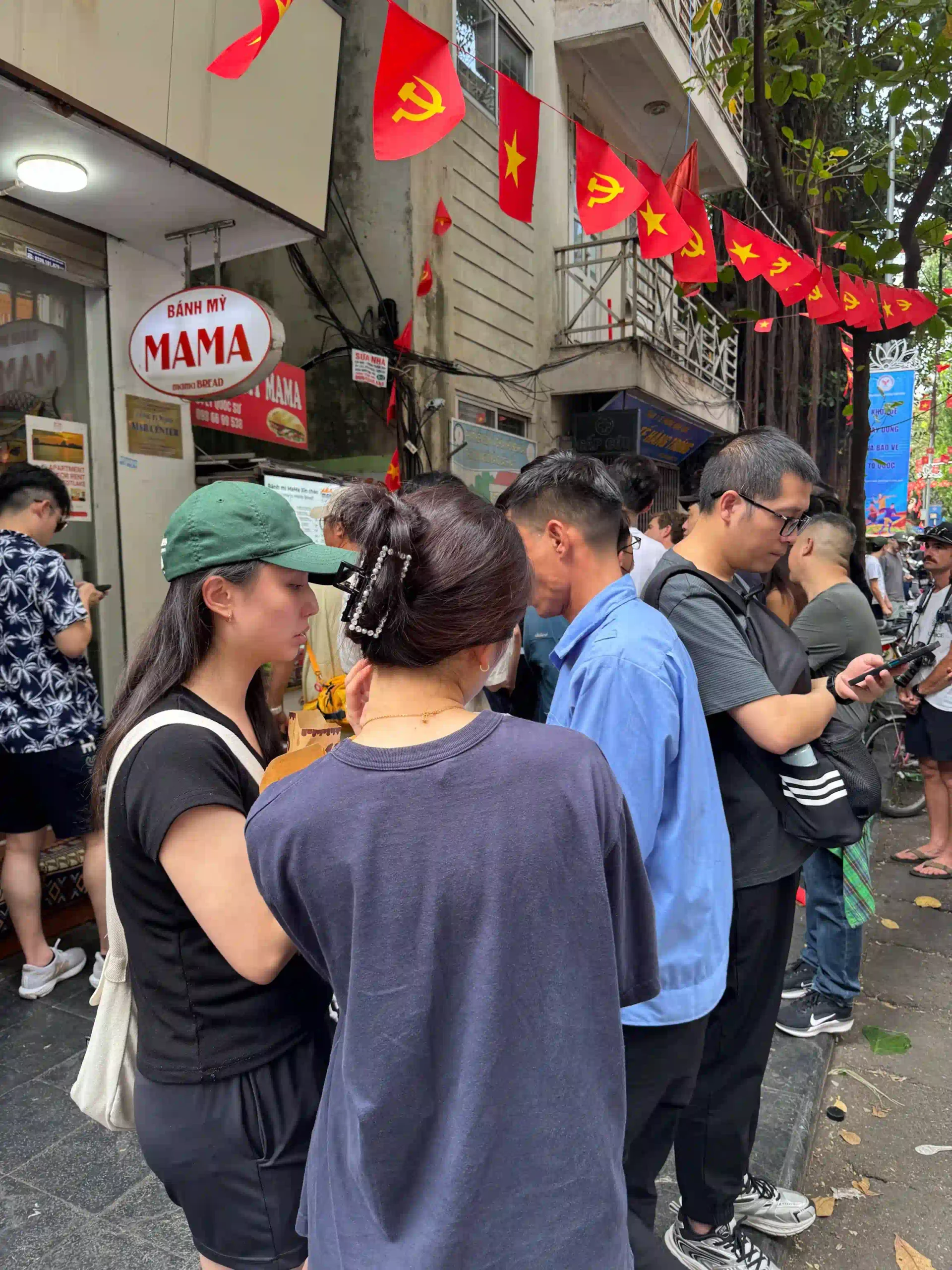
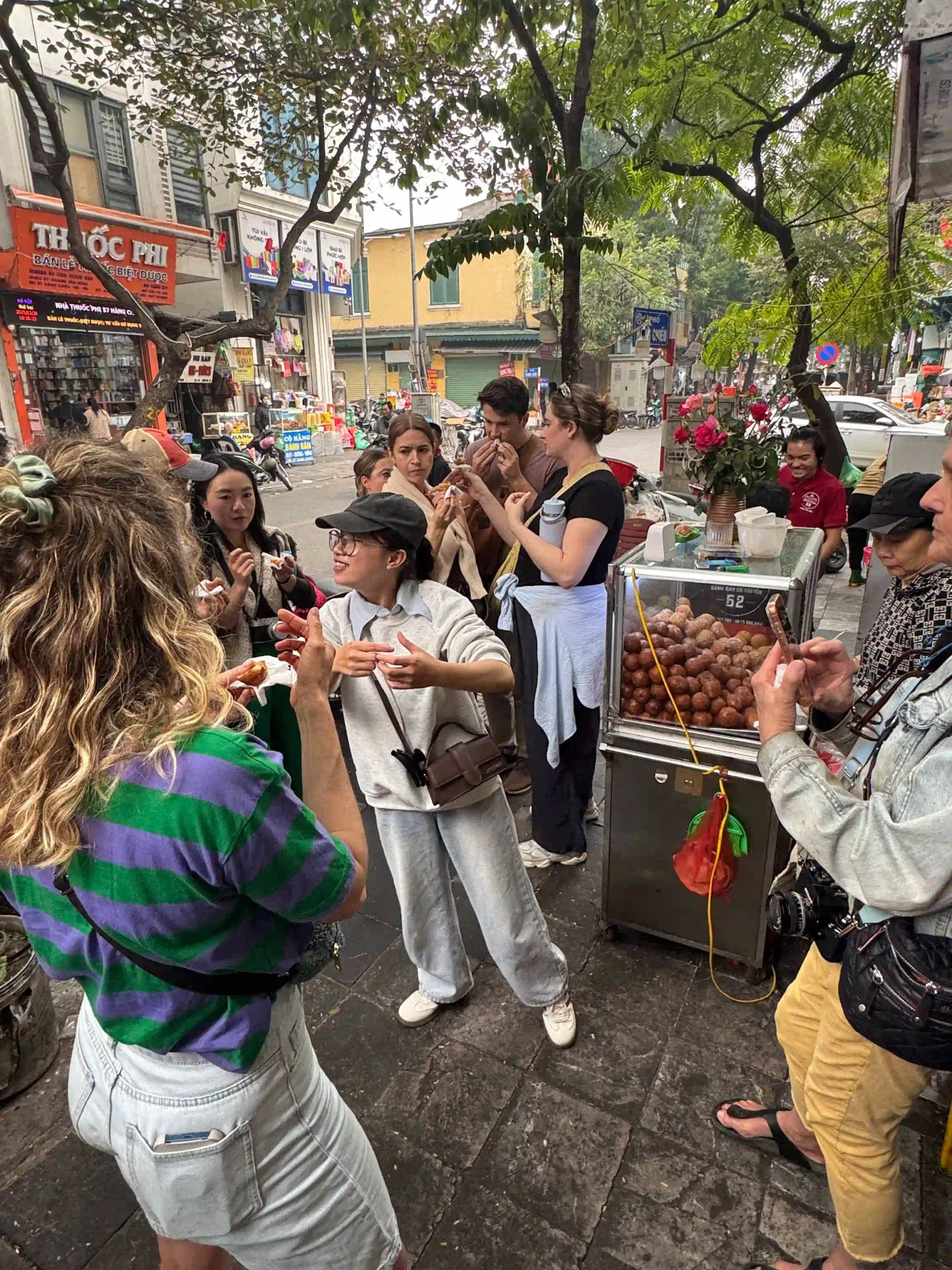
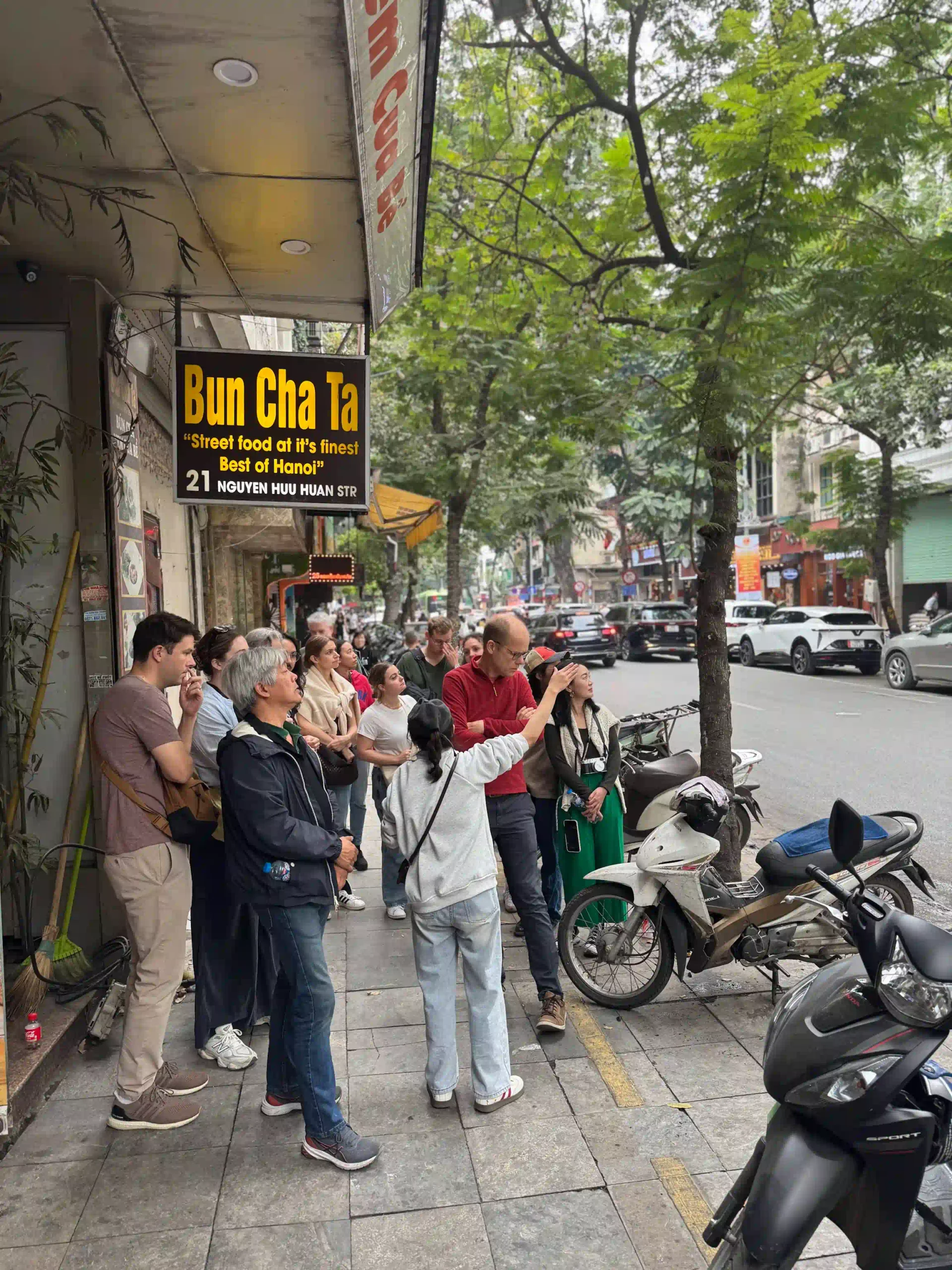
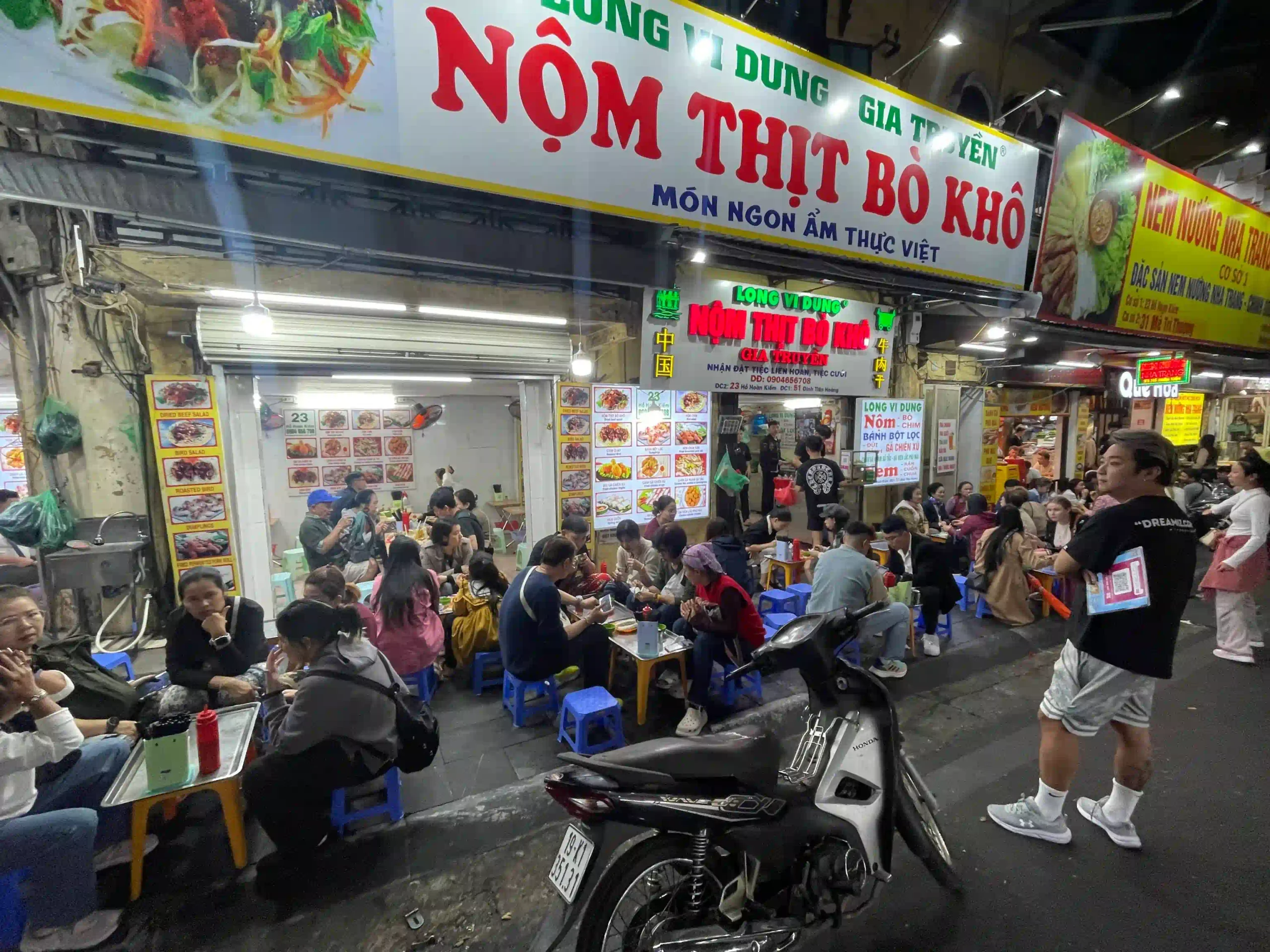
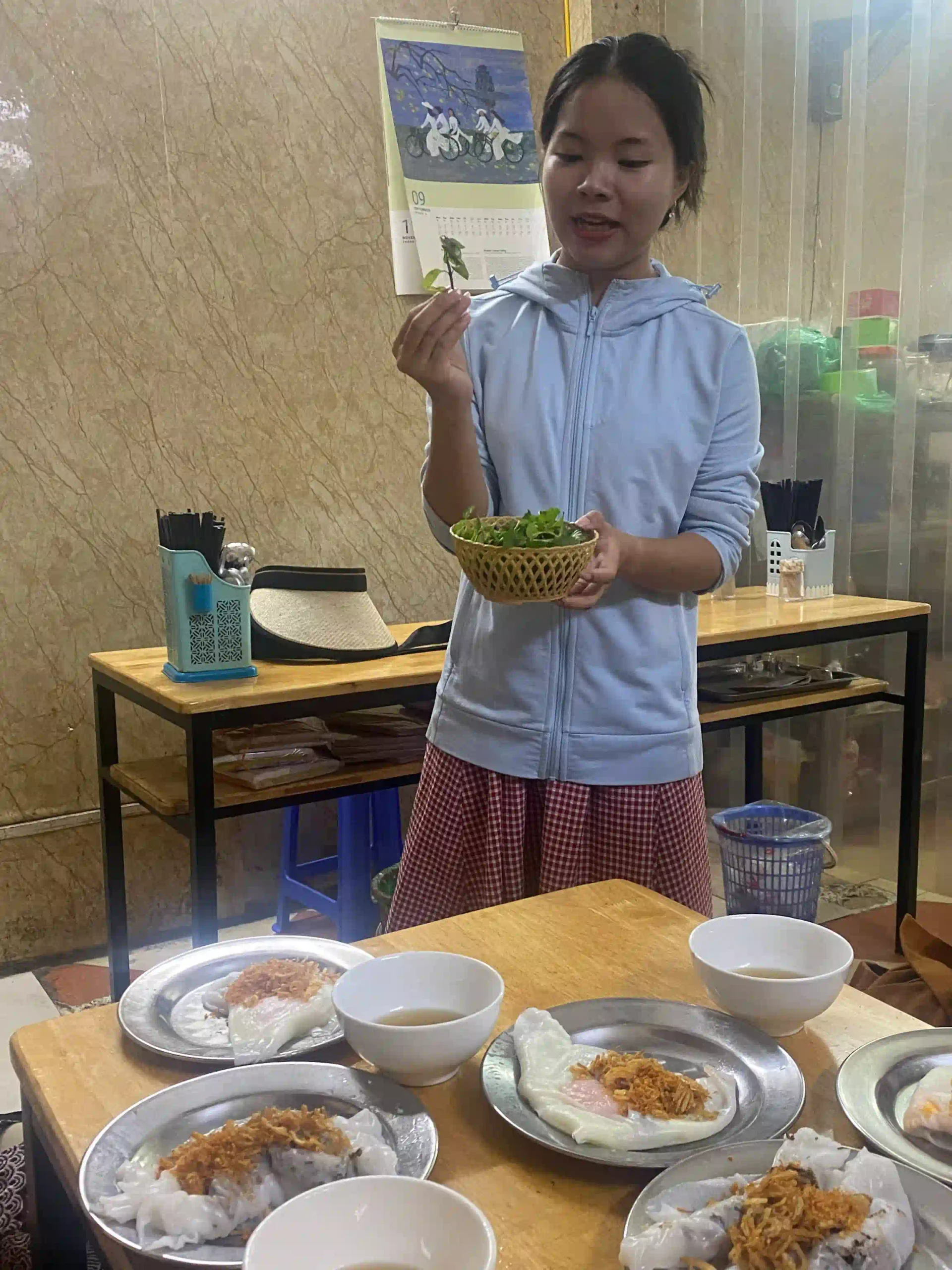
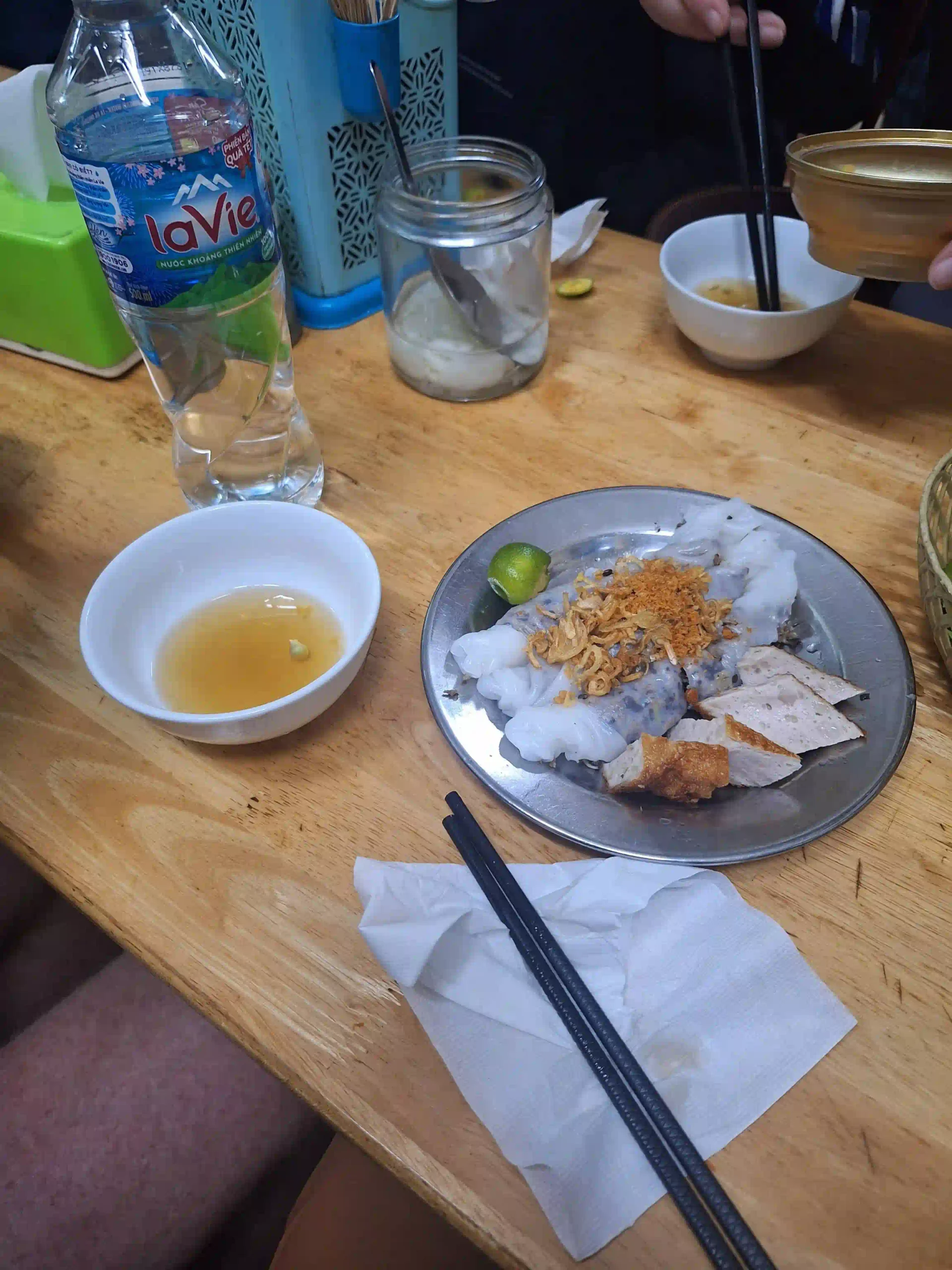
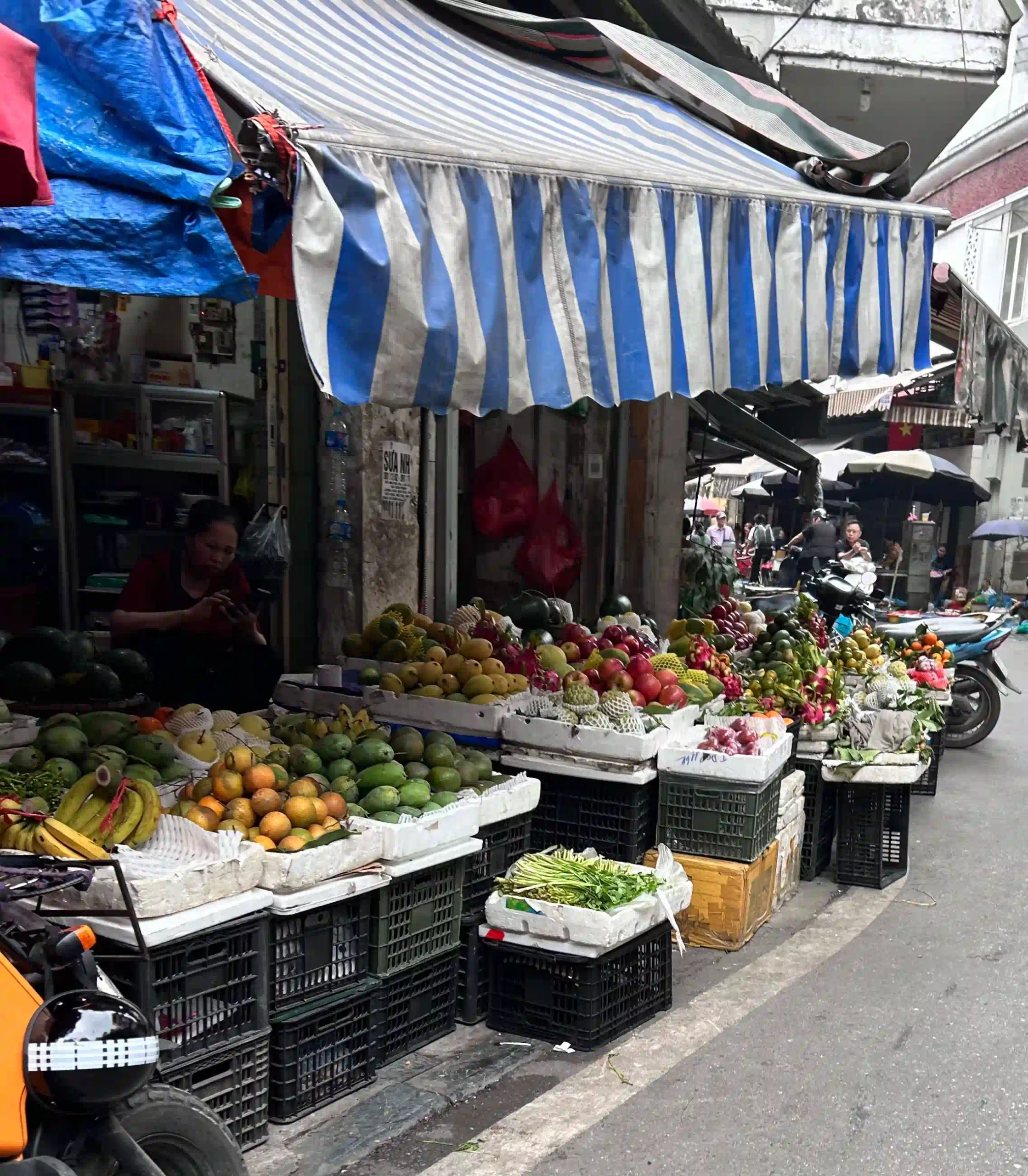
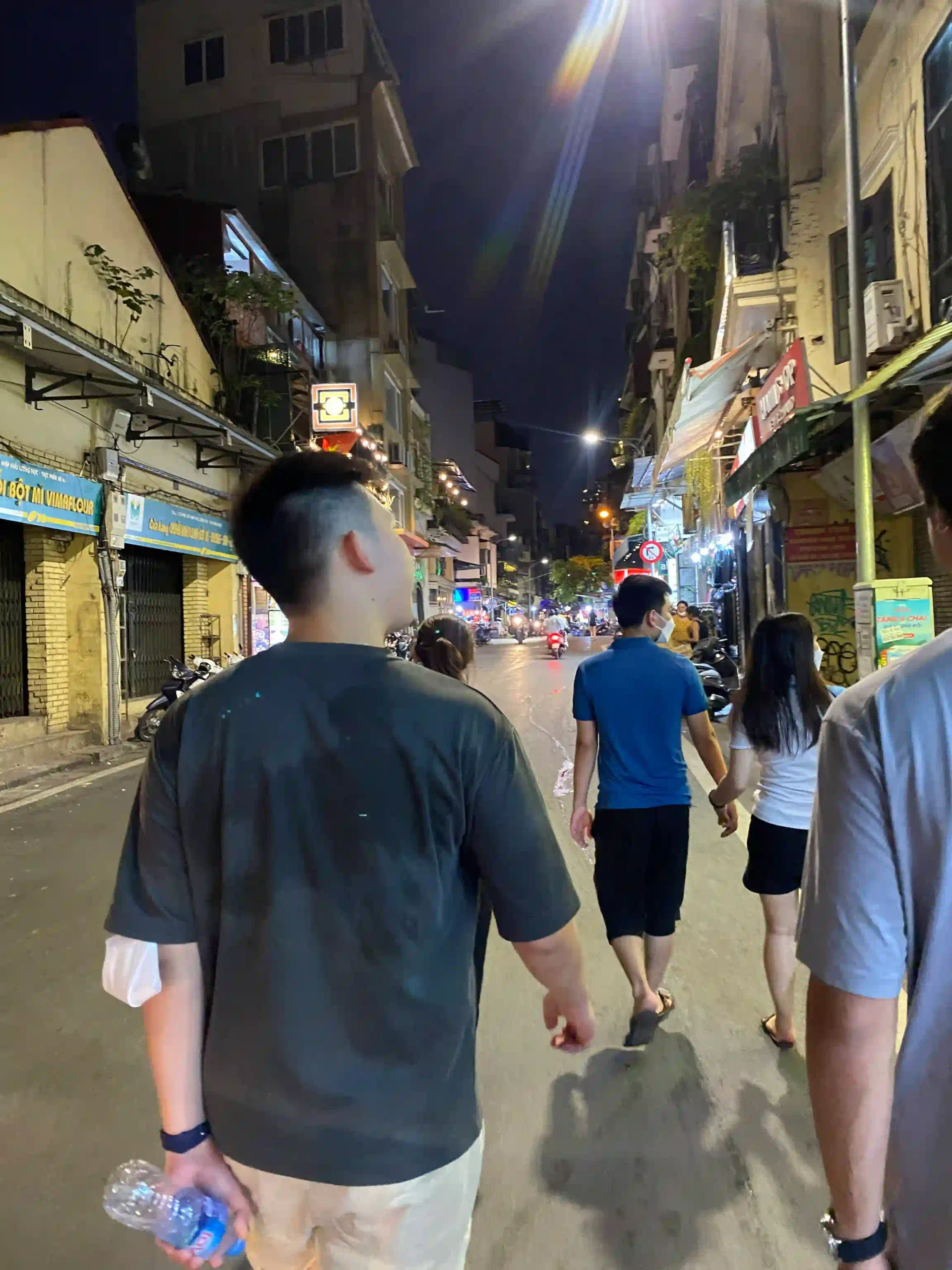
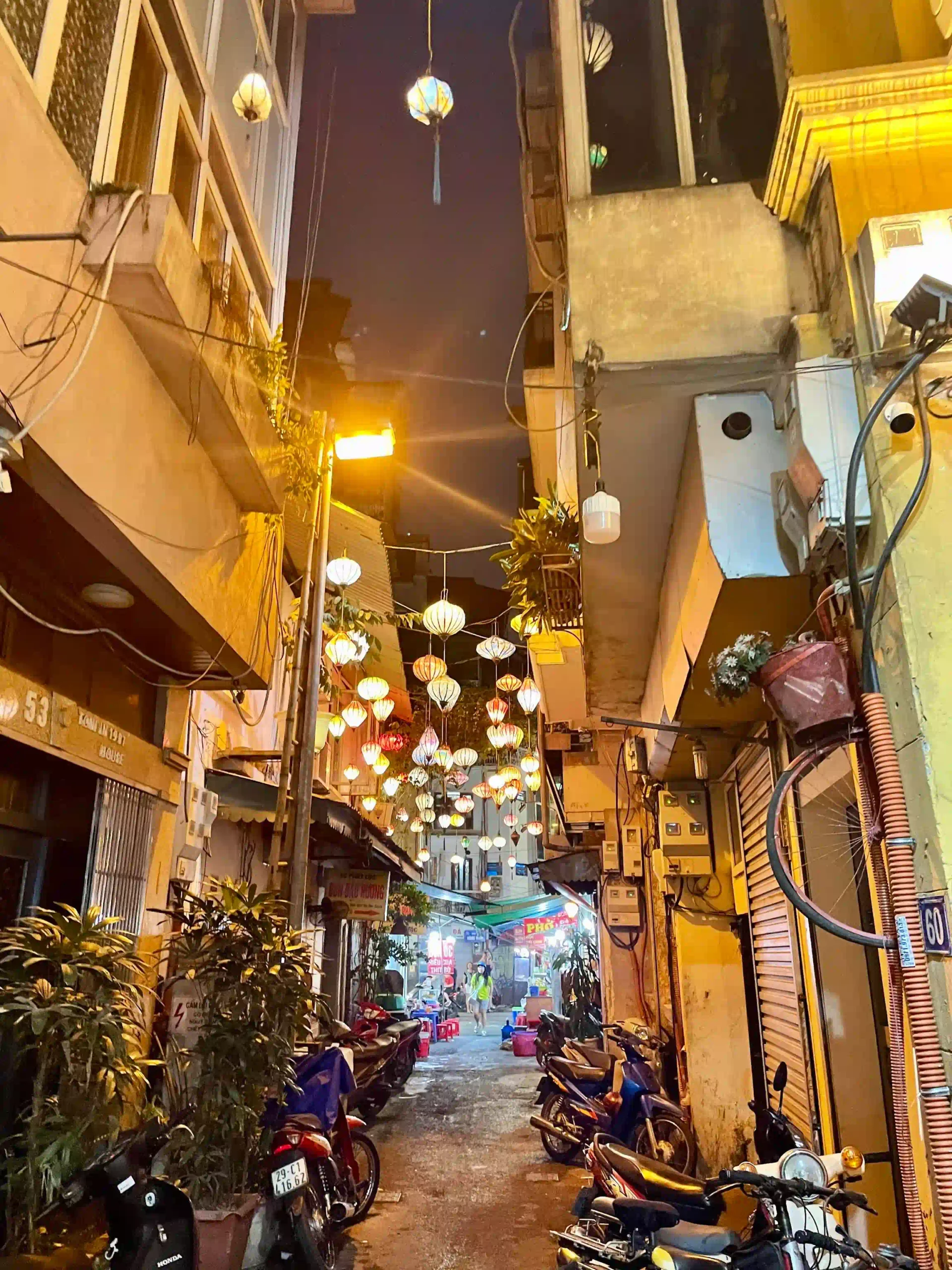
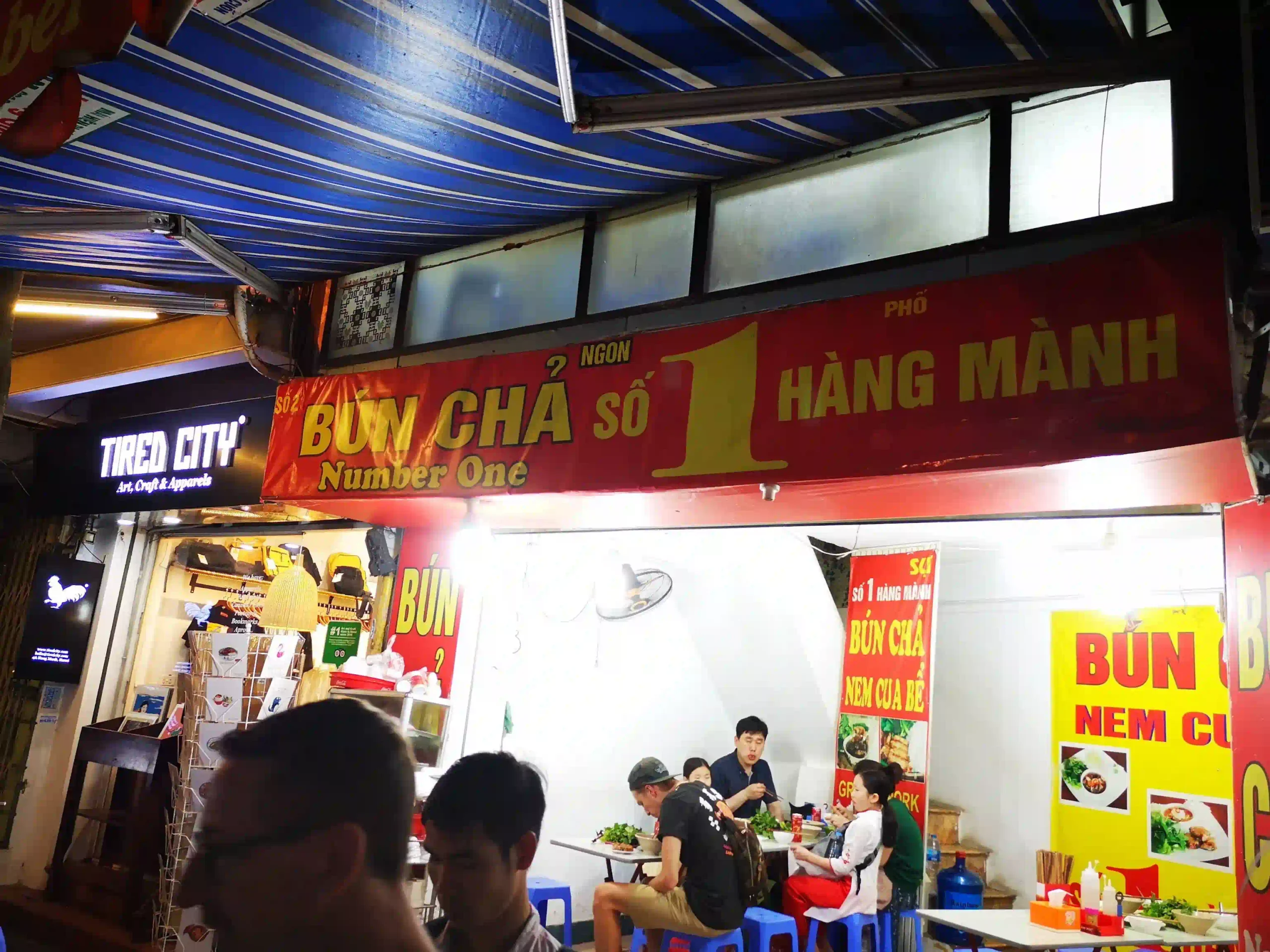
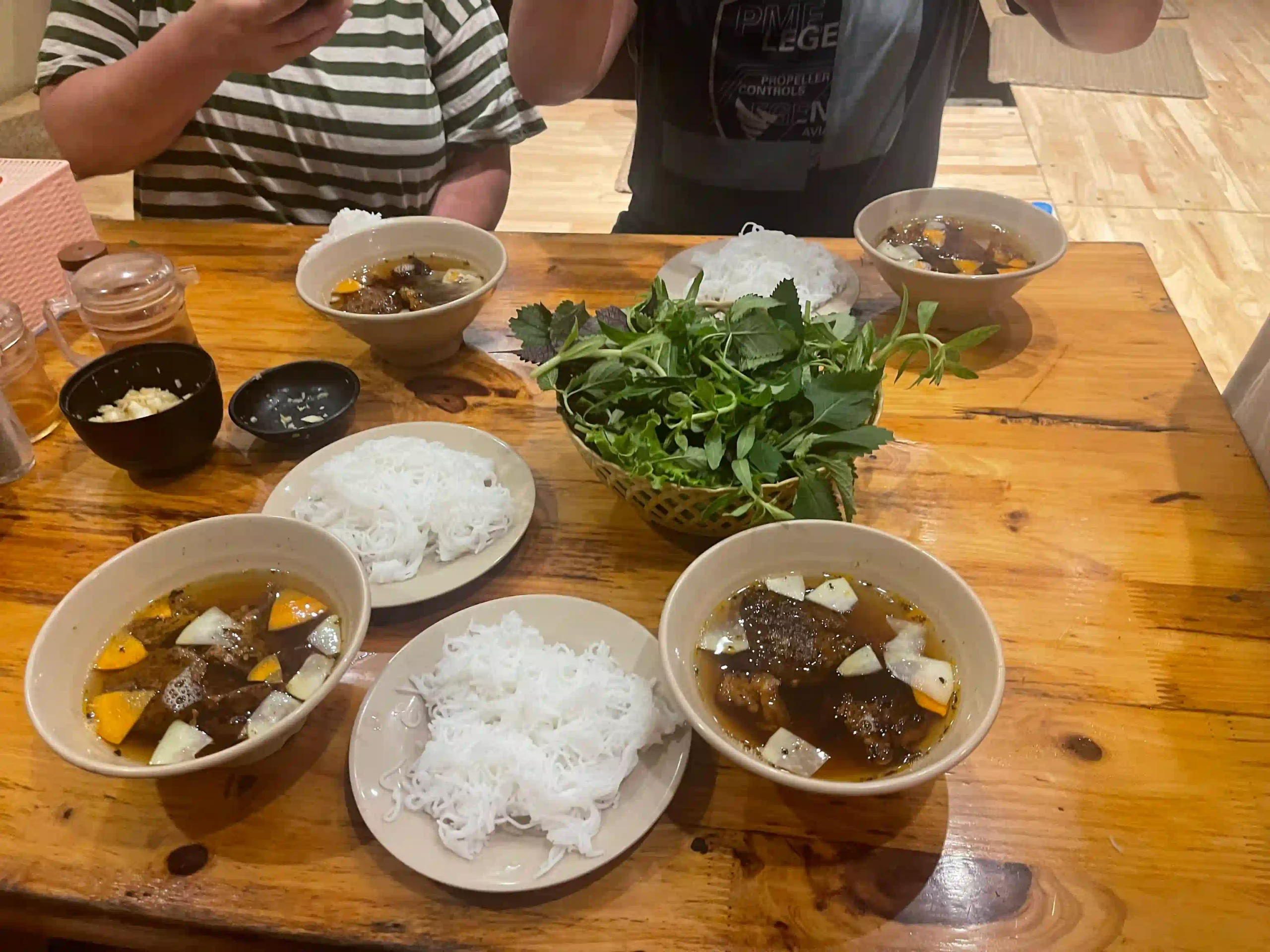
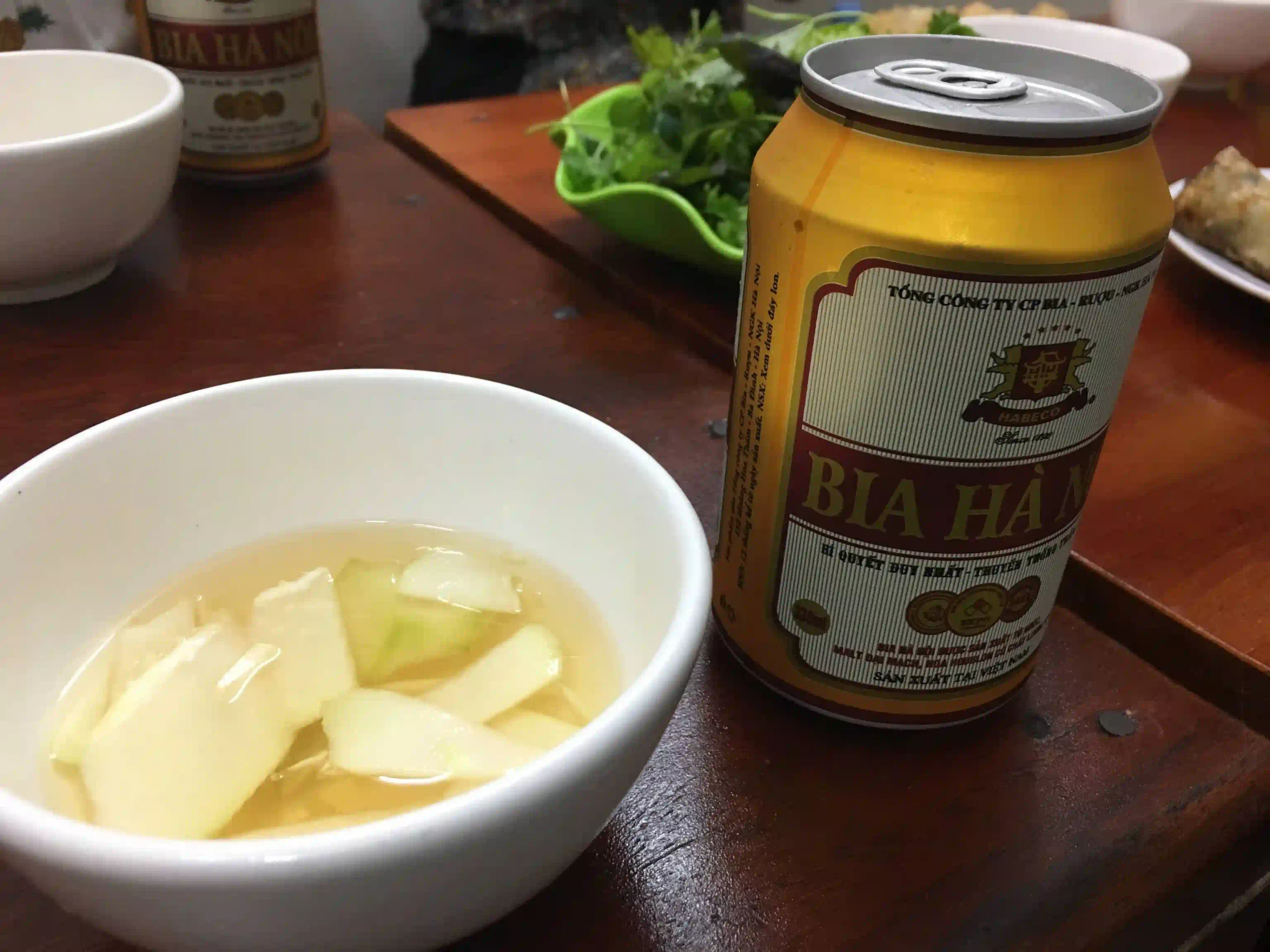
A lot of my visiting friends get nervous because they think the tour will be super rigid or they won’t like the food and will look rude. It really isn’t like that. The atmosphere is extremely informal.
5:30 PM: Your guide meets you near the top of the lake or your hotel lobby. You exchange awkward small talk with two Australian backpackers and a quiet couple from Europe. The guide gives you a quick safety brief. That brief is literally just: “Walk slowly in traffic, never step backward, and let the motorcycles flow around you like a river.”
6:00 PM: The first stop is usually something dry and crunchy. Often Nộm bò khô. You stand on the side of Hoan Kiem lake, watching teenagers drive by, eating strips of dried beef mixed with heavily dressed green papaya and peanuts. The guide pays the vendor. You do nothing but eat.
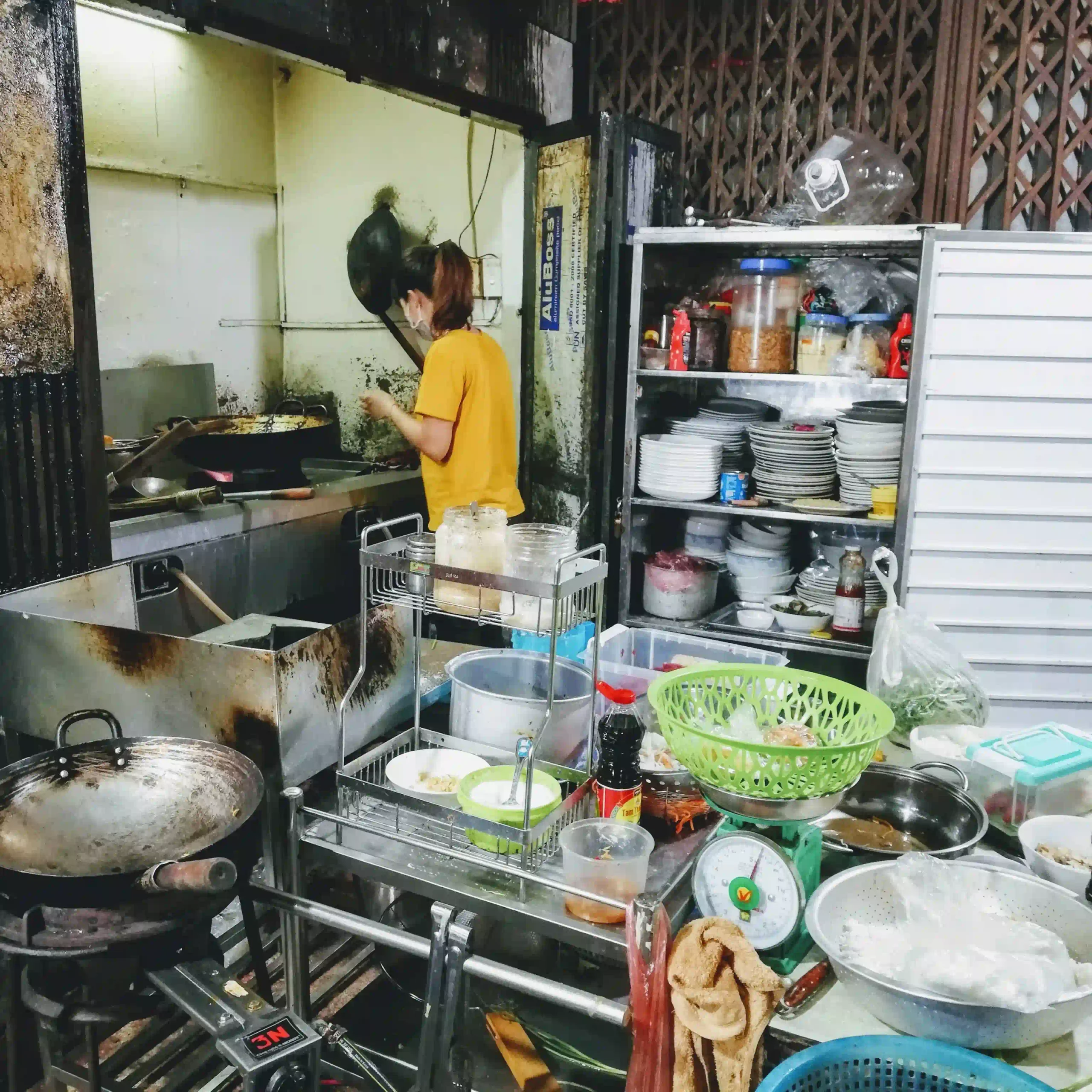
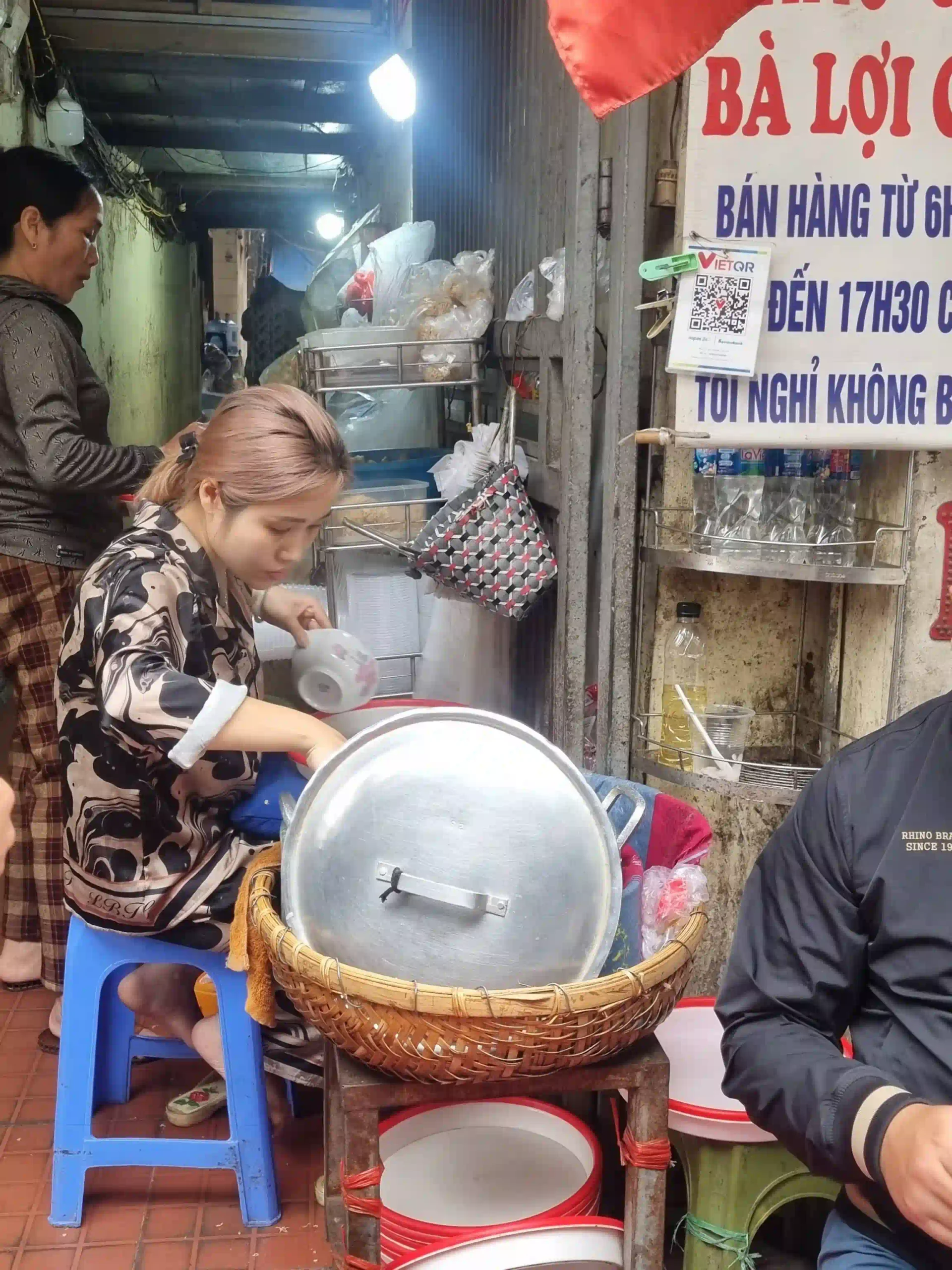
6:45 PM: You transition deep into the actual maze of the Old Quarter. The guide pulls you into an alley so narrow your shoulders almost touch the walls. You sit under a fluorescent lightbulb on plastic furniture. You try Bánh Cuốn. The vendor pours rice batter onto a hot cloth stretched over a steaming pot, instantly curing it into a sheet, then filling it with mushrooms and pork. It tastes slightly smoky and garlic-heavy.
7:30 PM: The heavy lifting starts. Now you are sweating a bit. The group walks toward the Cathedral area or a dark corner of Hang Bac. The guide points to an old woman sitting entirely enveloped in charcoal smoke. She has been fanning meat on a grill since 4 AM. This is Bún Chả. The group shares several bowls. By now, the guide has bought everyone cold local beer (Bia Hà Nội or Bia Hơi), and the anxiety is completely gone.
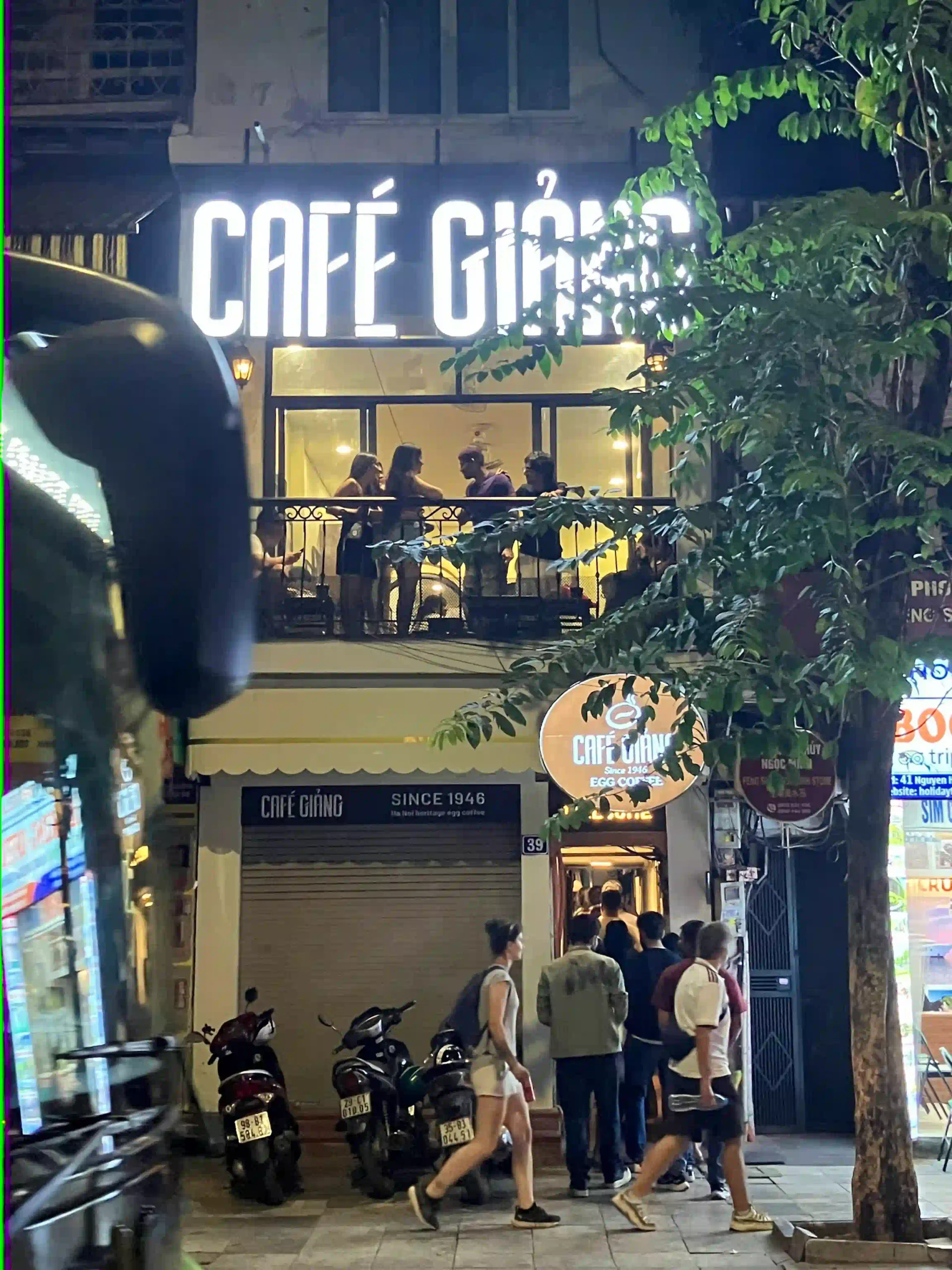
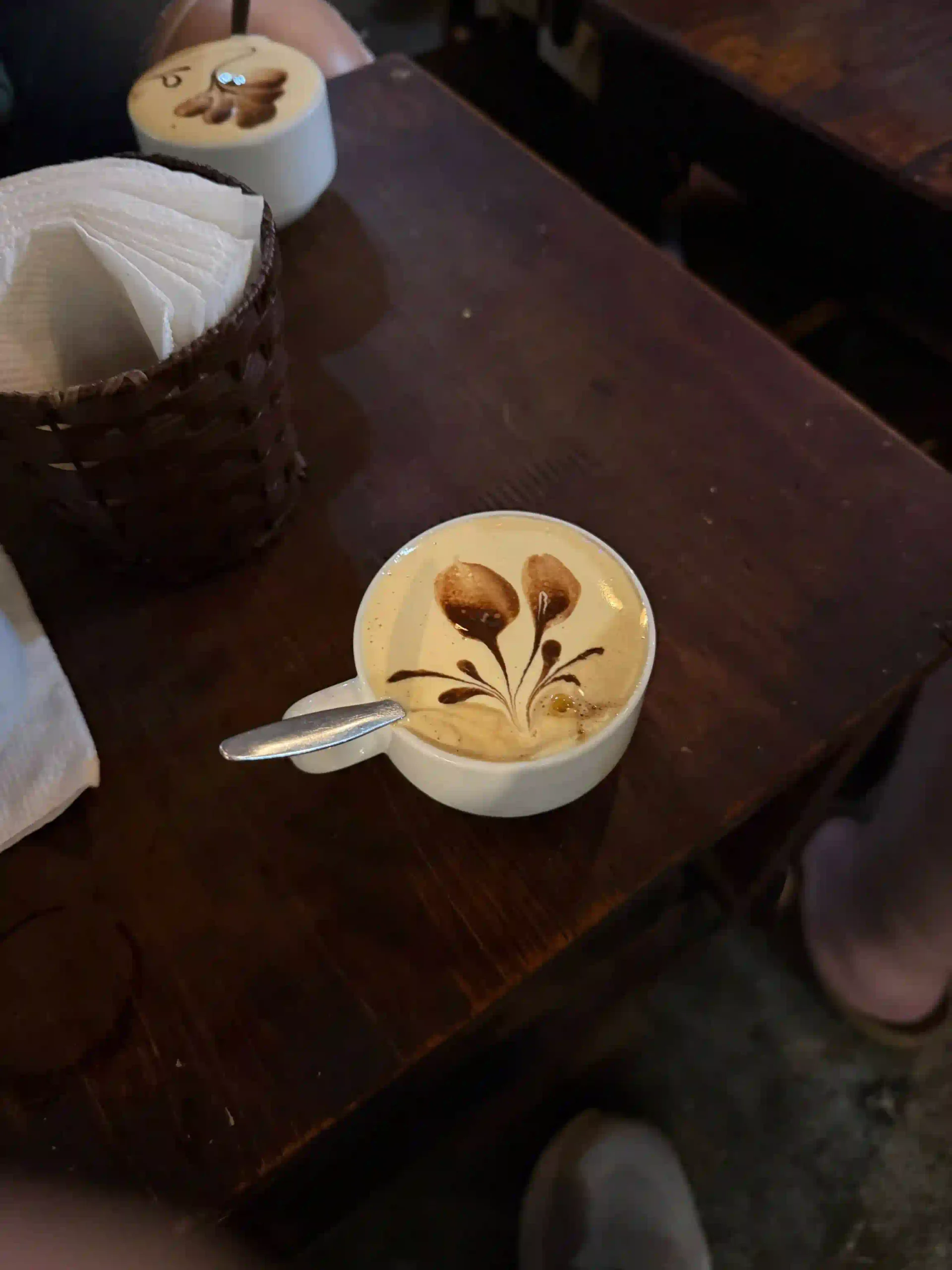
8:15 PM: You complain that you cannot eat another single noodle. The guide laughs, forces you to walk off the meat for twenty minutes, and leads you up a weird, dark staircase located literally inside a silk shop. You emerge on a second-floor balcony overlooking the traffic. You are handed Egg Coffee (Cà phê trứng). It tastes like melted tiramisu and liquid anxiety. You finish it, say goodbye to the Australians, and walk back to your hotel entirely confident that you know how the city works.
Read more: The top 5 Hanoi egg coffee shops I’d send my best friends to
The 4 Dishes you will never order alone (but the tour makes you eat)
One major reason people wonder is Hanoi street food worth it is because they look at Google Maps photos and only recognize bread and pho. When you book a guided session, they push you out of the western comfort zone forcefully.
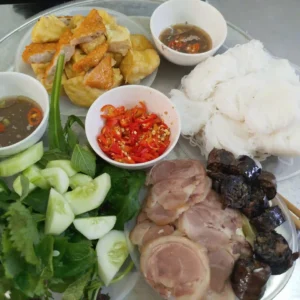
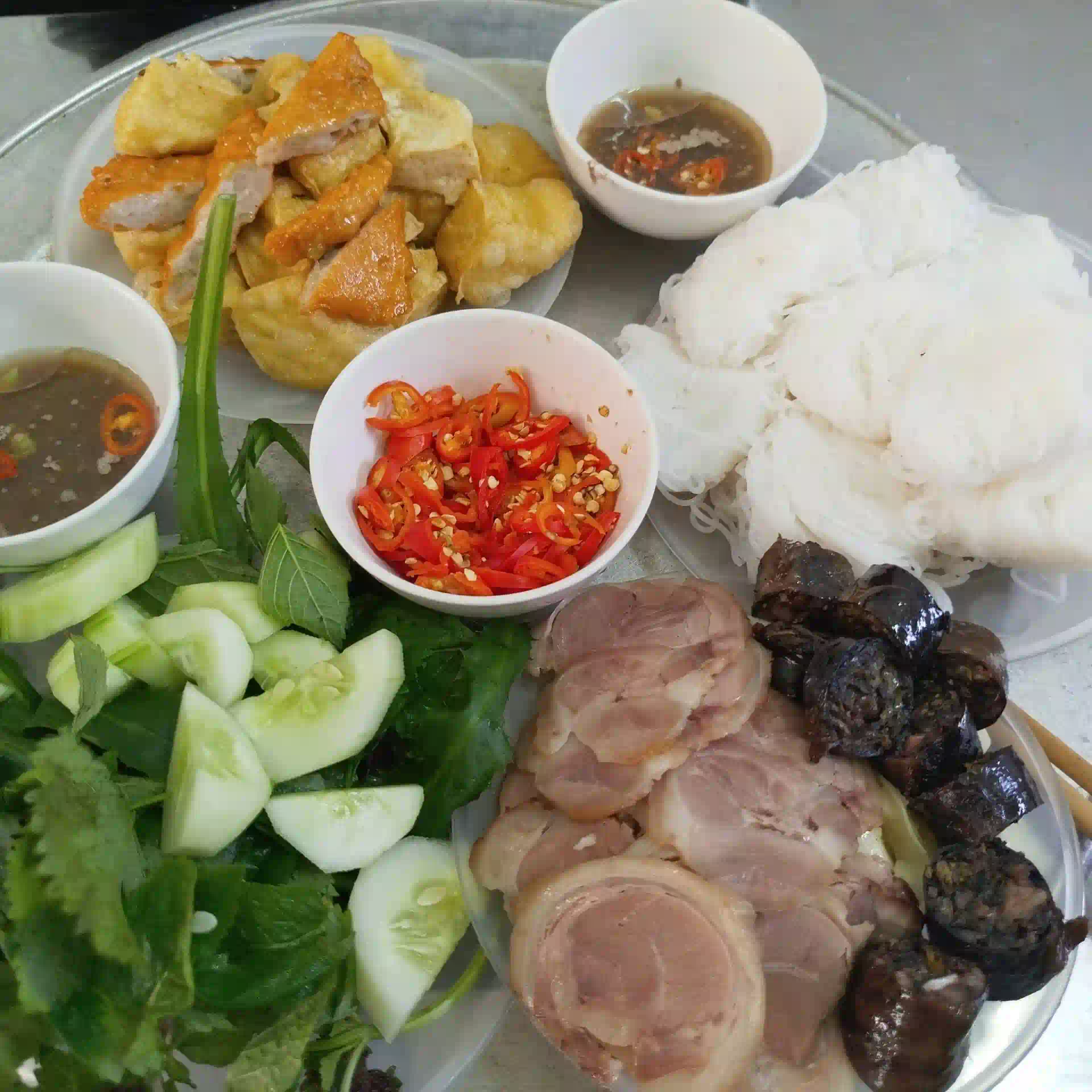
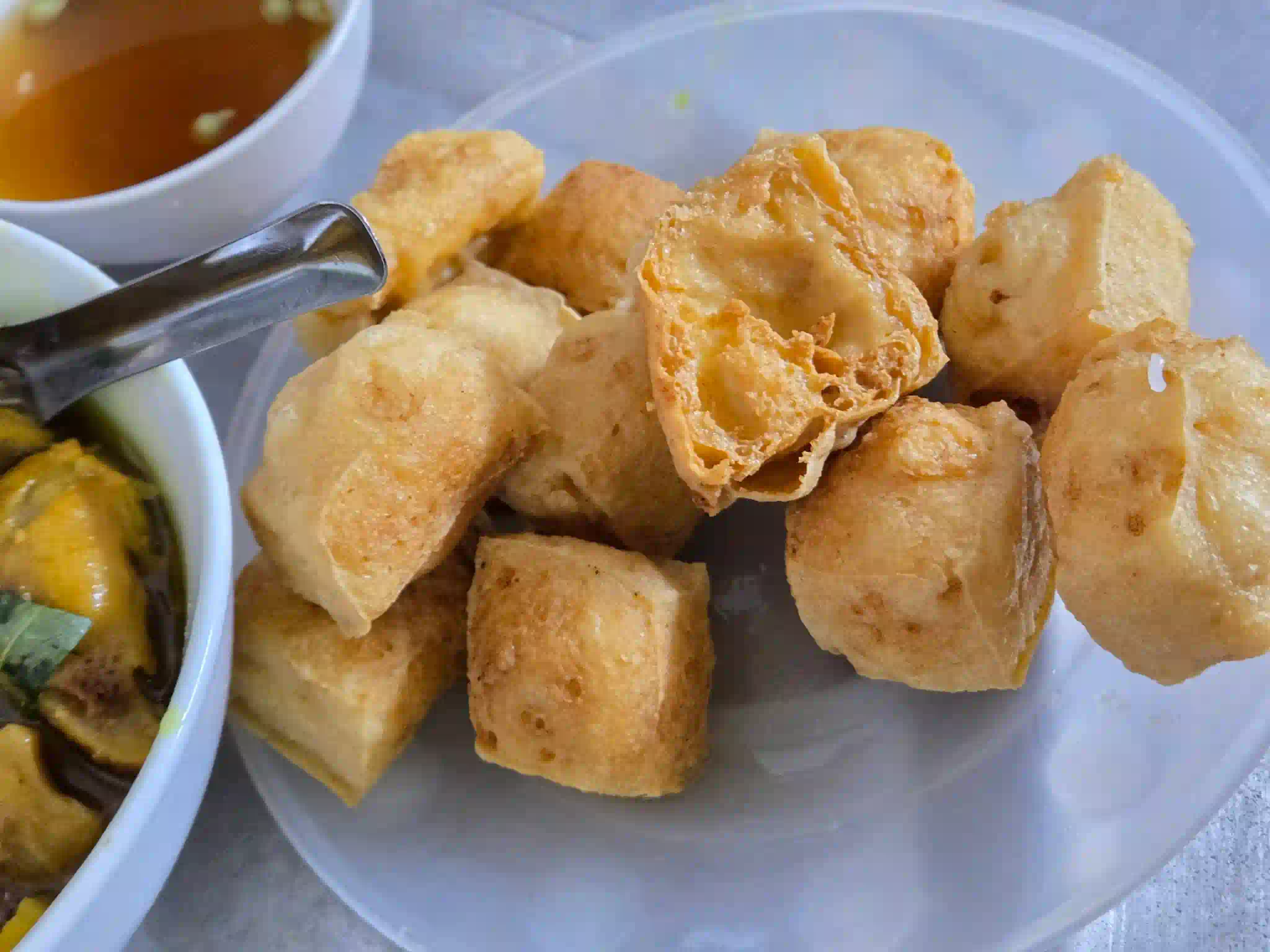
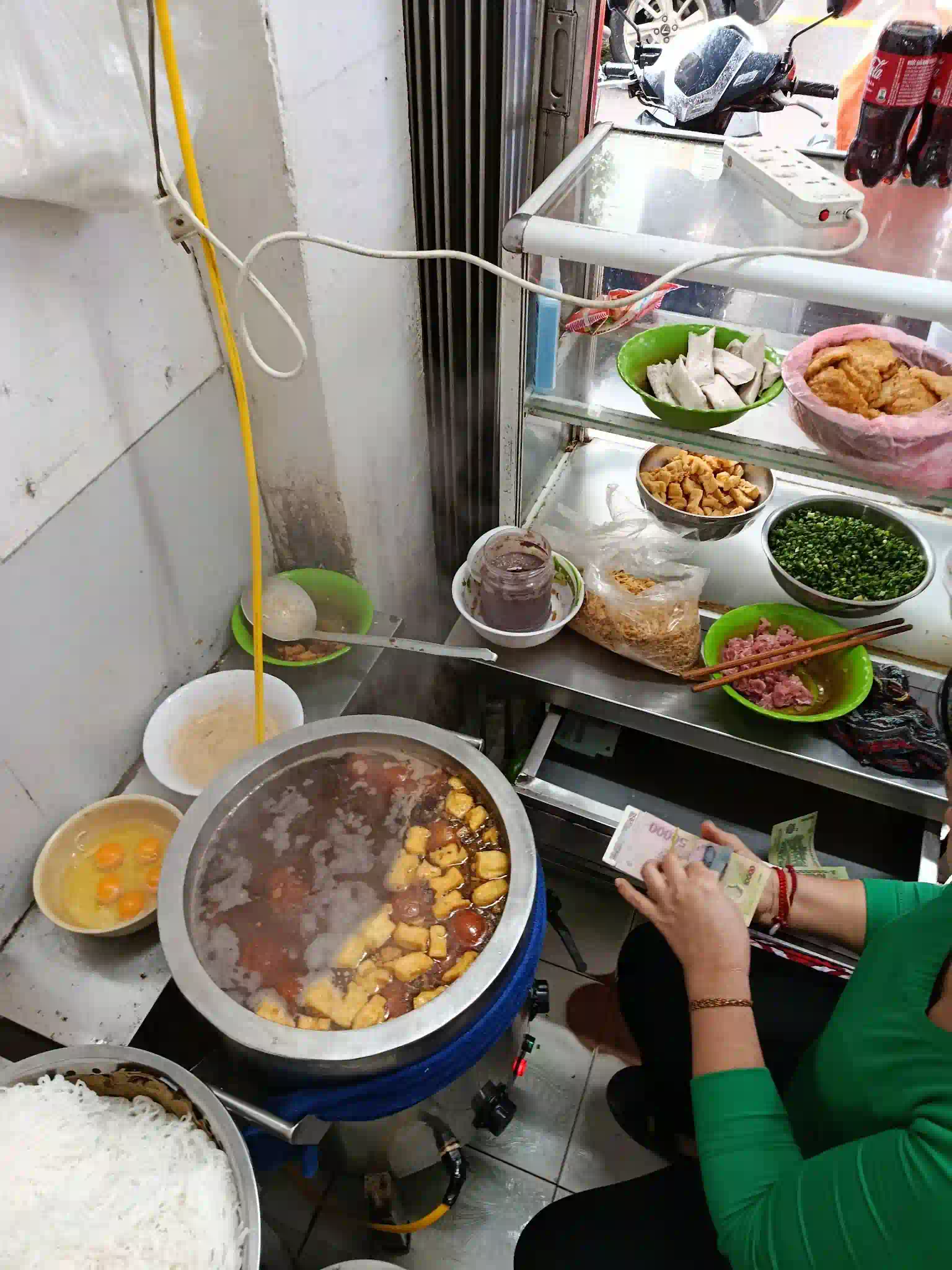
1. Bún Đậu Mắm Tôm (Tofu, Pork, and Fermented Shrimp Paste)
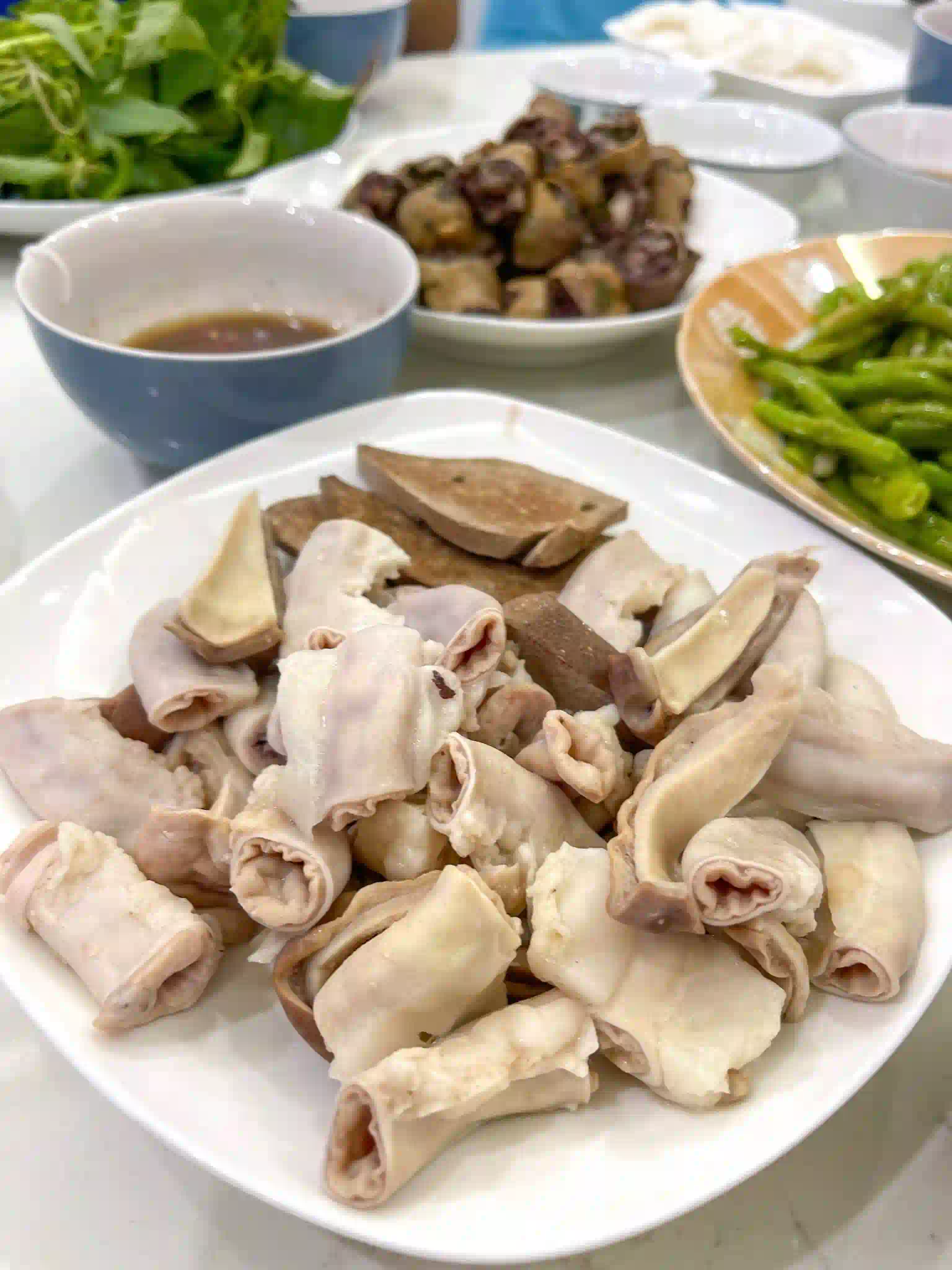
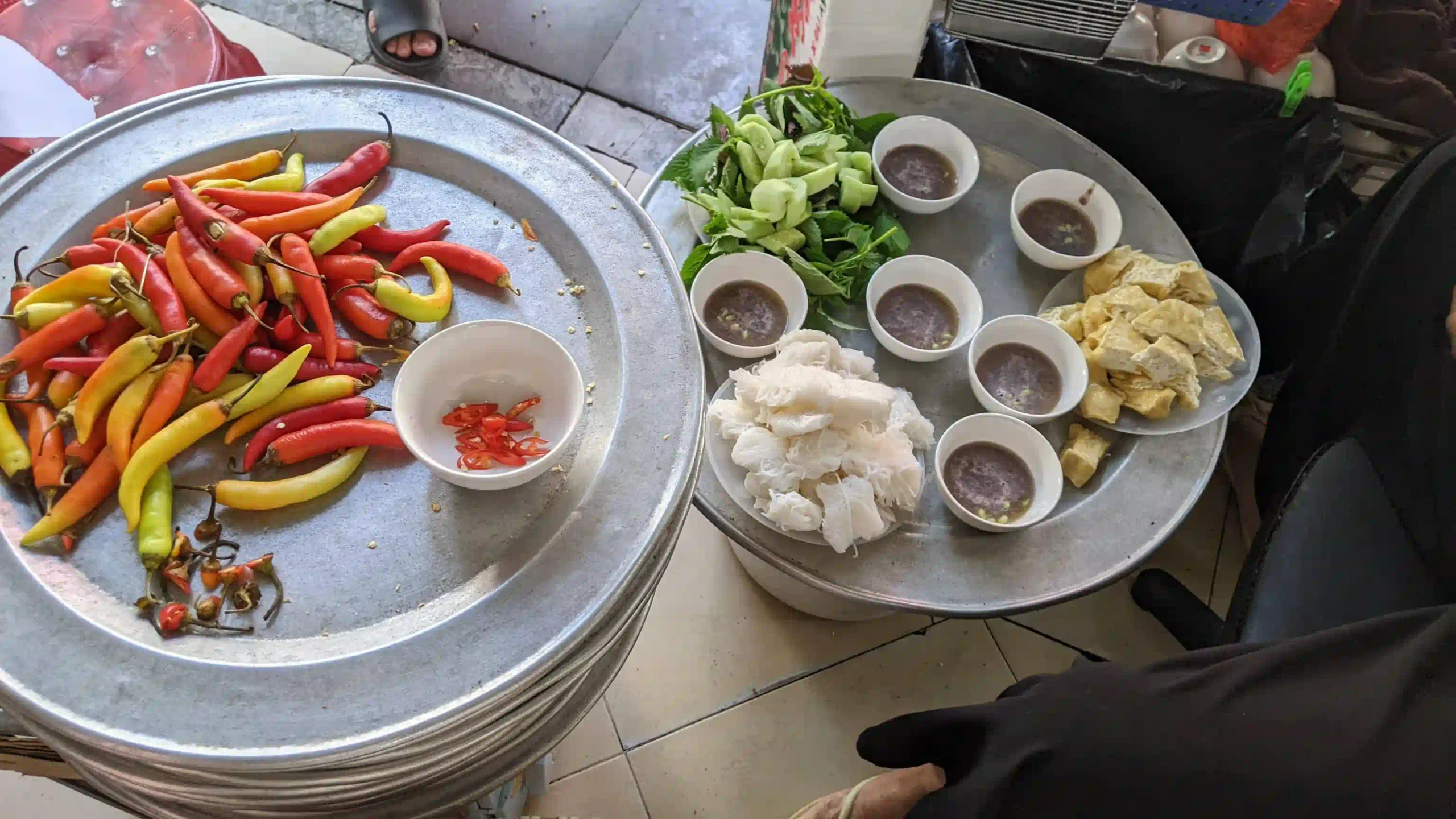
You will smell this from a block away. Mắm tôm is pungent. To an untrained western nose, it literally smells like a public bathroom at a beach. But locals are absolutely obsessed with it.
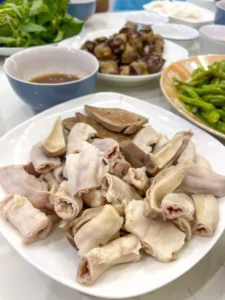
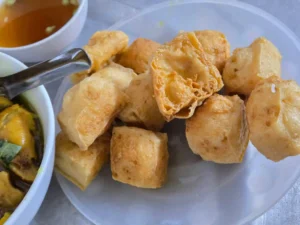
You take deep-fried blocks of tofu, slices of boiled pork belly, and cucumbers, and you dunk them heavily into this frothy, purple, aggressively salty shrimp liquid. If you walked past this alone, you would hold your breath.
When a guide forces you to squeeze a lime into the paste, stir it until it foams, and try a bite, you usually realize it tastes like pure, heavy umami. It is incredible.
2. Bún Ốc (Snail Noodle Soup)
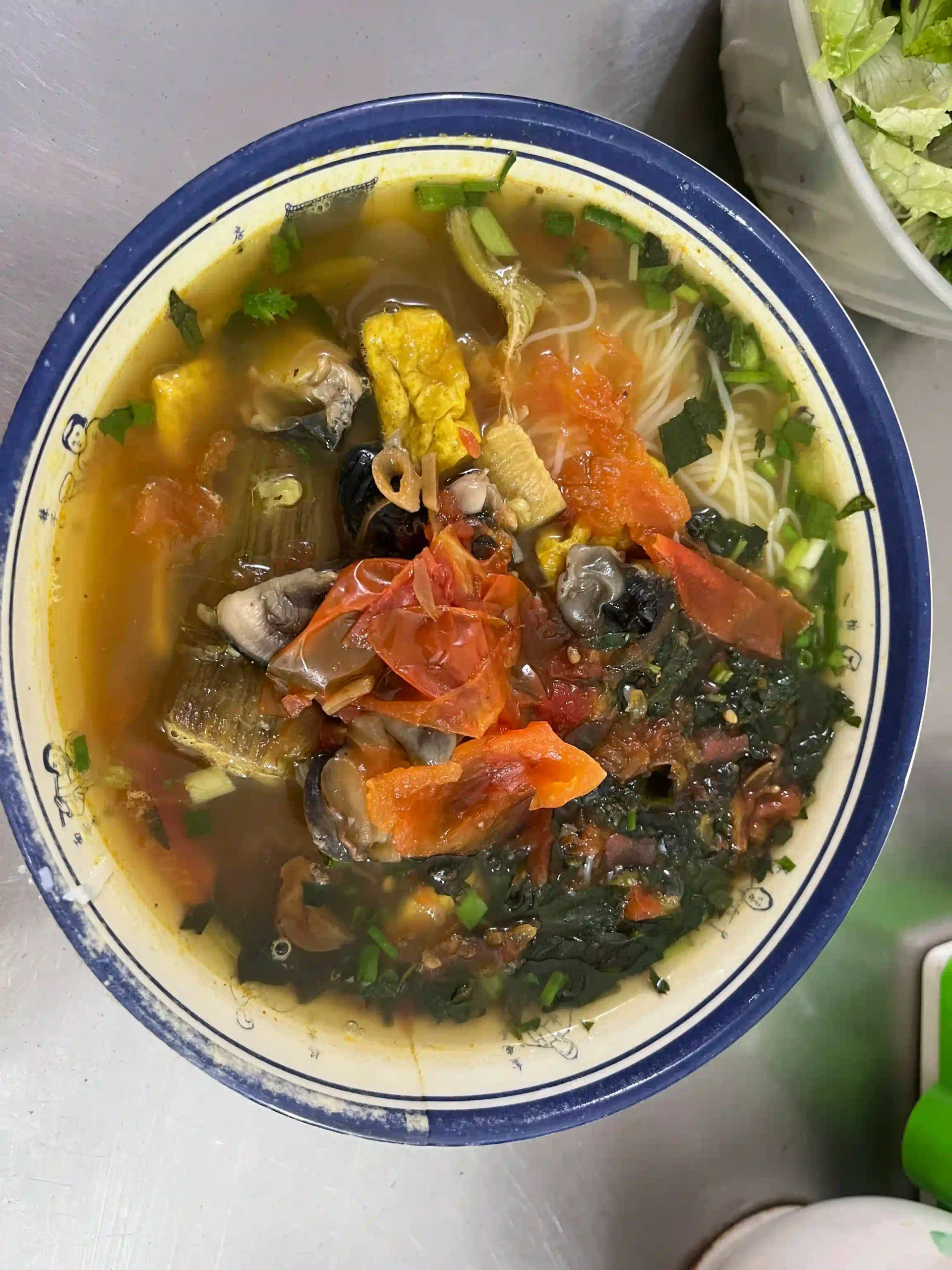
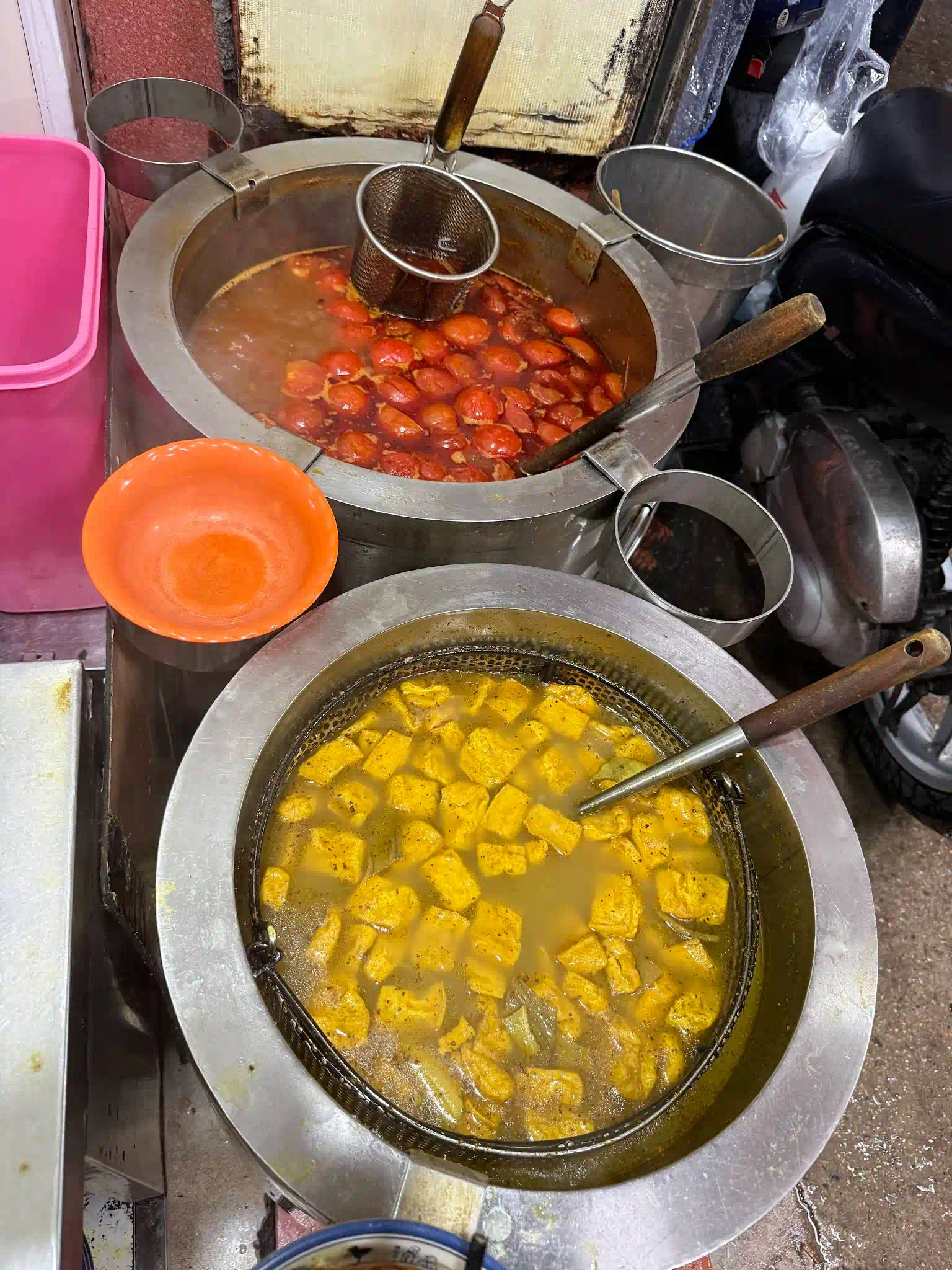
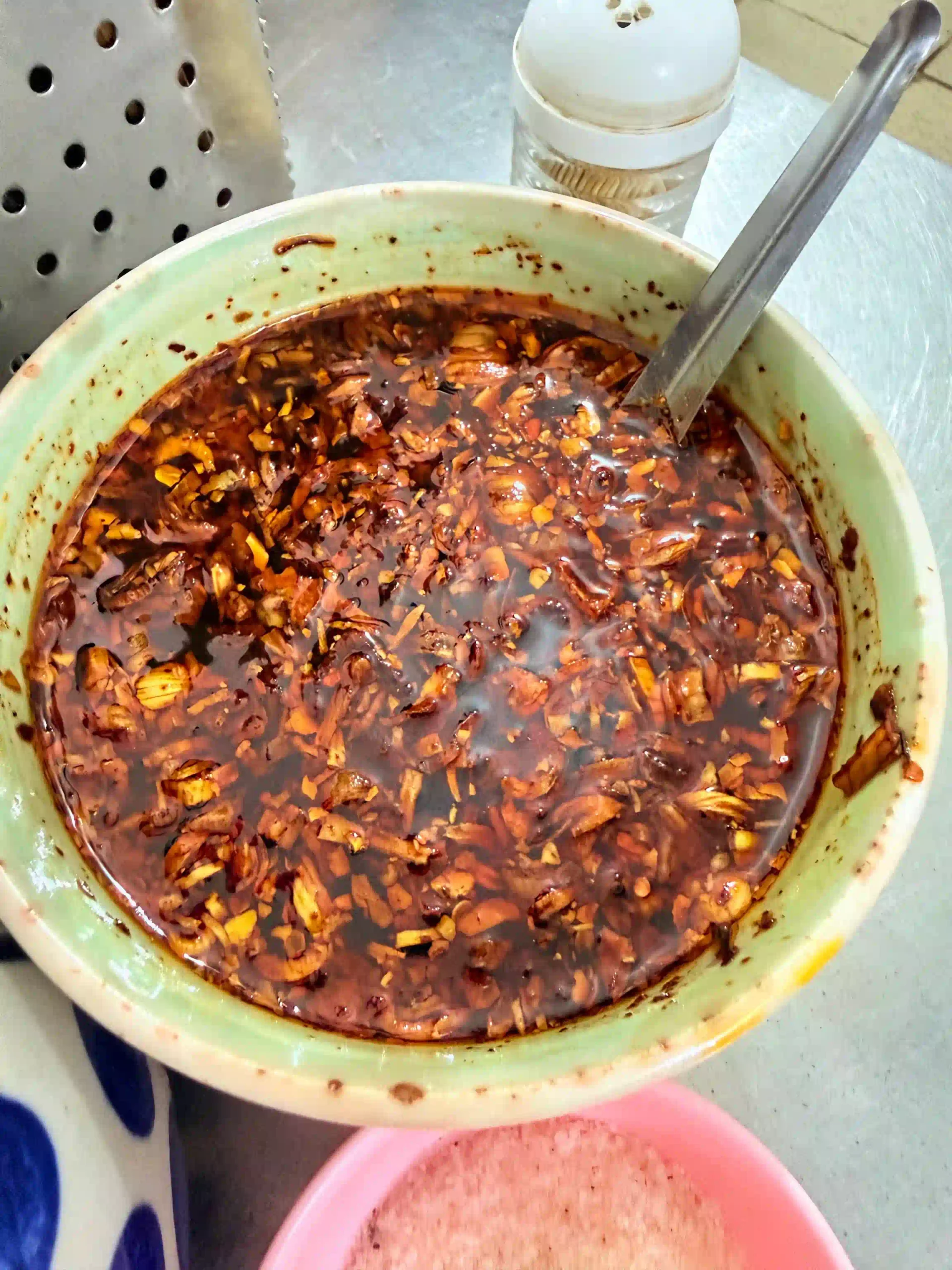
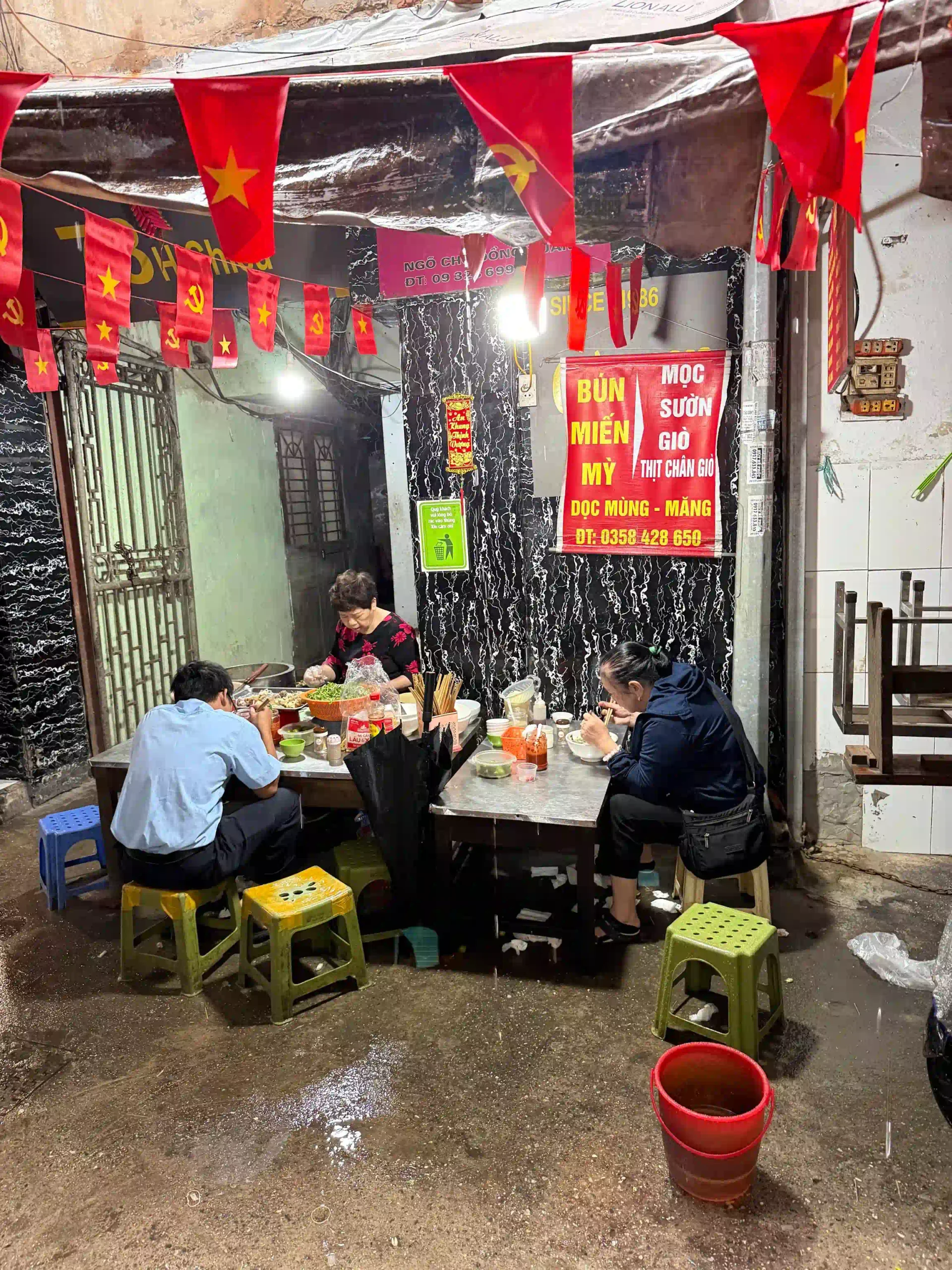
“Snail soup” immediately sounds like a French horror story to Americans. However, these are local rice paddy snails.
The soup broth is incredibly acidic, relying heavily on stewed tomatoes and rice wine vinegar. The snails are mostly just chewy delivery vehicles for the bright, tart soup.
If a guide wasn’t sitting next to you explaining that the chewy bits aren’t rubber, you’d never order a bowl of land-mollusks off a dirty sign.
3. Phở Cuốn (Uncut Pho Rolls)
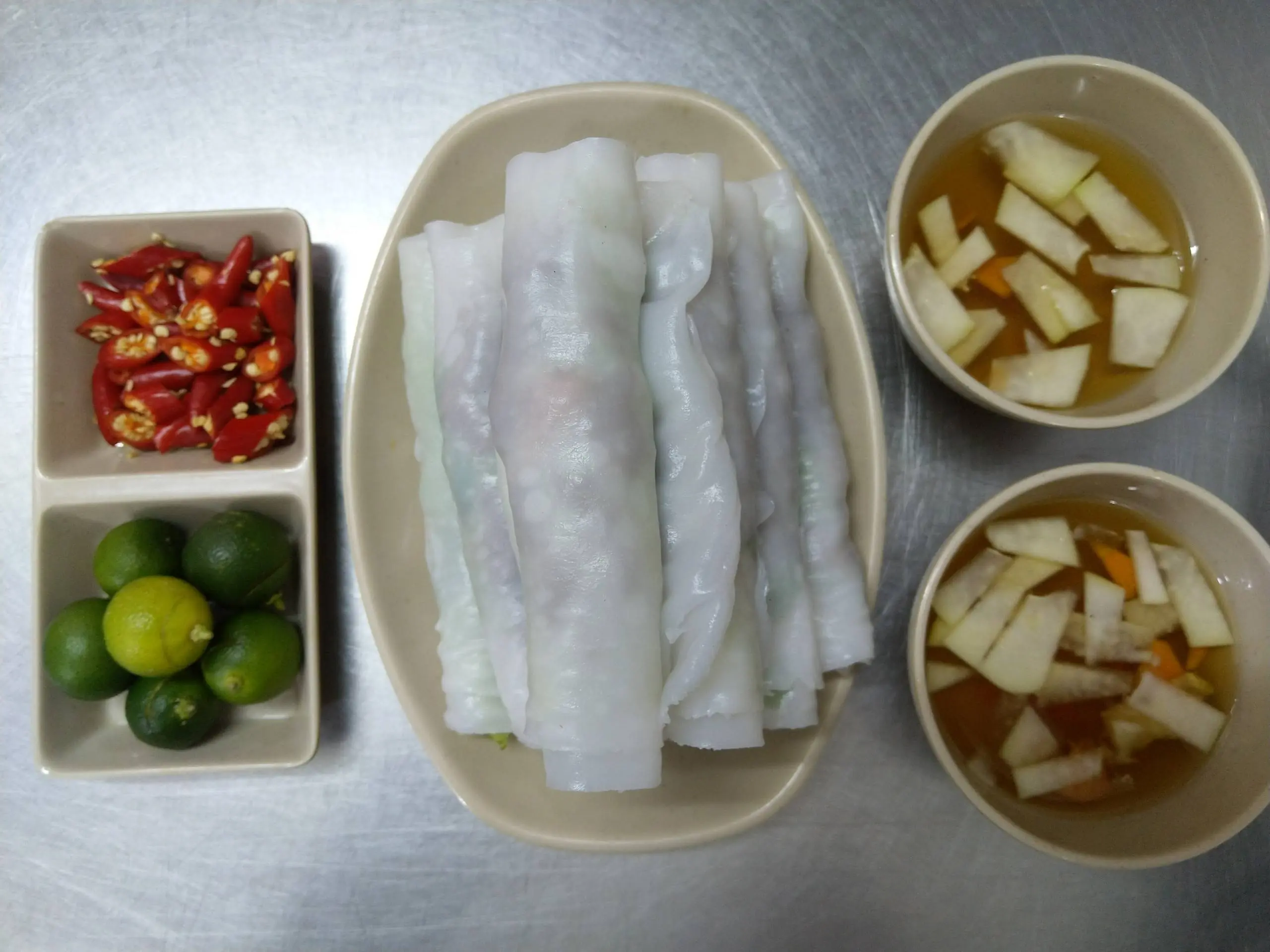
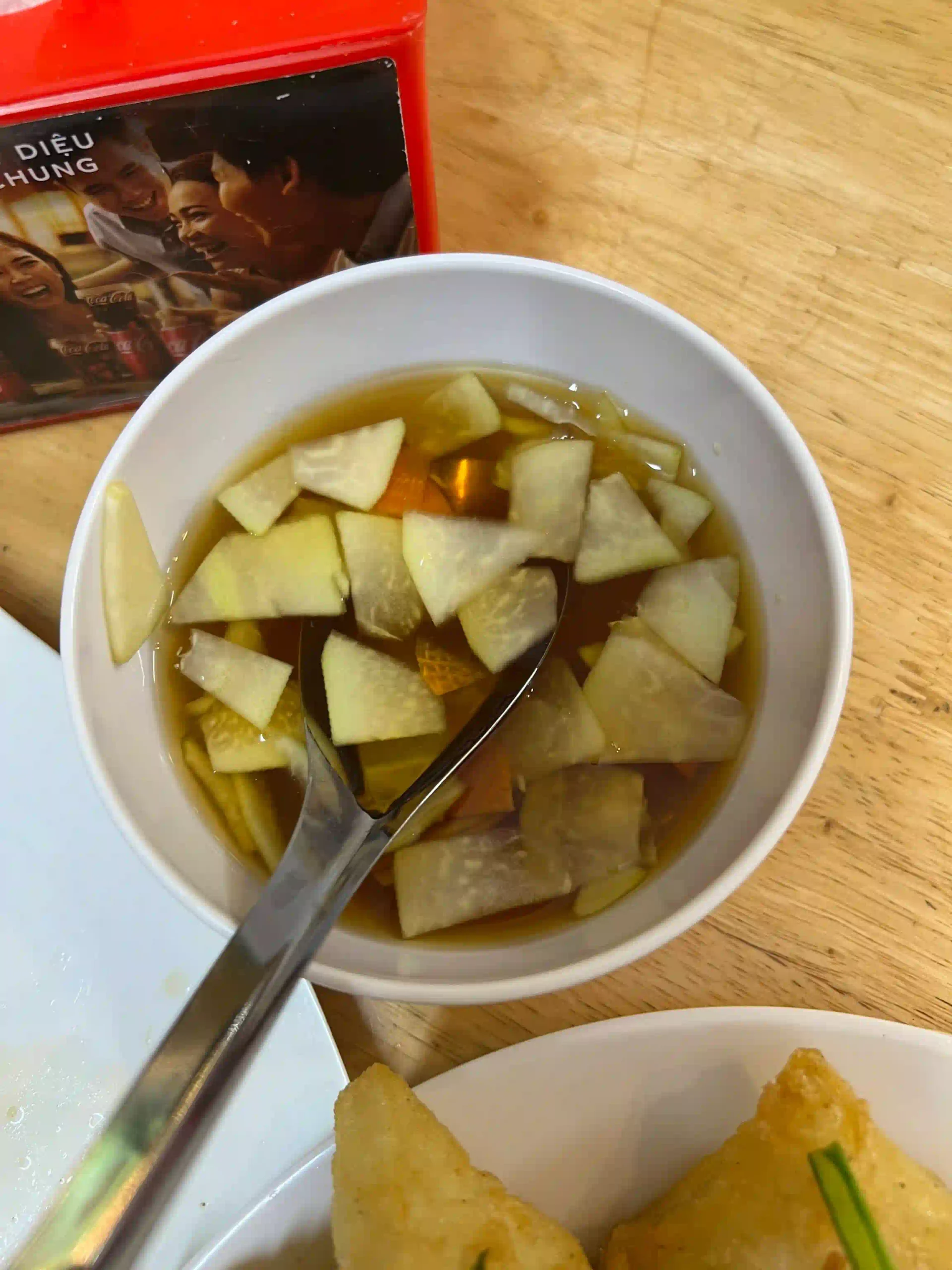
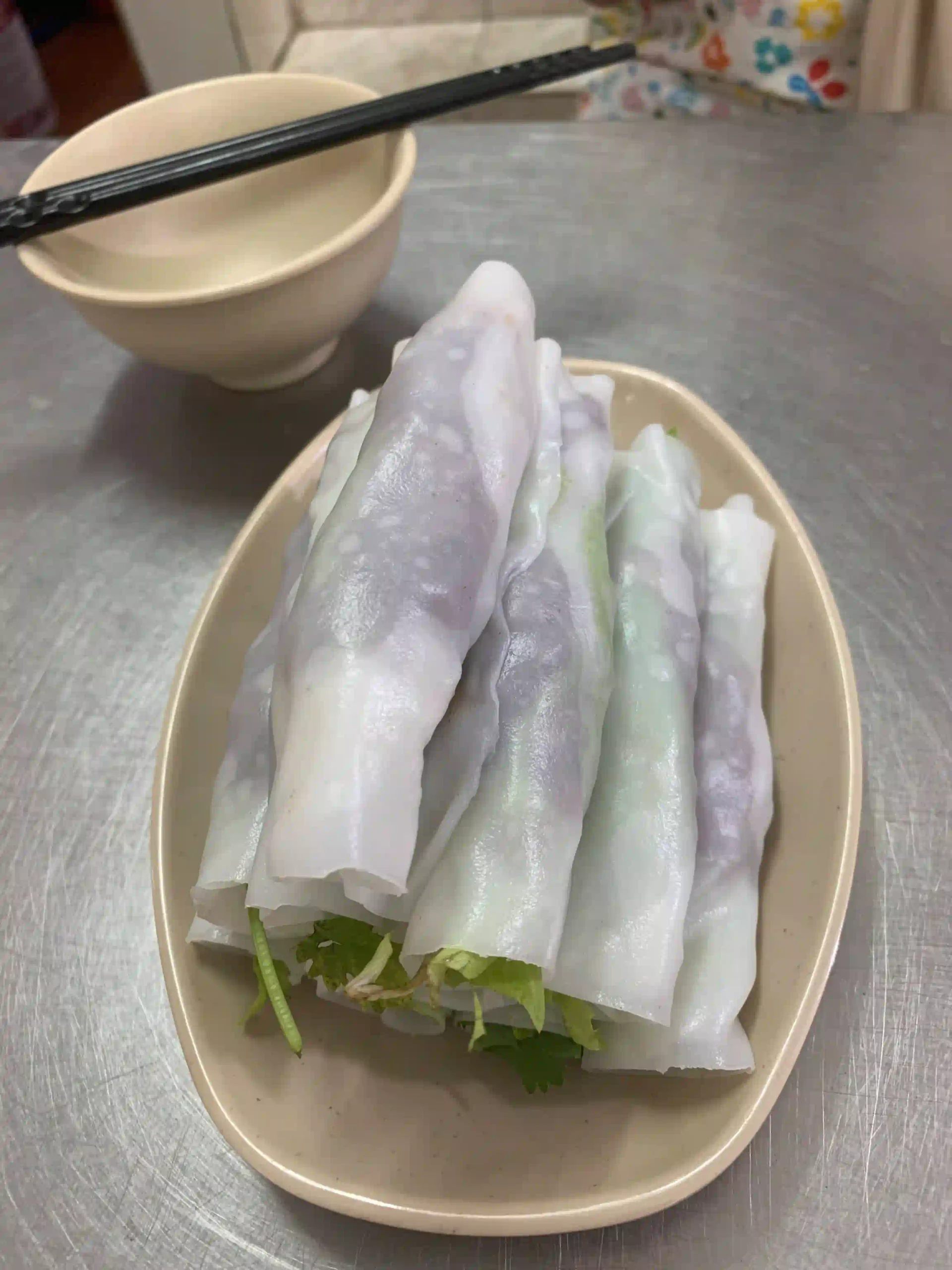
You know what regular pho soup is. But over in the Truc Bach neighborhood, they take the flat, wide sheets of rice noodle before they get sliced, throw seasoned stir-fried beef and lettuce in the middle, and roll it up like a burrito.
You dip it in cold fish sauce. It is totally refreshing, you don’t burn your face eating it in a hot alley, and zero international travel blogs talk about it.
4. Trà Đá (Bitter Iced Tea)
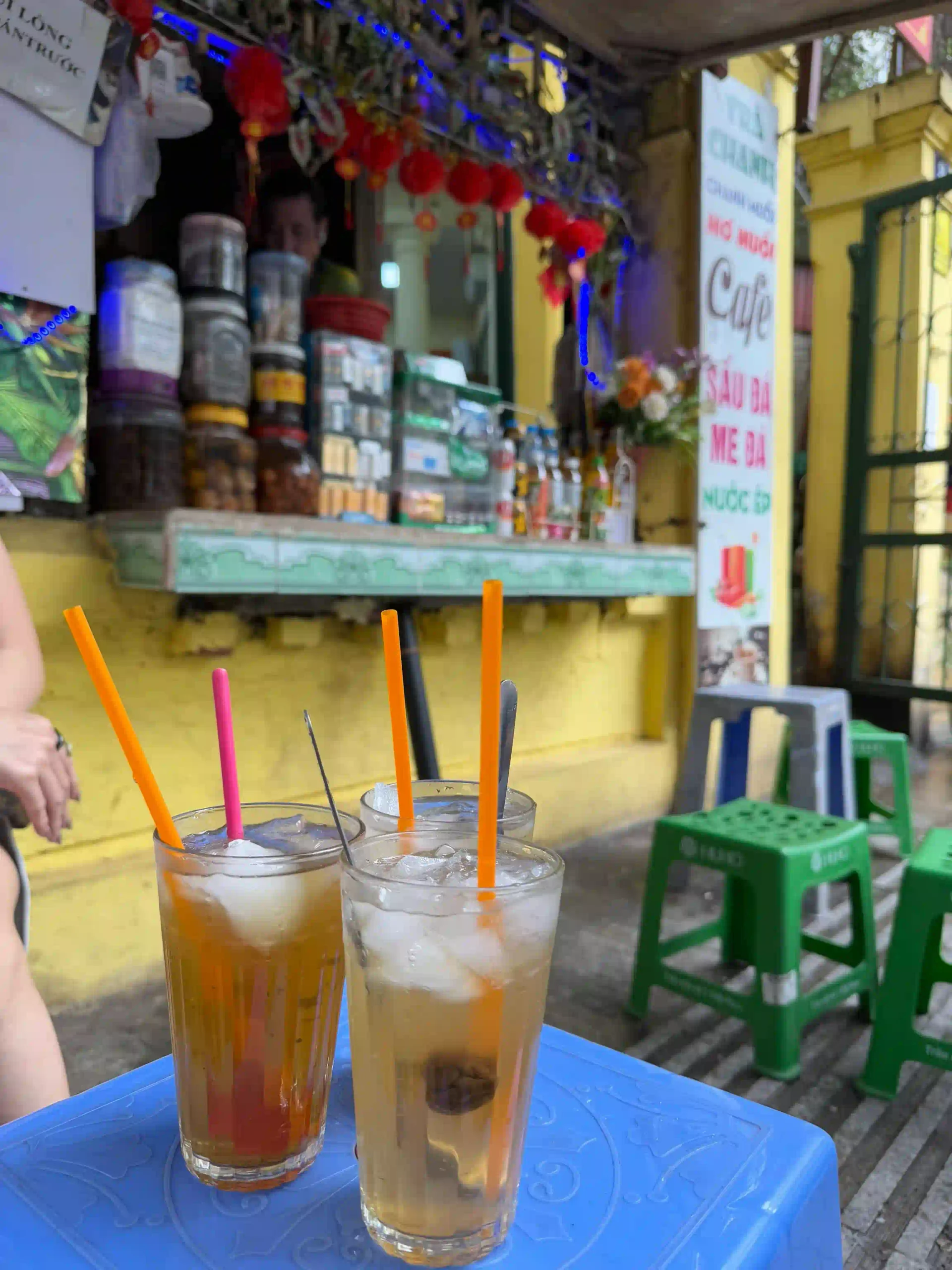
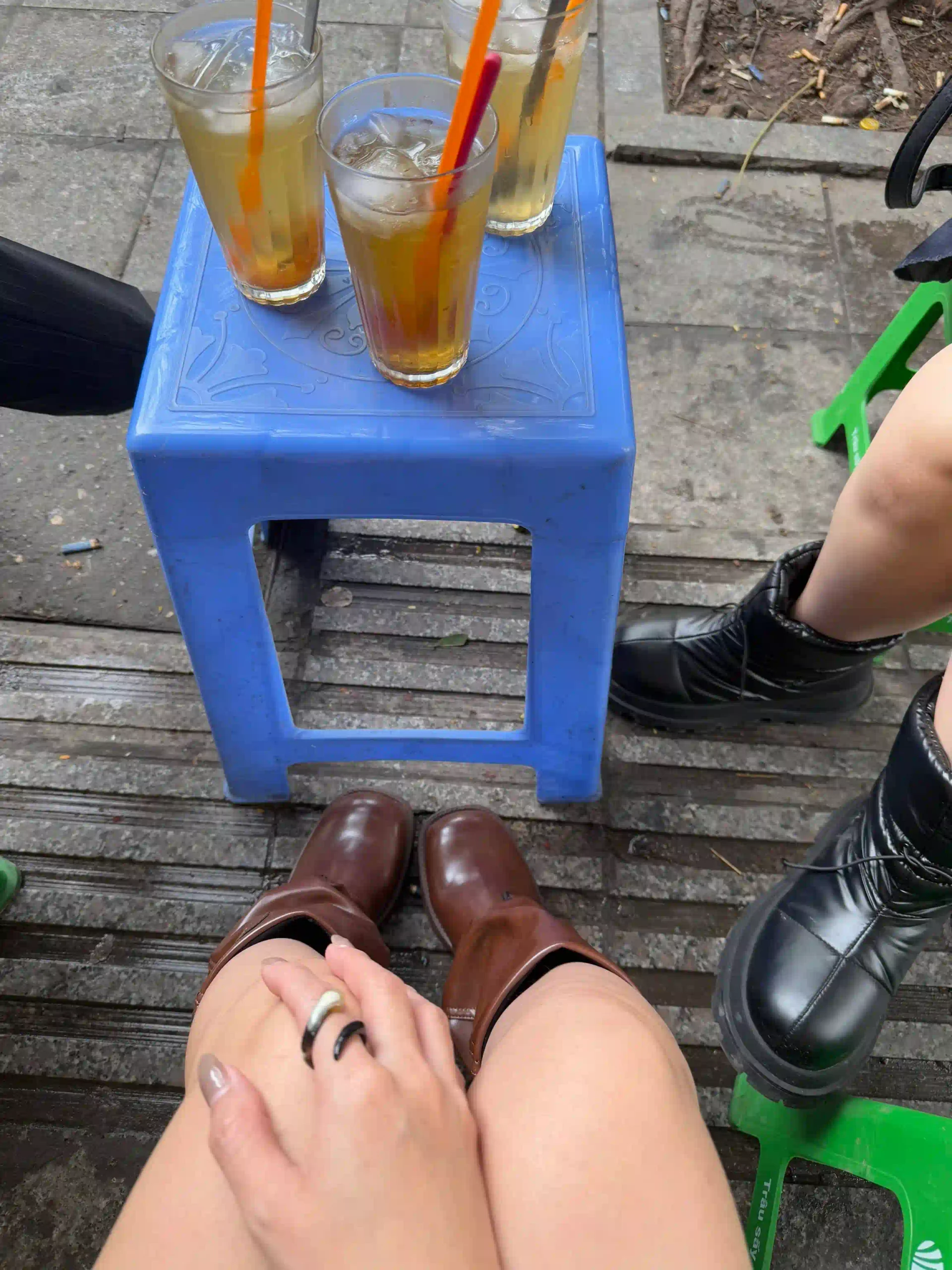
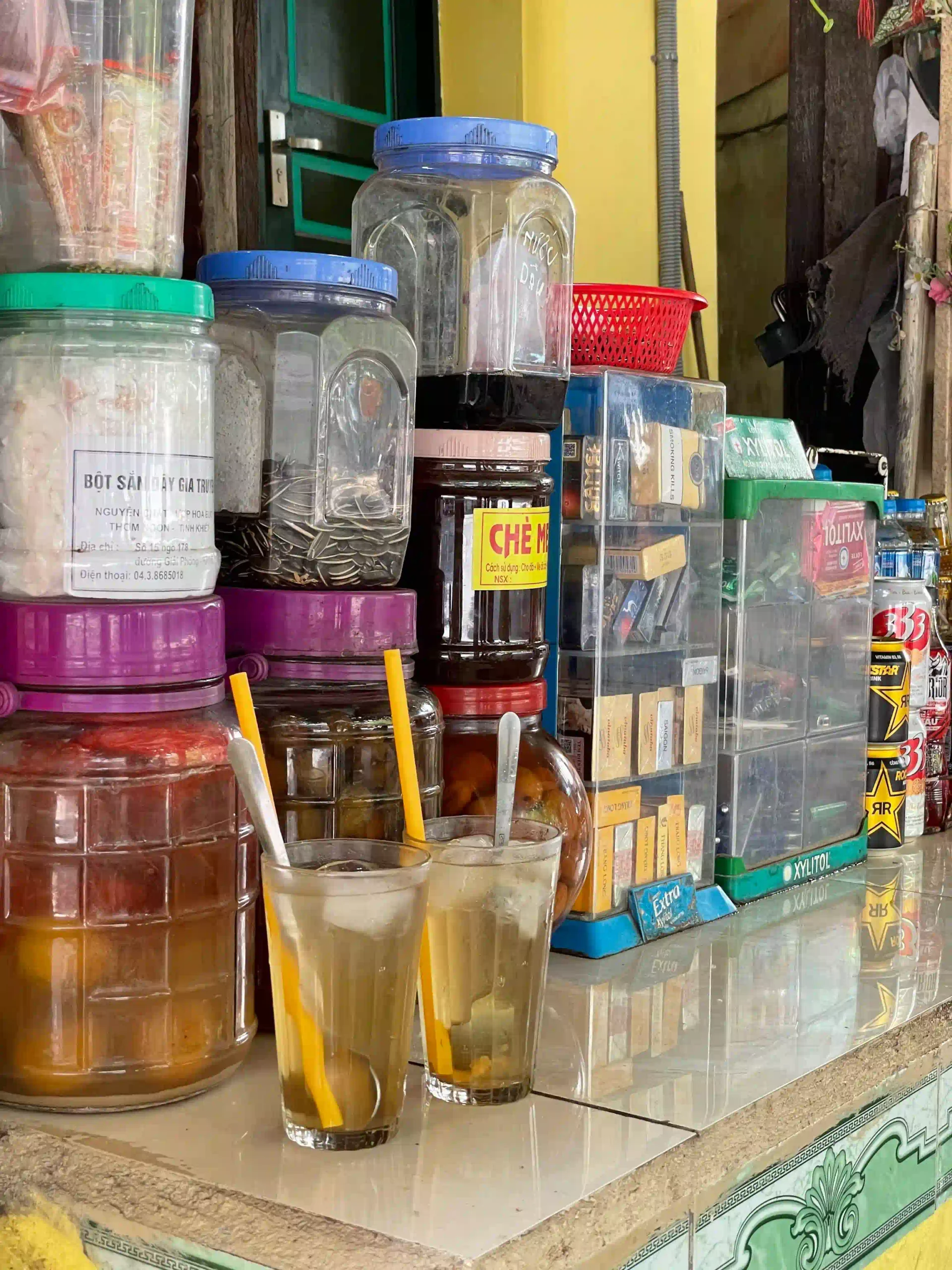
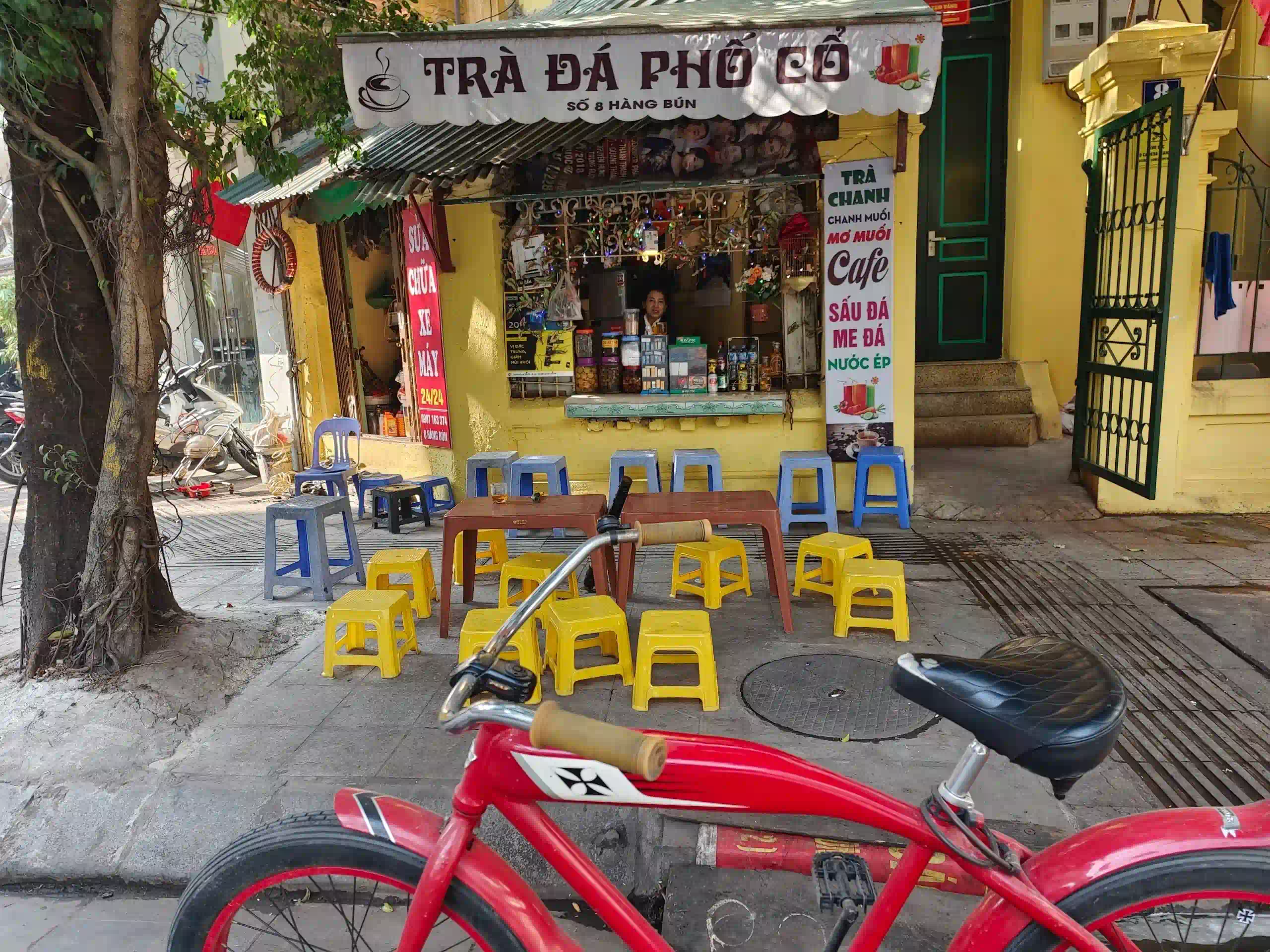
It isn’t a food, but you will drink it at every stop. Vendors give you a murky, yellow glass of ice and very cheap, extremely bitter green tea. It cleans the grease off your tongue between dishes. It usually costs about 15 cents.
Tourists are terrified of the ice. The guides explain that basically all commercial ice in Hanoi is machine-made at a central factory using filtered water because nobody has room for huge ice makers in their carts. It is safe.
Read more: Ranking the 10 best street food in Hanoi locals actually eat daily
The “Hanoi Belly” Fear: Is the hygiene really that bad?
We need to talk about your stomach. The number one reason expats get asked to play tour guide is because tourists think we know the “clean” spots.
If you walk out of your hotel right now and watch a local lady clean her bowls, you will panic.
She takes a ceramic bowl used by a stranger, dunks it into a red plastic bucket of soapy water, dunks it into a blue plastic bucket of clear water, wipes it with a cloth, and serves your food in it. You will assume you are going to die of dysentery.
So, how do locals not get sick?
The heat kills everything.
The hygiene practices surrounding Hanoi street food operate entirely on temperature logic, not chemical sanitization logic.
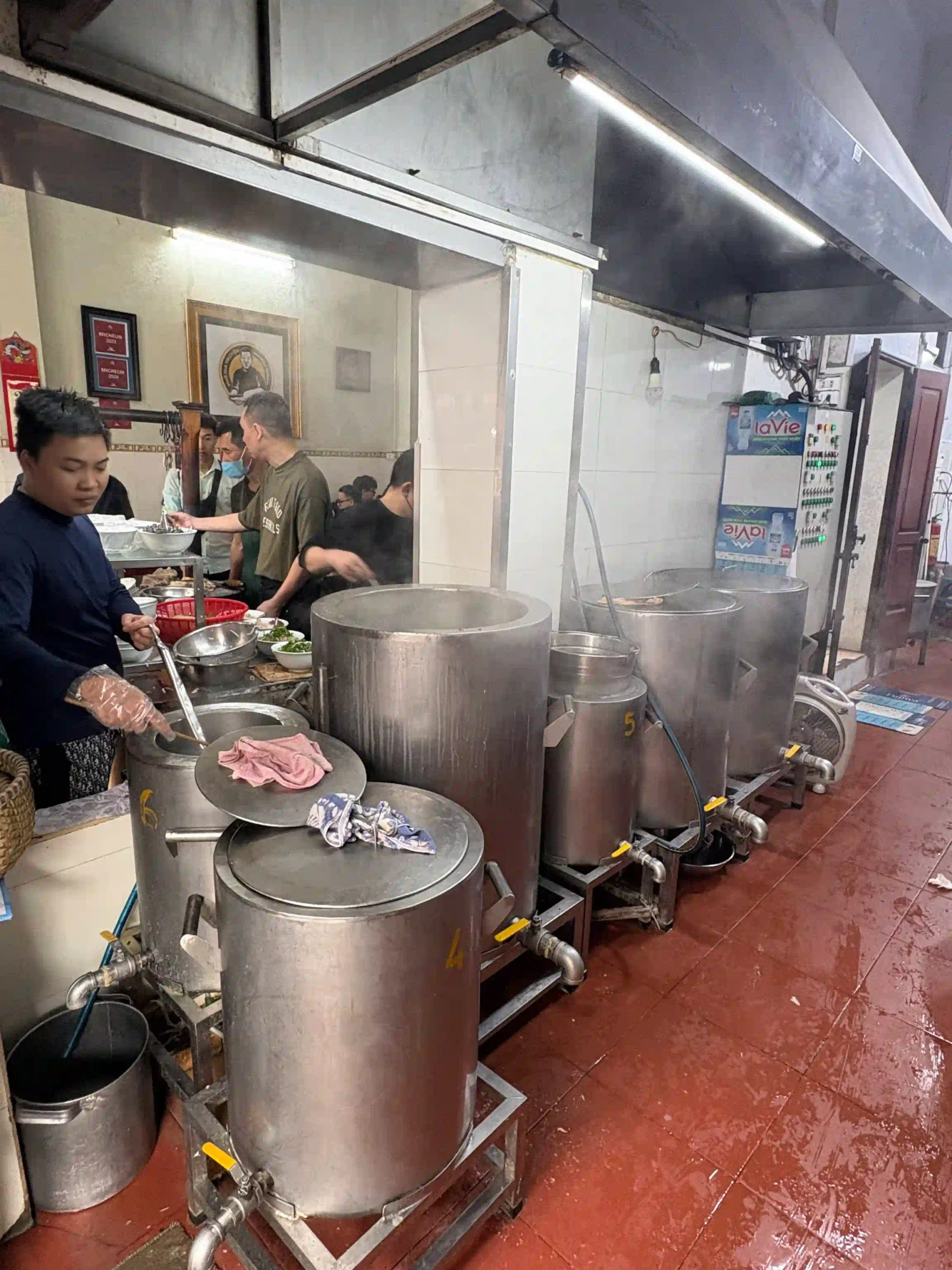
That vat of beef bone broth sitting on the pavement? It is resting on glowing coals. It is boiling at well over 200 degrees Fahrenheit.
The cook literally grabs the bowl that was just wiped, drops your raw meat into it, and then blasts the bowl with two massive ladles of aggressively boiling liquid. Every trace amount of bacteria on that bowl, or on the meat, is instantly annihilated.
This is the central paradox of eating in this city: The seemingly dirty street corners serving hot soups are statistically significantly safer for your stomach than sitting in a beautifully air-conditioned Western-style cafe and ordering a Caesar Salad.
I can confirm this from 10 years of brutal personal experience. Every single time I have gotten severely, violently ill from food here, it has been from eating raw vegetables or cold buffet food inside a “nice” enclosed restaurant aimed at foreigners. The kitchens in those spots don’t have the same high turnover rate, meaning ingredients sit around.
When you sit at a tiny plastic table outside, the turnover is insane. A successful Pho cart buys 30 kilos of beef at 4:00 AM directly from the wholesale butcher. By 9:30 AM, they are entirely sold out, they pack up their tiny chairs, and they go home. Nothing sits in a broken refrigerator overnight. Nothing is reheated in a microwave.
A professional $25 street guide already knows exactly which cart passes the eye test for basic meat freshness and which ones actually change their washing bucket water frequently enough to trust.
If you fly completely blind on your own, you might accidentally sit at a totally empty cart whose chicken has been sweating in 90-degree humidity since dawn.

Who actually should NOT book the $25 walking tour?
I heavily advocate for the tour to almost everyone. But there are a few exceptions where spending the money on an Old Quarter walk will actually make you miserable.
Skip it if you are a strict vegan
I know modern tourism wants to cater to everyone, and you will absolutely see “Vegan Hanoi Street Food Tours” advertised. Take them with a massive grain of salt.
Traditional northern street cuisine is basically held together by hidden pork fat and fish sauce. Even if a cart sells you purely stir-fried vegetables (Rau muống), the cook almost certainly threw a spoon of rendered pig fat into the wok to make it shiny.
A tour guide has limited ability to verify vegan purity when they don’t control the cooking environment. If cross-contamination causes you moral distress or allergic panic, completely bypass street carts and head directly to highly-rated, modern vegetarian spots like Uu Dam Chay or Jalus Vegan Kitchen instead.
Read more: 5 Best instagrammable Vegan Restaurants in Hanoi
Skip it if you hate chaos and humidity
This sounds silly, but a street food tour is physically taxing. You will spend 3.5 hours on your feet, mostly walking in the street because the sidewalks don’t exist, brushing shoulders with damp strangers, breathing exhaust fumes, and sitting directly over boiling vats of meat water.
If you already had a massive, sweaty day visiting the main museums, doing a chaotic street walk might mentally break you.
If you got destroyed by the heat, check our 1-day itinerary for the best air-conditioned historical sites in Hanoi instead.
Night 1 vs Night 3: The final transition
Ultimately, to answer “is Hanoi street food worth it?”, you have to commit to doing it properly at least once.
Think of a guided food walk as the ultimate tutorial level for the city. Book the exact GetYourGuide ticket before you board your flight. Put it on your schedule for your very first evening, directly after you shower the plane grime off yourself.
Use the guide ruthlessly. Ask them how much a Banh Mi should actually cost (they will tell you roughly 25k to 40k max, so you never get tricked into paying 80k). Watch how they flag down a vendor. Watch how they refuse a shoeshine guy without being aggressive.
You pay your 25 bucks, you eat until your ribs hurt, and you tip the kid nicely.
By Night 3, your experience entirely flips. You won’t look at TripAdvisor anymore. You will wander down a random alley near your hotel, you will see blue smoke drifting over a dirty wall, you will point at an empty red chair, drop yourself onto it, hold up two fingers, and wait for your bowl of noodles without any fear whatsoever.
You’ll stop feeling like an outside observer watching the city, and you will just blend right into the dinner traffic. That level of independence is impossible if you hide in your hotel out of fear. Buy the tour, rip the band-aid off early, and go eat exactly the way the city demands it.

Keep Exploring Hanoi
-
See & do UltimateReal things to do in Hanoi for travelers who hate big crowds ›
-
Food Must readRanking the 10 best street food in Hanoi locals actually eat daily ›
-
FoodWhy a Hanoi cooking class beats taking a normal food tour ! ›
-
FoodWhat to do in Hanoi if you want to eat everything? ›
-
Food5 Best instagrammable Vegan Restaurants in Hanoi ›











 Tiếng Việt
 한국어
한국어 中文 (中国)
 日本語
日本語 ไทย
ไทย Deutsch
 Español
 Destinations
 Instagram
 Facebook
 X (Twitter)
 Threads
 Tiktok