









 Ha Giang
 Hanoi
Hanoi Ho Chi Minh City
 Ha Long
 Sapa
Sapa Mekong Delta
 Da Nang
 Hue
Hue Hoi An
 Ninh Binh
 Da Lat
 Nha Trang
 Phan Thiet
 Phu Quoc
 Quang Binh
 Quy Nhon
 Vung Tau
 Thai Nguyen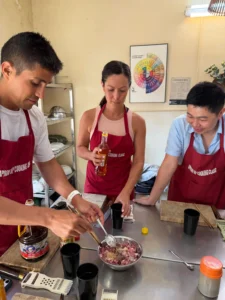
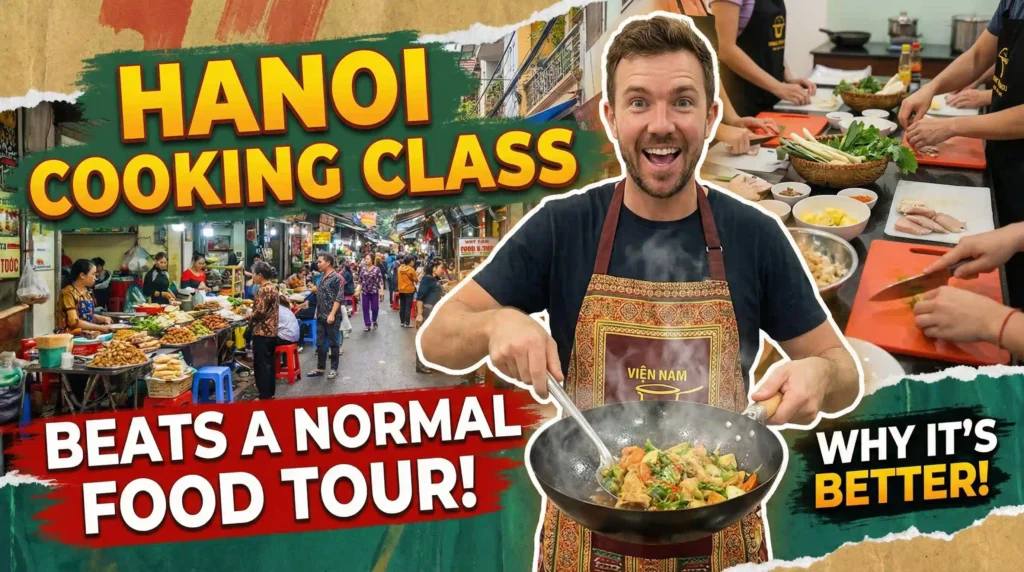

If you are browsing a list of the top 5 alternative things to do in Hanoi right now, you eventually hit a crossroad where you must decide exactly how you want to eat.
You are debating whether to pay a 20-something local to walk you through dark alleys to eat pre-made bowls of noodles, or if you should drop twice the cash to stand over a heavy wooden cutting board and aggressively chop lemongrass for three hours.
If you just want to consume cheap calories with zero effort, sit on a plastic chair. If you are deeply exhausted from walking and prefer entirely passive tourism, literally just search for a Hanoi hop on hop off bus review, buy the $6 double-decker panoramic pass, and stare at the traffic from the roof without moving a muscle.
But if you want to understand the extreme cultural differences in how this country builds flavor, nothing compares to the hands-on kitchen process.
The debate of a hanoi cooking class vs street food tour always tilts heavily toward the kitchen simply because learning how to burn ginger over an open flame permanently upgrades the way you understand a menu for the rest of your vacation.
- Quick Answer: Because food tours make you a passive consumer; a cooking class actually forces you to understand local ingredients. For about $35 to $45, operations like Rose Kitchen or Apron Up take you into gritty local wet markets, show you how to properly negotiate, and teach you how to extract a massive amount of flavor from charcoal-grilled pork and basic herbs. You leave with an actual skill.
- Hanoi cooking class vs street food tour:
- A street food tour ($25) essentially acts as a translator and a safety net so you don’t eat bad meat.
- A cooking class ($45) is hard work. You actually learn how to scorch ginger on an open flame and manually balance extreme fish sauces, earning a permanent skill you can take home.
- The Required Wet Market Run:
- Avoid any class that simply hands you perfectly pre-cut vegetables inside a sterile hotel room.
- A legitimate class physically forces you into an aggressive neighborhood market. You will dodge mopeds in narrow alleys and smell raw spices right off the butcher’s table.
- Top 2026 Expat-Approved Operations:
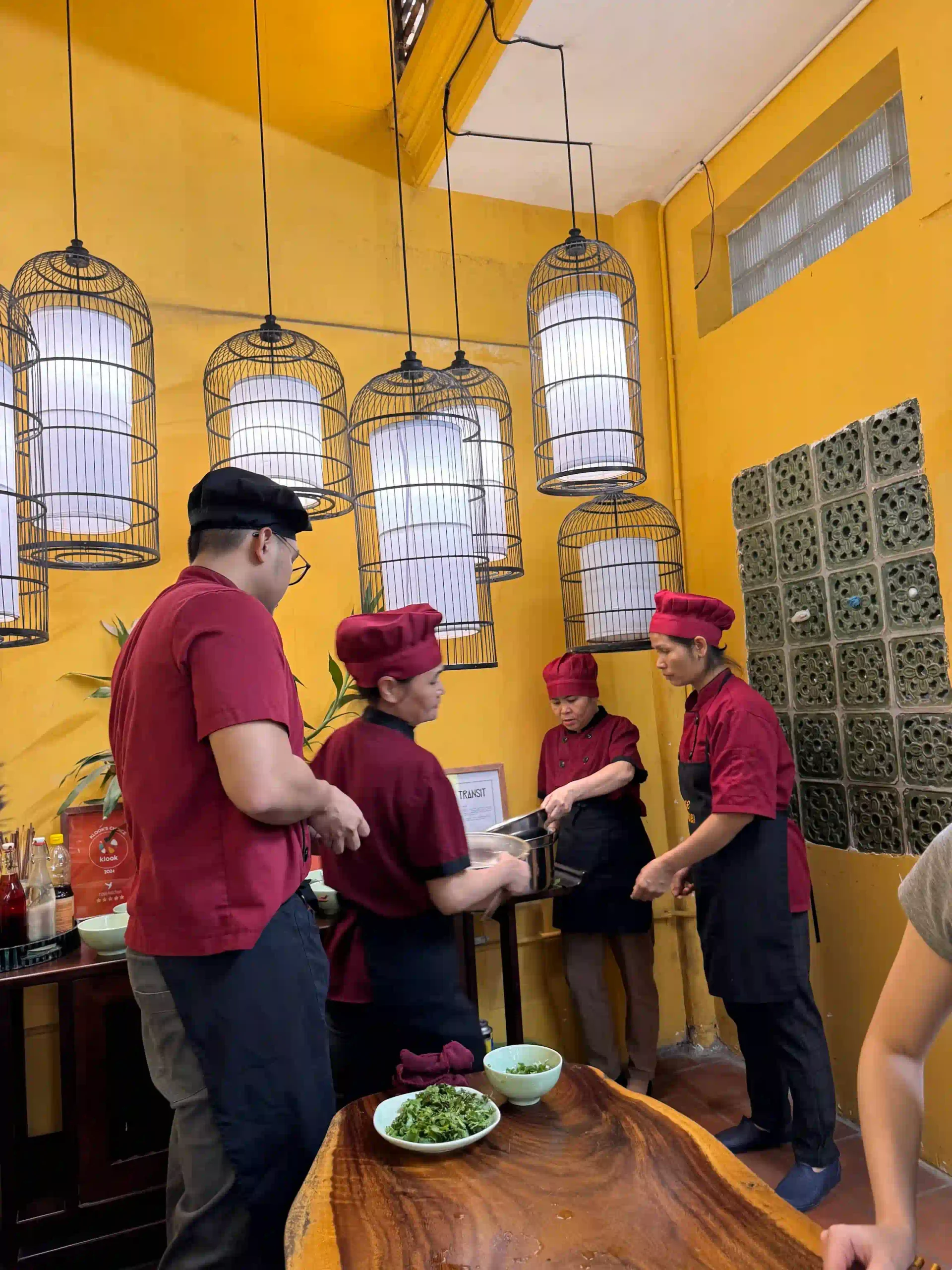
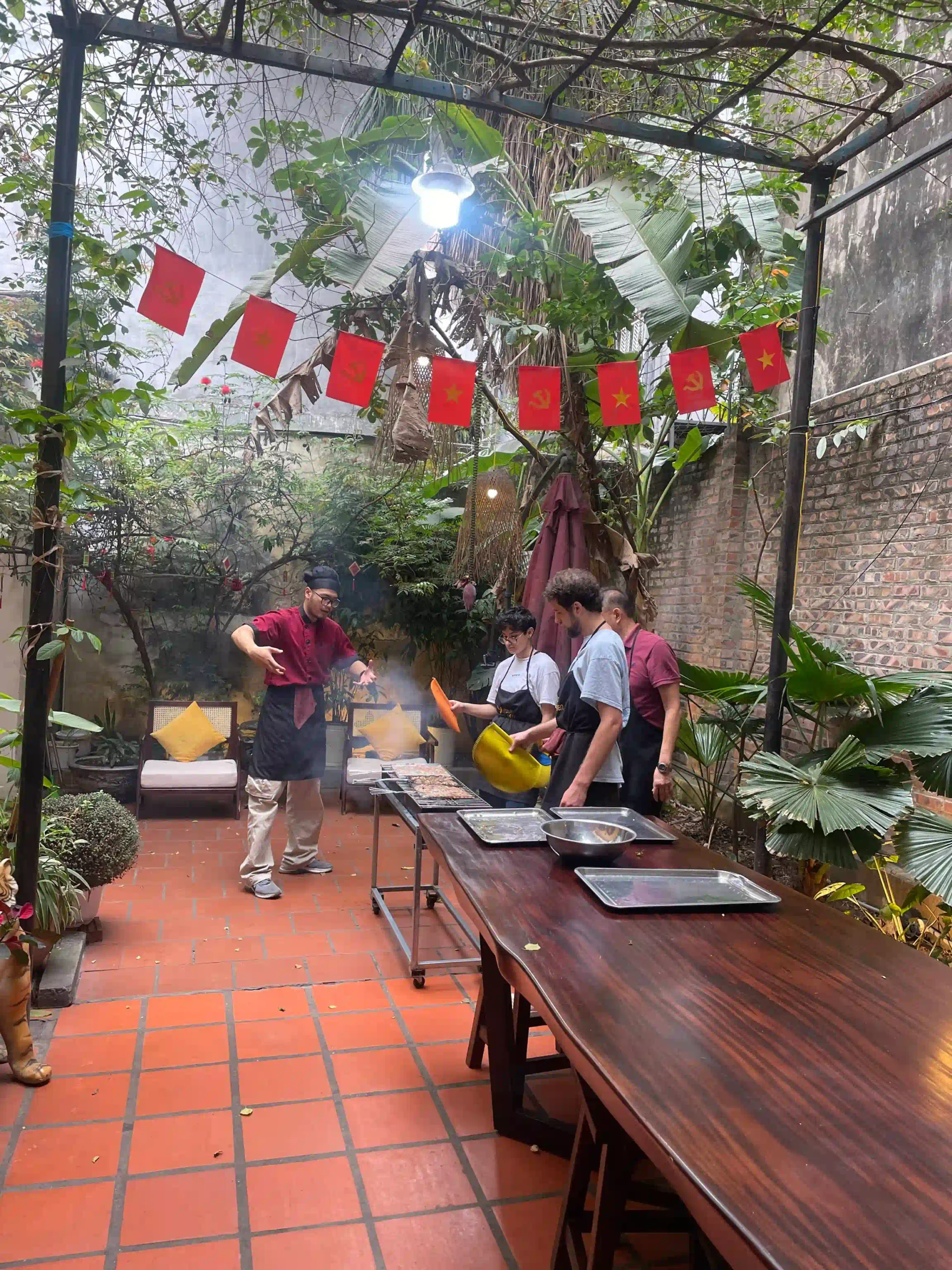
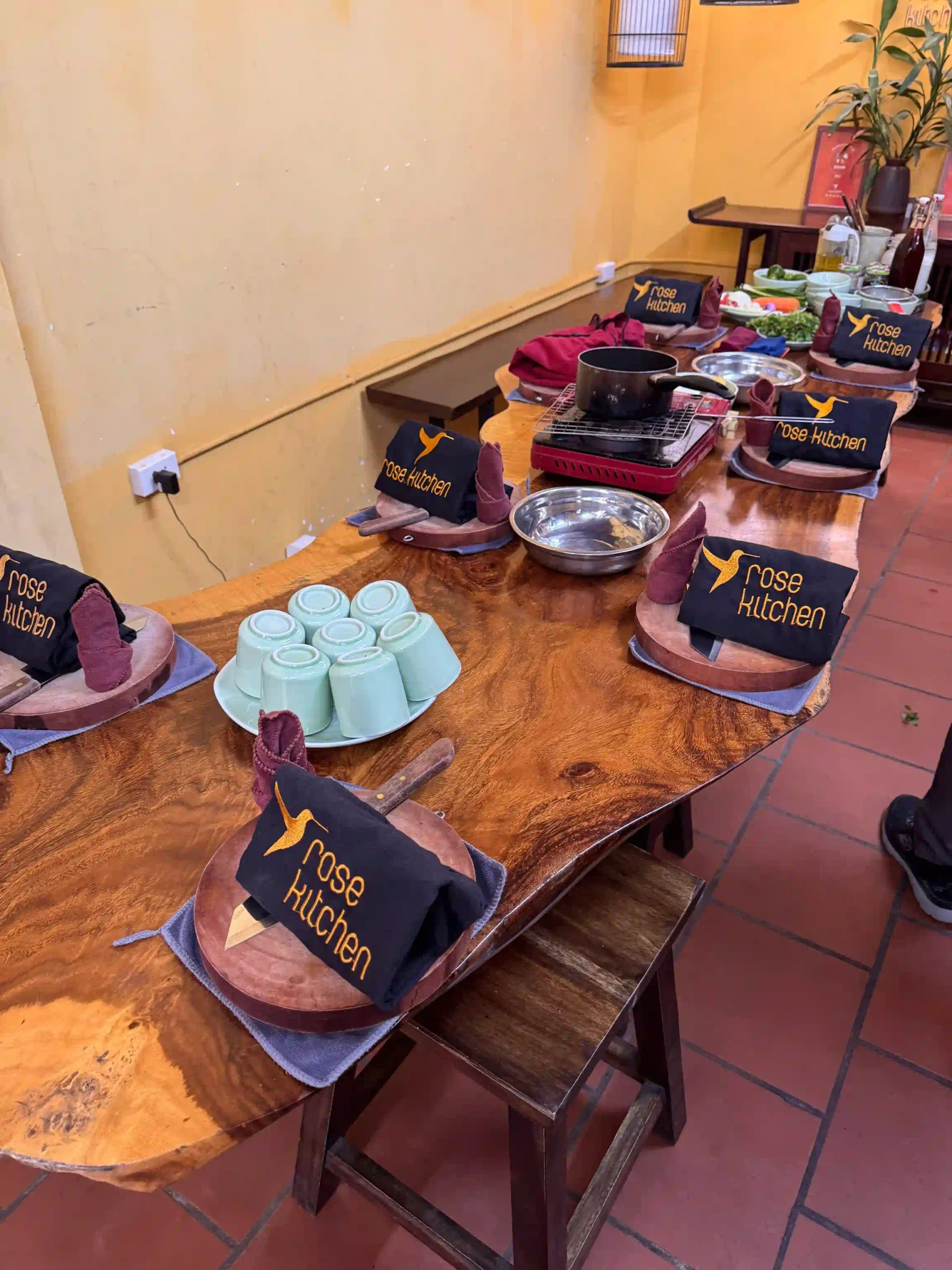
- Rose Kitchen (~$45): Tucked inside a gorgeous quiet Ngoc Ha villa, specializing in advanced dishes like complex banana flower salads and heavy charcoal grilling.
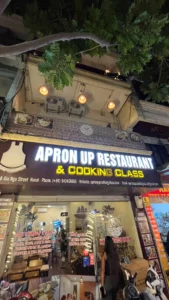
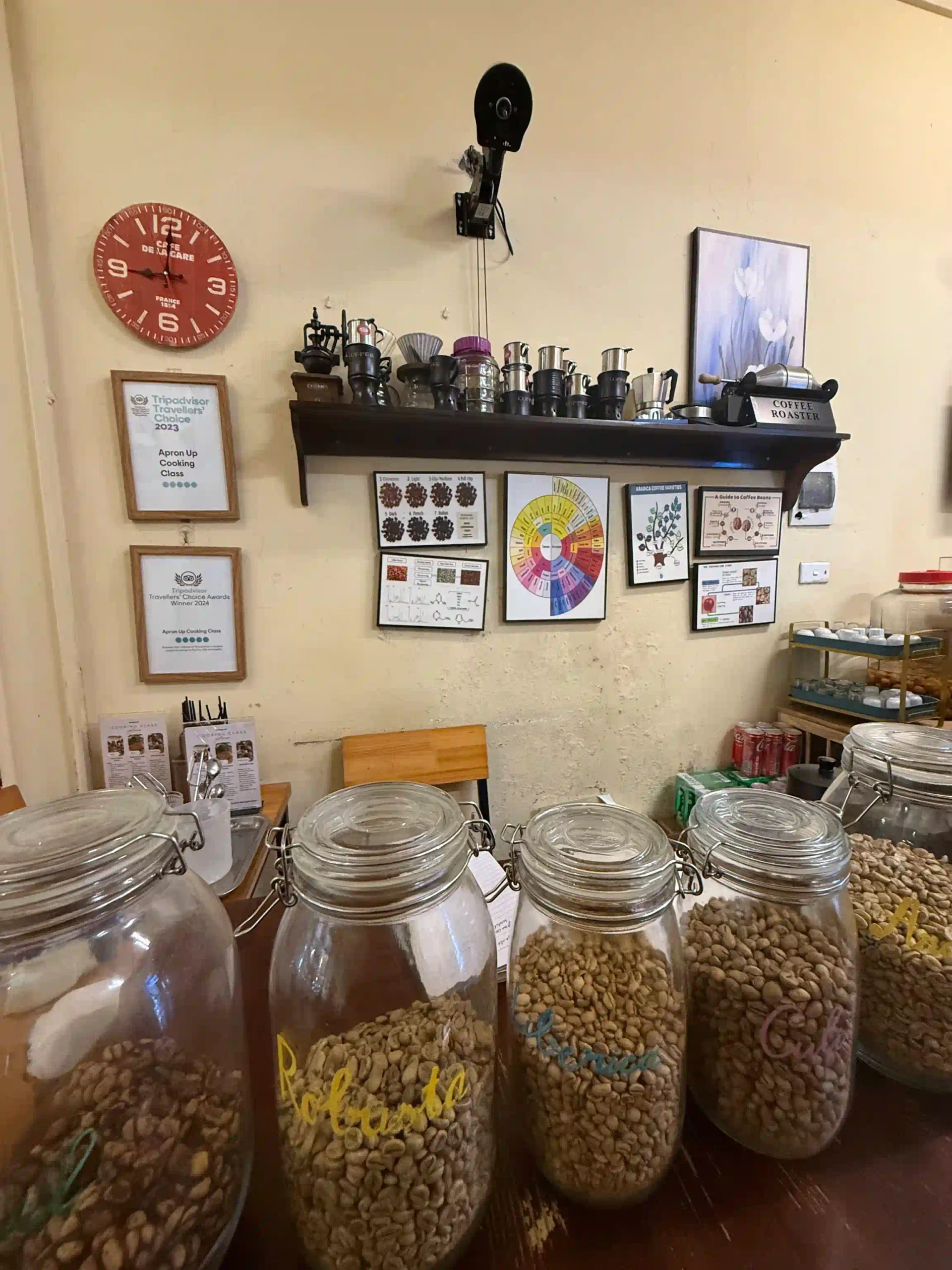
- Apron Up (~$35): Extremely fun, cheap, and located in the center. Highly focused on mastering standard spring rolls and violently whipping famous egg coffee.
- Chef Duong (~$50): Taught by a Top Chef Vietnam competitor. Book this if you want severe technical breakdowns of sugar marinades and high-heat caramelization.
Hanoi Cooking Class vs Street Food Tour
We need to analyze what you are physically paying for when you book these two completely different experiences.
The standard $25 street food tour model
You walk in a small group behind a guide holding a flag. You walk to an intersection. You wait for an older lady to toss fried spring rolls onto a blue plastic plate. The guide points at it, says “This is Nem Rán, we use pork,” and you eat it. You drink a heavily iced, very weak local beer. You walk to the next corner.
The entire premise is consumption. You are basically paying for an English-speaking bodyguard who guarantees you don’t sit in the wrong plastic chair and you don’t end up on a toilet holding your stomach for two days. It is entirely valid for your very first night.
The $45 cooking class model
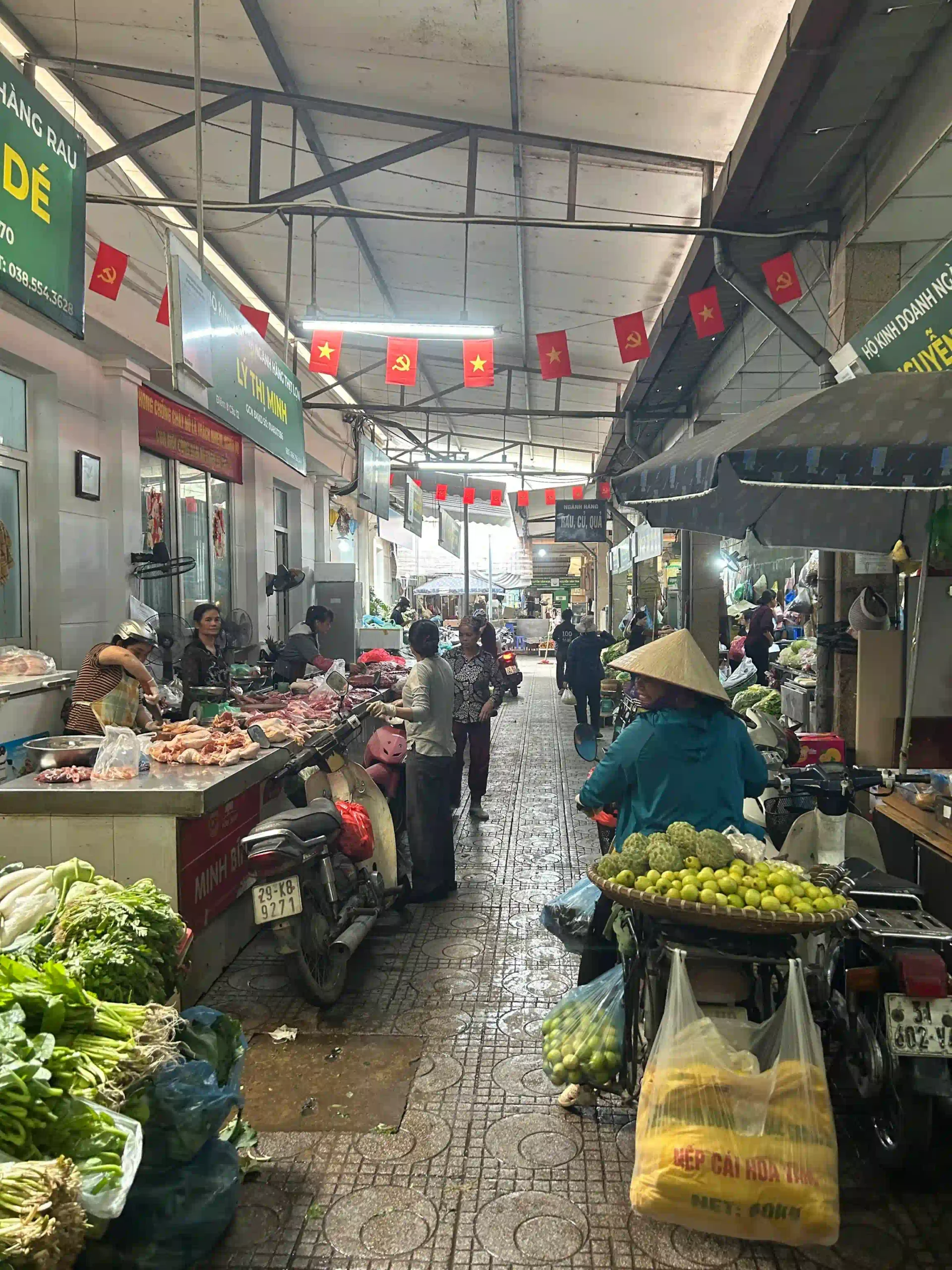
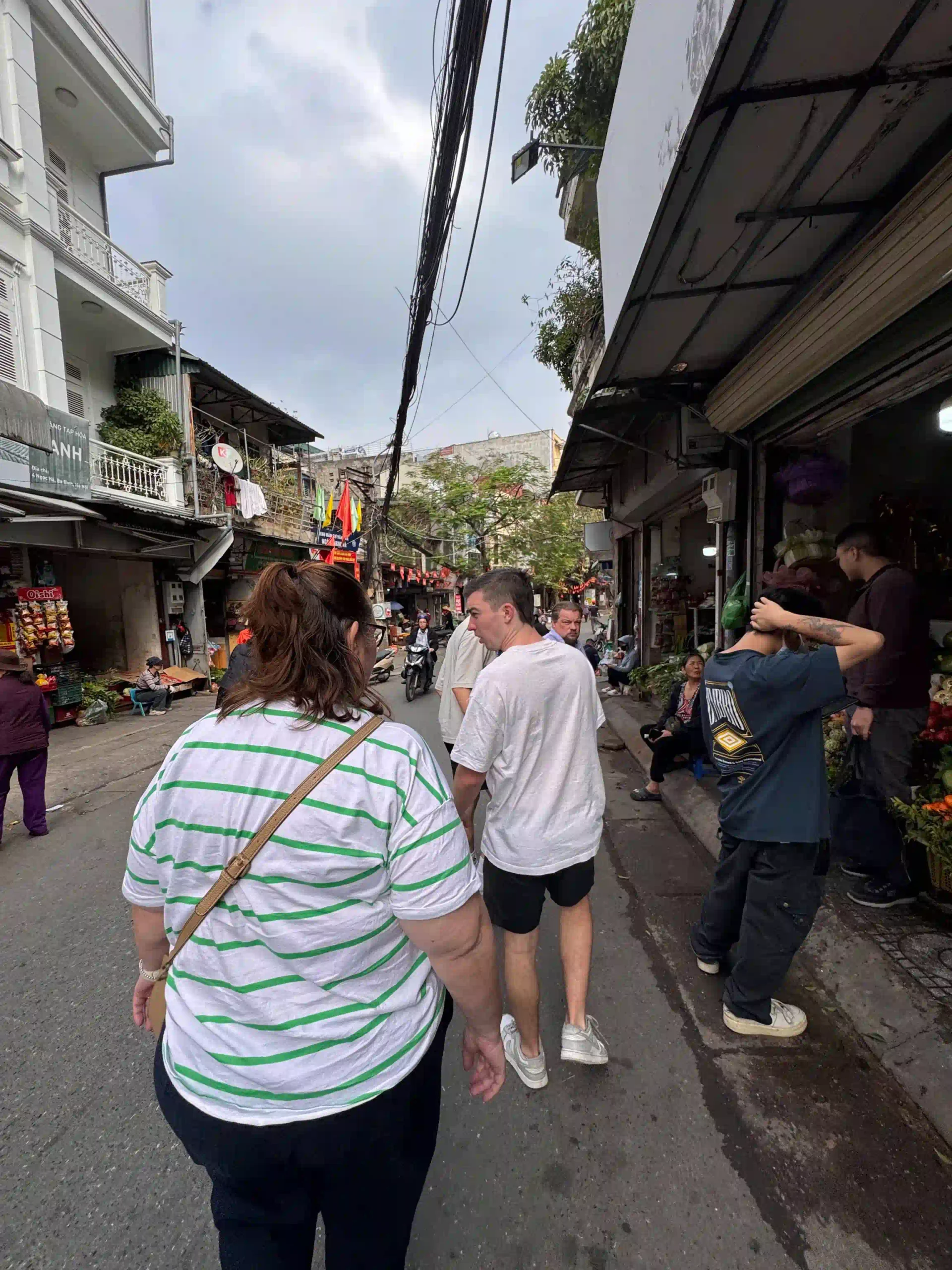
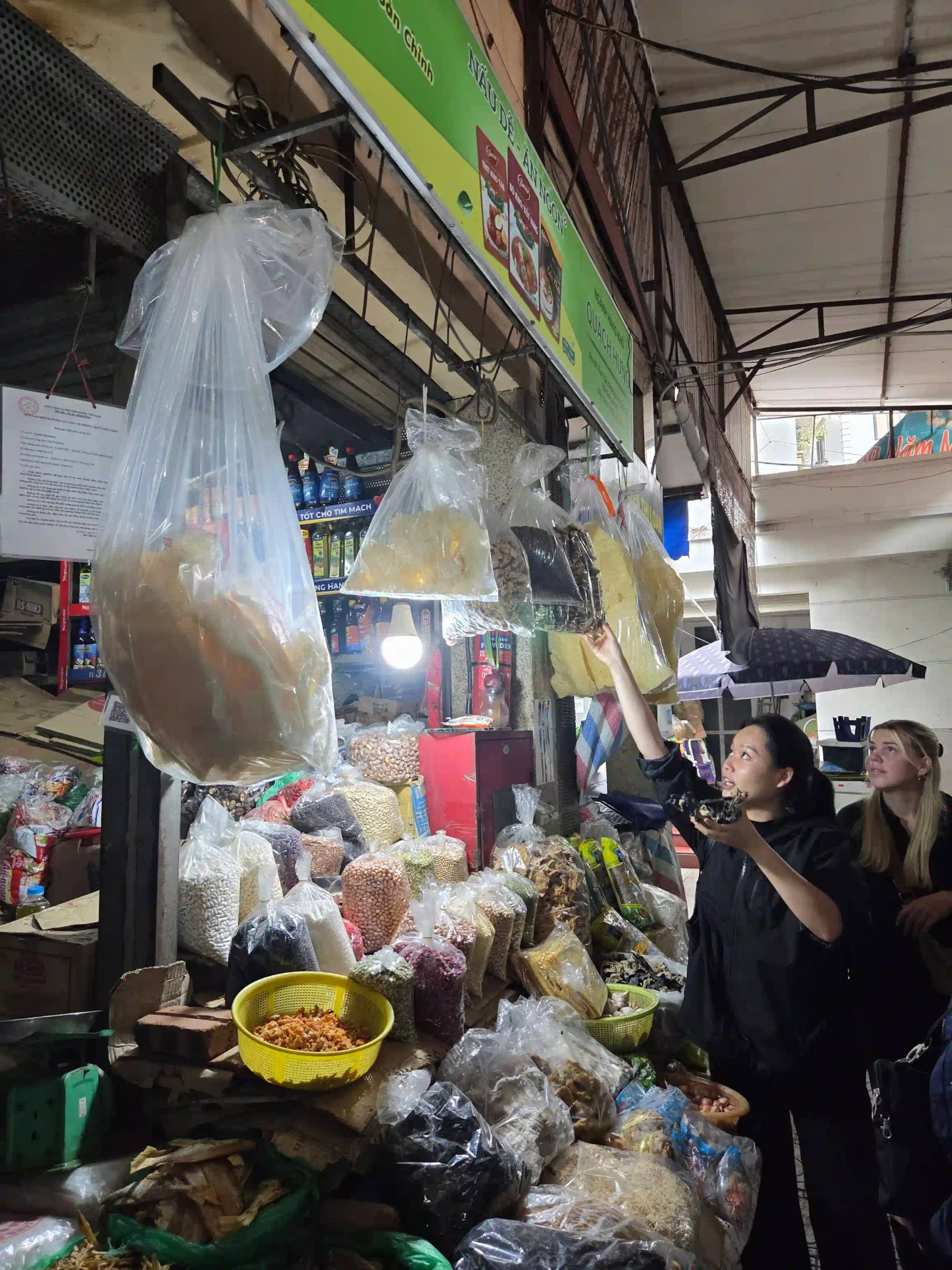
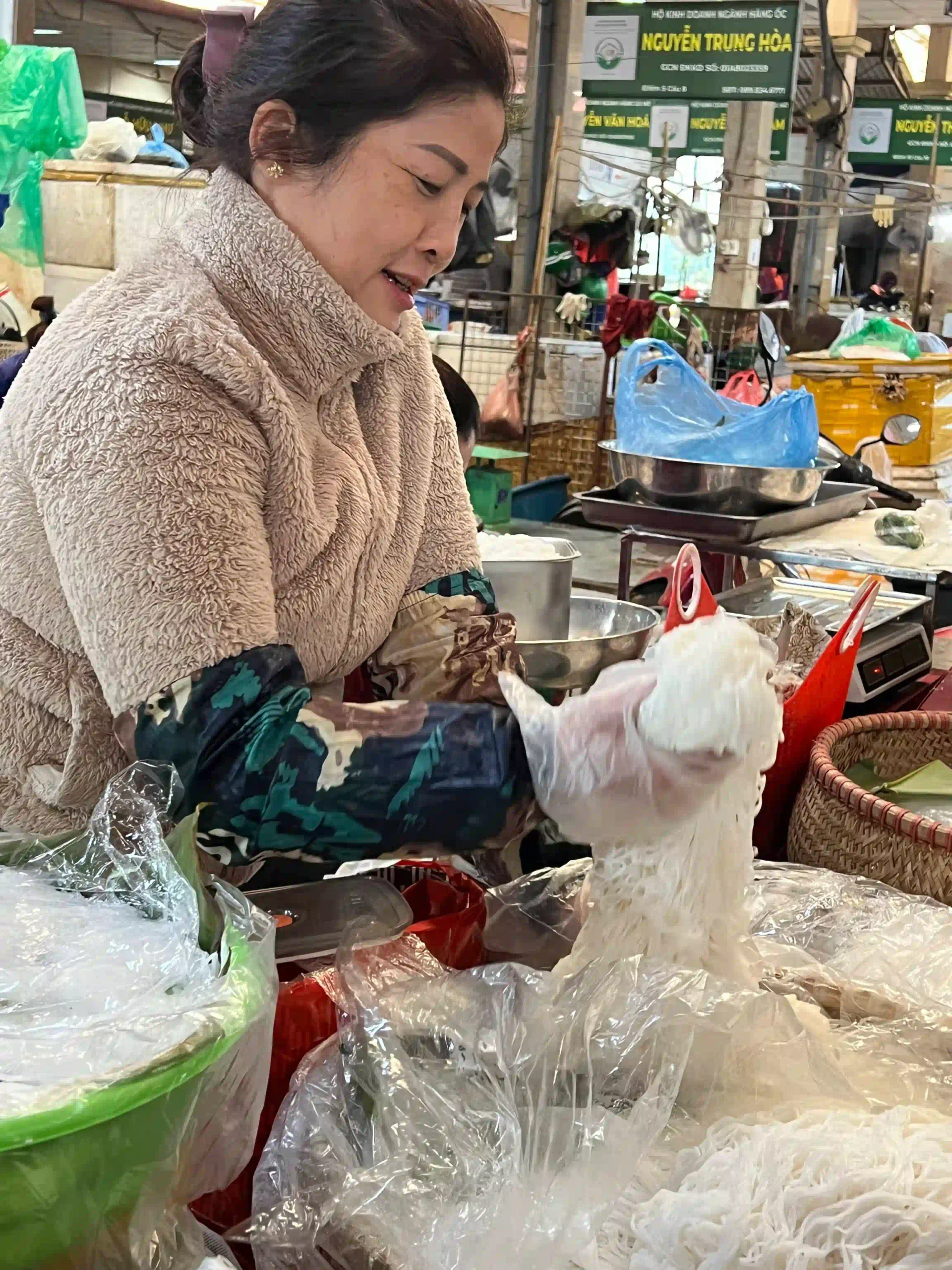
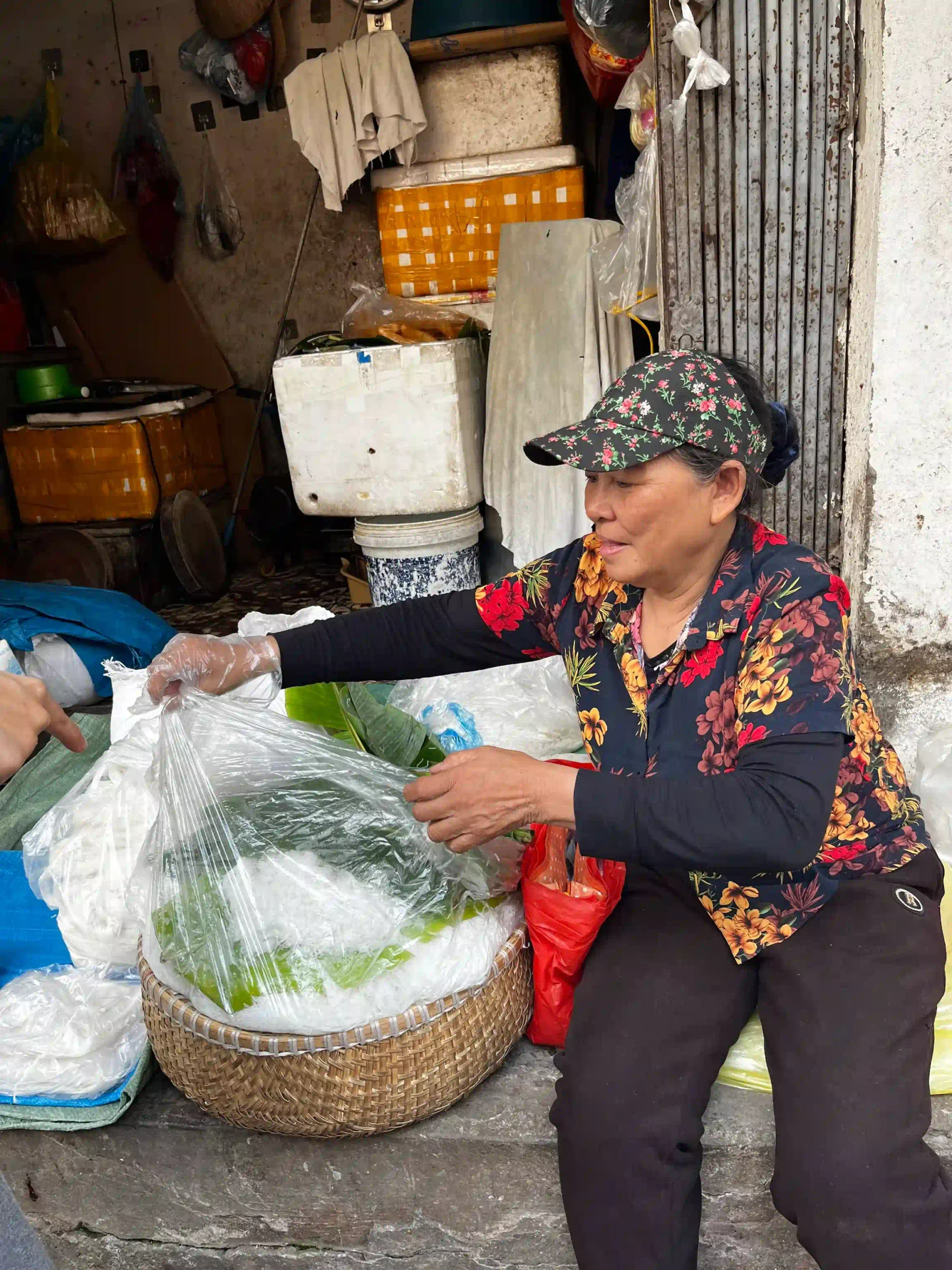
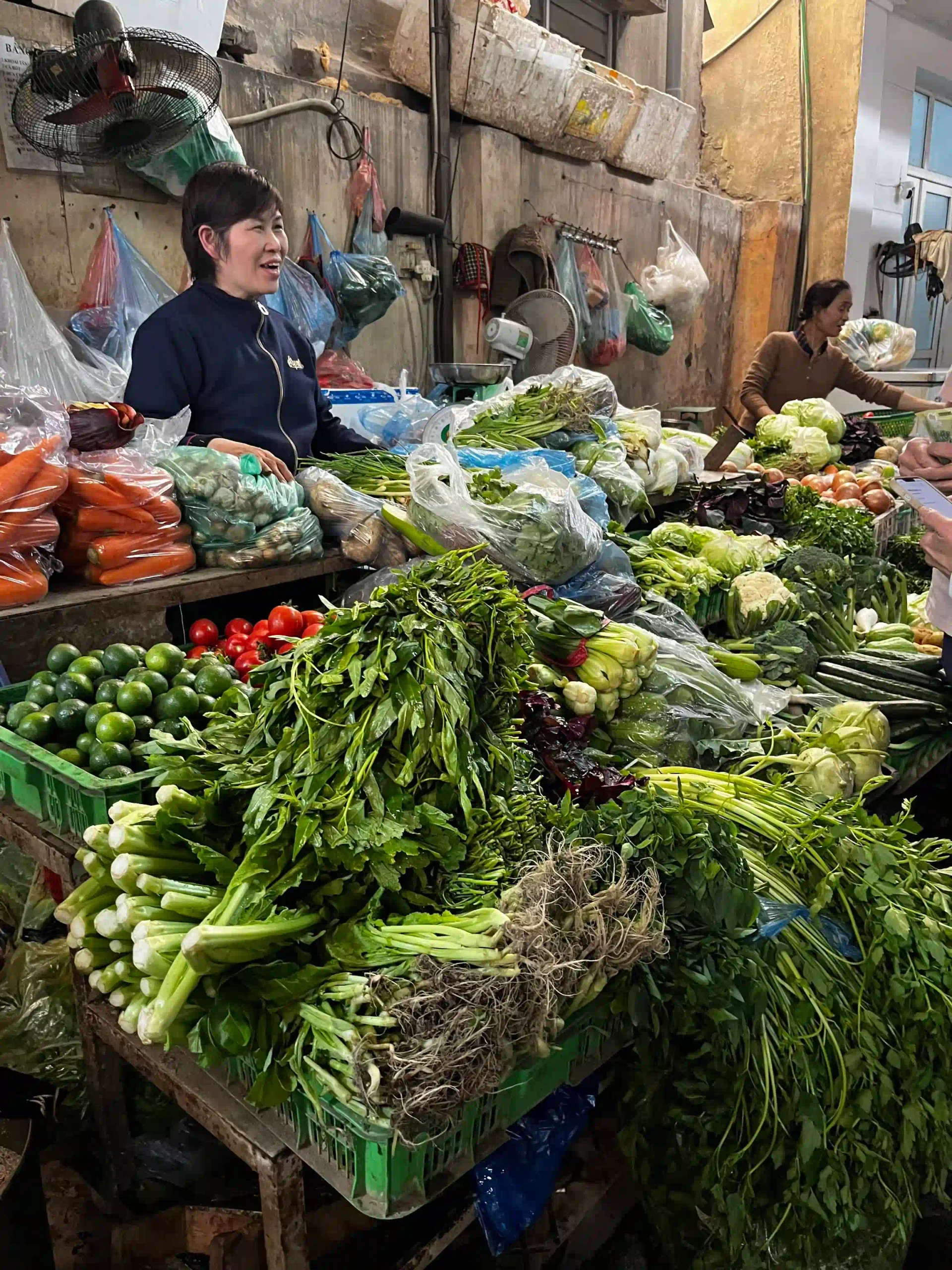
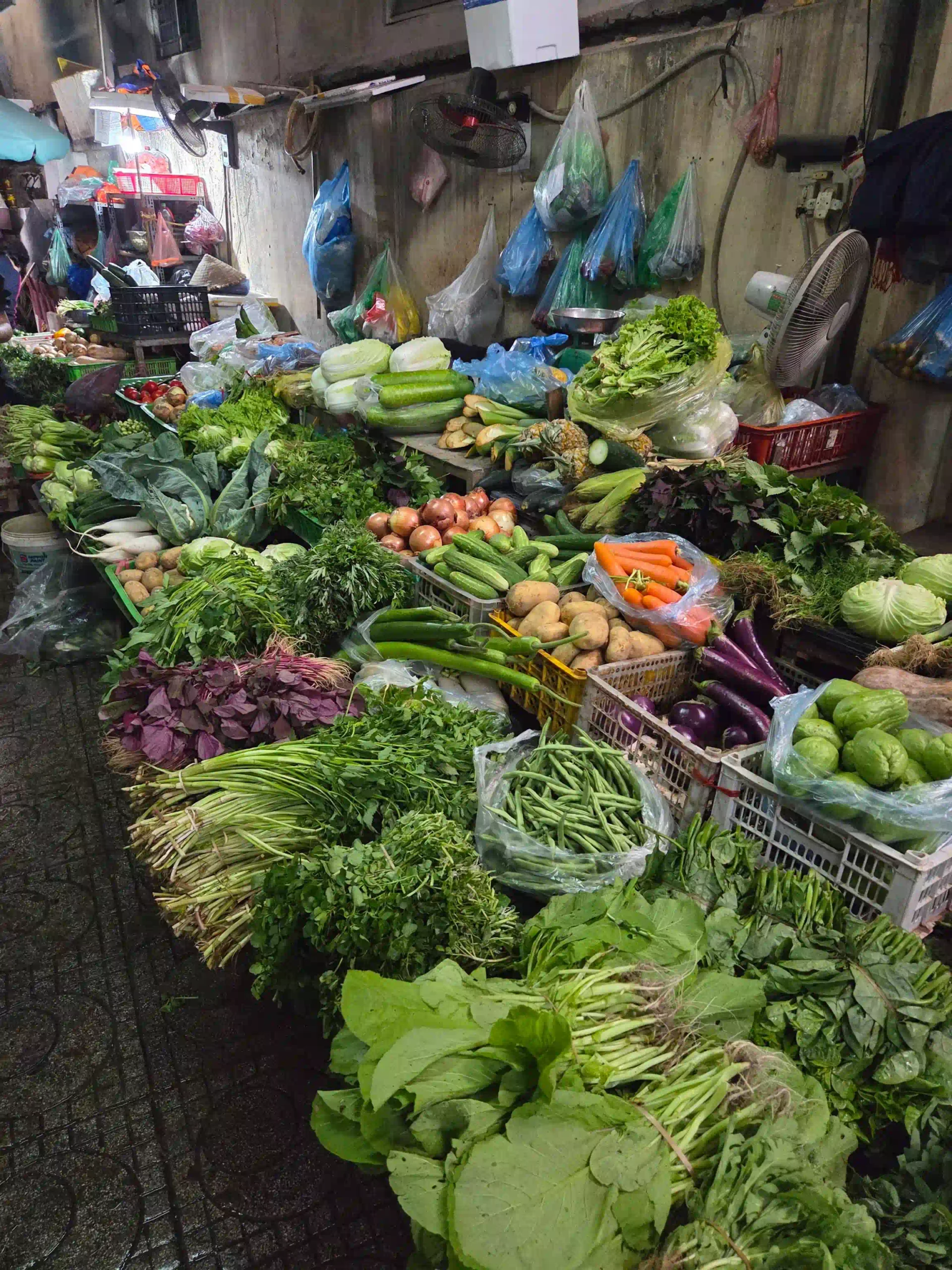
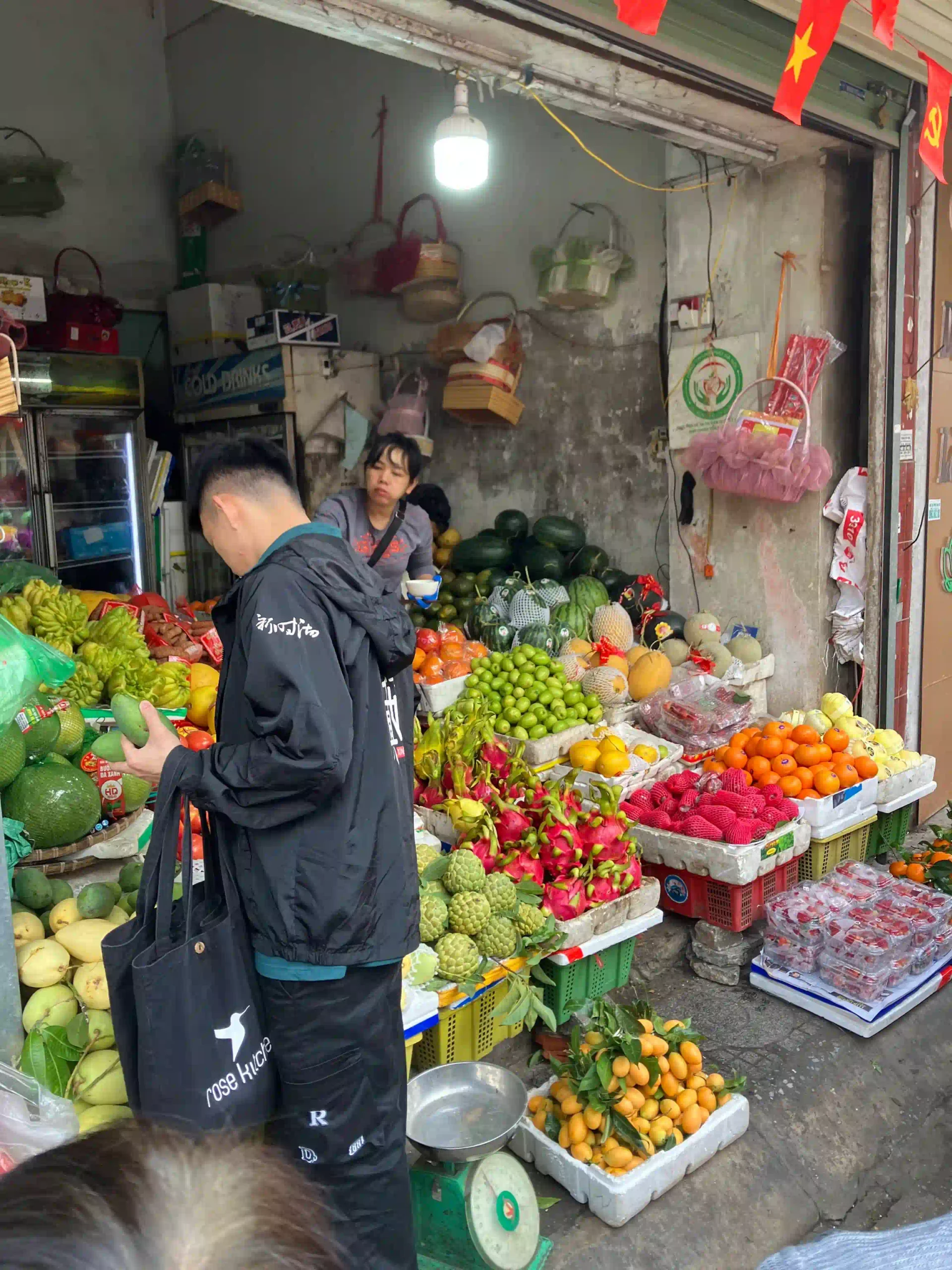
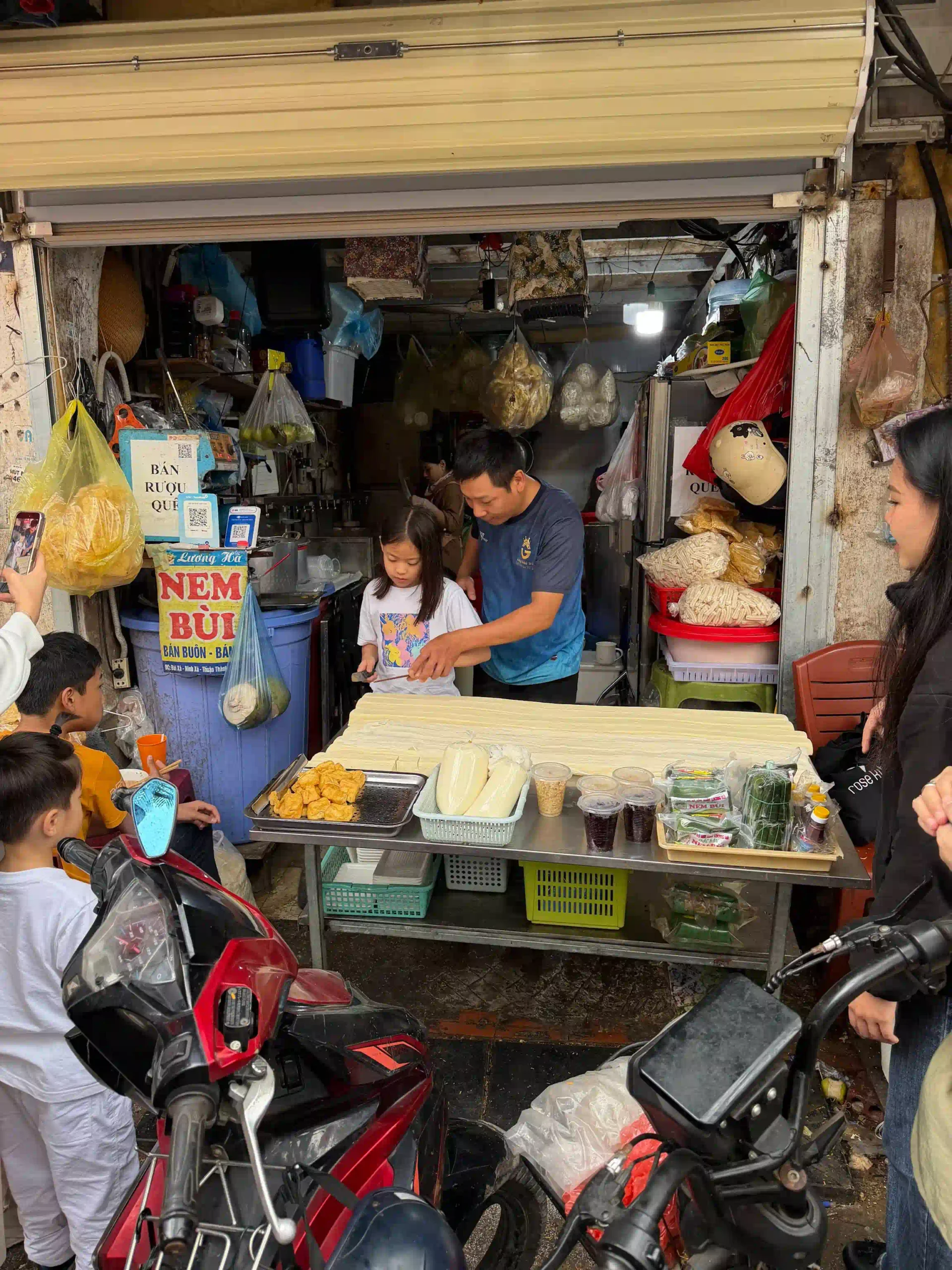
You don’t start in the restaurant. You meet your chef out in a working residential area. You physically push your way through narrow, slippery, highly aggressive wet markets. You look an older female butcher directly in the eyes while she brutally chops a raw slab of ribs. The instructor points directly at two completely different types of green leafy herbs and forces you to memorize the smell difference between holy basil and heavy mint.
You go to a station. You wrap the rice paper. You manually mix the fermented fish sauce (nước mắm) with white sugar, hot water, and kumquat juice until you learn the exact acidic balance. You cook your own dinner.
Comparing a hanoi cooking class vs street food tour is essentially comparing reading a summary of a movie versus getting a job working on the camera crew. One makes your stomach full; the other fundamentally changes how your brain processes Vietnamese street logic.
When you leave the cooking class, you suddenly stop looking at Hanoi menus as a weird block of confusing translations, and you start seeing the exact matrix of salty, sour, sweet, and aggressively pungent base notes that build them.
Phase 1: Surviving the Local Wet Market Run
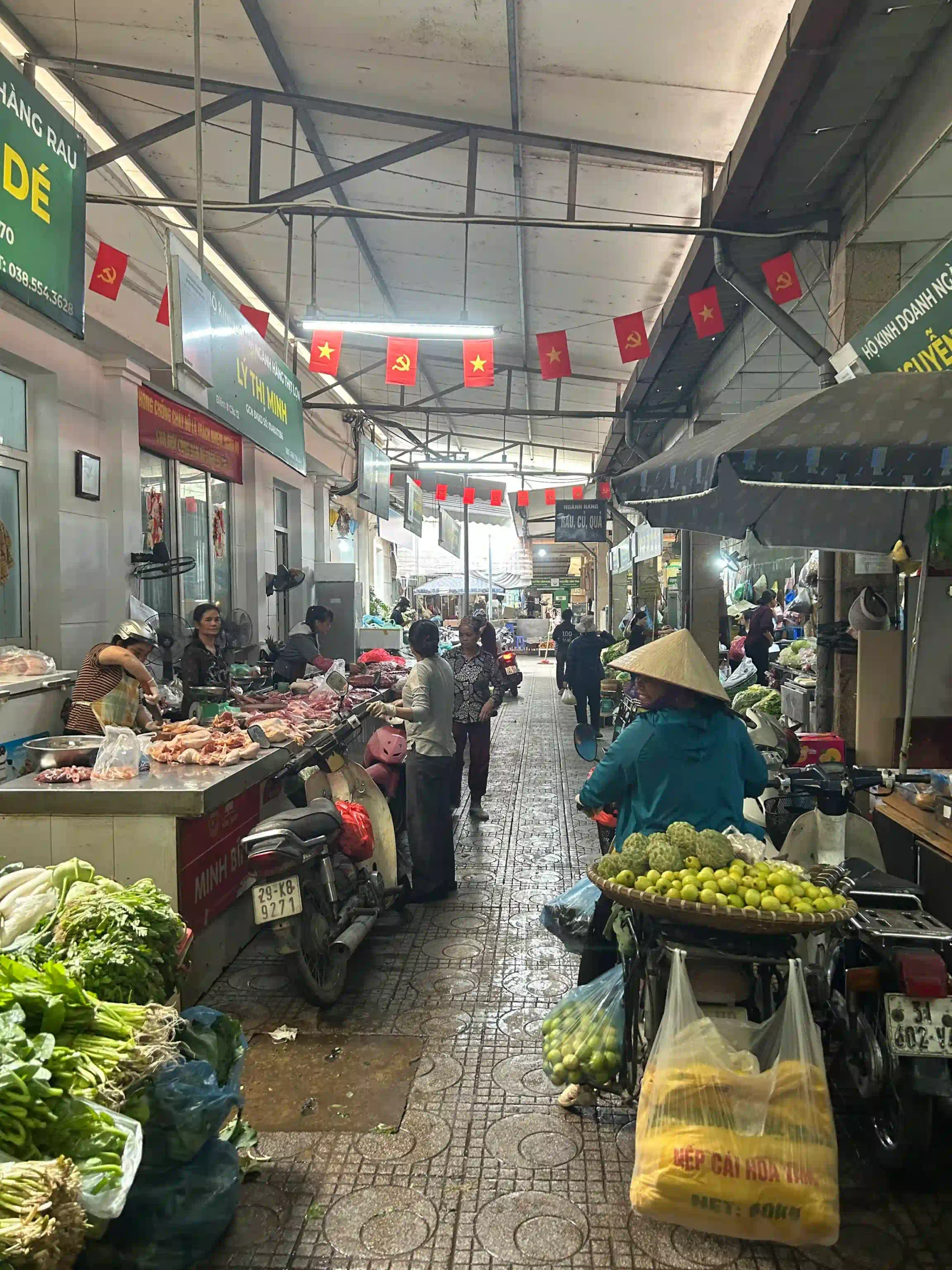
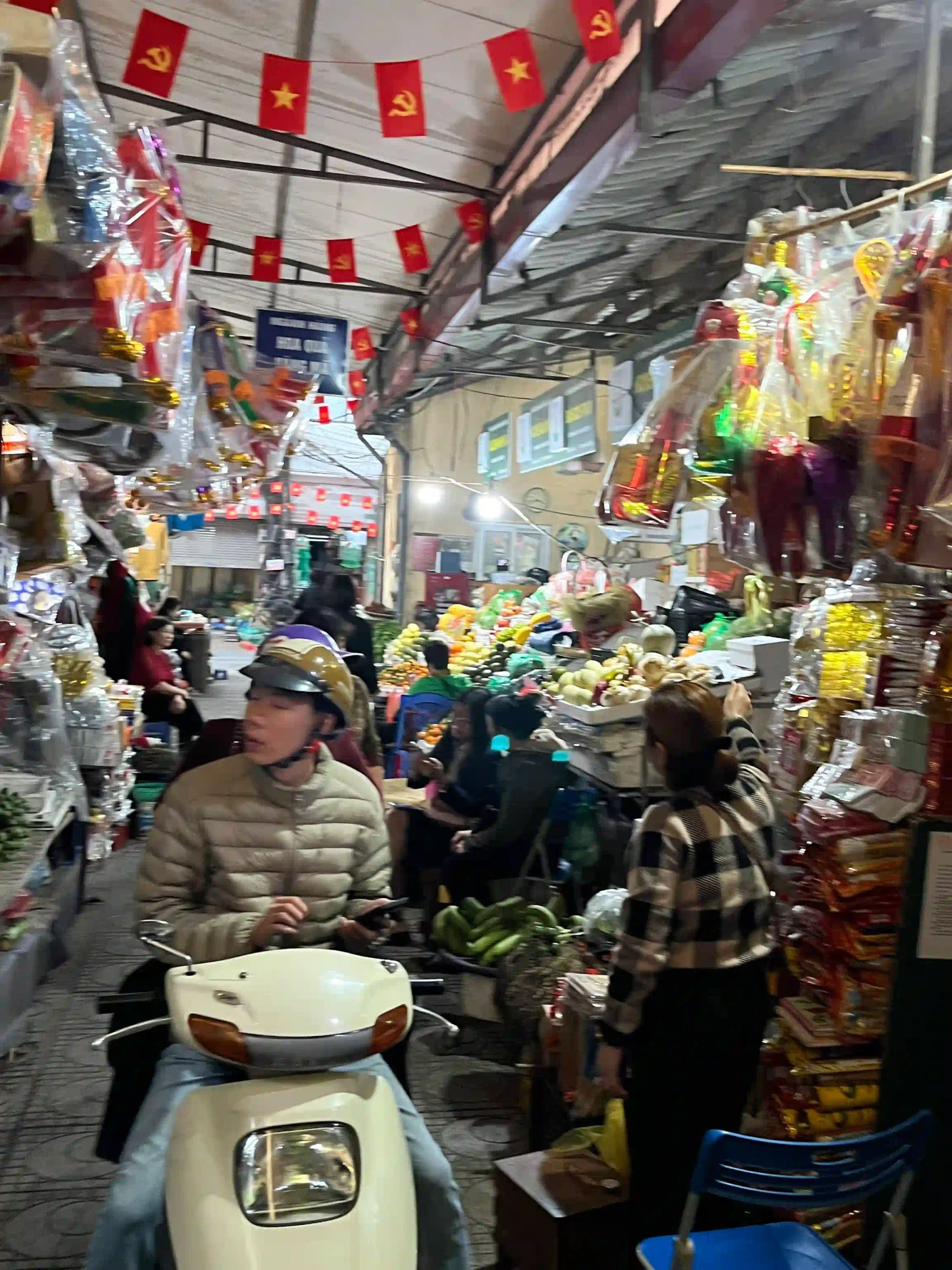
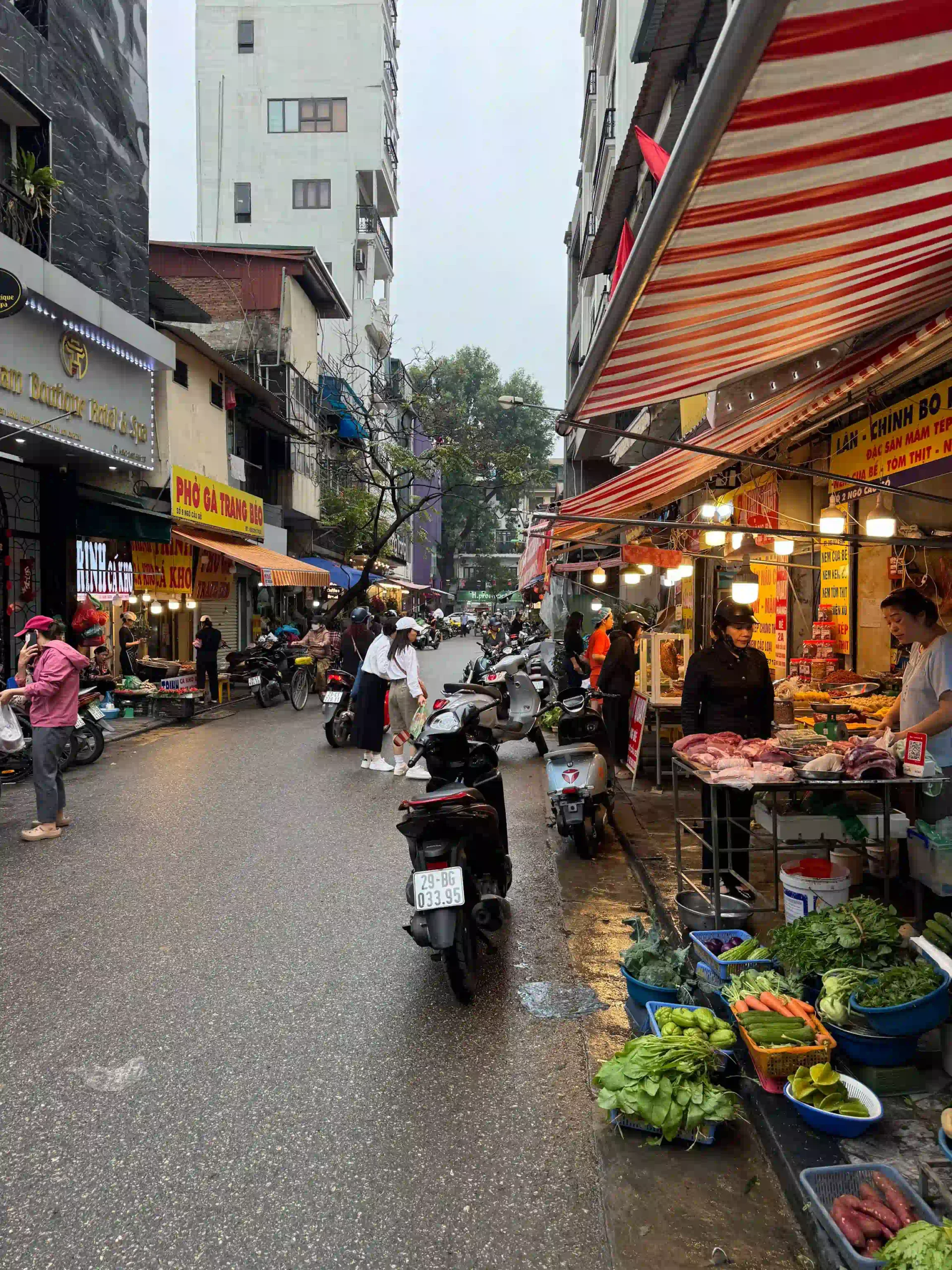
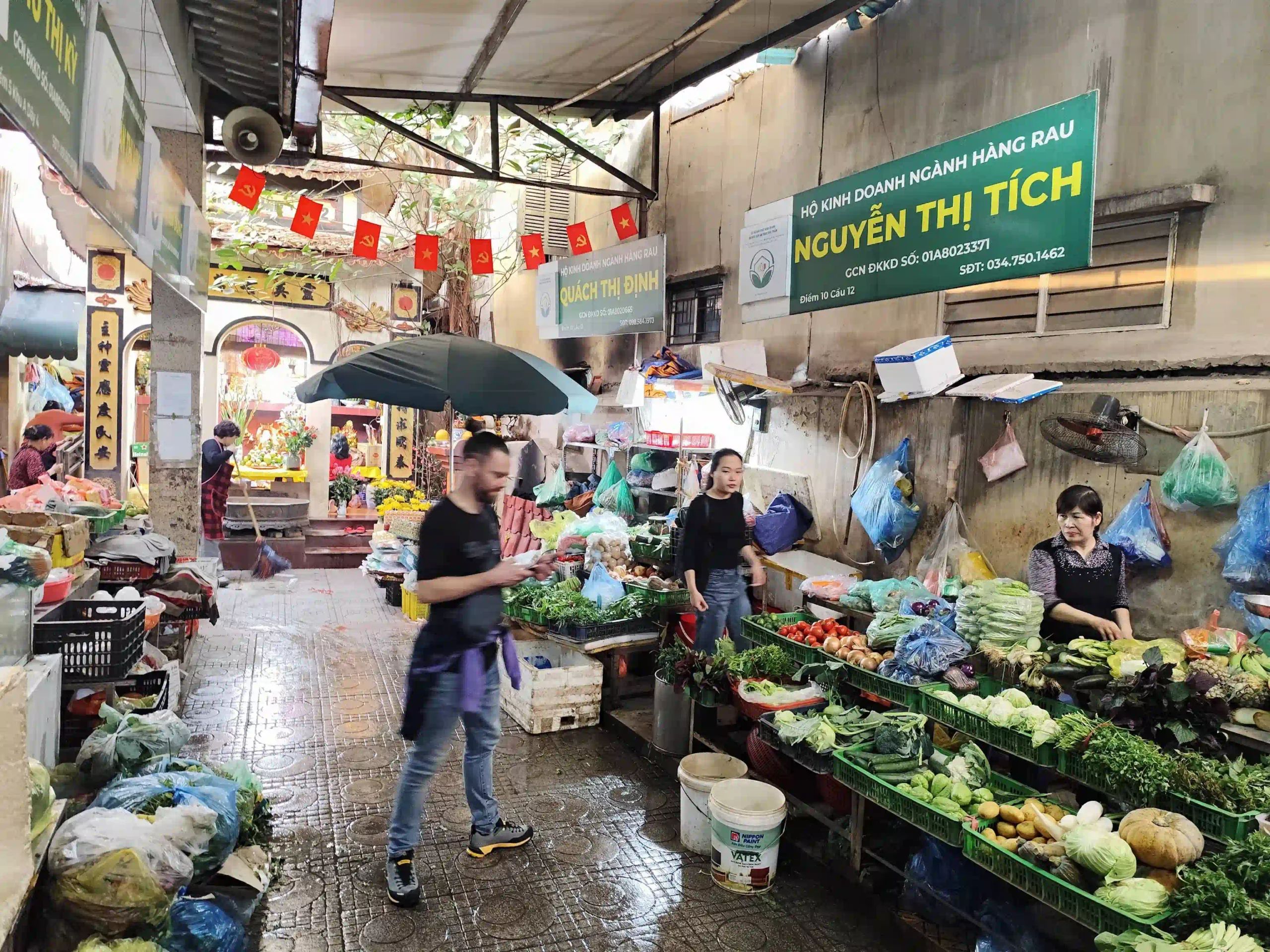
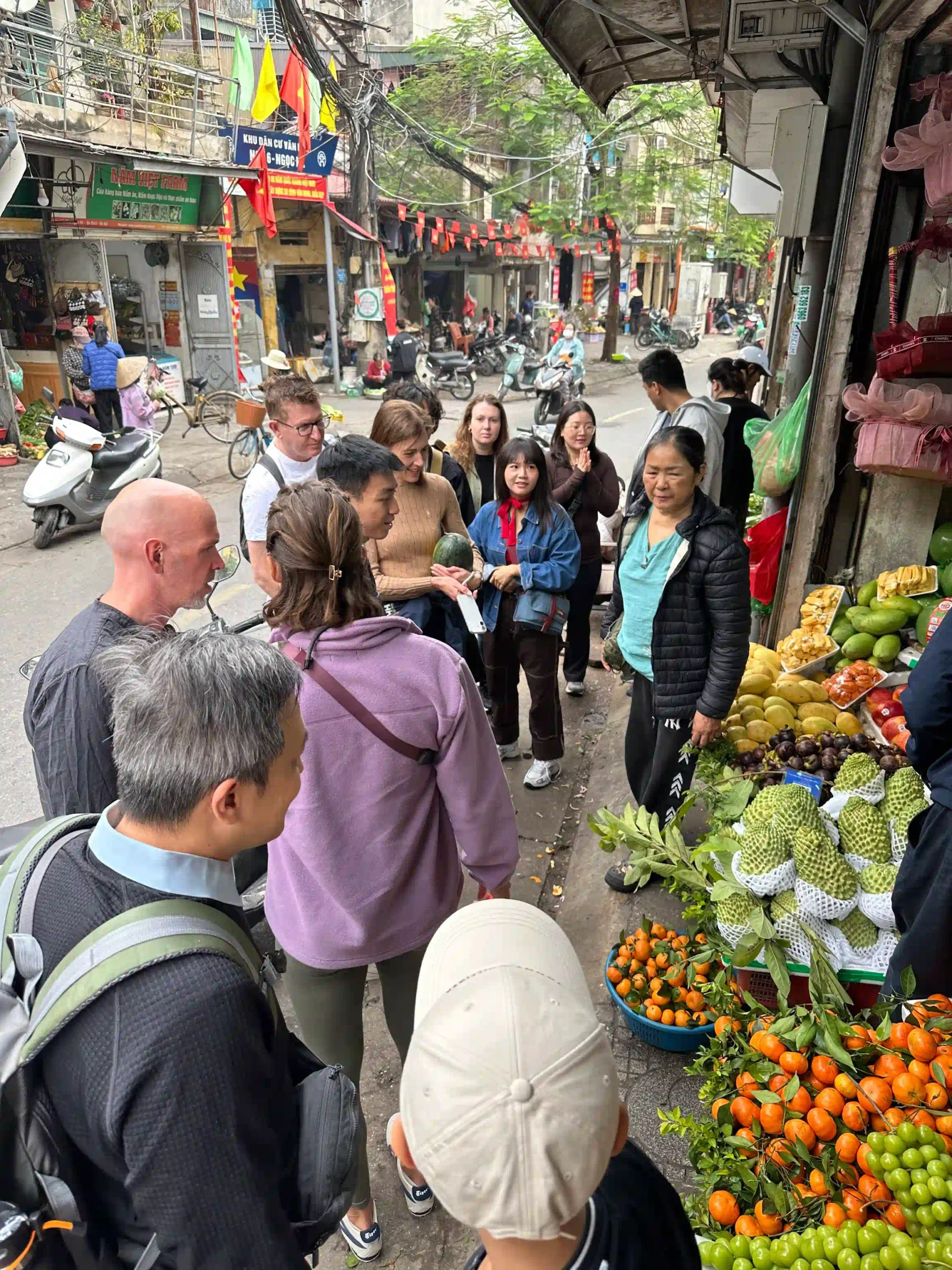
You cannot learn anything valuable if all your ingredients are shipped in perfectly square plastic supermarket boxes. A legitimate operation absolutely mandates a 45-minute trip to an outdoor wet market before you touch a frying pan.
For many tourists, the wet market walk is substantially more impactful than the actual cooking. If you take the popular Rose Kitchen class, you’ll end up navigating neighborhood grids near the Ba Dinh or Ngoc Ha alleys.
The environment:
It is absolutely nothing like a western grocery aisle. It is incredibly chaotic. Scooters do not park outside; drivers literally slowly ride their motorbikes directly down the middle of the crowded walking path, leaning down to grab a bag of chili peppers without ever taking their feet off the pedals.
You will stand in an inch of questionable gray water. You will jump slightly when a massive live carp flips wildly inside a red plastic bucket right next to your shin. You will see heavy animal heads staring blankly from metal tables.
The education:
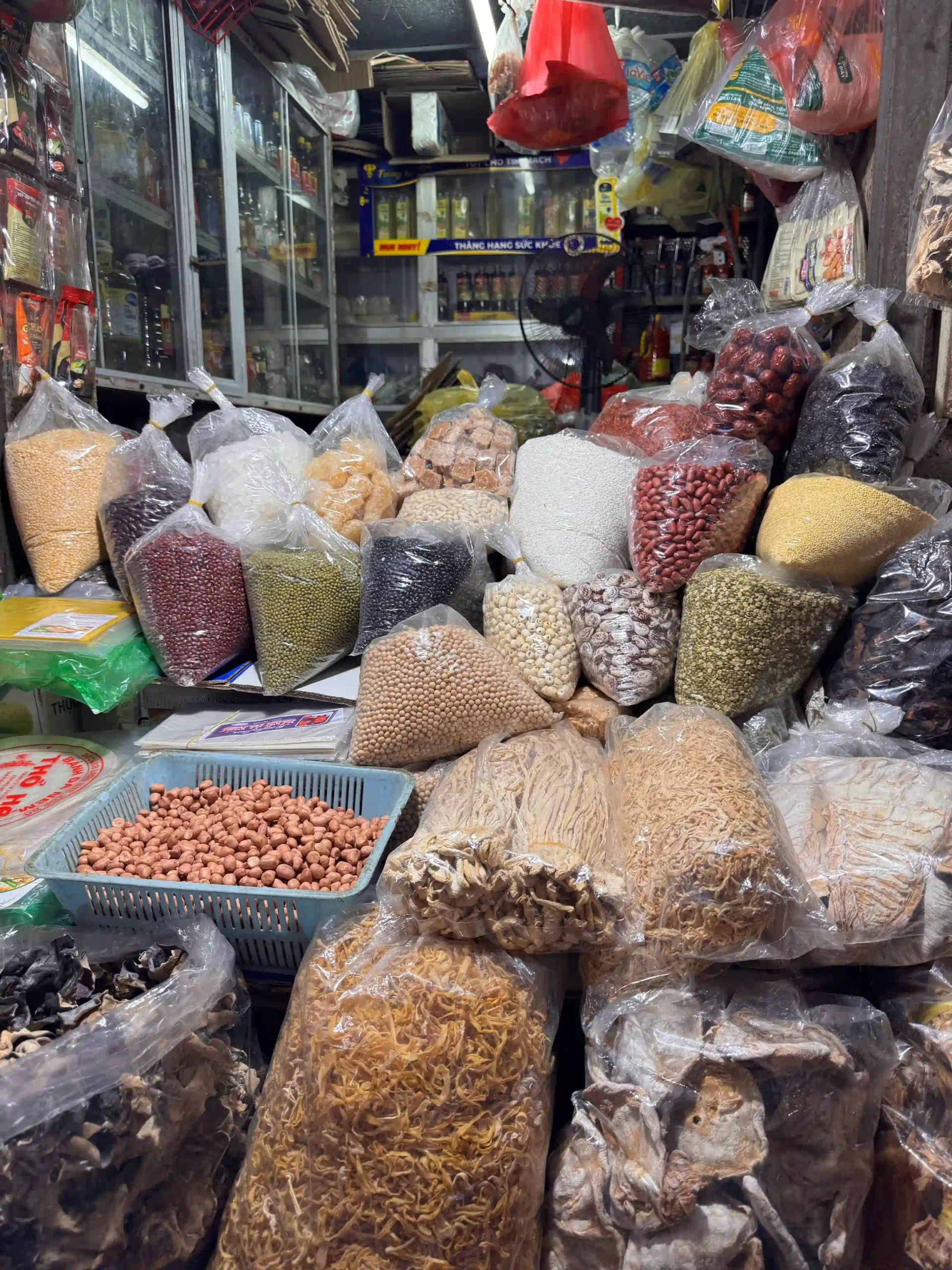
Your chef walks you to a stall explicitly dedicated purely to spices and dry goods. The smell hits you like a brick—star anise, massive sticks of actual cinnamon bark (which looks violently rough compared to the powder sold globally), heavily dried black cardamom pods, and aggressively fragrant roasted peanuts.
The guide explains that true Northern Phở completely relies on how deeply you scorch these raw aromatics on an open grill. They hand you physical wads of fresh lemongrass. They explain why ginger grown here tastes insanely harsh compared to what you buy in Europe.
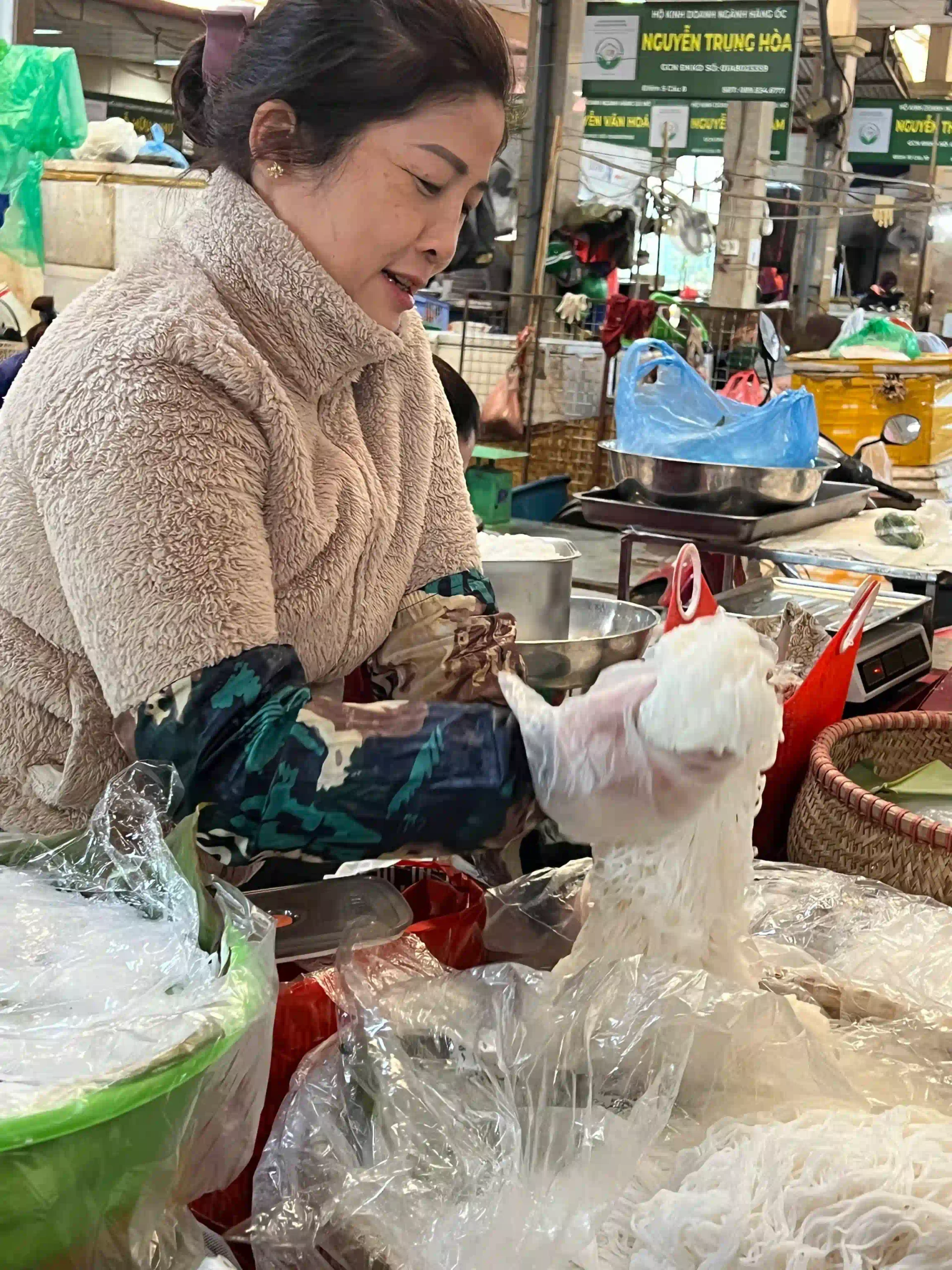
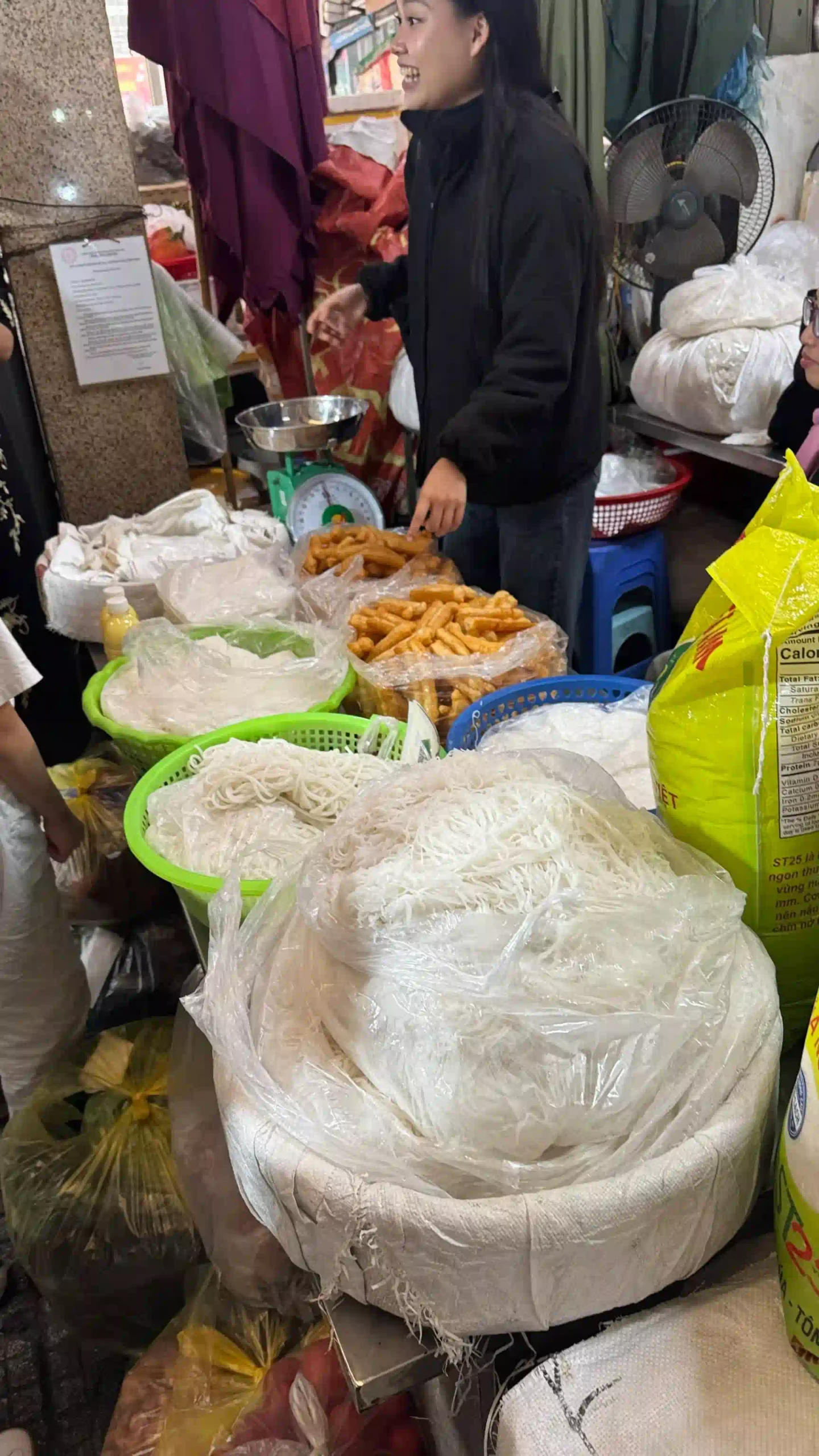
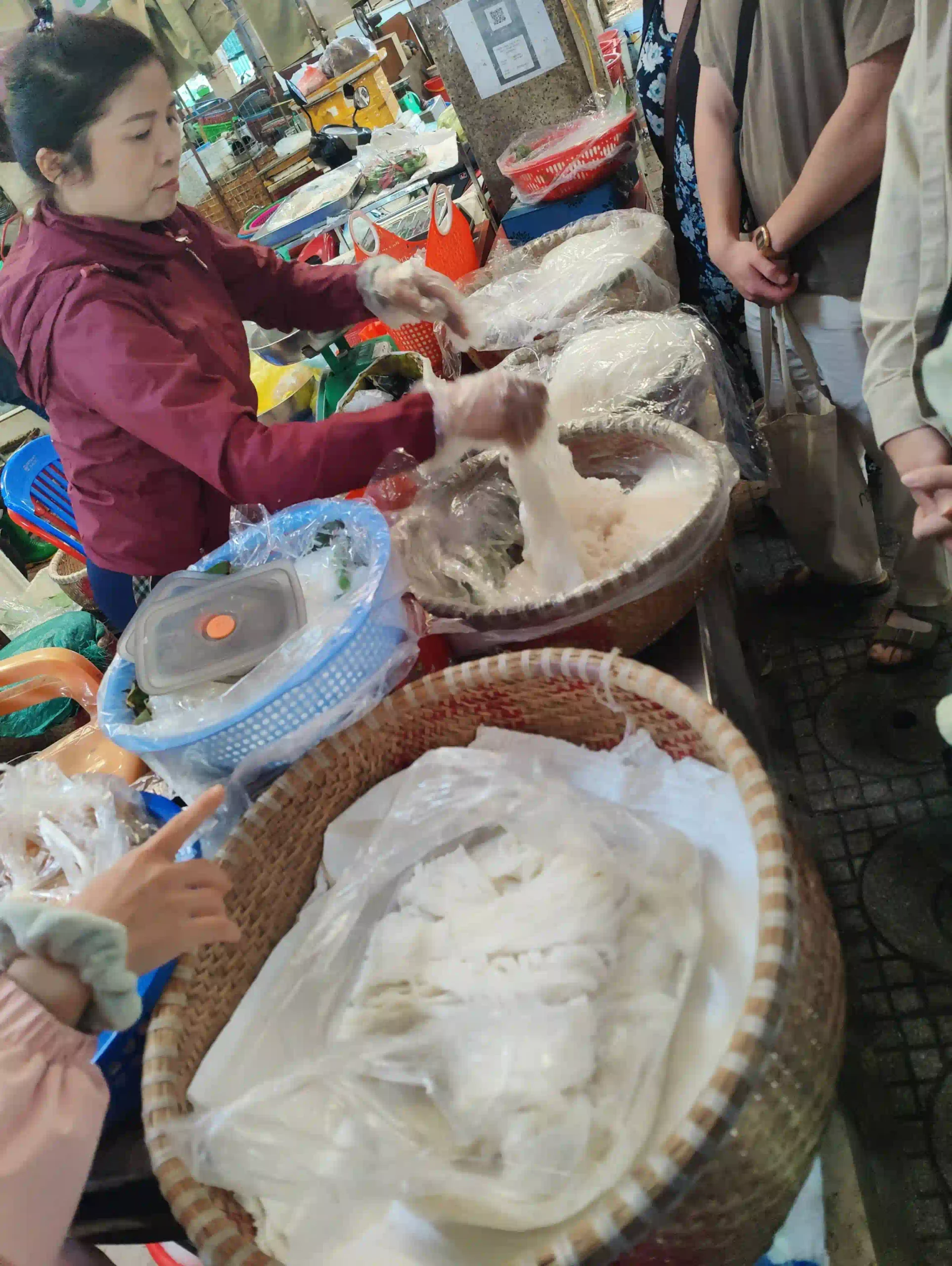
Next, they show you the rice noodle maker. Noodles are entirely fresh in this city. A vendor literally grinds soaked rice, steam-spreads it over tight fabric in the shape of massive, floppy translucent pancakes, and slices them immediately.
You touch them, realize they are still warmly sweating inside a bamboo basket, and finally understand why bagged, dry supermarket rice noodles always taste fundamentally like dusty cardboard back home.
You survive this chaos, dodge five mopeds carrying giant blocks of melting ice, secure your ingredients, and carry your heavy plastic bags straight back to the cooking facility. That adrenaline completely eliminates your travel jet lag.
Breakdown: 3 Classes Worth Booking Right Now
You search for classes online right now, and immediately, seventy slightly identical options populate the screen. Many are incredibly generic and entirely trapped inside heavy concrete hotels without any windows. You absolutely want an open-air environment, aggressive cross-ventilation, and an instructor who actually possesses high-tier cooking patience.
1. Apron Up Cooking Class (The Casual Fun Environment)
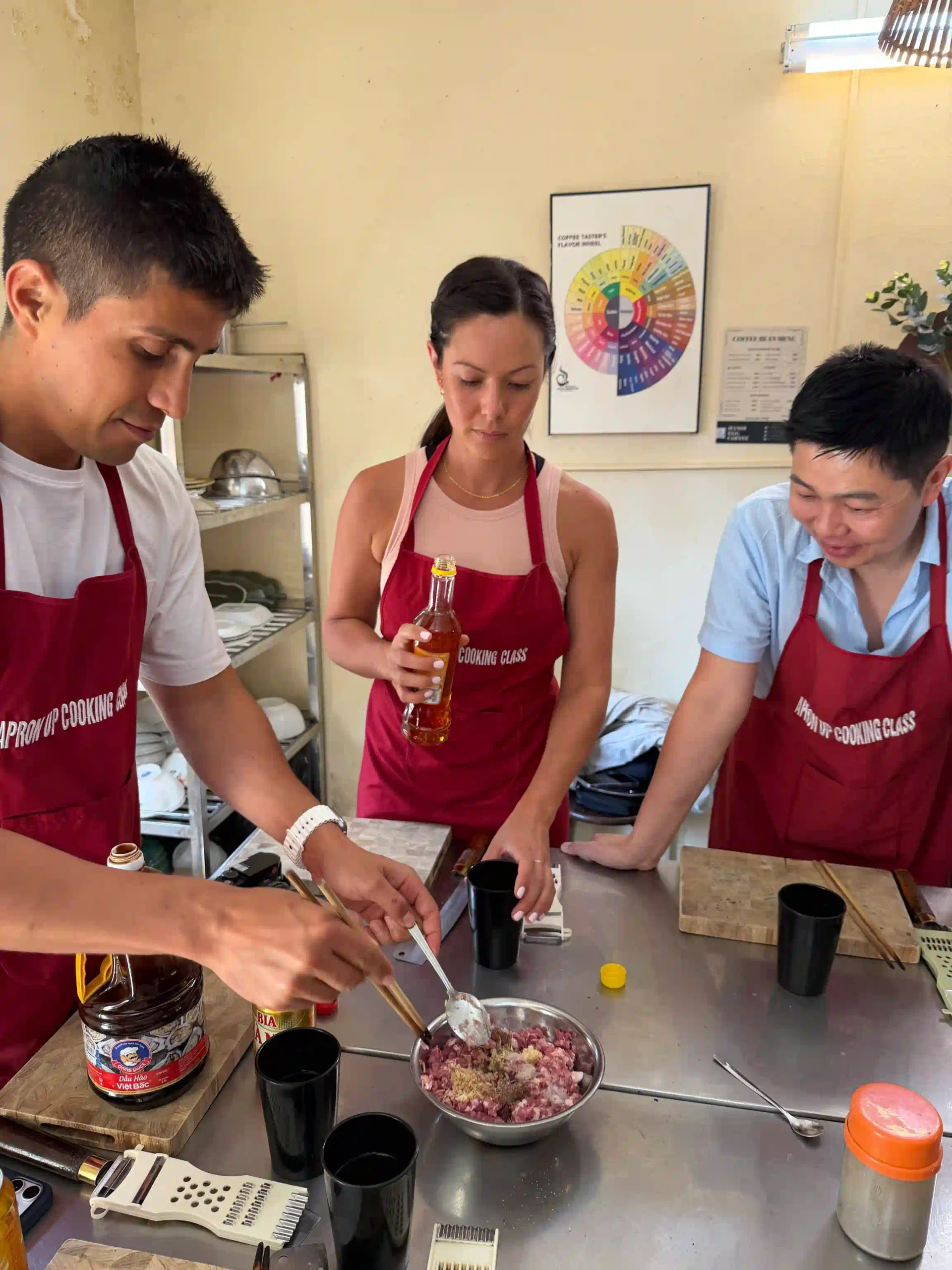
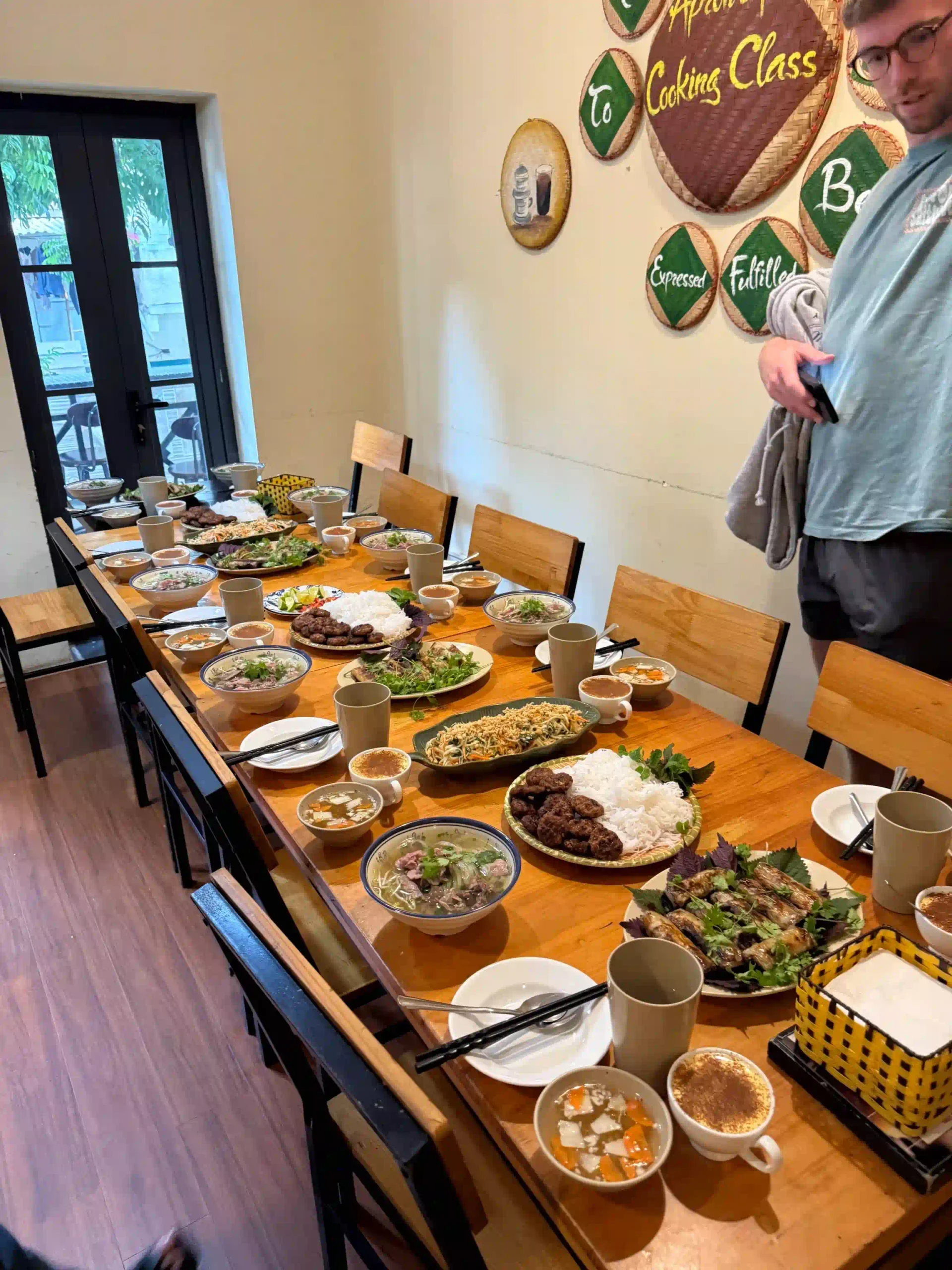
- Average cost: $32 to $35.
- Location: Mostly right inside the core Hoan Kiem old sector limits.
- The vibe: Uncomplicated. The staff entirely operates in very strong, conversational English. It functions almost like hanging out in a loud, fun bar, except everyone holds chopping knives.
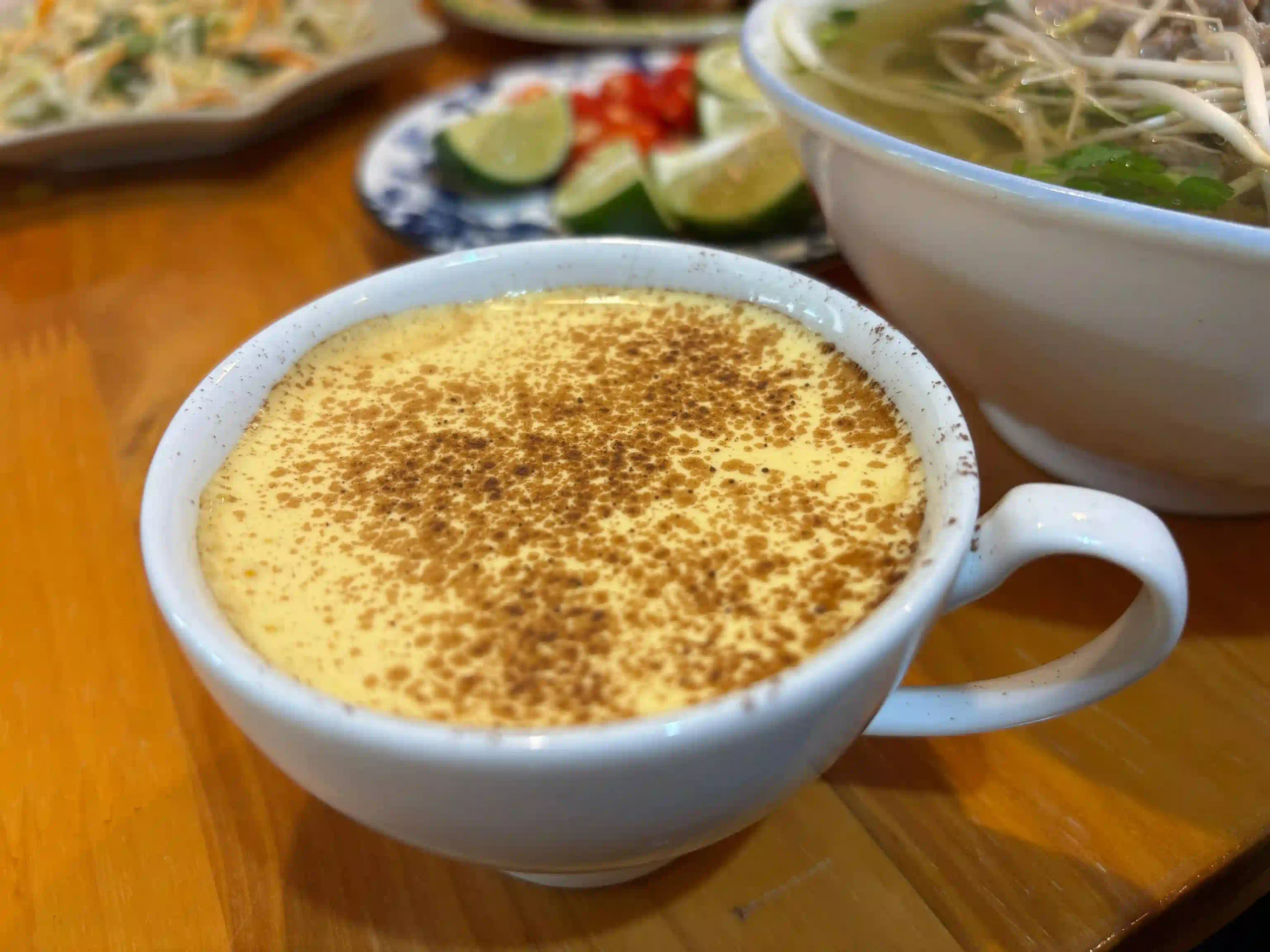
- What they focus on: If you literally just want to master exactly five extremely standard classic dishes that define northern life (like simple Bún Chả meatballs, rolling tight crispy spring rolls, and violently whipping the famous egg coffee without burning the yolk), this is your ticket. It targets standard tourists effectively and offers classes highly accessible to individuals without elite culinary skills.
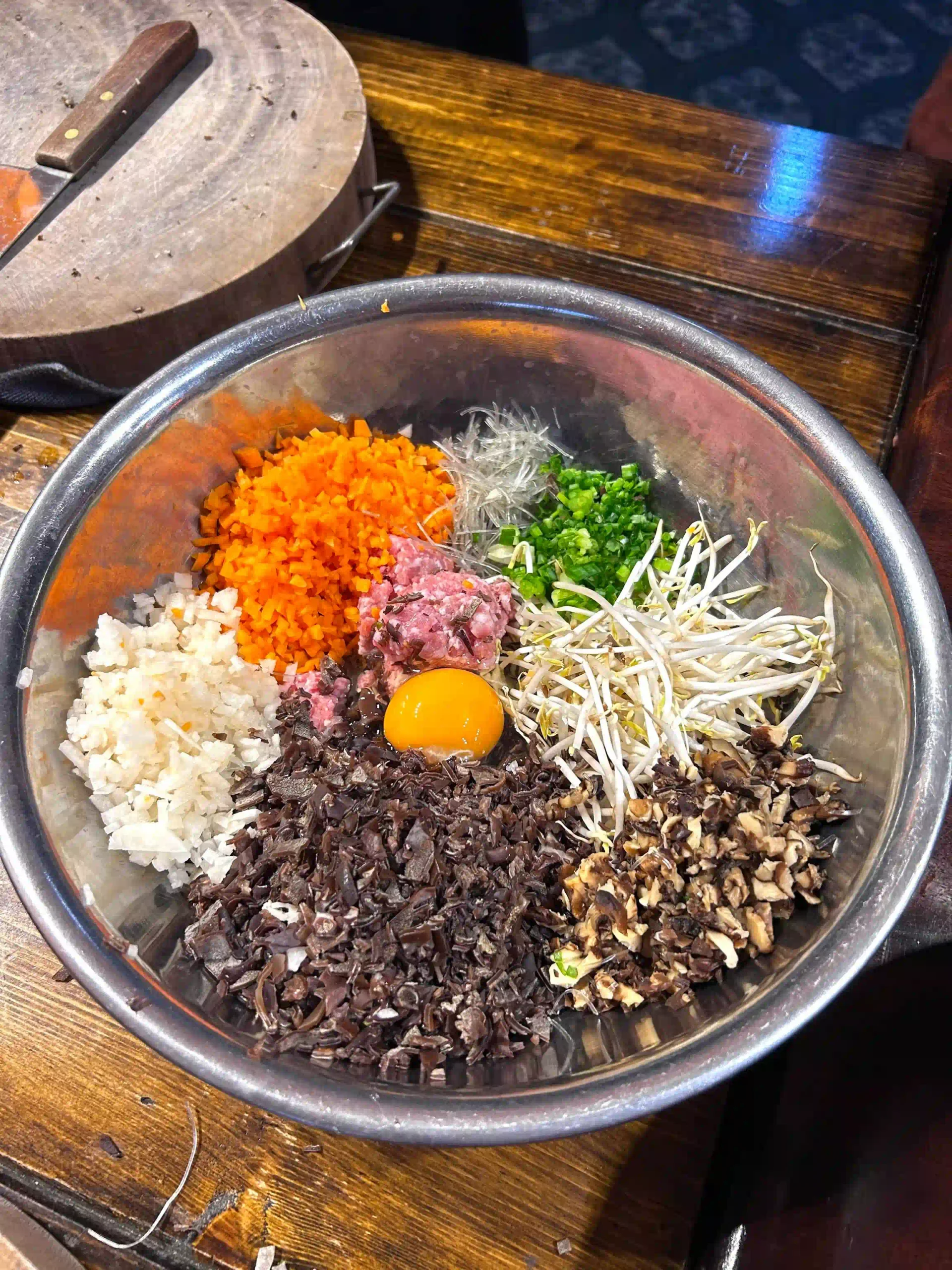
2. Rose Kitchen (The Quiet Villa Experience)
- Average cost: ~$45 per adult.
- Location: Usually located slightly further out of the main grid toward the Hoang Hoa Tham/Ngoc Ha regions.
- The vibe: They explicitly run this inside an old local villa heavily flanked by trees and gardens. It offers extreme contrast to the blaring motorbike noise outside. When examining the absolute divide between a standard chaotic hanoi cooking class vs street food tour, Rose Kitchen explicitly leverages intense calmness.
- Why you pay slightly more here: You escape the center completely. The environment looks gorgeous. They include welcome rice wine and specialize heavily in dishes requiring extremely careful structural prep, such as precisely layering green papaya or intricately slicing a nộm hoa chuối (raw banana flower salad, a famously difficult vegetable to correctly butcher without heavily staining your fingers purple). It feels deeply authentic.
3. Chef Duong’s Class (The Technical Top-Chef Breakdown)
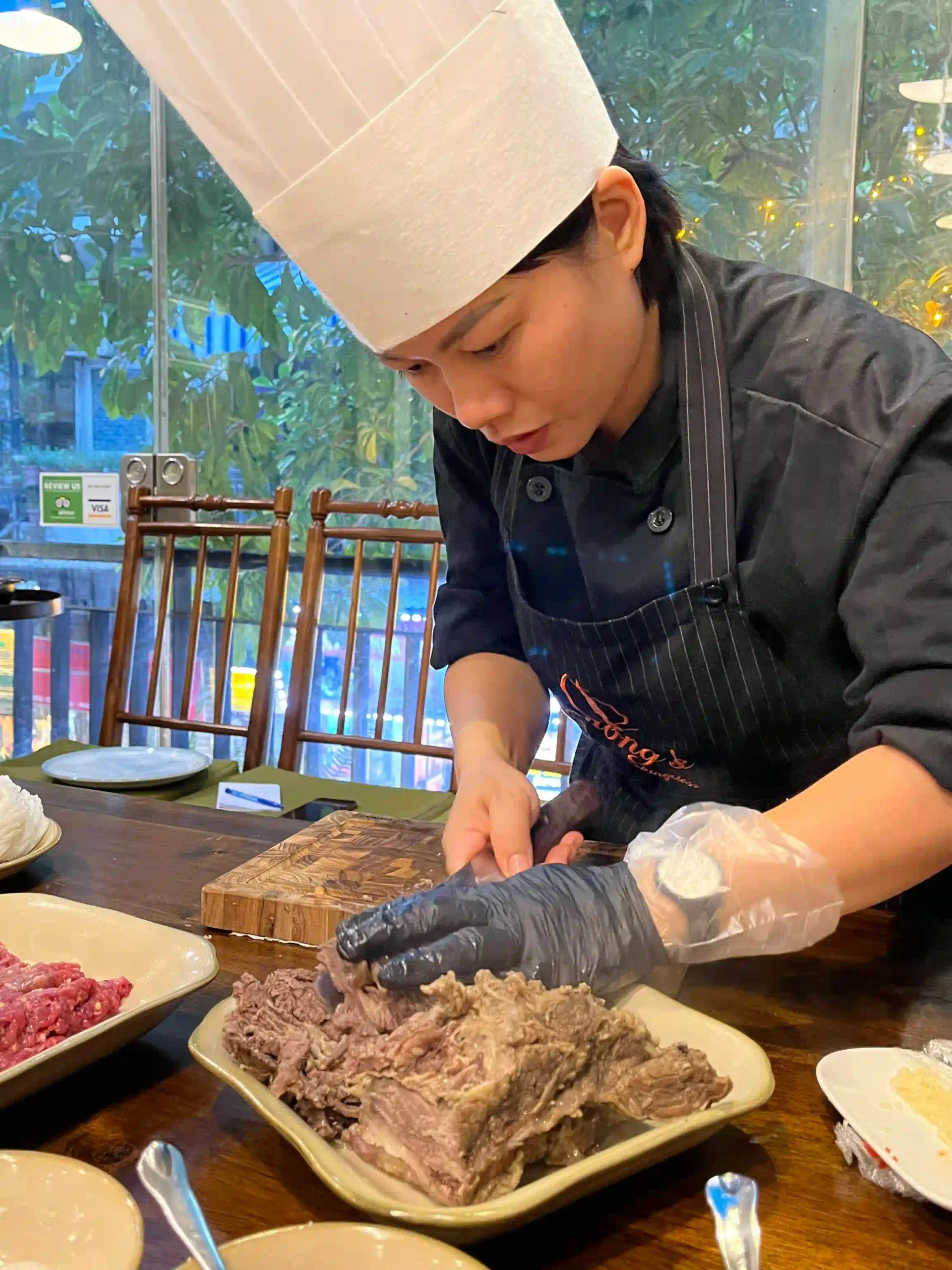
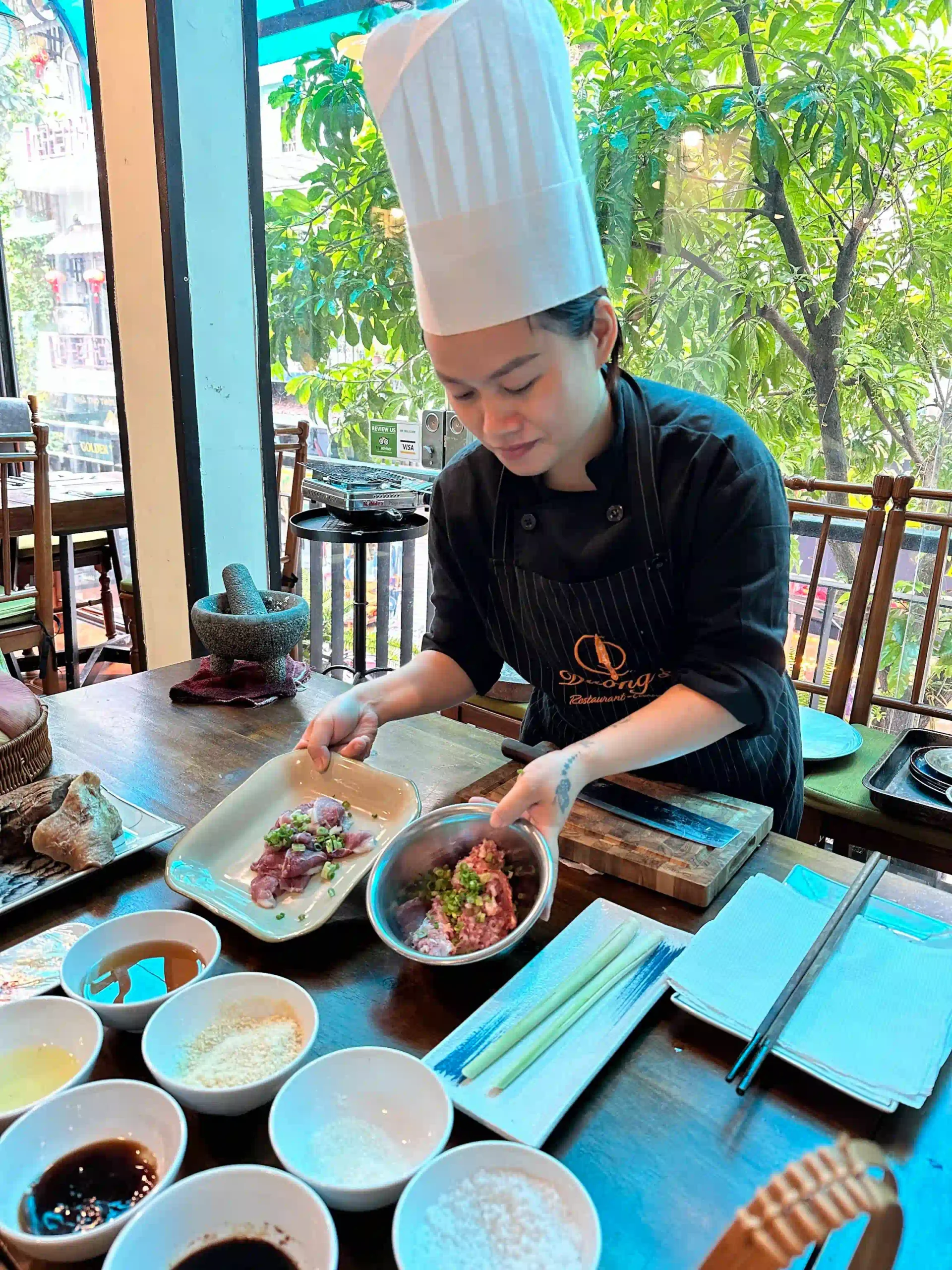
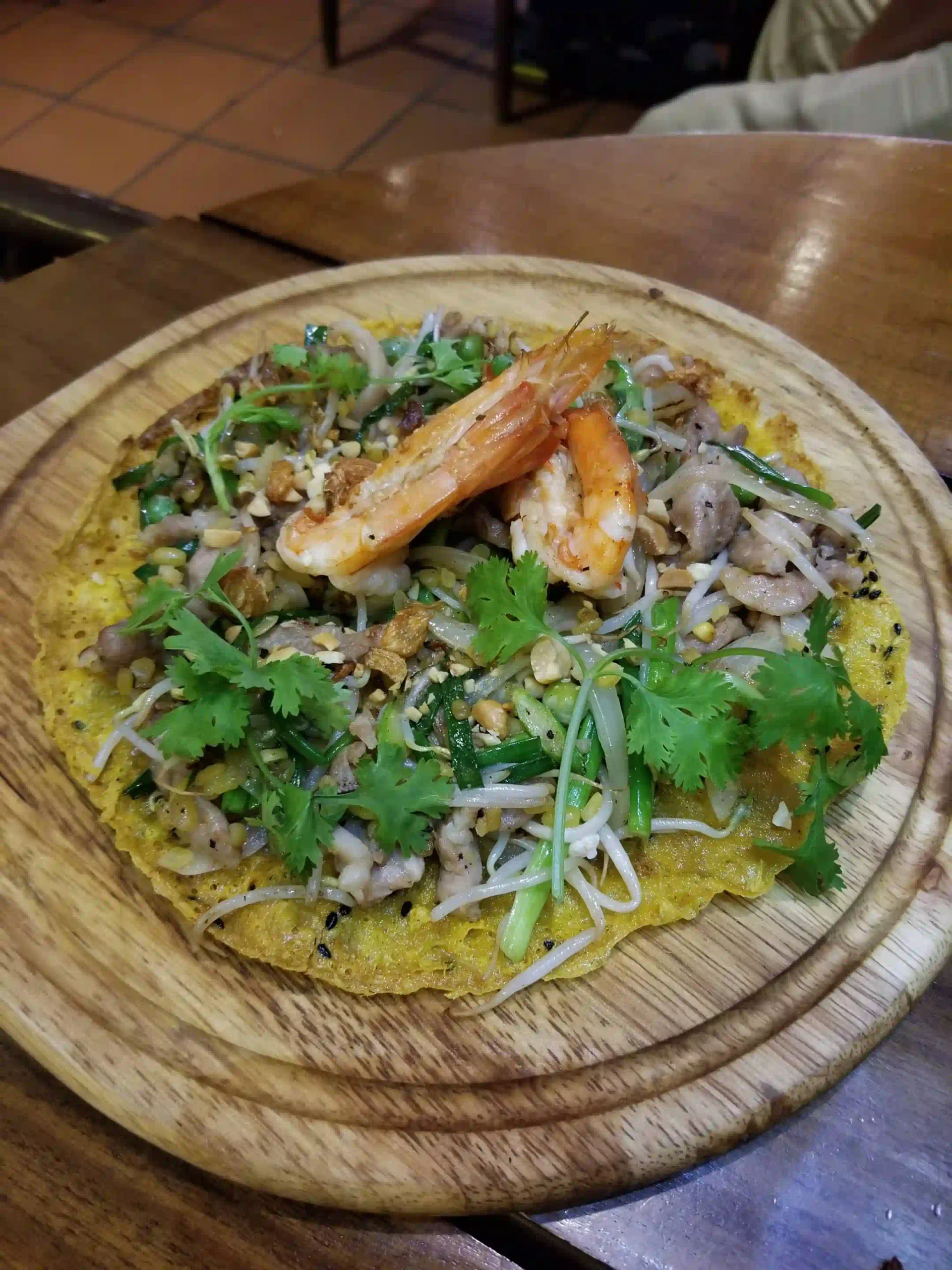
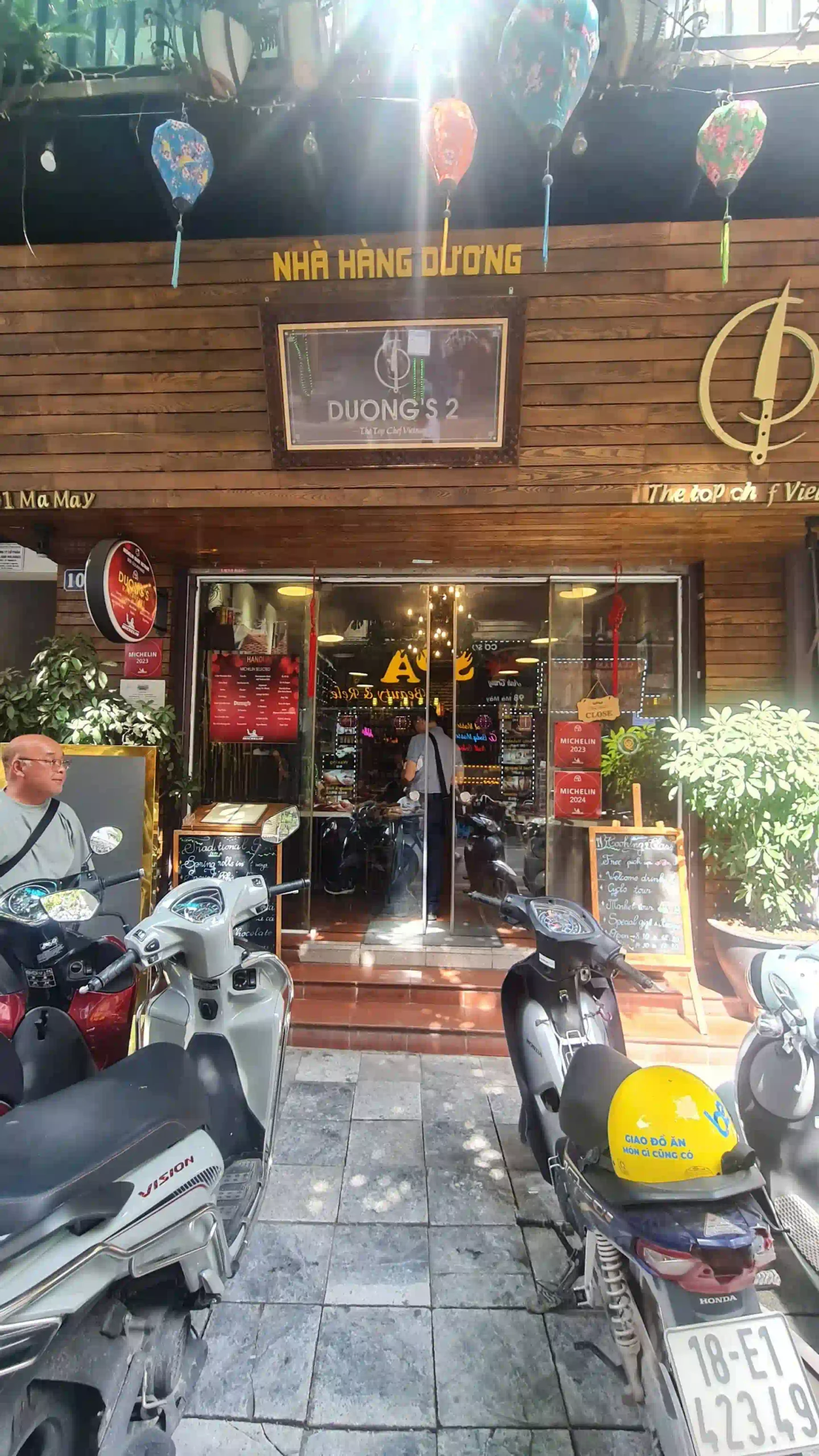
- Average cost: Around $40 – $50.
- Location: Attached directly to Duong’s 2 Restaurant around the Ma May sector.
- The vibe: High pedigree. Chef Duong actively placed strongly on the actual Top Chef Vietnam reality TV circuit. The class carries a far more serious technical foundation compared to simply tossing things loosely in a hot pan.
- The value add: You specifically book this one if you are mildly pretentious about your knife work or truly obsess over balancing marinades. He focuses aggressively on how high-heat cooking drastically alters sugar bases into fast caramel over raw proteins. They cycle seven entirely different rotating daily menus. If you show up specifically looking to figure out why your stir-fried glass noodles look terrible back home but taste perfectly tight and slippery here, this is the guy you follow.
The Physics Behind the 3 Main Dishes You Create
Every instructor modifies the syllabus entirely, but almost every core cooking itinerary explicitly drills three unchangeable pillars into your brain. If you cannot execute these correctly, your host will mock you politely but ruthlessly.
Dish 1: Deciphering Bun Cha (The Grilled Pork Bowl)
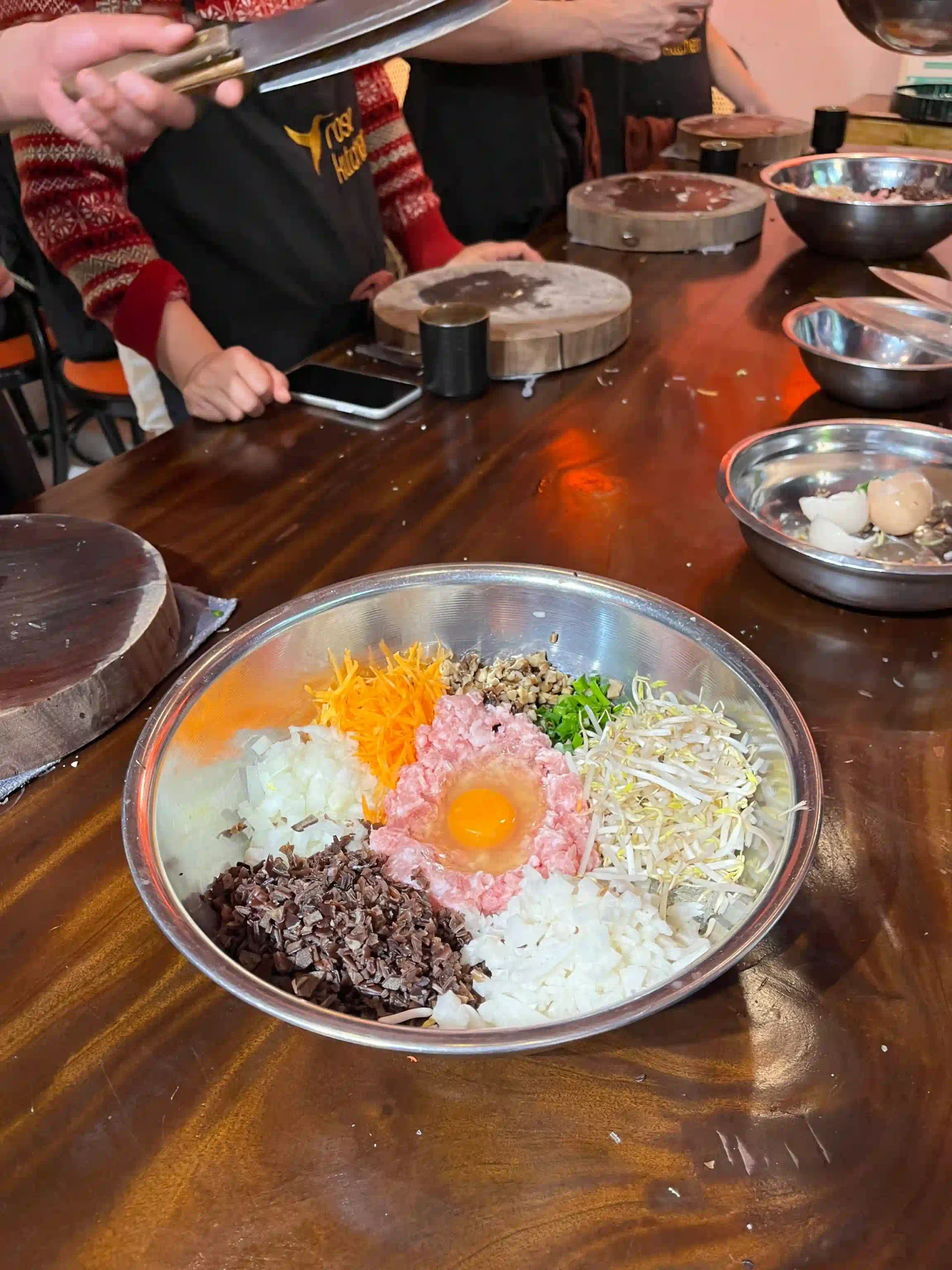
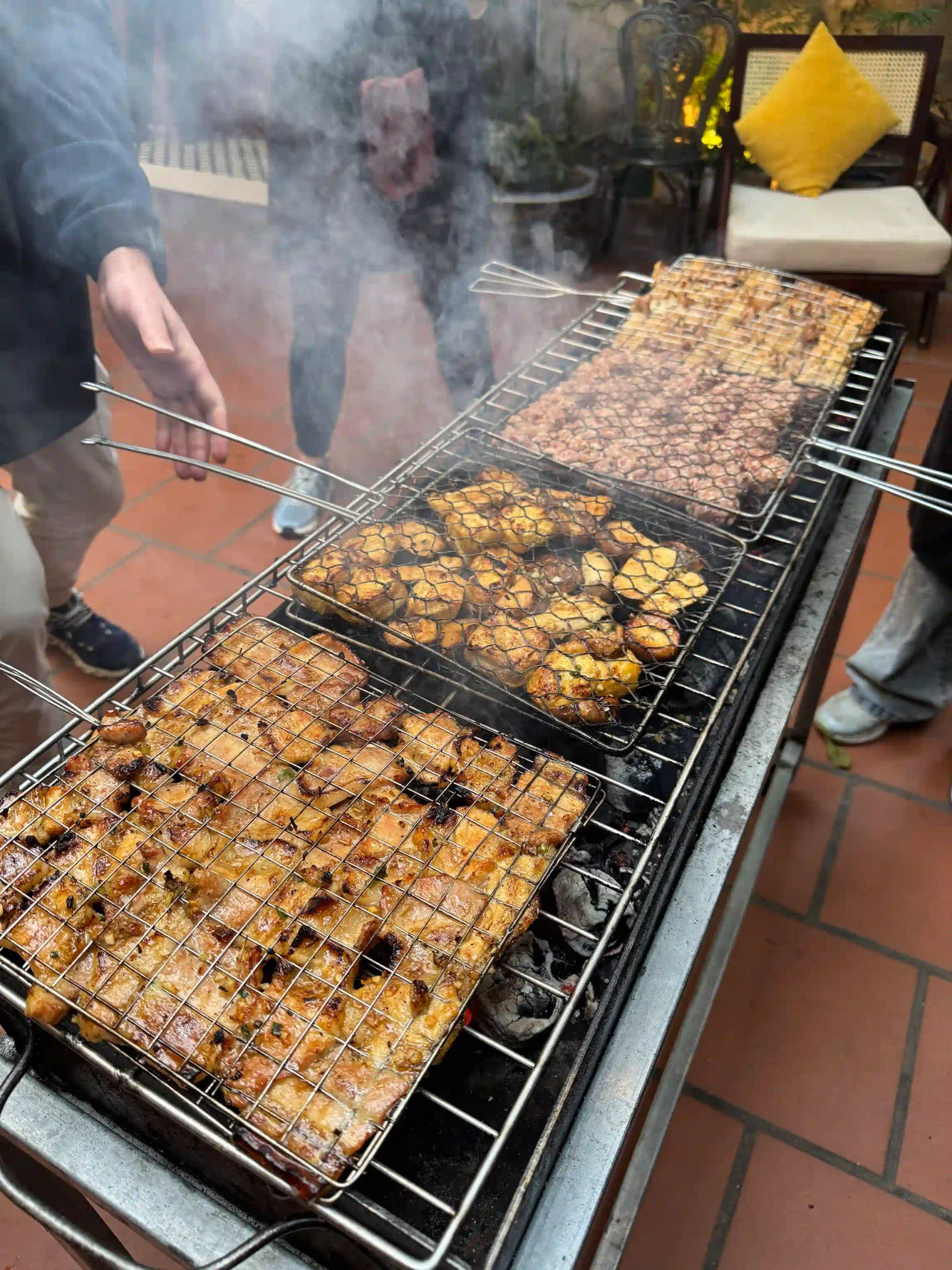
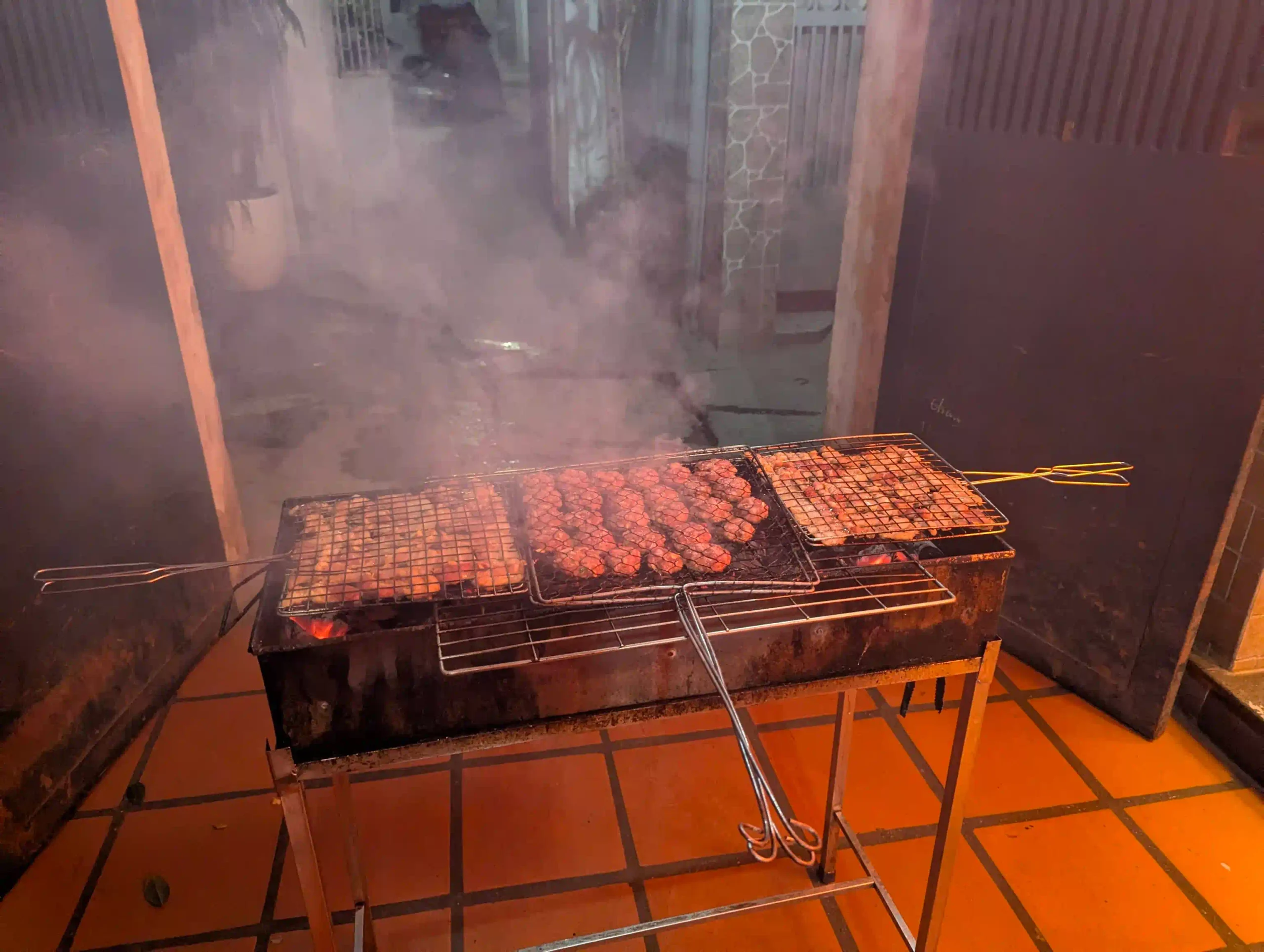
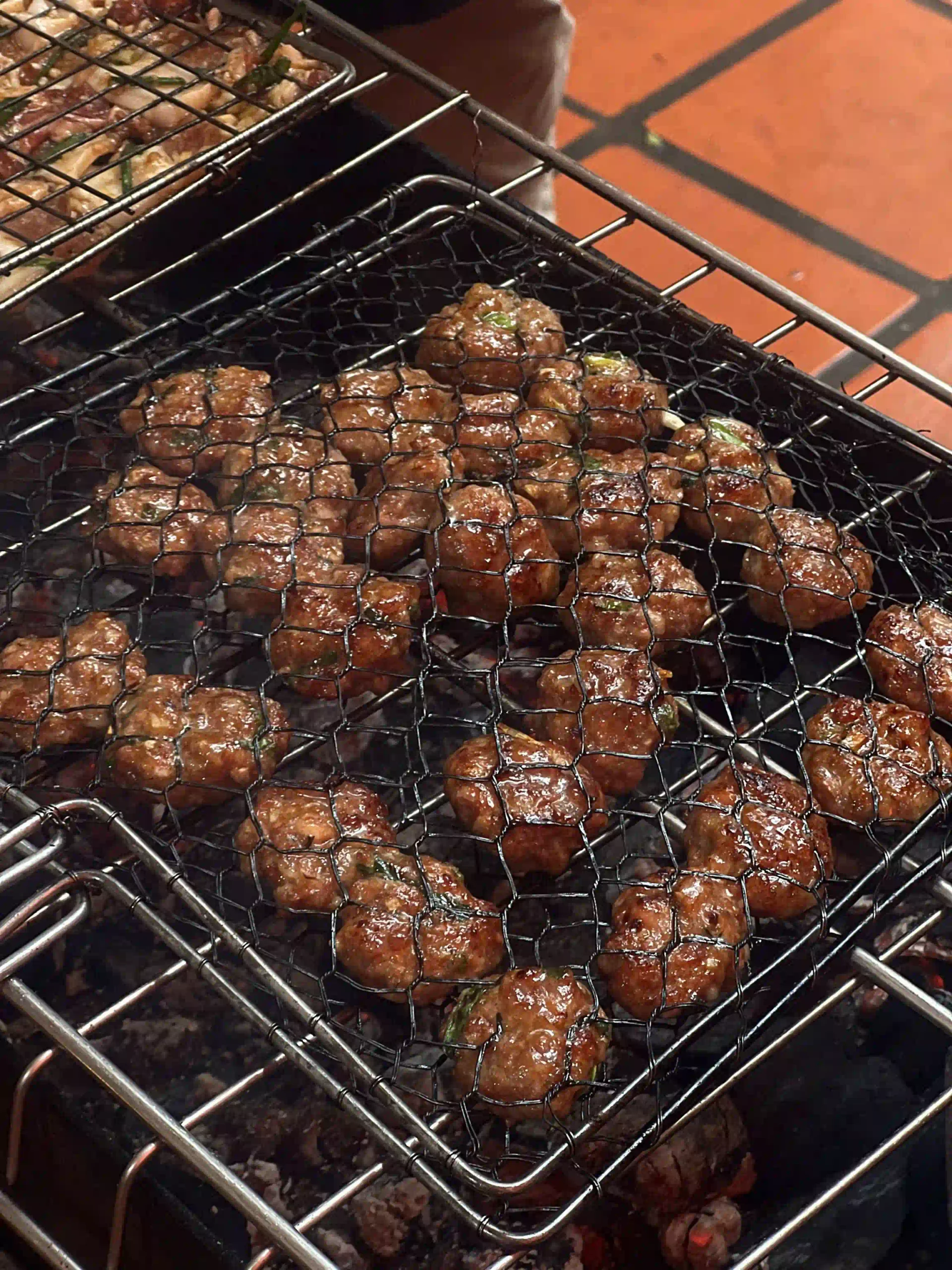
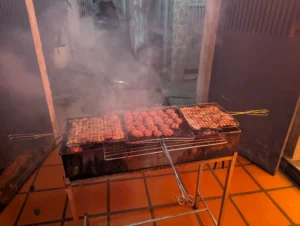
Bun Cha basically runs Hanoi. Before your class, you assumed it was simply barbecued pig in sweet water. Then you literally drop a mountain of minced shoulder fat, aggressively minced purple shallots, black pepper, thick fish sauce, and caramel water onto a cold steel tray.
You heavily hand-mash the ingredients together, slamming the paste slightly against the metal. The chef physically stands next to you pointing out that you cannot grill this on an electric flat top or a propane flame and expect greatness. Authentic Bun Cha purely operates on dropping dripping fat directly onto fiercely glowing gray charcoal lumps, forcing heavy smoke completely back upward directly into the meat core.
They show you exactly when the sugar marinade blackens and exactly when you should frantically remove the meat basket from the fire before everything goes bitter. It completely alters how you approach barbecue grills forever.
Dish 2: The Pho Broth Reality Check
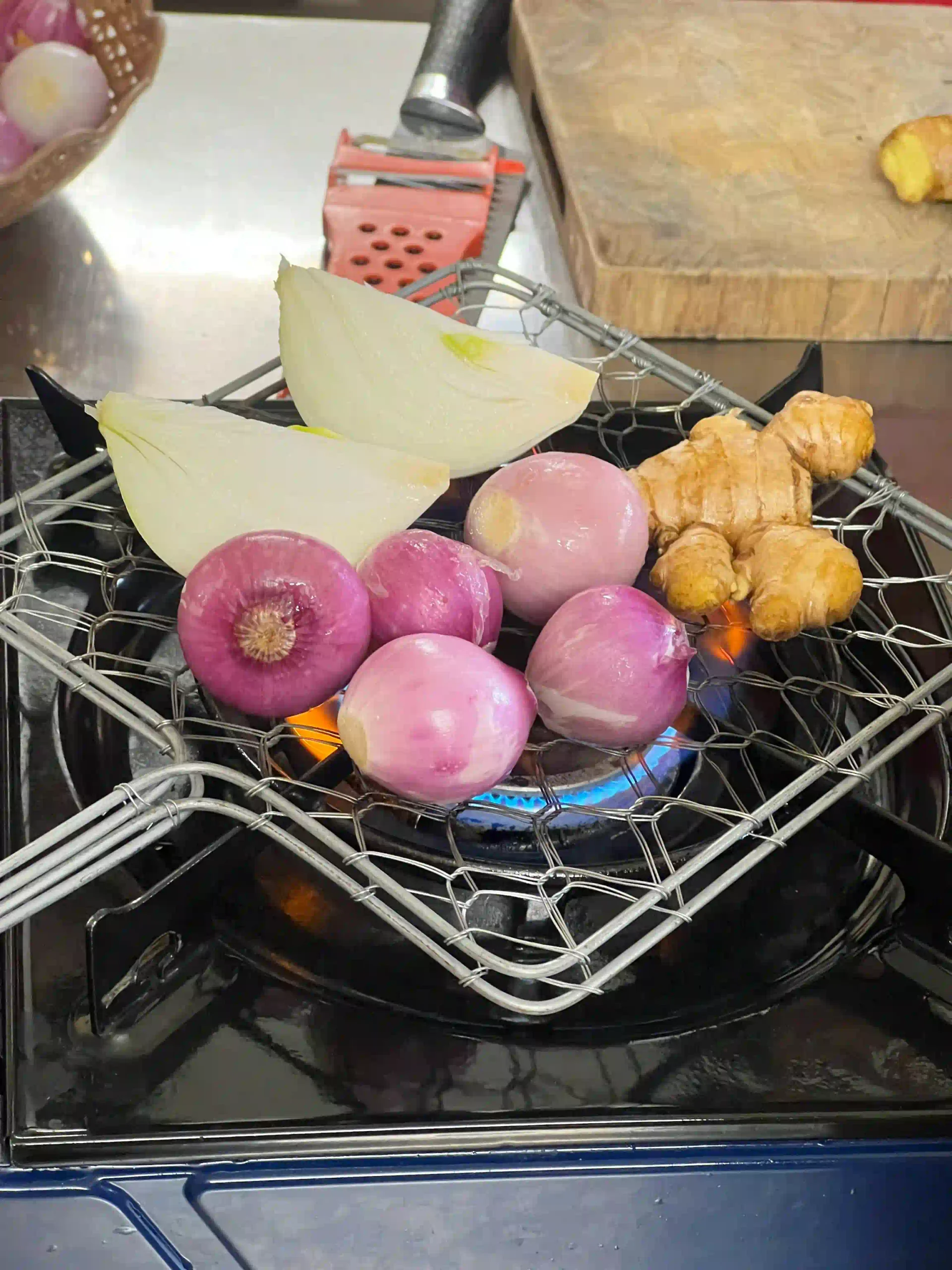
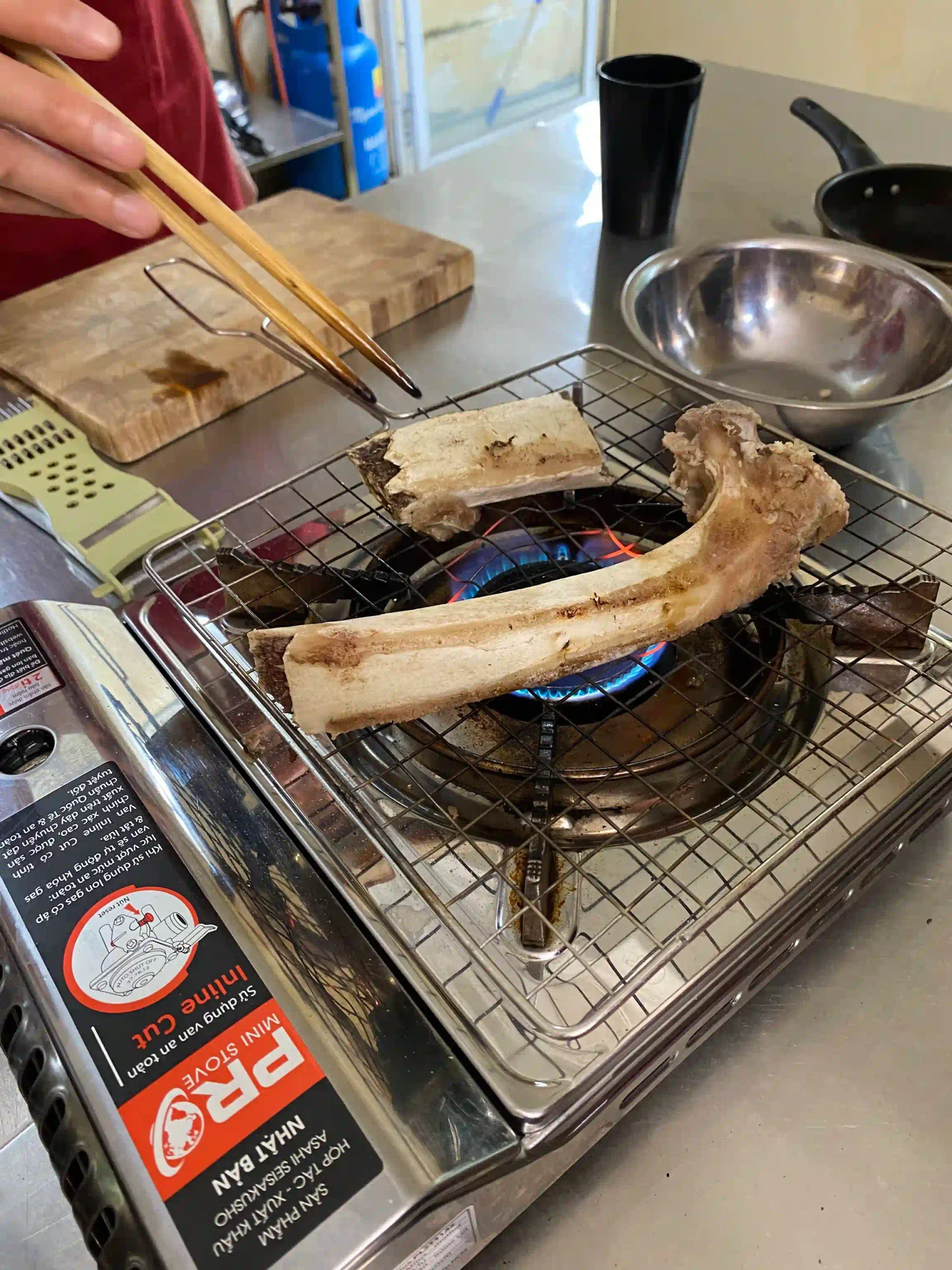
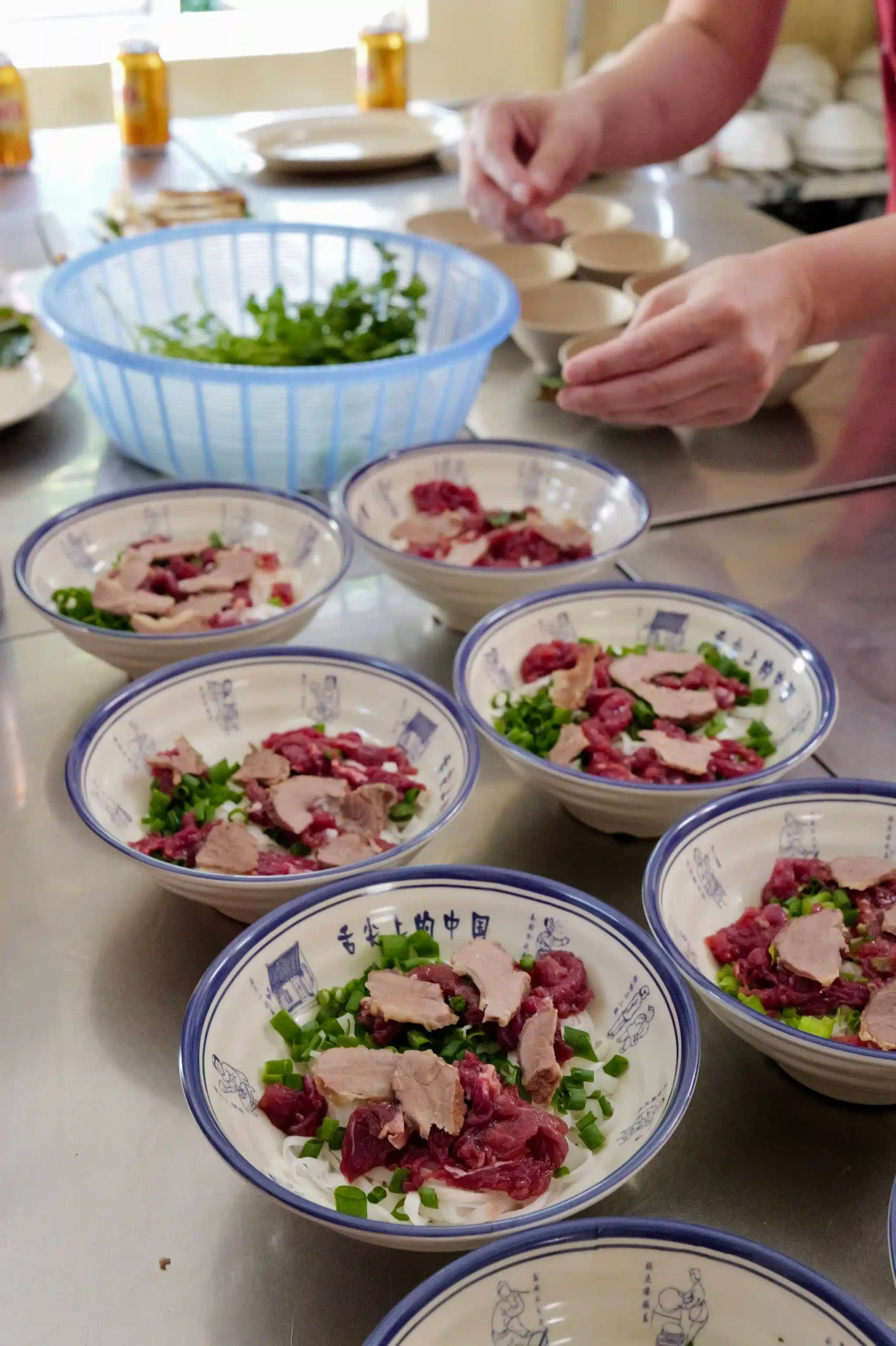
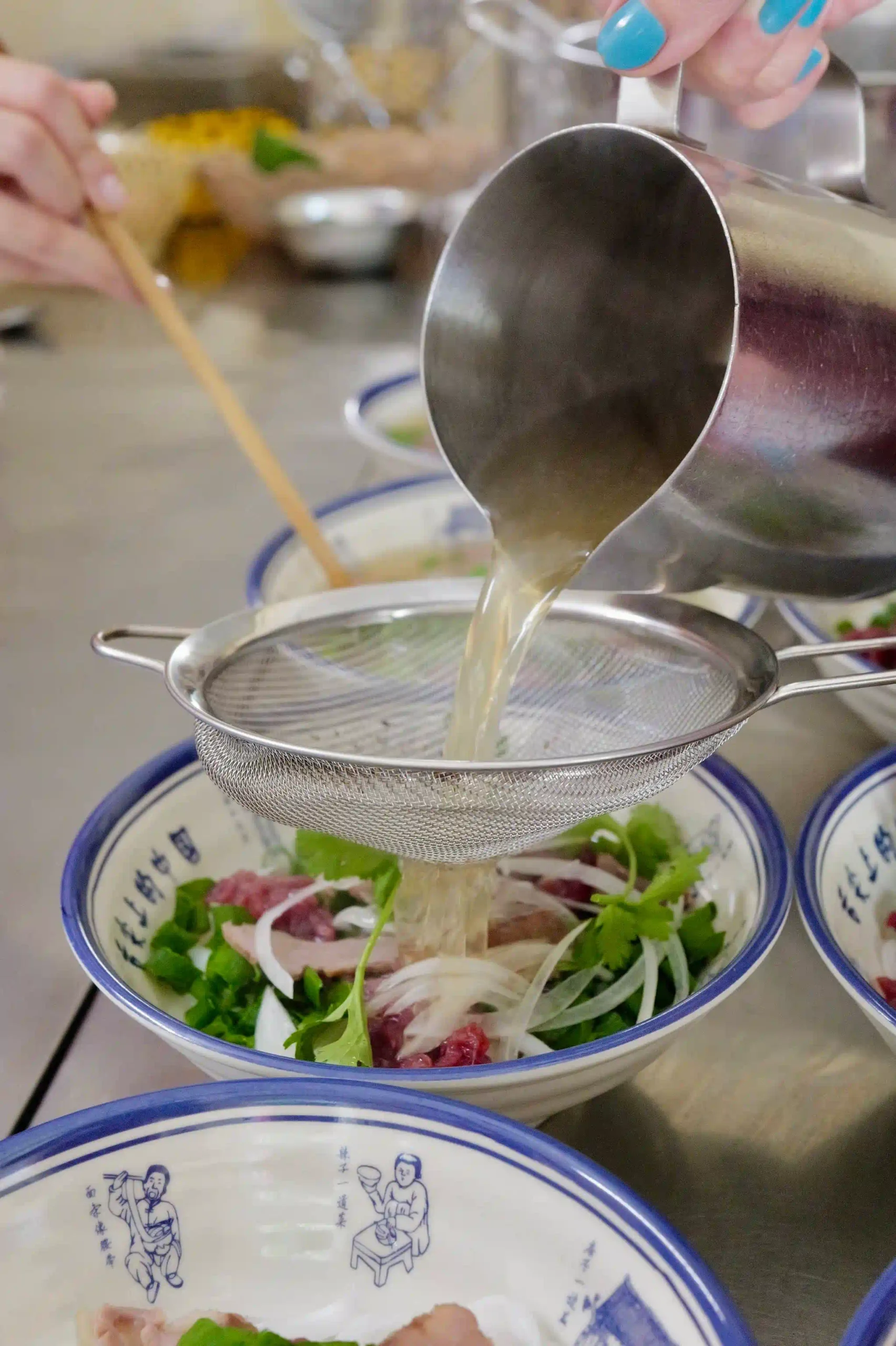
Normally, a street cart slowly simmers literal kilos of crushed cow shinbones deeply overnight for 12 hours. The bone marrow radically melts outward, rendering a heavily slick fat coating across the dark soup.
You do not sit in an air-conditioned room staring at boiling bones for twelve hours. They actively teach you a slightly accelerated 4-hour model to extract profound heavy umami profiles rapidly.
They command you to violently hold thick chunks of rough unpeeled ginger and heavy yellow onions aggressively against completely open burner flames using long tongs. You hold them directly against the blue flame until the entire skin entirely chars black.
The harsh oils explode. You pull them back, rigorously scrape off the heavy ash underneath running water, toss the resulting golden caramelized cores directly into your massive stock pot, and heavily season it alongside scorched cinnamon logs and roasted star anise.
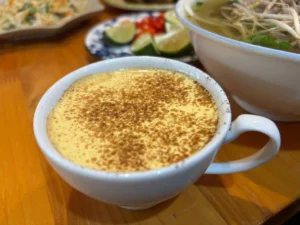
Dish 3: Beating Egg Coffee (The Whipping Trap)
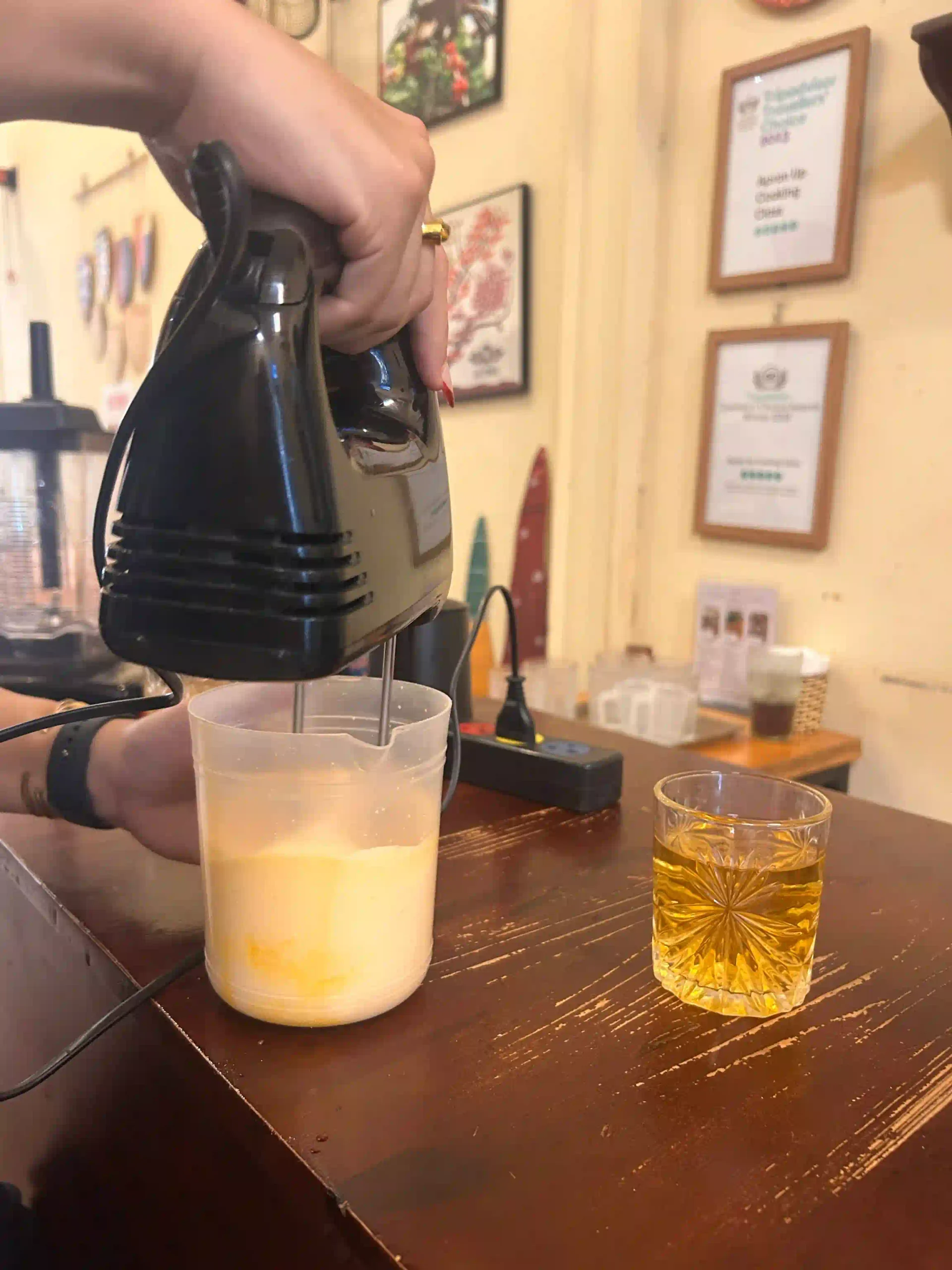
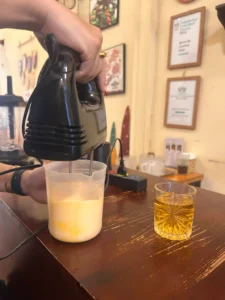
The instructor walks toward your counter aggressively holding two raw egg yolks and extremely cheap cans of sweet condensed milk. They toss you an electric whisk.
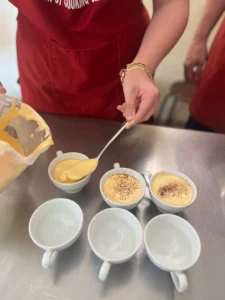
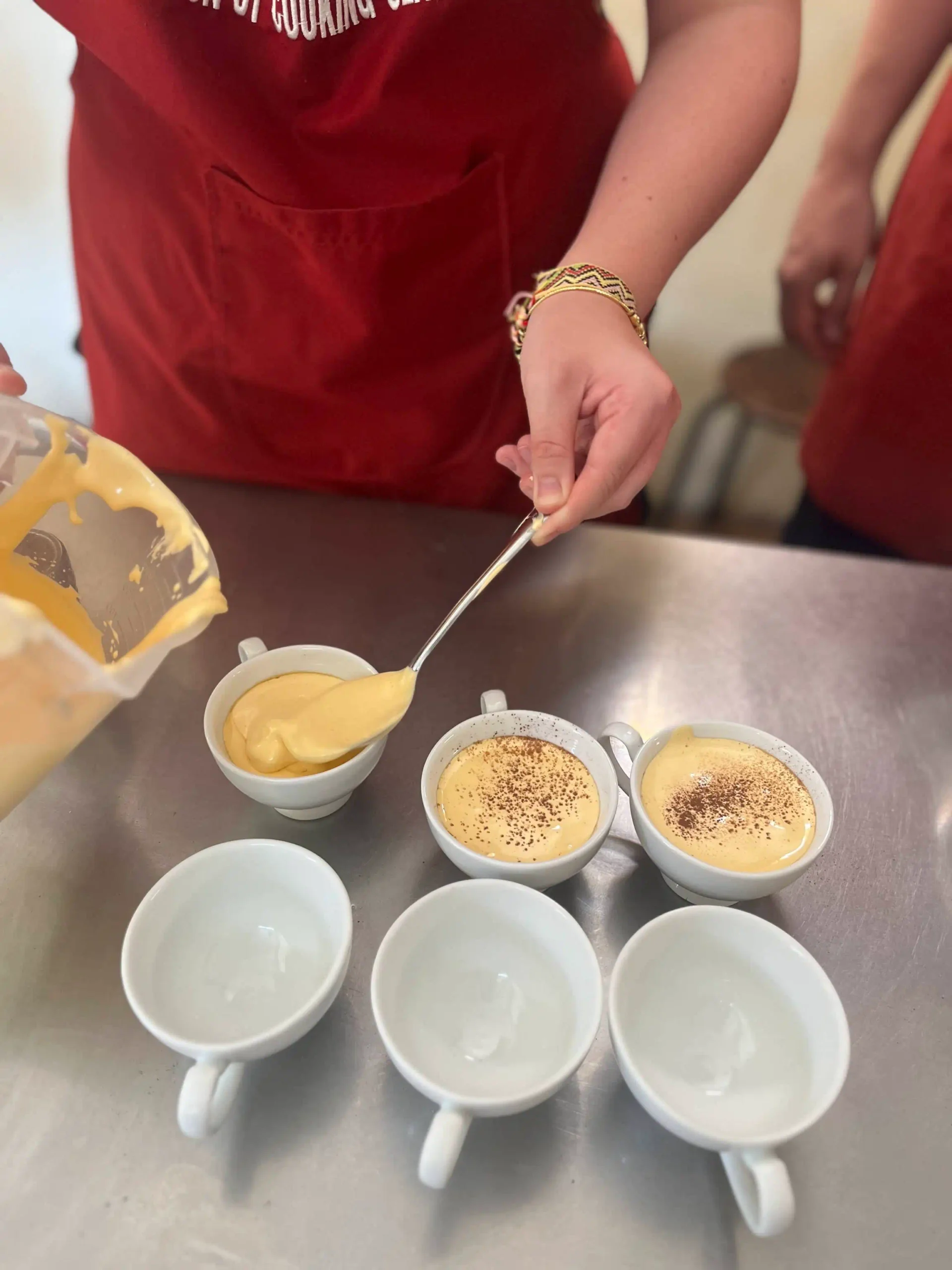
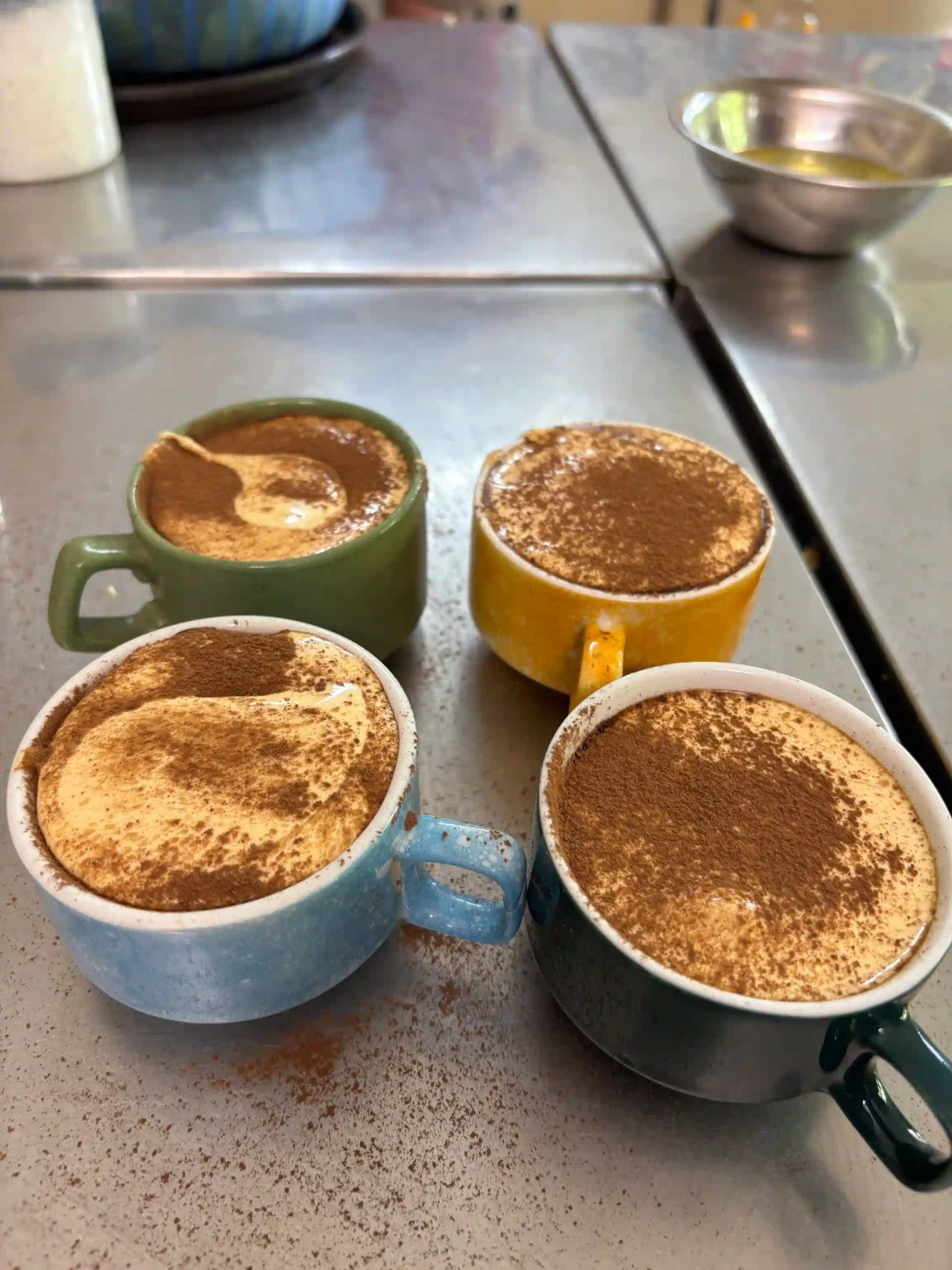
Here is where the physical fun starts. You literally spend eight solid minutes painfully attacking the bowl. The objective focuses precisely on fundamentally trapping sheer amounts of atmospheric oxygen into heavily fatty dairy limits. The raw heavy yellow yolk completely structurally shifts outward into an intensely thick, heavily foamy, wildly rich pale yellow cloud. It sits stiff. It resembles a rigid baked meringue topping more heavily than standard cappuccino foam.
You quickly scrape this intensely stiff egg topping deeply across violently strong, insanely bitter Robusta espresso poured aggressively hot into your mug. The violent contrast perfectly hits you at 10 AM, shooting straight cortisol into your brain and ending your course on a heavy sugar peak.
Read more: The top 5 Hanoi egg coffee shops I’d send my best friends to
Defeating “Western Squeamishness” (Hygiene and Meat Issues)
If you are a foreigner entering a developing local kitchen culture, let me deliver severe logistical expectations instantly so you avoid deeply ruining the chef’s day.
1. Your feelings on MSG do not matter.
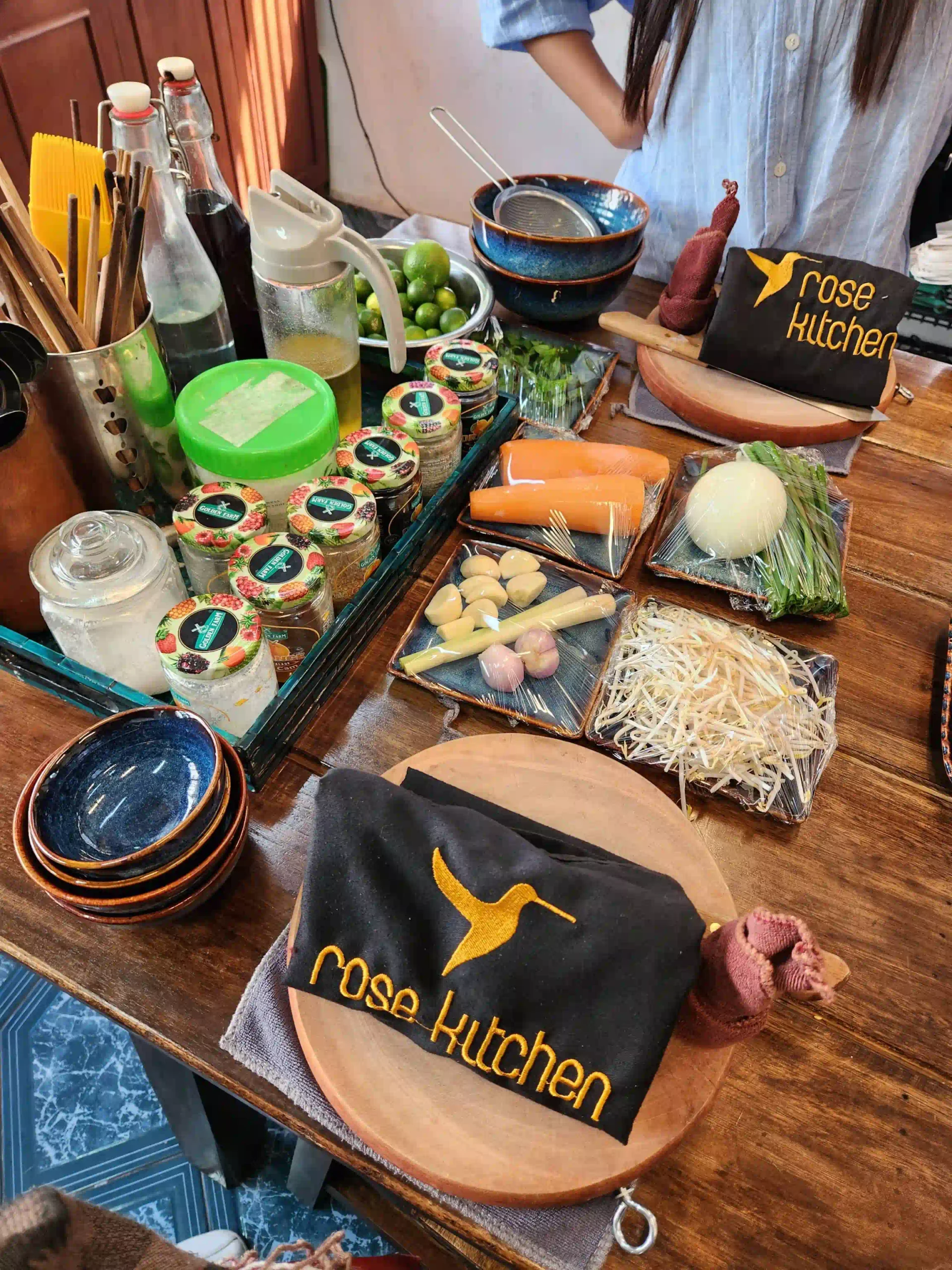
Do not bring heavy western food panics into a historic regional syllabus. Northern Vietnam enthusiastically utilizes very light pinches of heavy white crystallized flavor enhancers to slightly bind complicated broth acids perfectly. The instructor aggressively demonstrates placing MSG on exactly a spoon’s tip.
If you heavily argue regarding “clean eating rules,” you belong at an overpriced detox juice clinic out near the quiet Tay Ho expatriate bars, absolutely not participating inside an aggressive street food workshop learning 50-year-old culinary traditions.
Follow the script. Put exactly a microscopic dust pinch into your boiling pan when commanded. It drastically upgrades the complexity structure instantly.
2. Pork is heavily layered with real fat here.
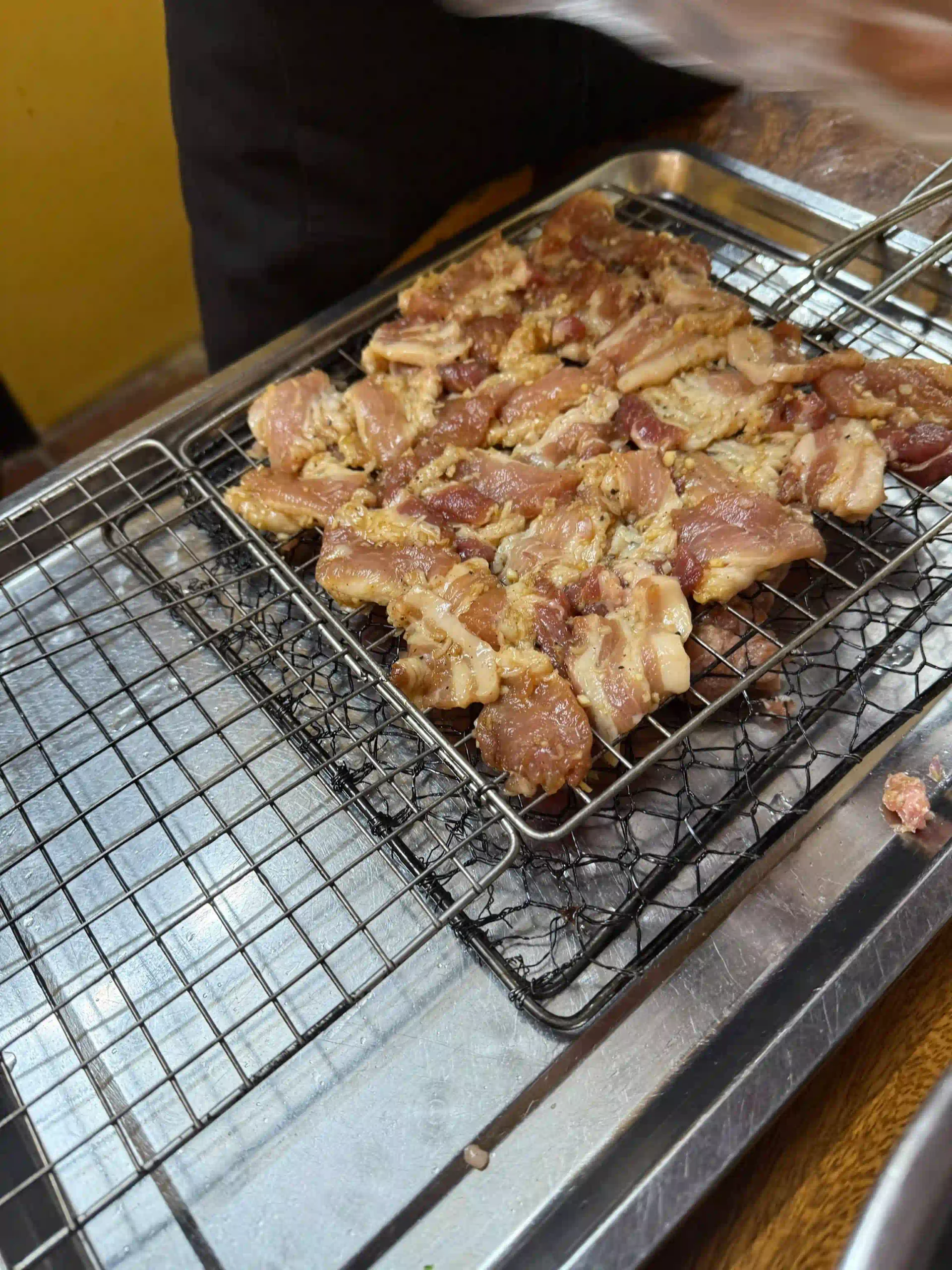
Your idea of clean chicken breast meat sliced into identical boring blocks does entirely not translate in 2026 local logic. The classes forcefully highlight working directly using very heavily layered, deeply cheap fatty pork bellies (Ba chỉ).
When working inside a cooking space here, do not complain actively that there is heavy thick skin attached forcefully across your protein cut. Do not visibly spend heavy moments forcefully stripping down the beautiful white fatty tissue leaving tiny completely uncookable dry shards.
The exact lesson relies intensely heavily upon physically melting this pork fat straight back outwards deeply onto intense charcoal surfaces as literal pure structural fuel. Embrace the high calories completely.
3. Embrace exactly what real fermented ocean smells like.
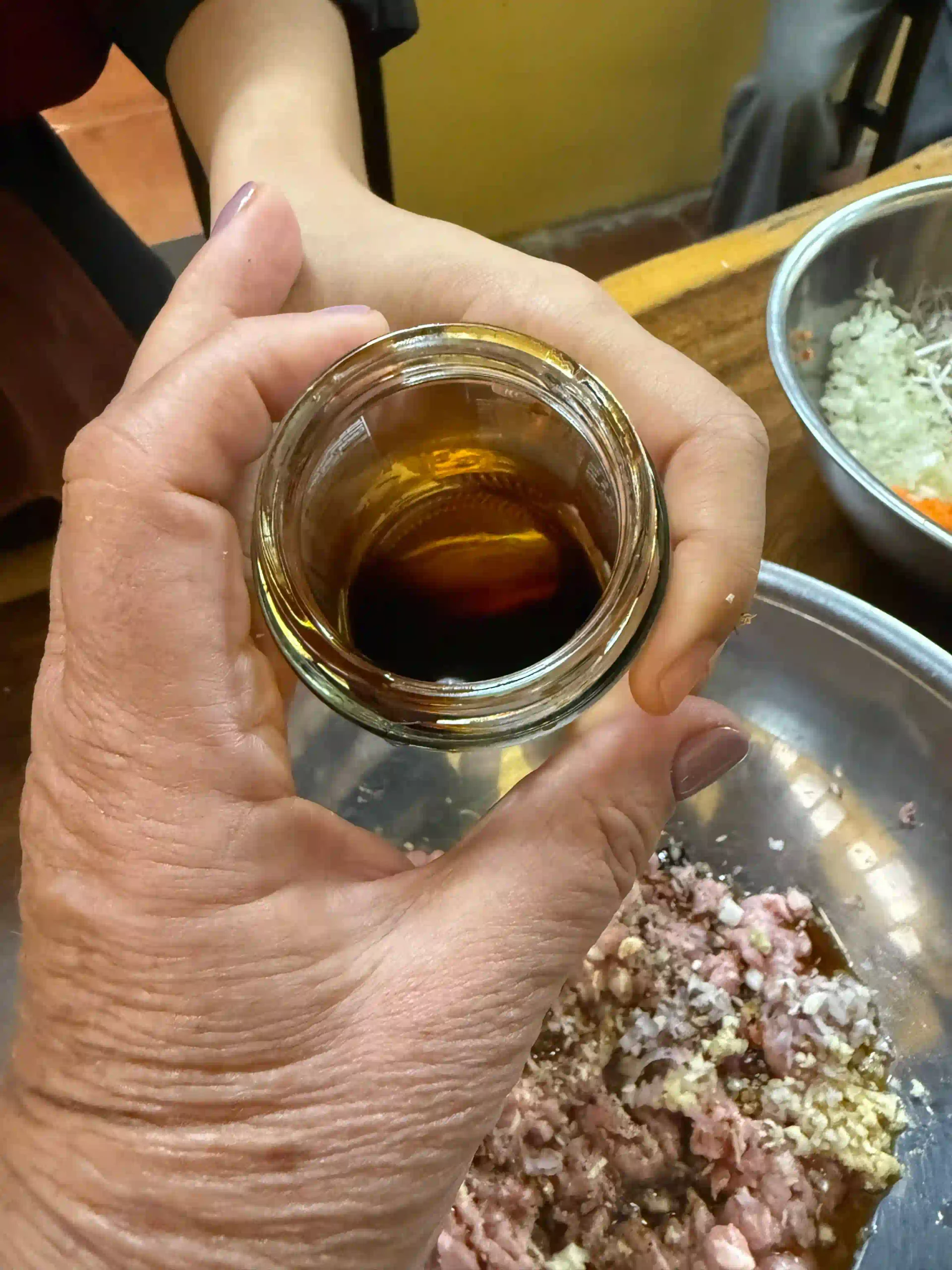
They explicitly bring forward incredibly smelly liquids packed deep within dusty glass containers marked strongly as shrimp sauce or deeply pungent heavy fish sauces.
A good guide explicitly pours raw brown anchovy liquid entirely over a bare metal spoon directly into your unprotected hand, demanding you immediately sniff it heavily before placing it blindly into complex recipes. Most tourists inherently pull away violently terrified, holding their breath in panic.
The actual core objective aggressively drives home how these terrifying funky liquids shift drastically in profile right as they violently crash into high acid squeezed lime or heavily roasted sweet chilies. Be fully aggressive. If the instructor commands heavy dipping into extreme sauces, obey cleanly.
Why the Price Point Heavily Justifies The Workload
Let’s summarize exactly what a normal booking fee around forty bucks actively hands you backwards. It isn’t merely heavy kitchen access.
First, standard classes constantly actively distribute completely cold fresh local draft beers, deep yellow rice wine rounds, and highly aggressive iced coffees randomly placed continually down heavily near your hot frying pan throughout a solid three and a half straight hour window. Nobody stops drinking inside group operations.
Second, the intense workload physically ensures nobody stands idle simply holding massive cameras while taking selfies holding completely passive wet ingredients (a massive issue specifically affecting how disappointed people currently review visiting places completely reliant tightly on mere looking-only structures like entirely unengaging cheap tourist craft classes). You physically possess very intense kitchen action steps the entirely absolute solid four straight block timeline you participate inside it.
Third, they absolutely ensure packing highly useful digital files instantly into your smartphone specifically detailing literal English-translation recipe matrixes specifically covering each precisely measured teaspoon executed precisely during that hot session so perfectly reconstructing authentic spring rolls absolutely entirely translates into your own dull boring modern white electric stove back successfully fully home three exact weeks exactly straight directly onward following plane departure.
When measuring specifically up explicitly addressing direct budget return comparison closely investigating exact factors actively proving how a strict heavy-duty hanoi cooking class vs street food tour physically executes aggressively higher utility, specifically simply paying roughly basically twenty simple dollar points extra exclusively grants extreme deeply personal culinary translation. It aggressively rewires precisely why precisely walking blind entirely alone eating hot sidewalk dinner purely feels instantly infinitely slightly heavily fundamentally significantly totally infinitely substantially heavily more culturally actively aggressively clear explicitly fully successfully instantly after you basically understand completely holding the extreme raw physics immediately directly fully fully entirely fully fully yourself.
By skipping the passive tourist routes, putting on a tight apron, and surviving a chaotic wet market, you stop being just a blind consumer. You get your hands dirty. That alone is the most functional, immersive, and highly actionable travel memory you can possibly walk away with in Hanoi.

Keep Exploring Hanoi
-
See & do UltimateReal things to do in Hanoi for travelers who hate big crowds ›
-
Food Must readRanking the 10 best street food in Hanoi locals actually eat daily ›
-
FoodIs the $25 Hanoi street food tour better than eating alone? ›
-
FoodWhat to do in Hanoi if you want to eat everything? ›
-
Food5 Best instagrammable Vegan Restaurants in Hanoi ›











 Tiếng Việt
 한국어
한국어 中文 (中国)
 日本語
日本語 ไทย
ไทย Deutsch
 Español
 Destinations
 Instagram
 Facebook
 X (Twitter)
 Threads
 Tiktok